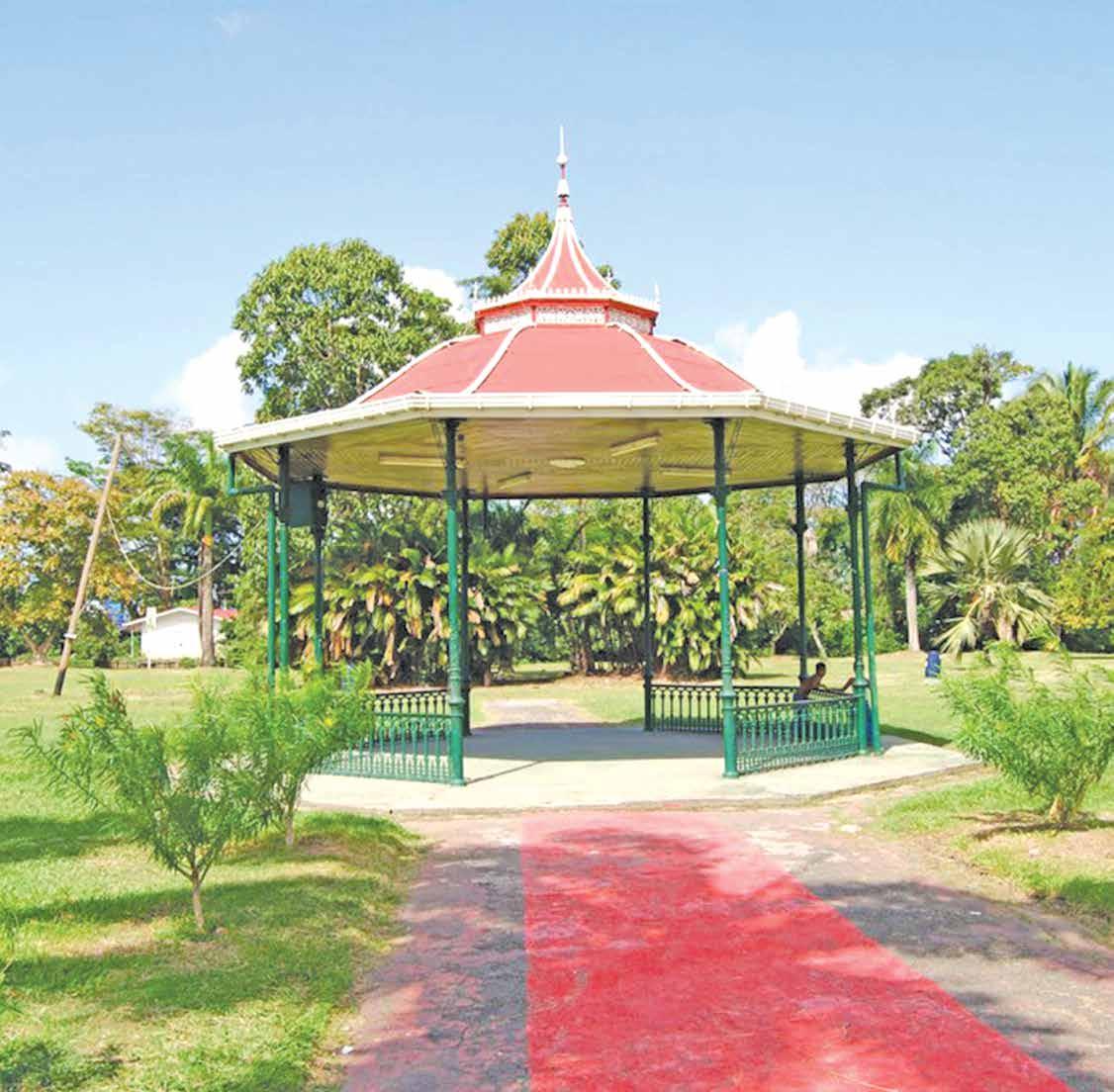



Landmarks and mon-
uments narrate the rich history of our nation, and in Essequibo, Region Two, is where many of these are located.
In the south of the Essequibo Coast is the Danielstown Anglican Church. According to Historian Isahack Basir, CCH, in the post indentureship period (1838-1860) the slaves brought two prominent villages: Queenstown in 1840 and Danielstown.
Danielstown had one of the first two post offices in Essequibo and the first Barclays bank.
Then there is the Devonshire Castle 1872 monument. The monument is located at Cabbage Dam
and is presently owned by Ramesh Roopam.
In Anna Regina, another precious landmark is the Anna Regina Chimney. This chimney was one of several chimneys built by the ‘British landlords’. While Hampton Court Chimney was blast down in 1934, markings on Aurora Chimney reveal its origin in 1908. Anna Regina sugar factory was abandoned in the 1920s as rice industry emerged. By 1950 the Colonials Development Co. CD converted the factory to a rice mill, then GRDB by 1964. It was later sold to Caricom Co in 1991. Located three miles west of Anna Regina and parallel to the Tapacoma main ca-

1860 by the white plantocracy replacing a Dutchmade bypass prior to 1980. This waterway was the only available inland route to the Pomeroom River, since

where four sugar workers were killed in 1872. It was the first time when indentured Indian sugar workers were killed in Guyana.
In Cotton Field, approximately a village away from Devonshire Castle, is the Dearoop Maharaj Building Coffee Grove. This historical building dates back to 1860s and was formerly owned by a colonial sugar planter, Peter Rose. It was then sold to Santos together with Danielstown. Later in 1890 it was sold to Dearoop Maharaj, a wealthy man from India. By 1985 it was purchased by Ivor Allen,
nal is the Cheddi Jagan Bio Diversity Park Lima Sands. The site encounters a high sand dam built by slave labour in the early 17th century to facilitate water supply to several sugar estates from Richmond to Walton Hall. The original canal blocked by an iron punt is noticeable. The Lima Sands, first elevated area from the coast land, was a hiding place for runaway slaves.
The Chinese Lock is located three miles inland of Anna Regina, alongside the road leading to Lake Mainstay. This structure was made in the period of
there was no road from Darthmouth to Charity. Travellers and government officials had to use canoe, paddling for 10 hours to reach the Pomeroon River, passing the police check point at St. Deney’s mission, Tapacoma. Loading and discharging commuters was done in the exiting canal alongside the Anna Regina Chimney.
In Bush Lot, the Settlement Monument is a landmark that was made in 2008 in memory of 75 families who were displaced in 1920 when Anna Regina Sugar Estate closed down simultaneously. The exist-

ing logies were broken down and the area was flooded by the landlords. It was a human disaster of unthinkable proportion, resulting in suicide by hanging and human torch. Some of the mango trees used for suicide are still visible. Abdool Raymon, Mc Doom Khan and Bongawan of Lima witnessed those incidents. The existing Governor Guges Burg came to Essequibo
long line of protestors was confronted with “white police killers”. There was an existing church in the area and protestors took shelter there, and that was where they were shot and the church burnt down.
In Henrietta, the Red Top Colonial House is approximately 10 decades old. It was used by Junior Familiar Staff who owned Anna Regina Sugar Estate;
Regina car park. This masterpiece, made of bronze, is the icon of Essequibo’s history. The revolution slave of Devonshire Castle sugar estate, Damon, commenced organising his group in the late 1820s, when they heard that the British Parliament in 1807 called for an end to slavery on their “colonial dominion”. The estate owners had a constant eye on him as a group leader.

and donated a 20-acre abandoned sugarcane land and allowed the displaced workers to collect all remaining materials to build sheds and mud floor houses. The present site was donated by Brother Ramdial, also known as ‘Soap’. The settlement quarters disappeared in 1960.
The history of Damon’s Cross in La Belle Alliance dates back to the uprising of 1834 by Damon and his hundreds of followers. On the day of the uprising, the
at the time when about 50 sugar estates went bankrupt on Essequibo. The manager’s house, a nearby building where Dr Souza once occupied, was built by Nizam Barakat.
The Henrietta Catholic Church was rebuilt in 1980 and was one of four oldest Catholic churches built under British colonial rule and plantocracy domination.
In Anna Regina, the Damon Monument is a historic monument dominating the landscape of the Anna
He would usually escape at night to adjoining estate to garner support for protest. Traditional “hand drums”, which could have relayed messages for miles, were banned on his final assault on the system of slavery in 1834. Damon was caught and taken to Georgetown, where he was hanged in the public view, in the presence of the Parliament Buildings. Part of the Iron Over Head Bridge (Sowiya Sq.) is still noticeable and is locontinued on page 4


The semiprecious stones found in Guyana showcase the wealth of our nation. Below are brief notes on just a few of these stones and where they are found.
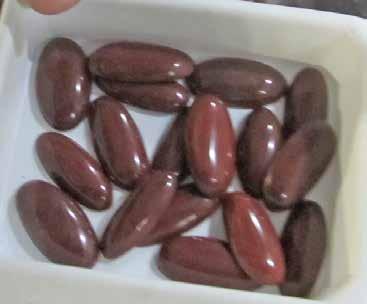
Jasper from Roraima plateau
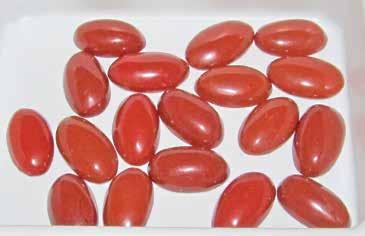
Jasper is impure, opaque form quartz, belonging to the chalcedony group of compact silica minerals composed of minute crystals of quartz with sub-microscopic pores. Impurities of iron oxide and iron hydroxide impact its characteristics red, brown, cream, yellow, grey or green colouration. Jasper is very hard and takes high polish, and it used widely as an ornamental stone.
Deposits containing more than 15 million tons of bedded jasper and chert are found within a ten mile radius of Orinduik, Kurukabaru and Kato villages which are connected by walking trails. Jaspers found in these areas
Kato River, a left bank tributary of the upper Mazaruni River.
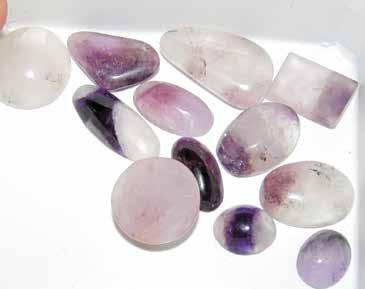
Amethyst from South Rupununi
Amethyst is a variety of purple of bluish-violet quartz which exhibits varying depth of colour. The name ‘amethyst’ comes from the Greek word ‘amethustos’ meaning

are red, grey, dark brown, cream, mottled, spotted dark brown/cream and banded dark brown/grey, but the deep red variety is the most common. Occurrences of the green jasper are confined to the upper reaches of the
“not-drunken” which was originally given on account of the curious but mistaken belief that the wearer became immune from the effects of drinking potent liquors. Its purple colour, due to iron impurities (possibly in conjunc-
tion with natural radioactivity), its transparency and vitreous lustre make this mineral suitable for use as a gemstone.
Banded and fire agate, North Rupununi Deposits of banded and fire agate occur in the North Rupununi savannahs in the southwest of Guyana. The best deposits are found in Bon Millee on an old terrace of the left bank of the Ireng River in the North Rupununi savannahs, approximately 31 miles north of Lethem and in a gravel bed deposit at Sishwa, 4 miles down the Ireng River from Bon Millee.
Black pearls from Aranka, Upper Cuyuni
Brown concretionary, ferruginous nodules from Aranka, Cuyuni River, Region Seven, are tumbled and polished to produce ‘Black Pearl’ beads of high quality, famed for their roundness, high lustre and the eye-catching silver jewellery creations they produce when set in rings, earrings, pendants and much more. Black pearl beads can be drilled and strung or past-

ed on to jewellery mounts. These pearls are easily recovered from enclosing Aranka clay by simply sieving and washing. Although the black pearls are reported in several other countries, Aranka black pearls are known to be the best quality. The legend associated with black pearls is that the original male Amerindian inhabitants of Guyana wore them to enhance their masculinity. Not surprisingly, the legend goes, the Amerindian women ensured that their men always have at least one black pearl in their possession.
Green quartz from the South Rupununi
An unusual sea-green variety of quartz from a residual deposit approximately 8km west North West of Aishalton is used to produce cabochons, paper weights and clocks. It is thought that the striking green colour is due to copper impurities in the quartz. Green quartz is especially appealing when set in gold, gold-plated, or costume jewellery. (Text by Geologist Karen Livan)


Athan 1,200, it is the home of mostly Wapisiana Amerindians.
Its famous petroglyphs can be found near the village, where acclaimed Guyanese anthropologist Denis Williams did extensive studies and theses on them. “The Aishalton Petroglyph Complex in the Prehistory of the Rupununi Savannas” authored by Williams, was submitted to the University of Guyana in 1979.
The drink of choice is ‘parakari’, a local drink made from fermented cassava in a complicated process involving up to thirty different stages. The result is a thick, greyishbrown brew, widely varying in strength and quality. If it is sweet, it can be drunk almost like water; if it is bitter, then it is a sign that the sugars have been turned into alcohol. It is commonly served out of a bucket, and traditionally drunk by the bowlful. According to custom, the “sharer”, whose job it is to replenish empty vessels, should return a shot for everyone he distributes.
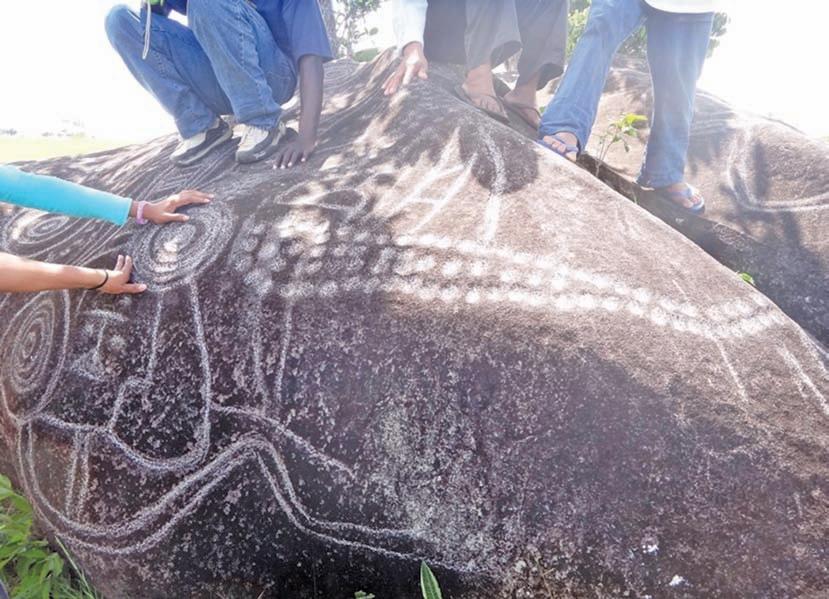
The engravings are fading as the rains cause erosion and the sun weakens the rock surfaces, but locals come out to trace chalk or paint the engravings so that they’re still visible

from page 2
cated at the Children Park in Anna Regina. Under slavery and indentureship, movement of workers was restricted. With indentureship, written permission was needed to travel to adjoining estate. Garden cultivation and fishing were prohibited. The existing mud roadways were used by mules to haul cane punts. In Anna Regina, no one was allowed to enter the managers’ square. This bridge was used to check workers
movements and also to allow cane punts to pass under. It was in the very canal where the two daughters of a white landlord drowned. Their names were Anna and Regina.
The Premier Park Damon Outpost is located at Walton Hall Seawall. In 1942, Gafforan, 80 years old, Jam Batasa, 88 years old, and Gerald Lawson, Joseph Trapp and Jocoob Garaway, all of whom were in their 90s, claimed that Damon
and his slave colleagues used the one mile foreshore to organise his historical 1834 march.
In Hampton Court lies the St Lawrence Anglican School, which was built around 1908 with help from the sugar estate owner and other members of the Anglican community. The zinc roof was damaged in 1945 when a German floating bomb exploded in the foreshore during World War II.
The National Library service established a library in Aishalton in 1976. A hospital was built in the 1980s, with support from The Netherlands.
Minister of Amerindian Affairs, Pauline Sukhai,
stated in a past interview that Guyana is home to some 70,000 indigenous people, approximately 10% of its total population. She added that the Amerindians continue to play an essential role in the development of Guyana as their contributions in various areas such as education, economic and social development, culture, health and human rights are exemplary.
Despite the remote geographical location, Amerindians have better access to education through
the construction of schools in their villages, granting of local and international scholarships for Amerindian students to pursue tertiary and secondary education in various disciplines and health care services via the construction of health centres in almost all the villages, and trained Community Health Workers, doctors and other medical personnel.
Aishalton has been one of those Amerindian villages which has benefited from what was stated by Minister Sukhai.


Additionally, in Hampton Court you can find the three parallel kokers that were built during the Dutch and British rule. Flooding of estates and a massive siltation in Devonshire Castle and Windsor Castle warranted these structures; since Hampton Court Estate was the largest and lowest at ground level.
The Police Station in Anna Regina was made of European pine wood and is more than 153 years old. It was a former senior staff building with two upper flat, while the lower was considered a pay office for sugar workers. Essequibo has five police stations, one of which at Capoey was closed in 1948.
Also in Anna Regina is the Holy Trinity Anglican
Church, which emerged out of the obsession of a burning down of a church where revolting slaves took shelter at La Belle Alliance. This has served as the beacon of Christianity in Essequibo. Up to 1956, the church supported an annex hall where junior and senior Cambridge exams were taught to enter the matriculation - exams for university entry overseas. The Anna Regina High Bridge was constructed by the mid 19th century. It was used to allow sugar, molasses and cargo wooden punts enter and exit Georgetown, but was used by the Dutch to load ships at sea en route to Holland in the 1760s.
(Information provided by Isahack Basir, CCH. Photos by Marco Basir)

By IndrawattIe natram
“Do what you love, develop a passion and work towards that dream; you will never regret”, those are the words echoed by entrepreneur and cosmetologist Sharada Persaud, who is doing her part to empower others to become entrepreneurs.
Persaud is an established cosmetologist from Reliance village in Region Two (PomeroonSupenaam). In an interview with Guyana Times Sunday Magazine, Persaud recalled she was inspired by Oprah Winfrey’s makeover shows to start her own business in cosmetology.
After completing secondary school, Persaud pursued several courses in computer. She worked for private entities, but was not “comfortable”.
“Yes I was employed, but I had a great love for shoes, bags and makeup. I wanted to be my own boss and drive behind my own wheels,” she mentioned.
Her passion for fashion propelled her to quit her job and open a boutique in Cotton Field, Essequibo. During her time spent in the boutique and interacting with a wide cross-section of clients, Persaud was convinced she wanted to pursue a career in cosmetology. Consequently, in 2004, she enrolled at Nayelli School of Cosmetology in Georgetown. After six months of training, Persaud worked with Nayelli’s salon for two years – garnering invaluable experience.
With sufficient savings, Persaud purchased office
equipment, which was the beginning of acquiring her own salon. After two years of working in Georgetown, she returned to the Essequibo Coast where her entire life changed.
Equipped with handson experience in cosmetology, Persaud rented part of a room from a Cotton Field businessman to open her salon. Initially, business was “dull”, but the determined cosmetologist endured. However, in “the twinkling of an eye”, her business started to thrive.
Persaud has established herself as a professional and now imparts her knowledge to help school dropouts and single parents on the path of becoming entrepreneurs. To date, Persaud has trained over 60 persons through the Ministry of Labour’s Board of Industrial Training. Those classes were specifically designed to help single parents and school dropouts learn a life skill, helping them to become earners.
With a focus on clients, Persaud teaches her students to always be kind and make customers feel comfortable and special. Additionally, advice is given to students on appropriate usage of hair colour techniques, nails, and shampoos. Notably, Persaud also motivates the young women in her class to become role models.
“When I left Essequibo my hair was like a bush. But when I finished my course and my look was changed, I started to receive tons of compliments. This made me feel good inside and out and this is what I wanted for every woman to experience. Everyone is beautiful in
some way, whether inside or out, but enhancing your physical appearance will help you to be more confident and a confident person achieves more,” the cosmetologist declared.
Persaud’s advice to
women and youths is that in every downfall there is an opportunity to become someone better, an opportunity to aim higher and achieve great things. She added that life is full of surprises; therefore one must be prepared to pedal the challenges smoothly and confidently.
many more school dropouts and single parents.
In the next five years Persaud would like to open a cosmetology school and a massage parlour. She also aims to continue helping
Persaud enjoys travelling, and is using her time on her travels to seek out ways in developing her business and enhancing her skills in cosmetology.


By PetamBer Persaud
he recent announce-
Tment by the Guyana Prize for Literature caused me to revisit my writings on the Prize; amazed at the amount of scholarship I have produced over the years. And yet there is much more to be said about the Prize, good and bad.
While there are writers who have won the Prize three times, and are still writing with a chance to win the Prize for a fourth time, there are many writers hoping to mark-up their first win. Despite the fact that one writer has won the Prize an unprecedented four times, there is still room at the top as revealed by the last awarding of the Prize, which brought to the fore little known writers who won in various categories: Chaitram Singh (fiction), Cassia Alphonso (poetry) and Mosa Telford (drama).
Literally, the Guyana Prize for Literature is one of the best machinations to have happened on the landscape of Guyanese litera- ture. It has provided “a focus for the recognition of the cre- ative writing of Guyanese at home and abroad” and has stimulated “interest in, and provide encouragement for, the development of good creative among Guyanese”.


Since the first awarding of the Prize in 1987, there were more than 100 entries on shortlists, works authored by some 60 writers. If each entry on the shortlists has the potential to be a winner, then the Prize was responsible for bringing to the fore more than 100 outstanding books/manuscripts. Additionally, of those 60-odd writers, the Prize was responsible for refocusing attention on the established writers and opening a world of opportunities for emerging writers. So the Guyanese bibliography has been extended and the who’s who of men and women of letters enhanced.
The Guyana Prize for Literature, established in 1987 by the then President of Guyana Hugh Desmond Hoyte, who, when mak-
ing the original announcement on 23 February 1987, said, “The flowering of the intellect, the appreciation of man’s creative imagination are important.” He further stated that “there is a long tradition of outstanding writers in Guyana’s history. We should seek to nurture and extend that tradition. More than that, however, the encouragement of good writing has valuable spinoffs in society. It encourages clear thinking and clear expression is vital if success in solving problems is to be achieved…we must give stature and status to our makers of words as we do to our makers of things”.
Subsequent governments have continued the Guyana Prize for Literature to present day. Endorsing the Prize, former President Dr Cheddi Jagan declared at the Guyana Prize for Literature Award Ceremony on 6 November 1992, “The Guyanese writer has a major role to play in the re-
building of our society…people engaged in the arts must see themselves as part of the development process.”
Writing is an ongoing process. While some writers write to win prizes, others write to share/communicate, to entertain, to guide, to elucidate, to mirror society, to be a barometer to society, to satisfy a basic need, and to write well. What will this round of the Prize reveal? Who will be a first time winner, a fourth time winner, a fifth time winner? Who will make only to the short list, again? Will the locals run away with all the top places? Oh, and will I get a special prize?
Among the uncertainties, one thing is assured: Guyana will be the eventual winner as submissions of books and manuscripts serve to preserve and to enhance Guyanese literature.
Responses to this author: telephone (592) 2260065 or email: oraltradition2002@yahoo.com

The Thing abouT The g arbage Crisis…

“Garbage, garbage, everywhere, and all the place did stink; Garbage, garbage, everywhere, Nor any hope I think.”
(Apologies to Mr Coleridge for somewhat lifting a small part of his poem, “Rime of the Ancient Mariner”.)
After the floods – where water was indeed everywhere but not to drink, and many bottomhouse floorboards would soon shrink – the regular blame game began. The garbage situation is already a common theme.
Every time the place floods, we all rant about garbage as one of the major flood factors. Yet there is a general apathy in doing anything about it. Everyone blames everyone else for the poor garbage conditions but never considers their own part in the mess.
The businessperson pays someone to carry garbage away from the premises, uncaring or not knowing where that trash ends up. (It usually ends up in an empty field near neighbourhoods or in an alley way, to pile up and clog drains.)
Drivers fret with the authorities’ failure to manage the garbage situation. Yet, few provide bins in their vehicles. Few drivers keep their trash if there is no bin around either. Whether the vehicle is moving or stationary, many persons pelt rubbish out windows.
Politicians complain about the response to the garbage crisis but provide few real solutions to the problem. Laws are rarely enforced, and efforts to improve sanitation are in constant dispute among factions within the relevant authorities. There are suspicions of corruption and political meddling.
The public scoffs at the money spent cleaning the place that does not seem to have made any difference. They seem unmoved at the fact that throwing their garbage right back there would indeed make it no difference. Their constant uncleanliness overwhelms and undermines whatever actions the authorities introduce.
Moreover, there is little hope that citizens are willing or caring enough to do something about the garbage crisis. Despite repeated examples of the impact carelessly throwing away rubbish can have on our lowlying coast, persons ignore the lessons. It becomes the “other person’s” problem.
This attitude harms any hope we may have for boosting revenue from tourism. Few if any country can hope to attract tourists in an environment where persons drop their garbage anywhere like stray dogs drop their waste, and streets and drains are full of garbage.
Perhaps too this national attitude is a reflection of our contempt for our political situation. It could also speak of the lack of pride the public has for itself. Our houses and businesses often sit surrounded by garbage. We appear to find nothing wrong with living among waste.
Whatever the reason, citizens of Guyana must be proud to be first (and foremost) Guyanese. Take pride in yourself and your country and pick up your trash – or else consider living in cleaner surroundings a pipedream.


Theeffervescent Krystal Nastassia Peters is a 16-year-old who is making a name for herself in the badminton and modelling fields. Peters is currently a Fifth Form student at Marian Academy. Motivated by her father, Peters decided to join a badminton team –the Yonex Badminton Club (Guyana). She started competing at the age of 12. The young, energetic teenager loves the sport (badminton) because she enjoys competing, the challenge it presents, and generally because it is fun. Peters has competed in Guyana and Suriname. The badminton player placed 3rd in the Assuria International Easter Badminton Tournament last year in the under-19 category and won bronze medals in the N.S.C Annual Mash Age Group Tournament 2014 and in the Inter-Guiana Games 2014. She is now working tirelessly to move ahead in the sport and aims to win a gold medal. Other than badminton, Peters enjoys modelling, hanging with family and friends, and listening to music. Her future career plans are to get into the “market business” and modelling.
Komodo dragons, Varanus komodoensis, have thrived in the harsh climate of Indonesia's Lesser Sunda Islands for millions of years, although amazingly, their existence was unknown to humans until about 100 years ago.
Reaching 10 feet (3 meters) in length and more than 300 pounds (136 kilograms), Komodo dragons are the heaviest lizards on Earth. They have long, flat heads with rounded snouts, scaly skin, bowed legs, and huge, muscular tails. Komodo dragons can run up to 11 mph (18 kph) in short bursts.
As the dominant predators on the handful of islands they inhabit, they will eat almost anything, including carrion, deer, pigs, smaller dragons, and even large water buffalo and humans. When hunting, Komodo dragons rely on camouflage and patience, lying in wait for passing prey. When a victim ambles by, the dragon springs, using its powerful legs, sharp claws and serrated, shark-like teeth to eviscerate its prey.
Animals that escape the jaws of a Komodo will only feel lucky briefly. Dragon saliva teems with over 50 strains of bacteria, and within 24 hours, the stricken creature usually dies of blood poisoning. Dragons calmly follow an escapee for miles as the bacteria takes effect, using their keen sense of smell to hone in on the corpse. A dragon can eat a whopping 80 percent of its body weight in a single feeding.
There is a stable population of about 3,000 to 5,000 Komodo dragons on the islands of Komodo, Gila Motang, Rinca, and Flores. However, a dearth of egg-laying females, poaching, human encroachment, and natural disasters has driven the species to endangered status. (National Geographic)

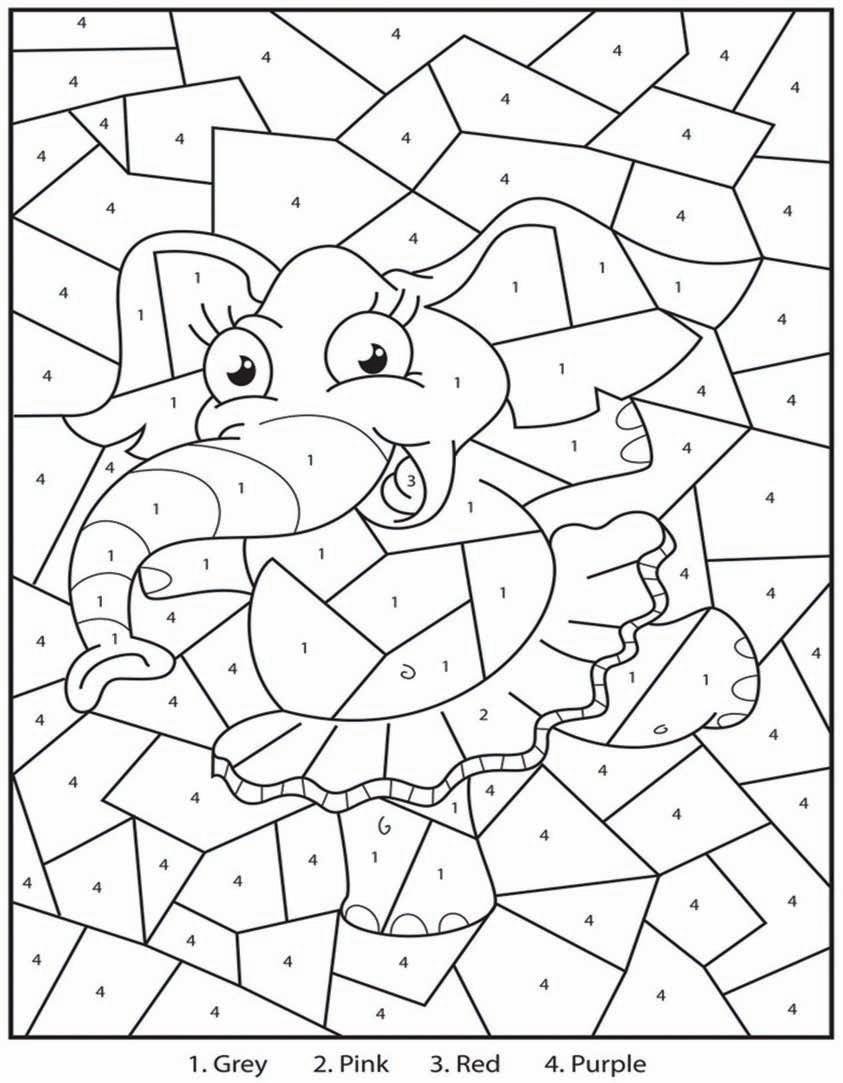
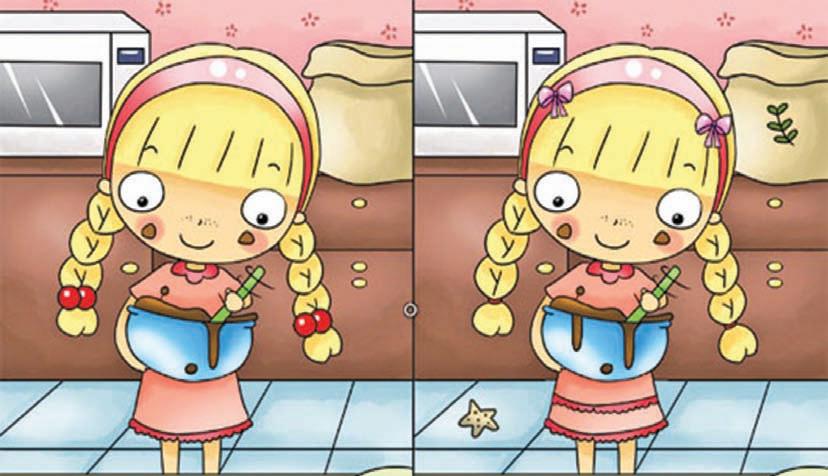
The objective of the game is to fill all the blank squares in a game with the correct numbers. Every row of 9 numbers must include all digits 1 through 9 in any order. Every column of 9 numbers must include all digits 1 through 9 in any order. Every 3 by 3 subsection of the 9 by 9 square must include all digits 1 through 9.

By Laurie Triefeldt
In 16th-century Germany, railed roads called wagonways used wooden rails to make horse-drawn wagons or carts move more easily over dirt roads. These primitive wagonways were the ancestors of modern railroads.
By 1776, iron instead of wood was being used for the rails of wagonways. In some cases, the wheels of the carts were either covered by or made of iron. Horses still pulled the carts and wagons, but the wagons could be hooked together to carry more. These tramways spread thoughout Europe.
In 1789, an Englishman named William Jessup began to build the first wagons with flanged wheels The flange was a groove that allowed the wheels to better grip the rail. This design would later be incorporated by locomotives.
In 1804, Richard Trevithick built a steam locomotive that ran on rails. It was a tramway, or road locomotive. In 1825, George Stephenson invented the first steam locomotive engine for railroads. Early trains traveled at 6 mph (9.6 kph), but by the beginning of the 20th century, some could reach 100 mph (161 kph). This potential for rapid travel radically changed how goods and people would move from place to place in the years to come.
The early trains were not particularly safe. Boilers could explode if the pressure was not correctly maintained. Smoke and sparks poured from the smokestack, and sometimes sparks hit passengers or started fires along the route. Collisions with wagons, cattle and other trains were another danger. Today, the most common train accidents involve automobiles trying to race across the railroad tracks as a train is approaching.
Diesel and electric locomotives began to replace steam engines at the turn of the 20th century. The use of steam locomotives was rare after 1950.
More than just a way to get from place to place, railroads have come to represent the power and determination of a time gone by. Today, they are a modern, economical and environmentally sound transportation solution for the future.
In 1815, John Stevens wanted to build a railroad across the state of New Jersey, but was unable to get funding for the project. Ten years later, he built a circular track in Hoboken and ran a small steam-powered car on it.
The early 1800s was a time of great expansion for railroads. By 1850, more than 9,022 miles of track had been laid in the United States. The Central Pacific Railroad began laying track eastward from California in 1863, and the Union Pacific began laying track westward in 1865. The two lines met in Utah in 1869. Canada’s first transcontinental railway was completed by the Canadian Pacific Railroad in 1885. These railroads opened the remote lands of the West to settlers and trade.
Japan is home to the first highspeed passenger rail line. Known in the West as the bullet train, the Shinkansen is a high-speed intercity train that opened in 1964. The line moves commuters between Tokyo and Shin-Osaka and remains one of the most heavily used high-speed routes in the world. In the 1960s, its trains reached a top speed of 130 mph (210 kph) and traveled 320 miles (515 km) in about 3 hours and 10 minutes. Trains on this line today travel at speeds of up to 170 mph (273.5 kph) and take 2 hours and 25 minutes.
The success of Japan's bullet trains led to further research and development in Europe over the next two decades. In 1967, France made improvements to existing passenger services and began its first regular 125 mph (200 kph) service. Other countries followed suit in the 1970s. Today, the term “high-speed rail” generally refers to speeds of 160 mph (250 kph) or above on new track.
China’s first modern high-speed line opened in 2007. The country now has the longest network in the world, with around 8,500 km of track laid so far.
A variety of railroad cars have been developed for specific needs. Here are just a few:
In the United States, the California High-Speed Rail network was approved by voters in 2008. By 2029, the system will run from San Francisco to the Los Angeles basin in under three hours, at speeds of over 200 mph (321 kph). The system will eventually extend to Sacramento and San Diego, totaling 800 miles, with up to 24 stations.
Trains that carry passengers to and from suburbs and cities are used all over the world. These commuter trains conserve fuel and reduce pollution and traffic congestion. One train can carry 1,000 passengers — that's 1,000 cars not on the road. And as more and more high-speed railways are built, train commuting becomes ever more popular and practical.
The caboose is a small (often red) car at the end of a train. It was first used by freight crews as a home away from home. An early caboose was fitted with sleeping bunks and a cooking stove. After the Civil War, cabooses had a tower, or cupola, built on top of them as a lookout area. Railroaders have many nicknames for the caboose — crib, cage, crumb box or the crummy.
For a period of time, railroads had trouble competing with cars, trucks and planes. But because railroads are so economical and environmentally friendly, they should continue to play an important role in the transportation of goods and people.
It’s time to buck up and look sharp. Start of a new year is the perfect time to re-evaluate and refresh your personal style. After all, wardrobes and looks can quickly become stale if we don’t experiment and push ourselves to try new things.
Anewyear means a fresh start to break out of your comfort zones and try something new — and beauty is no exception. We should be bold this year, testing some new and exciting trends recommended by the experts. Here's to looking and feeling beautiful in 2015!
Colour everywhere
For makeup, it's all about using rich jewel tones on your eyes with liners, shadows and mascaras. "Deep navy is turning to sapphire, plums are getting a boost of amethyst hues and emerald tones are making a big statement,” says makeup artist Brian Dean.

Eyebrows get even bolder
Bold brows are hotter than ever. “Robust, lush brows will be on-trend in 2015. Not only will eyebrows be fuller than in years past, they will also be a bit darker,” says Pamela Jeschonek, owner of Everyday Esthetics Eyebrow Studio in Pittsburgh, Pennsylvania, US. “Contrast adds femininity to the face, so a slightly darker brow against the skin is a very seductive beauty accessory.”

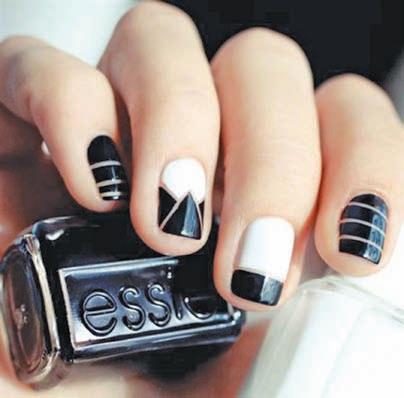
This year will see a switch from girly, shiny pink nails to more understated and sophisticated creamy or frosty colours say beauty experts. Another big nail trend this year will be negative space manicures. It is beautiful and not too flashy. It is the midcentury modern [art] of nails!
Beauty products
One particularly blossoming trend and celebrity favourite are sheet mask facial treatments. While odd in appearance, these cloth sheets with cut outs for the eyes, nose and mouth add nourishing ingredients directly onto the skin and keep cleanup a breeze.
Dry brushing
Dry brushing has been around for centuries, but the practice fell out of common knowledge until recently. Now models, actresses and editors alike adore the act of brushing to remove toxins and help skin glow. Simply exfoliate with a polishing body brush before showering each day.
Brushing boosts blood circulation and helps the lymphatic system, both incredibly important to wellness. Added benefits include reducing cellulite and in-grown hairs. Plus, frankly, the great invigoration it gives!


Striped tailoring is a key 2015 trend that can be easily adapted to your personal taste and confidence level. Classic tailoring devotees will appreciate the return of the pinstripe suit, while those leaning towards the casual end of the spectrum can choose from boating blazers covered in colourful block-stripes, cricket-inspired designs, as well as sleek and contemporary monochrome versions.
Why not opt for a classic button-down shirt with stripes that are slightly wider or in a more striking hue than what you’ve stuck to in the past?

Your jeans – those trusty wardrobe staples that serve as a blank canvas for virtually any look you may decide to come up with – will be taking centre stage this year.
The coming months will see many of us using our denim pieces – which go beyond jeans and trucker jackets to pea coats, blazers and even full suits – in a slightly different way. As far as silhouette is concerned, anything from slim to straight fit is your best bet for 2015.

A welcome departure from the dark, sombre colours, soft shades of green, blue, yellow and pink will soon be dominating stores. If you’re looking to give your casual outfits an instant lift, opt for washed or garment-dyed pieces in pastel tones and lightweight fabrics such as cotton or linen.
Remember that these are best teamed with neutral, warm-weather hues such as beige, white and light grey.
For the (transitional) time being, what about a pale pink button-down shirt or a powder blue cashmere jumper, worn under your suit? If you’re game, then be sure to combine these pastel pieces with accessories that complement their soft and summery nature.
Neckerchiefs, cravats, foulards… whatever you want to call them, they’re a great way to individualise your casual wear. Whether printed or in solid colours, these once comically flamboyant accoutrements are now legitimately wearable accessories, provided everything else in your look is on point.
Contrary to the popular opinion that neckerchiefs only work with tailoring, they in fact pair well with knitwear, tees and casual shirts, as long they’re tied and placed correctly.
Make sure your neckerchief looks 100 per cent effort-free, even if it did take you an hour to get the knot right. Whether you pick an oblong, square or diamond-shaped scarf, remember that size matters: the more fabric you have around the neck, the more skill it takes to tie.
Clothes could be set to get a little roomier in 2015. But don’t panic, this doesn’t mean you’ll be going back to baggy, 1990s-inspired skater styles.
Given their popularity on the runways and growing presence on shop floors, widelegged trousers and roomier shirts aren’t just a trend but a new and burgeoning direction in menswear, changing the way we dress for the long run.
If you’re going bigger for 2015, just remember that this look is all about easy, fussfree elegance and not lazy messiness – be sure to get the balance right.

Colin Egglesfield is an American actor known for his roles as Josh Madden in the longrunning soap opera “All My Children”, Auggie Kirkpatrick on The CW's short-lived drama series “Melrose Place”, and Evan Parks on “The Client List”. After taking drama classes, Egglesfield found himself guest starring on television series such as “Law & Order: Special Victims Unit”, “The $treet”, “Gilmore Girls”, “Charmed”, and “Nip/Tuck”. He also had a small role in the 2005 film “Must Love Dogs”, in addition to many other minor film projects. In 2005, Egglesfield was named one of People magazine's "Sexiest Men Alive". In 2011, he starred in the film adaptation of “Something Borrowed” opposite Kate Hudson. He owns and runs his own New York City-based clothing company Shout Out Clothing!, which he principally uses as a vehicle to promote and support educational initiatives.
Angelina
Jolie:
‘Brad Pitt and I were already married before our wedding in France’
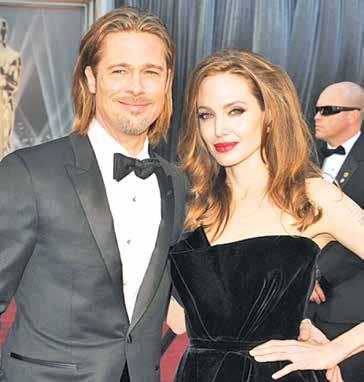
That was one well-kept secret! Angelina Jolie and Brad Pitt were officially husband and wife long before they tied the knot last summer, she recently revealed to Italian magazine Io Donna.
"Before the wedding in France with the kids, Brad and I were already married in California," Jolie, 39, revealed to the mag, which accompanies the Saturday, Jan. 10 edition of the Corriere della Sera. "As Americans, we couldn't marry legally in France."
The Unbroken director -- who was in Italy on Thursday to meet the Pope at the Vatican -- explained how the no-fuss nuptials went down.
"One day I said to Brad, 'Let's meet up at 4:30 pm?'" she told Io Donna. "I called a justice of the peace and we signed the documents." (As reported by Us Weekly, the couple obtained a marriage license from a California judge prior to exchanging vows at Chateau Miraval last August. The same judge also conducted their nondenominational civil ceremony.)
Before the couple of 10 years publicly confirmed their wedding news, a source told Us last March that Jolie claimed she was already married. "Every time I ask, she says she is already married," the insider said to Us at the time. Still, the pair wanted to hold a formal ceremony for the sake of their six kids -- Maddox, 13, Pax, 11, Zahara, 10, Shiloh, 8, and twins Vivienne and Knox, 6. "It was very much a family affair," their rep later told Us about the wedding, which included designat-
ed roles for each Jolie-Pitt kid. (Eldest sons Maddox and Pax walked their mom down the aisle, Shiloh and Knox were ring bearers, and Zahara and Vivienne "threw petals from the garden.")
As for life as a wife? Jolie told Us Weekly last month: "It's been an amazing year. I married my love. My son [Maddox] became a teenager. And, I got to bring [Unbroken] to the world." (US Magazine)
Nicki Minaj stole bread to eat before she was famous
Times were tough before Nicki Minaj made it big in the music biz. The "Anaconda" rapper opened up about her lessthan-glamorous lifestyle in the upcoming MTV documentary “My Time Again”, even revealing that she once stole in order to put food on the table.

Eddie Murphy debuts new reggae single 'Oh Jah Jah'
Following his 2013 collaboration with Snoop Dogg "Red Light", Eddie Murphy has now debuted a new reggae track. The song called "Oh Jah Jah" was premiered by the singer/actor on Thursday, January 8 before hitting iTunes on January 27 via the world's biggest reggae record label VP Records.
On it, Murphy discusses some problems existing in the society today like police brutality. "Police in the street shooting down black babies/ Glory hallelujah for the young and the innocent," he sings.
In an interview with Rolling Stone, Murphy revealed that he had never stopped making music in the past 20 years. He added that he had numerous unreleased songs including collaborations with other musicians. Asked if he would make a new album, the 53-year-old superstar said, "If people respond to ["Oh Jah Jah"], then I might. If people don't, that s**t will just stay on the shelf where it's at."
"I'm cool with all my s**t being on the

shelf until 100 years from now. Everything comes out 100 years from now," he continued. "Any artist that did anything, once you're gone, they go looking through all your s**t. Like this scrap of paper that you drew on. If I'm doing a movie or if I'm going onstage, that's me being funny. But music, I do that all the time, for free. And if you do something for years and years and years and years, eventually you gonna get a little better at it. I got some stuff now."
(AceShowbiz)
Bill Cosby jokes about rape scandal during his London show

of them yelled, "We don't love you, Bill!" When he was pulled away by the security guard, he screamed, "You are a rapist. I'm being ejected because you are a rapist."
Bill Cosby made a joke about his rape scandal during his standup routine at the Budweiser Gardens in London, Ontario on Thursday night, January 8. Prior to his show, hundreds of protesters gathered outside the venue, bringing some signs and shouted "shame on you" to ticketholders.
a woman in the front row of the audience getting up and walking past the stage and asked where she was going. When the woman replied that she wanted to grab a drink, the comedian told her, "You have to be careful about drinking around me." The audience then laughed and gave him a loud applause.
When the audience started to boo the man, he told them to stop. "No, no, stop," he said while waving his hands. At the end of the show, the star of "The Bill Cosby Show" received a standing ovation. After the show, Bill issued a statement through his publicist regarding the disruption. "Dear Fans: One outburst but over 2600 loyal, patient and courageous fans enjoyed the most wonderful medicine that exist for human-kind," he said, "Laughter. I thank you, the theatre staff (Budweiser Gardens), the event organizers and the London, ON Community for your continued honor and support.
I'm Far From Finished."
Minaj has come a long
"When I was a waitress we had to steal bread and eat that," Minaj, 32, is seen telling a friend in a clip from the show. She adds later: "Every human needs to push themselves to the point of breaking sometimes. If you never break, then you'll never know how much pressure you can take."
way since those days, ultimately becoming a household name in November 2010 with the help of her debut album Pink Friday. She's since been nominated for six Grammys, and has won several American Music, Billboard, and BET awards. She dropped her third album, The PinkPrint, last month, and is currently gearing up for a world tour.
"No one could prepare for this business," she says in the clip. "Until you are in it, you really can't wrap your head around it." (US Magazine)
Justin Bieber wants to star in movies and start a family
After showing off his abs in a photoshoot for Calvin Klein underwear, the 20-year-old pop heartthrob is taking off his shirt yet again for V Magazine.
The series of steamy shots, taken by celebrated fashion designer and photographer Karl Lagerfeld, accompany a brief interview with Bieber in which he teases his plans for the future, including a new album and tour this year.
"I still have so many personal and professional goals I want to achieve," Bieber told V, on newsstands Jan. 15. "I want to keep creating music for my fans. Once day I hope to make strides into movies and fashion as well. I want to share my creativity with the world."
This drive to share his talents with the world could stem from the singer's desire to return to making music after taking a break during most of 2014. Bieber explained, "I

took the last year off, and I'm excited to get back to work."
As for how he pictures his life 10 years from now when he's 30 years old, Bieber revealed, "I hope I am still blessed to be performing and making music. I hope I have a family too." (Yahoo)
According to the Associated Press, Bill saw
During the show, two men were ejected after one
(AceShowbiz)
Convicted burglar pleads not guilty to breaking into Miley Cyrus' house
Miley Cyrus has become a burglary victim again. A burglar broke into the "Party in the U.S.A." singer's house in Toluca Lake, California on December 16. According to TMZ, the burglar stole both Miley and her brother Trace's belongings, including her bank card.
The burglar, named Rusty Edward Sellner, later was arrested and charged with felony first-degree residential burglary, receiving stolen property and grand theft. He pleaded not guilty to the charges on Wednesday, January 7. If convicted, he may face a maximum sentence of seven years and eight months in prison.
According to the Los Angeles County District Attorney's Office, Rusty has two previous convictions in Ventura County for burglary and evading arrest.
A preliminary hearing for Rusty is scheduled for January 20.
This is the second burglary for Miley in less than a year. Back in June, two thieves broke into her house when she was out of town. The thieves stole the "Wrecking Ball" singer's Maserati sports car as well as her


Shama Sikander is an Indian actress and film producer who has appeared in numerous films, music videos and television programmes in English, Hindi and various other north Indian and south Indian languages. In addition to acting, Sikander serves as the managing director of Chocolate Box Films India Pvt. Ltd. a Mumbai India-based film production company. She is also considered one of the leading ladies of Indian television. She is highly acclaimed for her pathbreaking portrayal of Pooja in TV serial, “Yeh Meri Life Hai” (2003-2005). Sikander appeared in the Aamir Khan starrer “Mann” (1999) in a cameo as Kamini. She presently stars as the lead antagonist in TV serial “Baal Veer”.
Bipasha Basu has insisted that she will no longer portray college girls in her movies.

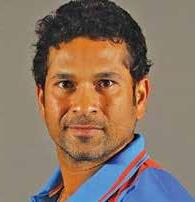
Legendary cricketer Sachin Tendulkar is set to play himself in his own biopic.
The feature has been conceived by Mumbai-based production company 200 Not Out in collaboration with World Sports
Group, the firm that manages the Tendulkar brand.
British documentary maker James Erskine will direct the film, with the cricketer expected to make a lot of his own contributions to the project.
200 Not Out has been filming Tendulkar for the past year and has collated reels of archive material to be featured in the docufilm.
In a statement, the company's founder Ravi Bhagchandka promised "never-seenbefore facets and footage".
In a career spanning 24 years, Tendulkar scored over 15,000 runs in 200 Test Matches and played in six World Cups for India.
When he announced his retirement, Bollywood stars such as Amitabh Bachchan and Aamir Khan paid tribute to the cricketer for his contribution to the sport.
Khan described Tendulkar as "the pride of India" and dedicated the title song from Dhoom: 3 to him.
The biopic is scheduled to release in 2015. (Digital Spy)
Aishwarya Rai Bachchan 'very excited'
Aishwarya Rai Bachchan has described the trailer for “Shamitabh” as "incredible".
The film stars the actresses father-inlaw, legendary actor Amitabh Bachchan .
Describing her excitement about the film directed by R Balki, Aishwarya told IANS: "The idea is fascinating and I know more than that is revealed in the trailer. I'm very, very excited to see this product, to see this film.
"I think when R Balki and Pa [Bachchan] come together, it's great to see them."
She added: "As a creative person and as an artist, let alone a family member, I'm truly looking forward to this idea (the film) on celluloid."
R Balki and Amitabh have previously worked together on “Cheeni Kum” and “Paa”.
Also starring Dhanush, “Shamitabh” marks the debut of Tamil superstar Kamal Haasan's younger daughter Akshara.
The film is set for release on February 6, 2015.
Aishwarya has also praised the organisers of Miss World for scrapping the swimsuit round from their competition.
Discussing the move, the former Miss World - who won the crown in 1994 - said she was "very happy" to learn of the devel-

opment.
"People believe that this (swimwear round) is an imperative round and this becomes the deciding factor. That's not true," she added.
"Getting the 'Miss Perfect 10' title was not only about literally your physicality, it was all about how you presented yourself, your confidence and so much else that went with it." (IANS)

Ranveer Singh was offered the opportunity to host a TV game show.
It was revealed that the actor was interested in tak-
ing on the show, but was unable to do so due to his commitment to “Bajirao Mastani”.
According to Mid-Day a spokesperson for the actor
confirmed the news saying: "It is true that he was offered to host a game show but he had to turn it down because all his dates are blocked for ‘Bajirao Mastani’."
The mythological film is based on the Maratha emperor Peshwa Baji Rao and his second wife Mastani.
The epic period drama also stars Singh's rumoured girlfriend Deepika Padukone and Priyanka Chopra.
The actor, who has shaved his head for the role, said that he is "very happy" with “Bajirao Mastani” so far. (Mid-Day)
The 36-year-old star, who has found success in the horror genre, said she prefers to be seen in strong roles.
She told IANS: "If at all anybody offers me a role of a college girl, I won't do it. It is very frivolous! You have to do roles that suit you.
"People want to see me in strong roles, whether it's in an artistic film or comedy. They want a lot of strength (in the character). And I only care about my audience, about entertaining the people who love me," she added.
Basu, who has been dubbed the “Queen” of the horror genre, will next be

seen in a double role in “Alone”.
The film also stars TV actor Karan Singh Grover who makes his Bollywood debut.
"People are liking my chemistry with Karan. This
is not just a horror story, it's a love story," she said.
Directed by Bhushan Patel, “Alone” is scheduled for release on January 16. (IANS)

AVidya Balan: 'My shot for Dabboo Ratnani calendar is gonna make news'

Vidya Balan has said that her latest photoshoot will grab headlines. The “Dirty Picture” star appears in a risqué shot for Dabboo Ratnani's 2015 calendar.
According to Bollywood Life she said: "I'm wearing red lipstick, attitude and newspapers.
"My shot is sexy. My shot is worth realms of newsprint. My shot is unpredictable. My shot is daring. My shot is gonna make news."
Ratnani has produced the Bollywood calendar for sixteen years, featuring actors such as Hrithik Roshan, Amitabh Bachchan, Priyanka Chopra, Alia Bhatt, Varun Dhawan, Aishwarya Rai Bachchan, Akshay Kumar and John Abraham.
This year's new additions to the calendar include Jacqueline Fernandez and Anushka Sharma. (Bollywood Life)
it is tough to survive in the industry.
According to Bollywood.com he said: "As the saying goes, you are as good as your last film. This is not an easy industry to survive in.
"Yes, I am not doing a whole pile of films, but I am getting to do roles that I want to do. I can create a market where people would trust me for my content-driven films," he explained.
The 42-year-old said that box office success is imperative, but should not inform an actor's choices.
"It's fair to say that one does hope that their film does really well at the box office, whether or not people like it. But, an actor should be honest with his choices. Sometimes, good films don't make those kind of collections."
Rampal, who plays the title role of a writer in “Roy”, said he is nervous ahead of the film's release.
The thriller also stars Ranbir Kapoor and Jacqueline Fernandez. (Digital Spy)

Deepika Padukone has said she will dedicate 2015 to supporting people with mental health issues.
In a DNA India article tweeted out by the actress, it is revealed that she herself battled depression in 2014.
Announcing her commitment to the cause, the “Bajirao Mastani” star also tweeted: "I am committed to the cause, and we have been working towards this for some time now. I will work on it this whole year.
"Anxiety, Depression and Panic Attacks are not signs of weakness. They are signs of trying to remain strong for way too long."
The 27-year-old will reportedly be working with psychiatrists and other doctors to help highlight issues relating to mental health problems. (Digital Spy)
By Zenica DaBichan
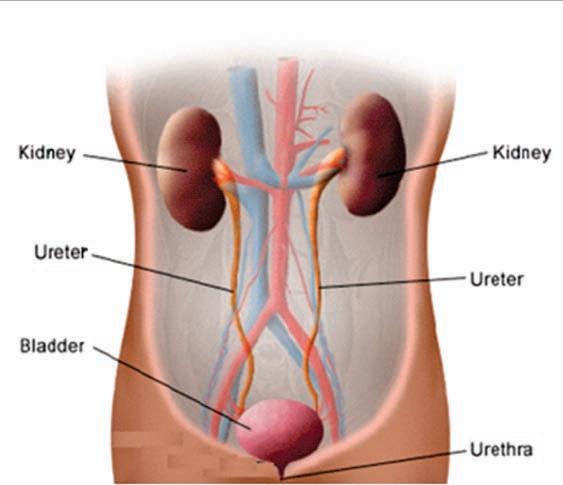
The urinary tract is the system that makes urine and carries it out of your body. It includes your bladder and kidneys and the tubes that connect them. When bacteria get into this system, they can cause an infection.
Most times the infection occurs in the bladder.
Bladder infections usually are not serious if treated right away. However, if ignored, a bladder infection can spread to the kidneys where it will be serious and can cause permanent
damage. Usually, bacteria get into the urinary system through your urethra, the tube that carries urine from your bladder to the outside of your body. The germs that usually cause these infections live in your bowels and are found in your stool. If these germs get inside your urethra, they can travel up into your bladder and kidneys and cause an infection.
Women tend to get more urinary tract infections (UTIs) than men. This is probably because women have shorter urethras, so it is easier for the germs to move up to their bladders.
Hemorrhoids, also called piles, are exceedingly common worldwide. While symptoms vary, the unifying theme is that they’re embarrassing and bothersome. Looking for relief? Here are some solutions to help.
Constipation is a major cause of hemorrhoids. As hard stool makes its way down the anal canal, it irritates and damages the surrounding sensitive blood vessels. Adding more fiber to your diet will soften up your stools, helping to decrease irritation.

The amount of fluids you have during the day will influence how soft your stool is. Getting enough fiber will help, but you also need enough fluid. You should be getting two to three liters of fluids. Check your urine to see if you might not be getting enough water.
Stop the Itch
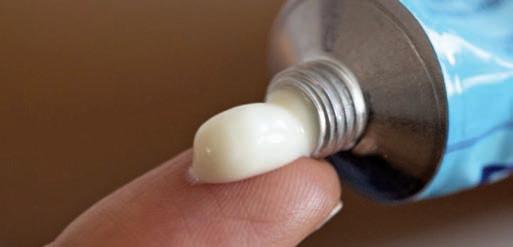
Anti-itch creams with cortisone can help decrease the intense itching that can be associated with hemorrhoids. In spite of their effectiveness, they shouldn’t be used for more than a week at a time. The hydrocortisone is a steroid that can damage the skin around the anus if used for too long.
Warm-water shallow baths, also known as sitz baths, help to soothe the inflamed vessels and relax the anal muscles. These baths should be done two to three times a day for 15 to 20 minutes maximum relief. You only need to have the tender area immersed.
Sitting puts more pressure on the area and also increases engorgement of the vessels in the anus, so take a break if you've been sitting for a while. This is especially true when it comes to sitting on the toilet. Sit only for as long as you need and then get out of the bathroom. If you’re straining without success, you should just try later. (www.doctoroz.com)
The following increases your risk of getting a UTI:
• Sexual activity
• Pregnancy
• Diabetes
• Poor hygiene
• Kidney Stones
You may have a UTI if you experience the following symptoms:
• Pain or burning when urinating
• Frequent urge to urinate but not much urine comes out when you do
• Lower abdominal pain
• The urine is cloudy, pink, red or smells bad
• Fever, nausea and vomiting
• Back pain
If you suspect you have a urinary tract infection, see a doctor right away. You will be asked to give a urine sample, which will be tested for the presence of bacteria. You will be prescribed antibiotics as treatment. Be sure to finish off the prescribed cycle of medicine completely, even after you start to feel better.
Take these steps to reduce your risk of urinary tract infections:
• Drink plenty of liquids, especially water which helps to flush the bacteria from your system.
• Wipe from front to back. Doing so after urinating and after a bowel movement helps prevent bacteria from spreading to the vagina and to the urethra.
• Urinate after sexual intercourse.
Our brains are adapting to touchscreen smartphone technology say researchers who have carried out a study on human volunteers.
The scientists used something called electroencephalography (EEG) to measure brain activity.
They found distinct differences between smartphone users and people who used 'conventional' cellphones.
Smartphone users had more attuned fingers and thumbs, based on their EEG readings.
Of the 37 volunteers, 26 were touchscreen smartphone users while 11 used 'old-fashioned' mobile phones.
The EEG readings looked at the electrical messages sent back and forth between the brain and the

hands via nerves.
Multiple electrodes placed on the volunteer's scalp recorded these exchanges about sensation.
From this, the researchers were able to build up a picture or map of how much brain tissue is devoted to a given body region.
The results revealed discernable differences between touchscreen smart-
phone users and people with conventional cellphones.
Smartphone users had bigger EEG brain activity measurements in response to mechanical touch on the thumb, index and middle fingers.
And this appeared to be linked to how often they used their touchscreens - the more frequent, the greater the EEG response.
The researchers say their findings, published in the journal Current Biology, make sense given that the brain is malleable and can be moulded by experience.
For example, in violinists, the brain area representing the fingers that play the instrument is larger than in non-musicians.
The researchers suspect the same is true with smartphones - repeated use sculpts the brain.
Study author Arko Ghosh, from the Institute of Neuroinformatics of the University of Zurich, said: "I was really surprised by the scale of the changes introduced by the use of smartphones."
He said the discovery underlines how commonplace smartphones have become in our daily lives. (BBC)
You use it every day, but when was the last time you put real thought into your toothbrush? An effective tool is essential for a proper brushing, which not only shines up your pearly whites, but also prevents bacteria and inflammation— both of which are linked to everything from heart disease to dementia. Here are some vital features from experts.
Should you opt for an electric brush with a round, rotating head or a traditional rectangular manual brush?
Many dentists believe they're both effective if you're using the right technique, but a review by the healthcare non-profit the Cochrane Collaboration found that over a three-month period, round, rotating heads (which resemble the type used during professional cleanings) removed 11 percent more plaque than manual brushes. If you go the manual route, dentist Kimberly Harms, DDS, a consumer adviser for the American Dental Association, recommends that people with narrow jaws (your dentist can tell you) choose a brush with a tapered head.
Size
There's no one-size-fits-all toothbrush, but keep in mind that big brushes can miss plaque buildup in tight spots between teeth and hardto-reach areas in the back. "You'll know you've found the right size head if it can comfortably clean all the way

around your last top molar," says Fremont, California–based dentist Ruchi Sahota, DDS.
Always opt for soft or extra soft. "Many people mistakenly believe that hard-bristle brushes do a more thorough job, but the opposite is true," says Harms. "Because hard bristles don't bend well, they can miss areas under the gums and between teeth that are most in need of cleaning." And they're harder on your gums: A 2011 study in the Journal of Periodontology found that people who brushed with stiffer bristles experienced an 11 percent increase in gum bleeding after eight weeks.
Unless you find them easier to
hold, fancy padded grips that appear to be ergonomically designed have no effect on how well you brush, Harms says.
If it's been more than four months, yes. According to the American Dental Association, more than 40 percent of Americans don't know how often to change their toothbrushes. "Many people use the same brush for six months or even a year," says dentist Seth Keiles, DMD. "In that time, worn bristles become less effective at removing plaque, food particles, and bacteria, putting you at increased risk for cavities and gum disease." (www. oprah.com)



Ingredients:
1 cup lukewarm water
1 beaten egg
1 pack instant yeast
2 1/2 c. all purpose flour
Method:
Beat the egg and add milk to equal to 1 1/2 cups of liquid. Beat together.



Sift the flour, sugar and salt; add the yeast.
Fold into the liquids and water and knead into a smooth dough. Cover and place in a greased bowl.
Allow to rise for one hour or until it is double in size. Turn dough out and place in a greased pan and allow to double in size again.
Bake in a preheated 350 degrees F (or 180 degrees C) oven for 40 minutes or until golden and firm in the centre. Remove and allow to cool on a rack before serving.
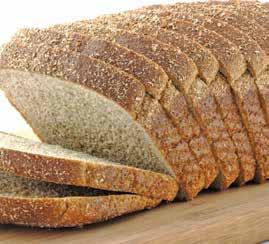
Ingredients:
1/4 cup butter
8 slices (4 cups) stale whole wheat bread, cubed 1/2 cup raisins
2 eggs, slightly beaten 2 cups fat free skim milk
Method:
Heat oven to 350°F. Melt butter in 2-quart ungreased casserole (5 to 7 minutes). Add bread cubes and raisins; toss to coat.
Meanwhile, beat eggs slightly in medium bowl. Add milk, sugar, vanilla, nutmeg and salt; mix well. Pour over bread cubes; stir to coat. Bake for 45 to 55 minutes or until knife inserted near centre comes out clean.
To serve, sprinkle powdered sugar over warm pudding, if desired. Serve with maple syrup or ice cream topping, if desired. Store refrigerated.
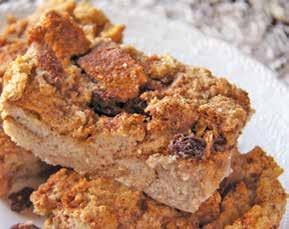
Ingredients:
1 papaya, cut into chunks
1 c. fat-free plain yogurt
½ c. fresh pineapple chunks
½ c. crushed ice
1 tsp ground flaxseed
Method:
Combine the papaya, yogurt, pineapple, ice, and flaxseed. Blend for about 30 seconds, or until smooth and frosty.

A spoonerism is a pair of words that can have their initial sounds switched to form new words. The pairs need only sound the same, not necessarily be spelled the same (power saw and sour paw, horse cart and coarse heart). There may sometimes be one or two connecting words (kick the stone and stick the cone, king of the rats and ring of the cats). Given the following definitions, what are the spoonerisms?
1) to affix a worm to the end of a fishing line and to dislike a novel
2) to move by foot at a slow gait for eight furlongs and to ridicule for an unspecified amount of time
3) to strike a cooking utensil with the foot and to select a cylindrical metal container
4) to cook a turtle's covering in an oven and to wave a clanging instrument with a jerky motion
see solution on page 22


see solution on page 22



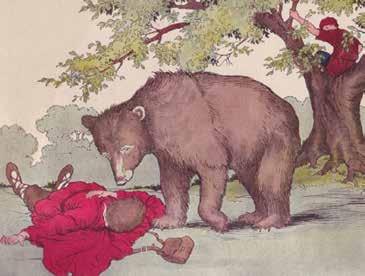
Two men were travelling in company through a forest, when, all at once, a huge bear crashed out of the brush near them.
One of the men, thinking of his safety, climbed a tree.
The other, unable to fight the savage beast alone, threw himself on the ground and lay still, as if he were dead. He had heard that a bear will not touch a dead body.
It must have been true, for the bear snuffed at the man's head awhile, and
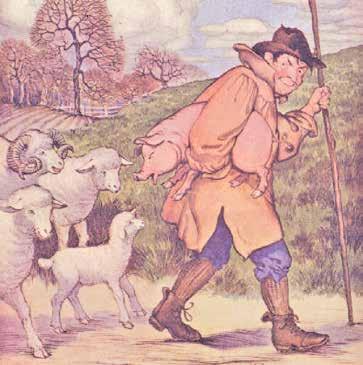
One day a shepherd discovered a fat pig in the meadow where his sheep were pastured. He very quickly captured the porker, which squealed at the top of its voice the moment the shepherd laid his hands on it. You would have thought, to hear the loud squealing, that the pig was being cruelly hurt. But in spite of its squeals and struggles to escape, the shepherd tucked his prize under his arm and started off to the butcher's in the market place.
The sheep in the pasture were much astonished and amused at the pig's behavior, and followed the shepherd and his charge to the pasture gate.
"What makes you squeal like that?" asked one of the sheep. "The shepherd often catches and carries off one of us. But we should feel very much ashamed to make such a terrible fuss about it like you do."
"That is all very well," replied the pig, with a squeal and a frantic kick. "When he catches you he is only after your wool. But he wants my bacon! gree-ee-ee!"
Moral of the story: It is easy to be brave when there is no danger.
then, seeming to be satisfied that he was dead, walked away.
The man in the tree climbed down.
"It looked just as if that bear whispered in your ear," he said. "What did he tell you?"
"He said," answered the other, "that it was not at all wise to keep company with a fellow who would desert his friend in a moment of danger."
Moral of the story: Misfortune is the test of true friendship.
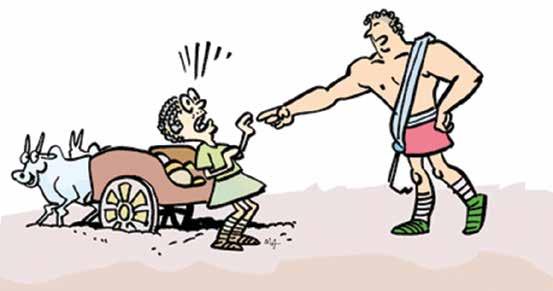
Afarmer was driving his wagon along a miry country road after a heavy rain. The horses could hardly drag the load
through the deep mud, and at last came to a standstill when one of the wheels sank to the hub in a rut. The farmer climbed
Adove saw an ant fall into a stream. The ant struggled in vain to reach the bank, and in pity, the dove dropped a leaf close beside it. Clinging to the straw like a shipwrecked sailor to a broken spar, the ant floated safely to shore.
Soon after, the ant saw a man getting ready to kill the dove with a stone. But just as he cast the stone, the ant stung him in the heel, so that the pain made him miss his aim, and the startled dove flew to safety in a distant wood.
Moral of the story: A kindness is never wasted.
(All stories are by Aesop, a Greek fabulist credited with a collection of stories known as Aesop's Fables.)
down from his seat and stood beside the wagon looking at it but without making the least effort to get it out of the rut. All he did was to
curse his bad luck and call loudly on Hercules to come to his aid. Then, it is said, Hercules really did appear, saying: "Put your shoulder to the wheel, man, and urge on your horses. Do you think you can move the wagon by simply looking at it and whining about it? Hercules will not help unless you make some effort to help yourself."
And when the farmer put his shoulder to the wheel and urged on the horses, the wagon moved very readily, and soon the farmer was riding along in great content and with a good lesson learned.
Moral of the story: Self help is the best help


Dem tell me
Dem tell me Wha dem want to tell me
Bandage up me eye with me own history
Blind me to me own identity
Dem tell me bout 1066 and all dat dem tell me bout Dick Whittington and he cat But Toussaint L’Ouverture no dem never tell me bout dat Toussaint a slave with vision lick back Napoleon battalion and first Black Republic born Toussaint de thorn to de French Toussaint de beacon of de Haitian Revolution
Dem tell me bout de man who discover de balloon and de cow who jump over de moon
Dem tell me bout de dish ran away with de spoon but dem never tell me bout Nanny de maroon Nanny see-far woman of mountain dream fire-woman struggle hopeful stream to freedom river
Dem tell me bout Lord Nelson and Waterloo
but dem never tell me bout Shaka de great Zulu Dem tell me bout Columbus and 1492 but what happen to de Caribs and de Arawaks too Dem tell me bout Florence Nightingale and she lamp and how Robin Hood used to camp
Dem tell me bout ole King Cole was a merry ole soul but dem never tell me bout Mary Seacole From Jamaica she travel far to the Crimean War she volunteer to go and even when de British said no she still brave the Russian snow a healing star among the wounded a yellow sunrise to the dying
Dem tell me
Dem tell me wha dem want to tell me
But now I checking out me own history I carving out me identity
John Agard


ARIES (March 21April 19)


TAURUS (April 20May 20)



GEMINI (May 21June 20)

(June 21July 22)


LEO (July 23Aug. 22)

VIRGO (Aug. 23Sept. 22)



LIBRA (Sept. 23Oct. 23)

SCORPIO (Oct. 24Nov. 22)


SAGITTARIUS (Nov. 23Dec. 21)




(Jan. 20Feb. 19) (Dec. 22Jan. 19)


PISCES
(Feb. 20March 20)

Someone will feed you false information. Don’t go ahead with your plans until you have all the facts required to make a good decision. It’s better to be safe. Avoid joint ventures.
Don’t be too quick to devote your time and effort to something that isn’t likely to be beneficial. Ulterior motives are apparent. Don’t misread someone’s generosity.
New beginnings will tempt you. Love and romance are on an upward trend. Decisions regarding your personal life will enhance your situation. Make plans to improve your living arrangements.
Find out what is going on behind the scenes. If you don’t feel that the information you are receiving is accurate, talk to a trusted friend. Refrain from making an impulsive move.
Time spent with people you love will brighten your day. Patience will pay off. You will be commended for something that you did in the past. Don’t be shy; step into the spotlight.
Have fun. Go shopping, to a spa, or wherever pleases you. Putting distance between you and stressful situations will do you a world of good.
Changes at home will be rewarding, but get the goahead from anyone affected by the planned alterations. Equality in your personal relationships will bring the best results.
It’s important to keep in mind that not everyone shares your beliefs or desires. A thoughtful approach and straightforward explanation will allow you to move forward without opposition.
If you make an effort to get along with others, you will get further ahead. Positive changes will result from compromise and a willingness to listen to others.
Be practical when it comes to money matters. Your future will improve if you make adjustments now. Get a family budget in place and make sure everyone is on board.
Listen to the voice of experience. Time spent with an elderly friend or relative will bring a positive insight that you will be able to incorporate into your life. Consider a marketable venture.
Being able to think fast will give you the edge when faced with competition. A raise in salary is heading your way. Prepare to do whatever is necessary to advance.
Apple customers spent nearly half a billion dollars on apps and in-app purchases during the first week of January, with new Year's Day marking the busiest day in the App Store's history.
2014 also marked a bumper year for the App Store after billings rose by 50 per cent and apps generated over $10bn in revenue for developers.
“This year is off to a tremendous start after a record-breaking year for the App Store and our developer community,” said Eddy Cue, Apple’s senior vice president of Internet Software and Services.
“We're so proud of the creativity and innovation developers bring to the apps they create for iOS us-
ByTe

Ters and that the developer community has now earned over $25bn.”
App Store developers have earned a cumulative $25bn from the sale of apps and games since the distribution platform's introduc -
tion in 2008. Apple launched new programming language Swift with new operating system iOS 8, first introduced at Apple's Worldwide Developers' Conference (WWDC) last June.
Although Apple did not participate in Black Friday discounting in the run up to Christmas, the company donated a portion of every sale made through its retail and online stores on Friday November 28 and
he concept of wireless power transmission has been around for a long time. Just ask the angry ghost of Nikola Tesla. But the actual execution of the idea has been, historically, less than electrifying.
Still, one company at this year’s Consumer Electronics Show in Las Vegas is making some (electromagnetic) waves with a new kind of wireless charging system for our ubiquitous mobile devices and gadgets. Dubbed the WattUp system, its designers claim the wireless charger can power devices up to 15 feet away, safely and efficiently.
According to an on-the-scene report at Engadget, representatives from the San Jose company Energous set up an entire hotel suite to demo the developing
Ftechnology. The power transmitter — about the size of a cigar box — delivers energy by way of focused radio frequency (RF) signals that are then converted into DC power.
The transmitter scans the location of devices within 15 feet and sends out multiple low-power beams — bouncing them off walls, ceilings and floors to create an “energy pocket.” According to Energous’ online demo materials, the system can power up multiple devices simultaneously, directing more energy to devices that need more charging.
Meanwhile, on the receiving end, multiple micro antennae and an embedded chip convert the wireless signals into DC power. The WattUp system uses Bluetooth to handle communica-
acebook has acquired the speech-recognition start-up Wit.ai, it has been confirmed. Neither company revealed what it planned to develop, but Facebook praised Wit.ai's ability to "turn speech and text into actionable data".
The existing Wit.ai platform would remain, the start-up said.
According to one analyst, it could herald Facebook's move into voice messaging, or even voice control of home appliances.
"We have seen a lot of messaging companies trying to connect messaging apps to devices, such as Tencent's WeChat. They are doing things like connecting apps to home appliances," said Pamela Clark-Dickson of analyst firm Ovum.
She said that Facebook's advantage over existing firms in the market, such as Hive and Sonos, was its extensive reach.
"If you have more than a billion users and you can connect them to multiple devices, that becomes a very powerful offering. Wit.ai also has the messenger agents and you could see those being incorporated into Facebook," she added.
She said that while the Facebook-owned WhatsApp has been struggling to get its own voice product to market, Facebook was unlikely to simply use Wit.ai to help out in that respect.
And she said she believed that the FacebookWit.ai offering, when it arrived, would be more than a Skype or Siri-like service for Facebook. "I believe it will add value," she said.
Wit.ai, which has been described as "the Github,
tion between the transmitter and the receiving units.
Energous insists the system is perfectly safe. WattUp transmits over the same radio frequency spectrum used by Wi-fi routers and cordless phones. Because multiple energy packets with small amounts of power are being bounced around the room, energy density at any one point is low, according to the company.
In any case, practical deployment of the system is still a ways off. Energous hopes to license the technology to other companies for integration into future devices, and it’s already working with heavyweights like Taiwanese manufacturer Foxconn. If all goes well, the technology could start popping up as soon as 2016. (Discovery)
the Wikipedia, the Bitcoin of natural language" by founder Alex Lebrun said: "Facebook has the resources and talent to help us take the next step."
In a statement, it said: "Facebook's mission is to connect everyone and build amazing experiences for the over 1.3 billion people on the platform - technology that understands natural language is a big part of that, and we think we can help."
It confirmed its own platform would "remain open and become entirely free for everyone". It said: "Developers are the life of our project and the energy, enthusiasm and passion of the community has helped turn what was once just a lofty dream, into a reality."
Facebook confirmed the deal to the BBC, although neither firm disclosed details of a fee.
A spokesman said: "Wit.ai has built an incredible yet simple natural language processing API that has helped developers turn speech and text into actionable data. We're excited to have them on board." (BBC)

Monday December 1 to the Global Fund to fight Aids. It donated $20m this financial quarter, and has donated over $100m since partnering with (RED).
The news comes as Kantar Worldpanel ComTech reported Apple had achieved its high-
est ever share of Britain's smartphone market during November last year, with iPhones equating for 42.5 per cent of British sales. The App Store currently plays host to more than 1.4m apps, 725,000 of which were designed specifically for iPad. (Telegraph)

You might not like what you see, but surely you’re curious.
If you go to this new website, https://futureself.orange.com, you can create a future version of yourself, one that’s 20 years older and then ask it a bunch of questions.
The site is part of an ad campaign by European Telecom company, Orange, which explains why some have a British accent 20 years from now.
Creating a future version of you will take about a minute or so, but the software involved seems pretty complicated. It involves the camera and mic on your laptop. After the camera on your screen grabs a photo of you, motion-capture and 3-D rending software produce an older version of you.
If you try it, be sure to fine-tune the outline that gets overlaid onto the image of your face. That will ensure that the final version of you has
Apple has been granted a patent to manufacture a flexible device which could withstand bending and twisting, months after customers complained their iPhone 6 handsets were bending by accident.
The United States Patent and Trademark Office granted the patent to create "a flexible electronic device" which may include "a flexible display, a flexible housing and one or more flexible internal components" on Tuesday.
Originally filed in 2011, the patent may not necessarily shed light on future Apple products, as many technology companies file patents in order to prevent rivals licensing certain features or inventions.
A flexible device could be more resistant than its rigid counterparts as it may bend or deform while absorbing the impact from a fall, and the motion of twisting it could be used as a command trigger for an action such as turning the device on or off, the patent explained.
The device's outer chassis could be constructed from a lightweight plastic, thin glass or of composite materials designed to withstand bending. Internal components such
a face shaped like yours.
Once your avatar is live, you can ask yourself a bunch a questions about the future. What will movies be like? (immersive, holograpic) What will cities be like? (Floating, air-scrubbing bubbles keep pollution at bay.) Do I have a dog? (yes) Do I have a job? (no). Why do I have a British accent? (You speak all kinds of languages, including dolphin.)
“No pun intended, but it really is a project that’s a bit ahead of its time,” says Adrian Belina, partner and creative director at Jam3, the digital agency that built the site. “Basically you’re rendering things live, as opposed to a computer game.”
The real-time simulation experience is really cool. It is recommended, unless you’re totally freaked out by what you might look like in 20 years. (Discovery)
as circuit boards, sensors and motors could be covered in a form of flexible housing to prevent damage.
The Californian company was granted a similar patent for flexible displays in October last year, and another in February 2013.
Shortly after the release of the iPhone 6 and iPhone 6 Plus in September last year, a number of customers complained their 5.5-inch 6 Plus handsets had appeared to bend after being carried in pockets. Apple said that only nine customers had complained, and that the handset should not bend when used normally.
The news comes as rival company LG unveiled the LG G Flex2, the company's second curved smartphone at the Consumer Electronics Show in Las Vegas. The curved screen mirrors the shape of a human face, and the cover is made from a form of 'self-healing' plastic which the company claims repairs minor scratches to itself within 10 seconds.
Flexible OLED and 'electronic paper' displays have been in development for years, while LG, Samsung and Sony are all competing for a stake in the curved TV market.
(Telegraph)

Edward Rupert Burrowes was a renowned artist, art teacher (1903 – 1966) and founder of the Working People’s Art Class (WPAC). He is popularly known as the ‘Father of Guyanese art’.
Well-known local artist Stanley Greaves has stated of Burrowes, “...the picture that emerges of Burrowes was really that of an intellectual who used art to express his feelings and thoughts about aspects of his life and experiences. In his way he was doing what AJ Seymour was doing in literature”.
Greaves noted that at the end of Burrowes’ career, persons often wondered

what would have become of him had he elected to pursue occupations other than that of artist and teacher.
“Because of the quality of his innate gifts there is no doubt that he would have excelled and that the nature of his contribution would have enjoyed wider recognition. On the other hand, the work he did to bring the meaning of art to those interested, and to focus some on the production of art did function to create the beginnings of what Dennis Williams calls the ‘Guyana School’. In this sense the emergence of every generation artists in Guyana serves to widen and maintain his presence among us. His contribution
and that of the other pioneers therefore become our living heritage.”
The E R Burrowes School of Art was established in September 1975 with the objective of providing aspiring artists with formal art training and education in an environment in which their talents could develop. The Burrowes School of Art was first housed at the Exhibition Site Sophia, but in 1976, after its accommodation became inadequate, was moved to the more spacious building which was formerly the District Doctor’s residence, in Old Road, Eccles. Subsequent moves were made to the former Lillian Dewar College building and lat-
er to Carmichael Street. In 1999 the school was moved to the former History and Arts Council building at 15 Carifesta Avenue, where it is still housed.
To quote former Principal, Keith Agard: “The purpose of this institution, therefore is not merely the preparation of students for artistic callings but also to supplement other educational institutions in Guyana by offering to young men and women opportunities for special work that shall equip them for life’s problems and for making meaningful contributions to the development of their country through specialized areas of work.” (Photos courtesy of Castellani House)


One of the most beautiful green spaces in Georgetown is the Botanical Gardens. When visiting the garden, the Kissing Bridge and Seven Ponds fascinate us. But have you ever wondered about the history of the gardens’
Bandstand?
Although information on the Bandstand is limited, the inscription on it provides details as to its purpose.
James Rodway in his book
“The Story of Georgetown” stated that Bandstand in the Botanical Gardens has
the following inscription: “Erected as a Memorial of John Brumell, Esquire, died 1st December, 1881: Aged 66 years. ‘An old and faithful servant.’ He was for 27 years a Stipendiary Magistrate of this colony, and 22 years Police Magistrate of Georgetown, and Sheriff of the County of Demerara. He was also Managing Director of the Orphan Asylum, and one of the original Directors of these Gardens.”
Botanical Gardens
The idea of the Botanical Gardens was conceived by the Royal Agricultural and Commercial Society when in 1877 it passed a resolution for a letter to be sent to the governor and Court of Policy for the organisation of a Botanical and Horticultural Garden in the city of Georgetown. The government pur-


chased 185 acres of the old coffee Estate Vlissingen from Joseph Bourda for the purpose of establishing a botanical garden and station. A loan of $50,000 was raised for the purpose of laying out the gardens and to purchase the site. At first a board of directors was appointed to advise on the proceedings, but this board was soon dissolved in 1893 and the supervision devolved on the superintendent.
John Frederick Waby, a botanist from Trinidad, came to British Guiana in 1878 to serve as head gardener.
Firstly, the land was
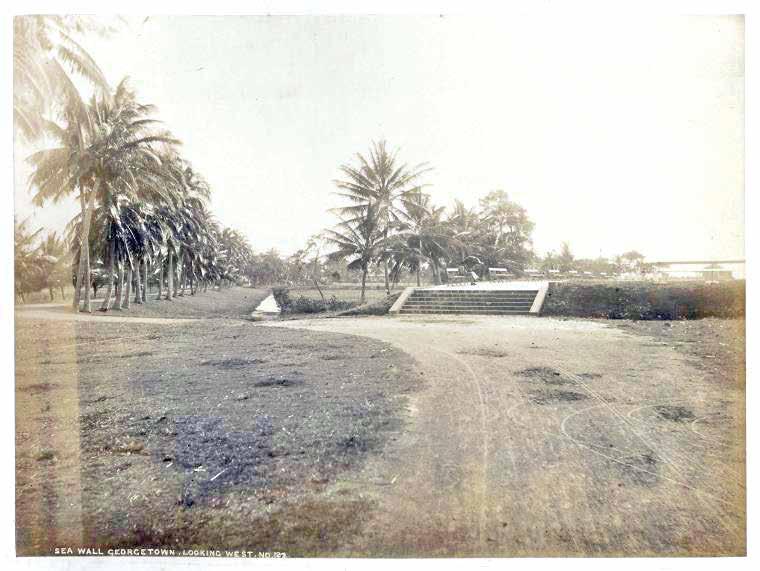
drained. Trenches were excavated and the land was raised to a higher level with soil taken from the area where the lakes now exist. Another botanist, GS Jenman, travelled to British Guiana in 1880 to assist Waby. It is a tradition for couples on their wedding day to take photos on the Kissing Bridge. Crossing over the bridge is a rite of passage for
the newly-weds. The Kissing Bridge was one of two curved iron bridges imported in 1884 to span both lakes in the gardens. By January 1885 the green and white bridges had been erected. The Botanical Gardens continue to be a retreat for families, enjoying a quiet day together in the cool shade provided by the towering trees. (Cover

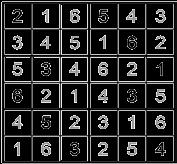

The Rewa river emanates in southern Guyana and runs north through primary rainforest to meet the white waters of the Rupununi River.
The river runs black, and the lower part of the river is wide with high, white sand beaches. About 60 miles upriver, the river changes and gets narrower with rocky bars interspersed with sandy beaches. Camping on the beaches is an exciting experience.
One of the fun activities at Rewa is fishing. Peacock bass, arawana, swordfish, payara, large catfish and pacu thrive in these waters. Rewa is also known for its healthy
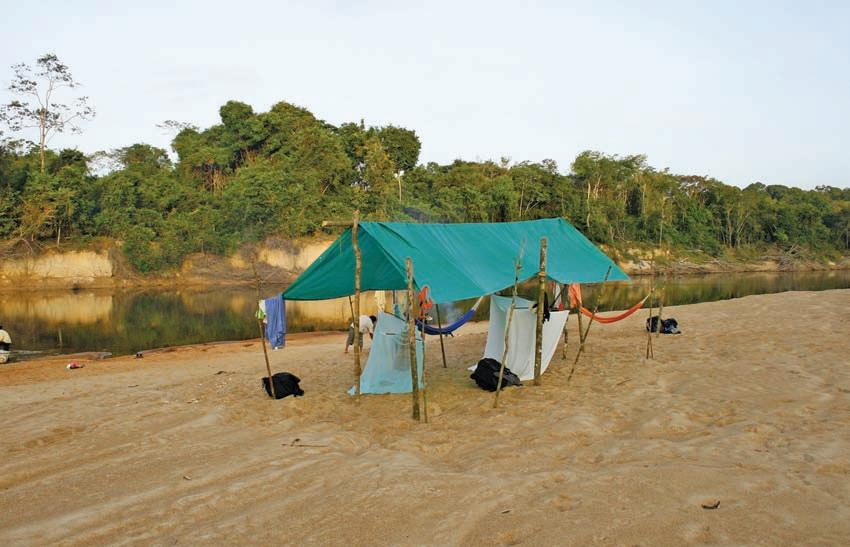

populations of arapaima, the largest scaled fresh water fish in the world, which can be observed surfacing in many of the oxbow lakes and ponds.
Due to the remoteness of the Rewa river, wildlife viewing is excellent. Numerous species may be observed: tapir, capybara, brocket deer, peccaries, ocelot, jaguar, and seven of the eight species of Guyana’s monkeys. Giant otters, black and spectacled caiman and giant river turtles patrol the waters and bask on the sandbanks.
With its rich biodiversity and white sand beaches, Rewa is a beauty to behold. (Photos by David Johnstone)
Guides portaging a boat through the river rapids


The popular how-to website can be a lifesaver—except for when it doles out bizarre, hyper-specific advice no one really needs. These silly step-by-steps are more entertaining than instructive.
The art of arrogance
"How to Be Cocky" is every wannabe narcissist's dream, with helpful tips for showcasing your best features ("If you've got great, muscly arms, wear short sleeves to have the ladies swooning") and gesturing boldly ("If someone asks you which way is North, instead of feebly pointing with a finger held close to your body, extend your entire arm.") Would you expect anything less from an article that encourages you to "take it for granted that everyone loves you"?
Teddy bear-human interaction
Surprisingly, "How to Play with Your Teddy Bear" is more than one step long. It provides sea son-specific play tips, such as picnicking during summer and traipsing through leaf piles in the fall. In the cold of winter, the author warns, "make sure that they're dressed properly or else they could get sick. If this happens, give them lots of rest and some warm soup, along with medicine."
Create Sounds with Your Armpit" is solid— its detailed instructions are even accompanied by photos of a bare-chested man acting them out. The author also offers such helpful commentary as "This is funny with a wet hand" and "Putting a straw underneath your armpit and blowing is good comedy also." Aspiring comedians, take note.
A great escape
With "How to Run Away From Home," fleeing your despotic parents has never been easier. The article first cautions against this tactic, advising a pro-con list to evaluate whether running away is really the best decision. Once you've gathered up the resolve, though, the author's tips flow freely—most notably, "You'll probably begin to need money at some point, so panhandle," and note so your paryou weren't kidDon't give away much information, though!"

Coping mechanisms
Are you thrilled to be dating a musician, but bummed that you have to hang out at his or her jam sessions? "How to Entertain Yourself During Band Practice" has you covered: You can play Sudoku, invite the other band members' girlfriends for company, or whip up some "delicious and nutritious snacks" for the guys. If all else fails, the article recommends bailing on practice with a made-up excuse "such as, 'I have to do laundry tonight.'" Inspired.
A musical skill you never considered
As far as how-to guides go, "How to
And yes, there's
A villAge cAlled Beer JAm in OmAn, An ArAB cOuntry in the sOutheAstern cOAst Of the ArABiAn PeninsulA
The elevator, one of those few sanctified spaces in which you're unlikely to be hassled or spoken to, is no longer safe. "How to Annoy People in Elevators" encourages readers to play elevator attendant, talk to an invisible friend, passionately make out with a partner, or "wear a shirt with the word 'LIFE' written on it and hand people lemons." The real fun begins when the elevator stalls between floors.
The illusion of immortality
For the person with gullible friends, there's "How to Make People Think You're Immortal." In what appears to be an incredibly high-effort prank, this article offers simple suggestions—dressing in period fashions, acting mysterious, and cultivating a slight accent—as well as highly demanding ones, such as developing "a profound fascination with art and architecture from across all different ages" and learning ancient languages. Hats off to anyone willing to commit to this level of deceit. (Reader’s Digest)
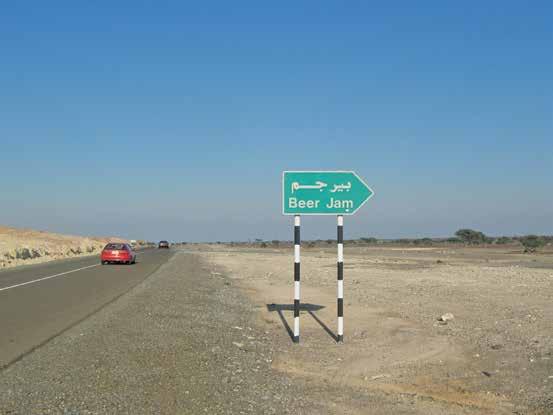

It’s Classified
Just because the items in these classified ads are free doesn’t mean they’re worth it:
• Free: Piano with matching bench seat, very good condition, all keys work probably.
• Free: 5 kitchen drawers, all matching naughty pine fronts.
• Free Vain Screening.
• Free rent in exchange for elderly woman.
Photographic Evidence
A customer walked up to a bank window and asked the teller to cash a cheque
“Of course,” the teller said. “But I’ll need to see ID.”
She dug though her purse and handed the teller a snapshot.
“That’s me in the middle.”
In Canadian
Scene: A gas station in Canada.
Customer: Excuse me. Why won’t my debit card work on the pump?
Owner: Are you using an American card?
Customer: Yes.
Owner: American cards don’t work at the pump.
Customer: You should put up a sign.
Owner: We did, above the card slot.
Customer: Oh. Well, I don’t read Canadian.
While working at a men’s clothing store, a customer asked a staff to help her pick out a tie that would make her husband’s blue eyes stand out.
“Ma’am,” the staff explained, “any tie will make blue eyes stand out if you tie it tight enough.”
Self Serve
A man in a wheelchair showed up at his eye doctor’s for an appointment. The receptionist checked the schedule, then said, "The nurse will call you in a moment. Have a seat."
The man smiled. "Done."
After being on the phone forever with a customer who had been having difficulties with a computer program, a support technician turned in his report: "The problem resides between the keyboard and the chair."
On the back of a septic-service company truck reads: “Satisfaction guaranteed, or your merchandise cheerfully refunded.”
A dog goes into a bar and orders a martini. The bar tender says, “You don’t see a dog in here drinking a martini very often.”
The dog says, “At these pric es, I’m not surprised.”
An engineer, a physicist and a mathematician are staying in a hotel. The engineer wakes up and smells smoke. He goes out into the hallway and sees a fire, so he fills a trashcan from his room with water and douses the fire. He goes back to bed.
Later, the physicist wakes up and smells smoke. He opens his door and sees a fire in the hallway. He walks down the hall to a fire hose and after cal culating the flame velocity, distance, wa ter pressure, trajectory, etc. extinguishes the fire with the minimum amount of water and energy needed.
Later, the mathematician wakes up and smells smoke. He goes to the hall, sees the fire and then the fire hose. He thinks for a moment and then exclaims, “Ah, a solution exists!” and then goes back to bed.