



Brighter days ahead for sugar –Ramotar ...restates promise of $20B injection into industry
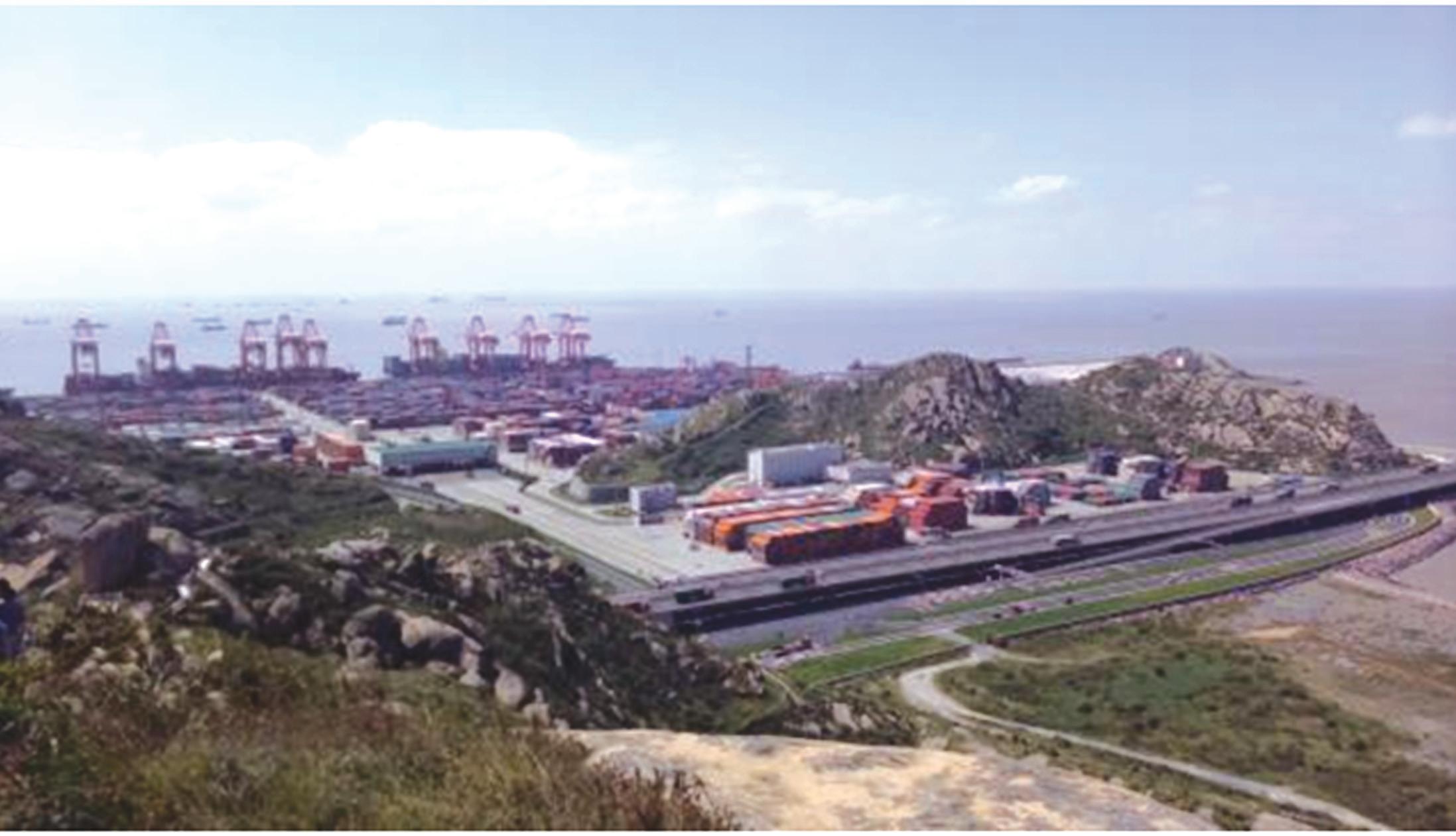
off the coast of Berbice

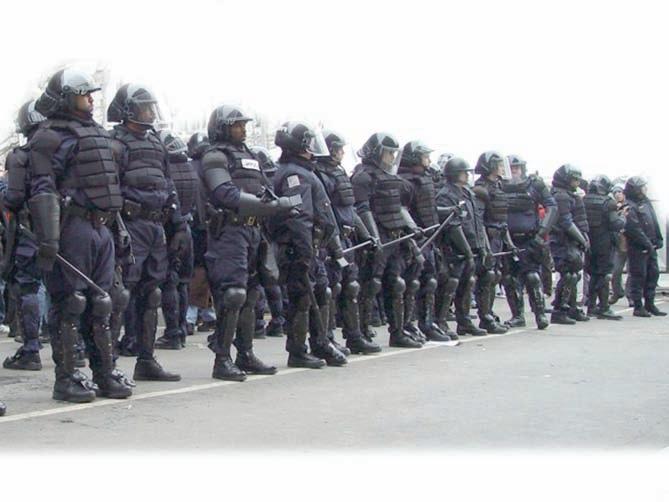

At this important juncture I have decided: to reinforce the important role the Guyana Police Force plays in ensuring the safety and security of citizens; to stress the importance of a strong and professional Guyana Police Force for maintenance of social order, for the protection of people from crime, and to act as a visible deterrent to crime and disorder, and most importantly to lay out the reforms that I believe are necessary to bring Guyana’s Police Force in line with the needs of all Guyanese. But to me that is only the starting point and not the end point.
The vision of the Police Force is one that not only meets the needs of our citizens but that sets the standards that other nations wish to copy. It is time for Guyana to stop wishing to be like other countries and to create a country that others want to emulate.
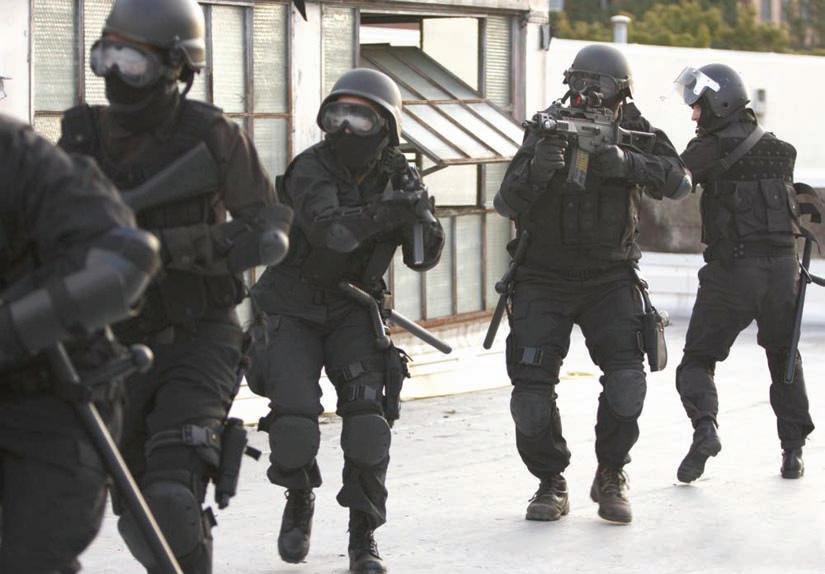
So what is the starting point? Where does the journey begin to a better, more respected Police Force that serves and protects ALL Guyanese regardless of race, regardless of political party affiliation, regardless of their financial status? Let’s first review the basic guidelines for policing, the Peelian Principles, which, though originating during colonial times and issued by Sir Robert Peel as British Home Secretary and Founder of the Metropolitan Police Force, would have been adopted by colonial police forces but still have an application in our modern era.
These are his basic guidelines for ethical policing:
Every Police Officer should bear visibly an Identification Number to ensure accountability for his or her actions;
Whether the police are effective or not is not measured in the number of arrests, but on the lack of crime; trust and accountability are paramount;
Preventive policing to deter crime; and the most important and essential police work is accomplished on patrol in which officers become acquainted with their beats, prevent crime and by their mere presence, respond to crimes in progress, manage crises, and practice their skills.
I posit that these Peelian Principles are even more relevant today and particularly where the aspects of trust and accountability are concerned.
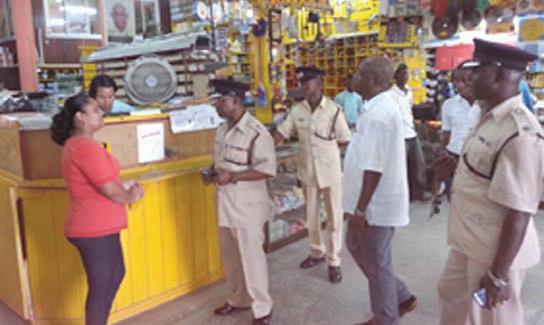
Like many of you, I noted recently in the media, the survey findings of the recent Latin American Public Opinion Project (LAPOP) which found that Guyana has the lowest level of trust in the police in the Region and this trust has decreased over time. We may have our views of the survey, its methodology and its analysis. The reality is that LAPOP has published its findings and these have been widely disseminated and therefore must be addressed objectively.
The survey found that between 2012 and 2014, the Guyanese public’s trust in the Guyana Police Force decreased by 10 points on a 0 to 100 scale – from 45.8 in 2012 to 35.4 in 2014. This is a worrying finding and during your deliberations at this Conference I expect that you will discuss the perceived decrease in trust, what may have fueled such views, and what can be done to turn this decrease in trust to an increase in confidence by the citizens in their Police Force. Let me be clear on this point. This perception is not acceptable to me nor any Guyanese and should not be acceptable to any of you here today and we MUST take steps to change these perceptions. But before any step forward can occur, there must be a desire to move forward and I challenge each of you to find that desire, to not only look back at the Peelian Principles as the motivation to take that step, but to think about the importance of keeping your friends safe, your families safe and your country safe. If this doesn’t motivate you to take that step forward then I would argue that nothing will.
Responsibilities of Leadership
You, the leadership of this Guyana Police Force must lead, must show all members of the Police Force the path forward. Each of you has national responsibilities that have to be executed with a high degree of efficiency, professionalism and effectiveness within the ambit of the law and due process. These functions include:
* Protecting life and property;
* Enforcing criminal law;
* Regulating traffic;
* Crowd control and other public safety duties;
* Investigations and detective work;
* Countering organised crime and the trade in narcotics in collaboration with Financial Intelligence & Investigative Task Forces, CANU, and the Joint Services as a whole;
* Being the example that guides all Police Officers in this country
* Your Mission and its Implementation
Technology and enhanced real-time communication systems, refurbished police stations and training institutions and a substantial increase in the strength of Officers and Ranks. These are but a few examples of the incremental growth and development in building a well equipped and responsive Guyana Police Force.
While the Government allocations have been providing you with the assets – to whom much has been given, much is expected in return. Almost on a daily basis, the media will report on the far too frequent traffic accidents resulting in deaths and injuries, instances of domestic abuse, child abuse, violence against women, suicides, armed thugs with stolen or smuggled weapons, spiriting away of precious metals, and the illegal harvesting of exotic wildlife and even persons being harassed by a wayward few in your midst who seek out and harass law abiding citizens.
In a comparatively small population such as ours, with the speed of communication and networking
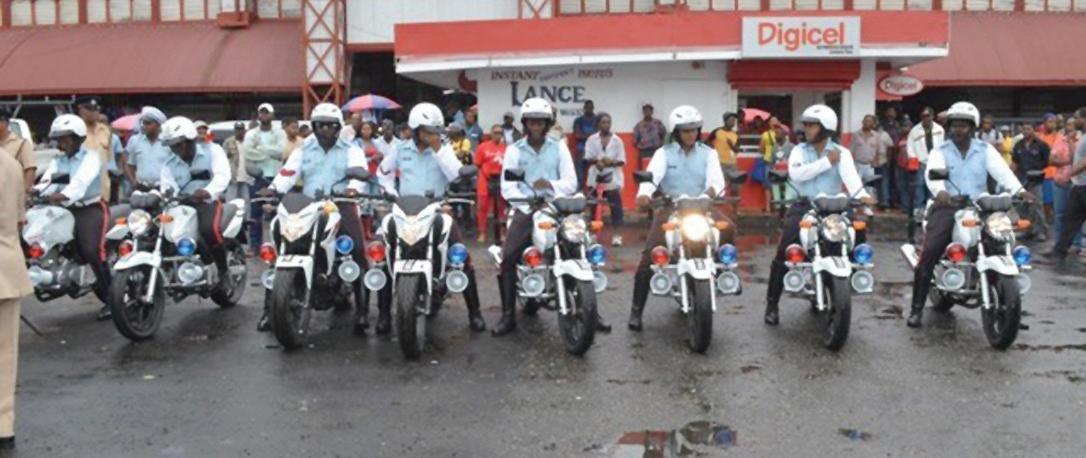
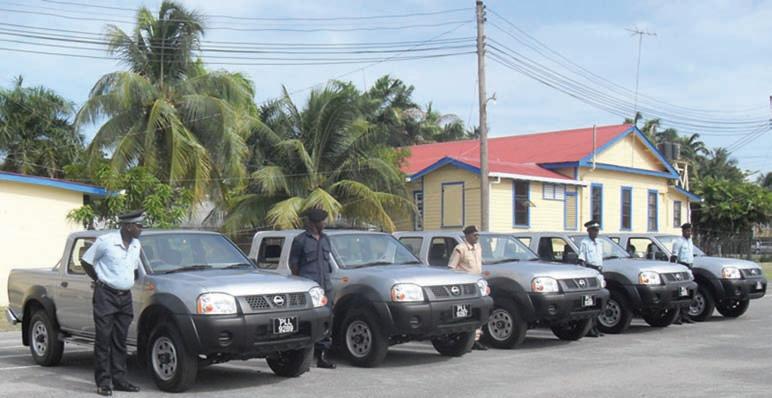
Your Mission requires that the Guyana Police Force has its fingers on the pulse in all areas of Guyana where citizens reside, have their businesses, where investors – local and foreign have their assets, where vehicles, aircraft and boats operate and where persons enter and leave our borders and are expected to satisfy all requirements of our laws and regulations.
Applying the Peelian Principles in the execution of your mission is a sine qua non. Professionalism, knowledge, people skills, firmness and fairness, must be the hallmarks of Officers and Ranks of the Guyana Police Force in the discharge of their duties. In so doing you will inspire public confidence and trust and be looked upon as role models who are career oriented and patriotic.
As leaders, you are also expected to look after the ranks under your command, ensuring that as far as organisationally possible, they are well trained, resourced, motivated and career-oriented and that their welfare and the well being of their dependents, particularly of those personnel who are killed or injured in the line of duty, are attended to with concern and due consideration.
My Government has ensured the availability and allocation of substantial support and resources and these have been complemented by collaboration with external training and capacity building to deal with transnational crime and criminal syndicates. Much of what is required is being provided incrementally and in the context of the Guyana Police Force Strategic Reform Process.
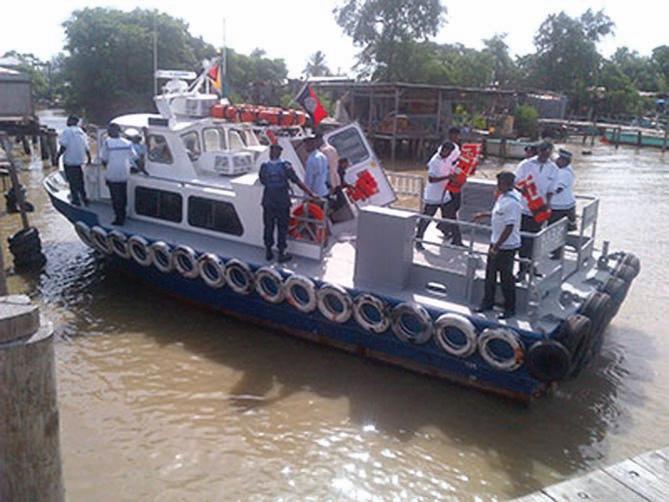
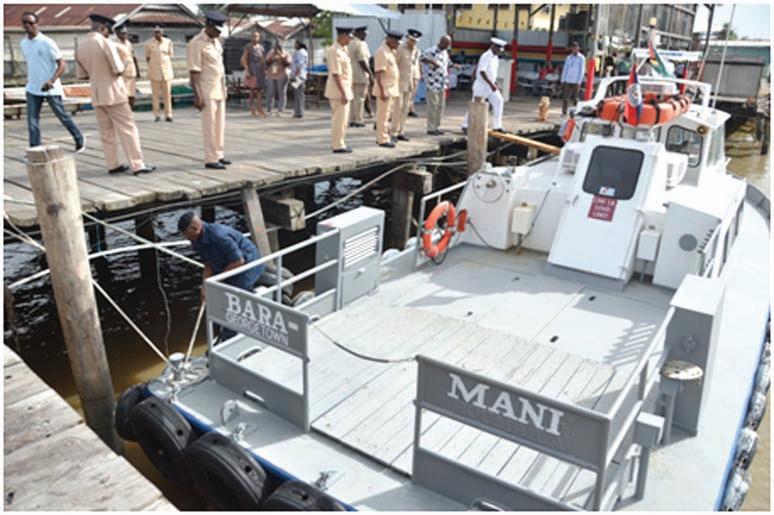
I can point to major capital projects such as the Forensic Laboratory and the Police Floating Base. Also, the SWAT teams, additional vehicles, boats, Information
of the social media, news, particularly bad news, will get around very quickly. This can have a demoralising effect on people and especially so if it involves the deaths of innocent citizens, injuries to others including victims of sexual assault, and traumatic experiences to relatives and persons near and far.
It is particularly galling when women, children and the indigent are the victims. Equally unacceptable, are instances when members of the Police Force or the Joint Services are either the perpetrators or are perceived to be in league with the perpetrators.
The population, and those elected to lead, whether in Government or the Opposition, will hold you the leadership accountable for the indiscretions of those among you, or those whom you lead, if they are culpable of indiscretions, sullying the good name of this organization, and betraying the trust vested in you by those whom you serve – the Guyanese people.
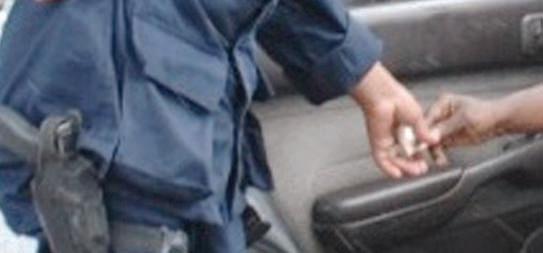
I am aware that while the majority of the Officers and Ranks are committed, patriotic servicemen and women, intent on carrying out your duties and responsibilities without fear or favour, affection or ill-will, there is a minority, the few rotten oranges that would spoil the whole basket.
I expect you to exercise zero tolerance in identifying the corrupt, the social deviants, the misfits who have infiltrated your ranks and then take appropriate action. I also expect you the leadership, to set the example and if, after self-assessment, you are found wanting, to take corrective action.
A Police Officer cannot be a walking contradiction – on the one hand pretending to be a paragon of virtue, but, on the other clandestinely, lining his/her pockets. I am optimistic that those here today can address this corruption. But make no mistake if you fail to perform your duties and fail to honour the oath that you took to protect and serve the Guyanese people then I will do what I have to do to ensure that the Guyanese people have proper service by the Police Force.
Integrity of Community Policing Groups
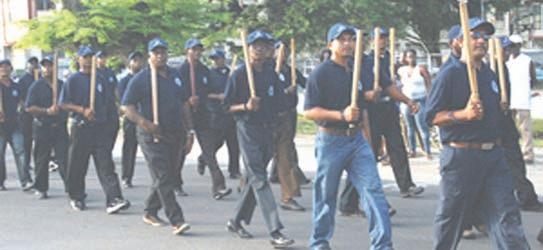
Officers let me turn my attention to the Community Policing Groups. These Groups which are selected trained and resourced to be the first responders and to augment the work of the regular Force are, in the main, doing a commendable job based on the feedback I have received from citizens in different parts of the country. But equally true are the reports of individuals using their membership of the Community Policing Group as leverage for their individual agendas. This must not be tolerated. Citizens must also have confidence and trust in the Community Policing Groups because more than the Police Ranks, they are in direct contact with the villagers of every ethnicity and religious persuasion, teachers and schoolchildren, nurses and the elderly and differently-abled, businessmen and women, market vendors, taxi drivers and fishermen, in the communities where they actually reside.
Betrayal of their code of ethics by any member of a Community Policing Group is cowardly and unacceptable social behaviour. It must not be allowed to fester.
Tangible steps to be taken
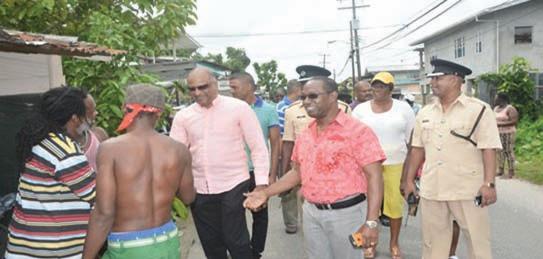
We all know that we have the resources to address crime and the perception of our Police Force. We have the leadership to address these issues as well. But it is time to change how we do things and how we address these problems. Resources and leadership don’t matter if you have nowhere to put those resources and nothing to lead. So I am proposing a “15 in 2015” programme that is designed to restore confidence in our nation’s police force:
1) Establish a “neighbourhood watch” programme. The goal of this programme is to increase surveillance by residents and community members of their own neighbourhoods.
2) Introduce a problem oriented approach to addressing crime called POP (problem-oriented policing). POP means police taking a proactive role in identifying, understanding, and responding to problems – not just incidents in their communities. If police were to take a
more “problem-oriented focus” they could be more effective in impacting crime and disorderly problems. At the same time the police must take a new, more systematic approach that demands they collect new data, develop new methods of analysis, identify innovative solutions, and apply measures for assessing the success of their efforts.
3) Increase the number of Police Officers on the streets and in our neighbourhoods.
4) Address our 911 system and turn it into a true rapid response system. Too often we have heard of the length of time or the fact that people do not answer the 911 calls when they are made. This must stop! Our response times are the worst among all Caribbean nations. The shorter the police travel time from notification to arrival at a crime scene, the more likely it is that police can ar-
rest offenders before they flee. This rapid response will produce three crime prevention effects. One is a reduction in harm from crimes interrupted in progress by police intervention. Another, more general benefit of rapid response time is a greater deterrent effect from the threat of punishment reinforced by response-related arrests. The third prevention effect comes from the incapacitation through imprisonment of offenders prosecuted more effectively with evidence from response-related arrests. Creating a state-of-the-art rapid response centre will require hiring and training of new officers, improved technology and infrastructure and whatever else is needed to have this rapid response more effective.
5) Establish directed patrols. With the advent of computerised crime analysis, a far greater precision in the identification of crime patterns has become possible.
6) Establish a proactive arrest model. The high certainty of arrest for a narrowly defined set of offences or offenders will accomplish more than low arrest certainty for a broad range of targets.
7) Increase the number of covert patrols to take advantage of the element of surprise in apprehending criminals with evidence.
8) Establish a more aggressive road policing and traffic law enforcement system to reduce the influence of criminals on the public transport sector, curtail breaches of the law in every way.
9) Ensure Police Officers work closely with our schools to reduce school violence, or drug abuse and the influence of criminal gangs in our schools.
10) Establish drugs and weapons free zones. If a person is caught with drugs or weapons near a school they must be dealt with condignly in accordance with our laws
11) Re-open cold cases and unsolved crimes aimed at improving cleared up rates for homicides, shootings, robbery,
break-ins, larceny and sexual offences. If criminals don’t think they will get caught they will continue to commit crimes.
12) Establish a targeted policing programme to secure and boost confidence in critical sectors such as Tourism, Agriculture, Construction, Commerce and Transport.
13) Expand the Police Youth Clubs and Mentorship.
14) Establish nuisance abatement programmes aimed at curbing illegal noise nuisance, this is a grievous situation for many people in our country and this must be dealt with.
15) Expand our intelligence abilities to achieve greater focus on the critical crime targets such as gangs; trafficking syndicates, groups at risks and crime hotspots.
This “15 for 2015” program is the next step in the journey to bring greater security, safety and stability to Guyana and I am committed to seeing that it becomes a reality. I look forward to working with each of you it in its implementation.
Importance of a Peaceful, Enabling Environment before and after General and Regional Elections
I also want to take the opportunity to also appeal to everyone, whether they are in Government or the opposition to strengthen our security in this country. We cannot continue to have opposition for the sake of having opposition. How else can we explain the voting down on two occasions of the Anti-Money Laundering and Countering the Financing of Terrorism Bill? How else can we explain that when the citizens and the country are put in danger and at the same time creating the perception that you want to turn this country into a haven for international criminal activities. That is unacceptable. That cannot be politics as usual. That is creating a terrible situation for the people of our country. And secondly how can you explain the attempt by the Opposition to publicly calling on the IDB to prevent money for the Citizen Security strengthening project from coming to the security forces to strengthen its capacity. US$15 million is threatened and this is to strengthen the Police force and the Prison Service and community based initiatives to deal with the root cause of crime. This cannot be politics and we must do our best to ensure that our security forces have both the laws and the wherewithal to fight crimes both internal and trans-border. I appeal for good sense.
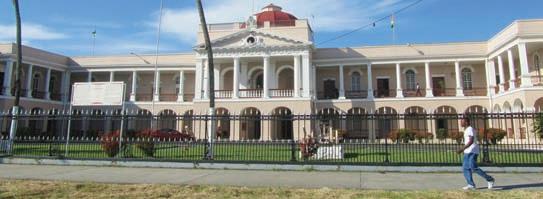

Equally, I want to ensure that on election night and after the results of the General and Regional Elections are known, that the environment must be sustained and all political parties contesting the elections must pledge their support for the Guyana Police Force and the Joint Services. They must appeal to their constituencies and their staff to display maturity and patriotism to demonstrate to the world that we are a progressive and responsible people.
As you commence your conference, I extend to you my best wishes for full participation, objective debate and fruitful discussions in order to achieve the objectives you have set, and to arrive at a successful conference outcome. But I want to stress that the time to act is now. The future waits on no one and the future of Guyana shall not wait any longer. There is nothing more basic in a civilised society than law and order and we must give that to all Guyanese but not only all Guyanese, but to everyone who visits, invests and moves in our nation. The future of Guyana demands it, needs it and deserves it and I am hopeful that each of you will remember this during your deliberations.
Once more thank you for your invitation and I wish you very fruitful deliberations.
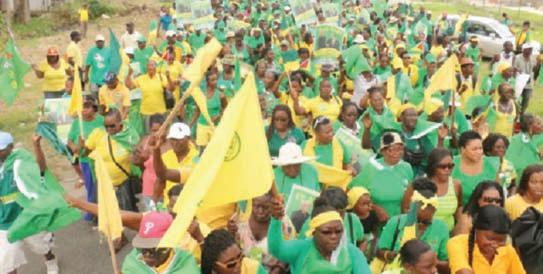
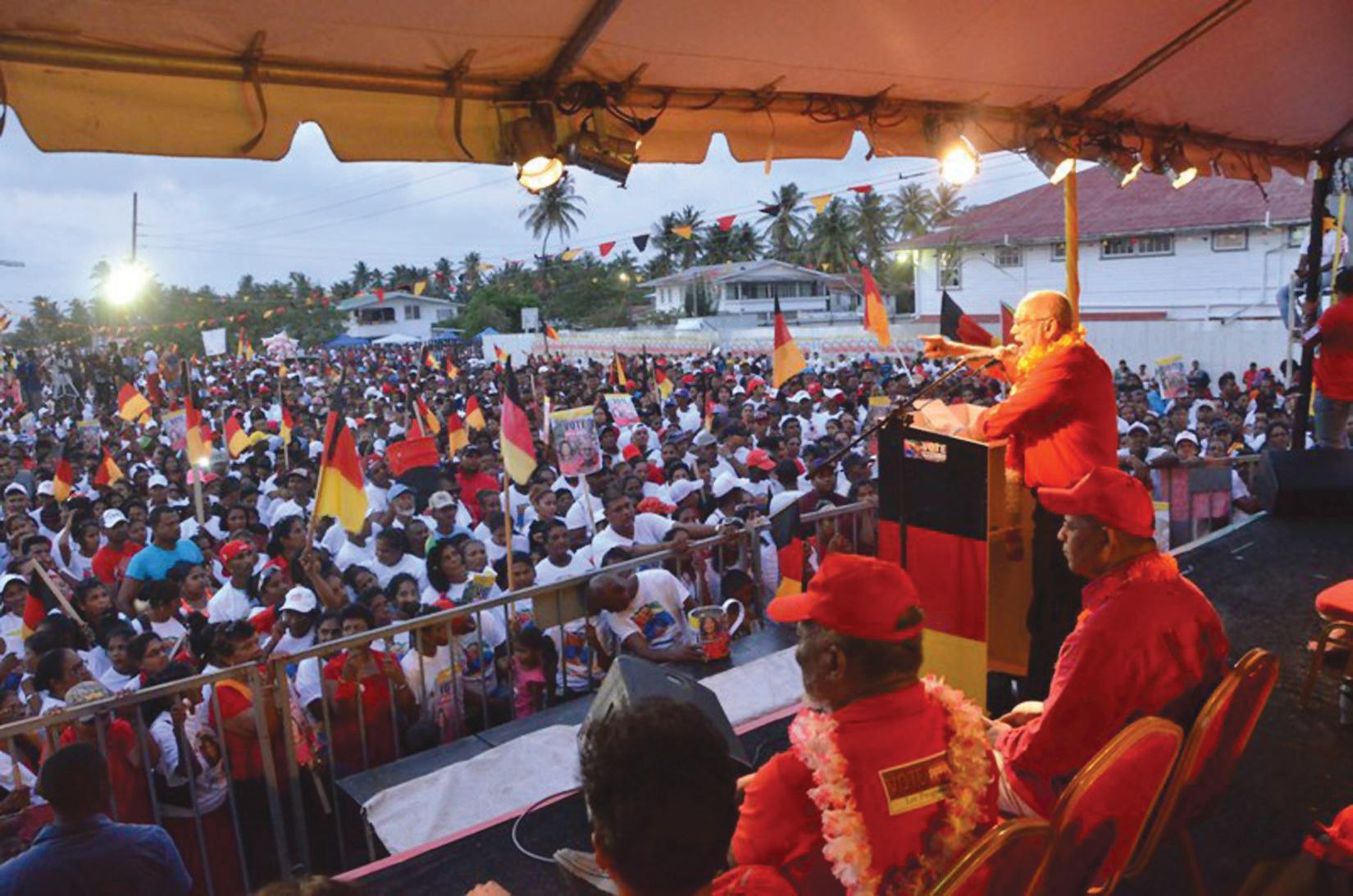
“You must come out on the 11th of May and make your voices heard by putting your ‘X’ next to the cup and by returning the People’s Progressive Party to a resounding majority, so we can continue to bring progress and development to Guyana…,” Finance Minister, Dr Ashni Singh told an ecstatic crowd of supporters at the Party’s Albion Rally on Sunday.
“Onward with progress; we will never return to the dark days of the PNC [People’s National Congress} rule!” the Minister continued to screams and cheers from the gathering. Dr Singh, who was instrumental in organizing the rally dubbed the largest so far, also succeeded in grabbing the attention of the thousands in the crowd, joined in solidarity with them in reflecting on the pain, horror and struggles endured under the PNC era. “It is always a great pleasure for me to speak in Berbice on political occasions like this, because I believe that the people of Berbice understand the political history in Guyana, the people of Berbice understand how valuable our democracy is and how valuable the freedom we fought for,” he said.
He urged them to compare the vast differences between the two Governments and vote for the party which stood with them through their ups and downs. “Comrades and friends, you have seen the track record of the PPP, you have seen the outstanding leadership of President Bharrat Jagdeo and President Donald Ramotar…you have seen the work we’ve done to improve roads and create jobs… you have seen the progress we have made, you have seen the efforts we’ve made,” Dr Singh highlighted to the thousands who nodded their heads in agreement.
“Dastardly attack”
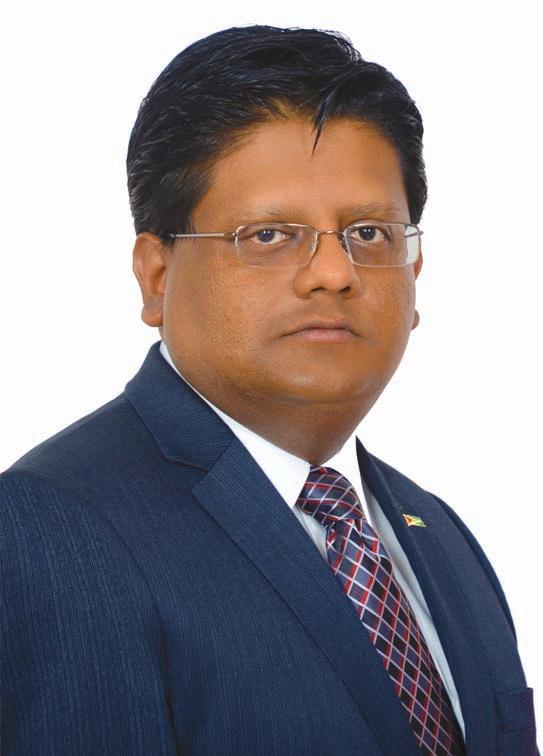
In thanking Berbice for their demonstration of support by attending the rally, Dr Singh in a televised program also used the opportunity to condemn the attack on PPP/Civic sup-
porters following the Albion rally. The attack which involved three persons, two school age children, who were enroute to their homes on the Corentyne, Berbice by a group of people, alleged to be Opposition supporters. It is reported that unknown persons tossed missiles at the truck transporting the individuals as it passed through Leeds Village, Corentyne. “I wish to say this emphatically, that this is a dastardly attack and it is an assault on democracy and it is to be condemned in the hardest possible way. There can be no justification, there can be no excuse, there can be no defending this vile act,” he declared. Dr Singh implied that, “given the threats of the history of violent behaviour by the Opposition” and their “traditional refusal to accept the outcome of the democratic process”, it is extremely alarming when such a development should occur under those circumstances.
“We have already signalled that the Opposition is preparing their supporters for not accepting the result of the democratic process… and so, without a doubt there is an element of desperation setting in amongst their leadership and for that reason, this incident can only be interpreted as an assault on the democratic process by their supporters…,” Dr Singh said.
He urged the PPP/C supporters to not be threatened by the Opposition’s violent outbursts, noting that if they were, they would allow the Opposition to win. “You should not be intimidated…because if you allow yourself to be intimidated, then every right that you enjoy will be taken away because that is the intention of the APNU/ AFC coalition… remain calm…do not be fearful…do not respond in kind; demonstrate to them and to Guyana that the supporters of the PPP/C are people who respect democracy and freedom, and who are peaceful people.”
By Devina Samaroo
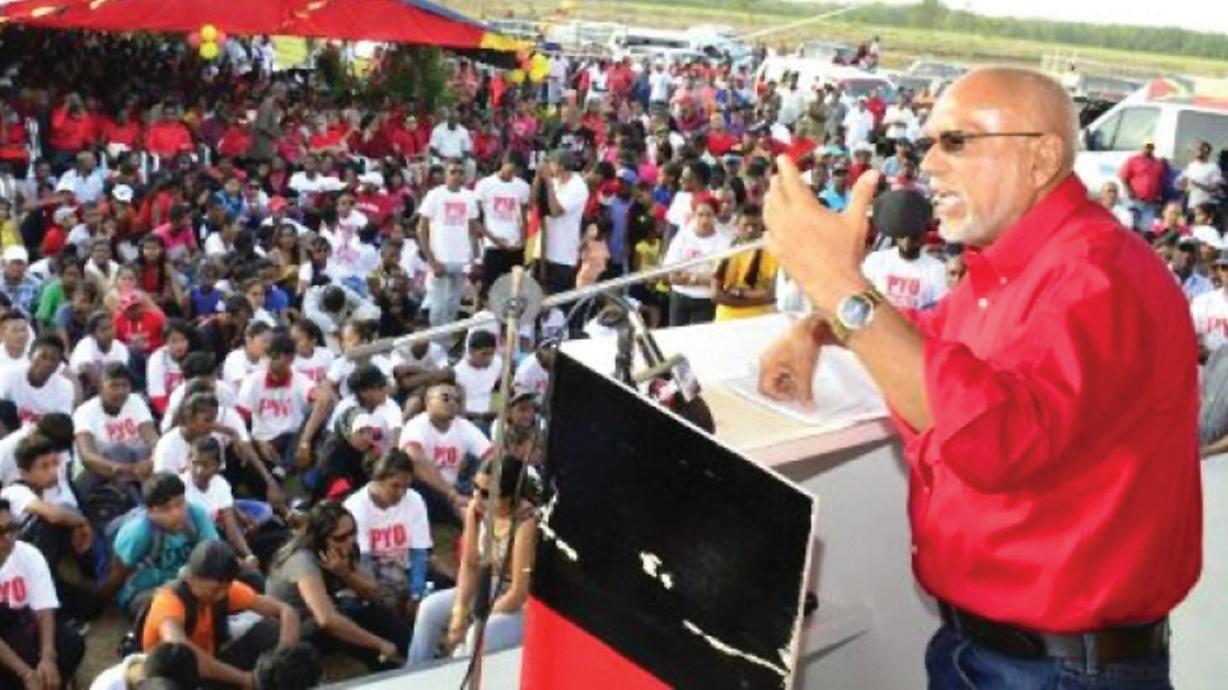
Restating his Party’s commitment to pump $20 billion into the sugar industry to turn its fortunes around, President Donald Ramotar told thousands at a rally in Albion, Berbice on Sunday that a brighter future beckons for sugar, but the People’s Progressive Party/Civic (PPP/C) must be re-elected on May 11.
The sugar industry is the bedrock of the economy in Berbice, employing thousands directly and indirectly. Speaking to the multitude of energetic supporters, Ramotar outlined the vision his Party has for a modern Guyana – the vision for a country that will take its people through a journey of social and economical development.
He said the ultimate goal was to ensure that all citizens enjoy the wealth of this nation which will raise the bar on the standard of living and quality of life in the country. Starting with an issue of prime importance to the Berbice population, Ramotar spoke at length about the PPP/C’s plans to take the sugar industry into its best days ever.
In acknowledging the resilience this sector has shown despite the struggles it has been facing, Ramotar declared that the sugar industry has a positive future ahead and that his Administration has no intentions of shutting it down. In fact, he disclosed to the thousands of intrigued Berbicians that the Ramotar Administration would see to it that the

sugar industry lives on through the expansion and development in various avenues.
The President announced to Berbicians that once reelected, he will ensure the sugar industry becomes more flexible via an increase in ethanol production.
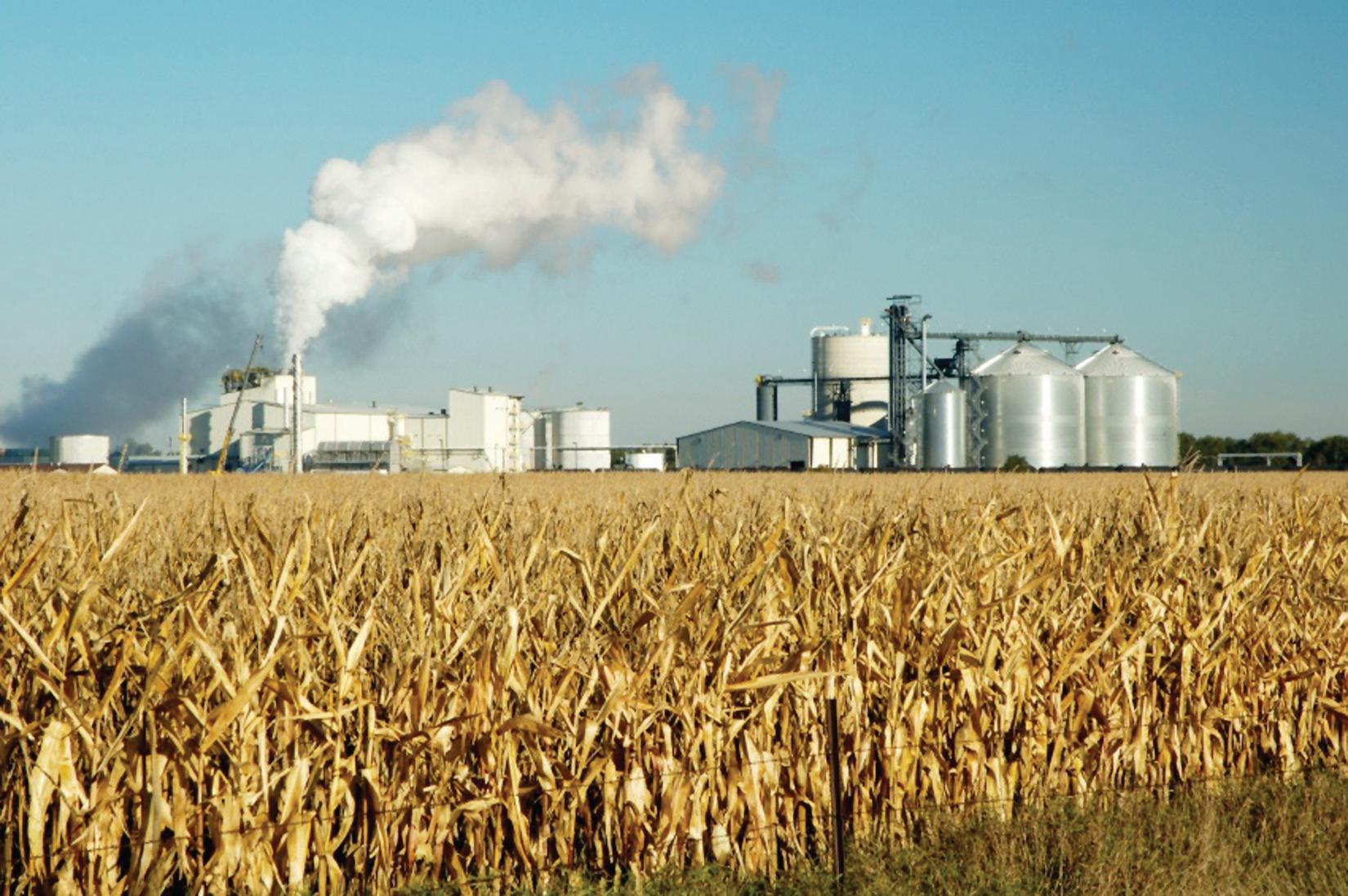
“Right here at Albion, we started to look at the production of ethanol…ethanol is very important and right in Guyana, we have a big market for this…but we want to even increase the production of ethanol so that, when the price of sugar is low as it is now on the world market…we can produce ethanol for sale and when the price is high, we can switch back to producing more sugar,” Ramotar said as he promised to ensure the ethanol plant is expanded.
In predicting brighter days ahead for the sugar industry, Ramotar announced that the Government aimed to produce a minimum of 400,000 tonnes of sugar by 2020.
With the aim of meeting that target, Ramotar noted that millions would have to be invested into the industry as he pledged to plug in excess of $20 billion over the next five years into the sector to ensure sugar production increased.
This money, he noted, will be expended to modernise the industry by addressing the shortage of labour through au-
tomation, retraining workers to effectively utilise the new mechanisms and ensuring the fields are prepared to accommodate the use of new machines.
Ramotar said it was time Guyana worked towards the establishment of a sugar refinery.
“For years, for centuries, we have been producers of raw sugar…the industry must not always be the producer of
sugar… we have to do refining…where the money really is… this generation of PPP/C leaders will work towards building a refinery right in this industry,” he declared.
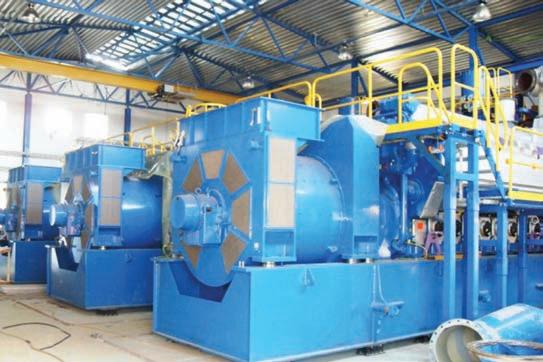
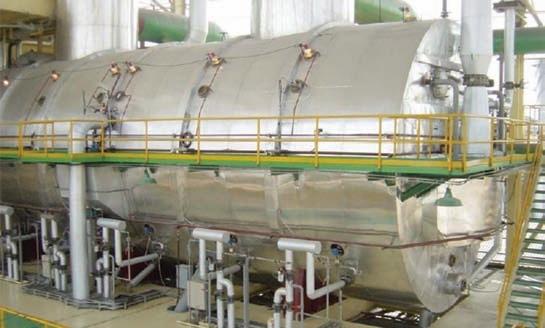
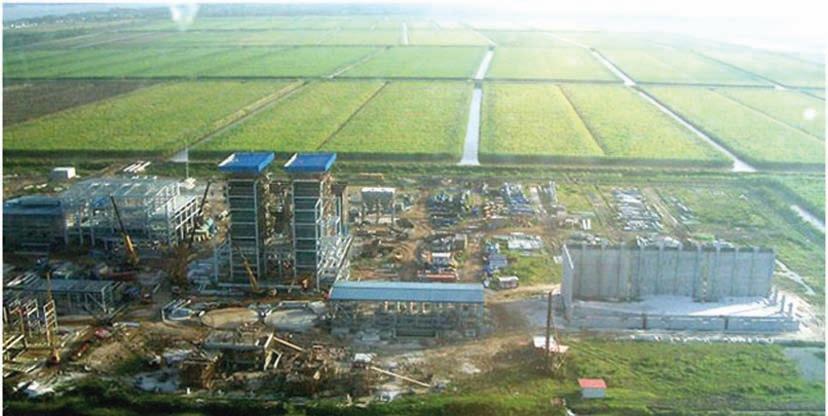
He also disclosed plans to expand on the cogeneration of electricity from bagasse (currently being done in Essequibo) by bringing similar plants to the heart of Berbice.
But in the meantime, Ramotar said more focus ought to be placed on packaging and distribution of sugar so that the industry can compensate when experiencing hard times like it currently was.
there are problems but they will be resolved ...not just a Berbice problem but the entire economy – Jagdeo
ready surpassed their targets, according to Agriculture Minister Dr Leslie Ramsammy. The target for 2015 is 240,000 tons and
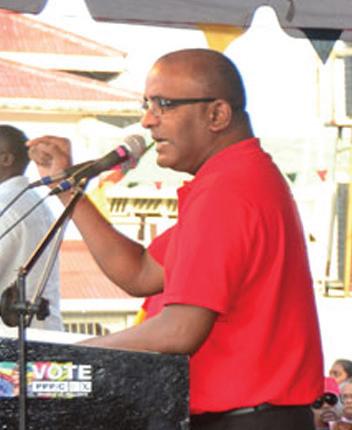
Speaking at a PPP/C press conference at Freedom House at the end of March 2015, former President Bharrat Jadgeo declared on the question of the troubled Skeldon Sugar Factory: “Maybe I should have intervened a bit more. Sugar is a challenge. Clearly Skeldon has problems and needs to be fixed.” But he pointed out that while the problems at Skeldon Factory should have been addressed more expeditiously, the challenges to sugar are far more widespread than the critics are contending.
“It is just not the factory. We need new varieties and increased productivity. We need to invest in the other factories and we need to fix Skeldon. Have we managed to fix Skeldon? No… we are prepared to work on it to support it like we did in the bauxite communities. We are prepared to work to fix sugar because sugar is not just about Berbice, but about the entire economy,” he continued.
Referring to one particularly nettlesome bugbear as an example, Jagdeo explained: “We had particular issues with the punt dump that was sourced out of Miami. So we had things that need fixings. I did try as president to fix those things. Clearly, we still have to fix some of them because the factory is not running the way it should run but sugar is a much more complex problem.”
Speaking to Guyana Times, Minister of Agriculture Dr Leslie Ramsammy said that using local engineers, had made modifications to the punt dump which was now approaching its optimum delivery capacity that would enable the factory to run on a
continuous basis.,
At the time former President gave the assurance that the sugar industry in general and the Skeldon factory would be “fixed” he posed a question that must be answered by all Guyaese: “What do we do? Do we say let’s get out of sugar? If we get out the entire Berbice region… almost everyone will be affected. So we have to find a way. We don’t have a choice but we have to find a way.”
Based on what David Granger of APNU has been saying, it is clear that he and his party intends to close down the industry.
In the meantime, with still another few weeks before the first crop ends, sugar production has already surpassed 63,000 tonnes, and several of the Guyana Sugar Corporation (GuySuCo) estates have al-
SUGAR: The plan was sound... the execution faltered... but in recognising the challenges, I assure you that together, we will overcome them.”
President Donald Ramotar
THE PLAN WAS SOUND: Skeldon Modernisation
When the Sugar Strategic Plan was launched in 1998, there was universal acknowledgement that the goal of expanding production at Skeldon was sound. The area had the necessary land and water supply to expand cane cultivation; there were private farmers to satisfy the World Bank proposal to involve 30 per cent private cane farmers; the factory was over 60 years old and was due to be replaced and the economies of scale for a larger operation would have brought production costs significantly down.
This would have enabled the high costs of Demerara Estates to be cross subsidised and yet from the profits earned, the sugar workers would have been at last able to earn a decent wage.
When the EU unilaterally slashed its “preferential” prices for sugar in 2008, the year the factory was commissioned, the government was hailed as being eerily “prescient”.
The execution faltered
Factory
There is now strident criticism – with 20/20 hindsight – that the Chinese-built factory has not performed to its optimum. This is true. However, at the time the decision was made, everyone was impressed with the technological?y advanced state of the art turnkey factory that was promised. The Project Engineer was Booker Tate, UK Ltd and the contractor was Chinese National Technical and Industrial Corporation (CNTIC) Ltd, which was part of the deal since the largest component of the loan was from China.
Today, many are crying that an Indian company should have been used. But even with the financing linkages absent, Guyanese would appreciate the outcry that would have come from Opposition quarters.
But there has been another, just as serious
challenge: the supply of labour which has traditionally been the largest labour cost in the production of sugar. In this area, the government of Guyana, the owner of GuySuCo on behalf of the people of Guyana, became the victim of its own success. The growth of the economy generated the need for so many unskilled jobs, especially in construction and gold mining, that even at the very best, GuySuCo has not been able to deploy 50 per cent of its field labour consistently. This shortage of labour has resulted in increased labour cost.
The weather In 1998, Berbice had the lowest rainfall in the country and the most extended periods of sunshine necessary for ripening and harvesting. Unfortunately Climate Change has altered these trends to the determined of the industry.
There is not much that can be done about the weather.
Factory
CNIC was penalised for defects in the design and implementation of their promised product and Booker Tate’s contract was terminated. The South African firm, Bosch was contracted to modify the factory and fix the major problems – the bagasse plow (the feeder system, that leads to the boiler), the conveyor system and the condensate tank.. In conjunction with local engineers the government has had the problematical punt dumpster fixed to keep up with the increased tonnage of the factory. GuySuCo recently stated that the initiatives in its present plan of action (2013-2017) are expected to result in an increase of production by 23 per cent, and return the Corporation to profitability in 2015.
Labour Shortage
To address the labour shortage, GuySuCo under the new Plan intends to convert its canefields to mechanically-friendly layouts a total of 22,724 hectares of land by 2017. Mechanisation would eliminate the need for the high labour intensive demands that exist at present.
The Guyana Sugar Corporation (GuySuCo), which continues to demonstrate its remarkable resilience, is seeking to make further strides, by adding to its list of manufactured goods and services.
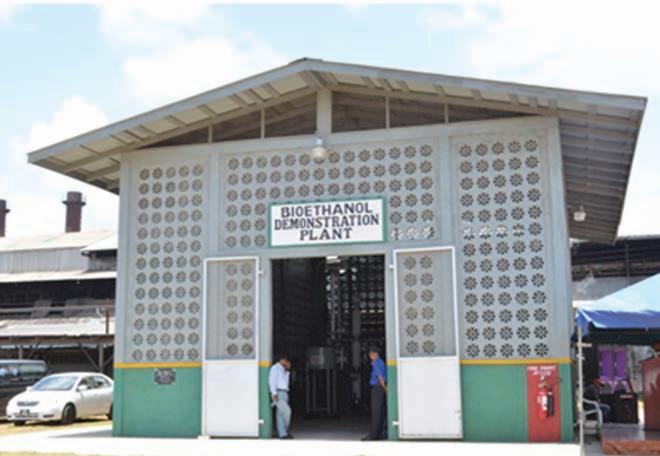
Through a technical cooperation; “Expanding bio-energy opportunities in Guyana” and with funding from the Inter-American Development Bank (IDB) in August 2013, the Government of Guyana formally commissioned a Bioethanol demonstration plant at GuySuCo’s Albion Estate with the objectives of demonstrating production of fuel grade ethanol from the estates’ available feed stock, increasing the mass of trained personnel in the area of biofuel through training and research, and demonstrating the utilisation of bio-ethanol fuel.
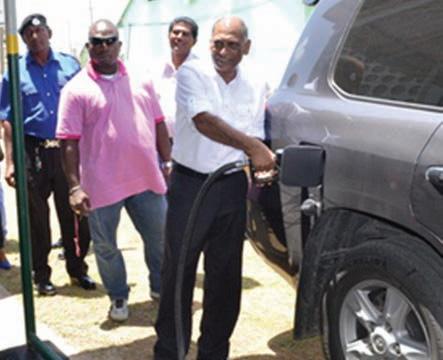
Today, the Bio-Ethanol E-10 fuel produced at GuySuCo’s Albion Estate was formally launched for trial run in a number of vehicles, with the expectation that before the end of 2014, approximately 25 vehicles would be routinely utilising the fuel, but moreover, the pilot plan developing in the future towards the production of commercially available blended fuel.
Agriculture Minister, Dr Leslie Ramsammy delivering the feature remarks at the event noted that Albion has always been a lead estate in many ways, and therefore it is ‘poetic justice’ that this new thrust of development for sugar is coming out it.
But importantly, the Minister noted, that efforts at Albion is not just for a ‘show piece’, but in fact the first step in adding a new commodity for the sugar company. The Minister said that the Government is also hoping that GuySuCo’s effort is the first step in making it a national programme.
He noted that Government in its determination to pursue a fuel blend with ethanol, looking towards the country’s future, established a National Commission on bio-energy and set as one of its goal the hope of introducing legislation to mandate the use of blended fuel.
“Whilst we are deciding on that we at GuySuCo have moved forward by blending E-10 for a small number of vehi-
cles… one
thing that we want everyone to know however, is that having made the start here at Albion, this pilot plan will develop in the future to produce commercially available blended fuel for use, and therefore GuySuCo is adding to its commodity,” the Minister said.
Even as GuySuCo launched the new E-10 blend of fuel, it will continue efforts at a determined cost and efficiency towards this goal of commercial production, he stated.
One of the studies that is to be conducted over the next many months is to consider in addition to molasses derived out of sugar, what other sub-strains can be used, for example cassava, in the production of bio-fuel. This will ensure that even when sugar is not in production, the company can continue to produce bio-fuel, with the other sub-strains.
But Albion is set to go from demonstration of bio-ethanol to production; and Minister Ramsammy also reiterated that GuySuCo’s and the Government of Guyana’s goals for the sugar company remains sugar cane cultivation and sugar production.
“GuySuCo has no intention of giving up sugar and sugar cane. These will remain the pillars on which GuySuCo as a Corporation not only sustains its reputation, but continues
to build on that reputation. We will add products along the way, and we will change how we do business along the way, but GuySuCo is not giving up on sugar, not next year, not 20 years from now. GuySuCo’s entire future will continue to produce sugar and continue to add new products, bio-fuel is simply another of the new product we will add.” he said.
There will come a time when GuySuCo will support other industries such as aquaculture, but the Minister reiterated that the sugar cane fields will not be converted into tilapia farms.
“Guyana has enough land to develop aquaculture, we do not have to give up cane fields for aquaculture… if [we] think that debate is dead… there will always be those who will come out with such staggering suggestions, I am too polite to call people names, but therefore I would simply say it is not GuySuCo’s intention to abandon our cane fields and convert them into tilapia (farms) but where the Ministry of Agriculture develops aquaculture, GuySuCo will support those and engage and bring its expertise to help,” he said.
Estate Manager, Albion, Devindra Kumar said that it was a privilege to have the bio-ethanol demonstration plant at Albion, as the estate welcomes being part of a programme to generate bio-fuel to reduce the country’s dependency on fossil fuel.
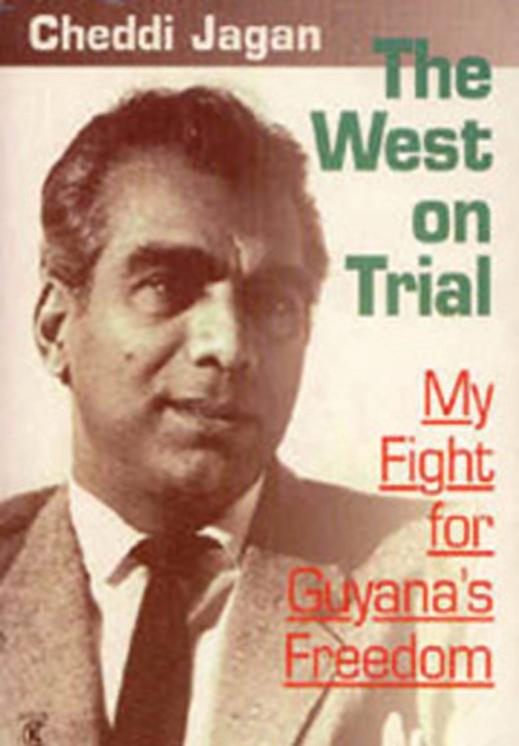
Growing Up by Cheddi Jagan (from “The West on Trial”)
I suppose rebellion is in my blood
As I look back in my past, one thing stands out most vividly, a perpetual struggle for survival and freedom.
All that I shall ever know about my parents before they reached British Guiana is what is stated in the records of the now defunct Immigration Department. They came from Basti in Uttar Pradesh, about sixty miles from Allahabad,
Jawaharlal Nehru’s birthplace. They were born in small villages in remote areas of the district. Births were not recorded in India at that time, so the dates of their births are unknown.. My father’s age on arrival in British Guiana was given as two years and my mother’s as eighteen months.
The original group which was later to become my family circle in British Guiana was rather small; just five persons in all - two grandmothers, father, mother and an uncle on my father’s side.
Both of my grandmothers came as indentured immigrants in 1901 on the sailing vessel Elbe They were “bound” by five-year contracts to different sugar plantations, or “estates” as they were called, in the county of Berbice, the most eastern of the three counties which make up British Guiana. My paternal grandmother went to Albion and my maternal grandmother to Port Mourant, three miles away. Women were required to work during the first three years, but for the rest of the period, during which they were required to reside on the plantations, they were under no legal obligation to work. My grandmothers, however, like all the other women who came to British Guiana during the 79 years
of Indian indentured immigration, from 1838 to 1917, had no choice but to work throughout the five years. Every penny was needed.
Plantation life in British Guiana was hard. At a very early age, my parents had to join their mothers in the canefields, my father at Albion and my mother at Port Mourant. They both worked in the creole gangs. My mother relates that she had to work from 7:00 a.m. to 6:00 p.m. manuring sugarcane in the fields for 8 cents (approx. 2p) per day, and also three times per week from midnight to 6:00 a.m. fetching fine bagasse into the factory for 4 cents (1p) for the 6-hour period. Her total takehome pay was about 60 cents (I2 ½p) per week. She often recalls how difficult those days were: ‘Bhaiya, ahwee proper punish” (Brother, we really suffered). My mother has a way of calling me by the all-inclusive term “brother”, a common practice among Indians.
My mother was a short, quiet, thrifty and deeply religious woman, who took care of budgeting our family’s life. She endured long suffering with infinite patience from my mother I learnt the elements of finance.
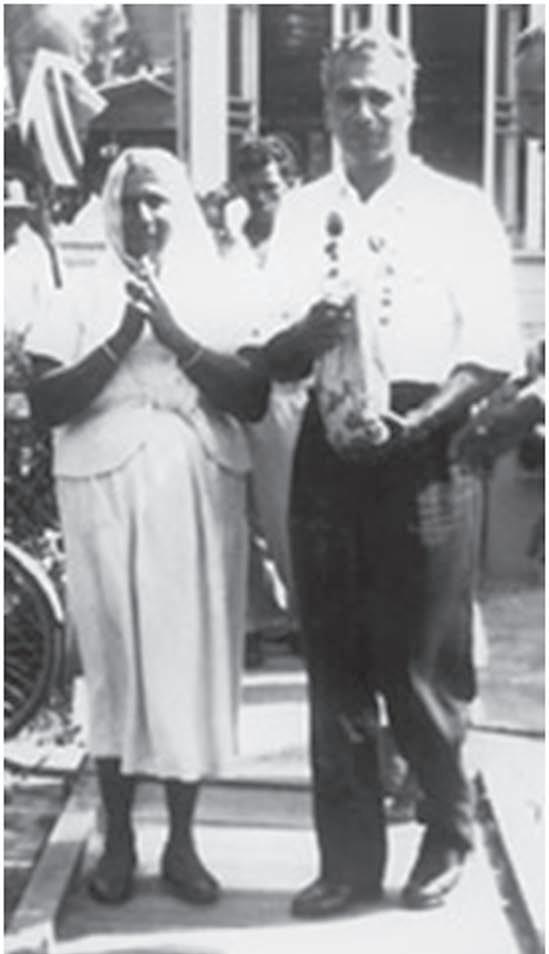
At about the age of fourteen my father moved to the cane cutting gang and my mother to the moulding gang. The cleaning of trenches was allotted as an additional duty, particularly to women. My mother’s earnings increased to 20 cents (4p) per day, and my father’s were 36 cents (7½p). But the hours continued to be just as long. The normal practice for workers in this category was to wake up about 4 o’clock in the morning and trek from three to five miles on foot for task assignments.
My parents were married in 1909, when my father was about ten years old and my mother slightly younger. It was still the custom in those days for Indians to marry at a very early age. However, they continued to live separately with their respective parents until about the age of sixteen, when my mother moved in, as was the custom, with her in-laws.(My father’s mother had re-married.)
For my mother, this was a step toward a slightly higher status - midway between a room in the plantation range and a separate home. Home in this case meant a small house of two rooms, with two windows and a door, a mud floor and a troolie grass roof. Khatiyas (plaited ropes on wooden crossbars and legs) and boards were the improvised beds.
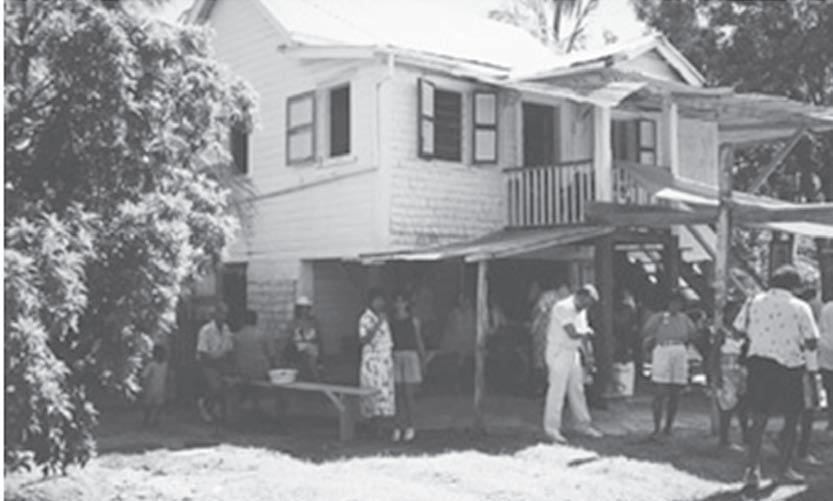
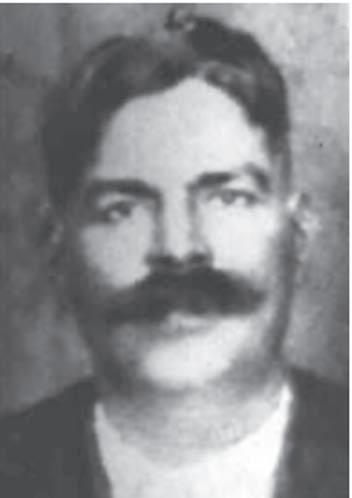
My mother continued to work until I was about nine years old. By that time, there were already four children in the family. I was the second child and was born on March 22,1918; my elder brother had died at the age of eight months.
Because my father had earned a reputation of being the best canecutter, he was promoted at the age of thirty to “driver” - a foreman of a gang. (The term “driver” which dates back to the days of slavery and the whiplash, has now been modified to that of headman.) But his pay was still low; at first no more than 50p a week (G$2.40). After many years he became head driver, but even then he did not earn very much.
My father had a small pocket but a big heart. He was bold and flamboyant and
had a county-wide reputation as a great sportsman, particularly at cricket, horse racing and betting. He was a tall, fair shinned, impressive looking man with a picturesque and the largest moustache in the county. Any leadership qualities I have, I acquired from my father.
On his retirement at about fifty owing to broken health, he was given the princely sum of G$4 (83 ½p) a week as an ex-gratia pension!
My mother never went to school, but my father was slightly more fortunate. Even so, he had to leave within three years, before he was ten, in order to go out to work. My grandmother could not afford to keep him in school. The sugar planters, concerned with the production of more sugar at less cost, kept wages so low that parents were unable to educate their children, who in large numbers remained more or less illiterate.
The planters frowned upon education because they held the view that an educated worker would soon become dissatisfied with his status as an agricultural labourer. What they needed, above all, was a cheap and abundant supply of agricultural labour. Bookkeepers, storekeepers, dispensers, engineers, and foremen could easily be found from among the freed Africans and the Portuguese.
My parents were Hindus and deeply religious, my mother even more so than my father. In the early days my mother used to attend the Hindu Temple at Port Mourant and take part in many of the festivals and functions that are part of Hinduism. Hinduism is, of course, not such a formalized religion as many others. One could say it is a way of life. If you are born of Hindu parentage, you do not have to take part in institutional practices to maintain your status as a Hindu. Although my father attended few of the functions, he was as staunch a supporter of his religion as any other person on the plantation. He wore the churki, a bunch of hair between four and six inches long in the middle of the head, which is roughly as significant to a Hindu as a beard is to a Muslim.
As a boy, I remember attending many Hindu festivalsHoli, Deepavali, Kalimai Puja and Ram Leela. At that early age, their religious significance was lost on me, but they were fun, particularly the Holi celebrations. I remember spending weeks with others collecting all the dead trees and pieces of wood we could find to help build the Holi, and then in the early morning of the appropriate day taking part in burning the heap and roasting corn-on-the-cob. There was a particular superstition that corn roasted in the Holi fire would cure toothache.
One particular event I shall always remember took place at the death of my paternal grandmother. My father had to lead the religious ceremony which, in accordance with the Hindu custom, was performed on the thirteenth day after her death. He had to shave his head completely, with the exception of his churki, and as the eldest son of the family, I had to do the same. I did not relish the thought of going about shaven-headed, but I had to do it to please my parents. I did not have a churki, but a bunch of hair was left by the barber to form one which I cut off as soon as the rest of my hair had grown.
The United States of America (USA) through its Embassy here in Guyana has partnered with the Government through its Natural Resources and the Environment Ministry to provide the necessary training for the country to smoothly transition into a possible oil and gas economy.

CGX Energy Inc, the Canadian-based oil and gas exploration company with focus in the Guyana-Suriname Basin, has announced that it has entered into a tripartite agreement for drill rig sharing.
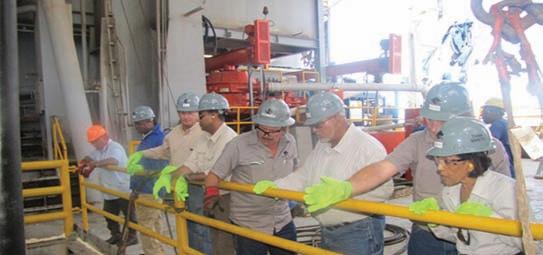
At a capacity building workshop on Wednesday at the Guyana Marriott Hotel, which was designed to enhance Guyana’s technical and human resource capacities for an emerging oil and gas industry, workers from the Natural Resources Ministry, the Guyana Geology and Mines Commission (GGMC), and the Environmental Protection Agency (EPA) were all engaged by the Embassy personnel on the successes and challenges which were encountered by the US during her transition to that economy.
The other partners are Teikoku Oil (Suriname) Co. Ltd., a wholly-owned subsidiary of INPEX Corporation and Petronas, Suriname E&PBV.Oil rigs are the staging areas for underwater oil drilling operations, housing the crew, machinery and necessary equipment.
A knowledgeable observer has explained that, for a company like CGX, hiring an oil rig can be a very expensive exercise and, most times, rigs are not even readily available, since there is, generally, a high demand worldwide for such equipment.
Rig sharing, the source said, is a “cooperative” approach being adopted by petroleum companies to reduce the costs of exploring by eliminating the need to mobilise a rig multiple times for individual company needs.
“A rig sharing agreement is an effective way of alleviating the problems of its availability and price constraints,” he said.
He added that the rig sharing deal is a very positive development which underlines the seriousness of CGX about increasing exploration and sustaining development well into the future.
INPEX is the largest Japanese oil and gas exploring and producing company and ranks high amongst the mid-tier internationals.
It is currently involved in more than 70 such ventures across 28 countries.
PETRONAS is based in Malaysia and is ranked among the largest companies in the world with a proven track record in integrated oil and gas operations.
INPEX and PETRONAS, like CGX, have exploring interests in the Guyana-Suriname Basin.
Through a memorandum of understanding (MOU), CGX, INPEX and PETRONAS will enter into a definitive arrangement, with a view to minimising their exploration costs by sharing, where practical, rig procurement and related support services for their respective drilling programmes.
CGX plans to utilise the agreement for the drilling of its commitment well under the company’s Corentyne, Berbice petroleum prospecting licence.
Chief Executive Officer of CGX, Mr. Dewi Jones
commented:”We are pleased to have signed this MOU with INPEX Corporation and PETRONAS and look forward to finalising the agreement.
“In conjunction with this agreement, we are working
diligently to secure the resources required to execute our exploration programme in Guyana.”
CGX officials announced that it has also entered into a master data processing agreement with Vector Seismic Data Processing Inc. for the reprocessing and merging of seismic surveys relating to the Corentyne petroleum prospecting licence.
The reprocessing, necessary for drilling operations, is expected to be completed by April.(Chron)
President tells Berbicians… Guyana to soon join oil and gas ‘big league’ – ‘We cannot stand still; we have no choice but to go ahead’
President Donald Ramotar gave Berbicians food for thought when he announced that Guyana is to soon join the ranks of the oil and gas producing countries.He dropped the proverbial bombshell while speaking at the launch of the Atlantic Reader Series at the Port Mourant Primary School. “We have to prepare our country for what is ahead of us,” he told those gathered at the event.
“We cannot stand still,” he said. “We can never be content with what we have, because standing still is to be left behind in a rapidly changing world. We have no choice but to go ahead.”

Preparations for the future, he said, include cheap energy, which, for Guyana, means the fructification of the Amaila Falls Hydropower Project (AFHP).
Slated to be this nation’s most ambitious undertaking ever, the hydropower project is touted to be able to provide Guyanese with a cheaper, much more reliable and sustainable source of electricity. It involves the construction of a hydropower plant in the area of West-Central Guyana, where the Amaila and Kuribrong Rivers meet.
Electricity produced there would be transmitted to Georgetown, and Guyana’s second largest town, Linden. The AFHP is anticipated to result in substantial savings to the nation’s coffers, particularly in terms of foreign exchange and the purchase of heavy fuel oil.
The allocation of $1.3B for the provision of the Amaila Project Access Road and related infrastructure was effectively given the green light from the Parliamentary Committee of Supply in its review of the Ministry of Public Works’ 2014 budgetary allocation, in April last year.
When the vote was put to the Members of Parliament (MPs), those from the Government side of the House voted in support of the Ministry’s capital expenditures, which in-
cluded the Amaila project. A Partnership for National Unity (APNU) voted ‘No’, while the Alliance For Change (AFC) abstained. It was this abstention that allowed the project to go through.
On July 18, 2013, the combined Opposition defeated the Hydro-electric Power (Amendment) Bill in the National Assembly, and in August, the Government took the Legislation back to the House and received the backing of the AFC; but APNU voted down the Bill and Motion.
President Donald Ramotar’s consistent position on the matter is that economies must serve the people, not viceversa, and with an expected saving of $9B in electricity subsidies, as well as savings on the $40B fuel bill, enormous investments can be made in other key areas, which will contribute to the improvement of the quality of life for the average Guyanese man, woman and child.
The President underscored the endless possibilities for advances on the economic front, once the Amaila project is completed, including the opportunities for a booming manufacturing sector.
“The lack of cheap energy is not taking us where we need to go,” he stressed.
President Ramotar made it clear that his Government, as well as successive PPP/C administrations, has pushed the development of Guyana, from a strategic standpoint.
He cited the initiatives in the various sectors that have complementing impacts as evidence of his Government’s employment of strategic development approaches.
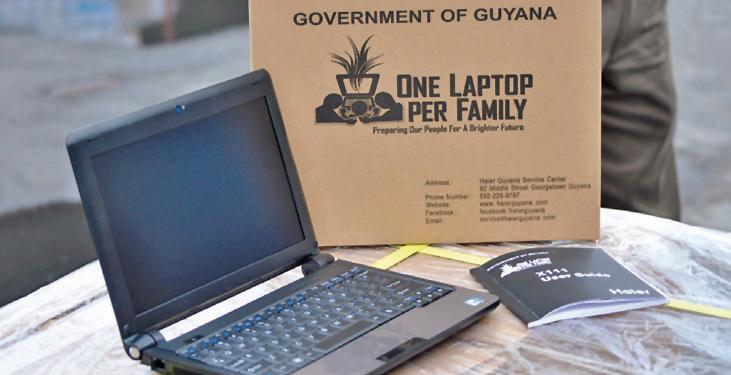
According to him, the establishment of technical institutes position young Guyanese to access opportunities in a more rapidly developing manufacturing sector, once ‘Amaila’ comes on stream, while investments in the One Laptop Per Family (OLPF) project complements the investments in Information Communication and Technology (ICT) projects.
“It’s the combination of all the measures we are using that has allowed us to be at the top; we have very important developments in our country,” he said.
The President made it clear that the bottom line has always been to ensure that all Guyanese, youths in particular, are positioned in a manner that is advantageous to their future endeavours.
“The bottom line is the development of our people,” he said, adding that every citizen has equal opportunities to reach their full potential.
The President also alluded to the fact that his Government has been making strategic investments to advance the development of Guyana and improve the quality of living for all Guyanese.
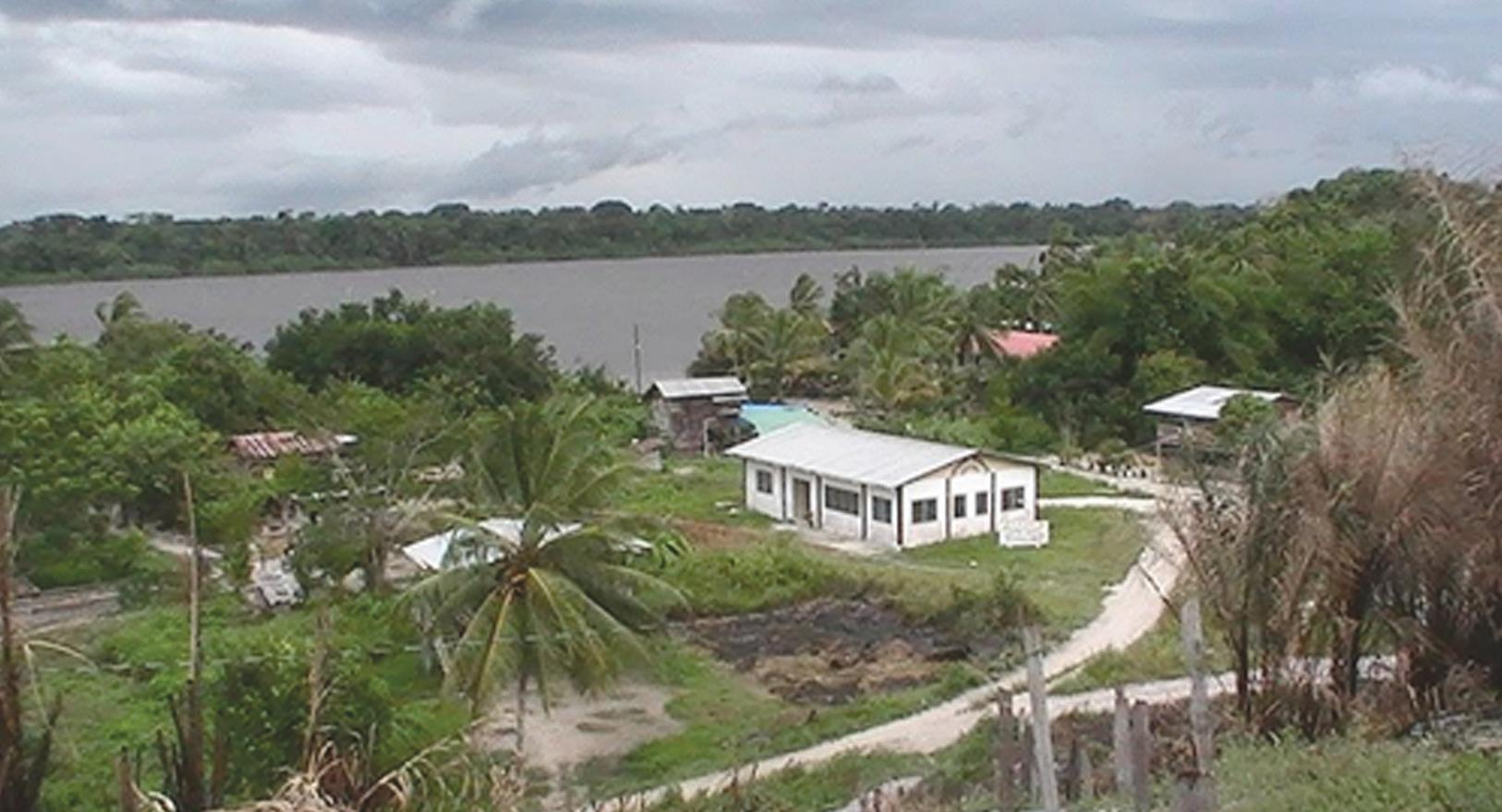
Orealla is an Amerindian village on the Corentyne river, about three hours by speedboat from the nearest town, Corriverton. The Corentyne spans the border between Suriname and Guyana, so there is an element of Surinamese (Dutch) influence in the village.
The population is about 1000 and the village council are a dynamic and progressive group who are trying to develop the village for the better. The community is warm and friendly and supportive of the volunteers. You will be working in the Primary School, which has set up a Secondary programme for the first three years of secondary school and will be required to teach Maths and/or Science and perhaps IT or English.
New jobs coming to Orealla, Siparuta – President tells residents Government has been aggressively pursuing a peoplecentred development course and President Donald Ramotar
Agency (GINA) said.
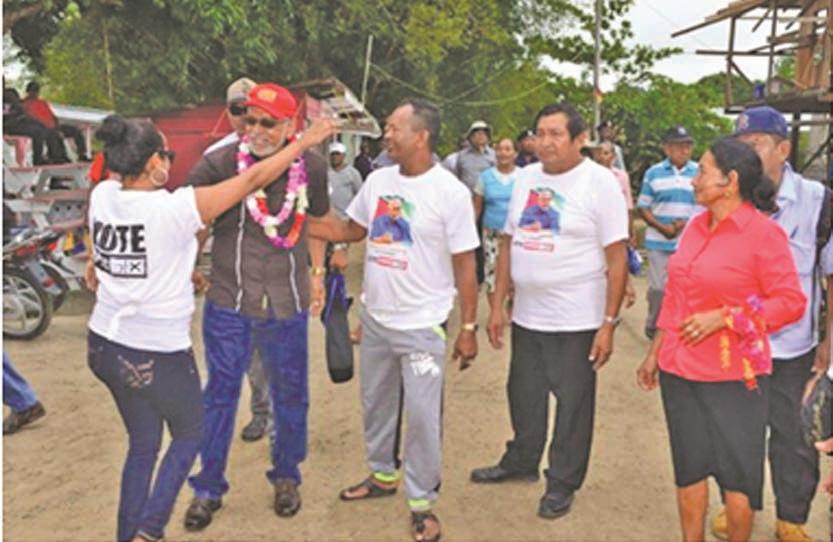
has assured residents of Orealla and Siparuta that this will result in new job opportunities for them and other Guyanese.
The President visited the two riverain Amerindian communities along the Corentyne River, Region Six (East Berbice-Corentyne), which has a combined population of about 1800.
He told the residents of the Administration’s pursuit of plans to build a deep water harbour in the Berbice River and a highway from Linden to Lethem to link Brazil, “so that Brazil and South America can do international trade through Guyana”.
Government is also working with the Surinamese to bridge the Corentyne River, the Government Information
“These are projects that will transform our country, transform the lives of our people, and that is why we are preparing our people through education… we want our people prepared and ready,” the President said.
Government, he added, is expending large sums to ensure the country’s human resources are highly qualified and skilled to take advantage of the opportunities that will be presented.
These, he said will directly impact the prospects available to residents in Orealla and Siparuta by opening up new avenues for business from which they can capitalise.
“That will create new kinds of jobs, plenty of jobs and even the road itself -you have to have mechanic shops, tyre shops, vulcanizing shops, hotels, restaurants all of which can generate lots of jobs for people. Those are the things that the Opposition want to cut from the budget.”
The President said the global trends have shown that countries that focus extensively on the development of its human resources have progressed rapidly, and that is the direction Guyana is heading with the hope of having a highly skilled workforce that will attract more investments.
In this context, the Government has been focusing heavily on the social sector to improve people’s quality of life, particularly education, which receives the largest portion of the social sector annual budget.
These provisions include free text books, uniforms, education grants for school children and transportation and meals for children to attend school regularly. Much investment has also been made in the provision of education for
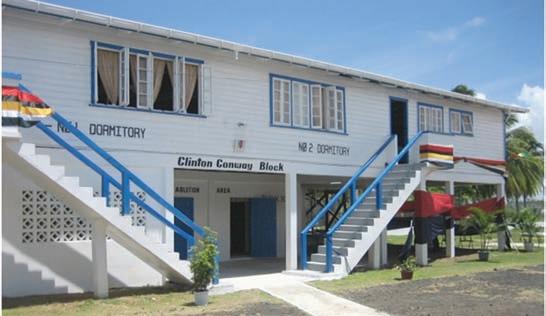
children, including the construction of dormitories.
Similarly, the health sector has recorded numerous strides, and in Orealla, there are now two resident doctors. In the past these villages had only health workers and visiting doctors. Persons from the community have also been trained as doctors and will return to serve.
Other plans for the areas include providing a boat ambulance, transportation to assist farmers to fetch their produce out from the farming areas, and linking the two communities by road, “so that we can have better communication, better transportation and help to improve the overall economy.
However, President Ramotar warned of the deliberate attempts by the political Opposition to stymie national development.
“We have an Opposition that has not been cooperating, they want power for power sake,” he said, noting that they have opposed the passage of critical piece of legislations such as the Anti- Money Laundering Bill, the amendment to the environmental tax on imported bottled aerated drinks.
The Opposition has also opposed money for development projects such as the Amalia Falls Hydroelectric Project, the airport expansion project, the Speciality Hospital and the Amerindian Development Fund. Money was also cut from the National Budgets in 2012, 2013 and 2014 by the Parliamentary Opposition using its one-seat majority in the 10th Parliament, which was dissolved by President Ramotar in February 2015.
“This was a deliberate attempt by these people to stymie development in our country…this is not an Opposition that is interested in development. It is an Opposition that is interested in power for the sake of having power,” he reiterated.
The President acknowledged that both Orealla and Siparuta have challenges with the provision of some services, but noted that Government is continuously working to address those.
Among the issues on which the residents sought the President’s attention are governance and accountability at Orealla while those at Siparuta have requested improved access to potable water for residents on the hilltop, and power generation.
Berbice boosted as new co-generation power company formally launched
The electricity supply for Berbice residents has gotten a further boost with the formal announcement of the launch of Skeldon Energy Inc. This was revealed during a joint press conference, hosted by the Chairman of National Industrial and Commercial Investments Ltd (NICIL) and Chairman of the Guyana Power and Light Company Winston Brassington; Chief Executive Officer, Guyana Sugar Corporation (GuySuco), Raj Singh, and Deputy Chief Executive Officer of the Guyana Power and Light (GPL), Aeshwar Deonarine.
It was announced that following the approval of Cabinet, the GuySuco energyassets of Skeldon, along with the Power Purchase Agreement (PPA) between the GPL and GuySuco, were transferred to a newly created company to be known as Skeldon Energy Inc. This new company will be managed by Wartsila Guyana Inc.
According to Brassington, SEI will be a state owned company, under the joint ownership of GPL and NICIL, in what he described as a “win, win situation”.
“In consideration of the transfer of assets, GuySuco will be paid a total of US$30 million. Additionally, SEI will supply power to GuySuco at the same prices that GPL currently pays GuySuco today.”
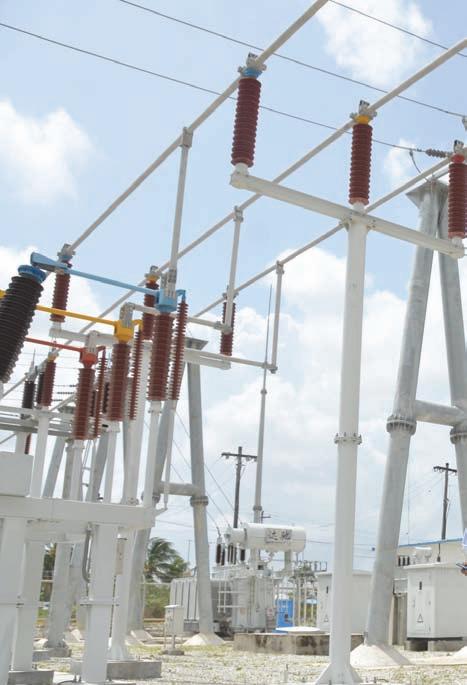
The agreement will also see GuySuco selling the bagasse that is required for its Skeldon operation. It is expected that there will be an enhancement of the generating capacity of the Skeldon Wartsila and bagasse Co- Generation Power Plants, provision of a reliable, stable power source and an expanded power generating capacity at Skeldon, as part of the Demerara- Berbice Interconnected System. An increase of energy supplied to the grid by some 50% is anticipated by the end of 2016 and close to 100% by 2019.
The GuySuco power generating assets consist of three Wartsila power plants with an installed capacity of 10 MW, and a cogeneration bagasse plant with an installed capacity of 30 MW. All employees employed by GuySuco, will be seconded to the new operation, on the same terms and conditions enjoyed at present. Brassington added that under the PPA, which will see GPL purchasing most of the power from the SEI, Wartsila will provide financing for the rehabilitation
of the 10 MW plant. The SEI Wartsila plant is expected to inherit the many benefits of the more than 20 year relationship Wartsila has had with the GPL, such as discounts on spare parts, and proven advice as the company currently operates several bagasse and steam generating facilities internationally.
GPL has been supplying power into Berbice since 2014, to the tune of 12MW Brassington said via the newly commissioned transmission line that allows one interconnected grid between Demerara and Berbice. He explained that the new arrangement will reduce the need and risk in power transmission from Georgetown, “and may over time allow this trend to be reversed. The projected generation of the combined plants of 40MW by 2016 will be over 20% of the generating capacity of the entire DemeraraBerbice Interconnected System (DBIS)”.
The Skeldon Energy Inc. will be funded with equity financing of US$5 million from NICIL and US$4 million from GPL, along with debt financing of US$21million from GPL (in the form of a loan), and several local
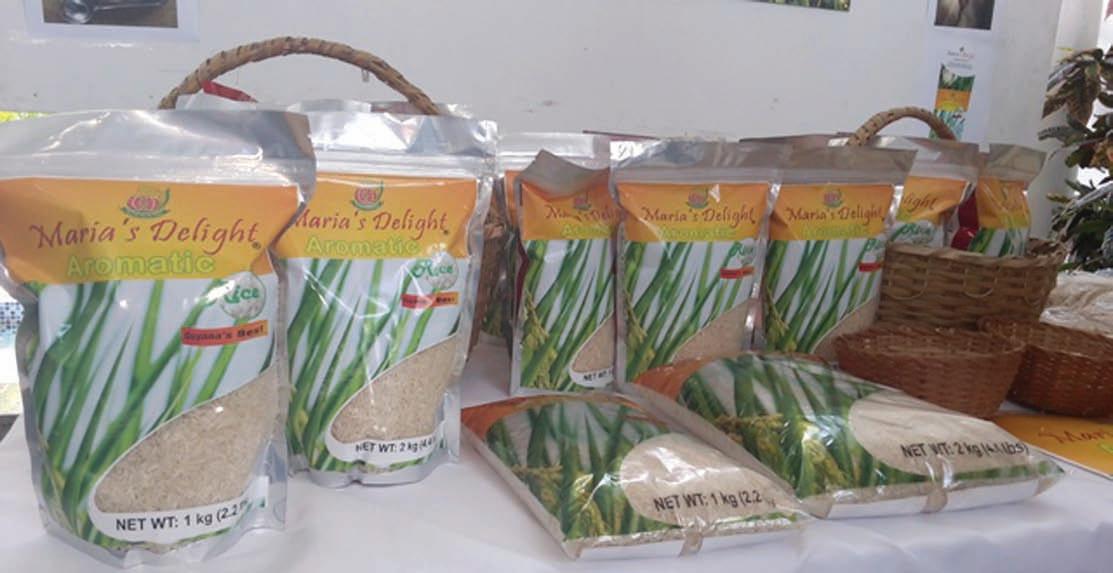
While Guyana’s rice production has plunged ahead to beyond 600,000 tons there are plans already launched to have Guyana become a player in the high end “aromatic rice” - the leader of which is the “”Basmattie” variety from India - which commands a premium price.
Guyana is the first country in the Caribbean to have pro-
duced an aromatic variety of rice quite recently and is now poised to enter a growing market for this product, Agriculture Minister Dr Leslie Ramsammy said on Thursday.
During a telephone interview with Guyana Times it was stated that during the second crop last year, the first commercial cultivation of this rice produced was over 100 tonnes. It was packaged and put on the market through the Guyana Shop during the Christmas holidays and quickly sold out.
“Guyana’s aromatic rice has proven to be very successful on the market and consumers have been returning asking for more. With the first introduction of Guyana’s aromatic rice, farmers are eager to compete with the well-known imported brands of aromatic rice. It is expected that by the end of 2013, our production will meet the entire demand for
aromatic rice locally,” Dr Ramsammy said.
He explained that with this initial success, his ministry has been working with 20 farmers from Regions Two, Three, Four, Five and Six to produce more aromatic rice. Presently there are more than 200 acres under cultivation and it is expected that more than 250 tonnes of aromatic rice will be produced during this crop for 2013. Meanwhile, the Agriculture Ministry through the Guyana Rice Development Board (GRDB) is already sourcing international markets for this niche product. “The price for aromatic rice is significantly higher than regular rice. In Guyana’s supermarkets, aromatic rice from countries such as India is sold for about $1200 per kilogram, compared to about $250 per kilogram for regular rice. For the second crop of 2013, we expect to increase production to more than 700 tonnes, bringing this year’s production to more than 1000 tonnes of aromatic rice,” he stated.
Guyana Times was also told that government is also engaged in negotiations with a Caricom country to export Guyana’s aromatic rice.
Dr Ramsammy has also set a target of 10,000 tonnes for aromatic rice production for the year 2014.
He emphasised that there is a significant demand by Caricom nations for aromatic rice and that Guyana’s aromatic rice can compete with other brands across the Caribbean. It is believed that the country’s latest rice will “find an enthusiastic demand” among Guyanese living in North America and Europe.
“The best known and most popular brand of aromatic rice is India’s Basmattie rice which is found in supermarkets in Guyana, across the Caribbean, South and Central America, North America and Europe. In a market survey to test consumers’ acceptability of Guyana’s aromatic rice, our rice tested favourably. These consumers seemed to prefer Guyana’s aromatic rice against other brands that were tested,” the agriculture minister noted.
Guyana’s aromatic line of rice was researched and developed by a local group of rice researchers at the Guyana Rice Research Centre, led by Dr Mahendra Persaud. The team took about four years to develop the line before allowing the first commercial production.
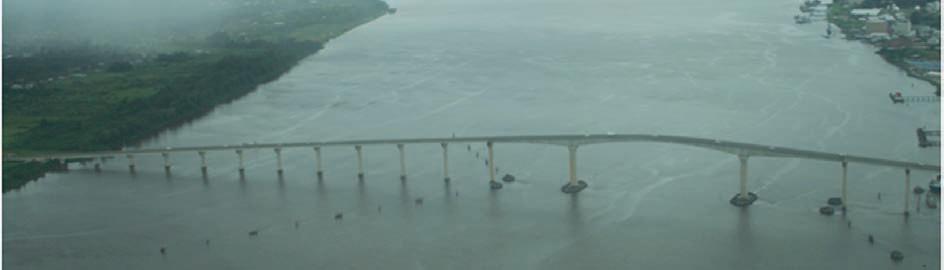
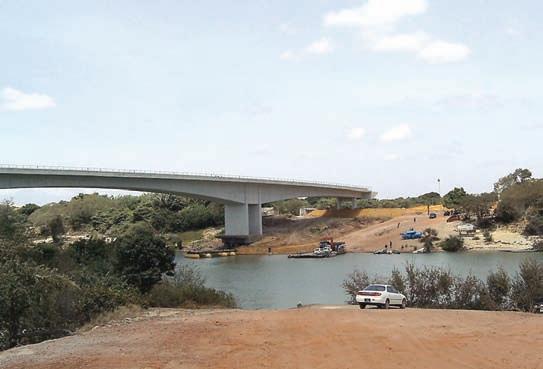
President Donald Ramotar has promised to deliver a bridge across the Corentyne River and a road linking Guyana and Brazil should he be re-elected President at this year’s elections.
In his New Year address Ramotar said: “during the next term of office, my Government will work with our partners to bridge the Corentyne River and to complete the road from Brazil along with the accompanying deep water harbour.”
Back in 2013 Cabinet Secretary Dr Roger Luncheon had said that some preliminary works have been completed and ground work will begin shortly on the bridge project. He had said that a final decision is yet to be made regarding the construction of the bridge, but discussions are continuing and officials are now looking to finalise preliminary studies to continue with the project. Funding for the project has been an ongoing deliberation between Suriname, Guyana and international financial institutions. Dr Luncheon said the two countries have signalled strong support for the establishment of land linkages across the Corentyne River. The initiative was identified as one of a series of projects that would further physically integrate South America at a recent Union of South American Nations (UNASUR) meeting. During his presidential campaign, Surinamese President Desi Bouterse had promised to build a bridge across the Corentyne River, should he be elected. Bouterse had said that it is necessary for technical assessments to be done before the project meets the construction phase.
Meanwhile, Ramotar also declared emphatically that “high amongst (the) priorities will be to ensure the achievement of more affordable and more reliable energy.” The reason he proffered is manifold, and what it can realise when completed. “For too long, Guyanese have looked forward to harnessing our country’s vast hydropower potential. The time for realising this dream is long overdue. “At the heart of all these developments, will be our aim to improve the quality of life, enjoyed by every Guyanese citizen. Opportunities will be created for persons to find gainful employment, and to acquire the skills necessary to take up those opportunities. Amongst the initiatives we will pursue, is the aim of achieving Universal Computer Literacy, (so) ensuring that each and every one can assume his/her rightful place in the modern, technology-driven world,” he stated in his address to the nation.
The idea of road/bridge networking was also mentioned. The President explained that “… the feasibility study for the East Coast-East Bank bypass road has been completed
and (in discussion are the) next steps to advance this project, that has awesome ramifications. It is set to … catalyse US$65 million in investment, building 20 kilometres of roads and supporting infrastructure. Furthermore, in the first half of 2015, we will be constructing an alternative link between Diamond and Eccles that will greatly relieve traffic congestion for commuters on the East Bank of Demerara.” This of course means thousands of job opportunities.
Unreliable and unaffordable electricity continues to be the biggest impediment to investment and job creation in Guyana. My Government will deliver the Amaila Falls Hydropower Project to the Guyanese people, along with all its attendant benefits.” He said “Within months, (he is expecting) to achieve financial closure and (so) commence construction…” The flagship of the LCDS is the AFHP, he said, and added that, “I am pleased to announce that Norway has transferred earnings from our partnership of approximately US$80 million to the Inter-American Development Bank to fund part of Guyana’s equity share in the project. This is a significant accomplishment. It demonstrates that all partners have strong confidence in Amaila. The project is once again moving forward.” The President repeated that Guyana is one of the very few countries in the world, receiving compensation for the sustainable management of the forests. Under this LCDS and in partnership with Norway, Guyana recently received its fourth payment, bringing the total earned thus far to US$150 million. It is the funds earned from this kind of prudent management that the AFHP is becoming more and more visible. In 2015, he stated the Government will continue to break new development
Fground under the LCDS. “We will launch initiatives targeted at flood prevention dealing with both coastal community drainage systems and the larger conservancies. We will catalyse the ecotourism sector through several interventions so that Guyanese can more fully take advantage of our country’s natural and cultural assets,” he said.
In addition, work will advance on a Biodiversity Centre that will showcase Guyana’s unique biodiversity to the world and to school children, some of whom have not had the opportunity to travel to interior locations.
The areas of works to be continued include just about every sector, as each has seen significant progress in the recent past. For example, the housing sector has seen impressive growth over the past five years. The President detailed that, “From 2009 to 2014 the budgetary allocation to the sector has grown by 400%. In 2009, the Ministry was implementing 51 projects, now in 2014; there are 170 projects under implementation. The sector has been a boom for job creation, directly creating 3,500 jobs in 2014, a figure that is projected to grow to 4,250 in 2015.’ “In just the past three years we have increased monthly Old Age Pension by 75 percent to $13,125. This is light years from where we came when it was a paltry few hundred dollars and our seniors were subjected to the humiliating means test.” Now the criterion is just age.
President Ramotar reminded all that “Over just the two and a half years to mid-year 2014, the size of the economy increased by 25 percent to $650 billion, (and) our country has attracted more than US$629 million in foreign direct investment, credit to the private sector has grown by 41.5 percent to $190.5 billion, and total deposits in the commercial banks has grown by 22.1 percent to $334.6 billion.” All of this was achieved despite the fact that the international environment was not favourable for some of the important sectors of the economy, he said, as he mentioned the notable fall on the international market for the price of gold, the decline in sugar price on the world market by 60 percent, and rice facing similar challenges of market availability, unfavourable price movement, and late payments. Ramotar also lamented the fallout with the opposition. “The Opposition displayed remarkable recklessness and disregard for the welfare of our people by twice opposing the passage of the Anti-Money Laundering Bill in the National Assembly. In so doing they are endangering our Financial Sector, exposing it to International sanctions. I ask how can one speak about fighting drug traffickers and money launderers, how can one speak about fighting corruption and oppose the passage of the AMF/CFT Bill.”
or the benefit of hundreds of fishermen and their relatives, the soon to be commissioned D’Edward Fishermen building is really a dream come through. The Fisherman Building sets new Standards for Landing sites for fishermen.
According to them they have been asking for years for something like this so that they would be able to store their engines and fishing gear and for some order to be brought to the activities at the location of the MMA 3-door sluice adjacent to the Berbice Bridge western approach. Often times they were running into problems with the MMA and the Bridge Authorities. They approached the Minister of Agriculture, who then brought to-
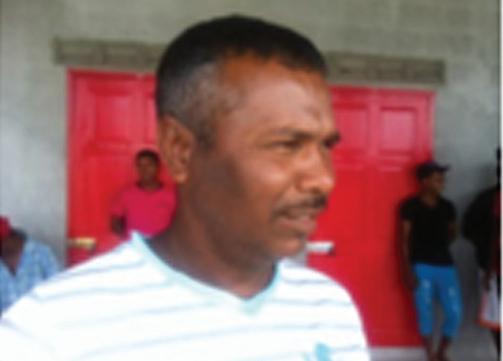
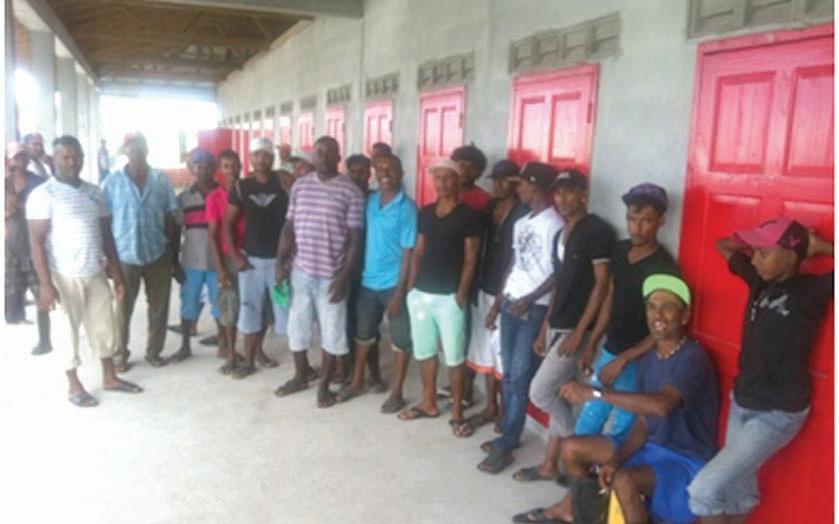

gether the MMA and the Fisheries department to look at the issue and try to find a way out. The idea of the building as a priority before trying to enforce order at the location as they were asking was agreed, and the Minister then spoke with His Excellency the President who gave his blessings for the project. The building is now completed and the rooms have been assigned. The next step would be the clearing of the area and the dismantling of the unsightly shacks they were using. In addition to the building the MMA has also constructed a large reinforced concrete tarmac where the trucks will assemble to transfer the catch from the nearly fifty boats that discharge there.
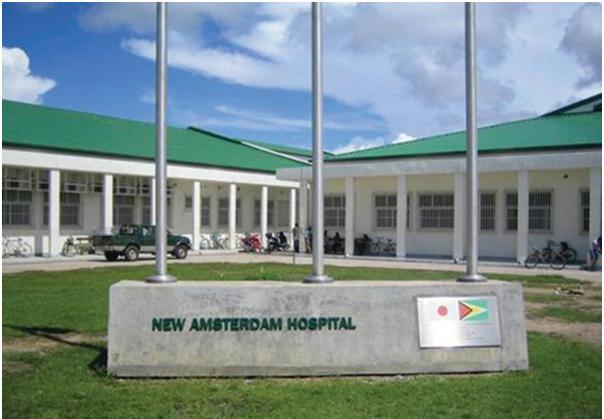
In the Health Sector, a completely new Tertiary Hospital was constructed in New Amsterdam, which services both Region 5 and 6. The opening of the Berbice Bridge in 2008, made patients access the facility much more comfortably than in the past when they had to wait hours at the Rosignol Stelling to cross on the ferry. There are four other hospitals in Region 6.
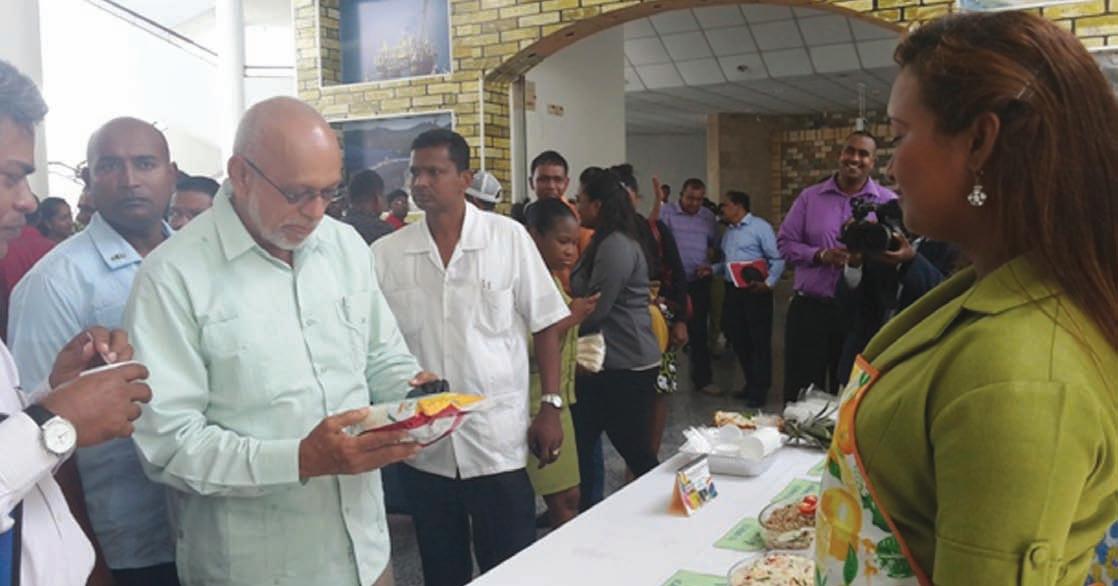
The Berbice Health Expo was launched in New Amsterdam and was set to open under the theme “Stay strong, live long”.
Project Coordinator, Dr Melissa Ramdeen said the idea behind the expo is to encourage Berbicians to practice healthy lifestyles. The event is the only one its kind in Guyana.
The expo will focus on animal health awareness, environmental and social issues.
“We are trying to educate people in that direction to let them know what are some of the things that they need to caution themselves about and what are some of the necessary steps they need to take for themselves to ensure that they live long in a health manner.”
Among some of the agencies that participated were the Guyana School of Agriculture, the Guyana Marketing Corporation, Massay Industries, Sterling Products Limited, the Guyana Livestock Development Authority, the Ministries of Health and Agricultural, the Pan-America Health Organisation (PAHO), the Ptolemy Rehabilitation Reid Centre and several Non-Governmental Organisations (NGOs).
“We know many people living with diabetes and some who would have had amputations done, so the Ptolemy Reid Rehabilitation Centre will be here to educate us and also offer some advise,” Dr Ramdeen said.
abled, all races – and it has no politics. We feel that the more educated the population is, the more they will take care of themselves and not only of themselves but also those who are dear to them and in the long run, we will have less people to treat and the better care we will be able to provide.”
Regional Executive Officer Paul Ramrattan said the Regional Administration is proud to once again host the event.
The expo is expected to be opened at 15:00h, and according to Dr Mahadeo, about 19:00h, there will be a cultural presentation at Main and Church Streets.
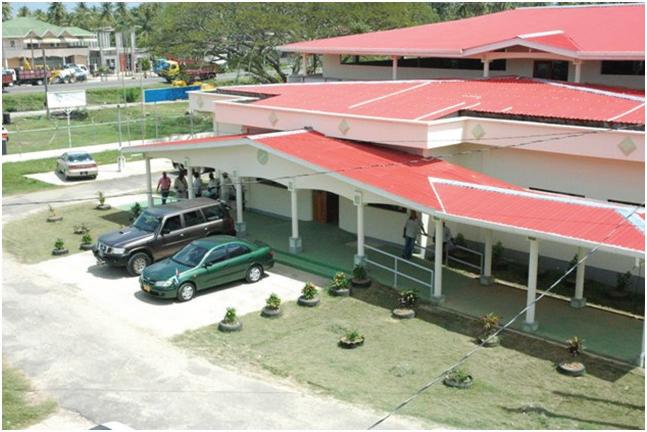
National Ophthalmology Hospital commissioned -eye surgeries to commence on June 28
The state-of-art National Ophthalmology Hospital
was commissioned by President Bharrat Jagdeo at Port Mourant, Berbice. Eye surgeries will commence on July 28 at the hospital which will be offering an entire range of services free of cost to Guyanese and individuals from neighbouring countries.
She noted that several fun booths will also be available, including face painting for children who will also be able to receive prizes from the Berbice Regional Health Authority’s (BRHA) kids quiz booth.
There was also a booth which focused on Ebola and another on Chikungunya. Suicide will also be addressed at the expo.
“Meditron, they usually sell medical equipment, they will be here displaying some of the equipment because you find that patients prefer to have their own blood pressure apparatus, and just a treat for the public, some will be able to receive free glucomonitors. So I am urging you to come out, be as early as possible to get a hold of those free glucomonitors.”
Dr Ramdeen explained that each of the five hospitals in Region Six (East Berbice/Corentyne) will have a booth at the expo.
BRHA Chief Executive Officer (CEO), Dr Vishwa Mahadeo said the event is returning after a two-year absence.
Apart from agencies that are involved in health-care, some of those that contribute to health of the nation will also participate.
The first year the event was held as a health fair, some 23 booths participated and the number increased to 30 in the second year.
So far this year, more than 60 agencies have signalled their intention to participate. Dr Mahadeo explained that education is key to having a healthy nation.
“A healthy nation cost less on the taxpayers. Health, like religion, cuts across boundaries – old, young, dis-
The Ophthalmology hospital is one of several projects under the Guyana/Cuba collaboration programme initiated by President Jagdeo in 2006, which includes the construction of four diagnostic and treatment centres at Diamond, Suddie, Mahaicony and Leonora. The institution is expected to conduct 10,000 eye surgeries per year.
President Jagdeo during the opening ceremony said that the realisation of the facility is testimony to the continued efforts by the Governments of Guyana and Cuba to improve bilateral relations and promote greater development in both countries.
“We know what we are committed to, we know what is our task, how we have to serve our people and that is the primary focus of my government,” President Jagdeo said.
While reminiscing on the strong bilateral ties and friendship both countries have shared over the many years, the Head of State said that the 1950s period was a historic and symbolic one for both countries which were engaged in struggles for their freedom and independence.
“If we look at the history of Guyana and Cuba they intertwine; from the beginning of the revolution…because it was much later when we established formal diplomatic ties, these are all very important things so it is very proficient that we are here today opening this center,” the Guyanese leader said. He noted that during the formation of the People’s Progressive Party (PPP) during the 1950s providing basic social services to the Guyanese people was part of the party’s objective.
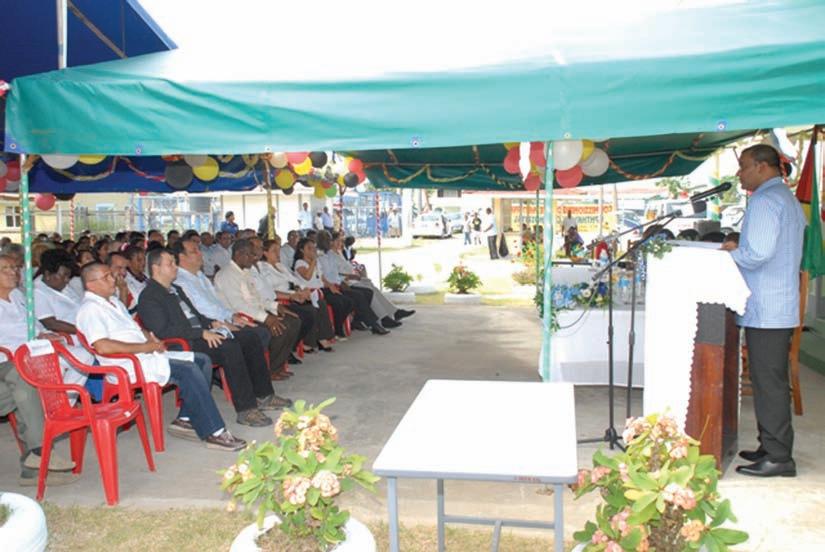
President Jagdeo told the gathering that it is his hope that, as both countries move forward they can look back and analyse their progress and correct errors made.
Meanwhile, Minister within the Ministry of Health Dr. Bheri Ramsaran said that the genesis of the hospital is symbolic moment for Guyanese since it comes as a package with new services offered by the Ministry of Health and the Government.
He said Guyana and Cuba have been enjoying and building diplomatic relationship over the years.
This, he said is evident with expanded cooperation in the areas of health between both countries in 2006 which helped to build a strong foundation for the three decades of existence.
Prior to the construction of the facility thousands of Guyanese benefited from eye surgeries conducted in Cuba under the Guyana/Cuba ‘Mission Miracle’ programme.
The programme since its inception in 2006 has touched all population points in the country as persons were able to have corrective eye surgeries.
Dr. Ramsaran noted that since the construction of the four diagnostic and treatment centers they have been providing the necessary services just as the President has envisioned.
The Diamond Diagnostic and Treatment center has been seeing approximately 300 patients per day.
Cuba’s Charge d Affaires, Jorge Rodriquez Hernandez praised Guyana for its support Cuba which dates back to the time of Dr. Cheddi Jagan.
He said the hospital is a relationship of strong ties between both countries.
“We have received the solidarity of countries of the people all around the country of the world and we are proud of Guyana being among these,” he said.


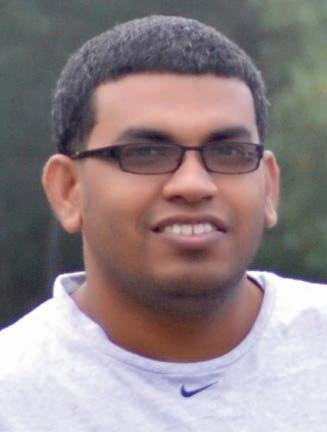
Hemendra RamdattStudent
The PPP/C is the most stable political party and as such based on their recent achievement and record I would definitely say yes if they are given another term in office they can continue the work they are doing and even better by providing the opportunities necessary for Guyana and Guyanese development .The other parties are struggling with their internal problems and therefore would not be able to . I am still to see their manifesto and what they have to offer to the Guyanese people .

Sabrina Ramdial –Student Over The Years I Have Observed The Development Under The PPP/C. I know once elected they will do a great deal for our country .It would also be easier for them to continue on their development and expand on areas they had started .They will continue to work on areas they fell short on making it better . I know also they could have done so much more if the opposition didn’t cut the budget.

Intikhab Sakoor –Taxi Driver
Under the present administration I am able to live an average and comfortable life .I think since they have been in office they were able to improve the lives of its citizens as well as the image of the country if given another time they will be able to develop this country further however they need to not only focus on election time but year round for example visiting ;members of cabinet visiting Berbice monthly to check on issues concerning them Additionally in Region 6 given that they win the election I would like them to address the issue of street lights from the Berbice Bridge (Palmyra) to the number 19 highway .

Anil Chatterram – Lab Technician
offer more developments for the country . They will also have more foreign investors and tourist attraction because of the newly built 5-star hotel to accommodate them. With the hydro power it will have more energy to open more factories and cost of living will drop. With the 1000 Guyanese doctors who have returned from Cuba and are now placed at various medical institutions Will foster the promotion, prevention and rehabilitation for healthy society, and with a healthy society we will have stronger human resource thus improving development for one and all.

We have new roads and some of the streets have been repaired. They have put lights on the streets. Before it was very dangerous around the Berbice Educational Institute but now the area is well lit so you can be comfortable when your children are out on the road.
The road had potholes when I came here to live and it has been paved, it is better for all of us now.
“Yuh a do wan good job!”
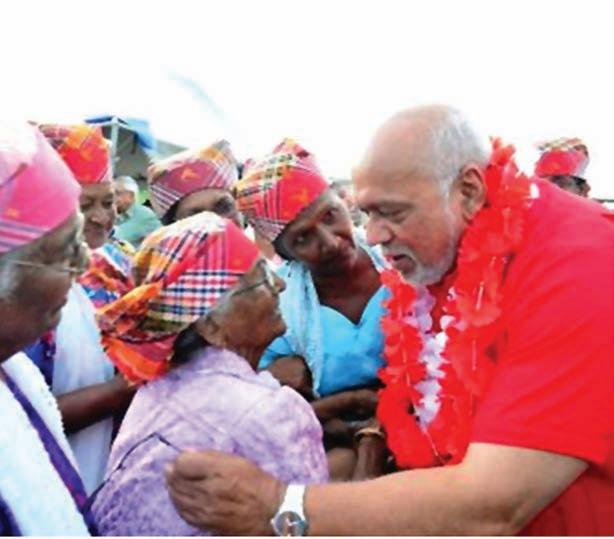
paved roads and just look at the health sector we have so many doctors and medic like my father told me. We have our own Health Centre with a doctor that was trained by this Government.
Vineshri Khirodhar
- Young Doctor
I am a young doctor who left Guyana eight years ago to study in Cuba and return. Now I am in charge of two medical facilities in Berbice; the Port Mourant Hospital and the National Ophthalmology Centre. This is testimony to the fact that the PPP/C Government has the interest of young people at heart and has been investing in them.

Before the fire we were doing 10,000 eye surgeries annually at the Ophthalmology Centre and soon the Port Mourant Hospital is to get its own theatre and they are building one at the Skeldon Hospital to serve the people of the Upper Corentyne. That is proof of progress.
Julous Richards
Yes! If the People’s Progressive Party/Civic wins they will do a lot better for Guyana. I know they would do so much more if the budget was not cut for major projects especially the Amaila Falls project where Guyanese would have been able to pay less for electricity .I have confidence that the present Government will do better for all. They always have its people at heart.

Sadia Ali –
They can and will do better because for the last 22 years when they took over, the country was in an economic crisis and today it’s so much better. I believe if they PPP/C wins the next election via a majority government they will have more money to
The PPP/C Government has been pumping a lot of money into the Berbice community and we now have good roads. At one time cars could not go into Angoys Avenue, but now vehicles are driving through all the time. When I moved in there you had to go and get water from a pipe on the road in a hole but right now they are putting in new pipelines. We are getting water at our homes and people are now paying $56,000 for their land tittles so we have seen a lot of improvement particularly over the last three years.

My father has worked with the sugar estate and he was able to send me to school and now I am a young professional only because of the opportunity made available under this administration. Where I grew up we had dams to walk on now we have
There were days in the past when I had to leave home and go the outlet to see what they giving. In the 80’s I am talking about when you go to the outlet and stand up in the line and when the first person get through then you know what they giving if is one pint of oil and two cakes of soap or is toilet paper and something else but every day you had to go and line up at the outlet. I remember if a Government Minister in the area and passing the school we had to come outside with a flag in our hand and wave it when the Minister passing in his car. Yes they had a few street lights but we couldn’t even afford a bicycle. Now my son has a car and he only finish school the other day and he is a teacher.
There is a lot of development. Even the small shop next door to me has things that you use to line up for when I was going to school. The scheme that I live in was bush when I know it. Now is everybody with a big house. We use to say that our neighbour was living in a big fancy house but that would be a small house if they bring it in this scheme.
Anil Beharry – Bank Manager
I grew up in Canje and most of the areas where they have housing schemes, it was pastures we used it to play cricket as a small boy. Now they have houses with wellpaved roads and electricity and water in those very places. The Government has introduced the Mortgage Interest Rate Relief and many first-time homeowners are benefiting from about three months’ salary from their interest. Another thing that this Government has done is brought the interest rate for loans down so today so many people can afford a loan to build a house and improve their lives.
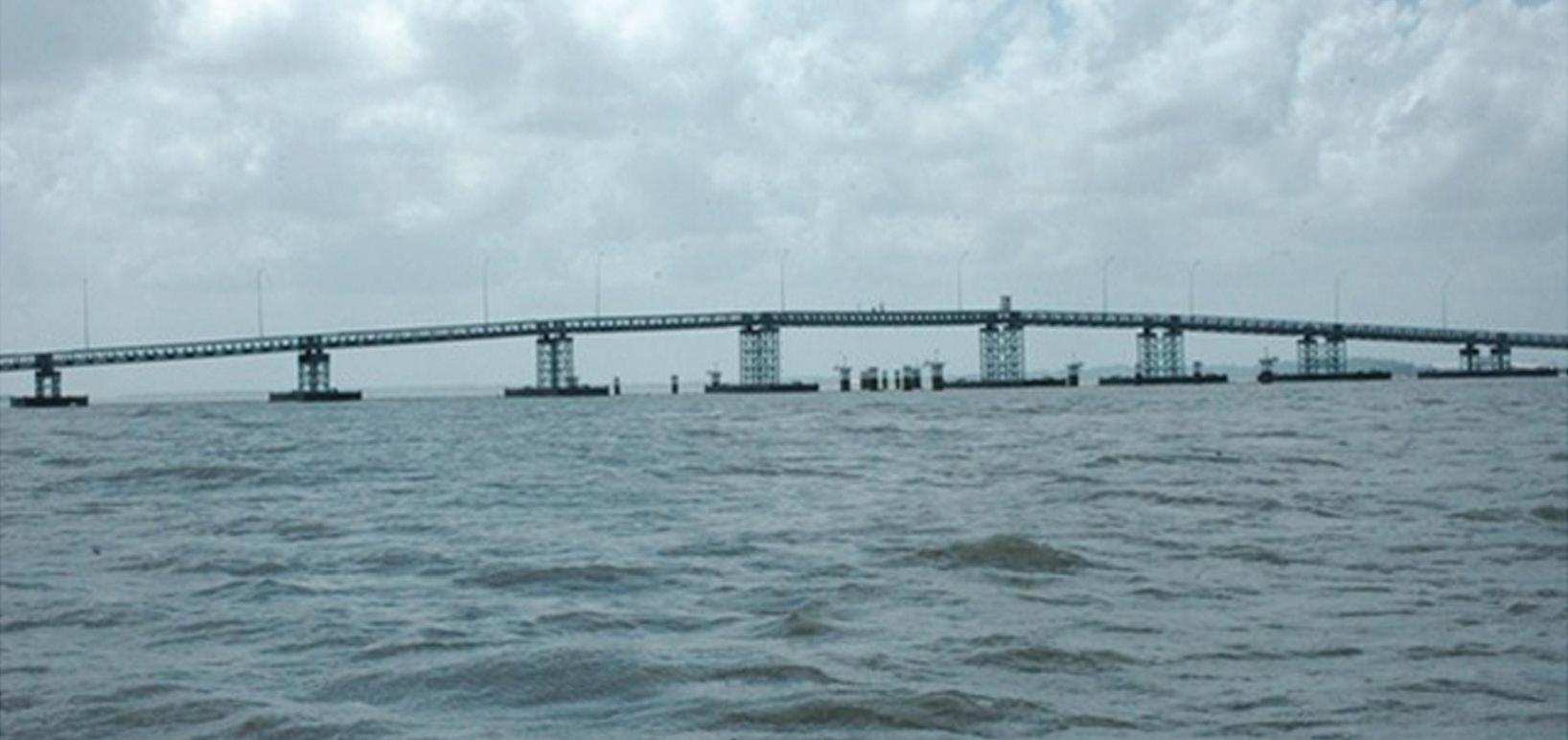
Standing testimony to the years of successful progressive governance that has characterised the People’s Progressive Party Civic (PPP/C) Government is its investment and realisation of that very crucial infrastructure that is now providing ‘real time’ travel across the Berbice River.
The bridge across the Berbice River, one of the most successful public-private partnership ventures, has been transformative. The impacts of this infrastructure on the socio-economic livelihoods of people, not only from Berbice, but from other parts of the country as well, have been overwhelming.
Indeed, because of this infrastructure, Guyanese no longer have to worry about living in Berbice. No longer are they concerned with the fact that the ferry ride is about an hour across the river, and if that ferry broke down (which it did often) that they would have been stranded, waiting to cross for hours.
Not, today, instead, many Guyanese are enjoying the freedom of taking their own vehicles, across the river and at their own time and convenience.
Certainly, the volume of traffic that the bridge accommodates on a daily basis can be considered epic compared to the proportion that the ferry service could have shuttled across the river.
In line with Guyana’s rapid transformation
Yes, for years, prior to the Berbice River Bridge, commuting to and from Region Six was dependent on the slow and almost decrepit ferry. However, with Guyana’s rapid transformation, this old ferry system could not have met the demands of increasing vehicular traffic, seeking access across the river.
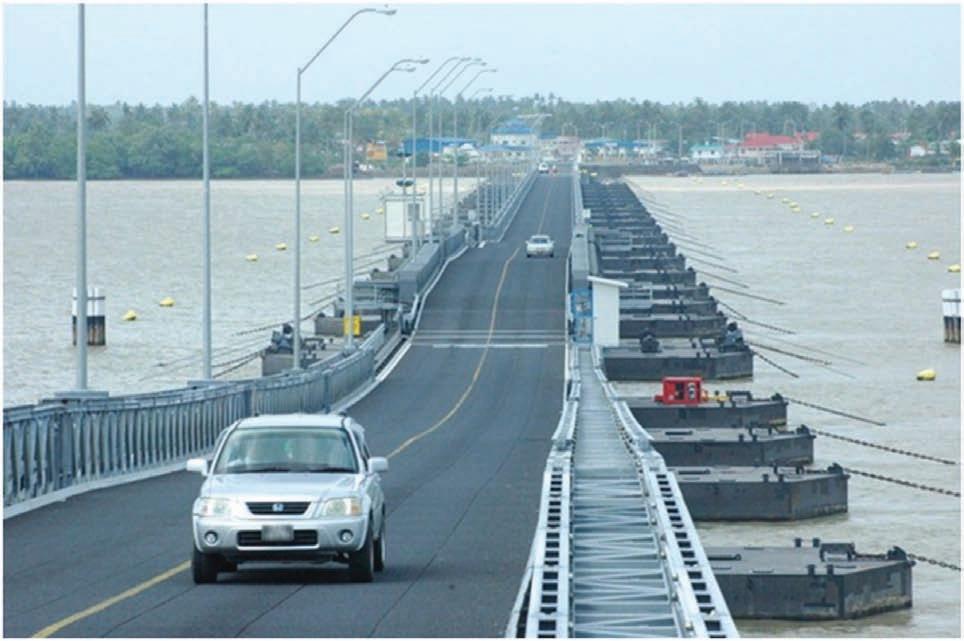
The Patriotic Businesses supporting the Berbice Bridge
While there has been much ado and hullabaloo about the Berbice Bridge and its “high cost” to commuters, nothing is ever mentioned about five private businesses that pumped their money into the construction of the Bridge back in 2008. These were the New GPC, Queens Atlantic and Secure International Finance Company, each having $80 million, and Hand-in-Hand and Demerara Contractors each holding $40 million. Demerara Contractors is a subsidiary of DDL.
While these companies have a total of ordinary share capital of $400 million in the Bridge, THEY HAVE NEVER RECEIVED A CENT OF DIVIDENDS FROM THEIR INVESTMENT. At the same time, the Directors of the BBCI have been donating hundreds of millions of dollars to charitable and other causes involving the residents of Berbice. Dr Ranjisinghi “Bobby” Ramroop owns the NewGPC and Queens Atlantic Investment Inc which invested a total of $160 million.
Efforts therefore began at charting faster and more efficient access across the river, and thus bridging of the Berbice River was quickly seen as the most logical response and one with additional benefits: improving the link between Regions Five and Six; and opening up new business opportunities for the thousands of Guyanese.
For a country that was growing economically and welcoming more foreign investment, the bridge across the Berbice River was the type of infrastructure definitely needed and in that regard the PPP/C should be lauded for transforming the vision into reality, following years of persistence by Government, the private sector and other entities.
Guyanese welcomed this vital infrastructural input, on December 23, 2008 and soon its contribution was evident. Quickly noted, was the time it takes to get across the river by the bridge compared to the burdensome and arduous waiting time that commuters had to inevitably endure with the ferry service. Now it is possible to make at least two trips a day from the city to Berbice.
stelling for hours, sometimes even days, before they could get a chance to cross the river. This saw many of them suffering severe losses, especially if they were transporting perishables.
Millions of dollars, which prior to the bridge, were lost on waiting time, are now being used by commuters and drivers to enhance production and productivity of businesses.
Truck operators in particular, used to bear the brunt of the ferry system; since only a few trucks, depending on their weight, were allowed to board the ferry per trip. As a result, truckers were forced to park and wait at the
Patients in need of urgent medical attention and had to be transferred to the Georgetown Public Hospital Corporation (GPHC) had no choice but to wait in an ambulance or a vehicle to be ferried across to West Berbice. People travelling to the Cheddi Jagan International Airport (CJIA) at Timehri had to literally leave their homes many hours in advance to line up at the stelling and sometimes still miss their flights. It would be of no benefit to harp on the challenges of the past, but it is often forgotten how difficult it was before the Berbice Bridge came into operation because Guyanese have now grown accustomed to the much improved services that the Government provides.
Compared with the old system, the Berbice River Bridge makes travelling faster, easier and also allows for more frequency of travel. And this is the reality of the impact of the bridge across the Berbice River. It used to take between three and six hours to cross the Berbice River with the ferry, now it takes about three minutes to drive over the bridge.
No hassle!
Robert Moore, a resident of Region Six, has nothing but good things to say about the bridge. “You do not have to wait a long line to get over to the other shore. When we had the boat, you had a long waiting, especially if you were moving with your own transportation. I mean, if you are travelling on your own, without a vehicle it is easier for you to wait and catch the boat, but now with the bridge it is easy. You just
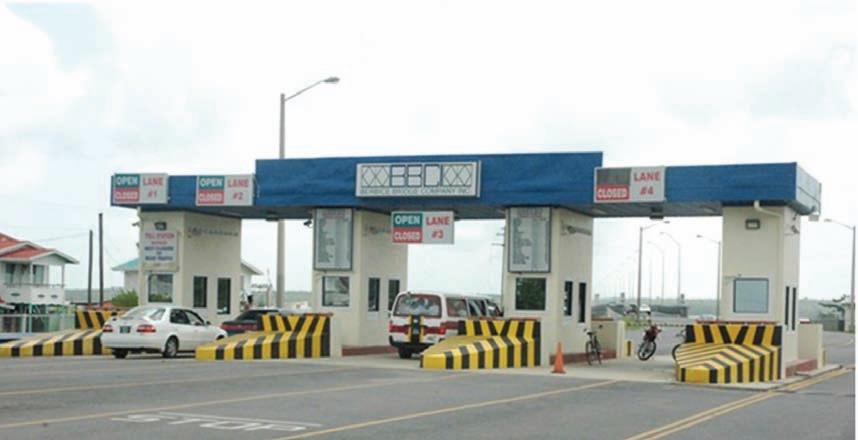
With the advent of the bridge, these struggles are nothing but a faded memory now; truckers from the Corentyne make two to three trips per day and still make it back to their homes in time to have dinner with their families.
Marketing opportunities for the farming community have now opened up significantly; farmers from Black Bush Polder can now take their produce all the way to Bourda or Stabroek markets, while those from Parika can take theirs to Moleson Creek to be exported to neighbouring Suriname.
come up with a car or bus and you just come straight across. No Hassle.”
H.M Sugrim, owner of Guyana Tractor & Equipment, spoke of the ease of travel when compared with what obtained prior to the advent of the bridge.
“Compared with the ferry service, this bridge is better because I could get up 5 am in the morning and by 7 am, done be in Georgetown, before time, on the ferry, you had to line up at the stelling for 9 pm and 6 am in the morning, and then you are crossing.”
The Chairman of a major fishing complex on the Corentyne said that around 30 per cent of the fisherfolk who operate in the area were involved in piracy. He said because many of them are allowed to get away with the crime, the scourge of high seas piracy will continue.
Number 66 Fishing Complex Chairman Parvinchandra Deodat, who also heads the Berbice Anti- Piracy Unit, made the comments in wake of a recent incident where known fishermen attacked their colleagues, but were later released by police after reportedly compensating their victim with some $1 million.
The incident has since sparked a major row in the industry, as several fishermen on the Upper Corentyne are furious. The incident further strengthens the arguments by many that a number of the pirate attacks on the high seas are being carried out by fishermen.
On February 17, about 20:30h, fishing vessel Sharmila, owned by Sharmila Khelai of 12 Lancaster Village, was attacked by the five men in another vessel OMI 3, property of Anilla “Dolly” Alfred, 48, of Number 67 Village. Four men who confessed to the crime were arrested, but were released, since the two parties settled the incident to the tune of $1 million. The incident occurred in Surinamese waters.
In interviews with several fisherfolk on the Upper Corentyne, Berbice Times was told that there is growing frustration among persons in the fishing business. Deodat said he was fully aware of the incident, and even though he cautioned both parties not to make any settlement, they still went ahead.
He insisted that the men held for the alleged piracy and hijacking should have remained in custody and should be jailed for life, with the vessel used to carry out the attack seized by the state, regardless of which territorial waters the incident occurred in. Deodat maintained his clean record regarding the fight against piracy in the Upper Corentyne. According to him, a Bill was passed in Parliament assented to by former President Bharrat Jagdeo in July 2008 stating that for any act of piracy, hijacking, or any other high sea offence, the culprit should be slapped with a life sentence.
when you analyse what triggers piracy, you will see one area as being greed, where fishermen become greedy and rob each other to get more finance,” Deodat said.
Asked what might be triggering this behaviour, he acknowledged that some fishermen’s expenses are high…” and therefore, when they are not able to make a profit due to circumstances, they then resort to robbing each other to manage their expenses. Some of them are honest and try to make a decent living, but the expenses become extreme,
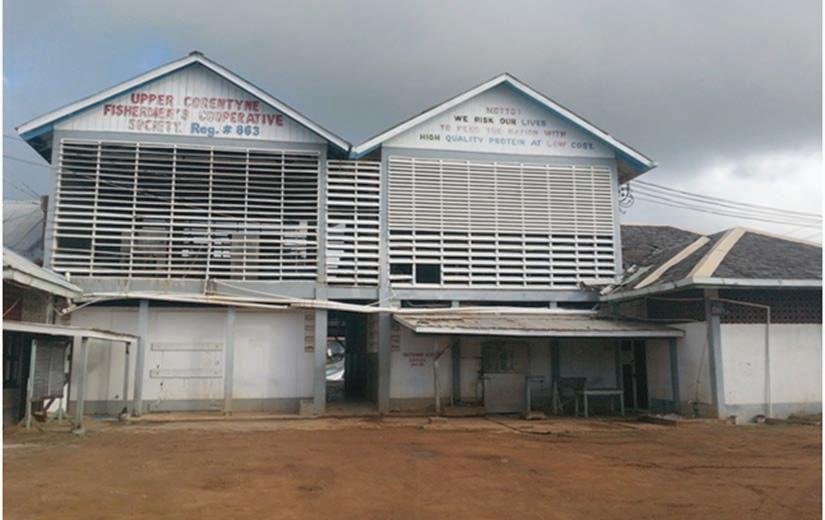
ing corruption, perverting local economies, and empowering criminal groups.
This poses a major threat to state security and also the fishing industry which is big business in Guyana, both for commerce as well as increasingly for sport. Guyana’s Hijacking and Piracy Act 2008 was defined as “any illegal act of violence or detention or any act of depredation committed for private ends by any person on board, including the crew or passengers of a private vessel and directed on the rivers, internal waters or territorial sea of Guyana against another vessel, or persons or property on board such vessel.”
Such acts of piracy have occurred as the result of lax law enforcement practices especially on the Corentyne where the other maritime crimes of backtracking and smuggling thrive. Another issue at hand is that many of the pirates are rogue fishermen who are familiar with the maritime environment, know the routine of their colleagues, and also are aware of the inefficiencies of our lawmen. This must be seriously addressed and tougher regulations to screen fisherfolk should be implemented to preserve the integrity of the industry and protect those who are legitimate operatives within the sector.
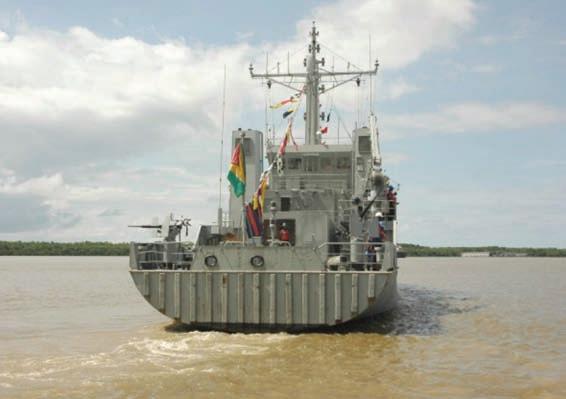
now especially with the rise in the price of fuel. We have been disconnected from GPL for a number years now, so the expense incurred are contributing to these illicit activities,” he posited.
Information was that the owner of OMI 3 is related to an executive of the Number 66 Fishing Complex. It was reported that after receiving threats, the owner of Sharmila was forced to make the settlement. Deodat said no interference should have come from the executive. He said protocol should be observed and those who committed the offence should face the consequences.
“At the fishermen level, we need to take a stand and ban those caught in the act for life, they should no longer be associated with the fisheries,” he posited. He noted that there was an incident whereby some men were banned from doing any business there; however, during his absence, a certain member of the committee allowed them to return.
Deodat also alleged that the two fishermen who were killed at Tain some time ago died because they recognised their attackers. He stated that fishermen from other fisheries have been able to infiltrate their system at Number 66 and commit the acts with the full cooperation of those in top positions. Ironically, other fisherfolk from various organisations are saying that the officials at the Number 66 Fishing Complex are carrying out these despicable acts and are trying to put the blame on them.
“The executive members of the Upper Corentyne Fishing Complex are not involved in piracy, but are only committed to fight this scourge. No matter what this act cannot be stopped completely, to my opinion
The recent attacks on fishermen on the high seas by pirates is another stark reminder of the dangers of the fishing business and the risks being taken by our artisanal fishers to earn a livelihood and bring prosperity to this nation.
There have been numerous reported attacks already this year, none more dreadful than the one where four fishermen were beaten and thrown overboard during a pirate attack on their vessel. The vessel was later found drifting in the Mahaica area. Another attack on the Corentyne, Berbice was recently reported.
Apart from the suffering this incident brings to relatives and friends of these fishermen, it also exposes the frailties of our maritime capabilities and even that of our neighbour, Suriname, where the attack occurred. Over the years, high seas piracy in Guyana has graduated from routine seizure of engines and the fishermen’s catch to the use of violence and this is because pirates are moving up the value-added ladder.
As is the case internationally, a few years ago, they attacked fishing trawlers just off the coast. Now they take on oil tankers and container ships far out at sea. Ransom money is buying property, luxury goods, and power.
Profits are also being used to buy satellite phones, GPS, more powerful weapons and faster boats, or to bribe officials and collaborators. Profits of piracy are also spread-
With 459 kilometres of Atlantic coastline and much of the interior punctuated by rivers, Guyana has the perfect conditions for a healthy and prosperous fisheries sector. Guyana’s shrimp and prawn exports are major cash cows, contributing 5.6 per cent of total export revenues, with the United States as the largest export market. The fisheries sector, which grew 15.5 per cent in re-
never had before. And if this is not done now, instead of bringing home boats of fishes, our fishermen will be bringing back bodies on their boats.
$149M spent on boats for Police
Home Affairs Minister Clement Rohee handing over the keys for the five vessels to acting Police Commissioner Seelall Persaud
Home Affairs Minister Clement Rohee handing over the keys for the five vessels to acting Police Commissioner Seelall Persaud
The marine branch of the Guyana Police Force on Wednesday received five new vessels that will be used to Police the country’s waterways in order to protect fishermen and other persons who work offshore.
The five vessels were procured as part of the Force’s anti-piracy strategy, an area which is of grave concerns to authorities.
One work boat and four patrol boats were handed over to acting Police Commissioner Seelall Persaud on Wednesday at the Police Marine Wharf, Ruimveldt, Georgetown.
In brief remarks, Persaud said these vessels will better equip the Police Force to fulfill their mandate. He noted too that they will add capacity and better enable the Force to Police the riverine and coastal areas.
“This will go a long way in bringing relief to fishermen and other others who operate offshore and have been threatened by piracy,” Persaud stated.
The MV Baramani docked at the Police Marine Wharf, Ruimveldt, Georgetown
The MV Baramani docked at the Police Marine Wharf, Ruimveldt, Georgetown
He added that it will also enhance the Police Force’s ability in joint operations with other agencies such as the Guyana Revenue Authority (GRA) and the Guyana Defence Force (GDF) Coast Guard in dealing with the smuggling of good and narcotics.
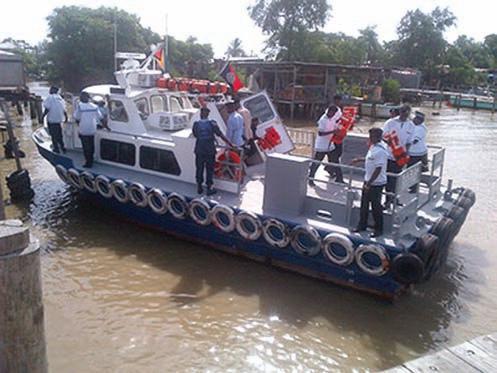
cent years and employs over 15,000 people, contributes some six per cent to the nation’s Gross Domestic Product (GDP), similar to rice production.
This to us is worth safeguarding and no efforts should be spared in protecting fishermen from the threats of piracy and other dangers on the high seas. It, therefore, means that our Government must work more aggressively in strengthening maritime security, which is very essential to protect not only small artisan craft, but larger vessels and ships that come to our ports.
Greater collaboration with countries such as Suriname and Venezuela should become priority. Until such time, pirates will continue to be encouraged by the absence of enforcement, their raids will intensify, fishermen’s losses will increase, and the number of killings will soar.
Modern maritime security requires a new way of thinking and a new system of enforcement and regulation such as the country has
The acting Police Commissioner further remarked that the vessels have the capacity to traverse the coastland of Guyana and will be used in such patrols.
Additionally, Persaud disclosed that earlier this year, several ranks of the Police Force had undergone marine training and will be deployed to operate the vessels.
The work boat MV Baramani cost some $71.9 million and was procured by US company Sun Missionary Company while the four other patrol boats cost $76.8 million and were acquired from Houston Industrial Services Limited.
According to Home Affairs Minister Clement Rohee, Government has made this investment to fight piracy and other forms of illegal activities in the country, and is looking forward to better results as far as the fight against piracy is concerned.
“These are huge sums that the Government is investing in building capacity for the Guyana Police Force to ensure it is able to conduct its lawful duty. We know that in the interior parts of our country these are certain challenges and therefore we need to strengthen the capacity of the force in order to patrol the riverine areas,” he pointed out.
Rohee explained that these vessels were acquired under the anti-piracy strategy which was formulated since 2012 and were budgeted for in the 2013 budget to strengthen the marine wing of the Guyana Police Force.
– 559 house lots allotted at Region 6 One-Stop-Shop
The government through the Ministry of Housing and Water has been aiding the realisation of aspirations of Guyanese to own a home, and over the past five years, thousands of people have been enjoying the comfort of their own homes.
Two days ago the Ministry of Housing held its 8th one stop shop at Blairmont, Region Five for the Hope/Experiment housing scheme for which 646 lots were allocated , and this was followed by another, today, in Port Mourant, Region 6 where 559 house lots were distributed to applicants in the Kilcoy/Chesney area.
Minister of Housing and Water Irfaan Ali while addressing the gathering said the development of the housing sector in Region 6 started some time back, and during the period 2000 – 2011 close to 10,000 allocations have been completed in Region 6.
He explained that this investment in the Kilcoy/Chesney area would bring a total of 1022 house lots at the end of the total investment while at the end of 2011 there were 1582 applications remaining to be processed for the Region. At the end of the Kilcoy/Chesney allocation process, there will be remaining 560 applications to be processed in Region 6.
Minister Ali expressed the hope that by the end of 2013 that number will be completed.
The Minister pointed out that the total investment for the Kilcoy/Chesney housing scheme is $1.7B which translates to every family receiving a house lot in which $1.5M is being invested and $256,866 is invested for each family member. The total subsidy for the scheme will be $595M.
“Our objective is to ensure that within the next five years we can complete the entire country and we can have everyone owning their own homes,” Minister Ali said.
He emphasised that the government’s commitment to Region 6 is as strong as its dedication to the rest of Guyana.
hour.
Minister of Housing and Water, Mr Irfaan Ali; Chief Executive Officer (CEO) of the Guyana Water Inc., Mr Shaik Baksh; and Region Six Chairman, Mr Permaul Armogan were among attendees of the commissioning.
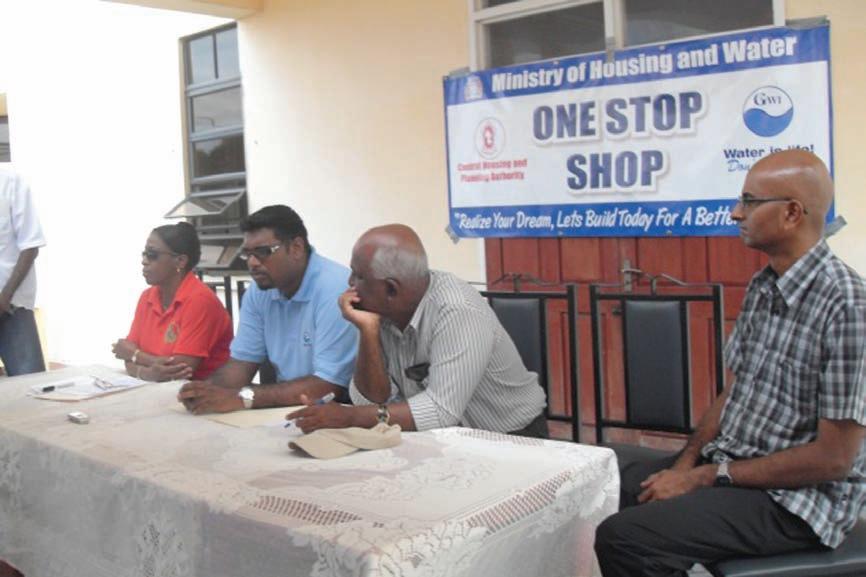
Minister Ali spoke of the importance of development and its continuity, noting that there was a time when the housing programme was non-existent. “But today,” he said, “we have a housing programme, which has moved the age of ownership from an average of 57 years to 34 years… There was a time when interest rates for homes were close to 40%; today you can get interest rate for housing at 4.2%. And there was a time when we had 0% coverage for treated water; today, we have close to 50% coverage of treated water.”
While the goal is to take treated water coverage to 60%
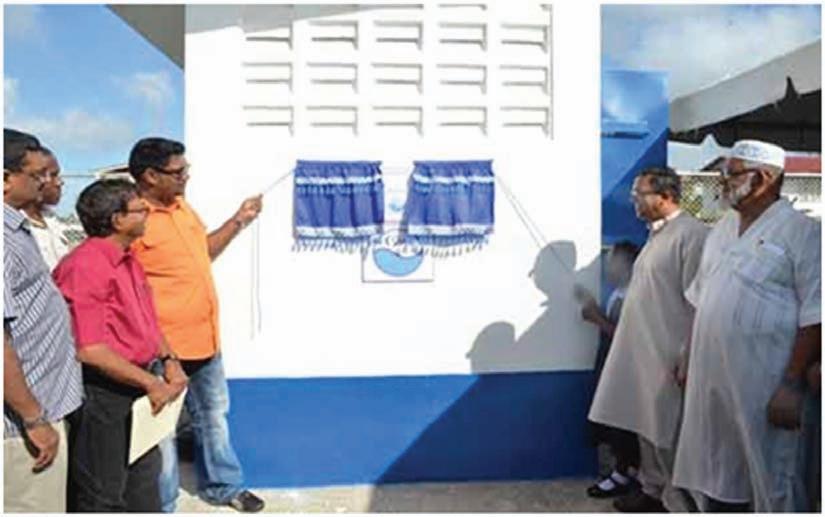
“We believe that development must be equitable, fair and brought to every single community… we also believe strongly that the investment in the social sector, housing, education, water, must be subsidised by the government because we have to ensure that all our people have equitable access to these facilities regardless of how rich or poor you are,” he said.
Like the housing scheme at Hope/Experiment, West Coast Berbice the Kilcoy/Chesney housing development is still undergoing infrastructural work. This strategy seeks to ensure land owners ready themselves for occupancy soon after the work is completed, and they have time to settle matters related to their bank, design and house plan.
Chief Executive Officer, Central Housing and Planning Authority, Myrna Pitt said today’s activity was indicative of the ability of the CH&PA to carry out its mandate effectively.
She explained that in addition to the social aspect of creating shelter solutions for families while contributing to the stability of same, housing and its related activities stimulate the country’s economy and contribute to the Gross Domestic Product (GDP).
Activities in the housing industry aid the creation of jobs, while construction skills and techniques are developed, and the construction industry expands.
“By investing in your own future, through home ownership, you will also be contributing to the national economy… you need to know that home ownership is a solid decision one that allows you to consolidate your family life, invest in the future as well as contribute in a positive way to the development of sustainable communities,” Pitt highlighted.
Residents of Manchester, Lancaster and Liverpool, located in East Berbice-Corentyne, Region Six, are now accessing potable water, following the commissioning of a new well at Manchester.
The well was constructed at a cost of $90.4M by Water and Oil Wells Service Corporation Limited, and has a depth of 310 meters and a pump performance of 2.6 cubic metres per minute, the equivalent of 75 ‘black-tanks’ of water per
in the short-term, Minister Ali noted that to achieve this, there is need for continuity of the development agenda, policy and predictability.
He said that even as the well was being commissioned, the way forward was also being planned, with a priority to ensure that every Guyanese has access to treated water.
Minister Ali noted that in Region Six alone, the Government has invested a total of $6 billion, with a per capita of nearly $50,000 per person, towards the development of such major projects as the construction of new water treatment plants in Number 56 and Queenstown; and the installation of transmission mains in Skeldon; Number 74 to 75; Number 61 to 62; Letter Kenny, Adventure to Alness, Fyrish, Black Bush Polder, Canefield, Whim and Manchester.
There was an upgrade to distribution systems in Number 51 to 73 Village; Number One Road to Whim; Whim to Bush Lot; Goed Bananen Land; Number One to Number 50 Village; Number 67 to Crabwood Creek; and Glasgow to Edinburg.
Other projects include the drilling of a new well in Canefield, Rosehall and Number 47 village, distribution upgrade in Angoy’s Avenue, transmission main in Mibicuri to Lesbeholden
and Canefield to Reliance, among other areas.
Additionally, work is at present ongoing in Angoy’s Avenue, where 500 residents will benefit from improved water service.
Minister Ali also noted that the contract has already been signed for the construction of a new water treatment plant to cover villages from Sheet Anchor, Number 19 to Goed Bananen Land for which construction is expected to commence during this year, benefiting some 15,000 residents. According to the Minister, this will take the coverage of water in the region to 65%.
Over the past 15 years, the water sector has seen significant transformation in the different regions where more people are receiving improved service across the country, inclusive of hinterland regions. Among the areas of priority were construction of new water treatment plants, drilling of new wells, upgrading of distribution networks and service connections and installation of photovoltaic system and gravity feet systems in the hinterland.
More than $20 billion has been invested in this sector with a per capita investment of nearly $30,000 per household over the period.
These investments resulted in the construction of seven new water treatment plants to increase coverage, drilling of 25 new potable water wells, rehabilitation of distribution and transmission networks, rehabilitation of sewer systems in Georgetown, and in the hinterland, development, inclusive of the construction of gravity feed systems, installation of photo voltaic systems and drilling of medium depth wells to improve service.
The impact of this investment has been tremendous, in that access to potable water increased from 26% to 50%, service was provided for in excess of 100,000 people for the first time, coverage to hinterland increased from 25% to 80% and coverage on the coast increase from less than 70% to 95% at present. Meter coverage increased from 25% to 50% while a total of 25,000 pensioners are also being subsidised by Government.
In 2014, the rehabilitation of the Georgetown sewer system was completed as promised. Two new water treatment plants are under construction in Linden which will be completed in March 2015.
A new loan is being implemented to construct new water treatment plants at Uitvlugt, Region 3, Diamond, Region 4 and Sheet Anchor, Region 6 and expand the treatment plants in Georgetown to increase the treated water coverage. This will intimately result in the improved standard of living for citizens. (GINA)
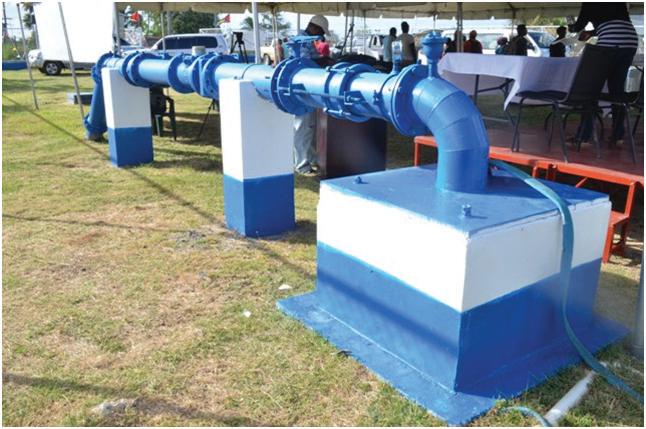

When one speaks about the principal agricultural community in East Berbice, Region Six in bygone years, vivid pictures of squalor in an inundated Black Bush Polder come to mind; and one could not help but think about the sordid tales of destruction to crops and livestock, slushy dams, intolerable roads, and an infrastructure that begged for attention in a community that was so rich in agricultural potential, it was touted as ‘The Breadbasket of the Caribbean’. Today, the positive tales about Black Bush Polder are made possible through continued Government efforts to transform that community into not only a beautiful village, but also a location where residents can enjoy a better standard of living.
Words like comfort, solace, progress, peace and satisfaction are slowly but steadily coming from the lips of many residents; and indeed, there is still room for improvement in many areas, but compared to years gone by, Black Bush Polder is experiencing positive evolution!
We engaged in a very interesting conversation with a resident who was in Georgetown on business, and accepted his invitation to visit the location. We may not have been able to visit ‘every nook and cranny’ in that dynamic community, but we were truly spellbound by the serene beauty of Black Bush Polder, especially since it is en route to significant transformation.
Black Bush Polder is a farming community with a population of over 6,000 residents. Up until 2009, it had been experiencing serious social problems and deteriorating roadways, but with the intervention of Government in several areas, life seems more promising.
The polder is made up of four main areas: Lesbeholden, Johanna, Mibicuri and Yakusari. Each of these areas has a north section and a south section; and there is also an area called Zambia, a small village nestled between Johanna and Mibicuri, and populated predominantly by Afro-Guyanese.
Black Bush Polder stretches to a distance of 22 miles, and is located about seven miles south of the Corentyne Public Road, beginning at Adventure, where the entrance leads to Lesbeholden and exits at Number 43 Village, at Yakusari. Those areas are dominated by Indo-Guyanese.
Rice is the main crop cultivated in BBP, and most of the residents there are involved in either large or small-scale rice farming, but some are engaged in cash crop farming
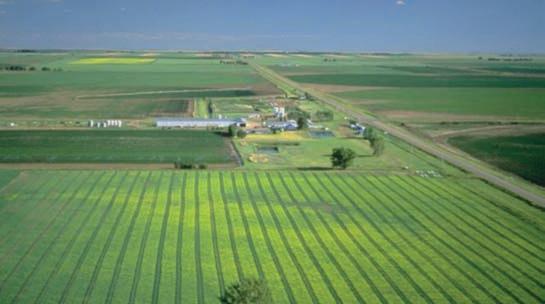
and livestock rearing.
Large expanses of land are under rice cultivation, and one has to agree that it’s a very beautiful sight to watch the movement of the lush, green rice plants as they seem to float hazily on the refreshing wind rustling through their blades. Rice farming is indeed the main source of employment for Black Bush residents
There were positive and negative values in Black Bush Polder in years gone by. Both locals and outsiders dubbed the polder the biggest agriculture-based location in Guyana, and that area is reputed to produce a large amount of Guyana’s rice, vegetables, and even ground provision for both local consumption and export purposes.
But even as this was so, farmers had the time of their lives netting maximum produce and getting it to the city for sale and export, because of the bad drainage and irrigation that had plagued the location for quite some time.
Access roads to the backland farming areas were intolerable during the rainy season, and excessive flooding was a constant menace to farmers, causing them to lose big time during harvesting. Many crops were badly damaged or completely destroyed during the rainy season, thus robbing farmers of their only source of livelihood.
The roads were also unbearable, being littered with large, unattended potholes, causing great discomfort
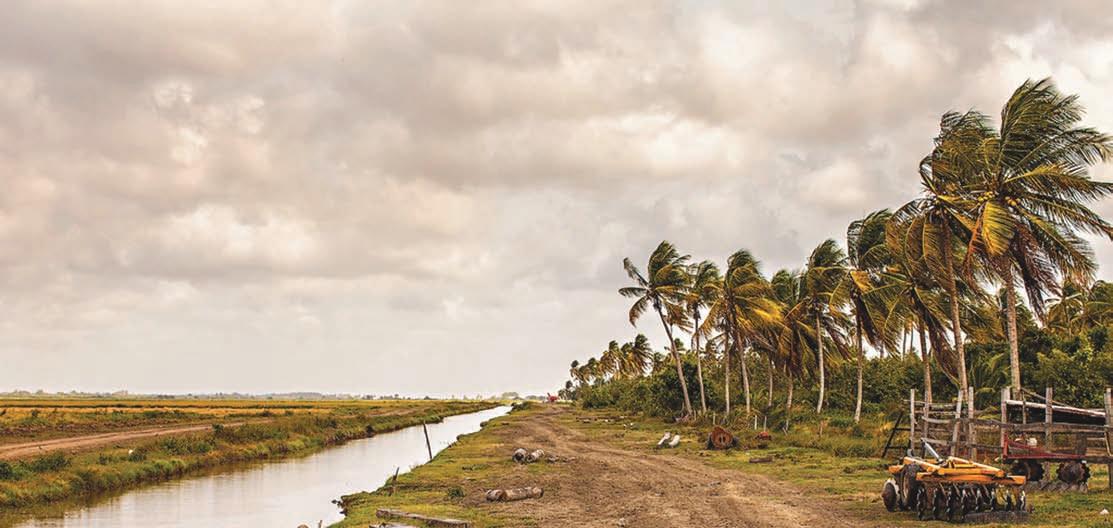
to both pedestrians and commuters. Drivers were made to spend large sums to repair the damage their vehicles had sustained from attempting to access Black Bush Polder.
Many also told tales of the bridges which badly needed repairs to ensure farmers comfortably accessed their farms to tend to or reap crops.
Black Bush today
Today, the negative tales about Black Bush Polder can safely be thrown aside and crushed underfoot because of several initiatives the government has undertaken to ensure maximum development of the community.
And that is because, with concern for the comfort and welfare of citizens, the government has intervened over the years to ensure that Black Bush Polder is transformed significantly into a location that can now hold its own amongst the prime spots of Guyana, and can even become quite a treat for tourists and Guyanese who desire the ‘quieter side of life’, and love to come to soak up the comforting sights of Mother Nature.
Improvements in the location’s infrastructure are very significant, and the polder has benefited from efforts by the Ministry of Agriculture in years gone by, that saw the massive rehabilitation of structures and canals at Yakusari and Johanna.
Shouldn’t the farmers be even happier?
In November last year, with every intention of easing their woes, especially during the rainy seasons, Government began construction of a two-door sluice at East Black Bush Polder costing some $417 M and being executed by Rupan Ramotar Investments. The sluice encompasses a canal and two pump stations, to effectively drain the popular cattlerearing and rice-growing area. Completion of this project is slated for March 2013.
Presently, there are 17,500 acres of land under rice cultivation in the area, as works continue apace to meet the annual production target and supply the country’s market demands. In the past, rice farmers suffered losses, hence the huge investment in drainage and irrigation in the region.
Education
Meanwhile, there has been development in terms of education, and all of the schools in Black Bush Polder have been rehabilitated and have benefited from provision of additional teachers.
The Black Bush Polder Secondary School at Mibicuri, according to reports coming from within that institution, has, over the years, performed fairly well at the Caribbean Secondary Education Certificate examinations.
At Mibicuri, there are a police station, a post office, and the office of the Black Bush Polder Neighbourhood Democratic Council.
Why the name?
Just in case a reader is wondering why this location has been named Black Bush Polder, let’s try to appease your curiosity. Firstly, you will, of course, have to become acquainted with what is a polder.
A polder is a low-lying tract of land enclosed by embank-
ments (barriers) known as dikes that form an artificial hydrological entity, meaning that it has no connection with outside water other than through manually-operated devices. There are three types of polders, and these include land reclaimed from a body of water such as a lake or the sea bed; flood plains separated from the sea or river by a dike; and marshes separated from the surrounding water by a dike and subsequently drained.
The ground level in drained marshes subsides over time, and thus all polders will eventually be below the surrounding water level for some or all of the time. Water enters the low-lying polder through groundswell owing to water pressure on ground water or rainfall, and is transported by rivers and canals. This usually means that the polder has an excess of water, which needs to be pumped out or drained by opening sluices at low tide. However, care must be taken not to set the internal water level too low. Polder land made up of peat (former marshland) will show accelerated compression owing to the peat decomposing in dry conditions.
Polders are at risk from flooding at all times, and care must be taken to protect the surrounding dikes. Dikes are mostly built using locally available materials, and each has its own risk factor: sand is prone to collapse owing to oversaturation by water; while dry peat is lighter than water, making the barrier potentially unstable in very dry seasons. Some animals dig tunnels in the barrier, undermining the structure. The muskrat is notorious for this behaviour.
Polders are most commonly, though not exclusively, found in river deltas, former fenlands and coastal areas. It is the same situation with the land here in Guyana, and the vegetation it had before it was actually developed into a polder gave it the name ‘Black Bush Polder’.
Roads to the rescue
In November 2012, Minister within the Ministry of Finance, Bishop Juan Edghill, announced that the $400M Black Bush Polder road had been completed but there were minor works which still to be done, him having checked on the progress of this and several other projects during an outreach exercise to Berbice.
Drivers and other commuters are elated that the road has been completed, since they are now able to ply the route in comfort and also garner more income, since they can now transport passengers in less time. Also, they now can travel without the fear of incurring extensive damage to their vehicles by the prior badly deteriorated roads.
The road into Lesbeholden now affords comfortable transport through efforts of the Guyana Government.
Drilling for oil began not so long ago in Yakusari, and the Seed Paddy Plant in Lesbeholden has been constructed, making farmers more comfortable, since all their processing of paddy can be done in the area, thus avoiding major transportation costs to other locations.
Our very arrival at Black Bush Polder was greeted with the overwhelming hospitality of a hard working but friendly people.
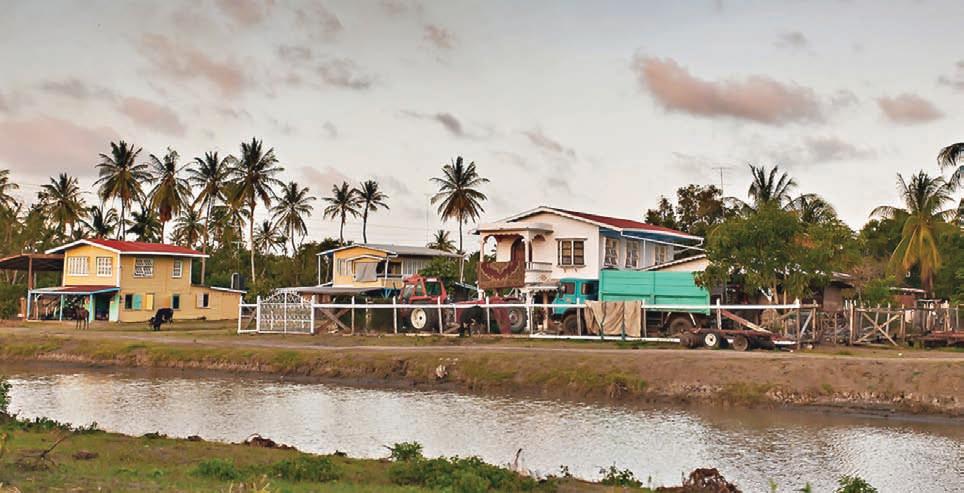
Car and minibus drivers were sporting flashing smiles as they directed us around the polder. Mothers rushing around on their busy errands never failed to gave us a smile and welcoming salutations. This was very stirring, and what surprised us most was the well mannered school children who never passed us without a “Good afternoon sir” coming from their smiling lips. They, however, blushed shyly at any attempt to make conversation, and seemed more concerned about getting home, maybe for the tasty refreshments awaiting them. The chatter of a few roadside vendors was very welcoming, and the delicious taste of ‘kool down’ (drink in plastic bags) and polouri transported us back to years when we ran around as little boys, saving our dimes to purchase the same in our villages.
By Devina Samaroo
Berbice Chamber of Commerce (BCC)
President Mark Roopnarine said the county was ready for the transformation that accompanied the operations of a deepwater harbour within the region.
A Chinese-owned company, the Chinese State Construction Engineering Company (Latin American and Caribbean), was scheduled to arrive in Guyana on Monday to conduct a preliminary study on the possibilities of constructing a deepwater harbour near the Berbice River mouth.
Seaports/deepwater harbours are essential points of transit for incoming people and goods. Primarily, deepwater seaports are fundamental to the movement of exports and imports from and to a country. The Port of Shanghai, the highest volume port in the world, receives approximately 30 million 20-foot equivalent units per year.
Roopnarine noted that while a similar port in Guyana would transform the entire economical landscape of the country, most of the benefits would on reflected on Region Five (Mahaica-Berbice) and Region Six (East BerbiceCorentyne) because the two areas were in close proximity of the port site – which will inevitably be a busy area.
“It will be a great benefit to the business sector because businesses that export from Regions Five and Six will reduce their transportation cost by getting their produce to foreign markets in a timely manner,” he stated.
Additionally, Roopnarine pointed out that the country, especially the Berbice district, would benefit from an influx of tourists as a result of the deepwater port.
“Cargo will come as far as Brazil to reach this harbour … people from all over will be coming to Guyana,” he explained.
Roopnarine reflected on when CGX Energy commenced its drilling operations some time ago, as he noted that the county was drastically unprepared for the influx of economical activities and tourists.
However, he explained that since that situation, Berbice has developed and was in a better position to welcome the arrival of tourists and the bustling economical activities.
Nonetheless, Roopnarine expressed his concerns about the impact such an operation would have on the environment.
Deepwater harbours are huge sources of both atmospheric and water pollution. Vast sea-vessels which run on decades-old engines, as well as thousands of diesel trucks that are expected to visit per day are sources of pollution that can adversely affect the local oceanic ecosystem as well as nearby human populations.
Roopnarine also pointed out that pollution to the environment is likely to commence during the construction phase of such a port and therefore, reminded the authorities to maintain the environment as a top priority in their plans for this development.
“This will not come on-stream soon, a lot of things will have to take place and while it is taking place, the concerns for the environment and pollution should be addressed progressively,” he said.
Meanwhile, the study on the area for the port will be carried out for one week at the company’s expense and without any obligations on the part of the Government.
The Chief Representative of the Chinese company, Zhile David Zhang, accompanied by a technical team, will carry out the study.
Incidentally, if a deepwater port on a Build, Own, Operate and Transfer basis (BOOT) was to appear feasible, the Government would then proceed by way of an open invitation for proposals.
In 2013, the Inter-American Development Bank had approved a grant of US$1.5 million to fund studies required to prepare a deepwater port project and a road link to Brazil.
The money was intended to cover the necessary market, engineering, environmental, social and financial studies required to prepare the road link and deepwater port
project for eventual financing through a Public/Private Partnership.
President Donald Ramotar has promised, once reelected, to make the deepwater harbour by the Corentyne River a reality.
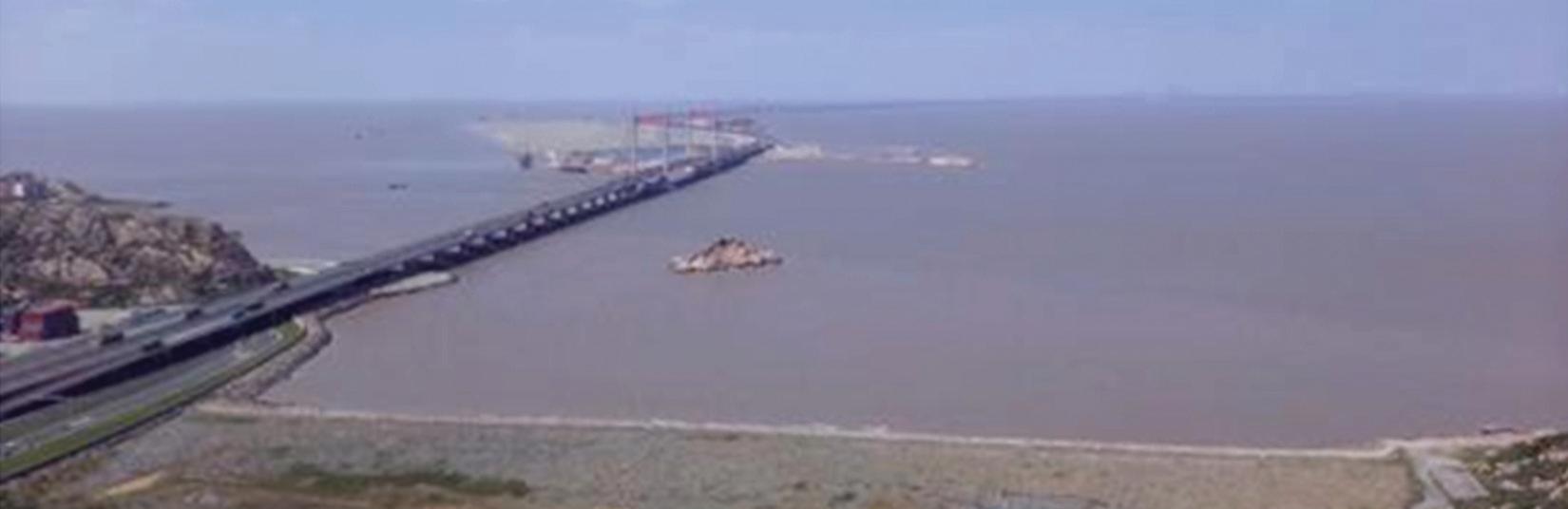
With the possibility of another in the Berbice River, it is unclear how those two major projects will impact each other.
Guyana moved a step closer to realising its long-held dream of building a deepwater harbour, with a preliminary study on the Berbice River estuary slated to start later this month.
The Chinese State Construction Engineering Company (Latin American and Caribbean) will be in Guyana as of March 23 to conduct the study on the possibilities of constructing a deepwater harbour near the river mouth.
The study is a follow-up on a Memorandum of Understanding (MoU) entered between the Government of Guyana and the company.
In a statement, Prime Minister Samuel Hinds noted that the study will be carried out for one week at the company’s expense and without any obligations on the part of the Government.
Further, the statement noted that the Government was welcoming other offers to carry out and present preliminary studies of deepwater harbours in Guyana, noting that the deepwater harbour is a desired economic developmental opportunity for businesses.
The Chief Representative of the Chinese company, Zhile David Zhang, will be accompanied by a technical team to carry out the study.
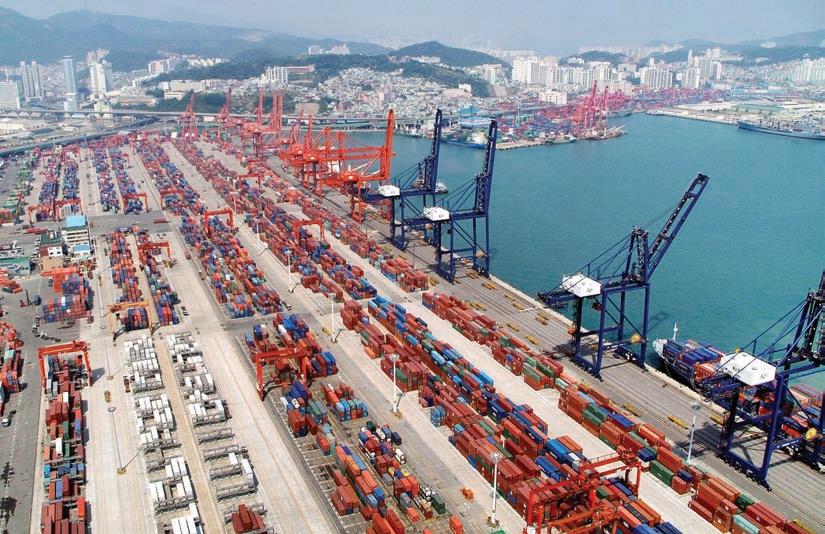
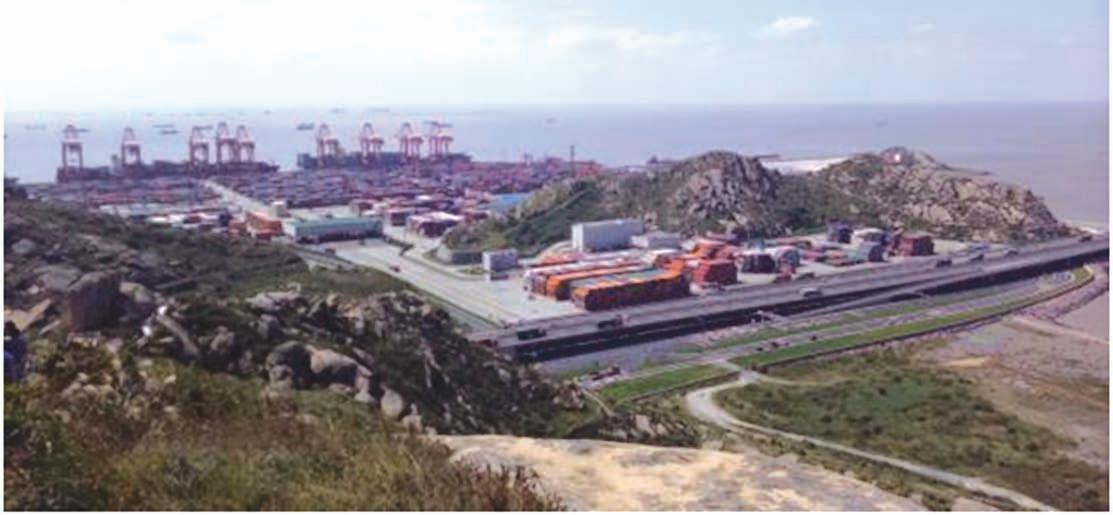
Incidentally, if a deepwater port on a Build, Own, Operate and Transfer basis (BOOT) was to appear feasible, the Government would then proceed by way of an open invitation for proposals.
In 2013, the InterAmerican Development Bank had approved a grant of US$1.5 million to fund studies required to prepare a deepwater port project and a road link to Brazil.
The money was intended to cover the necessary market, engineering, environmental, social and financial studies required to prepare the road link and deep-water port project for eventual financing through a public/private partnership.
President Donald Ramotar has promised, once re-elected as President, to make the deepwater harbour by the Corentyne River a reality.
Two deepwater ports?
With the possibility of another in the Berbice River, it is unclear how those two major projects will impact each other.
PM Hinds noted that in the mid-1990s, the Aroaima operations of Reynolds Bauxite Company had constructed a Deepwater shipping facility in the mouth of the Berbice River, which could have been the first step towards a traditional PANAMAX (65,000-ton) sized port.
The statement went on to highlight that there have been a number of interests in a deepwater port in Guyana.
“A number of preliminary studies/proposals were put to Government by Boskalis, a team sent by the Government of India and Oldendorff (the Germany-based shipping and barging company contracted to the Berbice bauxite operations – BCGI/RUSAL),” the release read.
It also pointed out that during recent visits of Chinese President Xi Jinping to Caricom and the subsequent BRICS meeting in Brazil, there were announcements that China had committed large funds for infrastructure development in the Caribbean, Central and South American area. Consequently, Chinese firms, aware of this financing and always on the search for new business opportunities, have been proposing to be partners in such developmental projects
The Mahaica, Mahaicony and Abary (MMA) Development Scheme is the largest agricultural development scheme in the whole of Guyana and the Caribbean. Nothing stands as its equal anywhere in the Caribbean, including in Cuba. Today, more than 200,000 acres of agricultural land are under agriculture – crops and livestock. The MMA and Region 5 is the country’s largest producer of rice and Region 5 is home to the largest livestock industry. It is also a major producer of cash crops in our country. Region 5 is also a major sugar producing Region, being the home of one of Guyana’s most successful sugar estate, the Blairmont Sugar Estate. Under the PPP/C, a dream of Cheddi Jagan and a plan of the PPP from the 1950s is realizing the potential and turning the potential into concrete results, generating wealth for thousands of families and for Guyana. Under the PPP/C the MMA has ensured that farmers are improving their lives. By 1992, only 19% (less than 40,000 acres) of the land intended to be cultivated in the MMA was under cultivation. Today, more than 200,000 acres of land are being utilized by farmers. Our greatest challenge is ensuring that farmers get enough land to cultivate. The demand is far more than we can meet.
Rice production today is beyond what was imaginable in 1990. In 1990, only approximately 9,000 ha was under rice cultivation. Rice production in that year for Region 5 was 829,000 bags (about 34,000 tons of rice). Today, rice cultivation amounts to more than 44,000 ha with a production of almost 7M bags (about 265,000tons of rice). The yield in 1990 was under 3 tons per ha, compared with 5.5 tons per ha today.
Part of the reason for the success of the MMA today is the enormous investment the PPP/C Government has made into the MMA. In the last eight years, for instance, the PPP/C Government has invested almost $2B in drainage and irrigation systems, including pump stations and new sluices. The Government has built new roads across Region 5 and improved all farm-to-market roads.
The idea for the development of the MMA was born out of the PPP Government in the 1957-1964 period. It was part of Cheddi Jagan’s vision for a progressive country, using agriculture as a springboard for development. It was his notion that the Guyanese people must become owners of their own land. Although the idea was turned into a concept and a plan, the ouster of the PPP from Government in 1964 put a halt to the implementation of the plan. Burnham’s PNC Government was not interested in furthering the plan.
It was not until the late 1970s that the Burnham Government agreed to the establishment of the MMA. It was one of the reasons that Cheddi and the PPP gave critical support to the PNC Government. This was a project critical to Guyana’s development and Cheddi Jagan gave the PPP support in the interest of the people of Guyana. With an IDB loan of $US250M, the project started in the late 1970s and was opened in 1986.
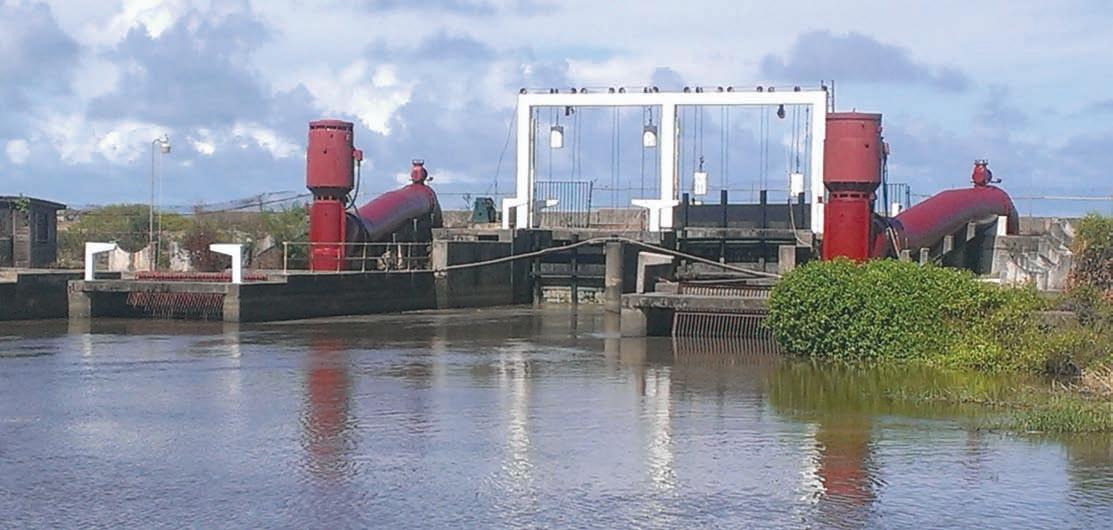
connection to the East Demerara Conservancy, opening up almost 400,000 acres of new agricultural land. But only 19% of the proposed agricultural land was supported by the conservancy which ended at the Abary River, instead of ending at the Mahaica River.
By 1992, farmers had already abandoned most of the land since they could not get proper drainage and irrigation and the rice lands were abandoned because the then PNC regime crippled rice. Virtually all the equipment bought with loan money were already unusable, and one year after the opening up of the MMA, an audit led by Dunstan Barrow showed that only 14% of the millions of dollars worth of machinery were usable. An IDB expert stated that even this was understated. Some of the machinery, such as
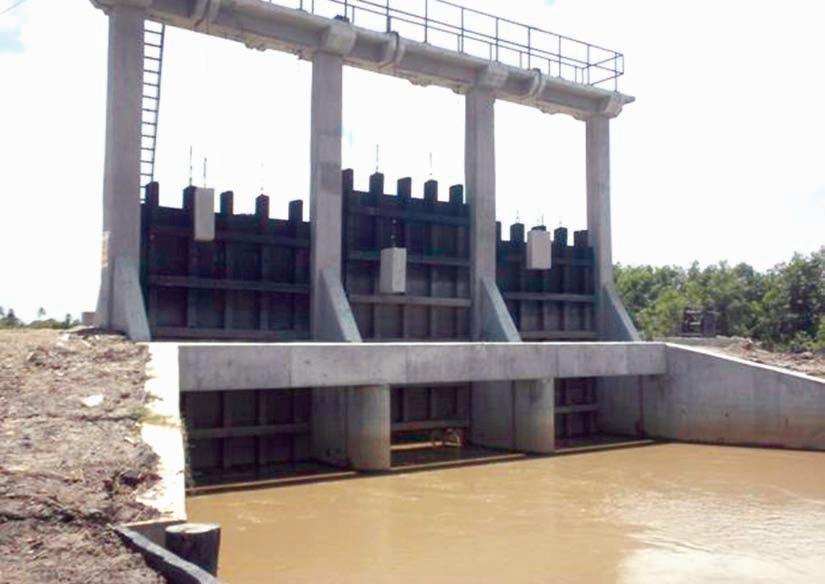
excavators and bulldozers were found abandoned in places such as Linden.
staffing level and poor management of the staff. This placed considerable strain on the operation of the MMA, which by 1992, just about six years into its operation had accumulated almost $200M (about $US5M at that time) in deficits.
Since 1992, the PPP/C Government has activated drainage and irrigation systems, put new pumps at Trafalgar, even up new drainage and irrigation canals and sluices and today more than 200,000 acres of land are under crop and livestock use. The PPP/C Government has now concluded arrangements with the EU and will invest more than $US60M in completing the conservancy, extending it from the Abary River to the Mahaica River. As part of this extension, the PPP/C Government will use a $34M EU Grant to dam the Mahaicony River. This project will improve about 200,000 acres for agriculture and open up another 200,000 acres of new agricultural land.
The dream of the MMA being CARIVOM’s bread basket is being realized today. The vision and commitment of Cheddi Jagan and the PPP in the 1950s are coming through. It is a story of success and nothing defines the differences between the PPP and the PNC, disguised as APNU+AFC than the story of the trials and tribulations and the successes of the MMA. Under the PNC (APNU+AFC), the MMA was a basket case, a dismal failure. Under the PPP/C, the MMA has become a bread basket, creating wealth for thousands of families and is a proud development for the entire Guyana.
THE RICE REVOLUTION IN REGION 5
No one can deny the success story of rice in Guyana. Last year, Guyana produced more than 635,00 tons of rice (974,000 tons of paddy). Just ten years ago, in 2006, when the PPP/C Government defined a vision for Guyana to produce 500,000 tons by 2020, many said that it was an impossible target. Guyana reached that target in 2013. Guyana exported 501,000 tons of rice in 2014. In 2014, more than 450,000 acres of rice were harvested, compared to about 100,000 in 1990. The yield has increased from less than 3 tons per ha in 1990 to more than 5.5 tons today. This is success story for rice nothing short of an absolute revolution.
But even though the $US250M was fully utilized, the MMA was only completed for the Abary Block. The Abary Conservancy was built, but the conservancy was supposed to have extended all the way to the Mahaica River with a
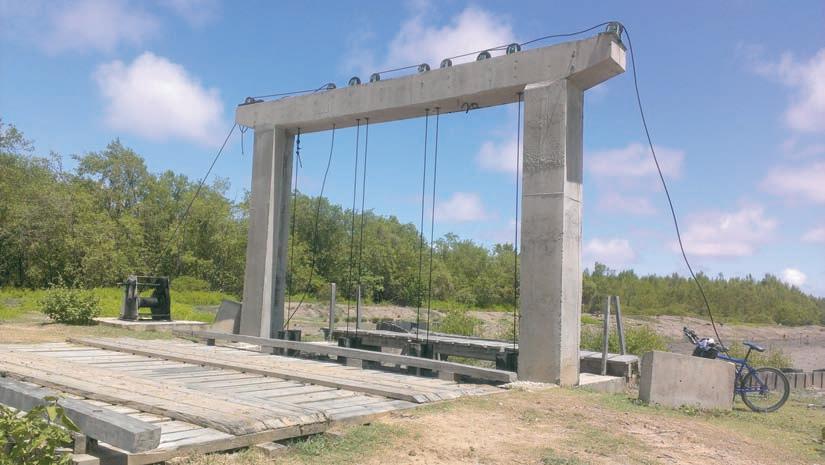
The Trafalgar Pump Station which was commissioned in 1983 as part of the MMA was already in disrepair and not functioning. It was built at a cost of $US7.5M. At that time, this was an astonishing cost for a pump station. Note that the PPP/C Government built 14 pump stations between 2012 and 2014 at a cost of about $US4M and APNU+AFC questioned the cost of the construction of the pump stations and the procurement of the 14 pumps, which amounts to about 50% of what one pump station cost then in 1983. Indeed, the misconceived construction of this station was such that when it operated, the entire residential electricity supply of Region 5 closed down.
By 1992, the MMA employed more than 550 persons. It was another of those projects which was used as “jobs for the boys”. The IDB expert concluded that one of the major reasons for the failure of what at the time was the largest loan project in Guyana was the abuse of the
Leading the way is the MMA and Region 5. In 1990, Region produced 829,000 bags of paddy, equivalent to 33,000 tons of rice. In that year, national production was 93,000 tons of rice and this meant that the MMA which was supposed to produce almost 45% of Guyana’s rice was only producing about 35%. The MMA was still new then, but the rice industry had fallen on bad times under the PNC. Rice farmers in the MMA and across Guyana abandoned the land and the rice industry had reached a low never imagined since 1957.
In 1990, only about 8,000 ha were under cultivation. Since there were two crops, the total rice cultivation in Region 5 in 1990 was about 16,000 ha. Today, in Region 5, more than 40,000 ha per crop (more than 80,000 ha per year) are under cultivation.
But the crippling effect of the PNC’s policies and victimization of farmers have been reversed since 1992. In 1995, just 3 years after the PPP/C took office, rice cultivation occupied 28,000 ha per crop (56,000 ha per year) and rice production in Region 5 rose to more than 3.5M bags of paddy (135,000 tons of rice). This amounted to 43% of national production, reaching the target that the MMA was intended to achieve.
In 2014, rice cultivation in Region 5 reached more than 40,000 ha per crop or more than 80,000 ha for the year. In 2014, production reached more than 6.5M bags of paddy or 265,000 tons of rice. Note that under the PNC, rice production for the whole of Guyana never reached this amount. Yet in 2014, Region 5’s rice production alone surpassed rice production at any time under the PNC for the entire Guyana. Today, some of the largest rice mills and some of the most
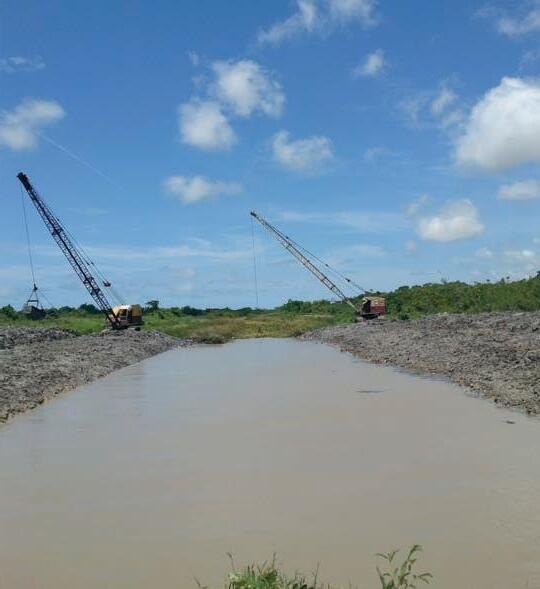
modern rice mills are buying farmers paddy and processing them for export to 33 countries around the world. This is a success story that Cheddi Jagan and the PPP scripted more than 50 years ago.
Rice farmers in Region 5 will invest more than $15B in the rice industry for 2015. It is expected that rice farmers will sell more than $22B in paddy to millers. This is simply a mind boggling feat for farmers in Region 5 and for our country. This does not include investment by millers and others that are engaged in the rice industry. The bustling impact of the rice industry in Region 5 creates business and employment opportunities for thousands of people. Hundreds of trucks are fully employed in the industry and many families with trucking services make a living through
this industry.
The PPP/C has worked with farmers so that they are able to maximize the land put under cultivation. In addition, the investment made by the PPP/C Government in the rice industry has enabled the industry to have access to rice varieties that lead to improved yield. Investments have been made to train farmers in better agronomic practices through field schools and investments have been made in finding new markets. It is these efforts that have led to the revolution in the industry.
Just recently, Mr. Carl Greenidge, the person indentified as APNU’s Finance Minister, condemned the PPP/C Government for intervening in a private business. He argues that the rice industry is a private business and the PPP/C has no business in intervening. In short he was saying that the PPP/C provides preferential treatment to rice farmers. The PPP/C has argued that while it recognizes the industry as a private sector-driven industry, it still sees a government’s facilitation role. We are determined to be faithful to these principles.
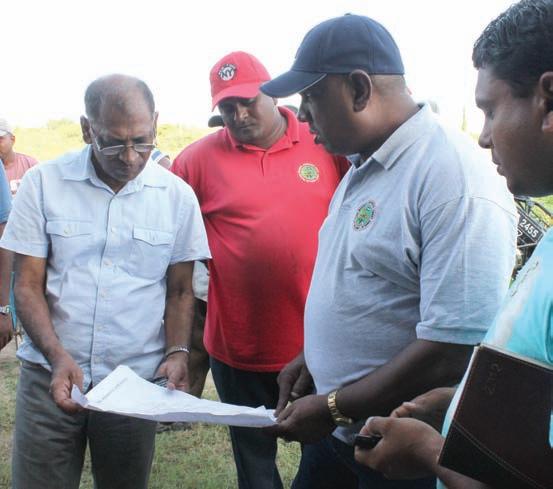
Clearly, the PNC (APNU+AFC) has made its intentions clear. They will not invest in the rice industry. Their record of crippling the rice industry before speaks volumes and their recent statements on rice demonstrate that the rice industry is threatened by any possibility of a PNC-led government in Guyana.
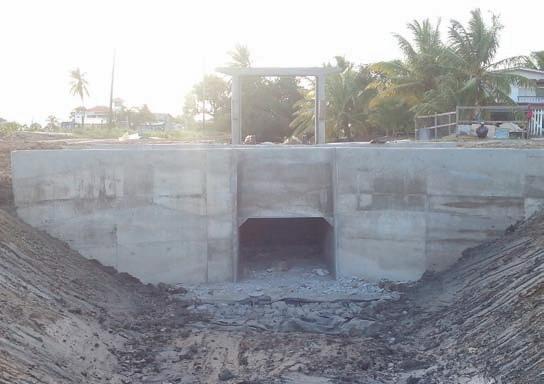
Farmers will always want the highest price for their paddy. The PPP/C Government has been working with all stakeholders to ensure farmers receive the best possible price and are paid as earliest as possible. If the APNU+AFC experts think this is interference with the private sector, then the PPP/C has nothing to apologize for. Incidentally, the APNU+AFC promised to pay $10,000 per bag of paddy. But two millers who are on their candidate lists pay only $2500 to $3000 per bag of paddy. They lie to farmers.
Under the PPP/C rice in region 5 has reached unprecedented levels of cultivation, yield and production. It is expected that Region 5 will surpass 7M bags of paddy and 300,000 tons of rice production in 2015. It is expected that Region 5 will exceed 8M bags of paddy and 350,000 tons rice by 2020.
Under the PPP/C, the livestock industry is meeting the demand for meat in Guyana. The livestock industry is also being positioned to become a major export industry, exporting meat to the Caribbean. The MMA in Rgeion 5 is playing a lead role in the livestock industry as it positions itself to move from primarily meeting local demands to being a supplier for food security in CARICOM.
Over 26,000 acres of State Lands within the MMA/ ADA are allocated for cattle rearing. Several leases occupy tracts of land varying from 100-7,000 acres. Additional lands totaling some 46,000 acres are also occupied by some 900 cattle farmers who represent more than one quarter of Guyana’s total number of cattle farmers. Our national stock of cattle is estimated at some 300,000 heads, with more than 100,000 being reared in Region 5. The beef herd is approximately twice that of the dairy and contributes to our beef production of some 3,000MT in 2014; dairy production from Region 5 amounts to some 25% of national production of some 14 million litres of milk.
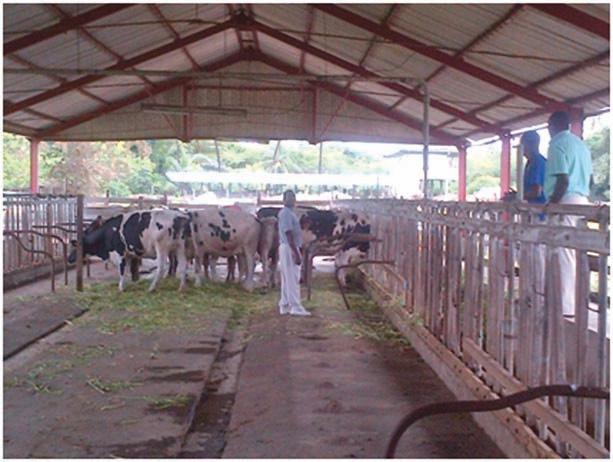
In order to provide a better pasturage for these herds, some 4,800 acres are being rehabilitated with the building of canals and other infrastructure. Cattle farmers too are being organized into effective and cohesive groups to manage these lands.
Smaller farmers have been assisted to develop some 400 acres into communal pastures with improved grasses.
Government’s investment over the years to raise the genetic base of livestock in Region 5 has seen well recognized improvements in live weight, carcass weight as well as dairy productivity. The Region is regarded by many cattle farmers nationally as the place to secure good quality cattle breeding stock. This investment through artificial insemination and more recently embryo transfer has provided an enhanced basis for cattle production.
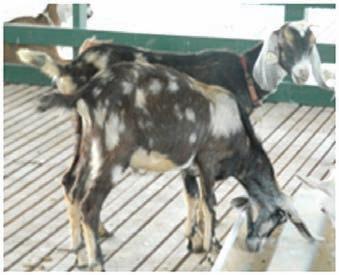
Investors in livestock are also streamlining their operations in Region 5. One cattle farmer has invested in an abattoir in Region 5 and has initiated exports into the Caribbean, despite the barriers encountered.
Region 5 is identified as a potential milk production and processing zone on account of its farmers water, land, cattle, ingress/egress infrastructure. Its proximity to Region 6 and linkage through the Berbice Bridge provides for close to 45% of fresh milk produced annually.
Over 1,000 farmers are rearing these animals in Region 5, mostly through an extensive system. Rearing these animals contribute largely to food security and the livelihood of resource-poor farmers. The West Berbice Sheep and Goat Farmers Association represent a robustly organized group of farmers who have begun to tap into national projects with international funding. It is estimated that this Region has more than 35% the national sheep population of about 100,000 and about 40% of the goat population of 78,000.
Animal Health remains a pillar in the production of meats, milk and eggs. Veterinary services are provided through farm visits during which veterinary care is provided to affected animals. Improved animal husbandry techniques are taught through formal training programmes or demonstrated during farm visits. Riverine livestock villages of Region 5, especially up the Berbice, Mahaica, Abary and Mahaicony benefit from veterinary care provided free of charge on a regular basis. Disease surveillance, particularly for Bovine Tuberculosis and Brucellosis are done monthly.
Region 5 is already a pillar in our meats, milk and egg production. With the development of a dairy plant in Region
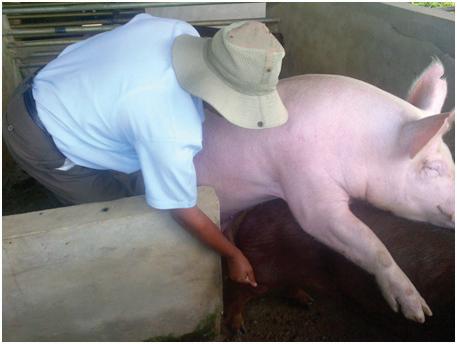
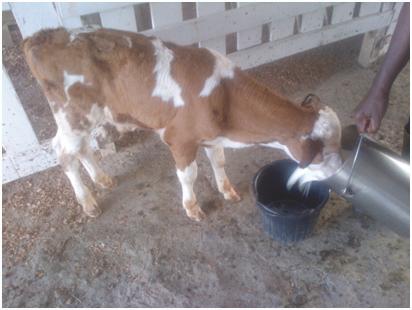
5, a dairy industry beckons, one in which multiple participants can reap bountiful rewards. Guyana’s aspiration to become a beef exporter is predicated upon the growth of beef cattle producers in Region 5. Elements of this commodity chain are already in place: knowledgeable farmers, access roads/ dams, fresh water availability, land availability, secure land tenure, state services, cattle trade relationships, ready markets etc. With the advent of a Region 5 abattoir that is responsive to CARICOM food safety/ quality the location can become a premier one for a range of investors in livestock.
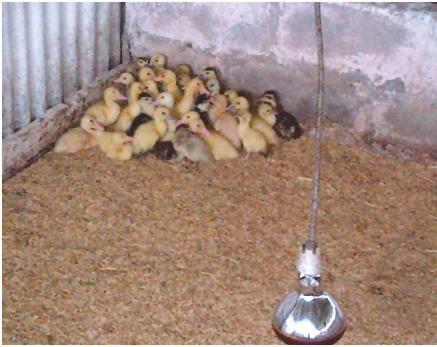
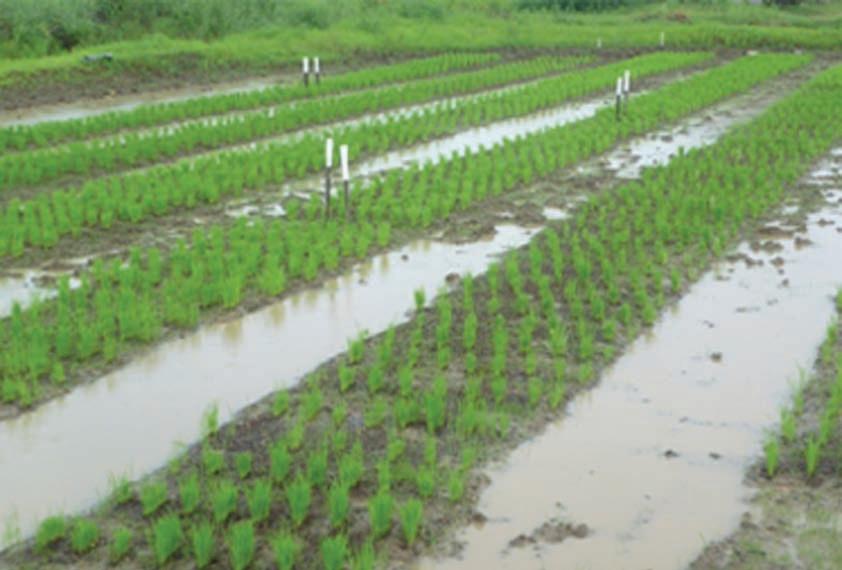
Region 5 hosts on behalf of Guyana an internationally acclaimed Rice Research Center. It is located at Burma and is headed by Dr. Mahendra Persaud, a Guyanese Scientist whose parents are farmers and who originated from bath Settlement. Dr. Persaud is supported by a group of Guyanese scientists, some of whom have their PhDs in Agriculture.
This institution is responsible for producing some of the high quality paddy used as seeds by farmers. It is also a training institution for farmers around the country. Farmers now look forward to come to their research home. The Rice Research Center main task is developing new and improved varieties for paddy to ensure continued improvement of yields and production. In this regards, varieties are developed to take into consideration various environmental conditions and various pests.
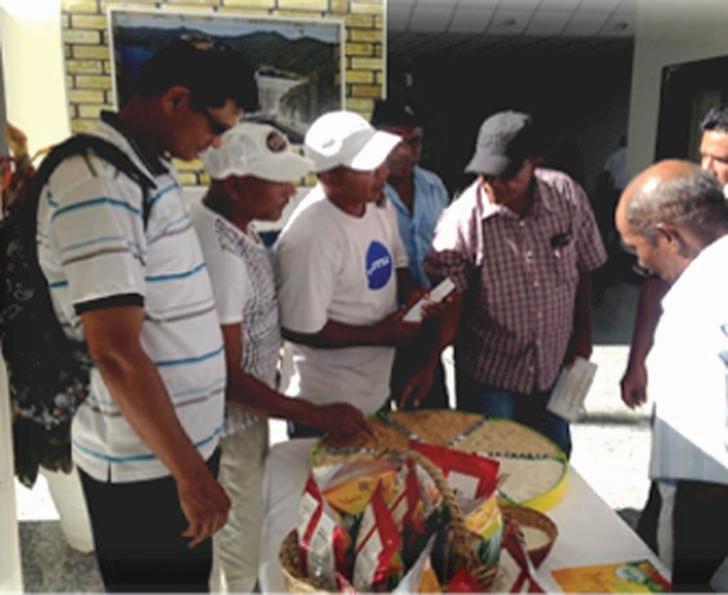
Since 1995, the Center has produced 14 different varieties. The newest one, GRDB 14, was introduced in the first crop of 2015. It was developed and sued in various fields owned by farmers in 2014. Now it is available for wide usage by farmers around the country. In this first crop for GRDB 14, production has surpassed 50 bags per acre.
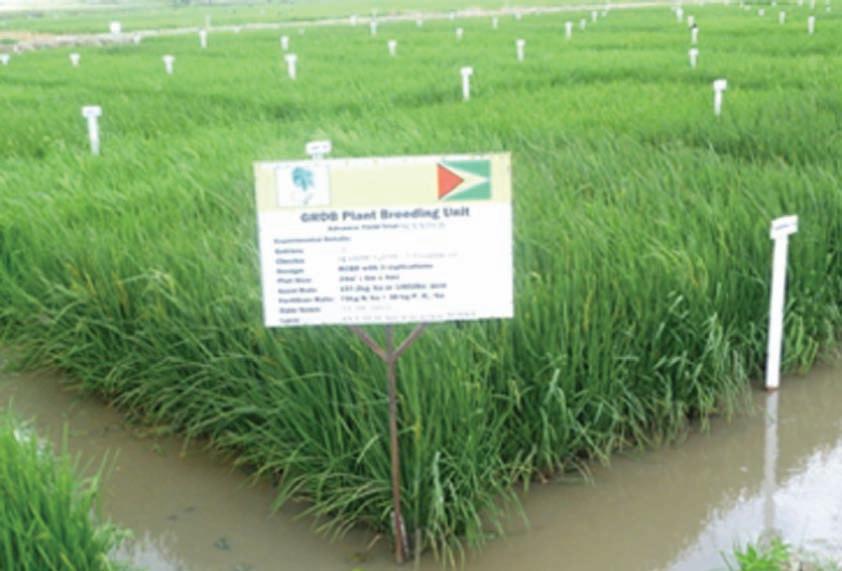

in Guyana was developed by scientific groups led by international scientists.
One of the research goals today is to find better ways of controlling paddy bugs. The paddy bug has led to losses of about 3 to 5 bags of paddy per acre in many rice growing areas in Guyana. The Rice Research Center is mandated to reduce losses to paddy bug to less than two bags per acre.
Another challenge faced by the rice industry is losses due to red rice. This is a major problem that plagues rice farmers. It is estimated that farmers lose between 3 and 6 bags per acre because of red rice. The Rice Research Center is carrying out research to reduce losses to red rice to less than 2 bags per acre.
The rate of production of new varieties is about one new variety every 1.5 year. This is remarkable achievement for any country, including the most developed countries. Before 1992, a new variety averaged one every ten years. In the 1980s, the diwani variety was developed, but that effort was led by an Indian Scientist. In fact, before 1992, all varieties
In 2012, we introduced GRDB 13, the first ever aromatic variety in Guyana. This is being marketed as Bengal Aromatic Rice and as Maria’s Delight Aromatic Rice. Our intention is to produce commercial quality for the market in the diaspora and in the Caribbean to compete with the very popular Basmatie Aromatic Rice from India.
In the coming months, research will intensify as we seek to introduce new varieties for salt resistance, submergence tolerance in order to adapt to climate change. In the 20202030 period, our goals are to increase yield to more than 10 tons per ha.
Where it all began - Shallot!
Starting as the first “other crop” in Region 5, villages such as Bush Lot soon began supplying via Geoegetown markets, most of the Shallots for the rest of the country.
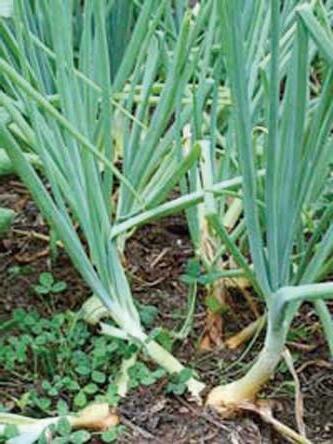
Farmers in Region 5 have responded positively to the agri diversification drive initiated by the Ministry of Agriculture. Crop Production now includes sweet pepper, cauliflower and broccoli, crops which are no longer imported. Region 5 is also a major area for production of eschallot, papaw and tomatoes. Large acreage of plantain and bananas also make significant contributions to overall production and to the economy as a whole.
Farmers in Region 5 have shaded cultivation, use of improved varieties and drip irrigation systems to enhance year round production of vegetables. There are currently 185 protected structures in the Region (the largest in the country).
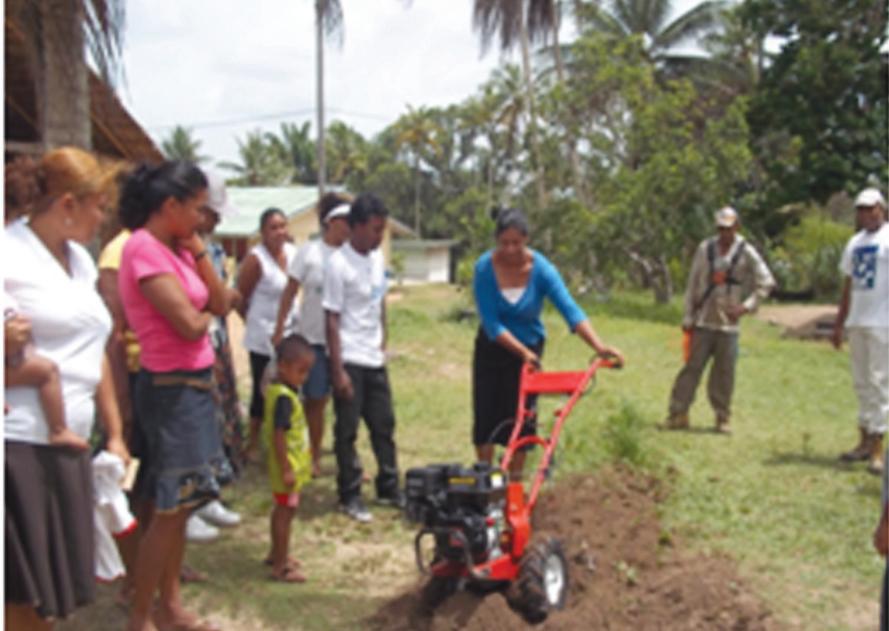

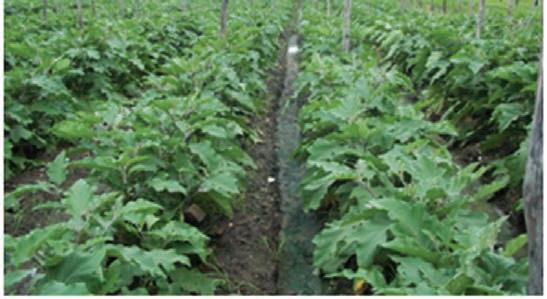
Nand Persaud Rice Milling Complex was established in 1992 by the late Mr. Nand Persaud. It is a privately owned business, comprising of Mr. Nand Persaud and his two sons, Ragindra Persaud and Mohindra Persaud. It was the dream of Mr. Nand Persaud, whose vision is responsible for the current status of the complex. Prior to the establishment of the first mill, at first, the family was into rice cultivation and cattle rearing.
They have continued their hard work, which in 1995; allow them to install a 3 ton parboiled mill plant and in 1996. Due to the increase in demand, another 2 ton parboiled plant was installed in 1996, and a 24 ton dryer with 4 tank storage in. The Mill also incorporates its water polishing capabilities and in 1999 the brand Karibee was established.
Over the years, the Nand Persaud management team worked not only in improving the production quality, but sought new markets outside Guyana.
They have markets around the Caribbean and in Europe. The company had in place a reliable transportation and delivery network with an efficient stocking and shipping system with a goal of quality products at competitive price.
Today, Nand Persaud Rice Milling Complex produces some 4 metric tons of parboiled rice and 8 tons of white rice per hour. The state-of-the-art facility ensures that the parboiled rice has a uniform colour and no odor, which meets the need of any developed market.
Nand Persaud Investments bullish on export market
Growth and expansion are inimical to the sustenance of any business venture, and Nand Persaud & Company Investments is taking it by leaps and bounds. Rice milling is the primary business of this group of companies, with a small measure of rice farming. However, in the last decade, the whole face of the company changed as they’ve zoomed in on the international export market in a big way.

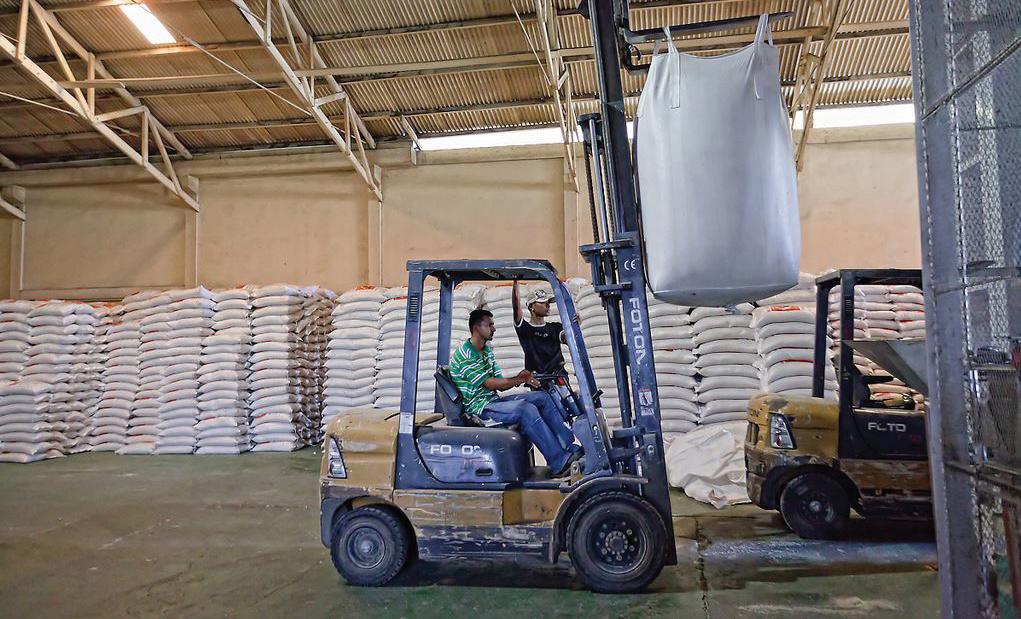
precipitate their plant and product expansion plans.
Nevertheless, the company is recognized locally as the most bullish on international market penetration, winning the GMSA’s President’s award for Exportation in 2011. The Guyana Manufacturing & Services Association, one of the leading Business Support Organisations (BSO) in Guyana, is preparing to engage the Nand Persaud management and ensure the company benefits from the international funding and other programmes the Association has created access to.
comparison with other CARICOM countries.
Throughout the group skill availability continues to be their Achilles Heel. Nand Persaud is the largest single employer in the Ancient County but they are forced to expend large sums for on-the-job training of the secondary school graduates they employ. This is the highest level of qualification (CXC) readily available to the company.
More than 90 per cent of the white and parboiled rice milled at Nand Persaud is exported to the Caribbean, North America and increasingly to markets in Europe and Africa. Trinidad remains the largest buyer of bulk and packaged parboiled rice while Jamaica is the largest market overall. “The cost for rice has risen from three years ago (US$450 per ton) to about US$840 for parboiled and US$640 for white rice,” General Manager, Mohindra Persaud said, adding that it continues to go up as the industry becomes more mechanized and more rice is available to expand their operations as well as their markets.
“The whole industry is going through a sort of revolution that began some five years ago and I predict that in another five years it will be almost completely mechanized,” he stated. NPIC saw a 13 per cent increase in paddy intake in the second half of 2011 which could be due to farmers reclaiming old fields, cultivating new ones and mechanizing which has shortened the entire process between cultivation and harvest.
When asked about the history of relations between the company and rice growers, Mohindra stated that his company enjoys very cordial relationships with private farmers especially because of the unique payment arrangement with a local commercial bank. He explained that the farmers are usually paid by the bank just one day after delivering their paddy to the mill. Unlike most other rice mills, the farmers who sell to Nand Persaud do not have to wait until the milled rice is sold to receive payment.
Nand Persaud began preparation for the expected upsurge in rice yields years ago acquiring new drying and storage facilities, parboiling plant, a colour sorting machine that extracts discoloured grains, and three packaging machines producing 40 tons of packaged products per day. Not only do they package their own high quality Karibee and Crown brands, NP is also contracted to package the Supa, Naisa and Eve brands from Trinidadian and Barbadian millers even though both countries import NP’s rice in bulk and in packages.
CARICOM markets are the “most comfortable markets for us,” said Mohindra, because of the Common External Tariff (CET). Otherwise they sell ‘flat-footed’ in direct competition with Brazil, Argentina and even Suriname whose rice is cheaper. NPIC is yet to benefit from the Partial Scope Trade Agreements that Guyana had signed with Brazil and the Dominican Republic which are structured for reduced or nil tariffs on certain products.
Nand Persaud has successfully and consistently penetrated international markets on its own but Mohindra agreed that with easier access to international funding and being able to secure places at foreign trade fairs would
Rice milling, packaging and exporting is not the extent of this Group’s operations. There is an importation arm responsible for sourcing and marketing locally spare parts for factories, trucks, tractors, combines and other agricultural machinery, and fertilizers. Their forward production services also include a Trucking Service for hire and a Bag Factory producing rice and fertilizer bags, plastic garbage bags and shopping bags.
Their efforts at backward integration include a (paddy) Seed Treatment factory with a capacity of 600 bags per day that provides farmers with planting materials.
The second major company in the Group is Nand Persaud International Communications (NPIC) Inc., an information technology services provider that is also anchored in the international marketplace. As early as 2002, brother Rajindra Persaud, an IT specialist, recognized the benefits of further enhancing the company’s presence and image overseas so he ventured into International Communications. The subsidiary company, NPIC Outsourcing was established as a Business Process Organization (BPO) with an international Call Centre for online marketing.
Mainly North American clientele utilize their Facilities Management services that include Procurement and Supply Chain Management, writing and editing business documents, transcription and Word Processing. NPIC is also established as an outsource partner to Canadian and American companies/agencies for Payroll and Accounting services, data storage, and online marketing.
Rajindra Persaud indicated that it is not easy for a small online service to go it alone in the wide world of technological communications. Their major clientele, immense corporations and business chains spread across the globe, are more comfortable entrusting their confidential marketing data to large experienced and accredited marketers. So NPIC joined an existing telephone marketing network and now successfully operates a thriving Call Centre based at Tain, Corentyne. A branch centre was opened recently at Diamond, EBD.
He revealed that the consensus among his peers in the outer world is that Guyanese are very well suited to this business mainly because the local accent is relatively neutral and more readily understood anywhere in the world. Our language structure, he said, is similar to that of the USA where the major customers are located, and Guyana functions in the same time zone. Rajindra added that NPIC’s service costs are very competitive because labour
The management holds strongly to the view that Berbician youths who attend the technical institutes and University of Guyana in Georgetown and Berbice migrate immediately after acquiring their certificates. “It is indeed strange that you would hardly find three university or TI graduates working on the Corentyne,” the Persaud brothers lamented, contending that the structures of the courses offered by these institutions are often outdated and unsuited to the needs of local industry. “We need to figure out why the LLB graduates could apply their knowledge in Guyana while the Engineering, IT, Business Management and Natural Sciences Bachelors degree holders cannot,” they both said, calling for a full scale revamp of the tertiary curricula in Guyana.
President Ramotar promised to bring more job creation opportunities to Berbice with the establishment of Information and Communication Technology (ICT) Call Centres. He noted too that the sustainability and expansion of the sugar and rice industries would also secure the jobs of thousands of people across the county as well as open doors for new job opportunities. He also lauded the move by the Government to establish a deepwater harbour in the Berbice River.
The President noted that a feasibility study was under way to determine the achievability of such a port in that area. If construction is possible, the harbour will see the creation of thousands of jobs in various areas.
In addition, the deepwater port will see a total transformation of the Berbice economy as Guyana will be on its way to becoming a maritime hub for South America and the Caribbean.
Ramotar also told Berbicians that if his Government was victorious, after the elections, it would work towards construction of a cultural centre and indoor facilities in the region.

resident Donald Ramotar
Psaid he would do all in his power to fix the faulty Police emergency number 911, saying this mechanism was too vital to be failing. He also underscored the need for the chronic issue of poor Police-public relationship to be tackled head on.
President Donald Ramotar speaking on his programme, “At Home with the President” said the issue of the non-working 911 system “has to be fixed, even if we have to go to some special arrangement to get it fixed, so that every time a phone call is made, it is answered and action is taken”.
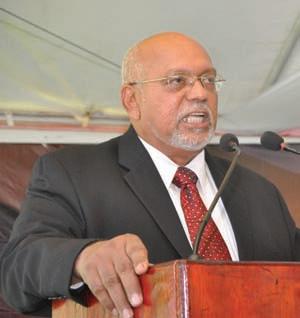
The President explained that his Administration was looking at putting in the systems, to ensure that even “if it means that I have to outsource this, I am ready to do that, because this is extremely important for the Police Force, to ensure that all calls are answered and that they act, they respond to these issues that citizens have been complaining about (and) rightfully so”.
During his address at the recent Guyana Police Force’s Annual Conference, he spoke of the Police initiating better work ethics and engendering trust from the populace.
These sentiments were made in the context of the findings of the last survey, conducted by the Latin American Public Opinion Project (LAPOP), which found that Guyana has the lowest level of trust in the Police in the region, and that trust in the local Police Force was continuing to decrease. He opined that what he found out in the report was very unacceptable, and this was exactly why he mentioned
the matter, when he spoke at the Police Officers’ Conference.
His pronouncement was emphatic: “I was very explicit on this matter, to say how much I am disappointed, and I said very frankly (that) it is not acceptable to me, nor is it acceptable to the Guyanese people, and I expect that it is not acceptable to the leadership of the Guyana Police Force, and, therefore, we have to ensure that we work on these issues, to build back the trust of the Guyana Police Force with the population.”

putting into the Police Force, that they would help considerably to restore confidence in the Police. At that same Police conference, the President laid out a 15-point plan ‘15 in 2015’ to ensure a more effective force.
President Ramotar said the public sees the work of the Police as most important for the general development of the society, as “security is extremely important and people want to work, people want to carry on their business, people want to go about their leisure, but with a feeling that they are secure in what they are doing”.
President Ramotar explained that his Administration, via the Police, has already started to do ‘trust building’ work within the communities, noting that “they had some work done in Albouystown; they had some work done in Agricola, and they are now spreading out some of that type of work in other areas, and that I think is beginning to pay off for them, because they are winning more and more support in the community and that is extremely important.”
The President said that he was encouraging the Force to continue that aspect of its work. He mentioned the sore topic of response time to crime and declared that “we have been talking to them about their response time when they are called in by citizens, and I’m putting it to them … as we have to ensure that they have a proper response time … the shortest possible time, for their arrival on the scene must be very short and as short as possible in that regard.”
An optimistic President Ramotar believes that there would be a quick turn-around. He thinks that with the general work that the Police are doing and the resources that the ruling People’s Progressive Party/Civic (PPP/C) is now
He noted that security helped production and productivity and, “it will attract more people to our country, and I believe that it is vital for us to ensure that the Police build that confidence and the public get that confidence again in the Police, to make them very respectable in every community.”
President Ramotar also implored the Police to be conscious of the fact that the leadership of the Police Force will have to do more supervision of the lower ranks and the Community Policing Groups (CPGs), to see that they were discharging their functions as intended, to understand and to be there with the ranks and to have a good understanding of what was taking place within the various communities. He pointed to the use of science and technology, as far as possible, in the detection and fight against crime at all levels. President Ramotar went as far as telling the officers that they should reopen old unsolved crimes, as “criminals must not feel that they can get away with their criminal activities (for) if they feel that way, then they will continue to want to live a life in crime, but if they know that they will be caught, that will serve as a deterrent from people to commit crime within our society”.
When the governing People’s Progressive Party/Civic (PPP/C) on Sunday launched its re-election campaign it did so at the event to honour the life of the party’s founder, Dr Cheddi Jagan at Babu Jaan, Port Mourant, Corentyne.
The launch at the memorial pilgrimage to the late Dr Jagan was seen as fitting, given the long and dedicated struggle for a better Guyana. Currently, Guyana is observing the 18th death anniversary of Dr Jagan, credited for the return of democracy to post-independence Guyana. In promising to return with the largest victory for the PPP/C in the history of Guyana at the May 11 polls, President Ramotar said that over the last three years the policies that have been implemented by his administration were those that Dr Jagan would have implemented had he been alive.
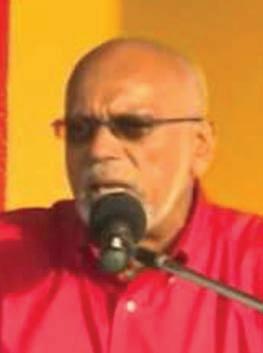
Ramotar’s three years in office were very challenging, with the Opposition’s stranglehold on the National Assembly, cutting budgets, blocking legislation and stymieing the implementation of several projects, including the Amaila Falls Hydro Project;
the Specialty Hospital and the Modernisation of the Cheddi Jagan International Airport.
According to the Head of State, despite the challenges presented by the joint parliamentary Opposition over the past three years, he did not compromise on principles. However, he noted that it was the same when Dr Jagan was alive.
“I take comfort in the fact Cheddi Jagan had to fight against tremendous odds. And so, today, I am not worried about the actions of the Opposition. Those who claim that they have nothing to apologise for,” Ramotar told supporters. The President said over the past three years he did not have an Opposition that was patriotic and interested in the
development of Guyana. “I had narrow-minded people who seem to believe that they can make things bad in our country and drive us back to the time when we had to line up for a quarter pint of oil … in the hope that it will change their political fortune. That is what I had to deal with over the last three years.”
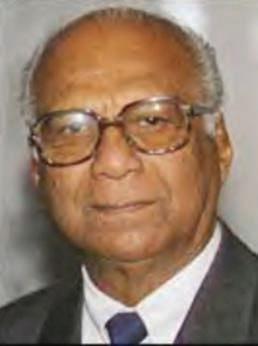
“Not one day did they use their oneseat majority to say ‘Donald Ramotar, build more roads in Berbice, build more schools for our people, build more hospitals for our people, not one single day. Instead, they used the one-seat majority to cut $89 billion from our budget, $89 billion that could have gone to develop the people of our country, and I tried, my friends, I really tried,” the President said.
Turning his attention to the AntiMoney Laundering Bill, which has been blocked by the Opposition, Ramotar said the Opposition had two occasions to show which side it was standing on. “The Opposition had two occasions to choose which side are they standing on; are they standing on the side for the people or are they going to defend criminals by not supporting the bill (the AntiMoney Laundering Bill). On two occasions, they decided to vote to protect the drug traffickers and money launderers in our country.” Ramotar said.
Speaking of plans for the future, President Ramotar said the Amaila Falls Hydro Project was high on the list of priority and will help to create jobs, which was one of his goals after the May 11 poll. “Both the AFC (Alliance For Change) and the PNC [People’s National Congress] had hydro on their manifestos for the last elections. So I thought this would have been an easy sell,” the President noted. He said focus will also be on the expansion of social services which included the housing sector.