

By Nafeeza yahyah
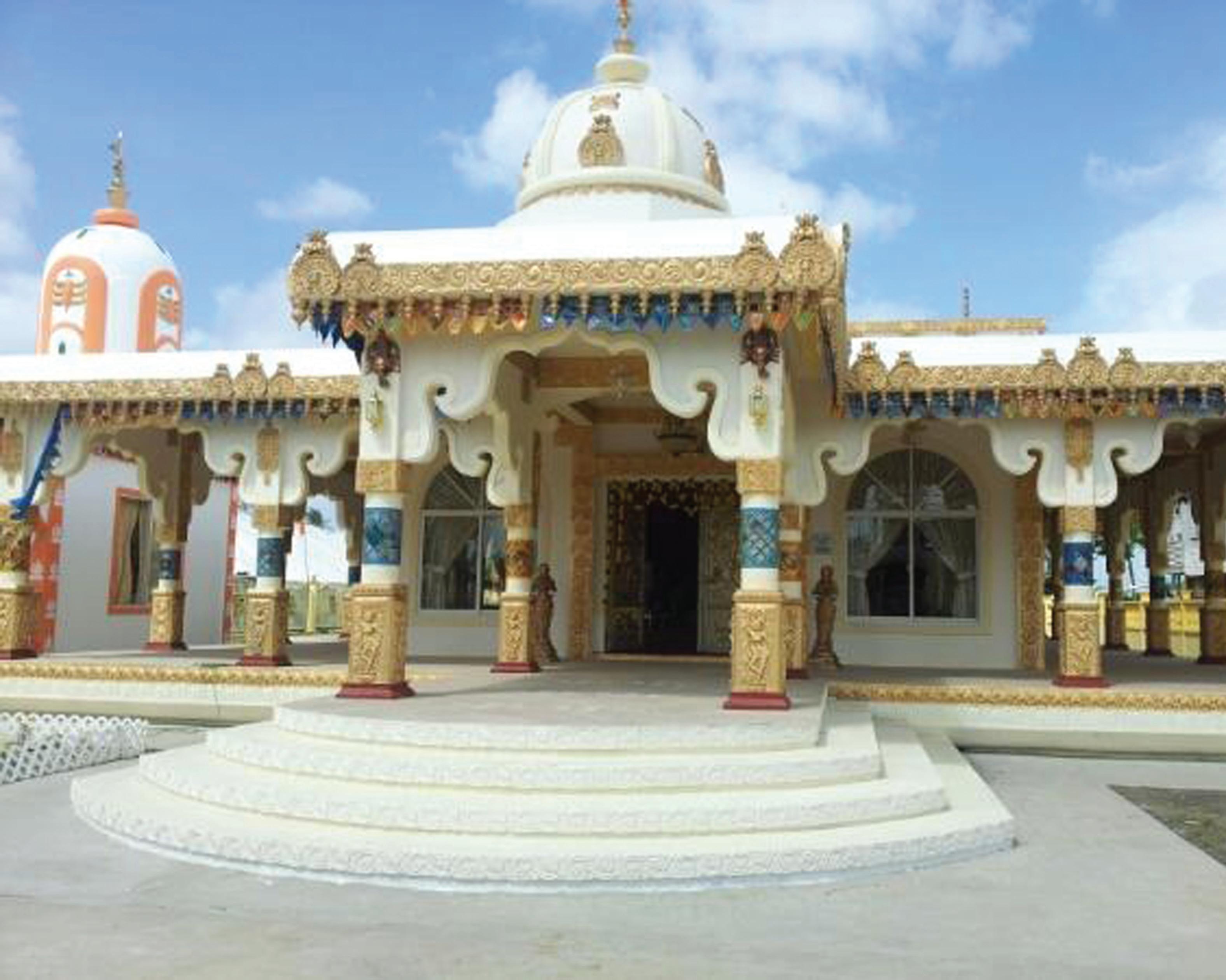
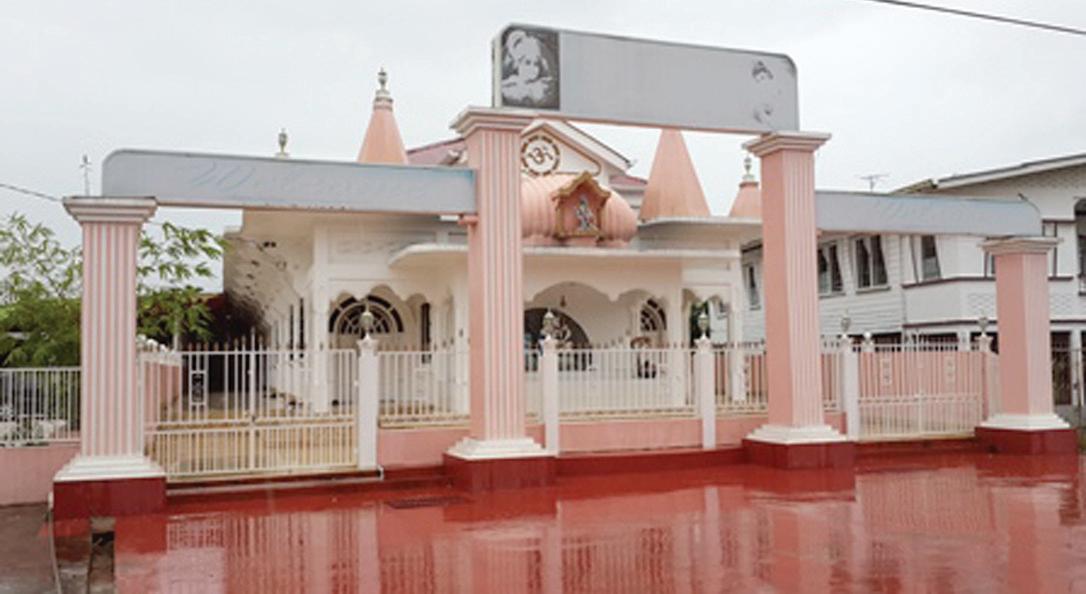
The architectural landscape of Greater New Amsterdam has been given a significant boost with the recent commissioning of the Shri Krishna Mandir located in Gay Park, New Amsterdam. While it’s becoming a norm to notice high-rise buildings, one simply cannot pass by without stopping and staring at the beautifully constructed edifice that looks like something out of a must visit site in a magazine. This multimillion-dollar structure bears no resemblance to any other structure in Guyana. When Berbice Times visited the Mandir, the sun was in all its brilliance and the presence of the rays on the structure generated a dazzling golden effect from the gold and off-white paint of the main Mandir. The complex houses four buildings – a community and education facility – the Sandeepani Vidyalaya Hindu Centre, and three temples: one large main temple with two smaller ones, all beautifully designed.
Berbice Times sat down with the brains behind this breathtaking complex, Pandit Rajin Balgobin, to get an insight into the design and history of this masterpiece. According to him, the complex depicts architectural designs from the four corners of India.
There was an older temple housed at the location before in 2010, however when the Berbice River overtopped its banks, it flooded the old building, causing severe damage to the structure especially the floor which was badly cracked and the carpet became unusable. In addition to the flood, the building became infested with termites, which further damaged the structure.
“We don’t generally demolish a Hindu temple for the sake of building a new one. There has to be a natural disaster to take place which makes it unusable so when we had the flood, it was a sign for us to build a new temple,” Pandit Balgobin said.
The designs for the three temples, according to Pandit Balgobin, all came from his various visits overseas mainly India. When he was there he was literally taken aback by the beauty that each facility had to offer. These were etched in his memory. He then sat down with the architect and described how he would like the facility to be built. The final product reflects an architectural design that pays homage to all four corners of India that is North, East, West and South.
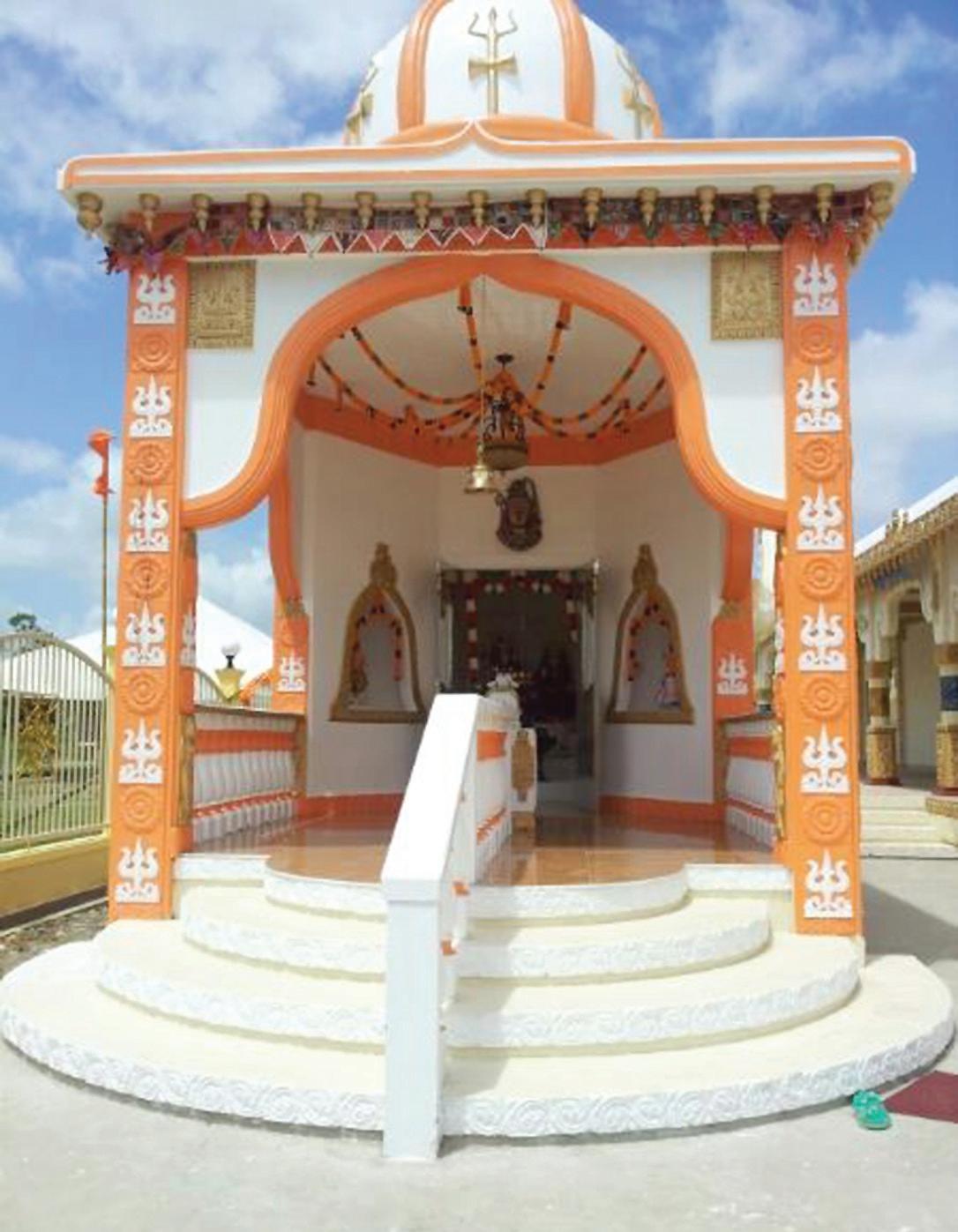
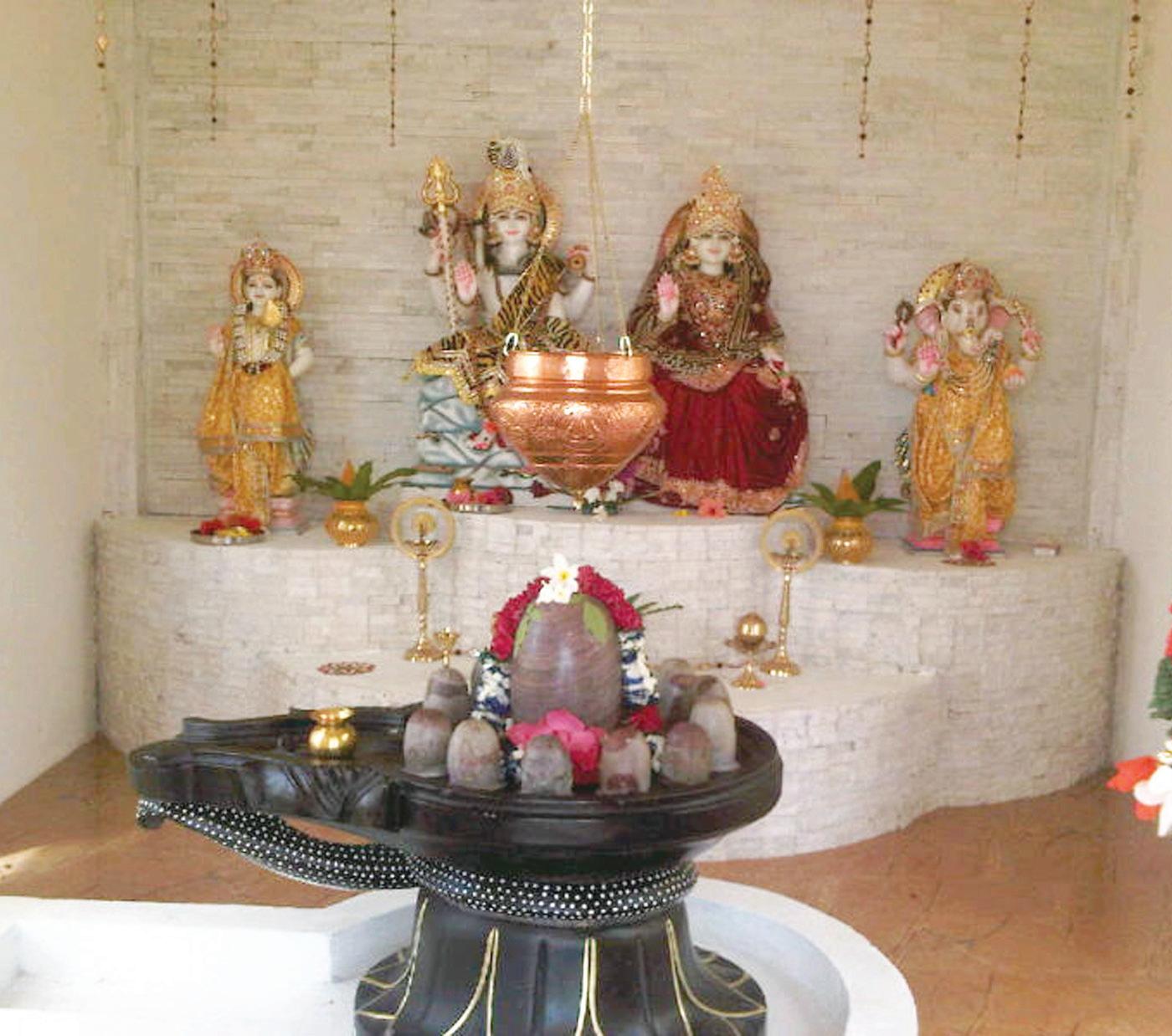
The small temple on the western side of the complex is dedicated to Lord Shiva and his family: Mother Parvati, Lord Ganesh and Kartikiya (Subramanya). “The family unit is very important for us as Hindus we have always been admired for having a joint family and a family that has been raised in the way we respect a family in the Hindi tradition so when one visit the Shiva temple they will see him and his family together and that itself will give a message of family staying together.”
The architect of the Shiva Temple reflects Kashivishanauth which is in the state of Uttar Pradesh in Northern India it is one of our holiest shrines in Hindi tradition. The moulding of the celestial dancers, the peacocks, Hanuman and the eagle are associated with Krishna the moulding came from South India from Mahabali Puram.
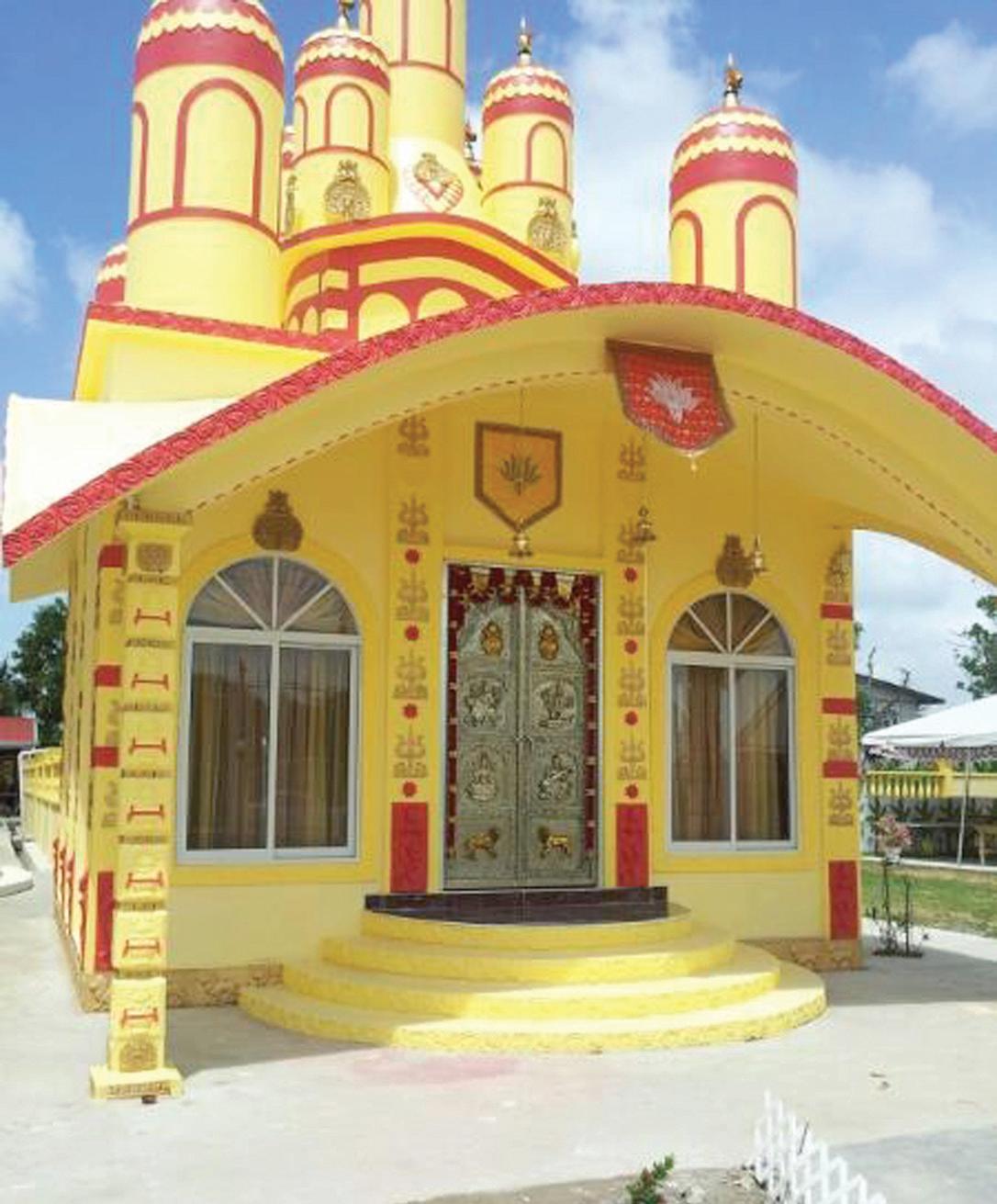
The next temple which is situated on the Southern side is dedicated to the Goddess Kali a who is also another form of the consort of Shiva. The Kali temple is from East India and is from the state of Bengal hence the Bengali architecture and is painted in the colours red and yellow reflecting life.
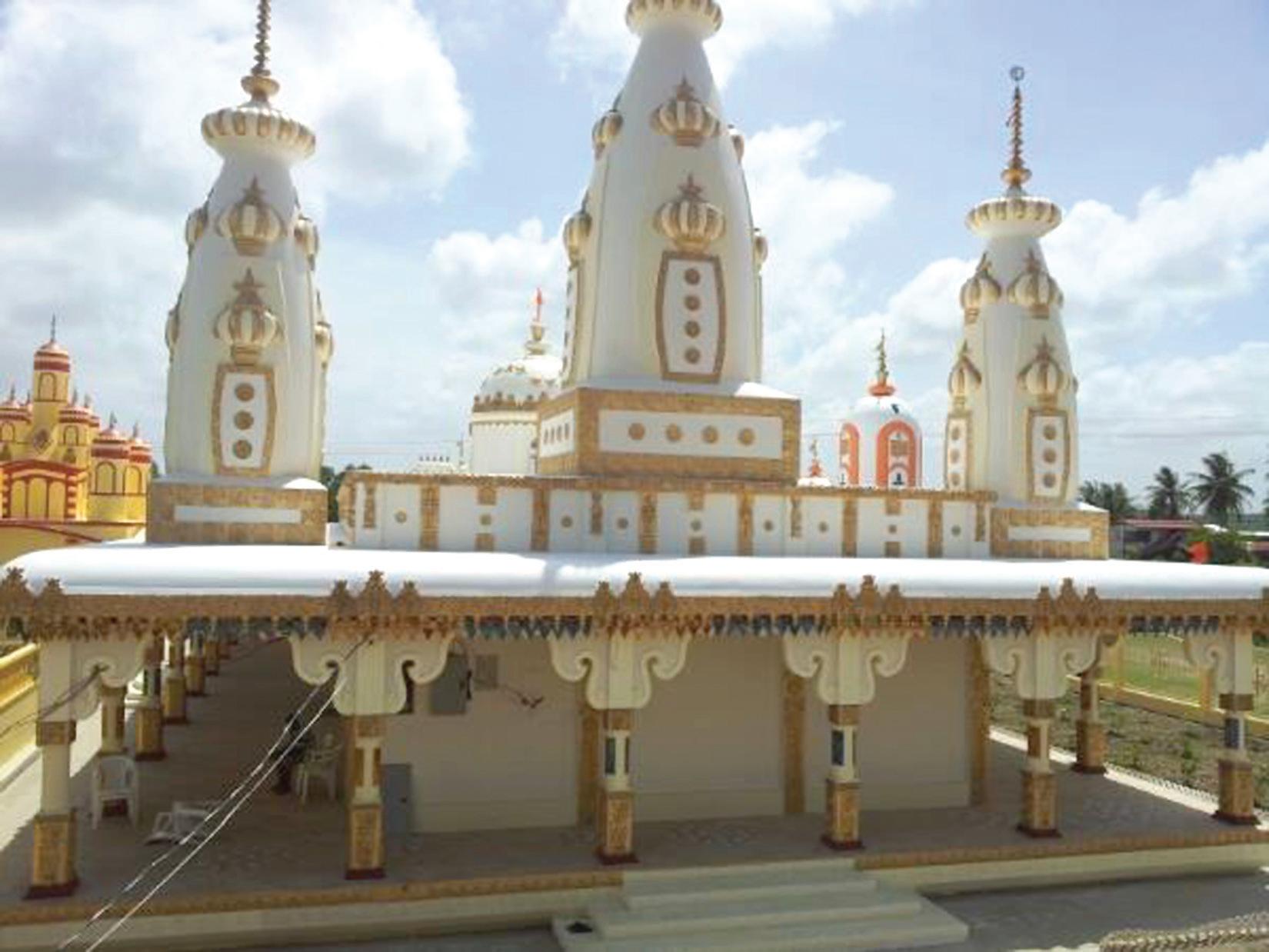
The main temple is dedicated to Lord Krishna The north reflection can be seen in the five towering domes that reflect north Indian architecture – Lord Krishna together with his consort Radha-Rani; along with the five main deities that Sanatan Hindus worship namely – Ganesha, Durga, Vishnu, Shiva and Surya. Their Murtis were specially carved in Jaipur India under the guidance of Pandit Balgobin and team, from facial features to sitting positions, colours, paints everything was done as per their request.
All the murtis were made from Makarana Marble. The main temple is painted in a spe-
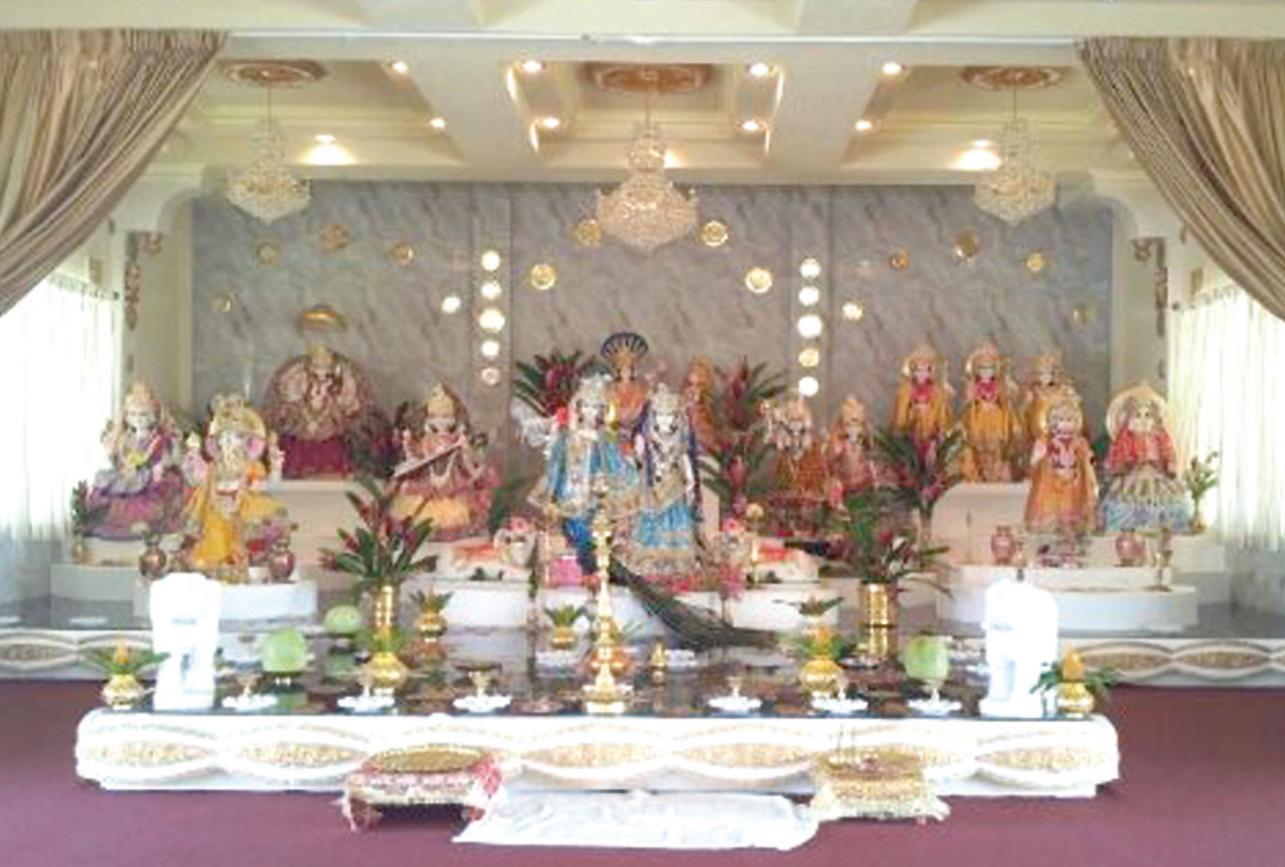
cial white and gold paint that gives it extra sheen and glow. The only inner visible dome of the main temple bares an image of a lotus flower painted in pink and blue, it is highlighted with 16 golden bells. According to Pandit Balgobin 16 bells were used as it represents the 16 qualities of perfection.
Upon completion of the construction the purification rights commenced: meaning the entire place was cleansed and then the consecration of the deities. The purification rights included Hawan which is the fire rite which was conducted by Pandit Natrajan of Toranto Canada. He conducted a three day ceremony.
Then the consecration process of the Murtis of all the deities was conducted. This included getting water from the seven holy rivers of India, that is, the Ganges, Yamuna, Godvari, Kaveri, Tungabhadra, Shipra and Narmada. The water was collected from the seven holy rivers and was all mixed in huge pails and the entire
building was washed and purified. That water was also used for the consecration of the Murtis and four ceremonial baths were given to all the deities so they were no longer statues they became deities, life were infused within them, Pranprathistha which is the life infusing ceremony was performed so they were no longer statues and they were now worthy of worship.
The total cost of the Complex thus far has been over US$750,000 and will go beyond a million US dollars when all works have been completed. It is being taken care of by a committee headed by Sri Chandrowatie Maraj. The temple serves over 500 members in Guyana while overseas it has approximately 250 members.
The funding came mainly from the donations given after the discourses of Pandit Balgobin who used funding he received from travelling between the USA, Canada, West Indies & Suriname conducting Katha. He performed approximately 45 Yajnas yearly and whatever was generated from the Yajna in the form of gifts was placed towards building the temple. This, in addition to numerous financial supporters locally and overseas who have contributed very generously as well as local fundraising events which included a concert with Anuradha Paudwal (the internationally acclaimed Bollywood Playback singer from India) along with raffles and food sales, all contributed in making this project a reality.
As the funds were not all available at once, the construction was done in phases, the first phase was the guest facility, auditorium and classrooms: this was completed in 2007. Phase two –building of the New Temple was completed in April 2014, while Phase three will be the shedding of the Tarmac to house the feeding and cooking area. This is expected to be completed during the remainder of this year.
Pandit Balgobin explained that they had outgrown the old facility as it could not cater adequately for the services offered much less the new ones that were on the charts to be added at that time. This occasioned the construction of the community and Education Facility - the Sandeepani Vidyalaya Hindu Centre first.
At the Centre, Pandit Devendra Kaushik, a music teacher from India, is offering vocal and harmonica classes as well as teaching Hindi. In addition, courses in IT are offered in the computer lab, which serves as the hub for the OLPF programme for the community as well as remedial classes for students who are sitting exams. More educational classes will be started soon, based on the needs of the students and community. One area of focus will be to bring in more priests to assist in the neighbouring communities who are without priests and pandits to conduct their satsanghs or services and to also offer training classes for persons desirous of becoming priests and pandits. The centre houses a guest facility with nine self-contained rooms, an apartment, auditorium, computer centre and kitchen.
According to Pandit Balgobin, “The temple is for everyone and is intended to celebrate the Hindu presence in Guyana, our achievement and passion for life and progress and it’s also to maintain our worship and prayers stressing the importance of prayers in everyday life where one can come and find peace of mind and people can come and replenish their faith that is the purpose of the temple. The place where it is located is of sentimental value as the Indians landed here as indentured immigrants in Plantation Highbury which is just a stone’s throw away.”
By Pandit Rajin BalgoBin
Bharati
Bhakti
Pujya Sri Prema
Pandurang is highly revered as both an academic scholar and a Sat Guru. My first introduction to my Sat Guru was a series of lecture tapes I purchased at the Vishnu Mandir in Toronto. The discourse was based upon the Srimad Bhagvat Mahapuran. For about a year or so, those tapes were lost in my closet until I discovered them and started listening while I was stuck in New York City’s traffic.
Her voice and passion was so strong that it captured my attention instantaneously. I found myself glued to my tape recorder. At times I was amazed at her knowledge and ability to deliver the message of the text. As I’ve never heard it in such a professional and devotional manner. At times I was smiling, then laughing, then also my eyes were swollen with tears when she spoke about the desire in man to meet his maker. I knew then I must meet this personality.
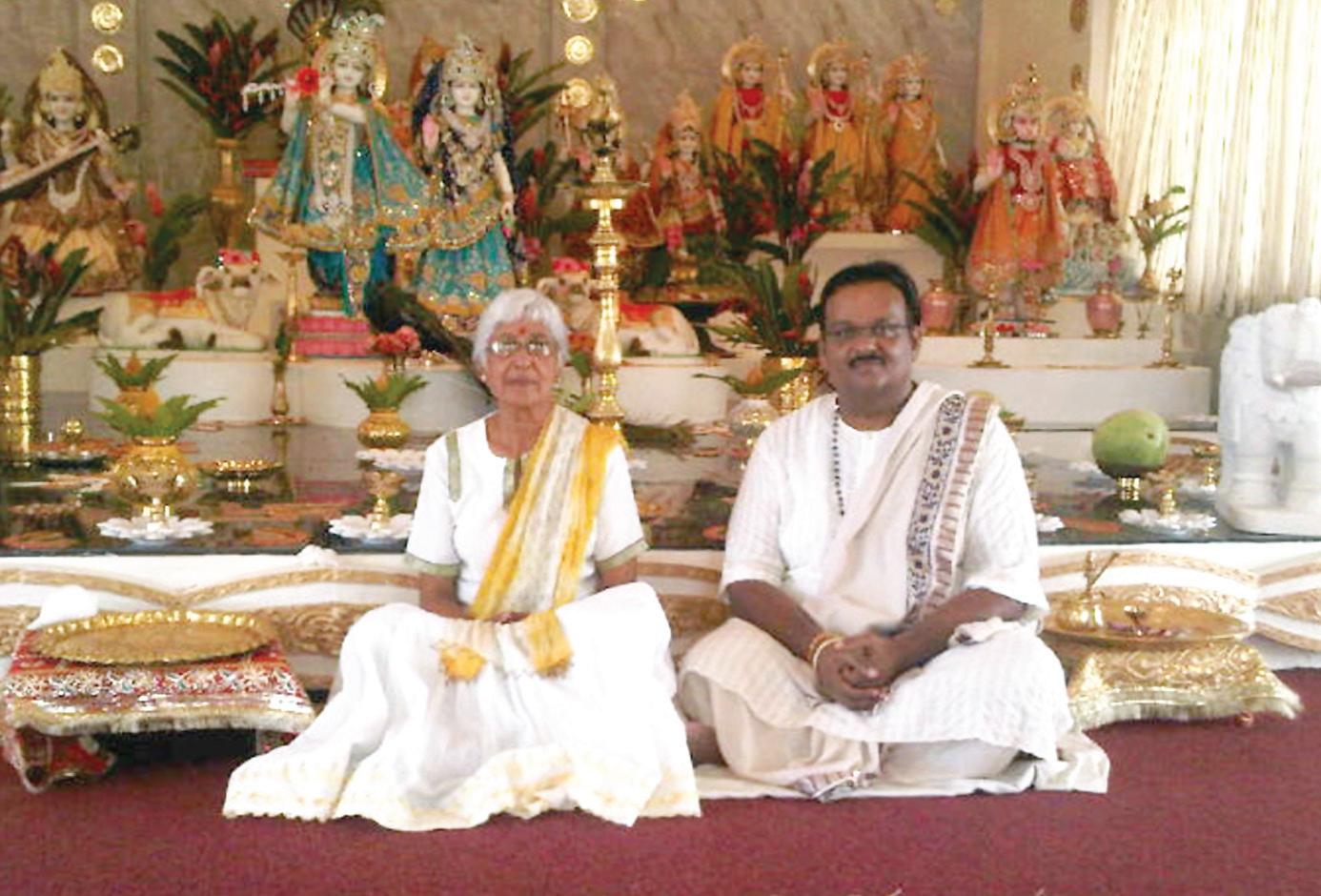
Five years went by before I could put a face with that voice. But before that, I asked Sri Krishna, please my Lord, my desire is to see this personality and I dreamt her. I didn’t pay much attention to the dream until the opportunity came for me to see her for the first time.
It was August of 2000, I went to the Ganesh Temple in Flushing, and for the first time ever, I saw the personality who was going to change my life forever, Pujya Sri Prema Pandurang. My eyes were filled with tears, I had goosebumps all over my body, for it was the same person whom I saw in my dream. I had to make a personal contact.
I wrote her a letter stating my sincere gratitude for the emotions that emanates from listening to her discourse. That feeling of Krishna’s love and God’s presence in our lives could truly be felt by anyone who would have listened to Pujya Sri Prema Pandurang. I mustered up my courage, and I remembered what she once said....”if you want something, ask for it, for even if you’re denied, you would not have any regrets for you made the best of the opportunity to ask.”
My humble request to Pujya Sri Prema Pandurang was for her to accept me as a disciple. Nervous indeed I was, but the satisfaction was there that I did ask. Two days later, I received a phone call from Pujya Sri Prema Pandurang. I was invited to the Bharatiya Vidya Bhavan in New York City and I was accepted as one of her disciples. I now had a Sat Guru. This was the beginning of a new era in my life.
I visited Guruji’s ashram in Sriperumbudur 2001 and invited her together with her entire troupe to visit Guyana and she accepted. It was one of the most exhilarating experiences of my life. We had a record number of devotees who came to listen to Srimad Bhagvat for seven days. More so I believe people were amazed that the Katha was being conducted by a lady. It was truly a wonderful experience.
From then on, I would accompany my Guruji on stage as either her backup singer or panditji. The honour she bestowed upon me was more than expected. I had the privilege being with her in Albany, Charlotte, Pittsburgh, Los Angeles, San Diego, Atlanta, Washington, DC and other major cities. But nothing could outnumber my experience which I had with her in the holy city of Puri at the temple of Lord Jagannath. In November of 2002, a major changed occurred in my life. I came to accept that no relationship is permanent and I wanted one that would last me a lifetime and beyond. The only such relationship is with the Lord and with no human being. I decided then to leave the world of relationship and find my eternal companion. Guruji made is very easy for me. On our journey from Puri to Calcutta, Guruji asked me...”Rattan, will you ever get married? Son, you need someone in life”...I answered...no, Guruji. I don’t want to get married. She looked at me, then five minutes later she asked me to close my eyes and open the palm of my hands, when I opened my eyes, she had given me a most beautiful murti of Baby Sri Krishna. I cried and I got the message.
Guruji went further to arrange for my studies of the Srimad Bhagvat Mahapurn in Vrindaban. She became my constant supporter. I remember that day when I was alone in a hotel room in Madras with no one to talk to, no one to
turn to and then Guruji called. She invited me to Puri and life changed.
Guruji saved my life. She saved my honour. She awakened that interest in me that was truly dormant and that was for the propagation and preservation of Sanatan Dharma. She lit that lamp of faith within me and granted me Krishna Prema. I see myself as nothing more than a servant. To her yes and to the world. The love of my life and soul is Sri Krishna.
Our famous poet Surdas says:
“Naam rahe hotho pe mere, aik naam bas tera”
Let only your name be upon my lips
“Thake naa kabhi rasna mere, japte tere bol”
Let me never lose the ability to chant your glories
“Prabhu mere antar ke pat khol”
Open my inner self, my Master
This is what my Guruji has done for me. I’m truly grateful, for without her interest, her blessings, her words of comfort and advice, her stern warnings, I would not be doing what I’m doing today. As unpleasant duty can sometime be, it has it’s merits. For once again I quote my Guruji: “Duty leads to discipline, discipline leads to systemic behaviour, systematic behaviour leads to order and harmony in life.” I thank the Lord for giving me this opportunity to pen my feelings about my Sat Guru, Pujya Sri Prema Pandurang.

Driving down from way up in the Middle Atlas Mountains, we go to the sea-level city of Tangiers, North Africa. We drive onto a ferry some 30 times larger than Torani and sail across the Straits of Gibraltar to Spain.
We were not stopped by Spanish immigration – one of the several benefits of diplomatic plates (they treat senior professors with great respect and honour in other parts of the world). Waved on by the Spanish police, we drove for some five minutes or so and turned right, and it was a simple matter of a barricade being lifted. We were then in a completely different place, Gibraltar, a place that is still a colony of Great Britain and happy to be so.
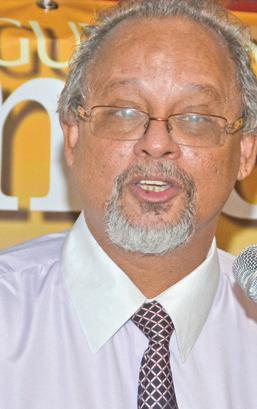
Professor Daizal Samad
It was nice to have a chance to speak English as against the Arabic, French and Berber of Morocco. My two sons were quite unaccustomed to speaking English outside the home, so it was good for them too.
Most Moroccans can speak four languages with ease. At King Hassan II’s fabulous English Language speaking university, our students had English as their fourth, fifth or sixth language. Sometimes as much as eight. At that University, we trained the World Champion of Public Speaking, English being her fourth language. But to more basic things.
Being in Gibraltar was a chance to have a good steak and a tall glass of English beer. It was also a chance to take my sons high up in an air-carriage to play with the apes and monkeys. They are so friendly that they would climb all over you and sit on your head. The next day, we set off again westward into deep Spain. We drove for hours and all the way through we saw farms of windmills, the way one would travel through Berbice and see endless rice and cane fields.
Seen on TV or in photographs, one would get a sense of the thousands of these structures, the propellers turning in the breeze. But on TV you would never understand the sheer enormity of these things – they are as huge as they are countless.
We were told by Spanish officials that these windmills supplied a great part of Spain’s electrical needs. I thought that the cost of each one would be prohibitive, especially for a poor country. But Spain is no Third World nation, and they would have thought of longterm benefits.
It would make little sense for a country like Guyana to mortgage the next century of its earnings for such a venture. We don’t have the money anyway, and that is all okay. But we are also bereft of long term thinking. In terms of thinking about electricity in Region Six, we seem to have recently worked it out well. We now have power outages every other day, from 08:00h to16:00h.
Of course, no one can blame GPL for a few blackouts at night after the day-long blackouts. We just accept it as something normal, like every other grossly incompetent activity in this land. And let us not blame GPL for the endless and numerous blackouts in Region Five! Berbicians who live there know that we are the forgotten region.
If each hour of blackout in Region Five would cost each of these political parties one vote, there will be no votes to count from Region Five. They squabble in the pit in GT; we huddle in the dark in Berbice.

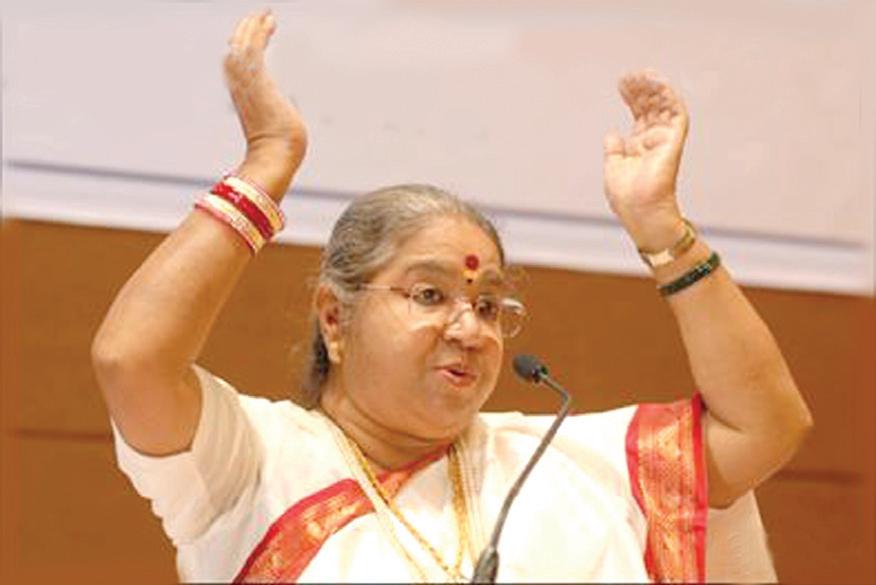
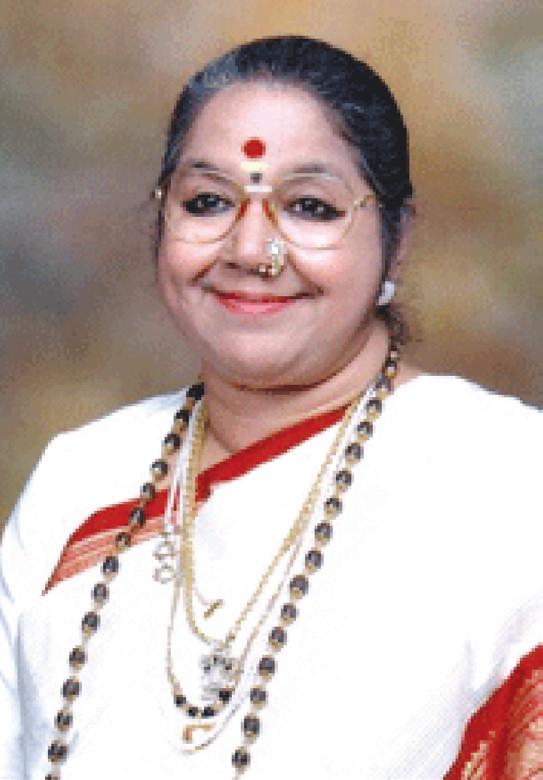
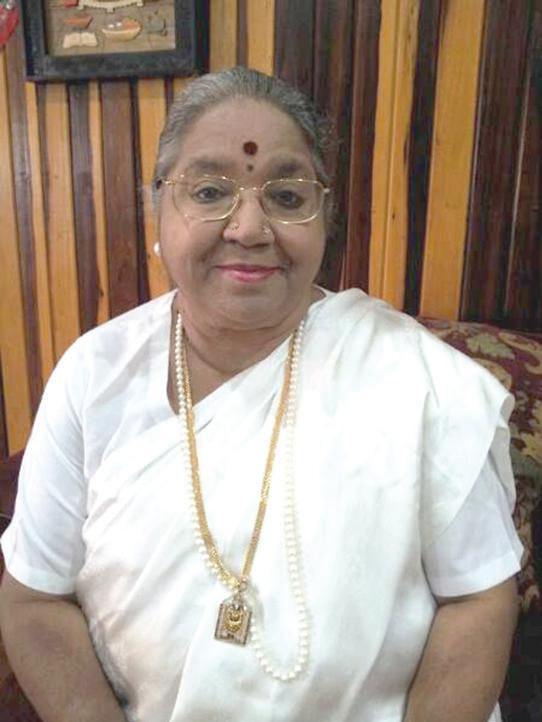
Renowned Hindu scholar and exponent of the Bhagwat Purana, Dr. Prema Pandurang of Chennai, India is the first scheduled speaker for two seven-day Yajnas being held to celebrate the grand opening of the spanking new Shree Krishna Mandir located at Gay Park, Greater New Amsterdam, Berbice.
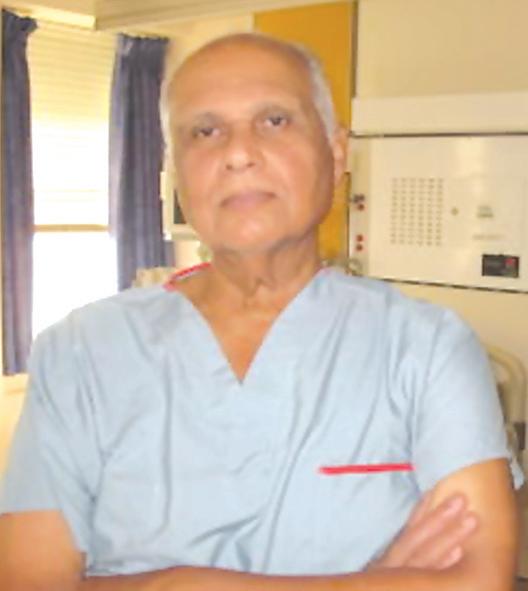
The second seven-day Yagna will be conducted by Dr Budhendra Doobay of Toronto, Canada and his text will be the Ramcharitmanas of Tulsidas. Dr Doobay is a Cardiovascular surgeon in Toronto in addition to being the founder and present head of the Vishnu Mandir in that city.
Dr Doobay has also spearheaded the Dialysis Centre at Annandale, East Coast Demerara, which beas his family name.
Dr Doobay is from a long line of pandits from the village of Annandale and his busy medical practice has not prevented him from carrying out the family tradition. He has received numerous awards from the Canadian authorities for his social work in that country
Dr Pandurang, who holds a double PhD in
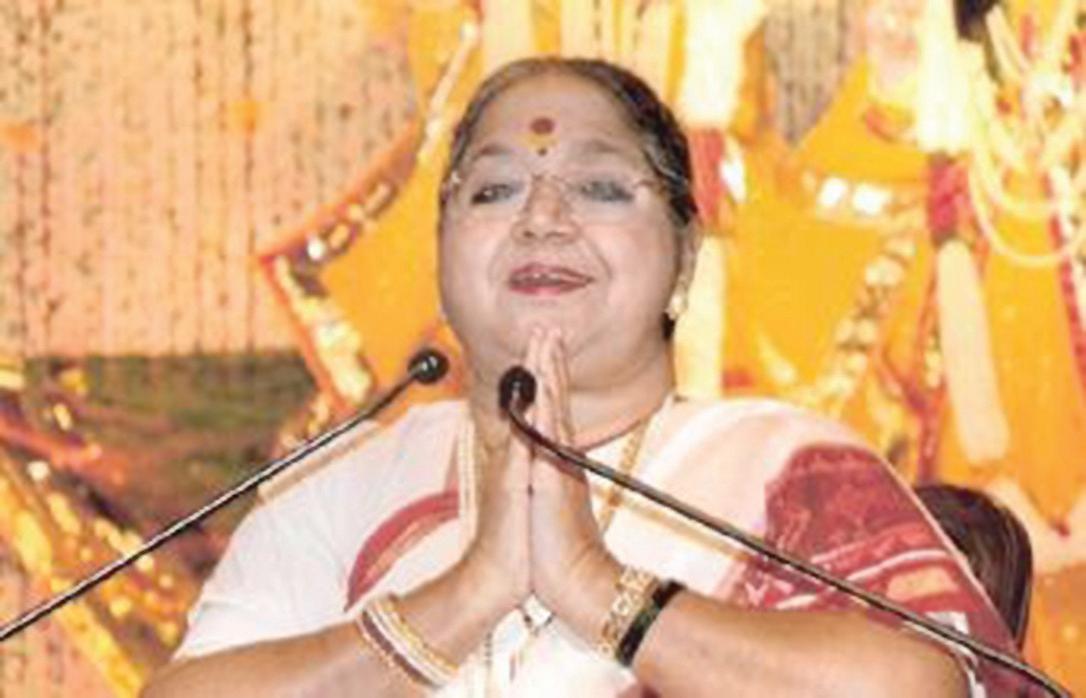
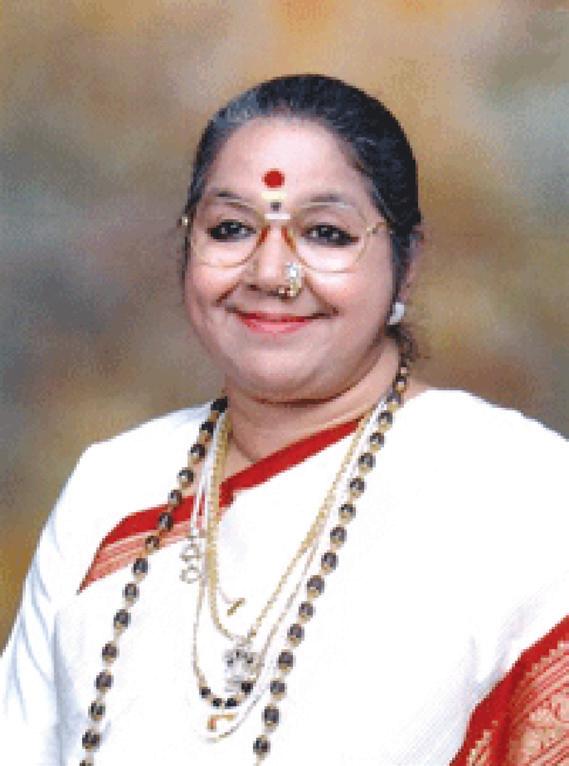
English and Sanskrit, will be presenting on the Bhagwat Puran, which is the story of Lord Krishna, the eighth Avatara of Lord Vishnu, the Sustainer of the Universe.
She explains that the text on Krishna was chosen because it educates a person in understanding what God is; how great he is; how he responds to devotees’ calls and the miracles he performed during his incarnation.
Her powerful spiritual discourses have touched the lives of many. “Our main deity is Shree Krishna so the first seven days is dedicated to Krishna and the next seven days is dedicated to Shree Ram. The Ramayan is very popular in our community and Bhagwat Purana itself in the most scholarly of all. But it’s all on Krishna, this is why we have chosen these two texts and the 14 days to carry out its services,” she adds.
Dr Pandurang began preaching on scriptures of Hinduism from the early age of 15 when she was attending a spiritual discourse by Sengalipuram Anantarama Dikshitar. She was asked to give an oratorical speech on Lord Krishna she did not hesitate and delivered a long, moving one. It was that one speech that led her to continue with thousands more worldwide.
“I began to speak about the Lord, it was my desire to spread the faith in God wherever I go.” She was also a Professor of English in the Presidency College in Chennai for over 20 years. Professor Pandurang says her inspiration for spiritual discourses came from her father who was a Philosopher, and at a young age she used to listen to the discourses of the great Anantaram Dikshitar.
This is Dr Prema Pandurang’s second visit to Guyana, a country she says she holds close to her heart. “I met Pandit Rajin a few years back and I was impressed by his commitment to the Guyanese community and he told me to come back when the temple was completed and here I am now”. She says she is impressed with Guyanese for their love and dedication to the Hindu tradition. “I came back to Guyana for many reasons, one being the love for the (Indian/Hindu) Lord and there is so much unity among them when they come to the temple. I like it”, she added. This evening Dr Pandurang will deliver her final presentation on the text on Lord Krishna and she is urging all to come to the temple to listen to the discourse.

One key point is to listen to understand and not to respond, because effective listening creates an environment where the other person feels that you understand them, meaning that effective listening goes beyond hearing someone’s words. There is no doubt that to be quiet and just listen takes a lot of skill.
However, being quiet will give you the opportunity to hear the words and the meaning behind the words that the person is saying. It also gives you the opportunity to observe the speaker’s body language. A good way to put this in perspective is to realise that when someone speaks, his/her mouth is open, and their ears are closed and both “listen” and “silent” have the same letters, something to think about anyways. It is always good practice to let the speaker finish his/her thoughts. In others words, it is not wise to interrupt the person who is speaking. Again though it might sound easy, it is certainly a challenge, because it is hard to remain silent and even much harder to remain silent until someone has completely expressed their thoughts.
By Vahnu Manikchand
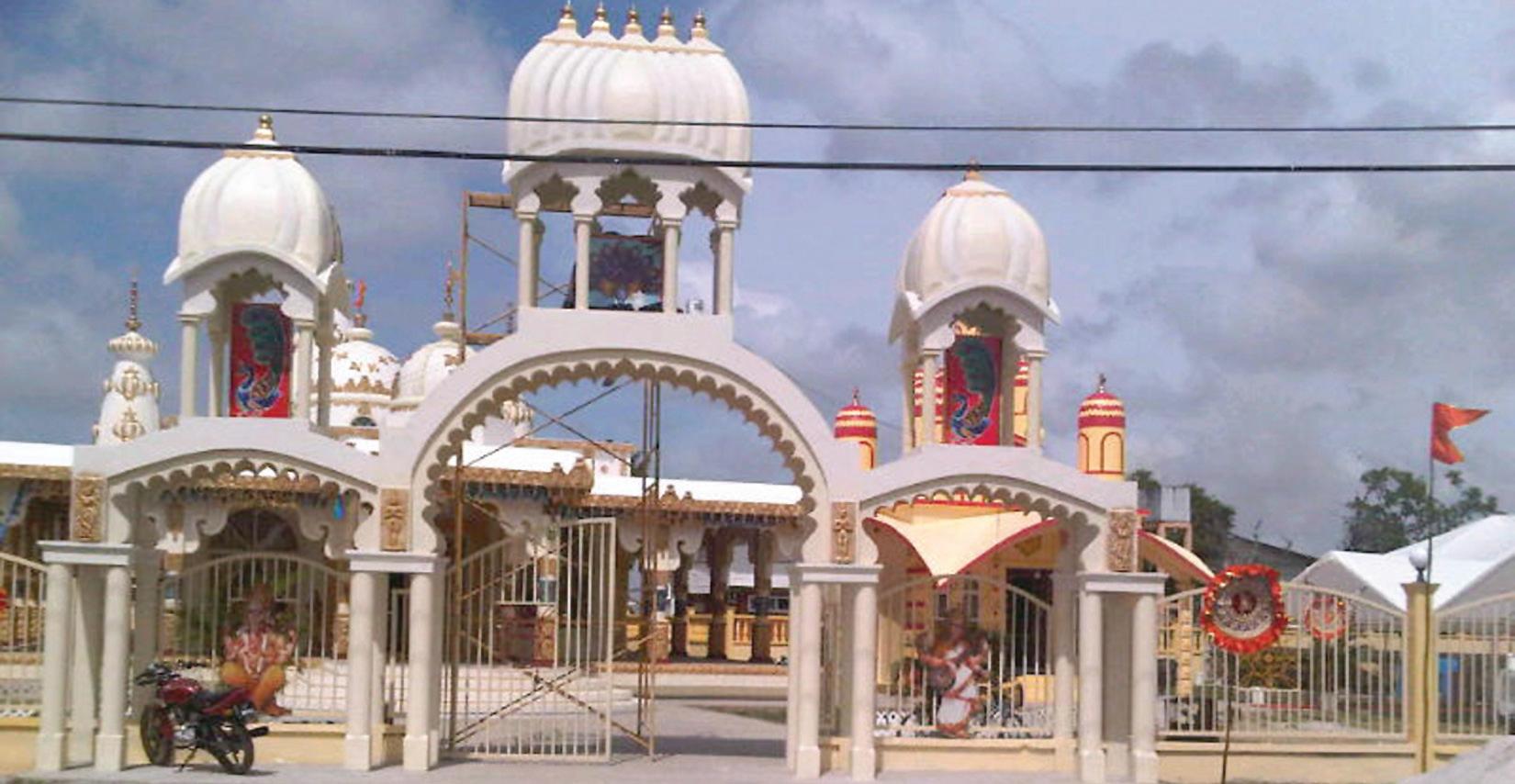
Hindus from across Guyana and even abroad are all overwhelmed by the grandeur of the new Sri Krishna Mandir buildings that were recently constructed at Gay Park, Providence, New Amsterdam, Berbice.
According to them, seeing the structures with their intricate designs brings a little of India to them.
Members of Gay Park and other communities around the area and even afar expressed their appreciation for the new worship facility. Berbice Times caught up with a few persons and got their reactions to the new structures.
Indra Mittu, a committee member of the Mandir, disclosed that she has been attending the Sri Krishna Mandir for about 40 years and was very disheartened when the old building was destroyed. She noted that the community really needed the new building. “This Mandir bring a whole lot of joy and happiness not only to the members, but for the entire community at large, because it’s a part of our history,” she said.
Mittu recalled that the old Mandir was a bit small but with this state-of-theart structure, their goal is achieved so now they can host hundreds of devotees at one time in their quest to keep the religion alive and prevalent in the lives of Hindus. The woman noted that her parents, along with her siblings, and now children have all attended the Mandir and so it has sentimental value to her.
Another member of the Mandir and citizen of the community, Devi Seegobin, said that the design of the Mandir is an epitome of
India. “It’s like what we see on TV from India so to have such beautiful designs here in reality is just breathtaking. We never imagined that we could have anything like this and we are happy to have it,” she expressed.
Seegobin pointed out that not a lot of persons, particularly Hindus, get the opportunity to visit India, which is considered the Motherland, and experience the feeling of going into an ancient or such magnificent temple.
“People who went to India would say how emotional it is just going in one of those temples but now everyone can experience the same because what we have here is a replica of what mandirs are in India so people going in the Mandir immediately feel the presence of God and nothing is better than that for a devotee,” the member stated. Seegobin said that she hopes the Mandir brings joy to every Hindu as it does to her and many others who have entered it so far. She urges Hindus to visit the Sri Krishna Mandir which opens its doors everyday to the public.
Natasha Dhoray Persaud played a very integral role in the whole construction of the Mandir as she had overseen the process. She shared the experience of seeing the final results and witnessing people’s reactions to the intricate details. “The minute you step into the Mandir, it’s an amazing feeling you feel the Lord’s presence around you and your heart is filled with joy and pride…whatever problems or worries you have been carrying around are lifted and you’re just in a peaceful place physically and within you,” she said. Persaud has been going to the Mandir for the past 10 years and noted that

the previous building was not sufficient to facilitate the many people who attend there. When the new Mandir opened on Sunday, it began with a 14-day yagna (or yajna) and Persaud said that every night the turnout keeps increasing. From 300 attendants to 500 and then 700 during the week, while over the weekend the turnout was even more overwhelming with persons from Upper Berbice, West Berbice, Georgetown and even as far as West Demerara attending the service. Older members of the Mandir who had migrated also returned specially to see the new Sri Krishna Mandir. The Sri Krishna Mandir has some 500 local members and another 250 in it’s overseas chapter.
Maintaining eye contact with someone is important, because effective listening means observing everything about the speaker’s message. The reason behind this is that people communicate at least as much with their body language as they do with their words. A good listener learns to “listen” with his/her eyes as well as with their ears.
And depending on how far you want to go with this, some people also are gifted to listen with their heart. I know it can be a little challenging sometimes to apply all of these skills, but the truth is if you choose to work on something else like respond to an e-mail or other paperwork for example while someone is speaking to you, they will not “feel” that they were heard. I have been in many similar situations. It is not so much of a bad idea to ask questions to ensure that you understand what the person is saying. For example ask a question to clarify before you respond. If you feel that a particular point is unclear to you – because the thing is, just because you heard the words and observed the person’s body language, you cannot assume that you understand and even if you think you understand what the person is saying, it is wise to make sure you do by clarifying it with the person.
However, it has to be asked in a polite and professional manner. For example, you can put it forward like this: “Let me repeat back to you what I thought you said just to be sure I understand you” or “If I understand correctly, you said ….”
Clarification is important, because you do not have to agree with them, but make sure that you understand what they are saying. It is certainly not an easy task, but good leaders are good listeners which can help to resolve conflicts and inspire others. It is like “biting your tongue”, which is hard work, but the results are worth all the effort at the end.





By Ravi Dev
The two seven-day Yagyas being conducted at the Gay Park Mandir complex are seminal events in the development of Hindu consciousness in Guyana. When the Indians were brought from India to labour on the sugar plantations, it was inevitable that they would arrive with their culture – in the sense of their way of life. It was not inevitable, however, that their practices would have survived. But to an unprecedented extent, they have.
Not that there have not been changes: these were also inevitable since the survival of any living thing or institution implies adapting to its environment. So there have been continuity and change in
Hinduism in its new home oatthe top of South America, facing the Atlantic Ocean. Preoccupied with the exigencies of surviving under miserly wages that even the recently freed slaves rejected, the Indians yet found time to attempt the re-creation of the institutions that had sustained them for millennia in their homeland.
One of these were their religious places of worship. Of the immi-
cause it spared us the most of schisms (between Shaivites – worship peers of Shiva, Vaishnavites – worshippers of Vishnu and Shaktas – worshippers of the Mother) that
major temples, God in the form of “Mother” was present, “Kali” temples were established only in “Madrassee” communities.
At Gay Park, this single Hindu schism in Guyana has been eliminated with the construction of a Kali Mandir in the compound of the major Krishna Mandir and given equal place with the Shiva Mandir.
It is hoped that this will be the
grants, approximately 90 per cent were from North India – primarily from the “Bhojpuri belt” connecting western Bihar and Eastern Uttar Pradesh. The remainder were from the south and were collectively lumped as “Madrassis”. Among the Northerners, there were approximately 10-15 per cent Muslims and the remainder Hindus. As early as 1869-1870, there are historical accounts of Mandirs and Masjids being built in the then British
rom the historical records, it is very clear that the Hindus maintained their tradition of reciting – actually singing – snippets of their religious texts (Shastras).
Even the most unlettered peasant – even in Hindi – would have been able to recollect and sing large portions of the dominant shastra in the Bhojpuri Belt – the Ramcharitmanas or the exploits of Shri Rama.
But of the Indians brought from North India, the same percentage found there – approximately 12 per cent of Brahmins and Kshatriyas – were present here. Some of the former, while pursuing agricultural work, would have been exposed to the rituals that made up the Hindu life cycle (the 16 sanskaras) and some shastric texts.
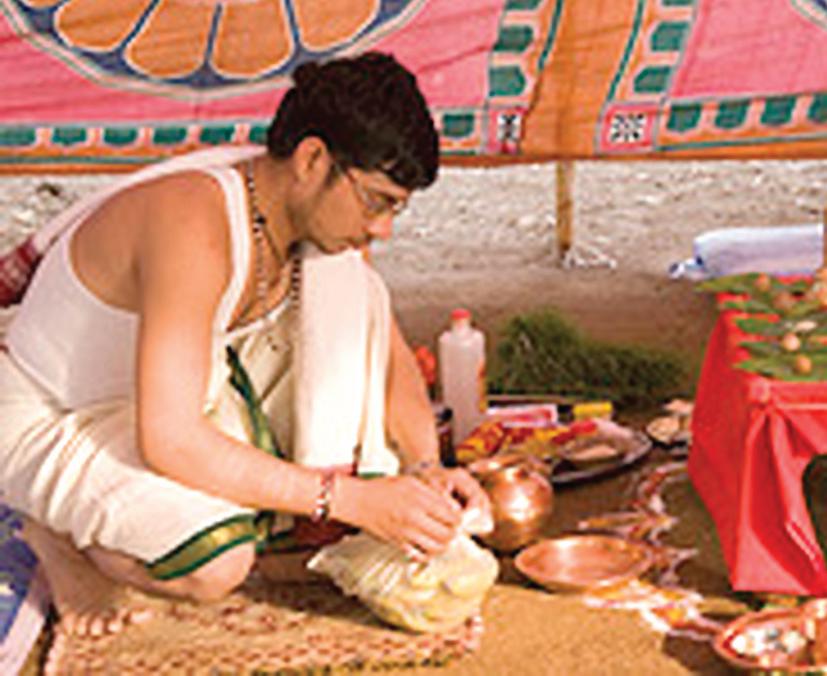
They would conduct discourses on these under trees in the logee compounds in the early days and then in the Mandirs, when these became established. These were the earliest Yagnas.
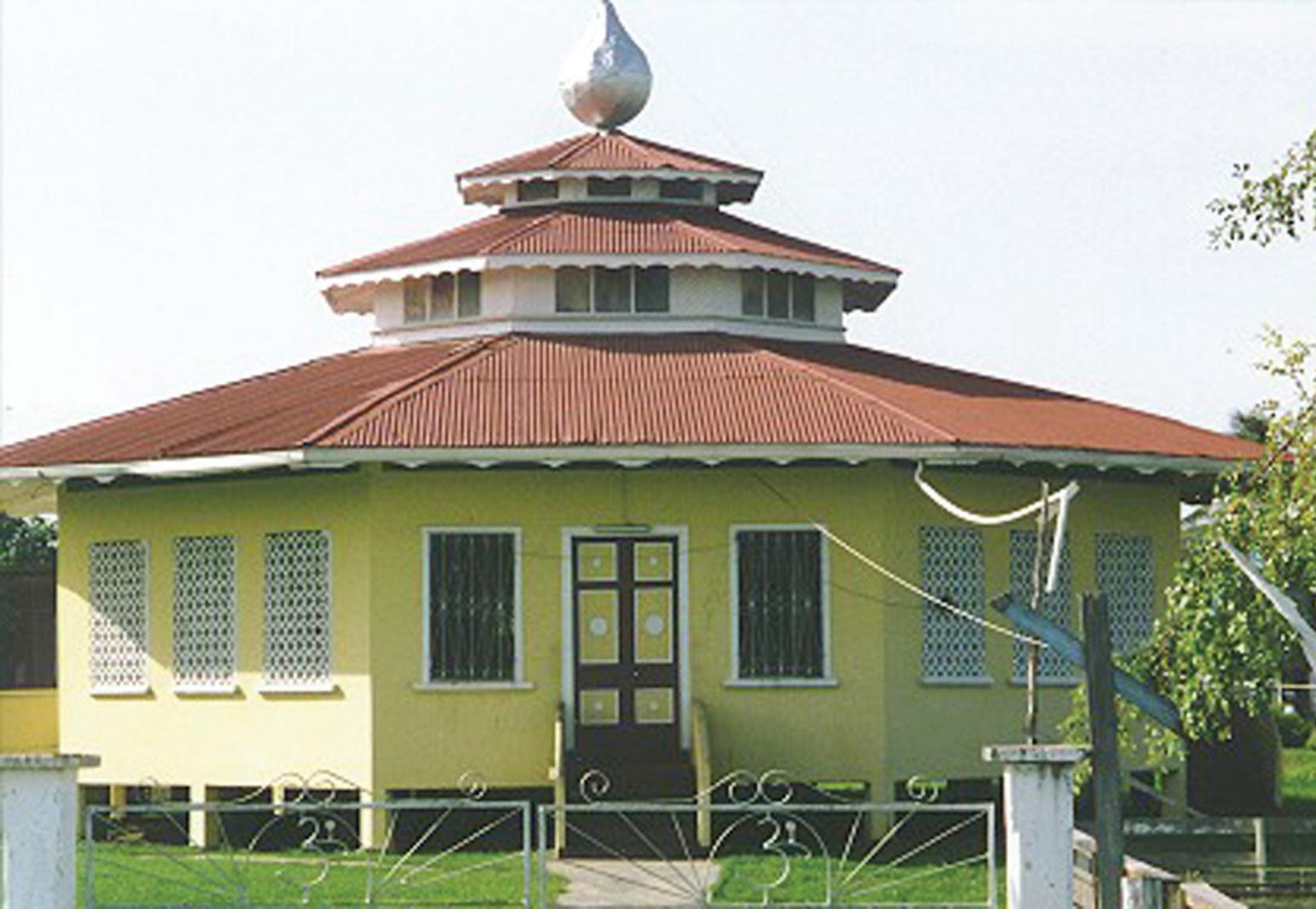
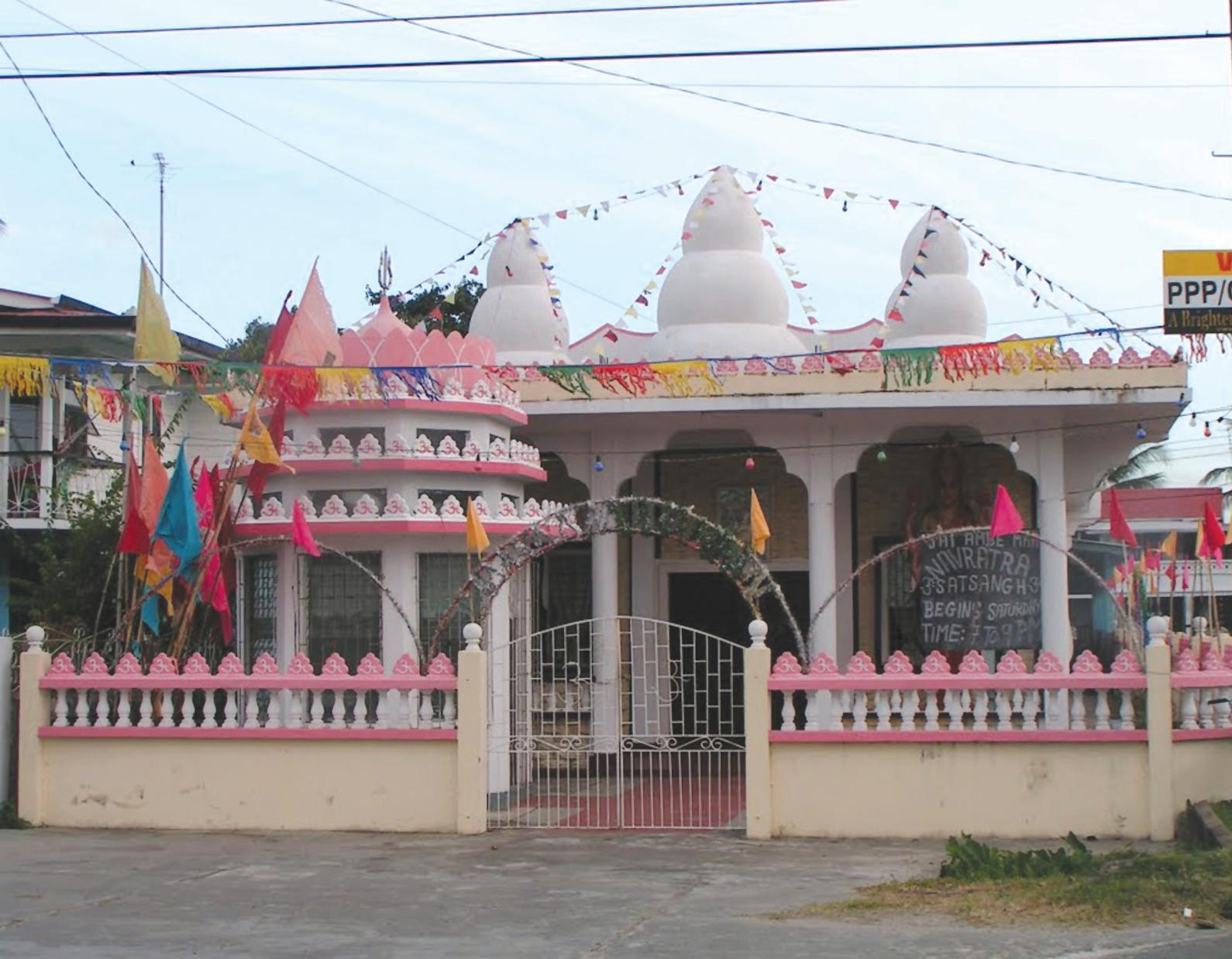
The Mandirs, however, were simple structures that used local woods and materials. They were also influenced by local architectural styles as to what constituted a “house of worship”. So we had what we can call a “Creolised” Mandir style evolving, that was sometimes quite at variance with the temples of India. One feature was that while a Mandir might be dedicated to a particular deity (a Vishnu Mandir, say) within the structure Murtis (sculptures) of all the other popular deities would be given equal place.
This was a crucial adaptation of Hinduism in Guyana be-
sometimes characterised Hindu life in India. But not completely. While outside each Mandir there would be a smaller one dedicated to Lord Shiva, this practice was not expanded to the major deity worshipped by the Shaktas who made up most of the “Madrassis” – Mother Kali. So while inside the
It appears that while the Ramcharitmanas (commonly referred to as the “Ramayana” – which is properly the name of the foundational Sanskrit text) was the text orally accessible to the mass of Hindus, in the formal Yagya, the Bhagwat Purana was preferred by the Pandit to deliver a message in the discourse.
The Bhagwat Purana – like all the 18 Maha Puranas – was written in Sanskrit and this meant this language was accessible to those Pandits.
The Bhagwat Purana recounts the stories of the divine play or Lila of the eighth incarnation of Bhagwan Vishnu, Lord Krishna – especially in his childhood phase. Like all the Puranas, its narrative structure and syntax attempt to capture the profundity of human existence within a background omnipresent reality of the Divine in an allegorical fashion. In modern times, the attempt to present the dawning realisation that all is not what it seems, has been made by genres such as the “magical realism” of the recently deceased Gabriel Garcia Marquez.
The Bhagwat Purana was so prevalent that older folks still refer to all Yagyas as “Bhagwat” and the “Bhagwad Gita” – a completely different text – as “Bhagwat Gita”. But an intriguing change occurred in the 1950s as the Indian indentured labourers were moved out of the logees and into their own homes in the “housing schemes” – some 12,000 very large families. The text of the Yagyas and the discourses switched from the Bhagwat Purana to the Ramcharitmanas.
the beginning of the acceptance of the worship of Mother Kali as just as authentically Hindu as any other form. Just as importantly, the philosophy behind the building of Mandirs and the installation (sthaapan) of Murtis were followed and can also serve as examples.
Younger Pandits such as Reepu Daman Persaud and Gowkarran Sharma – both from Diamond-Grove on the East Bank of Demerara – typified this move to the idiom of the masses. But perchance the shift into new surroundings demanding the need for a simpler, more direct impartation of moral and ethical teachings undergirded the transformation.
The Ramcharitmanas, after all, is a more linear text with the duties of father, brother, king, wife, husband, children, and subjects clearly laid out. By the sixties, very few pandits remained who could read the Sanskrit language, much less parse the profundities of the Bhagwat Purana.
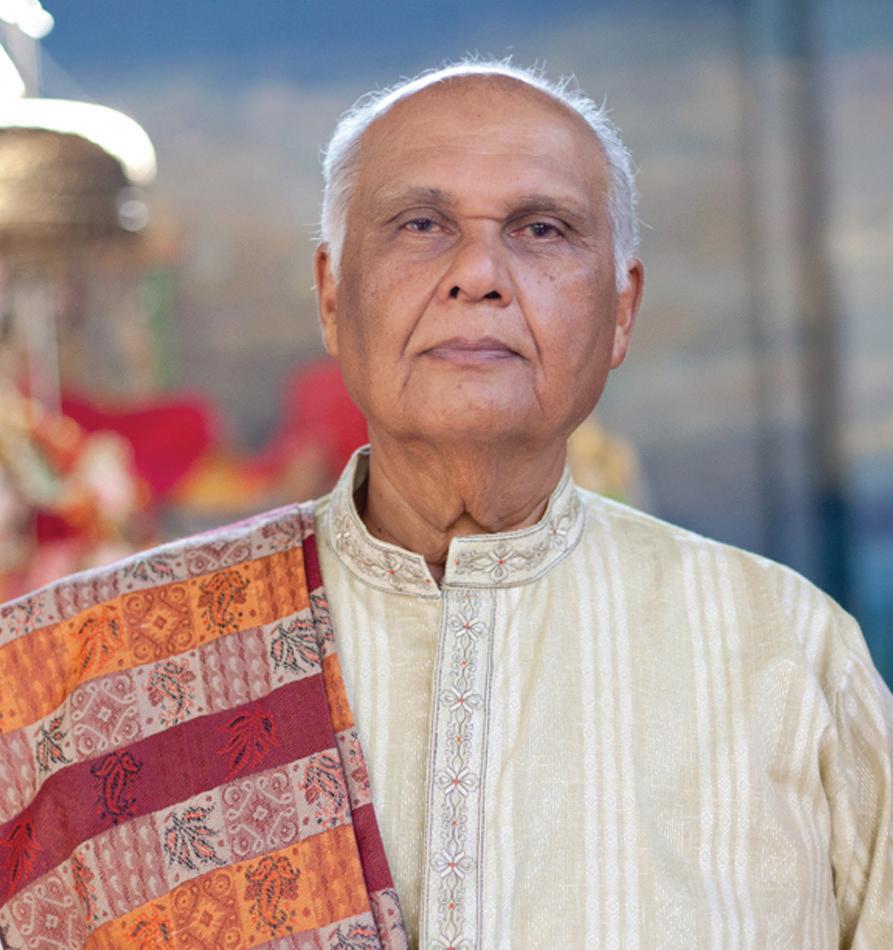
In Gay Park, over the course of 14 days, these two traditions will be reunited. Shri Prema Pandurang is in direct linear descent in the tradition of the Bhagwat Purana or Bhagwatam. She represents an opportunity for Guyanese Hindus to reconnect to their roots. In like manner, the aptly named Pandit Budhendra Doobay is a linear descendant of the Ramcharitmanas tradition as it evolved in the new Indian villages of Guyana.
That he is an eminent Cardiovascular Surgeon, social worker and the founder of the largest Hindu Mandir in Toronto, only demonstrates the potential of the sons and daughters of this Perennial Way of life called Hinduism in the West – but is more properly, the “Sanaatan Dharma”.
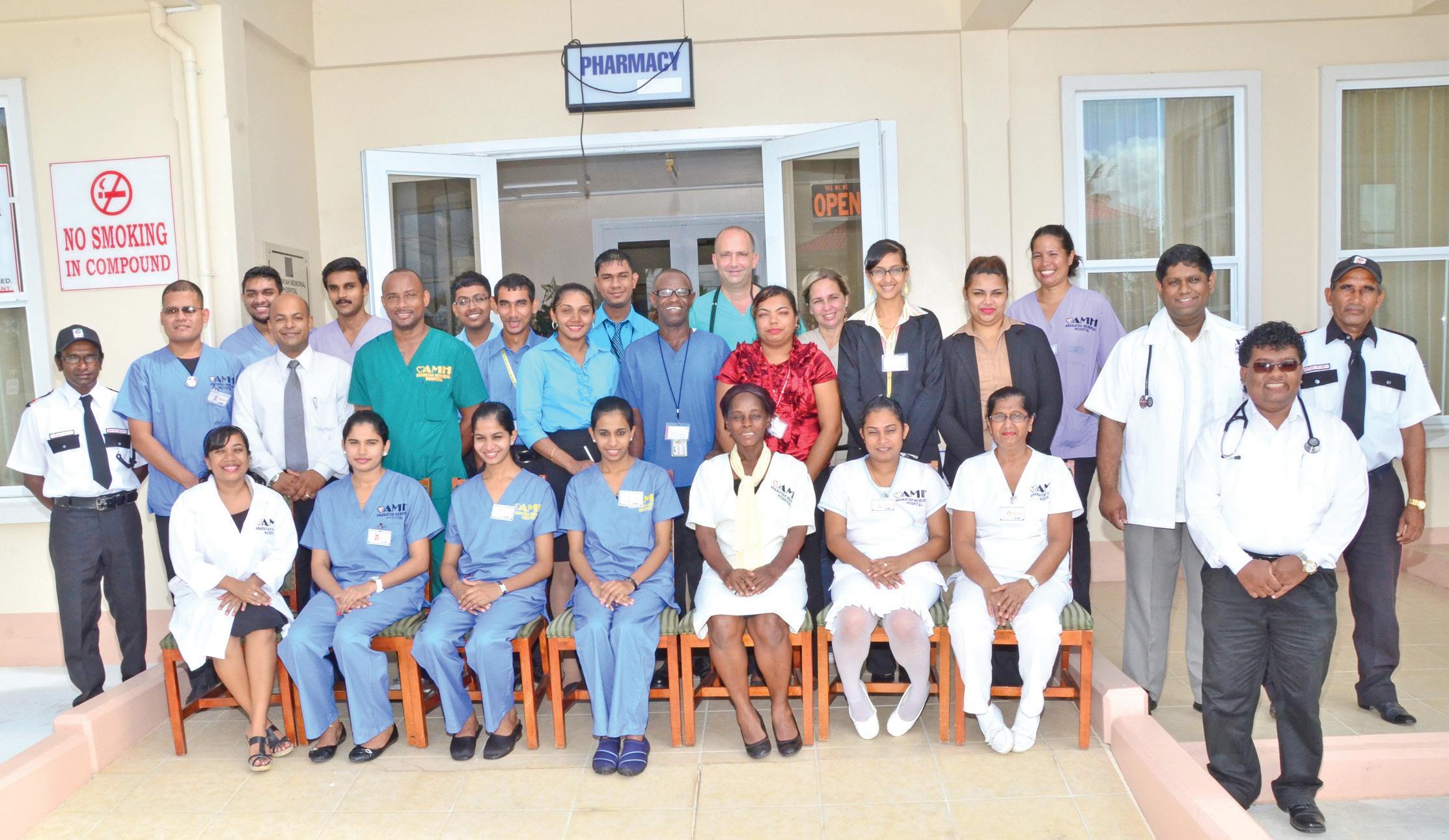
Conceived as a capacity-building tool in health-care quality, the Anamayah Memorial Hospital at Belvedere, Albion, Corentyne, continues to strive in its effort to assist in the delivery of quality and improved healthcare services to Berbicians.
In line with this, the institution under the leadership of Dr Ryan Anamayah has embarked on several new improved health mechanisms in order to continue on the path of providing quality and affordable health services.
“The Anamayah Hospital in its quest to improve healthcare services in Berbice, has since installed two dialysis machines to cater for the needs of Berbicians, remi-
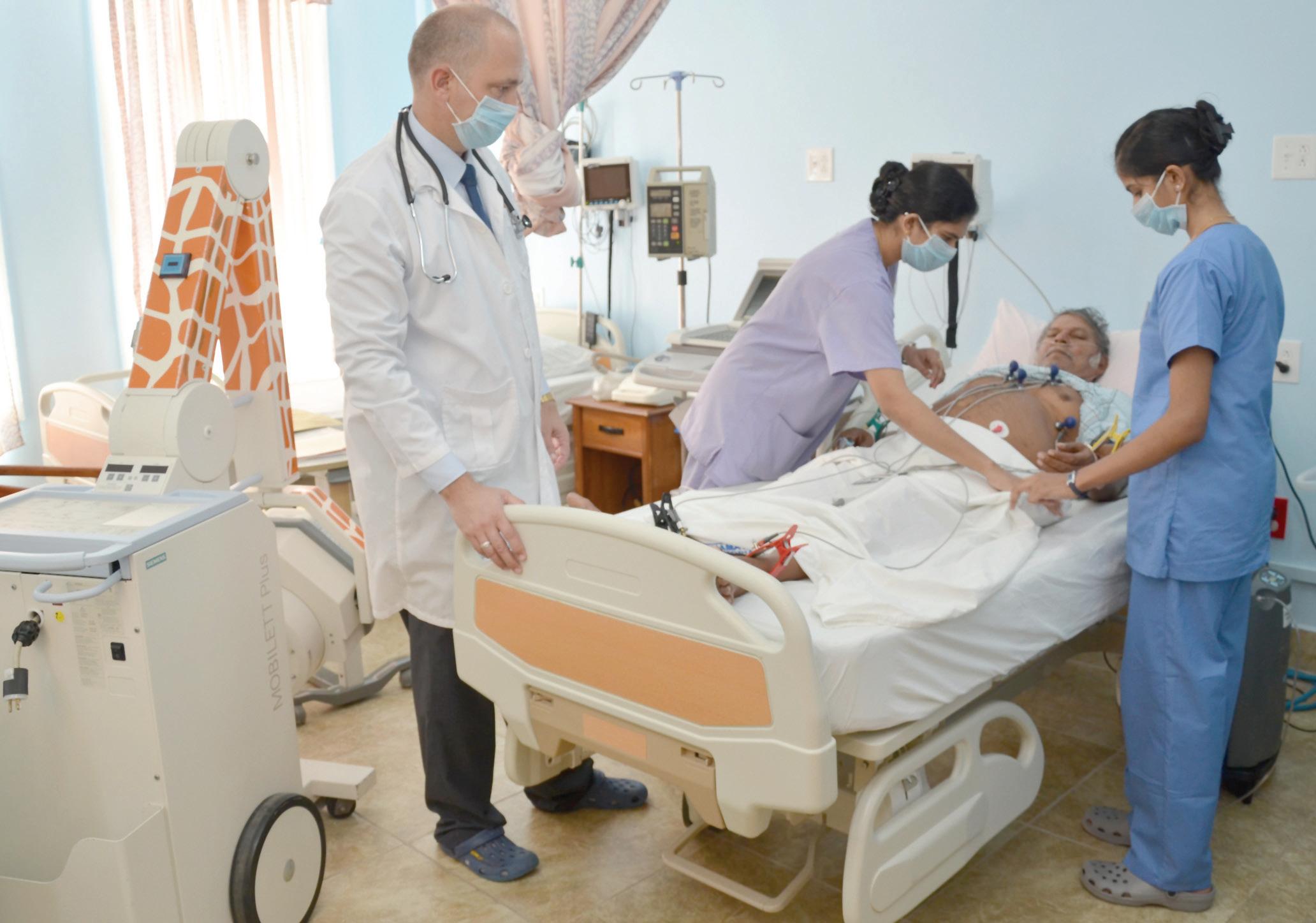
rule out foetal abnormalities, musculoskeletal ultrasound to rule out injuries to the muscles and soft tissues, and various kinds of vascular studies, which were not done before in Berbice.
His bedside manner has made him popular among the patients visiting the hospital. Dr Ghazi is also part of the team of medical professionals from the Cancer Institute of Guyana, which is partnering with similar organisations in other Caribbean countries to fight against cervical cancer and to eradicate it by year 2025. He has been to places in Region One such as Mabaruma, Maruka and Hobodiah to create awareness and conduct free Pap smears on Amerindian wom-
grants, visitors and patriotic facilitations,” Dr Anamayah stated, while pointing out that the ultra sound services have greatly improved.
This, he alluded, came into being since the advent of Dr Syed M Ghazi, a US based Sonologist, who is vastly experienced regarding vascular Doppler and small parts imaqging, the first to be done in Berbice.
Dr Ghazi, who is a General Physician and sonologist, has been affiliated with Anamayah Hospital for more than two months now and his work has already benefited hundreds of patients from both sides
en, who have a high incidence of cervical cancer.
He has done a successful outreach programme in Blairmont, West Berbice in Region Six where Anamayah Hospital partnered with the Cancer Institute of Guyana and did free pap smears on more than 50 women besides screening for Blood Pressure and Diabetes in more than 100 patients. Having people like him in-house, Anamayah Hospital is doing a great service for the community in East and West Berbice.
The health institution not only caters for Berbicians in terms of improving sur-
of the river.
In

outreach through the Ministry of Health in the Hinterland area mainly Mabaruma,, Bartica and Lethem.
These services, Anamayah explained, are being done on a six-week voluntary basis.
Furthermore, Dr Ramnauth, in spite of his busy schedule continues to meet his civic responsibilities by showing patriotism by promptly responding to the judicial system as an expert witness to aid in the delivery of justice.
The Anamayah Memorial Hospital extended its gratitude to the general public, especially Berbicians, for their overwhelming response and support towards the health facility.
“We will continue to do our utmost in the delivery of healthcare improvement: safety, timeliness, effectiveness, efficiency, equity, and patient-centredness and that our people are given improved access to health care,” Dr Anamayah stated.
Anamayah Memorial Hospital was the first privatelyowned hospital to be built in Berbice.
The facility was constructed at an approximate cost of G$400 million and complements the Skeldon, Port Mourant and New Amsterdam Hospitals in assisting in the delivery of health care in Berbice.


Liverpool Striker Luis Suarez has been named as the Professional Footballers’ Association Player of the Year at an awards ceremony in London on Sunday.
The line-up was completed by Manchester City’s Vincent Kompany and Yaya Toure, Southampton leftback Luke Shaw and midfielder Adam Lallana, plus Everton right-back Seamus Coleman.
this prize.”
His name was booed when it was read out at last year’s ceremony as he was beaten to the award by Tottenham’s Gareth Bale, just days after his ban for biting started. Liverpool boss Brendan Rodgers stuck by him during his suspension but the Uruguayan’s Anfield career appeared to be in doubt when in August he claimed that Liverpool had reneged on an agreement to let him leave if they failed to qualify for the Champions League.
The Premier League is full of really great players and so it is a great honour when these players recognise your work on the pitch,” Suarez said.
Chelsea’s Eden Hazard was voted Young Player of
The Uruguayan, 27, travelled down to the ceremony after the Reds’ 2-0 defeat at home to Chelsea earlier in the day.
the Year. Suarez’s strike partner Daniel Sturridge, 24, and Liverpool captain Steven Gerrard joined him in the Premier League Team of the Year, along with three Chelsea players – goalkeeper Petr Cech, defender Gary Cahill and midfielder Eden Hazard.
Liverpool made it a clean sweep when Lucy Bronze was named the Women’s Players’ Player of the Year and teammate Martha Harris was voted the Young Player of the Year. The award capped a remarkable rehabilitation for Suarez who is the Premier League’s top scorer this season with 30 goals, despite missing six games at the start of the season as part of a 10-match ban for biting Chelsea’s Branislav Ivanovic last April.
Suarez added: “I always try my best for the team and it is nice to get awards, but, really, this is for my teammates and the staff at Liverpool, because without their help, I wouldn’t have

Arsenal had two summer bids turned down for Suarez – the second an offer of £40 million plus one pound, which was an attempt to trigger a clause the Gunners
believed was in the 26-yearold’s contract, Suarez returned to the team after his ban ended and scored 19 goals in 13 games to help fire the Merseyside club into contention for their first league title in 24 years. He signed a new four-anda-half-year contract with Liverpool in December and admitted his close bond with Liverpool’s fans was an important factor in his decision, particularly their backing during his biting ban. Hazard, 23, who did not play against Liverpool on Sunday through injury, said of his individual prize: “It’s always good to win awards because it means you’ve had a good season, but I prefer to win things collectively.” (BBC Sport)
The Berbice Chamber of Commerce and Development Association (BCCDA) held its 82nd Annual General Meeting on Wednesday, April 16 during which it re-elected Mark Roopnarine as its President for a second term.
In addition to Roopnarine, the Senior Vice President post went to Roger Greenidge of Greenidge Refrigeration Services; Junior Vice President – Ramroop Rajnauth – Danzie’s Fashion Centre & Auto Sales; Secretary –Gyandat Marray – Marray’s Pharmacy; Treasurer – Chris Hicks – Terminate Pest Control; and Assistant Secretary/ Treasurer – Shri Khirodhar – Metro Office & Computer Supplies. The meeting also saw the election of Wazim Ali of Geddes Grant as the Chamber’s new Public Relation Officer.
The other members who comprise the Administrative Council are: Randolph Sears – Republic Bank (Guyana) Ltd; Mark Bhikhai – ANSA MCAL Trading Ltd, Ramesh Maraj – R Maraj & Sons Automotive Spares & Accessories, Tajpaul Adjodhea – Hand-in-Hand Insurance Company, Reginald Matthews – Banks DIH; Pricilla Lakhram –Demerara Mutual; Rajendra Sukhpaul – Sukhpaul’s Business Enterprise; and Ivor McKenzie – Sentinel Security Inc.
Wazim Ali was the only new executive elected to serve, given the resignation of previous Public Relations Officer Imran Saccoor.
Speaking with Berbice Times following his re-election, Roopnarine said high on the agenda of activities for the BCCDA is to become a member of the Private Sector Commission for greater representation of its membership and a stronger voice for favourable economic and political climate to prevail for future investments, both locally and foreign.
Additionally, the successful running off of the BCCDA/ BCB annual Independence T20 cup is another event that is of vital importance to the chamber. “This is now an annual feature for Berbice and proceeds go towards a disaster relief fund as well as many community initiatives. This event is held annually on the 26th of May,” Roopnarine said.
He noted that the resuscitation of the Association of Regional Chambers of Commerce (ARCC), for wider geographical representation of business across Guyana and stronger advocacy on common issues affecting all Chambers of Commerce is another priority for the BCCDA.
”The launching of the second edition of the BCCDA business magazine “Exploring Berbice – A haven for commerce” and unifying the Chambers of Commerce in Region Six through a get-to-know each other day of indoor and outdoor games,” – will also take preference in our aim to move forward,” he stated.
The BCCDA is among the oldest commercial non-profitable organisations in Guyana and was founded by businessmen in New Amsterdam in 1931. It also serves the interest of the Berbice community at large and continues to make representations at all levels. Currently, the organisation’s members represent financial services; retail operations (general merchandise, hardware, electronics) manufacturing; forest products and sawmilling; professional services; importers-exporters; furniture production; hotels; restaurants and telecommunications. More importantly, Roopnarine assured that the Chamber will do its utmost in terms of capacity building regarding the development and the rapid growth of business in Berbice which is of significant importance to the country’s economy.