The Complete Guide to Choosing the Right Flooring for a Successful Gym Setup
Setting up a gym is not only about buying the right equipment, installing mirrors, or creating an attractive interior. One of the most important parts of any successful gym setup is choosing the right flooring. The floor directly affects safety, comfort, maintenance, and the overall experience of people working out in the space.
A gym floor has to handle heavy weights, continuous foot traffic, intense workouts, and regular movement every day. Choosing the wrong flooring can lead to damage, safety issues, and higher maintenance costs in the future. This is why gym owners should carefully consider different flooring options before making a decision.
Whether you are planning a commercial fitness centre, a home gym, a functional training area, or a sports facility, the right flooring solution can make a big difference. In this guide, we will discuss the important factors to consider when choosing gym flooring and how to select the best option for your setup
Why Gym Flooring Matters
Many people focus mainly on gym machines and equipment, but flooring plays an equally important role. A good gym floor provides a stable surface for exercises while protecting both users and equipment.
During workouts, heavy dumbbells and weight plates are often dropped accidentally. Regular flooring materials like tiles or concrete may crack or become damaged under such pressure. Professional gym flooring is designed to absorb impact, reduce noise, and protect the base surface.
The right flooring also improves workout safety by providing better grip. Slippery surfaces can increase the chances of injuries, especially during high-intensity exercises. A quality
flooring solution creates a more comfortable and secure environment for members.
Understand Your Gym Requirements First
Before choosing flooring, it is important to understand how your gym will be used. Different fitness spaces have different requirements.
For example, a weightlifting area needs flooring with high impact resistance because it handles heavy equipment. A yoga or stretching area requires a softer and more comfortable surface. A commercial gym with hundreds of daily visitors needs durable flooring that can handle constant use.
Consider these questions before selecting flooring:
What type of workouts will be performed?
How much foot traffic will the gym receive?
Will heavy weights be used regularly?
Is noise reduction important?
How much maintenance can you manage?
Answering these questions will help you choose a flooring option that matches your gym’s actual needs
Rubber Flooring: A Popular Choice for Modern Gyms
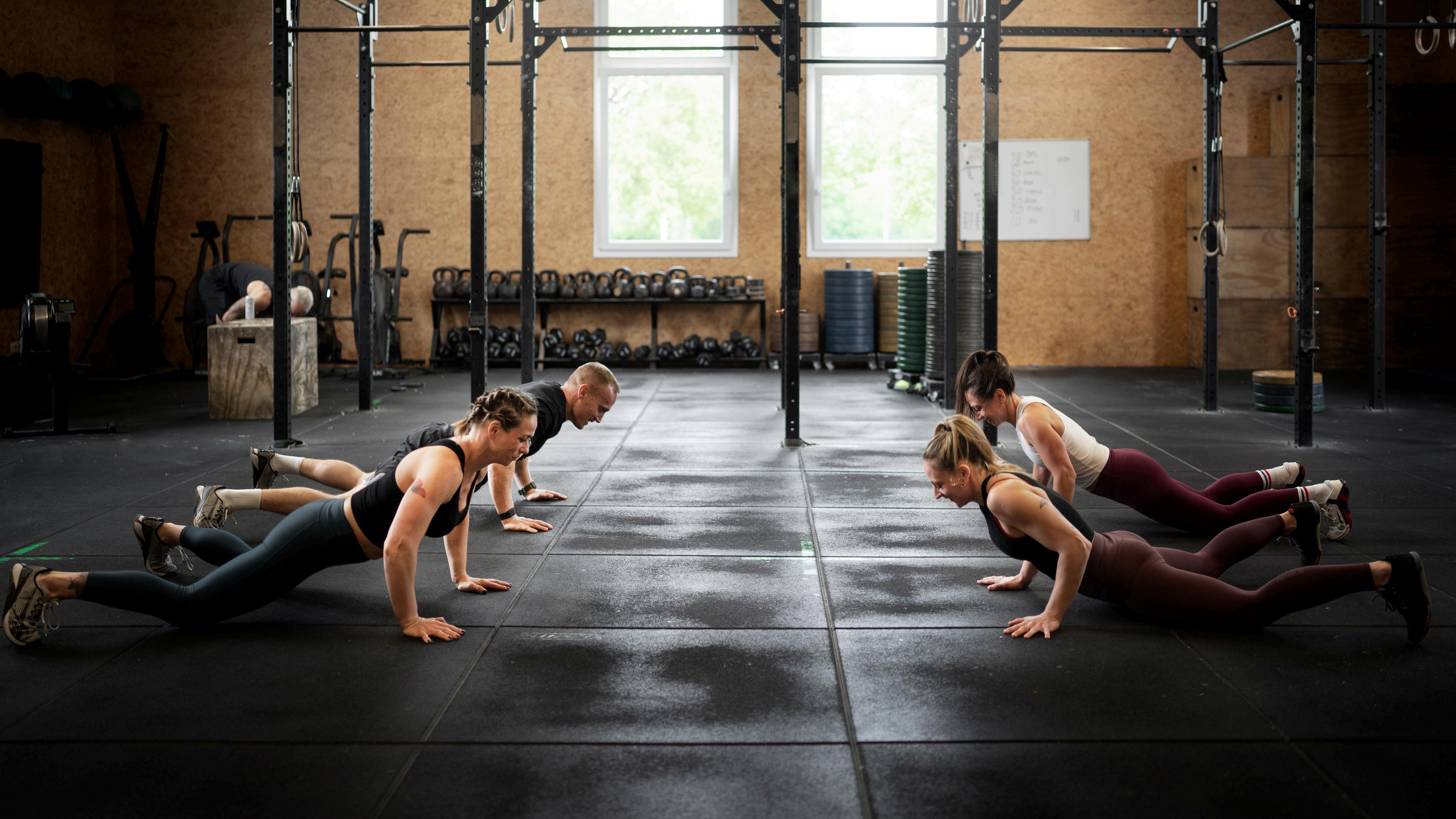
Rubber flooring has become one of the most preferred choices for fitness spaces because of its durability and performance. It provides excellent shock absorption and can handle heavy workout activities.
Rubber tiles for gyms are especially popular because they are easy to install, replace, and maintain. If one tile gets damaged, it can usually be replaced without removing the entire flooring. This makes rubber tiles a practical choice for both small and large fitness facilities
Rubber flooring also helps reduce noise caused by dropped weights and moving equipment. This is especially useful in commercial gyms located inside buildings where sound control is important.
Choosing Flooring for Commercial Gyms
Commercial gyms experience heavy usage every day. Hundreds of people may walk, run, lift weights, and perform different exercises on the same floor. Therefore, the flooring needs to be strong enough to handle constant pressure
Commercial gym tiles are designed for professional fitness environments where durability and safety are major priorities. These tiles provide a stable workout surface while protecting the floor from damage caused by heavy equipment.
When selecting flooring for a commercial gym, look for features such as:
High durability
Slip resistance
Easy cleaning and maintenance
Impact protection
Long service life
Investing in quality flooring at the beginning can reduce repair and replacement costs later
Heavy-Duty Flooring for Weight Training Areas
Weight training zones require stronger flooring compared to general workout areas. Dropping barbells or heavy dumbbells can create significant impact on the floor.
Heavy-duty gym tiles are specifically designed for areas where intense workouts and heavy equipment are used. They provide better protection against impact and help maintain a safe training environment. These tiles are commonly used in:
Weightlifting zones
Cross-training areas
Strength training sections
Professional fitness centers
The thickness and density of the flooring should be selected according to the type of activities performed in the area
Important Factors to Consider Before Buying Gym Flooring
1. Durability
The flooring should be able to handle daily wear and tear. A gym floor is a long-term investment, so choosing a durable material is important
High-quality rubber flooring can maintain its performance for years with proper care. It should not easily crack, break, or lose its shape under pressure
2. Shock Absorption
Shock absorption helps protect joints during workouts and reduces the impact of dropped equipment. This feature is especially important in weightlifting and high-intensity training areas. A good gym floor absorbs impact instead of transferring all the force to the base surface.
3. Easy Maintenance
Gyms require regular cleaning because many people use the same space every day. Flooring should be easy to clean and resistant to stains and moisture. Rubber tiles are generally easier to maintain compared to many traditional flooring options
4. Installation Process
The installation method also matters. Some flooring options require professional installation, while modular tiles can be installed more quickly. Easy installation helps reduce downtime, allowing gym owners to start operations faster.
5. Appearance and Design
While performance is the main priority, the appearance of flooring also affects the overall gym environment. Modern flooring options are available in different colors and designs, allowing owners to create an attractive workout space. A well-designed gym creates a better experience for members and improves the overall look of the facility.
Common Mistakes to Avoid When Choosing Gym Flooring
Many gym owners make flooring decisions based only on price. While budget is important, choosing very cheap flooring can create problems later. Some common mistakes include:
Selecting flooring that cannot handle heavy equipment
Ignoring safety features like grip and shock absorption
Choosing low-quality materials to save money
Not considering future maintenance costs
A slightly higher investment in quality flooring can provide better value over time
Final Thoughts
Choosing the right flooring is one of the most important decisions when creating a successful gym setup. The floor needs to provide safety, durability, comfort, and long-term performance
Whether you are building a small workout space or a large commercial fitness centre, selecting the right material based on your requirements will help create a better experience for both gym owners and members
Professional rubber flooring solutions, including durable tiles designed for different workout areas, can provide the strength and protection needed for modern fitness spaces. By considering factors like usage, impact resistance, maintenance, and installation, you can choose flooring that supports your gym’s success for years to come