FROM WATERSHEDS TO POLICY:
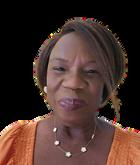

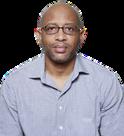
Professor Paulette Bynoe PhD, AA
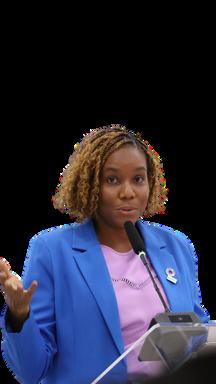
Dr. Roxanne Graham-Victor
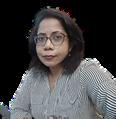
Dr. Arpita Mandal
Dr. Adrian Cashman
Mr. Miguel Montoute
Ms. Louis Alfred
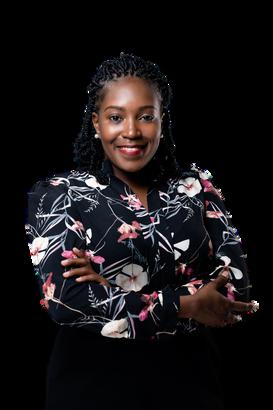
PROFESSOR PAULETTE EURANIE BYNOE, PhD, AA CHAIR OF THE GWP-C
AdvancingSustainableandInclusiveWaterResourcesManagementinGuyanaandthe Caribbean
Every year on 22 March, World Water Day reminds us of freshwater's centrality to life, development, and human dignity. This year (2026), the global campaign focuses on “Water and Gender” The slogan “Where water flows, equality grows” highlights how safe water and sanitation enable not just health and livelihoods but also gender equality and women’s empowerment Sadly, women and girls still shoulder disproportionate burdens in water collection, management, and decision-making
The theme calls for inclusive governance that advances both water security and equity
The theme resonates deeply with my decades of work in water resources management, gender integration, and institutional reform in Guyana and the Caribbean.
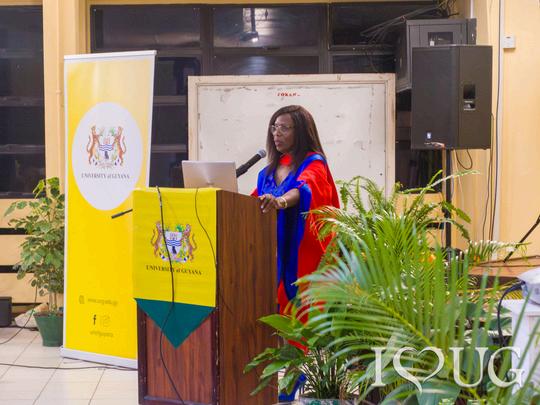
Guyana's abundant water systems rivers, aquifers, floodplains, and coastal reserves are central to national prosperity. Yet abundance does not guarantee equitable, sustainable access. In my inaugural professorial lecture, “Managing Guyana’s Water Resources in a Changing Climate: An Imperative for a Resilient Future,” I emphasized sustainable governance through enabling laws, strong institutions, and integrated climate-responsive planning.
Aligned with this year's theme, gender-responsive approaches strengthen outcomes:
Recognizing women's primary responsibility for household water use and sanitation, especially in rural and peri-urban communities.
Promoting women's inclusion in planning, leadership, and consultations to meet community needs.
Advocating data systems that capture gender-differentiated impacts and inform responsive investments.
Equitable, sustainable water systems are essential to SDG 6 (water and sanitation for all) and SDG 5 (gender equality).
Regional Leadership and Gender Inclusion
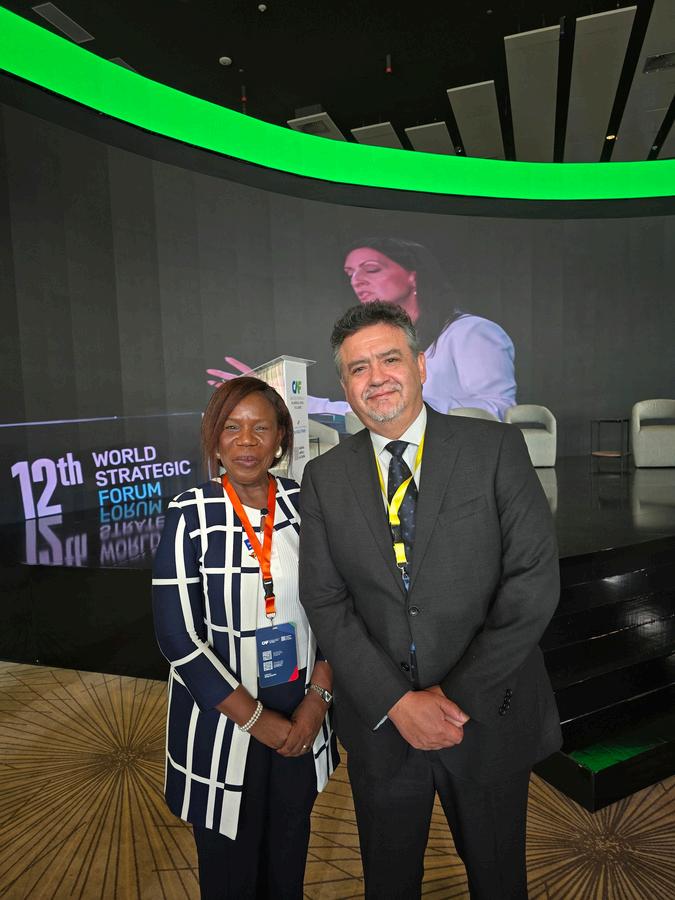
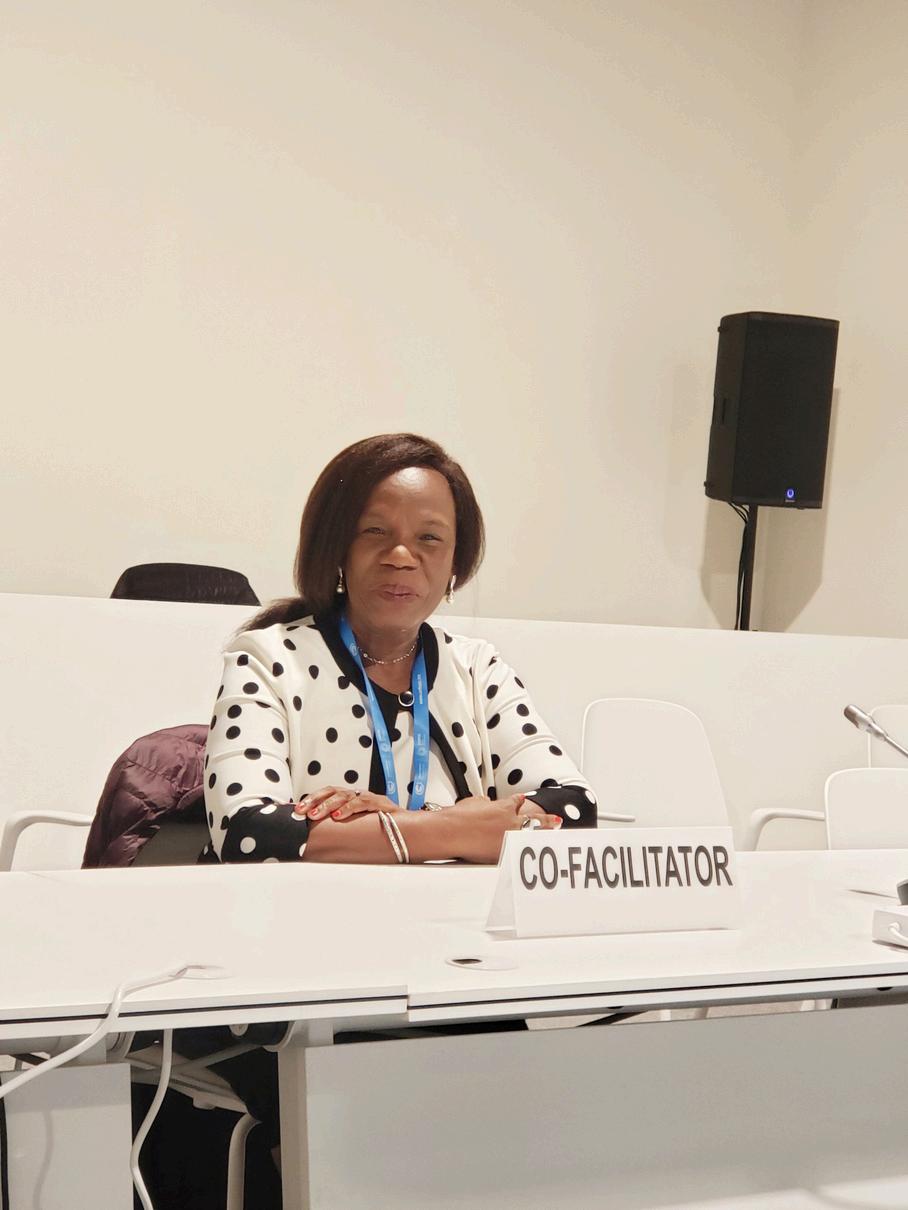
As Chair of the Global Water Partnership-Caribbean (GWP-C), I have prioritized gender equity in water security agendas We foster collaboration among governments, civil society, and partners to improve services and governance across Caribbean states. For example, partnering with the Caribbean Public Health Agency (CARPHA), GWP-C advances water quality monitoring, potable standards, and awareness all grounded in equity. These efforts improve health, ease burdens on women and girls, and build resilience. World Water Day 2026 reinforces this: elevate women’s voices in governance, planning, and investment.
Advancing Gender-Responsive Water Management:
The theme demands cross-sector action: when water flows equitably, gender equality grows. In the Caribbean, this means:
Empowering women in water institutions, leadership, and forums. Designing programs that address time, labour, and safety burdens on women and girls. Supporting gender-sensitive monitoring to shape policy and investment
In my academic research, policy engagement, and regional coordination, I integrate gender as a core pillar of water management It is not peripheral it is fundamental for resilient systems that benefit all In Guyana and the Caribbean, let us prove it: where water flows, equality will grow.
World Water Day 2026!
DR. ROXANNE GRAHAM-VICTOR REGIONAL COORDINATOR
GWP-C

One of the highlights of Dr. Roxanne Graham-Victor’s career is her transformative doctoral research which produced one of the first systematic GIS-based mappings of illegal dumping sites near Grenada’s major waterways and coastal zones, turning descriptive local knowledge into spatial data for planners and policymakers to use Her work quantified waste volumes, identified dominant waste streams such as plastics and construction debris, and demonstrated direct risks to river systems, groundwater, and marine ecosystems This research strengthened national awareness and provided technical evidence to support improved solid waste regulation and Integrated Water Resources Management (IWRM)
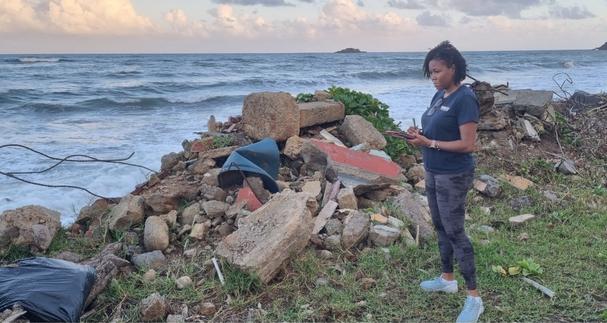
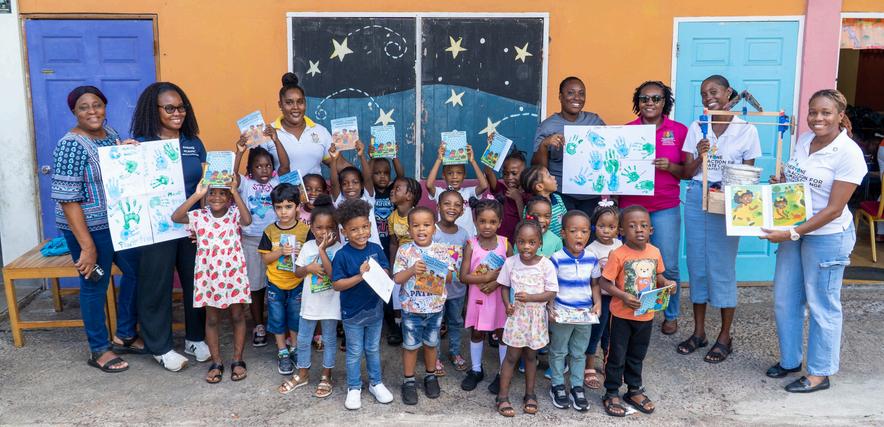
Beyond research, Dr Graham has contributed to coastal and river clean-up initiatives and supported freshwaterquality testing aimed at protecting biodiversity and sustaining healthy watersheds As National Climate Change Adaptation Officer, she helped revise Grenada’s National Adaptation Plan (2025-2030), embedding water security, watershed protection, and climate resilience into national policy frameworks aligned with IWRM principles.
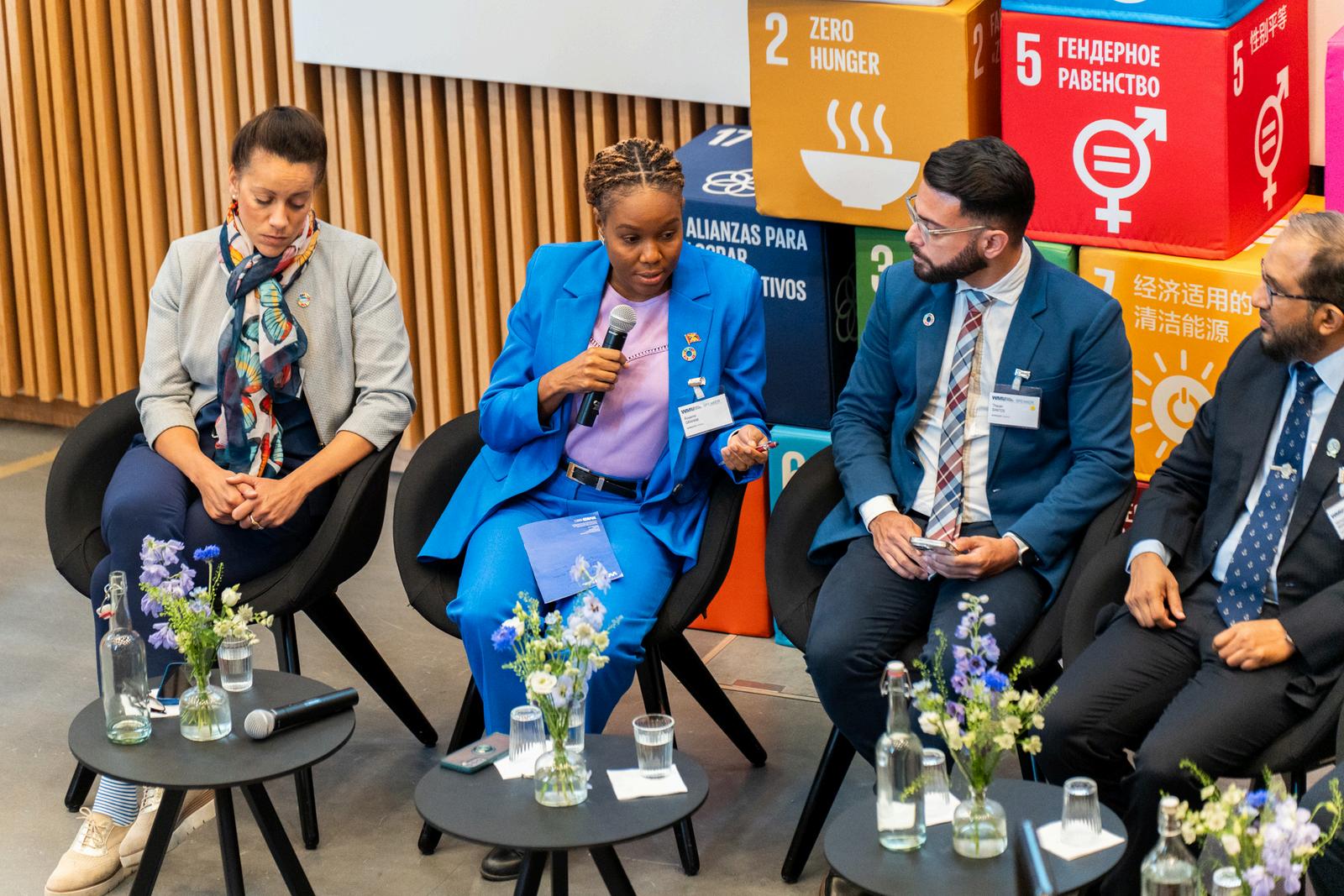
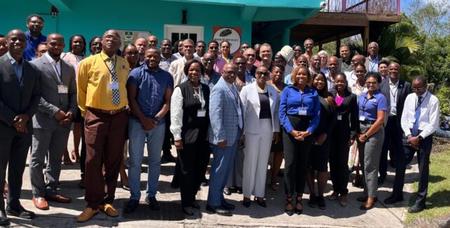
Since assuming the role of Regional Coordinator at the Global Water Partnership–Caribbean (GWP-C) in May 2025, she has led a regional IWRM workshop that enabled participating countries to prioritize national IWRM activities through the development of mini action plans She has represented the organization in multiple regional and global forums, including 2nd Climate Week, Caribbean climate outlook meetings, land-water management dialogues, and water governance discussions, strengthening collaboration and coordinated action across the region.
ADRIAN CASHMAN
My first exposure to the water sector was being taken out by my father onto the Mona Reservoir in Jamaica,oneoftheengineerstryingtostopwaterleakingoutofthereservoirbyliningtheentirebottom with a "compacted soil blanket." In a way that has shaped my professional career. My first job on leaving University was on the construction of a stormwater sewer – that too had its problems. I became seriously‘immersed’inthewatersectorwhenIjoinedtheDepartmentofWaterAffairsinNamibia. DR.
As a water engineer, working in a desert environment presents numerous challenges and demands innovation. The breadth of exposure to the challenges of ensuring secure water supply to communities and commerce through involvement in planning, design, and operation grounded me in balancing communityneeds,technicalsolutionsandeconomicrealities.IreturnedtotheCaribbean,viaaperiodof study and work in the UK, taking up a post as lecturer in the Centre for Resource Management and Environmental Studies (CERMES) at the University of the West Indies. At CERMES I developed and taught the postgraduate water resources management specialisation, aimed at building regional capacity. Building on my background in water engineering, environmental economics and social sciences my teaching and research focused on bridging the divide between scientific research and actionable policy for Caribbean SIDS. My work at CERMES and since leaving centres on the intersection of climate change, water security, "future foresight" scenarios, and governance to help nations visualize and plan forlong-termwaterresilience.
I have been privileged to be able to mentor a new generation of Caribbean water professionals equipped to handle complex environmental challenges, and the opportunity to represent the Caribbean on Global Water Partnership’s Technical Advisory Committee. Peer recognition has come in being a Gold Awardee of the Caribbean Water and Wastewater Association for distinguished service to the water sector. My career remains dedicated to ensuring that Caribbean institutions and water systems can withstandclimatevariabilitywhilesecuringclean,affordablewaterasafundamentalright.
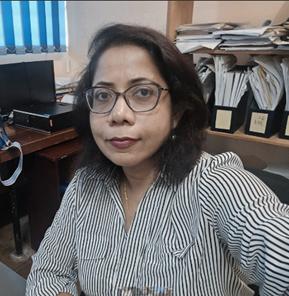
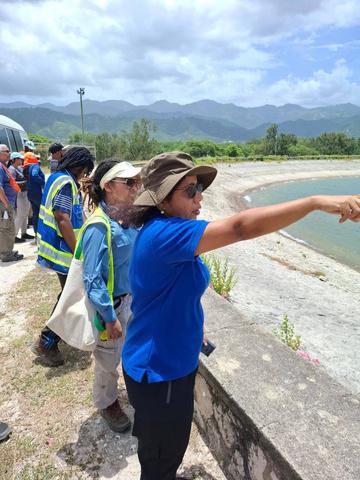
I have been working in the Caribbean on Water Management for the last 20 years as an academic in the Department of Geography and Geology at The University of The West Indies Mona. I am currently a Senior Lecturer at this Department and a Technical Committee Member of the GWPC. My research and teaching at the University involves Water Resource Management, Flood Risk andClimateChangeaswellasUrbanFloodrisk.
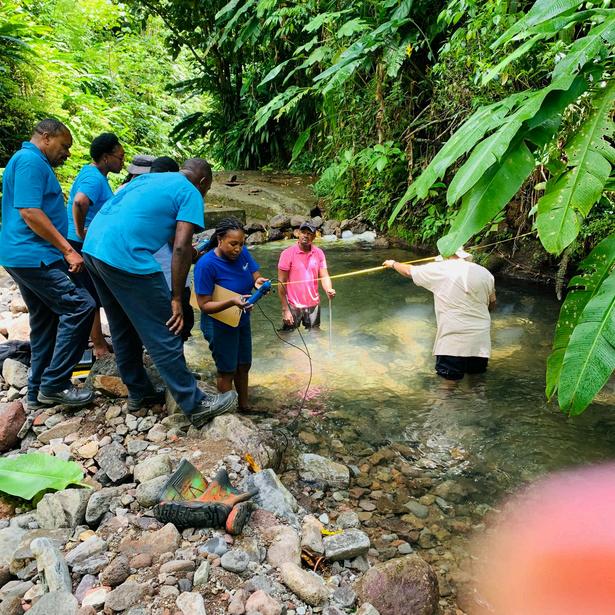
I have worked extensively in Jamaica, Dominica and have led workshops on Hydrological Modeling in several countries of the Caribbean for stakeholders in the Water Sector My research has led to severalpublications(nationalandinternational)andhasalsocontributedtoimportantnationalpolicy documents such as The State of The Jamaican Climate (Water Sector), 2022, 2017 etc. Water is life andwomenfacethebruntofbothwatershortageandexcessofwaterglobally Althoughmyresearch is solely on the physical dynamics of "Too much or too less," water, gender is an important aspect whichneedstobeincorporatedinresearchandpolicies.
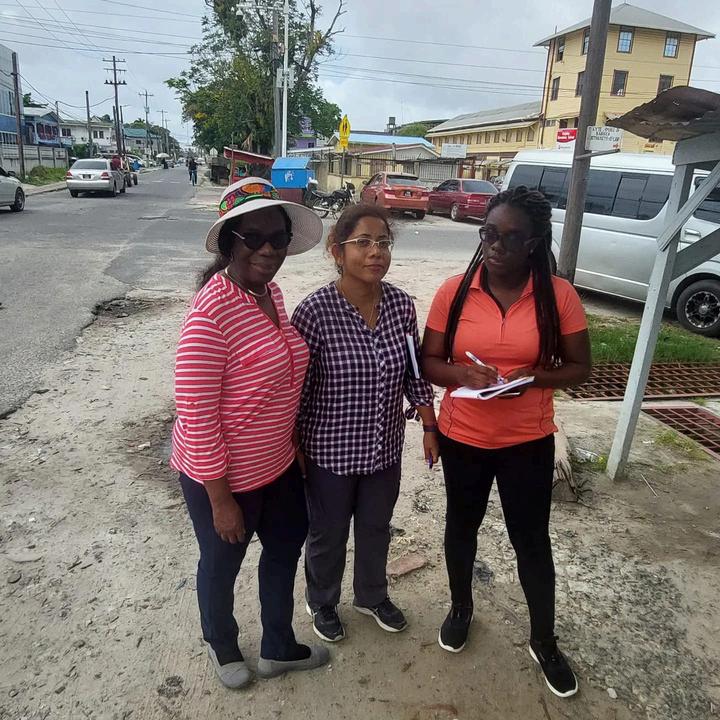
I have worked with communities on their experience during different flood events in Jamaica and it came out that the vulnerable population which faces are women as they are mostly at home. My research was supported by several funding agencies, for example World Bank, Caribbean Development Bank, IADBMEGJC.
I have trained several water sector professionals through my courses, field work and Ph D and M.Phil. supervisions who are now working as Hydrologists in water agencies The teaching has gone beyond classrooms to make careers for them and I ish to contin e build knowledge base in ssionals and contribute to tor.
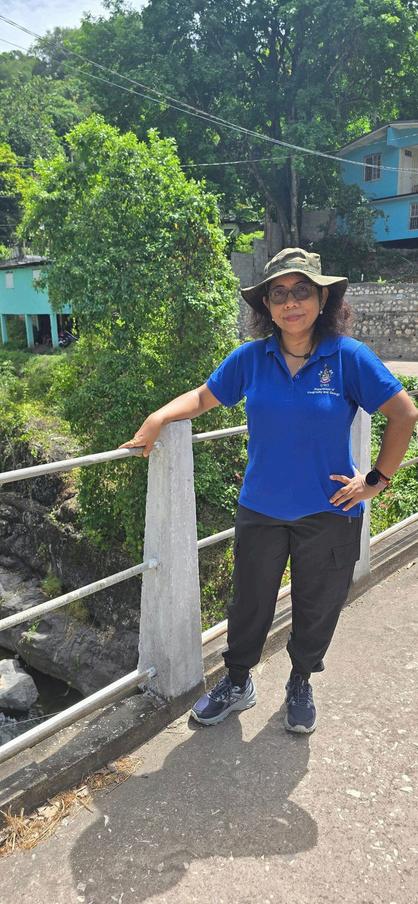
MR. MIGUEL MONTOUTE MEMBER OF THE STEERING COMMITTEE OF THE
r 10 years of experience in the public sector, with a primary focus anagement and the technical coordination of regional water thin the public sector as a Water Resource Specialist, Miguel has supervised resource management activities and promoted the national mandate for water conservation. His work involved technical coordination of several multilateral projects, including the UNEP GEF-CReW+ Wastewater Project, and policy initiatives focused on water and wastewater under the World Bank Disaster Vulnerability Reduction Project ( d
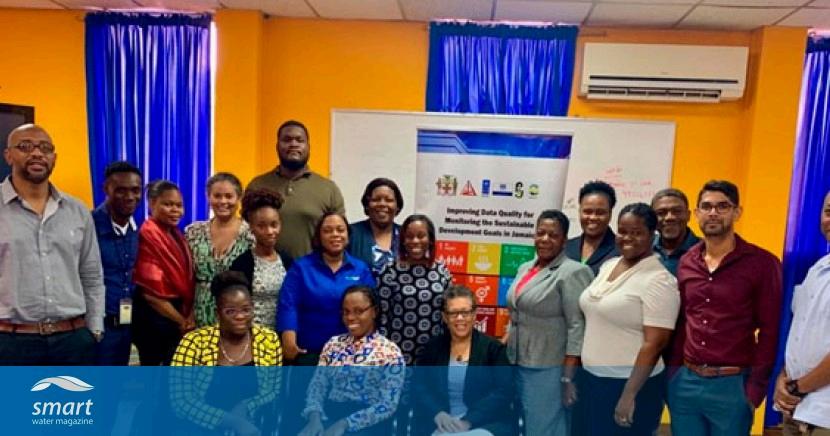
Additionally, he has contributed technical input to the development of key watershed management plans and national strategies, such as the Water Sectoral Strategy and Action Plan (Water-SASAP). Beyond his technical duties, he has served as the National Focal Point for UNESCO-IHP and SDG Indicator 6.5.1, monitoring progress on integrated water resources management.
Miguel’s professional foundation includes an MSc in Natural Resource and Environmental Management, specialising in water resource management, University of the West Indies, Cave Hill Campus an MBA (University of South Wales) and PRINCE2 Practitioner certification This combination of technical and administrative training supports his ongoing efforts to align national water governance with regional and international standards
MS. LOUISE ALFRED
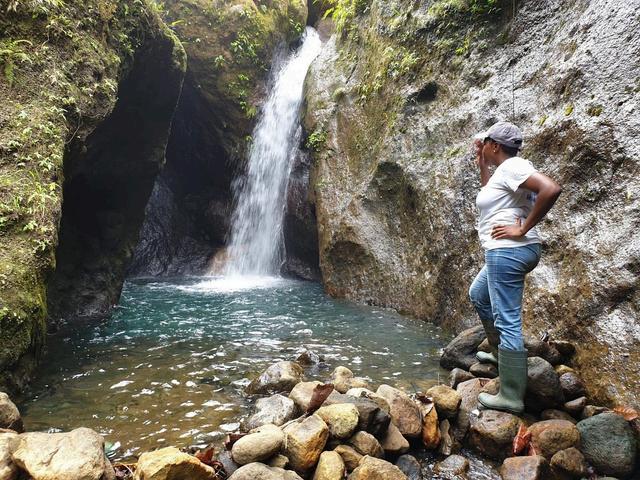
Being born and raised in the Nature Island of Dominica, I believe I instinctively developed a love of nature, hence my career path as an environmental professional I hold a master’s degree in Natural Resources and Environmental Management (with a concentration in water resources management) from the University of The West Indies – Cave Hill Campus (CERMES).
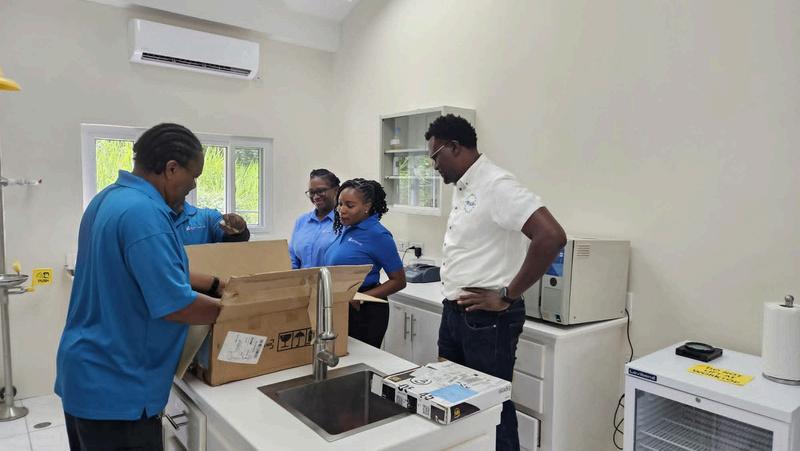
I have worked at the Dominica Water and Sewerage Co Ltd for almost a decade, and I currently serve as the Environmental Monitoring Officer attached to the Project Management Unit (PMU). My duties involve environmental monitoring and assessment, data collection and collaborating with consultants on various water infrastructure projects.
Also, I represent the company on various environmental related committees as well as working with other agencies and departments such as Forestry Wildlife and Parks and Dominica Meteorological Service
All around, my work contributes to ensuring that our water resources and the environment by extension are safely, responsibly and sustainably managed.
Seeing persons become more involved in this field, especially women in various capacities bring me joy. It also shows that women are not limited to certain roles and they have the platform to learn, to grow and to lead.