


From the Desk of Dean Christopher J. King, PhD, MHSc, FACHE
I hope you are enjoying warmer temps and finding time for rest, relaxation, and joy with those nearest and dearest to your heart.
For your leisurely reading, I am pleased to share the summer edition of The Insider. I welcome any feedback and look forward to our time together in October.

Celebrating the Class of 2026
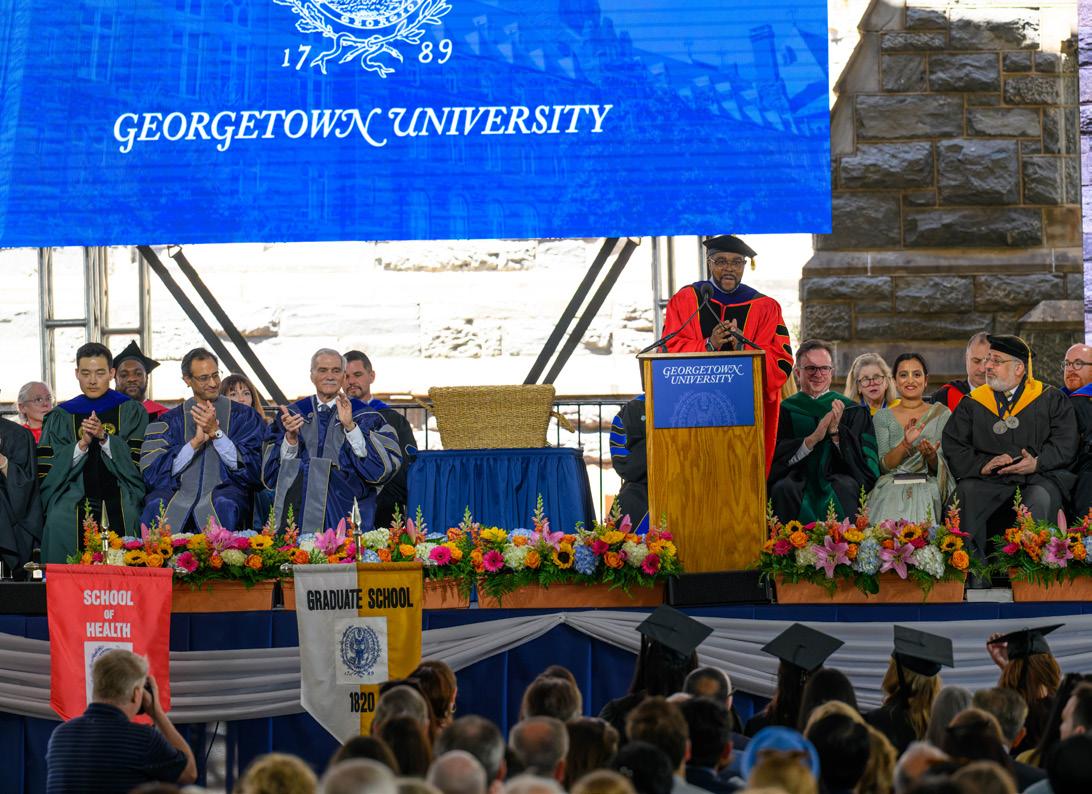
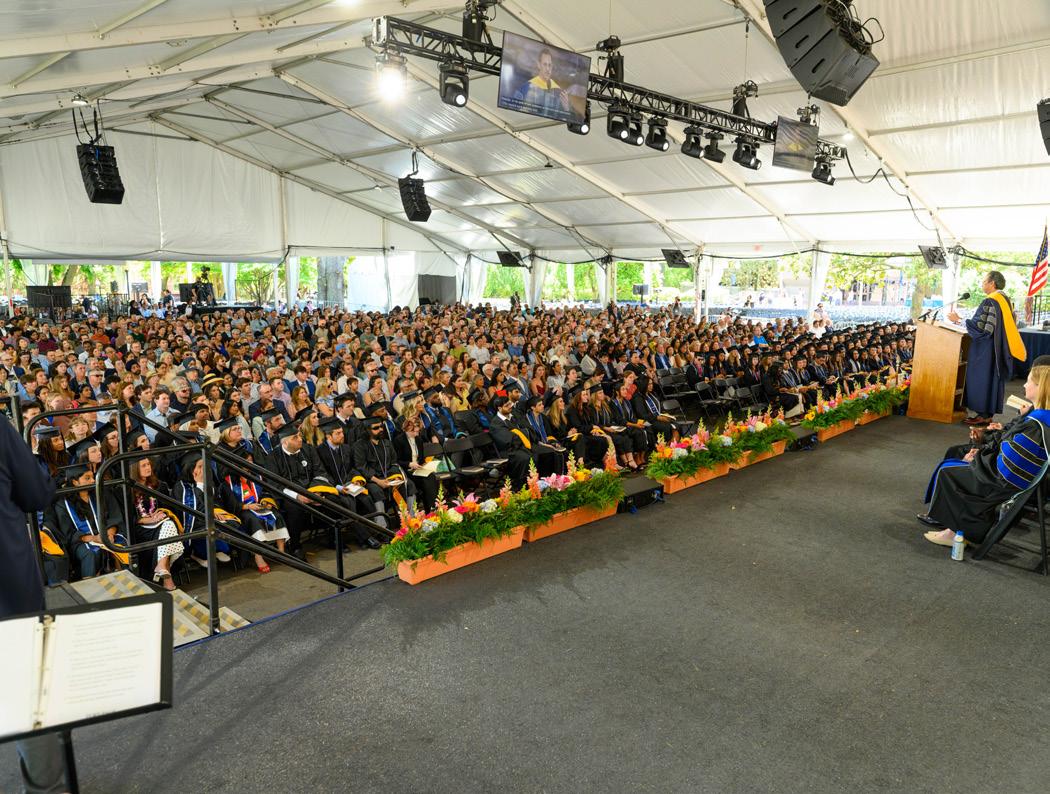
In May, we proudly celebrated the graduation of 154 new health professionals and leaders, each prepared to advance health and well-being in communities across the globe. As is my tradition, I spent time during the reception speaking with graduates’ families, whose reflections reinforced the distinctive culture we are building at the School of Health.
Several themes emerged. Families described the School as a close-knit community where students are known, supported, and challenged to succeed. They expressed deep appreciation for a faculty that genuinely invests in both the academic and personal development of our learners. Many also remarked on the unique character of our commencement ceremony, noting its joyful spirit and grounding in Georgetown’s Jesuit values.
It was a memorable day and a powerful reminder that our work extends far beyond conferring degrees. We are preparing leaders who will improve the health and well-being of others while reflecting the values of compassion, service, and human dignity that define the School of Health.
You can find the write-up here.
As discussed during our last meeting, the rapidly evolving higher education landscape requires us to think creatively about new partnerships and alternative educational models. To strengthen the School’s long-term sustainability, we are expanding our portfolio beyond traditional undergraduate and graduate degree programs to include executive education, certificates, microcredentials, and digital badges that address emerging workforce needs. This diversification supports both our mission to prepare the next generation of health leaders and our strategic priority of generating new revenue streams.
We are already making meaningful progress. Last month, the School launched an Executive Certificate in Integrated Healthcare Leadership in partnership with King Saud bin Abdulaziz University for Health Sciences in Riyadh, Saudi Arabia. Designed for physician executives and C-suite healthcare leaders, the program exemplifies the type of high-impact global partnership we intend to cultivate. Under this agreement, our partner covers all program delivery costs as well as the School’s administrative overhead, creating a financially sustainable model for executive education.
In September, I will travel to Riyadh with several faculty members to explore opportunities to expand this partnership through additional executive education offerings, collaborative research, faculty exchange, and other strategic initiatives.
This initiative demonstrates how the School is proactively responding to changes in higher education by diversifying revenue sources, expanding our global reach, and creating innovative educational offerings that meet evolving workforce demands. It also positions the School to strengthen its reputation as a leader in healthcare leadership education while reducing reliance on traditional degree enrollment alone.
This fall, the School of Health will welcome the inaugural cohort of students in our new Master of Science in Climate, Environment and Health, offered in partnership with Earth Commons.
This interdisciplinary program prepares graduates to address one of the defining public health challenges of our time by equipping them with the knowledge and skills to understand, mitigate, and respond to the health impacts of climate change. Students will develop competencies in climate science, environmental health, policy, and community resilience, enabling them to help protect vulnerable populations and strengthen the capacity of communities to adapt to a changing climate.

The launch of this program reflects the School’s commitment to developing innovative academic offerings that respond to emerging societal needs. It also advances Georgetown’s leadership at the intersection of health, sustainability, and social justice while positioning the School to educate the next generation of professionals equipped to address the complex health consequences of a changing climate.
Significant reductions in federal research funding have created new challenges for universities nationwide, including Georgetown, and require us to rethink how we sustain and grow our research enterprise. While federal funding will remain an important component of our portfolio, the current environment underscores the need to diversify funding sources and strengthen our competitiveness across a broader range of sponsors.

To position the School of Health for long-term success, we have partnered with Thorn Run Partners to help cultivate a new research culture through an initiative we are calling Operation Mindshift. This effort is designed to equip our faculty to thrive in an increasingly competitive and evolving funding landscape by expanding both their capacity and approach to research development.
Key elements of Operation Mindshift include:
• Identifying nontraditional funding opportunities, including foundation, industry, philanthropic, and international sponsors.
• Providing training to strengthen grant development and proposal writing for diverse funding audiences.
• Offering customized technical support for individual investigators, research teams, and interdisciplinary collaborations.
• Reframing how we communicate the value and impact of our research to broaden its appeal to a wider range of partners and investors.
Operation Mindshift represents a strategic investment in the School’s long-term research capacity. By diversifying funding sources and fostering a more entrepreneurial research culture, we aim to increase the resilience of our research enterprise, expand opportunities for faculty innovation, and ensure that the School continues to generate knowledge that advances health and well-being, regardless of fluctuations in the federal funding environment.
This year, the Center for Global Health Policy & Politics, led by Professor Matt Kavanagh, officially transitioned from the O’Neill Institute to the School of Health. The move strengthens the School’s research portfolio and expands our leadership in global health policy and governance.
The Center operates at the intersection of global health, law, and political science, examining how legal and political institutions shape health outcomes at the national and international levels. Its work focuses on the political determinants of health and advances evidence-based policies to prevent pandemics, promote equitable access to medical technologies, improve women’s and sexual health, reduce health inequities, and strengthen global health systems.
The addition of the Center enhances the School’s research enterprise and reinforces our commitment to addressing complex global health challenges through interdisciplinary scholarship. It also positions the School as a leading convener of research and policy that informs decision-making, advances health equity, and shapes the future of global health governance.
Significant changes to the federal student loan program took effect on July 1, 2026, as a result of the One Big Beautiful Bill Act (H.R. 1), enacted in July 2025, and subsequent regulations issued by the U.S. Department of Education. These changes substantially alter graduate student borrowing and may have implications for enrollment, access, and financial sustainability across graduate education.
While the university continues to monitor evolving federal guidance and ongoing litigation, the following summarizes the most significant developments and their potential impact.
• June 26, 2026: A federal court issued a preliminary order temporarily halting implementation of the Department of Education’s new definition of a “professional degree” under its Reimagining and Improving Student Education (RISE) final rule.
• June 29, 2026: The Department of Education responded by issuing interim guidance stating that, during the court’s stay, professional degree eligibility will be determined using an interim classification list published on June 29, 2026.
The university continues to monitor these developments, as future court decisions may further affect implementation.
The new federal loan limits apply only to students whose first federal loan disbursement for their current academic program occurs on or after July 1, 2026. Students who began borrowing before this date are generally not affected. The major changes include:
• Students enrolled in designated professional degree programs may borrow up to:
- $50,000 annually
- $200,000 lifetime aggregate
• Students enrolled in all other graduate programs may borrow up to:
- $20,500 annually
- $100,000 lifetime aggregate
• All graduate borrowers remain subject to an overall federal lifetime borrowing limit of $257,500, subject to certain statutory exceptions.
• Federal loan eligibility will be prorated for students enrolled less than full time.
Effective July 1, 2026, the federal Grad PLUS Loan Program has been eliminated for new borrowers.
A limited grandfathering provision allows students who eceived a Grad PLUS loan disbursement before July 1, 2026; and remain continuously enrolled in the same academic program to continue borrowing through Grad PLUS for up to three academic years or until completion of their current program, whichever occurs first.
These changes may have significant implications for graduate enrollment and institutional planning, including:
• Reduced borrowing capacity for students enrolled in graduate programs that do not qualify as professional degrees.
• Increased affordability challenges for prospective and continuing graduate students.
• Potential enrollment pressures in programs heavily dependent on federal loan financing.
• Greater need for institutional financial aid, scholarship support, and alternative financing strategies.
• Continued uncertainty as litigation and federal guidance evolve regarding professional degree classifications. Key

This year, the Center for Global Health Policy & Politics, led by Professor Matt Kavanagh, officially transitioned from the O’Neill Institute to the School of Health. The move strengthens the School’s research portfolio and expands our leadership in global health policy and
As our work continues to evolve in the AI space, it’s quite timely that Pope Leo XIV’s first encyclical, Magnifica Humanitas (“Magnificent Humanity”), positions artificial intelligence as one of the defining ethical issues of our time, drawing a parallel to Pope Leo XIII’s Rerum Novarum, which addressed the impact of the Industrial Revolution on workers and society. The encyclical affirms that the Church has a responsibility to engage with technological advances because the Gospel must address the realities of everyday life.
The Center operates at the intersection of global health, law, and political science, examining how legal and political institutions shape health outcomes at the national and international levels. Its work focuses on the political determinants of health and advances evidence-based policies to prevent pandemics, promote equitable access to medical technologies, improve women’s and sexual health, reduce health inequities, and strengthen global health systems.
The Pope presents a people-first vision of AI, emphasizing that technology should always advance human dignity, the common good, and the flourishing of every person—especially the most vulnerable. He challenges individuals and institutions to continually ask whether emerging technologies are enhancing or eroding human dignity, while underscoring that a person’s worth is never determined by productivity or technological capability.
The addition of the Center enhances the School’s research enterprise and reinforces our commitment to addressing complex global health challenges through interdisciplinary scholarship. It also positions the School as a leading convener of research and policy that informs decision-making, advances health equity, and shapes the future of global health governance.
The encyclical reinforces our responsibility to prepare leaders who can navigate the ethical, societal, and policy implications of AI in healthcare. As AI becomes increasingly integrated into clinical care, public health, education, and research, we have an opportunity to lead by ensuring that innovation is guided by ethics, equity, and a steadfast commitment to human dignity. This perspective strengthens our work to educate healthcare leaders who will leverage technology not simply to improve efficiency, but to advance health, well-being, and justice for all communities.
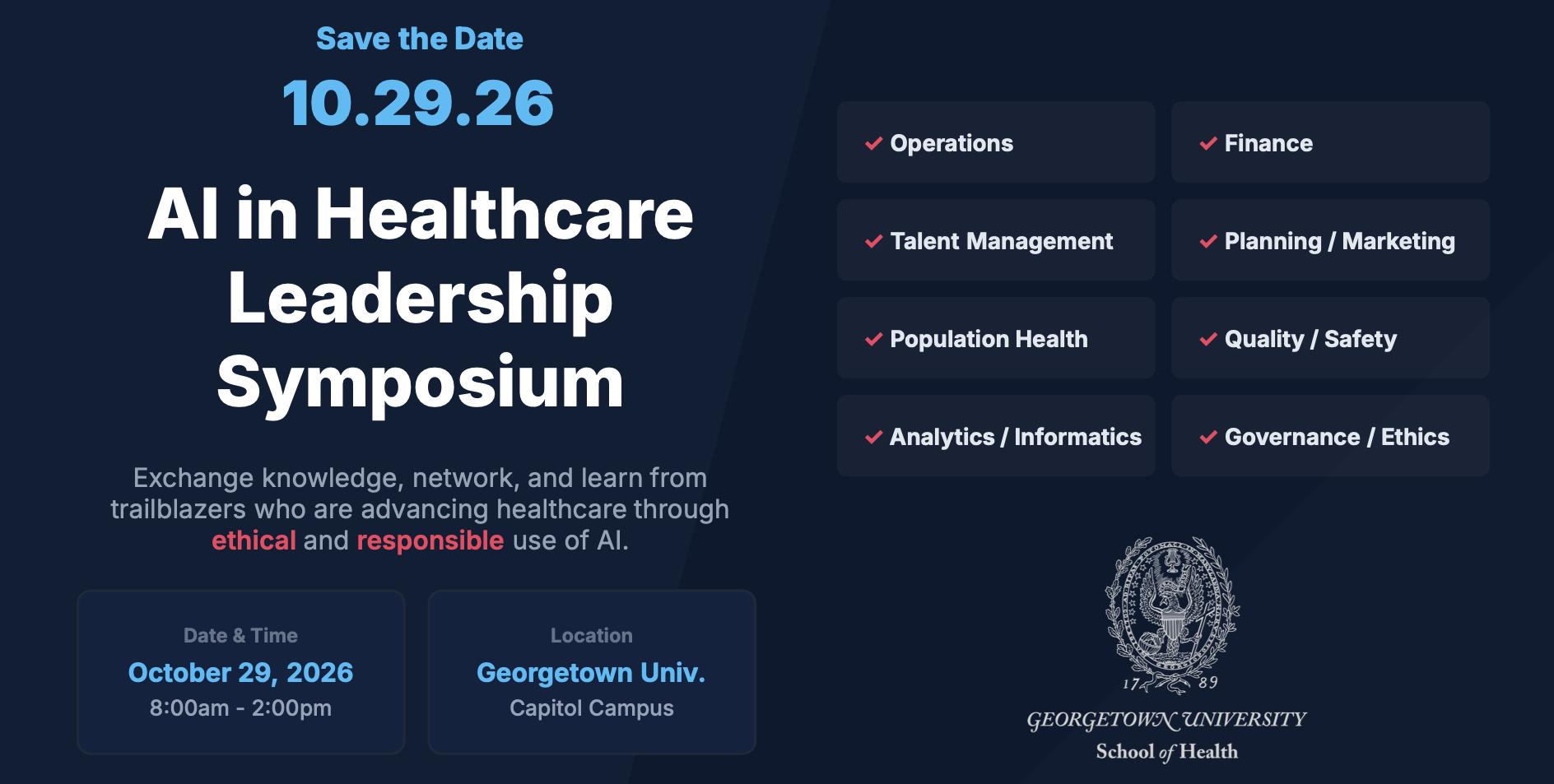
Consequently, the School of Health will convene its first symposium on AI and Healthcare Leadership on October 29, 2026.
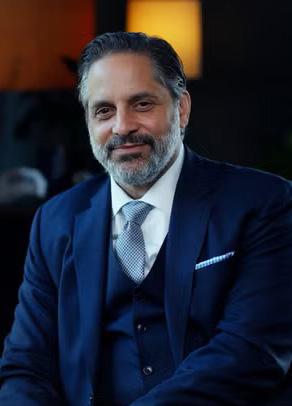
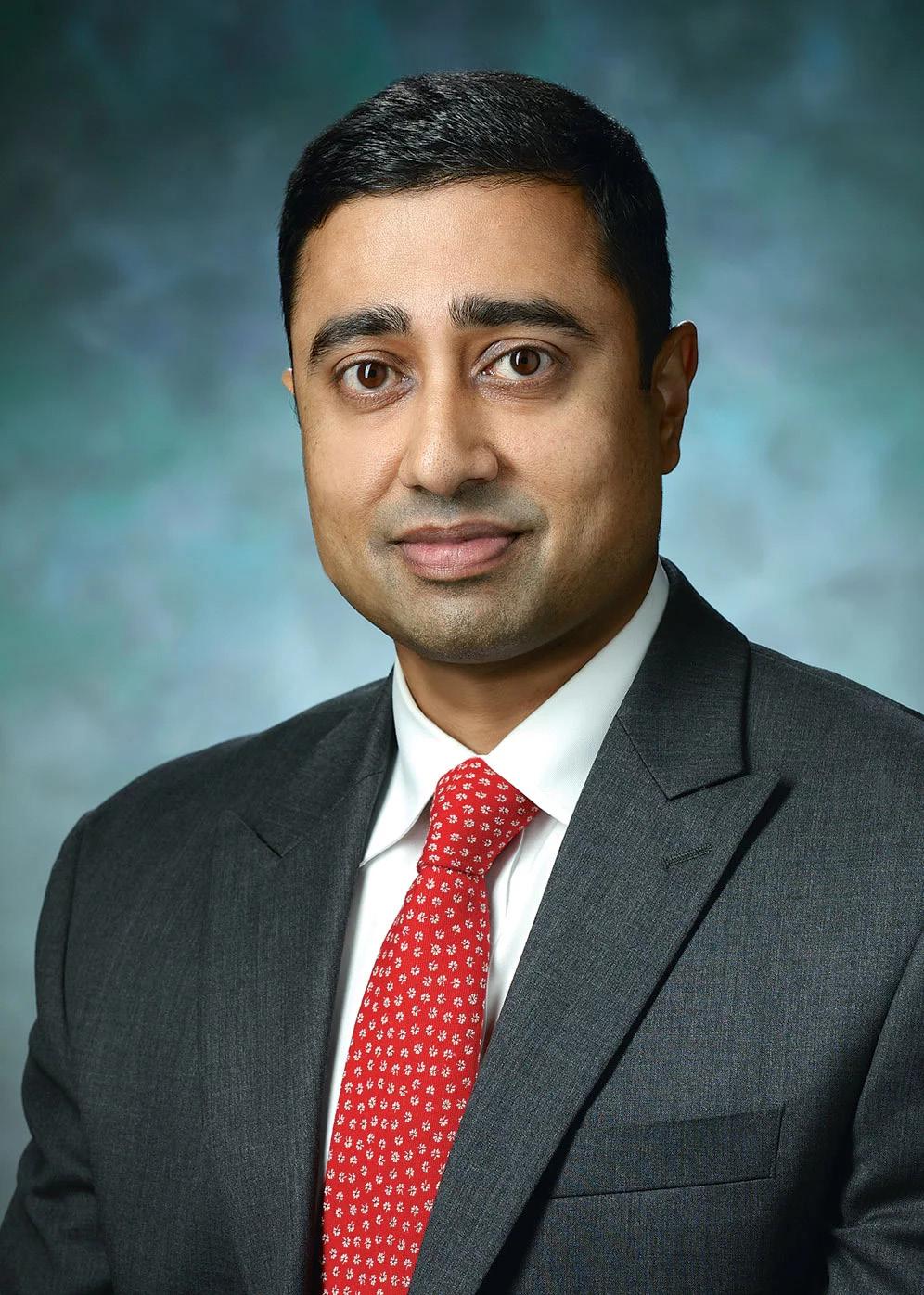
I am pleased to welcome Dr. Vivek Patil as the newest member of the School of Health Board of Strategic Advisors.
A two-time Georgetown alumnus, Dr. Patil earned both his undergraduate degree and Doctor of Medicine from Georgetown University. He is a double boardcertified general and colorectal surgeon at Adventist HealthCare Shady Grove Medical Center in Maryland.
Guided by Georgetown’s Jesuit tradition of cura personalis (care for the whole person), Dr. Patil and his wife, Sonya, have a particular interest in reimagining the undergraduate pre-medical experience to better prepare future physicians through a more holistic and humancentered approach.
We are delighted to welcome him and I look forward to the expertise and perspective he will bring to the School’s continued growth and strategic direction. Some of you may recall meeting Vivek at our Fall board dinner.
On July 1, we officially welcomed our 49th President, Eduardo Peñalver. I had my one on one with him last month. It was an opportunity to share some of our challenges, but most importantly, tout the progress we have made as we enter our 5th year.
While we will extend an invite, I can’t promise a visit from him during our October meeting, however, he will visit us and share remarks at one of our future meetings. If you haven’t seen the write-up, I invite you to learn more about him here.
To advance the health and well-being of people locally, nationally, and globally through innovative research, the delivery of interdisciplinary education, and transformative engagement of communities.
Vision
We envision an equitable and just world where all people can achieve optimal health and well-being.


