BUILDING
PARTNERSHIPS FOR A HEALTHIER GULF
GULF
1
Alabama
Florida Louisiana Mississippi Texas State Federal PARTNERS
STAR PROGRAM

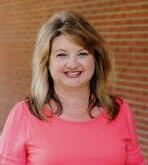
The Gulf Star Partnership is a public-private initiative of agencies, businesses, and non-profits. Together, we are committed to healthy beaches, clean waters, productive ecosystems, and thriving coastal communities in the Gulf of Mexico region. In just four short years, the Gulf Star Partnership has become known for projects that provide foundational support for ecosystem health and resilience. Our incredible success is built upon the strength of GOMA’s collaborative formula and Gulf Star projects are only made possible by the shared vision of our partners. I am incredibly proud of the trusted partners that work with us on this program, the work documented in this report, and the impact these projects are having on Gulf ecosystems and economies. I look forward to the years ahead!

JUST STARTED IN PROGRESS COMPLETE
Regional Coastal Resilience | Various Coastal Communities | Project Location: Gulfwide
This project provided small grants to 10 communities to implement programs that will enhance their coastal resilience. Selected communities are eligible to receive up to $45,000 in funding assistance as well as technical assistance from state and federal agencies and local knowledge experts.
Linking Science Communication and Municipal Planning | University of Texas Marine Science Institute | Project Location: Texas Coastal Bend
This project brought scientific researchers together with planners, floodplain managers, and other local decision makers to facilitate deeper understanding of resiliency issues along the Texas coastal bend.
Cross-Sector Snapshot of Community Resilience | Louisiana Sea Grant | Project Location: Morgan City, LA
In this project; Morgan City, LA utilized the four Resilience Indices (Community Resilience Index, Ports Resilience Index, Tourism Resilience Index, and Fisheries Resilience Index) within the Morgan City, Louisiana community to develop a cross-sector evaluation of overall community resilience.
Fostering Resilient Building Practices | Smart Home America | Project Location: Gulfwide
This project educated decision-makers on state-based mitigation programs, policies, and tools to promote resilient building practices and trains them in the FORTIFIED Home Program. This program helped homeowners become more resilient by strengthening their homes against severe weather.
The Homeowners Handbook to Prepare for Natural Hazards helps homeowners take a proactive approach to planning for natural hazards to reduce risks to family and property. Homeowners can use this tool to implement small and cost-effective steps to significantly lower their risk of damage to their home while also saving money on their wind and flood insurance. The updated version was streamlined, making it easier to find pertinent information.
Incorporating
into the Community Resilience Index | Harte Research Institute | Project Location: Gulfwide/Texas
This project assessed how socio-economic and ecosystem service indicators can be incorporated into the Community Resilience Index (CRI). These indicators capture the benefits we receive from natural features and projects such as living shorelines.
JUST STARTED IN PROGRESS
Pointe-Au-Chien Community Resilience | First People’s Conservation Council, Lowlander Center, and Louisiana Sea Grant | Project Location: Lafourche and Terrebonne Parishes, LA Focused on improving community resilience for the Pointe-Au-Chien Indian Tribe in coastal Louisiana, this project assists the community in performing a self-assessment and implementing habitat restoration and resilience projects to address identified vulnerabilities.

This project updated and upgraded the GOMAportal (www.gomaportal.org) to better support new metadata standards and interoperability, relocated the entire system to a new server with more storage capacity, and enhanced the interface to be more user-friendly.
Sediment Resource Database | Aptim | Project Location: Louisiana
Louisiana Coastal Protection and Restoration Authority (CPRA) developed a budgeting and allocation tool for multiple agencies to coordinate use of sediment sources. This project added sediment resource data from other Gulf States into the management system that CPRA is building. The comprehensive database provides state resource managers with the information needed to beneficially use dredged sediments for restoration, which can significantly reduce the time and cost for restoration projects.
To enhance the success of current and future living shoreline projects, this project identified existing shoreline habitat datasets across the Gulf states and gaps in coverage. The results will be accessible in a publically-available geodatabase.
Expanding an intuitive and interactive online mapping interface used to catalog monitoring sites and management areas, this project expanded the current Florida-focused Terra-CAT and Water-CAT platforms to Alabama, with a vision of growing to cover the entire Gulf region.
Currently, there are numerous data catalogs that point users to available datasets, but there is no one source that provides easy to use data all in one place. This project creates an open data portal platform that makes it easier for users to discover, understand, and use standardized habitat data. As a pilot proof-of-concept, the project will include existing state and local seagrass distribution datasets to demonstrate the platform’s ability to bring together data from multiple providers.
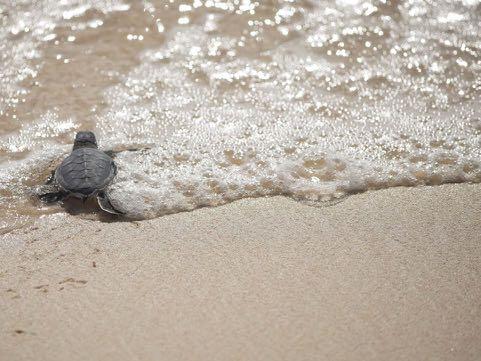
Tracking Trash | Dauphin Island Sea Lab | Project Location: Alabama
The goal of this project is to educate middle and high school students and teachers about the marine debris problem in coastal Alabama; showed students how technology can be used to study a problem, and develop an engineering/solution-based mindset and instill a sense of stewardship for their local waterway.
Marine Debris Education & Prevention | Barataria-Terrebonne National Estuary Program | Project Location: Louisiana

This project engaged high school and college students in the data collection and monitoring of marine debris and sediment microplastics on a private beach in Louisiana. Students will spend one day per quarter in the field researching, collecting, and analyzing marine debris data and preparing action items to stop it at the source.
Wind Engineering Testing for Optimal Design for Wind Hazards | Louisiana State University | Project Location: Louisiana
This project developed and promoted wind engineering tools to help audiences identify opportunities to improve resilience, and to enable the building of smart, resilient, and sustainable infrastructure. The project tests innovative ways to reduce wind-induced loads on flexible structures were also tested.
Providing classroom and hands-on training, taught students at LeFlore High School in Mobile, Alabama about issues impacting water quality, trained them in water monitoring, and empowered them to become active environmental stewards.
Video Case Studies | Mississippi State University Television Center and Dauphin Island Sea Lab | Project Location: Gulfwide
Outreach videos were developed highlighting coastal community resilience and marine debris projects, emphasizing success stories and providing inspiration for other coastal communities Gulfwide.
As part of the Embrace the Gulf awareness campaign, educational messages are being shared across multiple social media platforms each day in 2020 to highlight the value and vitality of the Gulf of Mexico. Also, local TV episodes and commercials are being developed to publicize the importance of natural resources in the coastal Mississippi area.
GOMA is hosting a two-day workshop where participants will explore ways to identify, engage, and support underrepresented and underserved populations across the Gulf region. Set for January 2021, this workshop will be virtual and includes nationally-renown keynote speakers.
Seagrass Assessment | CNL World Consultants | Project Location: Gulfwide
This project developed a plan to assess additional seagrass resources throughout the Gulf region, while being leveraged against an existing U.S. Geological Survey and EPA project. This assessment is being used as informational material for restoration plans.
Living Shorelines Site Suitability Modeling | Florida Fish and Wildlife Conservation Commission | Project Location: Florida
GOMA partners recently concluded the development of a living shorelines site suitability model and pilot tested it on Mobile Bay, Alabama. It was very successful in predicting where natural shoreline restoration techniques will be successful and where they won’t. As a continuation of the previous project, the recently developed living shoreline model was conducted on additional sites in Tampa Bay, Florida.
Gulf Coast Adaptation Strategy | Gulf of Mexico Alliance| Project Location: Gulfwide

This project expanded the recently completed Gulf Coast Vulnerability Assessment to inform the new Gulf Coast Adaptation and Resilience Plan.
Sea Level Rise Workshop | Gulf of Mexico Alliance and Northern Gulf of Mexico Sentinel Site Cooperative | Project Location: Gulfwide Because past sea level rise modeling efforts are difficult to compare due to varying magnitudes and time frames, this project brought together experts from around the Gulf region to develop recommendations for appropriate scenarios for use in future modeling efforts.
Seagrass Status and Trends | CNL World Consultants | Project Location: Gulfwide
This project addresses the need for an update and re-assessment of seagrass resources across the Gulf. The last comprehensive seagrass assessment was conducted more than a decade ago and was limited in the type of data that was available at that time.
Building on an existing GIS-based decision support tool that identifies sediment availability and distribution at sites in Louisiana, this project increases access to information on regional sediment sources across the northern Gulf of Mexico. The expanded tool will fill a critical need for information on sediment resources that can be used for creation and restoration of coastal habitats. Project Location: Alabama, Mississippi, Louisiana, Texas
Developing Capacity for Adaptation and Resilience Planning | Florida Fish and Wildlife Conservation Commission | Project Location: Gulfwide Recognizing that effective adaptation and resilience programs require knowledge and understanding of successful methods, this project develops a six-month training course for resource managers and decision-makers across the region. Course topics include vulnerability, adaptation, overcoming barriers, and communicating solutions.
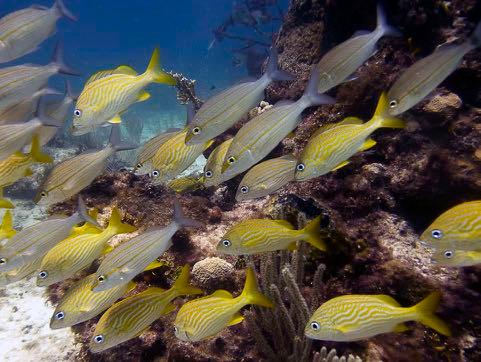
This project expanded the application of a handheld generic harmful algal bloom (HAB) sensor to other species of HABs. This is important because it allows: (1) more timely confirmation of less toxic or nontoxic species to provide managers with definitive criteria for response decisions, and (2) a rapid, sensitive method for quantifying toxic species which are notoriously difficult to differentiate.

Deploying additional harmful algal bloom (HAB) observation gliders helped to identify, evaluate, and predict the initiation of blooms in northwest Florida, the most common location of initial development. This information is critical for improving the seasonal forecast which can devastate commercial and recreational fishing opportunities. The additional gliders were deployed and retrieved from existing research vessel missions in the area, keeping the costs low.
This project added additional states to an existing social and civic engagement survey being conducted by the Hypoxia Task Force to determine social values associated with reducing nutrients in stormwater runoff. The Hypoxia Task Force is already conducting the survey for the states along the Mississippi River including Louisiana and Mississippi. The information gained from the surveys are important because it can be used to institute incentives to reduce nutrients in stormwater runoff, which are the primary cause of the hypoxic (or dead) zone in the Gulf of Mexico each summer.
This project expanded “Water Watch,” a community-based volunteer coastal water quality monitoring program, to three counties in the Florida panhandle and fills data gaps identified by local governments and organizations.
This project filled a critical water quality monitoring gap in coastal Louisiana, by establishing a new monitoring transect from the coast into the open Gulf. These data will improve understanding of baseline conditions for restoration, water quality dynamics, and changes in the Gulf dead zone.
Water Quality Economics Project | The Balmoral Group | Project Location: Florida
This project quantified the linkages between economic outcomes and Gulf of Mexico coastal health by focusing on the impact of harmful algal blooms. Economic metrics representing tourism, housing sales, and fishing activity were collected and analyzed and GIS data was used to enhance temporal resolution of HAB data impacts. A dashboard tool was developed to allow resource managers easy access to high quality HAB data and economic outcomes. The team has hosted one webinar and will host a workshop and webinars to share the dashboard and project results.
This project establishes a citizen science volunteer monitoring program along the south shore of Lake Pontchartrain to sample for algal pollution and microplastics; the project also tracks public engagement.
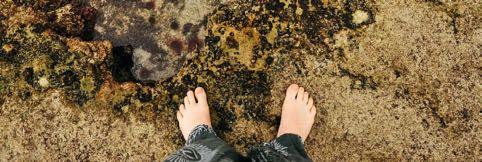
This project establishes a protocol for monitoring macro-plastics in the Houston-Galveston area, incorporates this protocol into the Texas Stream Team water quality monitoring program, and trains community volunteers in macro-plastic monitoring and cleanup.
Focusing on the impact of the 2019 harmful algal bloom event, this project quantifies the linkages between economic outcomes and Gulf of Mexico coastal health. Economic metrics representing tourism and commercial/recreational fishing activity will be collected and analyzed and GIS data will be used to enhance temporal resolution of HAB data impacts. A dashboard tool will be developed to allow resource managers easy access to high quality HAB data and economic outcomes.

JUST STARTED IN PROGRESS COMPLETE
This project focused on various stages of sea turtle life and their dependence on healthy habitats in Venice, Louisiana. Big Bend region of Florida, and Marquesas Keys, Florida.
This project identified specific conservation actions that can be prioritized in order to downlist or delist particular threatened or endangered species in the region. The prioritized conservation actions will be included in regional restoration plans developed by state and federal agencies.
Focusing on fish, shrimp, and crab use of oyster reefs, this project updated resources, analyzed data, and developed a user-friendly guidebook summarizing the key factors that affect species recovery following coastal habitat restoration projects.
JUST STARTED IN PROGRESS COMPLETE
This project will create a stakeholder driven conservation plan for diamondback terrapins, a turtle species of concern in the Gulf of Mexico. The conservation plan will create a central source for terrapin information in the Gulf based on the best available science and expert input. The plan will also include recommendations to prevent and reverse declines in terrapin populations and their habitats; these recommendations can be used to inform conservation and restoration efforts across the region.
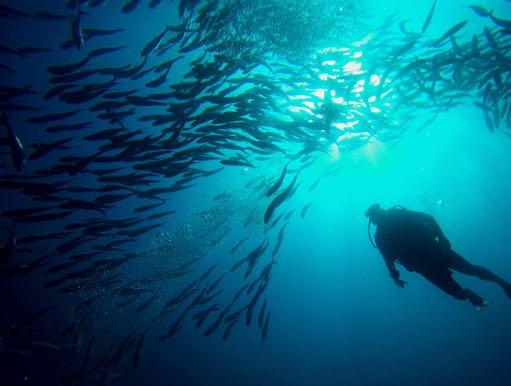

Tracking Trash | Dauphin Island Sea Lab | Project Location: Alabama
Educating middle and high school students and teachers about the marine debris problem in coastal Alabama, this project showed students how technology can be used to study a problem, develop an engineering/solution based mindset and instill a sense of stewardship for their local waterway
Marine Debris Dash | Ocean Hour | Project Location: Florida
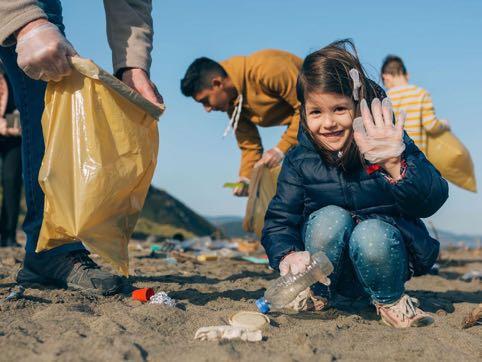
This project worked systematically to clean up specific shores in northwest Florida, collecting debris and tracking the items on the NOAA marine debris tracker. Using the data, volunteers worked with local businesses and government officials to curb their incidence on the shore.
Plastic Free Gulf Coast | Gulf Coast Community Design Studio | Project Location: Mississippi
This project reduced the use of single-use plastic in the three coastal counties of Mississippi and provide data showing this reduction.
Microplastics Citizen Science Project | Mississippi State University | Project Location: Gulfwide
The purpose of this microplastics project demonstrated the type and location of degraded microplastics. This grant is a citizen science project where sediment and water samples were collected and processed for microplastics, then integrated into an existing visualization tool. The data collection and visualization tool is already being used by Florida Microplastic Awareness Project and is being expanded to marine debris programs in other Gulf states.
Marine Debris Education & Prevention | Barataria-Terrebonne National Estuary Program | Project Location: Louisiana
This project engaged high school and college students in the data collection and monitoring of marine debris and sediment microplastics on a private beach in Louisiana. Students will spend one day per quarter in the field researching, collecting, and analyzing marine debris data and preparing action items to stop it at the source.
“Over the last several years, the Gulf Star Program has successfully leveraged the efforts of public and private organizations to address environmental challenges faced by communities in the Gulf region. This partnership has expanded and magnified our impacts beyond what any of us could do alone.”
Joel Noyes, Hess Corporation
Sarah Daniel, BHP
David Norriss, Freeport McMoRan
Ruth Perry, Shell
Meghan Gallinaro, Chevron
Frank Paskewich, Clean Gulf Associates
Foster Wade, Equinor
Todd Hopkins, US Fish and Wildlife Service
Heidi Stiller, National Oceanic and Atmospheric Administration
 OF MEXICO ALLIANCE \ 151 Robinson St. \ Ocean Springs, MS 39564 \ www.gulfofmexicoalliance.org
The mission of the Gulf of Mexico Alliance is to enhance the ecological and economic health of the Gulf of Mexico through increased regional collaboration.