GULF STAR GULF OF MEXICO ALLIANCE 20 BUILDING PARTNERSHIPS FOR A HEALTHIER GULF 17
LAURA BOWIE
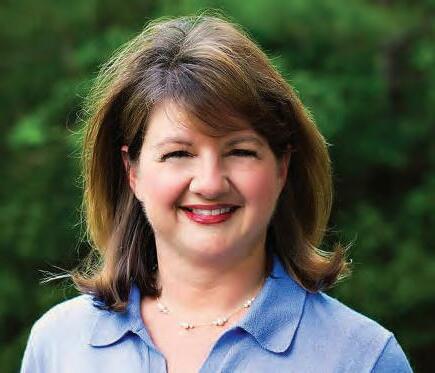
Collaboration brings exponential benefits. That is the underlying credence of the Gulf of Mexico Alliance. We believe we have found the formula for building relationships, building trust and building inclusive networks of individuals interested in working together to tackle region-wide issues impacting the Gulf and its coastal economies. In our first 14 years, GOMA has grown from a loose network of state and Federal agencies to include nearly 1000 individuals and over 65 agencies and organizations from government, academia, business, and non-profits. GOMA is the only organization in the region that brings together so many perspectives to address regional issues.
GOMA’s Gulf Star program is a public-private partnership of agencies, businesses, and nonprofits that support the priorities directly tied to healthy ecosystems that impact Gulf economies. In 2016, we awarded $631,000 to regional projects. In 2017, we are on track to implement more than $750,000 in regional, on-theground projects. We are proud to present an overview of the 2016
and 2017 Gulf Star projects in the next few pages of this report.
This suite of projects was only made possible by the shared vision of our Gulf Star partners: Shell Exploration & Production, The Nature Conservancy, Freeport McMoRan, Inc., Anadarko, BHP Billiton, National Oceanic and Atmospheric Administration, U.S. Fish & Wildlife Service. Their recognition that regional collaboration is essential to project success is what makes this program work.
I am proud of the work the Gulf Star partners are undertaking and the impact this work can have on Gulf ecosystems and economies. We have grown significantly this year and our success is built upon the strength of GOMA’s collaborative formula and I am optimistic about what’s ahead.
Message From Our Executive Director
1
The Partnership
Gulf States
Agencies
Businesses
NGOs/Academics
GOAL $1,000,000 ANNUALLY PUBLIC-PRIVATE Leveraging up to 10:1 for $100,000/yr commitment 2
5
$300,000/year Federal
$50,000 - $200,000/agency
$25,000 - $100,000/business
$10,000 - $25,000/organization
STATE The Partnership COMMITMENTS TO DATE FEDERAL Alabama Florida Louisiana Mississippi T exas 3

PRIVATE 4
2016 Projects
Coastal Resilience
Regional Coastal Resilience | Various Gulf Communities
Linking Science Communication and Municipal Planning | University of Texas Marine Science Institute Cross-Sector Snapshot of Community Resilience | Louisiana Sea Grant
Water Quality
Education & Engagement
Habitat Resources
Expansion of Harmful Algal Bloom Sensor Network | Florida Fish and Wildlife Commission
Additional Harmful Algal Bloom Gliders | University of South Florida Nutrient Reduction Social and Civic Engagement Survey | Mississippi State University
Tracking Trash | Dauphin Island Sea Lab
Marine Debris Education & Prevention | Barataria-Terrebonne National Estuary Program
Wind Engineering Testing for Optimal Design for Wind Hazards | Louisiana State University
Seagrass Assessment | CNL World Consultants
Living Shorelines Site Suitability Modeling | Florida Fish and Wildlife Commission
Urban Youth Conservation Corps | Limitless Vistas, Inc.
Data & Monitoring
Updating and Upgrading GOMAportal | Harte Research Institute
Marine Debris
Marine Debris Dash | Ocean Hour
Plastic Free Gulf Coast in Mississippi | Gulf Coast Community Design Studio
Microplastics Citizen Science Project | Mississippi State University
Wildlife & Fisheries
Connectivity of Sea Turtles in Gulf Habitats | Inwater Research Group
Species Recovery Plan Review | Ashely Ballou Consultant
5
IMPACTS: To People & Communities
Changes in the ecosystem effect our quality of life and there is an explicit interconnectedness between human health and the health of the environment. Through these Gulf Star projects, we are providing training, resources, and educational opportunities that promote awareness of our close ties with the coast and instill a sense of stewardship that benefits all coastal residents. Vibrant communities are the heart of our region and this cannot be achieved without social cooperation and a well-informed public.
Morgan City, LA | Abita Springs, LA | Mobile County, AL | Baldwin County, AL | Rockport, TX | Aransas County, TX | South Padre Island, TX
| Covington, LA | Terrebonne Parish, LA | Ocean Springs, MS | Fairhope, AL
| New Port Richey, FL | Islamorada, FL
| Treasure Island, FL
P orts Resilience Index training | Baton Rouge & Morgan City, LA
Marine Debris r emoval training | Mobile and Baldwin Counties, AL
Micr oplastics identification training | Florida, Alabama, Mississippi
Habitat r estoration training | New Orleans, LA
Communities Served 14 102 People Trained 49 Outreach Activities PRESENTATIONS PUBLICATIONS EVENTS 500 Volunteer Hours 6 Over 74 FEDERAL AGENCIES STATE AGENCIES LOCAL GOVERNMENTS ACADEMIC INSTITUTIONS NON-PROFIT ORGANIZATIONS PUBLIC SCHOOLS BUSINESSES Organizations Benefitted MARINE DEBRIS PICK-UP
IMPACTS:
To the
ROBIN RIECHERS TEXAS PARKS AND WILDLIFE
7
8 27 Threatened & Endangered Wildlife Species
open Gulf (offshore) | sargassum | seagrass nearshore hard bottom| mangrove | marsh | forest beach Habitat Types
“The Wildlife and Fisheries Team is excited about the completion of the Species Recovery Plan project. The results of this project will support threatened and endangered species management, improve coordination efforts, and better inform restoration activities across the Gulf.”
5.7 Tons of Debris Removed from 2 Sites
1,045 Potential Wildlife Recovery Actions Identified Several Gulf Star projects are focused on marine debris; projects include documenting the types of trash
on beaches and working to keep trash
of the environment through
Working In Improving Recovery for 31 Marine Debris Cleanup Sites Across the Gulf 2,200 Straws Picked Up
Environment The Gulf Coast’s beaches, swamps, seafood, and wildlife contribute to the sense of place that makes this region our home. Our Gulf Star projects are leading to a better understanding of ways to help threatened and endangered wildlife, how to protect and improve coastal habitats, and on-the-ground stewardship through marine debris removal. Resilient and diverse ecosystems are a critical resource that protects us from storms, provides food and recreation, and improves local economies.
found
out
a “Skip the Straw” campaign with local restaurants.
IMPACTS:
To the Economy
Healthy Gulf ecosystems have an enormous impact in the economic health of the region. Our Gulf Star projects are investing in a number of opportunities to support primary industries in the Gulf, including fishing & tourism. Projects that will eventually reduce the annual dead zone allow commercial & recreational fishermen to reap their harvest closer to shore rather than having to travel beyond it each summer. Also, projects that reduce the number of days beaches are closed due to harmful algal blooms provide a boost to Gulf tourism.
Reductions in the Annual Dead Zone
Fifteen states are participating in a social survey to determine innovative techniques for reducing nutrient runoff. If reductions in nutrient runoff can be achieved, the annual Gulf of Mexico Dead Zone will decrease, allowing better commercial and recreational fishing conditions.
Reducing Beach Litter
Three restaurants along the northern Gulf of Mexico have agreed to join the “Skip the Straw” campaign, one each in Mississippi, Alabama, and Florida. Reducing single-use plastic leads to cleaner beaches and more tourism.
Number of HAB Detection Days
GOMA is investing in additional harmful algal bloom (HAB) glider surveys by increasing the number of detection days from 14 to 24. Additional surveys for HABs means better detection and prediction ability for beach closures due to HABs.
HABs can be toxic and non-toxic. Gulf Star projects are investing in ways to identify the difference between the two in order to increase the amount of time that shellfish beds are open and available for harvest.
8
3 Restaurants Reducing Single-Use Plastic
15 States Addressing Nutrient Runoff
Time that Shellfish Beds are Safe
Additional
Detection
Increasing Time That Shellfish Beds Are Open
24
HAB
Days Decreases Increases
2017 Gulf Star Projects
Wildlife & Fisheries
Data & Monitoring
Understanding Recovery and Species Use of Restored Habitats
ABT ASSOCIATES
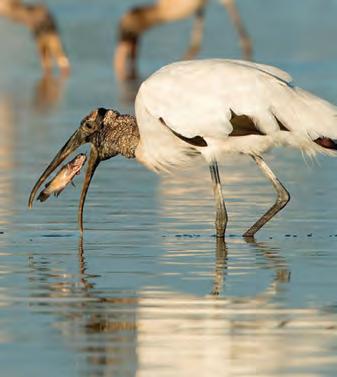
Focusing on fish, shrimp, and crab use of restored oyster reefs, this project updates resources analyzes data, and develops a user-friendly guidebook summarizing the key factors that affect their recovery following coastal habitat restoration projects.
Monitoring and Metadata Catalog
UNIVERSITY OF SOUTH FLORIDA WATER INSTITUTE
Expanding an intuitive and interactive online mapping interface used to catalog monitoring sites and management areas, this project will begin by expanding the current Floridafocused Terra-CAT and WaterCAT platforms to Alabama, with a vision of growing to cover the entire Gulf region.
Living Shoreline Data Inventory, Gap Analysis, and Geodatabase GULF COAST RESEARCH
LAB
To enhance the success of current and future living shorelines, this project identifies existing shoreline habitat datasets across the Gulf states and gaps in coverage. The data will be compiled into a publicallyavailable geodatabase.
Education & Engagement
Watershed Monitoring with Underserved High School Students
MOBILE BAYKEEPER
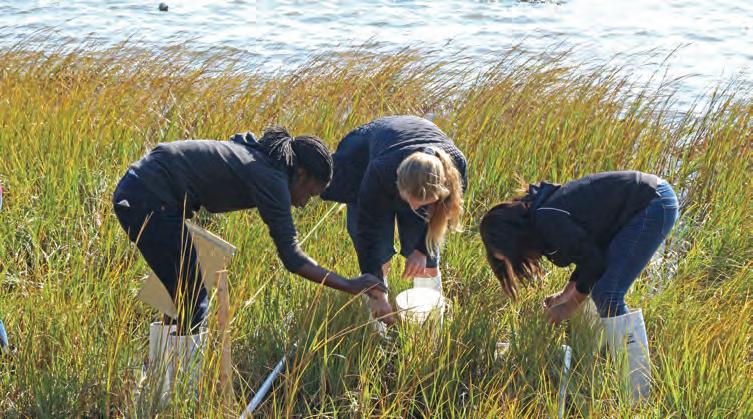
This project provides classroom and hands-on training to students at LeFlore High School in Mobile, Alabama, about issues impacting water quality, training them in water quality monitoring, and empowering them to become active environmental stewards in their local watershed.
Video Case Studies
MISSISSIPPI STATE UNIVERSITY TELEVISION CENTER AND DAUPHIN ISLAND SEA LAB
Outreach videos will highlight coastal community resilience and marine debris projects, emphasizing success stories and providing inspiration for other coastal communities.
Photo Credit: Erica Zambello
9
Photo Credit: Dan Womack
2017 Gulf Star Projects
Water Resources
Coastal Resilience
Habitat Resources
Ecosystem Services Assessment
Citizen Science Water Monitoring in the Florida Panhandle
UNIVERSITY OF FLORIDA
Expanding “Water Watch” to three additional counties in the Florida panhandle will enable the existing community-based volunteer coastal water quality monitoring program to fill data gaps identified by local governments and organizations.
Louisiana Inshore to Offshore Water Monitoring
LOUISIANA COASTAL PROTECTION AND RESTORATION AUTHORITY
This project fills a critical water quality monitoring gap in coastal Louisiana by establishing a new monitoring transect from the coast into the open Gulf. These data will improve understanding of baseline conditions for restoration, water quality dynamics, and changes in the Gulf dead zone.
Fostering Resilient Building Practices
SMART HOME AMERICA
This project educates decisionmakers on state-based mitigation programs, policies, & tools to promote resilient building practices & train them in the FORTIFIED Home Program, helping homeowners become more resilient by strengthening their homes against severe weather.
Pointe-Au-Chien Community Resilience
FIRST PEOPLE’S CONSERVATION COUNCIL, LOWLANDER CENTER, AND LOUISIANA SEA GRANT
Seagrass Status and Trends
CNL WORLD
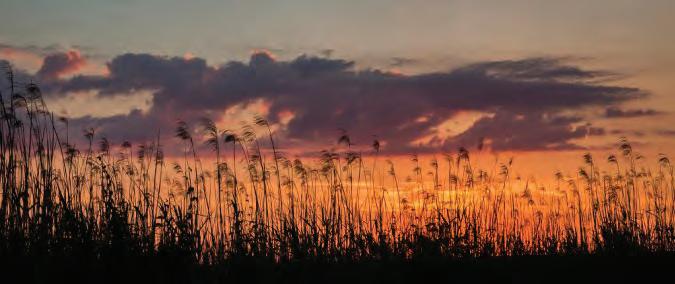
The last comprehensive seagrass assessment was conducted more than a decade ago and was limited in the type of data that was available at the time. The data pre-dated the destructive tropical events of 2004, 2005, and 2006. Based on recommendations from a recent Seagrass Workshop, HRT recommends an update and re-assessment of seagrass resources across the Gulf.
Incorporating Additional Indicators into the Community Resilience Index
HARTE RESEARCH INSTITUTE
This project incorporates socio-economic and ecosystem service indicators into the existing Community Resilience Index (CRI) in order to capture the benefits that communities receive from their natural features and potential projects, such as living shorelines.
Focused on improving community resilience for the Pointe-Au-Chien Indian Tribe in coastal Louisiana, this project assists the community in performing a self-assessment & implementing habitat restoration & resilience projects to address identified vulnerabilities.
10
Photo Credit: Dorothy Pierini-Rodgers
www.gulfofmexicoalliance.org
GULF OF
MEXICO
ALLIANCE | 1151 Robinson St. | Ocean Springs, MS 39564 |