GULF STAR GULF OF MEXICO ALLIANCE 20 BUILDING PARTNERSHIPS FOR A HEALTHIER GULF 16
Collaboration brings exponential benefits. That is the underlying credence of the Gulf of Mexico Alliance. We believe we have found the formula for building relationships, building trust and building inclusive networks of individuals interested in working together to tackle region-wide issues impacting the Gulf and its coastal economies. In our first 14 years, GOMA has grown from a loose network of state and Federal agencies to include nearly 1000 individuals and over 65 agencies and organizations from government, academia, business, and non-profits. GOMA is the only organization in the region that brings together so many perspectives to address regional issues.
Message From Our Executive Director The
GOMA’s Gulf Star program is a public-private partnership of agencies, businesses, and nonprofits that support the priorities directly tied to healthy ecosystems that impact Gulf economies. 2016 marked the inaugural year for the Gulf Star Partnership, with a commitment of nearly $635,000 granted to regional projects. We are proud to present an overview of the 2016 Gulf Star projects in the next few pages of this report, as they are foundational to larger regional restoration efforts. This suite of projects was only made possible by the shared vision of our 2016 Gulf Star partners: Shell Exploration & Production, The Nature Conservancy, Freeport
McMoRan, Inc., National Oceanic and Atmospheric Administration, and U.S. Fish and Wildlife Service. Their recognition that regional collaboration is essential to project success is what makes this program work.
am proud of the work the Gulf Star Partnership is undertaking and the impact this work can have on Gulf economies, but there is much more to be done. We are poised to invest an additional $4,000,000 over the next four years. Although we have set an ambitious goal for the future, it’s built upon the strength of GOMA’s collaborative formula and I am optimistic about what’s ahead.
5 Gulf States $300,000/year
Federal Agencies $50,000 - $200,000/agency Businesses $25,000 - $100,000/business NGOs/Academics $10,000 - $25,000/organization GOAL $1,000,000 ANNUALLY
$100,000/yr commitment
Partnership
PUBLIC-PRIVATE Leveraging up to 10:1 for
2 3
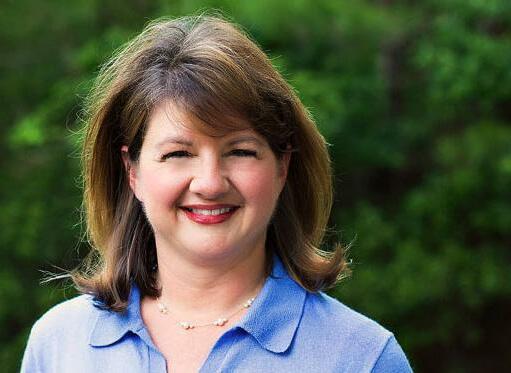
LAURA BOWIE
STATE Alabama Florida Louisiana Mississippi Texas FEDERAL PRIVATE The Partnership COMMITMENTS TO DATE 4 5
THE PROGRAM
OUR GRANT MAKING PROGRAM
Is competitively selected
Has a collaborative approach requirement
Is focused on science-based solutions to management
Funds projects that address issues identified as critical for decision-making
PROJECT TYPES: SMALL BUT IMPORTANT.
Foundational aspects to critical needs identified by the Gulf States: Sustainable seafood
Loss of critical habitats
Community Resilience
Gulf Hypoxia Water Quality & Water Quantity
Living Marine Resources Data & Monitoring
These projects are too small for large restoration investments like RESTORE, NRDA, and NFWF’s Gulf Environmental Benefit Fund, but are important to inform science-based restoration planning.
Coastal Resilience
Overview
2016 PROECT SNAPSHOTS
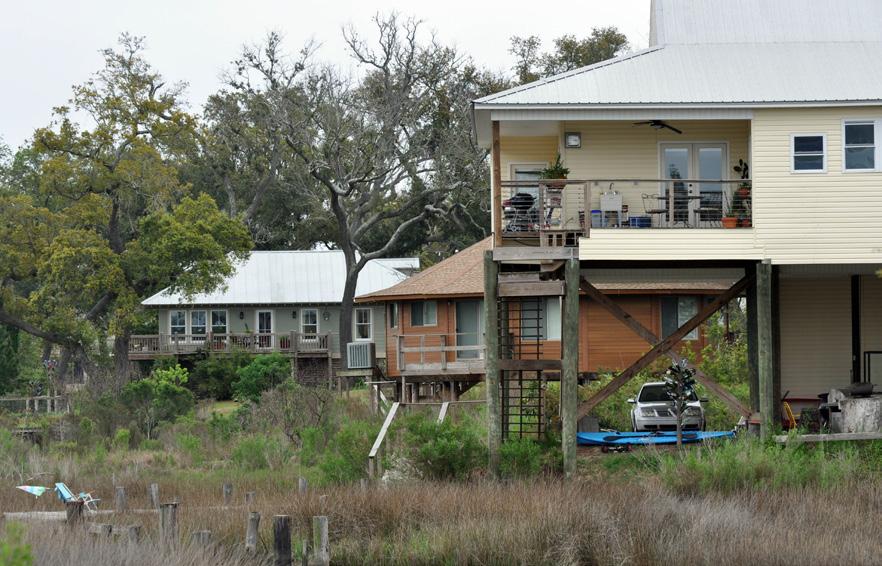
Providing small grants to communities; linking science communications and municipal planning; creating a cross-sector snapshot of community resilience using multiple indices; and testing optimal structure designs for wind hazards
Water Quality
Education & Engagement Habitat Resources
Investigating indicators of social and civic engagement regarding reducing nutrients; deploying gliders to better predict harmful algal bloom outbreaks; expanding the harmful algal bloom sensor network to ensure comprehensive monitoring; and conducting a human health workshop to compile human health parameter monitoring information from existing water programs
Collecting, tracking, and removing trash and marine debris; starting programs to prevent marine debris; and testing aerodynamics of rooftop systems for resilience
Assessing seagrass resources; modeling coastlines for suitability of living shorelines techniques; and training students in conservation field techniques
Data & Monitoring
Wildlife & Fisheries Marine Debris
Updating the user interface of GOMAportal to be more user-friendly and upgrading it to better support new metadata standards and interoperability with other systems
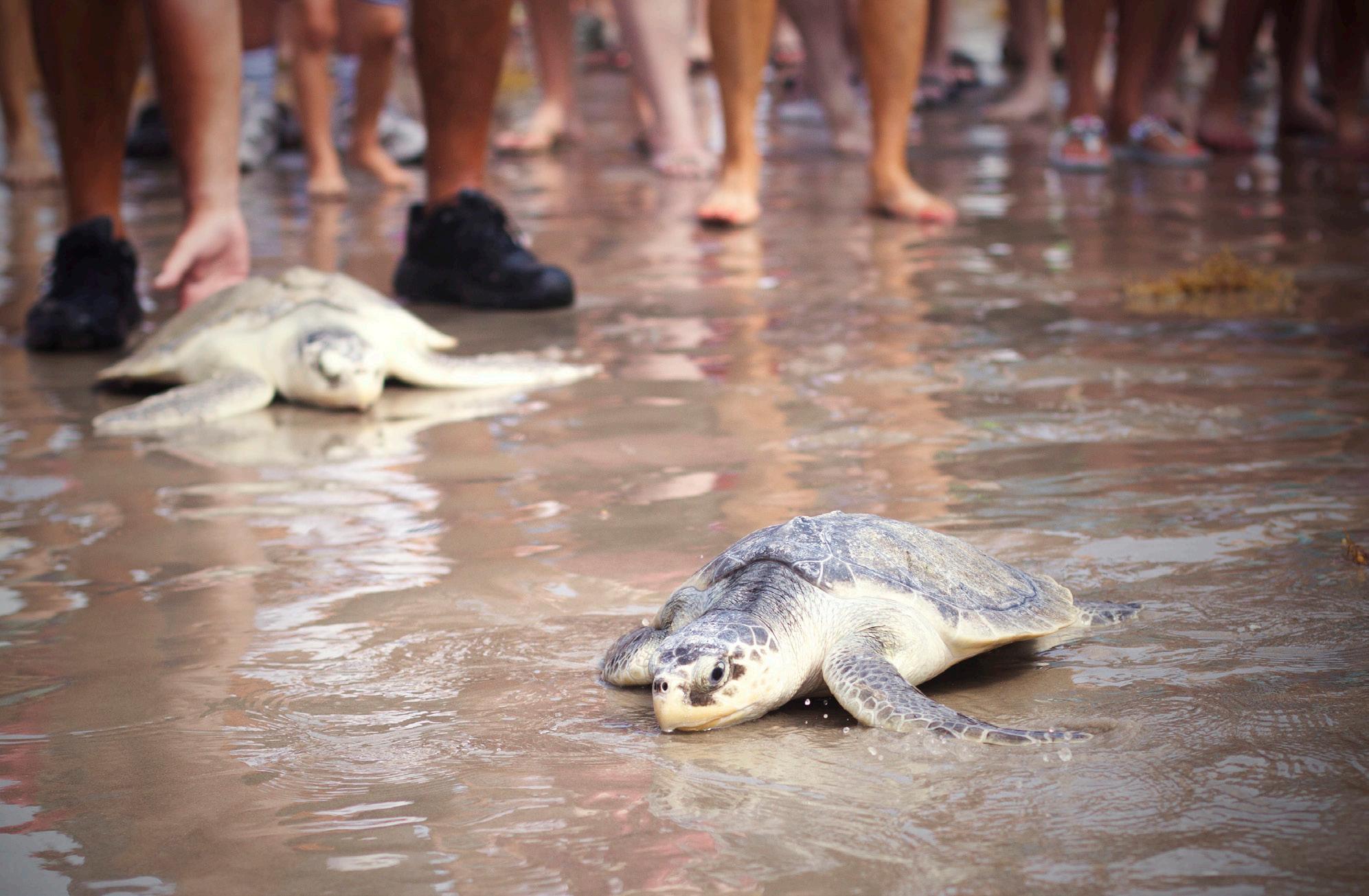
Studying sea turtles found in various habitats throughout the region; and conducting a species plan review to identify conservation actions that can be prioritized in order to downlist or delist particular species
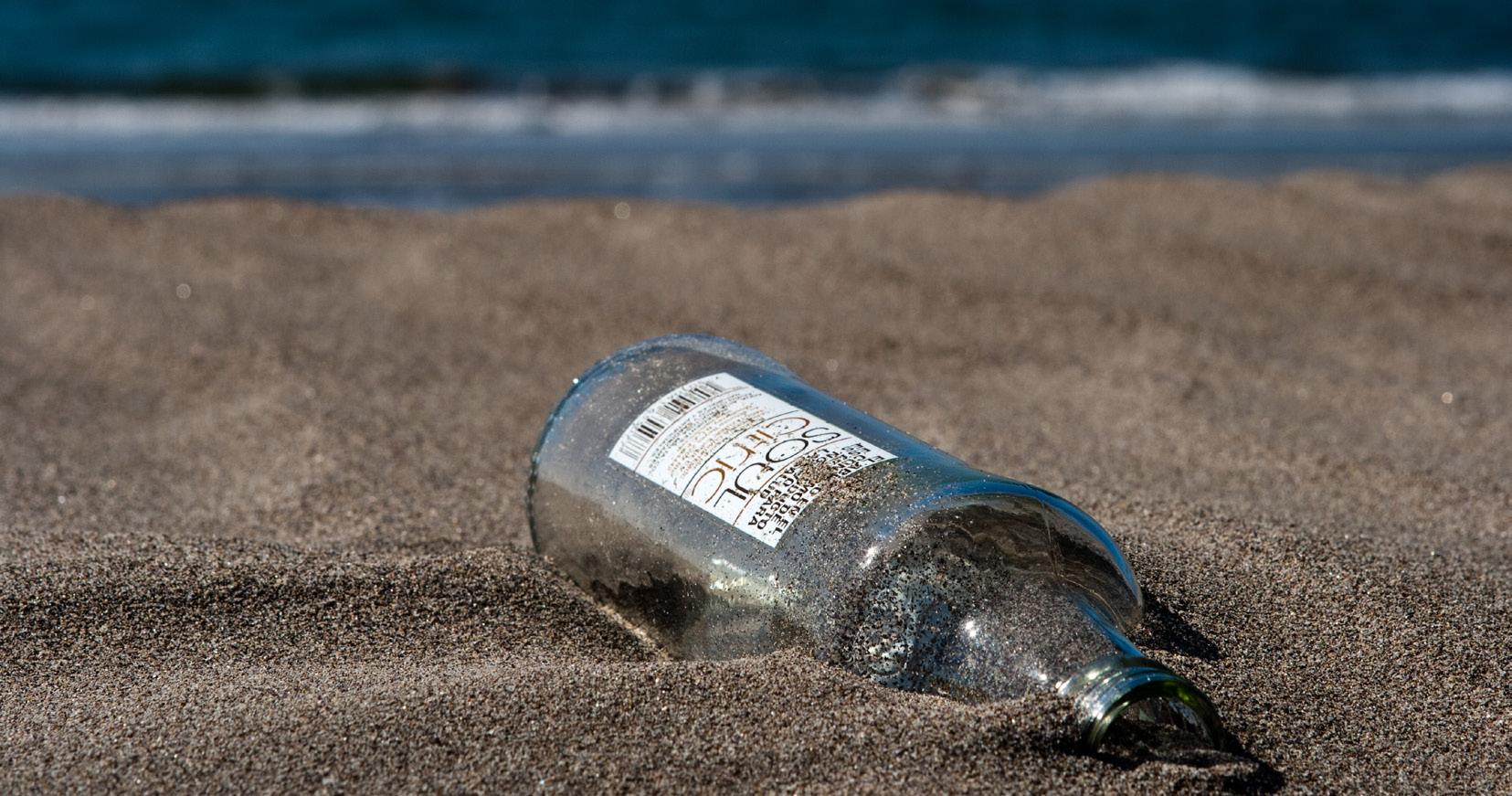
Studying microplastics, collecting trash along beaches, and determining effectiveness of reducing the use of plastic bags
6 7
Coastal Resilience Projects
Regional Coastal Resilience | Various Gulf Communities
This project provides small grants to 10 communities to implement programs that will enhance their coastal resilience. Selected communities are eligible to receive up to $45,000 in funding assistance as well as technical assistance from state and federal agencies and local knowledge experts.
Linking Science Communication and Municipal Planning” | University of Texas Marine Science Institute
This project brings scientific researchers together with planners, floodplain managers, and other local decision makers to facilitate deeper understanding of resiliency issues along the Texas coastal bend.
Cr oss-Sector Snapshot of Community Resilience | Louisiana Sea Gran t
This project uses the four Resilience Indices (Community Resilience Index, Ports Resilience Index, Tourism Resilience Index, and Fisheries Resilience Index) within the Morgan City, Louisiana community to develop a cross-sector evaluation of overall community resilience.
Habitat Projects
Seagrass Assessment | CNL World Consultants
Leveraging against an existing U.S. Geological Survey and EPA project, this project develops a plan to assess additional seagrass resources throughout the Gulf region. The purpose is to inform restoration plans.
Living Shorelines Site Suitability Modeling | Florida Fish and Wildlife Commission
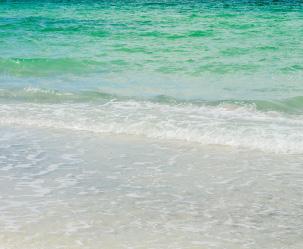
GOMA partners recently concluded the development of a living shorelines site suitability model and pilot tested it on Mobile Bay, Alabama. It was very successful in predicting where natural shoreline restoration techniques will be successful and where they won’t. As a continuation of the project, this new project conducts the recently developed living shoreline model on additional sites in Tampa and Perdido, Florida.
Gulf Coast Adaptation Strategy | To Be Determined
This project expands the recently completed Gulf Coast Vulnerability Assessment to inform the new Gulf Coast Adaptation Strategy.
Urban Youth Conservation Corps | Limitless Vistas, Inc.
2016 Gulf Star Projects
This project increases awareness of the losses and degradation of coastal habitats caused by invasive species. This project also educates and trains students in conservation field techniques that can be used to pursue jobs in the conservation industry and/or generate interest in seeking environmental or conservation college degree.
Water Quality Projects
Expansion of Harmful Algal Bloom Sensor Network | Florida Fish and Wildlife Commission
This project expands the application of a handheld generic harmful algal bloom (HAB) sensor to other species of HABs. This is important because it allows: (1) more timely confirmation of less toxic or nontoxic species to provide managers with definitive criteria for response decisions, and (2) a rapid, sensitive method for quantifying toxic species which are notoriously difficult to differentiate.
Additional Harmful Algal Bloom Gliders | University of South Florida
This project deploys additional harmful algal bloom (HAB) observation gliders in order to identify, evaluate, and predict the initiation of blooms in northwest Florida, the most common location of initial development. This information is critical for improving the seasonal forecast which can devastate commercial and recreational fishing opportunities. The additional gliders are deployed and retrieved from existing research vessel missions in the area, keeping the costs low.
Nutrient Reduction Social and Civic Engagement Survey | Mississippi State University
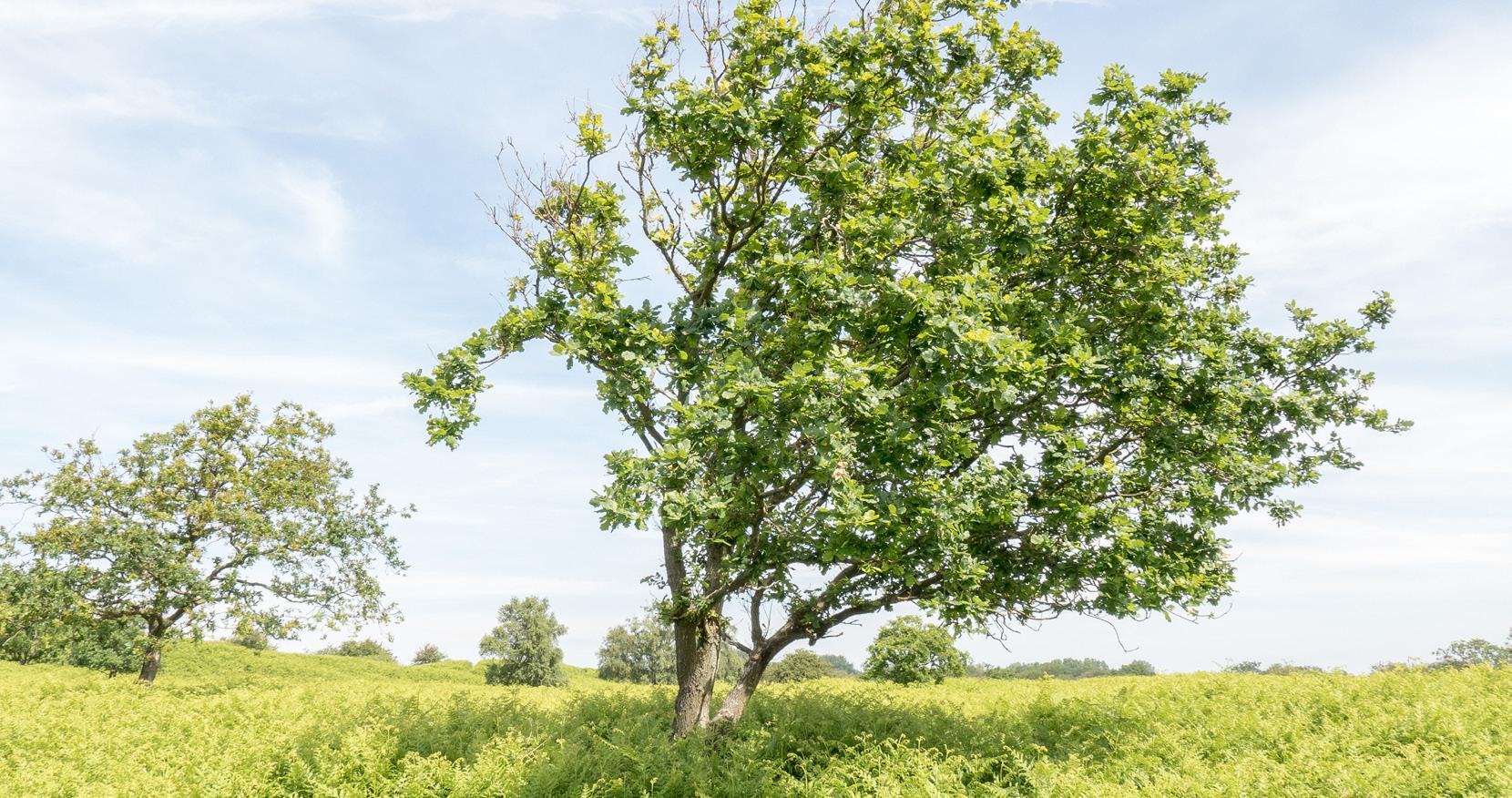
This project adds the states of Florida, Alabama, and Texas to an existing social and civic engagement survey being conducted by the Hypoxia Task Force to determine social values associated with reducing nutrients in stormwater runoff. The Hypoxia Task Force is already conducting the survey for the states along the Mississippi River including Louisiana and Mississippi. The information gained from the surveys are important because it can be used to institute incentives to reduce nutrients in stormwater runoff, which are the primary cause of the hypoxic (or dead) zone in the Gulf of Mexico each summer.
Human Health Water Programs Workshop | To Be Determined
This project conducts a workshop to compile information from existing water programs regarding current monitoring for human health parameters.
FUNDING PARTNERS:
The
Alabama Florida Louisiana Mississippi Texas NOAA | U.S. Fish & Wildlife Service | Shell | Freeport-McMoRan
Nature Conservancy
8 9
Wildlife & Fisheries Projects
Connectivity of Sea Turtles in Gulf Habitats | Inwater Research Group
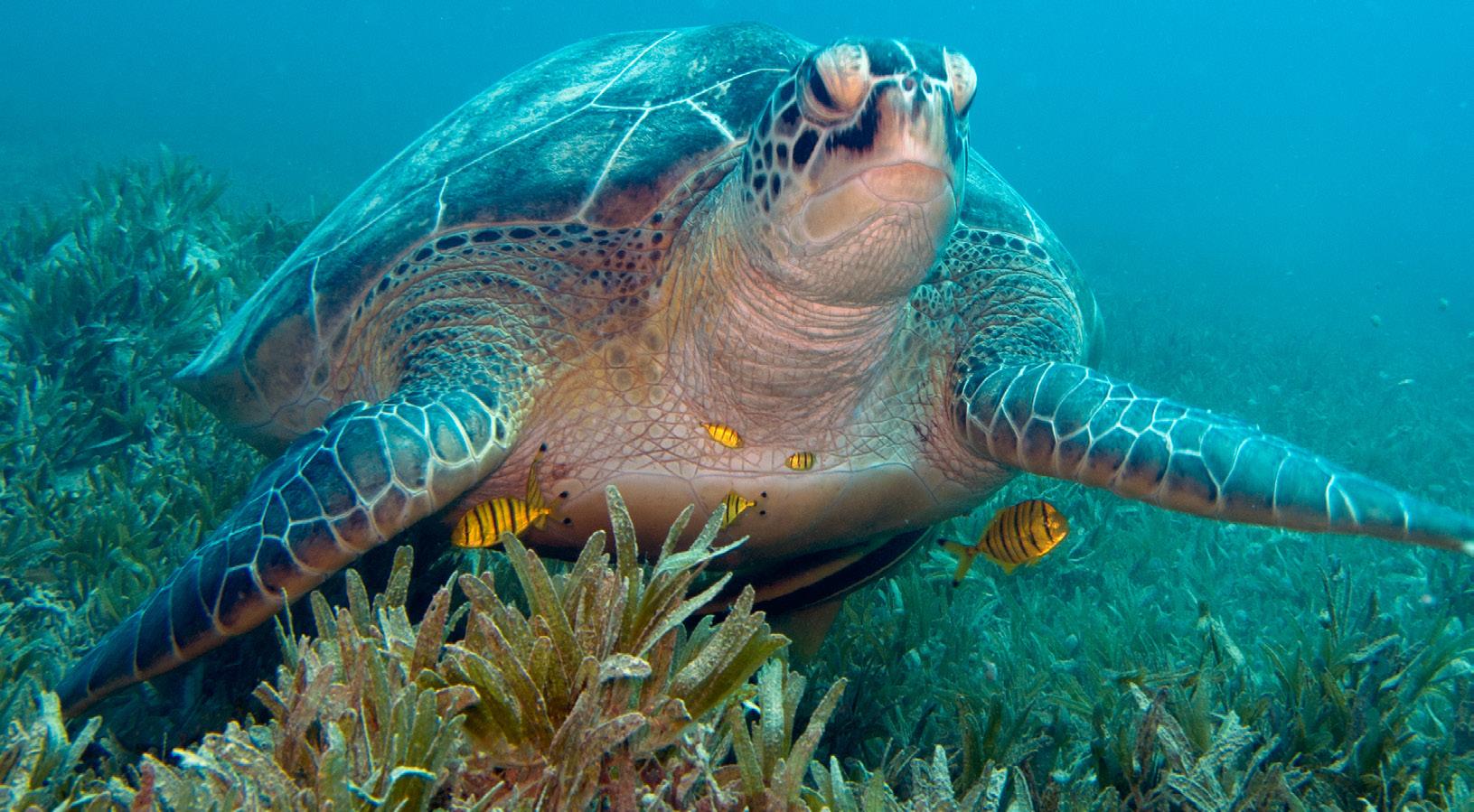
This project focuses on neonate sea turtles found in pelagic habitat off of Venice, Louisiana; junvenile and sub-adult sea turtles in nearshore habitat in the Big Bend region of Florida; and sub-adult and adult turtles found on foraging grounds near the Marquesas Keys, Florida.
Species Recovery Plan Ashley Ballou Consultant
This project identifies specific conservation actions that can be prioritized in order to downlist or delist particular threatened or endangered species in the region. Once obtained, the prioritized actions will be included in regional restoration plans developed by state and federal agencies.
Data & Monitoring Projects
Updating and upgrading GOMAportal | Harte Research Institute
This project updates and upgrades the GOMAportal (www.gomaportal.org) to better support new metadata standards and interoperability, relocate the entire system to a new server with more storage capacity, and enhances the interface to be more user-friendly.
Sediment Resource Data | Applied Coastal Research & Engineering
Louisiana Coastal Protection and Restoration Authority is developing a budgeting and alloc ation tool for multiple agencies to coordinate use of sediment sources. This new project adds sediment resource data from other Gulf States into the management system that CPRA is building. The comprehensive database will provide state resource managers with the information needed to beneficially use dredged sediments for restoration, which can significantly reduce the time and cost.
Education & Engagement Projects
Tracking Trash in Alabama | Dauphin Island Sea Lab
The goal of this project is to educate middle and high school students and teachers about the marine debris problem in coastal Alabama; show students how technology can be used to study a problem, and develop an engineering/solution-based mindset and instill a sense of stewardship for their local waterway.
Marine Debris Education & Prevention in Louisiana | BaratariaTerrebonne National Estuary Program
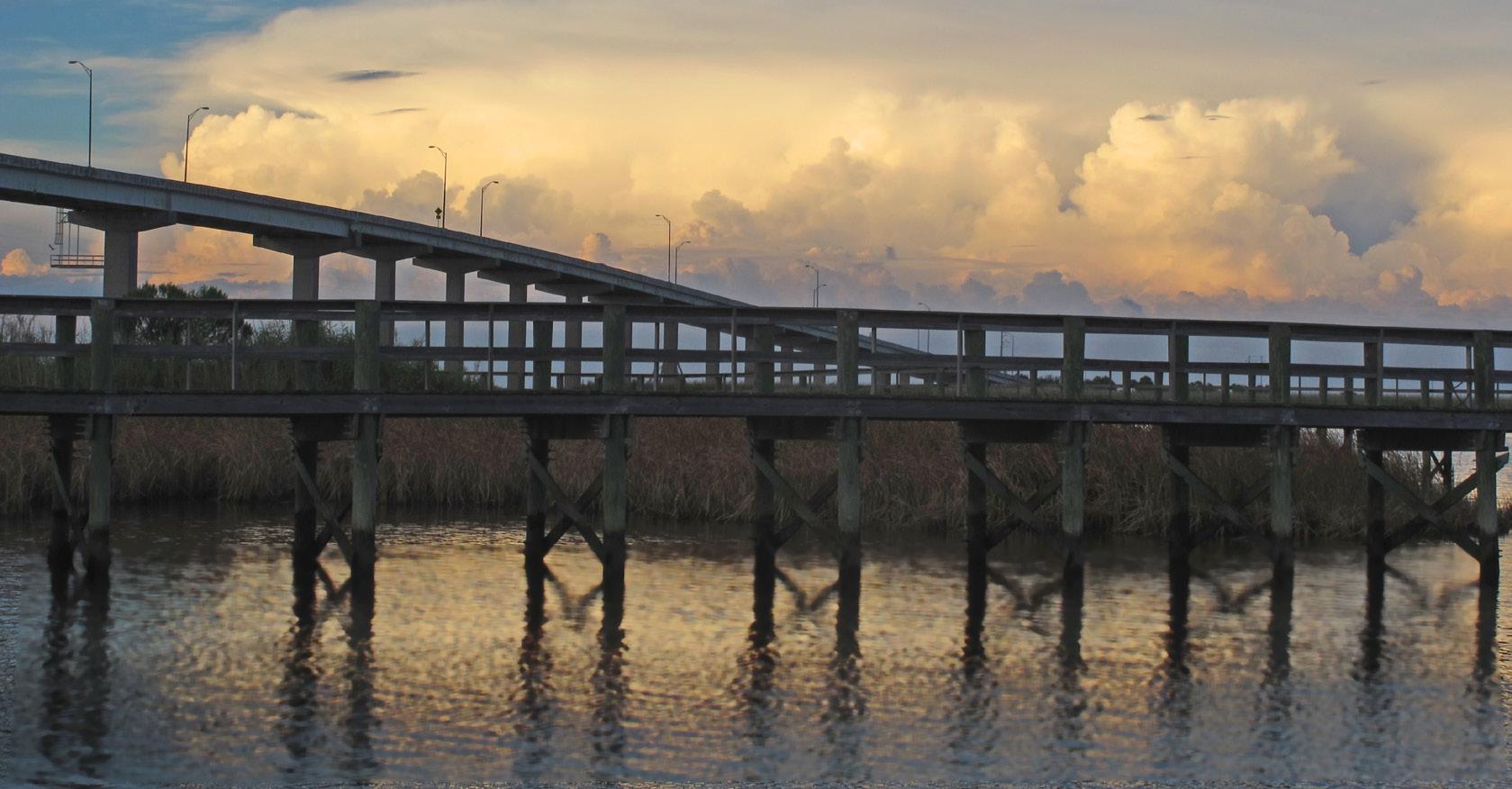
This project will engage high school and college students in the data collection and monitoring of marine debris and sediment microplastics on a private beach in Louisiana. Students will spend one day per quarter in the field researching, collecting, and analyzing marine debris data and preparing action items to stop it at the source.
Wind Engineering Testing to Determine Optimal Design of Structure for Wind Louisiana State University
This project develops and promotes wind engineering tools to help audiences identify opportunities to improve resilience, and to enable the building of smart, resilient, and sustainable infrastructure. The project tests innovative ways to reduce wind-induced loads on flexible structures.
FUNDING PARTNERS:
Marine Debris Projects
Marine Debris Dash in Florida | Ocean Hour
This project works systematically to clean up specific shores in northwest Florida, collecting debris and tracking the items on the NOAA marine debris tracker. Using the data, this project will work with local businesses and government officials to curb their incidence on the shore.
Plastic Free Gulf Coast in Mississippi | Gulf Coast Community Design Studio
This project aims to reduce the use of single-use plastic in the three coastal counties of Mississippi and provide data showing this reduction.
Microplastics Citizen Science Project | Mississippi State University
The purpose of this microplastics project is to demonstrate the type and location of degraded microplastics. This grant is a citizen science project where sediment and water samples are collected and processed for microplastics, then integrated into an existing visualization tool. The data collection and visualization tool is already being used by Florida Microplastic Awareness Project and is being expanded to marine debris programs in other Gulf states.
2016 Gulf Star Projects
Alabama Florida Louisiana Mississippi Texas NOAA | U.S. Fish & Wildlife Service | Shell | Freeport-McMoRan
The Nature Conservancy
10 11
LAURA BOWIE
Executive Director
GULF OF MEXICO ALLIANCE
Laura.Bowie@GOMXA.org 1151 Robinson St. Ocean Springs, MS 39564 228.215.1246