
Welcome!
You’ve decided to host an Eco Stewardship Service Area Event! Yay!
Planning a large event is not always easy and some people simply don’t have the time to plan events from scratch. That’s why we’ve put together this handy guide that lays it all out for you. This event is designed for Daisies, Brownies, and/or Juniors, and girls will earn their respective Eco Stewardship badge (Daisy Eco Learner, Brownie Eco Friend, or Junior Eco Camper). The event takes place approximately 3 hours, depending on if you include an optional lunch and/or snack.
For event planning help, check out our Service Area Event Planning Guide.
▶▶ Why Outdoor?
Through outdoor activities, Girl Scouts express a love for nature, show interest in the natural world, and continue pursuing activities that allow them to spend time outdoors. They take on new challenges and believe in their ability to learn and succeed in these endeavors. They learn how to prepare for and stay safe during outdoor activities, as well as minimize their impact on the environment. And they recognize the importance of environmental conservation, understand how their behavior has an impact, and take action to help protect the natural world.
▶▶ Council Support
This Service Area Event Guide comes with more than just a few activity ideas. To make your event as successful as possible, your Girl Scout staff are here to support you. We are happy to provide printed event guide, fliers, and handouts; planning support; and Service Area funding through spring allocations.
Service Areas will receive an allocation based on hosting quality local events for Girl Scouts that tie in with the GSNWGL Super Troop Year plan topics and that host at least one event that is open to Girl Scouts beyond their Service Area.
If you don’t find everything you need in this guide—we can help! Contact us with questions, comments, or suggestions via an email to info@gsnwgl.org.
▶▶ Planning Your Event
Location
The majority of this badge involves getting the girls outside. Girls will work in small groups to learn about stewardship and how to take care of their environment. For this, you will need a sheltered space for the girls to sit and work on a small project. Girls will also be going on a hike. Girl Scout camp properties, or your local city, county, or state parks are the perfect places to host an Eco Stewardship event!
Why Outdoor?
Council Support
Planning Your Event
Supplies
Activities
Leave No Trace Hand Signals
Animal
There are two different ways to set up your Eco Stewardship Service Area Event, depending on the number of girls attending and your own preference. First, the activities can be run one by one with the entire group. This format works best for groups of 30 or less, or with ample volunteers to help individual girls and troops. Second, the activities can be run in stations, dividing into small groups for rotations. This works best for larger groups and requires many volunteers who feel comfortable leading activities.
Supplies
• Leave No Trace Hand Signs (one per participant)
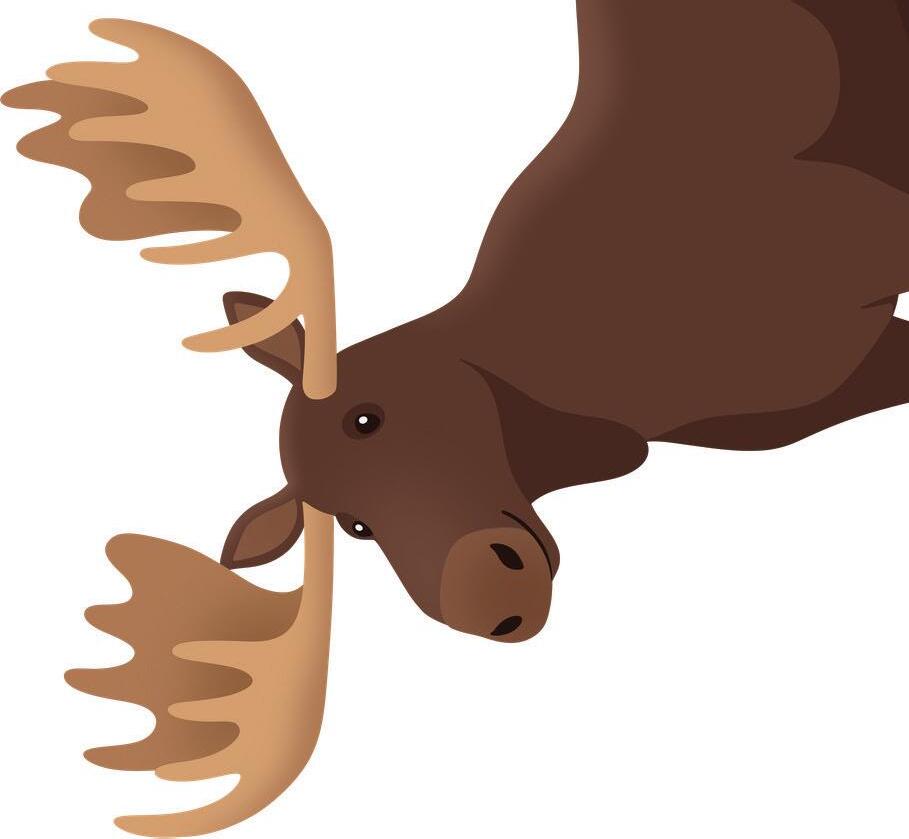
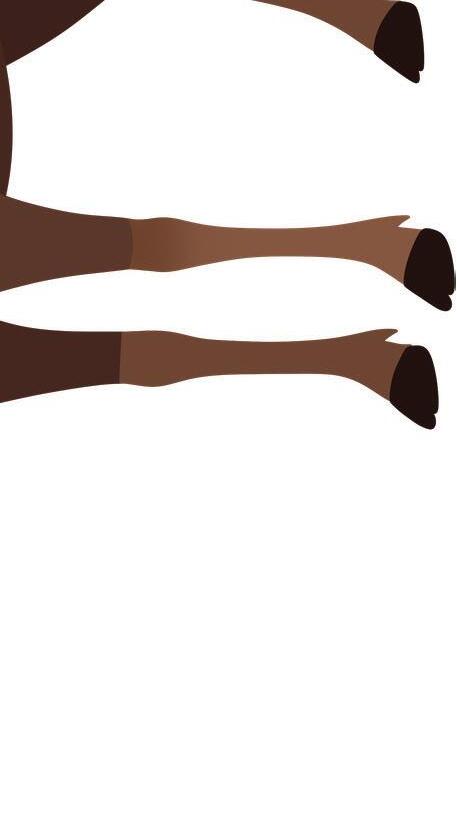
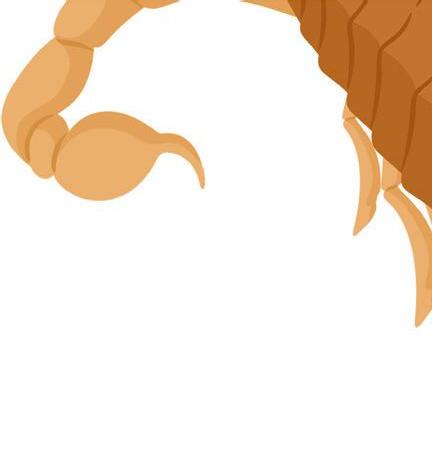
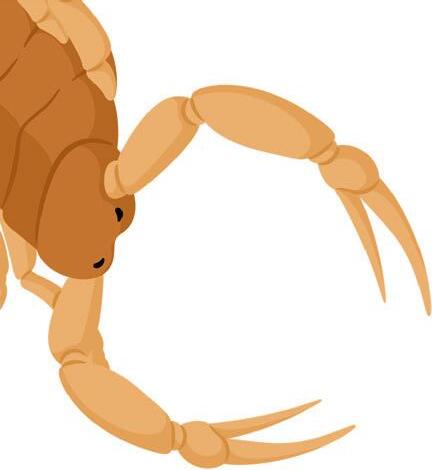
• One set of Animal Charade Cards
• Nature Scavenger Hunt
• Writing utensils (e.g., pencil, crayon, markers)
• Paper
• Snack
• Edible Campfires: Cups, water, napkins, potato sticks, mini marshmallows, large and small pretzel sticks, Twizzlers, chocolate chips, shredded coconut
• Be Prepared Game: Blanket, example OR picture of each item (adjust list as needed): Water bottle, bug spray, sunscreen, tennis shoes, snack, waterproof case, non-toxic soap OR sanitizer, First Aid kit, map/ compass, extra socks, rain gear, whistle, sweatshirt, notebook & pencil, pocket knife, change of clothes
• Build a Campsite: Facilitators can pick the activity that works best for their setting and supplies. Options include a tent, chalk, paper/markers, LEGO, simple household supplies, or craft supplies.
¤ Optional add-ons: Campfire and bucket of water
Introduction
• Welcome the girls to the event.
• Explain where the restrooms and drinking water can be found.
• Go through the schedule for the day.
Full Group: Link! Outdoor Edition
Time: 15 minutes
▶ Instructions
1. Everyone gathers in a line facing the lead (one of the adults).
2. The lead says their name and something they like to do outside (e.g., My name is Mary and I like to go swimming.).
3. Anyone who likes the same thing yells “Link!” and runs toward the lead. The first person to reach the lead hooks arms with them, creating the first link in the chain. Everyone else goes back to the starting line to try again.
4. The cycle repeats, with the newest link saying their name and something they like to do outside. Again, anyone who likes the same activity yells “Link!” and runs to link arms with the growing chain, returning to the start line if they aren’t first.
5. Continue until everyone is part of the chain, and end by finding a link between the first and last person to create a circle.
▶ Ask the Group
• What did it feel like when you got to yell “Link!” and join the group?
• What was it like when you didn’t run in for something?
• How can we “link” with people even if we don’t like all the same things?
Full Group: Introducing Leave No Trace (LNT)
Time: 15 minutes
▶ Supplies
• LNT Hand Signs handout
▶ Instructions
1. Introduce Leave No Trace. We practice Leave No Trace whenever we are outside to help protect the environment and leave as little evidence we were there as we can. There are 7 Principles—like having 7 rules we should follow. Luckily, Leave No Trace and Girl Scouts have a lot in common…we like to leave the world a better place.
2. Teach the group the LNT principles using the hand signs handout.
3. Have the girls stand in the middle of a large area (it could be a playfield or a larger room). Tell the girls that one side will be the Okay side, and one will be the No Way side. You will read a scenario, and the girls need to go to the side they think is accurate for the scenario. Okay means that it fits with LNT and is okay to do, and No Way is what they should not do. After each principle, teach the hand sign that goes with it.
• Before going on a hike, I’m going to check the weather of where I’m going so I’m dressed properly. Okay! (Be Prepared) Know where you are going and be prepared for any weather that may happen.
• If I see a really cool flower in the woods off the trail, I am going to leave the trail to get a closer look. No way! (Hike on Durable Surfaces) We should stay on already established paths. By leaving the path we could be ruining a small ecosystem.
• I just finished my apple. I’m going to throw it in the woods because it won’t hurt anything. No way! (Dispose of Waste Properly) Animals could be attracted to the food and put themselves or hikers at risk by coming closer to humans.
• I found a really neat rock on the shore of Lake Superior! I’m going to take a picture of it and leave it where I found it.
Okay! (Leave Nature) All parts of nature are important. Leave what you find as it is—you can take pictures, but that is it.)
• When I build a fire, I use a fire ring. If there isn’t a fire ring, then I’ll use a fire pan or camp stove. Okay! (Minimal Impact Fire) Fires can cause permanent damage on nature. If there is a fire ring, then you can use that. If not, you should use a fire pan or camp stove, rather than creating fire on bare ground.
• When hiking along a well-used trail, a squirrel comes up while I’m eating lunch. I give it some of my sandwich.
No way! (Respect Wildlife) You should not approach wildlife, or else they may get used to humans. Keep a good distance away from all wildlife.
• When I’m camping I love to listen to music! I play it loud so that everyone at the campsite can enjoy it too! No way! (Be Respectful of Other Visitors) Be respectful of other people on the trail or at the campsite. Being loud and disruptive could ruin somebody else’s camping experience.
4. See if the girls at the end can do all the hand signs by memory.
▶ Ask the Group
• Why is it important to Leave No Trace when we play or explore outside?
• What could happen to plants, animals, or other people if we don’t follow Leave No Trace?
Rotation A: Be Prepared
Time: 30 minutes
▶ Supplies
• Writing utensils (e.g., pencil, crayon, markers)
• Paper
• Blanket
• Example OR picture of each item (adjust list as needed): Water bottle, bug spray, sunscreen, tennis shoes, snack, waterproof case, non-toxic soap OR sanitizer, First Aid kit, map/compass, extra socks, rain gear, whistle, sweatshirt, notebook & pencil, pocket knife, change of clothes
▶ Instructions
For this rotation, Girl Scouts will play a version of Kim’s Game, a memory and observation challenge. Before the group arrives, hide examples of items needed for a hike under a blanket.
1. When the items are uncovered, they will have one minute to observe and remember as many items as they can. Then cover the items again.
2. Together, Girl Scouts will recall as many items as they can. The facilitator can use the paper and marker to list them.
3. Once they have recalled as many items as they can, uncover the items and give them another 30 seconds to find anything they missed. Once covered again, add those items to the list.
4. Uncover the items and compare the list to the items to see how well the group remembered! Go through each item and talk through when and why you might bring it on a hike, and how to use it.
▶ Ask the Group
• Is there anything else you should pack for a hike?
• What if it is cold or raining?
• What if you are hiking all day?
• How else should you prepare for a hike?
Rotation
B: Build a Campsite
Time: 30 minutes
▶ Supplies
• Mix and match any of the following: Tent, chalk, paper, markers, LEGO, simple household supplies, craft supplies, or something else based on the activity option selected.
▶ Instructions
For this rotation, Girl Scouts will build a campsite! Kids can work individually, in small groups, or as a large group. Facilitators can pick the activity option that works best for your setting and supplies.
To Leave No Trace, we camp and hike on durable surfaces. Durable surfaces include established trails, campsites, rock, gravel, dry grasses, and snow. We also camp 200 feet away from the water’s edge to allow access routes for wildlife.
Campsite Options:
• Set up and take down an actual tent! OR
• Map out your campsite plan: Use chalk outside, or paper and markers. OR
• Model your campsite: Use LEGO, simple household supplies, craft supplies, or something else! Note: Be sure to include places to sleep, cook, and eat.
▶ Ask the Group
• What choices did you make to protect the land when you built your campsite?
• How could you dispose of your trash at your campsite?
Rotation C: Respect Wildlife Games
Time: 30 minutes
▶ Supplies
• Animal Cards
▶ Instructions
All the girls will be playing some games to learn about animals, and how to respect them when they are hiking or camping.
Park Ranger (similar to Uncle Sam)
• Have girls line up on one edge of playing area. Each girl should pick an animal.
• One girl is the tagger. The rest of the girls ask the tagger if they may cross.
• The tagger chooses an animal trait (e.g., fur, claws, horns). If their animal has that, they may cross safely. If not, then they wait until those who crossed safely are across. When the girls who are safe are across, then those who didn’t have the adaptation need to try to make it across without getting caught.
• The game ends when there is one girl left. That girl can then become the tagger. Girls choose a different animal and play the game again.
Animal Charades
• Let each girl randomly pick an animal card.
• The girl will act out the animal, without making any noises.
• The other girls will try to guess the animal. The girl who guesses correctly first can be the next one to act. If she has already gone, she can pick someone who hasn’t gone yet.
▶ Ask the Group
• What kinds of animals do you think you might find on a hike near your home?
• What can you do to make sure you respect wildlife when you’re hiking or camping?
Rotation D: Campfire & Snack
Time: 30 minutes
▶ Supplies
• Campfire and bucket of water (optional)
• Edible Campfire: Cup, water, napkin, potato sticks, mini-marshmallows, large and small pretzel sticks, Twizzlers, chocolate chips, shredded coconut
▶ Instructions
This activity can be done with or without a real campfire. Either way, Girl Scouts will learn campfire safety and how to build a campfire, and have a snack.
Fire Safety
Have the girls sit around the fire respectfully. Then, go through the fire safety rules. As you go through each rule, ask the girls why they think it’s important.
1. Use walking feet. Running near a campfire is dangerous.
2. Walk around benches to get closer to the fire. Jumping or stepping over benches can cause us to trip or fall.
3. When you are near the fire, anything dangling should be tied back or tucked away. This includes long hair or hoodie strings.
4. Approach the fire ring slowly and carefully.
5. Stay outside of the fire ring, even when cooking or tending to the fire.
6. When cooking or tending to the fire, you should always have three points touching the ground, ideally two feet and a knee. This keeps you stable and allows you to move away quickly if you need to.
7. Do not swing your cooking utensils around. Whether it’s hot from being in the fire or it has food on it, you don’t want to risk hurting someone or losing your food.
Edible Campfire
1. Make sure each girl has water. This should either be as a water bottle or in a small cup.
2. Every fire should have a space designated for the fire. This is the napkin. Girls should place their water on the napkin.
3. Next, the girls make the fire ring using mini-marshmallows. The ring should be large enough for the fire to fit in.
4. Then, the girls place their fuel wood—large pretzel sticks. They can place it in three formations, depending on what they will be cooking:
• A-Frame: This is the most commonly used form. This is best when you are going to be cooking anything that needs coals. This is done by using 3 pieces of fuel wood, and placing two in a V-formation with the open end facing the wind. The final piece goes on top of them, forming an A shape.
• Log Cabin: This is used when you want more of an oven style to cook something. This is created with 4 or more sticks to make a log cabin shape.
• Teepee: This is used for more of a bonfire. This is perfect if you are only roasting hot dogs or marshmallows, or if you only want a large fire.
5. Next, fill in with tinder. This is the potato sticks. Tinder is extremely small twigs, that are about as thin as toothpicks or smaller.
6. Next, start the tinder on fire. Fire is indicated by the Twizzlers.
7. Once the tinder is on fire, the girls can add larger twigs, called kindling. Kindling is about as wide as a finger. These are the small pretzel sticks.
8. Now that the fire is going, coals will form. Coals are dark in color, and represented by chocolate chips.
9. Once they are done cooking, the fire can be put out. When the coals are cooled by the water, they turn to ash. This is represented by shredded coconut.
10. Eat your edible campfire!
Rotation E: Hike
Time: 30 minutes
▶ Supplies
• Nature Scavenger Hunt
▶ Instructions
Go on a short hike to complete the Nature Scavenger Hunt! Remember to put on sunscreen and bug spray, and to bring along a full water bottle.

Leave No Trace Hand Signs

1. Plan Ahead & Prepare
Think about what to expect.


2. Travel & Camp on Durable Surfaces Stay on the trail.
3. Dispose of Waste Properly Pack out trash and food and dig catholes for human waste.


4. Leave What You Find Take a picture instead.
5. Minimize Campfire Impacts Be careful with fire.
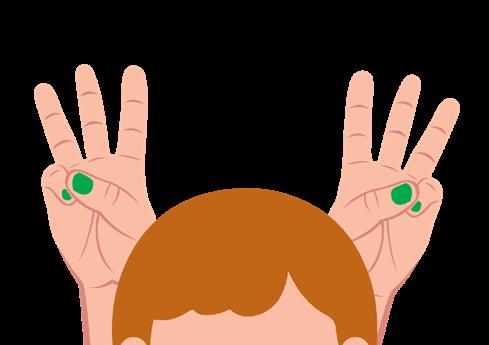

6. Respect Wildlife Observe from a distance.
7. Be Considerate of Others Be kind and courteous.



Lion














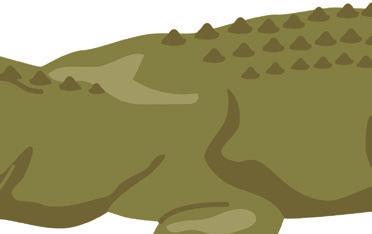

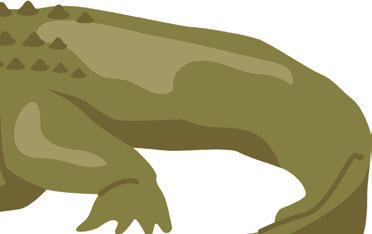

Tiger Bear
Giraffe
Monkey



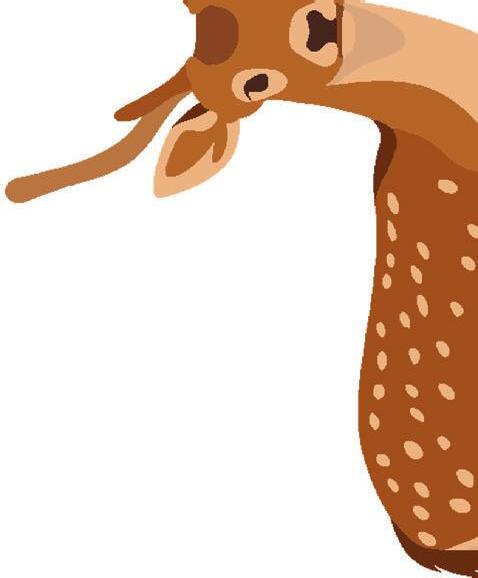
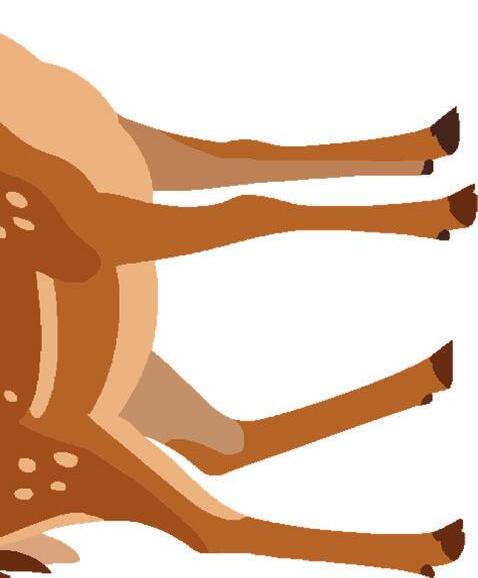


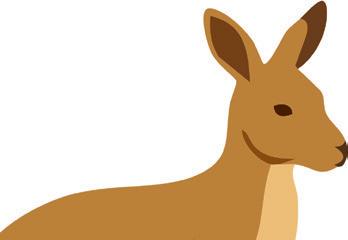
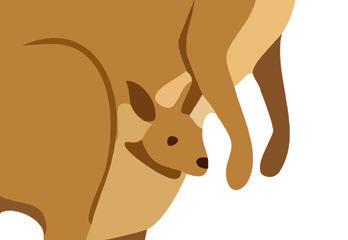

Kangaroo
Panda
Frog Deer
Rhino
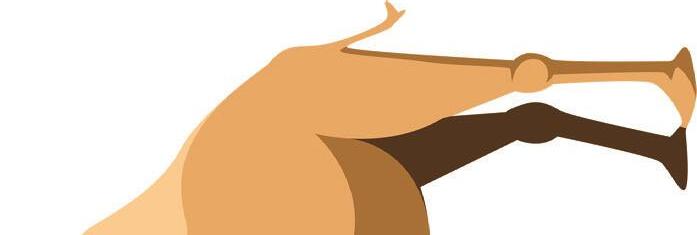










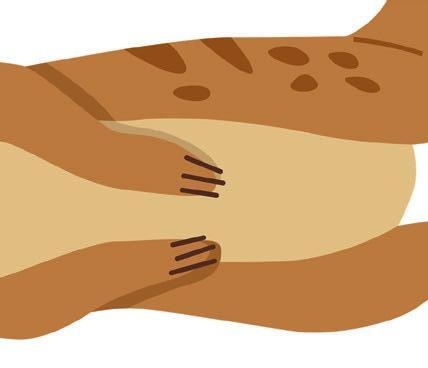





Meerkat
Wolf
Squirrel Scorpion
Otter Moose
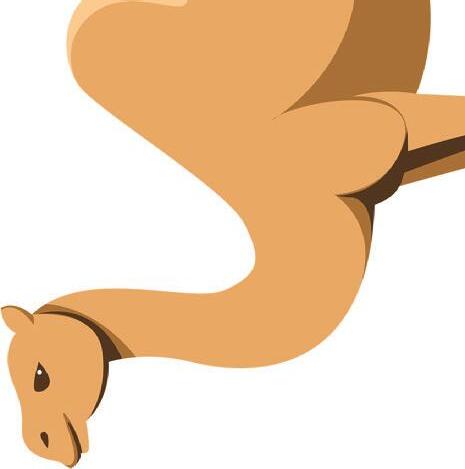
Camel Spider





















Sloth
Flamingo
Koala
Turtle
Caterpillar
Hyena
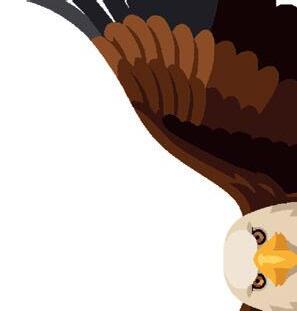
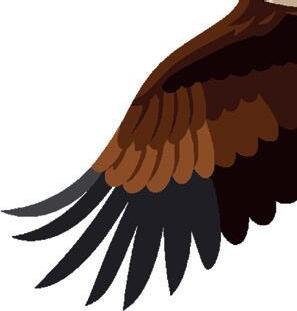
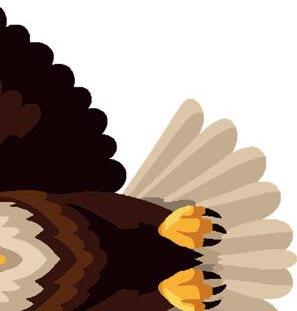
Eagle



















Cat Dog
Rabbit
Mouse Fish
Horse


















Pig Shark
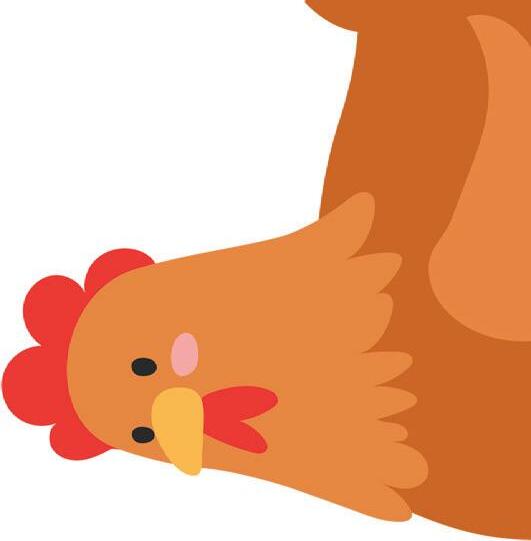
Chicken
Octopus Crab
Dolphin
Penguin Duck
Nature Scavenger Hunt Nature Scavenger Hunt
Pine cone
Green leaf
Brown leaf
Wildflower
Spider web
Feather Bug
Seed Grass
Pine needles
Bird
insect
Round rock
Colorful rock
Rough object
Smooth object
Fallen branch Treasure (to you)
Pine cone
Green leaf
Brown leaf
Wildflower
Spider web
Feather
Bug
Seed Grass
Pine needles
Bird
Flying insect
Round rock
Colorful rock
Rough object
Smooth object
Fallen branch
Treasure (to you)
Nature Scavenger Hunt Nature Scavenger Hunt
Pine cone
Green leaf
Brown leaf
Wildflower
Spider web
Feather
Bug
Seed
Grass
Pine needles
Bird
insect
Round rock
Colorful rock
Rough object
Smooth object
Fallen branch
Treasure (to you)
Pine cone
Green leaf
Brown leaf
Wildflower
Spider web
Feather Bug
Seed Grass
Pine needles
Bird Water
insect
Round rock
Colorful rock
Rough object
Smooth object
Fallen branch
Treasure (to you)
Eco Stewardship Evaluation
Thanks for taking our survey! Please read each question carefully and mark the best answer for you—don’t worry about how your friends are answering. If you don’t understand a question, please ask an adult for help.
Circle your Girl Scout level:
At the event: 1. I shared my opinions and ideas. 2. We learned by doing activities, not just listening. 3. We talked about what worked and didn’t work. 4. The thing I liked most about this event was: 5. Something I didn’t like about this event (not including this survey!) was:
Daisy Brownie Junior Cadette Senior Ambassador Adult
Eco Stewardship
Service Area Published by Girl Scout Volunteer 1 min ago
Join us for an Eco Stewardship event with Service Area! Girl Scouts, are you ready to earn your Eco Stewardship badges? For girls in grades: K–12
Where: Local community center
When: Friday, December 11 | 2–4 PM Register today! Daisies, Brownies, and Juniors, are you ready to