California 2026 State of the Girl Report
REPORT COMMISSIONED BY GIRL SCOUTS OF CALIFORNIA


24
Girls’ Mental Health in California: Risks, Resilience, and Pathways to Support
Yvette Drake McLin, MD, Department of Psychiatry, Kaiser Permanente Los Angeles Medical Center
34
Girl Scouts of California: In Their Own Words
While California girls face complex and evolving challenges, they continue to demonstrate remarkable resilience, offering both urgency and opportunity for action.
Fifteen percent of girls live below the federal poverty level, and 1.8 million girls enrolled in California’s public K–12 schools are identified as socioeconomically disadvantaged, lacking stable housing, health care, and educational opportunity.1,2
Rising concerns related to bullying, cyberbullying, body image, and social media exposure impact girls’ emotional well-being and sense of safety. A majority spend significant time in digital environments that shape identity and self-perception.
girls experience high levels of psychological distress, with many reporting chronic sadness, stress, and unmet mental health needs.3
Persistent disparities across race, income, and language status shape educational access, college pathways, and long-term economic mobility.
girls make up a diverse and dynamic population across California with multilingualism, cultural diversity, and community ties serving as key strengths.4
Declining teen birth rates reflect sustained public health efforts and increased access to information and resources.5
of girls graduate from high school within four years, with more than half completing coursework required for college admission.6
Growing participation in leadership, academic, and extracurricular opportunities supports girls’ confidence, identity development, and future readiness.7
An investment in girls is an investment in California’s future. California’s girls hold extraordinary potential, but helping them succeed requires coordination across families, schools, and communities. By working together, we can ensure that every girl has access to the resources and opportunities she needs. This support will set girls up for success—not only today, but for generations to come.
Girl Scouts of California believes that when girls succeed, California grows stronger. The portrait of a girl’s life is a reflection of the community that surrounds her. People and systems have an undeniable impact on her well-being and opportunities. The findings in this report make one thing clear: No single entity can do this alone. Caregivers, schools, youth programs, policymakers, and philanthropic partners each play a unique and essential role in helping girls reach their full potential.
Equip girls today, and they will change the world tomorrow.
Together, these groups have a major impact:
Caregivers—parents, guardians, family members, and other trusted adults—are among the most important influences in a girl’s life. Strong, supportive relationships are key drivers of well-being and long-term success.8 Yet access to key opportunities is uneven: Higher-income families spend up to nine times more on extracurricular activities, while cost, transportation, and limited access continue to limit participation for many low- and middle-income youth.9 A healthy home provides a nurturing foundation, and while raising children is challenging, supporting caregivers helps them effectively nurture girls’ growth and well-being. The following are powerful ways caregivers can support girls:
Create open conversations about identity, stress, academic pressures, and relationships.
Support mental health and help girls access care when needed.10
Guide healthy technology usage, including social media and online safety.11,12
Encourage wellness routines such as rest, movement, and balanced nutrition.
Discuss healthy relationships, including respect, boundaries, and consent.13,14
Support participation in both in- and out-of-school activities to build confidence and connection.15
Build trust and a culture of belonging so girls know who is in their corner.
Register children in extracurricular programs at low or no cost.
Youth development programs—such as Girl Scouts of California, Boys & Girls Clubs, and other community organizations—create spaces where girls can belong, grow, and lead. These programs are crucial as rising mental health challenges leave girls in need of consistent social and emotional support. Based on survey responses, nearly 4 in 10 girls are estimated to experience serious psychological distress, making safe, supportive environments critical.16 Programs that have access to funding, resources, and expertise can provide more comprehensive support. Here is how youth programs can support girls:
Provide safe spaces where girls feel valued and connected.
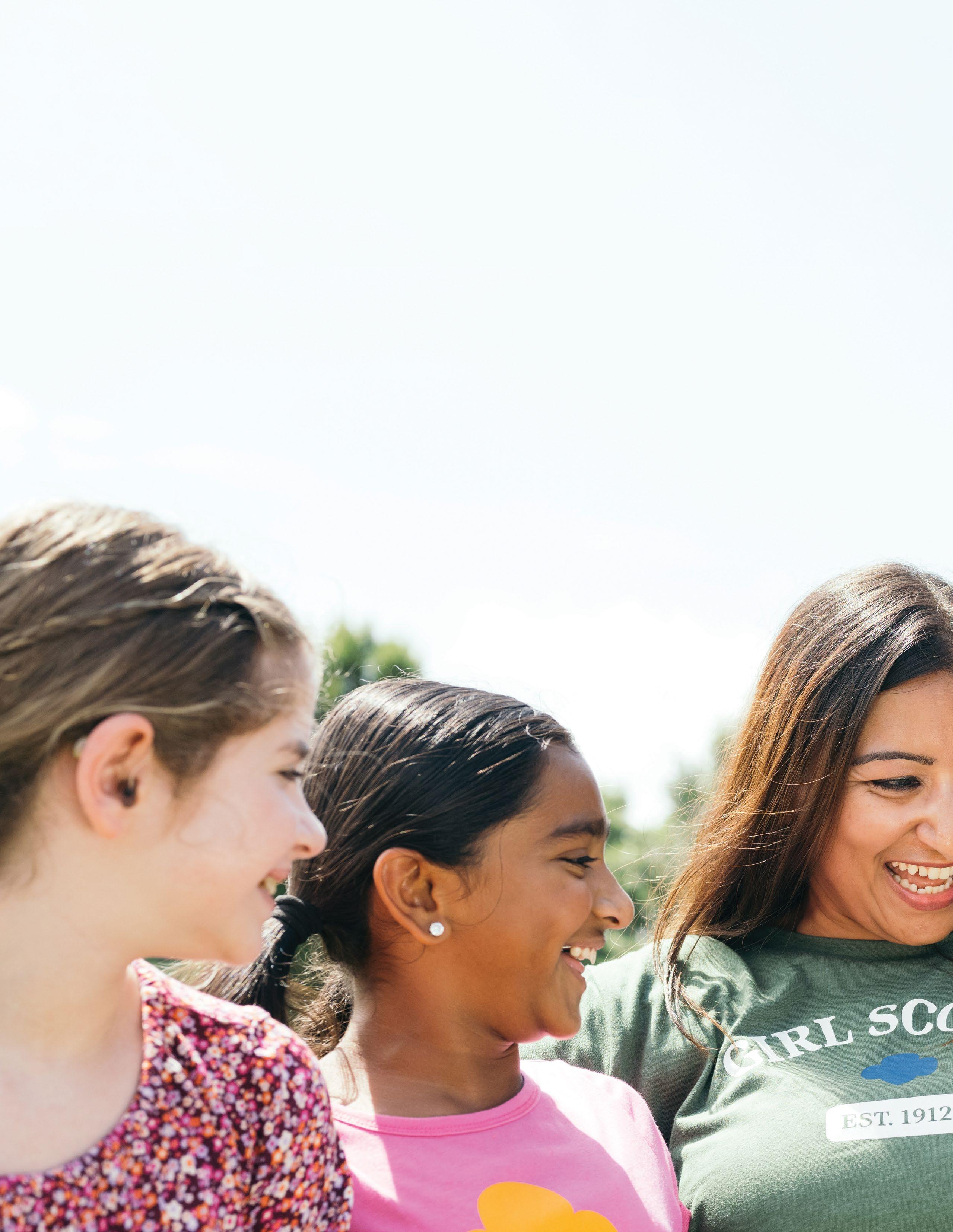
Build strong mentorship and peer programs.
Address bullying, cyberbullying, and body image pressures.
Offer leadership and confidence-building opportunities.
Expand access to STEM, career exploration, and skill-building.17
Provide outdoor experiences for both physical and mental well-being.
Offer career readiness programming and exposure to a variety of industries.
Schools play a central role in girls’ daily lives and future opportunities. While many girls are succeeding academically, the data show a strong connection between academic pressure and mental health. Schools must provide holistic, culturally responsive support while ensuring equitable access to academic opportunities and classroom environments that actively mitigate gender bias. Academic and extracurricular programs are most effective when they work in concert. Here is how schools can support girls:
Expand access to counseling and mental health services.
Create safe and inclusive environments that prevent bullying and harassment.
Foster strong relationships between students and adults.18,19
Support social-emotional learning and stress management.
Balance academic expectations to reduce stress and burnout.
Provide access to leadership, STEM, and career pathways.20
Start the school day 30 minutes later to support students’ rest and overall well-being.
Building an ecosystem that works for girls necessitates resources and financial support. However, philanthropic investment in girls remains limited, representing less than 2% of overall charitable giving.24 This gap underscores both a challenge and a call to action to “Move the 2 Percent” by increasing investment in programs, research, and opportunities that directly support girls’ well-being and advancement. Philanthropy has the power to change what is possible for girls across California. Here is how philanthropic partners can support girls:
Invest in youth mental health, including counseling access, early intervention, and community-based support.
Fund leadership, mentorship, and scholarship programs that build confidence, resilience, and life skills.
Expand access to opportunities, including STEM, career exploration, and enrichment programs.
Support girls from underserved communities, including those facing economic hardship or housing instability.
Invest in outdoor experiences and adventures.
Scale programs that work by supporting evidence-based models that reach more girls across California.
Diversify giving portfolios to support a broader range of causes.
Balance restricted and unrestricted gifts so that institutions can direct funds where they are most needed.
Policy decisions shape the systems that impact California girls’ daily lives—from education to health care to housing. Policy transformation happens at all levels (school, district, county, state, and national) and has a lasting impact. The needs of constituents should guide policy decisions. Therefore, it is essential that those in positions of authority hear directly from girls, and that girls are equipped to advocate for themselves. The data highlight several urgent areas for action, including mental health access and economic stability.21,22 Here are ways policymakers can support girls:
Expand youth mental health services, especially in schools and communities.23
Strengthen policies that address bullying, harassment, dating violence, and AI-generated harassment.
Invest in safe housing and economic stability for families.
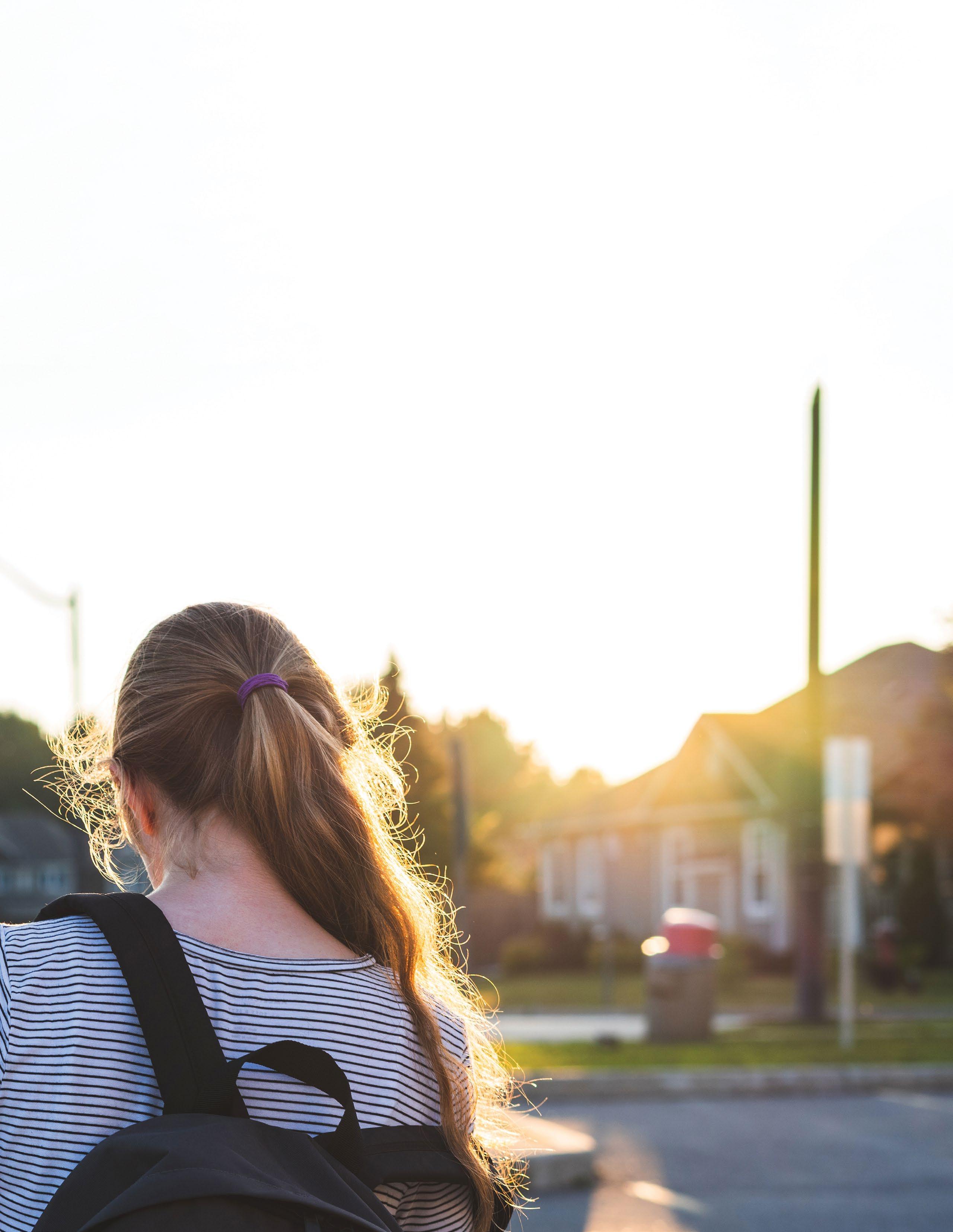
Support equitable access to education and career pathways.
Continue to fund youth development initiatives like before and after school programs.
Create communication pathways to hear directly from girls.
Advance policies and increase investment to protect minors from social and digital harms.
(2024 data unless otherwise noted)
More than 3 million girls ages 5–17 call California home. They represent a large and richly diverse population shaped by a wide range of cultural and economic experiences. These identities are sources of strength, shaping how girls see and move through the world. Yet access to opportunity remains uneven.
In 2024, the Census Bureau reported a total of 6,328,000 children ages 5–17 in California; 49% (3,084,000) of these children were girls.25
Racial and Ethnic Composition of California Girls (ages 5–17) 26
African American/Black Asian Latina White
Other races/Multiple races
Note: Percentages are rounded to whole numbers. The proportions of Latinas and those who do not identify as one of the four racial/ethnic categories have increased. The proportion of African American/Black and White girls have decreased since 2010.
Source: U.S. Census Bureau. American Community Survey 5-Year Estimates
Girl Scouts has really taught me how to have confidence. I’ve struggled with exclusion for the longest time and Girl Scouts is a safe space for me to be myself with encouragement from other girls.”
— CAMERON V., GRADE 10
Most children in California continue to have access to health insurance. In 2024, approximately 97% of girls and boys (ages 6–18) were covered by some form of health insurance. Although fewer than 3% of children in this age group were uninsured, more than 100,000 girls and 100,000 boys across the state still lacked health coverage.27
At the same time, California’s broader health insurance marketplace remained relatively stable in 2026, with 1.9 million residents enrolling or renewing coverage, representing only a 2.7% decline from the previous year.28 Although overall enrollment appears stable, rising costs are impacting the quality of health care coverage. More Californians are choosing lower-cost plans with reduced benefits, —a sign that affordability, not adequacy, is driving enrollment decisions.
In 2024–2025, 1.8 million girls enrolled in California’s K–12 public schools were identified as socioeconomically disadvantaged.29 The vast majority (70%) were Latina; 11% were White, 6.5% were Asian, 6% were African American, and 3% identified as multiracial. Among the other racial/ethnic groups tracked in the California Department of Education reports (American Indian/Alaska Native, Filipino, and Pacific Islander), fewer than 1% were identified as socioeconomically disadvantaged. These disparities show up in poverty rates as well, with clear differences across groups, as seen in the following graph.
Women and girls of all ages
Note: Percentages are rounded.
Source: U.S. Census Bureau. 2024 American Community Survey 1-Year Estimates Percentage of California Girls (ages 5–17) Living Below the Federal Poverty Level 30
The 2024 CHIS survey does allow for filtering based on the respondents’ annual income relative to poverty status. A preliminary look at the data shows that 31% of girls living at or below the federal poverty line likely experienced psychological distress in the past year compared to 41% of girls who live on income up to 5 times greater than the federal poverty line.
A further breakdown revealed that over half (51%) of girls who live on income between one and two times the FPL were likely to experience psychological distress.31 31% GIRLS LIVING AT OR BELOW FEDERAL POVERTY LINE VS 41%
GIRLS LIVING IN HOUSEHOLDS WITH INCOMES UP TO FIVE TIMES THE FEDERAL POVERTY LINE
Percent of CA Girls (ages 12–18) Who Likely Experienced Serious Psychological Distress in the Past Year as a Function of Poverty Status: 2024
INCOME RELATIVE TO FPL (IN PERCENTAGE)
Note: Girls living in households with incomes between one and two times the FPL are most likely to experience serious psychological distress.
Source: California Health Interview Survey
In 2024–2025, about 4% of students enrolled in California’s K–12 public schools were identified as homeless, up from 2.7% who were homeless in 2014–2015.32
Percentage of Girls Enrolled in California’s K–12 Schools Who are Homeless: 2014–2025
Number of girls experiencing homelessness
Note: The term “homeless” is used in this figure to align with the terminology of the original data source. This figure shows the number of girls who were homeless on the first Wednesday in October when annual enrollment counts are recorded.
Source: California Department of Education
Type of Dwelling Accommodation for California’s K–12 Girls Who were Homeless at Some Point During the 2024–2025 School Year
IN TEMPORARY SHELTERS OR HOTELS/MOTELS
Note: “Doubled up” refers to students who are temporarily living with other people due to loss of housing, economic hardship, or a similar crisis. This definition follows the housing categories used by the California Department of Education under the federal McKinney-Vento Homeless Assistance Act.
Source: California Department of Education
Many girls are building strong, healthy habits, even as changing environments shape their physical activity, screen time, and social pressures. Screen time is rising, many girls are not getting enough physical activity, and social pressures are increasing. At the same time, California has made meaningful progress in areas such as teen birth rates, showing that change is possible when systems work together.
Physical Activity. Although 60 minutes of daily physical activity is recommended for youth ages 6–17, few are meeting that goal. Fewer than 30% of youth nationwide—and 35% of California teens—achieve this benchmark, with girls less likely than boys to do so.33,34,35
At the same time, many young people are still spending time outdoors. Sixty-nine percent of California children were active outdoors in the past week, and over 70% of youth nationwide participate in outdoor recreation, though participation drops among teen girls.36,37 Time outdoors also supports mental health by helping young people manage stress and build resilience—reinforcing what programs like Girl Scouts demonstrate every day: outdoor experiences play a meaningful role in supporting girls’ overall well-being.38
Single-year results for small population sizes are statistically unstable; and in California, only data for Hispanic and White populations of girls give stable results for single-year counts. Pooling results over the 3-year period 2022–2024, we find that the variation between racial/ethnic groups is relatively small.
In the 2020 California Health Interview Survey, 84% of girls ages 12–18 said they spent three or more hours on a typical weekend day in sedentary activities. In 2022, about 70% reported using a computer or mobile phone almost constantly throughout the day for social media and other digital activities.40
Source: National Survey of Children’s Health
Healthy Eating. The California Health Interview Survey (CHIS) last looked at teens’ fruit and vegetable intake in 2020 and found that fewer than half of California youth were meeting recommended guidelines. Pandemic-related disruptions to school routines, family economic stability, and access to regular meals may have influenced adolescents’ eating patterns during this period.
Source: California Health Interview Surveys (CHIS) for years listed
Substance Use. Substance use increases as girls get older. For example, 12% of 11th-grade girls reported alcohol or drug use in the past 30 days, compared to 5% of 7th-grade girls.42 Overall, 28% of girls ages 12–18 reported vaping in the past month, and 22% said they have tried alcohol—highlighting the need for continued prevention, targeted education, and supportive environments.43,44 These patterns reflect broader dimensions of adolescent health and risk, including reproductive health outcomes.
California teen birth rates have decreased sharply over the past decade.45
25 TEENS GIVING BIRTH PER 1,000 GIRLS (2006–2010)
TO
4 TEENS GIVING BIRTH PER 1,000 GIRLS (2024)
Roughly 80% of teens who give birth are unmarried, which can compound economic insecurity when young parents lack adequate support. Data show that single mothers are more likely to live in poverty than women overall, and nearly half (49%) of those with three or more children under 18 are below the federal poverty line—highlighting how larger family size increases financial strain.46
Expanding access to education and resources can help girls make informed decisions about their health, relationships, and futures. Caregivers also need support in having open, honest conversations about relationships and sexual health. At the same time, broader cultural influences, including social media, must be addressed, particularly the adultification and objectification of girls in digital and media spaces.47 A balanced approach is needed—one that addresses the structural factors that shape girls’ well-being and long-term opportunities.
Among youth in California programs who reported having dated, 1 in 5 girls (20%) experienced physical dating violence in the past year, underscoring the need for support that addresses physical safety as well as emotional and relational well-being.48
Girls are not just experiencing stress—they are carrying it constantly. They are asking for help, but systems are not always meeting their needs. Emotional well-being is a critical part of adolescent development, shaped by academic, social, and personal pressures. Understanding girls’ mental health in California is essential to identifying gaps in support and improving access to care.
In 2024, the California Health Interview Survey (CHIS) estimated that 38.5% of girls ages 11–18 in California likely experienced serious psychological distress—based on survey responses related to loneliness and chronic sadness. This is nearly double the rate for boys (20%), highlighting a significant gender disparity in mental health outcomes.49
Source: California Health Interview Surveys (CHIS) for years listed
Focusing on the 2024 CHIS results for girls:
38% of girls indicated that they needed counseling over the past year, of those girls:
29% eventually received the mental health care they needed 24.5% received counseling over the past year
43% delayed needed counseling
For 2022–2024, the percentages of girls (12–18 years) who were likely to have experienced serious psychological distress were:
AFRICAN AMERICAN/ BLACK GIRLS ASIAN GIRLS LATINA GIRLS WHITE GIRLS
AVERAGE OF ALL GIRLS
Data from the California Healthy Kids Survey (CHKS) 2023–2025 show how students in grades 7–11 are doing emotionally, including their levels of life satisfaction, stress, and overall mental health.50
Girls face significantly higher emotional challenges than boys:
35% OF GIRLS REPORT CHRONIC SADNESS
16% OF GRADE 7 GIRLS SERIOUSLY CONSIDERED SUICIDE
18–23% OF BOYS REPORT CHRONIC SADNESS VS
7% OF GRADE 7 BOYS SERIOUSLY CONSIDERED SUICIDE VS
Note: These data reflect different age groups rather than the same cohort, indicating that age, and other factors, may shape these patterns.
Well-being indicators appear lower among older girls:
Optimism drops from 49% in Grade 7 to 40% in Grade 11, while distress indicators (e.g., chronic sadness ~35%) remain consistently high.
Nearly 1 in 4 Grade 7 girls report self-harm (24%), compared to 13% of boys, indicating early onset of risk behaviors.
Nonbinary students report the highest levels of distress: up to 54% report social/ emotional distress and 61% report chronic sadness (Grade 9), with over half also reporting self-harm.
If you or someone you know is experiencing emotional distress, thoughts of self-harm, alcohol or drug use concerns, or needs to talk: Call or text the hotline at 988 for free, confidential support. Services are available 24/7/365.
Suicide. While it is difficult to predict who will attempt suicide, indicators of emotional distress provide important insight. About 1 in 10 girls (10%) reported seriously considering suicide, and in 2024, more than 160 youth ages 10–19 in California (62 girls and 101 boys) died by suicide.51
Among teen girls, suicide is second only to accidents/unintentional injuries as a leading cause of death. Although deaths are rare compared with suicidal ideation, this ranking underscores the urgent need for prevention and comprehensive support.
Top Leading Causes of Death for California Girls (ages 10–19): 2024
Per 100,000 Girls
Source: Centers for Disease Control and Prevention, WONDER Database
The data show:
• Suicide rates are much lower than rates of suicidal ideation.
• More boys than girls die by suicide, but more girls than boys seriously consider suicide.
• There is a gap between the number of students who need, and those who receive, timely help.
It is important to note that many students turn to trusted adults for support when formal counseling is not available. In the Healthy Kids Survey, more than half of high school students (62% of girls and 59% of boys in the 11th grade) knew an adult at school who was concerned about them and would listen to them.52
In addition to gaps in counseling support, data suggest that suicide rates among California adolescents have been rising since the COVID-19 disruptions in 2020–2021.53
Concerns about appearance and body image rank among the top factors affecting teen mental health nationwide, and California is no exception. In California, about one in three girls in grades 7–11 reported fasting for 12 hours or more in the past month to control their weight.55 While some forms of fasting can be healthy, they can also be harmful—especially for those struggling with body image or eating disorders. Girls are more likely than boys to engage in this behavior.
Percentage of California Students Who Report Fasting to Control Weight: 2023–2025
Note: Percentages are rounded; data are not available for nonbinary students in continuation schools.
Source: California Healthy Kids Survey, 2023–2025
Girl Scouts taught me that my body isn’t something to fix but it’s something to respect, because it carries me through everything I learn.”
— SAM K., GRADE 4
I can’t thank you enough for such a wonderful experience and opportunity. The confidence and experience my daughter has gained from Girl Scout Camp also helps her in school. She has been able to navigate social situations and stay out of drama. She loves to help others, try new things, and has a confident can-do attitude.”
CAREGIVER
In 2026, there is more awareness of girls’ mental health, but it remains a serious challenge. Girls are more likely than boys to experience stress, anxiety, depression, eating disorders, and thoughts of suicide. These issues existed before COVID-19 but have worsened since, especially for girls facing economic hardship, racism, and other forms of inequality.56
Many pressures shape girls’ mental health, including school demands, family stress, and community violence. Broader concerns—such as climate anxiety (affecting about 38% of California teens), immigration-related fear, and systemic inequities—deepen those challenges. Social media can help girls stay connected, but it can also lead to comparison, bullying, poor sleep, and added stress. Even as the need for support grows, access to care is still uneven. About half of children in the U.S. do not receive the mental health care they need, and suicide remains the second leading cause of death among young people. This highlights the need for earlier support, better access to care, and approaches that are culturally responsive and trauma-informed—while also recognizing the strength and resilience girls show every day.57
Emotional safety and open communication matter. Parents and caregivers can support girls by having regular, judgment-free conversations, listening closely, and encouraging them to express their feelings.
Simple, everyday habits also make a difference. Consistent routines, supportive friendships, and trusted adults help girls feel stable and supported. Healthy sleep, regular physical activity, balanced meals, and setting limits around social media all support mental health. It’s also important to help girls build a strong sense of identity—across culture, race, gender, and more. Encouraging involvement in activities like sports, the arts, or community organizations such as Girl Scouts can build confidence, connection, and a sense of belonging.
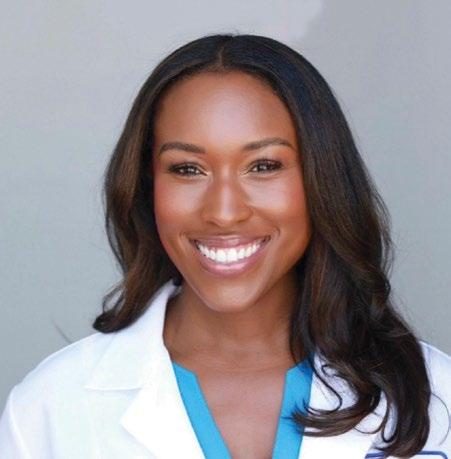
Yvette Drake McLin, MD Department of Psychiatry Kaiser Permanente Los Angeles Medical Center
24/7 Crisis and Immediate Support (Free)
California Youth Crisis Line (ages 12–24)
1-800-843-5200
Crisis Text Line: Text HOME to 741741
Trevor Project (LGBTQ+ youth)
1-866-488-7386 or text START to 678678
Free or Low-Cost Statewide Programs
Soluna – Free mental health app for California youth ages 13–25 (coaching, journaling, selfguided tools)
BrightLife Kids – Free behavioral coaching for caregivers of children ages 0–12
CalHOPE – Free emotional support line and community resources
Medi-Cal (California Medicaid)
• Covers outpatient therapy, psychiatry, crisis services, and intensive programs.
• Access through your county’s behavioral health access line.
• Services available regardless of immigration status for eligible youth.
School-Based Supports (Free)
• School counselors and wellness centers
• School-based health centers
• District mental health programs
• Families can contact school administration or counseling offices directly.
Community-Based and Peer Support Programs
• Girls Inc. (multiple CA locations)
• YWCA
• Local community health clinics (sliding-scale therapy)
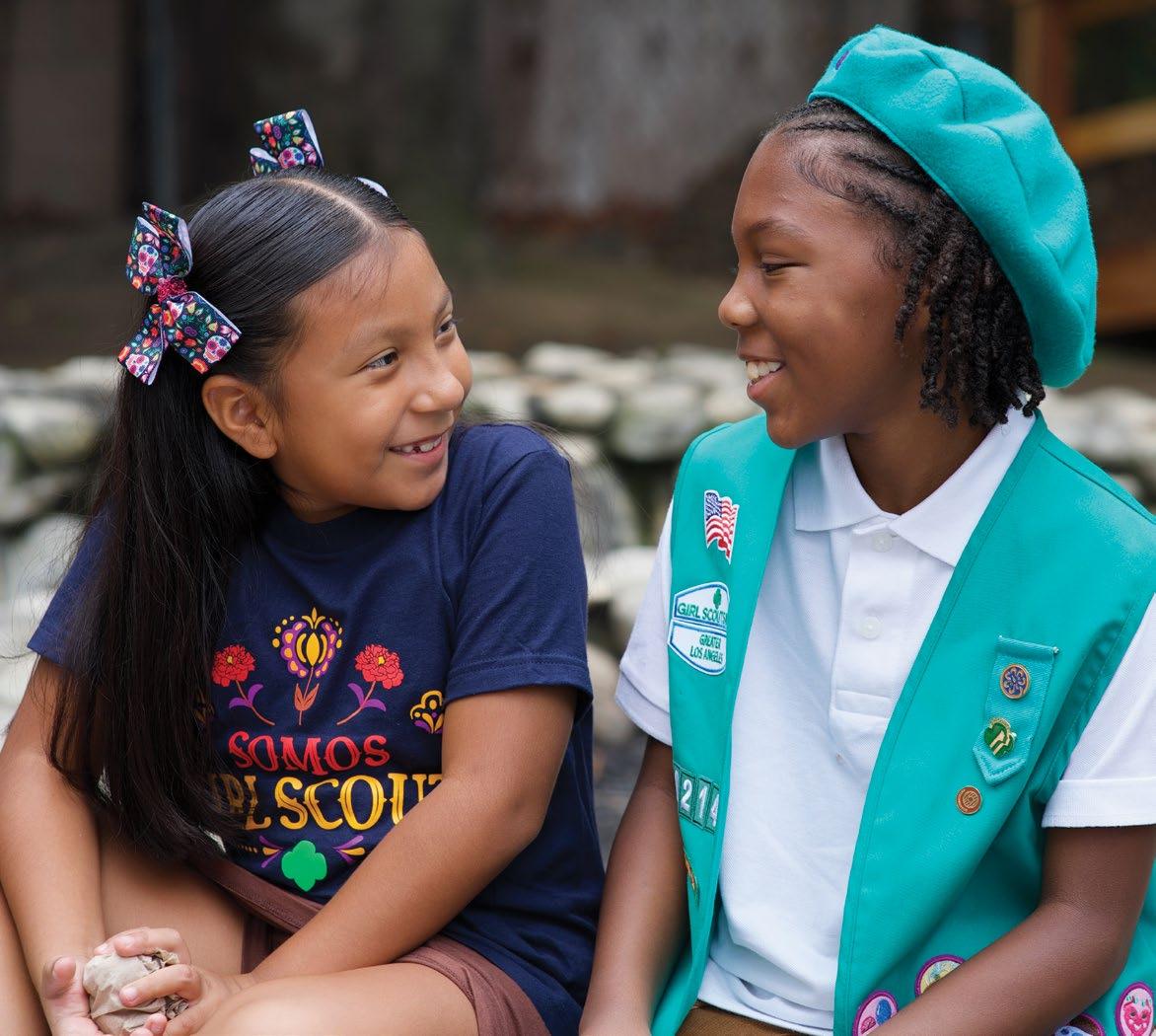

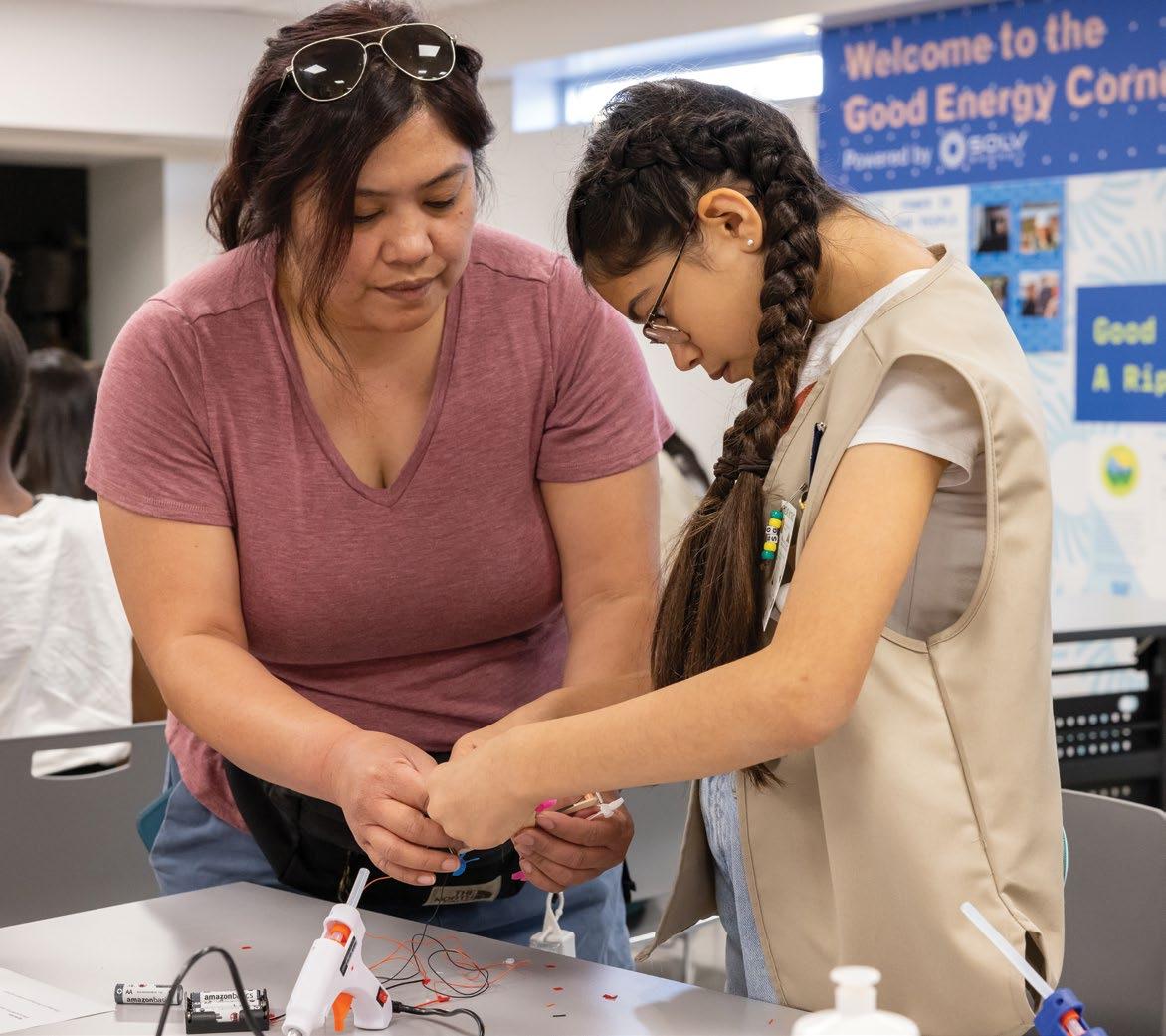
Bullying affects youth of all ages, and in California, about one in four adolescents report being bullied (28% of girls and 25% of boys).58 It tends to be more common in 7th grade, with girls more likely to experience verbal and cyberbullying and boys more likely to experience physical bullying. Overall, about one-third of girls and one-fifth of boys in grades 7–11 report experiencing harassment; among nonbinary students, the rate is more than half.
The rise of smartphones, social media, and near constant connectivity has contributed to increasing anxiety among young people. While research is still emerging, heavy social media use is linked to poorer mental health outcomes, including stress, comparison, and isolation.59
Artificial intelligence is now also a daily presence in girls’ lives. Many girls use AI for creativity, self-expression, communication practice, and learning beyond traditional homework support. At the same time, risks are emerging—including overreliance on AI as a substitute for real relationships, emotional dependency, and oversharing.60 Together, these trends suggest that AI is shaping how they form relationships, process emotions, and see themselves—often without adequate guidance or safeguards.
Although the research base is still emerging, early evidence and observed use patterns point to several consistent dynamics that warrant attention. Four patterns are particularly clear:
Adolescent girls are using AI chatbots for emotional support, simulated companionship, and advice on sensitive topics, including mental health, sexuality, and family conflict.
AI-generated harassment and the rise of synthetic image abuse are introducing new forms of harm. California’s specific exposure is shaped by the state’s high concentration of AI development, high smartphone penetration, and large girl population—giving the state both a particular responsibility and an opportunity to lead on protective legislation.
AI-driven beauty standards are reshaping comparison dynamics, creating an environment in which the ideals girls measure themselves against are increasingly non-human; the integration of these tools directly into everyday platforms has accelerated this comparison loop.
Unequal access to AI literacy is widening existing inequities. Girls in higher-resource environments are more likely to encounter AI as a tool for learning and productivity, while girls in under-resourced settings are more likely to encounter AI as harassment, manipulation, or as a substitute for social connection.
In 2022, 70% of California girls reported spending many hours or almost all day on social media, up six percentage points from 2019. Only 1 in 10 girls reported spending no more than a few hours each day on social media.61
Note: Percentages are rounded; survey results were filtered for California girls aged 5–17.
Source: California Health Interview Survey for the years listed
A 2025 survey of California youth (ages 14–25) found that over half spend four or more hours daily on social media, which—while a primary source of news for 63% of respondents and a source of social connection for 42% of respondents—is widely linked to harm. Youth also reported harmful effects including misinformation (84%), negative body image (72% overall, including 83% of girls), and cyberbullying (33%).62
Cyberbullying. Cyberbullying involves spreading rumors, lies, or harmful or altered images online, often through social media or phones, where content can spread quickly and reach large audiences. A greater percentage of high school girls than boys are targeted by this form of harassment.
The highest rates of bullying among California secondary school students in 2023–2025 were observed in 7th grade, where one in three girls reported experiencing cyberbullying.63 Emerging research also shows that AI chatbots may exacerbate these harms by making it easier to create and spread harmful content, increasing how far and how quickly online harassment can reach girls.64
Note: Data are not available for nonbinary students in continuation schools. The enrollment count is taken in October of the academic year.
Source: 2023–2025 California Healthy Kids Survey
Girl Scouts has helped me learn how to handle stress and work through difficult challenges without feeling alone. It reminds me I’m stronger than I think and that I can do hard things.”
— GABRIELLA A.,
In 2022, nearly half (46%) of teens ages 13–17 nationwide said they had been bullied or harassed online, with offensive name-calling being the most common. Girls are also more likely than boys to experience multiple forms of cyberbullying.65
Girls are more likely to experience forms of bullying that target their reputations. They are also more likely than boys to receive unsolicited explicit images or to have images of them shared online without their consent. With AI tools making it easier to alter photos, girls are increasingly being targeted with harmful, fake images, such as explicit or altered images of their bodies that can be shared widely online.
A Pew Research Center study shows that teens who are most often online are more likely to be harassed (53% vs. 40%) and to experience multiple forms of cyberbullying (37% vs. 21%) than those who spend less time online.66
Fifteen percent of U.S. teens in the study believe they were targeted because of their appearance (17% of girls and 11% of boys). Older girls are more likely to believe they were targeted because of physical appearance than younger girls (17% and 11%, respectively).
Strategies to Reduce Bullying and Cyberbullying. Based on guidance from the California Department of Education and StopBullying.gov, the top five strategies to reduce bullying in California are:
Create safe and inclusive school environments.67
Adopt and enforce clear anti-bullying policies.68
Establish comprehensible reporting and response systems.
Increase awareness and provide training for families, staff, and students.
Build a community-wide prevention approach.
Education is key to girls’ future opportunities and economic mobility. In 2024–2025, about 2.8 million girls, nearly half of California’s K–12 students, were enrolled in public schools. While 89% of California girls graduate on time, gaps still exist across racial, economic, and language groups.69
Enrollment in K–12 California Schools. In 2024–2025, 5.8 million students were enrolled in California’s K–12 public schools; just over 2.8 million (49%) were girls.70
Note: Percentages are rounded.
Source: California Department of Education
High School Completion Rate. The California Department of Education tracks student cohorts over four years. To measure graduation rates, they account for transfers and students who drop out. Most students graduate on time (87.5%), including 89% of girls, and more than half of those girls (59%) meet the requirements for admission to the University of California (UC) or California State University (CSU) systems.71 Note:
The dropout rate accounts for students in the original cohort who left the California school system and did not transfer. Although the graduation rates of African American/Black girls (84%) and American Indian/Alaska Native girls (83%) are not far from the California average (89%)—about five to six percentage points lower—their dropout rates are the highest, at approximately three to four percentage points above the state average.
Some students take more than four years to complete their high school diplomas, and graduation rates are slightly higher when a fifth year is included. For example, 89% of girls in the 2023–2024 cohort graduated in four years, compared to 90% within five years.72
Multilingual Learners in California’s K–12 Public Schools. California has strong programs to support Multilingual Learners (MLLs) who may need help with reading and writing in English. More than 200 languages are spoken across the state, but only a few are widely represented—about 28% of students speak Spanish, while 2% speak Mandarin and 1% speak Vietnamese.73
69% speak one of the other 200 languages
28% speak Spanish
2% speak Mandarin
1% speak Vietnamese
Recent survey data from the California AIM Ideas Lab program show that academic demands are a major source of teen stress. The most common challenges are academic stress (68%), lack of sleep (63%), lack of motivation (62%), and heavy homework loads (62%).74 These pressures can disrupt school–life balance and lead to burnout. While high expectations can be helpful, they can also become harmful when they create ongoing stress—underscoring the need for more balance.
68%
REPORT HEAVY HOMEWORK LOADS
Postsecondary Readiness. Girls are making strong strides in postsecondary readiness, with 71% enrolling in college within one year after high school, compared to 66% of all students.75 However, access to opportunity remains uneven—86% of students who meet UC/CSU requirements enroll, compared to just 52% of those who did not meet UC/CSU requirements.76
Career Readiness. Girls are exploring Career and Technical Education (CTE) pathways. In 2023–2024, 676,000 California students were enrolled in CTE programs, nearly double the number enrolled in 2019–2020. Girls made up nearly half of CTE students statewide.77 In 2025, 23% of graduates completed a CTE pathway, and 14% completed both CTE and UC/CSU requirements, reflecting strong preparation for college and careers.78 However, participation patterns and outcomes reveal persistent disparities in who has access to these opportunities.
Percentage of California High School Graduates Completing at Least One California Career and Technical (CTE) Pathway: 2025
Percentage who completed at least one CTE pathway
Percentage who completed at least one CTE pathway and met UC/CSU requirements
Note: High school graduates who did not meet UC/CSU requirements or who did not complete at least one CTE pathway are not counted in this table, so percentages across any row will not add to 100%.
Source: California Department of Education
California girls are moving through school and getting ready for college and careers with strong graduation rates and growing participation in college and career pathways. However, gaps by race, income, and language still exist—highlighting the need for more equitable opportunities and expanded youth development programs like Girl Scouts.
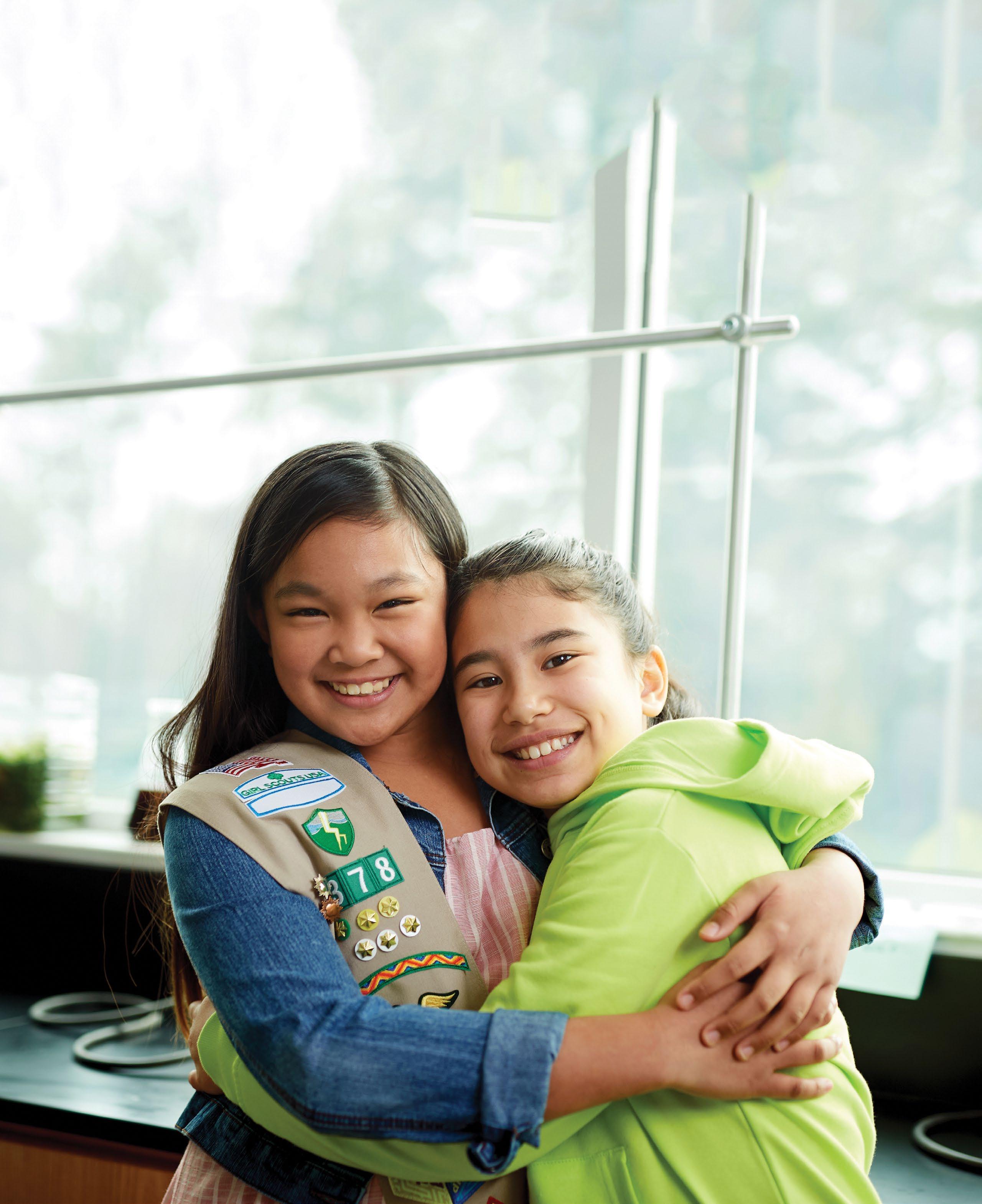
Girl Scouts of California empowers girls to build confidence, lead with courage, and use their voices to shape the world around them. As part of this report, Girl Scouts across California were invited to reflect on where they feel safe, how technology and phones affect their minds and well-being, and the challenges they face growing up in today’s society. Their responses offer powerful insight into the experiences, concerns, and hopes of girls today.
Where I feel safe has changed a lot over time. I used to struggle with being around the right people because I was always nervous and cared too much about what others thought of me. I was a people-pleaser, often ignoring my own feelings just to fit in. Even when I knew certain friendships weren’t good for me, I stayed because I didn’t want to upset anyone or be alone.
Over time, I began to understand that feeling safe means being surrounded by people who respect and support you. Through my Girl Scout experience, I started to see what that kind of environment looked like. I was encouraged to use my voice, try new things, and be accepted for who I am. That gave me the confidence to step away from relationships that no longer served me. I learned how to set boundaries and stand up for myself—even when it felt uncomfortable. That process helped me grow and become more confident.
Today, I feel supported and accepted by the people in my life. I’ve made some of the best friends I could ask for. A first-year college student, that I met, showed me what genuine support looks like.
Two of my friends have been by my side since 8th grade and have seen me through everything. I also feel a strong sense of belonging with my close friends in my school club, who always make me feel included.
These relationships—and what I’ve learned through Girl Scouts—remind me that I don’t have to change who I am to belong. And that’s what truly makes me feel safe. — Amelia, Grade 11, Roseville, CA
Ping. She lifts her phone as if it’s a ticking bomb and her eyes dart looking for a message. Ping. Ping. Her heart is filled with adrenaline now as she scrolls and beams over a message that reads, “OMG, that is soooo cute! Where did you get it?” She sighs. Exactly what she needed. Acceptance from someone she didn’t know, through a blue-light screen.
This is exactly what millions of teen girls go through whenever they post something.
Whether it’s a reel, story, or video, all girls look for praise through a digital screen. Now you may not believe that this could possibly be you, but it is. Whether you’re texting your mother or on a call with friends, you only want positive feedback. One bad comment can ruin your mood, and even your day. This is what social media does to girls—it makes us long for acceptance and validation. Now, is this a bad thing? Not always. Maybe you’re lacking these feelings at home.
Social media is the “only” outlet. So, it must be a good thing, right?
Well, it’s quite complicated, because social media can be a good thing, but the longing for fame can become an obsession. A negative comment can lead to a girl sulking in darkness, especially if she is more sensitive for being too open to social media.
Social media needs to be balanced; everyone is aware of how it affects girls’ physical health, but what about girls’ mental well-being? All in all, we need to reinforce our balance with social media and look into finding ourselves, not letting other people tell us who we are! — Valentina, Grade 7, Santa Clarita, CA
In American culture, it can be argued that students' most impactful year of schooling is their senior year of high school. It was in this year that I read the book Franny and Zooey by J.D. Salinger. In the story, the American novelist wrote the following: “I’m sick of not having the courage to be an absolute nobody.” Since then, this quote has remained with me and continues to impact me. In the quote, Franny is conveying the importance of embracing one’s true self.
As I continue on my unique path after high school, I hope to fill the moments between seasons as myself, with my own individuality and the expectations I set. This sentiment is undoubtedly more challenging to implement, as I am aware that there will be pressure to conform to artificiality and abandon my individuality.
If there is one lesson I have learned thus far, it is that I am somebody. My confidence in my identity and essence has been cemented through my involvement and the impact I have as a leader on those around me. I made an impact whether I was leading my swim team through wins or losses or being a role model for younger girls as a Girl Scout. I know that in my future, when I create new involvements, I will have the courage to push back and not conform, becoming the change by expressing my authenticity. — Elle, Grade 12, San Diego, CA
As a girl juggling extracurricular activities and honors classes, I’ve found that I can no longer enjoy the things I’m doing because I’m so consumed by what’s due or what’s coming next. School no longer feels like a place to simply learn; it feels like a constant fear of falling behind. — Emma, Grade 10, Baldwin Park, CA
Texting and social media only add to academic pressure because they force a person to compare themselves to others, which often leads to self-doubt. — Anneke, Grade 8, La Canada Flintridge, CA
Feeling safe is less about being protected and more about being understood. It’s knowing that it’s okay to fall apart, and it’s okay to be okay. In a world that constantly demands that girls perform, change, or react, safety isn’t only a comfort but something that teaches the importance of understanding. — Jada, Grade 11, Murrieta, CA
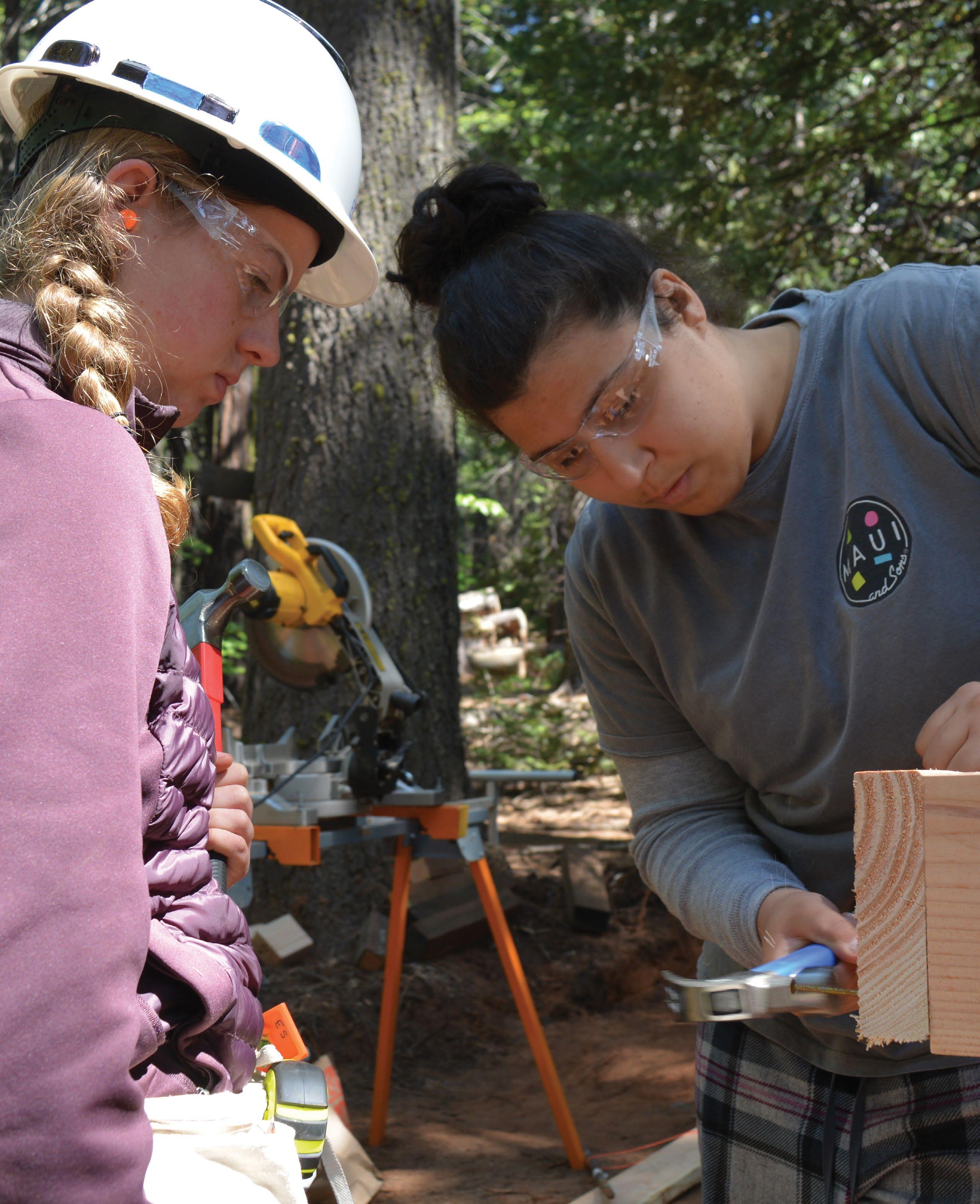
Social capital and community connectedness are essential to girls’ healthy development, leadership, and long-term well-being. Social capital refers to the resources, support, and opportunities that young people access through their relationships and networks. Research from Search Institute shows that young people thrive when they feel seen, valued, and safe; experience sense of belonging and purpose; and are connected to meaningful opportunities.79 The National Academies of Sciences, Engineering, and Medicine (2025) similarly find that out-of-school time (OST) programs play a significant role in positive youth development, often serving as safe havens where youth build trusting relationships, develop character, and gain confidence.
Search Institute identifies several evidence-based strategies to strengthen social capital and community connectedness within youth-serving environments:
• Create relationship-rich environments grounded in trust and consistent adult support.
• Ensure safe, inclusive spaces that affirm diverse identities.
• Center youth voice and leadership through shared decision-making.
• Build mentorship programs, peer networks, and developmental relationships.
• Strengthen community partnerships that connect youth to opportunity.
This work aligns with Community Cultural Wealth Theory, which reframes social capital by recognizing the strengths young people already possess—particularly girls of color, immigrant girls, and girls from under-resourced communities.80 These forms of capital include aspirational, linguistic, familial, social, navigational, and resistant capital. The framework also underscores that access to valued knowledge, networks, and institutional resources is shaped by power and structural inequities.
When programs like Girl Scouts intentionally build developmental relationships and draw on girls’ existing strengths, they support individual growth while also helping girls shape the social, civic, and economic future of their communities.
As I worked on my Gold Award, Moorpark Career Closet, I learned how to present myself and my ideas to local leaders and adults in a poised and respectful way that led to fruitful collaboration that didn’t just serve me and my goals, but benefited my community at large.”
— CAMRYN C., GRADE 11
Are California’s girls okay?
The honest answer is more complicated than yes or no.
California’s girls are extraordinary. More than three million of them are growing up in this state right now, speaking more than 200 languages among them, carrying cultural heritages and community ties that are among California’s greatest assets. They are graduating from high school at historic rates. Teen birth rates have dropped by 84 percent in 15 years. Participation in career pathways, leadership programs, and enrichment activities is climbing. By every traditional measure of adolescent achievement, this is a generation that is showing up.
And they are tired. Nearly four in ten California girls show signs of serious psychological distress. One in three seventh-grade girls reports being targeted by cyberbullying. More than 112,246 girls in our K–12 schools experienced homelessness last year. They are managing academic, digital, and economic pressures that no previous generation has faced at this scale, and too many of them are managing these pressures without the support they need.
This is not a story of girls failing. It is a story of systems falling short of girls who are doing their part.
The data in this report point to a hopeful truth: we know what works. Trusted adults. Safe spaces. Mental health care. Time outdoors. Leadership opportunities. Family stability. Each of these is welldocumented in the research. Each is unevenly available across California. Closing that gap is not a mystery—it is a choice. And it is a choice that families, schools, youth programs, policymakers, and philanthropic partners make together.
California faces that choice now. We can continue to expect girls to navigate rising pressures on their own, or we can build a coordinated system of support that strengthens their well-being, leadership, and future. When we invest in girls, we are not simply addressing a social issue. We are shaping California’s long-term social, civic, and economic vitality.
California’s girls are ready. The only remaining question is whether the rest of us are.
This report analyzes the well-being, opportunities, and experiences of girls in California using publicly available datasets, government statistics, and research studies. Primary sources include the U.S. Census Bureau’s American Community Survey (ACS), the California Health Interview Survey (CHIS), the California Healthy Kids Survey (CHKS), and California Department of Education data on enrollment, graduation, and student outcomes. Additional context is drawn from national surveys and research on youth health, safety, and digital environments.
Because data are drawn from multiple sources and years, findings should be interpreted as indicators of broader trends rather than exact comparisons. Where possible, data are disaggregated by gender and other demographic characteristics, including selected comparisons to boys and other gender identities to provide context.
To inform the report’s discussion of social capital and community connectedness, we also drew on research from Search Institute, particularly Impactful Practices and Strategies in Out-of-School Time Programs: Relationships Are the Work (2025), which highlights the role of developmental relationships and supportive environments in youth well-being. The report’s framework is also informed by the concept of community cultural wealth developed by Tara J. Yosso (2005), which expands traditional understandings of social capital by recognizing the strengths and resources embedded within communities. Additional scholarship on intersecting inequalities, together with educational data from the California Department of Education, further informed the analysis of the pathways shaping girls’ access to opportunity and connectedness across California.
The data in this Report are based primarily on 2024 data, which are the latest available datasets.
Gender. The Report is generally written in binary terms based on the large proportion of the population which identifies as female or male.
• Girls, females. Although ‘female’ is commonly used in demographic reporting, this report primarily uses ‘girls’ (females under age 18) and ‘women’ (females ages 18 and older) as the preferred terms.
• Boys, males. The age distinctions used for girls and women generally apply here as well.
Racial/ethnic distinctions in surveys. These categories are usually self-identified by respondents. The U.S. Census Bureau is in the process of updating the racial/ethnic groups it tracks. Census surveys currently allow respondents to select a single race or identify as multiracial. For this analysis, individuals counted in a specific racial category are those who identified with that race alone. Ninety-five percent of California women self-identify as one of four racial/ ethnic groups: African American or Black, Asian, Latinx or Hispanic, and White.
• Latinx refers to a group of mixed genders, Latina refers to Latinx women, and Latino refers to Latinx men. In Census Bureau counts, Latinx persons, or persons of Hispanic origin, may be of any race.
• African American, as used in this Report, also includes persons who identify as “Black.”
• Asian American refers to a person who identifies as Asian and who is residing in the United States.
• White includes anyone who identifies as such or is classified in the White category based on ethnic identification (Middle Eastern/North African ethnicities, for example). Persons who have identified a Latin or Hispanic heritage are counted in their own ethnic grouping.
• Two other racial groups native to the United States or its territories are tracked by the Census Bureau: American
Indian/Alaska Native (AI/AN) and Native Hawaiian/Pacific Islander (NH/PI). However, statistical data at the level used in this report are generally not stable or reliable due to the small population sizes.
Students experiencing homelessness. Students experiencing homelessness are identified by local educational agencies under the federal McKinneyVento Homeless Assistance Act and reported through the state’s education data system, with approximately equal numbers of girls and boys among those identified. This report uses the term “homeless” to align with the language of the underlying data sources. We recognize that terminology in this area is evolving, and we use it here for consistency and accuracy in reporting on girls experiencing homelessness.
All statistical data are imprecise. The reliability or precision of data depends on the size of the sample studied and how representative the sample is of the population as a whole. For simplicity, margins of error are not provided in this report, and data are generally rounded to whole numbers. Use caution when comparing any numbers that are close in value. Specific margins of error can be found in many of the references cited. For surveys focused on particular audiences, the results apply only to those respondents.
• Survey data are only as accurate as the respondents’ answers. Many surveys ask participants numerous questions, some of which require specific and extensive knowledge. When using survey data, it is assumed that respondents answer as truthfully as they can. However, individuals may differ in their understanding of questions, life experiences, and knowledge of relevant facts.
• Go to the source in the endnotes. The following endnotes provide detailed citations for all data and claims presented in the Report.
1 U.S. Census Bureau. (2024). American Community Survey (Table B17001: Poverty status in the past 12 months by sex by age). http://data.census.gov
2 California Department of Education. (2025). Enrollment reports, 2024–2025 https://dq.cde.ca.gov
3 UCLA Center for Health Policy Research. (2026). California Health Interview Survey (CHIS): Mental health and access to treatment module [Data set]. Retrieved February 2026, from https://ask.chis.ucla.edu
4 U.S. Census Bureau. (2024). American Community Survey (Table B01001: Sex by age). https://data.census.gov
5 U.S. Census Bureau. (2006–2024). American Community Survey (Table S1301: Fertility; 5- and 1-year estimates). https://data.census.gov
6 California Department of Education. (2025). Graduation rates and outcome data, 2024–2025 [Data set]. https://dq.cde.ca.gov
7 Search Institute. (n.d.). Developmental assets framework. https://searchinstitute.org/developmental-assets
8 Search Institute. (2025, November). Impactful practices and strategies in out-of-school time programs: Relationships are the work [Research brief.] https://searchinstitute.org/resources-hub/impactful-practices-andstrategies-in-out-of-school-time-programs-relationships-are-the-work
9 University of Southern California Rossier School of Education. (2025). New study highlights supply and demand gaps in after-school programs. USC EdPolicy Hub. https://rossier.usc.edu/news-insights/news/2025/ september/new-usc-study-highlights-supply-and-demand-gaps-afterschool-programs
10 Centers for Disease Control and Prevention. (2023). Youth risk behavior survey data summary & trends report: 2013–2023. U.S. Department of Health and Human Services. https://www.cdc.gov/yrbs
11 UNICEF. (2021). Digital well-being and online safety for children and adolescents. https://www.unicef.org/protection/keeping-children-safe-online
12 Common Sense Media. (2026, March 23). The state of kids and families in America 2026. https://www.commonsensemedia.org/research
13 StopBullying.gov. (2024). Cyberbullying prevention and response. U.S. Department of Health and Human Services. https://www.stopbullying.gov/ cyberbullying/prevention
14 Centers for Disease Control and Prevention. (2023). Youth risk behavior survey data summary & trends report: 2013–2023. U.S. Department of Health and Human Services. https://www.cdc.gov/yrbs
15 National Academies of Sciences, Engineering, and Medicine. (2019). Promoting positive adolescent health behaviors and outcomes. National Academies Press. https://doi.org/10.17226/25552
16 UCLA Center for Health Policy Research. (2026). California Health Interview Survey (CHIS) [Data set; mental health and access to treatment module; respondents ages 11–18]. Retrieved February 2026, from http://ask.chis. ucla.edu
17 California Department of Education. (2024). Career technical education in California. https://www.cde.ca.gov
18 Boat, A. A., Poparad, H., & Hsieh, D. (2022). Mentoring relationships as catalysts for strengthening youth social capital: Findings from DREAM’s Village Mentoring Program. Search Institute. https://searchinstitute.org/ resources-hub/mentoring-relationships-as-catalysts-for-strengthening-youth-social-capital
19 Search Institute. (n.d.). Developmental assets framework. https:// searchinstitute.org/resources-hub/developmental-assets-framework
20 California Department of Education. (2024). Career technical education in
California. https://www.cde.ca.gov
21 Mental Health Student Services Act, Cal. Welf. & Inst. Code § 5886 (2018). https://leginfo.legislature.ca.gov
22 California Department of Education. (2025). Annual enrollment report: Homeless student data. https://dq.cde.ca.gov
23 Safe Place to Learn Act, Cal. Educ. Code § 234.1 (2011). https://leginfo. legislature.ca.gov
24 Women’s Philanthropy Institute. (2024). Women & Girls Index 2024: Measuring giving to women’s and girls’ organizations. Indiana University Lilly Family School of Philanthropy. https://scholarworks.indianapolis.iu.edu/ items/1699e7c4-c1ae-4958-b3fd-ea0140fb7505
25 U.S. Census Bureau. (2024). American Community Survey (Table B01001: Sex by age). https://data.census.gov
26 U.S. Census Bureau. (2006–2024). American Community Survey (Tables B01001, B01001B, D, H, I: Sex and age; 5-year estimates). https://data.census.gov
27 U.S. Census Bureau. (2024). American Community Survey (Table B27001: Health insurance coverage status by sex by age). https://data.census.gov
28 Ibarra, A. (2026, February 28). Californians are staying insured—but settling for health coverage they may not use. CalMatters. https://calmatters.org/ health/2026/02/covered-california-health-bronze-plan
29 California Department of Education. (2025). Enrollment by ethnicity and grade, 2024–2025. DataQuest. https://dq.cde.ca.gov
30 U.S. Census Bureau. (2024). American Community Survey (Tables B17001, B17001B, B17001D, B17001H, B17001I: Poverty status in the past 12 months by sex by age). https://data.census.gov
31 UCLA Center for Health Policy Research. (2024). California Health Interview Survey (CHIS) (Health behaviors). https://ask.chis.ucla.edu
32 California Department of Education. (2025). Homeless student data. DataQuest. https://dq.cde.ca.gov
33 U.S. Department of Health and Human Services. (2026). National Survey of Children’s Health (2023–2024) [Data set]. Data Resource Center for Child and Adolescent Health. https://www.childhealthdata.org/
34 Centers for Disease Control and Prevention. (2020). Youth risk behavior surveillance—United States. https://www.cdc.gov/mmwr/volumes/69/su/ su6901a1.htm
35 UCLA Center for Health Policy Research. (2022). California children’s health and activity data. https://healthpolicy.ucla.edu/our-work/askchis
36 KidsData. (2023). Outdoor activity among children in California. https:// www.kidsdata.org
37 Outdoor Industry Association. (2022). Outdoor participation trends report. https://outdoorindustry.org/wp-content/uploads/2015/03/2022-Outdoor-Participation-Trends-Report-1.pdf
38 National Institutes of Health. (2021). Nature exposure and adolescent mental health. https://pmc.ncbi.nlm.nih.gov/articles/PMC8125471/
39 U.S. Department of Health and Human Services. (2024). National Survey of Children’s Health (2023–2024, Indicator 1.5) [Data set]. Data Resource Center for Child and Adolescent Health. Retrieved March 6, 2026, from https:// www.childhealthdata.org
40 UCLA Center for Health Policy Research. (2022). California Health Interview Survey (CHIS) (2020 and 2022: Health behaviors). https://ask.chis.ucla.edu
41 UCLA Center for Health Policy Research. (2024). California Health Interview Survey (CHIS) (Health behaviors). https://ask.chis.ucla.edu
42 California Department of Education. (2026). California Healthy Kids Survey (CHKS) (2023–2025 data; substance use module) [Online dashboard]. https://calschls.org/reports-data/public-dashboards
43 California Department of Education. (2026). California Healthy Kids Survey (CHKS) (2023–2025 data; substance use module) [Online dashboard].
https://calschls.org/reports-data/public-dashboards
44 UCLA Center for Health Policy Research. (2024). California Health Interview Survey (CHIS) (Health behaviors). https://ask.chis.ucla.edu
45 U.S. Census Bureau. (2006–2024). American Community Survey (Table S1301: Fertility; 5- and 1-year estimates). https://data.census.gov
46 U.S. Census Bureau. (2024). American Community Survey (Table S1702: Poverty status of families). https://data.census.gov
47 Rocca, N. (2026, January). I’m just a girl in the world (That’s all you’ll let me be): Exploring young women’s perceptions of hypersexualization and infantilization within experiences of girlhood. Women’s Studies International Forum, 114, 103235. https://doi.org/10.1016/j.wsif.2025.103235
48 California Department of Public Health, Maternal, Child and Adolescent Health Division. (2020, December). Data brief: Adolescent dating violence among program participants https://www.cdph.ca.gov/Programs/ CFH/DMCAH/AshEd/Pages/Adolescent-Dating-Violence-Among-Program-Participants.aspx
49 UCLA Center for Health Policy Research. (2024). California Health Interview Survey (CHIS) (Mental health and access to treatment). https://ask.chis. ucla.edu
50 California Department of Education. (2026). California Healthy Kids Survey (CHKS) (2023–2025 pooled data; social and emotional health module; behavioral health module) [Online dashboard]. https://calschls.org/reports-data/public-dashboards
51 Centers for Disease Control and Prevention. (2026). CDC WONDER [Online database]. https://wonder.cdc.gov
52 California Department of Education. (2026). California Healthy Kids Survey (CHKS) (2023–2025 pooled data; behavioral health module) [Online dashboard]. https://calschls.org/reports-data/public-dashboards
53 Centers for Disease Control and Prevention. (2026). CDC WONDER [Online database]. https://wonder.cdc.gov
54 AIM Youth Mental Health. (2025). State of youth mental health 2025: California teens are demanding a mental health revolution [Report]. https:// aimymh.org/wp-content/uploads/2025/07/California-2025-AIM-IdeasLab-Results.pdf
55 California Healthy Kids Survey (Public data dashboard accessed February 2026) Most recent data pooled from 2023-2025 survey results. Behavioral Health Module. https://calschls.org/reports-data/public-dashboards
56 Hindmarch, G. M., Meza, J., Shimkhada, R., Padilla-Frausto, I., & Eisenberg, D. (2025). Climate change stress among adolescents in California: Associations with psychological distress, suicide ideation, and social and demographic factors. Journal of Adolescent Health, 76(6), 1098–1104. https://doi. org/10.1016/j.jadohealth.2025.02.019
57 Centers for Disease Control and Prevention. (2024). Youth mental health and suicide data. U.S. Department of Health and Human Services. https:// www.cdc.gov/suicide/data/index.html
58 U.S. Department of Health and Human Services. (2024). National Survey of Children’s Health (2023–2024, Indicator 2.2) [Data set]. Data Resource Center for Child and Adolescent Health. Retrieved March 6, 2026, from https:// www.childhealthdata.org
59 Stone, M. (2023, October 16). Why America has a youth mental health crisis, and how schools can help. Education Week https://www.edweek. org/leadership/why-america-has-a-youth-mental-health-crisis-andhow-schools-can-help/2023/10
60 McGlynn, C., McDermott Rees, Y., Macdonald, S., Tuna Toparlak, R., Tarrant, F., & Treacy, S. (2026). Invisible no more: How AI chatbots are reshaping violence against women and girls. Durham University; Swansea University; University of Lucerne; UK Research and Innovation. https://doi.org/10.23889/ SUreport.71633
61 UCLA Center for Health Policy Research. (2022). California Health Interview Survey (CHIS) (2019 and 2022: Health behaviors). https://ask.chis.ucla.edu
62 Blue Shield of California and Children Now. (2025). 2025 BlueSky youth mental health survey: Perspectives on mental health from California’s young people. https://www.childrennow.org/
63 California Department of Education. (2026). California Healthy Kids Survey (CHKS) public data dashboard: School safety module [Data set]. Retrieved February 2026, from https://calschls.org/reports-data/public-dashboards
64 McGlynn, C., McDermott Rees, Y., Macdonald, S., Tuna Toparlak, R., Tarrant, F., & Treacy, S. (2026). Invisible no more: How AI chatbots are reshaping violence against women and girls. Durham University; Swansea University; University of Lucerne; UK Research and Innovation. https://doi.org/10.23889/ SUreport.71633
65 Vogels, E. A. (2022, December 15). Teens and cyberbullying 2022. Pew Research Center. https://www.pewresearch.org/internet/2022/12/15/ teens-and-cyberbullying-2022/
66 Vogels, E. A. (2022, December 15). Teens and cyberbullying 2022. Pew Research Center. https://www.pewresearch.org/internet/2022/12/15/ teens-and-cyberbullying-2022/
67 California Department of Education. (n.d.). Bullying prevention resources. https://www.cde.ca.gov/ls/ss/se/bullyingprev.asp
68 StopBullying.gov. (n.d.). State laws and policies: California. U.S. Department of Health and Human Services. https://www.stopbullying.gov/resources/ laws/california
69 California Department of Education. (2025). Graduation rates and outcome data, 2024–2025 [Data set]. https://dq.cde.ca.gov
70 California Department of Education. (2025). Enrollment data, 2024–2025 [Data set]. https://dq.cde.ca.gov
71 California Department of Education. (2025). Graduation rates and outcome data, 2024–2025 [Data set]. https://dq.cde.ca.gov
72 California Department of Education. (2024). Graduation rates for four- and five-year cohorts, 2023–2024 [Data set]. https://dq.cde.ca.gov
73 California Department of Education. (2025). English learner data. https:// www.cde.ca.gov/ds/ad/elfacts.asp
74 Monaghan, M. (2024, June). 2024 state of youth mental health: A student-led California report. AIM Ideas Lab. https://aimymh.org/empowering-youth/aim-idea-lab/
75 California Department of Education. (2023). College going rates, 2022–2023 [Online database]. Retrieved January 2026, from https://dq.cde.ca.gov
76 California Department of Education. (2023). College going rates, 2022–2023 [Online database]. Retrieved January 2026, from https://dq.cde.ca.gov
77 U.S. Department of Education, Perkins V Collaborative Resource Network. (2026). California profile [Data set]. Retrieved March 6, 2026, from https:// cte.ed.gov/pcrn/explorer/enrollment/perkins-v
78 California Department of Education. (2025). Additional state reports: Met UC/CSU requirements and CTE pathway completion report [Data set]. https://www6.cde.ca.gov
79 Search Institute. (2025, November). Impactful practices and strategies in out-of-school time programs: Relationships are the work [Research brief]. https://searchinstitute.org/resources-hub/impactful-practices-andstrategies-in-out-of-school-time-programs-relationships-are-thework
80 Yosso, T. J. (2005). Whose culture has capital? A critical race theory discussion of community cultural wealth. Race Ethnicity and Education, 8(1), 69–91. https://doi.org/10.1080/1361332052000341006
Girl Scouts of California is the largest girl-serving organization in the state, with eight councils collectively reaching every one of California’s 58 counties. Together, we serve more than 125,000 girls and are supported by over 78,000 adult members and volunteers – delivering many of the protective factors this report identifies as critical. Where every girl has the opportunity to discover her strengths, raise her voice, and make a lasting impact.
Rooted in a mission to build girls of courage, confidence, and character who make the world a better place, Girl Scouts opens doors to experiences that shape leaders and changemakers. From urban neighborhoods to rural communities, more than 56,000 girls from under-resourced communities are gaining access to life-changing programs that spark ambition, foster belonging, and unlock potential.
Whether exploring the outdoors across 3,300 acres of camp properties, leading community service projects, or developing skills in STEM, entrepreneurship, and civic engagement, Girl Scouts are learning by doing—and leading with purpose. Supported by tens of thousands of dedicated volunteers and staff, this powerful network nurtures girls as they grow into bold thinkers, problem-solvers, and leaders ready to shape a better world.
The impact lasts a lifetime. In fact, 80% of women tech leaders and more than half of women business leaders are Girl Scout alumnae. Girl Scout alumnae are trailblazers across industries and communities—more likely to pursue higher education, lead in their careers, and drive meaningful change. From boardrooms to laboratories to public service, Girl Scouts are proving every day that when girls are empowered, they transform not only their own futures, but the future of California and beyond. → GIRLSCOUTSOFCALIFORNIA.ORG
Launched in 2017, the Center for the Advancement of Women at Mount Saint Mary’s University is recognized for its research, advocacy, and leadership development. Each year, it reaches more than 50,000 leaders across Southern California who are dedicated to advancing women and girls. The Center’s work carries forward a century of Mount Saint Mary’s history as the only women’s university in Los Angeles and the oldest women’s leadership program in the western United States. The Center also offers sponsor opportunities for like-minded research organizations and corporations. → MSMU.EDU/CAW
Authors
• Breann Branch, PhD | Director, Center for the Advancement of Women, Mount Saint Mary’s University
• Krishauna Hines-Gaither, PhD | Vice President for Strategic Initiatives and Partnerships, Mount Saint Mary’s University
• Eleanor D. Siebert, PhD | Professor Emerita and former Provost and Academic Vice President of Mount Saint Mary’s University
• Theresa Edy Kiene | Chief Executive Officer of Girl Scouts of Greater Los Angeles
• Yvette Drake McLin, MD | Department of Psychiatry, Kaiser Permanente Los Angeles Medical Center Closer Look Contributor
• Hilal Kasikci, Editor
• Pryor Design Company, Design Acknowledgments