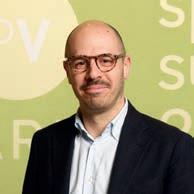
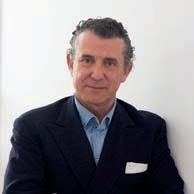
Commercial Director Alex Vittorio Lana | Advertising Gianni Consorti
Publisher GRUPPO EDITORIALE Alex Vittorio Lana, Matteo Parigi Bini - Via Cristoforo Landino, 2 - 50129 Firenze - Italy redazione@laspola.com Baroni&Gori (Italy) Printing
UNCERTAIN PLANNING
L'INSTABILITÀ GEOPOLITICA FRENA GLI INVESTIMENTI MA NON FERMA LE AZIENDE
La Spola’s second event of 2026 – a showcase featuring a wide range of topics to be addressed at a time offering few certainties and many unknowns, almost all of which are beyond the control of those who invest and work in the textile and clothing sector.
The instability of the global geopolitical landscape, a new war that has made things even more difficult for those who have long been grappling with rising raw material and utility costs, and consumption levels still far from their best days –which, according to almost everyone, will never return – make it difficult to plan and manage order delivery times.
But amidst all this chaos, there are those who continue to fight, to invest and to conduct research in the name of sustainability and technology, to participate in trade fairs, to contribute to the training of young people, and to foster cultural and professional exchanges.
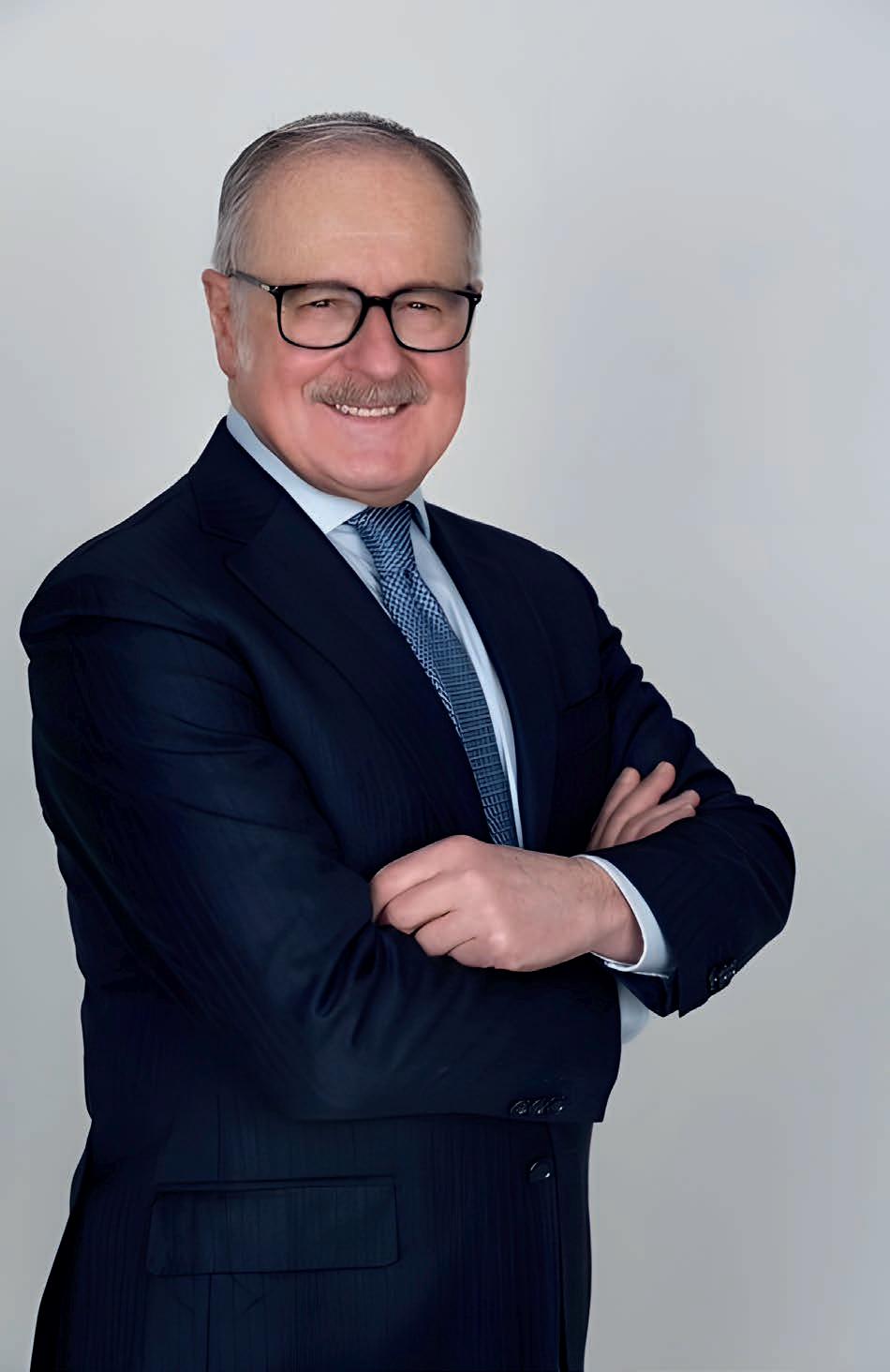
We hear about all this from industry insiders who have different perspectives on the same sector: Beppe Pisani, a veteran of the Como textile industry; Paolo Canonico, who has taken technical textiles to the top of the supply chain in Como for Confindustria; Alberto Pestelli, who has taken the reins of Pratotrade in Prato; and Giacomo Bottaro, who acts as a link between French trade fairs and Italian exhibitors for GL events.
When it comes to sustainability and the future of waste regulations, La Spola – Showcase has sought the opinion of Silvia Gambi, the guru behind solomodasostenibile and a regular at major textile trade fairs.
Seconda uscita del 2026 per La Spola – Showcase e tanti i temi da afrontare in un momento che regala poche certezze e tante incognite, quasi tutte indipendenti dalla volontà di chi investe e lavora nel tessile-abbigliamento.
L’instabilità dell’assetto geopolitico mondiale, una nuova guerra arrivata a rendere ancora più difcili le cose per chi già da tempo combatte con rincari di materie prime e costi delle utenze e i consumi ancora ben lontani dai giorni migliori, che secondo tutti o quasi non torneranno mai, rendo ardua la programmazione e la gestione delle tempistiche di consegna degli ordini.
Ma in tutto questo caos c’è chi continua a lottare, a investire e a fare ricerca nel nome della sostenibilità e della tecnologia, a partecipare alle fere di settore, a dare un contributo alla formazione dei giovani, a portare avanti scambi culturali e professionali.
Ci parlano di tutto questo addetti ai lavori che hanno punti di osservazione diversi su uno stesso settore: Beppe Pisani, decano del tessile comasco, Paolo Canonico , che a Como ha portato il tessile tecnico al vertice della fliera per Confndustria, Alberto Pestelli, che a Prato ha preso le redini di Pratotrade e Giacomo Bottaro, che invece per GL events fa da cerniera tra le fere francesi e gli espositori italiani.
Sul versante della sostenibilità e sul prossimo futuro delle norme sui rifuti il parere per La Spola – Showcase è quello di Silvia Gambi, guru di solomodasostenibile ma anche presenza abituale alle principali fere del tessile.
THE TECHNICAL FABRIC IS IN STYLE
by Matteo Grazzini
PAOLO CANONICO E DUE SETTORI A CONFRONTO IN RIVA AL LAGO DI COMO
I PUNTI DI CONTATTO TRA IL TESSILE TRADIZIONALE E QUELLO TECNICO, TRA RICERCA,
TRADIZIONE E MERCATI CON
PROSPETTIVE
E MINACCE COMUNI
He has been president of the Confindustria Como textile sector for four months, but he has been immersed in the manufacturing district all his life: Paolo Canonico, technical director at Saati, also has the responsibility and honour of having brought technical textiles to the forefront of the association. He acts as spokesperson for the sector council, comprising six other colleagues, and for an entire sector in reasonably good health, whilst the traditional fashion textile sector is facing a few more difficulties. Is his appointment a recognition of the growth and importance of technical textiles?
When my name was put forward as president, I did indeed ask myself whether, representing this particular sector, I was the right person for the job, even though I had previously served for several years as president of the European Textile and Clothing Technology Platform. My doubts were addressed by the view that bringing a new voice to the district would be an added value and a source of originality, as well as the fact that, as the representative of a successful company, I could bring a breath of fresh air at a time when the markets are struggling. What are the commonalities between technical textiles and the more traditional textiles of the Lake Como area?
We face the same market threats, namely competition from Asian manufacturers, who are able to make decisions and act much more quickly than we can. Together, we must defend our heritage and craftsmanship and safeguard our culture. I would also like us to share – and we are working on this – the ability and desire to increase the competitiveness of our products and keep up with the latest technologies, as happens in other industrial sectors; the fashion textile sector focuses more on aesthetics, whilst technical textiles concentrate on the function the fabric must perform. This is not just a matter of reducing costs –because the Asians beat us at that – but of improving the quality and performance of our products. You are also involved in research and development. What is your relationship with Artificial Intelligence?
Artificial Intelligence is immediately useful if there is data and classified information available. In this case, it can be of enormous help; it all comes down to knowing how to
Da quattro mesi è il presidente della filiera tessile di Confindustria Como ma vive il distretto produttivo da sempre: Paolo Canonico, direttore tecnico di Saati, ha anche l’onere e l’onore di aver portato ai vertici dell’associazione il tessile tecnico. Fa da portavoce al consiglio di filiera, composto da altri sei colleghi, e a tutto un settore in discreto stato di salute, mentre il tessile-moda tradizionale ha qualche difficoltà in più.
La sua nomina è un riconoscimento della crescita e dell’importanza del tessile tecnico?
Quando è stato fatto il mio nome come presidente mi sono effettivamente chiesto se, rappresentando questo determinato settore, fossi la persona giusta, anche se in passato sono stato per diversi anni presidente della piattaforma tecnologica europea del tessile e dell’abbigliamento. A questo mio dubbio è stato risposto che portare una voce nuova all’interno del distretto sarebbe stato un valore aggiunto e fonte di originalità, oltre al fatto che rappresentando un’azienda di successo, avrei potuto portare una ventata di positività in un momento di difficoltà dei mercati.
Quali sono i punti di contatto tra il tessile tecnico e quello più tradizionale lariano?
Abbiamo le stesse minacce sui mercati, ovvero la concorrenza degli asiatici, che hanno la capacità di decidere e agire molto più in fretta di noi. Insieme dobbiamo difendere la nostra storia, l’artigianalità e salvaguardare la nostra cultura. Vorrei che ci fosse in comune anche, e ci stiamo lavorando, la capacità e la voglia di aumentare il livello di competitività dei prodotti e di aggiornarsi con le più moderne tecnologie come accade in altri settori industriali; il tessile moda si aggiorna più nell’estetica, mentre il tessile tecnico si concentra sulla funzione che il tessuto deve svolgere. Non è un discorso che riguarda solo la riduzione dei costi, perché in questo gli asiatici ci battono, ma di miglioramento della qualità e delle prestazioni dei prodotti.
Lei si occupa anche di ricerca e sviluppo. Qual è il suo rapporto con l’Intelligenza Artificiale?
L’Intelligenza Artificiale è immediatamente fruibile se ci sono dati e informazioni classificate. In questo caso può dare un aiuto enorme, tutto sta nel saper fare domande giuste per ottenere le risposte che servono. Vale sia per il
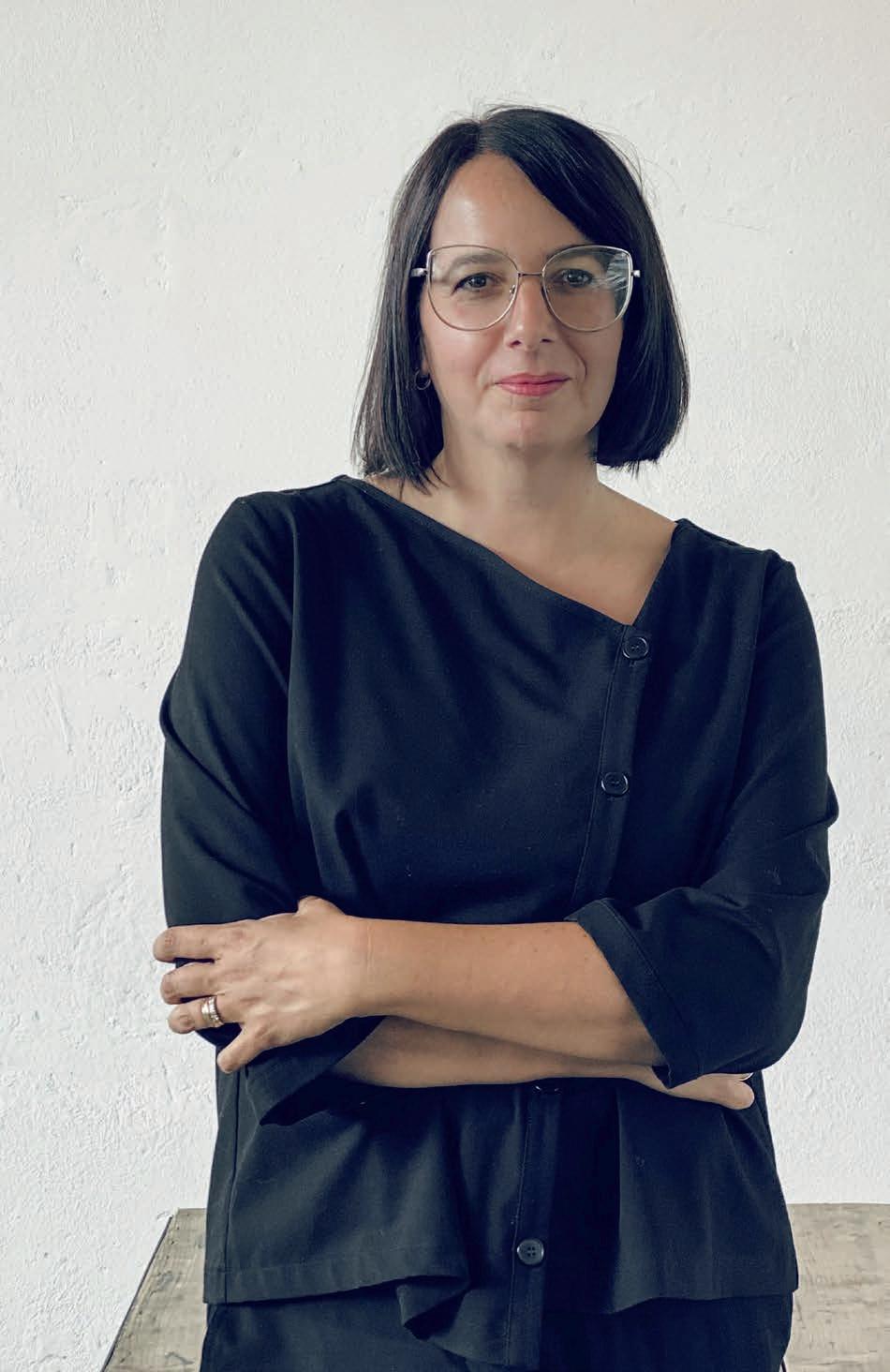
Paolo Canonico
IL RUOLO DELL'INTELLIGENZA
ARTIFICIALE E LE OPPORTUNITÀ OFFERTE DALLA TECNOLOGIA
PER RESTARE AL PASSO
CON LA CONCORRENZA
ask the right questions to get the answers you need. This applies to both technical textiles and fashion, and lends itself well to administrative, planning or logistics tasks; whereas for manual work, which is still very important in the textile industry, AI must be linked to robotic automation, and in this case it takes longer to achieve something comparable to, or even surpassing, what a man or woman’s hand can do. Human beings possess an imagination and vision that AI cannot match, but sensors more sensitive than the human eye or higher-definition cameras already exist and can assist us.
How does the technical process in your sector align with the concept of sustainability?
Sustainability is now in the DNA of textile companies because products are no longer manufactured without considering their environmental impact, and the design of new products is based on this concept. Furthermore, we are working to reduce – and eventually phase out – substances that were once accepted but are now considered harmful. The Como district is working with prestigious brands to ensure that the entire local production sector can be labelled as sustainable in substance, and not just in name. How do you see the markets in the future, for Como and for the textile sector in general?
It’s a difficult question to answer. In fashion, the tension between high quality and fast fashion remains, two divergent sectors in conflict with one another. Regarding fast fashion, we are trying to defend ourselves because too many products are coming in from abroad, whilst in the high-end sector we are focusing on quality awards and certifications, as well as taste and design. The market is moving in both directions, but we must focus on the latter path, even though I think there will be a fairly long period during which these two approaches will vie for supremacy. I am concerned about the improvement in the quality of products from the East, which must serve as a stimulus to work with determination to further raise the value of our own.
tessile tecnico che per il fashion e si presta bene ad attività di amministrazione, pianificazione o logistica, mentre per la manualità, che nel tessile è ancora molto importante, l’AI deve essere collegata all’automazione robotica e in questo caso i tempi sono più lunghi per arrivare a qualcosa di simile o addirittura superiore a quello che può fare la mano di un uomo o di una donna. L’essere umano ha un’immaginazione e una visione che l’AI non può avere, ma sensori più sensibili o telecamere a più alta definizione dell’occhio umano già esistono e possono esserci d’aiuto. Come si abbina la lavorazione tecnica del vostro settore al concetto di sostenibilità?
La sostenibilità è ormai nel DNA delle aziende tessili perché non si producono più prodotti senza pensare all’impatto sull’ambiente e la progettazione dei nuovi prodotti è basata su questo concetto. In più tendiamo a ridurre, fino a farle progressivamente sparire, le sostanze una volta accettate ma adesso ritenute nocive. Il distretto comasco sta lavorando con diversi marchi di prestigio affinché tutto il comparto produttivo locale possa essere etichettato come sostenibile in sostanza e non solo a chiacchiere.
Come vede i mercati nell’immediato futuro, per Como e per il tessile in generale?
La risposta è difficile. Per la moda rimane la disputa tra alta qualità e fast fashion, due settori divergenti in contrasto tra loro. Sul fast fashion stiamo cercando di difenderci perché ci sono troppi prodotti che arrivano dall’estero, mentre sull’alta gamma puntiamo su riconoscimenti di qualità e certificazioni, oltre che al gusto e al design. Il mercato va in entrambe le direzioni ma dobbiamo concentrarci sulla seconda strada anche se penso che ci sarà un periodo ancora abbastanza lungo in cui queste due anime si contenderanno il primato. Mi preoccupa la crescita qualitativa dei prodotti orientali che deve fare da stimolo affinché si lavori con determinazione per alzare ulteriormente il valore dei nostri.
CREATING OPPORTUNITIES
by Matteo Grazzini
GIACOMO BOTTARO, TRAIT D’UNION TRA L’ITALIA E LA FRANCIA PER GLEVENTS
DA STORICO A RESPONSABILE DELLE RELAZIONI PER IL GRUPPO FRANCESE: L'EVOLUZIONE
DI
UN MANAGER CON UN PIEDE
A TORINO E UNO A LIONE
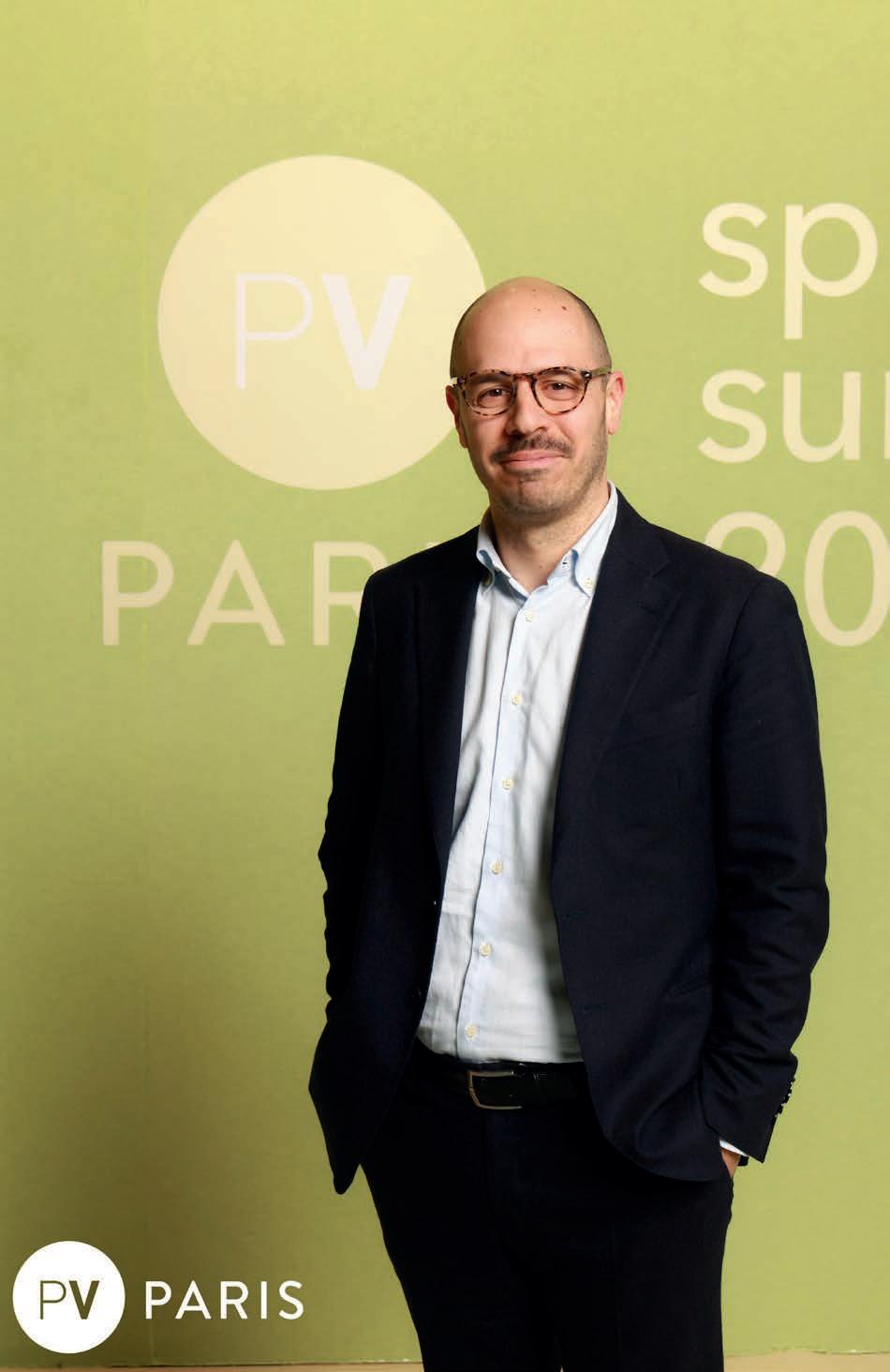
Turin and Lyon, along with Prague, form the esoteric ‘Triangle of White Magic’; the first two cities, therefore, are not only connected by a direct rail link but, for those who believe in esotericism, are also linked by powerful flows of positive energy.
It is probably not magic, but it is certainly strategy –the strategy put in place by Giacomo Bottaro, Country Manager for Italy at GL events Exhibitions, the company organising the trade fairs within the Première Vision universe: A 43-year-old from Turin with two children, whose entry into the world of fashion trade fairs coincided with the unfortunate interlude of the pandemic, he faces the daunting task of re-establishing the connection between the Italian textile industry and the French trade fair, which remains strong at Blossom but is in decline at the Parc des Expositions. How did you come to manage relations between Italy and France for GL events?
I started out as a historian and journalist, but I immediately turned my attention to institutional and business relations, and to building networks between people. I worked for ten years for the trade association representing commercial agents – professionals who, just like trade fairs, cover all industrial sectors. So, in a way, that role was an unwitting preparation for what I’m doing now. I joined GL events at the end of 2019, just before Covid. They needed someone who could engage with Italian companies and the local area in an ‘Italian’ way, because although we are neighbours, relations between Italians and the French are not always straightforward. It is not enough to be similar to be able to talk and understand one another. But until 2025, I dealt with everything except fashion textiles, which were added to the office I lead at the start of 2026 after having been coordinated for a very long time by Promosalons and the PV Italia office. Bringing textiles into the heart of a major system like GL events must be a positive influence for this sector. Do Première Vision and Blossom require different strategies?
For PV, we need to rebuild a rapport with Italian companies, and to do so we need to be present, to listen and to understand their needs and the expectations of
Torino e Lione, con Praga, sono le città che formano il Triangolo esoterico di magia bianca e le prime due quindi, oltre che da un collegamento ferroviario diretto, per chi crede nell’esoterismo sono quindi unite anche da potenti flussi di energia positiva. Probabilmente non è magia, ma sicuramente è strategia, quella messa in campo da Giacomo Bottaro, Country Manager per l’Italia di GL events Exhibitions, la società organizzatrice delle fiere dell’universo di Première Vision: torinese, 43 anni, due figli e un ingresso nel mondo delle fiere del settore moda coincidente con la sfortunata parentesi della pandemia, ha il gravoso impegno di ristabilire il feeling tra il tessile italiano e la fiera francese, che resiste forte a Blossom ma che è in calo dalle parti del Parc des Expositions.
Come è arrivato a gestire i rapporti tra Italia e Francia per GL events?
Nasco come storico-giornalista ma da subito mi sono dedicato a relazioni istituzionali e di lavoro, alla costruzione di reti tra persone, e ho lavorato per dieci anni per l’associazione di categoria degli agenti di commercio, figure che, esattamente come le fiere, coprono tutte le filiere industriali. Quindi è stato un incarico inconsapevolmente propedeutico a quello che sto facendo adesso. Sono entrato in GL events a fine 2019, poco prima del Covid, avevano bisogno di qualcuno che sapesse relazionarsi con le aziende italiane e il territorio in modo “italiano” perché pur essendo vicini di casa le relazioni tra italiani e francesi non sono di facile leggibilità. Non basta essere simili per parlare e capirsi. Ma fino al 2025 mi sono occupato di tutto fuorché di tessile moda, che si è aggiunto all’ufficio che guido a inizio 2026 dopo essere stato molto a lungo coordinato da Promosalons e dall’ufficio PV Italia. Portare il tessile nel cuore di un grande sistema come Gl events deve essere un contagio positivo per questa filiera. Première Vision e Blossom richiedono strategie diverse?
Per PV c’è da ricreare un feeling con le aziende italiane e per farlo c’è bisogno di presenza, ascolto e comprensione delle esigenze, delle attese dai mercati e
Giacomo Bottaro
PREMIÈRE VISION PARIS, BLOSSOM
E DENIM PV: FIERE DAI FORMAT
E DAI
CONTENUTI
DIVERSI CHE
RICHIEDONO STRATEGIE E APPROCCI
CON GLI ESPOSITORI DIFFERENTI
the markets and the industry; and therefore to foster relationships that go beyond the purely commercial. In this regard, for example, we have re-established ties with Confindustria Moda and its president, Mr Sburlati. Once these relationships have been rebuilt, we can also acknowledge that PV may not be the right place for all Italian companies, but for some it is, because by its very nature it is the place to forge international connections. Crises are a way of defining one’s identity, and those in the textile sector are also helping to shape our objectives as trade fair organisers. Blossom, on the other hand, has a more established formula and presents fewer difficulties because, in terms of its characteristics—from the venue to the competitive landscape—it is a different kind of fair. It is not just a matter of the market but also of context.
PV has been running a trade fair for years –primarily an Italian one – dedicated to denim, which is permanently based in Milan. Will anything change?
Fabio Adami Dalla Val’s (the fair’s director, ed.) vision is a wonderful one, describing Denim PV as “a travelling fair that has decided to stop off in Milan for a while”. I strongly believe in this definition because being in Milan is not a habit but a choice, because our roots took hold where the conditions were right for it. But this is no longer enough for us and we are looking strongly beyond Italy; Tokyo in September represents the need to restore an international vision to a fair that has found its natural home in Milan but must not forget that it is part of the wider world. Whether Milan will alternate with other cities will be determined by the projects we are currently investing our time in. We are market intermediaries and must find the right place to make a difference, carefully balancing ingredients, people and locations. With Tokyo, we have begun asking companies: “Is there a place where we can take you to do better and achieve more?”
dal lavoro; e quindi di relazioni, non solo puramente commerciali. In questo senso, per esempio, vanno i rapporti riallacciati con Confindustria Moda e il presidente Sburlati. Una volta ricostruiti i rapporti si può anche prendere atto che PV può non essere il posto giusto per tutte le aziende italiane, ma per alcune sì, perché rappresenta per vocazione il luogo dove fare connessione internazionale. Le crisi sono un modo per definire le proprie identità e quelle nel tessile stanno facendo delineare anche i nostri obiettivi come organizzatori di fiere. Blossom invece ha una formula più rodata e presenta meno difficoltà perché per caratteristiche, dal luogo allo scenario competitivo, è una fiera diversa. Non è solo un fatto di mercato ma anche di contesto. PV ha una fiera da anni soprattutto italiana, quella del denim, che ha sede fissa a Milano. Cambierà qualcosa?
La visione di Fabio Adami Dalla Val (il responsabile della fiera, ndr) è molto bella e fa di Denim PV “una fiera itinerante che per un po’ ha deciso di fermarsi a Milano”. Credo molto in questa definizione perché stare a Milano non è un’abitudine ma una scelta, perché le radici si sono posate dove c’erano le condizioni per farlo. Ma questo non ci basta più e stiamo fortemente guardano fuori dall’Italia e Tokyo a settembre rappresenta il bisogno di ridare una visione internazionale a una fiera che a Milano ha trovato il suo contesto naturale ma che non deve dimenticarsi di essere un pezzo di mondo. Se Milano si alternerà con altre città ce lo diranno i cantieri di lavoro su cui stiamo investendo del tempo. Noi siamo intermediari di mercato e dobbiamo trovare il posto giusto dove fare qualcosa, dosando bene ingredienti, persone e luoghi. Con Tokyo abbiamo iniziato a porre la domanda alle aziende “c’è un posto dove possiamo portarvi per fare meglio e di più?”.
CONTINUITY AND PROJECTS
by Matteo Grazzini
I PRIMI MESI DI ALBERTO PESTELLI DA PRESIDENTE DI PRATOTRADE
NOMINATO IL CONSIGLIO, TRA NOMI STORICI E QUALCHE NUOVO ARRIVATO, ALL'INSEGNA
DELLA CONTINUITÀ CON LA
PRESIDENZA DI GIOVANNI GRAMIGNI
Times are changing; the trade fair system and calendar are evolving, and business consortia too must adapt to a world that will never be quite the same again. This theory applies in practice to Pratotrade too, which represents over thirty companies in the Prato textile district and aims to promote these companies, particularly at trade fairs and events.
Last March, Pratotrade renewed its Board of Directors, electing Alberto Pestelli as president. He succeeds Giovanni Gramigni, who remains on the board alongside vice-president Ilaria Nistri, Leonardo Raffaelli, Roberto Rosati, Emiliano Tempestini and Francesco Marini, appointed by Confindustria Toscana Nord as stipulated in the consortium’s articles of association.
After graduating from the Buzzi Institute in 1985, Pestelli worked in the family’s textile businesses, such as Rifinizione Saturno. He then became managing director of Texmoda Tessuti following its acquisition in 1999. You became president at a particularly difficult time for the market. A brave decision.
People often ask me what possessed me to do it, and sometimes I ask myself the same, but, joking aside, Pratotrade doesn’t carry a huge burden of responsibility. This is partly because there has been a certain disaffection among companies, due to the fact that we do not have our own trade fair. Pratotrade serves solely to promote textiles and has no other functions; a task that is now difficult to interpret because trade fairs themselves no longer seem to be the best, or the only, way to present products; what counts now is the customisation of fabrics with customers, whilst maintaining close relationships with them. As president, what I can guarantee is my utmost commitment to providing the necessary support to members and the Prato district, all with the backing of Confindustria Toscana Nord and in collaboration and with maximum openness towards all the district’s associations, sharing their efforts and objectives. And this openness extends to all companies that are not part of the consortium and which I would like to see join in the future so that we can be even stronger in promoting our fabrics. Perhaps also with the arrival of new generations of
I tempi cambiano, il sistema ed il calendario delle fiere muta ed anche i consorzi di aziende devono adattarsi ad un mondo che non sarà mai più come quello di una volta. Una teoria che si applica alla pratica anche per Pratotrade, che rappresenta oltre trenta aziende del distretto tessile pratese e che ha come obiettivo la promozione delle aziende stesse, in fiere ed eventi in modo particolare.
Nello scorso marzo Pratotrade ha rinnova il Consiglio direttivo, eleggendo alla presidenza Alberto Pestelli, che succede a Giovanni Gramigni, che resta in consiglio con la vice presidente Ilaria Nistri, Leonardo Raffaelli, Roberto Rosati, Emiliano Tempestini e Francesco Marini, designato da Confindustria Toscana Nord come previsto dallo statuto del consorzio. Pestelli, dopo il diploma all’istituto Buzzi conseguito nel 1985, ha lavorato nelle attività tessili di famiglia, come la Rifinizione Saturno. Poi, acquisita nel 1999 Texmoda Tessuti, ne è diventato l’amministratore delegato.
E’ diventato presidente in un momento particolarmente complicato del mercato. Una scelta coraggiosa.
Mi chiedono spesso chi me l’ha fatto fare e a volte me lo chiedo anche io ma, scherzi a parte, Pratotrade non ha un peso enorme di responsabilità. Questo anche perché c’è stata un po’ di disaffezione delle aziende, dovuta al fatto di non avere una fiera nostra. Pratotrade serve solo per la promozione dei tessuti e non ha altre funzioni, un compito adesso di difficile interpretazione perché le fiere stesse non sembrano più il modo migliore, o l’unico, per presentare i prodotti; adesso contano molto la personalizzazione dei tessuti con i clienti, mantenendo rapporti stretti con loro. Da presidente quello che posso garantire è il massimo impegno per dare il supporto necessario ai soci e al distretto di Prato, il tutto col supporto della struttura di Confindustria Toscana Nord e in collaborazione e massima apertura con tutte le associazioni del distretto, condividendone sforzi ed obiettivi. E l’apertura rimane anche a tutte le aziende che non fanno parte del consorzio e che avrei piacere di vedere entrare in futuro per essere ancora più forti
Alberto Pestelli
"IL
RUOLO DELLE FIERE È CAMBIATO MOLTO NEGLI ULTIMI
ANNI
MA NON A CAUSA DEL DIGITALE. NEL NOSTRO LAVORO
POTER TOCCARE IL TESSUTO CONTA ANCORA TANTO"
entrepreneurs, because there is still a lack of young people in our district.
Why aren’t trade fairs the main platform for presenting collections anymore? Is it down to Covid? Or the rise of digital?
I often discuss this with colleagues and it’s hard to understand. But as for digital, I can say that it doesn’t work in our line of work because we need people to feel the fabrics, to convey emotions. Travel costs are probably now affecting trade fairs, including for customers, as well as the issue of dates: there aren’t any that suit everyone, it depends on the product being presented.
As soon as you were elected, you stated that you would continue along the path set out by Gramigni. Absolutely. Building on my predecessor’s work and relying on strong participation from consortium members, I would like to continue engaging the consortium in developing relationships with the world’s leading trade fairs in the sector. It will be essential to explore new markets, so as to identify further sales opportunities for our products. We do, however, have projects in the pipeline that we are finalising with the board members. Among the interesting opportunities could be one linked to the Mercosur agreement. Is it difficult, however, to envisage a return to the promotional methods of years gone by, with a prominent presence at trade fairs?
Talking about the past means looking back to the days of PratoExpo, then moving on to Première Vision, and finally to the excellent relationship we now have with Milano Unica, which we consider to be the sector’s most important trade fair dedicated to high-quality Italian companies. There is, of course, no ill will towards Première Vision; however, it has made decisions regarding its openness to foreign companies that are of no interest to Pratotrade or the Prato district.
nella promozione dei nostri tessuti. Magari anche con l’arrivo delle nuove generazioni di imprenditori, perché i giovani ancora mancano nel nostro distretto. Perché i saloni non sono più la piattaforma principale di presentazione delle collezioni?
Effetto Covid? Crescita del digitale?
Ne parlo spesso con i colleghi ed è difficile da capire. Ma sul digitale posso dire che nel nostro lavoro non funziona perché dobbiamo far toccare i tessuti, trasmettere emozioni. Probabilmente sulle fiere adesso incidono i costi per gli spostamenti, anche dei clienti, e il fattore date: non ne esistono di ideali per tutti, dipende dal prodotto presentato.
Appena eletto ha dichiarato che proseguirà sulla linea portata avanti anche da Gramigni. Assolutamente sì. In continuità con il lavoro del mio predecessore e contando su una forte partecipazione dei consorziati, vorrei continuare a impegnare il consorzio nello sviluppo dei rapporti con il mondo delle principali fiere del settore. Sarà essenziale studiare nuovi mercati, così da intercettare ulteriori opportunità di sbocco per i nostri prodotti. Abbiamo comunque progetti in ponte che stiamo definendo con i consiglieri. Tra le aperture interessanti ci potrebbe essere quella legata all’accordo Mercosur.
E’ difficile però pensare ad un ritorno ai tipi di promozione di anni fa, con una presenza evidente alle fiere?
Parlare dei tempi andati significa risalire a quelli di PratoExpo per poi arrivare a Première vision e agli ottimi rapporti che ci sono adesso con Milano Unica, che riteniamo essere la fiera più importante del settore dedicata ad aziende italiane di qualità. Non rimane ovviamente nessuna preclusione nei confronti di Première Vision, che però ha fatto scelte sull’apertura ad aziende straniere che per Pratotrade e per il distretto pratese non sono interessanti.
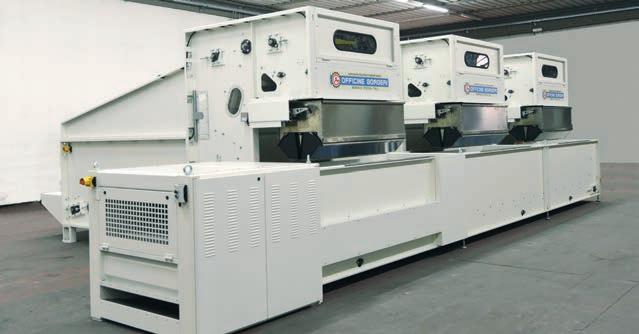
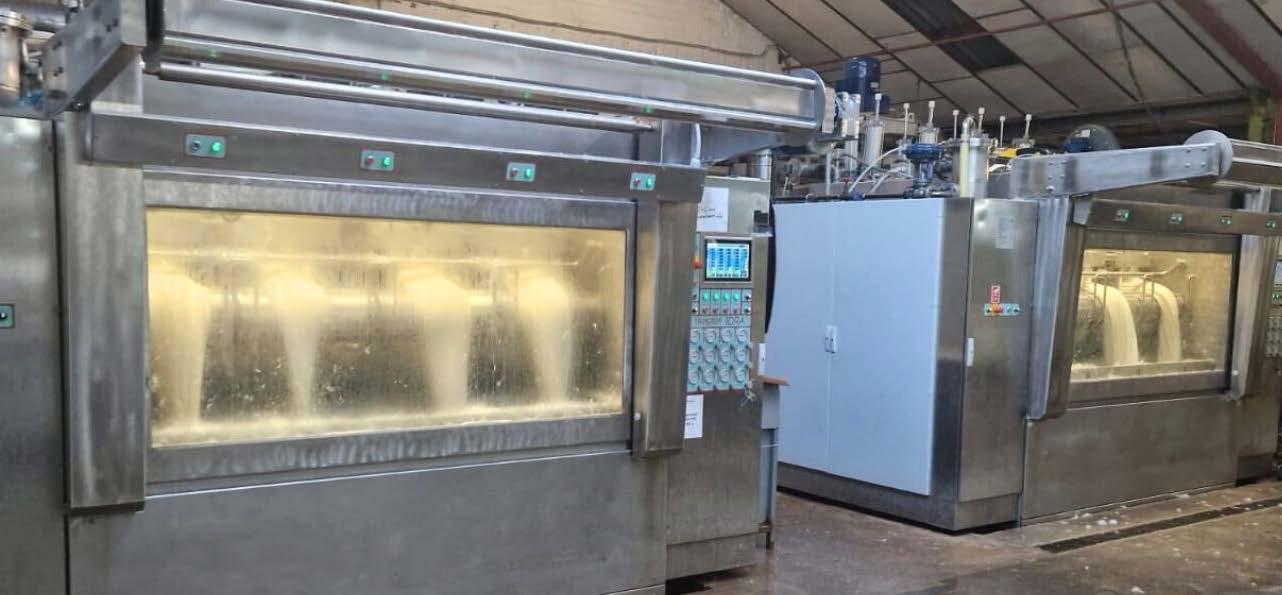
Asciugante per trattamenti tumbler in continuo in aperto spugna, biancheria da letto, tessuti per la casa, tessuti a maglia, tappezzeria, camicie, abbigliamento da lavoro, denim, tessuti leggeri, tessuti tecnici...
I TANTI RUOLI DI BEPPE PISANI, DALLA PRESIDENZA DI IDEACOMO A CNA FEDERMODA
by Matteo Grazzini
PERSONAGGIO POLIEDRICO, MEMORIA STORICA DEL DISTRETTO LARIANO E PROTAGONISTA
DELLA NASCITA DI MILANO UNICA
DA NUMERO UNO DI IDEACOMO
He co-founded Milano Unica as president of Ideacomo, took part in the most important trade fairs with his company Serikos, hung up his entrepreneur’s hat to become an ambassador for Silkomo – where his children are partners – and was elected first to lead Cna Federmoda Lombardia and then, less than a year ago, as president of the association’s National Fashion Supply Chain. It is difficult to summarise the CV of Beppe Pisani, a multifaceted driving force behind the productive and social life of the Como district: journalist, fashion expert, a constant presence at fashion-related events and competitions, both in Italy and abroad. With the new direction at Cna Federmoda, which began with the election of Doriana Marini as president, the time has come for Pisani to focus, primarily but not exclusively, on the life of the association.
“Actually, I still have a business with IFT, the Italian Fashion Team, which provides fashion and style consultancy and organises workshops and conferences,” he says, still claiming his role as an entrepreneur. What has changed in giving more space to association work?
The main difference is that sometimes I have to hold myself back, be less impulsive, because as an entrepreneur I decide on my own, but as a representative of the association I have to consult with Rome, look into certain dynamics and agreements already made, and then take the next step. What are the first projects to be taken forward?
As Filiera Moda, I represent the entire artisan supply chain, from button makers to pattern cutters. In coordination with Rome and Antonio Franceschini, I am trying to identify who, at a time of such an obvious slump in orders from fashion houses, is willing or able to take a step forward by setting up their own business with a proprietary line to enter the markets, whilst continuing to work as a subcontractor. And this is where the generational divide comes into play: the father who wants to maintain the status quo and the children who, on the other hand, see the world through different eyes. Once we have identified these businesses, we can consider taking them as a group to small trade fairs, even abroad with ICE for B2B events. In this regard, a collaboration with Denim PV could also emerge, where we could go with a group of artisans. Other priorities
Ha co-fondato Milano Unica da presidente di Ideacomo, ha partecipato alle fiere più importanti con la sua Serikos, ha smesso la giacca da imprenditore per indossare quella da ambassador della Silkomo, dove i figli sono soci, è stato eletto prima alla guida di Cna Federmoda Lombardia e poi, meno di un anno fa, come presidente della Filiera Moda nazionale della stessa associazione.
E’ dura ridurre ai minimi termini il curriculum vitae di Beppe Pisani, poliedrico animatore della vita produttiva e sociale del distretto di Como: giornalista, esperto di moda, presenza costante in eventi e concorsi legati al fashion, in Italia e all’estero. Nel nuovo corso di Cna Federmoda iniziato con l’elezione di Doriana Marini alla presidenza per Pisani è arrivato il momento di pensare, soprattutto ma non solo, alla vita associativa.
“In realtà ho ancora una attività con la IFT, Italian Fashion Team, che fa consulenze moda e stilistiche, organizza workshop e convegni” dice rivendicando ancora il ruolo di imprenditore.
Che cambiamento c’è stato nel dare più spazio all’associazionismo?
La differenza principale è che a volte devo frenarmi, essere meno impulsivo, perché l’imprenditore decide da solo, da rappresentante dell’associazione devo confrontarmi con Roma, approfondire alcune dinamiche, gli accordi già presi e poi fare il passo.
Quali sono i primi progetti da portare avanti?
Come Filiera Moda rappresento tutta la catena artigianale, da chi fa i bottoni al faconista. Coordinato con Roma e con Antonio Franceschini sto cercando di capire chi, in un momento di così evidente crisi di ordini da parte delle maison, vuole o può fare un passo in avanti mettendosi in proprio con una propria linea per affacciarsi sui mercati, senza però smettere di fare il terzista. E qui scatta il confronto generazionale tra il padre che vuol mantenere lo status quo e i figli che invece vedono il mondo con occhi diversi. Una volta contate queste realtà si può pensare di portarle in gruppo a piccole fiere, anche all’estero con ICE per i b2b. In questo senso potrebbe anche nascere una collaborazione con Denim PV, dove andare con un gruppo di artigiani. Altre priorità sono il lavoro di protezione della filiera
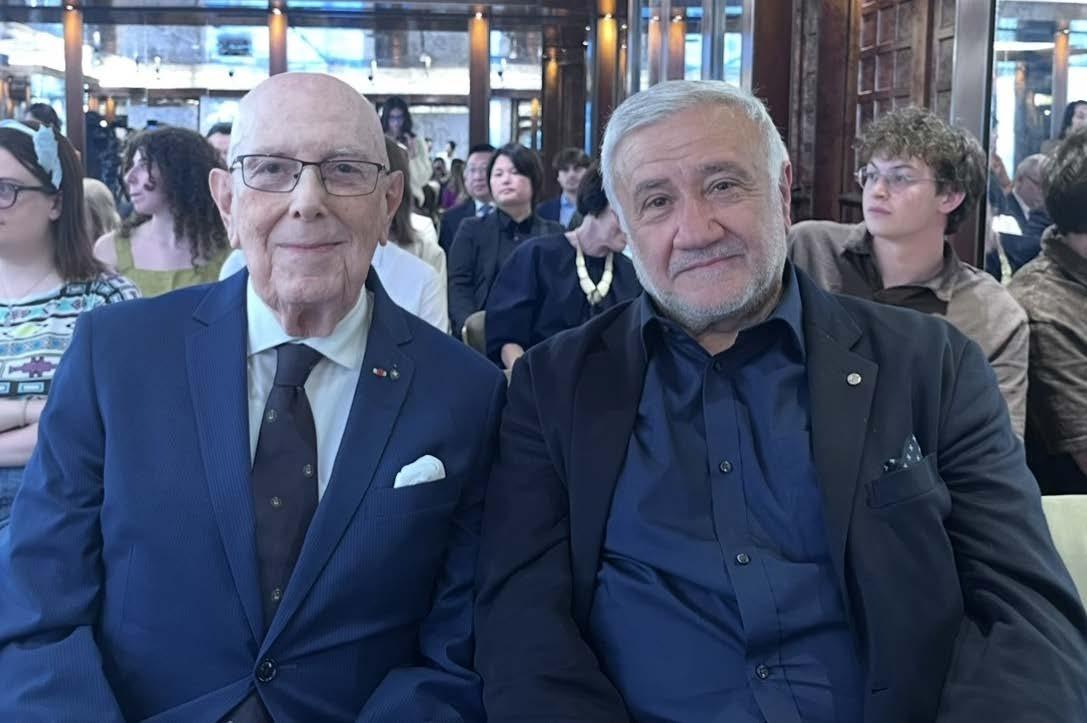
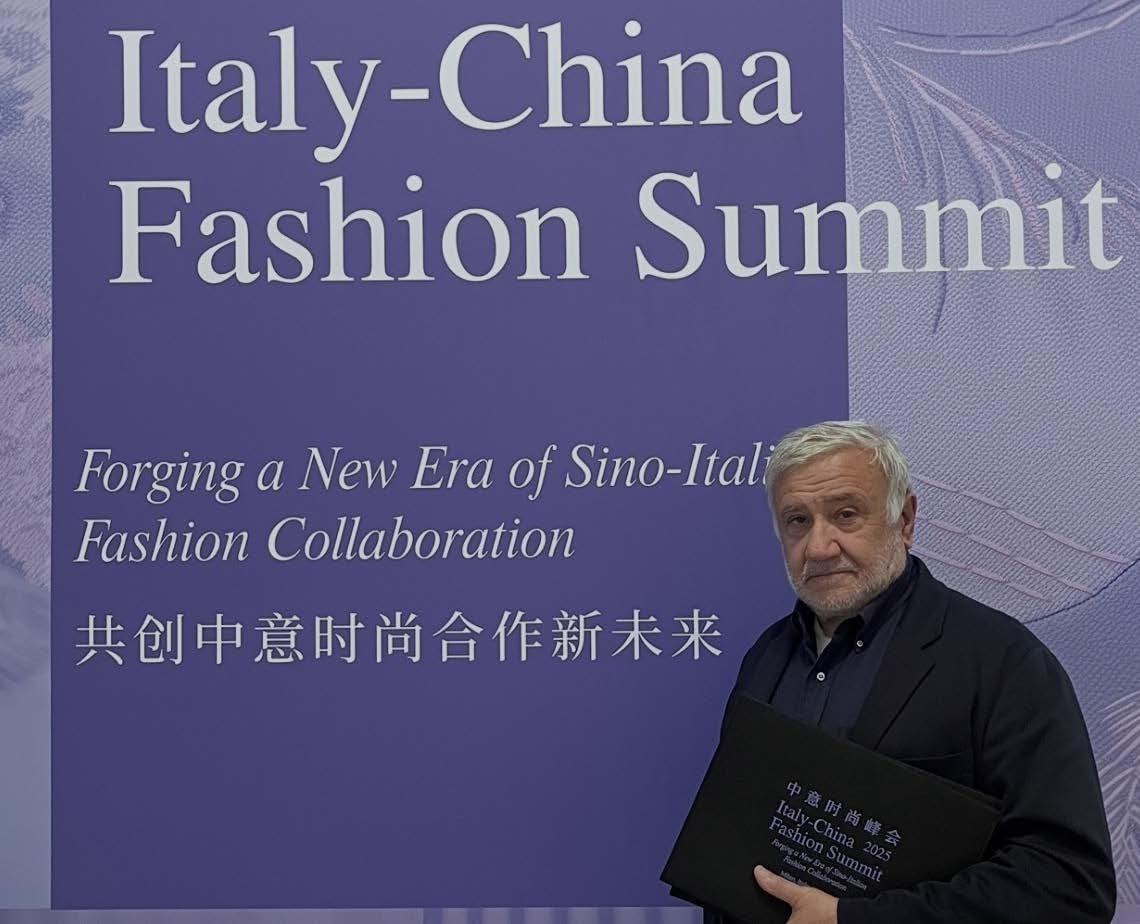
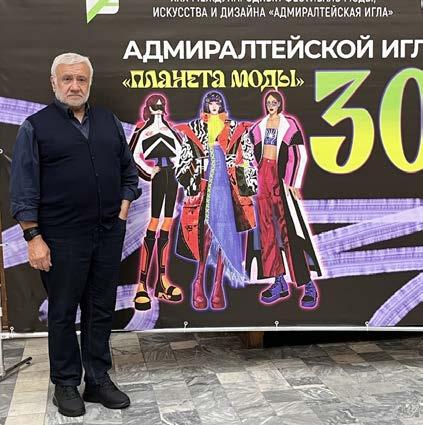
Nelle foto: in alto Beppe Pisani con Mario Boselli, presidente onorario della Camera Nazionale della Moda Italiana e della Camera di Commercio Italo-Cinese.
In basso in due impegni all'estero come rappresentante di Cna Federmoda.
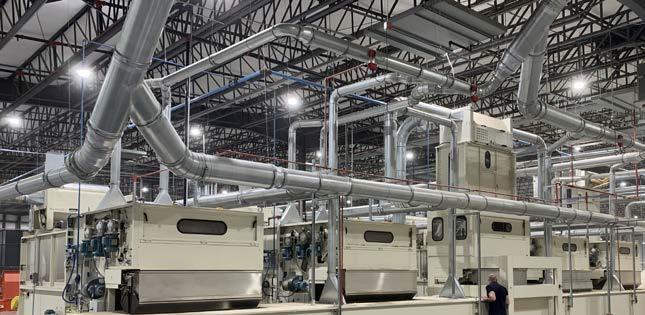
The fruit of innovation
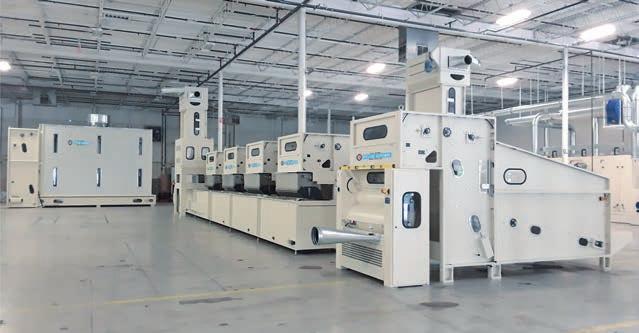
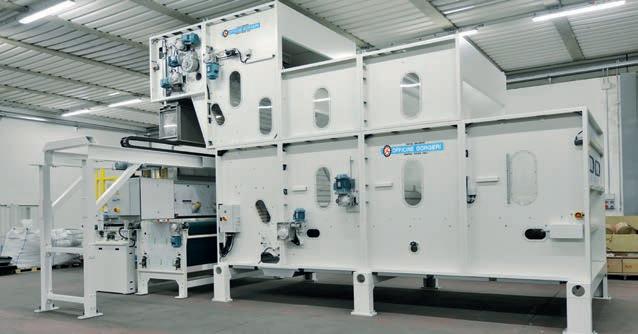
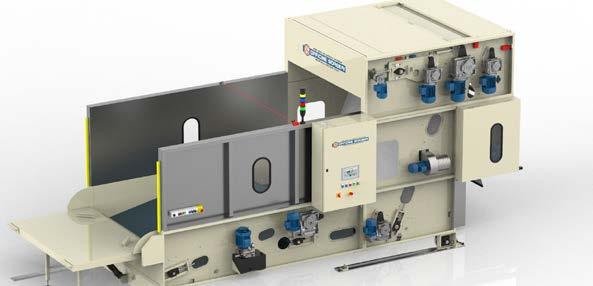
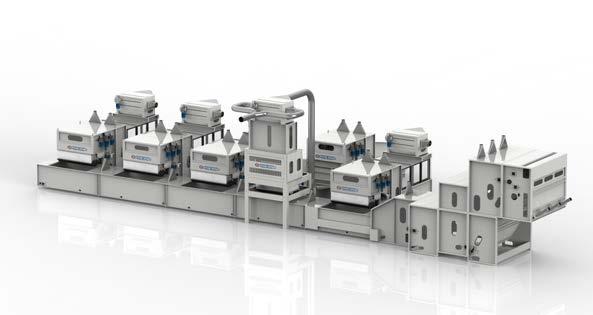
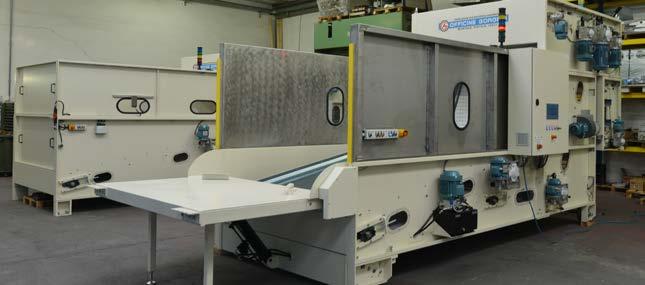
Fibre Blending Plants
Sixty years of experience, business and technology have allowed us to make innovative machinery and systems, working closely together with the textile and other industries.
Our goal is to respond to the demands of new products (especially nonwoven fabric) with focused and innovative projects and using high technology.
"I
RAGAZZI CHE STUDIANO
MODA RISENTONO MOLTO DELL'INFLUENZA DEI GRANDI
BRAND, DOVREBBERO
METTERCI PIÙ DEL LORO
E TROVARE GUIDE QUALIFICATE"
include protecting the supply chain through regulatory and contractual measures, and ensuring that European laws on eco-sustainability are updated, as these are increasingly necessary for planning future work.
You are also very active in the field of training. How is the creativity of young designers faring?
On a personal level, I visit fashion schools and technical colleges frequently, offering my expertise and donating fabrics to young people. As for CNA, however, through a national agreement, we have joined the Fashion Training Platform, which brings together the leading Italian schools; we will help young people both in finding suppliers for their first collections and in introducing them to the association’s services, such as VAT registration, payroll, accountants and access to tenders. As far as creativity is concerned, there is still a strong link to what has already been seen, to the products of the big brands. Young people need to bring their own ideas to the table, yet they do not always find sufficiently qualified guidance, however willing it may be.
All this must be considered alongside the fact that opening one’s own shop, however small, involves staggering costs today.
Cna Federmoda has many partnerships abroad. Where does mutual support end and competition begin?
These days, competition is all-encompassing and fits on a USB stick. So there’s always a flip side to the coin when you go to talk about Italian excellence in China and then see that they want to do better than you. It is difficult to share our knowledge without risking them making it their own, partly because many Italian consultants have been going abroad for years to teach their know-how. So the horse has already bolted. The positive side is that by making ourselves known abroad, we might find someone who comes to have our artisans produce goods, or in Africa we might be able to shift the great skill some people have in embroidery towards a more Western and less ethnic style.
a livello normativo e contrattuale e riuscire a far aggiornare le leggi europee sull’ecosostenibilità, sempre più necessarie per poter programmare un lavoro futuro. E’ molto attivo anche nel campo della formazione. Qual è lo stato di salute della creatività dei giovani designer?
A livello personale frequento molto le scuole di moda e gli ITS, offrendo la mia esperienza e regalando tessuti ai giovani. Come CNA invece, con un accordo nazionale, siamo entrati in Piattaforma Formazione Moda, che raccoglie le principali scuole italiane; aiuteremo i giovani sia nel trovare i fornitori per le loro prime collezioni sia per introdurli al mondo dei servizi dell’associazione come partite iva, libri paga, commercialisti e accesso ai bandi. Per quello che riguarda la creatività c’è ancora un forte legame col già visto, con i prodotti dei grandi brand. I ragazzi ci devono mettere del loro e non sempre non trovano una guida abbastanza qualificata, per quanto volenterosa. Il tutto tenendo conto che aprire un negozio proprio, per quanto piccolo, oggi ha costi allucinanti.
Cna Federmoda ha molte collaborazioni all’estero. Dove finisce l’aiuto reciproco e inizia la concorrenza?
Ormai la concorrenza è a 360 gradi e vola dentro una chiavetta USB. Quindi c’è sempre il rovescio della medaglia quando vai a parlare dell’eccellenza italiana in Cina e poi vedi che loro vogliono far meglio di te. E’ difficile donare il nostro sapere senza rischiare che lo facciano proprio, anche perché tanti consulenti italiani da anni vanno a insegnare il know-how all’estero.
Quindi i buoi sono già scappati. La parte positiva è che facendosi conoscere all’estero magari troviamo qualcuno che viene a produrre dai nostri artigiani, oppure in Africa riusciamo a spostare verso un gusto più occidentale e meno etnico la grande bravura che hanno alcuni nel ricamare.
Pitti Filati
Milano Fashion & Jewels
REDISCOVERING THE MAGIC
TRA DATE CAMBIATE E NOVITÀ INATTESE
LE FIERE CERCANO UN ASSETTO STABILE
by redazione La Spola
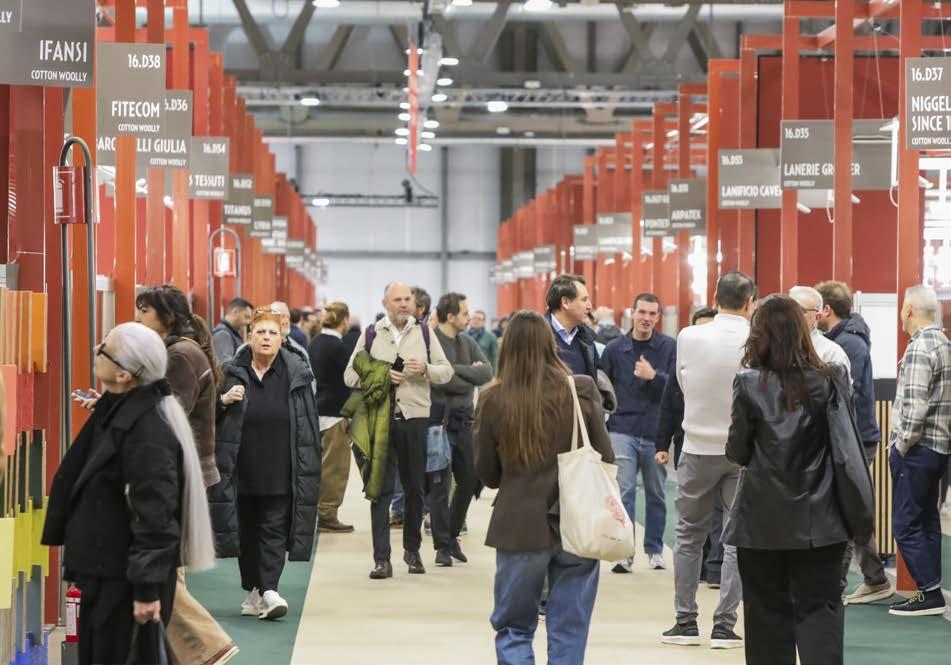
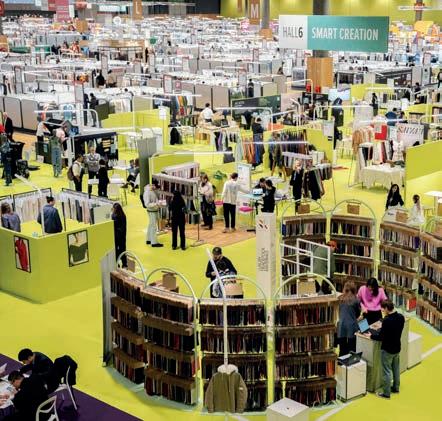
As has often been the case in recent years, the summer calendar of textile and clothing trade fairs is particularly packed and subject to changes that are sometimes unexpected. With the ‘storm’ of the Milan Olympics now over – which in February led to several fairs taking place simultaneously and caused some logistical difficulties for industry professionals – June, July, August and September look more manageable, albeit with a hectic schedule and very long journeys. In June, two trade fairs are taking place back-to-back, albeit with entirely different target audiences and clientele: on the 23rd and 24th, it is Texpremium’s turn in London, at The Truman Brewery, followed by Pitti Filati in Florence from the 24th to the 26th, a show that is sticking to its usual dates and running on a well-oiled machine that has been in place for years. The effect of the partial overlap with Pitti Bimbo remains to be seen: last winter’s edition did not leave a particularly negative or positive impression. Pitti Filati, as always, will close out the Pitti Immagine trio of events in Florence after it kicks off with the “warm” Pitti Uomo.
July features two major events and an interesting development. The first (7–9) is Milano Unica, which returns to Rho, bolstered by its role as the leading trade fair for the Italian textile industry; the sector has found its favourite home at this event, having almost completely severed ties with Première Vision – ties that Première Vision is now attempting to
Come spesso è accaduto negli ultimi anni il calendario estivo delle fiere del tessileabbigliamento è particolarmente ricco e soggetto a cambiamenti a volte inattesi. Passata la “tempesta” Olimpiadi a Milano, che a febbraio ha causato la concomitanza di più fiere e qualche difficoltà logistica per gli addetti ai lavori, giugno, luglio, agosto e settembre si presentano più gestibili, anche se con ritmi serrati e spostamenti lunghissimi.
A giugno due le fiere che si “toccano”, sia pure con target e clientela del tutto diversa: il 23 e il 24 tocca a Texpremium a Londra, alla The Truman Brewery, dal 24 al 26 risponde Pitti Filati a Firenze, un salone che si conferma nelle date abituali e che viaggia con un motore ben rodato da anni. Da valutare l’effetto della concomitanza parziale con Pitti Bimbo: l’edizione dello scorso inverno non ha lasciato impressioni particolarmente negative o positive.
Pitti Filati, come sempre, chiuderà il trittico fiorentino di Pitti Immagine dopo l'avvio con un "caldo" Pitti Uomo.
Luglio ha due date principali e una curiosità. La prima (7-9) è quella di Milano Unica, che torna a Rho forte del suo ruolo di fiera guida per il tessile italiano, che ha trovato in questo salone la casa più amata chiudendo quasi del tutto i ponti che Première Vision sta cercando però di riaprire. Ma
re-establish. But it is also the date of a new event making its debut on the Milanese scene, Intertex: a name already familiar for a show that now has new organisers. The venue chosen is the Marriott Hotel on Viale Washington, and the target is a market of ready-to-wear manufacturers interested in fabrics and accessories of international origin; there is a great deal of curiosity surrounding its debut. The other dates are 14–16, for Munich Fabric Start, which is seeking stability after a few shifts back and forth in the calendar: alongside Keyhouse, Bluezone and Thesource, it will bring the Bavarian MOC to life with around 1,100 exhibitors. In the same slot on the calendar (14–15), London hosts The London Textile Fair, with exhibitors arriving mainly from Turkey and the Far East.
August in Italy means holidays and time off, but those with a thriving market in the East will need to fit in their leisure time during the first three weeks, as Intertextile Shanghai Apparel Fabrics is scheduled to take place from 25 to 27 August. This remains an unmissable event for many companies with key clients in that part of the world, despite the rapid shift in habits (and suppliers) among local brands. The Milano Unica Shanghai area is expected to be confirmed (though this has not yet been officially announced at the time of going to press). Yarn Expo, Chic and Ph Value will also be taking place on the same dates, with the NECC expecting over
è la data anche di una nuova realtà che si affaccia sulla scena milanese, Intertex: un nome già noto per un salone che ha nuovi organizzatori. La sede scelta è il Marriott Hotel di viale Washington, il target è un mercato di confezionisti interessati a tessuti ed accessori di provenienza internazionale; c’è molta curiosità per il debutto. L’altra data è 1416 ed è quella di Munich Fabric Start, alla ricerca di stabilità dopo qualche salto avanti e indietro nel calendario: con Keyhouse, Bluezone e Thesource animerà il MOC bavarese con circa 1.100 espositori. Nella stessa casellina del calendario (14-15) Londra ha la sua The London Textile Fair, con espositori in arrivo soprattutto dalla Turchia e dall’Oriente.
Agosto in Italia significa ferie e vacanze ma chi ha un mercato vivo a Oriente dovrà concentrare lo svago nelle prime tre settimane, perché dal 25 al 27 agosto è in programma Intertextile Shanghai Apparel Fabrics, appuntamento ancora imperdibile per molte aziende con clienti importanti in quella zona del mondo, nonostante il rapido cambiamento di abitudini (e fornitori) dei brand locali.
Dovrebbe essere confermata (al momento di andare in stampa manca l’ufficialità) l’area Milano Unica Shanghai. Negli stessi giorni anche Yarn Expo, Chic e Ph Value, per un NECC che attende oltre 100.000 visitatori.
Milano Unica
100,000 visitors. The month concludes on the 31st with the opening of Texworld Apparelsourcing in Le Bourget (until 2 September), where a number of companies arriving directly from China will also be in attendance.
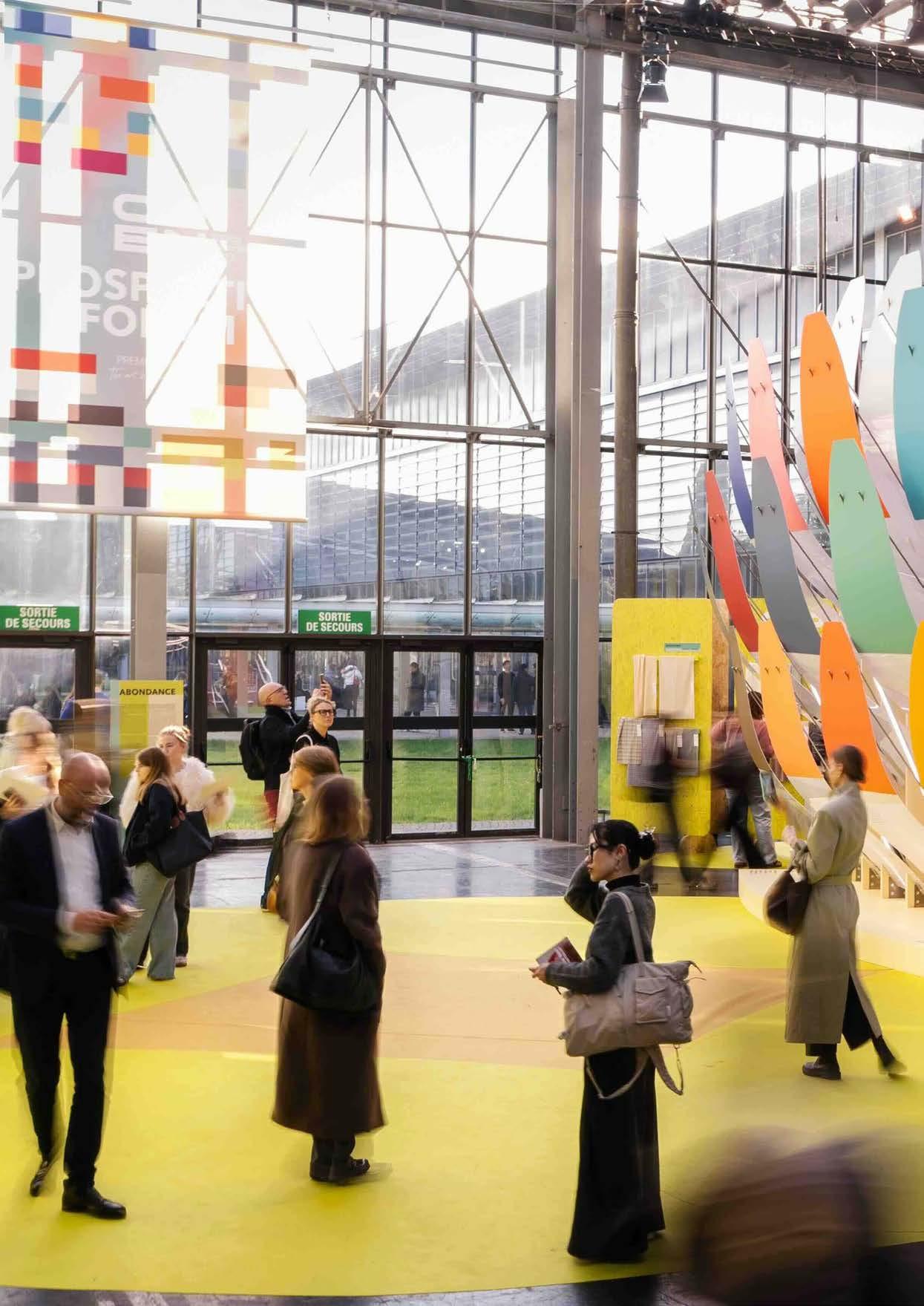
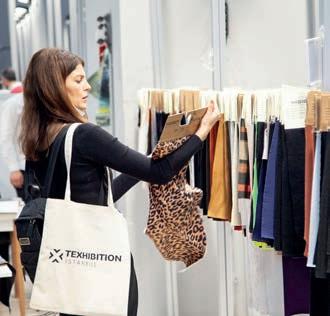
September will kick off (1–3) with Première Vision Paris, which has been brought forward unusually to the first week of the month due to issues regarding the availability of venues at the Parc des Expositions: this edition will combine textiles and technology and reaffirm its links with the beauty sector. This marks a further step in the revamp of the GLevents trade fair with themes chosen on a case-by-case basis to define the show: this time, the focus will be on technology combined with textiles and fashion From 9 to 11, the spotlight will be on Turkey for Texhibition, which aims to carve out further space on the international stage, without, however, opening its doors to non-local companies. The trade fair calendar (and the distribution of this issue of Showcase – La Spola) concludes mid-month with Filo (15–16), which returns to Rho with the entire group of fairs that accompanied the previous edition, in a format conceived and created in synergy, and which will face its true test following its debut last February: Lineapelle running concurrently, Milano Fashion&Jewels and the rest of Fashion Link Milano from the 12th onwards. Georges Papa’s Ready to Show also returns for this edition.
Chiusura del mese il 31 con l’apertura di Texworld Apparelsourcing a Le Bourget (fino al 2/9), dove si ritroveranno anche alcune aziende in arrivo proprio dalla Cina.
Settembre si aprirà (1-3) con Première Vision Paris, insolitamente anticipato alla settimana iniziale del mese per cause legate alla disponibilità degli spazi del Parc des Expositions: edizione con abbinamento tessile-tecnologia e conferma del legame col settore beauty. Prosegue così il percorso di rinnovamento del salone di GLevents, con tematiche scelte di volta in volta per caratterizzare il salone: stavolta protagonista sarà la tecnologia abbinata al tessile e alla moda.
Dal 9 all’11 riflettori sulla Turchia per Texhibition, che vuole ritagliarsi ulteriore spazio sul palcoscenico internazionale, senza però aprire ad aziende che non siano locali.
A metà mese chiusura del calendario fieristico (e della distribuzione di questo numero di Showcase – La Spola) con Filo (15-16), che a Rho torna con tutto il gruppo di fiere che ne hanno accompagnato la scorsa edizione per un format pensato e creato in sinergia e che avrà la prova del nove dopo il debutto dello scorso febbraio: Lineapelle in contemporanea, Milano Fashion& Jewels e tutto il resto del Fashion Link Milano dal 12 in poi. Per questa edizione torna anche il Ready to Show di Georges Papa.
Munich Fabric Start
Filo
Première Vision Texpremium Texhibition
THE NEVER-ENDING WAIT FOR EPR
LA NORMATIVA DEFINITIVA ARRIVERÀ SOLO A FINE ANNO?
by Silvia Gambi *
IL PROVVEDIMENTO RIGUARDERÀ
I
SETTORI TESSILE, CALZATURIERO E DELLA PELLETTERIA. LE RISORSE
DA TROVARE CON UN CONTRIBUTO
SU OGNI PRODOTTO VENDUTO
There is a sense of anticipation, as if for a major event, surrounding the launch of Italy’s new legislation on EPR in the textile sector – Extended Producer Responsibility. And it is not the brands and retailers – who are, in fact, the ‘producers’ that will have to comply with the new obligation – who are waiting for it, but rather the Italian manufacturing sector, which sees this new legislation as an opportunity to finally get circular businesses off the ground; these have been at the starting line for too many months, waiting for adequate funding and market interest. But like all things announced too soon and then continually postponed, EPR risks having a boomerang effect: businesses now need to know the rules of the game, but according to the latest rumours, we will have to wait until the end of the year to find out what they are.
But let’s start from the beginning: the EPR introduces an obligation “for those placing the product on the market to finance and organise waste management, promoting sustainability through eco-design and material recovery”. This will apply to the textile, footwear and leather goods sectors. The resources needed to meet these obligations will be raised through a levy applied to every product sold, both in physical shops and on online platforms: manufacturers will be required to pay the levy, but in practice it will be consumers who foot the bill. The resources raised must be used to manage the efficient collection of post-consumer textiles, but reuse, repair and recycling must also be increased to reduce the proportion of textile materials that end up being destroyed. France introduced EPR in 2007 and the eco-modulation system in 2020, without ever managing to cover the actions required by the regulation with the resources collected.
The management of end-of-life textiles is, in fact, highly complex and is influenced by consumers’ habits: clothes of increasingly lower quality are being purchased, whilst higher-quality items are sold independently on resale platforms. What actually ends up in recycling bins consists of textile waste that is difficult to integrate into the reuse supply chain – which remains the only way to generate any revenue. But these materials are also difficult to recycle: there are many pioneering initiatives
C’è un’attesa da grande evento per il debutto della normativa italiana sull’EPR tessile, la Responsabilità Estesa del Produttore. E ad attenderla non sono i brand e i retailer, che di fatto sono i “produttori” che dovranno ottemperare al nuovo obbligo, ma piuttosto il sistema manifatturiero italiano, che vede in questa nuova legislazione un’occasione per dare finalmente le gambe ai business circolari che sono ai nastri di partenza da troppi mesi in attesa di finanziamenti adeguati e dell’interesse del mercato. Ma come tutte le cose annunciate troppo presto e poi continuamente rimandate, l’EPR rischia di avere un effetto boomerang: adesso le imprese hanno bisogno di conoscere le regole del gioco, ma dalle ultime indiscrezioni per averle bisognerà aspettare fino a fine anno.
Ma ripartiamo dall’inizio: l’EPR introduce l’obbligo “per chi immette il prodotto sul mercato di finanziare e organizzare la gestione dei rifiuti, promuovendo la sostenibilità attraverso l'ecoprogettazione e il recupero dei materiali”. Riguarderà i settori tessile, calzaturiero e della pelletteria. Le risorse necessarie per ottemperare a questi obblighi saranno raccolte con il pagamento di un contributo che sarà applicato ad ogni prodotto messo in vendita, sia nei negozi fisici che sulle piattaforme online: i produttori dovranno versare il contributo, ma di fatto saranno i consumatori a pagarlo. Con le risorse raccolte dovrà essere gestita la raccolta efficiente dei tessili postconsumo, ma dovranno anche essere incrementati il riuso, la riparazione, il riciclo, per ridurre la quota di materiali tessili che vanno a distruzione. La Francia ha introdotto l’EPR nel 2007 e il sistema di eco-modulazione nel 2020, senza mai riuscire a coprire con le risorse raccolte le azioni richieste dalla norma.
La gestione del fine vita dei tessili è infatti molto complesso ed è influenzato dalle abitudini di consumo dei cittadini: vengono acquistati abiti di qualità sempre più bassa e quelli di maggiore qualità sono venduti autonomamente sulle piattaforme di rivendita. Quello che viene effettivamente destinato alle campane della raccolta sono rifiuti tessili, difficili da inserire nella filiera del riuso, che resta l’unica che permette di creare qualche ricavo. Ma questi materiali sono anche difficili da riciclare: ci sono molte iniziative pionieristiche nel settore della
Silvia Gambi (ph. Marco Badiani)
LA RIVOLUZIONE DELLA EPR NON RIGUARDA SOLO L’ITALIA, MA
L’INTERA EUROPA.
PERÒ LE CAPACITÀ
MANIFATTURIERE SONO
CONCENTRATE IN POCHI
PAESI
in the circular economy sector, but to be able to scale up the market and offer industrially viable solutions, it is necessary to supply adequate quantities of sorted material that can be fed into the recycling process. Above all, there must be a market for secondary raw materials: the fibres created by the recycling process must find a place in the market, preferably in the textile sector, or in other sectors.
This is the role the Italian manufacturing sector hopes to play: companies are hoping to secure funding to trial the use of these fibres, to build facilities, and to create products that can offer viable alternatives and reduce dependence on virgin fibres. In practical terms, manufacturers want to be part of this process, acting as operational partners capable of giving concrete form to the drive towards circularity that lies at the heart of the European regulation, to which the proposed Italian decree is linked. Indeed, the EPR revolution concerns not only Italy, but the whole of Europe. However, manufacturing capacity is concentrated in just a few countries, and for this very reason Italy, which is already recognised as a leader in circularity, could take on a central role in this endeavour.
Provided that a portion of the funds raised by the eight Italian management consortia that have been set up actually reaches the supply chain, and that there is scope to stimulate innovation and research – rather than merely managing the enormous volume of textile waste produced, which currently ends up in landfill in the majority of cases. If the Italian government’s intention was to involve the manufacturing sector in the development of the system, there is currently no trace of this in the draft decree. But there are still many steps to be taken before it is finally adopted.
* Professional journalist, founder of the Solo Moda Sostenibile platform, Sustainable Fashion Consultant
circolarità, ma per essere in grado di scalare il mercato e offrire soluzioni industrialmente interessanti è necessario fornire quantitativi adeguati di materiale selezionato, in grado di essere immesso nel processo di riciclo.
Soprattutto ci deve essere un mercato per la materia prima seconda: è necessario che quelle fibre che vengono create dal processo di riciclo trovino una collocazione sul mercato, preferibilmente nel tessile, o in altri settori. Ecco quale potrebbe essere il ruolo che spera di avere il sistema manifatturiero italiano: le aziende sperano di poter ottenere fondi per sperimentare l’uso di queste fibre, per realizzare impianti, per creare prodotti che possano rappresentare alternative concrete e ridurre la dipendenza dalle fibre vergini. In concreto le aziende produttrici vogliono far parte di questo percorso, essere dei partner operativi in grado di concretizzare quell’impulso alla circolarità che è nello spirito della norma europea, alla quale è collegata la proposta di decreto italiano. Infatti la rivoluzione della EPR non riguarda solo l’Italia, ma l’intera Europa. Però le capacità manifatturiere sono concentrate in pochi Paesi, e proprio per questo l’Italia, alla quale è già riconosciuto un primato in tema di circolarità, potrebbe assumere un ruolo centrale in questa partita. A condizione che una parte delle risorse raccolte dagli otto consorzi di gestione italiani che si sono costituiti riesca davvero a raggiungere la filiera, che ci sia spazio per stimolare l’innovazione e la ricerca e non solo per gestire l’enorme quantità di rifiuti tessili prodotti, ad oggi destinati nella maggior parte dei casi alla discarica. Se la volontà del Governo italiano era quello di coinvolgere nella costruzione del sistema anche il sistema produttivo, ad oggi nella bozza di decreto non se ne trova traccia. Ma prima di arrivare all’adozione definitiva ci sono ancora tanti step da fare.
* giornalista professionista, founder della piattaforma Solo Moda Sostenibile, Sustainable Fashion Consultant
I nostri Servizi
Stock Service
È in grado di offrire una serie infinita di filati naturali o sintetici
Consegna in 12/24h
Di tutti gli articoli presenti sul nostro catologo on-line
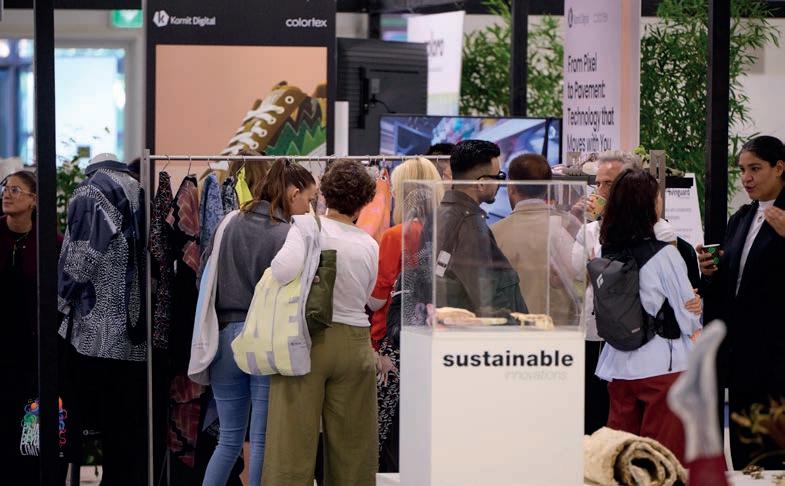
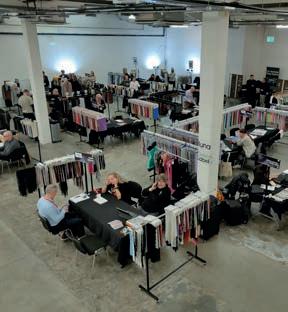
“A unique platform for the UK’s leading fashion brands and clothing manufacturers, who can meet with exhibitors to present their latest collections in the heart of London”. These are the words of the Italian Trade Agency (ICE), which, from this edition onwards, has brought a pavilion featuring 25 Italian companies to Texpremium thanks to an agreement with the organisers reached a few months before the show.
A very significant step forward for the London fair, which welcomed this new development to its (almost) new venue at the Truman Brewery in the Shoreditch district, in recognition of the work done in recent years to provide the British capital with a leading event for the international textile sector, and the Italian sector in particular. But there was also growth in both the number and quality of Japanese companies.
Texpremium, which shares the London stage with The London Textile Fair – John Kelley’s other creation – has, in its four-year history, earned the role of the main showcase for Italian-made textiles and clothing, as well as for accessories and service providers in the sector.
The fair effectively kicked off the summer calendar of European trade shows, leading the way and allowing companies to present their collections almost as a preview; moreover, it served as a litmus test for the venue: Brick Lane, the bustling street synonymous with Swinging London and vintage culture, provides the backdrop for the show, which thus brings Italian products to the heart of London’s fashion scene.
The UK, like the rest of the world, is also feeling the pinch of falling consumer spending, but Texpremium has further confirmed its status as a destination for both emerging designers and small fashion workshops, as well as for established retailers and top-tier brands – not just British ones – ranging from Victoria Beckham to Marks & Spencer, from Tesco to Zara, from Uniqlo to Burberry, Primark, Harrods, Tommy Hilfiger, Barbour, Vivienne Westwood and Stella McCartney.
On 14 and 15 July, the ‘baton’ passes to The London Textile Fair, which remains at its usual venue, the Business Design Centre in Islington, whilst Texpremium will return in December (1–2).
“Una piattaforma unica per i principali marchi di moda e i produttori di abbigliamento del Regno Unito, che possono incontrarsi con gli espositori per presentare le loro ultime collezioni nel cuore di Londra”. Parole di Agenzia ICE, che da questa edizione ha portato a Texpremium un padiglione con 25 aziende italiane grazie all’accordo con gli organizzatori maturato qualche mese prima del salone. Un passo avanti molto importante per la fera londinese, che ha accolto nella sua (quasi) nuova sede della Truman Brewery, nel quartiere di Shoreditch, la novità come riconoscimento del lavoro fatto in questi anni per dotare la capitale britannica di un evento di riferimento per il tessile internazionale e italiano in particolare. Ma non è mancata anche la crescita in numeri e qualità delle aziende giapponesi.
Texpremium, che divide il palcoscenico di Londra con la The London Textile Fair, l’altra creatura di John Kelley, in quattro anni di pur giovane storia si è meritata il ruolo di principale vetrina per il tessile-abbigliamento made in Italy ma anche per accessori e aziende di servizi del settore.
La fera ha di fatto inaugurato il calendario estivo dei saloni europei facendo da apripista e consentendo alle aziende di presentare quasi in anteprima le collezioni ed in più ha avuto la prova del nove per la location: Brick Lane, la vivacissima strada della Swinging London e del vintage, fa da contorno al salone che porta così i prodotti italiani nel cuore della moda londinese.
Anche il Regno Unito, come il resto del mondo, sta pagando il calo dei consumi ma Texpremium ha avuto come ulteriore conferma quella di essere meta tanto di stilisti emergenti quanto di piccoli laboratori di moda, tanto di retailer storici quanto di marchi di primissima fascia, non solo inglesi, da Victoria Beckham a Marks & Spencer, da Tesco a Zara, da Uniqlo a Burberry, Primark, Harrods, Tommy Hilfger, Barbour, Vivienne Westwood e Stella McCartney.
Il 14 e 15 luglio la “stafetta” con la The London Textile Fair, che invece rimane nella sede abituale del Business Design Centre di Islington, mentre Texpremium tornerà a dicembre (1-2).
THE JOURNEY OF LEADER
TOPS’ FANCY YARNS
IL VIAGGIO DEI FILATI FANTASIA FIRMATO LEADER TOPS
A cura di Gianluca Novelli (responsabile prodotto di Leader Tops) e Roberto Sella (tecnico specializzato in filatura cardata)
La Spola continues its series dedicated to the world of Leader Tops’ fancy yarns with this third instalment, which takes us inside the carded spinning process, where the concept of an effect is transformed into a tangible material and the behaviour of the fibre becomes structure. Having explored, in the previous article published in La Spola Showcase 180, the creation of effects such as buttonholes and flares, we now enter a phase where everything hinges on the balance between regularity, technical control and the yarn’s aesthetic identity.
The process unfolds through four fundamental stages — blending, carding, spinning and winding — which, according to Leader Tops’ approach, represent a continuous journey of transformation. It is here that the fancy yarn takes shape, because the regularity of the base must coexist with the presence of the effects without losing its coherence and clarity.
Blending is the first crucial step. The aim is to strike a balance between the base fibre and the effect fibres, which are very different in terms of behaviour and structure. The base fibre, which is soft and light, contrasts with the buttons and flecks, which are more compact and prone to separation. For this reason, belt systems and controlled condensation are used, which, in Leader Tops’ experience, ensure greater stability of the blend right through to the subsequent stages. In the most delicate cases, double blending is also used, with
Continua su La Spola il percorso dedicato al mondo dei filati fantasia firmato Leader Tops, con questo terzo capitolo che ci porta all’interno della filatura cardata, là dove l’idea di effetto si trasforma concretamente in materia e il comportamento della fibra diventa struttura. Dopo aver approfondito, nel precedente articolo pubblicato su La Spola Showcase 180, la costruzione di effetti come bottoncini e fiammette, entriamo ora in una fase in cui tutto si gioca sull’equilibrio tra regolarità, controllo tecnico e identità estetica del filato.
Il processo si sviluppa attraverso quattro momenti fondamentali — miscelatura, cardatura, filatura e roccatura — che, secondo l’approccio di Leader Tops, rappresentano un percorso continuo di trasformazione. È qui che il filato fantasia prende forma, perché la regolarità della base deve convivere con la presenza degli effetti senza perderne coerenza e leggibilità.
La miscelatura è il primo passaggio decisivo. L’obiettivo è costruire un equilibrio tra fibra base ed effetti, materiali molto diversi per comportamento e struttura. La base, soffice e leggera, si contrappone infatti a bottoncini e fiammette, più compatti e inclini alla separazione. Per questo si utilizzano sistemi a nastro e condensazione controllata, che secondo l’esperienza Leader Tops garantiscono maggiore stabilità della miscela fino alle fasi successive. Nei casi più delicati si ricorre anche a una doppia miscelazione, con un primo “mischietto” che integra gli effetti nella massa base
an initial ‘pre-blend’ that incorporates the effects into the base mass before full blending. It is during carding that the fancy yarn really begins to take shape. Here, the material is interpreted rather than simply processed. The structure of the line, together with parameters such as speed, carding points and the condition of the seals, affects the behaviour of the sliver and the final appearance of the yarn. In the company’s methodology, sampling represents the most critical stage: the aim is not to eliminate irregularities but to control them, allowing the effects to emerge without compromising cohesion and workability. Even minimal variations can significantly alter the result.
After carding, the sliver enters the spinning stage, where the yarn acquires its texture and character. The twist tends to be slightly tighter than that of linear yarns, so as to ensure stability without compromising the aesthetic effect. The settings defined during the sampling phase are documented to ensure production consistency, whilst maintaining the flexibility required to accommodate variations in fibre and environmental conditions. Finally, the winding stage concludes the process with a delicate operation. Tension, speed and the adjustment of the take-ups must be carefully calibrated to avoid stress on the yarn and preserve its elasticity and aesthetic quality. The result is a stable and uniform bobbin, ready for subsequent processing, reflecting the balance achieved throughout the entire production process.
prima della miscelazione completa. È con la cardatura che il filato fantasia inizia realmente a definirsi. Qui il materiale viene interpretato più che semplicemente lavorato. La struttura della linea, insieme a parametri come velocità, punti cardanti e stato delle guarnizioni, incide sul comportamento del nastro e sull’aspetto finale del filato. Nella metodologia dell’azienda la campionatura rappresenta il momento più sensibile: l’obiettivo non è eliminare le irregolarità ma governarle, lasciando emergere gli effetti senza compromettere coesione e lavorabilità. Anche variazioni minime possono modificare sensibilmente il risultato. Dopo la cardatura, lo stoppino entra nella fase di filatura, dove il filato acquisisce consistenza e identità. La torsione tende a essere leggermente più sostenuta rispetto ai filati lineari, così da garantire stabilità senza soffocare l’effetto estetico. Le regolazioni definite in campionatura vengono documentate per assicurare continuità produttiva, pur mantenendo la flessibilità necessaria alle variabili di fibra e ambiente. Infine, la roccatura conclude il processo con una lavorazione delicata. Tensione, velocità e regolazione delle stribbie devono essere calibrate con attenzione per evitare stress sul filo e preservarne elasticità e qualità estetica. Il risultato è una rocca stabile e uniforme, pronta per le successive lavorazioni, espressione dell’equilibrio costruito lungo tutto il processo produttivo.
THE POWER OF RELIABILITY
FIL-3 PREMIATA DAI CLIENTI CON UN OTTIMO 2026
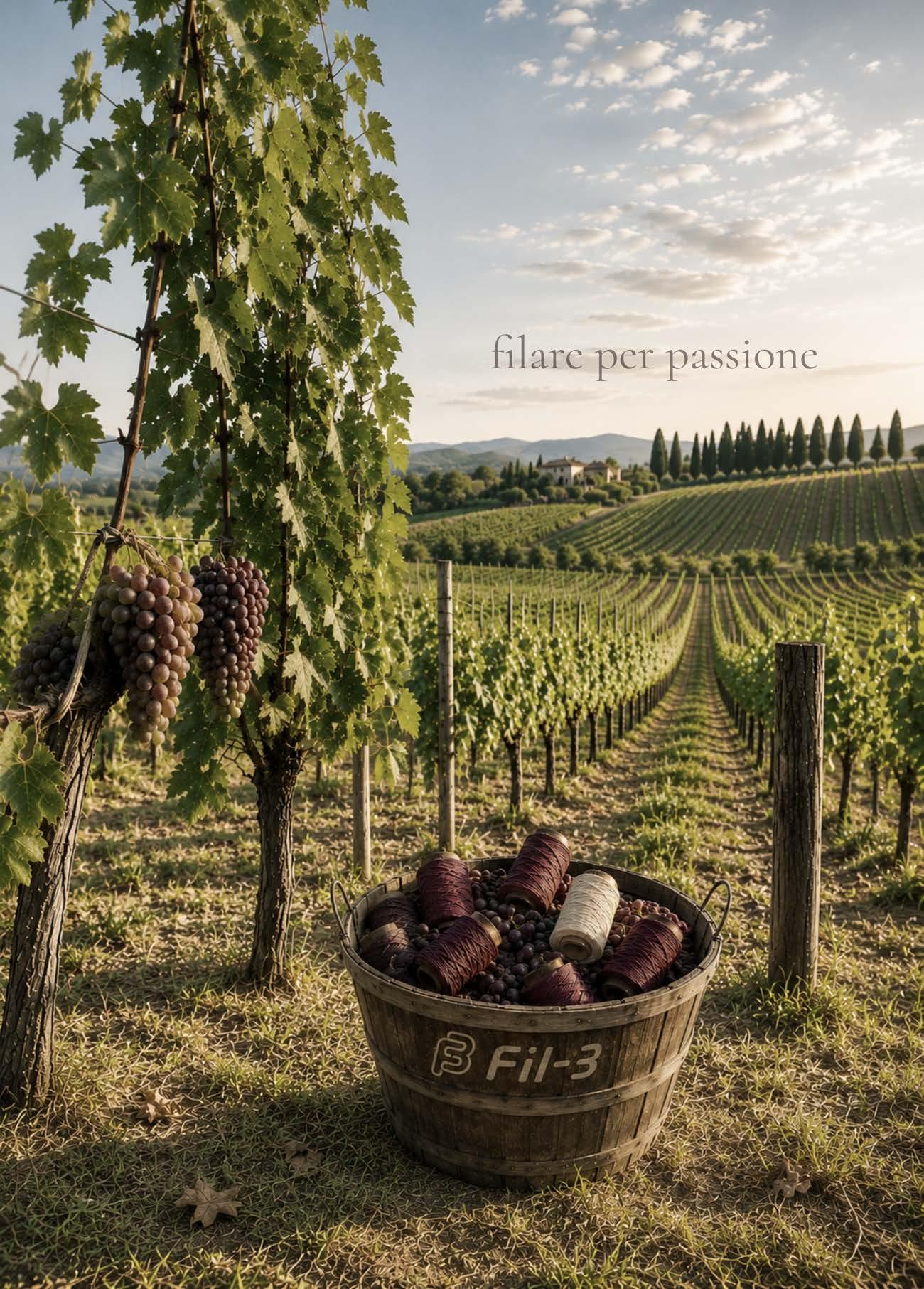
In a context as challenging as few others and with a market fraught with uncertainty, Fil-3 has managed to start 2026 on a very positive note, confirming the trend of recent seasons and finding the impetus for growth in the trust placed in it by its customers.
“Combed yarns have performed well up to May,” says CEO Giacinto Gelli, “but so too have the carded yarn ranges and the ring-spun yarn range. We are managing to fulfil orders on time, sometimes even delivering an initial batch early and then completing the order, particularly when dealing with large quantities. Unfortunately, given the rise in air freight costs – which have more than doubled – we’ve had to raise our prices, which our regular customers have accepted, and we’re grateful to them for that. The mutual trust between us and our customers has allowed us to work as a team. The warehouse has also been effective in fulfilling orders, balancing advance shipments and stock levels; it’s been quicker for carded and patterned fabrics, whilst combed fabrics take a few extra days precisely because of the more challenging shipping arrangements.” The outlook for exports is also positive: “We’ve grown in Spain and Turkey,” confirms Gelli, “and we can say we’ve achieved our target. As for the rest, we’re hoping for increasingly substantial orders, particularly to keep the spinning mills running.”
The wars have also had an impact on the home furnishings collection: “The US-Iran conflict,” explains the entrepreneur, “has affected purchases in the region, such as those from the United Arab Emirates, which were going well.”
News on the trade fair front: “For the first time,” concludes Gelli, “we won’t be at Filo in September, because summer is the least important season for us, and the date is too early; it could cause difficulties for our technical staff, who will have just come back from the trade fairs and Première Vision with the guidelines for winter but would have to start working on the summer collection. Perhaps we’ll consider an event in Prato in 2027, partly to revitalise the district and highlight the importance of having an exhibition centre in the city.”
In un contesto difficile come poche altre volte e con un mercato soggetto a mille incognite Fil-3 è riuscita a iniziare il 2026 in modo molto positivo, confermando il trend delle ultime stagioni e trovando nella fiducia riposta dai clienti lo spunto per crescere. “Fino a maggio bene i pettinati – dice l’ad Giacinto Gelli – ma anche le linee del cardato e la linea dei filati del fuso capo. Stiamo riuscendo a evadere gli ordini rispettando le tempistiche, magari talvolta anticipando un primo quantitativo e poi completando l’ordine, soprattutto se si parla di grosse quantità. Purtroppo, visto l’aumento dei costi delle spedizioni per via aerea, più che raddoppiati, abbiamo dovuto praticare un rincaro, che i clienti abituali hanno accettato e di questo siamo loro grati. La fiducia reciproca tra noi e i clienti ci ha consentito di fare squadra. Ha funzionato anche il magazzino per evadere gli ordini, tra anticipi e saldi; più velocemente su cardati e fantasie, mentre per i pettinati occorre qualche giorno in più proprio a causa delle spedizioni più difficili”. Buone anche le indicazioni per l’export: “Siamo cresciuti in Spagna e Turchia – conferma Gelli – e possiamo dire di aver raggiunto l’obiettivo preposto. Per il resto speriamo in ordini sempre più importanti, soprattutto per far lavorare le filature”.
Le guerre hanno avuto un impatto anche sulla collezione per arredamento: “Il conflitto USA-Iran – spiega l’imprenditore – ha inciso sugli acquisti nell’area, come quelli degli Emirati Arabi Uniti, che andavano bene”. Novità nel capitolo fiere: “Per la prima volta – conclude Gelli – non saremo a Filo a settembre, perché l’estivo per noi è la stagione meno importante e poi la data è troppo anticipata, può mettere in difficoltà i nostri tecnici, che saranno appena usciti dalle fiere e da Première Vision con le indicazioni per l’inverno ma dovrebbero mettersi a lavorare sull’estivo. Magari penseremo ad un evento a Prato nel 2027, anche per rilanciare il distretto e sottolineare l’importanza di avere un polo espositivo in città”.
FANCY YARNS SINCE 1983
FILATURA ALMA, FILATI FANTASIA DAL 1983
Our firm produces and sells weaving, knitting, and furnishing yarn with a wide range of Winter and Summer samples. It renovates in every season to meet market demand that is more and more exacting and to respect the tendency of “made in Italy” production.
The strengths of our firm are given by continuative technique innovation, which is the result of our matured experience in the textile sector, by work, by passion of qualified technicians and by continuity of strategies of social governance. For these reasons we have noticed positive results given by exponential growth in the last few years on both local and international market.
We have been adopting solutions tailored to every customer. Our vanguard machineries and our ability allow us to process various types of product, from single yarn to elaborated fanciful yarn. We guarantee agreed time of delivery as we can follow all the stages of production, from the raw materials to the creation of finished product and to final product quality control. Our commitment is aimed at eco-sustainability, in fact, in addition to the GRS certification, which we have now renewed for the third year, we have also the second Gots and Rws certification by Icea, and we are also proud to collaborate with the members of the organization Bci, for more sustainable agriculture.
La nostra azienda produce e commercializza filati per tessitura, maglieria e arredamento con un'ampia gamma di articoli invernali ed estivi. Si rinnova in ogni stagione per rispondere alle richieste sempre più esigenti del mercato e per rispettare le tendenze del made in Italy.
I punti di forza della nostra azienda sono dati dalla continua innovazione tecnica, frutto della maturata esperienza nel settore tessile, dal lavoro, dalla passione di tecnici qualificati e dalla continuità delle strategie di governance sociale. Per questi motivi abbiamo riscontrato risultati positivi, dati da una crescita esponenziale negli ultimi anni sia sul mercato locale che su quello internazionale. Abbiamo adottato soluzioni su misura per ogni cliente. I nostri macchinari all'avanguardia e la nostra capacità ci permettono di lavorare diversi tipi di prodotto, dal filato singolo ai filati elaborati e fantasia. Garantiamo tempi di consegna concordati in quanto possiamo seguire tutte le fasi della produzione, dalle materie prime alla creazione del prodotto finito e al controllo di qualità finale.
Il nostro impegno è rivolto all'ecosostenibilità, infatti, oltre alla certificazione GRS, che abbiamo rinnovato per il terzo anno, abbiamo anche la seconda certificazione Gots e Rws ottenuta da Icea, e siamo inoltre orgogliosi di collaborare con i membri dell'organizzazione Bci, per un'agricoltura più sostenibile.
MISTER JOE CELEBRATES 50 YEARS
50 ANNI DI ESPERIENZA INCONTRANO IL FUTURO DELLA LANA.
At Pitti Filati 99, Mister Joe presents its new collections while celebrating an important milestone: fifty years of activity. Founded in 1976, Mister Joe has built its identity around creativity, colour research and the continuous exploration of new possibilities in yarn development. This approach has generated a distinctive collection culture and, more recently, the creation of Miss Joe.
More than a celebration of the past, this anniversary represents an opportunity to look ahead.
Mister Joe is widely recognised for its expertise in mohair yarns, a heritage that has shaped the company’s identity since its foundation.
Over the decades, this knowledge has evolved into a continuous exploration of lightness, softness and sensory performance, leading to yarns that combine creativity, comfort and technical excellence. In many ways, the encounter with Platinumwool™ represents a natural continuation of this journey.
Developed by the Japanese company IST, Platinumwool™ is an innovative wool technology that enhances the natural qualities of wool, bringing new levels of softness, comfort and performance while preserving the fibre’s authentic character. Rather than replacing nature, the technology amplifies what is already extraordinary within the material itself.
This vision is also reflected in the new Mister Joe collection presented at Pitti Filati, where the search for lightness, authenticity and sensory comfort explores some of the emerging values shaping contemporary lifestyles.
The encounter between Mister Joe and IST brings together two complementary worlds: Italian textile creativity and Japanese technological research. A dialogue between heritage and innovation.
A conversation between memory and possibility. And perhaps the most meaningful way to celebrate fifty years of looking forward.
A Pitti Filati 99, Mister Joe presenta le proprie nuove collezioni celebrando un traguardo importante: cinquant’anni di attività. Fondata nel 1976, Mister Joe ha costruito la propria identità attorno alla creatività, alla ricerca sul colore e alla continua esplorazione di nuove possibilità nello sviluppo dei filati. Un approccio che ha dato vita a una cultura collezionistica distintiva e, più recentemente, anche alla nascita di Miss Joe. Più che una celebrazione del passato, questo anniversario rappresenta un’occasione per guardare al futuro. Mister Joe è riconosciuta per la propria esperienza nel mondo dei filati di mohair, un patrimonio che ha contribuito a definire l’identità dell’azienda fin dalle sue origini. Nel corso dei decenni, questo sapere si è evoluto in una continua ricerca di leggerezza, morbidezza e performance sensoriale, dando vita a filati capaci di coniugare creatività, comfort ed eccellenza tecnica. Sotto molti aspetti, l’incontro con Platinumwool™ rappresenta la naturale prosecuzione di questo percorso.
Sviluppata dall’azienda giapponese IST, Platinumwool™ è un’innovativa tecnologia applicata alla lana che ne esalta le qualità naturali, portandole verso nuovi livelli di morbidezza, comfort e performance, preservando al tempo stesso il carattere autentico della fibra. Più che sostituire la natura, questa tecnologia ne amplifica le qualità intrinseche, valorizzando ciò che rende la lana un materiale straordinario. Questa visione si riflette anche nella nuova collezione
Mister Joe presentata a Pitti Filati, dove la ricerca di leggerezza, autenticità e comfort sensoriale interpreta alcuni dei nuovi valori che stanno influenzando gli stili di vita contemporanei.
Mister Joe e IST unisce due mondi complementari: la creatività tessile italiana e la ricerca tecnologica giapponese. Un dialogo tra heritage e innovazione.
Una conversazione tra memoria e possibilità. E forse il modo più significativo per celebrare cinquant’anni trascorsi guardando sempre avanti.
VERSATILITY, SUSTAINABILITY
OFFICINE GORGERI: VERSATILITÀ E SOSTENIBILITÀ
Ofcine Gorgeri bases its know-how on a family tradition dating back to 1953. In that year, Aldo Gorgeri founded his frst company operating in the mechanical-textile sector to meet the needs of the Prato carding industry, becoming a point of reference for all textile companies in the area due to its ability to provide mechanical repair work and the construction of specifc technical parts. As a natural evolution, the company soon began to produce complete machinery for the preparation and blending of fbres in which it became a specialist. In 1994, Aldo Gorgeri and his sons established Ofcine Gorgeri, continuing to develop and produce innovative machines, systems and plants in close relationship not only with the local textile industry, but also with the national and international ones.
Today, Ofcine Gorgeri produces machinery and systems for fraying, for cleaning natural fbres, loaders to feed the carding process, automatic boxes for storage and blending, openers for recovering endof-line selvedges, vacuum cleaners and accessories for managing the pneumatic transport of material. The special feature of the products is that 70% of the machinery is standard, while the remaining 30% is the result of continuous research and development.
The machines made by Gorgeri are not only aimed at the fashion sector, but also at those based on the Nonwoven-Textile production technique, for the production of Geotextile material, especially for the Automotive, Furniture and Construction sectors.
Obviously great attention is paid to sustainability. The plants supplied by Ofcine Gorgeri are also able to process materials from recycling and have themselves become more environmentally friendly in terms of energy savings, for example. One example is the loader that feeds a wool-drying oven. Its ability to open and distribute the material better facilitates the penetration of hot air, thus reducing the temperature normally required for an oven to perform this operation.
Ofcine Gorgeri's plants are now present in many countries: USA, South Africa, China, as well as European countries such as the Czech Republic, Spain, Germany, Slovenia and Lithuania. What is appreciated above all is the reliability of the plants, the fexibility and modularity of the solutions, and the ability to solve even the most complex problems.
Le Ofcine Gorgeri basano il proprio know-how su una tradizione familiare che risale al 1953, quando Aldo Gorgeri fonda la sua prima azienda attiva nel meccanotessile per soddisfare le esigenze della realtà produttiva del cardato pratese, diventando punto di riferimento per le aziende tessili presenti nella zona per la capacità di fornire interventi meccanici di riparazione e costruzione di particolari tecnici specifci. Come naturale evoluzione l’azienda inizia a produrre macchinari completi per la preparazione e miscelazione delle fbre di cui diventa specialista. Nel 1994 Aldo Gorgeri e i suoi fgli danno vita alle Ofcine Gorgeri continuando a sviluppare e produrre macchine, sistemi e impianti innovativi in stretto rapporto non solo con l’industria tessile locale, ma anche con quella nazionale e internazionale. Oggi le Ofcine Gorgeri realizzano macchinari e impianti per la sflacciatura, per la pulizia delle fbre naturali, caricatori per alimentare il processo di cardatura, box automatici per lo stoccaggio e la miscelazione, apritori per il recupero delle cimose di fne linea, aspiratori e accessori per la gestione del trasporto pneumatico del materiale. La particolarità delle realizzazioni è che il 70% del macchinario è di tipo standard, mentre il restante 30% è frutto di una continua attività di ricerca e sviluppo. Le macchine realizzate da Gorgeri non si rivolgono solo al settore moda, ma anche a quelli basati sulla tecnica produttiva del TessutoNon-Tessuto, per la realizzazione di materiale Geotessile, soprattutto per i settori Automotive, Arredamento, Edilizia. Ovviamente grande attenzione per la sostenibilità. Gli impianti forniti dalle Ofcine Gorgeri sono in grado di trattare anche i materiali provenienti dal riciclo e sono essi stessi diventati più ecologici per esempio dal punto di vista del risparmio energetico. Un esempio è il caricatore che alimenta un forno per l’asciugatura della lana. Grazie alla sua capacità di aprire e distribuire meglio il materiale facilita la penetrazione dell’aria calda, riducendo in questo modo la temperatura normalmente necessaria a un forno per eseguire questa operazione. Gli impianti di Ofcine Gorgeri sono oggi presenti in molti Paesi, tra cui Stati Uniti, Sud Africa, Cina, oltre a Paesi europei come Repubblica Ceca, Spagna, Germania, Slovenia, Lituania, oltre che in Italia. Ad essere apprezzati sono soprattutto l’afdabilità degli impianti, la fessibilità e modularità delle soluzioni, la capacità di risolvere le problematiche anche più complesse.
OPEN FACTORY
LA SCELTA DI GRUPPO COLLE DI APRIRSI AL TERRITORIO
For a long time, the industrial sector was portrayed as a closed-off world: gates, production facilities, and expertise confined within a clearly defined perimeter. Today, at least for some companies, this model is changing. For Gruppo Colle, opening up the company has become a deliberate choice. “In recent years, the number of schools, universities, professionals, and groups interested in visiting our facilities has grown steadily. Welcoming them doesn’t just mean showing what we do, but also giving something back to the local community that has always fueled our work,” explains Matteo Gualtieri, the company’s president. At a time when the industry is often portrayed through its challenges, Gruppo Colle chooses a concrete and transparent narrative. Showing how textile fibers are processed, how complex processes are developed, and how people operate within the company means bringing together worlds that too often remain separate. This openness extends beyond visits. For over fifteen years, through DHG, the company has organized workshops and residency programs that bring artists and creatives from diverse backgrounds into the company. During these programs, guests share spaces, ideas, and processes with the company team, giving rise to new insights, experiments, and products. These are not merely side activities, but a genuine form of research, where the cross-pollination of different skills fuels innovation and curiosity. The new factory, designed with B-Arch, also stems from this philosophy. Alongside the production areas, the building was conceived as a place for connection. The area linking the old and new factories has become a green courtyard, designed to encourage interaction and dialogue. Because spaces influence the way people work and build relationships. This idea of openness echoes the very history of the Prato textile district, which grew thanks to the exchange of skills, knowledge, and relationships. Today, opening our doors to students, researchers, professionals, artists, and visitors means helping to keep alive that shared heritage, which represents one of the region’s most precious resources.
Per molto tempo l'industria è stata raccontata come un luogo chiuso: cancelli, reparti produttivi e competenze custodite all'interno di un perimetro ben definito. Oggi, almeno per alcune realtà, questo modello sta cambiando. Per Gruppo Colle aprire l'azienda è diventata una scelta precisa. “Negli ultimi anni il numero di scuole, università, professionisti e gruppi interessati a visitare i nostri spazi è cresciuto costantemente. Accoglierli non significa soltanto mostrare ciò che facciamo, ma anche restituire qualcosa al territorio che da sempre alimenta il nostro lavoro”, spiega Matteo Gualtieri, presidente dell'azienda. In un momento in cui l'industria viene spesso raccontata attraverso le sue criticità, Gruppo Colle sceglie una narrazione concreta e trasparente. Mostrare come vengono lavorate le fibre tessili, come si sviluppano processi complessi e come operano le persone all'interno dell'impresa significa avvicinare mondi che troppo spesso restano separati. L'apertura non riguarda soltanto le visite. Da oltre quindici anni, attraverso DHG, l'azienda organizza workshop e programmi di residency che portano in azienda artisti e creativi provenienti da contesti diversi. Durante questi percorsi gli ospiti condividono spazi, idee e processi con il team aziendale, dando vita a nuove intuizioni, sperimentazioni e prodotti. Non si tratta di attività collaterali, ma di una vera forma di ricerca, dove la contaminazione tra competenze diverse alimenta innovazione e curiosità. Anche il nuovo stabilimento, progettato con B-Arch, nasce da questa filosofia. Accanto agli spazi produttivi, l'edificio è stato concepito come un luogo di relazione. L'area che collega il vecchio e il nuovo stabilimento è diventata una piazza interna verde, pensata per favorire incontro e confronto. Perché gli spazi influenzano il modo in cui le persone lavorano e costruiscono relazioni. Questa idea di apertura richiama la storia stessa del distretto tessile pratese, cresciuto grazie alla circolazione di competenze, conoscenze e relazioni. Oggi, aprire le porte a studenti, ricercatori, professionisti, artisti e visitatori significa contribuire a mantenere vivo quel patrimonio condiviso che rappresenta una delle risorse più preziose del territorio.
THE NEW SEASON OF THE WOOL
IDRA E LA NUOVA STAGIONE DELLA LANA
In 1957, when Biancalani Textile Machinery was founded in Prato, wool was the reference fiber. Today, we see coexisting premium lightweight production, structured fabrics, carded and worsted wools, articles with high regenerated fiber content, small niche lots, and mass-market production.
Every fiber has its own mechanical memory, it's no longer a question of doing milling but of control. IDRA is a combined washing and milling system with fully independent channels, realtime shrinkage monitoring, automatic stop at the set parameter, gentle treatment even on sensitive fibers.
IDRA integrates advanced technologies to guarantee precision and repeatability on every type of wool: 2 or 4 completely independent channels with autonomous parameter control; suitable for fashion, upholstery, and technical applications across a wide range of fabric weights; independent motorized cylinders controlled by inverters with automatic power optimization; air-jet system that repositions and completely relaxes the fabric, preventing micro-slippage and permanent creases; continuous shrinkage monitoring with automatic stop when reaching the set value; bath management via PLC with modulated heat exchanger and continuous recirculation for thermal stability; process time reduction up to 30% compared to other machines, thanks to automatic shrinkage control
Regenerated fibers require precision, stability, and repeatability. The Prato district faces this challenge daily: transforming shredded fibers into fabrics that compete with virgin materials for hand, uniformity, and performance. This isthe industrial culture that IDRA supports
IDRA is ideal for small lots and differentiated production. MILLA covers high productivity while guaranteeing uniformity on important volumes. Together, they constitute a complete ecosystem for the wool mill's industrial strategy
Nel 1957, quando Biancalani Textile Machinery nasce a Prato, la lana è la fbra di riferimento. Oggi coesistono produzioni premium leggere, tessuti strutturati, lane cardate e pettinate, articoli con alto contenuto di fbra rigenerata, piccoli lotti di nicchia e produzioni mass market. Ogni fbra ha una propria memoria meccanic, non è più una questione di fare follatura ma di controllo.
IDRA è un sistema combinato di lavaggio e follatura con canali totalmente indipendenti, monitoraggio in tempo reale del rientro, arresto automatico al parametro impostato, trattamento delicato anche su fbre sensibili.
IDRA integra tecnologie avanzate per garantire precisione e ripetibilità su ogni tipo di lana: 2 o 4 canali indipendenti con controllo autonomo dei parametri; adatto per applicazioni moda, arredamento e tecniche su un'ampia gamma di pesi tessuto; cilindri motorizzati indipendenti controllati da inverter con ottimizzazione automatica della potenza; sistema a getto d'aria che riposiziona e rilassa il tessuto, evitando micro-scivolamenti e pieghe permanenti; monitoraggio del restringimento con arresto automatico al raggiungimento del valore impostato; gestione del bagno tramite PLC con scambiatore di calore modulato e ricircolo continuo per stabilità termica; riduzione dei tempi di processo fno al 30% rispetto ad altre macchine, grazie al controllo automatico del restringimento.
Le fbre rigenerate richiedono precisione, stabilità e ripetibilità. Il distretto pratese afronta questa sfda ogni giorno: trasformare fbre sflacciate in tessuti che competono con i vergini per mano, uniformità e performance. È questa la cultura industriale che IDRA supporta. IDRA è ideale per piccoli lotti e produzioni diferenziate. MILLA copre l'alta produttività garantendo uniformità su volumi importanti. Insieme sono un ecosistema completo per la strategia del lanifcio.
MILANO UNICA
7, 8, 9 luglio 2026 Fiera Milano (Rho)
Collezioni tessili e accessori per abbigliamento
Autunno/Inverno 2027-28
milanounica.it
TRADITION AND INNOVATION
RIFINIZIONE VIGNALI: TRADIZIONE E INNOVAZIONE
For many years, Rifinizione Vignali has been a name associated with quality and innovation in the field of textile finishing, because of the wide range of state-of-the-art treatments it offers. Quality service has been the company’s strength for 72 years, along with the Vignali family’s uninterrupted ownership of the company. Rifinizione Vignali, in fact, began operating back in 1947, when Silvio Vignali took his first steps as entrepreneur by teaselling blankets. The years 1954-55, with Silvio’s son Ivo joining the company, marked a great turning point in the business. Rifinizione Vignali changed and expanded its production range and processing methods with a view to further industrial development. Ivo is the current president of the board of directors and the thirdgeneration members of the family, Barbara and Silvia, have joined the company too.
Over the years, in addition to new finishing treatments of fine and innovative fabrics, in particular, upholstery fabrics which had not been produced in the Prato area until then, the company became highly specialized in the finishing of acrylic carpets and faux fur coats. In more recent times, Rifinizione Vignali also specialized in the finishing of velvets and furnishing fabrics, for which it has become a benchmark for manufacturers of this type of fabric In the sixties, the company believed it was time to upgrade the entire machinery fleet and, in 1973, a new dyeing mill, Ma-Vi, was started, adding to the one operating within Rifinizione Vignali. Then the company further expanded its activity, soon becoming well-known not only in the Prato area, but also across the country and abroad. Today, the company can count on a base of regular customers who continue to trust Vignali’s experience and rely on its inno-vative solutions. At present, Rifinizione Vignali, together with Tintoria MA-VI, employs about 100 people and is increasingly committed to research on new technologies and improvement of processing and service quality, Vignali in fact has for many years now been using, in production, only water from the water purifier specially treated and made suitable for all production processes.
La Rifnizione Vignali è un nome che da anni rappresenta una garanzia nell’universo del fnissaggio, garanzia di qualità, ma anche di modernità, dato che le lavorazioni che l’azienda pratese oggi ofre sono ormai numerose e all’avanguardia. Proprio la qualità del servizio è il fl rouge dei 73 anni di attività. Un altro punto fermo è la proprietà, sempre della famiglia Vignali. L'attività della Rifnizione Vignali infatti è iniziata nel 1947 quando Silvio Vignali inizia la sua attività di imprenditore artigiano occupandosi della garzatura di coperte. Negli anni ’54/’55, lo afanca il fglio Ivo che porta un vero e proprio giro di boa nell’attività imprenditoriale. Innanzitutto un ampliamento della tipologia di tessuti lavorati, in seconda battuta l’allargamento del giro di afari in un’ottica sempre più industriale. Ivo Vignali è oggi presidente del Consiglio di amministrazione, ma è afancato dalla terza generazione, le fglie Barbara e Silvia. Le novità nelle tipologie di lavorazioni fatte e di tessuti trattati sono soprattutto il fnissaggio di tessuti pregiati e innovativi, tessuti anche rivolti al settore dell’arredamento e in questo caso si tratta di una novità per il settore pratese. Ulteriore passaggio sono le lavorazioni di fnissaggio di tappeti di acrilico e pellicce ecologiche. Più recentemente la Rifnizione Vignali si è specializzata nei velluti e tessuti da arredamento, per i quali è diventata un punto di riferimento per i produttori di questa tipologia di tessuti. L’ampliamento delle lavorazioni oferte dalla Rifnizione porta ben presto, già negli anni ’60, la necessità di un imponente rinnovamento del parco macchine, nel 1973 viene addirittura fondata una nuova tintoria, la Ma-Vi, che afanca quella interna della Rifnizione Vignali. Con l'allargamento dei servizi oferti si allarga anche il mercato, i cui confni non sono più quelli del distretto, ma quelli nazionali prima e internazionali dopo. Oggi l’azienda conta un portafoglio di clienti consolidati che si fdano dell’esperienza e contano sulle innovazioni che Vignali garantisce. Ora la Rifnizione Vignali e la Tintoria MA-VI contano complessivamente circa 100 dipendenti. Forte è l’impegno nella ricerca di nuove tecnologie e nuovi trattamenti, nel miglioramento della qualità dei processi e dei servizi e nella sostenibilità delle lavorazioni, la Rifnizione Vignali infatti ormai da molti anni utilizza, in produzione, esclusivamente acqua proveniente dal depuratore appositamente trattata e resa idonea per tutti i processi produttivi.
HISTORY, NOT JUST THE WRITTEN WORD
UN TUFFO NELLE ATMOSFERE IMPAREGGIABILI DELLE LIBRERIE ICONICHE
by Elisa Signorini
“A good book is a companion that brings us moments of happiness,” said Giacomo Leopardi, who left an indelible mark on the world of books. And certainly, browsing the shelves of niche, independent bookshops— small yet vast in spirit—one can find thousands of books by Leopardi and other immortal authors like him.
And what cities are better than Florence, Milan and Paris for offering literary gems displayed in unusual and romantic settings? These are the sites of the historic literary cafés of the nineteenth century, the salons where languages were refined, and the libraries where contemporary culture was born.
Here, then, is a round-up of bookshops worth visiting during the fair, perhaps straight after work in search of relaxation and tranquillity.
Florence has several independent bookshops, both in the city centre and on the other side of the Arno. One is La Città dei Lettori (Via dei Serragli 36r), a shop barely 20 square metres in size but featuring the world’s first ‘book hatch’, through which passers-by are offered a direct and informal encounter with reading. The bookshop is open from Tuesday to Sunday, from 3.30 pm to 7.30 pm. La Piccola Farmacia Letteraria (Via del Castellaccio 45r and Via di Ripoli 7) sells books treated as medicines: each volume is accompanied by a label indicating its dosage, benefits and any ‘side effects’. The children’s section is also very well curated. Malaparte (Via dell’Agnolo 30r) pays tribute to the Tuscan writer Curzio Malaparte and stocks mainly
“Un buon libro è un compagno che ci fa passare dei momenti felici” ha detto Giacomo Leopardi, che sui libri ha lasciato tracce indelebili. E sicuramente cercando tra gli scaffali di librerie di nicchia, indipendenti, piccole ma al tempo stesso enormi, di Leopardi e di autori immortali come lui di libri se ne possono trovare a migliaia.
E quali città sono migliori di Firenze, Milano e Parigi nel regalare perle letterarie esposte in scrigni insoliti e romantici? Sono i luoghi degli storici caffè letterari dell’Ottocento, dei salotti dove le lingue si sono affinate, delle biblioteche dove è nata la cultura contemporanea. Ecco quindi una carrellata di librerie che meritano una visita nei giorni di fiera, magari appena usciti dal lavoro in cerca di relax e tranquillità.
Firenze ha diverse librerie indipendenti, sia in centro che al di là dell’Arno. Una è La Città dei Lettori (via dei Serragli 36r), nemmeno 20 metri quadrati di negozio ma con la prima buchetta dei libri al mondo, dalla quale si offre ai passanti un incontro diretto e informale con la lettura. La libreria è aperta dal martedì alla domenica, dalle 15.30 alle 19.30. La Piccola Farmacia Letteraria (via del Castellaccio 45r e via di Ripoli 7) vende libri trattati come medicinali: ogni volume è accompagnato da un cartellino che ne indica posologia, benefici ed eventuali “effetti collaterali”. Molto curata anche la sezione dedicata ai bambini. Malaparte (via dell'Agnolo 30r) rende omaggio allo scrittore toscano Curzio Malaparte ed ha in catalogo
independent authors, Italian and foreign fiction, poetry and children’s books. On the Road (Via Vittorio Emanuele II 106) is not just a travel bookshop: it is an inclusive space where you can find books, guides, maps and everything you need to plan your journey, whether real or imaginary. It is organised by continent, with sections dedicated to maps, guides and local fiction, selected from travel diaries, reportage and novels to allow you to immerse yourself fully in the culture of the places you wish to visit. Finally, L'Ornitorinco (Via di Camaldoli 10r) is a bookshop for the curious, but also a bar, a café and a space dedicated to events, exchange and sharing.
In Milan, the city’s largest, the search for independent bookshops offers a wider range of options. We simply must start with the Milano Fashion Library (13 Via I Maggio in Vanzago, not far from Rho Fiera Milano), a veritable archive housing vintage issues of the most famous magazines, independent publications, lookbooks and fashion books. An entire room is dedicated to Vogue. Then there is Linea d’Ombra (Via San Calocero 29, near the fashion district of Via Tortona): modest spaces where the voices of children and teenagers often ring out as they enjoy the section dedicated to them and take part in readings and events. Scaldasole Books (Via Scaldasole 1) brings us closer to the city centre and offers a selection of literature, poetry and non-fiction, with a strong focus on music and cinema through its ‘Suoni dall’altro mondo’ series. The in-depth podcasts
soprattutto autori indipendenti, narrativa italiana e straniera, poesia e editoria per ragazzi. On the Road (via Vittorio Emanuele II 106) non è solo una libreria di viaggi: è uno spazio inclusivo dove trovare libri, guide, carte geografiche e tutto il necessario per preparare il proprio viaggio, reale o immaginario. E’ organizzata per continenti, con sezioni dedicate a carte, guide e narrativa locale, selezionata tra diari di viaggio, reportage e romanzi per immergersi completamente nella cultura dei luoghi da visitare. Infine L'Ornitorinco (via di Camaldoli 10r) è una libreria per curiosi, ma anche un bar, una caffetteria e uno spazio dedicato a eventi, scambio e condivisione. A Milano, città più grande, la ricerca di librerie indipendenti ha orizzonti più ampi. Iniziamo obbligatoriamente dalla Milano Fashion Library (via I maggio 13 a Vanzago, non lontano da Rho Fiera Milano), un vero e proprio archivio con edizioni vintage dei magazine più famosi, riviste indipendenti, lookbook, libri di moda. Una stanza intera è dedicata a Vogue. Poi c’è Linea d’Ombra (via San Calocero 29, vicino al fashion district di via Tortona): spazi non enormi in cui spesso risuonano le voci di bambini e ragazzi che si godono la sezione a loro dedicata e che partecipano a letture ed eventi. Scaldasole Books (via Scaldasole 1) ci avvicina al centro città e propone una selezione di letteratura, poesia e saggistica con grande attenzione anche alla musica e al cinema, con la rassegna Suoni dall’altro mondo. Vanno in questo senso anche i podcast
Librerie Jousseaume
Milano Fashion Library
Librerie Galignani La città dei lettori Scaldasole
L'Ornitorinco
Shakespeare and Company
available on their website also follow this theme. In the same neighbourhood is Libreria Verso (40 Corso di Porta Ticinese), a project launched by a group of five friends who envisioned a space combining reading, events and socialising, not least thanks to a few drinks at the in-house bar. Finally, there’s La Balena (24 Via Cesare Correnti), where they sell not only books but also illustrations, thus bringing together reading and art. When it comes to bookshops and Paris, there’s one must-visit: Shakespeare and Company (37 Rue de la Bucherie), a gem on the Left Bank and a destination for enthusiasts from all over the world. You’ll have to queue to get in, whilst taking in the view of Notre Dame; inside, photos and selfies are not allowed to preserve the historic atmosphere. It’s impossible to leave without a book or a souvenir, such as the iconic canvas bag. The Librairie Jousseaume (45-46-47 Galerie Vivienne) is one of the oldest in the city and will celebrate its 200th anniversary in 2026. It is listed as a historic monument for its period shopfront and interior, which transports customers and visitors to another era. Another notable feature is that it sells only second-hand books, including some dating back as far as the 18th century, ranging from literature to history, poetry to theatre. Librairie Galignani (224 Rue de Rivoli) is another place steeped in history; it was the first English-language bookstore founded in Europe, in 1801, and is still owned by the founder’s family. Browsing its shelves means following in the footsteps of figures like Stendhal, Hemingway, and Proust. However, the place that has been selling books the longest in Paris is the Librairie Delamain (155 Rue St Honoré), founded in the early 18th century and located in its current prestigious location since 1906. Here, too, the presence of great authors over the centuries has been a constant. Today, it offers books on every subject and organizes readings and meetings with authors.
di approfondimento che si possono ascoltare dal loro sito. Stesso quartiere per Libreria Verso (corso di Porta Ticinese 40), un progetto nato da un gruppo di cinque amici, che hanno pensato ad uno spazio dove abbinare lettura, eventi e aggregazione, anche grazie a qualche drink al bar interno. Infine La Balena (via Cesare Correnti 24), dove non si vendono solo libri ma anche illustrazioni, abbinando così lettura e arte. Se si parla di librerie e Parigi c’è un obbligo, che si chiama Shakespeare and Company (rue de la Bucherie 37), gioiello sulla Rive Gauche, meta di appassionati di tutto il mondo: per entrare si fa la fila lasciandosi incantare dalla vista su Notre Dame, dentro non si possono fare foto e selfie per rispettare l’atmosfera storica. Impossibile andarsene senza un libro o un gadget, come l’iconica borsa in tela. La Librairie Jousseaume (45-46-47 Galerie Vivienne) è una delle più antiche della città e festeggia nel 2026 i duecento anni di apertura. E’ classificata monumento storico per la vetrina d'epoca e l’interno, che proietta i clienti ed i visitatori in un’altra epoca. L’altra particolarità non da poco è che vende solo libri usati, anche antichissimi (fino al XVIII secolo), che spaziano dalla letteratura alla storia, dalla poesia al teatro. La Librairie Galignani (224 Rue de Rivoli) è un altro luogo in cui la storia la fa da padrone, la prima libreria di lingua inglese fondata in Europa, nel 1801 e tuttora di proprietà della famiglia del fondatore. Aggirarsi tra i suoi scaffali significa fare la stessa cosa di personaggi come Stendhal, Hemingway o Proust. Il luogo dove però da più tempo si vendono libri a Parigi è la Librairie Delamain (155 Rue St Honoré), fondata agli inizi del XVIII secolo e nella sua prestigiosa attuale sede dal 1906. Anche qui la presenza di grandi autori nel corso dei secoli è stata una costante. Adesso propone libri di qualsiasi campo ed organizza letture e incontri con gli autori.