ISLA MAGDALENA - EXPLORE THE WORLD TO EXPLORE OURSELVES
F I R E N Z E BY BELVEDERE PIAZZA DEGLI STROZZI, 10R - 50123 FIRENZE T. +39 055 0981090 - INFO@MINOTTIFIRENZE.COM WWW.MINOTTIFIRENZE.COM
ORION DESIGN GIAMPIERO TAGLIAFERRI MINOTTI.COM
34rd EDITION PALAZZO CORSINI FIRENZE 26th September / 4th October 2026
PRESIDENT SARA FUNARO (MAYOR OF FLORENCE)
SECRETARY GENERAL BRUNO BOTTICELLI
VICE PRESIDENT RICCARDO BACARELLI
BOARD MEMBERS
ALESSANDRA DI CASTRO
ENRICO FRASCIONE
CARLO ORSI
FABRIZIO GUIDI BRUSCOLI
LUIGI SALVADORI
MASSIMO MANETTI
FURIO VELONA
SECRETARY
CHIEF OPERATING OFFICER GIUSEPPE VITO
ORGANIZATIONAL OFFICE KATIA MANNINI
VETTING FURNITURE
Fernando Mazzocca
Sandro Bellesi
Alessandro Morandotti
Silvestra Bietoletti
Raffella Morselli
Laura Cavazzini
George Bisacca
Gianni Papi
Maichol Clemente
Anna Bozena Kowalczyk
Nicoletta Pons
C.D. Dickerson, non voting
Stefano Causa
Giuseppe Porzio
PAINTINGS
AND DRAWING Daniele Benati
Sonia Chiodo Maria Cecilia Fabbri Carlo Falciani, Co-Chairman Luca Fiorentino Gaudenz Freuler Arturo Galansino Loredana Gallo
Sergio Risaliti
Andrea De Miglio
Marco Longari, Coordinatore
Carl Strehlke, Co-Chairman
Fernando Mazzocca
Angelo Tartuferi
Claudio Pizzorusso
Riccardo Bacarelli,
Jean-Patrice Marandel,
Mauro Pratesi
Coordinatore
Alberto Salvadori
Presidente
Andrea Bacchi, Chairman
Mario Scalini
Alfonso Panzetta
Alfonso Panzetta
Partner
Main Sponsor
Partner solidale
Claudio Franchi
Massimo Moretti
Pier Maria Scagliola Valerio Terraroli
SCIENTIFIC COORDINATOR Elena Capretti
PARTNER Con il contributo di
Maurizio Fioravanti
Marino Marini
Walter Padovani,
Caterina Volpi
Roberto Fersini
Riccardo Franci
Riccardo Naldi
Maria Cristina Terzaghi
Dora Liscia Bemporad Enrico Colle
Francesco Leone
Daniele Rossi
Marco Arosio
Simone Chiarugi
Simone Guerriero
SCULPTURE
Francesco Leone
Adriano Amendola
Giancarlo Gentilini
Furio Rinaldi
Coordinatore
Richard Knight
David Sestieri, Coordinatore
Aldo Galli
Emanuele Zappasodi
Peter Kerber
AND DECORATIVE ARTS
Sponsor
Media Partner
Held with the contribution of: Fondazione CR Firenze and Chamber of Commerce of Florence FONDAZIONE EXPO ARTE E CULTURA ETS Via del Parione, 11 – 50123 Firenze Tel 055 282635 www.biaf.it
CONTRIBUTORS
CRISTINA ACIDINI Art historian, chairs the Opera di Santa Croce, the Academy of Arts of Drawing, and the Casa Buonarroti and Roberto Longhi Foundations.
MARCO CASAMONTI In 1988, he founded the Studio Archea. Today, the firm has more than 220 architects and offices, and has designed major architectural projects.
ROBERTO CASAMONTI One of Italy’s most important gallery owners and President of Collezione Casamonti. In 1981, he founded Tornabuoni Arte in Florence.
MAICHOL CLEMENTE Specialist in Venetian sculpture and member of the Scientific Committee of Venetian Heritage and of the Vetting Committee of Biaf.
CESARE CUNACCIA Journalist, writer, teacher, curator and flâneur, He has written many books and has collaborated with prestigious Italian and international magazines.
EMANUELA DAFFRA An art historian and senior official at the Ministry of Culture, has also been Superintendent of the Opificio delle Pietre Dure since May 2024.
GIOVANNA FORLANELLI A degree in Medicine and Surgery and a career in the pharmaceutical industry. In 2016, she founded the Luigi Rovati Foundation with her husband and their daughter.
FEDERICO FORQUET A Neapolitan of French descent. He began his career in the fashion world with Balenciaga. He later devoted himself to designing gardens and
ARTURO GALANSINO From 2015, General Director of Palazzo Strozzi Foundation. He has built a brilliant career at the Musée du Louvre, National Gallery and Royal Academy of Arts.
JACQUES GARCIA A passionate collector, he has transformed residences, hotels, and historic sites into settings steeped in history.
CAROLINA LÓPEZ One of the most interesting sopranos of her generation, thanks to her vocal technique, emotional intensity, and magnetic stage presence.
JULIAN SCHNABEL American painter and filmmaker born in Brooklyn, New York, He is a major figure in the neo-expressionist art movement.
SIMONE VERDE From January 2024, he was appointed as the new Director of the Uffizi. His objectives are museum quality and scientific research.
MARCO VOENA Art dealer and connoisseur, he is one of the leading experts in the field on an international level, with offices in London, Milan, and St. Moritz.
FIRENZE BOUTIQUE Via Vacchereccia 12/R (Piazza della Signoria) +39 055 2608617 ∙ cammillifirenze.com
Creating value BIAF 2026: the responsibility that comes with a prestigious history, the ability to address the challenges of the present BIAF 2026: la responsabilità di una storia prestigiosa, la capacità di interpretare le sfide del presente by Sara Funaro, Mayor of Florence and President of Florence International Biennial Antiques Fair
16
The Florence International Antiques Fair is an event of the highest calibre which has continued to grow steadily in stature over the years, attracting scholars, collectors, professionals and enthusiasts from around the world to our city. This 34th edition also marks the beginning of a new chapter under the direction of Bruno Botticelli, to whom we extend our very best wishes for the work ahead. Taking on the legacy of an event such as BIAF means assuming responsibility for a prestigious and important history while also being able to interpret the challenges of the present with clarity and ambition. The work undertaken for the 2026 edition moves precisely in this direction. Around 80 exhibitors, selected from among the finest Italian and international dealers, will present a journey ranging from the great masters to the most current contemporary trends, bringing together the principal European and international art markets. These figures and facts speak for themselves, reflecting a serious and substantial commitment to consolidating BIAF’s international authority, strengthening dialogue with the city’s cultural institutions, encouraging new forms of exchange, investing in younger generations and helping Florence remain the cultural capital it has always been and still deserves to be. We support this vision because it shows how heritage can be enhanced and transformed into a living resource, capable of generating knowledge, development, skills and new opportunities for the future. Every edition of BIAF brings collectors, scholars, museum directors, professionals and enthusiasts from every continent to Florence, reinforcing the city’s role as an international point of reference for art, culture and collecting. It is precisely the kind of high-quality cultural tourism we strongly believe in and wish to promote: people choosing Florence to experience the city authentically, to discover and understand its heritage at first hand, generate value for the local area and create lasting relationships over time. BIAF also highlights another fundamental aspect that often remains in the background: the value of the work carried out by antiques dealers. They are not simply protagonists of the art La Biennale Internazionale dell’Antiquariato è un appuntamento di altissimo livello che negli anni è cresciuto sempre di più, capace di richiamare nella nostra città studiosi, collezionisti, operatori del settore e appassionati provenienti da tutto il mondo. Questa 34ª edizione segna anche l’inizio di un nuovo percorso con la direzione di Bruno Botticelli, al quale va il nostro augurio di buon lavoro. Raccogliere l’eredità di una manifestazione come la BIAF significa assumersi la responsabilità di una storia prestigiosa e, allo stesso tempo, avere la capacità di interpretare le sfide del presente. E il lavoro intrapreso per questa edizione 2026 va esattamente in questa direzione. Circa 80 espositori selezionati tra i migliori operatori italiani e internazionali, un percorso che spazia dai grandi maestri fino alle tendenze più in voga del contemporaneo e che tiene insieme le principali piazze dell’arte europee ed internazionali. Sono numeri e fatti che parlano chiaro e raccontano meglio di ogni altra cosa un lavoro serio e importante rivolto a consolidare l’autorevolezza internazionale della BIAF, rafforzare il dialogo con le istituzioni culturali cittadine, aprirsi a nuove contaminazioni, investire sui giovani e contribuire a rendere anche al giorno d’oggi Firenze quella capitale culturale che è sempre stata e merita ancora di essere. È una visione che sosteniamo, perché dimostra come sia possibile valorizzare il patrimonio facendone una risorsa viva, capace di generare conoscenza, sviluppo, competenze e nuove opportunità. Ogni edizione della BIAF porta a Firenze collezionisti, studiosi, direttori di musei, professionisti e appassionati provenienti da ogni continente, rafforzando il ruolo della nostra città come punto di riferimento internazionale per l’arte, la cultura e il collezionismo. Un evento che va nel segno di quel turismo culturale di qualità a cui teniamo molto e che vogliamo promuovere, fatto di persone che scelgono la città per vivere esperienze autentiche e conoscere il nostro patrimonio, capace di generare valore per il territorio, creare relazioni durature. La BIAF racconta anche un altro aspetto fondamentale, che spesso rimane sullo sfondo: il valore del lavoro degli antiquari, che non sono solamente protagonisti del mercato dell’arte
market, but true custodians of knowledge and expertise who contribute to protecting heritage, rediscovering works and passing them on to future generations. Their work must always be considered alongside that of restorers, art historians, craftspeople and cultural institutions: an outstanding ecosystem representing one of our country’s most precious assets. Supporting the Biennale therefore means supporting this entire network, a sector that produces not only culture, but also employment, development and identity. The relaunch of the Lorenzo d’Oro Award is particularly significant because it places at centre stage one of the elements that best expresses Florence’s identity: its extraordinary heritage of artisanal knowledge. Entrusting the creation of the award to Florentine master silversmiths is not merely a tribute to a tradition of excellence, but recognition of artistic craftsmanship as an integral part of the city’s history and DNA: a living and vibrant savoir-faire, sustained by skills handed down through the centuries and by a creativity that still combines knowledge, technical mastery and beauty. More than ever, the strength of BIAF 2026 also lies in its ability to build networks with Florence’s great cultural institutions. Collaborations with Fondazione CR Firenze, Casa Buonarroti, the Opificio delle Pietre Dure, Fondazione Palazzo Strozzi and the Horne Museum transform BIAF into a truly city-wide cultural project, involving Florence through important new initiatives, shared programmes and valuable synergies. Particular attention is also given to education and the transmission of knowledge to younger generations, an essential commitment if this precious heritage of expertise is not to be lost. What emerges, therefore, is a serious and concrete determination to unite a great history with a clear and far-sighted vision of the future. This is what makes the Florence International Antiques Fair one of the city’s most important cultural events, deserving our full support and a firm commitment to enhancing it with conviction for the years ahead. ma dei veri e propri custodi di conoscenze e competenze che contribuiscono alla tutela del patrimonio, alla sua riscoperta delle opere e alla trasmissione alle future generazioni. Il loro lavoro va messo sempre in relazione con quello che svolgono quotidianamente restauratori, storici dell’arte, artigiani e istituzioni culturali; una filiera di eccellenza che rappresenta uno dei patrimoni più preziosi del nostro Paese. Sostenere la Biennale significa quindi sostenere tutto questo, un settore che produce non solo cultura, ma anche lavoro, sviluppo, identità. Grande valore ha il rilancio del Premio Lorenzo d’Oro che mette al centro uno degli elementi che meglio raccontano l’identità di Firenze: il suo straordinario patrimonio di saperi artigiani. La scelta di affidare la realizzazione del premio ai maestri argentieri fiorentini non è soltanto un omaggio a una tradizione di eccellenza, ma un riconoscimento del valore dell’artigianato artistico come tratto distintivo del DNA e parte integrante della storia della nostra città, quel ‘saper fare’ ancora vivo e pulsante grazie a tutte quelle competenze tramandate nei secoli, quella creatività che ancora oggi incontra il sapere e produce bellezza. Mai come adesso la forza della BIAF 2026 dimostra di essere anche quella di saper fare rete con le grandi istituzioni culturali fiorentine. Le collaborazioni con Fondazione CR Firenze, Casa Buonarroti, Opificio delle Pietre Dure, Fondazione Palazzo Strozzi e Museo Horne trasformano la BIAF in un vero e proprio progetto culturale diffuso, che coinvolgerà tutta la città con grandi novità e importanti sinergie. Particolare attenzione viene data sempre alla didattica e alla promozione di conoscenza per le giovani generazioni ed è un elemento cruciale perché questo patrimonio prezioso di conoscenza non vada disperso. Insomma, quanto emerge è una seria e concreta volontà di tenere insieme una grande storia con uno sguardo lungimirante verso il futuro: è questo che rende la Biennale Internazionale dell’Antiquariato uno degli eventi più importanti per Firenze, da sostenere e valorizzare con convinzione.
19
A new culture, a new aesthetic
Art, but also craftsmanship and young people: the keys to a Biennale looking towards the future Arte, ma anche artigianato e giovani: le chiavi di una Biennale che guarda al Futuro by Bruno Botticelli
20
Since 1959, every two years at the end of September, Florence has celebrated the great festival of Italian Art. From the first days of August, the event is preceded by the intense work of craftspeople and professionals entrusted with creating its setting, much as in the ephemeral celebrations of the Renaissance: Palazzo Corsini on the Lungarno. This is my first Biennale as Secretary General, and it is deeply moving to witness, from the very beginning, the construction of the exhibition route and its stands. For 67 years, the true protagonists of this spectacle have been the antiques dealers, whose selection of works and the stories behind them will bring this moment to life and make it unique. After more than forty years of Biennali in Florence, my own city, where I followed in my family tradition, I remain amazed by the extraordinary range of works and the evolution of dealers’ research. For seven decades, the Biennale has showcased the work of Italy’s finest art specialists, supported by an authoritative committee of experts. For this edition, more than 60 art historians on the international vetting committee – including conservators, museum directors, curators, academics and restorers – led by Patrice Marandel, will examine the works before the opening. Across the many pages of its history, from its founders Mario and Giuseppe Bellini onwards, every Secretary General has enriched the Biennale with their own experience and the sensibility of their time. I know well the work of my predecessors Giovanni Pratesi and Fabrizio Moretti, who added fundamental elements and opened new paths. Fabrizio, in particular, over the five editions he directed, succeeded in giving the Biennale a truly international scope, bringing to it his experience as an art dealer and the success he had achieved around the world. The introduction to the catalogue of the first Biennale in 1959 was written by Piero Bargellini, who had just completed a very long term as Councillor for Fine Arts and Public Education for the Municipality of Florence and was the grandfather of Sara Funaro, the current Mayor of Florence and President of the Biennale. His text, entitled Apollo and Mercury, compared the qualities of the two Greek deities with different aspects of the art world. Apollo, god of the arts, beauty, discovery and knowledge; Mercury, god of trade, business and practical sense. Dal 1959, ogni due anni a fine settembre, Firenze celebra la grande festa dell’Arte Italiana. Questa manifestazione è preceduta, fin dai primi giorni di agosto, dal lavoro alacre di artigiani e professionisti incaricati di allestire, come accadeva nelle celebrazioni effimere del Rinascimento, il palcoscenico di questo evento: Palazzo Corsini sul Lungarno. È la mia prima volta come Segretario Generale della Biennale e mi dà un’emozione profonda assistere, fin dai primi passi, al cantiere di costruzione del percorso e degli stand. I veri protagonisti di questo spettacolo, da 67 anni sono gli antiquari, che con la selezione delle loro opere e le loro storie animeranno e renderanno unico questo momento. Avendo vissuto oltre quarant’anni di Biennali a Firenze, la mia città, dove ho mosso i primi passi sulla scia della tradizione di famiglia, continuo a stupirmi della straordinaria offerta di opere d’arte quanto dell’incredibile evoluzione della ricerca condotta dagli antiquari. Sono sette decenni che la Biennale racconta il lavoro dei migliori specialisti d’arte italiani, supportati da un’autorevole Commissione di esperti. In quest’edizione, i più di 60 storici dell’arte che compongono il vetting internazionale, conservatori, direttori e curatori museali, accademici e restauratori guidati da un grande direttore di museo come Patrice Marandel, visioneranno le opere nei giorni precedenti l’apertura. Il loro esame scientifico si intreccia indissolubilmente all’attività di studio degli antiquari, che sempre di più sono conoscitori profondi e appassionati del proprio lavoro. Lungo tante pagine di storia, dai fondatori Mario e Giuseppe Bellini in poi, ogni Segretario Generale ha arricchito la Biennale con la sua esperienza e la sensibilità del proprio tempo. Conosco nei dettagli il vasto lavoro svolto da Giovanni Pratesi e da Fabrizio Moretti, che mi hanno preceduto, aggiungendo tasselli fondamentali e aprendo nuove strade. Fabrizio, in particolare, nelle cinque edizioni che ha condotto, è stato in grado di dare alla Biennale un respiro internazionale, condividendo la sua esperienza di mercante d’arte e il proprio successo nel mondo. L’introduzione al catalogo della prima Biennale del 1959 era scritta da Piero Bargellini, che aveva appena concluso un lunghissimo mandato come Assessore alle Belle Arti e alla Pubblica Istruzione del Comune di Firenze e nonno di Sara Funaro, l’attuale Sindaca di Firenze e Presidente della Biennale. Il suo testo, intitolato Apollo e Mercurio, paragonava le caratteristiche delle due divinità greche alle componenti del mondo dell’arte. Apollo, dio delle arti, del bello, della scoperta e della conoscenza; Mercurio, nume del commercio, degli affari e del senso pratico. Credo che oggi si debbano aggiungere a questo binomio altre due divinità fondamentali, ossia Atena, protettrice delle
I believe that today two further fundamental deities should be added to this pairing: Athena, protector of arts and crafts, and Hebe, emblem of youth. The crafts of skilled making and restoration, made possible only through manual expertise handed down from one generation to another, represent the present and future of our field and embody the excellence and savoir-faire of our country. At the same time, young people represent our future, and we have a duty to provide them with solid ground on which to build their aspirations, ideas and roots. Today more than ever, I believe the Florence Biennale is a place and platform for pursuing these projects and addressing crucial questions, given our city’s international nature. A thread reconnects across the twists and turns of centuries and through historical, artistic and social events that have been fundamental to our civilisation. Millions of art lovers arrive here every year from every part of the world, alongside those who choose Florence as their principal home. The Beauty, allegorical power and extraordinary wealth of works of art found throughout Florence make the City of the Lily the ideal setting for an event whose genuinely international audience is one of its greatest strengths. Essential to ensuring that the Biennale can sail towards a bright future is the support of our partners and sponsors, who have generously accompanied the project from the outset and to whom we extend our sincere thanks. By combining our work with the mission of an institution as important as Palazzo Strozzi, we aim to make Florence the world centre of art over a weekend devoted entirely to beauty and to its value as a message of universal reconciliation. In the square before the great Renaissance façade of the palazzo, together with Fondazione Palazzo Strozzi, we have created a garden enriched with sculptures belonging to dealers participating in BIAF. It is a sculpture garden that in some way recalls the suspended atmosphere of humanist horti, particularly Lorenzo de’ Medici’s garden at San Marco. We hope it will offer an example of urban regeneration, showing how our cities can become greener and richer in art, true open-air museums of liveability. This is a crucial and highly relevant issue today. Together with the Tuscany Region and Mati 1909, we have created another garden above the courtyard, designed by interior and event designer Matteo Corvino, with whom the Biennale has established a strong creative relationship over six editions. Mati 1909 is a Pistoia-based nursery specialising in gardens designed to meet the arti e dei mestieri ed Ebe, icona della giovinezza. I mestieri dell’artigianato e del restauro, che solo la manualità tramandata degli esseri umani rende possibili, rappresentano il presente e il futuro del nostro settore e incarnano l’eccellenza e il savoir faire del nostro Paese. Al contempo, i giovani rappresentano il nostro domani, cui abbiamo il dovere di offrire un terreno solido su cui poggiare slanci, idee e radici. Credo che la Biennale di Firenze oggi più che mai sia un luogo e una piattaforma dove portare avanti questi progetti e domande decisive, data anche la natura internazionale della nostra città. Un filo che si riannoda lungo i tornanti di secoli e vicende storiche, artistiche e sociali fondamentali per la nostra civiltà. Sono milioni i visitatori amanti dell’arte che vi approdano ogni anno da ogni parte del globo, oltre a coloro che la scelgono quale principale dimora. La Bellezza, la portata allegorica e la ricchezza smisurata di opere d’arte presenti ovunque a Firenze, rendono la Città del Giglio ideale per una manifestazione che ha nell’internazionalità dei visitatori il suo vero punto di forza. Indispensabile affinché la Biennale navighi verso un futuro luminoso, il sostegno dei nostri partner e degli sponsor che con generosità accompagnano il progetto fin dall’inizio, ai quali va il nostro ringraziamento. Unendo il nostro lavoro con la missione di una realtà importante quale Palazzo Strozzi ci proponiamo di rendere la città di Firenze il centro mondiale dell’arte lungo un fine settimana dedicato unicamente alla bellezza e al suo valore di messaggio di conciliazione universale. Nella piazza davanti alla mole rinascimentale della dimora, insieme alla Fondazione Palazzo Strozzi abbiamo creato un giardino arricchito di opere d’arte plastica che appartengono agli antiquari che partecipano alla BIAF. Uno sculpture garden che in qualche modo guarda alle atmosfere sospese degli horti umanistici, quello mediceo di Lorenzo a San Marco in particolare. Speriamo che tracci un esempio virtuoso di riqualificazione urbana, specchio di come le nostre città debbano essere sempre più verdi e ricche d’opere d’arte, diventando veri musei della vivibilità a cielo aperto. Un tema cruciale oggi della massima attualità e importanza. Insieme alla Regione Toscana e a Mati 1909 abbiamo costruito sulla copertura della corte un altro giardino firmato dall’interior and event designer Matteo Corvino, con cui la Biennale ha stabilito un forte rapporto creativo lungo ben sei edizioni Mati 1909 è un vivaista basato a Pistoia specializzato nell’ideazione di giardini studiati per rispondere ai bisogni fisici, psicologici e sociali delle persone che soffrono di alcune patologie o che vivono situazioni di dipendenze, deficit cognitivo, disabilità psichica o disturbi dell’umore. Spazi pensati per la cura e il relax, modello terapeutico gentile che regala
physical, psychological and social needs of people experiencing addiction, cognitive impairment, mental disability or mood disorders. These are spaces conceived for care and relaxation, a gentle therapeutic model providing simple, often forgotten forms of stimulation and supporting non-pharmacological therapies. This emblematic return to Palazzo Strozzi – the place where the Biennale was born – means rediscovering an important connection with our tradition and original identity. The Fondazione Cassa di Risparmio di Firenze has made it possible to realise the dream of displaying at BIAF Michelangelo’s first major drawing for the façade of San Lorenzo, the Medici basilica par excellence. The project was commissioned from Buonarroti by Leo X, the first Medici pope, in 1516. The façade was never completed: an architectural utopia that, for various reasons, was abandoned in 1520. Like many other church façades in Florence, it remained unfinished. The work arrives at the exhibition following careful diagnostic analysis and before the restoration it will subsequently undergo. It will then return to Casa Buonarroti, where it will be made accessible to the public, providing a further reason to visit that wonderful museum, a little-known jewel of Florence’s artistic heritage. The diagnostic work and every stage of the restoration are being carried out by the Opificio delle Pietre Dure, a major Italian institution celebrated throughout the world. We hope this too will help bring more young people to the Biennale, and that some of them may fall in love with the crafts and professions of art. This year, the Lorenzo d’Oro Award, founded by Giovanni Pratesi, has provided an opportunity to bring the world of high-end craftsmanship into dialogue with the Biennale, while also engaging with the field of multimedia art. We are honoured to present the award to the great artist and film director Julian Schnabel, particularly in recognition of his extraordinary films about art and the lives of artists, and of the passion that binds him to our country and its historical heritage. The award itself is a sculpture created for the occasion by the brilliant silversmith Gianfranco Pampaloni. Kinsugi is a technique used in Japan in which fragments of pottery are rejoined with a line of gold. Vases, plates and bowls made for everyday use become more precious through breakage and the patient repair that brings them together again, transforming them into unique and unrepeatable works of art. Since 1959, the antiques dealers and gallerists taking part in the Florence International Antiques Fair have composed and brought to life countless new pages of culture and aesthetic meaning. A Kinsugi made of passion, energy and investment in research, of insight and beauty, bound together by the gold of knowledge and by the magic of a profession whose roots are both ancestral and constantly renewed. stimoli semplici spesso dimenticati, favorendo terapie non farmacologiche. Questo emblematico ritorno a Palazzo Strozzi – il luogo dove la Biennale è nata – significa ritrovare un importante legame con la propria tradizione e immaginario d’origine. La Fondazione Cassa di Risparmio di Firenze ha reso possibile il sogno di esporre alla BIAF il primo grande disegno realizzato da Michelangelo per la facciata di San Lorenzo, la basilica medicea per eccellenza. Il progetto fu commissionato al Buonarroti da Leone X, primo pontefice del casato nel 1516. Una facciata mai finita, utopia d’un intervento architettonico caduto per varie ragioni nel dimenticatoio nel 1520. Non fu mai terminato come molti altri prospetti delle chiese di Firenze. L’opera, che approda in mostra dopo un’attenta analisi diagnostica e prima del successivo restauro cui verrà sottoposta, tornerà in seguito a Casa Buonarroti, dove sarà resa fruibile al pubblico. Un ulteriore incentivo a visitare quel museo meraviglioso, gemma poco conosciuta del patrimonio artistico fiorentino. La diagnostica e tutte le fasi del restauro sono curati dall’Opificio delle Pietre Dure, una grande realtà italiana celebrata nel mondo. Ci auguriamo che anche questo sia un modo per portare più giovani alla Biennale e che qualcuno di loro si innamori dei mestieri dell’arte. Quest’anno il Premio Lorenzo d’Oro, fondato da Giovanni Pratesi, è stato occasione per coinvolgere il mondo dell’artigianato di alta gamma con la Biennale e di confrontarsi con l’ambito dell’arte multimediale. Siamo onorati di insignire del riconoscimento un grande artista e regista cinematografico, Julian Schnabel, in particolare per i suoi straordinari film sull’arte e sulla vita degli artisti e la passione che lo lega al nostro Paese e al suo patrimonio storico. Il premio è una scultura eseguita per quest’ occasione del geniale argentiere Gianfranco Pampaloni. Il Kinsugi è una tecnica in uso in Giappone secondo la quale vari frammenti di vasellame vengono riconnessi da un filo oro. Si tratta di vasi, piatti o ciotole d’uso che la rottura e la paziente riparazione che li connette di nuovo rende più preziosi, trasformandoli in opere d’arte uniche e irripetibili. Dal 1959 gli antiquari e i galleristi che partecipano alla Biennale Antiquaria Internazionale di Firenze compongono e danno vita a tante nuove pagine di cultura e significazione estetica. Un Kinsugi fatto di passione, energia e investimento di ricerca, di sagacia e bellezza, legato dall’oro della conoscenza e dalla magia di un mestiere dalle radici ancestrali e sempre nuove.
CONTENTS
80 ARTURO GALANSINO A global mosaic
Un mosaico globale 90 SIMONE VERDE Uffizi revolution
31 MUSEUMS
OF COLLECTING
47 BOOKS 49 FILMS 54 CRISTINA ACIDINI The lost facade
La facciata perduta 62 EMANUELA DAFFRA
Beneath the surfacece Sotto la superficie
70 ARCHETYPES
Florence through fragments
100 FEDERICO FORQUET Lighthearted humor and sparkling conversation Humor lieve
Firenze attraverso
e conversazione
i frammenti
smagliante
108 JACQUES GARCIA The imagination of the past L’immaginazione del passato
116 MAICHOL CLEMENTE Background echoes Echi di fondo
124 FONDAZIONE LUIGI ROVATI The gentle museum Il museo gentile
CONTENTS
132 COLLEZIONE CASAMONTI
174 MINOTTI
Shared time
Change as identity
Tempo comune
Il cambiamento come identità
178 EXHIBITORS
140 JULIAN SCHNABEL Present, infinite Presente infinito
162 BERNABÒ BOCCA Florence, culture
as a common good Firenze, la cultura come bene comune 166 CRISTINA MANETTI Keeping pace
with the times Al passo dei tempi 170 MASSIMO MANETTI
Supporting businesses A fianco delle imprese
148 MATTEO CORVINO Direction and vision Regia e visione
152 ANDREA MATI Greenery that heals Il verde che cura
156 CAROLINA LÓPEZ MORENO A precious, iridescent voice Preziosa voce cangiante
Anna Karin Karlsson Anne et Valentin Akoni Bird & Cage Chrome Hearts Dita Eyewear Eyevan Jacques Marie Mage Julius Tart Optical Kaneko Kuboraum Lapima Masunaga Masahiro Maruyama Matsuda Max Pittion Ophy Eyewear Sato Thom Browne
Profumum Roma
True Vintage Revival
Liquides Imaginaires Clive Christian Optometry Center
THE ART OF EYE CONTACT luxury eyewear & fragrances
Via G. Marconi 19f/r
bottegadisguardi.com
Via del Parione 54r
COLOPHON EDITOR IN CHIEF Matteo Parigi Bini EDITORIAL DIRECTOR Cesare Cunaccia, Bruno Botticelli MANAGING EDITORS Francesca Lombardi EDITORIAL COMMITTEE Riccardo Bacarelli EDITORS Teresa Favi, Virginia Mammoli, Martina Olivieri, Sara Piedipalumbo PHOTOGRAPHERS Ela Bialkowska OKNO studio, Silvia Bavetta, Stefano Casati, Lorenzo Cotrozzi Giovanni De Sandre, Andrea Dughetti, Letizia Francini, Dario Garofalo Claudio Giusti,Alessandro Moggi, Antonio Quattrone, Sean Thomas ART EDITORS Melania Branca, Clelia Giardina TRANSLATIONS Tessa Conticelli, Landoor ADVERTISING AND MARKETING DIRECTOR Alex Vittorio Lana ADVERTISING Nicola Brigandì, Alessandra Nardelli, Monica Offidani Supplemento a Firenze Made in Tuscany N.80 Registrazione Tribunale di Prato - n° 9/2006 del 15.12.2006 Spedizione in abbonamento postale 45% - art. 2, lettera b - legge 662/96 Filiale di Firenze - Contiene IP PUBLISHER Alex Vittorio Lana & Matteo Parigi Bini via Cristoforo Landino, 2 - 50129 Firenze - Italy - ph +39 055 0498097 www.gruppoeditoriale.com Finished printing September 2026 PRINT Baroni & Gori - Prato
NATIONAL MUSEUM OF THE BARGELLO Sculpture and precious arts Scultura e arti preziose
The Bargello – the first national museum of the Kingdom of Italy (inaugurated in 1865) – houses, alongside masterpieces by Donatello, Brunelleschi, Ghiberti, Verrocchio, and Luca della Robbia, extraordinary collections of applied arts, which have always been a source of inspiration and research for the antiquities world. This heritage of exceptional variety captures the aesthetic sensibility, of the courts and noble families from the Middle Ages through the Renaissance. Central is the Carrand Collection, with over 2,500 works of medieval and modern decorative art donated in 1888; equally important is the Franchetti Collection, devoted to ancient Eastern and European textiles.
Primo museo nazionale del Regno di Italia (fu inaugurato nel 1865) il Bargello – accanto ai capolavori di Donatello, Brunelleschi, Ghiberti, Verrocchio e Luca della Robbia – custodisce straordinarie raccolte di arti applicate, da sempre fonte di ispirazione e ricerca per il mondo antiquario. Un patrimonio di eccezionale varietà, capace di restituire il gusto, la raffinatezza tecnica e la cultura materiale delle corti e delle grandi famiglie tra Medioevo e Rinascimento. Centrale la Collezione Carrand, oltre 2.500 opere di arte decorativa medievale e moderna donate nel 1888. Preziosa anche la Collezione Franchetti, dedicata ai tessuti antichi orientali ed europei.
31
STEFANO BARDINI MUSEUM The connoisseur’s eye L’occhio del connoisseur
The collection of Stefano Bardini is the intellectual portrait of one of Europe’s most influential art dealers between the nineteenth and twentieth centuries. In rooms he designed himself, famous for their distinctive blue walls, more than 3,600 works create a sophisticated theatre of taste: medieval and Renaissance sculpture, paintings, furniture, ceramics, carpets, coins and armour. Donatello’s Madonna dei Cordai and Pollaiolo’s Saint Michael the Archangel are among the masterpieces of a collection in which works are placed within visual and historical relationships. Bardini collected by affinity, quality and suggestion, turning the antiques trade into a form of art criticism.
32
La collezione di Stefano Bardini è il ritratto intellettuale di uno dei più influenti antiquari europei tra Otto e Novecento. Nelle sale da lui stesso concepite, celebri per il caratteristico blu delle pareti, oltre 3.600 opere costruiscono un raffinato teatro del gusto: sculture medievali e rinascimentali, dipinti, mobili, ceramiche, tappeti, monete e armature. La Madonna dei Cordai di Donatello e il San Michele Arcangelo di Pollaiolo sono solo capolavori di un insieme in cui l’opera non è isolata, ma inserita in relazioni visive e storiche. Bardini collezionava per affinità, qualità e suggestione, trasformando l’antiquariato in una forma di critica d’arte.
Where Renaissance beauty becomes your private retreat. Just fifteen minutes from the centre of Florence stands the estate Domenico Ghirlandaio once called home. Offered in its entirety, Dimora Ghirlandaio encompasses five villas, a park and the luxury of silence. Everything is at hand: a private restaurant, a panoramic pool, a spa and discreet staff you sense more than see. Here, nothing is ever asked for twice.
DISCOVER MORE
33
34
CASA BUONARROTI Collecting a memory Collezionare una memoria
Casa Buonarroti is a remarkable example of dynastic collecting, built over centuries around the memory of Michelangelo. His descendants preserved drawings, letters, documents and works, gradually transforming the family residence into both a commemorative place and an archive. The two extraordinary early reliefs, the Madonna of the Stairs and the Battle of the Centaurs, form the best-known nucleus of a collection including autograph drawings, paintings, sculptures, maiolica and archival material. The result is not only a museum of the artist, but the story of how Michelangelo’s myth was preserved, interpreted and handed down.
Casa Buonarroti è un caso singolare di collezionismo dinastico, costruito per secoli intorno alla memoria di Michelangelo. Furono i suoi discendenti a custodire disegni, lettere, documenti e opere, trasformando progressivamente la dimora familiare in un luogo celebrativo e insieme documentario. I due straordinari rilievi giovanili, la Madonna della Scala e la Battaglia dei Centauri, rappresentano il nucleo più celebre di un patrimonio che comprende fogli autografi, dipinti, sculture, maioliche e testimonianze d’archivio. Ne deriva non soltanto un museo dell’artista, ma la storia stessa di come il mito di Michelangelo sia stato conservato, interpretato e tramandato.
35
MUSEO NOVECENTO Private taste Il gusto privato
The identity of the Museo Novecento grew out of private collections absorbed into Florence’s civic heritage, beginning with the Alberto Della Ragione Collection and the Ottone Rosai Bequest. Through paintings and sculptures by leading figures of twentieth-century Italian art, the museum reconstructs a century shaped by avant-gardes, returns to order, experimentation and new figurations. Especially significant is the shift from the collector’s individual choice to shared memory: private taste becomes a public means of narrating the complexity of modern art. 36
L’identità del Museo Novecento nasce da raccolte private confluite nel patrimonio civico fiorentino, a partire dalla Collezione Alberto Della Ragione e dal Lascito Ottone Rosai. Attraverso dipinti e sculture di alcuni dei maggiori protagonisti del XX secolo italiano, il museo ricostruisce un secolo attraversato da avanguardie, ritorni all’ordine, sperimentazioni e nuove figurazioni. È particolarmente interessante proprio il passaggio dalla scelta individuale del collezionista alla costruzione di una memoria condivisa: il gusto privato diventa così strumento per raccontare, in forma pubblica, la complessità dell’arte moderna.
Via Maggio 23,Firenze, 5012 www.botticelliantichita.com www.casabotticelli.com 2
Antonio Novelli (1599-1662) Maggio (Apollo) 1628-1630 Commissionato da Maria de’ Medici, Regina madre di Francia Provenienza: Palazzo Bargagli Petrucci 37
38
www.angelacaputi.com ph. alessandrobencini.com
SALVATORE ROMANO FOUNDATION The poetics of the fragment La poetica del frammento
Salvatore Romano’s collection retains the character of a collection shaped by the eye of an art dealer and connoisseur. In the Cenacolo di Santo Spirito, sculptures, bas-reliefs, architectural elements and medieval and Renaissance stone fragments coexist according to an evocative rather than chronological principle. Romano donated this nucleus to the city in 1946, personally selecting the works and their display. Its fascination lies in the fragment as an autonomous object of contemplation: capitals, reliefs and sculptures, removed from their original function, gain new identity through their mutual relationships and dialogue with Andrea Orcagna’s great Crucifixion.
La raccolta di Salvatore Romano conserva intatto il carattere di una collezione nata dallo sguardo di un antiquario e conoscitore. Nel Cenacolo di Santo Spirito, sculture, bassorilievi, elementi architettonici e frammenti lapidei medievali e rinascimentali convivono secondo un criterio più evocativo che cronologico. Romano donò questo nucleo alla città nel 1946, scegliendo personalmente opere e allestimento. Il fascino della raccolta risiede proprio nell’idea del frammento come oggetto autonomo di contemplazione: capitelli, rilievi e sculture, sottratti alla loro funzione originaria, acquistano una nuova identità attraverso il rapporto reciproco e il dialogo con la grande Crocifissione di Andrea Orcagna. 39
MUSEUM OF CASA MARTELLI The history of a family Storia di una famiglia
Casa Martelli reveals collecting in its most authentically domestic dimension. For centuries home to a family closely connected with Florence’s political and cultural history, it still preserves paintings, sculptures, furnishings and works of art in the setting for which they were acquired and handed down. The picture gallery and decorated rooms reflect aristocratic taste, but also the layering of periods, fashions and sensibilities. Here the collection is not a museum sequence reconstructed afterwards, but the visible result of family continuity, in which art is at once heritage, prestige and memory.
40
Casa Martelli consente di comprendere il collezionismo nella sua dimensione più autenticamente domestica. Appartenuta per secoli a una famiglia strettamente legata alla storia politica e culturale di Firenze, conserva ancora dipinti, sculture, arredi e oggetti d’arte nel contesto per il quale furono acquistati e tramandati. La quadreria e gli ambienti decorati raccontano il gusto di una casata aristocratica, ma anche il progressivo stratificarsi di epoche, mode e sensibilità. Qui la collezione non appare come una sequenza museografica ricostruita a posteriori: è piuttosto il risultato visibile di una continuità familiare, nella quale l’opera d’arte è insieme patrimonio, prestigio e memoria.
BACARELLI AR FIRENZE EN
41
Antonio Tempesta Firenze 1555 ca – Roma 1630 Caccia al cinghiale Olio su tela Misure: cm 52 x 39 (con la cornice cm 98 x 85)
Caccia al cervo Dipinto ad olio su tela Misure: cm 52 x 39 (con la cornice cm 98 x 85)
GALLORI TURCHI ANTICHITÀ Via Maggio n. 12/14/18/20 r. - 50125 Firenze Tel: +39 (0)55 282279 | +39 (0)55 2776491 | +39 347 9337168 info@galloriturchi.com
42
WWW.GALLORITURCHI.COM GALLORITURCHI GALLORI TURCHI
TREASURY OF THE GRAND DUKES Wonder La meraviglia
The Treasury of the Grand Dukes, formerly the Museo degli Argenti, is one of the most spectacular expressions of Medici court collecting. In the rooms of Palazzo Pitti unfolds an extraordinary concentration of precious objects: hardstone vessels, rock crystal, ivory, amber, jewellery, silver and exotic artefacts. The aim was not simply to accumulate wealth, but to possess what was rare, technically astonishing or brought from distant worlds. The collection reflects the culture of the Wunderkammer and the taste of European courts between the Renaissance and the modern age, when art, nature, science and virtuoso craftsmanship helped represent power.
Il Tesoro dei Granduchi, già Museo degli Argenti, è forse una delle espressioni più spettacolari del collezionismo di corte mediceo. Negli ambienti di Palazzo Pitti si dispiega una straordinaria concentrazione di oggetti preziosi: vasi in pietre dure, cristalli di rocca, avori, ambre, gioielli, argenti e manufatti esotici. Non si trattava soltanto di accumulare ricchezza, ma di possedere ciò che era raro, tecnicamente prodigioso o proveniente da mondi lontani. La collezione rispecchia così la cultura della Wunderkammer e il gusto delle corti europee tra Rinascimento ed età moderna, quando arte, natura, scienza e virtuosismo artigianale concorrevano alla rappresentazione del potere. 43
NATIONAL ARCHAEOLOGICAL MUSEUM OF FLORENCE Antiquity as prestige L’antico come prestigio
The collections of the National Archaeological Museum have their roots in Medici and Lorraine collecting, for whom antiquity was a cultural model, an instrument of legitimacy and a symbol of prestige. Today the museum brings together Etruscan, Greek, Roman and Egyptian collections formed through acquisitions, excavations and transfers from grand-ducal holdings. Among its masterpieces is the François Vase, an exceptional sixth-century BC Attic krater, but the particular interest lies in the layered history of the objects’ provenance. The museum tells not only the story of ancient civilisations, but also the modern history of their ownership, study and gradual musealisation.
44
Le raccolte del Museo Archeologico Nazionale affondano le radici nel collezionismo dei Medici e dei Lorena, per i quali l’antico rappresentava insieme modello culturale, strumento di legittimazione e simbolo di prestigio. Il museo riunisce oggi nuclei etruschi, greci, romani ed egizi, nati attraverso acquisizioni, scavi e trasferimenti di collezioni granducali. Fra i capolavori spicca il Vaso François, eccezionale cratere attico del VI secolo a.C., ma l’interesse del percorso risiede soprattutto nella stratificazione delle provenienze. È un museo che racconta non soltanto le civiltà antiche, ma anche la storia moderna del loro possesso, studio e progressiva musealizzazione.
45
La Galleria Russo partecipa a
BIENNALE INTERNAZIONALE DELL’ANTIQUARIATO DI FIRENZE
26 settembre / 4 ottobre 2026 Stand 46 Galleria Russo - via Alibert, 20 - Roma Galleria Russo Archivi- via Laurina, 12 - Roma Galleria Russo - c/o Elizabeth Unique Venice - Fondamenta Cannaregio, 1061 - Venezia 46 T. +39 06 6789 949 - info@galleriarusso.com - www.galleriarusso.com
Giacomo Balla Autoritratto, 1894 ca. olio su carta fotografica mm 340 x 305
Reading about art
4
1
1. Marco Riccòmini, Il nome della cosa, Milan, La Nave di Teseo, 2026. €20 Knowing the names of things is the first step towards reclaiming their history and understanding the meaning. This is the gift words give us. This elegant little dictionary, gathers and explains the fascinating etymology of seventy unusual and obsolete terms from furniture and the decorative arts. 2. Sabine du Crest, Espaces frontière des intérieurs européens aux XVIIe et XVIIIe siècles, Rome, Gangemi, 2025. €30 The fascination of the “elsewhere”, of decorative taste combining the seductive appeal of distant worlds with the luminous elegance of interior architecture, is one of the keys to understanding perhaps the most emblematic chapter in the history of European interiors between the seventeenth and eighteenth centuries. 3. Elisa Acanfora, Alessandro Rosi. La bella pittura “di gran macchia, e rilievo”, Florence,
2
Mandragora, 2026. €180 More than twenty years after her previous study, the author publishes a new monograph on the Florentine painter Alessandro Rosi (1627– 1697). In reassessing the artist’s career within the Florentine milieu, the study sheds new light on his connections with French painting and on the principles guiding his use of antique models and prints. 4. Fantasy and Reality: The Art of Johan Tobias Sergel, exhibition catalogue (Stockholm, Nationalmuseum, 19 February–9 August 2026), edited by Daniel Prytz. €67 Johan Tobias Sergel (1740– 1814) is one of the leading figures in Swedish art between the eighteenth and nineteenth centuries. The volume accompanies the exhibition devoted to the sculptor, which will move to New York in the autumn. Alongside the marbles, the catalogue examines a broad selection of works in terracotta and plaster, as well as numerous drawings, including many caricatures.
3
1. Marco Riccòmini, Il nome della cosa, Milano, La Nave di Teseo, 2026. Euro 20 Conoscere i nomi delle cose è il primo passo per riappropriarsi della loro storia e del loro significato. È questo il dono che ci fanno le parole raccolte in questo piccolo elegante dizionario che spiega l’affascinante etimologia di settanta termini affascinanti dell’arredamento e delle arti decorative. 2. Sabine du Crest, Espaces frontière des intérieurs européens aux XVIIe et XVIIIe siècles, Roma, Gangemi, 2025. Euro 30 Il fascino dell’ ‘altrove’, di un gusto del decoro che intrecci il sapore seducente di mondi lontani alle linee eleganti dell’architettura d’interni, è uno degli elementi chiave per comprendere il capitolo più emblematico della storia dell’arredo europeo fra il XVII e ill XVIII secolo. 3. Elisa Acanfora, Alessandro Rosi. La bella pittura “di gran macchia, e rilievo”, Firenze, Mandragora, 2026. Euro 180 A distanza di più di vent’anni, l’autrice
4
With many thanks to Art&Libri, the international book store for the arts, architecture and antiques. Florence, Via dei Fossi 32r + 39 055 264186 libreria@artlibri.it
pubblica un nuovo lavoro monografico sul pittore fiorentino Alessandro Rosi (1627-1697). Nel rileggere il percorso del maestro all’interno dell’ambiente artistico fiorentino, nuova luce viene gettata sui legami che egli intrattenne con la pittura francese, nonché sui criteri che caratterizzarono le sue riprese dai modelli antichi e dalle stampe. 4. Fantasy and Reality: The Art of Johan Tobias Sergel, catalogo della mostra (Stoccolma, National Museum, 19 febbraio 2026 – 9 agosto 2026), a cura di Daniel Prytz. Euro 67 Johan Tobias Sergel (1740-1814) è una delle figure di maggior spicco del panorama artistico svedese a cavallo fra XVIII° e XIX° secolo. Il volume accompagna l’esposizione dedicata al grande scultore che in autunno si sposterà a New York. Accanto ai marmi il catalogo prende in esame un’ampia antologia di opere in terracotta e gesso, oltre ad un gran numero di disegni (fra cui molte caricature).
47
48
Art films
4
1
1. The Mill and the Cross, directed by Lech Majewski, 2011. The film tells the stories of some of the more than 150 figures who swarm across The Procession to Calvary by the Flemish painter Pieter Bruegel the Elder. Its stellar cast includes Michael York, Charlotte Rampling and Rutger Hauer, who plays Bruegel. The Passion of Christ is transposed to the context of religious persecution in Flanders in 1564, the year Bruegel painted the great panel now in Vienna’s Kunsthistorisches Museum. The Katowice-born Polish director had already explored Old Master painting in 2004 with The Garden of Earthly Delights, adapted from Majewski’s own novel Metaphysics and inspired by Hieronymus Bosch’s visionary masterpiece. It was the first instalment in a cinematic trilogy devoted to art, completed in 2014. Majewski experienced his discovery of Bruegel – whom he considers “the greatest philosopher among painters” – with extraordinary intensity, guided by art historian Michael Francis Gibson. “It would be impossible,” the director has
2
said, “to find as many stories to tell in a twentieth-century work.” Hence his desire to renew his dialogue with the gia nts of the past and to enter once again into the imaginative world of the Old Masters. 2. The Colour of Pomegranates, directed by Sergei Iosifovich Parajanov, Soviet Union, 1969. Spoken in Armenian, Azerbaijani and Georgian, the film recounts the life of the eighteenth-century Armenian troubadour Sayat-Nova, from childhood to his arrival at a prince’s court, where he falls in love with a tsarina, through his retreat to a monastery and finally his death, foretold by an angel. Each chapter is introduced by panels bearing passages from Sayat-Nova’s poetry. The film was as epoch-making as it was fiercely censored by the Soviet political establishment, which prevented its distribution beyond Armenia. Its style is characteristic of Parajanov’s entire body of work. A heretical and scandalous figure, at once mystic, libertarian, agit-prop artist and nonconformist, he was repeatedly arrested,
3
1. The Mill and the Cross (I colori della Passione), di Lech Majewski, 2011. Il film narra la storia di alcuni degli oltre centocinquanta personaggi che brulicanti affollano il dipinto la Salita al Calvario, del fiammingo Pieter Bruegel il Vecchio. Il cast è stellare e comprende attori come Michael York, Charlotte Rampling e Rutger Hauer, che impersona Bruegel. La passione di Cristo viene ambientata nell’ambito delle repressioni religiose nelle Fiandre del 1564, anno in cui Bruegel realizza la grande tavola custodita al Kunsthistorisches Museum di Vienna . Il regista, polacco di Katowice, aveva già esplorato il tema della pittura antica nel 2004 con Il giardino delle delizie, tratto dal romanzo Metaphysics dello stesso Majewski ispirato al visionario capolavoro di Hieronymus Bosch. La prima tappa di una trilogia cinematografica dedicata all’arte, che si conclude nel 2014. Majewski ha vissuto in modo viscerale la scoperta di Bruegel, che ritiene “il maggiore filosofo tra i pittori”, guidato dallo storico dell’arte Michael Francis Gibson. “Sarebbe
4
5
impossibile – afferma il regista – trovare altrettante vicende da raccontare in un’opera del Novecento.” Da qui scaturisce il suo desiderio di ritornare a dialogare con i giganti del passato. 2. Il colore del melograno, di Sergej Iosifovič Parazdanov, Unione Sovietica, 1969. Un film parlato in armeno, azero e georgiano che racconta la vita del trovatore armeno settecentesco Sayat-Nova, dall’infanzia all’approdo alla corte del principe dove si innamora di una zarina, dal ritiro in monastero fino alla morte, preannunciata da un angelo. Ogni capitolo è introdotto da pannelli che presentano passaggi della poesia di Sayat-Nova. La pellicola fece epoca almeno quanto subì un’accanita censura da parte delle gerarchie politiche dell’URSS, che ne bloccarono la distribuzione al di fuori del confini armeni. Lo stile è il medesimo che caratterizza l’intera produzione dell’autore, figura ereticale e scandalosa di mistico e libertario, agitprop e anticonformista, più volte arrestato, diffidato e detenuto sotto varie accuse, tra cui quella di
49
cautioned and imprisoned on various charges, including homosexuality. Parajanov drew inspiration from Armenian and Persian illuminated manuscripts. He sought to recreate the inner dynamics generated by the image itself: form and the dramaturgy of colour, often vivid and blazing. Static, hieratic frames unfold, designed for suggestion and emotional evocation. The result is a sophisticated mixture of allegory, Surrealist vision and dreamlike settings, expressed through an aesthetic that is simultaneously calligraphic, suspended and Fauvist, steeped in the folk traditions of the Caucasus. There is virtually no camera movement. The tableaux recall the earliest days of cinema, while the soundtrack is sometimes detached from the images. Dialogue is also sparse and consists largely of quotations from SayatNova’s poetry. Actress Sofiko Chiaureli plays six different characters, both male and female. 3. La Belle Noiseuse, directed by Jacques Rivette, 1991. Freely adapted from Honoré de Balzac’s short story The Unknown Masterpiece, first published in 1831 and revised in 1847, this Franco-Swiss production transfers the setting to the present day. Its central theme is artistic creation and its relationship with the imitation of a real model. These questions are embodied in the mounting tension between Edouard Frenhofer – played by Michel 50
Piccoli – a famous ageing artist who has not worked for years and lives secluded in a country château with Liz, his taxidermist wife, and his reluctant new muse Marianne, played by Emmanuelle Béart. The encounter with the partner of an ambitious young artist at the beginning of his career rekindles Frenhofer’s creative energy and triggers a series of dramatic events over five days. La Belle Noiseuse is the title of the painting Frenhofer has left unfinished for more than ten years. Its original model was his wife Liz, played in the film by Jane Birkin. Marianne, whose consent nobody has sought, is expected to take her place and initially rebels against the decision. Nevertheless, she appears at the studio to pose for the celebrated painter. 4. Dreams (Yume), directed by Akira Kurosawa, Japan, 1990. Only a slender thread connects the eight episodes of this film, made in 1990 by the iconic director born in Tokyo eighty years earlier. That thread is the narrating self, played by Akira Terao, who, after Takashi Shimura, Toshirō Mifune and Tatsuya Nakadai, became one of Kurosawa’s signature actors. Centred on magical realism and inspired by some of the director’s own dreams, the film recounts aspects of his life, though often obliquely and allegorically. The division into episodes corresponds to different stages of existence, from childhood to death, set against different periods of history, from the distant
omosessualità. Paradzanov prese ispirazione dai manoscritti miniati armeni e persiani. Intendeva ricreare le dinamiche interne che derivano dall’immagine, le forme e la drammaturgia del colore spesso acceso e divampante. Sfilano frames statici e ieratici, tesi alla suggestione e all’evocazione emotiva. Un sofisticato mix di allegorie, visioni surrealiste e ambientazioni oniriche calate in un’estetica calligrafica, sospesa e fauve insieme, immersa nelle tradizioni popolari delle regioni caucasiche. Praticamente non vi sono movimenti di camera, che rimane fissa. Le vignette ricordano gli esordi dell’epopea del grande schermo e l’audio talvolta non è in collegamento diretto con le immagini. Radi anche i dialoghi, soprattutto citazioni di poesie di SayatNova. L’attrice Sofiko Čiaureli interpreta sei personaggi diversi, sia maschili che femminili. 3. La Belle Noiseuse, (La bella scontrosa), di Jacques Rivette, 1991. Tratto liberamente dal racconto intitolato Il capolavoro sconosciuto di Honoré de Balzac, uscito nel 1831 e poi modificato nel 1847, il film, una produzione franco-elvetica, traspone l’ambientazione del plot ai nostri giorni. Il tema portante è quello della creazione artistica e dei rapporti con l’imitazione del modello reale. Elementi che si imperniano nella relazione e nella tensione montante che si instaura tra Edouard Frenhofer – Michel Piccoli –, un famoso artista invecchiato e inattivo da
molto tempo, recluso in un castello di campagna con Liz, la moglie tassidermista e la sua riluttante musa Marianne, ossia Emmanuelle Béart. L’incontro con la compagna di un ambizioso giovane emulo agli inizi di carriera, scatena l’energia dell’ispirazione e causa una serie di accadimenti drammatici lungo un arco di cinque giorni. La Belle Noiseuse è il titolo del dipinto che Frenhofer ha lasciato incompiuto da oltre 10 anni, per cui la modella d’origine era stata la moglie Liz, che nella pellicola ha il volto di Jane Birkin. Marianne, cui nessuno ha chiesto l’assenso, è dunque destinata a prenderne il posto, ma si ribella a questa decisione. Ciononostante si presenta all’atelier per posare per il celebre pittore. 4. Sogni (Yume) di Akira Kurosawa, Giappone, 1990. Un filo molto esile collega gli otto episodi che compongono il film, girato nel 1990 dall’iconico regista nato a Tokyo ottant’anni prima. Consiste nell’io narrante impersonato da Akira Terao, che è stato, dopo Takashi Shimura, Toshirō Mifune e Tatsuya Nakadai, l’attore-feticcio di Kurosawa. Imperniato sui concetti del realismo magico e ispirato da alcuni sogni del regista, il film, anche se non esplicitamente e spesso in maniera allegorica, ne racconta l’esistenza. La divisione in episodi corrisponde a vari periodi della vita, dall’infanzia fino alla morte, ambientati in fasi diverse della storia, dal passato remoto e prossimo attraversando il presente fino al futuro. La narrazione
2
alessandradicastro.com
51
52
Selected by Cesare Cunaccia
and recent past through the present and into the future. The narrative unfolds across the four seasons. Director Ishirō Honda collaborated on several episodes. Direct quotation and evocation of Vincent van Gogh are central to the film. The episode Mount Fuji in Red also contains numerous references to the art of Katsushika Hokusai, the celebrated painter and printmaker born in 1760 and best known for his ukiyo-e works. Other inspirations include manga – Nausicaä of the Valley of the Wind in The Weeping Demon – as well as references to recent history and Japanese folk traditions. Finally, there is a tribute to the Japanese master Yasujirō Ozu, the realist filmmaker who died in 1963 and who brought together his country’s tradition and modernity through a precise dialectic rooted in shomin-geki, echoed here in Village of the Watermills. 5. The agony and the ecstasy, directed by Carol Reed, USA–Italy, 1965. A great classic, nominated for several Academy Awards and familiar to many from their schooldays. Adapted from Irving Stone’s novel of the same name, it is a monumental historical drama bringing together two titanic figures: Charlton Heston as Michelangelo Buonarroti and Rex Harrison as Julius II della Rovere, portrayed here more as a heroic warrior-pope than as the mystical father of Christendom. Their relationship is monumental and conflict-ridden, fraught with difficulty, pathos and
tension, in an immense contest of will, psychological pressure and authority. It is an arduous pas de deux from the outset, when Michelangelo responds almost indifferently to the papal commission to fresco the ceiling of the Sistine Chapel. He considers himself first and foremost a sculptor, not a painter, and despite throwing himself into the work, realises that the autocratic pontiff’s project fails to inspire him. He falls ill, tormented by dissatisfaction, and attempts to flee. Discouraged by theological and political subtleties, the dictates of the Roman Curia and comparison with other towering artists of his age, he tries to abandon the project for good. What ultimately emerges from this struggle is one of the greatest masterpieces in the history of painting. The two protagonists are surrounded by a distinguished supporting cast including Diane Cilento and Adolfo Celi – later the quintessential villain of the James Bond films – as Giovanni de’ Medici. Other faces especially familiar to Italian audiences, particularly from television, include Alberto Lupo, Tomas Milian and Andrea Giordana. Michelangelo’s buon fresco technique is illustrated at two points in the film, before and after the artist destroys the still embryonic first version of his work. The preparation of pigments is also shown as it took place before the introduction of modern chemical colours: natural materials are ground by hand in a mortar.
si snoda sull’arco delle quattro stagioni. Il regista Ishirō Honda ha collaborato alla realizzazione di alcuni degli episodi. Nella stesura del film è centrale la diretta citazione ed evocazione di Vincent van Gogh. Presenti, nell’episodio che si intitola Fuji in rosso, anche numerosi richiami all’esperienza artistica di Katsushika Hokusai, insigne pittore e incisore nato nel 1760 e scomparso nel 1849, conosciuto principalmente per la sua produzione ukiyo-e. Ispirazioni vengono anche dalla letteratura manga (Nausicaä della Valle del Vento ne Il Demone che piange), o riferimenti alla storia recente e alle tradizioni popolari nipponiche. Infine, non manca l’omaggio al maestro giapponese Jasujirō Ozu, esponente del cinema realista morto nel 1963, che riassume la tradizione e la modernità del suo Paese con una dialettica precisa radicata nello ‘Shimun GeKi’ con Il villaggio dei Mulini. 5. Il tormento e l’estasi (The agony and the ecstasy) di Michael Reed, USA-Italia, 1965. Un grande classico, che ricevette varie nomination agli Oscar e che molti hanno conosciuto in età scolare. Tratto dall’omonimo romanzo di Irving Stone, si tratta di un kolossal drammatico in cui si confrontano due mostri sacri, Charlton Heston che è Michelangelo Buonarroti e Rex Harrison come Giulio II della Rovere, qui dipinto come eroica figura di papa guerriero più che mistico padre della Cristianità. Li lega un rapporto titanico
e controverso, irto di problematiche, di pathos e difficoltà, in uno smisurato gioco di forza e pressione psicologica e di autorità. Un pas-de-deux arduo fin dagli esordi, quando Michelangelo accoglie la commissione papale con indifferenza, trattandosi di affrescare la volta della Cappella Sistina. Si ritiene innanzitutto uno scultore, non un pittore e, pur dando tutto se stesso, si rende conto che il progetto del pontefice-autocrate non riesce ad ispirarlo. Cade malato, insoddisfatto si arrovella e tenta la fuga. Prova ad abbandonare il cantiere per sempre, scorato dalle sottigliezze teologiche e politiche, dai Diktat della curia romana e dal raffronto con altre gigantesche personalità artistiche coeve. Alla fine ne nascerà uno dei più grandi capolavori della storia della pittura mondiale. La coppia dei protagonisti è circondata da comprimari di lusso tra cui Diane Cilento e Adolfo Celi, il villain per eccellenza dei film storici di James Bond, nei panni di Giovanni de’ Medici. Accanto sfilano volti molto cari al pubblico italiano in particolare televisivo, quali Alberto Lupo, Tomas Milian e Andrea Giordana. La tecnica impiegata dal Buonarroti, quella del “buon fresco”, è illustrata in due fasi della pellicola, prima e dopo la distruzione dell’opera in fieri ancora agli inizi da parte dell’artista. La preparazione dei colori viene rappresentata come accadeva prima dell’avvento di quelli chimici in epoca moderna, realizzata cioè con elementi naturali pestati nel mortaio.
53
54
The lost facade Michelangelo: a drawing of a dream never realised, preserved today in his house-museum in Florence Michelangelo, è il disegno di un sogno mai realizzato, conservato nella sua casa-museo a Firenze by Cristina Acidini
55
Cristina Acidini, President of the Casa Buonarroti Foundation (ph. Lucia Baldini)
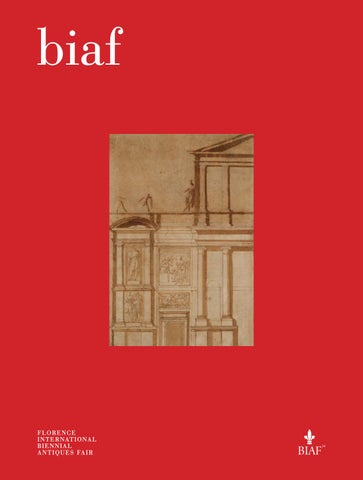
Michelangelo’s drawing No. 45 A, Study for the Facade of San Lorenzo in Florence, is for various reasons one of the most important sheets in the entire graphic corpus of the supreme Renaissance artist, as well as a jewel of the substantial Casa Buonarroti collection. In the Casa’s archives and museum – a ‘moral entity’ since 1859, today a Foundation – an invaluable heritage of Michelangelo’s autograph testimonies is indeed preserved, including letters, memoirs, rhymes, youthful sculptures, sketches and, in particular, drawings: as many as 205 sheets, which make the Florentine collection the largest in the world. The very survival of Michelangelo’s drawings is extraordinary, for it is known that he produced them in great quantities – he was an ardent advocate of that ‘primacy of drawing’ which characterized the artistic practice in Florence – but it is also known that many were lost: given away, taken by greedy collectors and, above all, periodically burned by Michelangelo himself, so much so that Pietro Aretino, disappointed in his expectations, accused him of giving the drawings more to the fire than to his friends. And in a famous passage from the 1568 Life of Michelangelo, Giorgio Vasari recounts that the great old man, before dying in Rome in 1564, burned "a large number of drawings, sketches and cartoons made by his hand, so that no one could see the labors endured by him and the ways he tested his genius, to appear perfect and nothing less.” Among Casa Buonarroti’s drawings, more than half are architectural studies, and No. 45 is the largest, with its measurements of 719 mm in height and 862 mm in width, exceptional 56
Il disegno n 45 A di Michelangelo, Studio per la facciata di San Lorenzo a Firenze, è per vari motivi uno dei fogli più importanti dell’intero corpus grafico del sommo artista rinascimentale, oltre che un gioiello della cospicua collezione della Casa Buonarroti. Nell’archivio e nel museo della Casa – dal 1859 ‘ente morale’, oggi Fondazione – è infatti conservato un patrimonio inestimabile di testimonianze autografe di Michelangelo, tra cui lettere, ricordi, rime, sculture giovanili, bozzetti e, in particolare, disegni: ben 205 fogli, che fanno della raccolta fiorentina la maggiore del mondo. La sopravvivenza stessa dei disegni di Michelangelo ha del prodigioso, poiché è noto che egli ne produceva in quantità – convinto assertore di quel ‘primato del disegno’ che caratterizzava la pratica artistica a Firenze – ma si sa che molti andavano dispersi: donati, sottratti da collezionisti rapaci e soprattutto da lui stesso periodicamente bruciati, tanto che Pietro Aretino, deluso nelle sue aspettative, lo accusò di donare i disegni più al fuoco che agli amici. E in un passo famoso della Vita di Michelangelo del 1568, Giorgio Vasari racconta che il grande vecchio, prima di morire a Roma nel 1564, arse un “gran numero di disegni, schizzi e cartoni fatti da man sua, acciò nessuno vedessi le fatiche durate da lui et i modi di tentare l’ingegno suo, per non apparire se non perfetto”. Tra i disegni della Casa Buonarroti, oltre la metà sono studi d’architettura: e il n.45 è il più grande, con le sue misure di 719 mm in altezza e 862 mm in larghezza, dimensioni eccezionali che richiesero l’incollaggio di ben sei fogli. I media impiegati registrano una varietà evidente anche a occhio
Casa Buonarroti houses the largest collection of Michelangelo’s autograph testimonies, including letters, memoirs, rhymes, youthful sculptures, sketches and, in particular, drawings Quella di Casa Buonarroti è la più grande raccolta di testimonianze autografe di Michelangelo, tra cui lettere, ricordi, rime, sculture giovanili, bozzetti e, in particolare, disegni
dimensions that required the joining of as many as six sheets. The media used show a variety that is evident even to the naked eye: stylus, black chalk, pen and brown ink, brown wash. This drawing, depicting a church facade with two superimposed orders, is certainly identifiable and datable, as it belongs to the early stages of a major undertaking, initiated under the best auspices and concluded with a painful disappointment and nothing achieved: the marble facade of the Basilica of San Lorenzo. It was the year 1516. The previous year, Pope Leo X – Giovanni de’ Medici, son of Lorenzo the Magnificent – had visited Florence and decided to commission a worthy façade for Brunelleschi’ s Basilica of San Lorenzo, protected by his ancestors and which had been left with a rough stone exterior. After various vicissitudes, the task was assigned to Michelangelo, who resolved not only to erect a magnificent marble facade, but also to adorn it with statues and marble and bronze reliefs: it would be – in his words – the model of sculpture throughout Italy. The large drawing testifies to Michelangelo’s passion for that project.The majestic façade was conceived as a two-tier structure, with projecting shrine-like elements on both sides and in the center, with the evident intent of adapting the classical forms of Roman antiquity to a Christian place of worship, by following a path already undertaken by Giuliano da Sangallo and Raphael. The decorative apparatus was divided into eight spots for freestanding sculptures and seven for reliefs, with figures outlined and roughly rendered in watercolor. As a work still in progress, the drawing introduces
nudo: stilo, pietra nera, penna e inchiostro bruno, inchiostro bruno acquerellato. Questo disegno, raffigurante un prospetto chiesastico a due ordini sovrapposti, è sicuramente identificabile e databile, in quanto appartiene alle prime fasi di una grande impresa, avviata sotto i migliori auspici e conclusa con una dolorosa delusione e un nulla di fatto: la facciata marmorea della basilica di San Lorenzo. Siamo nel 1516. L’anno prima il pontefice Leone X – Giovanni de’ Medici, figlio di Lorenzo il Magnifico – ha visitato Firenze e ha deciso di far costruire una degna facciata alla basilica brunelleschiana di San Lorenzo, protetta dai suoi antenati, rimasta con un prospetto rustico. Dopo varie vicissitudini l’incarico viene assegnato a Michelangelo, che si ripromette non solo di edificare una magnifica architettura marmorea, ma anche di ornarla di statue e rilievi in marmo e in bronzo: sarebbe stata – parole sue – lo specchio della scultura di tutta Italia. Della sua passione per quel progetto, il grande disegno è eloquente testimonianza. La maestosa facciata è concepita come una struttura a due ordini, con elementi a edicola aggettanti su entrambi i lati e al centro, col visibile intento di adattare le forme classiche dell’antichità romana a un edificio di culto cristiano, lungo un percorso già intrapreso da Giuliano da Sangallo e Raffaello. L’apparato decorativo è scandito in otto siti per sculture a tutto tondo e sette per rilievi, con figure delineate e sommariamente rese all’acquerello. Nel suo stato di lavoro ancora in corso, il disegno ci introduce nel laboratorio progettuale di Michelangelo: infatti solo la porzione sinistra dell’ordine inferiore risulta particolareggiata e può essere considerata 57
58
On the previous page: Casa Buonarroti, a place of memory and of celebration of the genius of Michelangelo (ph. Antonio Quattrone)
This drawing, depicting a church facade with two superimposed orders, is certainly identifiable: the marble facade of the Basilica of San Lorenzo Questo disegno, raffigurante un prospetto chiesastico a due ordini sovrapposti, è sicuramente identificabile: la facciata marmorea della basilica di San Lorenzo
59
Above: the Battle of the Centaurs and the Madonna of the Stairs are two early masterpieces by Michelangelo Below: Michelangelesque Models (ph. Claudio Giusti)
us to Michelangelo’s design process: only the left portion of the lower order is detailed and can be considered truly finished, whereas the right portion remains incomplete, outlined essentially in geometric profiles. The techniques also reflect different creative moments, with varying degrees of finish to achieve three-dimensional effects and gradation of details. It is more than likely that the drawing, although not final, was officially submitted to Pope Leo X in December 1516. For the approval of the illustrious patron, Michelangelo prepared additional materials: not only other drawings, but also two wooden models, one small (lost) and one of imposing dimensions, displayed in the Casa Buonarroti museum (inv. 518). With vigorous dedication, the artist also began to have the marbles quarried for the façade. Obliged by the pope to give up the usual supplies from the Carrara quarries and to activate new quarries in the Pietrasanta district (thus utilizing the resources within the Florentine domain, without paying taxes to the Marquis Malaspina of Carrara), Michelangelo established the extraction enterprise with sacrifice and effort, even having to construct the road to Seravezza, which did not exist.From the pure, white and compact marble of Mount Altissimo, he began by carving the giant order columns, which met with varied and unfortunate fates. And finally, the entire endeavor collapsed when the pope annulled the contract in 1521, leaving Michelangelo dismayed and sorrowful. His future architectural feats – the New Sacristy, the Capitoline Square, the Fabric of St. Peter – would not make him forget that Florentine project, in which he had poured ingenuity and enthusiasm. 60
realmente finita, mentre la porzione di destra resta incompiuta, delineata in maniera essenziale nei profili geometrici. Anche le tecniche rispecchiano momenti creativi diversi, con gradi di finitezza variabili per ottenere effetti di tridimensionalità e graduazione dei dettagli. È più che probabile che il disegno, per quanto non definitivo, venisse sottoposto ufficialmente a papa Leone X nel dicembre del 1516. Per l’approvazione dell’illustre committente, Michelangelo approntò ulteriori materiali: non solo altri disegni, ma anche ben due modelli in legno, uno piccolo (perduto) e uno di dimensioni imponenti, esposto nel museo della Casa Buonarroti (inv. 518). Con energica dedizione, l’artista cominciò anche a far cavare i marmi per la facciata. Obbligato dal papa a rinunciare alle consuete forniture dalle cave di Carrara e ad attivare nuove cave nel capitanato di Pietrasanta (così da sfruttare le risorse interne al dominio fiorentino, senza pagare gabella al marchese Malaspina di Carrara), Michelangelo impiantò l’attività estrattiva con sacrificio e fatica, dovendo perfino far costruire la strada per Seravezza, che non esisteva. Dal marmo candido, purissimo e compatto del Monte Altissimo cominciò col ricavare le colonne di ordine gigante, che ebbero varia e sfortunata sorte. E infine l’intera impresa naufragò quando il papa rescisse il contratto, nel 1521, lasciando Michelangelo costernato e addolorato. I successi futuri in architettura – la Sagrestia Nuova, il Campidoglio, la fabbrica di San Pietro – non gli avrebbero fatto dimenticare quel progetto fiorentino, nel quale aveva profuso ingegno ed entusiasmo.
61
62
Beneath the surface Materials, techniques, revisions, fragilities: the remarkable workof the Opificioon a precious Michelangelo drawing Materiali, tecniche, ripensamenti, fragilità: il meraviglioso lavoro dell’Opificio su un prezioso disegno di Michelangelo by Emanuela Daffra photo courthesy Fondazione Marangoni /CHANGES project 63
64
Art historian and senior Ministry of Culture official Emanuela Daffra has been Superintendent of the Opificio delle Pietre Dure since May 2024 On the previous page: the restoration work on Michelangelo’s drawing (ph. Silvia Bavetta)
In these rooms, the time of art meets the slower, rigorous pace of research. Here, every work is observed, questioned and studied before restoration even begins. Founded in 1588 as a grand-ducal manufactory and, from the late nineteenth century, Italy’s first national institute for restoring mosaics and stone, the Opificio is today a worldrenowned centre of excellence. Its modern history is also closely linked to the Fortezza da Basso, where, from 1967, the major works damaged by the Florence flood were brought for treatment. That tragedy opened a new chapter in Italian restoration, combining traditional craftsmanship, conservation expertise and scientific research. All the great names in the history of Italian art have passed through these workshops. Donatello, in the extraordinary variety of his output – from terracotta and bronze to papier-mâché – has been restored here, as has Leonardo, both painter and draughtsman. Yet the Institute’s work extends into the contemporary period too: from Pollock to Kiefer, from Duchamp to Boccioni and Arp. This vocation reflects the richness of cultural heritage and the evolving idea of heritage itself. It is within this convergence of knowledge and expertise that the study of an extraordinary drawing by Michelangelo from Casa Buonarroti takes place. Extraordinary, first of all, for its dimensions: it is probably one of the largest sheets in the Florentine collection, the world’s most extensive holding of drawings by
In queste stanze il tempo dell’arte incontra quello lento e rigoroso della ricerca. Qui ogni opera viene osservata, interrogata, studiata prima ancora di essere restaurata. Nato nel 1588 come manifattura granducale e divenuto dalla fine dell’Ottocento il primo istituto nazionale con competenze sul restauro dei mosaici e dei materiali lapidei, l’Opificio è oggi un centro di eccellenza conosciuto in tutto il mondo. La sua storia moderna passa anche dalla Fortezza da Basso, dove dal 1967 furono accolte le grandi opere ferite dall’alluvione di Firenze. Da quella tragedia nacque una nuova stagione del restauro italiano, capace di riunire l’abilità delle antiche maestranze, l’esperienza dei restauratori e le possibilità offerte dalla scienza. In questo luogo sono passati tutti i grandi nomi della storia dell’arte italiana. Donatello, nella varietà della sua produzione – dalla terracotta al bronzo, fino alla cartapesta – è stato restaurato qui, così come Leonardo, pittore e disegnatore. Ma il lavoro dell’istituto si estende fino al contemporaneo: da Pollock a Kiefer, da Duchamp a Boccioni o Arp. È una vocazione che segue la ricchezza multiforme del patrimonio culturale e l’evoluzione stessa dell’idea di patrimonio. È in questo intreccio di saperi che si inserisce lo studio di uno straordinario disegno di Michelangelo proveniente da Casa Buonarroti. Straordinario anzitutto per le dimensioni: è probabilmente uno dei fogli più grandi della raccolta fiorentina, la più cospicua al mondo di carte michelangiolesche. Eccezionale anche per il suo significato 65
It is within this interplay of knowledge that the study of an extraordinary drawing by Michelangelo from Casa Buonarroti takes place È in questo intreccio di saperi che si inserisce lo studio di uno straordinario disegno di Michelangelo proveniente da Casa Buonarroti
Michelangelo. It is also exceptional for its historical significance, representing the first design commissioned by Pope Leo X for the completion of the façade of the Medici basilica of San Lorenzo. The work is now at the centre of an initial campaign of investigation. It is not being studied by a single specialist, but by a team of art historians, conservators, chemists, physicists and diagnostic experts. The first objective is to understand the materials, the paper’s condition and the processes of deterioration. Only after this phase of research can the restoration itself begin: every intervention must be based on a complete understanding of the support and of the techniques employed by Michelangelo, which are simple only in appearance. The initial analyses have already revealed just how elaborate the drawing is. At its base lies a dry trace, probably made with a silverpoint; above it is a pencil drawing, subsequently reinforced with great confidence in ink. It is not, however, a single ink: the artist used different types, which are now being investigated. This succession of marks allows us to approach the creative process, following the transition from the initial idea to the definition of the project, and to read the sheet not as a static image but as the living site of an architectural conception. The paper also tells a complex story. The sheets that make up the work are not all the same, and the differences are visible even at first glance. The lower section appears 66
storico, perché rappresenta il primo progetto commissionato da papa Leone X per il completamento della facciata della basilica medicea di San Lorenzo. L’opera è ora al centro di una prima campagna di indagini. A studiarla non è un singolo specialista, ma una squadra composta da storici dell’arte, restauratori, chimici, fisici ed esperti di diagnostica. Il primo obiettivo è comprendere la natura dei materiali, lo stato della carta e i fenomeni di degrado. Solo dopo questa fase conoscitiva potrà cominciare il restauro vero e proprio: ogni intervento deve nascere dalla piena consapevolezza delle condizioni del supporto e delle tecniche utilizzate da Michelangelo, semplici soltanto in apparenza. Le analisi iniziali hanno già mostrato con chiarezza quanto il disegno sia elaborato. Alla base compare una traccia a secco, probabilmente eseguita a punta d’argento; sopra di essa si riconosce un disegno a matita, ripreso poi con grande sicurezza a inchiostro. Non si tratta, tuttavia, di un unico inchiostro: l’artista ne impiegò tipi differenti, oggi oggetto di indagine. Questa successione di segni consente di avvicinarsi al processo creativo, di seguire il passaggio dall’idea alla definizione del progetto e di leggere il foglio non come un’immagine immobile, ma come il luogo vivo della costruzione architettonica. Anche la carta racconta una storia complessa. I fogli che compongono l’opera non sono tutti uguali e le differenze risultano visibili già a un primo sguardo. La parte inferiore appare più chiara e meglio conservata, mentre quella superiore
Founded in 1588 as a grand-ducal workshop, the Opificio delle Pietre Dure became, in the late nineteenth century, Italy’s leading institute for the conservation of mosaics and stone
The modern history of the Opificio delle Pietre Dure is closely linked to the Fortezza da Basso, where from 1967 the great works damaged by the Florence flood were brought for treatment
67
All the great names in the history of art have passed through these workshops, including Donatello, Leonardo da Vinci, Boccioni, Pollock, Kiefer, Duchamp and Arp In questo luogo sono passati tutti i grandi nomi della storia dell’arte, tra cui Donatello, Leonardo da Vinci, Boccioni, Pollock, Kiefer, Duchamp e Arp
68
L’Opificio has launched a new era in Italian restoration, bringing together the skills of traditional artisans, the expertise of restorers, and the possibilities offered by science
lighter and better preserved, while the upper part has taken on a hazelnut tone. These variations may depend on the supports, their conservation history and alterations that have occurred over time. Understanding them requires combining scientific evidence with the experienced conservator’s eye. The work is read layer by layer, without forcing the material and without anticipating the answers. Before intervening, one must understand: distinguish the original from later additions, reconstruct the technique, assess its fragilities and identify the changes undergone over centuries. The restoration itself will come only afterwards, once there is a full understanding of the condition of the support – the paper – of the deterioration under way, and of Michelangelo’s techniques, which are only apparently simple. Michelangelo’s drawing thus becomes an emblematic case of the Opificio’s method. Its conservation project is founded on knowledge: it does not seek to erase time, but to preserve the work while making its full complexity legible. At the Fortezza da Basso, as in the Institute’s other locations, the legacy of the grandducal craftsmen continues to meet the most advanced technologies, carrying forward one of the great and irreversible transformations set in motion by the flood. It is in this balance between hand, eye, history and science that heritage remains alive for today’s audiences and prepares to face the future.
presenta una tonalità tendente al nocciola. Sono variazioni che possono dipendere dalla natura dei supporti, dalla loro storia conservativa e dai processi di alterazione avvenuti nel tempo. Per comprenderle occorre mettere in relazione ciò che gli strumenti rivelano con quanto l’occhio esperto del restauratore sa riconoscere. L’opera viene letta strato dopo strato, senza forzarne la materia e senza anticipare le risposte. Prima di intervenire bisogna conoscere: distinguere l’originale dalle aggiunte, ricostruire la tecnica, valutare le fragilità e comprendere quali trasformazioni abbia subito il foglio nel corso dei secoli. Il restauro vero e proprio arriverà soltanto dopo, quando si sarà acquisita piena consapevolezza delle condizioni del supporto, la carta, del degrado in atto e delle tecniche utilizzate da Michelangelo, che sono solo apparentemente semplici. Il disegno di Michelangelo diventa così un caso emblematico del metodo dell’Opificio. Il progetto di conservazione si fonda sulla conoscenza: non mira a cancellare il tempo, bensì a preservare l’opera e a renderne pienamente leggibile la complessità. Nella Fortezza da Basso, come nelle altre sedi dell’Istituto l’eredità delle maestranze granducali continua a incontrare le tecnologie più avanzate, continuando una delle grandi svolte, irreversibile, promossa dall’alluvione. È in questo equilibrio tra mano, occhio, storia e scienza che il patrimonio t si presenta vivo ai fruitori di oggi e affronta il futuro. 69
70
Florence through fragments When beauty reveals itself in details, among famous landmarks and lesser-known city corners alike Quando la bellezza si rivela nei dettagli, tra luoghi celebri e angoli meno conosciuti by Cesare Cunaccia
A short tour of Florence and of some well-known and lesser-known historical sites in the city, in the spirit of the fragment, following the theme of the exhibition Broken, on show at Palazzo Strozzi in the fall. The first stop is, of course, the Uffizi Gallery, where there is a piece of ancient sculpture that stood out through the centuries thanks to its dynamic tilted tension and its constant ability to inspire. It has fascinated artists such as Rosso Fiorentino and Amico Aspertini, Michelangelo and Rubens, who directly referenced it in their own works. It is the so-called Gaddi Torso, named after the Florentine aristocratic family to whom the famous 14thcentury painters Taddeo and Agnolo belonged, as well as a number of gonfaloniers, priors, prelates and cardinals. It was a member of this family, Giovanni Gaddi, a cleric of the Papal Chamber connected to the Medici popes, who purchased it for the family collections. The sculpture is what remains of an allegorical group with a satyr whose hands are tied behind his back and, quite unusually, as happened with the Belvedere Torso, it was never altered with additions, analogous completions or later restorations as was commonly done in the past. Actually, the presence of the work in Florence – nearly 85 cm high and probably carved in Rome, a replica of an original Hellenistic piece from the 2nd century BC of the Pergamon school – dates to well before the 16th century. According to Vasari, in the 15th century it was already documented as the property of Lorenzo Ghiberti, the famous goldsmith and sculptor, painter and theorist who intertwined late Gothic elements with the new Renaissance achievements. Ghiberti reproduced the Torso in the polylobed bronze panel depicting
Un breve itinerario dentro Firenze intorno ad alcuni luoghi storici noti e meno noti della città, nel segno del frammento, seguendo il tema della mostra Broken, in scena a Palazzo Strozzi in autunno. Prima tappa non può che essere la Galleria degli Uffizi, dove si trova un pezzo di scultura antica che si impone attraverso i secoli grazie alla sua tensione dinamica inclinata e alla cangiante capacità di ispirazione. Ha affascinato artisti quali Rosso Fiorentino e Amico Aspertini, Michelangelo e Rubens, che lo citano direttamente nelle proprie opere. Si tratta del cosiddetto Torso Gaddi, che prende il nome dalla famiglia patrizia fiorentina cui appartennero i celebri pittori trecenteschi Taddeo e Agnolo, ma anche una serie di gonfalonieri, priori, prelati e cardinali. Fu un esponente di quel casato, Giovanni Gaddi, chierico della Camera pontificia legato ai papi medicei, ad acquistarlo per le raccolte familiari. La scultura è quanto resta di un gruppo allegorico con un satiro dalle mani legate dietro la schiena, e, cosa piuttosto rara, come accadde al Torso del Belvedere, non venne mai integrata da aggiunte, completamenti analogici o restauri successivi come usava nel passato. In realtà la presenza a Firenze dell’opera, alta quasi 85 cm e scavata probabilmente a Roma, copia da un originale ellenistico del II secolo a.C. della scuola di Pergamo, data a ben prima del XVI secolo. Secondo il Vasari, nel Quattrocento già risultava di proprietà di Lorenzo Ghiberti, celebre orafo e scultore, pittore e trattatista che intreccia stilemi tardo-gotici con le nuove conquiste rinascimentali. Ghiberti riproduce il Torso nella formella bronzea polilobata che raffigura il Sacrificio di Isacco, 71
On the previous page: the Hall of Ancient Marbles in the Uffizi Gallery On this page: The Sacrifice of Isaac by Lorenzo Ghiberti, detail from the North Door of the Baptistery On the next page: Museo Stefano Bardini
From the Uffizi to Palazzo Corsini al Prato. Artworks, artefacts and architecture reveal Florence shaped by fragments and reconstructions Dagli Uffizi a Palazzo Corsini al Prato. Opere, reperti e architetture raccontano una Firenze fatta di frammenti e ricomposizioni 72
The Sacrifice of Isaac on the North Door, the second of the Baptistery of San Giovanni, after having won the competition organized in 1401 by the powerful Calimala Guild, involving the most innovative talented artists active in the city. In 1778, Grand Duke Peter Leopold of Lorraine acquired the Gaddi Torso, preserved in the eponymous palazzo on Via del Giglio, renowned for its library, extensive collection of paintings, salons frescoed by Luca Giordano and the famous garden, known as the Gaddi Paradise, celebrated, among others, by John Milton. The work was then assigned to the Florentine Galleries, where it is still preserved. The Bardini Museum is practically the apotheosis of the fragment, the true conceptual raison d’être and the primary origin of this institution created by a legendary art dealer. It was built between 1881 and 1883 by Stefano Bardini (1836-1922), the ‘prince of antiquarians,’ in collaboration with the architect Corinto Corinti, by incorporating the 13thcentury church of San Gregorio della Pace and the adjoining convent. The building’s window jambs were the frames of the Mannerist 16th-century altars from the destroyed church of San Lorenzo in Pistoia. The portal decorated with a shield bearing the coat of arms of Bishop Cattani da Diacceto arrived here from the Duomo of Fiesole, offered to Stefano Bardini along with other discarded material during the restoration that aimed to restore the church to its original medieval purity. The Florentine antique dealer, in conceiving this monument to himself, eclecticly reused architectural pieces, coats of arms, capitals and structural and decorative elements from various eras, purchased on the market at the time. This freedom of assembly and reinvention drew quite a bit of criticism. In 1885, Pietro Franceschini wrote that “in this building there is not a part that connects with another, and the whole is devoid of all rule and grace.” The interiors were designed with large rooms that could accommodate ceilings taken from ancient buildings, reconstructing monumental staircases, doorways and windows. The perfect setting for Bardini’s collection of textiles, tapestries and paintings, rugs, sculptures and furniture pieces, meant for top international clients, including the Berliner Wilhelm Bode, the Jacquemart-André couple and the Russian Demidoff princes, along with American Gilded Age figures like Isabella Stewart Gardner. The environments that emerged used the evocative power of fragments to create a magical suspension and an almost cinematic narrative mood. Significant works of art and fragments of wooden, bronze, stucco or stone sculptures, ceramics and
nella Porta Nord, la seconda del Battistero di San Giovanni, dopo aver vinto il concorso bandito nel 1401 dalla potente Arte di Calimala coinvolgendo i più innovativi talenti allora attivi in città. Nel 1778 il granduca Pietro Leopoldo di Lorena acquistò il Torso Gaddi, conservato nell’omonimo palazzo di via del Giglio, celebre per la biblioteca, la ricca quadreria, i saloni affrescati da Luca Giordano e il famoso giardino, noto come Paradiso dei Gaddi e cantato, tra gli altri, da John Milton. L’opera fu quindi destinata alle Gallerie fiorentine, dove è tuttora conservata. Il Museo Bardini è praticamente l’apoteosi del frammento, quasi la vera ragion d’essere concettuale e l’origine prima di quest’istituzione sorta ad opera di un leggendario mercante d’arte. Fu costruito tra il 1881 e il 1883, da Stefano Bardini (1836-1922), il ‘principe degli antiquari’ in collaborazione con l’architetto Corinto Corinti, inglobando la duecentesca chiesa di San Gregorio della Pace e l’annesso convento. Le mostre delle finestre dell’edificio erano le cornici degli altari manieristi cinquecenteschi della distrutta chiesa di San Lorenzo a Pistoia. Giunge qui dal Duomo di Fiesole il portale fregiato da uno scudo con lo stemma del vescovo Cattani da Diacceto, offerto a Stefano Bardini con altro materiale scartato durante l’intervento che doveva riportare il tempio alla primitiva purezza medievale. Il dealer fiorentino, nel concepire questo monumento a se stesso reimpiegò in maniera eclettica pezzi architettonici, stemmi, capitelli ed elementi strutturali e decorativi di varie epoche, acquistati sul mercato del tempo. Una libertà di assemblaggio e reinvenzione che gli attirò non poche critiche. Scriveva Pietro Franceschini nel 1885, che “in questa fabbrica non è parte che leghi con l’altra e che si ha un insieme fuori di ogni regola e grazia”. Gli interni furono progettati con sale di vasta dimensione che potessero accogliere soffitti staccati da edifici antichi, ricomponendo scale monumentali, portali e finestre di recupero. Ideale cornice alla pleiade di tessili, arazzi e dipinti, tappeti, sculture e pezzi di mobilio ammassati da Bardini, destinati al gotha dei clienti internazionali, tra cui il berlinese Wilhelm Bode, i coniugi Jacquemart-André e i russi principi Demidoff, oltre a protagonisti della Gilded Age americana come Isabella Stewart Gardner. Nacquero ambienti che si avvalevano del potere evocativo dei frammenti per creare una sospensione magica e un mood narrativo quasi cinematografico. Significative opere d’arte e lacerti di scultura lignea, in bronzo, stucco o pietra, ceramiche e maiolica, tessuti o arredi antichi talvolta molto rovinati 73
Between what time has preserved and what it has transformed, beauty emerges in the most unexpected details, capable of evoking an entire historical age Tra ciò che il tempo ha conservato e ciò che ha trasformato, la bellezza emerge nei dettagli più inattesi, che possono raccontare un’intera epoca
majolica, fabrics or antique furnishings sometimes very damaged or reduced to essential structures which the ‘Stefanaccio antiquarian’ would not hesitate to reconstruct or duplicate when needed. Fascinating and controversial, Bardini skillfully took advantage of the urban renewal of Florence initiated by Poggi and those that followed to acquire and relocate important historical pieces. He effortlessly recreated that Renaissance-imprinted beauty that his clients longed for as a symbol of belonging and identification. The business, thriving over decades at the highest international level, extended to the nearby 13thcentury Palazzo Mozzi and the one along Via de’ Bardi. It was a microcosm that included the four-hectare panoramic park on the slopes of Belvedere Hill, now known as Giardino Bardini, Villa Manadora, some specialized restoration workshops, storage areas, service quarters and exhibition rooms. The ‘Bardini blue,’ a specially devised shade found at the Isabella Stewart Gardner Museum at Fenway Court, Boston, made the artifacts, details and gilding on the walls stand out with a fairy-tale box effect. Palazzo Medici Riccardi, once the main Medici family’s residence, was abandoned by Cosimo I who moved to Palazzo Vecchio, and was finally handed over in 1659 by Ferdinando II to Gabriello Riccardi, a member of a family rapidly gaining economic and political power in 17th-century Florence, and a loyal supporter of the grand-ducal authority. Between 1685 and 1715, Giovan Battista Foggini, a renowned sculptor and architect, oversaw the ambitious work of expanding and transforming the residence. Not even the Renaissance courtyard ‘delle Colonne’, designed by Michelozzo and marked 74
o ridotti a strutture essenziali, che lo ‘Stefanaccio antiquario’ all’occorrenza non esitava a ricostruire o duplicare. Affascinante e controverso, Bardini sfruttò abilmente il rinnovamento urbanistico di Firenze impresso dal Poggi e quelli a seguire, per procacciarsi e ricollocare importanti testimonianze storiche. Ricreava con disinvoltura quella bellezza di imprinting rinascimentale che la sua clientela vagheggiava come chiave di appartenenza e identificazione simbolica. L’attività, fiorente sull’arco di decenni al massimo livello internazionale, si estendeva al duecentesco contiguo palazzo Mozzi e a quello lungo via de’ Bardi. Un microcosmo che comprendeva il parco panoramico di quattro ettari sulle pendici del colle di Belvedere oggi noto come Giardino Bardini, la villa Manadora, alcuni laboratori di restauro specializzati, depositi, alloggi di servizio e sale di esposizione. Il ‘blu Bardini’ tono cromatico appositamente congegnato, ritrovato presso l’Isabella Stewart Gardner Museo di Fenway Court, Boston, faceva risaltare i manufatti, i dettagli e le dorature lungo le pareti con un effetto di scrigno fatato. Palazzo Medici Riccardi, un tempo principale residenza medicea, dismesso da Cosimo I che si trasferì a Palazzo Vecchio, fu definitivamente ceduto nel 1659 da Ferdinando II a Gabriello Riccardi, esponente di un casato in forte affermazione economica e politica nella Firenze seicentesca, nonché fedelissimo al potere granducale. Tra il 1685 e il 1715 è Giovan Battista Foggini, scultore ed architetto insigne, a sovrintendere agli ambiziosi lavori di ampliamento e trasformazione della dimora. Nemmeno il cortile rinascimentale ‘delle Colonne’, progettato da Michelozzo, scandito dai medaglioni di pietra
75
76
The Renaissance courtyard ‘delle Colonne’, designed by Michelozzo, at Palazzo Medici Riccardi (ph. Lorenzo Cotrozzi)
by Bertoldo’s stone medallions among Maso di Bartolomeo’s sgraffito festoons and dominated by Baccio Bandinelli’s Orpheus Soothing Cerberus With A Lyre, could remain unscathed. The theatrical flair given by the Baroque intervention transformed its originally neat, humanistic volume. Under the loggia, archaeological displays face each other on two sides, housed within elaborate and theatrical Foggini-style frames. Inscriptions, Greek and Latin texts, busts, heads, relief fragments and pieces of Roman urns and sarcophagi on shelves or half-capitals. A triumphant archaeological composition of over three hundred stone pieces from the collections of Marquises Riccardi, who remained owners of the residence for a century and a half. It is similar to the setup that Giovan Battista Foggini arranged in the early 1700s on a wall of the Ricetto delle Iscrizioni, the first room visitors would encounter upon entering the Uffizi Galleries, following a scheme that favored symmetry and order. An ornamental and narrative approach that was meant to set a standard. This is documented by a drawing made by Francesco Marchissi between 1749 and 1759 for Francesco Stefano of Lorraine, Grand Duke of Tuscany from 1737 to 1769. It depicts the assembling of the Ricetto before the new scientific approach followed by Luigi Lanzi a few years later revised the classification of the archaeological materials arranged here by Foggini, including the magnificent portrait of Domitia Longina. In the four niches on the back wall are casts of as many sculptures made by assembling ancient heads – displayed in the Marble Room – with remains of statuary from the façade of Santa Maria del Fiore dating back to the 13th century. The analogous patchworks of relics from tombs, gravestones and Greek, Latin and Etruscan inscriptions, which decorate the loggia designed by Gherardo Silvani at Palazzo Corsini al Prato, have simpler and more streamlined frames. These fragments mainly come from an excavation campaign carried out in Rome outside the San Pancrazio gate in the late 17th century, some of which remained in Rome while others are kept at the Uffizi. They were intended for the small building ‘dei Quattro Venti’ of Villa Corsini, frescoed by Passeri and built by Clement XII – when he was a cardinal, after he bought the property from Giraud – which was located just outside the historic gate. It included access to the catacombs of San
di Bertoldo tra festoni a graffito monocromo di Maso di Bartolomeo e dominato dall’Orfeo che placa Cerbero con la cetra scolpito da Baccio Bandinelli, poté restare indenne. Il vento teatrale impresso dall’intervento barocco ne trasfigura la tersa volumetria umanistica d’origine. Sotto il loggiato si fronteggiano su due lati archeologiche panoplie contenute da elaborate e scenografiche cornici fogginesche. Epigrafi, iscrizioni greche e latine, busti, teste, frammenti di rilievi e reperti di urne e sarcofagi romani su mensole o semicapitelli. Un trionfale composit archeologico di oltre trecento pezzi lapidei provenienti dalle collezioni dei marchesi Riccardi, rimasti proprietari della dimora per un secolo e mezzo. È analogo al set-up allestito ancora da Giovan Battista Foggini ai primi del Settecento su una parete del Ricetto delle Iscrizioni, il primo ambiente che il visitatore incontrava entrando alle Gallerie degli Uffizi, secondo uno schema che privilegiava simmetria e regolarità. Un approccio ornamentale e narrativo che doveva fare scuola. Lo documenta un disegno realizzato da Francesco Marchissi tra il 1749 e il 1759 per Francesco Stefano di Lorena, Granduca di Toscana dal 1737 al 1769. Raffigura la redazione del Ricetto prima che il nuovo approccio scientifico seguito da Luigi Lanzi pochi anni dopo rivedesse la disposizione per classi dei materiali archeologici qui sistemati dal Foggini, tra cui il magnifico ritratto di Domizia Longina. Nelle quattro nicchie sulla parete di fondo si trovano i calchi di altrettante sculture costituite dall’assemblaggio di teste antiche – esposte nella Sala dei Marmi –, con resti di statuaria proveniente dalla facciata di Santa Maria del Fiore risalenti al secolo XIII. Presentano incorniciature più semplici e snelle gli analoghi patchwork di reperti di sepolcri, lapidi, e iscrizioni greche, latine ed etrusche, che ornano la loggia progettata da Gherardo Silvani a Palazzo Corsini al Prato. Frammenti che provengono soprattutto da una campagna di scavi effettuata a Roma fuori porta San Pancrazio nel tardo XVII secolo, di cui parte del materiale rimase a Roma ed altro ancora è custodito agli Uffizi. La destinazione doveva essere il Casino ‘dei Quattro Venti’ della Villa Corsini, affrescato dal Passeri e fatto costruire da Clemente XII quando era cardinale, dopo aver comperato la proprietà già Giraud, che era situata appena fuori la storica porta. Comprendeva l’accesso alle catacombe di San Calepodio, poi note sotto il nome di San Pancrazio. 77
Calepodio, later known under the name of San Pancrazio. The projecting wing overlooking the Florentine garden was built by Silvani in 1621, the year after the Corsini family bought the ‘pleasure house’ of Alessandro Acciaiuoli, who was a passionate aristocrat and botanist. Bernardo Buontalenti had built it for him starting in 1590, in the area called Prato, west of Florence’s historic center. Above the gate marking the monumental entrance on Via della Scala are two lion sculptures and a little cupid with a goose. All the statues face the loggia rather than the street side, as is usually the case, to emphasize the importance of the loggia as a prime viewing point over that private paradise. Numerous sculptures adorn the rear loggia, while underneath it, four marbles sit on pedestals. In the 18th century, the Corsinis reached the peak of their dynastic splendor with the election to the papal throne of Cardinal Lorenzo, who became Pope Clement XII. His nephew, Cardinal and patron Neri Maria Corsini, was a connoisseur and collector of antiquities, as shown by the fragmented archaeological array built into the walls under the loggia. Duccio Corsini confirmed that this decorative choice was made in 1741 by the Cardinal, a shrewd politician and diplomat and the true manager of the Papal States during the last years of his uncle’s reign. This is documented in a detailed commission that covers every operational and restoration aspect of the project and the corresponding payment, dated September 15 of that year. “His Eminence Cardinal Corsini must give to me, Antonio Pozzi, stucco worker, for various works carried out in his palace located on the Prato and previously under the loggia, for having made 6 panels 5:2/3 arms high, two 4 arms wide at eleven soldi each with their surrounding frames, and having fixed inside each 74 inscriptions for the first two, secured with iron brackets to the walls. Two others of similar height and 2 1/2 arms wide with similar frames, with 23 inscriptions fixed as above. Two more of similar height as above, 1 1/2 arms wide, with frames as above, with 8 inscriptions for each and fixed as above; for having squared twelve inscriptions which remain fixed on the pedestals under the said panels,…” In the artificial Baroque grotto of the nymphaeum at Palazzo Corsini on the Lungarno, designed by Antonio Maria Ferri between 1692 and 1698 together with the stucco artist Carlo Marcellini and the painters Rinaldo Botti and Alessandro Gherardini, the loggia is still shown without these elements, as well as the fountain that would be installed there in 1741. 78
L’avancorpo proiettato sul giardino fiorentino fu realizzato dal Silvani nel 1621, l’anno seguente all’acquisto da parte dei Corsini del ‘casino di delizie’ di Alessandro Acciaiuoli, aristocratico e botanico appassionato. Lo aveva eretto per lui Bernardo Buontalenti a partire dal 1590, nella zona detta del Prato, ad ovest del centro storico fiorentino. Sopra il cancello che segna l’ingresso monumentale su via della Scala, campeggiano due sculture leonine e un amorino con l’oca. Le statue sono tutte rivolte verso la loggia e non affacciate sul lato della strada come di solito accade, per accentuare l’importanza della loggia quale punto di vista privilegiato su quell’eden privato. Numerose sculture arricchiscono la loggia tergale, mentre sotto di essa sono collocati quattro marmi sopra piedistalli. Nel Settecento i Corsini raggiunsero l’apogeo dello splendore dinastico con l’elezione al soglio pontificio del cardinale Lorenzo, divenuto papa Clemente XII. Suo nipote, il cardinale e mecenate Neri Maria Corsini, fu un conoscitore e collezionista di antichità, come testimonia la frammentata pleiade archeologica inserita sulle murature sotto la loggia. Duccio Corsini conferma che questa soluzione ornamentale fu voluta nel 1741 dal porporato, fine politico e trattatista, vero gestore degli stati pontifici durante gli ultimi anni di governo dello zio. Lo testimonia un documento di incarico dettagliato sotto ogni aspetto operativo e di restauro previsto nell’intervento e nella corrispondente retribuzione, che data al 15 settembre di quell’anno. “L’eminentissimo il Signor Cardinale Corsini deve dare, a me Antonio Pozzi stuccatore per diversi lavori fatti nel suo palazzo posto sul Prato e prima sotto la loggia per avere fatto numero 6 formelle alte braccia 5:2/3 che due larghe braccia quattro e soldi undici con sua cornice attorno e fissatovi dentro n° 74 schrizione per ciascheduna delle prime due, e fermate con staffe di ferro alle mura. Altre due della simile altezza e larghe braccia 2 e mezzo con sua cornice simile con n°23 schrizione fermate come sopra. Altre due della simile altezza come (sopra) larghe braccia uno e mezza cn sua cornice come sopra con n°8 per ciascuna e fermate come sopra; per avere squadrato dodici schrizioni che restano fissate nei piedistalli sotto alle dette formelle, …” Nella grotta artificiale barocca del ninfeo di palazzo Corsini sul Lungarno, disegnata da Antonio Maria Ferri tra 1692 e 1698 insieme allo stuccatore Carlo Marcellini e ai pittori Rinaldo Botti e Alessandro Gherardini, la loggia è ancora raffigurata priva di questi elementi quanto della fontana che vi saranno sistemati nel 1741.
The monumental Loggia by Buontalenti, that frames the palazzo in the Corsini Garden (ph. Andrea Dughetti)
All the statues face the loggia rather than the street side, as is usually the case, to emphasize the importance of the loggia
79
A global mosaic Arturo Galansino tells the story of Palazzo Strozzi: from exhibitions to Broken and a look at the next exhibition Arturo Galansino racconta Palazzo Strozzi: dalle mostre che hanno fatto storia a Broken e uno sguardo sulla prossima esposizione by Cesare Cunaccia
80
81
Arturo Galansino, art critic, curator and historian, has been General Director of the Palazzo Strozzi Foundation in Florence since 2015 (ph. Ludovica Arcero) On the next page: some works from the exhibition Broken. The Power of the Fragment
Arturo Galansino, art critic, curator and historian, has been General Director of the Palazzo Strozzi Foundation in Florence since 2015. Over the years, he has involved key artistic figures of our time in his projects, from Tomás Saraceno, Jeff Koons and Marina Abramovič to Olafur Eliasson, Yan Pei-Ming and Anselm Kiefer, culminating in the 60 works created in the 1990s featured in the largest Tracey Emin exhibition ever held in Italy, titled Sex and Solitude, which took place in spring-summer 2025. He has launched a new and more direct way of talking about art, expanding beyond a specialist audience to reach a broader and more diverse public, particularly the younger generations. At the same time, he has created exhibitions produced in collaboration with prestigious Italian and international institutions that explore historical modernity and the Renaissance. Worth mentioning are the exhibitions devoted to Donatello and Verrocchio, as well as the recent monumental exhibition on Beato Angelico – with 28 restorations carried out for the occasion and astronomical insurance fees requested by the world’s leading museums involved in the loans – curated by Carl Brandon Strehlke. The exhibition entitled Broken. The Power of the Fragment, the eagerly awaited autumn event at the Palazzo Strozzi Foundation, running until January 2027, is an opportunity to take stock of the achievements and successes attained, as well as the Florentine institution’s future plans. After its Italian presentation, Broken will cross the ocean to the National 82
Arturo Galansino, critico, curatore e storico dell’arte, dal 2015 è Direttore generale della Fondazione Palazzo Strozzi di Firenze. Nel corso di questi anni ha coinvolto nella propria progettualità figure artistiche nodali del nostro tempo, da Tomás Saraceno, Jeff Koons e Marina Abramovič a Olafur Eliasson, Yan Pei-Ming e Anselm Kiefer, fino ai 60 lavori realizzati nei nineties presenti nella maggiore mostra di Tracey Emin mai organizzata in Italia, intitolata Sex and Solitude e tenutasi nella primavera-estate 2025. Ha varato un modo nuovo e più diretto di parlare d’arte, allargando i confini di una audience specialistica verso una fruizione più ampia e variegata, soprattutto capace di captare l’interesse delle ultime generazioni. In parallelo ha dato vita ad esposizioni prodotte in collaborazione con prestigiose istituzioni italiane e internazionali che esplorano le esperienze del moderno storico e del Rinascimento. Vanno citate le rassegne dedicate a Donatello e Verrocchio o quella recente e monumentale su Beato Angelico – 28 i restauri eseguiti per quest’occasione e stellari le quote assicurative richieste dai maggiori musei del globo coinvolti nei prestiti –, curata da Carl Brandon Strehlke. La mostra intitolata Broken. Il potere del frammento, atteso appuntamento autunnale della Fondazione Palazzo Strozzi, fino a gennaio 2027, è un’occasione per fare il punto sui raggiungimenti e i successi conseguiti ma anche sui programmi futuri dell’istituzione fiorentina. Broken, dopo la tappa italiana, attraverserà l’oceano per approdare alla
83
Gallery of Art in Washington DC. It traces a compelling journey through the history of sculpture, from ancient Egypt to classical Greece and the Gothic sophistication of Giovanni Pisano’s Margaret of Brabant from the Museo di Sant’Agostino in Genoa. From Michelangelo’s sculptural titanism, it moves through the mastery of Canova and Rodin, reaching key contemporary figures such as Louise Bourgeois and Paul Pfeiffer, Alina Szapocznikow, Huma Bhaba, Francesco Vezzoli and Danh Vo. Over eighty works from around the world trace a journey intersecting cultures, historical contexts and diverse stories. These works possess not only aesthetic value but also bear the imprint of fascinating events and epochal occurrences, accelerations of thought, extremism and metempsychosis. They bring together political and symbolic meanings, revealing subtle or overt echoes, energy, metamorphosis and abstraction. “Over these ten years, we have shaped a programme that I believe has changed the course of Palazzo Strozzi,” Arturo Galansino says, “first and foremost by embracing a contemporary trajectory. We have invited major, often living, artists to interact with our vision, with the architecture and spaces of the Palazzo, asking them to engage with our history and that of the entire city. The Helen Frankenthaler exhibition a couple of years ago and the recently concluded Rothko in Florence, focused on the American Abstract Expressionist master’s relationship with Florence and Tuscany, mark a season centred on the great protagonists of the second half of the twentieth century. It is contemporary artists themselves who tell us that the Renaissance is anything but a dead letter. Quite often, along the twists and turns of modernity and the path of the avant-gardes, even in the vision of rebellious and stubbornly unconventional spirits, inspirations drawn from our heritage emerge, from the things they were able to visit and see. These elements often form the basis of major revolutions from a formal or technical perspective. Rothko’s abstraction and pulsating colour fields stem in part from reflections on frescoes from Giotto onwards, infused with the enamel-like, mystical chromaticism of Fra Angelico. The courtyard installations and the new Project Space, which focuses on artists 84
National Gallery of Art di Washington DC. Segna un itinerario avvincente nella parabola della scultura dall’antico Egitto alla Grecia classica e alla sofisticazione ogivale della Margherita di Brabante di Giovanni Pisano del Museo di Sant’Agostino a Genova. Dal titanismo plastico di Michelangelo si passa attraverso il magistero di Canova e Rodin spingendosi fino a fondamentali figure di oggi quali Louise Bourgeois e Paul Pfeiffer, Alina Szapocznikow, Huma Bhaba, Francesco Vezzoli e Danh Vo. Oltre ottanta opere provenienti da tutto il mondo tracciano un viaggio che interseca culture, contesti d’epoca e storie diverse. Testimonianze che non assumono soltanto un valore estetico ma recano impresse affascinanti vicende ed accadimenti epocali, accelerazioni di pensiero, estremismo e metempsicosi. Coagulano significati politici e simbolici, rivelando echi sommessi o conclamati, energia, metamorfosi ed astrazione. “In questi dieci anni abbiamo disegnato un programma che credo abbia cambiato la rotta di Palazzo Strozzi – racconta Arturo Galansino –, in primis abbracciando una traiettoria contemporanea. Abbiamo invitato grandi artisti spesso viventi a interagire con la nostra visione, con l’architettura e gli spazi del palazzo, chiamandoli a confrontandosi con la nostra storia e quella della città intera. La mostra su Helen Frankenthaler un paio d’anni fa e l’esposizione Rothko a Firenze, da poco conclusa e stretta sul rapporto del maestro dell’espressionismo astratto americano con la Città del Giglio e la Toscana, suggellano una stagione imperniata sui grandi protagonisti del secondo ’900. Che il Rinascimento sia tutt’altro che lettera morta sono proprio i contemporanei a dircelo. Non di rado lungo i tornanti della modernità e il cammino delle avanguardie, perfino nella visione di temperamenti ribelli e ostinatamente controcorrente, affiorano ispirazioni tratte dal nostro patrimonio, dalle cose che potevano visitare e vedere. Elementi che spesso costituiscono la base di grandi rivoluzioni dal punto di vista formale o tecnico. L’astrattismo e i pulsanti color fields di Rothko nascono in parte dalla riflessione sugli affreschi da Giotto in poi, imbevute del cromatismo smaltato e mistico dell’Angelico. Le installazioni in cortile
under 40 at an early or intermediate stage of their careers, act as channels of communication for the press and social media and have been greeted with genuine enthusiasm by the public. Broken is something diametrically different and original. It is a journey beginning around 2000 BC, indeed even earlier, and extending to the present day, spanning more than 4,000 years of history. I think of the almost hypnotic charisma of what remains of a hard-limestone portrait of the Egyptian pharaoh Akhenaten, a mystical ruler and visionary monotheist, reduced to just the nose and lips and dating to 1353-1336 BC. There is the dynamic bronze Torso of Livorno, a Greek sculpture from the first century BC, and the right hand of a colossal statue traditionally associated with Constantine, which in 1820 stood in Vicolo delle Colonnette, opposite Antonio Canova’s studio. Canova himself was a radical interpreter of the fragment, to the point of refusing to restore or reintegrate the Parthenon marbles, almost as though doing so would have amounted to sacrilege. Broken documents a global mosaic, bringing together works from Central and South America, Asia and Africa, as well as Europe. It is an entirely new venture in both format and type. Something of an experiment, but I believe that, building on a decade of steady growth, it is right for us to open up experimental paths and broaden our scope of action. Thanks to our collaboration with the National Gallery of Art in Washington and the fundamental contribution of C.D. Dickerson III, Director of the Center for Advanced Study in the Visual Arts at the National Gallery and cocurator of the exhibition together with me and Andrew Sears, Assistant Curator of Northern European Painting at the great American museum, over almost five years of working together we identified an unexpected field of enquiry that ultimately led to an even more singular destination. For the first time within an exhibition institution, the focal point will be the concept of the fragment and its history from ancient times to the present. Fragment means an iconoclastic and violently cathartic impulse, damnatio memoriae, erasure and reinvention, and, in particular, the recomposition of the ancient. These are themes explored in the various sections of the exhibition.
e il nuovo Project Space che interessa artisti sotto i 40 anni in una fase iniziale o intermedia della loro carriera, funzionano come canali di comunicazione stampa e social e sono stati accolti con vero entusiasmo dal pubblico. Broken è qualcosa di diametralmente diverso ed originale. Un percorso che si dipana a partire dal 2000 a.C., anzi prima ancora, fino ai giorni nostri, attraversando un arco di oltre 4000 anni di storia. Mi viene in mente il carisma quasi ipnotico di quanto resta di un ritratto in calcare indurito del faraone egizio Akhenaton, mistico sovrano e visionario monoteista, ridotto soltanto al naso e alle labbra, risalente al 1353-1336 a.C. Ci sono il bronzo dinamico del Torso di Livorno, scultura greca del I secolo a.C., e la mano destra di una statua colossale tradizionalmente associata a Costantino, che nel 1820 si trovava nel vicolo delle Colonnette, di fronte allo studio di Antonio Canova. Proprio Canova è un esegeta radicale del frammento, addirittura si rifiuta di restaurare e reintegrare i marmi del Partenone quasi si trattasse di sacrilegio. Broken documenta un mosaico globale perché mette insieme opere di provenienza centro e sudamericana, asiatica e africana, oltre che europea. Una scommessa completamente nuova nel formato e nella tipologia. Un po’ un esperimento, ma penso sia giusto che sulla scorta di un decennio di crescita costante si possano aprire strade sperimentali e ampliare il nostro raggio d’azione. Grazie alla collaborazione con la National Gallery di Washington e al fondamentale contributo di C.D. Dickerson III, direttore del Center for Advanced Study in the Visual Arts della National Gallery e co-curatore della mostra insieme a me e ad Andrew Sears, assistant curator per la pittura nordeuropea del grande museo americano, nel corso di circa un lustro di lavoro condiviso abbiamo individuato un terreno d’azione inatteso, che ha finito per delineare un approdo ancora più singolare. Per la prima volta in un organismo espositivo, il punto focale sarà il concetto di frammento e la sua vicenda da tempi remoti fino ad oggi. Frammento significa spinta iconoclasta e violentemente catartica, damnatio memoriae, cancellazione e reinvenzione, ricomposizione dell’antico in particolare. 85
With Rodin and Medardo Rosso, the ‘partial figure’ is no longer mutilation but becomes expressive intensification: the body, reduced to essential signs, emanates movement and vitality. Giacometti will take a further step. In the courtyard we will have a colossal head cut in half by the Dutch-Belgian artist Marc Manders, an imposing fragment four and a half metres high. Fragments survive the ravages of time, natural forces and disasters – above all the terrible flood that struck Florence in November 1966 – as well as wartime destruction, invasions and revisionism. Remnants of revolutionary flames and colonialism, fractals of memory and knowledge transformed by political or devotional motives. They establish a special dialogue and perhaps speak to us even more powerfully than an intact work because they leave space, inviting us to exercise our imagination freely and invent something around them, bearing meanings, questions and unusual suggestions. An essay in the catalogue examines precisely this aspect: how our brain delights in this faculty of autonomous composition or construction, of which we ourselves are the demiurges. I think of Pliny the Elder in ecstasy before the Colossus of Rhodes shattered into pieces, which he saw lying on a Greek shore. He wrote that those fragmented elements of stone inspired him even more than the whole.” The Renaissance, after all, arose from the observation of fragments of Roman antiquity. Northern and Flemish artists and engravers travelled south, particularly to Rome, to reproduce that fragmented and vivid semantic quarry of marble and granite, basanite, 86
Sono tematiche affrontate dalle varie sezioni della mostra. Con Rodin e Medardo Rosso la ‘figura parziale’ non è più mutilazione ma diviene intensificazione espressiva: il corpo ridotto a segni essenziali emana movimento e vitalità. Giacometti farà un ulteriore passo avanti. In cortile avremo una colossale testa tagliata a metà dell’olandese-belga Marc Manders, un lacerto imponente di quattro metri e mezzo d’altezza. Frammenti che sopravvivono all’usura provocata dal tempo, causata dagli agenti naturali e dalle calamità, una tra tutte la terribile alluvione che colpisce Firenze nel novembre 1966, quanto dalle distruzioni belliche, da invasioni o dal revisionismo. Residui delle vampe rivoluzionarie e del colonialismo, frattali di memoria e conoscenza trasformati da ragioni politiche o di devozione. Instaurano un dialogo speciale e ci parlano forse ancor più di un’opera integra perché lasciano spazio, invitandoci all’immaginazione libera e a inventare qualcosa intorno a loro, forieri di semantiche, di quesiti e suggestioni inusitate. Un saggio in catalogo esamina proprio questo aspetto, come il nostro cervello si goda questa facoltà di composizione o di costruzione autonoma di cui siamo noi stessi i demiurghi. Penso a Plinio il Vecchio in estasi di fronte al Colosso di Rodi fatto a pezzi, che vede per terra su una spiaggia ellenica. Scrive che quegli elementi lapidei disgregati lo ispirano ancor più dell’intero”. Il Rinascimento in fondo nasce dall’osservazione dei frammenti dell’antichità romana. Artisti ed incisori nordici e fiamminghi prendevano la via del sud, in particolare
Some of Palazzo Strozzi’s past exhibitions:
2
1. Tomás Saraceno. Aria (2020) (ph. Studio Tom) 2. Marina Abramović. The Cleaner (2018-2019) (ph. Ivo Riccio) 3. Rothko a Firenze (2026) (ph. Ela Bialkowska - OKNO studio)
1
3
87
88
The exhibition Anselm Kiefer. Fallen Angels (2024)
serpentine and porphyry scattered among abandoned forums, grassy fields and waterdripping grottoes adorned with garlands of ivy and maidenhair fern. Roma quanta fuit, ipsa ruina docet, reads the phrase on the frontispiece of Sebastiano Serlio’s The Seven Books of Architecture, published from 1537 onwards. An epiphany of lost greatness which somehow continues to exist, a living and powerful radiation. Rupture has always punctuated the history of works of art. “How will it go this time? We shall only find out by living through it, as the Lucio Battisti song suggests. We have only ever been able to assess the outcome of all our contemporary excursions once the exhibitions had closed,” the Director concludes. “You have to take the risk regardless, whatever we put together. The next exhibition is a group show spanning a very broad chronological range, from the 1960s to the present day. It is devoted to California, art and the Californian dream, and could only be called California Dreaming, after the famous song by The Mamas & The Papas, written by John and Michelle Phillips in 1966. It centres on the idea of still seeing California as the last frontier, in various senses and directions. Warmth, sunshine and tolerance, integration and libertarian activism. Particularly during the controversial presidency of Donald Trump, California embodies a bastion of resistance and ideological integrity. A different spirit, with all its contradictions and values. In its specificity, the exhibition at Palazzo Strozzi represents an almost unprecedented event in our country.”
quella dell’Urbe, per riprodurre quella miniera semantica frammentaria e vivida di marmo e granito, basanite, serpentino e porfido disseminata tra fori in abbandono, in campi erbosi o grotti stillanti d’acqua, ornati da festoni d’edera e capelvenere. ‘Roma quanta fuit, ipsa ruina docet’ recita la frase sul frontespizio de I Sette Libri dell’Architettura di Sebastiano Serlio, pubblicati a partire dal 1537. Epifania di una grandezza perduta ma che in qualche modo continua ad esistere, radiazione viva e potente. Da sempre la rottura cadenza la storia delle opere d’arte. “Come andrà questa volta? Lo scopriremo solo vivendo, suggerisce la canzone di Lucio Battisti. L’esito di tutte le nostre escursioni contemporanee lo abbiano potuto definire unicamente dopo la chiusura delle mostre. – conclude il Direttore – Il rischio te lo devi prendere comunque, qualsiasi cosa confezioniamo. La prossima esposizione è uno show di gruppo che lavora su uno sbarco cronologico molto ampio, esteso dagli anni ’60 ad oggi. È dedicata alla California, all’arte e al sogno californiano, non poteva che chiamarsi California Dreaming, titolo di un celebre brano dei The Mamas & The Papas del 1966. Si incentra sul concetto di vedere tutt’ora la California come ultima frontiera in vari sensi e direzioni. Calore, solarità e tolleranza, integrazione e militanza libertaria. In special modo nell’epoca della discussa presidenza di Donald Trump, la California incarna un baluardo di resistenza e integrità ideologica. Un respiro diverso, con tutte le sue contraddizioni e valori. Nella sua specificità l’esposizione a Strozzi costituisce un evento praticamente inedito nel nostro Paese”. 89
90
Uffizi revolution Simone Verde recounts the transformation of the Uffizi Galleries: the major restorations, the new acquisitions and a vision of the museum as a place of knowledge Simone Verde racconta la trasformazione delle Gallerie degli Uffizi: i grandi restauri, le nuove acquisizioni e una visione del museo come luogo di conoscenza by Cesare Cunaccia
Restoration works, reconfigurations and new exhibition spaces are reshaping the face of the Uffizi, Palazzo Pitti and the Boboli Gardens. At the helm of this extensive transformation process, Simone Verde upholds a precise vision of the museum: not merely a sequence of masterpieces to be photographed, but a living organism, capable of conveying the complexity of history and returning to the public the cultural depth of the collections. In this interview, he tells us about the works in progress, offers us a sneak peek of the major exhibition devoted to Lorenzo the Magnificent and reflects on the public and political significance of collecting. Director Verde, what if we wanted to take stock of these years of work in Florence? In addition to strategic acquisitions for the museum, we have completed several longawaited interventions. In 2025 alone, we invested approximately 60 million euros. The Lorraine staircase, closed for nearly ten years, has been reopened, the Botticelli room has been rearranged and the Mathematical Study of Grand Duke Ferdinando I adjacent to the Buontalenti Tribune has been restored. The Cabinet of Ancient Marbles has been recreated as it was in the nineteenth century, and the Royal Apartments are now accessible to visitors. In some of Palazzo Pitti’s rooms, the tapestries were replaced, fulfilling the promise to create a section on the history of furniture. Parallelly, we have reorganized the entire antiquarian path in the Vasari Corridor, delivering to the public a collection of ancient and modern busts that had been practically invisible for decades. Various construction projects are underway for a general funding of approximately 20 million at the
Restauri, riallestimenti e nuovi spazi espositivi stanno ridisegnando il volto degli Uffizi, di Palazzo Pitti e del Giardino di Boboli. Alla guida di questa vasta trasformazione, Simone Verde rivendica una precisa idea di museo: non una sequenza di capolavori da fotografare, ma un organismo vivo, capace di raccontare la complessità della storia e di restituire al pubblico la profondità culturale delle collezioni. In questa intervista ripercorre i cantieri in corso, anticipa la grande mostra dedicata a Lorenzo il Magnifico e riflette sul significato, pubblico e politico, del collezionismo. Direttore Verde, se volessimo tracciare un bilancio di questi anni di lavoro a Firenze? Oltre alle acquisizioni strategiche per il museo, abbiamo portato a termine alcuni interventi molto attesi. Solo nel 2025 abbiamo investito circa 60 milioni di euro. È stato riaperto lo scalone lorenese chiuso da quasi dieci anni, riallestita la sala di Botticelli e restaurato lo Stanzino delle Matematiche del Granduca Ferdinando I adiacente alla Tribuna buontalentiana. Il Gabinetto dei Marmi Antichi è stato ricreato così com’era nell’Ottocento e resi visitabili gli Appartamenti Reali. In alcune sale di Pitti sono stati sostituiti i parati tessili, adempiendo alla promessa di dare vita a una sezione sulla storia del mobilio. In parallelo abbiamo riordinato tutto il percorso antiquario nel Corridoio vasariano, restituendo al pubblico una collezione di busti antichi e moderni sostanzialmente invisibile da decenni. Sono in corso vari cantieri per un finanziamento generale di circa 20 milioni presso il Giardino di Boboli, che l’anno scorso ha visto 2600 nuove piantumazioni. 91
Simone Verde, Director of the Uffizi Galleries since 2024 On the previous page: the reopening of the Lorraine Staircase after almost ten years of closure On the next page: the redisplay of the Botticelli Rooms in spring 2026 and of the Vasari Corridor
Boboli Gardens, which last year saw 2,600 new plantings. The restoration of the Amphitheater is progressing rapidly, and we should be able to inaugurate it by the end of the year. There is work on the Forcone Fountain and the Neptune Basin. The Palazzo is undergoing the restoration of the Medici Treasury, which began a month ago, as well as that of the Volterrano Quarter, in addition to a comprehensive intervention on the lighting system. At the Uffizi, the reorganization of the Flemish Rooms and the Room of Filippo Lippi has begun. New projects will commence shortly. In autumn, it will be the turn of the ‘Piano degli Occhi’, on the top floor of Palazzo Pitti, which no one knows but which is a very large space, over 1,000 square meters of future exhibition space. At the same time, the introductory section of the History of Collections will be launched with the relocation of the entrance and the ticket office. With the new access to Palazzo Pitti, we have cleared the courtyard previously degraded by the barrier of controls, and we have arranged and made accessible the Fashion Museum. A section on the history of modern sculpture is planned at the Uffizi, in the Verone, and we should soon begin work on the Ricetto delle Iscrizioni, to which the overall renewal of the entire museography must be added. The tender for the restoration of the Uffizi’s facades and roofs is about to close. Indeed, this is a large-scale set of major interventions, totaling more than 20. We are also engaged in something that is not visible but is fundamental, namely the complete replacement of the air treatment systems starting from the Vasari Corridor. In fact, the entire plant-engineering system is being modernized, along with the IT infrastructure. 92
Il ripristino dell’Anfiteatro procede a passi spediti e dovremmo riuscire a inaugurarlo entro fine anno. Ci sono lavori su alla Fontana del Forcone e al bacino di Nettuno. Il palazzo è interessato dal restauro del Tesoro Mediceo, cominciato un mese fa e da quello del Quartiere del Volterrano, oltre all’intervento integrale sull’illuminotecnica. Agli Uffizi è iniziato il riordino delle Sale dei Fiamminghi e di quella di Filippo Lippi. Nuove progettualità partiranno a breve. In autunno è la volta del ‘Piano degli Occhi’, all’ultimo piano di Pitti, che nessuno conosce ma che è uno spazio vastissimo, oltre 1000 mq di esposizione futura. In contemporanea verrà varata la sezione introduttiva di Storia delle collezioni con lo spostamento dell’ingresso e della biglietteria. Con il nuovo accesso di Palazzo Pitti abbiamo sgombrato il cortile prima avvilito dalla barriera dei controlli, abbiamo allestito e reso fruibile il Museo della Moda. È prevista una sezione di storia della scultura moderna agli Uffizi, al Verone e dovremmo cominciare a breve i lavori del Ricetto delle Iscrizioni, cui va aggiunto il rinnovamento complessivo di tutta la museografia. Sta per chiudersi la gara per il ripristino delle facciate e coperture degli Uffizi. Davvero una mole di interventi importantissimi, oltre 20. Siamo impegnati anche in attività che non si vedono ma che sono fondamentali, ovvero la sostituzione completa degli impianti di trattamento dell’aria a cominciare dal Corridoio Vasariano. Tutta la parte impiantistica in verità è in fase di ammodernamento, come l’infrastruttura informatica.
93
94
95
What is your position as regards this implementation plan, so vast and articulated across various museums? These are mandatory interventions. Emergencies not to be postponed. Nearly all the interventions completed or in various stages of implementation were issues that had not been addressed for decades. The Uffizi are one of the national symbols of Italy in the world. It was not possible to leave things as they were. That is the reason why we decided to intervene on this breadth of projects, with a necessary overall push.The Uffizi offer, through the Italian and European aesthetic culture, a universal vision which we wished to make accessible to everyone, even in its mostdifficult-to-read aspects, so that the public can move within the institution understanding its vastness, above all spiritual and intellectual. This is of fundamental importance in an era of extreme simplifications, in which there is a tendency instead to reduce the museum to the icon, to the famous room, to the most celebrated gallery. The famous Instagrammable museum, a tourist destination and therefore the cultural institution’s commercial aspect, which is completely opposed to the principles of our ethics as professionals in the field. The exhibition Once Upon a Time. The Medici and the Arts of Ceroplastics reflected on how the Medicis were for centuries avant-garde and visionary collectors, capable of fully understanding the value of this type of object. What is the significance of Medici collecting in relation to today’s perspective? A very beautiful question. It corresponds to the need of a dynasty, which was weak but economically influential, to culturally construct a legitimacy for its political ambitions. Collecting served to affiliate the Medicis with the great European ruling families, endowing them with symbolic assets often laden with meanings not only symbolic but also magical-religious, not to mention that their market value also represented an important commodity in exchange for diplomatic agreements in which the family bank played a fundamental role. Now, each of the members of the House of Medici, depending on the time in which they lived, conceived a different idea of collecting. There is no single form of Medici collecting, and the changing life of this body of objects, capable of assuming ever-changing meanings over time, also tells us about the universal power of aesthetic 96
Come si pone davanti a questa progettualità di attuazione così vasta e articolata in vari musei? Come di fronte a interventi obbligati. Emergenze da non procrastinare. Quasi tutti gli elementi portati a termine o a vari stadi di realizzazione, corrispondevano problematiche cui da decenni non si metteva mano. Gli Uffizi sono uno dei simboli nazionali italiani nel mondo. Non era possibile lasciare le cose così come stavano. E’ la ragione per cui abbiamo deciso di intervenire su quest’ ampiezza di progetti, con una doverosa spinta generale. Gli Uffizi offrono, attraverso la cultura estetica italiana ed europea, una visione universale che abbiamo voluto rendere accessibile a tutti, anche nei suoi aspetti più difficilmente leggibili, affinché il pubblico potesse muoversi all’interno dell’istituto, comprendendone la vastità innanzitutto spirituale e intellettuale. Si tratta di una missione di fondamentale importanza in un’epoca di semplificazioni estreme in cui si tende invece a ridurre il museo all’icona, alla sala famosa, alla sala più celebre. Il famoso museo instagrammabile, destinazione turistica e quindi commerciale dell’istituzione culturale, del tutto opposta ai principi della nostra deontologia professionale di operatori del settore. La mostra C’era una volta. I Medici e le arti della ceroplastica rifletteva su come i Medici per secoli siano stati collezionisti all’avanguardia e visionari, capaci di comprendere appieno il valore di questa tipologia di oggetti. Qual è il significato del collezionismo mediceo rispetto allo sguardo di oggi? Una bellissima domanda. Corrisponde alla necessità di una famiglia debole a livello dinastico ma a lungo influente su quello economico, di costruire sul piano culturale una legittimità alle sue ambizioni politiche. Il collezionismo serviva ad apparentare i Medici alle grandi famiglie regnanti europee, dotandoli da una parte di beni simbolici spesso carichi di significati non solo simbolici ma anche magico-religiosi, senza dimenticare che il loro valore di mercato rappresentava anche una importante merce di scambio a fronte di accordi diplomatici in cui il Banco di famiglia giocava un ruolo fondamentale. Ora, ognuno degli esponenti di Casa Medici, a seconda del tempo in cui ha vissuto, ha concepito una diversa idea di collezionismo. Non esiste una forma unica del collezionismo mediceo e la vita mutante di questo
culture and its indispensable relationship with the search for meaning, with the planning of the times of history and the instrumentalization in this regard of which power has been capable. In the specific case, Medici power. Can you tell us about the major exhibition on Lorenzo de’ Medici as a collector, Lorenzo 1492, opening this fall? The exhibition aims to overturn the logic with which humanistic and Renaissance collecting was interpreted until a few decades ago, namely an anachronistic division of collections by genres, that is, applying classificatory principles typical of the Enlightenment or positivist historicism. For this reason, the exhibition will instead focus on the individual rooms of the Palazzo Medici Riccardi, with the aim of attempting a deduction of the principles and logics with which the collected objects were brought together and organized by those who had acquired them. The progression of the rooms as they were in the Palazzo will also allow us to experience the hierarchy with which they were conceived and arranged, thus restoring vitality to collecting spaces that have always possessed their own theatricality and were shaped according to a precise ‘dramaturgy’. The ultimate goal of this reconstruction is to reveal the political, religious and administrative positioning of the Medici family during the time of Lorenzo di Piero, as well as the role of the collections within this programmatic intent. More than 150 paintings, sculptures and gems that the Magnificent had collected or commissioned through his extraordinary network of international contacts, which is also reflected in the types of items included -ranging from Flemish paintings to Byzantine and Oriental objects- will be displayed in this exhibition. What is your idea of public and private collecting? Public collecting is now difficult even to define as collecting, insofar as it is more aimed at scientific research, at the preservation of documents that are necessary for understanding history for a society’s understanding of itself. It is a public service in which museums should be archives rather than treasure chests full of precious objects. Instead private collecting is the aspiration of individuals to present in the social texture their own worldview and positioning, by creating, through the objects they collect, a great allegory of themselves.
corpo di oggetti capaci di assumere significati sempre diversi nel tempo ci racconta anche del potere universale della cultura estetica, del suo rapporto imprescindibile con la ricerca di un senso, con la progettualità dei tempi della storia e delle strumentalizzazione a questo riguardo di cui è stato capace il potere. Nel caso specifico, il potere mediceo. Ci può parlare della grande mostra su Lorenzo de’ Medici collezionista, Lorenzo 1492, in apertura quest’autunno? La mostra vuole capovolgere la logica con cui è stato interpretato il collezionismo umanistico e rinascimentale fino a qualche decennio fa, ovvero dividendo anacronisticamente le raccolte per generi, applicando cioè principi classificatori tipici dell’Illuminismo o dello storicismo positivista. Per questa ragione il percorso si incentrerà invece sulle singole sale di palazzo Medici Riccardi, al fine di tentare una deduzione dei principi e delle logiche con cui gli oggetti collezionati venivano riuniti e organizzati da coloro che li avevano acquisiti. La progressione degli ambienti così come era nel palazzo ci consentirà anche di sperimentare la gerarchia con cui essi venivano pensati e allestiti, restituendo vitalità a spazi collezionistici da sempre dotati di una loro teatralità e dunque modellati in base a una precisa ‘drammaturgia’. Obiettivo finale di questa ricostruzione consiste nello svelare il posizionamento politico, religioso, amministrativo della famiglia Medici all’epoca di Lorenzo di Piero e il ruolo delle collezioni all’interno di questo intento programmatico. Verranno esposti in questo dispositivo oltre 150 dipinti, sculture e gemme che il Magnifico aveva raccolto o commissionato attraverso la sua straordinaria rete di rapporti internazionali che emerge anche dalla tipologia di alcuni beni di cui è costituita, che vanno dalla pittura fiamminga a oggetti bizantini e orientali. La sua idea di collezionismo pubblico e privato, qual è? Quello pubblico è ormai arduo anche definirlo collezionismo in senso lato, nella misura in cui è più volto alla ricerca scientifica, alla custodia dei documenti che servono alla comprensione della storia per una società di sé stessa. È un servizio pubblico in cui i musei devono somigliare più a degli archivi che a degli scrigni di oggetti preziosi. Il collezionismo privato è invece piuttosto l’aspirazione di un soggetto 97
As for us and the acquisitions we are making, the aspect of media spectacularization does not matter; on the contrary, it is a better understanding of history that counts, through works that document aspects little represented in our collections or considered in the past but today imbued with new meaning by the findings of research. What is the true value and role of museum acquisitions, particularly yours? The Witch by Salvator Rosa, well known to specialists and appearing for sale at a booth at the latest International Antiques Biennale in 2024, documents the world of esotericism and necromancy, but also the refined environment of academies and scholars interested in hermetic themes and the study of ancient philosophers in the grand ducal capital of those years. It is now at the Uffizi in the Room of 17th-Century Masters, allowing us to enhance it by documenting an important episode of European cultural history. A modern painter and a Neapolitan maudit artist, Salvator Rosa moved between Rome and Florence with his original language.The canvas is rich in dystopian irony, the grotesque forced to the improbable and to distortion, pushed into a paradox whereby the artist appears among the alchemical formulas, almost as if he were a murderous witch. A witch he perhaps is, the moment he is capable of the most ferocious social satire. The Uffizi house a substantial number of the artist’s paintings, including landscapes and genre scenes. However, apart from The Temptations of Saint Anthony, that magical and witch-like theme which he developed in Florence – where he arrived in 1640 thanks to Cardinal Giovan Carlo de’ Medici who employed him for the following eight years – is notably absent. In Florence, Rosa prospered not only as a painter but also as a poet and philosopher. The Witch is a true theoretical manifesto of Baroque painting and culture, providing the Galleries with another powerful icon capable of speaking to the contemporary audience and restoring to Italy a masterpiece that would otherwise have been destined for exile, somewhat like what has been allowed with the recent acquisition of the panel with Antonello da Messina’s Ecce Homo, now at the MuNDA in L’Aquila. Acquisitions are indispensable for any museum worthy of the name to keep up with the ever-evolving knowledge of art history. 98
di presentare nella società una sua visione del mondo e il suo posizionamento costruendo attraverso gli oggetti che raccoglie una grande allegoria di sé stesso. Venendo invece a noi, nelle acquisizioni che stiamo facendo non perseguiamo la spettacolarizzazione mediatica, ma al contrario una migliore comprensione della storia, attraverso opere che documentano aspetti poco rappresentati dalle nostre raccolte oppure considerati in passato ma oggi caricati di nuovo senso dalle acquisizioni della ricerca. Qual è il vero valore e il ruolo delle acquisizioni museali, in particolare delle vostre? La Strega di Salvator Rosa, ben nota agli specialisti e apparsa in vendita in uno stand dell’ultima Biennale Internazionale dell’Antiquariato nel 2024, documenta il mondo dell’esoterismo e della negromanzia, ma anche l’ambiente delle accademie e degli eruditi interessati a temi ermetici e allo studio dei filosofi antichi nella capitale granducale di quegli anni. Ora è agli Uffizi nella Sala dei Maestri del XVII secolo, che ci ha permesso di accrescere, documentando un episodio importante di storia culturale europea. Pittore moderno, Salvator Rosa, maudit napoletano, col suo linguaggio originale si muove tra Roma e Firenze. La tela è ricca di ironia distopica, il grottesco forzato all’inverosimile e alla deformazione, spinto in un paradosso per cui l’artista si firma tra le formule alchemiche, quasi fosse una strega assassina. Una strega che forse è, nel momento in cui è capace della più feroce satira sociale. Gli Uffizi annoverano un cospicuo numero di dipinti dell’artista, paesaggi e scene di genere. Ma, a parte le Tentazioni di Sant’Antonio, risultava assente proprio quel tema magico e stregonesco che egli sviluppa a Firenze, dove approda nel 1640 grazie al cardinale Giovan Carlo de’ Medici, che lo stipendia per gli otto anni successivi. Rosa a Firenze si produce oltre che come pittore, in qualità di poeta e filosofo. La Strega è un vero manifesto teorico della pittura e cultura barocca che dota le Gallerie di un’altra potente icona in grado di parlare al contemporaneo, restituendo all’Italia un capolavoro altrimenti destinato all’esilio, un po’ come permesso con la recente acquisizione della tavoletta con l’Ecce Homo di Antonello da Messina ora al MuNDA dell’Aquila. Le acquisizioni sono indispensabili per qualsiasi museo degno di questo nome per stare al passo con le conoscenze sempre dinamiche della storia dell’arte.
2
1. The exhibition dedicated to wax art at the Uffizi, titled Once Upon a Time in Wax: The Medici and the Art of Wax Sculpture 2. Salvator Rosa’s La Strega, well known to specialists and acquired by the Uffizi during the last International Antiques Biennial in 2024 3. Grand Duke Ferdinand I’s Stanzino delle Matematiche (Mathematics Room), adjacent to the Buontalenti Tribune
1
3
99
100
Lighthearted humor and sparkling conversation A wonderful journey through the Capodimonte Museum with Federico Forquet, exploring its new exhibition layout, entirely dedicated to the ceramic collection Il meraviglioso viaggio al Museo di Capodimonte con Federico Forquet nel suo nuovo set-up interamente dedicato alle collezioni ceramiche by Cesare Cunaccia photo courtesy Museum and Real Bosco of Capodimonte
Federico Forquet is a living legend. Born into an old and distinguished family of French origin in 1931 in Naples, he grew up in a villa overlooking the sea in Posillipo, surrounded by an environment that was both sophisticated and simple, in a city steeped in cosmopolitan culture. Against his parents’ wishes, he embraced the world of fashion to work alongside Cristóbal Balenciaga in Paris. He then opened his own couture house in Rome, dressing iconic women on the international scene and making a name for himself with his architectural and minimalist lines, built on geometric cuts and bold color palettes. Another turning point led him to become an interior and garden designer, as well as to stand out for his legendary exhibition setups. A light sense of humor and sparkling conversation, with unshakable enthusiasm for the future. A man of taste and a connoisseur, Forquet declares a deep passion – of an Enlightenment kind – for symmetry. His latest work, at least for the time being since he does not want to reveal the new projects in the works, is the setup of twelve rooms at the Capodimonte Museum in Naples, entirely devoted to ceramic collections. The exhibition was developed with the contribution of scholar Angela Caròla-Perrotti and Director Elke Schmidt. The focal point: the history of local porcelain between the 18th and 19th centuries, with additions from other European manufactories. A captivating exhibition, which revolves around two main highlights: The Fall of Giants, a one-and-a-halfmeter-high biscuit porcelain group created by Filippo Tagliolini in the 1780s, and the Chinese rocaille sitting room of Maria Amalia of Saxony, the wife of Don Carlos de Borbón, the first of the dynasty to reign over Naples. A treasure box dating back to 1757-59, completely covered with 3,000 pieces of white porcelain decorated in high relief, made for the Palace of Portici, which the
Federico Forquet è una leggenda vivente. Nato da un’antica famiglia di origine francese nel 1931 a Napoli, cresce in una villa affacciata sul mare di Posillipo, immerso in un ambiente sofisticato e semplice insieme, in una città permeata di cultura cosmopolita. Contro il volere dei genitori abbraccia il mondo della moda per lavorare accanto a Cristóbal Balenciaga a Parigi. Quindi apre la propria Maison de couture a Roma, vestendo donne del mito sulla scena internazionale e imponendosi per la sua linearità architettonica e minimale, costruita per tagli geometrici e intensi campi cromatici. Una svolta ulteriore lo porta a diventare interior e garden designer, nonché a distinguersi per proverbiali allestimenti di mostre. Humor lieve e conversazione smagliante, incrollabile entusiasmo nel futuro. Homme de gôut e connaisseur, Forquet dichiara una passione profonda – di stampo illuminista –, per la simmetria. La sua ultima fatica, almeno per ora, visto che non vuole rivelare i nuovi progetti in fieri, è il set-up di dodici sale presso il Museo di Capodimonte a Napoli, interamente dedicate alle collezioni ceramiche. Un percorso sviluppato con il contributo della studiosa Angela Caròla-Perrotti e del direttore Elke Schmidt. Punto focale: la parabola storica della porcellana autoctona tra Sette e Ottocento, con inserti di altre manifatture europee. Un itinerario avvincente, che si snoda intorno a due capisaldi quali la Caduta dei Giganti, gruppo in biscuit alto un metro e mezzo, creato da Filippo Tagliolini nell’ottavo decennio del Settecento e il Salottino chinese rocaille di Maria Amalia di Sassonia, consorte di don Carlo di Borbone, primo della dinastia a regnare su Napoli. Uno scrigno fatato che risale al 1757-59, totalmente rivestito di 3000 pezzi di porcellana bianca decorati ad altorilievo, nato per la Reggia di Portici che la regina prediligeva. 101
On the previous page: Porcelain Gallery, Tagliolini Room; in the photo on right: The Fall of the Giants
Queen favored. In our lively conversation, he reveals names, impressions and stories: Enrico d’Assia and the composer and childhood friend Francesco d’Avalos, Balenciaga, Alberto Arbasino, Domietta Hercolani del Drago and Marella Agnelli, the unforgettable Matteo Spinola, Diana Vreeland, and even a bourgeois Maria Callas playing with her toy poodle in a restaurant on the ancient Appian Way. The Queen of Naples, Maria Carolina Murat, is mentioned through two works that capture her at different moments of her life. The first, a watercolor by Charles Othon Frédéric Jean-Baptiste de Clarac from 1812-13, shows her as she watches her young children playing on the terrace from her grand cabinet in the royal palace. On the blue-striped wallpaper, you can see a detail from Correggio’s Education of Cupid which, while in exile, she would give to the Marquis of Londonderry in 1822. In the second painting, by Jean-Auguste-Dominique Ingres, she appears in 1814 dressed entirely in black, almost like mourning, while struggling to maintain her status. The canvas is tied to a notion that could be called metempsychosis. Already in the Rasponi collection, as Forquet recounts, even under layers of dust it revealed something unique through the depiction of the Vesuvius plume. A semantic opening offered by an infallible eye. “The idea for this task frankly, was not mine. I was asked to do it, and I swear I would never have taken it on because I was already 88 years old. I was concerned about having to follow it as part of a team. Throughout my entire career, except when I had the tailor’s shop, I have never had an assistant other than a secretary. I have always proceeded alone to feel free to continue or stop whenever I wanted. I had to think about it for a moment. Then the possibility of returning home and doing something for my native city convinced me. The previous Director of the Museum, Sylvain Bellenger, used to say that age doesn’t matter and that we would accomplish the work within a few years. It took seven. Somebody up there likes me. I believe that my guardian angel ensured I could bring this project to completion. I like the Neapolitan taste and felt I had to make my own contribution to this basic imprinting. When one talks about porcelain, almost everyone immediately thinks of a vase. It is actually an entire universe, especially given the eclectic inspiration that nourishes the Capodimonte manufactory, which encompasses archaeology, flora and fauna, exoticism, folklore and mythology, moral, political and social allegory. I have been very fond of this place ever since I was a boy; my parents used to take me there. I was present at the museum’s inauguration on May 5, 1957 by Superintendent Bruno Molajoli. I recovered works that had ended up elsewhere. First of all, I asked to have a list of everything that had been loaned. Some were at the prefecture headquarters, 102
Dalla conversazione emergono figure, suggestioni ed episodi. Enrico d’Assia e il compositore e compagno d’infanzia Francesco d’Avalos, Balenciaga, Alberto Arbasino, Domietta Hercolani del Drago e Marella Agnelli, l’indimenticabile Matteo Spinola, Diana Vreeland e perfino una Maria Callas bourgeois che gioca con il suo barboncino toy in un restaurant sull’Appia antica. La regina di Napoli, Maria Carolina Murat, viene citata tramite due opere che la immortalano in altrettanti momenti della sua vita. La prima, un acquerello di Charles Othon Frédéric JeanBaptiste de Clarac, del 1812-13, la sorprende mentre osserva i figli bambini giocare sulla terrazza dal suo grand cabinet di palazzo reale. Sul papier peint rigato in azzurro si vede un dettaglio dell’Educazione di Amore di Correggio, che in esilio cederà al marchese di Londonderry nel 1822. Nel secondo dipinto, di JeanAuguste-Dominique Ingres, appare nel 1814 in nero totale, quasi da lutto, mentre sta combattendo per non perdere il proprio stato. La tela è legata a un’intuizione definibile come metempsicosi. Già in collezione Rasponi, come Forquet racconta, pur sotto gli strati di polvere e i depositi di materia che ne oscuravano la superficie, rivelava qualcosa di unico tramite l’indicazione del pennacchio del Vesuvio. Un varco semantico offerto da un occhio infallibile. “L’idea di quest’incarico sinceramente non è stata mia. Sono stato richiesto di farlo e giuro non l’avrei mai affrontato perché avevo già 88 anni. Mi impensieriva di doverlo seguire in team. Nel mio lavoro, tranne quando avevo la sartoria, non ho mai avuto un assistente se non una segretaria. Ho sempre proceduto da solo per sentirmi libero di continuare o smettere quando volevo. Ci ho dovuto riflettere su un momento. Poi la possibilità di tornare a casa e di fare qualcosa per la mia città natale mi ha convinto. Il precedente direttore del Museo, Sylvain Bellenger ripeteva che l’età non conta niente e che il lavoro lo avremmo risolto nell’arco di pochi anni. Ce ne sono voluti sette. Lassù qualcuno mi ama. Credo che l’angelo custode abbia fatto sì che potessi arrivare alla conclusione di questo progetto. Mi piace il gusto napoletano e dovevo dare un mio contributo a quest’ imprinting per me basilare. Se si parla di porcellana quasi tutti pensano subito a un vaso. Invece si tratta di un intero universo, specie per l’eclettica ispirazione che nutre la manifattura di Capodimonte, che assomma archeologia, flora e fauna, esotismo, folklore e mitologia, allegoria morale, politica e di costume. Fin da ragazzo ero molto affezionato a questo luogo, mi ci portavano i miei genitori. Ero presente all’inaugurazione del museo il 5 maggio 1957 ad opera del sovrintendente Bruno Molajoli. Ho recuperato opere che erano finite altrove. Per prima cosa ho chiesto di avere la lista di tutto
Federico Forquet. Born in Naples in 1931 into an old family of French origin, he grew up in a villa overlooking the sea at Posillipo, in a cultured and refined environment that profoundly shaped his aesthetic sensibility
others at the San Martino Museum. Seven of them were returned and we restored them. I managed to display them for the inauguration. The most symbolic discovery, also because I am very fond of the German landscape painter Jakob Philipp Hackert, are the canvases of about 60 cm depicting hares that seem alive in an undergrowth with wonderful vegetation, vibrant and glazed with dew. Created for the Reale Delizia di Carditello they could no longer be found. I do not remember whether they had ended up in some prefecture or municipality office in Campania. Like other items, they were removed in 1957, when Molajoli completed the new museum and everything that did not conform to the exhibition concept of the time was relocated elsewhere. The superb Volaire, now at the Chantilly exhibition and to be returned at the end of the year, was sent to Caserta. My set-up looks to the classical world and ancient Rome, as reported by the archaeological sources that spread throughout Europe after the first Herculaneum excavation campaigns that began in 1738. I opted for a symmetrical and suspended linearity, minimally invasive, which harmonizes with the majestic proportions of what was once a royal palace, with ceilings as high as seven meters. The color compositions are intense and defined by an inner blaze of lava and fire, volcanic stone backgrounds reminiscent of cameos and diaphanous ivory tones that alternate with the view of the Gulf visible from the windows, set within the dense and expressive Neapolitan light. The collection has been divided according to distinct themes, including the room inspired by the Pompeian and Herculaneum excavation campaigns. I have always nurtured that taste, I believe since childhood. At home, there were Tagliolini biscuit porcelain pieces, white and dazzling
quanto era stato prestato. Alcune erano in prefettura, altre a San Martino. Sette sono quelle rientrate che abbiamo restaurato. Sono riuscito a esporle per l’inaugurazione. Il ritrovamento più simbolico, anche perché amo moltissimo il paesaggista tedesco Jakob Philipp Hackert, sono le tele di 60 cm. circa che raffigurano leprotti che sembrano vivi in un sottobosco dalla vegetazione meravigliosa, palpitante e smaltata di rugiada. Eseguite per la Reale Delizia di Carditello, oltre 2000 ettari di boschi, pascoli e seminativi, non si trovavano più. Non mi ricordo se fossero finite in qualche prefettura o comune campano. Come altre cose erano uscite nel 1957, quando Molajoli terminò il nuovo museo e tutto quello che non era conforme al concetto espositivo dell’epoca fu dislocato altrove. A Caserta fu inviato il superbo Volaire ora alla mostra di Chantilly, che rientrerà a fine anno. Il mio allestimento guarda al mondo classico e all’antica Roma, cui riportano le fonti archeologiche che si diffondono in Europa dopo le prime campagne di scavi ercolanensi iniziate nel 1738. Ho optato per una linearità simmetrica e sospesa, poco invasiva, che si accorda alle proporzioni maestose di quello che fu un palazzo reale, dai soffitti alti anche sette metri. Le grammature cromatiche sono intense e definite da una vampa interiore di lava e fuoco, fondi di pietra vulcanica da cammeo e diafani toni avorio che si alternano al panorama sul Golfo che si gode dalle finestre, calati nella luce partenopea così densa e parlante. La collezione è stata suddivisa secondo temi distinti, tra cui la sala che prende spunto dalle campagne degli scavi pompeiani e ercolanensi. Ho sempre covato quel gusto, penso dall’infanzia. In casa c’erano dei biscuit di Tagliolini, candidi e abbaglianti come torte alla panna, avvolti dalla luce assoluta e 103
1. The Murat Room displays the celebrated Chariot of Venus, a group produced around 1810 by the Poulard-Prad manufactory in Naples. It was created as a table centrepiece for Caroline Bonaparte, whose features can be recognised in the face of the goddess Venus 2. Detail of The Fall of the Giants: the most famous and certainly the largest porcelain work produced in eighteenthcentury Naples, depicting Jupiter defeating the Giants as they attempt to conquer Mount Olympus (1785–1790) 3. The court table is the focus of the Room of Views of the Kingdom. At its centre, the Service of Neapolitan Views, former known as the ‘Goose Service’, c. 1792. Painted and gilded porcelain. Bourbon Collection 1
3
104
2
like cream cakes, enveloped by the absolute and poetic light of Posillipo. I have seen these sculptures, more or less large, which were not made of marble but of porcelain paste, ever since I was born. My parents were very close friends with Amedeo Maiuri, the great archaeologist, who was closely connected to the art historian and museologist Bruno Molajoli. During the war period, we were not evacuated to the countryside as my mother would have wished. My father wanted to stay in the city. When possible, we had picnics, especially in the Phlegraean area, which was still a paradise on earth. A landscape that had remained unchanged since the times of Emma Lyon and Goethe, immortalized by the paintbrush of Pietro Fabris who, between 1776 and 1779, created the 59 plates for Sir William Hamilton’s treatise on the volcanoes of the Kingdom of Naples. Maiuri explained the sources and guided us with knowledge. My archaeological passion emerged during those trips where simple convivial rites, rice sartù and potato croquettes, were celebrated in the fields. In Cuma, it was like descending into the underworld. My style comes from these roots. Since it was not a very rich realm, in Naples furnishings were not designed to impress, but were marked by this restrained spirit and in a groove of inspiration tending toward purist abstraction and linearity. It was not so much about evoking splendor as about rediscovering and affirming a glorious past. Pompeii and Stabiae, the prodigious discoveries of the 18th century, echo in those armchairs, mirrors and console tables. They are almost modest, just a bit of painted and gilded wood, closer to the Directoire than to the dazzling solemnity of the Empire. There are no particular bronzes or an exaggerated craftsmanship. In a certain sense, the Sicilian taste is more opulent than the Neapolitan, which is based on an understated elegance. Furniture designed more for the spirit than to impress. The evocation of an epic age to be brought to light, the rebirth that the Grand Tour made so well known worldwide. Reaching Paestum was an incredible adventure, as Piranesi recounts. We have cast Joachim Murat in a new light. I had never truly delved into what he and Caroline Bonaparte accomplished in just 11 or 12 years. For example, the road to ascend to Capodimonte is owed to them. They did not want to erase the framework of the Bourbon kingdom, but rather developed it and translated it into their era, by organizing it according to a criterion of greater modernity. The dinner set that was called dell’Oca has today become Le vedute del Regno, those that document Bourbon rule. Each plate features a view not only of Naples and its surroundings, but also the pieces of a proud excursus through the Bourbon territories, all the way to Sicily. Ferdinand IV, in 1759 the second King of Naples after his father Charles who
poetica di Posillipo. Da quando sono nato ho visto queste sculture più o meno grandi che non erano di marmo, ma di pasta di porcellana. I miei erano molto amici di Amedeo Maiuri, il grande archeologo, assai legato allo storico dell’arte e museologo Bruno Molajoli. Nel periodo bellico non eravamo sfollati nelle nostre campagne come avrebbe voluto mia madre. Papà volle rimanere in città. Quando era possibile si facevano picnic soprattutto nella zona Flegrea che era ancora un paradiso in terra. Un paesaggio rimasto uguale dai tempi di Emma Lyon e Goethe immortalati dal pennello di Pietro Fabris, colui che tra il 1776 e il 1779 realizza le 59 tavole per il trattato di Sir William Hamilton sui vulcani del Regno di Napoli. Pittura vivente, l’emozione d’un respiro di classicità solare che ti invadeva e stordiva. Maiuri spiegava le fonti, ci accompagnava con il sapere. La mia passione archeologica è emersa in quelle gite dove nei campi si celebravano semplici riti conviali, sartú di riso e crocchette di patate. A Cuma era come scendere nell’antro degli inferi. Il mio stile viene da queste radici. Non essendo un reame ricchissimo, a Napoli gli arredi non erano concepiti per impressionare ma siglati da questo spirito contenuto e in un solco d’ispirazione tendente all’astrazione purista, al lineare. Non si trattava tanto d’un’evocazione di fasto ma della riscoperta e affermazione di un passato glorioso. Pompei e Stabia, i ritrovamenti prodigiosi del XVIII secolo riecheggiano in quelle poltrone, specchiere e consoles. Sono quasi modeste, giusto un po’ di legno dipinto e dorato, vicine al Directoire più che al rutilante sussiego dell’Impero. Assenti i bronzi particolari o una lavorazione esasperata. In un certo senso è più opulento il gusto siciliano che quello napoletano, imperniato su una caratura essenziale. Mobili pensati più per lo spirito che per destare impressione. La rievocazione di un’età epica da riportare alla luce, la rinascita che il Grand Tour rese così conosciuta nel mondo. Arrivare a Paestum era un’avventura pazzesca, come racconta Piranesi. La figura di Joachim Murat l’abbiamo messa sotto una nuova luce. Non avevo mai approfondito veramente quanto avevano fatto lui e Carolina Bonaparte in soli 11 o 12 anni. Per esempio, si deve a loro la strada per salire a Capodimonte. Non hanno voluto cancellare l’ossatura del regno borbonico ma l’hanno sviluppata e tradotta alla loro epoca, organizzandola secondo un criterio di modernità maggiore. Il servizio che si chiamava dell’Oca è diventato oggi Le vedute del Regno, quelle che documentano il dominio borbonico. Ogni piatto infatti è siglato da una veduta non solo di Napoli e dintorni, ma dalle tessere d’un excursus orgoglioso tra i territori borbonici, fino alla Sicilia. Ferdinando IV, nel 1759 secondo re di Napoli dopo il padre Carlo, che era salito 105
had ascended the Neapolitan throne in 1734, had to assert himself among the established monarchies of Europe. Promotion was achieved greatly through the arts, as Versailles did. Charles III’s Naples became famous for its excellent products. Such as porcelain, indeed, but also silver, tortoiseshell work already well established on the continent through the ‘piqué napolitain’ of the de Laurentis and Sarao workshops, weapons and the silk of San Leucio. I have renamed two Capodimonte rooms. Firstly, the one that was called dell’Oca after its eponymous dinner set is now called delle Vedute, with 411 pieces commissioned by Ferdinand IV in 1793 arranged in display cases over three and a half meters high. Imagine how small they might have seemed and how easily they could have been lost in such large spaces if they had been smaller. Another room, originally dedicated to Poulard-Prad – a French company which, during the Murat period from 1806 to 1815 in the former convent of Santa Maria della Vita, took over the monopoly and production of the Royal Factory of Naples – was renamed the Murat Room. I moved the beautiful two-meter-high portrait of Murat painted by Baron Gérard to this room. Murat was a he-man, and he knew it well. Napoleon’s little sister had lost her heart to him. On the walls around it, four paintings commissioned by the Murats and, in the center, the L’Aurora biscuit porcelain group, originally designed to be a centrepiece celebrating Queen Maria Carolina of Austria. When the royals fled once again to Sicily under British protection and Murat ascended the throne after Joseph Bonaparte, the new queen took Maria Carolina’s place. Back to the origin with the Restoration, in 1815, even though Maria Carolina was no longer there. Beautiful artifacts donated by the first two Neapolitan Bourbons are preserved in Dresden at the Skulpturensammlung. Statues, jewelry and excavation mosaics were sent to European courts as charming gifts. Until Ferdinand IV, they were considered to be the private property of the king. Murat and Caroline Bonaparte blocked all archaeological material within the boundaries, asserting that what emerged from the excavations belonged to the kingdom. They issued by law the first export blockage. In the ancien régime, exchanges between royal families occurred continuously because they were all close relatives. Maria Carolina was Marie Antoinette’s favorite sister. They gave Capodimonte porcelain as gifts. The Neapolitan manufactory had been founded in 1743, sixteen years before the French Sèvres. The same happened in Vienna and Saxony, where Maria Amalia was from and where Meissen was established in 1710. Likewise with the Grand Duchy of Tuscany, ruled by another brother of Maria Carolina, Pietro Leopoldo of Lorraine. It was a form of familial affection and cooperation, but also to show 106
al trono partenopeo nel 1734, doveva lanciarsi tra le monarchie d’Europa. Ci si promuoveva molto con le arti, come faceva Versailles. La Napoli di Carlo III diventa celebre per i suoi prodotti d’eccellenza. Come la porcellana, appunto, l’argento, la lavorazione della tartaruga già affermata in precedenza nel continente dal ‘piqué napolitain’ dei de Laurentis e dei Sarao, le armi, le seterie di San Leucio. Ho cambiato il nome a due sale di Capodimonte. Innanzitutto, quella che si chiamava dell’Oca dal servizio omonimo ora è detta delle Vedute, 411 pezzi commissionati da Ferdinando IV nel 1793 sistemati dentro vetrine di oltre tre metri e mezzo. Immaginate quanto potevano sembrare minute e perdersi nei volumi di questi ambienti se fossero state più piccole. Un’altra sala, in origine intitolata a Poulard-Prad, ditta francese che all’epoca murattiana, dal 1806 al 1815, nell’ex convento di Santa Maria della Vita rileva la privativa e la produzione della Real Fabbrica di Napoli, l’abbiamo rinominata Sala Murat. Vi ho installato il bellissimo ritratto di Murat dipinto dal baron Gérard, alto due metri. Era un fusto e lo sapeva bene. La sorellina di Napoleone aveva perso la testa per lui. Sulle pareti intorno, quattro quadri ordinati dai Murat e al centro il gruppo in biscuit de L’Aurora, comandato per essere un trionfo della regina Maria Carolina d’Asburgo. Quando i reali scappano nuovamente in Sicilia sotto protezione britannica e Murat sale al trono dopo Giuseppe Bonaparte, la nuova sovrana prende il posto di Maria Carolina. Si ritorna all’origine con la Restaurazione, nel 1815, anche se Maria Carolina ormai non c’è più. Reperti bellissimi donati dai due primi Borbone partenopei sono custoditi a Dresda presso la Skulpturensammlung. Statue, gioielli e mosaici di scavo furono mandati nelle corti europee come graziosi presenti. Fino a Ferdinando IV venivano considerati beni privati del monarca. Murat e Carolina Bonaparte bloccano tutto il materiale archeologico entro i confini, affermando che quello che emergeva dagli scavi apparteneva al regno. Emanano per legge il primo blocco di esportazione, un risultato basilare che testimonia il loro amore per Napoli e l’importanza emblematica dell’eredità classica. Nell’ancien régime, lo scambio tra le famiglie reali si succedeva continuo perché erano tutti parenti stretti. Maria Carolina è la sorella prediletta di Maria Antonietta. Regalavano porcellane di Capodimonte che erano una novità. La manifattura napoletana era stata fondata nel 1743, sedici anni prima di quella francese di Sèvres. Lo stesso accadeva con Vienna e la Sassonia, di cui era originaria Maria Amalia e dove Meissen nasce nel 1710. Idem con il Granducato di Toscana, su cui regnava un altro fratello di Maria Carolina, Pietro Leopoldo di Lorena. Una forma di
off, as if to say ‘look what I produce here, what I know how to make’. From Ferdinand IV onwards, it was very fashionable to have all plates and tureens in porcelain, while the ‘surtout de table’ centrepieces were often in biscuit. At court, for the more numerous lunches, chairs were arranged all around the perimeter of a room. It was a sort of ritual, managed by four very elegant waiters. The first would bring the napkin with which the guests would cover their lap, the second the plate, the third the cutlery, the fourth a glass, and finally the food would arrive. Guests ate seated with their back to the wall. Strangely, not a single piece of cutlery, platter or sauce boat exists anymore. Nothing at all, neither at the Royal Palace nor in Caserta. Dozens of crates sent to Gaeta by Francis II, Franceschiello, the last Bourbon King of Naples, have mysteriously disappeared. Who knows if they were melted down, sold, stolen or lost… Bertrand du Vignaud found out in the archives of the Royal Palace that an enormous silver and silvergilt dinner set had been made in Paris by Odiot for Ferdinand IV, the first King of the Two Sicilies. The drawings of the pieces, adorned with the Bourbon coat of arms, are fantastic. It was Marquis Giuseppe Ruffo, Minister of the Royal Household, who oversaw the payments for the silverware, which began in February 1820 and continued until June 1821. The rare group from the Giustiani Manufactory with a blue background, for example, was in storage. Until about twenty years ago, the value of a museum consisted mainly in paintings and in the major arts such as sculpture. Some of the porcelain pieces that were on display could be placed on a neoclassical console table as well as on one from the late Bourbon reign, with no common thread between them. Whenever there was a need to fill a surface, no attention was paid to the piece chosen, nor anyone worried about uniting the styles. A quiet, somewhat forced dialogue. I can say with sincere affection that the support of various donors, who generously contributed to the creation of this new museum, has been very important. Faithful and understanding friends whom I will never cease to thank.You ask me what gives me the courage at 95 years old to do all this? I do not know, but I have always had a great engagement with life ever since I was a child. I have lived life with extreme intensity and passion through its various stages. So why not embrace old age intensely as well? In the meantime, I continue to make plans. I am certain that as long as this sense of planning continues and I am given a curiosity for life, I will not lack the strength of enthusiasm. As long as I am able, I will continue to do, to imagine and to create. At least until something fatal extinguishes these great desires. Then I will let my vital energy gently fade away”.
affetto e cooperazione familiare, ma anche come dire guarda cosa produco qui, quello che so fare. La moda, da Ferdinando IV in poi, era di avere tutti i piatti e le zuppiere in porcellana, mentre i ‘surtout de table’ sovente erano in biscuit. A corte, per i pranzi più numerosi, si disponevano le sedie tutt’intorno al perimetro di una sala. Era come un rituale, gestito da quattro camerieri elegantissimi. Il primo ti portava la salvietta e l’invitato si copriva il grembo, il secondo il piatto, il terzo le posate, il quarto un bicchiere e finalmente arrivava il cibo. Mangiavi seduto al muro. Stranamente non esiste più nemmeno una posata, un plateau o una salsiera. Nulla di nulla, né a Palazzo Reale, né a Caserta. Sparite misteriosamente le decine di casse spedite a Gaeta da Francesco II, Franceschiello, l’ultimo Borbone di Napoli. Chissà se furono fusi, venduti, rubati o dispersi… Bertrand du Vignaud ha scoperto nell’archivio di Palazzo Reale che un enorme servizio d’argento e di vermeil era stato realizzato a Parigi da Odiot per Ferdinando IV, primo re delle Due Sicilie. I disegni dei pezzi, fregiati dallo stemma borbonico, sono fantastici. Fu il marchese Giuseppe Ruffo, ministro della Real Casa, a sovrintendere ai pagamenti dell’argenteria, che iniziarono nel mese di febbraio del 1820 e proseguirono fino al giugno 1821. Il raro gruppo della Manifattura Giustiani a fondo blu, per esempio, era in deposito. Fino a una ventina d’anni fa, il valore di un museo consisteva soprattutto nella pittura e nelle arti maggiori come la scultura. Qualche porcellana che era esposta poteva essere messa su una console neoclassica o una della fine del regno borbonico, senza alcun filo conduttore tra loro. Se ci fosse stato bisogno di riempire un piano si sarebbe preso questo o quell’altro, senza badarci molto, né preoccupandosi di riunire gli stili. Un dialogo in sordina, un po’ sforzato. Posso dire con vero affetto che è stato molto importante il sostegno di vari donatori che hanno contribuito generosamente alla realizzazione di questo nuovo museo. Amici fedeli e comprensivi che non finirò mai di ringraziare. Mi chiedi cosa mi dia il coraggio a 95 anni di fare tutto questo? Non lo so, ma fin da quando ero bambino ho sempre avuto una grande partecipazione per la vita. L’ho vissuta con estrema intensità e passione attraverso le sue varie fasi. Dunque perché non vivere intensamente anche la vecchiaia? Intanto continuo a fare progetti. Sono sicuro che finché va avanti questa progettualità e mi viene data una curiosità di vita, non potrà mancare la forza dell’entusiasmo. Finché mi regge seguiterò a fare, a immaginare e realizzare. Almeno fino a quando qualcosa di fatale spegnerà questi grandi desideri. Allora lascerò che l’energia vitale se ne vada via dolcemente.” 107
108
The imagination of the past Jacques Garcia talks about himself: encounters, places, taste and an extraordinary imagination Jacques Garcia si racconta: incontri, luoghi, gusto e una straordinaria fantasia by Cesare Cunaccia
A chinoiserie-inspired setting for the Biennale des Antiquaires in Paris, incorporating antique ceramics, silver and bronzes made by the Compagnie des Indes or inspired by it. Jacques Garcia created several such installations for different editions, each based on a different decorative theme
109
110
Jacques Garcia, master of atmosphere and passionate collector, has transformed residences, hotels and historic buildings into settings steeped in memory On the previous page: Château du Champ de Bataille, a magnificent seventeenth-century residence in Normandy, France, acquired and masterfully restored by the celebrated architect and decorator Jacques Garcia from 1992 onwards
For Jacques Garcia, the past is not a fixed script that we should copy, but a living material meant to be reshaped. A master of atmospheres and a passionate collector, he has transformed residences, hotels and historic sites into settings rich with memory, from the Château du Champ de Bataille to his home in eastern Sicily. In this conversation, he recounts the origins of his taste, the encounters that shaped him and that sense of imagination which, more than any rule, continues to guide his work. In light of your many achievements, including the more personal ones, such as the Château du Champ de Bataille and the magnificent Sicilian residence, how has your approach to research and taste in the field of antiques evolved over time? Would you redo everything you have created throughout your exceptional career? I was torn between the modernity of my time – conceptual art – and history, a passion that had been passed down to me by my father, ever since adolscence. But, even more profoundly, what inspired me was the memory of books. From a very young age, I dreamed of Babylon, the Colossus of Rhodes, the Porcelain Trianon. That which has vanished holds extraordinary power: the power to stimulate our imagination. In the end, if I had to start over from scratch, I would work solely on the imaginary. Do you believe, as Renzo Mongiardino claimed, that the past must be reinvented as much as it is interpreted? In this sense, what role do an object, a piece of furniture, a sculpture or an antique element play? What is their true meaning and what difference can they make to a space? I am against reconstruction, for a very simple
Per Jacques Garcia il passato non è un repertorio da riprodurre, ma una materia viva da reinventare. Maestro di atmosfere e collezionista appassionato, ha trasformato dimore, hotel e luoghi storici in scenografie dense di memoria, dal Château du Champ de Bataille alla sua casa nella Sicilia orientale. In questa conversazione racconta le origini del proprio gusto, gli incontri che lo hanno formato e quel senso della fantasia che, più di ogni regola, continua a guidare il suo lavoro. Alla luce delle sue tante realizzazioni, comprese quelle più personali, come lo Château du Champ de Bataille e la magnifica dimora siciliana, come si è evoluto nel tempo il suo approccio alla ricerca e al gusto nel campo dell’antiquariato? Rifarebbe tutto ciò che ha creato nel corso della sua eccezionale carriera? Fin dall’adolescenza ero diviso tra la modernità della mia epoca – l’arte concettuale – e la storia, una passione che mi era stata trasmessa da mio padre. Ma, ancora più profondamente, ciò che mi animava era la memoria dei libri. Fin da giovanissimo ho sognato Babilonia, il Colosso di Rodi, il Trianon di porcellana. Ciò che è scomparso possiede un potere straordinario: quello di stimolare la nostra immaginazione. In fondo, se dovessi ricominciare da capo, lavorerei soltanto sull’immaginario. Ritiene, come affermava Renzo Mongiardino, che il passato debba essere reinventato tanto quanto interpretato? In questo senso, quale ruolo svolgono un oggetto, un mobile, una scultura o un elemento d’antiquariato? Qual è il loro vero significato e quale differenza possono apportare a un ambiente? Sono contrario alla ricostruzione, per una 111
reason. I had the good luck to work for the most powerful clients in the world and, moreover, even without possessing the same power, I fully identify with them. If one were to reconstruct Marie Antoinette’s cabinet at Versailles, the real question would be: should it be restored to how it was on June 23, 1787 at seven in the morning or the same day at eight in the evening? The very principle of objects is their mobility. The very principle of furnishings is transformation. The very principle of taste is variety. And the secret of success, in taste, is never being fashionable. Is there, for a great master and an eclectic talent like Jacques Garcia, an era, a stylistic vein or an ornamental universe that is particularly congenial? Is there still a historical and decorative realm that you wish to explore or to which you would like to fully devote yourself today? We are always the heirs of what has been taught to us. My father used to tell me the history of France ever since I was a child. When I immersed myself in that period, I was deeply fascinated by the era of Louis XIV. His reign is characterized by an extraordinary duality, which I define as the ‘French Baroque’. Between Cardinal Jules Mazarin, the scholar who was his spiritual father, and Madame de Montespan, a gallant, eccentric and flamboyant lady endowed with the sparkling wit of the ‘esprit Mortemart,’ Louis XIV spent his life collecting masterpieces, while at the same time accepting that a woman, convinced that her survival in the memory of posterity depended on extravagance, kept a polar bear in her parlor. I recognize myself in such a contradiction. Was there an encounter or a discovery that changed your creative path, guided your taste or marked a turning point in a project? I would say encounters rather than discoveries. The first was with my father, who took me to the Flea Market in Paris to hunt for antique objects. The second dates back to my years of study at the Académie des Arts Décoratifs, where we were essentially trained in modernity. The past was hardly ever discussed, as if it had been decided to exclude us from it, as if it had never existed. And yet, the past is also knowledge of other human beings. During that period, I had a third decisive encounter: Maria de Beyrie, my friend and antiquarian. Maria reinvented the way of looking at twentieth-century design and instilled in me a taste for novelty. At the time, almost no one was interested in designer furniture or Jean-Michel Frank; she, on the contrary, was completely immersed in that universe. 112
ragione molto semplice. Ho avuto la fortuna di lavorare per i clienti più potenti del mondo e, del resto, anche senza disporre dello stesso potere, mi identifico pienamente con loro. Se si dovesse ricostruire il cabinet di Maria Antonietta a Versailles, la vera domanda sarebbe: bisognerebbe riportarlo a com’era il 23 giugno 1787 alle sette del mattino oppure lo stesso giorno alle otto di sera? Il principio stesso degli oggetti è la loro mobilità. Il principio stesso di un arredamento è la trasformazione. Il principio stesso del gusto è la varietà. E il segreto del successo, nel gusto, è non essere mai alla moda. Esiste, per un grande maestro e un talento eclettico come Jacques Garcia, un’epoca, una vena stilistica o un universo ornamentale particolarmente congeniale? C’è ancora un ambito storico e decorativo che desidera esplorare o al quale oggi vorrebbe dedicarsi pienamente? Siamo sempre gli eredi di ciò che ci è stato insegnato. Fin da quando ero bambino, mio padre mi raccontava la storia della Francia. Quando mi sono immerso in quel periodo, sono rimasto profondamente affascinato dall’epoca di Luigi XIV. Il suo regno è caratterizzato da una straordinaria dualità, che io definisco ‘barocco francese’. Tra il cardinale Giulio Mazzarino, l’erudito che fu il suo padre spirituale, e Madame de Montespan, dama galante, eccentrica e flamboyante, dotata della scintillante arguzia dell’’esprit Mortemart’, Luigi XIV trascorse la vita a collezionare capolavori, accettando al tempo stesso che una donna, convinta che la propria sopravvivenza nella memoria dei posteri passasse attraverso la stravaganza, tenesse un orso bianco nel proprio salotto. Mi riconosco in questa contraddizione. C’è stato un incontro o un ritrovamento che ha cambiato il suo percorso creativo, orientato il suo gusto o segnato una svolta in un progetto? Parlerei più di incontri che di scoperte. Il primo è stato con mio padre, che mi portava al Mercato delle Pulci di Parigi a scovare oggetti d’antiquariato. Il secondo risale agli anni di studio all’Académie des Arts Décoratifs, dove ci formavano essenzialmente alla modernità. Del passato non ci parlavano quasi più, come se si fosse deciso di tagliarcene fuori, come se non fosse mai esistito. Eppure, il passato è anche conoscenza dell’altro. In quel periodo feci un terzo incontro decisivo: Maria de Beyrie, la mia amica antiquaria. Maria ha reinventato il modo di guardare al design del Novecento e mi ha trasmesso il gusto per la novità. All’epoca quasi nessuno si interessava ai mobili d’architetto
1. Château du Champ de Bataille
2
2. In 1995 Jacques Garcia designed the interiors of Hôtel Costes in Paris, transforming an eighteenth-century building on rue Saint-Honoré into an icon of five-star luxury 3. One of the villas in Garcia’s private collection in the Val di Noto, where Sicily’s cultural heritage blends with the precision of contemporary design
1
3
113
‘If one were to reconstruct Marie Antoinette’s cabinet at Versailles, the real question would be: should it be restored to how it was on June 23, 1787 at seven in the morning or the same day at eight in the evening?’ ‘Se si dovesse ricostruire il cabinet di Maria Antonietta a Versailles, la vera domanda sarebbe: bisognerebbe riportarlo a com’era il 23 giugno 1787 alle sette del mattino oppure lo stesso giorno alle otto di sera?’
Finally, there was Jean Petin, my double forty years older. A prominent French industrialist and an art enthusiast, he owned an unimaginable collection in his magnificent Parisian mansion. To me, he embodied the quintessence of French taste. It was he who taught me the difference between what is essential and what is simply very beautiful. Unfortunately, my innate inclination towards beauty has often led me, mistakenly, towards what is beautiful rather than towards what is truly essential. What is your relationship with the International Antiques Biennale of Florence and how did it begin? Is it an event that you attend regularly and in which you have always found the objects and quality you are looking for? In your opinion, how does the BIAF distinguish itself from other major international shows in the field? And what would you suggest changing in its format? I will first tell you about my history with the Paris Biennale and how I contributed to its success. I created a fifteen-meter-high Chinese pagoda for an antique dealer’s stand. A revolution. Then I conceived a ‘vegetable theater’. Another revolution. Subsequently, a theater of semiprecious stones. Yet another revolution. For eight years, I tried to present works of art in such a way that, beyond their established nature, they regained a touch of imagination. Through installations of great visual impact, I have always sought to express my idea of imagination. Perhaps this explains the success of the public spaces I envisioned.When I do not perceive imagination in a project, I already know it will not work. The same happens with people: they 114
o a Jean-Michel Frank; lei, al contrario, era completamente immersa in quell’universo. Infine, c’è stato Jean Petin, il mio sosia con quarant’anni di più. Grande industriale francese e appassionato d’arte, possedeva una collezione inimmaginabile nel suo magnifico palazzo parigino. Per me incarnava la quintessenza del gusto francese. È stato lui a insegnarmi la differenza tra ciò che è essenziale e ciò che è semplicemente molto bello. Purtroppo, la mia inclinazione innata per la bellezza mi ha spesso portato, a torto, verso ciò che è bello piuttosto che verso ciò che è davvero essenziale. Qual è il suo rapporto con la Biennale Internazionale dell’Antiquariato di Firenze e come è nato? È una manifestazione che visita regolarmente e nella quale ha sempre ritrovato gli oggetti e la qualità che cerca? In che modo, secondo lei, la BIAF si distingue dalle altre grandi fiere internazionali del settore? E che cosa suggerirebbe di cambiare nel suo formato? Le parlerò innanzitutto della mia storia con la Biennale di Parigi e di come ho contribuito al suo successo. Ho creato una pagoda cinese alta quindici metri per lo stand di un antiquario. Una rivoluzione. Poi ho ideato un ‘teatro di verdura’. Un’altra rivoluzione. Successivamente, un teatro di pietre dure. Ancora una rivoluzione. Per otto anni ho cercato di presentare le opere d’arte in modo che, al di là del loro carattere consacrato, riacquistassero un tocco di fantasia. Attraverso allestimenti di grande impatto visivo, ho sempre cercato di esprimere la mia idea di fantasia. Forse è questo a spiegare il successo dei luoghi pubblici che ho immaginato. Quando non percepisco la fantasia in un progetto, so
can even have the same face, but a different look is enough for one to become attractive and the other not. The Florence Biennale has preserved this character of joy and celebration. One goes there willingly, and immediately perceives something profoundly Italian. If I were to give advice to the Italians, I would recall this wonderful line by Giuseppe Tomasi di Lampedusa: “If we want everything to remain as it is, everything must change”. Your connection with Italy is very strong. How did this passion arise? Why, among the many wonderful places in the country, did you choose Noto and eastern Sicily? What stylistic criteria did you follow, and continue to follow, in the design of your extraordinary home? I have always had an immense passion for the East. I am deeply saddened to see countries I have loved so much, like Lebanon or Syria, so tormented and humiliated today. I could have lived there: there I felt at home. Yet, I am deeply French and attached to my country. But within me remain traces of an ideal East, an East that was also Christian, where peoples mingled in ways that are almost unimaginable today. Unfortunately, we have broken that balance. Sicily has always been a land of invasions: Greeks, Romans, Arabs, Normans, Angevins and Spaniards succeeded one another there before the Unification of Italy. In Sicily, this history of borrowings, influences and superimposing is felt more than elsewhere. The Sicilians possess a mentality that I like to call that of ‘Northern Orientals’. It is precisely this richness of cultural layers and memory that has profoundly attracted me.
già che non funzionerà. Accade anche con le persone: possono avere perfino lo stesso volto, ma basta uno sguardo diverso perché una diventi attraente e l’altra no. La Biennale di Firenze ha conservato questo carattere di gioia e di festa. Ci si va volentieri e vi si percepisce immediatamente qualcosa di profondamente italiano. Se dovessi dare un consiglio agli italiani, riprenderei questa meravigliosa frase di Giuseppe Tomasi di Lampedusa: “Se vogliamo che tutto rimanga com’è, bisogna che tutto cambi”. Il suo legame con l’Italia è molto forte. Come è nata questa passione? Perché, tra i tanti luoghi meravigliosi del Paese, ha scelto Noto e la Sicilia orientale? Quali criteri stilistici ha seguito, e continua a seguire, nella progettazione della sua straordinaria dimora? La mia passione per l’Oriente è sempre stata immensa. Sono profondamente addolorato nel vedere Paesi che ho tanto amato, come il Libano o la Siria, oggi così martoriati e umiliati. Avrei potuto viverci: lì mi sentivo a casa. Sono tuttavia profondamente francese e legato al mio Paese. Ma dentro di me restano le tracce di un Oriente ideale, un Oriente anche cristiano, nel quale i popoli si mescolavano in modo oggi quasi inimmaginabile. Purtroppo, abbiamo spezzato quell’equilibrio. La Sicilia è sempre stata una terra di invasioni: greci, romani, arabi, normanni, angioini e spagnoli vi si sono succeduti prima dell’Unità d’Italia. In Sicilia questa storia di prestiti, influenze e sovrapposizioni si avverte più che altrove. I siciliani possiedono una mentalità che mi piace definire quella degli ‘orientali del Nord’. È proprio questa ricchezza di stratificazioni culturali e di memoria ad avermi profondamente attratto. 115
116
Background echoes Sculptures posing in the homes of Chanel, Nureyev and Twombly Sculture in posa nella case di Chanel, Nureyev, Twombly by Maichol Clemente
The opening of Marcel Proust’s On Reading, a preface to a book by Ruskin published as a standalone essay in 1905, contains a reflection which, looking back now, seems particularly apt as a starting point for these lines of mine. “There are perhaps no days of our childhood we lived so fully as those we believe we left without living them, those we spent with a favourite book,” Proust writes. If we were to adapt this idea – of devoting oneself to something that appears to be a “waste of time”, minutes somehow not lived – to the work of an art historian, it might sound something like this: no moments of research have proved as unexpectedly fruitful as those we thought we had wasted leafing through fashion magazines, interiors publications or photographic surveys devoted to the lifestyles of yesterday and today. So many cuttings have accumulated, so many pages torn out and screenshots archived, that I find it difficult to trace the personal beginnings of this practice, or indeed its precise reason. I was, as I still am, drawn to interior decoration, to that ‘architecture of the room’, to borrow Renzo Mongiardino’s famous title, in which every detail tells us something about those who inhabited, or still inhabit, those spaces: their preferences, the interior designer involved, their social class, and the moment the photograph was taken. I am fascinated by the atmospheres these images evoke; by the word that silently governs them: taste. Over time, however, another process has joined this fascination, almost as an organising principle. The eye no longer rests content with what it sees, but records and analyses it, considering everything – in my case primarily Venetian sculpture – as material for
L’incipit de Sulla lettura di Marcel Proust, una prefazione a un libro di Ruskin pubblicata come articolo a sé stante nel 1905, coglie un risvolto che, a ripensarci ora, è particolarmente adatto come avvio di queste mie righe. “Non esistono – scrive Proust – forse giorni della nostra infanzia che abbiamo vissuto intensamente quanto quelli che crediamo di aver perduto senza viverli, i giorni trascorsi in compagnia di un libro molto caro”. Questa idea, di essersi cioè dedicati a qualcosa che appare come una ‘perdita di tempo’, di minuti non vissuti, se la adattassimo all’attività dello storico dell’arte potrebbe suonare all’incirca così: non esistono momenti della ricerca che hanno avuto un inaspettato profitto come quelli che si pensa di aver sprecato sfogliando riviste di costume, magazine di arredamento o repertori fotografici dedicati al lifestyle di ieri e di oggi. Tanti sono i ritagli accumulati, le pagine strappate, gli screenshot archiviati che mi è difficile risalire agli inizi personali di questa pratica, al suo perché. Sicuramente ero, come lo sono tutt’ora, attirato dall’arredo di interni, da quella ‘architettura da camera’, per citare il titolo del famoso volume di Renzo Mongiardino, in cui ogni dettaglio racconta qualcosa di chi quegli spazi li ha abitati o li abita, delle predilezioni personali, dell’interior designer coinvolto, della propria classe sociale, del preciso momento storico in cui la foto è stata scattata. Mi incantano le atmosfere che tale genere di immagini evocano; il termine che le governa silenziosamente: gusto. A tutto ciò, però, si è da tempo affiancato, come una norma ordinativa, un procedere ulteriore: l’occhio non 117
On the previous page: Cy Twombly in his Roman home. The photographs were commissioned from Horst P. Horst by the legendary Vogue editor Diana Vreeland On the next page: Coco Chanel (1883–1971) reclining on the sofa of her celebrated Paris residence at 31 rue Cambon
study, a starting point for research, whether an unpublished addition to an artist’s catalogue or a new entry in a work’s provenance. In short, this is art history: the discipline that turns a chance encounter into one with a cause. It is in this way, for example, that while looking at a photograph of Coco Chanel (1883–1971) reclining on the sofa of her celebrated Parisian residence at 31 rue Cambon, one notices a presence looming above the bookcase: the bust of a draped woman, her head turned a few degrees to the left. The light from the table lamp below casts the same glow over the face of the statue and that of its iconic owner, creating a compelling and, I imagine, entirely accidental ‘double portrait’. The bust’s material is difficult to determine, unlike its maker’s identity. He can be recognised as Enrico Merengo (1628–1723), the German sculptor regarded as the “best pupil” of Giusto Le Court (1627–1679). Probably representing the Virgin, the bust finds an excellent comparison in the Portrait of Cornelia Corner, executed by the artist in 1693 and preserved in the Venetian church of Sant’Andrea della Zirada. Behind it lies a prototype by Le Court himself: the Madonna carved by Giusto in the early 1670s for the high altar of the Basilica della Salute, one of the supreme achievements of Baroque Venice. What became of Mademoiselle Chanel’s bust is unknown. Unlike other objects once belonging to the great couturière, that Virgin no longer resides at 31 rue Cambon, just as her owner does not: almost as though the ‘double’ immortalised in the photograph had vanished with her. Quite another fate awaited a magnificent marble by the Ticinese sculptor Bernardo Falconi (1620–1696), an artist who enjoyed considerable success in the Venetian Republic during the second half of the seventeenth century. Falconi was, among other things, responsible for the bronze Fortuna that still ‘dances’ undisturbed atop the Punta della Dogana in Venice, above the changing fortunes of that illustrious Italian city. The bust made its first public appearance in September 1985, on the cover of Architectural Digest in an issue devoted to Rudolf Nureyev (1938–1993). Even in that photograph, taken by Derry Moore, a mystical connection seems to emanate between the great Russian dancer and Falconi’s sculpted Mercury. 118
si posa più appagandosi unicamente di quel che osserva, ma registra e analizza quel che vede, considerando ogni cosa – la scultura nel mio caso, primariamente veneziana – come materia di studio, punto di partenza per una nuova ricerca, tra un’aggiunta inedita al catalogo di un artista e una voce in più sulla provenienza di un’opera. Insomma, è la storia dell’arte: quella che muta la casualità di un incontro in un incontro causale. È così, per esempio, che guardando una foto di Coco Chanel (1883-1971) distesa sul sofà della sua celebre residenza parigina di rue Cambon 31, si nota incombere sulla libreria una presenza: un busto di donna panneggiata con la testa rivolta di qualche grado a sinistra. La luce che proviene dalla abat-jour sul tavolo in basso illumina dello stesso chiarore sia il volto della statua, sia quello della sua iconica proprietaria, creando così un suggestivo, e suppongo del tutto involontario, ‘doppio ritratto’. Di quel busto difficile stabilire il materiale, a differenza, invece, del suo autore. Egli va infatti riconosciuto in Enrico Merengo (1628-1723), lo scultore tedesco considerato ‘il miglior allievo’ di Giusto Le Court (1627-1679). Raffigurante probabilmente la Vergine, esso ha nel Ritratto di Cornelia Corner conservato nella chiesa lagunare di Sant’Andrea della Zirada, eseguito dall’artista nel 1693, un ottimo termine di paragone. Alla sua base persiste un prototipo lecourtiano, vale a dire la Madonna scolpita da Giusto agli inizi dell’ottavo decennio del Seicento per l’altar maggiore della basilica della Salute: uno dei vertici della Venezia barocca. Quale sia stato il destino del busto di Mademoiselle Chanel non è dato sapersi. Là, in rue Cambon 31, a differenza di altri oggetti appartenuti alla grande stilista, quella Vergine non sta più di casa, come d’altronde la sua proprietaria: quasi che quel suo ‘doppio’ dalla fotografia immortalato sia svanito con lei. Altro destino, invece, è quello che venne riservato a un meraviglioso marmo del ticinese Bernardo Falconi (1620-1696), artista che conobbe grande fortuna nella Repubblica Serenissima della seconda metà del XVII secolo; fu lui l’esecutore, tra l’altro, della bronzea Fortuna che dalla Punta della Dogana di Venezia ‘danza’ ancora imperturbabile sulla declinante sorte dell’inclita città italiana.
119
Maichol Clemente, specialist in Venetian sculpture of the 17th and 18th centuries, is a member of the Scientific Committee of Venetian Heritage and of the Vetting Committee of the International Antiques Biennale in Florence
We are in Rudy’s Paris home – as most people called him – overlooking the Seine near Quai Voltaire. “After twenty-four years on the move,” Lee Radziwill, sister of Jacqueline Kennedy Onassis, wrote in the accompanying article, “Rudolf Nureyev has finally created his home in Paris and compiled all the things he loves and has bought during his constant travels throughout the world. He is an eclectic collector, and his collaboration with designer Emilio Carcano, a colleague of Lorenzo Mongiardino, has resulted in the building of one of the most magnificent apartments in Paris.” Highly personal choices, then, made over the years by the magnetic danseur. Just as highly personal, perhaps, was Falconi’s decision to carve his signature into the base of the bust: Bernardi Falconi F[ecit]. This detail may reveal much about the origins of a statue we still know relatively little about. We might imagine that Falconi, newly arrived in Venice and a foreign master there, felt compelled to present the finest products of his art alongside his own name, since he saw “various craftsmen of little merit exalted”, as his friend Sebastiano Mazzoni observed in a poem dedicated to the sculptor and included in that volume with the Proustian title Il tempo perduto – Lost Time – of 1661. After Nureyev’s premature death, Bernardo Falconi’s Mercury, like much of the dancer’s art collection, was offered for sale at Christie’s in 1995. It was purchased and carried off to a new commodité, perhaps one not quite so ‘jewellike’. Yet I am certain that its winged petasus will allow it to take flight once again, settling 120
Il busto fece la sua prima apparizione pubblica nel settembre 1985, sulla copertina di Architectural Digest dedicata a Rudolf Nureyev (1938-1993). Già da quello scatto, realizzato da Derry Moore, promana una mistica connessione tra il grande ballerino russo e il Mercurio scolpito da Falconi. Siamo nella casa parigina di Rudy (com’era chiamato dai più), affacciata sulla Senna, all’altezza del Quai Voltaire. “After twentyfour years on the move – afferma nell’articolo da lei scritto Lee Radziwill, sorella di Jacqueline Kennedy Onassis –, Rudolf Nureyev has finally created his home in Paris and compiled all the things he loves and has bought during his constant travels throughout the world. He is an eclectic collector, and his collaboration with designer Emilio Carcano, a colleague of Lorenzo Mongiardino, has resulted in the building of one of the most magnificent apartments in Paris”. Scelte personali, personalissime, dunque, quelle effettuate negli anni dal magnetico danseur. Così come personalissima fu probabilmente la decisione di Falconi di incidere alla base del busto la sua firma: Bernardi Falconi F[ecit]. Un particolare, questo, che potrebbe raccontare molto sull’origine della statua, della quale ancora poco si conosce. Possiamo forse immaginare che, appena arrivato a Venezia, Falconi, maestro foresto, si sentisse costretto a presentare, collegandoli al suo nome, i prodotti migliori della sua arte, dato che vedeva “essaltare diversi Artefici di poco Merito”, come sottolineato dal suo amico Sebastiano Mazzoni nel componimento dedicato allo scultore e raccolto in quel volume dal titolo proustiano che è Il tempo perduto del 1661.
2
yet another time in other rooms and listening to other voices. Other Voices, Other Rooms is the evocative title of Truman Capote’s debut novel, and it provides the perfect bridge to another American figure, the celebrated painter Cy Twombly (1928–2011). Unlike Capote, who spent intermittent periods in Italy, Twombly put down roots here, in Rome. He did so by marrying Baroness Tatia Franchetti and settling in Via di Monserrato, near Palazzo Farnese. “In the large, high-ceilinged rooms of the old apartment, never restored or ‘freshened up’,” Alberto Arbasino recalled, “each interior was dominated by an emblem: an obsolete bed, an archaic chest of drawers, perhaps even an ancient bicycle. As at Mario Schifano’s, in Palazzo Primoli. But here the references were classical, mythical: Homer, Catullus, the Pleiades…” What the Italian writer evoked in words was visually embodied by the photographic campaign commissioned in 1966 from Horst P. Horst by the legendary Vogue editor Diana Vreeland. Those photographs, now iconic enough to be exhibited as works of art in their own right – as recently in Venice in an exhibition devoted to Horst – originally illustrated Valentine Lawford’s article Roman Classic Surprise. Through those images, suffused with pearly light, we become intimate with spaces very different from those surrounding Chanel and Nureyev in Paris, almost as though invited in by the youthfulness of their two inhabitants. What one appreciates here is a certain chic nonchalance; objects appear deliberately abandoned to the chance arrangements of the moment, as though the couple had followed the sinusoidal waves of their own inner rhythm, their daily moods, a taste perpetually being questioned and open to the unusual, to visual short circuits. Among those perspectives of rooms, where human faces confront the likenesses of ancient emperors, my attention came to rest on two terracotta busts placed directly on the floor in separate rooms. They are two richly coiffed and dressed female figures: jewels in their hair, sumptuous trimmed gowns, large pieces of jewellery scattered here and there to ennoble their appearance. “Ah, there they are,” I said to myself. “Just think where they came from.” Because I already knew that pair of works.
Dopo la prematura scomparsa di Nureyev, il Mercurio di Bernardo Falconi fu messo, come la gran parte delle sue opere d’arte, in vendita da Christie’s nel 1995. Venne acquistato e condotto in una nuova commodité, magari non altrettanto ‘ingioiellata’. Ma, ne sono sicuro, il suo petaso alato gli consentirà di volteggiare nuovamente, posandosi per l’ennesima volta in altre stanze, in ascolto di altre voci. Other Voices, Other Rooms è il suggestivo titolo del romanzo d’esordio di Truman Capote, ed è perfetto per collegarci alla figura di un altro statunitense, il celebre pittore Cy Twombly (1928-2011), che, a differenza di Capote, il quale frequentò l’Italia a singhiozzo, mise qui, nello specifico a Roma, radici. Lo fece sposando la baronessa Tatia Franchetti e installandosi in via di Monserrato, nei pressi di Palazzo Farnese. “Nelle ampie e alte stanze dell’antico appartamento mai restaurato o ‘rinfrescato’ – secondo il ricordo di Alberto Arbasino –, in ogni interno vigeva centralmente un emblema: un letto obsoleto, un arcaico comò, forse anche una annosa bicicletta. Come da Mario Schifano, in Palazzo Primoli. Ma qui i rimandi erano classici, mitici: Omero, Catullo, Pleiadi...” Quello che lo scrittore italiano ha evocato a parole, lo oggettivò visivamente la campagna fotografica che la mitica direttrice di Vogue, Diana Vreeland, commissionò a Horst P. Horst nel 1966. Quelle immagini, tanto iconiche ormai da essere esposte quali opere d’arte a sé stanti, come accaduto anche di recente a Venezia alla mostra dedicata a Horst, originariamente illustravano l’articolo di Valentine Lawford intitolato Roman Classic Surprise. Attraverso quegli scatti, soffusi di una luce perlacea, entriamo in confidenza, quasi invitati dalla giovinezza dei due abitanti, con spazi ben diversi da quelli che circondavano a Parigi Chanel e Nureyev. Qui quel che si apprezza è una certa chiccosa noncuranza; c’è un ricercato abbandono degli oggetti alla casualità del momento, come se la coppia di proprietari avesse seguito le onde sinusoidali della propria ritmica interna, dei propri umori giornalieri, di un gusto messo in continua discussione, aperto all’inconsueto, al cortocircuito visivo. Tra quelle prospettive di stanze, in cui i volti umani si raffrontano con alcuni visi di imperatori antichi, la mia attenzione si è posata su due busti in terracotta, appoggiati sul pavimento, in stanze diverse. Sono due figure femminili riccamente acconciate e vestite: gemme tra i capelli, sontuosi abiti bordati e grossi gioielli qua e là a nobilitarne l’aspetto. “Ah, eccoli lì,” mi sono detto, “pensa un po’ da dove provengono”. 121
‘Do in your life as I do in my works. Neglect the foregrounds for those further away’ Gustave Flaubert ‘Fate nella vostra vita come io faccio nelle mie opere. Trascurate i primi piani, per quelli più distanti’ Gustave Flaubert
The two busts first appeared in New York, at a February 2007 sale, without attribution or any indication of their ‘aristo-artistic’ Roman provenance, before reappearing later in a gleaming gallery in Palm Beach, Florida, described as “French 18th century large scale terracotta busts of a woman and her daughter”. They were born not in France, however, but in Venice. Giovanni Bonazza (1654–1736) modelled them, almost certainly within the second decade of the eighteenth century. Possibly depicting empresses, the works can be compared with figures carved by Bonazza in stone and preserved at Castello Maltraverso Chiericati in Montegalda. One of the two also has a delicate, pointed and gentle profile recalling that of Chiara Pimbiolo Engelfreddi Buzzaccarini in the Etro collection, a large marble medallion signed and dated 1714 by the artist. Their white supports, moreover – visible in the 1966 Vogue photographs but apparently lost today – echo in their design the spool-shaped bases supporting the four stone Barbarian Kings in the collections of the Fondazione Cassa di Risparmio di Padova e Rovigo. Those two terracottas, too, will resurface in the future and eventually furnish other homes, evoking – if a photograph should survive to bear witness – further interiors, further lives, further tastes. “Do in your life as I do in my works. Neglect the foregrounds for those further away,” Gustave Flaubert wrote to Mademoiselle Leroyer de Chantepie in 1859. Excellent advice. To be followed, naturally. 122
Perché, quella coppia di lavori, la conoscevo già. I due busti, infatti, transitarono prima a New York, in una vendita tenutasi nel febbraio del 2007, senza attribuzione e senza alcuna indicazione di quella loro ‘aristo-artisica’ provenienza romana, per poi riapparire, in un secondo momento, in una luccicante galleria di Palm Beach, Florida, come French 18th century large scale terracotta busts of a woman and her daughter. Non la Francia, bensì Venezia diede loro i natali. Fu Giovanni Bonazza (16541736) a modellarli, e quasi certamente entro il secondo decennio del Settecento. Raffiguranti forse delle imperatrici, queste opere sono avvicinabili a quelle intagliate da Bonazza nella pietra e conservate nel Castello Maltraverso Chiericati di Montegalda. Una delle due, inoltre, presenta un profilo delicato, puntuto e gentile, evocante quello di Chiara Pimbiolo Engelfreddi Buzzaccarini della raccolta Etro, un grande medaglione in marmo firmato e datato (1714) dall’artista. E il loro peduccio bianco, quello che si notava nelle fotografie di Vogue del 1966 ma che sembra oggi perduto, richiama nel suo disegno il rocchetto che sostiene i quattro re Barbari in pietra conservati nelle collezioni della Fondazione Cassa di Risparmio di Padova e Rovigo. Anche quelle due terrecotte in futuro riemergeranno, e finiranno ad arredare altre case, evocando, sempre se una fotografia ci sarà a testimoniarlo, ulteriori interni, ulteriori vite, ulteriori gusti. “Fate nella vostra vita come io faccio nelle mie opere. Trascurate i primi piani, per quelli più distanti” scriveva Gustave Flaubert nel 1859 a Mademoiselle Leroyer de Chantepie. Gran consiglio! Da seguire, ovviamente.
A large-scale eighteenth-century Italian terracotta bust by Giovanni Bonazza (1654–1736). The bust shown here can be recognised in Horst’s photograph on the opening pages, featuring Cy Twombly and his wife, Baroness Tatia Franchetti
Bernardo Falconi, Mercurio. Già collezione Nureyev
123
124
The gentle museum Fondazione Luigi Rovati: an art space capable of offering a different point of view Fondazione Luigi Rovati: uno spazio d’arte capace di offrire un altro punto di vista by Francesca Lombardi photo Giovanni De Sandre
Born from the desire to transform a family passion into a shared heritage, Fondazione Luigi Rovati is today a place where ancient and contemporary art, research and accessibility engage in an original dialogue. President Giovanna Forlanelli discusses its vision, cultural role and the idea of a museum open to encounters and able to speak to different audiences. The Fondazione Luigi Rovati grew out of a private collection transformed into a shared heritage. What vision guided this transition, and what role would you like the Foundation to play within the Italian and international cultural landscape? The Foundation was created from the desire to turn a family passion and private collection into an open cultural project, capable of producing knowledge and creating value for the community. Making a collection accessible means more than simply displaying it: it means taking full responsibility for it, studying and conserving it, placing it in dialogue with other works and to other fields of knowledge, and making it understandable to different audiences. We conceived the Foundation as a centre for cultural and scientific production, not simply as a place devoted exclusively to conservation. The Etruscan collection forms its core identity, around which exhibitions, research projects, educational activities, accessibility initiatives and collaborations with Italian and international institutions have developed. Within the cultural landscape, we would like the Foundation to be recognised
Nata dal desiderio di trasformare una passione familiare in un patrimonio condiviso, la Fondazione Luigi Rovati è oggi un luogo nel quale antico e contemporaneo, ricerca e accessibilità dialogano in modo originale. La Presidente Giovanna Forlanelli ne racconta la visione, il ruolo culturale e l’idea di un Museo aperto all’incontro e capace di parlare a pubblici diversi. La Fondazione Luigi Rovati nasce da una collezione privata che si trasforma in patrimonio condiviso. Quale visione ha guidato questo passaggio e quale ruolo desidera che la Fondazione svolga nel panorama culturale italiano e internazionale? La Fondazione nasce dalla volontà di trasformare una passione familiare e una collezione privata in un progetto culturale aperto, capace di produrre conoscenza e di generare valore per la comunità. Rendere una collezione accessibile non significa soltanto esporla, ma assumerne pienamente la responsabilità: studiarla, conservarla, metterla in relazione con altre opere e altri saperi, renderla comprensibile a pubblici differenti. Abbiamo immaginato la Fondazione come un centro di produzione culturale e scientifica, non come un luogo esclusivamente dedicato alla conservazione. La collezione etrusca ne costituisce il nucleo identitario, ma intorno a essa si sviluppano mostre, progetti di ricerca, attività educative, iniziative dedicate all’accessibilità e collaborazioni con istituzioni italiane e internazionali. Nel panorama culturale, vorremmo che la Fondazione fosse riconosciuta come un’istituzione indipendente, aperta alla sperimentazione e al 125
as an independent institution open to experimentation and interdisciplinary exchange, capable of combining the rigour of research with genuine attention to the experience of people. The museum route places Etruscan artefacts in dialogue with modern and contemporary art. How was this relationship between ancient and contemporary conceived, avoiding simple juxtaposition and instead creating a narrative across different periods and languages? The route was not designed according to a purely chronological sequence, but through meaningful relationships. Modern and contemporary works are not used to artificially ‘update’ the ancient world, nor as a simple aesthetic counterpoint. They are autonomous presences, capable of suggesting comparisons, continuities, dissonances and new possibilities for interpretation. We wanted to show how certain themes cross different periods and languages: the body, ritual, identity, representations of power, the relationship with nature, life and death. Historical distance remains clearly perceptible and is fully respected, but that very distance can itself become productive. Visitors are therefore not asked to identify immediate analogies, but gradually to build connections. The narrative emerges from the encounter between works, architecture, display and interpretative materials, while leaving room for individual experience and each person’s ability to formulate new questions. The Foundation describes itself as a ‘Gentle Museum’: a place of emotion, knowledge and encounter, open to everyone. What does it mean in practical terms to apply the principle of gentleness to everyday museum life, from welcoming visitors to designing activities? For us, gentleness is not an abstract quality or simply a form of courtesy. It is a design principle governing how the museum welcomes people, communicates, organises its spaces and develops its activities. It means paying attention to visitors’ time and needs, avoiding any sense that the museum is exclusive or intimidating, and offering different ways of approaching the works. It concerns the quality of the welcome, clarity of information, 126
confronto interdisciplinare, capace di coniugare il rigore della ricerca con una reale attenzione all’esperienza delle persone. Il percorso museale mette in dialogo reperti etruschi, arte moderna e opere contemporanee. Come è stato concepito questo rapporto tra antico e contemporaneo, evitando una semplice giustapposizione e costruendo invece una narrazione capace di attraversare epoche e linguaggi differenti? Il percorso non è stato costruito secondo una sequenza esclusivamente cronologica, ma attraverso relazioni di senso. Le opere moderne e contemporanee non sono utilizzate per ‘attualizzare’ artificialmente l’antico, né come semplice contrappunto estetico. Sono presenze autonome, capaci di suggerire confronti, continuità, dissonanze e nuove possibilità di lettura. Ci interessava mostrare come alcuni temi attraversino tempi e linguaggi differenti: il corpo, il rito, l’identità, la rappresentazione del potere, il rapporto con la natura, la vita e la morte. La distanza storica rimane evidente e viene rispettata, ma proprio questa distanza può diventare produttiva. Il visitatore non è quindi chiamato a individuare analogie immediate, ma a costruire progressivamente connessioni. La narrazione nasce dall’incontro tra opere, architettura, allestimento e apparati interpretativi e lascia spazio anche all’esperienza individuale e alla capacità di ciascuno di formulare nuove domande. La Fondazione si definisce un ‘Museo gentile’: un luogo di emozione, conoscenza e incontro, aperto a tutti. Che cosa significa concretamente applicare il principio della gentilezza alla vita quotidiana di un museo, dall’accoglienza del pubblico alla progettazione delle attività? Per noi la gentilezza non è una qualità astratta o semplicemente una forma di cortesia. È un criterio progettuale che riguarda il modo in cui il museo accoglie le persone, comunica, organizza gli spazi e costruisce le proprie attività. Significa prestare attenzione ai tempi e alle necessità dei visitatori, evitare che il museo venga percepito come un luogo esclusivo o intimidatorio e offrire strumenti diversi per avvicinarsi alle opere. Riguarda la qualità dell’accoglienza, la chiarezza delle informazioni, la formazione del personale, l’accessibilità degli ambienti e la
2
1. Facade of the Fondazione Luigi Rovati palazzo: exhibition spaces, which extend over 850 square meters, more than 250 works are on display 2. On the Piano Nobile, the dialogue between ancient and contemporary art unfolds in the rooms, some of which have housed important site-specific works commissioned by Fondazione Luigi Rovati from contemporary Italian and international artists 3. Simeti Gallery, in the corridor of the Piano Nobile, with the tapestries and ceramic decorations by Francesco Simeti
1
3
127
128
Above: Sala Warhol, with The Etruscan Scene: Female Ritual Dance Below: Sala Marianna Kennedy, with As Above So Below
staff training, accessibility of spaces, and the possibility of choosing different forms and levels of engagement and in-depth exploration. Gentleness also implies a genuine ability and willingness to listen. We therefore gather feedback from visitors and work with associations, educators, caregivers and people with different vulnerabilities. We do not want to imagine visitors’ needs from the outside, but to involve them directly in shaping the experience. Above all, a gentle museum recognises the plurality of the people who inhabit it. How can accessibility and inclusion become not additional services, but founding elements of a cultural institution’s identity? Accessibility and inclusion become foundational when they are considered from the beginning of the design process rather than added later as corrective measures. They must inform spaces, displays, content, language, digital tools and the skills of the people who work in the museum. The issue is not simply one of removing a physical barrier. There are sensory, cognitive, linguistic, economic and cultural barriers too. A genuinely accessible institution must therefore offer multiple ways of engaging with works: tactile routes, sign-language video guides, simplified-language content, multilingual mediation, and activities for people with dementia and their caregivers. These tools do not impoverish the narrative or serve only specific groups. On the contrary, they encourage the museum to communicate better and broaden its methods of interpretation. Accessibility is therefore a form of research and innovation that improves everyone’s experience. Etruscan art still possesses a strikingly contemporary force. Which aspects of this civilisation do you think speak most directly to the sensitivities and anxieties of our time? Etruscan civilisation continues to challenge us through its complexity and its ability to absorb and reinterpret influences from different worlds. It was not an isolated culture, but part of a network of exchange, trade and cultural interaction extending across the Mediterranean. This openness, combined with strongly recognisable local identities, feels
possibilità di scegliere modalità e livelli differenti di approfondimento. La gentilezza implica anche la capacità di ascoltare. Per questo raccogliamo le opinioni del pubblico e lavoriamo con associazioni, educatori, caregiver e persone con differenti fragilità. Non vogliamo immaginare le esigenze dei visitatori dall’esterno, ma coinvolgerli nella definizione dei percorsi. Un museo gentile è, prima di tutto, un museo che riconosce la pluralità delle persone che lo abitano. In che modo accessibilità e inclusione possono diventare non servizi aggiuntivi, ma elementi fondanti dell’identità di un’istituzione culturale? Accessibilità e inclusione diventano elementi fondanti quando vengono considerate fin dall’inizio della progettazione e non introdotte successivamente come interventi correttivi. Devono riguardare gli spazi, gli allestimenti, i contenuti, i linguaggi, gli strumenti digitali e le competenze delle persone che lavorano nel museo. La questione non consiste soltanto nell’eliminare una barriera fisica. Esistono barriere sensoriali, cognitive, linguistiche, economiche e culturali. Un’istituzione realmente accessibile deve quindi offrire più possibilità di relazione con le opere: percorsi tattili, videoguide in lingua dei segni, contenuti in linguaggio semplificato, mediazione multilingue, attività rivolte a persone con demenza e ai loro caregiver. Questi strumenti non impoveriscono il racconto e non si rivolgono esclusivamente a categorie specifiche. Al contrario, spingono il museo a comunicare meglio e ad ampliare le proprie modalità di interpretazione. L’accessibilità è quindi una forma di ricerca e di innovazione che migliora l’esperienza di tutti. L’arte etrusca conserva ancora oggi una forza sorprendentemente attuale. Quali aspetti di questa civiltà ritiene possano parlare con maggiore immediatezza alla sensibilità e alle inquietudini del nostro tempo? La civiltà etrusca continua a interrogarci per la sua complessità e per la capacità di assorbire e rielaborare influenze provenienti da mondi differenti. Non era una cultura isolata, ma inserita in una rete di scambi, commerci e contaminazioni che attraversava il Mediterraneo. Questa apertura, unita alla presenza di identità locali molto 129
particularly relevant today. The relationship between the individual and the collective, between everyday life and ritual, also retains great force. In Etruscan works, the body, banqueting, affection, memory and death are represented with an intensity that transcends historical distance. We are also interested in the plurality of images this civilisation has left us. They offer no single answers, but force us to confront what we do not fully know. In an age often inclined towards simplification, Etruscan art reminds us of the value of uncertainty, interpretation and complexity. The Foundation’s home combines architecture, display, research and collection in a highly distinctive experience. How important was it to conceive the museum not simply as a container for works, but as a space capable of influencing how visitors look, move and form connections? It was fundamental. From the outset, we believed architecture should not merely contain the collection, but actively contribute to shaping the museum experience. Mario Cucinella’s design interpreted this vision by creating a route in which the historic palazzo, the contemporary hypogeum, the garden and the spaces devoted to the Foundation’s public life form parts of a single organism. Architecture determines the rhythm of the visit, alternating intimacy and openness, guiding the gaze and changing the perception of the works. The descent into the hypogeum introduces visitors to a material, immersive space, while the piano nobile re-establishes the relationship with the building’s history and with the city. We also wanted the museum to include places where people could pause, meet, study or take part in an activity. Knowledge is not built only in front of a display case: it also arises from time spent in spaces, from conversations and from the relationships an institution is able to make possible. Exhibitions, research, educational activities and international collaborations continually expand the story of the collection. What is their function? Their function is to keep the collection alive. A collection is not a static group of works, 130
riconoscibili, è un tema particolarmente attuale. Anche il rapporto tra dimensione individuale e collettiva, tra quotidianità e rito, conserva una grande forza. Nelle opere etrusche il corpo, il banchetto, gli affetti, la memoria e la morte vengono rappresentati con un’intensità che supera la distanza storica. A interessarci è inoltre la pluralità delle immagini che questa civiltà ci ha lasciato. Non offrono risposte univoche, ma ci obbligano a confrontarci con ciò che non conosciamo pienamente. In un’epoca che tende spesso a semplificare, l’arte etrusca ci ricorda il valore dell’incertezza, dell’interpretazione e della complessità. La sede della Fondazione unisce architettura, allestimento, ricerca e collezione in un’esperienza molto riconoscibile. Quanto è stato importante pensare il museo non soltanto come contenitore di opere, ma come spazio capace di influenzare il modo in cui il visitatore guarda, si muove e costruisce relazioni? È stato fondamentale. Fin dall’inizio abbiamo pensato che l’architettura non dovesse limitarsi a contenere la collezione, ma contribuire alla costruzione dell’esperienza museale. Il progetto di Mario Cucinella ha interpretato questa visione creando un percorso nel quale il palazzo storico, l’ipogeo contemporaneo, il giardino e gli spazi destinati alla vita pubblica della Fondazione costituiscono parti di un unico organismo. L’architettura determina il ritmo della visita, alterna raccoglimento e apertura, orienta lo sguardo e modifica la percezione delle opere. La discesa nell’ipogeo introduce il visitatore in uno spazio materico e immersivo, mentre il piano nobile ristabilisce il rapporto con la storia dell’edificio e con la città. Abbiamo inoltre voluto che il museo comprendesse luoghi nei quali fermarsi, incontrarsi, studiare o partecipare a un’attività. La conoscenza non si costruisce soltanto davanti a una vetrina: nasce anche dal tempo trascorso negli spazi, dalle conversazioni e dalle relazioni che un’istituzione riesce a rendere possibili. Mostre, ricerca, attività educative e collaborazioni internazionali ampliano continuamente il racconto della collezione. Qual è la loro funzione? La loro funzione è mantenere la collezione viva. Una collezione non è un insieme immobile di opere, ma un patrimonio che deve essere
but a heritage that must continually be studied, questioned and tested through new perspectives. Temporary exhibitions allow us to explore specific themes and reconstruct contexts that the permanent display cannot fully convey. Scientific research produces new data and new interpretations; educational activities translate this content into experiences suited to different ages, abilities and sensitivities. Collaborations with museums, universities and research centres also allow us to share knowledge, reunite works that are temporarily separated and place the Foundation within a wider cultural network. It is not simply a matter of increasing international visibility, but of participating in a shared production of knowledge. Through this circulation of works, scholars and ideas, a private collection truly becomes a shared heritage. What is the Rovati Foundation’s relationship with the antiques world today? And what, in your view, should dealers be offering in 2026, both as collectors and as people with a deep passion for art? Our relationship with the antiques world remains important, because dealers have historically played an essential role in the knowledge, circulation and appreciation of works. For an institution such as ours, however, any potential acquisition must meet very strict criteria: quality, coherence with the collection, documented provenance, legitimacy of circulation, and the possibility of developing a genuine research project around the work. Today it is no longer enough to present an object simply for its rarity or for its aesthetic and economic value. I believe the dealer must increasingly be a knowledgeable interlocutor, able to accompany the work with in-depth research into provenance, collecting history, cultural context and conservation. In 2026, the most convincing proposal is one that combines quality, transparency and knowledge. The market must be able to build trust with collectors and institutions by investing in research, documentation and dialogue with scholars and museums. In this way, the antiques trade can continue to fulfil a cultural as well as commercial role, contributing responsibly to the protection and understanding of heritage.
continuamente studiato, interrogato e messo alla prova attraverso nuove prospettive. Le mostre temporanee permettono di approfondire temi specifici e di ricostruire contesti che l’esposizione permanente non può restituire integralmente. La ricerca scientifica produce nuovi dati e nuove interpretazioni; le attività educative traducono questi contenuti in esperienze adeguate a età, competenze e sensibilità differenti. Le collaborazioni con musei, università e centri di ricerca consentono inoltre di condividere conoscenze, riunire opere temporaneamente separate e inserire la Fondazione in una rete culturale più ampia. Non si tratta soltanto di aumentare la visibilità internazionale, ma di partecipare a una produzione comune di conoscenza. È attraverso questa circolazione di opere, studiosi e idee che una collezione privata diventa realmente patrimonio condiviso. Qual è oggi il rapporto della Fondazione Rovati con il mondo dell’antiquariato? E quale dovrebbe essere, secondo voi, sia come collezionisti sia come grandi appassionati d’arte, la proposta degli antiquari nel 2026? Il rapporto con il mondo dell’antiquariato rimane importante, perché gli antiquari hanno storicamente svolto una funzione essenziale nella conoscenza, nella circolazione e nella valorizzazione delle opere. Per un’istituzione come la nostra, tuttavia, ogni eventuale acquisizione deve rispondere a criteri molto rigorosi: qualità, coerenza con la collezione, provenienza documentata, legittimità della circolazione e possibilità di sviluppare intorno all’opera un autentico progetto di studio. Oggi non è più sufficiente presentare un oggetto soltanto per la sua rarità o per il suo valore estetico ed economico. Credo che l’antiquario debba essere sempre più un interlocutore competente, capace di accompagnare l’opera con una ricerca approfondita sulla provenienza, sulla storia collezionistica, sul contesto culturale e conservativo. Nel 2026 la proposta più convincente è quella che unisce qualità, trasparenza e conoscenza. Il mercato deve saper costruire un rapporto di fiducia con collezionisti e istituzioni, investendo nella ricerca, nella documentazione e nel confronto con studiosi e musei. In questo modo l’antiquariato può continuare a svolgere una funzione culturale, oltre che commerciale, e contribuire responsabilmente alla tutela e alla comprensione del patrimonio. 131
Change as identity Palazzo San Giorgio, a new space where the Collezione Casamonti and the architecture practice Archea Associati enter into dialogue Palazzo San Giorgio, un nuovo spazio dove dialogano la Collezione Casamonti e lo studio Archea Associati by Matteo Parigi Bini
132
133
Palazzo San Giorgio allows us to present the Collection in a broader and more continuous way: from works of the late nineteenth and early twentieth centuries to the great figures of the post-war period Palazzo San Giorgio ci consente di offrire una lettura più ampia e continua della Collezione: dalle opere della fine dell’Ottocento e dei primi anni del Novecento fino ai grandi protagonisti del secondo dopoguerra
The exchange between father and son Roberto and Marco Casamonti is intense and stimulating, shaped by elective affinities and an enduring passion for discovery, novelty and evolution. Their work now comes together in a historic palazzo on Lungarno Cellini which, following an important restoration, is ready to host a new chapter in the family’s story. Why did you choose Palazzo San Giorgio as the home of the Collezione Casamonti and the architecture practice? Marco Casamonti The palazzo is close to both my father’s gallery and Archea’s Florence office, bringing together two worlds long connected in our family history. Ever since the days of Via Tornabuoni, art and architecture have coexisted: different expressions of the same creative universe. For many years, whenever we passed along the Lungarno, we saw this building standing empty. When the opportunity arose to acquire it, I immediately saw a way to bring our parallel worlds together. The Collection is a source of inspiration: for my colleagues and me, even simply passing a painting can spark an idea. That is how the decision arose to bring the studio and Collection together under one roof. What does this building offer compared with the previous home at Palazzo Bartolini Salimbeni? Roberto Casamonti Palazzo Bartolini Salimbeni is a magnificent space, rich in art and history. Palazzo San Giorgio allows a broader, more continuous presentation of the Collection, from the late nineteenth and early twentieth centuries to the great post-war figures. The route includes artists such as Fattori, Chini, Severini, Sironi, Campigli and Carrà, leading on to Fontana and Burri, as 134
Quello tra Roberto e Marco Casamonti, padre e figlio, è un confronto serrato e stimolante, fondato su affinità elettive e su un’inesauribile passione per la scoperta, il nuovo, l’evoluzione. Il loro lavoro si incontra in uno storico palazzo su Lungarno Serristori che, dopo un importante restauro, è pronto a accogliere un nuovo capitolo della storia della famiglia. Perché avete scelto Palazzo San Giorgio come sede dell’Associazione per l’Arte e la Cultura - Collezione Casamonti e dello studio di architettura? Marco Casamonti Il palazzo si trova vicino sia alla galleria di mio padre che alla sede fiorentina dello studio Archea e permette di riunire nuovamente due mondi che, nella storia della nostra famiglia, sono sempre stati vicini. Fin dai tempi di via Tornabuoni, arte e architettura hanno convissuto: espressioni diverse di un medesimo universo creativo. Per molti anni, passando sul Lungarno, abbiamo visto questo edificio vuoto. Quando si è presentata l’occasione di acquistarlo, ho visto subito la possibilità di avvicinare i nostri mondi, da sempre paralleli. La Collezione è una fonte d› ispirazione: per i miei collaboratori e per me, anche l’incontro casuale con un quadro, il semplice passargli accanto, può accendere una scintilla. Da qui è nata l’idea di riunire nello stesso palazzo lo studio e la Collezione. Che cosa offre questo edificio rispetto alla precedente sede di Palazzo Bartolini Salimbeni? Roberto Casamonti Palazzo Bartolini Salimbeni è uno spazio magnifico, denso di arte e di storia. Palazzo San Giorgio ci consente di offrire una lettura più ampia e continua della Collezione: dalle opere della fine dell’Ottocento e dei primi anni del Novecento fino ai grandi protagonisti del secondo dopoguerra. Il percorso attraversa autori come Fattori, Chini, Severini, Sironi, Campigli e Carrà, per arrivare a
1. The exhibition route of the Associazione per l’Arte e la Cultura – Collezione Casamonti is housed within Palazzo San Giorgio
2
2. Roberto and Marco Casamonti in front of the splendid work by Alighiero Boetti 3. Palazzo San Giorgio, formerly known as Villa San Giorgio, is a prestigious historic building erected between 1875 and 1877 on Lungarno Serristori, parallel to the River Arno, and originally belonging to the adjoining Palazzo Serristori
1
3
135
well as Basquiat, Warhol and Picasso. It is a more complete, legible and articulated narrative. The Collezione Casamonti, however, is not presented as something static or definitive… RC It is a dynamic collection and must remain so. As at Palazzo Bartolini Salimbeni, many things have changed: new works have entered, while others have been replaced. My work has always involved searching, buying, selling and selecting to improve the collection over time. There is no closed, immutable corpus, but a collection in a constant state of becoming. Change is part of its very identity. Marco, you have often said that architecture has its roots in art. Is the reverse also true? MC Certainly. In the European experience, and particularly in Italy, art and architecture are profoundly intertwined. Think of the Renaissance: architects played a decisive role in the history of art. Brunelleschi and his codification of perspective changed the very way we represent the world. How important was growing up alongside your father’s collection to your development as an architect? MC Had my father not collected art, I probably would not have met so many artists or entered this world so early. Studying art is one thing; living among it another. Studying art is one thing; living among it is another. Tuscan architects have, so to speak, ‘compasses in their eyes’, because they grow up surrounded by certain proportions, perspectives and forms. It is not a personal merit, but a privilege. Roberto, which of Marco’s architectural works best express this dialogue with art? RC I have to mention the Antinori Winery, his first major turning point, with that emblematic cut through the magnificent Chianti hills. Then there is the Liling Ceramic Museum in China, one of the most extraordinary examples anywhere of “imitative architecture”, where the building’s form closely recalls the objects to which it is devoted. The Tirana Stadium in Albania regenerated part of the city. Viola Park, Fiorentina’s sports centre, is an example of architecture serving both sport and landscape. And, more recently, the theatre in Via de’ Cimatori, an urban regeneration project capable of bringing memory and future together. These are projects in which one clearly senses that Marco was born and raised surrounded by art. Even if he is not fully aware of it, everything he has seen remains in his subconscious and resurfaces in each new project. How did you approach the architectural restoration of Palazzo San Giorgio? MC The building originally housed stables, so it 136
Fontana e Burri, ma anche a Basquiat, Warhol e Picasso. È una narrazione più completa, leggibile e articolata. La Collezione Casamonti, tuttavia, non si presenta come una raccolta immobile e definitiva… RC È una collezione dinamica e deve continuare a esserlo. Come già a Palazzo Bartolini Salimbeni, molte cose sono cambiate: sono entrate nuove opere, mentre altre sono state sostituite. La mia attività è sempre consistita nel cercare e selezionare, con l’intento di migliorare progressivamente la raccolta. Non esiste un corpus chiuso e immodificabile, ma una collezione in continuo divenire. Il cambiamento appartiene alla sua stessa identità. Marco, lei ha affermato spesso che l’architettura affonda le proprie radici nell’arte. Vale anche il contrario? MC Certamente. Nell’esperienza europea, e in particolare in quella italiana, arte e architettura sono profondamente intrecciate. Pensiamo al Rinascimento: gli architetti hanno inciso in maniera decisiva sulla storia dell’arte. Brunelleschi e la sua codificazione della prospettiva hanno cambiato il nostro stesso modo di rappresentare il mondo. Quanto ha contato, nella sua formazione di architetto, essere cresciuto accanto alla collezione di suo padre? MC Se mio padre non avesse collezionato opere d’arte, probabilmente non avrei conosciuto tanti artisti e non sarei entrato così presto in contatto con questo mondo. Una cosa è studiare l’arte, un’altra è viverci dentro. Gli architetti toscani hanno, per così dire, ‘le seste negli occhi’, perché crescono circondati da determinate proporzioni, prospettive e forme. Non è un merito personale, ma un privilegio. Roberto, quali opere architettoniche di Marco esprimono meglio questo dialogo con l’arte? RC Non posso non citare la Cantina Antinori, il primo grande punto di svolta con l’emblematico taglio sulle magnifiche colline del Chianti. Il Museo della Ceramica di Liling, in Cina, uno dei più straordinari esempi al mondo di ‘architettura d’imitazione’, dove la forma dell’edificio richiama fedelmente gli oggetti ai quali è dedicato. Lo Stadio di Tirana, in Albania, che ha rigenerato una parte della città. Il Viola Park, centro sportivo della Fiorentina, esempio di architettura al servizio dello sport e del paesaggio. E, più recente, il teatro di via de’ Cimatori: un recupero urbano capace di unire memoria e futuro. Sono progetti nei quali si avverte chiaramente che Marco è nato e cresciuto in mezzo all’arte. Anche se forse non se ne rende pienamente conto, tutto ciò che ha visto nel corso della vita è rimasto nel suo subconscio e riaffiora davanti a ogni nuovo progetto.
was a functional and relatively modest space, without frescoes or major decoration, though it has a very beautiful façade. Its narrow plan is divided into numerous rooms. We wanted to restore its original coherence, removing the subdivisions and alterations accumulated over time. Its sequence of rooms is particularly well suited to exhibitions. After all, the corridor belongs to the great Florentine museum tradition: one need only think of Palazzo Pitti and the Baroque picture galleries of the Palatina. Is this a contemporary version of the Florentine relationship between home and workshop? MC Exactly. I live above the studio and the Collection. The Florentine idea of the casa-bottega, the house and workshop combined, is renewed here in contemporary form: home, work, art and everyday life once again coexist. Which works in the Collection do you feel most attached to? MC The works my father loves most are often those that have most influenced my own work. I think especially of artists of the 1960s, of Spatialism and Arte Povera. Fontana and Boetti, for example, have left an important mark on the way I conceive space. What we experience enters into us and later resurfaces in our work. Roberto, did you feel first and foremost a collector or an art dealer? RC Above all, I was an art lover. I began as a boy, listening to the artists who visited my father. I remember dinners with Ottone Rosai at twelve: I stayed silent, listened and absorbed everything. My father introduced me to Soffici and Campigli; I met Vedova, Pomodoro, Chiari and many other leading figures in Italian art. Do you remember the first important work you bought independently? RC I was still very young when I bought a tempera by Gianni Dova. I telephoned the artist in Milan and asked whether I could bring it to him to verify its authenticity. When I arrived, he made me wait in his studio because he was working with a model. For a boy my age, that alone was an extraordinary experience. Dova confirmed that the tempera was his. I spontaneously told him how much I loved his oil paintings, and he showed me a beautiful work, Toro in giardino. I did not hesitate: I left him the tempera and paid the difference to buy the painting. Back in Florence, I showed it to my father. He liked it very much. That episode marked the course of my life and my entry into the art world. When did your love of art finally become a profession? RC The decisive moment came in 1981, after my
In che modo avete affrontato il recupero architettonico di Palazzo San Giorgio? MC L’edificio ospitava in origine delle scuderie: era dunque uno spazio funzionale e relativamente povero, privo di affreschi o decorazioni importanti, ma dotato di una facciata molto bella. La sua struttura, a manica stretta, è suddivisa in numerosi ambienti. Non abbiamo voluto snaturarla, bensì restituirla alla sua consistenza originaria, liberandola dalle frammentazioni e dalle trasformazioni accumulate nel tempo. La sequenza degli ambienti si presta particolarmente bene all’esposizione. Del resto, il corridoio appartiene alla grande tradizione museale fiorentina: basti pensare a Palazzo Pitti e alla quadreria barocca della Palatina. È una versione contemporanea del rapporto fiorentino tra casa e bottega? MC Esattamente. Io abito sopra lo studio e la collezione. L’idea fiorentina della casa-bottega si rinnova qui in forma contemporanea: abitazione, lavoro, arte e vita quotidiana tornano a convivere. Quali sono le opere della collezione alle quali vi sentite maggiormente legati? MC Le opere che mio padre ama di più sono spesso anche quelle che hanno maggiormente influenzato il mio lavoro. Penso soprattutto agli artisti degli anni Sessanta, allo Spazialismo e all’Arte povera. Fontana e Boetti, per esempio, hanno lasciato una traccia importante nel mio modo di concepire gli spazi. Ciò che viviamo entra dentro di noi e riaffiora nel nostro lavoro. Roberto, lei si è sentito prima collezionista o mercante d’arte? RC Prima di tutto sono stato un amante dell’arte. Ho cominciato da ragazzo, ascoltando gli artisti che frequentavano mio padre. Ricordo le cene con Ottone Rosai, quando avevo dodici anni: rimanevo in silenzio, ascoltavo e assorbivo tutto. Mio padre mi fece conoscere Soffici e Campigli, incontrai Vedova, Pomodoro, Chiari e molti altri protagonisti dell’arte italiana. Ricorda la prima opera importante che acquistò autonomamente? RC Ero ancora molto giovane e acquistai una tempera di Gianni Dova. Telefonai all’artista, a Milano, e gli chiesi se potessi portargliela per verificarne l’autenticità. Quando arrivai, mi fece attendere nel suo studio perché stava lavorando con una modella. Per un ragazzo della mia età già quella era un’esperienza straordinaria. Dova confermò che la tempera era sua. Mi venne spontaneo rivelargli il mio amore per il suo lavoro a olio e lui mi mostrò un quadro bellissimo, Toro in giardino. Non persi tempo: gli lasciai la tempera e aggiunsi la differenza necessaria per acquistarlo. Tornato a Firenze, lo mostrai a mio padre. Il dipinto gli piacque molto. Quell’episodio segnò il corso della mia vita e il mio ingresso nel mondo dell’arte. 137
138
On the previous page: the sequence of rooms and artworks welcoming visitors on the ground floor of the Palazzo
father’s death. I had opened the gallery in Via Tornabuoni, and the first year was very difficult. I had no employees and sold very little. At that time I found a small work by Fontana. I liked it and decided to buy it. Some time later an important German collector came into the gallery; he wanted it and told me that if I found others, he would buy those too. The following year I sold him ten or twelve. Innovation is fundamental in art, and Fontana was doing things never seen before: one of his cuts is the quintessence of Spatialism. Pure genius. He captivated me to such an extent that today I am his largest collector. You inaugurated the Collection during the Biennale. What relationship can develop between Palazzo San Giorgio and events such as BIAF? MC The Florence International Antiques Fair is a top-level exhibition of museum-quality works. It brings thousands of people to the city who are interested in art in all its forms. Palazzo San Giorgio can offer them a continuation of that journey through the twentieth century and into the contemporary. The Collezione Casamonti ideally begins where other museum narratives leave off and continues through the twentieth century. Every private collection reflects the history and eye of its creator: it makes no claim to be encyclopaedic and can therefore offer a personal, recognisable viewpoint. In the future, also thanks to the Biennale, the Palazzo may become a place of dialogue between ancient and contemporary art. Sometimes a single ancient work is enough to create a connection capable of suggesting a new reading of a contemporary piece. Will this cross-fertilisation between languages and historical periods therefore be one of the defining characteristics of the project? MC Yes. These relationships can involve ancient art, architecture, music, cinema or literature. One could, for example, place Neorealist painting in dialogue with cinema from the same period. What matters is that the space remains alive and does not become a passive container. Dynamism is not an accessory: it is an essential condition of the project. Can the Palazzo also be considered Marco’s tribute to his father? MC. It is a tribute to my father, but also to our family history. It is a project in which different generations, sensibilities and professions come together: collecting, architecture and, above all, a shared passion for art. It is no coincidence that the Collection now bears our family name.
Quando l’amore per l’arte si trasformò definitivamente in una professione? RC Il passaggio decisivo avvenne nel 1981, dopo la morte di mio padre. Avevo aperto la galleria in via Tornabuoni e il primo anno fu molto difficile. Non avevo dipendenti e vendevo pochissimo. In quel periodo trovai una piccola opera di Fontana: mi piacque e decisi di comprarla. Qualche tempo dopo entrò in galleria un importante collezionista tedesco; la volle e mi disse che, se ne avessi trovate altre, avrebbe acquistato anche quelle. L’anno successivo gliene vendetti dieci o dodici. Nell’arte l’innovazione è fondamentale e Fontana faceva cose mai viste: un suo taglio è la quintessenza dello Spazialismo. Genio puro. Mi ha conquistato a tal punto che oggi sono uno dei suoi maggiori collezionisti Avete inaugurato la Collezione durante la Biennale. Quale rapporto si instaura tra Palazzo San Giorgio e manifestazioni come la BIAF? MC La Biennale Internazionale dell’Antiquariato di Firenze è un’esposizione di altissimo livello, con opere di caratura museale. Porta in città migliaia di persone interessate all’arte in tutte le sue espressioni. Palazzo San Giorgio può offrire loro una prosecuzione del percorso attraverso il Novecento e la contemporaneità. La Collezione Casamonti prende idealmente avvio là dove si interrompono altre narrazioni museali e prosegue lungo il XX secolo. Ogni raccolta privata racconta la storia e lo sguardo di chi l’ha costruita: non pretende di essere enciclopedica, ma proprio per questo può offrire un punto di vista personale e riconoscibile. Il Palazzo potrà diventare in futuro, anche grazie alla Biennale, un luogo di dialogo tra l’antico e il contemporaneo. Talvolta basta un’unica opera antica per creare una connessione capace di suggerire una nuova lettura di un lavoro contemporaneo. La contaminazione tra linguaggi e periodi storici sarà dunque uno dei caratteri del progetto? MC Sì. Le relazioni possono coinvolgere l’arte antica, l’architettura, la musica, il cinema o la letteratura. Si potrebbe, per esempio, mettere in dialogo la pittura neorealista con il cinema dello stesso periodo. L’importante è che lo spazio rimanga vivo. La dinamicità non è un elemento accessorio: è una condizione essenziale del progetto. Il Palazzo può essere considerato anche un omaggio di Marco a suo padre? MC È un omaggio a mio padre, ma anche alla nostra storia familiare. Un progetto nel quale confluiscono generazioni, sensibilità e professioni differenti: collezionismo, architettura e, soprattutto, una passione comune per l’arte. Non è un caso che il nome della Collezione sia oggi quello della nostra famiglia. 139
140
Present, infinite Julian Schnabel in conversation with Marco Voena Julian Schnabel in conversazione con Marco Voena by Marco Voena
A painter before he was a film director, Julian Schnabel possesses a remarkable ability: to stage the past while restoring to it an extraordinary vitality. He brought to cinema the same gaze he brings to a canvas: direct, instinctive and resistant to formulas. In conversation with art dealer and connoisseur Marco Voena, on the occasion of the Florence International Antiques Fair and the presentation of the Lorenzo d’Oro, Schnabel discusses his way of seeing art, cinema and life. He stresses that his films are told in the first person. “Instead of being told a story, you experience what the protagonists are experiencing.” In At Eternity’s Gate, the camera follows Van Gogh, absorbing his instability, breath and unease. The Hand of Dante, screened during the Biennale in Dante’s own city and based on Nick Tosches’s book, takes us to a point where different eras can coexist and Dante, the past and our own time enter into continuous dialogue. This ability to construct intensely personal worlds has attracted extraordinary performers. In Basquiat, Gary Oldman, Christopher Walken, Willem Dafoe and David Bowie – unforgettable as Andy Warhol – formed a cast that helped make the film a cult work. Marco Voena I’m looking at your photograph of Christopher Walken, that Polaroid. I always go to bed with Christopher Walken before my eyes. That’s a beginning: Christopher Walken. Julian Schnabel. I love Christopher Walken. He’s one of the greats. One of the greatest actors and one of the most extraordinary people. There’s nobody like him. MV Do you remember? We had lunch at his house on Block Island years ago. JS He’s a wonderful guy. Once, while he was
Pittore prima ancora che regista, Julian Schnabel ha una sorprendente capacità: mettere in scena il passato restituendogli una straordinaria vivacità. Ha portato nel cinema lo stesso sguardo con cui affronta una tela: diretto, istintivo, refrattario alle formule. In conversazione con il mercante d’arte e e connoisseur Marco Voena, in occasione della Biennale d’antiquariato di Firenze e del conferimento del Lorenzo d’Oro, Schnabel racconta il suo modo di percepire l’arte, il cinema, la vita. Sottolinea come i suoi film siano raccontati in prima persona. “Invece di sentirti raccontare una storia, vivi ciò che i protagonisti stanno vivendo”. In Van Gogh – Sulla soglia dell’eternità, la macchina da presa segue il pittore, ne assume l’instabilità, il respiro, l’inquietudine. La Mano di Dante, proiettato in occasione della Biennale nella città dell’Alighieri e tratto dal libro di Nick Tosches, ci accompagna nel punto in cui epoche differenti possono convivere e Dante, il passato e il nostro tempo entrano in un dialogo continuo. Questa capacità di costruire mondi intensamente personali ha richiamato attorno al regista interpreti straordinari. In Basquiat, Gary Oldman, Christopher Walken, Willem Dafoe e David Bowie – memorabile nel ruolo di Andy Warhol – formarono un cast che ha contributo a rendere il film un’opera di culto. Marco Voena Sto guardando la tua foto di Christopher Walken, quella Polaroid. Vado sempre a dormire con Christopher Walken davanti agli occhi. È un inizio: Christopher Walken. Julian Schnabel Adoro Christopher Walken. È uno dei grandi. Uno dei più grandi attori e una delle persone più straordinarie. Non c’è nessuno come lui. MV Te lo ricordi? Abbiamo pranzato insieme a casa sua a Block Island anni fa. 141
On the previous page: Julian Schnabel, painter and film director On the next page: The Patients and the Doctors, a famous 1978 plate painting by Julian Schnabel
making The Funeral with Abel Ferrara, he said to Benicio del Toro: “If you don’t know what to do, do absolutely nothing.” [laughs] MV [laughs] I remember when you took me to lunch at his house. He was peeling a tomato because he considered it an honour to have an Italian in his home. He said: “I’m peeling the tomato so I can make you some good pasta!” JS He’s a good cook. MV Yes, it’s a lovely memory for me. I see him in my room. All right, fine. JS So, what do you want to talk about? MV I’d like to talk about your approach to directing, to cinema. If I’m not mistaken, you’ve made seven films, including Basquiat, right? JS Yes. MV Seven films, plus one you never made. [laughs] I remember an idea for a film connected with Patients and Doctors, with references to Italian and French cinema. I think that was the first time I heard you talk about film. JS Oh, well, yes. Those were possible titles for paintings. I suppose you’re right: films had an effect on me. MV It was something you liked: Italian cinema, French cinema, American cinema. There was Paramount too, and Roman Holiday was a famous film, very classical and passionate. JS But what you’re talking about are all little notes on a drawing from 1978, possible titles for paintings. MV Yes, yes. JS And essentially what I think you’re saying is that already in 1978, before making a film, I was thinking about cinema in terms of art. Am I right? MV Absolutely. Patients and Doctors is one of the best paintings you made early on. It’s a fantastic work. JS Patients and Doctors is the first plate painting. Perhaps my autobiography. MV I agree. I think the plate paintings are very important in your career. But let’s return to film. There was also an exhibition in Canada devoted to your idea of the relationship between art and cinema, curated, if I remember correctly, by David Moos at the Art Gallery of Ontario. JS True. MV The project began in 2006, and two years later we met for the first time, when we started organising exhibitions in Italy, at Palazzo Venezia in Rome and then at the Rotonda della Besana in Milan. That was the beginning of our friendship. You also named your first son after a famous film character, Vito. I think it was a tribute to Vito Corleone, from one of the films you love most. 142
JS È un tipo meraviglioso. Una volta, mentre girava The Funeral con Abel Ferrara, disse a Benicio del Toro: “Se non sai cosa fare, non fare proprio nulla”. [risate] MV [risate] Ricordo quando mi hai portato a pranzo da lui. Stava pelando un pomodoro perché considerava un onore avere un italiano a casa sua. Ha detto: “Sto pelando il pomodoro per prepararti una buona pasta!”. JS È un bravo cuoco. MV Sì, per me è un bel ricordo. Lo vedo nella mia stanza. Ok, va bene. JS Allora, di cosa vuoi parlare? MV Vorrei parlare del tuo approccio alla regia, al cinema. Se non sbaglio, hai realizzato sette film, compreso Basquiat, giusto? JS Sì. MV Sette film, più uno che non hai mai realizzato. [risate] Ricordo un’idea per un film legata a I pazienti e i medici, con riferimenti al cinema italiano e francese. Credo che quella sia stata la prima volta che ti ho sentito parlare di cinema. JS Oh, beh, sì. Insomma, quelli erano possibili titoli per dei dipinti. Immagino tu abbia ragione: i film hanno avuto un effetto su di me. MV Era qualcosa che ti piaceva: il cinema italiano, quello francese, quello americano. C’era anche la Paramount, e Vacanze romane era un film famoso, molto classico e appassionato. JS Ma quello di cui stai parlando sono tutte piccole annotazioni su un disegno del 1978, possibili titoli per dei dipinti. MV Sì, sì. JS E in sostanza, quello che penso tu stia dicendo è che già nel 1978, prima di realizzare un film, pensavo al cinema in termini di arte. Ho ragione? MV Sì, assolutamente. I pazienti e i medici è uno dei migliori dipinti che hai realizzato all’inizio. È un lavoro fantastico. JS I pazienti e i medici è il primo plate painting. Forse la mia autobiografia. MV Sono d’accordo. Credo che i dipinti su lastra siano piuttosto importanti nella tua carriera. Ma torniamo ai film. C’è stata anche una mostra in Canada dedicata alla tua idea del rapporto tra arte e cinema, curata, se ricordo bene, da David Moos all’Art Gallery of Ontario. JS Vero. MV Il progetto è iniziato nel 2006, e poi, due anni dopo, ci siamo incontrati per la prima volta, quando abbiamo iniziato a organizzare mostre in Italia, a Palazzo Venezia a Roma e poi alla Rotonda della Besana a Milano: quello è stato l’inizio della nostra amicizia. Hai anche dato il nome di un famoso personaggio cinematografico al tuo primo figlio, Vito.
‘Jean-Michel and I had similar experiences. We both came out of nowhere, completely unknown, and suddenly people were buying our paintings’ ‘Jean-Michel e io abbiamo vissuto esperienze simili. Siamo spuntati entrambi dal nulla, totalmente sconosciuti, e all’improvviso la gente comprava i nostri quadri’
143
JS Yes. I named Vito after Vito Corleone in The Godfather, and Olmo after Olmo Dalcò, Gérard Depardieu’s character in Bernardo Bertolucci’s 1900. MV That’s rather special. Then, in 1995, you made Basquiat, released the following year. Why would a painter think of making a film about another painter? It’s quite unusual. I’ve never heard of anything similar in the history of cinema. JS Jean-Michel and I had similar experiences. We both came out of nowhere, completely unknown, and suddenly people were buying our paintings. All at once there was money, something neither of us had ever had before. We were growing up in public. I was ten years older than he was, and somehow, I survived. But I knew him. I knew his story, his deepest impulses, his disappointments. When someone else came along to make a film about him, I had no intention of making one myself. But that person was a tourist. He didn’t understand the world we had lived in, and so I felt I had to do it myself. MV Yes, I also think that technically – perhaps I’m wrong – it is very different from the films you made later. JS I think that’s true. But why do you say that? MV I’ve seen the film many times. The direction and the story are simple and direct, very moving. You sense that it was made by someone who knew that world from within; an outsider would have seen it differently. Yet this was your first film, and it had an extraordinary cast: David Bowie as Andy Warhol and Dennis Hopper as Bruno Bischofberger, who recently passed away. Bruno was one of the most important figures in the art world. He was behind Warhol’s Society Portraits and the collaborations between Basquiat and Warhol, and he was very close to you. How did you manage to assemble that cast? JS The reason all those famous people – Gary Oldman, Christopher Walken, Willem Dafoe and David Bowie – appeared in the film was that they knew my work as a painter. Sean Penn, who acted in Before Night Falls, another of my films, once told me: “I’d work for an artist for free.” It was a great privilege that they felt that way. MV Sean Penn is special, as we know. JS A great actor and an excellent director. Johnny Depp also worked for free when we made Before Night Falls. People wanted to work with an artist. And we were lucky with the soundtrack too. There was an agreement with Favored Nations: Van Morrison, the Rolling Stones and others let us use their music for $5,000 for publishing rights and $5,000 for the recording. They did it because they 144
Credo fosse un omaggio a Vito Corleone, tratto da uno dei film che ami di più. JS Sì. Ho chiamato Vito in onore di Vito Corleone de Il Padrino e Olmo in onore di Olmo Dalcò, il personaggio interpretato da Gérard Depardieu in Novecento di Bernardo Bertolucci. MV È una cosa piuttosto particolare. Poi, nel 1995, hai girato Basquiat, uscito l’anno successivo. Perché un pittore dovrebbe pensare di realizzare un film su un altro pittore? È piuttosto insolito. Non ho mai sentito nulla di simile nella storia del cinema. JS Jean-Michel e io abbiamo vissuto esperienze simili. Siamo spuntati entrambi dal nulla, totalmente sconosciuti, e all’improvviso la gente comprava i nostri quadri. Di colpo c’erano soldi, che nessuno di noi due aveva mai avuto prima. Stavamo crescendo sotto gli occhi di tutti. Io avevo dieci anni più di lui, e in qualche modo sono sopravvissuto. Ma io lo conoscevo. Conoscevo la sua storia, i suoi impulsi più profondi, le sue delusioni. Quando è arrivato qualcun altro a realizzare un film su di lui, non avevo alcuna intenzione di farne uno io stesso. Ma quella persona era un turista. Non capiva il mondo in cui avevamo vissuto, e così ho sentito il bisogno di farlo io stesso. MV Sì, anch’io penso che dal punto di vista tecnico – forse mi sbaglio – sia molto diverso dai film che hai realizzato in seguito. JS Credo che sia vero. Ma perché dici questo? MV Ho visto il film molte volte. La regia e la storia sono semplici e dirette, molto emozionanti. Si percepisce che è stato realizzato da qualcuno che conosceva quel mondo dall’interno; un estraneo l’avrebbe visto in modo diverso. Eppure, questo era il tuo primo film, e aveva un cast straordinario: David Bowie nei panni di Andy Warhol e Dennis Hopper in quelli di Bruno Bischofberger, scomparso di recente. Bruno era una delle figure più importanti del mondo dell’arte. Fu lui a curare i Society Portraits di Warhol e le collaborazioni tra Basquiat e Warhol, ed era molto legato a te. Come sei riuscito a mettere insieme quel cast? JS Il motivo per cui tutte queste persone famose, come Gary Oldman, Christopher Walken, Willem Dafoe e David Bowie, hanno recitato nel film è che conoscevano il mio lavoro di pittore. Sean Penn, che ha recitato in Before Night Falls, un altro dei miei film, una volta mi ha detto: “Verrei a lavorare per un artista anche gratis”. È stato un grande privilegio per me che la pensassero così. MV Sean Penn è speciale, come ben sappiamo. JS Un grande attore e un eccellente regista. Anche Johnny Depp ha lavorato gratis quando abbiamo girato Before Night Falls. La gente voleva lavorare con un artista. E siamo stati fortunati anche con la colonna sonora. C’era un accordo con la Favored
wanted to be part of something authentic. Isn’t that what you’re talking about? MV. I didn’t know that. That’s incredible. JS The film is realistic and, in a sense, the actors aren’t acting; they’re simply living. MV. Yes, but I was also referring to the making of the film itself, the technique. JS I think you’re saying that Basquiat was made simply and directly. It was my first film and I wasn’t trying to reinvent the wheel. I was trying to tell the story. That approach has remained constant in my films, even though some are more complicated. I put people into a situation. They understand who they are, then react to whatever happens. A director can know how to make a film without knowing the subject from the inside. I knew this subject because I had “been” in many of those scenes. Remember the scene at Dean & DeLuca? I’m the guy who bought the caviar for Jean-Michel, not Andy Warhol. I witnessed these things. I didn’t have to invent anything; I was telling a story I had lived. And because I’m a painter, when the character paints, it looks authentic. You feel its reality. MV If I remember correctly, you told me you painted Basquiat’s works for the film because the family wouldn’t grant you the rights to the originals. Is that true? JS Yes, absolutely true. But, as I said, I didn’t reinvent the wheel. It’s a very simple film, shot in a very direct, honest and simple way. MV That’s exactly what I’m trying to say. JS I agree with you. Its simplicity is probably its strength. Nothing distracts you from the emotional density of the characters and the situation they find themselves in. MV I think it would have been very difficult for anyone else to make a film about Basquiat and that moment in New York. You were both rising stars of contemporary art. Someone who did not understand that world from the inside might have altered its character or lost the perspective completely. Then, in At Eternity’s Gate, you returned to the figure of the painter – although we’ll discuss that in greater depth later – with a moral story about Van Gogh. JS Well, you can’t invent things like that. Either you know them and have lived them, or they feel artificial. MV At first I didn’t understand your approach, but now it makes much more sense to me. JS I remastered Basquiat in black and white because it seemed sadder and more realistic that way, and because the paintings no longer distracted
Nations: Van Morrison, i Rolling Stones e altri ci hanno permesso di usare la loro musica per 5.000 dollari per i diritti d’autore e 5.000 dollari per la registrazione. L’hanno fatto perché volevano far parte di qualcosa di autentico. Non è di questo che stai parlando? MV Non lo sapevo. È incredibile. JS Il film è realistico e, in un certo senso, gli attori non stanno recitando; stanno semplicemente vivendo. MV Sì, ma mi riferivo anche alla realizzazione del film in sé, alla tecnica. JS Penso che tu stia dicendo che Basquiat è stato realizzato in modo semplice e diretto. Era il mio primo film e non stavo cercando di reinventare la ruota. Stavo cercando di raccontare la storia. Quell’approccio è rimasto costante nei miei film, anche se alcuni di essi sono più complicati. Metto le persone in una situazione. Loro capiscono chi sono e poi reagiscono a qualunque cosa accada. Un regista può sapere come realizzare un film senza conoscere il soggetto dall’interno. Conoscevo questo argomento perché mi ero “trovato” in molte di quelle scene. Ricordi quella scena da Dean & Deluca? Sono io il tizio che ha comprato il caviale per Jean-Michel, non Andy Warhol. Ho assistito a queste cose. Non ho dovuto inventare nulla; stavo raccontando una storia che avevo vissuto. E poiché sono un pittore, quando il personaggio dipinge, sembra autentico. Ne percepisci la realtà. MV Se ricordo bene, mi hai detto che hai dipinto le opere di Basquiat per il film perché la famiglia non ti ha concesso i diritti sugli originali. È vero? JS Sì, è proprio vero. Ma, come ho detto, non ho reinventato la ruota. È un film molto semplice, girato in modo molto diretto, onesto e semplice. MV È proprio quello che sto cercando di dire. JS Sono d’accordo con te. La sua semplicità è probabilmente il suo punto di forza. Non si viene distratti da nient’altro che dalla densità emotiva dei personaggi e dalla situazione in cui si trovano. MV Penso che sarebbe stato molto difficile per chiunque altro realizzare un film su Basquiat e su quel momento a New York. Tu e lui eravate entrambi astri nascenti dell’arte contemporanea. Chi non avesse compreso quel mondo dall’interno avrebbe potuto alterarne il carattere o perderne completamente la prospettiva. Poi, in At Eternity’s Gate, sei tornato alla figura del pittore – anche se ne parleremo più approfonditamente in seguito – con una storia morale su Van Gogh. JS Beh, insomma, non si possono inventare cose del genere. O le conosci e le hai vissute, oppure risultano artificiose. MV All’inizio non capivo il tuo approccio, ma ora mi sembra molto più sensato. 145
Above: Xavier Bardem e Johnny Depp in Before the Night Falls Below: David Bowie as Andy Warhol in Schnabel’s film about Basquiat
you. After the end credits, you see Jean-Michel painting in colour. MV Why did you choose Nick Tosches’s book? JS After we made Before Night Falls, Johnny Depp had five books he found compelling and asked whether one of them might work. I chose the most impossible one. But once I started reading it, I realised that Nick Tosches would never really go down there – into Dante’s Inferno – whereas I could. I saw the possibility of showing how even a life that appears perfect is actually imperfect. It took me seven years to understand how to do it. But that was precisely what I liked: the book allowed me to show very different things and move in different directions. Film compresses time; it erases the separation between black and white and colour, between the language of the fifteenth century and that of the present. MV You like biopics, don’t you? JS They’re portraits of people. The Hand is a portrait of Nick. Obviously, it is a representation, not a biography: I simply choose a contained moment in someone’s life. In general, what interests me is creating a situation in which something authentic can happen. Sometimes my job is simply to step aside and see what the actors can do. I can open a door, put them in a particular situation and then allow them to surprise me too. It means trusting them. They know why they are there. They know what situation they are entering. Think of Jason Momoa, for example: you can imagine a thousand things for someone like him to do. But then you put him in a real place and something else happens. Jason is an enormous man, yet at times he can seem almost like a child. Those contradictions are what interest me. In The Hand, we discovered many of the locations as we went along. You encounter places and people almost by chance and, if you know how to listen to them, they enter the film. MV In the film one senses your connection with Italy and how deeply immersed you are in Italian art. Is that so? JS Certainly. I’ve spent a great deal of time in Italy since 1976: that’s fifty years. I was here when I didn’t have a penny. I would get on the tram and, when the ticket inspector arrived, I’d get off at the front and then climb back on. Even being poor in Italy is interesting. I remember when I presented Basquiat at the Venice Film Festival and was staying at Giovanni Volpi’s house. I saw a huge mozzarella in the refrigerator and thought: “This is success.” 146
JS Ho rimasterizzato Basquiat in bianco e nero perché mi sembrava più triste e realistico così, e perché in questo modo non si veniva distratti dai dipinti. Dopo i titoli di coda, si vede Jean-Michel che dipinge a colori. MV Perché hai scelto il libro di Nick Tosches? JS Dopo che avevamo realizzato Before Night Falls, Johnny Depp aveva cinque libri che trovava avvincenti e mi chiese se ce ne fosse uno adatto. Scelsi quello più impossibile. Ma, quando cominciai a leggerlo, capii che Nick Tosches non sarebbe mai andato davvero laggiù (nell’Inferno dantesco, ndr); io, invece, potevo farlo. Vedevo la possibilità di mostrare come anche una esistenza che può sembrare perfetta sia in realtà imperfetta… Ci ho messo sette anni a capire come farlo. Però mi piaceva proprio questo: il libro mi permetteva di mostrare cose molto diverse e di muovermi in direzioni differenti. La pellicola comprime il tempo, cancella la separazione tra bianco e nero e colore, tra la lingua del Quattrocento e quella contemporanea. MV Ami i biopics, non è vero? JS Sono ritratti di persone. The hand è un ritratto di Nick. Ovviamente è una rappresentazione, non una biografia: scelgo semplicemente un momento circoscritto nella vita di qualcuno. In generale quello che mi interessa è creare una situazione in cui possa accadere qualcosa di autentico. A volte il mio compito è semplicemente farmi da parte e vedere che cosa sanno fare gli attori. Posso aprire una porta, metterli in una determinata situazione e poi lasciare che sorprendano anche me. Significa avere fiducia in loro. Sanno perché sono lì. Sanno in quale situazione stanno entrando. Pensate per esempio a Jason Momoa: si possono immaginare mille cose da far fare a una persona come lui. Ma poi lo metti in un luogo reale e succede qualcos’altro. Jason è un uomo enorme, eppure a volte può sembrare quasi un bambino. Sono proprio queste contraddizioni a essere interessanti. In The hand molte location le abbiamo scoperte strada facendo. Incontri luoghi e persone quasi per caso e, se sai ascoltarli, entrano nel film. MV Nel film si percepiscono il tuo legame con l’Italia e quanto profondamente tu sia immerso nell’arte italiana. È così? JS Certamente. Trascorro molto tempo in Italia dal 1976: sono cinquant’anni. C’ero quando non avevo un soldo. Salivo sul tram e, quando arrivava il controllore, scendevo dalla parte anteriore per poi risalire. È interessante anche essere poveri in Italia. Ricordo quando presentai Basquiat alla Mostra del Cinema di Venezia e alloggiavo a casa di Giovanni Volpi. Vidi in frigorifero una grande mozzarella e pensai: “Questo è il successo”.
147
148
Direction and vision Matteo Corvino explains how he redefined the stylistic framework of the 2026 Biennale Matteo Corvino ci racconta come ha ridefinito la cornice stilistica della Biennale 2026 by Cesare Cunaccia
Venetian-born Matteo Corvino is a multifaceted creative figure whose background includes a career in theatre and film, performing under such celebrated names as Romolo Valli, Giorgio De Lullo and Alberto Sordi in the iconic 1970s comedy Dove vai in vacanza, as well as Damiano Damiani and Krzysztof Zanussi in Le Pouvoir du malParadigme in 1985, alongside Vittorio Gassman and Raf Vallone. After leaving the stage, Corvino established an international reputation as an interior and garden designer, but above all as a director and producer of large-scale events. In the spring and early summer of this year, he created two celebrations for a prominent Indian business family. The first was an engagement party for more than 1,000 guests in Bangkok, Thailand, inspired by eighteenth-century Venice, with a range of spectacular elements, elaborate fireworks and musical and choreographic performances. The wedding that followed, for an equally large number of guests, took place in Marrakech and was shaped around the rituals of Indian tradition, requiring the construction of a small enchanted city as the setting for the various ceremonies. Matteo is accustomed to thinking on a grand scale and to conceiving complex, visionary creative scenarios for some of the world’s most demanding clients, then bringing them to life. His relationship with the Florence International Antiques Fair has grown stronger over six editions of the event, since 2017, when he redefined its overall stylistic framework through a direction that
Matteo Corvino, veneziano, è una poliedrica figura creativa che ha alle spalle una carriera di attore teatrale e cinematografico che lo ha portato in scena diretto da mostri sacri quali Romolo Valli, Giorgio De Lullo, Alberto Sordi nell’iconica comedy ‘70s Dove vai in vacanza, Damiano Damiani e Krzysztof Zanussi in Le Pouvoir du mal-Paradigme, nel 1985, accanto a Vittorio Gassman e Raf Vallone. Lasciato il palcoscenico, Corvino si è affermato a livello internazionale come interior e garden designer ma soprattutto si è imposto in qualità di regista e organizzatore di grandi eventi. Nella primavera e all’inizio dell’estate di quest’anno, ha realizzato due celebrazioni per una famiglia di importanti imprenditori indiani. Una festa di fidanzamento per oltre 1.000 persone a Bangkok, in Thailandia, sul tema della Serenissima del Settecento, con diverse implicazioni spettacolari, elaborati fuochi pirotecnici e una serie di intrattenimento musicali e coreografici. Il successivo matrimonio per altrettanti ospiti, modellato secondo il rituale della tradizione indiana, è avvenuto a Marrakech e ha richiesto la costruzione di una piccola città fatata quale cornice delle varie cerimonie. Matteo è abituato a pensare su grande scala e a concepire visionarie dinamiche creative di vasta complessità per i clienti più esigenti in tutto il mondo, facendole diventare realtà. Il suo rapporto con la Biennale Internazionale dell’Antiquariato di Firenze si è rinsaldato attraverso sei diverse edizioni della manifestazione, da quando nel 2017 ne ha ridefinito la cornice stilistica complessiva con una regia che coniuga antico e modernità e che 149
brings together the antique and the modern and has undergone only limited changes and additions over the years. This vision centres on a conceptual dialogue with the magnificence of Palazzo Corsini al Parione, the sumptuous Baroque patrician residence overlooking the Arno beside Ponte alla Carraia. One of Florence’s largest and most important palazzi, it is still cared for by the descendants of the family that built it in the seventeenth century. This year’s changes mainly concern the layout and spatial definition of the stands arranged across the residence’s two floors. “We wanted to open them up,” Corvino explains, “and make them more immediately accessible, placing them in direct dialogue with the Baroque decorative splendour that unfolds throughout Palazzo Corsini, in interaction with the precious silk wall coverings, gilding, stuccowork and ornamental frescoes sweeping across the ceilings. By removing the portals, the stands have become more spacious volumes, transforming into cabinets de curiosité with a freer outlook. Essentially, they are framed by a more geometric three-sided, book-like structure, making the entire route through the fair more fluid and interconnected. A sequence of continuous niches designed to enhance the presence of the works, almost like a museum devoted to collecting and beauty. “The entrance allée, immediately revealed on entering the central courtyard, will remain almost unchanged, apart from the new colour chosen for the portal surrounds, which we decided to retain so as not to disturb the powerful theatrical impact at the beginning of the route, just beyond the historic gate.” 150
ha subito solo pochi cambiamenti ed aggiunte nel corso delle varie edizioni. Una visione che si impernia sul rapporto concettuale con la magnificenza dispiegata all’interno di Palazzo Corsini al Parione, fastosa dimora patrizia barocca che si erge sull’Arno accanto al Ponte alla Carraia, tra le maggiori di Firenze per importanza e dimensione, tuttora custodita dagli eredi del casato che la eresse nel XVII secolo. Le novità di quest’anno riguardano soprattutto la logistica degli stand che si affacciano sui due piani della residenza e la loro definizione spaziale. “Li abbiamo voluti aprire – afferma Corvino – e rendere più immediatamente accessibili, ponendoli in dialogo diretto con lo splendore decorativo barocco che si snoda attraverso tutti gli ambienti di Palazzo Corsini, in interazione con le preziose tappezzerie seriche, le dorature e gli stucchi ed affreschi ornamentali che si susseguono impetuosi sui soffitti. Eliminati i portali, gli stand sono diventati volumetrie di maggior respiro, si trasformano in cabinet de curiosité con un affaccio più libero. In buona sostanza sono incastonati da una struttura più geometrica costruita su tre lati a libro che rende ancor più fluido e comunicante l’intero percorso della rassegna. Una concatenazione di nicchie continue per esaltare la presenza delle opere come in un museo dedicato al collezionismo e alla bellezza. L’allée d’ingresso, che subito si rivela entrando nella corte centrale, rimarrà pressoché invariata, tranne nella nuova veste cromatica scelta per gli stipiti dei portali che qui abbiamo deciso di conservare per non turbare il forte impatto scenico iniziale del percorso, superata l’antica
Matteo Corvino, Venetian-born creative figure with a background as a theatre and film actor. He has collaborated with BIAF since 2017 (ph. Giacomo Gandola) On the previous page: two moments from the 2024 Biennale. Through his direction, Corvino redefined the event’s overall stylistic framework, combining the antique with the modern
They will be painted in a very light, luminous Siena yellow, enhancing the warm effect of the September light. “The hanging garden marks another metamorphosis of an idea born from my first collaboration with the Biennale. The concept was later developed through the creation and reinterpretation of classic Italian gardens. The original idea was to establish a collaboration with different contemporary artists for each edition of the Florentine event, figures chosen as the demiurges of an ephemeral hortus to be interpreted anew each time. We wanted to give particular emphasis to this spatial volume, normally open to the sky and previously concealed in earlier exhibition layouts. From the outset, my intention was entirely different. I wanted to highlight its cloisterlike character and its potential as a central point of circulation, as well as the charm of a casket of rediscovered memory connected to the Baroque nymphaeum below. This year, the garden reintroduces four of the eight obelisks I designed, crowned by the lily, emblem of Florence. They remain strong graphic elements, contributing to a composition that also develops vertically. For this edition they will be partly covered with climbing plants, giving them a more organic and less architectural quality and connecting them with the mixed borders devised by the Mati 1909 nursery of Pistoia, following its characteristic theme of the therapeutic garden. It is a green design woven with aromatic and fragrant species, intended to awaken memories and improve people’s physical, mental and social wellbeing.”
cancellata”. Verranno dipinti di un tono di giallo Siena molto luminoso e leggero, privilegiando l’effetto caldo della luce settembrina. “Il giardino pensile segna l’ennesima metamorfosi di un’idea nata dalla mia prima collaborazione con la Biennale. Un concept in seguito portato avanti tramite l’ideazione e rivisitazione di classici giardini all’italiana. La prospettiva originale era tesa a stabilire una collaborazione con artisti con-temporanei diversi ad ogni tornata della kermesse fiorentina. Personalità scelte quali demiurghi di un hortus effimero da interpretare di volta in volta. Si voleva dare una particolare valenza e risalto a questo volume spaziale normalmente privo di copertura, che nelle precedenti formulazioni sceniche era sempre stato occultato. Da subito il mio proposito è stato diametralmente diverso. Intendevo sottolinearne le caratteristiche di chiostro e le possibilità quale perno distributivo, il fascino d’uno scrigno di memoria ritrovata, collegato al ninfeo barocco sottostante. Il giardino quest’anno si avvale del recupero di quattro degli otto obelischi da me realizzati, sormontati dal giglio emblema della città. Gli obelischi rimangono così elementi grafici che contribuiscono a una dimensione giocata anche in verticale. In questa edizione saranno parzialmente ricoperti da piante rampicanti, volti ad una caratura organica e meno architettonica per connettersi al contesto dei mixed borders pensati dal vivaio Mati 1909 di Pistoia, seguendo il motivo portante del giardino terapeutico che gli è proprio. Una progettualità verde intessuta di specie aromatiche e profumate per destare ricordi e migliorare la salute fisica, mentale e sociale delle persone. 151
152
The healing garden An installation inspired by green spaces, conceived by Spazi verdi terapeutici - Andrea Mati and created by Giardineria Italiana for 2026 BIAF Un allestimento che richiama il verde pensato da Spazi verdi terapeutici - Andrea Mati e realizzato da Giardineria Italiana per BIAF 2026 by Costanza Mondani, architect and BIAF project lead
For the 2026 Florence International Antiques Fair, we conceived an installation that would convey, in concise yet recognisable form, the principles of a genuine therapeutic green space. At Palazzo Corsini we created a kind of sampler, a manifesto of the research that our team, led by Andrea Mati, owner of the Mati 1909 Group, has been pursuing for many years into the relationship between greenery, wellbeing and care. In our discussions with Matteo Corvino, and in response to the aesthetic requirements of the project, we sought a balance between beauty, function and respect for nature, all fundamental elements in the design of such spaces. Our starting point was to convey visually what a therapeutic green space is: first and foremost, an experiential place. We wanted greenery to appear not simply as decoration, but as something capable of enveloping visitors, stimulating the senses and suggesting a deeper relationship with those who move through it. For this reason, we chose materials that are as natural as possible, limiting the use of metals and plastics to those elements strictly necessary for a temporary structure. The selection of plants also follows very precise criteria: non-toxic species, some of them edible, flowering varieties and plants offering colour, fragrance and different textures. A therapeutic garden must remain alive throughout the year, changing with the seasons and continually offering new stimuli. Colour, touch, scent and even the possibility
Per la Biennale Internazionale dell’Antiquariato di Firenze 2026 abbiamo immaginato un’installazione che restituisse, in forma sintetica ma riconoscibile, i principi di un vero spazio verde terapeutico. A Palazzo Corsini abbiamo realizzato una sorta di campionatura, un manifesto della ricerca che con il nostro team capitanato da Andrea Mati, titolare del Gruppo Mati 1909, portiamo avanti da molti anni sul rapporto tra verde, benessere e cura. Nel confronto con Matteo Corvino e con le esigenze estetiche del progetto, abbiamo cercato quindi un equilibrio tra bellezza, funzione e rispetto della natura, elementi fondamentali nella progettazione di tali spazi. Il nostro punto di partenza è stato cercare di restituire visivamente quello che è uno spazio verde terapeutico, che è un luogo innanzitutto esperienziale. Volevamo che il verde non apparisse come semplice decorazione ma come qualcosa capace di avvolgere, stimolare i sensi e suggerire una relazione profonda con chi lo attraversa. Per questo abbiamo scelto materiali il più possibile naturali, limitando l’impiego di metalli e plastiche agli elementi strettamente necessari per una struttura temporanea. Anche la selezione delle piante segue criteri molto precisi: specie non tossiche, in parte eduli, varietà in fioritura e piante capaci di offrire colore, profumo e consistenze differenti. Un giardino terapeutico deve infatti essere vivo durante tutto l’anno, cambiare con le stagioni e offrire continuamente nuovi stimoli. Il colore, il tatto, l’olfatto e persino la possibilità 153
Projects can be viewed in full at www.spaziverditerapeutici.it
of recognising and tasting certain species all form part of this experience of care. At Palazzo Corsini we had to engage with a historic setting of great artistic significance and with unavoidable structural constraints, particularly those relating to permitted weight and the temporary nature of the installation. Unable to cover the space entirely with greenery, we nevertheless sought an effect that was as naturalistic and immersive as possible, despite the installation not being designed to be walked through, while retaining a reference to symmetry, typical of gardens contemporary with the historic period of the palazzo, through a composition of plants that are predominantly native to or naturalised in Tuscany. The aim is to give visitors a sense of what one can genuinely experience on entering a therapeutic garden. This approach is rooted in the long experience of Andrea Mati, who has worked with greenery as part of therapy for more than forty years. It all began by observing the work carried out in rehabilitation communities, particularly at San Patrignano and the Comunità Incontro in Terni. Seeing how people struggling with drug addiction were able to rebuild themselves partly through daily work with greenery opened up a much broader field of reflection. Since then, we have explored in greater depth how a garden can be designed around specific needs, also working alongside psychologists and doctors. There is, in fact, no single model for a therapeutic garden; 154
di riconoscere e assaggiare alcune specie fanno parte di questa esperienza di cura. A Palazzo Corsini ci siamo confrontati con un contesto storico di grande rilevanza artistica e con limiti strutturali inevitabili, soprattutto legati al peso consentito e alla temporaneità dell’allestimento. Non potendo quindi rivestire interamente lo spazio di verde, abbiamo comunque cercato di ottenere un effetto il più possibile naturalistico e immersivo, nonostante la sua natura di allestimento non percorribile, mantenendo il richiamo alla simmetria, tipico dei giardini coevi al periodo storico del palazzo, mediante la composizione di piante prevalentemente autoctone e naturalizzate in Toscana. L’obiettivo è far intuire ciò che si può realmente provare entrando in un giardino terapeutico. Questa sensibilità nasce da un’esperienza molto lunga maturata da Andrea Mati, che da più di quarant’anni lavora con il verde in funzione della terapia. Tutto è cominciato osservando il lavoro svolto nelle comunità di recupero, in particolare a San Patrignano e alla Comunità Incontro di Terni. Vedere come persone con problemi di tossicodipendenza riuscissero a ricostruire se stesse anche attraverso il lavoro quotidiano nel verde ha aperto una riflessione molto più ampia. Da allora abbiamo approfondito il modo in cui un giardino possa essere progettato in funzione di esigenze specifiche, lavorando anche insieme a psicologi e medici. Infatti, non esiste infatti un unico modello di giardino terapeutico ma abbiamo voluto pensare a
instead, we have sought to conceive specific gardens for different conditions and needs, including anxiety and depression, autism, eating disorders, Down syndrome, pathological loneliness and cancer care. A space designed for people with Alzheimer’s will differ from one intended for people with autism or Down syndrome, through the choice and positioning of plants and the morphology of the spaces. In some cases, lawns and shared areas will be important; in others, more intimate forms, circular or elliptical paths, and spaces capable of conveying safety and continuity will be needed, while also stimulating memory through scents, points of colour and tactile sensations. For BIAF, we also wanted to retain a reference to the tradition of the Italian garden and, more specifically, the Tuscan garden. The composition preserves a certain principle of symmetry and order, but without resorting to the most predictable elements. Plants are living beings and, as such, require care; for this very reason, watering is itself part of the therapeutic process and will be carried out daily throughout the event, so that the plants can remain healthy after the installation and continue their journey. The therapeutic process also depends on the health of the plants themselves. They are not consumable materials, nor are they stage sets to be dismantled and disposed of. This is perhaps the clearest expression of our philosophy: to care for greenery so that greenery, in turn, can care for us.
giardini specifici per differenti patologie, come ansia e depressione, autismo, disturbi alimentari, sindrome di Down, solitudine patologica e pazienti oncologici. Uno spazio pensato per persone con Alzheimer sarà diverso da uno destinato all’autismo o alla sindrome di Down, distinguendosi per scelta delle piante, posizionamento delle stesse e morfologia degli spazi. In alcuni casi saranno importanti prati e aree condivise; in altri serviranno forme più raccolte, percorsi circolari o ellittici, spazi capaci di trasmettere sicurezza e continuità e di stimolare la memoria anche attraverso odori, punti di colore e sensazioni tattili. Per la BIAF abbiamo voluto mantenere anche un richiamo alla tradizione del giardino italiano e, in particolare, toscano. La composizione conserva un certo principio di simmetria e ordine, pur senza ricorrere agli elementi più prevedibili. Le piante sono essere viventi e come tali necessitano cura; proprio per questo, parte del processo terapeutico è l’annaffiatura, che verrò svolta quotidianamente durante tutta la manifestazione, affinché le piante possano mantenere il loro stato di salute anche dopo l’allestimento per continuare il loro percorso. Il percorso terapeutico deriva anche dallo stato di salute delle piante stesse. Infatti, esse non sono materiali di consumo né quinte da smontare e smaltire. Questa è forse la sintesi più precisa della nostra filosofia: prendersi cura del verde affinché il verde possa, a sua volta, prendersi cura di noi. 155
A precious, iridescent voice Carolina López Moreno, the young internationally acclaimed lyric soprano, reflects on her relationship with Florence Carolina López Moreno, giovane soprano lirico di livello internazionale, racconta il suo rapporto con Firenze by Carolina Lopez Moreno
Carolina López Moreno is an internationally acclaimed young lyric soprano whose repertoire centres on the heroines of the Italian operatic tradition, particularly Puccini and Verdi. She has distinguished herself through the emotional truth of her interpretations, her magnetic stage presence and her beauty. Her voice is rich in expressive nuance and modulation, supple and iridescent. She has performed leading roles in some of the world’s foremost opera houses, including the Royal Opera House in London, the Gran Teatre del Liceu in Barcelona, the Teatro dell’Opera di Roma, the Maggio Musicale Fiorentino and the Festspielhaus Baden-Baden, working with celebrated conductors such as Antonio Pappano, Daniele Gatti and Zubin Mehta. Her international career is now rapidly expanding. Carolina López Moreno will shortly make her debut at La Scala in Milan as Mimì in Giacomo Puccini’s La Bohème, a role she will also perform at the Liceu in Barcelona. She will soon appear as Nedda in Leoncavallo’s Pagliacci at the Teatro Regio in Turin and the Teatro di San Carlo in Naples. Next autumn, the soprano returns to Florence and the Maggio Musicale Fiorentino as Amelia Grimaldi in Verdi’s Simon Boccanegra, conducted by James Conlon and directed by Àlex Ollé of La Fura dels Baus. “Tuscany holds a very special place in my artistic life. My first professional engagement in Italy was at the Teatro Verdi in Pisa, in Giuseppe Verdi’s Il Trovatore. That was where my relationship with Italy began. For me, this region embodies the essence of the Bel Paese: its landscape, light, architecture, history and unique harmony between nature 156
Carolina López Moreno è un giovane soprano lirico acclamato a livello internazionale il cui repertorio è incentrato sulle eroine della grande tradizione italiana, in particolare di Puccini e Verdi. Si è imposta per la verità emotiva delle sue interpretazioni, la magnetica presenza sulla scena e la bellezza. La sua voce è densa di modulazioni e ricchezza espressive, duttili e cangianti. Ha ricoperto i ruoli principali in alcuni dei maggiori teatri d’opera del globo, tra cui la Royal Opera House di Londra, il Gran Teatre del Liceu di Barcelona, l’Opera di Roma, il Maggio Musicale Fiorentino e il Festspielhaus Baden Baden, collaborando con famosi direttori quali Anthony Pappano, Daniele Gatti e Zubin Mehta. La sua carriera è oggi in espansione nel mondo intero. Prossimo il debutto di Carolina López Moreno alla Scala di Milano come Mimì ne La Bohème di Giacomo Puccini, ruolo che interpreta anche presso il Liceu di Barcelona. Sarà presto Nedda ne I Pagliacci di Leoncavallo al Regio di Torino e al Teatro di San Carlo di Napoli. Il soprano torna a Firenze, al Maggio Musicale Fiorentino, il prossimo autunno come Amelia Grimaldi nel Simon Boccanegra verdiano, per la bacchetta di James Conlon e la regia di Àlex Ollè de La Fura dels Baus. “La Toscana occupa un posto molto speciale nella mia vita artistica. Il mio primo ingaggio in ambito professionale italiano è stato al Teatro Verdi di Pisa, con Il Trovatore di Giuseppe Verdi. Da quel momento è iniziato il mio rapporto con l’Italia. Per me questa regione rappresenta l’essenza stessa del Bel Paese: il paesaggio, la luce, l’architettura, la storia e quella straordinaria,
157
and culture. Every time I return, I have the feeling that the feverish pace of time begins to slow and I rediscover a space of peace and inspiration that I truly need. Florence, in particular, is a city that never ceases to surprise me. I do not experience it as a museum, but as a place where beauty remains part of everyday life. Walking through its streets, one senses the living presence of history: the cultural supremacy of the Medici family, the revolutionary impact of the Renaissance, and the extraordinary trajectories of artists such as Leonardo, Michelangelo, Pontormo, Fra Angelico and Botticelli. Florence immediately reminds us how art can transform the way we see the world, offering an unparalleled means of interpreting and reimagining it. Torre del Lago also occupies a special place in my heart. Puccini is the composer through whom I truly found my voice. To perform his operas in the very place where he lived and composed is always profoundly moving, almost a form of communion. It means sharing a common root and a musical narrative beyond conventional chronology. One of the most important moments in my career was performing Madama Butterfly at the Maggio Musicale Fiorentino under the baton of Daniele Gatti. That debut marked a turning point in my development as an artist. Giacomo Puccini has an absolute importance for me. I have been fortunate to portray many of his heroines, and each time I am struck by the intelligence and sensitivity with which he understood and represented the female universe. 158
unica armonia tra natura e cultura. Ogni volta che ci torno ho la sensazione di rallentare la concitazione del tempo e di ritrovare uno spazio di pace e d’ispirazione che mi è necessario. Firenze, in particolare, è una città che non smette mai di sorprendermi. Non la vivo come un museo, ma come un luogo in cui la bellezza seguita a far parte della vita quotidiana. Camminando per le sue strade si percepisce viva la presenza della storia, il primato culturale della famiglia Medici, la portata rivoluzionaria del Rinascimento, la parabola di artisti straordinari come Leonardo, Michelangelo, Pontormo, Fra Angelico e Botticelli. Firenze è una città che ricorda immediatamente quanto l’arte possa trasformare il modo di guardare il mondo e fornire un mezzo ermeneutico e immaginario senza uguali. Anche Torre del Lago occupa un posto speciale nel mio cuore. Puccini è il compositore attraverso il quale ho davvero trovato la mia voce. Poter interpretare le sue opere nel luogo dove ha vissuto e composto costituisce sempre un’emozione profondissima, una specie di comunione. È la condivisione di una radice e di un racconto musicale che si situa fuori da qualsiasi cronologia. Uno dei momenti più importanti della mia carriera è stato interpretare Madama Butterfly al Maggio Musicale Fiorentino sotto la direzione di Daniele Gatti. Un debutto che ha segnato una svolta nel mio percorso di artista. Giacomo Puccini esercita un ruolo assoluto per me. Ho avuto la fortuna di interpretare molte delle sue eroine e ogni volta rimango colpita dall’intelligenza e delicatezza profonde con
Carolina López Moreno in Giacomo Puccini’s Madama Butterfly at the Teatro del Maggio Musicale Fiorentino, October 2024. Directed by Lorenzo Mariani, conductor Daniele Gatti
159
160
Above: Carolina López Moreno in Giacomo Puccini’s La Bohème at the Menuhin Festival in Gstaad, August 2026. Conductor Marco Armiliato Below: Carolina López Moreno in Giuseppe Verdi’s La Traviata at the Teatro del Maggio Musicale Fiorentino, November 2024. Directed by Stefania Grazioli, conductor Renato Palumbo
I am often asked what Puccini’s women have taught me. In truth, I do not think they have taught me anything specific; they have simply enriched and completed me. For me, theatre is not about learning a lesson, but living a total experience. Each time, I enter another woman’s life with my own sensitivity, history and truth. I lend her my voice, while she gives me her life and the message inscribed within it. That is why every role changes with me. Mimì, or Butterfly herself, are never exactly the same: they grow alongside the person who interprets them. Music was my first art form. That is where everything began. One of the most important figures in my journey was my teacher, Donata D’Annunzio Lombardi. She did not simply teach me to sing; she opened an entire universe to me. Through her, I came to understand the foundations of Italian culture more deeply: the central value of words, poetry and beauty, everything that makes this art so profoundly human. I will always be grateful to her for all that she has done. Only in recent years have I begun to explore architecture, painting, art history and design with growing curiosity. I do not consider myself an expert, but I love allowing myself to be surprised. I do not believe we need to know everything about art. What matters is allowing it to transform us. Meeting Cesare Cunaccia has been one of the most beautiful gifts of my artistic journey. His inexhaustible curiosity, knowledge and love of culture and art continue to enrich my perspective, reminding me that true knowledge is a never-ending journey. Fashion, too, has a special meaning for me. I see it not simply as an aesthetic exercise, but as an extension of artistic identity. When a great designer succeeds in translating into visual form what I am trying to express through music, something powerful happens: I feel free to venture even more deeply into a character. I do not have a lucky charm, nor any kind of ‘fetish’ object. I am very pragmatic and rather minimalist. What I carry with me above all are memories and encounters: a treasury of images and sensations, of affections and experiences. Ultimately, I believe this is art’s greatest gift: its ability to make us freer and more sensitive, allowing us to see the world each time with new eyes and an ever-renewed childlike sense of wonder – vivid, fertile and endlessly evocative.”
cui ha saputo comprendere e rappresentare l’universo femminile. Spesso mi chiedono che cosa mi abbiano insegnato le donne di Puccini. In realtà non credo che mi abbiano insegnato qualcosa in particolare, semplicemente mi hanno arricchita e completata. Per me il teatro non significa imparare una lezione, ma vivere un’esperienza totale. Ogni volta entro nella vita di un’altra donna con la mia sensibilità, la mia storia e la mia verità. Le presto la mia voce, ma lei mi regala la sua vita e il messaggio che reca impresso. Per questo ogni ruolo cambia con me. Mimì o la stessa Butterfly non sono mai identiche, crescono insieme alla persona che le interpreta. La musica è stata la mia prima forma d’arte. È lì che è iniziato tutto. Una persona fondamentale nel percorso che ho intrapreso è stata la mia maestra, Donata D’Annunzio Lombardi. Non mi ha insegnato soltanto a cantare, mi ha aperto le porte di un intero universo. Grazie a lei ho iniziato a comprendere più profondamente la matrice culturale italiana, il valore centrale della parola, della poesia e della bellezza, tutto ciò che rende quest’arte così straordinariamente umana. Le sarò sempre grata per quanto ha fatto. Solo negli ultimi anni ho iniziato ad avvicinarmi con sempre maggiore curiosità all’architettura, alla pittura, alla storia dell’arte e al design. Non mi considero un’esperta, ma amo lasciarmi sorprendere. Credo che non sia necessario sapere tutto sull’arte. Ciò che conta è permetterle di trasformarci. L’incontro con Cesare Cunaccia è stato uno dei doni più belli nel mio percorso artistico. La sua inesauribile curiosità, il sapere e il suo amore per la cultura e per l’arte continuano ad arricchire il mio sguardo, ricordandomi che la vera conoscenza è un viaggio che non finisce mai. Anche la moda ha per me un significato speciale. Non la considero un semplice esercizio estetico, ma un’estensione dell’identità artistica. Quando un grande stilista riesce a tradurre visivamente ciò che io cerco di esprimere con la musica, succede qualcosa di potente: mi sento libera di addentrarmi ancora più profondamente in un personaggio. Non ho un oggetto portafortuna, né un ‘feticcio’ di sorta. Sono molto pragmatica e piuttosto minimalista. Porto con me soprattutto ricordi e incontri, un patrimonio d’immagini e sensazioni, di affetti ed esperienze. In fondo, credo che questa sia la cosa più bella dell’arte. Il renderci più liberi e sensibili, permettendoci di vedere il mondo con occhi sempre nuovi, con una meraviglia infantile perennemente diversa, fervida e suggestiva.” 161
162
Florence, culture as a common good Bernabò Bocca reflects on Fondazione CR Firenze’s commitment to preserving the city’s heritage and keeping it alive, accessible and shared Bernabò Bocca racconta l’impegno di Fondazione CR Firenze per custodire il patrimonio della città e renderlo vivo, accessibile e condiviso by Cesare Cunaccia
Protection, regeneration and participation are the principles guiding the work of Fondazione CR Firenze. Its commitment extends across the city, connecting great art with its productive fabric and cultural institutions with the community. President Bernabò Bocca discusses the projects created to restore vitality to artisan workshops, strengthen Florence’s international role and bring citizens and families closer to a heritage that belongs to everyone. The Foundation is involved in numerous projects aimed at enhancing the city. Could you tell us about the most important ones and offer a glimpse of future developments? Enhancing the city is one of the strategic pillars of the Foundation’s work. A particularly significant example is Recreos, the regeneration project for Via Palazzuolo, promoted together with the Municipality of Florence to restore this part of the historic centre to its traditional artisanal vocation. The aim is to create a genuine ‘craft street’, rebuilding a widespread network of workshops through a simple but concrete mechanism: the Foundation acquires and renovates vacant premises, assigns them to artisans and covers the rent for their first three years. In this way, we aim to restore quality and vitality to one of Florence’s most complex central neighbourhoods. Ten premises have already reopened and by autumn there will be fifteen; at the beginning of next year, work will also begin on the redevelopment of the street itself. Another significant example of our commitment to craftsmanship is the creation, through the OMA Association, of traineeships in Florentine artisan workshops. These encourage the transfer of skills and entry into employment, with financial incentives for both companies and former trainees who choose to start their own businesses. From this year, we are also supporting the Consorzio Stile Orafo
Tutela, rigenerazione e partecipazione sono le parole che guidano l’azione di Fondazione CR Firenze. Un impegno che attraversa la città e mette in relazione la grande arte con il tessuto produttivo, le istituzioni culturali con la comunità. Il Presidente Bernabò Bocca racconta i progetti nati per restituire vitalità alle botteghe artigiane, rafforzare il ruolo internazionale di Firenze e avvicinare cittadini e famiglie a un patrimonio che appartiene a tutti. La Fondazione è coinvolta in numerosi progetti per la valorizzazione della città. Ci racconta i più importanti e qualche anticipazione sui futuri sviluppi? La valorizzazione della città è uno degli assi strategici dell’azione della Fondazione. Un esempio emblematico è Recreos, il progetto di rigenerazione di via Palazzuolo promosso insieme al Comune di Firenze per restituire questa parte del centro storico alla sua storica vocazione artigiana. L’obiettivo è quello di creare una vera e propria ‘strada dell’artigianato’, ricostruendo un tessuto diffuso di botteghe attraverso un meccanismo semplice ma concreto: la Fondazione acquisisce i fondi sfitti, li riqualifica e li assegna ad artigiani, facendosi carico del canone di locazione per i primi tre anni di attività. In questo modo vogliamo restituire qualità e vitalità a uno dei quartieri più complessi nel cuore di Firenze. Ad oggi sono già stati riaperti dieci fondi e in autunno diventeranno quindici; all’inizio del prossimo anno prenderanno inoltre il via i lavori di riqualificazione della strada. Un altro esempio significativo del nostro impegno nel comparto dell’artigianato è l’attivazione attraverso l’Associazione OMA di tirocini all’interno delle botteghe artigiane fiorentine. Esperienze formative mirate a favorire il passaggio di competenze e l’inserimento lavorativo, con incentivi economici sia per le aziende sia per gli ex tirocinanti che scelgono di avviare un’attività 163
Bernabò Bocca, President of Fondazione CR Firenze On the previous page: a moment from Face to Face with Michelangelo, promoted by Fondazione CR Firenze, a programme of guided visits and performances for families and children discovering Casa Buonarroti
Fiorentino, with the aim of launching training courses for goldsmiths and preserving the ‘Florentine style’ admired throughout the world. What is the significance of the relationship between Fondazione CR Firenze and BIAF, and how does this collaboration help strengthen Florence’s position as an international point of reference for art and antiques? As a Foundation, we have built a solid cultural alliance with the Florence International Antiques Fair dating back to 1994. The relationship was created with the ambition of ensuring stability and development for an event of international standing which, every two years, places Florence in the spotlight and ranks among the world’s most prestigious antiques fairs. Beyond supporting the event itself, the Foundation actively works to create opportunities around it for knowledge and the protection of heritage. These initiatives are intended to enhance and promote essential elements of Florence’s identity, while reaffirming its international position in the traditions of collecting and the culture of restoration. For the 2026 edition, we have supported the restoration of Michelangelo’s celebrated drawing for the façade of San Lorenzo, preserved at Casa Buonarroti, and proposed a programme of special visits to the Horne Museum entitled The Connoisseur’s Eye. Herbert Horne, an English Collector in Florence. The restoration of Michelangelo’s drawing is an undertaking of particular historical and symbolic significance. Why did the Foundation choose to support it? The Foundation strongly wished to see this restoration carried out and decided to fund it in full because Michelangelo’s drawing is a work of truly inestimable value. This is true from a historical point of view, because it bears witness to the project conceived 164
in proprio. Da quest’anno sosteniamo anche il Consorzio Stile Orafo Fiorentino con l’obiettivo di avviare corsi di formazione per orafi per preservare lo ‘stile fiorentino’ apprezzato in tutto il mondo. Qual è il significato del rapporto tra Fondazione CR Firenze e BIAF e in che modo questa collaborazione contribuisce a valorizzare Firenze come punto di riferimento internazionale per l’arte e l’antiquariato? Come Fondazione abbiamo costruito con la Biennale dell’Antiquariato una solida alleanza culturale che risale al 1994. Un rapporto nato con l’ambizione di garantire stabilità e sviluppo a un evento di caratura internazionale che, ogni due anni, accende i riflettori su Firenze ed è considerato una delle mostre di antiquariato più prestigiose al mondo. Oltre al sostegno che garantiamo a questo appuntamento, la Fondazione si adopera attivamente per generare attorno ad esso opportunità di conoscenza e tutela del patrimonio, azioni che mirano a valorizzare e promuovere elementi centrali dell’identità di Firenze e che rimarcano il suo posizionamento internazionale per quanto riguarda la tradizione del collezionismo e la cultura del restauro. Per l’edizione 2026 abbiamo sostenuto il restauro del celebre disegno di Michelangelo per la facciata di San Lorenzo, conservato presso Casa Buonarroti e proposto un programma di visite speciali al Museo Horne dal titolo “L’occhio del conoscitore. Herbert Horne un collezionista inglese a Firenze. Il restauro del disegno di Michelangelo rappresenta un intervento di particolare valore storico e simbolico. Perché la Fondazione ha scelto di sostenerlo? La Fondazione ha voluto questo restauro e ha deciso di sostenerlo interamente perché il disegno di Michelangelo è un’opera dal valore davvero inestimabile. Lo è sia dal punto di vista storico,
by the artist in response to Pope Leo X de’ Medici’s request for a façade for the church of San Lorenzo, and from an artistic point of view, because it reveals the qualities and intentions of a sculptor tackling a major architectural challenge for the first time. It is therefore fundamental to the history of Florence and of world art. This important and delicate conservation treatment is being undertaken by the Opificio delle Pietre Dure, one of Florence’s internationally renowned centres of excellence. It is an initiative that confirms Florence’s central role in the arts, past and present, while extending the Biennale beyond the event itself and connecting it with another prestigious cultural institution in the city. What impact can the enhancement of lesser-known places such as Casa Buonarroti have? In recent months, Fondazione CR Firenze promoted the project Face to Face with Michelangelo, consisting of a series of guided visits and performances for families and children to discover Casa Buonarroti. I can tell you that this experience, which was free of charge for residents of the metropolitan areas of Florence, Arezzo and Grosseto, was extremely encouraging and clearly confirmed the value of the initiative. The strong participation of local people shows that a slower, better-informed experience of cultural heritage can also be engaging and stimulating. For years, the Foundation has worked on projects designed to encourage people to perceive culture as a common good and to make a museum visit a positive, inclusive and participatory cultural experience. We will continue along this path for the wellbeing of the community. The work has now reached the expert hands of the Opificio delle Pietre Dure, an institution of international excellence. What does it mean to have an institution of this calibre so deeply connected with the city from its very origins? The Opificio delle Pietre Dure is unique in the world and internationally recognised, and it is something of which we should all be extremely proud. It is here in Florence, thanks to the Opificio, that the highest levels of expertise in the restoration and conservation of cultural heritage have emerged and developed. The presence in Florence of such a complex institution, operating at the highest levels in restoration, research and training, also brings responsibilities: to preserve that ‘genetic’ connection with the artistic knowledge and skills of the Medici era, and to ensure that this heritage has both a fitting present and a bright future. This is why, in 2018, Fondazione CR Firenze established a dedicated supporting foundation, Fondazione Opificio ETS, which actively contributes to the enhancement and development of the Opificio delle Pietre Dure and its invaluable wealth of expertise, extending its skills and activities into the field of contemporary art as well.
perché testimonia il progetto pensato dall’artista per rispondere alla richiesta di papa Leone X de’ Medici di realizzare una facciata per la chiesa di San Lorenzo, sia dal punto di vista artistico, perché rivela le qualità e le intenzioni dello scultore che si cimentava per la prima volta con un tema architettonico di grande impegno e respiro. Si tratta dunque di un tassello fondamentale per la storia fiorentina e per la storia dell’arte mondiale. Questo importante e delicato intervento conservativo sul disegno è condotto dall’Opificio delle Pietre Dure, una delle eccellenze fiorentine note in tutto il mondo. Un’iniziativa che conferma la centralità di Firenze nelle arti, di ieri e di oggi, e permette di estendere l’esperienza della Biennale oltre i confini della manifestazione, creando una connessione con un’altra prestigiosa istituzione cittadina. La valorizzazione di luoghi meno conosciuti come Casa Buonarroti che impatto può avere? Come Fondazione CR Firenze abbiamo promosso nei mesi scorsi il progetto A tu per tu con Michelangelo, che consisteva in una serie di visite guidate e spettacoli per famiglie e bambini, alla scoperta di Casa Buonarroti. Posso dirle che quest’esperienza, che era gratuita per i residenti nelle aree metropolitane di Firenze, Arezzo e Grosseto, è stata molto incoraggiante e ha confermato decisamente il valore dell’iniziativa. La grande partecipazione dei cittadini ci dimostra che una fruizione del bene culturale lenta e informata è possibile, ma anche coinvolgente e stimolante. La Fondazione lavora da anni su progetti tesi a fare percepire la cultura come un bene comune e a fare della visita museale un’esperienza culturale positiva, inclusiva e partecipata. Su questa strada continueremo a lavorare per il benessere della comunità. L’opera è arrivata nelle mani sapienti dell’Opificio delle Pietre, un luogo di eccellenza a livello internazionale. Cosa significa avere una istituzione di questo livello legata alla città fino dalla sua genesi? L’Opificio delle Pietre Dure è una realtà unica al mondo e riconosciuta a livello internazionale, della quale dobbiamo essere tutti molto orgogliosi. È a Firenze che, grazie all’Opificio, nascono e si sviluppano competenze altissime nel settore del restauro e della conservazione dei beni culturali. La presenza a Firenze di un’istituzione così complessa, che si occupa ai massimi livelli di restauro, ricerca e formazione, comporta anche delle responsabilità, nel custodire quel legame ‘genetico’ con la sapienza artistica del tempo dei Medici e nel garantirle un adeguato presente e un luminoso futuro. È per questo che Fondazione CR Firenze ha costituito nel 2018 una fondazione strumentale Fondazione Opificio ETS che contribuisce attivamente alla valorizzazione e allo sviluppo dell’Opificio delle Pietre Dure, del suo prezioso capitale di competenze, estendendole anche al settore dell’arte contemporanea. 165
166
Keeping pace with the times The Florence International Antiques Fair, where Beauty is history – and also the future La Biennale Internazionale dell’Antiquariato di Firenze, dove la Bellezza è storia e anche futuro by Cristina Manetti
There are events that do more than simply stand out in the always crowded calendar of a city such as Florence and a region such as Tuscany. Some events, through both their history and their ability to engage with the present, express an identity and a set of values more clearly than others. This is undoubtedly the case with BIAF, the Florence International Antiques Fair, which returns to the rooms of Palazzo Corsini for its thirty-fourth edition. It is easy to describe it as the world’s most prestigious fair devoted to Italian art. Yet I would regard it first and foremost as an opportunity to recognise, appreciate and share the qualities in which we must invest, and to reflect on the meaning of a journey rooted in the past that can help us understand who we are and what we wish to become in the future. It is no coincidence that Bruno Botticelli, the Biennale’s new Secretary General, whom I am pleased to welcome here, has used words worth emphasising: “we must anticipate, change and create, not simply follow the flow.” The Biennale, then, is not merely a way of encountering unique objects, nor simply a market of exceptional value and a rare opportunity to engage with all that it represents. This beauty is history and comes from the past, yet it takes on even greater significance in an age when artistic creation and fine craftsmanship must contend with serial production and technological change. These developments undoubtedly open up new possibilities, but they also challenge qualities that we must learn to protect and enhance. This in itself is a challenge, and an affirmation of what is authentic and unique. Qualities which, even against the prevailing direction
Ci sono manifestazioni che non si limitano a spiccare nel calendario, sempre molto denso, di una città come Firenze e di una regione come la Toscana. Manifestazioni che di per sé, per la storia che hanno alle spalle come per la capacità di stare nel presente, sanno esprimere meglio delle altre un’identità, un valore. E questo è senz’altro il caso della BIAF, la Biennale Internazionale dell’Antiquariato, che torna con la sua trentaquattresima edizione nelle sale di Palazzo Corsini: ed è facile salutarla come la fiera di maggiore prestigio al mondo dedicata all’arte italiana. Però io voglio considerarla in primo luogo come l’occasione per riconoscere, apprezzare, condividere le qualità su cui dobbiamo scommettere, il senso di un cammino che viene da lontano e che ci deve indicare cosa siamo e cosa vogliamo essere anche nel futuro. Non a caso Bruno Botticelli – il nuovo Segretario Generale della Biennale, che qui colgo l’occasione di salutare – ha usato parole che è importante sottolineare: “bisogna anticipare, cambiare, creare, non seguire il flusso”. La Biennale, insomma, non è solo un modo per entrare a contatto con oggetti unici, non è solo un mercato di altissimo valore e un’occasione unica per entrare in contatto con tutto questo. Questa bellezza è storia e viene dal passato, tuttavia acquista un significato più potente in un’epoca dove la creazione dell’arte e dell’artigianato d’arte deve vedersela con la serialità delle produzioni e con mutamenti tecnologici che schiudono certamente possibilità, ma insieme mettono in discussione anche qualità che dobbiamo imparare a custodire e valorizzare. E questo rappresenta di per sé una sfida, una rivendicazione per ciò che è autentico e unico. E che peraltro, anche in controtendenza rispetto a tante 167
Cristina Manetti, Councilor for Culture for the Region of Tuscany. Since 2020, she has also served as president of the Casa di Dante Museum
of many international trends, are increasingly appreciated and sought after. Florence, a city uniquely capable of embodying the relationship between art, history, restoration and outstanding craftsmanship, could only be the natural home of this event. Since 1959, in a profoundly changed world, the Biennale has remained true to itself while responding to powerful, often unexpected change and continually renewing its identity. I also believe that those who care deeply about Florence, and more broadly Tuscany, particularly those who hold institutional responsibilities towards the city and region, can draw important inspiration from this event. It offers, for example, a model for choosing and promoting a form of high-quality hospitality in which art and culture play a central role. For this reason, I consider it especially important that the Biennale, while naturally centred on Palazzo Corsini, should also move beyond its walls and engage with other Florentine institutions, creating a network with prestigious cultural organisations and offering visitors further opportunities for discovery throughout these days. My sincere thanks therefore go to the Secretary General and to everyone who has worked to make this edition another great success. I would also like to extend my gratitude to all the institutions involved in this important synergy, which makes the Biennale a city-wide event: from Fondazione CR Firenze to Casa Buonarroti, from the Opificio delle Pietre Dure to Fondazione Palazzo Strozzi. I am confident that Florence and Tuscany will show their very best to the collectors, scholars, dealers and enthusiasts who will not want to miss this exceptional occasion. 168
dinamiche internazionali, è sempre più apprezzato e ricercato. Firenze – città unica per come incarna il rapporto tra arte, storia, restauro e artigianato d’eccellenza – non può che essere la sede naturale di questa manifestazione, che dal 1959 a oggi, in un mondo profondamente cambiato, è rimasta fedele a se stessa, sapendo allo stesso tempo cogliere mutamenti, spesso potenti e inattesi, e rinnovarsi. E credo che anche chi ha a cuore Firenze – e più in genere la Toscana – e in particolare chi nei confronti di Firenze e della Toscana ha anche delle responsabilità nelle istituzioni, possa trarre spunti importanti proprio da questa manifestazione: per esempio per scegliere e promuovere un’accoglienza di qualità, dove arte e cultura siano protagoniste. Anche per questo reputo di particolare importanza che la Biennale, pur avendo il suo ovvio baricentro a Palazzo Corsini, sappia anche uscirne fuori e dialogare con altre realtà fiorentine, facendo rete con prestigiose istituzioni culturali e offrendo ulteriori occasioni di visita e motivi di interesse a chi vorrà sfruttare al massimo questi giorni. Il mio ringraziamento, per niente formale, va dunque al segretario generale e a tutti coloro che hanno lavorato perché anche questa Biennale sia un grande successo. E voglio estendere il mio grazie alle varie realtà di questa importante sinergia che fa della Biennale una manifestazione diffusa, dalla Fondazione CR Firenze a Casa Buonarroti, dall’Opificio delle Pietre Dure alla Fondazione Palazzo Strozzi. Sono convinta che Firenze e la Toscana sapranno dare il meglio di sé a quanti – collezionisti, studiosi, galleristi e appassionati – non vorranno mancare questa occasione.
169
170
Supporting businesses An interview with Massimo Manetti, President of the Florence Chamber of Commerce, on the history and future of this prestigious institution Un’intervista a Massimo Manetti, Presidente della Camera di Commercio di Firenze, sulla storia e sul futuro di questa prestigiosa istituzione
Founded in 1770 by Grand Duke Pietro Leopoldo, the Florence Chamber of Commerce is the oldest in Italy. Established to move beyond the guild system and put the economy at the service of the community, it still upholds the same mission today: to support businesses, foster regional development, and represent the interests of the region. We discuss this with President Massimo Manetti. What role does the Chamber of Commerce play today in supporting Florence’s economy and promoting the city’s distinctive manufacturing, craft and cultural traditions? The Chamber of Commerce carries out a wide range of activities. Given the context of this interview, I would begin with the strong support we provide to outstanding initiatives, from BIAF to the exhibitions at Palazzo Strozzi, as part of our commitment to cultural tourism. These events attract discerning, culturally engaged visitors who respect the city and whose numbers continue to grow. Another important area is advisory support. The Chamber’s helpdesks provide information on regulations, digitalisation, environmental sustainability and access to subsidised finance. Thanks to the Chamber of the Future project, these services are available 24 hours a day, seven days a week, placing the Florence Chamber of Commerce at the forefront of digitalisation and significantly reducing response times. Our advisory work also includes the activities of PromoFirenze, our special agency, which supports companies taking part in international trade fairs. It also organises events such as BuyFood and BuyWine, enabling local businesses to meet buyers from around
Fondata nel 1770 per volontà del granduca Pietro Leopoldo, la Camera di Commercio di Firenze è la più antica d’Italia. Nata per superare la logica delle corporazioni e mettere l’economia al servizio della comunità, conserva ancora oggi la stessa vocazione: sostenere le imprese, accompagnare lo sviluppo del territorio e rappresentarne gli interessi. Ne parliamo con il Presidente Massimo Manetti. Qual è oggi il ruolo della Camera di Commercio nel sostenere il tessuto economico fiorentino e nel valorizzare le specificità produttive, artigianali e culturali della città e del suo territorio? La Camera di commercio svolge una molteplicità di azioni. Visto il contesto di questa intervista, parto dal sostegno convinto che la Camera offre a quelle iniziative d’eccellenza, che vanno dalla BIAF alle mostre di Palazzo Strozzi e rientrano nella promozione del turismo culturale, capaci di attrarre turismo di qualità, colto, rispettoso della città e con numeri sempre più importanti. C’è poi il filone della consulenza. In questo ambito rientra l’attività degli sportelli della Camera che offrono servizi di informazione normativa, per la digitalizzazione e la sostenibilità ambientale, per accedere alla finanza agevolata, eccetera. Sono uffici raggiungibili h24 sette giorni su sette grazie al progetto Camera del futuro che pone la Cciaa di Firenze all’avanguardia nella digitalizzazione. I tempi di risposta dei nostri uffici si sono ridotti sensibilmente. Nel capitolo consulenza c’è anche tutta l’attività della nostra azienda speciale PromoFirenze che sostiene la partecipazione delle aziende alle fiere internazionali. Cura inoltre eventi come BuyFood e BuyWine che, con tassi di 171
Founded in 1770 by Grand Duke Pietro Leopoldo, the Florence Chamber of Commerce is the oldest in Italy. Created to move beyond the guild system and place the economy at the service of the community, it retains the same vocation today: supporting businesses, fostering local development and representing their interests. We discuss its role with President Massimo Manetti
the world and conclude commercial agreements. The other major pillar of our work is financial support. We have recently reopened funding calls worth more than €850,000, bringing our total allocation since the beginning of the year to almost €3 million. The three main areas are youth entrepreneurship, the twin digital and green transition, and internationalisation. From your privileged vantage point, what do businesses need most today? In addition to funding and advisory services, businesses need the Chamber of Commerce to be a reliable partner, capable of providing both information and training. These are two further pillars of our work. Our Research and Statistics Office provides timely analysis of economic trends and international market prospects. We also devote considerable attention to training and career guidance, organising events that in just a few years have involved more than twenty thousand young people from Florence, representing virtually every school in the area. What common thread connects the Chamber’s present-day role with its long history? More than two and a half centuries after its foundation, there is a remarkable continuity running through the history of the Florence Chamber of Commerce, the oldest in Italy, established in 1770 by Pietro Leopoldo, Grand Duke of Tuscany. That common thread is the central importance of the local economy. Following the abolition of the medieval guilds, the aim was to direct business activity in the various sectors towards the common good, rather than sectional interests. This remains 172
successo elevati, permettono alle nostre aziende del settore di incontrare e concludere accordi con i buyer provenienti da tutto il mondo. Quanto all’altro pilastro dell’attività della Camera, ovvero il sostegno economico alle aziende, proponiamo bandi che abbiamo appena riaperto con un impegno a favore delle imprese di oltre 850.000 euro, che si somma a quanto stanziato da inizio anno, per un totale che sfiora i 3 milioni di euro. Tre i settori principali di intervento, ovvero l’imprenditoria giovanile, la doppia transizione e l’internazionalizzazione. Dal suo punto di vista privilegiato di cosa hanno più bisogno le imprese oggi? Oltre che di contributi e consulenza le imprese hanno bisogno di trovare in Camera di commercio un interlocutore affidabile, capace di informare e formare. Sono, informazione e formazione, altri pilastri della nostra azione. L’informazione puntuale sui trend economici e le prospettive sui mercati internazionali è elaborata dal nostro Ufficio studi e statistica. Alla formazione e all’orientamento dedichiamo eventi ai quali in pochi anni hanno partecipato più di ventimila giovani fiorentini provenienti da praticamente tutte le scuole del territorio. Quale filo conduttore lega il presente con la lunga storia della Camera di Commercio di Firenze? A più di due secoli e mezzo dalla sua nascita, c’è una sorprendente continuità, una sorta di filo rosso che caratterizza la storia della Camera di commercio di Firenze, la più antica d’Italia, pensata e voluta dal Granduca di Toscana Pietro Leopoldo nel 1770. Il filo rosso è la centralità dell’economia locale, conseguente all’abolizione
the Chamber’s defining feature today: a public body with functional autonomy, working to promote and support the local economy and its businesses through administrative and promotional activities. What do the Chamber’s records tell us about the evolution of Florence’s businesses, trades and society? Unfortunately, recent years have been marked by crisis, and the figures reflect the difficulties faced by the economy: the balance between new and closing businesses has often been negative; entrepreneurship among foreign nationals has grown; female entrepreneurship has remained resilient; while young entrepreneurs continue to face significant challenges – an area to which we devote considerable effort. We are also seeing a move towards larger, more structured companies, alongside a decline in neighbourhood retail and traditional craft businesses. Our aim is to guide these processes and reverse the negative trends. As far as craftsmanship is concerned, we are acutely aware that it forms the backbone of our region. It is a distinctive sector that passes down know-how, trades and skills from one generation to the next – an invaluable heritage that we are determined not to lose. The scale of our commitment to craftsmanship is reflected in numerous initiatives, from Florence, City of Restoration, which showcases the excellence of local businesses in the restoration sector, to our support for BIAF, in which we firmly believe. The Florence International Antiques Fair offers an invaluable opportunity to reaffirm Florence’s central role in the international world of antiques.
delle corporazioni medioevali e finalizzata a canalizzare le attività d’impresa nei diversi settori verso il bene comune della società, rifiutando la logica dell’interesse di parte. Questo è ancora oggi il tratto distintivo della Camera: un Ente pubblico con autonomia funzionale, che opera per promuovere e sostenere l’economia locale e le imprese, svolgendo attività amministrative e promozionali. Che cosa raccontano gli archivi camerali sull’evoluzione delle imprese, dei mestieri e della società fiorentina? Questi ultimi anni, che sono stati purtroppo anni di crisi, raccontano le difficoltà dell’economia, un saldo spesso negativo tra aziende che nascono e aziende che chiudono, la crescita dell’imprenditoria straniera, la tenuta di quella femminile e le difficoltà dell’imprenditoria giovanile a cui dedichiamo grandi sforzi. E poi l’aggregazione in società più strutturate, l’arretramento dell’impresa commerciale di vicinato e dell’artigianato. Vogliamo governare questi processi ed invertire i trend negativi. Per l’artigianato siamo consapevoli che il comparto rappresenta la spina dorsale del nostro territorio, un settore distintivo che tramanda il saper fare, i mestieri, le competenze che non vogliamo perdere. La misura del nostro impegno a favore dell’artigianato la danno tante iniziative, da Firenze città del restauro che mette in vetrina le nostre eccellenze imprenditoriali del settore, al sostegno alla BIAF in cui crediamo fermamente: la Biennale dell’antiquariato, infatti, offre l’occasione per ribadire la centralità del capoluogo toscano nel mondo dell’antiquariato. 173
174
Shared time Minotti brings contemporary design to the heart of BIAF Minotti porta il design contemporaneo nel cuore della BIAF
At Palazzo Corsini, where BIAF showcases masterpieces that have spanned centuries, Minotti brings a design language that originated in Meda in 1948 and is now present in 80 countries. The encounter is less unusual than it might seem: great design is rooted in the same attention to materials, craftsmanship, proportions and longevity that underpins the appeal of a collectible work of art. For the 34th Florence International Antiques Biennale, Minotti – an Official Sponsor – brings this vision to the Throne Room with a contemporary installation conceived to engage with the Baroque architecture of Palazzo Corsini. We spoke to Roberto Minotti, co-CEO of the company alongside his brother Renato Minotti and a member of the second generation of the family business. Design is increasingly entering the world of collecting. Does this represent a new evolution in the value of furniture? We have always focused on longevity, in terms of both aesthetics and quality. An object capable of standing the test of time while retaining its aesthetic value and expressive power can naturally become a collector’s piece. That is why style and quality matter, but so too does the thinking behind every product. Minotti and the world of antiques have been in conversation for years. What happens when a piece of design encounters a work of art? It creates a dialogue that has always interested us. In our presentations, we have often placed our products alongside works of art, selecting pieces that can coexist naturally with the furnishings. Art makes interiors more expressive and personal. BIAF broadens that dialogue: we are interested not
A Palazzo Corsini, dove la BIAF porta in scena capolavori che hanno attraversato secoli, Minotti arriva con un linguaggio nato nel 1948 a Meda e oggi presente in 80 Paesi. È un incontro meno insolito di quanto sembri: il grande design nasce dalla stessa attenzione alla materia, alla mano, alle proporzioni e alla durata che rende desiderabile un’opera da collezione. Per la 34ª Biennale Internazionale dell’Antiquariato di Firenze, Minotti, Official Sponsor, porta questa idea nel Salone del Trono: un allestimento contemporaneo pensato per misurarsi con l’architettura barocca di Palazzo Corsini. Ne parliamo con Roberto Minotti, co-CEO dell’azienda con il fratello Renato Minotti e seconda generazione nell’azienda di famiglia. Il design sta entrando sempre più nel mondo del collezionismo. È una nuova evoluzione del valore dell’arredo? Abbiamo sempre lavorato sulla durevolezza, estetica e qualitativa. Un oggetto capace di attraversare il tempo, conservando valore estetico e forza espressiva, può naturalmente entrare nel collezionismo. Per questo contano stile e qualità, ma anche i contenuti che stanno dietro ogni prodotto. Minotti e antiquariato sono mondi che si frequentano da anni. Che cosa accade quando un pezzo di design incontra un’opera d’arte? Nasce un dialogo che ci interessa molto. Nelle nostre presentazioni abbiamo spesso accostato i prodotti a opere d’arte, scegliendo lavori capaci di convivere con gli arredi. L’arte rende gli ambienti più espressivi e personali. BIAF amplia questo confronto: non ci interessa 175
Minotti as an Official Sponsor for the 34th edition of the Biennale Internazionale dell’Antiquariato di Firenze (BIAF), creating a visually striking dialogue between contemporary high-end design and historic art Minotti, Official Sponsor della 34ª Biennale Internazionale dell’Antiquariato di Firenze (BIAF), crea un dialogo di forte impatto visivo tra il design contemporaneo di alta gamma e l’arte storica
only in art closely related to design, but in art in all its forms. Bringing contemporary design into Palazzo Corsini means engaging with a very specific history. How did you approach this dialogue? With respect and restraint. We did not want to create a contrast between the historic and the contemporary, but rather a natural coexistence. The installation in the Throne Room was conceived to enhance the architecture and engage in dialogue with the works of art. Different periods can share the same quality of design, attention to materials and capacity to endure. How much of the culture of craftsmanship survives within an international company such as Minotti? A great deal. Technology ensures precision and consistency, but the know-how remains in the hands of people who understand how to work with materials. Just think of padding, upholstery, tensioning, stitching and finishing: just a few millimetres can alter how a product is perceived. It is from the combination of industrial precision and artisanal expertise that a quality emerges which can be recognised in the details, proportions and comfort. What qualities must a piece of furniture possess to become a collector’s piece in the future? A strong design, balanced proportions, quality materials and impeccable construction. It must also have a function, together with an identity capable of transcending trends. When an object remains desirable and relevant many years later, it achieves a form of permanence. This is where great design comes closest to the world of collecting. 176
soltanto ciò che è vicino al design, ma l’arte in tutte le sue forme. Portare il contemporaneo dentro Palazzo Corsini significa misurarsi con una storia molto precisa. Come avete affrontato questo confronto? Con rispetto e misura. Non volevamo creare un contrasto tra antico e contemporaneo, ma una convivenza naturale. Il progetto nel Salone del Trono è pensato per valorizzare l’architettura e dialogare con le opere. Epoche diverse possono condividere qualità progettuale, attenzione alla materia e capacità di durare. Quanto della cultura artigiana sopravvive in una realtà internazionale come Minotti? Moltissimo. La tecnologia garantisce precisione e continuità, ma il know-how resta nelle mani di persone capaci di leggere la materia. Penso alle imbottiture, ai rivestimenti, alle tensionature, alle cuciture e alle rifiniture: pochi millimetri possono cambiare la percezione di un prodotto. È dall’incontro fra precisione industriale e competenza artigianale che nasce quella qualità che si riconosce nel dettaglio, nelle proporzioni e nel comfort. Che cosa deve avere un arredo per diventare, domani, un pezzo da collezione? Un progetto solido, proporzioni equilibrate, materiali di qualità, costruzione impeccabile. E una funzione, insieme a un’identità capace di superare le mode. Quando un oggetto resta desiderabile e pertinente dopo molti anni, raggiunge una forma di permanenza. È qui che il grande design si avvicina maggiormente al collezionismo.
On the previous page: two images from the 2026 Collection, presented at the Minotti Pavilion during Salone del Mobile alongside around twenty Italian works from the 1950s–70s, selected by Tornabuoni Arte (ph. courtesy of Minotti SpA) On this page: set inside the majestic, 17th-century Salone del Trono (Throne Room) on the piano nobile of Palazzo Corsini, Minotti constructs elegant, large-scale lounge environments through contemporary forniture
177
800/900 Artstudio Stand 27
180
Giovanni Asioli Martini Antiquario Stand 56
243
Alessandra di Castro Stand 14
184
Hartford Fine Art - Lampronti Gallery Stand 6
217
187
Leone Stand 42
188
Lullo • Pampoulides Stand 12
192
Matteo Lampertico Arte Antica e Moderna Stand 17 245
195
Maurizio Nobile Fine Art Stand 48
Al Fine Art Antonacci Lapiccirella Stand 8 Alessandro Cesati Stand 65 Alice Fine Art Stand 37
Altomani & Sons Stand 24 Antichità Giglio Stand 74
Attilio Cecchetto Antiquario Stand 79 Bacarelli Antichità Stand 16 Bottegantica Stand 76
Botticelli Antichità Stand 15 Brun Fine Art Stand 63 Butterfly Stand 39
Callisto Fine Arts Stand 38
Cantore Galleria Antiquaria Stand 52 Carlo Orsi Stand 2
Copetti Antiquari Stand 28 Cortona Fine Art Stand 54 Ed Gallery Stand 73
Enrico Frascione Stand 3
Enrico Gallerie d’Arte Stand 69
Flavio Gianassi FG Fine Art Stand 66
Fondantico di Tiziana Sassoli Stand 45 Galerie Canesso Stand 4
Galleria Berardi Stand 55
Galleria Carlo Virgilio & C. Stand 13 Galleria Continua Stand 11
Galleria d’Arte Frediano Farsetti Stand 67 Galleria Gomiero Stand 23
Galleria Marletta Stand 25/26 Galleria Marletta Stand 25/26 Galleria Poggiali Stand 30
Galleria Roberto Ducci Stand 33 Galleria Russo Stand 46 Gallo Fine Art Stand 10
Gallori Turchi Antichità Stand 44
Giacometti Old Master Paintings Stand 60 Gian Enzo Sperone Stand 1
Giorgio Baratti Antiquario Stand 68
183
Goldfinch Fine Arts Stand 31
240
Iotti Antichità Stand 53
240
Longari Arte Milano Stand 57
191
Maison d’Art Stand 70
240 240 241 241 241 196 199 241 200 203 204 242 205 206 207 208 242 242 209 210 211 242 212 243 213 214 243 215 216
243 244 244 244 244 245
Maurizio Brandi Antiquario Stand 36
245
Mearini Fine Art Stand 35
219
Michele Gargiulo “Antiquario” Stand 32 Milani Antichità Stand 77/78 Milani Antichità Stand 77/78
Mirco Cattai Fine Art & Antique Rugs Stand 43 Orsini Arte E Libri Stand 21 Osart Gallery Stand 47
Paolo Antonacci Stand 75
Parronchi Dipinti ‘800 ‘900 Stand 20 Pennisi Stand 58
Piva & C. Stand 61
Raffaello Pernici Stand 71 Renzo Moroni Stand 22 Reve Art Stand 40
Rob Smeets Gallery Stand B
Roberto Campobasso Stand 41 Romano Fine Art Stand 19
Romigioli Antichità Stand 62 Salamon & C. Stand 50
Sandro Morelli Stand 59 Santa Tecla Stand 64
Scultura Italiana di Dario Mottola Stand 51 Società di Belle Arti Stand 34
Tettamanti Antichità Stand 18 Tomasso Stand 7
Tornabuoni Arte Stand 49 Verdini Stand 29 Voena Stand 5
Walter Padovani Stand 9
218 220 221 222 223 224 245 225 226 246 227 228 229 230 246 231 232 233 246 246 234 247 235 236 237 247 247 238 239
The official exhibitor catalog Il catalogo ufficiale degli espositori
179
800/900 ARTSTUDIO Stand 27
Lorenzo Viani
(Viareggio, 1882 - Lido di Ostia, 1936) Clinic (1933) Oil on plywood, 100 x 180 cm. Signed lower right: “L Viani”; written on the back: “Il presente dipinto è / opera autentica di / Lorenzo Viani e ricordo / di averlo visto appena / terminato nel suo / studio, mostrandomelo / Viani stesso / in fede Renato Santini”. Provenance: The artist’s family; Private collection. Bibliography: Mostra di arte e di storia di Camaiore e della Versilia, Lido di Camaiore, 1942; Lorenzo Viani, Milano, Galleria del Mulino, 1963; Lorenzo Viani, Lucca, 1977; I. Cardellini Signorini, Lorenzo Viani, Firenze, 1978; Lorenzo Viani, Roma, Palazzo Braschi, 1986; Lorenzo Viani, Milano, Palazzo Reale, 1986; G. Bruno and E. Dei, Lorenzo Viani. Un maestro del Novecento europeo, Pontedera, 2000; Ai confini della mente. La follia nell’opera di Lorenzo Viani, Viareggio, 2001. Clinica (1933) Olio su compensato, 100 x 180 cm. Firmato in basso a destra:” L Viani”; al retro, iscritto: “Il presente dipinto è / opera autentica di / Lorenzo Viani e ricordo / di averlo visto appena / terminato nel suo / studio, mostrandomelo / Viani stesso / in fede Renato Santini”. Provenienza: Famiglia dell’artista; Collezione privata. Bibliografia: Mostra di arte e di storia di Camaiore e della Versilia, Lido di Camaiore, 1942; Lorenzo Viani, Milano, Galleria del Mulino, 1963; Lorenzo Viani, Lucca, 1977; I. Cardellini Signorini, Lorenzo Viani, Firenze, 1978; Lorenzo Viani, Roma, Palazzo Braschi, 1986; Lorenzo Viani, Milano, Palazzo Reale, 1986; G. Bruno e E. Dei, Lorenzo Viani. Un maestro del Novecento europeo, Pontedera, 2000; Ai confini della mente. La follia nell’opera di Lorenzo Viani, Viareggio, 2001.
Via Roma 63-67 57126 Livorno Tel. +39 0586 815200 Via del Battistero 22/24 55100 Lucca
180
post@800artstudio.com postmaster@800artstudio.com studioarte800@libero.it www.800artstudio.com
UNA FORMA D’ARTE IN MOVIMENTO
Guardarla è solo l’inizio. Il resto va vissuto. PRENOTA LA TUA PROVA SU STRADA
internationalmotors.landrover.it
Gamma Range Rover Sport, valori di consumo carburante (l/100 km): ciclo combinato da 0,7 a 12,0 (WLTP); Emissioni di CO₂ (g/km): ciclo combinato da 16 a 270 (WLTP). I valori sono indicati a fini comparativi.
181
SCOPRITE IL VERO VALORE DEI VOSTRI OGGETTI B O NH A M S M ILA N O +39 02 4953 9020 milan@bonhams.com
B O NH A M S RO M A +39 06 485 900 rome@bonhams.com sell.bonhams.com/it
Georgios Klontzas (Heraklion, 1535-1608) Trittico Spada, ultimo terzo del XVI secolo. Venduto a Londra per £1,863,400 (inclusi i diritti d’asta)
R I CHI E DI UNA VA LUATA Z I O N E 182
AL FINE ART ANTONACCI LAPICCIRELLA Stand 8
Vito Timmel
(Vienna, 1886 - Trieste, 1949) Amazone (1915) Tempera on canvas, 91 x 71 cm. Signed and dated lower left: “Timmel / 1915”. Provenance: Private collection, Guayaquil, Ecuador; Private collection. Bibliography: La Quadriennale. Catalogo, Società Promotrice delle Belle Arti, Castello del Valentino, Torino, 1923, p. 58, n. 657; “Il Piccolo”, quotidiano di Trieste, 21.5.1937; Vito Timmel 1886-1949, catalogue of the exhibition at Sala d’Arte of Palazzo Costanzi, Trieste, 1978; F. Marri, Vito Timmel, Nuova Collana d’Arte della Fondazione CR Trieste, 2005, p. 41, fig. 32, cat. 28. Exhibitions: Quadriennale Esposizione Nazionale di Belle Arti, Castello del Valentino, Torino, 1923, sala XIII, n. 657; Solo exhibition, Galleria Michelazzi, Trieste, 1937; Vito Timmel 1886-1949, Sala d’Arte of Palazzo Costanzi, Trieste, July-August 1978. Amazzone (1915) Tempera su tela, 91 x 71 cm. Firmato e datato in basso a sinistra: “Timmel / 1915”. Provenienza: Collezione privata, Guayaquil, Ecuador; Collezione privata. Bibliografia: La Quadriennale. Catalogo, Società Promotrice delle Belle Arti, Castello del Valentino, Torino, 1923, p. 58, n. 657; “Il Piccolo”, quotidiano di Trieste, 21.5.1937; Vito Timmel 1886-1949, catalogo della mostra presso Sala d’Arte di Palazzo Costanzi, Trieste, 1978; F. Marri, Vito Timmel, Nuova Collana d’Arte della Fondazione CR Trieste, 2005, p. 41, fig. 32, cat. 28. Esposizioni: Quadriennale Esposizione Nazionale di Belle Arti, Castello del Valentino, sala XIII, n. 657, Torino, 1923; Mostra personale, Galleria Michelazzi, Trieste, 1937; Vito Timmel 1886-1949, Sala d’Arte di Palazzo Costanzi, Trieste, luglio-agosto 1978.
Via Margutta 54 00187 Roma Tel. +39 06 45433036 info@alfineart.com www.alfineart.com
183
ALESSANDRA DI CASTRO Stand 14
Giuseppe Vannini
(active in Florence in the first half of the 19th century) Monument to Vittorio Alfieri by Antonio Canova in the Basilica of Santa Croce in Florence (1811) Pencil, ink and watercolour on paper, 64.5 x 96 cm. Bibliography: Signed and dated lower right: “Giuseppe Vannini Copiò, e Disegnò A: 1811”; inscribed lower centre: “Monumento dedicato a conservare le Ceneri dell’Immortale Alfieri esistente in S: Croce di Firenze / Opera del Singolare Antonio Canova”. It bears two scales of measurement: the Florentine braccio and the Roman palmo. Monumento di Vittorio Alfieri di Antonio Canova nella basilica di Santa Croce a Firenze (1811) Matita, inchiostro a penna e acquerelli su carta, 64,5 x 96 cm. Bibliografia: Firmato e datato in basso a destra: “Giuseppe Vannini Copiò, e Disegnò A: 1811”; iscritto in basso al centro: “Monumento dedicato a conservare le Ceneri dell’Immortale Alfieri esistente in S: Croce di Firenze / Opera del Singolare Antonio Canova”. Reca due scale di misurazione: il braccio fiorentino e il palmo romano.
Piazza di Spagna 3-4 00187 Roma Tel. +39 06 69923127 info@alessandradicastro.com www.alessandradicastro.com
184
185
ASTE DIPINTI ANTICHI OPERE DI ECCEZIONALE INTERESSE STORICO-ARTISTICO FIRENZE 1 OTTOBRE 2026 Palazzo Ramirez Montalvo Borgo Albizi, 26 Tel. +39 055 2340888 info@pandolfini.it
PANDOLFINI.COM
MATTHIAS STOMER GUARIGIONE DI TOBIA STIMA € 120.000/180.000
186
MILANO Via Manzoni, 45 Tel. +39 02 65560807 milano@pandolfini.it
FIRENZE Palazzo Ramirez Montalvo Borgo Albizi, 26 Tel. +39 055 2340888 info@pandolfini.it
ROMA Via Margutta, 54 Tel. +39 06 3201799 roma@pandolfini.it
ALICE FINE ART Stand 37
Dominikus Stainhart (Weilheim 1655 – Munich 1712)
Saint Agnes on the Pyre (c. 1676-1682) High relief in ivory with halo, rays and flames in fire-gilded bronze, 23.5 x 18 cm. Provenance: Munich antiquarian market; Italy, private collection. Bibliography: E. A. Safarik and M. I. Safarik, Arte Ricercata. Nuovo capitolo del collezionismo mitteleuropeo, Hradec Králové, 2016, pp. 186–191. “The scene unfolds within an architectural setting that closely recalls the crypt of the Borrominian church dedicated to her in Sant’Agnese in Agone, Piazza Navona, Rome [...]. It is within this semantic framework that the choice of the unknown patron to commission the work from the German artist is best understood: ivory, a pure and incorruptible material over time, perfectly reflects the essence of the soul and hagiography of the Roman saint.” (text by A. Amendola and C.) Sant’Agnese sul rogo (1676-1682 circa) Altorilievo in avorio con nimbo, raggi e fiamme in bronzo dorato a fuoco, 23,5 x 18 cm. Provenienza: Monaco di Baviera mercato antiquario; Italia, collezione privata. Bibliografia: E. A. Safarik, M. I. Safarik, Arte Ricercata. Nuovo capitolo del collezionismo mitteleuropeo, Hradec Králové, 2016 pp. 186-191. “La scena si svolge all’interno di una ambientazione architettonica che richiama in maniera quasi letterale la cripta della chiesa borrominiana a lei dedicata nell’Agone di piazza Navona [...]. Ed è in questa cornice semantica che meglio si inquadra anche la scelta dell’ignoto committente dell’opera [...] di rivolgersi all’artista tedesco per avere un’opera in avorio, sostanza candida e incorruttibile nel tempo, che ben riflette l’essenza dell’animo e dell’agiografia della santa romana.” (testo di A. Amendola e C.)
Piazza Tre Martiri 2 47921 Rimini Tel. +39 335 424463 +39 333 3290299 www.alicefineart.com paolo@alicefineart.com anna@alicefineart.com
187
ANTICHITÀ GIGLIO Stand 74
Jakob Philip Hackert
(Prenzlau, 1737 - San Pietro di Careggi, 1807) View of Monte Pisano with the Medici Aqueduct (1799) Oil on canvas, 121 x 170 cm. Signed and dated lower right: “Filipp Hackert / dipinse 1799”. Provenance: Noble family from Tuscany. Bibliography: C. Nordhoff, “Due capolavori per una regina: scoperte su una coppia di quadri di Jackob Philipp Hackert”, in Bollettino d’Arte, n. 128, 2004; C. Nordhoff, Jakob Philipp Hackert 1737-1807, Reimer, 1994; Fernando Mazzocca, attribution note on the artwork. Veduta del Monte Pisano con l’Acquedotto Mediceo (1799) Olio su tela, 121 x 170 cm. Firmato e datato in basso a destra: “Filipp Hackert / dipinse 1799”. Provenienza: Nobile famiglia toscana. Bibliografia: C. Nordhoff, “Due capolavori per una regina: scoperte su una coppia di quadri di Jackob Philipp Hackert”, in Bollettino d’Arte, n. 128, 2004; C. Nordhoff, Jakob Philipp Hackert 1737-1807, Reimer, 1994; Fernando Mazzocca, scheda attributiva dell’opera.
Via C. Pisacane 53 20129 Milano Tel. +39 02 29403146 Cel. +39 335 6379151 info@antichitagiglio.it www.antichitagiglio.it
188
ONE OF THE LEADING AUCTION HOUSES IN EUROPE
www.hampel-auctions.com
A PROSSIM ASTA 026 24/09/2
Federico Barocci, Ritratto del giovane Federico Bonaventura, Olio su tela, 40,5 × 33,5 cm Opera esposta alla mostra ”Da Barocci a Tiepolo“, Palazzo Ducale di Urbino, 2026
T R AD IZ IO NE E D E SP E RIENZ A AL SERVIZIO DEL ME R C A T O I NTERNA ZI ONALE DELL‘ ARTE I NOSTRI ESPERTI SONO A VOSTRA DISPOSIZIONE CLAUDIO AMADEI 335 390539 | camadei@hampel-auctions.com
HAMPEL FINE ART AUCTIONS Schellingstr. 44 · Villa Hampel · 80799 Monaco di Baviera · Germania · Tel. +49 89 288 040 · office@hampel-auctions.com · www.hampel-auctions.com
189
184 5
Zdeněk Sýkora. Linie Nr. 145. 1998. Acrilico su tela 110 x 110 cm Aggiudicato per 609.000 € premium
ASTE A COLONIA, BERLINO E BRUXELLES La più antica casa d´aste al mondo in proprietà privata, con oltre 225 anni di esperienza. www.lempertz.com 190
ATTILIO CECCHETTO ANTIQUARIO Stand 78
Venetian manufacture
Pair of guéridons (Louis XV period, first half of the 18th century) Gilt wood, 88 x 53 x 31 cm. Provenance: Collection of Emanuele Filiberto of Savoy, Duke of Aosta. Coppia di guéridon (Epoca Luigi XV, prima metà del XVIII secolo) Legno dorato, 88 x 53 x 31 cm. Provenienza: Collezione Emanuele Filiberto di Savoia Duca d’Aosta.
Piazza San Vito 3 31030 San Vito di Altivole (Treviso) Tel. +39 0423 1801931 Cel. +39 348 7218170 info@attiliocecchettoantiquario.com www.attiliocecchettoantiquario.com
191
BACARELLI ANTICHITÀ Stand 16
Renato Guttuso
(Bagheria, 1911 - Rome, 1987) Crucifixion (1940) Tempera and oil on canvas-mounted paper, 118 X 98 cm. Signed and dated lower right: “Guttuso 40”. Second preparatory sketch for the Crucifixion on display at the Galleria Nazionale d’Arte Moderna e Contemporanea, Rome. Provenance: Ingeborg Eichmann Pudelko, Firenze; Ferri Collection, Pistoia. Bibliography: Guttuso: Opere dal 1981 al 1981, 1982, p.132, n.24, ripr.; Crispolti, 198385, vol.I, p.109, ripr. Exhibitions: Londra, 1950, cat. n.1; Venezia, Palazzo Grassi, 1982, p.132, n.24, ripr. Crocifissione (1940) Tempera e olio su carta telata, 118 X 98 cm. Firmata e datata in basso a destra: “Guttuso 40”. Secondo bozzetto per la Crocifissione esposta alla Galleria Nazionale d’Arte Moderna e Contemporanea di Roma. Provenienza: Ingeborg Eichmann Pudelko, Firenze; Collezione Ferri, Pistoia. Bibliografia: Guttuso: Opere dal 1981 al 1981, 1982, p.132, n.24, ripr.; Crispolti, 1983-85, vol.I, p.109, ripr. Esposizioni: Londra, 1950, cat. n.1; Venezia, Palazzo Grassi, 1982, p.132, n.24, ripr.
Via dei Fossi 45r 50123 Firenze Tel. +39 055 215457 bacarelli@bacarelli.com www.bacarelli.com
192
Ogni opera d’arte racconta una storia. Una storia di genio, di tempo, di emozione, spesso di secoli. Da Liberty Specialty Markets, sappiamo che proteggere l’arte non è semplicemente una questione di polizze. È una questione di comprensione, di esperienza, di rispetto per ciò che è irripetibile. Al fianco di musei, collezionisti privati, gallerie e istituzioni culturali, il nostro team Fine Art & Specie offre soluzioni assicurative su misura per collezioni di ogni natura : dipinti, sculture, libri rari, opere in transito, esposizioni temporanee o collezioni aziendali. Perché un’opera non ha prezzo, ma può avere la copertura che merita.
A solo scopo informativo. Tutte le coperture sono soggette ai termini e alle condizioni della polizza. Contattare Liberty Specialty Markets per tutti i dettagli. Le immagini in questa pubblicità sono state generate tramite intelligenza artificiale a solo scopo illustrativo. 193
194
BOTTICELLI ANTICHITÀ Stand 15
Antonio Novelli
(Castelfranco di Sotto, 1599 - Florence, 1662) May (Apollo) (c. 1628-1630) Apuan mable, h. 211 cm. Provenance: Palazzo Bargagli Petrucci. The statue can be identified in every respect (subject, dimensions and stylistic characteristics) as one of the eighteen figures representing the Months, the Seasons, Time and Fortune which, according to Filippo Baldinucci’s Notizie, Novelli executed together with other Florentine sculptors for Marie de’ Medici, Queen Mother of France. The ambitious cycle was begun shortly before Maria’s fall from favour in 1631 and was consequently left unfinished, never reaching France and subsequently disappearing from modern scholarship. Maggio (Apollo) (c. 1628-1630) Marmo apuano, h. 211 cm. Provenienza: Palazzo Bargagli Petrucci. La statua è identificabile in ogni requisito (di genere, di misure, di punto di stile) come una delle diciotto statue dei Mesi, delle Stagioni, del Tempo e della Fortuna cui Novelli, secondo le Notizie di Filippo Baldinucci, attese insieme ad altri colleghi fiorentini su commissione di Maria de’ Medici, regina madre di Francia. Il vasto ciclo fu cominciato poco prima della caduta in disgrazia di Maria nel 1631, e rimase perciò interrotto, senza mai partire per la Francia, e senza mai entrare poi nella bibliografia moderna.
Via Maggio 29 50125 Firenze Tel. +39 055 2302095 bruno@botticelliantichita.com eleonora@botticelliantichita.com www.botticelliantichita.com
195
CARLO ORSI Stand 2
Antonio Canova
(Possagno, 1757 - Venice, 1822) The Penitent Magdalene Oil on canvas, 105 x 81 cm. Provenance: Bassano, Count Tiberio Roberti; private collection. Bibliography: “Abbozzo di biografia 1805–1806”, in H. Honour and P. Mariuz (eds.), Antonio Canova. Scritti, vol. I, Rome, 2007, p. 361; G. Falier, Memorie per servire alla vita del marchese Antonio Canova, Venice, 1823, p. 28; M. Missirini, Della vita di Antonio Canova, Prato, 1824, p. 516; G. Pavanello, L’opera completa del Canova, Milan, 1976, p. 138, no. D32. Exhibitions: Milan Galleria Carlo Orsi, 1-22 dicembre 2022, “Capolavori di Canova. Un omaggio nel bicentenario della morte”. Maddalena penitente Olio su tela, 105 x 81 cm. Provenienza: Bassano, Conte Tiberio Roberti; collezione privata. Bibliografia: “Abbozzo di biografia 1805-1806”, in H. Honour e P. Mariuz (a cura di), Antonio Canova. Scritti, vol. I, Roma, 2007, p. 361; G. Falier, Memorie per servire alla vita del marchese Antonio Canova, Venezia, 1823, p. 28; M. Missirini, Della vita di Antonio Canova, Prato, 1824, p. 516; G. Pavanello, L’opera completa del Canova, Milano, 1976, p. 138, n. D32. Esposizioni: Milano, Galleria Carlo Orsi, 1-22 dicembre 2022, “Capolavori di Canova. Un omaggio nel bicentenario della morte”.
Via Bagutta 14 20121 Milano Tel. +39 02 76002214 info@galleriaorsi.com www.galleriaorsi.com
196
197
198
COPETTI ANTIQUARI Stand 28
Marino Marini
(Pistoia, 1901 - Viareggio, 1980) Maquette for the Arengario in Milan (1941) Plaster sculpture, 134 x 143 cm. Bibliography: AA.VV., Marino Marini: Catalogue Raisonné of Sculpture, Ed. Skira, 1998. Bozzetto per l’Arengario a Milano (1941) Scultura in gesso, 134 x 143 cm. Bibliografia: AA.VV., Marino Marini: Catalogo ragionato della scultura, Ed. Skira, 1998.
Via della Prefettura 6 33100 Udine Tel. +39 0432 502784 Cel. +39 335 8096532 +39 392 5598729 +39 340 9777278
info@copettiantiquari.com www.copettiantiquari.com
199
ED GALLERY Stand 73
Lajos Mack
(Bratislava, 1876 - Flörsheim am Main, 1963) Pan and the Nymph Syrinx (1900) Lustre-glazed ceramic, 45 x 30 cm. Executed by the Zsolnay Manufactory. Bibliography: É. Csenkey (ed.), La ceramica ungherese della Szecessziò, exhibition catalogue, Florence, 1985, pp. 13-25; S. Cretella (ed.), Alfons Mucha e le atmosfere art nouveau, exhibition catalogue, Karel Srp, 24 Ore Cultura, Milan, 2015, p. 148. Exhibitions: Terre d’Europa, curated by G.C. Cammi e D. Simonazzi, Piacenza, 1996, Associazione Fatti d’Arte; Klimt. L’uomo l’artista, il suo mondo, curated by G. Belli, E. Pontiggia, GAM, Piacenza, 2002. Pan e Siringa (1900) Ceramica smaltata a lustro, 45 x 30 cm. Esecuzione da parte della Manifattura Zsolnay. Bibliografia: É. Csenkey (a cura di), La ceramica ungherese della Szecessziò, catalogo di mostra, Firenze, 1985, pp. 13-25; S. Cretella (a cura di), Alfons Mucha e le atmosfere art nouveau, catalogo di mostra, Karel Srp, 24 Ore Cultura, Milano, 2015, p. 148. Esposizioni: Terre d’Europa, a cura di G.C. Cammi e D. Simonazzi, Piacenza, 1996, Associazione Fatti d’Arte; Klimt. L’uomo l’artista, il suo mondo, a cura di G. Belli, E. Pontiggia, GAM, Piacenza, 2002.
Via Mazzini 27 29121 Piacenza Tel. +39 0523 320299 info@edgallery.it www.edgallery.it
200
WWW.SPAZIVERDITERAPEUTICI.IT Fotografia di Matteo Carassale
201
Dalla parte dei bambini. Sempre.
On behalf of the children. Always.
La Fondazione Meyer sostiene l'Ospedale Pediatrico Meyer di Firenze, eccellenza internazionale nella cura dei bambini. Finanzia ricerca scientifica, tecnologie d'avanguardia e progetti di accoglienza per offrire cure d'eccellenza in un ambiente a misura di bambino. 202
The T Th e Meyer Mey e er Fo ey F Foundation unda d dati t on supports sup u ports up t ts tthe th e Meyer Mey e er Ch ey C Children's ildr drre dr en's ' Hosp 's Hospital s ital sp Florence, i Fl in F ore r nce, re e a center o e, of excellence. scientific e ex cellence. It fu ffunds nds d ds sci c enti ci ttiif ifi fic cutting-edge rresearch, re esearc es rch rc ch h,, cutti tiin ti ng-edg d e dg technology, tech c nology ch gy, gy y, and fa ffamily mily lly accommodations provide accommoda d ttions to pro da rrovi vd de top-tier top-ti t er care ti r in re i a ch cchild-friendly ildd d--f -ffrri riendly l ly environment. envi vir vi iro ronment. t t.
COSA FACCIAMO WHAT WE DO
Viale Gaetano Pieraccini, 24 - Firenze | fo ffondazione@meyer.it ndazione@meyer.it | www.fo www.fondazionemeyer.it ffondazionemeyer.it
ENRICO FRASCIONE Stand 3
Amélie Beaury-Saurel (Barcelona, 1848 - Paris, 1924) Portrait of a Woman Oil on canvas, 100 x 64 cm. Ritratto di donna Olio su tela, 100 x 64 cm.
Via dei Fossi 61r 50123 Firenze Tel. +39 055 709365 enricofrascioneantiquario@gmail.com info@enricofrascione.com
FRASCIONE GALLERY Via Maggio 5/7 - 50125 Firenze Tel. +39 055 2399205 256 Worth Avenue, Via Amore Palm Beach, Florida 33480 Tel. +1 561 4442072
info@frascione.com www.frascione.com
203
ENRICO GALLERIE D’ARTE Stand 69
Umberto Boccioni
(Reggio Calabria, 1882 - Verona, 1916) Impression of Venice (1907) Oil on canvas board, 43 x 64 cm. Signed and dated lower right: “U.Boccioni Venezia 907”. Provenance: Private collection. Bibliography: G. Bruno, L’opera completa di Boccioni, Milan, 1969, n. 24; M. Calvesi, E. Coen, Boccioni – L’opera completa, Milan, 1983, p. 214, n. 255; E. Coen, L. Magagnato, G. Perocco (eds.), Boccioni a Venezia. Dagli anni romani alla mostra d’estate a Ca’ Pesaro. Momenti della stagione Futurista, Catalogue of the exhibition, Milan, 1985, n. 33, p. 52, p. 166. Exhibitions: Omaggio a Boccioni, Museo Nazionale, Reggio Calabria, 21 June – 21 October 1966, n. 9 ; Venezia: gli anni di Cà Pesaro 1908-1920, Ala Napoleonica and Museo Correr, Venice, 19 December 1987 – 28 February 1988; Palazzo delle Albere, Trento, 18 March 1988 – 15 May 1988; Venezia ‘900 da Boccioni a Vedova, Casa dei Carraresi, Treviso, 2006. Impressione di Venezia (1907) Olio su cartone telato, 43 x 64 cm. Firmato e datato in basso destra: “U.Boccioni Venezia 907”. Provenienza: Collezione privata. Bibliografia: G. Bruno, L’opera completa di Boccioni, Milano, 1969, n. 24; M. Calvesi, E. Coen, Boccioni – L’opera completa, Milano, 1983, p. 214, n. 255; E. Coen, L. Magagnato, G. Perocco (a cura di), Boccioni a Venezia. Dagli anni romani alla mostra d’estate a Ca’ Pesaro. Momenti della stagione Futurista. Catalogo della mostra, Milano, 1985, n. 33, p. 52, p. 166. Esposizioni: Omaggio a Boccioni, Museo Nazionale, Reggio Calabria, 21 giugno – 21 ottobre 1966, n. 9; Venezia: gli anni di Cà Pesaro 1908-1920, Ala Napoleonica e Museo Correr, Venezia, 19 dicembre 1987 – 28 febbraio 1988; Palazzo delle Albere, Trento, 18 marzo 1988 – 15 maggio 1988; Venezia ‘900 da Boccioni a Vedova, Casa dei Carraresi, Treviso, 2006.
Via Senato 45 20121 Milano Tel. +39 02 87235752 Via Garibaldi 11 16124 Genova Tel. +39 010 2470150
204
enricogallerie@iol.it angelo@enricogallerie.com www.enricogallerie.com
FONDANTICO DI TIZIANA SASSOLI Stand 45
Lorenzo Costa
(Ferrara, 1460 - Mantua, 1535) Madonna and Child with Saints John the Evangelist, Anthony Abbot, Sebastian and James (c. 1485) Tempera on panel, 101 x 163 cm. Bibliography: E. Negro, N. Roio, Francesco Francia e la sua scuola, Modena, Artioli ed., 1998, pp. 30, 56, n. 95, fig. 52; E. Negro, N. Roio, Lorenzo Costa, Modena, Artioli ed., 2001, pp. 85 n. 6, 148 n. 101. Madonna col Bambino e i santi Giovanni evangelista, Antonio abate, Sebastiano e Giacomo (c. 1485) Tempera su tavola, 101 x 163 cm. Bibliografia: E. Negro, N. Roio, Francesco Francia e la sua scuola, Modena, Artioli ed., 1998, pp. 30, 56, n. 95, fig. 52; E. Negro, N. Roio, Lorenzo Costa, Modena, Artioli ed., 2001, pp. 85 n. 6, 148 n. 101.
Via de’ Pepoli 6/e 40125 Bologna Tel. +39 051 265980 info@fondantico.it www.fondantico.it
205
GALERIE CANESSO Stand 4
Paolo Veneziano
(documented in Venice from 1310 to 1358) The king of Brittany, Father of Saint Ursula, in prayer (1310/1320) Tempera on wood panel, gold background, 21.5 x 25.5 cm. Bibliography: Fragment from a lost cycle depicting the Stories of Saint Ursula, it represents King Maurus praying before deciding his daughter’s fate. It constitutes an important testimony to Paolo Veneziano’s early activity and to his assimilation of the figurative innovations of mainland Italy, particularly Giotto’s Paduan models. Provenance: Bisman Auction, Hôtel des Ventes du Vieux Palais, Rouen, 18 June 2017, lot 16 (as Northern Italian School, 15th century); 2017, private collection. Il Re di Bretagna, padre di Sant’Orsola, in preghiera (1310/1320) Tempera e oro su tavola, 21,5 x 25,5 cm. Bibliografia: Frammento di un perduto ciclo con le Storie di sant’Orsola, raffigura la preghiera del re Mauro prima della decisione sul destino della figlia. Costituisce un’importante testimonianza della prima attività di Paolo Veneziano e un avvicinamento alle istanze figurative di terraferma, in particolare ai modelli giotteschi padovani. Provenienza: Vendita Bisman, Hôtel des Ventes du Vieux Palais, Rouen, 18 giugno 2017, lotto 16 (come Scuola dell’Italia settentrionale, XV secolo); 2017, collezione privata.
26 rue Laffitte 75009 Parigi Tel. + 33 1 40226171 contact@canesso.com www.canesso.art
206
Via Borgonuovo 24 20121 Milano Tel. +39 02 91555544 info@galleriacanesso.art
GALLERIA BERARDI Stand 55
Pietro Canonica
(Moncalieri, 1869 - Rome, 1959) Bust of Cesarina Gualino (1919) Painted marble, 50 x 23 x 21 cm. Signed on the right shoulder: “P. Canonica 1919”. Provenance: Private collection; formerly in the collections of Riccardo and Cesarina Gualino, Agnelli, Ghiotto and Edgardo Roca (Turin). The bust depicting Cesarina Gurgo Salice, until now known only through photographic reproductions, emerges as one of the finest achievements of Canonica’s portrait sculpture. An emblematic testament to his close association with the Piedmontese collectors and patrons Riccardo and Cesarina Gualino, the artwork brings together a Romantic sensibility, formal elegance and penetrating psychological insight. Busto di Cesarina Gualino (1919) Marmo dipinto, 50 x 23 x 21 cm. Firmato sulla spalla destra: “P. Canonica 1919”. Provenienza: Collezione privata; già nelle collezioni Riccardo e Cesarina Gualino, Agnelli, Ghiotto ed Edgardo Roca (Torino). Il busto raffigurante Cesarina Gurgo Salice, finora noto solo da riproduzioni fotografiche, rivela uno degli esiti più alti della ritrattistica del Canonica. Emblematica testimonianza del sodalizio con i collezionisti e mecenati piemontesi Riccardo e Cesarina Gualino, l’opera sintetizza ascendenza romantica, eleganza della forma e indagine psicologica.
Corso Rinascimento 9 00186 Roma Tel. +39 06 97606127 galleria.berardi@gmail.com info@berardiarte.it www.berardiarte.it
207
GALLERIA CARLO VIRGILIO & C. Stand 13
Pseudo-Caroselli
Philomela Denouncing Tereus’ Violence in the Tapestry She Is Weaving (c. 1640-1650) Oil on canvas, 76 x 101 cm (oval). Provenance: Private collection. Bibliography: M. Rossetti, “Una Filomela e altro dello Pseudo Caroselli, pittore dell’irrappresentabile”, in Riflessi d’arte. Studi in onore di Stefania Macioce, edited by M. Gianfranceschi, “Arte e Storia”, editorial collection by A. Zuccari, Roma, 2026, offprint, pp. 3-15. Filomela denuncia la violenza di Tereo nell’arazzo che sta tessendo (c. 1640-1650) Olio su tela, 76 x 101 cm (ovale). Provenienza: Collezione privata. Bibliografia: M. Rossetti, “Una Filomela e altro dello Pseudo Caroselli, pittore dell’irrappresentabile”, in Riflessi d’arte. Studi in onore di Stefania Macioce, a cura di M. Gianfranceschi, “Arte e Storia”, collana diretta da A. Zuccari, Roma, 2026, offprint, pp. 3-15.
Via della Lupa 10 00186 Roma Tel. +39 06 6871093 Cel. +39 338 2427650 info@carlovirgilio.it www.carlovirgilio.it
208
GALLERIA GOMIERO Stand 23
Giovanni Dupré (Siena, 1817 - Fiesole, 1882)
Weary Bacchante (Mid-1850s ) Carrara marble on a Giallo di Siena marble base, 66.5 x 109 x 87.5 cm. Provenance: Ciseri heirs. Bibliography: E. Spalletti, Dupré, Milan, Electa, 2002, p. 109. Commissioned by the King of Portugal, the sculpture represents the culmination of Dupré’s “Neo-Greek” period. Around the mid-1850s, the artist regarded classical statuary as the highest expression of aesthetic and formal perfection, embodying the “pagan luxury” mentioned in a letter to Antonio Ciseri, and bringing him closer to an internationally oriented Aestheticism. Baccante stanca (Metà degli anni Cinquanta dell’Ottocento) Marmo di Carrara su base in marmo Giallo di Siena, 66,5 x 109 x 87,5 cm. Provenienza: Eredi Ciseri. Bibliografia: E. Spalletti, Dupré, Milano, Electa, 2002, p. 109. La scultura, commissionata dal re del Portogallo, rappresenta il culmine del periodo “neo-greco”: attorno alla metà degli anni Cinquanta, Dupré vede nella statuaria classica la massima espressione estetica e formale, quel “lusso pagano” di cui parla in una lettera ad Antonio Ciseri e che di fatto lo avvicina all’estetismo di matrice internazionale.
Corso Terme 4 35036 Montegrotto Terme (Padova) Tel. +39 348 2637330 info@galleriagomiero.com
209
GALLERIA MARLETTA Stand 25/26
Giuseppe Bezzuoli (Florence, 1784 - Florence, 1855)
Reclining Nude (study for Abel) Oil on cardboard, 40,5 x 27 cm. “This Reclining Nude is undoubtedly a highly finished study, characterized by an effective naturalistic rendering, for the figure of Abel. It was most likely preparatory for the large canvas The Death of Abel, which is also connected with the related modello depicting Cain, still on display at the Galleria d’Arte Moderna in Palazzo Pitti (Cat. Gen. no. 558). The finished painting, for which a compositional drawing is preserved in the Gabinetto dei Disegni e delle Stampe of the Uffizi (GDSU, inv. 19233F), was commissioned in 1846 by Antonio Sarti and taken to America in the same year; unfortunately, it has not yet been traced. Contemporary reviewers praised the work, emphasizing the contrast between Cain’s ‘jealousy’ and ‘thirst for vengeance and blood’ and Abel’s ‘oppressed innocence’”. (text by Elena Marconi) Nudo riverso (studio per Abele) Olio su cartone, 40,5 x 27 cm. “Questo Nudo riverso rappresenta certamente uno studio, ad alto grado di finitezza ed efficace resa naturalistica, per la figura di Abele, molto probabilmente preparatorio per la grande tela La morte di Abele, che si collega a sua volta con l’altro bozzetto, tuttora esposto nella Galleria d’arte moderna di Palazzo Pitti (Cat. Gen. n. 558), raffigurante Caino. Il quadro finito, del quale al Gabinetto dei Disegni e Stampe degli Uffizi è conservato uno studio grafico della composizione (GDSU, inv. 19233F), fu commissionato nel 1846 da Antonio Sarti e portato in America lo stesso anno, ma purtroppo non è stato finora rintracciato. I recensori del tempo elogiarono l’opera sottolineando il contrasto tra “la gelosia” e “la sete di vendetta e di sangue” di Caino e “l’oppressa innocenza” di Abele”. (testo di Elena Marconi)
Piazza S. Felice 10r 50125 Firenze Tel. +39 055 294592 info@alessandromarletta.com am@alessandromarletta.com www.alessandromarletta.com
210
GALLERIA MARLETTA Stand 25/26
Carlo Ademollo
(Florence, 1824 - Florence, 1911) Self-portrait “en plein air” (1850) Oil on canvas, 44 x 60,5 cm. Signed and dated 1855, this en plein air self-portrait by Carlo Ademollo, recently reappeared on the antiquarian market, bears the dedication “to my friend Bianchi,” identified as Risorgimento thinker Celestino Bianchi, attesting the artist’s early commitment to Italian unification. Autoritratto ‘en plein air’ (1850) Olio su tela, 44 x 60,5 cm. Firmato e datato 1855, questo autoritratto en plein air di Carlo Ademollo, riemerso di recente sul mercato antiquario, reca la dedica “all’amico Bianchi”, identificabile con il pensatore risorgimentale Celestino Bianchi, testimoniando così il precoce impegno dell’artista nella causa unitaria.
Piazza S. Felice 10r 50125 Firenze Tel. +39 055 294592 info@alessandromarletta.com am@alessandromarletta.com www.alessandromarletta.com
211
GALLERIA ROBERTO DUCCI Stand 33
Cesare Lapini
(Florence, 1848 – documented until 1895) Dance of the Flowers Carrara marble, h 142 cm. Signed, dated and inscribed on the reverse of the base: “C. Lapini | Firenze 1895”; titled on the centre of the base: “Danza dei Fiori”. Danza dei Fiori Marmo scultoreo di Carrara, h 142 cm. Firma, data e luogo al retro sulla base: “C. Lapini | Firenze 1895”; titolo al centro sulla base: “Danza dei Fiori”.
Via Maggio 47r 50125 Firenze Tel. +39 055 0202786 Cel. +39 335 8028283 galleriarobertoducci@gmail.com www.galleriarobertoducci.com
212
GALLO FINE ART Stand 10
Camillo Filippi
(Ferrara, c. 1505/1508 - Ferrara, 1574) Adoration with Shepherds and Angels, with the Apparition of God the Father Oil on panel, 32.5 x 40.7 cm. Adorazione con pastori e angeli e apparizione del Padreterno Olio su tavola, 32,5 x 40,7 cm.
Palazzo Olivazzi Trivulzio Via Bigli 21 20121 Milano Tel. +39 02 35946370 Via XXVIII Aprile 486 35047 Solesino (Padova) info@gallofineart.com
info@gallofineart.it www.gallofineart.com www.gallofineart.it
213
GALLORI TURCHI ANTICHITÀ Stand 44
Carlo Maria Colombo (Lecco, 1791 - Milan, 1865)
Pair of cased duelling pistols with accessories (First half of the 19th century) Forged iron and wood, 46 x 32 x 10 cm. A rare pair of cased muzzle-loading duelling pistols with accessories by the celebrated gunsmith. Signed and finely decorated, they exemplify the technical and ornamental excellence of his production and represent an important addition to his oeuvre. Coppia di pistole in cassetta con accessori (Prima metà del XIX secolo) Ferro forgiato e legno, 46 x 32 x 10 cm. Rara coppia di pistole da duello ad avancarica in cassetta con accessori, opera del celebre armaiolo. Firmate e finemente decorate, testimoniano l’eccellenza tecnica e ornamentale della sua produzione e costituiscono un’importante aggiunta al suo catalogo.
Via Maggio 14r 50125 Firenze Tel. +39 055 282279 info@galloriturchi.com gherardo@galloriturchi.com www.galloriturchi.com
214
GIAN ENZO SPERONE Stand 1
Giorgio de Chirico (Volos, 1888 - Rome, 1978)
Self-Portrait of the Clouds (1948) Oil on canvas, 50 x 40 cm. Signed lower right: ‘g. de Chirico’; signature, title and registration date on the back: “Bellissimo autoritratto di G. de Chirico”, Notarised declaration by Renato Tassi with stamps of authenticity and index number 36300. Provenance: Galleria Dell’Obelisco, Rome; Private Collection, Florence. Bibliography: Giorgio de Chirico, Galleria dell’Obelisco, Roma, 1949, n. 5; Giorgio de Chirico. Catalogo Generale, opere dal 1931 al 1950, a cura di C. Bruni Sakraischik, Electa Editrice, Milano, 1973, vol. IV, n. 335. Autoritratto delle nuvole (1948) Olio su tela, 50 x 40 cm. Firmato in basso a destra: “g. de Chirico”; firma, titolo e data iscrizione sul retro: “Bellissimo autoritratto di G. de Chirico, Renato Tassi, Dichiarazione notarile con timbri di autenticità e con numero di repertorio 36300. Provenienza: Galleria Dell’Obelisco, Roma; Collezione Privata, Firenze. Bibliografia: Giorgio de Chirico, Galleria dell’Obelisco, Roma, 1949, n. 5; Giorgio de Chirico. Catalogo Generale, opere dal 1931 al 1950, a cura di C. Bruni Sakraischik, Electa Editrice, Milano, 1973, vol. IV, n. 335.
Chasa dal Guvernatur 7554 Sent Tel. +41 79 9135176 info@gianenzosperone.com www.gianenzosperone.com
215
GIORGIO BARATTI ANTIQUARIO Stand 68
Giuseppe Bonito
(Castellammare di Stabia, 1707 - Naples, 1789) The Fight Oil on canvas, 75 x 101 cm. Luigi Koelliker collection. V. Sgarbi (ed.), Il Male. Esercizi di pittura crudele, exhibition catalogue, Milan, 2005, p. 336. Exhibition: Il Male. Esercizi di pittura crudele, Palazzina di Caccia di Stupinigi, Turin, 26 February - 26 June 2005. La rissa Olio su tela, 75 x 101 cm. Collezione Luigi Koelliker. V. Sgarbi (a cura di), Il Male. Esercizi di pittura crudele, catalogo della mostra, Milano, 2005, p. 336. Esposizioni: Il Male. Esercizi di pittura crudele, Palazzina di Caccia di Stupinigi, Torino, 26 febbraio - 26 giugno 2005.
Via Bigli 11 20121 Milano Tel. +39 02 36706446 baratti@giorgiobaratti.com www.giorgiobaratti.it
216
HARTFORD FINE ART - LAMPRONTI GALLERY Stand 6
Michele Marieschi (Venice, 1710 - Venice, 1744)
The Canal Grande with the church of San Stae Oil on canvas, 85 x 56 cm. Provenance: Collection William Culling Eardley, London; Collection Bertram Keely, London; Acquavella Galleries, New York, 1956; Collection Rudolph von Fluegge; Richard Green, London, 1985; Private collection, Paris. Bibliography: R. Toledano, Michele Marieschi. L’opera completa, Milan, 1988, p. 113, no. V.34.1, ill.; M. Manzelli, Michele Marieschi e il suo alter ego Francesco Albotto, Venice, 1991, no. M.43.1; R. Toledano, Michele Marieschi. Catalogo ragionato, second revised edition, Milan, 1995, pp. 119–120, no. V.41, ill. Il Canal Grande con la chiesa di San Stae Olio su tela, 85 x 56 cm. Provenienza: Collezione William Culling Eardley, London; collezione Bertram Keely, London; Acquavella Galleries, New York, 1956; collezione Rudolph von Fluegge; Richard Green, Londra, 1985; collezione privata, Parigi. Bibliografia: R. Toledano, Michele Marieschi. L’opera completa, Milano, 1988, p. 113, n. V.34.1, riprodotto; M. Manzelli, Michele Marieschi e il suo alter ego Francesco Albotto, Venezia, 1991, n. M.43.1; R. Toledano, Michele Marieschi, catalogo ragionato, seconda edizione rivista, Milano, 1995, p. 119-119, n. V.41, riprodotto.
21 Boulevard Princesse Charlotte 98000 Monte Carlo Tel. +377 97 770755 info@lamprontigallery.com www.lamprontigallery.com
217
MAURIZIO NOBILE FINE ART Stand 48
Giacomo Manzù
(Bergamo, 1908 - Ardea, 1991) Bust of a Japanese Woman (1973) Chased and patinated bronze, 99 x 39 x 49 cm. Busto di giapponese (1973) Bronzo cesellato e patinato, 99 x 39 x 49 cm.
Via Santo Stefano 19/a 40125 Bologna Tel. +39 051 238363 bologna@maurizionobile.com www.maurizionobile.com
218
MEARINI FINE ART Stand 35
Coffer (Venice, 16th Century) Wood covered with leather and finely pierced metal sheet, with domed lid. The entire surface is decorated with scrollwork, grotesque masks and sea monsters; handles on the sides and a wrought-iron lock. Forziere (Venezia, XVI secolo) Legno rivestito in cuoio e lamina metallica finemente traforato, con coperchio a cupola. L’intera superficie è decorata con girali, mascheroni e mostri marini; maniglia sui fianchi e serratura in ferro battuto.
Corso Vannucci 10 06121 Perugia Tel. +39 329 8514055 www.mearinifineart.com mearinifineart@gmail.com
219
MICHELE GARGIULO “ANTIQUARIO” Stand 32
Saint Michael the Archangel (Late 17th - early 18th century) Repoussé and chased silver, partially gilt; on a truncated pyramidal wooden pedestal painted in imitation tortoiseshell, with feet in the form of grotesque masks, h. 36 cm (58.5 cm including the base). Related to a model by Lorenzo Vaccaro. San Michele Arcangelo (Fine XVII secolo - inizio XVIII secolo) Argento sbalzato e cesellato, parzialmente dorato, piedistallo in legno tronco piramidale dipinto a finta tartaruga con piedi a mascheroni grotteschi, h. 36 cm (58,5 cm inclusa la base). Riferibile a un modello di Lorenzo Vaccaro.
Via C. Poerio 32 80121 Napoli Tel. +39 081 7643854 michelegargiulo5@gmail.com graziagalanterie@alice.it
220
MILANI ANTICHITÀ Stand 77/78
Francesco Pozzi
(Portoferraio, 1790 – Florence, 1844) Bust of Maria Luisa Carlotta of Bourbon (1826) Carrara marble, h 63 cm. Signed on the reverse and dated 1826. Bibliography: S. Bellesi, G. Tassinari, Francesco Pozzi, Polistampa, 2024. pl. IX , pp. 121 - 123. Exhibitions: La Fabbrica del Bello. La manifattura di Follonica e la cultura artistica nella Toscana granducale, Follonica (Grosseto), 24 March- 30 June 2024. Busto di Maria Luisa Carlotta di Borbone (1826) Marmo di Carrara, h 63 cm. Firmato sul retro e datato 1826. Bibliografia: S. Bellesi, G. Tassinari, Francesco Pozzi, Polistampa, 2024. Tavola IX , pp. 121 - 123. Esposizioni: La Fabbrica del Bello. La manifattura di Follonica e la cultura artistica nella Toscana granducale, Follonica (Grosseto), 24 marzo - 30 giugno 2024.
Via XXVIII Aprile 486 35047 Solesino (Padova) Tel. +39 0429 707273 Cell. +39 335 603 0254 +39 335 5340437 milaniantichita@gmail.com www.milaniantichita.com
221
MILANI ANTICHITÀ Stand 77/78
Sebastiano Mazzoni (Florence, 1611 - Venice, 1678)
Loth and his daughters Oil on canvas, 124 x 143 cm. Bibliography: P. Benassai, Sebastiano Mazzoni, Florence, 2007, p. 147. Provenance: Albert Clinton Landsberg Collection (1889-1965), Villa Foscari - Malcontenta, Venezia. Executed in a style charged with dramatic tension and intense chiaroscuro, this painting depicts a biblical episode likely connected with moral introspection and human downfall. The scene, imbued with sensuality and emotional conflict, is characterised by a dynamic composition that reflects the theatricality of the Baroque. Loth e le figlie Olio su tela, 124 x 143 cm. Bibliografia: P. Benassai, Sebastiano Mazzoni, Firenze, 2007, p. 147. Provenienza: Collezione Albert Clinton Landsberg (1889-1965), Villa Foscari - Malcontenta, Venezia. Questo dipinto, realizzato con uno stile carico di tensione drammatica e di intenso chiaroscuro, rappresenta un episodio biblico, probabilmente collegato all’introspezione morale e alla caduta umana. La scena, intrisa di sensualità e conflitti emotivi, è caratterizzata da un dinamismo compositivo che riflette la teatralità barocca.
Via XXVIII Aprile 486 35047 Solesino (Padova) Tel. +39 0429 707273 Cell. +39 335 6030254 +39 335 5340437 milaniantichita@gmail.com www.milaniantichita.com
222
MIRCO CATTAI FINE ART & ANTIQUE RUGS Stand 43
Ushak “Lotto” (Anatolia, late 16th century) 190 x 118 cm. An elegant and very rare Anatolian style “Lotto”. The red field has a well-balanced design, symmetrical on the vertical axis; the octagons, with the distinctive loops and medallions with a straight edge, are placed centrally while three pairs of golden-yellow lozenges are at the sides. An almost unique feature of this rug are the blue central arabesques, placed in pairs. Ushak “Lotto” 190 x 118 cm. Anatolia, tardo XVI secolo. Un elegante e rarissimo “Lotto” in stile anatolico. Il campo rosso presenta un disegno ben equilibrato, simmetrico rispetto all’asse verticale; gli ottagoni, con i caratteristici lacci e i medaglioni dal bordo rettilineo, sono disposti al centro, mentre ai lati si trovano tre coppie di rombi giallo dorati. Una caratteristica quasi unica di questo tappeto sono le arabescature centrali blu, disposte a coppie.
Via Manzoni 12 20121 Milano Tel.+39 02 76008959 info@mircocattai.com www.mircocattai.com
223
ORSINI ARTE E LIBRI Stand 21
Masters of Piqué in Early Eighteenth-Century Naples
Full Tortoiseshell Binding (c. 1716) Full tortoiseshell binding with engraved white mother-of-pearl inlays executed in the piqué-posé technique, silver piqué-point decoration and solid silver medallions, repoussé and chased, 20.5 x 13.5 x 2.5 cm. This exceptionally rare Neapolitan piqué tortoiseshell binding was made to house a celebratory poem commemorating the birth of Leopold Johann of Austria, first-born son of Charles VI and Elisabeth Christine of Brunswick-Wolfenbüttel, to whom the work is dedicated. The uniqueness of the object’s typology, together with the presence of the empress’s portrait on the rear board, depicted as the Allegory of the Empire, suggests that this was the presentation copy intended for the sovereign. Legatura in pieno guscio di tartaruga (c. 1716) Legatura in pieno guscio di tartaruga con inserti in madreperla bianca incisa a bulino con la tecnica del piqué-posé, piqué-point d’argento e medaglioni in argento massiccio sbalzato e cesellato, 20,5 x 13,5 x 2,5 cm. Questa rarissima legatura napoletana in tartaruga piqué fu realizzata per contenere un poema celebrativo della nascita di Leopoldo Giovanni d’Asburgo, figlio primogenito di Carlo VI e di Elisabetta Cristina di Brunswick-Wolfenbüttel, alla quale l’opera è dedicata. L’unicità della tipologia del manufatto e la presenza del ritratto dell’imperatrice sul piatto posteriore nelle vesti dell’Allegoria dell’Impero, inducono a ritenere che si tratti dell’esemplare di presentazione destinato alla sovrana.
Via Cappuccio 18 20123 Milano Tel. +39 02 89777354 info@orsiniartelibri.it www.orsiniartelibri.it
224
PAOLO ANTONACCI Stand 75
Giambattista Bassi
(Massa Lombarda (Ravenna), 1784 - Roma, 1852) View of the Church of Trinità dei Monti, Rome, with the Villa Medici (1820) Oil on canvas, 48 x 50 cm. Signed: “GB Bassi F Roma 1820”. Provenance: private collection. The painting depicts one of the most intimate and beloved views of nineteenth-century Rome: the square before the church of Trinità dei Monti. Animated by only a few discreetly placed figures, the composition focuses on the harmonious unity of the scene, suffused with a profound sense of tranquillity and balance that conveys the peace and serenity long associated with this corner of the Eternal City. Veduta della chiesa della Trinità dei Monti a Roma con Villa Medici (1820) Olio su su tela, 48 x 50 cm. Firmato: “GB Bassi F Roma 1820”. Provenienza: collezione privata. Il dipinto raffigura una delle vedute più intime e amate della Roma ottocentesca: il piazzale antistante la chiesa della Trinità dei Monti. La veduta, animata da poche figure discretamente inserite nel paesaggio, ha come protagonista dell’opera l’insieme della scena, permeata da una profonda atmosfera di quiete e armonia, capace di restituire con rara efficacia il senso di pace e serenità che caratterizzava questo angolo della città eterna.
Via Alibert 16a 00187 Roma Tel. +39 06 32651679 info@paoloantonacci.com www.paoloantonacci.com
225
PARRONCHI DIPINTI ‘800 ‘900 Stand 20
Plinio Nomellini
(Livorno, 1866 - Florence, 1943) Flowering Pear Tree (c. 1913) Oil on canvas, 96 x 84 cm. Exhibitions: XII International Art Exhibition, Venice, 1920. Bibliography: XII Esposizione Internazionale d’arte delle città di Venezia, Bastetti e Tuminelli, Rome, 1920, p. 19, n. 17; Plinio Nomellini. 30 tavole in nero e a 4 colori, riproducendo alcune fra le sue opere più significative, Luigi Alfieri & C. Editori, Milan - Rome. Pero fiorito (c. 1913) Olio su tela, 96 x 84 cm. Esposizioni: XII Esposizione Internazionale d’Arte, Venezia, 1920. Bibliografia: XII Esposizione Internazionale d’arte delle città di Venezia, Bastetti e Tuminelli, Roma, 1920, p. 19, n. 17; Plinio Nomellini. 30 tavole in nero e a 4 colori, riproducendo alcune fra le sue opere più significative, Luigi Alfieri & C. Editori, Milano - Roma.
Via dei Fossi 18r 50123 Firenze Tel. +39 055 215109 info@parronchidipinti.it www.galleriaparronchi.it
226
PIVA & C. Stand 61
Murano Glassworks
“Italian Garden” centrepiece in Murano Glass (Mid 18th century) Polychrome blown glass, freehand-worked, with gilt and painted decoration. Raised on a mirrored base with a lacquered and gilt wood surround, 33 x 62 x 44 cm. Centrotavola “Giardino all’italiana” in vetro di Murano (metà del XVIII sec.) Vetro policromo soffiato e lavorato a mano libera, con decorazioni dorate e dipinte. Poggiante su base a specchio con profilo in legno laccato e dorato, 33 x 62 x 44 cm.
Via Bigli 7 20121 Milano Tel. +39 02 45481210 info@pivaec.it www.pivaec.it
227
RAFFAELLO PERNICI Stand 71
Gio Ponti, Richard-Ginori Ceramics Company, Doccia (Florence) (Milan, 1891 – Milan, 1979)
Pair of “Arches and cords” urns (1927) Pair of lidded porcelain urns, decorated with polychrome enamels and gold applied with an agate point, h. 50.3 cm, diam. 16.8 cm. Exhibitions: Gio Ponti. Ceramics 1922–1967, MIC (International Museum of Ceramics), Faenza, 17 March – 13 October 2024; Art Deco. The Triumph of Modernity, Palazzo Reale, Milan, 27 February – 29 June 2025. Coppia di urne “Archi e corde” (1927) Coppia di urne con coperchio in porcellana decorata a smalti policromi e oro segnato a punta d’agata, h. 50,3 x 16,8 cm. Esposizioni: Gio Ponti. Ceramiche 1922-1967, MIC (Museo Internazionale delle Ceramiche), Faenza, 17 marzo - 13 ottobre 2024; Art déco. Il trionfo della modernità, Palazzo Reale, Milano, 27 febbraio - 29 giugno 2025.
Via A. Gramsci 121/a 57016 Rosignano Marittimo (Livorno) Tel. +39 0348 7745998 info@pernici.eu www.pernici.eu
228
RENZO MORONI Stand 22
Mario Nuzzi, called Mario dei Fiori (Rome, 1603 - Rome, 1673)
Chased metal vase with flowers on a stone ledge (17th century) Oil on slate, 63,5 x 62,3 cm. One of a pair of oil paintings on slate. Bibliography: Arte e Natura. Pittura su pietra tra Cinque e Seicento, exhibition catalogue (Accademia Carrara, Bergamo, 10 October 2025 - 6 January 2026), Officina Libraria, 2025, pp. 130-131. Exhibitions: Arte e Natura. Pittura su pietra tra Cinque e Seicento, Accademia Carrara, Bergamo, 10 October 2025 6 January 2026. Vaso metallico cesellato con fiori su un piano in pietro (XVII secolo) Olio su ardesia, 63,5 x 62,3 cm. . Facente parte di una coppia di dipinti a olio su ardesia. Bibliografia: Arte e Natura. Pittura su pietra tra Cinque e Seicento, catalogo di mostra (Accademia Carrara, Bergamo, 10 ottobre 2025 - 6 gennaio 2026), Officina Libraria, 2025, pp. 130-131. Esposizion: Arte e Natura. Pittura su pietra tra Cinque e Seicento, Accademia Carrara, Bergamo, 10 ottobre 2025 - 6 gennaio 2026.
Via del Babuino 51 00187 Roma Tel. +39 06 6875284 Cel. +39 338 1708807 moronirenzo@hotmail.it www.moronirenzo.it
229
REVE ART Stand 40
Felice Casorati
(Novara, 1883 - Turin, 1963) The scarecrow (1948) Oil on canvas, 70 x 50 cm. Signed lower left. Provenance: Maser, Marina Luling Buschetti Volpi di Misurata Collection; private collection. Bibliography: Catalogo XXIV Biennale di Venezia, Venice, 1948, p. 128, no. 18; Catalogo XXVI Biennale di Venezia, Venice, 1952, p. 60, no. 25; G. Bertolino and F. Poli, Felice Casorati. Catalogo generale. I dipinti (1904–1963), vol. I, p. 397, no. 830; vol. II, fig. 830. Exhibitions: 1948, Venice, 24th Venice Biennale, Room XXX; 1952, Venice, 26th Venice Biennale. Lo Spaventapasseri (1948) Olio su tela, 70 x 50 cm. Firmato in basso a sinistra. Provenienza: Maser, Collezione Marina Luling Buschetti Volpi di Misurata; Collezione privata. Bibliografia: Catalogo XXIV Biennale di Venezia, Venezia, 1948, p. 128, n. 18; Catalogo XXVI Biennale di Venezia, Venezia 1952, p. 60, n. 25; G. Bertolino, F. Poli, Felice Casorati, Catalogo generale. I dipinti (1904 – 1963), I, p. 397, n. 830; II, fig. n. 830. Esposizioni: 1948, Venezia, XXIV Biennale di Venezia, sala XXX; 1952, Venezia, XXVI Biennale di Venezia.
Via dal Luzzo 4 40125 Bologna San Marco 2128 30124 Venezia Tel. +39 348 2355901 +39 335 244706
230
info@reveartgallery.com www.reveartgallery.com
ROBERTO CAMPOBASSO Stand 41
Bust of Dionysus - Plato (Naples, mid-19th century) Dark-patinated bronze bust on a gilt cotognino alabaster pedestal. Cast after the antique original discovered in 1759 at the Villa of the Papyri, Herculaneum, now preserved in the collections of the Museo Archeologico Nazionale di Napoli (MANN). Busto di Dioniso - Platone (Napoli, metà XIX secolo) Busto in bronzo a patina scura con piedistallo in alabastro cotognino dorato. Busto eseguito a partire da un originale scoperto nel 1759 ad Ercolano a Villa dei Papiri e conservato presso le collezioni del Museo Archeologico di Napoli (MANN).
Via Carlo Poerio 17 80121 Napoli Tel. +39 081 7640770 robertocampobasso3@gmail.com www.robertocampobasso.com
231
ROMANO FINE ART Stand 19
Carlo Marcellini
(Florence, 1643 - Florence, 1713) The Pietà and an Angel (1699) Polychrome terracotta, h 52 cm. Inscribed and dated on the reverse, within the hollow of the figure: “C.M. 1699 28 March”. Unpublished artwork. An important rediscovery within Marcellini’s oeuvre, this artwork further confirms the artist’s originality among the many Tuscan artists supported by the patronage of Cosimo III de’ Medici. His distinctive qualities are exemplified by the Fall of the Giants in the Museo dell’Opificio delle Pietre Dure in Florence and by the splendid stucco decoration of the Grotto on the ground floor of Palazzo Corsini. La Pietà e un Angelo (1699) Terracotta policroma, h 52 cm. Siglata e datata sul retro, nell’incavo della figura: “C.M. 1699 28 marzo”. Opera inedita. Importante ritrovamento all’interno dell’oeuvre del Marcellini, il quale si distingue per originalità tra i molti artisti toscani sostenuti dal mecenatismo di Cosimo III de’ Medici. Ne sono prova la Caduta dei giganti del Museo dell’Opificio delle Pietre Dure di Firenze e la splendida decorazione a stucco della Grotta di Palazzo Corsini al pian terreno.
Borgo Ognissanti 36 50123 Firenze Tel. +39 055 2396006 info@romanofineart.com www.romanofineart.com
232
ROMIGIOLI ANTICHITÀ Stand 62
Giuseppe Piamontini (Florence, 1664 - Florence, 1744)
Small Faun Playing with a Satyr (1710) Carrara Marble, 79 cm. Signed and dated in the cartouche: “G.PIAMONTINI F.L. MDCCX”. Provenance: Private collection, Florence. Bibliography: S. Bellesi, I marmi di Giuseppe Piamontini, ed. Polistampa, 2008. Exhibitions: Masters of Florence, Memphis, 2004. Piccolo Fauno che gioca con un Satiro (1710) Marmo di Carrara, 79 cm. Firmato e datato nel cartiglio: “G.PIAMONTINI F.L. MDCCX”. Provenienza: Collezione privata, Firenze. Bibliografia: S. Bellesi, I marmi di Giuseppe Piamontini, ed. Polistampa, 2008. Esposizioni: Masters of Florence, Memphis, 2004.
Viale Toselli 68 20025 Legnano (Milano) Cel. +39 348 4128148 romigioli@romigioli.it www.romigioli.it
233
SANTA TECLA Stand 64
Nicholas Régnier
(Maubeuge, 1591 - Venice, 1667) Portrait of a Noblewoman (c. 1650-1660) Oil on canvas, 125 x 102 cm. On the reverse, an ancient inscription ‘TITIEN’ written in brush on the lining canvas. Provenance: Schloss Laudon, Wien. Bibliography: F. Bottacin, Tiberio Tinelli – pittore e cavalieri (1587 – 1639), Mariano del Friuli, 2004, p. 167 (circle of Ceresa); A. Lemoine, Nicholas Régnier (ca. 1588 – 1667). Painter, collector and art dealer, Parigi, 2007, p. 274, n. 87. Ritratto di nobildonna (c. 1650-1660) Olio su tela, 125 x 102 cm. Sul verso, scritta antica “TITIEN” a pennello su tela di rifodero. Provenienza: Schloss Laudon, Vienna. Bibliografia: F. Bottacin, Tiberio Tinelli – pittore e cavalieri (1587 – 1639), Mariano del Friuli, 2004, p. 167 (come cerchia di Ceresa); A. Lemoine, Nicholas Régnier (ca. 1588 – 1667). Painter, collector and art dealer, Parigi, 2007, p. 274, n. 87.
Via dei Savonarola 66 35137 Padova Tel. +39 049 8561460 santateclaltd@gmail.com
234
SOCIETÀ DI BELLE ARTI Stand 34
Giovanni Fattori
(Livorno, 1825 – Florence, 1908) Patrol (c. 1884) Oil on canvas, 38.5 x 62.5 cm. Signed lower right: “Gio. Fattori”. Provenance: Diomede Bonamici, Livorno; E. Montalcino, Bonamici Collection, Livorno (1924); Mario Taragoni, Genoa; Galleria Sacerdoti, Milan. Bibliography: G. Matteucci, Giovanni Fattori. Catalogo ragionato delle opere, Umberto Allemandi Editore in collaboration with the Istituto Matteucci, Turin, 2025, p. 647, no. 611. Exhibitions: Liceo Niccolini, 7th Art Exhibition of the Gruppo Labronico, Livorno, 10 August–10 September 1924, Room C, no. 22; Civic Museum, Exhibition of Works by the Painter Giovanni Fattori on the Centenary of His Birth, Livorno, 25 October–4 November 1925, Painting Gallery, no. 22 (Patrol on the March). Pattuglia (c. 1884) Olio su tela, 38,5 x 62,5 cm. Firmato in basso a destra: “Gio. Fattori”. Provenienza: Diomede Bonamici, Livorno; E. Montalcino, Bonamici, Livorno (1924); Mario Taragoni, Genova; galleria Sacerdoti, Milano. Bibliografia :G. Matteucci, Giovanni Fattori. Catalogo ragionato delle opere, Umberto Allemandi Editore in collaborazione con Istituto Matteucci, Torino, 2025, p. 647, n. 611. Esposizioni: Liceo Niccolini, VII Mostra d’Arte del Gruppo Labronico, Livorno, 10 agosto-10 settembre 1924, sala C, n. 22; museo Civico, Esposizione di opere del pittore Giovanni Fattori nel Centenario della nascita, Livorno, 25 ottobre-4 novembre 1925, sala di pittura, n. 22 (Pattuglia in marcia).
Viale Buonarroti 9 55049 Viareggio (Lucca) Tel. +39 0584 52030 Via del Politecnico 9 20121 Milano Tel. +39 02 76022713
info@sba.it www.sba.it
235
TETTAMANTI ANTICHITÀ Stand 18
Imperial Vienna Porcelain Manufactory
Bust of Emperor Joseph II (c. 1780) Biscuit porcelain and glazed porcelain, 55 x 37 x 20 cm. Model by Anton Matthias Grassi (Vienna, 1755–1807). Bibliography: S. Schnöll, Porträtbüsten aus Wiener Porzellan; MAK – Museum of Applied Arts, Vienna, Symposium 300 Jahre Wiener Porzellanmanufaktur, 15-16 October 2015; Vorbereitung der Ausstellung 300 Jahre Porzellanmanufaktur, MAK – Museum of Applied Arts, Vienna, 2018. Busto dell’Imperatore Giuseppe II (c. 1780) Biscuit e porcellana invetriata, 55 x 37 x 20 cm. Modello di Anton Matthias Grassi (Vienna 1755-1807).Bibliografia: S. Schnöll, Pörtraitbüsten aus Wiener Porzellan; MAK Museo di Arti Applicate di Vienna, Symposium 300 Jahre Wiener Porzellanmanufaktur, 15-16 ottobre 2015; Vorbereitung der Ausstellung 300 Jahre Porzellanmanufaktur, MAK Museo di Arti Applicate di Vienna, 2018.
Via Maggio 22r 50125 Firenze Tel. +39 055 218044 tettamantiantichita@virgilio.it
236
TOMASSO Stand 7
Giovanni de Fondulis (1430/1437 – 1486/1491)
Madonna and Child Terracotta, 100 x 60 x 30 cm. Provenance: Private collection, France. Madonna col Bambino Terracotta, 100 x 60 x 30 cm. Provenienza: Collezione privata, Francia.
Marquis House – 67 Jermyn Street St James’s SW1Y 6NY Londra Tel. +44 207 8399394
Bardon Hall Weetwood Lane LS16 8HJ Leeds Tel. +44 113 2755545 info@tomasso.art www.tomasso.art
237
VOENA Stand 5
Pietro Paolini
Doppio ritratto (Datable to the mid-seventeenth century) This painting belongs to the mature phase of Pietro Paolini’s career, when the artist combined naturalism with a more meditative and symbolic approach to portraiture. The older sitter may possibly be identified, on the basis of the fragmentary inscription at the far left, as the Lucchese poet Stefano Coli, a friend of the artist. Set in a softly lit interior, the scene is animated by books, gestures and direct gazes, evoking a learned dialogue between generations and between active and contemplative life. Formerly in the Mansi collection, the painting was exhibited in Lucca in 1921 and in Florence in 1922, and is recorded in nineteenthcentury sources.. Doppio ritratto (Realizzato intorno alla metà del XVII secolo) Il dipinto appartiene alla piena maturità artistica di Pietro Paolini, quando egli unisce al naturalismo un approccio più meditativo e simbolico che emerge proprio nella ritrattistica. Il personaggio più anziano potrebbe forse essere identificato, sulla base dell’iscrizione frammentaria all’estrema sinistra del dipinto, con il poeta lucchese Stefano Coli, amico dell’artista. Illuminata da una luce fioca e delicata, la scena è animata dai gesti e dallo sguardo che i due effigiati sembrano rivolgere allo spettatore, evocando un confronto tra generazioni e tra vita attiva e contemplativa. Già nella collezione Mansi, il dipinto fu esposto a Lucca nel 1921 e a Firenze nel 1922, ed è inoltre documentato in fonti ottocentesche.
Via della Spiga 1 20121 Milano Tel. +39 02 8056179
238
WALTER PADOVANI Stand 9
Antonio Giorgetti (Rome, c. 1635 - Rome, 1669)
Nativity (c. 1662) Bronze, 43 x 32 cm. Bibliography: Previously unpublished; for other known casts, see J. Montagu, A. and G. Giorgetti, “Sculptors to Cardinal Francesco Barberini”, The Art Bulletin, LII, 3, 1970, pp. 297–298; J. Montagu, Gold, Silver and Bronze: Metal Sculpture of the Roman Baroque, Princeton, 1996, p. 6. Natività (c. 1662) Bronzo, 43 x 32 cm. Bibliografia: Inedito, ma per altri esemplari noti si veda J. Montagu, A. e G. Giorgetti, “Sculptors to Cardinal Francesco Barberini”, in The Art Bulletin, LII, 3, 1970, pp. 297-298; J. Montagu, A. e G. Giorgetti, Gold, Silver and Bronze: Metal Sculpture of the Roman Baroque, Princeton 1996, p. 6.
Via Santo Spirito 26/a 20121 Milano Tel. +39 02 76318907 galleria@walterpadovani.it www.walterpadovani.it
239
ALESSANDRO CESATI
ALTOMANI & SONS
Antonio Maraini
Vincenzo Dandini
Via San Giovanni sul Muro 3 20121 Milano Tel. +39 02 864 60928 acesati@tiscali.it; info@cesatiecesati.com www.cesatiecesati.com
Via Borgospesso 12/14 20121 Milano Tel. +39 02 201033 Via Baviera 18/20 61100 Pesaro
BOTTEGANTICA
BRUN FINE ART
Giovanni Colacicchi
Trapani Workshop
Via Manzoni 45 20121 Milano Tel. +39 02 62695489 info@bottegantica.com www.bottegantica.com
38 Old Bond Street- W1S 4QW Londra Tel. +44 207 74930195 Via Gesù 17 - 20121 Milano Tel. +39 02 29518031 Palazzo Larderel – Via de’ Tornabuoni-
Stand 65
(Rome, 1886 - Florence, 1963) Bather (1928) Bronze, h 74 cm. Inscription on the base: “Fonderia Marinelli Firenze”. Exhibitions: XVI Venice Biennale, 1928.
Stand 76
(Anagni, 1900 - Florence, 1992) A Martyr (1947) Oil on canvas, 115 x 58 cm. Signed and dated lower right: “Colacicchi 1947”; on the reverse: exhibition labels.
240
Stand 24
(Florence, 1609 - Florence, 1675) Apollo (c. 1660-1670) Oil on canvas, 131 x 103 cm. Provenance: Milano, Private collection. Bibliography : A. Ciaroni, Concerto di Petali, catalogue of the exhibition (May 2024), Milano, Altomani & Sons.
mail@altomani.com www.altomani.com
Stand 63
Coral Cabinet (Second half of the 17th century) Wood, tortoiseshell, gilt copper, coral, and enamel, 62.5 x 106.5 x 39 cm. Provenance: Gina Lollobrigida Collection. Bibliography: Expert report by Enrico Colle.
50123 Firenze info@brunfineart.it info@brunfineart.com www.brunfineart.it www.brunfineart.com
BUTTERFLY
CALLISTO FINE ARTS
Giuseppe De Nittis
Venetian sculptor
Viale Giuseppe Cattori 5A 6900 Lugano Tel. +41 91 682 6222 info@butterflyinstitute.com www.butterflyinstitute.com
44 Duke Street, St. James’s SW1Y 6DD Londra Tel. +44 207 8397037
CANTORE GALLERIA ANTIQUARIA
CORTONA FINE ART
Francesco Ruschi
Giovanni Francesco Barbieri, detto Il Guercino
Stand 39
(Barletta, 1846 - Saint-Germain-en-Laye,1884 ) On the Road to Castellammare (1875) Oil on canvas, 54.5 x 73.5 cm. Signed lower left. Provenance: Botkine Collection, Moscow; D’Atri, Paris; Lodigiani, Milan; Lodigiani Sale at Scopinich, Milan, 1932. Exhibitions: Salon des Beaux-Arts de Paris, 1876; Giuseppe De Nittis Retrospective Exhibition at XI Venice Biennale, 1914.
Stand 52
(Rome, c. 1600 – Treviso, 1661) Nosce te ipsum (Socrates and Two Disciples) (1659–1660) Oil on canvas, 104 x 87 cm. Bibliography: Mostra di pittura barocca italiana, Warenhaus Wertheim, Berlin, 1927, no. 128 (exhibited as Socrates); M. Leone, Francesco Ruschi e l’abundantia barocca. Pittura e collezionismo tra Roma e la Serenissima, Campisano Editore, Rome, 2026, pp. 251–254. Via Farini 14 41121 Modena Tel. +39 059 225400 info@galleriacantore.it www.galleriacantore.it
Stand 38
A pair of Stylophore Lions (16th century) Marble, 46 x 50 x 22 cm.
info@callistoart.com callistofinearts@gmail.com www.callistoart.com
Stand 54
(Cento (Ferrara), 1591 – Bologna, 1666) Saint Jerome writing (c. 1632–1638) Red chalk on laid paper, 28.5 x 22 cm. Provenance: Private collection, Milan. Bibliography: S. Bareggi, Antichi disegni dal XVI al XIX secolo, Stanza del Borgo, sale catalogue, Milan, 1988, p. 26, ill. p. 27. Corso Monforte 38 20122 Milano Tel. +39 02 784617 Cel. +39 349 8310803 +39 339 8380048
enrico@galleriacortona.com federico@galleriacortona.com info@galleriacortona.com www.galleriacortona.com
241
FLAVIO GIANASSI FG FINE ART
GALLERIA CONTINUA
Neri di Bicci
Berlinde De Bruyckere
50 Shad Thames SE1 2LY Londra Tel. +44 787 9686849 fg@flaviogianassi.com www.flaviogianassi.com
Via del Castello 11 53037 San Gimignano (SI) Tel. +39 0577 943134 sangimignano@galleriacontinua.com www.galleriacontinua.com
Stand 66
(Florence, 1418/1420 - Florence, 1492) Madonna and Child with two Adoring Angels (1464) Tempera on panel, 84 x 68 cm. Provenance: Florence, commissioned by Antonio di Iacopo, Piazza della Signoria, 1464; private collection, Paris. Bibliography: Galleria degli Uffizi, Biblioteca degli Uffizi, Manoscritti, 2, Ricordanze di Neri di Bicci dipintore, 1453-1475, fol. 93 v; B. Santi (ed.), Neri di Bicci. Le Ricordanze, Pisa, 1976, p. 233.
Stand 11
(Ghent, 1964) Madonna of the Expectation III (2025) Wax, glass, iron, silk, rope and epoxy, 55.5 x 36 x 21 cm The artwork is a reference to Piero della Francesca’s eponymous fresco. Dressed in a funeral silk cloak, the sculpture evokes the female sex emboding both life and death.
GALLERIA D’ARTE FREDIANO FARSETTI GALLERIA POGGIALI Stand 67
Stand 30
Alberto Savinio
Enzo Cucchi
(Athens, 1891 – Rome, 1952) Untitled (1929) Oil on canvas, 54.5 x 65 cm. Signed and dated lower left: “Savinio / 29”. Provenance: Collezione Gianna Sistu, Paris; Galleria d’Arte Medea, Milan; Private collection. Bibliography: P. Vivarelli, Alberto Savinio. Catalogo generale, Milan, 1996, p. 69, no. 1929-14. Exhibitions: Les Italiens de Paris, curated by Rachele Ferrario, Cortina d’Ampezzo, Farsettiarte, 2024. Via della Spiga 52 20121 Milano Tel. +39 02 794274 +39 02 76013228
242
info@galleriafredianofarsetti.it www.galleriafredianofarsetti.it
(Morro d’Alba, 1949) Dio(1995) Fresco and painted wood, 154 x 230 x 35 cm.
Via della Scala 35a Via Benedetta 3r- 50123 Firenze Tel. +39 055 287748
Foro Buonaparte 52 - 20121 Milano Tel. +39 02 72095815 wwwgalleriapoggiali.com
GALLERIA RUSSO Stand 46
GIACOMETTI OLD MASTER PAINTINGS
Gino Severini
Salvator Rosa
Via Alibert 20 00187 Roma Tel. +39 06 6789949 info@galleriarusso.com; fabrizio.russo@galleriarusso.com www.galleriarusso.it
Via D. Morelli 24 80121 Napoli Tel. +39 320 3720492
GIOVANNI ASIOLI MARTINI ANTIQUARIO
GOLDFINCH FINE ARTS
Fr(ancesco) Mayer (attributed)
Anton Maria Vassallo
Via Emilia 3 40026 Imola (Bologna) Tel. +39 335 8179436 asiolimg@libero.it
Via Garibaldi 8 16124 Genova Tel. +39 010 8602250 www.goldfinchfinearts.com info@goldfinchfinearts.com
(Cortona, 1883 – Paris, 1966) Les deux canards (c. 1930) Oil on canvas, 48.4 x 59.8 cm. Signed lower right: “G. Severini”. Provenance: Private collection; private collection, Milan; Galleria Daverio, Milan. Bibliography: D. Fonti, Gino Severini. Catalogo ragionato, Arnoldo Mondadori Editore, Milano, 1988, p. 410. Exhibitions: XVIII Biennale Internazionale d’Arte, Exhibition of the “Italiani di Parigi”, Venice, 1932, n. 33.
Stand 56
Active in Doccia between 1750-1751 Historiated tray (1750) Hard-paste porcelain, ca. 29 x 37 cm. Manifattura Ginori a Doccia. Provenance: Private collection. Bibliography: Catalogue edited by A. Biancalana, La porcellana degli Hausmaler in Europa nel Settecento, MIC di Faenza, 24 January-22 February 2026.
Stand 60
(Naples, 1615 - Rome, 1673) Jacob and Laban’s Flock (c. 1665) Oil on canvas, 196 x 134 cm. Provenance: London, Marquess of Stafford’s collection; art market; Rome, Sestieri; private collection. Bibliography: L. Salerno, L’opera completa di Salvator Rosa, Milan, 1975, no. 209.
info@giacomettiomp.com umbertogiacometti@gmail.com www.giacomettiomp.com
Stand 31
(Genoa, c. 1620 - Milan, 1660) Cleopatra bitten by asps (First half of the 17th century) Oil on canvas, 65 x 50 cm. The painting is preserved in its original frame, itself decorated with an asp motif. Provenance: Private collection, Genoa. Bibliography: Castelnovi 1987, p.145; Krawiets 1989, p.192; Lodi 1992, n. 175; Orlando 1999, I.12, pp. 82-83; Zanelli 2003, p.148, fig.57. Exhibitions: Genova nell’Età Barocca, 1992; Anversa & Genova, 2003.
243
IOTTI ANTICHITÀ
LEONE
Stand 53
Stand 42
Giuseppe Maria Mazza
Raffaele Giovine (attributed)
(Bologna, 1653 - Bologna, 1741) Portrait of Count Pietro Ercole Fava, Painter and member of the Accademia Clementina (Late 17th – early 18th century) Painted terracotta on an ancient gilded wooden base; bust: 62 (h) x 60 x 28 cm, base: 22 (h) cm. Bibliography: Research by Andrea Bacchi and Davide Lipari.
(active in the first half of the 19th century) Pair of armorial vases with portraits of Francis I, his consort and children (1827) Gilt and decorated French porcelain, h. 64 cm
Via Amendola 55/a 42100 Reggio Emilia Tel. +39 0522 552838 siottiantichita@libero.it
Via D. Morelli 13 80121 Napoli Tel. +39 081 7644244 Cell. +39 336 846580 +39 339 6457827
LONGARI ARTE MILANO Stand 57
Andrea della Robbia
(Florence, 1435 - Florence, 1525) Christ Child (from a tondo of the Adoration of the Christ Child) (Last decade of the 15th century)Polychrome glazed terracotta, 35 x 58 x 9 cm.
Corso Monforte 23 20122 Milano Tel. +39 02 89697848 Cel. +39 335 5929301
244
info@longariartemilano.com www.longariartemilano.com
+39 335 6214533 info@leoneantiquariato.com leoneantiquariato@libero.it www.leoneantiquariato.com
LULLO • PAMPOULIDES Stand 12
Antonio Mancini
(Rome, 1852 – Rome, 1930) The Model (c. 1883) Oil on canvas, 113.7 x 62.2 cm Signed: “Mancini Antoni… MM…..”. Provenance: Andrea De Angelis, Naples, Italy (by 1911); Sotheby’s, Monaco, 1990, lot 66; private collection, USA. Exhibitions: Naples (Florida), The Gilgore Collection, A Chisel and a Brush. Vincenzo Gemito: 1852-1929, Antonio Mancini 18521930. From the Gilgore Collection. Italian Art 1850- 1925, 2000, no. 26. 58 Jermyn Street, St James’s SW1J 5NF Londra Tel. +44 207 4942551 info@lullopampoulides.com www.lullopampoulides.com
MAISON D’ART Stand 70
MATTEO LAMPERTICO ARTE ANTICA E MODERNA
Mattia Preti, detto Il Cavaliere Calabrese
Tancredi
27 Avenue de la Costa 98000 Monaco Tel. +377 97971160 info@maisondartgallery.com www.maisondartgallery.com
Via Montebello 30 20121 Milano Tel. +39 02 36586547 info@matteolampertico.it www.matteolampertico.it
Stand 17
(Taverna, 1613 - Valletta, 1699) Christ in the Garden of Gethsemane (c. 1675) Oil on canvas, 109.5 x 141 cm. Provenance: Habsburg Feldman, New York, 1991; Piero Corsini Inc; Maison d’Art, Munich, 1997. Esposizioni: Baroque Paintings, Piero Corsini Inc., New York, 9 October – 16 November 1992; The Master of Light. Caravaggio and His Descendants, Hangaram Art Museum, Seoul, Nov.2024 – 27 Mar.2025.
MAURIZIO BRANDI ANTIQUARIO Stand 36
(Feltre, 1927 - Rome, 1964) Untitled (1954) Mixed media on hardboard, 91 x 126 cm. Provenance: Galleria Schettini, Milan; Private Collection, Milan. Bibliography: M. Dalai Emiliani, Tancredi. I dipinti e gli scritti, Turin, 1996, p. 240, no. 515, ill. Exhibitions: Milan, Galleria Schettini, I Tancredi di Schettini, 13 December 1979 - 8 January 1980, cat. no. 15, fig. 15 (label on the reverse).
OSART GALLERY Stand 47
Pair of trumeaux (bureaux-cabinets) (Rome, 18th century) Walnut burl and various woods, 250 x 130 x 60 cm. Pair of walnut burl bureaux-cabinets with fine marquetry in various woods. Lower section with fall-front and drawers; upper section with two doors enclosing red and gilt lacquered interiors decorated with chinoiserie.
Attilio Selva
Via D. Morelli 9 80121 Napoli Tel. +39 081 7643882 Via Bisignano 24 80121 Napoli
Corso Plebisciti 12 20129 Milano Tel. +39 02 5513826 info@osartgallery.com www.osartgallery.com
mauriziobrandi@live.com www.antiquarinapoletani.it/brandi
(Trieste, 1888 - Rome, 1970) Enigma (c. 1920 - 1929) Bronze sculpture, 66 x 46 x 33 cm. On the base “AS” and “1919”, the year of the plaster model’s execution. Provenance: Belluno, Lorenzi Collection. Two further unnumbered bronze versions are known: one in the collection of the Museo Leonardo da Vinci, Milan, and the other sold at Christie’s, London, in 2018.
245
PENNISI
ROB SMEETS GALLERY
René Lalique
Francesco Furini
Via Manzoni 29 20121 Milano Tel. +39 02 862232 info@gioelleriapennisi.it www.gioelleriapennisi.it
3, rue du Port 1204 Ginevra P.O. Box 3083 1211 Ginevra Tel. +41 792 859262
SALAMON & C.
SANDRO MORELLI
Orazio di Jacopo
Marche Sculptor
Stand 58
Stand B
(Ay, 1897 - Paris, 1945) René Lalique necklace Yellow gold necklace with plique-à-jour enamel, silver elements, baroque pearls and amethysts, depicting dancing female figures.
Stand 50
246
info@robsmeets.com www.robsmeets.com
Stand 59
(Bologna, c. 1385 – Bologna, 1449) Crucifixion with Saint Dominic and a donor (1442) Tempera and gold on panel, 52 x 37 cm. Signed and dated: “Oracius Jacobi pinxit 1442”. Provenance: Gozzadini Collection, Bologna; Alvise Schio Collection, Venice; private collection, Genoa. Bibliography: M. Medica, “Orazio di Jacopo”, in La Pittura in Italia. Il Quattrocento, ed. by F. Zeri, Milan, 1987, II, p. 720. Palazzo Cicogna Via San Damiano 2, primo piano 20122 Milano Tel. +39 02 76024638 info@salamon.it
(Florence, 1603 - Florence, 1646) Judith and Abra with the Head of Holofernes Oil on canvas - 129 x 93 cm.
matteo@salamon.it www.salamon.it
Madonna and Child (15th century) Carved and painted wood, 140 x 58 x 37 cm
Via Maggio 59r 50125 Firenze Tel. +39 055 282789 sanmorelli@gmail.com
SCULTURA ITALIANA DI DARIO MOTTOLA
TORNABUONI ARTE
Arrigo Minerbi
Lucio Fontana
Via Santa Marta 21 20123 Milano Tel. +39 02 8692922 dario.mottola@tiscali.it www.sculturaitalianasrl.com
Lungarno B. Cellini 3 50125 Firenze Tel. +39 055 6812697 info@tornabuoniarte.it www.tornabuoniarte.it
Stand 51
(Ferrara, 1881 - Padua, 1960) The Victory of the Piave (1917) Bronze, h 280 cm.
Stand 49
(Rosario Santa Fè, 1899 - Comabbio, 1968) Spatial Concept, Expectations Water-based paint on canvas, 52 x 61 cm.
VERDINI Stand 29
Unknown
Pair of Busts in Polychrome Marble and Statuary Marble (16th Century) Sicilian jasper marble and white statuary marble, 85 cm A rare and monumental pair of Renaissance busts depicting a young patrician and a noblewoman, carved in accordance with the antiquarian taste prevalent at the Italian courts. The exposed anatomical details are rendered in fine white statuary marble, meticulously carved. Via Zanardelli 22- 00187 Roma Tel. +39 06 6861850 Fax +39 06 454747 69 Cell. +39 335 6141202 Via Clementino 98- 00186 Roma
Tel./Fax +39 06 6833542 Cell. +39 339 6749094 stefanoverdini@me.com www.verdiniantichita.it
247
Per orientarsi bene, basta sapere dove sostare: con Interparking, parcheggiare non è mai stato così semplice
248
Prenota qui Affrettati!