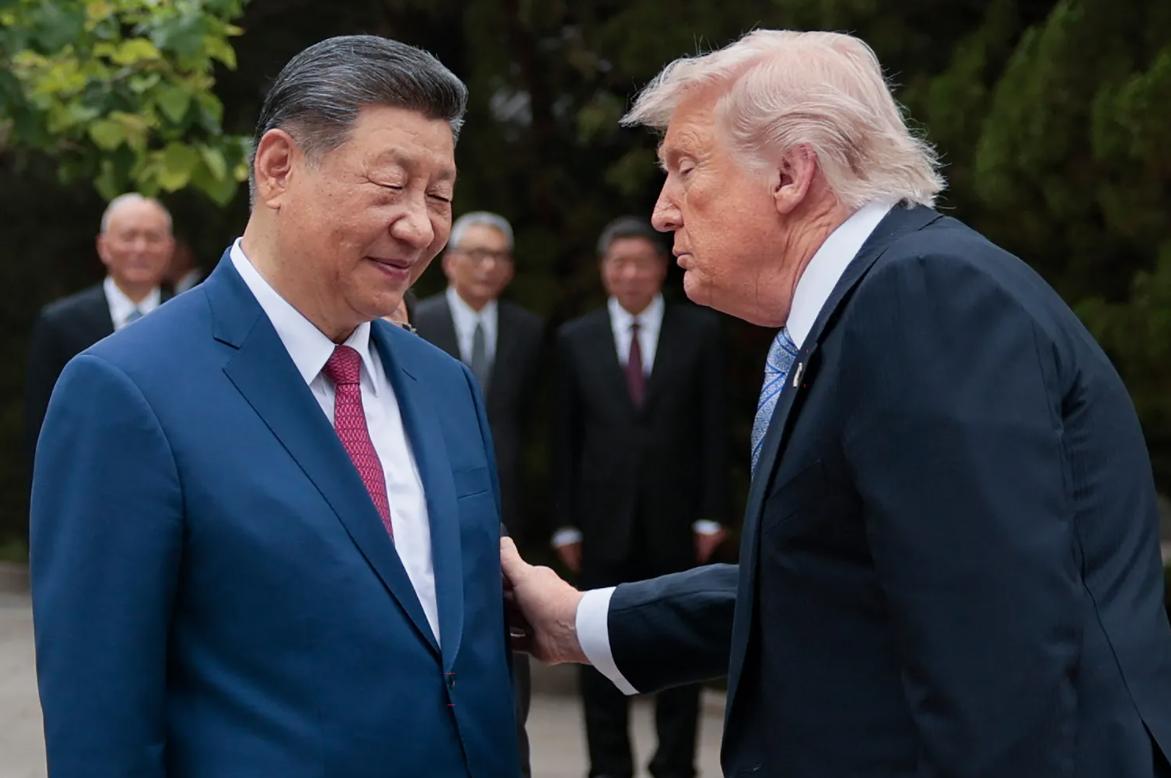
• US President Donald Trump and Chinese President Xi Jinping met in Beijing to discuss bilateral relations amid ongoing trade and geopolitical tensions. The discussions focused on trade, tariffs, supply chains, technology restrictions, and strategic issues such as Taiwan and Iran, while both governments also explored mechanisms to expand bilateral business cooperation and potentially ease some trade barriers.
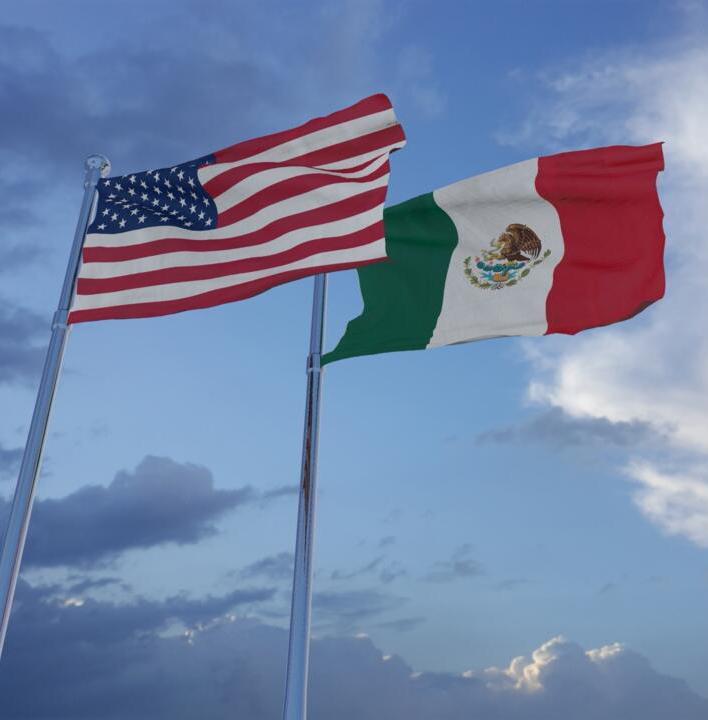
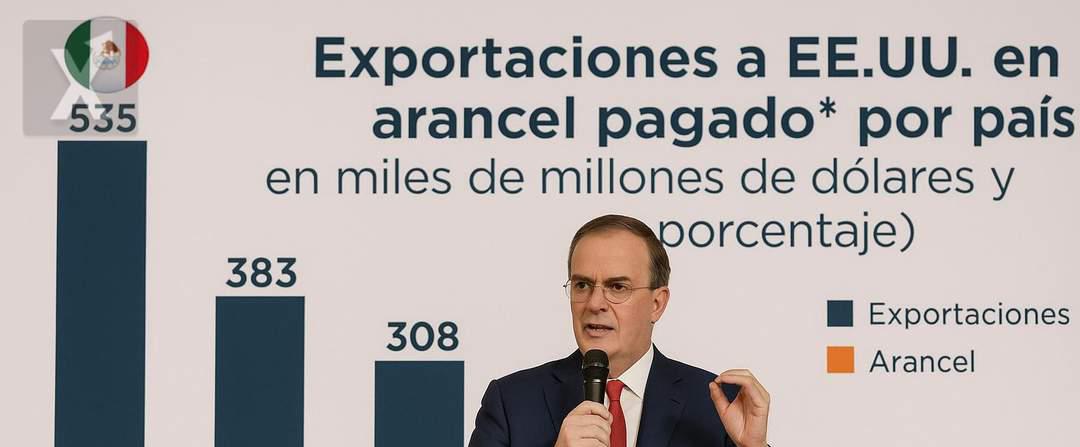
• For Mexico, the meeting carries significant implications as the USMCA review approaches. Washington’s focus on North American supply chain alignment places Mexico in a complex strategic position. In response, Secretary of Economy Marcelo Ebrard recently confirmed that Mexico will conduct a commercial mission to China in the coming weeks, highlighting the importance of the bilateral relationship given that Mexico remains one of the world’s top importers of Chinese goods.
• Against this backdrop, Mexico continues seeking to diversify trade relations and maintain commercial engagement with China while preserving strong economic integration with the United States and compliance with regional trade frameworks.
SOURCE: EL HERALDO, EL FINANCIERO, EL CEO
- MEXICO

• Mexico and Canada advanced efforts to strengthen North American economic integration following a commercial mission to Canada involving more than 240 Mexican companies. The visit resulted in over ten memorandums of understanding and investment agreements.
• Secretary of Economy Marcelo Ebrard and Canadian Trade Minister LeBlanc reaffirmed their commitment to the Canada-Mexico Action Plan and the Comprehensive Strategic Partnership launched by President Claudia Sheinbaum and Prime Minister Mark Carney. Both governments emphasized the need for closer coordination on trade facilitation, infrastructure, investment, and supply chains.
• President Sheinbaum also stressed that the bilateral relationship extends beyond the USMCA, highlighting increasing Canadian interest in investing in Mexico as well as opportunities for Mexican firms in Canada.
SOURCE: MILENIO, EL HERALDO
US - MEXICO
• Mexico continued advancing its commercial diversification strategy this week by strengthening economic ties with South Korea, the European Union, and France amid evolving global trade dynamics and preparations for the upcoming USMCA review.
• The main focus centered on South Korea, with a visit from South Korean Trade Minister Yeo Hankoo, where both governments agreed to launch a new high-level strategic dialogue aimed at protecting bilateral investment and reinforcing supply chains linked to sectors such as automotive manufacturing, semiconductors, batteries, and advanced electronics. President Sheinbaum also
held a call with newly elected South Korean President Lee Jae Myung to deepen bilateral cooperation.
• At the same time, Mexico received a delegation of 20 heads of mission representing 19 European Union member states, where officials confirmed that the modernized agreement with the EU will be signed on May 27, opening expanded access to a market of more than 450 million consumers.
• Authorities highlighted new opportunities for Mexican agroindustry, automotive manufacturing, and industrial exports. Mexico additionally reinforced its strategic partnership with France during celebrations marking 200 years of bilateral relations, adopting a new action plan focused on industrial cooperation, innovation, infrastructure, and energy transition.
ENVIRONMENTAL
• INITIATIVE WITH DRAFT DECREE ISSUING THE GENERAL LAW ON ECOLOGICAL BALANCE AND ENVIRONMENTAL PROTECTION
Presented by: Ministry of Environment and Natural Resources (SEMARNAT)
Objective: Introduces a comprehensive structural, conceptual, and procedural reform to replace the current General Law on Ecological Balance and Environmental Protection. Establishes modern environmental management frameworks, new public policy instruments, and an updated environmental liability regime aimed at guaranteeing the right to a healthy environment for individual and collective development, health, and well-being.
Status:Regulatory Impact Assessment Exemption
PUBLIC ADMINISTRATION
• DECREE ISSUING THE REGULATIONS OF THE LAW FOR THE PROMOTION OF INVESTMENT IN STRATEGIC INFRASTRUCTURE FOR DEVELOPMENT WITH WELL-BEING
Presented by: Federal Executive
Objective: Issues the regulations implementing the Law for the Promotion of Investment in Strategic Infrastructure for Development with Well-Being, establishing the operational framework for strategic infrastructure investment projects and coordination mechanisms among public, private, and social sector participants.
Status:Published in the Official Gazette
• FIRST RESOLUTION AMENDING THE GENERAL FOREIGN TRADE RULES FOR 2026
Presented by: Ministry of Finance and Public Credit – Tax Administration Service (SAT)
Objective: Amends and adds various provisions to the 2026 General Foreign Trade Rules, including modifications related to customs procedures and compliance requirements. Also repeals specific provisions to update and streamline the regulatory framework governing foreign trade operations in Mexico.
Status:Published in the Official Gazette



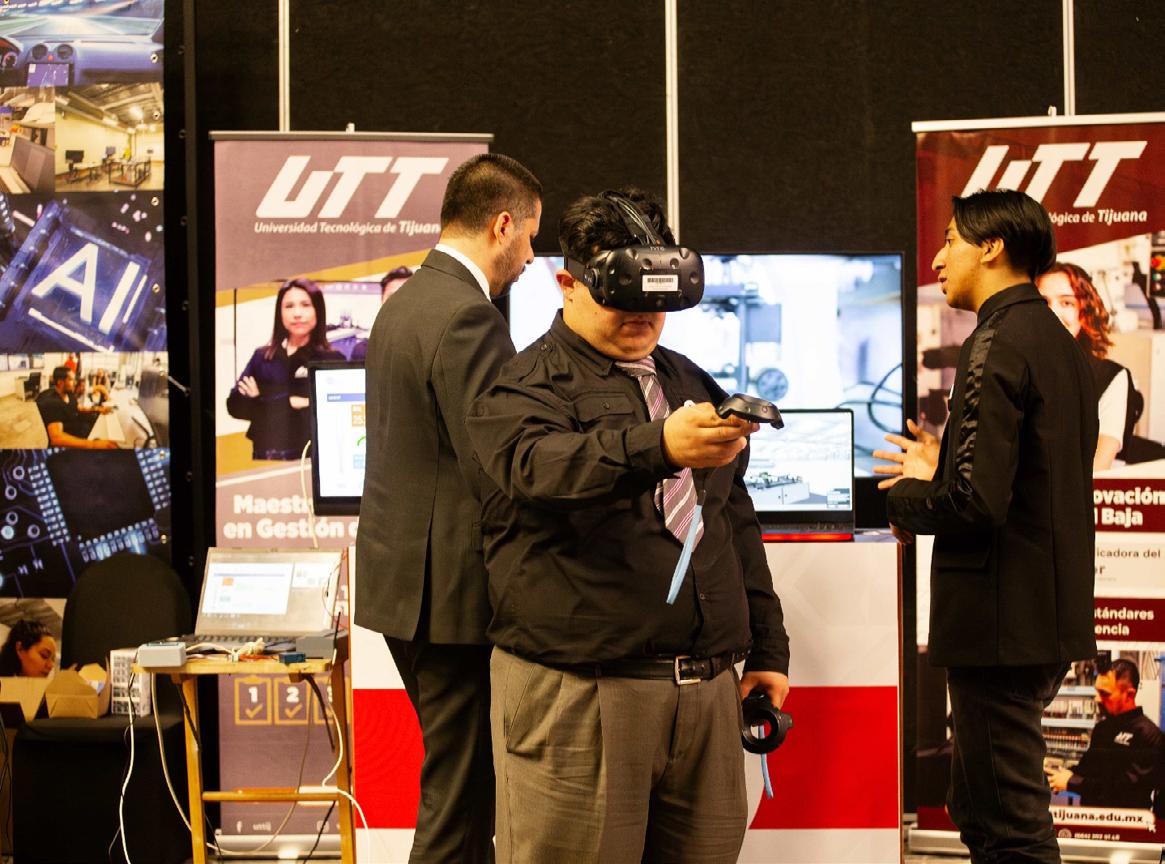
Baja California is strengthening its position in advanced technology and innovation by investing in artificial intelligence talent development to support key industries across the state. Through the Generative Artificial Intelligence Engineering Program for Educators, 44 professors from 14 educational institutions, including UABC, CETYS University, and the Technological Institute of Tijuana, graduated with specialized training in generative AI. State officials highlighted that artificial intelligence is already transforming sectors such as advanced manufacturing, logistics, healthcare, education, and technology services, making workforce preparation essential for regional competitiveness. The initiative, developed in collaboration with the Iberoamerican Technology Foundation (ITF), EmTech, and Santander Universidades, also introduced a new Generative AI Learning Hub and included participation from NVIDIA Mexico and Latin America to promote AI applications across productive industries.
SOURCE: MEXICO INDUSTRY
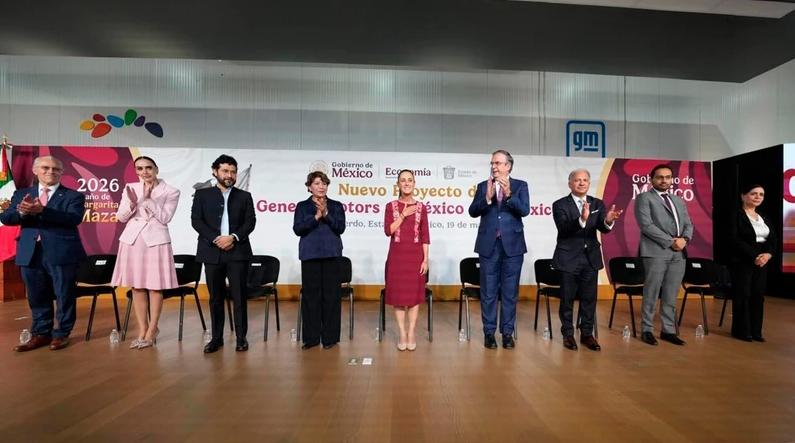

General Motors announced that beginning in 2027 it will stop importing the Chevrolet Aveo and Chevrolet Groove from Asia and instead manufacture both models at its Ramos Arizpe complex in Coahuila, Mexico, as part of a $1 billion investment in its Mexican operations. The project aims to strengthen national manufacturing capacity, regional supply chains, and local supplier development, with production expected to reach approximately 80,000 vehicles annually by 2030. GM highlighted that Mexico remains a strategic hub for advanced manufacturing, engineering, and electric vehicle production, with Ramos Arizpe emerging as one of the company’s key innovation centers for electromobility. The automaker currently employs more than 23,000 people in Mexico, operates manufacturing complexes across several states, and works with over 650 domestic suppliers, reinforcing the country’s role in the North American automotive industry.
SOURCE: MEXICO INDUSTRY

Nuevo León Governor Samuel García has begun a business tour across Europe aimed at attracting new investment projects and strengthening relationships with companies in Sweden, the Netherlands, Spain, and France. According to state officials, the trip could generate nearly $3 billion in projected investments tied to industrial, energy, sustainability, and innovation initiatives for the state. The agenda includes meetings with executives and potential investors in Stockholm, Amsterdam, Madrid, and Paris, where discussions will focus on expanding industrial operations and exploring new collaboration opportunities linked to nearshoring and regional manufacturing growth. Companies included in the tour agenda range from industrial and innovation-focused firms to infrastructure groups such as Vinci Airports and Heineken, both of which already maintain a strategic presence in Mexico. Through this initiative, Nuevo León seeks to reinforce its position as one of Mexico’s leading industrial and investment hubs amid the continued relocation of global supply chains to North America.
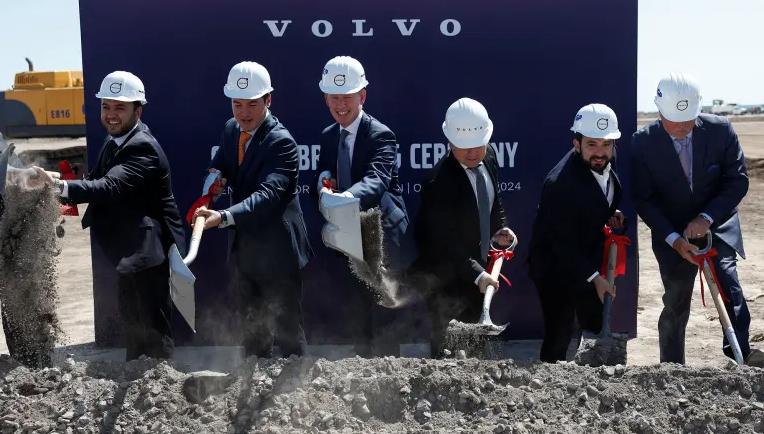
Volvo is preparing to launch operations at its new plant in Ciénega de Flores, Nuevo León, which will become the company’s largest truck manufacturing facility worldwide. The $1 billion project, expected to begin operations in summer 2026, will produce Volvo Trucks and Mack Trucks for the North American market and generate between 2,000 and 2,500 direct jobs. During a business tour in Sweden, Governor Samuel García confirmed that the company has already started hiring personnel, reinforcing Nuevo León’s position as a key hub for heavy-duty vehicle manufacturing, logistics, and advanced industrial development in North America.
SOURCE: CLUSTER INDUSTRIAL

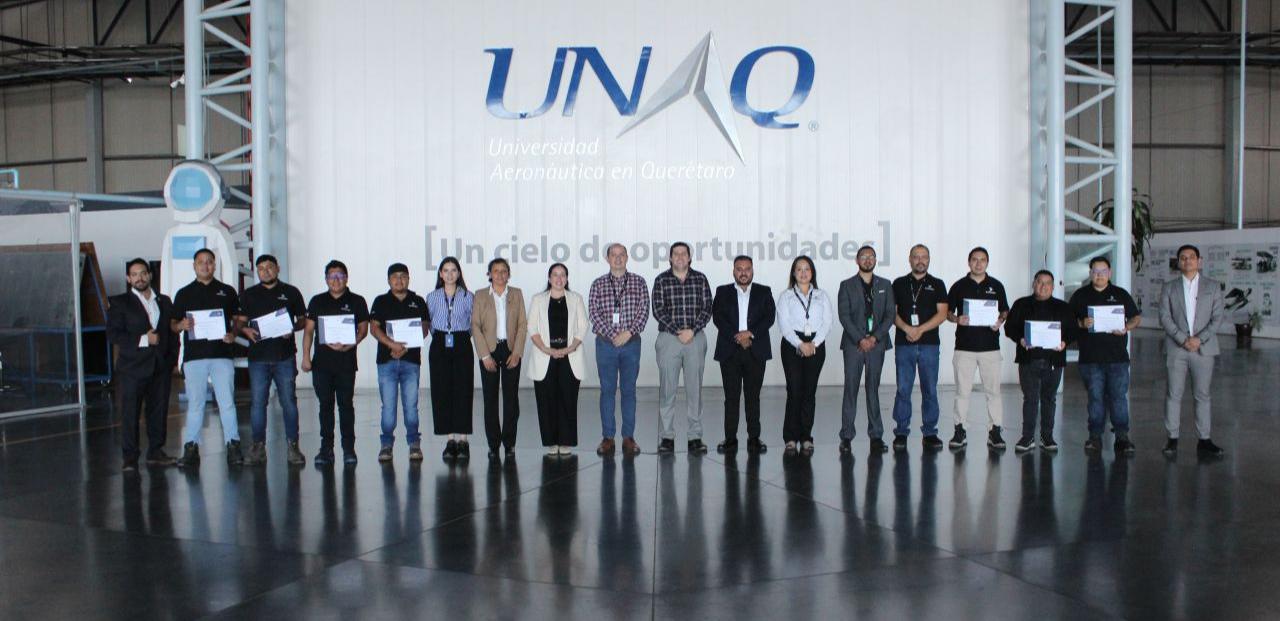
Querétaro’s aerospace industry received another boost through a specialized training initiative developed by the Aeronautical University in Querétaro (UNAQ) and Bombardier to strengthen technical talent for advanced manufacturing operations. The “Fast Track de Maquinados” program focused on machining processes and precision manufacturing skills that are critical to the aerospace supply chain, helping prepare highly qualified personnel for the growing demands of the sector. During the closing ceremony, participants received certifica-
tions recognizing their completion of the program, which reflects the continued collaboration between industry and academia to align workforce development with real manufacturing needs. As one of Mexico’s leading aerospace hubs, Querétaro continues to expand its ecosystem in advanced manufacturing, engineering, aircraft maintenance, and component production, while responding to increasing demand for specialized talent in CNC machining, automation, and precision manufacturing across the national aerospace industry.
SOURCE: MEXICO INDUSTRY

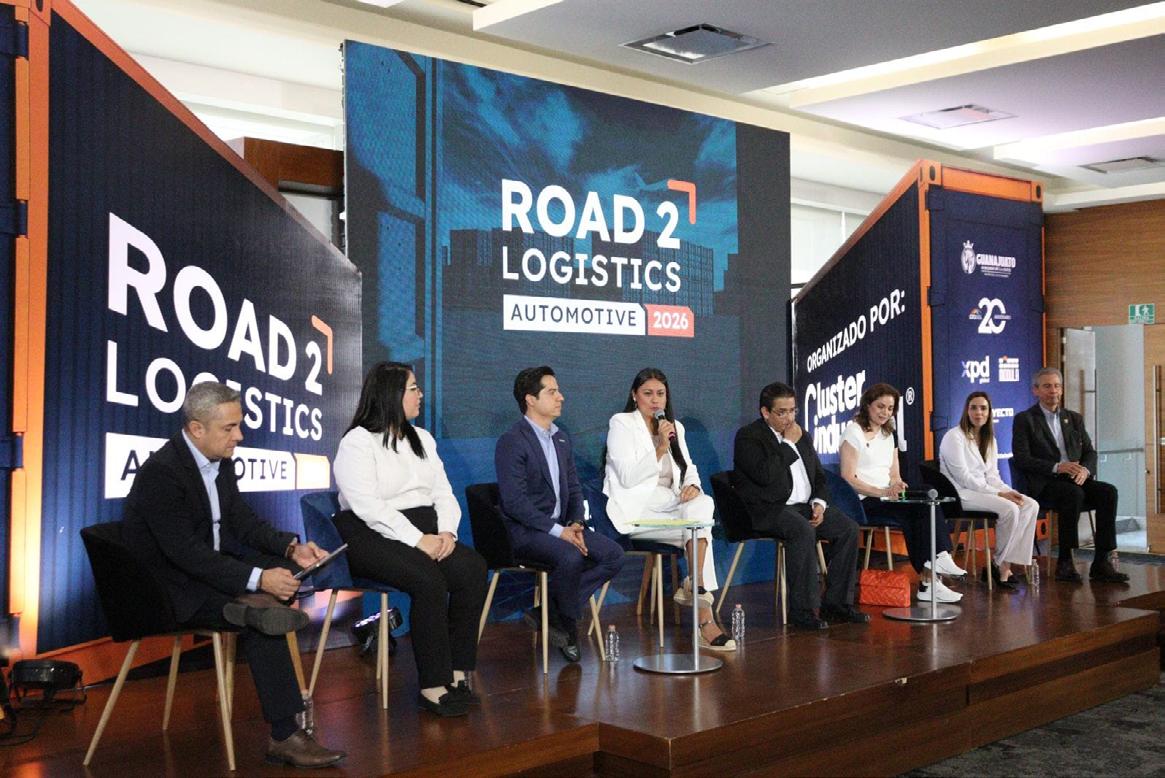
Road 2 Logistics Automotive 2026 will bring together key players from Mexico’s automotive and logistics industries on June 3–4 in León, Guanajuato, aiming to strengthen supply chain capabilities and regional competitiveness amid evolving trade, customs, and nearshoring challenges. Organized by Cluster Industrial, the event is expected to host more than 1,000 attendees, over 600 B2B business meetings, and business opportunities exceeding $163 million annually through participation from more than 40 buyer companies. The agenda will include specialized panels, workshops, networking sessions, industrial experiences, and discussions focused on intermodal transportation, customs reform, AI-driven logistics solutions, and the future of North American supply chains. Supported by Guanajuato Puerto Interior and leading automotive, logistics, and manufacturing organizations, the event seeks to position logistics as a strategic advantage for Mexico’s automotive industry and reinforce collaboration between companies, suppliers, and government stakeholders.
SOURCE: CLUSTER INDUSTRIAL

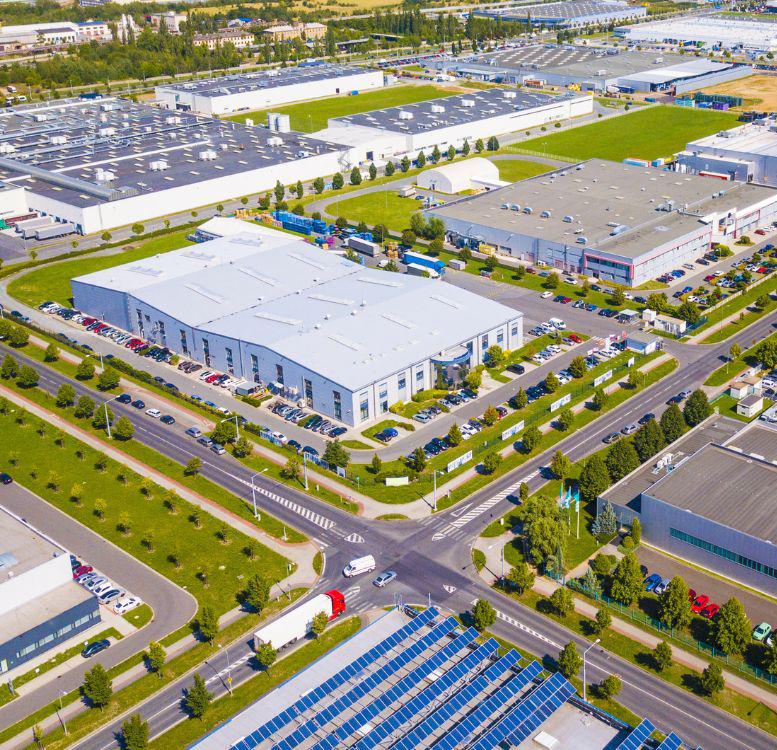
• Mexico City and its metropolitan area are consolidating their position as one of the country’s fastest-growing industrial markets, amid a nationwide expansion of industrial parks driven by nearshoring and logistics demand.
• According to AMPIP, industrial real estate investment in Mexico is projected to increase 50% in 2026, reaching US$5.83 billion, while 103 new industrial parks are currently under development across the country.
• Within this trend, the Valley of Mexico represents 22.1% of national industrial activity and continues to attract logistics and distribution projects linked to e-commerce and last-mile operations.
• The growing demand for modern industrial space has also pushed rental prices in the metropolitan area to record levels, surpassing US$10 per square meter in some developments.
• AMPIP estimates that Mexico could reach 583 industrial parks by 2030, although infrastructure challenges related to electricity and water supply remain important considerations for sustaining growth in industrial hubs such as the Mexico City metropolitan region.
SOURCE: FORTUNA
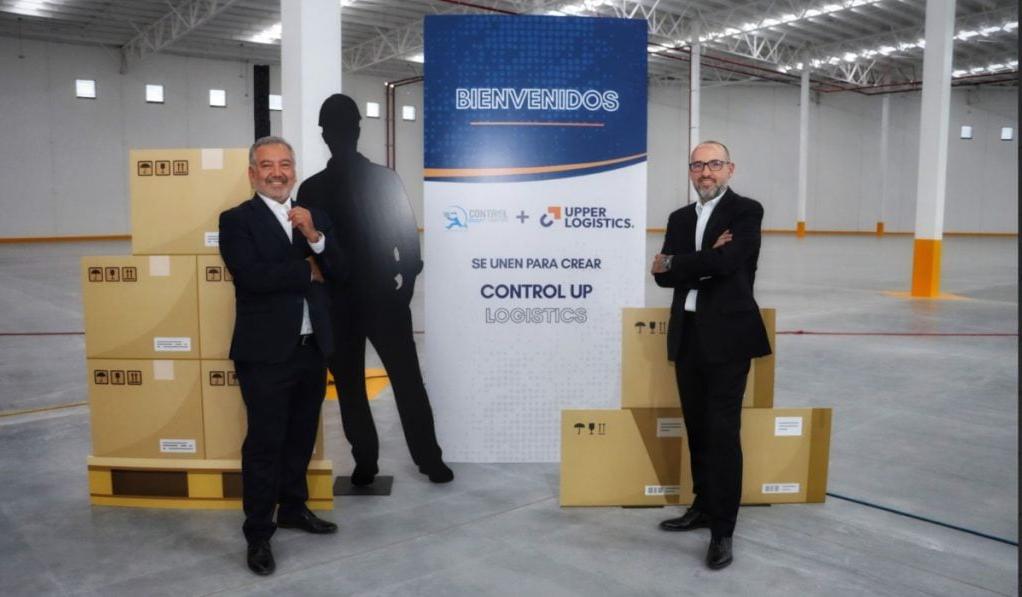

• Control Up Logistic inaugurated a new distribution center in Tultepec, State of Mexico, aimed at strengthening warehousing, ground transportation, and last-mile distribution services in one of the country’s most strategic logistics regions.
• The project responds to the sustained growth of e-commerce and the increasing need for faster and more efficient supply chain operations across the Valley of Mexico, which concentrates over 30% of the country’s logistics activity and serves more than 21 million consumers.
• The new facility, located in Tule Industrial Park 4, was developed through the integration of Upper Logistics and Control Logístico.
• The company seeks to expand scalable logistics services supported by warehouse management systems (WMS), inventory traceability, and nationwide transportation capabilities.
• The project reflects broader trends in Mexico’s logistics sector, where digitalization, automation, and last-mile infrastructure continue to attract investment driven by rising e-commerce demand and supply chain modernization.
SOURCE: MEXICO INDUSTRY
Atlas Copco, a Swedish global manufacturer of air compression, vacuum, and industrial automation solutions, announced the expansion of its operations in Apodaca, Nuevo León, with two strategic projects focused on semiconductors, advanced manufacturing, and Mexican supplier development for its U.S. operations. The expansion includes AIM Servicios Administrativos and MEXSO (Sourcing Team Compressor Technique), strengthening the state’s positioning in the semiconductor and clean-room infrastructure value chain.
Shenzhen Click Technology, a Chinese global supplier of magnetic components and power solutions, announced an investment of US$17 million (370 million pesos) to install a new manufacturing plant in Torreón, Coahuila, located in Golden Industrial Park. The project will generate 480 direct jobs and strengthen the electronics supply chain in the Laguna region, marking the company’s first manufacturing base in Mexico.
Central México
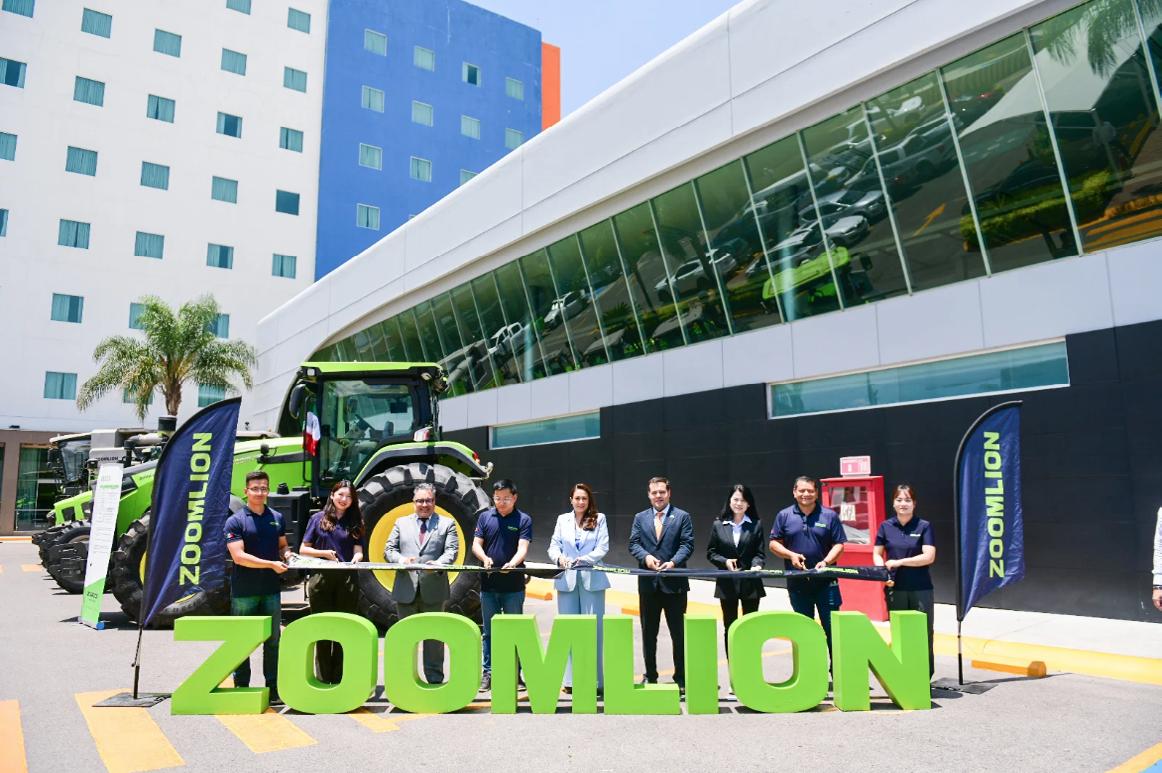
ZOOMLION, a Chinese global manufacturer of agricultural and heavy construction machinery, inaugurated its new Latin America Training Center and final assembly area for tractors and agricultural machinery in Aguascalientes, with an investment of US$4.5 million (90 million pesos). The project will generate more than 400 direct and indirect jobs and positions Aguascalientes as a strategic hub for the agroindustrial and heavy machinery sectors across Latin America.
SOURCES: CLUSTER INDUSTRIAL, MEXICO INDUSTRY
Expanding into Mexico involves far more than setup costs—it requires the right structure, compliance strategy, and operational support to avoid costly disruptions later on.
This article explores the long-term value of working with an experienced partner in Mexico, and why companies increasingly prioritize execution, compliance, and scalability over short-term savings alone.
• What companies should evaluate beyond upfront costs
• Why structure and compliance impact long-term success
• How the right partner reduces operational risk

As the 2026 USMCA review approaches, manufacturers across North America are preparing for a more demanding trade and compliance environment. Our executive guide brings together key insights leaders should understand before the next phase of regional integration unfolds.
The e-book covers enforcement trends, supply chain strategy, operational risk, and the decisions manufacturers should be making now to stay competitive.
• Key insights on the 2026 USMCA review
• What executives should prepare for now
• How trade dynamics are reshaping North America
VISIT OUR WEBSITE TO EXPLORE OUR FEATURED BLOG POSTS, EBOOKS, AND CASE STUDIES. PRODENSA.COM/INSIGHTS