• Mexico and the United States concluded this week the second round of bilateral discussions ahead of the formal USMCA review scheduled to begin on July 1st. Negotiators addressed key issues including rules of origin, the automotive sector, agriculture, and economic security, while both sides agreed to continue technical discussions in the coming weeks.
• The talks took place amid renewed uncertainty after President Trump stated that he would prefer not to renew the agreement and argued that the U.S. does not need imports from either Mexico or Canada. Mexico responded by downplaying the remarks. President Sheinbaum urged observers not to overreact to Trump’s statements, while Secretary of Economy Marcelo Ebrard, stressed that the review process remains on schedule and that formal negotiations are progressing as planned.
• Adding to this outlook, Moody’s Ratings stated that it considers the disappearance of the USMCA unlikely, although it expects the review to increasingly rely on bilateral agreements and parallel negotiations rather than a fully trilater -
al process. The agency nevertheless warned that disputes over strategic sectors could prolong negotiations.
• The latest developments suggest that, despite political rhetoric, both governments remain committed to preserving preferential market access. However, Trump’s comments reinforce uncertainty surrounding the review and highlight the potential for a more fragmented and politically driven negotiation process.
SOURCE: FORBES, EXCELSIOR, EL PAÍS, GOBIERNO DE MEXICO
• Mexico and the United States deepened security coordination this week following a bilateral meeting in Mexico City involving officials from both governments.
• The discussions focused on combating organized crime, arms trafficking, border security, and other shared challenges, with US officials describing the effort as the beginning of a “new era” of security cooperation.
• The positive tone contrasted with comments from President Trump, who argued that Mexico has lost control to criminal organizations; while Vice President JD Vance stated that Washington reserves the right to take military action against cartels if necessary, while emphasizing a preference for working jointly with Mexico.
• The exchange reflects the complex state of the bilateral security relationship.
SOURCE: X: DONALD JOHNSON, FORBES, EL ECONOMSITA

- MEXICO
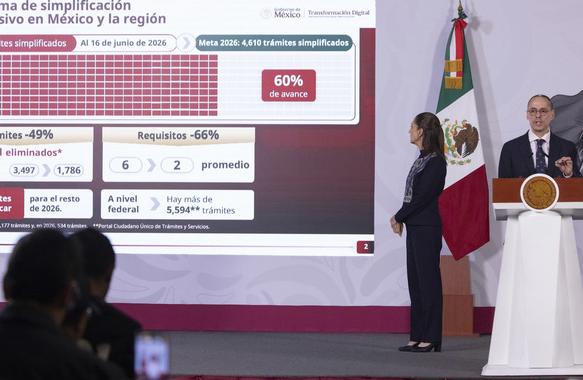
• President Claudia Sheinbaum announced that Mexico has achieved 60% progress in its national regulatory simplification program, a key component of her administration’s digital government strategy. According to the government, more than 1,700 procedures have been eliminated and nearly 3,500 simplified, with a target of reaching 4,500 interventions by the end of 2026.
• Authorities highlighted the expansion of digital platforms for business-related permits. The initiative reflects the administration’s broader effort to reduce bureaucratic barriers, improve public service delivery, and limit opportunities for corruption through digitalization.
• For businesses, the continued simplification of permitting and investment procedures aim to support the objectives of Plan Mexico by lowering administrative costs and improving the operating environment.
SOURCE: MILENIO


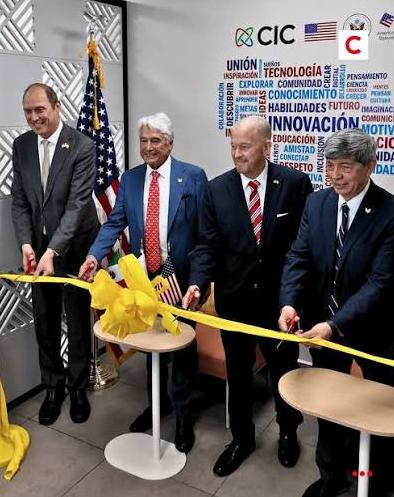
The newly inaugurated Calibaja Innovation Center (CIC) at CETYS Universidad in Tijuana is the first innovation- and entrepreneurship-focused “American Space” in the CaliBaja region, joining a global network of nearly 600 centers in over 140 countries. Supported by the Embassy of the United States in Mexico and industry partners such as Qualcomm and Microsoft, the center will provide technology training, English-language programs, AI and cybersecurity certifications, STEM education, mentorship, internship support, and cultural activities. During the opening ceremony, U.S. Ambassador Ronald D. Johnson highlighted the center’s role in strengthening U.S.-Mexico collaboration, while CETYS Rector Fernando León García emphasized that the CIC will help bridge the gap between academic learning and industry needs, preparing globally competitive, technology-skilled talent for the region’s workforce.
SOURCE: INDUSTRIAL NEWS BC

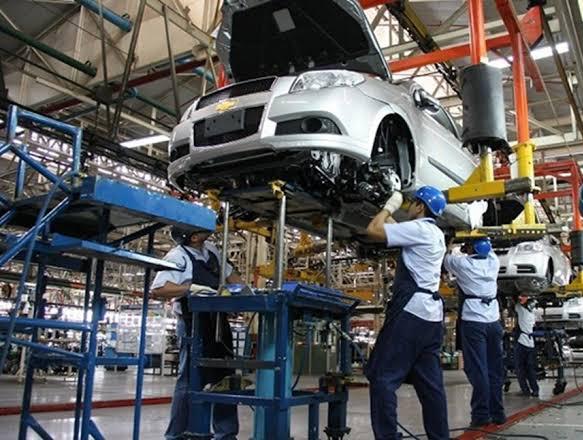
The Clúster Automotriz de Sonora (CLAS) is strengthening efforts to integrate manufacturers, suppliers, service providers, and institutions across the state’s automotive sector to enhance competitiveness and attract new investment. According to CLAS President Juan Carlos Campoy, the organization is focused on mapping Sonora’s automotive ecosystem, improving collaboration among industry stakeholders, and promoting the state as a destination for automotive and manufacturing projects. Building on Sonora’s four-decade automotive legacy anchored by Ford Motor Company, CLAS aims to create a stronger, more connected supply chain while fostering investor confidence through greater coordination between industry, government, and private-sector partners. As North American supply chains continue to shift through nearshoring trends, Sonora is positioning itself to capture new opportunities and expand its role in Mexico’s automotive manufacturing sector.
SOURCE: MEXICO INDUSTRY
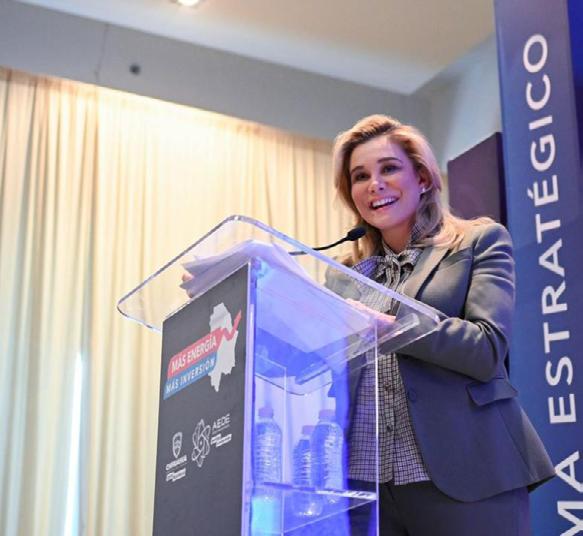

Chihuahua is strengthening its energy infrastructure as part of a broader strategy to attract industrial investment and support long-term economic growth. Speaking at a binational energy forum hosted by the American Chamber of Commerce of Mexico, Economic Development Secretary Ulises Fernández highlighted the state’s strategic border location and the importance of reliable energy supply in securing new manufacturing, technology, and export-oriented projects. As nearshoring continues to reshape North American supply chains, Chihuahua is working with energy-sector stakeholders to expand capacity, meet rising industrial demand, and capitalize on opportunities driven by energy transition and technological innovation. These efforts aim to enhance the state’s competitiveness and reinforce its position as one of Mexico’s leading industrial destinations.
SOURCE: MEXICO INDUSTRY

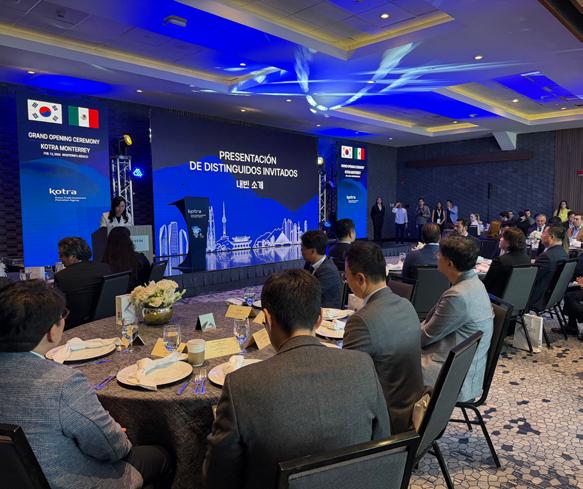
Nuevo León is strengthening its manufacturing ecosystem and investment appeal through deeper economic ties with South Korea, highlighted by the reopening of the Korea Trade-Investment Promotion Agency (KOTRA) office in Monterrey. The move reinforces a long-standing partnership that already includes more than 270 Korean companies operating in the state across key industries such as automotive, electronics, steel, and technology. By facilitating new investment projects, expanding bilateral trade, and strengthening integration into global value chains, the renewed alliance positions Nuevo León to capitalize on nearshoring opportunities and further consolidate its role as one of Mexico’s leading manufacturing hubs.
SOURCE: LIDER EMPRESARIAL

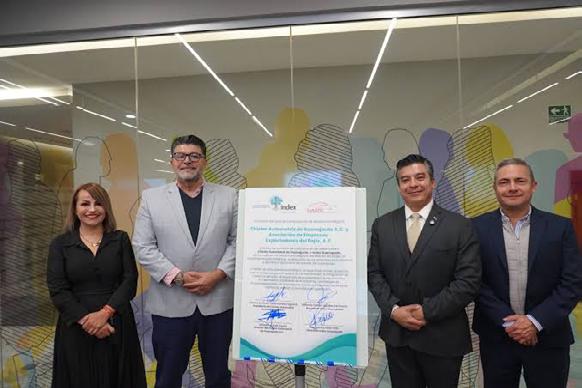
The Clúster Automotriz de Guanajuato (CLAUGTO) highlighted the strategic role of EXPO MAQ in strengthening the industrial ecosystem of the Bajío region, positioning it as a key platform for business integration, innovation, and collaboration across the manufacturing sector. The event brings together manufacturers, suppliers, and technology providers to foster strategic connections, promote advanced manufacturing solutions, and accelerate industrial modernization. According to CLAUGTO, initiatives like EXPO MAQ are essential for enhancing regional competitiveness by integrating supply chains more effectively, attracting new investment, and reinforcing the Bajío’s position as one of Mexico’s most dynamic industrial hubs.
SOURCE: MEXICO INDUSTRY

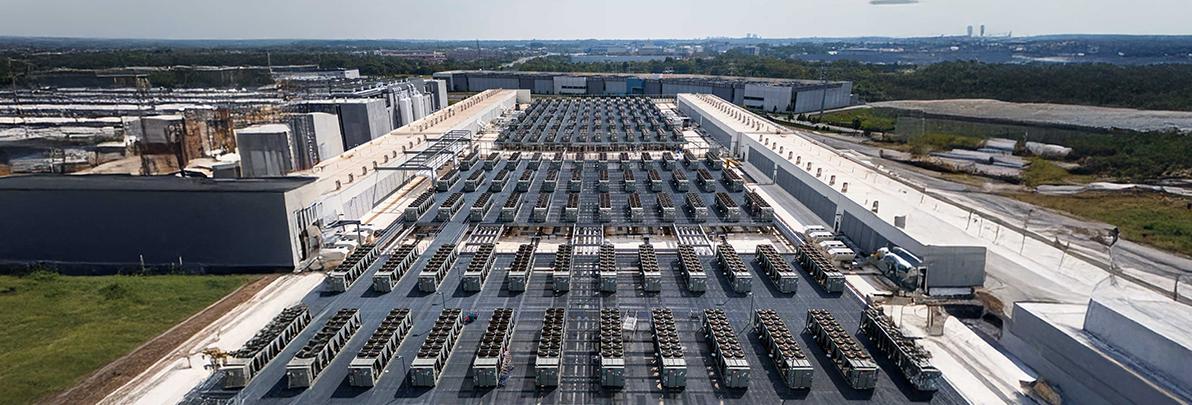
Querétaro is strengthening its position as a key hub for digital infrastructure by prioritizing energy availability and sustainability as core drivers of future growth. In a recent forum organized by the Mexican Data Center Association (MxDC), industry leaders and public officials discussed the rising energy demands generated by data centers, cloud computing, and artificial intelligence, along with the need to scale more efficient and sustainable energy solutions. The dialogue underscored Querétaro’s competitive advantages—including
its connectivity, industrial ecosystem, and strategic location—while also highlighting the importance of long-term energy planning to ensure continued expansion of the digital economy. The initiative reflects a broader effort to align investment attraction with sustainable energy development to reinforce the state’s leadership in Mexico’s rapidly growing digital infrastructure sector.
SOURCE: CLUSTER INDUSTRIAL

• Mexico City emerged as the country’s main destination for foreign direct investment during the first quarter of 2026, helping drive a national record of US$23.6 billion in inflows. The capital benefited from strong investment in banking, financial services, insurance, technology, and advanced manufacturing, reinforcing its role as Mexico’s leading corporate and business hub.
• Nationally, foreign investment increased 10.4% year-over-year, with reinvested earnings rising sharply as multinational companies expanded existing operations. Mexico City captured the largest share of these flows, supported by its concentration of financial institutions, corporate headquarters, technology firms, and growing investment in sectors linked to automotive supply chains, digital infrastructure, and professional services.
• The city’s performance highlights how nearshoring is extending beyond traditional manufacturing centers to include high-value services, finance, data-related industries, and innovation-driven
activities. Continued investment in technology, logistics, and corporate operations is strengthening Mexico City’s position as a strategic gateway for international companies seeking access to the Mexican market and broader North American supply chains.
SOURCE: EXPANSIÓN

• The State of Mexico has consolidated its position as the country’s leading logistics platform, driven by the rapid expansion of e-commerce and its strategic proximity to Mexico City, the nation’s largest consumer market. Industrial corridors such as Cuautitlán, Huehuetoca, and Tepotzotlán have become critical distribution hubs, concentrating warehouses and fulfillment centers that support nationwide retail, logistics, and last-mile delivery operations.
• The state’s competitive advantage lies in its extensive highway connectivity to key markets across central, northern, and southern Mexico, as well as
its growing network of modern industrial parks. High-specification facilities, designed for logistics and distribution activities, continue to attract strong demand from companies seeking faster delivery times and more efficient supply chains.
• As consumer expectations for rapid fulfillment increase, demand for industrial space in the State of Mexico is expected to remain robust. The region’s combination of infrastructure, connectivity, and access to major population centers positions it as a strategic gateway for e-commerce growth and logistics investment, reinforcing its role as a cornerstone of Mexico’s domestic supply chain network.
SOURCE: AL DIÁLOGO

ECOCABLE
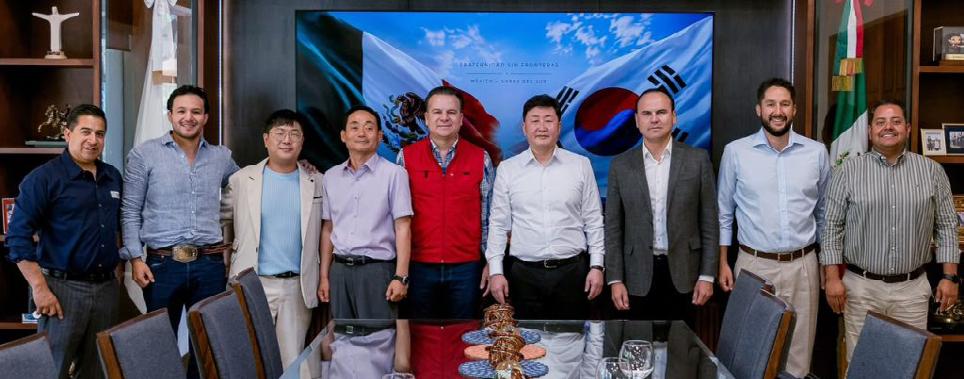
ECOCABLE, an electrical components and wiring solutions manufacturer with operations in Mexico and South Korea, announced an investment of US$27 million (540 million pesos) to install a new plant in Gómez Palacio, Durango. The facility will produce oxygen-free copper cable for electric vehicle applications, generate 200 direct jobs, and is expected to start operations in early 2027, strengthening the regional electromobility supply chain in La Laguna.
CHL/Henglong México Automotive, a Chinese global manufacturer of automotive steering systems and components, formalized an investment of US$42 million in Saltillo, Coahuila, to install operations fo-
cused on the production of power steering systems and strategic components for the automotive industry. The project will generate 162 new direct jobs and strengthens the regional automotive supply chain in southeastern Coahuila.
The H-J Family of Companies, a U.S. global manufacturer of specialized electrical industry components with more than five decades of international experience, inaugurated a new manufacturing and distribution plant in Parque Industrial Colinas de León, Guanajuato. The 10,000-square-meter facility will generate 125 committed jobs and serve as a strategic platform to supply national and international markets in the electrical industry value chain.
The USMCA Certificate of Origin is a critical document for manufacturers seeking preferential tariff treatment across North America. However, errors, missing information, or unsupported claims can expose companies to audits, penalties, and the loss of trade benefits.
This guide explains the key certification requirements, who can issue the certification, and the documentation manufacturers should maintain to support compliance and minimize risk.
• The essential requirements for USMCA certification
• Common mistakes that create compliance exposure
• How to protect preferential trade benefits
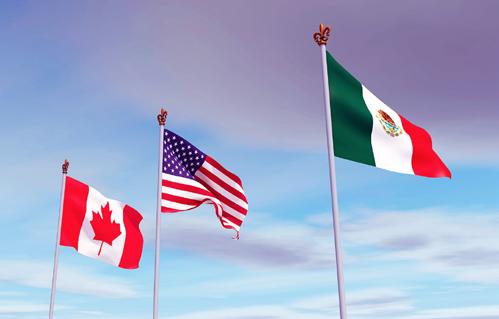
Mexico has evolved far beyond a lowcost manufacturing destination. Today, it plays a central role in North America’s industrial competitiveness, connecting supply chains, talent, and investment across the region.
This article examines Mexico’s growing economic importance, the factors driving its integration with the U.S. and Canada, and why its role in the North American economy will continue to expand in the years ahead.
• Why Mexico is becoming a strategic economic partner
• How regional integration is strengthening competitiveness
• What this means for manufacturers and investors
VISIT OUR WEBSITE TO EXPLORE OUR FEATURED BLOG POSTS, EBOOKS, AND CASE STUDIES PRODENSA.COM/INSIGHTS
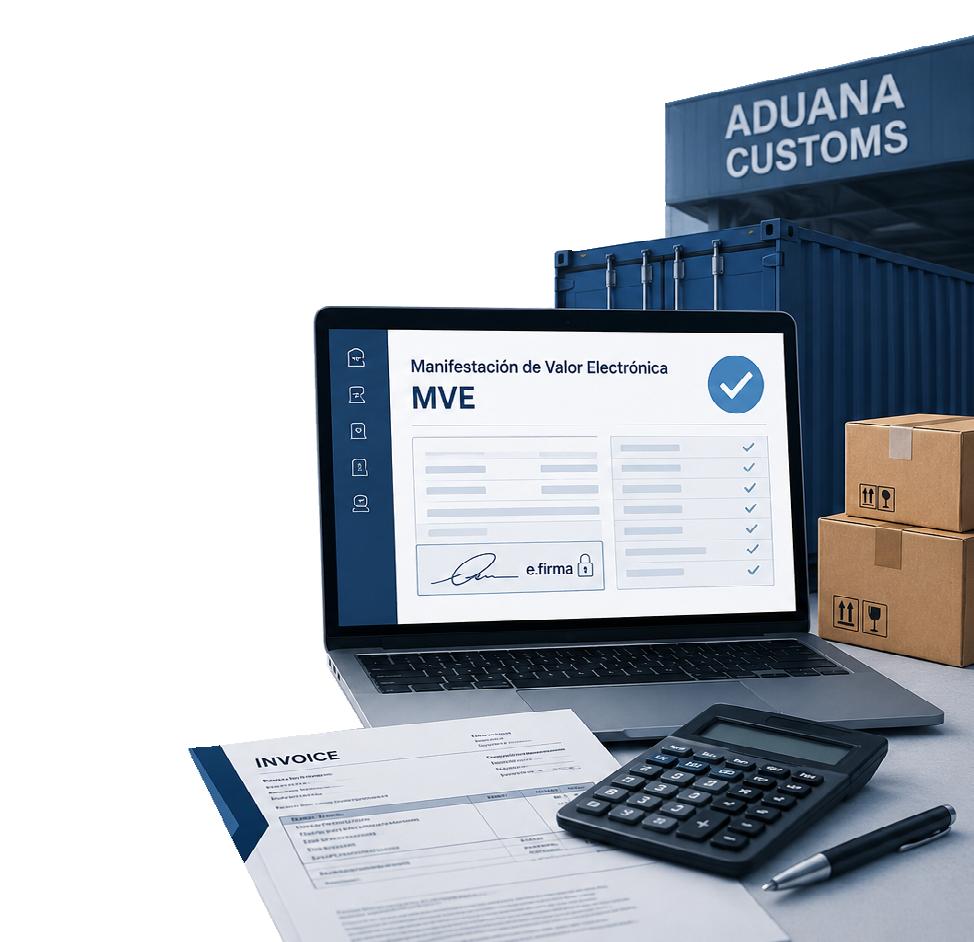
How do you determine the correct customs value for imported goods in Mexico—and why does it matter more than ever? Learn more in Prodensa Academy.
Prodensa’s Digital Management System (DMS).
Customizeable organization
Clear deadlines, roles and alerts
Mandatory supporting evidence and version control
Full traceability and control by legal entity, department, and regulatory framework