

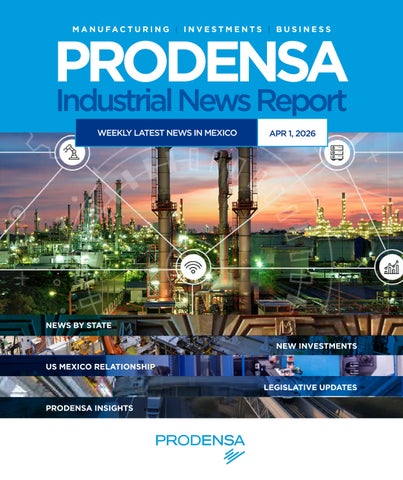
• President Claudia Sheinbaum expressed optimism regarding the ongoing review of the USMCA, highlighting a “constructive attitude” from Washington following the establishment of the first formal negotiation table. Talks between Mexico and the United States began recently in Washington, in a context where U.S. President Trump has constantly raised uncertainty by suggesting alternative bilateral arrangements.
• President Sheinbaum acknowledged the economic impact of recent tariffs on key sectors such as automotive, steel, and aluminum, but stressed expectations that these measures could be revisited during negotiations. Also, Secretary of Economy, Marcelo Ebrard, described the initial technical discussions as “encouraging,” noting a cooperative tone and ongoing efforts to address mutual concerns, including strengthening regional manufacturing and limiting non-North American inputs in supply chains.
• The review process, will formally begin in July 1st and, while Mexico is pushing for continuity and stability, the broader context of U.S. tariff policies suggest a complex negotiation ahead.
• Overall, the government’s messaging reflects cautious optimism, but underlying tensions point to potential risks for trade certainty and investment planning in North America.
SOURCE: ARISTEGUI NOTICIAS, EL FINANCIERO
US - MEXICO
• China signaled it may adopt retaliatory measures against Mexico following recent tariff increases, reaching up to 35% on imports from countries without free trade agreements, affecting over $30 billion in Chinese exports.
• The Chinese Ministry of Commerce argued that Mexico’s actions constitute barriers to trade and investment, with potential losses estimated at $9.4 billion, particularly impacting the automotive, mechanical, and electrical sectors. Secretary of Economy Marcelo Ebrard defended the measures as necessary to correct market distortions and ensure fair competition for domestic industries.
• The dispute highlights growing tensions as Mexico balances its trade relationship with China against increasing integration with the United States. Ongoing USMCA review discussions have emphasized reducing dependency on Asian supply chains and strengthening regional production.
• While Mexico maintains that the measures are not directed politically at China, Beijing’s response underscores the risk of escalation, potentially affecting bilateral trade flows and complicating Mexico’s broader strategy of nearshoring and supply chain realignment.
SOURCES: EL ECONOMISTA, MILENIO
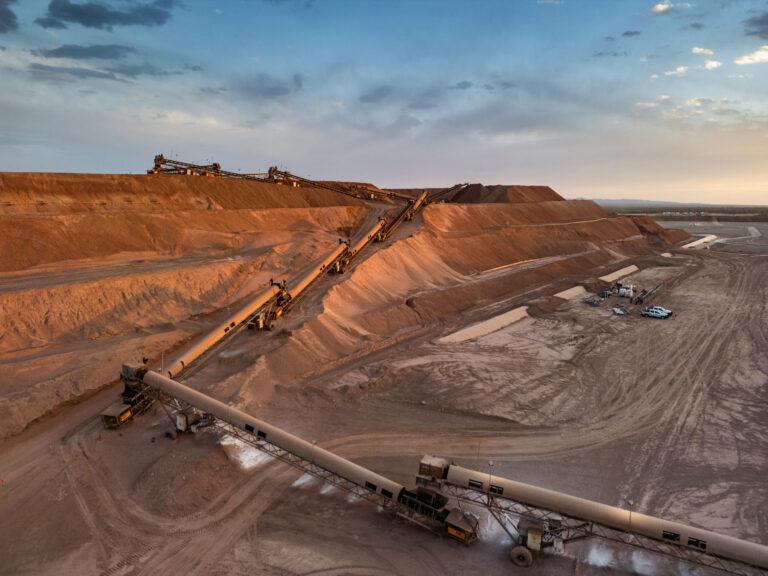
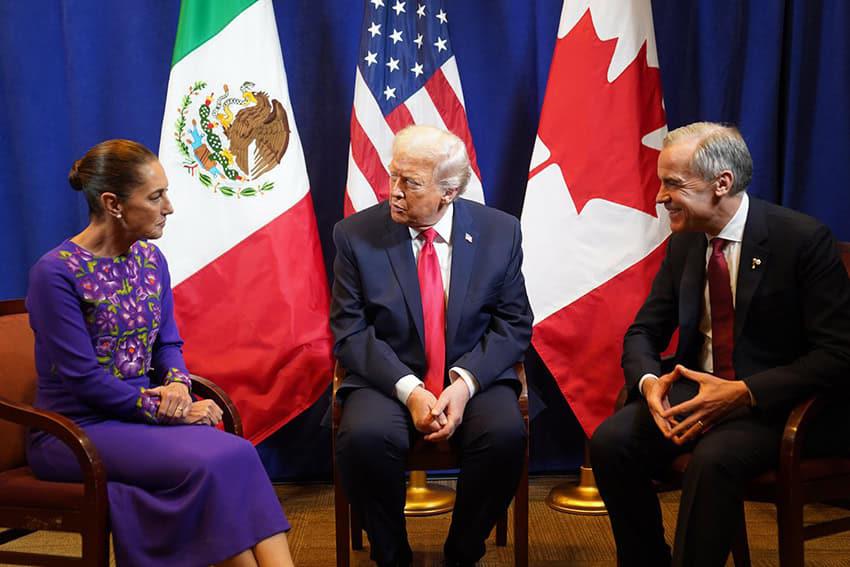
• A labor panel under the USMCA ruled against Mexico in the Camino Rojo mining case, determining the existence of labor rights violations under the Rapid Response Labor Mechanism.
• In response, the Secretariat of Labor and Social Welfare (STPS) strongly criticized the panel’s findings, arguing that it exceeded its mandate by assessing conduct of a potentially criminal nature and assigning responsibility to actors beyond the direct employer.
• The decision marks another high-profile use of the mechanism, designed to enforce labor standards across North America, and raises concerns within the Mexican government over its scope and implications.
SOURCE: EL ECONOMISTA
• The Governing Board of Bank of Mexico (Banxico) cut its benchmark interest rate by 25 basis points to 6.75%, surprising markets amid a recent uptick in inflation and persistent external risks. The decision reflects the central bank’s assessment that current monetary conditions remain sufficiently restrictive to guide inflation toward its 3% target range.
• Recent data from National Institute of Statistics and Geography (INEGI) showed inflation rising to 4.63% in early March, above Banxico’s target range of 2–4%. Despite this, the board cited weakening economic activity, exchange rate dynamics, and the broader global environment as factors supporting continued rate easing.
• Banxico signaled that future decisions will remain data-dependent, leaving the door open for additional cuts if conditions allow.
• The move suggests a growing prioritization of economic support over inflation risks, raising questions about policy credibility if price pressures persist. It also reflects confidence that inflationary shocks may be temporary.
SOURCE: MILENIO


• DRAFT DECREE AMENDING THE CONSTITUTION TO REDUCE PRIVILEGES AND STRENGTHEN RECALL ELECTIONS
Presented by: Joint Commissions of Constitutional Points; Legislative Studies
Objective: establishes new rules for municipal governance, including limits on council composition and gender parity requirements. It caps local legislative budgets and restricts compensation for electoral authorities to constitutional limits, eliminating excessive benefits.
Status: Approved on March 25, 2026, and sent to the Chamber of Deputies
• DRAFT DECREE ENACTING THE LAW FOR PROMOTING INVESTMENT IN STRATEGIC INFRASTRUCTURE
Presented by: Joint Commissions of Infraestructure; Finance and Public Credit
Objective: establishes a legal framework to regulate investments in strategic infrastructure projects. It creates coordination mechanisms to channel public, private, and social investment, and regulates strategic investment contracts,
Status: Approved on March 26, 2026, and sent to the Senate

• OPINION WITH DRAFT DECREE AMENDING THE FEDERAL LABOR LAW
Presented by: Joint Commissions of Legislative Studies, First; Work and Social Prevision
Objective: The reform strengthens non-discrimination provisions in the workplace by prohibiting discriminatory practices based on personal characteristics. It also bans employers from using or sharing sensitive personal data of former employees to restrict future employment opportunities, reinforcing data protection and promoting equal access to work under fair and dignified conditions.
Status: Approved on March 24, 2026, and sent to the Chamber of Deputies
• OPINION WITH DRAFT DECREE AMENDING ARTICLE 141 OF THE FEDERAL TAX CODE
Presented by: Comission of Finance and Public Credit
Objective: This reform allows taxpayers to choose freely among available mechanisms to guarantee tax obligations without proving the impossibility of alternative methods. It maintains compliance requirements while increasing flexibility, aiming to improve efficiency in tax administration
Status: Approved on March 25, 2026, and sent to the Senate


María Teresa Babún Villarreal has assumed the presidency of CANACINTRA Mexicali for the 2026–2027 term, becoming the first woman to lead the organization in its 81-year history. Backed by unanimous support, she emphasized continuity while introducing new initiatives focused on key industrial priorities such as security, energy, support for SMEs, and strengthening the role of women in the sector. Currently, 37% of affiliated companies are led by women—a figure she aims to increase—marking a significant step toward greater inclusion and female leadership in Mexicali’s industrial landscape.
SOURCE: INDUSTRIAL NEWS BC


The Automotive Cluster of Sonora (CLAS), led by Margarita Bejarano, is driving efforts to position Sonora as a regional leader in mobility by strengthening collaboration between industry, government, and academia. Built on a mature automotive ecosystem anchored by Ford’s highly efficient Hermosillo plant, the state has shown resilience and record performance, with production expected to exceed 360,000 units. Since its launch in 2024, CLAS has doubled its membership and is now focused on boosting local supply chains and global competitiveness. Key initiatives include the Sonora Move Mobility Forum, which will bring together major players like Toyota, Kenworth, and Ford to enhance regional integration across northwest Mexico and the U.S. southwest, while reinforcing Sonora’s role in global automotive value chains.
SOURCE: MEXICO INDUSTRY


Durango has taken a major step toward becoming a technology and innovation hub with the national launch of the NVIDIA Ambassador Program, aimed at developing specialized talent in artificial intelligence and high-performance technologies. This milestone follows over two years of strategic collaboration with Fermaca, culminating in the development of Fermaca Digital City—a next-generation data center with a projected capacity of up to 250 MW, positioning it among the most important in Latin America. Supported by NVIDIA, the initiative goes beyond infrastructure to drive technological sovereignty, talent development, and a knowledge-based economic model, reinforcing Durango’s long-term vision to compete in the global digital economy.
SOURCE: STATE OF DURANGO



CANACINTRA Chihuahua has launched its Export Committee, led by Enrique Elías Valdés, establishing a strategic platform to strengthen international trade efforts and enhance the global competitiveness of the local industrial sector. The initiative marks the beginning of a coordinated agenda focused on identifying new market opportunities and developing export-driven strategies. During its first session, participants emphasized the importance of collaboration among companies, organizations, and experts to address global economic challenges, while also recognizing the support of Blú Capital and key stakeholders committed to regional growth.
SOURCE: PRO CHIHUAHUA

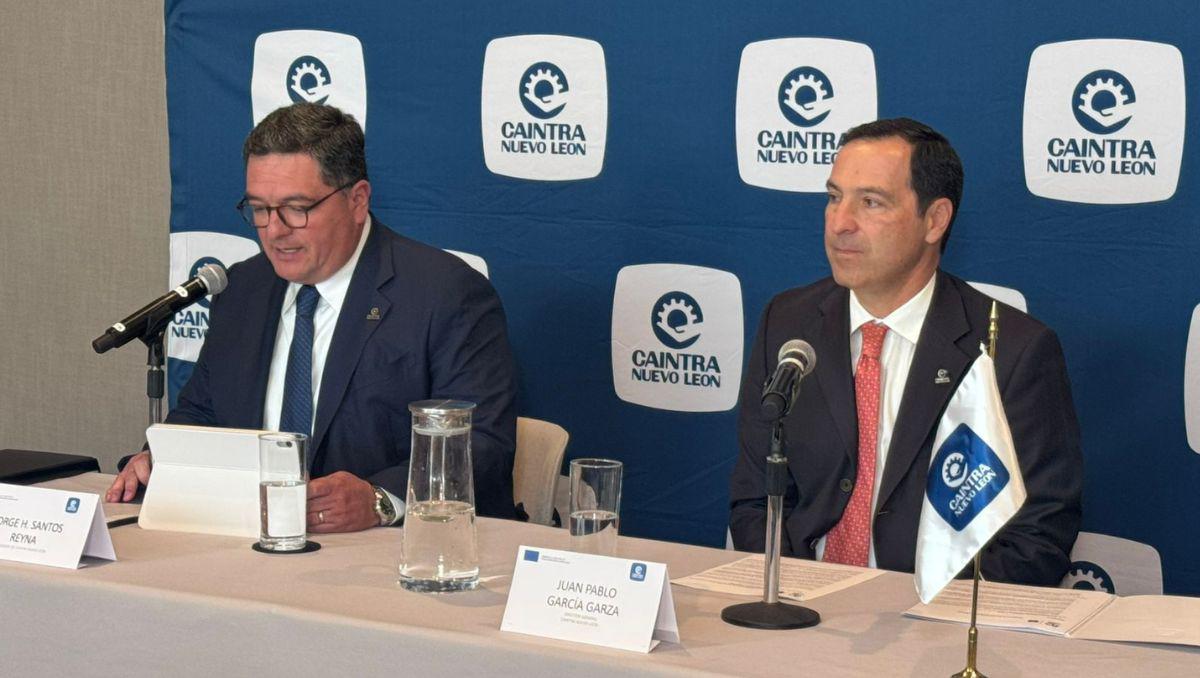
Caintra Nuevo León, led by Jorge Santos, is working with state authorities to address a critical shortage of specialized technical talent that is limiting industrial growth. Despite strong progress in dual education programs—where 60% of students are hired and earn 17–25% higher starting salaries—a significant gap remains, with industry demanding over 41,000 techni-
cians annually while only about 5,600 graduate. In response, Caintra is collaborating with government and educational institutions to align training with industry needs, expand technical education opportunities (including support for women), and develop a coordinated strategy to strengthen workforce readiness and regional competitiveness.
SOURCE: MEXICO INDUSTRY
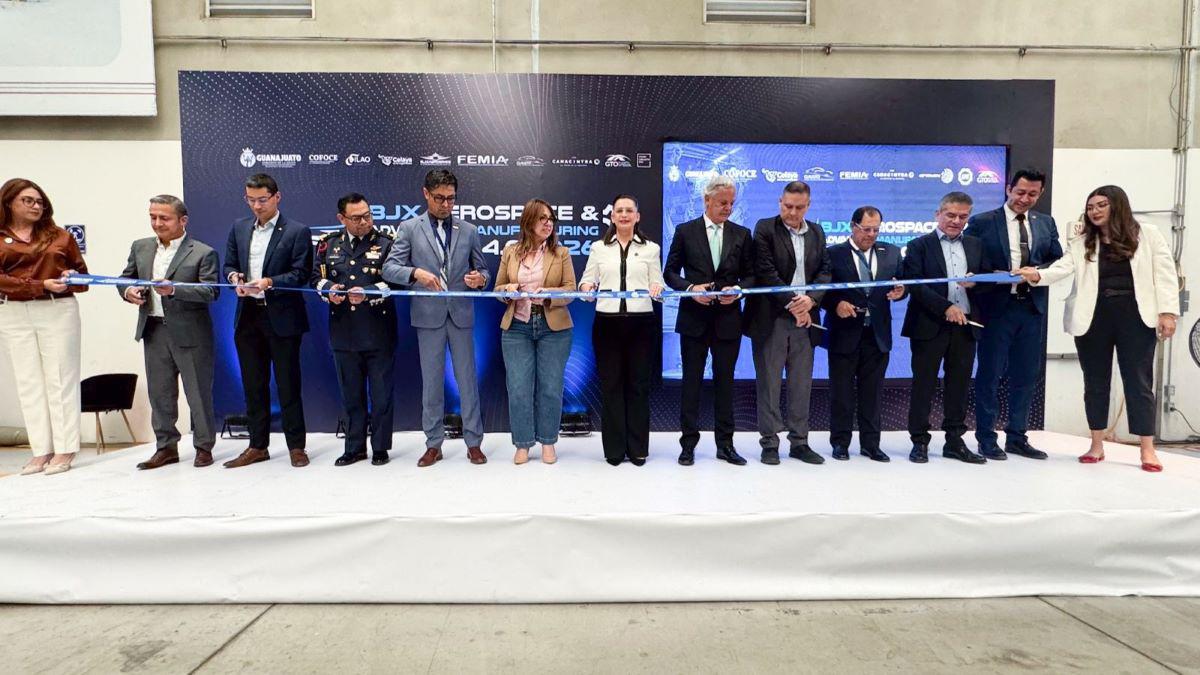

Guanajuato is strengthening its aerospace ecosystem through the Aerospace and Advanced Manufacturing Summit 2026, a key platform that brings together companies, government, and industry organizations to drive innovation, advanced manufacturing, and high-value supply chain integration. The event—alongside FEMIA’s General Assembly held in the state for the second consecutive year—highlights Guanajuato’s
growing strategic role in the sector, supported by a collaborative ecosystem focused on talent development, investment attraction, and global competitiveness. With over 2,140 specialized jobs and $18 million in exports in 2025, the state continues to position itself as a leading hub for aerospace and advanced manufacturing in Mexico.
SOURCE: MEXICO INDUSTRY
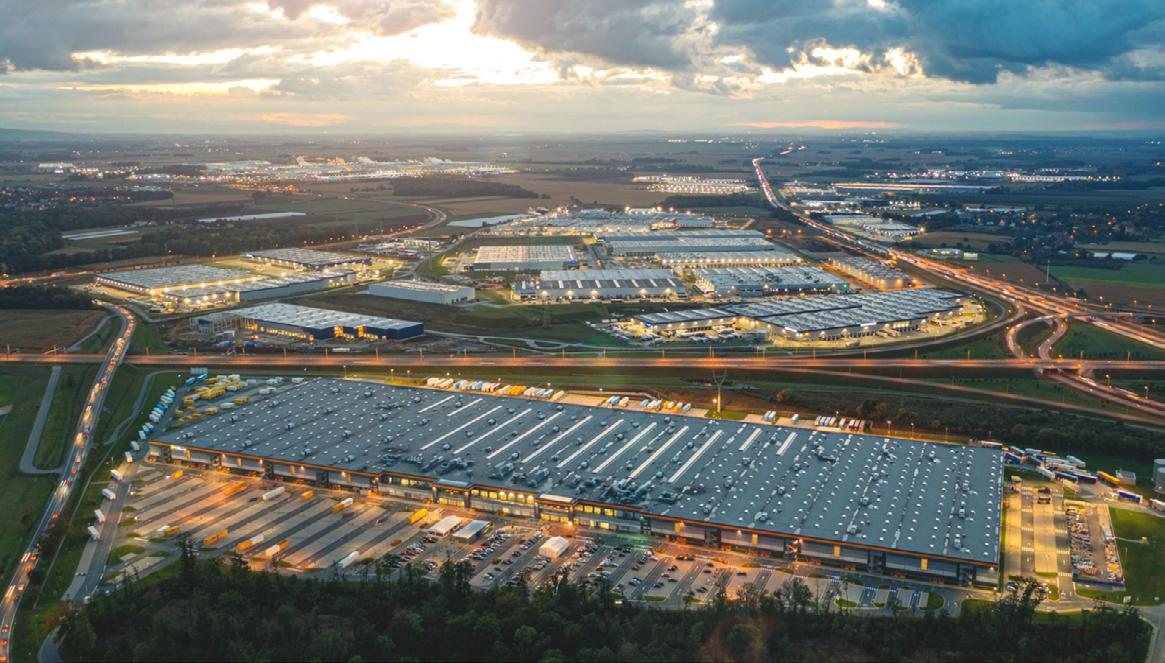

• Mexico City remains a leading industrial real estate market despite a national slowdown in new developments, with over 1 million square meters currently under construction as of February 2026. According to Solili, the capital continues to anchor sector activity even as total industrial construction nationwide surpassed 3.9 million m² but declined 34% year-over-year.
• In the first two months of 2026, Mexico City also stood out in new project starts, registering 116,000 m²—one of the highest levels nationwide—highlighting sustained demand for industrial space in the country’s largest consumption and logistics hub.
• However, new developments across Mexico fell 43% annually, reflecting a more cautious approach by developers amid rising inventory, which reached 5.7 million m². This dynamic suggests a shift toward selective, demand-driven projects, with Mexico City maintaining its strategic role in supporting distribution, e-commerce, and urban logistics.
SOURCE: CENTRO URBANO
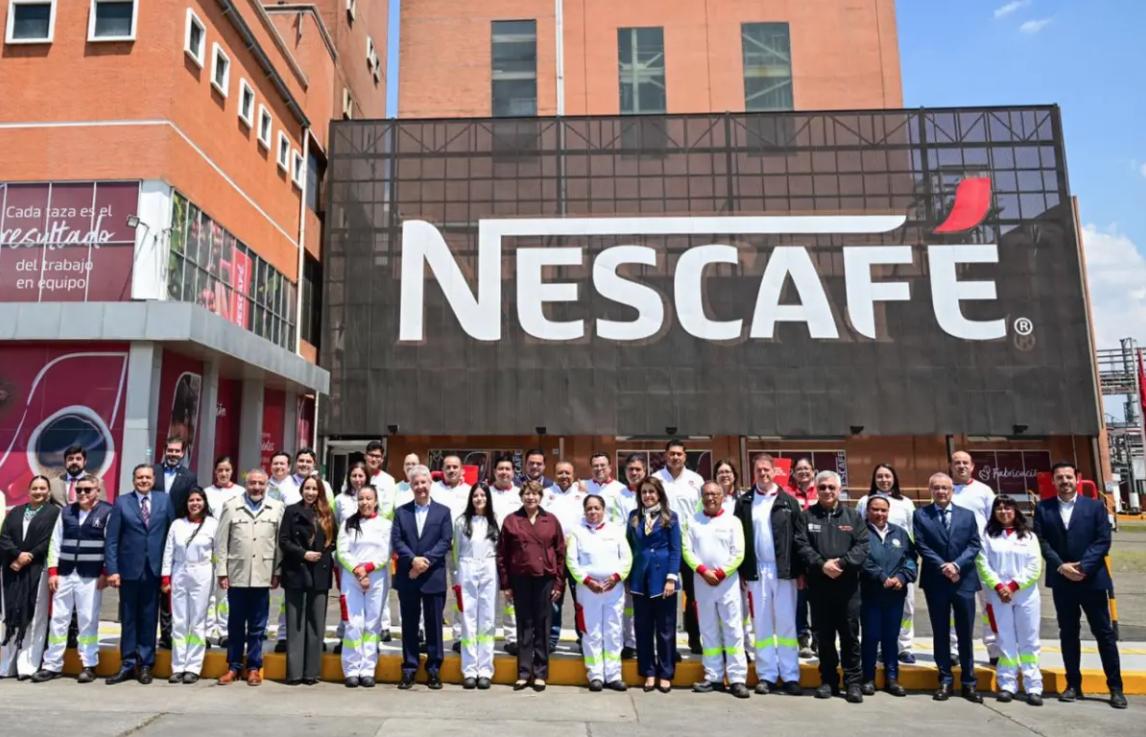

• Nestlé announced an investment of over USD 275 million in the State of Mexico as part of its 2025–2027 growth plan, reinforcing the region’s role as a key hub for food manufacturing and distribution. The investment will expand and modernize production lines in Toluca and Cuautitlán, while enhancing efficiency through technological upgrades and sustainability measures, including reduced water and energy consumption.
• The project also includes an additional USD 180 million for a new distribution center in Zumpango, strengthening logistics capabilities and national supply coverage. Nestlé’s operations in the state already employ nearly 3,000 workers across multiple facilities, supporting both domestic consumption and exports.
• This expansion aligns with the company’s broader USD 1 billion commitment in Mexico and reflects continued confidence in the country’s consumer goods manufacturing base, particularly in regions with strong infrastructure and proximity to major markets.
SOURCE: SDP NOTICIAS
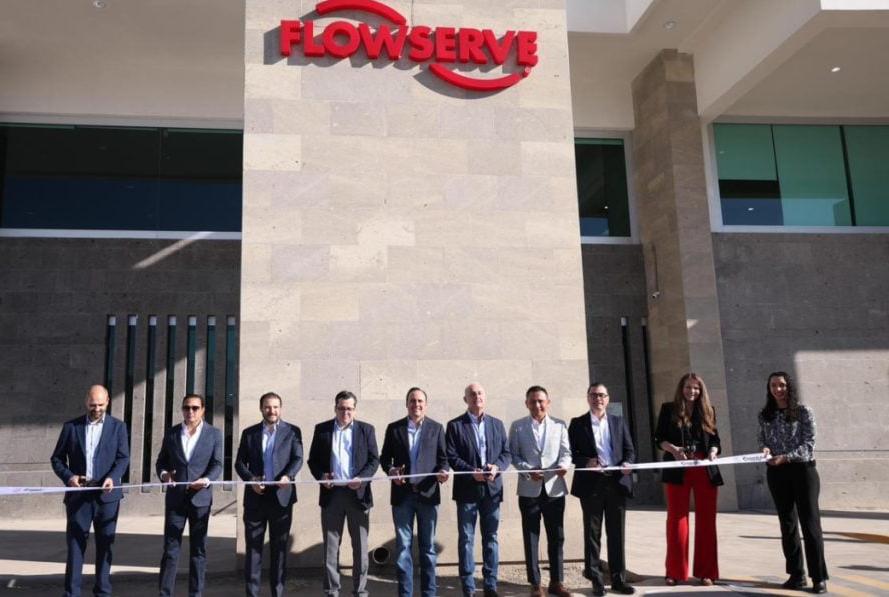
Flowserve has invested 800 million pesos in a new advanced engineering and manufacturing center in Torreón, Coahuila, focused on producing industrial pumps, valves, and fluid control systems for key sectors such as energy and manufacturing. The project will generate hundreds of jobs and strengthens the La Laguna region as a growing industrial hub, supported by strong collaboration with local authorities and a competitive business environment. This expansion aligns with the company’s strategy to localize production closer to key markets, improve supply chain efficiency, and capitalize on nearshoring trends, further consolidating Coahuila’s position as a strategic destination for global industrial investment in northern Mexico.
Brazilian multinational Tramontina has expanded its global footprint by opening its first manufacturing plant outside Brazil in Lerma, State of Mexico, with a 500 million pesos investment. The facility—focused initially on producing nonstick aluminum cookware with a capacity of 100,000 units per month—integrates Industry 4.0 technologies and currently generates over 400 jobs. This move marks a shift toward localized manufacturing, reducing reliance on imports while strengthening its position in North America through improved logistics and proximity to key markets like the U.S. and Canada. The investment reflects Mexico’s growing importance as a strategic nearshoring hub, supported by its strong industrial base, connectivity, and market size, with Tramontina projecting continued double-digit growth in the country.
LINDE + WIEMANN has inaugurated a new manufacturing plant in San Luis Potosí to produce high-complexity structural components, strengthening the regional automotive supply chain and supporting advanced vehicle platforms. The facility will supply parts for the BMW iX3, including components for BMW’s Neue Klasse architecture, with production already underway ahead of its 2027 launch. Equipped with advanced forming and joining technologies, the plant begins operations with around 100 employees and is expected to generate €20 million in annual revenue, reinforcing Mexico’s role in next-generation automotive manufacturing, particularly in the shift toward electrification and lightweight, high-performance vehicle design.
Grupo Helvex has expanded its industrial capacity with the inauguration of a high-tech materials plant in Apaseo el Grande, Guanajuato, reinforcing both its production capabilities and Mexico’s domestic supply chain. The facility focuses on advanced materials for faucets and accessories, integrating cutting-edge manufacturing processes to improve durability and competitiveness. The investment will generate around 500 jobs and supports a broader strategy of import substitution and regional supply chain integration, further consolidating Guanajuato’s position as a key industrial hub in the Bajío and reflecting continued confidence in Mexico’s manufacturing ecosystem.
TROX:
TROX México has begun construction of a new plant in Huejotzingo, Puebla, with an investment of 350 million pesos, reinforcing the state’s position as a strategic industrial hub. The facility will initially generate 150 jobs, with projections to reach up to 400 within eight years, and will serve as an export platform for North and Central America. Designed with sustainability in mind, the complex will feature LEED Platinum certification, zero-emission operations, and integrated spaces such as a customer experience center and training academy. This project aligns with regional efforts to enhance logistics and industrial competitiveness, supported by infrastructure improvements like the modernization of the Hermanos Serdán International Airport.
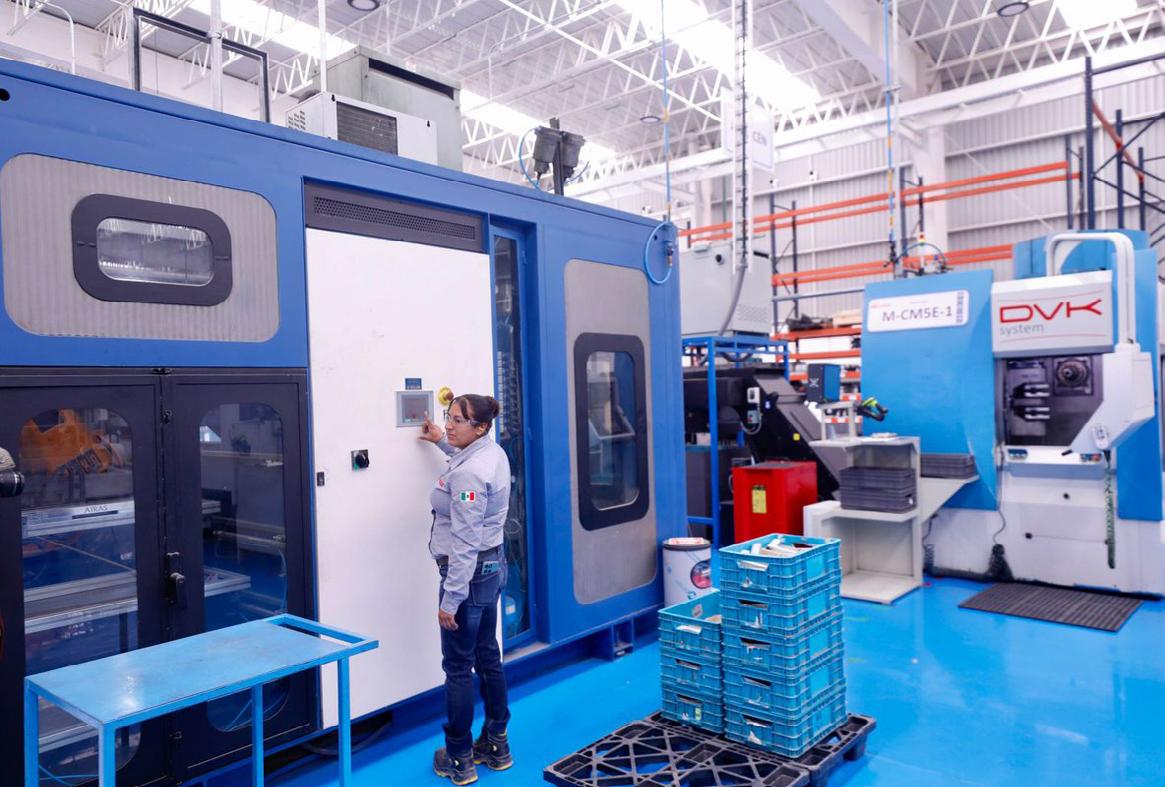
PepsiCo has inaugurated a new Sabritas plant in Celaya, Guanajuato, with an investment of $467 million, as part of a broader $2 billion plan for Mexico between 2025 and 2028. The facility, with an annual capacity of 66,500 tons, produces brands like Sabritas, Doritos, Cheetos, and Ruffles, and incorporates sustainable technologies such as water recirculation, rainwater harvesting, and solar energy. Beyond strengthening PepsiCo’s operations in its second-largest global market, the plant boosts the national agricultural value chain—sourcing inputs from over 40,000 Mexican producers—and generates regional impact through job creation and logistics expansion, further consolidating Guanajuato as a key agroindustrial and distribution hub in the Bajío.


Ultimate Solar Advanced Technology (USAT) will invest 2.43 billion pesos to build a semiconductor manufacturing plant in Kanasín, Yucatán, focused on producing solar energy components, positioning the state as an emerging tech and clean energy hub. The project—developed in two phases—will generate around 1,000 high-value technical and engineering jobs and have the capacity to produce up to 1 GW of solar cells annually. Backed by Mexican and Canadian capital, the investment strengthens Yucatán’s role in global supply chains tied to the energy transition, while boosting local innovation, specialized talent development, and economic growth through nearshoring and advanced manufacturing.
SOURCES: MEXICO INDUSTRY, CLUSTER INDUSTRIAL
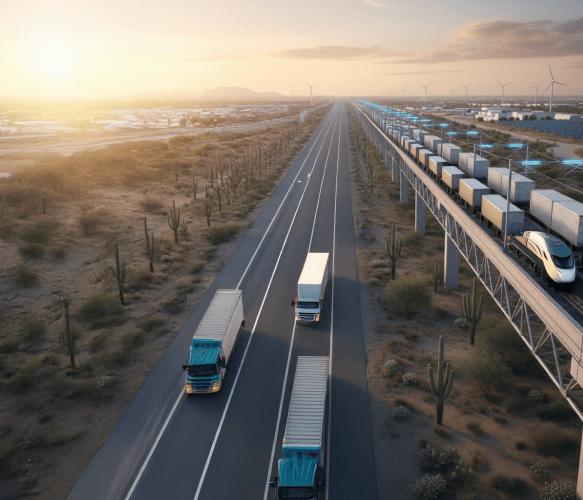
Mexico is making major infrastructure investments to support its growing role in North American manufacturing. From energy and logistics to industrial connectivity, these projects aim to sustain nearshoring momentum and enable long-term industrial expansion.
This article explores the country’s most important infrastructure bets, what they mean for manufacturers, and how improved connectivity and capacity could shape future investment decisions.
• Where Mexico is investing in infrastructure
• How logistics and energy impact operations
• Why infrastructure is key to nearshoring success
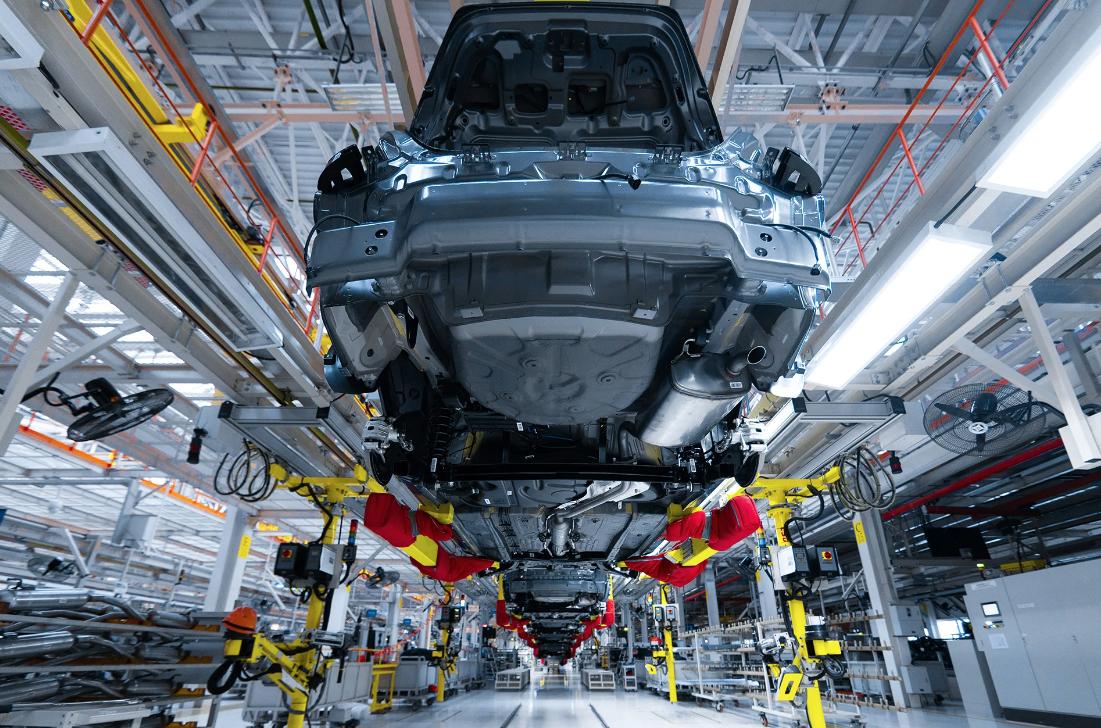
Mexico’s automotive sector remains one of the strongest pillars of North American manufacturing. With deep supply chain integration, strong export performance, and continued investment, the industry continues to evolve under new trade and technology dynamics.
This report provides a comprehensive look at production trends, regional clusters, and the factors shaping the future of automotive manufacturing in Mexico.
• Key trends in production and exports
• The clusters driving industry growth
• What’s next for automotive in North America
VISIT OUR WEBSITE TO EXPLORE OUR FEATURED BLOG POSTS, EBOOKS, AND CASE STUDIES PRODENSA.COM/INSIGHTS