


February is such a strange month. It is the “end” of winter and the shortest month of the year. We always look past February as we are anxious for the warmer weather, spring events (fingers crossed!) and longer days!
Our year started off in sadness, as our longtime family dog, Bauer, died suddenly on January 14th. He was 13 years old and was so important to our family. We were hearbroken. He was there playing dressup with the kids, running in the backyard and keeping watch of the front door. He was the best dog our family could have hoped for, and we will miss him greatly.
Our February issue has several great articles that focus on topics like keeping the spark going in your
marriage and how to choose the right diaper for your new baby. Our calendar is full of activities for you and your family to check out — and take a look at page 36 for some some science fun to get you through the last month of winter!
Lastly, we have some awesome things planned in 2020, and we hope you will continue to support our family magazine as we aim to support local businesses and families in our region even more than we have in years past! More content, events and a stronger web presence are all coming your way. Stay tuned... and stay warm!
Andrea, Josh, Anika and Evelyn

Contact Us: P.O. Box 4484, Roanoke, VA 24015 540-251-1660 www.roanoke.family

Publishers
Josh & Andrea Eagan josh@virginiafamily.com • Anika and Evelyn’s Parents


Creative Director
Tracy Fisher tracy@virginiafamily.com • Charlotte and Evelyn’s Mom
Sales Assistants
Ani & Evie Eagan sales@virginiafamily.com • Bauer and Chloe’s Owners
Webmaster
John Morris • COV Designs john@covdesigns.com
Kimberly Emory • Sandi Schwartz
Susan Baldani • Leslie Butterfield Harrop Rachel Levine • Jacqueline Moon
We welcome reader comments, submissions, and the support of advertisers.
We reserve the right to refuse or edit any materials submitted to us as we deem inappropriate for our audience. Please include a self-addressed, stamped envelope with any submission to be returned. We do not accept responsibility for unsolicited materials.
Roanoke Valley Family and www.roanoke.family are published by MoFat Publishing. Roanoke Valley Family is published monthly. The views and the opinions expressed by the writers and advertisers do not necessarily represent those of Roanoke Valley Family, its staff, or its contributors. While multiple businesses, schools, and organizations are represented in our pages, and magazines are often distributed to students according to the policies and procedures of each school district, this is not a publication coordinated or endorsed by any public or private school district, nor is it a publication with any religious or political objectives. As a mass media outlet, it is our oath and responsibility to communicate with due diligence, through our content, the plurality of views and opinions reflected in our audience of Central and Southwest Virginia. Readers are strongly encouraged to verify information with programs and businesses directly. Parents are urged to thoroughly research any decisions involving their children. Copyright 2019 by MoFat Publishing, LLC. All rights reserved. All material, including artwork, advertisements, and editorials, may not be reproduced without the expressed written consent of the publisher.

Read Our Other Publications


Connect With Us

Share your story ideas with us by emailing jackie@virginiafamily.com © Copyright 2022 Mofat Publishing /roanokevalleyfamily @rvfamilymag @roanokefamily /growingupinthevalley



Submit Your Ideas


THE NUMBER OF PEOPLE THEY HAVE THEIR CHILD IN THE RIGHT SEAT. WHO THINK









by Tricia Mikesell
“How in the world do my children own this many shoes and clothes?”
I used to ask myself this question every time I searched for a specific outfit or put away laundry.
When our family adopted a minimalist(ish) lifestyle, I knew the issue of clothing needed to be addressed for my children. Today, each child has a three-drawer dresser and a clothing rack in her closet. Prior to minimalizing, they had an abundance of clothes of various sizes, for all seasons, and shoes to last two to three years. When we went minimal, my goal became narrowing their wardrobes to a more practical amount.
I wash clothes in my house three to four times per week, and my children have freshly washed outfits readily available every few days. Technically, based on this, my kids could own only four outfits apiece and be perfectly fine. We’re not that minimal, though! I have to factor in that children enjoy sleepovers and a few nights at Mimi’s house from time to time. I also have to keep holidays and special occasions in mind.
Ultimately, I decided to keep two weeks’ worth of clothing per child per season. I went with a twoseason format of spring/summer and fall/winter to avoid keeping too much. The major problem I had when starting this process was realizing that my kids owned about sixty outfits each, and had a couple years’ worth stored for future use.
At first, I questioned my actions and feared I might regret downsizing too much. I decided to lend the clothes to my friends
whose children were a couple years older than mine. This was a win-win solution, because someone could use clothing I was not using, and if I needed them back I could easily ask in the future. This freed up so much space.
My second goal was eliminating clothing my children would never wear. Itchy, ruffled items were out. Eliminating stained and torn items was easy; they’d been held onto for use as play clothes, paint clothes, and spaghetti night attire—all of which I never utilized.
Finally, I had a basic amount of clothes to sort through and pair up for two solid weeks of outfits, and a giant stack of clothes to sell and donate. Seeing so much space in the closet takes time to get used to, but feels amazing. I wash less, the kids have an easier time selecting clothes, and the free space makes cleaning a breeze. Their drawers are neat and spacious; nothing falls out when I open them. I encourage all parents who are overwhelmed with an abundance of children’s clothing to take the plunge and minimalize.
Tricia Mikesell lives in the Bonsack area with her husband, Adam, and three daughters, Avery (11), Charlotte (6), and Emma (2). She works at a memory care facility for seniors, and also runs a photography business with her husband.


Dr. David Hamilton (preferably, “Dr. Dave”) specializes in botanical medicine, family medicine, pain management, and clinical nutrition. He uses these modalities to best individualize patient care. He treats a variety of different conditions, ranging from the acute cough or cold to pre- and post-natal care, pediatrics, Lyme disease, hypertension,diabetes, and thyroid disorders; from autoimmune conditions like rheumatoid arthritis to lupus, Crohn’s disease, and gastrointestinal disorders like food sensitivities,SIBO, and IBS; from anxiety and depression to eczema/ psoriasis, fertility assistance, male and female health concerns, and a number of other conditions.
Dr. Dave and his wife Laura co-own and operate Of The Earth Wellness Natural Health, which has two locations: Charlotte, North Carolina and Roanoke, Virginia.
Local doctor is creating a farm to promote health and wellness naturally
Dr. Dave received his doctorate of naturopathic medicine from Southwest College of Naturopathic Medicine in Tempe, Arizona. He co-owns a small urban homestead with an emphasis on “Food as Medicine.” The farm is under conservation in Elliston, Virginia, and is home to chickens, Nigerian Dwarf dairy goats, and bountiful woodland medicinal plants. For the farm’s dedication to organic and sustainable practices, Dr. Dave was awarded the Paul C. Bragg Health Science Scholarship. The humbling and grounding nature of plants serves as a reminder that all things are connected. Herbs are a natural alternative to pharmaceuticals. Given their similarity to food, they have a long history and wellestablished tradition of use and ease of assimilation by our bodies.
Dr. Dave uses the energetic and medicinal properties of plants to enhance and individualize treatment to promote
health and wellness. By harnessing nature, healthy habits, and the body’s innate ability to heal itself, he is able to individualize each patient’s journey toward health. Dr. Dave believes in creating a maintainable and sustainable approach to your health goals. He is flexible and will offer his recommendations based on your health needs. Education is a huge component of medicine. The greek term docere or “doctor” means to teach. Dr. Dave takes the time to engage each of your health concerns to empower you with knowledge of yourself. Plant the seed of health and grow balance naturally!











Tuesday, February 1
Feed and Read
3-5 PM|Williamson Road Branch, Roanoke
When: Tuesday, February 01, 20223:00 PM - 5:00 PM Where: Williamson Road Branch Library at Large Community Room Free meals for kids from Feeding Southwest Virginia. For more information contact us at 853-2340.
Free Yoga for the People
7:30-8:30 AM|Ongoing Event | Elmwood Park, Roanoke
When: Tuesday, February 01, 20227:30 AM - 8:30 AM Where: Main Library at Children’s Mezzanine As a public health and better living initiative, we offer the people of the Roanoke Valley a one-hour yoga class, twice a week, in a convenient
Kids Take Home Craft: Groundhog Mask!
Gainsboro Branch, Roanoke
When: Tuesday, February 01, 2022 - All Day Where: Gainsboro Branch Library Stop by and pick up a fun kids take home craft!
Wednesday, February 2
Lego Free Play
4-5 PM|Ongoing Event | Gainsboro Branch, Roanoke
When: Wednesday, February 02, 2022 - 4:00 PM - 5:00 PM Where: Gainsboro Branch Library Join us for Lego Free Play!
Yoga at the Taubman
5:15-6:15 PM|Ongoing Event | Taubman Museum, Roanoke
5:15pm - 6:15pm Register Now Relax, recharge, and find your moment of Zen with local artist, instructor, and all around guru Bonny Branch! Yoga is offered in the Museum’s atrium every Wednesday from 5:15 to 6:15 pm.
Thursday, February 3
Storytime
10:30-11:30 AM|Williamson Road Branch, Roanoke
When: Thursday, February 03, 202210:30 AM - 11:30 AM Where: Williamson Road Branch Library at Children’s Area Join Toby for a wonderful storytime event. For more information contact us at (540)853-2340.
StoryTime Detectives
10:30-11 AM|Ongoing Event | Roanoke
StoryTime is more than just reading. It’d about preparing our kids for the future.
Friday, February 4
Downtown Food & Cultural Tour
11 AM-2 PM|Ongoing Event | Elmwood Park, Roanoke
One-of-a-Kind Food Tastings This guided walking tour visits six food tasting locations within the colorful and booming downtown Historic District.
Late Nights: Expression 5-9 PM|Taubman Museum, Roanoke
Join us on Friday, February 4 from 5-9 pm for our next Late Nights at the Taubman for a celebration of arts and culture.
Storytime with Mr. Jalen! 10:30-11:30 AM|Ongoing Event | Gainsboro Branch, Roanoke
When: Friday, February 04, 202210:30 AM - 11:30 AM Where: Gainsboro Branch Library at Community Room Join us for a fun storytime with Mr. Jalen!
Tinker Mountain Writers’ Workshop Winter Recharge Hollins University, Roanoke
Join us online for both manuscript and write-now worksho ps with our acclaimed Tinker Mountain faculty! This is your opportunity to recharge your creativity, reconnect with the Tinker Mountain communi ty of writers, and reframe your work.

Greater Roanoke Home and Garden Show 2-6 PM|Ongoing Event | Berglund Center, Roanoke
Everything you need to solve your home & garden projects under one roof.
Gainsboro Revisited Lecture with Jordan Bell
11 AM-12:30 PM|Gainsboro Branch, Roanoke
When: Saturday, February 05, 2022 - 11:00 AM - 12:30 PM Where: Gainsboro Branch Library at Community Room Join us for a lecture on the history of the Gainsboro Neighborhood with local historian Jordan Bell.
Lunar New Year with Local Colors + Roanoke Valley Sister Cities 12-2 PM|Taubman Museum, Roanoke
Celebrate Lunar New Year, Year of the Tiger, with dragon dances, martial arts performances, singing and more!
Paint Your Pet Home Kits
10 AM-5 PM|Ongoing Event | Taubman Museum, Roanoke
10:00am - 5:00pm Register Now Those big, sweet eyes. Those lovable, furry paws. A long, swishy tail that instantly wags when you enter the room. You have the best pet in the world, don’t you?
WazUpWidIs Race
9 AM-12 PM|Downtown Roanoke, Roanoke
Simply put, the objective of wazUpwidis is to run through, u p and over a few of Downtown Roanoke’s landmarks, traversing surprisingl y difficult elevation in two of the city’s parking garages and finishing with a breathtaking climb and descent in
Sunday, February 6
All that Glitters: Iconic Jewelry and Hollywood Style; Guest Curator Celebrity Stylist Micaela Erlanger Taubman Museum, Roanoke
Celebrated stylist Micaela Erlanger brings forth a selection of fine jewelry and rare accessories that have been featured in film and worn on the red carpet and in fashion editorials by famous faces and some of Hollywood’s most glamorous stars.
Monday, February 7
Take & Create Craft Kits for Kids
All RCPL Locations, Roanoke
Stop by all RCPL locations for a fun weekly craft for kids. ht tp://www. roanokecountyva.gov/calendar.aspx?EID=16887
Tuesday, February 8
Gordon Lightfoot 8 PM|Berglund Center, Roanoke
Kids Take Home Craft: Valentines Day Picture Frame!
Gainsboro Branch, Roanoke
When: Tuesday, February 08, 2022
- All Day Where: Gainsboro Branch Library Stop by and pick up a fun kids take home craft!

Wednesday, February 9
Market @ The Museum
12-3 PM|Science Museum of Western Virginia, Roanoke
Paint Party - “Bowl of Roses”
6:30-8:30 PM|Elmwood Park, Roanoke
Join us for a fun evening of painting roses in a bowl. don’t like red? no problem, we’ll bring lots of other colors to choose from! All supplies and instruction are included. Come early for appetizers or stay later for dinner!
Thursday, February 10
Craft Your Own Pet Alien
3-4 PM|Williamson Road Branch, Roanoke
When: Thursday, February 10, 20223:00 PM - 4:00 PM Where: Williamson Road Branch Library at Large Community Room Join us for a fun craft creating your own pet alien. Geared for kids ages 5-13. For more information call us at 853-2340.
Cheap Skate Tuesdays
Join Firehouse Skate ‘N Play Family Fun Center each and every Tuesday during February from when skating is just $5skate rental included! firehousesk8.com
Foster Parent Information Meeting 6:30-7:30 PM|HopeTree Family Services, Salem
Are you interested in providing a safe loving home for a child in foster care? Please join HopeTree Foster Care to learn more about how your family can become a certified foster family.
Saturday, February 12
Family Fun Day!
10 AM-12 PM|Taubman Museum, Roanoke
10:00am - 12:00pm Looking for something creative and hands-on that you can enjoy as a family? Join us for the Museum’s Family Fun Days!
I Love Nature!
1-3 PM|Explore Park, Roanoke
Let’s celebrate our love for nature with some “earthy” Valenti ne’s Day activities! The beautiful, natural items that are abound in the forests and fields of Explore Park will amaze you.
Sunday, February 13
GalenRIDES Day w/Hustle/Haven
1-3 PM|Hustle/Haven, Roanoke
Wednesday, February 16
Fabric Paint T-shirt Craft
4-5 PM|Williamson Road Branch, Roanoke
When: Wednesday, February 16, 2022
- 4:00 PM - 5:00 PM Where: Williamson Road Branch Library at Large Community Room Join us for a fabric paint t-shirt craft. Bring your own plain t-shirt to design with fabric paint.
Thursday, February 17
Blippi The Musical
6 PM|Berglund Center, Roanoke
Night Howls
5:30-7 PM|Mill Mountain Zoo, Roanoke
Bundle up and bring your friends to the zoo to hear the wolves howl, the owls
hoot and the big cats call! Participants will begin the night indoors enjoying hot cider and cookies while learning about nocturnal animals and the noises they make.
Teen Movie Night: Remember the Titans
6-7:30 PM|Gainsboro Branch, Roanoke
When: Thursday, February 17, 20226:00 PM - 7:30 PM Where: Gainsboro Branch Library at Community Room Join us for Teen Movie Night! This month’s movie is “Remember the Titans”.
ing, relaxing, and unique and has been called some of the most imaginative guitar music out today.
Saturday, February 19
Bert Kreischer 7 PM|Berglund Center, Roanoke
Tuesday, February 22
Bingo
11 AM-12 PM|Williamson Road Branch, Roanoke
Friday, February 18
Cross That River
7:30 PM|Berglund Center, Roanoke
Coming to us straight from Broadway gather around the campfire to join Allan Harris and the Cross That River Band as they tell the story of American’s West from the perspective of the African American cowboys who journeyed from slavery to freedom
Jefferson Center Presents: Yasmin Williams 8 PM|Elmwood Park, Roanoke
Yasmin Williams is an acoustic finger style guitarist with an unorthadox, modern style of playing. Her music has been commonly described as refresh
Join us for some bingo fun. all are welcome. For more information contact us at 853-2340.
Wednesday, February 23
Kids Farmers Market
3:30-4:30 PM|Main Library, Roanoke
When: Wednesday, February 23, 20223:30 PM - 4:30 PM Where: Main Library at Teen Classroom Bring your kids, teens and tweens to shop for FREE fresh fruit & veggies provided by Feeding Southwest Virginia!


Thursday, February 24
Intermediate Bike Maintenance 6-8 PM|Roanoke Mountain Adventures, Roanoke
StoryTime with Botetourt Fire & EMS
10:30-11 AM|Roanoke
Virtual event. Register here: https:// docs.google.com/forms/d/e/1FAIpQLScusy9c3zYP5BDpdDj3KNJk9FJkK6DounYEL3kDb_lCVBTUog/viewform
Williamson Branch Puzzle Challenge
10 AM-6 PM|Williamson Road Branch, Roanoke
Drop by the circulation desk to pick up instructions to complete the puzzle challenge.
Saturday, February 26
Bonsack Baptist Preschool Consignment Sale
8 AM-2 PM|Bonsack Baptist Church Community Life Center, Roanoke
The Bonsack Baptist WEEC (Weekday Early Education Center) Spring and Summer Consignment Sale will be held Saturday, February 26th, beginning at 8 a.m. in the Community Life Center at Bonsack Baptist Church.
Explore Your Limits XI
9 AM|Explore Your Limits XI, Roanoke
Description: The 5k is a great race to introduce runners to trail running. The race course will take runners through some of the trails and gravel roads of the Explore Park. The 5k is 1/3 trail and 2/3 gravel road and asphalt.
sock skating sock skating rink ahead rink ahead
Sunday, February 27
3rd Annual Fierce Film Festival 1-3 PM|The Spot, Roanoke
Calling all budding filmmakers! Mill Mountain Zoo is looking for 3-15 minute short film entries about animals, nature or conservation. Film submissions from all ages are welcome!
Winter Jam 2022
6 PM|Berglund Center, Roanoke
Very Excited to be on Winter Jam 2022! It’s only $10 at the door so find your city and meet us there! info at jamtour.com






• Mama Maria’s
11 AM - 2 PM • 3 & under free buffet with paid adult W. Main St., Salem (540) 389-2848
• Golden Corral

All Day • 3 & under free buffet with paid adult 1441 Towne Square Blvd., Roanoke (540) 563-8826
IHop
4PM-10PM • 12 & Under
All Locations
• Shoney’s
All Day • 4 & under, free kids meal with adult entree purchase. Drink not included 2673 Lee Highway, Troutville (540) 992-6400
Monday
• Country Cookin’ 4 PM - Close • 10 & under, 2 children per paid adult
All Locations in Roanoke (540) 774-0199
• Famous Anthony’s 3 PM - Close • 1 child per paid adult
All Locations in Roanoke, Salem, & Vinton (540) 362-1400
• Buffalo Wild Wings 4 PM - 9 PM • 12 & under, 1 child per paid adult All Locations (540) 725-9464
• El Rio Mexican Grill
All Day • 10 & under, 1 child per paid adult 4208 Electric Rd., Roanoke (540) 685-4343
• Firehouse Subs All Day • 11 & under, 2 children per paid adult combo,dine in Blacksburg (540) 961-0371
• The Green Goat All Day • 12 & under, 1 child per paid adult 802 Wiley Dr. SW, Roanoke (540) 904-6091
Tuesday
• Denny’s 4 PM - 10 PM • 12 & under,
1 child per paid adult All Locations Roanoke & Salem (540) 389-5074
• Macado’s 4 PM - 9 PM • 12 & under, $1 child meal per paid adult
All Locations in Roanoke & Salem (540) 776-9884
• McAlister’s Deli 5 PM - Close • 2 children per paid adult 2063 Colonial Ave., Roanoke (540) 204-4407
• Town Center Tap House All Day • 12 & under, 2 children per paid adult 90 Town Center St., Daleville (540) 591-9991
• Firehouse Subs All Day • 12 & under, 1 child per paid adult Colonial Ave, Town Square & Salem only (540) 345-3131
• Pizza Hut
5 PM - Close • 10 & under, free buffet per paid adult 1016 Hershberger Rd., Roanoke (540) 362-3834
• Ruby Tuesday
5 PM - Close • 11 & under, 1 child per paid adult Electric Rd., Roanoke (540) 265-9301
• K&W
All Day • 12 & under, 1 child per paid adult Hershberger Rd. Roanoke (540) 563-4977
Wednesday
• Dogwood
4 PM - Close • 10 & under, per paid adult 106 E. Lee Ave., Vinton (540) 343-6549
• The Quarter
All Day • 12 & under, 1 child per paid adult 19 Salem Ave., Roanoke (540) 342-2990
Thursday
• The Roanoker
4:30 PM - Close • 10 & under, 2 children per paid adult 2522 Colonial Ave., Roanoke (540) 344-7746
• Jerry’s Family Restaurant
4 PM - Close • 6 & under, 1 child per adult meal purchase 1340 E. Washington Ave., Vinton (540) 343-4400
Friday
See Everyday Deals!
Saturday
• Tokyo Express
11 AM - 3 PM • 4 & under free buffet per paid adult 1940 W Main St., Salem (540) 389-6303
• Famous Anthony’s 12 PM - Close • 1 child per adult meal
All Locations Roanoke, Salem, Vinton (540) 362-1400
Sunday
• Pizza Den
5 PM - 8:30 PM • 10 & under free buffet per paid adult buffet and drink purchase Salem (540) 389-1111
• Local Roots
5 PM -7 PM • 5 & under eat for free, discount for ages 5-7 per paid adult 1314 Grandin Rd., Roanoke (540) 206-2610
• T.G.I.Fridays
All Day • 12 & under 1 with paying adult 4869 Valley View Blvd., Roanoke (540) 362-1475
• Jimmy V’s Restaurant
All Day • 4 & under kids meal only $2.50 3403 Brandon Ave., Roanoke (540) 345-7311
• Moe’s Southwestern Grill
All Day • 1 free per paid adult
All Roanoke & Blacksburg locations
• Firehouse Subs
All Day • 12 and Under 1 free per paid adult Keagy Road, Roanoke 540-204-4471
• Rodeo Grande
All Day • 12 and Under 1 free per paid adult Valley View, Roanoke 540-206-2296
• Lew’s Restaurant SW
All Day • 12 and Under 2 free per paid adult Walnut Avenue, Roanoke 540-682-5925
Roanoke Valley Family Magazine publishes these deals for informational purposes only. A Listing here does not guarantee a discount at any of the mentioned restaurants. Promotions often change without notice and we recommend calling the restaurant to confirm any discount before arrival.
Arcade with prizes Bumper cars Flight Training Wall NEW! American Ninja Warrior Course Snack Bar 5 Party Rooms


by Bree Howard
That bundle of joy is home, all your friends and relatives have gushed over your newest family member, you’ve all settled in. Now what? After the initial excitement has worn down and the multiple nightly-feedings are leaving you bleary-eyed and exhausted, couples with a new baby may discover that being romantic is the last thing on the agenda.
Yet, the truth is that carving out time just for the two of you may prove more important at this time of your life than any other. Romance is a long-term investment. Children underfoot or not, you need to put in now what you hope to get back later. So whether you are first-time parents with a newborn or there are children of all ages running around your house, these tips will help you keep the romance alive and well — despite those dirty diapers and three a.m. feedings.
Heating things up between you and your partner after the baby arrives will not succeed unless you actually take the time to do it. While baby is a top priority, make the time you spend together a priority as well. If that means the dishes go unwashed after baby is asleep or that you leave work early to spend time together before the kids come home from school, then so be it. For some couples, meeting in the living room after the house is quiet for a glass of wine and a movie may be enough to spark romance. If the house is too distracting or you are both simply too tired, hiring a babysitter for a weekly date night may be the answer. However the romance is sparked between the two of you, make a date and stick to it.
Whether you are a couple with one child or five, time is precious. However busy and tired the two of you are, showing affection “just because” is an investment toward more passionate romance later on. Write a love note and slip it into his coat pocket, remember to add her favorite treat to your cart the next time you go shopping, or send texts to each other that simply say, “Hi, I love you.” Life’s priorities may have evolved, but even the simplest of gestures show that you are still each other’s number one.
Busy schedules, favorite television series, and social media often keep couples disconnected even when they are together. Yet, authentic communication is the key to keeping a relationship strong. Set aside at least ten minutes every day to simply connect with each other. During that time, silence the smartphones, keep the TV off, and sit facing each other. It might have to wait until the kids go to bed, but do not let anything come between the two of you and those ten minutes of real connection. Talk, but more importantly, listen to each other. Don’t make it a time when the big issues of family life get solved. Instead, just talk about each other’s day, dream together, laugh, and hold hands. Life can wait; these moments are just about the two of you.
Sometimes the best way to learn is by example. Think about ways you can show romance to your partner. Be the first to initiate, and don’t think that any gesture is too insignificant. Whether it’s as simple as picking up his dry cleaning or bringing her a cold drink while she watches the game and running your fingers through her hair, the smallest of gestures sends a signal that you are open for communication. Often that attitude of helpfulness opens up the door to each other’s emotions, which in turn heats up the romance between the two of you effortlessly. Show romance to your partner and watch as he eagerly reciprocates.
It might seem like an obvious one, but challenge yourselves to give each other at least one compliment a day. Preferably, do it more often, but at least make the effort for that one. Compliments and praise immediately inject a positive feeling that carries over into the rest of your day. Give a simple word of praise for her parenting skills or a compliment on his looks. The subject doesn’t matter. Just remind your partner of how awesome you think she is.
Meal prep doesn’t have to be a rush of baby food and finger snacks, nor does it have to rely all on one partner. Turn mealtime into a romantic experience. Feed the kids something simple for dinner, and then put them to bed. After they’re asleep, go back to the kitchen together, light a few candles, pour two glasses of wine, and prepare something delicious just for the two of you. Put aside any distractions and linger over your meal. You’ll value the time to connect, and as a bonus, feel like real grownups again.
Romance doesn’t always have to occur after the kids are asleep. Make a date to meet for lunch one day before the kids come home from school. You both will enjoy the spontaneity, and the short hour will make you eager to be together again later in the day.
While the two of you love spending time together and love your little ones, the occasional guys-only golf game is a must to recharge and unwind. If your partner is overdue for some personal time, don’t hesitate to bring it up. Offer to watch the kids for a night or a Saturday morning so he can go watch a game or she can hang out with her besties. Your partner will thank you for the time to relax and will come home even more in love with you for your good nature.
“You” Time.
Putting all your effort into heating up your romance could go to waste if you don’t feel up for the outcome. Even though you’re a parent now and might feel like you should put the kids first, don’t deny yourself regular quiet time. Whether you arrange for a babysitter to watch the little ones while you run out for a pedicure or you arrange for your partner to watch the kids while you soak in a hot bubble bath, taking care of yourself is worth it. Your renewed energy and positive attitude will benefit both your family and the life of your romance.
Keeping the romance alive as a couple, whether with a new baby or several children, is an investment in the long-term health of your relationship. Having a family comes with its own set of adjustments. The experience is certainly a learning curve, and it may take the two of you a few tries before you figure out what works for you. However, the effort it takes to fan the flame of your romance will be worth it when the two of you experience the many positive results of your connection.
Curtis Burchett, REALTOR
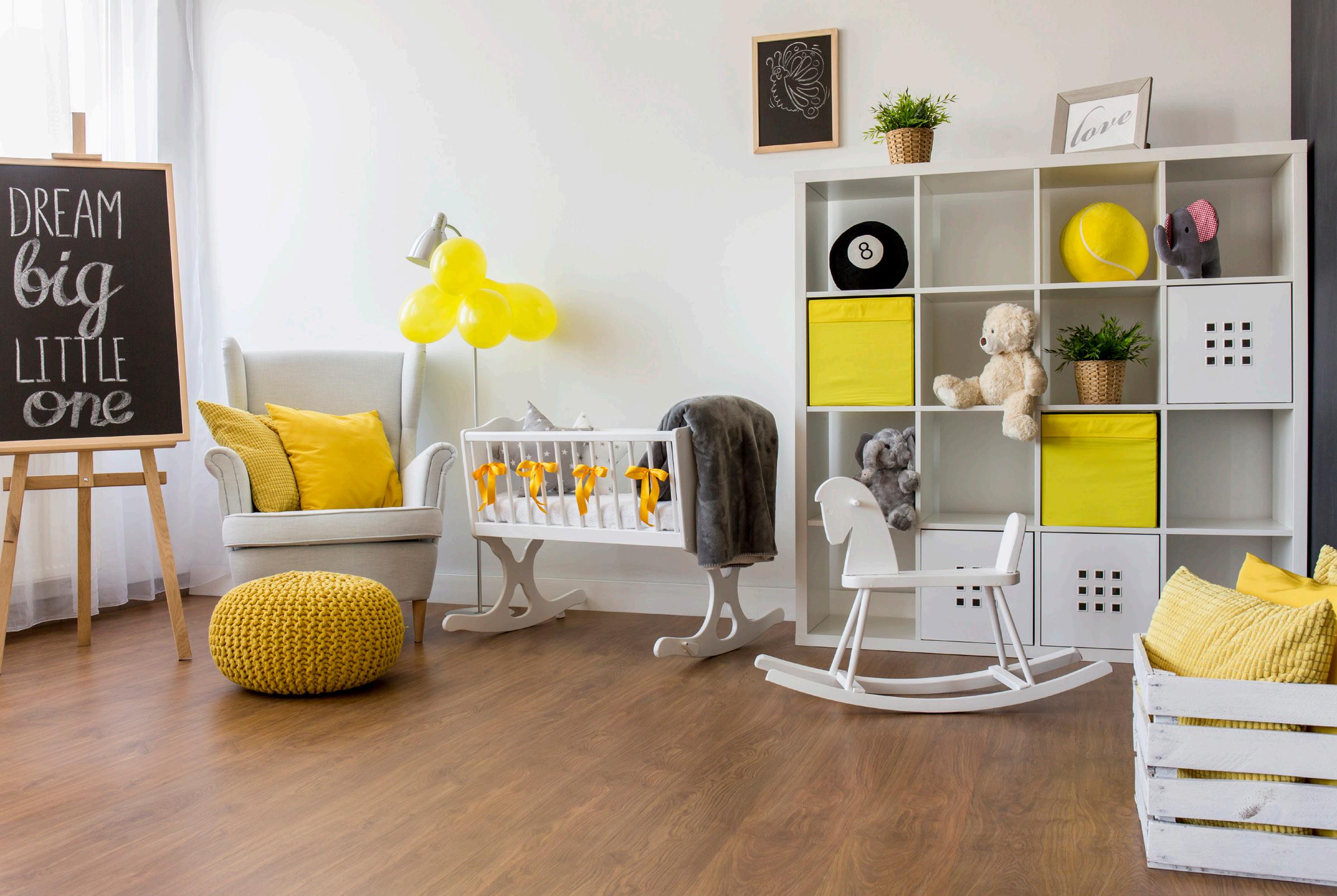
Designing a nursery has come a long way from yesteryear’s pink lace ruffles for girls and trains or sports décor for boys. Today, the baby’s nursery can be modern and sophisticated, whimsical in boho, or serene in muted monotones and minimalist in design. Genderneutral designs are becoming more common, allowing parents to be to get a head start on designing the perfect space for their newborn. Many think of a nursery as the baby’s space, but realistically, parents
are going to be spending a lot of time in this room, so the décor and furnishings should reflect their own individual tastes as well as suit their needs. There is plenty of time to decorate for the child when they’re a little older and have developed their own interests. Today’s furniture is often multifunctional, conserving space while still having an elegant feel. Plus, many pieces are now versatile and grow with the child, like a crib that converts to a stylish toddler or twin bed.


Texture is a big trend. For warmth and coziness, choose pillows, wall hangings, rugs and blankets that are big on texture. Layer the textures for even more impact.
Take a look at these nursery ideas our team is loving -
Pop of Color
The nursery to the right highlights the impact a bright pop of a single color can add to a room.
Soothing Monotone
The gorgeous nursery below is made for snuggles. White doesn’t always seem like an obvious choice, but it allows for room to change accessories and add color as the child grows.
Dramatic Darks
Grey is the go-to color lately, and why not add its gorgeous deep tone to the nursery as well? Lighten the vibe with soft textures, art and plants.


by: Lesley Butterfield Harrop
If you are anything like me, I find myself exhausted after certain times of the year: the non-stop holiday season that lasts three months, the end of the school year where recitals and award programs take up a copious amount of space on the family calendar, and even the summer months where vacations, summer camps, and swim meets are scheduled back-to-back-to-back.
So basically, I am exhausted the whole year ‘round. Of course, this is expected, being a mother of four very active and involved kiddos, yes, but who’s with me? My calendar fills up so fast it makes my head spin. I’m betting you feel my pain! Well, I have a secret antidote to the exhaustion: BOUNDARIES!
Say what? I know what you’re thinking: What are boundaries and how do they help *me* with my constant and neverending exhaustion?
Boundaries are personal rules or guidelines that you commit to in order to interact reasonably with others. Boundaries are healthy and helpful! But we’ve all known those people who push our limits and don’t respect our boundaries.
Anne Lamont said, “‘No’ is a complete sentence.” If you are struggling with saying no, learning about and perfecting your own boundaries should be a top priority and the word no adopted as your number one creed! Saying no to something can be difficult for us peoplepleasers. (I should know, trust me!) Saying no can be extremely helpful, obviously, but I am guessing that everyone already knows this. It is the act of saying no that some of us (myself included) could use some guidance on.
4 Steps to Saying “No” With a Smile
So how do we say no and mean it? How do we say we cannot do something and not be guilted,
manipulated, or shamed into saying yes?! That is the million-dollar question. But here are a few tips compiled fresh from a recovering people-pleaser:
Say no and mean it.
Don’t say, “Well, maybe I can (insert some way of accommodating the request here). Just stick with no. Other terms that can be substituted are: “I can’t,” “Not today,” “Sorry, that won’t work for me,” and “That won’t be possible.” Remember, there is no need to offer any additional explanation of why you can’t do ____. You don’t ever need to explain how many family
you happen to feel guilt or worry about saying no, recognize and acknowledge the thought, label it as an unhelpful thought, then tell the thought to take its place in the back of the line. Letting the guilt go can help you to be able to move forward in your practice with boundaries.
Practice makes perfect!
Don’t be disappointed if your first attempt at boundaries is a complete and total failure. Boundaries can be tricky, and they can also be fluid! The important thing is that you remember you get to choose and the choice is always yours. As you work on setting those boundaries and learning where your own line is to ensure that you don’t overextend yourself, you will fast become a boundary bombshell.
Evaluate your priorities!
“‘No’ is a complete sentence.” -Anne Lamont
members you have coming in for the holidays or why you didn’t get it together enough to bring a plate of cookies to the dance recital. Just simply say no kindly and mean it!
Let the guilt go.
This is the most difficult part of implementing boundaries — oftentimes, it’s so hard for us to let go of the expectations we have for ourselves. We must be able to learn how to not feel the imaginary guilt we think others are placing on us. How does this happen? It’s difficult, but employing self-care and mindfulness skills to help us move beyond those thoughts that we are disappointing everyone is crucial. If
Saying yes to things you enjoy and that don’t feel like a burden is important. Volunteering is great for anyone, and pitching in is a good thing! But choosing things that bring you joy can help you identify the things and activities you want to prioritize as highly-likely to participate in. Be strategic about what you can commit to in order to make sure you keep those commitments.
As always, be kind and courteous when declining to violate your own personal limits. Anyone can be assertive and kind at the same time. We can be direct and nice all at once. When we identify our limits, practice our skills in saying no, and perfect our boundaries, we will cultivate a healthy self-care framework that values our own time, talent, and skills as much as we value others.








by: Shannon Smith
Maybe you’ve been trying to have a baby for years, or maybe your pregnancy is a total surprise. However it happened, you are expecting your first child, and you have certain expectations and ideas about what that will be like. Maybe you expect the baby to get on schedule within his first month, or you just know you’ll breastfeed until she’s one. You have visions of your new little family taking strolls through grassy parks and posing for your holiday card photo. The truth is, motherhood can be a lot like that, but it can also be very, very different. Here are some of the things you really need to know about becoming a new mom.
You will be more tired than you ever have been before. You will understand how sleep deprivation is used as a form of torture. You will be tired to the point that you’d cry if only you had the energy. Well-meaning friends and family who suggest you nap when the baby naps either don’t have kids or it’s been so long that they’ve forgotten what it’s like. It’s true, babies do sleep a lot. They also poop and spit up, which means laundry needs to be done. They also eat, which means you either need to prepare bottles or, if you’re breastfeeding, make sure you are being well-fed. Plus, you know all those tasks you need to do around your house now? They don’t disappear when the baby arrives. Expect to be more overwhelmed and exhausted than you can even begin to imagine.
Two: You will hate your significant other.
The fact is, even the best dads out there have it easier than the moms. This is especially true if you’re breastfeeding and dad can’t feed the baby, but even if you’re bottle-feeding, Mom just always seems to do more. Maybe it’s because moms know intuitively what their little one needs, or maybe it’s just nature. Whatever it is, you will do more, and you will resent your partner. You will especially resent him when he has the audacity to yawn in your presence.
Breastfeeding is absolutely wonderful and an important gift to give your child. That doesn’t make it easy. Few babies come out and nurse without issue. Even when they do, Mom often experiences painful, cracked nipples. You will worry that your baby isn’t getting enough to eat. You will worry that you’re not doing it right. The good news here is that if you can get past the first eight weeks or so, breastfeeding really is easier than bottle-feeding because you don’t need to pack bottles when you travel, worry about storing cold milk, or have to prepare and wash a bunch of bottles at night.
Four: Bottle-feeding is a lot of work.
The nice part about bottle-feeding is that others can take a shift and let you sleep. That’s about the only nice part. Buying formula will put you in a bad mood because



it’s expensive. Preparing bottles will upset you because it’s a pain to get them filled with water, measure the formula, and shake them up. Washing bottles is no fun because the formula gets stuck in there, and you need a special brush to break it free. Also, it seems everyone conveniently forgets to tell you that you need to buy new nipples for the baby’s bottles as he grows older so that the flow of the nipple matches his ability.
Lest this all seem like doom and gloom, there are good, wonderful parts to motherhood, as well. If there weren’t, none of us would be here. I’ve saved the best two pieces of information for last.
Five: The hardest part only lasts eight months or so.
Sure, parenting is never easy. However, it’s not always so exhausting. A toddler and older children may challenge you mentally, but at least they let you sleep at night and have learned to feed themselves.
Six: You will never, ever know love like the love you feel for your child.
It’s a truly awesome experience that cannot be duplicated. You simply cannot know it until you live it.
When you’re up feeding your little one for the fifth time in one night, try to take a deep breath and take it all in, because babyhood — the good, the bad, and the truly beautiful — is fleeting, and someday you’ll ache to have those moments back.

By Sandi Schwartz
With parenthood comes many challenging choices — co-sleep or crib, bottle or breast, cloth or disposable?
Your diaper choice can impact your family’s health and the natural environment, so it is important to evaluate the many benefits of choosing organic baby cloth diapers for your little one. Although each diaper option comes with its pros and cons, cloth diapers offer advantages by minimizing environmental harm, reducing health impacts, and saving money.
The top reason to choose cloth diapers is their eco-friendliness compared to disposable diapers. Disposables use more raw materials to make, contain harsh chemicals, create so much more waste by filling up landfills, and degrade very slowly.
Americans throw away an estimated 20 billion disposable diapers each year, creating about 3.5 million tons of waste that can’t be recycled or composted. That translates to more than two tons of waste per child! Unfortunately, studies show that diapers in landfills take up to 500 years to degrade.
Chemicals are a big problem for disposable diapers. To start, the manufacturing process uses volatile chemicals that can end up in the ecosystem. The Real Diaper Association explains that disposable diapers contain ingredients that could harm animals, humans, and the environment, including polyethylene, petroleum, wood pulp, dioxins, the endocrine disrupter tributyltin, gelling material, perfume, and polypropylene, as well as non-renewable, petroleum-based ingredients. As the diapers sit for years in the landfill, they can leach these dangerous chemicals into the soil and water, while also creating methane and other toxic gasses in the air.
There is also concern about the human feces in each diaper as it sits decomposing for years. According to a report from the U.S. Environmental Protection Agency, disposable diapers introduce pathogens into the environment from the solid waste they contain. While the
effects of these pathogens are still being studied, experts agree that they could seep into the water source, potentially polluting drinking water.
Finally, we can’t forget about our precious trees. It is estimated that up to 200,000 trees are lost each year to make disposable diapers for babies in the U.S. alone.
Besides harming the environment, the materials used to make disposable diapers have been found to cause health issues as well. Unfortunately, there is no government oversight or medical testing required to determine whether diaper materials are safe or a law forcing companies to provide a complete list of ingredients used in their products. Therefore, we have to rely on nonprofit
organizations and existing studies that indicate what exactly is in disposable diapers so that we can make the best choice possible for our children.
Many traditional diaper brands contain chlorine, latex, perfumes, and dyes that can cause skin irritations and rashes. More serious, studies have found that being exposed to chlorine for an extended period of time can cause cancer. Next, the wood pulp core of diapers is bleached with chlorine, a process that contaminates the end-product with dioxins, which are highly toxic and carcinogenic. Finally, disposable diapers generate emissions that your baby can inhale. A 1999 study examined the respiratory effects of repeat exposures to diaper emissions and found that more than a dozen chemicals, including toluene, styrene, and trichloroethylene, impacted the respiratory tract and can cause or worsen asthma.
Another huge benefit of using cloth diapers is the cost savings you will notice. Disposable diapers can start to really add up. On average, children will require about 8 diapers per day from the time they are born until they are potty trained. That is a total of 8,000 to 10,000 diapers! That cost comes out to an average of $4,000 per child over a two-year period. Yikes.
On the other hand, the cost of using cloth diapers and laundering them yourself is between $800 and $1100 over three years, which is a huge savings from disposables.
The other great news is that you only need to purchase the cloth diapering system once because you can reuse it for your next child. Then, when you know you are done with them, you can donate them to a cloth diaper bank.
The biggest challenge with baby cloth diapers is the amount of energy consumption needed to wash and dry the cloth between uses. However, the following tips will help ensure that you stay as eco-friendly as possible when choosing cloth diapers.
• Choose energy-efficient appliances, such as those labeled with the Energy Star logo. Clothes washers that have that logo use 25 percent less energy and approximately 33 percent less water than standard models. Clothes dryers use approximately
20 percent less energy than standard models and incorporate advanced features that combine less heat with sensor drying to prevent over-drying.
• Air-dry the diapers with a dehumidifier turned on instead of using the dryer.
• Purchase a small, portable washing machine to wash one day’s worth of cloth diapers. You only need to add 1-2 gallons of water for one load, compared to the 50 needed for a full-sized washer. The wash cycle finishes in about 30 minutes as long as you don’t overload the machine.
• Avoid using a cloth diaper cleaning service, since the transportation involved uses large amounts of energy and you do not have control over the type of washer and dryer units they have.


Whether you’re a new parent or have had children before, it’s common to wonder what kinds of options you have for feeding your baby. You might have heard about how other parents are preparing and cooking their own purees for their children. Perhaps your parents or grandparents have mentioned that they never used store-bought baby foods either. Making your own baby food can be a challenge when you first start, but there are many benefits that make it worthwhile.
By making your own baby food, you know exactly what you are feeding your child. There is no guesswork about any “extras” that the manufacturer might have included. You also know that the food was prepared in a safe place by loving hands. You can keep an eye on nutritional values. This is even more important if your baby has specific dietary needs, but any parent can benefit from knowing how their baby’s meals were made.
For environmentally concerned parents, creating baby purees by yourself is a more
by Brittany Madera
eco-friendly option. You won’t have to worry about how much it damages the environment to ship jars of baby food from one end of the world to the other. You’ll make an even greater positive impact if you can buy most of your foods from a local farm.
Preparing and pureeing your own baby food can be less expensive than buying it prepackaged. This can be especially true during harvest time if you grow your own vegetables or know someone who is willing to share some of their home-grown produce. While it’s not always the case that you’ll save money when you make your own baby food, it can certainly be a motivating factor.
You can choose which fruits and vegetables you make into a puree. This can give your baby a wider range of flavors than would be available in the supermarket. You can also be creative with mixing flavors, such as combining fruits and vegetables into one puree. You might find that your baby will turn his or her nose up at a particular food when offered it by itself, but that same food
might become a favorite once mixed with something else.
Along that same line, making your own baby food will let your baby become accustomed to the same food your family eats. If your family eats avocados frequently, you might want to introduce them to your child, as well. However, you’d be hard-pressed to find avocado baby food in the grocery store. The same goes for many exotic fruits that your family may love to eat. By creating your own baby-friendly meals, you can prepare your new child to enjoy the meals she will likely eat in the future.
While you might be nervous about preparing your own baby food at first, remember that choosing the homemade option instead of store-bought could make a positive difference in both your life and your baby’s life. You’ll have more control over what goes into your child’s tummy, and you might even save some money along the way. These benefits are sure to outweigh the slight inconvenience of making baby food at home.

We’re excited to announce that our new dental practice, conveniently located on Jefferson Street in Roanoke, is now open and welcoming patients of all ages! Keith Wilken, D.M.D., and our team at the practice offer:
We’re excited to announce that our new dental practice, conveniently located on Jefferson Street in Roanoke, is now open and welcoming patients of all ages! Keith Wilken, D.M.D., and our team at the practice offer:
» Preventive cleanings
» Preventive cleanings
» Fluoride treatments for children
» Fluoride treatments for children
» Diagnostic services
» Diagnostic services
» Restorative dentistry (fillings, bridges, dental implants, dentures or crowns)
» Restorative dentistry (fillings, bridges, dental implants, dentures or crowns)
» Cosmetic services (teeth whitening and veneers)
» Cosmetic services (teeth whitening and veneers)
» Referrals for special medical needs
» Referrals for special medical needs
We participate with Delta Dental and Anthem insurance, and can help file with other insurance companies if needed.
We participate with Delta Dental and Anthem insurance, and can help file with other insurance companies if needed.
Carilion Clinic Family Dentistry
Carilion Clinic Family Dentistry
1111 S. Jefferson St. Roanoke, VA 24016
1111 S. Jefferson St. Roanoke, VA 24016

Keith Wilken, D.M.D. Let’s See Those Smiles!
Keith Wilken, D.M.D. Let’s See Those Smiles!
To schedule your appointment, call: 540-855-6800
To schedule your appointment, call: 540-855-6800
Hours: Monday-Friday 8 a.m. – 4:30 p.m.
Hours: Monday-Friday 8 a.m. – 4:30 p.m.
By Sandi Schwartz
How often do you hug your children?
We all live busy, stressful lives and have endless concerns as parents, but it is clear that one of the most important things we need to do is to stop and give our kids a big, loving squeeze. Research over the past decade
highlights the link between affection in childhood and health and happiness in the future.
According to Child Trends, the leading nonprofit research organization in the United States focused on improving the lives and prospects of children, youth, and their families, science supports the idea that warmth and affection expressed by parents to their children results in lifelong positive outcomes for those children.
Higher self-esteem, improved academic performance, better parent-child communication, and fewer psychological and behavioral problems have been linked to this type of affection. On the other hand, children who do not have affectionate parents tend to have lower self-esteem and feel more alienated, hostile, aggressive, and antisocial.
What the science says:
There have been a number of recent studies that highlight the relationship between parental affection and children’s happiness and success.
In 2010, researchers at Duke University Medical School found that babies with very affectionate and attentive mothers grow up to be happier, more resilient, and less anxious adults. Five hundred people were followed from the time they were infants until they were in their 30s. When the babies were eight months old, psychologists observed their mothers’ interactions with them as they took several developmental tests. Then, 30 years later, those same individuals were interviewed about their emotional health. The adults whose mothers showed “extravagant” or “caressing” affection
were much less likely than the others to feel stressed and anxious. They were also less likely to report hostility, distressing social interactions, and psychosomatic symptoms. Researchers concluded that the hormone oxytocin may be responsible for this effect. Oxytocin is a chemical in the brain released during times when a person feels love and connection. It has been shown to help parents bond with their children, adding a sense of trust and support between them. This bond most likely helps our brain produce and use oxytocin, causing a child to feel more positive emotions.
Next, a 2013 study from UCLA found that unconditional love and affection from a parent can make children emotionally happier and less anxious. This happens because their brain actually changes as a result of the affection. On the other hand, the negative impact of childhood abuse and lack of affection impacts children both mentally and physically. This can lead to all kinds of health and emotional problems throughout their lives. What’s really fascinating is that scientists think parental affection can actually protect individuals against the harmful effects of childhood stress.
Then, in 2015, a study out of the University of Notre Dame showed that children who receive affection from their parents were happier as adults. More than 600 adults were surveyed about how they were raised, including how much physical affection they had. The adults who reported receiving more affection in childhood displayed less depression and anxiety and were more compassionate overall. Those who reported less affection struggled with mental health, tended to be more upset in social situations, and were less able to relate to other people’s perspectives.
Researchers have also studied the benefits of skinto-skin contact for infants. This special interaction between mother and baby, in particular, helps calm babies so they cry less and sleep more. It has also been shown to boost brain development. According to an article in Scientific American, children who lived in a deprived environment like an orphanage had higher levels of the stress hormone cortisol than those who lived with their parents. Scientists believe that the lack of physical contact in the orphanages is a major factor in these physical changes.
Finally, numerous studies on the effects of massage show the positive benefits it offers to reduce anxiety in children. Massage is also a good way for parents to connect to their children, both physically and
emotionally. Starting in infancy, a parent can begin to massage his or her child, which can create a strong bond. Studies have shown that children and adults who receive massages experience less anxiety during academic stress, hospital stays, and other stressful events.
So, how can you bring more hugs into your family’s day?
From the moment you bring your baby home from the hospital, be sure to hold, touch, and rock him in your arms. Spend many precious moments caressing your baby so that his skin can touch your skin.
As your child gets older, be playful by doing fun activities with her, like dancing together or creating silly games (like pretending to be a hugging or kissing monster).
Set a reminder to make sure hugging is part of your daily routine. In the adorable Trolls movie, the Trolls wore watches with alarm clocks that would go off every hour for hug time. If that’s what it takes, then set yourself an alarm. Or make sure to give your kids a hug during certain times of the day, such as before they leave for school, when they get home from school, and before bedtime.
Another interesting idea is to use affection while disciplining your child. As you talk to him about what he did wrong, put your hand on his shoulder and give him a hug at the end of the conversation to assure him that, even if you are not pleased with his behavior, you still love him. If your child hits her sister or brother, hug her and explain how hugging feels better than hitting.
Finally, be careful not to go overboard and smother your kids. Respect their individual comfort levels and be aware that this will change as they go through different stages.
by Rachel Levine
Babies and board books, like milk and cookies, are the perfect pairing. Once upon a time, storybooks were only for older children who wouldn’t tear pages, or, let’s be honest, eat the book. With the rise of board books, parents, grandparents, siblings, and friends can all share their love of books with their littlest loved ones. With beautiful pictures, funny stories, and sweet messages, board books promote both literacy and bonding (another fabulous duo like peanut butter and jelly). Based on my on-the-job research with two cutie pies of my own, these are six essential, not-to-be-missed board books to share with your new sweetie. Look for Snuggle Puppy by Sandra Boynton at Little Free Libraries around Roanoke.
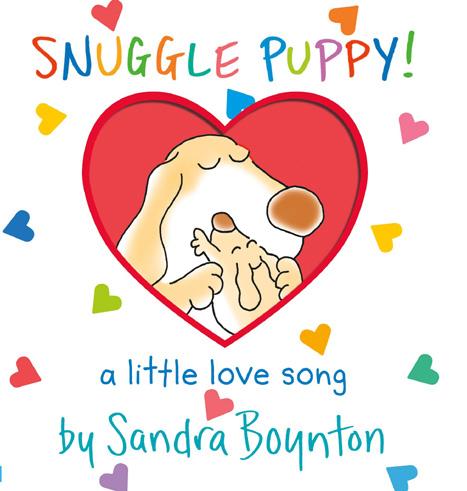
by Sandra Boynton
You love your child with every fiber of your being. Love that deep and powerful can be hard to express, but Snuggle Puppy does it brilliantly. In Snuggle Puppy, a parent doggy serenades its puppy with a message of complete and unconditional love. This is a book you will find yourself singing aloud, not reading, and don’t be surprised if you find yourself whispering the sweet lyrics to your baby outside of storytime. You will want to share this message of love with your own snuggle puppy all the time.

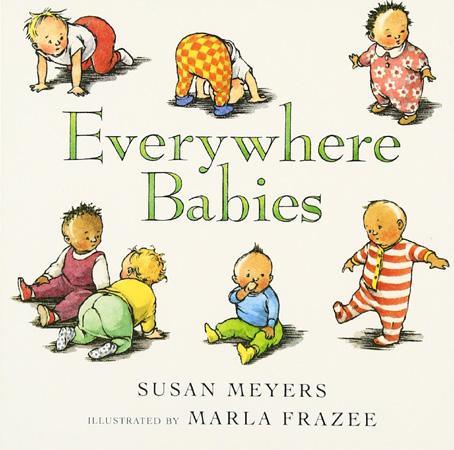
by Susan Meyers
Babyhood and parenthood are beautiful, messy, challenging, and exciting adventures. Everywhere Babies celebrates babies and families in both their diversity and universality. Words and images show babies nursing, having bottles, in strollers, and in baby carriers. Parents are depicted as loving and silly, with a good dose of that first-year exhaustion. This is a marvelously relatable book that celebrates the joy and newness of babyhood and the love that binds us all together.

by Eileen Christelow
Silly rhymes are a siren’s song for older babies and toddlers. The classic song “Five Little Monkeys Jumping on the Bed” has been made into a fantastically silly and slightly naughty board book sure to delight. As the title says, five little monkeys jump on the bed — and despite repeated warnings from their mama and doctor to stop, they don’t listen one bit. In a silly twist, in the end it turns out the mama hasn’t learned her lesson either. This goofy book is sure to bring giggles into your bedtime routine!
With beautiful pictures, funny stories, and sweet messages, board books promote both literacy and bonding
by Donald Crews
It is never to early to introduce your baby to a love of cars, trucks, and trains. Freight Train is a classic Caldecott Honor book, and it deserves the hype. Vivid and bright illustrations are used to describe all the different types of cars on a train while also introducing your cutie to their colors. After exploring the train, readers get to see it start off on its journey. This is where the magic really happens, as the colors of the train start to blend and stretch. The movement of the train is visually spectacular. This is an oldie but goodie that you don’t want to miss.
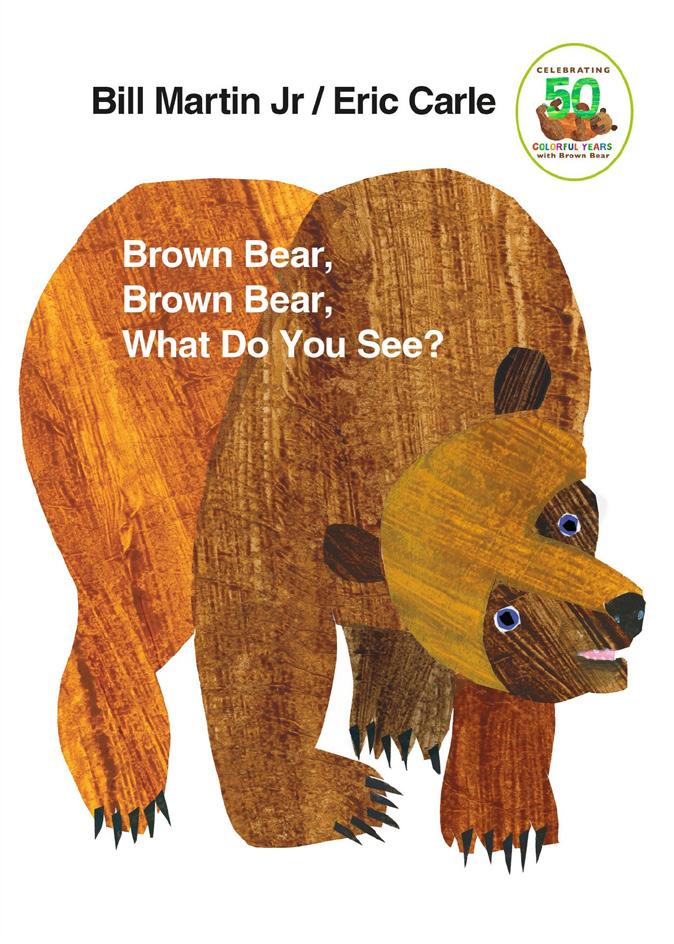
by Bill Martin Jr. and Eric Carle
Babies are drawn to animals from a very early age. Brown Bear, Brown Bear, What Do You See? is a wonderful way to teach your little one the names of different animals and colors while enjoying rhymes and beautiful art. Eric Carle’s gorgeous and bold animal collages are iconic and make this book a must-have.
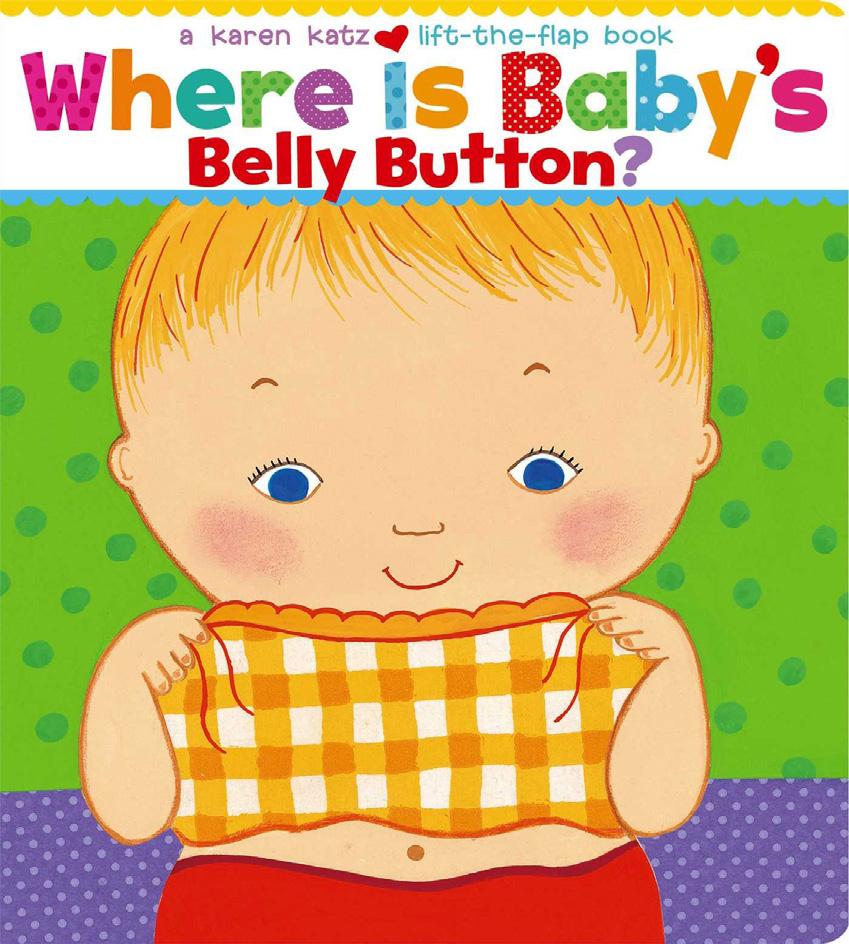
by Karen Katz
Peek-a-boo is one of the first games we play with our babies. Where is Baby’s Belly Button? will take your peek-a-boo game to a whole new level. With a lift-the-flap design, babies help find a baby’s eyes, mouth, hands, and feet. It is a great way to help your little one learn the names for his or her own body parts, and babies and parents just love all the fun, interactive flaps!

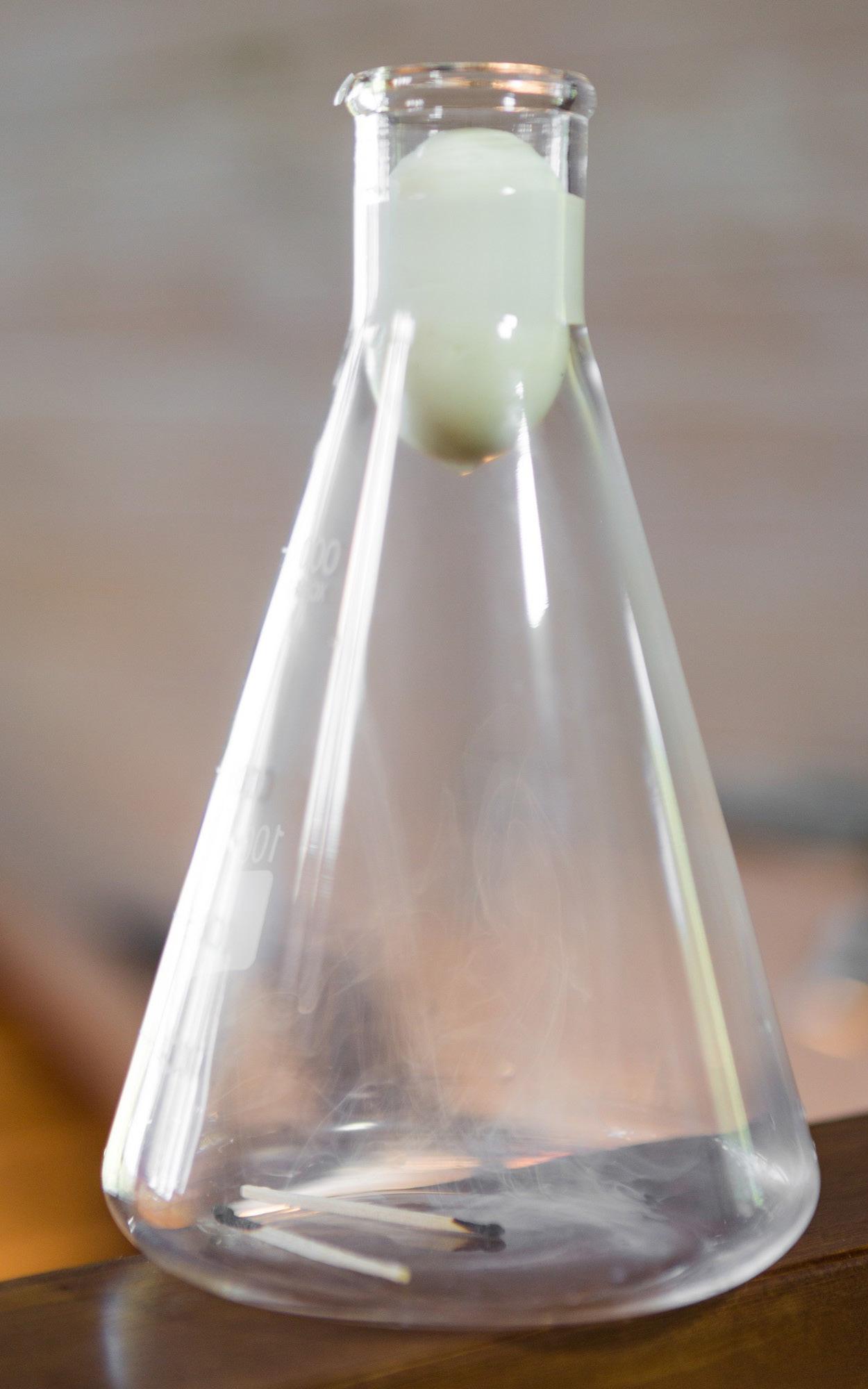
Narrow necked bottle (opening smaller than the egg, preferably glass
Peeled hard-boiled egg
Matches
Long strip of paper (shorter than the bottle)
Water or vegetable oil
Directions
1. Dip the narrow end of the egg in water or oil and take it out, shaking to free any large droplets.
2. Light the strip of paper and place it, flaming end down, completely inside the bottle.
3. Quickly place the egg, narrow end down, on the mouth of the bottle.
4. Watch as the egg is sucked into the bottle when the flame goes out.

When the paper is lit and placed inside the bottle, it heats the air, which expands and escapes past the egg (you might even see the egg wiggle a little). When the fire goes out because it has consumed all of the oxygen in the bottle, the air inside the bottle cools down. Cool air takes up less space than hot air. When the experiment began, the air outside had equal pressure to the air inside but when the fire goes out and the air begins to cool and takes up less space, it also is pushing less on the egg. This means that the air outside the egg is pushing down more than the air inside is pushing up so the egg is pushed into the bottle.



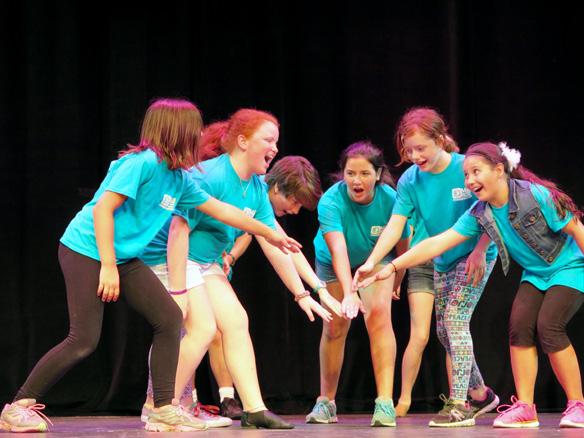

















by Rowan Martin
During pregnancy, it’s important for a woman to make healthy dietary choices, both to support her own body and to protect the development of her baby. A huge range of foods can be enjoyed safely, but there are some that should be avoided or limited.
If you’re in any doubt about what’s safe to eat during pregnancy, seek medical advice to stay fully protected. Following these five simple rules is a great start to optimum health at this special time of your life.
Stay clear of mold-ripened soft cheeses like brie and camembert, along with soft, blueveined cheeses like Roquefort and gorgonzola. These provide a moist atmosphere where harmful bacteria, including listeria, can grow. Although extremely rare, listeria can have devastating effects during pregnancy (leading to miscarriage, stillbirth, or severe illness in a newborn.) Stick to hard cheeses like cheddar and parmesan, or pasteurized soft cheeses like mozzarella, cottage cheese, and ricotta.
Coffee and other caffeinated drinks can still be enjoyed during pregnancy, but consumption should be kept under 200mg per day to decrease the risk of miscarriage and low birthweight. Don’t forget that tea, chocolate, energy drinks, and some cold and flu medicines also contain caffeine. Try replacing these with decaf varieties, herbal teas, fruit juices, and mineral water. A mug of instant coffee contains 100mg of caffeine. The equivalent amount of drip coffee contains 140mg of caffeine, and a mug of tea has only 75mg. Energy drinks can contain up to 80mg per cup.
Fish is great for your health, and many types can be eaten during pregnancy. However, steer clear of swordfish, marlin, or shark, as these can contain high levels of mercury and may damage the nervous system of an unborn child. For this reason, you should also limit tuna to two steaks or four cans per week. Oily fish like salmon, trout, and mackerel should only be eaten bi-weekly, as it may contain harmful pollutants. Always cook shellfish thoroughly, as raw mussels, crab, prawns, and clams can contain harmful bacteria and viruses that lead to food poisoning. Smoked fish, like salmon and trout, are considered safe to eat freely. Many women choose to avoid store-bought or restaurant sushi during pregnancy, as it’s hard to know how this has been prepared. Vegetable or cooked fish varieties provide great alternatives.
The majority of eggs are produced with good safety standards and pose very little risk of salmonella, even if raw or partially cooked (i.e. soft boiled or in mousses, soufflés, or fresh mayonnaise). If you’re unsure of the origin of your eggs (while eating out, for example) it’s best to ask for them to be thoroughly cooked until the whites and yolks are solid. While salmonella food poisoning is rare and unlikely to harm your baby, it can lead to a severe bout of diarrhea and vomiting. Goose, duck, and quail eggs should always be fully cooked.
Avoid raw or rare meat during pregnancy, as both may lead to toxoplasmosis, a symptomless, potentially damaging infection. Meat and poultry should be cooked thoroughly until steaming hot with no trace of pink or blood. Good kitchen hygiene is also important, so wash all surfaces and utensils thoroughly with an antibacterial cleaner after preparing raw meat to avoid the spread of harmful germs. Be sure to wash and dry your hands well, too.












**Annual Percentage Yield (APY) as of 2/1/2022. Monthly Direct Deposit of $5,000 or more to receive the 5.00% APY on Average Daily Balance (ADB) up to $10,000, 0.30% APY on ADB above $10,000 up to $1,000,000. Monthly Direct Deposit of $1,000 or more to receive 0.50% APY on ADB up to $10,000, 0.18% APY on ADB above $10,000 up to $1,000,000. Fees could reduce earnings on the account. APY could change after account opening.
*Federally insured by the NCUA