









Since 2018, Fondation Groupe Mutuel has been working on a not-for-profit basis to improve wellbeing and promote health prevention in Switzerland. It operates an annual fund designed to provide exceptional and tailored assistance to insured persons who face unexpected costs arising from a serious illness or an accident. It also supports associations and foundations working on key issues –such as the health of children, young people and the elderly – as well as study and research projects in health economics.




A training committee has been set up to standardise practices, drive continuous improvement and coordinate cross-functional training. This body helps to ensure greater consistency in the training provided, the sharing of content and continuous development. Once again, our aim here is to better control costs.

In 2025, we implemented a number of innovations in our individual insurance products with a strong social impact, aimed at preventing people from foregoing healthcare for financial reasons, addressing the shortage of family doctors, and promoting health prevention.
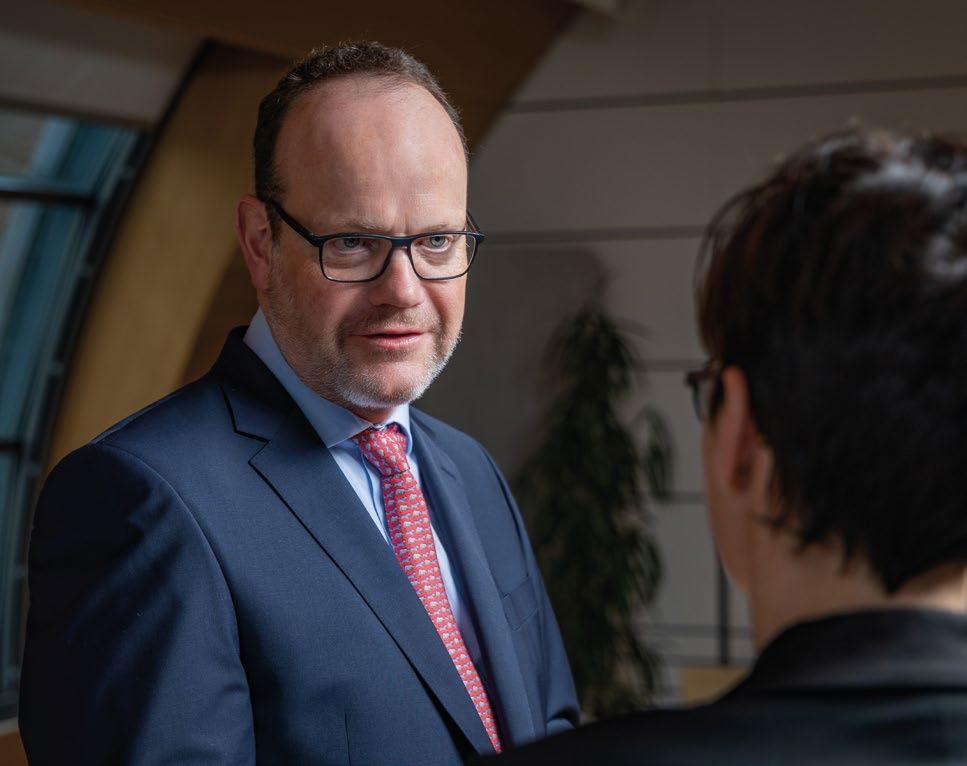
“The roll-out of our sustainability strategic plan in 2025 marked an important milestone in the development of Groupe Mutuel. As a leading partner in health and pension provision, we have a unique responsibility: to provide security for our customers at every step of the way and to improve prevention, cooperation and mutual support. This responsibility is also reflected in the way we support our employees and in the role we play within society.
It is with this in mind that we decided to join B Lab Switzerland’s Swiss Triple Impact programme, a highly demanding methodology that helps us to structure and strengthen our positive impact in practical terms. I have therefore committed to five key objectives, which will guide our progress over the coming years and further anchor sustainability at the heart of our decision-making. This report sets out our progress and the concrete actions we are taking to embed sustainability into our business strategy, for the benefit of our policyholders, our staff and the community at large.
Thomas Boyer, Chief Executive Officer
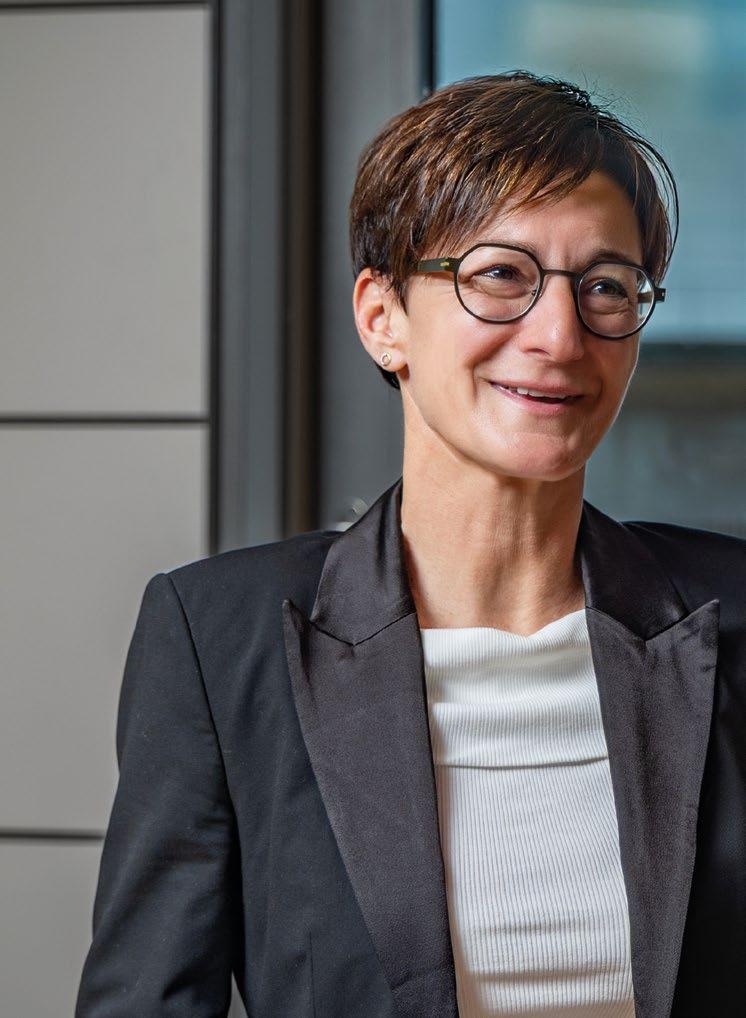

“Sustainability is based on a single conviction: we must take care of our environment in a consistent and responsible manner. As members of the Board, we strive to incorporate this approach into our strategic direction, as we firmly believe that sustainability issues – such as health, the environment and social cohesion – require careful, long-term governance.
This approach forms part of a structured and realistic vision, consistent with the way we have always fulfilled the responsibilities assigned to us. Fondation Groupe Mutuel plays a key role in this approach. It supports concrete projects that are anchored in people’s everyday lives and benefit society.
This report reflects our commitment to building a business model that is economically sound, responsible and responsive to societal changes. It demonstrates our ability to adapt to current challenges whilst remaining true to our values.”
Karin Perraudin, President of the Board of Groupe Mutuel




To contribute to SDG 13, we made the following commitment in 2025. By 2030, we will reduce the carbon emissions of our equity investment portfolio by 25%, down from 2,314,000 tCO2eq in 2023.
By reducing the CO2 emissions of our investment portfolio, we are minimising the negative impact on the planet.
In 2025, responsible investments (based on Environmental, Social and Governance criteria, ESG) went through a critical phase due to geopolitical and political tensions: Donald Trump’s re-election, the war in Ukraine, Western rearmament and budget deficits.
These factors have slowed the momentum of responsible finance, leading to massive outflows from ESG funds in the United States. However, signs of resilience are beginning to appear: tighter regulation in Europe (Corporate Sustainability Reporting Directive), green technological innovations, persistent societal demand and the integration of new dimensions such as biodiversity and natural capital.
In the long term, responsible finance remains strategic, despite operational challenges and the need to innovate in order to reconcile performance, societal impact and the green transition.
In Switzerland, the decarbonisation of real estate represents a major challenge and an investment opportunity.
In Switzerland, real estate accounts for nearly 45% of the country’s final energy consumption and close to 25% of national CO2 emissions, which makes the volume of renovations that can be carried out each year a major strategic issue for Groupe Mutuel. Maintaining energy-inefficient buildings leads to a structural rise in energy costs, continued dependence on fossil fuels, a gradual depreciation of assets and a growing regulatory risk, whilst energy performance requirements continue to tighten.
By contrast, accelerating energy-efficiency renovations represents a significant strategic opportunity. It helps contribute to the objectives of the Swiss Energy Strategy 2050 and the carbon neutrality target for 2050 set by the Swiss Federal Council, in line with the Paris Agreement. For our business, this approach translates into the monitoring and measurable reduction of energy consumption and CO2 emissions, better control of operating costs, safeguarding the long-term value of our real estate portfolio, and enhancing the attractiveness of our buildings.
It positions Groupe Mutuel as a responsible, proactive player aligned with national climate targets and capable of anticipating future regulatory constraints.



We have defined a decarbonisation plan for our real estate portfolio based on the following goals:
o To accelerate energyefficiency renovations to sustainably reduce consumption and CO2 emissions, whilst maintaining the long-term value, quality and appeal of our real estate
o To optimise costs and energy efficiency through the targeted deployment of digital and artificial intelligence technologies, to improve energy management and reduce operating costs
o To improve energy efficiency by replacing all lighting fixtures with LEDs by 2030 in administrative buildings and in the common areas of investment real estate
o To reduce our carbon footprint and phase out fossil fuels by gradually eliminating all fossil fuel-fired boilers by 2050, in line with the schedule of planned global renovations
As to investments in securities, the climate strategy and transition plan are described in our responsible investment charter, available on the website www. groupemutuel.ch (Chapter 4.1.5 Climate Policy).

For the year 2025, the companies belonging to Groupe Mutuel Holding SA (GMH) were awarded an A rating for the ESG quality of their investments, as was the case in 2024. This is very close to the highest possible rating awarded by Conser - ESG verifier,the independent body in charge of ESG portfolio reviews, whose rating scale ranges from D to A+. Our rating is higher than that of its benchmark index (BM), and has remained stable for several years (B+).
Conser - ESG verifier’s assessment methodology, which is based on the ESG Consensus® tool, is explained in GMH’s 2024 Sustainability Report.
* (Data and charts relating to securities’ investments are taken from the Canopia online platform)
2025 positioning of the GMH portfolio
Instruments with a positive or very positive average consensus make up the vast majority of the portfolio (around 91% of positions), i.e. a slight increase compared to 2024. This assessment is based on a high coverage rate of 83.5%, reaching over 99% for equities and bonds, which is a testament to the reliability and robustness of the analysis carried out.
The proportion of our portfolio exposed to investments with a high positive impact (clean energy, water management, green and sustainable bonds, microfinance) increased to 9.42% in 2025, compared with 8.93% in 2024. By comparison, this share for the benchmark index is only 5.72% Furthermore, we hold unlisted funds specialising in infrastructure investment accounting for approximately 0.80% of our portfolio (projects related to the production and distribution of renewable energy, water and waste treatment, and social infrastructure).
The portfolio’s exposure to fossil fuels stands at 1.45%, a slight increase compared to 2024. This level remains, however, below the benchmark index.

The portfolio’s exposure to high-risk sectors increased slightly in 2025 compared with 2024, rising from 0.48% to 0.53%.
Our portfolio remains significantly less exposed than its benchmark index. Groupe Mutuel applies a strict sectoral exclusion policy towards companies involved in unconventional weapons, physical food commodities and pornography.
The portfolio’s exposure to sectors that do not comply with international standards decreased in 2025 compared with 2024, falling from 0.21% to 0.18%. This exposure is significantly lower than that of the benchmark index (0.64%).
Groupe Mutuel works with Institutional Shareholder Services (ISS), a firm active in corporate governance and responsible investment solutions, to positively influence corporate practices (climate issues, compliance with international standards). Over the period under review, a dialogue was initiated with 24 of these companies.
Furthermore, the systematic exercise of voting rights for directly held Swiss shares enabled us
to maintain a 100% participation rate on all items on the agenda of general meetings. In line with the recommendations of the Ethos Foundation –one of whose objectives is to “foster a stable and prosperous socio-economic environment for the benefit of present and future civil society” – we thus rejected 20.6% of the proposals put forward by boards of directors, which were not consistent with the principles of good governance practices and social responsibility.
* (Data and charts relating to real estate investments are taken from the SignaTerre monitoring system)
Key indicators for GMH's investment real estate portfolio (excluding administrative buildings and the portfolio of Fondation Collective Groupe Mutuel)
of the
Average of the Signa-Terre client portfolio
Average of the Signa-Terre client portfolio Weighted average rating
(*) on a scale from A to G, with A being the best rating
In 2025, our investment real estate portfolio comprised 26 buildings, representing a total energy reference area (ERA) of 41,040 m².
The total energy consumption of this portfolio stood at 3,611,062 kWh in 2025, compared with 3,680,970 kWh in 2024. This represents a decrease of -1.9%.
Electricity consumption stands at 402,824 kWh in 2025, compared with 389,430 kWh in 2024. This represents an increase of +3.4% compared with the previous year.
Total emissions from this portfolio amount to 816 tonnes of CO2, compared with 956 tonnes in 2024. The average carbon intensity shows a decrease of 13% compared with the previous year. This trend reflects a marked improvement in the carbon performance of our investment real estate portfolio.
Total water consumption reached 39,514 m³ in 2025, compared with 39,374 m³ in 2024. Relative to floor area in m², this represents an increase of +4.2% between the two financial years.
Energy consumption within the organisation (data from administrative centres and the vehicle fleet owned by Groupe Mutuel)
Source: Monitoring and control system provided by Siemens Suisse SA, installed in all our administrative centres, and data from fuel cards made available to users of the company fleet. Conversion factor for fuel consumption in litres to kWh: Swiss Federal Office of Energy (SFOE)
Our annual Carbon Footprint calculation is a proactive initiative aimed at understanding and minimising our impact on the environment. We carry out this exercise in accordance with the Greenhouse Gas Protocol and ISO 14064, with the support of Alterna Sàrl.
The emission factors applied are mainly taken from the Base Carbone® database of the ADEME (French Agency for Ecological Transition) and the Mobitool v3 database. The approach adopted is operational control.
In 2025, we carried out the 2024 Carbon Footprint calculation for Scopes 1, 2 and 3, covering our agencies, offices and administrative buildings.
We collected all data for the year 2024, with the exception of commuting. To calculate this category, we did not conduct a new mobility survey and instead used the 2023 data, extrapolated to the number of full-time equivalents for 2024.
*based on 14 tCO2eq per person per year, source: Myclimate **based on 2 tCO2eq per return trip, source: Myclimate
2024
(all scopes included)

(Scope 3)
(*) Scope 2 emissions are slightly overestimated as they include a fraction of Scope 3 Cat. 3 emissions
Categories and activities of other indirect GHG emissions (Scope 3) included in the calculation: Cat. 1 Purchased goods and services, Cat. 2 Capital goods, Cat. 3 Fuel and energy-related activities (not included in scopes 1 or 2), Cat. 4 Upstream transportation and distribution, Cat. 5 Waste generated in operations, Cat. 6 Business travel, Cat. 7 Employee commuting, Cat. 8 Upstream leased assets, Cat. 9 Downstream transportation and distribution, Cat. 14 Franchises.
Cat. 10, 11 and 12 are excluded as they are not relevant to Groupe Mutuel. Cat. 13 - Downstream leased assets, and Cat. 15 - Investments are excluded as they are covered by a separate reporting process.











To contribute to SDG 12, we made the following commitment in 2025. By 2026, 50% of our key suppliers will have an environmental and/or social strategy in place or will supply us with products that have been certified as sustainable, compared with 41% in 2024.
Integrating environmental and social criteria into our supplier selection process will enable us to make the value chain more transparent.


Groupe Mutuel is the leading health and pension partner for private customers and for companies. Groupe Mutuel is the only multiline provider of personal insurance in Switzerland. Our business is diversified:
o Compulsory health insurance (LAMal/KVG)
o Supplemental insurance (LCA/VVG)
o Daily allowance in the event of illness (IJM)
o Compulsory and supplemental accident insurance (LAA/UVG & LAAC/ZUVG)
o A full range of individual life insurance policies
o Occupational pension provision (LPP/BVG)
o Management of pension funds
o Other individual insurance (legal protection, personal liability insurance, household contents insurance)
Groupe Mutuel’s legal structure is explained in GMH's annual activity report.
Groupe Mutuel acquired a 51% stake in Neosana in 2021, followed by a 100% stake in 2023. Neosana was integrated into Groupe Mutuel on 1 January 2026. This integration represents a major strategic step aimed at strengthening our operational model in the long term. For several years now, Groupe Mutuel has been strengthening its internal sales network with the aim of ensuring that 75% of new customers are acquired through its own sales force. Groupe Mutuel develops this strategy by placing customer proximity and experience at its heart.

Groupe Mutuel develops this strategy by placing customer experience at its heart.

In early 2025, around 20 people responsible for purchasing goods and services for their respective sectors underwent training in sustainable procurement.
The Logistics, Communications and Marketing sectors attended a half-day training session, whilst the Technology sector received a full day of training followed by a practical workshop. As a result of these training sessions, an internal matrix of sustainability criteria for the procurement process was developed. We also initiated a dialogue with our key suppliers on sustainability, and procurement managers were provided with a relevant list of labels and certifications by product category.
Internal guidelines govern stakeholder management within the Contracts department. For the relevant categories (authorities, suppliers, internal and external partners), fact sheets have been drawn up. These fact sheets document, in particular, the sharing of data, and the duration and criticality of the partnership.
An annual assessment is carried out and can lead to measures to improve collaboration.
Among Groupe Mutuel’s key suppliers – that is, those with whom annual expenditure exceeds 50,000 Swiss francs – 80% are based in Switzerland (10% in Valais).


Our Guidelines for Partner Management, approved by the Executive Board, aim to guarantee the quality of products and services, ensure effective contract management and maintain transparency in procurement processes. The criteria for selecting partners (suppliers, service providers, other third parties) include compliance with environmental and ethical standards and a spotless track record.
Our Mediation Policy sets out the legal basis for handling potential breaches of the Code of Conduct, including the Convention for the Protection of Human Rights and Fundamental Freedoms.
We have identified the impacts of our activities on human rights. With regard to policyholders, we focus on the right to information, the right to transparency, the right to non-discrimination, the right to access essential services and the right to health. With regard to Groupe Mutuel employees, we focus on the right to fair working conditions and the right to health.
The implementation of appropriate measures to prevent, mitigate and eliminate adverse human rights impacts is documented throughout this report.



In 2025, we implemented various innovations in our individual insurance products with a strong social impact, aimed at preventing people from foregoing healthcare for financial reasons, addressing the shortage of family doctors, and promoting prevention.
“Health Points” were created in Geneva in partnership with the Delta Network, providing basic care delivered by nursing staff under medical supervision. Persons insured with our alternative basic insurance model, OptiMed, whose family doctor is part of the Delta Santé Geneva Network, have free access to these “Health Points”. They are also exempt from co-payments for consultations with doctors who are part of the Delta Santé Geneva Network.
Under our OptiMed model, policyholders can now also choose Medgate as their remote GP. In this context, teleconsultations, which are billed as standard consultations, are exempt from the deductible.
The “KidsLine” contract with Medgate offers a dedicated telemedicine helpline for children.
The all-in-one “Global smart” insurance package includes vaccinations, check-ups, medical aids, mammograms, ultrasounds and preventive gynaecological examinations.

As for our Corporate insurance products, the renewal of the framework agreement with the Groupement des Entreprises Multinationales (GEM) has led us to redesign our Global GEM product. This framework agreement covers, in particular, different types of health insurance (basic and supplemental).
We have found that a framework agreement or group health insurance policy (with the employer contributing to the premium) offers several benefits in terms of Corporate Social Responsibility (CSR):
o Motivating and retaining staff
o Highlighting this benefit in the recruitment process
o Promoting access to healthcare, improving health cover for policyholders under this contract
o Better managing absenteeism
o Redistributing the wealth created fairly
Last but not least, we are implementing a project that will allow our clients to simplify administrative procedures, via the website or the digital Customer Area.
A key milestone was reached in 2025 with the launch of the new version of the “therapist search” tool. Available 24/7, it allows users to quickly find a Groupe Mutuel-approved therapist near home, as well as recognised alternative therapies, providing greater transparency and a seamless user experience (the user is guided step by step).
In 2025, the claims management process was completely overhauled in consultation with all the sectors concerned in order to standardise it and use customer complaints as a lever for the continuous improvement of our service quality.
The documentation and tools related to customer claims management have been updated.
A new coaching concept for Contact Center staff was rolled out as part of the “Coaching 2.0“ project, featuring more agile and proactive methods, and regular coaching sessions – including with our external partners – to enhance customer service quality and customer satisfaction.
We have also increased the number of surveys sent daily to customers following an interaction with the Groupe Mutuel Contact Center, to gather more feedback, which is useful for continuous improvement.
We continued to work on the “Close the Loop” programme, which involves contacting dissatisfied customers again to understand their situation, resolve the issue and, if necessary, offer a gesture of goodwill.

We place the highest priority on the quality of our business dealings and the protection of our clients’ interests.
In practice, amongst other measures, we have a system in place for reporting and handling noncompliance issues. Sales-related non-compliance issues are handled by a cross-functional body: the Distribution Cases Unit. This interdisciplinary unit ensures compliance with quality requirements in prospecting, sales advice and the commissioning of Groupe Mutuel’s insurance intermediaries (both internal and external)
For intermediation activities, we established an “Intermediary Governance” committee in 2025, which brings together the relevant members of senior management on a monthly basis. This enables a cross-functional and up-to-date overview of the subject to be established; it serves as a forum for discussion bringing together a range of skills and responsibilities, ensuring that the intermediation market is strongly monitored.
Groupe Mutuel works proactively with the supervisory authorities and informs them when it identifies significant breaches.
Groupe Mutuel also cooperates fully with the authorities in the context of various audits.

In 2025, Groupe Mutuel continued to strengthen its cybersecurity framework to guarantee the confidentiality, integrity and availability of the information it processes. Several structural initiatives were undertaken to improve the resilience of our information systems, strengthen access governance and raise awareness among our employees of digital security issues.
We have also established a framework for assessing our partners that incorporates cybersecurity criteria, and we systematically assess the risks associated with the use of cloud services.
Examples of cybersecurity achievements during the year:
o New IT access management system, with greater control over user rights
o Enhanced segregation of sensitive areas of the internal network to limit risks in the event of an attack
o Advanced detection tools against viruses and malware targeting computers and servers
o Project to map data exchanges between systems to better secure data flows
o Security training programme for staff, including an interactive virtual assistant
o New tools for detecting fraudulent emails

In 2025, we established a data protection governance committee, under the responsibility of the Data Protection Officer, with the remit to monitor and decide on projects or strategic issues relating to data protection. During the year, dedicated training courses were updated (e.g. e-learning modules). We also implemented a new tool for maintaining the internal register of processing activities. We obtained the OCPD:2023 certification with no major or minor non-conformities (Certification of data protection management systems in accordance with Swiss data protection legislation – certification of procedures and organisations that handle personal data).
Our internal documents are up to date with the new Law on Data Protection (nLPD/revDSG) and we have published our register of processing activities on the platform of the Federal Data Protection and Information Commissioner (FDPIC).
Finally, based on the international NIST Privacy Framework, we have carried out a data protection maturity assessment of Groupe Mutuel to improve our management of confidentiality-related risks.
No incidents involving breaches of confidentiality or data security were identified or addressed by the Risk Management team that would have warranted notification to the authorities. To our knowledge, no data protection complaints have been received from the authorities.
With the aim of improving control over premium volatility and the solvency of the health insurers within its organisation, GMH proceeded as of 1 January 2025 to merge the health insurer SUPRA-1846 SA with Mutuel Assurance Maladie SA and, at the same time, to merge Easy Sana Assurance Maladie SA with Avenir Assurance Maladie SA. As a result, the number of health insurers providing basic insurance and optional daily allowance insurance (LAMal/KVG), and belonging to Groupe Mutuel, now stands at four instead of six.
With a larger number of insured persons, these four insurers have a better spread of risk and are better able to absorb fluctuations.
In 2023, we launched an initiative to reduce the printing and postage costs for documents. To achieve this ambitious target, we implemented various measures, such as:
o Redirecting certain postal items to the digital Customer Area
o Using email for part of our communications
o Eliminating direct mail
o Changing the postage method (systematic use of B Mail)
o Implementing the SecurePrint system in NOVA (our central ERP)



In 2025, we updated our internal policy setting out the procedures to be followed in the event of an incident requiring notification to the supervisory authorities (FDPIC, FINMA, Federal Office of Public Health – FOPH).
This is because the FINMA Circular 2008/25 ”Duty to Report - insurers”, which limited the reporting obligation, was repealed. The scope is now broader, and as a result, our reports to FINMA have increased. Furthermore, regulatory oversight intensified in 2025 from both the FOPH and FINMA (several audits, in-depth analyses and requests for data were carried out during the year).
We have also updated our conflict of interest policy to strengthen our management of incidents of non-compliance with internal and/ or external rules. We have automated the process for reporting gifts: every employee is required to personally report and seek approval for any gift received or given, via an online form.
With our Code of Conduct, we are committed to behaving in an ethical and integrity-based manner. An early warning platform managed by an external service provider allows all employees to anonymously report any form of illegal activity within the company (crime, fraud, corruption, etc.). In 2025, 21 reports were dealt with via this platform. In the majority of cases, these were HR-related issues. Each incident is handled by a representative of our external service provider, who contacts a small internal committee, provided that no conflict of interest is identified. This committee then analyses the case, handles it confidentially and, if necessary, sets up external and independent mediation.
In terms of anti-money laundering, we continued to update our IT system, regulations and risk guidelines throughout the year. Groupe Mutuel’s specialist department conducted periodic analyses of around 15 high-risk client relationships and provided training to staff members who regularly handle cases involving anti-money laundering aspects.




To contribute to SDG 3, we made the following commitment in 2025. By 2026, we will have trained 50% of managers and 30% of team leaders on psychosocial risks at work.
Psychosocial risks at work such as the risk of stress, burnout or bullying can have serious consequences on the health of employees. By training managers and team leaders, we aim to protect the physical and mental health and personal integrity of employees.





Group Mutuel workforce as at 31.12.2025 Breakdown by
In 2025, training activities enhanced the skills, awareness and performance of our staff, with a focus on Artificial Intelligence (AI) and private pension provision.
Structured training plans enabled the development of tangible skills, notably through the “AI & Data Protection” e-learning course attended by 2,493 staff members and a series of “prompting” webinars attended by 562 participants.
We modernised the core training programme for the Individual Health sector by adopting a modular structure, thereby improving the tailoring of learning and setting the stage for other sectors to follow suit from 2026. We redesigned the initial and ongoing training programme for managers, with roll-out scheduled for early 2026. We strengthened development programmes (mentoring, participatory management, coaching, women’s leadership) to support skills, well-being and exchanges across business lines, hierarchical levels and generations. These programmes foster engagement and retention through a sense of belonging and a culture of feedback.
A new soft skills training programme, set up with a new provider, achieved a 92% uptake rate and enabled better cost control through the renegotiation of rates.
A training committee was set up to standardise practices, drive continuous improvement and coordinate cross-functional training. This body helps to ensure greater consistency in the training offered, the sharing of content and regular development. Once again, our aim here is to better control costs.
These measures' effectiveness is reflected in the indicators, in particular 392 participants in webinars introducing the new training programme and an overall satisfaction rate of 91%.




Average number of training* hours per employee
(*) Training: all types of training and vocational education, training leave granted, training and education undertaken externally and financed in full or in part by Groupe Mutuel, training on specific topics
Number of employees who underwent performance and career development reviews in 2025
Employees: with and without team management roles Managers: with and without team management roles
Executive Management: members of the Executive Board and Senior Management Temporary staff are not subject to performance and career development reviews
Life insurance
Healthcare
Coverage for disability and incapacity
Parental leave
Occupational pension
Discount on private pension schemes: 20%
Maximum CHF 1,500/year and two contracts
Discounts or contributions towards health insurance premiums
100% salary continuation in the event of illness or accident
Disability pension: 80% of the LAA/UVG salary
Additional pension: payment of the difference between 90% of the insured earnings under the LAA/UVG and the AI/IV or AVS/AHV pension
Disability lump sum: eight times the annual AVS/AHV salary
Maternity: 16 weeks, 100% of salary
Paternity or second parent: 15 days, 100% of salary
Adoption: five days + 10 days if the child is under 4 years old, 100% of salary
LPP/BVG benefits exceeding the legal minimum
Possibility of increasing personal contributions
Continuation of pension cover in the event of early retirement (subject to conditions)
In line with our values, we ensure a fair remuneration policy. In 2025, the University of St. Gallen once again awarded us the “We Pay Fair” label, demonstrating our commitment to the principle of “equal pay for equal work” and our practice of salary equity between women and men.
Since 1 January 2025, our employees may work remotely from abroad for up to 10 days a year. This measure complements the existing option to work from home for up to 50% of their working hours (with a maximum of two days per week).
The aim is to introduce flexibility in the workplace, promote a healthy work-life balance, and strengthen teamwork by adapting to new, more flexible and agile ways of working.
There is no collective labour agreement covering employer-employee relations at Groupe Mutuel. With regard to occupational pension provision, the LPP/BVG Administrative Committee of Groupe Mutuel Services SA comprises six members, with equal representation of employer and employee representatives, thus ensuring joint management. The LPP/BVG Administrative Committee was elected on 1 January 2024 for a three-year term.




In 2025, workspaces were upgraded as part of the Attractive Employer strategic programme. The refurbishment of the Lausanne offices and the relocation of the Villars-sur-Glâne offices to a new administrative centre in the heart of Fribourg have enabled us to provide more suitable working environments. All our offices now operate on a “Flex Desk” system, with six or seven workstations for every 10 employees, to encourage remote working and optimise the use of space. Each workstation has been fitted with ergonomic furniture to improve comfort.
At the same time, we have rolled out the “Flex Park” system across all sites: with the exception of a few spaces, all parking spaces are accessible via reservation, making it easier to travel between sites. Finally, with a view to sustainability and streamlining, three sites were closed in 2025 (Sion, Epalinges, Vevey) and it has been decided that the “Ancien Hôtel Clerc” building in Martigny will close in early 2026, with the relocation of around 150 employees. These measures aim to modernise our premises, improve comfort and optimise the use of resources whilst reducing our environmental footprint.
In 2025, we further structured our CHM: we defined the areas of “governance”, “training” and “communication”, each drawing on internal expertise. We also formally established tools for monitoring indicators to better manage and detect high-risk situations or worrying trends more quickly.
o As from January, the Fondation Addiction Valais led a staff awarenessraising session on unhealthy habits (e.g. alcohol, social media or new nicotine products).
o We offered staff an online session entitled “How to build resilience in daily life”, in which 150 people took part.
o Seven workshops on the theme of “Ergonomics”, combining theory and practice, raised awareness among staff at our administrative centres of the risks associated with working at a computer screen and the importance of adopting preventive measures. These workshops were very well received, with a satisfaction rating of 9.13 out of 10.
o Specialists from HES-SO Valais-Wallis delivered a one-day training session on psychosocial risks at work to Groupe Mutuel managers and employees interested in the subject. Five training sessions took place in 2025, bringing together around 60 people, and further sessions are scheduled for 2026 to fulfil our Swiss Triple Impact commitment.
o We have reorganised our sports clubs and internal sporting events to improve the way they operate. The Running, Yoga and Outdoor clubs were the most active groups during the year. Various one-off activities were offered to staff: introductory diving sessions in the pool, a futsal tournament, a skiing day and an introduction to golf.
o We launched a CHM Intranet page to centralise all information, initiatives and resources related to health and well-being at work within Groupe Mutuel.
(*) Governing bodies: Board and Executive Board
In 2025, we took part in the University of St. Gallen’s HSG Diversity Benchmarking: a tool for measuring and managing diversity, equity and inclusion. Thanks to this datadriven analysis, we will be able to identify our strengths and areas for improvement regarding recruitment, retention, career progression and promotion, life stages and development. This work will be carried out in 2026.
The 2025 edition of the “Futur en tous genres” day brought together 73 children accompanied by a parent or relative. Young participants discovered the diversity of roles at Groupe Mutuel, both in agencies and at our administrative sites. We organised themed workshops dedicated, for example, to IT or customer relationship management, as well as a guided tour of our in-house printing centre in Martigny.






To contribute to SDG 11, we made the following commitment in 2025. From 2026, at least 10% of our employees on permanent contracts will carry out one day of volunteering per year.
Through this day, which will be counted as working time, Groupe Mutuel will support local associations or projects, for example in the field of health, which will allow us to fulfill our role as a socially responsible company, a caring employer and a proactive health partner.
Since 2018, Fondation Groupe Mutuel has been working on a not-for-profit basis to improve well-being and promote preventive healthcare in Switzerland.
It operates an annual fund designed to provide exceptional, tailored assistance to policyholders who face unexpected costs arising from a serious illness or an accident.
It also supports associations and foundations working on key issues – such as the health of children, young people and the elderly – as well as study and research projects in health economics.
In 2025, thanks to a budget of CHF 132,000, Fondation Groupe Mutuel supported more than 30 organisations, 17 of which were dedicated to children and young people and eight to older people.
Their work focuses in particular on serious or chronic illnesses, mental health, disabilities, palliative care, prevention and support. At the same time, our Foundation has been involved in several major initiatives, including its partnership with Cœur à Cœur and the special campaign “Gib es Härz” against child abuse.
As the main partner of this campaign, which ran from 13 to 19 December 2025 and was organised by the Swiss Solidarity (Chaîne du Bonheur), SRF and RTS, the Foundation carried out various activities involving staff and the general public, handing over a cheque for CHF 35,000 and contributing to a fundraising total of over CHF 6 million.



In addition, Fondation Groupe Mutuel funded several research projects in 2025 totalling CHF 200,000. The University of St. Gallen demonstrated, in the study “Future of Swiss Hospital Capacity Planning”, the need for coordinated hospital planning at the inter-cantonal level, based on a more detailed definition of service groups and the systematic use of data.


A study by the Zurich University of Applied Sciences (ZHAW), “Strengthening the Quality of Indications – Potentials and Challenges for the Swiss Healthcare System”, highlighted the lack of transparency regarding standardised indicators and comparable data, reiterating the importance of ensuring that medical decisions are better aligned with patients’ needs and limiting overmedicalisation.
Fondation Groupe Mutuel is also pursuing its long-standing commitment to Value-Based Healthcare (VBHC). This project, which focuses on “Type 2 diabetes”, aims to place the patient at the centre of care and maximise the value of care – in terms of both outcomes and quality – throughout the patient journey. The “Pay for Patient Value” programme, developed in partnership with hospitals, doctors and the University of St. Gallen, now offers an operational remuneration model based not only on medical quality criteria but also on the tangible value generated for the patient.
Our Foundation has also supported a project using AI that assists doctors in making a more precise diagnosis and helps them choose the most appropriate treatment option in the field of shoulder surgery.
In 2025, we continued our strategic collaboration with Tech4Eva, the FemTech accelerator co-founded by Groupe Mutuel and the EPFL Innovation Park.
Our internal Tech4Eva Club organised seven online events on topics such as: breast cancer, epigenetics and attention deficit disorders with or without hyperactivity. Specialists in women’s health (working at the University Hospital of Vaud or the University Hospitals of Geneva, for example) presented these topics and led discussions attended by an audience of over 400 people.


Sponsored by Groupe Mutuel and Philips, the second edition of the Women’s Health Insurance Summit brought together more than 40 professionals from the Swiss and European healthcare ecosystem in Zurich in December to discuss, in roundtable format, topics related to women’s health and promising innovations in terms of prevention (AI in the treatment of endometriosis, trends in maternal care by 2035, FemTech and menstruation, for example).
Thanks to the impressive commitment of around 700 employees in May 2025, the challenge “Groupe Mutuel Bouge” accumulated 1,043,044 minutes of physical activity. This resulted in a donation of CHF 8,000 from Fondation Groupe Mutuel to the KiKli Fit project at the Inselspital in Bern, for the benefit of children with cancer. Every 250,000 minutes accumulated by employees unlocked a donation of CHF 2,000.
For the first time in 2025, we took part in the “bike to work” campaign organised by PRO VELO.
Ten Groupe Mutuel teams signed up and covered a total of 5,778 km during the month of June. In terms of frequency, cyclists rode their bikes to work on average two days out of three. 100% of participants would like Groupe Mutuel to repeat this initiative in 2026. Their main motivations are taking on a team challenge with colleagues and the benefits for physical and mental health.
As a major player in the fields of health insurance and pensions, Groupe Mutuel takes a stance on various current political issues.
We advocate a liberal vision centred on quality, financial sustainability, the promotion of healthy competition, transparency and the preservation of self-determination. In 2025, we commented in particular on:
o The second package of measures to limit costs under the compulsory health insurance (AOS/OKP)
o The inclusion of quality in hospital tariffs
o The possibility of reimbursing medicines and medical aids purchased abroad under the AOS/ OKP
o Strengthening hospital planning through intercantonal hospital lists
o Financial flows within the AOS/OKP
o Limiting the remuneration of health insurers’ executive bodies
o Proposals for reforming the second pillar
o Increased taxation on withdrawals from the second and third pillars
o The new law on an address enquiry system
The focus is on measures to limit the rise in costs borne by the compulsory health insurance (AOS/OKP).
Internally, we have updated our brochure with our proposals on this subject. At federal level, a round table was established. Groupe Mutuel was able to participate in this work through prio.swiss, a new umbrella association representing health insurers which became operational in 2025.
We adopted various operational measures with an estimated impact of CHF 300 million per year. In this area, the Federal Assembly adopted, during the spring 2025 session, the second package of measures to limit AOS/OKP costs (revision of the LAMal/KVG). This package includes measures on medicine prices, an extension of services provided by pharmacists and midwives, mandatory electronic submission of invoices, the potential use of policyholder data to provide targeted information, and an exemption from copayments for pregnancy-related costs from the first day. The date of entry into force is yet to be set by the Federal Council.
Groupe Mutuel supports political life and the various political parties. In 2025, Groupe Mutuel made contributions to national parties in accordance with an internal directive setting the amounts based on their representation in the Federal Council and Parliament. An amount of CHF 30,000 was made available to the Swiss People’s Party, the Liberals, the Centre Party and the Socialist Party. An amount of CHF 10,000 was made available to the Greens and the Green Liberals. CHF 5,000 were paid to the Evangelical People's party.
Groupe Mutuel is represented in various economic, sectoral and professional associations to defend its interests: Santésuisse, Tarifsuisse sa, SASIS SA, SVK, SVV / ASA, Interpension, USAM.




To contribute to SDG 10, we made the following commitment in 2025. By 2027, 100% of our Private customer digital platforms will be accessible to people with disabilities.
By bringing our Customer Area and our website into line with the standards and recommendations of the Web Content Accessibility Guidelines (WCAG), based on perception, operability, understandability and robustness, we will ensure that our progress in digital development is inclusive.
In terms of Green IT, an internal working group set up in July 2024 was responsible for the achievements of the year.
Staff members involved in this area attended the following training courses:
o Green IT (Swiss Institute for Business Informatics Education, ISEIG)
o Green IT, AI & Cybersecurity challenges (Resilio)
o Green IT: IT and Sustainable Development (HESSO Valais-Wallis)
o Ecotic workshops (Ecole 42)
o Integration of Green AI (Swiss Institute for Sustainable IT, ISIT-CH)
o Sustainable IT MOOC (Insitutute for Sustainable IT, ISIT)
All staff were made aware of the subject through:
o An Intranet publication on best practices for limiting the environmental impact of digital technology
o Various webinars (environmental impacts of digital technology, ethical challenges of artificial intelligence, bias and discrimination in artificial intelligence)
o A pilot workshop entitled “Fresque du Numérique” (the Digital Collage) (half-day session for teams to understand the impact of digital technologies on the environment and how to reduce this impact)
We started to build a thematic network by organising exchanges with Loyco and the Geneva University Hospitals (HUG), which are leading institutions in this field. Furthermore, we joined the Swiss Institute for Sustainable IT, an association dedicated to reflecting on and promoting best practices in key areas of Green IT. Last but not least, we actively participated in Sustainable IT Day 2025 in Lausanne, speaking in particular at the round table entitled “Convincing and engaging your organisation in a Green IT approach”.

Beyond training, awareness-raising and networking, we took action.


Across all administrative centres, in collaboration with the NoOPS association, we have now provided collection boxes for used tablets and smartphones. The aim is to give these devices a second life (refurbishment and resale by the association Réalise or material recovery by the Saint-Hubert Foundation). 75 devices were collected during the year and the boxes remain available to staff on an ongoing basis.
Through optimisation measures, we have been able to reduce the IT resources deployed. We have gone from 6,574 virtual central processing units (vCPUs) to 6,209 and from 1,380 virtual servers to 1,322. These adjustments were accompanied by a reduction in RAM usage of approximately two terabytes. Therefore, despite a continuous increase in workload, we did not need to add additional physical servers in the data centres.
With the support of Resilio, we launched an assessment of our information system’s environmental footprint. An initial data collection exercise enabled us to calculate the footprint in November and to present interim results and recommendations in December. The process is iterative, so the calculation will be refined over the coming year; nevertheless, by the first quarter of 2026, we will already be able to identify our priority areas for action and produce a comparative analysis against other organisations.
We implemented daily purge procedures to systematically remove data exceeding defined retention periods. We simplified certain applications that consumed a significant amount of space and deleted data from obsolete or unused features. Our teams also consolidated and categorised files to improve storage efficiency.
In our central ERP system (NOVA), files that no longer met the criteria defined by the business units were deleted. An automated regular cleaning process now ensures that this data hygiene is maintained over the long term. All these initiatives resulted in a net reduction of 76 GB in total storage volume between January and December.
In 2025, we structured AI governance at Groupe Mutuel around the areas of “process”, “technology” and “people”. This development resulted in the creation of a Center of Excellence, responsible for steering all projects, ensuring the consistency of our technological base and coordinating training, implementation and the dissemination of best practices.
We base our AI deployment on a mechanism for supporting change and monitoring human impacts. For example, we implemented the following measures during the year:
o AI Weeks in May and October, each attended by over 500 participants
o E-learning module on the use of AI and data protection, completed by 2,000 people
o In-house training delivered to 600 people
o Creation of an internal network of 40 AI liaison officers (acting as ambassadors)
We take a responsible approach to business transformation. Our AI and automation projects will generate work unit (WU) savings, which we aim to support and manage proactively. To this end, our approach includes measures prioritising internal mobility, upskilling and reskilling of staff, as well as not replacing staff in the event of natural departures (in particular retirement and early retirement).


The aim of our AI projects is to enhance operational efficiency and to improve customer experience. In our current projects, we are automating our internal processes, such as invoice processing. The work underway – intelligent data extraction, pre-classification, anomaly detection and coordination of validation processes – aims to reduce manual handling, speed up processing times and refocus teams on complex cases. We are also working on the digitisation of daily allowance claims, the management of contract terminations and complaints, as well as the automated processing of policy changes.
In terms of digital customer journeys, EVA, our conversational virtual assistant, is being enhanced to respond in real time to policyholders’ questions about their supplemental insurance via the Customer Area and the website. This assistant aims to increase first-contact resolution, standardise responses and reduce manual processing, thanks to enhanced analysis and contextualisation abilities. Finally, the telephony project serves as a catalyst, by gradually integrating AI use cases to improve the consistency of answers.


In 2025, members of the AI governance body and the managers of the relevant strategic programmes were made aware of the associated sustainability challenges. Legal, economic and reputational risks, as well as concerns regarding accountability, reliability and inclusivity, are factors we wish to incorporate into the deployment of this technology at Groupe Mutuel.



During 2025, the strategic sustainability plan, approved the previous year by the Executive Board, was implemented.
Coordination of the plan is led by the Sustainability Project Manager, who relies on a network of key contacts across the relevant sectors and areas for the implementation of measures.
To identify the issues relevant to Groupe Mutuel, we conducted surveys in 2022 among our internal and external stakeholders.
Internally, we consulted our employees, members of the Executive Board, the CEO and the President of the Board. Externally, we consulted corporate clients, private clients, the FOPH, FINMA, umbrella organisations and intermediaries.
Assessing the importance of the issues allowed us to construct a materiality matrix and prioritise a dozen key issues that are addressed in this report.
For these topics, we describe the impacts on the economy, the environment and people, including human rights, as well as the commitments and measures that were adopted.
Customer service
Fight against corruption
Fair practices
Sustainable profitability
Tailored products
Health promotion
Responsible policy commitments
Training
Information for policyholders
Employment
Working conditions
Technological development
Page 26 : Products and customers
Page 31 : Fight against corruption
Page 28 : Business ethics
Page 30 : Sustainable profitability
Page 26 : Products and customers
Page 46 : Health promotion
Page 47 : Policy commitments
Page 35 : Training
Page 26 : Products and customers
Page 37 : Working relations
Page 38 : Working conditions
Page 48 : Reflecting on sustainable IT transformation
The Board defines the strategy of Groupe Mutuel, exercises high-level management and supervision, and sets the organisational structure as well as the internal control system. It is supported by three specialised committees: the Audit and Risk Committee, the Strategic Projects and Innovation Committee and the Remuneration and Appointments Committee. They act for Groupe Mutuel and its subsidiaries and inform the Board of their activities on a regular basis.
The members of the Board of GMH SA are elected by the General Assembly. The profiles required comply with legal requirements and criteria such as integrity, age, qualifications and experience. The Remuneration and Appointments Committee plans for leadership succession, reviews applications and submits proposals to the Board for submission at the General Assembly.
The members of the Board of Groupe Mutuel may not hold simultaneously operational positions within the holding company or its subsidiaries. The Chairman is appointed by the Board, which has the authority to determine its own structure.
The Board oversees sustainability issues through complementary and balanced skills and experience. Climate governance issues are monitored by the Strategic Projects and Innovation Committee and the Audit and Risk Committee.
Climate-related matters are also integrated into the strategic Sustainability project, which forms part of the Responsibility programme, whose steering committee reviews the assessment of risks and decides on mitigation measures.
The Risk Management function addresses critical risks, including climate-related risks, under the supervision of the Risk Committee, a body delegated by the Executive Board.
The Executive Board delegates operational management to the Sustainability Project Manager, who reports monthly to the Responsibility Programme Committee. The latter reports to the Services department management.
The CEO approves the topics for the sustainability report. Contents are prepared by the Sustainability Project Manager with the support of key contacts and reviewed by the Communications department.
Groupe Mutuel applies an internal guideline on conflicts of interest based on the Code of Conduct. Mandatory training is provided for all staff. The rules applicable to the Board are set out in the regulations for Board members.
In 2025, we launched an Intranet page dedicated to sustainability, showcasing Groupe Mutuel’s sustainability strategy, the implementation timeline and various resources to explore any related topics. During the year, the Sustainability Project Manager presented the concept of sustainability and its application within the company to the Executive Board, the Sales teams, the Marketing department, the Legal department, the Corporate division and the Technology division.
The performance of the Executive Board is assessed against the achievement of corporate objectives, which are linked to strategic priorities and programmes, including the Responsibility programme, which encompasses the Sustainability project.
As the remuneration system for the Executive Board is tied to the achievement of corporate objectives, sustainability and climate risk management are taken into account.
The process for setting remuneration policies and determining remuneration is described in GMH’s annual activity report.
Groupe Mutuel’s risk profile is based on a central catalogue divided into four categories: strategic risks, business risks, quantitative risks and operational risks.
Strategic risks relate to the company’s ability to anticipate its business environment, formulate a vision ensuring the organisation’s long-term sustainability and develop a product range suited to the market. These risks are managed by the Board. Business risks, related to governance, strategy management and implementation, fall under the remit of the Executive Board. Quantitative risks cover solvency, financing, actuarial and investment issues. Operational risks relate to people, processes, systems and external events.
The first two categories fall under the remit of the governing and executive bodies; the other two are related to the business lines and managed at operational level.
For operational risks, the Risk Management (RM) function applies a methodology comprising:
o The update of central registers
o The identification of risks and associated controls
o The assessment of controls by business lines
o Risk assessment based on frequency and impact (inherent and residual criticality)
o Risk handling
o Reporting
Each assessment is compared against the tolerances set out in the operational risk policy and results in a strategy: to accept, mitigate, transfer or avoid the risk. In its role as the second line of defence, Risk Management conducts a periodic independent review of risks and controls and of their assessments.
Risk Management drives a centralised approach, ensuring transparency, consistent documentation and rigorous monitoring. Designated representatives in each sector ensure the smooth running of the internal control system (ICS), the quality and consistency of the information entered into the Enablon risk management tool, and participation in assessments and action plans.
Risks are assessed at three levels:
o Inherent risk: natural level, independent of any control or mitigation measure
o Residual risk: after the application of existing measures
o Target risk: the level to be achieved following risk mitigation measures or the strengthening of controls
Reference frameworks (e.g. risk catalogue, business process maps) are updated at least once a year, and ad hoc reassessments are carried out in the event of an incident in order to enhance the system’s agility.
Each identified risk is subject to one or more controls assessed annually. In the event of a deficiency, an action plan is drawn up and its implementation monitored until resolution. The Risk Management team then prioritises the monitoring of risks according to their residual criticality, paying particular attention to major risks.
Climate or environmental risks are integrated in accordance with the same requirements as other types of risk. They are included in annual self-assessment campaigns and in ad hoc reviews, particularly in the event of significant environmental incidents.
In accordance with the FINMA Circular 2026/1, climate-related financial risks were presented to the Executive Board as potential new business risks. At this stage, the private insurance subsidiary GMA is not materially exposed within the insurance portfolio, and for asset management, climate risk is already integrated via the ESG criteria applied by the collective asset management company GMAM.



Risk integration is based on a clear division of roles. The Risk Management team coordinates assessments, monitors action plans and reports key indicators to the Risk Committee. ICS representatives ensure the operational implementation of processes and controls.
The Risk Committee oversees the entire process, approving tolerances and prioritising strategic actions. Indicators, such as the monitoring of major risks or the implementation rate of action plans, are used to assess the effectiveness of measures and identify necessary improvements. Methodological adjustments or changes to tools are documented to ensure continuous improvement.
Reputation risk management, particularly in relation to climate issues, remains a priority. It is based on transparent communication and responsible policies aligned with stakeholder expectations, thereby strengthening the organisation’s resilience in the face of climate and operational challenges.
Legal name Groupe Mutuel Holding (GMH) SA
Nature of capital and legal form Company owned by Fondation Groupe Mutuel*
Location of head office
Martigny (VS)
Country of operation Switzerland
(*) non-profit entity
This sustainability report covers GMH. Fondation Collective Groupe Mutuel and other companies under service contracts are not included.
Reporting period and frequency
Financial reporting period
1 January 2025 - 31 December 2025, annual frequency
1 January 2025 - 31 December 2025, annual frequency
Reporting publication date 22 May 2026
Contact point for enquiries durabilite@groupemutuel.ch
We have not made any restatements of information during the reporting period.This report is not subject to an external assurance review. The direct economic value generated and distributed is included in GMH's annual activity report.
Design
Photo
Email address durabilite@groupemutuel.ch presse@groupemutuel.ch
This report has been approved by the Board of Groupe Mutuel Holding SA. It is published as a report on non-financial matters in compliance with Art. 964a-c CO, subject to approval by the General Meeting of Groupe Mutuel Holding SA.