











2025 was a year of solid results, in which our collective efforts bore tangible fruit. With a consolidated profit of CHF 115 million, it was, overall, a very positive year for Groupe Mutuel. We exceeded our profitability targets for the private insurance segment, which is a testament to the relevance of the strategic decisions we made in recent years and the ongoing commitment of our staff.


As at 31 December 2025, more than 734,000 insured persons –both policyholders and their family members – were using the Customer Area, representing 54% of our client base.


Some years serve as milestones, some confirm a direction, and others remind us of what truly matters. 2025 will have been a year of confirmation: the confirmation of our strategy, our business model and of our ability to align economic performance with human responsibility.
2025 also brought us back to the fundamentals: people. We are more convinced than ever that people must remain at the heart of everything: our decisions, our ambitions, and our relationships with both our customers and our staff.

Private insurance and occupational pensions maintained their growth, demonstrating contained and highquality momentum, underpinned by careful management and a commitment to continuous improvement. Growth in these sectors is accelerating and this is encouraging.


We have watched this philosophy take shape, grow and become firmly established. It is apparent wherever our commitment takes on a tangible form. It is reflected in the quality of our relationships, in the trust we build every day, and in the solidarity that unites us even in the most challenging of times.
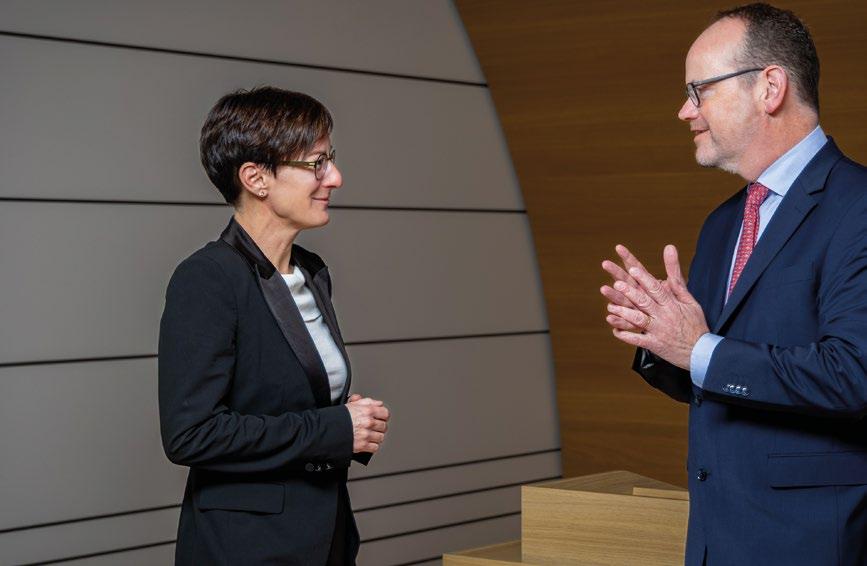
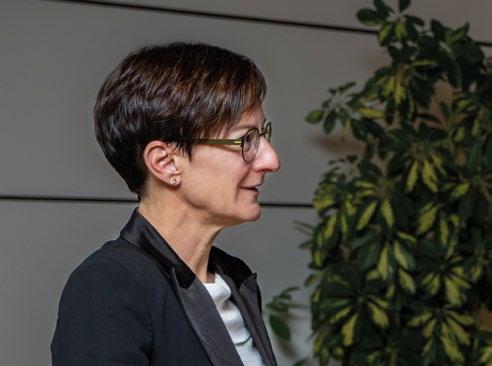
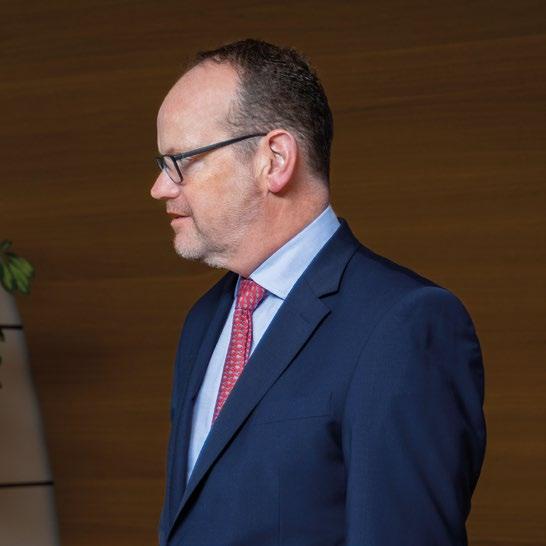
“Our focus on people is not just a posture: it is a driver of performance, trust and resilience”, explained Karin Perraudin, President of the Board of Groupe Mutuel. “Therefore, 2025 was a year of solid results, in which our collective efforts bore tangible fruit. With a consolidated profit of CHF 115 million, it was, overall, a very positive year for Groupe Mutuel. Targets were exceeded in private insurance, underscoring the effectiveness of the strategic direction implemented in recent years and the ongoing commitment of our employees.”
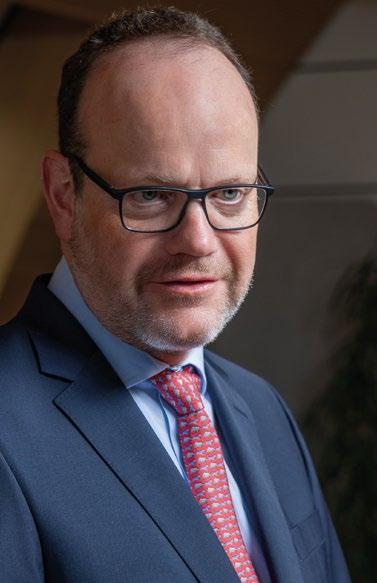
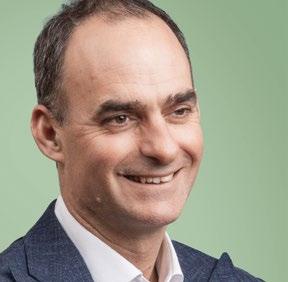
“In basic health insurance, our strong technical performance and sound financial solvency demonstrate that we remain firmly in control of our core business, despite growing market challenges”, added Thomas Boyer, CEO of Groupe Mutuel. “Of course, this year was not without its difficulties. The loss of 44,000 insured persons in compulsory health insurance, although anticipated, reflects the reality of a highly competitive market and the constant need for a company to remain agile and flexible. “
“But this situation has not weakened our momentum. On the contrary, it has prompted us to sharpen our focus, reassess our approach and strengthen team cohesion. And whilst some markets contracted, others accelerated, meaning that we had an excellent year in 2025”, said the CEO.
Individual and occupational pensions saw significant growth, which is a sign of our clients’ renewed confidence in our solutions and our ability to support them through their most significant life events. This is a sign that the diversification of our activities, which began a few years ago, is truly bearing fruit. The Corporate sector also continued to grow and consolidated its position with turnover approaching CHF 1.1 billion, up by CHF 76 million.
“Ultimately, the company’s objectives have been met, confirming the relevance of our strategy and our unique position in the market as the only multiline insurer in the health and pension sector”, added the President of the Board.
2025 was marked by significant political developments relating to the Swiss healthcare system. This was the case for cantons, which are expected to review their hospital planning at least on a supra-regional scale, but also for the price of medicines, which remain excessively high by international standards.
TARDOC and several other measures that have recently come into force do, however, indicate positive developments in the system, whilst various integrated care projects are taking shape but remain relatively marginal.
The national round table on cost containment has resulted in a catalogue of savings of at least CHF 300 million, the implementation of which will largely depend on health stakeholders in 2026.
“I welcome the collective effort led by all stakeholders in the healthcare system who have understood the urgency of finding concrete solutions. However, I regret the lack of ambition. We could do even more, and above all much more quickly, to try to contain the sharp rise in healthcare costs”, said Thomas Boyer. Health insurers will also contribute to these savings, such as through a reduction in their administrative costs (a target reduction of CHF 40 million for all insurers), more efficient implementation of pricing models, targeted information for insured persons, and the promotion of outpatient treatments.


In the area of digitalisation, Groupe Mutuel welcomes and supports the overhaul of the Electronic Patient Record (EPR) but calls for further simplification in order to encourage widespread adoption by insured persons and stakeholders. The Group considers the EPR to be essential to the future of the Swiss healthcare system.
“The EPR is the cornerstone of future reforms. Without it, efforts to reduce unnecessary services and improve care coordination cannot be achieved on a large scale. We are moving in the right direction, but the pace remains too slow. We need to speed things up, especially given the ground we have lost in this area”, said the CEO of Groupe Mutuel.
On the political front, pressure remains very high, with numerous proposals being put forward. However, most of these initiatives never tackle the root of the problem: the steady rise in healthcare costs, which continued in 2025 at a rate of 4.6%.
A clear strategy and ambitious plans for the future
The diversification of our activities, particularly in individual and occupational pensions, will continue and be stepped up. Beyond this ambition, which is already well underway, the focus on customer experience – particularly by way of digitalisation – must continue, as must our efforts to boost profitability. This is how the corporate strategy for 2026–2028 was drawn up, with ambition and in line with previous years.
These strategic ambitions strengthen the foundations of our business. “We know that to secure our future, we must be relentless in our efforts, particularly in managing our costs, continuously improving our processes and enhancing our operational efficiency,” insisted Karin Perraudin, President of Groupe Mutuel.
These fundamental principles are fully aligned with the future that Groupe Mutuel is already beginning to build.
“ Rise above the storm and you will find the sunshine. “
Mario Fernández
Artificial intelligence (AI), technological innovation, new digital tools, the digitalisation of our processes: these are the areas in which we continued to lay solid foundations in 2025, and which we will continue to develop in 2026 through structured pilot projects, a clear vision and a bold ambition. “We need to focus more on the right projects and prioritise profitability”, added Karin Perraudin. This is particularly true of our EVA chatbot, integrated into the Customer Area. Since its launch in September 2025, EVA has processed nearly 1,400 enquiries per day, reflecting strong and growing user adoption. “Groupe Mutuel is ambitious", continued Thomas Boyer. “We will further step up our investments to improve our technology platforms. We must remain flexible to refine our automation and further accelerate our diversification into individual pension plans and the LPP/BVG. “
2026 will thus emerge as a pivotal year: one of sustainable, demanding and consistent growth, based not only on profitability but also on the quality and diversification of our activities.
Beyond victories, defeats, joys and hardship, this is the direction in which we will move forward, together. United, motivated and supportive of one another. As the Cuban artist and poet Mario Fernández puts it: “Rise above the storm and you will find the sunshine. “ This is an invitation to remain hopeful, to rise above circumstances, and to look further ahead, together, towards a bright future.
Karin Perraudin, President of the Board of Groupe Mutuel
Thomas Boyer, Chief Executive Officer





Health costs: at 4,6%, the increase continued in 2025.
In 2025, according to our estimates, healthcare costs will have risen by 4.6%.
This is not good news, as healthcare costs had already risen sharply in 2024 by 4.3% (3.4% in 2023, 3.3% in 2022 and 6.6% in 2021). This means that the increase over the last five years exceeds 22%. Healthcare costs are therefore continuing to rise by around 4% per year, whereas the average annual increase was only around 3% between 2000 and 2020.
After a period of relative stagnation in 2019 and 2020, this sustained rise in healthcare costs therefore weighs heavily on premium payers, and particularly on middleclass families. In addition, as premiums are required by law to cover costs, a further increase seems unavoidable this autumn. This is bad news for the Swiss health system, particularly for premium payers. The quality of the Swiss healthcare system remains outstanding, but its long-term funding appears increasingly uncertain.
Strong growth in the Corporate sector, which came close to CHF 1.1 billion in turnover in 2025 and now provides insurance to 31,600 companies in Switzerland.
AI: the EVA virtual agent is off to a flying start. It handles 1,400 enquiries a day!
In 2025, the overall turnover in the Corporate sector increased by close to CHF 76 million to reach CHF 1.1 billion. This is the second time that the billion mark has been exceeded. Therefore, the Corporate sector remains Groupe Mutuel's second largest source of income, ahead of supplemental insurance. This excellent result confirms the diversification strategy initiated several years ago.
In 2025, 600 new companies took out insurance with Groupe Mutuel, bringing the total number of corporate clients to 31,600 as of 1 January 2026. In terms of loss of earnings insurance, Groupe Mutuel is now ranked fourth in Switzerland, ahead of private insurers, which is an excellent achievement.
slight
Groupe Mutuel has finally confirmed its pioneering role by becoming the first Swiss insurer to integrate an EVA-type virtual agent into a customer area, reinforcing its position as an industry innovator at the service of policyholders. EVA has already responded to 100,000 messages since 16 September 2025, representing approximately 1,400 messages per day.
Groupe Mutuel has 2,664 permanent employees at the end of 2025 (2,726 in 2024). In addition, 40 apprentices were employed in all sectors of insurance. The company places great emphasis on training, with an average of 27 hours per employee. The ongoing redesign of the documents sent as part of the onboarding process for new employees has allowed savings on the printing of several thousand pages of paper in 2025.
Thanks to EVA, policyholders can now carry out several key actions such as:
o View their insurance card
o Check their supplemental insurance coverage
o Defer payment of an invoice
o Consult their latest invoice
o Change the deductible in their contract
o Search for a therapist
The Customer Area continues its encouraging growth: 54% of Groupe Mutuel’s customers now use the digital app.
As at 31 December 2025, more than 734,000 insured persons – both policyholders and their family members – were using the Customer Area, representing 54% of our client base. This represents an increase of more than 81,000 accounts in one year. This growth was prompted by improvements to the user experience, the addition of new features and marketing initiatives carried out throughout the year.
Customer engagement is following the same trend: with 13 million sessions recorded, the Customer Area has seen a 30% increase. It has now established itself as the main channel for insured persons to make changes to their contracts (model and deductible), since 49% of amendments are carried out online. This is a significant step towards our ambition to increase our policyholders’ autonomy.
Ingoing requests are also continuing to shift towards digital channels: 61% of them now go through the Customer Area (up from 56% in 2024), demonstrating increasing and lasting user adoption. In terms of satisfaction, results remain strong: a 4.35 average in the app, and 4.7 on the App Store –scores among the best in the market, confirming the perceived quality of our digital services.
To enhance usage and simplify procedures, several significant improvements were made to the Customer Area in 2025. Optimised document management and the addition of direct access links from mobile phones and the web now make it easier to navigate to the most frequently used services. In the same spirit, the new "Help & Contact" page effectively guides policyholders to the features already available, helping to reduce the volume of incoming calls.
User autonomy is also progressing thanks to the "My Health" page, which centralises all health services, and to the improvement of the contract modification process, which now works more smoothly. Additionally, accident and maternity claims can now be filed via the mobile app, further enhancing customer self-service and making daily procedures easier.

Sign-ups to the Customer Area have increased by 20% in two years


CHF 727 million in savings thanks to invoice verification and digitalisation.
In 2025, Groupe Mutuel received 20.8 million invoices for medical benefits, compared with 21.2 million invoices in 2024. This volume of invoices was equal to CHF 6.91 billion for all types of services in 2025. Thanks to controls and corrective measures carried out using new technologies, as well as to the experience of our employees, expenditure was reduced by 10.5%, i.e. nearly CHF 727 million, which represents premium savings of the same order of magnitude.
In 2025, the most significant savings came from:
o other outpatient care, with CHF 186.1 million (19.3% savings ratio)
o hospitalisations / nursing homes (EMS), with CHF 131.2 million (8.0% savings ratio)
o TARMED (hospital outpatient care and doctors) with CHF 115.6 million (4.1% savings ratio)
o dental care with CHF 83.6 million (42.8% savings ratio)
Equal pay: renewal of the “We Pay Fair” label
In line with our values, we strive to ensure a fair compensation policy. In 2025, the University of St. Gallen awarded us, once again, with the “We Pay Fair” label, demonstrating our commitment to the principle of “equal pay for equal work” and our practice of salary equity between women and men.
14.6 days: fast reimbursements represent added value for our customers
In 2025, the average time to reimburse invoices directly to insured persons (third-party guarantor system) was 14.6 days, compared to 14.8 days in 2024. As for reimbursements to healthcare providers (third-party payer system), these took an average of 28.2 days in 2025, compared with 28.3 days in 2024.
Invoice automation enabled 82.2% of invoices to be paid in 2025, compared with 82.0% in 2024.
Awarding of the “Friendly Work Space” label
In November 2023, Groupe Mutuel was awarded the "Friendly Work Space" label for the first time, by Promotion Santé Suisse. This label rewards systematic and sustainable corporate health management (CHM), using six criteria for quality that are endorsed by the State Secretariat for Economic Affairs (SECO) and the Federal Office of Public Health (FOPH).







In a context of new technology and societal changes, Groupe Mutuel launched a new strategy for the years 2026-2028. This strategy calls for simplifying and focusing business activities around three key areas: digital experience, diversification, and profitability.


As of 1 January 2025, Groupe Mutuel simplified its organisational structure. Supra and Easy Sana insurance providers merged with Mutuel and Avenir, respectively. As a result, the number of Groupe Mutuel health insurers has decreased from six to four, i.e. Avenir, Mutuel, Philos and AMB.



To raise employee awareness of digital change, Groupe Mutuel launched the first of two thematic weeks dedicated to artificial intelligence. During a series of webinars, experts presented the many facets of this new technology.



Groupe Mutuel launched its AI-powered chatbot, EVA. This virtual assistant is available 24 hours a day to answer our customers’ questions about their supplemental insurance.


Preparations for the full integration of our subsidiary Neosana got underway. The takeover of Neosana’s staff on 1 January 2026 is part of our strategy to focus even more on our internal sales network and to place customer experience at the heart of our priorities.



On 1 September, Stéphan Studer succeeded Sophie Revaz as Head of the Individual Health Department and member of the Executive Board. A recognised leader and expert on healthcare providers, Stéphan is a major asset to Groupe Mutuel.
We also launched our new savings insurance for children, VariaInvest Kids, which combines guaranteed savings and investment in fund portfolios. This complements our extensive range of life insurance products.




Mutuel has firmly established itself as a leading player in both corporate insurance and occupational and individual pensions.

Groupe Mutuel represents much more than just health insurance. Behind our commitment to establishing ourselves as a leading global partner in health and pension provision, for both individuals and companies, there is a tried-and-tested diversification strategy. Proactive and constantly evolving within our different sectors of activity, we are committed to meeting societal needs and anticipating trends.


We ensure that every employee absence is supported, every return to work is facilitated, and that every transition to retirement is secure.
Thanks to its firmly established market position, Groupe Mutuel provides long-term support to all companies thanks to a comprehensive range of health insurance products that cover illness (daily allowance) and accidents (LAA/UVG - LAAC/ZUVG), as well as bespoke occupational pension solutions (LPP/BVG).
Our proactivity, expertise and the excellence of our solutions address both current socio-economic challenges and future issues faced by SMEs and large organisations: the rise in mental health issues and musculoskeletal disorders in the workplace, increased absenteeism, the performance of retirement pensions, as well as employer attractiveness.
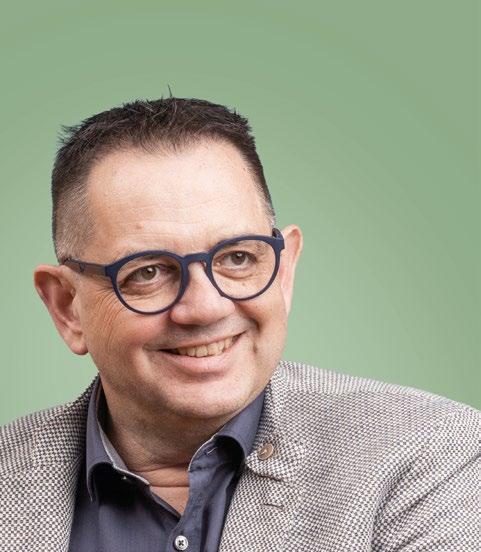


Vincent Claivaz Head of the Department Health & Pensions – Corporate Clients
“For us, 2025 was primarily marked by strong business growth in occupational pensions and a solid organisational footing in German-speaking Switzerland. The results of our surveys also demonstrate full customer satisfaction, particularly in German-speaking Switzerland, as well as among our brokers, all of whom wish to continue and even expand our working relationship.
Despite the persistent high tensions linked to the rise in claims in health insurance, our future looks promising. All these factors underscore the fact that Groupe Mutuel is not just a health insurance provider; it is also a leading partner in health and pension provision for all types of businesses. “
8/10
customer satisfaction score (CSAT)
8/10
broker satisfaction score (CSAT)
Trusted by more than 31,600 companies, Groupe Mutuel continues to refine the quality of its health and pension insurance products and services whilst containing costs.
This result is all the more remarkable given that it comes against a backdrop of rising claim rates, linked in particular to the surge in cases of psychosocial risks in the workplace.
Thanks to its solid network of partners, Groupe Mutuel maintains long-standing relationships with its brokers, who play a vital role in the development of its business.
This result reflects the trust brokers place in the quality of our products and services, as well as in our ability to support them in their business.
Total turnover in LPP/ BVG pension plans (in millions of CHF)
Thanks to the comprehensive, tailormade and high-performing offering of Fondation Collective Groupe Mutuel and our solid expertise in occupational pension provision, we have once again achieved significant growth in this sector this year, in both French-speaking and Germanspeaking Switzerland.
The ongoing digitalisation of our platforms for brokers, employers and insured persons has also contributed to this success, as has the expertise of our asset manager, Groupe Mutuel Asset Management, and the efforts made to ensure ESG investments.
Through the three complementary pillars that are health promotion, prevention and absence management, and supported by a panel of specialists in the fields of Care and Case Management, Groupe Mutuel has positioned itself as a leading partner in Corporate Health Management (CHM).
With this in mind, we support all types of employers in ensuring that the good health of their employees becomes a genuine driver of corporate performance.



Development and transformation projects have enabled Groupe Mutuel to establish itself as a leading partner in both healthcare and occupational pensions, and to best meet the needs of its corporate clients.
Efforts are continuing, particularly in the digitalisation of platforms for employers and brokers, and in expansion into German-speaking Switzerland.
the need to consolidate, accelerate and sustain our activities
A strategy that has paid off
The past few years have been crucial in firmly establishing individual pension provision as a strategic pillar of Groupe Mutuel. A complete overhaul of our product range, initiated in 2023, has enabled us to offer solutions tailored to clients’ current needs, whilst strengthening our competitive advantage. At the same time, the gradual development of an efficient sales network, structured throughout our main agencies, has consolidated our presence in the field and improved our ability to provide personalised support.
These foundations have been supplemented by major digital transformation and modernisation programmes for our systems, which are essential for supporting future growth and ensuring seamless customer experience. These combined efforts are now bearing fruit: in 2025, new business production grew by over 30%, confirming the relevance of our strategic choices.
The development of individual pension provision is fully in line with Groupe Mutuel’s diversification strategy. Essentially a long-term activity, individual pension provision creates lasting relationships with our clients and helps to strengthen the overall stability of the Group’s portfolio.
As Switzerland’s only multiline personal insurer, Groupe Mutuel is uniquely positioned to innovate at the intersection of health and pension provision. By placing people at the centre of our activities, this positioning enables us to design integrated, coherent and genuinely useful solutions to support our policyholders. It also constitutes a strong competitive advantage in a rapidly changing market.



2025 was marked by several key launches: a single-premium insurance product, designed to meet customers’ investment and security needs, and a savings solution specifically for children, which illustrates our commitment to catering for all family situations.
VariaInvest, our flagship product, continues to enjoy growing success.
Strong business growth requires increased scrutiny of the quality of our business transactions. In 2025, we strengthened our internal controls and stepped up measures to ensure healthy and sustainable growth.
Digitalisation is another key challenge: the gradual integration of life insurance into the Group’s overall IT ecosystem has significantly improved customer experience.
The year saw remarkable growth, both in terms of new business and financial performance. Life insurance has now established itself as one of Groupe Mutuel’s key growth drivers, confirming its strategic importance and longterm development potential.
The individual pension market continues to undergo significant changes driven by pronounced structural trends.
An ageing population, growing needs for financial security and societal changes are redefining policyholders’ expectations. Added to this are economic uncertainties that are increasing interest in flexible, long-term pension solutions.
At the same time, regulations are becoming more stringent, requiring market players to adapt constantly and manage processes with care. In this context, improving the skills of our sales networks appears to be a key lever for ensuring the quality of advice and supporting these trends in a responsible manner.
The launch of distinctive and innovative solutions will be a key driver in strengthening our market position and meeting the needs of new customers, particularly in the areas of flexible savings, family protection and assets consolidation.
new synergies and partnerships
The search for targeted alliances and smart collaborative partnerships will enable us to expand our market presence, enrich our offerings and create greater added value for our policyholders.
It will be essential to invest increasingly in training, tools and support for pensions advisers to ensure highquality advice and support long-term growth.
Maintaining a sustainable growth trajectory
All these initiatives are part of a clear ambition: to pursue strong, controlled and sustainable growth, based on the strength of our business model and a constant focus on our clients’ genuine needs.
These strategic directions confirm Groupe Mutuel’s ambition to become a leading player in individual pension provision, by combining performance, innovation and a close relationship with its policyholders.
“ Sustainable growth cannot be imposed, it must be built. Together, we are consolidating, accelerating and transforming the future of personal pension provision. “
Pascal Dinichert, Head of the Department Individual pension






Groupe Mutuel is organised as a holding company. The companies that make up the holding company are active in various areas of insurance, such as health and pensions, both for private individuals and companies.
Groupe Mutuel Holding SA is wholly owned by Fondation Groupe Mutuel, a non-profit foundation. The Foundation supports the well-being of people in Switzerland, as well as health promotion and prevention measures, through a wide range of activities.
The subsidiary company Groupe Mutuel Services SA has made its administrative infrastructure and staff available to the other companies of the Group.
Similarly, Groupe Mutuel Asset Management GMAM SA manages collective assets for the other companies of the Group.
This pooling of resources creates synergies that benefit all companies and customers. Services are clearly differentiated between the different insurance segments, in particular between compulsory health insurance (LAMal/KVG) and supplemental insurance (LCA/VVG), as well as between the different companies.
These services are invoiced to the companies according to objective allocation keys in line with best practices in the industry, so that each company's contribution is in line with its actual use of resources. These allocations are also audited by an independent third party.
Groupe Mutuel Services SA and Groupe Mutuel Asset Management GMAM SA can also offer their services to third parties. This is particularly the case in the areas of health insurance and occupational benefits.
fondation
Groupe Mutuel Holding SA
Basic insurance
avenir assurance maladie SA
philos assurance maladie SA
mutuel assurance maladie SA amb assurances SA
Private insurance
groupe mutuel assurances gma SA
groupe mutuel vie gmv SA
Groupe Mutuel Services SA
Distribution company
Collective asset management Neosana AG asset management
Service agreements
Pensions Health
Caisse-maladie de la Vallée d’Entremont société coopérative
Mutuelle Neuchâteloise Assurance Maladie
Other service agreements
libre passage Opsion fondation collective
Other client pension institutions
In 2025, following the mergers by absorption between Easy Sana Assurance Maladie SA and Avenir Assurance Maladie SA, as well as between SUPRA-1846 SA and Mutuel Assurance Maladie SA, Groupe Mutuel Holding SA now owns four health insurance companies that offer compulsory health insurance, namely: Mutuel Assurance Maladie SA, Philos Assurance Maladie SA, Avenir Assurance Maladie SA and AMB Assurances SA.
The private insurance company offering supplemental health insurance and patrimony insurance is Groupe Mutuel Assurances GMA SA. Groupe Mutuel Vie GMV SA offers life insurance products.
Neosana AG, which provides brokerage services in the fields of health and life insurance, will be merged retroactively, by absorption, with Groupe Mutuel Services SA on 1 January 2026.
Groupe Mutuel Services SA makes its administrative infrastructure and staff available to all companies within the Group. Groupe Mutuel Asset Management GMAM SA manages the assets of Groupe Mutuel companies and can offer its services to third-party companies.
The Board is responsible for the strategic management of Groupe Mutuel Holding SA. It consists of a five to nine members, elected for four years. It defines the company’s position and strategy, exercises high-level management and supervision and sets the organisational structure and principles of the internal control system. Its work is supported by three specialised committees: the Audit and Risk Committee, the Strategic Projects and Innovation Committee, and the Remuneration and Appointments Committee. The committees regularly report on their activities to the Board.
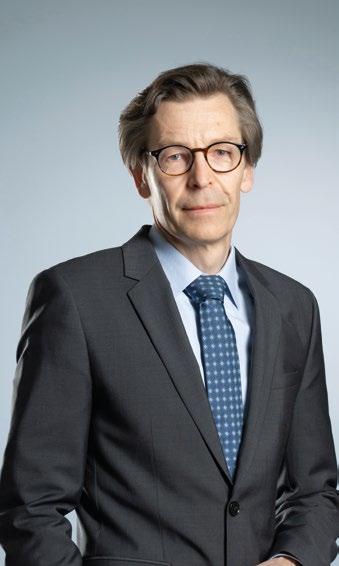

The Audit and Risk Committee is chaired by Jean-Blaise Conne and comprises two other members of the Board. Its main task is to verify the integrity of financial information, compliance with legislation, internal regulations and guidelines, supervision of the internal control system and audit processes. It organises and assesses the performance, certification and independence of internal and external auditors.
The Strategic Projects and Innovation Committee is chaired by Jürg E. Tschanz. It also includes three other members of the Board. It defines and submits to the Board the strategy for transformation and innovation, diversification and digital maturity, taking into account technology, political and market environment changes, as well as the medium and long-term development priorities of Groupe Mutuel. In addition, it defines and proposes the strategy for using new information and communication technology for the benefit of the company. It also examines the partnership or acquisition strategy to be implemented in order to achieve the objectives set and makes recommendations to the Board. Finally, it monitors the progress of projects related to strategic initiatives.
The Remuneration and Appointments Committee is chaired by Petra FeiglFässler and comprises two other members of the Board. It submits proposals to the Board regarding the remuneration of Board and Executive Board members. It is also responsible for the appointment and replacement of Board and Executive Board members. It sets the individual performance objectives of the Chief Executive Officer and assesses them. It reviews the remuneration system on a regular basis.

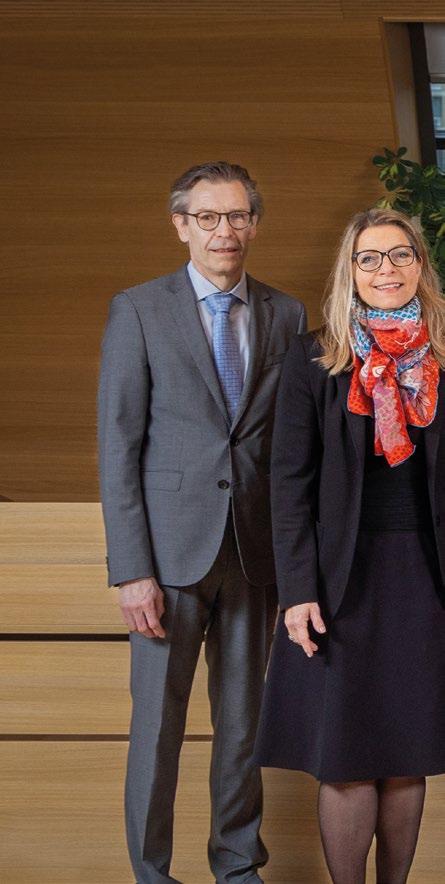
Karin Perraudin, President2 Master’s degree in Business (HEC). Certified chartered accountant. Board Director for companies.
Charles Relecom, Vice-President 2, 3 Master’s degree in Actuarial Sciences and Mathematics. Board Director for companies.
Fabio Naselli Feo, Secretary1, 2 Entrepreneur. Board Director for companies.
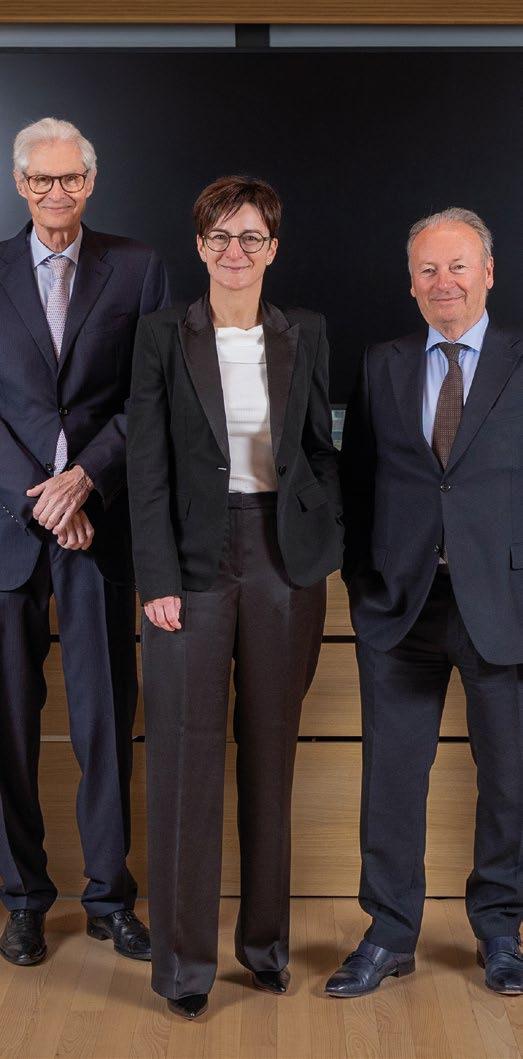
Marc-André Ballestraz, member 1, 3
Master's degree in commercial and industrial sciences.
Certified chartered accountant.
Jean-Blaise Conne, member 1
Certified chartered accountant. Board Director for companies.
Petra Feigl-Fässler, member 3
Master’s degree in Business (HSG).
Member of the Executive Board and Head of Human Resources at Migros Industrie.
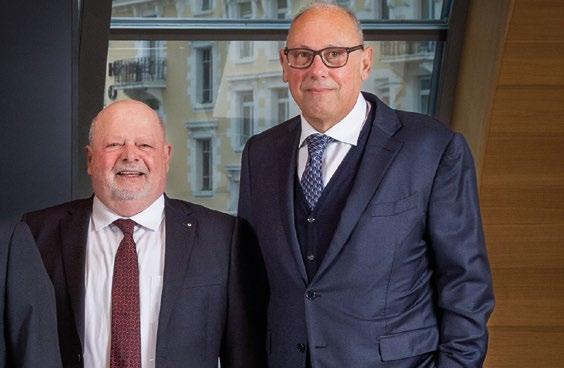

Jürg E. Tschanz, member 2 MBA in Finance and Strategic Management. Entrepreneur.
Co-founder and President of planitswiss.
From left to right in the photo: Jürg E. Tschanz, Petra Feigl-Fässler, Jean-Blaise Conne, Karin Perraudin, Charles Relecom, Marc-André Ballestraz, Fabio Naselli Feo.
1 Member of the Audit and Risk Committee
2 Member of the Strategic Projects and Innovation Committee
3 Member of the Remuneration and Appointments Committee
The Executive Board is responsible for the day-to-day management of Groupe Mutuel and all its subsidiaries; it comprised seven to eight members in 2025. It implements the strategies approved by the Board and applies the principles of risk management. It also monitors legal and regulation developments and ensures that they are complied with.
Thomas Boyer, Chief Executive Officer Master’s degree in Economics / HEC.
Philippe Buthey, Technology Computer Scientist Diploma ES.
Vincent Claivaz, Health & Pension Provision – Corporate Clients Diploma of Senior Technician in Catering and Tourism. Master’s degree in Hospital Management
Thomas J. Grichting, Services Doctor of Law / Lawyer.
Pierre-Luc Marilley, Customer Relations Master's degree in Economics.
Cédric Scheiben, Distribution Executive MBA in financial services and insurance.
François Murer, Finance Bachelor's degree in Economics. Master's degree in Actuarial Science.
Stéphan Studer, Individual Health (from 1 September 2025), Master's degree in Social Sciences. Executive MBA – University of Geneva. CAS in Health Care Administration.
Sophie Revaz , Individual Health (until 30 April 2025), Master's degree in Law / Lawyer. Executive MBA.
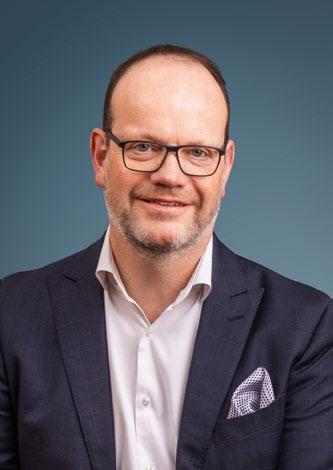
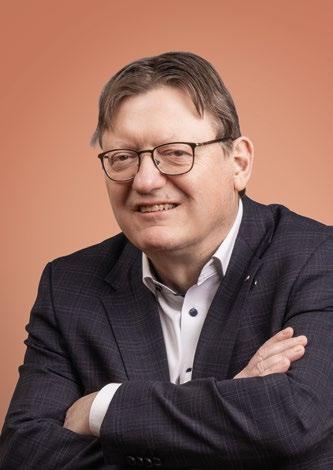
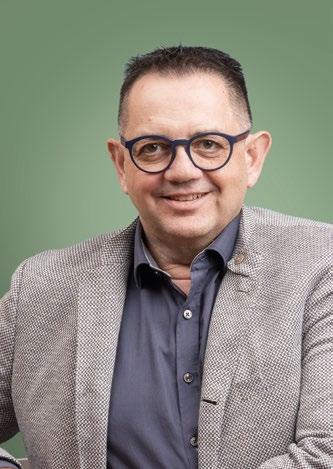
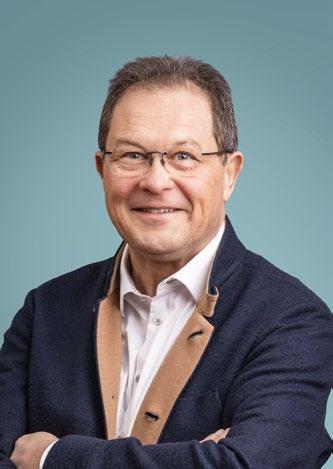
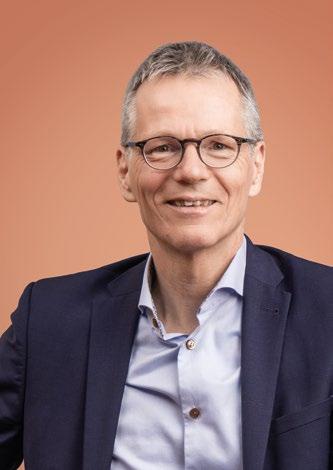
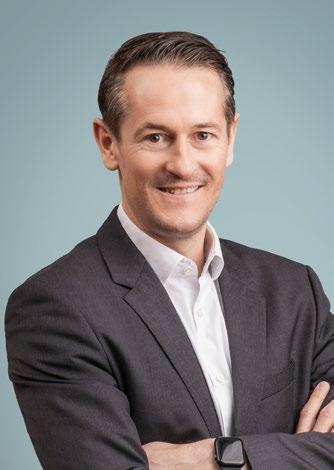
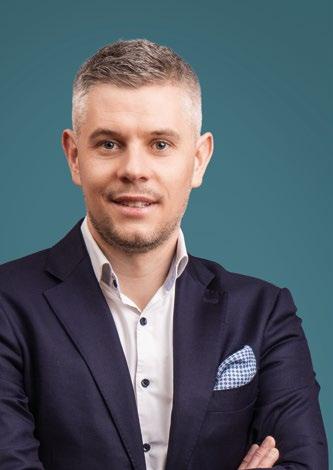
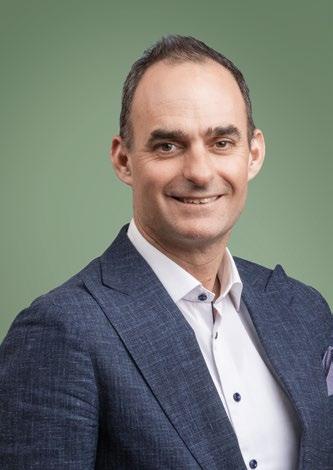


Groupe Mutuel Holding SA has a Code of Conduct, which was adopted by its governing bodies to provide a framework for its activities.
The Code of Conduct clearly sets out ethical and professional values and rules of conduct.
This Code must be observed by all governing bodies and employees of Groupe Mutuel Holding SA and its various companies. It is supported by a specialised and independent whistleblowing platform that gives employees the opportunity to report any conduct that does not comply with the Code of Conduct or the laws in force. The aim is to protect both the employees themselves and the company by ensuring good governance within Groupe Mutuel.


The Board has adopted guidelines and principles for risk management and control. It has instructed the Executive Board to implement them.
The risk management process and the internal control system make it possible to identify potential risks, assess them and develop appropriate measures.
The implementation of risk management and the internal control system follows the principle of the three lines of defence.
The first line of defence is provided by management and the business units.
The second line of defence comprises the control functions, in particular Compliance, Risk Management and the Appointed Actuary.
Internal Audit forms the third line of defence.
The control functions and Internal Audit have unlimited access to information and enjoy the independence necessary to perform their duties.






The Compliance function is responsible for ensuring compliance with internal and external legislation and regulations applicable to Groupe Mutuel and all companies that have delegated the Compliance function to it.
The Risk Management function is responsible for the monitoring and appropriate management of risks, including the independent assessment of risks and controls and the management of the internal control system.
The remuneration of the members of the Board of Groupe Mutuel Holding SA is governed by regulations adopted by the governing bodies of all companies in the holding company.
It consists of a fixed fee and the reimbursement of representation and travel expenses. No variable portion is allocated. For Groupe Mutuel Holding SA and Groupe Mutuel Services SA, the remuneration is CHF 50,000 for the President and CHF 30,000 for the other roles.
For other companies, remuneration is CHF 25,000 for the President and CHF 24,000 for other roles. For insurance companies and members of the holding company's committees, annual remuneration is limited to CHF 10,000 in accordance with these regulations. The total annual remuneration of members of the Board is capped, regardless of the number of board positions they hold within Groupe Mutuel Holding SA companies. The ceiling is CHF 250,000 for the President, CHF 120,000
Internal Audit supports the Board in its supervisory role. It regularly informs the Board of its results and proposes measures for improvement.
for the Vice-President and for the Chairman of the Audit and Risk Committee, CHF 110,000 for the Chairmen of the other specialist committees and CHF 100,000 for the other directors.
The Board of Groupe Mutuel Holding SA sets the remuneration of the Executive Board on the recommendation of the Remuneration and Appointments Committee. The principles governing the remuneration of members of the Executive Board are laid down in regulations issued by the Board. This remuneration consists of a set amount and a variable allowance based on the previous year's results.




The variable portion paid depends on the achievement of performance objectives in the following categories:
o Financial and operating results of the various Group entities and objectives linked to strategic projects.
o Individual quantitative and qualitative objectives.
The objectives are set for one year and no deferred remuneration is granted. Any fees relating to professional mandates on behalf of Groupe Mutuel within other companies are repaid in full to the company.
Total cash payments (fixed and variable) to members of the Executive Board in 2025 amounted to CHF 2,713,660. The employer’s pension contributions totalled CHF 454,328, and other emoluments were paid amounting to CHF 102,800. The highest remuneration was received by the CEO, with cash payments of CHF 654,512, employer pension contributions of CHF 118,643 and other emoluments of CHF 24,000. The base salary, all variable components and other exceptional remuneration are included in the cash payment.
Organisational chart of Group Mutuel as at 31.12.2025
President Vice-President Secretary
Marc-André Ballestraz Charles Relecom
Karin Perraudin
Jean-Blaise Conne Fabio Naselli Feo
Member Member Member Member
Petra Feigl-Fässler
Thomas Boyer Chief Executive Officer
Jürg E. Tschanz
Stéphan Studer Director Individual Health
François Murer Director Finance
Philippe Buthey Director Technology
Thomas J. Grichting Director Services
Vincent Claivaz Director Health & Pension Corporate Clients
Pierre-Luc Marilley Director Customer Relations
Cédric Scheiben Director Distribution









A solid consolidated profit of CHF 115 million in 2025, despite the challenges facing the healthcare system.
A slight decline in the number of customers in health insurance, but strong growth in private pension (Life) and occupational pension (LPP/BVG).
Solid economic growth with GDP at 1.3% in 2025. Major uncertainties for the future
According to the latest estimates from the SECO (State Secretariatfor Economic Affairs), Swiss GDP grew by 1.3% in 2025, proving somewhat resilient despite a difficult international environment. This growth remains slightly below the historical average of 1.8%. Domestic demand supported the economy, whilst industry was held back.
In 2024, the Swiss gross domestic product (GDP) had grown by 0.8% after an increase of 1.2% in the previous year, according to the SECO. Also according to the SECO’s provisional estimates, growth in 2026 is expected to be slow, with a forecast of around 1.1%. However, the Swiss economy is not expected to enter a recession. Early trends point to modest GDP growth for 2026, but the overall international economic situation remains extremely fragile and volatile. The prevailing climate of economic and trade uncertainty continues to weigh on the global economic outlook and, as a result, on the Swiss economy.
Inflation in Switzerland in 2026 is forecast to be very low, generally ranging between 0.3% and 0.5% on an annual average, according to projections by the Swiss National Bank (SNB), the SECO and the cantonal banks. This stability is supported by a strong Swiss franc and falling import prices, keeping inflation well below the levels in the Eurozone.
Inflation in Switzerland has followed a downward trend, falling from a peak of 2.1% in 2023 to a very low level, with forecasts of 0.2 to 0.3% for 2025-2026. This slowdown, characterised by near-zero inflation, reflects a stabilisation of consumer prices, particularly in early 2026, despite sectoral variations and a fragile international environment that could accentuate a more marked return of inflation.
In line with the Swiss Insurance Association’s (SIA) forecasts, non-life insurance business recorded aboveaverage growth, with premium volume rising by 4.4%. Life insurance business, meanwhile, remained stable. The forecast for premium volumes in 2025 is clear: the insurance sector is emerging as a stable pillar for the economy and customers, even in these uncertain times.
The private insurance sector takes stock of 2025, a year that saw the trends of previous years confirmed and the growth in premium volume consolidated.
It is clear that the insurance industry has once again lived up to its reputation as a pillar of stability in the Swiss economy.
44,000 less insured persons in the AOS/ OKP. A further rise in healthcare costs of 4.6%

1.315 million customers in health and pension provision
After strong growth in 2022 and 2023, followed by a decline in 2024, Groupe Mutuel underwent a further and anticipated rebalancing of its business, which saw its number of customers in compulsory health insurance (AOS/OKP) fall by 44,000 in 2025. Looking at the last four years, an almost perfect balance can be observed, which remains a very positive outcome. The loss of policyholders in 2025 was to be expected given the rise in premiums aimed at improving solvency in compulsory health insurance. These measures strengthened the financial solidity of the four health insurance companies of Groupe Mutuel.
The 2025 financial results are very good overall, with a positive consolidated result CHF 115 million (CHF 29 million in 2024). This result is mainly due to the very strong performance of investments, but also to positive and growing technical results, whilst healthcare costs continue to rise in line with forecasts.
Healthcare costs continued to rise sharply in 2025. According to our estimates at the end of February 2026, they rose by 4.6%. Over five years, this represents an increase of more than 22%.
Containing the rise in healthcare costs remains a major challenge. However, for the time being, there is still a lack of political will to take effective measures, for example regarding the price of medicines or hospital planning.
Intense competition and last year’s sharp rise in premiums prompted a large number of policyholders to switch health insurance providers and optimise their insurance coverage.
Groupe Mutuel has lost 44,000 persons under the AOS/OKP compulsory insurance. Despite this expected decline in the number of insureds for the second consecutive year, Groupe Mutuel has a total of 949,500 customers across its various health insurance providers (993,500 AOS/OKP insured persons in 2024).
The number of private customers across all areas of activity fell slightly to 1.315 million in 2025 (1.343 million in 2024).
The number of people insured under supplemental insurance continues to grow slightly, whilst turnover remains largely unchanged.
Groupe Mutuel remains one of Switzerland's leading insurance companies, and is the even the largest insurer with headquarters in French-speaking Switzerland.
The Health sector still accounts for the largest share of turnover, but the diversification strategy is bearing fruit, particularly in individual pension provision (life insurance) and occupational pension provision (LPP/BVG).
Sectors other than health continue to grow within Groupe Mutuel, reflecting the success of the strategy focused on the two main pillars of pension provision and health, for both private and corporate clients.
With strong performance in both equities and bonds, 2025 was a successful year for Groupe Mutuel Vie SA. This excellent financial performance has resulted in a profit of around CHF 5.1 million for



The Corporate sector continued to grow with over 31,600 insured companies, of which 600 new corporate clients in 2025. This sector confirmed its growth and remains Groupe Mutuel’s second largest business sector in terms of revenue, ahead of private supplemental insurance (LCA/VVG). Once again, the Corporate sector reported an increase in overall revenue last year, up by CHF 76 million to reach, for the first time, close to CHF 1.1 billion in 2025.
In terms of loss of earnings insurance in the event of illness, Groupe Mutuel is now ranked fourth in Switzerland, ahead of a large number of private insurers, which is an excellent achievement.
2025. Although down on the previous year, this profit was due to strategic investments aimed at developing our activities and upgrading our operating system.
For the 2025 financial year, the gross premiums of Groupe Mutuel Vie GMV SA rose by 5.26% to CHF 91.4 million (86.9 million in 2024), in line with the trend in the number of policies in force (43,180 policies in force as at 31 December 2025 compared with 41,400 as at 31 December 2024).
The year 2025 enabled Groupe Mutuel Prévoyance-GMP to strengthen its financial solidity and underpin its commitment to providing long-term security for its policyholders. Thanks to investment returns of 5.13%, an interest rate of 3.5% could be allocated. At the same time, the market value fluctuation reserve has been strengthened and now stands at 100% of its target. It will be able to fully fulfil its role of protecting assets against fluctuations that may arise in the financial markets.
The coverage ratio now stands at 114.8% and provides a genuine guarantee of security in an uncertain economic climate. GMP is in a solid and healthy position, offering excellent prospects for policyholders in terms of asset security and the distribution of profits.
In addition, the 2025 financial year confirmed that the solution offered by GMP meets the expectations of a growing number of companies, as evidenced by the signature of more than 400 new contracts, representing over CHF 25 million in new premiums. This momentum confirms the trust of partners and clients, who recognise the quality of their relationship with GMP.
The rate of return on LPP/BVG assets was set at 3.5% for 2025. Another significant advantage: over the last 10 years, Groupe Mutuel Prévoyance-GMP policyholders have enjoyed an average of 2.65% additional interest per year.
Despite trade tensions, political uncertainty and low investment outside the technology sector, economic growth in 2025 was modest but positive. Global growth hovered around 3.2%, down from 2024, while inflation declined overall but remained high in some countries due to increased protectionism.
Geopolitically, 2025 was a highly unstable year: Donald Trump's return to the White House was accompanied by a large-scale war on customs duties, igniting a bitter trade dispute with China and Europe. The wars in Ukraine and the Middle East dragged on, contributing to a climate of security uncertainty. Trade has become an instrument of geopolitical pressure, reshaping economic alliances.
Switzerland, which is deeply integrated into global markets, is directly affected by these tensions. Swiss growth remained moderate, at around 1.4%, supported by domestic consumer spending but held back by the sluggish European Union and an increase in US customs duties. However, near-zero inflation and the strength of the Swiss franc are stabilising purchasing power. Although there is less political polarisation than in some neighbouring countries, this trend is weighing on the prevailing mood.
Despite economic and geopolitical challenges, global equity markets have maintained an upward trend. Companies have once again managed to adapt to this new environment, proving their resilience in the face of adverse conditions.
In terms of market value, and despite low bond yields in 2025, the gains recorded amounted to 3.25% for compulsory health insurance, 5.02% for supplemental insurance, accident insurance and daily benefits in case of illness, and 0.61% for life insurance. The consolidated investment result shows a capital gain of around CHF 170 million, compared with CHF 323 million in the previous financial year.
In 2026, the global economy is expected to remain resilient, with growth forecast at around 3%, supported by investment in technology, particularly in artificial intelligence (AI), which could offset adverse effects linked to trade and geopolitical tensions. Inflation is expected to continue to fall, approaching 2.5% in the advanced economies.
115 million (consolidated income)
-44,000 insureds under the AOS/OKP
Stability over four years
1.315 million (total number of private customers)
31,600 insured companies (+600)









Healthcare costs continued to rise. Positive technical results.
Turnover in the Health sector amounted to CHF 6.454 billion, an increase of CHF 46 million (CHF 6.408 billion in 2024).
Our estimates for the rise in healthcare costs in 2025 stand at around 4.6% as of the end of February 2026, with approximately 95% of 2025 invoices having been processed. This marks the fifth consecutive increase, with an average rise of over 4% in recent years. This sharp rise is mainly due to rising costs in three sectors: psychotherapy, nursing homes/home care services (EMS/Spitex) and laboratories.
Over the past five years, the rise in healthcare costs has shown no sign of slowing down. The trend was well above the average of around 3% since the introduction of compulsory health insurance (AOS/OKP) in 1996. It has even reached 22% over five years. In 2020, at the height of the pandemic, healthcare costs fell by 0.3%. In 2021, the increase was 6.6%, with a significant catch-
The volume of gross premiums under LAMal/KVG fell to CHF 5.048 billion in 2025 (CHF 5.080 billion in 2024). On the other hand, insurance benefits fell slightly to CHF 4.772 billion (CHF 4.824 billion in 2024).
The insurance underwriting result reached CHF +122 million in 2025 (CHF -115 million in 2024). These positive underwriting results occur when premiums manage to cover costs, which was the case last year following a further increase in premiums intended to cover the rise in health costs.
up effect from the year 2020, which was marked by the pandemic. The increase was 3.3% in 2022, 3.4% in 2023 and 4.3% in 2024. For 2026, we estimate that costs will continue to rise at a similar rate to 2025, i.e. between 4% and 4.5%.
The fears voiced in recent years are unfortunately coming true. The trend towards a sharp and sustained rise in healthcare costs is likely to continue over time. This is the result of a lack of political initiative, as no effective cost-cutting measures have been taken so far. Forecasts by several players in the healthcare system for 2026 show that a further increase in costs, and therefore in premiums, is likely to occur.
Competition between insurers prompted a significant number of policyholders to switch insurers or optimise their insurance. For Groupe Mutuel, the 2025 financial year ended with a slight decline.
As a result, the number of persons insured with basic insurance (AOS/ OKP) stood at 949,500 as of 1 January 2026 compared with 993,500 in 2025, representing a decrease of 44,000 insured persons.
IT should be noted that over a four-year period, Groupe Mutuel has stabilised its number of insured persons, with two years of growth and two years of decline.
The private supplemental insurance schemes (LCA/VVG and LAA/ UVG) offered by Groupe Mutuel Assurances GMA SA ended the 2025 financial year with a profit of CHF 50 million (compared with a profit of CHF 41 million in 2024).




LAMal/KVG underwriting result: CHF 122 million in profit Increase in turnover for supplemental insurance and a profit of CHF 50 million
Invoice verification reduces costs by 10.5 %, saving CHF 727 million
For the 2025 financial year, Groupe Mutuel estimates that healthcare costs will rise by around 4.6%, according to our estimates at the end of February 2026, i.e. with 95% of our invoices having been processed. This marks the fifth consecutive increase, with an average rise of over 4% in recent years. It is worth remembering that since 1996, when the LAMal/KVG (Federal Law on Health Insurance) was introduced, the average increase was just 3%.
In 2020, COVID-19 brought about a major change in the cost trend in the basic health insurance (AOS/OKP) with costs falling by -0.3%. Since then, a sharp catch-up has taken place in 2021. With a 6.6% increase between 2020 and 2021, the estimated rise in compulsory health insurance (AOS/ OKP) costs was much higher than in previous years. This increase continued at 3.3% in 2022, 3.4% in 2023 and 4.3% in 2024.
Trends in net costs per insured person for the periods of treatment from 2020 à 2025
Source: Sasis data pool.
In terms of increases in gross costs per insured person, the current figures are as follows:
Generally speaking, it is clear that the sharp rise in healthcare costs in 2025 is mainly due to three service providers whose costs are rising faster than the average, as shown in the graph above, in the following order: psychologists, nursing homes/home care (EMS/Spitex) and laboratories.
Costs relating to psychologists rose the most, with a +10.2% increase compared to 2024. This means that every month, approximately CHF 6 per insured person are spent on covering these costs, which until 2023 were covered by the AOS/OKP only on prescription from a psychiatrist. The nursing home sector (EMS), as well as home care (Spitex), is set to rise by around 5.9% in 2025 compared to the previous year, as are laboratory costs, which continue to rise following a sharp 10% increase in 2024.
Announced vs. actual increase in premiums per person:
There is a significant difference between the premium increase announced each September for the following year and the actual increase observed once the year has ended. This is clearly shown in the graph above. This is mainly due to insured persons optimising their premiums by choosing higher deductibles and making greater use of alternative insurance models.
Healthcare spending in Switzerland continues to grow faster than the average over the last 20 years. For 2025, our current forecasts (as at the end of February 2026) are in the region of 4.6%.
For 2026, the estimated increase is between 4 and 4.5%. It remains very difficult to make reliable forecasts since, as of 1 January 2026, the new TARDOC pricing system was introduced, bringing with it a host of uncertainties linked to a new method for billing services. A transition phase will therefore be necessary before the real impact of this major reform on healthcare costs can be assessed more accurately. For 2027, there may still be a residual effect from the introduction of TARDOC. Our estimates point to an increase of 4%.




With strong performance in equities and bonds, 2025 was a good year for Groupe Mutuel Vie GMV SA.
This positive financial performance resulted in a profit of CHF 5.1 million for 2025 (7 million in 2024).
Although slightly down on the previous financial year, this reflects our strategic investments aimed at strengthening our long-term development, modernising our facilities and supporting our longterm growth ambitions.
In 2025, Groupe Mutuel Vie consolidated expertise within its overall sales network and stepped up support throughout its general agencies. Structured training programmes and on-the-ground support have enabled us to continuously enhance expertise among our more than 200 sales advisers.
The Risk Management function is responsible for the integrated management of risks and controls, including the independent review of these controls and the coordination of the internal control system.
During the financial year under review, the balance sheet total rose by 3.43% or CHF +37.9 million to CHF 1,141.4 million.
Financial investments account for this increase, rising by 2.84% (+CHF 29.2 million). Investment funds and equities followed this trend, with a more pronounced rise for equities (+12.67%) whilst a slight decline was observed for bonds (-0.51%).
For the 2025 financial year, the gross premiums of Groupe Mutuel Vie GMV SA rose by 5.26% to CHF 91.4 million (86.9 million in 2024), in line with the trend in the number of policies in force (43,180 policies in force as at 31 December 2025 compared with 41,400 as at 31 December 2024).
In 2025, Groupe Mutuel Vie GMV SA recorded 43 deaths (43 in 2024). The total amount of benefits paid out reached some CHF 2.4 million (CHF 3 million in 2024). The number of claims for loss of earning incapacity amounted to 148 compared with 162 in 2024, for a total amount of CHF 2.6 million (CHF 2.2 million in 2024). The number of policies that matured during the year was 717 (656 in 2024), representing a total amount of CHF 21.7 million (CHF 17.1 million in 2024).
Increase in gross premiums by 5.26% to CHF 91.4 million (CHF 86.9 million in 2024)
Profit of CHF 5.1 million for 2025 (compared with 7 million in 2024)
43,180 polices under management (41,400 in 2024) Continued commercial success for VariaInvest




+ CHF 76 million for the Corporate sector: growth in total turnover, reaching a total of close to CHF 1.1 billion.
Fourth place in Switzerland for daily allowance benefits in the event of illness.
Daily illness allowance insurance and accident insurance continued to grow.
Very good financial health for the Groupe Mutuel Prévoyance-GMP joint pension fund.
Turnover continues its remarkable growth, close to CHF 1.1 billion
Corporate health insurance and occupational pension plans continued their remarkable growth in 2025, with an increase of 600 new customers, bringing the total number of companies insured by Groupe Mutuel to 31,600. This sector therefore confirmed its growth and remains the second largest at Groupe Mutuel in terms of revenue, ahead of supplemental health insurance for private individuals (LCA/ VVG).
The overall turnover for the Corporate sector rose by CHF 76 million, to reach in 2025 CHF 1.091 billion for the first time, compared with CHF 1.015 million in 2024, i.e. an increase of 7.5%.
Daily illness benefits under LAMal/KVG and LCA/VVG saw a very significant increase, with revenue of CHF 675 million in 2025, compared with CHF 619 million in 2024. By way of comparison, this figure stood at CHF 504 million in 2022. Over three years, it has therefore increased by CHF 171 million, i.e. more than 30%.
In terms of daily allowance in the event of illness, Groupe Mutuel remains in fourth place in Switzerland, ahead of most private insurers, which is a remarkable achievement.
In 2025, turnover from accident insurance (premium volume under the LAA/UVG and LAAC/ZUVG) rose slightly to CHF 170 million (CHF 161 million in 2024).
On 1 January 2024, GMP was transformed into a collective foundation under the new name “Fondation Collective Groupe Mutuel”. As part of this transformation, Groupe Mutuel Prévoyance-GMP became an entity of the collective foundation in the form of a joint pension fund.
The joint pension fund Groupe Mutuel Prévoyance-GMP is in excellent health: it has 3,035 affiliated companies and more than 30,201 insured employees. In a favourable stock market environment, the pension fund's investments achieved an excellent return of 5.13%.
The assets under management rose from CHF 3.032 billion to CHF 3.5 billion, with a coverage ratio of 114.8%. The pension fund is therefore fully able to meet its commitments and has a high safety margin.
The rate of return on LPP/BVG assets was set at 3.5% for 2025. Another significant advantage: over the last 10 years, Groupe Mutuel PrévoyanceGMP policyholders have enjoyed an average of 2.65% additional interest per year.
A human scale and dimension to make our services more accessible
Companies are able to find a comprehensive range of insurance solutions for their employees under one roof. This makes it easy for each company to manage the administrative aspects of its business and focus on the essentials.
Thanks to our corporate culture, we act quickly and pragmatically. What's more, our human scale promotes close relationships, enabling our dedicated managers and contact persons to be perfectly attuned to the needs of companies. The strong growth in the number of clients over the past years reflects the trust placed in the quality of our services, which remains one of our main objectives.
As a significant added-value, our 200 specialists for the management of cases of incapacity for work, employee absences and corporate health are at the disposal of companies to ensure win-win situations for all parties involved (employee, employer, insurer).
Our Corporate Health Management (CHM) concept offers a structured framework and a range of tools to ensure optimal management of any health-related issues affecting employees.
It is in this area that we intend to demonstrate innovation by further strengthening our services over the coming years as a trusted partner to our corporate clients.
Continued growth in 2025
CHF +76 million increase in total turnover in one year
Overall turnover of CHF 1.091 billion (+7,5%)
The trust of 31,600 companies (+600 new clients)
Active support from skilled experts to ensure productivity and corporate health management (CHM)







The share capital of Groupe Mutuel Holding SA is represented by 100 shares with a nominal value of CHF 1,000 each with a restriction on the transfer of shares according to the statutes.
Retained earnings
The LAMal/KVG share of reserves from consolidated earnings as at 31.12.2025 amounted to KCHF 504,438 (2024: KCHF 585,881).
The consolidated financial statements are presented in accordance with the Swiss GAAP FER accounting and reporting recommendations and comply with all of these standards. The consolidated financial statements provide a true and fair view of Groupe Mutuel’s assets, finances and earnings.
Swiss GAAP FER 41 entered into force on 1 January 2012 for the statutory annual accounts of health insurers. Groupe Mutuel has applied this standard in relation to Swiss GAAP FER 30 for the preparation of its consolidated financial statements since financial year 2018. The application of Swiss GAAP FER is on a voluntary basis.
The amounts in the consolidated financial statements are rounded to thousand Swiss francs (CHF). This means that the sum of several rounded amounts added together can differ from the rounded total that is reported.
All companies that are directly or indirectly controlled by Groupe Mutuel Holding SA are included in the consolidated financial statements of Groupe Mutuel. Control means that it is possible to exert decisive influence on the commercial, financial and operational activities in order to derive the corresponding benefit therefrom. This is usually the case if Groupe Mutuel directly or indirectly holds at least 50% of the voting rights in a company. Companies acquired are included in the group financial statements from the date on which the control of Groupe Mutuel’s business activities was transferred. All companies disposed of are excluded from the statements from the date of sale. The consolidated companies are presented in the notes to the financial statements.
Full consolidation, used as soon as the Group exercises control over the investment, is based on the principle of taking into account assets, liabilities, expenses and income as a whole.
Capital is consolidated using the acquisition method. The net assets of acquired companies are revalued at their current value at the time of acquisition in accordance with the principles of the Group.
The difference between the purchase price and the revalued net assets is offset by the consolidated equity base. The effects of a theoretical capitalisation and the amortisation of goodwill are outlined in the notes.
The reporting date for all consolidated companies included is 31 December.
Relationships and transactions between the companies of the group are cancelled through offsetting or elimination.
The valuation of assets and liabilities is carried out in a uniform manner in each of the balance sheet items. The principle of the individual valuation applies.
The consolidated financial statements are prepared in Swiss francs (CHF). Foreign currency positions are converted using the closing rate method. Transactions in foreign currencies are converted at the exchange rate prevailing on the transaction date.
Land and buildings are individually valued at market value using the DCF (Discounted Cash Flow) valuation method. Buildings are also subject to periodic expert appraisals by a
specialist (five to 10 year cycle). The last external valuation was carried out in 2021. Valuation may be ordered when the operating conditions of a building have changed significantly, for example as a result of renovation.
Buildings purchased during the year are valued at their purchase price in the first year. Buildings under construction are valued at actual construction cost at the balance sheet date.
Bonds and other fixed-income securities are valued at market value. Changes in value are recorded as unrealised gains/losses in the income statement. Accrued interest is presented in the deferred charges.
Shares are valued at their market value, in other words at the values quoted on the stock exchange at the reporting date. Changes in value are recorded as unrealised gains/losses in the income statement.
Cash and cash equivalents allocated to investments are presented in the balance sheet in accordance with balance notices or account statements in financial investments, insofar as they are not required for operating purposes.
Collective investment schemes, structured products, futures and options are measured according to the values quoted on the stock exchange at the reporting date. Changes in value are recorded as unrealised gains/ losses in the income statement.
Alternative investments are measured according to the latest available net asset values. Changes in value are recorded as unrealised gains/losses in the income statement.
Currency futures are measured at market value. These are used to cover the currency risk of bonds and other fixed income securities.
Loans, mortgages, term deposits and policy loans are valued at nominal value less any value adjustments. Policy loans are limited to their cash value. Employer contribution reserves are recognised in the balance sheet at their nominal value. The value is reviewed annually and, if necessary, the item is corrected
Intangible assets and property, plant and equipment
Intangible assets and property, plant and equipment are measured at cost
of acquisition, less accumulated depreciation and impairment losses. Depreciation is calculated on a straightline basis and during the expected lifetime:
- five years for fixtures; - three to five years for fittings; - three years for IT hardware and software; - three years for vehicles.
The value of intangible assets and property, plant and equipment is reviewed whenever there is an indication that their recoverable amount may be less than their accounting value.
The balance sheet value of financial fixed assets consists of the costs of investments, excluding any acquisition costs, less value adjustments charged to the income statement.
The possibility of activating acquisition costs within the meaning of Article 65(2) of the Ordinance on the Supervision of Private Insurance Undertakings applies only to life insurance.
The maximum rate for activating acquisition costs must not exceed the corresponding rate for the deduction when calculating the surrender value.
Deferred charges included prepaid expenses charged to the new financial year as well as income relating to the current financial year, which will only be received later.
Receivables are valued at nominal value, less any value adjustments. Provisions for receivables are calculated individually on different types of debtors in order to cover risks of cash receipt losses.
This item includes operating cash and cash equivalents, which are valued at nominal value.
The item for net technical provisions includes provisions for claims, premium deferrals, actuarial reserves, provisions for future policyholder participation to profits, equalisation reserves as well as other technical provisions. They
are included as defined in the balance sheets of the various companies of the Group and are prepared in accordance with the actuarial methods recommended by the supervisory authorities.
Provision for claims are calculated according to actuarial methods recognised by the supervisory authorities, e.g. the chain ladder method.
Premium deferrals are calculated individually according to the pro rata temporis method.
The reserves for annuities for accident insurance (LAA/UVG) are calculated according to the account principles pursuant to Art. 108 OLAA/UVV.
The mathematical reserves for life insurance are built up according to the technical operating plan and the initial tariff bases.
Provisions for future policyholder participation in profit-sharing are built up to provide companies with the necessary funds to repay their share of the profit margin on their own contract at the end of the period for which the result is calculated.
The equalisation reserves cover the volatility of actuarial risks such as unexpected increases in claim rates, losses on the liquidation of claims or changes in the parameters used to calculate ageing reserves.
Ageing reserves are calculated in accordance with the prospective principle “the present value of future benefits less the present value of future premiums”, according to the operating plan.
Other technical provisions include additional actuarial provisions that are measured according to the applicable and approved business plan.
Where, as a result of past events, a loss of advantages can be expected for future financial years, provisions charged to the profit and loss account are immediately made for the amount which will probably be necessary.
Provisions for investment risks are made for specific market risks on capital investments to take account of fluctuations in current values. The method used to measure provisions is that of the “Risk Adjusted Capital”.
The provisioning rate is determined according to the expected return by integrating various risk factors (volatility of the strategy, expected performance of the strategy, degree of probability).
Accruals and deferred income include income received in advance and relating to the new financial year as well as expenses charged to the current financial year, which will only be paid later.
Liabilities to third parties are valued at nominal value.
Current taxes are recorded in the same period as the income and expenses to which they relate. Deferred taxes are determined according to the rates specific to each entity and are calculated on the basis of timing differences between the tax values and accounting values of the assets and liabilities.
Consolidated investments using the full consolidation method
to the consolidated financial statements Consolidated companies * ASMA CONSEIL SA is fully % owned by Groupe Mutuel Services SA. ** Mutuelle Neuchâteloise Assurance Maladie is a foundation within the meaning of Articles 80 et seq. of the Swiss Civil Code *** Companies wholly owned by Neosana AG.




On 1 January 2025, Avenir Assurance Maladie SA acquired the assets and liabilities of Easy Sana Assurance Maladie SA. This acquisition took place through a merger by absorption within the meaning of Art. 3(1)(a) of the Swiss Merger Act (LFus/FusG). Both entities, which were wholly owned (voting rights and capital), were consolidated as at 31.12.2024.
On 1 January 2025, Mutuel Assurance Maladie SA acquired the assets and liabilities of SUPRA-1846 SA. This acquisition took place through a merger by absorption within the meaning of Art. 3(1)(a) of the Swiss Merger Act (LFus/FusG). Both entities, which were wholly owned (voting rights and capital), were consolidated as at 31.12.2024.
On 1 January 2025, Neosana AG acquired the assets and liabilities of Neosana Services GmbH. This acquisition took place through a merger by absorption within the meaning of Art. 3(1)(a) of the Swiss Merger Act (LFus/FusG). Both entities, which were wholly owned (voting rights and capital), were consolidated as at 31.12.2024.
1. Insurance income
2. Net cost of claims and benefits
3.
4. Investment income
5. Investment expenses
Other operating income mainly comes from income from commissions received in the insurance field and from administrative work invoiced to partner companies such as Fondation Collective Groupe Mutuel and Caisse-maladie de la vallée d’Entremont société coopérative.
Other operating expenses come from the specific expenses of service companies.

8. Extraordinary income
Extraordinary income for 2025 stems primarily from the reversal of a provision that had become redundant following the settlement of a dispute. Extraordinary income for 2024 relates to the transfer of the management of a 3a banking foundation and the repayment of a loan that had been fully amortised.



14. Receivables
15.1 Net technical provisions
31.12.2025
16. Non-technical provisions
Staff: this provision takes into account overtime and holidays as of 31 December, as well as any other commitments to employees.
Other: provisions for ongoing disputes as well as provisions for cancellation of commissions are shown in this category.
The information is based on the annual financial statements as at 31.12.2022, in accordance with the Swiss GAAP FER 26 for the different pension funds.
The information is based on the annual financial statements as at 31.12.2024, in accordance with the Swiss GAAP FER 26 for the different pension funds.
In the context of VAT group taxation, Groupe Mutuel Holding SA is jointly and severally liable for the debts of the Group companies to the Federal Tax Administration.
At its meeting on 30 March 2026, the Board of Groupe Mutuel Holding SA decided, as a first step, to merge Neosana AG with its two subsidiaries, Neosana Life AG and Neosana Sales AG, by means of an merger by absorption within the meaning of Art. 3 para. 1 let.a of the Swiss Merger Act (LFus/FusG).
Subsequently, Groupe Mutuel Services SA will take over, also by way of a merger by absorption within the meaning of Art. 3 para. 1 let.a of the Swiss Merger Act (LFus/FusG), the assets and liabilities of its sister company Neosana AG.
All transactions will take effect retroactively from 1 January 2026.
With the exception of the point mentioned above, no event likely to have a material impact on the statement of assets and liabilities, the financial position or the results for the past year has occurred after the balance sheet date.





Please refer to the French version of the Activity and Financial Report 2025 of Groupe Mutuel, page 91, for the Auditors’ report on the audit of the consolidated financial statements of Groupe Mutuel Holding SA and its subsidiaries (the Group).
The Auditors’ opinion issued on 27 April 2026 certifies compliance with Swiss GAAP FER and Swiss law. The Auditor, EY, recommends that the financial statements submitted to the Annual General Meeting of Groupe Mutuel Holding SA, in Martigny, be approved.