We search the world to bring you a curated collection of vintage home decor items and antiques to add warmth, style, and an earthy-but-glamorous patina to your home.
We search the world to bring you a curated collection of vintage home decor items and antiques to add warmth, style, and an earthy-but-glamorous patina to your home.
Lighting Jewelry & Watches
Kitchen & Dining Fashion & Textiles
Art & Sculpture Bespoke Candles
We premiere a new collection on the first Friday of every month. Please stop by and see what we have in store. Visit our website at gritandglam.com.

Grit & Glam is a digital lifestyle magazine for women with agency. Women who live by their own rules, own their choices and don’t much care what anyone else thinks about, well, anything. They wear what they love, go where they want, buy what delights them, have been known to say “bite me”, and are probably Mom to too many dogs.
We think most of the best things (like the best women) come with a past. In this issue we spotlight hot-right-now vintage collectibles, crack open Grandma’s grimoire for witchy sleeve salve recipe, and dig into the world of an old plant that is so having a moment, the panicle hydrangea. We’re also heading for the kitchen to whip up a dog-safe sorbet. Finally, we’ll kick off a new column spotlighting our favorite modern iconoclasts who are changing the world.
If you share a desire for soulful authenticity, love things with a patina, take pleasure in GYO and love making beautiful objects (even if nobody else cares!), respect the finite resources of our planet and find joy in earthy with a touch of glam, this free downloadable quarterly magazine(and our eCommerce website and sister publication Grit & Glam Garden) might be your happy place.
Kate Karam Editor-in-Chief
PS Waist-deep in a field of blooming panicle hydrangeas is about as Grit & Glam as it gets!
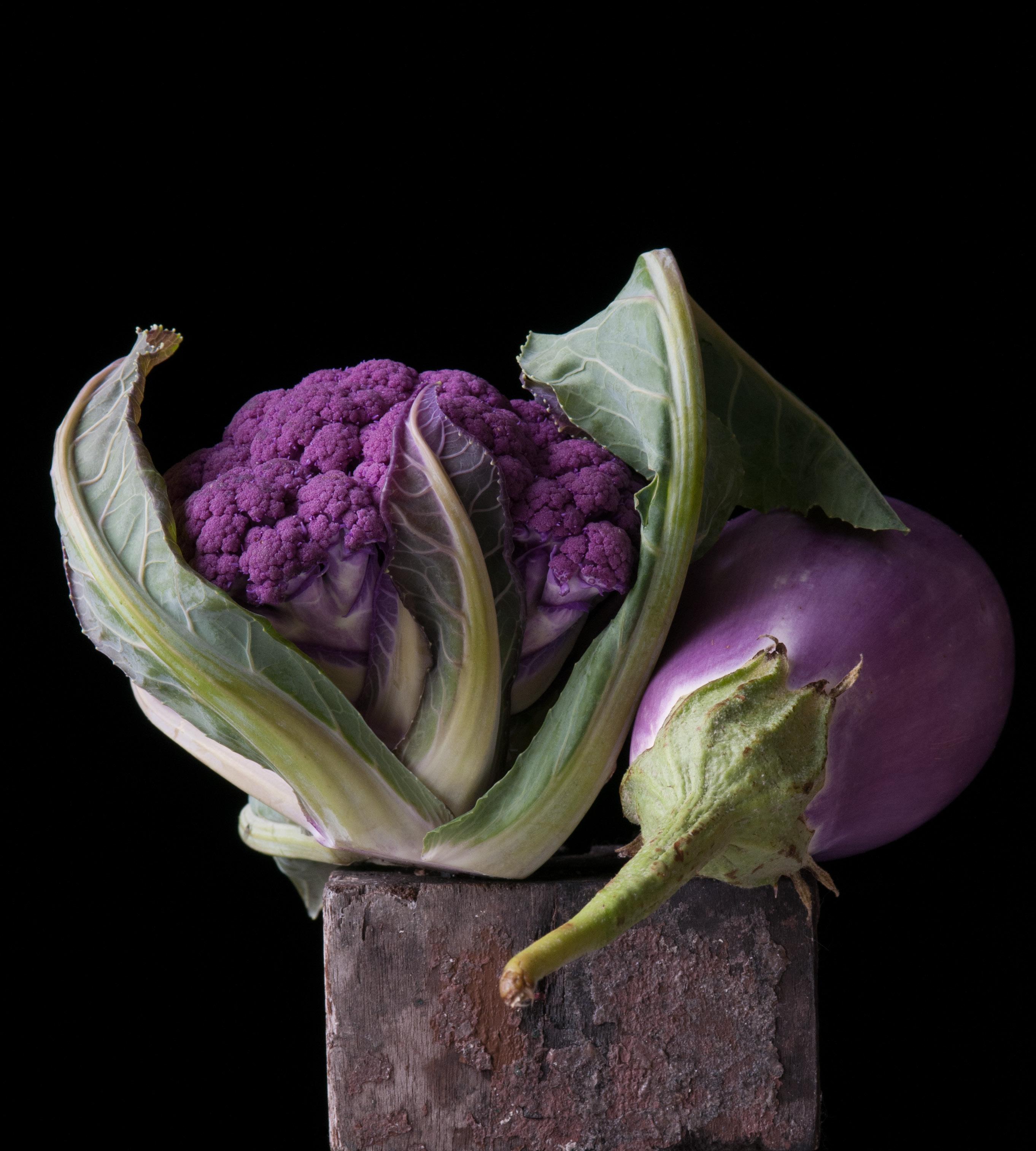
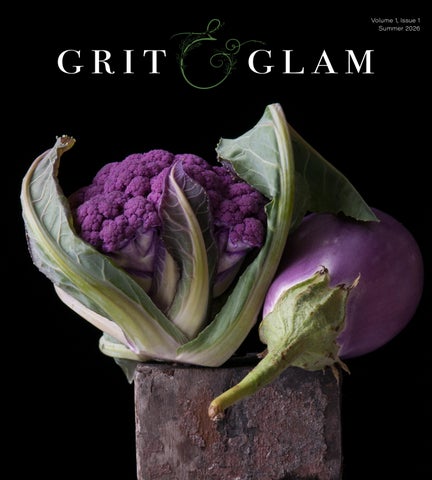
Cover: Image courtesy of Lynn Karlin Photography. Read more about Lynn’s dreamy photography in these pages.
by Grit & Glam Editorial
I have two booths at an antique multi-vendor store and sell on three online platforms. In 2025, I sold more than 100 vintage wool blankets and throws in solid colors, stripes, plaids, tribal, and other patterns. It didn’t matter where they were made, whether USA, England, Scotland, Finland, or Italy, or if they had a big brand name, like Pendleton, Faribo, or Hudson’s Bay Company, or no name at all—they just flew out the door. Typically, they sold for $75 to $400, depending on age, pattern, size, and condition. A few early 20th century Indian trade blankets sold in the $500 to $1,500 range. I was super lucky to find an authentic, vintage Native American one made by Navajo weavers, a true collectible that sold for several thousand dollars. Though they are harder to find, even these more rare blankets are out there waiting to add patina to your home.
A wool blanket is, of course, not for everyone. It requires loving care when washing, often needs some de-pilling, and then, there are moths to contend with. When I asked my buyers why they were investing into vintage wool blankets when they could buy something cheap and cheerful, the responses were always the same. They spoke of remembering slumbering under a wool blanket when visiting grandparents, the smell of cedar and lavender when the blankets came out of summer storage, or wanting to have something of value in a world of toss-able consumerism. Or they just liked the Ralph Lauren vibe!
I will admit, while not impossible, finding excellent quality vintage wool blankets at thrift stores is a challenge. Occasionally, I will score one, but for the most part, I find mine at estate sales and on Facebook Marketplace. And since you’re probably asking, I do not hesitate to pay up if the quality is there.
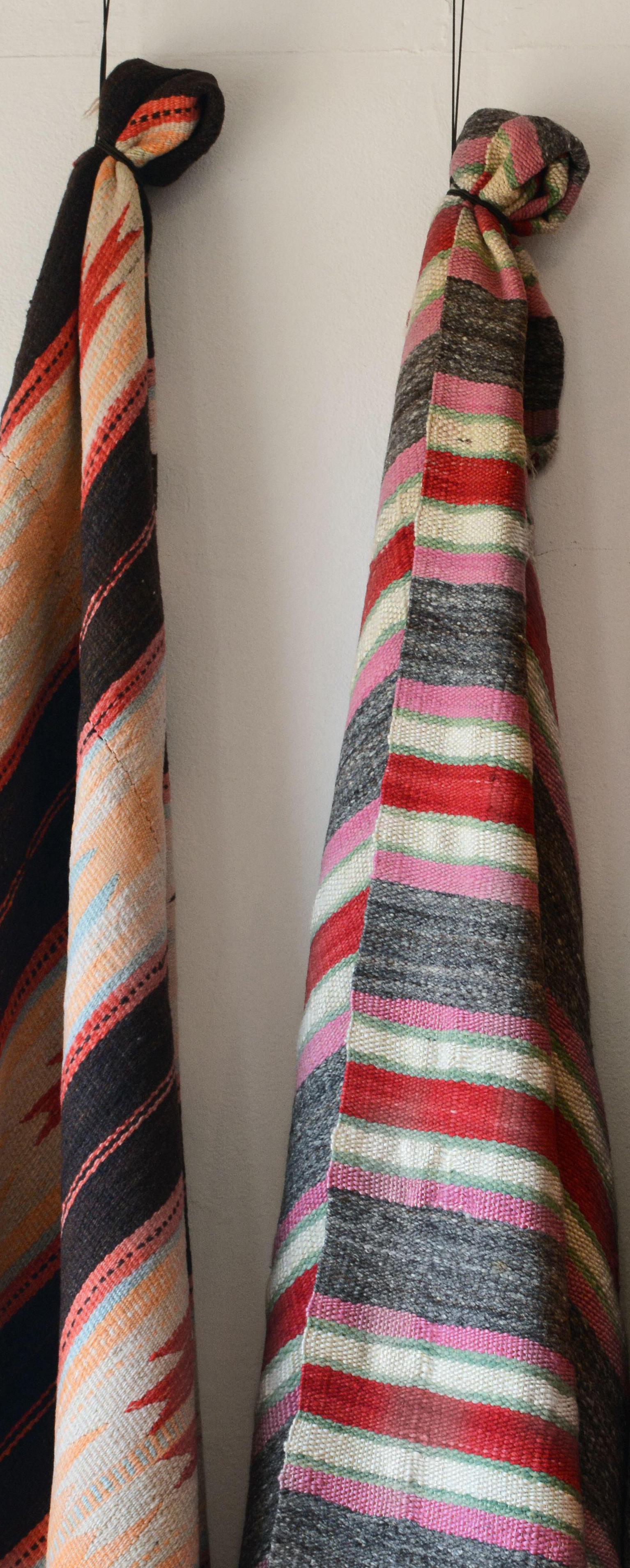
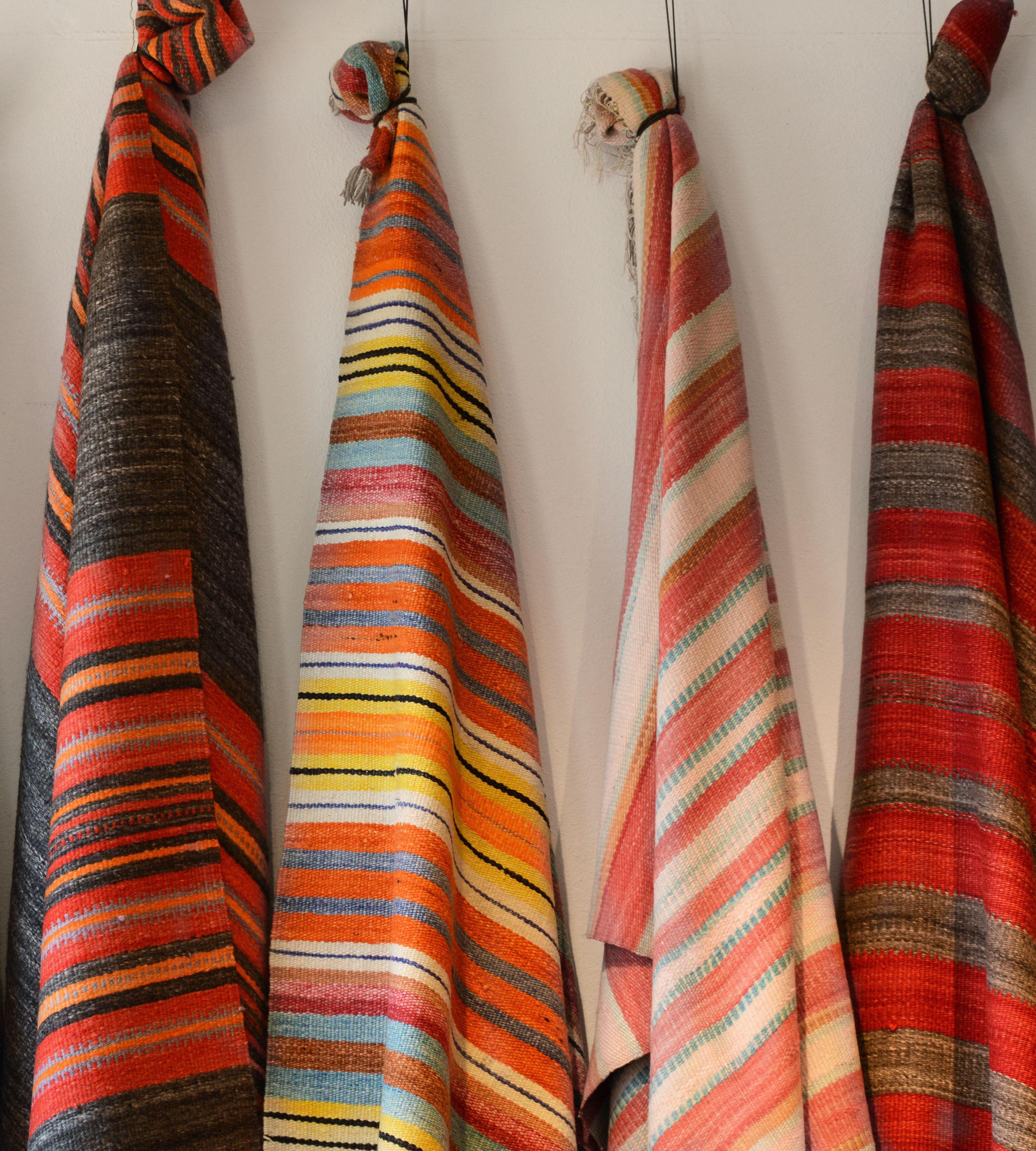
Yes, they are cheap and cheerful, but no synthetic blanket can compare to a thick, warm, heirloom-quality loomed one made of 100% pure wool.
As with all things vintage, we need to look at good, better, and best to not only determine value, but also to help you decide how to approach collecting blankets and throws. The price points here are an average based on a range of sources like online stores, eBay, and Etsy.
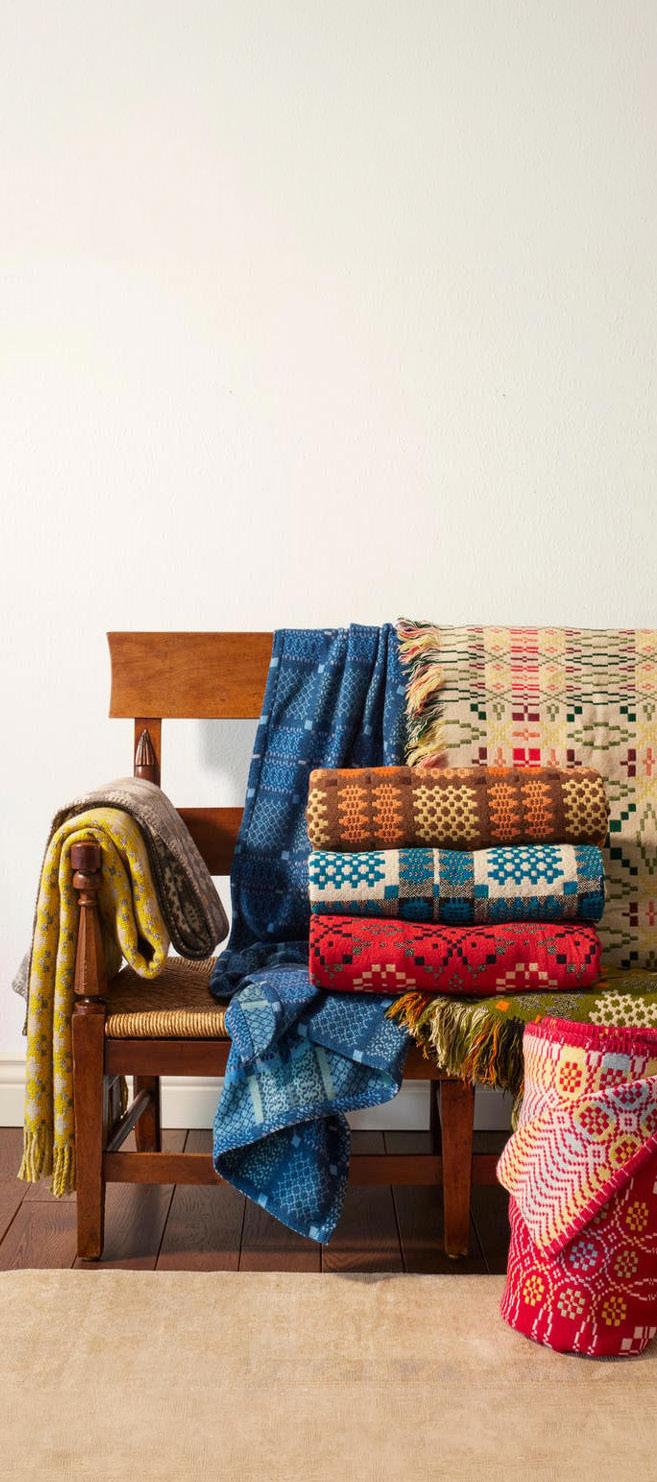
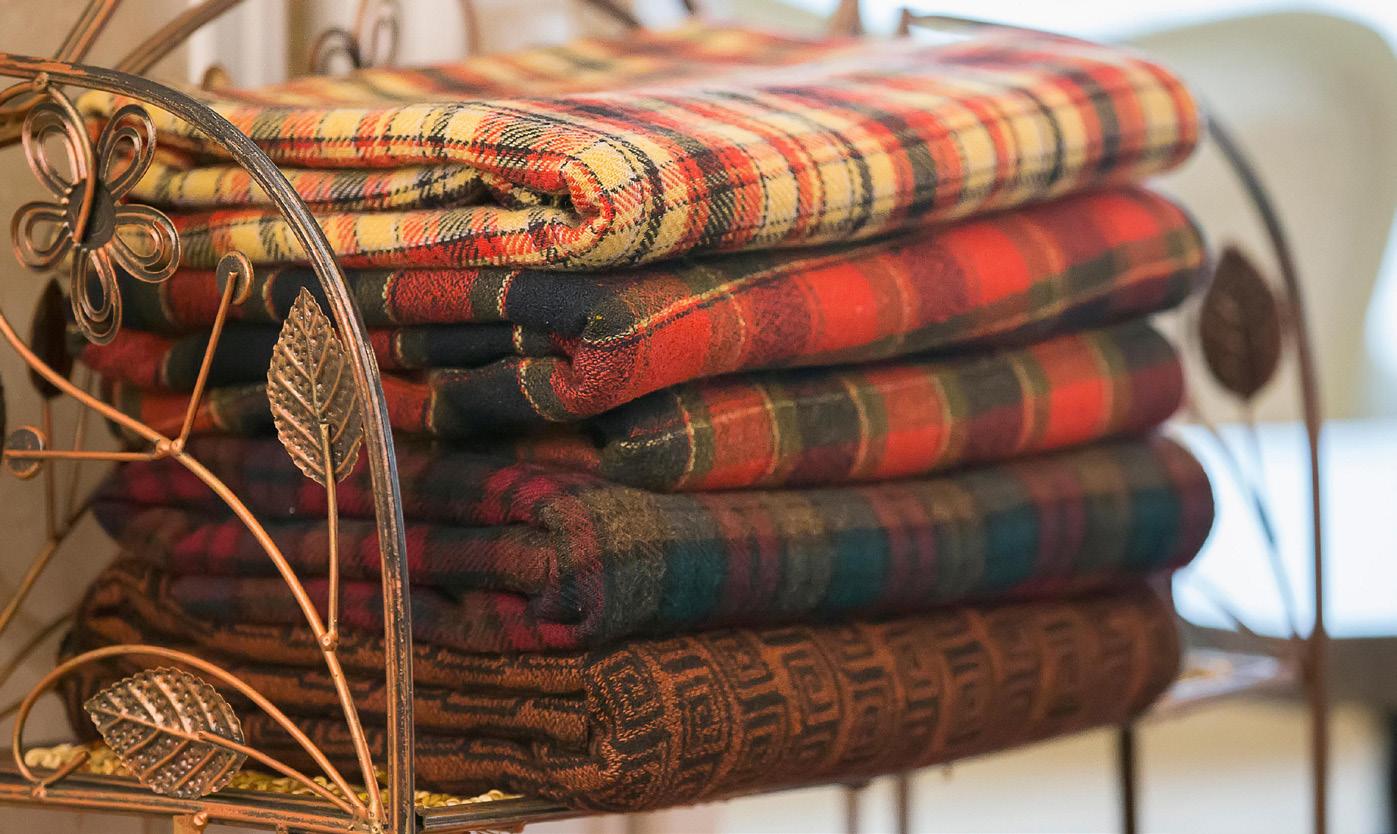
These will be made from 100% wool in very good overall condition, but perhaps with a bit of wear. These tend to be more recognizable patterns, such as tartan plaids, stripes, Birdseye weaves, or solid colors. The brand is not as important as how well it suits your style. Since you will want many, when you find them under $50, snap them up.
Price: $25-$100
For: As an extra blanket for super cold nights, in a child’s room where damage can happen, or for keeping in a basket in the living room for snuggles.
You probably don’t want to let your dog cozy up on your $1,500 rare tribal blanket, but don’t hide your vintage blankets in a closet. These are bedding items that are meant to be used. Here are just four ways to display them in your home for maximum impact.
• On a Peg Rail: In my antique booth, I display vintage blankets vertically using clip hooks to hold them on the pegs of a long, sturdy wood rail. I do this at home as well. It looks like an art piece but also makes them very accessible.
• Back of a Sofa: This one is no surprise because it looks right out of every Nancy Meyers movie ever made. Here is where to use those super colorful ones that bring life to our mostly neutral-colored couches.
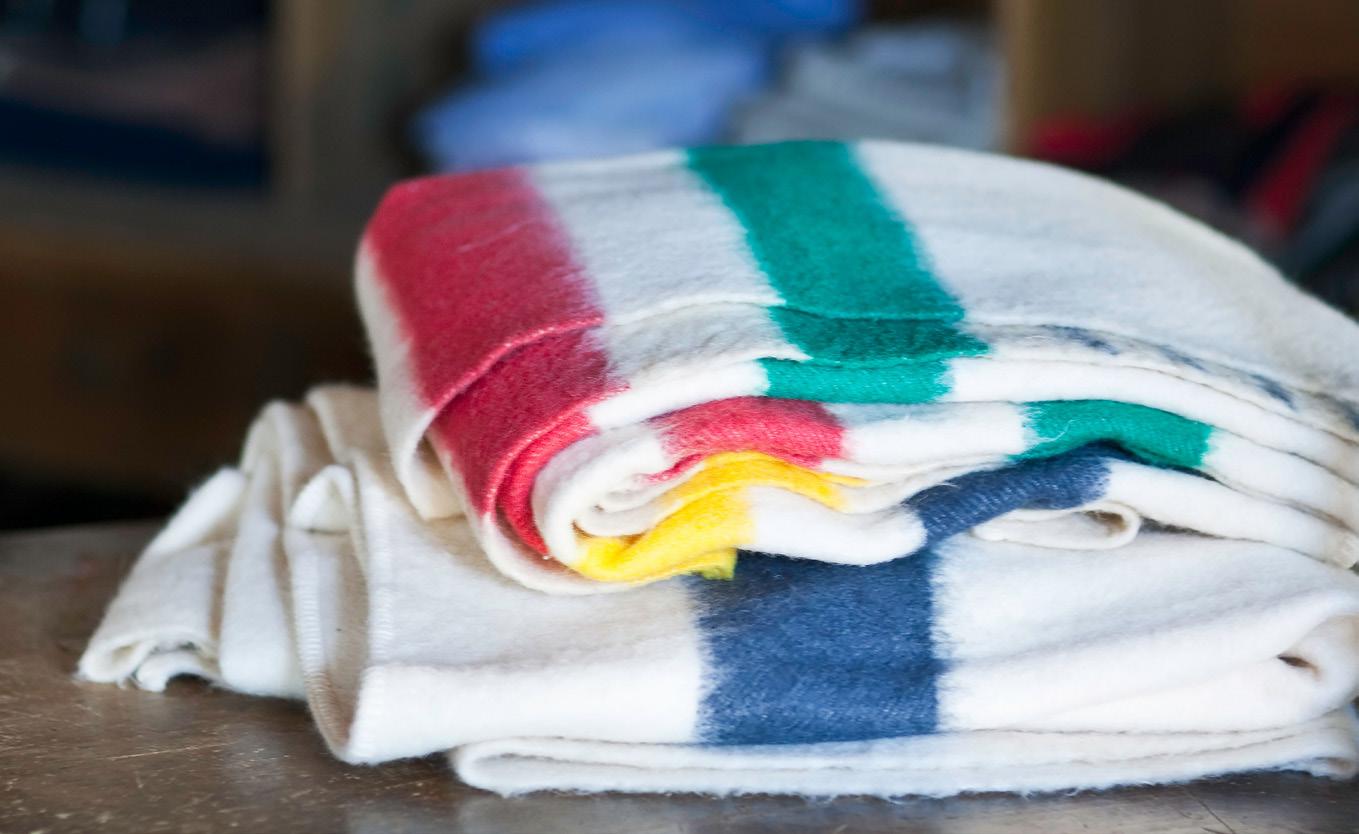
This is where we start to get into making an investment. Fullsize vintage blankets— such as Hudson’s Bay Company point striped blankets, Pendleton’s tribal prints, the good plaid ones from L.L. Bean, or those made in Scotland of Shetland wool— are not impossible to find. Complex patterns, quality workmanship, and excellent condition are what you are paying for.
Price: $100-$500
For: All-winter long bedding with or without additional layers, such as down comforters. If you are mainly interested in just a warm layer, slip them into a washable, spare duvet cover. This will help reduce need for washing.
• Foot of the Bed: Because baby when it’s cold outside, there is nothing better than adding a warm, weighty layer. Look for larger sizes (90” x 90” would be ideal) and soothing bedroom colors.
• In a Large Basket: This is probably better suited to large throws than blankets (60” x 80” for maximum snuggles) and as they will get plenty of use, no sense in using your best ones here.
Blankets and garments made from blankets from these brands are investment quality pieces sure to be future heirlooms treasured by your great-grandchildren.
• American Woolen Company
• Nordic Knots
• Swans Island Company

If you are buying a vintage blanket as a piece of art or as a true heirloom to pass down, you will be looking for early trade blankets and one-of-a-kind blankets made by members of Indian tribes. There is a long history behind these types of blankets (learn about trade blankets) and both have their place in a collection.
Price: $500-$5,000+
For: Yes, even at this price point, these blankets, especially trade blankets, can and should be used, but with extra care. If they are truly rare, consider them for display only, placing them out of direct sunlight, which can cause fading. Learn more at Barry Friedman Blankets.
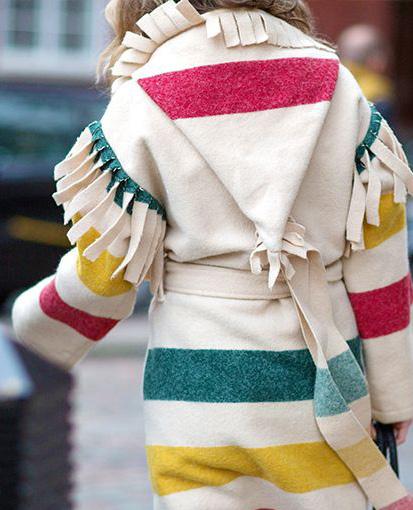
And finally, we love to see mid-range heritage blankets repurposed as warm coats.
• Hudson Bay Wool Point Blanket Capote Coat
• Lindsey Thornburg X Patagonia

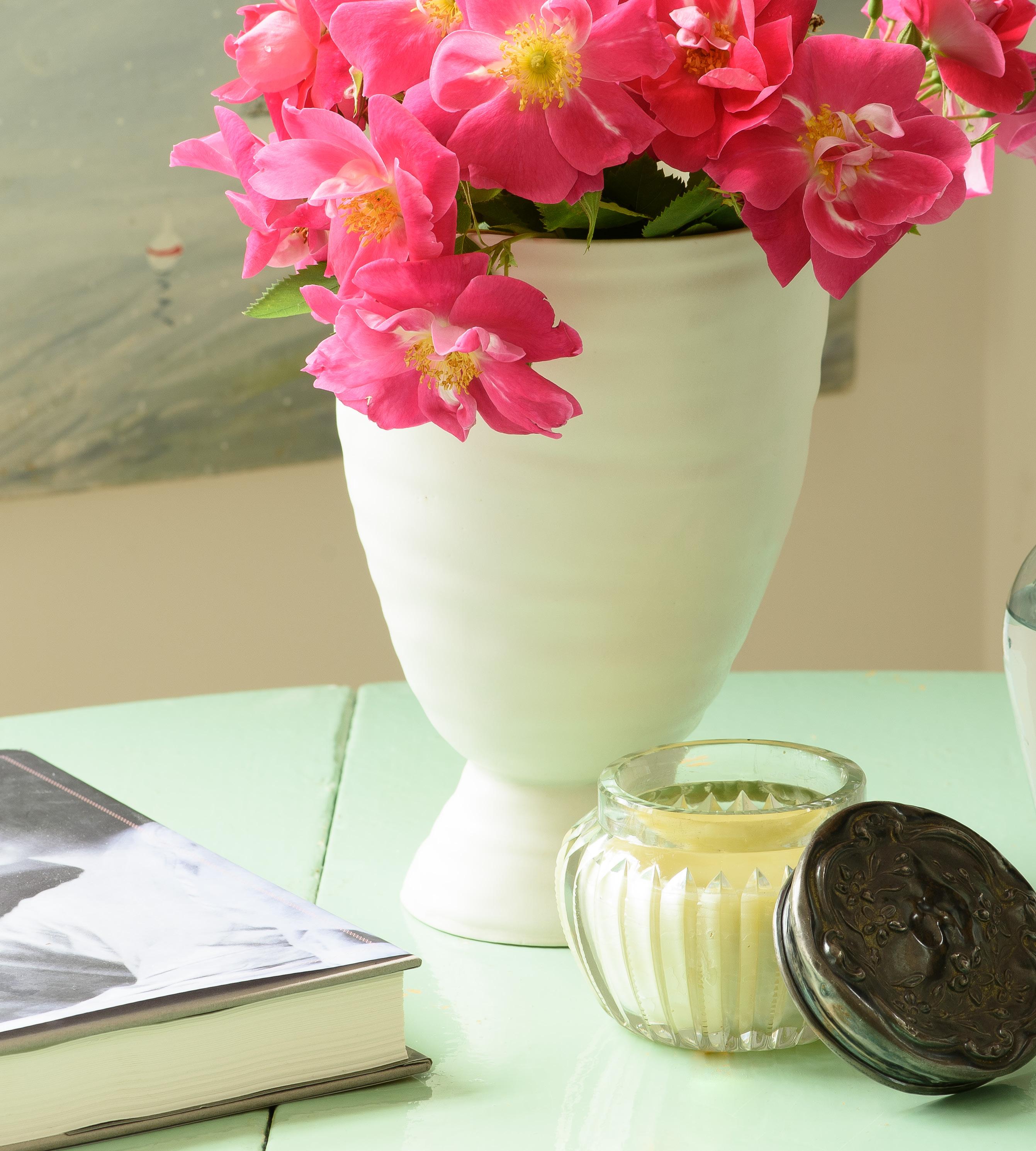
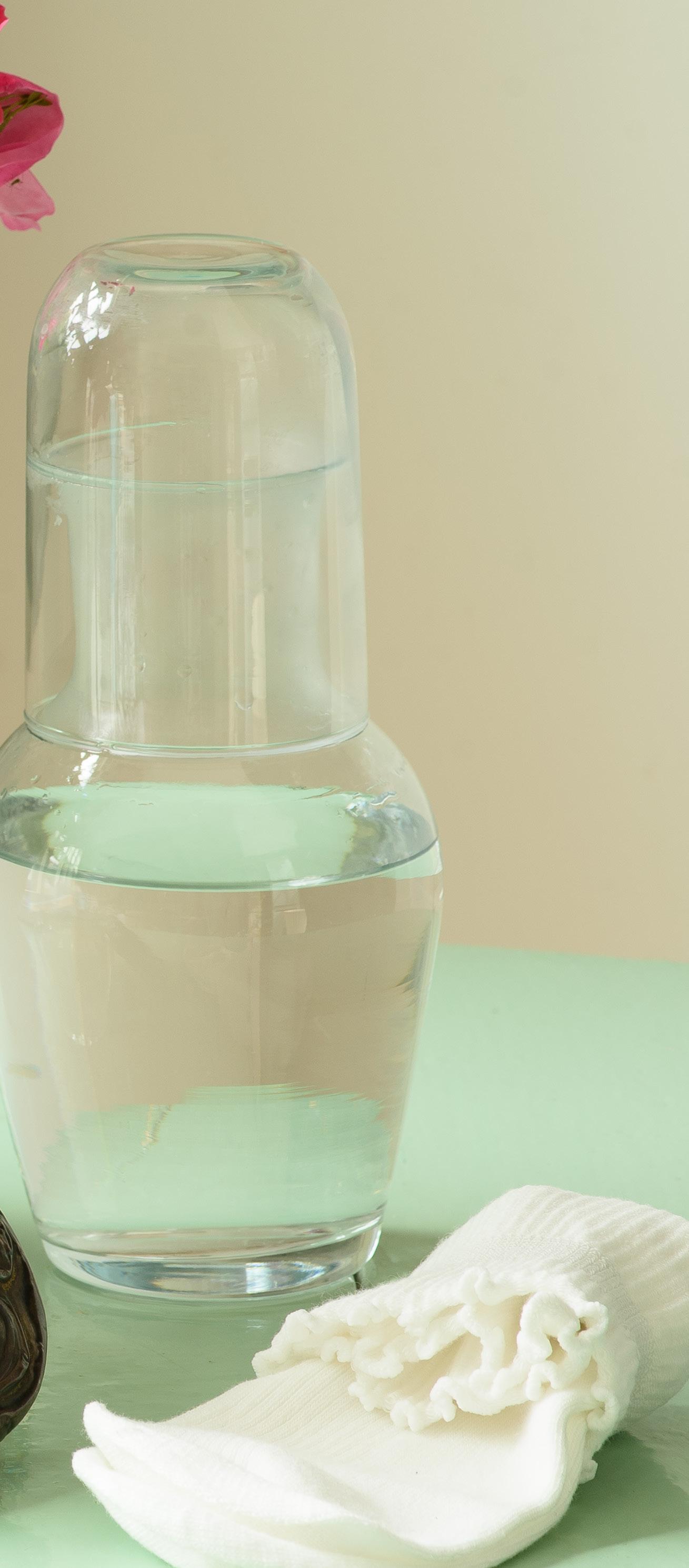
Whip up this hand-me-down recipe for a homemade sleep potion.
by Kate Karam
My grandmother (known lovingly to her neighbors as “the witch next door”) taught me to make all sorts potions from natural ingredients she grew in her garden or harvested in the Maine woods. No black magic, no evil spells--just the power of herbs, plants and good thoughts to transform simple ingredients into concoctions to make life better.
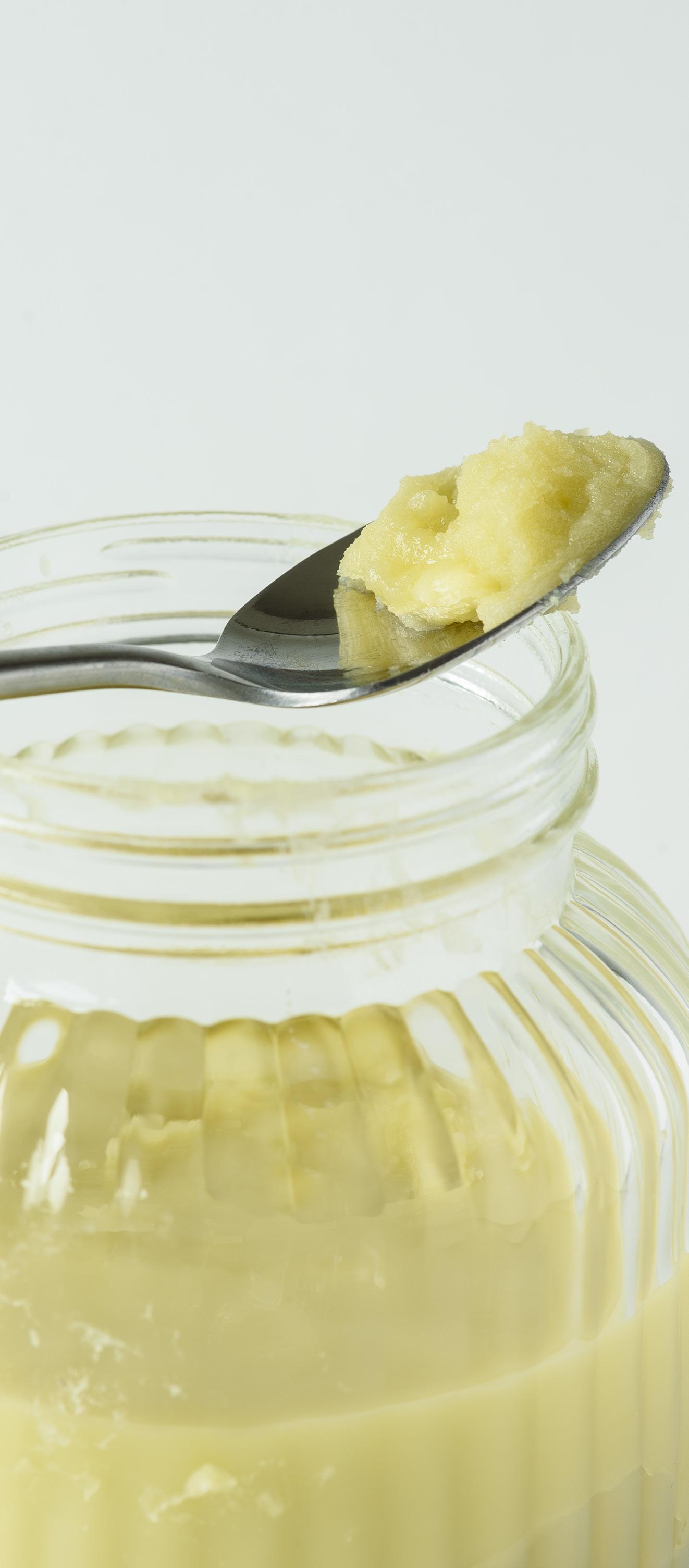
Her sleep salve is one of my favorites because it’s easy to make, stores in a tightly lidded jar for up to six months and helps me drift into dreamland. Her recipe calls for equal parts of sweet lavender to soothe, orange and cinnamon to quiet a mental snowstorm, earthy cedarwood to ground, and menthol-rich peppermint that acts as a natural, anti-inflammatory muscle relaxant. You can use a blend of this or just go with lavender which is a classic.
With CBD full-spectrum and broad-spectrum oils readily available, I have updated her recipe adding this compound to the mix. I also included liquid magnesium to help soothe sore muscles. My grandmother would totally approve.
• Full-spectrum CBD could contain trace amounts of THC, which is what that makes you feel high; broadspectrum CBD is unlikely to contain THC. Choose which works best for you.
• Test a small patch of this blend on clean skin to ensure no allergies.
• If you choose not to use CBD oil, increase the amount of each essential oil by 10 drops to get right mixture.
• If you prefer a creamier texture adjust recipe to a 1:1 blend of oil and shea butter (1/2 cup of each oil with 1 cup shea butter). Adjust mixture until you achieve the consistency you desire.
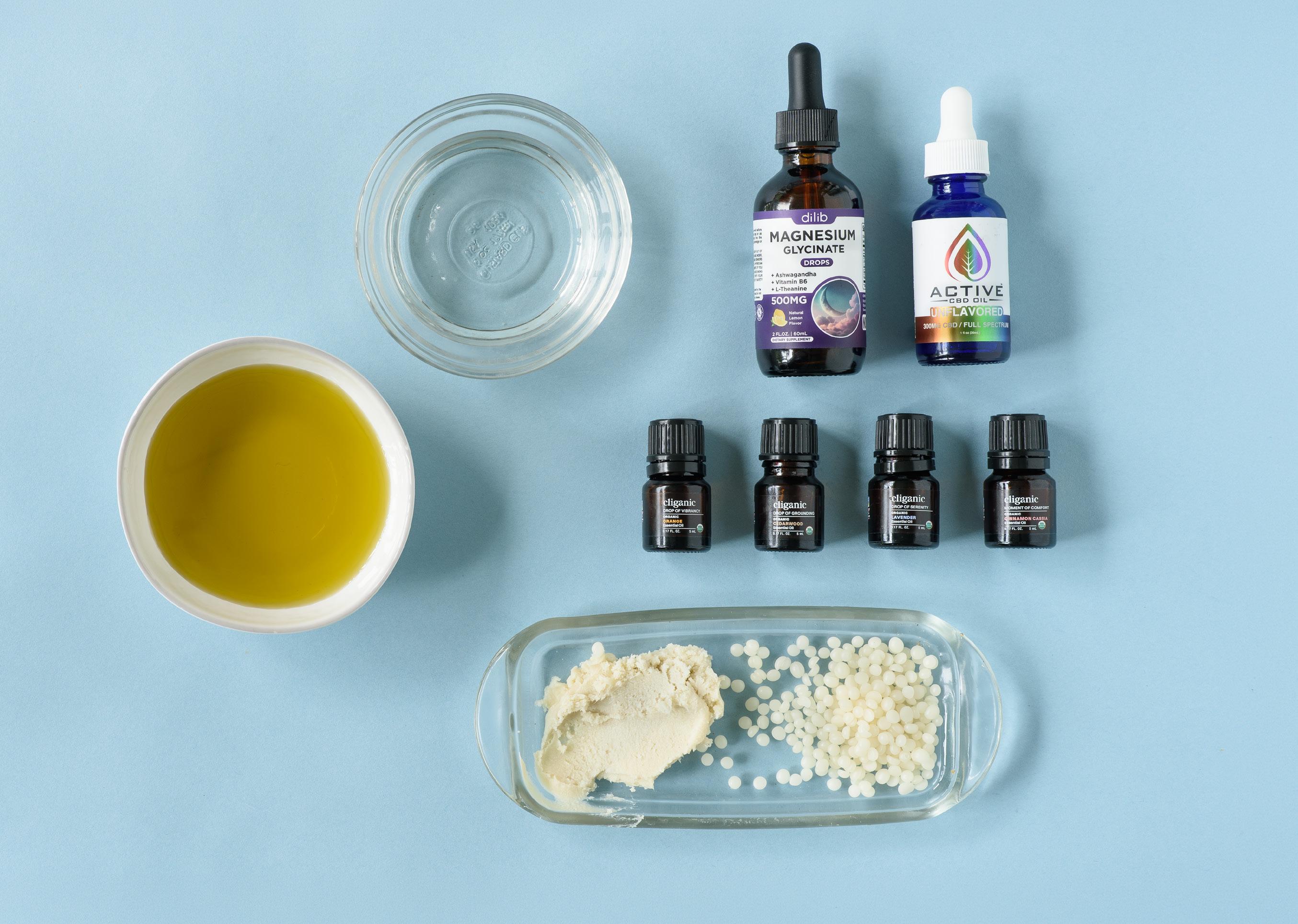
Makes about 16 ounces of salve.
• 1 cup organic coconut oil
• 1 cup organic olive oil
• 1/4 cup organic beeswax pellets
• 1/4 cup organic shea butter
• About 1 tablespoon of a combination of essential oils such as lavender, orange, cedarwood, peppermint and cinnamon
• About 1 teaspoon liquid magnesium
• About 1 tablespoon (about 180 drops) full-spectrum active CBD oil (we like this brand)
• Glass jars with tight-fitting lids.
Step 1: Place coconut and olive oils, shea butter and beeswax into a double boiler or a heat-proof glass bowl over a pan of simmering water. Once melted, gently stir to combine and remove from heat. Add essential oils, magnesium and CBD oils to blended oil mixture. Stir well to combine.
Step 2: Pour mixture into clean jars and allow it cool. Once cool, cap tightly and store in a cool, dry place. As there are no preserves added, best if use within 6 months.
To use, smooth a good amount onto bare feet at nighttime and then slip on a pair of clean cotton socks. The oils will be quickly absorbed into the larger pores of your feet doing double-duty of slowing your racing mind while the natural oils soften your feet. (I keep a small jar on my desk to rub a bit into my temples when I’m about to lose it!)
Note--this is for topical use only. Do not ingest and store out of reach of children and pets.
To be honest I have never figured out if it is the actual balm that slows my roll or taking a time out when I’m spinning. It is probably a bit of both. In any case, I have been using this recipe for most of my life and I hope you find it useful. Sleep tight!
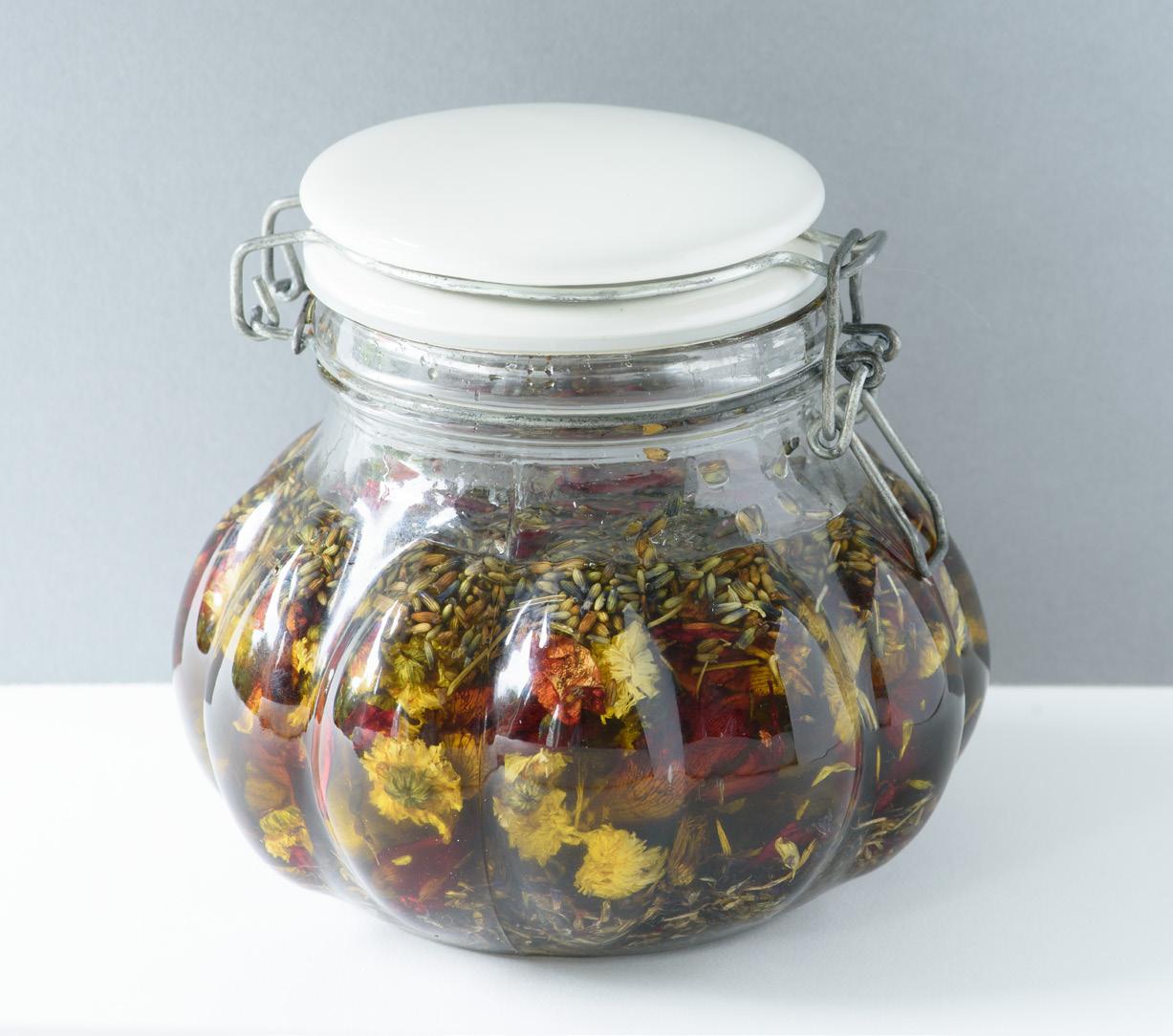
My grandmother made her own “carrier” oils by soaking a variety of herbs and plants in pure olive oil. She would then strain the mixture and use the oils in her topical salves and lotions. You can skip this step with readily available bottled essential oils but purists might enjoy the entire grimoire experience. Just fill a jar with oil, add dried flowers and leaves, cover tightly and store in a cool dark place for a week or so. Strain and store in a covered container until ready to use. Note--this is for topical use only.
by Grit & Glam Editorial
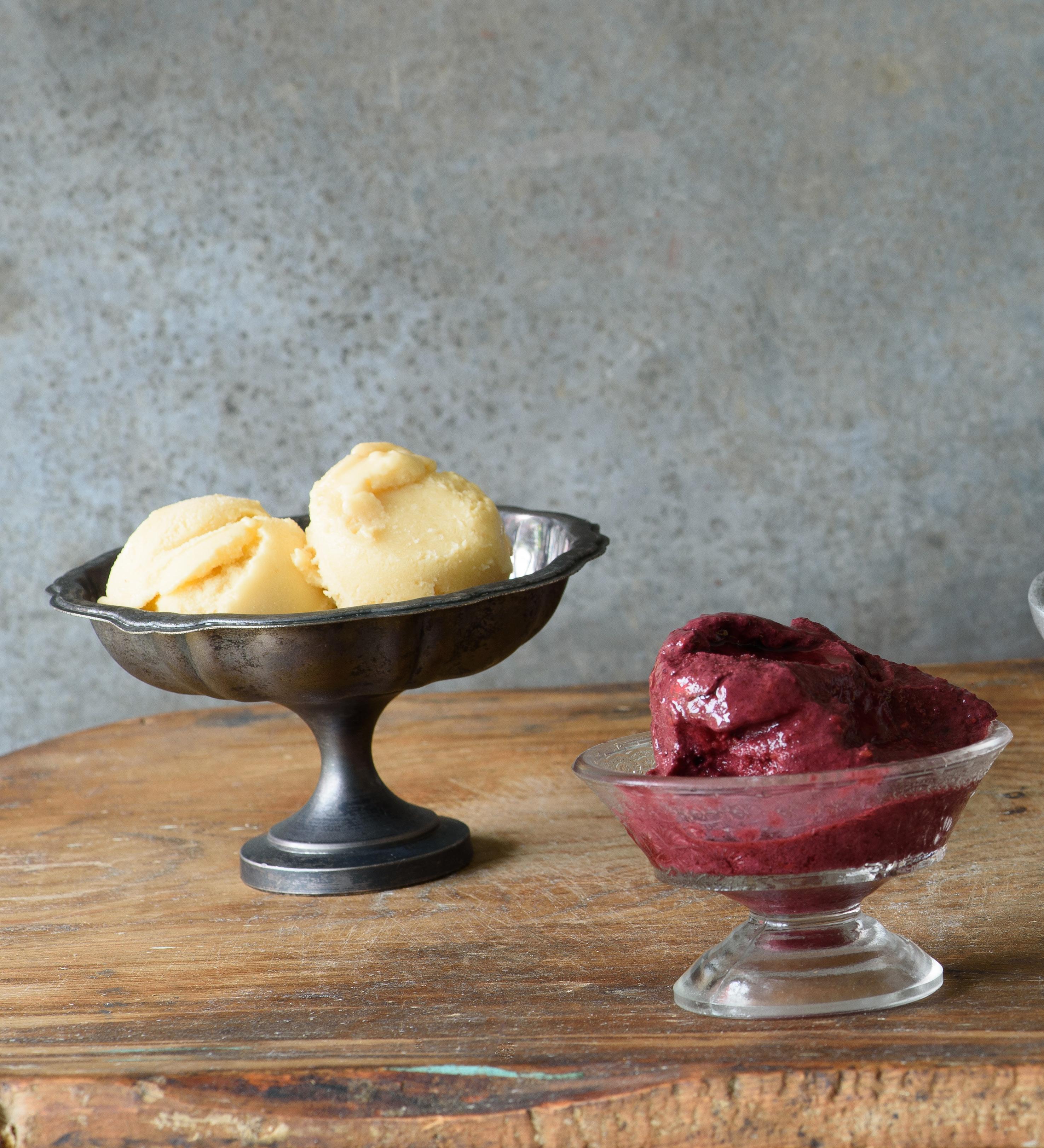
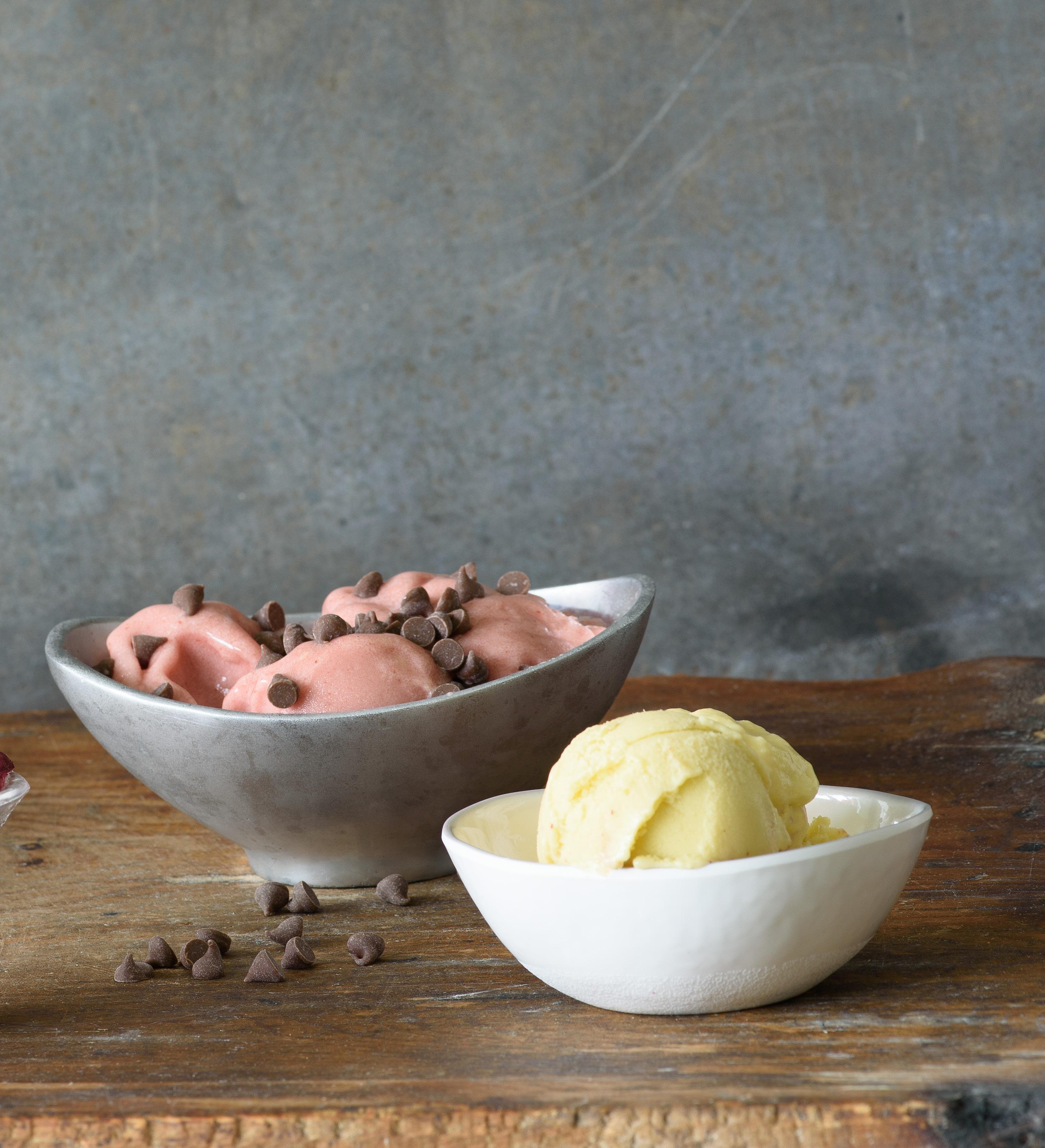
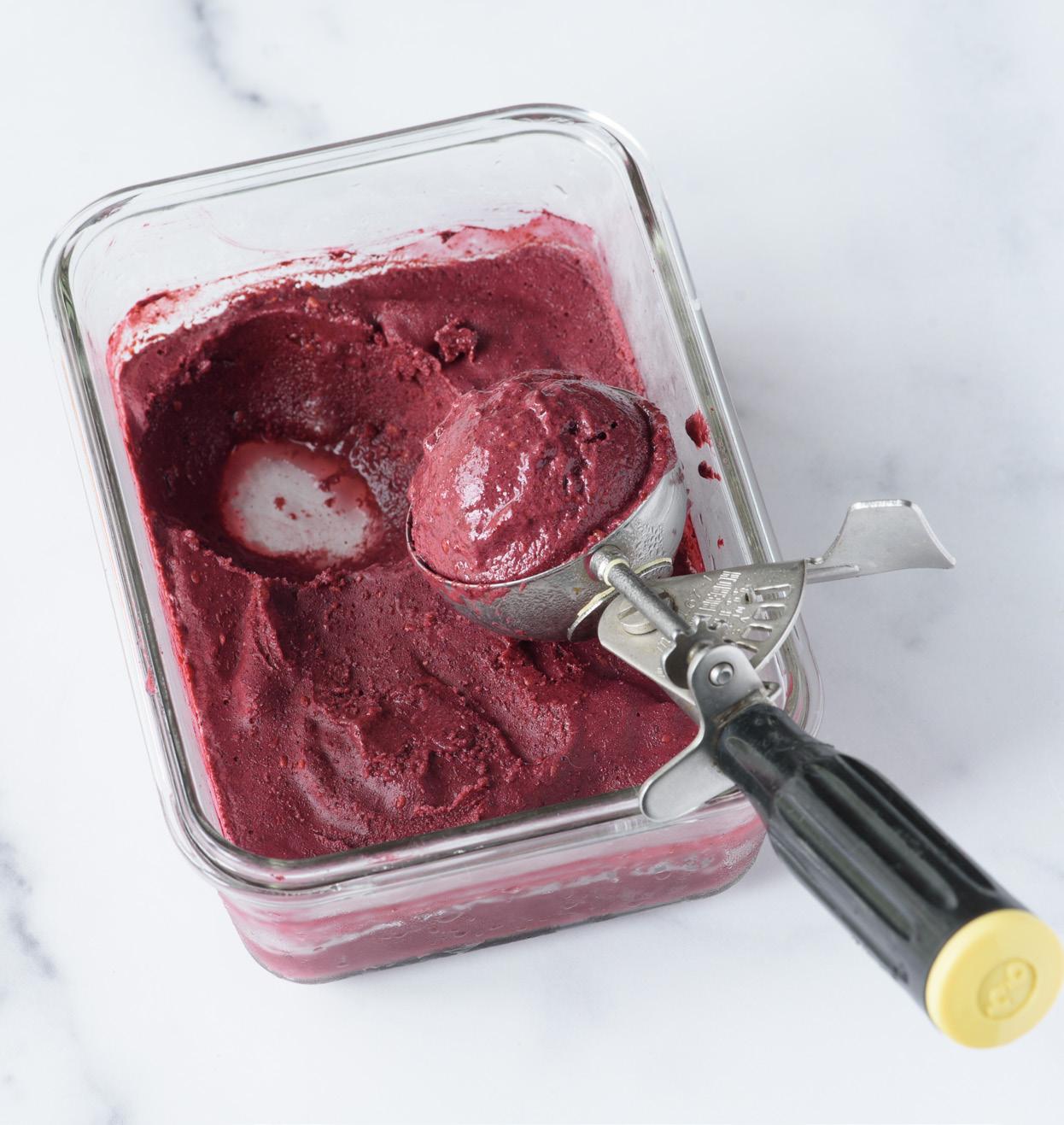
Many dogs can pretty much take it or leave it when offered a piece of fruit, but we have yet to see one turn up their snout at a fruity frozen treat.
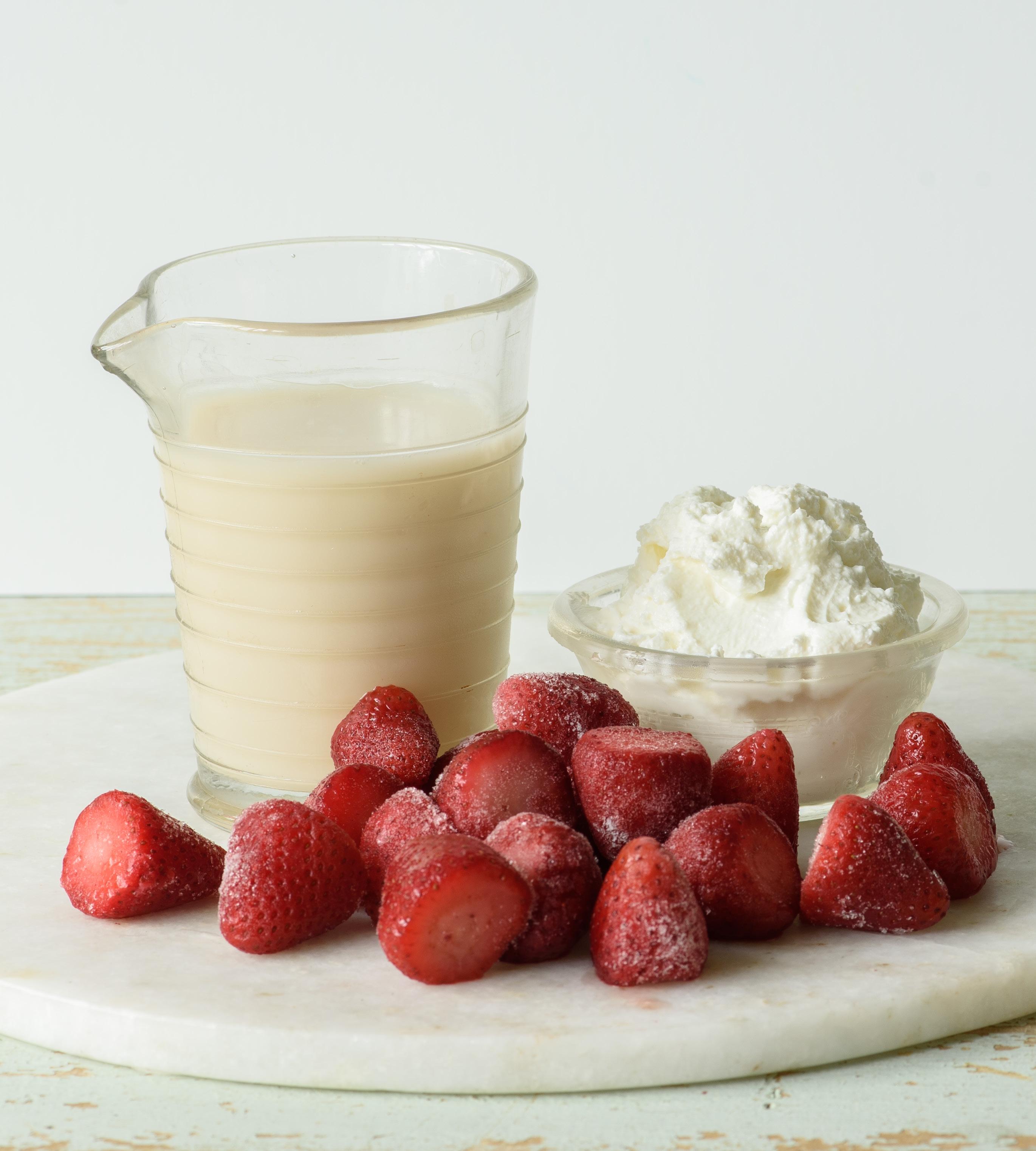
This is a super simple (and very forgiving) recipe that uses readily available frozen fruit, Greek yogurt and oat milk whipped up in a food processor. The result is smooth sorbet that’s a refreshing year-round treat your doggo will lap up.

Serving size about 1 cup
• 2 cups frozen fruit (buy frozen or freeze your own)
• 1/2 cup plain whole fat Greek yogurt (MUST BE PLAIN WITH NO SUGAR OR SUGAR SUBSTITUTES ADDED)
• 1/2 cup unsweetened oat milk (if your dog doesn’t digest oat milk, you can use coconut water instead)
• Optional: we added a sprinkle of sugar-free carob chips (NOTE: MUST BE CAROB, NOT CHOCOLATE *)
Step 1: Prep: If using fresh fruit, cut into cubes and freeze in a single layer on a parchment-lined baking sheet for at least 4-5 hours until solid.
Step 2: Blend: Combine frozen fruit, yogurt and oat milk in a high-powered blender or food processor
Step 3: Process: Blend on high until the mixture reaches a smooth consistency. If it’s too thick to blend, add more liquid one teaspoon at a time.
Step 4: Serve: Scoop the sorbet into a bowl and serve immediately to your pup!
Store: If not using immediately, transfer from food processor to a freezer-safe dish, cover with plastic wrap and place into the freezer. When ready to serve, remove from freezer and allow to thaw slightly so you can scoop out the frozen treat.
• While this is low in calories, it is intended as an occasional treat and is not intended to be a substitute for a meal.
• Always check your yogurt label to ensure there are no artificial sweeteners like xylitol, which is highly toxic to dogs.
• *Chocolate is highly toxic to dogs and must always be avoided. Most dogs can tolerate unsweetened carob chips which can be found at health food stores.
• You will get the best consistency with full-fat Greek yogurt, but if your dog is watching their weight, you can substitute a lower fat version.


Eyes closed smell the sea, Gentle ripples ease the mind, In late summer sun.
by Grit & Glam Editorial
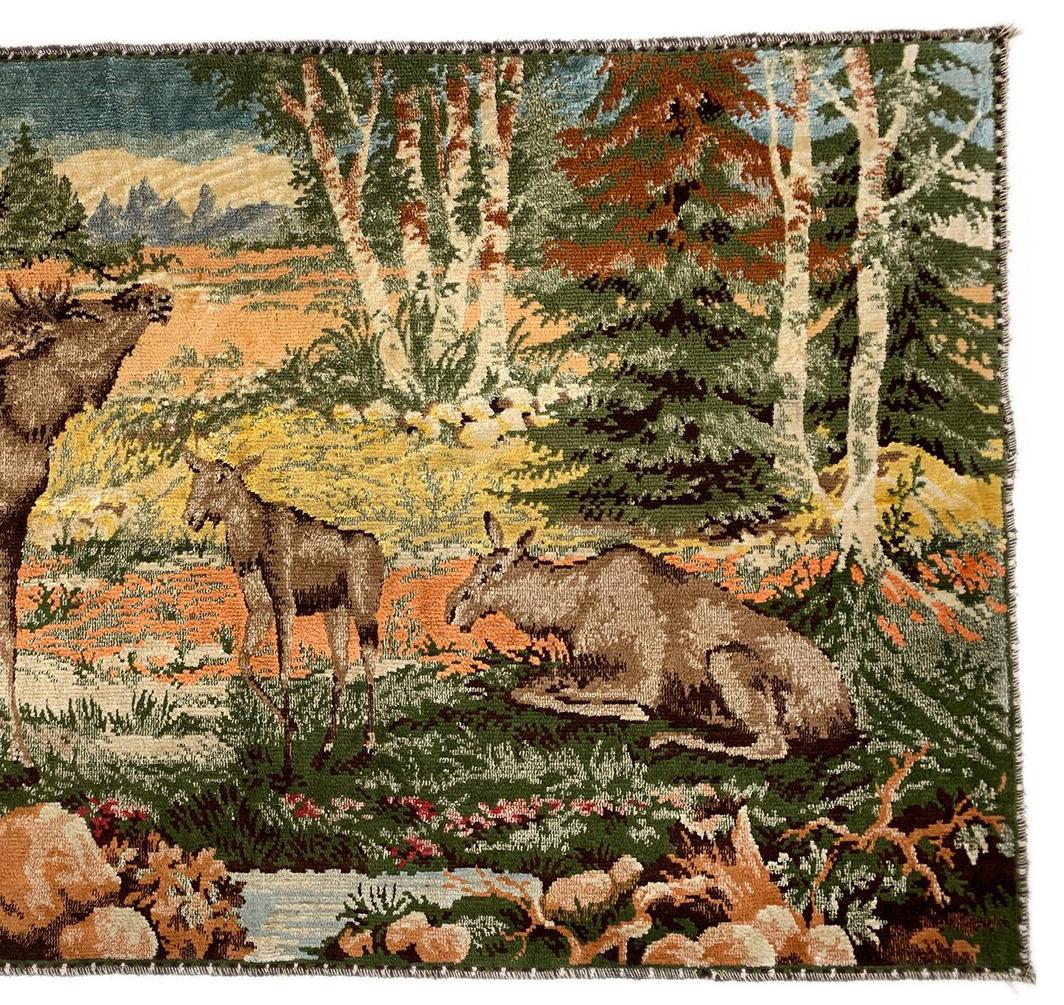
“We love needlepoint angels, flowers and butterflies as much as the next vintage hound, but what we really want are examples with tiny petit point stitches in lots of rich colors that look like an actual painting until you get close-up,” says Dawn Regent of Regent’s Antiques of Portland. “You want this sort of tapestry effect. If you can see the stitches from a distance, think twice. If these are offered in vintage wooden frames, the value increases by a lot,” Marty Weiss of End of the Trail Antiques adds, “Bonus points for animals (like these moose--wow), landscapes and winter scenes.”
Retail Price Range: up to 50.00 for smaller framed examples and $100 and up for large, complex ones.

It seems like everyone we know is out on the weekends these days looking to score a wonderful vintage or antique item to add patina to their home. To help you make the most of your next trip to the flea market or thrift store, we asked three of the top sellers at Antiques USA, a multi-vendor store in Arundel, Maine (just outside of Kennebunkport) what they are looking for right now when sourcing midrange antiques and collectibles out in the wild and what is currently selling well in their shops. Because they’re scooping up inventory from estate sales, online auctions and private collections, these seasoned pros can see hundreds of items each month. So when they select something to put into their store, you know there must be a good reason.
To be clear, we are not talking about truly precious and rare investment-quality antiques or super-hot collectibles. Categories such as early American or mid-century Italian and French furniture, handblown Italian or American art glass from the most famous makers, original paintings by listed artists, mid-century Italian or early French or English hallmarked ceramics, heavy cast-bronze pieces, etc. would be rare finds (in which case research and maybe buy them).
What we’re talking about here are the mid-tier collectibles that you are more likely to encounter while you’re on the hunt. Very good original signed art from local or even unknown painters, beautifully made studio art pottery, vintage mirrors, dinnerware, kitchenware and clear-cut glass are all good examples of this category. We would also include current
hot collectibles such as fairy lights, paperweights and hens on nests which, while getting harder to find, are out there. We are seeing softening values for commercially produced art glass brands such as Blenko and vintage pottery brands such as Roseville and McCoy, but these are still charming additions that you will likely find. (Note that this article is only about decorative items. In future columns, we will investigate other types of collectibles, and what is happening in those markets.)
While all these experts lamented that the current interest in thrifting is causing a notable rise in prices and in some cases very limited available inventory, all agree there are still bargains to be had. Here are six trends in vintage items these experts feel are still slightly undervalued.
We are providing a retail price range, but this is not a comprehensive valuation guide. Sold prices can swing wildly on online platforms and in brick-and-mortar stores. There might be greater demand for certain items in different regions of the US (such as sterling silver in the South and Stickley furniture on the West Coast for example). And, as supply and demand and trends change, so could this list. But all that said, how much more fun will it be when you go out shopping for vintage to have some inside scoop!
Dawn Regent, Regent Antiques, Portland, ME
Marty Weiss, End of the Trail Antiques, Cambridge, MA
Susan Vance-Azzi, Vintage Heaven, Hartford, CT
are rising for vintage collectibles but there are still bargains to be had.
And nudes! Original oil on canvas portraits of people, pets, and barnyard animals from the just about any era top everyone’s wish list. Whether a 19th century formal seated ancestor portrait or a mid-20th century more informal society doyenne one, “You are looking for strong images that provoke questions, says Weiss. But even with a compelling subject, condition can be a disqualifier. “Holes, fading, crackling, and other damage materially influences the value of a painting. Original oil paintings are getting more difficult to find and increasingly expensive to purchase, but they’re out there,” continues Weiss. Asked if a well-done painting in the 1K+ dollar range is worth the price, he says, “If it speaks to you, don’t hesitate to pay up.” Grouped in a collection or given a place of honor over a fireplace, few decor elements add more heritage to a home. “I have yet to lose money on a portrait in my store,” he adds.
Retail Price Range: $25-$100 for amateur art and $250 to skies-the-limit for signed pieces by prominent or listed artists.
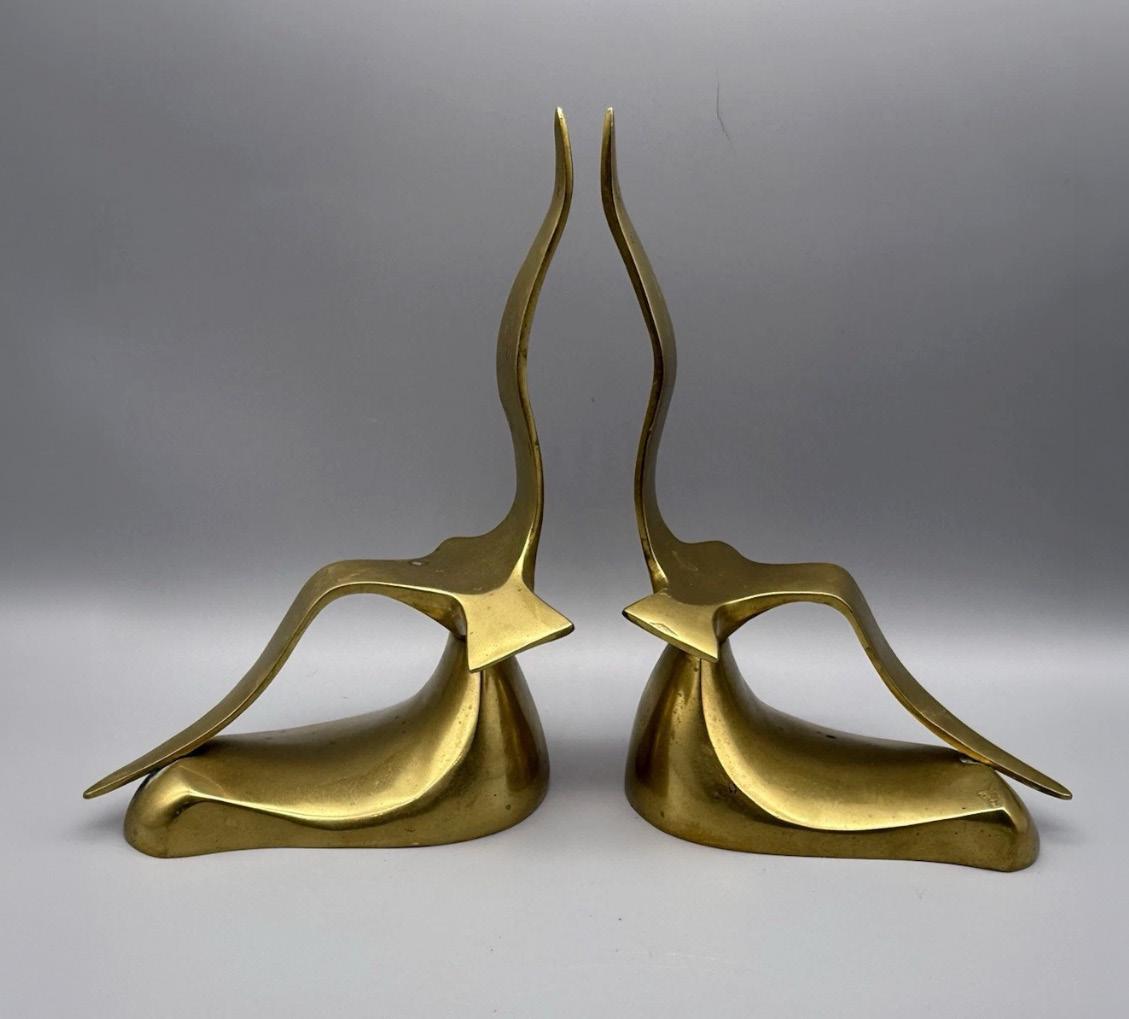
Yes, still...but not all. Going strong even a decade after it began to feel fresh again, brass continues to have a place of vintage honor in our home. That said, simple or even more elaborate taper candlestick holders, most mid-century chunky brass lamps, brass bowls and brass elephants are becoming a hard pass unless they’re remarkable in their age, execution and provenance. “What we do want are brass critters such as cats, birds, dogs, seagulls, swans and horses and are always wanting pairs of bookends. These mid-century seagull bookends check all the boxes,” says Susan Vance-Azzi of Vintage Heaven, Hartford, CT. About the eternal to clean or not to clean question? “We’re on the side of original patina all dull, spotty and intact, please,” says Regent.
Retail Price Range: up to $20.00 for smaller animal figurines and $100.00+ for pairs of bookends and larger figurines.

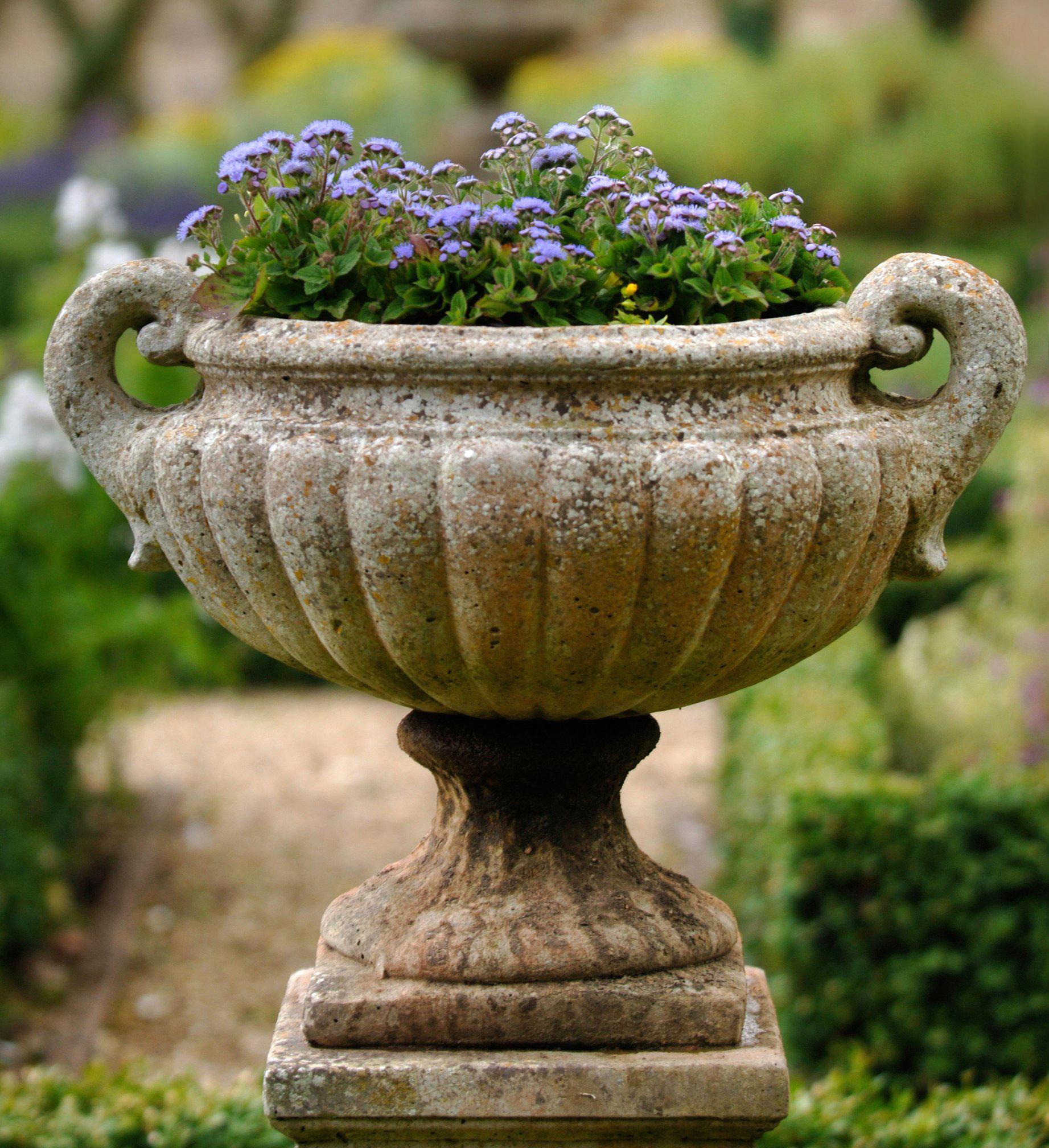
Vintage garden objects such a cast iron or cast stone urns with or without matching pedestals, cast iron gates and fencing, painted handle vintage cast metal tools especially the more unusual ones like dibbers and mini hoes, handwoven trugs, wattles and baskets are all increasingly rare and highly desirable. “We used to see these everywhere but not so much anymore,” says Vance-Azzi. “Where are they? Who knows, but I buy them even if they are not in the best condition.” Some elaborate large estate-sized antique urns and pedestals are holy grails that can sell in the thousands, but you can still find good quality smaller, less detailed cast iron and even antique frost-proof terra cotta at yard and estate sales. “Just be the first to head for the backyard rather than indoors because competition for these is fierce,” adds Weiss.
Retail Price Range: $20 for vintage hand tools and $250 to skies-the-limit for cast iron urns.
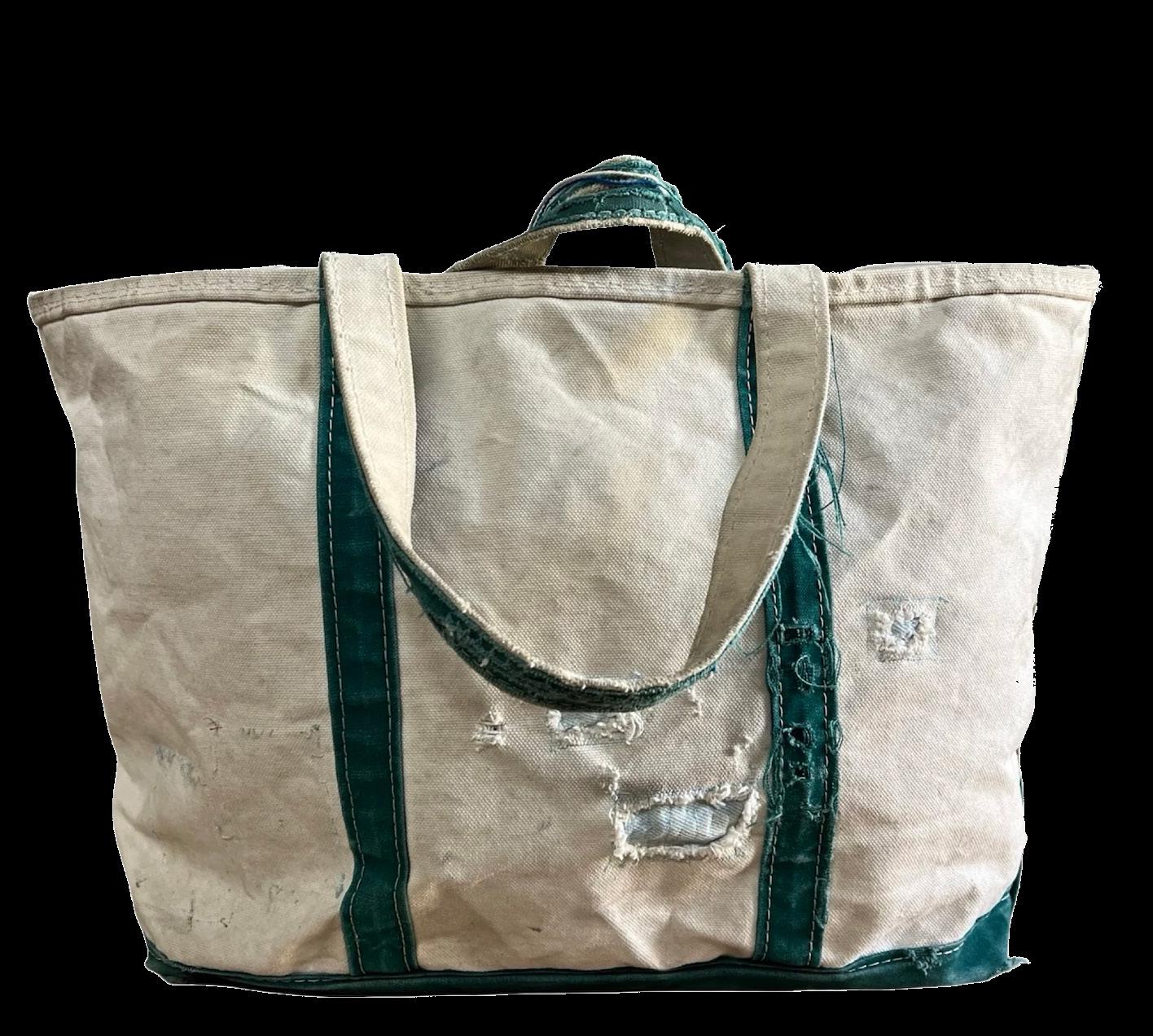
To be honest, we never saw this one coming! These have been a staple of the L.L. Bean brand for decades and in the 70s a custom monogrammed “boat and tote” bag was a summertime staple. “These are a hot collectible right now with lots of them being sold online to overseas buyers. If you score one in the wild at a thrift store or yard sale, you have hit the jackpot,” says Vance-Azzi. “And the more beat up the better.” The large vintage handled canvas tote bags with or without monogram are what you are looking for. “Check out eBay for some serious sticker shock,” she advises. Prices might level off, but these are still a good buy if you can find them cheap.
Retail Price Range: $100 for smaller examples up to $500+ for larger ones.
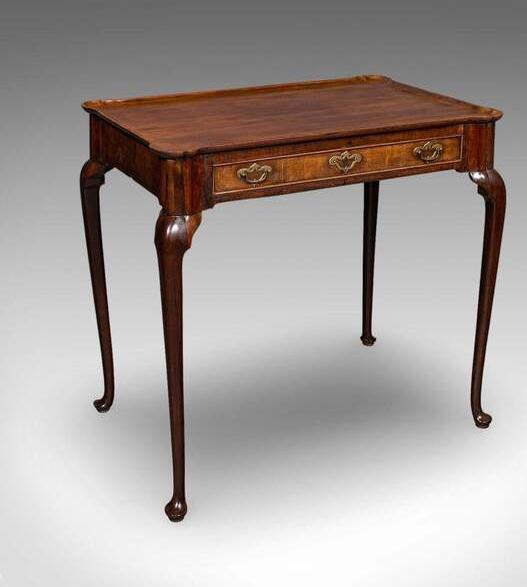
We could (and will) do an entire article on what defines quality when looking at wooden case goods, but our experts all jumped into the conversation about side tables in classic woods species such mahogany and rosewood. For years vintage dark brown wood tables and chairs have been largely ignored at auctions, thrift stores and even yard sales. That is changing as the desire for things that last is starting to rival sales of mass-produced goods. Says Regent, “ You are not looking for any old lumpy brown thing or over-the-top Victorian wedding cake. Keep an eye out for simple pieces in classic shapes with just enough detail such as turned or flared legs, hand carving, solid hardware and inlay. These are reasonably priced right now, at least for now.” Quality is what most counts here, so unless you want a project, take a pass on chipped or damaged veneer, she advises.
Retail Price Range: $50 for smaller side or end tables and $200 to $5000+ for pedigreed heirloom quality desk, tables and some chairs.
Cut-to-clear glass (more color, the better)
Art Deco (any and everything, but especially lighting)
White English ironstone (especially large platters)
Authentic vintage signs (roads, businesses, advertisements in metal or wood)
These are items our experts are leaving behind. If you love them of course buy them, but if you are wondering what is NOT having a moment it’s these:
Covered Serving Dishes: Until Thanksgiving, they’re just collecting dust.
Pitchers and Liquor Decanters: We’re just not decanting liquids from a carton to a classier container.
Lamps: Unless they’re statement pieces or artisan made, we’re taking a pass.
Rocking Chairs: We can’t give them away. Dunno...!
• The secondhand furniture and decor market is currently estimated at $43.74 billion in the U.S. alone, expected to reach over $82 billion in the coming years.
• Millennials and Gen Z are leading the charge, with Gen Z driving a 30% yearover-year increase in visits to thrift stores.
• 55% of consumers prioritize authentic vintage pieces over mass-produced, new goods, while 80% report that thrifting aligns with their sustainability goals.
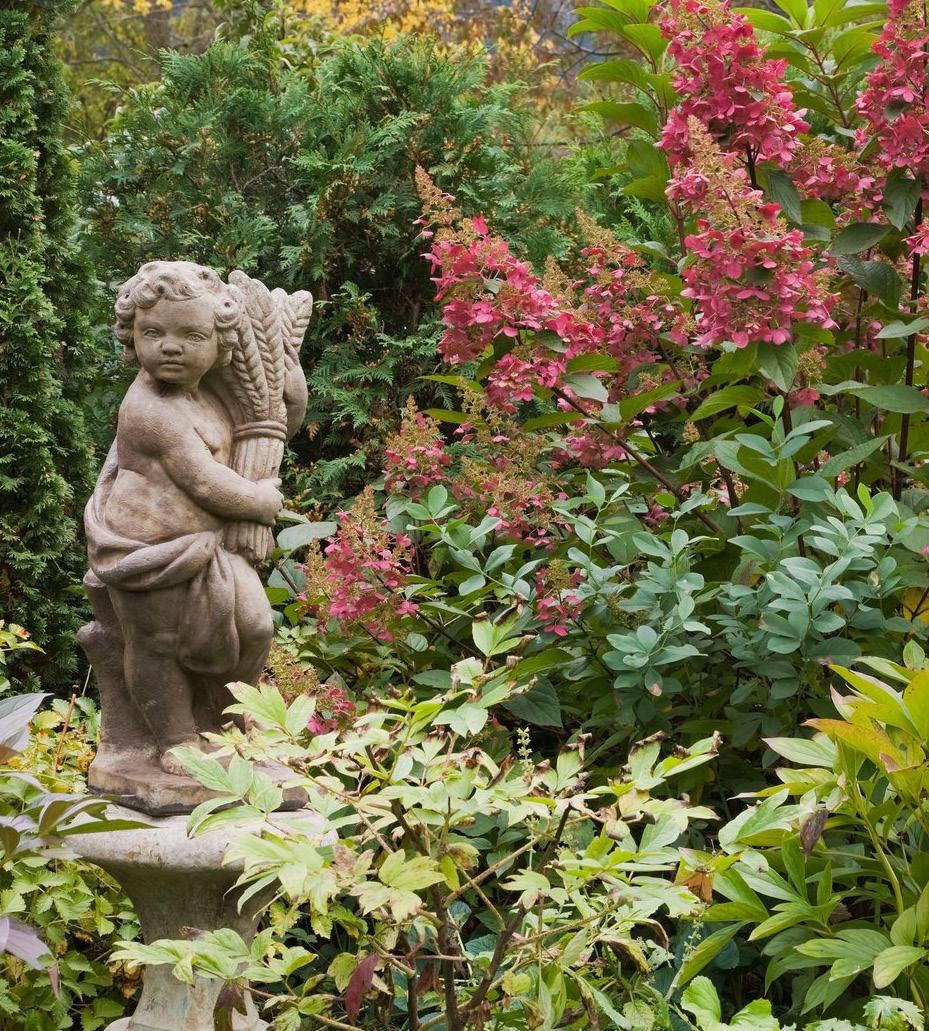
photo credit: Perry Mastrovito/Alamy

Yes, the blue mopheads get all the press, but panicle hydrangeas are flowering landscape shrubs that offer solutions for the garden while looking drop dead gorgeous.
by Grit & Glam Editorial
Visit a garden center today and you will be charmed (and probably overwhelmed) by the dizzying number of panicle hydrangea varieties on display with kicky names, a range of heights and those festive coneshaped color-changing flowers. These are happy, fuss-free easy growing shrubs that have exploded in popularity over the last 20 years. To say there is a panicle hydrangea for every garden—provided you live in the appropriate growing zone— might be an understatement.
Faded blooms of Hydrangea paniculata ‘Pinky Winky’ suffuse the fall garden with a rich, rosy glow. Leaving intact those spent blooms adds winter interest and provides food and shelter for songbirds and beneficial insects.
Panicle hydrangeas flower may just once a season, but that single, massive flush of blooms in mid-to-late summer rightly earns them a place of honor in the garden.
No one knows exactly where these plants originated, but for millions of years they bloomed in the wild, in the forests and valleys of Japan, China and Korea. We do know, however, the journey of these shrubs from the wild to the cultivated garden. In the19th century, European plant explorers took note of them and in 1829 the species (Hydrangea paniculata) was formally described by the German botanist Philipp Franz von Siebold. (Siebold also introduced the highly invasive knotweed to the West, but we do thank him for the hydrangeas.)
By 1860, a sterile, showy cultivar called ‘Grandiflora’ (commonly known as the “Pee Gee” hydrangea) was developed in Japan and introduced to Western gardens along with ‘Floribunda’ and ‘Tardiva’. ‘Grandiflora’ was planted with such abandon in parts of North America that it has naturalized in portions of the eastern United States and Canada.
These were (and are) beautiful and reliable shrubs that came with some minuses: weak stems that didn’t hold up the blooms well, very late bloom times, and flowers that aged to a somewhat blah light pink. But these were treasured additions due to their unique cone-shaped flower clusters, considerable tolerance for more sun, and for their exceptional cold hardiness.
Move forward about a century and we start to see— beginning in the 1970s—cultivars such as ‘Brussels Lace’, ‘Unique’, and ‘White Moth’ among others finding their way from Europe to American gardens. But wait, something BIG is about to happen.
• Most sun tolerant of all hydrangeas.
• Reliable bloomers with large, cone-shaped flowers and colors that subtly change over the season.
In 1986, Pieter Zwijnenburg, a plant breeder from Boskoop, Netherlands, crossed two unidentified selections of H. paniculata that were not patented and came up with a cultivar later trademarked as ‘Limelight’.
Introduction of this deciduous shrub was a game changer. It thrives in zones 3-8, is adaptable to full sun to part shade (depending on your zone), zooms into a big summer bloom with wild abandon, and because it flowers on the current season’s growth (known as new wood), it has a tolerance for cold winters. Inspired by the love of this shrub, plant breeders continue to create exciting new varieties the emphasize compact growth, exceptionally strong stems that prevent flopping, new flower forms and rapid, dramatic color transitions from early summer through fall.
Panicle hydrangeas have gone from garden-club-plant-lady to a fave in everyone’s backyard. When you go to a garden center come prepared with a list of the problems you are looking to solve because, we promise you, there will be a modern panicle hydrangea to suit your need. (But, maybe find a place for one of the old stalwarts like a graceful Pee Gee hydrangea tree or cascading ‘Tardiva.’) Whatever, whichever you choose, fall is the perfect time for planting these and other flowering shrub. Head to the nursery!
Here are few ways you can use them in your own slice of paradise.
• Full size versions grow 6 to 8 ft.
• Smaller versions grow 3 to 5 ft.
• Available in tree form.
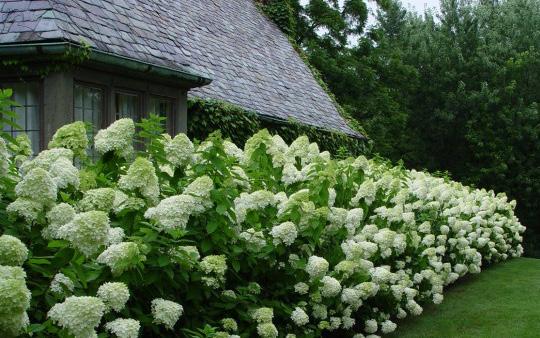
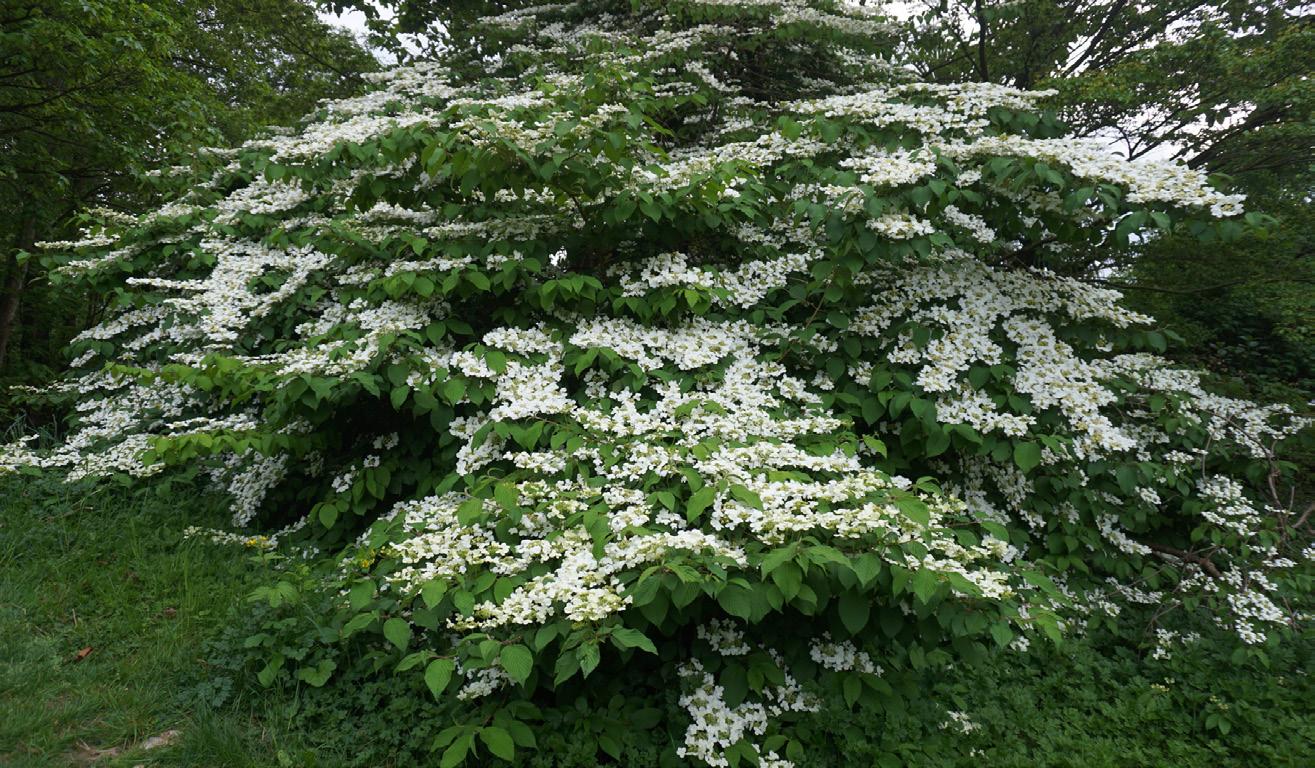
At the back of a shrub border, at the edge of a woodland area or smack dab in the middle of the lawn, select a panicle hydrangea that has a habit of growing wide (such as this ‘Tardiva’ hydrangea) or that can be trained into a small tree form.
Best Bets: H. paniculata ‘Tardiva’, H. paniculata ‘Grandiflora’ (Pee Gee hydrangea), H. paniculata ‘SMHPFL’ (Fire Light® hydrangea)
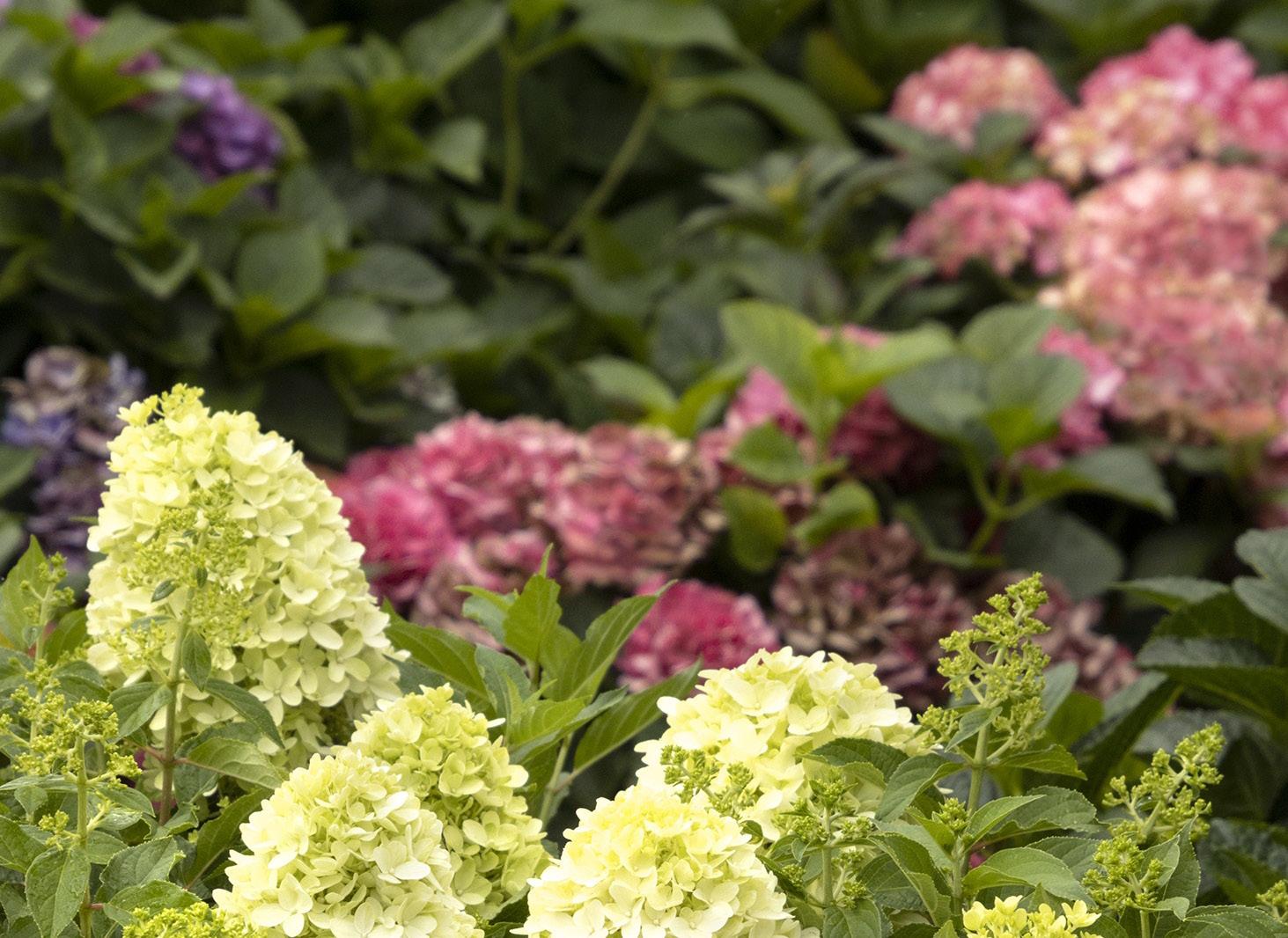
Some panicle hydrangeas (such as this ‘Limelight’ hydrangea) get luxuriously tall and wide making them a showstopping seasonal flowering hedge. You will want a dense hedge so plant 3’-4’ apart on center. (Tip: when planting, landscapers often buy one or two extra and site them in the yard to use as a substitute if one of the hedge plants fails.)
Best Bets: H. paniculata ‘Limelight’, H. paniculata ‘Dvppinky’ (Pinky Winky® hydrangea), H. paniculata ‘Ruby’ (Angel’s Blush® hydrangea)
Tidy, smaller panicle hydrangeas that reach 3-5’ feet at maturity are ideal for low borders such as in front of fences or lining walkways. Look for dwarf specimens such as Bobo, Tiny Quick Fire, or Fire Light Tidbit to enclose perennial borders. (Note--these are also idea for larger containers to use on porches, decks or to tuck into borders.)
Best Bets: H. paniculata ‘SMHPMWMH’ (Candy Apple® hydrangea), H. paniculata ‘Jane’ (Little Lime® hydrangea), H. paniculata ‘SMNHPH’ (Little Lime Punch® hydrangea)
by Grit & Glam Editorial
IIn each issue we spotlight one compelling woman who breaks rules, challenges assumptions, and lives and does exactly as she please. In doing so, she helps the rest of us see what’s possible.
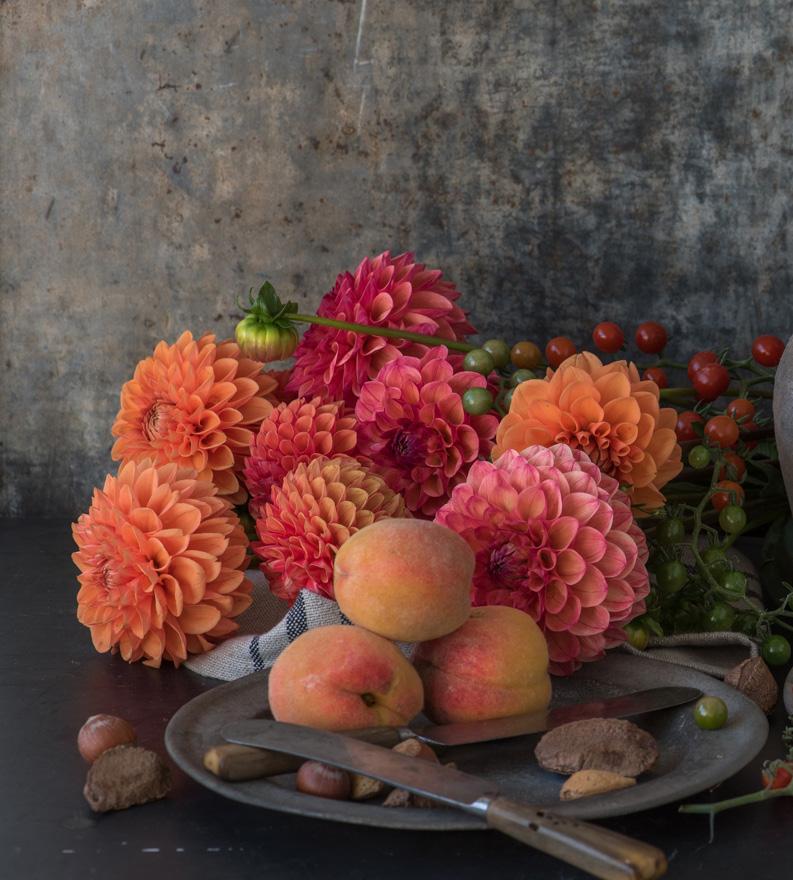
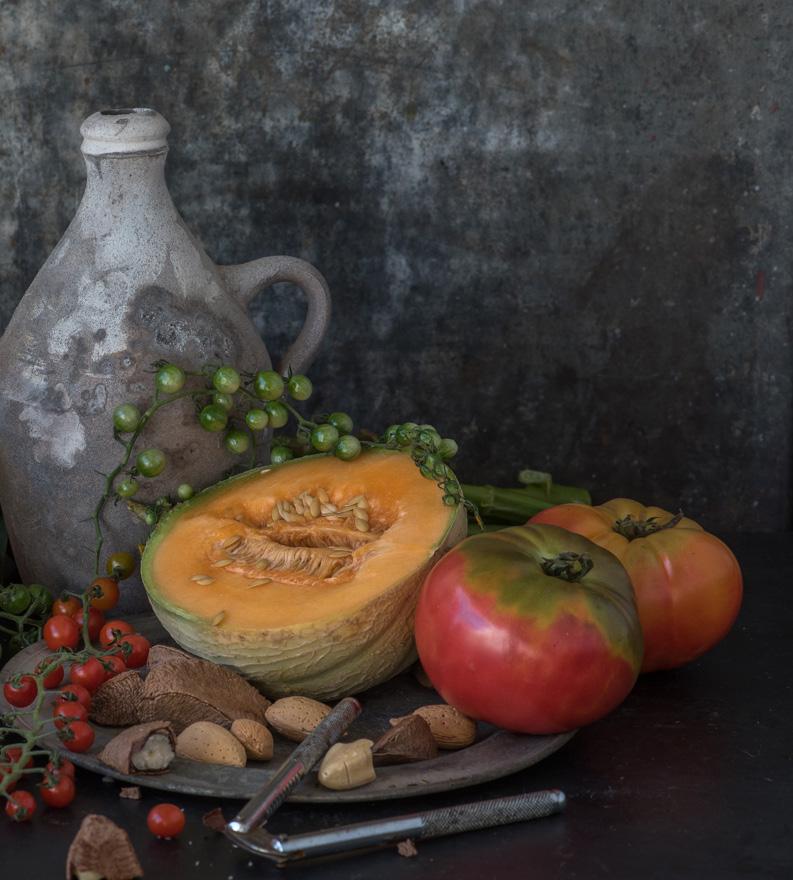
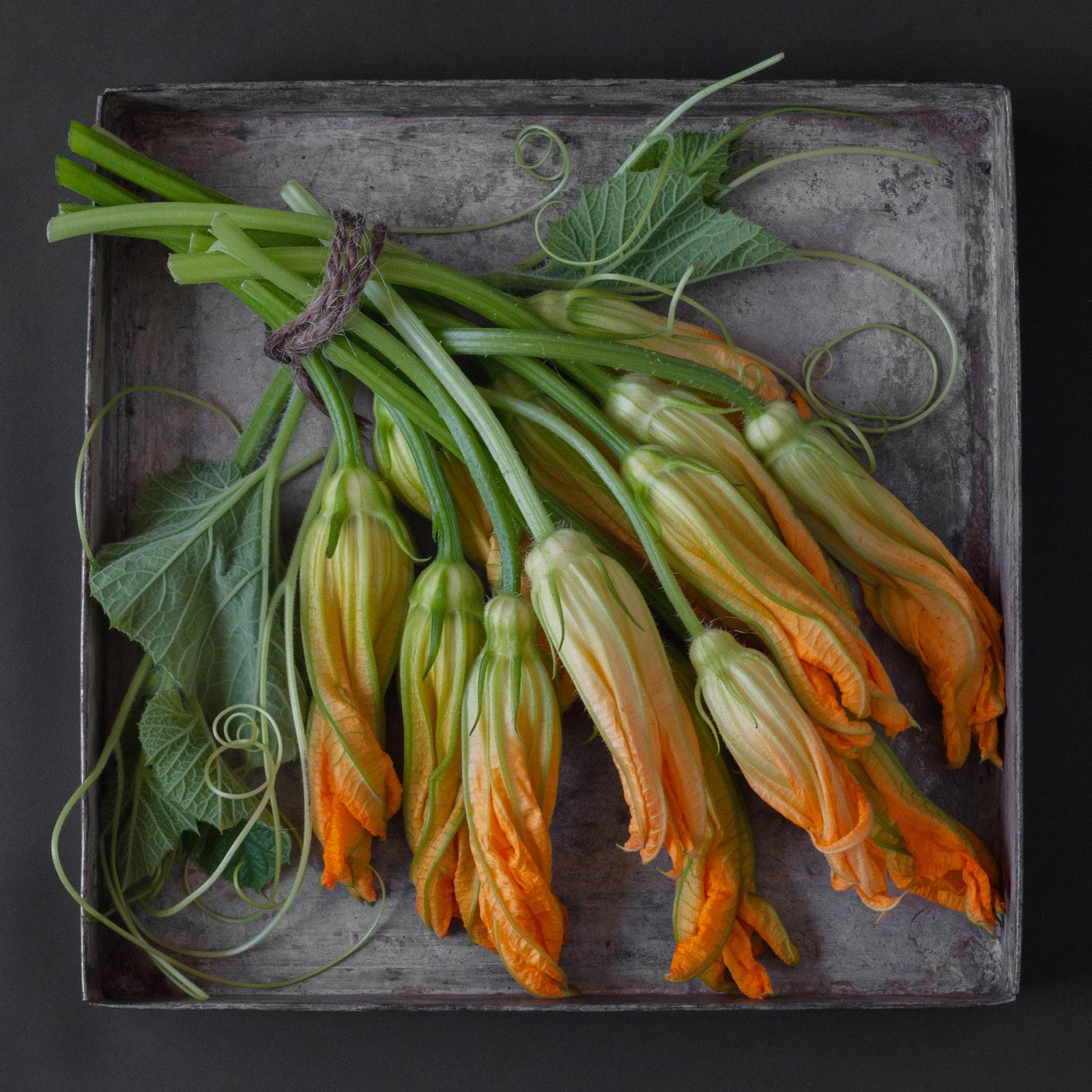
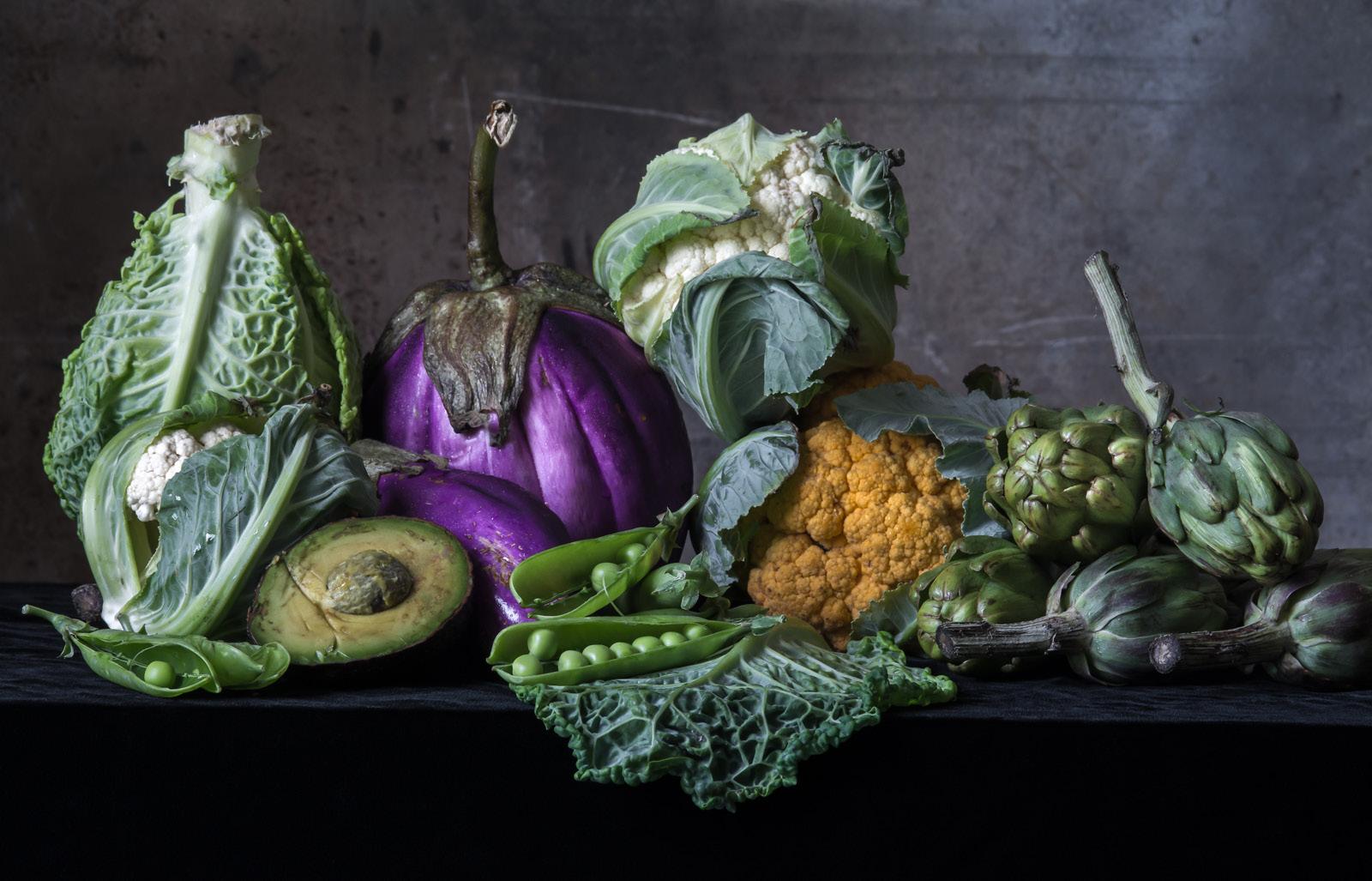
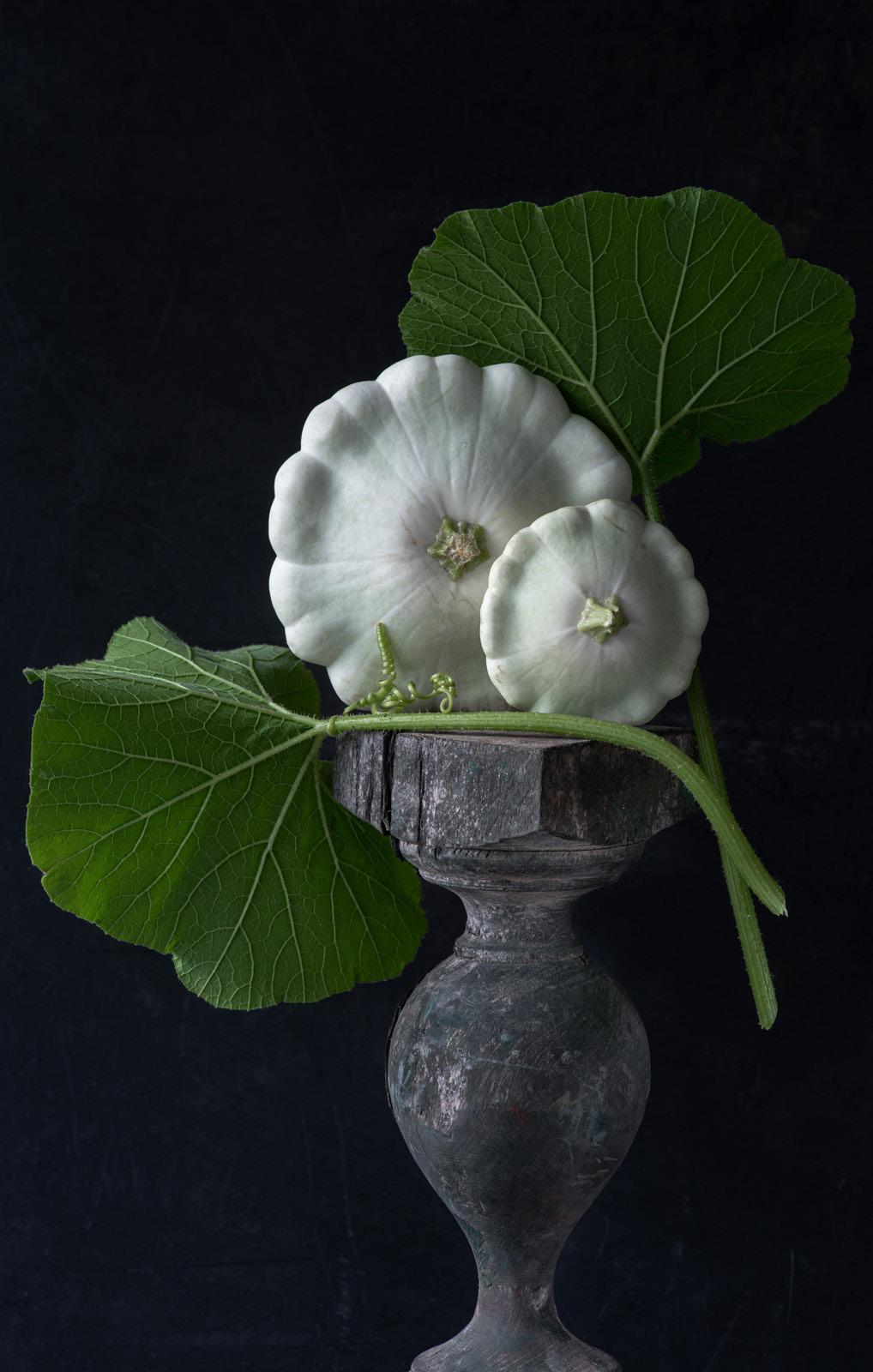
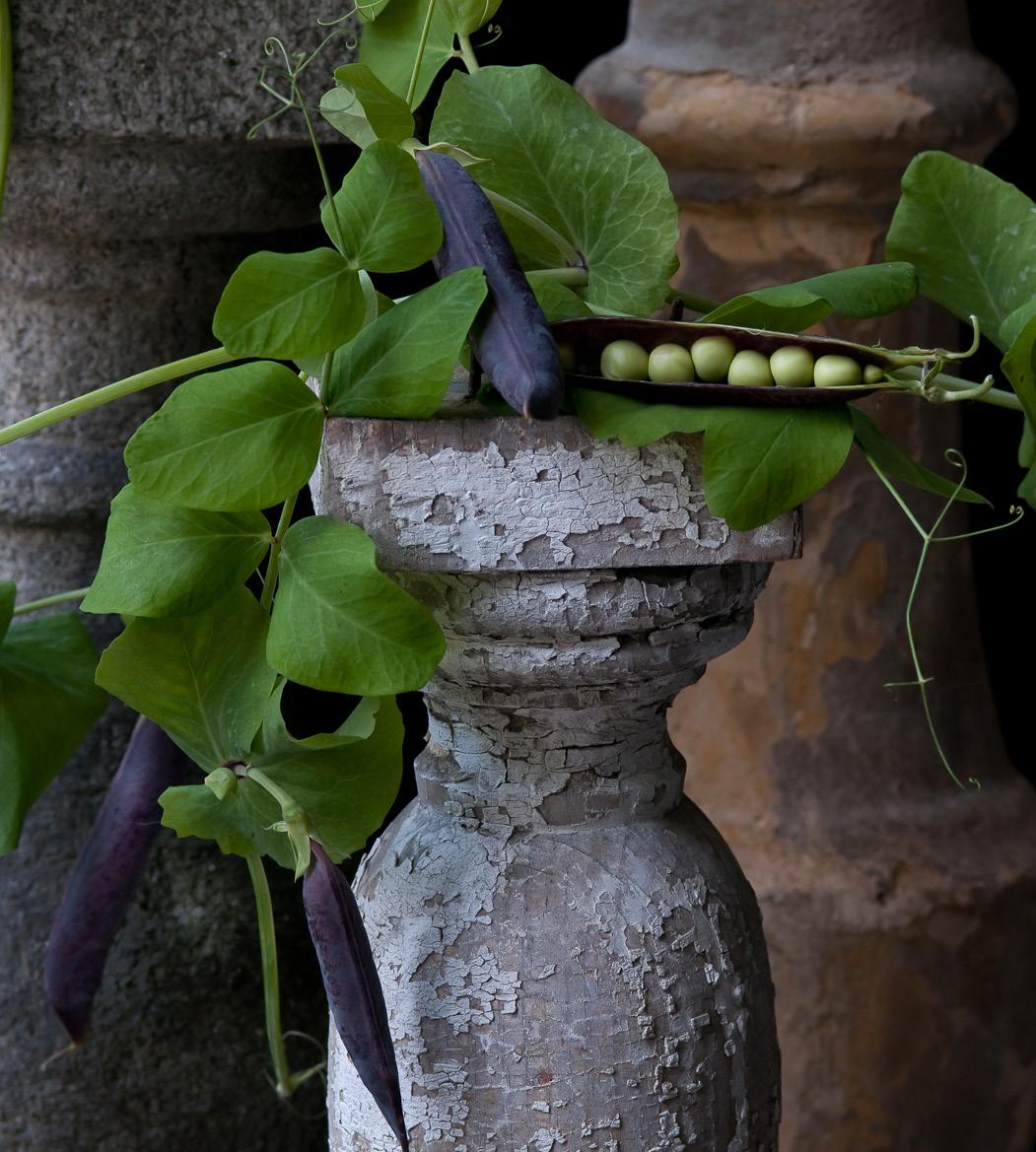
In this edition we meet Maine-based photographer Lynn Karlin. She started her career as a photojournalist shooting celebrities in their native haunts and now turns her camera on everyday fruits, flowers and vegetables to create beautiful, almost startlingly soulful, Dutch Master-esque portraits which have been featured in galleries around the world.
So, is it plant porn? Vegetable fetishism? Floral idolatry? Call it what you will. All we know for sure is that in her hands, Karlin’s camera is a powerful tool that makes us see the raw beauty in the most ordinary of things.
To see much more of her work and to purchase copies of these images, visit lynnkarlinphoto.com.

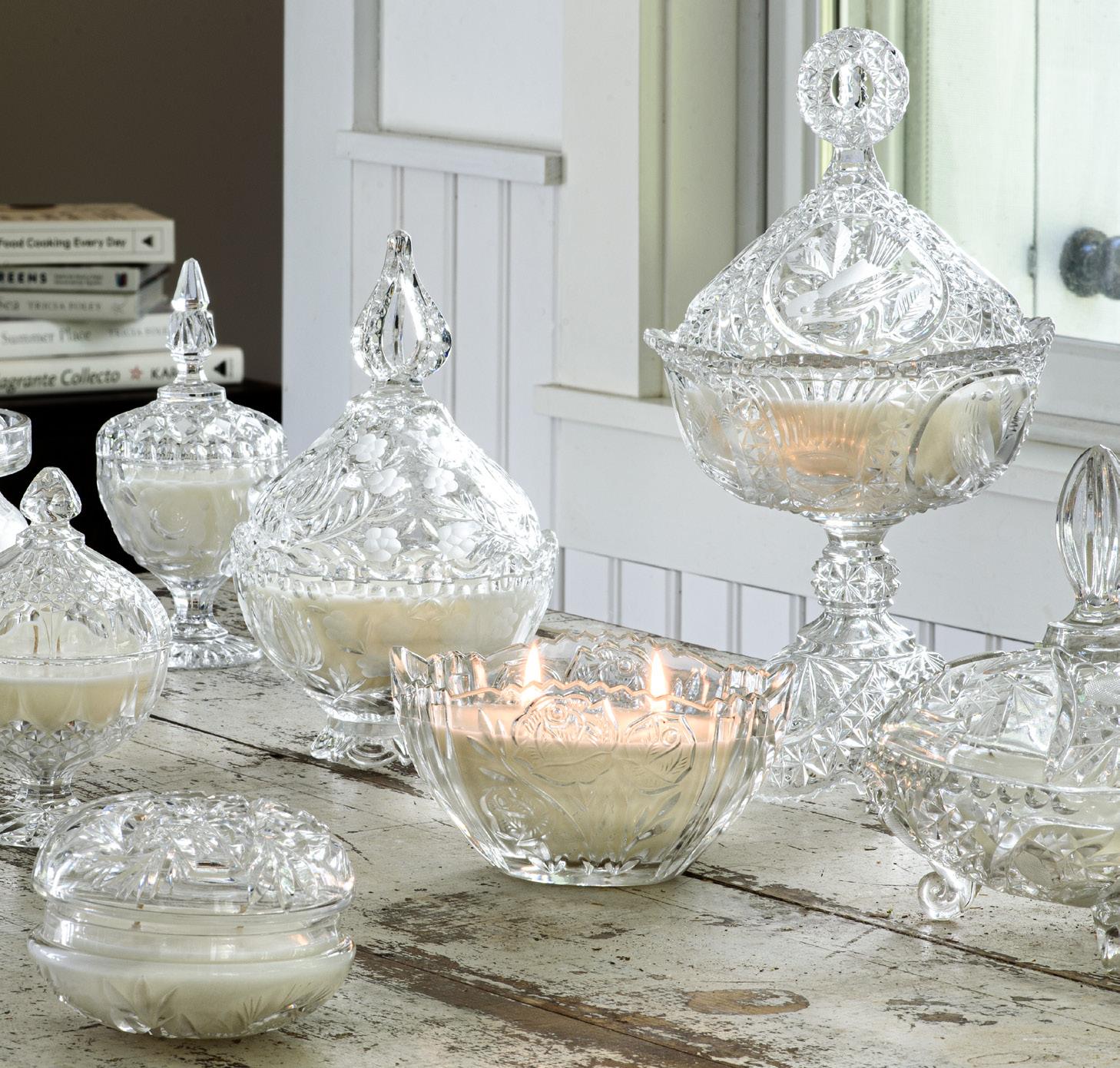
Snapping a match and lighting a candle is an ancient ritual that signals it’s time for a timeout.
Every month we debut a group of unique one-of-a-kind vintage containers sourced from around the world, that we repurpose into made-to-order candles with your choice of five custom scents. 100% of the money from the sale of these candles (excluding shipping) supports charities that work to empower women.
Visit gritandglam.com for more information.