2026 Spring
GREYHOUND MEDIA






2026 Spring
Ubaldo Ramirez, Eleanor Wagner
Abigail Gomez, Abigail Paulson, Alicia Anguiano Ruiz, Ally Marsoobian, Arely
Hannah Geary, Isabella Moya, Joulian Rebosura, Kayleigh Luna, Krislynn Purdue, Evan Warner, Ruby Tejeda, Sarah Moreno.
The Drug Swept Under the Rug Understanding Youth Gang Involvement
Abi Gomez
The Places We Will Go
Alicia Anguiano Ruiz, Arely Ubaldo Ramirez, Ruby Tejeda
Alicia Anguiano Ruiz, Arely Ubaldo Ramirez, Ruby Tejeda

Ally Marsoobian, Hannah Geary
Krislynn Purdue Sarah Moreno
Joulian Rebosura

Greyhound Media is Atascadero High School’s student-run publication dedicated to the art of storytelling. Each issue captures the voices, experiences, and creativity of our students celebrating what makes our campus community unique. Guided by professionalism, ethics, and inclusivity Our writers and designers craft original, thoughtful stories that inform, inspire, and connect Greyhounds through shared narratives and authentic expression.
Cici Proud
AHSTheater, Jonathan Makins
AHS Swim ,Avila St John Cuesta Softball
Dear Readers,
Welcome to this issue of Greyhound Media Magazine—a publication created by students, for students.
Each page represents the heart of our campus: the voices, stories, and perspectives that make Atascadero High School such a vibrant community.
Our goal is simple: to tell stories that matter. Storytelling is more than just reporting; it’s a connection. It allows us to see one another more clearly, to celebrate creativity, and to find meaning in the everyday moments that shape our school experience. In accordance with California Education Code Section 48907, this publication serves as a forum for student expression. The statements, viewpoints, and opinions herein are those of the student authors and not those of Atascadero High School or the Atascadero Unified School District.
-Kayleigh Luna Editor-in-Chief.
By Abi Gomez
Widely used but often overlooked, caffeine can offer both benefits and risks that can
From gas stations on every corner to coffee shops on nearly every street, caffeine is more accessible than ever. When walking around schools and other public places cans of Monsters or Red Bulls can easily be spotted. Is there a way to balance your usage of caffeine when you have no idea what contains caffeine or where it even comes from?
Caffeine is a stimulant drug that is widely available to the public. You may find it in everyday drinks and not realize that it’s there. The National Library of Medicine stated that caffeine “Is widely recognized as the most utilized psychoactive stimulant worldwide.” But the usage of caffeine is not just a modern day idea, it’s been used for centuries.

200 milligrams of caffeine
A Stimulant with a Long History

Tea was the earliest known use of a caffeinated product, dating back to ancient China around 2700 B.C. It was most commonly used for its therapeutic properties. Coffee was discovered during the ninth century when a shepherd noticed his goats were energetic after eating coffee cherries. His discovery spread and eventually led to coffee being made from the dried seeds otherwise known as coffee beans. Energy drinks were first developed much closer to modern day, in Japan during the sixties. They have continued to rise in popularity at an exponential rate hitting a spike in the later 2000s.
In limited amounts caffeine can actually have a multitude of health benefits including soothing migraines and improv-
ing your mood. Because caffeine stimulates dopamine production in low doses it can also help with depression. The most important thing to keep in mind when drinking caffeine is moderation is key.
Zachary Binger, a freshman at AHS drinks states “I drink three to five Monsters a day… they taste good.”
While this is considered an excessive amount of caffeine, there are reasons behind his decision. Because he has ADHD, caffeine affects him differently than an average person. It’s basically a form of medication to level out the difficulties that come with ADHD. He could make it through his day with a lower amount, but as many students claim, “they taste good.” so he continues to drink them. When asked if he ever wanted to switch to other forms of caffeine such as caffeine pills, he simply replied “I don’t want to pop pills throughout the day.”
According to the American Medical Association, about 85% of adults consume caffeine daily, averaging around 135 milligrams.
Having a balanced relationship with caffeine is important to maintain. Ethan Winzenreaid, a student at AHS, tries to maintain a healthy relationship with caffeine by limiting himself to either one McDonalds coffee or a ghost energy drink daily. Ethan stated that “I limit myself because I’ve had heart palpitations in the past due to caffeine ”


“I drink three to five Monsters a day… they taste good.”


“I limit myself because I’ve had heart palpitations In the past due to caffeine ”


Bad or reliant relationships with caffeine can lead to health problems and even death. Just like other drugs there are side effects and a possibility of overdosing if you drink too much caffeine. Lucas Drexler, senior at AHS, said that “too much caffeine makes me feel sick”, which is one of the many side effects you could develop after over consuming. Other students interviewed claimed to get tremors and headaches from drinking too many energy drinks.
“For most adults, the FDA has cited 400 milligrams a— that’s about two to three 12-fluid-ounce cups of coffee — as an amount not generally associated with negative effects.” -The FDA 95-98 milligrams of caffeine
Caffeine can lead to dependence in many people, and overtime that dependence can build. Multiple students in a poll claimed to feel reliant on caffeinated drinks in order to get through the day. Going without caffeine after having it consistently can cause a multitude of withdrawal symptoms. Keegan Lee, senior at AHS, said that she gets extremely tired to the point that “Without caffeine, I can’t keep my eyes open.” Other students claimed they get extreme headaches and that their emotions can be affected.

“Without caffeine, I can’t keep my eyes open.”

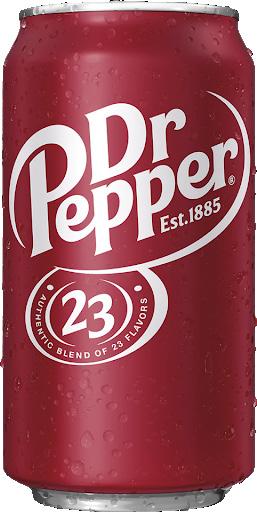
60-65 milligrams of caffeine
But a black cup of coffee, a coffee with creamer and a Starbucks frappuccino are completely different. Unlike what is warned about caffeine, drinking a black cup of coffee is known to promote heart health. When adding sugary ingredients like creamer to coffee the benefits slowly become less prominent. When dinking a starbucks carmel frappuccino, for example, the benefits of caffeine is outweighed by flavoring and syrups.
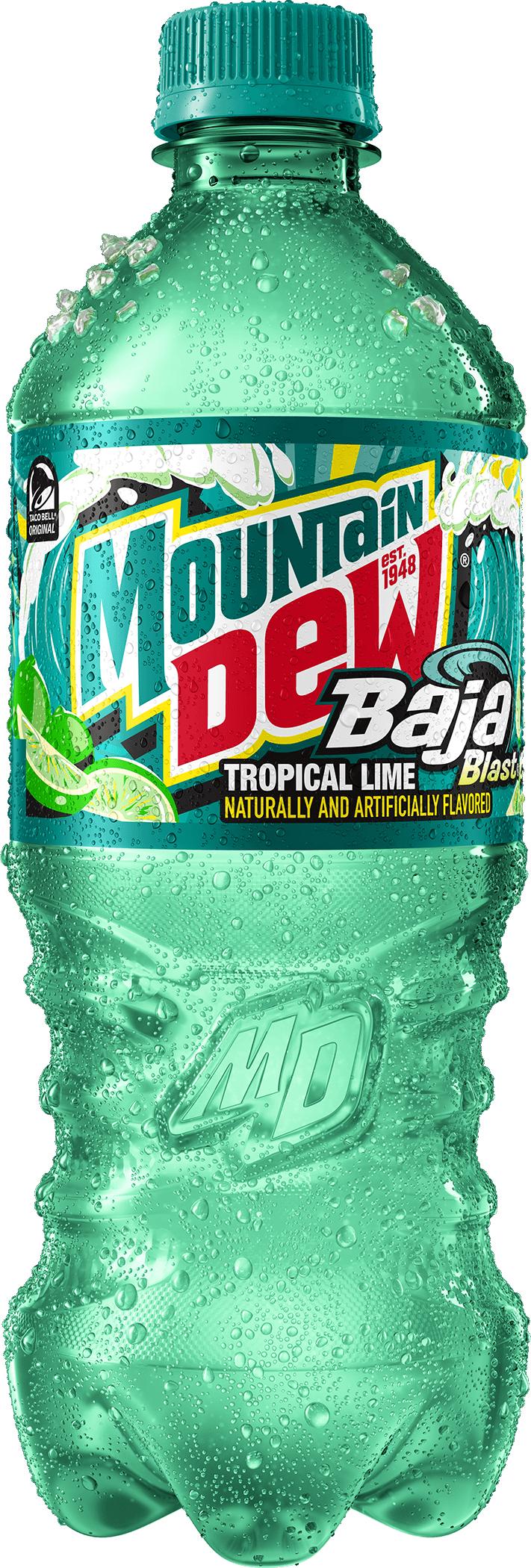
But today one of the most popular ways to drink caffeine is energy drinks. Whether it is thirty eight and eighty nine milligrams of caffeine, Red Bulls, Monsters, Ghosts, Celsius, or Alani, energy drinks are everywhere. They are by far the most caffeinated of all caffeine drinks with anywhere from eighty to two hundred milli-
grams of caffeine depending on what brand you drink. The problem with energy drinks is not just the extreme amount of caffeine, but all the additives put in them. They often add high levels of sugar and other stimulant compounds such as guarana, taurine, and L-carnitine.
Caffeine is commonly looked at as harmless or less dangerous than other drugs. Its influence is everywhere making impressions on us without us really realising it. It has uses but are they overshadowed by its drawbacks? Next time you have a caffeinated drink ask yourself do you know what it is and what’s in it? And do you know what it can do to you?
One of the most common drinks that contains caffeine is a variety of sodas. Soda has been rising in popularity since its creation in the 1800s. There are a bunch of sodas with small amounts of caffeine. One of which is Dr. Pepper, a drink you can see all around AHS. It’s one of the most caffeinated sodas with about forty two milligrams. Caffeine is definitely not the only thing in sodas that can cause problems, there are high levels of sugars and artificial flavors.
Matcha is a green tea leaf that is ground into a fine powder and brewed into a traditional Japanese tea. Even though it’s been made popular in the past couple of years, Matchas origin dates back to the sixteenth century. It has anywhere between thirty eight and eighty nine milligrams of caffeine in an average glass.
Brewed from coffee cherries, coffee is the most popular form of caffeinated beverages in the world. Coffee has been popular for hundreds of years, and is widely consumed in every part of the world. A cup of coffee can have anywhere from thirty to one hundred and seventy five milligrams of caffeine.
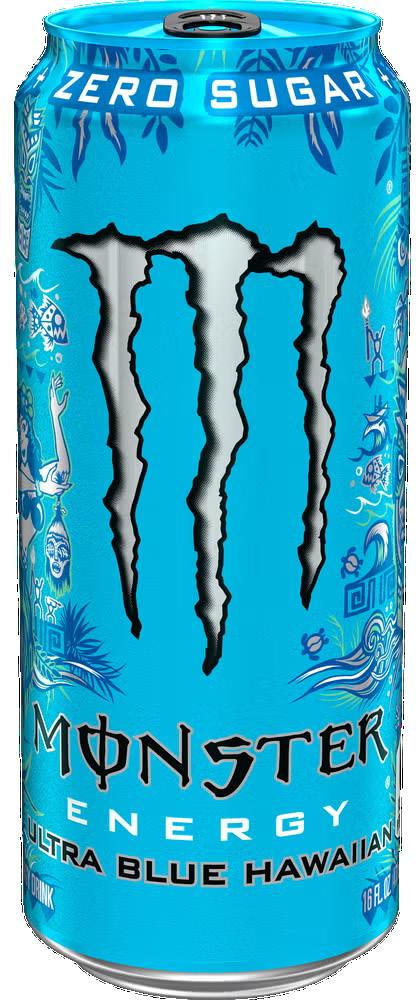
110-120 milligrams of caffeine

Every young person is looking for connection, but where will they find it?
In many communities across the United States, youth gang recruitment has risen in the years following the COVID-19 pandemic. Arguably, a majority of the blame falls on rising tensions in the nation; like the recent economic and social instability affecting families and worsening racial tensions. According to the U.S. Department of Justice, research has historically pointed to reduced access to support systems. This has created conditions where more young people are vulnerable to gang involvement. As these pressures grow, so
does the need for belonging. For some, this is found in spaces that carry long-term consequences. Understanding that pattern is key to building stronger, more responsive communities.
Data tracking youth behavior shows that gang involvement varies by age and location. Typically, people are drawn into gangs through peers and family because of the preestablished connection they’ve found. As reported by KidsData, “gang membership increases with age during adolescence”, corresponding with a teenager’s need to find their social circle, something that we all can relate to. Everywhere, social circles play a huge role in a person’s route in life.

The same tactics used to recruit kids into gangs such as inclusion, and connection, can be used

-Charles “Bear” Spratley

By Isabella
They think it’s cool to hang out with them and do bad stuff. It’s a big in fluence and people think its cool to do that stuff. It’s like smoking, you get a buzz. They do it for the feeling... Big influences from the people around them.
-Anonymous Freshman

-Anonymous Freshman
The pathway into a gang changes for each person. Contributing factors can include peer influence, financial incentives, and a desire for belonging.
Charles “Bear” Spratley is the founder of BABY, an organization that works in gang prevention. He describes recruitment strategies focused on inclusion, connection, validation and even access to income. Organizations working inintervention, such as the Global Homeboy Network emphasize that “providing support, jobs, and community reduces the likelihood of gang involvement”, emphasizing prevention through opportunity.

Gangs are not a new phenomenon. To understand current trends, it’s important to examine their historical roots. Historically, gang formation in the United States has been linked to social exclusion, discrimination, and limited access to economic opportunity- such as racism and xenophobia. Studies on gang formation from the National Library of Medicine (PMC), note that “groups emerge in response to social and structural disadvantage”. When a group of people are ostracized, torn down, and excluded by the majority, forming their own groups for defense is inevitable.

for equality in the 1990s and 2020s, spot the difference
While gangs may promise protection, belonging, and financial opportunities, the price paid for these scarce rewards is hardly worth it. Gang involvement can result in a range of consequences, including criminal charges and ruined relationships. Research published through the Library of Medicine found that gang members face up to 5.6 times the risk of death compared to the general population. What first offers belonging, can also
through the National Library of Medicine further connects gang affiliation to increased risk exposure, stating that “gang membership is associated with significantly higher rates of victimization”. The State of California Department of Justice website states that, in California, those involved or suspected to be involved with gangs are marked on a database, which can lead to increased police stops, harsher criminal charges, and challenges with employment, housing, and immigration. The mere suspicion of a person having an affiliation

with a gang is enough to change their whole life trajectory, and that’s arguably one of the lighter consequences associated when considering the probability rates of death, injury, substance abuse, and more. Beyond these systemic impacts, involvement can also limit personal progress. Time spent in gang-related activity can reduce school attendance, academic performance, and participation in extracurricular or career opportunities that lead kids to success. Ongoing exposure to conflict, instability, or violence affect decisionmaking, relationships, and longterm planning. It also brings hardship to members and their families financially, physically and mentally.


Gangs are frequently featured in pop culture one way or another, even in class readings. Texts commonly taught in schools, such as The Outsiders (1967) and Romeo and Juliet (expressed dramatically in the 1996 film), feature territorial fighting and group conflict structures that parallel gang dynamics. Since the 1960s, the rise of mass media has contributed to public awareness of gang culture. Films, music, and literature have shown aspects of gang life with varying degrees of realism, shaping public per ception. In the modern age, there’s no doubt that every student is aware of what a gang is, one way or another.
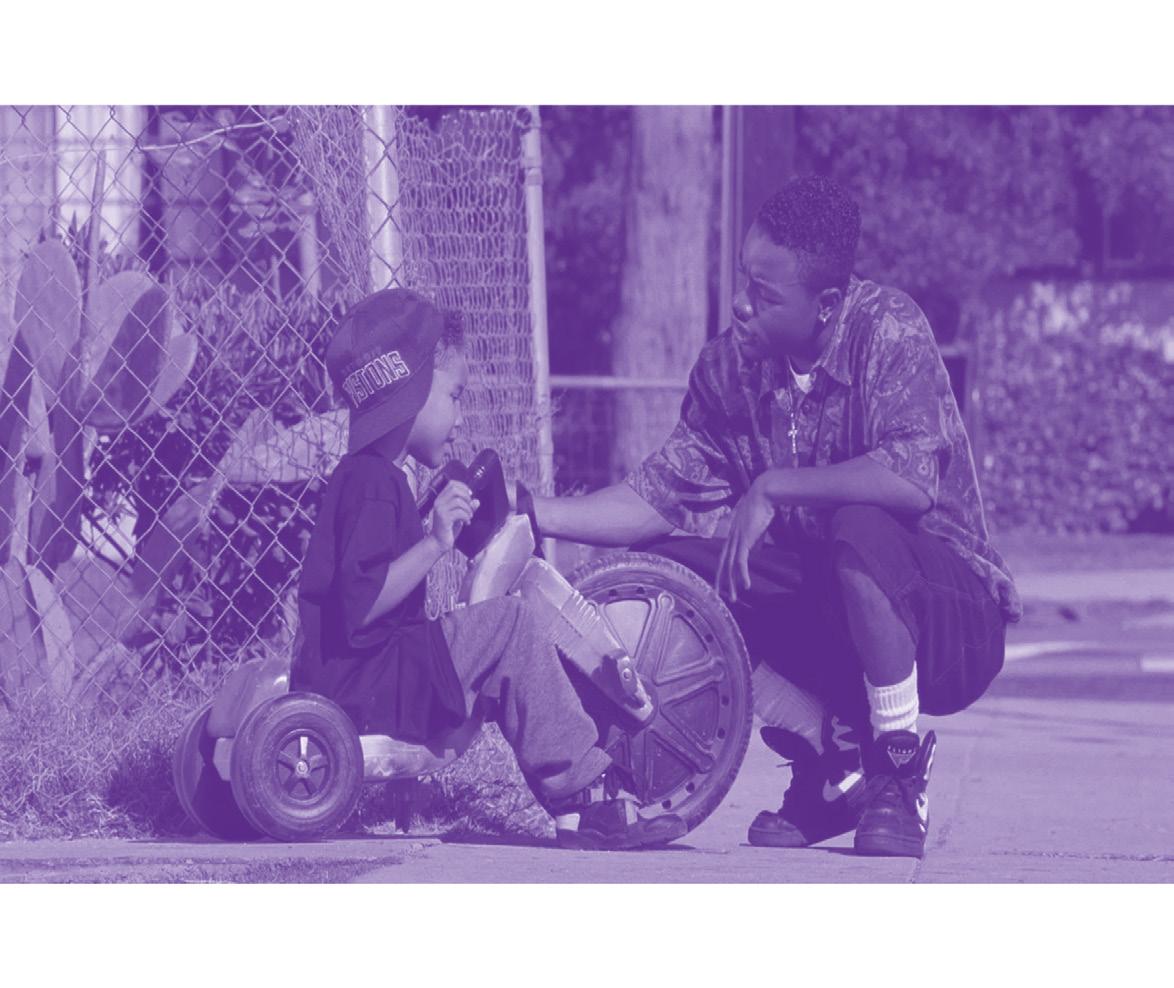


In the movie industry, many plots draw from the exploitation of the gang lifestyle. Pop culture media, such as Scarface (1983), glorify gang culture and fail to show the day-to-day struggle that people face, portraying aspects of gang culture with varying emphasis on violence and lifestyle. On the other hand, films like Menace II Society (1993) give us a perspective on the daily aspect of gang life in a community. At the same time, prevention research emphasizes that perception does not always align with reality. Public health and criminology summaries on risk/protective factors review on teen gang involvement states that “youth often join gangs seeking protection, belonging, or economic opportunity,” rather than for violence.
Similarly, there have been many music artists throughout the years whose lives and music were influenced by gang culture. For instance, Tupac Shakur wrote songs that exposed the poverty, pain, and hopelessness surrounding gangs, drugs, and survival rather than glorifying them. However, his fame and public image often caused that lifestyle to become romanticized by audiences. These portrayals in film, music, and literature show how deeply gang identity is woven into culture. Understanding these influences helps explain why gangs continue to appeal to some young people..
“Trapped”

“You know they got me trapped in this prison of seclusion
Happiness, living on the streets is a delusion
Even a smooth criminal, one day must get caught.”
“Dear Mama”
“Dear mama, can you save me? And f*ck peace
‘Cause the streets got our babies, we gotta eat
No more hesitation each and every black male’s trapped
And they wonder why we suicidal runnin’ ‘round strapped.”
“Dear Mama”
“I hung around with the thugs, and even though they sold drugs
They showed a young brother love I moved out and started really hangin’. I needed money of my own, so I started slangin’.”
If Connection Is The Draw, Can it Also Be The Solution?

As previously stated, the same tactics used to recruit kids into gangs can be used to keep them out. Recently, prevention efforts focus on access to productive activities and community programs, some regions have even begun reevaluating enforcement tools. Reports from San Diego County note that “many departments have moved away from gang databases due to concerns over accuracy and fairness”, showing a promising shift in approach.
Understanding what pushes people to join gangs helps center prevention strategies on access, engagement, and communitybased resources. Thankfully, most towns and schools have a range of activities to join based on personal interests. Music- there’s band. Running- there’s cross country. Helping the communityjoining a local scouting troop. Having to involve oneself in a gang because of circumstances leads to harsh, often irreversible effects. In the age of modern technology, there are many resources publicly available that can help prevent this.
Communities should work on building relationships, creating a supporting school environment, offering community programs, and creating inclusive spaces where youth feel recognized and valued.
Many schools and peer-based prevention efforts focus on connection, consistency, and access to opportunities.
The availability of other social outlets has proven to lower youth gang rates, as stated by The University of Illinois, College of Applied Health Sciences. Connections can be formed through sports, clubs, extra-curricular activities, and community organizations. Joining these activites provides a sense of kinship with members, even if joining seems awkward or boring at first. Consistent relationships, recognition, and inclusive environments can reduce vulnerability to recruitment.

to amount to anything leads many to start to believe it because of the treatment they’re receiving.
Inclusion in social groups, collaboration, and informal support networks give alternative forms of belonging when it is lost. Community programs like Global Homeboy Network works to give youth opporutunities to focus their energy postively and become educated on how joining a gang could impact them.
Prevention doesn’t rely on a single solution. It’s built through consistent relationships, access to activities and resources, and environments where young people are recognized and supported. As Spratley emphasizes, the same approaches used to draw youth


Support doesn’t always mean adoption. As a non-profit organization, Woods Humane Society relies heavily on community support. Donations, both monetary and physical, help fund medical care, shelter operations, and outreach programs. For those who can’t adopt, contributing in other ways still plays a critical role in helping animals find safe, stable lives. One moment can change how you see the world around you.
Stray animal overpopulation is bigger than most people realize. According to the International Fund for Animal Welfare, there are an estimated 480 million stray cats worldwide. While the issue is global, organizations like Woods Humane Society make a measurable difference at the local level. Programs like Project M.E.O.W. and community adoption efforts help reduce the number of animals living without care, one cat at a time.
Finding those kittens was more than just a chance encounter: it was a reminder of how many animals go unnoticed and how important it is to have systems in place to support them.
Our volunteers pour their hearts into our rescue mission. Although we have limited resources and rely completely on donations and volunteers. - Project MEOW
Julius Athena Antonio
Every animal is given care, identity, and a path forward. At the Atascadero location, every cat that arrives is spayed or neutered before being placed into the shelter’s adoption system. Each animal receives a profile that includes its name, age, gender, health conditions, and personality traits helping potential adopters find the right match.
Woods Humane Society maintains a 98% live release rate, meaning nearly every animal that enters the shelter leaves alive.
Overall, there are an estimated 600 million cats worldwide. Of these 600 million, around 220 million are house cats kept as pets, and 480 million are stray - International Fund for Animal Welfare



Each cat is different, and finding the right fit is essential for longterm success.
Owning a pet doesn’t just benefit the animal research shows that it can also improve mood, reduce stress, and provide emotional support for owners.
“My biggest joy, is getting to know the cats and building relationships with each of them, then I get to watch them finally get their forever homes.”Elaina, Adoption Speicalist


Local organizations step in when individuals can’t.
Adoption is about more than choosing a pet it’s about compatibility. Elaina, an adoption specialist at Woods Humane Society, helps match people with cats based on both human preferences and the animal’s temperament.
In Atascadero and San Luis Obispo, one organization works to answer that question. Woods Humane Society is an independent non-profit dedicated to reducing the number of unhoused cats and dogs and placing them into safe, caring homes.
For many animals like the kittens we found, shelters like Woods provide a second chance.
By Hannah Geary and Ally Marsoobian
But the moment raised an important question: what happens when someone isn’t in a position to help?
“My least favorite part about this job would be giving the cats shelter medicine or having to perform procedures on them.”
-Alaina, Adoption Specialist
One day, my friend and I were walking through our neighborhood when we stumbled across two newborn kittens. They were clearly not being cared for “They were covered in dirt and fleas completely on their own.”. It was a distressing sight, and we immediately knew something had to be done.
In the end, my friend decided to take them in and care for them as her own.

By Krislynn Purdue
At a certain moment, we reflect on our lives and come to understand that there are times when we need to progress and make plans. Establishing certain goals in order for us to grow and achieve the place we desire to be. So ask yourself; Where do you see yourself in the future, and where do you want to be?
Setting goals is a fundamental part of personal and professional development, acting as the roadmap to one’s success. Goals provide direction, boost motivation and offer a sense of accomplishment upon achieving. They can be categorized as short term and long term goals, each with clear characteristics and importance in an individual’s journey.
Understanding Short-Term and Long-Term
Short-term goals are immediate objectives that can typically be achieved in a short period of time, ranging from a few days to a few months. These goals often serve as stepping stones toward larger, long-term objectives. They are crucial for maintaining that momentum, providing boosts and offering opportunities for feedback and change.
“Short-term goals are the steps that you take along the way to
your long-term goal; they are like benchmarks.” Says Kamela Proulx. Long-term goals on the other hand are significant objectives that require extended time to accomplish, often ranging from several months to many years. These goals are usually more impactful to one and represent major life achievements or significant personal growth. They provide a general vision and purpose that is supposed to guide decisions and actions over time.
The thing is without a clear vision, goals lack significance and may lead individuals off track. A vision acts as the guiding force, outlining where we as individuals ultimately want to go. Having a compelling vision can inspire and motivate, encouraging determination and persistence, particularly when faced with challenges. While goals can sometimes feel like obligations, a
Gail Mathews in his article, Short-Term and LongTerm Goals Examples: A Goal-Setting Guide, wrote, “It’s a method of deciding what is important for you to accomplish in your life or career and establishing measurable targets and deadlines to make those achievements a reality. It is an effective way of bringing about positive change in our lives.”
vision can ignite the passion that drives one to work harder in order to bring the vision to life.
It also helps to align and prioritize certain goals, preventing conflicting objectives that separate focus.
His point highlights how defining goals makes them more achievable. Having a vision and being able to define goals is crucial. So when we set them we can look at both short-term and long-term goals, breaking them down into this path that provides a structured approach to personal and professional development.
Setting both short-term and long-term goals is essential because they complement each other, creating a broad structure to accomplish desired outcomes. Long term goals provide the greater direction and purpose, while short term goals serve as the actionable steps and milestones that lead to those larger achievements. These together enhance the clarity and drive achievement.
We know that achieving short term goals can help lead to long term goals and success. Fulfilling these benchmarks or receiving feedback on progress has several impacts that influence one’s motivations, self-efficiency and overall emotional state.
By creating smaller, more achievable goals helps boost productivity which helps increase the likelihood of success in the
Motivational speaker Denis Waitley, an author from America, emphasizes the importance of clarity, stating, “The reason most people do not reach their goals is that they don’t define them, or ever seriously consider them as believable or achievable. Winners can tell you where they are going, what they plan to do along the way, and who will be sharing the adventure with them.”
long run. At times large tasks and goals can feel intimidating and lead to overload making it difficult to start and leads to procrastination or even avoidance. By simplifying the task or even sometimes changing our original path, tasks can become more manageable and less daunting.
But at times your short term goals can also work with or against you. Our brains are naturally built to prefer immediate rewards so at times we lose focus of the purpose of our smaller goals. They can undermine long term success, leading to things that don’t actually contribute to that larger more meaningful goal.
Life is inherently unpredictable, and certain circumstances constantly change the original path one was aiming for. What could have been
perfectly logical and planned out as an achievable goal at some point might become less relevant or less practical as time progresses.
Despite careful planning, challenges and setbacks are inevitable on the path to achieving certain goals. Adjusting plans can help students stay on track when challenges arise. Rather than abandoning them when off schedule and to reconnect with the “Why” of the goal to regain motivation.
Far from being a failure, adjusting goals is a smart strategy that can amplify your chances of long term success and well being. It can demonstrate the ability to adapt, which allows for flexibility leading to maintaining momentum and morale, even when facing difficult and unforeseen challenges.
Amber Raught, a community member of San Luis Obispo county says, “Creating small goals has honestly been one of the biggest things keeping me grounded and moving forward. When you are working toward something long-term whether it’s career growth, financial stability, or even just figuring out your next step. It’s really easy to feel overwhelmed. Breaking things down into smaller benchmarks makes everything feel more manageable and measurable”
Overcoming the fear of failure by viewing setbacks as learning opportunities is also essential for sustained progress. Jonah Sullivan, a senior here at AHS states, “There’s lessons to learn from different things. So, if you do end up failing at something, try to look at why that thing failed for you and just try to avoid that in your next step.” Prioritizing goals and reserving dedicated time for them can help in overcoming challenges and distractions.
But once again that is where the challenge is, you can’t lose track of the ultimate goals. These smaller goals are supposed to be benchmarks that help monitor and maintain motivation along the way. By breaking down a large, complex objective into manageable parts. These benchmarks give you the ability to see whether your current efforts align with the ultimate goals.
Never hesitate to ask for help when you’re setting goals for a career or something significant. Getting opinions from others can be beneficial even if one’s ideas are different from your own.
Networking is crucial for achieving goals as it provides access to opportunities. By connecting with people, you can receive valuable insight and advice that can enhance your professional and personal reputation. As you plan your career or move through another school year building a support network. Reaching out can give you a clear idea of what you can and want to achieve.
This leads to many opportunities that aren’t always publicly advertised and are instead filled through personal connections. A strong network can provide insider access to hidden opportunities and help inspire one’s outlook.
Engaging with Teachers, Coaches, mentors, friends, or colleagues can significantly enhance the likelihood of one’s success. These partners can provide support during difficult times, offer valuable feedback and celebrate achievements fostering a sense of shared journey. Regular checkins with accountability partners help individuals stay on track and maintain focus.
it’s about the journey of becoming the best version of oneself. Celebrating achievements no matter how small, boosts morale and reinforces positive habits. It is also essential to regularly evaluate goals to make sure they align with personal values and continue to provide excitement and challenge. This continuous cycle fuels growth and empowers individuals to live a life that reflects their aspirations and values. As we reflect on our lives, understanding where we want to be in the future and actively setting goals to get there is a profound exercise that shapes our destiny.
Amber Raught, a community member of San Luis Obispo county says, “Creating small goals has honestly been one of the biggest things keeping me grounded and moving forward. When you are working toward something long-term whether it’s career growth, financial stability, or even just figuring out your next step. It’s really easy to feel overwhelmed. Breaking things down into smaller benchmarks makes everything feel more manageable and measurable”
Goal setting is vital for personal and professional development, providing a clear roadmap to success and fostering growth. It offers direction, motivation, and delivers a sense of accomplishment upon achievement. Both short term and long term goals play a crucial role in an individual’s journey towards a future you have control over. Ultimately goal setting is not just about reaching a final destination,
Specific goals clearly defines what needs to be accomplished, who is responsible and what steps are necessary.
Measurable, Achievable, Relevant and Time Oriented. Following this transforms vague intentions into actionable and achievable plans. Measurable goals make it easier to track progress and determine when the goal has been achieved. They include specific numbers, dates, or benchmarks.
Achievable goals should be realistic and attainable within available resources. Setting achievable goals helps maintain team morale and prevents discouragement.
Relevant goal aligns with the broader side of goals. The objectives, values and overall mission. It ensures that the goal is meaningful and contributes to the desired outcomes. S M A R T
Time bound goals establish a clear deadline or timeframe for completing certain goals. It creates a sense of urgency and helps in proper planning and tracking.
G O L A S



By Sarah Moreno
Fast fashion moves quicker than ever, but the impact lasts far longer. As trends cycle and closets fill, the question becomes harder to ignore what actually happens to everything we throw away?
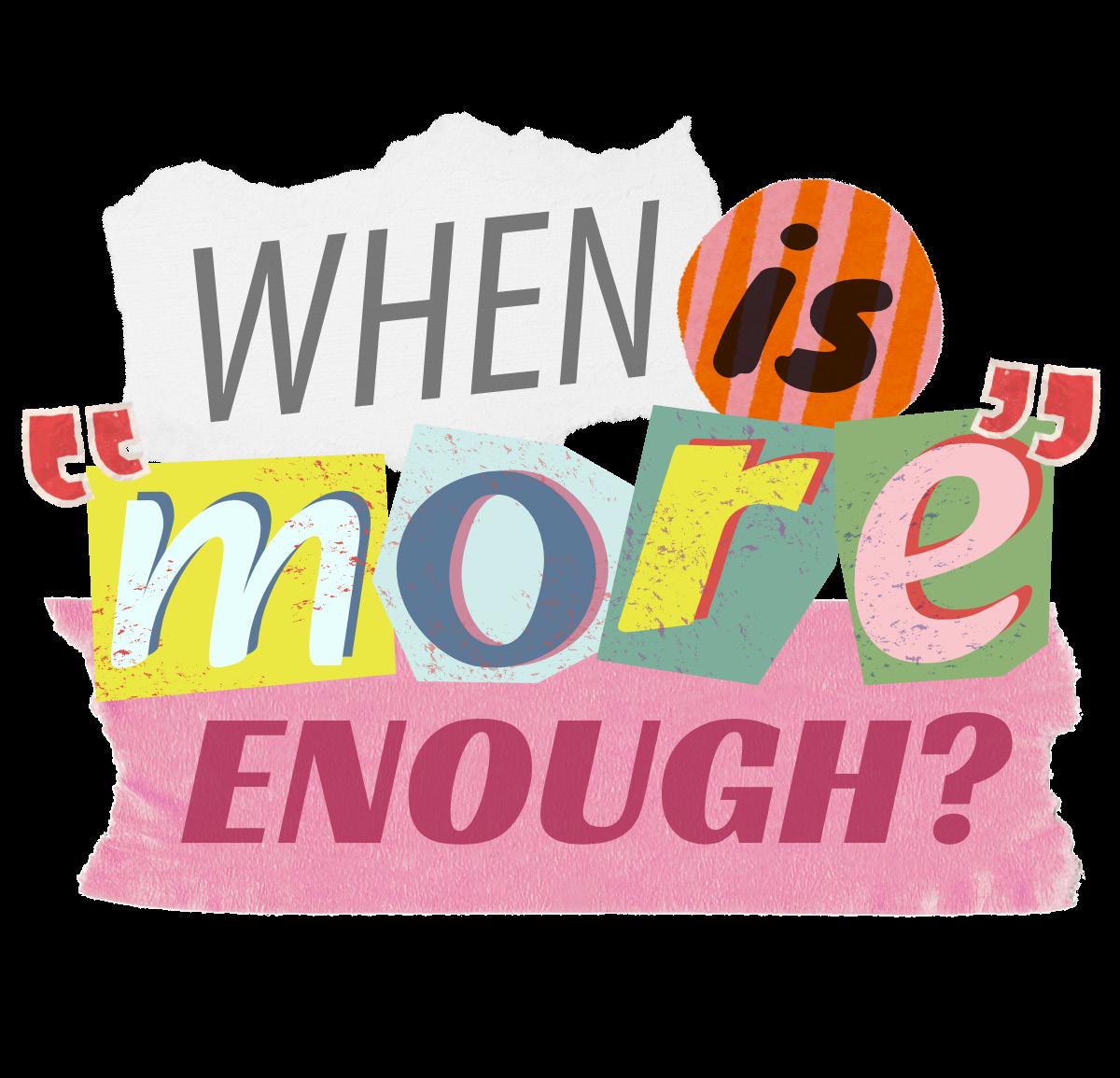
The rise of social media has caused trends to rapidly go in and out of style faster than ever, many people try to keep up by buying from fast fashion companies for their cheap prices. However, when those clothes go out of style so quickly, what happens? People who give them to thrift corporations assume they will be going back into a cycle of reusing clothes, but when everyone is donating clothes no one wants at the same time what happens to them? When does ‘more’ really become enough, and how can we fix it?


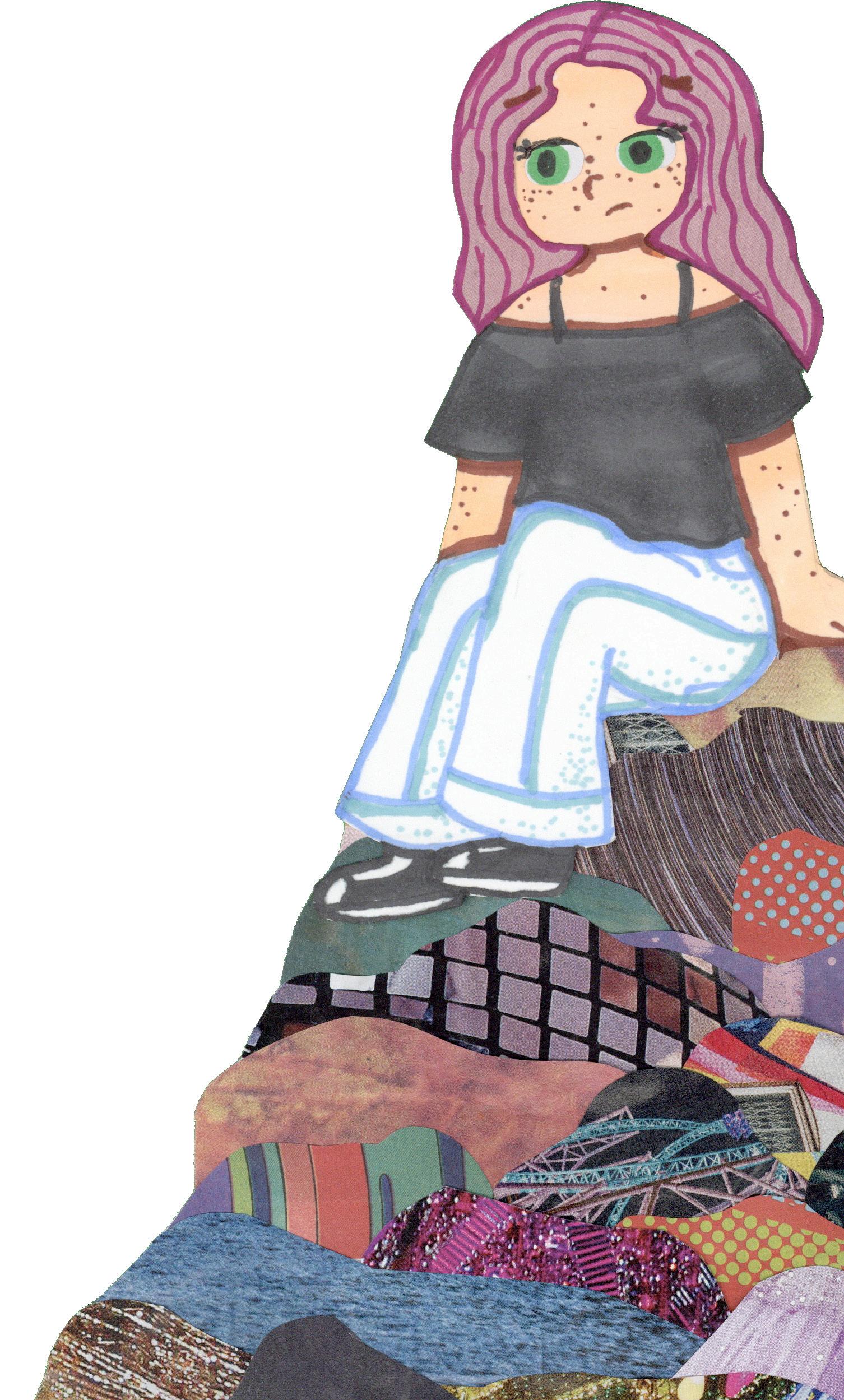

When more becomes enough it’s already too late, the planet has already paid the prices people have paid to purchase/support unethical fast fashion companies. Author, Aja Barber writes about this in her book “Consumed”. Barber is a sustainability consultant and writer, she advocates for issues in the fashion industry and how to solve them. “Every consumer has the right to know who produces their clothing and under what conditions,
whether it be labor conditions or environmental, just like the ingredients written on the food packaging that you buy.” Fast fashion employees are oftentimes not paid the proper wages, overworked and endure unsafe working conditions. No piece of clothing can be made entirely by machine, it’s shocking how something made by humans can be so inhumane.





Fast fashion is powered by microtrends, and they move fast. It’s difficult to keep up or even tell if you like them or are trying to assimilate to others and fit in. When local librarian tech, Syd Pruitt, was asked about her opinion on microtrends, she had this to say, “I worry that [clothes] cannot be made faster. You can’t do that quickly so I just don’t think it is good to participate in micro trends or even acknowledge them really,
especially brands, I feel like that’s so strange.” When you realize the trend is outdated, you give the clothes away to a second hand store, but many of those clothes don’t get bought and end up being sent to landfills.

Many secondhand store companies are misleading. They make themselves look sustainable, when in reality their clothes are ‘donated’ to landfills, ruining the surrounding environment. Barber writes “We cannot allow circularity to end up as another greenwasher marketing ploy.” According to Waste360, in Chile’s Atacama Desert, lies over 66,000 tons of clothing in a landfill that is visible from space. We don’t have room on our planet





for these ethical clothes and we shouldn’t continue supporting the companies that contribute to this. According to a documentary from 2015 titled “The True Cost”, the average American produced 82 pounds of textile waste a year, this source was published over ten years ago. Who knows how much this statistic has changed today? With business booming in fast fashion corporations, the growing numbers are an unimaginable, chilling thought.



Social media has skyrocketed purchasing from fast fashion companies, you cannot scroll for one minute without an advertisement being there. Most advertisements are hidden in plain sight when creators are sponsored to promote a product. Not only are there advertisements that you aren’t even aware of, brands no longer have to market themselves, social media does that for them. Influencers will talk about how people ”Need to run” to a certain store to buy from their new collection of clothes that will be replaced and forgotten about by next month.

These videos that influencers make often include prices saying how it’s only a specific price, encouraging people to buy it to get a good deal. Many social media apps, like TikTok, have a shopping option to profit off of the fact that people are so easily influenced to purchase items they don’t need, but are under the impression that they do need. Advertisements are pushing and promoting the purchase of unnecessary products while the advertisements start creating themselves while people keep consuming.



With fast fashion trends, there is a significant loss in individuality. These companies encourage conformity, buying from the same brands, the same style of clothing and the need to keep up with every new microtrend. Instead of curating a wardrobe full of clothes that express a person’s self, people will buy from the same brands, the same staples of clothing. With these choices, a loss of self expression occurs. When Atascadero High School student, Reese Lenz was

asked about this issue, they responded with, “Thrifting influences my personal style through a lot of creative influence that I get to have with modifying and adding better details to clothes, it also helps me find a lot of materials for costumes which I like to do a lot as well.” Creativity is lost nowadays but with people keeping clothing out of landfills and using them to fuel creativity we can inspire others to do the same.
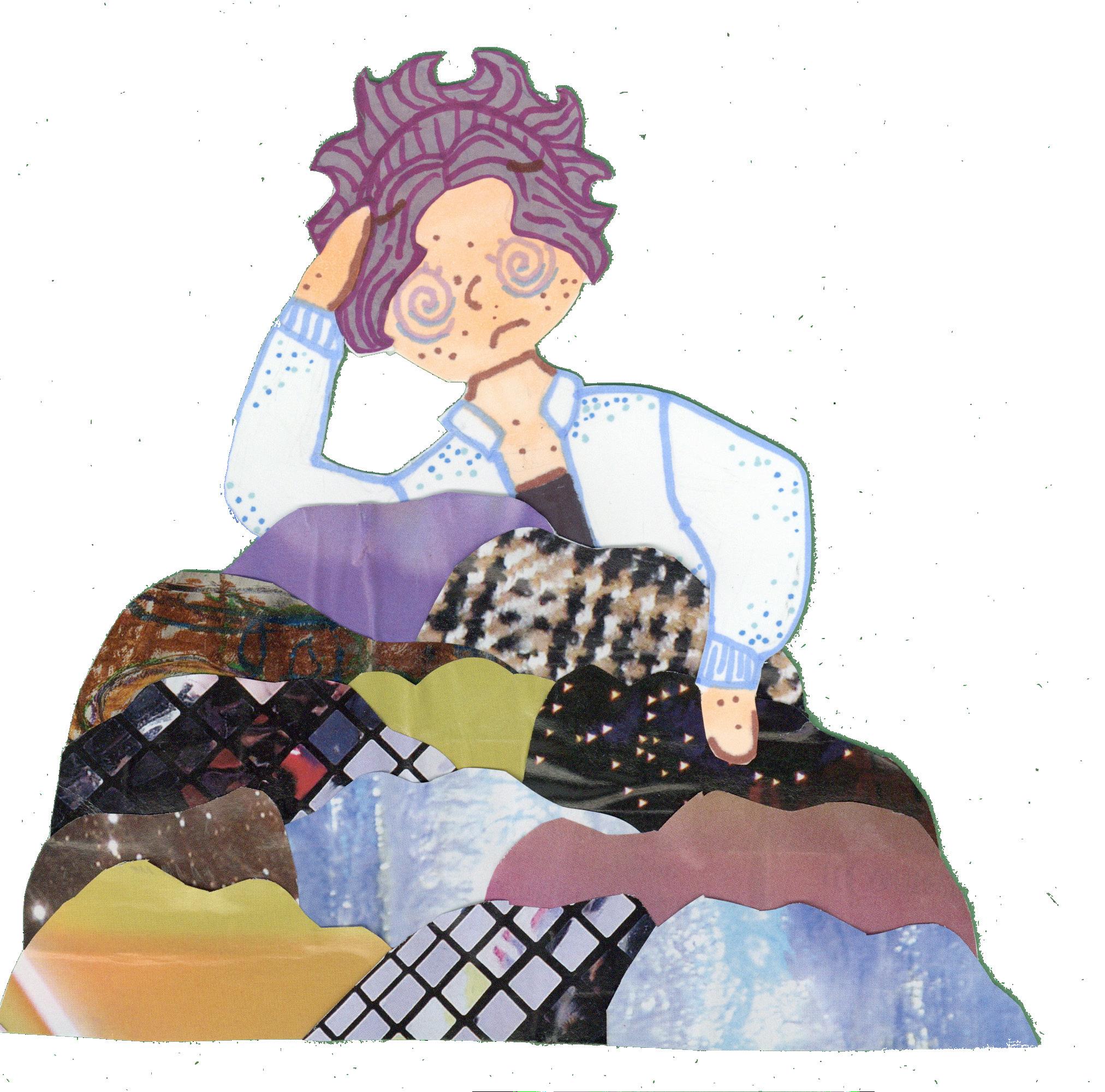



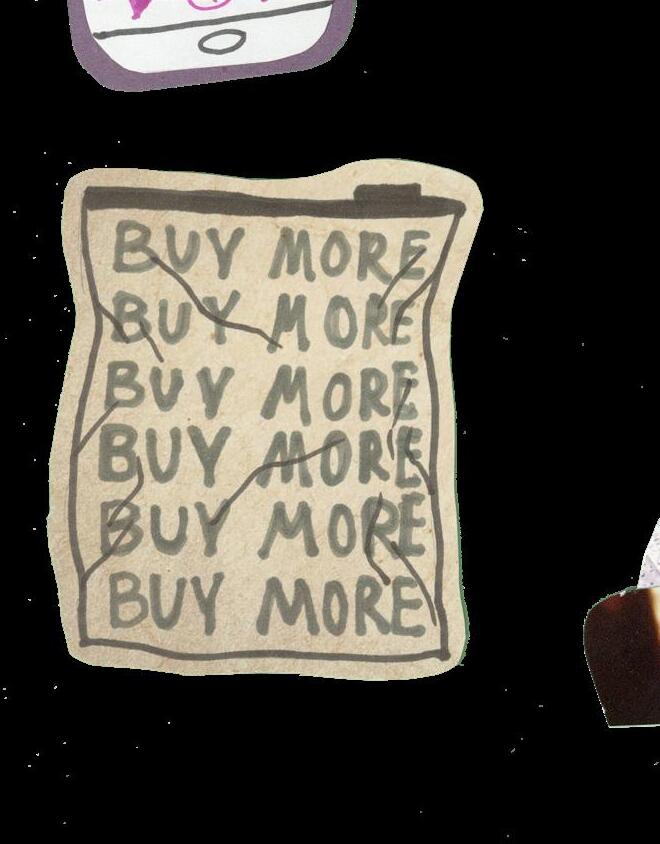
Not everything is as it seems in the realm of fast fashion purchasing, and this is true as well in the misconstrued sustainability of second hand stores. We feel the need to buy and buy and replace as soon as we can. We want to buy what everyone else is buying just so we can have it. ‘More’ becomes enough when you realize what ‘enough’ has become. It becomes lost individuality, constant advertisements. ruined environments, pointless production of products that are destined for landfills. ‘More’ is more than enough.

Illustrated by:
CiCi Proud
Organized by:
Arely Ramirez
Ruby Tejeda
Alicia Anguiano

Whitman College-
Wawona Lawler
WillametteKailey Lewis

Over the last month, We collected information, From those of you who were willing to share about where you are going after high school. It has been exciting to see how the Class of 2026 is choosing their paths. Each decision shows different opportunities to every individual and it shows growth for all students. Congratulations AHS Class of 2026! Cuesta:
Jaden Wiley
Gavin Kelly
Anna O’Connor
Tyson Tenhaeff
Oscar Martinez
Andrew Hunter
KIara Elaine Jones
Sarahi Gomez
Yocelin Vazquez
Sunem Reyna
Isaiah Rodriguez
Max Fischer
James Genereux
Riley England
Rowan Rivera
Jack Karan
Alicia Ursulo-Guerrero
Bella Rose Gunderson
Rose Sneed
Valeria Castanon
Mia Neilson
Olivia Martin
Francisco Rodriguez
Evan Wanner
Juan Carlos Franco
Marlee Megason
Fernanda Iniguez
Silas Mello
Jose Ramirez
Hunter Threlkeld
Abigail Gomez
Aubrey Hellar
Steven Ernst
Aliyah Becerra
Miguel Reed
Chad Clark
Danny Gonzalez
Wyatt Litten
Sasha Needles
Maria Mora-Toledo
Mayumi Brown
Maya Saul
Aaron Perez
Griffin Graves
Johnathan Mankins
Lucas Drexler
Eddie Vargas-Cira
Eric Moreno
Ruby Tejeda
Alicia Anguiano Ruiz
Hermilo Hernandez
Arely Ubaldo Ramirez
Reina Bishop
Jon Leal-Mayhew
Liliana Sanchez
Madison England
Vance Chance Jackson
Aaron Neeley
Gilberto Gomez Hernandez
Lilly Thomas
Bailey Robinett
Deysi Pena
Micah Walter
David Holland
Brayden Pearson
Jake Lambert
UC Santa CruzJonathan Mankins
Lillian Archer
HartnellGeorge Brewer
University Of Arianna Behr
UC DavisMolly Brewster
Emiko Lundberg
Sunny Pan
San Jose StateDylan Martini
Sacramento State UniversityAudrey Cohen
Genesis Cruz -Crtega
Jovan Alcauter Ojeda
Maria Ramos
Adrian Madrigal

Karley Reibel
McKenzie Pullen
Leslie Vega
Trade school:
Nathan Shalck
Zackery Ratekin
Bethany De La Vega
Jon Leal-Mayhew
Marley Scott
Obispo:
Buck Skarda
Scarlette Fonseca
Mario Gutierrez
Braden Morris
Drake Armstrong
Jeremy Hendrix
Lauren Sclimenti
Taylor Aupperle
Isaiah Salting
Alejandra Velasco
Gabrielle Ferrie
Italy-
Linda Lucchetti
CSU Monterey BayAmelia Epperson, Dylan J. Moya
Fullerton CollegeScott Andrus
Carrington CollegeMalena Rae Duran
HandcockJordan Amaro Allen
UC Santa Barbara-
Kyla King
Kynnedy Owens
Pepperdine UniversityChloe Gottfried
UC Los Angeles- Matilda Ralston
Samantha Coloma

Biola UniversityElla Robertson
CSU NorthridgeAndrew Lee
Of Oregon-
Aurora UniversityOlivia Domingos-Swindell
New York UniversityGaby Ramsey University-
Montana State UniversityMadlynn Mckee
UC San DiegoReese Griffiths
UC IrvineDamian Marano
San Diego State UniversityAnthony Lucero
Cal Baptist UniversityKhymora Edralin-Cody
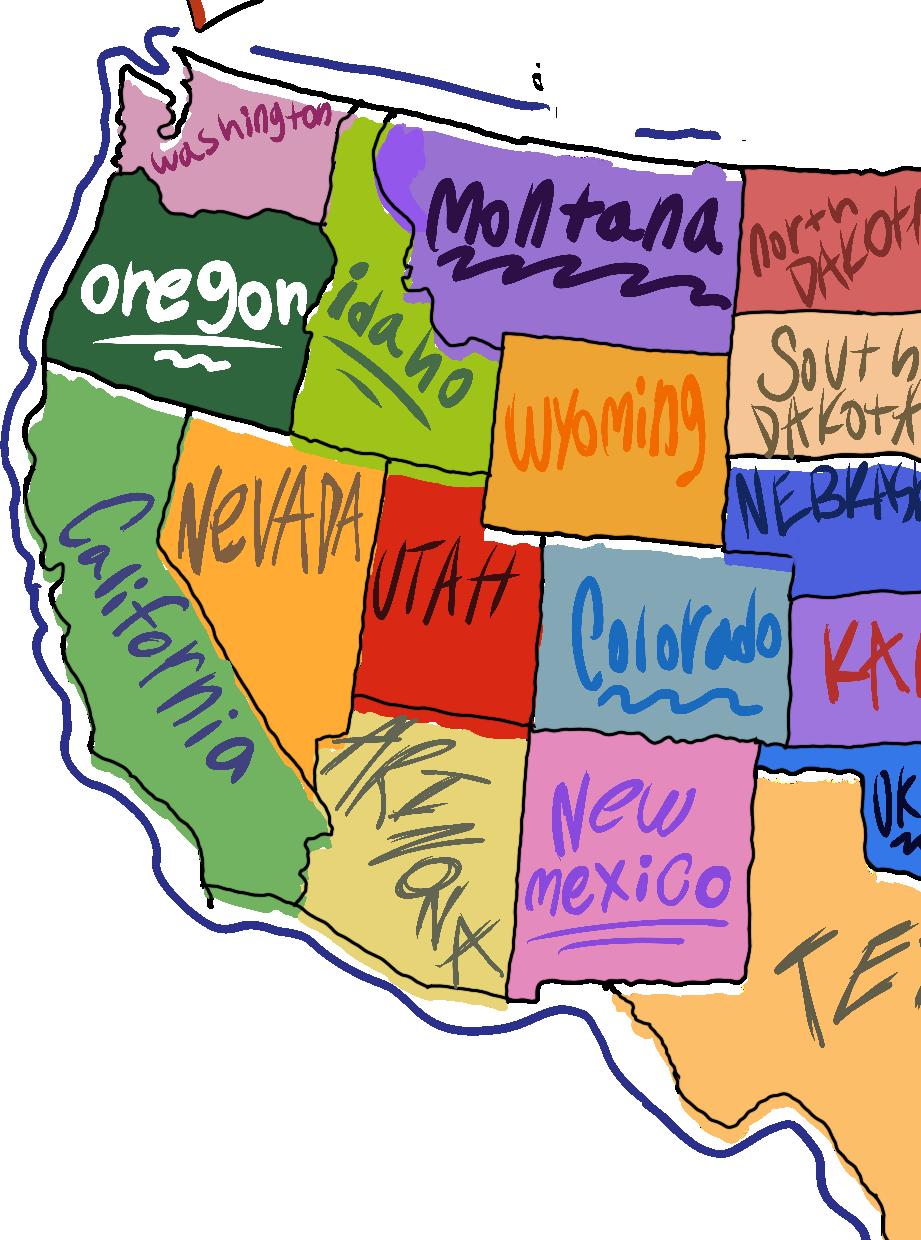
70% of seniors participated in this survey.
Grand Canyon UniversityPeter Camp
University Of WyomingJesse

By Ruby Tejeda, Alicia Anguiano Ruiz, Arely Ramirez
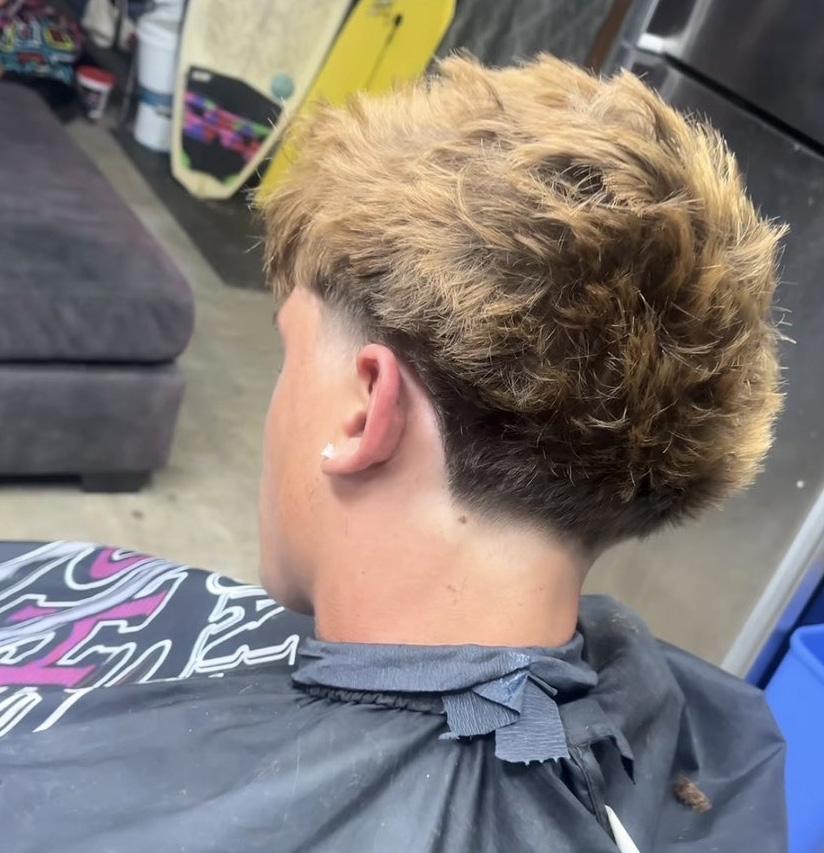


Have you ever wanted to buy eternal flowers or get a haircut from your fellow classmates? Have you ever wanted to be your own boss? Many students of Atascadero High school have started their own business and are now entre-

preneurs, this can be a pathway to empowerment and self-determination to all the people who put in their time and effort to give out to others. Some began with the passion of being successful and others from being inspired to keep practicing at what they are good at. Supporting local businesses and student businesses is essential to the continued vibrancy of our community. Most of these successful teenage businesses begin with genuine curiosity and often can lead into something bigger. We gathered most of our students on our campus who became small business owners and they shared how their journey began.
According to New research from Junior Achievement, it shows that 41 percent of teens would consider entrepreneurship as a career option, versus working in a traditional job. Having a business at a young age can be beneficial by scheduling your own hours and can set your own prices however you want. 75% of entrepreneurs say “Motivation” is an essential characteristic to have, among traits that were found most helpful when it comes to being a successful entrepreneur. Most of these students are doing what they love the most and being themselves when running their business, they gain money out of it and according to New research from junior achievement 92% of students say that their business has turned into profit.

Nina is an at home barber, she started in 8th grade at a very young age because she realized that at the beginning of Covid there were no barbers and she lived with her brothers who needed haircuts. She first started with bread trimmers and worked her way up by training herself with youtube videos and practicing a lot on family and friends. Nina’s favorite part about her barber business is the connection she gets with her clients .
“Being successful at a young age is what kept me going.”
“My Grandma
was my inpiration to keep on going since she started making flowers by knitting.”


Victoria makes eternal flowers and ramos buchones. She was inspired to start her business because of her grandma sadly passing away. Her grandma loved making these flowers while knitting and Victoria decided to do something she loved in her memory. Victoria’s friends were always supportive and she started handing out the flowers for free. She wishes she could have given it to people who she benefited from. Victoria’s favorite part of her business is seeing so many couples happy and being able to see how happy girls get after receiving their flowers. Her grandma has motivated her to keep going.
Jacob started his car detailing business with his brother and his friend. He has been detailing cars for a while now so he thought that starting a business would be the best for him since he was already good at it. All his friends and family supported him which kept him going and motivated. Jacobs favorite part about starting his own business is making people happy by simply cleaning their cars.
“Seeing
my clients happy after doing something small kept me going.”

Taylor is an at home based nail technician. Seeing her friends happy after doing their nails, inspired her to learn more and have an open clientele. Being a beginner Taylor was often afraid of putting her work out, she believes that if she could change one thing aboout her work, it would be to not be afraid because it slows you down from your full potential. Taylor’s favorite part of her business is connecting with new people from around. Her friends are what motivate her to keep going.
“Seeing my clients return and be happy with my work really inspired me to keep going.”
“Setting my own work hours, and making my own decisions, kept me feeling independent.”

Liz is a home based nail technician, she provides nail care services for many people. What inspired her to start her business was seeing her brother work at a very young age. She first started by watching videos and educating herself by practicing with her friends and family. She wishes she could have been more patient with herself and not compare her work to other nail technicians.Her favorite parts of having a business is being independent. The positive feedback from her clients and the desire to be successful at a young age keeps her going.

Diego is a self-taught photographer. He was inspired by seeing instagram creators and a friend who also did photography from SoCal. Diego first started by purchasing his first camera and shooting wherever he traveled to. He thinks something he could have done better is putting more money into equipment. His favorite part of having this business is the experiences he has had, and the places he can get into with his camera. He is motivated by having the opportunity to create art and being able to use the creative freedom he has, not only that but making money also benefits him too.
“Doing photography has helped me see so many cool places and I enjoy taking pictures of everything.”

Hendrix had a passion for media arts since his seventh grade. He then started specializing in web design, social media management, and graphic design last year in August. He was confident in his abilities and digital creation that uses knowledge to make some money. Jeremy’s favorite thing about business is working with companies and adults being able to learn the business side of stuff. He enjoys meeting people, making connections, and networking. Jeremy enjoys making people’s online sites look good and making money.
“I have had a passion for media arts since the 7th grade and I finally chose to pursue it.”
‘“Seeing my mom go
through cancer
and having to buzz her hair inspired me and she is what has kept me going.”

Micah is a self-taught barber, his passion for cutting hair began two years ago. When his mom got diagnosed with cancer he first buzzed her hair and his friend let him try something on him, that’s where it sparked his inspiration. To learn more he began by watching a lot of youtube videos and bought new tools to keep practicing. As a beginner he wishes he would’ve put himself out and brought in more clients. Micah loves to have his own schedule and work whenever he likes to. Being successful and having support on the side has kept him motivated.
These students like many others, show that entrepreneurship can start at any age. Whether they are cutting hair, designing websites, or creating handmade gifts, their businesses demonstrate creativity, independence, and determination. By supporting student businesses, the Atascadero High School community encourages young entrepreneurs to continue growing their ideas into something even bigger.

By Joulian Rebosura

For many AHS students, stress begins before the school day even starts, with homework deadlines, sports practices, social pressures and expectations which compete for attention. Managing this stress can feel overwhelming. Workloads, conflicts, and constant pressure often leave students with little time to breathe. We have to reflect on our own ability to overcome, and question, “How can I manage responsibilities, and most importantly myself?”
It’s easy to get lost when things

Passion in combination with smart thinking brings out stability. -creative leadership
seem out of your control, which is why being able to ease and handle things is so important. This story explores why stress affects so many young people, when it tends to strike, and how learning simple, effective strategies can help students regain control and balance in their lives.
Stress tends to strike when motivation is at its lowest, meaning neglecting your responsibilities is one of the worst things you can do to manage it. Ignoring responsibilities may feel relieving in the moment, but it often increases stress later. When procrastination becomes a habit, responsibilities begin to feel less urgent, making it even harder to stay motivated. When tasks need to be done, it’s vital that you’re willing to finish what you start. Regarding procrastination, there are many ways to prevent it from becoming a habit. It’s important to create an environment that promotes productivity or limits distractions, and that you’re able to visualize the tasks you have, whether it be through lists, schedules, or mental maps to name a few. It would be smart to give yourself an incentive to complete work, so a small reward could do the trick whenever you achieve a goal. Junior, Joseph Neil, uses a simple method to stay productive, stating, “Whenever I feel like I’m procrastinating, I tell myself to put in at least 40 minutes into what I need to do, and afterward I reward myself by doing what I like.”
Figuring out why you percrastonate may also help you. There are many reasons people percrastanate from perfectionism to thrill seaking so getting to know your procrastinaton style could b.

Being compassionate towards yourself can help strengthen your ability to manage under stress. In fact, according to a study done by the National Library of Medicine, “After receiving a dissatisfying midterm grade, more self-compassionate students used strategies of acceptance and positive reinterpretation to cope with the failure.”
Being able to deal with failure is something that can alleviate stress, as it helps push you forward and lessen the feeling of despair. Always remember that what you may consider a shortcoming isn’t failure, it’s an opportunity for your own growth, but it’s up to you to take advantage of it. Mental health is at risk when someone doesn’t know how to manage things, and a draining mind will only dig you deeper. An emphasis on your mindset could be the key to finding what you need to push yourself. Personally, I’ve had to adapt my mindset and get out of my comfort zone in order to maintain a strong sense of self. You are more than your shortcomings, and remember to maintain a sense of self is crucial to your health.
Prioritize what needs to be done and find an incentive fit for you. -creative leadership


Always remember that along with being kind to others, treating yourself the same way will also bring benefits. -mindfulness aphorism

For student athletes, stress can come from many circumstances. Student-athletes often struggle to balance schoolwork with demanding practice schedules. Fatigue from their physical activities contributes to this issue. This requirement of persistence is why students need certain grades and attendance to participate in sports to ensure they can handle the responsibility. Even so, balancing such responsibilities is often challenging for most of these individuals, but many have found successful ways to create consistency. Student athlete, Ian McPherron, credits “spending nights prioritizing the assignments worth the most” as a useful strategy. Prioritizing high-impact work first can make heavy workloads more manageable, and can hopefully encourage you to tackle the smaller things. Furthermore, regarding finding motivation as a student athlete, they mention, “having to tell yourself that you won’t have much free time and that you should accept it”, while “having your love for the sport and team be a motivational factor”.
This advice isn’t just applicable to balancing sports and school, motivation can be found anywhere and helps you get through so much when you’re focused enough.

No matter how well you manage workload itself, the best thing you can do is find balance. Pushing yourself and exceeding your own expectations is great when it comes for building your character and skills. However, that doesn’t mean you should drown in responsibilities. Again, it shouldn’t go one way or the other, rather having dedicated times to be productive and time for breaks is optimal. Taking breaks isn’t wasting time, it’s what makes everything else possible and we all need to find something meaningful for ourselves. There’s a lot to enjoy, whether it be spending time with friends or family, cooking, exercising, reading books, playing games, you name it. Like responsibilities, neglecting the activities that bring us joy will only bring us down. A simple way to relax and ease things is to listen to music for example. Music combined with daily tasks is a great way to balance workload and enjoyment.


“Find meaning in the things you love and flourish in it”
-Viktor Frankl
“Find time to prioritize taking care of yourself”
-Joulian Rebosura
Ian McPherron



Joseph Neil

“Whenever
I feel like I’m procrastinating, I tell myself to put in at least 40 minutes into what I need to do, and afterward I reward myself by doing what I like.”
-Joseph Neil

Build music into your routineJoulian Rebosura

As a matter of fact, the University of Nevada, Reno, states, “Upbeat music can make you feel more optimistic and positive about life” and “a slower tempo can quiet your mind and relax your muscles, making you feel soothed while releasing the stress of the day”.
I’ve always found music to be a safe place for myself. Personally, the right song at the right time can completely change the outcome of my day and the attitude I move forward with. Whatever it may be for you, it’s crucial to utilize the resources available to you in order to have something to fall back on.


“You truly are capable of overcoming stress. No matter the severity, the solution starts with you.”
-Mel Robbins sentiment 5 second rule
When all is said and done, it is evident that stress will always be a part of life. It may bring you down and be demotivating, but it can be handled. Stress may not go away, but learning to manage it changes everything. The only thing we can do is find comfort in the mess, whether it be through smart management, maintaining mental health, finding motivation, or finding joy in the things you love. Overcoming is an achievement in itself, so be proud of how far you’ve gotten and realize just how capable you are. With simple steps you can take back control of your time and protect your well-being. If a situation seems completely out of control, always remember that there are resources available to provide support. As cliche as it may sound, you truly are never alone. As a final word of advice, ensure to strengthen and deepen the relationships you have. Having others to give a new perspective or opinion about a problem you are having, will allow things to become much clearer. Life is about balance and finding the will to achieve what we want, so take advantage of the time you have. “You truly are capable of overcoming stress. No matter the severity, the solution starts with you”