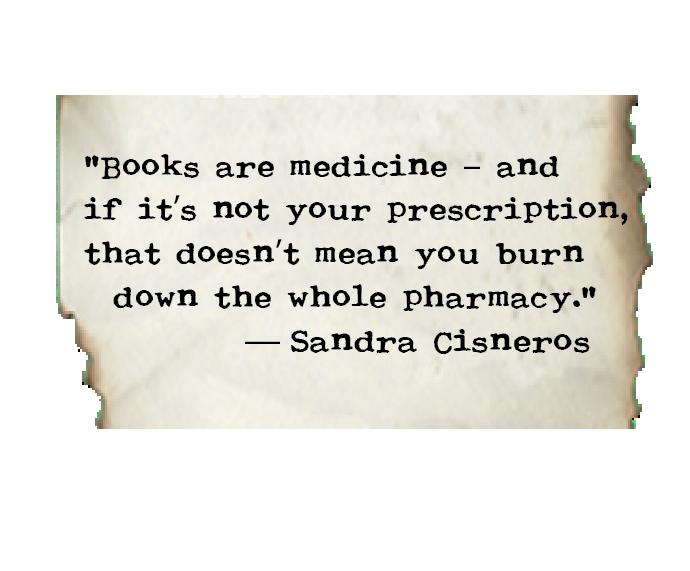
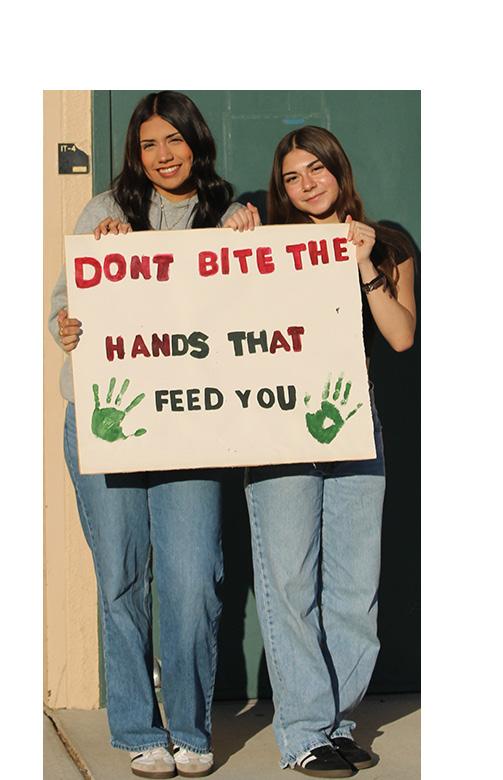
People often misunderstand book bans, thinking that a book becomes suddenly unavailable to everyone. That is not the case. While the California Freedom to Read Act prohibits school districts from banning or refusing to approve textbooks and other instructional materials, many states ban books in schools but you can still find them on your own.
Across the nation, when it comes to the types of books often banned, PEN America statistics state that:
59% address grief and death, 40% address substance use/abuse, 38% address empowerment and self-esteem, 57% included sex/sex-related topics and content, 44% included characters/people of color, and 39% included LGBTQ+ characters/people. Of the books that are often banned 60% are written for a young adult audience.
Professor of education leadership at Teachers College, Columbia University.
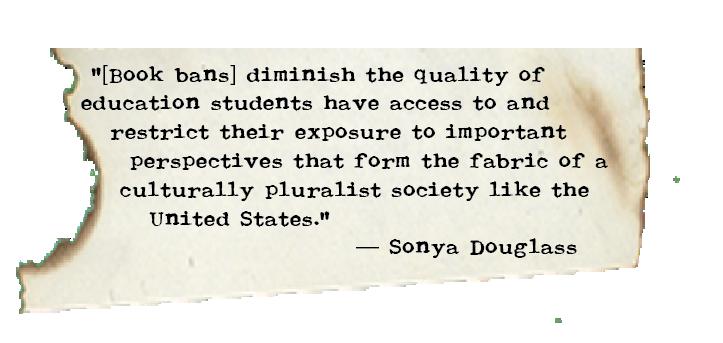
When it comes to students’ education, banning books has many effects on the students.
Mr. Winther, English teacher at Atascadero High School, stated that,
“[Book bans] don’t allow the entirety of our country or of our people to recognize the differences and qualities that everyone has when they’re not offered the voice of those people.”
-Mr Winther
When asked how book bans affect what teachers may discuss, Winther shared that they do not affect what they can discuss as long as it is done in an unbiased manner. Additionally, all sides must be equally represented, without the educator taking sides with one opinion over another. “In an English course, where we are trying to create critical thinkers, we develop an understanding that, you know, these topics need to be discussed.”
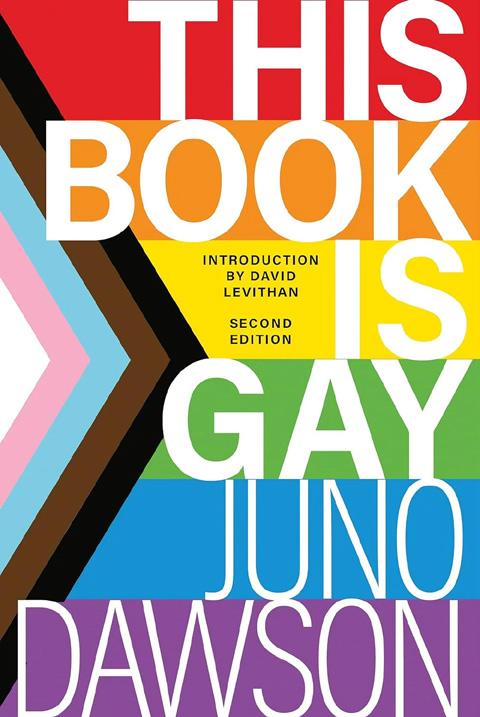
There are several books that have been banned in other districts, which would be easily recognizable. Looking for Alaska, a young adult novel by John Green (rated for ages 14 and up), was banned in the Escondido Union School District in California. This district also banned This Book is Gay by Juno Dawson (rated for ages 14-17). The School District reversed its ban after the California Freedom to Read Act in 2023.
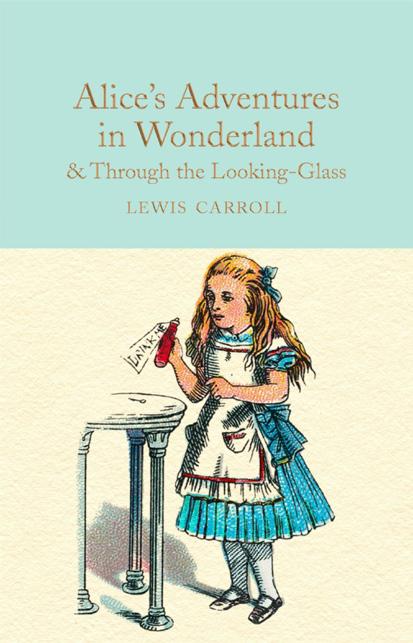
While book bans have become increasingly discussed in the media, they have existed for quite some time. According to the ALA in the 1960s, several institutions decided that Alice’s Adventures in Wonderland and Through the Looking Glass needed to be banned due to the underlying promotion of hallucinogenic drugs. Alice in Wonderland is not the only well-known children’s book to have been banned. The Wizard of Oz has also been on a banned book list. The book was banned in various US states during the twentieth century due to its portrayal of a strong female character, use of magic, promotion of socialist values, and attribution of human characteristics to animals.
The California Freedom to Read Act AB 1078 prohibits school districts from banning books that include diverse perspectives on topics like race, gender, sexual orientation, and religion.
While the Atascadero school district makes it a point to represent as many different cultures and demographics as possible, and adheres to the California Freedom to Read Act, it is always important to be aware of when other areas ban books.
“Stories are so important. Stories are the way that we connect with each other as human beings ” -Ms. Bell, Atascadero District Librarian.
Written By Kayleigh Luna
Layout by Hannah Geary
AI IN THE CLASSROOMS W AI
hen people hear the words Artificial Intelligence, there are many mixed views. Some people believe that AI has an overall beneficial impact on the world and makes millions of people’s lives easier every day, while others believe that AI is incredibly harmful and damaging to the world we live in.
So what is AI? While there is no single definition for AI due to its extensive abilities and tasks, NASA has provided the best definition they can. They state that, “Artificial intelligence refers to computer systems that can perform complex tasks normally done by human-reasoning, decision making, creating, etc.” Artificial intelligence is designed to learn and act like a human.
tools used at NASA sometimes use machine learning, which uses data and algorithms to train computers to make classifications, generate predictions, or uncover similarities or trends across large datasets.”
OBut how does this affect the youth? As AI has become more and more common and accessible in schools it has led teachers and administrators to question how to navigate it. It has become less about how to stop it and more about how to manage it.
Students using AI to cheat has become a reality that educators around the world are experiencing. While not every student uses AI to cheat in school, it is still unfair to the students who submit authentic work. While using AI to cheat may feel like an easy way to get things done, all it is doing is harming a student’s ability to learn. Students might learn to rely on AI for all of the answers instead of retaining information in their brains.
While using AI is a quick and easy way to get answers to any question you may have, it is only as good as the data and program that made it. You never know when an answer that you get is wrong, it can spread inaccurate information.
When it comes to students, core academics aren’t the only thing affected by AI. AI art is becoming increasingly popular. Programs that allow people to input a description of whatever image they are looking for, saving time and money from having to draw or commission art.
While student cheating is nothing new, the advent of generative AI has made it easier and more widespread than ever before. Student self-report surveys describe the pandemic as the point where student cheating in high school began to increase dramatically, encouraged by the opportunities for cheating allowed by remote learning.”
-Emmanuel College
While AI can be a useful tool for people to use, it affects the jobs of thousands of people every day. So many jobs, including artists, are at risk of being replaced by artificial intelligence. Learning to rely on AI as a constant instead of using it as a tool can lead to diminished critical thinking skills.
Whether or not AI is incredibly beneficial and useful for millions of people, it has many different dangers when used recklessly.
With the introduction of ChatGPT in November of 2022, similar surveys indicate that 70% to 80% of high school students and 50% to 70% of college undergraduates have cheated on assignments. There is even some evidence that cheating really begins in middle school.”
-Emmanuel College
generated art takes away from the hard work real artists do every day, as well as making students feel as though their passions aren’t worth pursuing.
Faces
Sunken
Breaking The Silence: Are They Really Listening?
Written by Abi Gomez
Music and teens often go hand in hand. In the media and in reality, teenagers typically love music. But is there a reason behind this commonly used stereotype?
Adolescence is a stage in life where everything changes, and during this fast period, shifts in psychology developmental situations, and social experiences, music has its place. Youth of today can find music everywhere, on music apps, radio, TV, and even on social media platforms. Music is fundamentally a part of the lives of today’s teenagers: it’s quite simply everywhere.
“During difficult situations, I look for songs that describe what I feel or what I’m going through, just to make me feel a little less alone.”
Shared by AHS senior Sarah Moreno
It’s known that teenagers have heightened emotions, which is due to a few different reasons. For one, teenagers’ brains get flooded with hormones, which leads to their emotions being all over the place. Music is known to produce dopamine, whose purpose is to make you happy. This means that music can physically make a person’s mood better.
Parts of teenagers’ brains also mature during adolescence, one of which is the Limbic system, which affects teens’ self-control, decision making, and emotions. Music is known to have a physical effect on the brain, and one of the main places is the Limbic system. This is one of the reasons why teens seem to rely on music as a form of coping mechanism.
Teenagers usually have situational pressures that fall upon them, adding to stress and anxiety. Because of how music affects their emotions, some teens use it as a coping mechanism. Others use it as a way to express and find their identities.
Stated in an article by the National Library of Medicine, “Numerous adolescents opt to convey their identities and emotions by curating and sharing music playlists. This behavior extends beyond the expression of their musical aesthetics; it mirrors their quest for resonance and the establishment of social relationships through music.”
To put it simply, teenagers use specific playlists for different things. Some make playlists to play during certain activities like cleaning or doing homework. Others make playlists to express a feeling like sadness or rage.
Overall, teenagers like music scientifically because it helps them regulate certain emotions and feel others. Music evokes emotions in teenage brains to help sort through complex experiences and situations brought on by adolescence. Music holds power for teens in a way that really has an effect on their lives.
Breaking The Silence: Beyond The Screen
Written by Kayleigh Luna
Social media has gotten far more prominent since the early 2000s, with teenagers now unable to imagine their lives without it. Some may say that it does more harm than good, while others may argue that the benefits far outweigh the negative effects.
When it comes to teenagers there are many things that need to be taken into account. One being that they are in a very delicate state of development. They are learning how to function like adults while still dealing with overwhelming emotions, whether they realize it or not.
Social media (as well as the internet in general), is a great place to express creativity and grow into who you want to be as a person. Social media is full of every possible hobby and interest in the world, allowing a sense of community for people who struggle to find one in their day to day lives.
“Ethical social media use can expand opportunities for connection and conversation, as well as boost self-esteem, promote health, and gain access to critical medical information.”
-National Library of Medicine
Humans are naturally social creatures, and while some may be more social than others, everyone needs some level of social interaction. Social media offers that connection. Even through a screen, social media connects millions of people. Whether it be commenting on a friend or family member’s post, messaging friends while sending funny videos, or conversing with people who share your interests. Especially during a time like the pandemic, social media allowed many to stay connected and social, even if some of those interactions were with strangers on the internet.
While not all strangers met on the internet are bad, it is always best to remain cautious. You never know who might be on the other side of the device. There have been countless instances of catfishing and cyberbullying. No one ever believes it will happen to them, until it does.
While social media has been proven to have some positive effects on people’s mental health, it is important not to ignore the negatives. With all of the edited videos and photos, it is easy for a teenager to find themselves comparing their appearance and that of an online stranger. As the internet has become more prominent, more and more teens are reporting lower self esteem.
Although what teenagers are seeing online isn’t the only thing that is affecting their mental health. It is also how much they are seeing. On average, teens who spend more than three hours a day on social media report increased anxiety and depression. With all the time teenagers are spending online, they aren’t getting nearly enough sleep. Social media often being a major factor in sleep deprivation among teenagers.
When used recklessly, social media has been proven to hurt the minds of teenagers, but that does not need to be the case. When used mindfully, social media can bring millions of people together, allowing for sparks to be lit in the creativity of teens.
WORK SCHEDULES
Krislynn Purdue
The workforce is a dynamic and essential part of our economy, influencing the lives of us all. Its importance lies in its key functions as a whole. Have you ever considered how the workforce is structured regarding scheduling and what you’d prefer in a schedule ? How could the choices you make related to work-life balance impact your life?
We constantly hear of the term or concept of 9 to 5 jobs or schedules. But what is it really? What is typically seen as a 9 to 5 job? What other kinds of schedules are out there?
There are a growing number of options but in this article we will cover a few like the Traditional Work Schedule of 9 to 5, Infinite Workday, Triple Peak Day, Flex Hours / Flexible Work Schedule, Shift Work, Freelance, Contract, or Temp-to-Hire Jobs, and the Liquid Workforce.
For the longest time, the concept of 9 to 5 jobs has been the standard for fulltime employment in the United States. Originally, the 9 to 5 work schedule was a big leap forward because it established the standard for a 40-hour workweek, which was a huge win for labor rights and the well-being of workers who were working with only Sunday off with long hours. While the schedule was a significant advancement, it was a product of its time. Today, it is being questioned as technology and societal views towards work-life balance continue to evolve.
Jobs typically seen as 9 to 5 jobs are often office-based roles, which can sometimes be done from home. Customer service representatives, who commonly operate within a Monday-to-Friday, 9 a.m. to 5 p.m. schedule, are also included. Other professions, such as librarians, office managers, HR coordinators, and some software developers, also fit this traditional work structure. However, it's important to note that now many of these positions are not strictly 9 to 5; they can also be freelance, contract, or temporary roles.
The 9-to-5 schedule, rooted in the Industrial Revolution and adopted widely after World War II, was created to support three equal shifts across a 24-hour period. It became the standard workday, offering predictability, stability, and a reliable income for many people.
While the predictability of the 9 to 5 schedule can provide stability in health care coverage and benefits, it also provides a structured routine that some people find comforting, contributing to a secure income. However, the long hours associated with 9 to 5 work culture are extended past that time and this added time is linked to chronic fatigue, stress, depressive states, anxiety, and sleep issues. Being in an office from 9-5 and then working after those hours can often be found diminishing for the employees. In broader outlooks, this traditional workday has shaped global work culture, but is being challenged by technological advancements and the desire for better work-life integration.
Today, the 9 to 5 schedule is no longer suitable for all industries and roles. The true 9 to 5, five-day workweek is no longer the norm. And while it still exists, it is no longer the most prevalent work schedule. It is being seen as outdated due to technological advances, and the changing values of companies and employees.
Many view the 9-to-5 schedule as a factory-era model based on hours worked rather than true productivity. Though it once offered stability and predictability, it no longer fits modern work. Many former 9-to-5 roles have shifted to freelance or shift-based work, providing more freedom but fewer protections or union support.
According to Target Tech a network that offers data driven services and information to businesses.
Due to rising demand for flexibility, 24/7 customer expectations, and employers’ reluctance to offer full benefits, the traditional 9-to-5 is becoming less common. Flexible hours, shift work, and the “infinite workday” now dominate much of the workforce.
This shift has also led to the “triple peak day,” where employees work before lunch, after lunch, and again in the evening, raising concerns about worklife balance and job security.
However, infinite workday describes a work pattern where working hours extend beyond traditional schedules, blurring the lines between work and personal life due to the constant expectations and availability. This pattern is fueled by factors such as global teams, hybrid work models, and unreasonable expectations for constant availability.
It challenges the traditional notions of work-life balance and demands re-evaluation of the responsibilities in a 24/7 work culture. The shift towards this means work is no longer something that starts and stops, but rather a continuous stream of demands.
While the “infinite workday” can offer so-called flexible hours, experts are beginning to stress the danger of letting those hours slide into mandatory overtime. There is a cultural expectation that workers be available before and after their official shifts.
It can lead to work-home interference, increased fatigue, and burnout. Employees lack time for recovery, personal pursuits, and family or personal life. The constant connectivity with work and overflow of workplace communication make it challenging for employees to keep up with the pace of work, contributing to stress and diminished well-being.
“Thanks to constant digital communication and flexible work arrangements, the average workday is no longer tethered to the 9-to5 window. Increasingly, employees are starting their jobs earlier [in the day] and ending them later than usual, stretching their hours into what’s been termed the “infinite workday.” -Target Tech
veryone has a different perspective on what the American Dream means to them and their family. Is it the classic idea of buying a home, a chance to live in safety, or being able to contribute fully to their community?
The immigrants’ experiences often define the American Dream differently than that of Americans who have security in property or birthright in the United States. Regardless of birthright, property ownership, or positive contributions to the community, one’s skin color, accent, status of family members, and so many other factors contribute to the perception of who should have access to their personal vision of the American dream. And who should not. These factors define every individual’s experience and perspective of the incredibly exclusive American Dream we are all chasing.
Valeria shared her perspective on arriving in the United States. At the tender age of nine, she felt eager to come to a new place. A land she believed would offer safety, freedom, and new opportunities for her education. The first day of school for her was a day she would never forget. She said, ‘I felt nervous and scared to arrive.
“I vividly remember telling my mom I felt ‘sick’ because of how scared I was to go to school.”
When she arrived, she saw everyone had their own friend groups and felt like the odd one out. She imagined her first day would be like the movies, everyone excluding her for not knowing the language. After the first week, she was excited to learn a new language and was looking forward to it, thanks to the teachers and students who helped make her learning easier.
She also remembers when Trump was elected president in 2018. Word started to spread in her community that she may not be as welcome as she thought. She was afraid every day to go home after school and not see her parents return from a long day at work in the fields, due to all the ICE raids.
Daisy shared her perspective as an American with Mexican Heritage.
While Valeria’s journey was shaped by the challenges of navigating a new language and culture, Daisy’s experience highlights the long-standing struggles that immigrant families face in this country.
Daisy says,
“ Deporting people, who are making our country great again, is just going to make us all lose jobs and the American Dream.”
“People say that they are taking jobs. Jobs that Latinos have tirelessly done the best at for generations. Jobs such as construction, janitorial work, care giving, these are essential jobs to our country and community; we need them in our community. Latinos contribute to our community in countless ways.”
Daisy also said, that deportation and the rhetoric makes everyone feel more negative.
“We are more against each other rather than being a loving community that supports each other’s American Dreams.”
Earlier, Valeria spoke of how welcoming her 4th-grade classmates were. Daisy sees that,
“ Now students have negative views of their peers who support deportation. This creates friction that will last for years”
Written by: Alicia Anguiano Ruiz, Ruby Tejeda, and Arely Ubaldo Ramirez Layout and Photography by: Alicia Anguiano Ruiz
She stated that “it is just going to make them really hateful in the future.”
Believing that the effects of the hostile rhetoric and the aggressive deportations will have a lasting impact on us, as young people, and affect the future to come.
portation modes, language, and race. The Supreme Court has ruled that racial, linguistic, and job profiling are legal. It also reinforces the fear that people live with every day, the fear of being unjustly detained just for looking different or speaking a language other than English.
Justice Sonia Sotomayor said.
While Valeria feared for her family’s safety due to ICE raids, the policies she faced were not isolated to just her community. They are part of a larger, nationwide approach that has increasingly targeted individuals based on appearance, accent, and occupation.
It is true that for decades, the U.S. has deported immigrants. However, from the Obama administration through the Trump administration, the system grew harsher. Despite claims that deportations target criminals, ICE raids often detain people based on appearance, language, or job status, with no evidence.
Detainees, including parents of American-born children, some of whom have contributed to our community for years. They are handcuffed and held in crowded cages, often without access to proper food, bathrooms, or legal aid. It is recognized that the U.S. has been doing this for many years, although the issue did not heat to a boiling point until the presidency of Trump in 2018. The xenophobic rhetoric that happened during this time made it clear to Latinos that deporting criminals was not the priority.
We should not have to live in a country where the government can seize anyone who looks Latino, speaks Spanish, and appears to work a low-wage job. Rather than stand idly by while our constitutional freedoms are lost, I dissent.”
Experts, such as, Zanny Minton Beddoes, the Editor-in-Chief of The Economist, agree with Daisy’s comment that the deportation of both low-income and high-income workers from abroad will have consequences for the country’s economy and will affect us all. She also stated that,
Then, on September 8, 2025, in a 6–3 ruling, the Supreme Court ruled that Federal Immigration Officers can legally target individuals because of their race, skin color, how they speak, and for the job they work, or for being at an Agricultural site, a bus stop, or even at a car wash, forcing ICE agents to criminalize jobs, trans
Decisions like these show a divided country, one where, Daisy witnessed, you are never quite sure if you are respected or despised by the people around you.
Another such change in September 2025, when Trump issued of a proclamation that imposes a new $100,000 fee on H-1B non-immigrant visas (a non-immigrant visa that allows U.S. employers to employ foreign workers in specialty occupations), which affects doctors, nurses, and highly skilled labor coming to America from abroad, reflecting yet again the xenophobic mission of the Trump Administration. Unlike Obama, Trump’s aim goes beyond low-income workers and targets anyone foreign, especially those from predominantly darker-skinned nations.
My worry is that if it [net negative immigration] is sustained for a number of years ,because the U.S. needs more people for its economy to grow, I think it will hurt the U.S. economy.” Zanny Minton Beddoes, the Editor-in-Chief of The Economist
It is as if the administration does not understand that America’s dominance has benefited from its support of a global workforce on domestic soil for its entire existence as a nation.
According to these opinions it seems that destroying one person’s vision of the American Dream will also corrode all versions of it. As our nation forces families apart and students like Valeria and others live with feelings of fear and exclusion everyone loses but some more than others.
On June 14, 2025, many people from our small town of Atascadero, gathered around the main road of El Camino Real to protest “No Kings Day”. Approximately 1,000 to 2,000 people participated in the movement, and the Atascadero Police Department was involved in ensuring the safety of the attendees. This protest gave a message that the harsh immigration laws and deportations happening may not sit well with many, as people held up signs saying,
“No One is Illegal on Stolen Land” and “We Were All Strangers Once Too!”.
While conducting research, we sought to understand the opinions of our county’s government regarding immigration enforcement, specifically deportation. Our California state assembly member for our county, Dawn Addis, said,
What the federal administration is doing by bringing militarized troops into communities and conducting immigration raids picking up even documented and legal residents that have no violent past shows that immigrant legal defense is critical right now.”
Families were brought together, as well as neighbors, children, and friends, chanting so that people could hear their voices for those who could not speak up. For people like Valeria and Daisy, who have felt the sting of exclusion and fear, these protests were a way to channel their frustration into something powerful: a collective call for justice and inclusion.
Then again, on October 18, 2025, San Luis Obispo participated in its 2nd No Kings Day protest, where Mandi Sweet was the lead organizer of the event. People held posters, held balloons, and donned costumes to show their support and respect. The city shut down blocks and set up a massive stage with speakers addressing a crowd of about 5,000 people. People were holding up both U.S. and Latin American flags to show solidarity with immigrant communities. By the end of the protest, the rally turned into a huge party. People got along and celebrated in peace. Protests help represent immigration by the opposition to deportation and raids, and aim to defend the rights of immigrants and support their families.
At the local level, leaders like Dawn Addis understand the vital role immigrants play in our economy and society, and they are speaking out against policies that harm the very people who contribute to the vibrancy of our communities.
Our parents left everything behind, their language, their land, their comfort so, we could have a chance.” - Students
One question that seemed to pop up often is
Why would they want to leave their own country?
There are many reasons; everyone has their own story, their own purpose, and their own dream.
Sometimes Immigration from Latin America is triggered by instability, corruption, and violence, conditions often rooted in the political regimes supported by U.S. influence during the Cold War.
Throughout this era, American foreign policy prioritized fighting communism over protecting democracy, which led to the U.S. supporting authoritarian regimes in countries in South and Central America. These governments, armed and financed by U.S. interests, created economic inequality, the drug cartel, and decades of displacement that continues to push families northward in search of safety and opportunity.
Should America not welcome those affected by decades of chaos created in her name?
The question of the American Dream is not a new one, but it takes on a different meaning for immigrants as those who have come seeking safety, opportunity, and a better future for their families. Is the American Dream about exclusion, or is it about inclusion and unity?
It all comes down to this:
Can we shape a future where the American Dream is still alive. One where innocent people who risk their lives for the sake of their families are seen as noble, not criminals?
Can we shape a future where wanting to contribute fully to society is honored and supported, not suppressed by fear. We as Americans, as humans, have dreams, regardless of our status. Why can’t we all pursue our dreams in tandem with each other?
Is the vision of an inclusive America, where everyone can chase their version of the Dream, still worth striving for?
De qué me sirve el dinero, si estoy como prisionero? Dentro de esta gran nación, cuando me acuerdo hasta lloro; aunque la jaula sea de oro, no deja de ser prisión?” -Los Tigres del Norte lyric
By Isabella Moya
2024
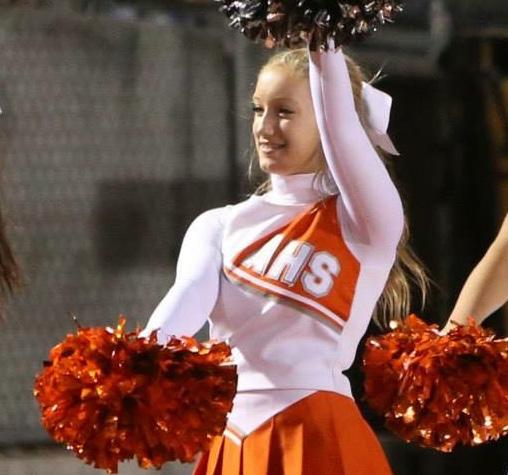
A 2016 graduate, Caitlyn was a competitive diver, pole vaulter, and AHS cheerleader. She has since returned to coach cheer and stunt for the past few years. During her time at AHS, Caitlyn brought leadership, positivity, and charisma to many activities and cheer programs.
Her favorite high school memory was senior ditch day in the pouring rain.
Caitlyn’s advice to graduating seniors is “Cherish every moment leading up to graduation, and to stay focused on your goals.”
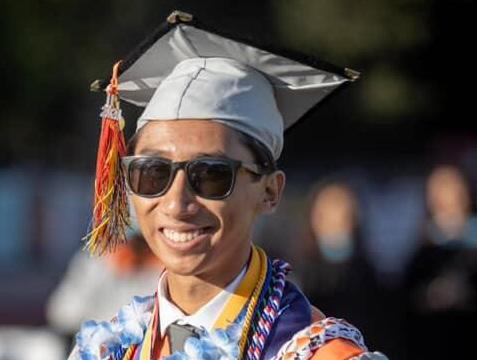
Sebastian, a 2024 graduate, was an outstanding Greyhound. He served as Top Dog for two years, competed on Varsity Water Polo, played in Band, and contributed to several campus clubs. For his Eagle Scout project, he raised funds to donate a guitar rack to the AHS music program.
He is currently attending the University of California, Irvine, where he is pursuing a career in health care with the goal of becoming an anesthesiologist. Sebastian says his favorite memory from AHS was graduation day itself.
2016
s many of us begin to reflect on our legacy at our school, it’s essential that we recognize all the alumni who have made a lasting impact both here and in the world beyond. Their journeys are filled with valuable lessons, insights, and experiences that can inspire and guide us as we navigate our own paths. Here’s a glimpse into some of the graduates who have passed through the halls of our ORANGE AND GREYt school, each leaving a mark on our community and enriching the story of our school.
2010
Corra is currently attending CSU Long Beach as a studio art major and graduated from AHS in 2023. Her passion for art in high school led her to take multiple creative courses and assist teachers with projects, including the student art gallery with Ms. Palmer and AP art with Ms. Steyer.
She recommends considering Cuesta College for community college as she did. She encourages graduates to “explore as many places and experiences as possible. Now is the time to do it!”
Clarke Andros
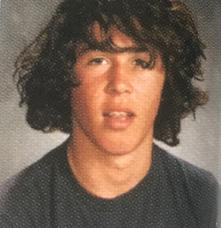
After graduating in 2010, Clarke went on to become a writer and teacher in Los Angeles. During his time at AHS, he was a member of the Water Polo, Swim, and Diving teams. His education, especially English and Photography, had a lasting influence on his life and career.
Clarke’s advice to seniors is to either fully embrace Atascadero or take the leap and leave, but don’t waste time comparing the two. “Wherever you go, there you are,” he says. “Focus on what you need to feel fulfilled and successful, and pursue it in a way that avoids harm to others and yourself.”
He reflects on his senior year as the highlight of his time at AHS, remembering it as a season full of fun classes, close friendships, and the sense of teenage freedom.
2023
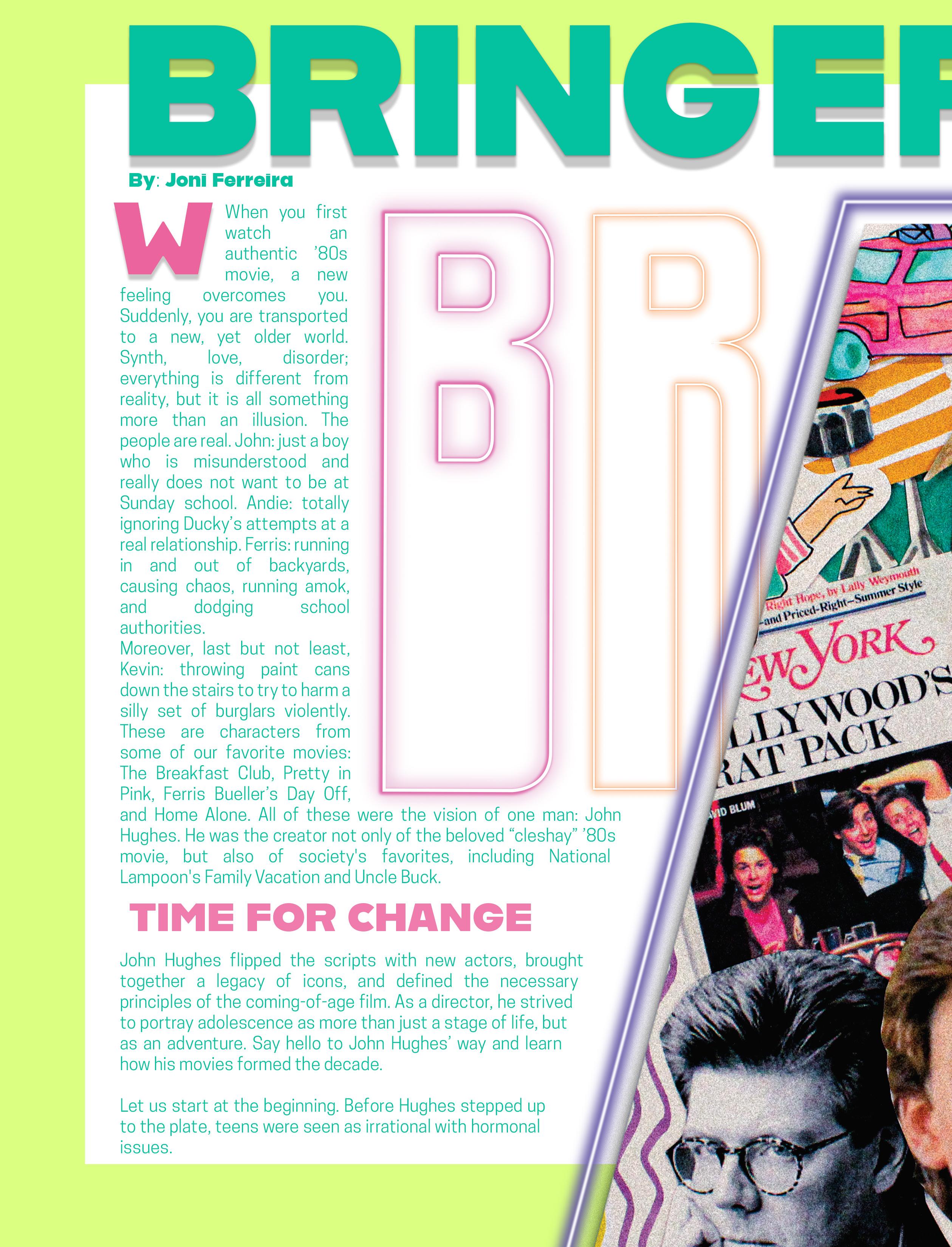
Just as Hughes brought up Ringwald and Hall, The Breakfast Club also rapidly increased the popularity of teenage actors. Emilio Estevez, Judd Nelson, and Ally Sheedy joined the group of top pick actors, as well as Andrew McCarthy from his part in Pretty in Pink. This group had its fair share of leading roles in popular teen dramas and had to be recognized as a whole. That was when David Blum bestowed the name “Brat Pack” when writing the cover story for the New York Times magazine in 1985. Blum described them as a “roving band of famous young stars on the prowl for parties, women, and a good time.” While this title spiked the actor’s popularity, Hughes himself did not like how his actors were being represented. The whole point of Hughes’ films was to show how adolescence had sincerity, yet “Brat Pack” connoted the exact opposite. “It suggests unruly, arrogant young people, and that description is not true,” Hughes said in a 1986 interview with Seventeen Magazine. Even so, the name stuck, and that is now how we remember the much-loved group of young 80s actors.
Looking back at Hughes’ works, it is important to also note the unnecessary sexuality added to his films. Hughes portrayed actors like Molly Ringwald in tasteless ways, and even if he created timeless classics, it does not make up for the uncomfortable scenes that he wrote. As a younger woman, Ringwald at the time was just trying to do her job, yet she reflects on her past as she tells of cut scenes from The Breakfast Club. The scene was going to be shot at the school pool, where an attractive gym teacher takes a skinny dip, all the while being watched by Principal Vernon. Having no effect on the actual plot of the movie, Ringwald argued that the scene should be cut from the film. However, this was not the only problem she had during the movie, as most will remember the scene where Ringwald’s character is harassed as John Bender hides under the table where she sits. Hughes hired another actress to film this scene, which made Ringwald uncomfortable and embarrassed. This scene had to be part of the movie so much that there had to be a whole separate actress? It was reflections like these that pushed Ringwald to not solely focus on Hughes’ good attributes, but wonder if he could have changed his ways to make his movies ageless.
Compared to newer teen dramas, Hughes’ films have heart and humor. Moreover, his films have stayed relevant, even when the fashion, hair, and language are outdated. Still, Hughes did add vulgarity in his directing that was already too recurrent during the time. Whether it was called upon by the 80s or just simply redundant, you decide. Nevertheless, his movies continue to be classics, and while Hughes may not be here anymore, his soul will always shine through the creative storytelling that radiates through his movies.
“It’s hard for me to understand how John was able to write with so much sensitivity, and also have such a glaring blind spot.”
- Molly Ringwald
ATASCADERO HIGH SCHOOL HIGHLIGHTS FALL 2025
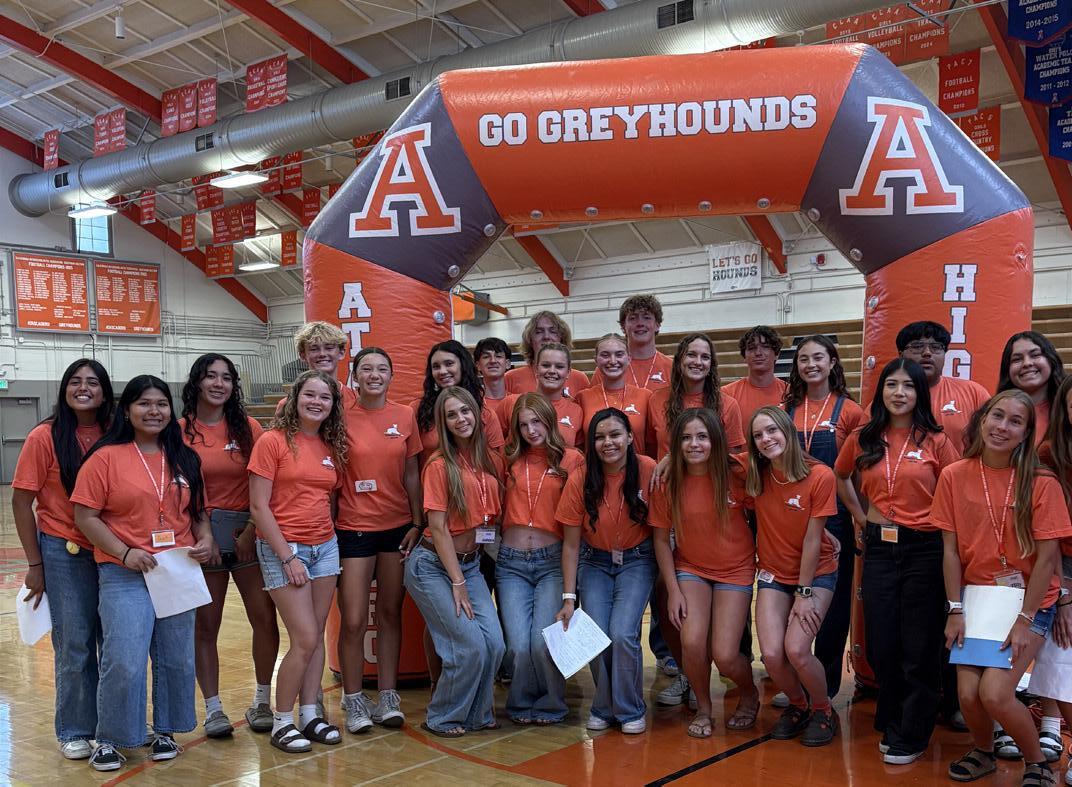
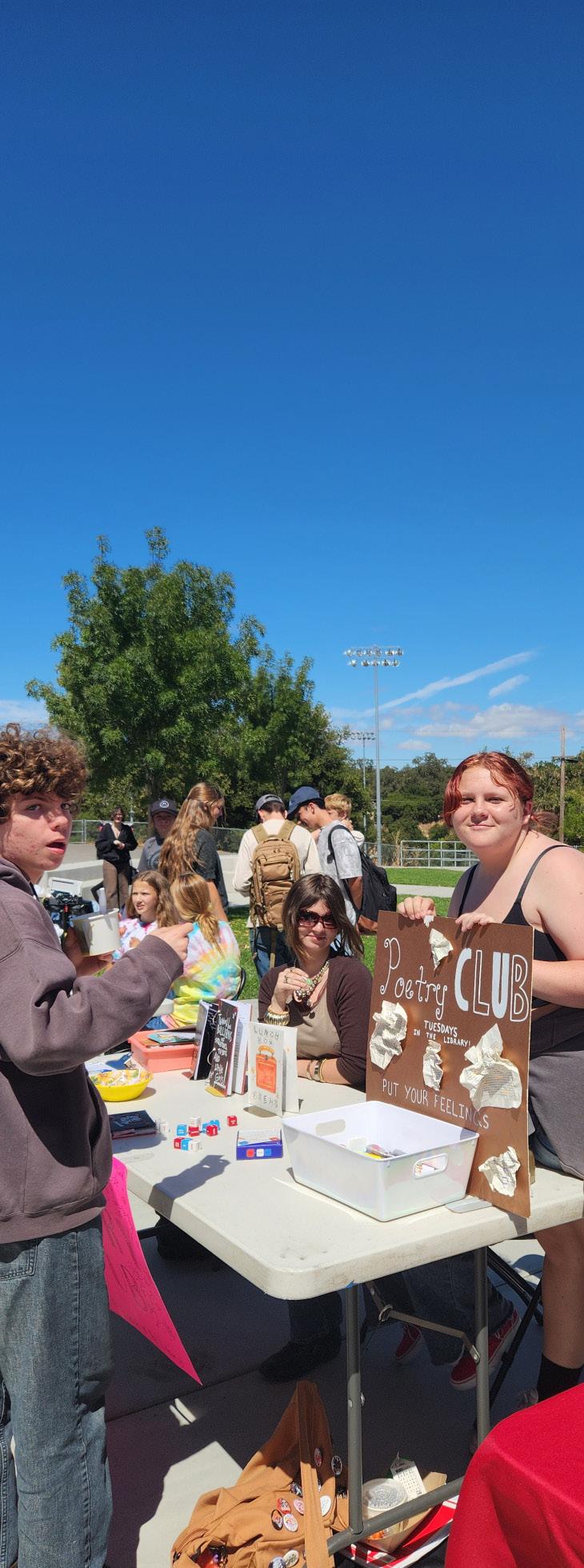
There are so many incredible moments from this semester, every Greyhound helped make it unforgettable. These photos are only a glimpse of the many achievements and memories across campus.
This semester at Atascadero High School has been packed with incredible moments and student achievements that deserve a huge Greyhound shout-out! From our athletes dominating the courts, fields, pools, and courses by breaking records, advancing through CIF, to our clubs hosting creative events and building community through service and leadership, our campus has been buzzing with energy. Students stepped up academically, musically and artistically. Whether through spirit days, competitions, or performances, AHS showed what it means to lead, create, inspire, and stay classy, Atascadero!
GREYHOUND PRIDE
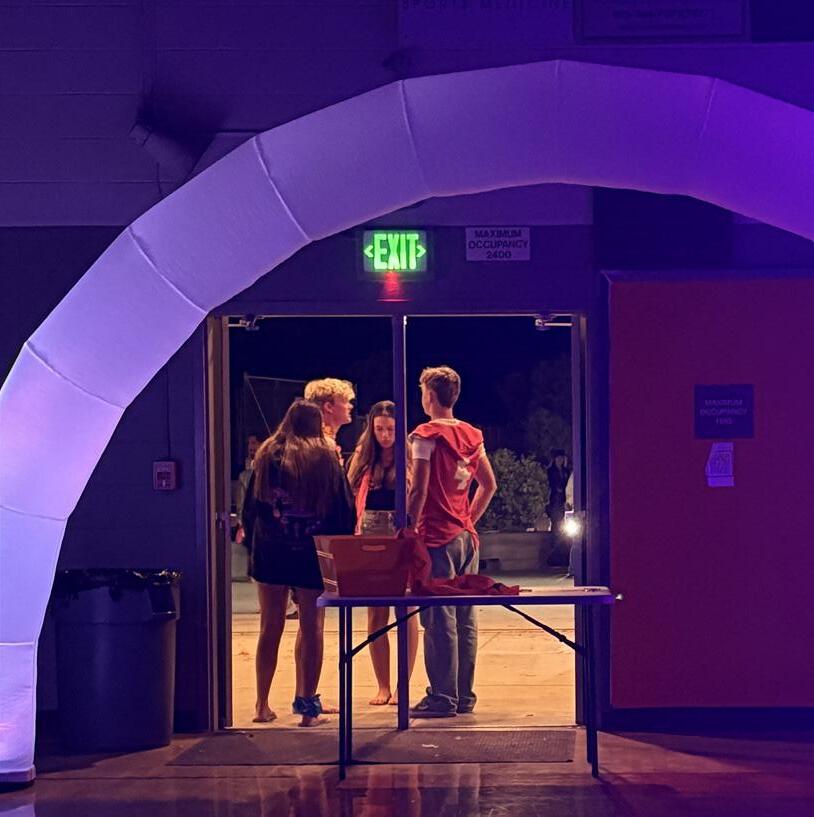
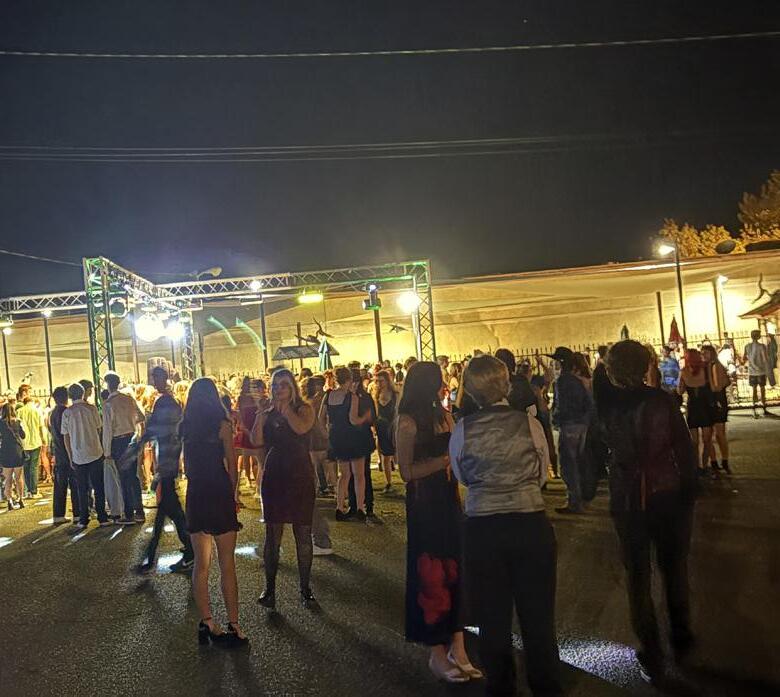
ASB hosted unforgettable spirit days and dances, with students showing up in full creativity. Choir delivered powerful performances all season, showcasing talent, harmony, and Greyhound pride. Band and Choir elevated every event with music that brought our campus together.
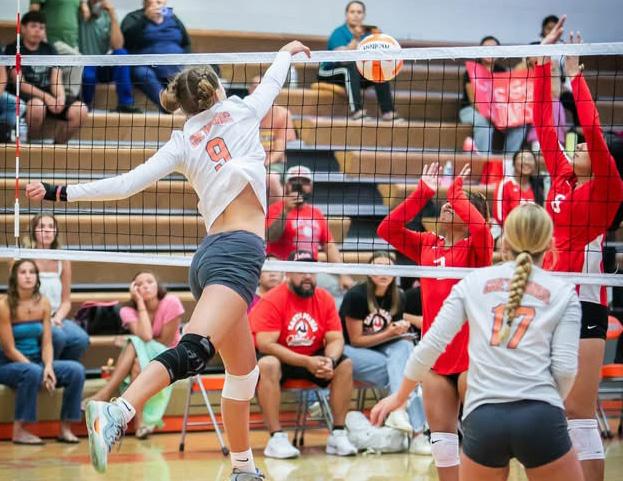
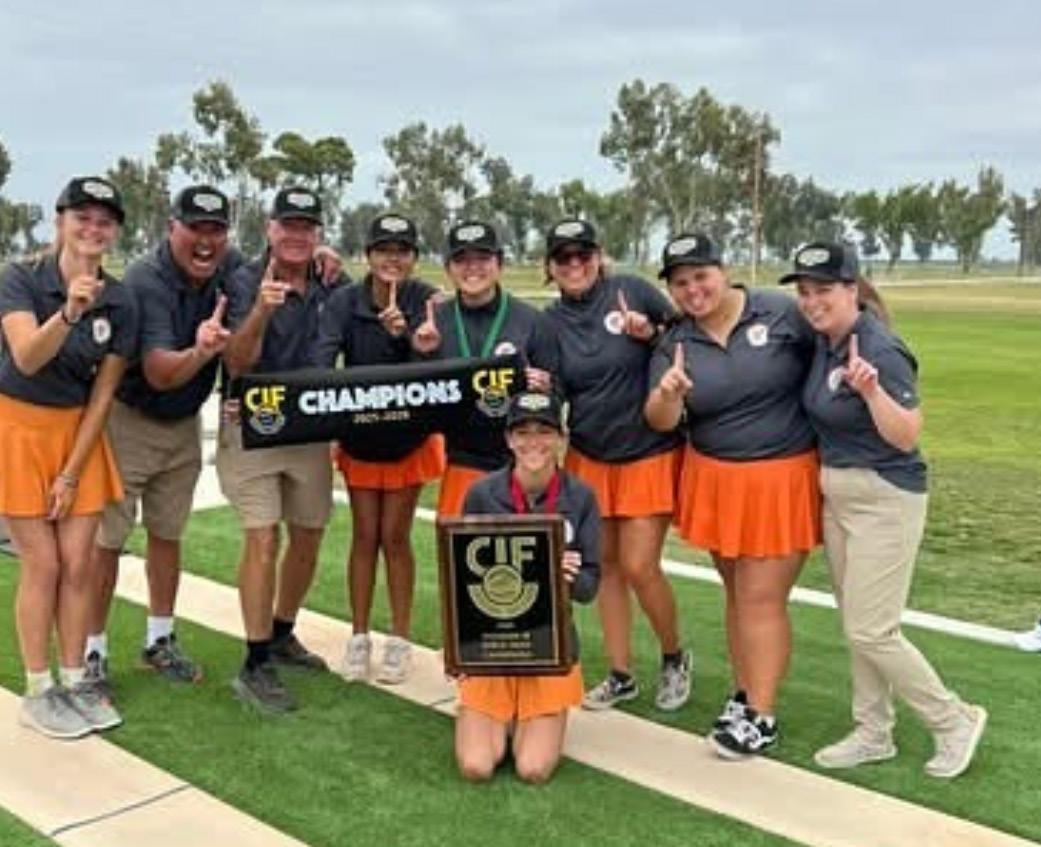
AHS athletes dominated the season, earning titles and representing with pride and grit.
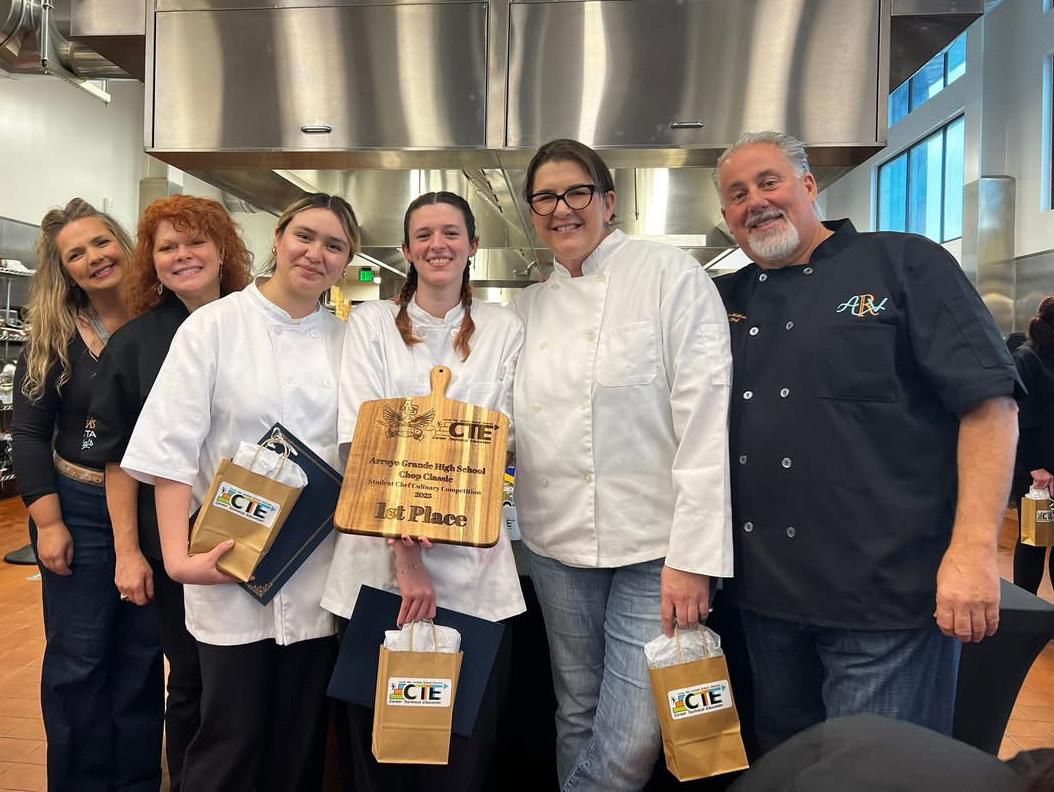
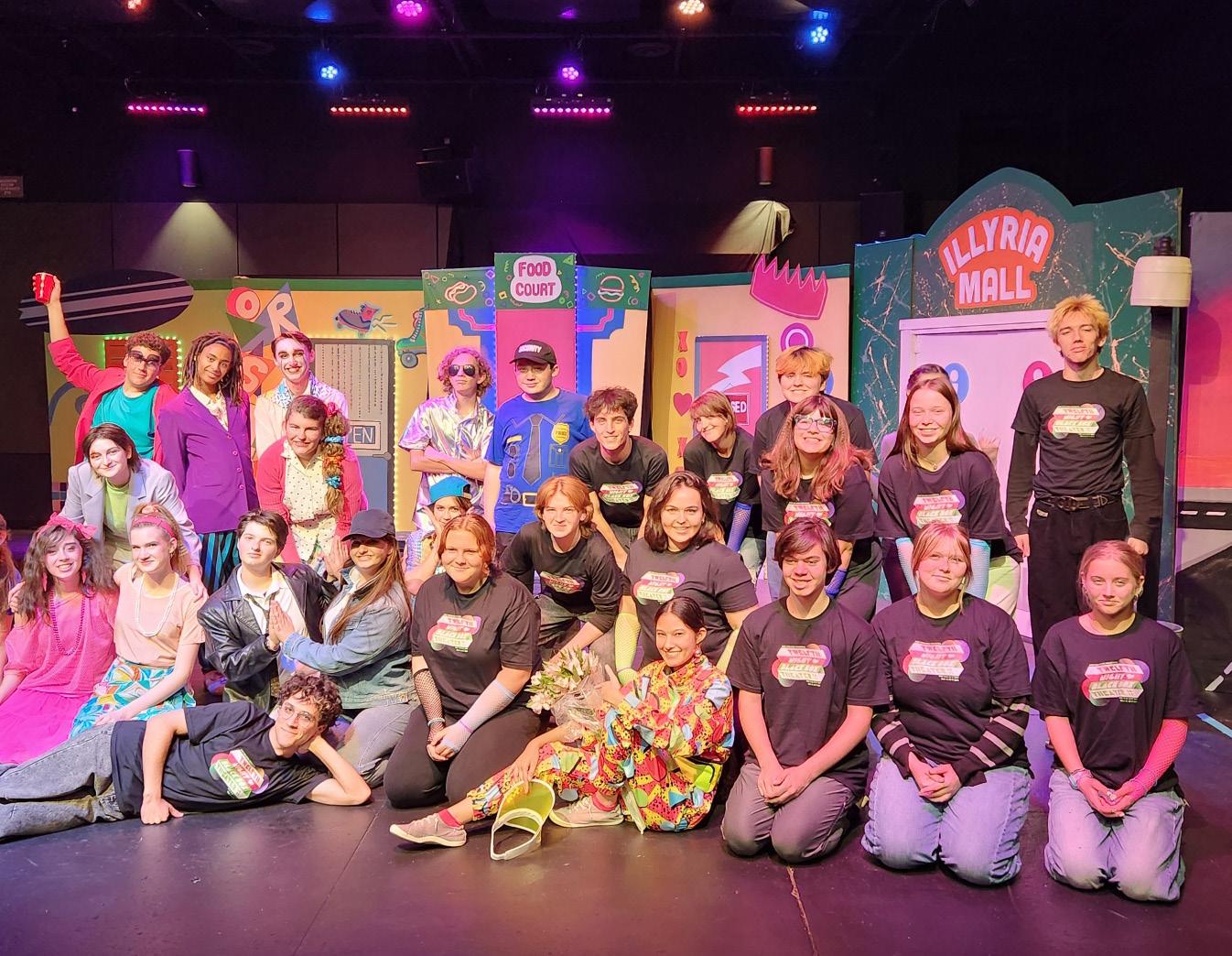
Culinary and competition teams brought home first place awards, showcasing student excellence. Our student section and athletes packed the gym and stadium with nonstop energy and school pride. Theatre Arts delivered amazing performances, proving the creativity on our campus.
Students rocked themed outfits during spirit weeks, and special events.
Fall sports teams wrapped the season with teamwork, dedication, and big accomplishments. Harry the Hound leads the greyhound pride pack.
JUNIOR LOT CONSTRUCTION
Written by: Joulian Rebosura
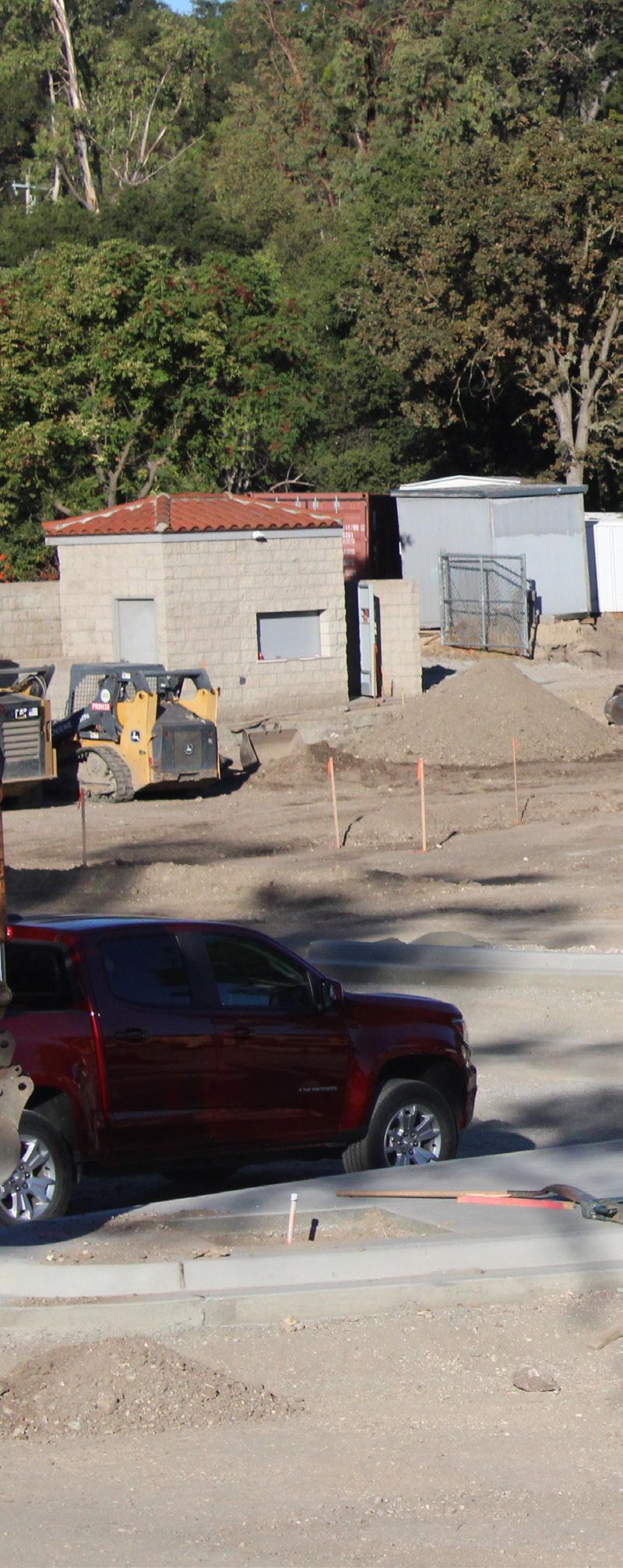
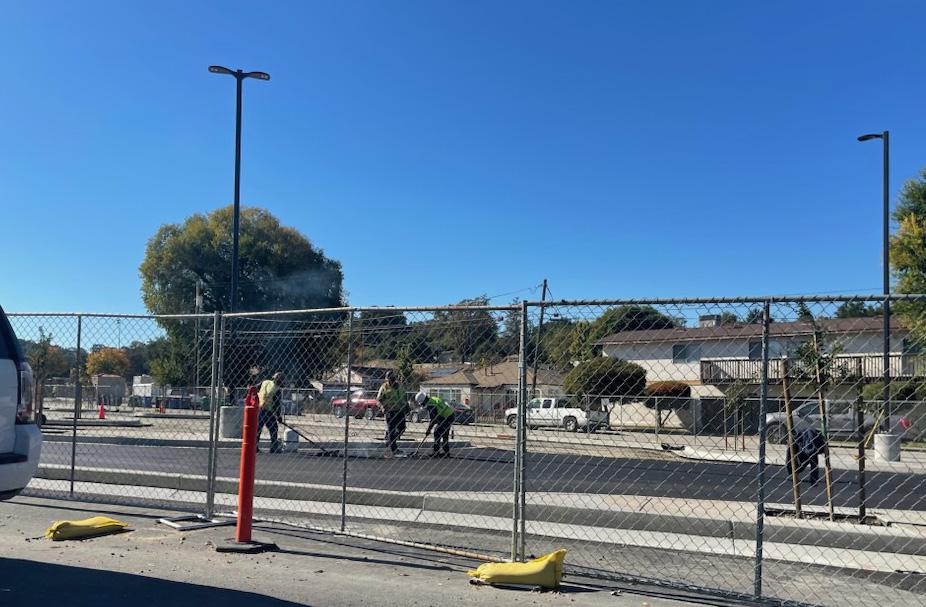
Beginning at the start of summer 2025, the AHS Junior lot has been ongoing construction, aiming to expand and renovate. However, with the loss of parking spaces available for students, has affected transportation for many, as people have been required to find other ways to go to school. It also forces all traffic to flow from the senior lot in the back and the office gate in the front.
With this vehicular ordeal, many have been unwillingly forced to change things up to deal with the problem. Junior, Jared Padilla, is one of these students. He got his license in his sophomore year but hasn’t been able to use it as much due to the closure. When asked about how the construction has affected him, Jared stated that it has
Some students now have to find parking close to the high school, which can be very competitive. Additionally, some students are now forced to get dropped off, adding onto the traffic issue going up the A building.
However, we have to acknowledge the apparent flaws that needed to be addressed. Many know how littered and oftentimes unorganized the old parking lot was, with some parts not even having proper asphalt or lighting.
Assistant Principal Gilmore, who has further knowledge of the construction, described the old Junior lot as “not the safest or the cleanest”. In response to the backlash given by many about the closure of the lot,
“Definitely taken some time out of my morning to get ready without the option of driving ” since he now has to “walk to school, rather than hoping to find a parking spot in the street.”
-Jared Padilla
Jared isn’t alone in this ordeal, as many other students are having this same problem, just in different ways.
Gilmore addressed that “yes, we are well concerned about the parking problem, and it’s been one of our top priorities to meet student needs, however, there is no perfect time to start this project”. He continues, stating
“We knew this would take a long time to complete, and our best option was to start right when school ended, as starting later would cause problems and most likely affect graduation.” -Gilmore
This statement from our assistant principal, shows that temporary sacrifices will have to be made in order to achieve the goal set for AHS.
Additionally, Mr. Gilmore spoke further about the future of AHS, and the projects that lay ahead, saying
“We’re aiming to make the parking lot a more safe and clean environment for students.”-Gilmore
He reaffirmed that “Students don’t have to worry, as we are not planning to make AHS a closed campus, rather we are aiming to make it safer with these additions.” -Gilmore
This change represents a major safety improvement, and while concerns are natural with any transition, the parking lot is expected to be completed by mid-November. With additional projects planned for the school grounds, the future looks promising.
Yes, there will be sacrifices that have to be made in order for this to happen, however we have to consider that the positives of this project have the potential to outweigh the negatives. This isn’t just about renovation, this is the start of something bigger for our school that will have a long-lasting impact for students and staff alike for years to come.
For the time being we have to put trust into the people higher up making decisions for our school, but that doesn’t mean you as a student or member of AHS, have no voice.
During our interview with Mr. Gilmore, he urged that if you have a suggestion for anything regarding our school, that he, along with anyone else higher up, are open to hear you out.
WHAT WE HAVE TO LOOK FORWARD TO!
Approximately 150 extra spaces
Sealed during non school hours Lights for safety
Better entrance/exit for vehicles Cleaner
More organized parking lines
Along with stating that “the gate will allow students to go in and out of campus, but keep out any unwanted visitors”
“We’re also planning to be able to seal off the school for emergency by adding features that will allow for a more closed off campus when needed.”- Gilmore
Bus loading/unloading area
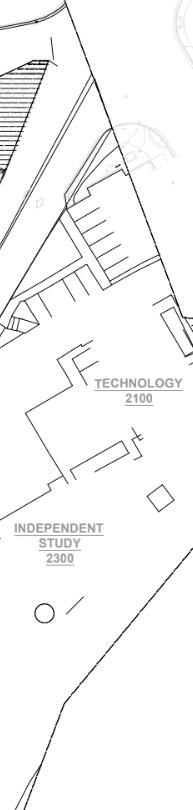
Drone shot Caleb Viale. Other photos by Isabella Moya, Blueprints from AHS MOT
WHAT IT WILL LOOK LIKE
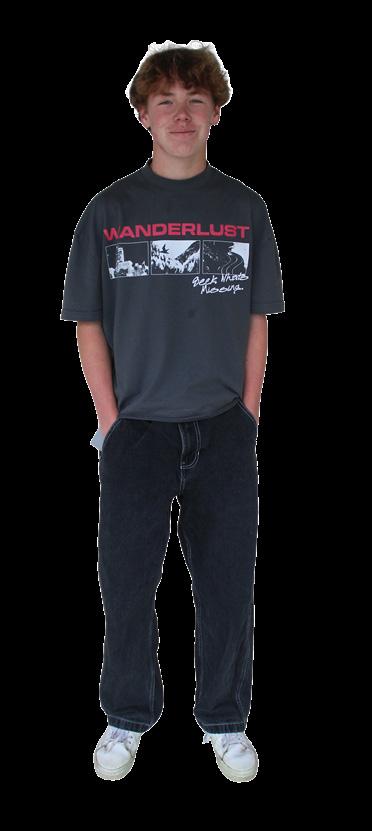
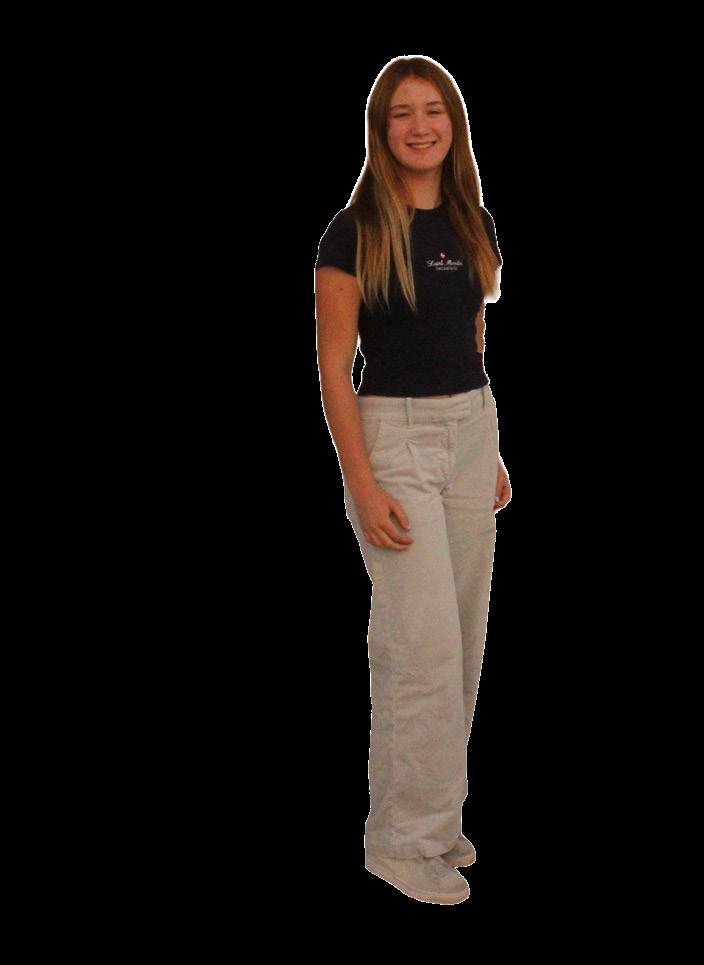
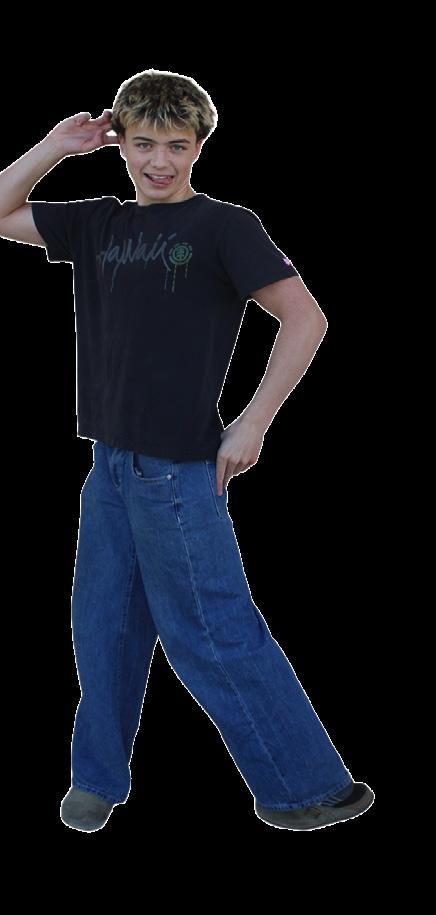
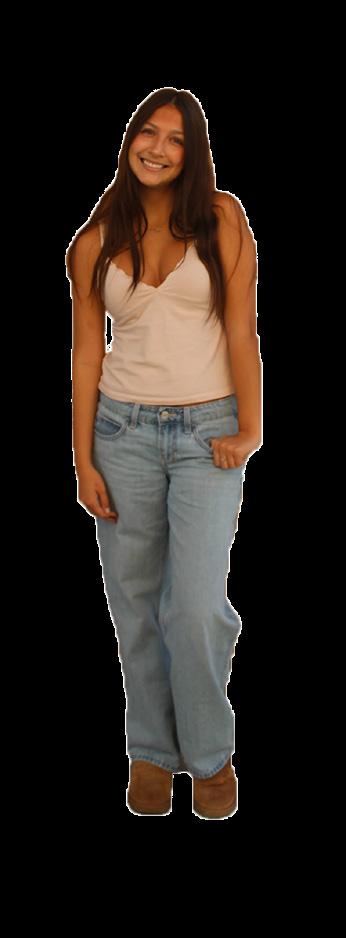
As we move into a new year, the quads of AHS are getting style updates. From cozy footwear to bold statement pieces, our campus is buzzing with fresh fashion and new slang. The AHS Media team hit the halls to bring you the quick guide to what’s trending
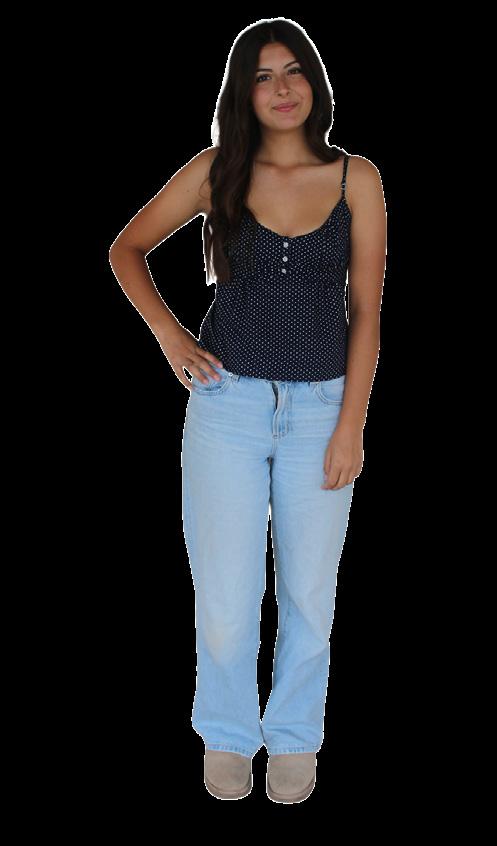
Effortlessly Polished Tucked Tops and Button-Ups
This fall, the look is less “rolled out of bed” and more “thoughtful, but make it quick.” Students are mastering the art of the perfectly tucked top, a simple trick that elevates any outfit whether paired with a classic tee or a chic button-up. Paired with wide-leg jeans/pants or denim mini skirts, this trend proves that a little effort goes a long way.
Retro Finds: Jorts and Babydoll Tops
Nineties and Y2K trends continue their stylish takeover with the help of the popularity of thrifting. Jorts (oversized jean shorts) are a campus staple, offering a laidback, vintage vibe. They pair perfectly with the comeback of the babydoll top, a sweet, flowy silhouette that adds a touch of old charm. Most retro tops even come in classic patterns like plaid, polka dots, and stripes.
Footwear Essentials: Adidas, Birkenstocks, and UGGS
When it comes to kicks, comfort is still king, but with a few key upgrades. The timeless style of Adidas sneakers continues to reign supreme, with many students struggling to choose from all the styles. As the weather cools, the cozy factor gets a boost with UGG socks peeking out from the tops of UGG boots and other shoes. Moreover, for that perfect blend of comfort and cool, Birkenstocks are everywhere, paired with socks or worn solo on warmer days.
Bold Statements: Camo, Bows, and Butter Yellow
This season is all about mixing high-impact pieces with delicate details. Camo is making a comeback, appearing on jackets, cargo pants, and hoodies, while bows offer a softer, girly counterpoint, in hair or on bags, and even shoes. The color palette also gets a seasonal update with butter yellow, the perfect cheerful hue to brighten up any gloomy day, along with navy blue as a true year-round staple.
The In-Class Glow-Up
If you’ve noticed your classmates looking extra fresh by the second period, you’re not alone. The trend of doing makeup in class is not just about looks; it’s about multitasking. With busy schedules, students are using the few free moments between lectures to perfect their winged eyeliner or add a touch of blush. It’s a low-key hustle that keeps everyone feeling their best all day long.
Hydration, but Make It Fashion
Move over, Stanley’s—there is a new water bottle in town. The Owala is the must-have accessory, seen in every shade and size, clutched in hands across campus. Its signature flip-and-sip straw and chic design have made it a status symbol, proving that even a water bottle can be a significant style statement.
The Daily Grind at AHS
It is no secret that a long school day requires a midday pick-meup. The unofficial drink of the season? Matcha. Whether it is hot or iced, students are grabbing their green tea lattes to get them through their afternoon classes.
Decoding the Lingo: AHS’s Latest Slang
Aura: You can tell a lot about a person from their vibe. A good aura means you have a confident, cool energy.
Bet: If someone asks you to do something, and you want to agree, just say, “Bet.” It’s quick, simple, and gets the message across.
Yuh: Similar to “bet” if someone asks you a question and you want to say yes but want to sound excited, you can just say “Yuh!”.
Crashing out: This doesn’t mean falling asleep. It’s when someone has an emotional outburst or goes wild, usually because something or someone made them overly mad or upset.
Locked in: Got a big test coming up or a project due? That’s when you “lock in.” It means to completely focus on the task at hand.
Real: A quick way to express that something is serious. If a friend tells you some juicy gossip, you might respond with, “That’s real”, or simply “real” because it speaks for itself most times.
67: If you’re looking for a good comeback to a question, just say, “six-seven.” It is a nonsensical phrase that’s viral on TikTok and is meant to throw people off. Although this trend has died fast, you might not hear it as often.
Helly or Hellyante: Instead of saying “What the hell!” people are saying “What the helly!” or “What the Hellyante!” referring to a TikTok trend where the phrases originated with the song “WTHelly” by the rapper Rob49.
Huzz: Started as an abbreviation of your “husband” but has changed meaning. It refers to a person that you like/would date/ or just think is hot/pretty. So if you get called “Huzz,” keep this in mind!
Sendy: This isn’t about sending a text. On TikTok, “sendy” or “getting sendy” means to do something with enthusiasm, confidence, or “go all out,” often in reference to a trend where people pretend to “shotgun” various objects with a dramatic motion.
Whether you are rocking a denim mini skirt and a tucked top or just trying to understand the latest slang, the fall semester at AHS has proved to be as lively and dynamic as ever.
Featured Students: Grace Grimes, Sam Coloma, Ben Bearkat, Annie Uceda, Ashlee Blanton, Tyler Marrin, Finley Rocha, Domenick Burrell, Harrison Gonzalez, Valeria Castanon
CROSSWORD
WHAT DO YOU KNOW ABOUT ATASCADERO?
1. Atascadero is home to the largest “___” grill.
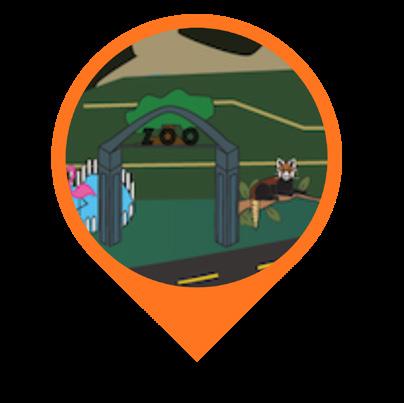
2. What is now known as the Central Coast Zoo was named after “___” Paddock.
O R I Z O N T A L
1. Near the lake park, there is a monument called “___” of freedom, honoring our veterans.
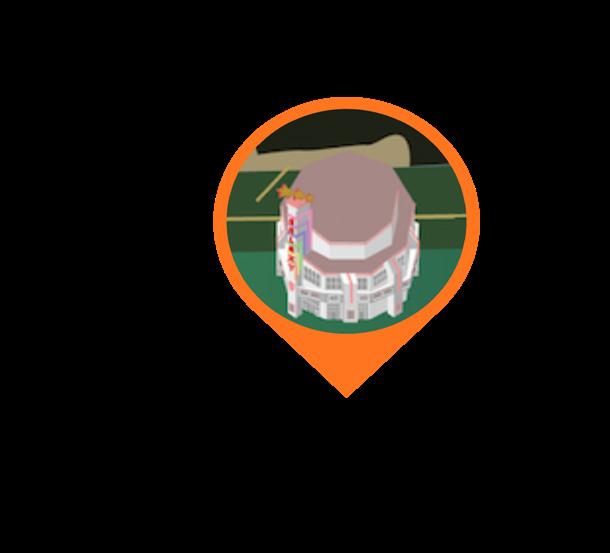
2. The name of Atascadero’s local movie theater.
3. Atascadero is the Spanish word for “___”.
4. Designed by E.G. Lewis, these gardens live in front of Atascadero Town Hall.
5. The oldest building in Atascadero.
6. The type of climate Atascadero has.
7. The name of the hotel in downtown Atascadero.
3. The name of the architect who designed Atascadero’s Town Hall.
4. This restaurant is home to 5-pound “Big One” burger eating challenge.