
MADAGASCAR COUP & INDIA’S STRATEGIC DILEMMA
A Tactical Assessment of the IOR Power Balance
Analysis by Greyhound
INTRODUCTION
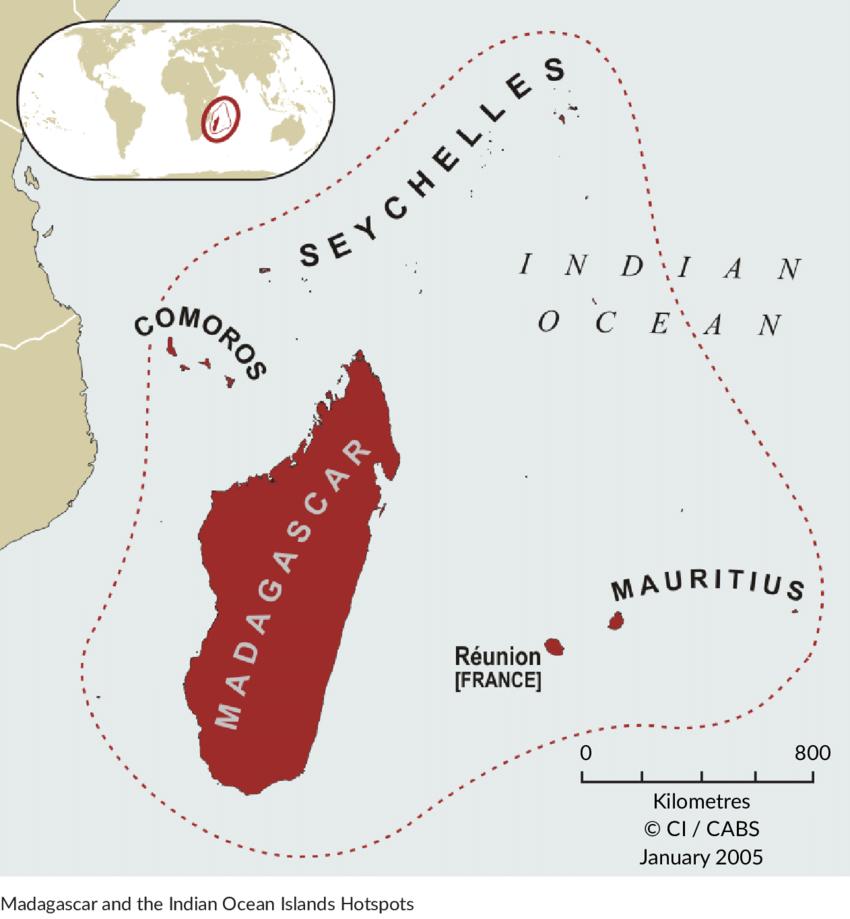
The recent military takeover in Madagascar—framed as a youth-led Gen-Z uprising—may seem like another internal African political shift, but for India, the ripple effects cut deep. Madagascar lies at a strategic junction of the western and central Indian Ocean, a zone that influences nearly all major maritime routes relevant to India. While this angle rarely reaches mainstream attention, it is crucial to India’s maritime domain awareness and long-term security posture.
WHY MADAGASCAR MATTERS TO INDIA
Madagascar hosts an Indian-operated listening and monitoring post that feeds real-time maritime surveillance data to India’s wider Indo-Pacific monitoring network. This post acts as India’s early-warning system for movements across the Mozambique Channel and towards the African coastline. Losing this foothold would leave a large blind spot—one that India cannot afford, especially with rising competition from China in the IOR.
THE CHINA FACTOR
China’s growing presence in the Indian Ocean is not subtle. Its base in Djibouti, naval forays, port acquisitions, and sustained diplomatic investment in Africa all point toward a long-term strategy. The Madagascar coup presents Beijing with a new opportunity: a regime desperate for international legitimacy and economic support. Unlike India’s soft-power approach, China can deliver hard-power incentives instantly—loans, weapons, infrastructure deals, and diplomatic shielding.
INDIA’S DIPLOMATIC CHALLENGE
India often communicates primarily with heads of state and formal political channels. However, the new CAT-SAT military leadership in Madagascar had limited prior engagement with India. This puts New Delhi on the back foot as China has a track record of quickly building ties with new power centers, especially during crises. India must expand engagement beyond traditional high-level diplomacy to stay relevant amid leadership volatility in the region.