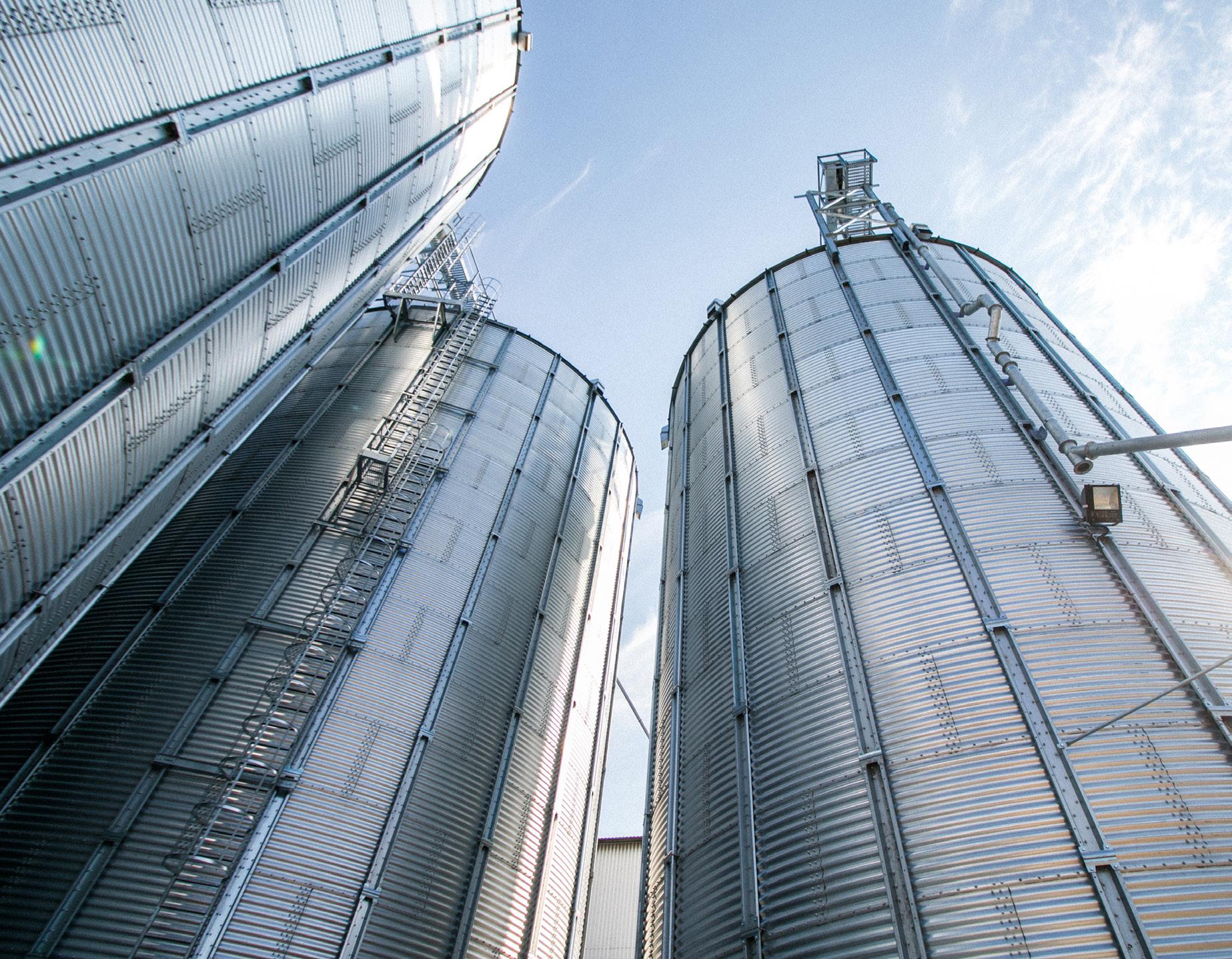
GreenStone Story. Through loan syndication, GreenStone participates in large and complex borrowing needs for large-scale businesses with other institutions to provide businesses with access to more funding sources!
Live
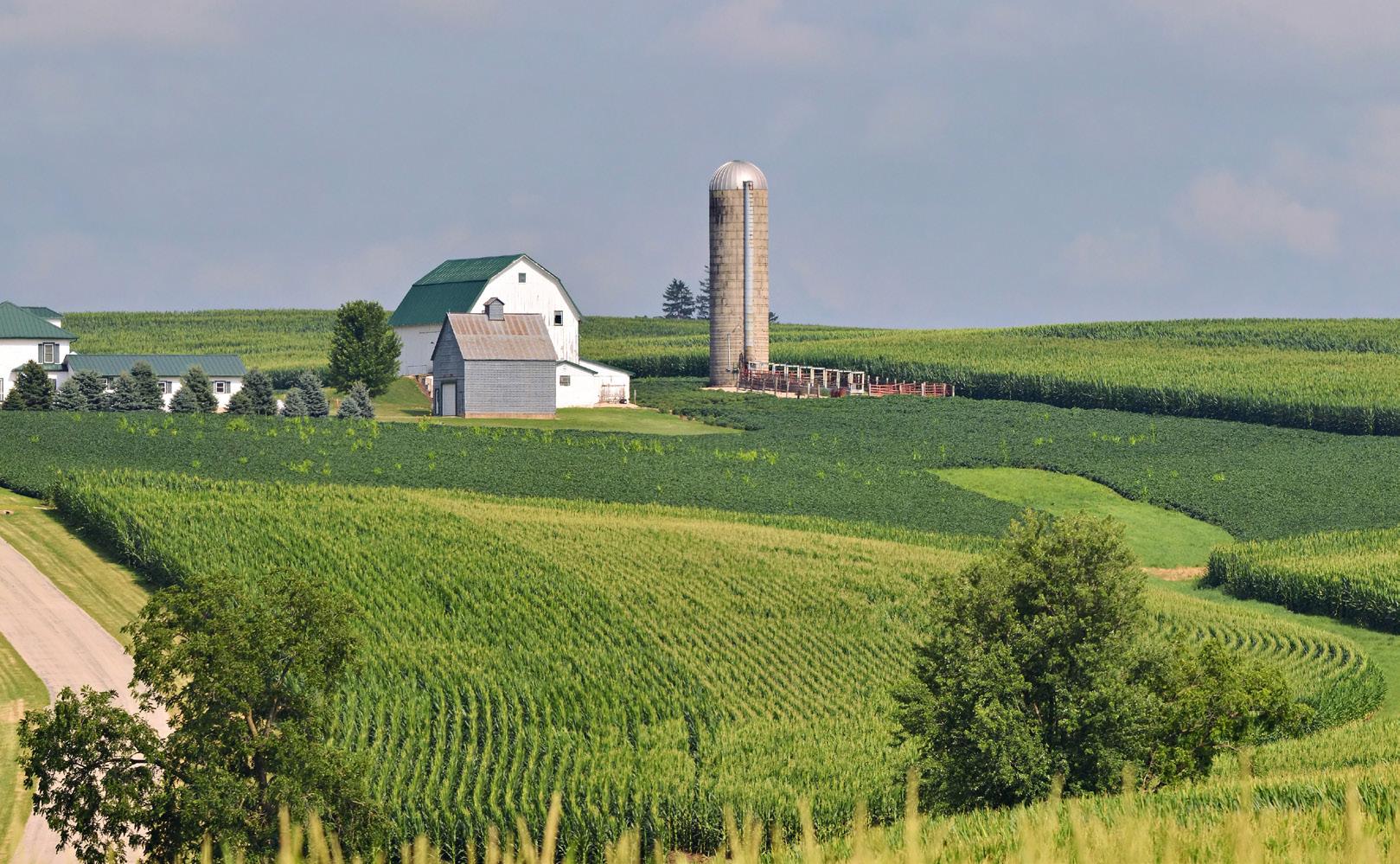
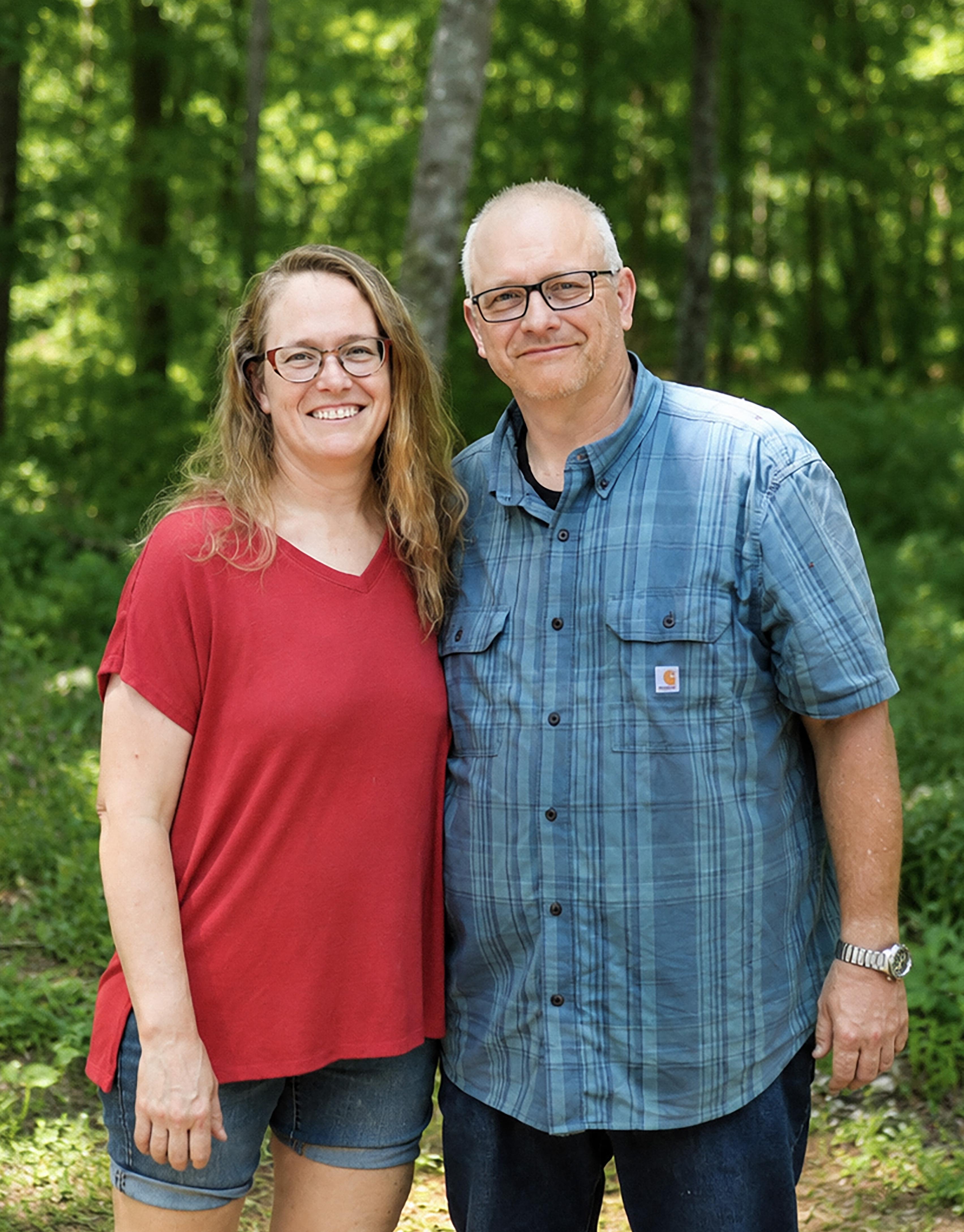
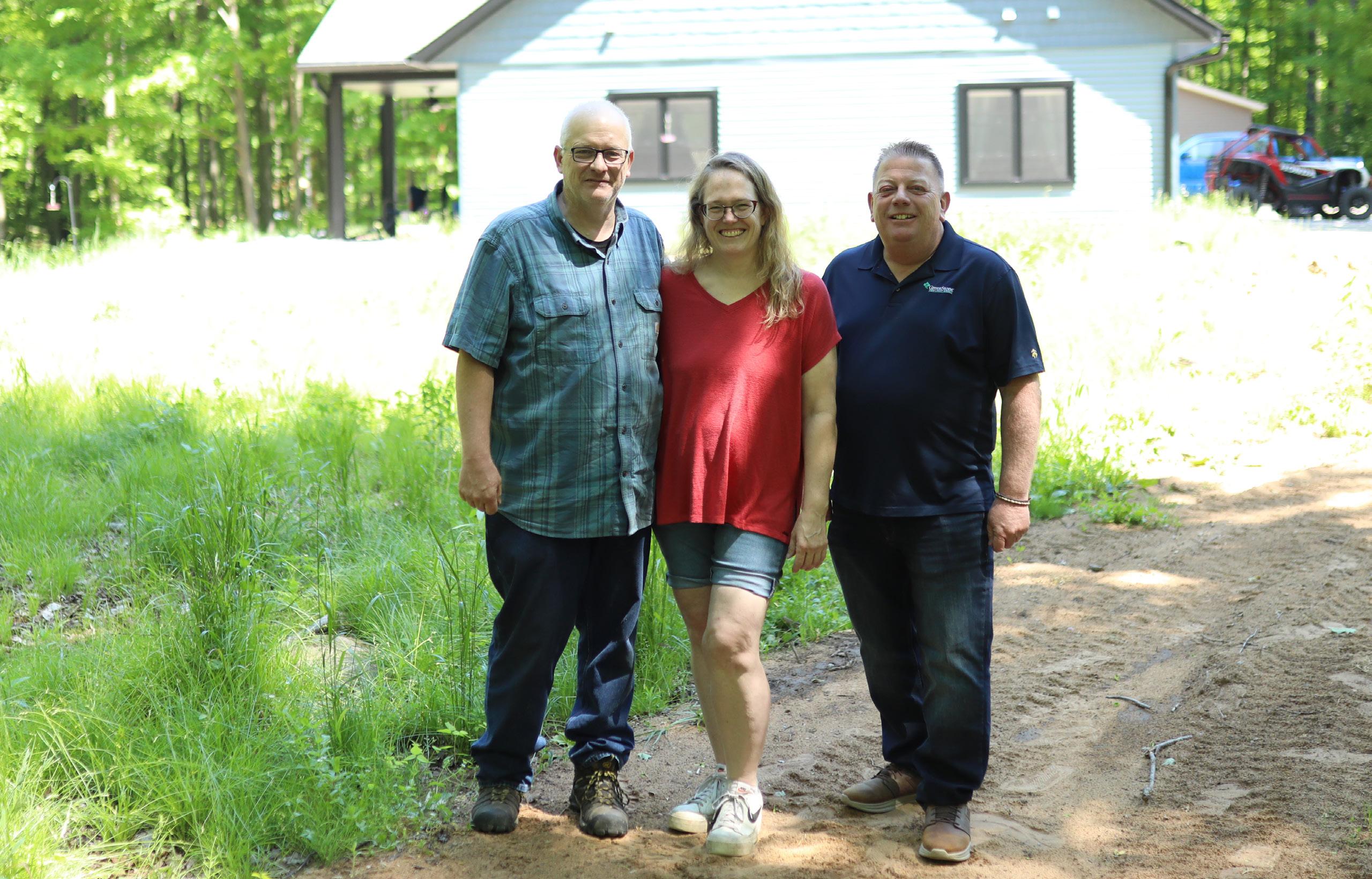
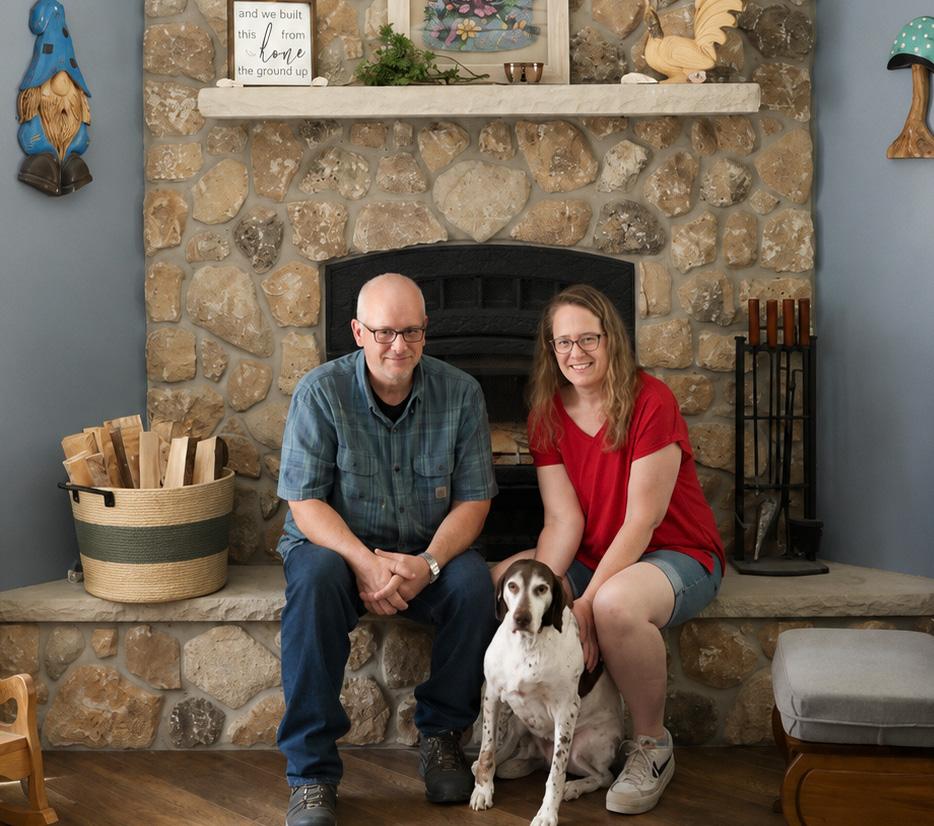
Country Living Customer Feature. The Arnesons began their search for property around Silver Cliff, Wisc., and fell in love with the area. They knew it was the place they would one day call “home”.
Learn
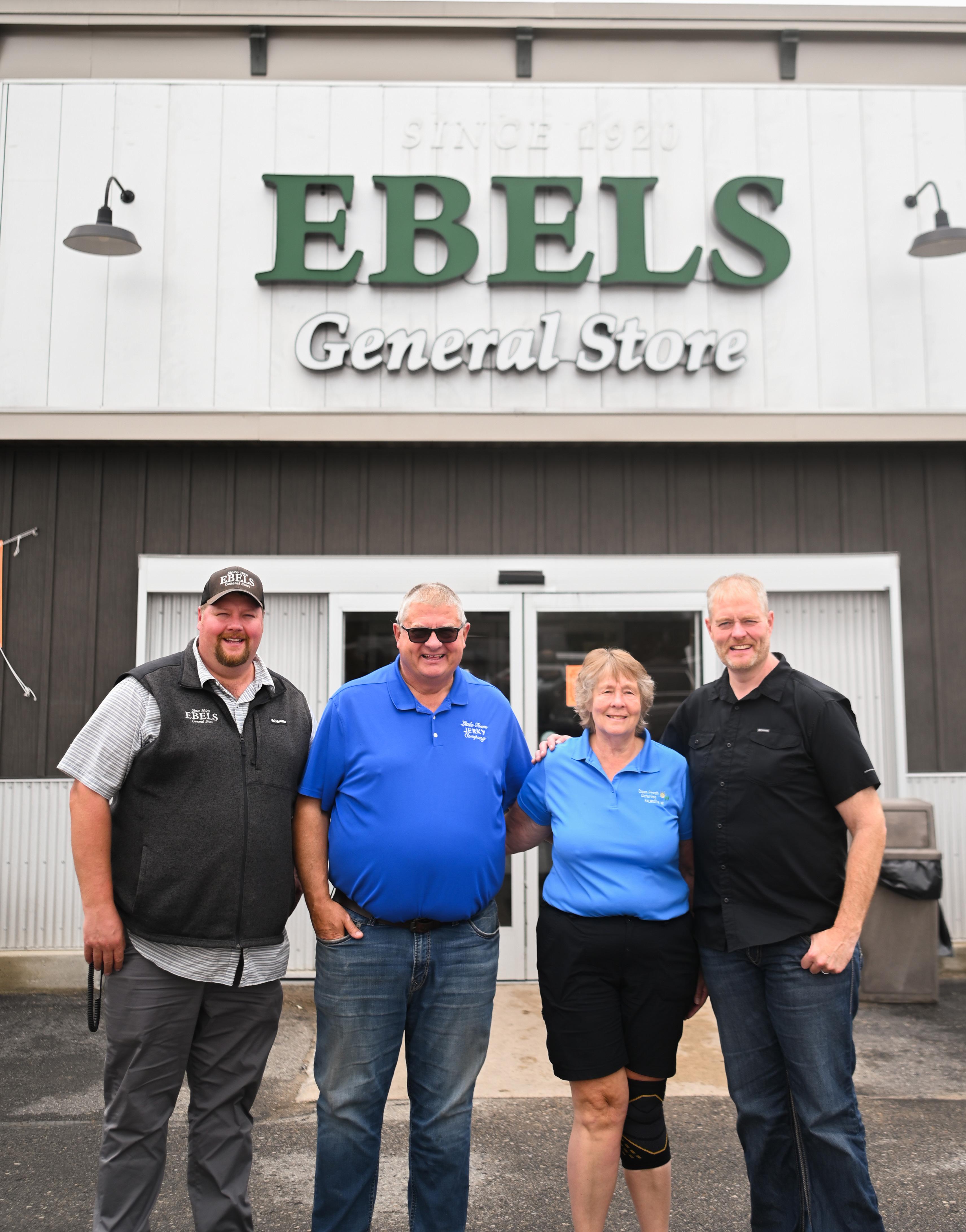
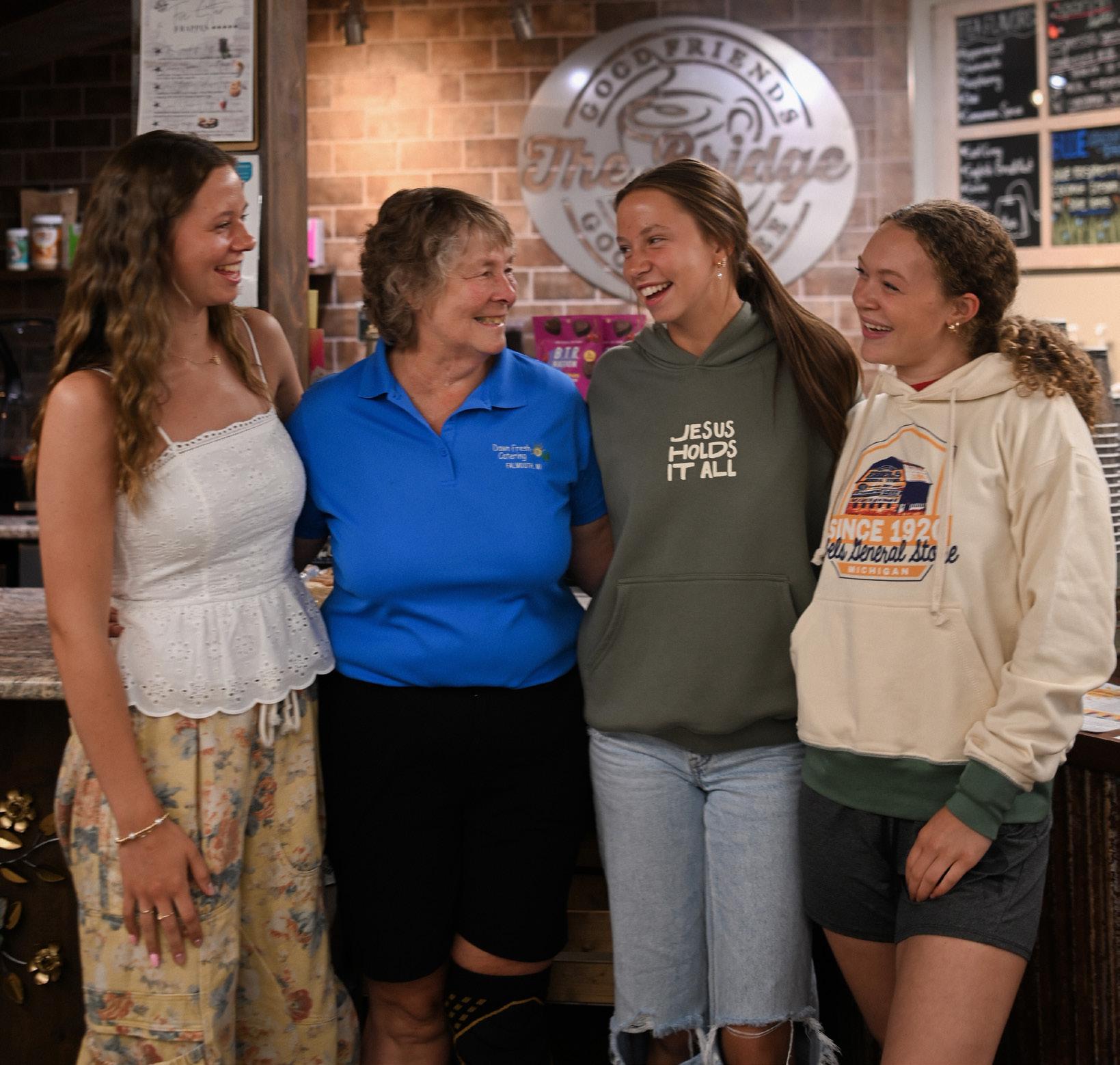
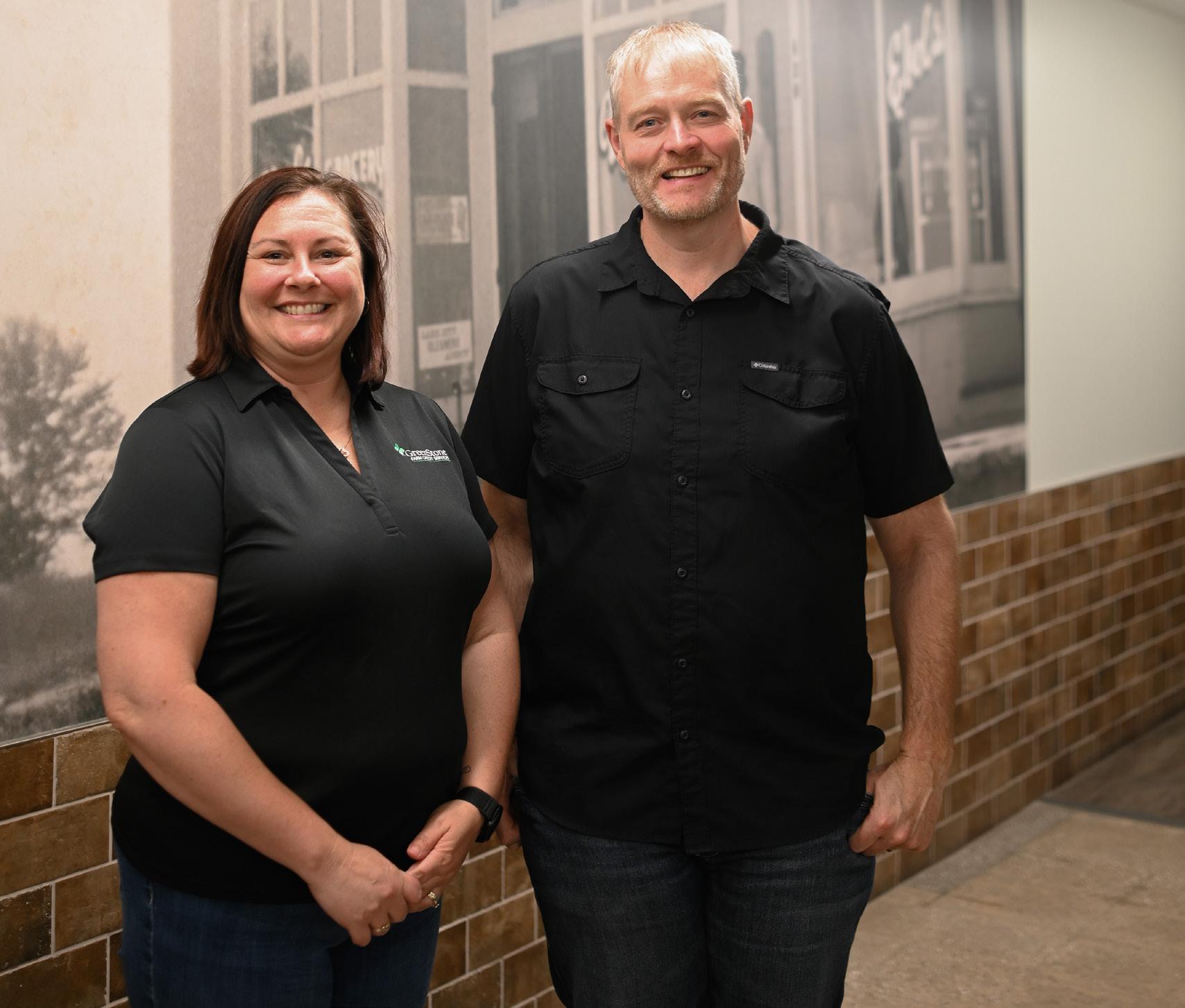
Tax & Accounting Customer Feature. Founded in 1920, Ebels began as a simple food and hardware delivery operation. Over more than a century, that modest start has evolved through hard work and steady growth.
This newsletter is published quarterly for the customers of GreenStone Farm Credit Services.
Editorial
Jessica Burau
Emma Briggs
Linnea Jones
Melissa Rogers
Shelby Roland
Kate Thiel Caleb Yarbrough
Partners
Art & Design
William Eva Olivia Gallt
GreenStone Farm Credit Services 3515 West Road East Lansing, MI 48823 800-444-3276 marketing@greenstonefcs.com
3 CEO Comments.
President and CEO Travis Jones touches on the financial strength of the cooperative and reflects on the 110th anniversary of the Farm Credit System.
11 Guest Column.
Rare is a management succession plan that is one and done. As you implement your plan, step back at least annually and assess.
13 Market Outlook.
All eyes are on the economy as a mix of up and down reports are released.
27 Legislative Matters.
To obtain a tariff refund from the U.S. government, you must navigate one of three primary procedures overseen by U.S. Customs and Border Protection.
29 Guest Column.
U.S. Representative Jack Bergman shares news from his time in field with Michigan farmers.
30 PAC Progress.
The agricultural legislative environment has been very active this Spring and moving into the summer months.
31 Directors’ Perspective.
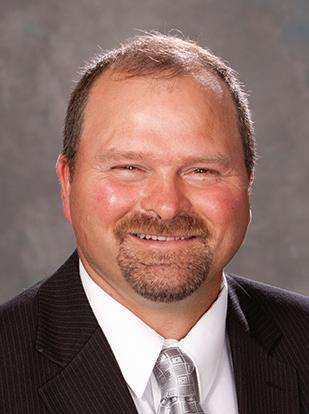
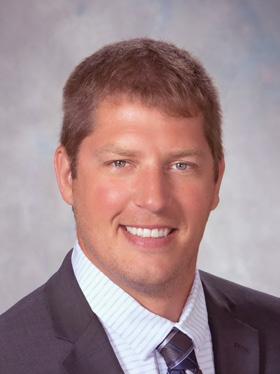
Three Board Directors share their perspective on why being involved is important, how it benefits the cooperative, and what their personal experience has been serving as a Board member.
39 Guest Column.
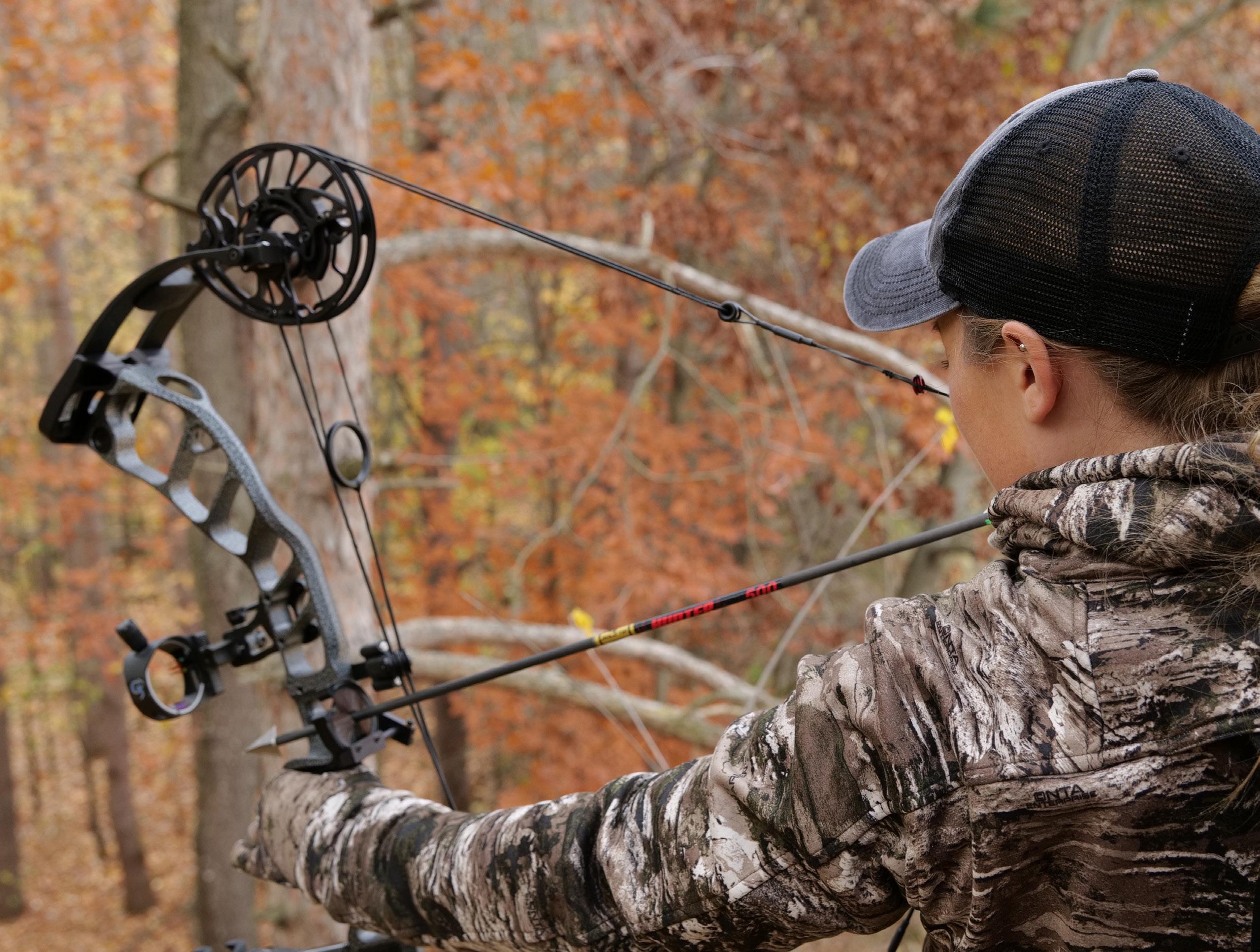
Following intense public debate and months of anticipation, the Michigan Natural Resources Commission (NRC) finalized a sweeping package of deer hunting regulations at its May meeting in Gaylord, Mich.
41 Tips for Hiking This Summer.
Here are some things to keep in mind while going on your hiking adventure this summer.
42 Protecting Your Family.
As you continue to enjoy the season, here are some helpful ways to help protect you and your family from backyard bugs this summer.
46 Crop Insurance Feature.
Beginning with the 2027 crop year, several important updates to Livestock Risk Protection and Dairy Revenue Protection will give producers more flexibility and opportunities to protect their operations.
51 Tech Tip.
A password keeper, also known as a password manager, when used correctly, can make your online accounts safer and easier to manage.
8 Agriculture Knowledge and Resources
9 CultivateGrowth Resources
16 Member News
19 Summer Interns
21 Scholarships
22 Pause for Applause
23 Outreach Partner
25 Behind the Scenes
26 Calendar of Events
32 Candid Comments
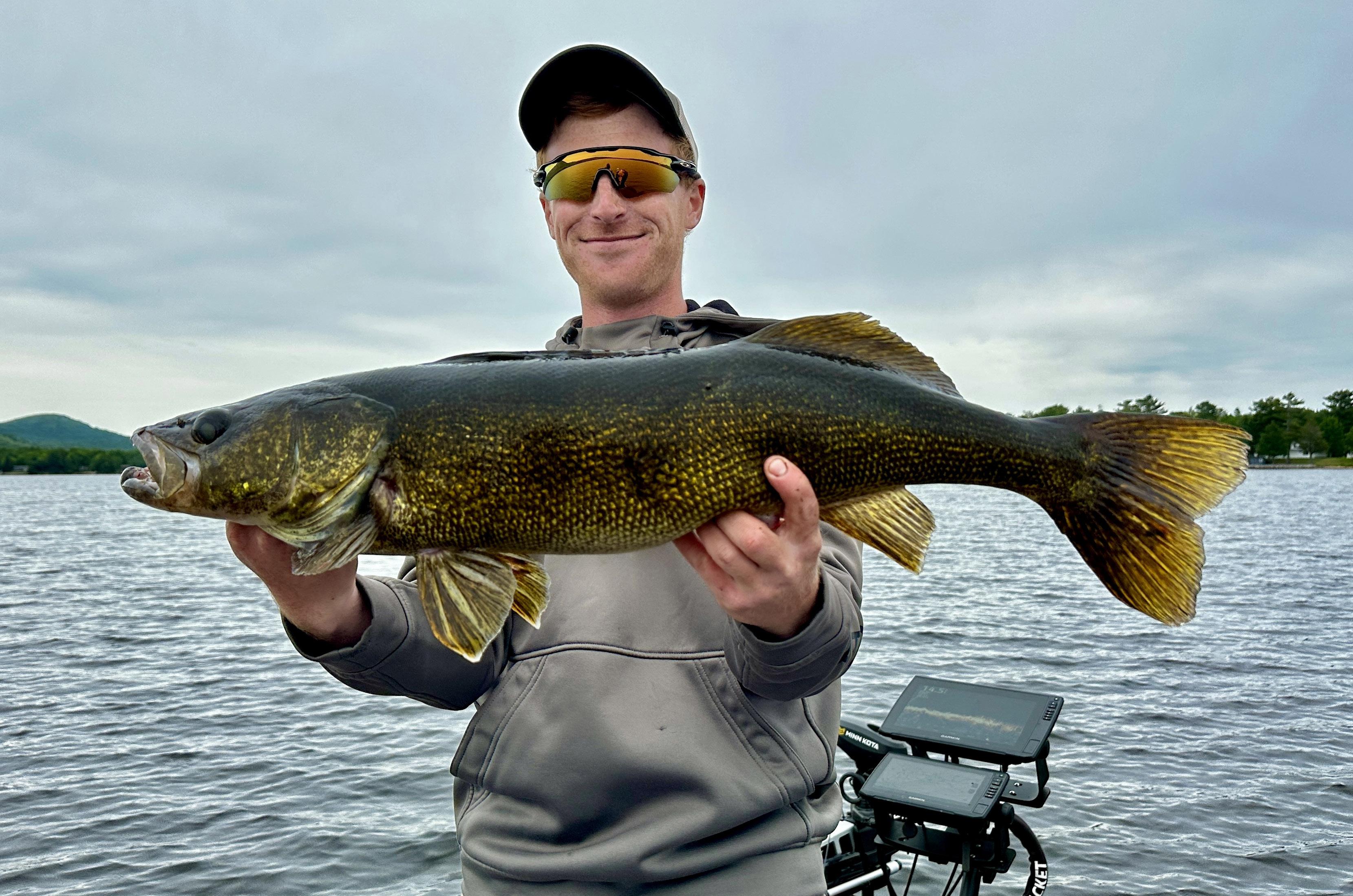
37 Walleye Across the Peninsulas
38 Country Living Knowledge and Resources
43 Commodity Cuisine... “Greek” Walleye
44 Crop Insurance News
45 Crop Insurance Calendar
50 Tax Calendar
Publisher’s Note:
Summer represents many things—sunshine and beach laughter, the sweet smell of freshly cut hay, bright flowers and green grass, festive barbecues and relaxing evening bonfires, hours spent bonding in the heat with show livestock, and cherished generational celebrations at nostalgic family reunions.
It’s a season when heritage and skills are passed down, not only at family gatherings but through everyday experiences. Take Matt Stedl, who developed a curiosity for how things work at an early age thanks to his family’s hands-on involvement on their Wisconsin farm (page 5). The Arnesons are using their new weekend getaway to extend traditions and create lasting memories with family and friends. Read more about their gathering space—full of heart and destined to become their fulltime home—on page 33. Family is also at the center of the final customer story in this issue. The Ebel family has a rich history of growth and evolution spanning generations, multiple businesses, and deep community ties (page 47).
Summer skills and traditions continue with fishing tips shared on page 37, while the importance of sustaining the Farm Credit cooperative legacy is highlighted by your Board Members in the Directors’ Perspective on page 31.
With each sunrise and every turn of the page, the season of growth and freedom brings fresh experiences, teaches us abundantly, and leaves us cherishing the moments and memories. We hope this issue captures a bit of that summer spirit and inspires you to make the most of all the season has to offer.
Happy reading, and enjoy your summer!
Melissa
CEO comments
Summer Update
I hope you and your families are having a great summer. It is very hard to find more beautiful areas in our great country this time of year than northeast Wisconsin and Michigan. When you have lived in this area your whole life, you tend to take these springs, summers, and falls for granted.
I was reminded how beautiful our states are a couple of years ago when the CEO of AgHeritage Farm Credit Services, headquartered in Little Rock, Ark., visited a number of spots in Michigan during July. He still gushes over how beautiful
Michigan is, whether it’s our farms, small towns, or plentiful lakes.
Speaking of Arkansas, our Board of Directors and executive team are going to have a joint board meeting in August with the board and executive team of Farm Credit of Western Arkansas. GreenStone will host our guests in southwest Michigan. This will be the fourth year in a row where we have had a joint board meeting with some of our Farm Credit partners.
I fully expect we will have outstanding numbers to report to our board in August. Your association is off to a very strong start in 2026 from a financial standpoint. Loan growth, credit quality, profitability,
We have seen a lot of cycles in all of our various commodities, and we continue to be here to help our members in all phases of the cycles you find yourselves in.
operating efficiency, and capital all remain solid. GreenStone continues to be one of the top performing Farm Credit associations in the country when considering these financial categories and our Patronage payments. You, our owners and members, get to share in the value of doing business with a financial cooperative. Our financial strength also ensures GreenStone will continue to meet its mission, “To promote the success of our customers and the rural community by being the best at providing credit and financial services.”
Farm Credit has been assisting farmers and rural communities for 110 years. We have seen a lot of cycles in all of our various commodities, and we continue to be here to help our members in all phases of the cycles you find yourselves in.
We also support our young farmers and youth in agriculture whenever possible. GreenStone continues to support FFA and 4-H from a financial and leadership standpoint. Also, later in the magazine you will be introduced to our scholarship recipients for students studying agriculture in college. In addition, you will meet GreenStone’s summer interns. They are a very impressive group of future leaders.
The results of our customer satisfaction survey are expected later in July. For those of you that received the survey,
thank you for taking the time to complete it.
Your association’s annual election process wrapped up in June, and I would like to welcome our newest GreenStone Directors: Lori Drozd and Joel Layman. They were both elected from Voting Region 4 (southwest Michigan). Lori lives in Allegan County and Joel resides in Berrien County. Welcome to GreenStone’s Board of Directors!
Re-elected from Voting Region 5 (central and west Michigan) were Jed Welder and Trent Hilding. Congratulations to our returning Directors!
I also wanted to recognize the service and contributions of one of our long-serving directors, Ed Reed from Cass County. Ed served on the GreenStone Board of Directors from June 2008 through June 2026. When Ed was first elected to the board, GreenStone’s total assets were approximately $4.4 billion. Today, our total assets exceed $16.1 billion. Total Patronage paid has increased from $13.5 million in 2008 to $125 million this year. Ed also served as our Board Chair from 2016 through 2025. I can’t thank Ed enough for the leadership and guidance he has provided GreenStone and me personally. Thank you, Ed for all of your contributions to our organization!
Speaking of our directors, Cheryl Motz, our senior executive assistant to the CEO, has announced her retirement. For the past 11 years, Cheryl has supported Dave Armstrong (former CEO), me, and our executive leadership team. She has also played a key role in supporting our Board of Directors and GreenStone’s corporate governance processes, including the elections of Directors and nominating committees. Cheryl will retire effective October 1, 2026, following a 44-year career with the Farm Credit System. She started her career with the Federal Land Bank Association of St. Johns when she was 17 years old! Her work has helped our members and supported many teams across our organization, beginning with branch support and including managing and leading teams within GreenStone. Cheryl’s attention to detail, strong follow-through, and deep knowledge of GreenStone will certainly be missed. A big thank you to Cheryl for the support and assistance she has provided me over my four years as CEO.
Again, I hope you have a great summer and very successful growing season and home construction season! Please feel free to reach out to me any time if I can ever be of assistance.
As always, thank you for feeding my family, our country and the world, and thank you for your membership! ◀
Travis D. Jones 517-318-4144 travis.jones@greenstonefcs.com
CultivateGrowth customer feature
Building a Business One Harvest at a Time
Matt Stedl grew up immersed in farm life. From an early age, he knew he would always have a lifelong connection to agriculture.
“I got my start by being strapped into the combine during fall harvest as a baby,” Matt laughed. His earliest memories of farming involve learning how to drive the tractor and being around the farm equipment as much as possible on his family’s cash crop farm in Seymour, Wisc.
Fueled by a Passion to Learn Driven by his natural curiosity of learning how things work, he decided to pursue a career in engineering after high school. “My family was always supportive of whatever I wanted to do, even if it meant stepping away from the farm for a while. My dad encouraged me to go out and get experience to figure out what I really wanted to do.”
Matt attended the University of Wisconsin-Platteville where he studied agriculture business and engineering. It was only his second week on campus when he learned about a hands-on internship opportunity working with farm equipment at John Deere. “I think
I realized then, there was actually an opportunity to pursue a career in what I enjoyed so much about working on the farm. I always enjoyed being around the equipment on my family’s farm, so it seemed like a natural fit for me.”
He didn’t get the internship right away but Matt remained persistent. The summer after his freshman year in college he joined a wheat harvest run that went through Oklahoma, Kansas, and Texas. Upon returning to school in the fall, he secured the internship with John Deere.
“I think after I had a little more experience, I was able to come back and show what I had learned by visiting other parts of the country and getting to know more about their farming practices,” he explained. The experience also introduced him to the world of custom harvest work, which would prove valuable as he grew in his career in agriculture.
Learning Agriculture Around the World Matt went on to complete two internships with John Deere, before securing a position working in road testing and product development right out of college. After graduation, he spent five years
I think after I had a little more experience, I was able to come back and show what I had learned by visiting other parts of the country and getting to know more about their farming practices.
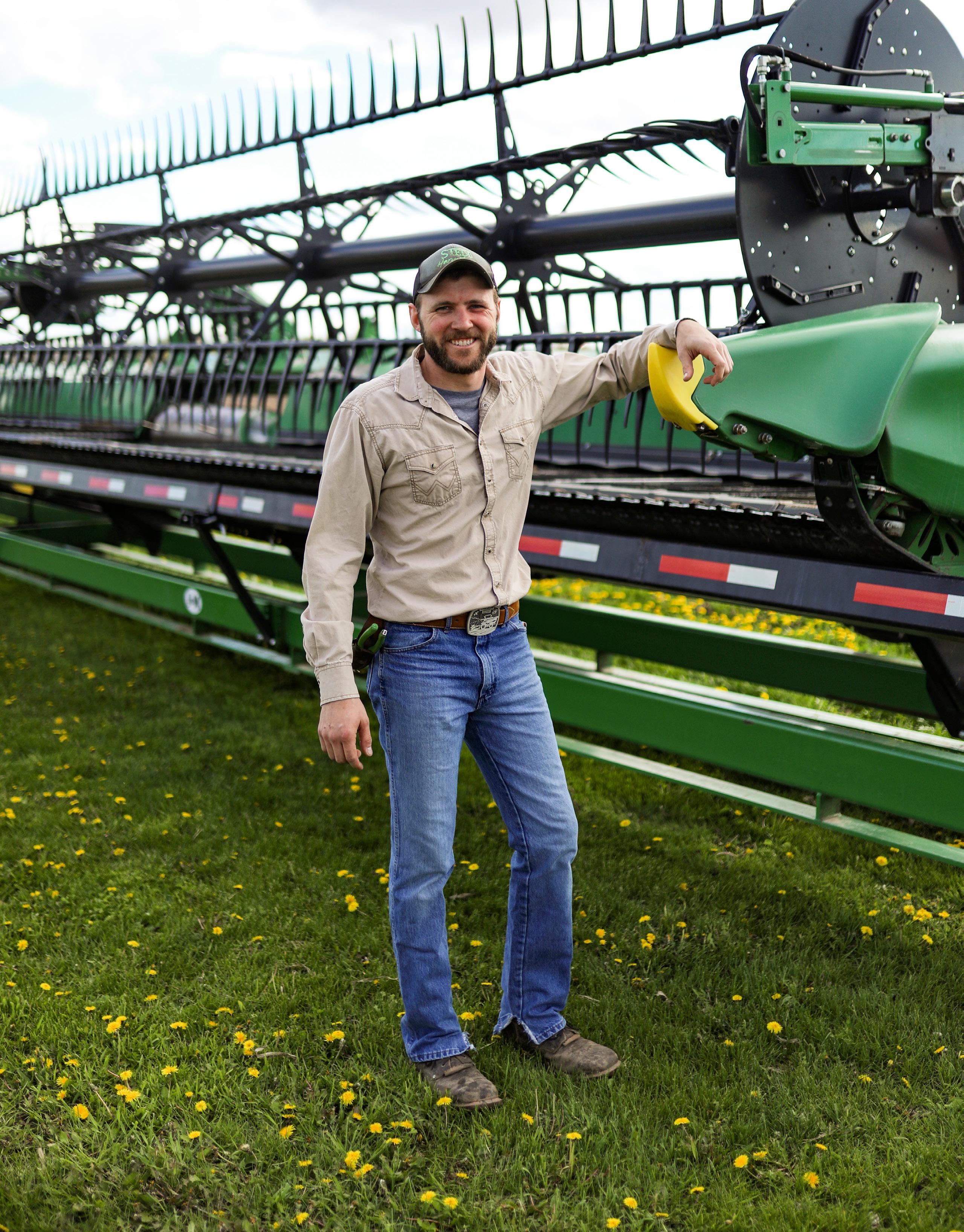
◀ Pictured Left: Matt Stedl’s passion for farm equipment and learning how things work has been the driving force behind his successful career in agriculture.
Despite his busy schedule and time spent on the road, Matt made sure to take time off to return home to the family farm in Wisconsin to help out every planting season.
traveling internationally across Brazil, Australia, Europe, and all throughout the U.S. and Canada gathering customer feedback and field-testing machinery.
“My favorite part of traveling was getting to see different farming practices from around the world. It was a really eye-opening experience seeing how diverse everything from the climate to the soil type, to the kind of equipment that works best for harvesting different crops in different regions can be. It really gave me a unique outlook on farming and the way it’s practiced throughout the world.”
Despite his busy schedule and time spent on the road, Matt made sure to take time off to return home to the family farm in Wisconsin to help out every planting season.
As the farm began to face a transition point, Matt realized his desire to build something of his own closer to home. In late 2023, he decided to return home to the farm full time in hopes to expand its operations and begin his own custom harvesting operation.
That’s when his partnership with GreenStone really started to grow.
The Start of a New Partnership
VP of Lending Corey Fanslau had heard about Matt – for years he had worked with Matt’s father, Rick Stedl, on the farm’s financing needs. He had heard stories of Matt’s travels and ambitions, and had communicated with him on and off when Matt expressed his interest in taking over operations on the family farm. When Corey learned he would be returning to the family farm as well as starting a new business, he was eager to support him in his new venture.
“I encouraged Matt to take part in GreenStone’s CultivateGrowth conference so he could connect with other young and beginning
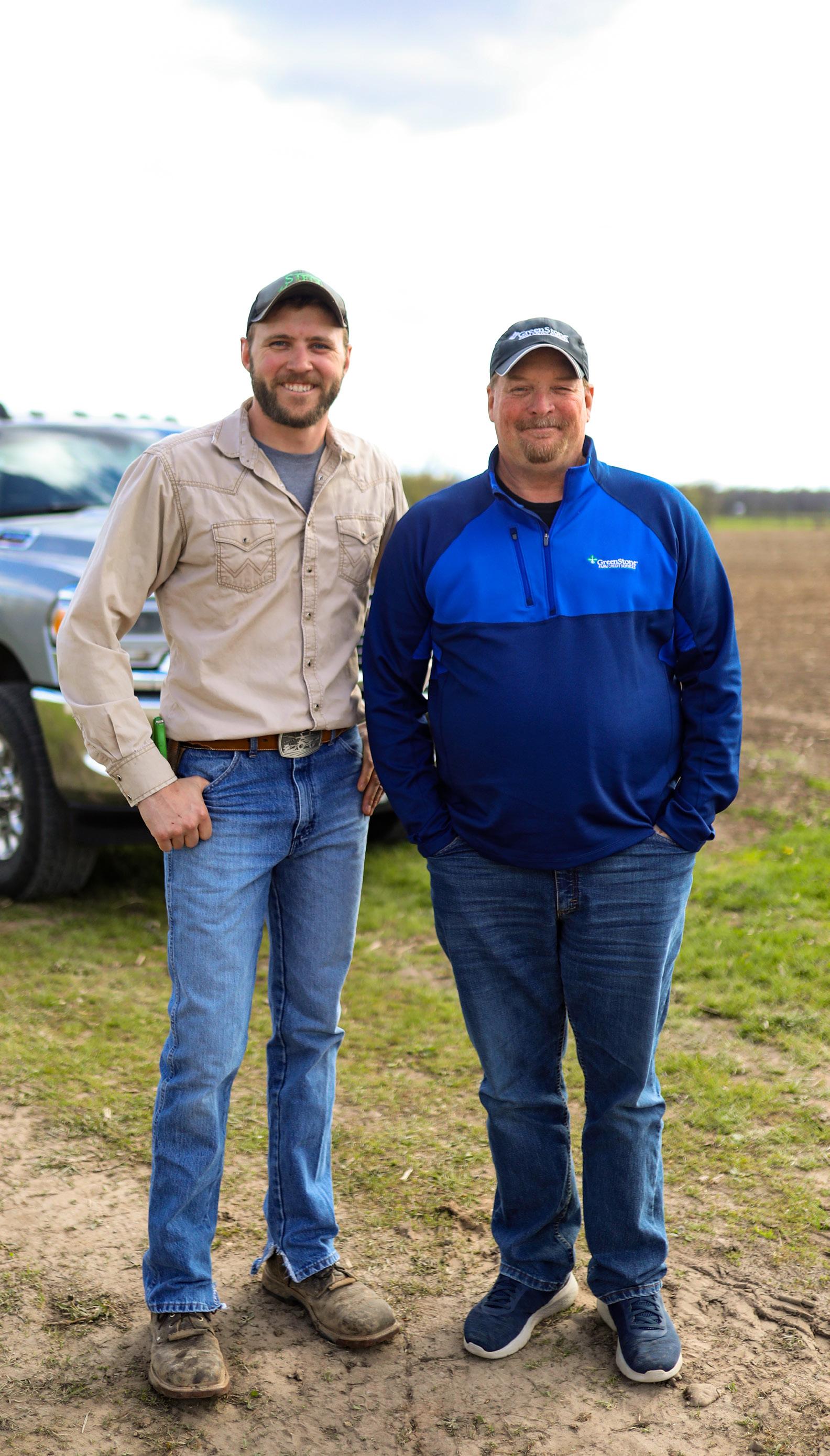
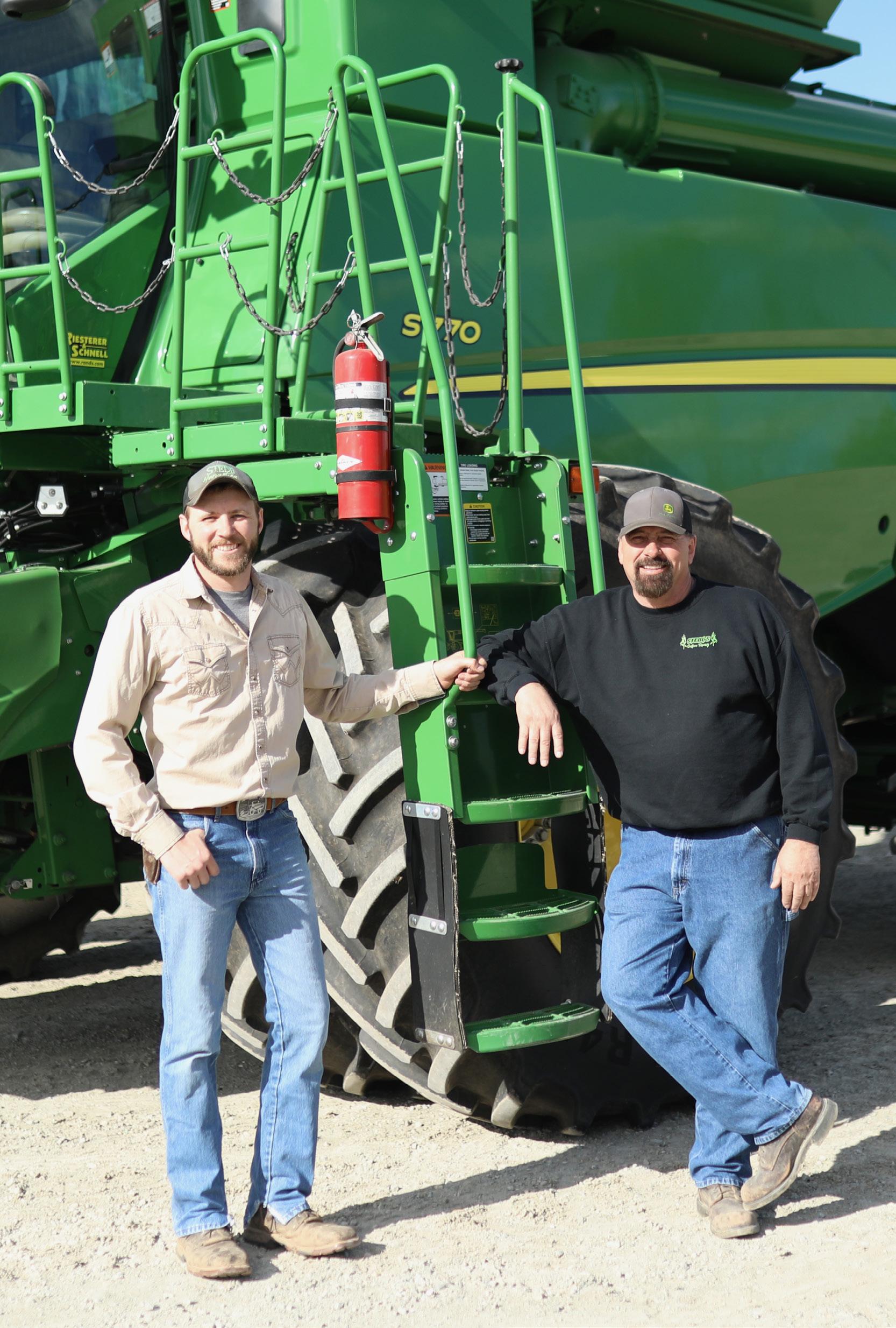
◀ Pictured Left: Matt credits his father Rick (pictured right) for encouraging him to pursue his passions, and always being there to support him.
farmers and learn from experienced producers.”
“That experience was really valuable to me because I got to talk to lot of younger businessmen and women from different industries and hear about their experiences and strategies for their operations,” Matt said. “There weren’t two people from the group that were doing the same thing with their operations, so it was nice to hear from all the different perspectives.”
After the conference, Matt continued to work with Corey on the details of his business plan for a custom harvesting operation. “He talked at length with me about my plans for launching the business, and even would recommend books on business for me to read,” remarked Matt.
Putting His Plan into Action
In early 2025, Matt was ready to put his plan into action. He joined his dad, Rick, at the Clintonville office on Patronage Day, GreenStone’s annual celebration when a portion of its profits are returned through checks back to members. He came prepared and shared both his projections and business plan to Corey and VP of Regional Credit Jeni Olson. With another season of custom harvest work under his belt from spending the previous summer out West, he was ready to move forward with establishing his own business, Stedl Harvesting, LLC.
“When Matt came in that day and we sat down to go over his financials, I got to know him even more. And he impressed me even more!” said Corey. “He sat down with us, and when he left, Jeni confirmed ‘he really knows what he’s doing.’”
Matt was able to partner with GreenStone on financing for new equipment for his custom harvesting business, as well as start an operating line of credit to help support the business’s daily operations.
This summer, Matt will be spending his time out West again doing custom wheat harvesting in Oklahoma, Kansas, and the Dakotas before returning home to Wisconsin in the fall with his dad to harvest soybeans and corn.
The Importance of Partnership “Going forward my relationship with Corey and GreenStone is more critical than ever,” says Matt. “With rising costs and inflation, it’s really important to have someone in your corner who understands the challenges you face as a farmer and can help you adjust your plans if needed.”
A key benefit of Matt’s partnership with GreenStone is now receiving his own Patronage check as a member-owner of the cooperative.
“It’s a huge benefit. Being able to apply it back to my equipment or operating loan can make a big difference,” explained Matt.
Another key benefit of operating his own business has been a better work-life balance and spending more time at home, even if he continues to spend his summers out West. “It’s one of the biggest benefits doing custom work has given me – the freedom of getting to choose where I spend my time and spend more time helping to grow our family farm.”
For Matt, one of the most important parts of a successful business plan is who you surround yourself with. “For me, it’s all about who you want to put at the table with you. Find a mentor and get a group of allies you can go into depth with on your plans, who you know are there to help you. For me, from the start that’s been my dad, and Corey.”
“The sky is the limit on who you can partner with,” says Corey. “Working with young, agricultural entrepreneurs like Matt is just one of the reasons I love what I do here at GreenStone.” ◀
Agriculture –Knowledge and Resources
GreenStone publishes regular updates on our Knowledge and Resources page. Check out some of the posts you may have missed at www.greenstonefcs.com/resources/ knowledge-resources.
Financial Checkpoints to Consider During Planting
Season
Planning beyond the current season can position your operation for success long term. It’s a good idea to take a step back and evaluate a few financial checkpoints to ensure you are on the right track for hitting your goals for the season.
The Benefits of Keeping Open Communication with Your Lender
Keeping open communication with your lender is one of the keys to navigating fluctuating market cycles. When challenges arise, honest and transparent two-way conversations are critical to determine the right course of action. These tips to help ensuring productive and healthy communication with your lender for the best solutions and outcome.
Partnering with Your Lender Through Changing Farm Practices
If you’re considering diversifying your income streams or incorporating additional ways to add value to your operation, there are important topics to speak to your lender about beforehand. ◀
When the weather cooperates, most of your time is spent in the field— leaving the business side of your operation with less attention than it needs.
Summer Solutions
While summer days are longer, the window between planting and harvest often feels too short to get everything done. When the weather cooperates, most of your time is spent in the field—leaving the business side of your operation with less attention than it needs. Fortunately, these essential— yet sometimes complex—tasks are much easier to manage with the right tools and support in place. Explore solutions designed to help you, and other young, beginning and small farmers, stay on top of your operation—on and off the field.
• Field Crops Virtual Breakfast: Start your day with coffee and crop management during Michigan State University Extension’s Virtual Breakfast Series. Every Thursday morning at 7 a.m. ET from April to September, attendees
will hear a weather outlook report and have a chance to ask experts questions on the current topic. Watch previous episodes or register to join upcoming webinars at canr. msu.edu/field_crops/virtualbreakfast.
• Michigan Farm News Dollars and Sense: Monthly articles covering farm finance topics, tips on tax planning and expert advice from lenders at GreenStone are a valuable resource for all farmers, especially ones just beginning. Check out June’s article, Partnering with your Lender Through Changing Farm Practices online at michiganfarmnews.com or greenstonefcs.com.
• Farm Stress and Mental Health Resources: Each season brings new opportunities and challenges. Farmers are no strangers to
stress and circumstances that are out of their control. To aid all people in helping to manage stress, Farm Credit partnered with experts to share tools and resources. Engage with resources and content at farmcredit.com/ community-engagement/ managing-stress-andmental-health.
• CultivateGrowth Grant: Educational events and working with other professionals helps expand knowledge and strengthen businesses. GreenStone’s CultivateGrowth Grant provides up to $40,000 in grants to help offset the cost of these programs and services for young, beginning, and small farmers. Current customers are eligible for up to $1,000. Learn more or apply for funds at greenstonefcs.com/grant.
Management Succession Done Well
BY: MIKE FASSLER, Consultant, The Family Business Consulting Group
A recent conversation with the second-generation CEO of a dairy and grain farm began with a simple but powerful statement: “Our spring season went really well!”.
This family business has been intentionally integrating the third generation into ownership and management over the past six years – and it’s paying off. The CEO’s sibling, a long-term non-owner agronomy manager, and one of the third-generation successors are involved in the cropping enterprise and the founder of the business has remained involved seasonally. Another third-generation successor is focused on the dairy enterprise.
So, what made this spring so successful? Here are a few practical factors that stood out.
1. Clear Pre-Season Communication
Before the season began, the
second and third generation managers and the founder aligned on expectations. They clarified roles, responsibilities, and decision rights. This upfront clarity reduced friction and gave everyone confidence heading into a high-pressure season.
2. Making Space for the Next Generation
The founder intentionally stepped back from a “doer” role into more of an advisor role. Equally important, enough space was created for the next generation to make significant operational decisions. And yes, a few mistakes were made. Those experiences became valuable learning moments that accelerated development.
3. A Practical Development Plan
Over the winter the team created a three-year development plan for the third-generation manager.
Part of the plan identified operating activities by season (spring, summer, and fall) with each activity color coded
• Green: Fully capable
• Yellow: Some experience, needs more repetitions
• Red: No experience yet This approach made it easier to prioritize where hands-on operating experience was most needed and ensured development stayed intentional and measurable.
Additional Factors That Drive Success
In my work with ownership and management teams, several additional factors consistently play a role in successful management succession.
Stay Grounded in Purpose
Periodically reaffirm the purpose that all are working toward - the “north star.” This reaffirmation helps everyone see the next generation’s development
Rally everyone around the shared purpose, obtain their respective input, and build consensus around the steps and commitments necessary to achieve the future state.
impacted in the planning process. Rally everyone around the shared purpose, obtain their respective input, and build consensus around the steps and commitments necessary to achieve the future state.
Adjust as You Go
Rare is a management succession plan that is one and done. As you implement your plan, step back at least annually and assess whether you are achieving the results you expect. And remember there is a tendency to overestimate what can be accomplished in one year and underestimate what can be accomplished in three years. Allow sufficient time to adjust. Management succession isn’t an exact science. It comes with ambiguity and complexity.
and management succession within the broad perspective of the shared purpose. This provides motivation to make the changes necessary for management succession.
Recognize the Role of SelfSacrifice
Most family members involved in their family operation love what they do. Making space for the next generation of managers to develop is a form of self-sacrifice. Creating space for the next generation can require stepping back from what you love to do.
Set Behavioral Expectations
A clear behavioral agreement or “code of conduct” can be instrumental to getting along well as it clarifies expectations about how management interacts with one another, with employees, and those outside the organization. Having a periodic group discussion about how the group is performing compared to the
expectations helps keep the behavioral expectations front and center.
Visualize the Future and Map the Path
Prepare an outline of the current structure of management and the desired future structure. Then develop the roadmap which includes the steps necessary to achieve the future state. These steps might include management successor experiences such as managing a team, preparing a partial budget, technical production knowledge development, and operational experiences.
Involve the People Who Will Be Affected
A plan is one thing, implementing it successfully is another. Management succession inherently involves someone new coming in, and therefore those currently doing the job will be impacted. To build support for successful implementation, involve those
When you approach it with intention through clear communication, structured development, and a shared commitment to the future, you significantly increase the chance of a positive experience for everyone involved and long-term, multigenerational success. ◀
About the Author: Mike Fassler is a consultant with and Board Chair of The Family Business Consulting Group. Mike provides family business consulting services with a focus on leadership and ownership succession, governance, and ownership group strategy. Mike can be reached at 517.896.3001 or mfassler@thefbcg.com. More information about The Family Business Consulting Group and Mike can be found at mfassler@thefbcg.com
The opinions stated herein are not necessarily those of GreenStone Farm Credit Services.
Market outlook
Mixed Messages
BY: GARRETT ANDERSON, Regional Credit Manager
and EMILY BLOCHER, Credit Analyst
After a mixed start to 2026, the U.S. Labor Economy has rebounded with an average of 172,000 jobs added in May, 179,000 jobs in April, and 214,000 in March. This is good news after losses in February and early expert predictions for job losses in April. Healthcare, transportation, leisure and hospitality, and warehousing led job gains while the federal government continued to shed jobs. Meanwhile, large tech layoffs did make headlines in early spring with Amazon, Meta, and GM announcing job cuts in technology departments, some specifically emphasizing automation due to AI. Overall, the unemployment rate remained steady at 4.3% in April and May despite AI concerns and a broader concern for the U.S. economy based on geopolitical factors that could lead to slowing economic growth. The U.S. real GDP increased at an annual rate of 2.0% in the first quarter of 2026. This was a marked improvement from Q4 of 2025 at 0.5%. Increases were attributed to increased exports, government spending, and investments. Consumer spending slowed somewhat and imports increased during the same time.
Inflation hit a three-year high in April with an increase of 3.8% year over year and 0.6% over the past month. The headline grabbing news regarding inflation is in oil prices and the pain at the pump. The ongoing conflict between the U.S. and Iran has led to the closure of the Strait of Hormuz, a key shipping lane for oil and fertilizer. Not only has gasoline jumped, 28.4% for the year, but other prices have been on the rise of late as well. The BLS’ food at home index increased 2.9% over the past year.
Somewhat unsurprisingly after the latest inflation numbers, the Fed left the federal funds rate unchanged during their most recent meeting, in a range between 3.50% and 3.75%, citing economic uncertainty and rapidly increasing inflation as a reason not to continue immediate rate reductions. In fact, the likelihood of additional rate cuts this year may have been lessened after the recently released inflation data and disagreement among the FOMC during their last meeting. The Fed’s goal is an annual 2.0% inflation rate. The recent energy spikes have put to question whether
inflation can be tempered by the currently established rates. Powell has described the jobs market as relatively balanced, which does allow inflation to be the main driver for interest rate discussions. Meetings will now be led by new Fed Chair, Kevin Warsh, confirmed by the Senate in May. Powell will stay on the board of governors for the time being to wrap up the investigation into the new building construction.
Corn & Soybeans
The May 2026 WASDE report points to a generally balanced outlook for corn and soybeans for the upcoming season. Corn production is expected to remain historically large at 16 billion bushels, the second largest on record behind 2025. Planted acres for the 2026 season are estimated at 95.3 million acres, down 3.5 million acres from the year prior. Demand for U.S. corn is expected to soften slightly due to lower feed use and a slight decline in exports however, the U.S. remains the largest exporter of corn by a wide margin ahead of Brazil and Ukraine. As a result, ending stocks are projected to tighten somewhat but remain at comfortable
levels, keeping the market fundamentally stable. Prices are forecast to improve modestly to $4.40 per bushel, up $.25. Overall, the corn outlook remains neutral with ample supply cushioning the market.
In contrast, the soybean outlook appears more optimistic, with stronger demand and pricing. Soybean production is projected to increase 173 million bushels from last year based on higher acreage and yields. Demand, particularly from domestic crush use driven by biofuel demand, continues to outpace supply gains. Much of this biofuel demand is supported by the EPA’s Renewable Volume Obligations for 2026 and 2027. This stronger demand profile is expected to reduce ending stocks and tighten the stocks-touse ratio, providing firmer price support. Soybean prices are forecast at $11.40 per bushel, up from the 2025/26 season average of $10.40, with soybean oil forecast at $.70 per pound, up $.07.
Taken together, the soybean market enters the year with more constructive fundamentals while corn remains well-supplied but not burdensome.
After a slow January and February from a margin standpoint, producers’ income over feed costs using Dairy Margin Coverage (DMC) continued to improve through April...
Dairy
After a slow January and February from a margin standpoint, producers’ income over feed costs using Dairy Margin Coverage (DMC) continued to improve through April, rising to $10.54/cwt., the highest mark since September 2025. Strong nonfat dry milk (NDM) and whey prices are boosting Class IV and Class III milk prices while feed costs have remained relatively low. The rise in the NDM price is being driven by a combination of tight supply and strong demand, particularly for dairy
proteins. Dairy protein demand is reshaping the industry with growth in demand for dairy proteins used in ready-to-drink protein shakes, sports nutrition products, high protein yogurt, etc. As processors can often earn more by producing milk protein concentrates and related ingredients than by producing traditional nonfat dry milk, skim milk that historically would have become NDM is being diverted elsewhere, tightening supply. The U.S. is one of the world’s largest suppliers of NDM and demand from key importing countries in Latin America
and Asia has remained strong. Mexico in particular continues to buy U.S. milk powder. The increase in price for NDM has played a key role in the jump in Class IV milk prices. Beef income from culling cows and selling crossbred calves continue to provide significant benefits to dairy producers’ bottom lines as well. After a fourth quarter decline in calf prices, crossbred calf prices continue to reach new highs and are nearing $2,000 per head.
Through April, dairy producers continue to add cows with the national dairy herd growing
to 9.645 million head, the highest headcount since 1993 and 190,000 more than April 2025. On top of a larger herd, milk yields continue to increase. This growth in both milk yields and total cows will continue to require strength in the U.S. Dairy export markets.
Moderate feed costs, high beef revenue, and the recent surge in milk prices are providing economic incentives for producers to continue boosting milk output. The positive outlook and economics suggest milk output and growth will likely continue. Additional risk
Additional risk management enhancement opportunities are forthcoming with insurance products for dairy, specifically LGM-Dairy, LRP and DRP...
management enhancement opportunities are forthcoming with insurance products for dairy, specifically LGM-Dairy, LRP and DRP that will be welcomed to offset price risk of a growing milk supply.
Pork
While market hog prices have remained at profitable levels, continuing the trend per Iowa State’s farrow-to-finish profitability model, the margin opportunities provided by commodity prices during the Q1 and futures have decreased by early June. Break-even hog prices have increased based on feed costs and general inflation. While the CME Lean Hog Index has been rangebound between $90-$92/cwt., June-Aug lean hog futures markets have fallen by $12-$15/cwt. from the contract highs put in midMarch. Weaknesses in ham and belly prices have resulted in the Pork Cutout struggling to reach and stay above $100/cwt., down 5% from a year ago.
Disease, primarily PEDv and PRRS have greatly impacted weaned pig production this winter with weaned and feeder pig prices approaching 2014 highs in Q1. Prices have fallen in Q2 but are still well above historic averages. Cases of PEDv are up significantly nationally
and well above the average of recent years. The production issues provide some optimism for higher hog prices for late Q2 and Q3 with expected lower hog slaughter volumes. However, carcass weights have been increasing given relatively stable feed costs and greater finishing capacity. Disease pressure has also resulted in increased sow farm depopulation and repopulation programs resulting in a 1.5% decrease in the U.S. sow herd from a year ago per the March 26 USDA Hogs and Pigs Report. This reflects the smallest U.S. sow herd reported in March since 2014 at 5.89 million.
Market hog inventories are up slightly from March 2025 but down from December levels. Pigs per litter from Dec-Feb continued an upward trend to 11.90, a 2% increase from last year, and well above expectations given widespread disease challenges. Imports of weaned pigs and feeder pigs from Canada have increased this year based on reduced domestic availability. Herd health continues to drive wide variance in production and profits across farms. With good farm health and stability or improvement of hog prices and feed costs, 2026 still provides opportunity for a good year for pork producers.
Celebrating 110 Years of America’s 250!
2026 marks a special milestone for our country as we celebrate America’s semiquincentennial, or 250th anniversary. This year also marks Farm Credit’s 110-year anniversary, making it even more reason to celebrate!
For over a century, Farm Credit has supported members like you with the financial products and services needed to position their farms, businesses, and families for success.
What began as the Federal Farm Loan Act of 1916 has grown into a successful network supporting rural communities and agriculture across the nation through Farm Credit associations including GreenStone. Initiated by Congress to strengthen agriculture and rural America, the Farm Credit mission continues strong today!
Farming has always been a key industry in our nation’s history,
and while it continues to evolve, one thing has stayed the same: for almost half of our country’s existence, GreenStone has remained a source of reliable, dependable credit for farmers and our rural communities.
Through the progression of agriculture, shifting economic cycles, and embracing innovation, we’ve stood with our members through it all.
As GreenStone continues to grow alongside our 29,000 members across Michigan and northeast Wisconsin, we remain committed to advancing our partnership and financial services to you and the rural communities you call home for the next 110 years and beyond!
For a complete overview of the history of Farm Credit over the past 110 years, scan the QR code below. ◀
GreenStone Announces Two Newly Elected Directors and Two Re-Elected Directors
GreenStone members re-elected two directors and elected two new members to its Board of Directors.
Trent Hilding of Montcalm County, Mich., was re-elected to a four-year term representing voting region 5, located in the twelve counties covering mid and western Michigan. Trent operates a grain and cow/calf farm, grain truck operation, and agricultural law practice. He has served on the GreenStone board for four years.
Jed Welder of Montcalm County, Mich., was also re-elected for another four-year term representing voting region 5. Jed operates a sustainable cash crop farm and custom harvesting business. He has served on the board since 2018.
Lori Drozd of Allegan County, Mich., was elected to the board for a four-year term representing voting region 4, which is located in the nine counties covering the southwestern corner of Michigan. Lori helps manage a cash crop farm and consulting business, and previously served as chief financial officer of a commercial roofing company.
Joel Layman of Berrien County, Mich., was also elected to the board for a four-year term representing voting region 4. Joel operates a first-generation row crop, hay, vegetable and conventional fruit operation. He also owns and operates Silver Creek Poultry LLC, a broiler breeder farm.
“As a member-owned cooperative governed by our members, GreenStone recognizes the importance of member involvement,” said Travis Jones, GreenStone President and CEO. “The re-election and election of these board members recognizes their strong commitment to our cooperative and its members. Their leadership continues to guide our efforts to strengthen rural communities across Michigan and northeast Wisconsin.”
Along with the board positions, GreenStone’s members elected individuals to serve on the cooperative’s 2027 nominating committee. The nominating committee is comprised of GreenStone members from throughout the organization’s territory who are tasked with recruiting candidates for next year’s board elections and nominating committee. The 2027 nominating committee includes:
Region 1 – Nathan Clarke (Midland County, Mich.), and Jacob T. Ostroski (Arenac County, Mich.)
Region 2 – Grant M. Davidson (Sanilac County, Mich.), and Brandon Stolicker (Sanilac County, Mich.)
Region 3 – Calby J. Garrison (Lenawee County, Mich.), and Matthew A. Greiner (Jackson County, Mich.)
Region 4 – Benjamin S. Schilling (Berrien County, Mich.), and William V. Schultz (Van Buren County, Mich.)
As a memberowned cooperative governed by our members, GreenStone recognizes the importance of member involvement.
Region 5 – Michelle L. Nitengale (Montcalm County, Mich.), and Tyler C. Wilson (Gratiot County, Mich.)
Region 6 – Brett Feldpausch (Clinton County, Mich.), Patrick John (P.J.) Feldpausch (Clinton County, Mich.), Brett D. Roberts (Eaton County, Mich.), and Francis Trierweiler (Clinton County, Mich.)
Region 7 – Wayne M. Bradley (Kewaunee, WI), David M. Dal Santo (Oconto, WI), J. Patrick Hall (Kewaunee, WI), and Jason J. Walechka (Kewaunee, WI). ◀
Pictured from left to right: Lori Drozd, Joel Layman, Trent Hilding and Jed Welder.
Call for Nominations
Interested in Becoming a Board or Nominating Committee Member?
Make a difference in your cooperative by submitting your interest for a nominating committee or director role!
Call for Nominations
Nominating Committee members from GreenStone’s voting regions 6 and 7 will gather in September to find candidates for open director and nominating committee positions for 2027’s elections. The remaining voting regions will meet in December to choose candidates for their nominating committee positions.
Now is your opportunity to take an active role in your cooperative’s future. We encourage you to consider participating in the governance process and submit your interest today!
The Importance of the Nominating Committee
The election process starts by our nominating committee identifying, evaluating, and selecting a qualified slate of candidates for stockholder election. The Nominating Committee holds a very pivotal role in determining who has the potential to provide leadership to our association.
If you’re interested in furthering GreenStone’s role as an industry leader for agriculture and our rural communities, serving on the Nominating Committee might be a great opportunity for you!
Get Involved Today!
To learn more about the nominating and director roles, scan the QR code below to complete a profile form to express your interest, or call 800-444-3276 and ask to speak to the senior executive assistant to the CEO. ◀
Home Loan Seminar Recap
This summer GreenStone hosted a series of home buying seminars to help guide attendees through the overwhelming home buying process! Our seminars were led by a team of GreenStone experienced mortgage loan experts who helped provide a comprehensive understanding of the flexible financing options available to our members.
This series offered both in-person and virtual options that walked through the process of setting a budget, how to get pre-approved, the house hunting process, the steps to financing, and the closing process of a home loan.
Attendees were equipped with insights and confidence to take the next steps in their home buying journey.
If you missed the seminar, but are interested in learning more about a home mortgage loan, reach out to your local branch! ◀
Hantz Farm Earth Day Celebration
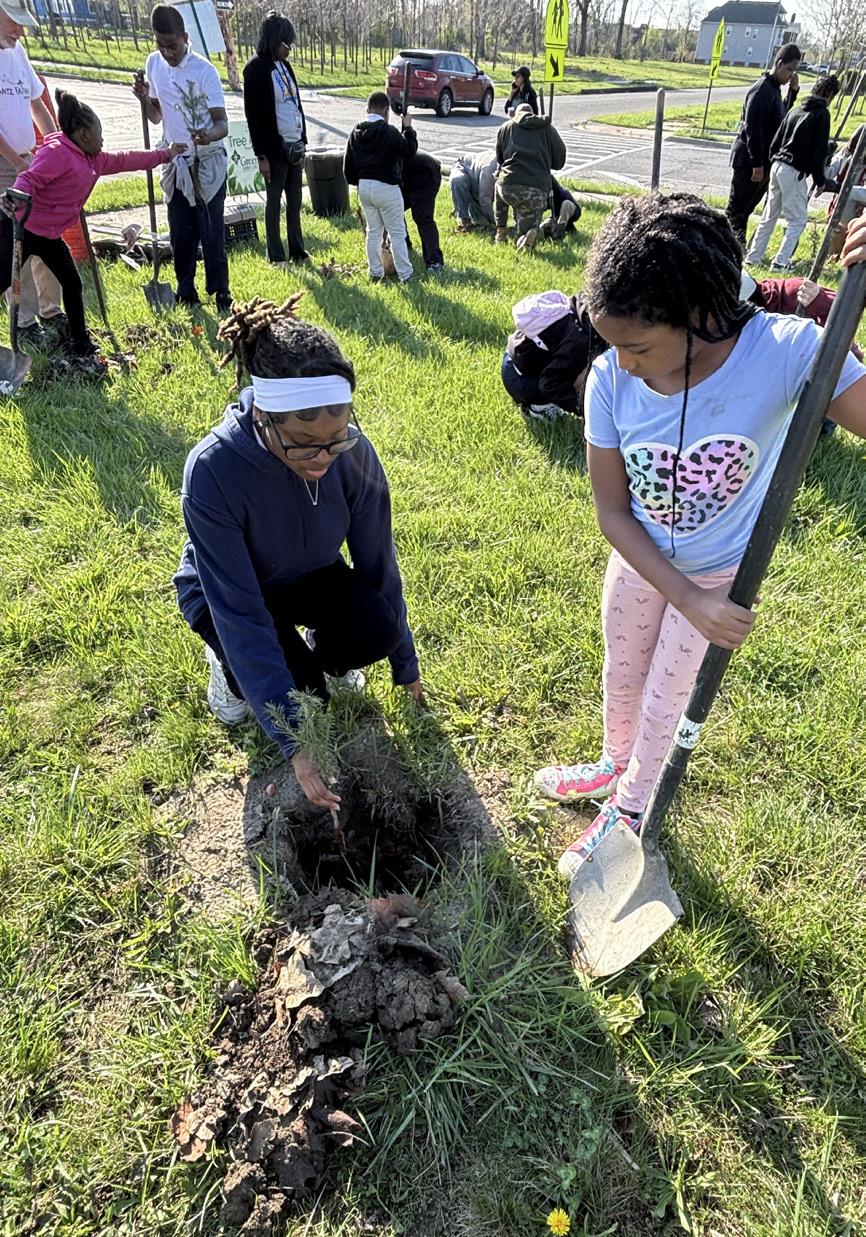
On Earth Day, GreenStone teammates partnered with the Hantz Foundation to plant 100 trees with students from Hutchinson Elementary in Detroit, Mich. Students had a chance to get their hands dirty, learn proper planting techniques, hear about agriculture, and engage in their community.
Students will get to watch their trees grow with them over the coming years. It was a great day and opportunity that will have a lasting impact! ◀
GreenStone Summer Interns
A cohort of 19 interns have joined GreenStone this summer for an immersive and hands on internship experience. Each student stepped into a department aligned with their academic interests and career goals, taking on meaningful responsibilities and contributing to real projects that support their growth.
Throughout the program, interns participate in customer visits, volunteer initiatives, and career development activities while collaborating closely with GreenStone professionals who help guide their growth. With the support of our teams, these students are able to explore their interests, build valuable skills, and discover the career path that fits them best.
Introducing this summer’s GreenStone interns:
Abigail MacKersie:
Quality Engineering Intern College: Michigan State University with a major in Computer Science
How is this internship shaping your future career: It is teaching me how to work with people in a corporate space, as well as how to navigate development tools like Azure DevOps for documentation.
Aditya Jindal:
DevOps Engineering Intern College: Michigan State University with a major in Computer Science and a minor in Business
How is this internship shaping your future career: This internship is helping me learn more about cloud environments and deployment processes, which will support my future goals in AI and machine learning.
Adiva Jain:
RPA Intern
College: Michigan State University with a major in Computer Science and a minor in Business
What’s been the biggest surprise since starting your internship: Something that has surprised me the most is how much creativity goes into automation. Before I started, I had expected the role to be mostly technical, but I’ve learned that understanding people’s workflows and identifying opportunities for improvement are just as important.
Aiden Kim:
System Administration Intern College: University of Michigan
Alumni with a degree in Computer Science
What’s been the biggest surprise since starting your internship: I appreciated how GreenStone supported interns throughout the summer, giving opportunities to learn about the industry and other departments.
Beau Belkowski:
Data Engineering Intern College: Michigan State University with a major in Data Science
How is this internship shaping your future career path: I have known for a while that I love working with data. By working as an intern on the data team, I have the opportunity to learn about every part of the data life cycle. My hope is that this internship will give me clarity on which specific role in the data field that I want to pursue as a career.
Cam Fraizer:
Application Development Intern College: Michigan State University with a major in Computer Science and a Business cognate
How is this internship shaping your future career path: I believe this internship will help grow my technical and communication skills by working with large scale projects in a team environment.
Dayna Vander Heiden: Credit Analyst Intern College: University of Wisconsin – Oshkosh with a major in Business Administration and minor in Insurance and Risk Management
Why GreenStone: I have been surprised by how much GreenStone cares for their customers and employees. The lengths they go to make a dream into reality is not something you come across often.
Delaney Hutton: Graphic Design Intern College: Central Michigan University with a major in Graphic Design
What’s been the biggest surprise since starting your internship: I’ve been the most surprised at how closely some of the departments work together, and the size and reach that GreenStone has.
Jacob Sawicki: Finance & Accounting Intern College: Michigan State University with a minor in Finance
Why GreenStone: After my first interview with GreenStone I really got a sense of the workplace environment GreenStone offers, and I especially loved the “family feel” you get despise it being a very large corporation.
Jessica Burau: Marketing & Public Relations Intern College: Michigan State University with a major in Advertising Management and minors in Public Relations and Business
What’s been the biggest surprise since starting your internship: The biggest surprise I’ve encountered since starting at GreenStone has been how truly community oriented everyone is. It’s refreshing to work on a team who genuinely cares about the community they do work for.
Kaylin Moreland: Agibusiness Credit Analyst Intern College: Southern Illinois University-Carbondale with a major in Agribusiness Economics
How is this internship shaping your future career: This internship and the projects within my department have helped me better understand the responsibilities involved in agricultural lending and credit analysis. It has allowed me to build a foundation and understanding of the lending industry that I can continue to improve upon each day. I plan to use this knowledge throughout my future career to contribute positively to my team while supporting those within the agricultural industry for generations to come.
Keiana Burr: Legal & Regulatory Compliance Intern College: Michigan State University with a double major in Philosophy and Political Science on a pre-law track and a minor in Law, Justice, and Public Policy
What’s been the biggest surprise since starting your internship: What surprised me most was the different areas of expertise everyone in the legal department has. Some individuals know more than others in certain areas, but they all come together to make a great, well-rounded team.
Nathan Foltz: Service Desk Intern College: Central Michigan University with a major in Information Technology
Why GreenStone: I chose GreenStone because of how great the communication and the recruitment process was in the beginning stages as well as it felt like the right choice. And it was!
Nhu Kahn Nguyen: Capital Market Credit Intern College: Michigan State University with a double major in Finance and Data Science
How is this internship shaping your future career: This internship is helping me build a strong foundation in credit and financial analysis by giving me exposure to real deals and underwriting decisions. Working in capital markets credit is also helping me better understand risk, structuring, and how lenders evaluate borrowers, which aligns well with my goal of pursuing a career in finance.
Oisin O’Grady: Sales Intern College: Alma College with a double major in Business Management and Computer Science and minor in Mathematics.
Why GreenStone: I have multiple close family members who have interacted with GreenStone, and they all recommended I apply. Everyone who I know has a loan(s) with GreenStone had nothing but good things to say. After looking through last year’s Partners magazine intern highlights, I saw how much effort was put into the internship program here and was convinced.
Riley Ahmed: Legal Documentation Intern College: Michigan State University with a double major in Criminal Justice and Psychology and a minor in Law, Justice, and Public Policy
Why GreenStone: I chose to intern at Greenstone because I know the legal department has a lot to offer, and I am excited at all that I will learn from them this summer. I wanted to gain hands-on experience in a true work environment, and this was the perfect opportunity.
Samantha Gorton: Project & Change Management Intern College: Michigan State University with a major in Psychology and a minor in Social Science Quantitative Data Analytics
What’s been the biggest surprise since starting your internship: One thing that has surprised me the most is how vast the agricultural industry is! The large-scale operations, such as dairy, have been especially impressive and have highlighted the critical role farm credit services play in supporting these essential operations.
Samantha Schnepp: Client Support Intern College: Lansing Community College and transferring to Michigan State University for Computer Systems
What’s been the biggest surprise since starting your internship: I have been surprised by how many people we help daily.
Sophie Gardner: Crop Insurance Intern College: Michigan State University with a major in Agribusiness Management
Why GreenStone: I chose to intern at GreenStone because I share their passion for supporting agriculture and rural communities, and I wanted to expand my network in the agricultural industry. ◀
If you or someone you know is interested in applying to intern with GreenStone, find out more online through this QR code:
GreenStone Scholarships
The first category awards college scholarships to graduating high school seniors who are dedicated to influencing and impacting agricultural industries. GreenStone once again awarded a combined total of $40,000 in scholarships to these incoming college freshmen. Since 2010, GreenStone has presented more than $550,000 in college scholarships to students committed to making a positive impact on the agricultural industry.
Amelia Barnum (Ingham County, Mich.), attending Joliet Junior College.
Arianna Aumann (Huron County, Mich.), attending University of MinnesotaCrookston.
Ashley Baize (Livingston County, Mich.), attending Michigan State University.
Broden Biller (Wexford County, Mich.), attending Michigan State University.
Charlee Klink (Delta County, Mich.), attending Michigan State University.
Eva Boness (Manitowoc County, Wisc.), attending University of Wisconsin –Madison.
Grace Krueger (Manitowoc County, Wisc.), attending University of Wisconsin –River Falls.
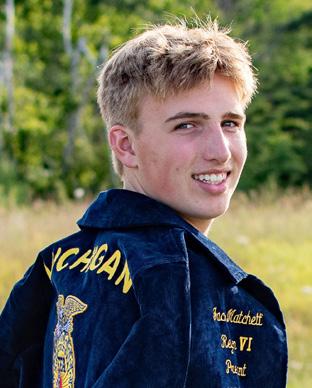
Jack Matchett (Grand Traverse County, Mich.), attending Michigan State University.
Kenneth Daniels (Gratiot County, Mich.), attending Michigan State University.
Mason Sparks (Newaygo County, Mich.), attending Grand Valley State University.
Matthew Geiger (Huron County, Mich.), attending Ferris State University.
Natalie Korotko (St. Clair County, Mich.), attending Northern Michigan University.
Nicole Bodart (Brown County, Wisc.), attending University of Wisconsin – Platteville.
Owen Sheridan (Ingham County, Mich.), attending Purdue University.
Phoebe Schultz (Lapeer County, Mich.), attending Lake Superior State University.
Raelee Vaughn (Calhoun County, Mich.), attending Michigan Technical University.
Reece Eustace (Shiawassee County, Mich.), attending Michigan State University.
Samuel Peterson (Oconto County, Wisc.), attending University of Wisconsin –River Falls.
Spencer Drumond (Livingston County, Mich.), attending Michigan State University.
Timothy Reese (Outagamie County, Wisc.), attending Fox Valley Technical College.
Valorie Hieber (Washtenaw County, Mich.), attending University of Findlay.
Zachary Korth (Outagamie County, Wisc.), attending Fox Valley Technical College.
Dave Armstrong Scholarship Program Pause for Applause
GreenStone also supports current college students in honor of former cooperative president and CEO, Dave Armstrong. GreenStone awarded a combined total of $20,000 in scholarships to existing college students this year. Dave Armstrong served GreenStone and the agricultural community for 41 years before retiring in 2022. Like GreenStone, Dave values youth development and continued education, supporting the future success of agriculture. The selected students demonstrate participation and leadership in college, community, and agricultural activities.
The 2026 awardees for the Dave Armstrong Scholarship Program are:
Cecilia Thunder (Eaton County, Mich.), attending Michigan State University.
Ryanne McCallister (Saginaw County, Mich.), attending Michigan State University.
Rylee Nelson (Waupaca County, Wisc.), attending University of Wisconsin – River Falls.
Sara Dammann (Shiawassee County, Mich.), attending Michigan State University.
To learn more about Greenstone scholarship opportunities scan the following QR code:
2026 Michigan Farm Bureau Young Farmer Award Winners:
Michigan Farm Bureau honors emerging agricultural leaders through the Young Farmer Awards.
Katie and Karl Wernette received the Young Farmer Achievement Award for their contributions to farmoperation growth and success. Katie Adam won the Young Agriculture Employee Award, which is bestowed for having a positive impact as an employee to an agribusiness’ success and profitability. Samantha and Chase Bos received the Excellence in Agriculture Award for their role and leadership in agricultural entities; and Taylor Schomaker was given the Young Agriculture Leader Award for demonstrating leadership and participating in the agricultural community. Congratulations to each of the 2026 Young Farmer Award Winners!
Staff Anniversaries
Please join us in celebrating and thanking these staff who are marking an employment milestone. From five to 35 years, this time represents the dedication and attention all employees provide our members.
July
Kristin Ausra 5
Nicole Malaney 5 Christopher McCormick 10
Laura Woelmer 10
Ann Klemp 20
Elizabeth Conley 25
Rebecca Fischer 25
August
Cameron Cook 5
Danielle Cotter 5
Jessica Crafton 5
Matthew Field 5
Retirements
Kyle Hurley 10
Kelsey Maye 10
Melissa Vincent 20
Karen Six 25
September
Vatshalya Dandibhotla 5
Janna Karnitz 5
Jacob Simmers 5
Michelle Gibson 10
Johnathon Thompson 10
Amanda VanRaemdonck 10
Carrie Lundberg 15
Carolyn Case 35
Michael Fisher – retired May 1 (11 years of service)
Mary Fields – retired May 28 (29 years of service)
Mark Klett – retired June 1 (16 years of service)
New Website Highlights Agritourism Farms in Michigan
BY: MICHIGAN AGRITOURISM
Michigan Agritourism has unveiled a new website in celebration of its 20th anniversary. The updated site is designed to help families, food lovers, and tourists discover farms that welcome guests, while also serving as a valuable resource for agritourism farmers in Michigan.
Key features include:
• Find Farm Fun – Easily search by product, activity, farm name, or region.
• In Season Food and Fun –Discover what’s fresh and happening by season.
• Events Calendar – Find upcoming events across Michigan.
• Know Before You Go –Helpful tips for safe and enjoyable farm visits, especially for new visitors.
• Farm Fun Kids –A downloadable coloring book and introduction to Mata, the farm dog!
• Farmer Support – Resources to support agritourism farmers, including the soonto-be-released Michigan Agritourism Toolkit – A practical guide to starting and operating an agritourism business in Michigan.
“The new website is the perfect way to kick off our 20th Anniversary. We’re proud to put a spotlight on Michigan agritourism farmers, and hope it inspires people to visit, explore, and connect,” says Janice Benson, executive director of the Michigan Agritourism Association. “We have an amazing variety of agricultural experiences to discover and incredible farmers to meet. We’re excited to help guide your journey.”
Michigan Agritourism will continue to build resources for the public and for farmers, says Janice. “Each time you visit the site, you’ll find new events, new information about what’s in season, and ideas for your next farm visit.”
The Association will soon release its 2026 printed directory, Michigan Farm Fun, which is one of the most requested publications at Michigan Welcome Centers and many tourist and farm locations across the state.
To mark the milestone, Michigan Agritourism will host a 20th Anniversary celebration for agritourism farmers this November at the Bavarian Inn Lodge in Frankenmuth.
The new website is now live at www.michiganfarmfun.com
Investing in Industries that Keep the World Turning
You may be familiar with how GreenStone supports the local communities we’re proud to be a part of, but did you know we also serve a number of largescale agribusinesses throughout the nation as well?
As a part of GreenStone and Farm Credit’s mission in providing reliable financing solutions for agriculture and rural communities, we’re proud to serve related middle-market and large corporate borrowers through our capital markets division. Our experienced team of capital markets lenders work with a wide range of industries including dairy, fruit, seafood, consumer goods, forestry, renewable energy, and much more.
Through loan syndication, GreenStone participates in large and complex borrowing needs
for large-scale businesses with other institutions to provide businesses with access to more funding sources. GreenStone can act as the lead financier on the loan or collaborate with other Farm Credit associations or lending institutions to satisfy the large borrowing needs.
Participating in syndicated financing for large-scale borrowers allows GreenStone to diversify our lending portfolio, supporting our financial strength and helps us remain a trusted and reliable source of credit for our members, no matter the size or scale of the operation.
We are proud to support the businesses and industries that not only feed us all but help keep the world turning!
Visit page 25 to learn more about a few members of our capital markets team, the value their work provides to our GreenStoen cooperative, and what they enjoy about their roles! ◀
The GreenStone story
CAPITAL MARKETS:
Behind the Scenes:
Get to know a few members of our Capital Markets team!
Jeremy Reineke
Managing Director of Capital Markets, 8 years of service with Farm Credit
What is your favorite part about your role?
My favorite parts of my role include working with our outstanding team, exposure to a wide variety of agricultural industries across the nation, and connections with phenomenal leadership from many different companies. Our capital markets team makes every day on the job enjoyable.
What is something most people do not know about GreenStone’s capital markets department?
The capital markets team is engaged with agricultural customers across the nation, helping support other Farm Credits and financial institutions manage credit risk on large scale credit facilities. This helps GreenStone and our partners manage risk appropriately by diversifying credit risk across various industries and geographies. The capital markets team is deeply involved in the various agribusiness industries we cover, constantly monitoring industry dynamics, factors, and trends.
How does your role support GreenStone’s mission of supporting agriculture and our rural communities?
Agriculture is an interstate industry, and our GreenStone customers export numerous agricultural products outside of our territory to other producers and for further processing. Capital markets engages with other financial institutions to help ensure those producers and processors across the country have a reliable, risk-appropriate source of capital, supporting end markets for many of our GreenStone customers.
What is the most valuable lesson you’ve learned throughout your career?
I’ve been around agribusiness finance for many years and have learned numerous lessons, some easier than others. When I joined GreenStone, I found our CoreFour Values to summarize these lessons quite well. Execute these four values and you will get along just fine: Customer First, Deliver Quality, Get Involved, and Do the Right Thing.
Andrew Shockley
VP & Managing Director of Capital Markets, 16 years of service with Farm Credit
What is your favorite part about your role?
My favorite part about my role is definitely the people! I get to work with great people both internally and externally, starting with our capital markets team and all the adjacent teams at GreenStone that help us be successful.
What is something most people do not know about GreenStone’s capital markets department?
Our portfolio has incredible variety! We cover everything from dairy to fruits and nuts, to timber, seafood, natural gas and renewable energy.
How does your role support GreenStone’s mission of supporting agriculture and our rural communities?
GreenStone provides competitive capital to the companies that grow and process the food that feeds us all, as well as the companies that efficiently provide energy and communications services to the rural communities we proudly serve.
What is the most valuable lesson you’ve learned throughout your career?
I’ve learned to be curious and adaptable. The industries we serve are evolving every day and it is important for us to be ready to move in new directions along with our customers as their businesses evolve.
Shane Prichard, VP of
Capital Markets Lending, 16 years of service with GreenStone
What is your favorite part about your role?
My favorite part is connecting with borrowers and my peers at other Farm Credit institutions and other banks. We work in concert with other Farm Credit institutions on syndicated loans and I’ve built some great relationships over the years. Although it spans nationwide, Farm Credit has a consistent culture throughout the organizations I’ve been privileged to work with.
What is something most people do not know about GreenStone’s capital markets department?
Farm Credit has such an extensive reach into so many different aspects of the economy outside of production agriculture. Over my time in capital markets, I’ve had the pleasure of working in several different industries that one may not immediately associate with Farm Credit, such as forest product companies, consumer packaged goods and recognizable grocery store brands, telecommunications, energy companies, and others.
How does your role support GreenStone’s mission of supporting agriculture and our rural communities?
I think many people don’t realize how interconnected the global economy is (I know I’ve been guilty of this). Working with such a broad scope of industries and large-scale borrowers has made me realize that every link in the chain matters. It’s rewarding to see some of the capital markets borrowers sharing that many of their customers or vendors have grown after being existing borrowers in our agribusiness lending portfolio. In capital markets, we help to bring many of the traditional borrowers’ products to market by financing the corporations that further process raw ingredients and/or deliver to consumers. In addition, we finance critical rural infrastructure that helps deliver power, utilities, and communication capabilities to our farmers and rural regions all throughout America.
What is the most valuable lesson you’ve learned throughout your career?
I thought I knew how important farming and agricultural production were to the global economy, but since joining GreenStone, I’ve realized my previous understanding was merely the tip of the iceberg. The amount of effort and resources that go into feeding the world are tremendous and it all starts with the backbone that is American farmers. The efficiency of the modern American farm is a marvel, and we are lucky to have their support.
July
Farmers Market at the Capitol (July 28, Aug. 25, Sept. 22)
State Capitol Building, Lansing, Mich.
August
AgroExpo (11-12)
AgroLiquid North Central Research Station, St. Johns, Mich.
Wisconsin State Fair (6-16)
Wisconsin State Fair Park, West Allis, Wisc.
U.P. State Fair (17-23)
Upper Peninsula State Fairgrounds, Escanaba, Mich.
Dirt to Glass (20-21)
The Cathedral Barn at Historic Barns Park, Traverse City, Mich.
September
Michigan State Fair (3-7) Suburban Collection Showplace, Novi, Mich.
GreenStone Offices Closed In honor of Labor Day
Great Lakes Logging and Heavy Equipment Expo (10-11)
Resch Comple, Green Bay, Wisc.
Woods-N-Water News
Outdoor Weekend (11-13)
Eastern Mich.chigan State Fairgrounds, Imlay City, Mich
Tariffs and Potential Recovery
Much can be said about tariffs and the effect upon agriculture production and growers. Managing through the maze of effects is confounded by the fact that tariff refunds are now available under specific circumstances. It is worth finding out as much as possible with respect to tariffs that impact your agriculture business. Awareness can help you manage and influence your decision making.
To obtain a tariff refund from the U.S. government, you must navigate one of three primary procedures overseen by U.S. Customs and Border Protection (CBP).
To obtain a tariff refund from the U.S. government, you must navigate one of three primary procedures overseen by U.S. Customs and Border Protection (CBP): the CAPE Portal for the newly overturned emergency tariffs, a Post Summary Correction (PSC) for standard entry corrections, or a Duty Drawback for exported goods. Because CBP only issues refunds directly to the Importer of Record (IOR) or their authorized customs broker, secondary buyers—such as farmers purchasing equipment or retailers buying from domestic distributors—cannot apply directly and must request that their suppliers pass down the savings.
CAPE System (For Overturned 2025–2026 Emergency Tariffs)
Following the Supreme Court’s February 2026 decision declaring the 2025 emergency tariffs illegal, CBP launched the Consolidated Administration and Processing of Entries (CAPE) platform to return an estimated $166+ billion to U.S. businesses.
• Setup: The IOR must log into their ACE Secure Data Portal account and link their U.S. bank routing data for Automated Clearing House (ACH) direct deposit.
• Filing: The filer uploads a data sheet containing all eligible historical entry numbers directly into the CAPE interface.
• Processing: CBP removes the invalid tariff codes, recalculates the duty balance, adds accrued interest, and deposits the cash refund into the linked bank account.
• Timeline: Approved payouts generally take 60 to 90 days from the submission date.
• The Scenario: You directly imported a fleet of foreignmanufactured tractors, harvesting combines, or
specialized grain drying systems during late 2025 or early 2026.
• The Refund: By submitting your past entry numbers via the ACE system, you receive a direct ACH deposit covering 100% of the illegal emergency tariff paid, plus interest.
Post Summary Correction & Protests (For Ongoing Trade Tariffs)
For ongoing standard duties, an IOR can amend an incorrect entry filing or retroactively apply a newly granted product exemption.
• Post Summary Correction (PSC): If the entry was filed recently, the customs broker must submit a PSC electronically via the ACE Portal. This must be completed within 300 days of the original import date and before the entry officially liquidates.
• Protest (CBP Form 19): If the entry has already been liquidated, the filer must lodge a formal dispute via CBP Form 19. This has a strict legal window of 180 days from the liquidation date.
• Timeline: Basic PSC claims pay out in roughly 3 to 6 months, while complex legal protests can take up to a year.
• The Scenario: You imported custom steel replacement parts or European drone components for crop monitoring, paying a 25% tariff at the border. Months later, the government officially approves a specific tariff exclusion for those exact part categories.
• The Refund: Your customs broker files a Post Summary Correction (PSC) within 300 days of the import date to retroactively apply the exclusion, triggering a cash refund for the overpaid duties.
Duty Drawback (For Imported Goods Later Exported)
If a business imports tariffed components or equipment and subsequently exports them or destroys them, they can reclaim up to 99% of the initial duty paid.
• Eligibility Check: The business gathers CBP Form 7501 Entry Summaries, commercial purchase invoices, and certified bills of lading proving the item exited the U.S.
• Privilege Application: The filer submits an optional advance application for “Accelerated Payment” privileges to bypass standard processing queues.
• Submission: The duty drawback claim is mapped (matching the import records to the export records) and transmitted through the ACE Drawback module.
• Timeline: Standard applications take 1 to 3 years to process; however, if approved for Accelerated Payment, refunds arrive in about 3 weeks.
• The Scenario: You import high-grade foreign fertilizers, chemical feeds, or specialized packaging materials and pay heavy tariffs. You use these inputs to grow crops or process bulk agricultural goods that you sell and export to buyers in Canada, Mexico, or Japan.
• The Refund: You file a Duty Drawback claim linking your original import customs forms with your export bills of lading. CBP returns up to 99% of the initial tariffs you paid on those inputs.
As you assess tariffs and the effect on your operation, consider seeking experienced counsel or an individual who has endeavored to go through the process. ◀
Michigan Agriculture
BY: U.S. REPRESENTATIVE JACK BERGMAN, First District of Michigan
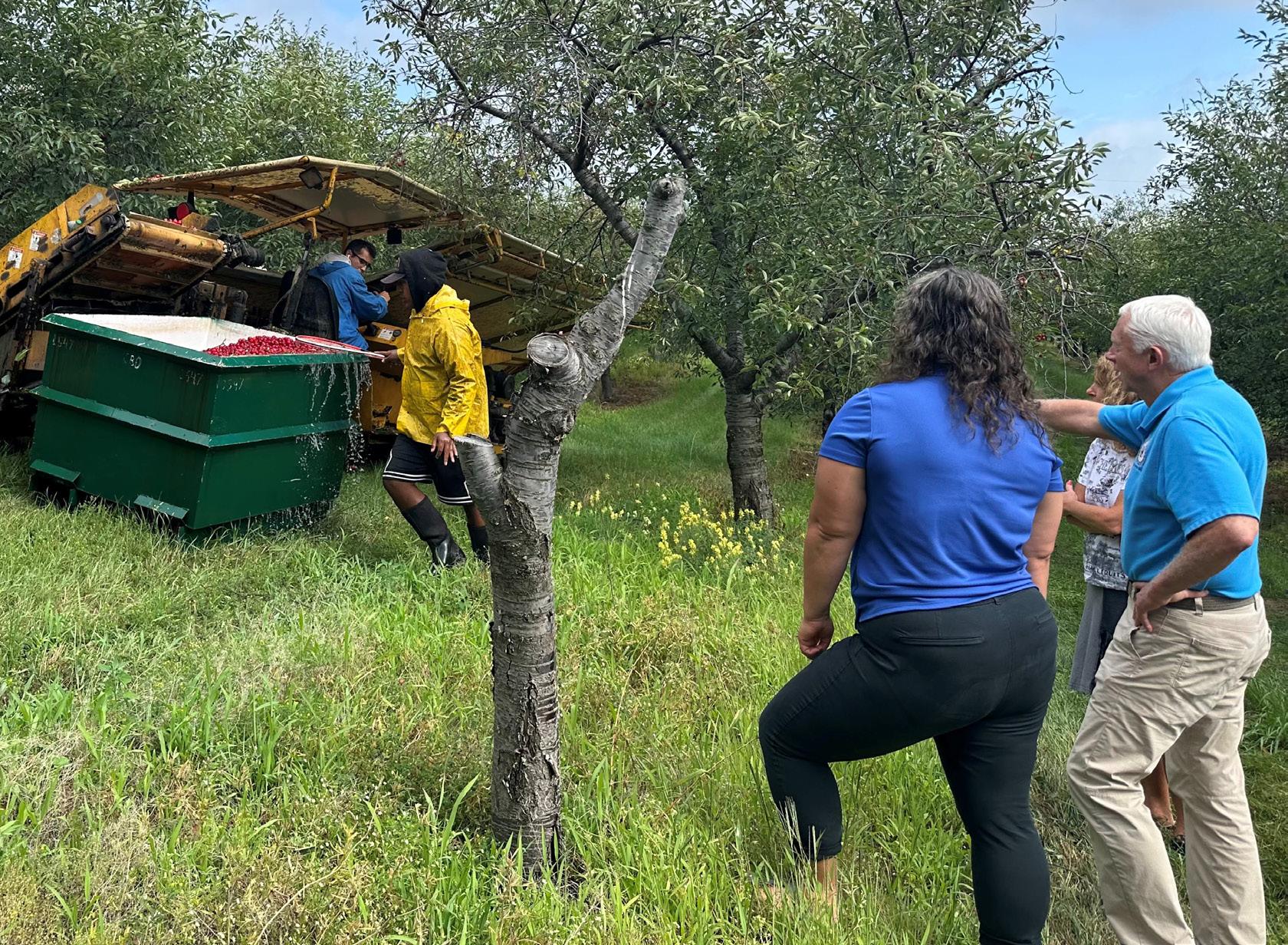
Agriculture has always been a cornerstone of Northern Michigan and the Upper Peninsula. From tart cherries and apples to potatoes, maple syrup, livestock, and countless family-owned operations, agriculture remains a way of life for our communities and a vital economic engine that must remain strong for future generations of Michiganders. Whether I am in meetings in Washington, D.C. or out on one of the many farms in Michigan’s First Congressional District, I hear a consistent message
from producers, agricultural lenders, processors, and agribusiness leaders. While every operation faces unique circumstances, the longterm success of Michigan agriculture increasingly depends on how we address three interconnected challenges: labor availability, natural disasters, and crafting thoughtful federal policy that reflects the realities facing today’s producers.
Michigan agriculture is unique. Our state is among the most agriculturally diverse in the
Nation, and specialty crops play an outsized role in our economy. These crops support thousands of jobs and generate significant economic activity across rural communities.
Unlike many commodity crops, specialty crop producers often face higher production costs, greater labor needs, and unique risks that require targeted policy solutions. For producers of tart cherries and other specialty crops, federal investments in research, pest management, and market development can often make the difference between
maintaining a competitive advantage and falling behind foreign competitors.
Workforce availability remains one of the most pressing challenges facing producers. Whether it is cherry harvests in Northern Michigan or fruit and vegetable production throughout the state, producers need access to a reliable workforce during critical periods of the growing season. Labor shortages can leave crops unharvested, increase day-to-day costs, and create uncertainty for family farms operating on tight margins. Throughout my time in Congress, I have supported efforts to strengthen the H-2A program and reform H-2A Adverse Effect Wage Rates calculations to provide greater predictability for agricultural employers. While significant challenges remain, these efforts represent important steps toward providing producers with the certainty they need to plan, invest, and grow.
At the same time, farmers across Michigan are confronting increasingly frequent weather-related challenges. Spring freezes, ice storms, flooding, drought, and other natural disasters can significantly impact yields and farm profitability. In Northern Michigan, we have seen firsthand how a single weather event can affect an entire growing season and devastate local economies.
When natural disasters strike, federal programs must be responsive and effective. Crop insurance remains one of the most important risk management tools available to producers, providing certainty in an industry where so much remains outside of a farmer’s control. Strong crop insurance programs not only help producers recover from losses,
but also provide confidence for lenders, suppliers, and rural businesses that depend on a healthy agricultural economy. I have consistently supported efforts to strengthen crop insurance and improve access to risk management tools, while advocating for timely disaster assistance when producers face circumstances beyond their control.
The House-passed Farm, Food, and National Security Act of 2026 (H.R. 7567), known as the 2026 Farm Bill, which presents an important opportunity to better support specialty crop producers. The legislation strengthens the farm safety net, improves risk management programs, and expands investments in specialty crop research, conservation, and market development. For Michigan producers, these investments help ensure our agricultural sector remains competitive while providing producers with greater confidence as they navigate increasingly complex economic and environmental challenges. Agriculture has never been an easy profession. Farmers manage risk every day, adapt to changing conditions, and make decisions that often impact generations to come.
The resilience of Michigan’s agricultural community is one of its greatest strengths, but resilience alone cannot solve every challenge. By addressing workforce needs, strengthening disaster and crop insurance programs, and advancing a Farm Bill that reflects the realities of modern agriculture, we can help ensure Michigan’s farmers remain competitive and successful for generations to come. ◀
The opinions stated herein are not necessarily those of GreenStone Farm Credit Services.
Momentum builds during election year to raise awareness of agriculture and rural communities.
The agricultural legislative environment has been very active this Spring and moving into the summer months. In Washinton, D.C., Congress is actively moving through the Farm Bill process, and the many Farm Credit priorities were discussed and included! These accomplishments have been aided by the foresight to build relationships and provide financial support through our PACs.
The successful MI GreenStone PAC Patronage campaign was followed by deliberation on the recommendations for MI GreenStone PAC disbursements by the Board of Directors with input from Kelley Cawthorne, our lobbying and
government relations partner, and the legislative outreach team at GreenStone. Over 40 individuals were identified to be recipients of funds based on their agriculture background, commitment to strengthening Michigan’s agriculture economy and rural communities, and leadership in the Michigan legislature.
In Wisconsin, the WI Farm Credit associations collaborated and decided what legislators to support with funds from the WI Farm Credit PAC. Focus has been placed on 10 legislators who have led policy efforts that are priorities for the WI Farm Credit legislative committee and understand the needs of our
Wisconsin rural communities.
The Farm Credit PAC has also been delivering contributions to federally elected legislators both state-side and in Washington, D.C. The Federal delegation in both Michigan and Wisconsin continues to be thankful for the outreach and support. This outreach has helped strengthen relationships and elevate recognition of GreenStone, as well as the needs of Michigan and Wisconsin agriculture. Your support makes this work possible! Thank you for your commitment to strengthening agriculture and rural communities across Michigan and Wisconsin. ◀
What Makes a Cooperative Special
A cooperative is special because it is owned and guided by its members, meaning the people who use and rely on the association have a direct voice in its direction, leadership, and long-term success.
In GreenStone’s case, members help shape the organization through board service, committee involvement, and shared responsibility for keeping the cooperative financially strong, responsive, and focused on agriculture and rural communities. The cooperative model creates a strong connection between leadership and the people it serves, allowing decisions to be grounded in real member needs, practical experience, and a commitment to long-term value.
In order to maintain this, the cooperative needs engaged members. Here, three Board Directors share their perspective on why being involved is important, how it benefits the cooperative, and what their personal experience has been serving as a Board member.
Bruce Lewis
Being involved in GreenStone is very important to me. By being a part of a cooperative, we all have a responsibility to help ensure the future viability of our organization.
As a nominating committee member, you have the ability to interview the candidates for Board positions, which also gives you insight into the Board function. As a Board member, you help set the direction of the business with policies, gain many additional insights within our business, and work with many of our great teammates running the day-to-day operations.
We have many great individuals serving as Board members with a diverse background of knowledge from different segments of agriculture all working together for the common good of GreenStone. The meeting agendas are full, concise, and respectful of time management. My involvement in GreenStone has been a great experience in my life advancing my knowledge and working with many great people. I would encourage others to consider involvement in GreenStone to help guide our organization into the future.
Troy Sellen
Serving on the GreenStone Board of Directors is a fantastic opportunity to help shape the future of agriculture and rural communities. Directors help keep GreenStone financially strong, member-focused, and prepared to meet the changing needs of farmers, agribusinesses, and rural homeowners. As our coop currently manages over $16 billion in loans, this is no small responsibility! For those dedicated to agriculture and committed to serving fellow members, board service is a meaningful way to give back to a cooperative whose purpose is to provide the financial support members need to achieve their goals. Board service is also a valuable leadership and personal development opportunity. It has given me insight into agricultural finance, governance, risk management, and strategic planning while working with a diverse group of fellow directors. Through educational opportunities and engagement with GreenStone’s executive team, we have the opportunity to deepen our understanding of the challenges and opportunities facing agriculture today while also drawing upon our own realworld experiences to provide input. This knowledge benefits GreenStone and can strengthen your own businesses and leadership skills at the same time.
Most importantly, serving on the board gives you and your fellow members a direct voice in the direction of the cooperative you own. GreenStone’s director-owners help ensure the cooperative remains responsive to its members and focused on long-term value. By bringing your experience, perspective, and commitment to the boardroom, you can help preserve a strong Farm Credit System for future generations of farmers and rural residents. If you want to make an impact beyond your own operation, board service is a rewarding and mutually beneficial way to be involved in your community.
Dale Wagner
Serving as a director is both a responsibility and a privilege. It’s a chance to represent fellow members while helping guide where the organization is headed. To me, it really comes down to listening, sharing perspectives, and making sure decisions support the long-term success of both the membership and GreenStone.
I remember early on sitting in a boardroom having a discussion about strategic planning. Listening to the different viewpoints around the table—and realizing how those conversations turn into real decisions for our members—really stuck with me. It made me appreciate how important it is for every voice to be heard and thoughtfully considered.
That’s really why serving as a director matters. A strong, engaged board helps keep the organization grounded and accountable, while making sure member needs stay front and center. Since directors come from the membership, they bring real-life experience and a practical understanding of the challenges and opportunities members face every day.
That member connection is what makes our board work so well. There’s a level of trust and authenticity that comes from knowing the people making decisions truly understand the business and the people behind it. Getting involved—whether on the board or the nominating committee— is a great way to give back while also learning and growing. For me, it started with a simple desire to get more involved and contribute where I could. I’d encourage others to consider doing the same. Your perspective matters, and stepping forward is a great way to make a meaningful impact. ◀
“The donation and generosity of your support for the Farm Women’s Symposium can never truly receive the thanks and gratitude it deserves. May this note be another drop in the bucket of thanks to you....Your support allows this event to happen - an event where women feel valued, equipped, and supported; share experiences; and cultivate connections.”
– Caitlene Malick from the Farm Women’s Symposium State Treasurer
“We greatly appreciate your generosity through your sponsorship of the FFA and our trophy. Thank you for investing in the FFA to give future leaders such a great opportunity to learn and grow!”
– The state winning demonstration team from the New Lothrop FFA Chapter
“Thank you so much for awarding me a $2,000 scholarship. I am so honored and appreciate that you selected me. While I’m nervous to head out of state on my own, I’m very excited for this new chapter of my life at Purdue. I hope to make long-lasting relationships and gain lots of knowledge about finance and agribusiness. This money will go straight to my tuition at Purdue. Thanks again for everything that you do.”
– Owen Sherldan, 2026 Scholarship Recipient
“Thank you for sponsoring Forest Management and Products SAE at the Michigan FFA State Convention. This award means a lot for my business and family farm. I am thankful for the chance to be seen for my hard work.“
– Ellise Wedge, Hopkins FFA Chapter
Candid Comments...
Country Living customer feature
A Dream Home 20 Years in the Making
“It’s hard to leave here on Sunday nights,” smiled Denise Arneson while talking about the home her and her husband, Curt, completed construction on just last spring in Athelstane, Wisc. The couple originally purchased the 10-acre property almost 20 years ago through a recreational land loan with GreenStone and always envisioned building a home there to vacation in and one day retire to. After years of dreaming and planning, their vision is now a reality.
The Beginning of a Dream
It all started over two decades ago. Curt, a licensed clinical social worker, and Denise, a teacher from the Milwaukee, Wisc. area always enjoyed spending time outdoors and were eager to get away from the hustle and bustle of urban life.
“We started working with a local realtor when looking for land, and they recommended we work with GreenStone on the financing,” explained Curt. “Even back then when we first worked with GreenStone, we really felt like they offered the personal touch of a community lender, while still having specialized expertise,” said Denise.
The Arnesons began their search for property around Silver Cliff, Wisc., and fell in love with everything the area had to offer. With access to ATV and snowmobile trails, plenty of good hunting opportunities, and the quiet, rural setting, they knew it was the place they would one day call “home”.
Even back then when we first worked with GreenStone, we really felt like they offered the personal touch of a community lender, while still having specialized expertise.
◀ Pictured Left: Curt and Denise spent years dreaming about the home they would one day build on their property, and with the help of GreenStone that dream is now a reality!
In 2008, they secured their ideal 10-acre lot and began using the property as a weekend getaway. A few years later, they built a garage and began taking camping trips up to the property with their two children. They always envisioned building a home on the property but wanted to wait until it was the right time for them to build.
“GreenStone never rushed us to build on our property once we started financing the land,” said Denise. “They encouraged us to wait until we were truly ready, which we really appreciated.”
Bringing Their Vision to Life
Shortly after the Covid-19 pandemic, the Arnesons felt it was the right time for them to move
forward with construction. “We reached out to GreenStone again to start the construction process. We were spending every weekend up there, so we were anxious to finally start building the home we had been thinking about for so many years,” said Curt. “What began as weekend visits with friends and family was about to become our future permanent residence.”
After choosing a builder, the Arnesons provided the floor plans to their Senior Financial Services Officer Jason Gengler. The home would have an open-concept layout with two bedrooms, one full bathroom and one half bath. The high-ceilings, patio entrance, and fireplace at the center of the
living area were all designed with the Arnesons’ vision in mind: the perfect rural retreat for them, their family and friends, and their two large dogs to enjoy.
Construction began on the home in 2024, and as Curt explained, “I was expecting a much more complicated experience!”
“It was the easiest process ever,” agreed Denise. “Jason remained available to us throughout each phase and was in constant communication about the progress or if we had any questions. He worked with us through some of the delays we dealt with during the construction process,” she added. “He even helped us identify some discrepancies in a few of the
invoices we received with our final numbers and worked with our builder on any questions they had on the financing too.”
“Curt and Denise were great to work with,” remarked Jason. “They were very helpful and enthusiastic, and I enjoyed being a part of the process of their dream home coming to life.”
A Home Worth the Wait Construction took just under a year and was completed in June 2025. In addition to their original plans, the Arnesons’ son even contributed to the project to finish the upper level of the house to create additional living space so he could have his own place to stay when he visited – a true testament to how much the home and property mean to their entire family!
The home features a heated, attached garage, in-floor heating, and an overall cozy atmosphere thanks to the lavender-colored walls and fireplace. “Our mason incorporated stones in the shape of a heart into the fireplace, which is a really special touch,” Denise added.
Located at the end of the road with little traffic nearby, the property’s remote destination is the ideal place to enjoy some peace and quiet. The Arnesons have spent just about every weekend the past year there
enjoying the home they dreamed about for so long. “We love that when we’re here, we’re here to relax,” explained Curt. “Whether we’re out here completing small projects around the house, enjoying the outdoors, or even just splitting firewood, we love that we can come here and escape the rush of everyday life.”
As they look to the future, Curt
We’re looking forward to one day making this our full-time residence in retirement, but for now, getting to spend our time here at the end of a long week is priceless.
and Denise are excited to continue to improve the property through landscaping and terracing and plan to make other improvements like more outdoor spaces.
“We’re looking forward to one day making this our full-time residence in retirement, but for now, getting to spend our time here at the end of a long week is priceless,” they both agreed. ◀
◀ Pictured left: Curt and Denise stand proudly in front of their new home with financial services officer Jason Gengler, who helped it all come together.
▲ Pictured above: A cozy stone fireplace is the heart of the Arneson’s living room.
Walleye Across the Peninsulas
BY: JIMMY GRETZINGER, Michigan Out-of-Doors TV
As Michiganders, we are incredibly fortunate to have an abundance of high-quality fishing opportunities right in our backyard. From our blue-ribbon trout streams to the mighty king salmon, the Michigan angler is admittedly spoiled. Yet, one fish seems to lead the charge no matter where in the state you find yourself, and that fish is the walleye
I believe the primary reason for this popularity boils down to table fare. If you ask ten anglers to name their favorite fish to eat, at least nine of them will choose walleye over almost any other species. While they may not be the hardest-fighting fish in
our waters, they can be caught yearround, and their adaptability means they thrive all across the state.
Chasing them on a pristine Upper Peninsula lake is about as good as it gets. The U.P. boasts world-class destinations like Big and Little Bay de Noc, the St. Marys River, and Drummond Island, all of which draw passionate anglers year after year. Heading south into the Lower Peninsula, the opportunities only multiply. Inland waters like Burt and Mullett lakes offer phenomenal fisheries, as do Lake Mitchell and Lake Cadillac.
While you can certainly find walleye on the west side of Michigan, most
The U.P. boasts world-class destinations like Big and Little Bay de Noc, the St. Marys River, and Drummond Island, all of which draw passionate anglers year after year.
veteran anglers know that if you want to truly get into the numbers, the east side has it all. The northeast region offers great options from Alpena down to Oscoda, but once you hit Saginaw Bay, hold on. Saginaw Bay draws crowds from every corner of our state, offering a highly productive fishery all twelve months of the year. Further south, Lake Erie is teaming with walleye, and even though you may occasionally cross into Ohio waters, the sheer volume of fish caught there is staggering. But for many Michigan anglers, the true mecca of the walleye world remains the Detroit River.
Every spring, hundreds of thousands of anglers migrate to the Detroit River for the annual spawning run. Starting in April, virtually every hotel room in the area is booked solid. With the rise of short-term rentals like Airbnb and VRBO, entire neighborhoods transform into bustling fish camps for weeks on end.
The primary method for targeting these river run walleyes is vertical jigging. Mastering boat control here is a true test of skill as you fight both heavy current and unpredictable winds, not to mention navigating around the hundreds of other boats drifting right alongside you. However,
once you dial in the technique, it is an incredibly effective way to fill a cooler. Another traditional method that maintained immense popularity for decades is handlining. While this technique requires specialized gear and comes with a steeper learning curve, the folks who have mastered it can often secure their limits before the boat even settles into the water.
Ultimately, each region of our state offers the walleye angler a completely different experience, though a few universal truths remain. If peace, seclusion, and getting away from the crowds are more important to you than a guaranteed limit, head north and explore the quiet waters of the Upper Peninsula. If cutting down on windshield time sounds appealing, the inland lakes of the northern Lower Peninsula will fit your needs perfectly. If a smaller boat on inland water is your preferred speed, your options are virtually limitless. And if sheer numbers and filling the freezer are what drive you, Saginaw Bay and the Detroit River are unmatched. No matter where you choose to catch them, and no matter which technique you employ, one final truth binds us all together. A fresh plate of walleye is as good as it gets, right here in Michigan’s Out-of-Doors. ◀
Country Living –Knowledge and Resources
GreenStone publishes regular updates on our Knowledge and Resources page. Check out some of the posts you may have missed at www.greenstonefcs.com/ resources/knowledge-resources
Important Documents for a Smooth Home Loan Process
Whether you are buying a home, working with a contractor to build a home, or putting on the hard hat yourself with a DIY home construction loan, chances are you will need financing. When applying for a home loan, there are several common documents you will need to help ensure a smooth loan process. Find out what those documents are in this helpful article!
What is Home Equity and How Can You Use It?
Did you know you can leverage the equity you have in your home, and put it to work for you? Understanding the equity you have built up in your home will help you make informed decisions. Learn how to calculate your home equity, and how you can use it!
5 Things to Know Before Buying Vacant Land
Depending on whether you are looking to purchase land to build on, hunt, or use as recreational property with the family, consider these things before buying. ◀
BREAKING DOWN MICHIGAN’S NEW 2026 AND 2027
Deer Hunting Regulations
BY: JORDAN BROWNE, Associate Producer of Michigan Out of Doors TV
Following intense public debate and months of anticipation, the Michigan Natural Resources Commission (NRC) finalized a sweeping package of deer hunting regulations at its May meeting in Gaylord, Mich. Having attended both the April and May NRC meetings myself, I was encouraged by the high attendance and the sheer number of sportsmen and women who stepped up to make their voices heard. Even though opinions varied wildly, seeing so many outdoorsmen actively involved in the management process is always a good thing. The end result of those meetings is a shift to deer hunting here in Michigan, and frankly, the new regulations are a little bit
messy. To help clear up the confusion, here is a breakdown of what takes effect immediately for the 2026 season, and the even bigger structural changes looming for 2027.
The 2026 Season
• Limited Firearms Deer Zone: In a historic shift for Lower Peninsula hunters, the “shotgun zone” line has been completely eliminated. For 2026, all legal firearms, including high-velocity bottleneck cartridges, are permitted statewide on both public and private land.
• Muzzleloader Season: The statewide muzzleloader season has been slashed from ten days down to just three days,
While 2026 alters the calendar, antlerless harvest, and weapon choices, the 2027 season introduces a big management shift aimed squarely at correcting the state’s lopsided herd dynamics.
beginning on the first Friday in December. In the Lower Peninsula, this timeframe is now officially called the December Firearm Deer Season, and hunters may use any legal firearm during these three days.
• Late Antlerless Firearm Season: To aggressively target the Lower Peninsula’s booming doe population, the Late Antlerless Season will open earlier, starting the Monday immediately following the new three-day December firearm season and running all the way through January 1st.
• The January Hunt: All deer seasons will completely conclude on January 1st. The extended late antlerless and January archery seasons have been permanently eliminated.
• Concurrent Early Seasons: The Early Antlerless Firearm season will now run concurrently with the youth and veterans’ Liberty Hunt during the second weekend of September.
• Universal Antlerless License Limits: Starting in 2026, the DNR now has the authority to establish explicit “use limits” on universal antlerless licenses
on a county-by-county or DMU-by-DMU basis. This means they can put a cap on exactly how many antlerless tags a single hunter can use in specific areas each year to prevent over-harvesting localized pockets.
While 2026 alters the calendar, antlerless harvest, and weapon choices, the 2027 season introduces a big management shift aimed squarely at correcting the state’s lopsided herd dynamics. The Headline Change: Starting in 2027, Michigan will officially implement a statewide “One-Buck Rule”.
The 2027 Season
• Single Deer License: In the Lower Peninsula, a single deer license will be valid for one antlerless deer, OR it can be used to harvest one buck, provided that buck has at least three antler points on one side. In the Upper Peninsula, single license regulations remain unchanged.
• Combo License: Lower Peninsula hunters purchasing a regular combo license will be restricted to taking one antlered deer (no antler point restrictions) and one antlerless deer, or two antlerless deer,
effectively ending the tradition of taking two bucks.
• The Catch… The Earna-Second-Buck Pilot: To balance these restrictions, the NRC approved a pilot program in the southern Lower Peninsula for 2027. In designated counties to be determined by the DNR, hunters will be eligible to harvest a second buck, but only after successfully tagging an antlerless deer first. This second buck will also be subject to a strict 4-point antler restriction on one side. There’s a lot of unknowns on this one, it was added last minute by the commission. I’m sure there will be more details coming out later this year.
Whether you hunt the big woods of the U.P. or farmland down south, these regulations represent some of the most aggressive management decisions the NRC has handed down in decades. There are many Michiganders who are not in favor of these changes, while other folks are genuinely excited about them. Either way, do not let any regulation change made by the NRC keep you from enjoying time in the woods with friends and family. After all, that’s what it is all about. We will continue to cover these changes, and any new ones that might pop up, on upcoming episodes of Michigan Out-of-Doors TV.
Tips for Hiking This Summer!
Did you know between Michigan and Wisconsin there are over 6,000 miles of hiking trails? That is equivalent to driving around Lake Michigan six times! These hiking trails can lead you to beautiful scenery like the top of the Porcupine Mountains in Michigan or the shoreline views of Point Beach Forest in Wisconsin.
Here are some things to keep in mind while going on your hiking adventure this summer:
• Stay hydrated and nourished: Even if you are just planning a quick hike or a backpacking adventure, make sure that you drink plenty of water and eat highenergy snacks like granola bars and fruit to keep your energy high.
• Footwear: Choose shoes or boots that are appropriate for the trail you plan to be on. If they are new, wear them for a couple laps around the block before hitting the trails to break them in and
reduce your chances of getting blisters. On easy trails, flexible shoes allow for the natural movement of your foot and are often more comfortable to wear. As you get into more technical terrain, stiffer outsoles on your shoe give you more stability. Another consideration is shoe cut - higher cut shoes support your ankles, whereas lower cut options allow your ankle to move more freely.
• Research: Before you start your adventure do some research to make sure you know where you are going, how long the trails are and how difficult they are, what the weather will be like, and how long it will take you. It is always great to pick up a map of the trails to keep with you while you are out there.
• Keeping others informed: Whether you are traveling alone or with a group of people, make sure to tell a close family member or a friend, who is not a part of your group, your itinerary. Just incase anything were to happen while out on the trails it is nice to have someone else knowing where you are at and what time you are expected to be back.
• Hiking etiquette: If you have not heard of hiking etiquette, it is simply being kind to others and respecting nature. Watch out for other hikers on the trail and move over to let them pass. Make sure to stay on the trails and not venture off. Also, respect wildlife by keeping a safe distance and not feeding them. Take care of all your trash while on the trails, leave no trace behind. This helps make the trails more enjoyable for everyone!
Hiking does not have to look like a strenuous 20-mile hike up the side of a mountain, it can simply be a walk around your local park or a board walk around the beach, or anything in between. With these tips and tricks, you can help ensure you’ll have a safe and enjoyable time. Have fun getting outside and connecting with nature this summer! ◀
Protecting Your Family Against Backyard Bugs
Rumor has it that this summer may be one of the worst for bugs! With a wet spring, if summer rains continue it could result in the perfect conditions for mosquitoes and other insects impacting our outdoor fun. Along with those flying bugs, ticks have also been on our radar, having been spotted since early February.
As you continue to enjoy the season, here are some helpful ways to help protect you and your family from backyard bugs this summer:
• Maintain landscaping: Keeping your yard mowed, bushes trimmed, and brush cleared will help reduce hiding spots from bugs like ticks. Another helpful tip is to remove any standing water in the yard like buckets, clogged gutters, avoidable puddles, toys, or other items that collect water. This will not only help your yard look nice and clean but reduce breeding grounds for mosquitoes and flies.
• Bug repellents: If you are looking for more of a natural way to prevent bugs, plant flowers like marigolds and lavender in your garden or by your porch. They are both beautiful and carry a strong natural bug repellent scent for flies, mosquitoes, and fleas. Herbs like sage and mint can also help deter these pesky bugs. For a different method to removing these bugs, pick up a bottle of insect spray from your local hardware store. Experts say to apply it to heavy trafficked areas around the yard, such as patios, playspaces, shrubs, and fire pit areas. It is advised to apply on a sunny day and allow it to dry before enjoying the space.
• Pets flea and tick medicine: A way to keep unwanted guests out of your home is to make sure that your pets are not their host.. Consult your veterinarian for prevention options best for your animal. Doing thorough checks and
grooming will also help ensure catch any ticks or fleas impacting your pets.
• Close food containers: If you are looking to have a backyard BBQ this summer keep food containers closed. This will help reduce the number of flies visiting your party. Another helpful trick is to have small fans on the table to help blow away flies.
Many also have found success in using bug spray or citronella candles to help repel bugs. There are many options to consider, including oils like citronella, oregano, thyme, lemongrass or lavender.
With these few tips, you and your family will enjoy being outside this summer with less worry about pesky bugs! ◀
Along with those flying bugs, ticks have also been on our radar, having been spotted since early February.
Commodity Cuisine
“Greek” Walleye
A mediterranean twist on this summer dish is sure to be a crowd pleaser.
INGREDIENTS
Oil
Butter, unsalted
Walleye filets
½ Cup
½ Cup
2 filet (depending on size)
Salt To taste
Dried oregano Dash
Flour
White onion, small dice
Fresh garlic, minced
Fresh asparagus, large dice
Sundried tomatoes, diced
Enough to coat each filet
½ Cup
1TB
½ Cup
½ Cup
Chardonnay or another dry white wine ½ Cup
Chicken or fish stock
Heavy cream
½ Cup
¾ Cup
Kalamata olives, seeded and minced 1TB
Fresh dill, minced
½ TB
Fresh basil leaves, whole Handful
DIRECTIONS
• Place over medium heat a sauté pan large enough to hold filets with ¼ cup oil and a ¼ cup butter
• While pan is heating up, salt walleye on both sides and dredge in flour on one side of walleye. This will be the side that sets on top of the sauce
• Sprinkle a dash of oregano on flour side of each filet
• Once pan is hot, add walleye flour side down
• Cook 2/3 way and flip over to finish
• Place walleye on a plate in a warm place
• Clean pan and place back on burner and add remaining oil
• Sweat onions until they are very soft. About 5 minutes. You don’t want any color on onion so you will need to monitor heat and stir often
• Add garlic and cook 1 minute
• Add asparagus and sundried tomatoes and cook 1 minute
• Add white wine and reduce by ¾
• Add stock and reduce by half
• Add cream and reduce by half
• Add remaining ¼ cup butter, dill and basil and cook for 30 more seconds while stirring
• Add walleye with flour side up back to pan to warm up
• Place sauce on bottom of serving plate and walleye on top of sauce ◀
Claims: Timely Notice of Loss
Even with careful planning, the weather doesn’t always cooperate, and yields may fall below your guarantee. While this is never the desired outcome, it’s exactly why crop insurance exists. It is the insured’s responsibility to notify their crop insurance specialist within 72 hours of discovering damage or production loss. In all cases, notice must be provided no
later than 15 days after the end of the insurance period, even if the crop has not yet been harvested.
If you have a Revenue Protection policy and a claim is based solely on price declines, the insurance company must be notified within 45 days of the crop harvest price announcement. The RMA strictly enforces these requirements and may deny late-filed claims or
request repayment of indemnities if claims are not properly submitted.
Insurance coverage begins at the time of application or planting, whichever is later. Coverage ends at the earliest of crop destruction, final harvest, crop abandonment, or the end of the insurance period—October 31 for wheat and December 10 for corn and soybeans. ◀
Report Acres Early, Avoid Delays
Reporting your planted acres early helps speed processing and gives you time to review your information before the July 15 deadline. Producers are responsible for accurately reporting planted crops, planting dates, and ownership shares. Be sure to carefully review your Schedule of Insurance, as changes cannot be made after the reporting deadline. You do not need to report to FSA before submitting acreage reports to your crop insurance specialist. If you use precision planting technology, reporting can be even faster. ◀
Know the Rules for Replant and Prevented Plant Claims
If weather prevents planting or requires you to replant a crop, you may be eligible for a claim. Contact your crop insurance specialist and file a claim before replanting, as approval is required to maintain eligibility for an indemnity. Prevented planting claims must be filed within 72 hours after the end of the crop’s late planting period. A minimum of 20% of the unit or 20 acres, whichever is less, is required for both replant and prevented planting claims.. ◀
Important: Appraisals
If you are going to harvest your planted crop for anything other than dry grain, a crop appraisal needs to be completed, otherwise you may lose out on a potential indemnity payment. The most common time an appraisal is needed is when you are going to chop corn for silage that is insured as grain. ◀
Receive
Indemnity Payments Faster
If a crop insurance claim results in an indemnity payment, consider signing up for direct deposit. Instead of waiting for a check in the mail, funds can be deposited directly into your bank account as soon as your claim is finalized. Contact your crop insurance specialist to learn how to enroll. ◀ Plans Have Changed for the 2027 Crop Year, Are You Still Covered?
Changes from the One, Big, Beautiful Bill Act (OBBA) released in 2025 have major impacts on coverage options for the 2027 crop year.
A new supplemental coverage option called Margin Coverage Option (MCO) is now available for corn and soybeans. This is an area-based insurance plan that provides coverage against unexpected decreases in operating margin caused by reduced county yields, reduced commodity prices, increased prices of certain inputs, or any combination of these. MCO allows producers to take advantage of an additional price discovery window during the fall,
allowing them to lock in additional protection when prices are high. Coverage is available up to 95% and is usually purchased in tandem with a revenue protection policy.
Additionally, there are changes to Supplemental Coverage Option (SCO) and Enhanced Coverage Option (ECO) for 2027. New for 2027, SCO will now cover 90% down to your underlying Revenue or Yield Protection Policy. ECO will only be available at a 95% coverage level.
All aforementioned plans are subsidized at 80%, making them a cost-effective way to increase your coverage and protect your operation’s bottom line. ◀
Considering a Second Crop? Call First
If you are thinking about removing a first crop and planting a second crop, contact your crop insurance specialist before taking action. In some situations, you may be eligible for a claim, but that eligibility could be lost if decisions are made before discussing your options with your agent. ◀
Added Protection with Hail Insurance
Hail damage can occur at any time, from early in the growing season right through to harvest. While Multi-Peril Crop Insurance (MPCI) covers hail-related yield and revenue losses, producers can also purchase separate hail insurance policies through the same companies that offer MPCI for additional protection.
In addition to hail damage, hail insurance may provide coverage for fire, lightning, vandalism, malicious mischief, and transit to the first place of storage. Claims are based on the percentage of crop damage at a specific growth stage, allowing indemnities to be paid during the growing season rather than waiting until harvest. Coverage options and rates vary by crop and county, and policies must be purchased at least two hours before damage occurs. ◀
Scan the QR code to visit the insurance page for more details
* Please note that some dates can vary by county, especially in Wisconsin. Please check with your crop insurance specialist for specific dates if you are unsure.
2027 Changes to Livestock Insurance
BY CAMERON VICTOR, Crop Insurance Specialist
Beginning with the 2027 crop year, several important updates to Livestock Risk Protection and Dairy Revenue Protection (DRP) will give producers more flexibility and opportunities to protect their operations.
Insuring Further into the Future
Starting on July 1, 2026, dairy producers will have the ability to insure the price of their cull cows using Livestock Risk Protection (LRP) even further into the future. The offers have expanded all the way from just 13 weeks up to 52 weeks into the future. “Insuring near the cash value of these cull cows for up to an entire year into the future is really going to help maintain profitability on dairy operations,” says GreenStone’s Crop Insurance Specialist Cameron Victor.
The weight limit for cull cows has also increased from 1,500 pounds to 1,700 pounds. To help dairy producers maintain profitability through fluctuating markets, this program uses a similar dynamic price adjustment factor to the unborn calves policy that uses the futures market to insure these animals near their estimated cash value.
A Diversified Approach to Risk Management
Another significant change going into the new crop year is the ability for producers to use both Livestock Gross Margin (LGM) alongside Dairy Revenue
Protection (DRP) or LRP to insure the same commodity during the same time period.
Historically, producers have had to decide between using LGM or DRP/LRP to insure their commodity.
For dairy producers, while the same total of head or pounds of milk cannot be insured twice, production can now be split between two insurance products to hedge price and margin risk at the same time. Class III milk price for individual months and feed risk can be managed with
LGM, while component values and class IV milk can be hedged with DRP.
Because LGM can be purchased by the month and not an entire quarter, producers have more time to cover their total milk production if they don’t finish by the end of the DRP sales period. “Ultimately, this change will allow livestock producers a more diversified strategy to managing their risk,” says Cameron. “These expanded coverage options can help producers take advantage of record prices into the next year.”
Expert Tools and Guidance for Your Operation
When it comes to choosing the best risk management strategy for your operation, the most important piece is working with a dedicated Livestock Insurance Specialist. At GreenStone, our team of specialists focus exclusively on dairy and livestock risk management and work one-on-one with producers to determine the right coverage options. GreenStone’s exclusive Livestock Insurance Analyzer tool also allows producers to analyze policy options, track endorsements purchased, and model customized “what if” scenarios based on price movements and coverage levels.
Our dedicated team of livestock crop insurance specialists are here to answer any questions you might have on these updated LRP coverage options or other livestock insurance options to benefit your farm. Contact your local branch to learn more! ◀
Family at the Heart of it All
If the dictionary were looking for an image to illustrate the definition of “family business,” a photograph of the entrance of Ebels General Store in Falmouth, Mich., should be a strong contender.
From a horse-drawn wagon to 250 employees
Founded in 1920, Ebels began as a simple food and hardware delivery operation, using horse-drawn wagons to transport provisions to the local community. Over more than a century, that modest start has evolved through hard work, steady growth, strategic reinvestment, and a willingness to adapt. Today the Ebels family operates a diversified operation that remains deeply involved in the rural community where it all began.
What started as a single store has grown into a network of interconnected businesses, including grocery stores in Falmouth, Mich., Reed City, Mich., and Evart, Mich., meat processing and packaging plants, a catering business, coffee shops, clothing stores, and more. Through its various operations, Ebels employs nearly 250 people, most of which work in Falmouth, a town of around 200 people.
“We’ve got a lot of different things going on here,” said Bob Ebels, general manager and chief financial officer of Ebels General Store and its various other operations, including Little Town Jerky Company. “People think, ‘they have a grocery store,’
but there’s a lot more to it than that.”
The growth of Ebels’ operation has not been accidental. Each generation has expanded the business in response to changing markets and local needs. In the 1980s, as big-box retailers began to disrupt small-town grocery models, the Ebels family pivoted. In 1994 they launched Little Town Jerky Company to meet the demand for smoked meat produced by Mark Ebels, fourth generation leader of the family business and Bob’s father. Mark receives much of the credit for having the
vision to begin expanding the business beyond just grocery stores. Mark’s vision was important, but equally important was the systematic approach his wife, Dawn, brought to making that vision possible.
In 1989, the family founded Dawn Fresh Catering named for Dawn. Then in 2004, Ebels opened a federally inspected processing plant, positioning the business to serve both consumers and agricultural producers in new ways.
More recently, the family has continued to diversify and try new ventures. Ebels
◀ From left to right, Tom Ebels, Mark Ebels, Dawn Ebels, and Bob Ebels represent the fourth and fifth generation of the family business.
▼ Dawn Ebels (blue shirt) poses with her granddaughters, left to right, Elly Bennett, Melanie Bennett, and Paige Ebels who represent the sixth generation of the Ebels family.
We kind of liken ourselves to a business incubator... We start something because there’s a need, and then it grows from there.
Clothing Department and The Bridge Coffee Shop now complement the retail experience, processing facilities and a trucking operation. Most recently, the local gas station in Falmouth was added to the list. Each
addition reflects the family’s aim to invest in their community, solve local challenges, and provide products and services that serve customers from miles around.
“We kind of liken ourselves to a business incubator,” Bob said. “We start something because there’s a need, and then it grows from there.”
Today, Bob represents the fifth generation leading the business alongside his brother, Tom Ebels, and sister, Laura Bennett. Bob oversees finance and administration, Tom coordinates production, and Laura manages the clothing and coffee operations.
“It’s not just me,” Bob said. “Our broader family and talented team are what keep us moving forward.”
A Trusted Partner
In 2020, the Ebels family was ready to invest in expanding their operation, including opening new retail locations and adding more processing capacity.
As they evaluated financing options, they turned to GreenStone—drawn initially by its strong reputation in agricultural lending.
“We had always heard about the terms and opportunities available through GreenStone,” Bob said. “When we were looking at expansion, we reached out to see what that might look like for us.”
Sara Trattles, VP of agribusiness lending at GreenStone, serves as the Ebels’ financial services partner.
“There is so much good to say about the Ebels. They are such a hardworking family but so fun to work with too,” said Trattles. “They always have a lot going on but are very communicative in their plans. It is an honor to work with them to meet their goals and provide them with financing.”
Efficiency Through ‘One Umbrella’
After beginning their relationship with GreenStone on the lending side, the Ebels family soon recognized an opportunity to optimize their operations through additional partnership. By adding GreenStone’s tax and accounting services, the family created a more streamlined and coordinated system—one that fully supported the complexity of their business.
“It just made sense to move everything under one umbrella,” Bob explained. “Different departments, but all working together.”
One of the most immediate benefits of consolidating services with GreenStone was improved efficiency. Instead of coordinating between separate lenders and accountants, the Ebels family could now rely on a unified team that understood their entire operation.
“If our loan officer needs a tax return
◀ Bob Ebels originally reached out to GreenStone for financing but he quickly recognized the value of moving “everything under one umbrella.” GreenStone Tax and Accounting Manager Elizabeth Waldschmidt supports the Ebels with tax and accounting services.
for one of our entities, they just pick up the phone and call internally,” Bob said. “It’s right there.”
That level of connectivity has eliminated delays and reduced administrative burden—freeing up time to focus on running and growing the business.
The consistency of working with the same team year after year has also made a difference. Over time, GreenStone’s tax and accounting professionals have built a deep understanding of the Ebels’ operation—something Bob says is difficult to replicate with traditional CPA firms.
“It’s just more efficient. … We’re not constantly having to bring new people up to speed on who we are and what we do,” Bob said. “There’s consistency there… They know what we need.”
“I truly enjoy working with the Ebels Family. Their commitment to their employees and the community is evident in everything they do. It’s incredibly rewarding to work with clients who value the work we do,” said Elizabeth Waldschmidt, tax and accounting manager at GreenStone.
A Relationship-Based Approach
Beyond efficiency, Bob points to the relational nature of the partnership as a key differentiator.
“It’s more of a relational—or even a familial—type situation,” he said. “Accessibility is always very good. … If we need to talk to someone, they’re there.”
That relationship extends across multiple areas of GreenStone, from lending and tax and accounting to credit analysis. Bob regularly works with a dedicated team of GreenStone experts that each bring a unique value while operating with shared insight into the Ebels’ business.
Turning Strategy into Action
One of the most significant impacts of GreenStone’s integrated tax and accounting services has been its role in supporting the Ebels’ strategic decision-making.
As the family explored a series of
solar energy projects to support their energy-intensive operations, GreenStone’s tax and accounting team played a critical role in evaluating the opportunity.
“They put together an analysis showing projected energy costs, savings and tax implications,” Bob said. “That was integral to getting it all put together.”
The result is a series of solar installations across multiple locations, expected to reduce energy costs by 60% to 75%.
“Having that data makes the decision,” he said. “It shows you what it really looks like.”
This kind of forward-looking analysis goes beyond compliance—turning tax and accounting into a strategic tool for growth.
Supporting Growth for Generations to Come
From financing expansions to supporting operational efficiency through strategic support, the partnership with GreenStone has helped position the Ebels’ for continued success.
“It’s provided long-term stability for our companies,” Bob said. “And it’s helped us get the working capital we need to do what we do.”
Looking ahead, the family sees continued opportunities particularly in expanding their processing operations through Little Town Jerky Company and increasing overall capacity.
The family remains committed to the principles that have guided the business for more than a century: adaptability, community focus, and strong relationships.
For the Ebels’, success has always meant sharing their values with their local community, and all those that visit their stores or consume their products. With GreenStone as their trusted financial partner, they’re well positioned to grow today and for generations to come ◀
Summer Tax Calendar
July
Non-farm employers file Form 941 for the second quarter to report Social Security, Medicare, and withholding.
Form 5500 is due for all employers that maintain an employee benefit plan such as a pension plan.
If not able to file, file Form 5558 to request an automatic 2.5-month extension.
September
Third quarter estimate is due for 2026 for individuals that pay estimated taxes.
S Corporations file a 2025 calendar year income tax return (Form 1120S) if you requested an automatic extension.
Partnerships file a 2025 calendar year income tax return (Form 1065) if you requested an automatic extension.
Corporations deposit third installment of estimated tax for 2026.
October
Individuals file a 2025 income tax return (Form 1040) if an automatic extension was requested.
Corporations file a 2025 calendar year tax return (Form 1120) if you requested an automatic extension.
Are Password Keepers Safe? How to Use Them the Right Way
BY MATTHEW COSGROVE, VP and Chief Information Security Officer
Most of us have more online accounts than we can easily remember: banking, email, shopping, insurance, utilities, social media, streaming services, farm management tools, school portals, and more. Each account asks for a password, and each password is supposed to be long, unique, and hard to guess.
That creates a real challenge. To cope, people often reuse passwords, slightly change old ones, or store them in a notebook, spreadsheet, or phone note. While convenient, these habits can make it easier for criminals to access multiple accounts.
A password keeper, also known as a password manager, can help solve that problem. Used correctly, it can make your online accounts safer and easier to manage.
What is a password keeper?
A password keeper is an app or service that stores your passwords in a protected vault. Instead of remembering dozens or hundreds of passwords, you remember one strong master password. The password keeper can create, save, and fill in strong passwords for your accounts.
This means your email can have one unique password, your bank
For most people, a reputable password keeper is safer than reusing passwords or storing them in unsafe places. Cybersecurity agencies, including CISA (Use Strong Passwords, n.d.), recommend using long, random, unique passwords and storing them in a password manager.
account another, your shopping account another, and so on. If one company has a data breach and your password is exposed, criminals should not be able to use that same password to get into your other accounts.
That is one of the biggest benefits of using a password keeper: it helps stop one stolen password from becoming many stolen accounts.
Are password keepers safe?
For most people, a reputable password keeper is safer than reusing passwords or storing them in unsafe places. Cybersecurity agencies, including CISA (Use Strong Passwords, n.d.), recommend using long, random, unique passwords and storing them in a password manager. NIST guidance also emphasizes protecting authentication secrets and using stronger authentication methods when risk is higher (NIST 800-63B, 2025).
That does not mean password keepers are risk-free. No technology is perfect. A password keeper becomes an important account that must be
protected carefully. If someone gets access to your password vault, the impact could be serious.
The safer way to think about it is this: a password keeper reduces many common password risks, but only if you secure the password keeper itself.
Why password reuse is so risky Password reuse is one of the most common online safety problems. Here is how it can happen.
You create an account with an online store and use the same password you use for your email. Later, that store has a security breach. Criminals get a list of usernames and passwords. They know many people reuse passwords, so they try those same logins on email accounts, banking sites, payment apps, and social media.
This is called credential stuffing. It is automated, fast, and common. Criminals do not need to guess your password if they already found it somewhere else.
A password keeper helps
because it can generate a different password for every account. You do not have to remember each one. The password keeper does that for you.
The one password you still need to remember
Even with a password keeper, you still need one very strong password: your master password.
This password protects the vault. It should be long, memorable for you, and hard for someone else to guess. A good approach is to use a passphrase, which is a string of unrelated words or a sentencestyle phrase that only makes sense to you.
Avoid using names, birthdays, addresses, favorite teams, pets, common sayings, or anything someone could learn from social media. Also avoid using your master password anywhere else. It should be unique to the password keeper.
If your password keeper offers account recovery options, set them up carefully. Keep any recovery codes or emergency access instructions in a safe
place, such as a locked file cabinet or another secure offline location.
Turn on multifactor authentication
A strong master password is important, but it should not be your only layer of protection. Turn on multifactor authentication, often called MFA or two-factor authentication, for your password keeper.
MFA requires an extra step when signing in, such as a code from an authenticator app, a security key, or a trusted device prompt. This can help protect your vault even if someone learns your master password. The Federal Trade Commission recommends strong passwords and two-factor authentication, and notes that authenticator apps and security keys are more secure options when available (Protect Your Personal Information From Hackers and Scammers, 2024).
NIST guidance also supports stronger authentication as methods for high-risk situations. In simple terms, MFA helps because a password alone should not be enough to access your accounts (NIST 800-63B, 2025).
When available, an authenticator app or hardware security key is usually stronger than a text message code. Text message codes are still better than no MFA, but they can be more exposed to phone number scams.
Be careful with autofill Password keepers often include autofill, which automatically enters your username and password on websites or in apps. Autofill is convenient, but it should be used with care.
Before approving a login, check the website address. Criminals create fake websites that look like real ones. A password keeper may help spot this because it usually will not offer
Updates
often fix security weaknesses. Delaying updates may leave you exposed to issues that have already been corrected.
to fill in a saved password if the website address does not match. That can be a warning sign.
Still, do not rely only on autofill. Slow down when signing in to important accounts. Look for misspelled web addresses, unexpected login prompts, urgent messages, or pages that ask for more information than usual.
A password keeper can help, but it cannot stop every phishing attempt.
Keep the app updated
Like any software, password keepers can have security updates. Install updates for the password keeper app, browser extension, phone, computer, and web browser.
Updates often fix security weaknesses. Delaying updates may leave you exposed to issues that have already been corrected.
If you use a browser extension for your password keeper, make sure it comes from the official provider and that it stays updated. Remove extensions you no longer use.
Choose a reputable provider
There are many password keepers available. Some are free, and some charge a subscription fee. The right choice depends on your needs, comfort level, and the devices you use.
Well-known examples include 1Password, Bitwarden, Dashlane, Keeper, Apple Passwords, Google Password Manager, and Microsoft Authenticator/password management tools. This is not a complete list or an endorsement of any one provider, but these are examples of commonly used options from established companies.
Before choosing one, look for:
• Strong encryption and clear security practices.
• Multifactor authentication support.
• A good reputation and history of timely security updates.
• Easy-to-use apps for your phone, computer, and browser.
• Account recovery options that fit your comfort level.
• Family sharing options, if you want to safely share selected passwords with a spouse or trusted family member.
• Alerts for weak, reused, or exposed passwords.
Avoid unknown password apps with few reviews, unclear ownership, or vague security information. Also be cautious of fake password manager apps or browser extensions. Download directly from the provider’s official website or your device’s
official app store.
Even with a reputable provider, remember that your password keeper needs strong protection. Use a unique master password, turn on multifactor authentication, and keep the app updated. Many providers publish security information about their encryption, account protection, recovery options, and platform features, which can help you compare options before choosing one.
What about saving passwords in your browser?
Most browsers can save passwords. This is better than reusing the same password everywhere, but a dedicated password keeper may offer stronger features, easier sharing, better cross-device support, and more security tools.
For some people, a browserbased password manager
Instead of texting passwords, writing them down, or using one shared password for everything, a family password manager can allow secure sharing of selected logins.
may be enough. For others, especially families, business owners, or anyone managing many important accounts, a dedicated password keeper may be a better fit.
The most important goal is to use unique passwords and protect the place where those passwords are stored.
Password keepers and family safety
Password keepers can also help families manage shared accounts more safely. For example, spouses may need access to utility accounts, insurance accounts, streaming services, or household financial tools. At any given time I have to manage hundreds of passwords for my wife and children.
Instead of texting passwords, writing them down, or using one shared password for everything, a family password manager
to protect that place well. For highly sensitive documents, financial records, or identity documents, consider whether they belong in the password keeper or in another secure storage method.
Do not store your master password inside the same password keeper. You need to know it separately.
What if your password keeper is involved in a security incident?
If your password keeper provider announces a security issue, do not panic. Read the provider’s official notice and follow its instructions.
Depending on the incident, recommended steps may include updating the app, changing your master password, reviewing account activity, rotating important passwords, or checking MFA settings.
other accounts. Use a unique password and MFA for email as soon as possible.
After that, update other accounts over time. Many password keepers can identify reused or weak passwords and help you prioritize what to fix first.
Good security is about layers
A password keeper is not a complete security plan, but it is a strong step. Pair it with other safe habits:
• Use unique passwords for every account.
• Turn on MFA for important accounts.
• Keep devices and apps updated.
• Watch for phishing messages.
• Review account alerts and statements.
can allow secure sharing of selected logins. Some also offer emergency access, which can help a trusted person get access if something happens to you.
This can be especially helpful for estate planning and household continuity. Consider keeping a simple list of key accounts and instructions in a secure place, without writing down every password.
What should not go in a password keeper?
Password keepers are commonly used to store passwords, secure notes, Wi-Fi passwords, recovery codes, and sometimes payment information. Whether you store extra information is a personal decision.
Be thoughtful about what you save. The more sensitive information you put in one place, the more important it is
Be alert for phishing after any publicized security event. Criminals may send fake emails claiming your vault is at risk and urging you to click a link. Go directly to the provider’s official website or app instead of clicking links in unexpected messages.
A simple way to get started Switching to a password keeper does not have to happen all at once. Start with your most important accounts:
1. Email.
2. Online banking and payment apps.
3. Credit cards.
4. Retirement, insurance, and investment accounts.
5. Mobile phone account.
6. Shopping accounts that store payment information.
7. Social media accounts.
Your email account is especially important because it is often used to reset passwords for
• Use trusted devices and secure networks for sensitive activity.
The goal is not perfection. The goal is to make it much harder for criminals to access your accounts.
Bottom line
Password keepers are a safe and practical tool when used correctly. They help you create and manage strong, unique passwords without having to memorize all of them.
The key is to protect the password keeper itself. Use a strong master password, turn on multifactor authentication, keep the app updated, and stay alert for phishing.
For many households, a password keeper can turn password security from a frustrating chore into a manageable habit.