lower school
mission Statememt
GFA engages students as partners in an innovative, inclusive, and globally minded community to prepare them for lives of purpose.
Philosophy
Partners
We believe the relationship between teacher and student is pivotal to their success, and that students learn best when they are known and loved. With trust built in partnership, our students develop ownership over their learning, gain confidence in their abilities and ideas, and find the courage to do hard things.
Innovative
We commit to enhancing our dynamic curriculum to transform the learning for our students into meaningful and impactful experiences. We support the understanding that imagination can be made real and that ideas are embraced by people in the world.
Inclusive
We make time and space for students to share their stories, passions, and identities with others, developing their own narrative and the curiosity and wonder for learning the stories and perspectives of others.
Globally Minded
We help students recognize their place within the GFA community and beyond by developing an understanding of their connection to something larger than themselves. We empower them with a sense of responsibility for our community and the spaces around us.
Core Values
Jane Verlin Head of
Kate Kralik Assistant Head of
Tory Crane Assistant to the Head of Lower School tcrane@gfacademy.org
co-curricular experiences
ART
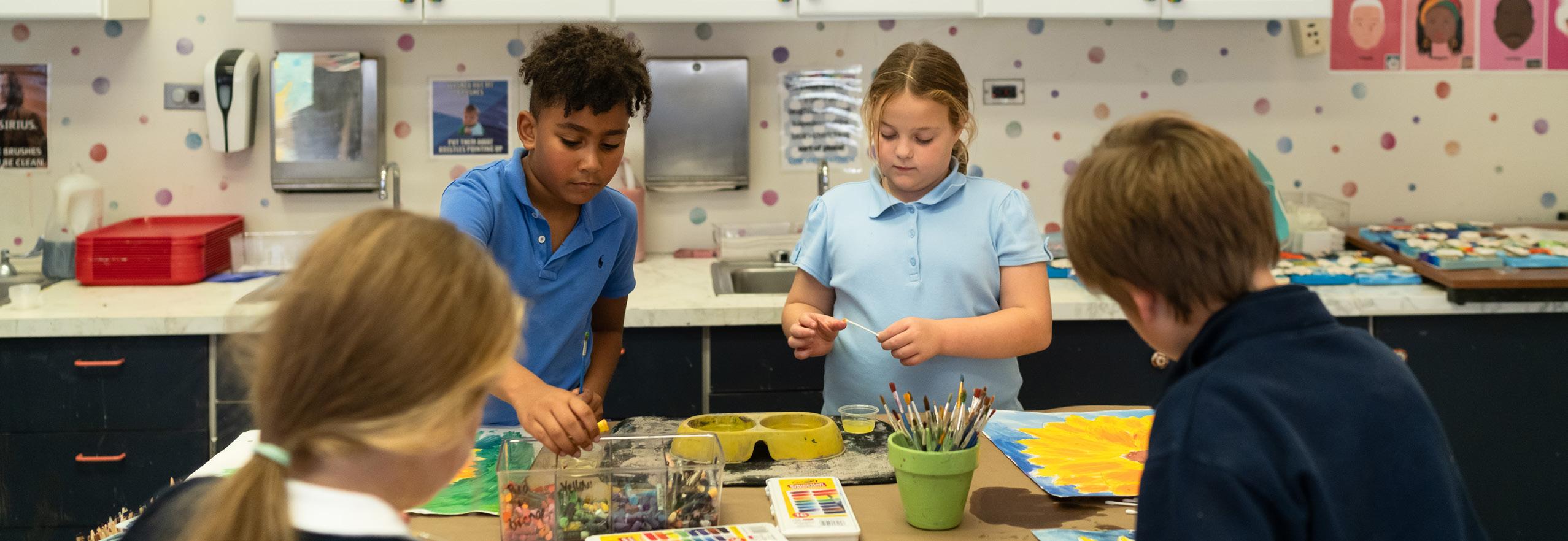
The Lower School Visual Arts program addresses every child’s need to create. Our fine arts based curriculum encourages students to find joy in their creative process and to have positive attitudes towards themselves, others, and the environment through their artistic experiences. Through cross-curricular collaboration and art appreciation, students are able to connect what they see and feel to other subjects and to respond with innovation, open-mindedness, risk taking and imagination. At GFA, we believe that an understanding of our world and different cultures, an exploration of a wide variety of materials and techniques, reflection on art history, and recognition that differences are to be welcomed are essential in creating a balanced art program.
SPANISH
Our goal is to help each student at GFA achieve global competence. We think of it as a combination of attitudes, skills, and understandings that allow them to enter an unfamiliar place or circumstance with openness and adapt quickly. In a full immersion Spanish class, students have real and meaningful opportunities to acquire and practice language and cultural skills as community members and independent learners. We follow the World-Readiness Standards for learning languages; students work on their skills through the five “C” goal areas (communication, cultures, connections, comparisons, and communities). We focus on written and spoken interpersonal, interpretive, and presentational communication. Exposure to a new language and different cultures will help students understand the world and bring global competence into their future experiences.
MUSIC
In the Lower School Music program, students are engaged in active music making through singing, chanting, moving, dancing, and playing instruments. The students also learn to create, improvise, and read sheet music. Listening and performing are important aspects of the Music program. Expression through music at GFA offers students ways to channel creativity and emotional connection. Our goal is for students to express themselves through music and gain a lifelong love of music. In addition to classroom experiences, students in Grades K through 4 participate in a Winter and Spring Concert, performing for their families and the school community. In Third Grade, students begin learning the recorder, and in Fourth Grade, students develop their ensemble skills by choosing an instrument to play in band or orchestra lessons. Fourth graders also take part in a musical production, which brings together singing and movement in a performance that celebrates their growth and creativity.
SCIENCE
The Lower School Science curriculum is designed to build on a child’s natural wonder and curiosity about the world in which they live. The hope is to inspire a lifelong commitment to the Earth by educating for environmental responsibility, fostering a sense that the Earth must be respected and nurtured. Inquiry-based, hands-on activities allow students to question and to test their ideas and formulate answers through experimentation, “model” building and direct observation. Following the National Science Teachers Association (NSTA) standards, the PreKindergarten through Fourth Grades are introduced to earth, physical and life Sciences, including units in design technology and human body systems. While this step-wise program prepares students for more advanced courses in the Middle and Upper School by introducing young learners to important scientific concepts, the main goal is to foster excitement and interest in science for years to come.
STEAM
In STEAM we combine Science, Technology, Engineering, Art, and Math to create projects that spark our students’ creativity and imagination. Our integrated approach allows students to learn, explore, and develop problem-solving skills. A project-based approach allows the children to make cross-curricular connections with their wider learning. Working in small groups, the children learn about critical thinking and the importance of curiosity, collaboration, and effective communication. Hands-on activities encourage the students to explore their ideas and introduce them to the Engineering Design Process. STEAM at GFA allows students to take risks and encourages them to see connections between the classroom and the world around them.
LIBRARY
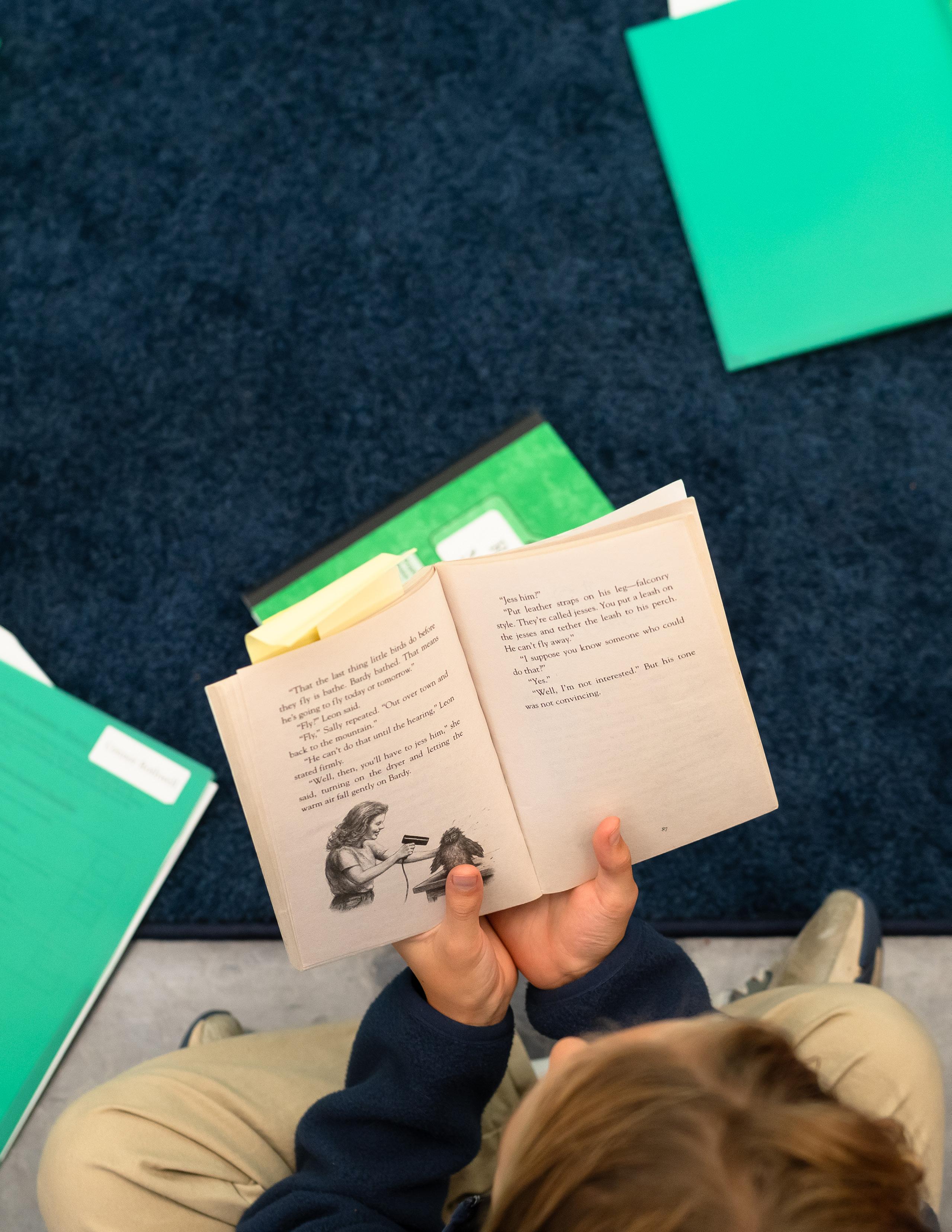
The goal of our Lower School Library program at GFA is to foster and grow each child’s love of reading and to provide our students with access to information and resources to deepen their understanding of the world around them. Students will learn to navigate the library, explore children’s literature, and find stories they enjoy. Additionally, students will learn about children’s literature awards and participate in research exploration. Together, students will go on adventures, unlocking all of the magic of a good book!
PHYSICAL EDUCATION
Physical Education is an integral part of the GFA experience. The curriculum engages students to improve skills, problem solve through strategy development, and enhance fitness in an exciting and dynamic environment. Activities and games progress as students move through our program, culminating with sports-specific units in Fourth Grade. Our collective approach aims to inspire children to develop a passion for leading an active lifestyle.
preKindergarten experience
PHILOSOPHY OF PLAY
GFA’s PreKindergarten program is designed to provide a developmentally appropriate program for four- and five-year-olds in a stimulating academic environment prior to their kindergarten year. The goal of the PreK Program is to nurture each child’s strengths and sense of competence, to help develop a sensitivity to others, and to encourage each child to take pleasure in being a member of the community. The curriculum fosters self-reliance and self-esteem, stimulates curiosity, creativity, and a love for learning, and focuses on the intellectual, social, emotional, and physical growth of each child.
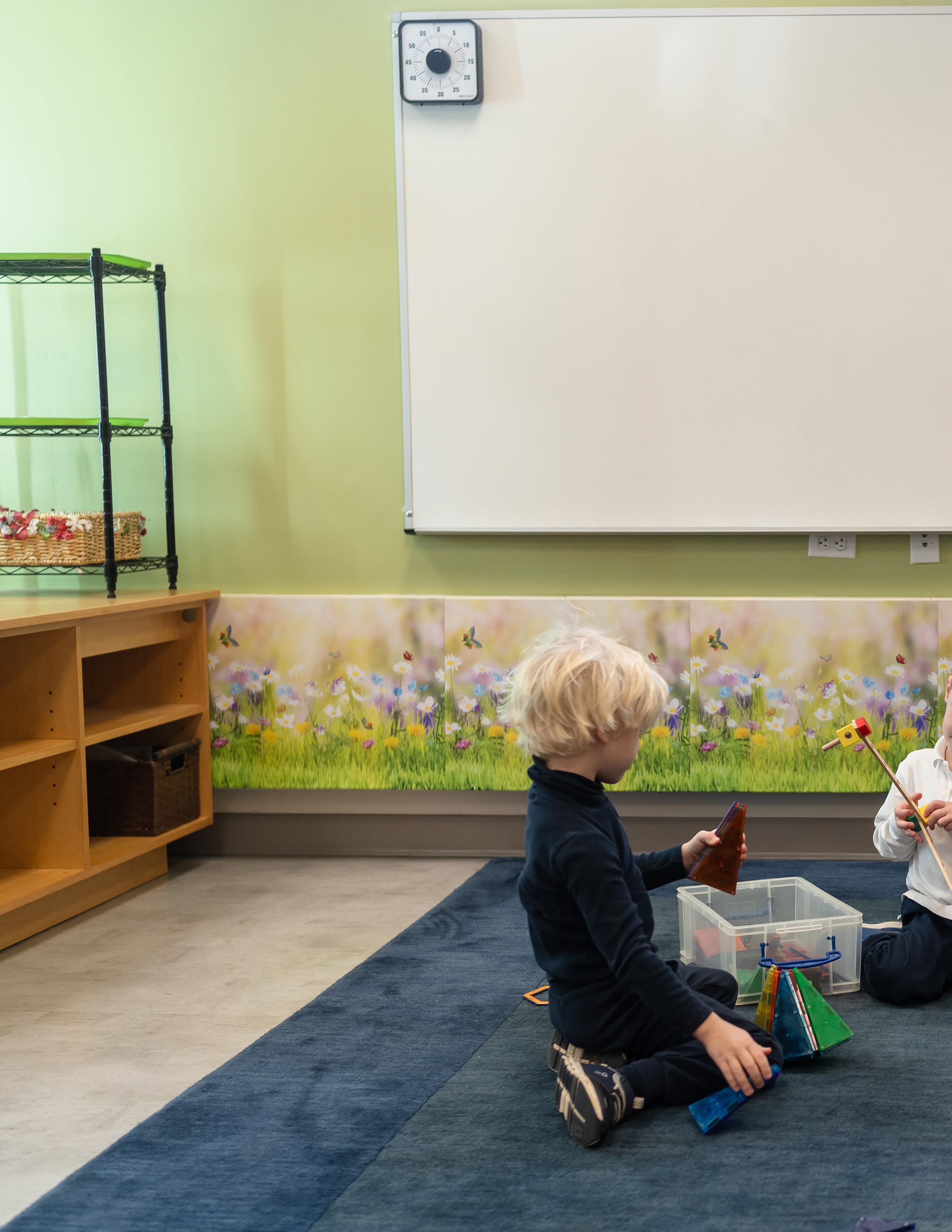
Play is an important vehicle through which we teach children to take risks, develop physical strength in mind and body, and become capable and confident members of their classroom.
Academic areas include emerging literacy skills, mathematics, and social studies, complemented by instruction in science, STEAM, library, art, physical education, music, and Spanish. By integrating activities across disciplines, students take part in authentic experiences that make meaningful connections to the real world. The objective is to create confident, independent learners who work well together and are excited about learning.
LANGUAGE ARTS
Immersion in rich language experiences forms the foundation of our program and exposes young children to the pleasure that comes from reading, writing, speaking, and listening. In small groups, students are introduced to reading and writing skills through a combination of explicit and inquiry-based learning experiences.
MATHEMATICS
The primary objective of the mathematics program is to build strong number sense, create awareness of relationships and order in our environment, and introduce children to the language of mathematics. Mathematical reasoning and problem-solving are emphasized, as are hands-on activities in patterning, sorting and classifying, working with shapes and forms, comparing quantities, and measuring
GUIDED DISCOVERY
By using community resources and the outdoors as our classroom, the opportunities for “hands-on” experiences abound. Children engage in long-term, interdisciplinary projects that integrate building, art, music, science, technology, math, writing, and reading. The result is a multifaceted approach to a particular topic in which children learn to observe, listen, ask questions, share ideas, and, even more importantly, appreciate their sense of self and how their place in the world relates to diversity in the world around them.
THE OUTDOORS
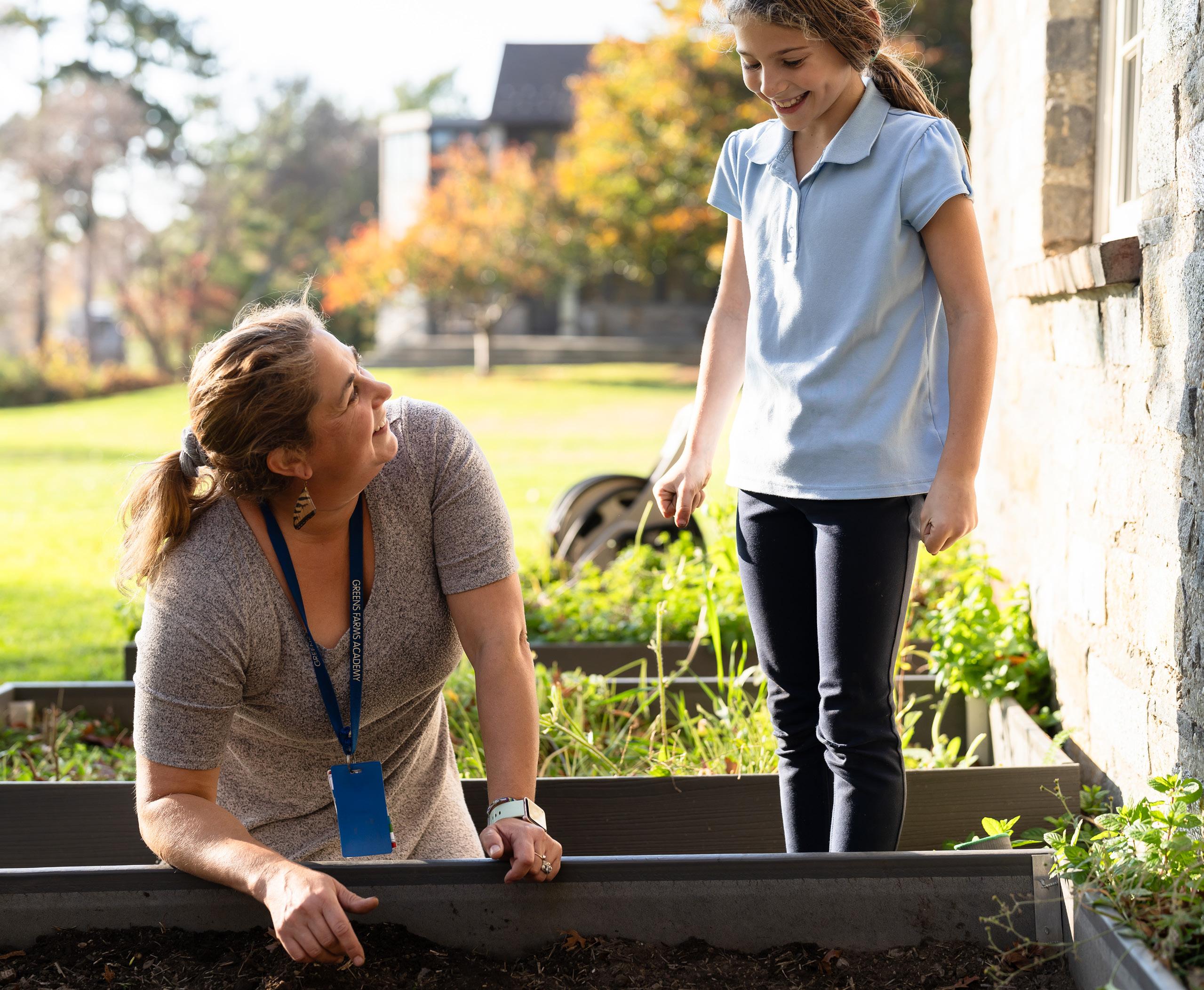
We take advantage of our beautiful location on Long Island Sound for guided discovery in the salt marsh, at Burying Hill Beach, at the organic garden, and on the Audubon trails. In addition, we spend significant time outdoors on the playground in all kinds of weather; we consider vigorous physical play essential to the healthy development of young bodies and minds. Parents occasionally join us for field trips to local points of interest.
Kindergarten experience
LANGUAGE ARTS
Reading: Kindergarteners learn about language in multi-sensory and integrated ways that help them see the connections between reading, writing, speaking, and spelling. Kindergartners learn letter names and sounds. They work on blending sounds together to decode VC and CVC words, both in isolation and as part of a text. Students practice identifying the syllables and sounds within words through daily phonological awareness activities. Kindergarteners focus on developing the habits of avid readers. They learn to read with increased independence, tap out sounds in unfamiliar words, and identify heart words in decodable texts. Students become “storytellers” by rereading after sounding out the words to develop fluency skills. Kindergarteners practice retelling the most salient parts of books they read and make predictions about what might happen next to help foster their comprehension skills.
Writing: Kindergarteners learn and practice their upper and lowercase letter formation. They apply these skills when creating their own true stories. They learn how to brainstorm an idea for a story, label important parts of their pictures, and stretch-out words to help them write each sound they hear. Students study various writing genres, including narrative stories and nonfiction How-To books. Students are encouraged to think of an idea, say it aloud, and tap out each sound to put their thoughts on the page. In addition, students practice going back to check their work for missing words, sounds, punctuation, and capitalization.
MATHEMATICS
Kindergarteners learn to count, write, and deeply understand numbers to ten. As part of this work, students explore ten frames and dice patterns to identify quantities efficiently, and they experiment with decomposing numbers by investigating the friends of five. Students explore place value by building, identifying, and writing teen numbers. Kindergarten mathematicians investigate the concepts of addition and subtraction, learning to write number sentences and
use math manipulatives to act out math stories. In addition, students explore measurement, time and money. Students learn through the use of hands-on manipulatives and math games that help them to build strong number sense and articulate their mathematical thinking.
SOCIAL STUDIES
Kindergartners begin their exploration of self and community by sharing about who they are and what makes them special. Through joyful read-alouds, creative self-portraits, and whole-group conversations and shares, children celebrate their own identities while discovering the many ways they are similar to and unique from their classmates. The focus is on building a classroom community where everyone feels seen and valued. Students are guided to notice moments of kindness and unkindness in their everyday experiences, especially during play. They learn to express empathy, take turns, and speak up with care. We encourage children to be thoughtful, compassionate friends and confident, kind helpers. The year culminates in a meaningful project where children highlight each other’s interests, personalities, and the things that bring them joy by making a Kindness Quilt for each classmate.
GUIDED DISCOVERY
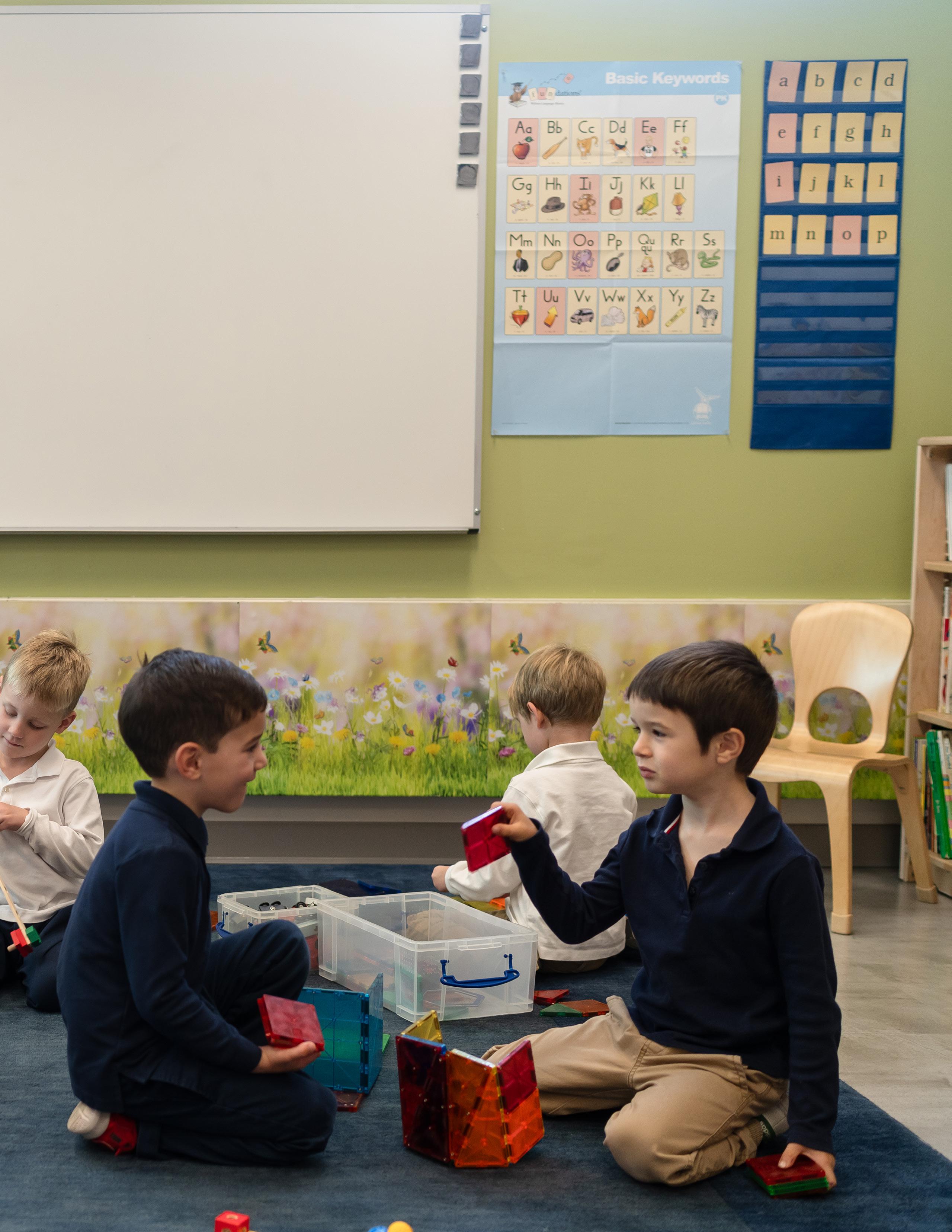
Guided Discovery is a time when students engage in block building, dramatic play, and creative work. Students process their learning through play while developing expressive language, social skills, and motor skills. Guided Discovery provides the time and space for children’s imaginations to come to life.
OUTDOOR EXPLORATION
Outdoor Exploration is a time dedicated to connecting with and exploring the ecosystems that surround our campus. Time spent in nature provides benefits linked to mental health, physical development, and cognitive skills.
First grade experience
LANGUAGE ARTS
Reading: First graders develop the skills needed for proficient reading. Students learn decoding strategies and apply their phonics knowledge to segment and blend both real and nonsense words. Students increase their automaticity in blending sounds by reading decodable and authentic text with accuracy. First graders start to develop their oral reading fluency and expression, which helps increase their reading stamina. They further develop their comprehension skills by identifying the story’s characters, setting, problem, and solution. In addition, first graders make connections, identify character traits and feelings, and begin to develop the skills of a reflective reader.
Writing: First graders continue to develop and practice accurate letter formation. They also explore different styles of writing, including narrative, poetry, and nonfiction. They generate story ideas to create different writing pieces. First graders build stamina for writing and generate proper sentences with capitalization and punctuation. They develop their understanding of punctuation, recognizing and beginning to use exclamation marks, question marks, apostrophes, and quotations. Students are introduced to simple transition words to help organize and sequence their writing. In addition, emphasis is placed on the importance of rereading and revising finished work. Students are encouraged to reflect upon their phonics knowledge to sound out words when writing and spelling.
MATHEMATICS
First graders focus on addition and subtraction within a hundred. Students learn multiple addition and subtraction strategies, including the use of number lines, number bonds, 10 frames, counting on and counting back, and making 10 to add. The children use a concrete-pictorial-abstract learning progression to anchor their learning in hands-on experiences. Students increase their mathematical vocabulary as they grow their knowledge of shapes, graphs, money, time, and fractions. First graders apply their reasoning skills
to explain how and why they arrived at an answer, helping them grow into a community of collaborative, reflective, and innovative mathematicians.
SOCIAL STUDIES
First graders engage in conversations around what it means to be a good friend, student, and community member. Students begin to understand the concept of citizenship by learning about the GFA community, exploring their role in our classroom community, as well as the role adults play in supporting our school. First Graders identify members of our GFA community who help our school and create an innovative project to support their role.
second grade experience
LANGUAGE ARTS
Reading: Second graders work to strengthen their foundational reading skills by improving automaticity and fluency while reading more complex texts. Students deepen their comprehension skills by engaging in thoughtful small-group conversations. They discuss characters, plot, and setting, and they become more adept at making inferences, predictions, and drawing conclusions. In addition, they explore advanced vocabulary words as they encounter them in the stories they are reading. Students strengthen their written book responses by building complete sentences, using evidence from the text to support answers, and revising their work.
Writing: Second Graders expand their writing skills as they learn to write creative stories. They use outlines to organize their ideas before writing. Students learn various strategies to develop sentences and add details. Second Graders write personal narratives, and they explore non-fiction writing. They learn about different types of poetic forms and practice writing poems. Throughout the year, students work on editing and revising their work.
MATHEMATICS
Second graders develop problem-solving skills and learn to utilize various strategies when solving mathematical problems. Students learn to read and write numbers to 1,000 fluently, express them in different forms, compare and order 3-digit numbers, and identify number patterns. Second graders learn to apply the concepts of addition and subtraction to mental math strategies and use vertical algorithms to solve equations within 1,000 with regrouping. Students learn to tell time on an analog clock and count combinations of coins and bills. In addition, second graders learn basic geometry skills related to shapes and patterns. They learn to read bar graphs and line plots and measure length in meters, centimeters, feet, and inches. Second graders learn multiplication and division and begin understanding multiplication tables.
SOCIAL STUDIES
Second graders take an in-depth look at communities, learning about the community they live in as well as other types of communities. They learn why people choose to live in communities and who the important helpers are in a community. They learn that our country is a democracy and our government has three branches of power. Students learn about elections, voting, and participate in a mock election. Students learn mapping skills and create aerial and street view maps. Second graders combine their knowledge of math and social studies to create a multi-dimensional “city” out of quadrilateral shapes.
third grade experience
LANGUAGE ARTS
Reading: Third graders transition from “learning to read” to “reading to learn.” Students become deeper readers by accessing their prior knowledge to ask questions and make connections. Third graders read fictional stories, discussing new vocabulary words, analyzing characters, identifying figurative language, and making predictions and inferences. In addition, students read nonfiction texts. They practice using comprehension strategies, highlighting keywords, asking and answering questions, and summarizing important information. Third Graders practice reading aloud with automaticity, expression, and proper pauses, which allows students to refine and develop their reading skills when diving into higher-level texts. In addition, students grow their vocabulary, discussing unfamiliar words and finding synonyms and antonyms.
Writing: Third graders write personal narratives and non-fiction research books. Students use outlines to plan their stories and guide the drafting process. While drafting, students review mentor texts to help them identify devices and skills to incorporate into their work, such as using a hook to entice the reader, using dialogue, and adding adjectives to bring a description to life. Students incorporate their learning into their independent writing. Third graders study grammar rules such as clauses, parts of speech, punctuation, and capitalization. They work towards effectively applying these learned skills to their daily writing.
MATHEMATICS
Third graders learn place value with up to five-digit numbers, multi-digit addition and subtraction with regrouping, addition and subtraction bar models, and multiplication facts. In addition, students develop their understanding of time, graphing, angles, lines, two-dimensional figures, and fractions.. Third graders use bar models to solve two-step real-world problems using all four operations. Students participate in rich mathematical tasks to engage in deeper thinking beyond memorization while discovering strategies for a variety of challenges to strengthen their resilience and deepen their mathematical thinking.
SOCIAL STUDIES
Third graders study Connecticut’s history and how it has contributed to the history of New England. Students learn about state heroes, the history of the Greens Farms area, and life in colonial Connecticut. Students discuss the impact of geography and government structures in studying the history of Connecticut and local towns. Third graders learn how to annotate to better understand a text and develop a deeper understanding of their thinking.
fourth grade experience
LANGUAGE ARTS
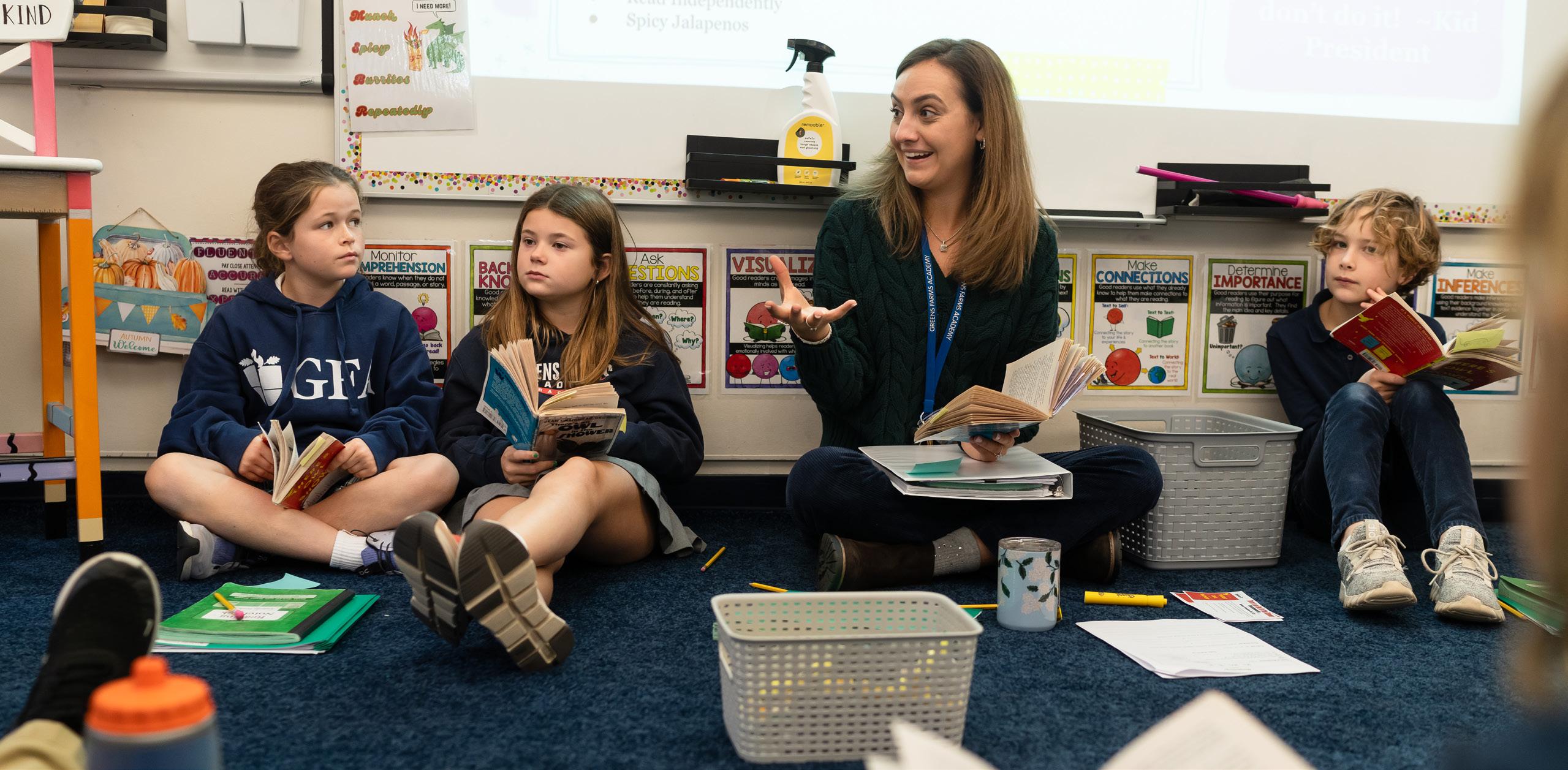
Reading: Fourth graders build and strengthen their comprehension strategies. Specifically, students focus on making connections, visualizing, asking questions, predicting, retelling/summarizing, and making inferences. In addition to working on reading strategies, book club discussions also focus on practicing active listening skills, participating in discourse, and acknowledging others’ thoughts, ideas, and opinions. Students learn and practice nonfiction reading research skills, including determining the main idea, key details, and note-taking. Students work on expanding ideas and providing evidence from the text to support these ideas. Students work diligently on their fluency and reading with expression.
Writing: Fourth graders publish realistic fiction stories and focus on using description, inner thinking, and dialogue. Students also complete an extensive cross-curricular research project. They create and publish an expository five-paragraph essay and prepare an oral and virtual presentation on a state they research. Additionally, students expand on their learning of the structure of a paragraph, further developing their writing by elaborating on their ideas, using transition words, and writing with a clear purpose and audience in mind. Throughout the year, fourth graders participate in writing exercises reflecting on their own identities. They review basic parts of speech, learn how to identify complete and incomplete sentences, and find ways to correct run-on sentences. Fourth graders also work on vocabulary and spelling skills.
MATHEMATICS
Fourth graders solve real-life contextual problems and further develop their computational skills. Students strengthen their understanding of place value concepts and multi-digit addition and subtraction problems. They continue to develop strategies to solve multi-digit multiplication and division problems. In addition, they study geometry, fractions, and decimals. Students work on finding the area and perimeter of squares and rectangles, as well as identifying and measuring angles. Students learn more about fractions and how to convert, simplify, and add and subtract fractions and mixed numbers. In addition, fourth graders learn how to convert fractions into decimals, compare and order, round, and add and subtract decimals.
SOCIAL STUDIES
Fourth graders engage in activities and conversations around the elements of the atlas, maps, and globes. Fourth graders learn how to identify the continents and oceans, hemispheres, and the cardinal and intermediate directions on a compass rose. Students explore the regions of the United States and learn about each region’s land features, important cities, climate, land uses, land features, and culture. The Fourth Grade Leadership Program empowers students to become role models in their school community by fostering empathy, responsibility, and teamwork. Through experiences such as service opportunities, students develop confidence while learning how to make a positive difference in their community.