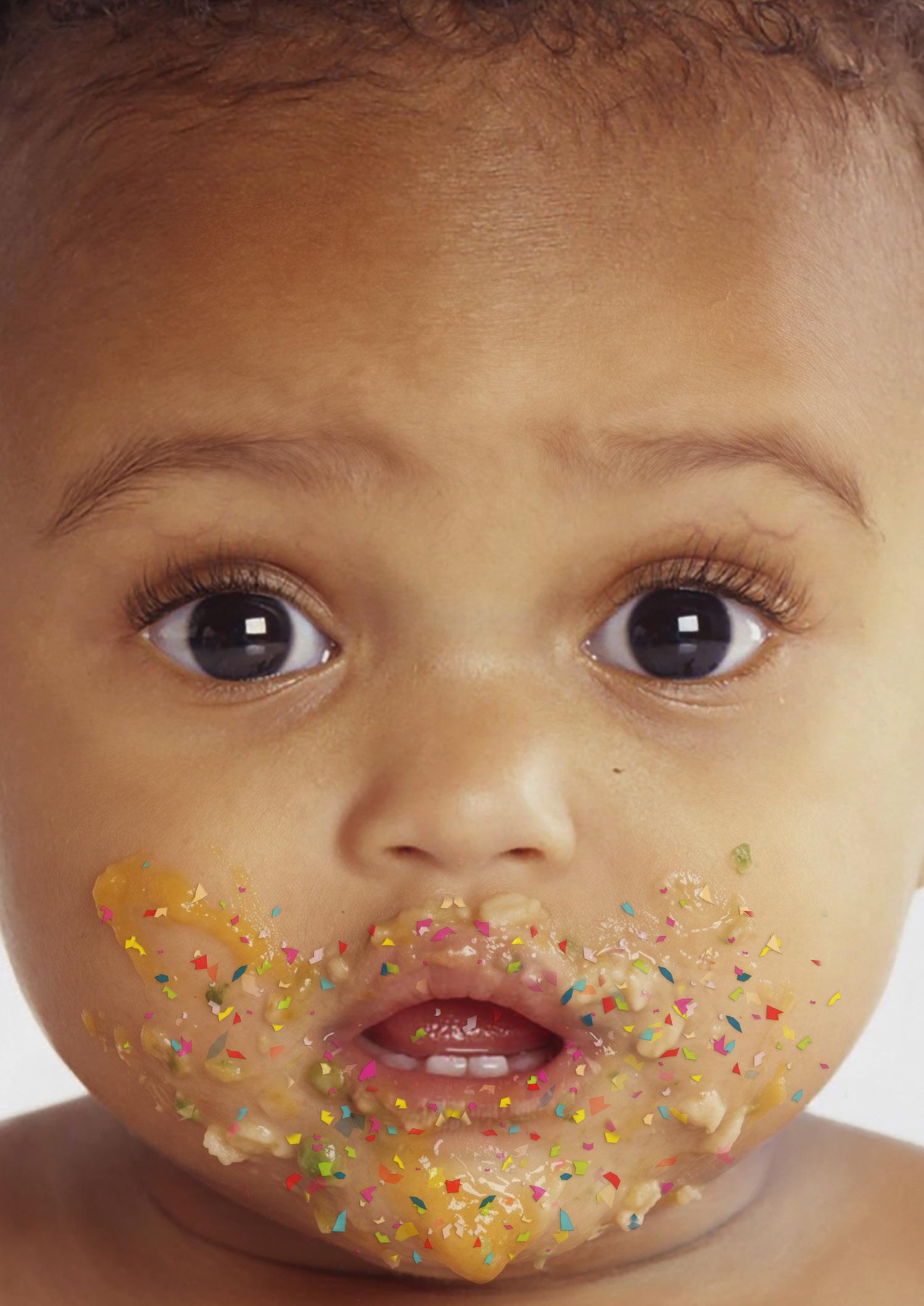

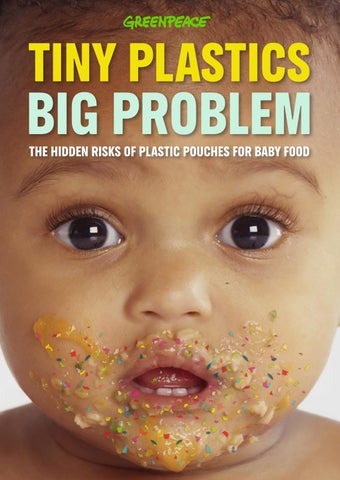
It has been less than 20 years since baby food in plastic pouches first appeared on supermarket shelves.1 Since then, these convenient and popular “squeeze-and-suck” products have become the dominant packaging for baby food, transforming the way that millions of babies are fed around the world. But emerging evidence raises concerns that big food brands are feeding our children plastic pollution with unknown consequences, by selling baby food in flexible plastic packaging.
Testing commissioned by Greenpeace International in 2025 found plastic particles in the baby food products of two global consumer goods companies - Danone and Nestlé. The study suggests a link between the type of plastic the pouches are lined with - polyethylene - and some of the microplastics found. Tests also suggest a range of plastic-associated chemicals in the packaging and food of both products.2
The findings add to the growing body of work suggesting that babies may be routinely exposed to tiny plastic fragments and a cocktail of packaging-related chemicals.3 Babies are vulnerable to hazardous substances due to their developing bodies and organs.4
A new study by SINTEF Ocean conducted on Danone’s Happy Baby Organics brand and Nestlé’s Gerber branded baby food packaged in plastic spout pouches found the following:

For each gram of food, there were up to 99 microplastic particles in the Danone Happy Baby Organics branded fruit puree pouches, and up to 54 particles in Nestlé Gerber branded yoghurt pouches, on average.5
That’s equivalent to an estimated total of more than 11,000 microplastic particles in each Danone Happy Baby Organics pouch, and more than 5,000 particles in each Nestlé Gerber Organics pouch.6
The tests also tentatively identified:
A link between the type of plastic the pouches are lined with – polyethylene – and some of the microplastics found in the baby food tested;
A chemical that may be harmful to human health in Nestlé Gerber branded food and packaging; and
A host of plastic-associated chemicals in the tested packaging as well as in baby food of both brands.
Scientific evidence suggests extensive exposure risk. Studies have also confirmed that microplastics and even nanoplastics can be shed into food from plastic containers under typical usage conditions. One recent study calculated that just 3 minutes of microwaving a plastic container for baby food could release up to an estimated 4 million microplastic particles, while another container released
up to 2 billion nanoplastic particles per square centimeter of packaging.7 Researchers have identified dozens of chemicals leaching from baby food packaging, many of them potentially toxic non-intentionally added substances.8,9 Even low doses of endocrine disrupting chemicals at critical developmental stages such as infancy, can have outsized effects on reproductive systems, growth, metabolism, and the future health of babies and children.10
Flexible plastic spout pouches now exceed all other types of packaging for baby food, globally, and are the fastest-growing form of packaging at 8.18% year on year up to 2031, making up 37.15% of the 2025 global market by volume.11 In addition, it’s forecast that the market for all types of multilayered flexible plastic packaging - one of the most notoriously problematic and polluting form of plastic packaging – will grow by 5.3% year on year up to 2035.12
Any indication that microplastics and plasticassociated chemicals could be in baby food raises a red flag that requires immediate action to prevent babies from being exposed to these potential health hazards. Nestlé, Danone, and all brands selling plastic food contact products, including the house brands of supermarket chains and other small to medium sized companies, need to investigate further and prove that their products are not exposing their customers to microplastics and plastic chemicals that could risk their health. Baby food sold in pouches and flexible plastic packaging are just one part of the wider plastic packaging disaster that drives about 40% of global plastic production and pollution.13
Governments are not acting in line with the precautionary principle. Current scientific evidence on microplastics and plastic chemicals
justifies global and national precautionary action to drastically reduce and ultimately eliminate babies’ exposure to plastics-related contaminants. While research on microplastics is still emerging, uncertainty is not safety.
However, regulation has not kept pace, and does not protect people’s health from microplastics and hazardous chemicals in food packaging, failing to account for the way in which babies in particular can be affected. Meanwhile, corporations continue to massively expand their plastic-packaged baby food, with little to no transparency on packaging testing and safety. With UN Global Plastics Treaty negotiations underway, there is an opportunity for governments to take a collective, precautionary approach to protect human health by eliminating harmful packaging and chemicals, and to reduce the production and sale of plastic, worldwide.
Introduction ......................................................................................................................................................
Generation plastic: the baby food pouch boom ..................................................................................
Plastics, microplastics and chemical additives ...................................................................................
New research: microplastics and chemicals in baby food ...............................................................
Broader scientific evidence: microplastic and chemical migration in baby food packaging .....
The vulnerability of babies to microplastics and chemicals
Plastics - beyond the regulatory frontier ................................................................................................
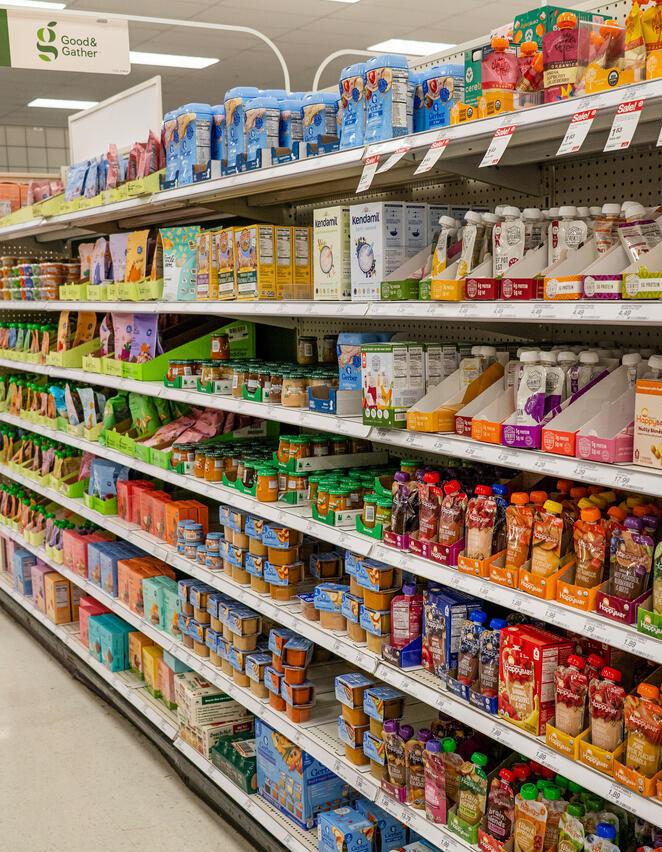
Retail giants, major consumer goods companies and even children’s health brands around the world have sold parents on the “spout pouch”, with a convenient resealable cap, as an easy way to feed babies on the go. In supermarkets worldwide, shelves are now lined with these soft plastic squeeze pouches of pureed baby food, promoted with safety and environmental claims such as “BPA-free”, “non-GMO”, “pesticide-free” and “organic”.14 In many countries, pouches have largely replaced traditional glass jars for baby food. In the US alone, it has been reported that sales of baby food pouches skyrocketed by approximately 900% between 2010 and 2023,15 becoming a dominant format for baby nutrition.
Plastic particles and plastic-associated chemicals are nearly impossible to avoid – and babies are exposed to plastic-related pollution even before they are born.16 The plastic pollution crisis has spread through each ecosystem, the air we breathe, the water we drink, the soil we grow our food in, and it has even entered our homes. Humans are regularly exposed to micro-and-nanoplastic pollution and a cocktail of chemicals, which have been found in human blood,17 the digestive system and various organs.18 Research suggests that babies and children, overall, experience more exposure to microplastics per kilogram of bodyweight than adults.19 The potential for regular exposure through food packaging could be one contributor to that source of exposure.
And yet, as the plastic pollution crisis spirals out of control, so too does global plastic production. If production continues on the current businessas-usual trajectory, it is set to more than double by 2050.20 Thirty-six percent of plastic made is going into packaging,21 representing 40 percent
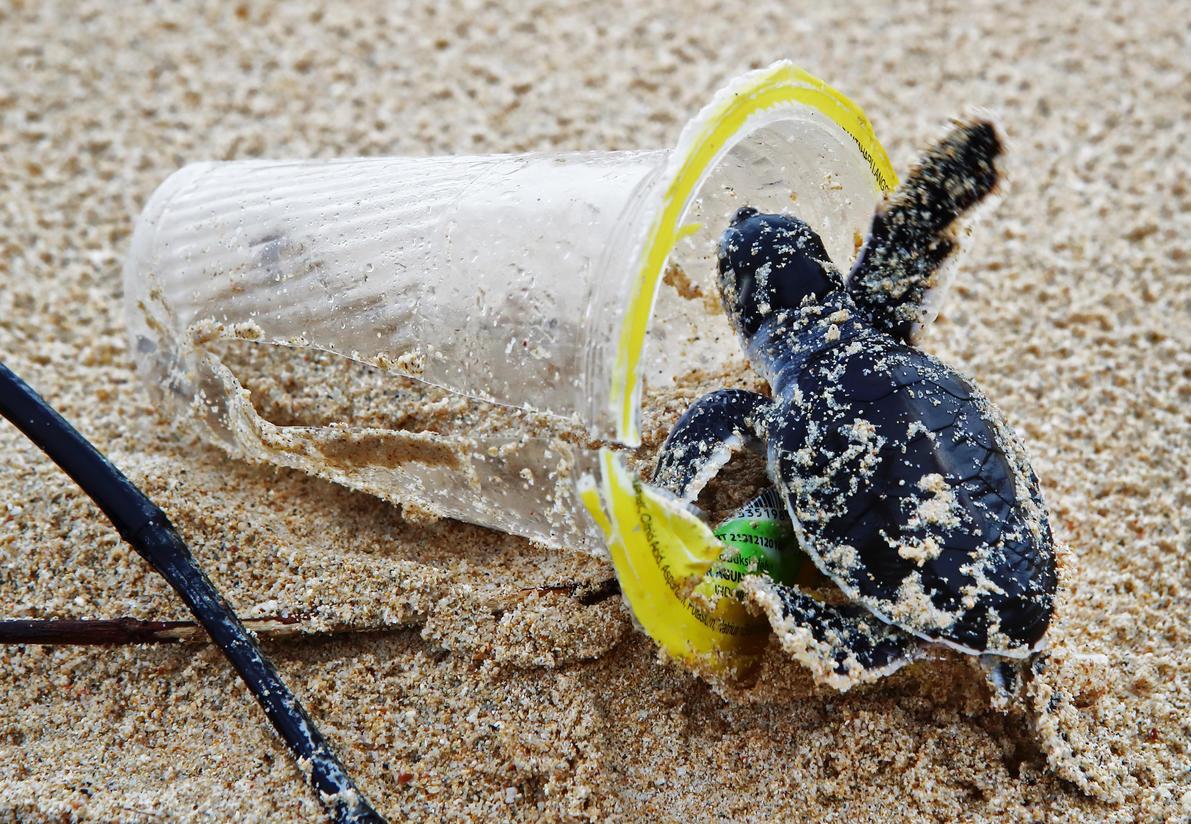
of the planet’s plastic waste.22 Less than 9 percent of plastic globally actually turns back into something plastic, and revelations about the added toxic burden of recycled plastic,24 reinforce the fact that increased recycling cannot solve the pollution disaster.
A hyperactive petrochemical and fossil fuel industry lobby will stop at nothing to block and undermine all efforts to regulate plasticassociated chemicals that would reduce global production and consumption, including reinforcing false recycling narratives. It is betting on producing ever greater quantities of plastic packaging for its expansion.25
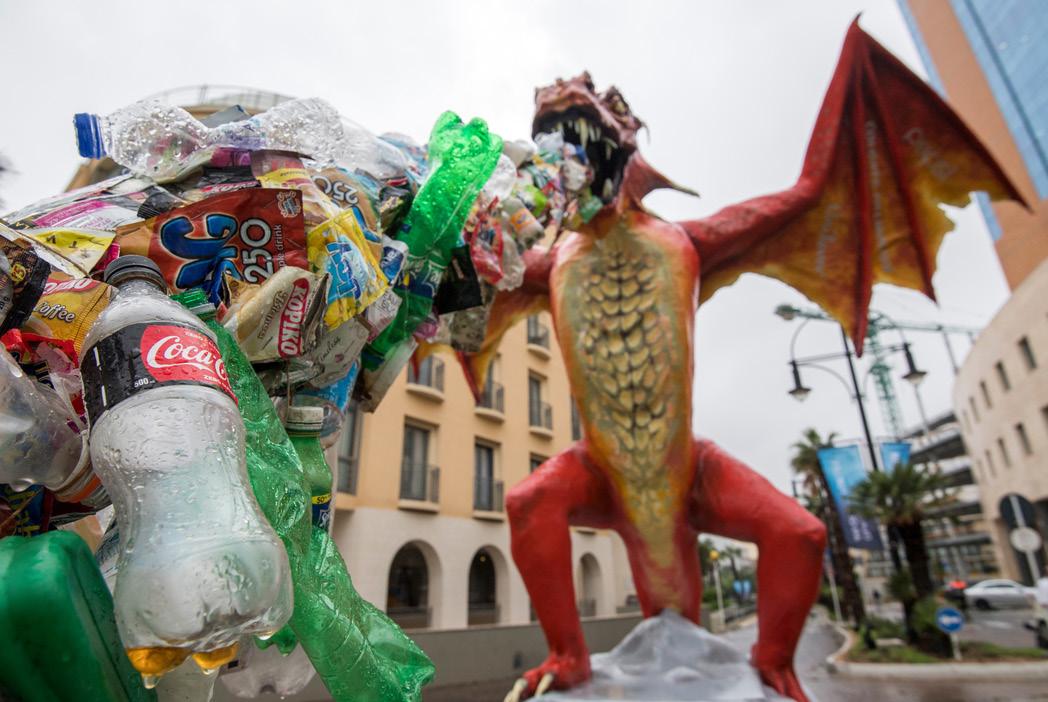
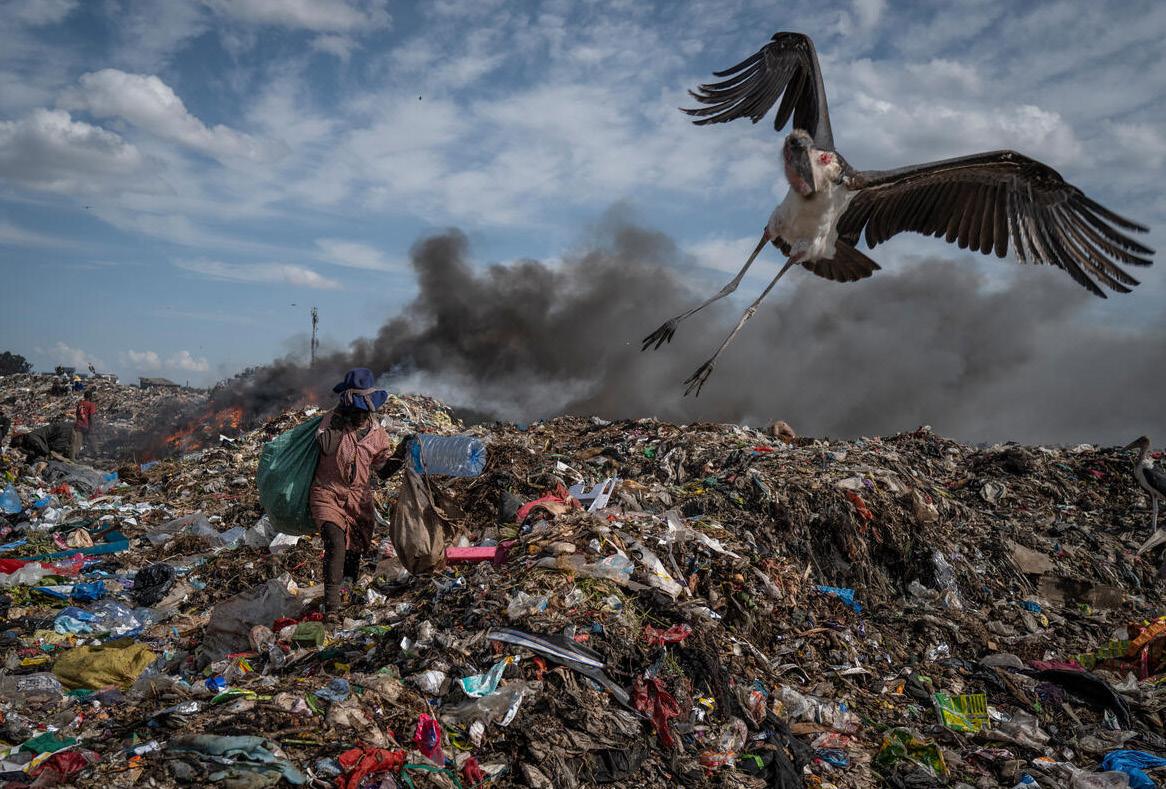
This is facilitated by major fast moving consumer goods brands like Nestlé, Unilever, Danone, Mondelez, Procter & Gamble, and S C Johnson, which are fuelling a boom in the flexible, multilayered packaging used for food, beverage, personal care and other products – including spout pouches for baby food. But this multilayered packaging is one of the least recycled types of packaging,26 and ends up in landfills, being burned, or polluting communities and the surrounding environment. Nevertheless, these brands continue to pump out billions of these plasticpackaged products, without real transparency on what goes into their packaging, or assurances to their customers that plastic particles and chemicals are not migrating into their food or personal care products.
Meanwhile, the plastic problem continues to be revealed, with product recalls due to concerns about plastic contamination making headlines around the world, ranging from Cadbury products in Australia27 to Danone in the United States.28 Our over-reliance on plastic across the food system and value chain creates the potential for contamination even in the absence of mechanical error. The regulatory landscape is woefully inadequate and cannot guarantee to the public that packaging is not a source of chemical and plastic particle contamination. And with emerging science showing that chemicals and plastic particles can migrate from the plastic packaging into various food and beverage products, we set out to determine whether spout pouches present an exposure risk to babies.
This report outlines the findings of a study commissioned by Greenpeace International that tested baby food products from Danone and Nestlé, and presents some of the related
research on baby food packaging and everyday food contact products. We conclude by calling for swift action by Nestlé, Danone, other major baby food providers, and governments, to reduce microplastic and chemical exposure risks and prioritize public health by accelerating a transition away from plastic packaging towards non-toxic, zero waste, reusable packaging.
Plastic spout pouches have become the dominant packaging format in the global baby food industry, transforming the way millions of babies are fed. They are now highly ubiquitous and are the preferred option for many parents and caregivers, for reasons of price, convenience, brand preference or limited available alternatives. Many babies often consume multiple pouches in a day, with millions consumed each day globally.
The global baby food market revenue was valued at USD 84.31 billion in 2026 and is projected to reach more than USD 100 billion by 2029.29 Flexible plastic spout pouches now exceed all other types of packaging for baby food, globally, and are the fastest-growing form of packaging at 8.18% year on year up to 2031, making up 37.15% of 2025 global market by volume.30 In major markets like the US, pouches now outsell glass jars, surpassing 25% of baby food sales in under a decade. Over the last 13 years, sales of baby food pouches rose 900% in the US alone.31 Fruit and vegetable puree in pouches dominate sales in Europe, have become the primary product in the Australian baby food market,32 and grew by 45% in Southeast Asia in the 5 years up to 2022.33
Spout pouches are one of several products made of multilayered flexible plastic that also includes packaging like sachets and wrappers. Like pouches, sachet use has exploded, with annual sachet sales reported to have exceeded one trillion units in 2023, expected to reach 1.3 trillion units by 2027.34 The market size of the multilayer flexible packaging market is forecast to grow at 5.3% year on
year from 2026 until 2035,35 with revenue for baby food at a growth rate of 5.8% until at least 2029.36 Top growth regions include India, China, United States, Germany and Brazil.
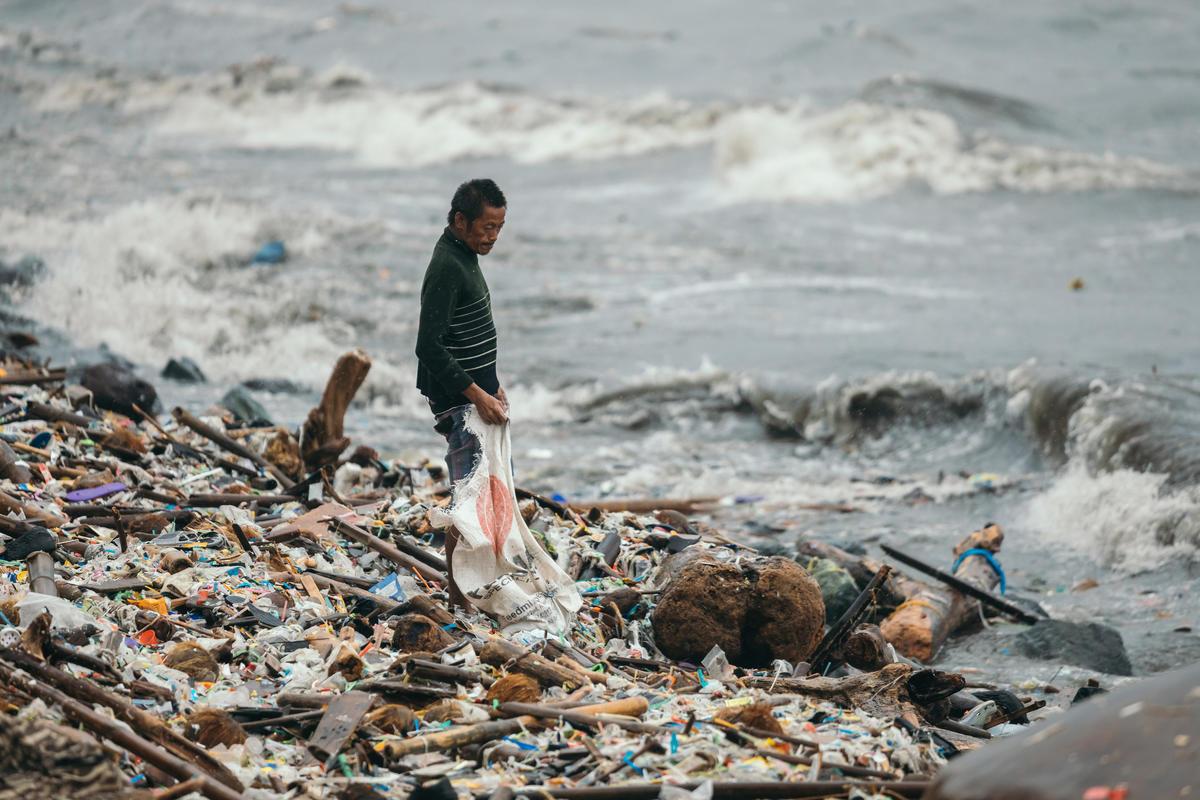
The rise in the consumption of plastic spout pouches takes place within the context of an overall growth in plastic production around the globe. Plastic production is potentially set to more than double by 205037 from 2024 levels,38 with plastic packaging and petrochemical products forecast to take an ever-more significant role for the oil and gas industry.39 Plastic pouches are yet another symptom of a broken, fossil fuel dependent system that is driving a triple planetary crisis — comprising climate change, biodiversity loss, and pollution, which is deeply interconnected with, and actively driving, a severe human health crisis — and exacerbating social injustice and inequities.
Plastic is made of a complex mix of polymers and chemical additives. Over time plastic materials can shed tiny particles and release chemicals. In the context of food packaging, microplastics, nanoplastics and chemical migrants are of concern.
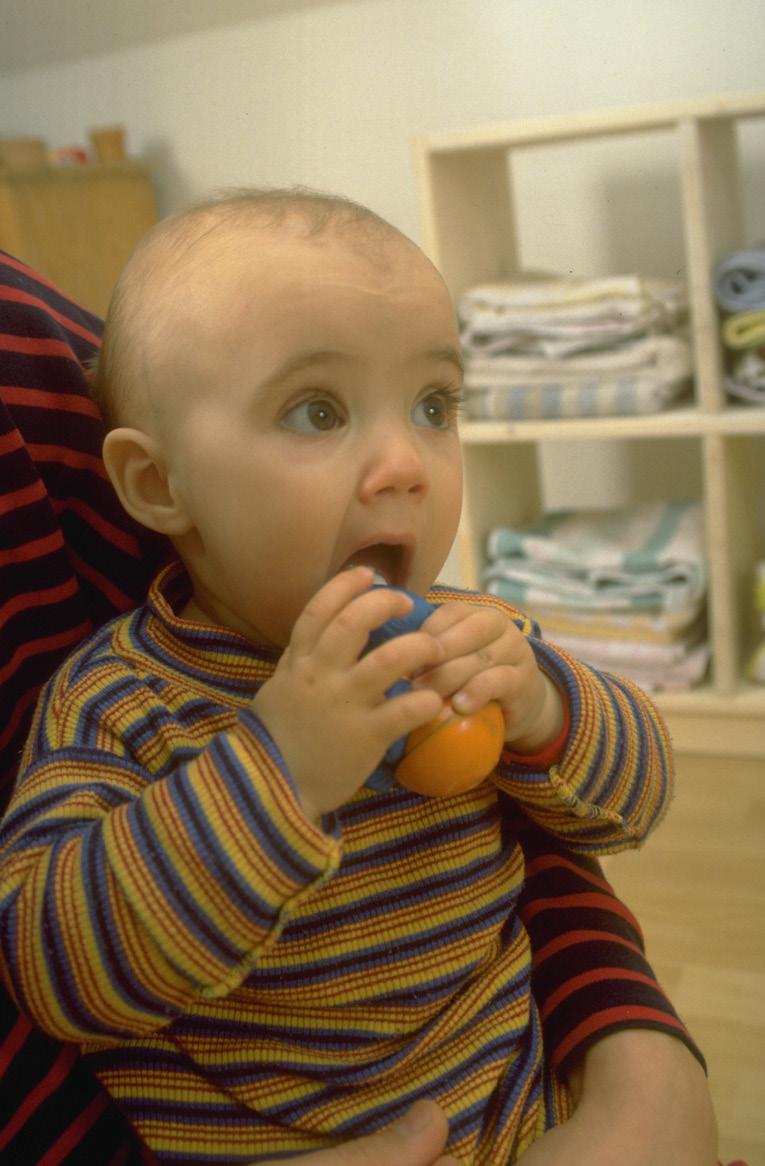
The inner layer of the flexible film and part of the cap is in contact with the food, and the spout is designed to be put in the baby’s mouth. Small plastic particles, (microplastics, and even smaller nanoplastics), can break off from the packaging itself, and chemical additives can leach from the polymer. Friction, such as opening the twist caps on bottles, cutting or tearing plastic packages40 or heating (like warming a pouch or bottle),41 can potentially increase the release of plastic particles and hazardous chemicals.42 These particles could then enter the food and be swallowed. Thin and flexible plastic and a larger surface area of plastic relative to the food increases the potential for migration of chemicals.43 Chewing or sucking on items made of plastic also exposes children to microplastics.44 While chemicals in the printed outer layer of the pouch are prevented from migrating into the food by the layer of aluminium foil45 – the package is designed to be held in the baby’s hands, which could be another route of exposure.
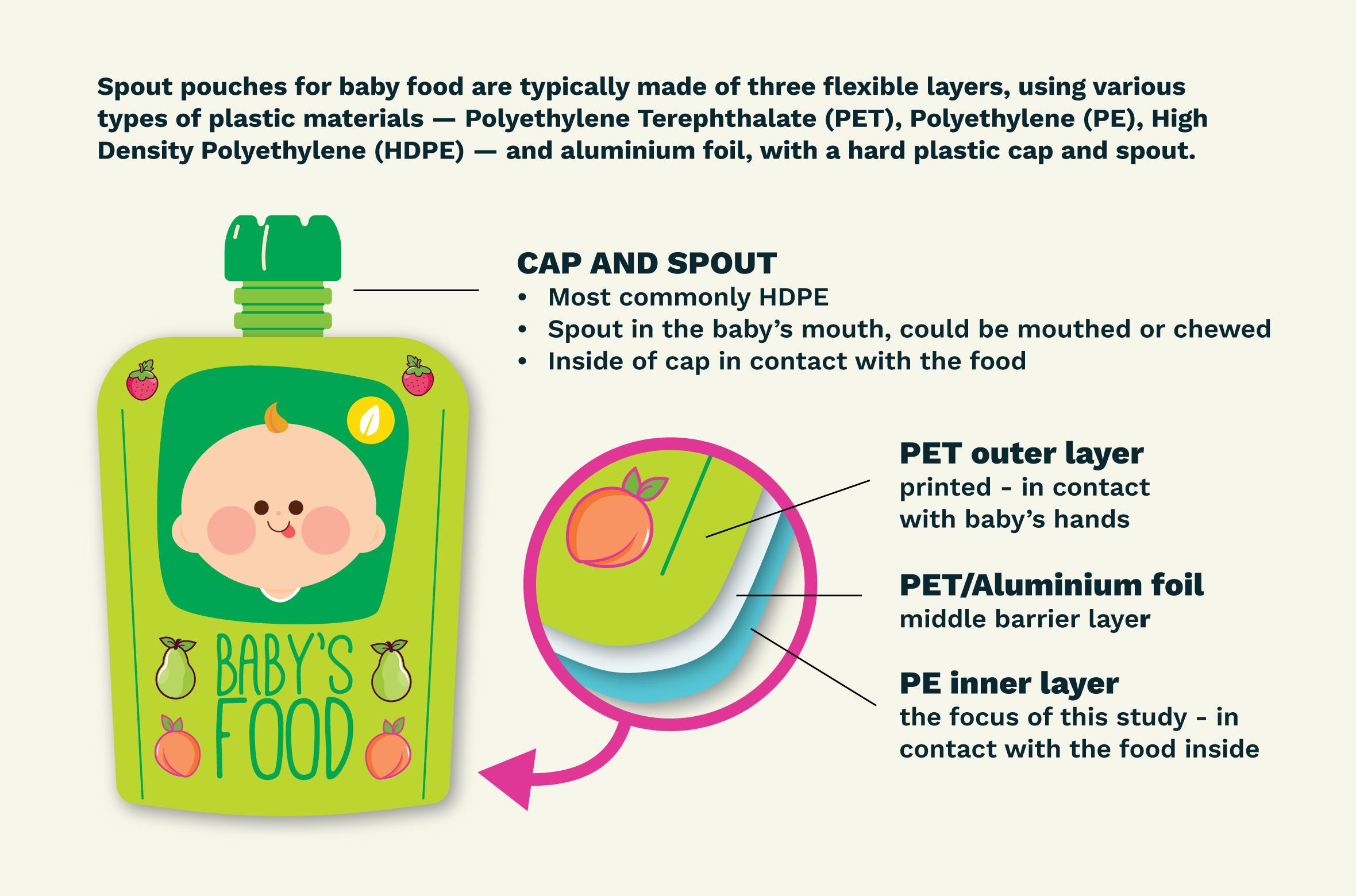
Chemical additives that can leach into food as ‘migrants’ include those used in making plastic (like stabilizers, plasticizers, antioxidants, pigments), as well as breakdown products or impurities. Some chemicals are therefore intentionally added substances (IAS) while others are non-intentionally added substances (NIAS), which may be by-products of manufacturing or degradation, or contaminants arising from the environment or from previous uses of recycled plastics.46
Chemical additives in plastic and the threat this poses to human health and the environment is an emerging issue of global concern.47 We are not exposed to one chemical at a time, but potentially to multiple substances simultaneously, known as the cocktail effect. Whether they are family members of the same chemical group, or from other chemical groups entirely, these mixtures could have additive or synergistic effects that current safety assessments, which largely test one compound in isolation, fail to predict.
Many chemicals from plastic are biologically active, and can therefore impact bodily functions and biological processes. For example, bisphenols and phthalates, commonly associated with plastic, are well-known endocrine-disrupting chemicals (EDCs). They can mimic or interfere with hormones in the body, even at very low doses, and are linked to problems like reproductive developmental defects, reduced fertility, thyroid disruption, insulin levels, and cancer.48 Phthalates (often used in printing inks and adhesives for pouches) are implicated in genital malformations in boys and metabolic changes.49 Other additives (like certain flame retardants, UV stabilisers, or lubricants) or processing aids can be toxic or carcinogenic, such as antimony, which is used in PET production.50
To directly assess whether plastic baby food pouches release microplastics and harmful chemicals into the food they contain, Greenpeace International commissioned laboratory testing at SINTEF Ocean (Norway) in 2025. The study focused on two well-known baby food products – one fruit-based, one dairy-based – packaged in multilayer plastic pouches with a hard plastic screw-top spout. The products were analysed as sold (not heated), using standard digestion and filtration procedures for microplastics, followed by μ-Raman spectroscopy to identify plastic particles, and comprehensive two-dimensional gas chromatography mass spectrometry (GCxGC-MS) to identify chemicals.
This study represents one of the first attempts to assess the presence of microplastics and plastic chemicals that could be released from spout pouches into food, including baby food. Most previous studies analysed food simulants – but not the actual food contained in the packaging.
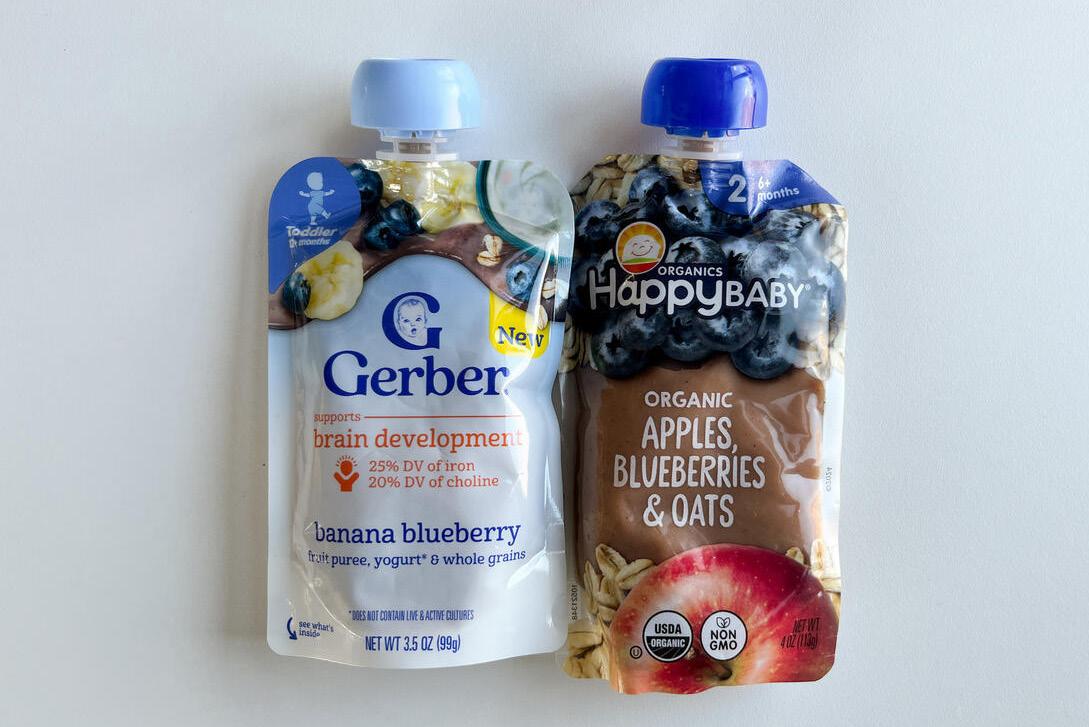
Baby food in flexible plastic pouches.
© Anna Wells / Greenpeace UK
For each brand – Happy Baby Organics (Danone) and Gerber (Nestlé) – three pouches of the same product were purchased and sent to SINTEF for analysis. The pouches, which were manufactured in the US, were purchased via a Europe-based online retailer.
The methodology to identify plastic particles that may have migrated from baby food packaging into the food involved six steps. This started by identifying which polymers were present in the plastic packaging, for later comparison with microplastics found in the food samples, a test to see if the digestion method for the food affects the packaging plastic, the digestion of the baby food to isolate particles, the inspection and analysis of the particles found in the food, the creation of ‘blank’ samples to control for laboratory contamination, and finally a statistical analysis to check that the results were not due to chance.
The methodology to identify which chemicals could be extracted from both the food and packaging and may have migrated from baby food packaging into the food, involved four steps. Food samples were prepared by freezing and weighing, chemicals in both the food and the packaging were extracted separately by ultrasonic extraction using solvents, which were then analysed using GCxGC-MS, and finally data processing and identification of the extracted chemicals and their relevance to plastics.
For a full description of the methodologies for both microplastics and chemicals, see the Appendix.
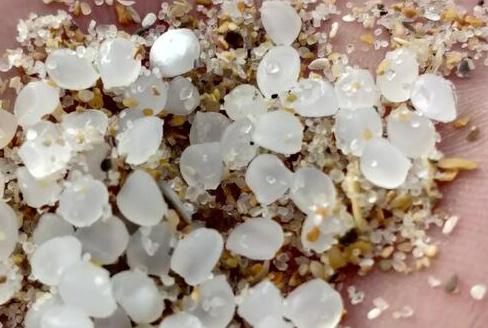
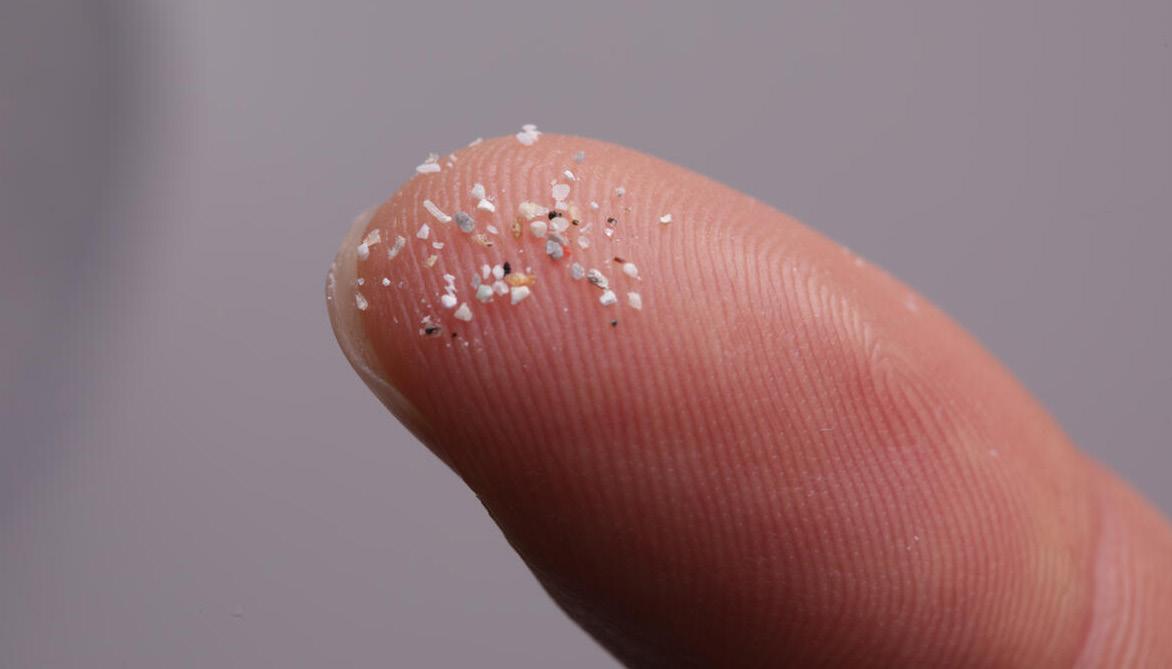
Each of the six pouches were tested, and microplastics were found in all food subsamples. Polyethylene, which was confirmed as the polymer used as the food contact material (including the package cap), was also tentatively identified in the food. This tentative identification does not prove migration, but does raise concerns about the possibility, as well as the potential health outcomes such exposure could represent. The pouches had up to 54 (Nestlé yoghurt) and up to 99 (Danone fruit puree) microplastic particles per gram of foodstuff, on average, or an estimated total of more than 5,000 particles in each Nestlé Gerber pouch and more than 11,000 in each Danone Happy Baby Organics. Spectral analysis identified polypropylene (PP) and polyamide (PA), as well as tentatively identifying polyethylene (PE). Particles tentatively identified as PE microplastic were the most abundant, occurring at similar levels in both products. This suggests that abrasion or degradation of the inner PE lining in contact with the food may contribute to the microplastic content in the food.
As the microplastic detection method was limited to particles larger than 20 µm, it’s possible that smaller particles, especially nanoplastics, could have been present, below the resolution threshold. While the results indicate that the packaging is a possible contributor to the microplastics found, other sources can’t be ruled out, as contamination could have occurred at various points along the production and supply chain.
Research into microplastics in food and human matrices is evolving, and uncertainties in analytical methods are still being explored. One known challenge is that the spectral 'fingerprints' that certain plastics produce during their analysis can closely resemble those of natural compounds.51 For example, the analytical ‘fingerprints’ of polyethylene (PE) and certain long-chain fatty acids such as stearic acid can be nearly identical52 especially in complex food matrices, such as those contained in the fruit puree and yoghurt. While the methodology included a step to remove fatty acids from the sample by rinsing with ethanol before analysis, the food sample is complex and complete removal cannot be guaranteed.
These spectral overlaps were carefully reviewed during data interpretation to minimise misclassification, though identification of PE microplastics remains tentative.
Polyamide (PA) can be mistaken for proteins, but in this case, it was mainly found in the fruit product, which, according to the manufacturing specifications, is not expected to contain substantial amounts of proteins, suggesting PA is a more likely identification. Furthermore, the ethanol wash was implemented to remove residual proteins as far as possible, and the possibility of PA spectral misinterpretation is considered limited. Polypropylene has not been shown to have common spectral mismatches. As both PA and polypropylene were not identified in the plastic pouch, this contamination must have come from other sources such as the supply chain.
It should also be noted that some microplastic particles were also identified in the blank samples. This is however a common phenomenon, and the levels of microplastic particles in the blanks were compared against those identified in the food samples to identify which particles were found in the food sample, which were not a result of laboratory contamination.
What we can say with confidence is that the plastic particles tentatively identified in the baby food are also contained in the packaging. This presents a real and avoidable risk of exposure to microplastics and chemical migrants in baby food.
Chemical analysis tentatively identified 81 chemicals in the Danone fruit puree and 111 in the Nestlé dairy-based puree, which were also detected in the respective packaging materials. Crossreferencing with the PlastChem database, an inventory of chemicals known to be used in or found in plastics, revealed that 55 of the substances found in the fruit sample and 28 in the dairy sample were identified as plastic-associated chemicals (see Figure 2).
One chemical found in both the packaging and the yoghurt was tentatively identified as 2,4-ditert-butylphenol (2,4-DTBP), a chemical of concern. It is recognised as hazardous to human health and the environment, has been associated with endocrine-disrupting effects, and could also act as an obesogen.53
While the presence of these substances in both the packaging and the food does not definitively prove migration from the packaging into the food, it raises concern. The overlap indicates a link
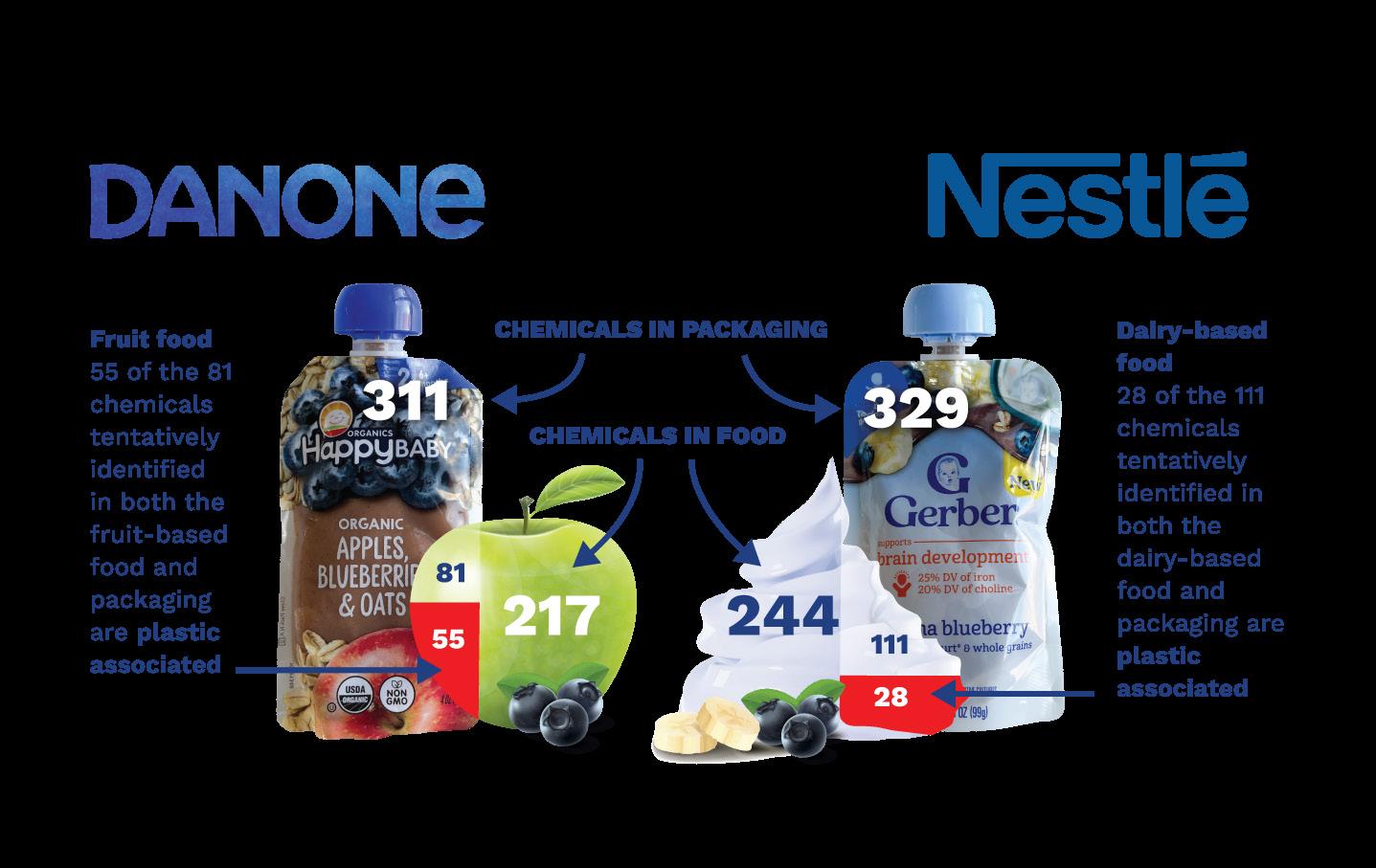
between packaging and food content is likely. However, chemical contamination could also have occurred at other stages of the production process, or chemicals could have leached from the food into the packaging under certain conditions. Further targeted chemical analysis would be required to confirm the identity and concentration.
Given that these chemicals are not disclosed on product labels, their presence in baby food, even in trace amounts, is cause for scrutiny, particularly in the context of babies’ heightened vulnerability to endocrine-disrupting compounds (EDCs). EDCs can interfere with hormonal development at extremely low doses, particularly during early life.54
This study is among the first to examine actual baby food products, rather than food simulants, for both microplastics and plastic-derived chemicals potentially migrating from multi-layered plastic packaging.
The study found microplastics in all food samples tested. While the study cannot confirm that the packaging is the source, the overlap between the findings for food and their packaging materials is cause for concern. Multiple plastic-associated chemicals were tentatively detected in the food samples, including a potential endocrine disruptor 2,4-di-tert-butylphenol (2,4-DTBP).55 Further research, such as targeted analysis56 of 2,4-DTBP, as well as other chemicals identified as potential endocrine disruptors through screening,57 would be valuable next steps to potentially identify other risk factors.
Until proven safe, single-use plastic pouches should not be assumed to be risk-free.
Our findings are not occurring in isolation. In recent years, a number of pioneering studies from around the world have raised red flags about plastics in contact with baby food. We’ve reviewed a few key studies and summarise their main findings below.
Analysis of 15 commercial baby food pouches58 found unexpected chemical contaminants in baby food in plastic packaging. Researchers tentatively identified 42 different chemicals that had potentially migrated into the food: strikingly, 39 out of the 42 were non-intentionally added substances (NIAS) (including eight NIAS detected for the first time), the majority of which were classified in the higher toxicity class according to an established hazardbased screening system. In addition, the majority of the NIAS found in simulant tests were also found in the actual baby food, pointing to real-life exposure.
Analysis59 of two commercially available multilayer plastic food pouches for purée and juice from fruits and vegetables detected 26 potential migrating substances in food simulants, of which 23 were NIAS. The study noted that better analytical methods are needed to catch these unknown unintentionally added substances, underscoring a regulatory blind spot.
In one of the most comprehensive studies on baby food pouches to date,60 researchers tested 79 different baby food pouches (single-use and reusable) from 24 brands, using food simulants and advanced chemical analysis. They found:
Widespread detection of harmful endocrine disrupting chemicals in baby food packaging, such as four bisphenols (including BPA) and five phthalates, including three which are banned in baby food materials under EU law. BPA was found in 30% of samples; the phthalate DEHP in 23%.
Multiple other contaminants, with a total of 26 additional compounds identified or tentatively identified as migrants from packaging, including 23 non-intentionally added substances (NIAS). Some of these chemicals had never before been detected in baby food packaging, highlighting regulatory blind spots. Migration likely from packaging layers. The chemical profiles suggest that many NIAS originate from the adhesives and plastic layers used in multilayer pouch packaging, which can react or degrade over time, especially during heat processing and storage.
Theoretical estimated safety thresholds were exceeded in some products. For one NIAS chemical (AA-DEG), estimated exposure from just one pouch per day exceeded the safety threshold (Threshold of Toxicological Concern) in 40% of tested products, raising a red flag for routine infant consumption.
Another study,61 which looked at the migration of chemicals from baby bottles rather than pouches, found that multiple
compounds leached from bottles, some exceeding the estimated safety thresholds for babies.
A high profile study62 on microplastic release from polypropylene (PP) infant bottles revealed that preparing infant formula in PP bottles releases enormous numbers of microplastics. Under typical warming and shaking conditions, a single PP bottle could release in the order of 1 to 16 million microplastic particles per litre of formula, as well as trillions of nanoplastic particles. Warmer temperatures (70°C water) greatly accelerated this shedding. The study demonstrated that infants can have very high microplastic exposure from a single source; an average bottle-fed infant might ingest >1 million particles per day.
Scientists have also examined volatile chemical leaching from breast milk storage bags63 made of food-grade plastic. Every bag tested leached identifiable chemicals into milk, predominantly the degradation products of the antioxidant Irgafos 168, a common plastics stabiliser, which breaks down to form compounds like 2,4-DTBP (also tentatively identified in the packaging and dairy-based puree of the Nestlé product in this study commissioned by Greenpeace International) and others. The study found that these NIAS antioxidant byproducts from the bags specifically marketed for feeding babies, ended up in the milk to be consumed by babies.
There are multiple ways that babies can be exposed to microplastics through feeding, for example a study also found microplastics in 100% of infant formula powder samples.64 A 2022 scoping review65 on microplastics and
child health concluded that even though data on children’s exposure are extremely limited, the data that do exist indicate that children are exposed to microplastics and subsequently are at risk. Collectively, these studies paint a consistent picture: Plastic baby food packaging (and utensils) can be a source of chemical and particulate contamination. Whilst the methodologies and focus of the research varies across the different studies, one common thread is that few conclude there is no exposure risk.
Improved analytical techniques are showing higher contamination. Several of the studies mentioned used cutting-edge analytical chemistry techniques. Currently, there is a wide range of analytical techniques for analysing microplastics, but new and ongoing research is improving the accuracy and reliability of analysis, enabling a more precise particle count of different polymer types and sizes,66 in turn potentially finding results that would otherwise be missed. For instance, packaging might have passed regulatory migration tests whilst still leaching compounds that only advanced analysis can spot.
The scientific literature therefore reinforces the warning signs shown by our research. As new evidence emerges, it consistently points towards microplastic and chemical exposure, and this is true across multiple types of plastic products. Even “BPA-free” or “phthalate-free” labelled products can contain other bisphenols or phthalates;67 even the best food-grade plastics leach NIAS; even products made by well-known brands have been found with unexpected chemicals. Wherever we look with the right tools, we find the fingerprints of plastics permeating baby foods.
Besides the potential health risks of microplastics and plastic chemicals on babies, concerns have been raised by public health nutritionists about the growing market for spout pouches and their nutritional impact on babies and toddlers, specifically the high levels of sugars and low mineral and vitamin content in many products.68 Overreliance on spout pouches is starting to be associated with growing levels of dental decay and obesity amongst young children.69 Both the UK NHS and the World Health Organization say that babies can eat too fast when they suck directly from the pouch, and that this can also cause dental decay: despite recommendations companies do not label packaging with advice for parents against feeding children directly from the spout.70
There are also concerns about impacts on developmental and sensory skills such as oral motor development, fine motor development, social skills and potential feeding issues when food pouches are the primary foods that a child is exposed to, though there is little research about this.71
A survey in the UK found that over 9 in 10 parents (92%) of children aged 0-3 use commercial baby and toddler foods, with almost half (47%) using them "always" or "most of the time", and that the way older children eat is also changing, with 1 in 5 parents still using fruit based purees and pouches with children age 2-3 years, when children should be eating proper food.72
Babies are not just “small adults.” They are growing and developing at an extraordinary rate, continuing the development process which started in the womb, and their physiology is very different from that of older children or adults. This potentially makes them more vulnerable to contaminants like microplastics and chemicals in their food.
Considerations for impacts on developing babies:
Vulnerability to developmental health effects with life-long consequences: Babies’ brains, immune systems, endocrine (hormonal) systems, and other organs are immature and still developing rapidly. These critical developmental processes that are taking place can be disrupted by chemical contaminants. For example, hormonal signalling is critical for development in the womb, but also for postnatal development and can lead to impacts such as altered behaviour and cognitive effects or impaired sexual development.73 Exposure to an endocrine disruptor during this window can cause lasting or even permanent changes that alter structure or function.74 In other words, a dose of chemicals that might be harmless to an adult could profoundly affect a baby’s developmental trajectory.
Immunity and metabolism: Babies’ detoxification systems (like the liver enzymes that break down toxins, or the kidneys that excrete them) are not fully functional in the first months of life. Newborns have a very limited ability to metabolise many chemicals. Thus, toxins can circulate longer and nanoplastics in particular are more likely to accumulate in sensitive organs, triggering inflammatory or oxidative stress from foreign particles.75
Higher exposure per body weight:, Infants eat and drink more per kilogram of body weight than adults do; for example, young children require 3 times more water per unit of body weight than adults.76 This means that if there is a certain concentration of microplastics or chemicals in a food, the baby gets a much higher dose relative to their size. Higher relative dose = higher potential risk. In addition to food, babies and young children are more also more directly exposed to multiple other sources of microplastics and plastic chemicals.77
exposure to plastics from the
1 year + above
Toy building blocks
Play mats
Child care products
Clothing
Food from spout pouches
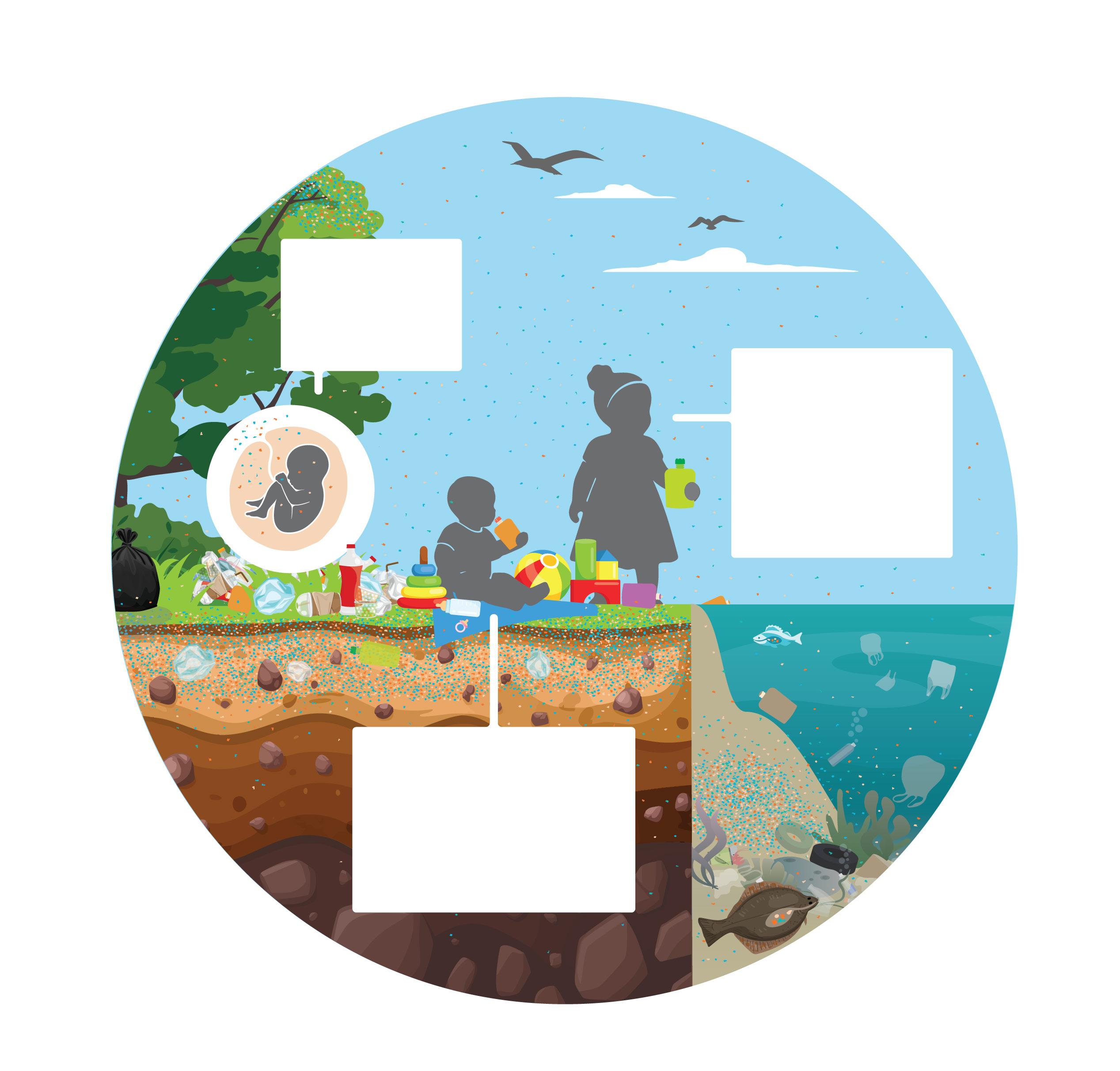
0 - 1 year
Breast milk, Breast milk storage bags
Formula milk & bottles
Pacifiers, baby teats (6 months +) spout pouches
Scientific and medical authorities agree - babies and pregnant women need stronger protections from harmful chemicals. For example, the American Academy of Pediatrics advises parents to avoid heating food in plastic containers and to choose glass for infant meals to reduce chemical leaching and the subsequent potential adverse health effects.79 France legislated a ban in 2025 on the use of plastic food containers in schools, nurseries, and in university catering services, citing the health risks posed by plastics.80 And yet despite increasingly stringent approaches like these being taken with regards to plastic, that same precaution is yet to be extended to the widespread use of plastic packaging on sale in the market for food, and most shockingly, to plastic packaged baby food. This is particularly the case for the use of spout pouches for baby food, as much of the regulation on food safety and packaging was developed before these came on the market and is now out of date.81
When it comes to the release of microplastics, regulation so far focuses on plastics that are already considered as microplastics, such as microbeads and glitter, or measures to address microplastics in wastewater systems.82 As yet, there are no regulations or limits on the release of microplastics from articles made of plastic such as packaging or other consumer products, or controls on the use of plastic for such products, even when these can leak into food or even baby food, and impact human health.
Regulation is more developed where chemicals are concerned. Food Contact Materials (FCMs)
are regulated and certain chemicals have been banned or phased out in some countries. For example, in the US, the State of California banned the use of PFAS in plant-based food packaging in 2021 followed by a ban on the intentional use of PFAS in all food packaging in 2025, bans on PFAS in various products in several other US States83 and a ban on the use of PFAS above certain thresholds in food packaging by the EU in 2024.84 The EU also sets the standard globally with its comprehensive regulation on chemicals, and recently banned the use of Bisphenol A (BPA) in the manufacture of food contact materials, including preventing the substitution of BPA with other hazardous bisphenols, which is due to come into force in 2026.85,86 The EU also sets concentration and migration limits in food packaging for five phthalates of concern,87 as a result of their designation as Substances of Very High Concern under its landmark 2006 REACH Regulation.88 However, this is not sufficiently precautionary, as these limits do not account for the vulnerability of babies, and other phthalates are allowed to be used as technical support agents in food packaging materials that do not come into contact with fatty foods or foods meant for
Meeting with UN Environment Programme Executive Director Inger Andersen in Geneva to hand in a joint letter requesting action to address the growing number of fossil fuel lobbyists attending Plastics Treaty INCs. © Marie Jacquemin / Greenpeace
infants or young children.89 In addition, food contact products and materials manufactured outside the EU are not exclusively made to comply with European Union FCM regulations, which presents a risk of non-compliance.90 These risks are difficult to check as there is no legal requirement under REACH for companies to provide the data about chemical inputs for polymers or finished textile products through their complex supply chains.91
Many other countries align somewhat with the EU’s REACH regulation on hazardous chemicals, such as China, India, Korea, Turkey, non-EU European countries, and Canada, but new developments could take time to be adopted.92 In many jurisdictions precautionary action is not implemented in regulations, which favour limits on hazardous chemicals based on conditional risk (i.e. exposure to a hazardous chemical is allowed if kept within “safe” levels) rather than the intrinsic risk posed by certain chemicals (i.e. the inherent hazard that a chemical poses). This complexity around when microplastics and hazardous chemicals are and are not allowed or controlled, in which products –particularly concerning plastics where rules may not apply – can be highly problematic and exposes people to a range of risks and potential negative health outcomes. And while the knowledge around the human health implications of both plastic-associated chemicals currently used in food contact materials and from the release of microplastics still contains a number of gaps, this should not be an excuse for inaction. As one study recommends: "a precautionary approach aimed at limiting human exposure to micro and nanoplastics, including from food contact articles, is prudent”.93
The development of REACH and other developments such as the global Stockholm Convention on Persistent Organic Pollutants has been groundbreaking, and a vital tool for addressing the threat of
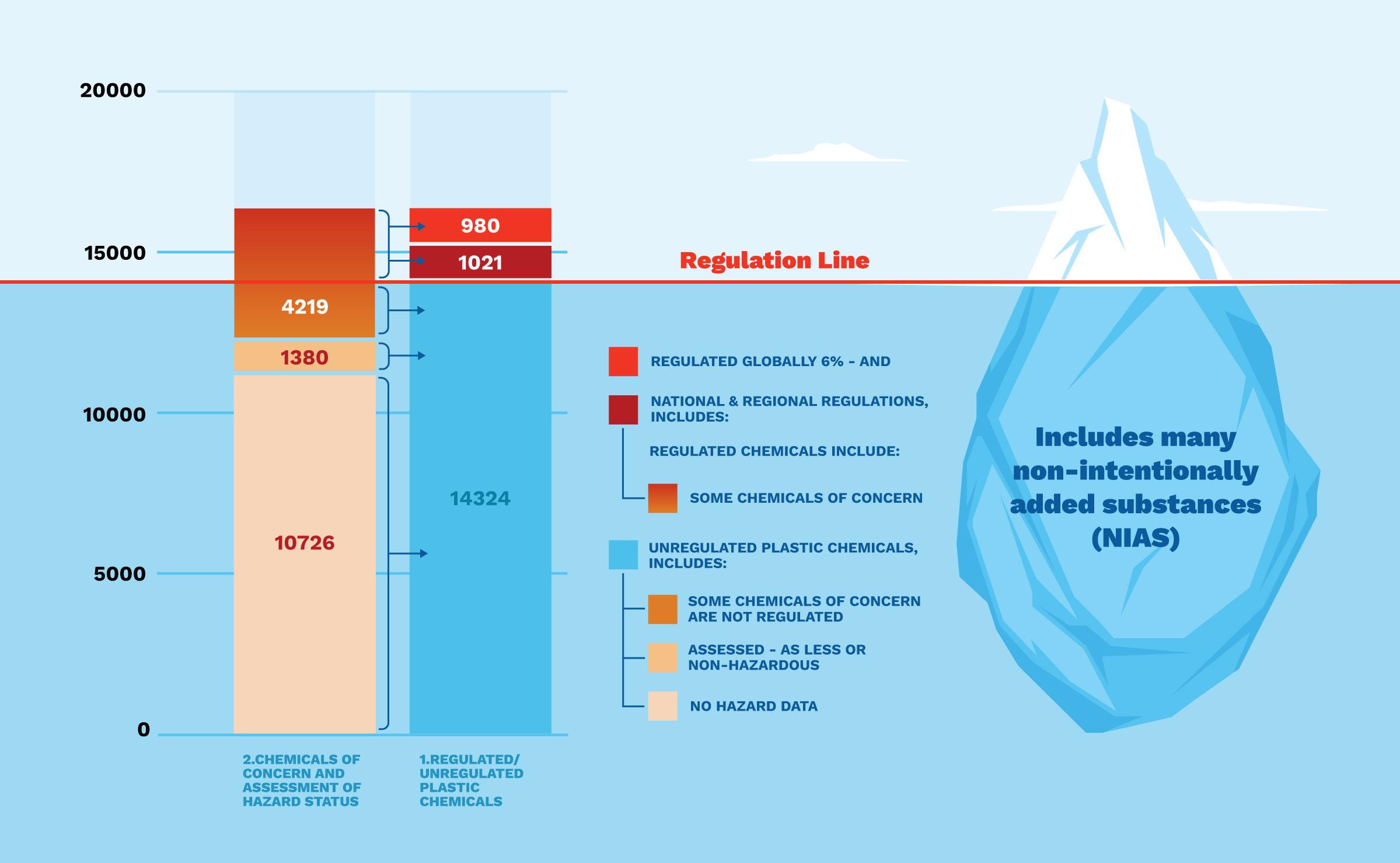
hazardous chemicals. But when it comes to plastic, the known universe is just the tip of the iceberg.
Non-intentionally added substances (NIAS) are a recurring and unpredictable issue. Many of the chemicals found in studies are NIAS: because they are not deliberately added they are not evaluated for safety. Even identifying the molecules and chemical compounds can prove challenging, and they cannot easily be analyzed, assessed, and regulated.94 Regulatory bodies, which typically focus on known additives, are not well-equipped to deal with NIAS. Yet, most plastic packaging for food contains NIAS, and most of the substances that migrate from these plastics are NIAS – including, for example, chemicals that have degraded from plastic additives like antioxidants – which can be a risk even at low levels.95
Furthermore, even the most stringent regulations fail to account for the ‘cocktail effect’, with no regulatory requirement to assess the toxic effects of chemical mixtures migrating from food packaging. The ‘safe limits’ used in EU packaging law98 assumes a very low level of a substance is safe, but this does not account for combinations of multiple chemicals. This strongly argues for a precautionary approach to reduce overall chemical complexity and exposure rather than chase them after the fact.
Many chemicals found in plastics (bisphenols, phthalates, phenols) share an ability to interfere with hormone systems at doses well below
the “safe” regulated limits. Infancy is a time of hormonal signalling for growth and development (even in utero, hormone levels guide organ formation). Disrupting that finely tuned system can have developmental, neurological, and reproductive consequences that might not manifest until years later – and for endocrine disrupting chemicals, there may be no safe level at all during development. This presents as an invisible threat, because although it may not result in immediate illness as a result of exposure, harm potentially may not manifest until many years later in life, and can potentially be permanent. Reducing early exposures is an investment in better health outcomes down the road.
The science is clear - babies are more exposed, less equipped to detoxify, and more likely to suffer lasting harm from early exposures. They cannot avoid exposure on their own and rely on caregivers and society more broadly to shield them from hazards. If their primary sources of nutrition - breast milk, formula, or pouch purées - are potentially containing plastics or chemicals, this highlights an urgent need for stronger protections and a more precautionary approach to be applied
The introduction of flexible pouches has morphed the global baby food market into one dominated by plastic packaging. Yet there has been minimal scrutiny of the impacts that microplastics and plastic chemicals could be having on babies’ health – or consideration for the future health impacts of plastic on a whole generation. Various factors at play have now put plastic packaging in the spotlight. A growing body of science about exposure to microplastics and plastic-associated chemicals, an increase in evidence of plastic contamination in food supply chains, and a collective wariness about the takeover of plastic packaging on grocery store aisles, have all prompted questions about babies’ risk of exposure through the food they eat.
The new research presented in this report reveals that plastic particles are making their way into the baby food of Nestlé’s Gerber and Danone’s Happy Baby Organics pouches. Evidence further suggests that the spout pouches are a potential source of microplastics. Plastic-associated chemicals may also be migrating into the food. The suggestion that these companies’ plastic packaging could be exposing babies to potentially harmful plastic particles and chemicals demands immediate precautionary action.
This study contributes to the growing body of research on the exposure associated with plastic food contact packaging. It is yet another example of the huge gaps in regulation, corporate policies and collective awareness about the potential hidden ingredients in food that comes wrapped in
plastic. Thousands of chemicals are used or present in food contact materials, but only a tiny fraction of them have data on whether they are harmful.
While food contact materials require some level of safety testing, current regulatory regimes fail to consider the scope and approach necessary to protect consumers. In particular, the special vulnerability of babies and children is not considered. Corporate oversight is therefore inadequate and any voluntary internal policies and testing protocols of most companies do not go far enough to ensure safety. The plastic pollution crisis is on the cusp of becoming a public health emergency.
Surely we can all agree that polluting babies and children with potentially harmful plastic particles and chemicals is not acceptable. Plastic pollutes from production through to disposal. Until the world makes less plastic, no baby born in today’s society can avoid it completely. But why would we choose to continue using plastic as a material for
delivering food to babies, when it is so inherently unsuitable, and also avoidable? There are clear, concrete steps that corporations and governments can take now that can start to make a difference. When the existing harm and potential risks to babies, people and communities are fully considered, delaying action is not just ill-advised, it’s unethical.
More action is urgently needed to protect the health of babies, all people and the natural systems that sustain us, from harmful chemicals and plastic. Governments must work nationally and globally to secure a strong Global Plastics Treaty that dramatically reduces global plastic production, eliminates hazardous plastics and associated chemicals, and drives a justice-centred, at-scale transition to reuse-based systems. All companies that rely on plastic packaging must reconsider their business model, prioritising baby food, baby products and food contact packaging. Non-toxic, plastic-free, zero waste, reuse-centred product delivery systems and packaging alternatives already exist in communities around the world. Nestlé and Danone, and other major consumer goods companies and supermarket chains must take responsibility by swapping flexible packaging for healthier alternatives and supporting policies that accelerate reuse system expansion. The health of future generations depends on it.
Guiding framework: The Precautionary Principle
Corporations and governments must urgently take concrete steps to minimize exposure to microplastics and associated chemicals. To this end, the precautionary principle must guide the prevention of pollution and exposure to plastics and plastic chemicals based on their intrinsic hazard, rather than a risk assessment that determines “safe levels”. This approach can be understood as:
“When an activity raises threats of harm to human health or the environment, precautionary measures should be taken even if some cause and effect relationships are not fully established scientifically. In this context the proponent of an activity, rather than the public, should bear the burden of proof” (The Wingspread Statement, 1998).99
There is a growing body of evidence suggesting an increasingly clear correlation between exposure to microplastics and plastic chemicals in everyday life and negative health outcomes. However, there are few definitively demonstrated direct causal links. This situation is not without precedence.
Between 1950 and 2000 it is estimated that tobacco consumption contributed to the deaths of around 60 million people, during which time the tobacco industry continually sought to create doubt and delay discussions about the exact extent of the harm caused by tobacco.100 Similar delaying tactics have also been seen in discussions on the use of both asbestos and lead.101
The burden of proof should not be on the general public to demonstrate that they have suffered as a result of plastic food packaging before action is taken. Rather the onus should lie on producers to prove that their products are safe and do not pose a risk to people. An example of the application of this concept – known as “no data, no market” – already exists in the EU REACH Regulation which “places responsibility on industry to manage the risks from chemicals and to provide safety information on the substances… [Manufacturers] and importers are required to gather information on the properties of their chemical substances and to register that information.”102
As highlighted by this report, responsibility lies with the producers of plastic-packaged goods, and especially for baby products, to demonstrate that any products that they put on the market pose no threat. Evidence in the scientific literature and the potential for lifelong negative health outcomes demands precautionary action, a need already highlighted by recent product recalls.103,104
While the plastics crisis deepens and exposure pathways to microplastics and chemicals proliferate, change is urgently needed. Further delay would mean exposing society to risks that could otherwise be avoided.
Immediate action to close the policy gaps and protect public health and the health of babies worldwide is needed. This will require urgent policymaking at both national and international levels.
Require that non-toxic, plastic-free, zero waste, and reuse-refill based packaging alternatives are offered at a national level at no extra cost to the consumer.
National governments should not wait for the Global Plastics Treaty to take immediate action. Examples of national regulation include:
Governments must ensure that negotiations for a UN Global Plastics Treaty deliver a Treaty that embeds the precautionary principle in its policy and decision-making procedures, includes legally-binding measures to protect human health, and delivers systemic global change. In order to achieve this, the Global Plastics Treaty must:
Cut plastic production by at least 75% by 2040, to protect our health, our communities and planet.
Eliminate all problematic plastics, prioritising baby food products, food contact packaging, flexible multilayered packaging (including pouches, sachets, wrappers), and other known highly problematic plastic types, including PVC, expanded-polystyrene and polystyrene.
Eliminate the use of hazardous chemicals in plastics production and those found in plastics, and ensure these provisions can be strengthened over time.
Facilitate an at-scale, justice-centred, transition to zero waste, reusable and nontoxic plastic-free product delivery systems and packaging alternatives.
Bans on single-use plastics and plastic packaging, prioritizing packaging used in baby food products, food contact packaging, flexible multilayered packaging (including pouches, sachets, wrappers), and other known highly problematic plastic types, including PVC, expanded-polystyrene and polystyrene.
Bans on the use of plastics in other baby products that increase the risk of exposure to microplastics and chemicals.
Implementation of the precautionary principle to prevent the use of hazardous plastics and chemicals, based on their intrinsic hazard and not on a risk assessment which determines so-called safe levels.
Bans on the use of hazardous substances and groups of chemicals to avoid regrettable substitutions, starting with endocrine disrupting chemicals (EDCs), PFAS, bisphenols, and phthalates in all packaging and food-service applications.
Centre Indigenous Rights and knowledge, human rights and the health of communities and vulnerable people which are the most impacted by the plastic pollution crisis.
Hazard-based criteria (e.g. intrinsically hazardous chemicals such as persistent, bioaccumulative, and endocrine-disrupting substances) to restrict or phase out polymers and additives before evidence of effects at specific exposure levels is available.
National reuse strategies with targets across relevant sectors, and funding and incentives for reuse system infrastructure and its expansion.
Closing the regulatory gaps to protect the health of consumers from microplastics and hazardous chemicals in food packaging, including by developing or updating national legislation based on the principle of “no data, no market”.
Requiring full material disclosure and chemical safety information for all food contact products.
Establishing harmonized limits or bans on the release of microplastics from plastic products and reusable plastic containers.
Ensuring that new materials undergo an independent safety review before market entry.
For baby food manufacturers, major food brands, and retailers
Corporate packaging policies require an urgent overhaul to better ensure consumer safety. In the absence of adequate regulatory regimes, there are many actions that companies of all sizes can take to reduce the potential for microplastic and hazardous chemical exposure risk through their packaging and wider business operations. Multinational corporations have an added responsibility to support policymaking that tackles their disproportionate contribution to the plastic waste and pollution crisis and ensures food safety. Greenpeace is calling on baby food manufacturers, major consumer goods companies and supermarkets to:
Create a plan to phase out plastic packaging, starting with baby food products, food contact packaging, flexible multilayered packaging (including pouches, sachets, wrappers), and other known highly problematic plastic types, including PVC, expanded-polystyrene and polystyrene.
Review internal product testing policies and protocols to include microplastics and plastic-associated chemicals.
Eliminate the use of hazardous substances in packaging and products, through the creation of Restricted Substances Lists105 of priority chemicals selected on the basis of hazard and chemical group.
Commit to ensure ‘zero release’ of microplastics and hazardous plastic chemicals from all food packaging materials.
Create an overarching packaging policy that includes clear chemical and packaging source material criteria.
Follow the zero waste hierarchy in packaging design, prioritizing reduction and reuse.
Commit to transition from plastic packaging to zero waste, reusable-refillable and nontoxic alternative delivery systems.
Work with supply chains and stakeholders across relevant sectors to create and scale coordinated, standardized, communitycentred, and low carbon reuse systems.
Publicly support policies that accelerate a shift to a non-toxic, zero waste future, including initiatives that incentivize, invest in and regulate the reduction of plastic production and consumption, the elimination of chemicals of concern, and reuse system expansion.
Improve transparency and customer awareness about packaging by disclosing packaging testing requirements and publicly disclosing the exact amount, material and chemical composition, and weight of plastic packaging produced annually, as well as the presence of chemicals of concern.
Stop giving false reassurances to customers about packaging safety. Immediately remove ‘safe’ statements for reheating food in plastic packaging, prioritizing baby products and food packaging, and products aimed at high frequency consumption.
Avoid false solutions and false narratives about plastic recycling. Company investment, research and development, and support should follow the zero waste hierarchy and prioritize customer health, social responsibility and environmental protection and regeneration.
Centre the rights, knowledge and health of communities impacted by your products and packaging. Strict packaging sourcing requirements must uphold Indigenous Rights, human rights and workers’ rights across supply chains.
Objective: To identify plastic particles that may have migrated from baby food packaging into the food.
Step 1. Create a “fingerprint” of the packaging
Tiny pieces of the plastic pouch and spout (1000–2000 µm) were cut and analysed.
Raman spectroscopy was used to identify the plastic polymers, which are primarily polyethylene (PE) for the film and typically high density polyethylene (HDPE) for the cap and spout. This spectrum acts like a “barcode” for later comparison with particles found in the food.
Step 2. Test whether the digestion method affects plastic
These reference plastic pieces were placed in the same digestion solutions used later on the food:
• 10% Potassium Hydroxide (KOH) for 72 hours at 50°C
• 30% Hydrogen Peroxide (H2O2) for 24 hours at 50°C
After soaking, the plastics were checked to see if they had degraded or broken into smaller pieces. The plastics remained stable, confirming that if particles of these plastics were present in the food to be tested in step 3, they would not be damaged during the testing.
Step 3: Digest the baby food
A 10g sample of fruit or dairy puree was treated with:
• 10% KOH (72h) to dissolve proteins and fats, then
• Filtering through 300 µm and 10 µm filters, then
• 30% H2O2 (24h) to remove remaining non polymeric organic chemicals, then
• 50% ethanol wash to dissolve any remaining biogenic molecules.
The 50% ethanol rinsing step was implemented to remove fatty acids from the sample prior to Raman analysis, however, given the complexity of the matrix, complete removal cannot be guaranteed.
Step 4: Inspect and analyse the remaining particles
Large particles (>300 µm) were checked using a microscope, none were identified as plastic. Smaller particles (20–300 µm) were suspended in 50% ethanol and filtered onto a 5 µm silicon membrane and analysed by μ-Raman spectroscopy.
Raman details: A laser was used to scan each particle. Spectral data were compared to known plastic reference libraries. The plastic types identified were: polyethylene (PE), polyamide (PA), polypropylene (PP), polyester (PES), polystyrene (PS), ethylene vinyl acetate (EVA), polyneopentylene terephthalate (PNT), isoprene-based copolymer (SIS), and polybutylene terephthalate (PBT). Extra care was taken to manually review results, as the
Raman spectra PE and fatty acids (like stearic acid) can look nearly identical.
Step 5: Control for laboratory contamination
Lab protocols were followed to avoid airborne microplastics contaminating samples: no plastic tools or containers; use of glass and metal equipment; cotton lab coats; all water and solutions filtered before use; covered filters and beakers; dedicated clean workspace.
Three control (procedural blank) samples were prepared without any food. These blanks went through the same lab process (digestion, filtration, analysis) however without any food samples. These negative controls aid in detecting any background contamination that might occur, for example from the air, lab equipment, or filters.
Some particles were found in the blanks; this is common in microplastic studies. The key is to compare levels in blanks vs. real samples. If samples show significantly more particles than blanks, the signal is meaningful. The report also noted a significantly different composition of polymers between the food samples and the blanks.
Step 6: Statistical analysis
Differences between real samples and blanks were analysed. Permutational Multivariate Analysis of Variance (PERMANOVA) statistical tests were used to ensure findings were not due to chance.
Notes
This method both identifies and counts microplastic particles larger than 20 µm and can match plastic types to that used in packaging. It can also remove organic matter carefully to minimise false positives and helps control contamination. However this method does not detect nanoplastics (<20 µm) and cannot
definitively prove the source of plastic (e.g. PE from pouch vs factory processes). This method quantifies the particle count, however it is limited by the underlying issue that the Raman spectra of some polymers (e.g. PE) are similar if not nearly identical to the spectra of some food fats, so particles containing food fat could be misidentified as PE.
These limitations apply to all microplastic research globally but are not necessarily judiciously considered and universally communicated.
Objective
To identify which chemicals could be extracted from both the food and packaging, and subsequently to identify plastic-related chemicals (e.g. plasticisers, antioxidants, stabilisers) found in both, and therefore may have migrated from baby food packaging into the food.
Step 1: Sample preparation
Baby food contents were freeze-dried to remove water, then weighed. Pouches were rinsed clean to isolate just the packaging material. Blanks (control samples) were prepared using pure sodium sulphate to check for lab contamination.
Packaging and food were each extracted via the following steps:
• Ultrasonic extraction using ethyl acetate for 30 minutes at 60°C
• Ultrasonic extraction using dichloromethane for 30 minutes at room temperature
• The solvents were added directly into the pouches to mimic real packaging condition
• Extracts were combined, filtered through a 0.7 μm sieve, reduced in volume, and stored in glass vials
Step 3: GCxGC-MS chemical analysis
The extracts were analysed using two-dimensional gas chromatography-mass spectrometry (GCxGCMS). This method separates chemicals in two dimensions (by volatility and polarity), and then identifies them based on their molecular fingerprint (mass spectrum).
Step 4: Data processing and identification
Raw chemical data was processed by firstly using MassHunter software to provide initial chemical identification, followed by RStudio software to harmonise results, providing a consistent standard format and filtering out duplicates.
At this stage background contaminants from blanks were removed, and chemicals found in both packaging and food were flagged. Matches were cross-checked against the PlastChem database107 to confirm plastic relevance.
Notes
This method employs Non-Target Screening (NTS), which looks for a wide range of chemicals rather than looking for a more limited pre-set list of chemicals. The method detects chemicals present in a sample and then compares the mass spectra of each chemical against a library of chemicals. As such, this tentatively identifies potential plastic-related chemicals in food and can identify chemicals found in both packaging and food by overlapping chemical fingerprints. However this does not confirm the identity of each chemical, nor indicate the source of the chemical.
1. Timetoast website, Timeline: Baby Food Pouches; https://www.timetoast.com/timelines/baby-food-pouches
2. Plastchem defines plastic chemicals as “all chemicals that can be present in plastic materials and products, including the polymer backbone, intentionally added substances (i.e., starting substances, processing aids, additives), and NIAS (e.g., impurities, unreacted intermediates, reaction by-products, and degradation products).” Monclús L., Arp H.P.H., Groh K.J. et. al., 2025, Mapping the chemical complexity of plastics. Nature 643, 349–355 (2025). https://doi. org/10.1038/s41586-025-09184-8
Also see State of the Science on Plastic Chemicals; https://plastchem-project.org/
3. Nadarasan S., Phuna Z.X., Zaman R., Tan C.K., Ahmad Bustami N., Ho Y.B., Kosasih S.J., Tan E.S.S., 2025, Microplastics and child health: A scoping review of prenatal and early-life exposure routes and potential health risks, Toxicology Reports, Volume 15, 2025, 102143, ISSN 2214-7500; https://www.sciencedirect.com/science/article/pii/S2214750025002628
4. Nadarasan S., et al., 2025, op.cit.
5. Both brands were tested in triplicate and the total per gram is the average of the three.
6. Polyethylene microplastics were the most detected type of microplastic in each sample (38% of all microplastics in the fruit puree and 70% in the yoghurt), however other microplastic types (e.g. polyamide) were also detected. The identification of particles as these plastic types should be considered tentative due to other food materials also present in the food, and as such the results should be interpreted with this identification in mind.
7. Hussain K.A., Romanova S., Okur I., Zhang D., Kuebler J., Huang X., Wang B., Fernandez-Ballester L., Lu Y., Schubert M., Li Y., 2023, Assessing the Release of Microplastics and Nanoplastics from Plastic Containers and Reusable Food Pouches: Implications for Human Health. Environ Sci Technol. 2023 Jul 4;57(26):9782-9792. doi: https://doi.org/10.1021/acs.est.3c01942
8. Stevens S., Bartosova Z., Völker J., Wagner M., 2024, Migration of endocrine and metabolism disrupting chemicals from plastic food packaging, Environment International, Volume 189, 2024, 108791, ISSN 0160-4120, https://doi.org/10.1016/j.envint.2024.108791
9. Bauer A., Jesús F., Gómez Ramos M.J., Lozano A., Fernández-Alba A.R., 2019, Identification of unexpected chemical contaminants in baby food coming from plastic packaging migration by high resolution accurate mass spectrometry, Food Chemistry, Volume 295, 2019, Pages 274-288, ISSN 0308-8146; https://doi.org/10.1016/j.foodchem.2019.05.105
10. Flaws R.J., Damdimopoulou P., Patisaul H.B., Gore A., Raetzman L., Vandenberg L.N., 2020, Plastics, EDCs & Health: a guide for public interest organizations and policy-makers on endocrine disrupting chemicals & plastics, Endocrine Society, IPEN, December 2020; https://www.endocrine.org/-/media/endocrine/files/topics/edc_guide_2020_v1_6chqennew-version.pdf
11. Mordor Intelligence, 2026, Baby Food Packaging Market Size & Share Analysis - Growth Trends And Forecast (2026 - 2031): https:// www.mordorintelligence.com/industry-reports/baby-food-packaging-market
12. Towards Packaging, 2026, Multilayer Flexible Packaging Market Size, Trends and Regional Analysis (2026–2035), https://www. towardspackaging.com/insights/multilayer-flexible-packaging-market-sizing
13. Dokl M., Copot A., Krajnc D., Van Fan Y., Vujanović A., Aviso K.B., Tan R.R., Kravanja Z., Čuček L., 2024, Global projections of plastic use, end-of-life fate and potential changes in consumption, reduction, recycling and replacement with bioplastics to 2050, Sustainable Production and Consumption, Volume 51, 2024, Pages 498-518, ISSN 2352-5509; https://doi.org/10.1016/j.spc.2024.09.025
14. 80% of claims made on baby food pouches were safety and environmental claims: Coyle D.H., Shahid M., Parkins K., Hu M., Padovan M., & Dunford E. K., 2024, An Evaluation of the Nutritional and Promotional Profile of Commercial Foods for Infants and Toddlers in the United States. Nutrients, 16(16), 2782. https://doi.org/10.3390/nu16162782
15. Coyle D.H., et al., 2024, op.cit.
16. Landrigan P.J., et al., 2023, The Minderoo-Monaco Commission on Plastics and Human Health’, Annals of Global Health, 89(1), p. 23.;89(1):71. https://doi.org/10.5334/aogh.4056 and Erratum in: Ann Glob Health. 2023 Oct 11, https://doi.org/10.5334/aogh.4056
17. Leslie H.A., van Velzen M.J.M., Brandsma S.H., Vethaak A.D., Garcia-Vallejo J.J.,Lamoree M.H., 2022, Discovery and quantification of plastic particle pollution in human blood, Environment International, Volume 163, 2022,107199, ISSN 0160-4120; https://doi.org/10.1016/j. envint.2022.107199
18. Leslie H.A., et al., op.cit.
19. Zhang J., Wang L., Trasande L., and Kannan K., 2021, Occurrence of Polyethylene Terephthalate and Polycarbonate Microplastics in Infant and Adult Feces, Environmental Science & Technology Letters 2021 8 (11), 989-994, https://doi.org/10.1021/acs.estlett.1c00559 and https://pubs.acs.org/doi/10.1021/acs.estlett.1c00559
20. Karali N., Khanna N., & Shah N., 2024, Climate Impact of Primary Plastic Production, pp.54. Lawrence Berkeley National Laboratory. Report #: LBNL-2001585. Retrieved from https://escholarship.org/uc/item/12s624vf Also see Table 4, pp 509, based on the reference value of 459.7 Mt in 2019, and plastic use application for packaging in Fig 1 (c) in: Dokl M., et al., 2024, op.cit. Plastics Europe reports that 430.9 Mt of plastic was produced globally in 2024: Plastics Europe, 2025, Plastics the Fast Facts, Plastics Production Statistics 2018-2024; https://plasticseurope.org/knowledge-hub/ plastics-the-fast-facts-2025/
21. International Energy Agency (2018), International Energy Agency (2018),The future of petrochemicals, Page 20; https://iea.blob.core. windows.net/assets/bee4ef3a-8876-4566-98cf-7a130c013805/The_Future_of_Petrochemicals.pdf
22. Samborska V., 2024, Packaging is the source of 40% of the planet’s plastic waste, Our World in Data, 14 November 2024. https:// ourworldindata.org/data-insights/packaging-is-the-source-of-40-of-the-planets-plastic-waste
23. Geyer R. et.al.(2017), Production, use, and fate of all plastics ever made, Science Advances; https://www.science.org/doi/pdf/10.1126/ sciadv.1700782
24. Geueke B, Phelps D.W., Parkinson L.V., Muncke J., 2023, Hazardous chemicals in recycled and reusable plastic food packaging. Cambridge Prisms: Plastics 2023; 1:e7. https://doi.org/10.1017/plc.2023.7
25. International Energy Agency, 2018, op.cit.
26. Rangel-Buitrago N., Galgani F., Neal W.J., 2024, Navigating between socio-economic viability and environmental impacts: The sachets and sticks paradox, Science of The Total Environment, Volume 920, 2024, 171022, ISSN 0048-9697; https://doi.org/10.1016/j. scitotenv.2024.171022
27. Forbes, 2025, Cadbury recalls Marvellous Creations over plastic contamination, 1 August 2025; https://www.forbes.com.au/news/ lifestyle/cadbury-recalls-marvellous-creations-over-plastic-contamination/
28. US FDA, 2025, YoCrunch® Products Voluntarily Recalled by Danone U.S. Due to Potential Presence of Plastic Pieces in Dome Topper, 14 July 2025; https://www.fda.gov/safety/recalls-market-withdrawals-safety-alerts/yocrunchr-products-voluntarily-recalled-danoneus-due-potential-presence-plastic-pieces-dome-topper#recall-announcement
29. Statista, 2026, Baby Food Worldwide, February 2026; https://www.statista.com/outlook/cmo/food/baby-food/worldwide
30. Mordor Intelligence, 2026, op.cit.
31. Coyle D.H., et.al. 2024 op.cit.
32. Brunacci K.A., Salmon L., McCann J. et al., 2023, The big squeeze: a product content and labelling analysis of ready-to-use complementary infant food pouches in Australia. BMC Public Health 23, 656 (2023). https://doi.org/10.1186/s12889-023-15492-3
33. Blankenship J. L., White J. M., Pries A., Badham J., Betigeri A., Cade J., Cashin J., Cosenza L., Drummond E., Mulder A., Nasser N., Nguyen T., Singhkumarwong A., Sweet L., Threpleton D., Vu D., Zehner E., & Kupka R., 2023, First foods in a packaged world: Results from the COMMIT consortium to protect young child diets in Southeast Asia. Maternal & Child Nutrition, 19(S2), e13604. https://doi. org/10.1111/mcn.13604
34. Cullen E., Yang M., Pexas G., Sule M.N., 2026, Hidden in plain sight – using a scoping review to reveal the neglected sachet economy crisis, Cleaner and Responsible Consumption, Volume 20, 2026, 100373, ISSN 2666-7843, https://doi.org/10.1016/j.clrc.2025.100373
35. CAGR - Compound Annual Growth Rate, in Towards Packaging, 2026, op.cit.
36. Statista, 2026, op.cit. See Revenue
37. Karali N., et.al. 2024, op.cit. Dokl M., et.al. 2024, op.cit.
38. Plastics Europe, 2025, op.cit.
39. ICIS, 2024, Chemical market overcapacity and weakening demand: a perfect storm, (2024 update), https://www.icis.com/explore/ resources/chemical-market-overcapacity/
40. Sobhani Z., Lei Y., Tang Y. et al., 2020, Microplastics generated when opening plastic packaging. Sci Rep 10, 4841 (2020). https://doi. org/10.1038/s41598-020-61146-4
41. Li D., Shi Y., Yang L., Xiao L., Kehoe D.K., Gun'ko Y.K., Boland J.J., Wang J.J.. 2020, Microplastic release from the degradation of polypropylene feeding bottles during infant formula preparation. Nat Food. 2020 Nov;1(11):746-754. doi: https://doi.org/10.1038/s43016020-00171-y
42. Rehman Z. U., Song J., Pastorino P., Wang C., Kazmi S.S.U.H., Fan C., Khan Z.H., Azeem M., Shahid K., Guan D.-X., & Li G., 2026, From Kitchen to Cell: A Critical Review of Microplastic Release from Consumer Products and Its Health Implications. Toxics, 14(1), 94. https:// doi.org/10.3390/toxics14010094
43. Seref N. and Cufaoglu G., 2025, Food Packaging and Chemical Migration: A Food Safety Perspective. J. Food Sci., 90: e70265. https:// doi.org/10.1111/1750-3841.70265
44. Mišľanová C., Valachovičová M., & Slezáková Z., (2024). An Overview of the Possible Exposure of Infants to Microplastics. Life, 14(3), 371. https://doi.org/10.3390/life14030371
45. Seref N., et.al, 2025, op.cit.
46. Landrigan P.J., et al., 2025, The Lancet Countdown on health and plastics, The Lancet, Volume 406, Issue 10507, 2025, Pages 10441062, ISSN 0140-6736, https://doi.org/10.1016/S0140-6736(25)01447-3
47. Flaws J., et al., 2020, op.cit.
48. Lind T., Dunder L., Lejonklou M. H., Lind P. M., Melhus H., & Lind L. 2025, Developmental low-dose bisphenol A exposure leads to extensive transcriptome female masculinization and male feminization later in life. Communications Medicine, 5, Article 410. https:// www.nature.com/articles/s43856-025-01119-8
49. Symeonides C., Aromataris E., Mulders Y., Dizon J., Stern C., Barker T.H., Whitehorn A., Pollock D., Marin T., Dunlop S., 2024, Umbrella Review of Meta-Analyses on Plastic-Associated Chemicals. Ann Glob Health. 2024 Aug 19;90(1):52. https://doi.org/10.5334/aogh.4459
50. Snedeker S.M., 2014, Antimony in Food Contact Materials and Household Plastics: Uses, Exposure, and Health Risk Considerations. In: Snedeker, S. (eds) Toxicants in Food Packaging and Household Plastics. Molecular and Integrative Toxicology. Springer, London. https:// doi.org/10.1007/978-1-4471-6500-2_8
51. Lim J., Seo J., and Shin D., 2024, Reducing Spectral Confusion in Microplastic Analysis: A U-Net Deep Learning Approach, Analytical Chemistry 2025 97 (34), 18432-18443; https://pubs.acs.org/doi/abs/10.1021/acs.analchem.5c00584
52. Lim J., et al., 2024, op.cit.
53. Ren X.M., Chang R. C., Huang Y., Amorim Amato A., Carivenc C., Grimaldi M., Kuo Y., Balaguer P., Bourguet W., & Blumberg B., 2023, 2,4-Di-tert-butylphenol induces adipogenesis in human mesenchymal stem cells by activating retinoid X receptors. Endocrinology, 164(4). https://doi.org/10.1210/endocr/bqad021
54. Lind T. et al., 2025, op.cit.
55. Ren X.M., et al, op.cit.
56. This refers to an analysis of 2,4-DTBP exclusively, measuring (for example) concentration in the foodstuff, and would not provide information on any other chemicals.
57. Hazards of the tentatively identified chemicals were assessed by Greenpeace International Science Unit researchers using the Greenscreen list translator. Explanation of Greenscreen list translator (GS-LT) here; https://www.greenscreenchemicals.org/assess/ list-translator
58. Bauer et al., 2019, op.cit.
59. Gómez Ramos M.J., Lozano A, Fernández-Alba A.R., 2019, High-resolution mass spectrometry with data independent acquisition for the comprehensive non-targeted analysis of migrating chemicals coming from multilayer plastic packaging materials used for fruit purée and juice, Talanta, Volume 191, 2019, Pages 180-192, ISSN 0039-9140; https://doi.org/10.1016/j.talanta.2018.08.023
60. Tang C., Gómez Ramos M.J., Heffernan A., Kaserzon S., Rauert C., Lin C-Y., Mueller J.F., Wang X., 2023, Evaluation and identification of chemical migrants leached from baby food pouch packaging, Chemosphere, Volume 340, 2023, 139758, ISSN 0045-6535; https://doi. org/10.1016/j.chemosphere.2023.139758
61. Oliveira W.S., Ubeda S., Nerín C., Padula M., Godoy H.T., 2019, Identification of non-volatile migrants from baby bottles by UPLC-Q-TOFMS, Food Research International, Volume 123, 2019, Pages 529-537, ISSN 0963-9969; https://doi.org/10.1016/j.foodres.2019.05.012
62. Li D., et al., op.cit.
63. Aznar M., Domeño C., Nerin C., 2023, Determination of volatile migrants from breast milk storage bags, Food Packaging and Shelf Life, Volume 40, 2023, 101196, ISSN 2214-2894, https://doi.org/10.1016/j.fpsl.2023.101196
64. Şirin M., Mutlu T., Eryaşar A.R. Gedik K., 2026, Assessing microplastic contamination and health risks in infant formula: A case study from Turkey, Food Control, Volume 182, 2026, 111872, ISSN 0956-7135, https://doi.org/10.1016/j.foodcont.2025.111872
65. Sripada K., Wierzbicka A., Abass K., Grimalt J.O., Erbe A., Röllin H.B., Weihe P., Díaz G.J., Singh R.R., Visnes T., Rautio A., Odland J.Ø., Wagner M., 2022, A Children's Health Perspective on Nano- and Microplastics. Environ Health Perspect. 2022 Jan;130(1):15001. Epub 2022 Jan 26. PMID: 35080434; PMCID: PMC8791070. https://pmc.ncbi.nlm.nih.gov/articles/PMC8791070/
66. Badzoka J., Kappacher C., Lauß J. et al., 2025, Enabling analytical precision in microplastic analysis: innovative solutions for precise method validation, evaluation and quality control. Micropl.&Nanopl. 5, 2 (2025). https://doi.org/10.1186/s43591-024-00108-3
67. Scientists’ Coalition for an effective Plastics Treaty, 2025, Policy Brief: Article 3 of the draft global plastics treaty text (Plastic Products); https://ikhapp.org/material/policy-brief-article-3-of-the-draft-global-plastics-treaty-text/
68. Children's Food Campaign, 2025, BBC Panorama reveals the shocking truth about baby pouches, 28th April 2025; https://www. sustainweb.org/news/apr25-panorama-shocking-truth-baby-pouches/
69. Children's Food Campaign, 2025, op.cit. as expressed in the programme by the former Chief Nutritionist for England, Dr Alison Tedstone and British Dental Association, Eddie Crouch;
70. BBC Panorama 2025, The truth about baby food pouches, 28th April 2025; https://www.bbc.co.uk/iplayer/episode/m002bl1w/ panorama-the-truth-about-baby-food-pouches
BBC News, 2025, Top-brand baby food pouches lack key nutrients, 28th April 2025; https://www.bbc.co.uk/news/articles/c62j0l0gg4go
71. Nationwide Children’s Hospital, 2020, Is overuse of baby food pouches a problem? 700 Children's® – A Blog by Pediatric Experts, 11th February 2020; https://www.nationwidechildrens.org/family-resources-education/700childrens/2020/02/baby-food-pouches
72. Children's Food Campaign, 2025a, Not just pouches: Unhealthy baby and toddler food industry fully exposed; https://www.sustainweb. org/news/apr25-baby-foods-crisis/
73. Stratmann M., Özel F., Marinopoulou M. et al. 2025, Prenatal exposure to endocrine disrupting chemicals and the association with behavioural difficulties in 7-year-old children in the SELMA study. J Expo Sci Environ Epidemiol 35, 981–991 (2025). https://www. nature.com/articles/s41370-024-00739-x
The Stratmann study (p.2), summarises the findings of six other studies on the wide range of developmental processes that can be disrupted by chemicals.
74. Predieri B., Iughetti L., Bernasconi S., & Street M. E., 2022, Endocrine Disrupting Chemicals’ Effects in Children: What We Know and What We Need to Learn? International Journal of Molecular Sciences, 23(19), 11899. https://doi.org/10.3390/ijms231911899
75. Esposito E., Comisi F.F., Fanos V., & Ragusa A., 2025, The Silent Conquest: The Journey of Micro- and Nanoplastics Through Children’s Organs. Toxics, 13(10), 812. https://doi.org/10.3390/toxics13100812
76. Nadarasan S., et al., 2025, op.cit.
77. Nadarasan S., et al., 2025, op.cit.
78. Nadarasan S., et al., 2025, op.cit. Partially based on Fig. 3. Potential Exposure of MPs from Infants to Young Children.
79. American Academy of Pediatrics, website; Plastic Additives; https://www.aap.org/en/patient-care/environmental-health/promotinghealthy-environments-for-children/plasticizers/?srsltid=AfmBOoqgwa2ILIYBzpA6opcNLc19pjJAJ9LA1XNFPO9Q-4QJebY4g-8w
80. Food Packaging Forum, 2018, France bans plastics in school canteens, 19 September 2018; https://foodpackagingforum.org/news/ france-bans-plastic-fcms-in-school-canteens
81. Regulation on baby food is often out of date, before flexible pouches were on the market - eg. 2003 in the UK: BBC News, 2025, op.cit.
82. Heatley A., 2025, How are microplastics regulated in the UK and European Union, Fieldfisher, 20 October 2025; https://www.fieldfisher. com/en/insights/how-are-microplastics-regulated-in-the-uk-and-european-union
83. Yu R.-S., Yu H.-C., Yang Y.-F., Singh S., 2025. A Global Overview of Per- and Polyfluoroalkyl Substance Regulatory Strategies and Their Environmental Impact. Toxics, 13(4), 251. https://doi.org/10.3390/toxics13040251
The California legislation originally banned PFAS in plant-fibre based packaging in 2021 (AB1200) and later prohibited PFAS from a broader range of materials in 2025 (SB 682). See: Packaginglaw.com, 2025, CA Legislature Passes Bill Banning PFAS in all Food Packaging, Cookware, 16 September 2025; https://www. packaginglaw.com/news/ca-legislature-passes-bill-banning-pfas-all-food-packaging-cookware
84. European Council, 2024, Sustainable packaging: Council signs off on new rules for less waste and more re-use in the EU, 16 December 2024; https://www.consilium.europa.eu/en/press/press-releases/2024/12/16/sustainable-packaging-council-signs-off-onnew-rules-for-less-waste-and-more-re-use-in-the-eu/
85. Although BPA may still be used as a monomer or starter substance in liquid epoxy resins, as long as its migration into food is at undetectable levels:
86. Compliancegate, 2025, Food Contact Materials Regulations in the European Union: An Overview, 8 July 2025; https://www. compliancegate.com/food-contact-material-regulations-european-union/ European Commission, 2024, Commission adopts ban of Bisphenol A in food contact materials,19th December 2024; https://food. ec.europa.eu/food-safety-news/commission-adopts-ban-bisphenol-food-contact-materials-2024-12-19_en
Specifically, BPA is no longer allowed to manufacture food contact materials, including lacquered cans and certain types of plastic: European Commission, Food Contact Materials; https://food.ec.europa.eu/food-safety/chemical-safety/food-contact-materials_en
87. Limits are set for DBP, BBP, DEHP, DINP and DIBP; Väänänen H., 2022, Phthalates testing according to EU regulations, Food & Packaging, Measurlabs, 22 October 2025; https:// measurlabs.com/blog/phthalates-testing-by-eu-regulations/
88. European Council, 2024, REGULATION OF THE EUROPEAN PARLIAMENT AND OF THE COUNCIL on packaging and packaging waste, amending Regulation (EU) 2019/1020 and Directive (EU) 2019/904, and repealing Directive 94/62/EC; https://data.consilium.europa.eu/ doc/document/PE-73-2024-INIT/en/pdf
89. Väänänen H., 2022, op.cit.
90. Compliancegate, 2025, op.cit.
91. Yu, R.-S., 2025, op.cit.
92. RoHS Guide, 2026, REACH Regulations Worldwide, 13 April 2026; https://www.rohsguide.com/reach-regulations-worldwide.htm
93. Zimmermann L., Geueke B., Parkinson L.V. et al. 2025, Food contact articles as source of micro- and nanoplastics: a systematic evidence map. npj Sci Food 9, 111 (2025). https://doi.org/10.1038/s41538-025-00470-3
94. Wagner M., et al., 2024, State of the Science on Plastic Chemicals - Identifying and Addressing Chemicals and Polymers of Concern, Zenodo, https://doi.org/10.5281/zenodo.10701706. Also see https://plastchem-project.org/
95. Kato, L. S., & Conte-Junior, C. A., 2021, Safety of Plastic Food Packaging: The Challenges about Non-Intentionally Added Substances (NIAS) Discovery, Identification and Risk Assessment. Polymers, 13(13), 2077. https://doi.org/10.3390/polym13132077
96. Wagner M., et al., 2024, op.cit. The diagram is based on data on the 16,325 known plastic chemicals in this study.
97. Muncke, J., Andersson, AM., Backhaus, T. et al., 2020, Impacts of food contact chemicals on human health: a consensus statement. Environ Health 19, 25 (2020). https://doi.org/10.1186/s12940-020-0572-5
98. The threshold of toxicological concern (TTC) approach is a pragmatic, scientifically valid methodology to assess the safety of substances of unknown toxicity found in food.
EFSA Scientific Committee, More SJ, Bampidis V, Benford D, Bragard C,Halldorsson TI, Hernandez-Jerez AF, Hougaard BS, Koutsoumanis KP, Machera K, Naegeli H, NielsenSS, Schlatter JR, Schrenk D, Silano V, Turck D, Younes M, Gundert-Remy U, Kass GEN, Kleiner J, RossiAM, Serafimova R, Reilly L and Wallace HM, 2019. Guidance on the use of the Threshold ofToxicological Concern approach in food safety assessment. EFSA Journal 2019;17(6):5708, 17 pp. https://efsa.onlinelibrary.wiley.com/doi/pdf/10.2903/j. efsa.2019.5708
99. The Wingspread Statement, 15 January 1998, Collaborative for Health and Environment, website; https://www.healthandenvironment. org/resources/resource-library/eh-history/precautionary-principle-the-wingspread-statement
100. Smit H.A., 1996, BOOK REVIEWS, American Journal of Epidemiology, Volume 143, Issue 5, 1 March 1996, Pages 529–530, https://doi. org/10.1093/oxfordjournals.aje.a008779
101. Oreskes N., and Conway E. M., 2024, Merchants of Doubt: How a Handful of Scientists Obscured the Truth on Issues from Tobacco Smoke to Global Warming, Published: June 3, 2010 Bloomsbury Press, Pages: 355 pp. ISBN: 978-1-59691-610-4
102. European Commission, REACH Regulation, website; https://environment.ec.europa.eu/topics/chemicals/reach-regulation_en
103. Bilyonaryo, 2026, Garin: Child falls ill due to contaminated Nestlé infant formula, 4 March 2026; https://bnc.bilyonaryo.com/garinchild-falls-ill-due-to-contaminated-nestle-infant-formula/news/
104. Swissinfo.ch, 2026, Nestlé launches large baby food recall in Europe; https://www.swissinfo.ch/eng/food-safety/nestl%C3%A9extensive-recall-campaign-of-baby-food/90727473
105. For both manufacturing – a Manufacturing Restricted Substances List (MRSL) and the product – a Product Restricted Substances List (PRSL).
106. This ensures that the solvent comes into contact only with the interior of the pouch and with the surfaces subject to testing, and not other parts of the packaging, e.g. the exterior plastic.
107. Monclús L., et al., 2025, op.cit., https://plastchem-project.org/
This report presents the findings of the following study:
Piarulli S., Igartua A., Molid M.A., Brunsvik A., Andy M. Booth A.M., 2025, Analysis of microplastics and chemicals in infant food, study commissioned by Greenpeace International, SINTEF Ocean AS.
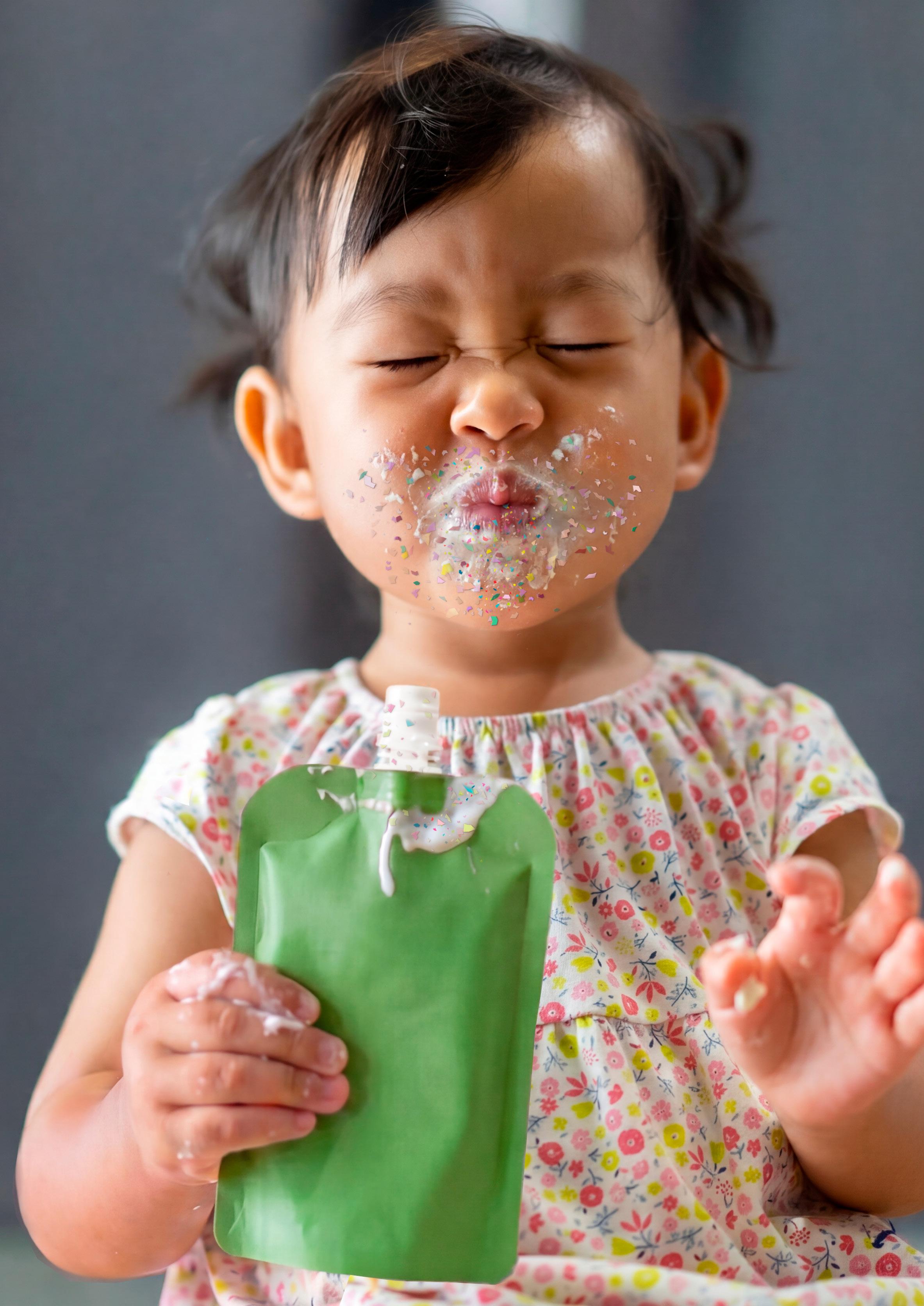
Published by: Greenpeace International
Greenpeace International Surinameplein 118 1058 GV Amsterdam Netherlands
greenpeace.org/international © Greenpeace International 2026. All Rights Reserved.
Testing laboratory: SINTEF Ocean
Contributing authors: Jo Royle, Madeleine Cobbing, Daniel Read, Louise Edge, Sarah King, Graham Forbes, Jacob Kean-Hammerson, Ana Hristova, Cecile Lelasseux, and everyone in the Greenpeace network who contributed to this report.
Contributing reviewers: David Santillo, Kevin Brigden, Melissa Wang.
Front and back cover images: Original Images: Getty, Artwork: William Morris-Julien