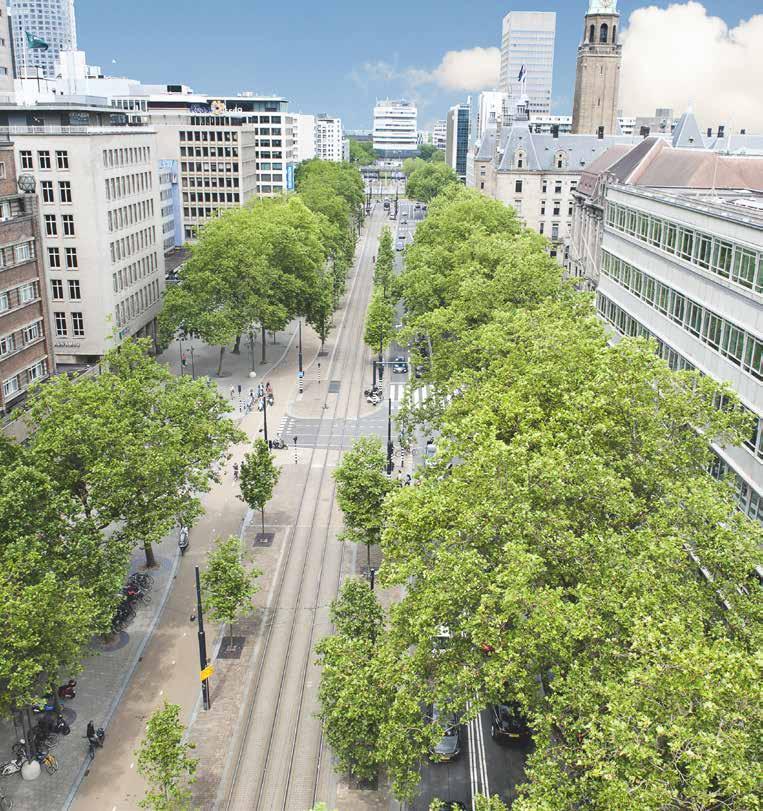
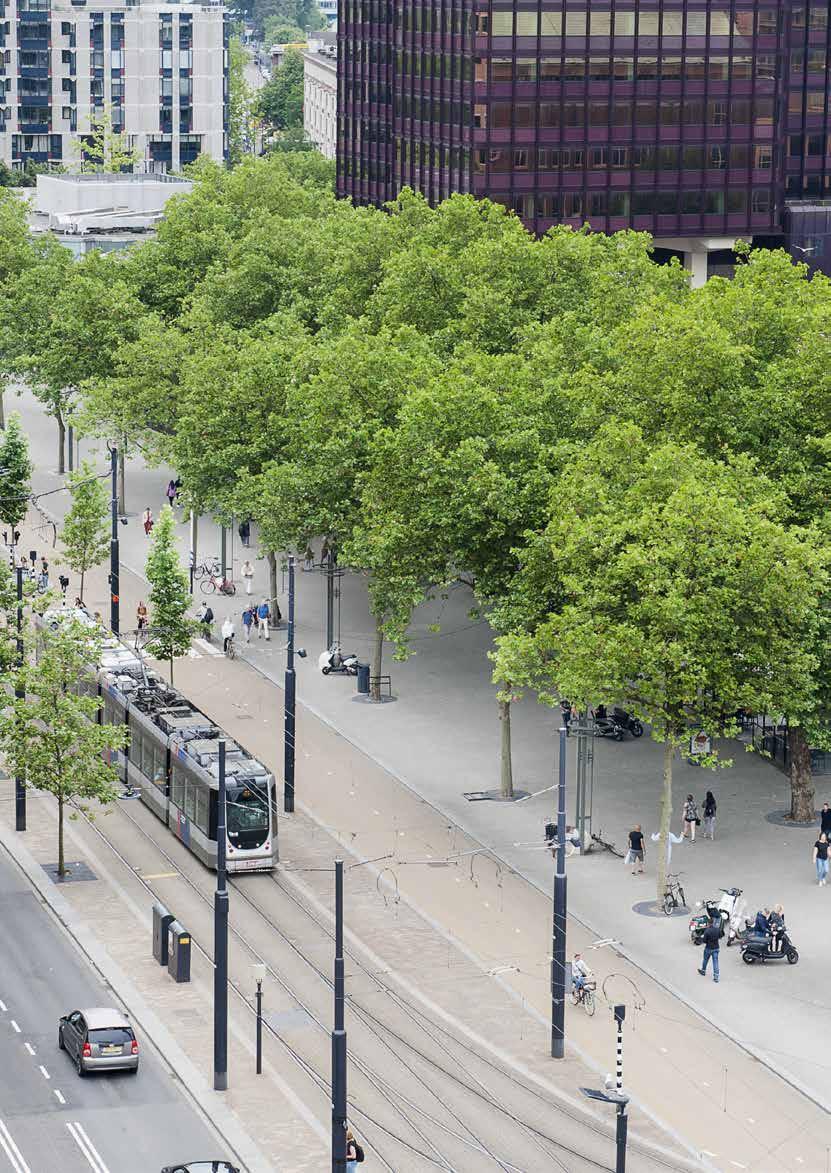
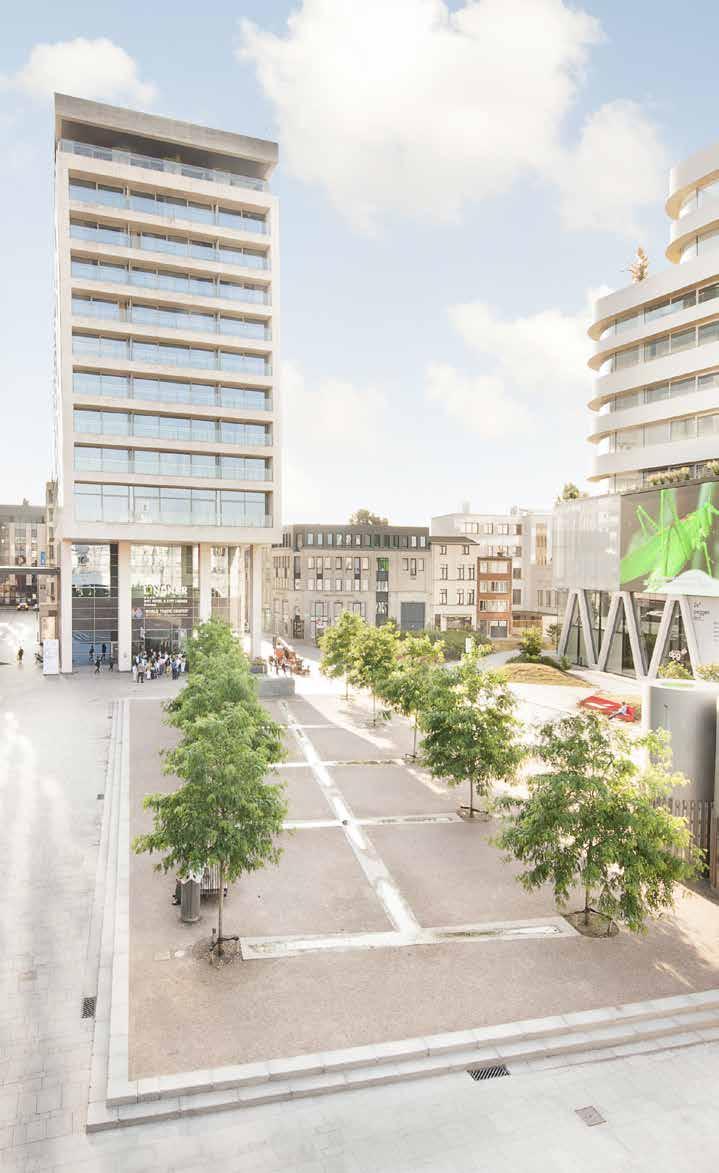
In an increasingly urbanised world of concrete, paving and construction, GreenMax’s mission is to create a sustainable, green living environment. We strive for a healthy balance between green, grey and blue.
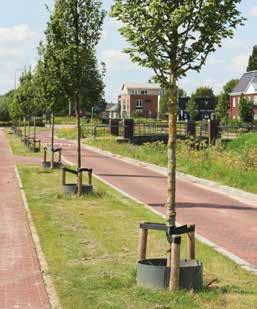
Trees are living organisms, our lungs, and act as natural air conditioning in built-up areas. Planting provides shade, cooling and fresh oxygen. More and more research confirms that the contribution of trees to the vitality of urban areas is invaluable. That is why trees will always remain essential in cities, just as cables, pipelines, sewers and roads are indispensable.
This need calls for targeted applications that make the desire for green and blue within the grey practically achievable within existing structures. With knowledge, insight and the right resources, GreenMax contributes to the liveability of every built environment. By using sustainable products made from recycled plastics, we promote the growth and development of trees from their roots to the tips of their leaves.
GreenMax and Circularity
We believe the best way to contribute to a futureproof world is by giving waste streams a new life in the form of valuable solutions for trees.
With our sustainable materials, we ensure that greenery and infrastructure go hand in hand while delivering significant savings for the future.
GreenMax and Innovation
The world never stands still; cities and infrastructures are constantly evolving. That’s why we at GreenMax never stand still either. With great enthusiasm, we look at the latest trends and developments, especially in the fields of greenery, water and infrastructure. Our R&D department continuously innovates to provide our growing (inter)national customer base with the most sustainable and innovative green solutions.
Future-Proof Living Environment
For over 30 years, we have been passionately working on greenery in public spaces every single day. Every step we take brings us closer to creating a vital and future-proof living environment for everyone. GreenMax connects greenery and infrastructure.
Why GreenMax?
� Reliable and expert partner since 1995
� Free advice from our green professionals from A to Z
� A team with a deep-rooted passion for helping trees grow old healthily
� Global greening projects, from the Eiffel Tower in Paris to the Pearling Path in Muharraq
� Circular solutions, from recycling to collecting products at the end of their life cycle
� Own production in Europe and fast delivery from extensive stock

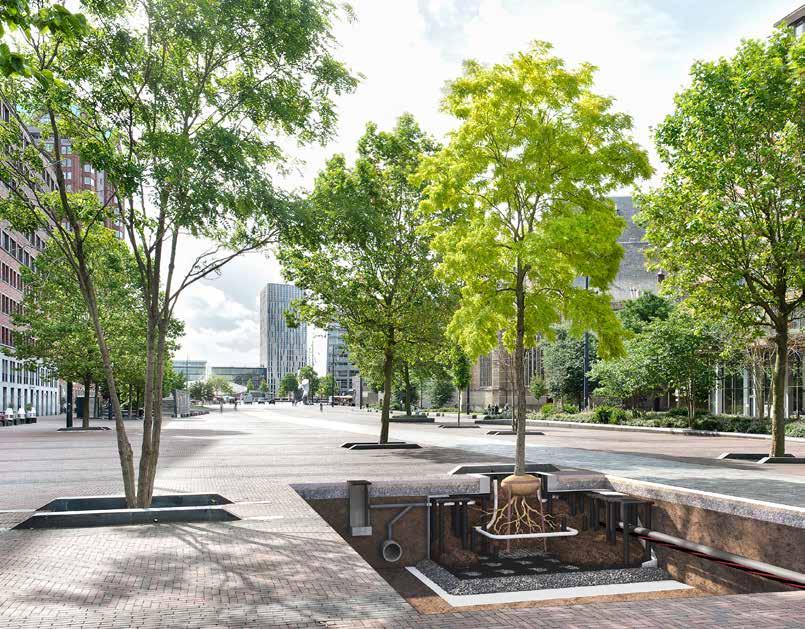
Pressure on urban space continues to increase. Every square metre is intensively used by above- and underground infrastructure, traffic loads and events. Achieving a smart balance between green, grey and blue is becoming an ever greater challenge, and at the same time increasingly important.
Conditions in the urban environment are far from ideal for a tree to grow old healthily. Various factors such as lack of space, poor water infiltration, pollution, soil compaction and limited availability of nutrients negatively affect the growth and lifespan of the tree. Yet trees only truly make a positive contribution to the climate once they have reached maturity. To give city trees the chance to grow old healthily, it is essential to provide them with an optimal tree pit design.
For decades, a wide range of solutions have been developed for trees in public spaces. These solutions share the same goal: to align technical requirements and planting needs as effectively as possible. The first approach introduced was tree sand. Over time, through experience, new insights, higher standards and the desire to combine multiple functions, these initial compromise solutions have evolved into fully integrated systems.
Today, the market offers a broad range of solutions for tree pit design in paved areas. To compare them effectively, a classification has been made. For example, structural soil cannot be directly compared to a soil cell system, but different types of structural soil can be compared with each other. This has led to an internationally recognised classification of the various solutions based on their functionality.
See the table below:
Tree pit improvement for trees in paved areas
All solutions provide tree roots with space to develop beneath the paving. Which solution is most suitable depends on the conditions and the objectives of the project. GreenMax offers the most comprehensive advice for underground tree pit design in paved areas. When considering only tree growth, the soil cell system performs best. However, in practice, many other factors influence the choice of a tree pit solution. Our specialists are happy to assist you. With our extensive knowledge of the various systems, we work with you to find the most suitable solution for your project.
Our range offers the best solutions for your challenge, clearly divided into different categories. Would you like to know more or receive personal advice? Contact us, we are happy to help!
info@greenmax.eu +31 413 294 447
Load-Bearing Growth Medium:
Reduces root heave
Load-spreading solutions compromise between load-bearing capacity and root growth
Tree Sand
Cable and pipeline-friendly
Structural Soil
Suitable for heavy traffic loads
Sandwich Construction
Air layer above tree sand /structural soil
Tree Pit Structures
Installed Below Ground Level:
Prevents root heave
Load-relieving solutions
Rootable space is protected from traffic loads
Root Bridge
Applicable for existing trees
Tree Crates
Segmented soil volumes
Soil Cell System
One large soil volume
● Suitable for the heaviest traffic loads
● Applicable for both new and existing trees
● Large soil volume, smallest opening > 900 cm², suitable for thick tree roots
● Made from recycled material and fully recyclable
● Can be installed either connected or as standalone units
● Can be installed parallel to curves up to a 5 m radius without additional measures
● Easy integration of cables and pipelines
● Low installation costs, user-friendly system and quick assembly
● Easy to fill with any soil type
● System height is variable between 40 and 150 cm
● Long lifespan (minimum 100 years)
● Ideal for capturing rainwater within the system, with up to 25% of the volume available for water infiltration
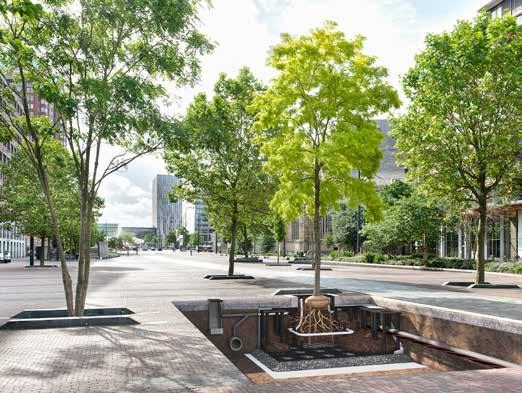
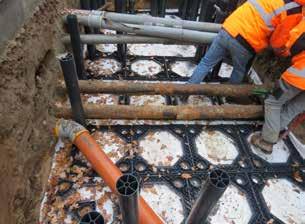
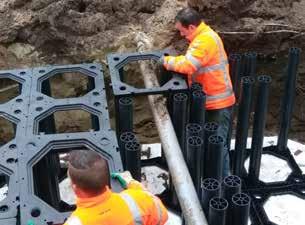
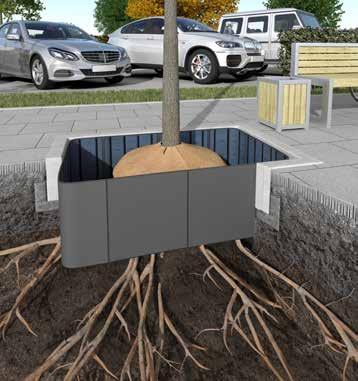
The TreeParker® system is an innovative solution for creating the optimal underground tree pit for both new and existing trees in paved areas. The system is highly versatile and easy to expand, allowing secondary functions such as water storage to be integrated.
TreeParker® has been developed based on experience from trials, projects and consultations with various stakeholders. The system fulfils essential primary functions, such as supporting the heaviest loads and providing space for healthy root growth. In addition, the system features a modular design, is quick to install, circular, and offers an exceptionally long lifespan. Cables and pipelines can also be easily integrated. Furthermore, TreeParker® provides variable installation depths and a high soil volume percentage within the system.
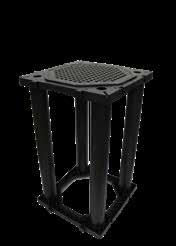
TreeParker® unit: Exploded View
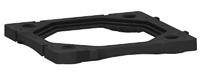
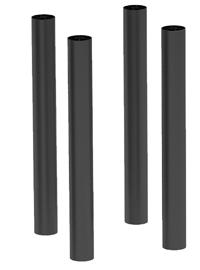
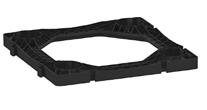
TreeParker® unit: (H) variable x (B) 60 x (L) 60 cm
System height variable between 40-150 cm
Available from stock: 40, 50, 80, 100 and 120 cm
Custom dimensions available on request
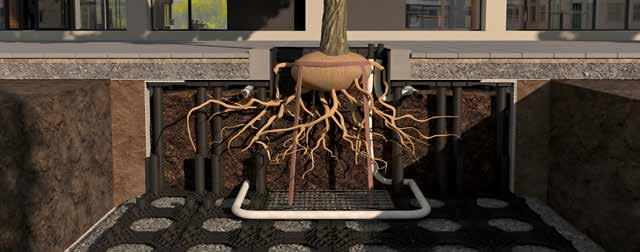
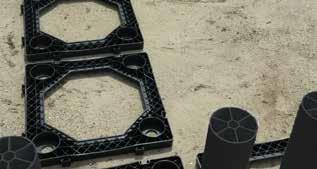
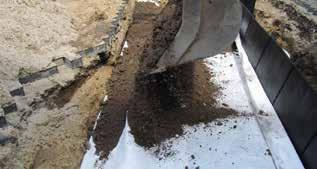
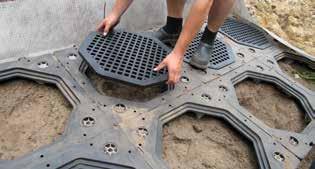
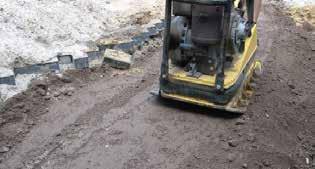
Position the bottom frames around the tree pit
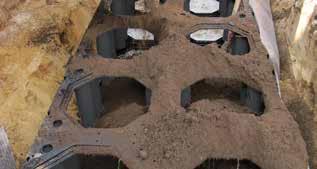
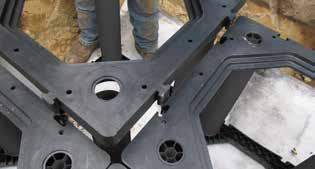
Install the vertical posts and top frames
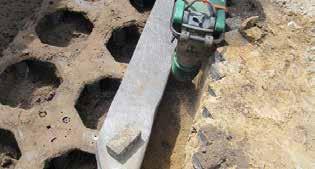
Backfill and compact the space around the tree pit structure
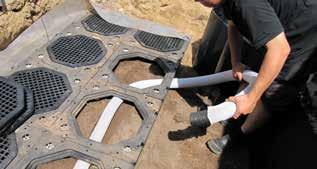
Fill the system with substrate according to the prescribed composition Install the aeration and irrigation system
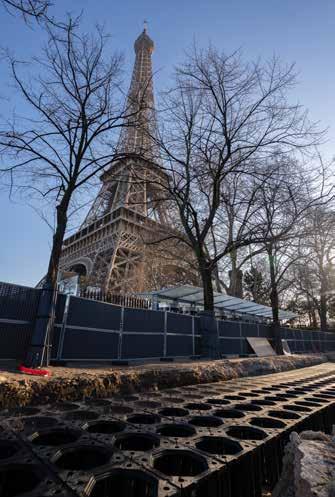
Eiffel Tower: the icon of Paris
With nearly seven million visitors per year, the Eiffel Tower is one of the most visited attractions in the world. The trees suffered greatly from the ever-increasing number of visitors and residents. Due to the annually growing gravel layer, the soil became so compacted that tree growth came to a standstill. The need to fence off the area for safety reasons and relocate access points provided an opportunity to improve the tree pits of these trees.
GreenMax, together with Vogt Landscape Architects, redesigned the two avenues along the Eiffel Tower to revitalise the existing trees. The TreeParker® system was chosen because it gives the existing trees around this breathtaking World Heritage site extra growth capacity. Years after the application of TreeParker®, the trees along the Eiffel Tower are once again in full bloom!
An oak tree can absorb more than 190,000 litres of water per year. This helps a mature tree relieve pressure on the sewer system and prevent flooding
Good tree pit conditions are essential for newly planted urban trees to grow into functional trees
A
By strategically placing urban trees, city temperatures can be reduced by 2 to 8 degrees, significantly helping to mitigate the urban heat island effect
After installing various tree pit solutions in random order, six Liriodendrons were planted per solution. Preliminary results show that trees in the most efficient solution perform best. It can be concluded that soil volume calculations should always be based on soil efficiency (net available soil) rather than just surface area or product quantity.
Research: Comparative study of tree pit solutions for trees in paved areas
Bartlett Tree Laboratories, Dr Tom Smiley, 2015
In 2018, trees were planted along a canal in Nieuwestad, Leeuwarden. Tilia × europaea trees were planted using the TreeParker® system and in structural soil. Five years later, a clear difference has been measured and observed between the trees in the two different tree pits. The trees in the TreeParker® system not only have the largest trunk circumference but are also taller than the trees at the other location. The trees in Nieuwestad were planted with a trunk circumference of 30–35 cm and have grown in the TreeParker® system to 37–42 cm. The average difference in trunk circumference between TreeParker® and structural soil is 8.3 cm.
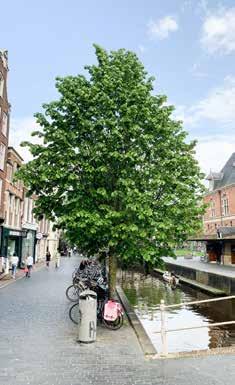
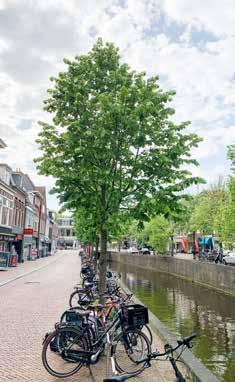
The following data were collected and measured 21 times: diameter at 1 metre height, crown width north-south and east-west, bottom of the crown, tree height, crown condition, percentage of missing crown, light penetration and type of land use. In addition, GPS locations of all trees, identification numbers and whether they are street trees were recorded.
In the village square of Massemen (municipality of Wetteren) in Belgium stands an ancient linden tree, also known as the “village linden”. The tree’s age is estimated at 450 years. In 2016, this unique tree was crowned “Tree of the Year”. An ancient tree is unique and irreplaceable and has therefore received extra care and attention ever since. The tree not only adds aesthetic value to the square but also promotes social cohesion and, compared to young saplings, offers significantly greater climate benefits.
During the underground investigation, it became clear that the tree pit and root development were a major constraint on the health of this veteran linden tree. The tree had barely 40 m³ of highly compacted, poor and nutrient-deficient soil available, while it needed at least 100 m³ of rootable space. The TreeParker® system was applied to provide this historic tree with the necessary growth space. Five years later, we revisited the project.
On that day, a sports event was taking place, with the linden tree serving as the central meeting point for visitors. The tree looks healthy and ready to thrive for many more years!
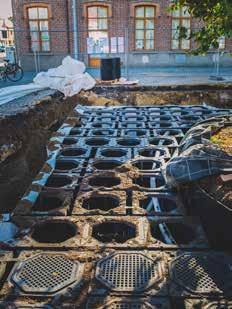
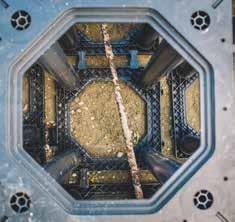
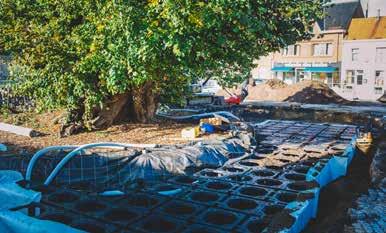
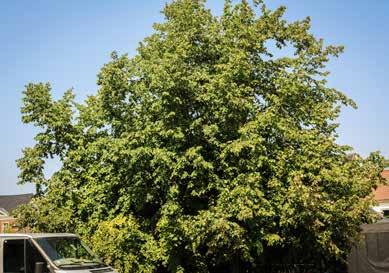
5 years later
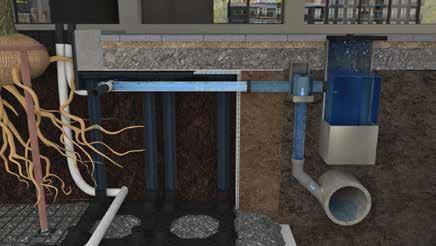
TreeParker® as a bioretention system
In the past, trees located close to rainwater collection areas were seen as a problem. The TreeParker® system demonstrates that this is actually an opportunity: it combines optimal growth conditions for trees with an intelligent system for capturing, filtering and controlled infiltration of rainwater into underlying soil layers.
The bioretention system supports a healthy water cycle in the city. Rainwater is first directed to the tree pit, where micro-organisms in the substrate purify the water. Afterwards, the clean water can infiltrate into the soil.


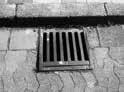

Urban Heat Island (UHI) effect, high stormwater runoff peaks




Local rainwater collection, infiltration and filtration, healthy tree growth
For more information on bioretention possibilities, see the catalogue: “TreeParker® Bioretention and Soil Cell System.”
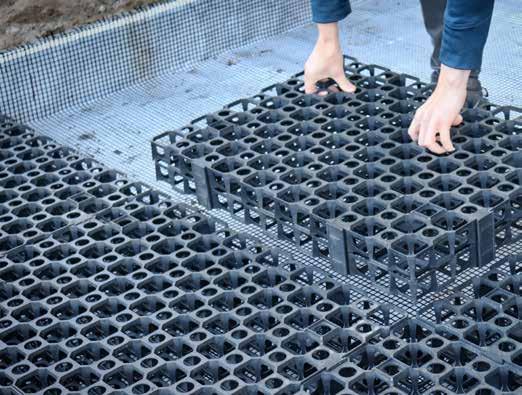
● Load-distributing infiltration and drainage panel
● Permeable and rootable in both horizontal and vertical directions
● Integrated coupling system to create large continuous surfaces
● Made from recycled polypropylene and fully recyclable
● Extra reinforced for extreme pressure loads
TreeRaft® SandwichPanel 50
● Dimensions: 786 (L) × 580 (W) × 50 (H) mm
● Weight: 2.02 kg per piece
● Maximum allowable surface pressure: 74 N/mm² = 74 tonnes/m²
TreeRaft® SandwichPanel 100
● Dimensions: 786 (L) × 580 (W) × 100 (H) mm
● Weight: 4.05 kg per piece
● Maximum allowable surface pressure: 70 N/mm² = 70 tonnes/m²
TreeRaft® SandwichPanel 150
● Dimensions: 786 (L) × 580 (W) × 150 (H) mm
● Weight: 6.10 kg per piece
● Maximum allowable surface pressure: 70 N/mm² = 70 tonnes/m²
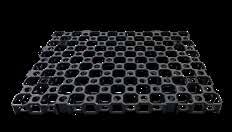
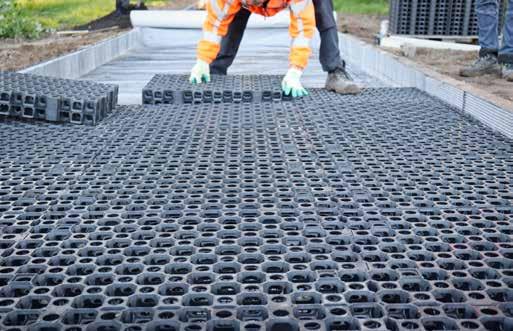
A load-distributing sandwich structure spreads dynamic pressure loads over a larger surface area, helping to prevent or reduce soil compaction. The TreeRaft® SandwichPanel replaces the foundation layer, creates a thinner base layer and increases the available root volume. Thanks to its open structure, an air layer forms beneath the paving, preventing roots from damaging the surface.
The TreeRaft® SandwichPanel is available in heights of 50, 100 or 150 mm, making the construction extremely strong – up to 950 kN/m². This makes the panels almost twice as strong as other sandwich structures and therefore suitable for locations with heavy traffic.
The panels can be cut to any size without losing structural strength. They are connected using an integrated conical joint, eliminating the need for separate connectors and ensuring extremely fast installation.
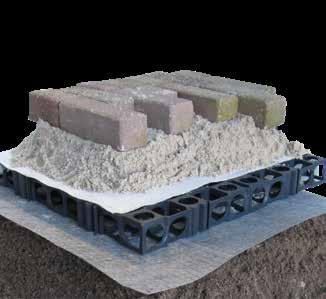
● Load-spreading structure
● Water storage beneath the tree pit with substrate or TreeParker®
● Roof gardens: retention / buffering / drainage
● Water absorption system
● Water drainage system
● Lateral reinforcement and load distribution alongside TreeParker®
● Alternative to gravel plates
● Load-spreading, optionally as an alternative to grass pavers
-Mixing granulate -Sandwich construction
-Structural soil / -Structural soil / rock or sand based rock or sand based
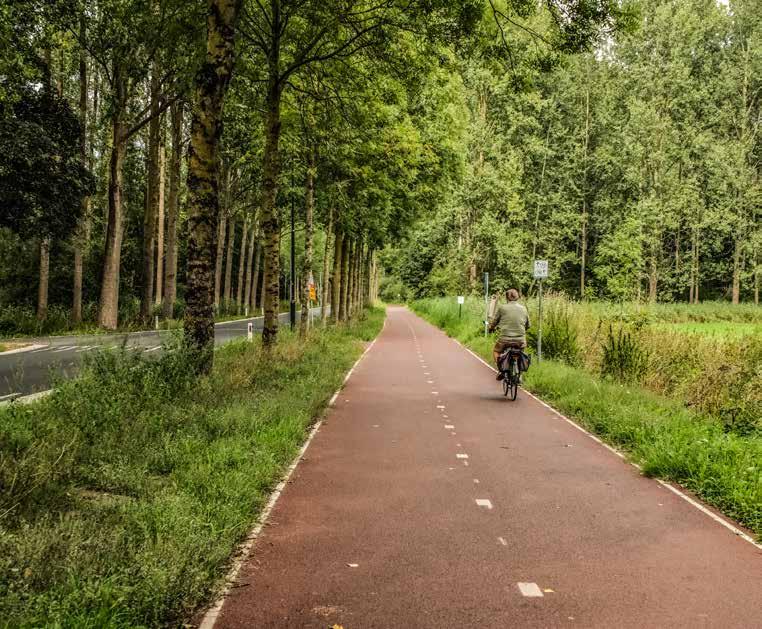
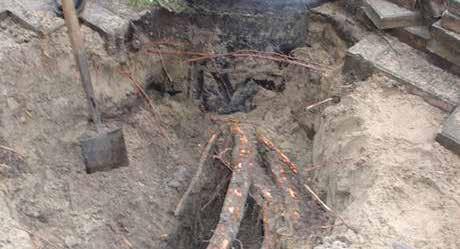
It’s a common sight: an asphalt road full of cracks and bumps, or a cycle path with raised paving slabs. A fall while cycling, rollerblading or walking is therefore always lurking around the corner. Root heave is not only an eyesore for infrastructure, but it can also lead to unsafe traffic situations. In addition, it causes significant damage to road surfaces, sewer systems and utilities. Roots push the paving upwards, create cracks in the asphalt and can even clamp around cables or grow into pipes. Repairing damage to infrastructure caused by root intrusion often requires expensive, labour-intensive and time-consuming repairs. That’s why it’s always better to prevent root heave rather than wait until damage occurs to the infrastructure.
The difference between root guidance and root protection
Both root protection and root guidance are designed to prevent or counteract root-related problems, such as root heave and damage to underground utilities. To understand the difference between the two, let’s start with the basics: what do these terms actually mean?
Root protection
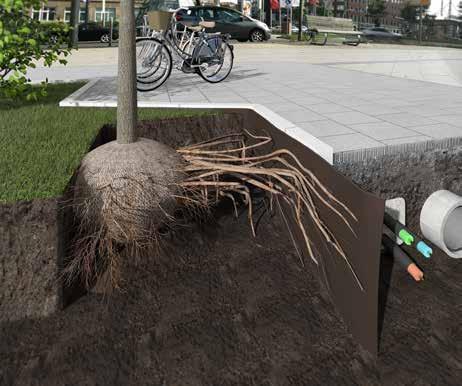
Root protection means that tree roots are blocked by a barrier, preventing them from growing further in a certain direction. This barrier is also referred to as a ‘root protection wall’. When roots encounter the wall, they will continue to grow along it at the same depth. Typically, roots bend in one direction: above the equator to the left and below the equator to the right. This is related to the fact that the Earth rotates anticlockwise on its axis, which influences root growth direction. If a root protection wall is placed too close to the tree, the tree cannot stabilise properly, resulting in what is known as the
Top view
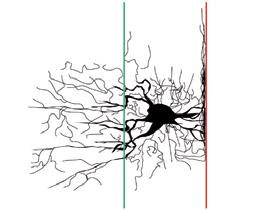

‘flowerpot effect’. The rule of thumb is therefore that a root protection wall should always be installed at least 2 metres away from the tree.
Root guidance
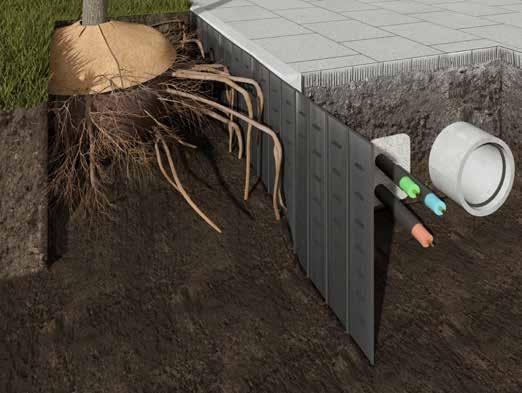
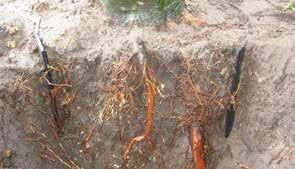
Root guidance means that roots are directed to grow in a specific direction. As with root protection, roots encounter a barrier, but in this case, it is called a ‘root guidance panel’. Our panels are equipped with guiding ribs positioned perpendicular to the panel. These ribs ensure that roots are directed downwards as soon as they hit the panel. Once the roots reach the bottom of the panel, they continue to grow horizontally. Because the roots can grow freely beneath the panel, the tree can stabilise properly. Unlike root protection, root guidance can therefore be applied within 2 metres of the tree.
guidance = less than 2 m distance
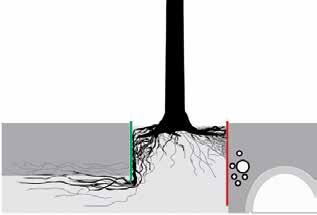
Root protection = more than 2 m distance

Root barrier within 2 metres of the tree?
Tree Root Guiding root guidance
TRG30, TRG45, TRG60, TRG90, TRG105, TRG120
Are there cables and pipes within this 2-metre zone?
Yes
Depth of cables and pipes:
< 85 cm Type: TRG90
>100 cm Type: TRG105 >115 cm Type: TRG120
< 2m
Renovation works Type: TRG30
Root barrier from 2 metres away from the tree?
Root protection
RootControl®
RootBlock®
RootBlock® Biobased
RootBlock® Circular
No

Groundwater level:
> 60 cm Type: TRG45 > 80 cm Type: TRG60
Depth of the cables and pipes:
< 50 cm Height of the Root Barrier: 60/75 cm
< 90 cm Height of the Root Barrier: 100 cm
> 90 cm Height of the Root Barrier: 100 t/m 200 cm
> 2m



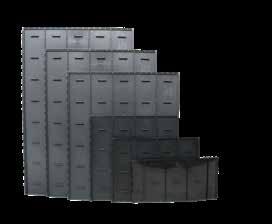
● Available in various types: TRG30, TRG45, TRG60, TRG90, TRG105, TRG120
● High-quality recycled material (50% postconsumer) and fully recyclable
● Injection-moulded copolymer polypropylene
● Manufactured according to ISO 9002 certification
● Equipped with unique 90° guiding ribs to direct roots straight down
● Reinforced double top edge for extra strength, resistant to foot traffic and upward-growing roots (prevents overgrowth)
● Includes UV stabiliser
● Root anchors prevent panels from being pushed upwards
● Produced in Europe
TRG30, TRG45 and TRG60
● Width: 60 cm
● Height: 30, 45 or 60 cm (depending on type)
TRG90, TRG105, and TRG120
● Width: 75 cm
● Height: 90, 105 or 120 cm (depending on type)
● Panels can be combined to bridge cable and pipe routes
TRG45 Sliding Panel, TRG60 Sliding Panel
● Adjustable panels for any planting pit size
● Width: 48 to 85 cm (extendable)
● Height: 45 or 60 cm (depending on type)
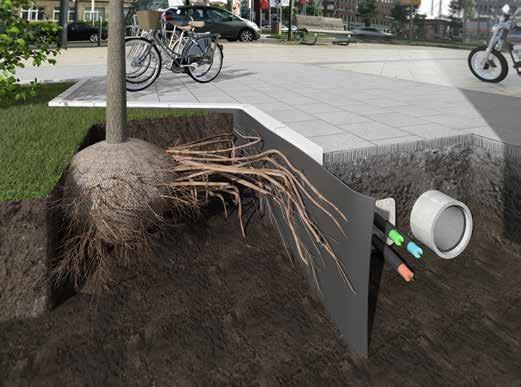
The Tree Root Guiding system (TRG) is designed to prevent paving from being pushed up and to protect cables and pipes. It can be installed within 2 metres of the tree while maintaining the tree’s stability.
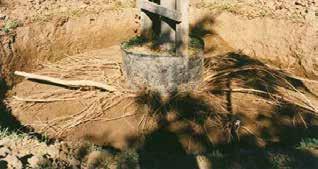
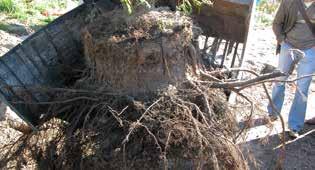
Each TRG panel features unique guiding ribs that direct tree roots straight down as soon as they hit the panel. Once the roots reach the bottom, they continue to grow horizontally. Without these ribs, roots would circle along the barrier, causing the tree to suffocate and lose stability. TRG panels also have a double top edge, making them extra strong at the top, resistant to foot traffic, and preventing roots from growing over the barrier.
Tree Root Guiding is used for new plantings as well as renovation projects after root cutting, helping preserve the beauty and value of mature trees. It also minimises repair and liability costs for damaged paving and reduces trip hazards.
Invented in 1976, root guidance has proven its effectiveness in countless projects worldwide. Correct installation is always crucial to ensure the system works as intended.
TRG Sliding Panel
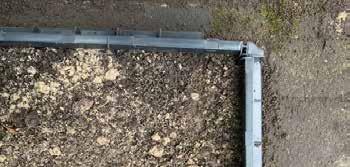
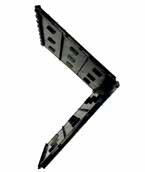
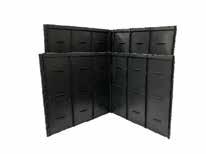
A Tree Root Guiding Sliding Panel can be applied to any size planting pit. The advantage of this panel is that it creates a neat 90° angle.
TRG Connector
The TRG Connector is an alternative to the TRG Sliding Panel. With the TRG Connector, the system can be adjusted from 90 degrees to any desired angle. The standard height of the connector is 120 cm, but it can easily be cut to size, making it suitable for all TRG types.
Dimensions
Placement around
Type TRG45 Sliding Panel, TRG60 Sliding Panel
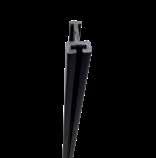
Protect the surrounding paving on all sides of the tree with Tree Root Guiding panels. Use the maximum available space within the tree pit to ensure optimal uncompacted soil, sufficient growth space for the tree, and effective root guidance. Allow adequate room (considering the tree’s future mature size) for the root collar.
Ø 5 panels = 96 cm
Ø 6 panels = 115 cm
Ø 8 panels = 153 cm
Cross-section calculation:
Total length of panels divided by 3.14 cm = … cm
*Application if the tree pit is large enough, generally from a diameter of 1.50 m.
For a rectangular or square tree pit, we recommend a TRG Sliding Panel for a neat finish.
Foundation sand: Compacted to > 3 MPa
Tree sand:
< Compacted to < 2 MPa or treated with air injection
Existing subsoil
of Tree Root Guiding – Linear
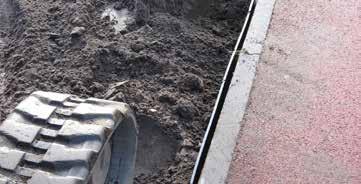
Linear (all types)
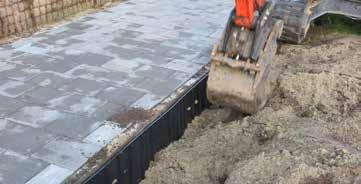
A linear application is suitable when paving is present on one side. The Tree Root Guiding panels can be placed directly along the hard surface to prevent root heave. For the protection of cables and pipes, we use types TRG90, TRG105 and TRG120. The root guidance panels ensure that roots grow deeper into the soil, giving the tree greater stability. Roots will rarely* grow underneath the panel when using the high panels (90, 105 and 120 cm), ensuring cables and pipes remain well protected.
*Depending on local soil conditions and groundwater level
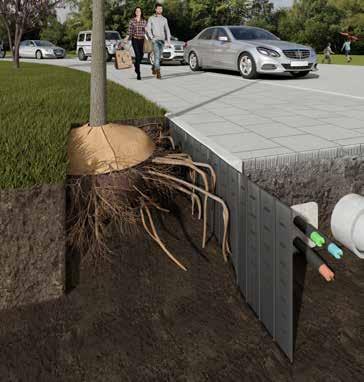
Root pruning during renovation works
By cutting back existing roots and installing Tree Root Guiding, you prevent roots from having to be repeatedly removed and trees from being felled. In addition, it prevents damage to paving. Cutting roots involves certain requirements due to a temporary reduction in the tree’s stability. We therefore always recommend doing this in consultation with a certified arborist or landscape gardener.
Special applications
Tree Root Guiding also offers solutions for specific applications such as tennis courts, slopes, cemeteries and retaining walls, which are better protected against root damage. TRG panels are available in various sizes, making them suitable for different locations and groundwater levels.
Root protection
When the root barrier is placed more than 2 metres from the tree, you can opt for a root protection wall to block tree roots. In some situations, it is even preferable to use a root protection screen. For this purpose, RootBlock® and RootControl® are suitable. More information about these solutions can be found on pages 32 to 35 (root protection).
Functional requirements of Tree Root Guiding panels
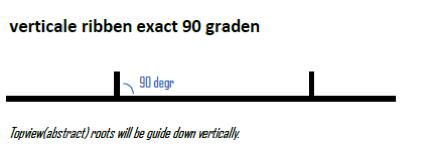
Perpendicular vertical guidance ribs (top view) on the panel
Research shows that only vertical guidance ribs, placed at a right angle to the screen, combined with a leg length of at least 10 mm, will effectively guide roots deeper into the soil. Deviation from this standard reduces the effectiveness of the root guidance system; the system will then only develop horizontally.
Vertical ribs at exactly 90 degrees
Top view: roots will be guided vertically downwards.


Vertical ribs have a maximum spacing of 15 cm, uninterrupted downwards Research has shown that effectiveness is guaranteed when the spacing between guidance ribs is approximately 15 cm; at other distances, this guarantee has not been proven. At the end of the ribs, the root will resume its usual growth path. Therefore, the ribs must be continuous from top to bottom.
Vertical ribs have a spacing of 15 cm. Continuous ribs from top to bottom. 15 cm

Minimum thickness of 2 mm Root guidance must be at least 2 mm thick to guarantee resistance against root penetration.
Thickness 2 mm
Ground (root) anchors ensure that the panel is not pushed upwards
Root growth around the horizontally positioned ribs ensures that the panel cannot be pushed up. The roots effectively hold the panel in place. It is important that these horizontal ribs are positioned at a right angle to the flat surface of the panel and have sufficient surface area so that, under pulling or pushing forces, the panel does not slip past the roots. The panel must always face the tree with the side containing the guidance ribs and root anchors. For the root anchors, it is important that the bearing surface preventing uplift is high enough and evenly distributed across the panel. Multiple smaller anchors have proven to be more effective than a few large anchors.

t u Root anchors > 40 pieces per m². Total surface area of root anchors > 200 cm² per m². Right angle to the flat surface.
Double edge at the top to prevent root overgrowth
Root guidance panels must ensure that roots settle deeper into the profile. It is therefore important to always install the panels high enough (just visible above ground level) so that roots cannot grow over the panel. The sturdy double edge allows for a visually neat and tidy installation. Research (1985 USA) shows that a double edge is the most effective. A sufficiently wide edge at the top already reduces the chance of roots growing over the panel. This edge also ensures that the panels do not get damaged, break or cause injury when stepped on. A broken panel immediately provides escape routes for roots, reducing the functionality of the panel.
Application of root guidance around: type TRG45 Sliding Panel and TRG60 Sliding Panel
Protect the surrounding paving on all four sides of the tree with root guidance panels. Use the maximum available space within the tree pit to ensure maximum uncompacted soil, growth space for the tree and effective root guidance. Allow sufficient space (considering the tree’s future mature size) for the root collar of the tree.
Double top edge at least 10 mm wide and 5–10 mm apart.
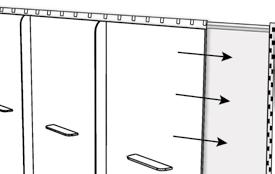
A Tree Root Guiding panel in the form of a 90° angle. The corner is connected on both sides to an extendable Tree Root Guiding panel so that it can always be used for any planting pit size.
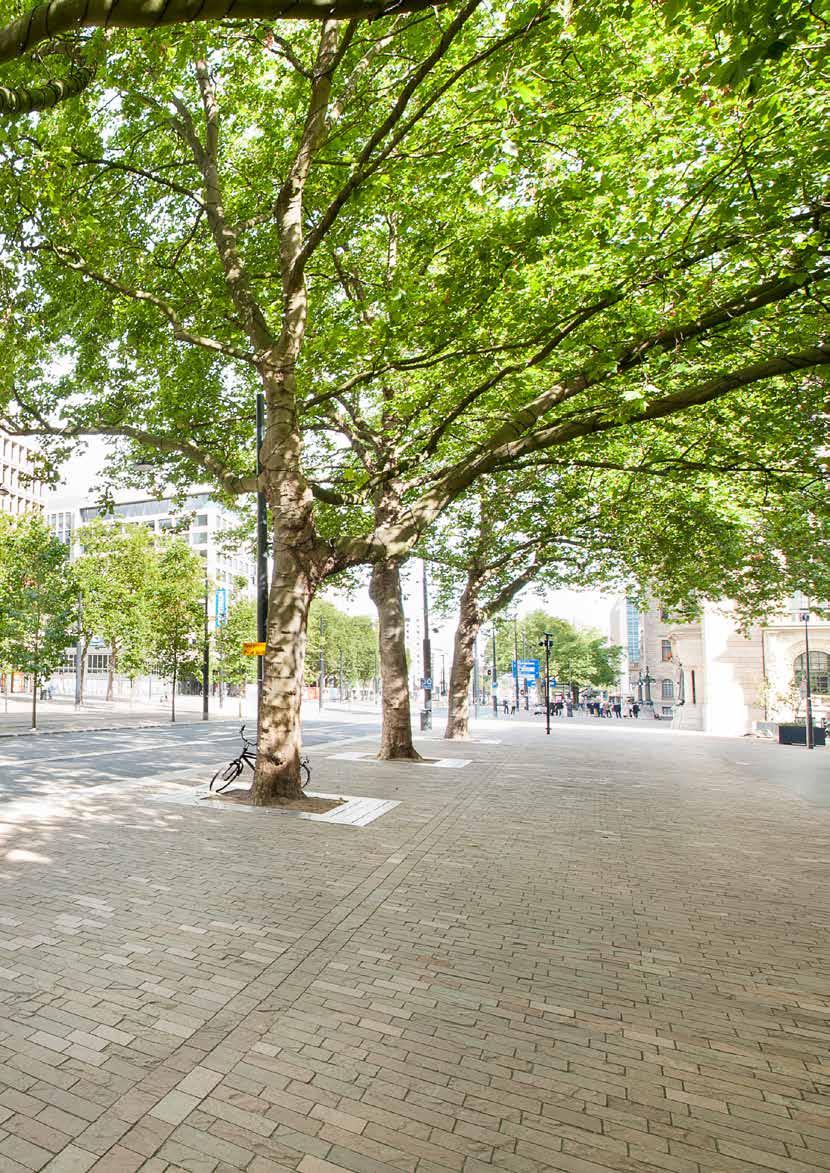
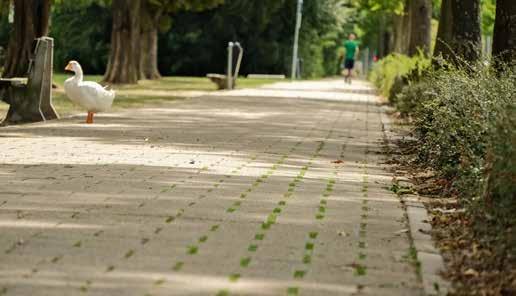
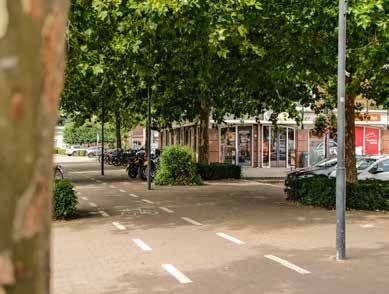
Rode Kruislaan in Eindhoven, the Netherlands, is located next to the Henri Dunant Park. This extensive city park of 22 hectares was designed in 1972 as a piece of nature in the middle of the city. The park is full of biodiversity and offers walking paths, beautiful trees, ponds and fountains. From Rode Kruislaan you can walk straight into the park, where the hustle and bustle of the street gives way to a calm, natural environment.
In 2007, the decision was made to apply Tree Root Guiding (TRG) on Rode Kruislaan to prevent root heave. A well-considered choice with an eye on the future, because almost 20 years later there is no trace of root heave to be found. This is despite the fact that the tree species directly adjacent to the paving are known for causing significant root heave.
Thanks to the application of root guidance in the past, cyclists and pedestrians can enjoy a green environment today without worrying about tripping hazards. A great example of how greenery and infrastructure have been cleverly combined!
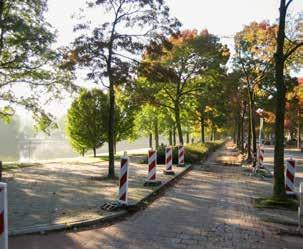
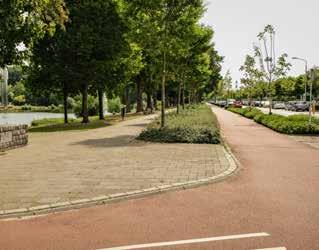
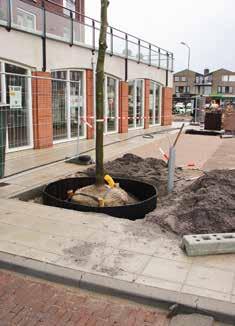
Sint Janplein is located in the heart of the Dutch village of Boekel. The square, surrounded by restaurants, shops and apartments, is adorned with beautiful greenery. In 2004, plane trees were planted here, a species known for its strong and shallow root growth. Especially in paved areas such as squares, car parks and pavements, plane trees can cause significant root heave.
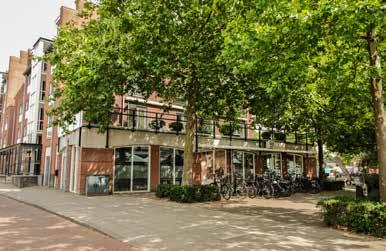
To prevent root heave, the municipality installed Tree Root Guiding (TRG) panels immediately during planting. More than 20 years later, we visited Sint Janplein. The square in the photo from 2004 is almost unrecognisable. The plane trees now form a beautiful green oasis in the centre of Boekel. And root heave? There is none.
Thanks to the future-proof decision made by the municipality over twenty years ago, the trees on Sint Janplein stand in full glory today. Residents and visitors can enjoy an attractive, shady and cooling outdoor space on hot summer days.
● High-density polyethylene (HDPE)
● Made from recycled material and fully recyclable
● Colour: black
● Thickness: 1 or 2 mm
● Long lifespan (min. 100 years)
● Easy to install
● Waterproof
● Flexible material
● Resistant to chemical elements and micro-organisms
● Impermeable to tree and bamboo roots (bamboo with RootBlock® 2 mm)
Dimensions
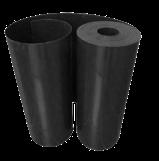
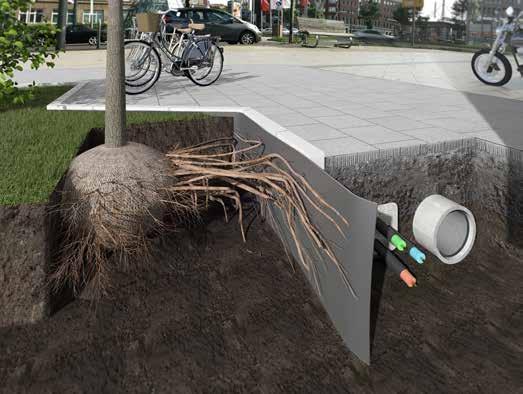
The RootBlock® root protection wall is used as a barrier to separate tree roots from infrastructure. This prevents paving from being lifted (root heave) and damage to cables and pipes caused by roots. The minimum distance from a tree to a protection wall is generally 2 metres, depending on the tree species. Root protection cannot be installed within two metres of the tree because the tree’s stability would then not be guaranteed.
RootBlock®, with its 1 or 2 mm thickness (other thicknesses available on request) and HDPE material, is one of the heavier types of protection walls in our range. This makes RootBlock® suitable for plants or trees with aggressive root growth, such as bamboo or Japanese knotweed.
50 cm WB/BB 50/1 WB/BB 50/1 WB/BB 50/2
60 cm WB/BB 60/1 WB/BB 60/1 WB/BB 60/2
65 cm WB/BB 65/1 - -
70 cm WB/BB 70/1 - WB/BB 70/2
75 cm WB/BB 75/1 WB/BB 75/1 WB/BB 75/2
80 cm WB/BB 80/1 -100 cm WB/BB 100/1 WB/BB 100/1 WB/BB 100/2
120 cm - - WB/BB 120/2
130 cm WB/BB 130/1 - WB/BB 130/2
150 cm WB/BB 150/1 - WB/BB 150/2
200 cm WB/BB 200/1 - WB/BB 200/2
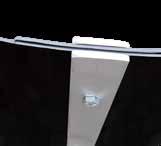
Coupling profile
Extra option: coupling profile Other thicknesses/heights of RootBlock® available on request
● Polyethylene based on sugarcane waste
● Colour: brown
● Thickness: 1 or 2 mm
● Long lifespan (min. 100 years)
● Easy to install
● Waterproof
● Flexible material
● Resistant to chemical elements and micro-organisms
● Impermeable to tree and bamboo roots (bamboo with RootBlock® 2 mm)
Dimensions
50 cm WB/BB 50/1 BIO WB/BB 50/2 BIO
60 cm WB/BB 60/1 BIO WB/BB 60/2 BIO
75 cm WB/BB 75/1 BIO WB/BB 75/2 BIO
100 cm WB/BB 100/1 BIO WB/BB 100/2 BIO
150 cm WB/BB 150/1 BIO WB/BB 150/2 BIO
200 cm WB/BB 200/1 BIO WB/BB 200/2 BIO
Extra option: coupling profile
Other thicknesses/heights of RootBlock® Biobased available on request

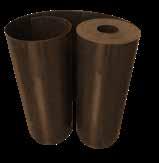
The RootBlock® root protection wall is used as a barrier to separate tree roots from infrastructure. This prevents paving from being lifted (root heave) and damage to cables and pipes caused by roots.
The minimum distance from a tree to a protection wall is 2 metres. This does depend on the tree species. Root protection cannot be installed within two metres of the tree because the tree’s stability would then not be guaranteed.
RootBlock® is available in biobased plastic. Biobased plastic is produced from sugarcane waste and is also known as ‘green polyethylene’. RootBlock® Biobased is fully recyclable and can therefore be reused many times. By using sugarcane waste, a sustainable alternative is created to the standard recycled polyethylene variant.
● Made from recycled material and fully recyclable
● Colour: grey
● Thickness: 1.5 mm
● Long service life (min. 50 years)
● Easy to install
● Watertight
● Flexible material
● Resistant to chemical elements and micro-organisms
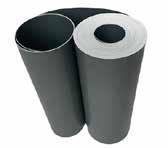
RootBlock® is used as a partition to separate tree roots from infrastructure. This prevents the lifting of paving (root heave) and damage to cables and pipelines caused by roots. The minimum distance between a tree and a protection barrier is two metres, although this depends on the tree species. Root protection cannot be installed within two metres of the tree because doing so would compromise the tree’s stability.
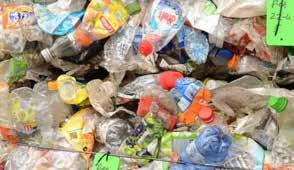
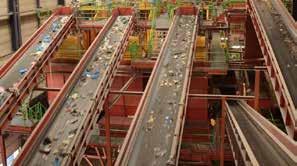
Although the standard RootBlock® is also produced in a fully circular manner, RootBlock® Circular owes its name to an interesting production process. In the Netherlands, household waste is separated. In many municipalities, plastic waste is collected in transparent bags, also known as “PMD”. New products can be made from the plastic collected in these PMD bags, which was not always the case in the past. RootBlock® Circular is produced entirely from Dutch household waste only. Naturally, this root-protection barrier is also fully recyclable.
The variety of products and colours that end up in household waste gives the raw material of RootBlock® Circular a grey colour. No colour corrections are added, which means the colour may sometimes vary.
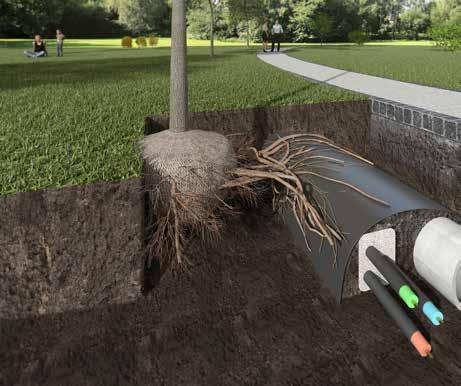
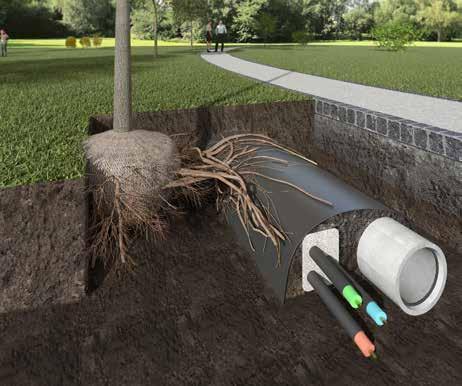
● Polypropylene (PP), nonwoven, 360 g/m²
● Double-sided coated
● Colour: black
● Fully recyclable
● Guarantee: minimum 30 years
● Easy to install
● Impermeable to tree roots
● Watertight
● Flexible and strong
● Resistant to chemical elements
● Suitable for horizontal use on smaller sections
● Can be installed vertically along cables and pipes Dimensions
Extra option: coupling profile
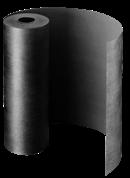
The RootControl® root protection fabric forms a barrier that separates tree roots from underground infrastructure. This prevents root heave in paving, blockages in sewers and damage to cables and pipelines.
RootControl® is lightweight and flexible, offering various application possibilities. It can be installed vertically or in an inverted U-shape to protect underground utilities. The fabric is coated on both sides, making it impenetrable to tree roots.
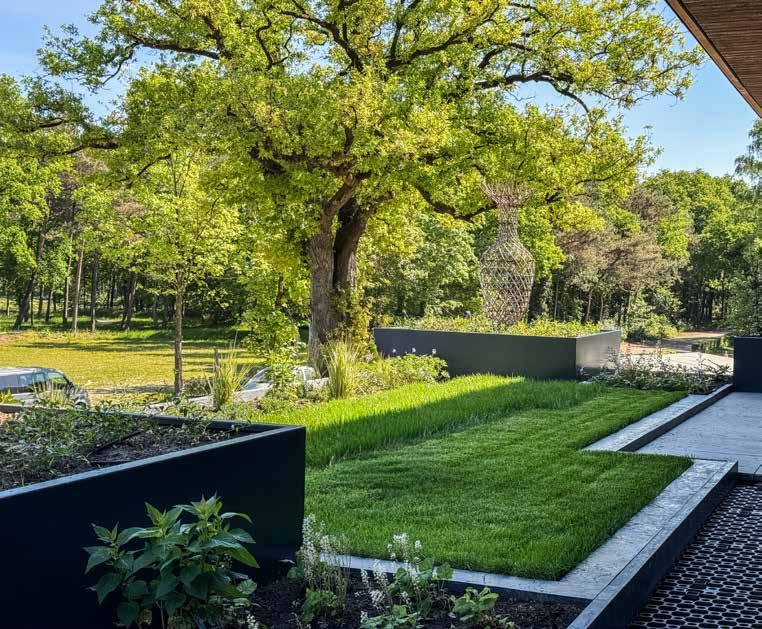
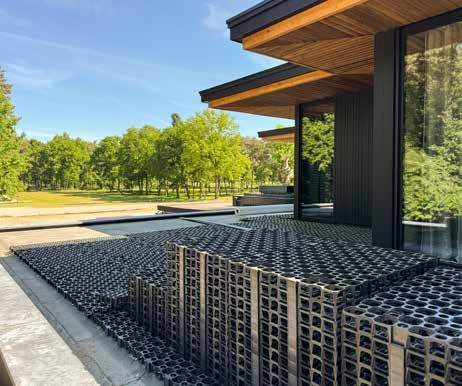
During heavy rainfall, rainwater currently flows directly into the sewer system, which can cause flooding. A retention crate provides a smart solution: it temporarily stores the water and then allows it to gradually infiltrate into the soil. This means that intense downpours no longer lead to water nuisance but instead create opportunities for future-oriented water storage.
Material
● Directly load-bearing
● Integrated conical connector
● Easy to cut to size without loss of compressive strength
● Service life: minimum 50 years
Dimensions
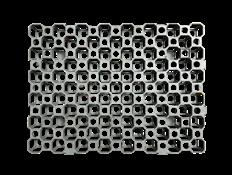
Increasingly frequent heavy showers put pressure on the sewer system and infrastructure. AquaRaft® is an efficient and sustainable water-storage system that temporarily retains rainwater, preventing flooding. It is ideal for use in roof gardens and sports fields.
Rainwater flows into the AquaRaft® modules, which are largely hollow and therefore offer a high storage capacity. They hold the water temporarily and release it only once the peak load has passed. This reduces pressure on the sewer system and limits disruption in urban areas. The system is lightweight, robust and easy to integrate into various infrastructure projects. Thanks to smart connectors, AquaRaft® elements can be linked together effortlessly and installed quickly.
With AquaRaft®, heavy rainfall no longer causes flooding but instead creates opportunities for future-oriented water storage.
A stable and reliable infrastructure begins with strong anchoring. GreenMax provides anchoring solutions for soil, infrastructure constructions, and trees. Earth anchoring ensures that soil erosion on slopes is prevented. Infrastructure anchoring offers stability for structures such as retaining walls, sheet piling, exterior fittings, cables, pipelines, and more. Root ball anchoring supports trees during their growth phase, while tree ties ensure they remain resilient during severe storms. In this way, we create the foundation for a safe and dependable above-ground infrastructure.
● Quick installation (± 10 minutes)
● User-friendly
● No unsightly anchors or wooden stakes above ground (ready-made final appearance)
● Adjustable anchor straps
● Suitable for trunk circumference of more than 90 cm
● To prevent anchoring straps from cutting into growing roots, it is essential to cut and remove them from the top after about two to three years.
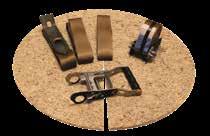
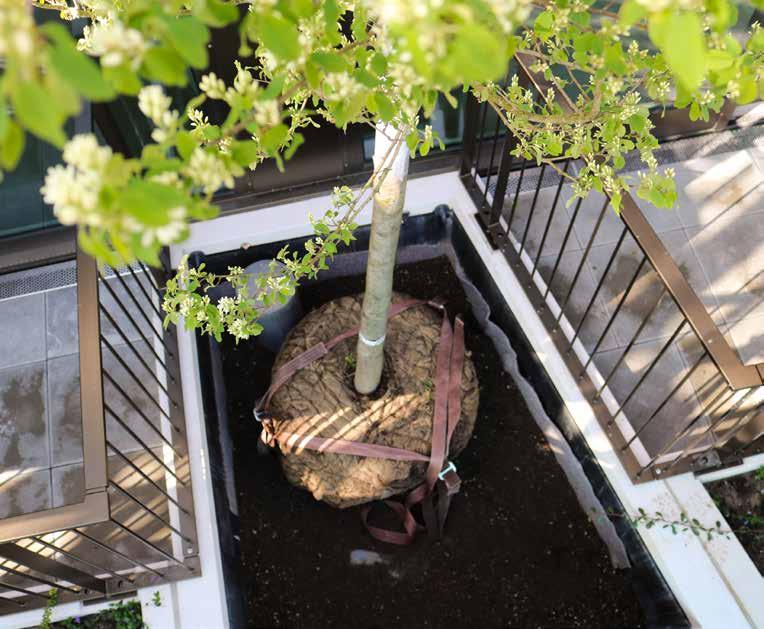
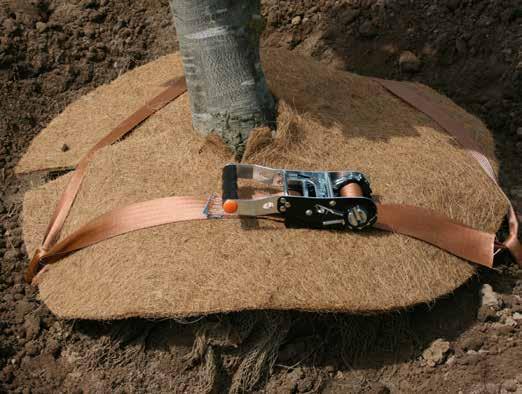
The need to provide trees with extra support without unsightly stakes or tree ties is growing. Root ball anchoring is an efficient and reliable way to secure trees underground with an excellent price-to-quality ratio.
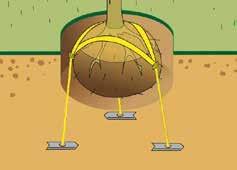
The wide belt straps, fixed into the soil with ground anchors, ensure a very strong underground anchoring of the root ball. The tree retains its natural freedom of movement, and above-ground stakes are a thing of the past. One person can install the entire root ball anchoring system within minutes, saving both time and costs.
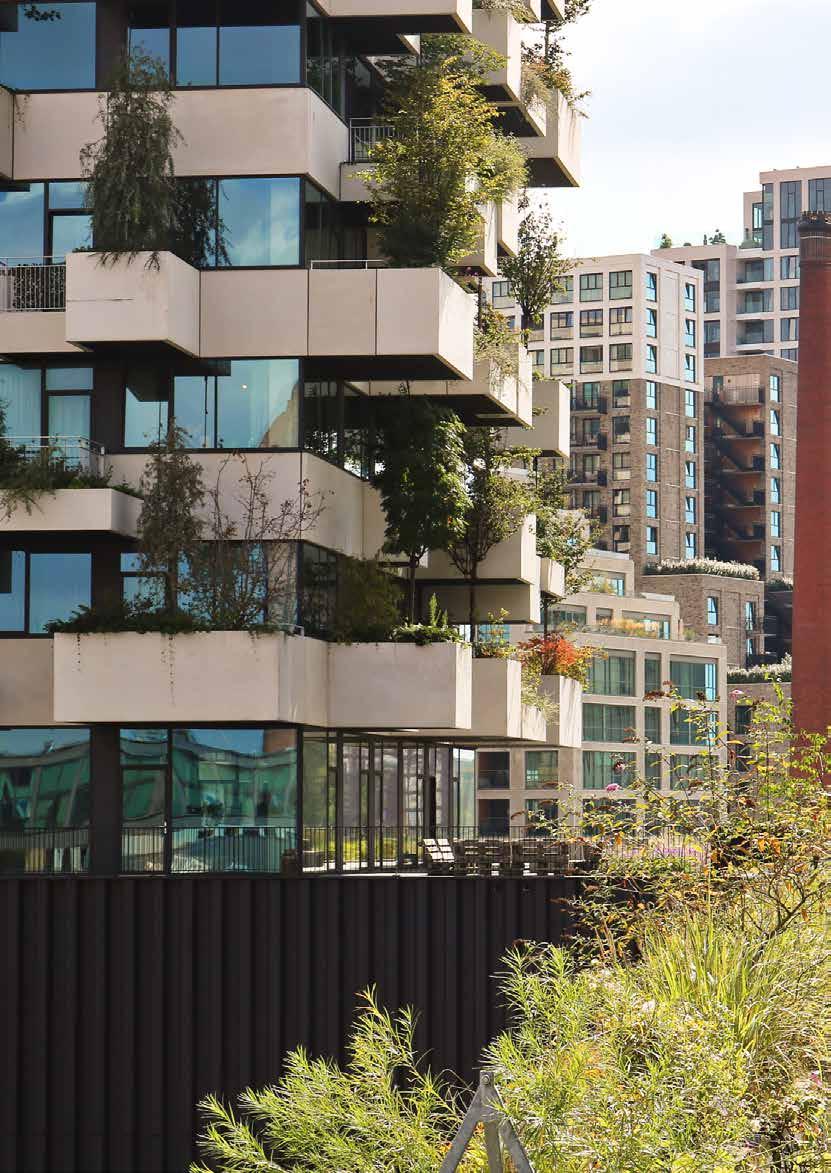
To prevent anchoring straps from cutting into growing roots, it is essential to cut and remove them from the top after about two to three years. Note: when using root ball anchoring in vertical forests or tree containers, this is not necessary, as the root ball does not grow beyond the size of the container. Especially with the extreme heights of vertical forests, it is crucial that trees do not topple during severe storms.
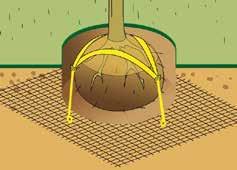
Application with concrete mesh or anchor eyes
Trunk circumference Type
< 50 cm GGB 120550 GGB 120650*
< 90 cm GGB 120760*
> 90 cm GGB 121070*
Root ball anchoring set consists of
● 3 belts without ground anchors
● 1 root ball protection mat
● 1 belt with ratchet
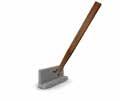
Required installation tools: tensioning handle and concrete mesh; see images on page 42.
*Belts adjustable in length
Recommendation: concrete mesh at least 20 cm wider on all sides of the root ball. To ensure the concrete mesh stays in place, we recommend applying a fleece (geotextile) between the root ball and the concrete mesh (this also applies to bio root ball anchoring).
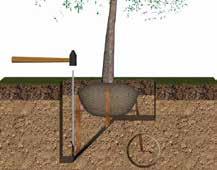
1
Drive the 3 anchors into undisturbed soil
2
Application with ground anchors
Trunk circumference Type
< 20 cm GGB 120120
< 25 cm GGB 120225
< 50 cm GGB 120350
< 90 cm GGB 120460*
> 90 cm GGB 120970*
Root ball anchoring set consists of
● 3 belts with ground anchors
● 1 root ball protection mat
● 1 belt with ratchet
Required installation tools: driving rod (available in lengths of 1 m or 1.5 m) and tensioning handle; see images on page 42.
*Belts adjustable in length
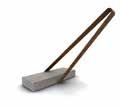
Fixing options
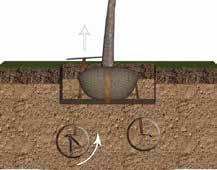
Lock the ground anchor by giving a short, firm pull on the 3 anchor straps
3
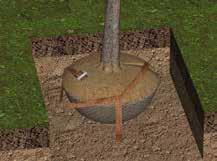
Connect the 3 anchor straps with 1 belt including ratchet
4
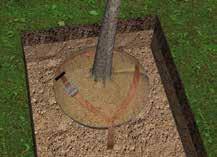
Tighten the belts securely, repeat after two days, then remove the tensioning handle
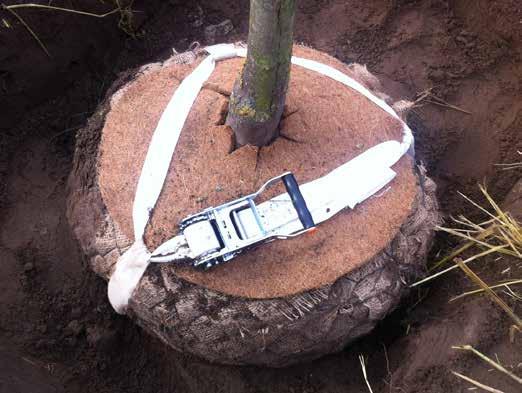
Material
● Quick installation (± 10 minutes)
● User-friendly
● No unsightly anchors or wooden stakes above ground (ready-made final appearance)
● Fully biodegradable bio straps after approximately 5 years
● Strong fastening ensures healthy natural growth
Installation tools BIODEGRADABLE BIODEGRADABLE
Standard requirements:
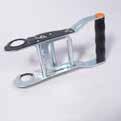
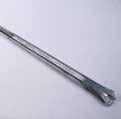
Tensioning handle Driving rod
Additional tools (optional):
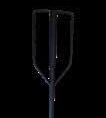
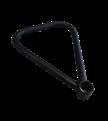
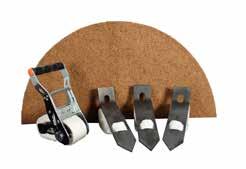
The GreenMax root ball anchoring system is also available in a bio version. These bio straps are made from biological polymers and are fully biodegradable.
If it is not possible to cut the anchoring straps after two to three years, for example when a tree grate is used, we recommend using a biological root ball anchoring system. This naturally decomposes and leaves no waste in the soil. It is also ideal for parks and nature reserves.
The GreenMax bio root ball anchoring system has received the European Bioplastic Certification and offers a sustainable and responsible solution for securing trees underground.
Test results
Tests (guidelines: DIN EN 12225 / DIN EN 13432 / DIN 18916) have shown that the bio straps retain sufficient strength during the first four years to guarantee stability.
Application with concrete mesh or anchor eyes
Trunk circumference Type
< 35 cm
GGB 1202035 BIO 2
Root ball anchoring set consists of
● 1 coconut root ball protection mat (Ø 80 cm)
● 1 compostable tensioning strap with ratchet, 2.5 m
● 3 compostable straps, 0.6 m
Required installation tools: tensioning handle and concrete mesh
Application with ground anchors
circumference Type
< 25 cm
GGB 1202025 BIO
< 35 cm
GGB 1202035 BIO
< 60 cm
GGB 1202060 BIO
Root ball anchoring set consists of
● 1 coconut root ball protection mat (Ø 60 cm)
● 1 compostable tensioning strap with ratchet, 2.5 m
● 3 compostable straps, 0.7 m
● 1 coconut root ball protection mat (Ø 80 cm)
● 1 compostable tensioning strap with ratchet, 2.5 m
● 3 compostable straps, 1.1 m
● 1 coconut root ball protection mat (Ø 80 cm)
● 1 compostable tensioning strap with ratchet, 4.5 m
● 3 compostable straps, 1.35 m
Required installation tools: driving rod (available in lengths of 1 m or 1.5 m) and tensioning handle; see images on page 42.
Decomposition in % over a period of 4 (simulated) years according to DIN EN 12225 standards
Durability test according to DIN EN 12225
The DIN EN 12225 standard describes a soil exposure test for textiles. Both DIN EN ISO 846 and DIN EN 12225 require specific temperature and humidity conditions. For DIN EN ISO 846, special fungi and bacteria are also needed. DIN EN 12225 requires active soil, such as compost, where microorganisms are naturally present. The microorganisms attack the plastic, allowing them to multiply.
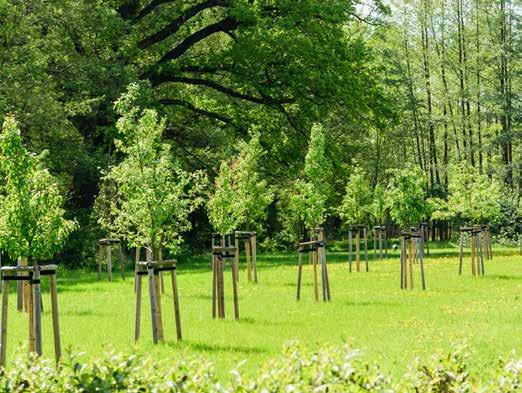
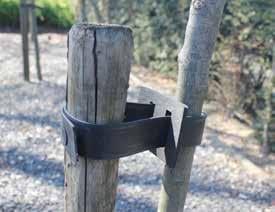
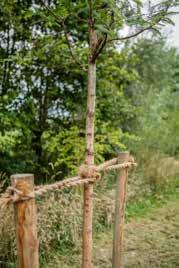
Tree ties help young trees stay firmly in place after planting. They prevent damage to the root ball caused by wind movement, supporting healthy establishment and growth.
Sustainable tree ties
GreenMax tree ties are available in a range of materials, including nylon, jute, rubber (canvasreinforced), biodegradable polylactic acid and coconut. The ties can be secured to tree stakes using washer head nails, which have a larger head to stop the tie from slipping off. A tree tie buckle can be used as a spacer between the stake and the trunk.
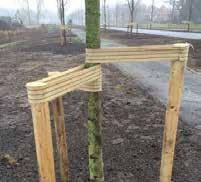
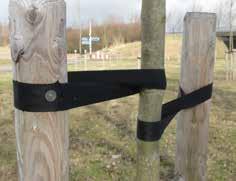
BIODEGRADABLE
BIODEGRADABLE


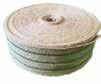
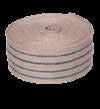
Nylon Tree Tie Nylon Anthracite/ black
Rubber Tree Tie
Jute Tree Tie
Rubber, canvasreinforced Anthracite/ black
Jute Tree Tie XL
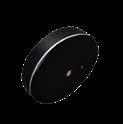

Bio Tree Tie
Heavy-duty woven jute, biodegradable Beige/ brown
*
Coconut Tree Tie
Heavy-duty woven jute, biodegradable Beige/ brown
100% PLA (polylactic acid), industrially compostable Black
100% plantbased coconut fibre, no additives, biodegradable Black
*Please note: the tensile strength of jute depends on weather conditions. In very warm and dry weather, the tree tie may become brittle and lose strength, whereas it is stronger in wet conditions. Rapid changes in weather can therefore have a greater impact on its lifespan.
Tree Ties Accessories

Protective sleeve for coconut tree tie
100% plantbased coconut fibre, no additives, biodegradable
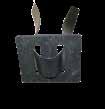
Tree Tie Buckle Rubber
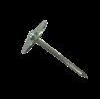
Washer head nails (400 pcs, 2,5 kg per box)
● Fast and easy installation
● The only supplier offering earth anchors not only in galvanised steel and aluminium bronze, but also in stainless steel
● Improved biodiversity on slopes through the combination of Vulcan® Earth Anchors with geotextile mats
● Fast delivery from stock
● Fully manufactured in Europe from recycled steel
● Sustainable alternative to a grouted anchor
● Slope angles of up to 70° possible, depending on soil conditions
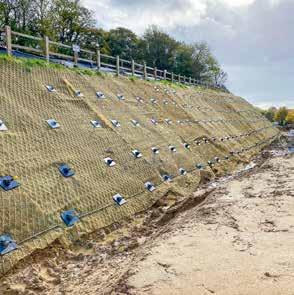
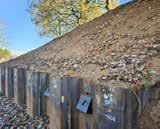
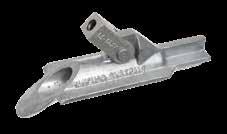
The risk of soil erosion is increasing due to more intense rainfall and longer periods of drought. Heavy rainfall washes soil away, while drought makes the soil brittle and more susceptible to water and wind erosion. This not only damages the landscape but also causes harm to infrastructure such as roads and tunnels. For this reason, do not wait until soil erosion occurs, but take timely measures to prevent this problem.
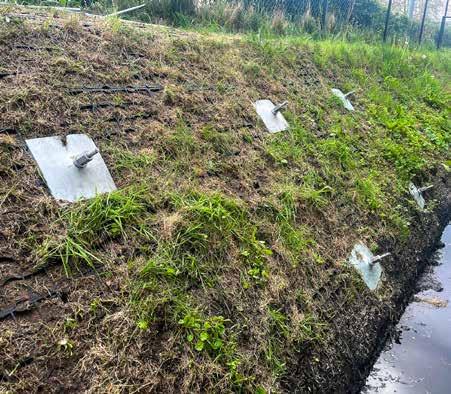
A strong and stable slope starts with proper anchoring. Vulcan® Earth Anchors are used on slopes to securely hold geotextile mats in place. This combination creates a stable subsoil and prevents soil erosion on slopes. In addition, this solution allows room for biodiversity, as plants can grow through the geotextile mats. Vulcan® Earth Anchors are available in various sizes and designs to meet all specific soil and project requirements.
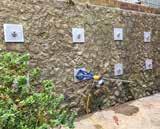
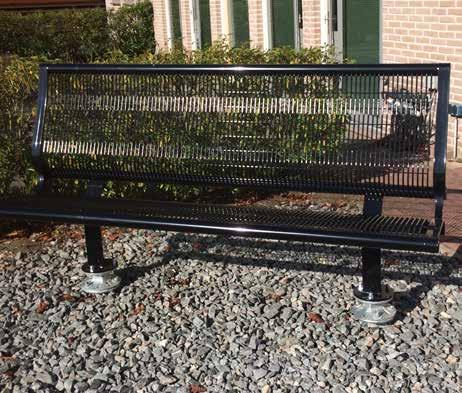
● Fast and easy installation, with the major advantage of immediate load-bearing capacity of the new foundation
● Fast delivery from stock
● Fully manufactured in Europe from recycled steel
● Sustainable, high-quality alternative to a concrete foundation
● Installation using easy-to-handle and portable equipment
● Unique system with a patented spherical head
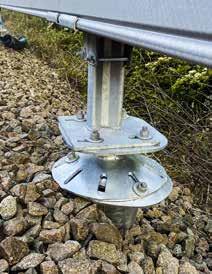
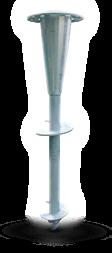
A stable foundation for technical structures is crucial to the safety of our infrastructure. As a result of climate change, the requirements being set are becoming increasingly stringent.
The patented anchor screws developed by Anchor Systems International Ltd provide strong and stable anchoring for structures. The unique design, featuring a spherical head and custommade mounting plates, makes this foundation system versatile and flexible. This allows any structure to be positioned accurately above ground on the anchor screw at all times.
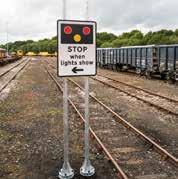
Anchor screws are used, among other applications, for traffic installations, temporary support structures and external landscaping and street furniture.
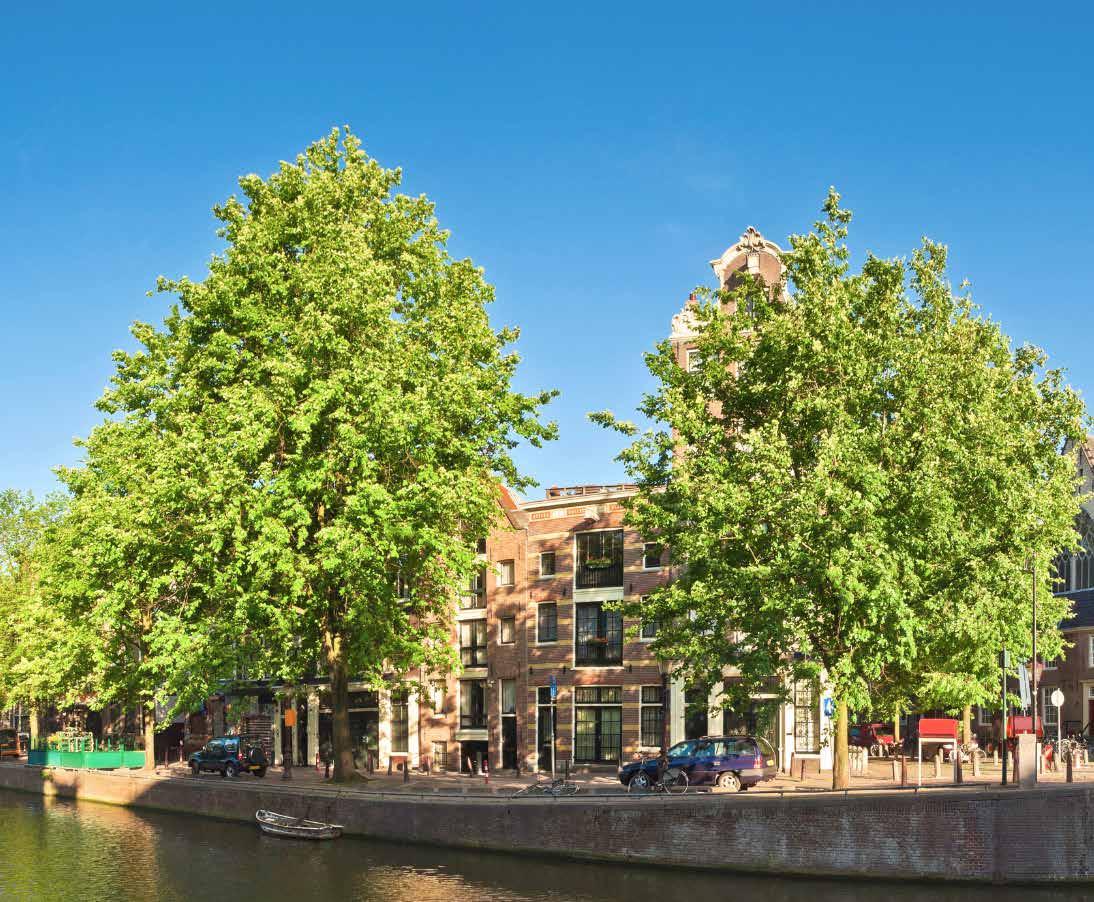
Trees need oxygen and water in order to survive. In urban environments, however, there is often a lack of adequate aeration and irrigation. The high concentration of concrete, paving and buildings restricts the natural infiltration of water and causes soil compaction. In addition, rainwater in cities is often quickly drained away through sewer systems instead of seeping into the soil, leading to a chronic lack of moisture for trees. As a result, urban trees are frequently under stress due to insufficient water and oxygen. This restricts tree growth and vitality and reduces their lifespan. GreenMax provides solutions to supply trees in urban environments with the correct amounts of water and oxygen.
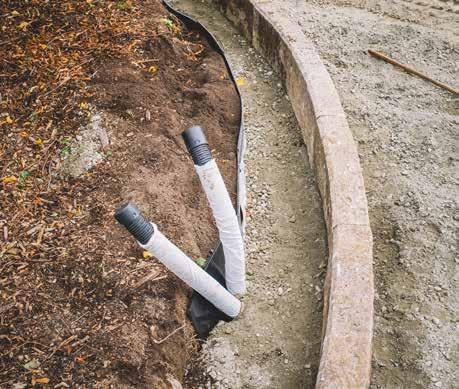
● Tubes: recycled polyethylene (PE), fully recyclable
● Components: recycled polypropylene (PP), fully recyclable
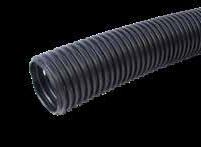
● Polyethylene pipes available with various types of filter fabric to prevent clogging
● Extra perforated for improved aeration (AirMax) and enhanced water distribution (AquaMax)
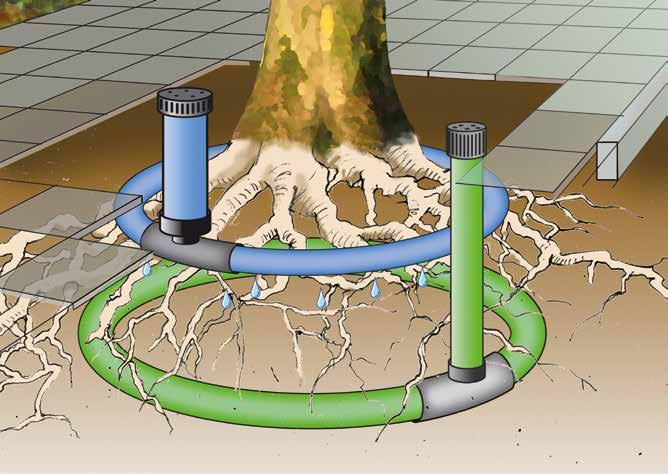
The AirMax & AquaMax aeration and irrigation system provides an effective solution for supplying trees in built-up environments with sufficient water and oxygen. This system is suitable for both newly planted and existing trees.
The AirMax & AquaMax system is installed lower in the planting pit, ensuring that deeper roots also receive additional water and oxygen. The system tubes are supplied as standard with extra perforations to enhance diffusion. The aeration and irrigation system is available in various sets and diameters, allowing it to be fully configured to individual requirements.
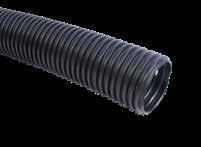
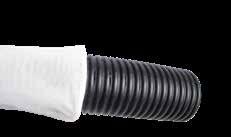
Flexible irrigation/aeration tube
PE Ø 80 mm, 50 m¹ per roll
PE Ø 100 mm, 50 m¹ per roll
PE Ø 160 mm, 25 m¹ per roll
Flexible irrigation/aeration tube with sleeve
PE Ø 80 mm, 50 m per roll
PE Ø 100 mm, 50 m per roll
PE Ø 160 mm, 25 m per roll
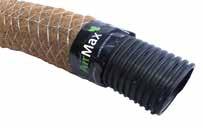
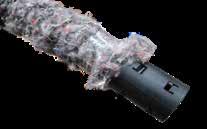
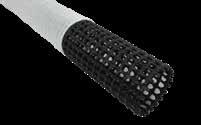
Flexible irrigation and aeration tube with coconut fibre
PE Ø 80 mm, 50 m per roll
PE Ø 100 mm, 50 m per roll
Flexible irrigation and aeration tube with polypropylene 450
PE Ø 80 mm, 50 m per roll
PE Ø 100 mm, 50 m per roll
AirMax 45 aeration tube, 45% perforated with sleeve
PE Ø 80 mm
PE Ø 100 mm
Standard lengths: 1,05 m and 2,10 m
Other lengths available on request
Read more on page 56
Irrigation
Components
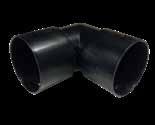
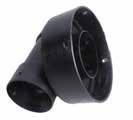
Bend pipe 90 degrees
PP Ø 80 mm
PP Ø 100 mm
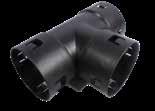
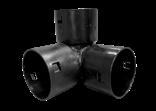
T-piece
PP Ø 80 x 80 x 80 mm
PP Ø 100 x 100 x 100 mm
PP Ø 160 x 160 x 160 mm
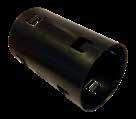
AirMax Connector
PP Ø80x80x80mm
Aeration
T-piece
PP Ø 80 x 160 x 80 mm
PP Ø 100 x 160 x 100 mm
Connector
PP Ø 80 mm
PP Ø 100 mm
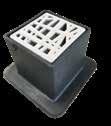
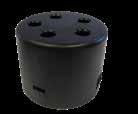
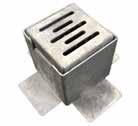
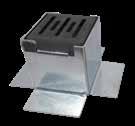
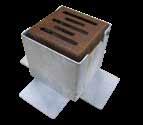
Circular Endcover
Grid: plastics or steel 100 x 100 mm
Circularly produced
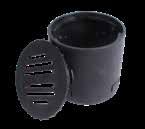
End cover with screw lid PP Ø 80 mm or Ø 100 mm
Click-fit end cover with 5 air holes
PP Ø 80 mm
PP Ø 100 mm
PP Ø 160 mm
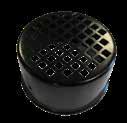
End cap hot-dip galvanised steel grid* 100 x 100 mm
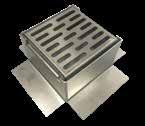
End cover hot-dip galvanised steel RAL 9005, powder coated Ø 80 mm, steel thickness 1 mm
End cap sherardized grid* 100 x 100 mm
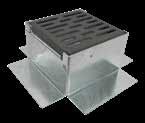
End cap hot-dip galvanised steel grid* 170 x 170 mm
100 x 100 mm
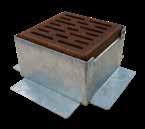
*All steel end caps: undertray galvanised
*Colour deviations possible
The AirMax & AquaMax aeration and irrigation system provides an effective solution for supplying trees in the urban environment with sufficient water and oxygen. This system is suitable for both newly planted and existing trees.
In addition to the standard version, the AirMax & AquaMax system is also available in a compostable version. This variant is manufactured from maize starch and bioplastic granulate. Underground aeration and irrigation are particularly important during the first years after planting. Once the tree has successfully established, the system is no longer required and will be broken down naturally. The degradation process begins within three to five years.
Material
● Maize starch and bioplastic granulate, biodegradable
● Under the right conditions, the system is fully compostable
● Natural degradation starts within 3 to 5 years
● 40% reduction in CO₂ emissions during the production process
● Environmentally responsible
● Complies with all requirements for biodegradability in accordance with EN 13432 and the OK Compost certification
Components
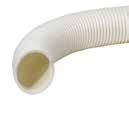
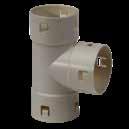
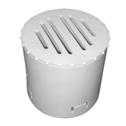
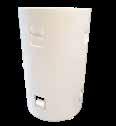
Irrigation/aeration tube bio
Ø 80 mm
50 m per roll
100% biodegradable
BIODEGRADABLE
BIODEGRADABLE
Connector bio Ø 80 mm
100% biodegradable
T-piece bio
80 x 80 x 80 mm
100% biodegradable
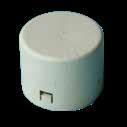
Click-fit end cover bio Ø 80 mm
100% biodegradable
End cover with screw lid bio
Ø 80 mm
100% biodegradable
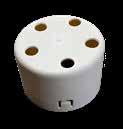
Click-fit end cover bio with aeration holes
Ø 80 mm
100% biodegradable
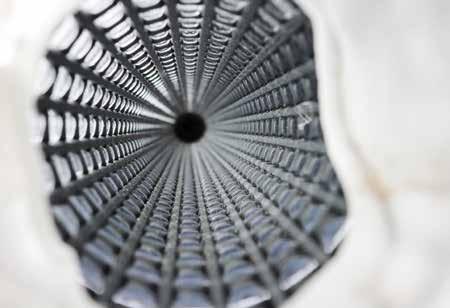
● HDPE, pressure resistant and UV-stable
● Tubes and fittings are made from recycled material and are fully recyclable
● Diameter: Ø 80 mm en Ø 100 mm
● Wall perforation: 45%
● All lengths possible on request (max. 250 cm)
● Supplied including a nylon filter sleeve
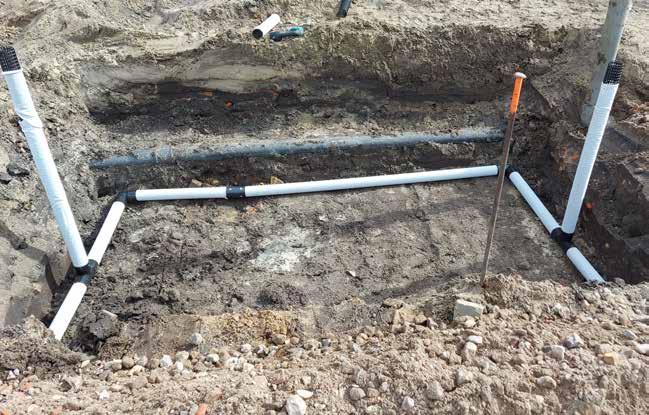
The AirMax 45 aeration system, installed at the bottom of the planting pit, supplies deeper roots of young urban trees with additional oxygen. This helps prevent drought stress and oxygen deficiency.
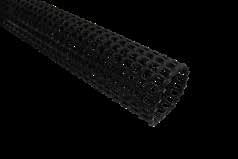
The AirMax 45 tubes are 45% perforated, providing optimal air permeability. Their high compressive strength makes them particularly suitable for use in granulate, a material commonly applied in urban planting pits. This property ensures that the tubes can withstand the pressure of the surrounding soil and materials.
Components
AirMax 45 aeration tube
PE, 45% perforated with sleeve
Ø 100, length 1m¹ or 2m¹
Other sizes available on request
Bend pipe 90 degrees
PP Ø 80 mm
PP Ø 100 mm
T-piece
PP Ø 80 x 80 x 80 mm
PP Ø 100 x 100 x 100 mm
A key feature of the AirMax 45 tubes is the nylon filter sleeve with which they are wrapped. This sleeve prevents the tubes from becoming clogged with soil particles and other materials in the ground. By using materials with a very long service life, the system requires less maintenance and lasts longer, making it both cost-efficient and environmentally friendly. The system consists of tubes, components and end caps and can be customised to suit each individual tree.
withExpandablecomponents and end caps shown on pages 53 and 54
Optional extension
Steel end cap, base galvanised 100 x 100 mm
Available with 4 cover types:
hot-dip galvanised steel, stainless steel, Corten steel or a sherardised finish (see page 54)
Steel end cap with a galvanised base
170 x 170 mm
Available with 4 cover types: hot-dip galvanised steel, stainless steel, Corten steel or a sherardised finish (see page 54)
Circular end cap (plastic grid)
100 x 100 mm
Cover available in plastic or stainless steel
This end cap is manufactured from recycled plastic and is fully recyclable. It is a cost-effective and strong alternative to steel end caps, suitable for being driven over and available in various colours.
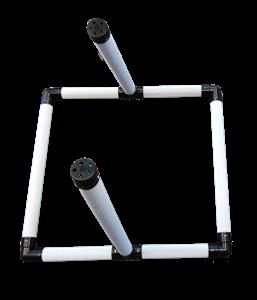
Set B1
Dimensions: approx. 1,05 x 1,05 x 1,05 m. (L x W x H)


4 pcs of AirMax 45 tubes with sleeve Ø 80 mm, 1,05 m
4 pcs of AirMax 45 tubes with sleeve Ø 80 mm, 0,52 m¹
2 pcs click-fit end cover* (see table of alternative end caps) Ø 80 mm
2 pcs of T-pieces Ø 80 mm
4 pcs bend pipe 90 degrees Ø 80 mm
Set B1
Set B1-F
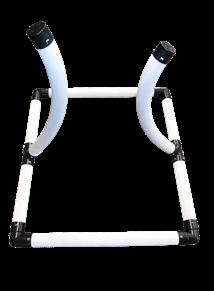
*Table of alternative end caps; see page 59
Dimensions: approx. 1,05 x 1,05 x 1,05 m. (L x W x H)


2 pcs of AirMax 45 tubes with sleeve Ø 80 mm, 1,05 m
4 pcs of AirMax 45 tubes with sleeve Ø 80 mm, 0,52 m¹
2 pcs of flexible irrigation/aeration tubes with sleeve, 1 m
2 pcs click-fit end cover* (see table of alternative end caps) Ø 80 mm
2 pcs of T-pieces Ø 80 mm
4 pcs bend pipe 90 degrees Ø 80 mm
Dimensions: approx. 2,10 x 2,10 x 1,05 m. (L x W x H)

10 pcs of AirMax 45 tubes with sleeve Ø 80 mm, 1,05 m
10 pcs of connector
Ø 80 mm
2 pcs click-fit end cover* (see table of alternative end caps)
Ø 80 mm
2 pcs of T-pieces
Ø 80 mm
4 pcs bend pipe 90 degrees Ø 80 mm
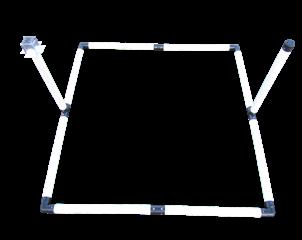
Dimensions: approx. 2,10 x 2,10 x 1,05 m. (L x W x H)

8 pcs of AirMax 45 tubes with sleeve Ø 80 mm, 1,05 m
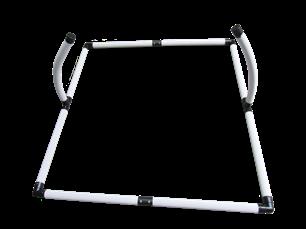


*Alternative end caps, applicable to all sets

End cover with screw lid

End cap in hot-dip galvanised steel, RAL 9005, powder coated
● Ø 80 mm, steel thickness 1 m


2 pcs of flexible irrigation/aeration tubes with sleeve, 1 m
2 pcs of connector Ø 80 mm
2 pcs click-fit end cover* (see table of alternative end caps) Ø 80 mm
2 pcs of T-pieces Ø 80 mm
4 pcs bend pipe 90 degrees Ø 80 mm
Steel end cap
● 100 x 100 mm
● 170 x 170 mm
Circular end cap (plastic grid)
● 100 x 100 mm
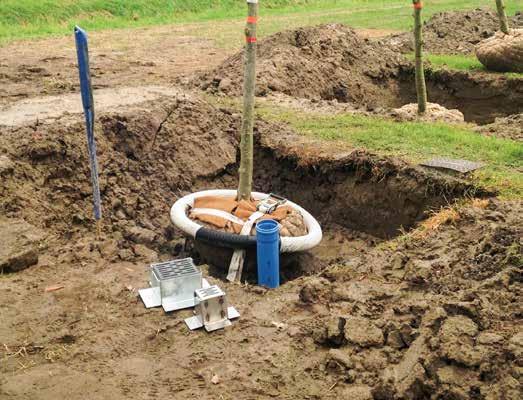
Infusion of air and water through a bayonet coupling, ensures water cannot flow into the lower situated aeration tube
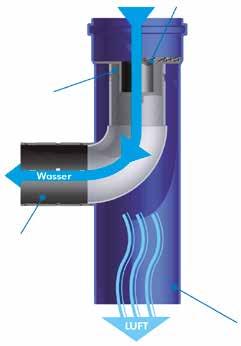
Irrigation tube 80 mm is connected with a T-piece or another special connecting piece Filtering cloth An opening for Aeration tube


Two systems, one inlet. The LUWA system prevents drought stress and oxygen deficiency in trees in the urban environment.
With conventional systems, there is a risk that irrigation takes place via the aeration tube. This formed the basis for the development of the LUWA system: a combined aeration and irrigation system that keeps water and air separated. As a result, water cannot enter the aeration tube. The LUWA system has been designed to promote optimal growing conditions for trees in built-up environments.


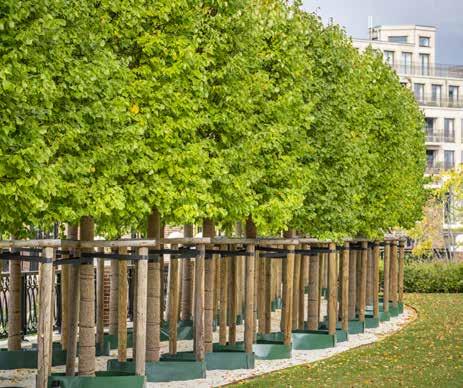
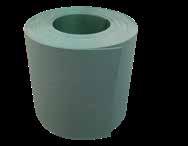
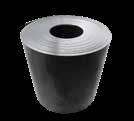
● Various materials available: high-quality recycled HDPE or LDPE, polyethylene based on residual sugarcane waste (bio-based), PMD household waste, and untreated poplar wood
● Colours: green, grey, black and brown
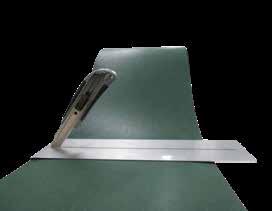
Cutting the water reservoir in a straight line with the AquaMax/AMGR cutting board. The stainless steel cutting board is 10 cm wide and 36,5 cm high.
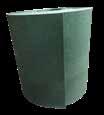
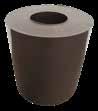
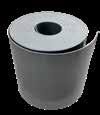
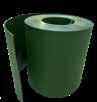
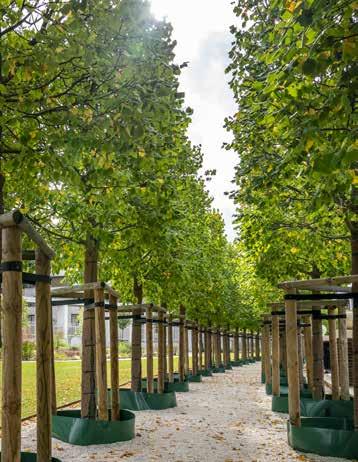
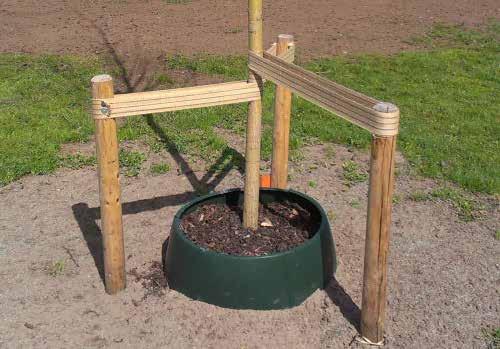
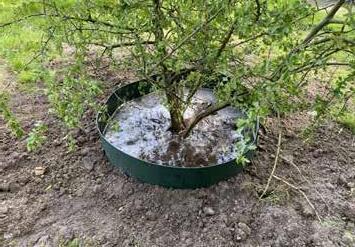
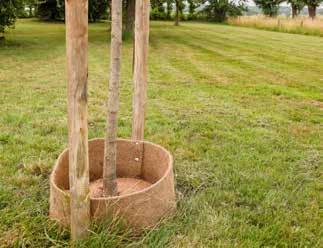
Dry soil often leads to growth problems in young trees. To ensure that trees can establish successfully and develop new roots before drying out, water reservoirs are used. Water reservoirs provide a concentrated water supply directly to the root zone. This is essential for the healthy development and growth of young trees in builtup environments. In addition, water reservoirs offer effective protection against mowing damage and de-icing salt.
A water reservoir is 30 cm high and is partially installed below ground level, up to 10 cm. This ensures stability and allows the reservoir to retain water effectively around the base of the trunk. The water reservoir is closed using nails or a coupling and is then nailed or screwed to tree stakes.
The inside of the water reservoir can be filled with coconut matting or wood chips to suppress weed growth. Furthermore, the water reservoir is easy to fill with water and has a large water storage capacity.
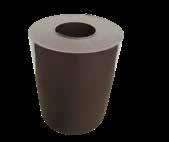

Dimensions and materials
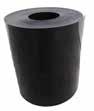
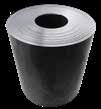
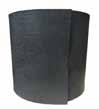
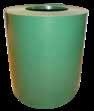
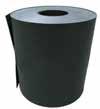
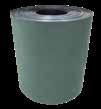
Budget water reservoir AMGR125Z
High-quality recycled HDPE Black/ anthracit* Partly UV-stable
AquaMax water reservoir AMGR225Z
High-quality recycled HDPE Black UV-stable
AquaMax water reservoir AMGR325Z
High-quality recycled LDPE Black UV-stable
Budget water reservoir AMGR320G
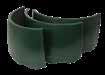
High-quality recycled LDPE Green* Partly UV-stable
AquaMax water reservoir AMGR225G
High-quality recycled LDPE Dark green UV-stable
AquaMax water reservoir AMGR225GZ
Approx. 10 years
High-quality recycled HDPE Bicolour: dark green/black UV-stable
All our water reservoirs are designed for multiple reuse. When using our click coupling (see page 66), reuse is made easier because the reservoirs remain free of holes. *Colour variations may occur.
Dimensions and materials
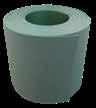

AMGR
Bio-based water reservoir
High-quality recycled LDPE Dark green UV-stable
Bio-based polyethylene made from residual sugarcane waste Brown* UV-stable
Household waste Grey* Partly UV-stable
*Colour variations may occur.
Dimensions and materials Type
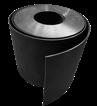
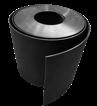
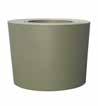
Coconut Water Reservoir
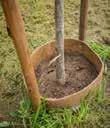
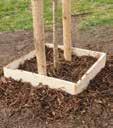
Wooden water reservoir
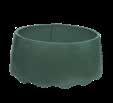
Made entirely from 100% plant-based material consisting of coconut fibre & a latex binding agent, naturally biodegradable
Untreated poplar wood, sourced from local forestry Per set: 4 planks Natural product
3 years
Water reservoir accessories
All components are available separately


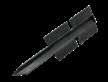
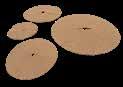

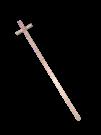


AquaMax water reservoir coupling 30-2
AquaMax water reservoir coupling 30-3
AquaMax water reservoir click coupling
Coco Disk > 57 cm
Coco Disk > 73 cm
Coco Disk > 100 cm
Coco Disk > 133 cm
Steel anchor
Wooden peg
AMGR cutting board
Coupling for the water reservoir of 1 – 2 mm, to attach together by sliding into each other
Coupling for the water reservoir of 3 mm, to attach together by sliding into each other
Coupling for attaching the water reservoirs of all thicknesses with a click coupling.
With a pin for easy insertion of the click coupling into the ground.
Stake for casting edges Length: 40 cm, width: 12 cm
Coco fiber mat bundle packaged per:
14 pieces
11 pieces
8 pieces 6 pieces
Steel anchor to attach the Coco Disk in the ground Length: 30 cm
Biodegradable wooden peg for securing the Coco Disk in the ground Length: 30 cm
For cutting water reservoirs in a straight line. Made from stainless steel, length: 36.5 cm, width: 10 cm.
AMGR screw
For screwing water reservoirs to tree stakes.
40
Screws for wooden water reservoir
50 (L) x 4,0 (W) mm
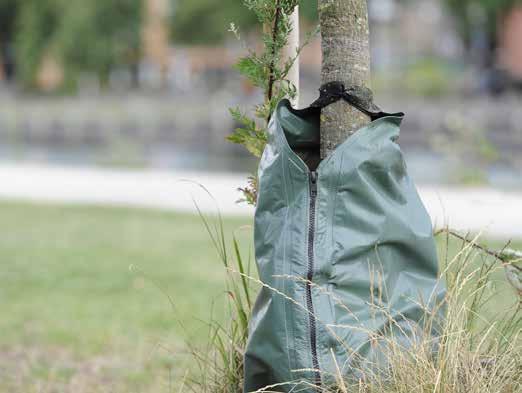
● Capacity: 75 litres
● Easy to install
● Reusable
● One or more AquaBags per tree (can be zipped together)
● Suitable for use with trees and shrubs
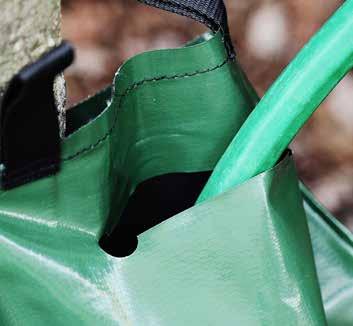
To prevent drought stress or overwatering after new planting, the AquaBag offers an effective solution. This is a drip irrigation bag that gradually empties around the base of the trunk over a period of 6 to 10 hours. This allows the tree to absorb water efficiently and at a controlled rate directly at the roots.
For optimal growth, the water bag, which is easily secured around the tree using a zip, should be filled with clean water once or twice a week. Using clean water is important to prevent clogging of the drip outlets.
If there are concerns about fungal growth or oxygen deficiency at the trunk, the bag can also be placed around a tree stake instead. In this case, the water still drips towards the root ball, while the trunk itself remains unobstructed.
Material
● Available in the following sizes:
Small
Inner Diameter: 10 cm
Outer Diameter: 60 cm
Number of parts: 1 piece
Medium
Inner Diameter: 30 cm
Outer Diameter: 90 cm
Number of parts: 2 pieces
Large
Inner Diameter: 30 cm
Outer Diameter: 120 cm
Number of parts: 4 pieces
● Colour: black
● The small TreeDiaper fits into the GreenWell
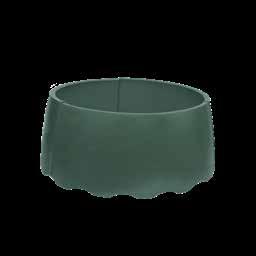
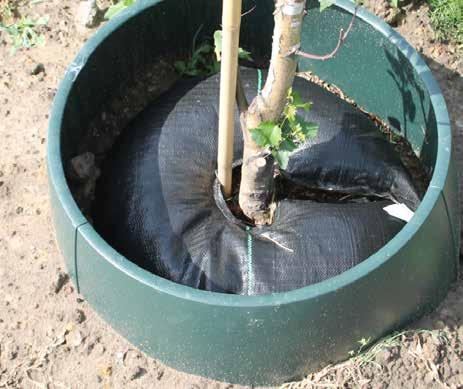
TreeDiaper absorbs (rain)water and gradually releases it back to the tree. Using waterabsorbing granules, TreeDiaper provides the tree with a consistent water supply, helping to prevent both drought stress and waterlogging.
TreeDiaper not only functions as an irrigation system but also serves as a root barrier fabric. The water reservoir is placed on the tree pit, preventing weeds from germinating around the tree. With its round, inflatable ring-like shape, TreeDiaper fits perfectly around the base of the tree.
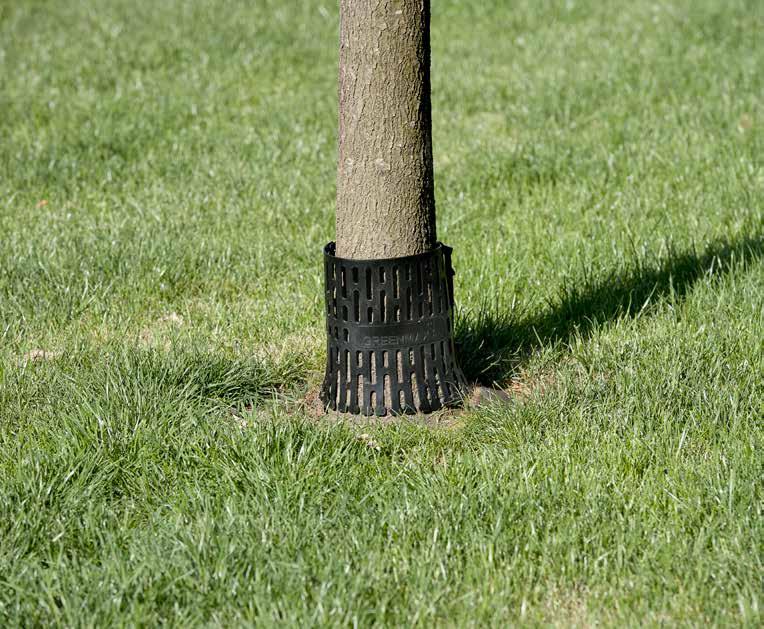
External influences such as wildlife damage, mowing, excessive exposure to sunlight, frost and de-icing salt can cause damage to the tree trunk. This damage can make the tree susceptible to diseases and pests, weaken it and ultimately lead to decline or death. Young trees, older trees that have been heavily pruned, and trees with thin bark are particularly vulnerable to external influences. To keep a tree strong and healthy, it is essential to provide the trunk with appropriate protection. GreenMax offers a range of solutions for effective tree trunk protection.
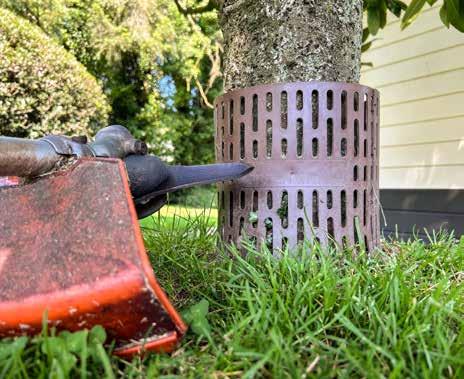
● TreeProtect PE: polyethylene (PE), fully recyclable
● TreeProtect Bio-based: polyethylene made from residual sugarcane waste, fully recyclable
● Colours: dark green, brown and black
● Height: 21 cm
● Standard suitability for trunk diameters up to 11 cm
● Easily connectable for larger trunk diameters
● Easy to install
● UV-resistant
● Optimal aeration openings
Mowing damage can affect the bark of trees, disrupting the sap flow and making the tree more susceptible to diseases and pests. The TreeProtect tree trunk protector provides protection against mowing damage and rodents. The openings in the trunk protector allow sufficient air and light to reach the trunk, while at the same time preventing bark rot and offering protection against insect damage.
TreeProtect is easy to install and is suitable as standard for tree trunks up to 11 cm in diameter. For larger trees, multiple protectors can easily be connected together. It is important to loosen the protector annually to prevent ingrowth.
TreeProtect is manufactured from high-quality plastic. The tree trunk protector is also available in a biobased version made from residual sugarcane waste.
Dimensions


or
or
or
All types are available in both polyethylene (PE) and bio-based versions.
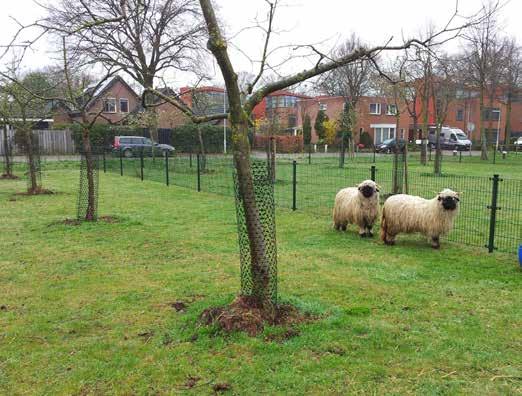
● Recycled polyethylene (PE), fully recyclable
● Colour: black
● Length: 50 m
● Height: 100 cm
● Height adjustable
● Easy to install
● UV-resistant
● Optimal aeration openings
● Easy to secure with cable ties
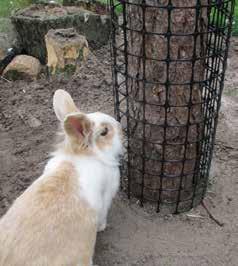
Wildlife damage occurs when wild animals cause harm to, among other things, the trunk of a tree by feeding on it. Both small and large animals can cause significant damage by gnawing at the trunk or rubbing their horns or antlers against the bark. To protect trees against wildlife damage, the height-adjustable BiteProtect tree trunk protector is used.
BiteProtect provides an additional protective layer around the tree, preventing both small and large animals from reaching the trunk. Because the trunk is not fully enclosed, it continues to receive sufficient air and light at all times. This helps prevent bark rot.
The BiteProtect tree trunk protector can also be used to protect trees against the impact of golf balls on golf courses. Such impacts can damage the bark and create entry points for fungi and diseases. BiteProtect prevents this type of damage and helps maintain a strong, healthy trunk.
Dimensions
ties 100 pieces in a bag (120 mm x 4,8 mm)
Other heights available on request.
BIODEGRADABLE
BIODEGRADABLE
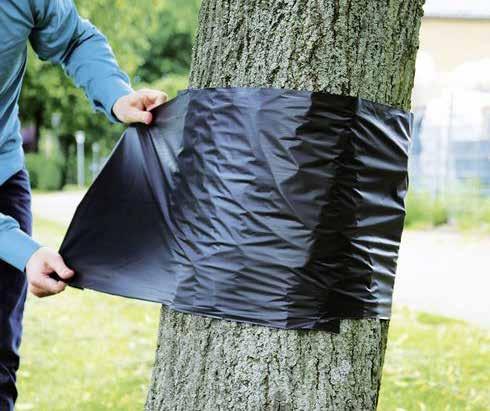
● Bioplastic made from potato starch
● After approximately 10–12 months, the film begins to tear and gradually biodegrade
● Easy to install
● Effectively protects wounds against drying out and light exposure
● Faster wound healing compared to conventional, non-biodegradable films
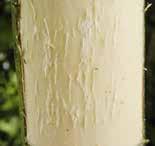
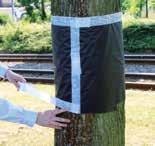
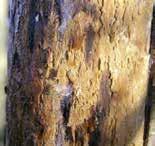
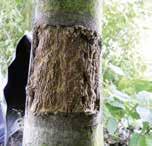
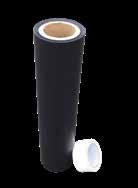
Street and avenue trees often suffer from negative influences such as pollution, de-icing salt and impact damage. The wounds that result still contain living cells, which are highly sensitive to external influences such as diseases and pests. The biodegradable bio tree wound sealer ArboTape is an effective and proven solution for promoting faster healing of tree wounds.
ArboTape is made from compostable raw materials and is therefore fully biodegradable. The wound care film has been extensively tested by the Hamburger Institut für Baumpflege, whose researchers recommend it for the rapid recovery of tree wounds.
It is important to seal a tree wound with ArboTape as quickly as possible. Otherwise, the remaining living cells may suffer severe damage or die.
Material
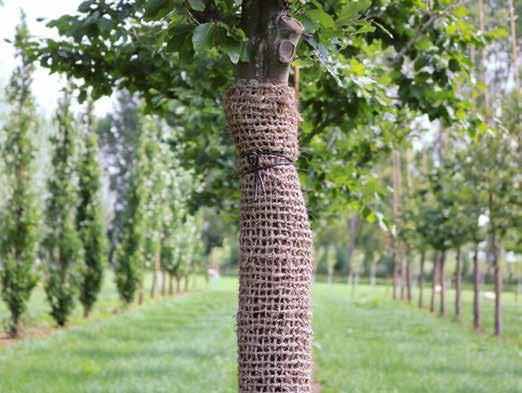
● Coconut fibre
● Biodegradable
● Packed per 10 pieces
● Height: 200 cm
● Width: 46 cm
● To be fixed with: coconut rope, standard one spool per pack, also available to order separately
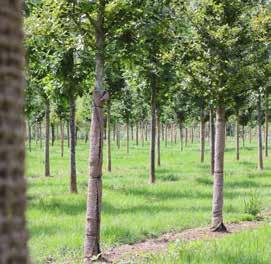
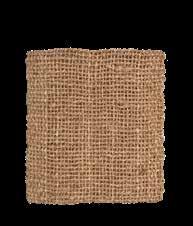
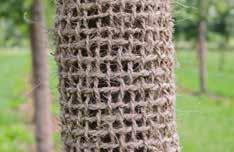
The thin bark of young trees is vulnerable. Intense UV radiation can cause sunburn, resulting in cracking, dehydration and infections. Frost and large temperature fluctuations also pose risks, as they can cause the bark to split more easily. The coconut trunk protector provides yearround protection for the vulnerable trunk against sunburn, temperature fluctuations and frost cracks.
The coconut trunk protector reduces direct sunlight and creates shade, keeping the bark cooler during summer. At the same time, the trunk can continue to breathe, as it is not fully enclosed. In winter, the trunk protector offers protection against cold winds.
The coconut trunk protector is biodegradable and will naturally break down over time.
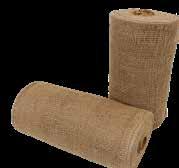
Material
● Jute
● Biodegradable
● Colour: beige
● Length 20 cm: 50 m per roll
● Length 40 cm and 50 cm: 100 m per roll
● Width: 20 cm, 40 cm and 50 cm
Sunburn damage to the bark reduces the tree’s natural cooling capacity. In such situations, bark temperatures can rise above 40°C, leading to tissue necrosis. On the sun-exposed side of the trunk, dry strips of bark may develop, which can crack open and cause bark splits and exposed sapwood. Exposed sapwood is the young wood beneath the bark and, when exposed by cracking, becomes particularly vulnerable to dehydration, fungi and insect damage.
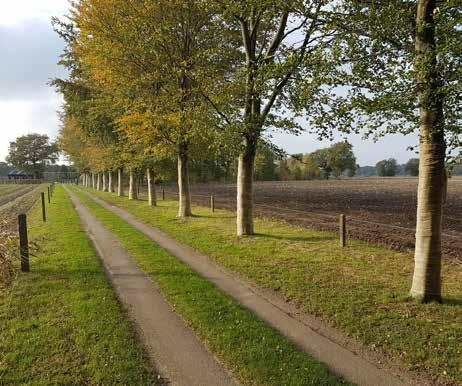
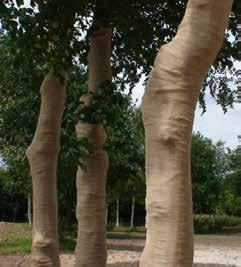
The fully biodegradable jute wrap provides protection for the tree trunk against damage caused by sunburn, frost or site activities. Jute wrap can also be applied to trees experiencing changes in light intensity, for example after the removal of neighbouring trees. Because jute breaks down slowly, the bark is given sufficient time to adapt to the new light conditions.
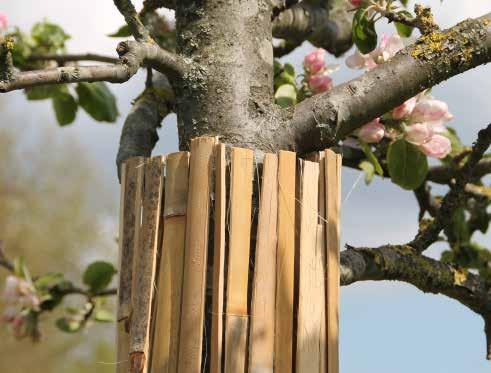
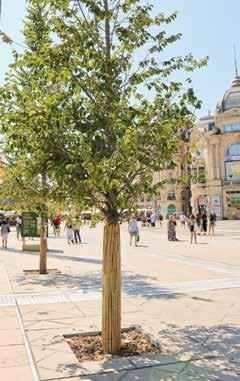
● Bamboo
● Colour: light brown
● Height: 180 cm
● Length: 5 m
Drought stress in combination with UV radiation can lead to the death of bark tissue in trees with thin bark. Bark burn is often not immediately visible, which is why it is important to prevent sunburn damage proactively.
The bamboo trunk protector primarily functions by creating shade. This helps prevent sunburn damage to trees. An additional benefit of this natural material is that it allows air circulation, enabling heat to dissipate effectively. Effective protection against sunburn damage is particularly important for young trees with their vulnerable trunks.
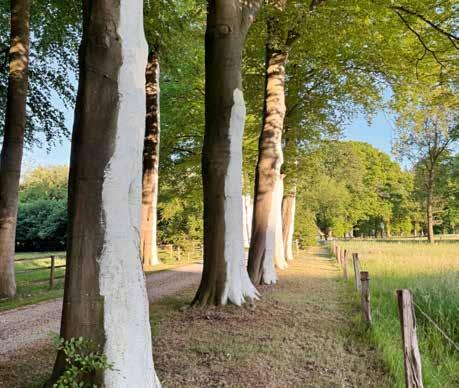
● Suitable for all tree species
● Ready-to-use tree trunk protection paste; stir well before use
● Protection for a minimum of 5 years
● Non-toxic to humans and animals
● Plant-strengthening product (not a plant protection product)
● Protection up to the crown base
● Residue-free degradation
● Easy detection of insect and fungal infestations
● Air-permeable
● Complies with the requirements of ZTV Baumpflege (2017)
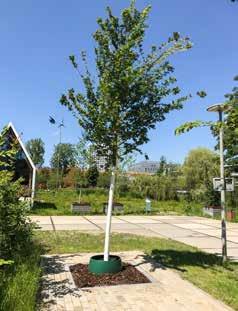
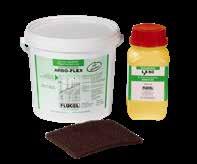
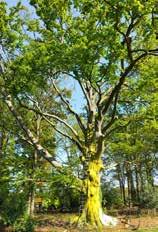
To protect trees against harmful UV radiation, the white tree trunk protection paste ArboFlex is used. This white paste reflects sunlight rather than absorbing it. This helps keep the trunk temperature low and prevents overheating.
Young trees in particular, as well as older trees that have been heavily pruned and trees with thin bark, are especially vulnerable to sunburn. ArboFlex provides long-lasting protection for at least five years.
Primer LX60
Primer LX60 is applied as a base coat to the surface of the bark using a brush. It serves as an adhesion primer for ArboFlex.
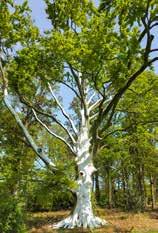
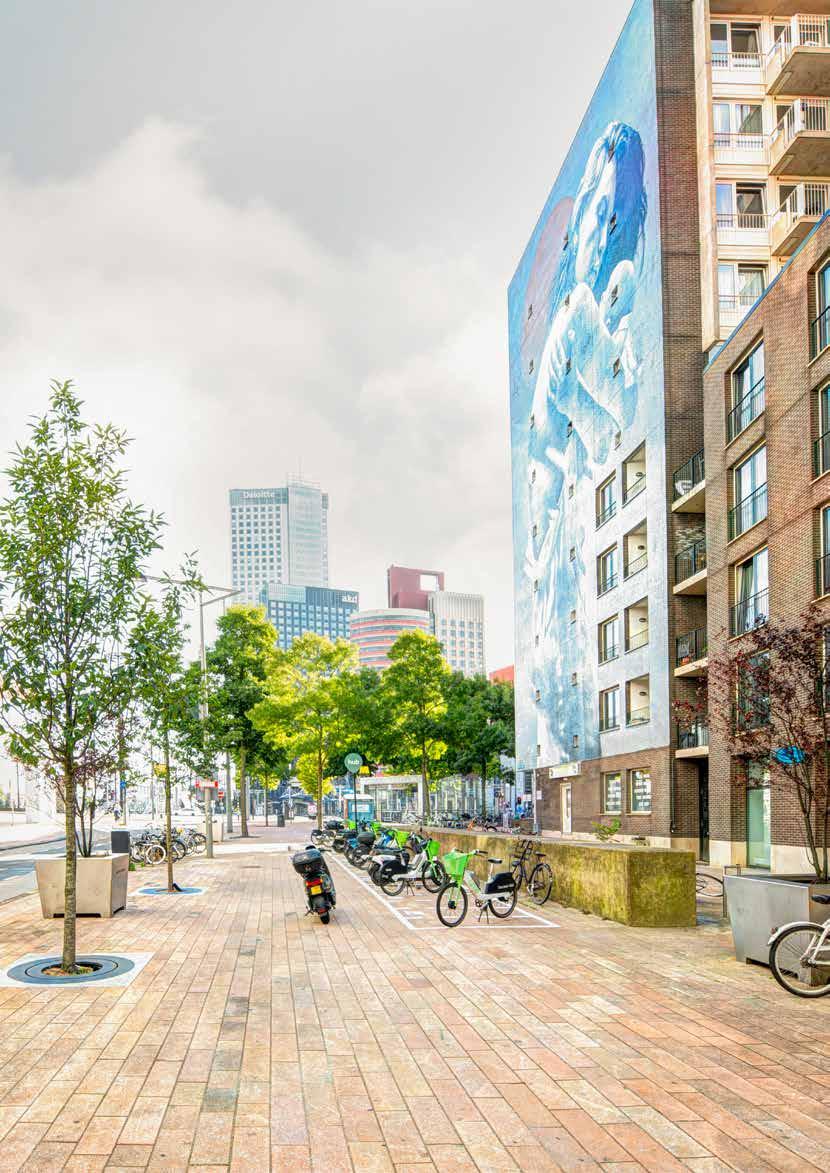
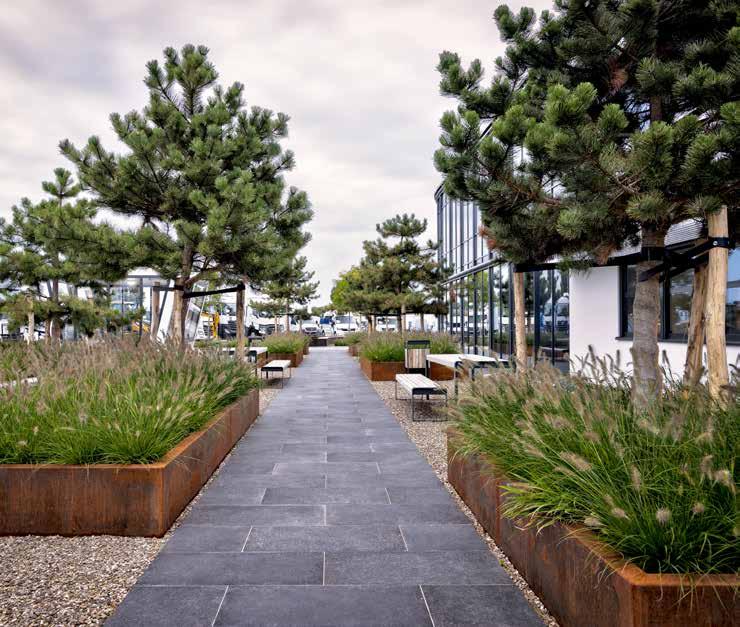
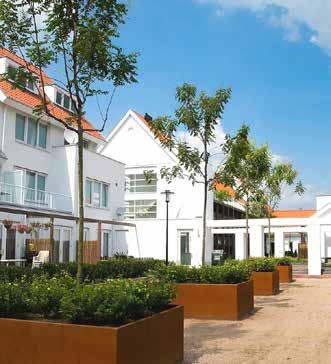
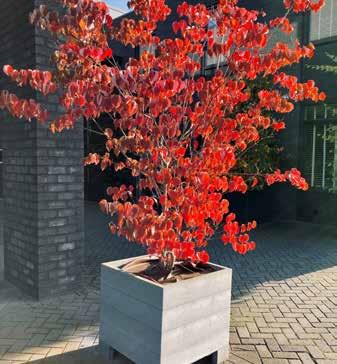
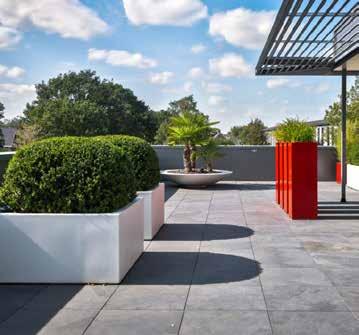
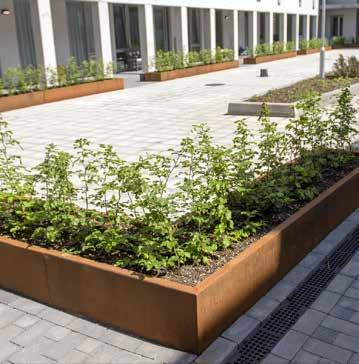
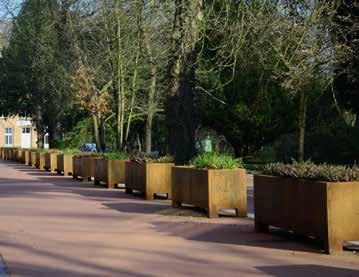
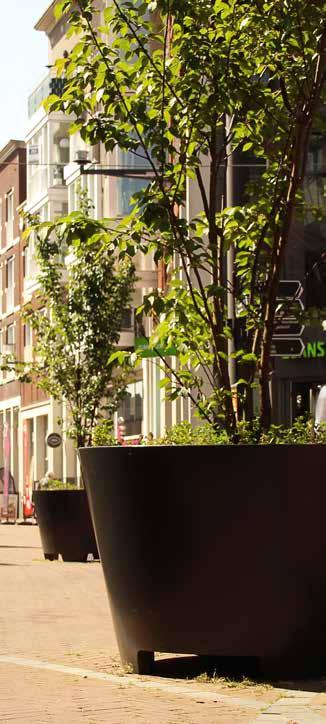
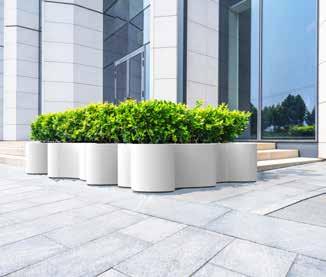
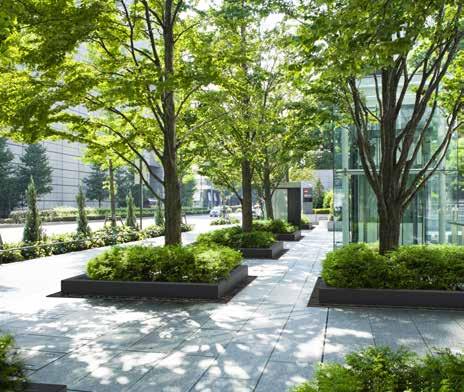
Exterior design creates a distinctive urban landscape. It adds greenery to shopping streets, city squares and car parks in locations where this would otherwise not be possible. Cities often host a wide range of events, such as festivals and markets. In such settings, movable tree boxes offer a practical solution for planting trees. During events, they are also frequently used as road blockers to help ensure visitor safety. Edging is commonly applied in urban parks to create an aesthetically pleasing landscape design. Tree grilles and tree pits provide a solution for preventing litter from entering the planting area while protecting tree roots. The interplay of various shapes, materials and colours creates a stylish and attractive outdoor space where green and grey come together.
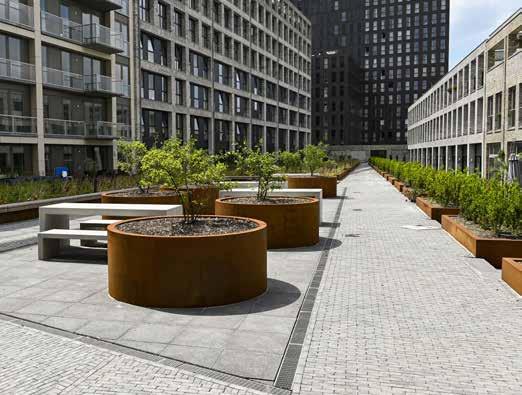
Material
● Polyester
● Aluminium
● Corten steel
● EPS/Polyurea
● FSC-certified hardwood
● Recycled plastic
Cities often host a wide range of events, such as festivals and markets, making it impractical to plant permanent trees in certain locations. Movable tree boxes provide the ideal solution for transforming public spaces into an urban jungle. The natural materials of the planters contribute to creating a distinctive and green environment.
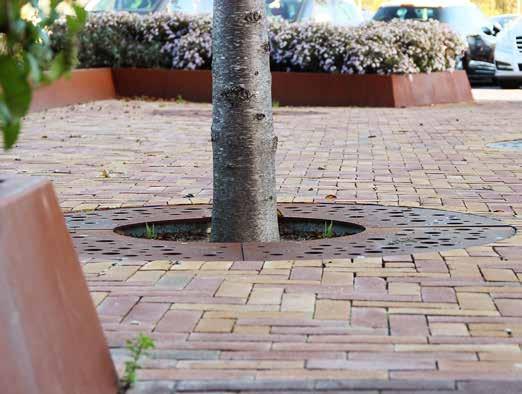
Another option is bottomless tree boxes. These offer a stylish way to enhance public spaces. In this case, the tree is planted directly in open ground or within a soil cell system, while the tree box serves as an elegant surround. This ensures that root growth, water management and temperature remain optimally balanced.
GreenMax offers tree boxes in a wide range of shapes, sizes and materials, including recycled plastic, Corten steel, galvanised steel, polyester, aluminium and FSC-certified hardwood. All materials are weather-resistant and have a long service life.
Material
● 5 tonnes / 50 kN wheel load
Corten steel
● 10 mm thick rolled Corten steel
● Significantly stronger than cast iron
● Enhanced durability due to its natural oxide layer
● Natural appearance and low maintenance
Black-grey (RAL 7021)
● 10 mm thick rolled steel
● Significantly stronger than cast iron
● Enhanced durability through galvanising and powder coating
Frame
● Two-part frame made from thick-walled rectangular hollow section, 50 x 25 x 2 mm
● Hot-dip galvanised steel
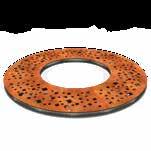
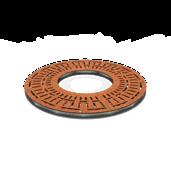
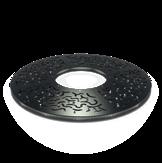
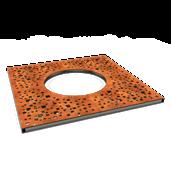
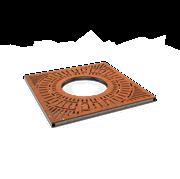
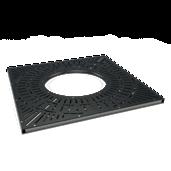
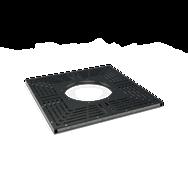
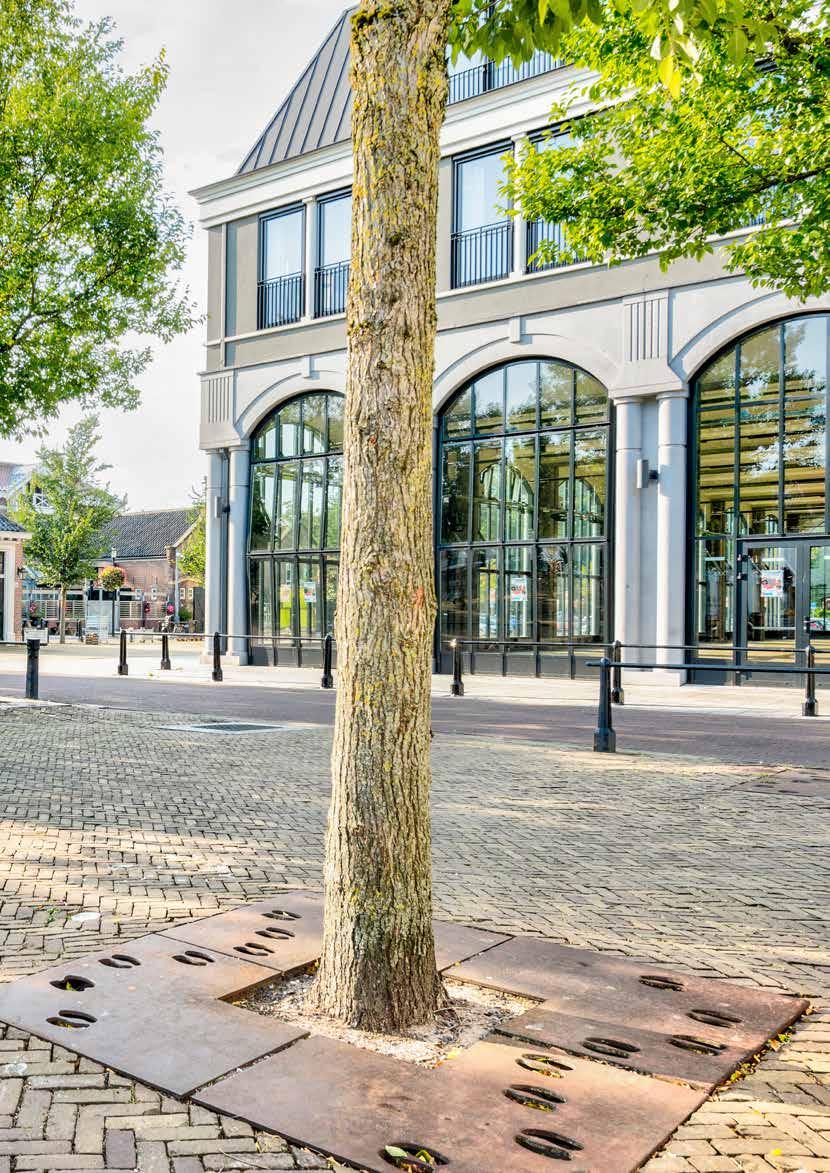
Tree grilles protect the trunk and roots against damage and loading, while maintaining access of water and oxygen to the roots. They also contribute to safety by keeping the surface level around trees even and stable.
In addition to these functions, tree grilles make an important contribution to safety in public spaces. By keeping the ground level around the tree even, risks such as tripping or a bicycle wheel becoming caught are reduced.
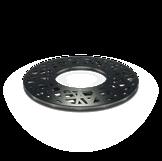
Moreover, tree grilles enhance the aesthetic appearance of squares and streets. A wide range of designs and natural materials is available, with the option of bespoke graphic patterns and specific dimensions.
Available in various sizes and designs
Material
Corten steel
● 3 mm thick rolled Corten steel
● Enhanced durability due to its natural oxide layer
● Natural appearance and low maintenance
Black-grey (RAL 7021)
● 4 mm thick rolled aluminium
● Corrosion-resistant
● Durable due to galvanising and powder coating
Urban paving prevents rainwater from properly infiltrating the soil. During heavy downpours, sewer systems are often unable to cope with large volumes of water, resulting in flooding in public spaces.
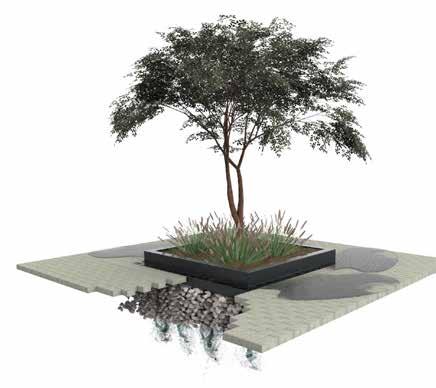
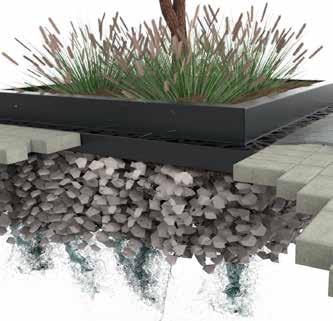
Tree watering islands provide a solution. These structures around the base of the tree trunk are mainly used in paved urban areas. They protect the tree, improve the supply of water and oxygen to the roots, and ensure efficient drainage. In addition, tree watering islands create an attractive and distinctive streetscape. In this way, they contribute to improving the liveability of the city.
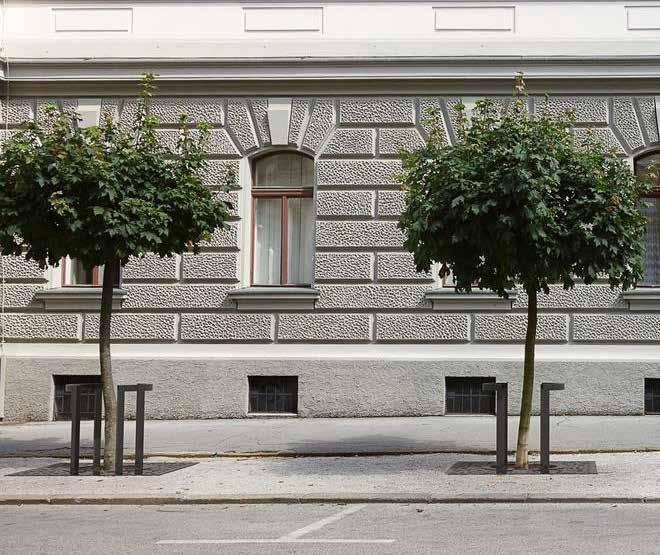
● Corten steel (Spring, Autumn and Winter finishes)
● Galvanised steel with RAL powder coating
● Galvanised steel
The use of tree trunk guards in public spaces protects trees against external factors, such as bicycles being secured to the trunks and causing damage.
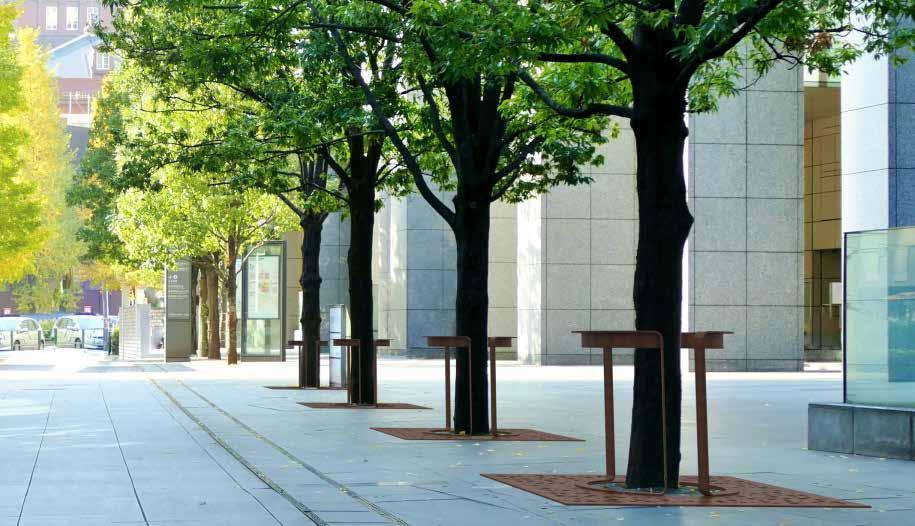
The combination of tree trunk guards with tree grilles provides an aesthetic and functional total solution. Our tree trunk guards are supplied as standard with a mounting plate featuring M10 fixing holes. This allows them to be easily installed on our tree grilles or on an existing foundation. The robust construction and carefully selected materials make the tree trunk guards highly suitable for use in public spaces.
● Recycled plastic, fully recyclable
● Corten steel
● Galvanised steel
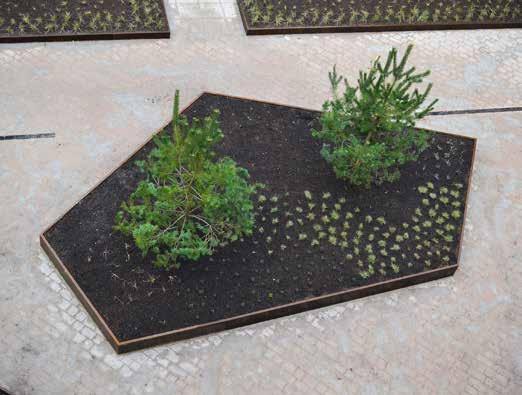
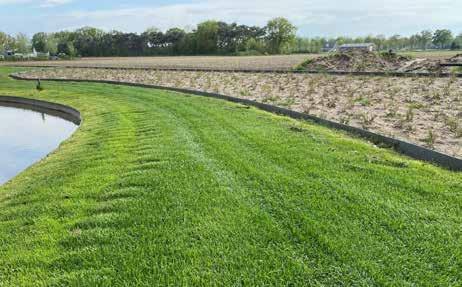
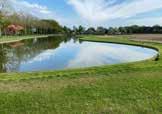
Create elegant shapes and give outdoor spaces a refined and distinctive appearance with an edge retaining system. An edge retaining system forms a clear boundary between planting areas, ponds or lawns and paving, resulting in a neat and professional finish.
GreenMax offers edge retaining systems in recycled plastic, such as RecyFlex and JardiRoll, as well as in Corten steel and galvanised steel. Each material has its own character, ensuring there is always an edge retaining system that matches the aesthetic and technical requirements of your project.
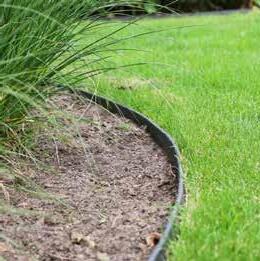
Grass Edging
● LDPE (green) or HDPE (black)
● Colour: green and black
● Height (green): 10 cm
● Height (black): 15 cm
● Length: 25 m
● Thickness (green): 3 mm
● Thickness (black): 4 mm
EasyLine
● PVC
● Colour: black and green
● Length: 80 cm and 100 cm
● Height: 4, 5, 6 and 8 cm
RecyFlex straight
● Colour: black, anthracite and terra
● Length: 1.2 m or 2 m
● Height: 12, 14 or 20 cm
● Thickness: 1 cm
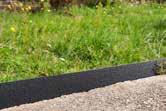
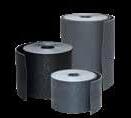
RecyFlex roll
● Colour: black, anthracite and terra
● Length: 10 m, 20 m or 25 m
● Height: 12, 14 or 20 cm
● Thickness: 0,7 cm
FlexEdge
● Colour: black or grey
● Length: 10 m
● Height: 15, 20 or 30 cm
● Thickness: 3 mm or custom-made
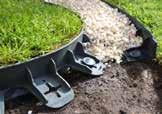
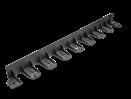
Ground stakes
● RecyFlex stake
● EdgeFix-1 stake
● Hardwood stakes (bundle of 20 pieces)


Create a clean and sustainable finish for lawns, ponds, planting areas or paving with an edge retaining system made from recycled plastic. The material is also fully recyclable.
Grass Edging
The grass edging, made from HDPE or LDPE, is a flexible plastic edge retaining system with a height of 10 or 15 cm. It is a cost-effective solution that is also easy to install.
EasyLine
EasyLine is manufactured from PVC in black and green. The edge retaining system is available in two lengths and four different heights.
RecyFlex
RecyFlex, available in black, grey and terra, is flexible and can therefore be installed in any desired shape. The edge retaining system is available both in rolls and as straight lengths.
FlexEdge
FlexEdge is a budget-friendly edge retaining system, available in black and grey. It offers good flexibility, making it easy to install in various shapes.
Ground stakes
The edge retaining system can easily be secured using ground stakes. Two types of stakes are available: solid stakes in four different lengths and a version with a stop. The latter is lighter and features practical fixing tabs, ensuring the edging remains firmly in place, even at corners or when installed at an angle.


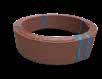
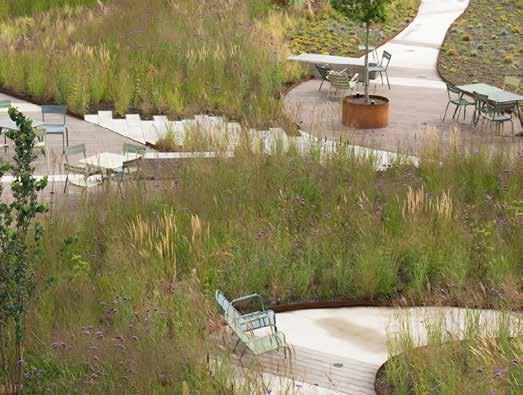
Edge Liner
● Height: 7, 10, 15, 20, 29 or 39 cm
● Thickness: 2 or 3 mm
● Available per strip, minimum order of 5 strips
● Supplied in straight, folded or flattened finish
● Available in Corten steel or galvanised steel, with optional corners and or ground stakes
SmartEdge
● Height: 10, 15, 20 or 25 cm
● Length: 230 cm
● Thickness: 1.5 mm
● Available to order per strip
● Internal and external corners available for a neat finish
● Ground stakes available in 40 cm and 50 cm heights
● Ground stakes are easily secured at the top beneath the flattened edge
● Connector plates and ground stakes can be easily fixed using self tapping screws
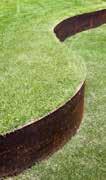
Steel edge retaining systems are a strong choice for outdoor landscaping. They provide a clean finish and have a very long service life. Depending on the desired appearance and application, a choice can be made between galvanised steel and Corten steel.
Corten steel
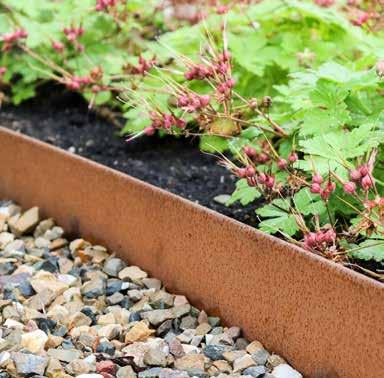
An edge retaining system made from Corten steel gives outdoor spaces a warm, natural appearance. It is a strong, weather-resistant material that develops a protective rust layer when exposed to the elements. This stable, natural patina prevents further corrosion. Corten steel is always supplied in an unrusted condition.
Galvanised steel
An edge retaining system made from galvanised steel is robust, durable and highly resistant to corrosion. The material retains its shape and performance for many years. With its clean finish, galvanised steel provides a smart and professional appearance for paths, lawns and planting beds.
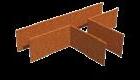
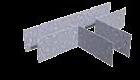
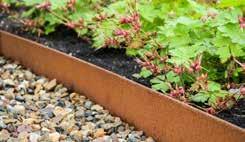
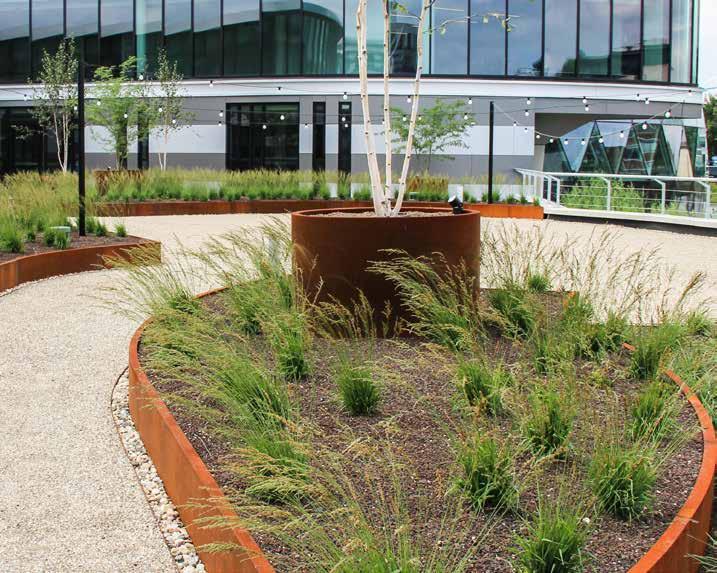
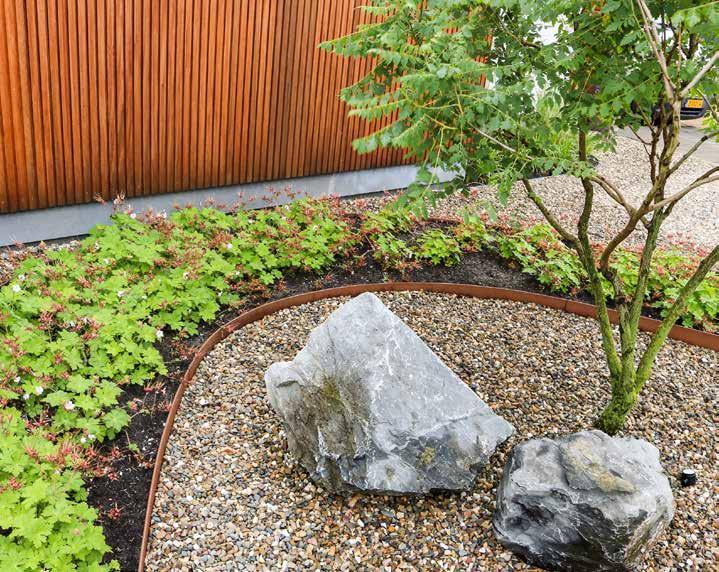
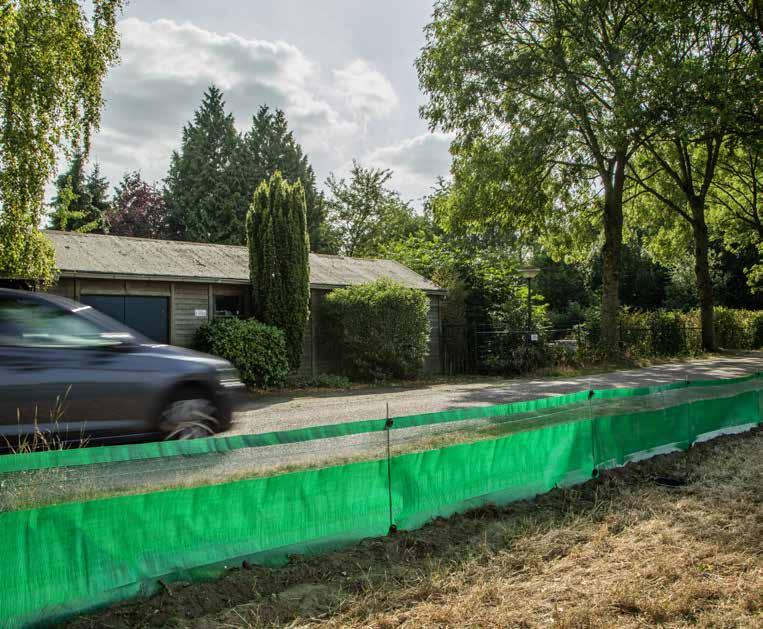
Biodiversity in public spaces is of inestimable value to the wellbeing of people, wildlife and the natural environment. Green areas rich in a variety of plant and animal species not only provide visual appeal and opportunities for recreation, but also deliver physical and mental health benefits. Preserving and enhancing biodiversity in public spaces is therefore essential to creating liveable towns and cities that are resilient to future challenges. GreenMax offers solutions to help protect biodiversity in public spaces.
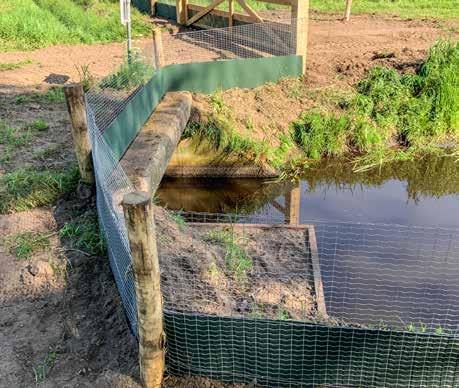
● Made from recycled material and fully recyclable
● LDPE: green, 3 mm
● HDPE: green or black, 2 mm
● Available in rolls or panels
● Various heights available up to 60 cm
● Panel length: 3 m
● Roll lengths: 20, 25 or 50 m, depending on type
● Green has a textured surface, black has a smooth surface
● UV resistant
● Long service life
● Strong material that does not tear or crack
● Waterproof
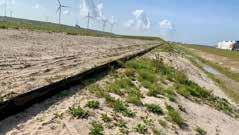
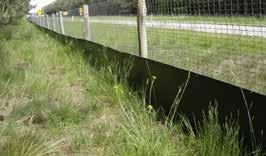
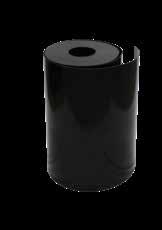
Twice a year, the annual amphibian migration takes place. In spring, toads and frogs move en masse towards water to breed and lay their eggs. Before winter, these amphibians return to land. With increasing traffic near natural areas, many of these animals are killed on the roads. Fauna Safe Panels are installed alongside roads as a protective measure to safeguard vulnerable amphibians during their migration.
The panels are often installed in combination with mesh fencing to protect small wildlife such as hedgehogs, rabbits and hares. They prevent these animals from entering the road and being struck by vehicles. This is crucial for maintaining local biodiversity.
In addition, Fauna Safe Panels improve road safety by reducing the risk of motorists swerving unexpectedly. The green panels feature a subtle textured surface, which helps prevent car headlights from reflecting.
GreenMax’s UV resistant and circular Fauna Safe Panels, known for their long service life and straightforward installation, provide an effective solution for protecting amphibians and preserving nature.
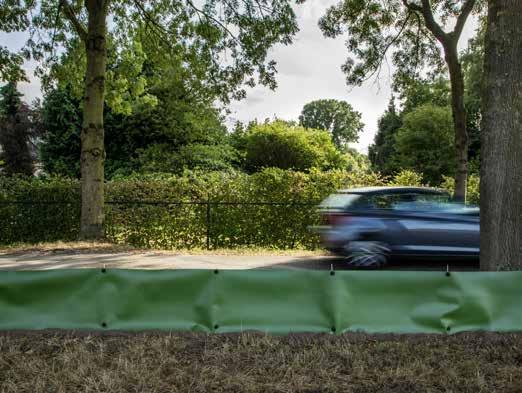
● LLDPE
● Height: 70 cm
● Length: 25 m
● Thickness: 0.4 mm
● Materials are UV stable and protected against corrosion
● Easy installation, the guard can be quickly assembled and extended using plastic clips
● Made from recycled raw materials and easy to separate for waste processing at the end of its service life
● Components from the set, including galvanised steel ground pins Ø 8 x 1000 mm, amphibian clips, a 12 litre black bucket and L shaped steel pins, are also available separately
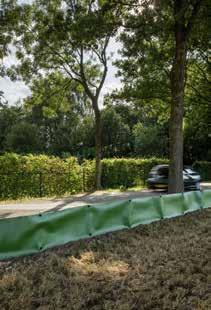
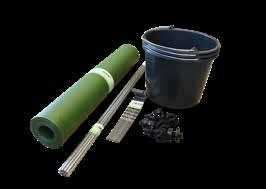
Amphibians move in search of suitable locations to overwinter, breed or find food. In doing so, they often cross different parts of their habitat. These movements involve significant risks, particularly from road traffic, construction works and infrastructure projects.
Protecting these animals during their seasonal movements is essential to maintaining healthy populations. Amphibians play a vital role in ecological balance. As one of the most diverse animal groups, they make an important contribution to a healthy natural environment.
Protection for amphibians
A temporary Amphibian Guard with a smooth surface prevents amphibians from gaining a foothold. The guard forms an effective barrier for the most common amphibian species. Proper guidance helps ensure that human intervention in the landscape does not result in unintended biodiversity loss.
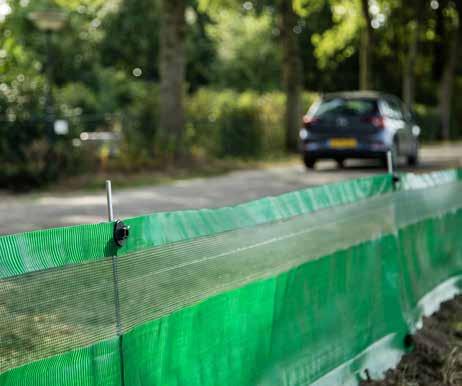
● PE
● Height: 70 cm
● Length: 25 m
● Thickness: 0.4 mm
● Combined guard suitable for both amphibians and reptiles
● Materials are UV stable and protected against corrosion
● Easy installation, the guard can be quickly assembled and extended using plastic clips
● Made from recycled raw materials and easy to separate for waste processing at the end of its service life
● Components from the set, including galvanised steel ground pins Ø 8 x 1000 mm, amphibian clips, a 12 litre black bucket and L shaped steel pins, are also available separately
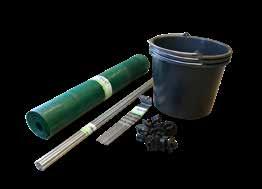
Reptiles and amphibians travel across various parts of their habitat in search of suitable locations for hibernation, breeding or food.
These journeys are not without risk. Road traffic, construction works and infrastructure projects pose significant threats to their safety. Providing protection during these vulnerable seasonal movements is therefore essential. Reptiles and amphibians are vital to biodiversity and play an important role in maintaining ecological balance.
Protection for reptiles and amphibians
A smooth surface offers no grip for reptile claws, while a mesh structure prevents amphibians from gaining a foothold. These two features have been carefully combined in this solution, allowing both animal groups to be effectively protected with a single system.
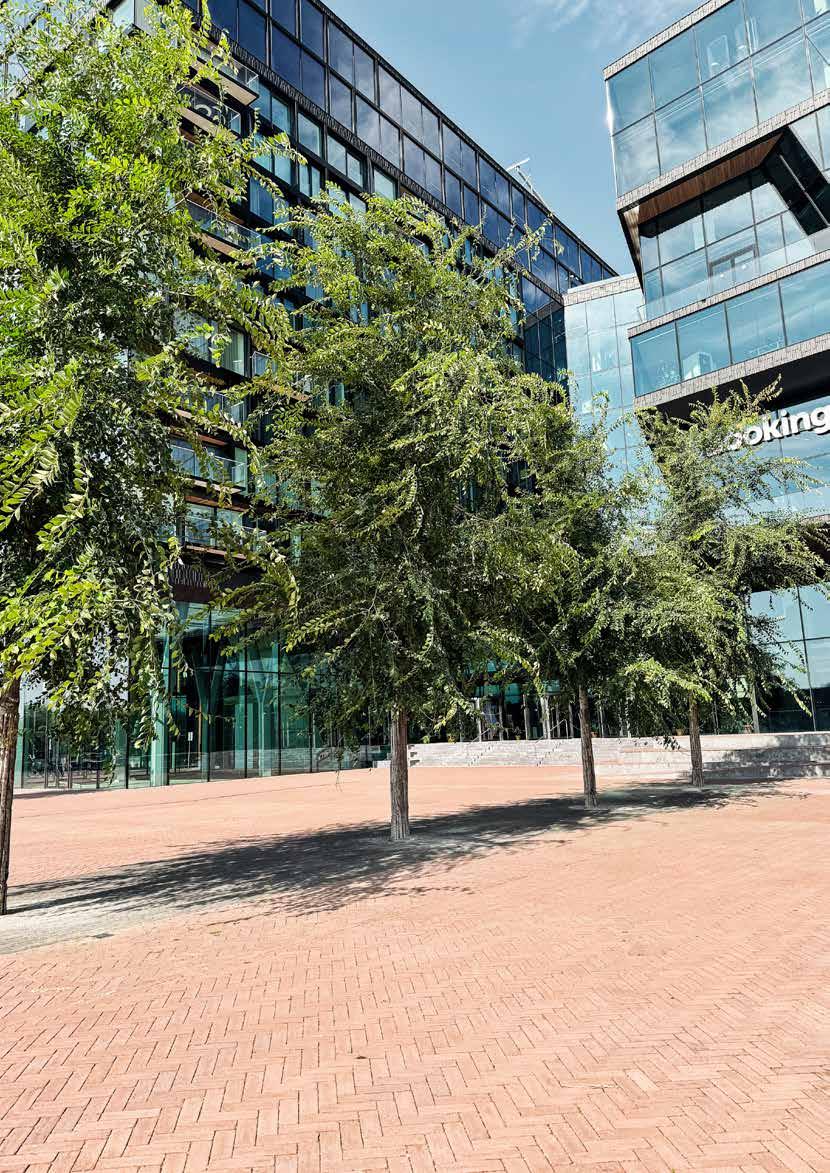
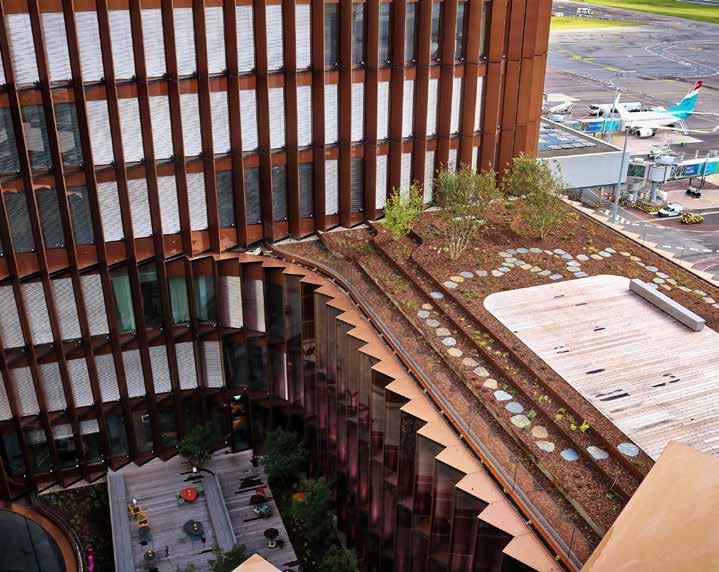
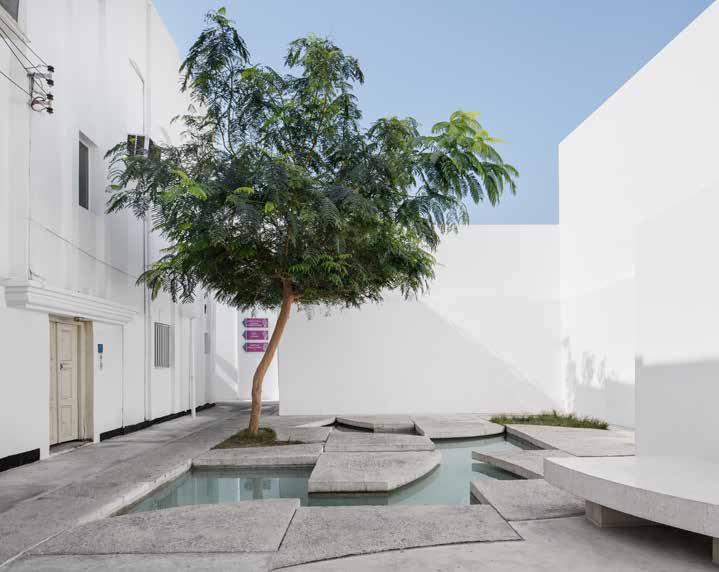
Visitor address De Morgenstond 16
5473 HG Heeswijk Dinther Nederland
Telephone +31 413 29 44 47
Website greenmax.eu
Webshop greenmax-webshop.eu
Email, quotations and requestsinfo@greenmax.eu
Orders orders@greenmax.eu
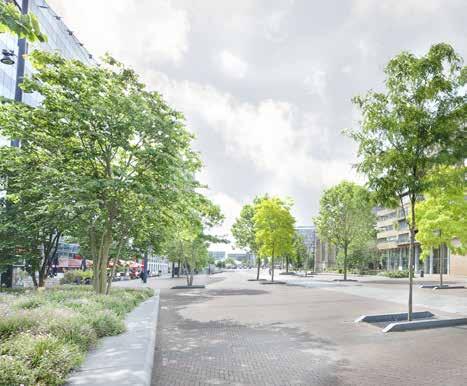
GreenMax Sales points:
Netherlands | Germany | France | Belgium | Austria | Switzerland | Italy | Turkey | Greece | Luxembourg Norway | Spain | Portugal | United Kingdom | Poland | Latvia | Denmark | United Arab Emirates | Finland Lithuania | Czech Republic | Slovakia | United States | Canada | Estonia | Sweden


