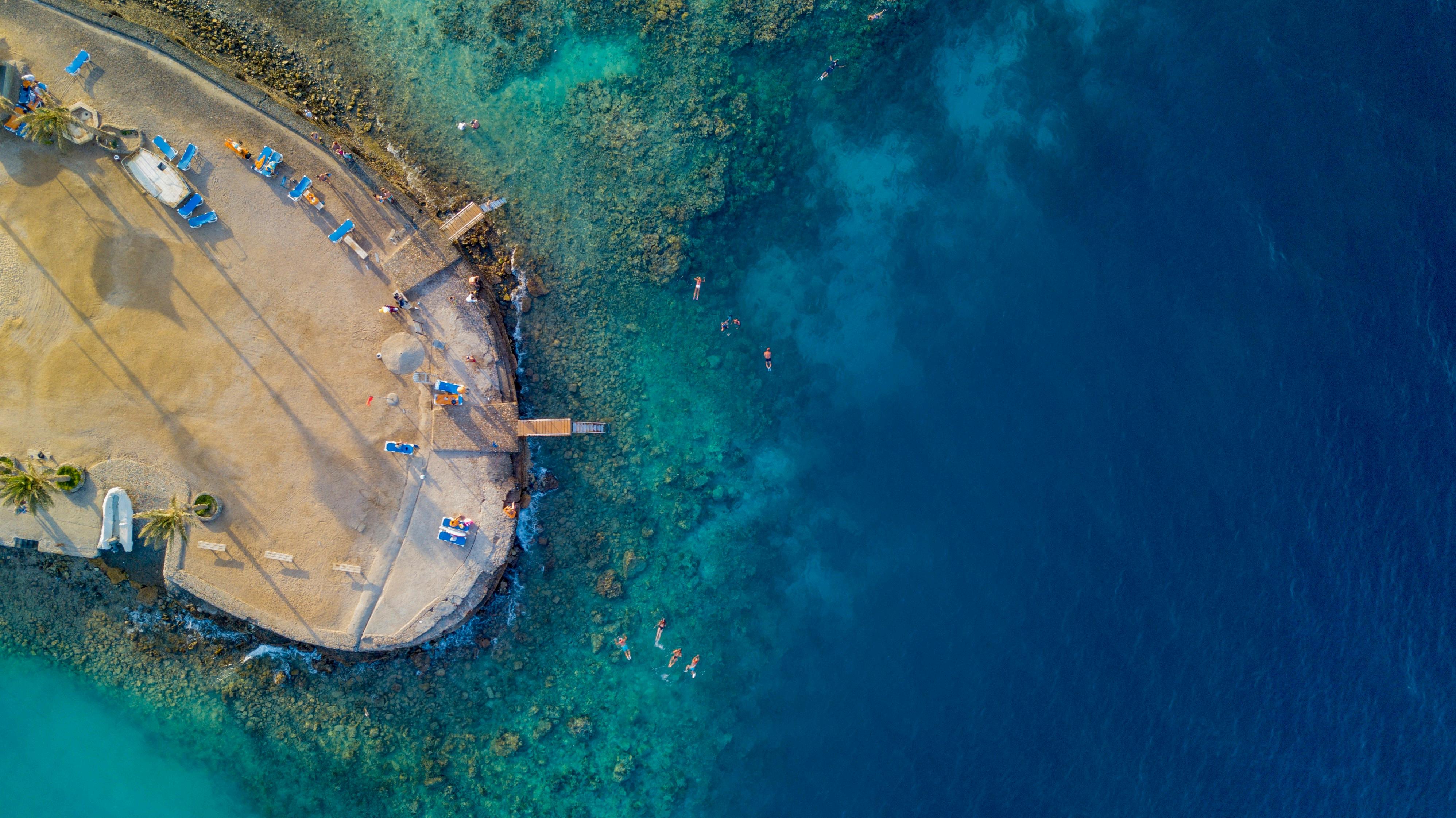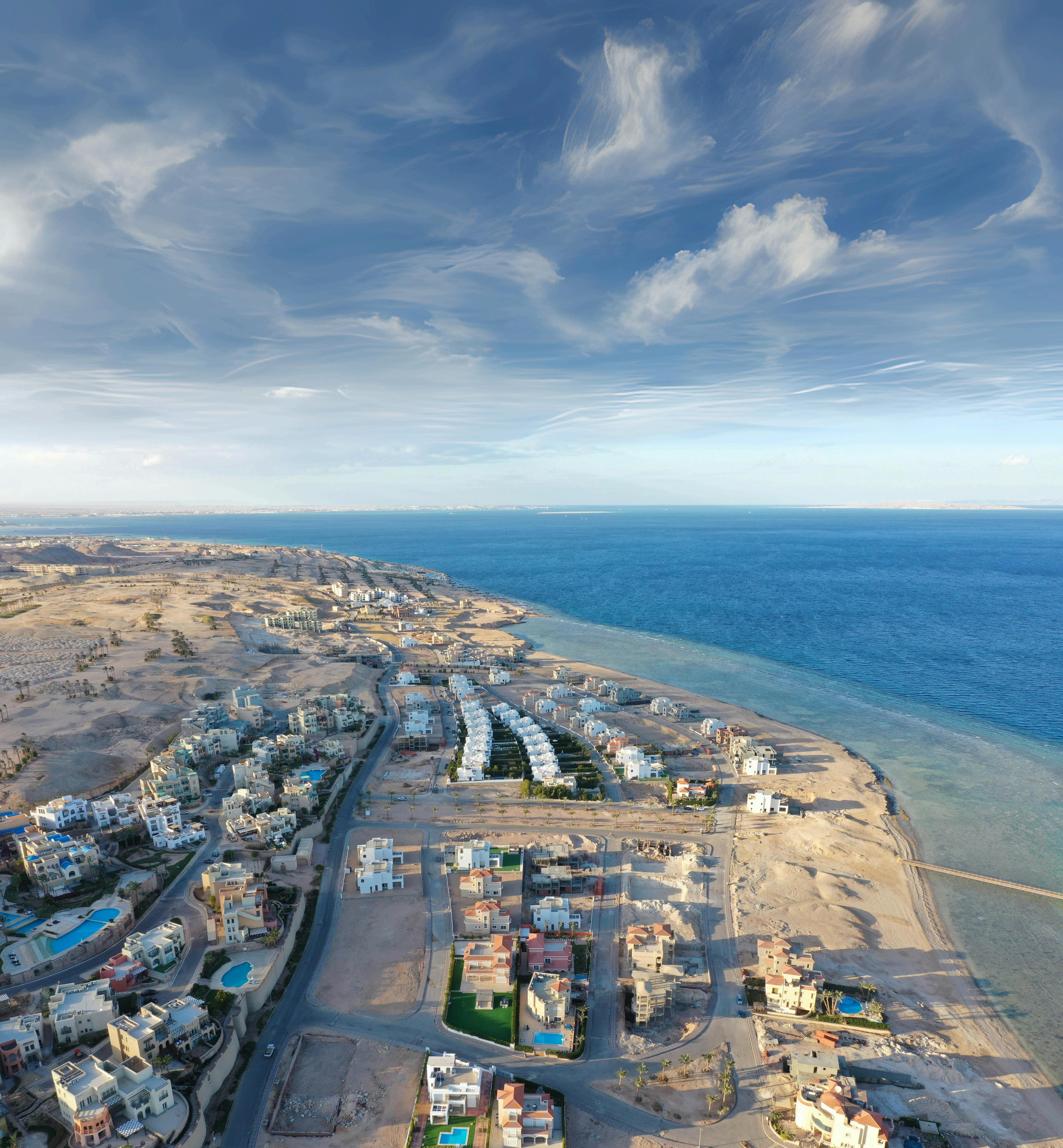




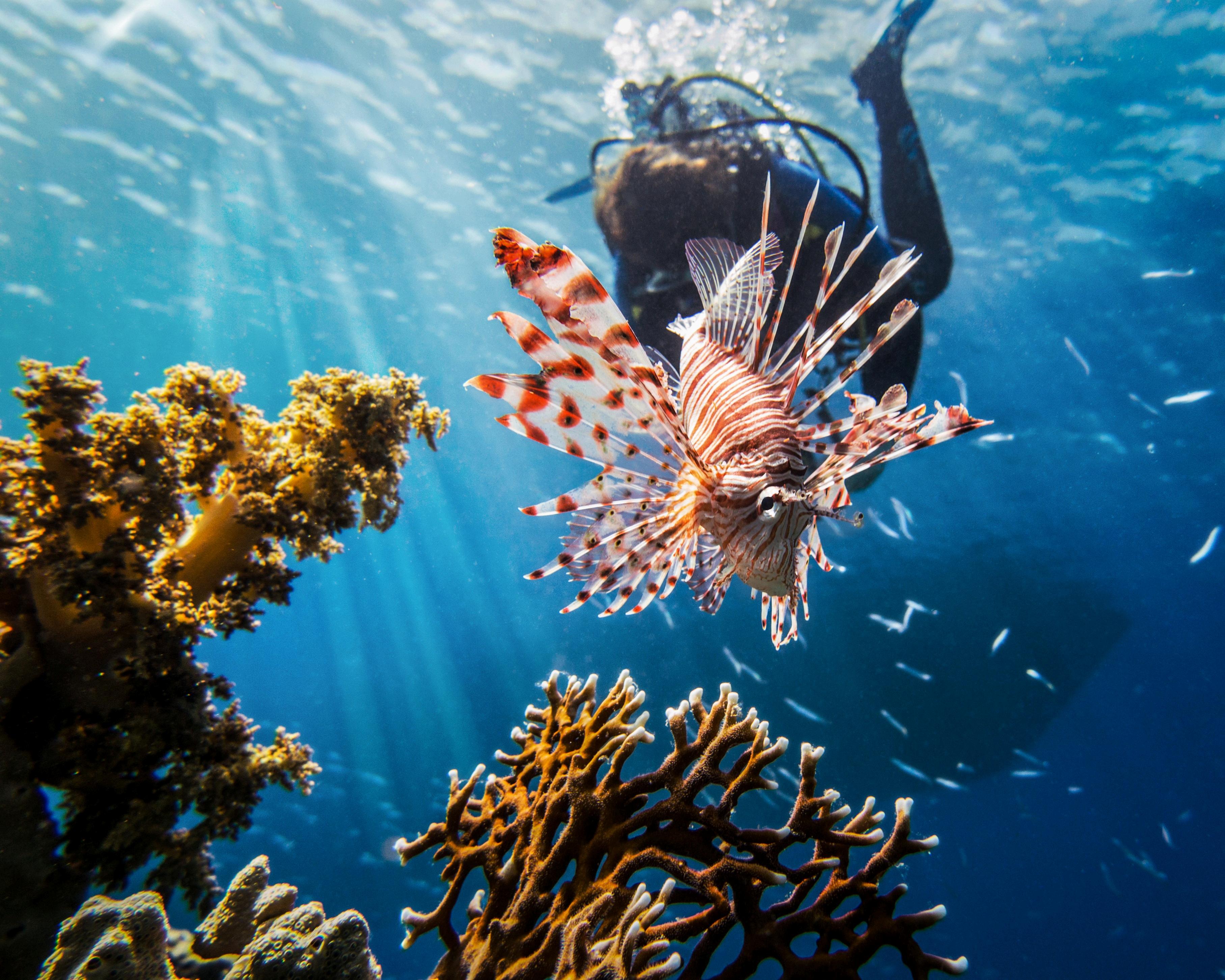
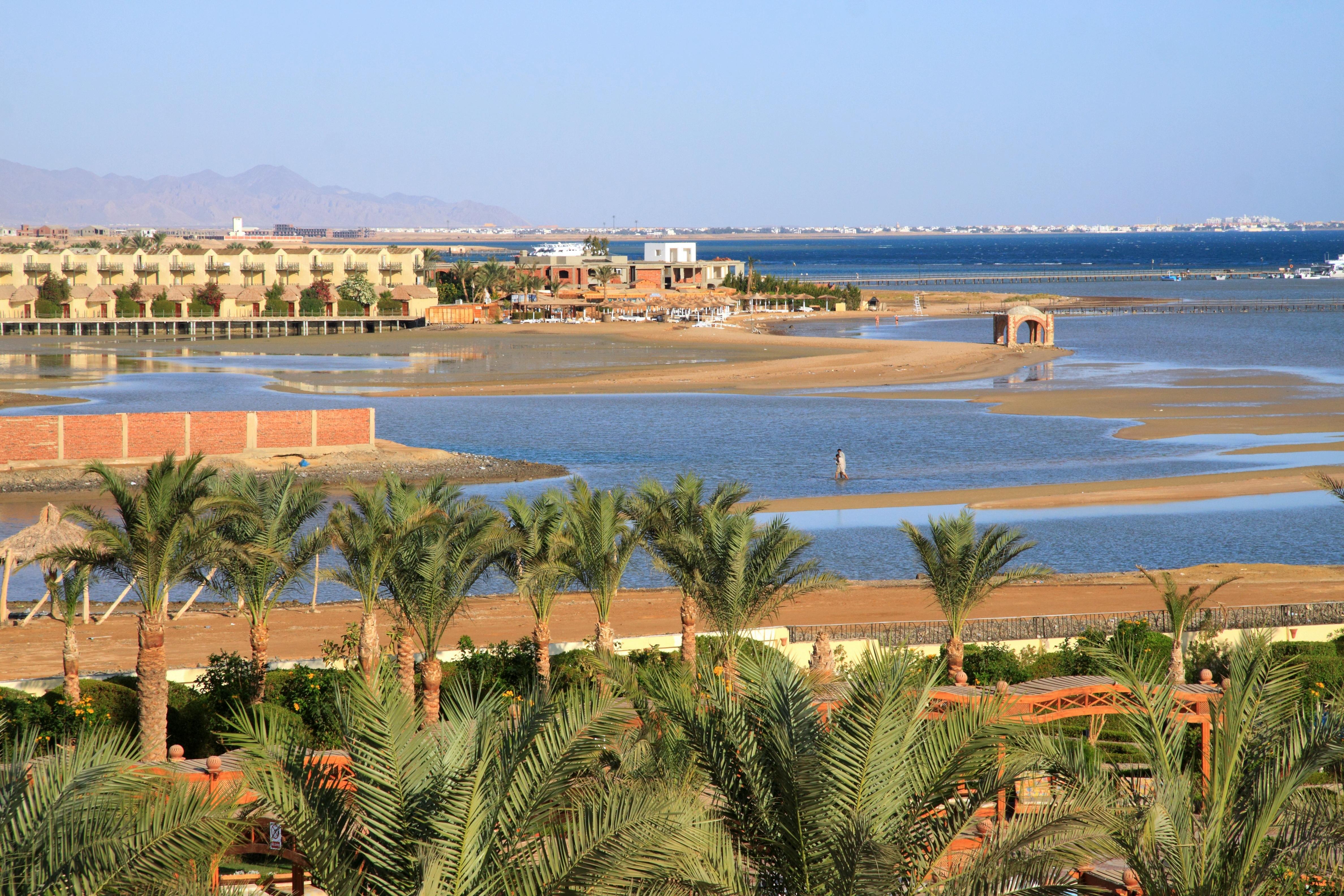
This is Hurghada. A world-renowned destination on Egypt's Red Sea coast Blessed with a sun that never hides, and celebrated for its consistently warm, dry climate and minimal rainfall This yearround haven offers exceptional underwater biodiversity, with spectacularly colorful coral reefs and unique species.
Ranked the third best nature destination globally by Tripadvisor, Hurghada is a major contributor to Egypt's tourism industry, which accounts for 11% of the national GDP and directly supports over 2.6 million jobs nationwide.
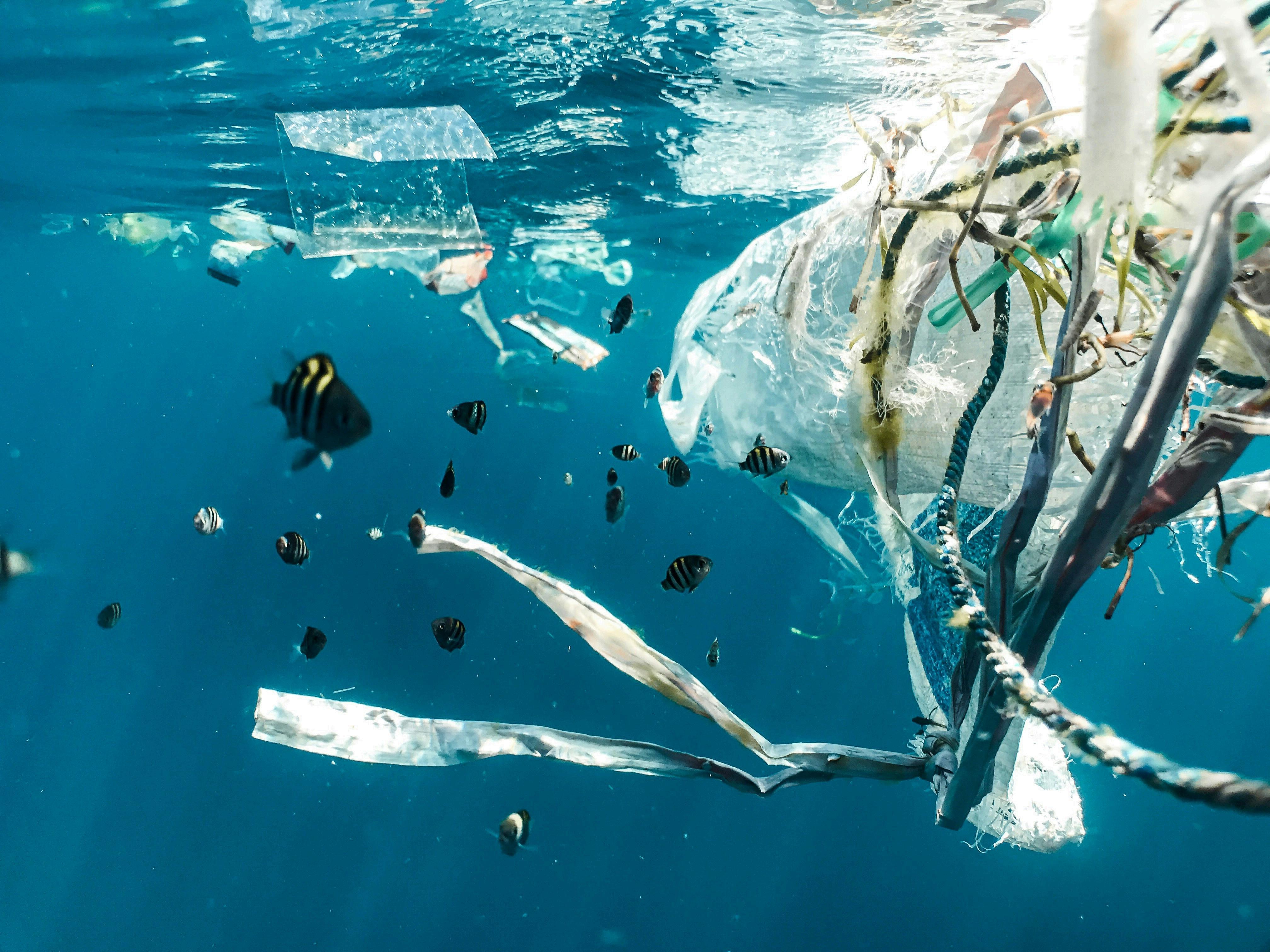
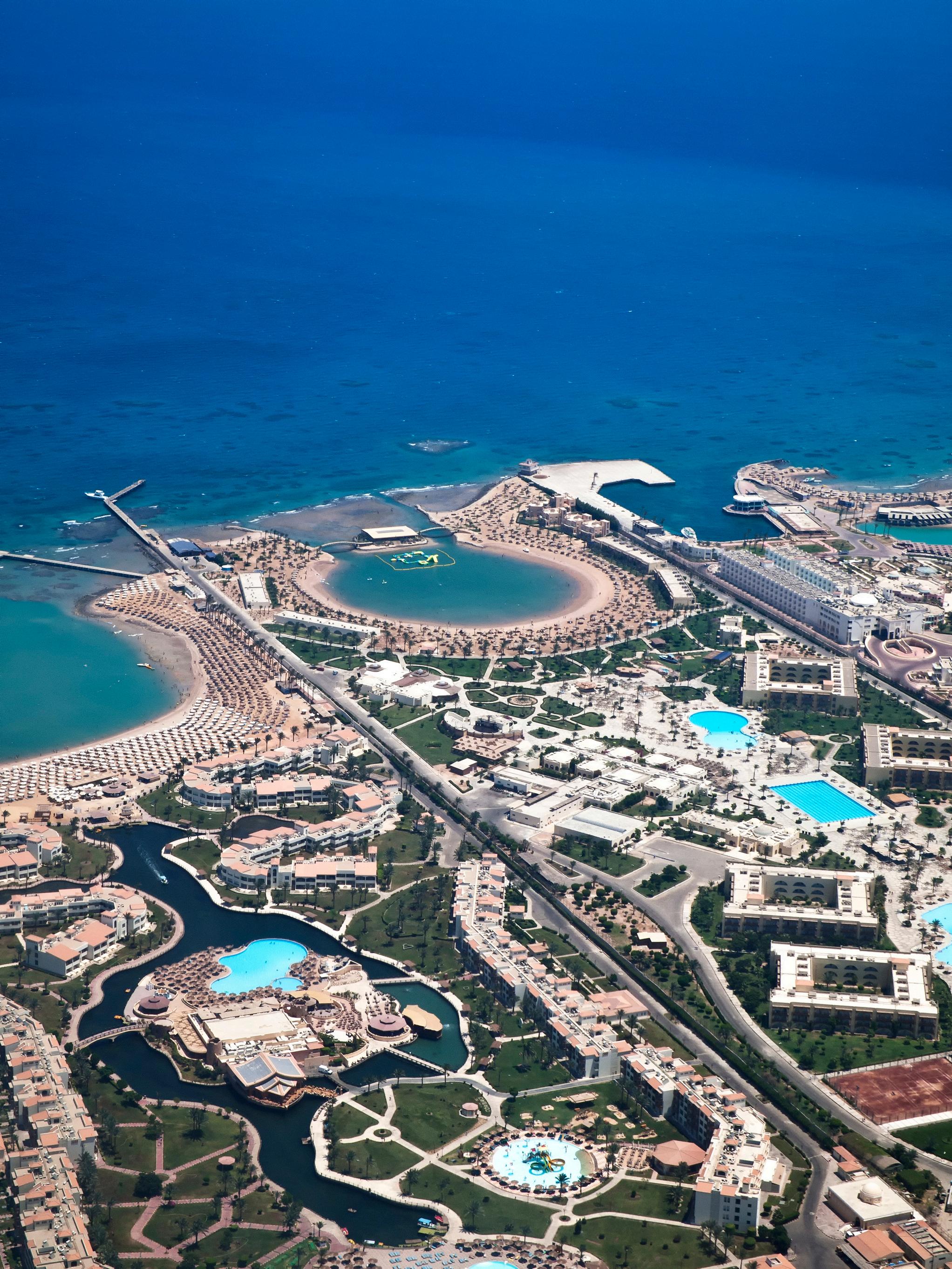
Tourism growth, while economically beneficial, has significantly strained Hurghada's fragile environment
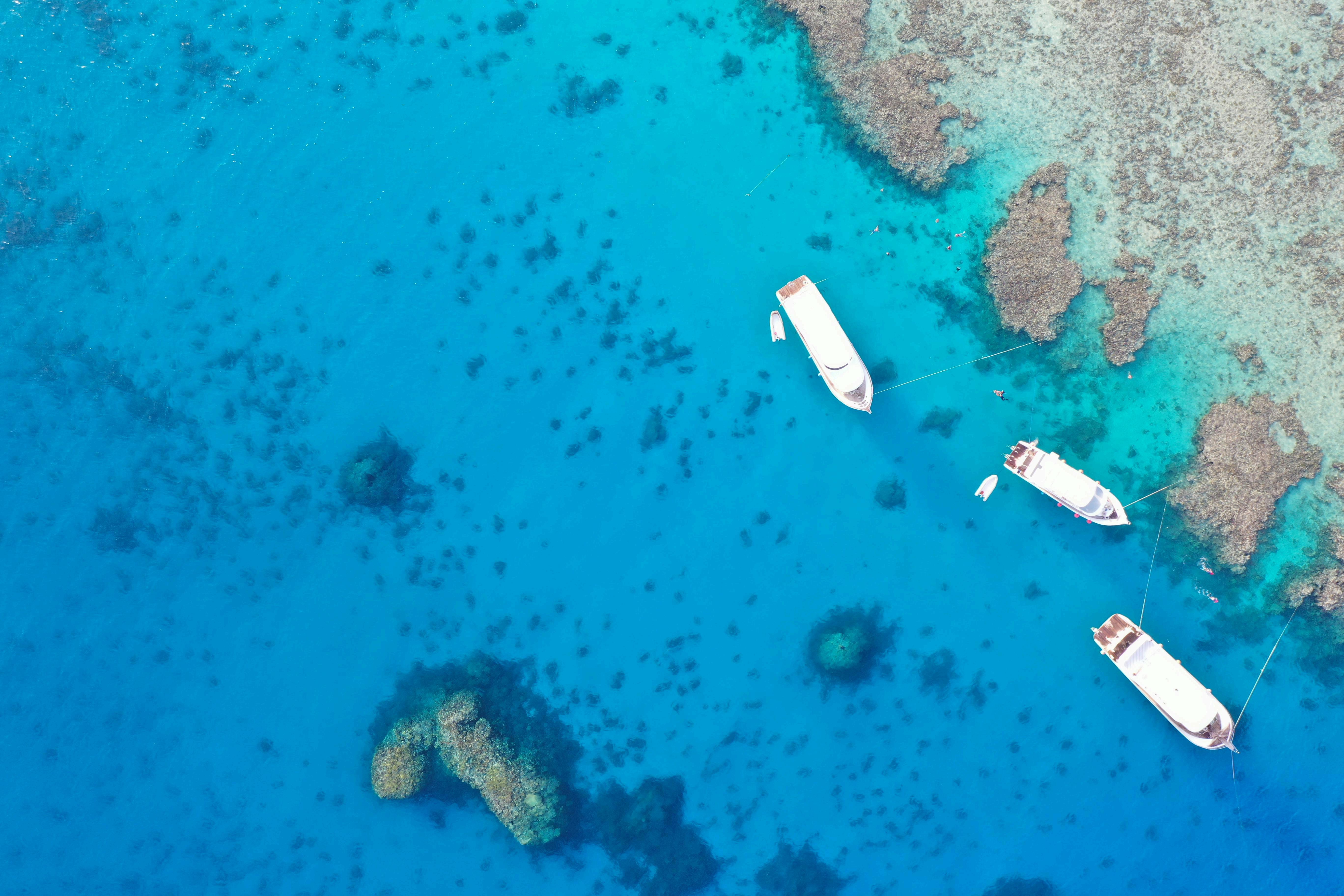
Climate change impacts, including rising sea levels and extreme weather, compound these pressures, threatening vital ecosystems and the future of tourism Hurghada's renowned coral reefs are suffering from bleaching, pollution, and physical damage, while seagrass beds are degrading, and marine hotspots face overcrowding
These threats extend inland, impacting desert ecosystems and even protected areas.
The Green Hurghada Project promotes a sustainable balance between prosperity and environmental health.
To reduce environmental pressure from tourism, and conserve biodiversity by integrating climate-smart technologies and sustainability practices
Integrate biodiversity conservation into tourism development and operations.
Reduce greenhouse gas (GHG) emissions.
Promote climate-smart infrastructure and practices in tourism, energy, and transport.
Develop a Strategic Environmental Assessment (SEA) to guide sustainable tourism development
Strengthen institutional capacity for applying Natural Capital Accounting (NCA) in tourism and related sectors.
Develop a climate-smart capital investment plan with a pipeline of green investments.
Develop a financial mechanism to incentivize the tourism sector to invest in climate-smart technologies and naturebased solutions.
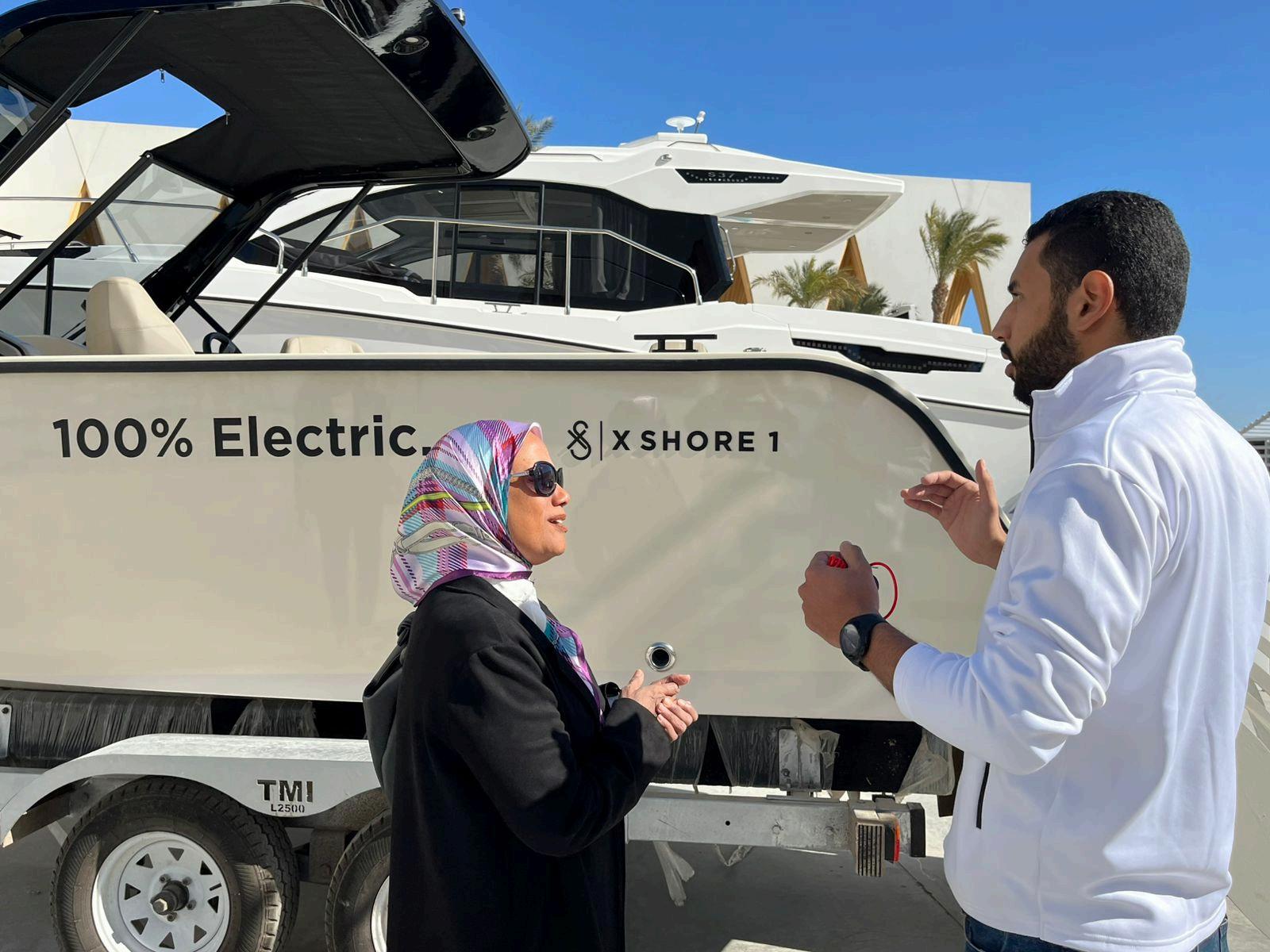
Enhance stakeholder capacities, awareness, and partnerships to promote sustainable tourism practices.
Improve protected area management, community participation, and benefit-sharing from conservation and biodiversity-friendly tourism
Establish monitoring and evaluation mechanisms to track project implementation and impact
Conduct a mid-term review and terminal evaluation to assess progress and outcomes.