Clippings is a publication of the Communications Office in partnership with other offices of Green Hedges School.
Jessica Wadlow Chair, Board of Trustees
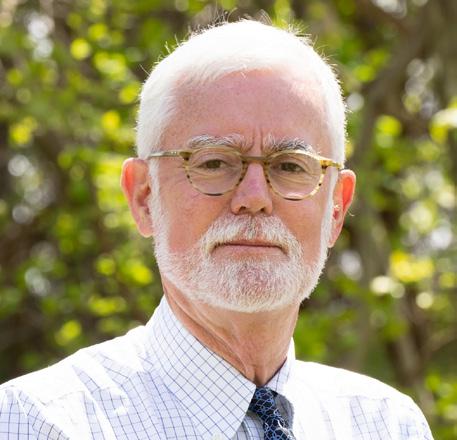
Peter A. Barrett
Interim Head of School 2025–2026
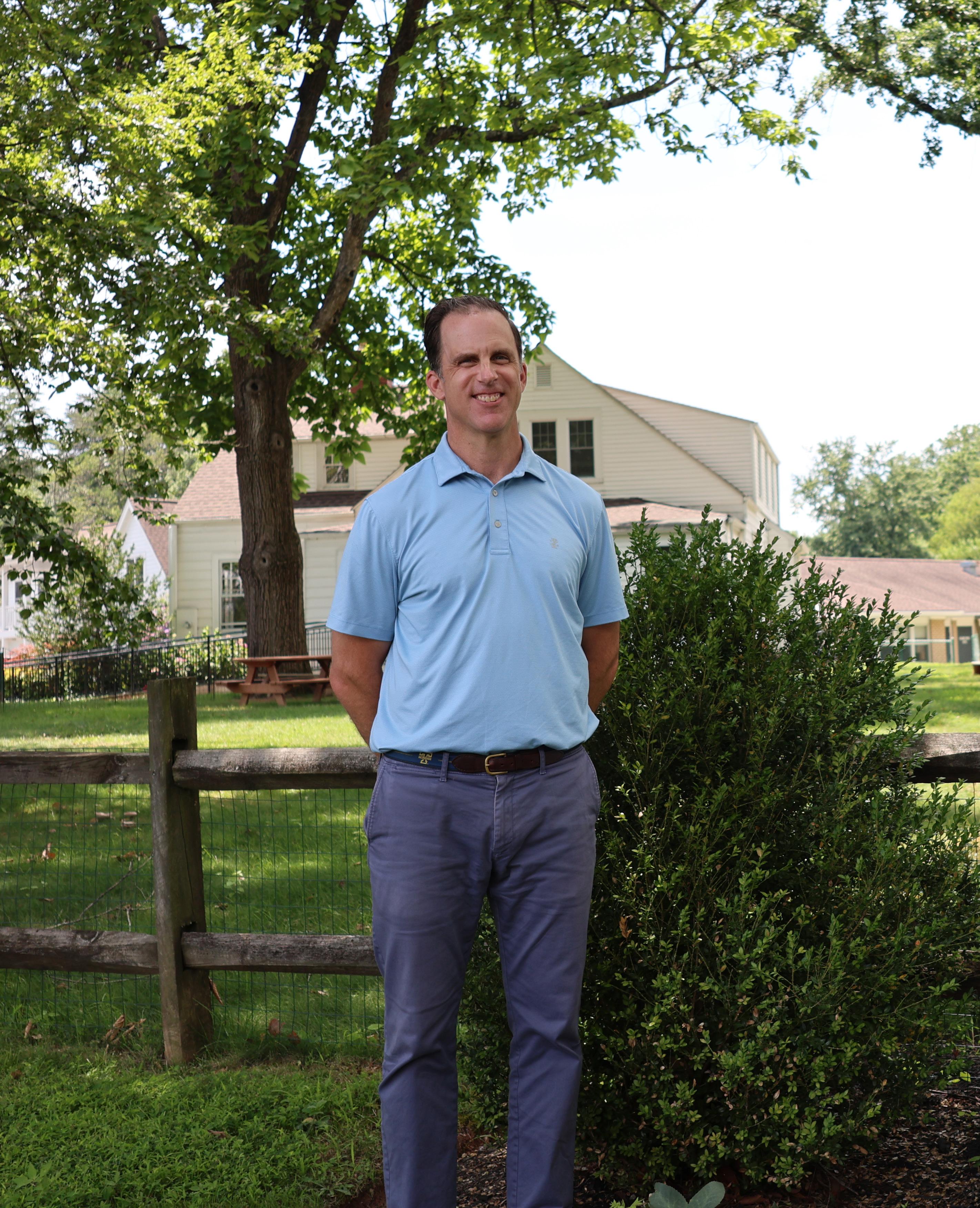
Kyle J. Armstrong
Head of School Beginning July 1, 2026
Reka Keller Director of Communications & Marketing
Anna Shaw
Philanthropy Associate
Writer and Editor
Reka Keller
Ingrid Willenz-Isaacs
Photography
Reka Keller
Freed Photography
Design
Catalone Design Co.
Our Mission
We inspire young people of talent and promise to develop clear values, a desire for wisdom, and an appreciation for all endeavors which broaden the mind and enlighten the spirit.
Your comments and suggestions are always welcomed and may be emailed to communications@greenhedges.org.
Green Hedges does not discriminate on the basis of race, sex, religion, or national origin in the administration of its education policies.
Note from the Editor
Wonder: The feeling of excitement, attention, admiration, or astonishment at something awesomely mysterious or new to one’s experience, rooted in surprise, curiosity, or doubt. Wonder can be a fleeting moment that captures our attention or an experience that stays with us for years. At its core, wonder is deeply personal—it is unique to each individual who experiences it.
It feels meaningful to reflect on that individuality when thinking about the theme that has shaped many of the conversations, learning experiences, and reflections within our community this year: Rooted in Wonder. This theme has invited us to examine the “why” of Green Hedges and reflect on what makes this community distinctively itself.
The theme originated from a statement, offered in the late 1950s by our first Head of School and founder, Frances Kilmer, who observes, “Education frequently removes the chief blessing of childhood, the sense of wonder, but we are managing education so as to increase that sense of wonder—to retain the old association between wisdom and magic, grammar and glamor, spelling and spells.” The idea of increasing the sense of wonder in education is at the heart of this entire issue.
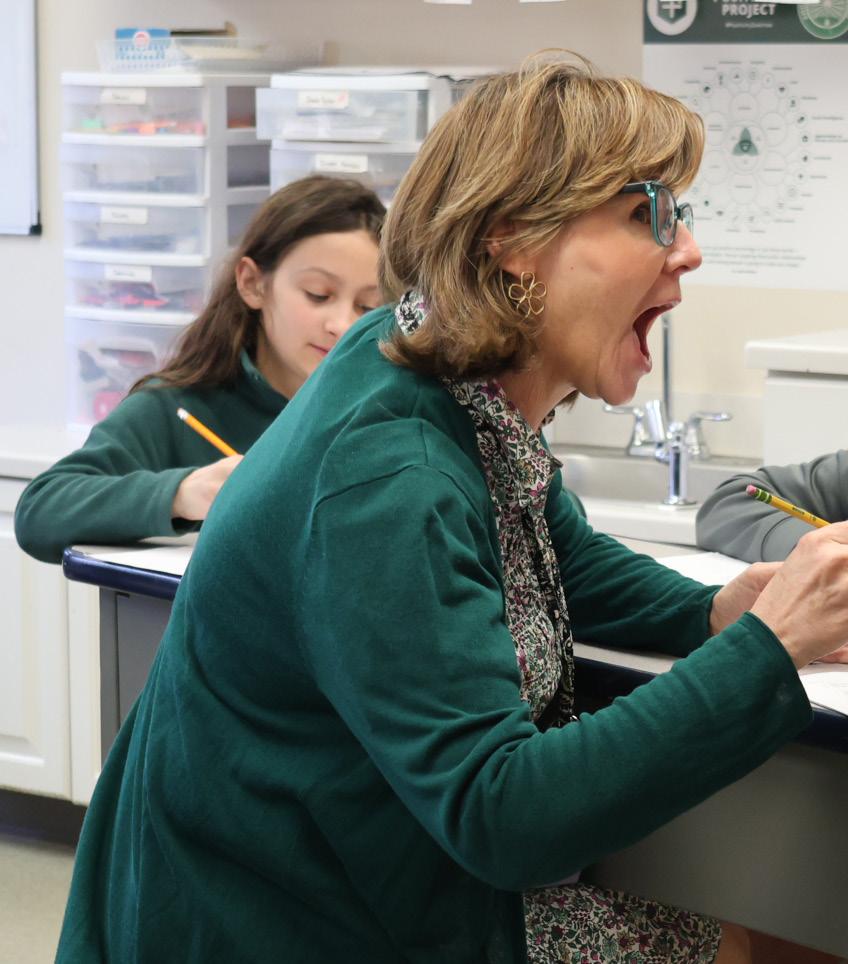
In this edition of Clippings, we take a closer look at how wonder is reflected in our classrooms, the experiences of our students, and the moments that make Green Hedges what it is. From the way wonder comes to life in our theater program, highlighted through an interview with Grade 3 teacher Alicia McGuire, to the exploration of how wonder functions in the brain in “Beauty and the Brain,” these stories showcase the intentional ways our community creates opportunities for curiosity, discovery, and connection every day.
I want to take a moment to recognize everyone who helped bring this magazine to life for a second time this year. To our incredible Leadership Team, who supported every brainstorming session and thoughtfully reviewed each draft—thank you. To our dedicated teachers, who welcomed writers and photographers into their classrooms and created space for wonder each day— thank you. To Ingrid Willenz-Isaacs, whose dedication to Clippings and commitment to sharing the “why” of Green Hedges continues to inspire me—thank you.
Finally, a special thank you to former Interim Head of School Peter A. Barrett, who taught me the power of thoughtful editing this year—the importance of refining each sentence and considering the intention behind every word. Your guidance and mentorship have shaped this work in meaningful ways, and I am deeply grateful.
May this issue remind us all—students, faculty and staff, and readers alike—wonder is not something we simply encounter; it is something we carry with us, nurture, and continue to explore.
Warmly,
Reka Keller Director of Communications & Marketing Editor, Rooted
in Wonder Edition
Green
Hedges School
The Strength of Knowing Where You Are By Knowing Where You’ve Been
BY PETER A. BARRETT, INTERIM HEAD OF SCHOOL 2025–2026
I suppose that, by the very nature of the role, an Interim Head of School is “just passing through.” There are times when schools appoint their interim head from within and, in another variation, I had the privilege of serving on the Green Hedges Board of Trustees before my appointment, but the assignment is nonetheless usually relatively brief before the interim hands off leadership to the incoming Head of School.
What has become clear during my time as Interim Head of School is that Green Hedges isn’t a place that one simply “passes through.” Instead, one’s time here will have a dramatic impact both in the present—where we as educators respect, engage, and challenge young people as they seek to make meaning out of the wonderful but often confusing world into which they are growing up— and well into the future, where the sense of belonging, the relationships, and the habits of heart and mind they cultivate here will continue to shape their trajectories.
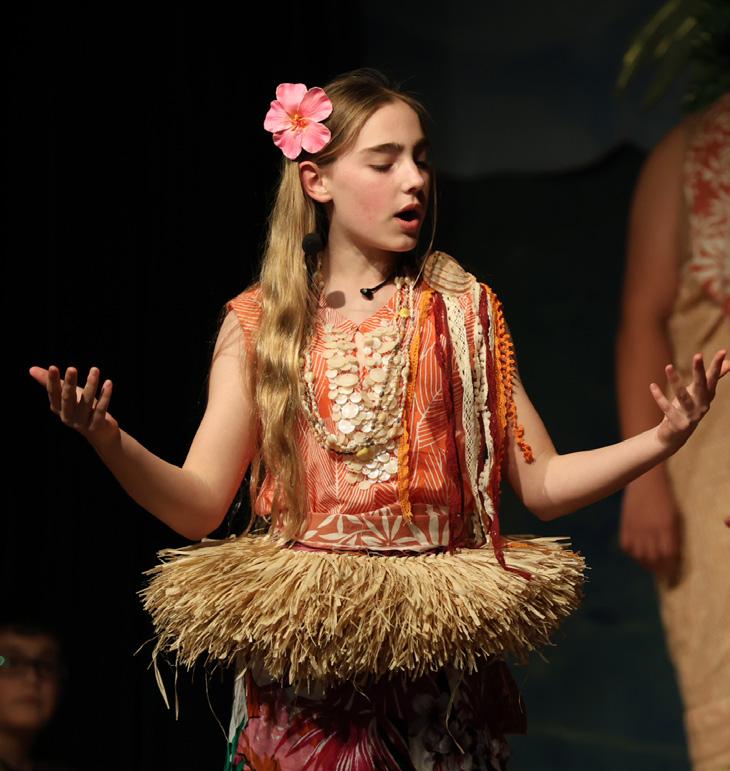
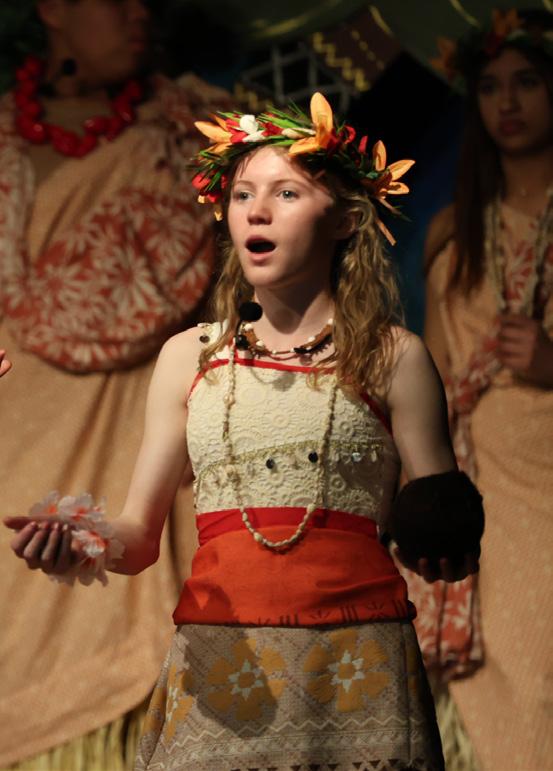
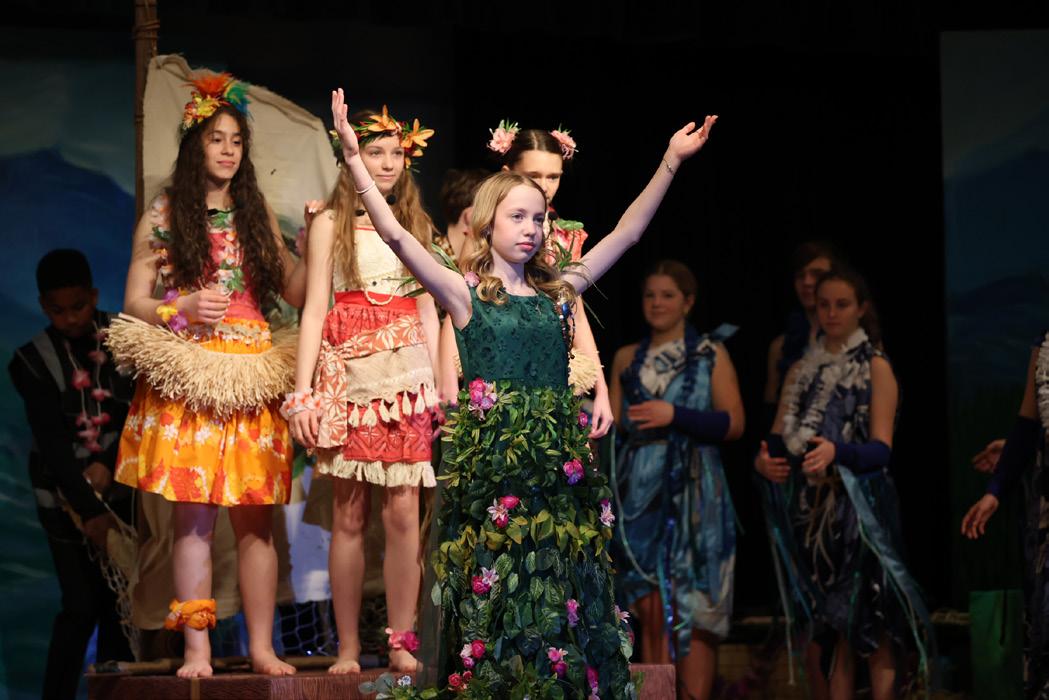
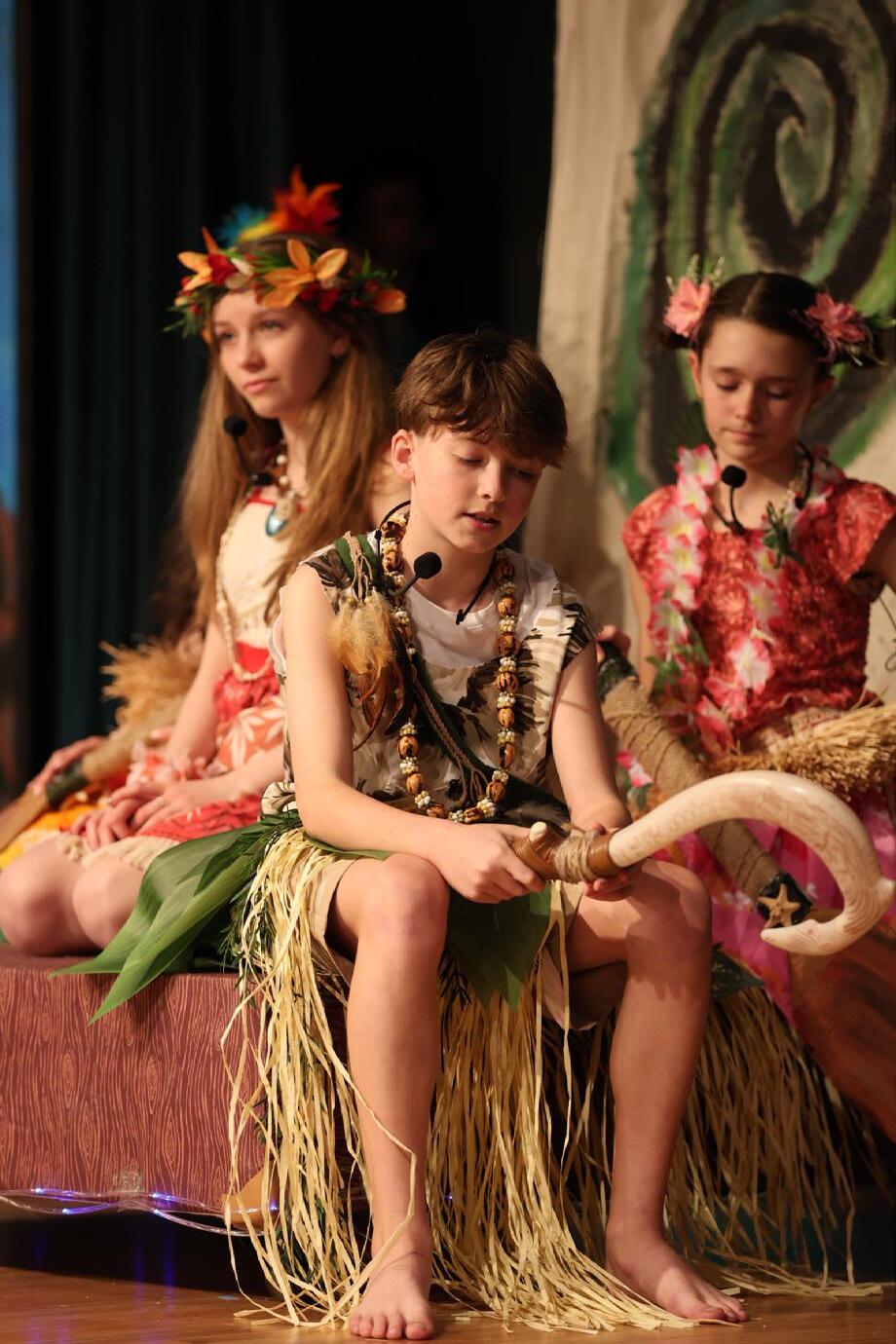
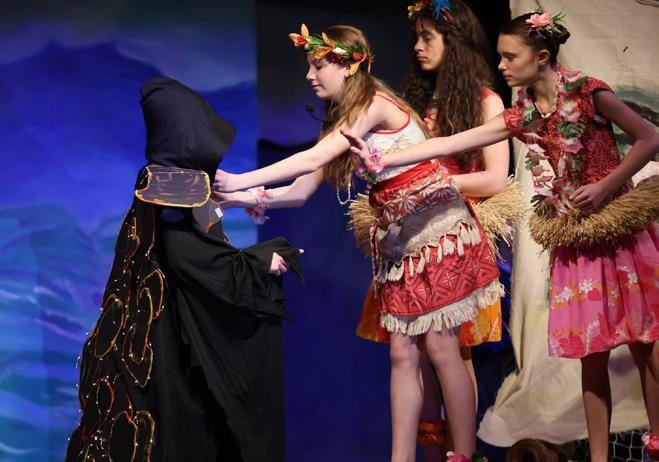
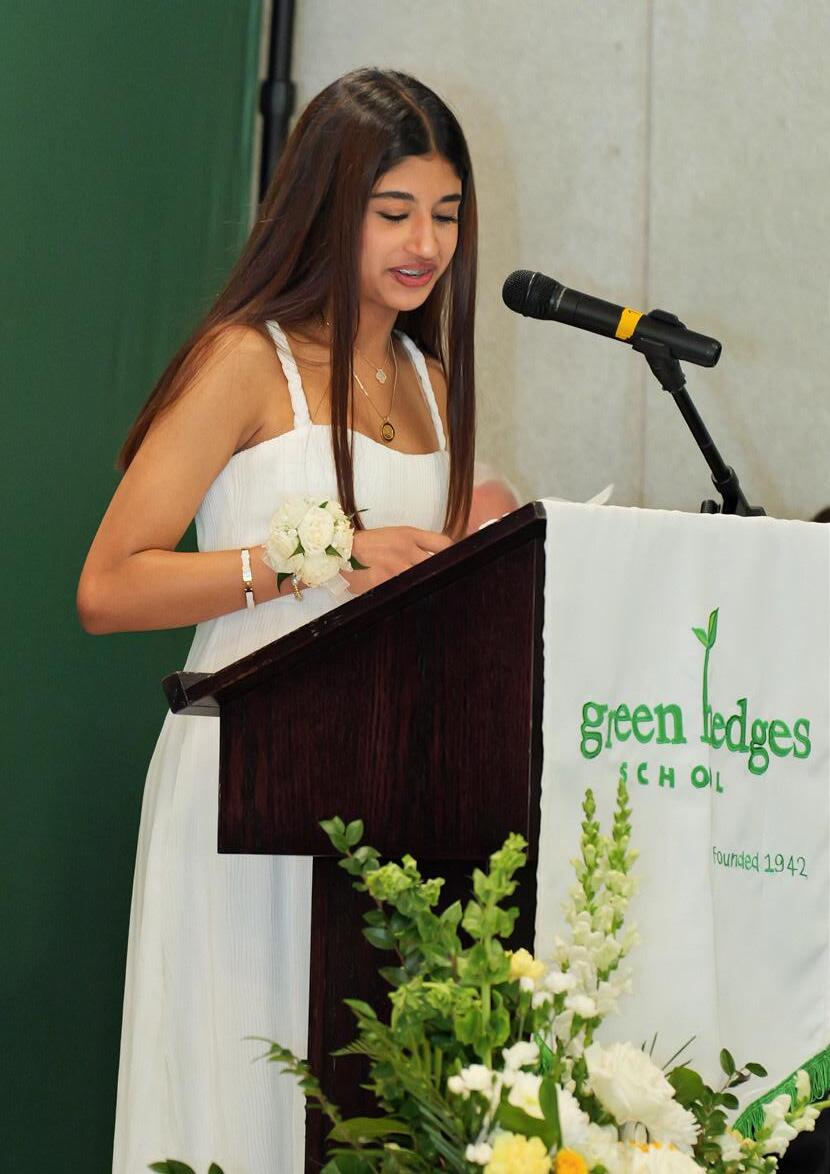
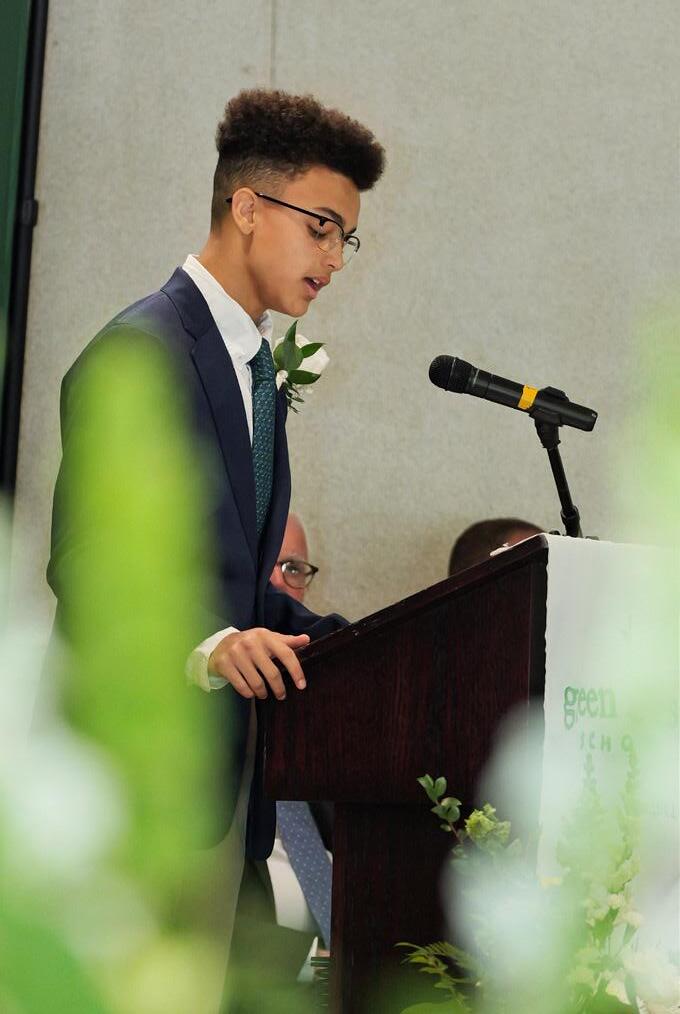
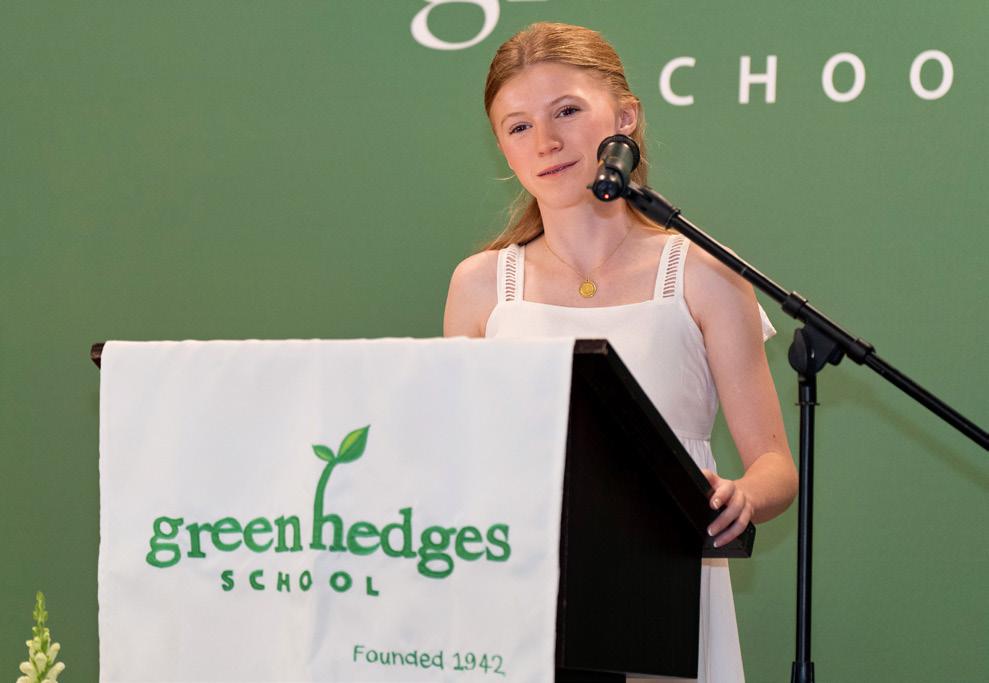
As the 2025–2026 school year drew to a close, I had the immense good fortune to participate in the Graduation of the Class of 2026. The commencement speeches the Grade 8 students present are part of a cherished Green Hedges tradition as they prepare to take their leave of this special place, for now, excerpts of which you’ll find later in this edition of Clippings. At the Graduation of the Class of 2026, I noted, “As I have listened to your speeches during rehearsals, I have been reminded of an exchange between Moana and Maui in your production of Moana Jr., as she asks him to teach her how to sail. Maui responds, ‘It’s called wayfinding. And it’s
not just sails and knots. It’s seeing where you’re going in your mind... knowing where you are by knowing where you’ve been.’”
Like their predecessors, members of the Class of 2026 offered moving accounts of their Green Hedges experiences, of enduring friendships made, some quite naturally, others unexpectedly; of teachers who believed in them when maybe they didn’t even believe in themselves; of challenges they faced and overcame or remain determined to overcome. Their speeches reveal fascinating young people engaged in wayfinding, in finding their way in this wonderfully challenging world, blessed with the strength of knowing where they are by knowing where they’ve been... Green Hedges.
Of course, Green Hedges holds a special resonance for its graduates, who benefit from the deep reflection that comes with the writing of their speeches. The completion of a school year, like our graduates’ completion of their Green Hedges careers, invites all of us to consider where we are, where we’ve been, and the experiences and changes that have brought us to this day. That kind
gain a deeper understanding of the richness of their emerging experience over time, especially if they have the gift of that time. The changes that a young person experiences don’t always announce themselves. Instead, they often occur quietly, cumulatively, even unnoticed, other than by the teachers who help nourish those changes, the result of hard work and persistence in the face of challenge. And it is in that fundamental relationship that we find the power of Green Hedges, the relationship between young learners and the teachers who devote their lives to this work.
I’ve been mulling over that notion of between-ness, and the power of it here at Green Hedges, since reading of the death of children’s author Jane Yolen, who wrote some 450 books in a range of genres. (“Ms. Yolen never encountered a genre she didn’t like,” observed Clay Risen in his New York Times obituary. “[A]mong her early books was a history of kites.”
The Green Hedges library has 45 Jane Yolen titles on its shelves, with the How Do Dinosaurs? series, What to Do with a Box, and Owl Moon among the favorites.) Later in the obituary, Risen references a remark that Ms. Yolen made in 1987 in response to the suggestion that she would be better off focusing on a single genre, noting that it’s all storytelling, no matter how it was told: “Stories don’t exist on the page or in the mouth. They exist between—between writer and reader, between teller and listener.”
So it is with a Green Hedges education, in a between-ness that exists not in a lesson plan, in a textbook, or on a laptop but between teacher and learner, whose positions can often be reversed. That powerful between-ness is what makes Green Hedges a place that no one simply “passes through.” Instead, one has the opportunity to come fully to life here, which is a tremendous gift to provide a child, as well as a gift that I have been privileged to receive in the midst of the Green Hedges community. I will remain ever-grateful for the opportunity to share this year with you.
Sincerely,
Peter A. Barrett
WELCOMING KYLE ARMSTRONG
A Letter from the Co-Chairs of the Head of School Search Committee
On behalf of the Search Committee, we are grateful for the trust placed in us throughout the Head of School search process. From the beginning, our goal was to conduct a thoughtful, inclusive, and disciplined search that honored the history, values, and aspirations of Green Hedges School.
Throughout the process, we listened carefully to the voices of our community and remained focused on identifying a leader who would understand what makes Green Hedges so special—while helping guide the school confidently into its next chapter.
Kyle Armstrong stood out for his integrity, educational vision, warmth, and deep commitment to children, teachers, and community. He brings genuine respect for the traditions of Green Hedges and an energizing enthusiasm for its future.
We have been equally encouraged by the meaningful ways Kyle has already begun engaging with students, families, faculty, and staff. His early interactions reflect the curiosity, humility, and relational leadership that made him such a compelling choice.
We are excited for the journey ahead and confident that Green Hedges is in very good hands. Alnoor Jamal and Jon Shore Co-Chairs of the Head of School Search Committee
Beginning Together
A MESSAGE FROM OUR NINTH HEAD OF SCHOOL
Dear Green Hedges Community,
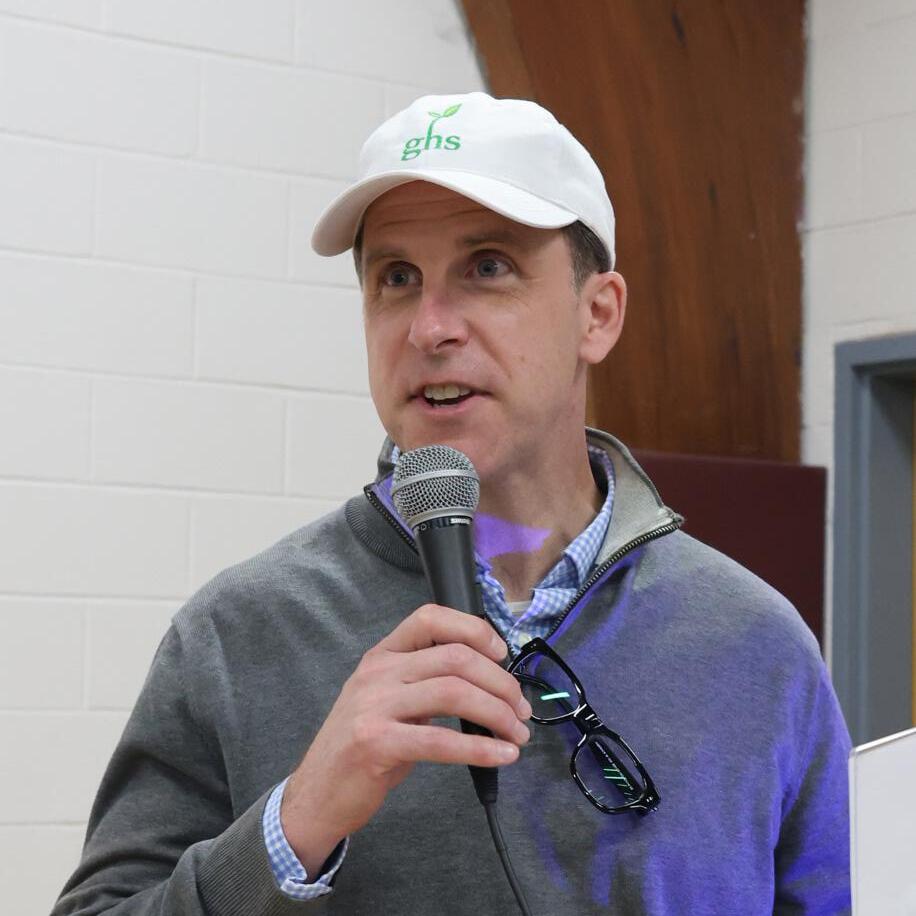
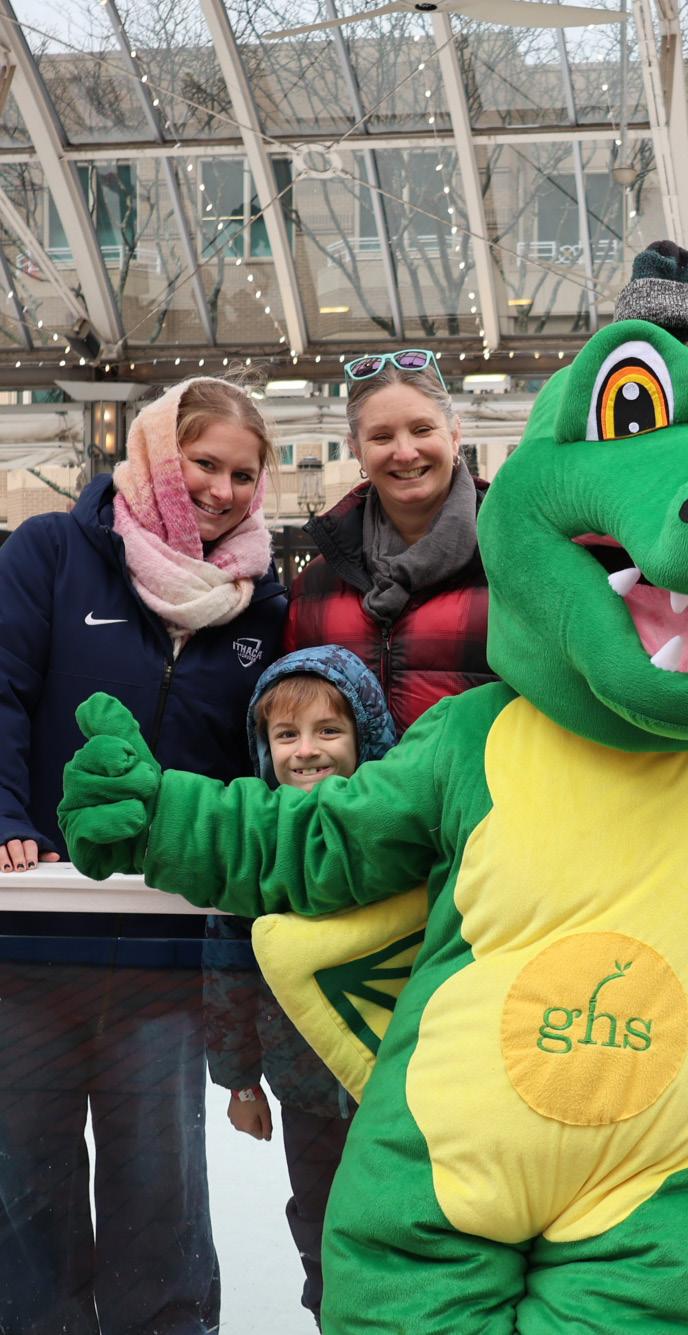
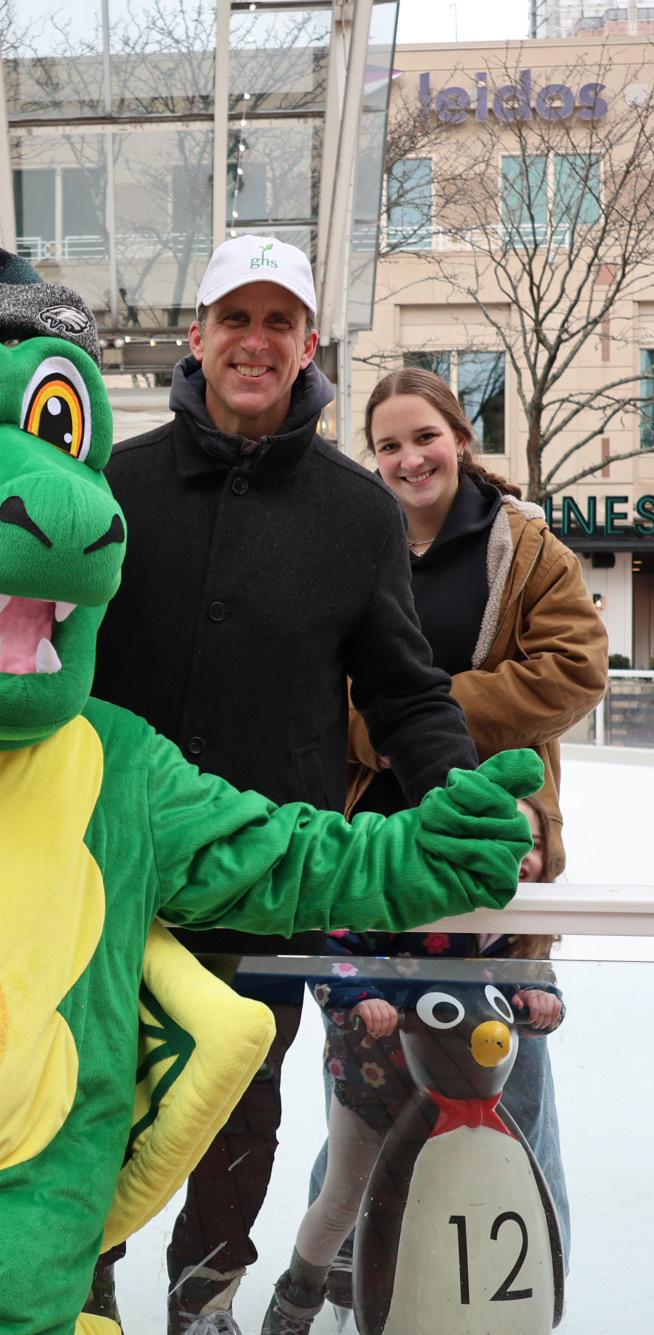
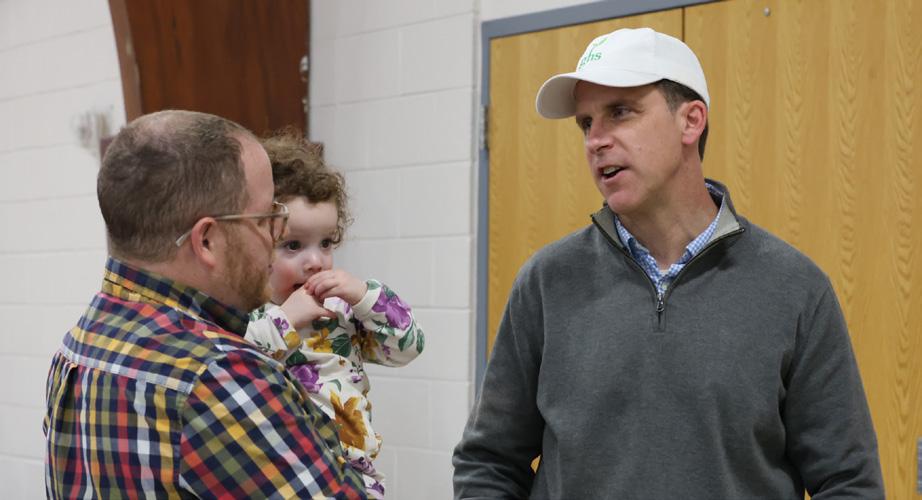
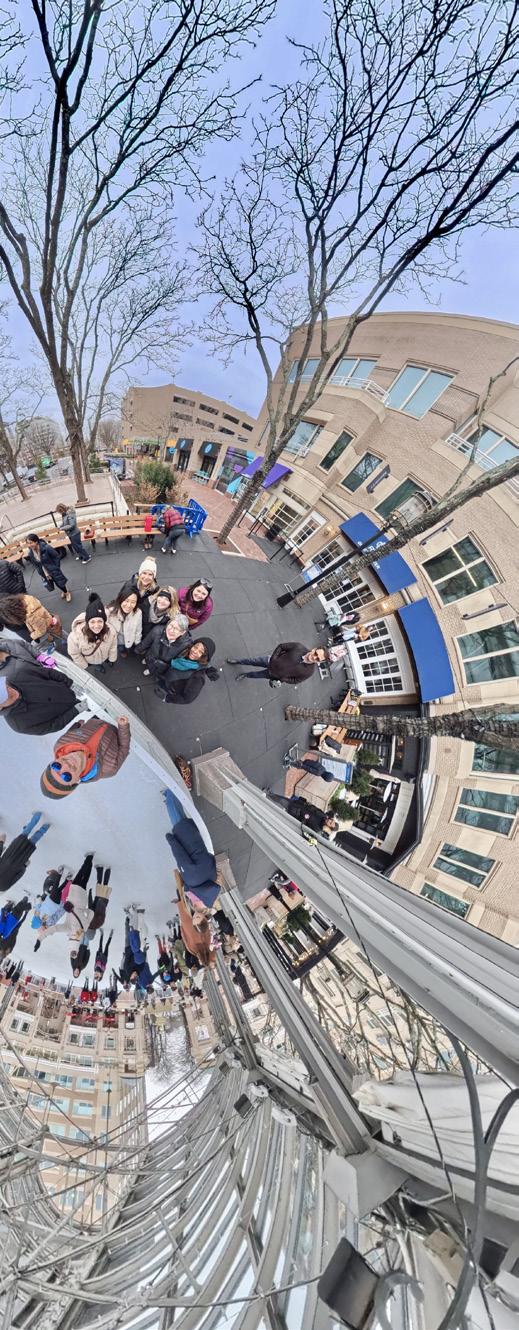
As I begin my time at Green Hedges one of my highest priorities is getting to know the people who make this school so special. Listening deeply to the stories, dreams, and aspirations of our community will help me understand the relationships and collective memory that shape this remarkable institution. Since being hired last May, I have met so many incredible students, teachers, parents, and friends, and have attended signature events such as ice skating with my family during Dragons on Ice or calling out winning numbers at BINGO. With each visit to campus, the wondrous spirit of Green Hedges has become ever more palpable, and it is with great honor and reverence that I begin my tenure as the ninth Head of School at Green Hedges.
As we move into the 2026–2027 school year, our Mission is as relevant now as it was almost 85 years ago at the School’s founding. The concepts spelled out in our Mission—clear values, wisdom, and endeavors that broaden the mind and enlighten the spirit—are both timeless and timely. Kenton Kilmer wrote in March 1972, as noted in Green Hedges School at 75, “It has been the hope of those who teach in this school to make of it a clear window on the world, so that the children graduating from the school would meet adulthood with the excitement of well-armed challenge, fully enlightened idealism, and the courage of real wisdom.” No matter what path our students take beyond Green Hedges, they will walk it with discernment, a strong moral compass, and an academic foundation second to none.
With a strong Mission and a clear sense of identity, Green Hedges is prepared to continue shaping and nurturing children who approach the world with curiosity, courage, and wonder, cultivating the leaders of tomorrow for decades to come. By rooting deeper, we can reach higher, inspiring our students to walk with confidence and make a difference in the lives of others, even as the world around them continues to evolve.
This summer, our faculty and staff are reading Mattering by Jennifer Breheny Wallace. In her bestselling book, Wallace states, “Mattering isn’t something we achieve on our own… [it] is something we create between us. It lives in our relationships, communities, and collective memory.” An aura of mattering clearly runs deep at Green Hedges, and I look forward to strengthening those connections alongside you. I also invite you to engage with this meaningful book over the summer and welcome the opportunity to discuss its ideas together.
My family is beyond excited to join this wonderful community, and we look forward to seeing you in late August. Enjoy this twice-yearly edition of Clippings, and I wish you a relaxing and enjoyable summer.
Warmest Wishes,
Kyle Armstrong Head of School
MEET THE Armstrongs
What’s your family’s go-to takeout order?
“Thai food, but we also absolutely love pizza. We’ve ordered from the same pizza place for 12 years, so we’ll have to find a go-to pizza place here! We’re open to recommendations.”
●What’s your favorite pizza flavor?
“Cheese and pepperoni!”
What’s a favorite movie or TV show everyone can agree on?
“We enjoyed watching the Jurassic World Series, and Happy Gilmore is always a classic for my older kids. We also enjoy watching Survivor—it’s probably the show that we’ve watched the most over the years. And you can never go wrong with putting on a great sporting event. My son is a Mets fan, but the rest of the family are Yankees fans!”
Are you a board game family, sports family, outdoors family, or “all of the above” family?
“We enjoy cards, in particular Old Maid! I play chess with my son, who will be in Grade 3 at Green Hedges, and we do lots of sports, athletic events, and hiking. As a family, we tend to gravitate toward the mountains when we travel, such as hiking in Colorado last summer.”
What’s a small thing that instantly makes your family feel at home?
“We spend a lot of time in the kitchen, gathering around food. I wouldn’t say we’re exceptional cooks, but we tend to congregate there as a family. We love a great Raclette meal!”
What’s your favorite way to spend a free Saturday?
“Going to a Yankees game, spending time outdoors around the house, listening to music, and breaking out the Solo fire pit in the evenings. Being outside is so restorative for all of us.”
As part of welcoming our new Head of School and his family, we sat down with our HeadElect for a fun and lighthearted interview designed to help you get to know him beyond his professional background. This conversation offers a more personal glimpse into the Armstrong family who will soon become an important part of our school community.
Which family member would survive longest on a road trip without asking “Are we there yet?”
“My daughter Syd, with her easy-going personality.”
Do you have any hidden talents in the family?
○“My wife Kristen was a professional ice skater and is fluent in French (including a degree in French linguistics).
We also love to do Cross Fit as a family!”
What’s one thing you’re excited to explore in the community?
“Coming back to this area after 20 years, we’re excited for the access to Washington, D.C. We’re looking forward to exploring the museums, food, and everything the city has to offer. We’re also really excited to become Vienna residents and be immersed in the town, getting to know the neighborhood and being local.”
What is a favorite family tradition you have?
“We have many traditions around the holidays, but, most importantly, we always support each other at our various events and activities. Being there and being present for each other is something we value.”
Do you have any pets? If so, tell us about them!
“We have a mini-goldendoodle. Her name is Bernie Peaches. We couldn’t decide on a single name so we just made it work!”
What values are most important in your family life?
“Integrity, relationships, and hard work. If you’re going to do something, do your best at it. The Integrity piece is making sure you’re doing the right thing when no one’s looking.
See full video of Mr. Armstrong’s Q & A here:
CAMPUS HAPPENINGS
Scan to hear about a recent educator accomplishment, a DC Wammie!
CAMPUS HAPPENINGS
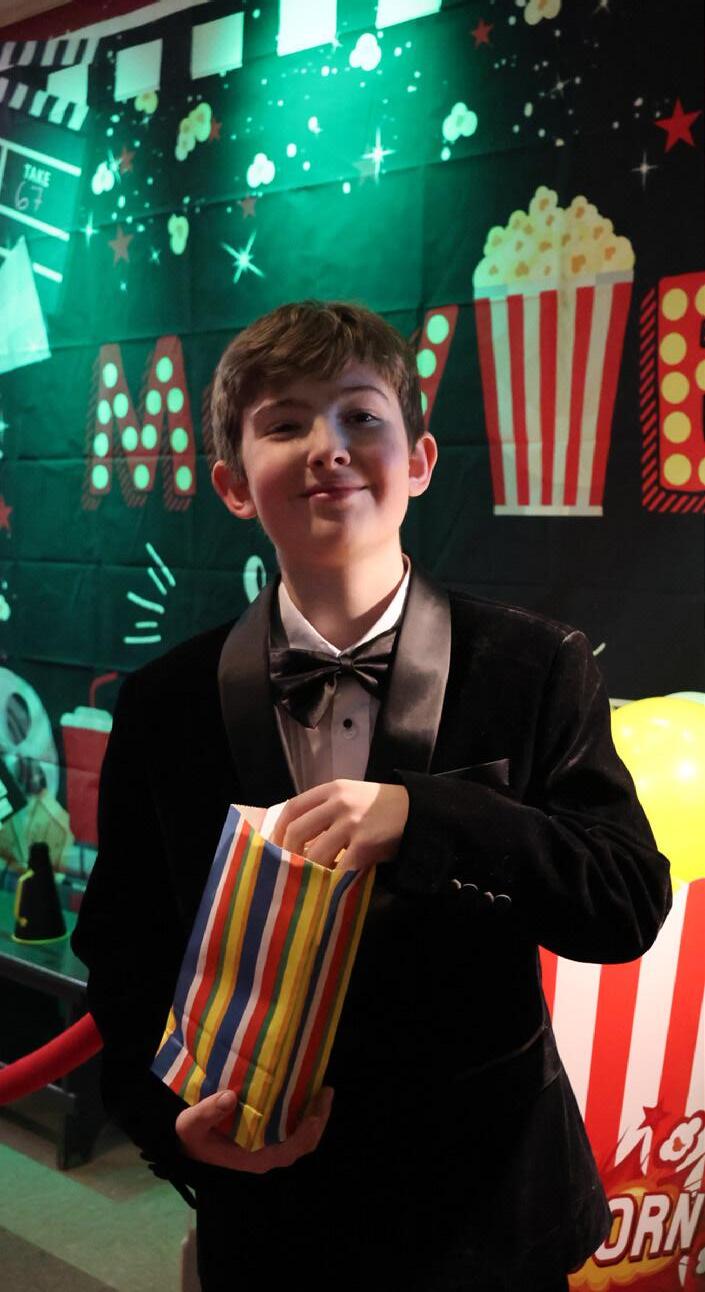
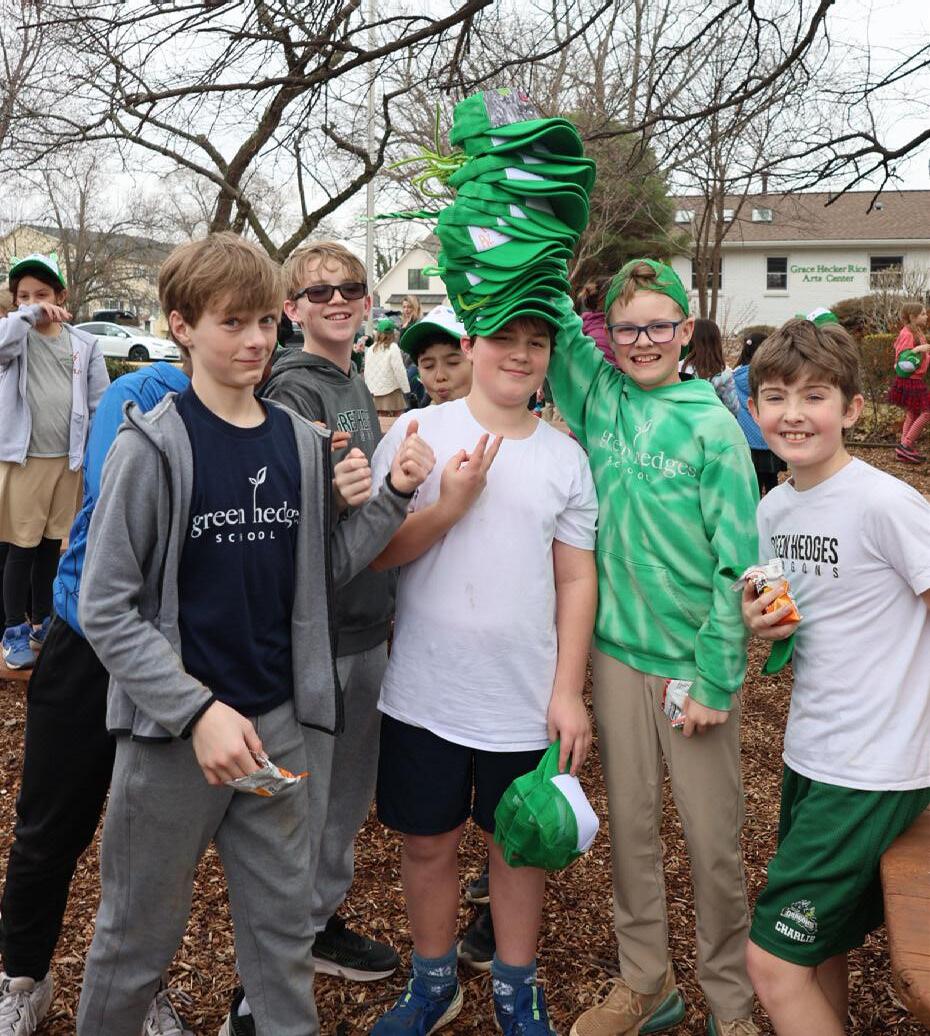
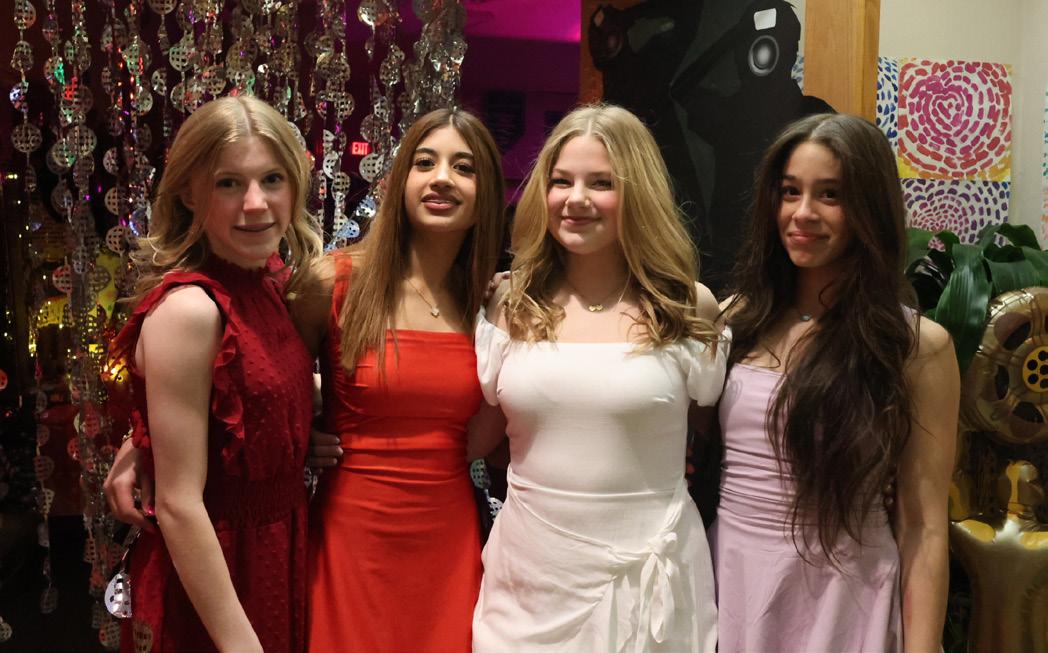
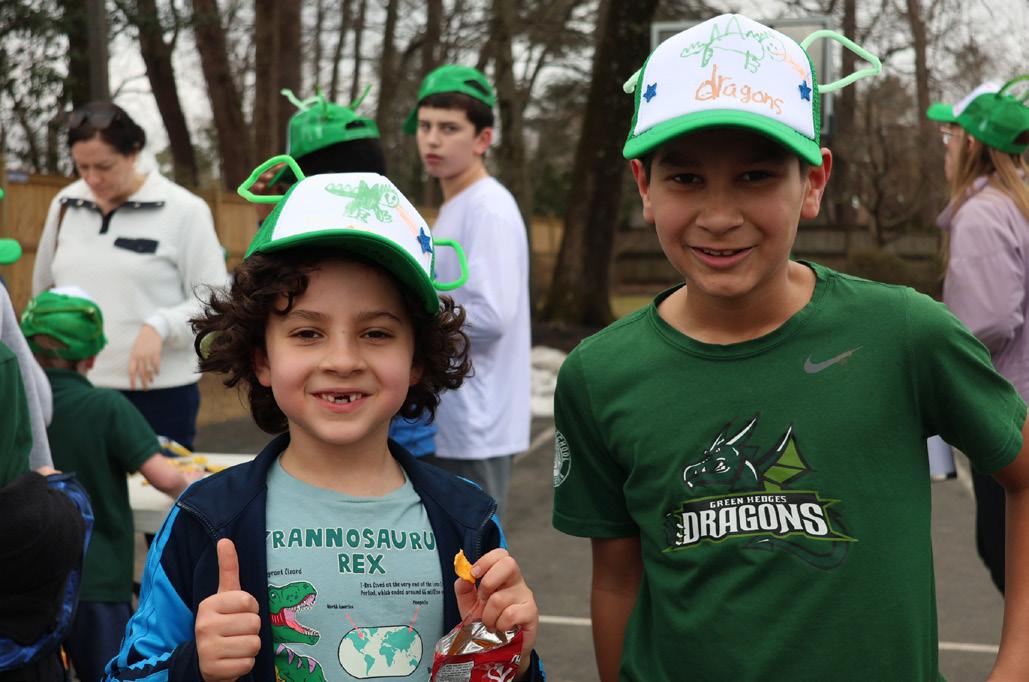
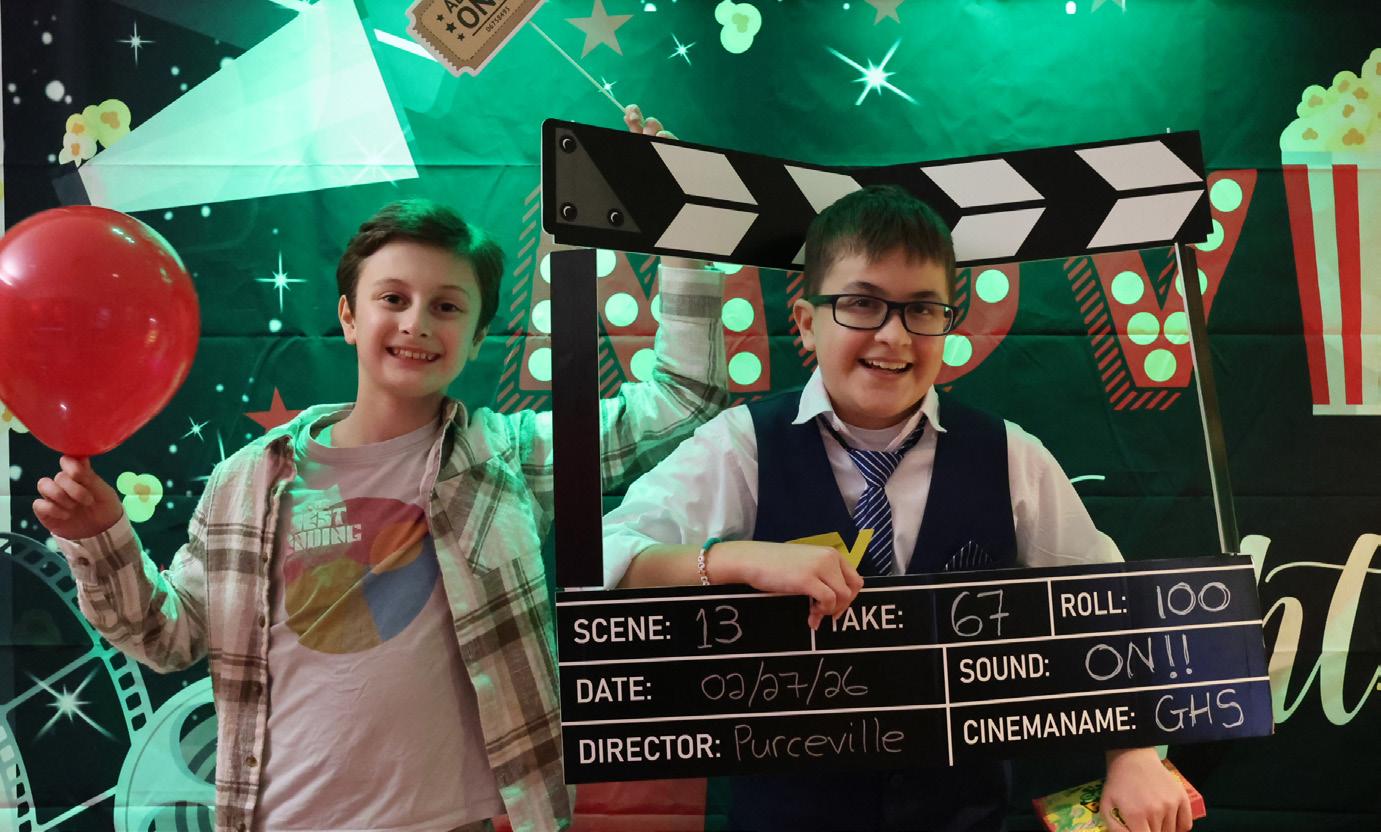
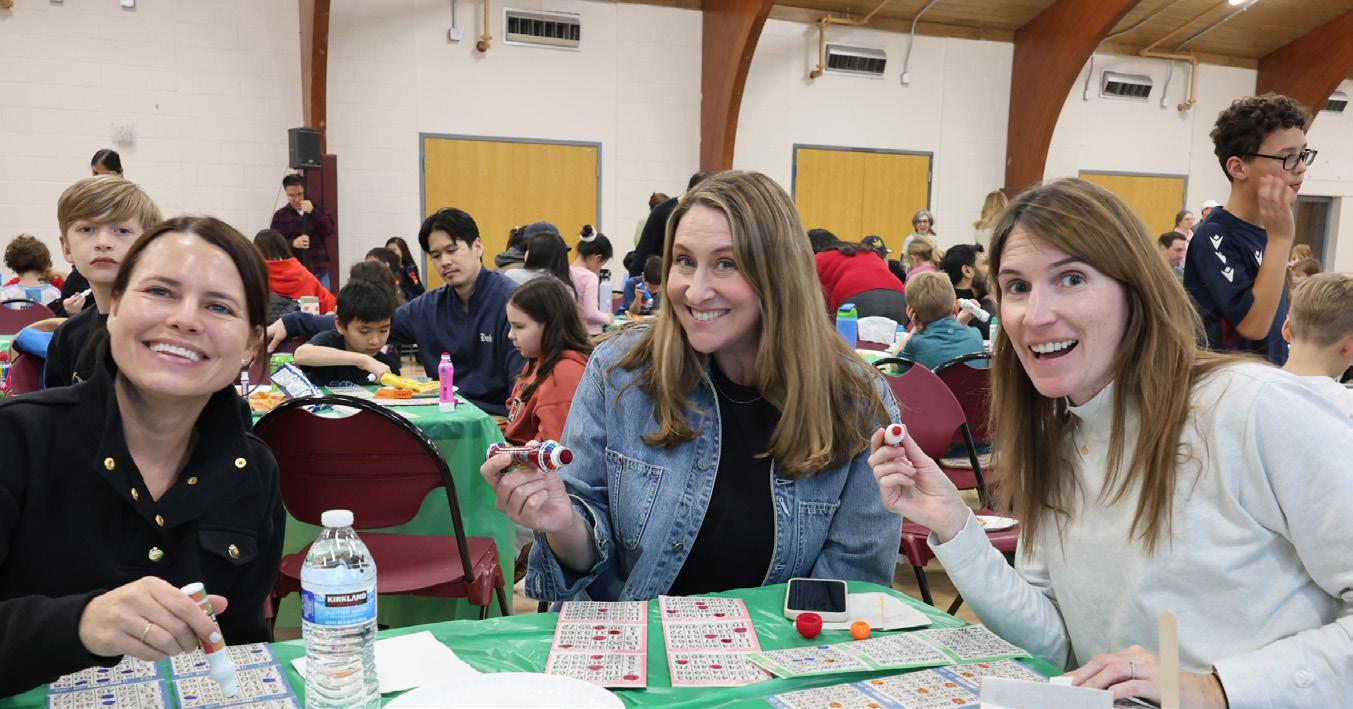
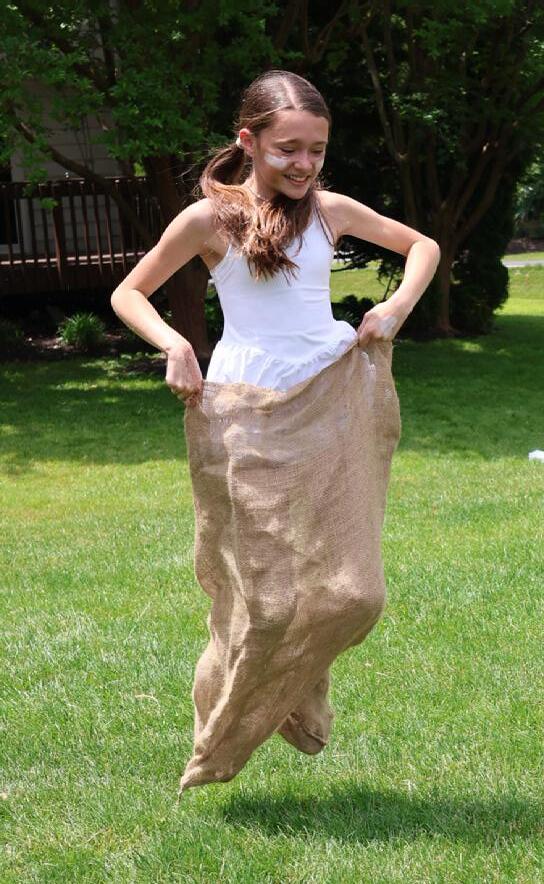
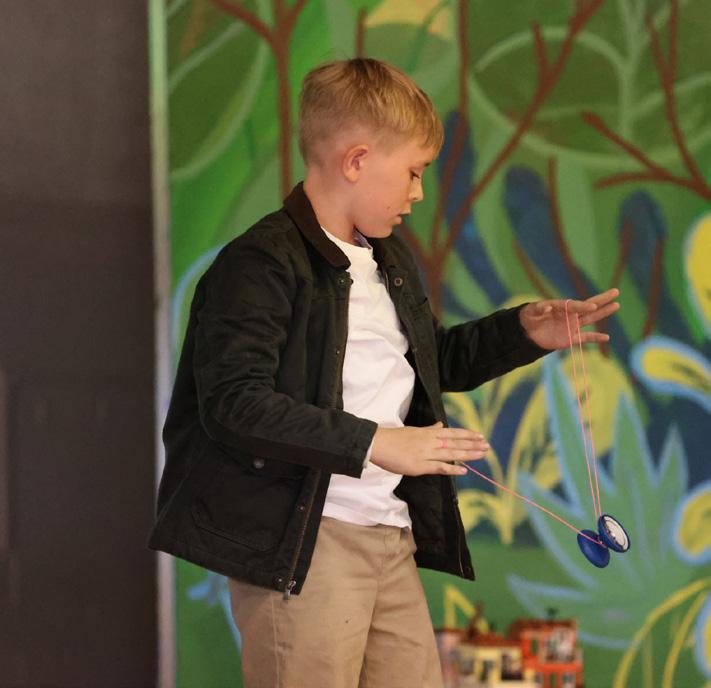
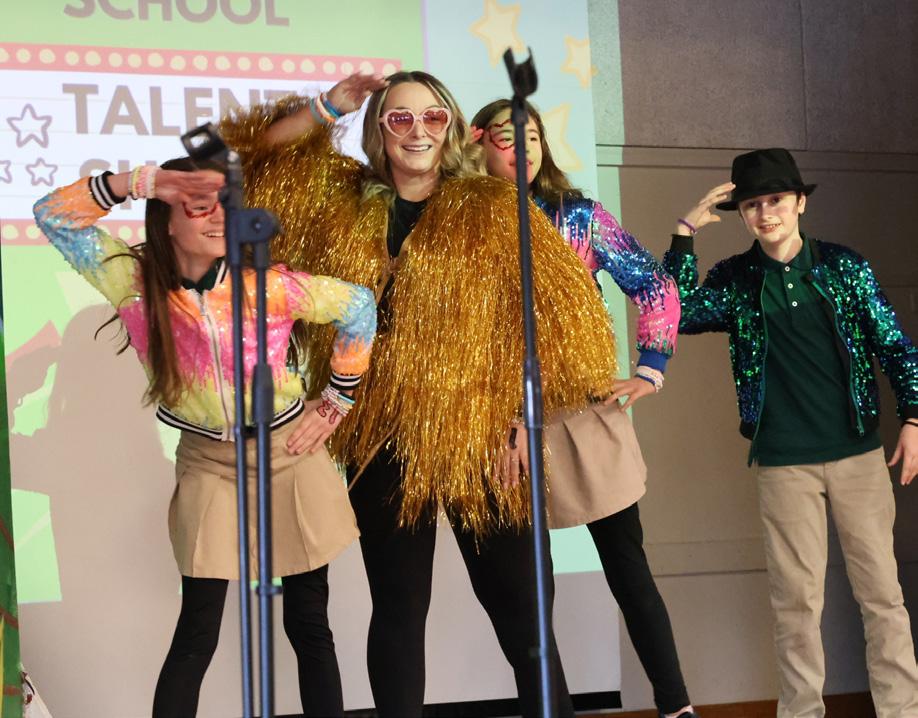
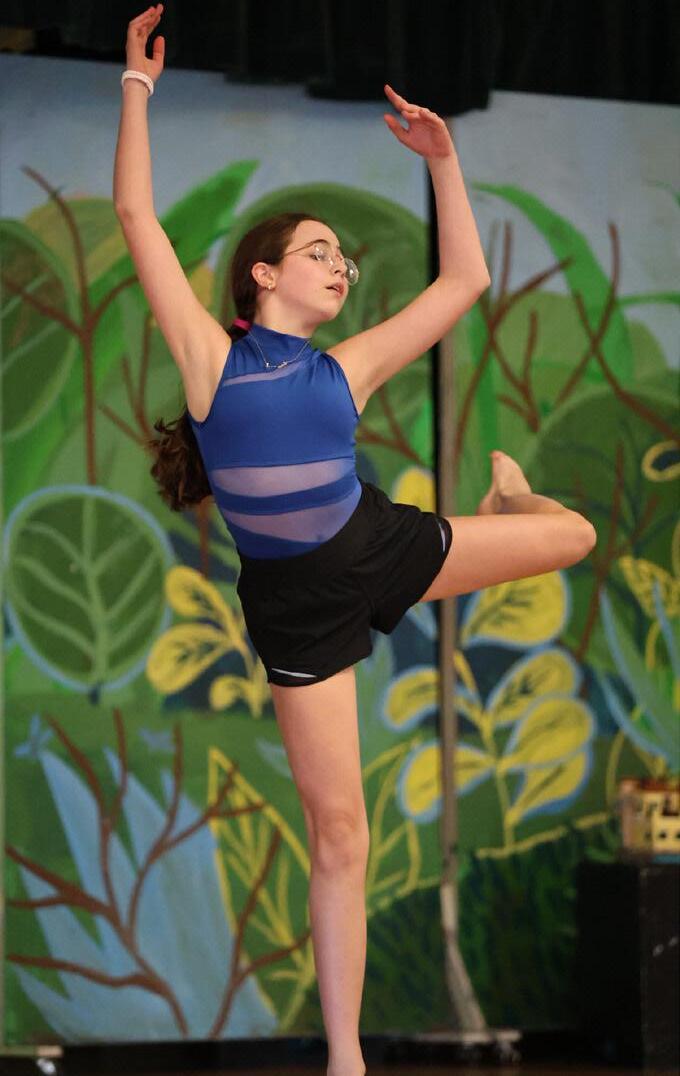
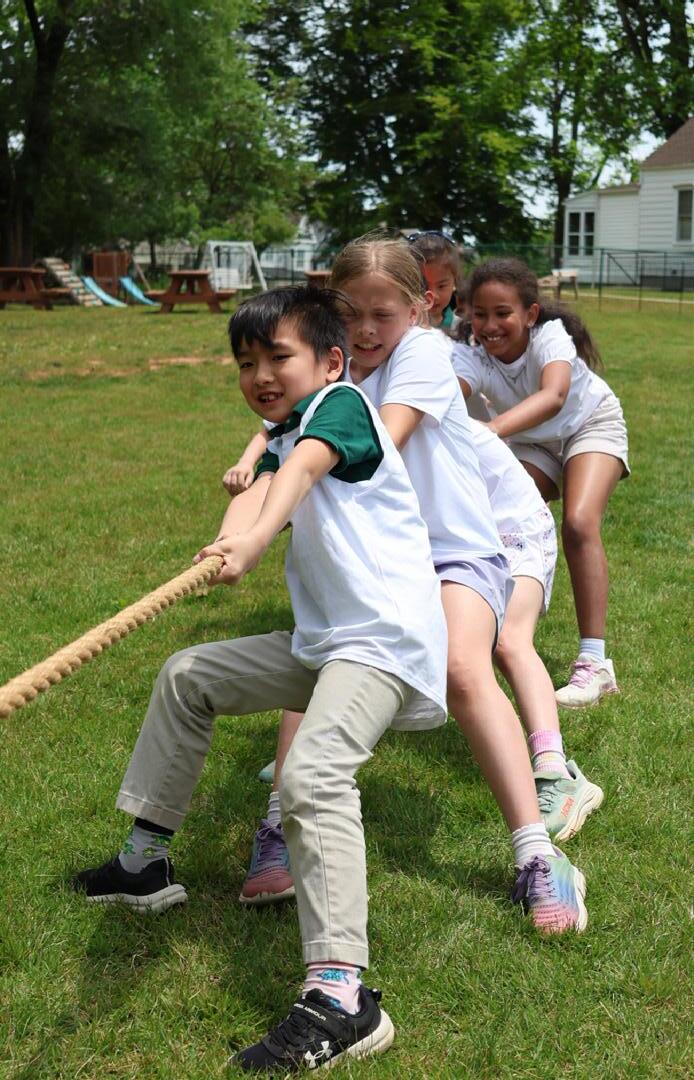
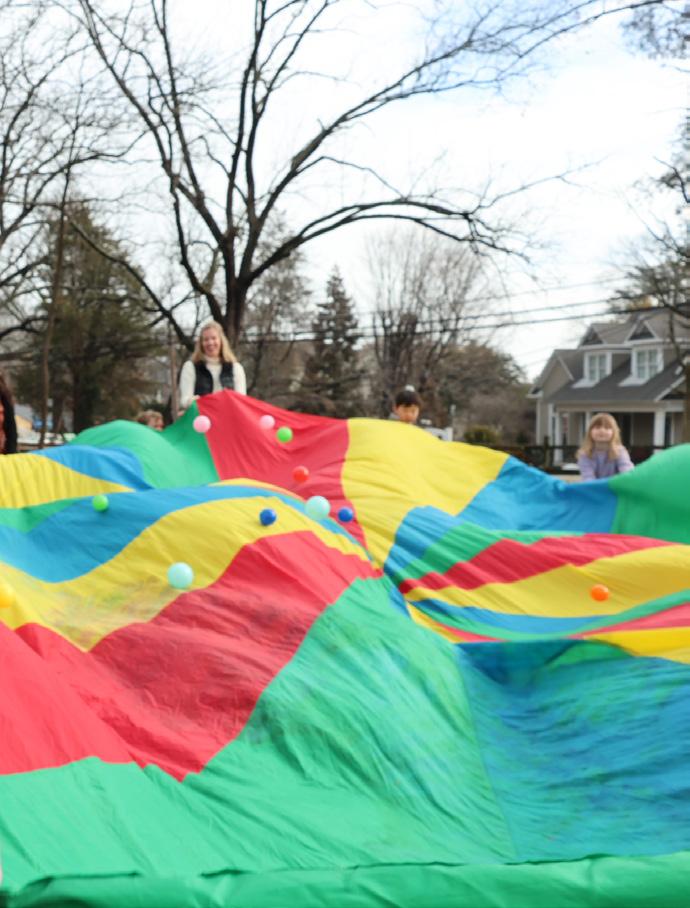
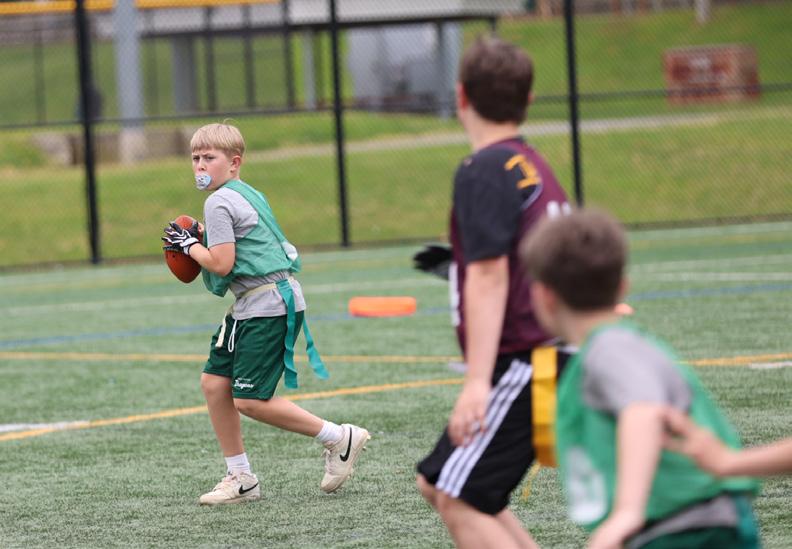
Events: Students, families, and parents and guardians enjoyed school events such as the Middle School Dance, a PA-Sponsored BINGO, the Buddy Dragon Dash, a night of Mah Jongg, and Grandparents & Special Friends Day!
CAMPUS HAPPENINGS
Scan to hear reflections of a Grade 2 field trip!
CAMPUS HAPPENINGS
Experiences: Student experiences were all the
and so much more!
rage with thrilling Openings and Closings, poetry cafés in classrooms, the annual school Talent Show, Field Day,
CAMPUS HAPPENINGS
CAMPUS HAPPENINGS
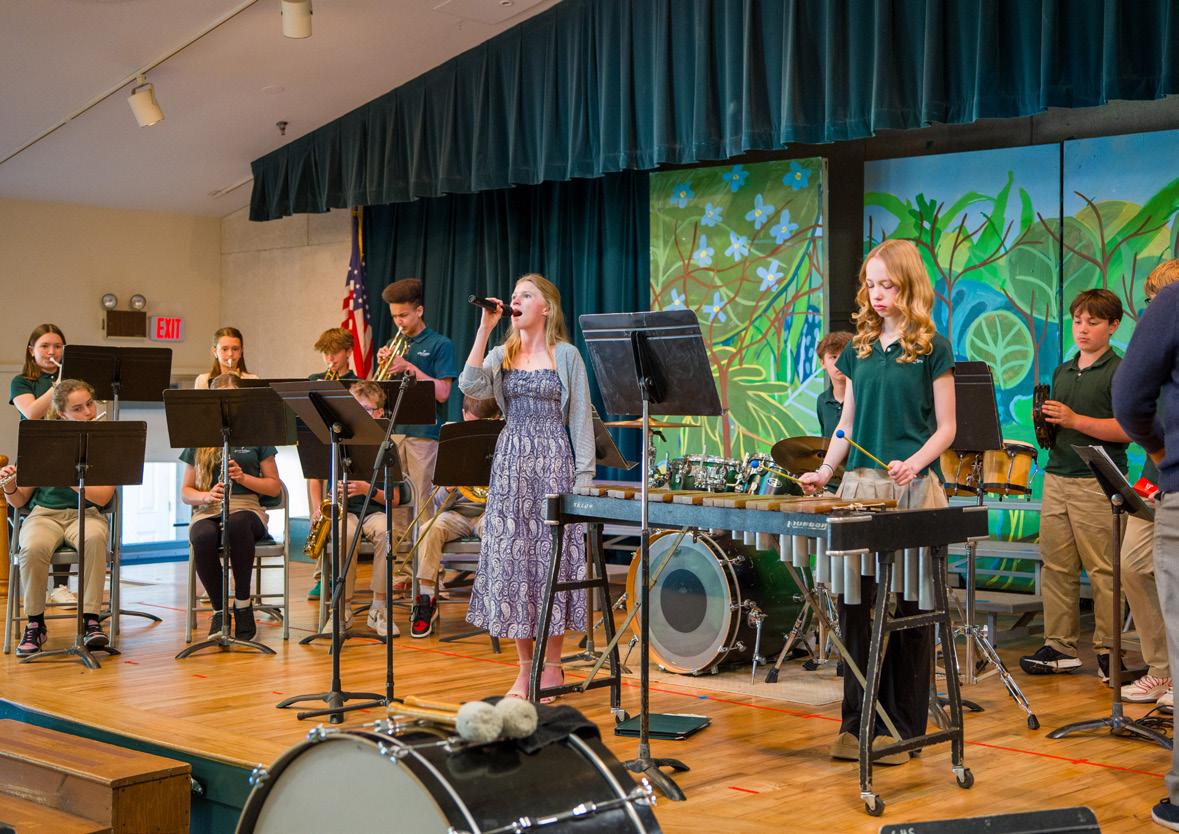
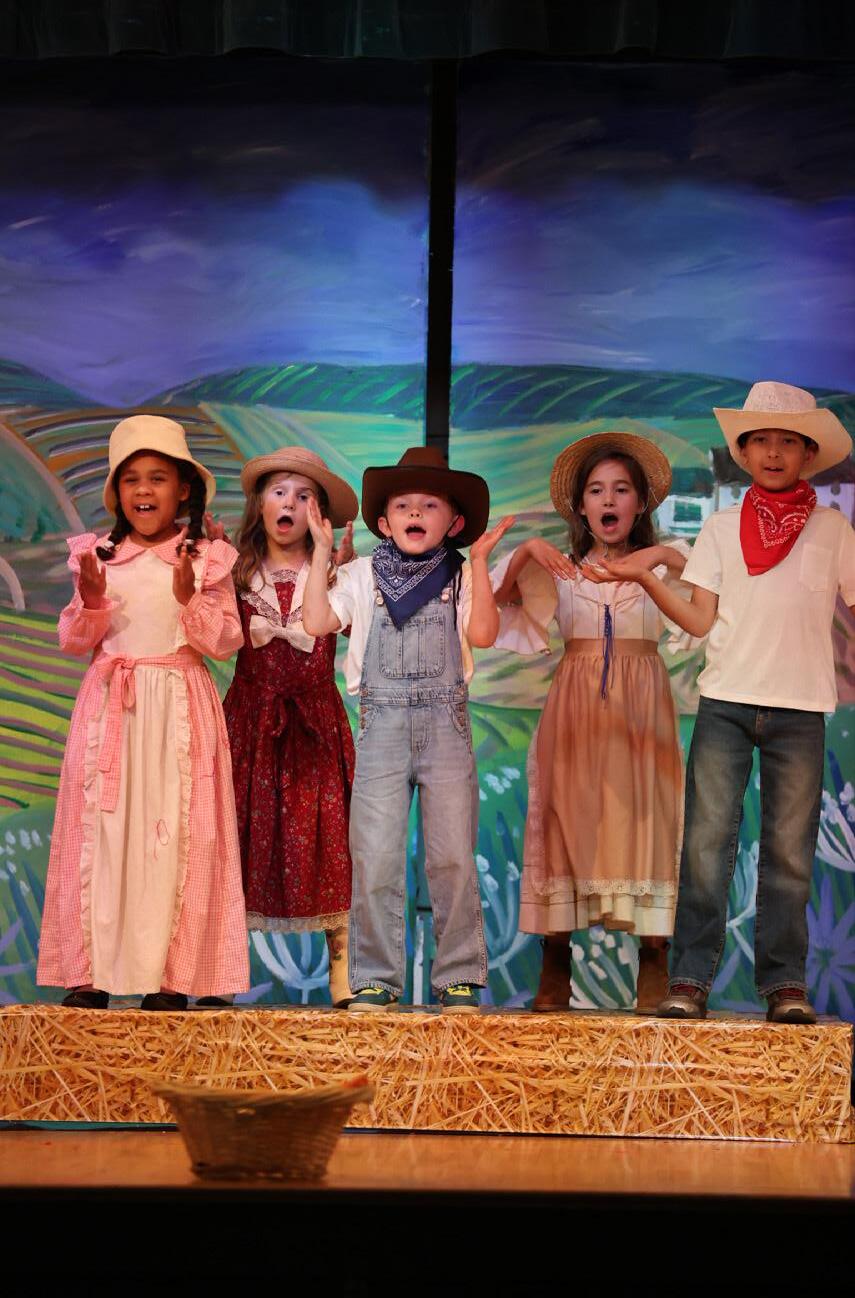
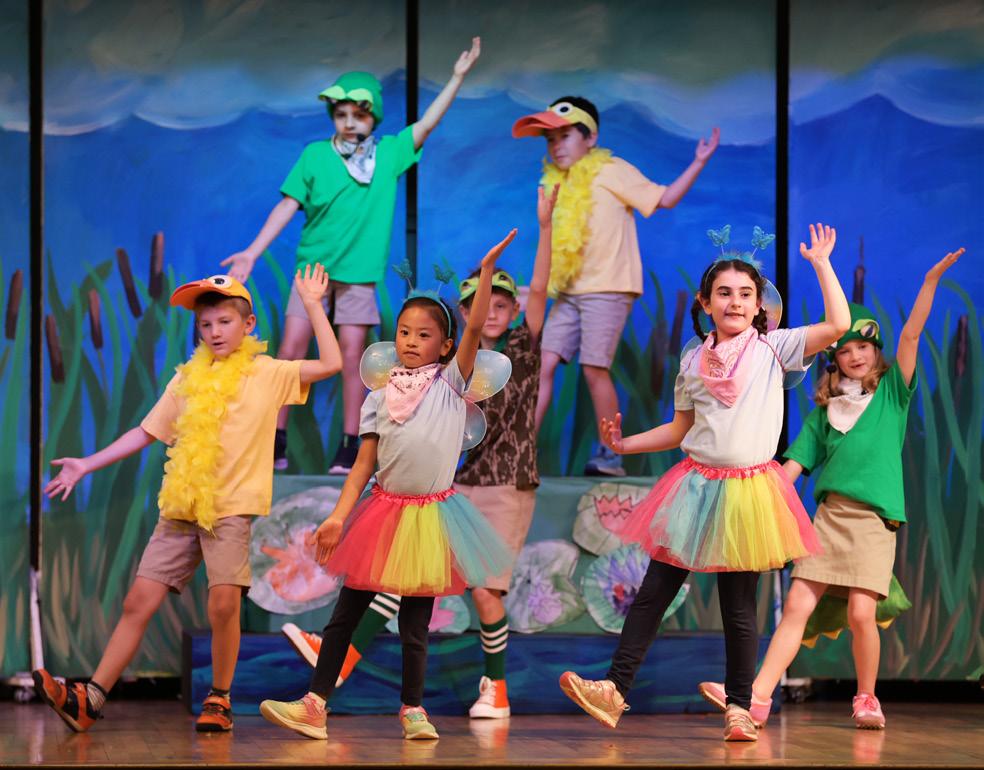
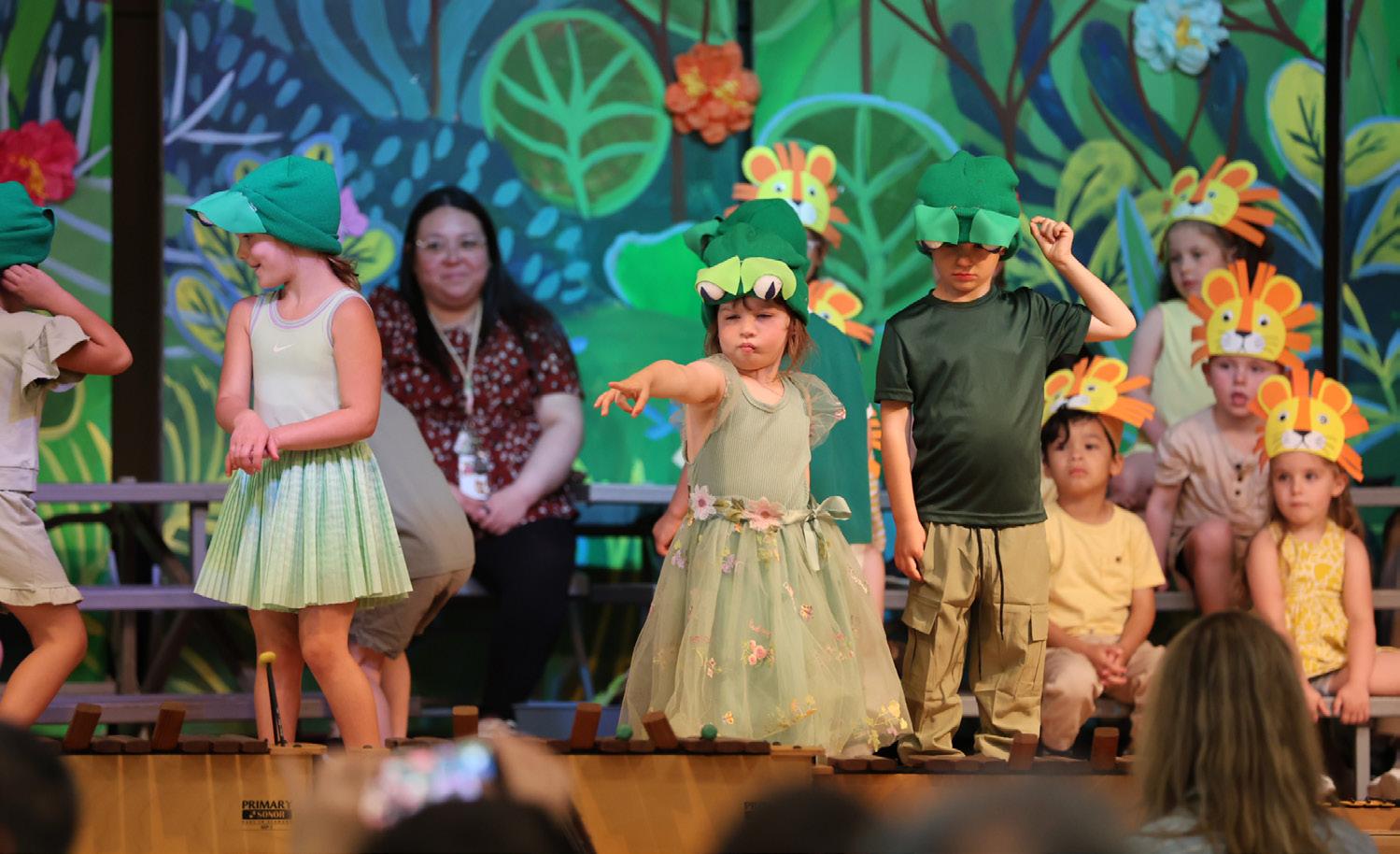
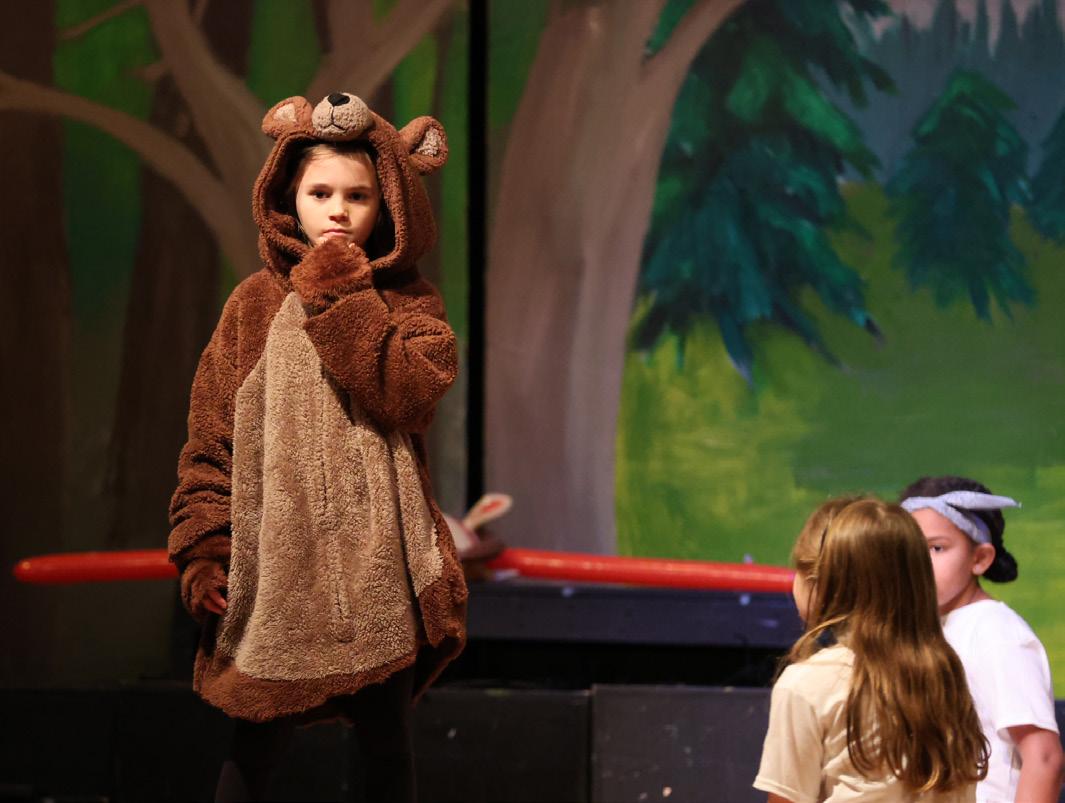
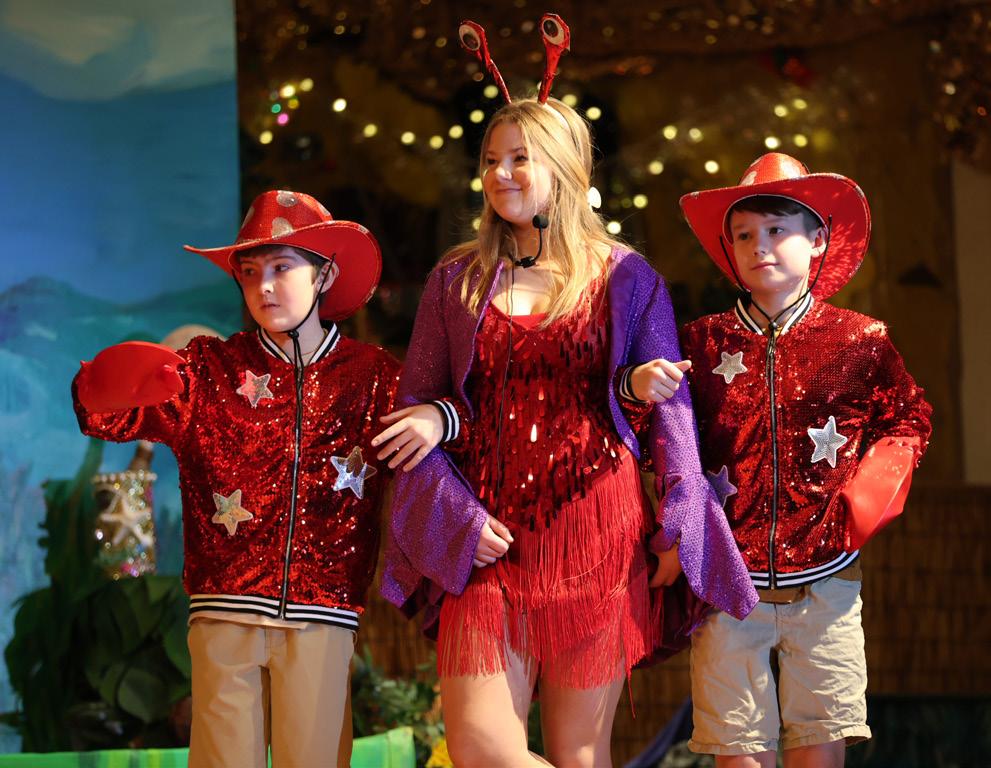
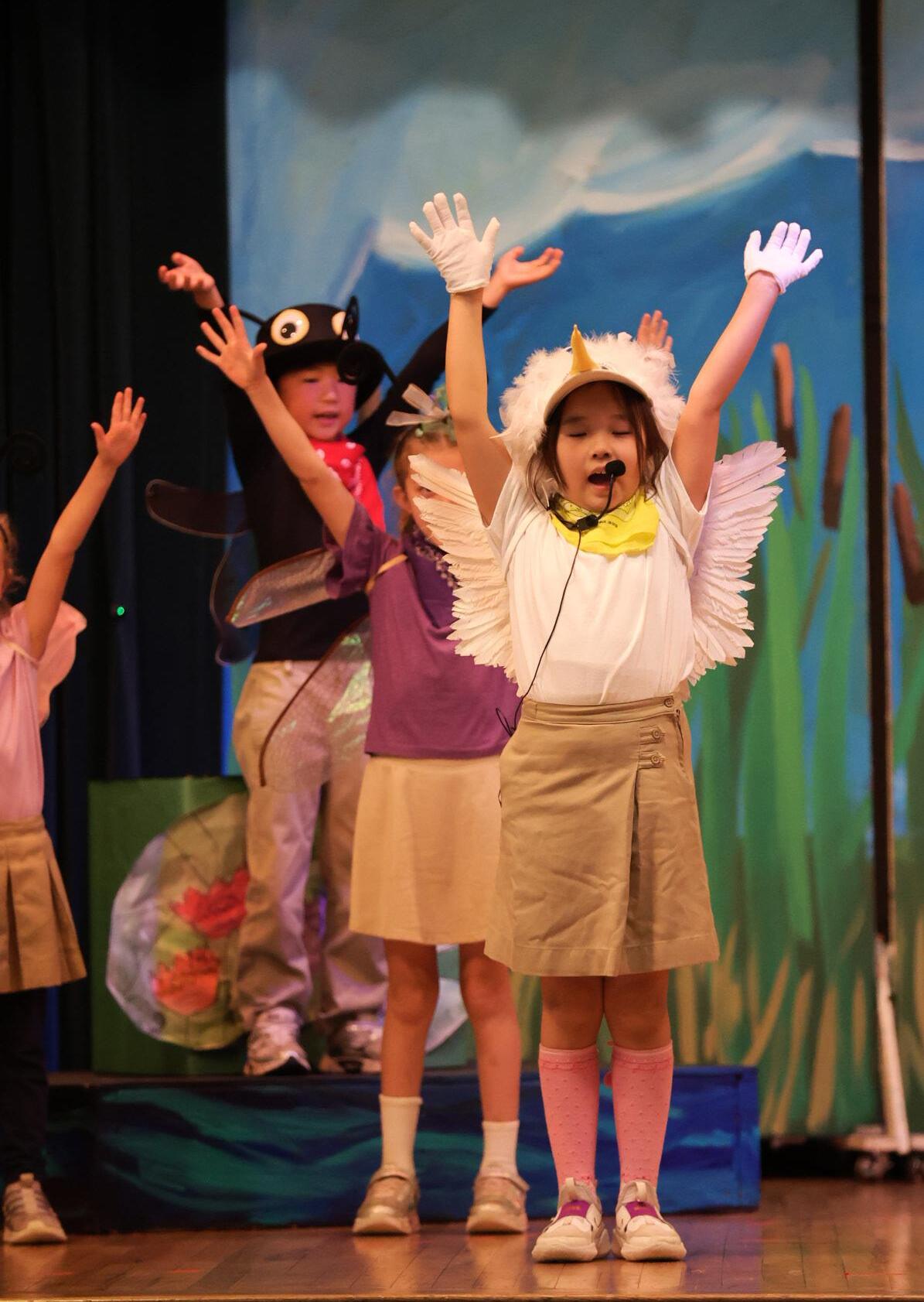
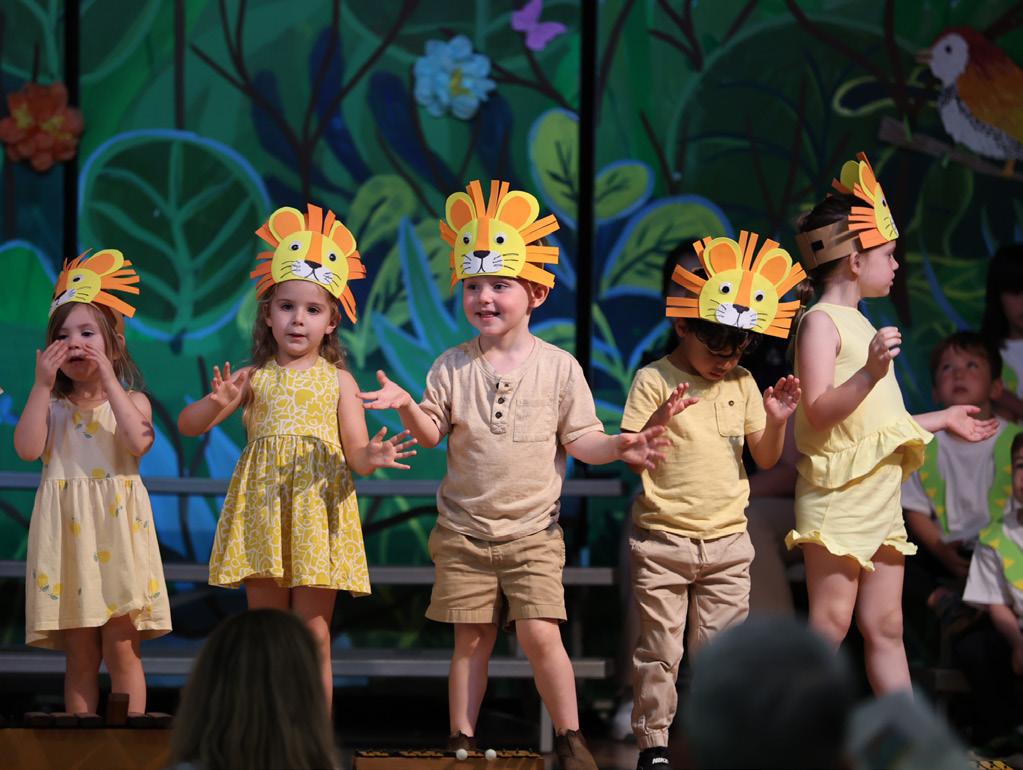
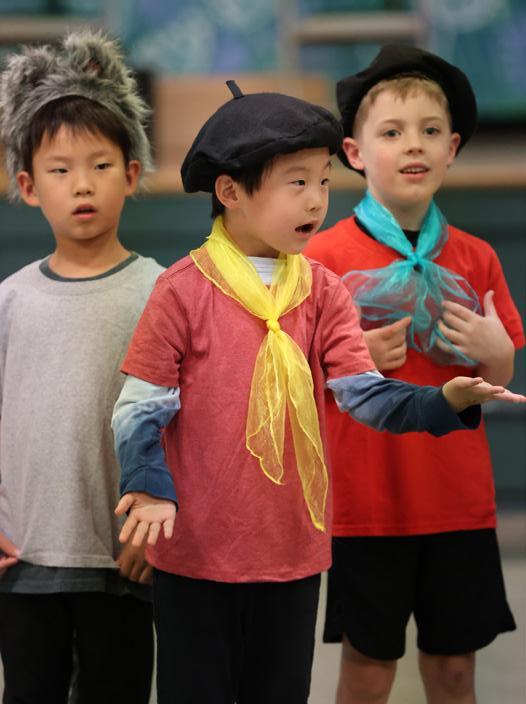
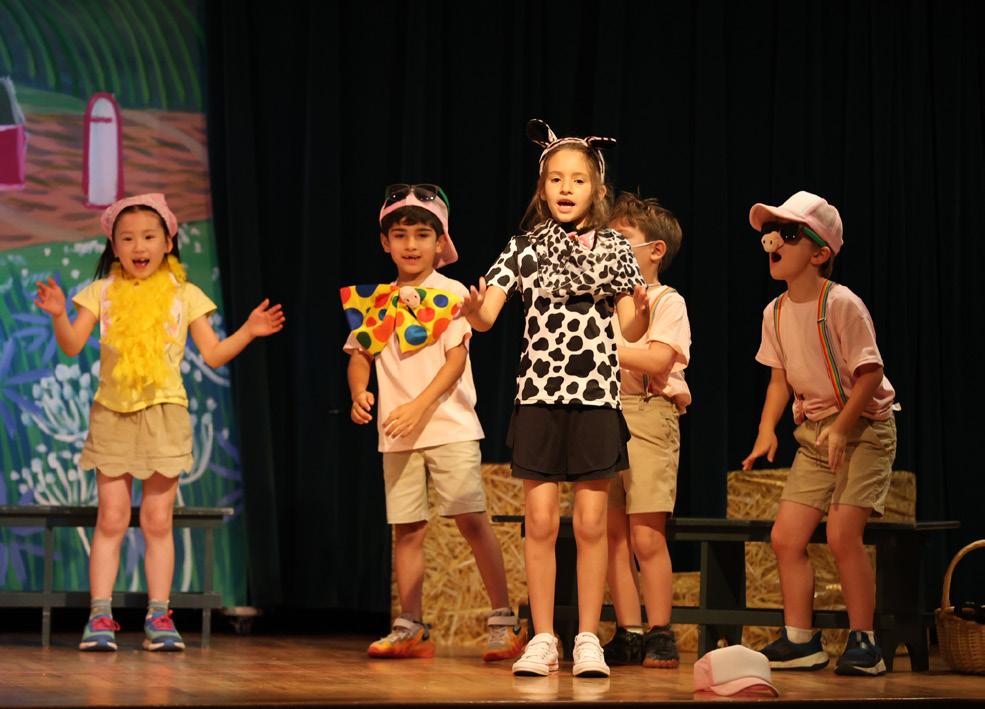
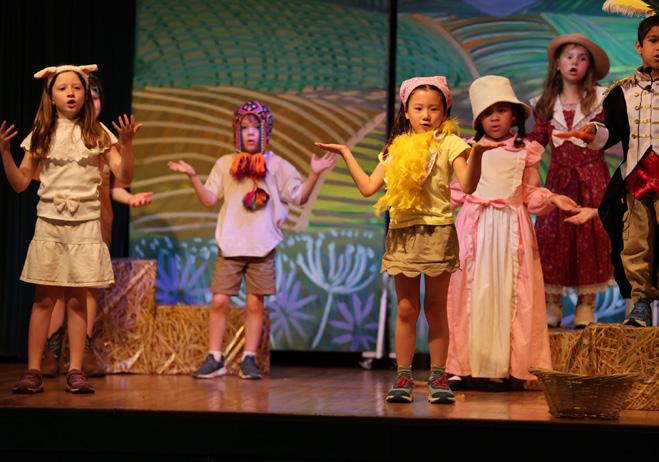
Plays: Our students showcased beautiful performances including Grades 1-3, the Kindergarten French Play, the Middle School Musical Moana, and spring concerts!
SPORTS AT GHS
DRAGON STATS
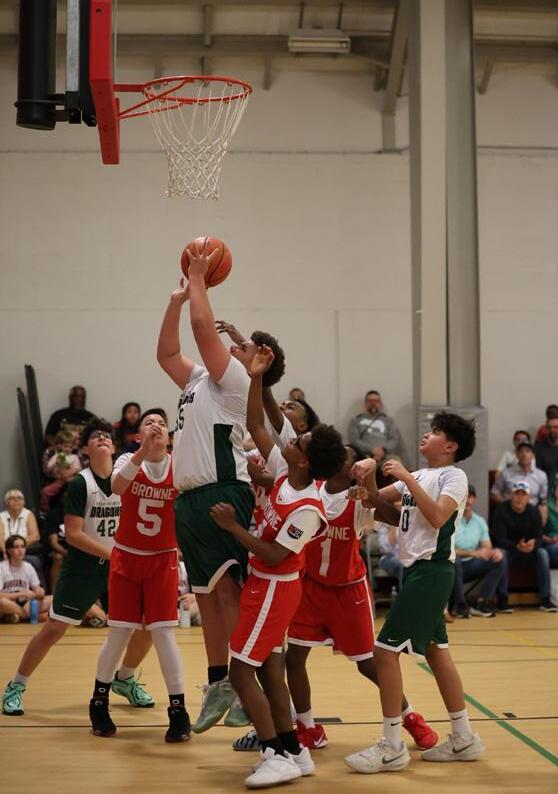
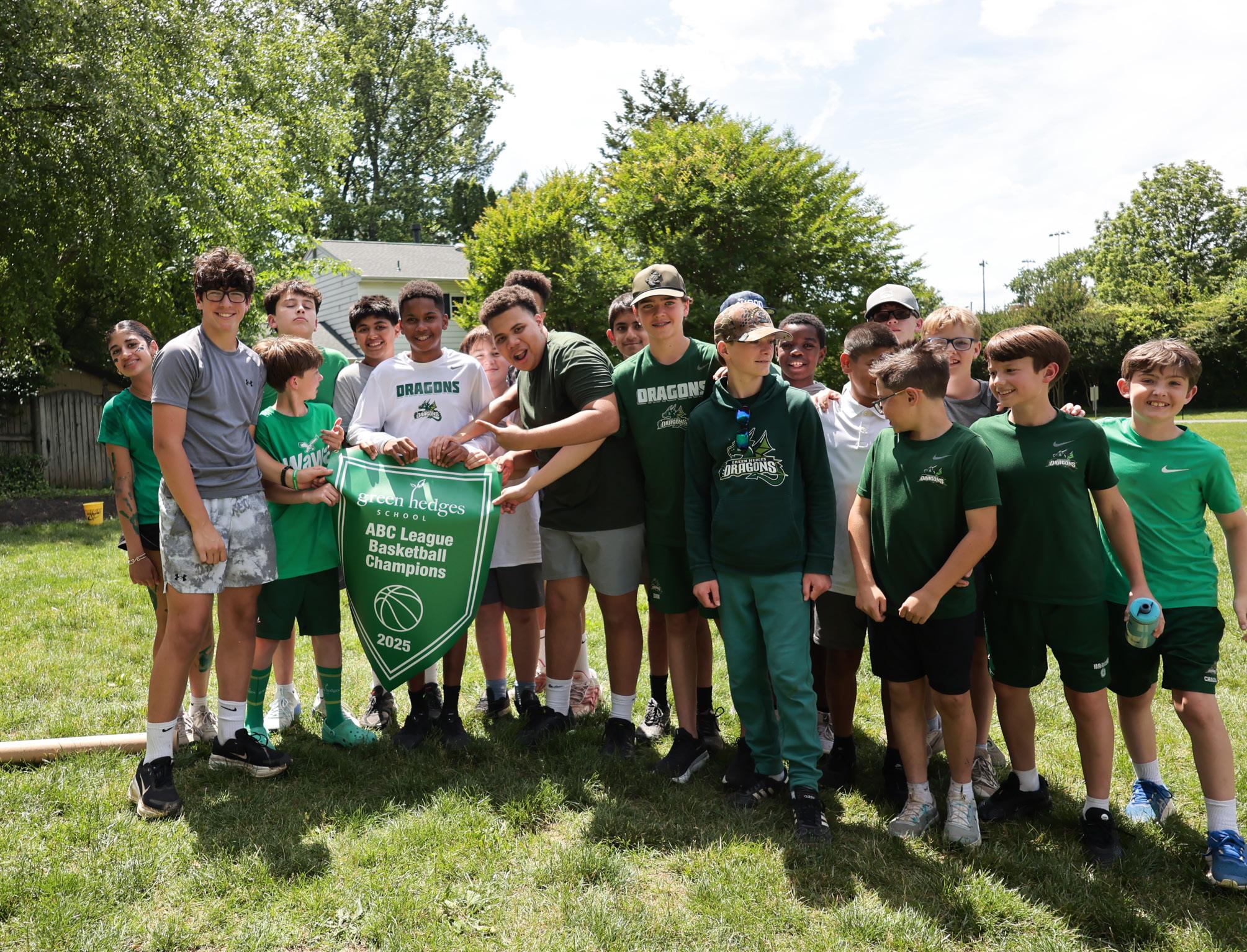
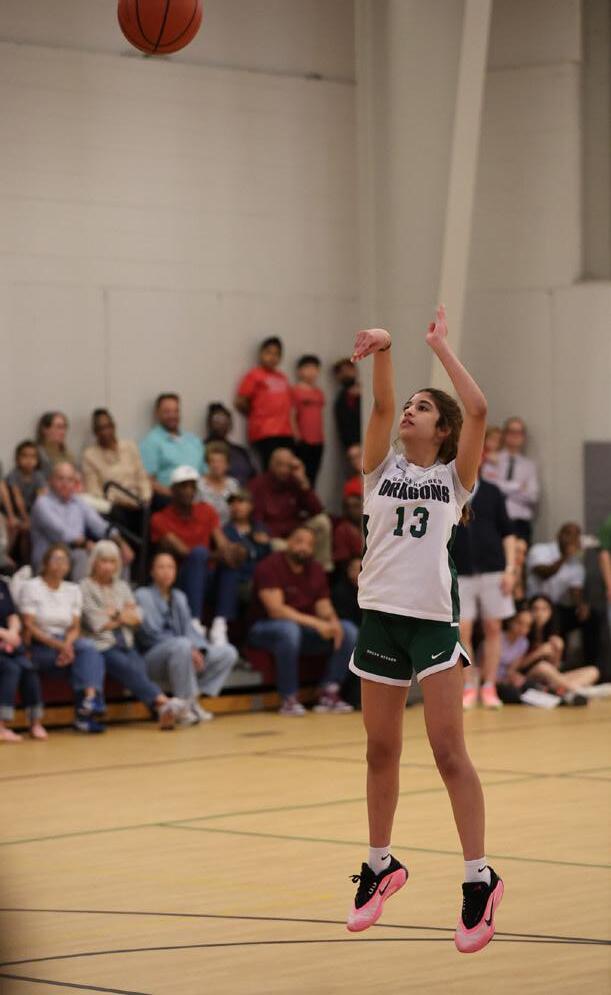
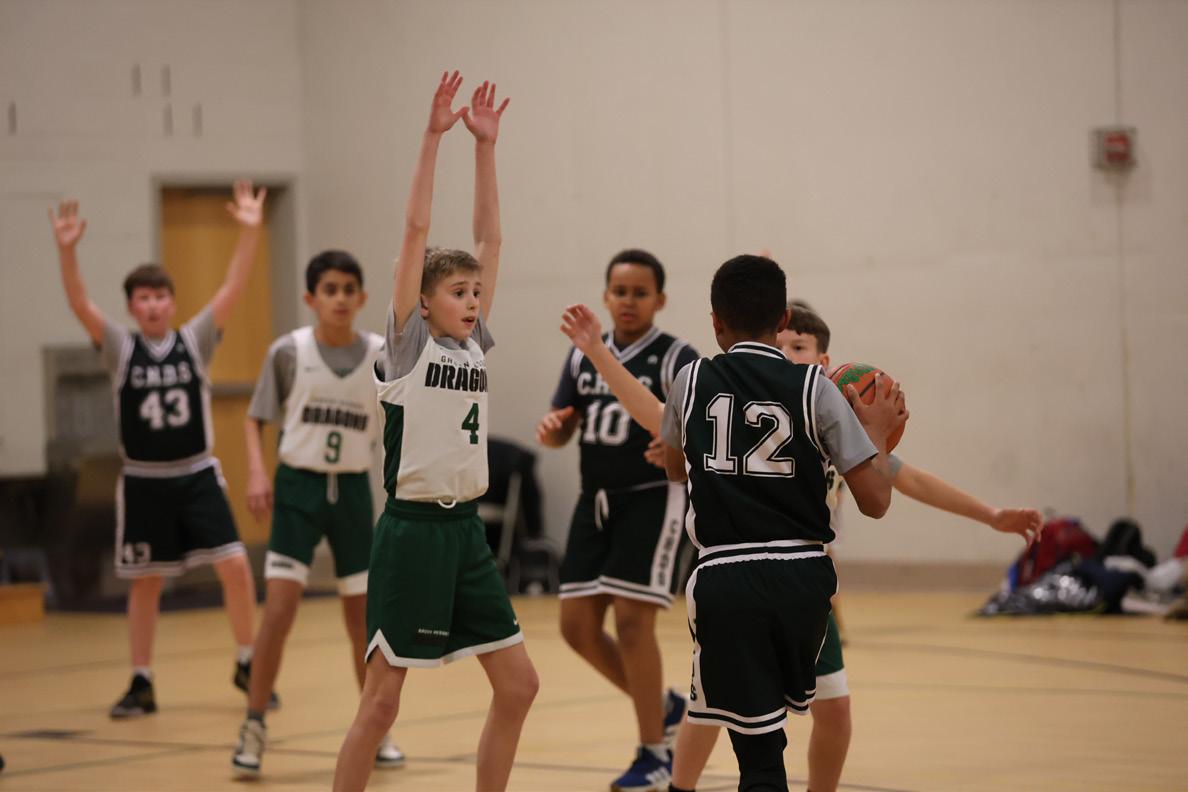
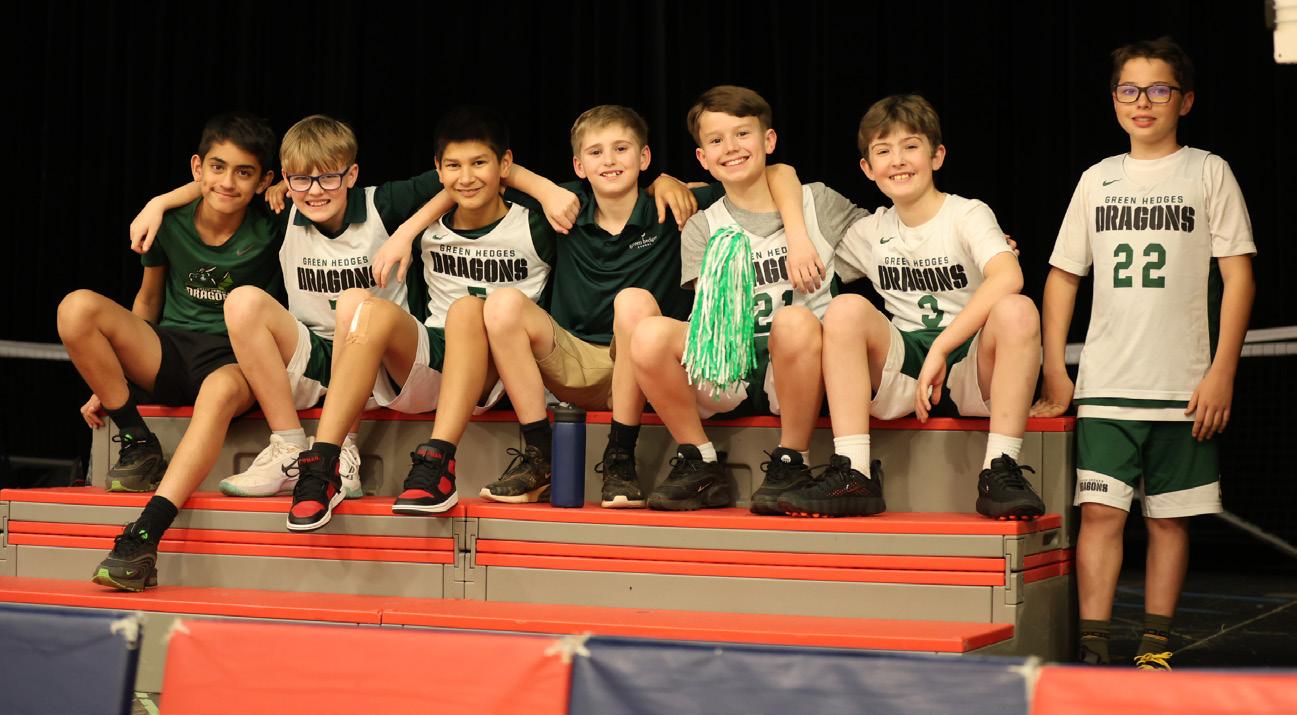
Varsity Basketball • Undefeated
ABC Co-Ed League Champions
JV Basketball • 5–2 Record
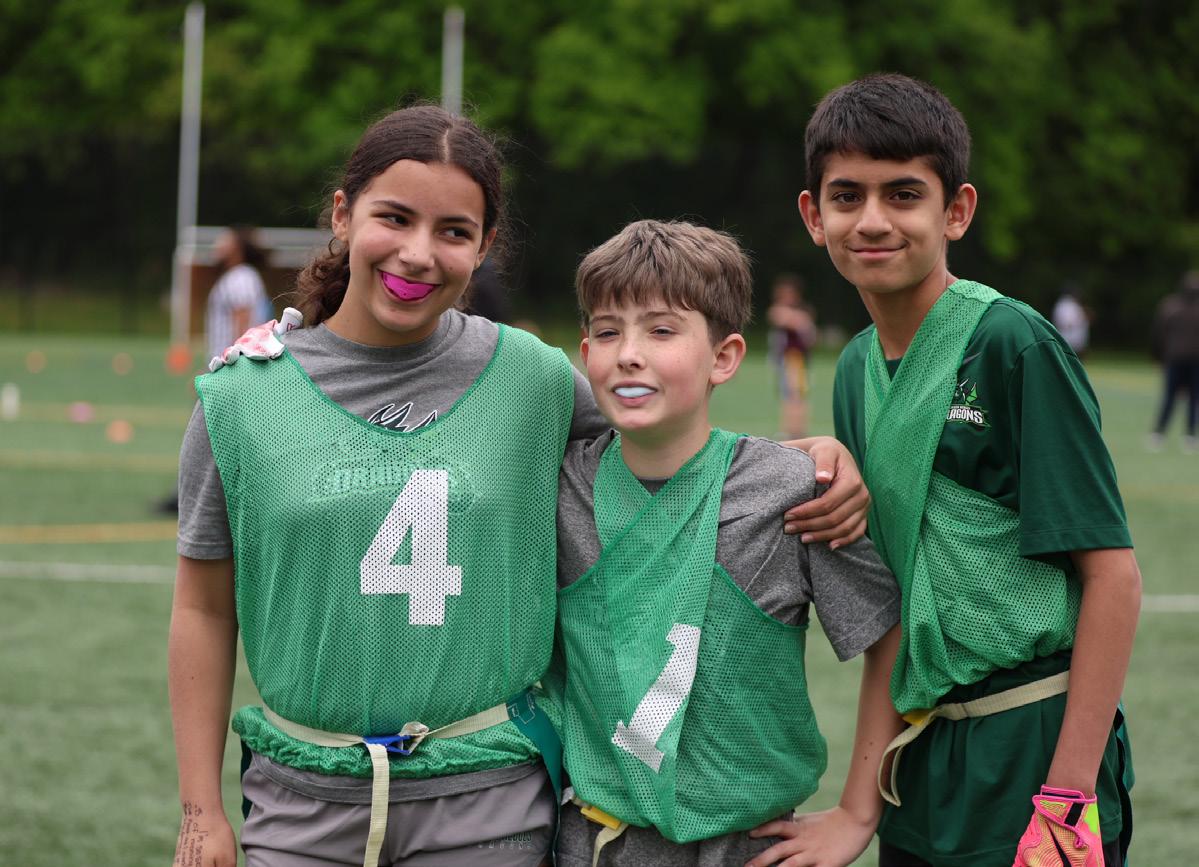
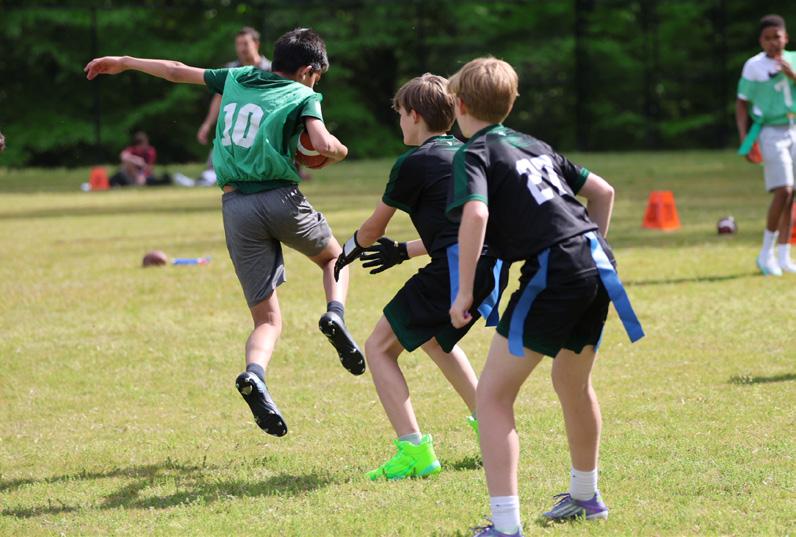
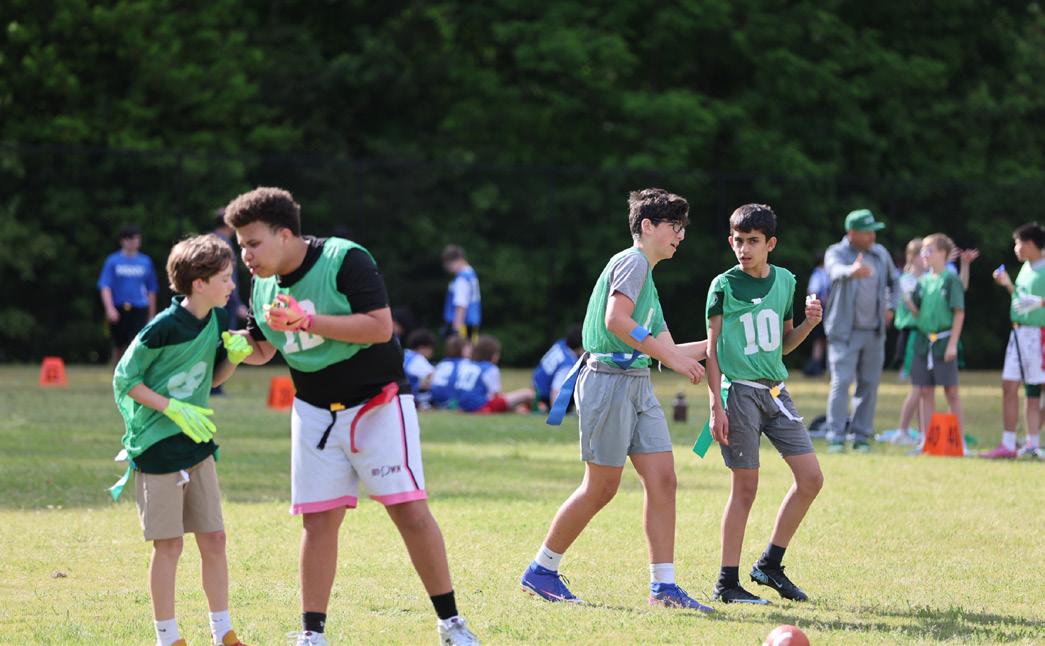
Varsity Flag Football • 4–1 Record
JV Flag Football • 1–4 Record
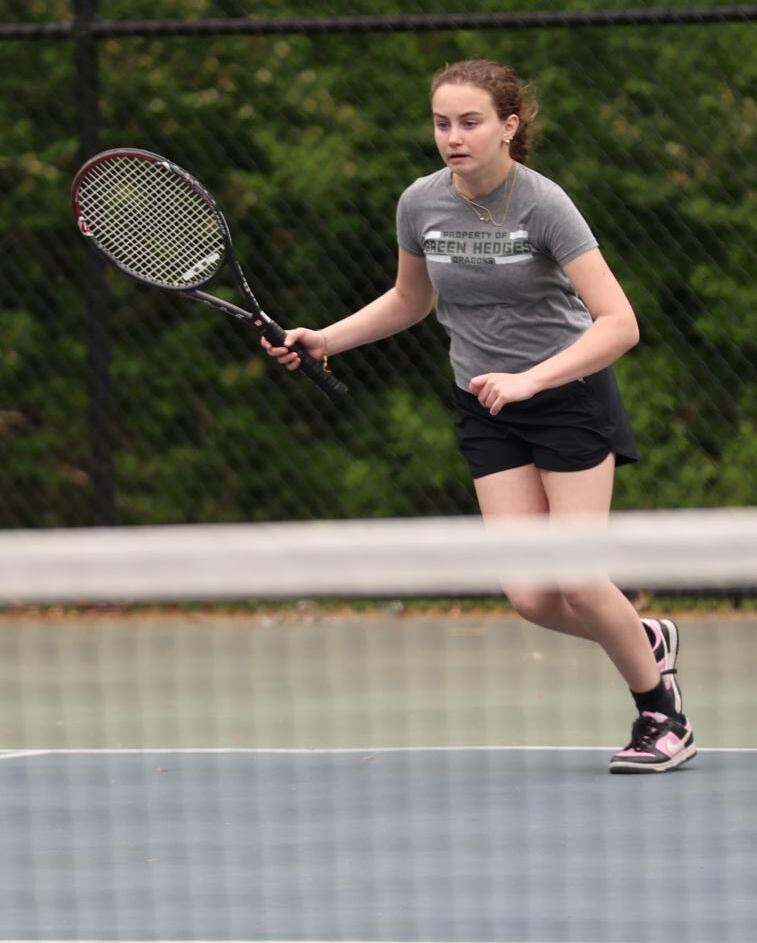
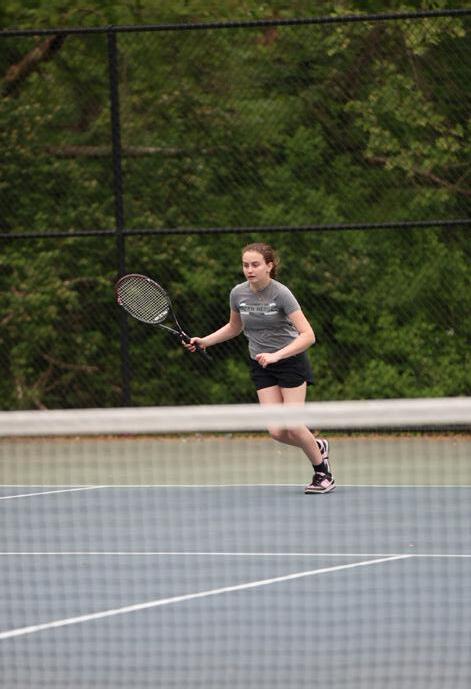
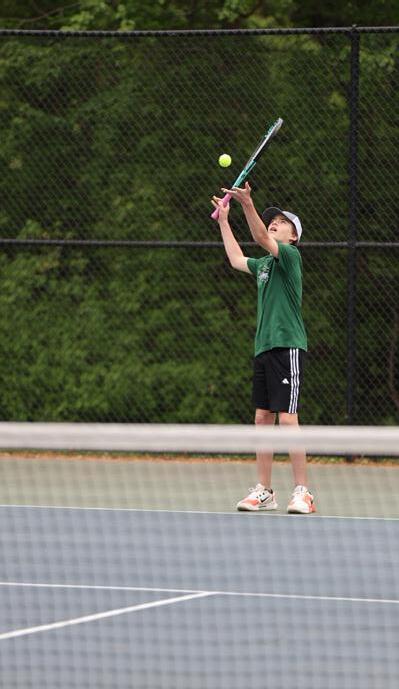
Tennis • 3 matches played
Students
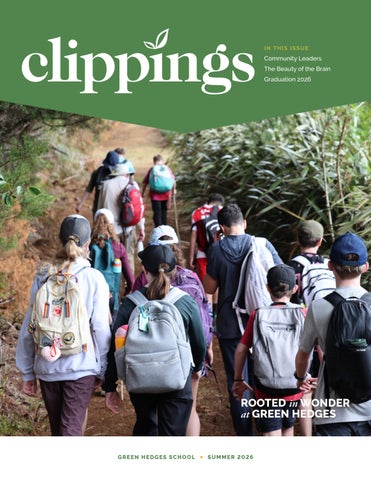
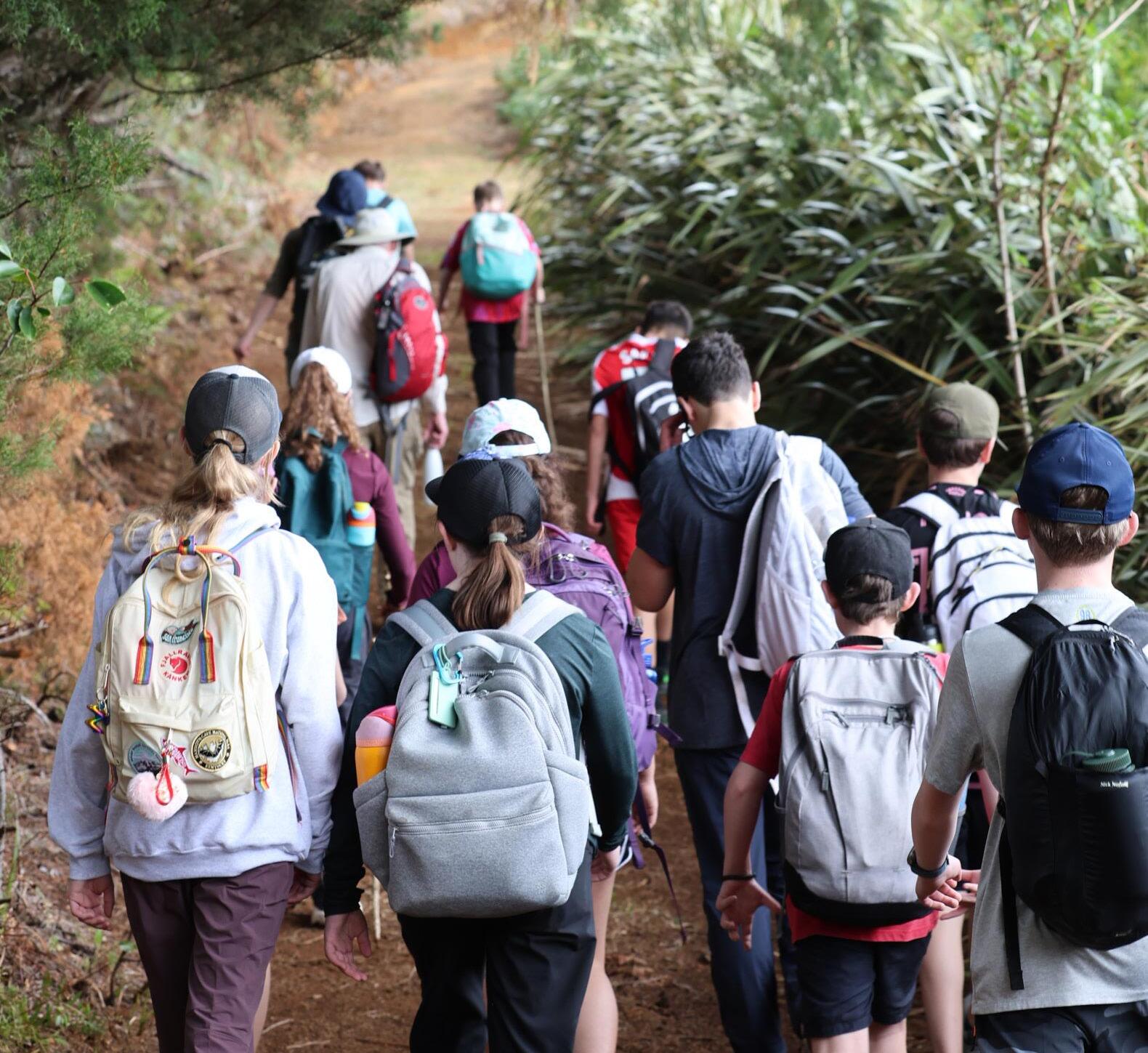
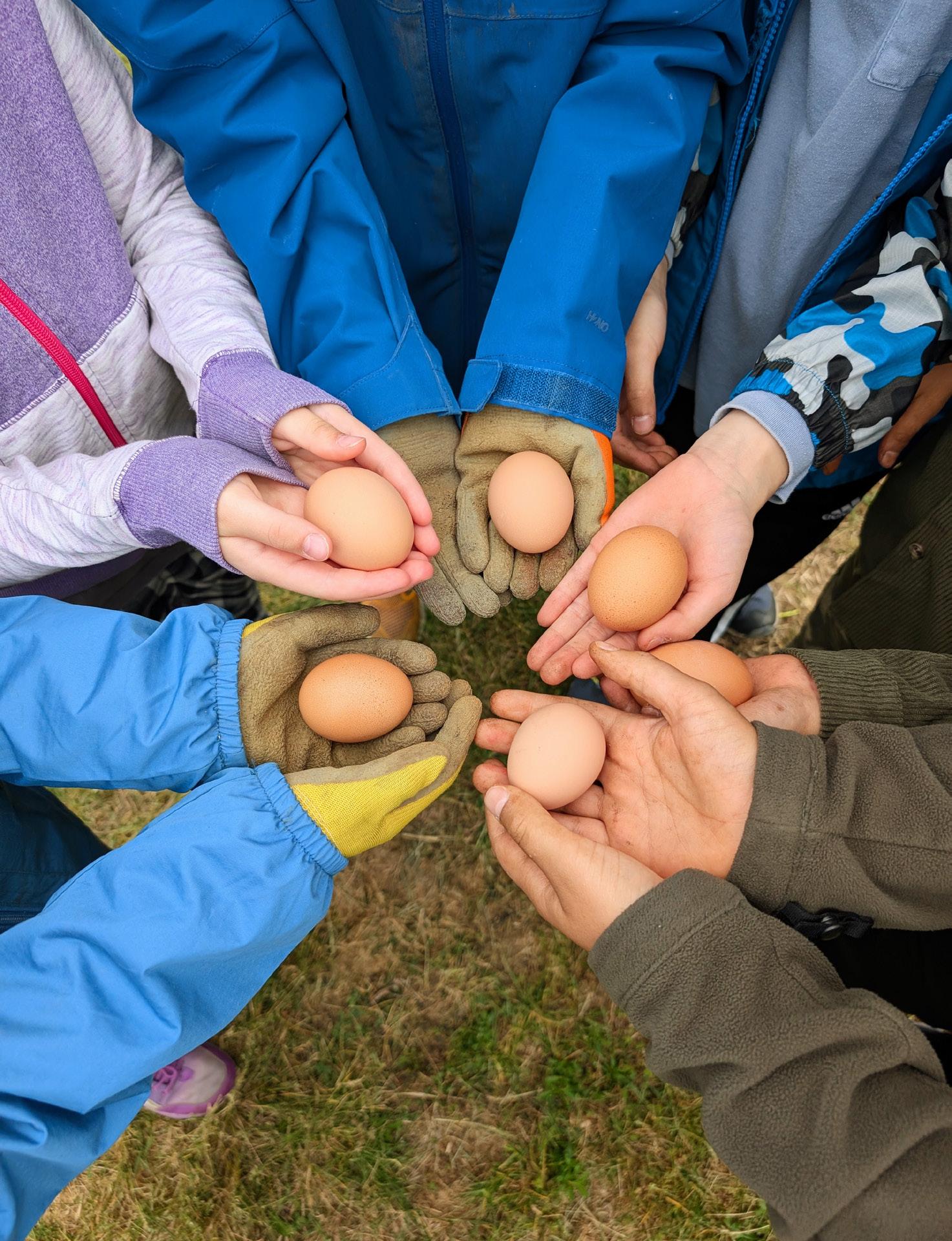
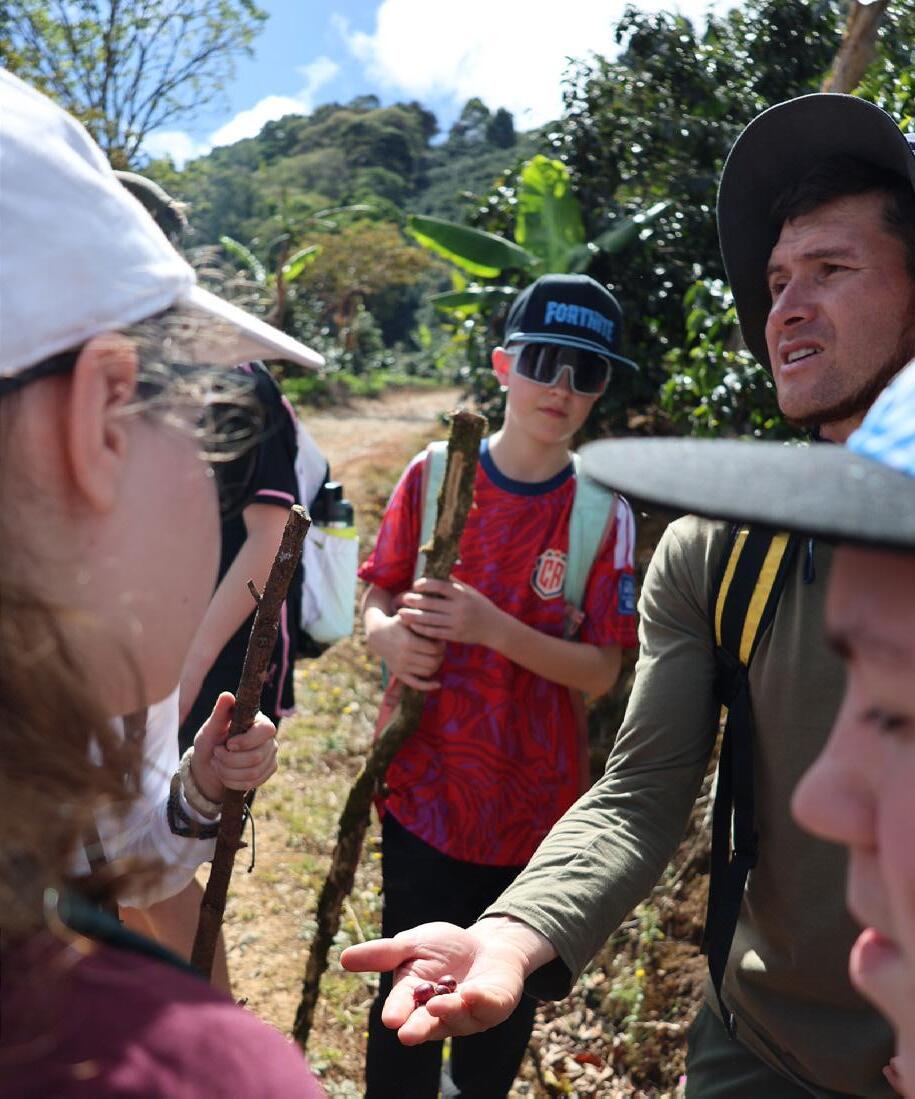
experience farm-to-table at JK Community Farm and during a hike in Costa Rica
From Farm to Tabletop
A JOURNEY OF SERVICE LEARNING
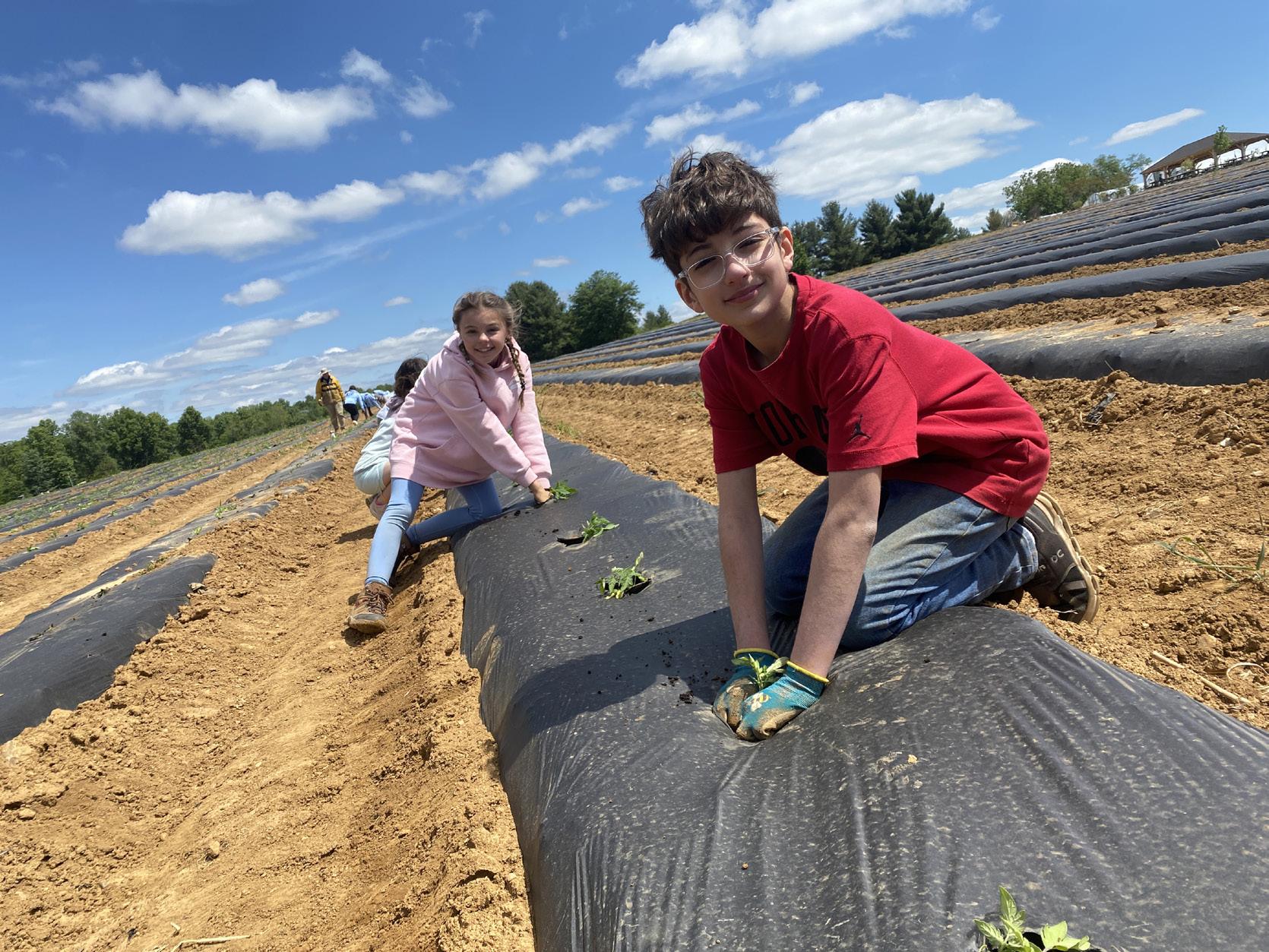
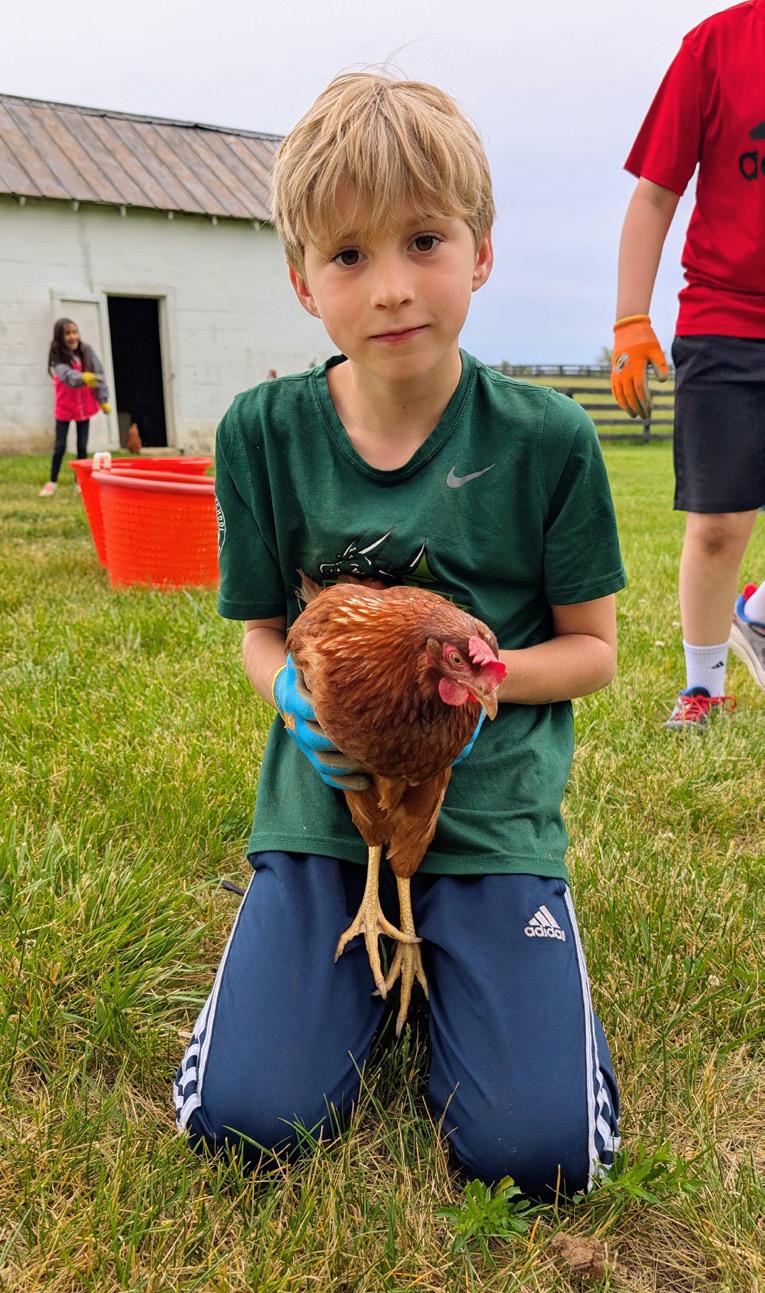
The phrase “I’ve never had this much fun working so hard!” isn’t common, but to hear it from students as they lightly twist a pepper from a vine, or scoop a chicken into their arms for the first time is even more of a rarity. Like a pepper that has slowly developed from seed to seedling, seedling to
“I’ve never had this much fun working so hard!”
plant, plant to bins of food delivered directly to dinner tables, Green Hedges students are learning how to serve their community from the ground up. Over the past two years, Aaron Cahn, Assistant Head of School, has been a driving force in strengthening and articulating the service learning curriculum. His work began at the Middle School level, where he established a partnership with Food for Others, a local
organization whose mission is to distribute food to neighbors in need by mobilizing volunteers and the giving community. Each month, a small, rotating group of student volunteers had been preparing and packaging food for neighbors in the Vienna community who experience food insecurity.
As last year went on, Mr. Cahn began to see firsthand the impact our students were having. “Green Hedges already had an established canned food drive for Food for Others, so it was an interesting link to have our younger students collecting the very same cans our older students were sorting and processing for distribution.”
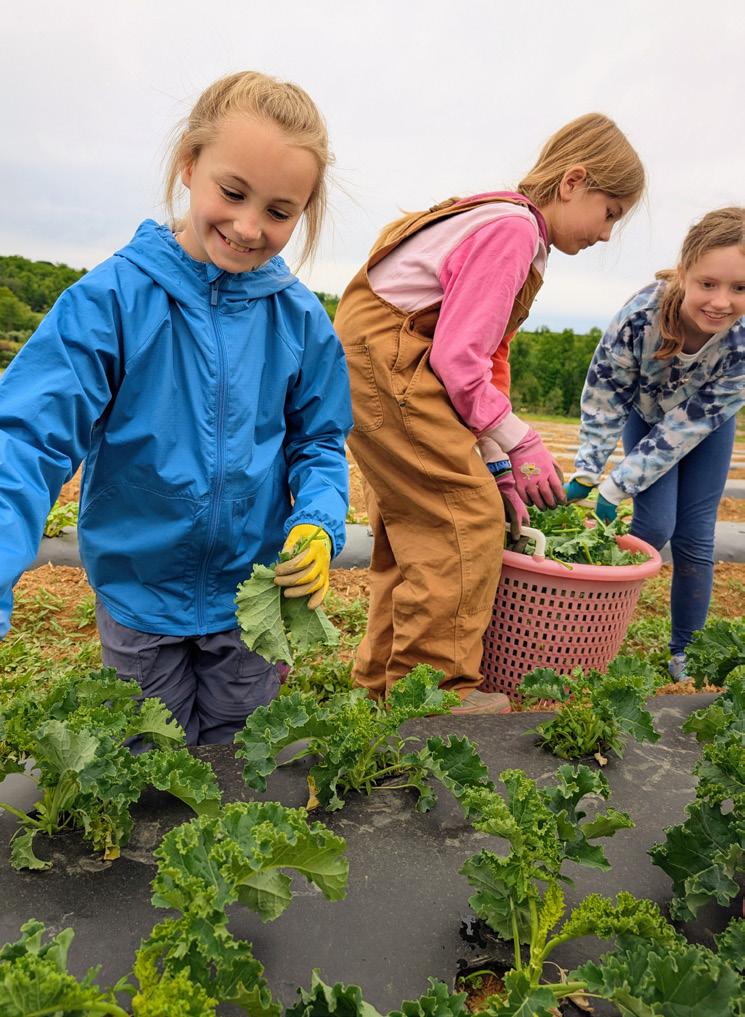
Speaking with a parent who volunteers with organizations combating food insecurity, Mr. Cahn discovered that JK Community Farm in Purcellville provides fresh fruits and vegetables directly to area food banks, including
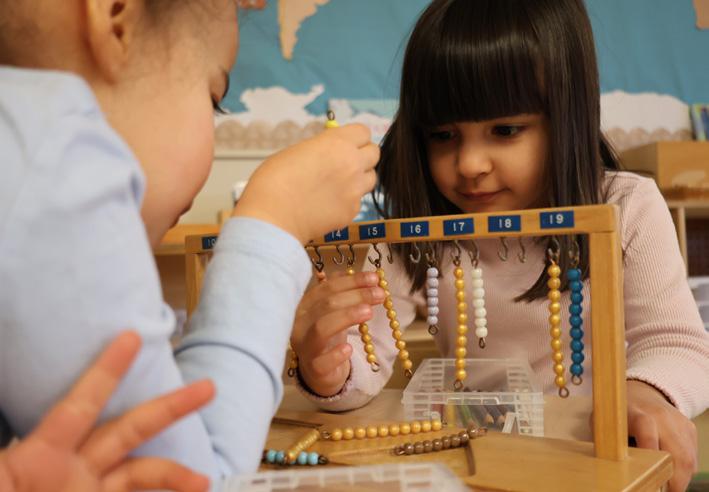
Food for Others, helping to ensure access to healthy food for those who need it most. Mr. Cahn recognized the need for a broader, more connected experience across Green Hedges. “This felt like the perfect time to create a program that fills the years in between the food drive and Middle School service, creating a through-line of service learning,” Mr. Cahn observed, reflecting on the expansion of the program in collaboration with Food for Others and JK Community Farm. This community service initiative is now wrapped around many of our programs, beginning with Montessori, where students study how plants grow and develop. They spend time throughout the year learning how seeds spread their roots, shed their coats, and develop into young plants. As students grow, they take on a “Power Pack” in Grade 1, where they pack bags of snacks for students in need in partnership with Food for Others. This year, during our “Power Pack” day, students packed over 115 bags for students in need. Then, from
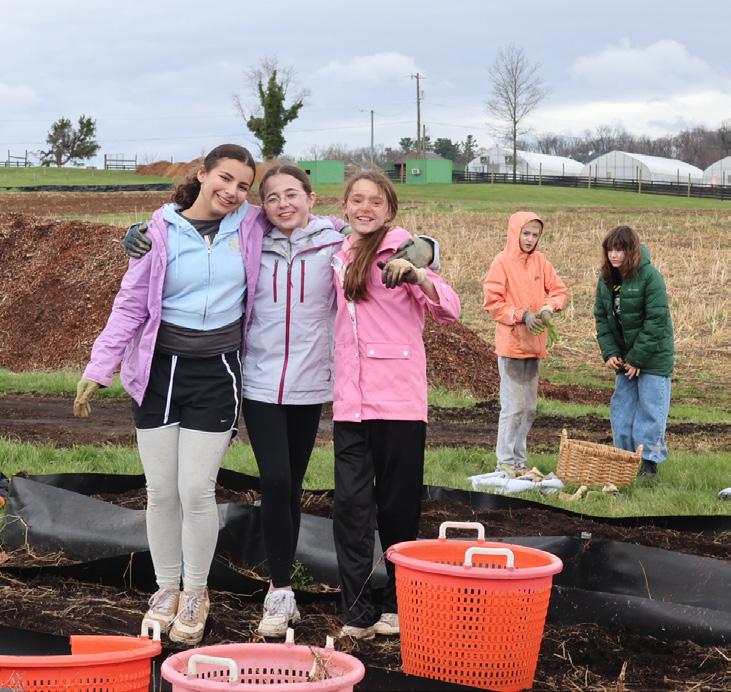
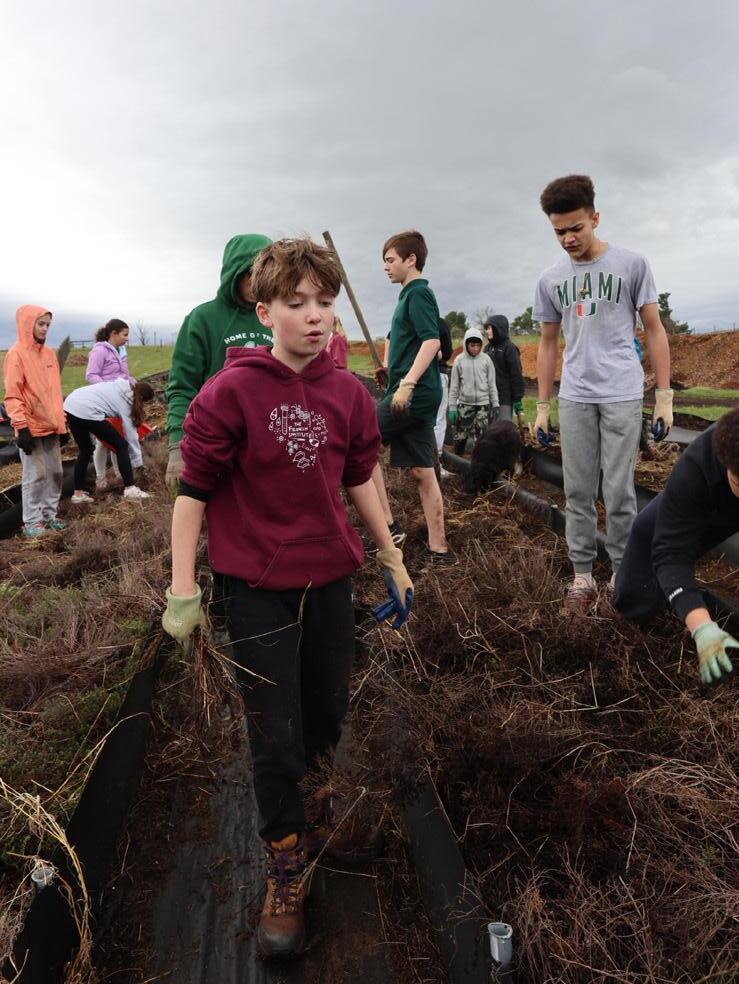
Grade 3 through Middle School, students take twice-yearly trips to JK Community Farm to assist with picking and preparing food and the farm for the upcoming growing seasons. This volunteer experience has been deeply meaningful for our students, fostering a greater awareness of food security issues, increasing empathy, and shaping conversations and behaviors back on campus, where students are increasingly mindful of waste and the value of food. While students learn
“Everyone can be great, because everyone can serve.”
—Martin Luther King Jr.
service through hands-on experiences, they are also encouraged to consider what it means to be active citizens within their broader community.
In October, Town of Vienna Mayor Linda J. Colbert joined a Monday Opening, and making a contribution was top of mind: “There are things we
have to do, and there are things we get to do,” said the Mayor, referring to civics, the rights and responsibilities of citizenship. Holding a microphone and circulating among the assembled students and adults, she engaged in a lively dialogue. “What are some things you have to do to be a good citizen?” she asked, agreeing with the students that grown-ups have to pay taxes and follow the laws. “Okay, and what are some things you get to do?” she asked, and explained that our Bill of Rights says we have freedom of speech, of religion, and of getting a fair trial. Getting to the heart of the matter, Mayor Colbert asked, “What about good citizenship before you’re grown up?” Naming activities like tutoring younger students and shoveling snow from sidewalks, the Mayor encouraged the students to be active participants in the school and the larger community.
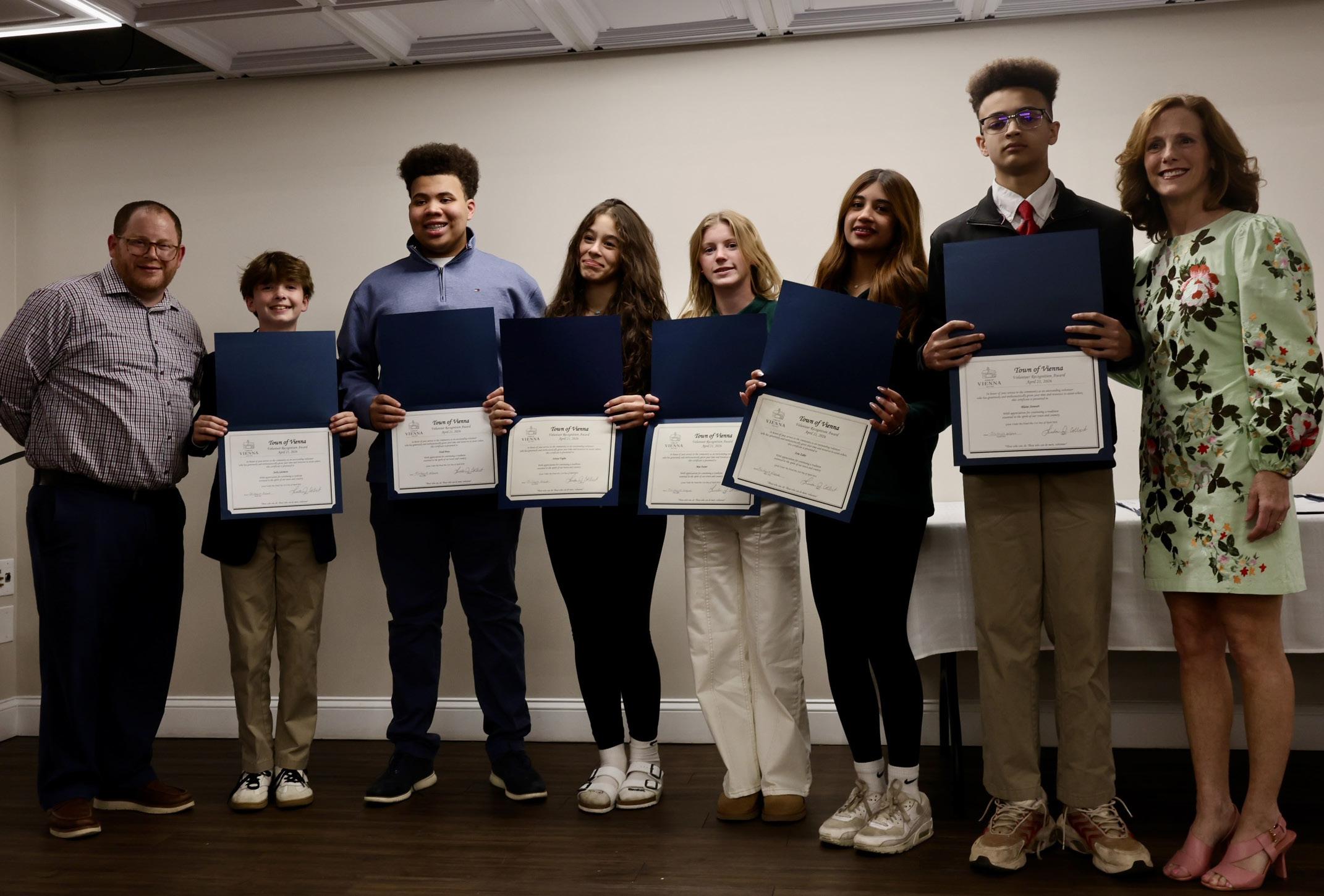
Later in the year, Middle School students were awarded the Town of Vienna Mayor’s Volunteer Award, which began when the Mayor’s own
From planting seeds in Montessori classrooms to harvesting produce for local food banks, Green Hedges students are learning that service is not an occasional act but a lifelong practice.
mother was Mayor and volunteered at the Town Library. Students were nominated after a project in which, through advocacy, they were able to share their experiences volunteering and the values they learned, resulting in a $25,000 grant to Food for Others from the Journey for Good Foundation. As Martin Luther King Jr. said, “Everyone can be great, because everyone can serve.”
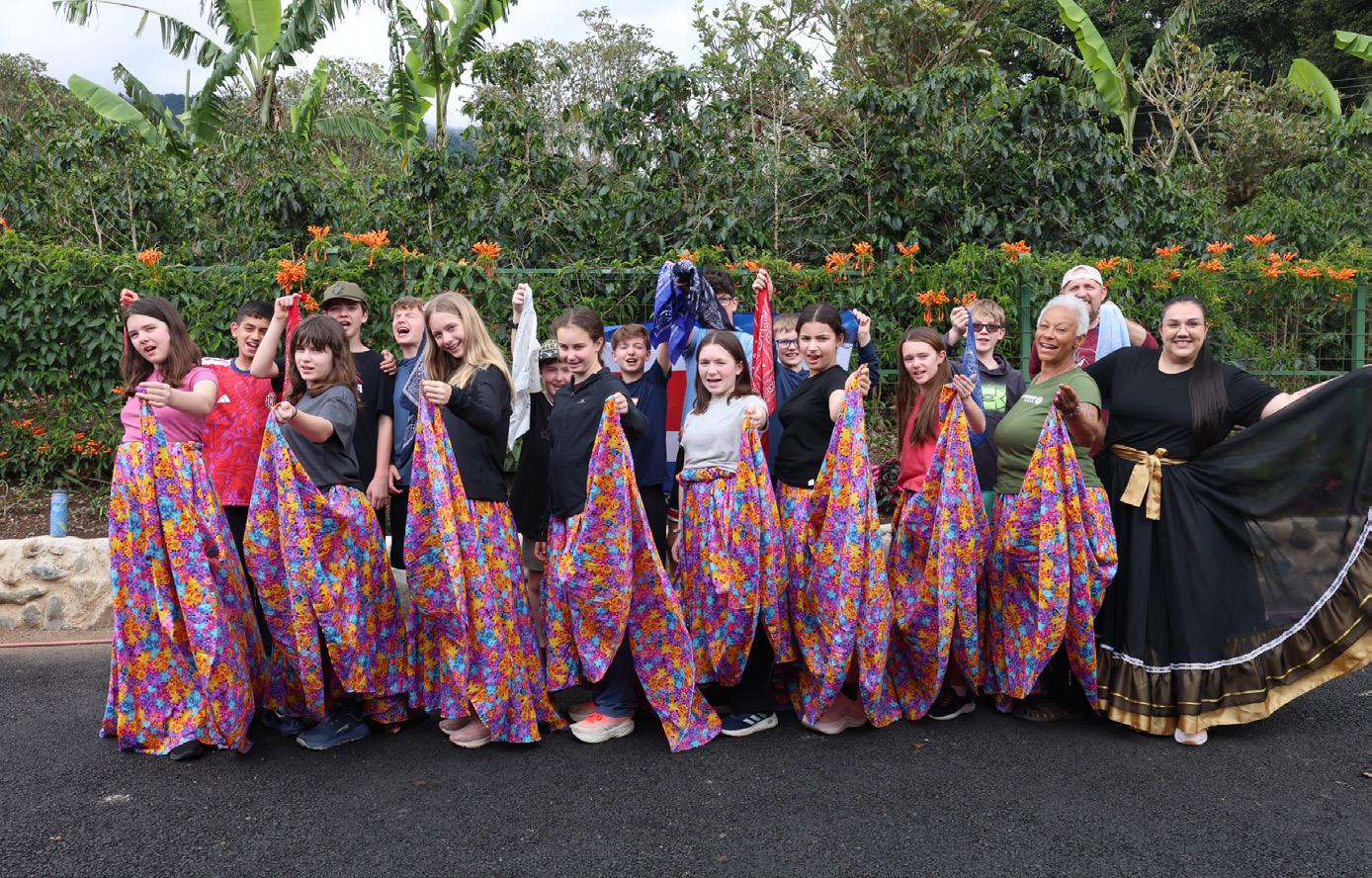
Serving others is ingrained in many of the programs at Green Hedges, such as in Grade 2, when students advertise and collect cans and boxes of food for a food drive, this year resulting in a total of 1,300 cans (roughly 1,625 pounds of food), far surpassing their original goal. Or when a group of 15 Middle School students, Grades 6-8, were able to experience firsthand a new culture in Costa Rica, leaning into serving a community that thrived by
supporting each other from within. Taking a moment of contemplation after one evening students reflected on their acts of service, sharing the impact of bringing smiles to the faces of elderly residents as they danced together at the town’s assisted living facility, or the new interest in local politics and coffee, after learning about the production and unionization of local coffee farms.
From planting seeds in Montessori classrooms to harvesting produce for local food banks, Green Hedges
students are learning that service is not an occasional act but a lifelong practice. In doing so, each of these small moments grows and develops a student’s lifelong values, beginning to fulfill school founders Frances and Kenton Kilmer’s vision of Green Hedges as written in 1972, “For this age of exploration, in which we are delving deeper than had ever been thought possible into the oceans and depths of earth, and sending forth the messengers to the farthest reaches of space, Green Hedges is working to develop minds and hearts that will persist in questioning, testing and seeking—so that each Green Hedges graduate may make his contribution to the betterment of the world.” ❦
THE CAPACITY FOR
THE AUGUST 2025 EDITION OF “From the Head of School’s Office,” written by Peter A. Barrett, Interim Head of School for the 2025–2026 school year, noted, “There is a particular passage from Frances Kilmer, who led the school from 1942 to 1968, that resonates with me, as I consider where Green Hedges has been, where we are today, and where we’re headed. Writing in the late 1950s, Mrs. Kilmer said: “Education frequently removes the chief blessing of childhood, the sense of wonder, but we are managing education so as to increase that sense of wonder—to retain the old association between wisdom and magic, grammar and glamor, spelling and spells.”
This one passage, and the intentionality at its core, united the
Green Hedges team under one banner: The theme of Rooted in Wonder. The reality of this year was a year rooted in wonder—one where we
highlighted programs, projects, and moments that are sometimes taken for granted or go unnoticed. Wonder is the spark of curiosity, the moment when someone encounters something beyond their current understanding and asks, “What could this be?”
Wonder is an essential part of
childhood and one that deeply roots them in the world that surrounds them.
We at Green Hedges believe deeply in the power of wonder as the foundation for meaningful learning. In understanding that children learn best when they are encouraged to ask questions, we ask children to explore possibilities, take risks, and make connections. At Green Hedges, wonder is not simply a moment—it is a mindset. It lives in the classroom discussions, the hands-on discoveries, the friendships formed, and the countless moments when a child looks at the world with curiosity and possibility. Through this shared commitment, we continue to honor the Kilmers’ vision by creating an environment where wisdom and magic remain powerfully intertwined.
Sing, Say, Dance, Play
The Orff-Schulwerk Method of Music
Bees
Flowers
Buzzy Bees
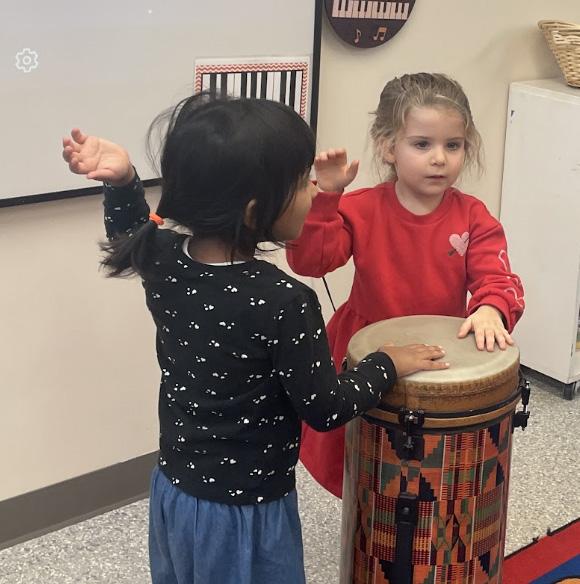
Please clap the rhythm of the words above and see what you notice. Did you hear, feel, and even maybe see the progression from one clap to two, and finally to the more complex two quick and one slow? Did your hands tingle? Can you imagine clapping the rhythm of other words, like your name, and tapping out these rhythms on your legs or chest? Most of all, did you enjoy it, and did it help refresh your attention? “Experience first, then intellectualize,” wrote Carl Orff, the early 20th century German composer whose approach to music education you have just experienced.
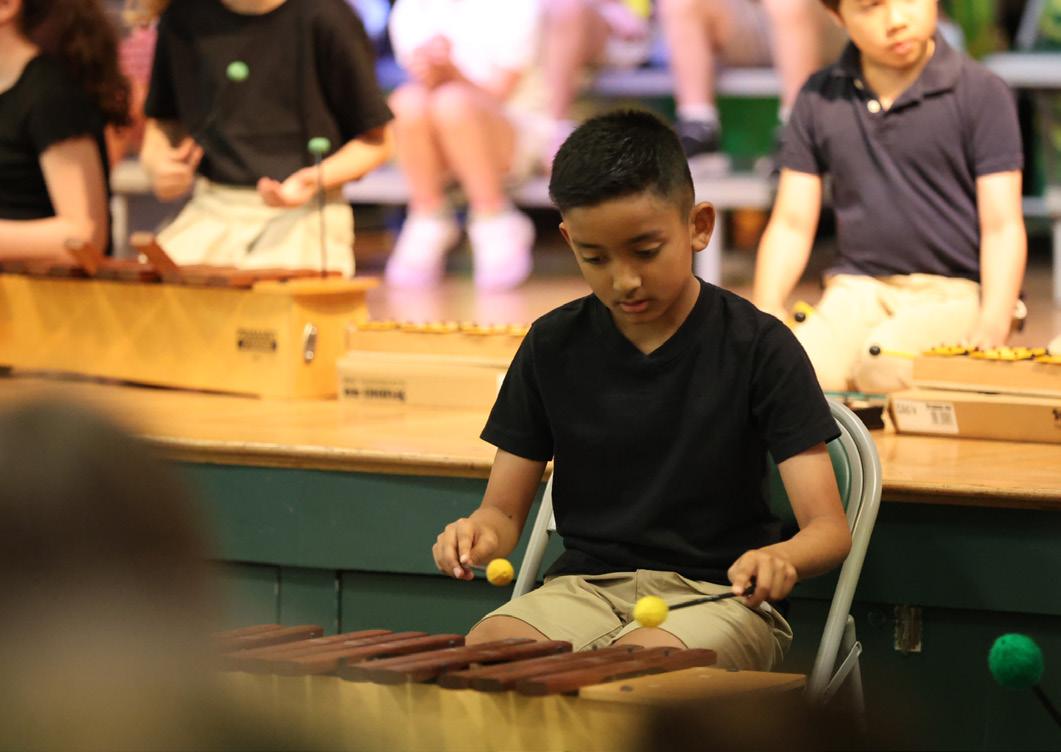
The Orff approach combines singing, speech, movement, dance, and the playing of instruments into one joyful whole, doing its magic by meeting children in the delightful world of play. Its principles are rooted in ancient musical lore and in the oral folk traditions of numerous cultures, testimony to the way sound, storytelling, and movement have always captured the human imagination. At Green Hedges, students through Grade 2 learn music using this approach. Let’s peek into a class taught by music teacher Laura Cian, a certified Orff teacher.
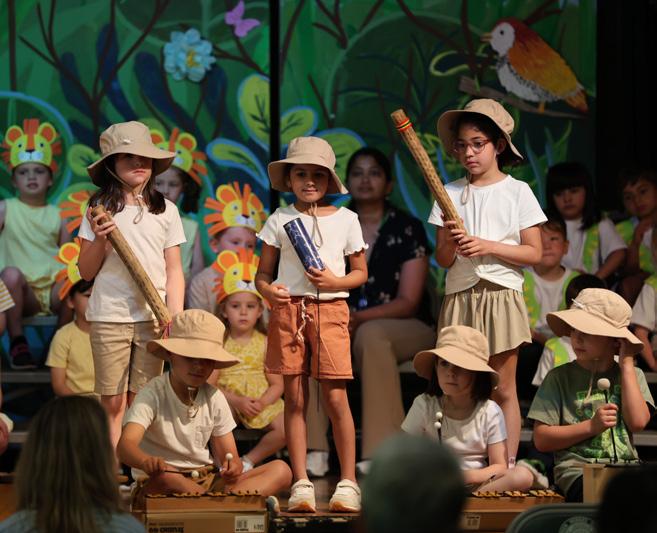
It is early March after a particularly cold winter, and the bulletin board in the Music Room is covered with pictures of buzzy bees and grass and flowers. The spelled-out springtime words keep company with quarter-note, halfnote, and rest symbols that serve as visual cues for the Grade 1 children coming to clap and sing and to play music on their xylophones.
As students make their way to the classroom, the inviting sounds of Antonio Vivaldi’s composition, Spring, meet them in the hallway. As soon as they are seated in a circle, the
guessing begins. “That sounds like The Nutcracker!” says one student.
“No, it’s that music about a boy who ran off, and a wolf!” says another.
“You’re close, but it’s not Peter and the Wolf. You’re close, but it’s not music from The Nutcracker,” says Ms. Cian, her voice smiling. “You think it could be one of those pieces because it belongs to the same genre! It’s called Classical Music.” Ms. Cian continues: “I’m going to give you a hint about the name of this classical piece. It has to do with the pictures on the bulletin board. Buzzy bee… Flowers…” A short pause, and then enthusiastic voices ring out. SPRING! Once the students identify the composition and the name of the composer, they want to know where he lived. In Europe… Not Germany… Not England… Not Slovenia… ITALY! Ms. Cian promises that the class will have a chance to listen to each of Vivaldi’s Four Seasons and to vote for their favorite one.
“Speaking of spring, it’s time to turn to our Rhythm Wall,” says Ms. Cian, leading the class in clapping the rhythms of whole phrases as she accompanies the children on the keyboard. Here comes the bluebird, in through my window, hey fiddle all day day day, the children sing, intoning the words of the popular American folk song, and, like any good magician, Ms. Cian produces a blue scarf from a bag nearby.
Exploration is messy, literally and figuratively… Our willingness to encourage, welcome, and be change with children is a profound act in education—and in life. This process takes place in classrooms where children feel safe to experiment and change their minds… Change and transformation naturally unfold in such places.
-ELIZABETH GILPATRICK, COMPOSER AND ORFF EDUCATOR
“But what if it is not a blue bird?” she asks, and a green scarf appears. Scarves of various colors appear one after another, floating in the air like birds in flight, and Ms. Cian leaves time for the children’s excitement as they offer bird names matching the scarf colors they see—Hummingbird! Swan!— too great, Ms. Cian points to a musical guide for loudness, reminding the children that their volume is in fortissimo, and
2 glockenspiels
2 metallophones
3 bass bars
12 handheld drums
8 pairs of new mallets
1 Orff table
A table to place small instruments during performances
requesting piano or pianissimo. As young musicians, the students are learning the Italian terminology used to define musical qualities such as dynamics, tempo, and expression. This, too, is an important aspect of the Orff approach.
After modulating the energy and decibel level in the room, Ms. Cian invites attention to the last activity for today’s class, instrumental music. Some students distribute mallets as others practice readiness to receive xylophones that are tuned to the Pentatonic scale, a five-note scale that contrasts with the commonly used seven-note scale, ensuring that all sound combinations produced are pleasing to the ear.
The class draws to an end with a full Grade 1 rendition of “Here Comes a Bluebird,”sung with the students’ own instrumental accompaniment. Then it’s time to collect the mallets and prepare to leave. Not everyone is ready to go.
“If you hear your name, line up,” says Ms. Cian, and gently sings each student into place by name.
Filling up our sleeping sacks
Wonder in the Theater
With candy bars and extra snacks; We can’t wait to get to Summer camp!
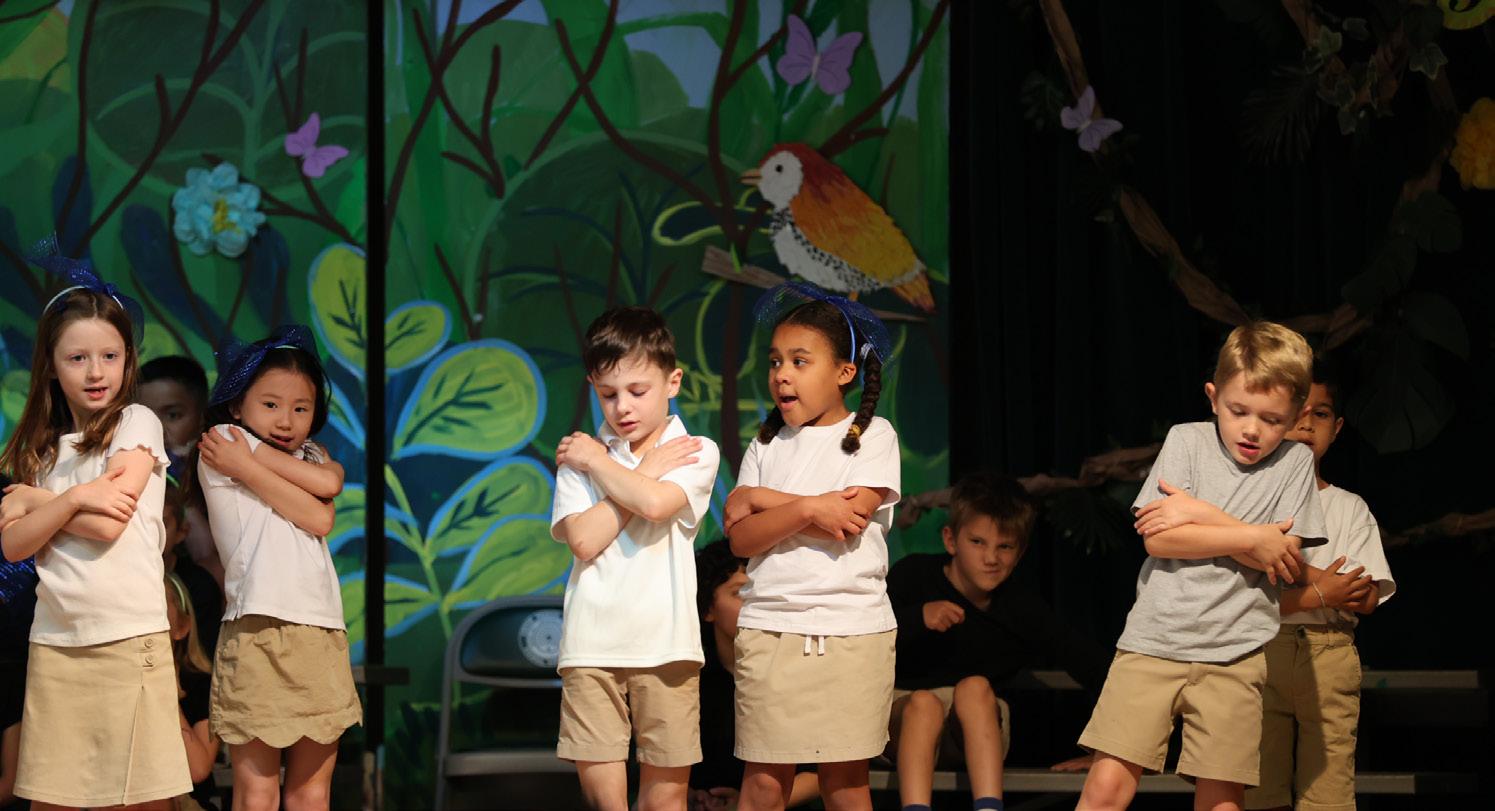
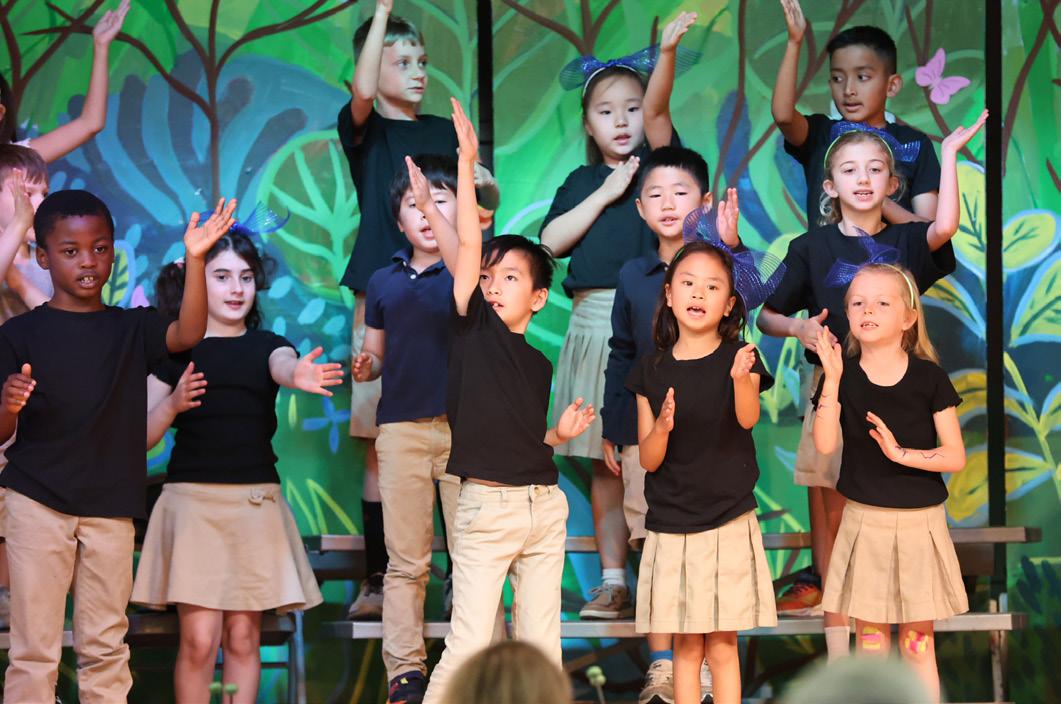
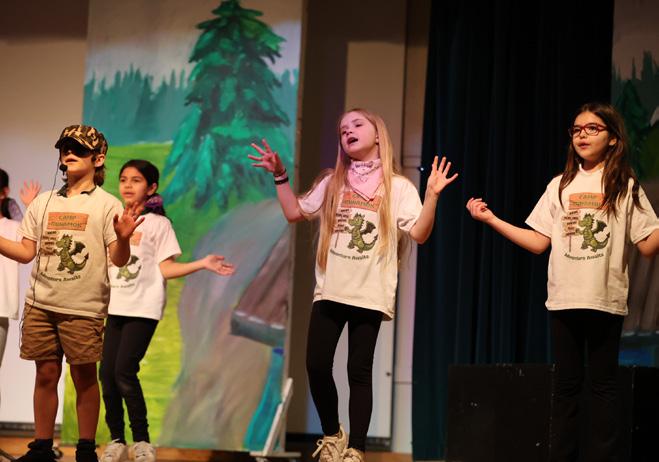
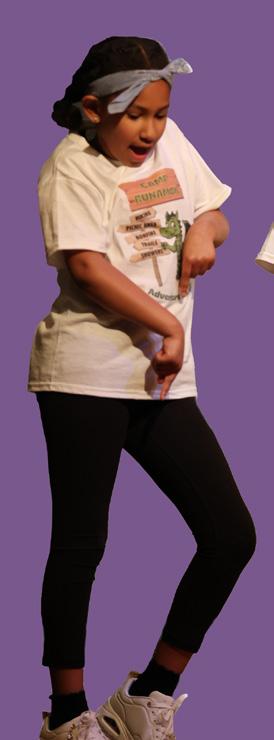
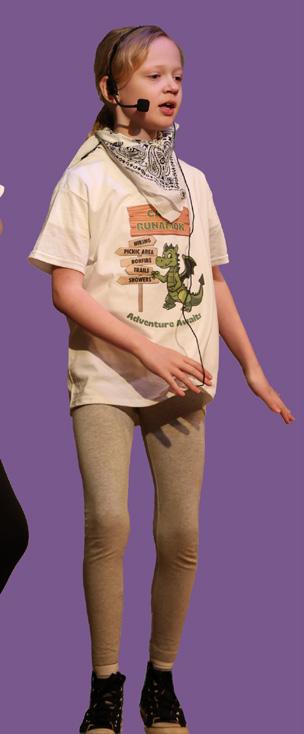
So sings the upbeat cast in the opening number of this year’s Grade 3 musical, Camp Runamok, but all the characters, especially heroine Bonnie Blogger, harbor anguish and doubts.
Who knows what it’s really like?
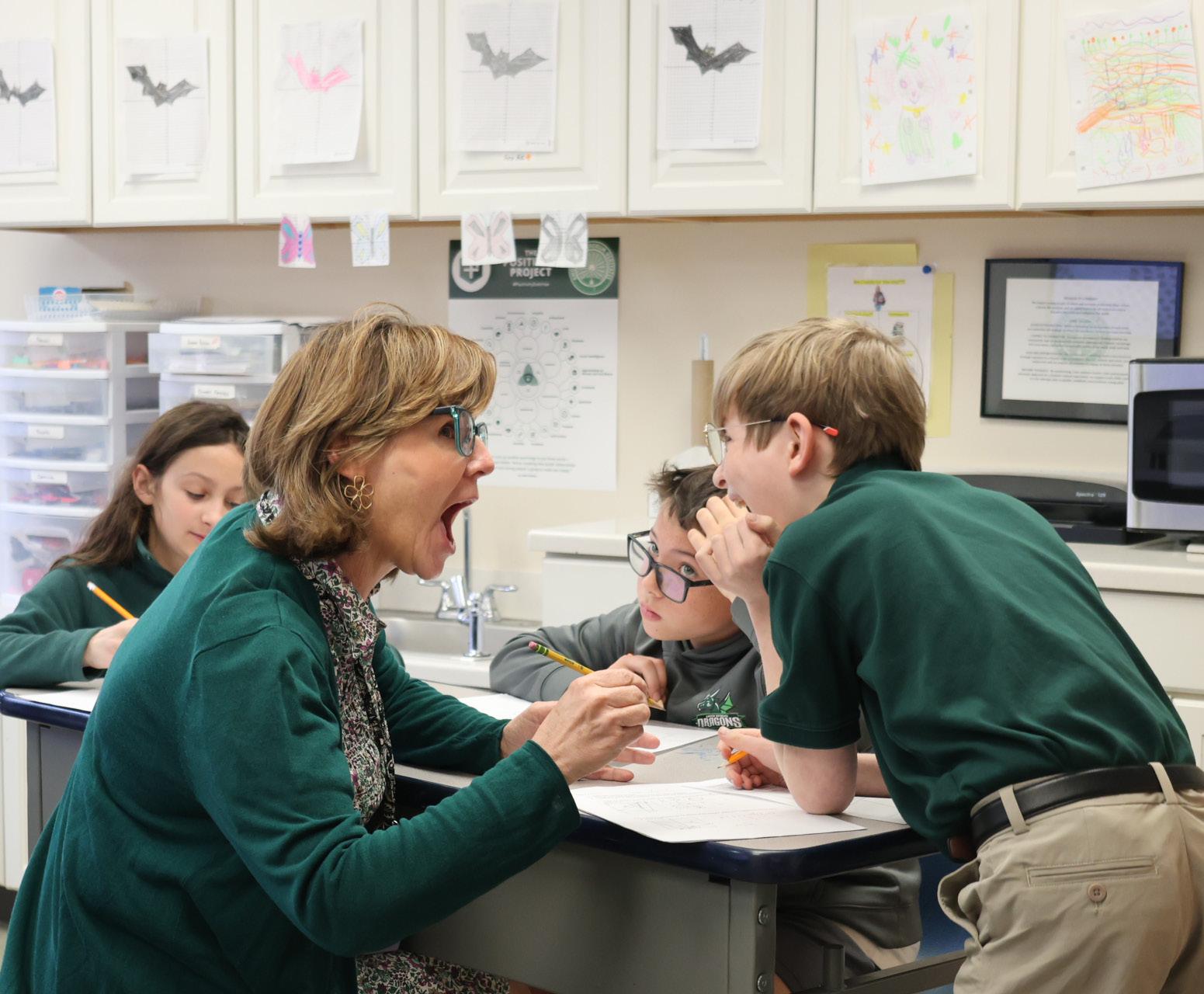
I heard they make you swim and hike!… They say that camp is really cool I’d rather go to summer school. It’s a story many of us have lived, because from longer ago than anyone can remember, setting out on an unpredictable journey has caused crises of confidence, called up courage and, with any luck, eventually led to enlarged competence and wisdom. It is what Grade 3 teacher Alicia McGuire calls “the power of the struggle,” in the interview below:
Q: What is the Power of the Struggle?
A: When you’re eight years old, you think everything should be magic— the adult will tell you what to do, and it will be great. As soon as they learn that we don’t read their minds, and that they have some control, this is when that power of the struggle happens. Like the power of the struggle in the play itself: Going to overnight camp for the first time,
An Interview with Grade 3 Teacher
Alicia McGuire
being afraid, being an indoor kid and having to be outside—it has to do with new experiences.
Q: How did you help your students figure out how to go forward in the face of uncertainty?
A: This play was a microcosm of the way life is in the classroom: Individuals learning more about what their strengths are and adults giving students the opportunity to try new things. We would check in a lot with each other, cheer for each other. One helpful technique was using “Fist to Five,” a quick way to assess the emotional “weather.” All it takes is holding up your hand to indicate how things are going. For the play, 5 meant “we could go perform today.” Number 1 was “what on Earth have we been doing?” If someone was feeling like a 2, we would ask what we could do to get you closer to a 4? What can we practice to make it better?
Knowing that you have some power and ownership in your space just makes your day a little better. We have different brain-based strategies for supporting the way the children self-regulate, like movements that involve crossing the midline, movements synchronized to a metronome, and movements that help them integrate sensory input. Everybody in our classroom has a big
rubber band at the bottom of their chair for kicking their legs and bouncing their feet, and everybody has equal access to all the movement breaks. Because you never know what kind of day you’re having, and you might need some support.
After all the hard work, the magic of theater reigns at the dress rehearsal and at the performance, and the young thespians show remarkable stage presence as they cope with the heightened concentration and extra verve that true performance requires. Like the campers in the musical, the students are feeling the effects of their efforts and courage. They are nailing it onstage, and they are basking in the responsiveness of the audience.
For their part, if the Montessori 2-YearOlds watching the afternoon dress rehearsal have not yet fully grasped the ancient idea of theater as a vehicle for renewal and personal enlargement, they nevertheless benefit from literally looking up at their older Grade 3 friends from the MPR floor. This experience, among many others, will stand them in good stead as they grow to become heroes and heroines on the school stage and in their own life journeys. Or as one of the closing songs puts it, “I can feel the light inside of me/I can dream of all that I might be.”
THE Poetry & Wonder
To see a World in a Grain of Sand
And a Heaven in a Wildflower
Hold Infinity in the palm of your hand
And Eternity in an hour
The English Romantic poet William Blake (1757–1827) has not been spotted walking the back hallway of Kilmer Hall, but his reverence for the imagination and for the sanctity of nature undergirds the curriculum at Green Hedges and lives in the mutual inspiration that teachers and students generate on a daily basis.
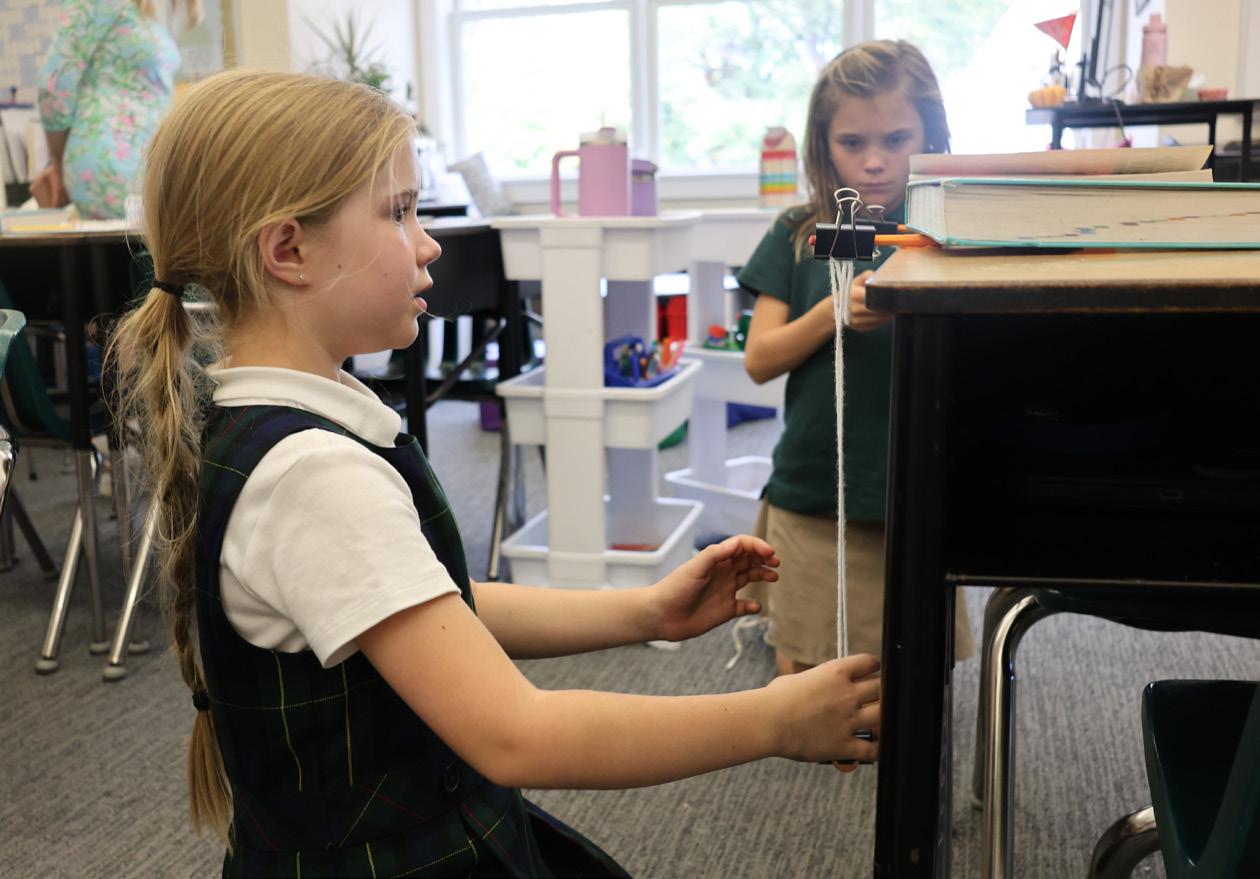
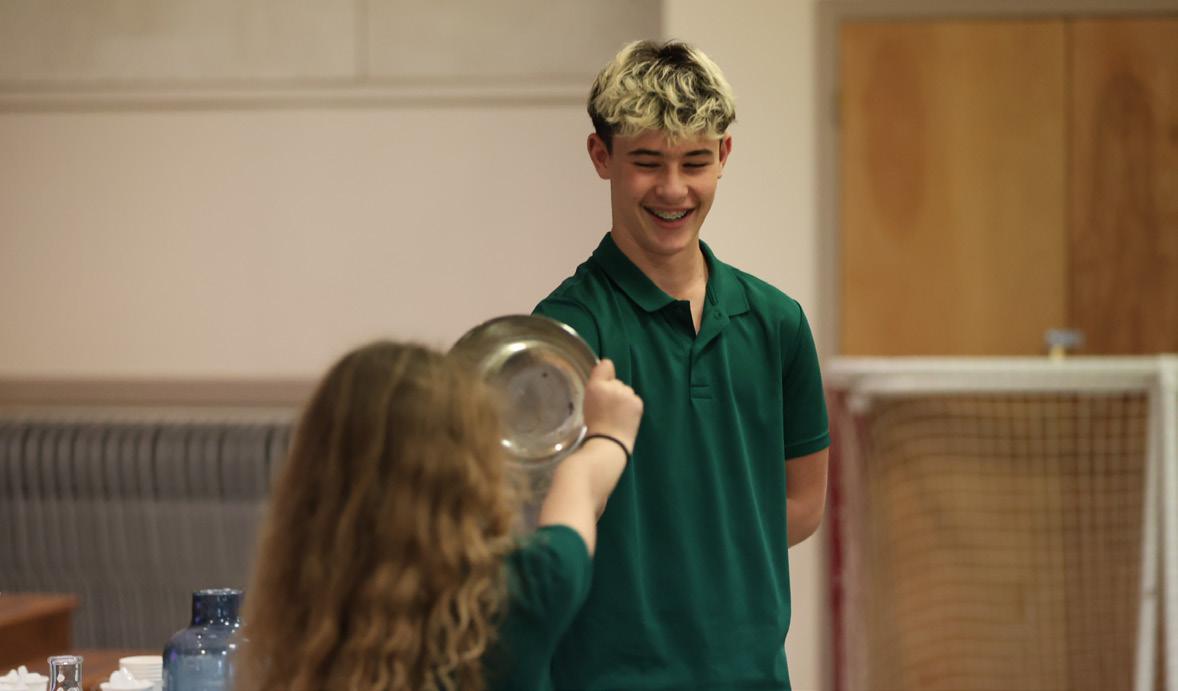
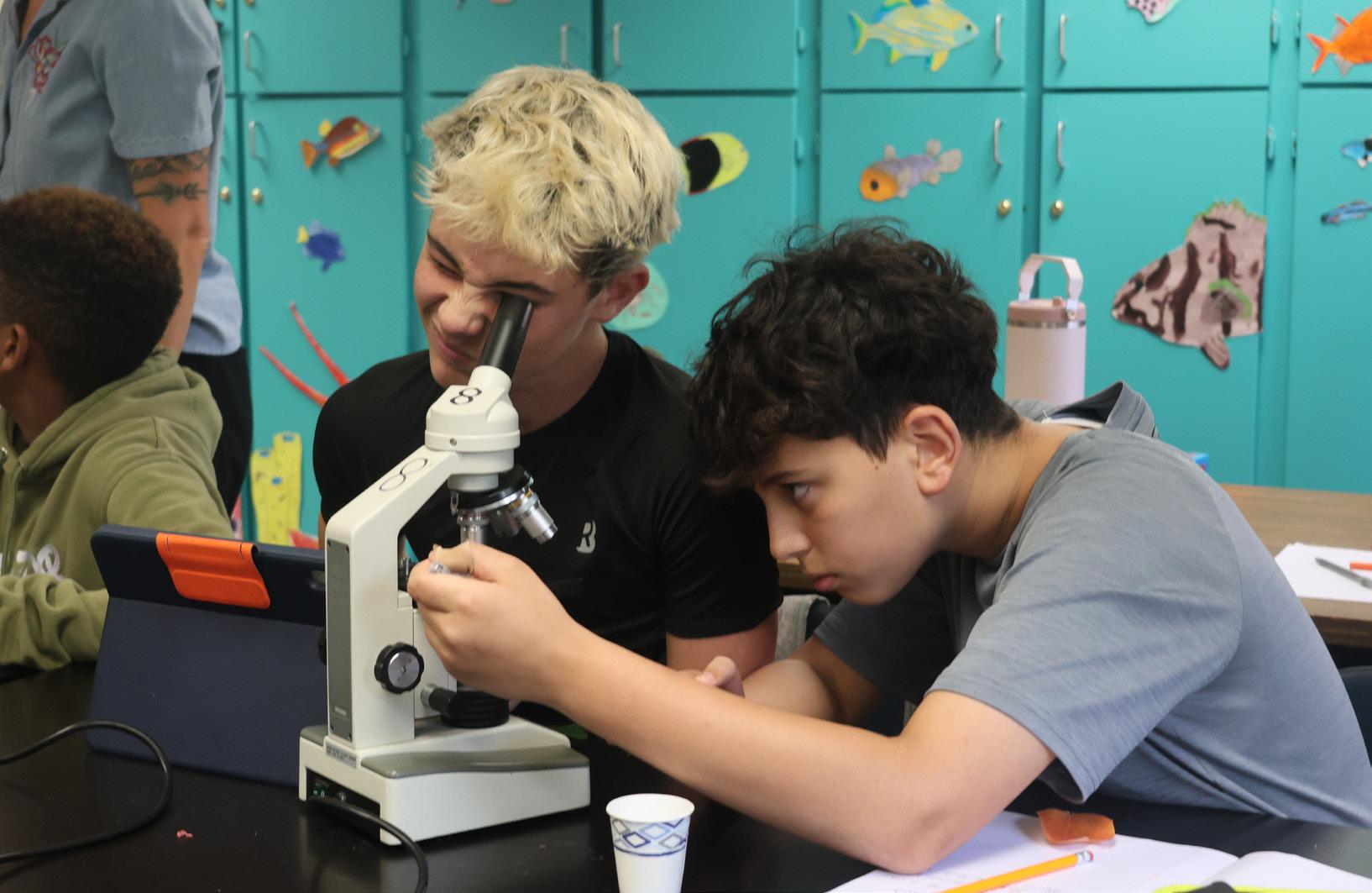
“This one feels rough, and it smells like dentist!” says a Grade 4 student in Science Lab as she picks up an igneous rock implanted eons ago with the mineral fluorite. Although we think of rocks as inert, they have a life cycle, one sometimes spanning hundreds of millions of years, and
although the highlight of today’s class promises to be heating Starburst candy until it melts and bubbles in the way rock does deep inside the earth when it turns to magma, there is a lot of excitement in handling and identifying all the rocks, crystals, and minerals that science teacher Laura Woodcock has brought. That igneous rock with its distinctive smell, if left out long enough to contend with the forces of weathering and erosion, might well become small particles of sediment, like sand and gravel. William Blake might have been taken aback by the existence of Starburst candy, but he would have understood the wonder and excitement of the students and the reality of the constant, cyclical transformation of seemingly inanimate matter.
Next door to the Science Lab, a group of Middle School students has been meeting once a week at lunchtime for the pure joy of exploring the mind-bending aspects of math. The self-selected group attends Math Meets with students at other schools four times a year, and although there is a bit
OF Science & Math
of competitive spirit attached to that endeavor, the real fun is in spending time together, eating and marveling. “We take math and turn it on its head, and find situations where what we logically think would work is not the answer. They really enjoy that,” says Middle School math teacher Susanne Spector.
“We take math and turn it on its head, and find situations where what we logically think would work is not the answer. They really enjoy that...”
The group of math-magicians has presented at Openings and Closings. They introduced one recent presentation with the improbable claim that the audience would see something they had never seen before, and would never see again. “Are you ready?” asked Mrs. Spector, shuffling a deck of cards. And sure enough, the possible combinations of sequences of cards, meaning the permutations, or order of possible sequences of 52, are so enormous, that any
particular combination is unlikely to appear more than once in anyone’s lifetime.
Boggling the mind with incomprehensibly large numbers has a way of enlarging one’s perspective, until at last, the students and even the adults take a mental step forward into the uncanny realities of infinity. Here we remain stupefied, thinking of the infinitenumber of points along a line and the infinite number of lines within a plane. Come for infinity and stay Archimedes, who, before computers and with no way to measure circles, devised the formula for Pi by calculating the circumference and area of a square inside a circle, then refined it to a pentagon inside a circle, continuing like that for 92 iterations with polygons that more and more closely approached the perfect roundness he sought to measure. Can’t you just see him on a beach, drawing with a stick, his bare feet sparkling with the reflected mica crystals in the sand? Whether in science, math, or in the hall, Green Hedges teachers infuse their work with facts, stories, and experiences that spark the learner.
APLOMB: SELF-CONFIDENCE OR ASSURANCE, ESPECIALLY WHEN IN A DEMANDING SITUATION GREEN HEDGES GRADUATES ARE KNOWN FOR HAVING APLOMB, AN INNER STRENGTH THAT SUSTAINS THEM PERSONALLY AND THAT HELPS THEM STAND OUT AS LEADERS.
Aplomb is a word that migrated to English from the French word for poise. It was originally à plomb, “according to a plumb line,” which itself comes from the Latin word for lead, plumbum, referring to the weight at the end of a string used by builders to ensure steady alignment.
One aspect of a Green Hedges education that fosters true alignment is the study of world languages. Recognizing linguistic connections is like coming face to face with a beloved cousin: You see the resemblance and the difference all at once and you know you are kin.
Highlighting the cultural significance of language learning, Lower School and Middle School French teacher Bethany Douliery quotes Nelson Mandela, who said, “If you talk to a man in a language he understands, that goes to his head. If you talk to him in his own language, that goes to his heart.”
The benefits of learning world languages have been researched, and the results are remarkable. Neuroscience has demonstrated that learning a language enhances brain plasticity, making bilingual or trilingual individuals more adept at absorbing new information. Multilingualism also fosters cognitive flexibility, the ability to approach problems from different perspectives, and it bestows an increase in cognitive reserve, multiplying one’s neural connections in a way that protects aging brains in case of accident or illness.
including the all-important escargot, the children seem not to notice that they have stepped into another language and another culture. When Mrs. Christie bids au revoir to the class, one of the children stops her to ask, “Do you speak English?”
In Kindergarten world language studies include performing a short play in French, and as the students progress through the Lower School, they continue learning through the Comprehensible Input method, where the focus is on making meaning through enjoyable activities that improve proficiency in a research-based way, by highlighting the decoding of messages rather than the memorization of rules. Middle School students have the option of continuing with French or switching to Spanish, and everyone studies Latin.
Aplomb and Brain Plasticity
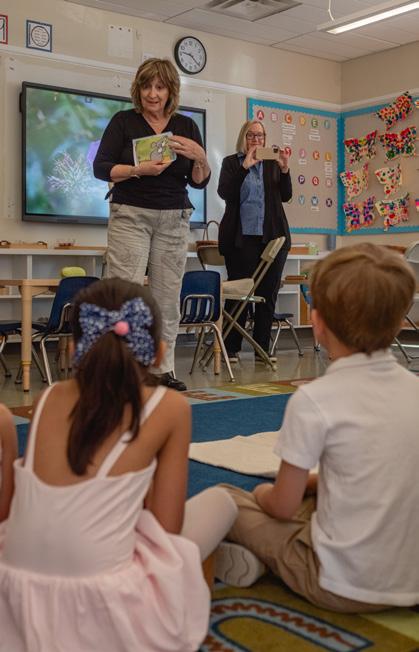
Studying a language other than one’s mother tongue comes most easily early in life, during the most dynamic period of brain development. Yolande Christie, Montessori and Lower School French teacher, brings a bag full of puppets and props to her immersion classes. Charmed by the antics of the cat, horse, and of all the other animals
Reflecting on the value of learning other languages and appreciating their cultures, Latin teacher Kristin Kvasnyuk says, “We have access to ancient stories, and to people across the world. When I show my students a mosaic or a gravestone of a dog from 2,000 years ago, and they know how much they love their own dog, it is a connection over time. In many ways we are the same, and language skills help us realize our commonalities.”
At Green Hedges, it is a part of our mission that we endow our students with the ability to use words in English, Latin, French, Spanish, and any other a student may pursue, so that they may be better citizens of this world.
Latin Non scholae sed vitae discimus: We learn not for school but for life
French Je donne ma langue au chat literally: I give my tongue to the cat
Spanish El fracaso es una oportunidad para crecer: Failure is an opportunity for growth
AT GREEN HEDGES, STUDENTS LEARN NOT ONLY TO MASTER ACADEMICS AND PURSUE THEIR PASSION IN THE ARTS, BUT ALSO TO UNDERSTAND THE MOST IMPORTANT TOOL THEY BRING TO EVERY LEARNING EXPERIENCE: THEMSELVES. FROM MONTESSORI THROUGH MIDDLE SCHOOL, CHILDREN DEVELOP AN
awareness of how their brains work—how they think, process emotions, move through challenges, and discover new ideas. This understanding builds reflective metacognition, allowing students to become engaged learners who can self-regulate, advocate for their needs, and approach the world with curiosity. This approach is directly connected to our first Head of School and founder Frances Kilmer, who regularly used the metaphor of flowers growing in a garden to describe students. “It is necessary to wait with unhurried confidence for these children as it is to wait for a seed to sprout.” Like flowers growing in a garden, children do not develop on a single timeline or through a single approach. They flourish when they are given the space, support, and nourishment to understand themselves. At Green Hedges, that nourishment comes through curiosity, wonder, and a deep belief that children are capable of understanding not only the world around them, but also the way they, themselves, learn within it. As psychological researchers Ulrich Weger and Johannes Wagemann explain, “Wonder inspires the wish to understand ….” Green Hedges teachers aim to cultivate curiosity in classrooms, beginning with a deeprooted understanding of how wonder and engagement function in the brain.
appreciating what it can achieve. When students understand how their minds work, they become more engaged, reflective, and empowered learners.
The Beauty of the Brain
In their early years, children are encouraged to explore the tortoise mind, a slow, intuitive, unconscious mode of thinking that is relaxed, playful, and receptive. They also examine the hare brain, a mode of thinking that leads to a deliberate, conscious, and analytical use of reason, logic, and known data. This early exploration is done through a study of the Aesop fable, “The Tortoise and the Hare,” where the two different mindsets interact. Teachers spend time teaching these concepts through the story and encouraging students to identify when they’re using these parts of the brain throughout the following days and weeks, harkening students back to these mindsets in moments of difficulty. As children grow, they further that understanding by digging into the different parts of the brain, identifying their wizard brain, also known as the prefrontal cortex, the part of your mind responsible for logic, complex problemsolving, and emotional control. When you are calm, your wizard brain can lead. Sometimes, however, the lizard brain leads, a popular term for the amygdala and basal ganglia—the most primitive part of the human brain. It controls basic survival instincts like fight-orflight, fear,
A tortoise mind, hare brain, a wizard mind, or lizard brain: These are terms that may seem familiar to those in neuroscience or psychology, but they are also terms used widely in our classrooms. At Green Hedges, there is a belief that self-awareness around the brain goes beyond
or hunger. You can hear teachers in our classrooms instructing students to use their wizard brain as they work through challenging social-emotional moments and identifying the moment their lizard brain might have taken over to cause a big reaction. You’ll hear this same language used as students confront a new concept. Teachers will ask students if their lizard brain is under control; if it is, they can engage their wizard brains and begin the process of logically learning new information. These concepts give students a shared language for reflection. Instead of simply experiencing frustration, distraction, or uncertainty, students can begin to name what is happening internally and identify strategies to move forward.
Students continue building this self-understanding of cognitive habits as they move through the years at Green Hedges. Grade 3 teachers acknowledge the need for movement by creating movement breaks throughout the day both inside and outside of their classroom, encouraging students to use fidgets as needed when children are sitting in a group listening to direct instruction at the board. By Grade 5, students begin taking responsibility for how they learn best by choosing seating options based on how their bodies and minds feel, from a wiggle seat where they can shift back and forth to enhance focus, to a standing desk where they can move their body as needed. The library also supports this philosophy by offering a variety of seating choices for independent reading and work.
“Wonder is not simply about asking questions about the world—it is also about discovering the possibilities within ourselves.”
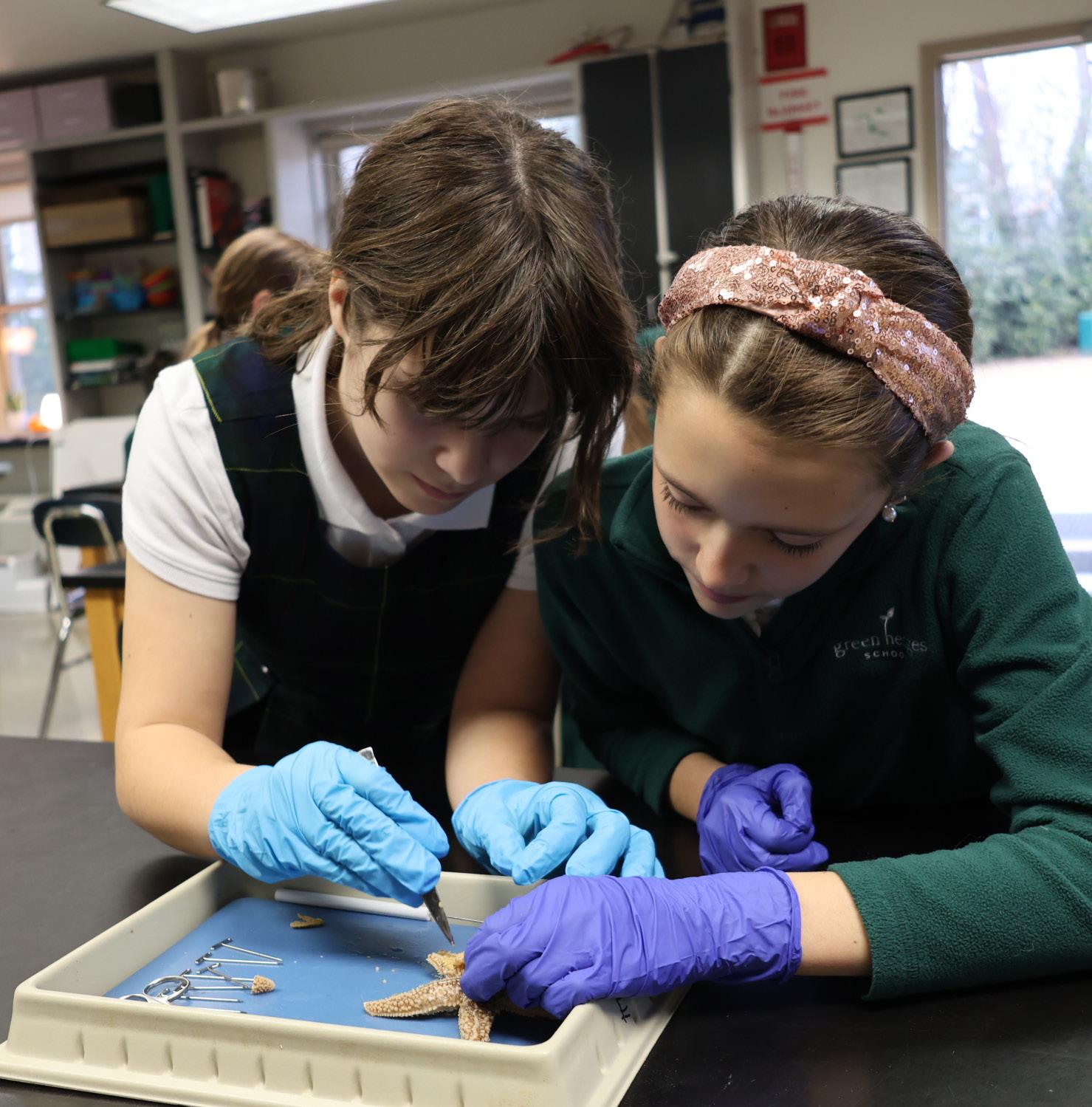
In Middle School, students learn about the brain in multiple disciplines, allowing them to become aware of different functionalities of the brain. In the library, Librarian Helena Powell shows Middle School students the impact reading has on the brain, encouraging students to analyze the connection between the visual, auditory, and cortex activation. In 2012 in the Proceedings of the National Academy of Sciences, neuroscientists at Stanford University reported that reading ability in young children is related to the growth of the brain’s white-matter tracts—specifically, the arcuate nucleus, which connects the brain’s language centers, and the interior longitudinal fasciculus. Laura Woodcock, science educator, is focused on how the body functionally operates, giving students a deeper understanding of the brain, beginning structurally with the skeleton, then diving into cells, neurons, and their connectivity. Children even have the opportunity to examine cross-sections of brains and participate in dissections that help them further that comprehension. Students continue this learning of the brain and self in their Advisory groups, small grade-level groups that meet weekly to spend time learning social-emotional skills and getting to know themselves on a deeper level as they prepare for secondary school. Students take these different parts of their brain and how they work together, and as they graduate Green Hedges, they can begin to trust their own minds and the wonder that emerges.
As students move throughout their years at Green Hedges, they begin by noticing their thoughts and feelings in early childhood, understanding how to learn their best as they grow, eventually applying this understanding to their own independent selves. Wonder is not simply about asking questions about the world—it is also about discovering the
possibilities within ourselves. As Brené Brown in her book Atlas of the Heart observes, “Wonder fuels our passion for exploration and learning, for curiosity and adventure.” At Green Hedges, students learn that their brains are not fixed, but dynamic and capable of growth. By understanding how they think, how they respond, and how they learn,
STUDENTS DEVELOP THE CONFIDENCE TO APPROACH CHALLENGES WITH CURIOSITY AND RESILIENCE . THIS LIFELONG SENSE OF SELF-AWARENESS IS AT THE HEART OF THE GREEN HEDGES EXPERIENCE: HELPING CHILDREN TRUST THEIR OWN MINDS, NURTURE THEIR OWN WONDER, AND CONTINUE GROWING LONG AFTER THEY LEAVE OUR CAMPUS.
THE ROLE OF ART IN WONDER
Green Hedges students experience art throughout the year, in classrooms, in their dedicated studio time with art educator Fallon Chase, and through their projects. Frances Kilmer (maiden name Frances Frieseke), was the daughter of Frederick Carl Frieseke, spending much of her childhood as neighbor to Claude Monet in Giverny. This love of art has enriched Green Hedges throughout its existence.
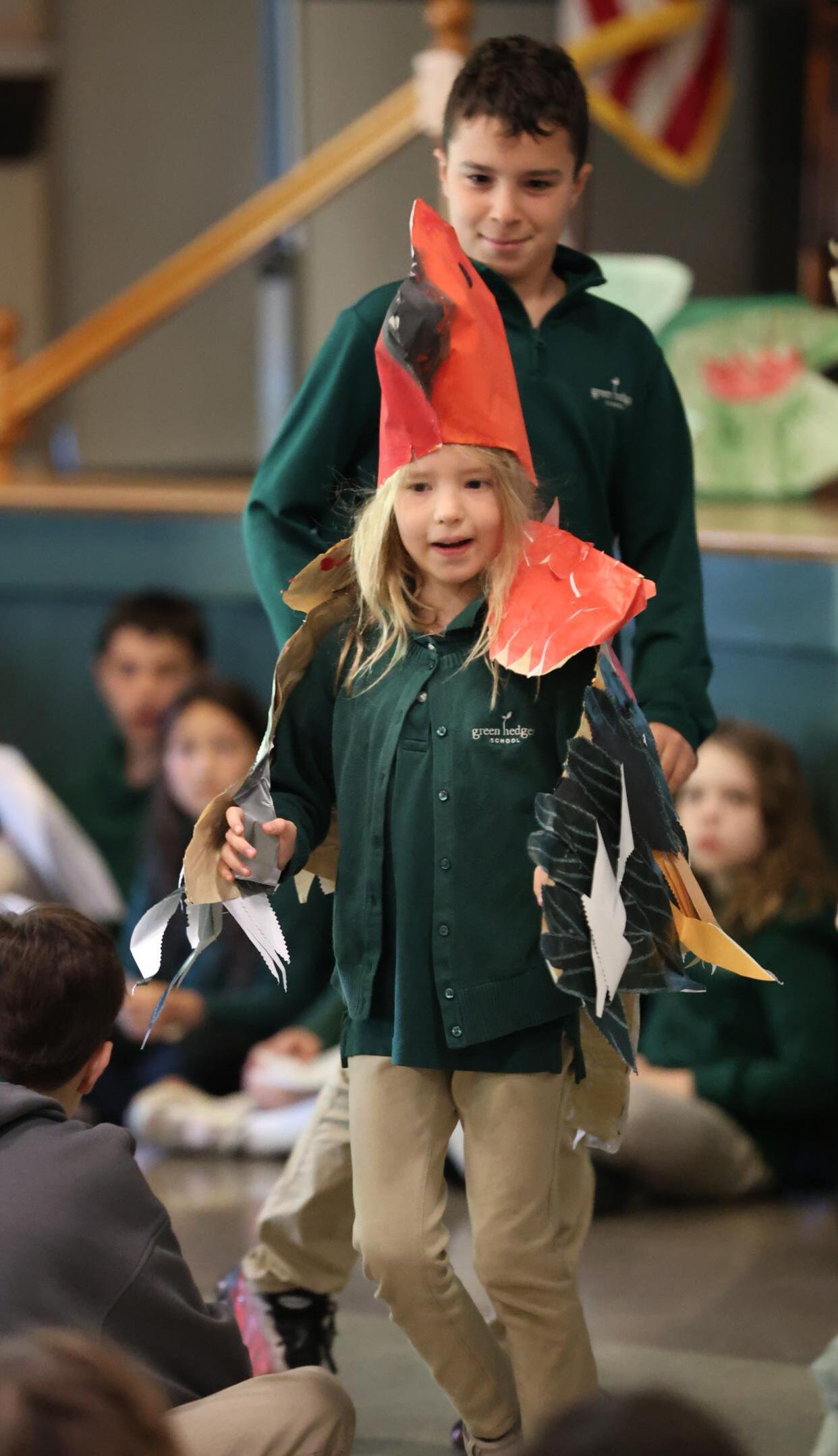
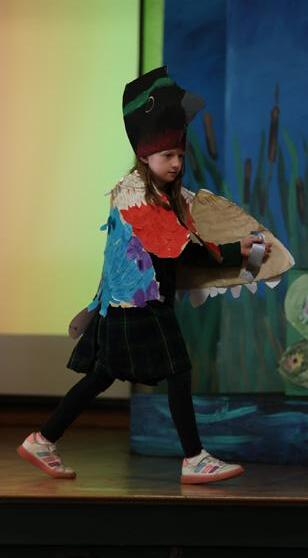
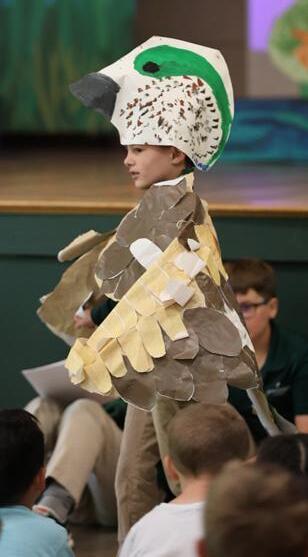
In our December edition of Clippings, From Excellent to Extraordinary, we shared the interdisciplinary nature of an upcoming bird project. This project, The Great Migration, tied science, language arts, and art together into a single project spanning Grades 1–7. Enjoy images of their completed projects!
ALUMNI FEATURE A Conversation with Seth Maramuto GHS Graduate Class of 2013
When sitting down across from Seth Maramuto on a Zoom, you can already tell that this graduate has been ready for this moment since graduating from Green Hedges in 2013. Life has taken Seth across the country and into the heart of the entertainment industry. After attending Flint Hill for high school, he went on to study political science with a focus on political communications at Lafayette College and American University. As the son of a Green Hedges Montessori Directress, he always had an appreciation for education and learning, but his passion for storytelling, media, and the arts eventually led him to pursue graduate studies at USC in public relations and advertising communications.
Now living in Los Angeles, he works at Variety, where no two days look the same. As part of the events team, his work centers around booking and producing a wide range of events—from intimate gatherings of 50 guests to large-scale franchise events with hundreds of attendees. Variety hosts 80 to 90 events each year, including its
renowned Power of Women franchise, which began in Los Angeles and has expanded internationally. Seth’s role involves identifying the right people for each event, staying connected to the latest trends in entertainment, and understanding the stories and talent shaping the industry.
His journey into entertainment was influenced by the creativity and confidence he developed during his years at Green Hedges. The school’s strong emphasis on the arts helped spark a lifelong appreciation for music, film, and performance. Beginning piano lessons in Grade 1 with Ms. Nadine, he continued playing throughout his time at GHS, performing “My Master Hath a Garden” at Openings and Closings and eventually at his own graduation. He credits those early experiences with helping him feel comfortable stepping outside his comfort zone and exploring new opportunities.
While interning at Variety, he discovered a passion for connecting people and curating stories. What started as helping with event invitations during an internship evolved into working with publicists, developing annual talent lists, and identifying emerging voices in entertainment. He helped expand the company’s “10 to Watch” concept beyond film and television, creating opportunities to
highlight rising creators using their platforms in unique ways, from podcasts and writing to stand-up comedy.
One of his favorite recent projects has been helping bring the “Up Next” podcast to life, a concept focused on highlighting young and emerging voices in Hollywood. He also had the opportunity to work behind the scenes on Variety’s popular Actors on Actors franchise, helping coordinate 13 A-list pairings filmed over a three-day window. His personal favorite is one of the first, releasing on June 3 with Jennifer Aniston and Lisa Kudrow.
Despite being across the country, the Green Hedges community remains an important part of his life. He has stayed connected with classmates and friends and continues to value the relationships he built with students across different grades. He reflected fondly on the close-knit nature of GHS: “The nice thing about being in such a small school was that I wasn’t confined to my grade, I got really close to people outside of my grade.”
When looking back on his time at Green Hedges, Seth remembers the teachers and experiences that helped shape him. He describes Ms. Vagoun as an incredible teacher who brought humor, energy, and engagement into the classroom, and he remembers Mr. Marzolino as a dedicated educator who made Spanish and Latin
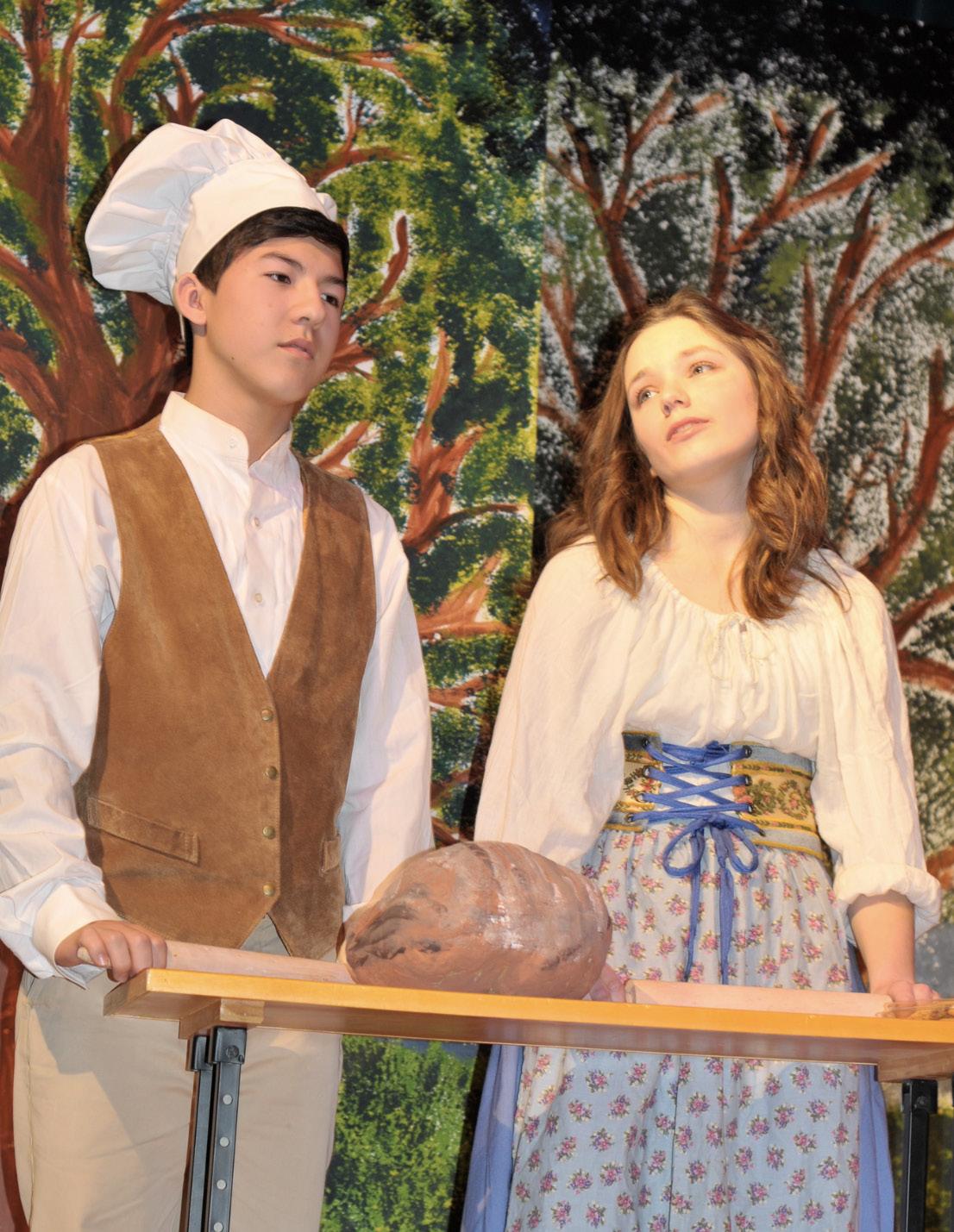
memorable. From hatching and releasing monarch butterflies in Grade 1, to painting the Grade 8 mural and performing in productions like Once on This Island, Fiddler on the Roof, and Into the Woods (where he played a famed baker), those moments helped build his confidence and creativity. As Seth noted, “Green Hedges allows you to step out of your comfort zone, and being in such a warm and welcoming environment made things even easier.”
Today, he continues to carry those lessons with him— embracing new experiences, staying curious, and finding ways to connect people through storytelling. What began with a piano in a Green Hedges classroom has grown into a career centered on celebrating creativity, talent, and the people who inspire others.
Seth in his Grade 8 Middle School musical production, Into the Woods
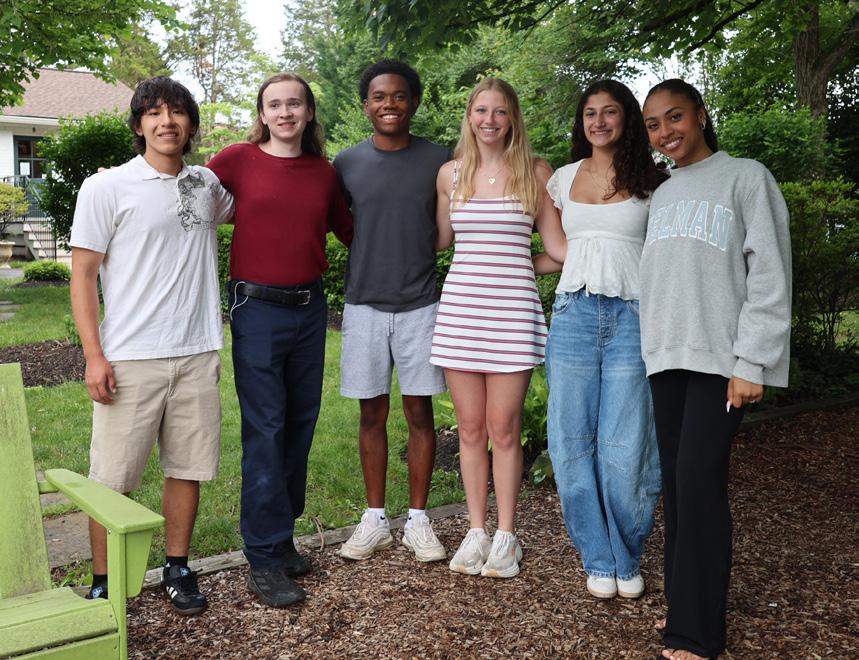
Lucy Mason
GRADUATION YEAR
2017
Kristin Kvasnyak: Once a Dragon, Always a Dragon “The students of yesterday are the teachers of today.”
Earlier this year, Lucy Mason ‘17 came to campus seeking career advice from Latin teacher Kristin Kvasnyuk. Here, Ms. Kvasnyuk reflects on the heart of the conversation:
Our conversation was wonderful. We talked about all the good options she has. When I heard from her initially, I was touched and honored. I got that email and I thought: wow, this is what education is all about. On the one hand, I was so sorry that the teacher who taught her was here for many years, and he retired. I felt I had these big shoes to fill. I thought, “She’s doing exactly what she should do. She’s going back to her alma mater, reaching out to someone who knows what she’s been through, going through, what she’s interested in, and information-gathering.”
I felt I have this responsibility, this honor, this privilege of understanding where she is, and where she wants to go. She doesn’t know me, but she knows Green Hedges. In that moment I felt very connected to this place and what it’s about. It was very powerful. She loved this place; she got so much out of this
ALUMNI NOTES
place. She knew that if she needed, she could come here and whoever was here, and it happened to be me, would help her, and do their very best to do so.
And I think THAT is the community. When we’re looking for what is a community, what is Green Hedges, what are we about? That moment does encapsulate so much of it. It happened to be an alum, it happened to be a Latin teacher. But it could have been any student who needed anything from any of us—a math student, or someone pursuing any field. I hope everyone who walks through these doors feels comfortable walking back in through these doors and reaching out to whoever is here, because we are Green Hedges, regardless of who is here. I hope to meet her again as a peer and a colleague.
Shaw
Skurnick
GRADUATION YEAR 1989
I am now a recruiter for a growing government contractor called Educology Solutions that provides IT Solutions to federal, state, and local customers. I’m passionate about coaching the current young generation on writing resumes and preparing for job interviews. My wife, Angie, and I have twin children who are rising 8th graders, Zachary who plays hockey and Hannah who is a dancer. We now live in Burke, Virginia.
Justin Biggs
GRADUATION YEAR 2002
After GHS, I attended Flint Hill, followed by the University of Pennsylvania, where I concentrated in finance as part of The Wharton School. My interest in finance began during high school and was further nurtured during my time at Penn. Following graduation, I joined UBS as a Global Markets/Sales & Trading professional in New York. I have been fortunate to work across a number of areas within Global Markets, covering institutional clients like hedge funds, asset managers, and banks around the globe for their derivative and financing needs. I am still with UBS, where I now focus my time working with family offices.
Three years ago, when our son Camilo was born, my wife Taina and I made the decision to relocate back to the DC metro area. Later this summer we’ll be moving to Vienna. While we absolutely loved our time in New York, we are thrilled to now be in the area.
I was fortunate to attend Green Hedges from Montessori all the way through 8th grade—following in the footsteps of my three older siblings as the youngest in my family. I am absolutely delighted that Camilo will begin school at GHS this fall as part of the Montessori program. His little sister Maya just turned one, and we look forward to enrolling her in a few years.
SCAN QR CODE TO READ
Coming back to the GHS campus after many years away has been such a treat, and we look forward to meeting other GHS families as we usher in the next generation of the Biggs family!
Gabi Calventi
GRADUATION YEAR 2013
After moving from the United States in 2013, I completed high school in the Dominican Republic and went on to study clinical psychology here, graduating in 2020. I later earned a master’s degree in cognitive behavioral therapy for children and adolescents from Universidad Pontificia Comillas in Madrid in 2022 and recently completed a second master’s in neuropsychology in the Dominican Republic.
I currently work in two psychology centers, providing support to children, adolescents, and adults with neurodevelopmental disorders, anxiety, and social difficulties.
I can trace the roots of my vocation back to my time at Green Hedges. As an Extended Day student throughout my 7½ years there, I loved spending time helping and playing with younger children. That experience sparked my passion for working with others— especially those who are more vulnerable.
ALUMNI NOTES
Since leaving Green Hedges, not a day goes by that I don’t miss it. There is truly nothing quite like it. The school’s emphasis on the arts, culture, language, and connection to the outdoors made it a uniquely formative experience. Whenever I am asked about my time living in the United States, what I highlight most is my school, my friendships, and the experiences I had at Green Hedges.
Tyler
McCarty
GRADUATION YEAR 2025
The first year of high school at Sidwell has been amazing! I have learned so many new things, made lots of friends, participated in various activities, and much more. I’ve really enjoyed my History of Modern Europe class, where we’ve analyzed the Renaissance, the Reformation, absolutism, and European interests in the Americas, Africa, and Asia. I’ve also enjoyed my English class. We’ve read “Hunger,” by Lan Samantha Chang, and completed a literary analysis with an emphasis on literary devices, and “The Catcher in the Rye,” by J.D. Salinger, with an emphasis on analyzing syntax. I’ve also enjoyed the social aspect of high school, with Homecoming, hanging out with friends on the weekends, and going off-campus for lunch. I’ve joined the FCNLxSidwell club, which is a chapter
of the Friends Committee on National Legislation, a Quaker lobbying group. In this club, I went to the U.S. Capitol to meet with staffers from the offices of U.S. Senator Chris Van Hollen and U.S. Senator Angela Alsobrooks, as well as from Congressional Delegate to the House Eleanor Holmes Norton’s office. We lobbied each of them on a bill related to just migration. In addition, I have joined Sidwell’s debate team and have recently competed in my first tournament. Finally, I was on Sidwell’s JV soccer team in the fall and am running indoor track during the winter season (Go, Quakers!).
Alumni gathering
WE’D LOVE TO HEAR FROM YOU!
SEND YOUR GHS NOTES TO ALUMNI@GREENHEDGES.ORG
CLASS OF 2026 Congratulations
HARPER BRANDT
10 Years at Green Hedges School
From rock-climbing at retreats to enjoyable field trips, Green Hedges has filled my life with adventures I will never forget. I never imagined standing up on this stage. I can’t believe this moment has finally come. I’ve been thinking about what this school has taught me, not just what is written in a textbook, but in life. I’ve learned about persistence, and resilience, which has taught me to keep moving forward and blaze new trails. This school sums up what adventure truly means to me.
SORAYA FOGLIA
9 Years at Green Hedges School
This feeling sure is strange. We have been here for years, walking the same halls, seeing the same faces, and living in the same wonderful routine everyday, that I lost track of time. Just like that I blinked and nine years went by. We tend to think about the future, which leads us to miss what’s happening right now. I would like to acknowledge how Green Hedges has changed and bettered me by providing a safe, kind, and accepting community in which I can be nobody but myself.
MAE FOSTER
7 Years at Green Hedges School
I would like to leave you all with a quote by Oscar Wilde. It’s a popular quote, but it’s stuck with me through the years. “Be yourself; everyone else is already taken.” I didn’t understand this quote for a long time, but in seventh grade I finally got it. When you change in order to be or to act like someone else, you can’t be yourself anymore. Our quirks, strengths, and personalities are what make us special. And that is something that none of us should ever be ashamed of.
JACK LATTIMORE
4 Years at Green Hedges School
When I started here in third grade, I was messy, impatient, and generally all over the place. Although I am not perfect, I have come a long way. To me, a bird doesn’t immediately learn to fly; it tries, maybe fails, but tries until it succeeds. Nothing comes back from failure better than a bird, and in the words of American contemporary artist Erin Hanson, “There is a freedom waiting for you, on the breezes of the sky, and you ask ‘What if I fall?’ Oh by my darling, ‘what if you fly?’” I bring this up to motivate people to go for what you believe in, and if you don’t succeed, try and try again.
NOAH POTTS
5 Years at Green Hedges School
I have formed a tight bond with each and every one of my classmates, as well as learning valuable life lessons like discipline, handling failure, and kindness during my years at Green Hedges. As Shaquille O’Neal once said, “Excellence is not a singular act, it’s a habit. You are what you repeatedly do.” I’ve had failure and success, with obstacles in my way during my time. Sometimes I got over them easily; sometimes it was hard.
BLAISE LIGHT STEWART
2 Years at Green Hedges School
It feels like it was just yesterday when I came into seventh-grade orientation, sitting in this very room, wondering how I would make new friends and get through another grueling year of school. I did not know I was sitting around people who would become some of my best friends and make those years fly by, filling them with memories, and shaping me to be the person I am today. …Like Marcus Aurelius once said, “No man can part with either the past or the future. For how can a man be deprived of what he does not possess?...for it is but the present that a man can be deprived of.” The reason I hold this quote so close to me is that it reflects the importance of being present in every moment and taking advantage of the limited time we have.
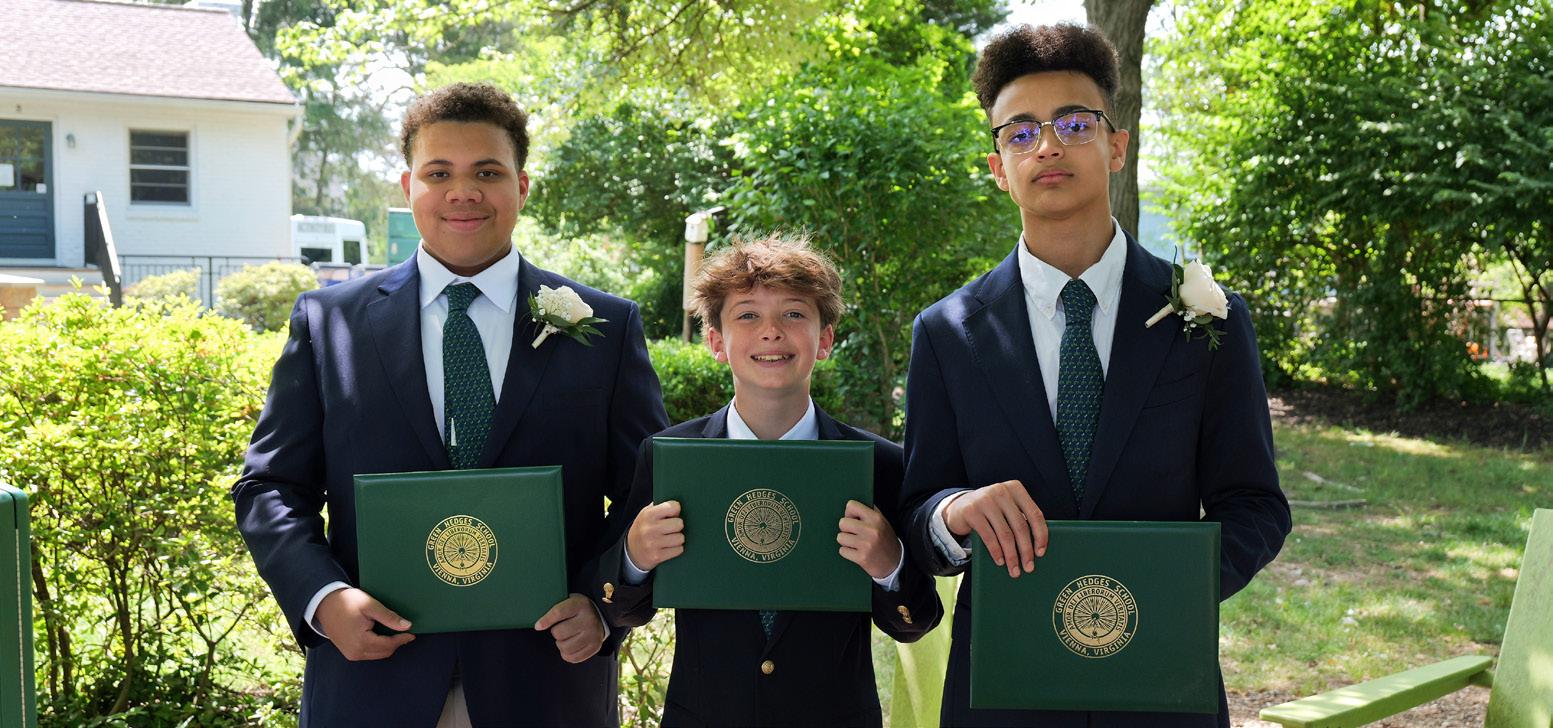
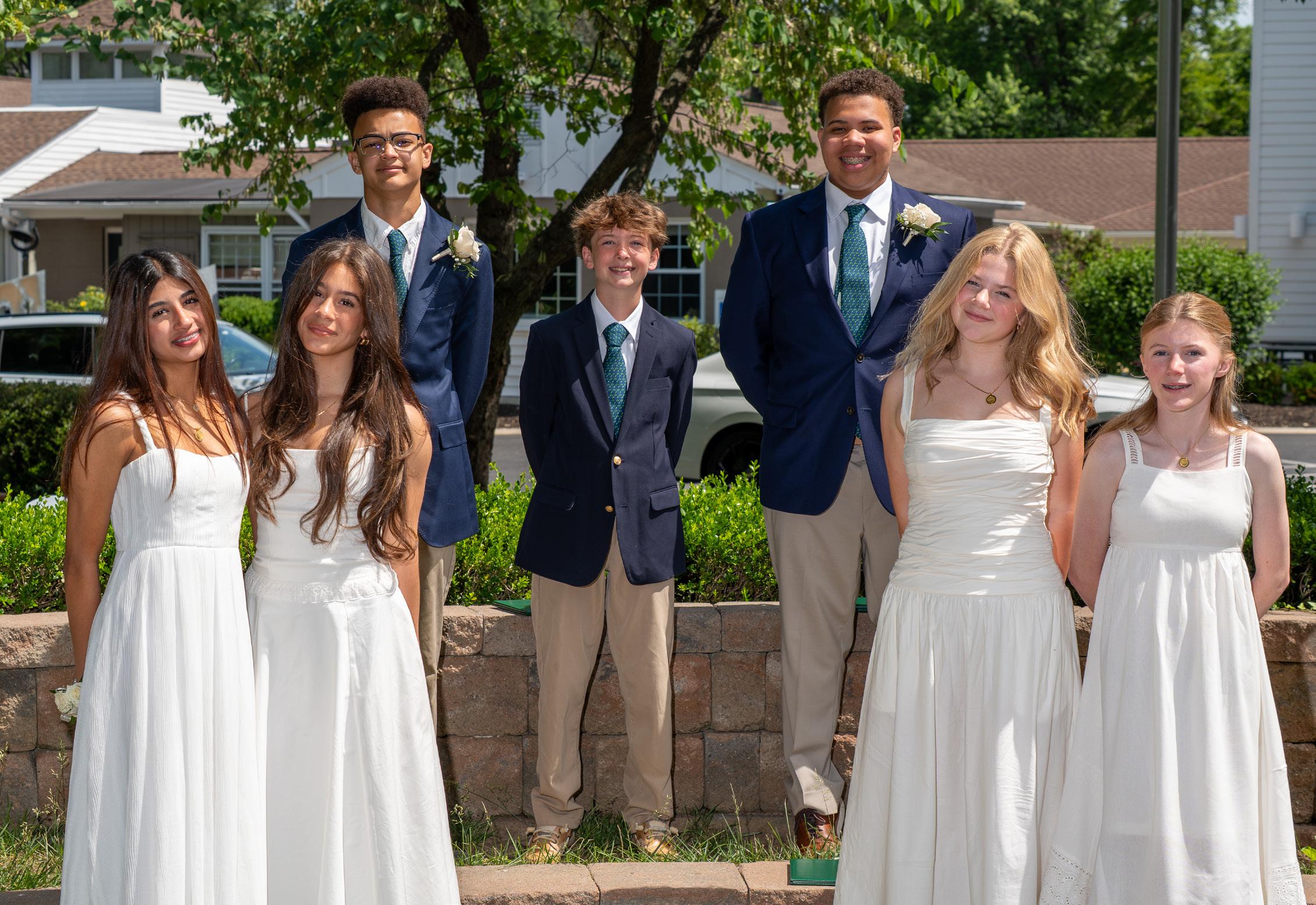
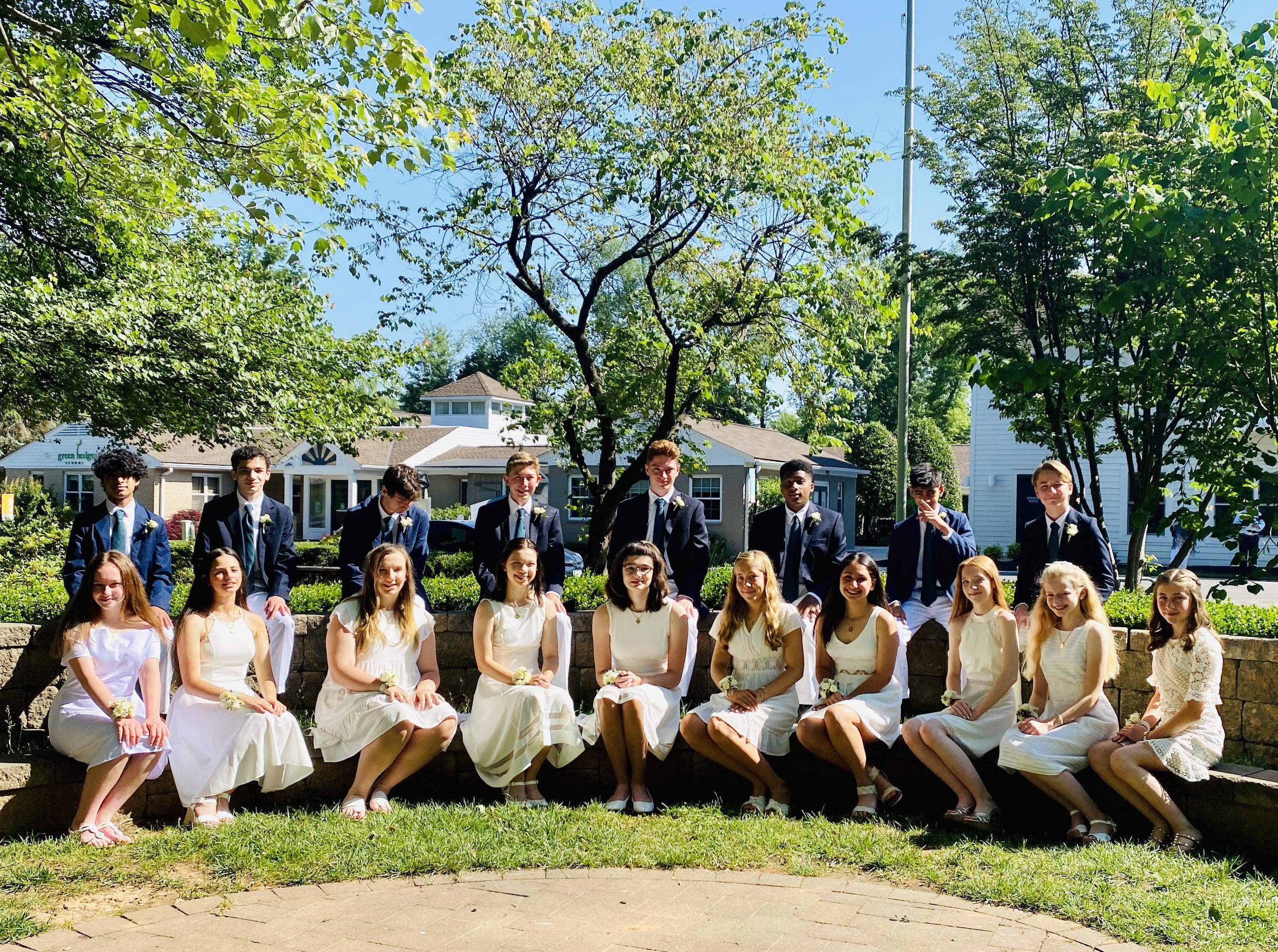
On June 5, we celebrated the graduation of the Class of 2026 as they completed their journey at Green Hedges School. We congratulated the 7 graduates and their families and reflected on the experience and uniqueness this class brought to the Green Hedges community. We wish them all the best as they leave Green Hedges with their stories and head to their secondary school of choice.
ZOE ZAHIR
11 Years at Green Hedges School
Every single hardship, struggle, and mistake actually taught me something important. In my new beginning, I will move forward and change but I will take pieces of Green Hedges with me into
my new chapters. I never would have thought leaving this school behind would be so hard for me. The path I took at this school helped me to figure out who I am. There have been many bumps and rough turns that have helped me become a stronger person in the end. I’ve learned how to flourish and mature throughout all my years.
The Class of 2026
THE CLASS of 2026 WAS ACCEPTED TO THE FOLLOWING SECONDARY SCHOOLS
Flint Hill School
Madeira School
Sidwell Friends School
The Class of 2022 is off to college!
Class of 2022 was accepted into the following institutions::
University of Virginia
Claremont McKenna College
College of William & Mary
University of Michigan
Bard College
Conservatory of Music
University of Louisville
Indiana University
We wish them all the best in their future endeavors!
Catching
We are excited to announce that the Class of 2021 was accepted into the following institutions:
Boston College
Skidmore College
Wake Forest University
Haverford College
Marymount Manhattan College
University of Miami
James Madison University
University of South Carolina
Point Park University
University of Virginia
College of William & Mary
Brigham Young University
University of Georgia
We hope your first year was a success!
In Memorium
Nicholas Marzolino
In the words of Roman author Catullus: “atque in perpetuum, frater, ave atque vale” and so forever, brother, goodbye and farewell.
We were deeply saddened by the passing of longtime Latin and Spanish teacher Nicholas T. Marzolino, whose kindness, dedication, and passion for teaching touched generations of students and families. His impact on the Green Hedges community will not be forgotten, and he will always remain an important part of the Green Hedges family.
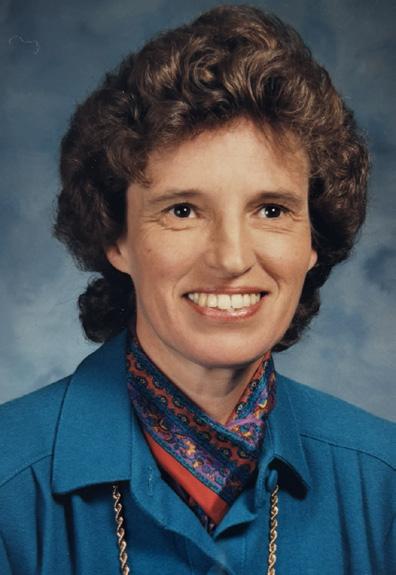
Marion Beckett Rhodes
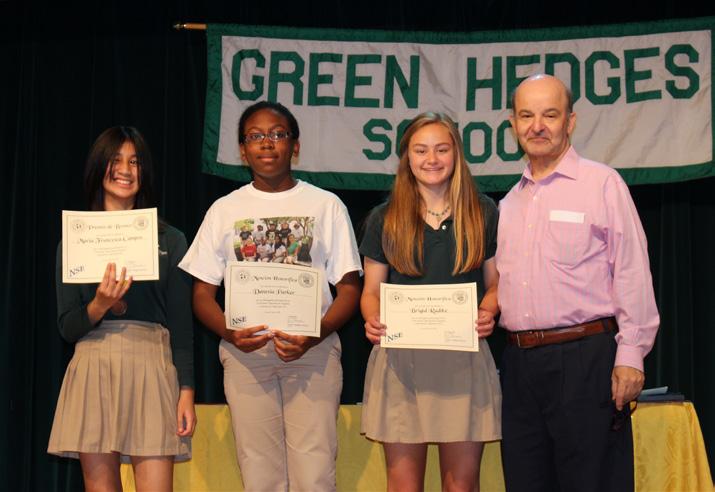
At the annual Green Hedges academic awards ceremony, Marion’s family honored her legacy by awarding certificates to high achieving middle school students.
An excerpt from the remarks by her husband Storm Rhodes: “Marion always had a sense of wonder herself, seeking knowledge, experiences, and adventure. One never knew what she would be up to, but you knew it would be challenging, exciting, and a learning experience. To mention just a few of the things she did, she boated down the Amazon, excavated a 3,500-year-old archeological dig in Crete, sailed on a junk off the coast of Vietnam, handled snakes in Marrakesh, visited geysers in Iceland, slept in a hut in Thailand, dogsledded across Alaskan glaciers, and went hot air ballooning in Virginia. And… in her spare time… she ran a household, raised two active boys, and served as Assistant Head of School. She was INDEED special.”