WhatIsMold Testingand WhyManhattan HomesNeedIt
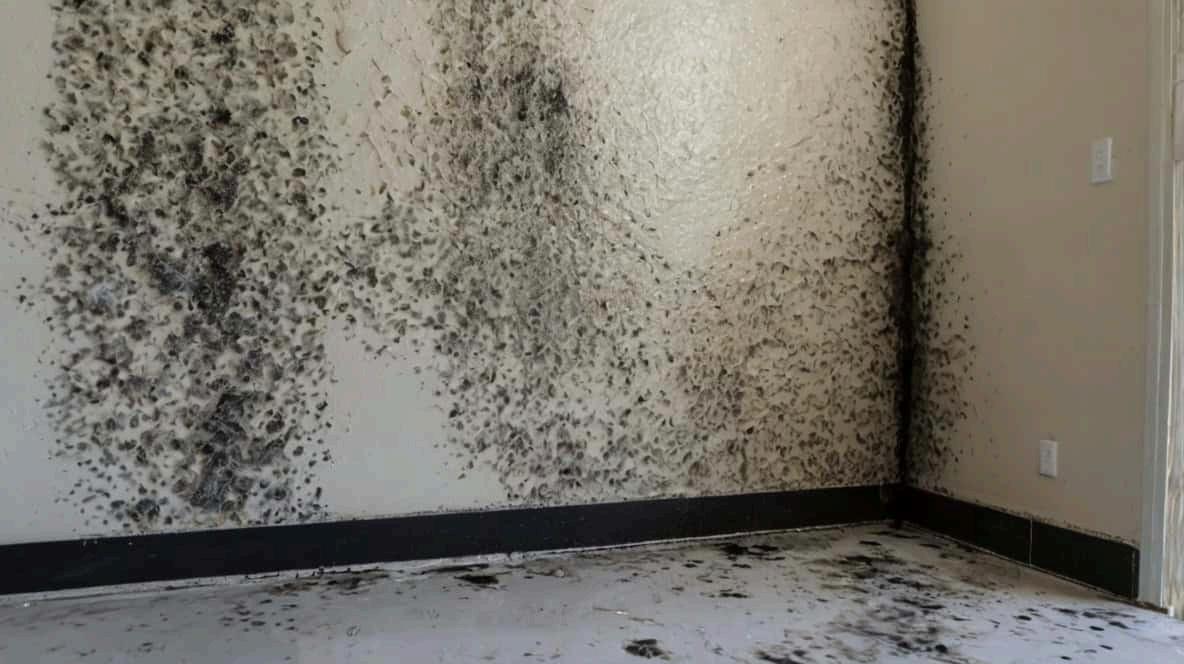
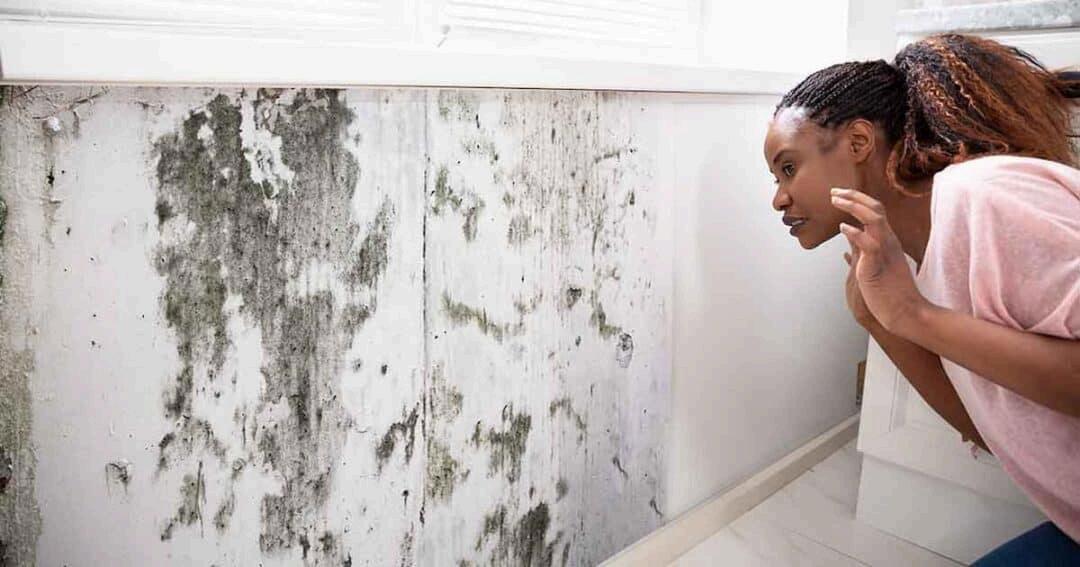
Mold is a type of fungus that thrives in damp environments. It can grow on various surfaces, including walls, ceilings, and floors, often going unnoticed until it becomes a significant issue. While some mold types are harmless, others can produce allergens and toxins that may lead to serious health problems.
Exposure to mold can result in a range of health issues, particularly forsensitiveindividuals.Commonhealtheffectsinclude:
Respiratory Problems: Mold spores can trigger asthma attacks and other respiratory issues, especially in those with pre-existing conditions.
AllergicReactions:Symptomssuchassneezing,runnynose,andskin irritationscanoccurinindividualssensitivetomold.
Toxic Reactions: Certain mold types, like black mold, can produce mycotoxins that may lead to severe health complications, including neurologicalissues.
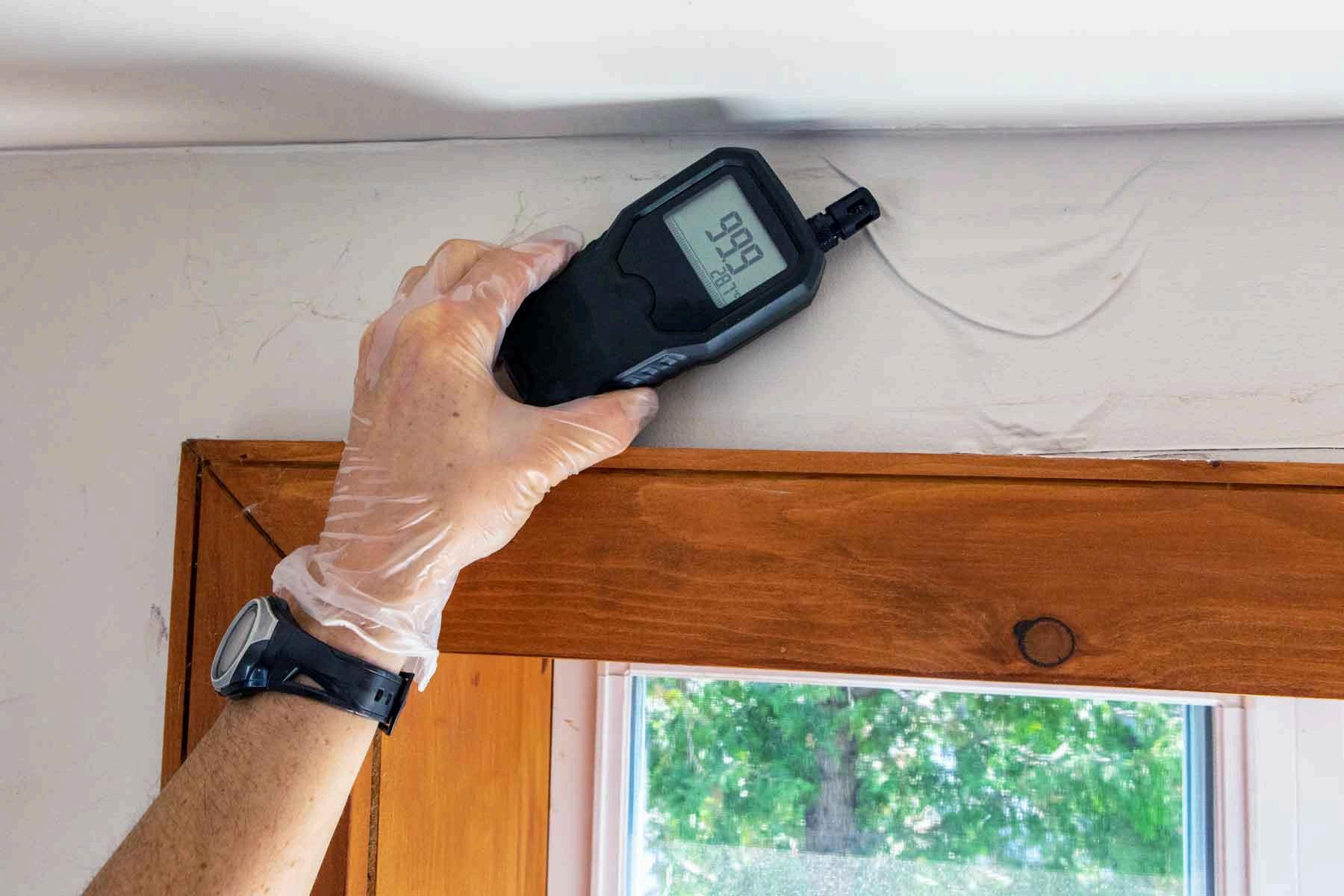
Given the potential health risks, mold testing is vital for identifying and addressing mold issues before they escalate. This proactive approach helps ensure a safe living environment and protects the value of the property.
Manhattan's unique climate and urban environment create ideal conditions for mold growth. Several factors contribute to this susceptibility:
High Humidity Levels
The humidity in Manhattan can often exceed comfortable levels, especially during the summer months. This moisture in the air can lead to condensation on surfaces, creating a breeding ground for mold.
Older buildings in Manhattan may have plumbing issues or leaks that can go unnoticed. Water damage from these sources can lead to mold growth if not addressed promptly.
Many Manhattan apartments and homes may lack adequate ventilation, trapping moisture indoors. This can exacerbate mold growth, particularly in areas like bathrooms and kitchens.
Understanding the mold testing process is crucial for homeowners looking to safeguard their properties. Here’s a breakdown of the steps involved:
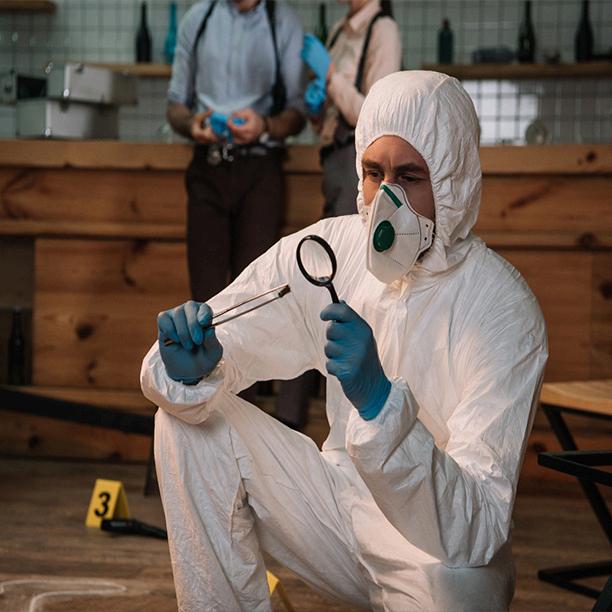
The first step in mold testing is to hire a certified mold inspector. Professionals have the expertise and tools necessary to identify mold issues accurately. They will conduct a thorough inspection of the property, looking for visible mold and signs of moisture.
During the inspection, the professional will assess areas prone to mold growth, such as:
Basements and Crawl Spaces: These areas are often damp and can harbor hidden mold.
Bathrooms and Kitchens: High humidity levels in these spaces make them susceptible to mold.
Attics and Roof Spaces: Leaks or poor insulation can lead to moisture accumulation.
If mold is suspected, the inspector will take samples of the affected areas. These samples are sent to a laboratory for analysis to determine the type of mold present and the extent of the problem.
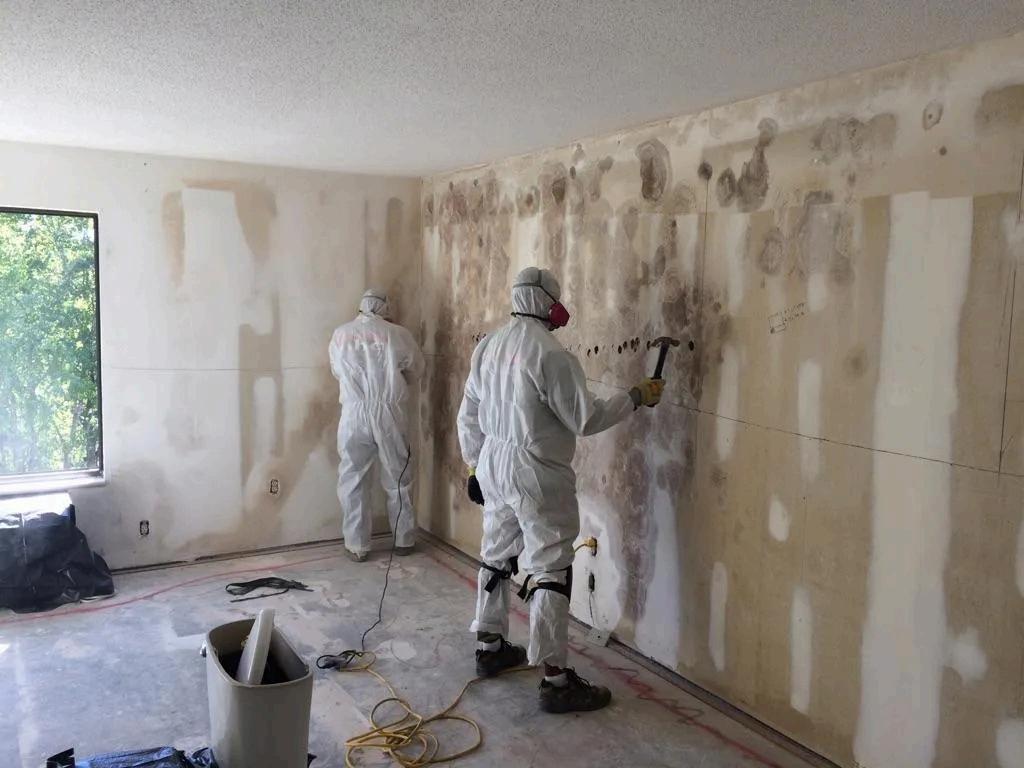
Based on the testing results, the inspector will recommend a remediation plan. This plan may involve removing contaminated materials, cleaning affected areas, and implementing measures to prevent future mold growth.
Understanding the financial implications of mold testing and remediation is essential for homeowners. While costs can vary based on the extent of the problem, here’s a general overview:
The cost of mold testing in Manhattan typically ranges from $300 to $600, depending on the size of the property and the complexity of the inspection. Remediation Costs
If mold is found, remediation costs can vary widely. Minor mold issues may cost a few hundred dollars to remediate, while extensive mold problems can run into the thousands.
Investing in mold testing and remediation can save homeowners money in the long run by preventing more extensive damage and health issues.
Mold testing is an essential aspect of maintaining a safe and healthy home in Manhattan. With the potential health risks and property damage associated with mold, homeowners must take proactive measures to identify and address mold issues. By hiring professional inspectors, conducting thorough testing, and implementing effective remediation plans, homeowners can protect their families and preserve their properties. Investing in mold testing not only ensures peace of mind but also safeguards the long-term value of your home.
For Manhattan homeowners, understanding the importance of mold testing is crucial in creating a safe living environment. By taking the necessary steps to address mold issues, you can enjoy your home without the worry of hidden dangers lurking within.