MoldRemediation Manhattan|Certified MoldRemovalExperts
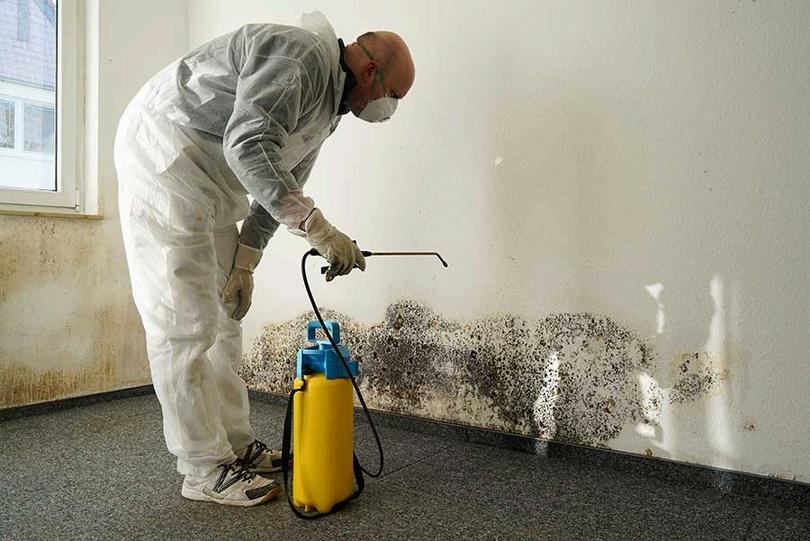
Mold is a type of fungus that thrives in moist, warm environments. It reproduces through airborne spores, which can easily spread throughout a building. In Manhattan properties, mold commonly develops due to:
Water leaks from plumbing or roofs
Flooding or water damage
Poor ventilation
High indoor humidity levels
Condensation buildup
Exposure to mold can lead to various health issues, especially for individuals with allergies, asthma, or weakened immune systems. Common symptoms include:
Persistent coughing and sneezing
Skin irritation
Eye redness
Respiratory problems
Headaches and fatigue
While some property owners attempt DIY mold removal, it often fails to address the root cause. Mold can grow in hidden areas such as behind drywall, under flooring, and inside HVAC systems. Certified professionals use advanced tools and techniques to ensure complete removal.
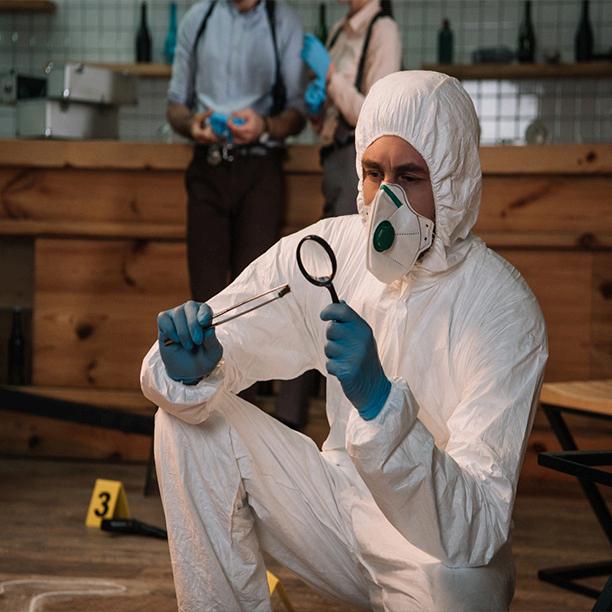
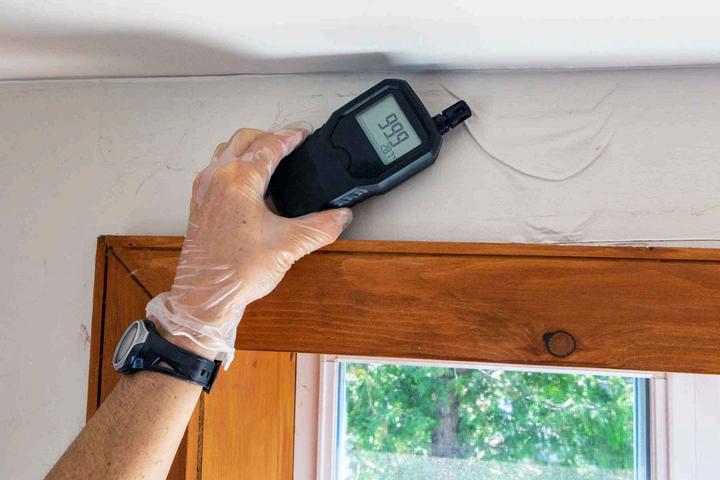
Certified technicians perform detailed inspections using moisture meters, infrared cameras, and air quality testing equipment to identify mold sources.
Professionals follow industry-approved safety protocols to prevent cross-contamination during removal.
High-efficiency particulate air (HEPA) filters, air scrubbers, and dehumidifiers are used to eliminate mold spores effectively.
Experts address the underlying causes such as moisture issues to prevent future mold growth.
Understanding the step-by-step process can help property owners know what to expect when hiring professionals.
1. Initial Inspection and Assessment
The process begins with a comprehensive inspection to locate mold growt and identify moisture sources. Samples may be collected for laborator testing if needed.
2. Containment of Affected Areas
To prevent mold spores from spreading, technicians isolate contaminated areas using plastic sheeting and negative air pressure systems.
3. Air Filtration
Air scrubbers equipped with HEPA filters capture airborne mold spores improving indoor air quality during remediation.
4. Mold Removal and Cleaning
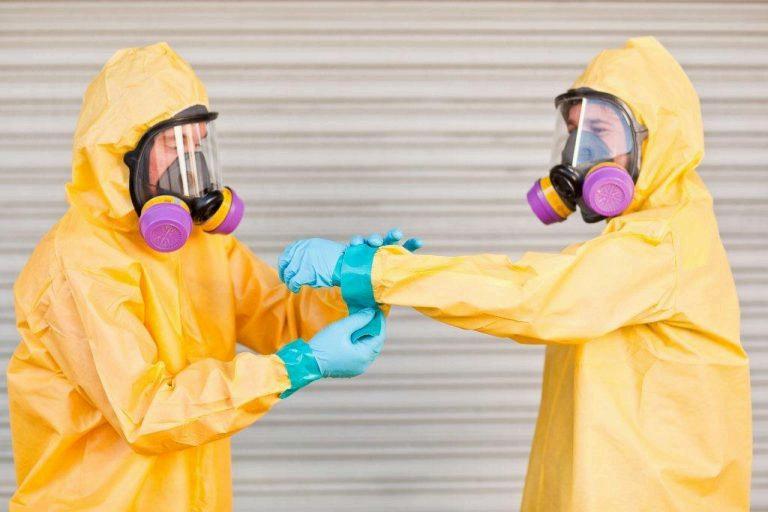
Depending on the severity, professionals remove contaminated materials such as drywall, insulation, or carpeting. Non-porous surfaces are cleaned and disinfected.
5. Drying and Dehumidification
Industrial-grade dehumidifiers and fans are used to eliminate moisture and prevent regrowth.
6. Restoration
After remediation, affected areas are restored to their original condition, including repairs and repainting if necessary..
03 03
It’s important to recognize the warning signs ofmoldgrowthbeforeitspreadsfurther.
Selecting the right service provider is crucial for successful remediation.
Certified and licensed professionals
Positive customer reviews
Advanced equipment and techniques
Clear communication and transparency
Warranty or guarantee on services
Working with experienced experts ensures efficient and reliable Mold Removal Manhattan services.