UNDERSTANDING MOLD ANDITSRISKS
HEALTH IMPLICATIONS OF MOLD EXPOSURE
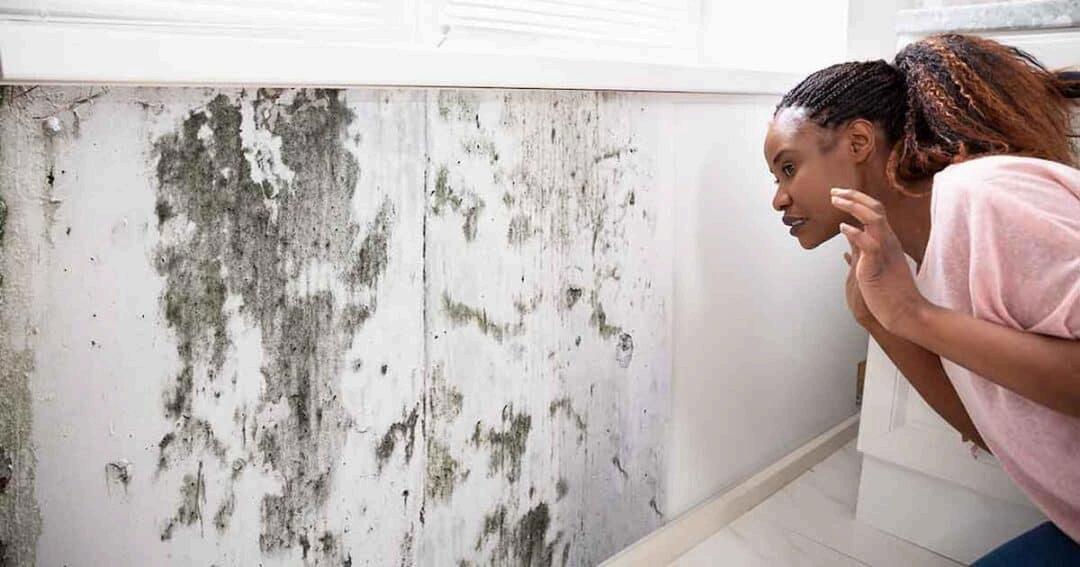
Exposure to mold can result in a range of health problems, particularly for individuals with pre-existing conditions. Common symptoms include:
Respiratory Issues: Coughing, sneezing, and difficulty breathing are prevalent among those exposed to mold spores.
Allergic Reactions: Skin rashes, itchy eyes, and sinus congestion can occur, especially in sensitive individuals.
Long-term Health Risks: Prolonged exposure to toxic mold can lead to more severe health issues, including chronic respiratory diseases and neurological problems.
WHY MOLD REMEDIATION IS ESSENTIAL
Mold remediation is crucial for several reasons:
Health Protection: Removing mold helps safeguard the health of occupants, particularly vulnerable populations such as children and the elderly.
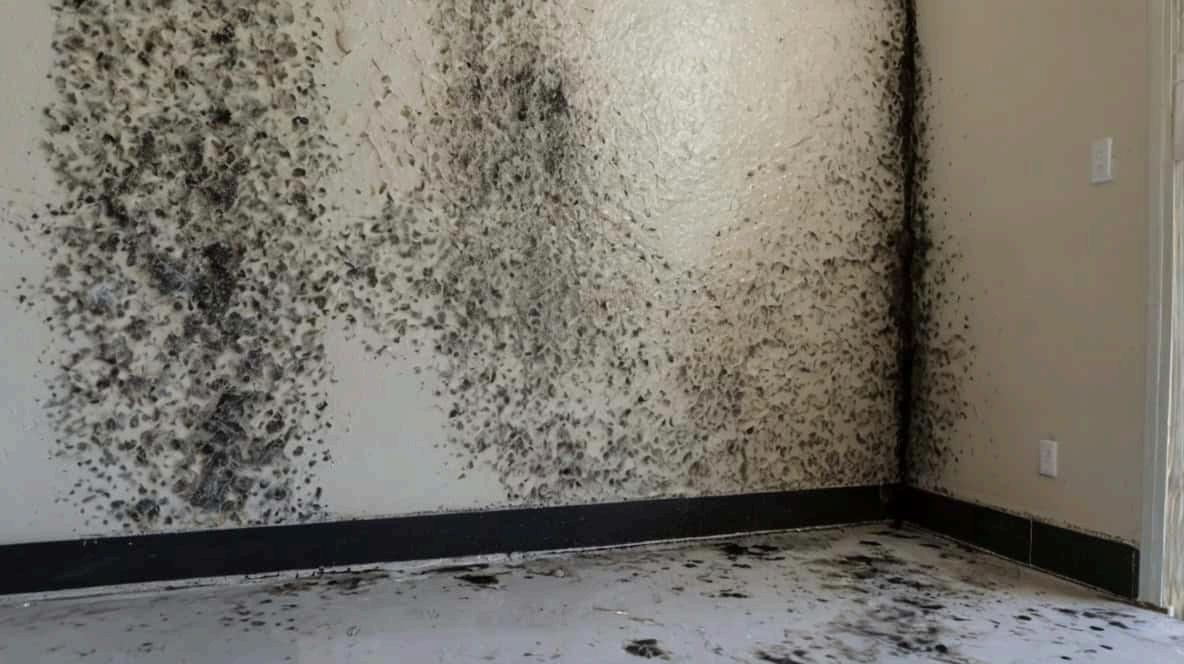
Property Preservation: Mold can damage building materials, leading to costly repairs and decreased property value.
Legal Compliance: Many local regulations require property owners to address mold issues promptly to ensure tenant safety.
THEMOLDREMEDIATIONPROCESS
Understanding the mold remediation process is vital for effective treatment. Here’s a step-by-step breakdown of what to expect when hiring a professional service.
STEP 1: INSPECTION AND ASSESSMENT
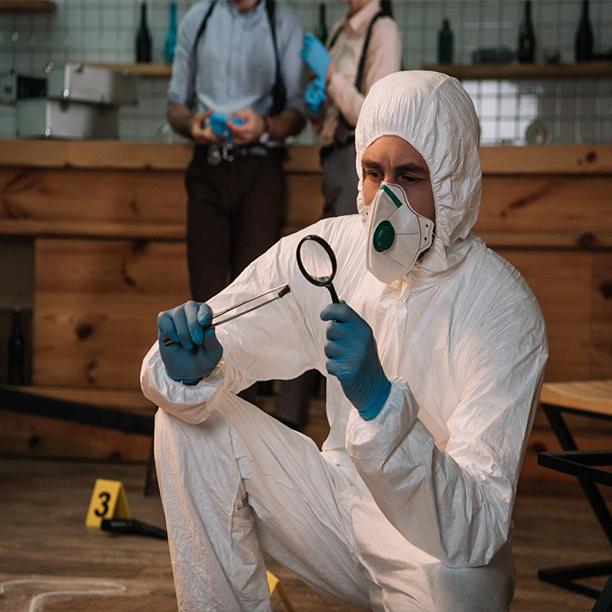
The first step in mold remediation involves a thorough inspection of the property. Certified mold specialists will assess the extent of the mold growth, identify the source of moisture, and determine the best course of action. This stage is crucial for developing a tailored remediation plan.
STEP2:CONTAINMENT
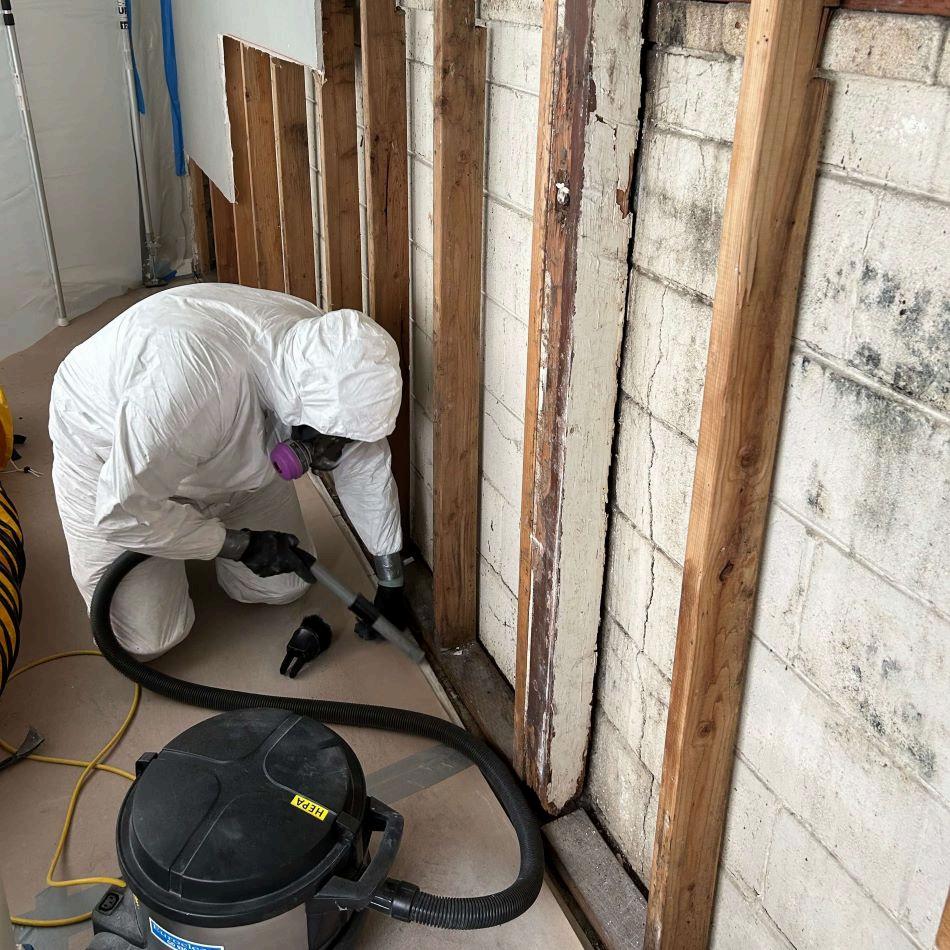
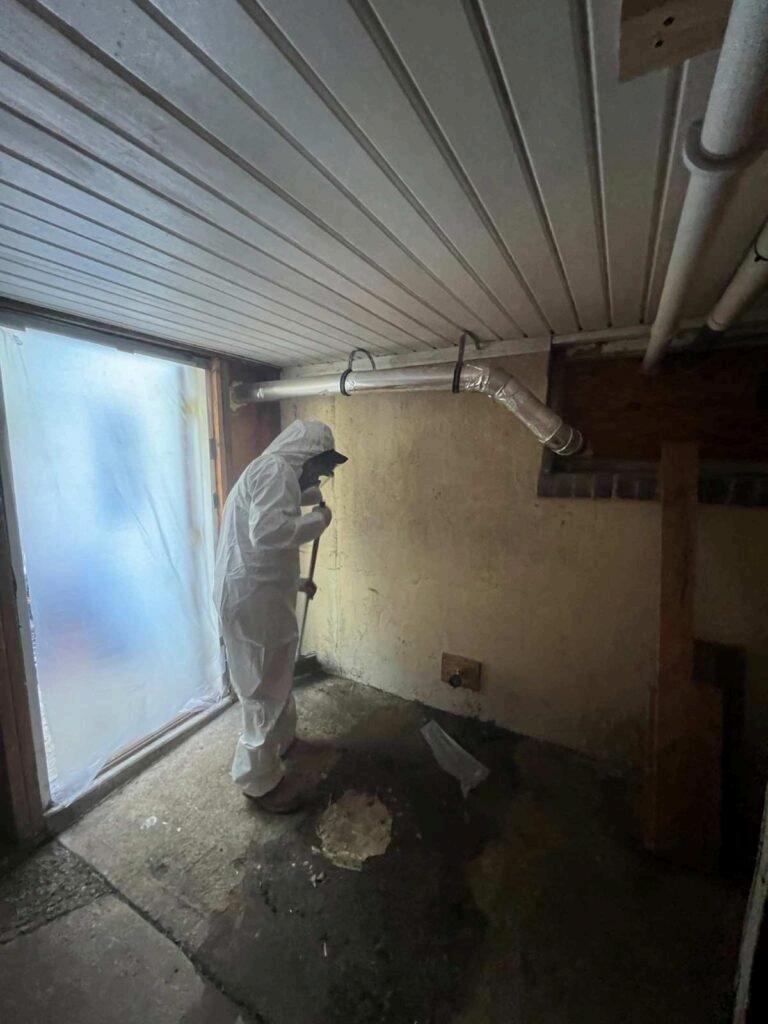
To prevent mold spores from spreading during the remediation process, the affected area will be contained. This may involve sealing off the area with plastic sheeting and using negative air pressure machines to ensure that spores do not escape into other parts of the building.
STEP 3: REMOVAL OF AFFECTED MATERIALS
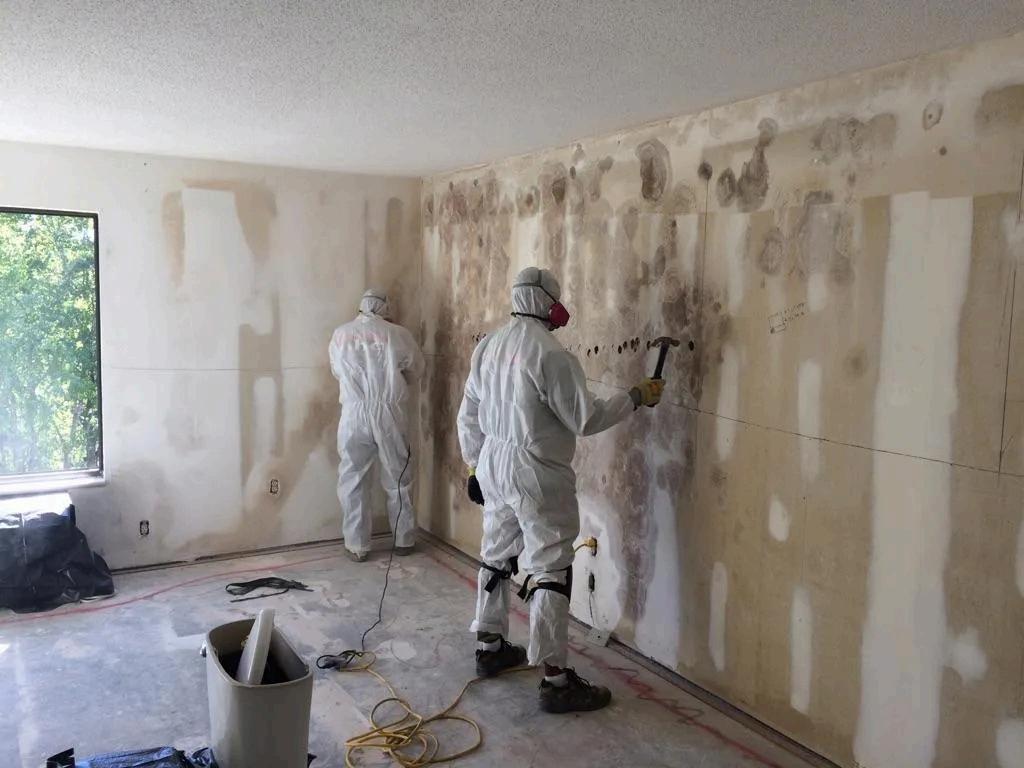
Once containment is established, the next step is to remove any materials that are heavily infested with mold. This may include drywall, carpeting, and insulation. Proper disposal methods are essential to prevent further contamination.
STEP 4: CLEANING AND DISINFECTION
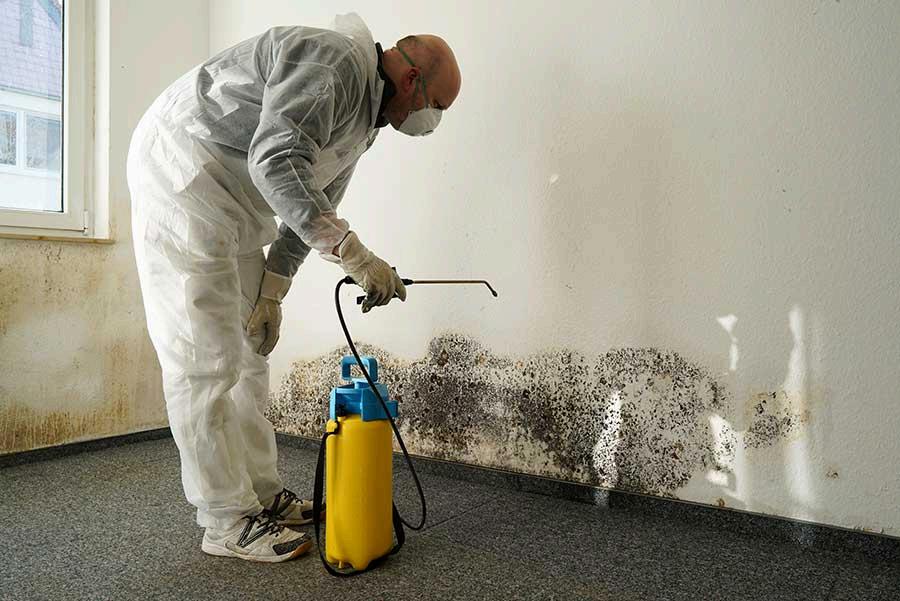
After removing contaminated materials, the remaining surfaces will be cleaned and disinfected using specialized solutions. This step is crucial for eliminating any lingering mold spores and preventing regrowth.
STEP 5: DRYING AND DEHUMIDIFICATION
Moisture control is vital in the mold remediation process. The affected area will be thoroughly dried using industrial-grade fans and dehumidifiers to ensure that humidity levels are returned to normal. This step helps prevent future mold growth.
STEP 6: RESTORATION
Once the area is clean and dry, restoration can begin. This may involve repairing or replacing damaged materials, such as drywall or flooring, to restore the property to its original condition.
CONCLUSION
Mold remediation is an essential service for maintaining a safe and healthy environment in Hackensack, NJ. By understanding the risks associated with mold, the remediation process, and how to choose the right service provider, property owners can take proactive steps to protect their homes and businesses. Remember, timely action is key to preventing mold growth and ensuring the well-being of all occupants. If you suspect mold in your property, don’t hesitate to contact a qualified mold remediation service today.