WHYMOLDDETECTIONIS IMPORTANTAFTERHEAVY RAININNEWJERSEY
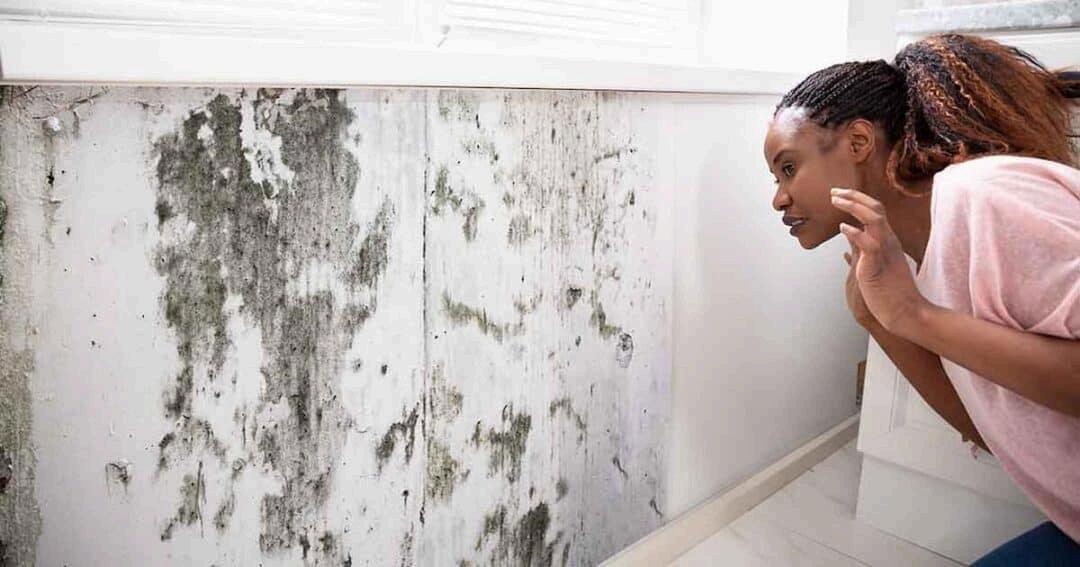
Heavy rainfall is a common occurrence in New Jersey, and while it nourishes the landscape, it can also create ideal conditions for mold growth in homes and buildings. Mold is not just an aesthetic concern; it poses significant health risks and can lead to extensive property damage if left unchecked. This article explores the critical importance of mold detection following heavy rain, emphasizing the need for proactive measures such as Mold testing in New Jersey.
UNDERSTANDINGMOLD GROWTH
Mold is a type of fungus that thrives in damp environments. It reproduces through spores that can easily become airborne, leading to contamination in indoor spaces. The combination of moisture, warmth, and organic materials creates a perfect breeding ground for mold. In New Jersey, the humid climate, especially after heavy rain, exacerbates this issue.

THELIFECYCLEOFMOLD
MOLD SPORES ARE UBIQUITOUS IN THE ENVIRONMENT, AND THEY CAN REMAIN DORMANT
UNTIL CONDITIONS BECOME FAVORABLE FOR GROWTH. WHEN MOISTURE LEVELS RISE, SUCH AS
AFTER A RAINSTORM, THESE SPORES CAN GERMINATE AND DEVELOP INTO MOLD COLONIES. THE GROWTH CAN OCCUR WITHIN 24 TO 48 HOURS, MAKING IT CRUCIAL TO ACT QUICKLY AFTER WATER INTRUSION.
TYPESOFMOLDCOMMONLYFOUNDINNEWJERSEY
SEVERAL TYPES OF MOLD CAN BE FOUND IN NEW JERSEY HOMES, INCLUDING:
ASPERGILLUS: OFTEN FOUND IN DAMP AREAS, IT CAN CAUSE RESPIRATORY ISSUES.
PENICILLIUM: KNOWN FOR ITS BLUE-GREEN COLOR, IT CAN GROW ON VARIOUS SURFACES AND IS ASSOCIATED WITH ALLERGIES.
STACHYBOTRYS: COMMONLY REFERRED TO AS BLACK MOLD, IT CAN PRODUCE MYCOTOXINS THAT ARE HARMFUL TO HEALTH.
UNDERSTANDING THESE TYPES CAN HELP HOMEOWNERS RECOGNIZE POTENTIAL RISKS AND THE IMPORTANCE OF MOLD TESTING IN NEW JERSEY.
HEALTHRISKSASSOCIATED WITHMOLDEXPOSURE

Mold exposure can lead to a variety of health issues, particularly for sensitive individuals. The health risks associated with mold are a significant reason why Mold detection New Jersey is essential after heavy rain.
Respiratory Issues
Inhalation of mold spores can trigger respiratory problems, including:
Allergic Reactions: Symptoms may include sneezing, runny nose, and itchy eyes.
Asthma Attacks: Mold can exacerbate asthma symptoms, leading to severe attacks.
Chronic Respiratory Conditions: Prolonged exposure can contribute to the development of chronic bronchitis and other lung diseases.
THEIMPACTOFMOLD ONPROPERTY
Mold doesn't just affect health; it can also cause significant damage to property. Understanding the potential impact on your home can motivate homeowners to prioritize mold detection.
Structural Damage
Mold can weaken the structural integrity of a building. It feeds on organic materials, such as wood and drywall, leading to:
Deterioration of Building Materials: Mold can compromise the strength of beams, walls, and ceilings.
Increased Repair Costs: The longer mold is allowed to grow, the more extensive and costly the repairs will be.
Aesthetic Concerns
Mold can also lead to unsightly stains and odors, which can diminish the aesthetic appeal of a home. This can affect property values and make it challenging to sell a home in the future.
THE IMPORTANCE OF MOLD TESTING
MOLD TESTING IS A CRITICAL STEP IN IDENTIFYING AND ADDRESSING MOLD ISSUES. IT GOES BEYOND VISUAL INSPECTIONS AND PROVIDES A COMPREHENSIVE ASSESSMENT OF MOLD PRESENCE AND CONCENTRATION.
TYPESOFMOLDTESTING
THERE ARE SEVERAL METHODS FOR MOLD TESTING, INCLUDING:
AIR SAMPLING: THIS METHOD COLLECTS AIRBORNE MOLD SPORES TO ASSESS INDOOR AIR QUALITY.
SURFACE SAMPLING: SAMPLES ARE TAKEN FROM VISIBLE MOLD GROWTH TO IDENTIFY SPECIFIC MOLD SPECIES.
BULK SAMPLING: THIS INVOLVES TAKING PIECES OF MATERIALS SUSPECTED TO BE CONTAMINATED FOR ANALYSIS.
EACH METHOD PROVIDES VALUABLE INFORMATION THAT CAN GUIDE REMEDIATION EFFORTS.

MOLD REMEDIATION STRATEGIES
Once mold is detected, effective remediation is essential to restore a safe environment. Understanding the remediation process can help homeowners take appropriate action.
STEPS IN MOLD REMEDIATION
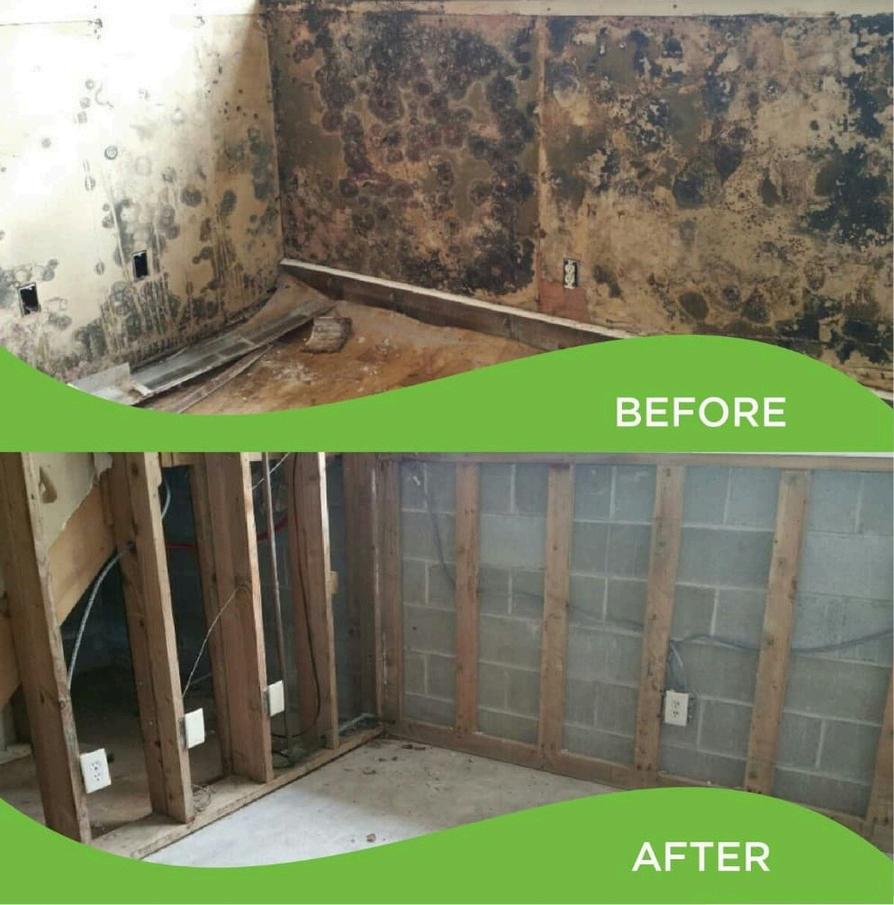
Containment: Isolate the affected area to prevent the spread of mold spores.
Removal: Safely remove contaminated materials, such as drywall or carpeting.
Cleaning and Disinfection: Clean surfaces with antimicrobial solutions to eliminate remaining spores.
Moisture Control: Address the source of moisture to prevent future mold growth.

CONCLUSION
In conclusion, the importance of mold detection after heavy rain in New Jersey cannot be overstated. The combination of humidity and moisture creates an environment conducive to mold growth, posing significant health risks and property damage. By prioritizing mold testing and remediation, homeowners can protect their families and investments. Taking proactive measures to control moisture and regularly inspect for mold can lead to a healthier, safer living environment. Don’t wait for mold to become a serious issue; act now to ensure your home remains mold-free.