Salute to Farming 2026 A Production of the Newport Plain Talk

Chambers Farms has been growing crops since 1974
KATHY BARNES Reporter
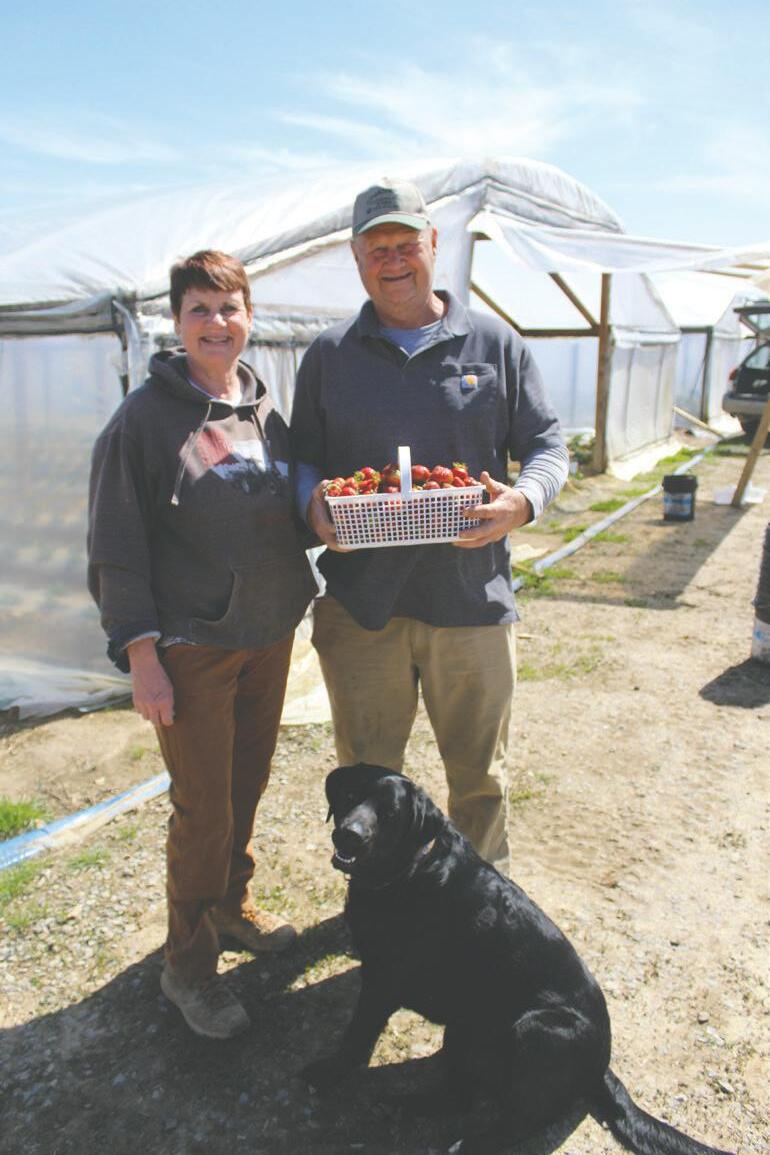
BYBEE — Farming is more than a way to make a living. It is a way of life for Bobby and Carla Chambers.
The Chambers are well known farmers off Glendale Road in the Bybee community.
Bobby, 62, is a full-time farmer. His parents started farming the land in 1965, he recalled, so he grew up on the farm.
He explained that in 1974 the Chambers family planted their first tomato crop in Cocke County and this year they will be growing their 52nd crop.
Bobby said his parents started the farming operation and he is the second generation to carry on with the farm. He credits his wife, Carla, with helping keep the farm running.
“Carla works out here on the farm, too. She knows how to take care of everything. She runs the produce stand and sells the crops,” he explained.
He said Carla, who has taught at Newport Grammar School since 1984, works on the farm when she gets out of school and on Saturdays. She runs the produce shed and greets customers.
Carla loves being on a farm, too, and she said, “There is nothing like the farming life.”
Things have changed on the farm throughout the years, and the operation has adjusted with the changes that were necessary.
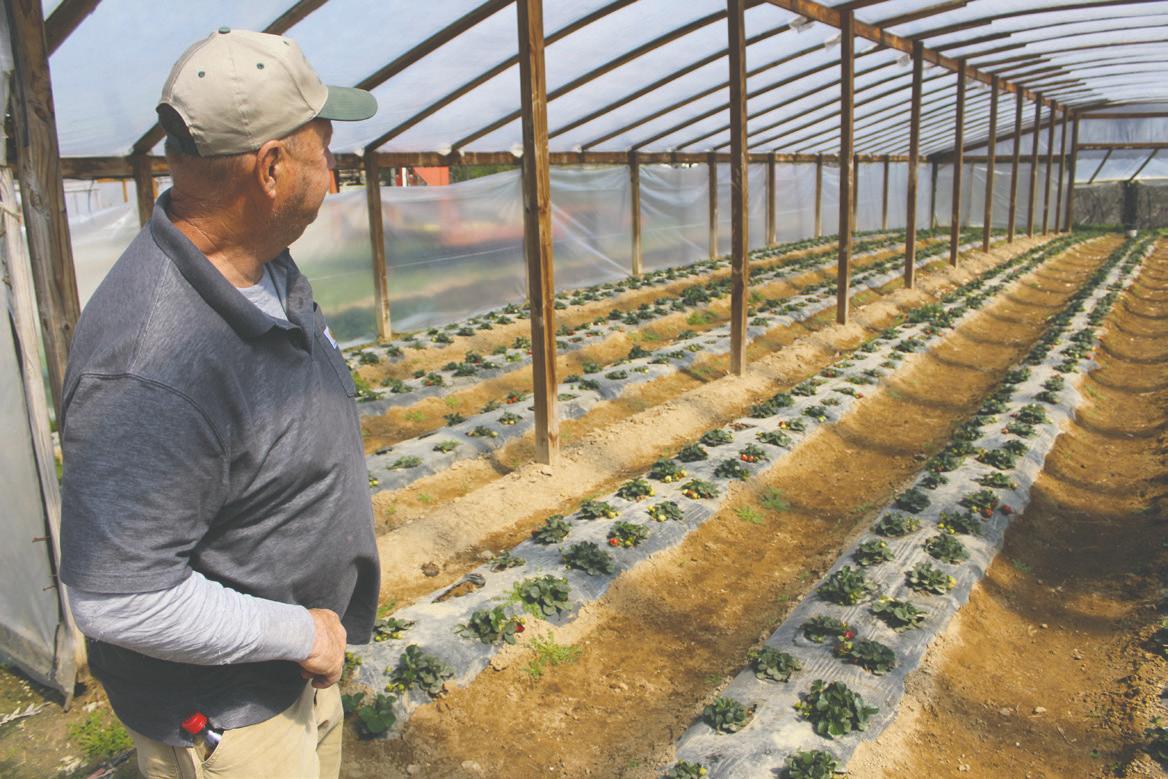
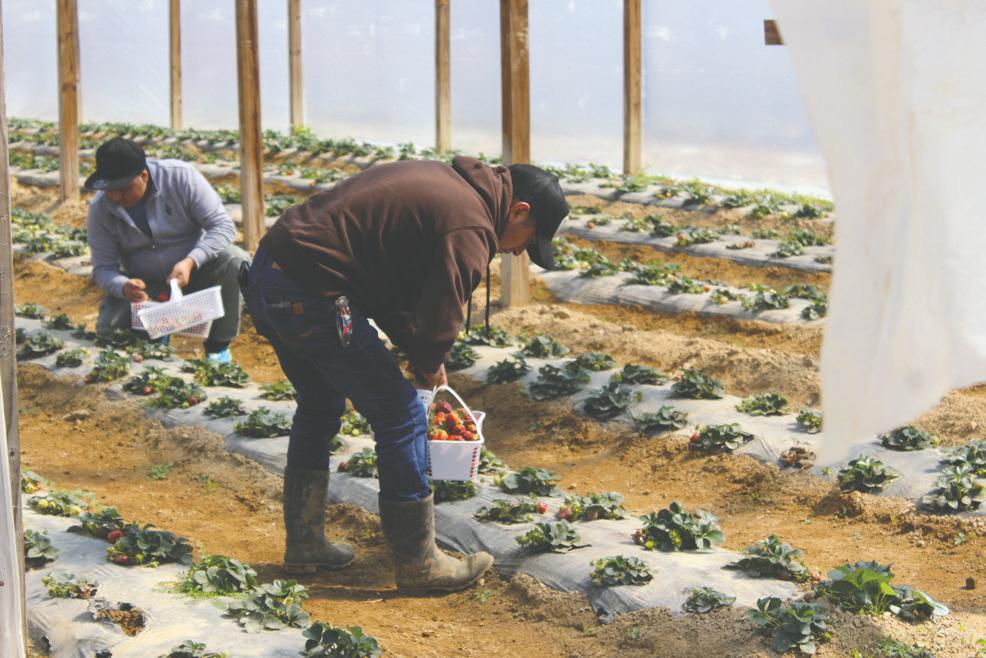
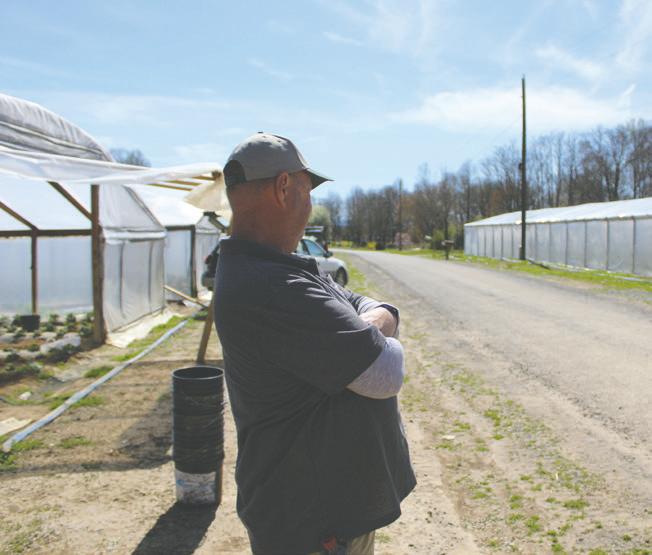
The farm now has 32 greenhouses. One greenhouse is used for growing the plants for the crops. The other 31 greenhouses are used for growing produce. Bobby gave a breakdown of what is grown in each greenhouse.
11 greenhouses for strawberries
Two greenhouses for cucumbers
Two greenhouses for okra
Three greenhouses for sweet corn
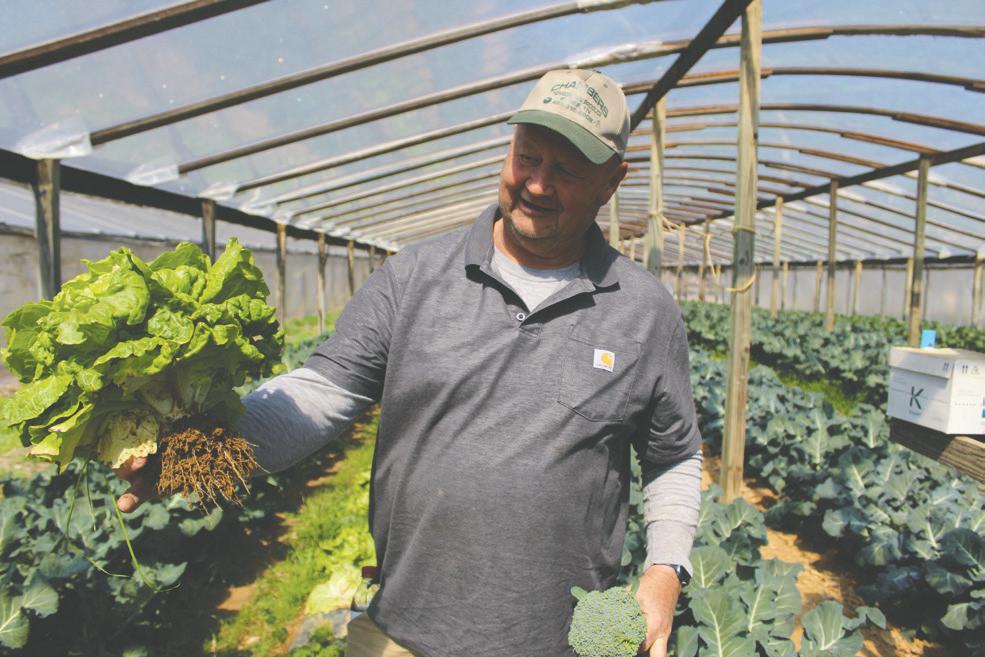
Three greenhouses for cabbage, broccoli, cauliflower and lettuce
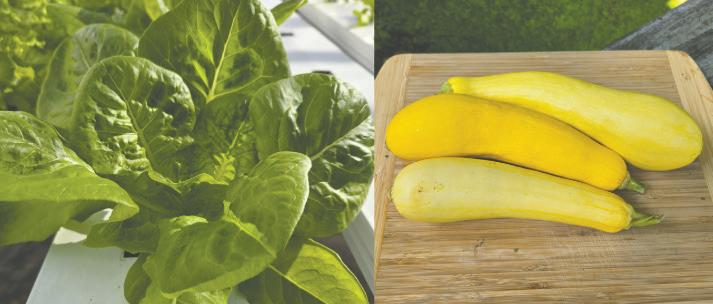
Nine greenhouses of tomatoes with two rows of yellow and zucchini squash
One greenhouse for jalapeno, banana and bell peppers
Discussing tomatoes, Bobby explained they grow red, yellow, green, candy stripe, purple, Roma and Big Pink tomatoes. They also have orange, purple, red, yellow and purple cherry tomatoes.
Outside on the farm they grow several kinds of beans, including half runners, turkey
craw, peanut beans, contenders, Roma, blue lake and rattlesnake.
Several kinds of vegetables are grown in the fields. Those include:
Sugar snap peas
Lettuce
Broccoli
Cauliflower
Cabbage
Onions
Cucumbers
Yellow squash
Zucchini squash
“We only sell what we grow here on the farm,” Bobby said.
“We don’t buy from other farmers and then resell. We are 100% farmers who grow what we sell

KATHY BARNES Reporter
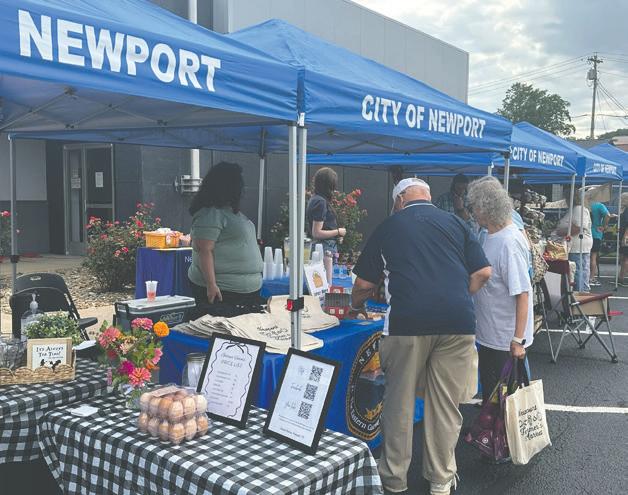
NEWPORT — The 2026 season for the Newport Farmers Market will be kicking off in May.
According to Farmers Market Coordinator Regina Thornton, “The season will include several exciting changes that are expected to support the market’s continued growth and long-term success.” She explained that this year, the market will be open two days per week and the season has been extended by an additional month. This year’s season will run from May through October, with the market being open on Wednesdays and Saturdays from 9 a.m. until noon.
The Saturday market will be held in the city hall parking lot, 300 East Main Street. The Wednesday market will be held at the old Newport Police Department parking lot at 330 East Main Street. She said food trucks will also be a part of the Wednesday market this season, and they will remain open until 2 p.m. Thornton said she was very pleased with last year’s market, pointing out it was their first full season.
“We had many great vendors throughout the season, and they consistently came with quality products and competitive prices. The community response was very encouraging and showed strong support for

right here on the farm.”
He explained several years ago the business was run differently. At that time, they were commercial farmers and farmed 600 acres.
When they farmed 600 acres, it was sold to commercial customers and it would take 90 days or more for them to be paid for their crops. By selling directly to their customers, they get paid right then.
“All I have ever done is farmed. I have farmed my whole life,” Bobby said.
The Chambers farm is near the Nolichucky River. Bobby pointed out that depending on where you are standing you can see the river on both sides of the farm.
He said a few years ago they would plant their strawberry crops down in the fields near the river, but that has since changed.
“I decided that was not the best thing to do, and I am glad I moved those strawberry crops up here to the top of the hill,” he explained.
He said they planted their strawberry crop the Thursday before the flood. If they had planted them down in the lower fields near the river, he said they would have lost their entire crop. He explained that he gets about $20,000 per acre off of the strawberries.
From the farm, he said they could see the river about a mile wide on each side of them.
While he had seen the river rise and flooding before, he said he had never seen anything the magnitude of the flooding caused by Hurricane Helene.
The produce stand opened on Jan. 14 this year with lettuce and onions available for sale. They have already started picking strawberries this year, and he said usually strawberry crops are not ready until April.
“They do have a lot of weather damage to go through on the strawberries,” Bobby said. “They pick the good berries and get rid of the bad ones.”
A call to the produce stand will let callers hear a recording that will let them know what will be available for purchase that Saturday.
Bobby said people show up as early as 4:30 a.m. on
the point that they could pet the cat, but Bobby said Massey and Flash became friends in no time.
They also have three other cats wandering around the farm, one of which is 14 years old.
When asked if there is another generation to carry on the farm operations, Bobby said that he and Carla have a niece and nephew but they will not want to continue farming.
“We have a niece and nephew, and we are very proud of them, but they won’t want to continue with the farm operations,” he said.
can be picked up at Newport City Hall.
the market,” she added.
Discussing the farmers market, Thornton said, “The Newport Farmers Market is about more than just shopping. It’s about bringing our community together while supporting our local farmers and giving residents access to fresh, locally produced goods.”
Expecting a larger turnout this year, Thornton said the market has 14 vendors offering a wide variety of goods.
She pointed out that Newport City Council approved food trucks at the Wednesday market during their March meeting. She said the food trucks will be located in the old Newport Police Department parking lot.
Thornton said they believe the food trucks will help bring additional visitors and activity to the farmers market.
Anyone interested in becoming a vendor must complete an application and pay a non-refundable $25 application fee before they can participate in the market. Vendors must also pay a $10 daily setup fee. Applications and additional information are available on the city’s website at www.cityofnewport-tn.com under the tab for the Newport Farmers Market, or they
Food truck vendors have a similar process to follow, she pointed out. Food trucks must submit an application with all required documentation and pay a $25 non-refundable application fee before they can participate. Trucks pay a daily setup fee of $20.
Food truck applications and policies are also available on the city’s website or at city hall. Only two food trucks will be scheduled for each Wednesday market, and a rotating schedule will be created, she said.
The weekly food truck lineup will be announced on the Newport Farmers Market Facebook page.
“This season’s vendors will offer a wide variety of locally produced items including plants, cut flowers, beef, local honey, seasonal produce, teas, baked goods, eggs, jams and jellies, candles, lotions, handmade crafts and much more,” Thornton said.
The season will run from Saturday, May 2, through Saturday, Oct. 24.
“I would like to invite everyone to come visit us as the Newport Farmers Market this season. We would love to see you and hope you’ll come out to support our local vendors,” Thornton said.
Saturday mornings to buy produce. People travel considerable distances as well, he said. Bobby runs the produce stand until about 6 a.m. when Carla takes over.
“We have people from Virginia, from Kingsport, from North Carolina,” he
said. No farm would be complete without a dog and some cats. Their black Labrador retriever, Massey, enjoys greeting the guests.
An orange tabby, Flash, showed up at the farm one day. It took Carla and Bobby 100 days to get to










SARAH ORR UT Extension Cocke County Agriculture & Natural Resources Agent
For cow-calf producers, reproductive efficiency remains one of the most important drivers of profitability. While cattle prices, feed costs and pasture conditions often receive attention, the simple reality is that every cow must produce a calf each year to generate income for the farm.
University research consistently shows that reproductive performance directly affects the economic success of cow-calf operations. According to research from the University of Tennessee Institute of Agriculture, profitable herds typically achieve reproductive benchmarks including approximately 92% pregnancy rates, 90% calving rates, and around 88% weaning rates.
These numbers highlight how reproduction influences the number of calves available to sell each year.
Cows that fail to become pregnant or calve successfully still consume feed, pasture and labor resources. When reproduction rates fall below recommended benchmarks, the financial impact can quickly add up for producers.
Nutrition plays a major role
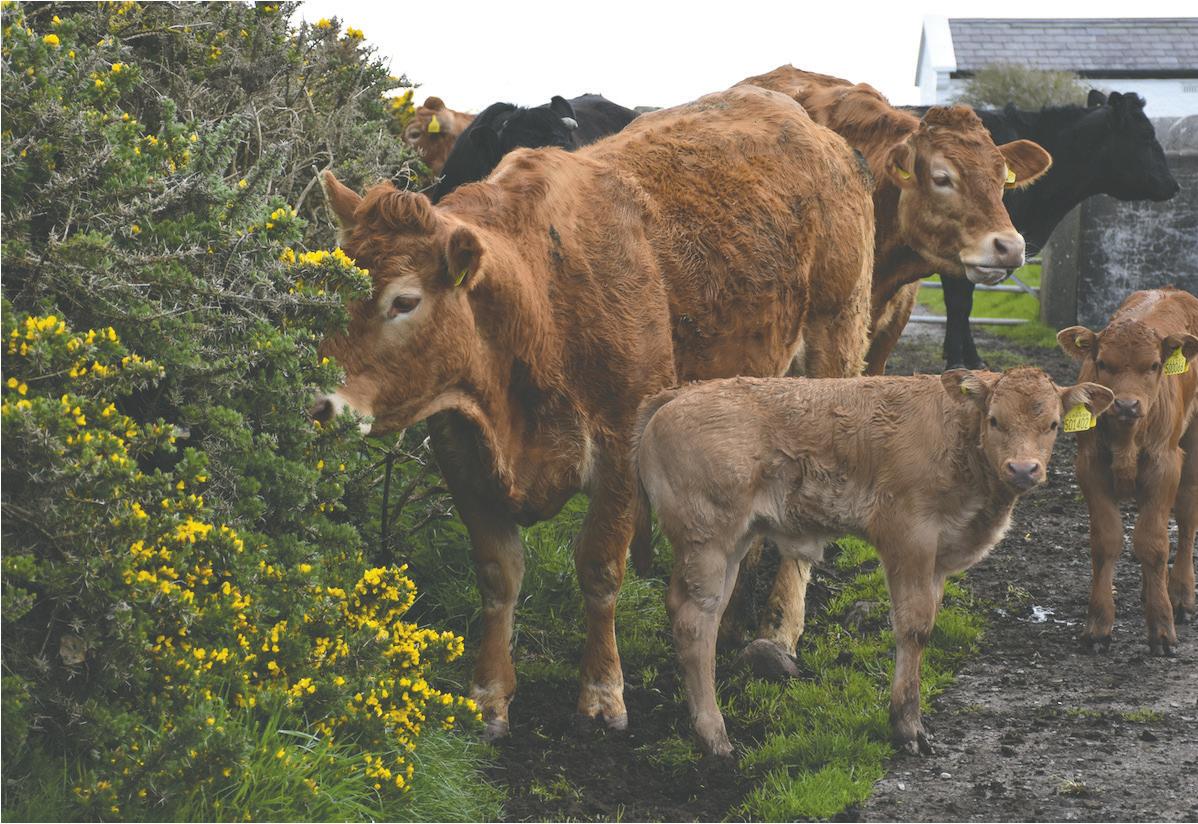
in reproductive success. Cows entering the breeding season in poor body condition often experience lower conception rates and delayed return to estrus after calving. Maintaining proper body condition throughout the production cycle is one of the most effective ways to improve reproductive performance.
Calving distribution also affects herd productivity. Cows that calve earlier in the season typically wean heavier calves and maintain stronger reproductive performance over their lifetimes compared to cows that calve later. A more concentrated calving season allows producers to manage nutrition, health

SUBMITTED

programs, and marketing more efficiently.
Producers have several management tools available to improve reproductive performance. These include defined breeding seasons, pregnancy diagnosis, reproductive health management and strategic selection of replacement heifers and herd bulls.
Reproductive technologies such as estrus synchronization and artificial insemination can also accelerate genetic improvement while improving conception rates when implemented correctly. Ultimately, reproductive efficiency determines how productive a cow herd truly is. A cow that consistently produces a healthy calf each year contributes to the long-term sustainability of the operation. Conversely, cows that fail to breed back reduce overall herd performance.
In today’s cattle market — where both cattle prices and production costs are high — maximizing reproductive efficiency may be one of the most important management decisions producers can make. Simply put, the most profitable calf is the one that gets born on time each year.
For more information about beef cattle reproductive efficiency, contact Sarah Orr at sorr6@utk.edu or (423)-6237531 or your local extension agent.
Through its mission of research, teaching and extension, the University of Tennessee Institute of Agriculture touches lives and provides Real. Life. Solutions. ag.tennessee.edu
SARAH ORR UT Extension Cocke County Agriculture & Natural Resources Agent
Youth involvement remains one of the most important investments we can make in the future of agriculture.
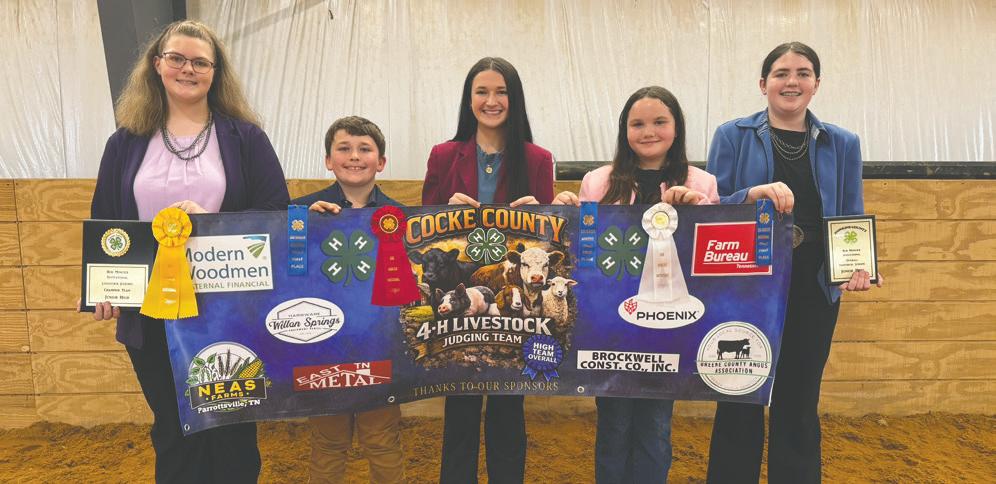
In Cocke County, the 4-H Livestock Judging Team is helping prepare the next generation of agricultural leaders by providing students with opportunities to develop livestock evaluation skills, confidence, and leadership through competition.
This spring, members of the Cocke County 4-H Livestock Judging Team have competed in three regional contests, including the Darby Livestock Judging Contest in Calhoun, Georgia, the Bob Moncier Memorial Livestock Judging Contest in Bulls Gap, Tennessee, and the University of Tennessee Block & Bridle Round Up Livestock Judging Contest in Knoxville, Tennessee.
Team members representing Cocke County include Sabrina Maples, Adalyn Sane, Maggie Snapp, Kenna Buckner, Janie Kay, and Nolan Sane. Through livestock judging, these students evaluate cattle, sheep, goats, and swine while learning to analyze animal structure, performance traits, and production value.
Livestock judging competitions require participants to rank animals based on industry standards and then defend their decisions through oral reasons. According to national 4-H program research, judging contests help youth develop important life skills
including critical thinking, decision-making, and public speaking — skills that benefit students whether they pursue careers in agriculture or other fields.
The team’s spring competition season began at the Darby Livestock Judging Contest in Calhoun, Georgia, where Cocke County youth earned several individual and team honors.Kenna Buckner placed third high individual in the sheep and goat division and finished fourth high individual overall, while Janie Kay earned first high individual in the swine division, fourth high individual in the cattle division, second place in the reasons and questions division, and was named first high individual overall for the contest. The Cocke County team also placed second high team in the swine division and second high junior team overall. Additional honors included Adalyn Sane placing fifth in the swine division and the team earning fifth high senior team honors.
The team continued its success at the Bob Moncier Memorial Livestock Judging Contest in Bulls Gap, Tennessee. Maggie Snapp placed fifth in the senior high skillathon, while the junior division team delivered an outstanding performance. Kenna Buckner was named first high individual overall in the junior high division, with Janie Kay placing third high individual. Together, the Cocke County youth secured first place as the junior high team. In the senior division, Adalyn Sane earned second high overall,
and Sabrina Maples placed fifth overall.
The team most recently competed at the University of Tennessee Block & Bridle Round Up Livestock Judging Contest in Knoxville. In the junior division, Janie Kay placed first in cattle, ninth in sheep and goats, third in questions, and finished third high individual overall. Nolan Sane placed third in swine, tenth in cattle, tenth in questions, and finished seventh overall. Kenna Buckner placed tenth in the sheep and goat division and finished eighth overall.
In the senior division at the same contest, Adalyn Sane placed 10th in the sheep and goat division and finished 10th overall, while Maggie Snapp placed seventh in the cattle division.
The Cocke County team placed fourth high team in the sheep and goat division and seventh high team overall in the senior division.
While awards and placements are exciting, the true value of livestock judging lies in the skills youth gain through the process. Participants learn to analyze livestock objectively, communicate their reasoning clearly, and work as a team — skills that are valuable in agriculture and beyond.
The Cocke County 4-H Livestock Judging Team still has three contests remaining this spring, giving these students additional opportunities to continue sharpening their skills, building knowledge, gaining public speaking confidence, and representing their county proudly across the region.

SUBMITTED
Programs like 4-H livestock judging continue to play a vital role in preparing young people for leadership in agriculture and rural communities. With hardworking youth like these involved in
agriculture, the future of the industry looks bright.
For more information about the beef cattle market, contact Sarah Orr at sorr6@ utk.edu or (423)-623-7531 or your local extension agent.
Through its mission of research, teaching and extension, the University of Tennessee Institute of Agriculture touches lives and provides Real. Life. Solutions. ag.tennessee.edu



































SARAH ORR
UT Extension Cocke County Agriculture & Natural Resources Agent
As winter begins to fade across East Tennessee, many gardeners start thinking about the upcoming growing season. While the excitement of planting vegetables and flowers is understandable, successful gardens begin with preparation well before the first seeds go into the ground.
One of the most important first steps for gardeners is conducting a soil test. Soil testing provides essential information about soil pH and nutrient levels so gardeners can apply the correct fertilizer and soil amendments before planting. Extension specialists recommend testing soil every few years to monitor soil health and avoid unnecessary fertilizer applications. Proper fertilization not only improves plant growth but also helps protect nearby waterways from nutrient runoff.

After receiving soil test results, gardeners can begin improving soil conditions. Adding organic matter such as compost or well-decomposed manure is one of the most beneficial practices for improving garden soil. Organic matter increases water-holding capacity, improves soil structure, and provides nutrients that support healthy plant growth.
Garden site selection also plays a major role in success. Most vegetable crops require at least six to eight hours of direct sunlight each day. In addition, soils should be well-drained. Heavy clay soils, which are common in many parts of East Tennessee, can create challenges for vegetable production but good soil management can alleviate these challenges.
Raised beds can help address these issues by improving drainage and allowing gardeners to add high-quality soil mixes. Preparing the soil itself is
another important step. Garden areas should be cleared of weeds and crop residue from previous seasons. Turning or loosening the soil allows organic matter and amendments to be incorporated while improving root growth conditions. Proper soil preparation also improves water infiltration and reduces compaction. Utilizing a straw mulch can also help water retention and increase organic matter over time.
Garden planning is equally important. Before planting begins, gardeners should select crop varieties suited for Tennessee’s climate and consider spacing, irrigation, and planting schedules. Crops planted too close together may struggle to receive adequate sunlight and nutrients, which can reduce yields and increase disease pressure.
Another consideration for spring gardens is timing. Planting too early can expose plants to late frost damage, while planting too late can shorten the growing season. Gardeners should follow recommended planting dates for their region to give crops the best
opportunity for success. A home garden calendar, available at your local UT Extension Office, is one of the best resources for proper planting timelines.
Gardening has long been a tradition in rural communities across East Tennessee. Beyond providing fresh vegetables, home gardens also offer opportunities for families to spend time outdoors and learn valuable food production skills. With careful preparation and planning, gardeners can set the stage for a productive and rewarding growing season. A little extra effort in early spring often results in healthier plants, higher yields, and fewer problems later in the summer.
For more information about vegetable gardening, contact Sarah Orr at sorr6@utk.edu or (423)-623-7531 or your local extension agent.
Through its mission of research, teaching and extension, the University of Tennessee Institute of Agriculture touches lives and provides Real. Life. Solutions. ag.tennessee.edu SARAH
Agriculture has always depended on the strength and dedication of farm families. In 2026, the global agricultural community is taking time to recognize a group whose contributions have often been overlooked — women farmers.
The United Nations has officially designated 2026 as the International Year of the Woman Farmer, an initiative intended to recognize the vital role women play in agriculture and food production worldwide. This international effort aims to raise awareness about the contributions of women in agrifood systems while encouraging policies and programs that support their success.
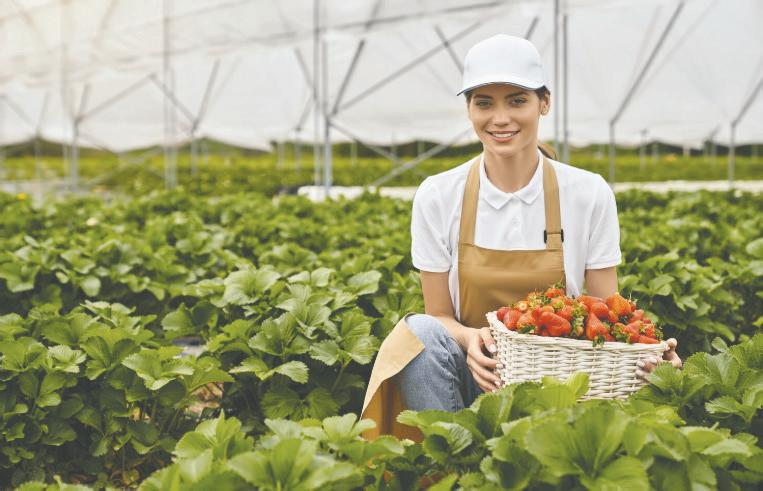
Women are involved in nearly every part of agriculture. They serve as farm owners, livestock managers, researchers, educators, agribusiness leaders, and community advocates. Across the world, women play a critical role in producing food, supporting rural economies, and
maintaining family farming traditions.
The International Year of the Woman Farmer also seeks to highlight some of the challenges women in agriculture still face. These can include limited access to land ownership,
financing, agricultural training, and technical resources. Addressing these barriers is an important step toward building more resilient agricultural systems.
The Food and Agriculture Organization of the
United Nations notes that the initiative is intended to promote awareness of the important role women play in agrifood systems and encourage investments that support women farmers.
While the initiative has a global focus, the importance of women in agriculture is also evident here in the United States and in communities across Tennessee. Women are increasingly involved in managing farms, leading agricultural organizations, and shaping the future of rural communities.
Educational programs, leadership initiatives, and networking opportunities continue to support women entering or expanding their roles in agriculture.
The International Year of the Woman Farmer provides an opportunity to celebrate the accomplishments of women who contribute to agriculture every day. It also serves as a
reminder that agriculture benefits when everyone has the opportunity to succeed. From managing livestock and crops to leading agricultural education programs, women play a vital role in ensuring the continued strength of agriculture. As communities around the world recognize the International Year of the Woman Farmer, it is an opportunity to celebrate the individuals who help sustain agriculture and inspire the next generation of farmers and agricultural leaders. For more information about women in agriculture on a local level, contact Sarah Orr at sorr6@utk. edu or (423)-623-7531 or your local extension agent. Through its mission of research, teaching and extension, the University of Tennessee Institute of Agriculture touches lives and provides Real. Life. Solutions. ag.tennessee.edu

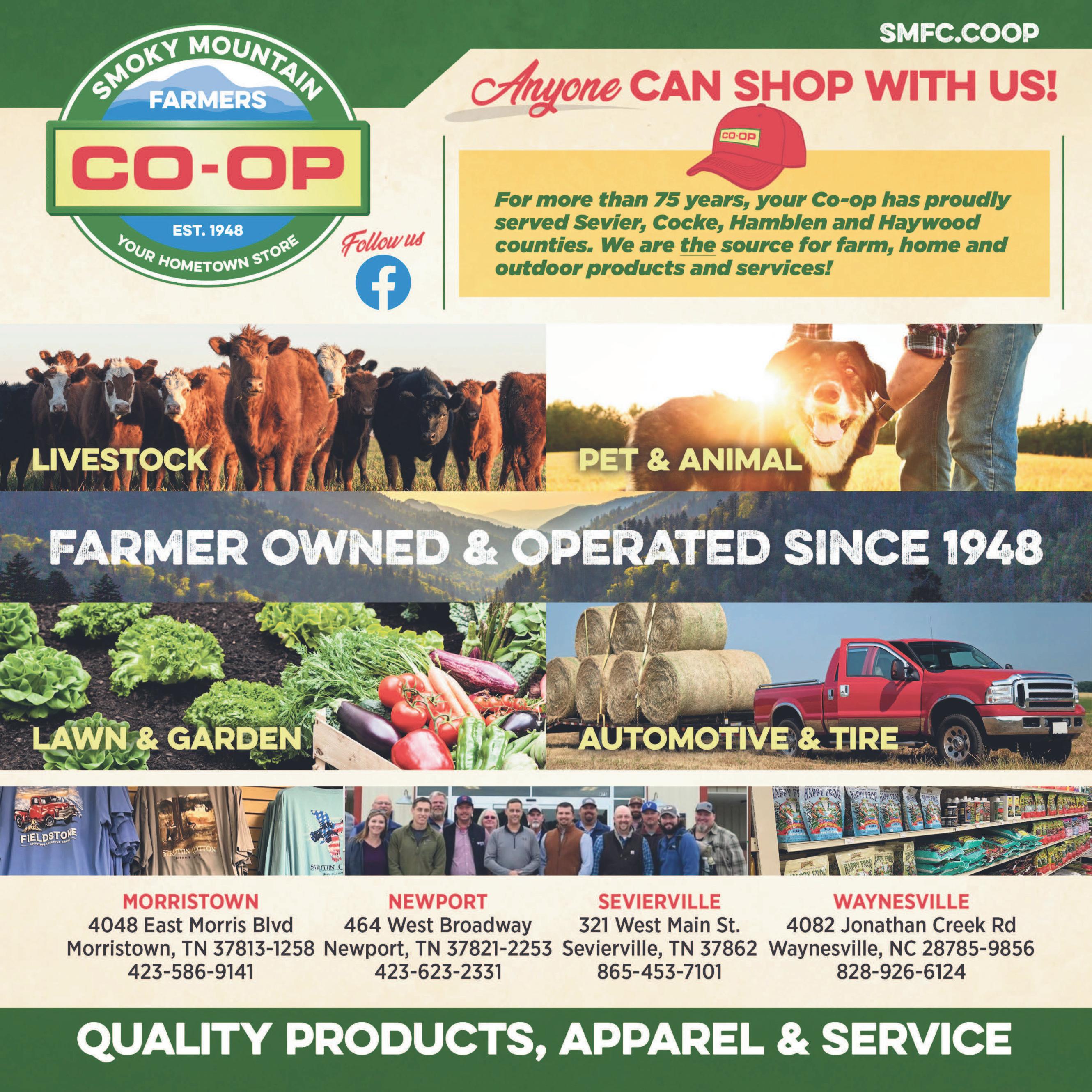
JACKSON, Tenn. — In 2024, severe rainfall in May disrupted crop planting, resulting in an almost one-third decline in Tennessee cotton acres. While producers were hopeful for improved conditions in 2025, a combination of drought and unstable markets led to a second consecutive low-profit year for the state’s cotton industry.
“The weather in 2025 just set the crop up for failure,” says Tyson Raper, cotton and small grains Extension specialist. “May and June were very wet, which caused the plants to grow shallow roots. Then, July and August saw little to no rainfall in West Tennessee. We lost between 200 to 400 pounds per acre in many areas.”
On average, Tennessee grows two bales of cotton per acre, approximately 1,000 pounds. In 2025, the state average dropped to only 860 pounds per acre, at or even below the breakeven margin for most growers. International tariffs are further impacting the industry, altering pricing and global demand for American cotton.
“In a typical year, as much as 80% of cotton produced in the U.S. is exported, often arriving in China and other countries for textile production,” says Andrew Muhammad, professor in the
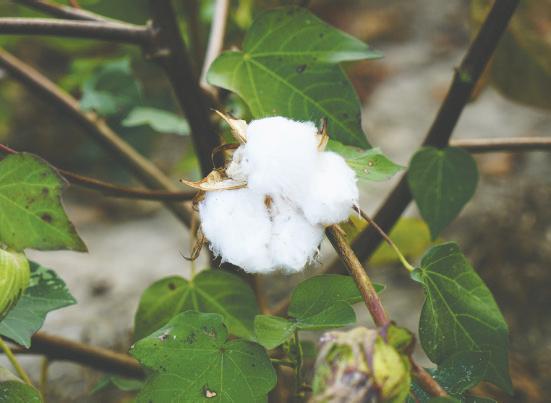
Department of Agricultural and Resource Economics and Blasingame Chair of Excellence in Agricultural Policy. “However, Brazil recently surpassed the U.S. as the world’s top cotton exporter, threatening this industry that generated almost $1.1 billion in export revenue for
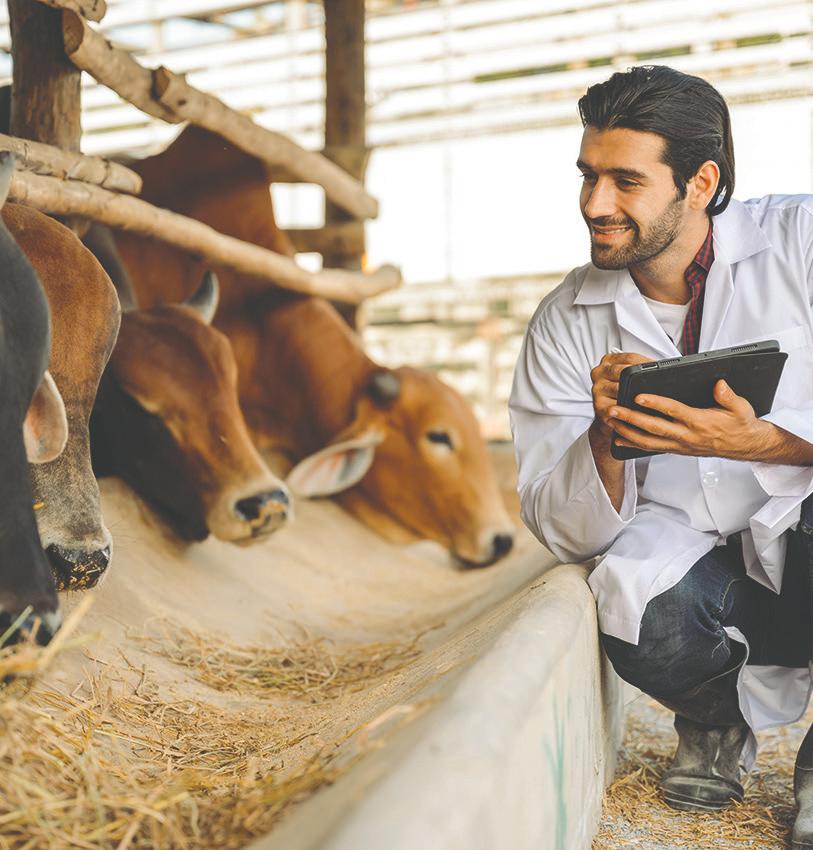
The image of farmers clad in flannel shirts while livestock pull plows through the fields may still be foremost on the minds of individuals asked to imagine farm life. But such images may no longer reflect an industry increasingly governed by advanced technology.
Even small-scale family farms have recognized the advantages of embracing technology to help make their operations more efficient and successful. Manual plows and tractors largely have been replaced by fleets of autonomous machines and precision farming technology.
Experts agree that the evolution of modern farming is a case study in the application of Science, Technology, Engineering, and Mathematics. STEM is helping to address the problem of global food security and widespread climate change. U.S. News & World Report says 27% of new high-skills jobs in agriculture will require a STEM education. There are many ways STEM is utilized within the agricultural sector.
• Genomics and biotechnology: Scientists can now identify specific traits in plant DNA that will allow for more drought-resistant crops or those better equipped to tolerate problems like downy mildew. Other traits may make plants more capable of thriving in saline soils. Soil science also enables farmers to learn more about the complex microbiome of the soil, which ultimately can
help to maximize nutrient uptake.
• Precision agriculture: STEM is a force behind precision agriculture, which the United States Department of Agriculture says is a term to describe farming based on observing, measuring and responding to within-field variability through crop management. Precision farming utilizes remote sensing from satellites and drones, sensors embedded in the soil or devices worn by livestock to provide real-time data. AI tools also are used to predict harvest yields and optimize fertilization and irrigation.
• Robotics: Automation and robotics fills a void created by human worker shortages. Agricultural engineers help design machinery or focus on the physical infrastructure of the farm. Engineers also are the minds behind innovative farming practices like vertical farming and controlled environment agriculture, which encompasses hydroponic and aeroponic systems.
• Mathematical analysis: Math is vital in the agricultural sector. Statistics, predictive modeling, accounting, and risk management, are types of mathematical analysis employed to forecast global food supplies and profits.
The link between STEM and agriculture is undeniable. STEM is an important driver of the industry and only stands to gain influence in the years to come.
Tennessee in 2022.”
As a result of unstable markets, Tennessee producers are looking to diversify their farm operations, potentially even excluding cotton in 2026. Scott Farmer, row crop producer from Stanton, Tennessee, recently sold his cotton picker and will instead
grow more grains and other crops.
“We used to farm around 2,000 acres of cotton per year, but we would have to grow 1,150 to 1,200 pounds of cotton per acre just to break even,” says Farmer. “With our fields only 20% irrigated, unpredictable
weather conditions and rising input costs have simply made it unfeasible to grow cotton at this time.”
Raper says there are approximately 18 cotton gins in Tennessee, and there is uncertainty whether the amount of cotton produced will support them all.
“Farmer is not alone. It is one thing to have to rebuy a cotton picker, but if these gins close, reopening them will be very difficult. Without gins, the state’s cotton industry would not be sustainable. University of Tennessee Extension is working to assist producers with agronomic and financial management, helping them optimize their farm operations moving forward.”
Economists within the Department of Agricultural and Resource Economics predict that as many as 30% of Tennessee farm operations are under severe financial stress going into 2026. UT Extension’s MANAGE program provides one-on-one farm management assistance to help producers evaluate their individual situation and improve quality of life. For more information on how to participate, please visit farmmanagement.tennessee.edu/ the-manage-program.
For questions on cotton production in your area, contact your local county Extension office.


We salutet he dedicated men and women of the agricultural industr ywho playsuchanimpor tant role in keepingour nat ion’seconomystrong. Theircommit ment to producingavariety of crops and livestockrequireslong hour s, risk and hard work . Forall thefruit soft heir labor,wet hank America’s farmer sfor bringingsomuchtot he table.






Technology has revolutionized global agriculture. Automation has changed the agricultural sector, and those changes might have arrived in the nick of time.
The global population is projected to reach nearly 10 billion by 2050, and the Food and Agriculture Organization of the United Nations estimates that food production has to increase by at least 70% to keep up with demand. In order to address the deficit, many farmers are seeking help from artificial intelligence (AI). AI offers farmers additional perks as well.
PRECISION AGRICULTURE
Precision is a notable benefit of utilizing AI within the agricultural sector. By using AI-powered sensors and satellite imagery, farmers can monitor crop health by looking at each and every plant instead of inspecting by the acre. According to a report by MarketsandMarkets, a revenue impact and marketing consulting firm, the market for AI in agriculture is expected to grow from $1.7 billion (the figure in 2023) to $4.7 billion by 2028. Precision helps to keep plants strong and weed-free. AI-driven “see-and-spray” technology utilizes computers to identify weeds among crops and apply herbicides only to those weeds. This reduces blanket-spraying an entire field, which is a waste of resources. Research published
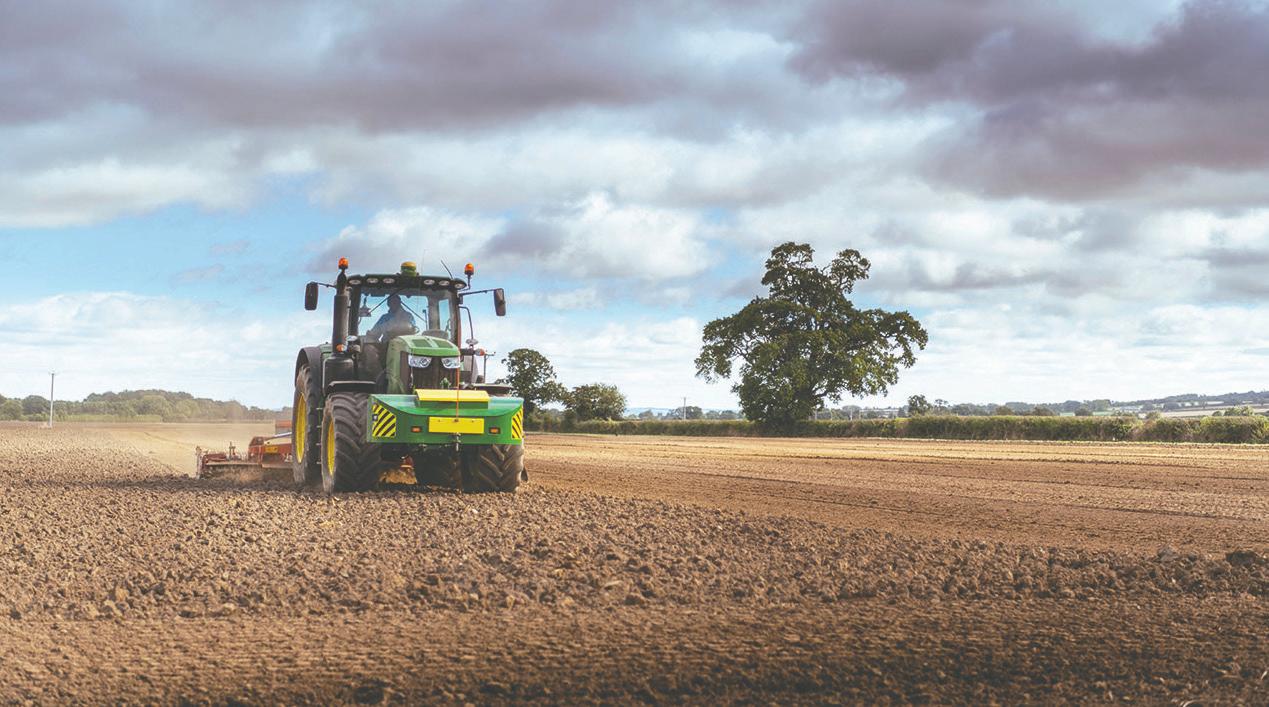
in the Journal of Agriculture and Food Chemistry indicates that this AI-guided tool can reduce herbicide use by up to 90 percent. This reduces costs to farmers and benefits local ecosystems.
AI models can process decades of historical weather data, soil conditions and atmospheric changes to offer predictive analytics that help the agriculture
industry. By using predictive AI tools, farmers can determine optimal planting windows to maximize yield, according to the International Food Policy Research Institute. In addition, AI algorithms can predict outbreaks of pests and diseases before farmers notice them on their own. Multispectral imagery from drones can detect crop stress caused by nutritional deficiencies or fungus days before a human might recognize such
indicators. By catching things early, farmers can reduce risk of a poor crop and financial losses.
AUTOMATION
Agricultural labor shortages are forcing farming operations to seek alternatives to get the job done. The American Farm Bureau Federation notes that farm labor has become more expensive and it’s harder to find workers who want to do the arduous tasks often required of
them. AI-driven robotics and autonomous tractors guided by GPS can help fill the void. These devices can work through the night, preparing soil, harvesting crops and performing other vital tasks. AI continues to be integrated into the agricultural sector. In order to maintain food security and mitigate labor shortages, farming operations are using technological tools to bridge gaps and improve efficiency.
Participating in citizen science benefits gardeners across the state
UT Institute of Agriculture
KNOXVILLE — Which variety of vegetable, herb or flower will grow best in my garden? That is a tough question to answer in Tennessee given all the different regions and climates throughout the state.
To arrive at the best answer, University of Tennessee Institute of Agriculture researchers work with gardeners across Tennessee to test cultivars and varieties in their home gardens and report the results. In 2025, 177 participants representing 43 Tennessee counties planted 747 trials of bush beans, cucumbers, okra, tomatoes, zucchini, squash, lettuce, melons, herbs and flowers.
The results and
recommendations are now available in the UT Extension publication, “Tennessee Home Garden Variety Trials 2025 Results,” by Natalie Bumgarner, professor and residential and consumer horticulture Extension specialist, and Virginia Sykes, associate professor of variety testing and agroecology.
“Our UT Extension vegetable garden publications can help you identify crops and cultivars that fit your site and needs, so you will

be prepared to make great selections for your 2026 garden when those seed catalogs arrive. And, once the seeds arrive, our garden calendar can support you in proper timing for starting transplants or seeding into the garden,” Baumgarner said.
Gardeners participating in the trials collect data on variety performance, which is compiled to identify varieties with superior performance in Tennessee. The idea is that trying new varieties leads to more productive gardens and healthier diets.
Participants tested and compared two varieties of each vegetable, herb or flower. When evaluating trials, participants were asked to mark which of the
two varieties performed better in terms of germination, plant health, first fruit, yield, appearance and flavor. They were also asked to give a performance rating on a scale of 1 to 10, with 1 indicating poor performance and 10 indicating excellent performance. Participants were asked to select whether they would recommend either variety to other home gardeners. Some of the top-performing cultivars across the years of trials and including 2025, were:
‘Obsession’ and ‘Winner’ Genovese basil
‘Firecracker’ compact sunflower
‘Super Hero Spry’ marigold
‘Desperado’ bush bean
‘Rattlesnake’ heritage pole bean
‘Red Noodle’ yard long bean
‘The General’ slicer cucumber
‘Cherokee’ red leaf lettuce
‘Gatsbi’ green leaf lettuce
‘Grand prize’ and ‘Tempest’ yellow squash
For information about when to plant, refer to the Tennessee Home Fruit and Vegetable Garden calendar for 2026 at utia.tennessee.edu/publications/ wp-content/uploads/ sites/269/2024/02/W436. pdf. For information about how to join the 2026 trials, visit mastergardener.tennessee.edu/ home-garden-vegetable-trial.
TN farmers invited to help guide the future of cost-share program


NASHVILLE — The Tennessee Department of Agriculture (TDA) is inviting farmers, agricultural partners and members of the public to participate in the Tennessee Agricultural Enhancement Program (TAEP) Listening Tour, a series of public meetings designed to gather input on the future of one of the state’s most impactful agricultural programs.
As TAEP continues to evolve to meet the needs of modern agriculture, TDA is hosting listening sessions across the state to hear directly from producers and stakeholders about what is working, what could be improved and what opportunities exist for the future.
“TAEP has invested in nearly 98,000 projects that helped Tennessee farmers grow, adapt

and invest in their operations,” Agriculture Commissioner Andy Holt said.
“As we look ahead, we want to hear directly from the people who can help guide improvements to TAEP and ensure that the program continues to support Tennessee agriculture in the most effective way possible.” Farmers, agricultural organizations and community members are encouraged to attend and share their experiences and suggestions on how TAEP can best serve Tennessee agriculture.

Charles and Julie Wharton Award for Outstanding Extension Achievements
news@newportplaintalk.com
Sarah Orr, a frequent content contributor to The Newport Plain Talk and the driving force behind agricultural education and expertise in Cocke County, was named a recipient of the Charles and Julie Wharton Award for Outstanding Extension Achievements during an awards luncheon on July 30.
Orr, director of University of Tennessee Institute of Agriculture (UTIA) Extension Cocke County, has also led the highly successful 4-H program in Cocke County and has put in place innovative educational projects such as the Garden of Eat’n Community Teaching Garden. Her career with UTIA spans nine years, all of them in Cocke County. An agriculture and natural resources Extension agent, her specialty is beef cattle production, specifically reproductive technologies. However, she also provides year-round assistance to producers and homeowners in areas such as forage systems, small ruminants, poultry, swine, horticulture, financial management, pesticide certification and more.
“I’m truly honored and humbled to receive this award,” Orr said. “I
“This honor means more than I can put into words ...”
— Sarah Orr
never set out in my career expecting recognition, just to do meaningful work that makes a difference in the lives of those I deeply respect — the farmers I work with every day. This honor means more than I can put into words, and I’m grateful to those who’ve encouraged, believed in, challenged and stood beside me every step of the way.”
Orr has also been the recipient of numerous local, state and national honors, including the Farm Bureau Outstanding Leadership Under Extraordinary Circumstances Award, the Tennessee Association of Agriculture Agents and Specialists (TAAA&S) Early Career Agent Award and the National Association County Agricultural Agents (NACAA) Achievement Award.
She has received multiple recognitions for conducting exceptional marketing of her programs and events, including being named the TAAA&S Event Promotional Package Award Winner and twice receiving the TAAA&S Communication Award.
In her free time, Orr enjoys raising her own high-quality Angus cattle, as well as reading, listening to podcasts and traveling.
The accomplishments of the faculty and staff of the University of
Tennessee Institute of Agriculture were celebrated at the annual awards luncheon held on the UT Knoxville campus in the new Agriculture and Natural Resources Building on July 30. Many of the awards are gifts made possible by faculty, alumni and friends of the institute.
UTIA Senior Vice Chancellor and Senior Vice President Keith Carver hosted the luncheon and praised the honorees for their work. “The enthusiasm and expertise demonstrated by our UTIA faculty and staff is unparalleled,” he said. “I am always in awe of their dedication to providing real life solutions to the people of Tennessee. These well-deserved awards represent impacts and accomplishments that benefit Tennesseans and society now and for years to come.”
Established by longtime supporters of UTIA Charles Wharton and his late wife Julie, and now supported by Charles and Lori Wharton, this award is presented to three UT Extension agents annually. These agents may conduct programs in any area, including agriculture and natural resources, family and consumer sciences, 4-H youth development and resource development. Special consideration is given to those individuals who have demonstrated excellence in serving local needs for five years or more.
Keith Allen, director of UT Extension Macon County, and Brian White, director of UT Extension Henderson County, also received this award.
A strong agricultural sector is vital to a healthy economy. Turbulence has affected local and national economies in recent years, and the global economy has endured its own ups and downs during that span.
Though there’s no onesize-fits-all solution to economic struggles, consumers can make a difference by supporting local agricultural producers. A report from researchers at Maryville University indicated roughly 10% of workers across the United States were employed in the agricultural sector, which the report also noted contributes $7 trillion annually to the national economy. Job creation and economic output are two major reasons to support local farmers, and consumers can do that in various ways.
• Shop local. The shop local movement can make a notable impact on local economies, and it affects more businesses than brick-and-mortar stores on Main Street. Locally owned restaurants and grocers often source their foods from local farmers, so patronizing such businesses supports those who set up shop on Main Street as well as the farmers who
stock their shelves and pantries.
• Purchase seasonal foods. The organization Green America, which offers advice on how environmental sustainability produces stronger economies, notes that purchasing seasonal foods is a great way to support local farmers. Farmers grow seasonal foods throughout the year to take advantage of natural conditions. Consumers who alter their purchasing habits with the seasons by buying foods that are in-season are likely supporting local agricultural producers. Read product labels to determine where foods are coming from. Non-seasonal foods are likely imported from far away, which has a detrimental impact on the environment and local economies.
• Buy directly from local farms. Most consumers purchase their food from
grocery stores near their homes, but it might be possible to purchase directly from local farmers. Farmers may utilize e-commerce tools to sell directly to local residents, and might even offer delivery services that are more convenient than driving to the nearest chain grocery store.
• Act as an advocate for local producers. Consumers have considerable power, and that power can be exercised in numerous ways. Supporting restaurants that source foods from local farmers is one way consumers can exercise their power. But consumers also can advocate for local farmers by supporting legislation and candidates that prioritize building and supporting a strong local agricultural sector. Consumers also can advocate for local farmers by sharing their experiences via social media, word-of-mouth

The agricultural sector is evolving thanks to new technology necessitated by a growing global population and the pressures of climate change. The United Nations predicts a global population of 9.7 billion by 2050. The agricultural sector must figure out a way to meet the demands of that expanding population. These challenges are being offset by advancing technologies that are helping farmers increase productivity while also reducing their ecological impact.
Technological advancements are cultivating innovation within the agricultural sector, and these are some of the options farmers are exploring.
• The internet of things (IoT): IoT is a vast network of objects embedded with sensors, software and connectivity. Farm operations can use lowcost, high-durability sensors deployed across fields to monitor soil moisture, temperature and nutrient levels in real time. These sensors allow for “variable rate application” of water and fertilizers, ensuring resources are directed only where they are needed. A report by Grand View Research says the smart agriculture market is expected to grow at a compounded annual growth rate of 10.8% through 2030.
• Robotics and automation: Labor shortages have led to a growing reliance on robotics and autonomous machinery to handle farm work. Modern tractors can be equipped with GPS and LiDAR (light detection and ranging) systems to
recommendations or writing positive reviews through aggregators like Google Reviews.
A thriving agricultural sector benefits local economies, and consumers can do much to support the farmers who operate in their towns.
operate autonomously. Optimized pathfinding helps to reduce soil compaction and more. Specialized robots are capable of selective harvesting, says the Journal of Field Robotics. Fruit pickers can evaluate the ripeness of produce before picking it, minimizing waste. Unmanned aerial vehicles or drones can offer multispectral imagery that enables farmers to identify crop stress before it is visible to people.
• Biotechnology: Farming increasingly is being developed in the lab before crops even sprout in the fields. Biotechnology is a pillar of agricultural evolution. Gene-editing tools like CRISPR-Cas9 can develop crop varieties that are more resilient to saline soil conditions and drought. Research published in Nature Communications says that bio-engineered crops have the potential to increase yields by up to 20 percent, even in suboptimal environments. This cuts down the time required to create traits that help plants thrive.
• Vertical farming: Vertical farming enables facilities to produce more food per square foot than traditional farming, according to the Association for Vertical Farming. When coupling this with Controlled Environment Agriculture, which employs hydroponic or aeroponic systems, facilities have greater control over conditions that can affect food sources. The utilization of different technologies across the agricultural sector is driving innovation and production.