


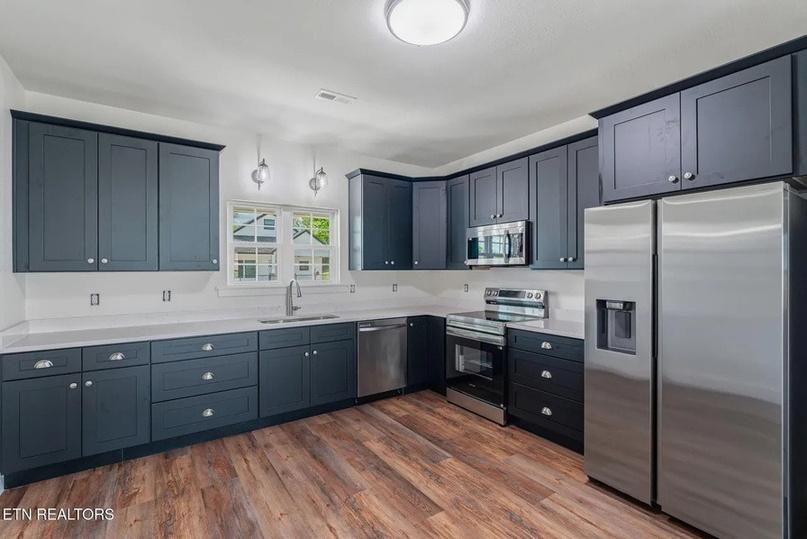
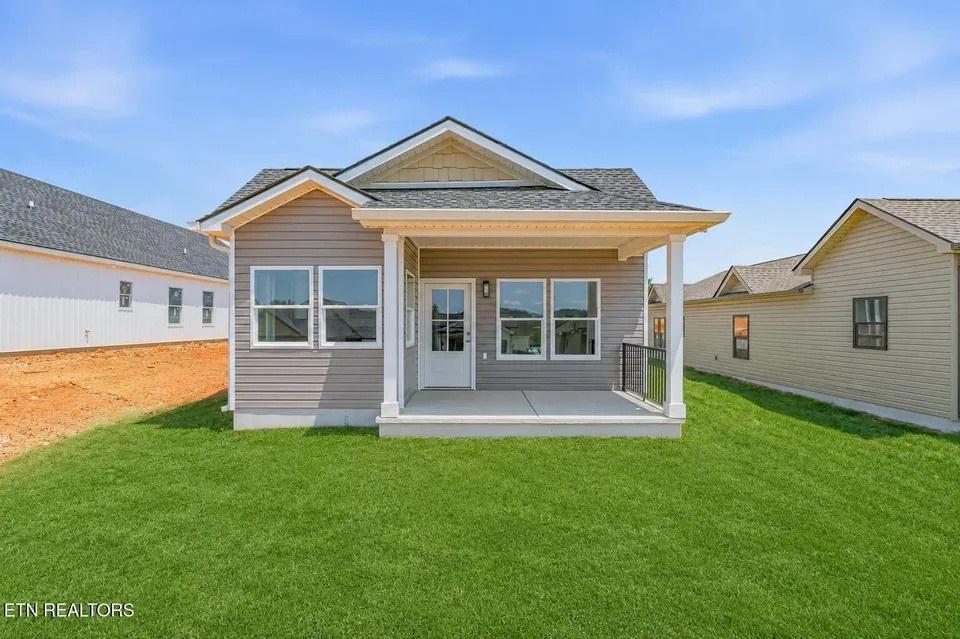



Identifying the optimal time to sell a home involves careful consideration of seasonal trends, market conditions and shifting economic indicators.
Home equity represents the largest component of personal wealth for most households, and miscalculating the market by even a few days or weeks can result in a substantial financial loss.
Although there is no perfect moment to sell a home, the National Association of Realtors indicates data-driven insights can help maximize profits and minimize stress. The following are some factors that can determine the most advantageous time to sell a home.
• The seasons are a strong in-
fluencer. According to a Realtor. com analysis of trends from 2018 to 2025, spring consistently is the strongest period for sellers. Midspring is a popular time to list a home because it brings higher buyer demand and lower competition.
• The school year matters. Families looking to move will want to get into their new homes before the school year starts. The summer is a peak time for home sales, particularly when buyers can close on properties and move in before the kids start classes. The NAR says homes sell fastest in spring and summer, often in 31 to 35 days, with sales rising through June.
• Timing is localized, too. Some markets do not follow the typical

seasonal trajectory. For example, home sales in San Jose, Calif., peak during the first two weeks of February, according to Zillow. The Silicon Valley market and surrounding areas feature chronically low inventory, so this early selling window allows sellers to capture highly motivated buyers. Other markets around the country challenge conventional wisdom as well, and relying on a knowledgeable real estate profession can help sellers list at the best time in their markets.
• Financial and market factors play roles. Market conditions will often matter more than the calendar when it comes to the real estate market. The NAR forecasted a 14 percent increase in existing home
sales for 2026 due mortgage rate stabilization and an increase in inventory.
Sellers benefit most when inventory is tight and buyer demand is solid.
Zillow says 78 percent of sellers cite major changes like job relocation, family size shifts or lifestyle needs as driving decisions to move and buy.
Ultimately the right time to sell a home is when personal needs coordinate with reasonable market strength.
Analysis of local data and reliance on local professionals can help homeowners sell on their terms. Courtesy of Metro Creative Graphics



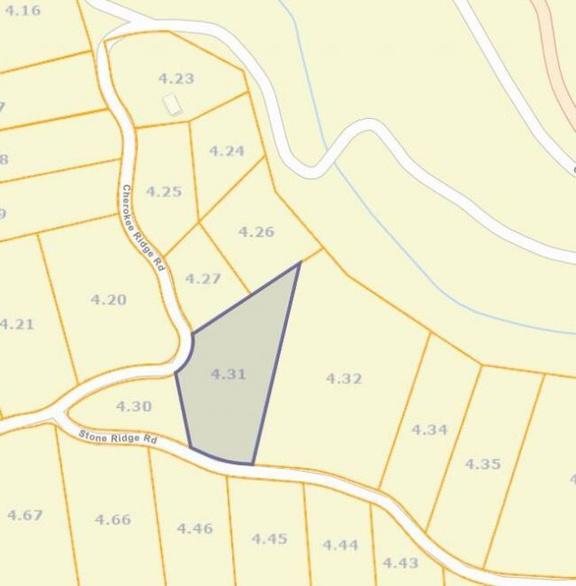
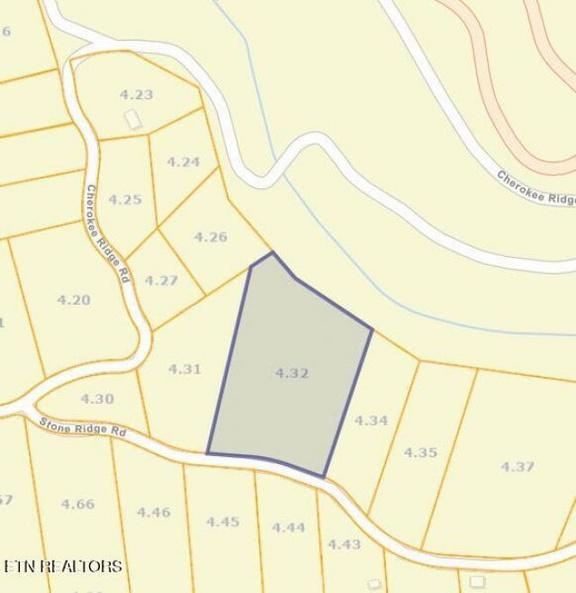
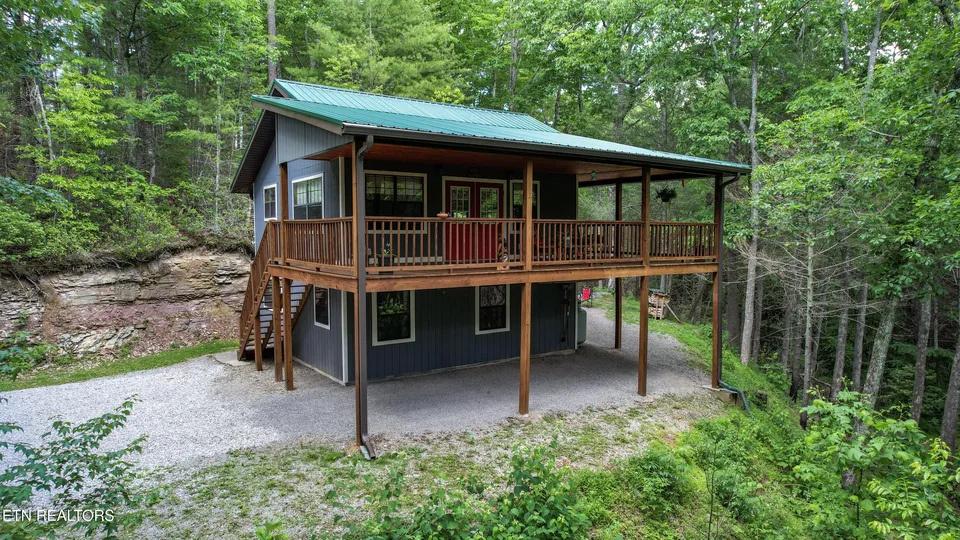
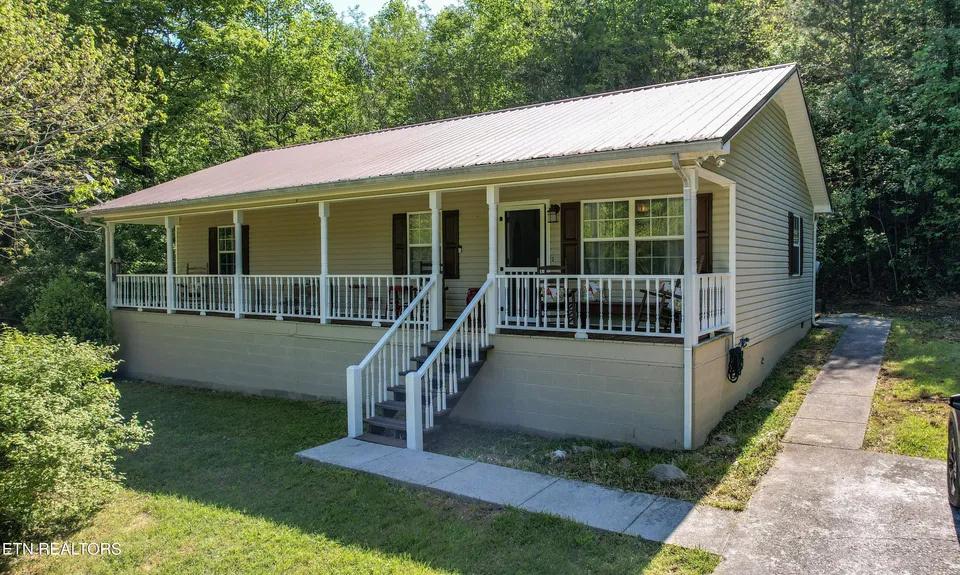
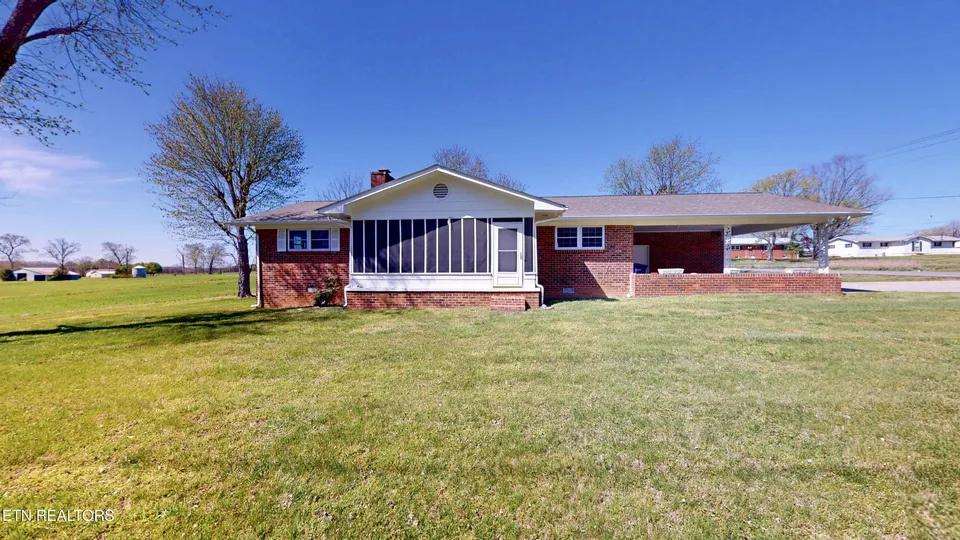
Enjoy breathtaking mountain views from this wooded private 5.61 acre lot in Sequatchie Valley Overlook . With minimal restrictions, this property is ideal for a full time residence, weekend retreat , or investment property. Conveniently located minutes from historic downtown Pikeville and is nestled in Tennessee's Cumberland Plateau. 4WD or AWD recommended to view property. Can also purchase an additional 2.97 acres and 6.58 acres on Stone Ridge Rd. $20,900
















Home renovations are a significant part of homeownership. Naturally, people want to make their own personal marks on the homes they buy and ensure that their properties fit their needs and wants.
While many renovations add value to a home, some offer more value than others. When allocating dollars to renovations, particularly when finances are tight, homeowners may want to direct their efforts to those projects that will offer the highest rate of return on investment.
Each year Zonda Home, in conjunction with Remodeling magazine, puts together a list of high-return projects. Exterior projects
drive the most value for owners who are selling their homes, and they consistently top the list of high-ROI improvements. Here are five projects offering a strong ROI that homeowners may want to consider.
1. Garage door replacement: A garage door replacement is part of the curb appeal improvements homeowners can consider. At an average cost of $4,672, it offers a recouped cost of 267.7 percent according to the 2025 Zonda report.
2. Steel door replacement: Also boasting an ROI north of 200 percent, a steel door installation is a wise choice for homeowners who want to drive up the value of their homes.

3. Manufactured stone veneer: Manufactured stone veneer is a manmade masonry product that looks like natural stone but is lightweight and easier to install. It can offer a recouped cost of 207.9 percent on the $11,702 investment.
4. Fiber-cement siding replacement: Homeowners in the market for new siding can consider fiber-cement siding, which will see the investment recoup slightly more than 100 percent of its cost.
5. Minor kitchen remodel: Kitchens are the heart of a home, and a minor remodel offers a 113 percent return. Inside the home the golden rule is to keep things simple. Minor remodels tend to offer a better rate of return than major ones. Buyers
will pay for move-in ready and updated, but sellers likely will not recoup the costs for luxury upgrades or over-the-top renovations. It’s important to note that 2025 was the first time a practical backup generator made the list of top improvements. Falling into the number seven spot, the generator averaged a return of 95.3 percent, which underscores how homeowners are gearing improvements toward the changing climate and unpredictable weather. Those remodeling primarily to increase equity for future sales may want to consider exterior projects and basic kitchen improvements. Courtesy of Metro Creative Graphics


Approximately 4.5 million homes are sold annually in the United States.
Statista indicates the total number of residential real estate transactions in a given year typically ranges between five and six million. With so much inventory and money changing hands, it often behooves both buyers and sellers to thoroughly prepare for the process of buying, selling or renting a property.
The allure of saving money is often a driving factor behind For Sale By Owner (FSBO) transactions. Bypassing professional fees might seem like an easy win in a volatile housing market. However, navigating the market without a licensed real estate professional frequently leads to lower profits, longer timelines and sometimes even more money spent, according to Clever Real Estate.
In the National Association of Realtors® 2025 Profile of Home Buyers and Sellers, FSBO homes sold for a median price of $360,000 compared to a median of $425,000 for agent-assisted sales. Real estate professionals provide critical valuation expertise, ensuring a home is priced accurately to trigger competitive offers. And this isn’t the only benefit of working with a real estate professional.
• Access to listing services: Real estate professionals have access to the Multiple Listing Service (MLS), where marketed properties will have the best opportunities to be seen by independent buyers and other real estate professionals. Without access to the MLS, homes are limited in exposure, reducing the likelihood of receiving premium offers.
• Market trend interpretations: Real estate agents have advanced tools and professional networks that help them spot off-market opportunities or trends that could be advantageous to certain buyers.
• Legal knowledge: According to Virginia Realtors®, buyers without representation are left to navigate complex pricing and inspection contingencies on their own. They’re also in the weeds when it comes to understanding the steps and legal

requirements of real estate transactions. A qualified real estate professional has the knowledge to navigate this process.
• Manage negotiation and paperwork: Negotiating the best deal and handling the piles of paperwork that comes with a real estate transaction can be very challenging to independent buyers and sellers. Data from HouseCashin points out that only 11 percent of FSBO sellers manage to complete their transactions without an agent’s intervention. Instead of struggling, it’s better to work with a real estate pro throughout the process.
• Time benefits: Real estate professionals can devote more time to selling a home or finding one to buy than a person doing it independently. This means that a home can be bought or sold within a desired timeframe.
A real estate professional provides market exposure, objective negotiation and pricing accuracy that a DIY approach simply cannot replicate.
Courtesy of Metro Creative Graphics