













UCD accreditation visit

PAGE 10

PAGE 10
DAVID LYNCH
e HSE plans to expand in uenza vaccination accessibility and engage with postgraduate training bodies in a bid to improve uptake by healthcare workers (HCWs), the Medical Independent (MI) has been told.
Concerns over the “low uptake” of the in uenza vaccine by HCWs were raised during an internal HSE meeting at the end of last year.
At the December meeting of the HSE performance committee, members discussed the need for management to consider “alternative actions” to improve future uptake.
It was agreed that the Execu-
tive would write to the postgraduate medical training bodies to encourage future uptake of the vaccine.
A spokesperson for the HSE told MI it recognises there is a “need to improve” uptake among sta working in healthcare settings.
Some 34.6 per cent of HCWs were recorded as receiving the influenza vaccine during the 2025-26 influenza season, according to figures from the HSE Health Protection Surveillance Centre.
While this represented an increase of 2.6 per cent compared to the previous winter, it remains well below the minimum target of 75 per cent.
In terms of sta categories,
the uptake among ‘medical and dental’ sta (including doctors) was 47.5 per cent. e gure for nursing and midwifery was 35 per cent, and 42.7 per cent for health and social care professionals.
Asked what “alternative actions” the HSE would take to improve uptake among HCWs, its spokesperson said it has plans in place.
For the 2026–27 winter season, the HSE intends to “expand convenient, exible, and diverse access routes to vaccination” for HCWs.
e spokesperson said the HSE will also scale best practice by adopting approaches used in services that achieved higher vaccination rates during
The rising cost of health insurance
Population growth, an ageing society, and rising costs are impacting the health insurance market,
PAGE 21
the 2025–26 in uenza season, while embedding supportive leadership across hospitals, residential care facilities, and community settings.
e HSE also plans to strengthen early, targeted, and data-driven communications to promote vaccination among HCWs. is will include addressing misinformation and disinformation through evidence-based information, education, and training.
During the next in uenza season, the HSE will also “engage with professional regulators and postgraduate training bodies” on the issue of vaccination.
e national immunisation advisory committee recommends annual in uenza vaccines for HCWs, including those who are pregnant.
“ is is because healthcare workers are approximately 10 times more likely to contract the u compared to the general pub-



lic,” the spokesperson said.
e HSE pointed out that in uenza vaccine uptake in the general population was higher than in many European Union/European Economic Area countries.
Vaccine e ectiveness wanes over time, the spokesperson said, while circulating u strains also evolve, as seen during the 2025–26 u season, making annual vaccination necessary.
“Higher coverage of [the] u vaccine amongst all those who are eligible, including healthcare workers, helps reduce the virus load in circulation, and this reduces pressures in health and care sectors,” the spokesperson stated.
“We remain focused on supporting HCWs to make an informed choice, highlighting the protection vaccination provides both for themselves, and for those they care for.”









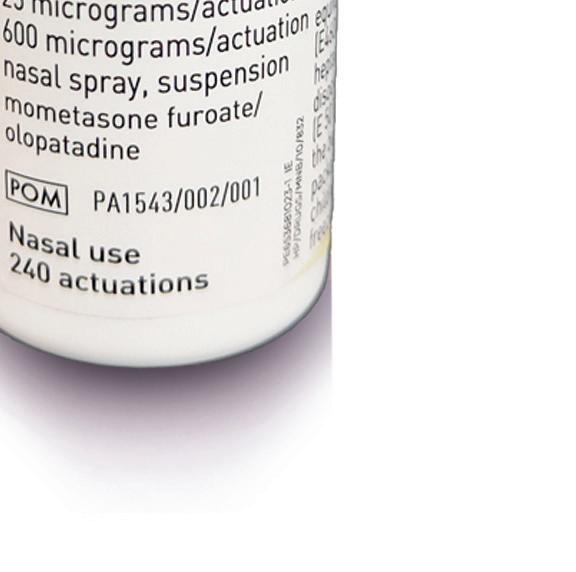
Ryaltris™ 25 mcg/actuation + 600 mcg/actuation nasal spray, suspension.
Prescribing information

Please consult the Summary of Product Characteristics (SmPC) for full prescribing information.

Presentation: One delivered dose contains mometasone furoate monohydrate equivalent to 25 mcg mometasone furoate and olopatadine hydrochloride equivalent to 600 mcg olopatadine. White, homogeneous suspension.

Uses: In adults and adolescents 12 years of age and older for the treatment of moderate to severe nasal symptoms associated with allergic rhinitis.

Dosage: For nasal use only. Adults and adolescents (12 years of age and over) two actuations in each nostril twice daily (morning and evening). Elderly: no dose adjustment required. Children under 12 years: not recommended. Renal and hepatic impairment: no dose adjustment expected.
Contraindications: Hypersensitivity to the active substance or to any of the excipients. Presence of untreated localised infection involving the nasal mucosa, such as herpes simplex. Recent nasal surgery or trauma until wound healing has occurred.

Warnings and Precautions: Instances of nasal ulceration and nasal septal perforation have been reported. Not recommended in case of nasal septum perforation. Patients using Ryaltris™ over several months or longer should be examined periodically for possible changes in the nasal mucosa and for evidence of Candida infection. Instances of epistaxis have been reported. Visual disturbance may be reported with systemic and topical corticosteroid use. Consider referral to ophthalmologist with symptoms such as blurred vision or other visual disturbances as cataract, glaucoma or rare diseases such as central serous chorioretinopathy have been reported after use of systemic and topical corticosteroids. Hypersensitivity reactions, including wheezing, may occur - discontinue. Immunosuppression: use with caution, if at all, in patients with active or quiescent tuberculous infections of the respiratory tract, untreated local or systemic fungal or bacterial infections, systemic viral or parasitic infections, or ocular herpes simplex. Potential systemic effects of corticosteroids include Cushing’s syndrome, Cushingoid features, adrenal suppression, growth retardation in children and adolescents, cataract, glaucoma and more rarely, a range of psychological or behavioural effects including psychomotor hyperactivity, sleep disorders, anxiety, depression or aggression (particularly in children). Hypercorticism and adrenal suppression may appear at higher than recommended dosages or in susceptible individuals at recommended dosages - discontinue slowly. Increased risk of signs or symptoms of hypercorticism and/or suppression of the HPA axis possible with concomitant use with other inhaled corticosteroids. Careful monitoring needed for acute adrenal insufficiency in response to stress in patients previously treated for prolonged periods with systemic corticosteroids and transferred to topical corticosteroids. In patients with asthma or other conditions requiring longterm systemic corticosteroid treatment, too rapid a decrease in systemic corticosteroids may cause a severe exacerbation of symptoms. Somnolence has been reported following administration of Ryaltris™ in clinical studies. Caution in patients operating machinery or driving a motor vehicle. Avoid concurrent use with alcohol or other central nervous system (CNS) depressants. Increased risk of antihistamine adverse effects with concomitant use of olopatadine or other antihistaminic drugs administered via nasal, ocular or oral route.



*Ryaltris™ is indicated in adults and adolescents 12 years of age and older for the treatment of moderate to severe nasal symptoms associated with allergic rhinitis1
the nose, especially if used for a long time.

Interactions: No interaction studies have been performed with Ryaltris™. Any interactions from the combination of olopatadine and mometasone furoate are expected to reflect those of the components taken individually, no pharmacokinetic interaction between olopatadine and mometasone furoate was observed when administered in combination. Olopatadine: No interactions with other drugs expected. Mometasone Furoate: Cotreatment with CYP3A inhibitors should be avoided unless the benefit outweighs the increased risk of systemic corticosteroid side-effects and patients should be monitored.
Pregnancy and Lactation: Avoid use during pregnancy unless potential benefit to mother justifies potential risk to mother, foetus or infant. Assess before prescribing in lactating mothers.


Side Effects: Common: dysgeusia, epistaxis, nasal discomfort. Uncommon: dizziness, headaches, somnolence, nasal dryness, dry mouth, abdominal pain, nausea, fatigue. Rare: bacterial vaginosis, anxiety, depression, insomnia, lethargy, migraine, blurred vision, dry eye, eye discomfort, ear pain, nasal inflammation, nasal mucosal disorder, oropharyngeal pain, sneezing, throat irritation, constipation, sore tongue, laceration.
Frequency not known: pharyngitis, upper respiratory tract infection, hypersensitivity (including anaphylactic reactions, angioedema, bronchospasm, dyspnoea), cataracts, glaucoma, increased intraocular pressure and nasal septum perforation.

Paediatric population: It is recommended that the height of children receiving prolonged treatment with nasal corticosteroids is regularly monitored. Contains 0.02 mg benzalkonium chloride in each actuation. Benzalkonium chloride may cause irritation or swelling inside
Pack Sizes: One bottle containing 30ml suspension (240 actuations).



Legal Category: POM.
Product Authorisation Numbers: PA 1543/002/001

Product Authorisation Holder: Glenmark Pharmaceuticals s.r.o., Hvezdova 1716/2b, 140 78 Prague 4, Czech Republic.
Marketed by: A. Menarini Pharmaceuticals Ireland Ltd.

Further information is available on request from A. Menarini Pharmaceuticals Ireland Ltd., 2nd Floor, Castlecourt, Monkstown Farm, Monkstown, Glenageary, Co. Dublin A96 T924 or may be found in the SmPC.
Date of Preparation: June 2025.

Adverse events should be reported. Healthcare professionals are asked to report any suspected adverse events via: HPRA Pharmacovigilance, Website: www.hpra.ie. Adverse events should also be reported to A. Menarini Pharmaceuticals Ireland Ltd. Phone no: 01 284 6744.

Two sprays per nostril twice daily (morning and evening)1
IR-RYL-14-2025 September 2025
1. Ryaltris™ Summary of Product Characteristics June 2025.



CATHERINE REILLY
The School of Medicine at University College Dublin (UCD) must commission an independent review of accessibility for students with physical disabilities. The requirement was included in a recent Medical Council accreditation report.
The School should commission an “independent review of the accessibility of its infrastructure”, stated the report. “This should be actioned within six months of the approval of this report.”
The Council report was based on an inspection in April 2026. It stated that accessibility “in some learning and teaching spaces was reported as being inadequate for some students with physical disabilities”.
Additionally, concerns were raised “regarding a lack of forward planning for various learning activities in relation to accessibility”.
“Management indicated during discussions that, once made aware of specific accessibility issues, they take steps to address them and endeavour to provide appropriate solutions.”
The School “actively advocates for their students’ needs”, according to the report. “The School of Medicine has linked with the UCD Access and Lifelong Learning office regarding putting reasonable accommodations in place (rooms, facilities, and clinical training sites used
by students with accessibility issues). At times, it was reported that accessibility issues are not known until the student arrives at the location.”
The report also stated that School management “demonstrates a strong commitment” to the advancement of equality, diversity, and inclusivity (EDI). “Multiple students provided detailed accounts of excellent support services and reasonable accommodations.”
The management team “indicated that staff demonstrate a strong understanding” of the importance of EDI. There are also EDI student ambassadors present across clinical sites.
According to the report, the School should “increase awareness” of EDI and reasonable accommodations through developmental initiatives across the staff and faculty. “This should be implemented by September 2026.”
The report also included recommendations relating to the curriculum and timely feedback after assessments, among other areas. The final stage of the accreditation is due to take place in October.
Prof Patrick Mallon, Dean and Head of School, said it “will be working on implementing the Medical Council’s recommendations”. The School and the university “remain fully committed” to its EDI objectives for students and staff. See news feature, p10
DAVID LYNCH
A targeted strategy to attract Irish-trained healthcare professionals back from Australia is set to be extended to other countries, the HSE has said.
Project Home was launched in December, initially in Australia.
It is described as a targeted attraction and engagement strategy to encourage Irish graduates who have travelled overseas to return to work in Ireland.
A HSE spokesperson told the Medical Independent that Project Home is a “medium-term initiative”, aiming to build a “trusted communications channel” with the healthcare diaspora.
“It is not a recruitment drive, but provides practical and useful information and supports to help smooth the path home to Ireland and to the HSE, as and when people are considering returning.”
The first phase of the initiative is currently underway
in Australia. This involves a digital marketing campaign, primarily using Facebook and Instagram. Irish healthcare professionals who are interested can opt-in to receive a bi-monthly newsletter from the HSE. To date, two newsletters have been issued to those who have registered, with the third planned for July.
Offline, the HSE also took a stand at a large GAA event in Melbourne in February, with plans to advertise the initiative at the upcoming Ireland–Australia rugby match in Sydney.
The HSE said Project Home is assessed on an ongoing basis, with a formal assessment due at the end of 12 months.
The current experience in Australia will inform further outreach in other jurisdictions. “We are currently planning to reach out to key groups in the UK, on a phased basis, over the coming months.”
See news feature, p4-5.


A targeted strategy to attract Irish health graduates back from Australia is to be extended to other countries. David Lynch reports
Australia has long been an attractive destination for Irish graduate doctors and other healthcare workers (HCWs). How to stem – or even reverse – this persistent flow has become a central challenge for workforce planners amid what many describe as the ‘recruitment and retention crisis’ in the Irish health service.
An initiative aimed at tackling the issue was discussed at the Sláintecare programme board in November 2025.
According to minutes, during a discussion on strategic workforce planning, members were told that moves to expand the “available candidate pool” of HCWs were being undertaken. These included targeted attraction and engagement strategies of Irish graduates who have travelled overseas.
This work would take place in conjunction with the Department of Foreign Affairs and Trade and “social and sporting networks abroad, to support the return of these healthcare workers to opportunities in Ireland”.
It was noted that the initiative was due to commence by the end of the year.
Project Home
‘Project Home’ was subsequently launched in December, initially in Australia, a HSE spokesperson told the Medical Independent (MI). It is described as a targeted strategy to encourage Irish-trained healthcare professionals working abroad to return to work in Ireland.
“This is an engagement initiative with our healthcare diaspora, promoting careers in the HSE but also speaking to the cultural and emotional attractions of moving home,” the spokesperson said.
Project Home was launched against the backdrop of recent research by HSE National Doctors Training and Planning (NDTP) (see panel p5) which demonstrated “significant interest” from Irish HCWs abroad in returning home.

It’s really good that the HSE are beginning to actively encourage the return of Irish-trained doctors from abroad
The HSE international and returning emigrants recruitment relocation package has recently been updated, the Medical Independent can reveal.

The package is available to candidates who are taking up a post with the HSE (either permanent or temporary for a minimum of two years) and are relocating from outside Ireland. This includes Irish citizens abroad, UK citizens, EU citizens, and candidates from non-EU countries.
It provides supports such as: Accommodation costs up to €3,910; flight allowances (the amount of which varies depending on country of origin); and certain initial costs such as visa fees, registration fees, and aptitude tests.
The package was last reviewed in February 2026. It is examined periodically to ensure continued competitiveness, according to a HSE spokesperson.
An internal HSE circular (HR Circular 004/2026) from February, written by Chief People Officer Ms Anne Marie Hoey, noted that the package had been updated to include reimbursement towards ferry travel expenses and to provide further clarification on which grades are eligible.
“While there has been significant investment in improving capacity and the
infrastructure supporting recruitment in the HSE, the national talent pool is limited and although every effort is being made to maximise this pool through links with colleges and universities, there remains a significant deficit nationally in the availability of clinical professionals,” according to Ms Hoey.
“In the medium to longer term, to supplement the national pool, the HSE will need to attract and source candidates from the international market, including Irish citizens who travelled abroad and wish to return home.
“The HSE recognises that an enhanced relocation offer across all disciplines may help position the HSE as an attractive employer across international candidate pools in a globally competitive market.”
The relocation package is provided on the basis that the recipient will work for the HSE for a minimum of two years. If they choose to leave voluntarily before this period ends, repayment of some or all relocation support may be required.
Overall, the HSE spokesperson described the package as “attractive”. They added that the HSE does not hold data centrally on the number of people who have accessed the scheme.
Full details for applying for the package can be found here: https://careerhub.hse. ie/hse-relocation-package/
Last month, the Medical Director of NDTP told MI he was “very optimistic” about the retention of doctors. Prof Anthony O’Regan was speaking at the NDTP medical workforce conference in Dublin. He noted the figures showed that 80 per cent of doctors who completed their training in Ireland remain working in the country long-term. Retention was even higher among Irish-trained GPs with more than 90 per cent continuing to work in general practice in Ireland.
Prof O’Regan noted that the percentages are significantly higher than they would have been in the recent past.
Project Home is a “medium-term initiative” aiming to build a “trusted communications channel” with the healthcare diaspora, such as doctors, nurses and midwives, and other health and social care professionals.
The HSE spokesperson said it is “not a recruitment drive”. Rather it is intended to provide practical and useful information and supports to help HCWs when they are considering returning to Ireland.
The first phase of the initiative is currently underway in Australia. This involves a digital marketing campaign, primarily using Facebook and Instagram. Irish HCWs can opt-in to receive a bi-monthly newsletter from the HSE. To date, two newsletters have been issued to those who have registered, with the third planned for July. There are currently over 400 healthcare professionals registered “with numbers continuing to grow.”
There is also an expanding offline aspect to the campaign, which will take place dur-

ing sporting and cultural events. The HSE has engaged with the GAA in Australia and hosted a stand at a large GAA event in Melbourne in February. New pull-up banners (see image p5) have been deployed for some other in-person events. There are also plans to advertise the initiative at the upcoming Ireland–Australia rugby match in Sydney in July.
The HSE has been in contact with the Irish diplomatic service in Australia in relation to the campaign, while the Executive’s online career hub now includes a section for those returning from abroad. The initiative is managed by the HSE National Human Resources’ recruitment, reform, and resourcing team, with the assistance of an external provider, stated the spokesperson.
The spokesperson added that the HSE is seeking feedback from healthcare workers who have returned to Ireland, as well as those still based in Australia, to ensure the information and supports are tailored to their needs.
The HSE assesses progress on an ongoing basis but a formal assessment is due at the end of the first year.
Active
“It’s really good that the HSE are beginning to actively encourage the return of Irish-trained doctors from abroad,” said Dr Niamh Humphries (PhD), Senior Lecturer and Head of Research at the RCSI Graduate School of Healthcare Management.
“I think the challenge in the past has been that the health system has operated on the assumption that Ireland’s emigrant doctors will return and has not actively reached out to emigrant doctors to find out either why
they left or what might encourage their return,” she told MI
From 2017–2024, Dr Humphries led a research initiative called the hospital doctor retention and motivation project (HDRM). The HDRM, which was funded by the Health Research Board, focused on the working lives of Ireland’s hospital doctors and doctor emigration and retention. It involved qualitative and quantitative data collection in Ireland and Australia.
Dr Humphries said it was important that Project Home focused on being as useful as possible for doctors seeking to return.
“For those who have already decided to return, the campaign should be combined with a package of supports to facilitate their return by helping them with practical things,” according to Dr Humphries.
Such supports could include help with finding jobs or training places, assistance in having qualifications recognised in Ireland, or aid with finding childcare/school places, if required.
“Returning emigrants often face challenges when returning to work in Ireland and these should be acknowledged by the HSE and some solutions offered,” according to Dr Humphries.
She said the diaspora of Irish-trained doctors is “potentially an incredible resource for the Irish health system”.
“They have trained in Ireland and are interested in contributing and improving the Irish health system.”
She described the HSE’s decision to connect with these doctors and other healthcare professionals as “a wise one”.
“But it must be more than just a social media campaign,” Dr Humphries added.
“It must also provide practical supports and a reassurance to Irish-trained doctors that they are not being asked to return into the same working conditions that drove their emigration in the first place.”
Currently, Project Home is focused on Australia. However, the HSE spokesperson said there are plans to use this experience to inform outreach in other jurisdictions. “We are currently planning to reach out to key groups in the UK on a phased basis over the coming months.”
An IHCA spokesperson said it welcomed initiatives that seek to reconnect with Irish-trained doctors working abroad and encourage them to consider returning to Ireland.
Recent surveys show that 90 per cent of doctors working in Ireland wish to remain working here long-term, according to the HSE. The spokesperson said it is common across all advanced healthcare systems for doctors to travel abroad for experience and subspecialty training. “Irish doctors have always travelled to gain experience overseas, just as Irish healthcare relies on high-quality, internationally trained doctors.”
The HSE National Doctors Training and Planning Medical Recruitment and Retention Report 2025, published last month, shows that while many young doctors choose to work in Australia for one to two

“Many Irish doctors maintain strong professional and personal ties to home and targeted outreach can play a useful role in highlighting opportunities within the Irish health system,” the spokesperson told MI
The spokesperson added that recent HSE workforce data shows that 60 per cent of the 2024 interns were not working in the health service in 2025. However, 77 per cent of interns from the 2016–2020 cohorts had returned to undertake further training in Ireland by 2025. “But they appear to be taking longer to commence further training in Ireland, which may be a worrying trend.”
Similarly, 80 per cent of doctors who completed specialist training between 2017 and 2021 were working in Ireland in either public or private practice by 2025. “But this means 20 per cent were not,” said the spokesperson.
“Therefore, recruitment campaigns alone will not solve the underlying workforce challenges that cause doctors to decide to go abroad to work and potentially defer their return.”
The Association spokesperson noted that Ireland continues to face “chronic capacity deficits”, crowded hospitals, constrained diagnostic access, and the absence of a universal electronic health record.
2,000 men have accessed a national free counselling initiative for men since its launch in September, according to the Department of Health.
13,000+ counselling sessions have been facilitated since the initiation of the service.
€2m in recurring funding is supporting the initiative.
57% of children received their appointment later than the recommended waiting-time target as of October 2025, according to the Waiting List Management at Children’s Health Ireland report.
10% of children had been waiting more than 18 months for an outpatient appointment, the report stated.
years, the vast majority return to train and work in Ireland, added the spokesperson.
The report findings showed that 60 per cent of interns leave Ireland to work in Australia at the end of the intern year, but more than three quarters of those (77 per cent) return to specialty training in Ireland. This number increases to 87 per cent when looking specifically at Irish-trained doctors of Irish nationality.
Furthermore, 80 per cent of doctors completing specialist training in Ireland between 2017 and 2021 were working in Ireland as consultants by 2025. For general practice, retention within the Irish healthcare system is over 90 per cent.
They noted these shortcomings undermine clinical effectiveness and patient safety, limit consultants’ ability to deliver timely care, and contribute to burnout and poor wellbeing among doctors. “While attracting Irish-trained doctors home is important, retention must remain an equal priority,” the spokesperson said.
“Creating a healthcare system where consultants can build long-term careers, deliver high-quality patient care and work within well-resourced clinical environments will be critical to both retaining existing staff and encouraging more doctors to return from abroad.”
36% of all blood donations are collected in high-income countries, which account for just 15 per cent of the global population, according to a new World Health Organisation report.
CATHERINE REILLY
The progression of capital development plans at Beaumont Hospital is “a number one priority”, according to board minutes.
In February, Chairperson Ms Pauline Philip briefed the board about a meeting with Clinical Directors concerning emergency care. This meeting was also attended by CEO Ms Anne Coyle.
Following a “helpful conversation” on how the hospital could improve its patient experience time (PET), it was noted that “an overriding theme of frustration had been expressed in relation to the progression of the capital development plans for the hospital”.
“It was advised that this would be a number one priority for the board moving forward and accordingly [the Chairperson] welcomed the new Director of Capital Projects, Mr John Reilly, who was attending his first board meeting,” according to the board minutes released under Freedom of Information law.
At the meeting, the board requested an “update” on the impact of emergency department (ED) waiting times on patient outcomes.
The board also discussed the hospital’s work to address patient flow. The Chief Operations Officer, Ms Claire Noonan, stated that scheduled care was “challenged” with Beaumont having some of the longest waiting lists in the country.
“Measures were being taken to possibly allocate some patients to other hospitals in the region to reduce waiting list size,” stated the minutes.
In the year to date, Beaumont Hospital has the highest average PET among EDs nationally (10.3 hours). It also has the third highest number of patients waiting over 24 hours before being discharged or admitted.
A Beaumont Hospital spokesperson said it continues to experience “significant demand” for both emergency and inpatient services.
“Attendances remain at historically high levels, with a growing proportion of older patients and

patients requiring complex specialist care.”
A number of initiatives are underway to improve patient flow and access to care. These include the expansion of ambulatory pathways, the development of the acute admissions unit, enhanced discharge planning processes, improved patient flow arrangements across the hospital, and ongoing collaboration with regional partners to support timely access to inpatient beds and specialist services.
“In addition, the hospital is advancing plans for a reconfiguration and expansion of emergency care capacity as an interim measure while capital development plans progress for a new emergency department. This includes proposals to increase assessment and treatment space, expand ambulatory care capacity, improve triage facilities, and enhance emergency department infrastructure.”
The spokesperson said the requested review of clinical outcomes associated with emergency care is a “complex process requiring detailed clinical analysis”.
“This work is progressing through Beaumont Hospital’s established clinical effectiveness and patient safety governance structures, which oversee the review of care and identification of opportunities for improvement.”
An ongoing review of the seroepidemiology unit (SEU) in the Health Protection Surveillance Centre (HPSC) will inform a “shift” towards prioritising infrastructural development, a HSE spokesperson has said.
Last November, the Medical Independent (MI) reported that the SEU was under review amid funding and staffing pressures. At the time, the HSE stated that the operation of the SEU was paused. It said the end of the Covid-19 pandemic, public health reforms, and regionalisation, had necessitated a review of SEU priorities. The Executive outlined that essential SEU work would continue within the HSE and with partners.
In January 2026, a meeting of the cross-departmental one health oversight committee heard that due to the “challenging flu season” the review team had been “temporarily” limited in progressing its work. The committee was told this work was expected to resume in early February.
This month, the HSE informed MI the review was
“ongoing” and included the identification of lessons learned from previous emergency responses. The process has already informed a shift towards prioritising the development of the infrastructure required to support the serosurveillance function in the health service.
“This work is being undertaken in collaboration with key partners to ensure a coordinated and sustainable approach…. This direction reinforces the HSE’s commitment to establishing a robust, structured, and collaborative infrastructure to support an effective and sustainable national serosurveillance function.”
In 2021, the Department of Health commissioned the HPSC to establish a new national serosurveillance function. The national serosurveillance programme is managed by the SEU within the HPSC.
Serosurveillance is the testing of blood samples for the presence of antibodies against a particular disease, due to past infection or vaccination, in the general population. It provides information to public health policymakers for the planning of vaccination programmes and other preventive activities.
REZZAYO (rezafungin) 200 mg powder for concentrate for solution for infusion RoI PRESCRIBING INFORMATION Refer to Summary of Product Characteristics (SmPC) before prescribing. Presentation: Each vial contains 200 mg rezafungin (as acetate). Powder for concentrate for solution for infusion. White to pale yellow cake or powder. Indication: REZZAYO is indicated for the treatment of invasive candidiasis in adults. Consideration should be given to official guidance on the appropriate use of antifungal agents. Dosage and administration: A single 400 mg loading dose on Day 1, followed by 200 mg on Day 8 and once weekly thereafter. The duration of treatment should be based upon the patient’s clinical and microbiological response. In general, antifungal therapy should continue for at least 14 days after the last positive culture. During clinical trials patients were treated with rezafungin for up to 28 days. The safety information on rezafungin treatment durations longer than 4 weeks is limited. For intravenous use only. After reconstitution and dilution, the solution should be administered by slow intravenous infusion over approximately 1 hour, infusion time may be increased up to 180 minutes to manage any evolving symptoms of infusion-related reaction. Contraindications: Hypersensitivity to the active substance or to any of the excipients. Hypersensitivity to other medicinal products of the echinocandin class. Warnings and precautions: The efficacy of rezafungin has only been evaluated in a limited number of neutropenic patients. Hepatic effects: In clinical trials, elevations in liver enzymes have been seen in some patients treated with rezafungin. In some patients with serious underlying medical conditions who were receiving multiple concomitant medications along with rezafungin, clinically significant hepatic dysfunction has occurred; a causal relationship to rezafungin has not been established. Patients who develop elevations in liver enzymes during rezafungin therapy should be monitored and the risk/benefit of continuing rezafungin therapy should be re-evaluated. Infusion-related reactions: Transient infusion-related reactions have occurred with rezafungin, characterised by flushing, sensation of warmth, nausea, and chest tightness. In clinical trials, infusion reactions resolved within minutes, some without interruption or discontinuation of the infusion. Patients should be monitored during the infusion. If the infusion is stopped due to a reaction, consideration may be given to restarting the infusion at a slower rate after the symptoms have resolved. Phototoxicity: Rezafungin may cause increased risk of phototoxicity. Patients should be advised to avoid sun exposure and other sources of UV radiation without adequate protection during treatment and for 7 days after the last administration of rezafungin. Interactions: The drug-drug interaction potential of rezafungin with a number of probe substrates of cytochrome P450 enzymes and/or transporter proteins has been assessed clinically. The need for dose adjustments is considered unlikely for medicinal products that are substrates for the CYP2C8, CYP3A4, CYP1A2, and CYP2B6 enzymes and P-gp, BCRP, OATP, OCT1, OCT2, MATE1, and MATE2 transporter proteins, when administered with rezafungin. The drug-drug interaction potential of rezafungin with a number of co-administered medicinal products has also been assessed clinically. The need for dose adjustments is considered unlikely for tacrolimus, cyclosporine, ibrutinib, mycophenolate mofetil, and venetoclax when administered with rezafungin. In vitro, rezafungin is metabolically stable and was found not to be a substrate for BCRP, P-gp, MRP2, OATP1B1, OATP1B3, OCT1, OCTN1, and OCTN2 transporter proteins. Therefore, the need for dose adjustments of rezafungin is considered unlikely when rezafungin is co-administered with other medicinal products. Fertility, pregnancy and lactation: There are no data from the use of rezafungin in pregnant women. Studies in animals did not show reproductive or developmental toxicity. Rezafungin has been shown to cross the placental barrier in animal studies. The potential risk for humans is unknown. Rezafungin is not recommended to be used during pregnancy and in women of childbearing potential not using contraception unless the benefit outweighs the potential risk to the foetus. There are no data from the use of rezafungin in lactating women. It is unknown whether rezafungin or its metabolites are excreted in human milk. Rezafungin excretion into milk was observed in rats. No data on the effect of rezafungin on human fertility are available. Rezafungin did not affect fertility in female rats or reproductive performance in male rats, despite reversible testicular effects in male rats. Side effects: Based on clinical trial experience, the most frequently reported adverse reactions for rezafungin were hypokalaemia, pyrexia, and diarrhoea (very common adverse reactions(≥ 1/10)). Common adverse reactions (≥ 1/100 to < 1/10 ) were: anaemia, hypomagnesaemia, hypophosphataemia, hypotension, wheezing, vomiting, nausea, abdominal pain, constipation, erythema, rash, blood alkaline phosphatase increased, hepatic enzymes increased, alanine aminotransferase increased, aspartate aminotransferase increased, blood bilirubin increased. Transient infusion-related reactions have occurred with rezafungin, characterised by flushing, sensation of warmth, nausea, and chest tightness. Uncommon (≥ 1/1 000 to < 1/100) were: hyperphosphataemia, hyponatraemia, phototoxicity, tremor, increased eosinophil count. Unknown incidence: urticaria. Refer to the SmPC for details on full side effect profile and interactions. Classification: POM Marketing authorisation (MA): EU/1/23/1775/001 Name and address of MA holder: Mundipharma GmbH, De-Saint-Exupery-Strasse 10, Frankfurt Am Main, 60549, Germany. Tel: 01223424444. Additional information is available on request. For medical information enquiries, please contact medicalinformation@mundipharma.ie IE-RZF-2400001 November 2024









Learn more about the benefits of REZZAYO® Visit https://pro.mundipharma.com/ie/rezzayo/rezzayo-introduction Or scan here:

REZZAYO ® is an echinocandin with a differentiated PK/PD profile, 4,5 indicated for the treatment of invasive candidiasis in adults. Consideration should be given to official guidance on the appropriate use of antifungal agents. 4
Prescribing information can be found overleaf.
1. Thompson GR III, et al. Lancet 2023;401(10370):49–59.
2. World Health Organization. WHO fungal priority pathogens list to guide research, development and public health action, 2022. https://www.who.int/publications/i/ item/9789240060241. Accessed March 2025.
3. Salmanton-García J, et al. J Infect 2024; epub ahead of print. doi: https://doi. org/10.1016/j.jinf.2024.106229.
4. REZZAYO® (rezafungin). Summary of Product Characteristics. Mundipharma 2023.
5. Sandison T, et al. Antimicrob Agents Chemother 2016;61:e01627-16.
Reporting adverse events
Adverse events should be reported to HPRA Pharmacovigilance. Reporting forms and information can be found at www.hpra.ie Email: medsafety@hpra.ie
Adverse events should also be reported to Mundipharma Pharmaceuticals Limited on +44 1748 828867 or email drugsafetyUKandROI@mundipharma.com
CATHERINE REILLY
Patient education, a focus on prevention,and multidisciplinary care are fundamental to addressing diabetic foot disease, a leading specialist has highlighted.
Diabetic foot disease is a “significant” public health issue that must be addressed “more seriously”, said Mr Elrasheid Kheirelseid, Consultant Vascular and Endovascular Surgeon, Beaumont Hospital, Dublin.
Mr Kheirelseid was speaking to the Medical Independent (MI) from the Beaumont Multidisciplinary Diabetic Foot Symposium on 18 June. The event brought together leading Irish and international experts to highlight the prevalence of diabetic foot disease in Ireland and the importance of taking a multidisciplinary approach to management, leading to a reduction in amputation rates and healthcare costs.
The programme highlighted how closer coordination between hospital and community services, and across specialties, can improve the consistency of care.
Diabetic peripheral neuropathy is a common complication of diabetes. It can lead to an insensitive and sometimes deformed foot, resulting in abnormal loading. This can cause skin injury and ulceration. Many people with diabetes also have peripheral artery disease, which is an important risk factor for impaired wound healing. It is estimated 19–34 per cent of people with diabetes develop a diabetic foot ulcer in their lifetime. People living with diabetes are up to 22 times more likely to undergo a major lower-limb amputation than those without the condition.
Mr Kheirelseid told MI that most cases of diabetic foot disease could be prevented through patient education, regular checkups, and well-controlled blood glucose.

Photo credit: Ray Lohan/RCSI
He emphasised the importance of prevention and patient education. He said self-assessment techniques, such as regularly examining the soles of feet using a mirror, help with early detection.
Mr Kheirelseid also noted that “constraints” within the health system can manifest in delayed patient presentation and review.
“Unfortunately, at the hospital level, patients come to us with an ulcer there already, and we have to help them to heal that ulcer in order to be able to prevent an amputation, which is a high risk, and also to be able to maintain their mobility and
DAVID LYNCH
The Department of Health has taken “initial steps” to plan for a “successor reform programme” to Sláintecare.
Sláintecare is Ireland’s 10-year cross-party health strategy to transform the health system into a universal, single-tier service.
The lifetime of the strategy officially comes to an end in 2028.
A Department spokesperson told the Medical Independent (MI) that The Path to Universal Healthcare: Sláintecare & Programme for Government 2025+ (SC2025+), published in May 2025, outlines the roadmap towards a
productivity in the community.”
Diabetic foot disease is associated with a higher five-year mortality than that of breast cancer, for example. The five-year mortality rate after amputation is higher than that for all cancers except lung cancer.
The evidence has shown that a multidisciplinary approach is the most effective strategy to reduce the rate of amputation and mortality. Mr Kheirelseid said specialist care for diabetic foot disease needs to be organised in a similar way to cancers – with designated multidisciplinary centres. “It is not only about treatment, but it is also about prevention of
reoccurrence,” noted Mr Kheirelseid.
“We have a service in Ireland – it is a fragmented service, unfortunately – we need to conjoin that service into centres to look after these patients.”
Beaumont has one of the longest established programmes nationally, but faces challenges with space and staffing levels. Mr Kheirelseid said the shortage of podiatrists in Ireland is a particular concern.
An estimated 6 per cent of the population has diabetes and this is expected to rise to 8 per cent in 2030. Therefore, the system needs to be “very well prepared” for an increase in diabetes-related presentations.
universal healthcare system in Ireland. SC2025+ is to be implemented over the period 2025 to 2027, “recognising that some of these reforms will continue over a longer timeframe.”
“Sláintecare Action Plan 26 (SCAP26) implementation is currently underway, and preparations for development of SCAP27 will commence later in the year.”
The spokesperson added that “initial steps of planning for a successor reform programme to build on the progress made to date is underway within the Department”.
“We will continue to focus on improving access to services and patient out-
comes, strengthening integrated care through the health regions and enhancing productivity and value for money within available resources.
“Rising demand driven by population change and workforce pressures will also shape priorities with a focus on progressing reforms to deliver better, faster and future ready care.”
Earlier this year, the IHCA launched FutureCare: Action Plan for Health 2026
It is a “major clinician-led reform plan” outlining the Association’s vision for the post-Sláintecare health landscape.
Separately, MI has learned that the Sláintecare programme board did not meet for five months between 24 No -
vember and 28 April. The board is cochaired by the Secretary General of the Department of Health and HSE CEO, and reports to the Minister of Health.
The board normally meets five times a year to review quarterly progress on Sláintecare delivery, according to the Department spokesperson.
This year “scheduling conflicts” led to the planned March meeting being postponed, with drafts of the 2026 action plan and 2025 progress report instead being circulated to members for any final comment and proposed amendments. The board’s meeting on 28 April considered Sláintecare delivery progress in the first quarter of this year.

Wegovy ® delivers quality weight loss 1,2,5 and provides cardiovascular risk reduction 1,3ɬ
~21%
mean weight loss1,2*Ŧ


~25%
weight loss in 1 in 31,2*¥


Wegovy® is recommended in the ESC CCS guidelines for cardiovascular risk reduction4
Safety and tolerability profile comparable to the GLP-1 RA class in general1
tThis product is subject to additional monitoring. ESC = European Society of Cardiology. CCS = Chronic Coronary Syndrome. GLP-1 RA = Glucagon Like Peptide 1 Receptor Agonist.
Wegovy®t(semaglutide) Please refer to the full Summary of Product Characteristics (SmPC) before prescribing. Wegovy® 0.25 mg FlexTouch® solution for injection in pre-filled pen. Wegovy® 0.5 mg FlexTouch® solution for injection in pre-filled pen. Wegovy® 1 mg FlexTouch® solution for injection in pre-filled pen. Wegovy® 1.7 mg FlexTouch® solution for injection in pre-filled pen. Wegovy® 2.4 mg FlexTouch® solution for injection in pre-filled pen. Indication(s): Adults: Wegovy® is indicated as an adjunct to a reduced-calorie diet and increased physical activity for weight management, including weight loss and weight maintenance, in adults with an initial Body Mass Index (BMI) of ≥30 kg/m2 (Obesity) or ≥27 kg/m2 to <30 kg/m2 (overweight) in the presence of at least one weight-related comorbidity e.g. dysglycaemia (prediabetes or type 2 diabetes mellitus), hypertension, dyslipidaemia, obstructive sleep apnoea or cardiovascular disease. For trial results with respect to cardiovascular risk reduction, obesity-related heart failure, and populations studied, see section 5.1. of the Wegovy® SmPC. Adolescents: Wegovy® is indicated as an adjunct to a reduced-calorie diet and increased physical activity for weight management in adolescents ages 12 years and above with obesity* and body weight above 60 kg. Treatment with Wegovy® should be discontinued and re-evaluated if adolescent patients have not reduced their BMI by at least 5% after 12 weeks on the 2.4 mg or maximum tolerated dose. *See table 1 in the Wegovy® SmPC for BMI cut-off points for obesity by sex and age. Posology and administration: Administered once weekly at any time of the day, with or without meals. Injected subcutaneously in the abdomen, in the thigh or in the upper arm. The injection site can be changed. It should not be administered intravenously or intramuscularly. For the 7.2 mg dose, inject three doses of 2.4 mg one after each other. The injections can be administered in the same body area but should be at least 5 cm apart. Injection sites should always be rotated to reduce the risk of injection site amyloid deposits. The day of weekly administration can be changed if necessary, as long as the time between doses is at least 3 days (>72 hours). After selecting a new dosing day, once-weekly dosing should be continued. Adults: The maintenance dose of semaglutide 2.4 mg once-weekly is reached by starting with a dose of 0.25 mg. To reduce the likelihood of gastrointestinal symptoms, the dose should be escalated over a 16-week period to the maintenance dose. If needed, the dose can be increased to 7.2 mg once weekly after a minimum of 4 weeks on the 2.4 mg dose in adults with BMI ≥ 30 kg/m2 at treatment initiation. If no additional clinical improvement in body weight is observed with 7.2 mg, lower the dose to 2.4 mg once weekly. In case of significant gastrointestinal symptoms, consider delaying dose escalation or lowering to the previous dose until symptoms have improved. Adolescents: For adolescents ages 12 years and above, the same dose escalation schedule as for adults should be applied. The dose should be increased until 2.4 mg (maintenance dose) or maximum tolerated dose has been reached. Weekly doses higher than 2.4 mg are not recommended in the adolescent population. Patients with type 2 diabetes: When initiating Wegovy®, consider reducing the dose of concomitantly administered insulin or insulin secretagogues (such as sulfonylureas) to reduce the risk of hypoglycaemia. Missed dose: If a dose is missed, it should be administered as soon as possible and within 5 days after the missed dose. If more than 5 days have passed, the missed dose should be skipped, and the next dose should be administered on the regularly scheduled day. If more doses are missed, reducing the starting dose for re-initiation should be considered. Elderly: No dose adjustment is required based on age. Renal impairment: No dose adjustment is required for patients with mild or moderate renal impairment. Experience in patients with severe renal impairment is limited. Semaglutide is not recommended for use in patients with severe renal impairment (eGFR <30 mL/min/1.73m2) including patients with endstage renal disease. Hepatic impairment: No dose adjustment is required for patients with mild or moderate hepatic impairment. Experience in patients with severe hepatic impairment is limited. Semaglutide is not recommended for use in patients with severe hepatic impairment and should be used cautiously in patients with mild or moderate hepatic impairment. Paediatrics: The safety and efficacy of semaglutide in children below 12 years of age have not been established. Contraindications: Hypersensitivity to the active substance or to any of the excipients. Special warnings and precautions for use: Cases of pulmonary aspiration have been reported in patients receiving GLP-1 receptor agonists undergoing general anaesthesia or deep sedation. Therefore, the increased risk of residual gastric content due to delayed gastric emptying should be considered prior to performing procedures with general anaesthesia or deep sedation. Use of GLP-1 receptor agonists may be associated with gastrointestinal adverse reactions. This should be considered when treating patients with impaired renal function, as nausea, vomiting, and diarrhoea may cause dehydration, which in rare cases can lead to a deterioration of renal function. Patients treated with semaglutide should be advised of the potential risk of dehydration in relation to gastrointestinal side effects and take precautions to avoid fluid depletion. Acute pancreatitis has been observed with the use of GLP-1 receptor agonists. Patients should be informed of the characteristic symptoms of acute pancreatitis. If
pancreatitis is suspected, Wegovy® should be discontinued; if confirmed, Wegovy® should not be restarted. Caution should be exercised in patients with a history of pancreatitis. In the absence of other signs and symptoms of acute pancreatitis, elevations in pancreatic enzymes alone are not predictive of acute pancreatitis. Data from epidemiological studies indicates an increased risk for non-arteritic anterior ischaemic optic neuropathy (NAION) during treatment with semaglutide. There is no identified time interval for when NAION may develop following treatment start. A sudden loss of vision should lead to ophthalmological examination and treatment with semaglutide should be discontinued if NAION is confirmed. Wegovy® should not be used as a substitute for insulin in patients with type 2 diabetes. Wegovy® should not be used in combination with other GLP-1 receptor agonist products. Patients treated with Wegovy® in combination with a sulfonylurea or insulin may have an increased risk of hypoglycaemia. The risk of hypoglycaemia can be lowered by reducing the dose of sulfonylurea or insulin when initiating treatment with a GLP-1 receptor agonist. In patients with diabetic retinopathy treated with semaglutide, an increased risk of developing diabetic retinopathy complications has been observed. Patients with diabetic retinopathy using semaglutide should be monitored closely and treated according to clinical guidelines. There is no experience with Wegovy® in patients with type 2 diabetes with uncontrolled or potentially unstable diabetic retinopathy. In these patients, treatment with Wegovy® is not recommended. Semaglutide treated patients with gastroparesis may experience more serious or severe gastrointestinal adverse events. Semaglutide should be used with caution in these patients, and semaglutide is not recommended if gastroparesis is severe. The safety and efficacy of Wegovy® has not been investigated in patients treated with other products for weight management, with type 1 diabetes, with severe renal or hepatic impairment or with congestive heart failure New York Heart Association (NYHA) class IV. Use in these patients is not recommended. There is limited experience with Wegovy® in patients aged 85 years or more, with mild or moderate hepatic impairment, with inflammatory bowel disease. Use with caution in these patients. If semaglutide is used in combination with a sulfonylurea or insulin, patients should be advised to take precautions to avoid hypoglycaemia while driving and using machines. Fertility, pregnancy and lactation: Women of childbearing potential are recommended to use contraception when treated with semaglutide. There are limited data from the use of semaglutide in pregnant women. Therefore, semaglutide should not be used during pregnancy. If a patient wishes to become pregnant, or pregnancy occurs, semaglutide should be discontinued. Semaglutide should be discontinued at least 2 months before a planned pregnancy due to the long half-life. In lactating rats, semaglutide was excreted in milk. A risk to a breast-fed child cannot be excluded. Semaglutide should not be used during breast-feeding. Effect on fertility unknown. Undesirable effects: Very common (≥1/10): Headache, vomiting, diarrhoea, constipation, nausea, abdominal pain, fatigue. Common (≥1/100 to <1/10): Hypoglycaemia in patients with type 2 diabetes, dizziness, dysgeusia, dysaesthesia, diabetic retinopathy in patients with type 2 diabetes, gastritis, gastrooesophageal reflux disease, dyspepsia, eructation, flatulence, abdominal distension, cholelithiasis, hair loss, injection site reactions. Uncommon (≥1/1,000 to <1/100): Hypotension, orthostatic hypotension, increased heart rate, acute pancreatitis, delayed gastric emptying, increased amylase, increased lipase. Rare (≥1/10,000 to <1/1,000): Anaphylactic reaction, angioedema. Very rare (<1/10 000): Non-arteritic anterior ischaemic optic neuropathy (NAION). Not known (cannot be estimated from the available data): Intestinal obstruction. The SmPC should be consulted for a full list of side effects. MA number(s): Wegovy® 0.25 mg FlexTouch® EU/1/21/1608/006. Wegovy® 0.5 mg FlexTouch® (1.5 ml cartridge) EU/1/21/1608/007. Wegovy® 0.5 mg FlexTouch® (3 ml cartridge) EU/1/21/1608/012. Wegovy® 1 mg FlexTouch® EU/1/21/1608/008. Wegovy® 1.7 mg FlexTouch® EU/1/21/1608/009. Wegovy® 2.4 mg FlexTouch® EU/1/21/1608/010. Legal category: Product subject to prescription which may not be renewed. For complete prescribing information please refer to the SmPC which is available on www.medicines.ie or by email from infoireland@novonordisk.com or from the Clinical, Medical and Regulatory Department, Novo Nordisk Limited, 1st Floor, Block A, The Crescent Building, Northwood Business Park, Santry, Dublin 9, Ireland. Date last revised: February 2026. IE26SEMO00055.
tThis medicinal product is subject to additional monitoring. This will allow quick identification of new safety information. Adverse events should be reported to the Health Products Regulatory Authority. Information about adverse event reporting is available at www.hpra.ie. Adverse events should also be reported to Novo Nordisk on Tel: 01 8629700 or complaintireland@novonordisk.com.
*From baseline to week 72. Data presented here from the STEP UP trial are based on the trial product estimand, which describes the treatment effect if all people adhered to treatment, whereas the primary treatment policy estimand describes the treatment effect regardless of treatment adherence. When applying the treatment policy estimand, people treated with Wegovy® 7.2 mg achieved a superior weight loss of 18.7% vs placebo of 3.9%. The proportion of patients with a body weight reduction of ≥25% was greater with Wegovy® 7.2 mg (31.2%), vs placebo (0%).1
ɬ People living with overweight or obesity and established cardiovascular disease without diabetes.
Ŧ The co-primary endpoints were percentage change in body weight and the proportion of patients with a body weight reduction of 5% or greater for Wegovy® 7.2 mg vs placebo.1 Applying the trial product estimand, the proportion of patients with a body weight reduction of ≥5% was greater with Wegovy® 7.2 mg (93.2%), vs placebo (35.7%).1
¥Confirmatory secondary endpoint.
References: 1. Wegovy® Summary of Product Characteristics www.medicines.ie 2. Wharton S, Freitas P, Hjelmesæth J, et al. Once-weekly semaglutide 7.2 mg in adults with obesity (STEP UP): a randomised, controlled, phase 3b trial. Lancet Diabetes Endocrinol. 2025; S2213-8587(25)00226-8. 3. Lincoff AM, Brown-Frandsen K, Colhoun HM, et al. Semaglutide and cardiovascular outcomes in obesity without diabetes. N Engl J Med. 2023;389(24):2221-2232 4. Vrints C, Andreotti F, Koskinas KC, et al. 2024 ESC Guidelines for the management of chronic coronary syndromes. Eur Heart J. 2024;45(36):3415-3537. 5. Hjelmesæth J, Bhat S, Garvey WT, et al. strength: the STEP UP trial. Presented at: The 61st European Association for the Study of Diabetes (EASD) Annual Meeting; September 15-19, 2025; Vienna, Austria. Wegovy® and FlexTouch® are registered trademarks of Novo Nordisk A/S. Live LighterTM is a trademark owned by Novo Nordisk A/S. March 2026; IE26SEMO00057. Novo Nordisk Limited, First Floor, Block A, The Crescent Building, Northwood Business Park, Santry, Dublin 9. D09 X8W3, Ireland. Tel: 01 8629 700, infoireland@novonordisk.com www.novonordisk.ie

CATHERINE REILLY
catherine@mindo.ie
Catherine Reilly examines findings from a recent Medical Council accreditation visit to University
The School of Medicine at University College Dublin (UCD) must commission an independent review of accessibility for students with physical disabilities. The requirement was outlined in a recent Medical Council accreditation report.
The review of the accessibility of infrastructure “should be actioned within six months of the approval of this report”, it stated.
According to the Council’s report, dated April 2026, accessibility in “some learning and teaching spaces was reported as being inadequate for some students with physical disabilities”.
Additionally, concerns were raised regarding “a lack of forward planning for various learning activities in relation to accessibility”.
“Management indicated during discussions that, once made aware of specific accessibility issues, they take steps to address them and endeavour to provide appropriate solutions.”
The School “actively advocates” for the needs of students, stated the report. “The School of Medicine has linked with the UCD Access and Lifelong Learning office regarding putting reasonable accommodations in place (rooms, facilities and clinical training sites used by students with accessibility issues). At times, it was reported that accessibility issues are not known until the student arrives at the location.”
The report also said that School management “demonstrates a strong commitment” to the advancement of equality, diversity, and inclusivity (EDI). “Multiple students provided detailed accounts of excellent support services and reasonable accommodations.” The management team "indicated that staff demonstrate a strong understanding" of the importance of EDI. There are also EDI student ambassadors present across clinical sites. According to the report, the School should “increase awareness” of EDI and reasonable accommodations through developmental initiatives across the staff and faculty. "This should be implemented by September 2026."
The Medical Council is responsible for accrediting Irish medical schools and medical degree programmes. This recent accreditation visit to UCD was conducted at the university’s request, according to the report. The second phase of the accreditation is scheduled to take place in October.
On 13–14 April, the Council’s assessor team met with School management, academic staff, clinical staff, and students. The inspection entailed several private meetings with students from all stages of the undergraduate-entry and graduate-entry medicine programmes, in addition to meetings with the clinical tutors, academic staff, and student support staff. It also included an inspection of the facilities and observation of teaching.
UCD School of Medicine has been developing a new curriculum (Medicine 2030), which will be launched in the 2026/2027 academic session. When discussing the new curriculum, senior staff advised that professionalism will be “embedded as a vertical theme” across all years. Under the revised curriculum, failure to meet the required standards of professionalism may result in failure to progress. In contrast, within the current curriculum, a “discrepancy” was noted in the teaching of professionalism between the pre-clinical and clinical years. There is a stronger emphasis in the clinical years on the teaching and modelling of professional behaviour, including its in-

corporation into assessment.
The report noted that the School “demonstrates areas of good practice within this domain”, including the early introduction of professionalism to first year students. However, medical students at this early stage of training “would benefit from a more structured and focused session” addressing all aspects of professional communication, appropriate use of social media, and the principles of confidentiality and consent. “In addition, a review of the timing of these elements may be beneficial. Students indicated certain aspects would be more beneficial if emphasised prior to the commencement of clinical placements.”
For undergraduate-entry students, the School should "enhance its focus" on aspects of digital professionalism, such as communication skills, at the early stage of training. This should be completed before the start of the 2026/2027 academic year.
A Medical Council spokesperson told the Medical Independent (MI): “In relation to professionalism, no substantive concerns were identified. Students spoke positively about the quality of professionalism teaching overall. However, they suggested that the focus in the early years could be better tailored, with greater emphasis on communication skills and the appropriate use of social media.”
“They also indicated that aspects of 'clinical professionalism' would be more appropriately delivered closer to the commencement of clinical rotations. In particular, some topics currently taught in year one may be better positioned in year three immediately prior to students beginning their clinical placements."
Students reported inconsistencies in the timing and delivery of feedback in formative and summative assessments across all years. “To effectively support student learning, progression and examination performance, the School of Medicine should ensure that feedback is timely, structured and provided within an appropriate timeframe to facilitate remediation and improvement,” according to the report.
Both students and staff reported that students are aware of the progression requirements between academic years, as well as the criteria necessary for graduation.
Senior management reported that a representative of the progression board, or a nominated delegate, meets with individual students whose progression has raised concerns. “A tailored plan which includes support measures is agreed with the students.”
Some students raised concern regarding the extenuat-
ing circumstances process, such as delays in receiving a decision. “Faculty have noted that the current approach of the extenuating circumstances committee has limitations in terms of timeliness, responsiveness and restriction to three submission opportunities per academic year.”
A new UCD policy covering extenuating circumstances is due to be introduced in September.
The class representative system was “functioning effectively” and students reported feeling “listened to” by School staff. Overall, the School was “described as highly receptive to student feedback”.
The report noted the existence of a range of student health and wellbeing supports. However, some students reported difficulties in accessing these services, primarily due to challenges locating relevant information on the School website. Students noted delays in accessing university counselling services, with waiting times of between one and three months in some cases, “although urgent cases are prioritised and addressed more promptly.”
“It should also be noted that students reported that alternative arrangements for accessing counselling services had been provided in certain situations.”
The UCD Counselling Service indicated there was “no perceived need for a School of Medicine-specific counselling provision”; however, a dedicated service for international students “may be beneficial”.
The School has a process in place for supporting students in distress. “Staff are provided with a framework, including a guidance document outlining procedures to follow when a student is in distress outside of normal working hours. Training is available to staff on responding to students in distress; while this training is not mandatory, a number of School of Medicine staff have completed it.”
The Students’ Union provides student representatives with training on how to respond when a student approaches them in distress. An online bystander training module is also available to all students. Student representatives noted that additional training focused on providing mental and emotional support to their peers “would be beneficial”.
The report said students also “consistently reported” the absence of a pastoral tutor support system. “The Dean’s commitment to rolling out a pastoral tutor system, alongside the academic tutor system from September 2026, is welcomed and is expected to provide significant benefit to the overall student experience. As with academic counselling, this roll-out should include years two and three of the current curriculum.”
According to the report, the School acknowledged that some of its policies had been “tested recently”, highlighting gaps and the need for clearer processes, including in relation to crisis communication.
The School was “in a reflective phase”, with working groups reviewing policies and developing structures aimed at ensuring stakeholders are kept “informed and engaged”.
In a written response to MI , Dean and Head of School Prof Patrick Mallon stated: “The School takes every Medical Council inspection very seriously and we will be working on implementing the Medical Council’s recommendations.”
He said the School and the university “remain fully committed” to its EDI objectives for students and staff.
If you suspect ATTR-CM, consider VYNDAQEL ▼ (tafamidis) 61 mg
– the first and only treatment proven to reduce all-cause mortality and frequency of CV-related hospitalisations in patients with wild-type or hereditary ATTR-CM. 1,2
ATTR-CM is an underdiagnosed, overlooked cause of heart failure.3
Once diagnosed, untreated patients have a median survival of ~2–3.5 years. 4
You can change that. Timely diagnosis and treatment of ATTR-CM has been predicted to extend mean life expectancy by 5.46 years (wild-type) and 7.76 years (hereditary) compared with delayed diagnosis.5

Help your patients add meaningful new steps to their journey, with proven efficacy, while retaining their quality of life – with VYNDAQEL2,6


Visit www.vyndaqel.ie for more information.


This medicinal product is subject to additional monitoring. This will allow quick identification of new safety information. Healthcare professionals are asked to report any suspected adverse reactions. Refer to section 4.8 of the SPC for how to report adverse reactions.
Vyndaqel 61 mg soft capsules (tafamidis) Prescribing Information: Before prescribing Vyndaqel please refer to the full Summary of Product Characteristics. Presentation: Vyndaqel 61 mg soft capsules. Each soft capsule contains 61 mg tafamidis. Uses: Vyndaqel is indicated for the treatment of wild-type or hereditary transthyretin amyloidosis in adult patients with cardiomyopathy (ATTR-CM). Dosage: Treatment should be initiated under the supervision of a physician knowledgeable in the management of patients with amyloidosis or cardiomyopathy. When there is a suspicion in patients presenting with specific medical history or signs of heart failure or cardiomyopathy, etiologic diagnosis must be done by a physician knowledgeable in the management of amyloidosis or cardiomyopathy to confirm ATTR-CM and exclude AL amyloidosis before starting Vyndaqel, using appropriate assessment tools such as: bone scintigraphy and blood/urine assessment, and/or histological assessment by biopsy, and transthyretin (TTR) genotyping to characterise as wild-type or hereditary. The recommended dose is one capsule of Vyndaqel 61 mg (tafamidis) orally once daily. Vyndaqel 61 mg (tafamidis) corresponds to 80 mg tafamidis meglumine, tafamidis and tafamidis meglumine are not interchangeable on a per mg basis. Vyndaqel should be started as early as possible in the disease course when the clinical benefit on disease progression could be more evident. Conversely, when amyloid-related cardiac damage is more advanced, such as in NYHA Class III, the decision to start or maintain treatment should be taken at the discretion of a physician knowledgeable in the management of patients with amyloidosis or cardiomyopathy. There are limited clinical data in patients with NYHA Class IV. If vomiting occurs after dosing, and the intact Vyndaqel capsule is identified, then an additional dose of Vyndaqel should be administered if possible. If no capsule is identified, then no additional dose is necessary, with resumption of dosing the next day as usual. There are no recommended dosage adjustments for elderly patients or patients with renal or mild and moderate hepatic impairment. Limited data are available in patients with severe renal impairment (creatinine clearance less than or equal to 30 mL/min). Tafamidis has not been studied in patients with severe hepatic impairment and caution is recommended. There is no relevant use of tafamidis in the paediatric population. Method of Administration: The soft capsules should be swallowed whole and not crushed or cut. Vyndaqel may be taken with or without food. Contra-indications: Hypersensitivity to the active substance or to any of the excipients as listed in section 6.1 of SPC. Warnings and Precautions: Contraceptive measures should be used by women of childbearing potential during treatment with tafamidis and for one month after stopping treatment. Tafamidis should be added to the standard of care for the treatment of patients with transthyretin amyloidosis. Physicians should monitor patients and continue to assess the need for other therapy, including the need for organ transplantation, as part of this standard of care. As there are no data available regarding the use of tafamidis in organ transplantation, tafamidis should be discontinued in patients who undergo organ transplantation. Increase in liver function tests and decrease in thyroxine may occur. This medicinal product contains no more than 44 mg sorbitol in each capsule. Sorbitol is a source of fructose. The additive effect of concomitantly administered products containing sorbitol (or fructose) and dietary intake of sorbitol (or fructose) should be taken into account. The content of sorbitol in medicinal products for oral use may affect the bioavailability of other medicinal products for oral use administered concomitantly. Pregnancy and Lactation:



Tafamidis is not recommended during pregnancy and in women of childbearing potential not using contraception. Available data in animals have shown excretion of tafamidis in milk. A risk to the newborns/infants cannot be excluded. Vyndaqel should not be used during breastfeeding. Interactions: In a clinical study in healthy volunteers, 20 mg tafamidis meglumine did not induce or inhibit the cytochrome P450 enzyme CYP3A4. In vitro tafamidis inhibits the efflux transporter BCRP (breast cancer resistant protein) at the 61 mg/day tafamidis dose with IC50=1.16 μM and may cause drug-drug interactions at clinically relevant concentrations with substrates of this transporter (e.g. methotrexate, rosuvastatin, imatinib). In a clinical study in healthy participants, the exposure of the BCRP substrate rosuvastatin increased approximately 2-fold following multiple doses of 61 mg tafamidis daily dosing. Likewise, tafamidis inhibits the uptake transporters OAT1 and OAT3 (organic anion transporters) with IC50=2.9 μM and IC50=2.36 μM, respectively, and may cause drug-drug interactions at clinically relevant concentrations with substrates of these transporters (e.g. non-steroidal anti-inflammatory drugs, bumetanide, furosemide, lamivudine, methotrexate, oseltamivir, tenofovir, ganciclovir, adefovir, cidofovir, zidovudine, zalcitabine). Based on in vitro data, the maximal predicted changes in AUC of OAT1 and OAT3 substrates were determined to be less than 1.25 for the tafamidis 61 mg dose, therefore, inhibition of OAT1 or OAT3 transporters by tafamidis is not expected to result in clinically significant interactions. No interaction studies have been performed evaluating the effect of other medicinal products on tafamidis. Undesirable Effects: The following adverse events were reported more often in 176 ATTR-CM patients treated with tafamidis meglumine 80 mg compared to placebo: flatulence [8 patients (4.5%) versus 3 patients (1.7%)] and liver function test increased [6 patients (3.4%) versus 2 patients (1.1%)]. A causal relationship has not been established. Safety data for tafamidis 61 mg are available from its open-label long-term extension study. Adverse reactions from cumulative clinical data in ATTR-CM participants: Common (≥ 1/100 to < 1/10) Diarrhoea, rash, pruritus. Legal category: S1A. Marketing Authorisation Numbers: EU/1/11/717/003–61mg (30 capsules). Marketing Authorisation Holder: Pfizer Europe MA EEIG, Boulevard de la Plaine 17, 1050 Bruxelles, Belgium. For further information on this medicine please contact: Pfizer Medical Information on 1800 633 363 or at medical.information@pfizer.com. For queries regarding product availability please contact: Pfizer Healthcare Ireland, Pfizer Building 9, Riverwalk, National Digital Park, Citywest Business Campus, Dublin 24 + 353 1 4676500.
Ref: VY 61MG 3_0
Last revised: 02/2023
ATTR-CM, transthyretin amyloid cardiomyopathy; CV, cardiovascular 1. VYNDAQEL 61 mg (tafamidis) Summary of Product Characteristics, 2023. 2. Maurer MS et al. ATTR-ACT study investigators. Tafamidis treatment for patients with transthyretin amyloid cardiomyopathy. N Engl J Med. 2018; 379:1007–1016. 3. Witteles RM et al. Screening for transthyretin amyloid cardiomyopathy in everyday practice. JACC Heart Fail. 2019; 7:709–716. 4. Maurer MS et al. Addressing common questions encountered in the diagnosis and management of cardiac amyloidosis. Circulation. 2017; 135:1357–1377. 5. Rozenbaum MH et al. Estimating the health benefits of timely diagnosis and treatment of transthyretin amyloid cardiomyopathy. J Comp Eff Res. 2021; 10:927–938. 6. Rapezzi C. Efficacy and safety of tafamidis in transthyretin amyloid cardiomyopathy: results of the ATTR-ACT trial. European Society of Cardiology Congress 25–29 August, 2018.
PP-VYN-IRL-0236. May 2024.

A new study exploring cultural sensitivity in healthcare for people in Gaeltacht regions highlights gaps between cultural policy and clinical practice. Niamh Cahill reports
Inadequate communication between patients and clinical staff in healthcare settings can lead to deficits in care.
While this is a recognised and well-established fact, effective communication and cultural sensitivities are often overlooked.
This can be particularly significant for minority language speakers, whose linguistic and cultural needs may not always be recognised within mainstream healthcare services.
In Ireland, this includes people living in Gaeltacht communities, where Irish remains the primary language for many residents.
The issue is explored in a new paper, ‘Cultural sensitivity concerning the Gaeltacht people of Ireland – A concept analysis’, recently published in Health Policy, an international peer-reviewed journal.
The analysis was undertaken by registered nurse Ms Cassandra Uí Ghogáin, Director of Nursing, Older Persons Services, HSE Donegal, as part of a Masters in Science in Professional Nursing at Dundalk Institute of Technology.
Speaking to the Medical Independent (MI), Ms Uí Ghogáin said her experience working in healthcare in a Gaeltacht region strongly influenced her interest in the area of cultural sensitivity.
Ms Uí Ghogáin has a special interest in older persons’ care and people living with dementia.
“What drew me towards this topic was my first-hand experience of caring for older people in Gaeltacht regions. In practice, I have seen how recognition of a person’s language and culture can bring comfort, build trust, and support their recovery and care planning,” Ms Uí Ghogáin told MI
“I feel very fortunate to work in an area where there are opportunities to have Irish-speaking staff and a workforce with an awareness of Gaeltacht culture. However, even within Gaeltacht services, I have seen that assumptions can still be made that a person is comfortable communicating through English or fully understands English. When this is not the case, it can create a real deficit in care.”
Ms Uí Ghogáin explained that misunderstandings around language can cause distress for patients, particularly when they are older, unwell, frightened, or cognitively impaired.
“This showed me that language is not just about translation – it is closely connected to dignity, identity, comfort, safety, and person-centred care.”
Analysis
In the paper, cultural sensitivity (CS) is defined as the “awareness of traditions, customs, values, and beliefs that are distinctive to oneself and diverse communities; the

appreciation of both the similarities and differences identified between oneself and others; and the demonstration of respectful presentation and response both verbally and non-verbally”.
Regarding policy, “CS represents both an interpersonal skill and an institutional obligation to provide equitable, linguistically appropriate, and culturally competent care for all populations, including the Gaeltacht communities of Ireland.”
Ms Uí Ghogáin undertook a concept analysis of CS in relation to healthcare for people in the Gaeltacht using nursing scholars Walker and Avant’s eight-step concept analysis framework.
The aim of the analysis was “to identify defining attributes, antecedents, and consequences of CS within healthcare contexts”.
The paper reveals a profound gap between cultural policy and clinical practice.
“The findings demonstrate that while the Irish language holds official status, healthcare services often fail to reflect this equality, placing an undue burden on Irish-speaking patients to assimilate into an English-speaking health system,” according to the conclusion.
“This mirrors broader patterns of linguistic exclusion observed in other bilingual societies such as Wales and Canada. The lack of Irish-speaking healthcare providers,
limited translation services, and an overall deficit in linguistic and cultural awareness contribute to health disparities among Gaeltacht populations.”
The paper details a number of implications for healthcare practice and policy following the research outcomes.
According to the paper, healthcare providers must receive training beyond generic cultural competence to include “culturally specific modules addressing the Gaeltacht context”.
The paper said that including Irish language education and awareness of Gaeltacht customs within medical curricula was vital.
“Recruitment policies should prioritise Irish-language proficiency for healthcare workers in Gaeltacht areas to ensure culturally congruent communication.”
In addition, national policy frameworks must change to recognise the Gaeltacht population as a distinct cultural and linguistic group in healthcare planning.
“Similar to the provisions made for the Traveller community, the Gaeltacht community warrants formal recognition, targeted funding for research, development of bilingual clinical guidelines, and workforce strategies reflecting its cultural needs,” according to the paper.
“Furthermore, the Central Statistics Of-
However, even within Gaeltacht services, I have seen that assumptions can still be made that a person is comfortable communicating through English or fully understands English
fice should refine its data collection to capture the cultural and linguistic identity of Gaeltacht individuals more accurately.”
Speaking to MI, Ms Uí Ghogáin said that when looking at Census records for 1926, there was more detailed recognition of Irish-language ability at that time.
“Today, while we still collect information on Irish-language ability and frequency of use, I feel there is a need to better understand Irish as a first language, as a mother tongue, and as part of a person’s identity and healthcare experience,” she said.
Recognition is a hurdle that must be overcome in order to improve cultural sensitivity, Ms Uí Ghogáin said.
“One of the main challenges facing enhanced cultural sensitivity in healthcare is recognition of this demographic in itself. The language and cultural needs of Gaeltacht communities may not always be fully recognised within healthcare planning, particularly where there is an assumption that a person can communicate comfortably through English.”
Ms Uí Ghogáin acknowledged that staffing shortages and the fact that many healthcare workers are immigrants are other factors within the health service that can have an impact on cultural sensitivity for Irish speakers.
“There will not always be an opportunity to provide care from staff who are fluent in Irish and I fully recognise the staffing pressures that exist across healthcare,” she said.
“However, it is very important that services have an awareness that a person may need interpretation or support to communicate safely and comfortably in Irish.
“This is especially important for people from Gaeltacht regions who may need to transfer outside of their own area for acute or specialist care.”
She said, in these cases, communication of a sensitive nature often takes place around diagnosis, treatment, consent, deterioration, recovery, discharge planning, or end-of-life care.
“It is vital that healthcare services recognise the person’s language, identity, and cultural background, and that appropriate translation or communication supports are considered where needed.”
Ms Uí Ghogáin noted that national commitments have been made on increasing the number of Irish-speaking staff in the public sector.
The HSE has developed measures, such as the Gaeltacht scholarship scheme, to help support workforce planning in Gaeltacht regions. But turning policy aspirations into practice has proved challenging for the Irish healthcare service in the past.
She argued that to protect and preserve the Irish language those who speak Irish must be supported to do so.
“My particular interest is in older persons’ care and people living with dementia,” Ms Uí Ghogáin said in conclusion.
“I feel this area is especially relevant because language, memory, identity, comfort, and familiarity can be deeply connected. However, this is not only an ageing issue. In the future, I would love to see research that places the person themselves at the centre and captures the lived experiences of Irish speakers within healthcare.”








Now indicated in children aged 2-11 years with a body weight of at least 15kg‡
10mg

































Available in 2 formulations: Oral Solution and Orodispersible Tablets*
Available in 2 formulations: Oral Solution and Orodispersible Tablets*








†*Easy administration - orodispersible tablet is to be placed in the mouth where it disperses rapidly in saliva OR dispersed in water before administration
‡A non-sedating antihistamine indicated for the symptomatic treatment of allergic rhino-conjunctivitis (seasonal and perennial) and urticaria in children aged 2 – 11 years with a body weight of at least 15kg1,2
Drynol 10 mg orodispersible tablets and 2.5mg/ ml oral solution (bilastine) Prescribing Information
Please consult the Summary of Product Characteristics (SmPC) for full prescribing information. Presentation: Orodispersible tablets (ODT): round, slightly biconvex white tablets containing 10 mg bilastine. Oral Solution (OS): clear, colourless, slightly viscous aqueous solution. Uses: Symptomatic treatment of allergic rhino-conjunctivitis (seasonal and perennial) and urticaria in children aged 2 to 11 years with a body weight of at least 15 kg.
Dosage: Oral administration. Children aged 2 to 11 years with a body weight of at least 15 kg. ODT: Take 1 tablet once daily. OS: Take 4 ml of oral solution once daily. ODT and OS: Take one hour before or two hours a er food or fruit juice. No dose adjustment required in hepatic or renal impairment. In adults and adolescents (over 12 years of age) the administration of Drynol 20 mg tablets is appropriate. Contraindications: Hypersensitivity to the active substance or to any of the excipients. Warnings and Precautions: Avoid co-administration with P-glycoprotein inhibitors in patients with moderate or severe renal impairment. Do not use in children under 2 years of age or with a body weight below 15kg. Caution should be
exercised when administering bilastine to patients who are at increased risk of experiencing QT/QTc-prolongation. Drynol oral solution contains methyl parahydroxybenzoate (E218) and propyl parahydroxybenzoate (E216) which may cause allergic reactions (possibly delayed). Interactions: No interaction data available for children. Consider interactions as for adults: food, grapefruit juice, ketoconazole, erythromycin, diltiazem; medicinal products that are substrates or inhibitors of P-gp, such as cyclosporine. Pregnancy and Lactation: Avoid use during pregnancy. Side E ects: Common: headache and allergic conjunctivitis. Uncommon: abdominal pain/upper abdominal pain, diarrhoea, nausea, lip swelling, rhinitis, dizziness, loss of consciousness, eye irritation, eczema, urticaria, fatigue. Frequency not known: palpitations, tachycardia, hypersensitivity reactions, and vomiting. Pack Sizes: ODT: 30 orodispersible tablets. OS: One bottle containing 120 ml oral solution. Legal Category: POM. Product Authorisation Numbers: PA 865/18/02 and PA 865/18/03. Product Authorisation Holder: Menarini International Operations Luxembourg S.A, 1 Avenue de la Gare, L-1611 Luxembourg. Marketed by: A. Menarini Pharmaceuticals Ireland Ltd.
Further information is available on request from A. Menarini Pharmaceuticals Ireland Ltd., 2nd Floor, Castlecourt, Monkstown Farm, Monkstown, Glenageary, Co. Dublin A96 T924 or may be found in the SmPC.
Date of Preparation: April 2025
Adverse events should be reported. Healthcare professionals are asked to report any suspected adverse events via: HPRA Pharmacovigilance Website: www.hpra.ie. Adverse events should also be reported to A. Menarini Pharmaceuticals Ireland Ltd. Phone no: 01 284 6744
References: 1. Drynol 10mg orodispersible tablet. Summary of Product Characteristics, last updated April 2025. 2. Drynol 2.5mg/ml oral solution Summary of Product Characteristics, last updated April 2025 Date of Item: February 2026. IR-DRY-02-2026

PAUL MULHOLLAND paul@mindo.ie
The HSE Fertility Services Report 2025 highlights how the field has developed, along with emerging challenges. Paul Mulholland reports
In 2022, the then Minister for Health Stephen Donnelly announced a €30 million budget to facilitate the provision of publicly funded assisted human reproduction (AHR) services for the first time in the State’s history.
The Model of Care for Fertility was developed by the Department of Health in collaboration with the HSE National Women and Infants Health Programme (NWIHP). The new service commenced in September 2023 and now supports almost 6,000 couples annually.
The recently published HSE Fertility Services Report 2025 provides an insight into how provision evolved last year.
Data
In 2025, a total of 5,818 referrals were accepted across the six regional fertility hubs (RFHs), representing approximately 11,636 individuals accessing public fertility services.
The six RFHs are located at: the Rotunda Hospital; the National Maternity Hospital; Coombe Women and Infants University Hospital, all in Dublin; Nenagh Hospital, Tipperary; Galway University Hospital; and Cork University Maternity Hospital.
Some 1,996 patients were referred onward for AHR treatment with a private provider of their choice. According to the report, this reflects “the continued progression of patients through structured care pathways”.
“The number of patients being referred has grown month on month as patients continue to move through the six regional fertility hubs and exhaust treatment options available at secondary level care,” the report stated.
Over the course of 2025, the average number of AHR referrals per month was 166. This rate has “grown substantially” from
the previous year’s activity where the average monthly referral was 122.
The NWIHP expects referrals to “plateau” at approximately 180 per month with the current access criteria, now that patient pathways have been established and processes embedded.
“The ability for patients to choose their preferred AHR provider is a key principle of the patient pathway,” noted the report.
“Under the service agreements in place, the chosen provider must provide their initial consultation with the patient within six weeks of receipt of referral. As such, there are no waiting lists held with the AHR providers to be seen for the initial consultation.”
Patients aged 36 to 40 years represented the largest cohort referred by RFHs to an AHR private provider, accounting for 45 per cent of all referrals. Patients aged 41 years and older comprised 6 per cent of referrals, while those aged 18 to 30 years accounted for 11 per cent. These findings are consistent with previously identified trends.
At secondary care level, 435 clinical pregnancies were recorded, “demonstrating that
a meaningful proportion of couples can achieve pregnancy without requiring advanced reproductive interventions.”
“This underscores the value of the hub model in delivering timely, appropriate, and less invasive interventions, while reserving advanced reproductive treatments for those who require them.”
At AHR level, treatment activity has increased “significantly”. Last year, 712 in vitro fertilisation (IVF) cycles, 1,020 intra-cytoplasmic sperm injection (ICSI) cycles, 1,319 frozen embryo transfer (FET) cycles, and 594 intrauterine insemination cycles were initiated.
The overall activity figures reflect “both the maturation of the service and the increasing number of patients progressing to advanced treatment”.
Combined success rates for IVF, ICSI and FET show an overall clinical pregnancy rate of approximately 30 per cent, consistent with comparable international data.
A total of 664 clinical pregnancies were recorded in 2025.
“While challenges remain in relation to data completeness and outcome tracking, particularly in capturing live birth out-
The report noted that demand for the AHR service has continued to grow since it commenced in September 2023
comes, the data in this report is robust, and shows an effective service.
“Ongoing enhancements in data capture and standardised reporting processes are expected to significantly strengthen the completeness of future datasets.”
The report stated that such enhancements will help achieve a more comprehensive evaluation of clinical outcomes and inform service planning.
“The HSE will continue to work closely with colleagues across the HSE and the Department of Health to further develop and refine the service, ensuring its continued evolution as a high-quality, equitable, and patient-centred model of care,” according to the report.
The report noted that demand for the AHR service has continued to grow since it commenced in September 2023.
It acknowledged, however, that there are “some challenges emerging regarding access times” for the RFHs.
These pressures were highlighted in a recent HSE response to a parliamentary question submitted by Sinn Féin Deputy Louise O’Reilly.
Cork University Maternity Hospital (CUMH), supported by National Women and Infants Health Programme (NWIHP), has been designated as the site to deliver Ireland’s first publicly funded and provided assisted human reproduction (AHR) facility.
To date, work has encompassed workforce planning, service design, and a phased implementation model commencing with the introduction of an intrauterine insemination (IUI) service.
“In parallel, significant progress has been made in ICT development to support the specialised clinical and laboratory requirements of fertility services,” according to the HSE Fertility Services Report 2025
The report stated that procurement planning and enabling infrastructural works have been conducted to ensure that the facility will be fully compliant with all relevant regulatory and legislative requirements.
Last year, the NWIHP, in collaboration with HSE and CUMH colleagues, secured approval for embryology grade codes within the public health sector.
“The establishment of these grade codes represents a critical enabler for service development, facilitating the recruitment of appropriately qualified specialist embryology personnel while standardising the minimum training and competency requirements associated with each grade,” according to the report.
It is hoped that these posts will be filled during 2026 in preparation for the launch of the full AHR service.
In 2025, the Cork Regional Fertility Hub obtained authorisation and licensing from the Health Products Regulatory Authority (HPRA) to deliver IUI treatment.
“This marks a significant milestone in the phased implementation of public AHR treatment,” according to the report.
“As of December 2025, referrals for IUI
treatment have commenced from within the Cork region. As referral pathways continue to embed and operational processes mature, it is anticipated that the Cork regional centre will expand to accept referrals from additional regional fertility hubs.”
The report states that, since September 2025, progress has been made in securing the capital investment required to enable full service delivery.
The current programme timeline targets full operational launch in the final quarter of 2027.
“This timeline is contingent upon the completion of essential policy development, the establishment of robust audit pathways, and the implementation of comprehensive quality management systems, all of which are prerequisites for securing full HPRA licensing for a complete AHR service,” according to the report.
The response, which was issued by Ms Davinia O’Donnell, NWIHP General Manager, in January 2026, showed significant variation in waiting times for an appointment with a reproductive medicine consultant across the six hubs.
Patients referred to the Coombe Women and Infants University Hospital faced the longest average wait at 27 weeks, followed by the Rotunda Hospital at 26 weeks.
Average waiting times were 24 weeks at both the National Maternity Hospital and Galway University Hospital, 13 weeks at Cork University Maternity Hospital, and 10 weeks at Nenagh Hospital.
Overall, the HSE said patients were being seen within an average of five months of referral.
"The NWIHP works closely with the RFHs to identify measures that can improve patient access and reduce waiting times," a HSE spokesperson told the Medical Independent
"This work includes ongoing review of service activity, workforce requirements, clinic capacity, and patient pathways to ensure services operate as efficiently as possible and are appropriately funded."
HSE reimbursement effective from 01 May 2026




Safety profile comparable across all doses1,2 Start on Ozempic®, Stay on Ozempic®
Abbreviated Prescribing Information Ozempic® (semaglutide). Please refer to the Summary of Product Characteristics (SmPC) before prescribing. Ozempic® 0.25 mg solution for injection in pre-filled pen, Ozempic® 1 mg solution for injection in pre-filled pen: One ml of solution contains 1.34 mg of semaglutide (human glucagon-like peptide-1 (GLP-1) analogue). Ozempic® 0.5 mg solution for injection in pre-filled pen: One ml of solution contains 0.68 mg of semaglutide. Ozempic® 2 mg solution for injection in pre-filled pen: One ml of solution contains 2.68 mg of semaglutide. Indication: Ozempic® is indicated for the treatment of adults with insufficiently controlled type 2 diabetes mellitus as an adjunct to diet and exercise • as monotherapy when metformin is considered inappropriate due to intolerance or contraindications • in addition to other medicinal products for the treatment of diabetes. For trial results with respect to combinations, effects on glycaemic control, cardiovascular disease and kidney events and the populations studied, see sections 4.4, 4.5 and 5.1 of the Ozempic® SmPC. Posology and administration: Administered once weekly at any time of the day, with or without meals. Injected subcutaneously in the abdomen, thigh or upper arm. Starting dose: 0.25 mg once weekly. After 4 weeks the dose should be increased to 0.5 mg once weekly. After at least 4 weeks with a dose of 0.5 mg once weekly, the dose can be increased to 1 mg once weekly to further improve glycaemic control. After at least 4 weeks with a dose of 1 mg once weekly, the dose can be increased to 2 mg once weekly to further improve glycaemic control. If a dose is missed: administer as soon as possible and within 5 days after the missed dose. If more than 5 days have passed, the missed dose should be skipped, and the next dose should be administered on the regularly scheduled day. In each case, patients can then resume their regular once weekly dosing schedule. The day of weekly administration can be changed, as long as the time between two doses is at least 3 days. After selecting a new dosing day, once-weekly dosing should be continued. When Ozempic® is added to existing metformin and/ or thiazolidinedione therapy or to a sodium-glucose co-transporter-2 inhibitor (SGLT2) inhibitor, the current dose of metformin and/or thiazolidinedione or SGLT2 inhibitor can be continued unchanged. When Ozempic® is added to a sulfonylurea (SU) or insulin, a reduction in dose of SU or insulin should be considered to reduce the risk of hypoglycaemia. Blood glucose self-monitoring is necessary to adjust the dose of SU and insulin, particularly when Ozempic® is started and insulin is reduced. A stepwise approach to insulin reduction is recommended. Children: No data available. Elderly: No dose adjustment required. Renal impairment: No dose adjustment is required for patients with mild, moderate or severe renal impairment. Experience in patients with end-stage kidney disease is limited. Hepatic impairment: No dose adjustment is required for patients with hepatic impairment. Experience with severe hepatic impairment is limited. Caution should be exercised when treating these patients with semaglutide. Contraindications: Hypersensitivity to the active substance or to any of the excipients. Special warnings and precautions for use: Should not be used for the treatment of diabetic ketoacidosis (DKA). Not a substitute for insulin. DKA has been reported in insulin-dependent patients whom had rapid discontinuation or dose reduction of insulin. There is no experience in patients with congestive heart failure NYHA class IV and is therefore not recommended in these patients. Pulmonary aspiration has been reported in patients receiving GLP-1 receptor agonists undergoing general anaesthesia or deep sedation. Therefore, the increased risk of residual gastric content due to delayed gastric emptying should be considered prior to performing procedures with general anaesthesia or deep sedation. Use of GLP-1 receptor agonists (RAs) may be associated with gastrointestinal adverse reactions. This should be considered when treating patients with impaired renal function as nausea, vomiting, and diarrhoea may cause dehydration which in rare cases can lead to a deterioration of renal function. Patients treated with semaglutide should be advise of the potential risk of dehydration in relation to gastrointestinal side effects and take precautions to avoid
fluid depletion. Acute pancreatitis has been observed with the use of GLP-1 RAs. Patients should be informed of the characteristic symptoms of acute pancreatitis. If pancreatitis is suspected, semaglutide should be discontinued; if confirmed, semaglutide should not be restarted. Exercise caution in patients with a history of pancreatitis. Use of semaglutide in combination with a SU or insulin may have an increased risk of hypoglycaemia; consider reducing the dose of SU or insulin when initiating treatment with Ozempic®. In patients with diabetic retinopathy treated with insulin and semaglutide, an increased risk of developing diabetic retinopathy complications has been observed. Exercise caution when using semaglutide in patients with diabetic retinopathy treated with insulin, monitor such patients closely and treat according to clinical guidelines. Rapid improvement in glucose control has been associated with a temporary worsening of diabetic retinopathy, but other mechanisms cannot be excluded. Ozempic® 2 mg is not recommended in patients with type 2 diabetes with uncontrolled or potentially unstable diabetic retinopathy. Data from epidemiological studies indicates an increased risk for non-arteritic anterior ischaemic optic neuropathy (NAION) during treatment with semaglutide. There is no identified time interval for when NAION may develop following treatment start. A sudden loss of vision should lead to ophthalmological examination and treatment with semaglutide should be discontinued if NAION is confirmed. Semaglutide treated patients with gastroparesis may experience more serious or severe gastrointestinal adverse events. Semaglutide should be used with caution in these patients, and semaglutide is not recommended if gastroparesis is severe. When semaglutide is used in combination with a SU or insulin, patients should be advised to take precautions to avoid hypoglycaemia while driving and using machines. Fertility, pregnancy and lactation: Women of childbearing potential are recommended to use contraception when treated with semaglutide. Should not be used during pregnancy or breastfeeding. Discontinue at least 2 months before a planned pregnancy. Effect on fertility unknown. Undesirable effects: Very common (≥1/10): Hypoglycaemia when used with insulin or sulfonylurea, nausea, diarrhoea. Common (≥1/100 to <1/10): Hypoglycaemia when used with other oral antidiabetic medications, decreased appetite, dizziness, headache, diabetic retinopathy complications, vomiting, abdominal pain, abdominal distension, constipation, dyspepsia, gastritis, gastro-oesophageal reflux disease, eructation, flatulence, cholelithiasis, fatigue, increased lipase, increased amylase, weight decreased. Uncommon (≥1/1 000 to <1/100): Hypersensitivity, dysgeusia, increased heart rate, acute pancreatitis, delayed gastric emptying, injection site reactions. Rare (≥1/10 000 to <1/1 000): Anaphylactic reaction. Very rare (<1/10 000): Non-arteritic anterior ischaemic optic neuropathy (NAION). Not known (cannot be estimated from available data): Angioedema, intestinal obstruction, dysaesthesia. The SmPC should be consulted for a full list of side effects. MA numbers: Ozempic® 0.25 mg pre-filled pen EU/1/17/1251/002. Ozempic® 0.5 mg pre-filled pen EU/1/17/1251/012. Ozempic® 1 mg pre-filled pen EU/1/17/1251/005. Ozempic® 2 mg pre-filled pen EU/1/17/1251/010. Each pre-filled pen delivers 4 doses and includes 4 disposable NovoFine® Plus needles. Legal Category: POM. For complete prescribing information, please refer to the SmPC which is available on www.medicines.ie or by email from infoireland@novonordisk.com or from the Medical and Regulatory Department, Novo Nordisk Limited, 1st Floor, Block A, The Crescent Building, Northwood Business Park, Santry, Dublin 9. Date last revised: April 2026.
Adverse events should be reported to the Health Products Regulatory Authority. Information about adverse event reporting is available at www hpra.ie. Adverse events should also be reported to Novo Nordisk on Tel: 01 8629 700 or complaintireland@ novonordisk.com
References 1. Ozempic® Summary of Product Characteristics www.medicines.ie 2. Frías JP, et al. Efficacy and safety of once-weekly semaglutide 2.0 mg versus 1.0 mg in patients with type 2 diabetes (SUSTAIN FORTE): a doubleblind, randomised, phase 3B trial. Lancet Diabetes Endocrinol. 2021;9(9):563–574.
Ozempic® is a prescription only medication. Ozempic® and the Apis bull logo are registered trademarks owned by Novo Nordisk A/S. May 2026. IE26OZM00040
Novo Nordisk Limited, First Floor, Block A, The Crescent Building Northwood Business Park, Santry, Dublin 9, D09 X8W3, Ireland Tel: 01 862 9700 Fax: 01 862 9725 Email: infoireland@novonordisk.com Web: www.novonordisk.ie
MR
The model is designed to ensure patients with hip and knee osteoarthritis receive the most suitable form of non-surgical care in the right setting at the right time
Osteoarthritis of the hip and knee is one of the most common causes of pain and disability in Ireland. It affects patients in every community and in every age group above mid-life. Demand for specialist review continues to rise and waiting lists have grown at a pace that is difficult to manage for patients and clinicians. Care models often direct patients toward orthopaedic outpatient clinics as the first step. This can lead to long delays and an over-reliance on specialist appointments that many patients do not need.
We believe that a new model can deliver better care and faster access. We also believe that it can use health service resources in a more effective way.
These ideas shaped the development of the National Osteoarthritis Hip and Knee Pathway. The RCSI HSE National Clinical Programme for Trauma and Orthopaedic Surgery designed this model in partnership with the HSE Modernised Care Pathway Programme. The goal was clear. Patients with hip and knee osteoarthritis should receive the most suitable form of non-surgical care in the right setting at the right time. This meant early access to supported self-management and community based interventions. It also meant reducing unnecessary referrals into hospital clinics.
The project was funded through the Sláintecare integration innovation fund. The test phase ran from January 2023 to June 2025 at two hospital sites (University Hospital Waterford and Our Lady’s Hospital Navan) and across several community healthcare network areas, with 67 GP practices participating.
More than 2,000 patients entered the pathway between April 2023 and May 2025. Before the pathway began, patients waited an average of 16 months for a first orthopaedic appointment in Waterford, and 27 months in Navan.
Targeted access to specialist review
The pathway introduced an integrated triage and treatment process. Physiotherapists and dietitians delivered large parts of this care. This allowed patients to receive evidence-based interventions within weeks of being referred by their GP. It also protected consultant time for patients who required specialist expertise. During the pilot, only 58 patients needed a specialist orthopaedic outpatient appointment. This represented 5.5 per cent of all patients in the pathway. Every appointment was provided within 10 weeks of referral. This met the Sláintecare access target. Of the total cohort, only 25 patients proceeded to surgery. This figure represented 2.36 per cent of all patients who entered the pathway.
These results confirm that early and structured non-surgical care can significantly reduce demand for specialist review.

Credit: istock.com/Organic Media
Group interventions formed a central part of the pathway. A total of 1,197 patients attended physiotherapy or dietetic sessions. These sessions took place in community venues across the two regions. More than 130 group classes were delivered and each class supported between 10 and 20 participants. Over 23 per cent of patients also engaged directly with the dietitian. The feedback from participants was very positive. More than 85 per cent described their satisfaction levels as high and many commented that the group format helped them understand their condition. Many also valued the opportunity to learn self-management techniques that they could apply independently.
Measurable improvements in pain and function
Outcomes were measured throughout the project. Patient-reported outcome measures were collected in line with the Irish National Orthopaedic Register. The Oxford hip score and Oxford knee score were used across both sites. More than 72 per cent of patients recorded improvements in pain and function. These improvements reinforced earlier evidence from international systems. Structured care can deliver meaningful benefits
when it is offered early. It can also delay the need for surgical intervention. Patients reported that they felt more in control of their symptoms. Clinicians reported that patients were more engaged with their own recovery. The combination produced a strong foundation for long-term management.
The pathway also delivered important financial benefits. Analysis indicated that the avoidance of 1,001 consultant outpatient appointments generated estimated savings of €220,220. Savings were also created through fewer repeat GP visits. Consultant clinics became more efficient because appointments were reserved for patients who needed specialist assessment. Physiotherapists and dietitians also worked to the top of their professional grade. The overall impact was a more effective use of staffing and clinical expertise.
Digital support tools played a significant role in the project. The RCSI HSE National Clinical Programme for Trauma and Orthopaedic Surgery worked with academic partners and patient representatives to develop a dedicated hip and knee pathway app. The app was designed to help patients
We believe this pathway has transformed osteoarthritis care in Ireland
understand their condition. It also encouraged regular activity, symptom monitoring, and adherence to personalised advice. The design aligns with the National Digital for Care Framework. Between November 2024 and August 2025, 480 patients across the test sites were invited to use the app. More than half engaged with it. These levels of engagement suggest that digital tools can support patients who are motivated to self-manage. They also suggest that digital resources can become an important part of future models of care.
Patient-initiated review was introduced in early 2024. This approach allowed patients to contact the service when they felt they needed further support. Some 16 per cent of eligible patients used this option within three months of completing the programme. This demonstrated that many patients are able to judge their own needs. It also reduced unnecessary follow-up appointments. The option gave patients more control and helped clinicians allocate time more effectively. Patients often describe osteoarthritis as a condition that shapes their daily lives. Many feel that pain and stiffness limit their independence. The pathway helps patients understand that they can influence their symptoms. It also helps them build strength and confidence in a safe environment. These benefits can reduce fear and improve quality-of-life. The feedback from participants supports this view. Many described how supported exercise and simple education changed their outlook. Many also stated that they would recommend the programme to others who face similar challenges.
The road to wider implementation
The Sláintecare-funded phase of the project has now concluded. The service in Navan and the Meath community healthcare networks has secured permanent funding through the HSE Dublin and North East Region. This will protect early access to non-surgical osteoarthritis care in this region. Other parts of the country have begun to adopt elements of the pathway within existing resources. The clinical specialist physiotherapy posts assigned to the HSE musculoskeletal triage initiative have provided a valuable starting point. Wider implementation will require formal investment. It will also require continued collaboration across hospital and community services.
The National Clinical Programme for Trauma and Orthopaedic Surgery remains committed to the national roll-out of this pathway. Three additional musculoskeletal pathways have been designed and tested in recent years. All four pathways reflect the same principles. Patients should receive timely access to the right type of non-surgical care. Community-based interventions should be strengthened. Hospital clinics should focus on complex or specialist needs. This is the foundation of a sustainable integrated system that uses specialist expertise in a targeted way.
We believe this pathway has transformed osteoarthritis care in Ireland. It offers a proven and practical solution to long waiting times. It improves outcomes for patients. It also supports a more efficient use of resources. Our priority now is to work with health service partners to secure national implementation.







MS
ASUMPTA GALLAGHER, Founder and Director, Best Practice
Effective governance depends on oversight, not assumptions, even in the most trusted practice teams
“Ihad no reason to suspect anything.” It is the sentence that comes up, in one form or another, almost every time a practice discovers that something has gone badly wrong on the business side of the operation.
It is usually said with genuine bewilderment, by decent, hard-working principals and partners who trusted the people around them and cannot quite believe what has unfolded.
And it is the sentence I want to challenge here. It is not because the people saying it are being dishonest, but because it is not, and has never been, a defence.
Recently, GPonline reported that a former finance manager at a UK GP practice had been jailed for three years and two months after defrauding their employer of more than £450,000. This is not the first case of its kind and it will not be the last. The same publication’s archive carries a string of similar stories: Six-figure sums, seven-figure sums in one case, all taken quietly over long periods from practices whose owners had no idea anything was wrong until the manager left, fell ill, or made a mistake that finally exposed the pattern.
The commentary on these cases tends to focus on the individual. That misses the more important question, and the one I want to put to GP principals, partners, and practice or clinic owners in Ireland: How did this go on for so long without anyone noticing?
In almost every case I have encountered in more than 25 years working in and with practices, the answer is the same. The owners trusted the manager. The manager was competent, long-serving, well-liked. Nobody had a reason to look. And crucially, nobody had a system that would have shown them anything even if they had looked.
Let me say something important before I go any further. I work with practice managers on a regular basis, and they are, without question, some of the most committed and capable people in general practice. This is not a piece about distrusting managers. It is a piece about the difference between trust and governance and why the two are not the same thing.
It is also important to add that managers are not always trained in their roles. Many learn on the job, carrying responsibilities they were never formally prepared for, and that in itself is part of the wider governance issue this piece is about.
GPs train for the best part of a decade to become excellent clinicians. Nothing in that training prepares them for the reality of the day they become a principal, sign a partnership agreement, or open the doors of their own clinic. In doing so, they also become an employer, a business owner, a manager of people, and are accountable for everything that happens inside their practice, both from a clinical and non-clinical point of view.
The business side of practice ownership is almost entirely learned on the job, and usually learned reactively, when something has already gone wrong. Faced with a full clinical workload, it is entirely human to hand the operational running of the practice to a capable manager and be grateful that someone competent is holding it together.
But handing over the running of the practice is not the same as handing over accountability. Accountability does not transfer with delegation. It stays with the owner. “I always thought they were doing a good job” is not a defence. It is the evidence of the governance gap itself. The absence of a reason to suspect is not the same as the presence of oversight.

Credit: istock.com/VioletaStoimenova
Trust is not a control
Trust is a relationship. In order to have adequate control, a structure is needed. You need both trust and control and you cannot substitute one for the other.
A trusted manager with sole, unsupervised access to the practice’s banking, payroll, supplier accounts, and reconciliations is not a sign of a high-trust culture. It is a governance vulnerability, and it is unfair on the manager as much as the owner. Good managers actively want oversight, because oversight protects them too.
Let me be clear about what I am not saying. I am not saying you should be looking over your manager’s shoulder or questioning every decision they make. That is not governance, that is micromanagement, and it is just as damaging in its own way. What I am saying is this: You should know what is happening in your practice.
You should be sitting down with your manager on a regular basis and going through the figures together
You should be sitting down with your manager on a regular basis and going through the figures together. You should know who can move money and who is checking that it is being moved for the right reasons. And if you cannot remember the last time you had that conversation, that in itself is telling you something.
Three questions every practice owner should be able to answer
1. Who has the authority to move money out of the practice bank account and who checks that those movements are legitimate?
2. When did I last see a financial report for the practice – not the year-end accounts – and did I genuinely understand it?
3. If my practice manager were unavailable tomorrow, would anyone else know how to run payroll, pay suppliers, and reconcile the bank account?
If any of those questions made you uncomfortable, that discomfort is useful information. It is a reason to have a calm, constructive conversation about what proportionate oversight would look like in your practice.
The same governance gap that produces financial loss also produces employment disputes, human resource problems, and reputational damage. The cost of it going wrong – financially, psychologically, and reputationally – is far greater than the cost of preventing it.
It is important that you trust your manager and that structures are built that let you keep trusting them with confidence. Do that work now, while everything is fine, so that you never find yourself sitting in front of someone saying the words “I had no reason to suspect anything”.
Editorial
PAUL MULHOLLAND
paul@mindo.ie

Our previous editorial focused on recent controversies concerning the implementation of the public-only consultant contract (POCC), namely in the Rotunda Hospital, Dublin.
e POCC is one of the issues referenced in the recently published Review on Governance and Equity in Patient Access and Waiting List Management at Children’s Health Ireland (CHI)
e audit, which was commissioned by the HSE and conducted by the consultancy rm EY, was undertaken following concerns raised in previous reviews.
e aim of the audit was to examine governance, access to care, and payment practices, as well as waiting list and National Treatment Purchase Funding (NTPF) oversight. It also assessed the balance between public and private patient management in the period between January 2023 and May 2025.
e audit reviewed three specialties: Orthopaedics, including spinal services; urology; and respiratory medicine. It examined processes for patient referral pathways, waiting list administration, and whether CHI’s waiting list action plan, or NTPF-related initiatives, met the required conditions for funding.
On the positive side, the report found no clear evidence of inequity in access to care between public and private patients.
However, this nding was “constrained by signi cant limitations in data availability, classi cation, and sample size”.
In the main, the audit outlined a number of systemic issues a ecting waiting list governance, transparency, and assurance.
For example, it found that patients in the samples assessed were treated outside the NTPF clinical recommended timeframes (CRTs) across all three specialties reviewed.
“ ese delays a ected urgent, semi-urgent and routine patients,” according to the report.
Also, documentation relating to waiting list management across the specialties reviewed was often incomplete or inconsistent.
e review stated the clinical prioritisation category (CPC) was not consistently recorded on booking forms, referral letters, or other source documentation.
“In some cases, urgency had to be inferred from planned procedure dates or indicative follow-up timeframes; in others, the CPC recorded on the integrated patient manage-
ment system (IPMS) did not align with the source documentation,” it found.
Waiting list records across the specialties reviewed contained a number of inconsistencies and data quality issues, with discrepancies noted between IPMS data and source records.
ere were also gaps in how NTPF and HSE-funded initiatives were governed and a standardised framework to de ne and measure core activity had not been established.
“Broader limitations in data management, policy governance, and control structures were identi ed, including fragmented systems, incomplete records, and inconsistent processes,” according to the review.
e future and scope of private practice in CHI was an area that had yet to be adequately de ned.
e review noted that – in the context of the roll-out of the POCC and the opening of the New Children’s Hospital – revised arrangements for consultant private practice were being progressed. CHI also has contractual obligations to facilitate private practice for consultants holding type B contracts.
“However, the overall model remains under development, with key elements such as service arrangements and fee structures (between consultants and CHI) yet to be nalised,” according to the report.
It recommended that CHI should establish a centralised repository for consultant contracts, work plans, and associated documentation.
e repository should be complete, regularly updated, accessible to authorised employees, and subject to review.
“Furthermore, CHI should implement risk-based monitoring arrangements for consultant contractual obligations, particularly for consultants who remain on legacy contracts that permit private practice.”
It also says that CHI should have a policy that “clearly prohibits or regulates” the referral of public patients from public outpatient settings to private outpatient services.
Overall, the review found services working “under considerable pressure” in an environment “that has not kept pace with the complexity of services”.
In response to the review, CHI has developed a quality improvement plan with 26 actions. Of these, 65 per cent are complete and 35 per cent are partially complete.
e report is worth reading and the ndings may have relevance for other parts of the health service outside CHI.
REACTION TO OUR NEWS FEATURE, ‘DECODING IRELAND’S TRANSPLANT ACTIVITY’, 16 JUNE
“A very informative piece by Catherine Reilly in the Medical Independent .” Colin White, LinkedIn, 17 June
“Good insights into the changes needed to increase the number of transplants.” Carol Moore, LinkedIn, 20 June
REACTION TO OUR CONFERENCE COVERAGE, ‘THE FUTURE OF DATA AND TECHNOLOGY IN IRISH HEALTH’, 16 JUNE
“An elegant synopsis of some of the sessions at Future Health Summit 2026 by the Medical Independent .” Future Health Summit 2026, LinkedIn, 17 June
“A timely and insightful article by David Lynch in the Medical Independent this week highlights how data, digital transformation, and technology are increasingly shaping the future of healthcare in Ireland.
The article highlights the discussions at this year’s Future Health Summit 2026, which reinforced the importance of innovation, collaboration, and evidence-based adoption of new technologies across the health system.
We were delighted to see Health Innovation Hub Ireland Director Dr Tanya Mulcahy (PhD) contribute to the conversation through her session on women’s health innovation and the growing FemTech ecosystem in Ireland.
Through initiatives such as Ireland’s first FemTech report and the development of a national FemTech ecosystem, HIHI continues to champion innovation that addresses unmet needs in women’s health and supports founders, clinicians, and researchers working in this space.” Health Innovation Hub Ireland, LinkedIn, 17 June
“I must share my immense enjoyment of Prof Brendan Kelly’s superb and albeit brief, most informative article in the Medical Independent on the Camino de Santiago de Compostela in this week’s edition.
Concise, but all-encompassing, this ancient pilgrimage and all its wondrous attraction to people, old and young, explaining the continuing attraction to follow ‘The Way’, as it is often called by those who are drawn to it in all its intrinsic natures.
Read Brendan’s piece. As with all his books, it is time well-spent. God Bless All!”
Seán Ó Domhnaill, LinkedIn, 17 June
Editor: Paul Mulholland paul@mindo.ie
News Editor: Catherine Reilly catherine@mindo.ie
Clinical Editor: Priscilla Lynch priscilla@mindo.ie
Journalists: David Lynch, david@mindo.ie Pat Kelly, pat@greenx.ie Niamh Cahill
Sub-Editor: Emer Keogh emer@greenx.ie
Designer: Laura Kenny
Advertisements: Graham Cooke graham@greenx.ie
Recruitment: Daiva Maciunaite daiva@greenx.ie
Digital Marketing: Dermot Garland dermot@greenx.ie
Digital Sales Executive: Graham Cooke graham@greenx.ie
Managing Director: Graham Cooke graham@greenx.ie
If you have anything you would like to share, please email: info@mindo.ie
facebook.com/MedicalIndependent
The Medical Independent is published by GreenCross Publishing Ltd, Unit 1, The Village Mill Enterprise Park, Rathnew, Co Wicklow, A67V186, Ireland. Tel: 01 441 0024 Web: www.medicalindependent.ie. GreenCross Publishing (est. 2007) is owned by Graham Cooke (graham@greenx.ie).
Copyright GreenCross Publishing Ltd 2026. No part of this publication may be reproduced, stored in a retrieval system, or transmitted in any form by any means – electronic, mechanical or photocopy recording or otherwise – whole or in part, in any form whatsoever, for advertising or promotional purposes without prior written permission of the publishers.
The Medical Independent endeavours to ensure accuracy of information given and of claims made in articles and advertisements. Nevertheless, no responsibility is accepted in respect of such information or claims.
Any opinions expressed by contributors are entirely their own and do not purport to be the views of The Medical Independent Additional imagery on front page: iStock.com
MS SINEAD LAY, Case Manager, Medical Protection
Ms Sinead Lay outlines how GPs should respond to an accidental breach of confidentiality, using a case study example
Confidentiality is central to the doctor–patient relationship. Patients must be able to trust that sensitive information shared in a clinical setting will be handled carefully and appropriately.
However, even in well-run practices, errors can occur. A breach of confidentiality may give rise to several distinct issues: The patient’s complaint, the doctor’s professional obligations, and the practice’s separate responsibilities under data protection law.
This case study highlights how Medical Protection can support a member where an accidental breach of confidentiality arises from a clinical act, while also recognising the separate role of the practice as data controller.
Background
Mr K, a 42-year-old IT consultant, had recently moved to a new town and registered with a local GP practice. He booked an appointment with Dr L to review his diabetes management and to ensure that his medication records were accurate and up to date.
During the consultation, Mr K also disclosed sensitive information about his mental health, including a recent breakdown. Dr L documented the consultation carefully and arranged a follow-up review.
The incident
Later that day, Dr L intended to send an educational leaflet and follow-up information to another patient regarding diabetes management. While preparing the email, he inadvertently attached the wrong document: Mr K’s consultation notes from earlier that morning, rather than the intended leaflet.
The email was sent directly by Dr L from his clinical email account.
A few days later, the unintended recipient contacted the practice, concerned that they had received another patient’s confidential medical information. The practice manager immediately investigated and confirmed that Mr K’s clinical notes had been disclosed in error.
Impact and initial response
Once the breach was confirmed, Mr K was informed promptly. He was understandably distressed that confidential information, including sensitive mental health details, had been shared with another patient.
Mr K submitted a formal complaint to the practice, citing emotional distress and a loss of confidence in how his personal information had been handled.
Dr L and the practice manager met with Mr K, apologised sincerely, explained how the error had occurred, and outlined the immediate steps being taken in response. Dr L accepted responsibility for his role in the incident.
As the breach involved the disclosure of special category personal data, the practice, as data controller, was required to assess the matter under the General Data

Credit: iStock.com/tadamichi
Protection Regulation (GDPR) and the Data Protection Act 2018. The practice notified the Data Protection Commission within 72 hours and began a review of its data-handling procedures.
Mr K later submitted a complaint to the Medical Council, alleging that Dr L had breached his professional duty of confidentiality.
Medical Protection assistance
Dr L contacted Medical Protection for medico-legal advice and support.
Medical Protection assisted Dr L in responding to the Medical Council complaint, including advising on the professional issues arising, helping to draft a clear and reflective response, and supporting him throughout the regulatory process.
As the breach had arisen directly from a clinical communication, Medical Protection was also able to advise Dr L on the data protection implications insofar as they affected him personally. This was distinct from the practice’s separate organisational obligations as data controller.
With Medical Protection’s guidance, Dr
L prepared a reflective statement acknowledging the error, demonstrating insight, and setting out the remedial steps taken. These included additional training on confidentiality and data protection and participation in the practice’s review of its electronic communication processes.
Dr L offered undertakings to the preliminary proceedings committee (PPC) to complete further confidentiality and GDPR-awareness training and to ensure that relevant practice procedures were reviewed and followed. The PPC accepted those undertakings and concluded that no further action was required.
Data Protection Commission outcome
Separately, the practice engaged with the Data Protection Commission (DPC) in relation to its responsibilities as data controller.
The DPC required the practice to strengthen its systems for managing patient information and electronic correspondence, provide regular staff training on data protection compliance, and review and document its data-handling policies on an annual basis.
A modest administrative fine was im-
For doctors, the key message is that any breach of confidentiality should be addressed promptly, transparently, and carefully
posed on the practice. The practice accepted the findings and implemented the recommended measures.
Medical Protection’s role in this aspect was limited to advising Dr L on his individual professional position and helping him understand how the data protection process intersected with his duties as a doctor. Medical Protection does not cover or contribute to administrative fines as these fall outside its remit.
This case demonstrates how an accidental breach of confidentiality arising from a clinical act can lead to both professional and data protection scrutiny.
Early engagement with Medical Protection enabled Dr L to respond appropriately to the Medical Council complaint, demonstrate insight, and take meaningful remedial steps. At the same time, the practice addressed its separate statutory obligations to the DPC.
For doctors, the key message is that any breach of confidentiality should be addressed promptly, transparently, and carefully. Early advice can help ensure that the patient is treated fairly, the professional response is appropriate, and the distinction between individual professional duties and wider organisational responsibilities is properly understood.
For more information on how Medical Protection can support members with confidentiality issues, visit: www.medicalprotection.org/ireland/ resources-training/articles/view/medicalprotection-society-(mps)-and-breaches-ofconfidentiality

Many headlines have been written already this year about recent health insurance premium increases and no doubt many more will be written before the year is out. But what lies behind these increases and is there any end in sight?
Fundamentally, the main driver of any insurance premium is the cost of claims. Insurers must ensure that what they take in as premiums will cover these. However, as insurance is, by definition, a risky business, insurers also need to have provision to cover unexpectedly high claim costs if they should materialise. So they must keep capital reserves on their books to cover this eventuality and must therefore compensate the providers of this capital in the form of returns, which are also incorporated into the premiums, as are administrative costs. Insurers may also invest some of the premiums they receive, in the hopes of making a positive return, with which they can offset some of the claim costs.
When it comes to health insurance, claims costs have been rising in recent years – not just in Ireland, but internationally. This is primarily the result of two factors. The first is the growing and ageing population, which is leading to additional demand for healthcare and a higher volume of claims. To put this into perspective, between
2016 and 2022, the last two Census years, our population increased by 387,274 people, or 8 per cent. In that timeframe, the over-70s population saw the fastest increase at 26 per cent.
The second factor is the increasing cost of healthcare. This is being driven by a range of pressures.
Healthcare is a labour-intensive sector, meaning increases in salaries have a greater impact on costs than in many other areas of the economy.
Meanwhile, medical technologies are advancing all the time, with the newer technologies almost inevitably being more expensive.
However, they are also almost inevitably more effective, so the quality of healthcare is rising along with the cost, which at least is a positive.
A peculiar effect on health insurance premiums in Ireland in recent years is the impact of Sláintecare reforms and, in particular, the drive to remove private practice from public hospitals.
Since the public-only consultant contract (POCC) was launched, take-up has been quite high.
All newly appointed public hospital consultants must take up this contract, but a significant number of consultants on previous contracts that allowed for private practice have also transferred over to the POCC. Currently, just over two-thirds of public hospital consultants are on the new contracts.
This has reinforced the trend of privately insured patients being increasingly treated in private rather than public hospitals.
Read more by Dr Muiris Houston at www.mindo.ie

The Maldives became the first country in the world to enact tobacco-free generation legislation last year when it introduced a law, which prohibits anyone born on or after 1 January 2007 from being sold tobacco products. And the UK is planning to bring in similar laws from 2027.
The RCPI has now called for such a measure to be introduced here for what it calls a “tobacco endgame” strategy. In an article published in the Irish Medical Journal in May, the College argues that the Government in its role of protecting the public must change the focus from simply managing the harm caused by tobacco products to eliminating it completely.
More than 100 million packs of cigarettes are still sold annually in this country, while declines in smoking prevalence have stalled after decades of progress, with nearly one in five adults continuing to smoke. Tobacco remains the leading cause of preventable illness and death in Ireland, claiming more than 4,500 lives each year.
But even as the tobacco industry fights a determined rearguard action to maintain cigarette sales, large tobacco companies have developed a new wave of tobacco-derived products. The industry increasingly targets a younger generation of customers with new products such as nicotine pouches. The World Health Organisation (WHO) has recently called for stricter legislation of nico-
tine pouches.
In 2025, the global market for small pre-portioned nicotine pouches, which deliver nicotine by mouth, was almost €6 billion, according to the WHO. Nicotine pouches are not risk free. Addiction, increased risk of cardiovascular disease, and damage to the developing brain in younger people are just some of the potential hazards associated with the nicotine products.
Placed between the gum and upper lip, nicotine pouches contain either tobacco-derived or synthetic nicotine, as well as cellulose powder, flavourings, sweeteners, and alkaline agents to increase nicotine absorption. They can also contain trace contaminants from tobacco, such as aldehydes and nitrosamines, both of which are potentially carcinogenic.
Dr Vinayak Prasad, unit head of WHO’s Tobacco Free Initiative, said that the use of nicotine pouches was spreading rapidly, while regulation struggled to keep pace. Unsurprisingly, given the tobacco industry’s tactics for years with cigarettes, the WHO report warned that manufacturers were using “aggressive” marketing tactics designed “to hook a new generation of nicotine users”.
“The major manufacturers use diverse tactics to encourage and sustain use, and nicotine pouches are becoming increasingly popular, particularly among adolescents and young adults, given their strong youth appeal and high addiction potential, which raise urgent public health concern that demands coordinated, urgent, decisive action,” the report says.
Of particular concern is the “systematic” targeting of young people with the use of flavours, sleek packaging, digital marketing, social media promotion, sponsorships, and influencer marketing. These tactics position nicotine
This can be seen in the figures from the Health Insurance Authority (HIA) on where insurers’ claim spend is going. In 2016, public hospitals accounted for just over 30 per cent of total health insurance claims. By 2024, this had fallen to less than 13 per cent, while the share going to private hospitals increased from 43 per cent to 49 per cent over the same period. This shift has occurred alongside a pricing environment in which charges to insurers for public hospital bed-nights, set by the Minister for Health, have remained unchanged since 2014, whereas private hospital charges are determined by market rates.
Despite these premium increases, however, the market is continuing to grow. The most recent figures from the HIA show that, at the end of 2025, there were 2.55 million people insured, an increase of just over 5,000 over the quarter and around 30,000 over the year. However, their figures also show that the average price increase on individual plans over the year was 12.2 per cent, whereas the average premiums paid by adult members increased by 9.2 per cent.
This suggests that consumers may be shopping around – and possibly reducing their cover in some cases – to maintain affordability.
The pattern may continue into the future, as it is unlikely that we will see any sustained reduction in premiums in the medium- to long-term, although short-term dips cannot be ruled out. The growth and ageing of our population and the advancements in medical technologies will likely continue unabated, driving up claims costs, and therefore premiums, for some time to come.
pouches as lifestyle products rather than addictive and harmful, according to the WHO.
The authors warn that “initiation during youth increases the likelihood of sustained addiction, dual or poly-product use and future transition to other tobacco and related products”.
“These strategies to normalise nicotine use, reduce the perception of risk and exploit regulatory gaps place a new generation at risk of lifelong addiction,” according to the report.
Dr Ranti Fayokun, a scientist with the Tobacco Free Initiative, told a WHO press conference that the pouches, with the use of candy-like flavours and packaging, were “clearly not designed to help smokers quit, but are designed to initiate and sustain nicotine addiction”.
According to a 2024 review, some 16 countries ban the sale of nicotine pouches. Another 32 countries otherwise regulate the pouches, including five that impose flavour restrictions to reduce appeal to youngsters, 26 that restrict sale to minors, and 21 that ban advertising, promotion, and sponsorship. However, 160 countries have no regulation of nicotine pouches in place. Canada is cited as an especially positive example of regulating nicotine pouches, where they can only be sold to adults as smoking cessation aids from behind the counter in pharmacies.
With the tobacco/nicotine industry, it’s always a case of plus ça change, plus c’est la même chose
In response, public health regulation must address not only what nicotine pouches contain, but also how they are packaged, priced, and sold. And it may well be time for advocacy groups to give more prominence to the word nicotine in their campaigns than is currently the case. A nicotine-free initiative, anyone?
The UCD Derma Seminar series recently heard a talk by Consultant Dermatologist
The Charles Institute, Ireland’s national dermatology research and education centre, hosts a range of guest speakers who cover a variety of topics ranging from skin cancer to psoriasis, among others. e series, which is currently supported by an Educational Grant from Johnson & Johnson, is designed to provide expert advice from a range of distinguished national and international experts in their respective elds and is chaired by Prof Desmond Tobin, Full Professor of Dermatological Science, UCD School of Medicine and Director of the Charles Institute of Dermatology. e seminars are broadcast to attendees with a special interest in dermatology and cutaneous science in other locations, who access the talks remotely via an audio-visual link.
Attendees heard a presentation from Prof Carsten Flohr, Consultant Dermatologist and Chair in Dermatology and Population Health Science, St John’s Institute of Dermatology, King’s College London. He also directs the Global Atopic Dermatitis Atlas and is a Founding Director of the International Eczema Council. Among his many distinctions, Prof Flohr was the rst UK National Institute for Health and Care Research (NIHR) Clinician Scientist in dermatology and the rst dermatologist to be awarded a senior Career Development Fellowship from the NIHR.
In his current research, Prof Flohr has a special interest in examining novel ways to prevent atopic dermatitis. He is also researching the role of the microbiome in atopic dermatitis, and the links between atopic dermatitis and food allergies and therapeutics in severe disease. He co-led the landmark Enquiring About Tolerance (EAT) trial, which showed that introducing allergenic foods from three months old signicantly reduces the risk of food allergies and that early-onset eczema is a key risk factor for food allergy development through the skin. Based on ndings from the EAT trial, Carsten Flohr now leads a European Union Horizon 2020-funded research consortium called TRANS-FOODS to further investigate the mechanisms behind transcutaneous sensitisation to foods.
In his talk, Prof Flohr discussed the latest understanding of how children become allergic to foods through the skin – which is now understood to be the main route of food allergy development – and what clinicians and parents can do to prevent this from happening.
The role of the skin barrier in the development of food allergy
Prof Flohr started o presenting case studies to illustrate the development of allergies in babies and young children and observational data from population-based studies suggest that well over 90 per cent of food allergies are preceded by eczema. Referencing a Danish study, Prof Flohr told the seminar: “More than 60 per cent of children presenting to a hospital dermatology department

with eczema have a challenge-proven food allergy. In the community, the risk is lower, but is still a signi cant 15 per cent.”
He also referenced previous work from the EAT trial, showing a more than six times higher risk of food sensitisation already by three months of age, if a child has eczema. is relationship was disease severity-dependent and enhanced further in those with an impaired skin barrier (raised transepidermal water loss in una ected skin).
Intervention studies to prevent atopic dermatitis and food allergy
Prof Flohr went on to address the question: If eczema and skin barrier impairment is actually the cause of most food allergies, then preventing skin barrier impairment and eczema should prevent the food allergy. “We had originally shown an up to 50 per cent reduction in eczema risk with an emollient intervention in high-risk babies in a feasibility trial,” Prof Flohr told the attendees. ese and other ndings led to the much larger Barrier Enhancement Eczema Prevention (BEEP, n~1400) trial, which looked at the use of regular emollients versus standard of care as a way to prevent eczema more comprehensively. While there was no bene t of regular emollient use, the researcher observed an unexpected borderline increase in food allergy risk. Prof Flohr and his colleagues therefore posed the question of whether regular contact of parents’ hands with their children’s skin might facilitate transcutaneous sensitisation to the examined foods (milk, egg, or peanut allergies), in particular, as no hand hygiene
advice had been provided in the BEEP trial. “Without prior hand washing, it is likely that parents’ hands were contaminated with small amounts of food protein, in regular contact with a child’s skin because we told parents in the trial that they needed to put the emollient on twice a day, but we gave them no advice about hand-hygiene because we never thought about it as a potential problem,” he explained.
Prof Flohr’s team then went back to the EAT study dataset and found that the risk of food allergy increases if moisturisers are used more frequently, in particular if applied more than daily: “Interestingly, this was not dependent on whether the child has eczema at three months or not,” he said. Prof Flohr also referenced previous research showing that the use of peanut protein-containing topical products in early life increases the risk of developing peanut allergy in infants, and noted that these products are now banned in the UK, in part based on their team’s research.
With reference to the TRANS-FOODS project, Prof Flohr noted that his team discovered that mice could be made allergic to peanuts simply by stretching their skin over application of a peanut-protein containing gel. No skin barrier disruption, for instance with tape stripping, was needed. “Importantly, we did not see this e ect in hairless mice, which suggests that the action is in the hair follicle,” he added, “and we have also shown that the allergic sensitisation is facilitated by a subtype of dendritic cell.”
In terms of prevention, Prof Flohr told the seminar that maintaining good hand-hygiene is likely an easy way to prevent allergen transfer from parents’ hands to the baby’s skin during moisturisation or baby massage. “Our team has not only shown that peanut protein can be transferred from one body site to another, but also that standardised hand washing removes almost all peanut protein from human skin. As a result, we advocate meticulous hand-hygiene for all parents who are using moisturisers on their children, especially if the child has eczema. is is a message that needs to go out in a standardised way to all healthcare professionals and parents alike, and we are working on that. I also want to stress the importance of avoiding food protein-contain-
Our team has not only shown that peanut protein can be transferred from one body site to another, but also that standardised hand washing removes almost all peanut protein from human skin


ing preparations and the need for early introduction of allergenic foods from around three months alongside breastfeeding, as this is the best way to induce tolerance. e babies at the highest risk of transcutaneous sensitisation are those who are exclusively breastfed for longer than three months, as tolerance induction is delayed. If the food protein is rst recognised by the human immune system through the skin, especially if cutaneous antigen-presenting cells are already in a hyper-alert state through eczematous in ammation, then the risk of food allergy development appears the highest.”
“Transcutaneous sensitisation to foods is a real phenomenon, there is no doubt about that,” Prof Flohr synopsised. “Emollient application does not prevent atopic dermatitis, but it can also facilitate transcutaneous sensitisation. Several other intervention studies are still ongoing with emollients, and some of these are looking at not just preventing skin dryness and eczema, but also treating the eczema proactively, as researchers hope that addressing the barrier dysfunction and in ammation together might provide additional protective bene t against food allergy.”
In terms of the future, Prof Flohr commented: “We have one trial that has just started called CUTIE, which is in healthy babies, because we want to understand the skin immune response to regular massage. In CUTIE, we randomise babies to either no massage, massage twice a week, or massage every day. We have developed a novel non-invasive suction device that allows us to conduct proteomic analyses on interstitial uid retrieved from the babies’ skin to see what happens to the skin immune system, as well as microbiome in response to regular skin stretching.”
Caesarean vs vaginal delivery
Each UCD Charles Institute seminar is followed by a discussion and Q&A, which is moderated by Prof Tobin. In these, participants in person and online have the opportunity to raise questions and o er input based on the content of the talk.
Prof Tobin commented: “You stressed several times the sequence in which things happen in this early childhood period, suggesting perhaps that there are windows of more optimal intervention in terms of the switching… but is there any evidence – given that in a uent countries, we see this onward march of increasing evidence of childhood eczema – is there any association in children born via Caesarean rather than natural vaginal delivery in terms of how their skin is ‘setup’ in the rst months of life?”
Prof Flohr responded: “Yes, a number of observational studies have shown a link between mode of delivery and atopic dermatitis risk. e bacterial microbiome of those born during Caesarean section is less diverse than of those born vaginally, and a reduction in bacterial diversity in the gut and on the skin is linked to a higher risk of atopic dermatitis development over the rst few years of life.”
Johnson & Johnson has had no input into the content of this article or series of seminars.






The first oral once-daily calcitonin gene-related peptide (CGRP) receptor antagonist for both episodic and chronic migraine patients1,2



Tablet not actual size.
Typical characteristics of migraine are headache of unilateral location, pulsating quality, moderate or severe intensity, aggravation by routine physical activity and association with nausea and/or photophobia and phonophobia.2 The duration of untreated migraine headache can range from 4h to 3 days.3 AQUIPTA® is indicated for the prophylaxis of migraine in adults who have at least 4 migraine days per month.1
ABBREVIATED PRESCRIBING INFORMATION. AQUIPTA®▼ (atogepant) 10 mg tablets; 60 mg tablets. Please refer to the Summary of Product Characteristics (SmPC) before prescribing. PRESENTATION: Each tablet contains: 10 mg atogepant in 10 mg tablet, 60 mg atogepant in 60 mg tablet. INDICATION: Prophylaxis of migraine in adults who have at least 4 migraine days per month. DOSAGE AND ADMINISTRATION: The recommended dose is 60 mg taken orally once daily with or without meals; swallowed whole and not split, crushed or chewed. Missed dose to be taken as soon as it is remembered. If forgotten for an entire day, missed dose to be skipped and next dose taken as scheduled. Dose
Modification: The recommended dosage of atogepant with concomitant use of strong CYP3A4 inhibitors or strong OATP inhibitors is 10 mg once daily. Special Populations: Elderly: No dose adjustment needed. Renal impairment: In patients with severe renal impairment (creatinine clearance [CLcr] 15-29 mL/min), and in patients with end-stage renal disease (ESRD) (CLcr <15 mL/min), the recommended dose is 10 mg once daily. For patients with ESRD undergoing intermittent dialysis, atogepant should preferably be taken after dialysis. No dose adjustment is recommended for patients with mild or moderate renal impairment. Hepatic impairment: Avoid use of atogepant in patients with severe hepatic impairment. No dose adjustment is recommended for patients with mild or moderate hepatic impairment.
Paediatric Population: The safety and efficacy of atogepant in children (< 18 years of age) have not yet been established.
CONTRAINDICATIONS: Hypersensitivity to active substance or any of the excipients. SPECIAL WARNINGS AND
PRECAUTIONS: Serious hypersensitivity reactions reported, including anaphylaxis, dyspnoea, rash, pruritus, urticaria and facial oedema. Most serious reactions have occurred within 24 hours of first use, however, some hypersensitivity reactions can occur days after administration. Patients should be warned about symptoms of hypersensitivity. If a reaction occurs, discontinue atogepant and institute appropriate therapy. AQUIPTA 60 mg tablets contain 31.5 mg sodium per tablet; this is equivalent to 1.6% of the WHO recommended maximum daily intake of 2 g sodium for an adult. AQUIPTA 10 mg tablets contain less than 1 mmol sodium (23 mg) per dose, that is to say essentially ‘sodium-free’.
Atogepant has no or negligible influence on the ability to drive and use machines. However, if affected by somnolence, patients should exercise caution before driving or using machinery. FERTILITY, PREGNANCY AND LACTATION: Pregnancy:
Atogepant is not recommended during pregnancy and in women of childbearing potential not using contraception.
Breast-feeding: Pharmacokinetic data after single-dose administration showed minimal transfer of atogepant into breast milk. There are no data on the effects of atogepant on the breastfed infant or the effects of atogepant on milk
production. The development and health benefits of breast-feeding should be considered along with the mother’s clinical need for atogepant and any potential adverse effects on the breastfed infant from atogepant or from the underlying maternal condition. Fertility: No human data on the effect of atogepant on fertility are available. Animal studies showed no impact on female and male fertility with atogepant treatment. UNDESIRABLE EFFECTS: Common (≥ 1/100 to < 1/10): Decreased appetite, nausea, constipation, fatigue/somnolence, weight decreased. Refer to Section 4.8 of the SmPC for details of other side effects, and for further information.
▼ This medicinal product is subject to additional monitoring. This will allow quick identification of new safety information. Healthcare professionals are asked to report any suspected adverse reactions via HPRA Pharmacovigilance; website: www.hpra.ie.
LEGAL CATEGORY: POM (S1B). MARKETING AUTHORISATION NUMBERS: EU/1/23/1750/001 AQUIPTA 10 mg tablets in blisters, in cartons of 28 tablets; EU/1/23/1750/003 AQUIPTA 60 mg tablets in blisters, in cartons of 28 tablets.
MARKETING AUTHORISATION HOLDER: AbbVie Deutschland GmbH & Co. KG, Knollstrasse, 67061, Ludwigshafen, Germany. Further information is available on request from: AbbVie Limited, 14 Riverwalk, Citywest Business Campus, Dublin 24. DATE OF REVISION: May 2025. PI/1750/003.
References: 1. AQUIPTA® Summary of Product Characteristics, available at www.medicines.ie. 2. Morena-Ajona D, et al. J Clin Med. 2022;11(6):1656. 3. Ferrari MD, et al. Nat Rev Dis Primers. 2022;8(1):2.
IE-AQP-250030 | Date of preparation: October 2025
The future of migraine care, and more widely headache care, is no longer a distant prospect; it is here
For decades, the eld of migraine prevention worldwide has been de ned by what could only be described as clinical ‘hand-medowns’. Because speci c molecular treatments were unavailable until very recently, clinicians in primary care and hospitals were forced to rely on repurposed medications to treat their migraine patients. ese non-speci c agents, which were happened upon by chance, included such medicines as antihypertensives, anticonvulsants, and antidepressants. We are all familiar with these non-speci c preventive treatments: Topiramate, pizotifen, amitriptyline, unarizine, venlafaxine, and propranolol. ey were never designed for the migraine brain and they were utilised out of necessity as there was nothing else available that had any decent level of e cacy. ey were ‘blunt instruments’ that often resulted in systemic side-e ects or ‘collateral damage’, leading to high discontinuation rates, mainly due to poor tolerability and lack of e cacy. For example, it is well established in several trials that somewhere between 35 and 45 per cent of patients with episodic/chronic migraine stop these daily oral preventive treatments in year one due to side-e ects alone. In addition, approximately the same proportion stop in year one due to lack of e cacy. Consequently, approximately 80 per cent of patients or more stop these migraine therapies in year one due to side-e ects or lack of e cacy or both. I think that we can all agree that this is bad clinical practice and futile medicine. e only other preventive treatment that was available for more chronic patients in the last 20 years was periodic Botox (onabotulinum toxin A) injections using the PREEMPT protocol, which involves giving 31 injections approximately four times a year (every 12/13 weeks). However, this treatment is expensive, labour intensive and is only available in a few specialist clinics around the country. It is, however, very e ective for some of our more chronic and refractory patients, and we continue to use it in selected patients in our clinics. For the eld of headache medicine, the last few years have changed completely the way that we practise in our specialist hospital-based headache/migraine clinics, both in Ireland and worldwide. Since the end of 2018, we have witnessed an enormous evidence-based shift away from non-speci c treatments to that of pathophysiology-driven, molecular biology therapies which are highly e cacious and have signi cantly lower side-e ects. By targeting the molecular mechanisms of migraine and specically using calcitonin gene-related peptide (CGRP) therapies, we are nally moving away (albeit slowly) from the low e cacy and systemic ‘collateral damage’ of older agents. is evolution has not only been overwhelmingly positive for clinical ecacy, but it has also been a ‘game changer’ for improving patient adherence and qual-
ity-of-life by providing tolerable, targeted interventions. Patients are now frequently using the term ‘life-changing’ every day in our clinics. It is a very positive time for patient care. ere are currently six CGRP speci c therapies available in Ireland for migraine prevention: ree self-administered monoclonal antibody injections (erenumab, fremanezumab, and galcanezumab) once a month or every 28 days, one intravenous monoclonal antibody (eptinezumab) given every three months, and two daily oral tablets (atogepant and rimegepant).
ere is no doubt that clinical practice in secondary/tertiary care has been transformed for a proportion of patients who have access to specialist hospital headache services, albeit with some caveats. However, primary care in Ireland is not being allowed to move forward in the same way and the majority of patients are su ering unnecessarily. e barriers that remain for most migraine patients are mainly nancial and are being enforced by the HSE, with restrictive managed access programmes (MAP) being employed, which are limited to a few clinical specialists. ese MAP exclude almost all primary care and are mandatory in secondary/tertiary care. ey are run by the HSE’s Medicines Management Programme and the protocols dictate that clinicians should use the ‘old ways’ (at least three historical, non-speci c oral preventives) for a total of at least six–12 months prior to approval of the newer, more appropriate molecular treatments. Currently, this negative practice applies speci cally to CGRP monoclonal antibodies and gepants. We would argue that these therapies should be rst-line options. Mainly because of these nance-driven MAP, approximately 90 per cent of all migraine preventive CGRP therapies in Ireland are prescribed by only 15–20 individual consultants/doctors. To add to this injustice and restrictive practice, patients attending specialised hospital services are forced to wait for long periods for outpatient appointments, often one to two years due to inadequate resources for specialist headache/migraine services in hospitals throughout the country. When the patients are eventually seen in specialist clinics, they then need to provide pharmacy evidence of oral preventive failures for quali cation. ere are barriers for patient care at almost every level.
Global consensus for CGRP therapies as the new first-line standard
A major breakthrough in the traditional migraine preventive ‘step-care’ model has arrived, both in Ireland and worldwide: e medical community no longer accepts that patients should fail multiple poorly tolerated, non-speci c drugs before being o ered disease-speci c molecular treatments (Figure 1). e major international headache societies including the American Headache Society, the European Head-
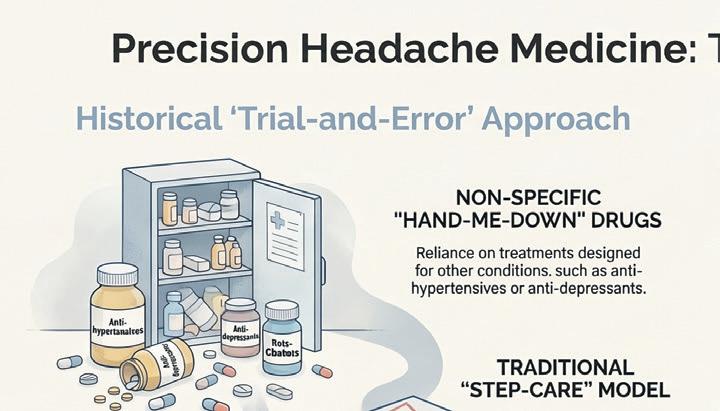
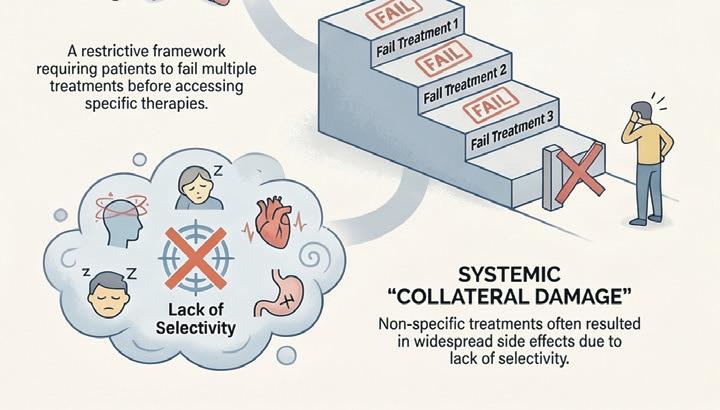
ache Federation, and the International Headache Society, have all reached a critical in ection point in their management philosophies. e position statements for each organisation are:
▶ European Headache Federation (EHF): e EHF now explicitly recommends that monoclonal antibodies (mAbs) targeting the CGRP pathway be included as a rst-line treatment option. is recommendation is based on their superior side-e ect pro le and highly speci c mechanism of action compared to legacy treatments.
▶ American Headache Society (AHS): In a signi cant move in 2025, the AHS recommended removal of the ‘prior failure’ requirement. In their opinion, CGRP-targeting therapies should now be positioned alongside historical preventives as a rstline approach, allowing clinicians to bypass the traditional trial-and-error period with older drugs.
▶ International Headache Society (IHS): Operating under an ‘optimal level’ management philosophy, the IHS Practice Recommendations state that where resources permit, the rst treatment option should always be a migraine-speci c drug, even when comorbidities are present. e clinical impact of these concordant recommendations for use of speci c molecular migraine treatments cannot be overstated. ere is emerging evidence that using these therapies as rst-line options may change the long-term prognosis for more chronic migraineurs by preventing disease progression and avoiding the cumulative ‘treatment fatigue’ caused by the side-e ects of non-speci c agents. In addition, by intervening with high speci city early in the disease course, the hope is to maximise the chances of maintaining neurological stability and avoiding hypersensitisation of neuronal pathways which can lead to more chronic migraine. Overall, it is very clear that this evolving strategy is best for patients, and their needs should be our primary goal. ese new CGRP pathway

targeting molecular treatments are superior in almost every way as compared to prior historical preventive therapies, with the only downside being cost in the initial phase. Moreover, there is overwhelming international evidence that we need to signi cantly reduce or stop altogether using a signi cant proportion of the older medications used in migraine: Topiramate and valproate are perfect examples given the risks that they pose and considering that most of our patients with migraine are female. It is no longer justi ed to continue what we are doing.
e HSE should follow the lead of the IHS, EHF, and AHS, and allow easier access to these new molecular medicines as rstline treatments in appropriate patients. We believe that what they are currently doing is morally and clinically unjust. We need to consider rstly, the ‘human’ costs in terms of su ering for our patients and secondly, the nancial costs. e nancial costs to the State will be higher in the rst instance, but there is good evidence from recent studies that much of this cost will be recouped in the medium-term (one to ve years). It is clear that there will be signi cant nancial cost savings going forward, both directly and indirectly. For example, there will be fewer unscheduled visits to primary care and hospital emergency departments, fewer inpatient days, and also patients will be more productive in the workforce, providing additional revenue for the Government. Most importantly, patients will bene t from better clinical care at an earlier stage of disease, and overall migraine health will improve. Again, patient welfare should always be our primary goal.
Beyond
Despite the CGRP revolution in the last decade, the ‘non-responder’ remains a clinical challenge in our specialist clinics globally
Continued from p25
and beyond in primary care and pain clinics. In our specialist clinical practice, these patients probably represent one-third of all of our more chronic cases. For those who are refractory or partly responsive to CGRP-targeting, we must look to possible alternatives or additional treatments, and the next generation of molecular biology driven headache medicine (Figure 2). To this end, precision headache medicine utilises a strategy where therapeutic targets are dictated by a patient’s speci c comorbidities (for example, hypertension, obesity, diabetes, obstructive sleep apnoea, and sleep disorders), individual migraine clinical features, response to prior preventives, and pain signatures. Current potential targets for novel molecular migraine treatments include the pituitary adenylate cyclase-activating polypeptide (PACAP), the Orexin system, glucagon-like peptide-1 (GLP-1) therapies, and selective sodium channel modulators.
The CGRP refractory phenotype and targeting the PACAP pathway For patients who remain refractory or only partly responsive to CGRP-targeting treatments, the PACAP pathway is the most promising possible ‘next step’ or additional treatment. PACAP is a relatively distinct signalling pathway (especially upstream in the biochemical process) that does not rely on CGRP signalling, making it a potential target for those who fail or insu ciently respond to current CGRP therapies. Combining both CGRP and PACAP may also be an option in the future. Layering di erent complementary treatments is not uncommon in our clinical practice, especially for more treatment-refractory patients. e development of bocunebart, a PACAP-ligand monoclonal antibody (mAb), has provided additional clinical data for this dicult-to-treat population. e phase 2 and 2b data for bocunebart provide an evidence base for its use in migraine in general and possibly in CGRP-refractory cases:
▶ Chronic migraine data: In studies of patients who had failed two to four prior preventives (the general de nition of ‘refractory’ migraine), a 750mg IV dose of bocunebart reduced monthly migraine days by 6.2 days (as compared to 4.2 for placebo).
▶ Episodic migraine/chronic migraine monthly dosing: A longer phase 2b study demonstrated that monthly dosing resulted in a reduction of 4.24 monthly migraine days (as compared to 2.86 days for placebo; p=0.0178) in patients who had failed one to four prior preventives.
▶ Quality-of-life and holistic outcomes: Beyond primary endpoints, bocunebart has shown a signi cant reduction in acute medication use and improved migrainespeci c quality-of-life (MSQ) scores. Patient-reported outcome measures, such as MSQ, are one of the only ways we can measure improvement. It is not clear yet as to the potential clinical impact of the PACAP therapies. However, the future looks very promising. For example, the identi cation of the ‘CGRP
non-responder’ phenotype may be important. It may well be that therapeutic failure in one pathway (such as CGRP) does not preclude success in the PACAP pathway. We know that bocunebart offers a mechanism of action that is e ective in patients who have already cycled through multiple existing preventive therapies, including CGRP-directed therapies in a small proportion of patients in the recent clinical trials (approximately 15 per cent). However, it remains an unanswered question as to whether CGRP treatment failures are more likely to respond to PACAP pathway inhibitors in a signi cant proportion of patients.
Beyond neuropeptides such as PACAP and CGRP, we are also discovering the potential importance of metabolic signalling in the migraine brain.
GLP-1 receptor agonists for potentially treating the migraine-associated metabolic phenotype
GLP-1 receptor agonists, widely known for managing diabetes and obesity, are emerging as potential anti-migraine therapeutics. eir possible strategic value lies in their ability to address neuroinammation, metabolic dysfunction, and possibly additional centrally-mediated systems (such as addiction and dependency). Mechanistically, GLP-1 activation may target several migraine and/or headache drivers:
▶ Reduction of cerebrospinal uid pressure.
▶ Gut-brain axis: Activation of the vagal nerve to improve signalling across the gut-brain axis.
▶ Cytokine regulation: Blocking in ammatory cytokines like IL-6 and TNF- , which may modulate central nervous system pain hypersensitivity.
▶ CGRP interaction: Preliminary evidence suggests that GLP-1 treatments can decrease the expression of CGRP itself. e data remains promising but requires careful interpretation and replication.
e GLP-1 evidence to date is promising, but is unfortunately limited. For example, a small case series for liraglutide showed a 50 per cent reduction in migraine days, and this appeared to be independent of or regardless of weight loss. Conversely, case data for tirzepatide showed a clear
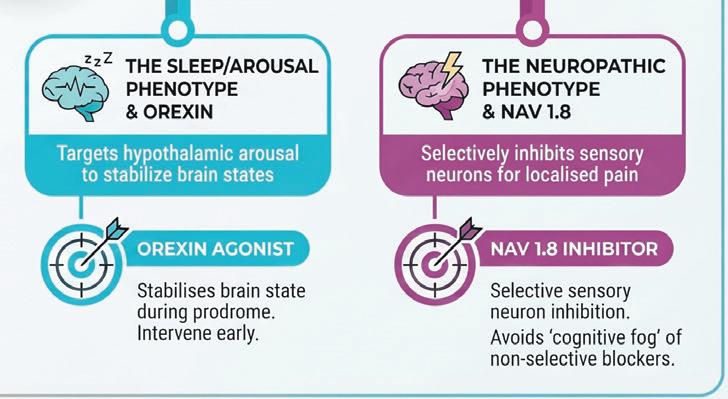
correlation between drug cessation and migraine worsening. Again, we are dealing with small numbers which need to be replicated. Real-world, single-centre cohorts have also demonstrated reduced emergency department visits for patients on GLP-1 medications as compared to those on topiramate. For weight loss, it remains unclear if the migraine e ect is truly independent across the class or if it is partially tied to anti-obesity e ects. One hypothesis is that GLP-1 therapies may be particularly relevant for the patient who is a ‘partial responder’ to anti-CGRP therapy and possesses comorbid metabolic dysfunction, o ering a dual-bene t pro le. Add on or layering is always a clinical option to consider in patients with migraine and multiple other medical conditions.
The sleep/arousal phenotype: Orexins and circadian regulation e Orexin system is a central regulator of the sleep-wake cycle and is also involved in trigeminal pain processing. For many patients, the migraine prodrome (and often other migraine phases in many of our patients) is de ned by profound fatigue, suggesting that the hypothalamus and the Orexin system are possibly early participants in the migraine attack. Targeting the Orexin 1 receptor (Ox1R) holds promise for maintaining and stabilising the brain’s arousal state during the prodrome, potentially preventing the transition to a full-blown attack in an ideal scenario. In this proposed mechanism, sleep regulation is not a secondary concern, but it is a central component of migraine prevention. erapeutic potential of OxA/Ox1R therefore includes:
▶ Arousal promotion: Activation of Ox1R may help reduce migraine-related fatigue and stabilise pain processing.
▶ Sex-speci c mechanisms: Emerging research indicates potential sex-speci c pathways in Orexin regulation, which may lead to more personalised, sex-based prescribing.
▶ Future directions: ere is a critical need for the development of novel Ox1R agonists to hopefully extrapolate these ndings into positive translational clinical studies. By targeting the Orexin system, the hope is to intervene during the prodrome.
The neuropathic pain phenotype: Selective sodium ion channel innovation Non-speci c sodium channel (NaV) modulators have long been standards of headache and migraine care. For example, we use carbamazepine for trigeminal neuralgia, lamotrigine for SUNCT/SUNA, topiramate for migraine prophylaxis, and IV valproate for status migrainosus. However, these non-selective agents often carry a heavy burden of systemic and cognitive side-e ects, and may be ine ective in a signi cant proportion of patients. Suzetrigine, a selective NaV 1.8 inhibitor, represents a move towards higher e cacy and fewer side-e ects:
▶ Mechanism of action: It selectively inhibits NaV 1.8, which is heavily expressed in the peripheral pain receptors and the trigeminal system. It regulates the excitability of small-diameter sensory neurons linked to neuropathic and inammatory pain.
▶ Target population: Based on its mechanism of action, it might be considered for CGRP non-responders with localised head pain, sharp/electric sensations, or scalp/face tenderness.
▶ Current status caveats: It is important to note that suzetrigine has not yet been studied in headache in placebo-controlled trials and its restricted US FDA approval (for acute pain only) currently limits its use to speci c case-by-case scenarios only. However, it appears that selective NaV 1.8 inhibition o ers a signi cantly ‘cleaner’ clinical pro le than our current options. By targeting the peripheral and trigeminal systems without a ecting the channels throughout the rest of the central nervous system, suzetrigine potentially avoids the ‘cognitive fog’ or systemic side-e ects that lead to the high discontinuation rates seen with topiramate.
Conclusion: Integrating the next generation of therapies e integration and combination of specific molecular treatments including CGRP therapies, PACAP ligands, GLP-1 agonists, Orexin modulators, and selective NaV inhibitors marks the de nitive end of the ‘trial-and-error’ era. ese therapies represent a seismic shift away from general suppression of the nervous system towards a sophisticated, molecular biology and phenotype-driven strategy. Layering of these speci c molecular treatments should become the norm to improve the health of our patients. International guidelines have provided a mandate: Migraine-speci c drugs must be our primary clinical choice to reduce the global burden of this disease. In addition, by matching the right molecular target to the right patient pro le, we can nally o er true precision prevention for patients with additional medical problems. ere has been a complete change in our practice in recent years, and this should continue to evolve and be supported by our health service for the good of our patients. e future of migraine care, and more widely headache care, is no longer a distant prospect; it is here.
References available on request
Within the MMUH specialist headache service, structured pathways have facilitated suitable patient selection, safe delivery, and close monitoring of the latest transformative migraine therapies
Migraine is one of the most common neurological conditions, affecting 1.16 billion people with an age-standardised prevalence of 14.2 per cent.1 Despite being non-life-threatening, it is the second leading cause of disability worldwide and the leading cause among young women with a high burden of years lived with disability (YLDs).2 Migraine not only affects the patient’s quality-of-life (QoL), engagement in daily activities, and productivity at home and work, but is also associated with substantial societal and healthcare costs. QoL questionnaires such as MIDAS are often used to stratify the impact of migraine on daily functioning. The MIDAS score evaluates the number of days in the previous three months that migraine interfered with a person’s ability to engage in day-to-day activities (See Table 1). According to a US study of 7662 patients with migraine, patients with severe disability (MIDAS score >20) had around 42 per cent higher mean healthcare visit costs and over 50 per cent higher mean pharmacy costs compared to those with moderate disability (MIDAS score 11-20).3 Thus, greater level of disability in migraine leads to a
more substantial economic impact.
According to the International Classification of Headache Disorders (ICHD-3), chronic migraine is a headache occurring on ≥15 days/month for more than three months with at least eight of these days having features typical of migraine.4 Episodic migraine is a similar headache, but happening less than 15 days/month. Studies have shown that episodic migraine may progress to chronic migraine at an estimated rate of 2.5 per cent per year, thereby increasing the disease burden.5 This transition is mainly attributed to medication exposure, especially barbiturates and opioids.
Conventional treatment for migraine
Moreover, the use of some conventional prophylactic therapies for chronic migraine is limited by contraindications and intolerability. Asthma may limit the use of beta blockers, while hypotension may render agents like candesartan unsuitable. Some patients are reluctant to take antidepressants like amitriptyline, dosulepin, venlafaxine, and nortriptyline. Antiepileptic drugs like topiramate may cause cognitive impairment and valproate leads to teratogenicity. Additionally,
Eptinezumab IV 100mg or 300mg Every 12 weeks
Erenumab S/C 70 – 140mg
Fremanezumab S/C 225mg once monthly or 675mg every 12 weeks
Galcanezumab S/C 240mg loading then 120mg maintenance dose
Rimegepant PO 75mg in acute attacks, 75mg on alternate days for prevention
Atogepant PO 10mg or 60mg during attacks or daily for prevention
Eptinezumab Hypersensitivity Nasopharyngitis Cough Dyspnoea
Erenumab Constipation Pruritus Muscle spasms Hypertension Injection-site reactions
Fremanezumab Hypersensitivity Injection-site reactions Hypersensitivity
Galcanezumab Hypersensitivity Injection-site reactions Hypersensitivity
Rimegepant Nausea Abdominal pain Dyspepsia
Hypersensitivity, Severe hepatic impairment, end-stage renal disease
Atogepant Constipation Nausea Fatigue None
the adherence to these agents is often limited due to the delayed onset of action with slow titration over weeks to months. There is commonly an incomplete response leading to over utilisation of acute-headache-medications, which then causes a secondary headache called medication overuse headache (MoH). Excessive consumption of over-the-counter analgesia including NSAIDs, paracetamol, opioids, and even triptans causes a paradoxical worsening of the headache frequency and chronicity. The recurrent exposure to such drugs is believed to enhance central sensitisation and a self-perpetuating cycle of headache and medication use. Breaking this cycle is the cornerstone of the management of MoH. Abrupt withdrawal is recommended for non-opioids while tapering is necessary for opioids. This will undoubtedly cause transient worsening of symptoms, but must be followed by dose-adjustment of conventional preventives in order to alleviate the headache frequency and reliance on acute treatments. The entire process requires appropriate education and structured follow-up and if done inappropriately, may lead to failure of treatment. However, if done correctly, then many patients experience significant improvement over time.
For the above reasons, migraine is often thought to be difficult to treat, especially in inexperienced hands. Nonetheless, we have now entered a new era of calcitonin gene-related peptide (CGRP) monoclonal antibodies that have revolutionised migraine treatment.
Newer agents – CGRP targeted therapies
CGRP is a neuropeptide postulated to be involved in migraine pathophysiology.6 It is released from the trigeminovascular system during migraine attacks and leads to pain transmission, vasodilation and neurogenic inflammation. Small molecule CGRP receptor antagonists like atogepant and rimegepant are thus effective for acute migraine treatment while monoclonal antibodies against the CGRP receptor (erenumab) and the CGRP ligand (fremanezumab, galcanezumab and eptinezumab) have demonstrated favourable outcomes for chronic migraine prophylaxis.7 These agents inhibit CGRP-mediated signalling, thereby lowering the frequency and severity of migraine. Importantly, gepants can be used in triptan-unsuitable patients for the treatment of acute migraine attacks. Details about dosing in Table 2. These CGRP-targeted therapies were introduced into clinical practice internationally in 2018 and then subsequently in Ireland over the next few years. They have limited side-effects due to their migraine-specific mechanism of action and a convenient dosing schedule, thus enhancing patient adherence. Most importantly, they are fairly rapid in achieving treatment response and do not require slow titration like the conventional therapies. Thus, they have completely transformed migraine treatment, delivering an effective modality for patients with acute and chronic difficult-to-treat migraine.
It is also essential to note some adverse effects and contraindications as mentioned in Table 3. These agents are safe in patients with stable cardiovascular disease, as they do not cause vasoconstriction, unlike triptans. However, caution is advised in acute cardiovascular conditions like recent myocardial infarction or stroke where CGRP may play a protective vascular role and due to limited clinical trial data in this scenario.
Eligibility for CGRP-targeted therapies
Even though the CGRP-targeted therapies have consistently demonstrated significant efficacy in migraine treatment/prevention across clinical trials and real-world studies, their relatively high procurement costs have prompted the introduction of reimbursement criteria in some healthcare systems.
In Ireland, only approved consultants can apply for reimbursement under the HSE managed access protocols (MAP) on an individual patient basis through the Primary Care Reimbursement Service (PCRS). The eligibility criteria include failure of three or more conventional treatments with reimbursement supported for atogepant, erenumab, galcanezumab, fremanezumab, and eptinezumab for chronic migraine prophylaxis and atogepant and rimegepant for treatment of episodic migraine. However, rimegepant is available through private prescription for acute migraine as well. The strict criteria aim to balance clinical gain with cost-effectiveness and judicious use of resources.
Given these eligibility criteria, specialist headache services are crucial to ensure safe delivery of migraine-specific treatment to the right patient population. At the Mater Misericordiae University Hospital (MMUH), we have a dedicated tertiary headache service consisting of two consultants, three specialist nurses, and two to three registrars who ensure smooth running of the weekly consultant-led headache clinic. There is also a direct-access telephone line available to patients attending our clinic, allowing them to contact the service with queries or concerns during the working week. The line is managed by our specialist headache nurses, who provide advice and support directly or, where necessary, liaise with the consultant neurologist before responding. In addition, our specialist nurses run dedicated nurse-led clinics providing follow-up care, treatment monitoring, patient education, and support for patients receiving migraine therapies.
Patients with a broad range of headache-related conditions are seen in this clinic. According to a previous audit at MMUH, 1,073 patients with primary headache conditions attended in 12 months, with a large proportion (80 per cent) being female. Of these, 77 per cent were referred by GPs, thus constituting the major source of referral. About two-thirds were return patients, while one-third were new in the clinic. A small minority (2 per cent) attended for procedures like greater occipital nerve (GON) block which is used to treat both acute and chronic migraine. Of the total patients, 40 per cent had episodic migraine, 40 per cent had chronic migraine, and 20 per cent had other primary headache disorders (see Figure 1). Importantly, 70 per cent of the patients had not tried a conventional prophylactic agent before being referred to the neurology service (see Figure 2). It was also observed that triptans were underutilised for the acute management of migraine although they have been available for the past 30 years. The vast majority of patients (93 per cent) were followed up in clinic subsequently. Following this audit, a GP headache pathway has been implemented at MMUH where patients who have failed at least two conventional prophylactic agents will be listed to be seen in our headache clinic. Referrals that do not meet these criteria are redirected back to the GP with guidance on how to manage in primary care. This includes details about diagnostic criteria of primary headache disorders; their acute and prophylactic management options, as well as red flags and referral parameters. The rationale behind this GP headache pathway was to reduce the OPD waiting list numbers and times. The re-audit after implementation of this pathway showed 36 per cent of referrals being redirected back to GPs and the discharge rate from the clinic tripled. Notably, the waiting time to be seen in clinic reduced. In addition, the introduction of nurse-led headache clinics for follow-up patients has led to more new patients being seen in consultant-led clinics. There is a dire need for such pathways to accommodate the growing demand of specialist neurology services. According to the latest data available on the HSE website, there are currently approximately 26,000 patients waiting to be seen in neurology outpatient services.10 Of these, around 3800 (14.6 per cent of the total) are waiting to be seen in MMUH. Due to such large numbers, there is significant delay in the time-tofirst appointment. To address this issue, a designated ‘long waiters’ clinic was initiated at MMUH in February 2025. After one year of the successful implementation of this clinic, waiting times were substantially reduced from up to five years to
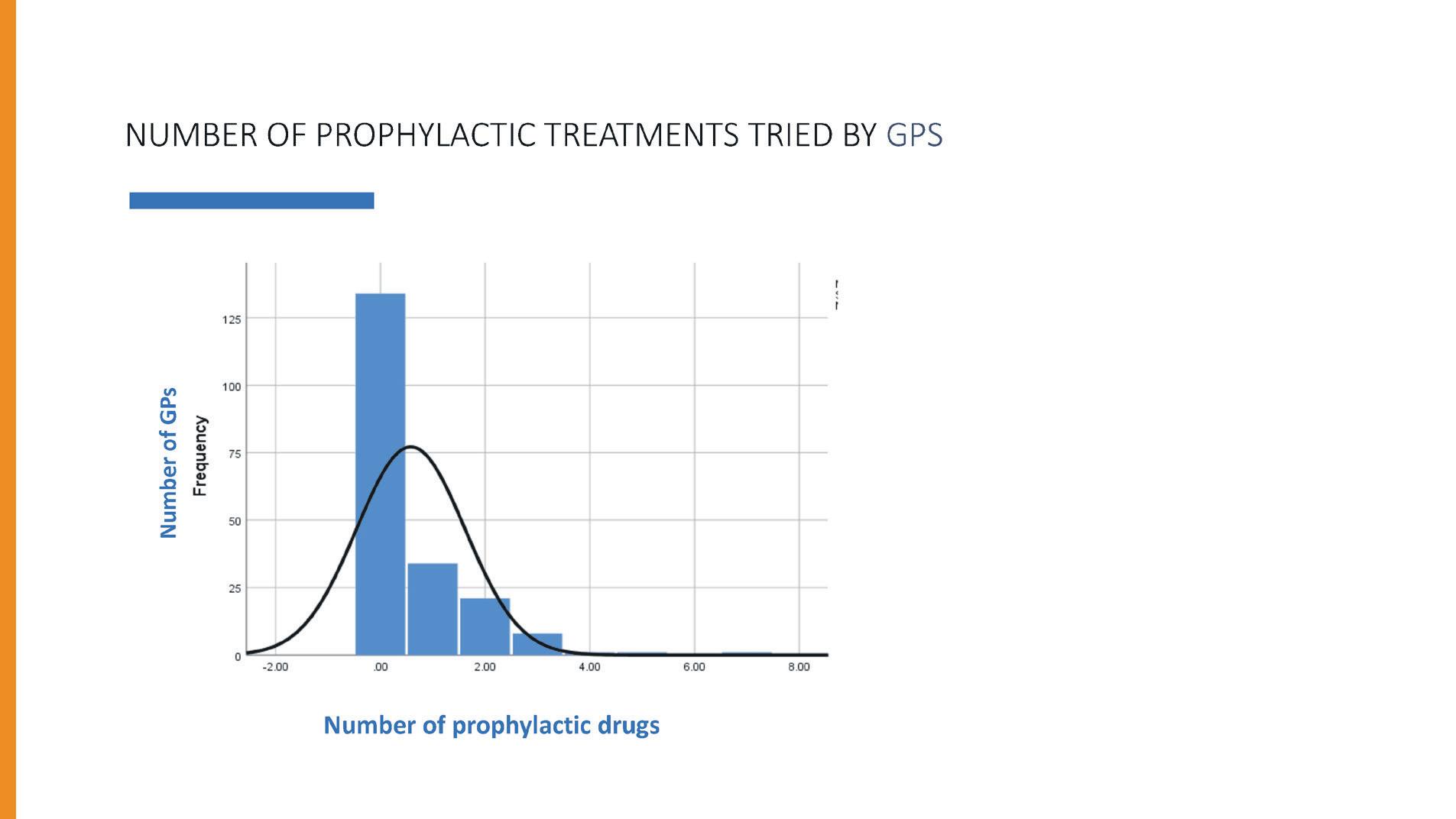
around 18 months. This is still an ongoing clinic so waiting times are expected to reduce even further as time passes. Once reviewed in the headache clinic, patients undergo a detailed assessment of their headache characteristics, treatment history, and migraine-related disability, which then leads to subsequent management decisions including eligibility for advanced treatment including CGRP-targeted therapies. As these high-cost medications are regulated by the HSE MAP, the patient selection criteria revolves around definite diagnosis of migraine, significant disease burden, and failure of at least three traditional prophylactic medications. Once these criteria are met and there are no contraindications to the use of CGRP-targeted therapies (as mentioned in Table 2), then the consultant sends the application through the PCRS. It usually takes about one to two weeks for the actual treatment to start.
Currently, more than 300 patients at MMUH have received this migraine-specific treatment that includes oral medications like atogepant, subcutaneous injections like erenumab, galcanezumab, and fremanezumab, as well as intravenous injections of eptinezumab. Thus, we have a large cohort of patients with highly disabling migraine. Such patients are monitored very closely by our specialist headache nurses to assess treatment response as well as tolerability. If any issue arises which cannot be resolved through the direct telephone lines, then they are given an early follow-up appointment in the consultant-led clinic.
Real-world experience with eptinezumab
We have seen a relatively positive treatment outcome following CGRP initiation in our patients. A real-world study is currently ongoing at our headache service to assess effectiveness of eptinezumab through patient-reported outcomes. Eptinezumab was approved for chronic migraine internationally in 2022 and received HSE reimbursement approval a year later. Delivery of eptinezumab requires dedicated nursing and infusion unit resources, particularly during the initial treatment phase, after which ongoing administration can transition into the community setting.
Our patient population represents a super-refractory cohort of chronic migraine who have not only failed at least
three conventional preventative therapies, but also another alternative CGRP-targeted therapy. Such a cohort is usually excluded from clinical trials so there is an unmet need to evaluate their treatment response.
Conclusion
Migraine is a highly prevalent and disabling disease with a huge individual and societal impact. While conventional preventive therapies are usually limited by tolerability, slow onset of action and incomplete response, CGRP-targeted therapies represent a notable therapeutic revolution with better effectiveness and tolerability. Yet, these novel therapies have underscored the urgent need for structured specialist pathways to ensure appropriate patient selection and management while ensuring adequate utilisation of outpatient neurology services. Such service redesign is imperative to ensure timely access to effective therapies for patients with disabling migraine. Within the MMUH headache service, structured pathways have facilitated suitable patient selection, safe delivery, and close monitoring in routine clinical practice.
References
1. Steinmetz J, Seeher K, Schiess N, et al. Global, regional, and national burden of disorders affecting the nervous system, 19902021: A systematic analysis for the Global Burden of Disease Study 2021. Lancet Neurol. 2024;23:344-381
2. Chen ZF, Kong XM, Yang CH, et al. Global, regional, and national burden and trends of migraine among youths and young adults aged 15-39 years from 1990 to 2021: Findings from the Global Burden of Disease Study 2021. J Headache Pain. 2024;25:131
3. Harris L, L’Italien G, Kumar A, et al. Real-world assessment of the relationship between migraine-related disability and healthcare costs in the US. Headache. 2022;62:473-481
4. Headache Classification Committee of the International Headache Society (IHS). The International Classification of Headache Disorders, 3rd edition (ICHD-3). Cephalalgia. 2018;38(1):1-211
5. Bigal ME, Serrano D, Buse D, et al. Acute migraine medications and evolution from episodic to chronic migraine: A longitudinal population-based study. Headache. 2008;48:1157-1168
6. Edvinsson L, Warfvinge K. Recognising the role of CGRP and CGRP receptors in migraine and its treatment. Cephalalgia. 2019;39(3):366-373
7. Edvinsson L. CGRP and migraine: From bench to bedside. Rev Neurol (Paris). 2021;177(7):785-790
8. Sacco S, Amin FM, Ashina M, et al. European Headache Federation guideline on the use of monoclonal antibodies targeting the calcitonin gene-related peptide pathway for migraine prevention: 2022 update. J Headache Pain. 2022;23:67
9. Özge A, Baykan B, Bıçakçı Ş, et al. Revolutionising migraine management: Advances and challenges in CGRPtargeted therapies and their clinical implications. Front Neurol 2024;15:1402569
10. Health Service Executive. National waiting list data [Internet]. Dublin: Health Service Executive; [cited 2026 Mar 27]. Available at: www2.hse.ie/services/activity-performance-data/waiting-forcare/waiting-lists/national
The first oral once-daily calcitonin gene-related peptide (CGRP) receptor antagonist for both episodic and chronic migraine patients1,2
Tablet not actual size.
Typical characteristics of migraine are headache of unilateral location, pulsating quality, moderate or severe intensity, aggravation by routine physical activity and association with nausea and/or photophobia and phonophobia.2 The duration of untreated migraine headache can range from 4h to 3 days.3 AQUIPTA® is indicated for the prophylaxis of migraine in adults who have at least 4 migraine days per month.1
ABBREVIATED PRESCRIBING INFORMATION. AQUIPTA®▼ (atogepant) 10 mg tablets; 60 mg tablets. Please refer to the Summary of Product Characteristics (SmPC) before prescribing. PRESENTATION: Each tablet contains: 10 mg atogepant in 10 mg tablet, 60 mg atogepant in 60 mg tablet. INDICATION: Prophylaxis of migraine in adults who have at least 4 migraine days per month. DOSAGE AND ADMINISTRATION: The recommended dose is 60 mg taken orally once daily with or without meals; swallowed whole and not split, crushed or chewed. Missed dose to be taken as soon as it is remembered. If forgotten for an entire day, missed dose to be skipped and next dose taken as scheduled. Dose
Modification: The recommended dosage of atogepant with concomitant use of strong CYP3A4 inhibitors or strong OATP inhibitors is 10 mg once daily. Special Populations: Elderly: No dose adjustment needed. Renal impairment: In patients with severe renal impairment (creatinine clearance [CLcr] 15-29 mL/min), and in patients with end-stage renal disease (ESRD) (CLcr <15 mL/min), the recommended dose is 10 mg once daily. For patients with ESRD undergoing intermittent dialysis, atogepant should preferably be taken after dialysis. No dose adjustment is recommended for patients with mild or moderate renal impairment. Hepatic impairment: Avoid use of atogepant in patients with severe hepatic impairment. No dose adjustment is recommended for patients with mild or moderate hepatic impairment.
Paediatric Population: The safety and efficacy of atogepant in children (< 18 years of age) have not yet been established.
CONTRAINDICATIONS: Hypersensitivity to active substance or any of the excipients. SPECIAL WARNINGS AND
PRECAUTIONS: Serious hypersensitivity reactions reported, including anaphylaxis, dyspnoea, rash, pruritus, urticaria and facial oedema. Most serious reactions have occurred within 24 hours of first use, however, some hypersensitivity reactions can occur days after administration. Patients should be warned about symptoms of hypersensitivity. If a reaction occurs, discontinue atogepant and institute appropriate therapy. AQUIPTA 60 mg tablets contain 31.5 mg sodium per tablet; this is equivalent to 1.6% of the WHO recommended maximum daily intake of 2 g sodium for an adult. AQUIPTA 10 mg tablets contain less than 1 mmol sodium (23 mg) per dose, that is to say essentially ‘sodium-free’.
Atogepant has no or negligible influence on the ability to drive and use machines. However, if affected by somnolence, patients should exercise caution before driving or using machinery. FERTILITY, PREGNANCY AND LACTATION: Pregnancy:
Atogepant is not recommended during pregnancy and in women of childbearing potential not using contraception.
Breast-feeding: Pharmacokinetic data after single-dose administration showed minimal transfer of atogepant into breast milk. There are no data on the effects of atogepant on the breastfed infant or the effects of atogepant on milk
production. The development and health benefits of breast-feeding should be considered along with the mother’s clinical need for atogepant and any potential adverse effects on the breastfed infant from atogepant or from the underlying maternal condition. Fertility: No human data on the effect of atogepant on fertility are available. Animal studies showed no impact on female and male fertility with atogepant treatment. UNDESIRABLE EFFECTS: Common (≥ 1/100 to < 1/10): Decreased appetite, nausea, constipation, fatigue/somnolence, weight decreased. Refer to Section 4.8 of the SmPC for details of other side effects, and for further information.
▼ This medicinal product is subject to additional monitoring. This will allow quick identification of new safety information. Healthcare professionals are asked to report any suspected adverse reactions via HPRA Pharmacovigilance; website: www.hpra.ie.
LEGAL CATEGORY: POM (S1B). MARKETING AUTHORISATION NUMBERS: EU/1/23/1750/001 AQUIPTA 10 mg tablets in blisters, in cartons of 28 tablets; EU/1/23/1750/003 AQUIPTA 60 mg tablets in blisters, in cartons of 28 tablets.
MARKETING AUTHORISATION HOLDER: AbbVie Deutschland GmbH & Co. KG, Knollstrasse, 67061, Ludwigshafen, Germany. Further information is available on request from: AbbVie Limited, 14 Riverwalk, Citywest Business Campus, Dublin 24. DATE OF REVISION: May 2025. PI/1750/003.
References: 1. AQUIPTA® Summary of Product Characteristics, available at www.medicines.ie. 2. Morena-Ajona D, et al. J Clin Med. 2022;11(6):1656. 3. Ferrari MD, et al. Nat Rev Dis Primers. 2022;8(1):2.
IE-AQP-250030 | Date of preparation: October 2025
Irish Nephrology Society, Annual Scientific Meeting, The Gibson Hotel, Point Square, North Dock, Dublin, 15–16 May 2026
The Irish Nephrology Society (INS) Annual Scientific Meeting 2026 saw a packed auditorium enjoy presentations from expert speakers from Ireland and abroad. Each presenter brought their own perspective on patient care, and the conference also featured a live recording of the Freely Filtered podcast. Freely Filtered is an entertaining and informative podcast hosted by Dr Joel Topf, Associate Clinical Professor, Oakland University William Beaumont School of Medicine, Michigan, US.
Recorded in the plenary session of the conference, this episode included special guests Dr Samir Parikh, President of the American Society of Nephrology; Prof Donal Reddan, INS President; and Prof Catherine Godson, Full Professor of Molecular Medicine and Director of the University College Dublin (UCD) Diabetes Complications Research Centre at the UCD Conway Institute. Freely Filtered is a twice-monthly endeavour of the NephJC journal club. The NephJC reviews some of the most important research advancing patient care in nephrology.
The meeting was opened by Dr Sam Kant, INS Secretary, who commented: “Between them, the speakers we have here have travelled more than 12,000 miles to be here, between Dallas, Michigan, Belfast, and London, and we are a very welcoming Society.”

We talk about revolution versus evolution, but in nephrology, I think we have really seen a revolution in the sense of a massive change in the specialty
The plenary session at the Irish Nephrology Society (INS) Annual Scientific Meeting 2026 was introduced by INS President Prof Donal Reddan.
Prof Reddan commented on how the meeting goes from strength to strength each year and for the 2026 conference, there were over 160 delegates, which is a record attendance for the event.
He also acknowledged the importance of industry support for the conference, and encouraged delegates to engage with industry representatives.
Prof Reddan introduced Dr Joel Topf, who presented a talk titled, ‘Fear of four to five – Potassium: Arrhythmia, outcomes, and the evidence.’ Dr Topf presented a wide-ranging overview of study data and discussed a number of trials, including the Salt Substitute and Stroke Study trial.
“One of the big revolutions we have had in nephrology over the past 10 years is, we have had interventional trials,” he pointed out.
Dr Topf commented: “It is amazing what we are learning about potassium. When we are doing the proper trials and large population-based analyses and
real outcomes, we are moving the needle a little bit.”
“I think we have traditionally had a fear of hyperkalaemia; we know the risk of hyperkalaemia goes up in our patients with advanced CKD. But I think we have under-recognised concerns about hypokalaemia, and this is an important question to consider… but the future looks bright and there is a lot of interesting stuff happening, and the only way we move forward is by doing the proper randomised, placebo-controlled trials.”
This year’s Plenary Talk was delivered by Dr Samir Parikh, President of the American Society of Nephrology (ASN) and Professor of Medicine, University of Texas, US.
Dr Parikh gave a fascinating lecture on
his own professional and personal journey in medicine. He also spoke about the ASN and how it is striving, along with colleagues internationally, to transform kidney care.
He explained the work that his laboratory performs to enhance understanding of acute kidney injury (AKI) and the importance of the “physician-scientist” role in helping to shed light on a number of important questions, such as why there is a lack of cell death in AKI compared to some other conditions, why AKI has no genetic basis, and other clinical questions relevant to patient care.
He outlined the mission of the ASN, which is to transform kidney care, research, and education: “ASN Kidney Week is the premier nephrology meet-
We want to see a world without kidney diseases; that’s our vision

“I think we have seen a massive renaissance in nephrology,” he continued.
“When I was in Fellowship, I noticed that trainees in other specialties, like oncology or cardiology, were always celebrating something new in their area of medicine… but now, we can see that every second or third week, there is a new nephrology trial – I believe there is massive cause for optimism in nephrology.”
He continued: “We talk about revolution versus evolution, but in nephrology, I think we have really seen a revolution in the sense of a massive change in the specialty.”
Dr Kant introduced Prof Stephen McAdoo, who delivered a talk titled, ‘Towards steroid avoidance in AAV [ANCA-associated vasculitis]'. Prof McAdoo summarised recommendations from British Society for Rheumatology guidelines to show that steroids are still overused in AAV.
“Reduced-dose steroid regimens should by now be standard in nearly all patients,” he told the conference.
“There should be caution and monitoring in patients with severe disease treated with rituximab, including adaptive versus protocolised tapers where possible. Combination induction regimens are now undergoing prospective evaluation.”
ing in the world, convening over 12,000 kidney professionals from around the world,” he said.
“JASN, CJASN and Kidney360 are the most-read kidney journals… and ASN Kidney News reaches more than 17,000 people in the US, making it the largest distribution for a nephrology publication.
“ASN Kidney Health Guidance provides practical, expert-driven clinical practice points based on emerging evidence to drive improvements in kidney health.”
He also outlined the ASN’s strategic plan for 2026–2027.
“We want to see a world without kidney diseases; that’s our vision,” he said.
“Our mission is to transform kidney care and improve lives through science, education, advocacy, and collective action. Our mantra is, what is in the best interests of people living with kidney diseases and their families?”
He concluded: “Our mission as nephrologists is to do something with the mandate we have. That might be with patients, or when we interact with trainees to make sure that we’re not modelling burnout, but modelling that enthusiasm that we all feel.”

In combination with a rituximab or a cyclophosphamide regimen:
• TAVNEOS® (avacopan) was non-inferior (p<0.001) but not superior to a GC regimen in achieving remission at Week 261,2



TAVNEOS® demonstrated a well tolerated safety profile with the most common serious adverse reactions being liver function abnormalities (5.4%) and pneumonia (4.8%) 1




• TAVNEOS® was superior in sustaining remission at Week 52 (p=0.007)1,2 for GC, glucocorticoid; selectively targets C5aR1, TAVNEOS® in combination with a rituximab or cyclophosphamide regimen, is indicated for the treatment of adult patients with severe, active granulomatosis with polyangiitis (GPA) or microscopic polyangiitis (MPA).1


C5aR1, complement component 5a receptor 1; EULAR, European Alliance of Associations for Rheumatology; KDIGO, Kidney Disease: Improving Global Outcomes.
The advocate study was a 52 week, phase 3 randomised, double-blind, double dummy controlled trial with patients assigned to receive Tavneos 30mg BD (N=166) or prednisone tapering schedule for 20 weeks (60 mg per day tapered to discontinuation by week 21 (N=164)). All the patients received either cyclophosphamide (followed by azathioprine) or rituximab. No rituximab was given beyond the first 4 weeks.
Non-study supplied GCs during the screening had to be tapered to ≤20mg per day when entering the study, and further tapered to 0 mg by the end of week 4 of the study.
Primary endpoints:
% of patients in clinical remission (BVAS of 0 and no GC use in previous 4 weeks) at week 26
% of patients in sustained remission at week 52, defined as clinical remission at week 26 through to week 52
Tavneos®▼ (avacopan)
Prescribing Information – Republic of Ireland
For full prescribing information refer to the Summary of Product Characteristics (SmPC)
Active ingredient: Avacopan
Presentation: Hard capsules available as 10 mg.
Indication: Tavneos, in combination with a rituximab or cyclophosphamide regimen, is indicated for the treatment of adult patients with severe, active granulomatosis with polyangiitis (GPA) or microscopic polyangiitis (MPA).
Dosage and Administration: Treatment should be initiated and monitored by healthcare professionals experienced in the diagnosis and treatment of GPA or MPA. The recommended dose is 30 mg taken orally twice daily, morning and evening, with food.
Tavneos should be administered in combination with a rituximab or cyclophosphamide regimen as follows: rituximab for 4 weekly intravenous doses or, intravenous or oral cyclophosphamide for 13 or 14 weeks, followed by oral azathioprine or mycophenolate mofetil and, glucocorticoids as clinically indicated. If a patient misses a dose, the missed dose is to be taken as soon as possible, unless within three hours of the next scheduled dose.
Treatment must be re-assessed clinically and temporarily stopped if: alanine aminotransferase (ALT) or aspartate aminotransferase (AST) is more than 3 times the upper limit of normal (ULN).
Treatment must be temporarily stopped if: ALT or AST > 5 × ULN, a patient develops leukopenia (white blood cell count < 2 × 10⁹/L) or neutropenia (neutrophils < 1 × 10⁹/L), or lymphopenia (lymphocytes < 0.2 × 10⁹/L), or a patient has an active, serious infection. Treatment may be resumed: upon normalisation of values and based on an individual benefit/risk assessment. Permanent discontinuation of treatment must be considered if: ALT or AST > 8 × ULN, ALT or AST > 5 × ULN for more than 2 weeks, ALT or AST > 3 × ULN and total bilirubin > 2 × ULN or international normalised ratio (INR) > 1.5, ALT or AST > 3 × ULN with the appearance of fatigue, nausea, vomiting, right upper quadrant pain or tenderness, fever, rash, and/or eosinophilia (> 5%), or an association between
avacopan and hepatic dysfunction has been established. Contraindications: Hypersensitivity to the active substance or to any of the excipients.
Special warnings and precautions: Hepatic transaminases, total bilirubin, and white blood cell (WBC) count must be obtained prior to initiation of therapy and patients must be monitored for hepatic transaminase and total bilirubin at least 4 weeks after start of therapy for the first 6 months of treatment, and as clinically indicated. In the postmarketing setting, drug-induced liver injury and vanishing bile duct syndrome (VBDS), including cases with fatal outcome, have been reported. Avacopan must be avoided in patients with signs of liver disease, such as elevated AST, ALT, alkaline phosphatase (ALP), or total bilirubin > 3 times ULN. Treatment with avacopan must not be initiated if WBC count is less than 3.5 × 10⁹/L, or neutrophil count less than 1.5 × 10⁹/L, or lymphocyte count less than 0.5 × 10⁹/L. Patients must be assessed for any serious infections.
Avacopan has not been studied in patients with hepatitis B, hepatitis C, or human immunodeficiency virus (HIV) infections. Be cautious when treating patients with a history of tuberculosis, hepatitis B, hepatitis C, or HIV infection. Monitor patients treated for ANCA-associated vasculitis according to standard practice for clinical signs and symptoms of Neisseria infection. Pneumocystis jirovecii pneumonia prophylaxis is recommended for adult patients with GPA or MPA during avacopan treatment, as appropriate according to local clinical practice guidelines. The safety of immunisation with live vaccines, following avacopan therapy has not been studied. Administer vaccinations preferably prior to initiation of treatment with avacopan or during quiescent phase of the disease.
Angioedema has been reported in patients receiving avacopan and avacopan must be withheld in cases of angioedema. The use of strong CYP3A4 enzyme inducers, including grapefruit juice, with avacopan is to be avoided. Patients anticipated to require long-term administration of these medicinal products are not to be treated with avacopan. If short-term co-administration cannot be avoided, closely monitor the patient for disease recurrence. Avacopan is a moderate inhibitor of CYP3A4 in vivo and
may increase the plasma exposures of concomitant medicinal products that are CYP3A4 substrates. Adjust doses or monitor for adverse effects as per the respective product’s Summary of Product Characteristics. Avacopan co-administration with simvastatin increased simvastatin exposure significantly. Refer to simvastatin’s Summary of Product Characteristics for dose adjustments. Patients with GPA or MPA are at risk of cardiac disorders such as myocardial infarction, cardiac failure, and cardiac vasculitis. A treatment regimen based on the combination with cyclophosphamide followed by azathioprine may carry an increased risk for cardiac disorders as compared to a regimen based on the combination with rituximab. Immunomodulatory medicinal products may increase the risk for malignancies. The clinical data are currently limited. This medicinal product contains macrogolglycerol hydroxystearate, which may cause stomach upset and diarrhoea.
Overdose: It is recommended that the patient is monitored for any signs or symptoms of adverse effects, and appropriate symptomatic treatment and supportive care are provided.
Special populations: No dose adjustment is required in elderly patients. No dose adjustment is needed based on renal function nor for patients with mild or moderate hepatic impairment. Avacopan has not been studied in subjects with severe hepatic impairment (Child-Pugh Class C) and it is therefore not recommended for use in these patient populations. Avacopan has not been studied in patients with anti-neutrophil cytoplasmic antibody (ANCA)-associated vasculitis with an eGFR below 15 mL/ min/1.73 m², who are on dialysis, in need of dialysis or plasma exchange, nor in patients with severe disease manifested as alveolar haemorrhage. The safety and efficacy of avacopan in children below 12 years of age and adolescents (12-17 years of age) have not yet been established. No data are available in children below 12 years of age. Avacopan is not recommended during pregnancy and in women of childbearing potential not using contraception. A decision must be made whether to discontinue breast-feeding or to discontinue/abstain from
therapy with avacopan, taking into account the benefit of breast-feeding for the child and the benefit of therapy for the woman.
Undesirable effects: Very common (≥ 1/10): Upper respiratory tract infection, nasopharyngitis, headache, nausea, diarrhoea, vomiting, liver function test increased, WBC count decreased. Common (≥ 1/100 to <1/10): pneumonia, rhinitis, urinary tract infection, sinusitis, bronchitis, gastroenteritis, lower respiratory tract infection, cellulitis, herpes zoster, influenza, oral candidiasis, oral herpes, otitis media, neutropenia, abdominal pain upper, blood creatine phosphokinase increased. Uncommon (≥ 1/1,000 to < 1/100): angioedema. Not Known (frequency cannot be estimated from the available): Drug-induced liver injury, vanishing bile duct syndrome. The most common serious adverse reactions are liver function abnormalities (5.4%) and pneumonia (4.8%). Please consult the SmPC for further information on undesirable effects.
Legal category: POM MA Number: EU/1/21/1605/001, EU/1/21/1605/002, EU/1/21/1605/003
Date of autorisation: 11/01/2022
MA Holder: Vifor Fresenius Medical Care Renal Pharma France, 100–101 Terrasse Boieldieu, Tour Franklin La Défense 8, 92042 Paris la Défense Cedex, France. Tavneos® is a registered trademark Document number: IE-AVA-2500007
Date of preparation: January 2025
Additional information is available on request.
▼ This medicine is subject to additional monitoring. Adverse events should be reported. Reporting forms and information can be found at http://www.hpra. ie/homepage/about-us/report-an-issue Adverse events should also be reported to Vifor Fresenius Medical Care Renal Pharma, care of Vifor Pharma Ltd. Tel: +44 1276 853633. E-mail: MedicalInfo_UK@viforpharma.com
References: 1. TAVNEOS EU SmPC. 2. Jayne D, et al. N Engl J Med 2021;384(7):599–609. 3. European Medicine Agency (2021). First-in-class medicine recommended for treatment of rare blood vessel inflammation. Available at: https://www.ema.europa.eu/en/news/first-class-medicine-recommended-treatment-rare-blood-vessel-inflammation. Date accessed: May 2026. 4. Bekker P, et al. PLoS One 2016;11(10):e0164646. 5. Hellmich B, et al. Ann Rheum Dis 2023;0:1–18. 6. Kidney Disease: Improving Global Outcomes (KDIGO) ANCA Vasculitis Work Group. Kidney Int 2024;105(3S):S71–S116.
Job code: IE-AVA-2600019 l Date of preparation: May 2026

Irish Nephrology Society, Annual Scientific Meeting, The Gibson Hotel, Point Square, North Dock, Dublin, 15–16 May 2026
The Irish Nephrology Society Annual Scientific Meeting 2026 heard an informative update on the management of highly-sensitised transplant patients from Prof Rhys Evans, Associate Professor of Renal Medicine and Consultant Transplant Nephrologist, Royal Free NHS Trust, London, UK.
Transplantation is often extremely difficult and significantly delayed for patients who have developed antibodies against foreign human leukocyte antigens (HLAs), the conference was told.
Beginning with historical context, Prof Evans described the first successful kidney transplant, performed by Dr Joseph Murray in Boston in 1954 between genetically identical twins. Since then, one of the “greatest challenges” in transplantation has been overcoming the genetic barriers between donor and recipient, he said.
“We are now transplanting people more than once,” he said. Prof Evans acknowledged why the challenge of sensitisation is becoming increasingly relevant, as more patients undergo multiple transplants in a single lifetime and
subsequently develop antibodies. Once sensitisation occurs, it is “very difficult to overcome”.
Until recently, modern approaches to desensitisation remained largely unchanged from early strategies like plasma exchange, steroids, and cyclophosphamide. “This remains a real unmet need, but we are now making some progress.”
Around 15 per cent of patients on waiting lists have a calculated panel reactive antibody score above 85 per cent, Prof Evans told delegates, and while average transplant waiting times are three to four years, many of these sensitised patients wait considerably longer. Prof Evans emphasised the importance of exploring living donation, particularly if a HLA-compatible donor is available, given the superior outcomes compared with deceased donor transplantation.
He then presented a case report to illustrate “an extreme example” of the highly-sensitised patient.
The woman received her first transplant as a child, which subsequently failed. Highly sensitised, she then spent a number of years on dialysis while awaiting a second transplant. Prof Ev-
ans described using her list of unacceptable HLA antigens to calculate her likelihood of receiving a compatible kidney and finding she effectively had no potential donors.
Emphasising the importance of assessing the clinical significance of donor-specific antibodies (DSAs) and antigen delisting, he noted that “not all antigens are the same”.
Antigen delisting refers to removing previously identified unacceptable donor HLA antigens from a transplant candidate’s sensitisation profile after further testing shows the antibodies are either no longer present or clinically insignificant, which can successfully expand the compatible donor pool for these patients.
The conference heard that the Royal Free Hospital has developed a local staged approach to antigen delisting, although no national UK protocol currently exists. Following careful review of class I and class II antibodies, the featured patient’s list was modified, and she subsequently received four potential donor offers. However, Prof Evans remarked that one delisted antigen was
The growing burden of obesity and its impact on chronic kidney disease (CKD) was the focus of a presentation by Prof Francis Finucane, Consultant Endocrinologist, University Hospital Galway, at the Irish Nephrology Society Annual Scientific Meeting 2026.
Opening his address, Prof Finucane highlighted the dramatic rise in obesity prevalence in Ireland, and internationally, and described a “population-wide shift in BMI [body mass index]” to the right. While obesity is an important risk factor for CKD, he noted significant heterogeneity in disease development, with many individuals never progressing to CKD despite long-standing obesity.
Prof Finucane told delegates that obesity management requires the same strategic thinking applied to other major public health crises.
He cited “the single most important blueprint” for tackling population health challenges – the landmark paper, ‘Sick individuals and sick populations’ by British epidemiologist Prof Geoffrey Rose.
The framework advocates a “twopronged approach”, the first being a whole-population strategy addressing the environmental drivers of obesity through interventions like expanded cycling lanes, sugar taxes, and restrictions on unhealthy food advertising. “These are crucially important,” Prof Finucane said.
“It’s important we don’t lose sight of the need for population-level strategy, better
legislation, and better-informed politicians.” The second part focuses on identifying high-risk individuals and providing “intensive interventions” like bariatric surgery, which he described as “by far the most effective treatment for severe and complicated obesity”.
Reviewing data from TILDA [The Irish Longitudinal Study on Ageing], Prof Finucane noted that 36 per cent of Irish adults aged over 50 years have a BMI greater than 30kg/m², and one in six adults over 50 has CKD stage 3 or higher, with prevalence increasing among older people and those with obesity. He reviewed the complex relationship between obesity and kidney disease, referencing an article based on the KDIGO [Kidney Disease: Improving Global Outcomes] consensus conference in October 2024.
This paper provided “an elegant description of the complex mechanistic basis and pathology linking obesity and CKD”.
Obesity increases the risk of major CKD drivers, including hypertension and type 2 diabetes, he said. Shared pathological mechanisms include insulin resistance, chronic inflammation within adipose tissue, increased production of angiotensin-converting enzyme 2, and tumour necrosis factor-alpha. Fat accumulation within the kidney itself can also contribute to renal injury through both macroscopic and microscopic effects. At a molecular level, Prof Finucane discussed adipocyte dysfunction, including excess leptin production, reduced adiponectin secretion,
and impaired suppression of the renin-angiotensin-aldosterone system.
“I think it has less to do with the volume or mass of adipose tissue and more to do with adipose tissue dysfunction. Adipose tissue is a professional fuel storage depot, and when fat is stored in the right place it is metabolically relatively benign. It’s when fat accumulates in other tissues like the pancreas that we see problems.”
Turning to treatment, Prof Finucane discussed structured lifestyle interventions in relation to obesity management. He highlighted the value of community-based programmes, such as those delivered by the west of Ireland heart and stroke charity Croí, which address weight management as a comprehensive cardiovascular and metabolic risk reduction strategy. Although successful in terms of engagement, average weight loss among programme completers is modest.
Prof Finucane then described the discovery of incretin-based therapies as “really exciting”, and “game-changing”, moving on to discuss the benefits of glucagon-like peptide-1 (GLP-1) receptor agonists.
“The most important question I ask any patient before I start these drugs is: ‘Do you think you eat too much?’ because these drugs are designed to make you eat less,” he said.
Delegates received an overview of the latest major clinical investigations like the STEP trial, which demonstrated “extraordinary results that absolutely change the therapeutic face of treatment” in people
later relisted after positive crossmatches. “Relisting is a constant process,” he explained.
Prof Evans then discussed imlifidase – a recombinant enzyme derived from Streptococcus pyogenes that rapidly cleaves immunoglobulin-G antibodies.
“The beauty of the drug is that its action is immediate,” he said. By eliminating circulating DSAs within approximately 48 hours, imlifidase can create a window that allows transplantation to proceed despite pre-existing sensitisation. However, patients are vulnerable to DSA rebound and antibody-mediated rejection (AMR) in the first few weeks after transplantation, he said. While the overall AMR rate is approximately 40 per cent, Prof Evans noted that some episodes may be subclinical and detectable only through surveillance monitoring. Five-year imlifidase follow-up data, albeit limited, have shown encouraging outcomes with no significant long-term safety concerns.
Prof Evans concluded that antigen delisting and imlifidase are providing new opportunities for highly-sensitised patients who previously had little realistic prospect of receiving a kidney transplant.
with overweight or obesity. Prof Finucane also detailed the available diabetes and cardiovascular trial outcomes that have “strengthened the case for GLP-1 therapies”, like SUSTAIN-6, SELECT, and LEADER. He then presented data from the only trial of GLP-1s with primary kidney outcomes – the FLOW trial. This illustrated that semaglutide significantly slows the progression of CKD and improves cardiovascular outcomes. Renal outcomes are frequently overlooked in obesity studies, and more work is needed to better characterise kidney-related benefits of treatment, the conference heard.
Addressing current challenges, Prof Finucane emphasised “the significant heterogeneity in response” to GLP-1 drugs, with approximately one in six patients failing to lose weight after one year of treatment. He also argued that affordability remains a major barrier to maximising the public health benefits of these therapies.
Drawing comparisons with historical examples, he said, “we need to be more like MERCK,” referring to the pharmaceutical company’s 1987 provision of millions of doses of ivermectin to combat onchocerciasis (river blindness) in Africa.
He also highlighted Volvo, which in 1959 made its patent for the three-point seatbelt freely available to competing car manufacturers, a move credited with saving millions of lives worldwide. Prof Finucane concluded that companies developing incretin therapies should take a similar approach.


Invokana® is indicated for the treatment of adults and children aged 10 years and older with insufficiently controlled type 2 diabetes mellitus as an adjunct to diet and exercise:
◆ as monotherapy when metformin is considered inappropriate due to intolerance or contraindications
◆ in addition to other medicinal products for the treatment of diabetes
For study results with respect to combination of therapies, effects on glycaemic control, cardiovascular and renal events, and the populations studied, see sections 4.4, 4.5 and 5.1 of the Summary of Product Characteristics (SmPC).
Date of preparation: November 2025 IR-INV-34-2025
Invokana (canagliflozin) 100mg & 300mg film-coated tablets
Abbreviated Prescribing Information: Please consult the Summary of Product Characteristics (SmPC) for full prescribing information. Presentation: Canagliflozin 100mg and canagliflozin 300mg, film-coated tablets. Use: Adults and children aged 10 years and older with insufficiently controlled type 2 diabetes mellitus as an adjunct to diet and exercise: (1) as monotherapy when metformin is considered inappropriate due to intolerance or contraindications, or (2) in addition to other medicinal products for the treatment of diabetes. Dosage and administration: Oral administration. Recommended starting dose is 100mg once daily, preferably taken before the first meal of the day. Tablets should be swallowed whole. In patients needing tighter glycaemic control and tolerating canagliflozin 100mg once daily, dose can be increased to 300mg once daily if eGFR ≥ 60 mL/min/1.73 m2. [Refer to SmPC for dose adjustment according to eGFR]. Care when increasing dose in patients ≥ 75 years of age, patients with known cardiovascular disease (CVD), other patients for whom the initial canagliflozin-induced diuresis poses risk. Correcting volume depletion prior to initiation of canagliflozin is recommended. Consideration of a lower dose(s) of insulin/insulin secretagogue if using canagliflozin as an add-on therapy is recommended. Elderly Renal function and risk of volume depletion should be taken into account. Paediatric population: The safety and efficacy of canagliflozin in children under 10 years of age have not yet been established. Contraindications: Hypersensitivity to the active substance or any of the excipients. Warnings and Precautions: [Refer to SmPC for more detail] Renal impairment: Limit dose to 100mg once daily in adult patients with eGFR < 60 mL/min/1.73 m2 Regardless of pre-treatment eGFR, adult patients on canagliflozin may experience an initial fall in eGFR that attenuates over time. Monitor renal function prior to and after initiating canagliflozin. Also monitor after initiating concomitant products that may reduce renal function. Canagliflozin should not be used in patients with type 1 diabetes mellitus. Patients at risk of volume depletion: Canagliflozin induces osmotic diuresis which may reduce intravascular volume and decrease blood pressure (BP). Caution should be exercised in patients for whom a canagliflozin-induced drop in BP could pose a risk. In children weighing < 50 kg, caution is advised when up-titrating to the 300 mg dose, since safety data are limited. Advise patients to report symptoms of volume depletion. Canagliflozin is not recommended for use in patients receiving loop diuretics or who are volume depleted.
Diabetic ketoacidosis (DKA) Rare cases of DKA, including life-threatening and fatal cases, have been reported in patients treated with SGLT2 inhibitors including in children less than 50 kg body weight. Presentation of DKA may be atypical. Risk of DKA appears to be higher in patients with moderately to severely decreased renal function who require insulin. Assess patients immediately if symptoms occur, regardless of blood glucose level. Where DKA is suspected/diagnosed, discontinue canagliflozin immediately. Treatment should be interrupted in patients who are hospitalised for acute serious medical illnesses and withheld for an appropriate period of days prior to major surgical procedures or acute serious medical illnesses associated with prolonged fasting. Monitoring of serum ketones is recommended in these patients. Consider alternative anti-hyperglycaemic therapy, including insulin. Before initiating canagliflozin, consider factors in patient history that may predispose to DKA. DKA may be prolonged after discontinuation. Canagliflozin should not be used for treatment of patients with type 1 diabetes. Lower limb amputations: Before initiating canagliflozin, consider factors in patient history that may increase risk for amputation. Consider careful monitoring of patients with a higher risk for amputation, and counsel patients. Consider stopping canagliflozin in patients who develop events which may precede amputation. Necrotising fasciitis of the perineum: (Fournier’s gangrene): This rare but serious and potentially life-threatening event requires urgent surgical intervention and antibiotic treatment. Advise patients to seek medical attention if they experience a combination of pain, tenderness, erythema, or swelling in the genital or perineal area, with fever or malaise. Urogenital infection or

adjustment recommendations according to eGFR.1 * If further glycaemic control is needed, the addition of other anti-hyperglycaemic agents should be considered.




Continue dosing until dialysis or renal transplantation.
Abbreviations: eGFR: estimated Glomerular Filtration Rate; UACR: Urinary Albumin/Creatinine Ratio.
perineal abscess may precede necrotising fasciitis. If Fournier’s gangrene is suspected, discontinue canagliflozin and institute prompt treatment. Elevated haematocrit: Monitor haematocrit levels in patients with an already elevated haematocrit. Elderly Elderly patients may be at a greater risk for volume depletion, are more likely to be treated with diuretics, and to have impaired renal function. Genital mycotic infections: Vulvovaginal candidiasis, and balanitis/ balanoposthitis were reported in clinical studies. Urinary tract infections (UTIs): Complicated UTIs including pyelonephritis and urosepsis have been reported. Temporary interruption of canagliflozin should be considered. Cardiac failure: Experience in New York Heart Association (NYHA) class III is limited, with no experience in clinical studies with canagliflozin in NYHA class IV. Urine laboratory assessments: Patients taking canagliflozin will test positive for glucose in their urine. Lactose intolerance: Patients with galactose intolerance, total lactase deficiency, or glucose-galactose malabsorption should not take this product. Interactions: Diuretics: may increase risk of dehydration and hypotension. Insulin and insulin secretagogues: risk of hypoglycaemia; consider lower dose of insulin or insulin secretagogue. Effects of other medicines on Invokana: Enzyme inducers (e.g. St. John’s wort, rifampicin, barbiturates, phenytoin, carbamazepine, ritonavir, efavirenz) may decrease exposure of canagliflozin; monitor glycaemic control. Consider dose increase to 300 mg if administered with UGT enzyme inducer. Cholestyramine may reduce canagliflozin exposure; take canagliflozin at least 1 hour before or 4-6 hours after a bile acid sequestrant. Effects of Invokana on other medicines: Monitor patients on digoxin lithium, other cardiac glycosides, dabigatran Inhibition of Breast Cancer Resistance Protein cannot be excluded; possible increased exposure of drugs transported by BCRP (e.g. rosuvastatin and some anti-cancer agents). Pregnancy and lactation: Do not use canagliflozin during pregnancy or when breast-feeding. Discontinue canagliflozin when pregnancy is detected. Effect on fertility unknown. Effects on ability to drive and use machines: Canagliflozin has no or negligible influence on ability to drive and use machines. However, patients should be alerted to the risk of hypoglycaemia when canagliflozin is used as add-on therapy with insulin/insulin secretagogue, and to the elevated risk of adverse reactions related to volume depletion. Side Effects (SEs): Adverse reactions are based on the pooled analysis of placebo-controlled, clinical studies. Very Common (≥ 1/10): vulvovaginal candidiasis, hypoglycaemia in combination with insulin or sulphonylurea. Common (≥ 1/100, <1/10): balanitis or balanoposthitis, urinary tract infection (pyelonephritis and urosepsis have been reported post-marketing), constipation, thirst, nausea, polyuria or pollakiuria, dyslipidaemia, haematocrit increased. Uncommon (≥ 1/1,000 to < 1/100): dehydration, dizziness postural, syncope, hypotension, orthostatic hypotension, photosensitivity, rash, urticaria, bone fracture, renal failure (mainly in the context of volume depletion), blood creatinine increased, blood urea increased, blood potassium increased, blood phosphate increased, lower limb amputations (mainly of the toe and midfoot) especially in patients at high risk for heart disease. For less frequent side effects see SmPC. Pack sizes: 30 x 1 film-coated tablets. Legal category: POM. Marketing Authorisation number: EU/1/13/884/001-004 (100mg) and EU/1/13/884/005-008 (300mg). Marketing Authorisation holder: Janssen-Cilag International NV, Turnhoutseweg 30, B-2340, Beerse, Belgium. Marketed by: A. Menarini Pharmaceuticals Ireland Ltd. Further information is available on request from A. Menarini Pharmaceuticals Ireland Ltd., Castlecourt, Monkstown Farm, Monkstown, Glenageary, Co. Dublin A96 T924 or may be found in the SmPC. Date of preparation: August 2025.
Adverse events should be reported. Healthcare professionals are asked to report any suspected adverse events via: HPRA Pharmacovigilance Website: www.hpra.ie. Adverse events should also be reported to A. Menarini Pharmaceuticals Ireland Ltd. Phone no: 01 284 6744
Irish College of Ophthalmologists, Annual Conference, The Galmont Hotel, Galway, 13–15 May 2026
Dr Ann O’Connell, Consultant Ophthalmologist, HSE South-East and University Hospital Waterford (UHW), presented the European Society of Ophthalmology Lecture 2026 at the Irish College of Ophthalmologists (ICO) Annual Conference.
Dr O’Connell was among the first graduates of the ICO national specialist training programme in medical ophthalmology. Alongside her subspecialty medical retina practice at UHW, Dr O’Connell leads area community services in paediatric ophthalmology and medical glaucoma.
Dr O’Connell’s lecture, titled ‘Medical retina – A threepronged approach’, highlighted practical, up-to-date clinical developments in inflammatory eye disease, medical retina, and inherited retinal disorders.
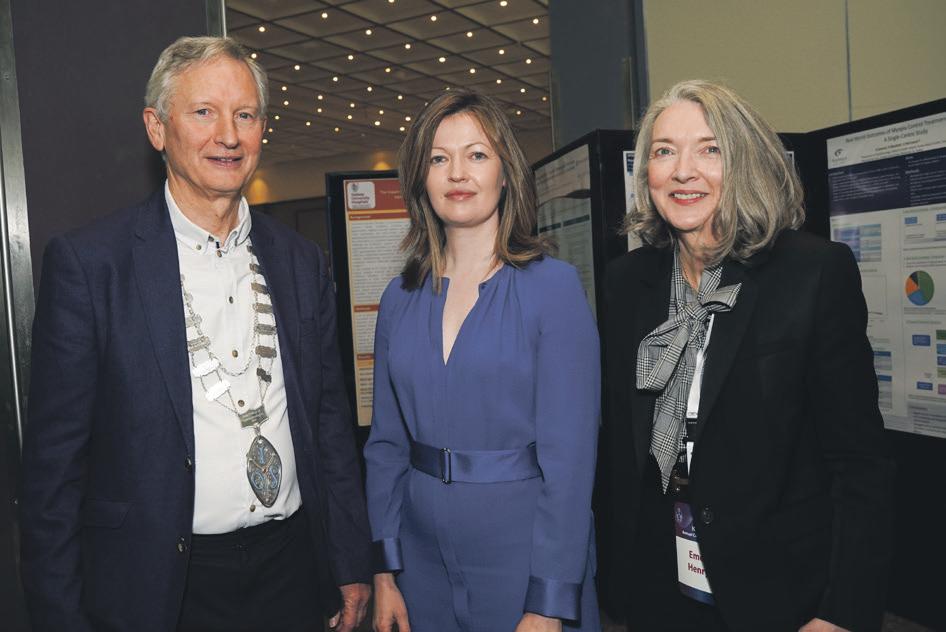
Major improvements in eye care services across the Galway region were highlighted at the Irish College of Ophthalmologists (ICO) 2026 Annual Conference.
Dr Geraldine Comer, Consultant Medical Ophthalmologist, HSE West/North-West, outlined the major changes to a number of ophthalmology services in the region as part of the roll-out of the integrated eye care team (IECT) model.
The IECT model comprises a multidisciplinary team of ophthalmic nurses, orthoptists, optometrists and technicians working under the clinical leadership of a consultant medical ophthalmologist. It is intended to provide high-volume community-based eye care while maintaining strong links with hospital ophthalmology services.
The first IECTs were launched in 2020 in north Dublin (linked to the Mater Hospital) and south/west Dublin (linked to the Royal Victoria Eye and Ear Hospital).
Since then, the model has expanded into Cork and the west of Ireland, where the Galway region has become a leading example of how integrated pathways can transform access to care.
During a dedicated cataract symposium at the ICO conference, Dr Comer outlined the modernised cataract pathway under her IECT in the west region and the significant benefits it is delivering for patients.
Cataract surgery remains the highest-volume surgical procedure in Ireland, and demand continues to grow with an ageing population, the conference heard. In response, the HSE in collaboration with the National Clinical Programme for Ophthalmology has introduced new cataract pathways designed to streamline referrals and ensure hospital surgical capacity is used efficiently.
The new model of care is designed to reduce unnecessary hospital visits, shorten waiting times, and allow more services to be delivered closer to patients’ homes through community-based clinics.
Community pre-assessment clinics also allow much of the preparatory work to be
completed locally before surgery.
Dr Comer described how the implementation of the cataract pathway in the western region is helping patients move more efficiently from referral to assessment and onward treatment, while ensuring hospital services are focused on surgery and more complex cases.
“A standardised cataract-only referral form has been developed for GPs and optometrists referring to the HSE system,” she said.
“This ensures that patients referred for surgical assessment are suitable, informed and ready to proceed if surgery is offered. Patients who do not yet require surgery can remain under community optometric care until the appropriate time”.
The Clinical Programme has recently launched a cataract referral form on Healthlink, making the referral process available digitally, and this is now in use in Galway.
Following engagement with local optometrists, about 80 per cent of referrals for cataracts to Dr Comer’s team are now from optometrists. The conversion rate for surgery from referrals is about 50 per cent and the ‘do not attend’ rate is very low. Unnecessary referrals have also been significantly reduced.
Speaking at the conference, Ms Aoife Doyle, HSE National Clinical Lead for Ophthalmology, said: “We very much welcome the roll-out of the Healthlink cataract referral form. Further progress depends on investment in shared digital health records so hospital and community teams can access the same patient information in real time. This will be especially important as Galway and other regions continue expanding cataract, paediatric, glaucoma, and medical retina pathways.”
She added that it is already clear that the Galway region has shown how new care pathways, consultant medical ophthalmologist leadership, and IECTs can deliver measurable improvements for patients.
“It offers a strong blueprint for the future of ophthalmology services across Ireland.”

These insights were gathered during her Fellowship training at Moorfields Eye Hospital, London, UK, with a focus on improving diagnostic accuracy and management.
Dr O’Connell noted the rapid pace of service change and treatment development in ophthalmology.
She said clinicians should never be afraid to ask for help, seek a second opinion on something, or simply admit they don’t know what the issue may be or the right choice in that moment. “Humility is important in our practice,” she said.
Pictured L-to-R: Mr Gerry Fahy, President, Irish College of Ophthalmologists (ICO); Dr Ann O’Connell; and Dr Emer Henry, ICO Programme Director for Medical Ophthalmology and Consultant Ophthalmologist, University Hospital Waterford
Aquality improvement project from the Royal Victoria Eye and Ear Hospital (RVEEH) in Dublin has demonstrated how simple visual preparation tools can significantly improve the experience of autistic patients attending ophthalmology appointments in acute hospital settings.
The research, titled ‘Carer experience using visual social stories with autistic patients at RVEEH’ was presented at the Irish College of Ophthalmologists 2026 Annual Conference.
The project was led by Dr Ian Brennan, Surgical Ophthalmology Trainee, and Dr Olya Scannell, Consultant Ophthalmologist, at the RVEEH in response to growing recognition that autistic patients often face barriers when accessing specialist hospital care.
Sensory overload, unfamiliar environments, and unpredictable procedures can all contribute to significant anticipatory anxiety and difficulties completing examinations.
Using a quality improvement methodology based on the PlanDo-Study-Act framework, the team developed department-specific Social Stories™ tailored to ophthalmology appointments at RVEEH.
The stories use real photographs of clinical areas, staff, and equipment to help patients become familiar with the hospital environment before arriving for their appointment.
The visual guides follow a clear and predictable sequence of six 'stops' throughout the patient journey, using simple First/Then logic to support transitions between waiting and consultation areas.
The stories were made available
in digital pre-appointment packs and hosted online to allow patients and carers to review them at home in advance of their visit.
During the pilot phase, clinical staff reported noticeable improvements in patient preparedness and engagement during appointments. According to feedback gathered as part of the project, patients who reviewed the social story beforehand appeared better able to tolerate the sensory and procedural demands of ophthalmology assessments.
Staff also reported increased success in completing examinations and procedures that can be particularly challenging for autistic patients, including the administration of dilating eye drops, and slitlamp biomicroscopy examinations.
In addition to improving the patient experience, clinicians noted that the initiative reduced time spent managing distress during consultations, allowing appointments to proceed more efficiently and effectively. Staff further described feeling more confident in delivering neurodiversity-affirming care with the support of a standardised preparatory resource.
The authors conclude that department-specific Social Stories™ represent a low-cost and scalable intervention that can meaningfully improve access to acute specialist healthcare for autistic patients.
They suggest the model could be adapted for use across a wide range of sensory-intensive healthcare environments and supports wider national goals around inclusive and accessible healthcare delivery.








Take control of your patients’ ocular surface with Lacrifill®:
✔ Hyaluronic acid canalicular gel1
✔ Maintains natural lubricating tears on the ocular surface1
✔ Each administration provides dry eye relief for 6 months1




For more information about Lacrifill® and the Instructions for Use, visit www.lacrifill.ie
Reference: 1. Packer M, et al. J Cataract Refract Surg. 2024 Oct 1;50(10):1051-1057.




Safety issues should be reported to Nordic Pharma by email at lacrifill-vigilance@nordicpharma.com Reporting forms and information can also be found at http://www.hpra.ie




Irish College of Ophthalmologists, Annual Conference, The Galmont Hotel, Galway, 13–15 May 2026
It is vital that patients with advanced or complex glaucoma are treated appropriately and not just given “easier” treatments that will never achieve the best potential outcomes, according to Prof Keith Barton, Consultant Ophthalmic Surgeon, Moorfields Eye Hospital London, UK.
Prof Barton is an internationally renowned expert and innovator in complex glaucoma surgery, who has pioneered surgical treatments for advanced and complex glaucoma, as well as minimally invasive techniques. He presented the prestigious Annual Mooney Lecture on ‘The challenge for surgeons managing glaucoma’ at the Irish College of Ophthalmologists (ICO) 2026 Annual Conference in Galway.
Prof Barton acknowledged that while it can be hard to argue with safety and predictability concerns when deciding how to treat complex glaucoma, efficacy and achieving the best outcome have to be balanced in the approach. Carrying out multiple minimally-invasive procedures can actually be riskier and cause more issues for these patients, he said.
“A lot of clinicians do minimally-invasive procedures saying ‘they might work’, but these patients need something that will work and that is worth emphasising,” Prof Barton told the Medical Independent (MI)
Newer and better-quality glaucoma drainage devices with less manufacturing variability are on the way that will be “game-changing”, he said.
In a separate presentation at the confer-

ence, Prof Barton also outlined the results to date of the iTrack Global Data Registry (iTGDR).
This is a prospective, multicentre study established to collect comprehensive real-world clinical outcomes on the efficacy and safety of canaloplasty using the iTrack and iTrack Advance microcatheter devices for the treatment of glaucoma.
The cloud-based dataset collects surgeon data across approximately 20 sites in the US, Canada, Europe, Asia, and Australia, and Prof Barton is one of its co-founders.
To date, the iTGDR has found that canaloplasty performed via an ab-interno approach significantly reduces intraocular pressure and medication burden safely in patients with primary and secondary open-angle glaucoma up to 18–24 months
post-operatively.
“The whole aim of the registry was to provide a bigger prospective picture of the glaucoma landscape as there are so many procedures; a lot of them doing the same thing in slightly different ways, making it much more difficult to get a perspective on what is working better. So we hoped by having large data on many procedures we would get a feel for what the reality is,”
Prof Barton explained.
The data confirms the clinical effectiveness of canaloplasty in mild glaucoma, and that it makes sense to choose this minimally-invasive option where possible, he commented.
The iTGDR is continuing to collect data to further strengthen its findings.
Prof Barton said it should be viewed by all glaucoma surgeons to support evidence-based decision-making.
During the ICO 2026 Annual Conference, there was a dedicated glaucoma symposium, which highlighted both surgical complexity and evolving models of care.
During the symposium, Prof Barton presented on challenging glaucoma cases, encouraging discussion around surgical strategy and outcomes.
Prof Uday Devgan, Consultant Ophthalmic Surgeon, Devgan Eye Surgery, Los Angeles, US, led an interactive session on combining cataract and glaucoma surgery, focusing on complication management and decision-making.
Prof Devgan is known as the ‘cataract coach’ and has a large online following. He recently co-led the world’s first human clinical trial of robotic-assisted
Ophthalmologists must validate the experience of patients who report chronic post-surgical eye pain, according to Dr Conor Hearty, Consultant in Anaesthesia and Pain Medicine, the Mater Misericordiae University Hospital, Dublin.
Speaking on the management of neuropathic pain in ophthalmology at the Irish College of Ophthalmologists 2026 Annual Conference, Dr Hearty said persistent pain after apparently successful eye surgery can have a profound impact on patients' quality-of-life, and create an increased risk of depression and suicidal ideation.
"Listening and validating the patient's pain is a key part of treatment," he stressed. "Never dismiss them."
Chronic post-surgical pain is defined as pain that persists for more than three months after surgery. Patients with chronic post-surgical eye pain often report being told that "everything looks normal" or that their symptoms are due to anxiety,

Dr Conor Hearty
despite continuing pain.
Dr Hearty noted that the cornea contains the densest peripheral nerve network in the human body and that neuropathic mechanisms may contribute to symptoms even when clinical findings are minimal.
According to Dr Hearty, clinicians should acknowledge that while the surgical objective may have been achieved, persistent pain can still occur, and apply a structured pain medicine approach.
Certain patients are at higher risk of developing chronic post-operative pain, including those with a history of chronic pain, anxiety, depression, pain catastrophising, previous surgery, or poorly controlled acute post-operative pain.
More complex procedures, larger incisions, and repeat surgeries may also increase risk.
Identifying high-risk patients before surgery provides opportunities for prevention, including optimisation of acute pain management and, where appropriate, psychological interventions such as cognitive behavioural therapy.
Accurate diagnosis and classification of pain are also essential. Pain may be nociceptive, nociplastic, neuropathic, or mixed in nature, and treatment should be tailored accordingly.

cataract surgery.
Prof Devgan emphasised that complications are an inevitable part of surgical practice and that what matters most is how surgeons respond when they occur. He said that, regardless of experience, surgeons should never be afraid to acknowledge a complication, pause, carefully consider the next step, and seek assistance when needed.
Prof Devgan presented a series of cataract surgery video case studies, inviting the audience to decide how they would respond when specific complications arose. Speaking to MI, he said detailed surgical videos are an invaluable learning tool for both trainee and experienced surgeons. He added that modern surgical trainees are likely to acquire skills more rapidly than previous generations, owing to advances in surgical training techniques and the widespread sharing of educational content online.
Dr David Gildea, Consultant Medical Ophthalmologist, HSE Dublin South, explored the growing need for innovative glaucoma service delivery.
These include hub-and-spoke models, virtual clinics, and multidisciplinary involvement to meet rising demand. He noted that Ireland has the fastest ageing population in Europe, and that virtual clinics are an effective way of discharging less complex patients.
Clinics for low-risk patients led by other team members such as advanced nurse practitioners, orthoptists, and optometrists can also increase access once done correctly.
Dry eye disease remains one of the most common causes of persistent post-surgical discomfort and should be assessed and treated proactively before more advanced interventions are considered.
The primary aim of treatment is restoration of function and quality-of-life rather than complete pain relief, he pointed out. Self-management, exercise, sleep hygiene, and psychological support all have important roles, while patients with refractory symptoms may require multidisciplinary care and referral to pain specialists.
Dr Hearty added that neuropathic pain medications may benefit selected patients. However, he cautioned against opioid escalation, and noted the importance of individualised patient and drug risk assessments (for example, some medications can exacerbate dry eye and increase glaucoma risk).
"It is unusual for patients to have a poor pain-related outcome following corneal surgery, but when it happens, recognising it is key to treating it."

Irish College of Ophthalmologists, Annual Conference, The Galmont Hotel, Galway, 13–15 May 2026
The report highlights a critical and growing demand for ophthalmology services
Ireland needs more consultant ophthalmologists and significantly expanded eye care services in the community if it is to meet growing patient demand, according to a major new HSE national workforce report launched at the Irish College of Ophthalmologists (ICO) 2026 Annual Conference.
The Ophthalmology Medical Workforce in Ireland 2025–2040 report was formally launched by Prof Anthony O'Regan, Medical Director, HSE National Doctors Training and Planning, at the conference. The focus of this report is to provide recommendations around the number of train ing places at both basic and higher specialty training in medical ophthalmology and ophthalmic surgery.
The report outlines that demand for ophthalmology ser vices will continue to rise sharply in Ireland in the coming years due to population growth, ageing demographics, and increasing rates of chronic eye disease.
It notes that current workforce capacity is inadequate. Ireland has fewer ophthalmology consultants per capita than many comparable countries with just 2.38 per 100,000 population, well below European and UK averages.
The report recommends a significant increase in consult ant ophthalmologists to meet current and future demand up to 2040 (55 consultant medical ophthalmologists and up to 77 surgeons, as well as additional private capacity).
Public ophthalmology waiting lists presently exceed 47,000 patients across adult and paediatric services.
With Ireland’s population projected to exceed six million by 2040, the report concludes that urgent workforce planning and sustained investment are now required to ensure timely, high-quality eye care services for patients nationwide.
The document also calls for the continued expansion of community-delivered eye care services through multidis ciplinary teams led by consultant medical ophthalmolo gists. The aim is to provide specialist eye care in the com munity with a particular focus on the four main conditions: Cataract, paediatric eye care, age-related maculopathy, and glaucoma.
Speaking at the report launch, Prof O’Regan said the cur rent quality of medical training is “exceptionally high” in Ire land and must be supported to maintain those standards.
Ms Aoife Doyle, HSE National Clinical Lead for Ophthal mology and Consultant Ophthalmic Surgeon, Royal Victoria Eye and Ear Hospital, Dublin, said: “This report sets out a clear roadmap for the future of eye care in Ireland. We need to grow our consultant workforce and continue building in tegrated community services so patients can access timely treatment in the right setting.”
She said the community eye care pathways already suc cessfully introduced in some regions have reduced waiting times and improved patient access, demonstrating the bene fits of integrated models of care.
Patients in these regions can access treatment closer to home through multidisciplinary eye care teams led by con sultant medical ophthalmologists. However, geographic gaps remain, particularly in the south and parts of the mid lands, which is reflected in waiting lists.
“Services as they currently stand are not adequate to meet current needs, both on the waiting lists and continu ing care. So we need more primary care units, more invest ment in rolling out the model of care,” Ms Doyle told the Medical Independent (MI)
“We urgently need to meet the demand [in the areas without primary eye care teams] and not by temporary solutions. Patients need to be reviewed in short spaces of time so we need investment in primary care centres, the full multidisciplinary team, and to attract candidates of the highest quality… to ensure people do not end up go ing blind, that children are seen early enough to intervene when needed. So this is critically important for the HSE re gions to listen to us and develop that model and invest in it.”
Speaking to MI, Prof O’Regan said that as well as the ICO training scheme’s pipeline of newly qualified posts, there are a significant number of doctors already working in non-training ophthalmology posts that can be “easily converted to a training scheme”.
“So hopefully from a training perspective that is easy
enough to do as otherwise you are looking for new posts which can be challenging.”
He said the roll-out of new HSE regional structures has challenges, including risks around changing existing clinical governance structures. However, Prof O’Regan added it brings benefits in terms of thinking about networks of care and clinical teams as a whole, rather than just the consultant role. “And there is a benefit that there is some autonomy down into the regions with more potential equity in terms of distribution.”
While both Ms Doyle and Prof O’Regan stated they were encouraged by the quality and robustness of the new ophthalmology workforce report, its actual implementation would be the next issue.



Irish College of Ophthalmologists, Annual Conference, The Galmont Hotel, Galway, 13–15 May 2026

Keynote speakers at the cataract symposium (pictured L-to-R): Prof Uday Devgan, Consultant Ophthalmic Surgeon, Devgan Eye Surgery, Los Angeles, US; Dr Ger Comer, Consultant Ophthalmologist, HSE West/North West; and Prof Alvin Young, Clinical Professor, Chinese University of Hong Kong; with session Chair Mr Rory Murphy, Consultant Ophthalmic Surgeon, Royal Victoria Eye and Ear Hospital (RVEEH), Dublin
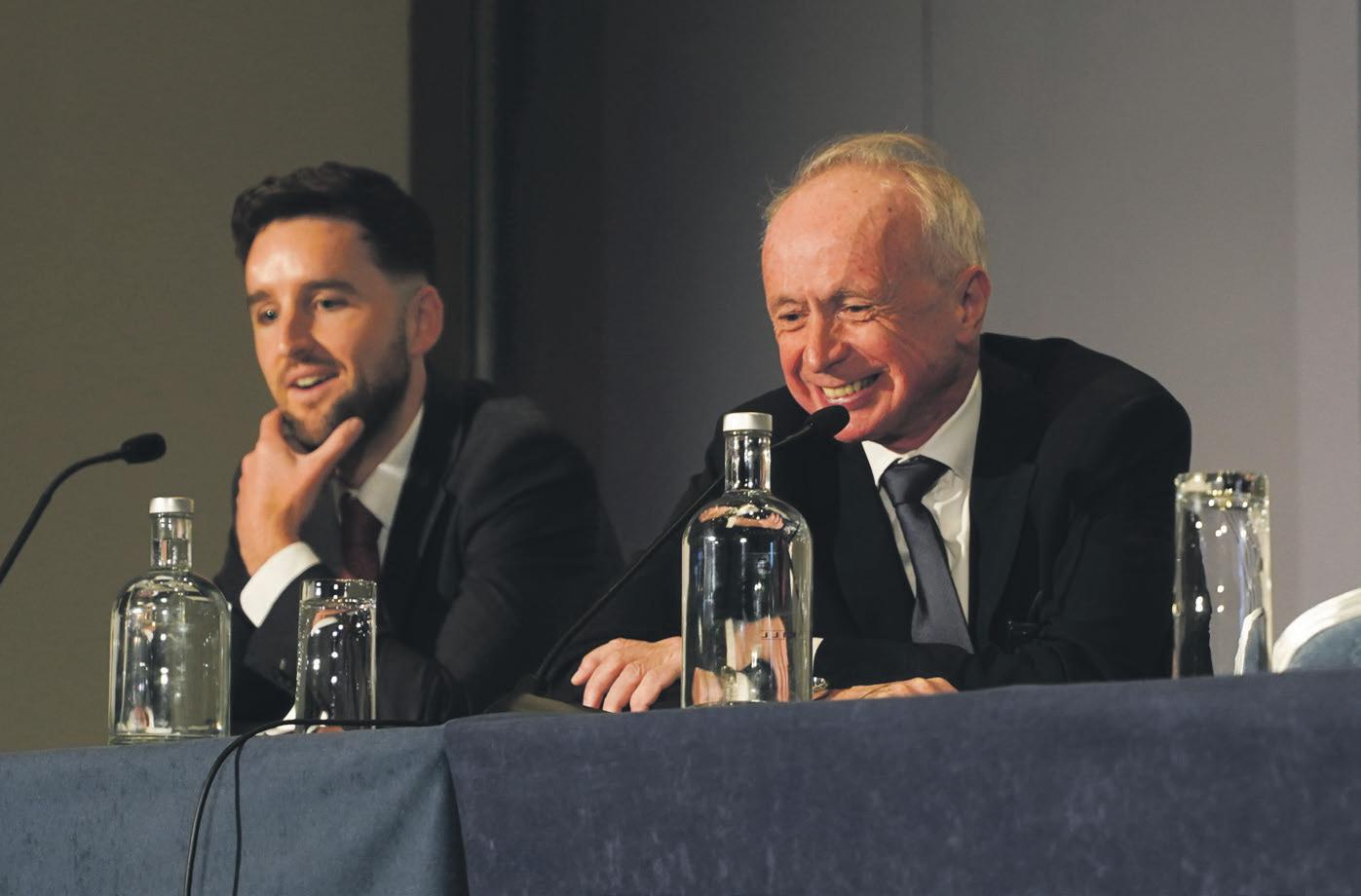
Glaucoma symposium: Dr David Gildea, Consultant Ophthalmologist, HSE Dublin South; and Prof Keith Barton, Consultant Ophthalmic Surgeon, Moorfields Eye Hospital, London, UK
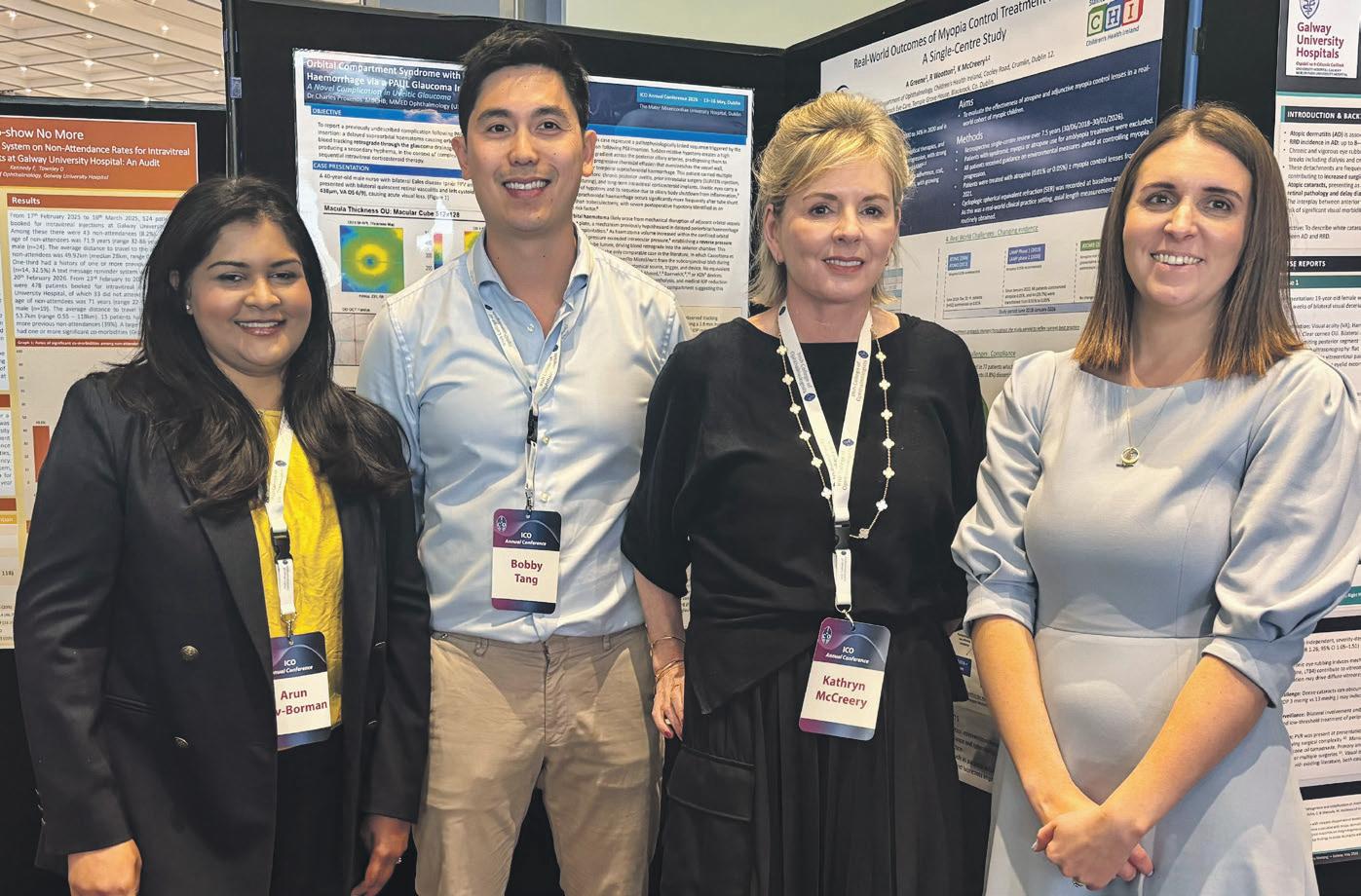
Paediatric ophthalmology clinical seminar: Miss Arundhati Dev Borman, Consultant Ophthalmic Surgeon, RVEEH; Dr Bobby Tang, Consultant Ophthalmologist, Our Lady of Lourdes, Drogheda; Ms Kathryn McCreery; and Ms Treasa Murphy, Consultant Ophthalmic Surgeons, Children’s Health Ireland

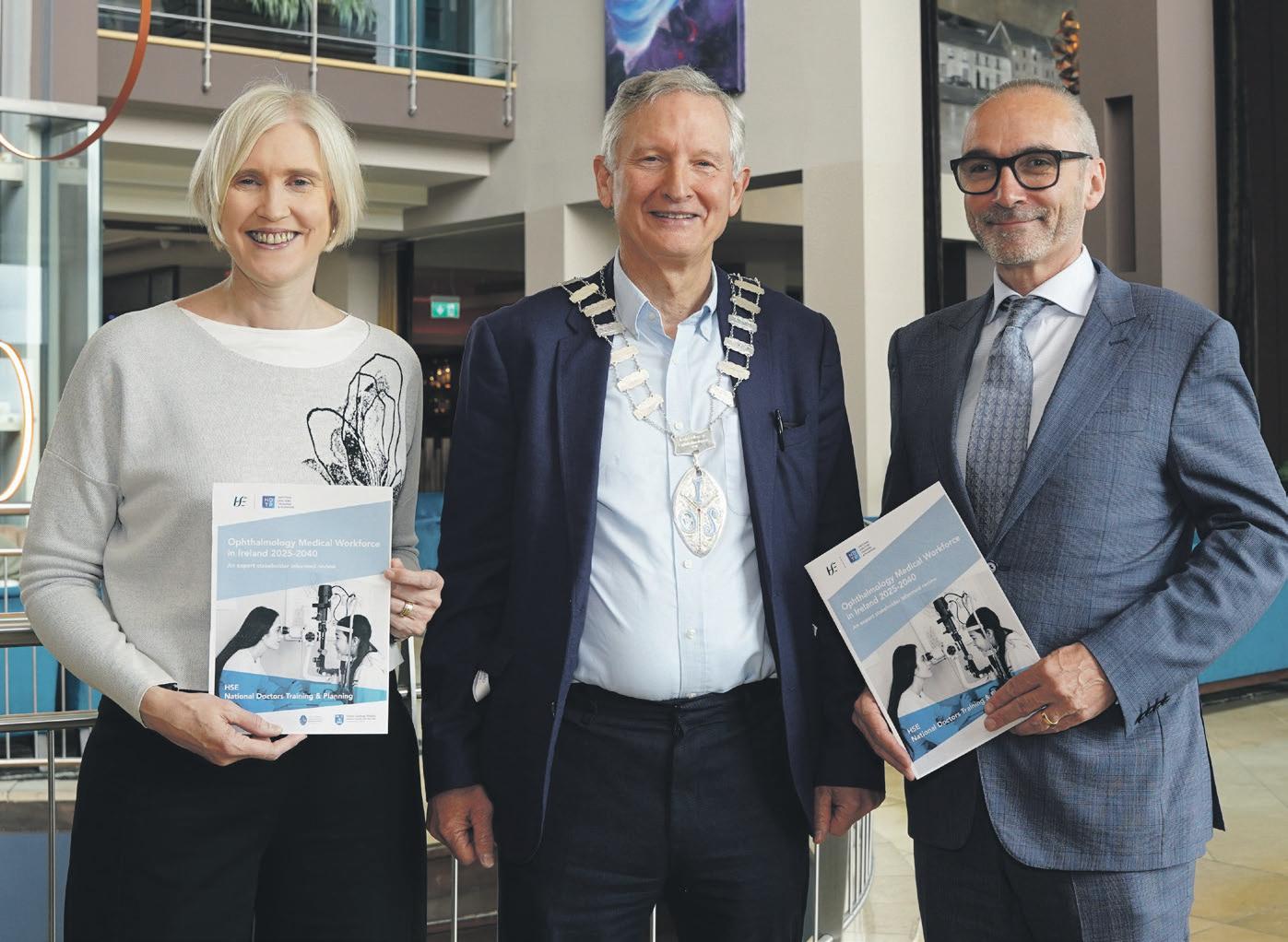
Ms Aoife Doyle, HSE National Clinical Lead for Ophthalmology; Mr Gerry Fahy, President, Irish College of Ophthalmologists; and Prof Anthony O’Regan, Medical Director, HSE National Doctors Training and Planning (NDTP) launching the HSE NDTP Ophthalmology Medical Workforce in Ireland 2025–2040 report

Effective and sustainable teams session: Mr Stuart Lancaster, Head Coach of Connacht Rugby; session Chair Prof Conor Murphy, Consultant Ophthalmic Surgeon, RVEEH; and Dr Monique Hope-Ross, Consultant Ophthalmic Surgeon, author, and Director of Medicine at Healthbuddi Life Sciences
Ms Clare Quigley, Consultant Ophthalmic Surgeon, RVEEH; Mr Jimmy Uddin, Consultant Ophthalmic Surgeon, Moorfields Eye Hospital, London; and Ms Elizabeth McElnea, Consultant Ophthalmic Surgeon, University Hospital Galway

WEDNESDAY 1 – SATURDAY 4
European Conference in Positive Psychology, Convention Centre, Dublin 1. The RCSI’s Centre for Positive Health Sciences is hosting the 12th European Conference on Positive Psychology. This conference will bring together researchers, practitioners, and professionals exploring wellbeing and positive psychology from around the world. Some of the featured speakers include: Prof Rose Anne Kenny – ‘What if ageing is the best part of life?’; Prof John Cryan – ‘Is your gut controlling your mood?’; Prof Carol D Ryff –‘What is the impact of inequality on eudaimonic wellbeing and health outcomes?’; Prof Meike Bartels – ‘How do genetic and environmental factors interact to shape happiness and wellbeing?’; Ms Andrea Downie – ‘What’s the key to making wellbeing central in education?’; and Prof Michael Pluess – ‘What is vantage sensitivity and how is this affecting positive youth development?’
Visit: https://www.rcsi.com
FRIDAY 4
29th Irish Society of Human Genetics (ISHG) Conference, RCSI, 123 St Stephen’s Green, Dublin 2. The ISHG is an independent non-profit professional organisation which promotes and encourages the advancement and public awareness of human genetics and genomics in research and clinical practice. Keynote speakers for its 2026 conference include Prof Gianpiero Cavalleri (RSCI); Prof Emilia Huerta-Sanchez (Brown University, US); Prof Riccardo Marioni (University of Edinburgh, UK); and Dr Declan O’Rourke (Children’s Health Ireland at Temple Street).
Visit: https://ishg.ie
Test your knowledge and win €50
Shane O’Donoghue reviews the Defender Trophy
WEDNESDAY 16 – FRIDAY 18
17th European Society for Prevention Research (EUSPR) Conference and Members’ Meeting, Hotel Riu Plaza, The Gresham, Dublin 1. The EUSPR promotes the development of prevention science and its application to practice so as to promote human health and wellbeing through high quality research, evidence-based interventions, policies, and practices. This year, the event will be co-hosted by the Department of Health and the Health Research Board thus strengthening the collaboration between prevention research, policy, and practice. The conference theme is ‘Innovation in prevention to support health equity’. The multi-day format allows for poster and early career dedicated sessions, keynote and parallel sessions, and many opportunities to engage and network with fellow EUSPR members.
Visit: https://euspr.org
THURSDAY 17 – FRIDAY 18
Conference
Irish Society for Rheumatology (ISR), Autumn Meeting, Europa Hotel, Belfast. The ISR is an organisation of members with specialist training in rheumatology. The Society includes those who are based in the Republic of Ireland, Northern Ireland, the rest of the UK, and some from further afield. The ISR promotes ongoing education and training in rheumatology at all levels. The Autumn Meeting is a key event in the Society’s calendar.
Visit: https://isr.ie
FRIDAY 18 – SATURDAY 19
Irish Society of Urology (ISU) Annual Meeting, Great Southern Killarney, Co Kerry. The ISU

was founded in 1956 to promote the specialty of urology and its related medical sciences in Ireland and to encourage and promote urological training and scientific research. The Society provides a forum for collaboration, education and the advancement of urological care in Ireland.
Visit: https://www.rcsi.com
SUNDAY 27 – WEDNESDAY 30
International Society for Quality in Healthcare (ISQua), 42nd International Conference, Convention Centre, Dublin 1. ISQua is a memberbased, not-for-profit organisation dedicated to promoting quality improvement in healthcare. Its 2026 conference will be held in partnership with the Department of Health and the HSE. The conference will encompass a wide range of areas, including patient safety, co-production, integrated care, AI and digital transformation, and supporting the workforce.
Visit: https://www.isqua.org
OCTOBER
WEDNESDAY 7 – THURSDAY 8
6th International Congress of Health Education and Research, RCSI, 123 St Stephen’s Green, Dublin 2. This conference is organised by the International Network for Health Workforce Education (INHWE). The INHWE is an international membership network dedicated to advancing health workforce education by connecting healthcare educators, researchers, and policymakers worldwide. The theme of the event is ‘Innovating together – the future of interprofessional education (IPE)’. According to the INHWE, IPE is essential to prepare the healthcare workforce for a rapidly evolving and increasingly complex care environment. The future of IPE relies on cultivating creativity, adaptability, and forward-thinking collaboration across health disciplines.
Visit: https://inhwe.org
FRIDAY 9 – SATURDAY 10
Haematology Association of Ireland (HAI), Annual Conference, Radisson Hotel, Cork. The HAI nurtures the development of haematology knowledge and research on the island of Ireland. The HAI achieves this through the organisation of an annual meeting which takes place in October of each year and is hosted in all corners of the island. The annual meeting attracts speakers of the highest international standing from all areas of haematology.
Visit: https://www.haematologyireland.ie
TUESDAY 27 – THURSDAY 29
36th Alzheimer Europe Conference, Convention Centre, Dublin 1. This prestigious conference is being organised by Alzheimer Europe and
the Alzheimer Society of Ireland. Through the theme, ‘Sláinte: Building momentum in dementia through policy, research, and partnership’, the event is anticipated to welcome more than 1,200 delegates from across Europe, including a strong representation from Ireland. The event unites people living with dementia, family carers, researchers, clinicians, and policymakers to share knowledge, shape policy, and drive innovation in care and treatment. A significant aspect of the conference is the active participation of advocates living with dementia and family carers, whose voices are central to discussions on patient and public involvement in research and advocacy. Delegates will discuss emerging research opportunities, new approaches to treatment, and the challenges of translating scientific developments – such as e-health interventions –into everyday practice.
Visit: https://www.alzheimer-europe.org
FRIDAY 13 – SATURDAY 14
Irish Endocrine Society (IES), 50th Annual Meeting, Aula Maxima, University College Cork. The IES is an all-island organisation involved in the clinical and research aspects of endocrinology. The Society fosters close relations between clinicians and basic scientists at all stages of their careers. This year it will mark its 50th annual meeting.
Visit: https://irishendocrinesociety.com
THURSDAY 19 – FRIDAY 20
Irish Thoracic Society (ITS), Annual Scientific Meeting, Killashee Hotel, Naas, Co Kildare. The ITS is the national organisation representing respiratory healthcare professionals throughout Ireland. The Society is dedicated to championing excellence in the prevention, diagnosis, and clinical care of respiratory disease through its work in advocacy, education, and research. The ITS Annual Scientific Meeting is the largest gathering of respiratory professionals in Ireland.
Visit: https://irishthoracicsociety.com
MONDAY 23 – FRIDAY 27
8th International Association for Youth Mental Health (IAYMH) Conference, Convention Centre, Dublin 1. The IAYMH is a membershipbased organisation for professionals, researchers, organisations, policy makers, young people, and parents. Its mission is to change the way the global community thinks about young people and their mental health. The Association’s key aims include ensuring mental health services are more responsive to the health needs of young people across the world.
Visit: https://iaymh2026.org
QUIZ – 30 June 2026
Q1 Which two counties will contest this year’s GAA Tailteann Cup next
Q2 Name the New Zealand-born Irish international winger who played his final game for Leinster in the URC final?
Q3 The Commonwealth Games commence next month. Which city will host the event?
Q4 Who was named the new manager of Real Madrid?
Q5 The
Q6 Which former Wimbledon women’s tennis champion was recently suspended from tennis for four years, for failing to take a drug test?
winner of the 2 June 2026 Crossword is Dr Stephanie Hanratty, Co Kerry The winner of the 2 June 2026 Sporting Quiz is Abdel Babiker, Co Westmeath
Q1 Who defeated Leinster in the Investec Champions Cup final last month? A: Union Bordeaux Bègles
Q2 The Dublin senior hurlers have reached the Leinster final. Who will they meet in the final later this month? A: Galway
Q3 Who won the coveted pink jersey in the Giro d’Italia? A: Jonas Vingegaard
Q4 Which Irish athlete won his very first 800m Diamond League race in China last month? A: Mark English
Q5 Which football team won promotion to the Premier League, via the play-offs, having finished sixth in the league table? A: Hull City
Q6 Who won golf’s second major of the year – the US PGA Championship – at Aronimink Golf Club last month?


o understand the raison d’être – and indeed the colour scheme – of the eye-catching Defender Trophy under test on this page, we need to cast our minds back to the 1980s. That’s when the Camel Trophy kicked off and yellow-painted Land Rovers were part and parcel of this event for nearly two decades. With a renewed focus on its adventure-ready image, especially for its Defender brand, the company has released a special edition harking back to those days –the Defender Trophy.
Exterior design and image
If finished in the ‘deep sandglow yellow’ colour shown here, it’s impossible to miss this Defender. The mustard-yellow-like hue is a modern take on the paint used on the Camel Trophy vehicles and now it’s paired with lots of contrasting gloss-black for a striking appearance. A black bonnet, grille, and roof are matched with black headlight surrounds, black wheelarch extensions, and black for the entire lower section of the body all the way around. There’s also a set of black wheels fitted with all-terrain tyres as standard, though don’t be fooled by the utilitarian design of the rims – they’re alloy, not steel. Adding to the purposefulness of the exterior is a chunky ladder that folds down to allow access to the roof, and solid sidesteps to make it easy to get in and out, even on extreme terrain. Oh, and don’t worry; the Trophy can be had in a more restrained dark green if you’re not brave enough to order a yellow one.
Interior and practicality
There are tasteful splashes of the exterior paint colour inside the Defender Trophy as well, though Land Rover left the upholstery well alone and our test car came with tactile, high-quality leather seats front and rear. As in all Defenders, the cabin design alludes to its workhorse roots, but it’s screwed together and uses tactile materials more like you’d find in a Range Rover. Perhaps you’d be less worried about getting the interior of this car dirty, as it appears to be easy to clean. It also features all the latest technology on board, including a
fully functional touchscreen. We’re more grateful to see the inclusion of physical switchgear for the heating and air conditioning, though it is cleverly designed to have multiple functions and it’s highly intuitive to use.
The back seats are massively spacious as well – in all directions – and we love the little skylights built into the roof. The boot isn’t perhaps as large as you might expect in a vehicle this size, and the side-opening tailgate can be awkward in tight spots. But its interior is clearly designed to cope with anything you throw at it – from a bale of hay to a dirty mountain bike, or a big buggy for that matter. Usefully, the rear seats fold down completely flat, effectively turning this Defender into a commodious van.
What’s more, it has plenty of performance, with noticeably strong torque delivery from the electric motor meaning you never really have to extend the engine
And while those that remember the lack of luxuries in the original Defender might expect this one to drive a bit like a commercial vehicle, nothing could be further from the truth. Not only does it use advanced air suspension and a sophisticated system for adapting to the terrain underneath, but this car is fitted with a modern plug-in-hybrid powertrain as well.
Under the bonnet is a turbocharged petrol engine, which is mated to an automatic transmission. Then there’s an electric motor that can in theory, in conjunction with the big battery pack, propel the Defender for nearly 50 kilometres without using a drop of petrol. There’s something deeply satisfying about tackling arduous off-road conditions without making a sound. You can hear the birds tweeting and the car splashing

through the mud and water.
Back on the road, and despite the special tyres, the Defender makes for a great long-distance cruiser. Its suspension jiggles about a little in urban environs, but we’d suggest that this is not a car for regular use in town in any case. On the open road, and on the motorway in particular, it is exceptionally quiet and comfortable, regardless of which part of the hybrid powertrain is propelling the car at any given moment. What’s more, it has plenty of performance, with noticeably strong torque delivery from the electric motor meaning you never really have to extend the engine. If you fancy a little more response, you slot the chunky drive selector left in its gate for the sport mode. It even manages enthusiastic cornering in a surprisingly capable manner.
Like all plug-in hybrids, the Defender Trophy is at its most efficient if you plug it into an external power source regularly to top up its battery and maximise electric driving. Most owners will do that at home, of course, but the Defender also has DC-charging capability, which isn’t the norm in a car such as this, and it should encourage the driver to make use of public chargers for maximum efficiency (of course, some will buy it just to avail of the low motor tax that its official CO 2 rating allows).
The Defender range is vast. There’s a two-door model; there are commercial vehicles called ‘Hard Tops’; there’s a high-performance derivative powered by a 635hp V8 called the ‘Octa’; and the five-door version can be had in two different lengths. Buyers can choose from petrol or diesel options, too, but given all of the above, it’s no surprise that the plug-in hybrids are the most popular. Pricing for the same 300hp system tested here starts at under €100,000 and there is a selection of trim levels offered. The Trophy model is priced at €130,200, which is a sizeable premium, but it comes loaded with equipment and no other version in the line-up can touch it for its heritage. Admittedly, an owner might spend a lot of time explaining to anyone that asks what the colour and Trophy badging is all about.



RCPI Institute of Obstetricians and Gynaecologists, Spring Conference, No 6, Kildare Street, Dublin, 6 March 2026

Pictured L-to-R: Ms Audrey Houlihan, CEO, RCPI; Prof Fionnuala McAuliffe, Professor of Obstetrics and Gynaecology, University College Dublin; Dr Suzanne O’Sullivan, Chair, RCPI Institute of Obstetricians and Gynaecologists; Minister for Health Jennifer Carroll MacNeill; Dr Diarmuid O’Shea, President, RCPI; Dr Cliona Murphy, Clinical Director, National Women and Infants Health Programme; and Ms Sarah Bissett, third-year medical student, RCSI

Dr Suzanne O’Sullivan; Prof Andrew Horne, Director, Centre for Reproductive Health, University of Edinburgh, UK; Prof Fionnuala McAuliffe; Dr Nuno Martins, Consultant Obstetrician/Gynaecologist, Viseu Dão-Lafões Hospital, Portugal; Dr Aoife O’Neill, Clinical Lead, supra-regional endometriosis centre, Tallaght University Hospital, Dublin; Dr Matt Hewitt, Consultant Gynaecological Oncologist, Liverpool Women’s University Hospital, UK; and Dr Cathy Burke, Clinical Lead, supra-regional endometriosis centre, Cork University Maternity Hospital

Dr Cliona Murphy; Dr Suzanne O’Sullivan; Prof Louise Kenny, Executive Pro Vice-Chancellor, Faculty of Health and Life Sciences, University of Liverpool, UK; Dr Minna Geisler, Consultant Obstetrician/ Gynaecologist, Cork University Maternity Hospital; and Dr Nikhil Purandare, Consultant Obstetrician/ Gynaecologist, University Hospital Galway

Irish College of GPs, National Trainers Conference, Salthill Hotel, Galway, 27-28 March 2026

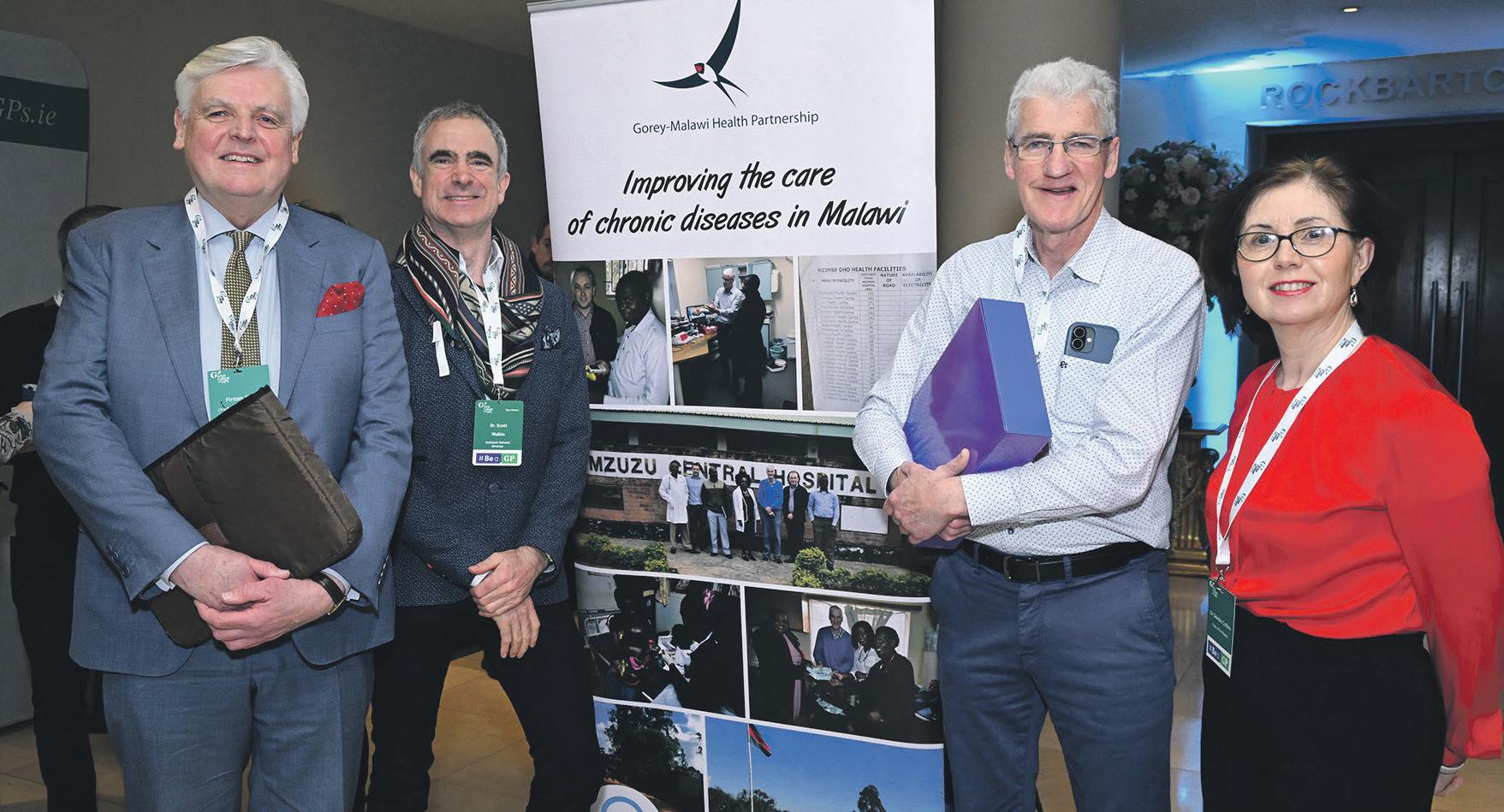

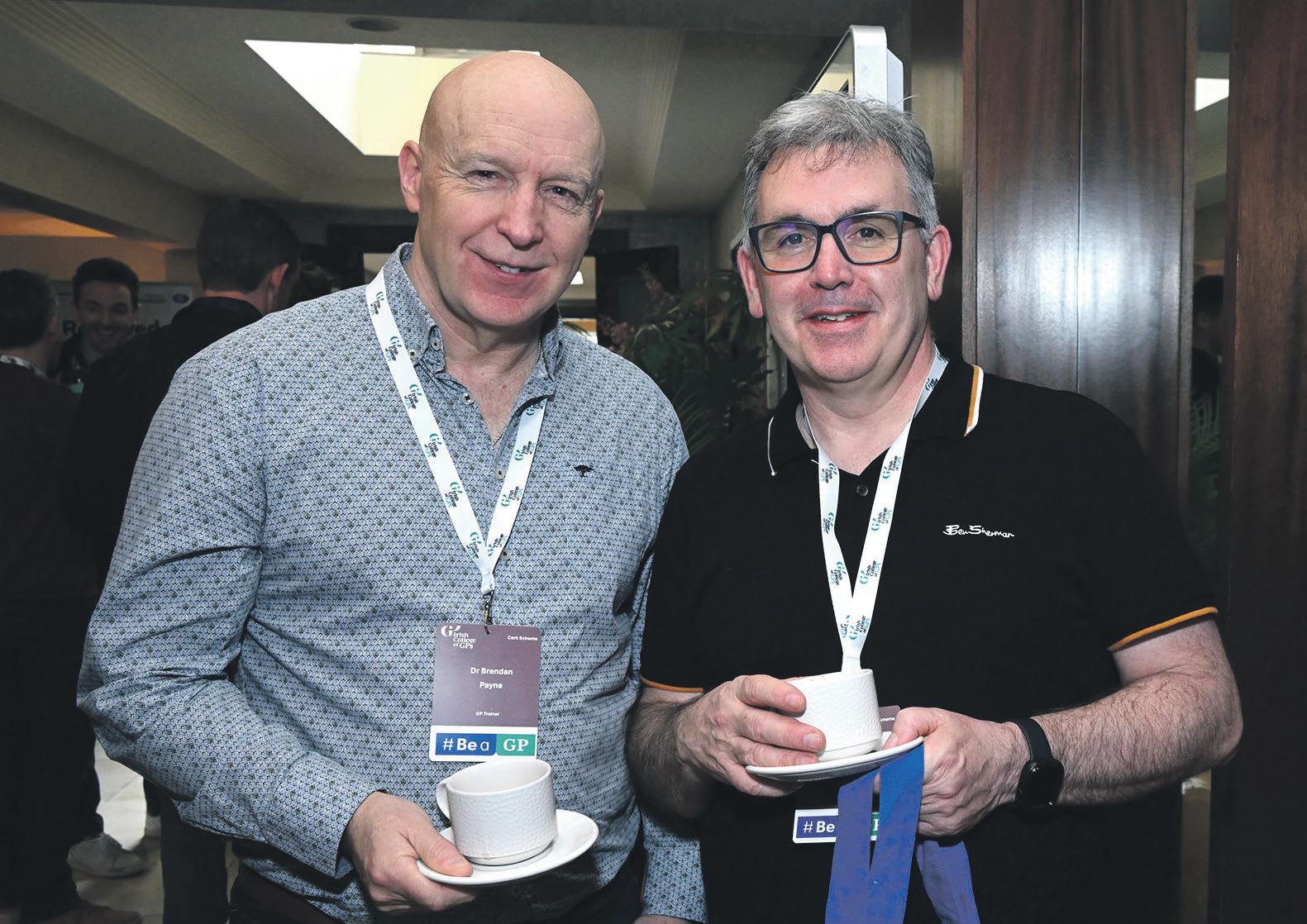
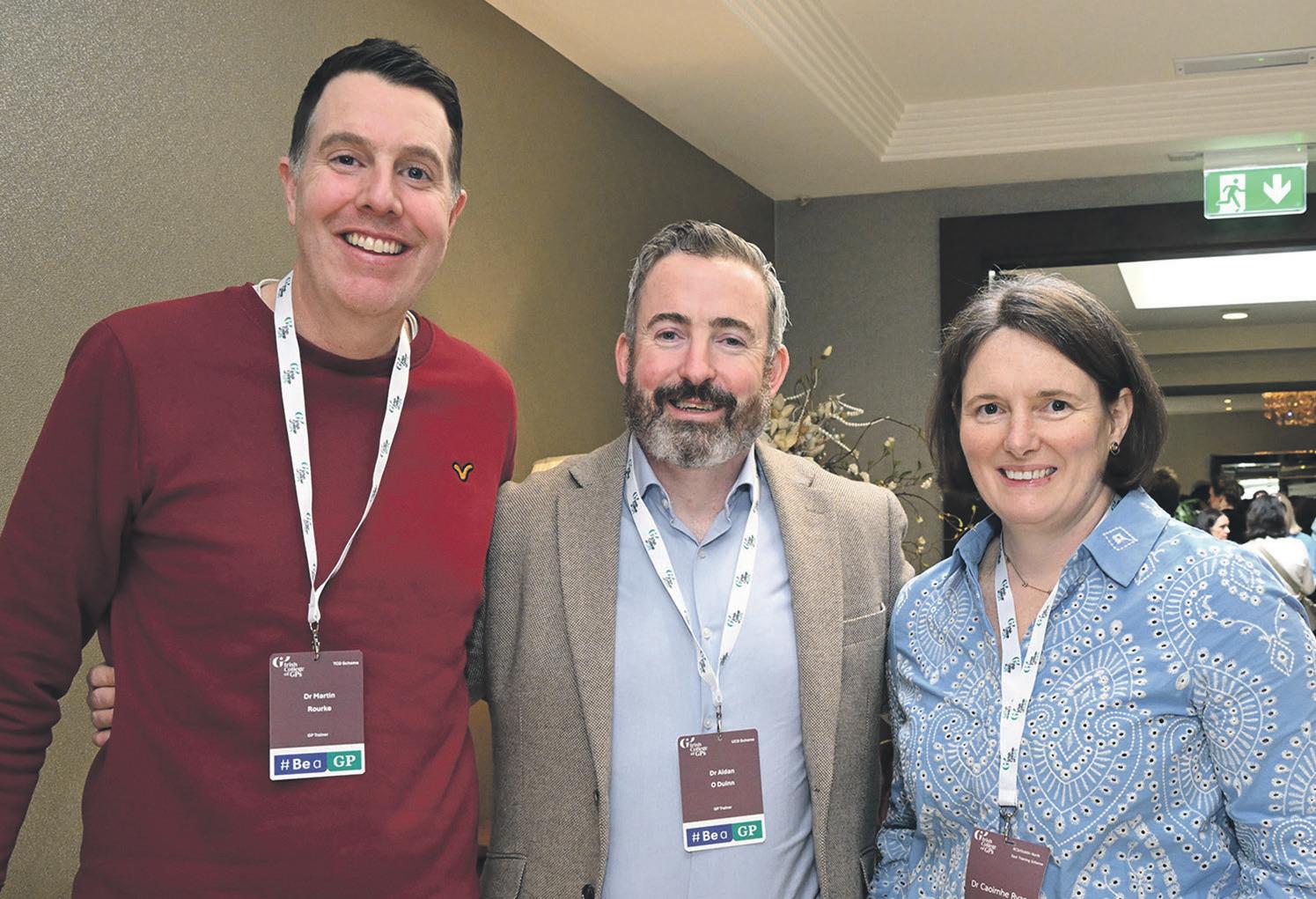

CLONMEL HEALTHCARE’S UZPRUVO▼ (USTEKINUMAB) IS RECOMMENDED AS A
Effective from 1 June 2026 Uzpruvo® is recommended as a Best Value Biologic for ustekinumab on the high-tech arrangement. 1
Reimbursement of ustekinumab on the high-tech arrangement for treatment naïve individuals is only supported for BVB medicines, such as Uzpruvo® 1
Uzpruvo® has been recommended as a Best Value Biologic (BVB) for ustekinumab on the high-tech arrangement, effective from 1 June.1 Reimbursement of ustekinumab on the high-tech arrangement for treatment naïve individuals is only supported for BVB medicines, such as Uzpruvo®.1
Uzpruvo®, the first approved ustekinumab biosimilar in Ireland, and the first to launch on the Irish market in July 2024, offers flexibility with three strength options; 45mg and 90mg solution for injection in pre-filled syringe and 130mg concentrate for solution for infusion.
Uzpruvo® is indicated for the treatment of plaque psoriasis, paediatric plaque psoriasis, psoriatic arthritis, and Crohn’s disease. 2 Uzpruvo® is currently not approved for the ulcerative colitis indication (since the originator still has exclusivity for this indication).
Uzpruvo® offers patients a wide variety of benefits:
▶ Equivalent efficacy, safety and immunogenicity to the reference product;**3
▶ Patient-friendly PFS: Easy handling, thinner needle + , latex-free;++2,4
▶ Cost-effective option enabling improved access to ustekinumab treatment;
▶ European manufacturing 2 and supply chain.
Mr Donagh O’Leary, General Manager, Clonmel Healthcare, said: “With over 55 years of experience serving the Irish healthcare community, Clonmel Healthcare continues to grow and strengthen its portfolio of biosimilar medicines, now spanning several therapeutic areas including rheumatology, gastroenterology, dermatology, and oncology. Our commitment as a trusted partner is to bring a comprehensive range of biosimilar medicines to the market, increasing access for patients, physicians, and pharmacists to affordable treatments. We are proud to support patients and the healthcare system, contributing to ongoing savings and improved care outcomes across Ireland.”
Clonmel Healthcare is also a proud member of Guaranteed Irish, supporting and creating Irish jobs, and contributing to the local community.
*Supply chain is constantly being optimised and manufacturing location is subject to change. **Stelara® . + 29 v 27-gauge needle of the reference product, Stelara®.++ Plunger stopper made of bromobuty rubber. 1https://healthservice.hse.ie/staff/information-healthcare-workers/ medicines-management-programme-mmp/best-value-medicines/ 2Uzpruvo® SmPC; 3Feldman SR et al. Expert Opin Biol Ther. 2023;23(3);25360. doi:10. 1080/14712598.2023.2235263; 4Stelara® PI. Date prepared: June 2026. 2605/ADV/UZP/506H
UZPRUVO® ▼ 45mg & 90mg Solution for Injection in Pre-filled Syringe
UZPRUVO® ▼ 130mg Concentrate for Solution for Infusion
▼ This medicinal product is subject to additional monitoring. This will allow quick identification of new safety information. Healthcare professionals are asked to report any suspected adverse reactions. Reporting suspected adverse reactions after authorisation of the medicinal product is important. It allows continued monitoring of the benefit/risk balance of the medicinal product. Healthcare professionals are asked to report any suspected adverse reactions to HPRA Pharmacovigilance via www.hpra.ie
Composition: Uzpruvo 45mg: Each pre-filled syringe contains 45mg ustekinumab in 0.5mL. Uzpruvo 90mg: Each pre-filled syringe contains 90mg ustekinumab in 1mL. Uzpruvo 130mg: Each vial contains 130mg ustekinumab in 26mL (5mg/mL). Excipients include histidine,
polysorbate 80, sucrose, and water for injections. The pre-filled syringe components are latex free. Pharmaceutical Form: 45mg and 90mg: Subcutaneous injection (pre-filled glass syringe). 130mg: Intravenous infusion (glass vial). Mechanism of Action: Ustekinumab is a fully human IgG1κ monoclonal antibody that targets the p40 subunit shared by interleukin (IL) 12 and IL-23. Indications: Uzpruvo 45 and 90mg is indicated for the treatment of plaque psoriasis, paediatric plaque psoriasis, psoriatic arthritis (PsA), adult Crohn's disease and paediatric Crohn's disease (patients ≥40kg). Uzpruvo 130mg is indicated for the treatment of adult Crohn's disease and paediatric Crohn's disease (patients ≥40kg). Dosage: Uzpruvo is intended for use under the guidance and supervision of physicians experienced in the diagnosis and treatment of conditions for which Uzpruvo is indicated. Refer to Summary of Product Characteristics for information on dosing and administration. Method of Administration: 45 and 90mg: Subcutaneous injection; 130mg: Intravenous use. Contraindications: Hypersensitivity to the active substance or any excipients. Clinically important, active infections (eg, active TB). Warnings and Precautions: Record product name and batch number of the administered product for traceability. Ustekinumab may increase the risk of infections and reactivate latent infections. Patients must be monitored for signs of infection before and during treatment. Tuberculosis screening required prior to treatment. Delay initiation in patients with active infection. Patients should be instructed to seek medical advice if signs or symptoms suggestive of an infection occur. Uzpruvo may increase the risk of malignancy. All patients, particularly those >60 years of age, or with a history of prolonged immunosuppressant therapy or PUVA, should be monitored for skin cancer. Caution when transitioning from or co-administering with other immunosuppressants. Serious hypersensitivity reactions (including anaphylaxis, allergic alveolitis, eosinophilic pneumonia) have been reported. Regularly assess cardiovascular risk factors. Avoid live vaccines during and up to 15 weeks after treatment (eg, BCG). In infants exposed in utero, defer live vaccines for 12 months after birth or until ustekinumab infant serum levels are undetectable. It is not known whether ustekinumab may affect allergy immunotherapy. In patients with psoriasis, exfoliative dermatitis has been reported following ustekinumab treatment. Monitor patients with psoriasis for symptoms of erythrodermic psoriasis or exfoliative dermatitis. Discontinue Uzpruvo if a drug reaction is suspected. Cases of lupusrelated conditions have been reported in patients treated with ustekinumab. Use caution in the elderly due to higher baseline infection risk. Uzpruvo contains polysorbates that may cause allergic reactions. Interactions: Live vaccines should not be given concurrently with Uzpruvo. The pharmacokinetics of ustekinumab was not impacted by concomitant use of MTX, NSAIDs, 6-mercaptopurine, azathioprine, and oral corticosteroids in patients with PsA, Crohn’s disease or ulcerative colitis, or prior exposure to anti-TNF α agents, in patients with PsA or Crohn’s disease or by prior exposure to biologics in patients with ulcerative colitis. In psoriasis studies, the safety and efficacy of ustekinumab in combination with immunosuppressants, including biologics, or phototherapy have not been evaluated. In psoriatic arthritis studies, concomitant MTX use did not appear to influence the safety or efficacy of ustekinumab. In Crohn’s disease and ulcerative colitis studies, concomitant use of immunosuppressants or corticosteroids did not appear to influence the safety or efficacy of ustekinumab. Fertility, Pregnancy, and Lactation: Women of childbearing potential should use effective contraception during treatment and for at least 15 weeks after the last dose. Data from >450 pregnancies indicate no increased risk of congenital malformations. Ustekinumab crosses the placenta and has been detected in infant serum. Infants may be at increased risk of infection. Live vaccines should be avoided for 12 months post-birth unless ustekinumab levels are undetectable. Ustekinumab is present in breast milk in low concentrations. Risk to breastfed infants is low, but breastfeeding decisions should balance risks and benefits. Effects on fertility have not been evaluated in humans. Driving and Machinery Use: Uzpruvo has no or negligible influence on the ability to drive and use machines. Undesirable Effects: Upper respiratory infections, nasopharyngitis, sinusitis, dizziness, headache, oropharyngeal pain, diarrhoea, nausea, vomiting, pruritus, back pain, myalgia, arthralgia, fatigue, injection site erythema and pain. Refer to SmPC for full adverse reaction list. Adverse Event Reporting: Adverse reactions should be reported via HPRA Pharmacovigilance, website: www.hpra.ie Pack Sizes: 45mg and 90mg: 1 pre-filled syringe. 130mg: 1 vial. A copy of the Summary of Product Characteristics is available upon request or go to www.clonmelhealthcare.ie. MA Holder: STADA Arzneimittel AG, Stadastrasse 2-18, 61118 Bad Vilbel, Germany. EU/1/23/1784/001, 004, 005. Medicinal product subject to restricted medical prescription. Date of Last Revision: April 2026. Date prepared: April 2026.
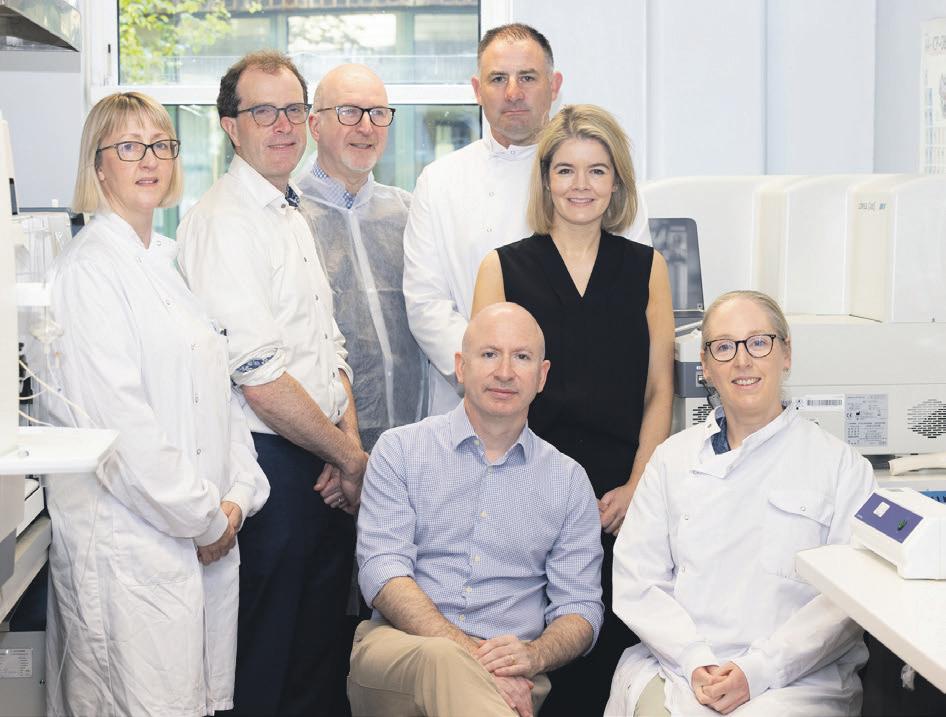
Pictured from L-to-R are members of the team that have worked on the development of the National Alzheimer’s Biomarker Service at Tallaght University Hospital, Dublin: Ms Catriona Duffy, Senior Medical Scientist, National Neurochemistry Laboratory; Dr Seán O’Dowd, Consultant Neurologist and Clinical Lead, HSE National Dementia Services; Prof Gerard Boran, Consultant Chemical Pathologist; Mr Eoin Begley, Chief Medical Scientist, National Neurochemistry Laboratory; Dr Aoife Fallon, Consultant Geriatrician; Prof Seán Kennelly, Consultant Geriatrician and Director of the Institute of Memory and Cognition; and Ms Caroline Murray, Senior Medical Scientist, National Neurochemistry Laboratory. Absent from picture: Dr Antoinette O’Connor, Consultant Geriatrician
Tallaght University Hospital (TUH) has announced the start of a new programme to assess how blood tests may help to support the diagnosis of Alzheimer’s disease. This development further strengthens TUH’s role as a national referral centre for Alzheimer’s disease biomarker testing.
The National Neurochemistry Laboratory at TUH currently provides specialist biomarker analysis to 12 hospitals nationwide, processing approximately 1,000 patients’ cerebrospinal fluid (CSF) samples annually. The arrival of the new state-of-the-art analyser alongside recent European approvals for blood biomarkers of Alzheimer’s will support a formal validation programme for blood biomarker testing in Alzheimer’s disease. This represents an important step that has the potential to significantly expand access to earlier, less invasive and more scalable diagnostic options for patients. This innovation is underpinned by research conducted in partnership with Trinity College Dublin and supported through funding from the consultant innovation fund. An important component of this work has been the development of the TUH Institute of Memory and Cognition Biobank for Ageing and Neurodegeneration, co-led by Dr Antoinette O’Connor, which supports the collection and integration of clinical and biomarker data for translational dementia research. Dr O’Connor also co-leads the Dementia Research Network Ireland All-Island Biobank initiative, supporting the development of national infrastructure for biomarker research and clinical validation.
Mr Eoin Begley, Chief Medical Scientist, National Neurochemistry Laboratory, said: “This is a milestone for Alzheimer’s diagnostics in Ireland. Moving from CSF-only testing to validated blood-based biomarkers will enable us to support far more patients, far earlier in their diagnostic journey. It represents a major shift in how we can identify and monitor neurodegenerative disease, and we are proud to lead this national service.”
Prof Seán Kennelly, Consultant Geriatrician and Director, Institute of Memory and Aging, said: “For patients and families, this development is genuinely transformative. Earlier and more accurate diagnosis enables better planning, better access to supports, and more personalised treatment decisions. The ability to deliver blood-based biomarker testing nationally is a major step forward for dementia care in Ireland.”
TUH’s commitment to adopting validated biomarker technologies at the earliest opportunity reflects the hospital’s strategic focus on delivering cutting-edge, innovative, and evidence-based diagnostics that enhance patient care and support personalised treatment planning.

You care for patients across some of the most complex and meaningful moments in medicine. Here, you’ll find the same depth and satisfaction in your career.
Health New Zealand is welcoming qualified Transplant Haematologists to join teams across New Zealand — collaborative, patient-focused environments where clinical culture, continuity of care, and scope of practice set us apart from large overseas centres.
Remuneration
Salary: The average package is NZD $343,500 (EURO €172,860), comprising base salary (experiencedependent), allowances, and superannuation per the ASMS collective agreement.
Benefits
NZD $16,000 (EURO €8,050) annual CME allowance
Paid 3-month sabbatical every 6 years
Indemnity insurance, professional fees, and subscriptions fully covered
Complimentary visa and immigration advice
A tailored relocation package to make your move, if eligible
Leave
6 weeks of annual leave
Generous discretionary sick leave
12 public holidays, paid T1.5 + time in lieu if worked
14 weeks paid parental leave (alongside the government’s 26 weeks)
Please note that actual packages are negotiated at the time of offer, reflecting your specific clinical
specialty, experience level, and geographic location.
What you need to work here
Registration: Eligibility for registration with the Medical Council of New Zealand and a current Annual Practising Certificate. International applicants will typically hold qualifications equivalent to the Fellowship of the Royal Australasian College of Physicians (Haematology), with experience in allogeneic and/or autologous stem cell transplantation and cellular therapies.
Visa: Most international applicants will require a work visa to practise in New Zealand. Health New Zealand’s Health Immigration Service provides complimentary support, so you’re not navigating the process alone. Typical pathways include the Straight to Residence visa for Transplant Haematologists, or an Accredited Employer
Work Visa (AEWV) as a first step. Our immigration team will advise on the most appropriate route based on your individual circumstances.
We only accept online applications. Please apply via our website: www.healthnz.govt.nz/careers/roles/senior-medical-officers/ internal-medicine-specialists/haematologists

The AAI is seeking a medical doctor, preferably with experience in paediatrics, to advise the Board of the Adoption Authority of Ireland on medical matters arising in the processing of adoption applications. The successful candidate is expected to advise on medical information regarding prospective adoptive parents and children placed for adoption.
For more information, please go to our website: https://aai.gov.ie/en/news






Free, independent CPD for doctors, nurses and pharmacists… all under one roof
Top up your points on www.medilearning.ie

Witherspoon
As researchers reassess the role of the tonsils in health and immunity, attention is also turning to another long-overlooked organ: The thymus gland.
The thymus is, of course, best known for its role in immune function during childhood, and for a long
time it had been assumed that in adulthood, it is a largely redundant organ, having basically served its purpose during the early years of life. However, a recent study has turned this assumption on its head. This research suggests that the gland continues to have an important role in overall health, and even influences longevity and cancer

REFER TO FULL SUMMARY OF PRODUCT CHARACTERISTICS (SmPC) BEFORE PRESCRIBING
Presentation: Each film-coated tablet contains rifaximin
550 mg. Uses: Targaxan is indicated for the reduction in recurrence of episodes of overt hepatic encephalopathy in patients ≥ 18 years of age. Consideration should be given to official guidance on the appropriate use of antibacterial agents. Dosage and administration: Recommended dose: 550mg twice daily as long term treatment for the reduction in recurrence of episodes of overt hepatic encephalopathy. In the pivotal study, 91% of patients were using concomitant lactulose. Targaxan is administered orally with a glass of water, with or without food. No dosage changes are necessary in the elderly or those with hepatic insufficiency. Use with caution in patients with renal impairment. The safety and efficacy in paediatric patients (aged less than 18 years) have not been established. Contraindications: Contraindicated in hypersensitivity to rifaximin, rifamycin-derivatives or to any of the excipients and in cases of intestinal obstruction. Warnings and precautions for use: Severe cutaneous adverse reactions (SCAR) including: Stevens-Johnson syndrome (SJS) and toxic epidermal necrolysis (TEN), which can be life-threatening or fatal, have been reported (frequency unknown) in association with rifaximin treatment. At the time of prescription patients should be advised of the signs and symptoms and monitored closely for skin reactions. If signs and symptoms suggestive of these reactions appear, rifaximin should be withdrawn immediately and an alternative treatment considered (as appropriate). If the patient has developed a serious reaction such as SJS or TEN with the use of rifaximin, treatment with rifaximin must not be restarted in this patient at any time. The potential association of rifaximin treatment with Clostridium difficile associated diarrhoea and pseudomembranous colitis cannot be ruled out. The concomitant administration of rifaximin with other rifamycins is not recommended. Patients should be informed that rifaximin may cause a reddish discolouration of the urine. Use with caution in patients with severe (Child-Pugh C) hepatic impairment and in patients with MELD (Model for End-Stage Liver Disease) score > 25. Caution should be exercised when concomitant use of rifaximin and a P-glycoprotein inhibitor such as ciclosporin
is needed. Both decreases and increases in international normalized ratio (in some cases with bleeding events) have been reported in patients maintained on warfarin and prescribed rifaximin. If co-administration is necessary, the international normalized ratio should be carefully monitored with the addition or withdrawal of treatment with rifaximin. Adjustments in the dose of oral anticoagulants may be necessary to maintain the desired level of anticoagulation.
This medicine contains less than 1 mmol sodium (23 mg) per tablet, that is to say essentially ‘sodium-free’. Interactions: In patients with hepatic impairment, rifaximin may decrease the exposure of concomitantly administered CYP3A4 substrates (e.g. warfarin, antiepileptics, antiarrhythmics, oral contraceptives). Pregnancy, lactation and fertility: Rifaximin is not recommended during pregnancy. A decision must be made whether to discontinue breast-feeding or to discontinue/ abstain from rifaximin therapy taking into account the benefit of breast feeding for the child and the benefit of therapy for the woman. Animal studies do not indicate direct or indirect harmful effects with respect to male and female fertility.
Undesirable effects: Common adverse reactions (≥1/100 to <1/10) are: depression, dizziness, headache, dyspnoea, upper abdominal pain, abdominal distension, diarrhoea, nausea, vomiting, ascites, rashes, pruritus, muscle spasms, arthralgia and peripheral oedema. Other less frequently reported adverse reactions are: Clostridial infections, urinary tract infections, candidiasis, pneumonia, cellulitis, upper respiratory tract infection, rhinitis, anaemia, thrombocytopenia, anaphylactic reactions, angioedemas, hypersensitivity, anorexia, hyperkalaemia, dehydration, confusional state, anxiety, hypersomnia, insomnia, balance disorders, amnesia, convulsion, attention disorder, hypoesthesia, memory impairment, hot flush, hypertension, hypotension, presyncope, syncope, pleural effusion, chronic obstructive pulmonary disease, abdominal pain, oesophageal varices haemorrhage, dry mouth, stomach discomfort, constipation, liver function test abnormalities, SJS, TEN, dermatitis, eczema, myalgia, back pain, dysuria, pollakiuria, proteinuria, oedema, pyrexia, asthenia, International normalised ratio abnormalities, fall, contusions, procedural pain. Prescribers should consult the SmPC in relation to other adverse reactions.
TARGAXAN® 550 mg (rifaximin-α) twice daily for your adult hepatic encephalopathy patients
immunotherapy response.
The team, led by Harvard Medical School, US, used imaging studies from 27,000 adults and artificial intelligence (AI) to deal with the huge amount of data. They found that people with healthy thymuses were less likely to contract serious diseases, as well as benefitting from increased longevity. Moreover, the research suggests a link between thymus health and a patient’s response to immunotherapy.
There was a reduced risk of cardiovascular disease and lung cancer among the people with healthy thymuses. Among the 3,400 participants who had cancer, a healthy thymus was strongly associated with immunotherapy response and survival beyond standard tumour biomarkers. Also interestingly, obesity, smoking, metabolic syndrome, and chronic inflammation were implicated in poor thymic health, so some risk factors are modifiable.
At home they are still at risk...
...TARGAXAN® reduces the recurrence of episodes of overt hepatic encephalopathy in adults.1
Legal category: Prescription only
Marketing Authorisation holder: Norgine B.V. Antonio
Vivaldistraat 150, 1083 HP, Amsterdam, Netherlands
Marketing Authorisation number: PA 1336/009/001 For further information contact: Telephone: +44 (0)1895 826 606
E-mail: medinfo@norgine.com
Ref: IE-HEP-XIF-2400015 Date of revision: Dec 2024
Healthcare professionals are asked to report any suspected adverse reactions via HPRA Pharmacovigilance. Website: www.hpra.ie. Adverse events should also be reported to Medical Information at Norgine Ltd on: Tel: +44 (0)1895 826 606 Email: medinfo@norgine.com
References: 1. TARGAXAN® 550 Summary of Product Characteristics. Available for Ireland from: www.medicines.ie. Product under licence from Alfasigma S.p.A. TARGAXAN® is a registered trademark of the Alfasigma group of companies, licensed to the Norgine group of companies. NORGINE and the sail logo are registered trademarks of the Norgine group of companies.
IE-HEP-RIF-2600002
Date of preparation: March 2026
The findings were published in two separate papers in the same issue of Nature (March 2026) and provide a better understanding of this previously overlooked little organ. One of the papers looked at responses to immunotherapy, while the other examined longevity, rates of cardiovascular disease, and cancer. In the first of these studies, AI was used to evaluate a vast amount of CT scans and the size, composition, and structure of the thymus were assessed. From the resulting data, the researchers created a ‘thymic health score’. When compared to those who had a low thymic health score, those with a good score had a 36 per cent lower risk of developing lung cancer, and a 63 per cent lower risk of death from cardiovascular disease, even after accounting for age and other factors.
In the other study, cancer patients with a higher thymic health score and treated with immunotherapy had a 37 per cent lower risk of cancer progression and a 44 per cent lower risk of death, even after adjustments for differences in tumours and treatment approaches.
The authors postulate that lower thymic health means less T-cell diversity, impeding the immune system’s ability to deal with and eradicate threats, including cancer. Previous studies have found connections between T-cell diversity and ageing and immune system decline, but most of that research was conducted using small, bloodbased tests. In these studies, however, the authors examined more than 25,000 adults in a national lung cancer screening trial, as well as more than 2,500 participants in the Framingham Heart Study.
There are, of course, caveats. More research is needed as always and the researchers acknowledge that there is currently no imaging method for measuring thymic health that is ready for clinical use. There is also another ongoing study to look at whether unintended radiation exposure to the thymus during lung cancer treatment could influence patient outcomes. Given the scale of the potential benefits, improving thymus health is clearly an area that warrants further attention.
The authors also referenced recent work by Kooshesh et al, which showed that “adults who had their thymus removed experienced adverse health consequences across multiple diseases and outcomes, where penetrance can be decades after thymectomy…. While the consequences of thymectomy are impactful, only a small fraction of the population is exposed to this procedure, whereas individual and lifestyle-dependent differences in thymic decay affect everyone.”
Prof Hugo Aerts, corresponding author on both papers, Director of the Artificial Intelligence in Medicine Programme at Mass General Brigham and HMS Professor of Radiation Oncology at Dana-Farber Cancer Institute, US, commented: “The thymus has been overlooked for decades and may be a missing piece in explaining why people age differently and why cancer treatments fail in some patients. Our findings suggest thymic health deserves much more attention and may open new avenues for understanding how to protect the immune system as we age. Improving our understanding and monitoring of thymic health could eventually help physicians better assess disease risk and guide treatment decisions.”