

Whether you're planning a custom home, home addition, kitchen remodel, bathroom renovation, or a complete home transformation, choosing the right general contractor is one of the most important decisions you'll make. The contractor you hire will influence your project's quality, timeline, budget, and overall experience.
This guide walks you through everything homeowners should know before hiring a general contractor, helping you make informed decisions and avoid costly mistakes.
A general contractor manages every aspect of your construction or remodeling project Instead of coordinating multiple trades on your own, the contractor serves as your single point of contact and oversees the entire process.
Typical responsibilities include:
Project planning and scheduling
Budget management
Hiring and supervising subcontractors
Obtaining permits when required
Ordering and coordinating materials
Managing inspections
Ensuring work complies with local building codes
Maintaining project quality and safety
Keeping homeowners informed throughout the project
Whether your project involves building a new custom home or remodeling an existing one, a qualified general contractor helps ensure everything stays organized from beginning to end
Many homeowners wonder whether they actually need a general contractor
Generally, hiring one makes sense if your project involves:
Building a custom home
Constructing an ADU (Accessory Dwelling Unit)
Adding a room or second story
Whole-home renovations
Structural modifications
Kitchen remodeling
Bathroom remodeling
Garage conversions
Outdoor living projects
Fire hardening improvements
Multiple licensed trades working together
For larger projects, professional project management often saves both time and money
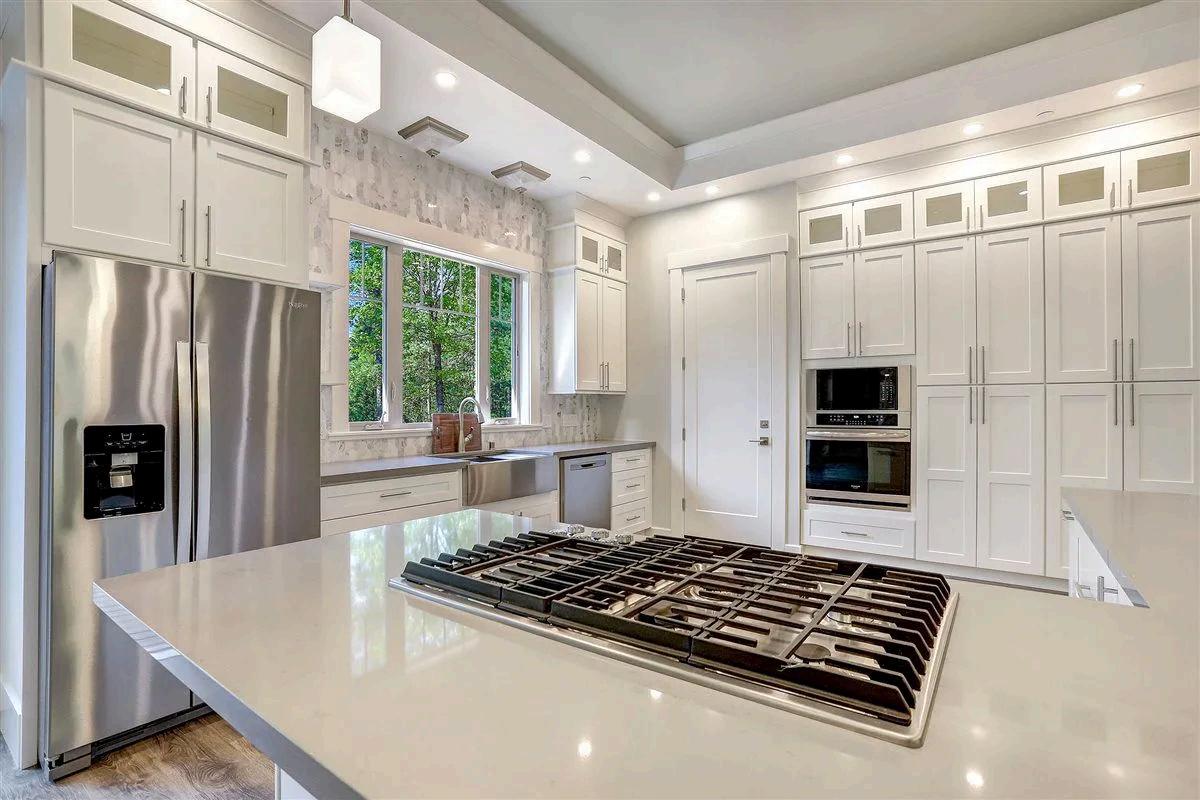
Construction involves dozens of moving parts A contractor coordinates every phase to minimize delays and confusion.
Experienced contractors understand proper construction methods and maintain quality standards throughout the project.
Scheduling subcontractors, inspections, and material deliveries requires careful planning A contractor handles these responsibilities so your project moves efficiently
Construction projects often require permits and inspections A knowledgeable contractor understands local requirements and manages the approval process.
An experienced contractor helps prevent expensive mistakes while keeping your project aligned with your budget.
Established contractors work with reliable electricians, plumbers, framers, painters, flooring specialists, and other skilled trades.
Interviewing multiple contractors helps you compare experience and determine who is the best fit for your project. Asking the right questions upfront can help you avoid costly mistakes and choose a contractor you can trust. For even more insights, read our guide on questions to ask a home builder before starting your project, which covers additional considerations for homeowners planning new construction.
Consider asking:
Experience often reflects knowledge of construction practices and project management.
Always verify licensing and insurance before signing a contract.
Ask to see examples of completed work that matches your project
Speaking with previous clients provides valuable insight into communication, professionalism, and workmanship.
Know who your primary point of contact will be throughout construction.
While construction timelines may change, you should receive a realistic schedule.
Discuss how change orders, additional work, and pricing adjustments will be managed.
Regular communication helps homeowners stay informed and reduces misunderstandings.

Look for contractors who demonstrate:
Clear communication
Honest pricing
Professional proposals
Strong local reputation
Positive customer reviews
Detailed project planning
Realistic expectations
Respect for your budget
Organized project management
Transparency throughout the process
The best contractors focus on building trust, not just winning the job
Be cautious if a contractor:
Offers an unusually low estimate
Requests full payment upfront
Cannot provide proof of licensing or insurance
Avoids written contracts
Pressures you into making immediate decisions
Gives vague answers about timelines
Has consistently poor reviews
Refuses to provide references
Cannot explain their construction process
Choosing the cheapest option can often lead to higher costs later if poor workmanship requires repairs
A professional estimate should clearly outline:
Scope of work
Materials
Labor costs
Estimated project timeline
Payment schedule
Allowances for selections
Warranty information
Exclusions
Permit responsibilities
Review estimates carefully and ask questions about anything that seems unclear.
Never begin construction without a signed agreement.
A quality construction contract should include:
Project description
Materials to be used
Estimated start and completion dates
Payment schedule
Change order process
Warranty information
Responsibilities of both parties
Cleanup expectations
Permit responsibilities
A detailed contract protects both the homeowner and the contractor.
Successful projects depend on effective communication.
Helpful practices include:
Scheduling regular progress updates
Discussing concerns early
Documenting approved changes
Reviewing completed work periodically
Keeping records of major decisions
Good communication reduces misunderstandings and keeps the project moving smoothly.
Every construction project should include a contingency budget for unexpected expenses.
Many homeowners set aside approximately 10% to 20% of the total project cost for unforeseen conditions, material changes, or design updates
A contractor can help explain where flexibility may be needed without compromising quality.
Every project is unique, but most construction work follows a similar sequence:
1. Initial consultation
2. Design and planning
3. Budget approval
4 Permit application
5 Material ordering
6. Site preparation
7. Construction
8. Inspections
9. Final walkthrough
10 Project completion
Weather, inspections, material availability, and change requests may affect scheduling.
Hiring a contractor familiar with your area can offer several advantages, including:
Knowledge of local building codes
Experience with regional permitting processes
Relationships with trusted suppliers
Familiarity with local climate considerations
Understanding of neighborhood construction requirements
Local expertise often helps projects move more efficiently
Before work begins:
Finalize your design decisions
Remove valuables from work areas.
Discuss site access with your contractor.
Establish communication expectations.
Confirm the project schedule.
Review payment milestones
Plan for temporary disruptions if necessary
Preparation helps minimize stress during construction.
Most homeowners compare three qualified contractors before making a decision.
Not necessarily. Consider experience, communication, quality, references, and overall value in addition to price
Timelines vary depending on project size, complexity, permitting, and material availability
Most contractors use a written change order process that documents scope changes, pricing adjustments, and schedule impacts.
Many homeowners do, although larger renovations may require temporary adjustments depending on the extent of the work.
Hiring a general contractor is about more than comparing prices. The right contractor brings experience, organization, communication, and quality craftsmanship that help
your project succeed from start to finish.
Take time to research your options, ask thoughtful questions, review contracts carefully, and choose a professional who understands your goals A strong partnership with your contractor can make the construction process more efficient, less stressful, and far more rewarding.
Whether you're planning a custom home, remodeling your kitchen, expanding your living space, or tackling a whole-home renovation, selecting a qualified general contractor is one of the best investments you can make in your project