

We, Greater Shepparton City Council, acknowledge the traditional owners of the land which now comprises Greater Shepparton.
We pay respect to their tribal elders, we celebrate their continuing culture and we acknowledge the memory of their ancestors.
Find out all about Greater Shepparton and your Council.
Details how we have set about achieving the goals of the Council Plan. Includes what we have undertaken to achieve economic, social and environmental outcomes, and the capital works we have completed over the last financial year.
Presents the corporate governance and statutory information.
Presents the audited performance and financial statements detailing our financial performance over the last financial year.
A quick and easy to read summary of the finances is provided to make the finances easy to understand and transparent.
Council’s Environmental Sustainability Strategy was adopted in July 2014.
Council was awarded the Local Government Award at the 2014 Multicultural Awards for Excellence for the Respecting Difference project.
Council assisted 250+ events generating $40 million+ to the Greater Shepparton economy.
October saw the launch of the Volunteer Strategy.
60,283 people attended performances and meetings at Riverlinks Venues (the Eastbank Centre and WestSide PAC).
Carols by Candlelight celebrated its 40th anniversary in December.
70 per cent of planning permits were completed within 60 days.
Council hosted several Ministerial visits during 2014/2015 including the Premier The Hon Daniel Andrews MP and Opposition Leader The Hon. Matthew Guy, Deputy Prime Minister Warren Truss MP and The Hon Natalie Hutchins MP Minister for Local Government.
Council’s workplace well-being program wins best innovation in health and wellbeing at the GV Safety Group Annual Safety Awards.
Our new Community Safety Strategy 20142017 was adopted in December.
250 community consultations were undertaken across the municipality.
Approximately 60,000 calls were taken by Council’s Citizen Services Team, 11,000 enquiries dealt with face-to-face and 1,400 written enquiries responded to.
Ms Amanda Tingay, Manager Neighbourhoods, won the LGPro Award for Excellence, Young Achiever Award.
Council organised for North Melbourne and Hawthorn to play an AFL NAB Cup match at Deakin Reserve in March.
First ever parking bays for scooters were created at Community Health @ GV Health.
Discover Your Own Backyard campaign was kicked off by the Events and Tourism Team.
In March SAM and Shepparton Motor Museum hosted the Dream Machines Motor Show and Street Party.
Council partnered with PETstock to find loving homes for homeless pets from the Animal Shelter in February.
7,810 tonnes of organic waste composted diverted from landfill.
First ever off leash dog park was created at Ducat Reserve in Shepparton.
2920 cats and 9894 dogs were registered.
For every $100 of rates income, you are helping fund your local community in these ways $100
$10.04 Aged and childrens $3.24 Arts and libraries
$2.55 Community development
$11.58 Maintaining community facilities and assets
$2.85 Environmental management and drainage
$8.08 Recreation, aquatics and public open spaces
$18.38 Governance and administration
$3.69 Tourism and economic development
$2.90 Health, animals, law, order and safety
$7.07 Waste services

to the 2014/2015
Report for Greater Shepparton City Council. This report provides a comprehensive account of Council’s achievements, challenges and aspirations for the future.
The Victorian Local Government Act (1989) requires all councils to present an Annual Report to the Minister by 30 September each year.
The report details our performance against our commitments as set out in the Council Plan 2013–2017 and provides an analysis of our financial performance. This report also demonstrates the breadth of our operations and the diversity of services delivered on a daily basis to the Greater Shepparton community.
The Annual Report is also an opportunity to acknowledge all the great things that have been happening across the municipality and note the challenges that have marked the year.
We hope you enjoy reading about the 2014 –2015 year and we thank our community for their continued support and direction.
The diagram below details how planning, measurement and reporting are undertaken at Council.
Council Plan
Vision, Goals & Strategies
Annual Report How have we gone Business Plans
What, how, who and why
Strategic Resource Plan Resource allocations
Annual Budget How services and projects will be funded
The Council Plan, developed in consultation with our community, details the vision, goals and strategies to guide Council’s actions and work over a four year period.
The Strategic Resource Plan describes how key actions and strategies will be resourced over the four years, while the Annual Budget sets out funding for projects and services to be undertaken over 12 months.
Departmental business plans provide the road map as to how services and projects will be delivered and sets out key performance indicators to be achieved.
The annual report describes progress in achieving the overall goals of the Council Plan and reports the results at the end of each financial year.
This Report is designed to serve both the needs of our community in informing them of what we’ve been doing, how we’ve followed through on the Council Plan and how we performed over the past 12 months, as well as to meet legislative requirements.
The report presents the information that our community might find most interesting at the start of the report, with information that is more detailed and specific such as the financial report, contained towards the back of the document.
The report is divided into:
Find out all about the Greater Shepparton and your Council.
Details how we have set about achieving the goals of the Council Plan.
Includes what we have undertaken to achieve economic, social and environmental outcomes, and the capital works we have completed over the last financial year.
Presents the corporate governance and statutory information.
Presents the audited performance and financial statements detailing our financial performance over the last financial year. A quick and easy to read summary of the finances is provided to make the finances easy to understand and transparent.
We are really eager to hear any thoughts or ideas regarding the annual report. If there is information that you think needs to be included or any ideas of how we can improve the report please let us know - communications@shepparton.vic.gov.au


Greater Shepparton, Greater Future
As the Food Bowl of Australia, a sustainable, innovative and diverse community
Our Values
Leadership Integrity
Respect
Innovation
Teamwork
Greater Shepparton is a vibrant, diverse community located approximately two hours north of Melbourne in the heart of the Goulburn Valley, the foodbowl of Australia.
Our central location is a major advantage and has seen our urban centre emerge as the retail, industry and services hub for central Victoria. Located at the intersection of the Midland and Goulburn Valley Highways Greater Shepparton provides straightforward access to Adelaide, Sydney, Brisbane and Melbourne.
Along with our location, Greater Shepparton’s critical mass of population and significant infrastructure provides the base of many key competitive advantages:
• An established manufacturing sector, with multinational companies such as SPC Ardmona, Tatura Milk, Campbell’s, Pactum Dairy and Unilever calling Greater Shepparton home
• Extensive road transport industry with Shepparton often being referred to as the transport hub of regional Victoria
• Thriving food production industry where 25 per cent of the total value of Victoria’s agricultural production occurs in Greater Shepparton which contributes $900 million in production annually and $1.53 billion in exports
• Affordable residential and commercial real estate
• Access to a high standard of telecommunications and IT infrastructure
• Excellent health, leisure and arts facilities
• Excellent range of health services
• Education facilities that encourage career advancement, trade qualifications and meet ongoing cultural demand
• Recognition as a regional sporting capital, hosting many regional, state, national and international major sporting events
• The mild climate and high level of activity coupled with a diverse culture makes Greater Shepparton an exciting place to be.
The Goulburn River forms the backbone and lifeblood of the region, winding its way through beautiful countryside, native forests and fertile farmlands, bringing life to the rich agricultural landscape which has made the area renowned as Australia’s Food Bowl. This vibrant and dynamic region is the heart and soul of Australia’s fruit and dairy processing.
Greater Shepparton is the fifth largest regional centre in Victoria extending over 2,421 kilometres.
Our city’s population is almost evenly split between the main urban centres of Shepparton, Mooroopna and Tatura (53 per cent) and with the remaining 47 per cent of the population residing in the surrounding rural areas, including the smaller townships of Murchison, Dookie, Merrigum, Congupna, Toolamba, Undera, Katandra and Tallygaroopna. This split reflects the wide range of lifestyle choices available across the municipality, from small urban blocks close to high quality amenities, through to large working orchards and farms.
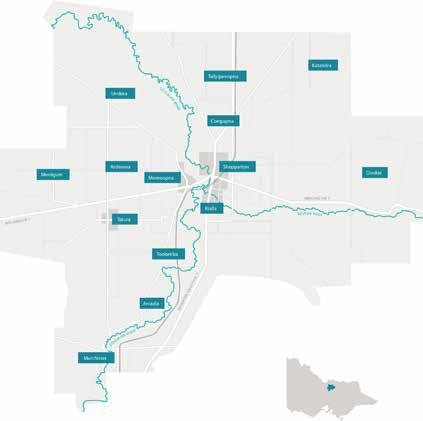
A well connected community, we are inspired to lead, unite and energise the community to create a brighter future.
As a growing regional centre with a vibrant cultural mix of people, our community comprises 65,249 residents living within 60+ localities. However Shepparton does service a much larger population of approximately 250,000 people as it is the main service centre in northern victoria.
Greater Shepparton enjoys a young demographic with growing families, with 2011 census data showing the proportion of couples with children nearly three per cent above the regional Victorian average, at 29.7 per cent.
The overall population is forecast to grow from 64,803 in 2016 to 77,974 by 2031. Our community understands that an expanding population will increase demand for services and infrastructure particularly those that provide for our health and wellbeing. The challenge for all levels of government is to provide essential services and infrastructure in a timely manner.
At the same time we need to be creative and broaden the economy by attracting investment and generating jobs in sectors that complement our lifestyle and environment.
Socially we connect through friendships, gatherings, events and celebrations. Local strengths include high levels of citizen participation, embracing a strong volunteering ethos, participation in community events, the arts and organised sport, with a high level of community ownership and pride. Greater Shepparton delivers a wealth of community leaders, where the community is committed to seeking local solutions to local issues. Like most Victorian regions, people in Greater Shepparton are highly engaged in their community, with nearly one in five involved in volunteer work.
The community are also active in engaging with their local issues, responding well to local government community consultations, and participating in large numbers in local politics, with 26 candidates at the last election.
A leading example for multicultural richness, Greater Shepparton is one of the most culturally diverse regional cities in Australia and continues to provide unrivalled opportunities for anyone looking to get ahead and create a better life.
Our point of difference and strength is the diversity of our people. We come from different places around the world bringing with us many languages, faiths and cultures. We live together in harmony, respecting the past and each other’s identity.
It’s our diversity that brings Greater Shepparton to life. Our community is culturally rich with a large proportion of the population born overseas (13.1 per cent), with many residents immigrating from India, Afghanistan, Sudan, Italy, Iraq, Turkey, New Zealand and the Philippines. Italian, Arabic, Persian/Dari, Turkish, Albanian, Punjabi, Greek, Macedonian, Mandarin and Filipino/Tagalog are the most commonly spoken languages other than English. During the 2014/15 year 187 people received citizenship over six ceremonies.

Greater Shepparton has a significant Aboriginal population with a strong history of Indigenous advocacy and leadership both nationally and internationally. The city’s Indigenous population is the largest in regional Victoria, with an estimated 3.5 per cent of residents having Indigenous heritage.
Approximately 5.4 per cent of the city’s population has been identified as requiring assistance with self-care, body movements or communication.
Greater Shepparton City Council is committed to providing access to services, programs and facilities for people with a disability.
Greater Shepparton provides an enviable, wellrounded lifestyle that is hard to beat.
Greater Shepparton is a vibrant and progressive community that offers the best of both provincial and metropolitan lifestyles. With its central location being a major strength, Greater Shepparton is the ideal regional location in which to live, work, invest and visit.
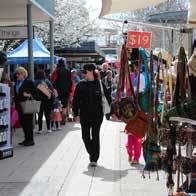
The municipality offers affordable real estate; business opportunities and diversified farming practices and residents enjoy a wide range of entertainment and leisure options, including many coffee shops and restaurants.
Scenic open places, shared pathways and our river system add to our environment, and encourage social connection and improved lifestyle behaviours.
Food malls, with an abundance of cafes and restaurants provide plenty of choice. Greater Shepparton’s history of migration has evolved our large selection of local cuisine, whether it’s Turkish, Japanese, Indian, Thai, Lebanese, Chinese, Italian or a bistro meal, you can find it all in Shepparton’s Central Business District (CBD), shopping centres and surrounding townships.
Local wineries and ample farm-gate suppliers provide an added gourmet touch to celebrate and promote the region’s repertoire.
Greater Shepparton is a retail hotspot for regional Victoria, constantly attracting new brands, and there is an abundance of events and leisure activities available to the community.
The vibrant heart of one of Victoria’s most diversified tourist destinations, there is always something new to discover in and around Greater Shepparton.
Greater Shepparton has, over the past decade or so, developed a very strong sense of self, and that confidence is reflected in its commitment to art and culture.
The arts scene is thriving with regular travelling performances exhibitions and artists visiting the region. Riverlinks programs touring and community performances in the Eastbank and Westside Performing Arts Centres and into smaller towns.
Shepparton is the home of the Bangerang Cultural Centre and Gallery Kaiela both of which are meeting places for Indigenous artists.
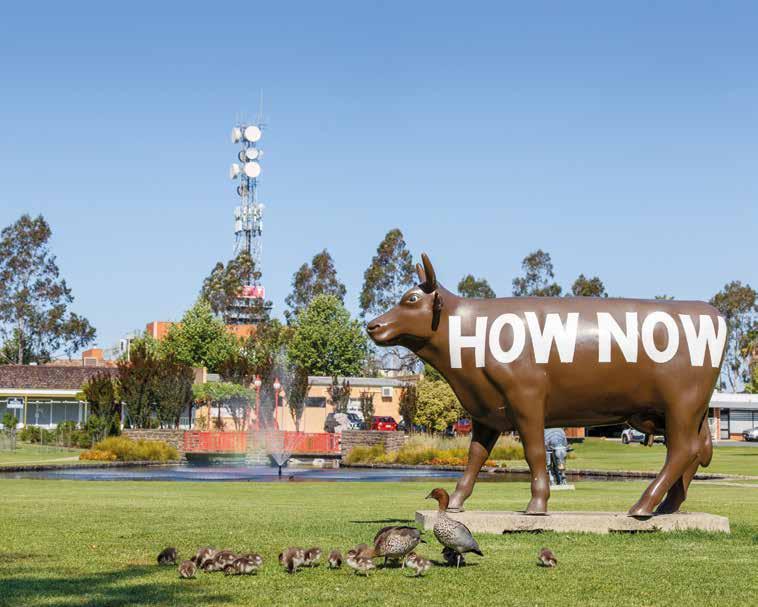
The Shepparton Art Museum (SAM) houses a fine collection of colonial and contemporary paintings plus one of Australia’s leading ceramics collections and regularly hosts significant and acclaimed exhibitions. Greater Shepparton’s Moooving Art and elevated flying sculptures brighten streets and major buildings.
The SheppARTon Festival has gained recognition for cultural and artistic experiences with people coming from far and wide to participate in the many activities on offer.
Located in the heart of Victoria’s Goulburn Valley, our central location, extensive infrastructure, entrepreneurial community spirit, quality fresh food, and manufacturing excellence, all combine to provide an the ideal environment and climate to grow and thrive.
The region has a strong and well developed economy, based primarily on irrigated agriculture, food processing, retail and road transport. The Goulburn Valley is responsible for about 25 per cent of Victoria’s agricultural production and is often referred to as the “Food Bowl of Australia”.
Local entrepreneurs and small businesses are the backbone of our communities equating to 32.2 per cent of the business sector. We will continue to support them to prosper and grow, thus retaining local knowledge, building skills and employment in the region.
Tourism and events represents another important sector for Greater Shepparton. In 2013/2014 it is estimated that 776,600 people visited and contributed to the economy of the municipality.
In terms of employment, people within Greater Shepparton are primarily employed in the following sectors:
• Health Care and Social Assistance (3,775 people or 14.2 per cent)
• Retail Trade (3,381 people or 12.7 per cent)
• Manufacturing (3,311 people or 12.4 per cent)
In combination these three industries employed 10,467 people in total or 39.3 per cent of the employed resident population. The unemployment rate for Greater Shepparton is above the state average and is currently at 8.4 per cent.
Greater Shepparton sustains strong, diverse and sustainable business, health and education sectors.

Greater Shepparton has a range of educational facilities including 15 long day care facilities, 27 kindergartens, 26 primary schools, six secondary colleges (including Catholic and Grammar schools) and three tertiary institutions. Several smaller country schools are located just outside of Shepparton (five to 15 minutes’ drive). In addition to excellent public schools, private and Catholic education is also available.
Compared to regional Victoria, there is a lower proportion of people holding formal qualifications (Bachelor or higher degree; Advanced Diploma or Diploma; or vocational qualifications), and a higher proportion of people with no formal qualifications residing in Greater Shepparton. Overall, 35.4 per cent of the Greater Shepparton population aged 15 and over hold educational qualifications, while 52.5 per cent of the local population have no formal qualifications.
Overall, 40.6 per cent of the population left school at Year 10 or below, while 32.9 per cent have gone on to complete Year 12 or equivalent, compared with 39.0 per cent and 35.6 per cent respectively for regional Victoria.
The Public Health and Wellbeing Act 2008 requires Councils to prepare a Municipal Public Health and Wellbeing Plan within 12 months of each general election of the Council.
Greater Shepparton City Council under the Local Government Act partners with community and agencies undertaking public health initiatives in an effort to prevent disease, illness, injury, disability and premature death.
The Greater Shepparton Health Status Report was developed in 2012, which details a thorough examination of local demographics, health and wellbeing indicators, health trends, identification of future needs and considerations of what makes Greater Shepparton unique. The Status Report will guide future health and wellbeing planning and has considered individual’s access to the social determinants of health.
Council in partnership with the Greater Shepparton Health and Wellbeing Advisory Committee have developed a detailed 12 month Local Municipal Public Health and Wellbeing Action Plan. The Action Plan details initiatives that are both measurable and achievable while considering local evidence, health gaps and future needs to maximise health outcomes. The purpose of the Advisory Committee is to guide strategic direction for health and wellbeing matters for greater Shepparton in partnership, support the delivery of projects and initiatives to encourage health prevention strategies and identify emerging health and wellbeing issues.
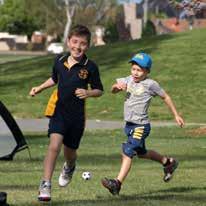
Our community has access to quality health and medical facilities which offer a comprehensive range of services. These include two hospitals, retirement accommodation and nursing facilities. The city offers specialist and diagnostic services, oncology, family counselling and youth services to meet increasing demand.
Shepparton is home to the University of Melbourne’s Faculty of Medicine, Dentistry and Health Sciences and the Shepparton Medical Clinic. The Clinical School provides clinical rotations and education for the final three years of the Doctor of Medicine degree.
Our beautiful natural environment is a product of our fertile land, abundance of water and number of sunny days.
Council strongly supports the location of a large scale solar power plant in Shepparton and has undertaken extensive research and analysis to establish capacity to host such a facility. The Greater Shepparton region has a demonstrated affinity with the advancement of solar energy and is committed to providing developers with the assistance required to identify a preferred site.
The Resource Recovery Precinct accommodates a range of commercial businesses that locally process liquid and solid wastes, converting them to valuable recycled products.
Environmental sustainability is important to the Greater Shepparton community as demonstrated by a number of initiatives such as RiverConnect, the Crouching Emu Revegetation Project, Dookie Biolinks Project and the creation of the Goulburn Broken Greenhouse Alliance.
Council’s main responsibilities are to set the overall directions and goals for the municipality and then monitor their implementation and success. The tools for setting these directions and goals are the major strategic plans.
These include the Council Plan, the Strategic Resources Plan, the Municipal Strategic Statement and the Municipal Public Health Plan. The most important of these are the Council Plan and the Strategic Resource Plan. Both of these plans are four-year plans which set the objectives and strategies of our Council and calculate how these may be resourced.
Greater Shepparton City Council is governed by seven elected Councillors, and operates in accordance with the Local Government Act 1989. As a local government authority, Greater Shepparton City Council exercises a wide range of government functions and powers for the “peace, order and good government” of our municipality.
Greater Shepparton City Council is one of the largest regional councils within Victoria and we strive to achieve our community’s vision of a “Greater Shepparton”.
As a local government we protect and strengthen Greater Shepparton’s economic prosperity and the health, wellbeing and safety of our residents. We endeavour to plan and build a connected regional community which is safe, easy to navigate and provides a healthy and prosperous lifestyle, now and into the future. Our purpose is to deliver services, implement strategic initiatives and develop policies and plans that are in the best interest of our community.
We are committed to making a difference in our community and creating a Greater Shepparton that provides access to world class educational and employment opportunities and health and wellbeing facilities.
Greater Shepparton City Council delivers in excess of 120 services for our community.
For families
• Best Start
• Child care
• Children’s services
• Family Day Care
• Fun groups and play groups
• Immunisation
• KidsTown
• Kindergartens
• Maternal and Child Health
• Word and Mouth
• Youth Development
For older people and those with disabilities
• Aged and disability services
• Home and personal care
• Meals on wheels
• Senior citizens centres
• Social support services
For business
• Building and planning permits
• Building services
• Business Centre
• Education and training
• Food safety regulation programs
• Investment Attraction
• Parking permits and enforcement
• Shepparton Show Me
• Tourism
• Trading permits
For the community
• Active Living programs
• Actively engage our local indigenous community
• Actively engage our newly arrivals, migrants and refugees
• Advocate for the needs of our community with the state and federal governments
• Aquamoves
• Building and planning permits
• Collection and management of waste
• Community kitchens
• Creating and maintaining recreation and parks and gardens
• Creating, maintaining and improving sporting facilities
• Enforce local laws
• Environmental education
• Environmental services
• Events and community festivals and activities
• Graffiti removal and prevention
• Host citizenship ceremonies
• Libraries
• Maintaining of parks, play equipment and community facilities
• Manage facilities such as Tatura Park, Sports Stadium, Shepparton Showgrounds and Eastbank
• Manage road and footpath maintenance
• Night Rider Bus
• Outdoor pools
• Parking permits
• Pet registrations
• Provision of funding and grants for community facilities, sport, art, community, youth, and community based events and our regional towns
• Raise awareness of gender equity and family violence
• Riverlinks
• School crossing supervisors
• Shepparton Art Museum (SAM)
• Street lighting and signage
• Streetscaping
• Undertake strategic planning to ensure that Greater Shepparton has a sustainable and prosperous future
• Work with our regional towns in planning their future
The Annual Report provides an opportunity to look back to the successes and challenges of the past year and to look toward the future.
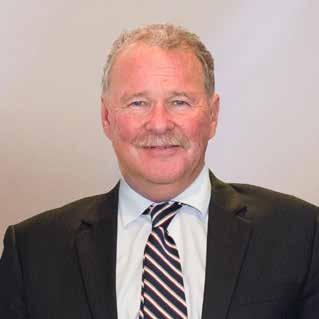
It has been a pleasure to have served the community as Mayor during 2014/2015, along with a team of Councillors committed to making the right decisions for a better municipality. I would like to thank the community of Greater Shepparton for their input at community events, with consultations and at Council meetings. Without our community providing feedback and comments we would be in danger of not responding to community needs.
This Annual Report marks the second year of the implementation of the 2013-2017 Council Plan. It has been interesting and exciting to see the growth and progression of Greater Shepparton as a result of activities summarised in the Council Plan.
There have been lots of achievements during the 2014/2015 year which have connected Council more strongly with our community, enhanced our environment and infrastructure and consolidated our financial position. I believe our Council is on track to becoming a more effective and more highly performing Council.
Over the past 12 months Council has put a lot of effort into lobbying the Government for increased infrastructure. We are disadvantaged with a poor train service and the Goulburn Valley Highway Shepparton Bypass is badly needed to provide us with a substantial second river crossing and to cater for the needs of the transport industry. Hopefully in the near future we will see improvement in both these areas and Council will continue to push both State and Federal governments to fund major infrastructure projects. Our future looks great, with the updated sports precinct well underway. The redeveloped sports precinct will have the potential to attract more and bigger sporting events both international and national. The prospective new Shepparton Art Museum once built will increase our tourism attraction along with continued redevelopment of
Victoria Park Lake. These major developments will also provide an economic benefit to our region.
Our small towns continue to be vibrant, connected communities that cater for the needs of families, businesses and industries who live, work and play there. Small towns are important to our economy and provide for the wellbeing of their citizens who are involved in sport, community events and other local activities. Community plans for our small towns are updated regularly to ensure the residents have a say in how their town develops.
I am proud of the fact that 187 people became new citizens in our municipality in 2014/15. It is clear our community continues to be a welcoming place for people from many countries as it has always been in the past. Hopefully we can continue to be a showcase for harmonious resettlement and continue to lead the way for Australia.
With agriculture and manufacturing still prominent in our region it is pleasing to see we are well positioned to service the needs of China with our dairy and horticulture products. Council is committed to supporting industry and business and growth for our municipality for long term sustainability.
I am very excited about the future of Greater Shepparton. Whilst we have been through some tough times I believe that the future is extremely bright. I look forward to continuing my service as a councillor with Greater Shepparton City Council into the future.
Cr Dennis Patterson, Mayor July 2015
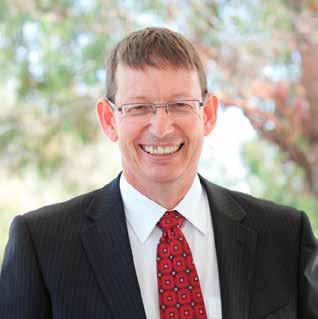
As I reflect back on the last three and half years as the CEO of Greater Shepparton City Council it is clear that the organisation is significantly better to the organisation that existed when I arrived.
In 2012 it was identified that GSCC needed to evolve into an organisation that was more efficient, agile, strategic and in fact needed to be better in meeting the needs of our community. Having the right structure, systems and processes in place was critical if the organisation was to truly add value to the lives of its citizens and to be a sustainable organisation heading into the future.
The need to embark on the “Good to Great” journey was determined by both external and internal factors including population changes and increased service demands, state and federal government demands, a stronger sustainability focus, increasing environmental issues, better delivery of the capital works program, the need for lower rate increases, containing the operational cost increases and the demand for greater community engagement and consultation and the continued resourcing for non-traditional council resources.
Internally the organisation needed to be more accountable, understand the vision and take a longer term strategic approach to planning, and to create a modern, flexible an organisational structure and to improve the organisational culture.
These factors were the impetus for GSCC to undertake a full organisational review, with a vision of the organisation going from “Good to Great”, and to identify where the organisation could improve its performance, accountability and sustainability. This was completed with full staff participation.
In the journey from Good to Great the Council conducted an organisational scan and a Functional Mapping Exercise to enable the organisation to clearly define its services and determine the best possible organisational structure to allow the organisation to improve and to achieve the vision that had been created. In addition, each function was identified and
recommendations made on and how they could be delivered more efficiently and effectively. The outcomes of the Organisational Scan and Functional Mapping exercise were consolidated and formulated into a Transition Management Plan outlining goals, tasks, KPIs, timelines and responsibilities in order for Council to achieve a cultural and operational transformation.
Organisational transformation and cultural change requires long-term investment and energy, however Council is now well on its way on the journey. The Transition Plan outcomes continued to be monitored with a quarterly report being presented to quarterly Council Meetings. I am pleased to report that of the 117 Transition Plan strategies all of the tasks have been completed. Many of these tasks were complex in nature and required a significant investment of resources and time.
The Transition Management Plan has been an outstanding success. It has achieved all the results that the 2012 Council set myself, and the staff who have carried out this direction have achieved magnificent results and should be congratulated.
During this time Council has run three staff “Mood Meters” which have been used to measure the mood of the organisation. This survey is a simple method from which the happiness of the workplace can be measured.
The second survey was completed in September 2014, with the second survey completed in June 2015. It can be seen by the results that the vast majority of staff enjoy working at Greater Shepparton City Council “All of the Time” or “Most of the time”. (Sept 2014 – 93.23 per cent and June 2015 – 90.61 per cent)
Council increased its community satisfaction ratings in 2014 but saw a decline in 2015 in regard to overall Council direction. As the phone survey was conducted between 1 February and 30 March 2015, it is likely the intense media scrutiny during the month of March following internal issues being made public, influenced this result.
And while the advocacy indicator was also down in the survey, there was a significant increase in 2014 coinciding with the roll out of the “Make Shepparton Greater” campaign, a coordinated and public lobbying initiative. As a result, our region secured $73 million for the Shepparton Court House Redevelopment and an additional early morning daily passenger rail service from Shepparton to Melbourne. The new State Government subsequently endorsed a Victorian Regional Transport Advisory Group to investigate options to improve rail services to regional cities.
During early 2015 advocacy activities decreased following the state election. Advocacy efforts will intensify again with the consolidation of infrastructure priority projects. GSCC representatives visited Canberra during 2015 to discuss with the Federal government the Inland Rail Freight Link, the GV Highway Shepparton Bypass, the CBD revitalisation project and the new art museum project. The outcomes of these and future talks will hopefully come to fruition in the next few years.
The last 12 months the organisation entered the second year of the 2013-17 Council Plan and made significant inroads into achieving the goals set out in the Plan.
Council’s aim was to have a strategic focus aiming to achieve some high end results with real outcomes for our citizens and I believe we are well and truly on that path.
I would like to acknowledge the efforts of the Council staff in putting the “Council Plan in Action”. In such a short period there has been much achieved as our staff work in partnership with our community in creating a greater future
for Greater Shepparton. Council looks forward to continuing to working with our community as we embark on the implementation of the second year of the 2013 – 2017 Council Plan.
As I leave the organisation I would also like to thank the community for their continued interest and involvement in working with us to make Greater Shepparton a better place to live, work and play.
I would also like to thank the vast majority of staff who work diligently and need to be congratulated on the results they personally and collectively achieve for the community they serve.
Gavin Cator, Chief Executive Officer
July 2015
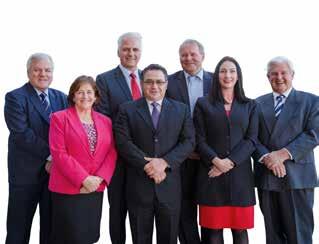
Greater Shepparton City Council comprises seven democratically elected Councillors who represent our community. As the locally elected representatives they advocate on behalf of residents and undertake key tasks such as approving the council plan and council budget. They have a responsibility, as stewards of community resources, to manage the city’s assets, provide a wide range of services and facilities and ensure finances are allocated in the best interests of the whole community.
The Councillors set the Council’s direction by making decisions on key issues and policies that affect people’s lives and community prosperity. Council is also responsible for making statutory decisions, adopting policy, advocacy and the appointment of the Chief Executive Officer. Councillors work closely with the Chief Executive Officer to make important decisions and determine service priorities. The Chief Executive Officer then delegates tasks to members of his administration to be action.
Councillors are bound by their Code of Conduct under the provision of the Local Government Act 1989. The code outlines legislative requirements and expectations of Councillors when representing their Council and in their dealings with the community, council staff and each other.
The Mayor is elected by at least a majority vote, where the position becomes the leader of all the councillors whether they supported an individual or not. What this means is that the Mayor has responsibilities towards, and is accountable to, all councillors.
The Mayor is the ceremonial head, chairs Council meetings and is Greater Shepparton’s representative at civic, business and governmental meetings and events.
An election was held on 27 October 2012 which elected the following Councillors to serve until the next local government election in 2016.
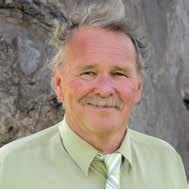
I am very excited about the future of Greater Shepparton. Whilst we have been through some tough times I believe that the future is extremely bright and we are well positioned to service the needs of China with our dairy and horticulture products.
Council is putting a lot of effort into lobbying the Government for increased infrastructure as we really suffer from a poor train service, and the bypass is badly needed to provide us with a substantial second river crossing.
The sports precinct and the potential new Shepparton Art Museum (SAM) will also bring people to our town increasing tourism attraction immensely.
Committee appointments:
• Deakin Reserve Advisory Committee
• Greater Shepparton Aerodrome Advisory Committee
• Greater Shepparton Audit and Risk Management Committee
• Melbourne University Rural Clinical School Advisory Board and Department of Rural Health Management Advisory Committee
• Municipal Emergency Management Planning Committee (MEMP)
• RiverConnect Community Advisory Committee
• Rumbalara Aboriginal Cooperative Working Party
• Shepparton Liquor Licensing Accord
• Tatura Park Advisory Board
Deputy Mayor
I graduated from Goulburn Valley Grammar School in 1997 and hold a Bachelor of Nursing degree. Elected as Councillor in 2012, I'm a credible and informed voice for the people. My role as Deputy Mayor has earned the respect of my peers and I also sit as a Director on the Goulburn Valley Waste and Resource Recovery Group.

As a local mum with three beautiful young children, I believe family is the cornerstone of our rich and diverse community. My goal is nurturing the next generation into strong, innovative and confident leaders, by maintaining core services and recreation activities.
Famous for our small towns, Greater Shepparton offers rural living, with all the conveniences of a big city. Together, we can advocate for better outcomes and deliver a proud vision for the Goulburn Valley!
Committee appointments:
• Best Start Municipal Early Years Partnership Committee
• Disability Advisory Committee
• Festive Decorations Advisory Committee
• Goulburn Broken Greenhouse Alliance
• Positive Ageing Advisory Committee
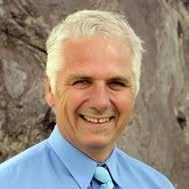
I'm a serving Police Officer with 35 years' experience. I am the Sergeant in Charge of Legal Services Shepparton. My mantra is all about accountability, transparency, integrity and the pursuit of best value outcomes for stakeholders and the community in general. I am here to listen, accept feedback good or bad, and to improve the way GSCC represents its community.
I believe Greater Shepparton can regain its reputation as a premier city, a place where people are proud to live and work and where we are a model to other regions and municipalities. Greater Shepparton's strengths are its people, its success stories, its strong cultural background, and its climate and location. I hope to see the Council more engaged with ratepayers and citizens, and I will listen to the community that elected me.
Committee appointments:
• Greater Shepparton Safe Communities Advisory Committee
• Regional Aboriginal Justice Advisory Committee
• Rumbalara Aboriginal Cooperative Working Party
• Shepparton Show Me Committee
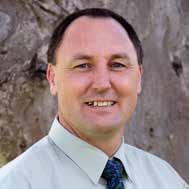
I've been living in the area for over 25 years, and for over 15 years I've been in business as a wool buyer.
After having been a Councillor and a Mayor, I have learned a lot, about how to listen, and how to bring about change. I want to put back into this community, and to restore pride in our region - and our Council. I want people to be proud to say that they come from Shepparton and that they love living here. It is good that we are home to so many diverse cultures, bringing their stories and their food, which enhances our experiences and opportunities.
Committee appointments:
• Development Hearings Panel (representative in Cr Adem’s absence)
• Greater Shepparton Audit and Risk Management Committee
• Shepparton Art Museum Advisory Committee
• Victorian Local Governance Association
I have lived in Greater Shepparton for most of my life. My husband Leo and I have two children, five grandchildren and one great grandchild. I have an education and small business background, having owned a retail business in Shepparton’s CBD for 26 years and having been a teacher in primary, post primary schools and TAFE for 20 years.
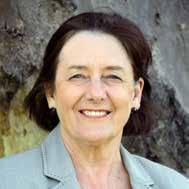
I live in Tatura where our family were original settlers.
I have a dairy farm and a caravan hire business in Tatura. This is my seventh term as Councillor for Greater Shepparton, and my passion is for the equal treatment of regional townships within Greater Shepparton. I want to see the equal distribution of opportunities amongst all areas of Greater Shepparton.
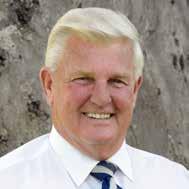
Because I have been a Greater Shepparton councillor for almost 10 years, including four years as Mayor, I am well acquainted with the needs and expectations of our community. I have great interest in and respect for the diverse range of Greater Shepparton’s residents and work hard to increase the quality of life for them all. That includes doing whatever I am able to do, as a councillor, to provide the necessary infrastructure, opportunities and lifestyle improvements to make this area a healthy, prosperous and enjoyable place to live. Being involved in community consultation sessions across the municipality is one of my favourite councillor activities.
Committee appointments:
• Australian Botanic Gardens Shepparton Special Committee
• Deakin Reserve Advisory Committee
• Heritage Advisory Committee
• North Eastern Australian Local Government Women’s Association (NEALGWA)
I’m excited about the growth of Tatura Park. We have tremendous potential in Greater Shepparton and great energy in our smaller townships. I want to see us work together to achieve the best for our region.
Committee appointments:
• Health and Wellbeing Advisory Committee (Chair)
• Shepparton Regional Saleyards Advisory Committee
• Sir Murray Bourchier Memorial Advisory Committee (Chair)
• Tatura Park Advisory Board
I was born in Shepparton, and I live with my wife Rita on a rural property in Shepparton East.
My wife and I have two daughters. Born, and raised on a farm, I have worked for large corporations, as well as owned and operated a nationwide business. My vision is to revitalise Greater Shepparton by attracting industry and other substantial employers to our municipality, for the benefit of all.
July 2014 – June 2015 Meeting Attendance (Ordinary and Special Meetings)
Cr Dennis Patterson 20/22
Cr Fern Summer 20/22
Cr Jenny Houlihan 22/22
Cr Les Oroszvary 19/22
Cr Michael Polan 22/22
Cr Kevin Ryan
Cr Dinny Adem 21/22
Greater Shepparton has the real potential to become an economic powerhouse and leader in regional Australia, not just Victoria.
Committee appointments:
• Development Hearings Panel
• Goulburn Valley Regional Library Corporation Board
• Greater Shepparton Women’s Charter Alliance Advisory Committee
• Municipal Association of Victoria
• Shepparton Regional Saleyards Advisory Committee
• Shepparton Show Me Committee
The Greater Shepparton City Council is led by the Chief Executive Officer (CEO) with the support of the Executive Management Team which comprises four Directors. The CEO and the Directors meet weekly to plan, co-ordinate and monitor the progress of Council’s goals and strategic direction, financial management and statutory responsibilities. The team operate in accordance with the organisational values and the organisation’s governance principles.
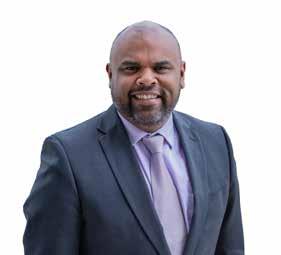
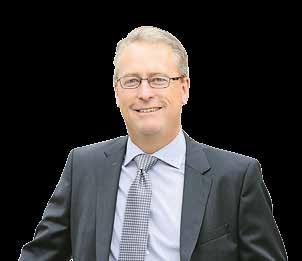
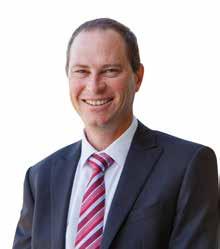
Gavin Cator
Bachelor of Civil Engineering Graduate Diploma in Municipal Engineering
Gavin has more than 20 years of senior management experience in local government. He holds a Bachelor of Civil Engineering and a Graduate Diploma in Municipal Engineering.
Gavin has also served in sector leadership roles including as President of Local Government Professionals (LGPro) in Victoria and as a National Director of Local Government Managers Australia (LGMA).
Gavin is also a graduate of the Australian Rural Leadership Program and has a passion for leadership development. Throughout his life Gavin has been heavily involved in Australian Rules Football.
As the Chief Executive Officer Gavin is responsible for:
• Assisting the Council in the update and implementation of long-term strategic directions in operational terms.
• Providing leadership and authoritative advice to the Council and Committees on the strategic directions, policies and review mechanisms for Council.
• Promoting and representing the Council to governments and government authorities in order to gain support and investment to achieve Council goals and best outcomes for Greater Shepparton.
• Leading and developing the Council to ensure that it maintains its status as a high functioning organisation and that its functions are benchmarked against best national and international practice.
• Direct management of organisational services referred to as the Office of the CEO:
• Corporate Performance
› Advisory Committees
› Audit Committee
› Business and Service Planning
› Councillor Conduct Panels
› Elections
› Freedom of Information
› Governance
› Information Privacy
› Internal Auditing
› Procurement
› Risk Management
› Section 86 Committees
› Protected Disclosures
• Marketing and Communications
› Brand and Reputation Management
› Marketing
› Communications
› Digital/Social Media Management
› Graphic Design
› Web Services
› Shepparton Show Me
• People Performance
› Human Resources
› Learning and Development
› Occupational Health and Safety
› Payroll
› Employee wellbeing
› Performance management
› Recruitment
Chris Teitzel
Bachelor of Business
Graduate Certificate – Management
Associate Member – CPA Australia
Chris came to Shepparton from North Lakes in Queensland with a wealth of knowledge and experience in local government.
Chris is a strategic, community focused individual with exceptional corporate, governance and operation planning skills. Chris has held many senior roles including CEO, Director Community and Environmental Services, Director Corporate Services and Manager Finance as well a position of Commercial Manager in the private sector.
Chris, his wife Diane and their three children relocated to Shepparton and are enjoying the sunshine and beautiful location of Greater Shepparton. Chris enjoys time with his family, mountain bike riding, camping, four wheel driving, swimming, golf and reading.
As the Director Business, Chris is responsible for:
• Assets
› Strategic Asset Management
• Finance and Rates
› Financial Accounting
› Rates and Valuations
› Revenue
• Information Services
› E-services
› GIS
› Information Technology
• Regulatory Services
› Animal Management
› Citizen Services
› Local Laws
› Parking Enforcement
Steve Bowmaker
Bachelor of Economics
Institute of Chartered Accountants in Australia
Steve has diverse experience in chartered accounting, consulting, health, finance, information technology and project management and was a founding member of the Greater Shepparton City Council Audit and Risk Management Committee.
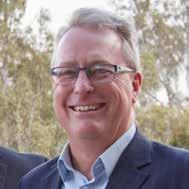
Steve joined the Executive Team in 2012 and has a focus on delivering value for the community through best practice in the management and maintenance of our infrastructure assets and through the implementation of best practice asset management and project management processes across Greater Shepparton.
Steve is married with four children and lives in Dookie where he has been heavily involved in community planning and capacity building, umpires junior football, and he enjoys tinkering with his old American cars.
As the Director Infrastructure, Steve is responsible for:
• Projects
› Aerodrome Management
› Capital Works Planning
› Design Services
› Development Engineering
› Project Management Office
• Parks, Sport and Recreation
› Park Construction
› Parks and Parks Furniture Maintenance
› Public Open Space
› Sports Facility Development and Maintenance
› Recreational Planning
› Showgrounds
› Management of Shepparton's Urban Forest and rural trees
• Transport and Road Reserve
› Transport Strategic Planning
› Traffic Engineering
› Road Construction
› Roads and Road Furniture Maintenance
› Street Sweeping
› Drainage
› Kerb and Channel
› Footpaths
• Strategic Assets
› Asset Management Planning
› Fleet and Stores
› Building Maintenance
› Property Services
› Saleyards
› Victoria Park Caravan Park
› Asset Condition Surveys
› Asset inspections
Kaye Thomson
Graduate Diploma from the Australian Institute of Company Directors
Bachelor of Applied Science/Community Health
Kaye Thomson commenced her role as the Director Community with Greater Shepparton City Council in November 2012.
Kaye has over 30 years of experience in the health and local government sectors. Prior to Greater Shepparton City Council, Kaye was with the neighbouring Moira Shire Council as Director Community Sustainability and other various roles over a 17 year period. Her passion is community engagement and capacity building, to ensure communities are involved in shaping their future. Kaye is committed to quality service delivery.
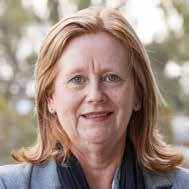
Kaye is married and has three children and enjoys spending time with her family and taking on volunteer roles in her community. Kaye is also a general nurse, midwife, maternal and child health nurse, and nurse practitioner (immunisation).
As the Director Community Kaye is responsible for:
• Active Living
› Aquamoves
› Aquatic Program
› KidsTown
› Physical Activity Programs
› Stadiums
• Children and Youth Services
› Early Childhood Education and Care services
› Maternal and Child Health Services
› Youth Development
› Word and Mouth
• Neighbourhoods
› Aged Services
› Community Engagement
› Community Planning
› Community Safety
› Community Strengthening
› Multicultural and Aboriginal Relations
› Social Planning
• Riverlinks
• Shepparton Art Museum (SAM)
• Libraries
• Emergency Management
Johann Rajaratnam
Bachelor of Science
Master of Social Science (Environment and Planning)
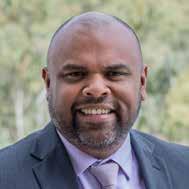
Johann is responsible for the Investment Attraction, Statutory and Strategic Planning, Environmental Planning and Building portfolios at Greater Shepparton City Council. Johann’s background includes strategic planning, environmental planning, government liaison and corporate planning experience. His work history is primarily in local government with a wide range of local government experience ranging from small coastal communities, growth area councils, inner city metro councils, and rural councils.
Johann is married and celebrated birth of his first child in November 2014. Johann has several qualifications including a Bachelor of Science and Master of Social Science (Planning and Environment).
As the Director Sustainable Development Johann is responsible for:
• Building Services
› Building Approvals
› Building Enforcement
• Environment
› Environmental Health
› Immunisation
› RiverConnect
› Sustainability and Development
› Strategic Waste - Landfill, Litter Bins, Street Collections and Transfer Stations
• Investment Attraction
› Business Centre
› Business and Industry Development
› Business and Industry Promotion
› Events and Tourism
› Grants Facilitation and Co-ordination
• Planning
› Statutory Planning
› Strategic Planning
Greater Shepparton City Council is one of the north east region’s largest employers. We employ 878 staff in a variety of permanent and temporary roles on a full time, part time and casual basis. Three quarters of our staff also live within the municipality. This means our people are able to bring a local passion, perspective and knowledge to the services they provide.
Council provides a range of flexible employment arrangements. The tables below demonstrate a
significant portion of the workforce is made up of part-time and casual staff at different levels within the organisation. There is a workforce growth of approximately four per cent.
In late 2013 Council identified a need to review the Contract for Provision of Temporary Labour Placements and as a consequence Council ceased external labour hire and commenced a program to recruit, select and engage their own casuals. This has seen an increase in internal casual labour costs and a reduction in external labour costs.
Over the last three and a half years our organisation has undergone a change process to enable it to become more receptive to the needs of the community. This commenced in March 2012 with the undertaking of an Organisational Scan.
Following the Organisational Scan a Transitional Management Plan was adopted by Council on 17 July 2012 with 117 tasks to be undertaken to improve the operational aspects of the organisation. Each task identified required the preparation of a transition management project plan which was approved by the executive. As at June 2015, 100 per cent of these project plans were completed.
Council received quarterly reports from the CEO which provided an update for Councillors in the progress towards implementation of the Transitional Management Plan actions.
Organisation Scan Overview
Transition Management Plan
• Presented to Executive
• Adopted by Council 17 July 2012
Project Plans
• Major items required to be addressed by the prepartion of Project Plans
• Template designed based on Prince 2 methodology
Progress Reported
• 117 items identified
• Project plans reviewed by Executive
• 56% completed by June 2013
• Quarterly Reports on TMP to Council
• Completion of TMP by 31 Dec 2014
Whole Brain Thinking was introduced into the organisation in 2014 and has been rolled out to all full time and part time employees since its introduction. Herrmann International’s Whole Brain Technology® is based on proven research to assist all employees to understand how people think and communicate differently. By drawing on the combined analytical, organisational, strategic and interpersonal skills it takes to succeed today our organisation can harness the thinking styles of every individual.
The Whole Brain® Advantage gave our employees:
• Insight into their own and others’ thinking styles
• Tools to leverage their natural preferences
• Skills they need to operate outside their preferences when the situation arises
When employees put Whole Brain Technology® to work, they approach problems, communications and planning more effectively, and break out of their individual self-limiting patterns that interfere with their individual productivity, innovation and creativity. With better thinking across the whole organisation we will get better results for our community.
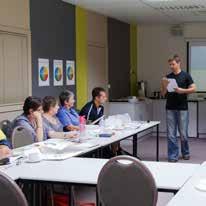
A dedicated group of staff trained and became certified practitioners of the Whole Brian Model and this has enabled the model to be delivered to all staff through a series of workshops facilitated by the practitioners. These workshops were cross functional and staff provided with their individual thinking preference. As at 30 June 2015 more than 90 per cent of staff attended these workshops.
Whole Brain Thinking is now being rolled out to into the Departments within the organisation and this aims to:
• Further improve communication by breaking down the barriers to effective listening and creating a common language for understanding team dynamics
• Increase productivity by increasing the collective thinking of the team
• Encourage innovation by providing a way for breakthrough thinking and creativity through valuing different thinking styles
As a local government organisation and a business it is important we understand our current workforce and the Legislative framework that we operate under.
Legislation requires a Council to have an organisational structure and employees in place to effectively manage the operations in accordance with the Council Plan. The Council’s existing organisational structure is based on functional activity and common objectives in order to meet the community’s needs, provide quality and efficient services, support the stimulation and strengthening of the local economy and provide efficient and effective administration for the organisation.
Under the existing organisational structure, a range of full time, part time and casual staff is employed with a diverse skills base across a wide range of professions and disciplines. A highlight in 2014/15 was the conclusion of negotiations which enabled the Council’s 2014 Enterprise Agreement to be certified by Fair Work Commission on 27 August 2014 and shall remain in force until 30 June 2017. The agreement encourages workplace flexibility and multi-skilling and delivers to employee’s sound terms and conditions of employment.
Constant reviewing the organisation structure and functionally is undertaken by Council. This is conducted using a Job Analysis/Business Case process that requires all Directors and Managers to conduct a Job Analysis and prepare a Business Case for every role where an employee exits the organisation. This process is also followed when there is a request a new position to be placed into the organisation structure, including roles which are externally funded.
This allows for a constant strategic review of the organisation structure.
Over the last three years Council embarked on enabling and positioning itself as a learning organisation, one which is committed to providing ongoing learning and development opportunities for all employees. The strategic vision is to enable its employees to achieve multi skilling, increase flexibility, and enhance productivity, performance, personal development and career development opportunities.
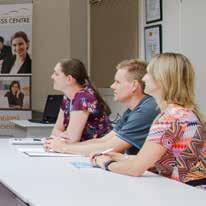
Council will continue to provide learning and development opportunities to:
• Achieve corporate objectives, initiatives and priorities, as set out in the Council Plan
• Enable continuous improvement
• Implement and improve quality management systems
• Enable effective job and work redesign
• Improve career opportunities for, and job satisfaction of employees
• Provide specific skills to ensure the effective and efficient operation of the organisation
One of the purposes of learning and development programs is to ensure that employees acquire and utilise the specialist skills and knowledge, managerial and interpersonal skills to perform the duties of their current position and to prepare them for the future requirements of Council in meeting the needs of the community.
Greater Shepparton embarked on building our Workforce Plan, based on a number of phases to ensure we gather the best data possible and conduct a thorough review, to enable a successful gap analysis to be undertaken.
Together with Strathbogie Shire Council, Council participated in the MAV Workforce Planning Model in which we worked together to improve our workforce planning. A model was developed and this has now been used by a number of other Council’s in North East Victoria. It is hoped that following this that the model will be able to be introduced into Local Government across Victoria.
The aim of building the workforce plan is to ensure that GSCC is strategically planning for what the needs of its current workforce are met, but also that Council is planning for what its workforce in the future will look like.
Council has an aging workforce with the average age of its employees being 40.61 however the average age within its operations staff is 48.21.
As part of the workforce plan has been the provision of free workshops for employees over the age of 55 in which representative from Vision Super, Centrelink and Activetics provided these employees with relevant information about their entitlements and enable them to commence the planning for retirement. As a result of these workshops a number of employees have commenced the transition into retirement.
The workforce plan also has examined all council CEO Directives and Guidelines to ensure that they were in keeping with modern human resource management as well as looking at all Council’s processes.
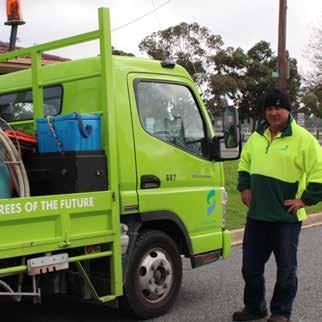
Staff are acknowledged for their outstanding efforts by being nominating for an award by another staff member or a customer. They receive a certificate to acknowledge their contributions to the organisation at an all staff meeting. Staff that received awards were:
Jenny Prosser
The Innovation Award
Patricia Garraway
The Integrity Award
The Citizen Service Award
The Teamwork Award
Pradeep Rajasekaran
The Integrity Award
The Citizen Service Award
The Teamwork Award
Recognition of Retirement
When a staff member retires after 20 (or more) years of services, they receive a letter from the Mayor and are recognised at all of staff meetings.
Years of Service
Staff are recognised for their length of service and receive a certificate signed by the CEO and Mayor. Those who had completed 10 years of service or more also receive gift vouchers.
The recipients for the 2014/2015 financial year are detailed below.
2014/15 Years of Service Awards
5 years
Amina Barolli
Anna Feldtmann
Ashleigh White
Barry Smith
Brad Corken
Brendan Newbound
Catherine Redwood
Chas Morelli
Chris Barnard
Chris Bentley
Colin Gleeson
Curly Williams
Debbie Chandler
Dylan McIntosh
Emma Delmenico
Emma Seddon
Filipa Marshall
Jacqui Byrnes
Janelle Bunfield
Jayne Walters
Jenna Palmer
Jo Vasterink
Jodie Treadway
Joe Gilberto
John Oates
Linda McKenzie
Maree O’Sullivan
Melinda Litchfield
Nicole Mullan
Paul Elshaug
Pradeep Rajasekaran
Ray Lamaro
Renee Ashmore
Shane Lewis
Sharon Terry
Vanessa Curry
10 years
Belinda Collins
Bill Hutchinson
Bill Muir
Brian Doyle
Chris Brewer
Dean McDonald
George Davis
Jayne Walters
Lyndall Pickard
Maree Glasson
Matthew Urbanavicius
Michael McCorry
Nicole Damon
Scherre L’Estrange
Tanya Roberts
Toni Leader
Wayne Long
15 years
Bluey Johnson
Bruce Craig
Geoff Down
Grace Ganino
Jennifer Asbury
Julie Muir
Katie Wallace
Kaye Cooper
Neil Meka
Sharlene Still
Simone Elder
20 years
Debra McMahon
Jennifer Newman
Leanne Archer
Maggie Love
Steve Cowland
Tina Zappala
Tony Ellis
25 years
Brent O’Brien
Charles Rendina
Greg Reither
Joe Fichera
Kevin Jones
30 years
John Gribben
35 years
Daryl McGraw
Rob Frame
40 years
Chris Seymour
Employee Wellbeing
Council undertakes a number of employee wellbeing initiatives as Council has recognised that having an employer who is supportive, committed and flexible creates an opportunity to adjust work arrangements to meet individual circumstances. This results in many benefits for the employee while creating significant wins for Council: improved productivity, engagement and retention, and the ability to attract engaged employees.
Council actively utilises early intervention strategies to reduce its Work Cover premiums, and more importantly, to ensure those employees impacted by work related injuries do not have any time away from the work place, and if they do, that time is minimised. Work Plans were introduced to identify the early warning signs and part of this process was to re-educate Managers in how to identify and assist employees
If the employee suffers an injury either inside or outside of work they are offered appointments free of charge at Council’s provider, the Soft Tissue Centre. If the employee’s injury or illness prevents them from fulfilling the inherent requirements of the role they are assessed by the Council’s provider, the P2Group, who work with our Early Intervention Officer on either a Care Plan or a Return to Work Plan. By having the assessment undertaken and comparing it
to the documented inherent requirements of the role it is possible to create a list of specific tasks that the employee will or will not be able to undertake and build a care plan or return to work plan around these tasks. If possible, alternative duties are sought to keep the employee in the workplace. These are not necessarily in the same role or department as the employee’s substantive position. Health and Wellbeing can be monitored based on role and activity.
Pre-Employment Screens have also been introduced for all new employees and all existing employees who move to a different position. This physical assessment ensures that no potential employee is put at risk in a position that does not suit them physically and also enables reasonable adjustments to be made to positions in order for the best person for the role to be employed.
Physical requirements of the position identified in the online recruitment process in which applicants for positions must agree that they understand the physical requirements of the role before they submit their applications. During the interview they are asked if they have any injury or illness that would restrict them from carrying out the inherent requirements of the role.
Preferred Candidates for positions complete a Functional Capacity Pre Employment Screen and if any reasonable amendments are needed to enable the preferred candidate to carry out the role these are looked into and implemented.
The benefits of this approach are that the organisation shows exactly what the expectation of every role within the organisation is. Council employees have a number of occasions to state that they either can or can’t fulfil requirements of the role.
Council constantly reviews the duties of each team/work group and monitors the effects on employees the duties of each team/work group and role within the organisation is.
Employee Assistance Program
Council provides for Councillors, employees and family members an Employee Assistance Program (EAP).
The EAP aims to ensure that all GSCC workers who experience discuss matters of either a work related or family matter that may be impacting on their work or personal lives and general well-being issues are supported, and that they work within positive workplace cultures that are conducive to their mental health and wellbeing. Research suggests that the majority of workers feel unsupported when mentally unwell, and that less than half of workplace managers have an understanding of mental health issues.
The EAP provides a confidential portal through which Councillors and employees are able to access a range of professional services at no cost to them.
The information provided by the providers of council’s EAP OPTUM, indicate the following results from those who access the EAP are as follows
As can be seen from the statistics GSCC has below-the-average of employees that present to EAP for all industry sectors, which would indicate that employees are not concerned with the workplace stress that are placed upon them but are presenting with personal issues.
• Health checks for all employees
• Fruit to the workplace every week to promote healthy eating options
• Road Warrior Program – a program aimed at operations staff to improve diet, muscle flexibility, exercise programs before commencing duties
• Improvements to the catering offered at meetings
• 12 week weekly physical challenges, recipes and personal goals
• Links to helpful websites and placement of health and well-being advice onto the intranet.
• Monthly message board messages promoting health and well-being tips, Council sponsored gym membership program
• Work break program – giving employees the ability to have 10 minute breaks to exercise and stretch.
• The OHS Committee is valuable for our organisation, with the aim to facilitate a culture of safety throughout Council and promote the health, safety and wellbeing of all employees, customers, contractors, volunteers and visitors within all workplaces.
• Safety Days provided for Maternal Child Health Nurses who often work alone or have to enter client’s homes. This one day training provided tips on personal protection, driving awareness, and manual handling.
• Duress Alarms have been rolled out to employees who may be lone workers or who may work in a high risk environment.
• Sit Stand Desks have been offered to staff who have a proven medical requirement and have proved so successful Council will attempt to roll them out to those staff that desire to have these over the next three years.
Work life balance is increasingly important. Having an employer who is supportive, committed and flexible creates an opportunity to adjust work arrangements to meet individual circumstances. This results in many benefits for the employee while creating significant wins for Council: improved productivity, engagement and retention, and the ability to attract engaged employees.
Council actively manages its Work Cover claims in an effort to reduce its Work Cover premiums, and more importantly, to ensure those employees impacted by work related injuries do not have any time away from the work place, and if they do that time is minimised.
Part of this approach is to provide for all employees a health and wellbeing initiative that enables employees to access a provider of injury treatment and management, with results indicating with three to four treatments, over 90 per cent of employees are able to remain on full duties and full hours throughout the treatment period.
Council takes its responsibilities for providing a safe work place for its employees very seriously. The OHS Committee is valuable for our organisation, with the aim to facilitate a culture of safety throughout Council and promote the health, safety and wellbeing of all employees, customers, contractors, volunteers and visitors within all workplaces.
2014/15 Jul 2014 Closed Capped Hearing
2014/15 Dec 2014 Loss Claim
2014/15 Jan 2015 Open
2014/15 May 2015 Open
Wellbeing initiative outcomes
Council’s WorkCover premium was predicted to reach $1.2m in 2015/16 if Council had not intervened and altered the way in which employees were cared for and supported. The WorkCover premium is expected to be $335K in 2015/16 as results of the actions taken by Council and this translates to significant savings of $865k.
Council’s WorkCover premium to payroll rate has reduced from 1.36 per cent in 2013/14 to an expected 0.77 per cent in 2015/16 and claims costs have reduced from $762K in 2013/14 to $255K in 2015/16.
Council also undertook a Mood Meter survey which was used to determine the mood of the organisation. This was considered particularly important following a long and sustained period of change. In the chart below it can be seen that the vast majority of staff enjoy working at GSCC “All of the time” or “Most of the time”.
Not at all
It can be seen that the well-being programs have both a financial success and success in the happiness of staff at Greater Shepparton City Council
Council acknowledges that volunteering is an investment in our community. It strengthens the fabric of our society, providing a sense of belonging and builds positive relationships. Whether working in Council programs, or in one of the many organisations or groups that utilise volunteers within Greater Shepparton, Council recognises the services and support that volunteers provide to our community.
In August 2014, Council adopted the Greater Shepparton Volunteer Strategy and Action Plan 2014-2018. The Strategy provides a framework for the promotion, recruitment/retention, support, recognition and celebration of Council’s volunteers at a local level, encouraging a responsive and supportive environment for all volunteers. Council’s adoption of the Volunteer Strategy recognises, where there is a vibrant culture of volunteering, communities are stronger due to the inclusiveness volunteering promotes in the community.
The Greater Shepparton Volunteer Strategy and Action Plan 2014-2018 highlights the actions that Council will undertake to support the volunteer sector and strive for best practice for the volunteers of Greater Shepparton. The action plan consists of identified activities Council and Volunteer Managers/Coordinators will undertake during 2014-2018 on four strategic directions:
Key Strategic Direction 1: Promotion
Council will work to raise the profile of volunteering across the Greater Shepparton municipality.
Key Strategic Direction 2: Recruitment
Council will provide a consistent approach to recruitment of volunteers.
Key Strategic Direction 3: Supporting
Council will work towards ensuring our volunteers across Greater Shepparton municipality are supported with standards of best practice and consistency; providing opportunities to share information.
Key Strategic Direction 4: Celebrate and Recognise
Council will acknowledge the valued contributions of volunteering in the Greater Shepparton municipality.
The Council programs and departments that utilise volunteers include:
• Visitor Centre
• Active Living Department – Activities in the Park, Twilight Stroll, KidsTown and KidsFest
• Shepparton Art Museum (SAM) – museum education, invigilators, and administration assistance
• Events and Tourism Department – General events, Riverlinks, Visitor Centre
• Neighbourhoods Department – Community Plan Groups, Meals on Wheels, Social Connections, Street Rider, Section 86 Committees
• Sustainability and Environment Department – revegetation activities
• Works Department – Wipeout Graffiti program
• Riverlinks – ushers for performances at Eastbank and WestSide
ABS Census data 2011 indicated that almost 20 per cent of the Greater Shepparton population volunteer, with the rate in rural and regional areas higher than metropolitan areas.
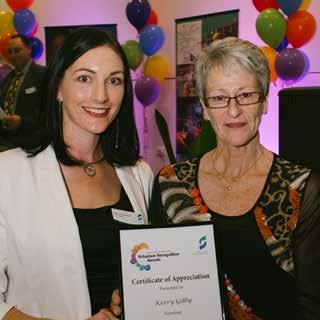
Council recognises volunteers within the municipality through the Volunteer Recognition Awards. These awards are held annually during National Volunteer Week in May. The awards are in their fifth year. There are six categories in which volunteers from the municipality can be nominated.
The 2015 winners were:
• Male Volunteer - Damien Stevens
• Female Volunteer - Cathie McMaster
• Male Youth Volunteer (up to the age of 25) - Mason Montgomery
• Female Youth Volunteer (up to the age of 25)Natalie Dobbyn
• Rural Volunteer (population up to 5000) - Margaret Newman
• Volunteer Team - GV Health & Shepparton Fire Brigade Ladies Auxiliary
Council in partnership with the Volunteer Managers Network have developed a resource – Quick Reference Guide to Volunteering, to inspire the volunteer within you! This guide showcases the volunteering opportunities within the municipality and is available on the Council website and in hard copy at Customer Service. The Volunteer Managers Network is made up of Volunteer Managers, coordinators and Volunteer organisations from across the municipality that support and share resources to explore, evaluate, and enhance the functions of volunteering and volunteer management.
This part of the Annual Report provides an easy to understand summary of how we’re performing against the goals and priorities of the Council Plan.
This Annual Report details how we’ve gone in implementing the second year of the 2013-2017 Council Plan.
The strategic goals that we are aiming to achieve are:
Active & Engaged Community (Social)
We will enhance social connectedness, physical and mental health and wellbeing, education and participatory opportunities in order to improve liveability and a greater range of community services.
Enhancing the Environment (Environment)
We will conserve and enhance significant natural, environmental and cultural heritage.
Economic Prosperity (Economic)
We will promote economic growth, business development and diversification, with a focus on strengthening the agricultural industry.
Quality Infrastructure (Built)
We are committed to facilitating growth in a consolidated and sustainable development framework and will strive to provide urban and rural infrastructure to enhance the performance of the municipality.
High Performing Organisation (Leadership & Governance)
We will deliver best practice management, governance, administrative and financial systems that support the delivery of Council programs to the community of Greater Shepparton.
As you’ll read from this performance report in some areas we have performed well, while other areas we could have done a little better.
This report enables us to identify the areas that we may need to focus our attention to improve results in the coming 12 months and other areas that might actually need a different approach. It also shares some of the challenges that we have encountered along the way.
This section of the report gives you an idea of the next steps, priorities and future directions for 2015/2016.
Highlights
• 250 community consultations undertaken
• 4,000+ people attended the Emerge Festival
• 293 events were held at Riverlinks venues (Eastbank Centre and WestSide Performing Arts Centre)
STRATEGIES/
1. Continue to enhance community capacity building.
Develop and implement neighbourhood planning within the Shepparton community.
Continue to work with our communities to
Completed
Two plans - one Locality (Arcadia) and one Neighbourhood plan (Kialla Lakes) completed in 2014/2015.
On track
Continue to support our 13 Community Plans. 2014/15
• 24,719 meals on wheels delivered
• 25,378 hours of domestic assistance provided
• 11,697 hours of personal care provided
• 14,032 hours of respite care provided
• 187 people became new citizens
Managing capital expectations and continuing to champion Asset Based Community Development.
Managing capital expectations and continuing to champion Asset Based Community
implement their successfully integrated to Development. community plans. Council’s annual capital budget process. Implementation of approximately 15 community priorities.
Review, amend, On track
Final endorsement of the Kialla Lakes plan due in October. Final endorsement of the Arcadia Plan in September. Neighbourhood planning currently occurring for St Georges Road.
Continue to support communities with the implementation of their plans.
Developing new tools and
Review the current strategy and implement and Continuing to support Council resources that are easy to use promote tools available across monitor Council’s Departments to delivery in all Council’s engagement the organisation. community community engagement activities. consultation and strategies. engagement strategy.
Develop effective On track partnerships In 2014/15 Council has with agencies to continued to partner with deliver improved many organisations to deliver community wellbeing outcomes for the wellbeing (all age community. The Municipal cohorts) outcomes. Public Health and Wellbeing planning committee is a partnership of around 30 health related organisations.
The Safer Cities CCTV project would not have been successful without the partnership approach with Victoria Police. To deliver the Best Start plan, Council successfully works with all early years services.
Communication To aim for an additional rise across all performance measures and to meet or better the regional centres average in 2015.
Continue to support the implementation of the Strategy where possible.
STRATEGIES/ ACTIVITIES RESULTS /ACHIEVEMENTS
Ensure our 10 year capital works program is linked to the community and neighbourhood plans.
On track
Ensuring all Council
Continue to improve the quality 2014/15 successfully integrated Departments are aware of the and detail of the link with to Council’s annual capital community plan and priorities. capital works and community, budget process. Continue to neighbourhood and locality improve the quality and detail plans. of the link with capital works and community, neighbourhood and locality plans.
Completion of Congupna Walk Track.
Implementation of Ferrari Park Toilets.
Commencement of Mooroopna Storage Shed.
2. Develop and implement a strategy for improving education opportunities for all ages.
Develop an Education Strategy that includes the principles of lifelong learning.
On track
Council has been working with the Greater Shepparton Lighthouse Project to undertake 1000 Conversations to inform the development of an educational strategy for our area. The 1000 conversations have been completed.
Review and amend On track
Our youth have a lack of educational aspiration, with only 32.9% of our community completing Year 12, 10.5% having a Bachelor degree or Higher and 6.3% achieving an Advanced Diploma or Diploma.
As above.
Council continues to work actively with the Greater Shepparton Lighthouse Project to deliver this outcome.
Council’s Higher Education (if required) Review of the strategy Strategy will be reviewed as Council’s Higher commenced in August 2015. part of the development of Education Strategy the Economic Development, with the aim Tourism and Events Strategy. to improve the aspirational goals of students to gain further skills by attending higher education.
In association with education providers and industry/ business develop opportunities to assist with the attainment and retention of skills to support industry and business development in Greater Shepparton.
On track
Meetings have recently been convened between industry and the local education sector.
Difficulty engaging industry to connect with educational institutions.
Changing local workforce with a greater demand for technical/ white collar roles and a decline in blue collar positions as a result of changes in technology. Changes to educational offerings needing to be explored in meeting the current and future changes in the local workforce.
Meetings will be on-going to assist in determining a strategy going forward.
3. Ensure liveability options are always considered in our decision making activities.
Develop partnerships with federal and state governments, statutory agencies, not for profits and private business to leverage growth within Greater Shepparton.
On track
Work with RDV to progress capital works initiatives.
Develop, deliver and implement community safety initiatives with the State Government, Police, State agencies and the community, including but not limited to CCTV.
On track
The CCTV network has been operational for 12 months and has been successfully integrated with the Night Life Radio Network. Council continues to support Cool Heads driver education program, Street Rider, Community Safety Month, ICE Forum in partnership with Word and Mouth and Victoria Police and the development of Community Safety Flags.
Safety is a perception to
Council has also engaged the services of the Metropolitan Planning Authority to help prepare Precinct Structure Plans and Development Contributions Plans for two strategic growth corridors in Shepparton. These corridors will contain in excess of 4,000 lots and will satisfy the majority of the Municipality’s housing needs over the next three decades. These plans will be finalised in late 2014 and will be the subject of planning scheme amendments in 2015. It is envisaged that residential development will commence within these corridors from 2017.
Continue to strengthen individual persons and partnerships for the delivery of managing expectation can be community safety initiatives. challenging.
Continue to implement the Greater Shepparton City Council Community Safety Plan.
On track
The Greater Shepparton Safer Community Advisory Committee completed the development of the new Greater Shepparton Community Safety Strategy and Action Plan 2015-2017 which was endorsed by Council in December 2014.
Continuing to engage with a wide variety of stakeholders.
Development of a new Community Safety Plan that will encompass the whole municipality.
Review the Terms of Reference of the Greater Shepparton Safety Community Advisory Committee. An annual survey of community safety perceptions is undertaken to monitor progress.
Renew and Completed
Funding for additional
Continue implementation of the implement the Council adopted the Universal opportunities. plan and an annual review. Universal Access Access and Inclusion Plan and Inclusion Plan. in September 2013 with the support of the Disability Advisory Committee.
Continue to implement the Positive Ageing Strategy objectives.
On track
Continue to support the ongoing planning and resourcing of Emergency Management.
Continue to implement the Early Years Plan objectives.
Further opportunities for Development of a new action The Positive Ageing Strategy funding to support actions. plan with the Positive Ageing 2009-14 was completed in Advisory Committee. 2014.
Highlights of the strategy include:
• Development of the Positive Ageing Advisory Committee
• Development of a wallet size seniors directory
• Celebration of Seniors Month in October
Ongoing
Continued management and development of Greater Shepparton City Council’s Municipal Emergency Management arrangements and responsibilities.
Implementation and ongoing support to the Hume Region Municipal Emergency Management Enhancement Group.
Completed
Completion of 2011-2014 Best Start Early Years Plan including:
• Vulnerability tool
• Ready services tool
• South Shepparton breastfeeding project
• Early literacy and language programs
• Collaborative partnerships with various service providers
• Continued recognition as the ‘expert early years body’
• Development of the new Best Start Early Years Plan 2015-2019.
Develop, adopt On track
The Victorian Government’s Emergency Management reform process as a result of the recommendations from the 2009 Victorian Bushfires Royal Commission and 2010-2011 Flood review.
To develop and maintain Council’s emergency management capacity and capability consistent with changes from the Victorian Emergency Management Reform process.
Sustainability of some activities such as outreach MCH and breastfeeding support.
Identifying the most critical issues / focus areas to include in the plan when resources are limited.
Strengthening working relationships with Child Protection.
The new Draft Best Start Early Years Plan 2015-2019 is expected to be endorsed for final community consultation at the August 2015 Council meeting. Following a four week period the Plan is expected to be adopted at the September Council Meeting. Partnership and workgroup members are working towards implementing actions to achieve the outcomes of the plan as soon as the document is adopted. The final evaluation report for the Best Start Early Years Plan 2011-2014 has been approved by the Partnership and is available for reading.
Continuing to engage with a Implementation of the Greater and implement the The implementation of the wide variety of stakeholders. Shepparton Greater Health Greater Shepparton annual action plan included the Grants. City Council following achievements: Municipal Health and Wellbeing
• Health Careers Day Action Plan.
• Permanent condition on annual Outdoor Dining Permits
4. Provide sustainable community services to our community. Review the provision of library services, including potential partnerships and infrastructure requirements.
Establish a Service map that provides information on the services that are available to our community ensuring it is demographic specific data.
Completed
Shepparton library has been refurbished and rebranded.
The library is now more contemporary in order to respond to the changing ways in which libraries are used by communities.
Completed Development of InfoXchange Service Seeker
State funding for Council assets.
Investigate options to upgrade the Tatura Library.
Continue to lobby and advocate on On track Development of the ICE Forum.
behalf of those disadvantaged citizens within Greater Shepparton.
Monitor and appropriately support the provision of quality children’s services within the municipality.
Supported Australian Drug Foundation in the delivery of the Drugs in Sport Forum
Continue to participate in the Hume and local area Preventing Family Violence initiatives.
Continue to provide HACC services to the most vulnerable members in our community services include: assessment, case management, home care, personal care, respite care, meals on wheels, home safety and social connections.
Ongoing
All services have undergone the National Quality Framework (NQF) Assessment and Rating Visit by Department of Education and Training assessment officers. All have been assessed as meeting the required standards. A number achieved an “Exceeding” rating. Council’s services all strive toward meeting industry best practice. The development of a Early Childhood Quality Assurance Officer role supports the services team to maintain continuous improvement.
Ensuring that the system is broadly utilised.
Ability to meet the current needs of our community.
Undertake the service plans. Service Planning tender to be advertised, will contract a consultant to undertake Service plans for the Organisation throughout 2014/2015
Continue to advocate for and engage with our senior
residents to plan for an ageing community.
Continue to provide a quality service to our community.
Continue to monitor changes to the aged care sector.
Apply for additional Commonwealth Home Care Packages.
Ensuring ongoing affordability for families.
Support children’s services to all reach “Exceeding” level in at least two of the seven standards in the NQF.
Ensure the next Council Plan recognises the Council’s role in the provision of early childhood health, education and care services.
5. Embrace and strengthen cultural harmony and diversity.
Continue to engage On track
Continue to work with
Ensure Close the Gap is and partner with Engaged Woka Wolla to stakeholders to ensure reflected in Council policy and our Indigenous undertake environmental weed communication methods are partnerships moving forward. community to removal work along Cemetery responsive to community Work with Municipal support improved Road, Mooroopna. needs. Association of Victoria to opportunities implement the Aboriginal and outcomes in Employment Framework. employment and health.
Ensure Council’s Completed
Managing expectations Adoption of the new strategy activities and Over 4,000 people attended regarding services provided by by Council. events support the Emerge Festival in 2015. local government. and enhance its reputation for cultural harmony and inclusiveness.
As a part of the In Your Town program Ciao was presented at the Shepparton Italian Social
Expanding community knowledge on funding opportunities. Club, attracting audiences that otherwise would not have experienced the event if it was held within the Eastbank Centre or WestSide PAC.
Grace Barbe – The Afro Sound of the Seychelles for a colourful and intimate fusion of tropical island rhythms and African percussion.
Riverlinks continues to work with Multicultural Arts Victoria to deliver the engage project to CALD communities, with the CALD communities being involved in selecting and programing accessible performances for the community.
The 2012-2015 Cultural Diversity and Inclusion Strategy has been finalised. Consultation has commenced for the new Cultural Diversity and Inclusion Strategy 2015-2018.
Implementation of the Multilingual Information Line Service in December.
STRATEGIES/ ACTIVITIES RESULTS
Continue to monitor, review annually and implement the Greater Shepparton City Council Cultural Diversity Strategy.
Recognise and take advantage of opportunities to celebrate our diversity.
On track
The 2012-2015 Cultural Diversity and Inclusion Strategy has been finalised. Consultation has commenced for the new Cultural Diversity and Inclusion Strategy 2015-2018.
Implementation of the Multilingual Information Line Service in December.
Completed
Over 4,000 people attended the Emerge Festival in 2015.
Other cultural celebrations included:
• Apology Day
• Sorry Day
• Reconciliation Week
• NAIDOC Week
• Cultural Diversity Week
• Refugee Week
• Harmony Day
Managing expectations regarding services provided by local government.
Expanding community knowledge on funding opportunities.
Further implementation of the Strategy, and commence consultation for the development of a new Strategy.
Lack of recognition about the significance of this event made it difficult to secure funding.
6. Value arts, culture and heritage as an integral part of our dynamic community.
Continue to support and promote arts events.
On track
Council and Riverlinks sponsorship of key arts events and such as the ANPA (piano award,) Shepparton Young Instrumentalists Award, Playing for Pleasure, Orchestra Victoria On The mOVe, Shepparton Brass Concerts, Goulburn Valley Concert Orchestra concerts, Emerge Festival, Georgy Awards and the Regional Pole Artistry Championships.
Sponsorship of In Your Town season taking professional arts products to smaller towns including Dookie and Tatura. Partly funded through Creative Victoria.
Community Arts Fund increased from $20,000 to $30,000 enabling artists and organisations to apply for financial support for arts projects.
Forming partnerships with community arts organisations requires extensive and ongoing time and resources.
Cost of presenting in smaller towns is substantial.
Grant from Creative Victoria is an annual decision rather than longer term cash commitment.
To hold an annual St Georges Road Food Festival in 2015.
Emerge Festival as part of SheppARTon Festival program in 2015.
Pasifika Showcase to be held in May 2016.
Grow relationships with community partners and to program similar programs in 2015 and beyond.
In Your Town projects committed for 2014/15 and 2015/16.
Manage grants program and seek additional funding for 2015/16.
STRATEGIES/ ACTIVITIES
Continue to undertake the Greater Shepparton City Council Heritage Study by implementing Stage 3 - gap study. On track
Given the number of places to be assessed across the municipality, the Greater Shepparton Heritage Study
Stage IIC: Rural will take a number of years to fully complete. For this reason, Council resolved to allocate $40,000 in the 2014/15 and the 2015/16 financial year to further the Study.
Council’s Heritage Advisor, Deborah Kemp from Heritage Concepts Pty Ltd, has been appointed to prepare the Study. To inform this process, the Greater Shepparton Heritage Advisory Committee prepared a list of approximately 100 places in mid-2015 that may be of cultural heritage significance. The Committee has also prepared draft place citation reports for 25-30 of these places and has undertaken a significant amount of research to aid in the preparation of the remaining place citation reports. This will significantly increase the number of places that can be assessed as part of this Study.
Identifying and assessing the significant number of places in rural areas of the municipality that may be of local cultural heritage significance.
It is envisaged that 120-160 place citation reports will be prepared as part of this stage of Study.
It is expected that the draft study will be finalised in January 2016.
Present the Study to Council for endorsement in early 2016. A planning scheme amendment will then be prepared to include those places identified in the Study as being of cultural heritage significance in the Greater Shepparton Planning Scheme.
STRATEGIES/ ACTIVITIES
Ensure that the Shepparton Art Museum, Riverlinks and Westside Performing Arts activities continue to deliver quality and diverse events aimed at increasing public participation.
Fully delivered the 2014/2015 Performing Arts program at the Eastbank Centre, WestSide Performing Arts Centre and 50,000+ attended performing arts events at Riverlinks venues, including in Your Town performances in Dookie and Tatura.
Young Professional, Youth and CALD Ambassador Programs were established though funding from the Australia Council for the Arts Engage Program, helping make performing arts more accessible.
Local choirs undertook a masterclass with Jonathon Welch OAM, followed by a
showcase of local choirs culminating in Jonathon Welch conducting a combined piece in Absolutely Everybody!
Changes to the federal funding of the Australia Council for the Arts grants has the potential to impact on the quality and availability of professional touring work.
2015 Season launch in December 2014 and ongoing annual seasons of high quality performing arts
Managing ambassador program and focus groups in 2014/15
Emerge Festival 2015 arts programming supported by Riverlinks.
SAM is continuing to plan its programs into the future and work within a sustainable business model delivering accessible and engaging programs within its budget. A constant increase in participation numbers is not an end point and SAM audience numbers may well have reached their saturation point
in the context of the current facility and resourcing.
Also as it is an objective of SAM to engage diverse audiences, the needs and drivers for visitation are also varied requiring SAM to cater to a wide range of needs rather than the ‘maximum’ number of visitors.
SAM continues to be focussed on the quality of experience and also the participation rate of visitors in programming or events during their visit, as well as the diversity of people accessing the facility.
Renew and implement the Arts and Culture strategy which includes public art.
The Shepparton Arts Museum and Performing Arts team will be contributing to the Greater Shepparton Economic Development and Tourism Strategy that is underway. Further public art will be a consideration of the future SAM project.
SAM and Riverlinks to prepare departmental strategic / business plans with a focus on longer term arts strategies.
Review of approach to strategic work following SAM Feasibility Study.
STRATEGIES/ ACTIVITIES
Investigate the establishment of a Shepparton Arts Museum foundation.
Completed
None.
Continue to partner with the Foundation in the future of SAM Foundation established SAM. April 2014. The board members are:
• Mr Peter Quinn (Chair of the Board)
Managing Director, Goulburn Valley Water
• Mr Stephen Copulos Managing Director, Copulos Group
• Dr Jody Evans Associate Professor (Marketing), Melbourne Business School
• Mr Carrillo Gantner AO Chair, Sidney Myer Fund
• Mr George Gabriel Non-Executive Director, Morphic Asset Management
• Mr Drew Pettifer Artist and Lecturer, Monash University
• Mrs Anne McCamish Director, Anne McCamish & Associates
Continue the Completed
Gaining funding for a new Feasibility study completed and feasibility building. report presented to Council. Council approved the investigations for recommendations of the SAM a new location for Feasibility and Business Case. the Shepparton Arts Museum.
• Council introduced hybrid vehicles as part of fleet.
• Co-Gen and Heat Recovery Ventilation System introduced at Aquamoves generating savings of $70,000 and 800 tonnes of CO² emissions per year.
• Solar powered gate and air conditioning systems introduced at Victoria Park Lake Caravan Park.
• 1,920 street lights changed to more efficient lighting that will reduce greenhouse emissions and reduce costs.
1. Ensure the environment is a major priority in planning for the future. Ensure that development applications provide sustainable management plans which incorporate sustainable building design concepts, water
On track
Sustainability and Environment staff have worked with Strategic Planning staff to identify appropriate existing amendments to integrate. Some metropolitan councils have developed an amendment that is sitting with
This is a new and emerging area that creates many challenges for local government. Still an issue whether it’s a building or planning issue. It would be prudent to wait until this determination is made and further guidance is provided by
Development engineers to ensure the Infrastructure Design Manual integrates changes to cover sustainable management plans. Implementation will require the submission of budget bid to employ a consultant to integrate into the Planning
use and stormwater the Minister for approval. the state government. Scheme. management plans.
Advocate for and Completed
Ongoing funding to undertake Master Plan to be implemented. lobby governments the actions will likely cause Master Plan has been to improve challenges to implement. Staff completed and is being community access will continue to identify likely presented to Council for and safety within funding sources. endorsement. the Lower Goulburn National Park.
Advocate, lobby and work in partnership with the state government to minimise the fire risk to our community on state government controlled land.
On track
RiverConnect held regular meetings with Parks Victoria to determine land management actions. Parks Victoria notify when they are planning to burn..
Reduced staff in Parks Victoria Continue regular meetings to during the summer period determine management actions can lead to communication by Parks Victoria on state difficulty. government controlled land. Ensure the actions in the Management Plan are followed.
STRATEGIES/ ACTIVITIES
Ensure that development applications take into account the importance of agricultural land to the Greater Shepparton community and its economy.
No funding allocated to implement non-rural uses policy into the planning scheme.
Approval of a number of planning permits facilitating the expansion of existing agricultural operations, the commencement of new agricultural operations and the commencement of new agriculture related industries. Protection of agricultural land from inappropriate housing and subdivision
Protecting agricultural land from uses and development that do not relate to agriculture. Ensuring agricultural land does not become a cheap alternative for inappropriate industrial uses not related to agriculture.
Allocate funding to allow Council’s strategic planners to re-introduce a non-rural uses policy into the planning scheme to protect agricultural land from being used as a cheap alternative to industrial land.
Continue to facilitate agricultural developments through the planning system whilst protecting agricultural land from inappropriate non rural developments.
Work with Department of Primary Industry, Goulburn-Murray Water, University of Melbourne and other municipalities to ensure the use of irrigation water is both innovative and maximised.
Finalise, adopt and commence implementation of the Environmental Sustainability Strategy (ESS).
Completed
Through the Local Government Floodplain Reference Group, five meetings have occurred over the last year. Presenters included Connections Program (GM Water) and Department of Economic Development, Jobs, Transport and Resources representative presented on mega dairies.
Completed
None
Continue meetings LGFRG and make representations where deemed appropriate.
Appropriation of sufficient
Continue to roll out work plans budget to roll out actions in a that are related to the ESS. ESS adopted at July 2014 timely manner. council meeting.
Integrated into Interplan, service planning process to be completed.
All relevant staff had actions assigned to them in their 14/15 workplans and these have been completed.
Investigate the Completed
Appropriation of sufficient Upon adoption by Council opportunities that budget to roll out actions in a prepare and roll out actions. Energy Reduction Plan are available to timely manner. completed. Waiting to be sent Council to enable to Council for adoption. council to support renewable energy options.
STRATEGIES/ ACTIVITIES
Investigate the opportunities that will enable Council to support the growth of solar usage a within the city. On track
Virtual Solar project is still underway. Once completed, Council will have access to data and information.
Council supported both Goulburn Valley Community Energy and the Tatura Renewable Energy Project through attending meetings, providing funding and advice to progress the feasibility project.
EUA detail not yet released.
Continue to partner in virtual solar project.
Once detail of EUA’s is received, pass information onto Investment Attraction for business community.
Continue to support Goulburn Valley Community Energy.
Council continue to support the Tatura Renewable Energy feasibility project.
Review, adopt and commence implementation of the Waste Management Strategy.
Completed
Council adopted the Waste & Resource Recovery Management Strategy at its December 2013 meeting.
Review and implement On track Roadside Management
Changing state government priorities to ensure consistency of waste and resource recovery strategies across state, regional and local areas.
Implement full organic collection service for urban properties by November 16 2015.
Finalisation is dependent on native vegetation controls Engage consultant for review.
the Greater Strategy is almost complete. review being undertaken Shepparton City by State Government. The Council Roadside MOU Council has with State Management Plan. Government has been under review for the last six months – recent notification states the final will not be ready for signing until the review is complete. This is due June 2016.
• Way Finding signage installed across Shepparton
• Two shops opened as part of Renew Shepparton project
• Shepparton Show Me sponsored 20 events to the value of $214,828
• 25,000+ attended the Summer and Winter City Markets
• Total visitors to Greater Shepparton 900,000
• Total bed nights as a result of events 100,000
ACTIVITIES
• Estimated total economic impact of tourism to Greater Shepparton $180 million
• Economic impact of major events $35 million
• Over 250 events across sporting, arts, civic, community, celebrations and cultural assisted with 75 events financially sponsored and delivered by Council
• KidsFest attracted 16,000 visitors over two days in September
• Over 150,000 visitors to KidsTown
• More than 650,000 people visited Aquamoves
1. Maximise opportunities to ensure Greater Shepparton leads Victoria, retaining and attracting education and industry. Develop and On track Seeking feedback Economic Development, implement a In process of developing Tourism and Events Strategy strategy which economic development, development has commenced. identifies resources tourism & events strategy. Urban Enterprise has been needed to attract Consultants have been appointed to develop strategy. new business and appointed. industry to Greater Shepparton as well as retaining our existing businesses and industry.
Ensure sufficient On track
The ILR included a detailed The Amendment has industrial land Amendment C162 to the supply and demand analysis been through exhibition, which offers a Greater Shepparton Planning for industrial land in the City consideration of submissions range of options Scheme (Planning Scheme) of Greater Shepparton, and and a Panel Hearing was for new industry proposes to implement the found that most industrial held on 25 May 2015. Council establishment findings and recommendations precincts had sufficient adopted the recommendations is available of the Industrial Land Review, available industrial lands to of the Independent Planning throughout Greater City of Greater Shepparton, accommodate demand for Panel for the amendment as Shepparton. 2011 (ILR). The ILR was adopted the next 20 years. The review outlined in their Panel Report by Council on 19 July 2011. did however make a number dated 30 June 2015. of recommendations to Council officers have submitted safeguard the long term supply the amendment to the Minister of industrial land across the for Planning for approval on municipality. It recommended a 23 July, and a decision is number of investigation areas due week commencing 14 be designated in the relevant September 2015. industrial framework plans within the Planning Scheme.
STRATEGIES/ ACTIVITIES
Undertake research of industry to understand and highlight their needs and opportunities to ensure that Council has considered all options for industry attraction and retention.
Develop and implement a strategy for attracting renewable energy based industries to Greater Shepparton.
On track
In process of developing economic development, tourism & events strategy. Consultants have been appointed.
Nil challenges identified. Research currently being undertaken, engagement has been excellent.
Economic development, tourism and events strategy development has commenced. Urban Enterprise have been appointed to develop strategy.
On track
In process of developing economic development, tourism & events strategy. Consultants have been appointed. Attraction of Renewable Energy based industry is included within the economic development tourism & events strategy
brief. Consultants have been appointed. Consultants are (through a separate study) currently reviewing the existing Renewable Energy Precinct.
Develop and On track
Particularly in Tatura lack of energy provision and cost is constraining industry growth.
Economic development, tourism & events strategy development has commenced. Urban Enterprise has been appointed to develop strategy.
Council recognises that interest Strategy has been compiled implement a This strategy has been in the GV Link facility will be internally by both Investment marketing strategy developed. Installation of GV realised with allocation of Attraction and Marketing and for industry Link sign at GV Link site. Bypass funding. Communications Department. attraction including the Council owned GVLink.
Continue to seek On track out business to It has been determined by establish at GVLink. Council that the construction of the GV Bypass will be crucial to the development at the GV Link Site. A marketing strategy has been developed to communicate the opportunities that relate to GV Link. Council will continue to field investment inquiries in relation to available land at GV Link Site.
Continue to advocate for GV Continue to lobby for GV Shepparton Bypass funds. Shepparton Bypass.
Implement GV Link marketing strategy.
On track
2. Ensure retail strategies deliver appropriate outcomes for the community. Revise, adopt and commence implementation of the CBD strategy.
Planning Scheme Amendment
C92 to the Greater Shepparton Planning Scheme seeks to implement the findings and recommendations of the Shepparton CBD Strategy 2008.
In addition, the Commercial Activity Centre Strategy is undergoing a second Consultation phase and a draft has been released for comment. The process of developing Council’s Economic Development, Tourism & Events strategy is also underway and Consultant has been appointed.
Amendment C92 proposes a number of changes to the Greater Shepparton Planning Scheme. The most significant of these changes is the proposed rezoning of the Central Business District (CBD) and surrounding areas to the Activity Centre Zone (ACZ).
Council adopted Amendment C92 and authorised Council officers to submit the amendment to the Minister for Planning for approval at the April 2015 OCM.
Council officers have now submitted the amendment to the Minister for Planning for approval, and a decision is pending.
Develop, adopt and commence implementation of a Retail Strategy
On track
The Commercial Activity Centre Strategy is currently undergoing a Community Consultation phase and a draft version of the strategy has been released for comment.
In process of developing economic development, tourism & events strategy. Consultants have been appointed.
Maximise the On track
The findings of the Commercial Activity Centres Strategy will need to be implemented via a future Planning Scheme Amendment(s). It is anticipated that this will be initiated in early to mid-2016, after the final Strategy has been completed and adopted by Council.
Council have endorsed the ‘Draft Commercial Activity Centres Strategy, June 2015’ for public consultation. This stage of consultation will run from August to September 2015.
Once this process has been run Council officers will report any feedback, comments and submissions received through public consultation to the Council, prior to presenting the Strategy at a future Council meeting for adoption.
It is expected that the Final Strategy will be presented to Council for adoption at the December 2015 OCM.
Difficulty in getting landlords to Investment Attraction will opportunities Renew Program has been participate in the program. continue to reduce vacancies within the CBD implemented. through the Renew Committee. that present themselves with the redevelopment of Vaughan Street.
STRATEGIES/ ACTIVITIES
Continue to support and revitalise Shepparton Show Me (SSM).
Completed
SSM fully implemented its marketing plan for 2014/2015 in alignment with the 2013-2017 Marketing Strategy.
All activities were completed within budget.
Key initiatives included establishing a panel of providers for creative and media buying services, a refreshed approach to the AGM and the implementation of a SSM member communication plan.
Over 20 events and initiatives were sponsored totalling $214,828, while a full suite of annual campaigns were consolidated.
In representing a diverse range of industries it can be challenging to promote every sector.
With a Marketing Strategy and Marketing Plan in place, the next 12 – 18 months will be busy executing a series of campaigns and activities.
Implement installation of new parking and Wayfinding signage in the Shepparton CBD and progressively across the Greater Shepparton towns.
Completed
Four Wayfinding signs installed across the CBD (train station, Victoria Park Lake, two in the mall) plus two finger board signs.
Develop, adopt and On track
Addressing the challenge of Parking Wayfinding signage will the Railway precinct turning its be designed to promote the back on the CBD and providing existence of off street car park directional signage to key availability. points of interest.
Gaining community implement a CBD CBD Parking Strategy will engagement and input into the Parking Strategy. be developed alongside the strategy. Active Transport Strategy being coordinated by the Infrastructure Directorate this financial year.
In 2015/16 Council will develop an Active Transport Strategy. The strategy will develop initiatives for increasing the use of walking and cycling in conjunction with other modes of transport.
The CBD Parking Strategy will then be developed to take into account the active transport objectives.
Investment Attraction is responsible for managing perception regarding parking and will implement the recommendations that are identified within the already developed action plan.
Completed
3. Make Greater Shepparton the regional sporting capital of Victoria and a leading sporting destination. Pursue opportunities for Greater Shepparton to be the location for major sporting events.
A full calendar of events was executed over 2014/2015. Events were internationally, national, state-wide and local. Key events included:
• AFL NAB Challenge Game
• Asia Oceania Junior Davis and Federation Cup Qualifying Tie
• BMX Australia National Series
• Victorian Softball Masters Championship
• Under 14 Basketball Victoria Country Championships
• Bill Muir Indigenous National Basketball Championships
• Shepparton International Squash Championships
• Swimming Victoria Short Course Country Championships
• Motorcycle Victoria State Championships
• Australian Football Skools International Championships. Build partnerships with state bodies to enable Greater Shepparton to be Victoria’s leading location for major events.
On track
Continued to build relationships with state and federal government bodies to partner in attracting key events. Continued to lobby State and federal government bodies regarding opportunities for partnerships and infrastructure upgrades to attract key events.
These include Tennis Australia and BMX Australia.
Attracting state and federal government funding to assist with bids and infrastructure upgrades, volunteer burnout, resources.
Continue to bid for sporting events that will provide social and economic development opportunities for Greater Shepparton.
Development of an Economic Development, Events and Tourism Strategy to undertake a strategic and sustainable approach to events.
Continued redevelopment of the Shepparton Sports Precinct as a key draw card in attracting high calibre and profitable events.
Other competing regional destinations and their ability to attract significant support from their respective state governments.
Continue to work with state government to identify opportunities for grant funding to assist to develop infrastructure to support a major events program.
STRATEGIES/ ACTIVITIES
Continue the development of the Shepparton North sporting precinct.
On track
Design for the community football complex completed, construction commencing 2015/16 financial year.
Replacement of synthetic hockey surface completed in June 2015. Lighting of multipurpose fields completed in August 2014.
Design completed for all elements.
Continue to implement master plans that have been prepared for recreation reserves and sports facilities.
Review, adopt and implement the tourism and major events strategy to enable the breadth and quality of major events to grow.
Complete the Shepparton Showgrounds redevelopment.
On track
Completion or partial completion of Kialla Park Recreation Reserve Master Plan.
Other plans completed:
• Arcadia Recreation Reserve
Continual refinement of project scope to meet budget and funding deliverables.
Delivery of Stage 1 of the project including precinct design, Community Soccer Complex, the replacement of synthetic hockey surfaces and lighting to the netball courts and multipurpose fields.
Staff resources.
Develop future master plans to take into consideration and assess realistic resources (including budget, Council in-kind, volunteers), trends in sport and recreation activities, and future demographics. A co-ordinated approach
Master Plan towards implementation to be
• Tatura Park Sporting Precinct adopted. Master Plan
• Cycling Precinct Master Plan
Completed
The tourism and major events strategy has been implemented and the new strategy has commenced.
Staff resources and lack of tourism product.
Tourism and Events Strategy planned with Economic Development Strategy for 15/16 financial year.
Develop plans and prepare a feasibility study for the redevelopment of the Shepparton Sports stadium.
On track
Grassed arena and semipermanent toilets near the multi-purpose pavilion have been completed. Work has commenced on attracting events to capitalise on these significant works and attract income.
On track
Sports Stadium Future Direction Plan incorporating project feasibility was adopted by Council in 2014. Currently undertaking detailed functional design of first stages while working on securing required funding partners to progress the re-development.
Attracting funding for these infrastructure projects.
Design completion of the MultiPurpose Pavilion.
Marketing of the refurbished venue.
Attracting funding for these infrastructure projects.
Working with potential partners to secure a funding model that will allow the project to proceed. Currently completing functional design which will lead into documentation for construction.
STRATEGIES/ ACTIVITIES
Continue to develop Aquamoves and environs (including the carpark) as a regional aquatic and water park facility.
On track
Attracting funding for these In 2015/16 a review and update 2014/15 saw the completion of major energy management projects including the installation of CoGeneration infrastructure projects. of the facility Master Plan will commence to drive direction of Aquamoves for the next 10 to 20 years.
and Mechanical Air Handling.
2015/16 will see the upgrade of car parking and renewal of the wet and dry area changerooms as well as the upgrade of the indoor pool concourse areas.
Highlights
• Murchison Rail Trail completed
• Redevelopment and restoration of the Philippine House
• Shepparton Senior Citizens Centre redeveloped
• Resealing of roads - 80 individual projects, totalling 61km
• Asphalt and stabilisation - 86 projects 56,000m2
• Gravel re-sheeting - 53 individual projects totalling 93 kms
• Kerb and channel - 18 projects totalling 3.5km
• Footpath renewal - 17 projects totalling 1400 sqm
STRATEGIES/ ACTIVITIES RESULTS/ACHIEVEMENTS
1. Ensure the community has access to high quality facilities.
Complete the On track
• Urban drainage - more than 10 different projects
• 650 street trees planted and gifted
• 73 playgrounds maintained
• 4 skate parks maintained
• 10 pieces of public exercise equipment maintained
• 4604 hours spent on public toilet cleaning and maintenance
• 31 sports fields maintained
• 119 parks maintained
• Mall sweeping conducted 52 weeks per annum 712 hours
Council in 2015/16 will install Victoria Park Lake Completion of a new shelter and BBQ at lighting to the shared path redevelopment the southern end of the precinct. on the western side of the project. Victoria Park Lake precinct. Council will review the Victoria Park Lake Masterplan. This review will guide all future development in the precinct
Work with the On track
Continual refinement
Continuation of developing a community to Partial completion of various landscape of landscape design to sustainable site. continue the elements. remediate landfill site. Implementation of the detailed development of the Australian Botanic Gardens Shepparton.
Work for dole program to undertake development and maintenance opportunities. design for the mound.
Review and adopt Completed
Completing the capital
Complete the works to deliver the Tatura Park Tatura Park Outdoor Arena Roof works so that intensive a roof over the outdoor arena. Master Plan underway. events program is not New Masterplan to be and develop disrupted. developed 2014/15. an integrated sporting facilities master plan with the Howley Complex.
STRATEGIES/ ACTIVITIES
2. Ensure the community has access to appropriate transportation infrastructure.
Develop a long On track
Project Board appointed Development of feasibility term plan for Funding has been acquired for the and consultant study if successful. the Shepparton development of an Aerodrome appointed. aerodrome which Relocation Feasibility Study. includes provision for its possible relocation.
Advocate for On track
Gaining a commitment The All Aboard Shepparton the delivery Council has been working with Member from the state campaign will continue to be of improved for Shepparton District Suzanna Sheed, government to address implemented in 2015/16. passenger rail Committee for Greater Shepparton our long-standing services to and SheppRails in the development passenger rail needs. the Greater and implementation of the All Shepparton Aboard Campaign in advocating for including "fast improved and increased passenger rail" services. rail services. Activities have included a co-ordinated rail trip to Melbourne to present to the Minister for Transport, social media engagement campaign and encouraging members of the community to attend the Regional Network Development Plan consultation sessions, with all sessions being full.
Advocate for the return of rail freight as an option for regional freight businesses.
Adopt and commence implementation of the Greater Shepparton Cycling Strategy 2013-2017.
On track
Business Case developed in collaboration with Food Bowl Inland Rail Alliance and presented to Minister Warren Truss.
On track
New Cycling Greater Shepparton Guide will be completed in August 2015.
Completed BMX and Cycling Club Strategic Business Plan.
Federal Government continues to rely on the 2010 ARTC report regarding preferred alignment.
Lack of tourism product on cycle routes.
Continue to build a case for inclusion of Shepparton in the inland rail route and complete due diligence of the Shepparton route.
Distribution and marketing plan including promotion at the biggest participation event in Victoria (Go Bike Expo).
Implementing the Cycling Precinct Master Plan.
Design of BMX Lighting, berms, start hill and track upgrade.
STRATEGIES/ ACTIVITIES
Advocate the Federal and State Governments for a commitment for funding to enable the commencement Shepparton Bypass for the Goulburn Valley Highway.
Lobby and advocate to other levels of government for funding for major infrastructure projects.
Advocate and lobby for funding
to enable commencement of the Maude Street bus interchange project.
In collaboration with the community lobby and advocate for the continued development of the railway station precinct with priority linkage to the CBD.
Through the Make Shepparton Greater advocacy campaign the following was achieved:
• Creation of an advocacy brand and assets.
Passenger rail:
• Establishment of the Victorian Government’s Shepparton Passenger Services Working Group.
• Introduction of a new passenger rail service departing Shepparton at 5.15am and arriving at Southern Cross Station at 7.59am.
• 2,127 passenger rail surveys completed by the community.
• 150+ community members in attendance at the Public Transport Forum.
• 110 letters sent by the community to the Premier and Opposition Leader.
• Election promises from the Coalition Government to increase number of services and upgrade to the long-haul system.
GV Highway Shepparton Bypass:
• Shepparton Bypass strategy broken down to a staged approach to assist with securing funding.
• Bypass working group established comprising Council, Bypass Action Group, VicRoads and Committee for Greater Shepparton.
• Shepparton Bypass included as a priority in the RACV’s Growing Pains in Regional Victoria report.
• Coalition Government election promise of $1 million to complete the feasibility study and detailed design.
Shepparton Court House Redevelopment:
• Investment of $73 million by the Victorian Coalition Government for construction of a new court complex, scheduled for completion in 2018.
Due to the immense infrastructure needs of Greater Shepparton it is a challenge to attract the high level of state and federal government funding required.
Our population is forecasted to grow from 64,803 in 2016 to 77,974 by 2031. The current status of our infrastructure is not in a position to support this growth.
Currently Council is working with the Committee for Greater Shepparton and the Greater Valleys Infrastructure Working Group to determine our infrastructure needs at a local, regional and transformation level. The prioritisation of projects through this process will inform the next stage of Make Shepparton Greater.
STRATEGIES/ ACTIVITIES
GV Health Redevelopment:
• Strategy planning meeting with the Goulburn Valley Health Board of Directors.
• Meeting with the then Minister for Health.
• A re-election commitment from the Coalition Government to invest $74 million in the Redevelopment.
CBD Vitalisation:
• Completion of the Vaughan Street
- Corio Street to Maude Street revitalisation
• Improvements (Vaughan Central) project.
• Additional CBD revitalisation projects ready for conceptual design to be undertaken.
• Coalition Government commits $2.5 million to Shepparton CBD redevelopment if re-elected.
• Coalition Government promises to establish a new $100 million Regional Cities Infrastructure Program if reelected. The Shepparton CBD is one of the priorities for the Regional Cities Victoria if further funding under this program is made available.
Continue to develop plans for and commence implementation of streetscapes and town entrances.
On track
Developed draft Master Plan for McLennan Street median.
Completion of Tallygaroopna town entrance sign.
Waiting on roundabout construction by VicRoads.
Develop the Eastern town entry in concert with VicRoads planned upgrade of the Doyles Road / Benalla Road roundabout.
Master planning for the Mooroopna centre median and war memorial areas.
3. Encourage sustainable municipal growth and development. Review Council’s Municipal Strategic Statement. Completed
This Greater Shepparton Planning Scheme Review was commissioned in early 2014 and completed in July 2014. The review was prepared in accordance with the Department of Sustainability and Environment (now DELWP) ‘Review of Planning Schemes Practice Note (February 2006)’. It provides Council with an overview of the performance of the Greater Shepparton Planning Scheme, an understanding of what policy changes have occurred since the last review and a program for future action.
Council adopted the report the review required pursuant to section 12B (1) of the Planning and Environment Act 1987 at the 21 October 2014 Ordinary Council
Meeting.
Council officers forwarded the report to the Minister for Planning as required by section 12B (5) of the Planning & Environment Act 1987 on 22 October 2014.
The Review found that there are a number of new or emerging planning issues that are apparent and will require attention including:
• Gaming
• Resource recovery areas
• GV Equine and Greyhound Precinct
• Environmentally efficient building design
• Rural heritage
• Bushfire protection
To follow the statutory and strategic planning recommendations included in the Planning Scheme Review Report, and commission and complete the Strategic Work Program included in the review.
STRATEGIES/ ACTIVITIES
Ensure Development Contributions Plans minimise Council’s requirement for expenditure within developments.
Council has previously prepared Development Contributions Plans for the Mooroopna West Growth Corridor, the Shepparton North Growth Corridor and the Shepparton South Growth Corridor and included these plans in the Greater Shepparton Planning Scheme. Council is currently preparing Development Contributions Plans for the proposed Shepparton North East Growth Corridor and the Shepparton South East Growth Corridor.
To inform this process, functional drawings and an opinion of probable construction costs have been prepared for all infrastructure items required to support development within the proposed Shepparton North East Growth Corridor and the Shepparton South East Growth Corridor. These infrastructure items will be included in draft Development Contributions Plans for both Growth Corridors.
The Metropolitan Planning Authority has been engaged to assist Council in collating both Development Contributions Plans. Council will benefit from the Authority’s substantial expertise earned in similar growth areas across the State.
The challenge is the need to ensure that all infrastructure items to be included in any new Development Contributions Plans have been appropriately designed and costed to ensure Council does not have any additional costs when the infrastructure items are being constructed in the future.
The preparation of functional drawings will significantly reduce this risk.
Index existing Development Contributions Plans to ensure the development contribution rates have been updated to take account of increasing rates of inflation, construction costs and land valuations.
Finalise the draft Development Contributions Plans for the proposed Shepparton North East Growth Corridor and the Shepparton South East Growth Corridor.
Present the Plans for the proposed Shepparton North East Growth Corridor and the Shepparton South East Growth Corridor to Council for endorsement.
Prepare a planning scheme amendment to include both Plans for the proposed Shepparton North East Growth Corridor and the Shepparton South East Growth Corridor in the Greater Shepparton Planning Scheme.
Continue to develop structure plans for our growth corridors.
Draft Structure Plans for both growth corridors have been prepared to guide the location of all future land uses within the corridor and to accommodate all infrastructure that the future communities living in these growth corridors will require.
These Structure Plans will inform the preparation of Precinct Structure Plans for both corridors. Precinct Structure Plans will guide all future development proposals within both Growth Corridors and outline the preferred sequence of development, etc.
The Metropolitan Planning Authority has been engaged to assist Council in preparing both Precinct Structure Plans. Council will benefit from the Authority’s substantial expertise earned in similar growth areas across the State.
The challenge is to ensure that the Structure Plans and Precinct Structure Plans have considered all future requirements of the communities that will live within these Growth Corridors.
The preparation of background reports for the proposed Shepparton North East Growth Corridor and the Shepparton South East Growth Corridor has guided the preparation of the draft Structure Plans and draft Precinct Structure Plans.
Finalise the draft Structure Plans for the proposed Shepparton North East Growth Corridor and the Shepparton South East Growth Corridor.
Finalise the draft Precinct Structure Plans for the proposed Shepparton North East Growth Corridor and the Shepparton South East Growth Corridor.
Present the Plans to Council for endorsement.
Prepare a planning scheme amendment to include all Plans for the proposed Shepparton North East Growth Corridor and the Shepparton South East Growth Corridor in the Greater Shepparton Planning Scheme.
Highlights
• All 117 Transition Management Plan tasks completed.
• Stage 1 Service Planning completed.
STRATEGIES/ ACTIVITIES
• Goulburn Valley Regional Collaborative Alliance established to share services between Greater Shepparton, Strathbogie and Moira.
1. Develop and implement best practice communication strategies. Develop, adopt and implement Council’s marketing and communication strategies.
Completed
The communication and engagement strategy was fully implemented and evaluated. Key activities of the strategy included:
• Make Shepparton Greater advocacy campaign
• Great Services Great People campaign
• Increased communication and engagement via social
media platforms
• Councillor communications activities including holding Council meetings in Mooroopna and Tatura
• Reviewed how Council presents and communicates
• Implementation of eight annual campaigns
Implement a “citizen Commenced
The rich demographics of our community make it a challenge to ensure that we are communicating and engaging with all community members. Initiatives are being introduced in 2015/2016 to enhance the way in which council communications with the CALD and Indigenous communities.
The 2015/2016 communication and engagement strategy has been developed and will be implemented in 2015/2016.
None
Refreshment of service first” commitment to the delivery of our services.
Currently being reviewed in line with the Council branding review and in line with the standards. Victorian Ombudsman Complaints report.
Review, adopt On track
Developing new tools and Review the current strategy and and implement Council’s community engagement strategy.
Continuing to support Council Departments to delivery community engagement strategies.
resources that are easy to use in all Council’s engagement activities.
promote tools available across the organisation.
Increase the use of social media to enhance community engagement and discussion.
Completed
Since the employment of a social media officer the Council website has experienced a growth of 186 per cent on views of news stories (13,862 up from 4,854) and 184 per cent on views of events (15,651 up from 5,512) generated from social media posts.
Since January 2015 the GSCC Facebook community has increased by 30 per cent to over 2,800 ‘likes’ and at times has achieved an overall reach of up to 150,000 users. On average engagement sits at 10,000 users with minimum 50 per cent engagement.
The potential for Facebook to charge for reach; out of date technology platforms and restrictions on usage provided by Council; and the need to continually create and publish our own content has resourcing implications. The increasing use of social media by the community creates opportunities for greater engagement and discussion with the community but also places pressure on all staff to be involved.
A priority in 2015/2016 will be the creation of Council’s own online news channel.
The use of video will continue to be a priority in educating and informing our community.
2. Develop stronger relationships between Council and State and Federal Governments, local government sector and non-government partnerships to enhance our position.
Work with Strathbogie and Moira Shires to improve service delivery to our respective communities via the Goulburn Valley Regional Collaborative Alliance.
Proactively lobby politicians and the local government sector for support in the delivery of services to our community.
Continue to advocate for improved levels of support from federal and state governments.
On track
Resource sharing including:
• Grading crews
• Joint Legal services panel of suppliers contract
• Learning and Development Service planning
• Aligned Procurement Policy
On track
Identifying available times for resource sharing i.e. both councils undertake gravel re-sheeting works during summer.
Increase the level of resource sharing between Councils, including trialling the use of Strathbogie’s small grader for shoulder grading.
Identify and launch additional projects and embed changes into business as usual.
Identify the areas for joint tenders.
Please refer to previous information on lobbying campaign Make Shepparton Greater.
STRATEGIES/ ACTIVITIES RESULTS/ACHIEVEMENTS
Seek opportunities for partnerships with the non-government sector to support Greater Shepparton in the delivery of services to our community.
Develop, adopt and implement a service planning model for the services that council provides for the community.
On track
Greater Shepparton City Council has successfully partnered with Family Care to deliver programs that assist low income families continue to be involved in sport. These initiatives include football boot exchange and small funding grants.
On track
Stage One of Service planning has been completed.
Dedicated staff member assigned to assisting with reviewing services
None
Continue to investigate further opportunities for partnerships.
The time commitment required to complete to process by the end of the financial year.
Start the next stage of service planning by identifying the critical services to be reviewed.
3. Ensure strong internal systems and processes to ensure best practice delivery of services for the community. Complete the implementation Completed All of the 117 tasks set out Not applicable. Not applicable.
of the Transition Management Plan (TMP). in the plan have now been completed.
Efficiencies in the operations of the organisation achieved from the TMP can be quantified as percentage increases in operational costs. Percentage increases are:
• 13/14 - 14/15: 1.7 per cent
• 12/13 - 13/1: 0.9 per cent
• 11/12 - 12/1: 0.9 per cent
• 10/11 - 11/1: 6.53 per cent
There has been considerable increase in efficiency as Council delivers the same services and has been able to contain cost increases within existing budgets.
Develop and review Completed
annually Council’s On 23 June 2015 Council long term financial adopted the updated 10 year plan (10 year). long term financial plan as part of the Strategic Resource Plan.
Maintaining Council’s financial sustainability while achieving the Council’s strategic objectives as specified in the Council Plan.
Council is currently undertaking service planning which is expected to provide more meaningful projections of future resource requirements. This will allow Council to develop more targeted assumptions with its long term financial planning.
Develop and adopt a comprehensive Strategic Resource Plan which contains strategic direction for the management of the resources for Council.
Complete a Workforce Development Plan which will enable GSCC to become an employer of choice.
Council adopted the updated 2015/16 to 2018/19 Strategic Resource Plan on 23 June 2015.
On track
GSCC, along with Strathbogie Shire, under the auspices of the Goulburn Valley Regional Collaborative Alliance, led the way with Stage 1 of the Pilot Program.
There were significant improvements in key areas:
• Enterprise Agreement developed and costed to support organisation wide initiatives, appropriate expenditure and employee development
• Policy documentation is strong with gaps predominately broader Workforce Strategy application and integrated planning within Departments
• Opportunity to develop a Mature Workers program with benefits across staff development, knowledge sharing and capture and mentoring.
• Ill and Injured Workers Program results are outstanding, with long term benefits to Council, workers and cost savings
The impending rate capping framework to be introduced in 2016/17 has created some uncertainty regarding Council’s ability to provide an appropriate range and level of services to and meeting the infrastructure needs of a growing community.
If Councils are to deliver all that is required under their Council Plans, their people capability must match Council’s servicing requirements. The priority of Workforce Strategy planning and resourcing must be elevated. This Workforce Strategy forms part of Council response to addressing this issue.
Other challenges include:
• While management has improved in some areas, managers continue to be at an ‘operational’ level of planning, without understanding or participating in strategic planning discussions and outcomes.
• Communication and resource sharing between Departments needs to improve into the future.
With the introduction of rate capping and variation framework for 2016/2017, Council will update its Strategic Resource Plan and long term financial plan in this context. The annual update of the Strategic Resource Plan will inform the development of the 2016/2017 budget.
During 2015, Council will embark upon Stage 2 of the STEP Workforce Strategy Program Pilot, and has committed to an annual review. Next steps:
• Review the formation a Workforce Planning Cross Functional Team
• Review revised Improvement Action Plan (IAP)
• CEO to approve IAP
• Cross-Functional Team –develop tactical plan for Improvement areas
• Develop draft Workforce Strategy Plan to be adopted by the CEO and Executive Team
• Newsletter for Staff communication
• Update to Council – quarterly
• Update to Executive Team –monthly
• Update to Management Team – quarterly
• Explore opportunities for collaboration through GVRCA and NERDS
STRATEGIES/ ACTIVITIES
Develop and adopt best practice project management principles including asset investment guidelines which will guide Council investment in existing and new assets.
Initial stages complete 85 per cent of capital budget delivered.
More than 500 individual projects delivered for the community with 90 per cent on time and on budget.
Council adoption of Asset Investment Guidelines in June 2015.
Strong utilisation of Integrated Project Manager (iPM) software to support our Project Managers to meet project management quality standards.
To improve our long term project planning processes to ensure 95 per cent completion of the capital budget.
Integration of iPM into all project business as usual processes.
Improve project status reporting from iPM.
Adoption of Project Assessment Model by Council.
Further develop project management skills across the organisation and formalise the role of the Project Management Office.
Commence implementation of the 2013 - 2018 Information,
Communications & Telecommunications Strategy.
Implement the objectives of the 2013 Purchasing and Procurement Strategy.
On track
Implementation of Infor Pathway CRM, which supports the consolidation of systems.
Pathway SMART Apps for mobile.
Replacement of Uninterruptable Power Supplies (UPS) supporting Councils IT infrastructure.
Implementation of Large Format Plotter / Scanners.
On track
Recruitment of a Contracts and Procurement Analyst to lead the Contracts and Procurement Team.
Loss of key staff. Increased operational workloads.
Recruitment of skilled staff. Procurement culture. Breaking silos.
Review ICT Strategy to ensure ICT initiatives are still relevant and hold best value to Council. Plan the next stages of the
ICT Strategy preparing for the 2016/17 Financial Year.
Recruit a Contracts and Procurement Advisor and a Contracts and Procurement Compliance Officer.
Increase the EFT to allow
Adopted Procurement Policy by Council Adopted Guidelines. the transition to a centralised model in accordance with the Procurement Plan.
Implement On track
Once finalised, the rate Undertake a review of Council’s the approved Of the 19 recommendations, capping and variation Rating Strategy 2013-2017. recommendations 16 have been implemented. framework will have from the Greater The remaining three implications for Council’s Shepparton 2013 recommendations relate to Rating Strategy 2013-2017. Rating Review. longer term investigations.
Council completed 84 per cent of its capital works budget during the 2014/15 financial year.
Council delivered over 500 individual projects on behalf of its community last year, with 480 on time and on budget.
• Shepparton Showgrounds Upgrade - $2.09m
• Raftery Road Upgrade - $917,000
• Marungi Street Drainage Outfall - $350,000
• Aquamoves Cogeneration Plant - $396,000
• Aquamoves Mechanical Ventilation - $350,000
• Toolamba Recreation Reserve Carpark - $160,000
• Resurface and extension of synthetic surface main hockey field - $577,000
• Construction of Deakin Reserve Toilets - $225,000
• Installation of lights at Sports Precinct multipurpose fields - $204,000
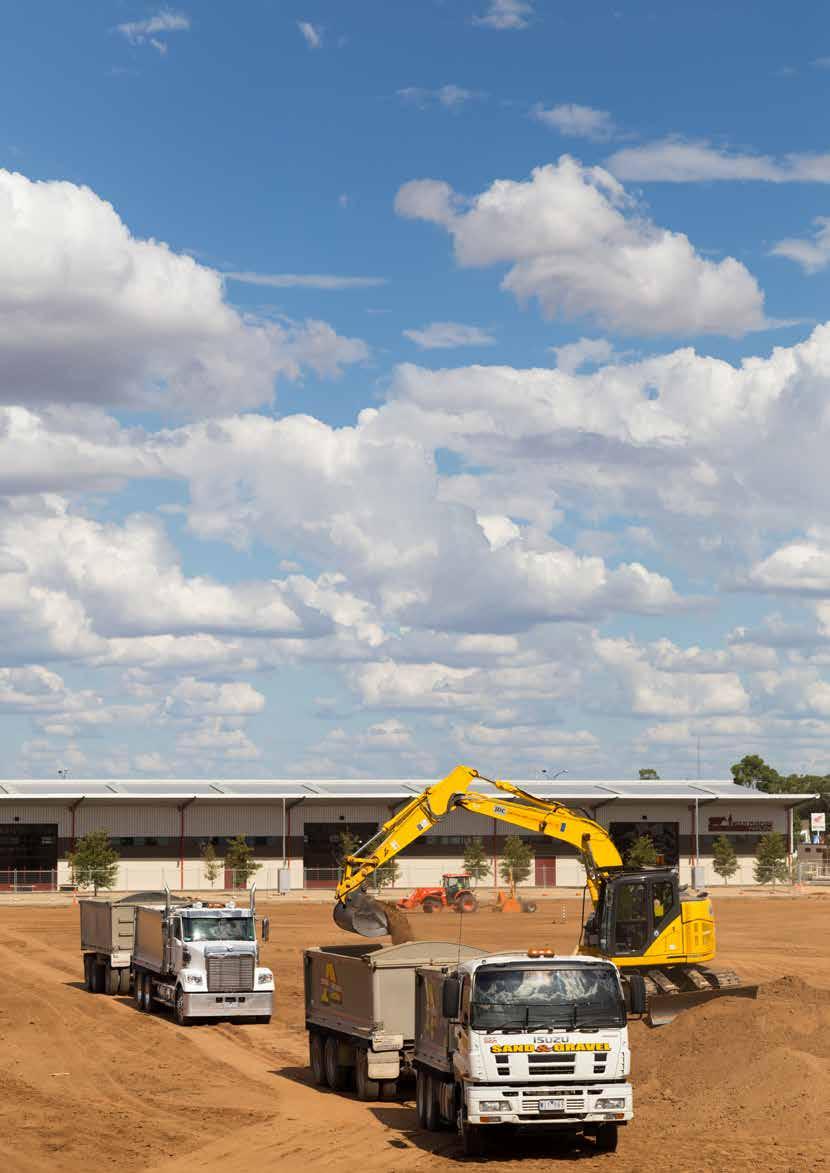
• Shepparton Library Redevelopment$670,000 approx
• Baldock Street, Dookie, Drainage$170,000 approx
• GV Highway Roadside Drainage Improvements - $82,000
• Wyndham Street/Hayes Street, Shepparton, Drainage Upgrade - $71,000
• Knight Street, Shepparton, Drainage Upgrade - $56,000
• Philippine House Restoration - $488,000
• McKinney Street, Shepparton, Reconstruction (Deakin Reserve) - $50,000
• Unsealed Road Resheeting - $1.1m
• Sealed Road Reseals - $1.6m
• Asphalt overlays and stabilisation works - $680,000
• Reconstruction and upgrade of Verney RoadFord Road to Hawkins Street - $2.1m
Our Commitment
We are committed to planning and action that will progresses our municipality, enhancing and persevering the quality of life for our community, while ensuring that Council is financially sustainability and environmentally responsible.
Underlying Operating Position (Surplus/Deficit)
One of Greater Shepparton City Council’s longterm financial goals is to achieve an operational surplus without the inclusion of any capital income (against which there is no matching expenditure in the operating statement) and abnormal items such as granted assets.
Council’s position is close to the average within the Regional Cities category as at 30 June 2015.
Liquidity
Council’s working capital ratio of 224 per cent indicates Council’s liquidity is strong, largely due to unspent commitments, and is forecast to decline in the medium term as these outstanding commitments are closed out.
Rates Affordability (Rates per Assessment/ Annual Household Income) - 2014 - Regional
Cities:
Underlying Operating Position - 2014 - Regional Cities: Wodonga Warrnambool Wangaratta Swan
Wodonga
Warrnambool
Wangaratta
Swan
Victoria Auditor General
Greater Shepparton City Council’s working capital ratio was 2.41 (anything under 1.0 is considered by VAGO to be ‘high risk’) as of 30 June 2015. Ours is high due to 50 per cent of our 2015/2016 Federal Financial Assistance grant funding (approximately $5.5 million) in 2014/2015.
The Victorian Essential Services Commission (ESC) is scheduled to submit its final report with recommendations on a rates capping and variation framework to the Victorian Minister for Local Government and Minister for Finance by October 2015.
Council will review its strategic resource plan and long term financial plan once the framework has been finalised to model and assess the financial impacts and determine the best response to maintain Council’s financial sustainability.
The finalised framework is due for implementation in 2016/2017.
Responding to financial pressures and increased community expectations on the Local Government sector, the GVRCA was established in 2012. The Greater Shepparton City Council and Strathbogie Shire Council remain committed to the success of the alliance. The initiative seeks to drive reform and lead change through innovation, foster team work between alliance partners and develop a culture of best practice to support sustainable futures.
The alliance draws on the expertise and independence of Local Government consultancy CT Management Group which, in conjunction with the MAV, developed the project, and now oversees its ongoing implementation, conducts annual reviews and documents the learnings from the pilot project. The model adopted by the GVRCA allows other councils to join the project and indeed the MAV and CT Management Group anticipate that additional councils will join the alliance in the future as its benefits become more widely understood.
Some of the highlights of the Alliance so far include:
• Establishment of governance structure including Statement of Intent (council policy) and Strategic Alliance Agreement (a management agreement between CEOs)
• $3.96 million in total savings and targeted savings and efficiencies delivered
• Launch of the Alliance’s first projects, which include:
› Organisational Development
› Graders without Borders
› Legal Services joint tender
› Bridges projects and funding
› Procurement
› Service Planning
• Greater understanding of each Council’s work practices
• Joint Federal funding for Bridges Project $460,000
• Creation of a legal library and Legal Engagement Protocol
• Launch of the MAV’s STEP Workforce Strategy Program
• Early Intervention Strategy and program for ill and injured workers
• Development of organisation protocols and policies
Greater Shepparton City Council’s inaugural Environmental Sustainability Strategy was adopted by resolution of Council on 17 July 2014. The development of the Strategy commenced in 2010, when Greater Shepparton City Council was awarded $30,000 in funding from the Victorian Government under the Victorian Adaptation and Sustainability Partnership (VASP) (formerly known as the Victorian Local Sustainability Accord) for the development of an Environmental Sustainability Strategy.
The mission of the strategy is to improve Council’s environmental sustainability performance by imbedding environmental sustainability considerations into Council’s decision-making processes and operational activities.
The strategy aims to:
• Produce an integrated strategy that addresses all aspects of the environment.
• Proactively incorporate sustainability and environmental issues into council projects and programs.
• Communicate and promote Council’s environmental and sustainability commitment and achievements, internally, to ratepayers and the wider community.
It is anticipated that the strategy will:
• Reduce Council’s energy and water consumption.
• Attract innovative, renewable or alternate energy industries to the region.
• Embed sustainability into Council’s operations and functions.
• Increase partnership opportunities with agencies and the community to achieve environmental sustainability outcomes.
• Improve Council’s environmental reporting and communication with the community.
A key action in the action plan was to establish an Environmental Sustainability Advisory Committee to provide advice and guidance to Council on the implementation of the strategy. During 2014/2015 the Greater Shepparton Environmental Sustainability Advisory Committee was established comprising of 18 internal and external key stakeholders including the likes of GoulburnBroken Catchment Management Authority, Department of Sustainability and Environment, Parks Victoria, Goulburn Broken Greenhouse Alliance and Yorta Yorta Nation Aboriginal Corporation.
To date the Committee has overseen the implementation of the following activities:
• Continued implementation of the “Watts Working Better” street-lighting upgrade project.
• Council has begun changing over its passenger car fleet to hybrid vehicles. Over a four year period Council will change over more than 60 vehicles with 17 being changed over this year.
• Installation of CoGeneration and Mechanical Air Handling at Aquamoves.
• Share services and resources between Greater Shepparton, Strathbogie and Moira councils.
• Creation of an internal Council Sustainable Working Group which has introduced a range of education programs for staff including propagation of indoor plants, Bokashi, composting and worm farms, sustainable living and vegie gardens made easy.
Council has a range of strategies and action plans to ensure that diversity is respected, that there is equity in the services that Council delivers and that social connectedness is nurtured. Council is committed to those that live in Greater
Cultural Diversity and Inclusion Strategy and Action Plan
Shepparton to enable them to enjoy a high quality lifestyle that provides opportunities for members of our community to reach their full potential. This includes providing services and actions that foster a good quality of life for all in regards to health, housing, education, employment and safety.
Council's vision is for a vibrant, cohesive society which celebrates cultural diversity within daily life, recognises our strong cultural heritage and supports the ongoing development of a welcoming, inclusive and vibrant community. The Strategy is guided by the key directions of engagement, partnerships, leadership, celebration, advocacy and service provision.
The development of a Cultural Diversity and Inclusion Strategy is designed to build on the existing positive achievements of Greater Shepparton City Council and guide our commitment to supporting and celebrating cultural diversity through best practice. Its development will inform all future Council strategies and policies to further support the development of harmonious communities; inclusive of all.
Youth Strategy and Action The Youth Strategy and Action Plan 2012-2015 provides Council with a strategic framework Plan to guide our role within the youth sector into the future.
The strategy informs how we will work in partnership with the youth sector, young people and their families to ensure that young people are provided with every opportunity to actively participate in their community including those with diverse social, economic or cultural backgrounds
Housing Strategy
This Strategy has been developed to respond to existing and future housing needs in the municipality to the year 2031.
It includes objectives, strategies and actions to guide housing delivery and sets a long-term direction for future residential growth. The strategy informs and guides decision making by landowners, Council, service authorities and the general community about residential land and housing needs and locations.
Volunteer Strategy and Action Plan
Community Safety Strategy
Municipal Health and Wellbeing Action Plan
The Volunteer Strategy sets out Council’s vision and approach to support volunteering in our region. This Strategy provides a framework for the promotion, recruitment/retention, recognition and celebration of council’s volunteers at a local level, encouraging a responsive and supportive environment for all volunteers. Council recognises, where there is a vibrant culture of volunteering, communities are stronger due to the inclusiveness volunteering promotes in the community.
The Community Safety Strategy 2014-2017 addresses high priority relevant community safety issues facing Greater Shepparton that were identified using local agency knowledge, statistics and community feedback. Each initiative has been developed with measurable objectives to enable the Advisory Committee to assess and report on progress of each community safety initiative on an annual basis.
The MPHP plays an important role whereby community, local stakeholders and Council set the strategic direction for positive health and wellbeing initiatives that address population health trends to maximise health outcomes.
Positive Ageing Action Plan
Disability Action Plan
The Greater Shepparton City Council remains committed to our older residents and the actions within the Health and Wellbeing Plan and the Universal Access and Inclusion Plan ensure that Council is working towards creating an ‘age friendly’ community for the residents who live within the municipality. The main areas of focus are:
• Settlement
• Housing and Infrastructure
• Participation in Community Life
• Workforce Participation
• Transition to Retirement and Financial Wellbeing
• Community Planning and Leadership
The Disability Action Plan provides the framework for Greater Shepparton to address disability access issues across all Council areas of responsibility in line with Council’s Corporate Plan and Municipal Public Health Plan. The strategies developed will assist the Council in removing barriers and providing equity of access to Council services, facilities and employment for all people.
Women’s Charter Alliance The aim of the Women's Charter Alliance Advisory Committee is to support and promote women in leadership roles and all levels of decision-making, including business or workplace positions, community groups or boards of management. This Committee has been established to promote local women in leadership and in all levels of decision-making in Greater Shepparton. A three point action plan focussing on Diversity, Active Citizenship and Gender Equity will guide the key strategic objectives of this Committee.

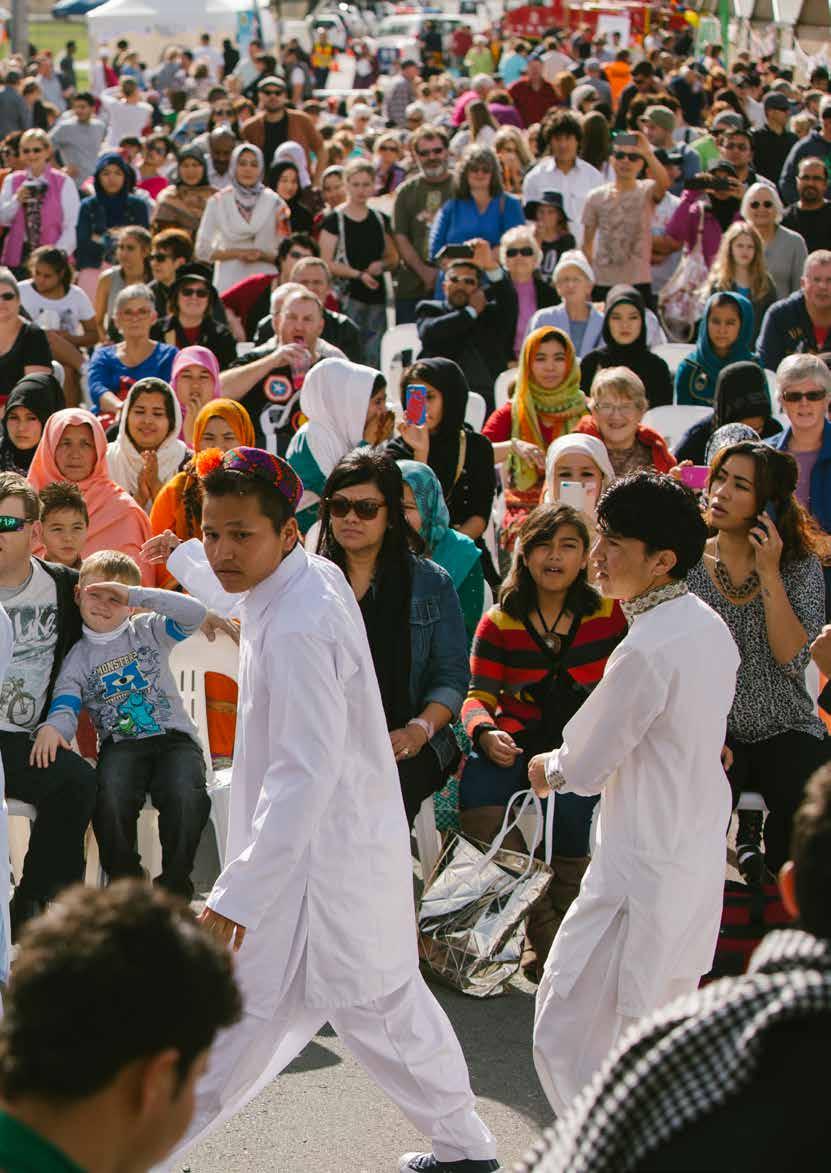
Council meetings are held at 5.30pm on the third Tuesday of each month including public question time. Public questions must be submitted five clear business days prior to the Council meeting. Special Council Meetings are also held as required.
There were 11 Ordinary Council Meetings and 11 Special Council Meetings in 2014/2015.
Meetings of the Council are open to the public unless the Council resolves to close the meeting. Council is committed to transparent governance and therefore meetings and regular briefing sessions are only closed when considering confidential reports.
While the majority of the Council meetings are held in the Council Boardroom, some meetings are held in our regional towns throughout the municipality. The times and venues of Council meetings are advertised in the Shepparton News and Tatura Guardian, on our website and Facebook page.
A video summary of meeting outcomes is presented by the Mayor or available Councillor on the Wednesday following each meeting. This is made available on Council’s website and YouTube channel.
In addition to regular Council Meetings, there are weekly briefing sessions where Council officers make presentations to councillors on policy matters, projects and initiatives and issues of importance to the Council and the Greater Shepparton community.
Briefing sessions are not decision-making forums. They enable councillors to ascertain critical information required to assist them in making a formal decision at a Council Meeting.
Council can appoint advisory committees and committees with special delegated power. There are 21 Section 86 committees made up of community volunteers. Most of the committees have delegated functions for community facilities such as recreation reserves, community centres and halls.
• Arcadia Community Centre Committee of Management
• Australian Botanic Gardens Shepparton Special Committee
• Ballantyne Centre Committee of Management
• Bunbartha Recreation Reserve Committee of Management
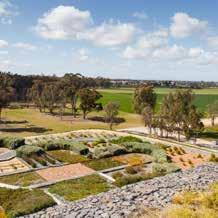
• Caniambo Hall Committee of Management
• Central Park Recreation Reserve Committee of Management
• Congupna Recreation Reserve and Community Centre Committee of Management
• Development Hearings Panel
• Dhurringile Recreation Reserve and Community Centre Committee of Management
• Dookie Memorial Hall Committee of Management
• Dookie Recreation Reserve and Community Centre Committee of Management
• Harston Hall Committee of Management
• Karramomus Recreation Reserve and Community Centre Committee of Management
• Katandra West Community Facilities Committee of Management
• Kialla District Hall Committee of Management
• Kialla West Recreation Reserve Committee of Management
• Lemnos Recreation Reserve Committee of Management
• Murchison Community Centre Committee of Management
• Shepparton Show Me Committee of Management
• Tallygaroopna Memorial Hall Committee of Management
• Toolamba Recreation Reserve Committee of Management
Council also has 19 advisory committees with community representatives. Advisory committees provide advice to Council but, unlike a Section 86 committee, have no delegated authority.
• Audit and Risk Management Committee
• Cussen Park Advisory Committee
• Deakin Reserve Advisory Committee
• Festive Decorations Advisory Committee
• Goulburn Valley Highway Shepparton Bypass Action Group
• Greater Shepparton Aerodrome Advisory Committee
• Greater Shepparton Disability Advisory Committee
• Greater Shepparton Health and Wellbeing Advisory Committee
• Greater Shepparton Heritage Advisory Committee
• Greater Shepparton Positive Ageing Advisory Committee
• Greater Shepparton Safer Communities Advisory Committee
• Greater Shepparton Women's Charter Alliance Advisory Committee
• RiverConnect Implementation Advisory Committee
• Shepparton Art Museum Advisory Committee
• Shepparton Regional Saleyards Advisory Committee
• Shepparton Showgrounds Advisory Committee
• Sir Murray Bourchier Memorial Advisory Committee
• Sports Hall of Fame Advisory Committee
• Tatura Park Advisory Board
The Audit and Risk Management Committee is appointed to provide the Council with additional assurance that the financial and internal procedures and systems of the organisations are in order, risks are identified and managed, and the organisation is complying with all laws and regulations affecting it.
The Committee comprises two councillors and three external independent people appointed by Council. The membership of the Committee at 30 June 2015 is:
• Mr Geoff Cobbledick (Chairperson)
• Cr Dennis Patterson
• Cr Michael Polan
• Mr Peter Johnson
• Mr Graeme Jolly
• Mr John Calleja
The Committee reviews the activities of the independent internal auditor, HLB Mann Judd, and external auditor (Auditor General Victoria) and reviews their work on an ongoing basis.
The annual internal audit program and the scope of the works to be performed is set by the Committee and the Committee reviews each of the reports made pursuant to that program.
The committee met five times during the year with the following activities carried out:
• Financial Statements, Standard Statements and Performance Statement for the year ended 30 June 201 5 were considered and recommended ‘in principle’ adoption to Council.
• Received quarterly risk management reports including insurance claims.
• Received quarterly updates on Occupational Health and safety incidents and statistics.
• Received the audit plan for 2015/2016.
• Received and considered Council’s monthly financial reports.
• Received a variety of final reports presented by HLB Mann Judd on internal audits conducted throughout the year.
Greater Shepparton City Council is committed to open and transparent governance. In accordance with Part 5, Section 11 of the Local Government (General) Regulations (2004), the following information is available for public inspection at Council’s Welsford Street office:
• details of current allowances fixed for the Mayor and Councillors under section 74 or 74A of the Act;
• the total annual remuneration for all senior officers in respect of the current financial year and the previous financial year, set out in a list that states:
› ranges of remuneration of senior officers, where the difference between the lower amount and the higher amount in each range must not exceed $10,000; and
› the number of senior officers whose total annual remuneration falls within the ranges referred to in subparagraph (i).
• details of overseas or interstate travel (with the exception of interstate travel by land for less than three days) undertaken in an official capacity by Councillors or any member of Council staff in the previous
12 months, including the names of the Councillors or members of Council staff and the date, destination, purpose and total cost of the overseas or interstate travel, including accommodation costs;
• names of Council officers who were required to submit a return of interest during the financial year and the dates the returns were submitted;
• names of Councillors who submitted returns of interest during the financial year and the dates the returns were submitted;
• agendas for and minutes of ordinary and special meetings held in the previous 12 months kept under section 93 of the Act except if the minutes relate to parts of meetings which have been closed to members of the public under section 89 of the Act;
• a list of all special committees established by Council and the purpose for which each committee was established;
• a list of all special committees established by the Council which were abolished or ceased to function during the financial year;
• minutes of meetings of special committees established under section 86 of the Act and held in the previous 12 months except if the minutes relate to parts of meetings which have been closed to members of the public under section 89 of the Act;
• a register of delegations kept under sections 87 and 98 of the Act, including the dates on which the last reviews under section 86(6) and 98(6) of the Act took place;
• submissions received in accordance with section 223 of the Act during the previous 12 months;
• agreements to establish regional libraries under section 196 of the Act;
• details of all property, finance and operating leases involving land, buildings, plant, computer equipment or vehicles entered into by the Council as lessor or lessee, including the name of the other party to the lease and the terms and the value of the lease;
• a register of authorised officers appointed under section 224 of the Act;
• a list of donations and grants made by the Council during the financial year, including the names of persons or bodies which have received a donation or grant and the amount of each donation or grant;
• a list of the names of the organisations of which the Council was a member during the financial year and details of all membership fees and other amounts and services provided during that year to each organisation by the Council;
• a list of contracts valued at $100,000 (or such higher amount as is fixed from time to time under section 186(1) of the Act) or more:
› which the Council entered into during the financial year without first engaging in a competitive process; and
› which are not contracts referred to in section 186(5) or (5A) of the Act.
Note: The Act provides that an amount higher than $100,000 may be fixed by Order in Council made under section 186(1) of the Act.
Greater Shepparton City Council maintains both paper based and electronic documents in respect to its operational, general administrative, financial and investment functions.
The disposal of these records is governed by the Public Records Act (1973) and no records are destroyed or otherwise disposed of except in accordance with the relevant standards.
The Freedom of Information Act (1982) (Vic) gives any individual or organisation the right to access information held by Greater Shepparton City Council unless that information is deemed exempt under the Act.
The Freedom of Information Act (1982) embodies the four following basic principles:
• Members of the public have a legal right of access to information in documentary form
• Government departments and agencies are required to publish information concerning the documents they hold
• People may ask for inaccurate, incomplete, out-of-date or misleading information in their
personal records to be amended
• People may appeal against a decision not to give access to the information or not to amend a personal record.
During the 2014 – 2015 financial year Greater Shepparton City Council received the following request for information:
Freedom of Information Activity 2014/2015
Requests for information should be directed to the Freedom of Information Officer, Greater Shepparton City Council, Locked Bag 1000, Shepparton, Victoria, 3632 or phone (03) 5832 9700.
This local law provides for the administration of Council powers and functions, and for the issue of permits and infringement notices.
It prohibits, regulates and controls activities, events, practices or behaviour in places so that no detriment is caused to the amenity of the neighbourhood, nuisance to a person, or detrimental effect to a person’s property.
It also prohibits, regulates and controls activities, events, practices or behaviour in the Maude Street Mall so that no detriment is caused to the amenity of the Mall.
It regulates the droving and movement of livestock throughout the municipal district, minimises the damage to road surfaces, formations, drainage, native vegetation and surrounding areas arising from livestock and to alert other road users to the presence of livestock on roads in the interests of road safety.
It also aims to enhance public safety and community amenity.
This local law regulates and controls processes for the election of Mayor and chairpersons of committees, procedures for formal Council and committee meetings, and use of the Common Seal.
This local law enables better implementation of an exercise of power, under section 163(1) of the Local Government Act 1989, to define the obligations of a member of Council staff; and a person authorised by Council when entering land to investigate the carrying out of drainage works on or adjacent to or for the benefit of that land.
This local law defines what a member of Council staff; and a person authorised by Council may do once they have entered land to investigate the carrying out of drainage works on, adjacent to or for the benefit of that land, and provides for the peace, order and good government of the municipal district.
Council is committed to the aims and objectives of the Protected Disclosure Act 2012 and does not tolerate improper conduct by its employees, nor the taking of reprisals against those who come forward to disclose such conduct.
Council recognises the value of transparency and accountability in its administrative and management practices, and supports the making of disclosures that reveal corrupt conduct, conduct involving a substantial mismanagement of public resources, or conduct involving a substantial risk to public health and safety or the environment.
Council will take all reasonable steps to protect people who make such disclosures from any detrimental action in reprisal for making the disclosure, and will also afford natural justice to the person who is the subject of the disclosure.
The Act commenced operation in 2012, and a CEO Directive has been developed to establish a system for reporting disclosures of improper conduct or detrimental action by employees of the Council. This CEO Directive is publicly available at the Council offices and website.
As at 30 June 2015, Council’s Protected Disclosure Officers are the people holding the position of:
• Team Leader Governance
• Manager People Performance
• Manager Corporate Performance
The Protected Disclosure Coordinator is the Chief Executive Officer.
Protected Disclosure Activity 2014/2015
Number and type of disclosures made to 0 the Council during the year
of disclosures referred to the 2 Ombudsman for determination
and type of disclosed
matters referred to the Council by the Ombudsman for investigation
Number and type of disclosed
matters referred by the Council to the Ombudsman for investigation
Number and type of investigations taken 0 over from the Council by the Ombudsman Number of requests made by a
Whistleblower to the Ombudsman to take over an investigation by the Council
and types of disclosed matters
that the Council has declined to investigate
and type of disclosed matters
that were substantiated upon investigation and action taken on completion of the investigation
recommendations made by the
Ombudsman that relate to the public body
Section 186 of Local Government Act 1989 requires Council to seek public tenders before entering into contracts valued at greater than $150,000 for goods and services and $200,000 for works.
Councils are required to make available to the public a list of contracts above these amounts which were entered into during the financial year without first engaging in a competitive process.
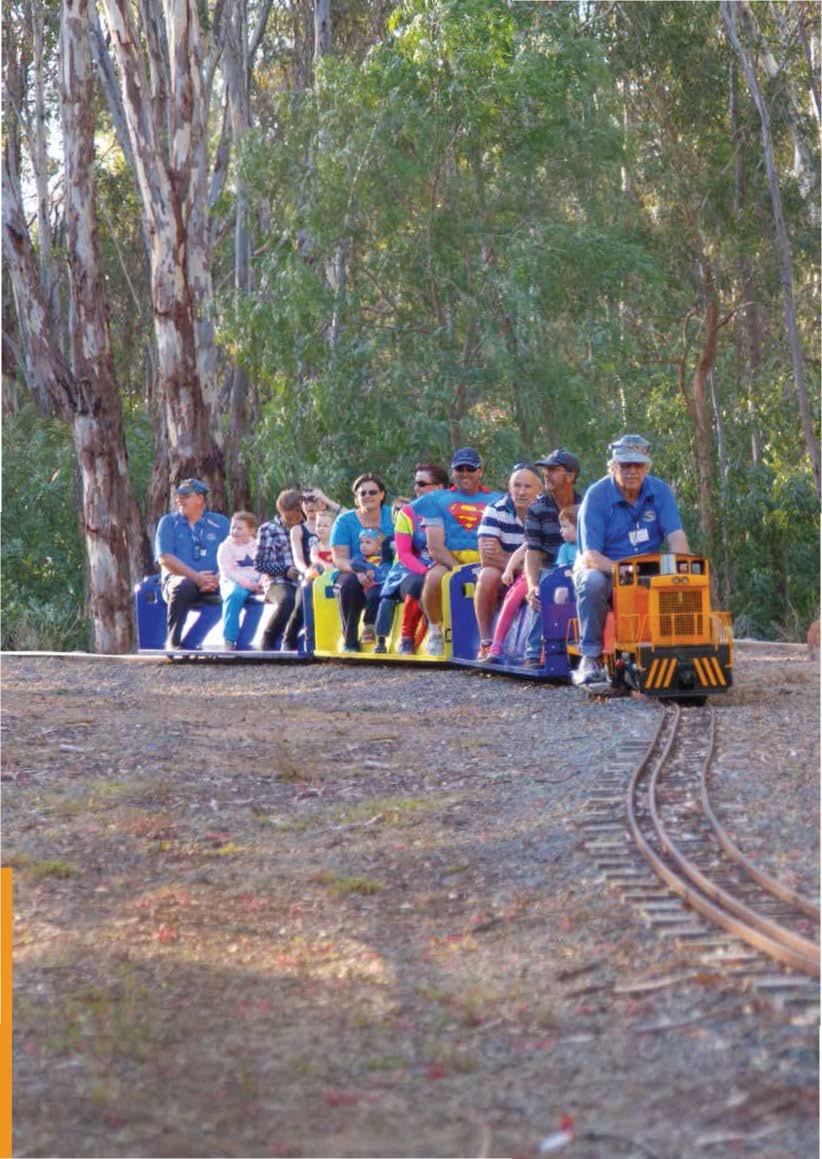
Council has achieved a solid result with an operating surplus of $7.6 million. Council's working capital ratio for the year was 2.3:1 which indicates the level of current assets the Council has available to meet its current liabilities. In line with Departmental recommendations, Council has recognised the value of land under roads (pre 2008) for the first time. This has increased asset values by $172 million.
• Total Operating Revenues (excluding capital)
$132.7 million
• Total Operating Expenses $127.0 million
• Total Capital Revenues $1.9 million
• Capital Works completed $27.5 million
2014 – 2015 Operating Income
$131,196
2014 – 2015 Operating Expense $224,242
$1,123,275
$22,728,072 $52,608,918
2014 – 2015 Council Investments
$8,832,166
$12,371,281 $1,050,000
$18,000,000
$16,000,000
$14,000,000
$12,000,000
$10,000,000
$8,000,000
$6,000,000
$4,000,000
$2,000,000
$5,257,862 $8,602,159
$2,111,843
$6,893,983
THE YEAR ENDING 30 JUNE 2015
Balance Sheet
1,131,987 27,435,485 5,452,511 16,500,000 106,323 1,461,072
50,955,391 1,382,400 998,617,026 1,046,471
1,052,001,288 10,900,346 2,774,369 8,648,527 457,675
13,868,708 22,780,917 926,896 14,354,474
(6,750,016) 34,185,501
The Greater Shepparton City Council was established by an Order of the Governor in Council on 17 November 1994 and is a body corporate. The Council's main office is located at 90 Welsford Street, Shepparton.
This financial report is a general purpose financial report that consists of a Comprehensive Income Statement, Balance Sheet, Statement of Changes in Equity, Statement of Cash Flows, Statement of Capital Works and notes accompanying these financial statements. The general purpose financial report complies with Australian Accounting Standards, other authoritative pronouncements of the Australian Accounting Standards Board, the Local Government Act 1989, and the Local Government (Finance and Reporting) Regulations 2014.
(a) Basis of accounting
The accrual basis of accounting has been used in the preparation of these financial statements, whereby assets liabilities, equity, income and expenses are recognised in the reporting period to which they relate, regardless of when cash is received or paid.
Judgements, estimates and assumptions are required to be made about the carrying values of assets and liabilities that are not readily apparent from other sources. The estimates and associated judgements ar based on professional judgement derived from historical experience and various other factors that are believed to be reasonable under the circumstances. Actual results may differ from these estimates.
Revisions to accounting estimates are recognised
in the period in which the estimate is revised and also in future periods that are affected by the revision. Judgements and assumptions made by management in the application of AAS's that have significant effects on the financial statements and estimates relate to:
• the fair value of land, buildings, infrastructure, plant and equipment (refer to notes 1 (f & k) )
• the determination of depreciation for buildings, infrastructure, plant and equipment (refer to note 1 (l) )
• the determination of employee provisions (refer to note 1 (r) )
Unless otherwise stated, all accounting policies are consistent with those applied in the prior year. Where appropriate, comparative figures have been amended to accord with current presentation, and disclosure has been made of any material changes to comparatives.
In December 2007 AASB 1051 Land Under Roads was issued with the operative date for this standard being 1 July 2008. At the adoption of the standard, Council had elected not to recognise as an asset, Land Under Roads acquired before 1 July 2008, but to recognise Land Under Roads acquired after 1 July 2008 at cost in accordance with AASB 116 Property, Plant and Equipment.
In July 2011 the Department of Planning and Community Development issued a recommendation that all councils recognise Land Under Roads pre 1 July 2008 at fair value along with all Land Under Roads acquired from 1 July 2008. This recommendation was to be adopted no later than the 2014/2015 financial year. In December 2014 the Department of Transport, Planning and Local Infrastructure extended the transition period for recognition and measurement of Land Under Roads to the 2017/2018 financial year.
Council has elected to adopt the recommendation in the 2014/2015 financial year which reflect the fair value of all land under roads controlled by Council, and comparative figures have been
adjusted accordingly. The effected reported balances at 30 June 2014 and restated balances as at 1 July 2014 are shown in Note 1(y).
c) Committees of Management
All entities controlled by Council that have material revenues, expenses, assets or liabilities, such as committees of management, have been included in this financial report. Any transactions between these enttites and Council have been eliminated in full.
d) Accounting for investments in associates
Council's investment in associates is accounted for by the equity method as the Council has the ability to influence rather than control the operations of the entities. The investment is initially recorded at the cost of acquisition and adjusted thereafter for post-acquisition changes in the Council's share of the net assets of the entities. The Council's share of the financial result of the entities is recognised in the Comprehensive Income Statement.
(e) Revenue recognition
Rates and charges
Annual rates and charges are recognised as revenues when Council issues annual rate notices. Supplementary rates are recgonised when a valuation and a reassessment is completed and a supplementary rates notice issued.
Statutory fees and fines
Statutory fees and fines (including parking fines) are recognised as revenue when the service has been provided, the payment is received or when the penalty has been applied, whichever first occurs.
User fees
User fees are recognised as revenue when the service has been provided or the payment is received, whichever first occurs.
Grants and contributions
Grant income is recognised when Council obtains control of the contribution. This is normally obtained upon their receipt or upon earlier notification that a grant has been secured (through the generation of an invoice) and are
valued at their fair value at the date of transfer.
Where grants or contributions recognised as revenues during the financial year were obtained on condition that they be expended in a particular manner or used over a particular period and those conditions were undischarged at balance date, the unused grant or contribution is disclosed in note 6. The note also discloses the amount of unused grant or contribution from prior years that was expended on Council’s operations during the current year.
Monetary and non monetary contributions are recognised as revenue when Council obtains control over the contributed asset.
Sale of property, infrastructure plant or equipment
The profit or loss on sale of an asset is determined when control of the asset has irrevocably passed to the buyer.
Interest and rents
Interest and rents are recognised on a proportional basis when the payment is due, the value of the payment is notified, or the payment is received, whichever first occurs.
Other income
Other income is mesaured at the fair value of the consideration received or receivable and is recognised when Council gains control over the right to receive the income.
Council measures certain assets and liabilities at fair value where required or permitted by Australian Accounting Standards. AASB 13 Fair value measurement, aims to improve consistency and reduce complexity by providing a definition of fair value and a single source of fair value measurement and disclosure requirements for use across Australian Accounting Standards.
AASB 13 defines fair value as the price that would be received to sell an asset or paid to transfer a liability in an orderly transaction between market participants at the measurement date. Fair value under AASB 13 is an exit price regardless of whether that price is directly observable or estimated using another valuation technique.
All assets and liabilities for which fair value is measured or disclosed in the financial statements are categorised within a fair value hierarchy, described as follows, based on the lowest level input that is significant to the fair value measurement as a whole:
• Level 1 — Quoted (unadjusted) market prices in active markets for identical assets or liabilities
• Level 2 — Valuation techniques for which the lowest level input that is significant to the fair value measurement is directly or indirectly observable; and.
• Level 3 — Valuation techniques for which the lowest level input that is significant to the fair value measurement is unobservable.
For the purpose of fair value disclosures, Council has determined classes of assets and liabilities on the basis of the nature, characteristics and risks of the asset or liability and the level of the fair value hierarchy as explained above.
In addition, Council determines whether transfers have occurred between levels in the hierarchy by re-assessing categorisation (based on the lowest level input that is significant to the fair value measurement as a whole) at the end of each reporting period.
Cash and cash equivalents include cash on hand, deposits at call, and other highly liquid investments with original maturities of 90 days or less, net of outstanding bank overdrafts.
Receivables are carried at amortised cost using the effective interest rate method. A provision for doubtful debts is recognised when there is objective evidence that an impairment has occurred.
Financial assets are valued at fair value, being market value, at balance date. Any unrealised gains and losses on holdings at balance date are recognised as either a revenue or expense. Council's other financial assets comprise term deposits with a maturity date in excess of 90 days.
Inventories held for distribution are measured at cost adjusted when applicable for any loss of service potential. Inventories are measured at the lower of cost and net realisable value. All other inventories are measured at the lower of cost and net realisable value.
The purchase method of accounting is used for all acquisitions of assets, being the fair value of assets provided as consideration at the date of acquisition plus any incidental costs attributable to the acquisition. Fair value is the amount for which the asset could be exchanged between knowledgeable willing parties in an arm's length transaction.
Where assets are constructed by Council, cost includes all materials used in construction, direct labour, borrowing costs incurred during construction, and an appropriate share of directly attributable variable and fixed overheads.
In accordance with Council's policy, the threshold limits detailed in note 1(l) have applied when recognising assets within an applicable asset class and unless otherwise stated are consistent with the prior year.
Subsequent to the initial recognition of assets, non-current physical assets are measured at their fair value, being the amount for which the assets could be exchanged between knowledgeable willing parties in an arms length transaction. At balance date, the Council reviewed the carrying value of the individual classes of assets measured at fair value to ensure that each asset materially approximated its fair value. Where the carrying value materially differed from the fair value at balance date the class of asset was revalued.
In addition, Council undertakes a formal revaluation of land, buildings, and infrastructure assets on a regular basis ranging from 3 to 5 years. The valuation is performed either by experienced council officers or independent experts.
Where the assets are revalued, the revaluation increments are credited directly to the asset revaluation reserve except to the extent that an increment reverses a prior year decrement for that class of asset that had been recognised as an expense in which case the increment is recognised as revenue up to the amount of the expense. Revaluation decrements are recognised as an expense except where prior increments are included in the asset revaluation reserve for that class of asset in which case the decrement is taken to the reserve to the extent of the remaining increments. Within the same class of assets, revaluation increments and decrements within the year are offset.
Land under roads
Council recognises land under roads it controls at fair value. Refer to note 1(b).
(l) Depreciation and amortisation of property, infrastructure, plant and equipment and intangibles
Buildings, land improvements, plant and equipment, infrastructure, heritage assets, and other assets having limited useful lives are systematically depreciated over their useful lives to the Council in a manner which reflects consumption of the service potential embodied in those assets. Estimates of remaining useful lives and residual values are made on a regular basis with major asset classes reassessed annually. Depreciation rates and methods are reviewed annually.
Where infrastructure assets have separate identifiable components that are subject to regular replacement, these components are assigned distinct useful lives and/or residual values and a separate depreciation rate is determined for each component.
Road earthworks are not depreciated.
Art collection and Regalia are not depreciated.
Straight line depreciation is charged based on the residual useful life as determined each year.
Major depreciation periods used are listed below and are consistent with the prior year unless otherwise stated:
equipment
and computers
Art collection and -3,000 regalia
and seals
and minor culverts
*Prior to 2014/2015 buildings were depreciated between 60 to 100 years. After reviewing the factors used in determining the useful life of an asset (see paragraph 56 of AASB 116) Council elected to adopt a period of 40 years as per the independent valuation. The table below shows the impact of the change in depreciation rate.
A number of depreciation rates disclosed have changed from those disclosed in the previous year's financial report. These changes were applicable to the 2013/2014 financial year and as such are already included in the comparative figures.
Routine maintenance, repair costs, and minor renewal costs are expensed as incurred. Where the repair relates to the replacement of a component of an asset and the cost exceeds the capitalisation threshold the cost is capitalised and depreciated. The carrying value of the replaced asset is expensed.
(n)
At each reporting date, the Council reviews the carrying value of its assets to determine whether there is any indication that these assets have been impaired. If such an indication exists, the recoverable amount of the asset, being the higher of the asset's fair value less costs to sell and value in use, is compared to the assets carrying value. Any excess of the assets carrying value over its recoverable amount is expensed to the comprehensive income statement, unless the asset is carried at the revalued amount in which case, the impairment loss is recognised directly against the revaluation surplus in respect of the same class of asset to the extent that the impairment loss does not exceed the amount in the revaluation surplus for that same class of asset.
(p)
Amounts received as deposits and retention amounts controlled by Council are recognised as trust funds until they are returned, transferred in accordance with the purpose of the receipt, or forfeited (refer to Note 25).
(q)
Borrowings are initially measured at fair value, being the cost of the interest bearing liabilities, net of transaction costs. The measurement basis subsequent to initial recognition depends on whether the Council has categorised its interestbearing liabilities as either financial liabilities
designated at fair value through the profit and loss, or financial liabilities at amortised cost. Any difference between the initial recognised amount and the redemption value is recognised in net result over the period of the borrowing using the effective interest method.
The classification depends on the nature and purpose of the interest bearing liabilities. The Council determines the classification of its interest bearing liabilities at initial recognition.
Borrowing costs are recognised as an expense in the period in which they are incurred, except where they are capitalised as part of a qualifying asset constructed by Council. Except where specific borrowings are obtained for the purpose of specific asset acquisition, the weighted average interest rate applicable to borrowings at balance date, excluding borrowings associated with superannuation, is used to determine any borrowing costs to be capitalised.
The calculation of employee costs and benefits includes all relevant on-costs and are calculated as follows at the reporting date:
Liabilities for wages and salaries, annual leave and accumulated rostered days off expected to be wholly settled within 12 months of the reporting date are recognised in the provision for employee benefits in respect of employee services up to the reporting date, classified as current liabilities and measured at their nominal values.
Liabilities that are not expected to be wholly settled within 12 months of the reporting date are recognised in the provision for employee benefits as current liabilities, measured at present value of the amounts expected to be paid when the liabilities are settled using the remuneration rate expected to apply at the time of settlement.
Long service leave
Liability for long service leave (LSL) is recognised in the provision for employee benefits.
Current Liability - unconditional LSL representing 7 years service is disclosed as a current liability even when the council does not expect to settle the liability within 12 months because it will not have the unconditional right to defer settlement of the entitlement should an employee take leave within 12 months.
The components of this current liability are measured at:
• present value - component that is not expected to be settled within 12 months.
• nominal value - component that is expected to be settled within 12 months.
Non-current liability - conditional LSL representing less than 7 years service is disclosed as a non - current liability. There is an unconditional right to defer settlement of the entitlement until the employee has completed the requisite years of service.
This non-current LSL liability is measured at present value. Gain or loss following revaluation of the present value of non-current LSL liability due to changes in bond interest rates is recognised as an other economic flow.
An employee benefit liability is classified as a current liability if the Council does not have an unconditional right to defer settlement of the liability for at least 12 months after the end of the period. This would include all annual leave and unconditional long service leave entitlements.
The superannuation expense for the reporting year is the amount of the statutory contribution the Council makes to the superannuation plan which provides benefits to its employees. In addition Council may, periodically be required to contribute to the defined benefits schemes for current and former employees. Details of these arrangements are recorded in note 34.
Council is obligated to restore the Cosgrove Landfill site to a particular standard. The forecast life of the site is based on current estimates of remaining capacity and the forecast rate of infill. The provision for landfill maintenance, closure and restoration has been calculated based on Environmental Protection Authority modelling and the present value of the expected cost of works to be undertaken. The expected cost of works has been estimated based on current understanding of work required to reinstate the site to a suitable standard. Accordingly, the estimation of the provision required is dependent on the accuracy of the forecast timing of the work, work required and related costs.
Lease payments for operating leases are recognised as an expense in the years in which they are incurred as this reflects the pattern of benefits derived by the Council.
Revenues, expenses and assets are recognised net of the amount of GST, except where the amount of GST incurred is not recoverable from the Australian Tax Office. In these circumstances the GST is recognised as part of the cost of acquisition of the asset or as part of an item of the expense. Receivables and payables in the balance sheet are shown inclusive of GST.
Cash flows are presented in the cash flow statement on a gross basis, except for the GST component of investing and financing activities, which are disclosed as operating cash flows.
Contingent assets and contingent liabilities are not recognised in the Balance Sheet, but are disclosed by way of a note and, if quantifiable, are measured at nominal value. Contingent assets and liabilities are presented inclusive of GST receivable or payable respectively.
Commitments are not recognised in the Balance Sheet. Commitments are disclosed at their nominal value by way of note and presented inclusive of the GST payable.
(w) Pending accounting standards
Certain new Australian Accounting Standards have been issued that are not mandatory for the 30 June 2015 reporting period. Council has assessed these pending standards and has identified that no material impact will flow from the application of these standards into future reporting periods.
(x) Rounding
Unless otherwise stated, amounts in the financial report have been rounded to the nearest dollar. Figures in the financial statement may not equate due to rounding.
Cash flows are presented in the cash flow statement on a gross basis, except for the GST component of investing and financing activities, which are disclosed as operating cash flows.
(y) Accounting adjustments to prior periods
Existing assets not previously recognised. Non-current assets not previously recognised are classified as though they had always been recognised by an adjustment through equity and a restatement of the previous year's comprehensive income statement if applicable.
During the 2014/15 financial year Council revalued existing land under road assets and other land under road assets not previously recognised (see note 1(b)) as at 30 June 2014. The below table shows the adjustments that have been made to the 2013/14 balances.
The budget comparison notes compare Council’s financial plan, expressed through its annual budget, with actual performance. The Local Government (Planning and Reporting) Regulations 2014 requires explanation of any material variances. Council has adopted a materiality threshold of 10 percent and $100k where further explanation is warranted. Explanations have not been provided for variations below the materiality threshold unless the variance is considered to be material because of its nature.
The budget figures detailed below are those adopted by Council on 6 August, 2014. The Budget was based on assumptions that were relevant at the time of adoption of the Budget. Council sets guidelines and parameters for revenue and expense targets in this budget in order to meet Council’s planning and financial performance targets for both the short and longterm. The budget did not reflect any changes to equity resulting from asset revaluations, as their impacts were not considered predictable.
These notes are prepared to meet the requirements of the Local Government Act 1989 and the Local Government (Planning and Reporting) Regulations 2014.
Refer note 22.
Explanation of material variations
Statutory fees and fines
User fees
Grants - operating
Grants - capital
Contributions - monetary
Contributions - non monetary
Other income
Materials and services
Other expenses
Under budget largely due to the reallocation of parking fees revenue from Statutory fees and fines to User fees $1.28m.
More than budget as per above. Also increased revenue of $350k due to volume increase in Saleyards throughput.
More than budget by $7.1m largely due to the early receipt of 50% of 2015/2016 Federal Financial Assistance Grant.
Less than budget by $2.1m largely due to the delayed receipt of grants for the Greater Shepparton Regional Sports Precinct $2.9m. These are budgeted to be received in the 2015/2016 financial year.
Less than budget by $795k largely due to contributions received from developers which are often difficult to predict.
More than budget by $10.6m largely due to contributed assets, including developer contributions, which are difficult to predict.
Less than budget by $441k due to the reallocation of some classes of other income to monetary contributions.
More than budget by $8.3m largely due to provision for future Cosgrove 3 landfill repairs and maintenance expenses $4.0m, Mooroopna West Building Better Regional Cities rebates of $2.0m and GSGA street lighting project $1.5m.
Over budget by $7.8m larely due to write down of replaced assets and works in progress of $7.2m.
Land
Land Improvements
Less than budget by $1.8m largely due to the acquisition of land for Cosgrove 3 landfill $1.8m being deferred to the 2015/2016 financial year.
Less than budget by $3.4m which is largely due to the Greater Shepparton Regional Sports Precinct $3.7m. Most of this unspent budget has been considered for re-budget in the 2015/2016 financial year.
Buildings
Plant, machinery and equipment
Fixtures, fittings and furniture
Less than budget by $3.1m which is largely due to Katandra West Community Centre $1.3m, Aquamoves Indoor Wet Area Change Rooms $485k, Mooroopna Community Store Shed $235k, and Tatura Park Outdoor Arena Roof $232k. Most of this unspent budget has been considered for re-budget in the 2015/2016 financial year.
Less than budget by $1.5m which is solely due to Plant Purchases. The useful life of several large items of plant were reviewed and extended, which lead to the replacement of these items of plant being deferred to future financial years.
Less than budget by $103k which is largely due to the Saleyards Water Main Relocation. Expenses for this project have been recorded in the Income Statement as an expense under Materials & Consumables due to a reclassification of the works from capital to operating.
Computers and
Less than budget by $635k which is largely due to the deferral of new telecommunications computer purchases until the 2015/2016 financial year.
Bridges
Footpaths and cycleways
Drainage
Less than budget by $180k which is due to the deferral of some bridge renewals. Most of this unspent budget has been considered for rebudget in the 2015/2016 financial year.
More than budget by $216k which is largely due to Murchison Rail Trail $187k and Asset Preservation Footpath Renewals $37k. These works were originally budgeted for the 2013/2014 financial year and completed during the 2014/2015 financial year.
More than budget by $614k which is largely due to Mooroopna West Growth Corridor Flood Mitigation works $694k. These works are difficult to predict as they largely dependent on contributing developer requirements and timeframes.
10 Recreational, leisure and Less than budget by $630k which is largely due to Aquamoves community facilities Carpark Redevelopment $356k and Mooroopna Recreation Reserve Upgrade $317k. Most of this unspent budget has been considered for re-budget in the 2015/2016 financial year.
Waste management
Less than budget by $119k largely due to works impacted by deferral of acquisition of land for Cosgrove 3 landfill.
Council uses Capital Improved Value (CIV) as the basis of valuation of all properties within the municipal district. The CIV of a property is its market value, which takes into account the land and all improvements fixed to the land.
The valuation base used to calculate general rates for 2014/15 was $8.92 billion (2013/14 $8.78 billion).
The date of the latest general revaluation of land for rating purposes within the municipal district was 1 Jan 2014 and the valuation will be first applied in the rating year commencing 1 July 2014.
Note 4
Note 5 User fees
Note 6 Grants
CONDITIONS ON GRANTS
Grants recognised as revenue during the year that were obtained on condition that 6,052,405 3,550,466 they be expended in a specified manner that had not occurred at balance date were:
Grants which were recognised as revenue in prior years and were expended during 3,833,533 8,160,305 the current year in the manner specified by the grantor were:
Net increase/(decrease) in restricted assets resulting from grant revenues 2,218,872 (4,609,839) for the year:
Note 10 (a) Employee costs
Note 10 (b) Superannuation
COUNCIL MADE CONTRIBUTIONS TO THE FOLLOWING FUNDS:
contributions payable at reporting date.
Council account for its obligations under the defined benefit fund as if it was a defined contribution plan. The reason for this is that the fund manager, Vision Super, is unable to provide accurate information to each employer in a timely manner. Additional information about Council's exposure in relation to the defined benefit fund is detailed at note 34.
Note 11
a) Investments in associates
in associates accounted for by the equity method
- Goulburn Valley Regional Library Corporation
Goulburn Valley Regional Library Corporation
Background
The Goulburn Valley Regional Library Corporation is an entity which has been established to serve three northern Victorian councils; the Greater Shepparton City Council, Moira Shire Council and the Strathbogie Shire Council. Each Council has two representatives on the Board of the Corporation.
Each of the member Councils contributes financially to the operation of the Corporation based on the ratio of their population base. Contribution payments are considered a 'fee for service' on a commercial basis and are relative to the services the Corporation provides. The amount of financial contribution does not bring with it any additional voting rights or influence on the library activities and therefore no greater power or control.
Note 17 Cash and cash equivalents
Council’s cash and cash equivalents are subject to external restrictions that limit amounts available for discretionary use. These include: -
(Note 25)
Although not externally restricted the following amounts have been allocated for specific future purposes by Council: - Cash held to
A) AGEING OF RECEIVABLES
At balance date other debtors representing financial assets were past due but not impaired. These amounts relate to a number of independent customers for whom there is no recent history of default. The ageing of the Council's trade & other receivables (excluding statutory receivables) was:
B) MOVEMENT IN PROVISIONS FOR DOUBTFUL DEBTS
C) AGEING OF INDIVIDUALLY IMPAIRED RECEIVABLES
At balance date, other debtors representing financial assets with a nominal value of $33,995 (2014: $31,000) were impaired. The amount of the provision raised against these debtors was $30,000 (2014: $30,000). They individually have been impaired as a result of their doubtful collection. Many of the long outstanding past due amounts have been lodged with Council's debt collectors or are on payment arrangements.
The ageing of receivables that have been individually determined as impaired at reporting date was:
* Council's land under roads has been classified as specialised land. Refer to note 1(b).
Transfers
Movements
of land and buildings
Valuation of land and buildings were undertaken by a qualified independent valuer - LG Valuation Services. The valuation of land and buildings is at fair value, being market value based on highest and best use permitted by relevant land planning provisions. Where land use is restricted through existing planning provisions the valuation is reduced to reflect this limitation. This adjustment is an unobservable input in the valuation. The adjustment has no impact on the comprehensive income statement.
Specialised land is valued at fair value using site values adjusted for englobo (undeveloped and/or unserviced) characteristics, access rights and private interests of other parties and entitlements of infrastructure assets and services. This adjustment is an unobservable input in the valuation. The adjustment has no impact on the comprehensive income statement.
Any significant movements in the unobservable inputs for land and land under roads will have a significant impact on the fair value of these assets
Details of the Council’s land and buildings and information about the fair value hierarchy as at 30 June 2015 are as follows:
Valuations and Warren Joel Auction & Valuation Services.
The valuation of art works is at fair value, being market value based on the estimated price that would be received in selling the asset. In determining fair value due consideration has been given to auction records of similar art works, valuations held by commercial galleries and historical valuations.
Details of the Council’s plant and equipment and information about the fair value hierarchy as at 30 June 2015 are as follows:
Valuation of infrastructure
Valuation of infrastructure assets (excluding Major Culverts) has been determined in accordance with an internal valuation undertaken by the Team Leader Stategic Assets.
Valuation of infrastructure assets (Major Culverts) has been determined in accordance with an independent valuation undertaken by Sterling Group Consultants Pty Ltd.
The valuation is at fair value based on replacement cost less accumulated depreciation as at the date of valuation.
Details of the Council’s infrastructure and information about the fair value hierarchy as at 30 June 2015 are as follows:
of plant and equipment
Valuation of plant, machinery and equipment and fixtures, fittings and furniture are recorded at fair value being historical cost less accumulated depreciation as at balance date.
Valuation of art works has been undertaken by two Australian Government approved, certified, independent valuers - Margaret Rich Art
Description of significant unobservable inputs into level 3 fair value
Specialised land and land under roads is valued using a market based direct comparison technique. Significant unobservable inputs include the extent and impact of restriction of use and the market cost of land per square metre. The extent and impact of restrictions on use varies and results in a reduction to surrounding land values between 5% and 95%. The market value of land varies significantly depending on the location of the land and the current market conditions. Currently land values range between $0.05 and $834.54 per square metre.
Specialised buildings are valued using a depreciated replacement cost technique. Significant unobservable inputs include the current replacement cost and remaining useful lives of buildings. Current replacement costs are calculated on a square metre basis and ranges from $150 to $15,000 per square metre. The remaining useful lives of buildings are determined on the basis of the current condition of buildings and set to 40 years. Replacement cost is sensitive to changes in market conditions, with any increase or decrease in cost flowing through to the valuation. Useful lives of buildings are sensitive to changes in expectations or requirements that could either shorten or extend the useful lives of buildings.
Infrastructure assets are valued based on the depreciated replacement cost. Significant unobservable inputs include the current replacement cost and remaining useful lives of infrastructure. The remaining useful lives of infrastructure assets are determined on the basis of the current condition of the asset and vary from 7 years to 100 years. Replacement cost is sensitive to changes in market conditions, with any increase or decrease in cost flowing through to the valuation. Useful lives of infrastructure are sensitive to changes in use, expectations or requirements that could either shorten or extend the useful lives of infrastructure assets.
Purpose and nature of items
Refundable deposits - Deposits are taken by council as a form of surety in a number of circumstances, including in relation to building works, tender deposits, contract deposits and the use of civic facilities
Fire Service Levy - Council is the collection agent for fire services levy on behalf of the State Government. Council remits amounts received on a quarterly basis. Amounts disclosed here will be remitted to the state government in line with that process.
Retention Amounts - Council has a contractual right to retain certain amounts until a contractor has met certain requirements or a related warrant or defect period has elapsed. Subject to the satisfactory completion of the contractual obligations, or the elapsing of time, these amounts will be paid to the relevant contractor in line with Council's contractual obligations.
2015
Decrease in the discounted amount arising because of
(400,528) time and the effect of any change in the discount rate
carrying amount of employee provisions:
The following assumptions were adopted in measuring the present value of employee benefits:
LAND FILL RESTORATION
Note 27
Interest-bearing loans and borrowings
Borrowings are secured over general rates as per Local Government Act - Section 148 (1) (a).
a) The maturity profile for Council's borrowings is:
Note 28 Reserves
The asset revaluation reserve is used to record the increased (net) value of Council's assets over time.
Note 29
Note 31 Commitments The Council has entered into the following
leases
At the reporting date, the Council had the following obligations under non-cancellable operating leases for the lease of equipment and land and buildings for use within Council's activities (these obligations are not recognised as liabilities):
than five years
The Council has entered into commercial property leases on its investment property, consisting of surplus freehold office complexes. These properties held under operating leases have remaining non-cancellable lease terms of between 1 and 10 years. All leases include a CPI based revision of the rental charge annually.
Future minimum rentals receivable under non-cancellable operating leases are as follows:
Not later than one year Later than one year and not later than five years
Contingent liabilities
(i) Contingent liabilities arising from public liabilities
As a local authority with ownership of numerous parks, reserves, roads and other land holdings, the council carries a $400 million Public and Products Liability Insurance that has an excess payment of $20,000 per claim on this policy. Any exposure to the Council from insurable incidents allegedly arising out of negligent management of its assets has a maximum liability of the excess payment on any single claim. MAV Insurance – Liability Mutual Insurance (LMI) is the Council’s primary insurer and under the terms and conditions of the 2015/2016 policy the Council has made the insurer aware of any pending or existing claims. Financial outcomes pertaining to claims are unpredictable and are an estimate only. Payments for Public Liability claims are limited to the excess amount or part thereof.
(ii) Contingent liabilities arising from professional indemnity
As a local authority with statutory regulatory responsibilities, including the issuing of permit approvals, the Council can be exposed to claims and demands for damages allegedly arising due to advice given by Council Officers. The Council carries $300 million Professional Indemnity Insurance that has an excess payment of $20,000 per claim on this policy. The maximum liability for the Council in any single insurable claim is the extent of its excess payment. MAV Insurance –Liability Mutual Insurance (LMI) is Council’s primary insurer and under the terms and conditions of the 2015/2016 policy the Council has made the insurer aware of any pending or existing claims.
(iii) Contingent liabilities arising from Cosgrove Landfill Financial Assurance
Council has a responsibility under the Environment and Protection Act 1970, for rehabilitation, site aftercare and remedial action at its landfill site at Cosgrove. While rehabilitation
and site after care is funded through the annual budget, the EPA requires a financial assurance to meet the potential costs should Council neglect their responsibility for closure. As it is not possible to accurately calculate the cost of such a contingent event, the EPA has derived a formula to calculate the required landfill financial operational assurance. Using this model, Council has recognised a contingent liability of $493k at 30 June 2015 ($978k at 2013/14). The Council also has a $30k bank guarantee held by the Dept. Primary Industry for an extractive industry work authority for clay extraction (WA1425) taken out in 2010.
(iv) Contingent liabilities arising from defined benefits superannuation scheme (refer Vision Super website for more details)
Council has obligations under a defined benefit superannuation scheme that may result in the need to make additional contributions to the scheme to ensure that the liabilities of the fund are covered by the assets of the fund. As a result of the volatility in financial markets the likelihood of making such contributions in future periods exists. At this point in time it is not known if additional contributions will be required, their timing or potential amount.
Council makes employer contributions to the defined benefit category of the Fund at rates determined by the Trustee on the advice of the Fund's Actuary.
The Fund’s latest actuarial investigation was held as at 30 June 2014 and it was determined that the vested benefit index (VBI) of the defined benefit category of which Council is a contributing employer was 103.4%. To determine the VBI, the fund Actuary used the following long-term assumptions:
• Net investment returns 7.5% pa
• Salary information 4.25% pa
• Price inflation (CPI) 2.75% pa.
Vision Super has advised that the VBI at 30 June 2015 is 105.8%.
The VBI is to be used as the primary funding indicator. Because the VBI was above 100%, the actuarial investigation determined the defined benefit category was in a satisfactory financial position and that no change was necessary to the defined benefit category’s funding arrangements from prior years.
Regular contributions
On the basis of the results of the most recent full actuarial investigation conducted by the Fund's Actuary as at 30 June 2014, Council makes employer contributions to the Fund’s Defined Benefit category at rates determined by the Fund’s Trustee. For the year ended 30 June 2015, this rate was 9.5% of members' salaries. This rate will increase in line with any increase to the Superannuation Guarantee (SG) contribution rate.
In addition, Council reimburses the Fund to cover the excess of the benefits paid as a consequence of retrenchment above the funded resignation or retirement benefit.
Funding calls
If the defined benefit category is in an unsatisfactory financial position at actuarial investigation or the defined benefit category‘s VBI is below its shortfall limit at any time other than the date of the actuarial investigation, the defined benefit category has a shortfall for the purposes of SPS 160 and the Fund is required to put a plan in place so that the shortfall is fully funded within three years of the shortfall occurring. The Fund monitors its VBI on a quarterly basis and the Fund has set its shortfall limit at 97%.
In the event that the Fund Actuary determines that there is a shortfall based on the above requirement, the Fund’s participating employers (including Council ) are required to make an employer contribution to cover the shortfall.
Using the agreed methodology, the shortfall amount is apportioned between the participating employers based on the pre-1 July 1993 and post-30 June 1993 service liabilities of the Fund’s defined benefit category, together with the employer’s payroll at 30 June 1993 and at the
date the shortfall has been calculated.
Due to the nature of the contractual obligations between the participating employers and the Fund, and that the Fund includes lifetime pensioners and their reversionary beneficiaries, it is unlikely that the Fund will be wound up.
If there is a surplus in the Fund, the surplus cannot be returned to the participating employers.
In the event that a participating employer is woundup, the defined benefit obligations of that employer will be transferred to that employer’s successor.
The Fund’s latest actuarial investigation as at 30 June 2014 identified the following in the defined benefit category of which Council is a contributing employer:
• A VBI surplus of $77.1 million; and
• A total service liability surplus of $236 million
The VBI surplus means that the market value of the fund’s assets supporting the defined benefit obligations exceed the vested benefits that the defined benefit members would have been entitled to if they had all exited on 30 June 2014.
The total service liability surplus means that the current value of the assets in the Fund’s defined benefit category plus expected future contributions exceeds the value of expected future benefits and expenses.
Council was notified of the results of the actuarial investigation during January 2015.
Contributions by Council (excluding any unfunded liability payments) to superannuation plans for the financial year ended 30 June 2015 are detailed below:
There were no contributions outstanding and no loans issued from or to the above schemes as at 30 June 2015.
The expected contributions to be paid to the defined benefit category of Vision Super for the year ending 30 June 2016 is approximately $190k.
(i) Contingent assets arising from subdivisions
As at the reporting date there were a number of subdivisions in progress throughout the municipality and on completion the Council will receive ownership of the infrastructure associated with those subdivisions. Valuations are determined at the time of handover.
(a) Objectives and policies
The Council's principal financial instruments comprise cash assets, term deposits, receivables (excluding statutory receivables), payables (excluding statutory payables) and bank borrowings. Details of the significant accounting policies and methods adopted, including the criteria for recognition, the basis of measurement and the basis on which income and expenses are recognised, in respect of each class of financial asset, financial liability and equity instrument is disclosed in Note 1 of the financial statements. Risk management is carried out by senior management under policies approved by the Council. These policies include identification and analysis of the risk exposure to Council and appropriate procedures, controls and risk minimisation.
(b) Market risk
Market risk is the risk that the fair value or future cash flows of our financial instruments will fluctuate because of changes in market prices. The Council's exposures to market risk is primarily through interest rate risk with only insignificant exposure to other price risks and no exposure to foreign currency risk.
Interest rate risk refers to the risk that the value of a financial instrument or cash flows associated with the instrument will fluctuate due to changes in market interest rates. Our interest rate liability risk arises primarily from long term loans and borrowings at fixed rates which exposes us to fair value interest rate risk. Council does not hold any interest bearing financial instruments that are measured at fair value, and therefore has no exposure to fair value interest rate risk. Cash flow interest rate risk is the risk that the future cash flows of a financial instrument will fluctuate because of changes in market interest rates. Council has minimal exposure to cash flow interest rate risk through its cash and deposits that are at floating rate.
Investment of surplus funds is made with approved financial institutions under the Local Government Act 1989. We manage interest rate risk by following Council's Investment and Cash Management Policy adopted 19 August 2014. There has been no significant change in the Council's exposure, or its objectives, policies and processes for managing interest rate risk or the methods used to measure this risk from the previous reporting period.
Interest rate movements have not been sufficiently significant during the year to have an impact on the Council's year end result.
Credit risk is the risk that a contracting entity will not complete its obligations under a financial instrument and cause us to make a financial loss. We have exposure to credit risk on some financial assets included in our balance sheet.
To help manage this risk we only invest surplus funds with financial institutions which have a recognised credit rating specified in our investment policy. The policy also prescribes individual institution investment limits as well as maximum investment proportions based on credit ratings.
Receivables consist of a large number of customers, spread across the ratepayer, business and government sectors. Credit risk associated with the Council's financial assets is minimal because the main debtor (ratepayers) is secured by a charge over the rateable property.
There are no material financial assets which are individually determined to be impaired.
We may also be subject to credit risk for transactions which are not included in the balance sheet, such as when we provide a guarantee for another party. Details of our contingent liabilities are disclosed in note 34.
The maximum exposure to credit risk at the reporting date to recognised financial assets is the carrying amount, net of any provisions for impairment of those assets, as disclosed in the balance sheet and notes to the financial statements. Council does not hold any collateral.
Liquidity risk includes the risk that, as a result of our operational liquidity requirements, or if we do not have sufficient funds to settle a transaction when required, we will be forced to sell a financial asset at below value or may be unable to settle or recover a financial asset.
To help reduce these risks Council's investment and cash managemnet policy gives greater focus on the preservation of capital and liquidity of cash flow over investment return. Council also has readily accessible standby facilities and other funding arrangements in place and monitors budget to actual performance on a regular basis.
As part of its long term financial planning, Council sets limits on borrowings relating to the percentage of loans to rate revenue and percentage of loan principal repayments to rate revenue.
The Council's maximum exposure to liquidity risk is the carrying amounts of financial liabilities as disclosed in the face of the balance sheet and is deemed insignificant based on prior periods' data and current assessment of risk.
There has been no significant change in
Council's exposure, or its objectives, policies and processes for managing liquidity risk or the methods used to measure this risk from the previous reporting period.
With the exception of borrowings, all financial liabilities are expected to be settled within normal terms of trade. Details of the maturity profile for borrowings are disclosed at Note 27.
Unless otherwise stated, the carrying amount of financial instruments reflect their fair value.
Fair value hierarchy
Council's financial assets and liabilities are not valued in accordance with the fair value hierarchy. Council's financial assets and liabilities are measured at amortised cost.
Taking into account past performance, future expectations, economic forecasts, and management's knowledge and experience of the financial markets, Council believes the following movements are 'reasonably possible' over the next 12 months (Base rates are sourced from Reserve Bank of Australia):
A parallel shift of +1.5% and -0.5% in market interest rates (AUD) from year-end rates of 2.0% (2013/14, 3.5%)
These movements will not have a material impact on the valuation of Council's financial assets and liabilities, nor will they have a material impact on the results of Council's operations.
(i)
Names of persons holding the position of a Responsible Person at the Council at any time during the year are:
Councillors
• Dennis Patterson (Mayor from November 2014)
• Jenny Houlihan (Mayor until November 2014)
• Michael Polan
• Kevin Ryan
• Les Oroszvary
• Fern Summer
• Dinny Adem
Chief Executive Officer
• Gavin Cator
(ii)
The numbers of Responsible Persons whose total remuneration from Council and any related entities, excluding retirement benefits, fall within the following bands:
A Senior Officer other than a Responsible Person, is an officer of Council who: has management responsibilities and reports directly to the Chief Executive; or whose total annual remuneration exceeds $136,000.
The number of Senior Officers other than the Responsible Persons, are shown below in their relevant income bands:
Total Remuneration for the $1,152,639 $1,174,230 reporting year for Senior Officers included above, amounted to:
(iv) Responsible persons retirement benefits
During 2014/15 Council recorded a provision of $390k relating to employee entitlements for the retirement of responsible persons and senior officers. (2013/14, Nil).
No amount of loans have been made, guaranteed or secured by the council to a responsible person of the council, or a related party of a responsible person during the reporting period (2013/14, Nil).
(vi) Transactions with responsible persons
There were no transactions with responsible persons or related parties of responsible persons during the reporting period or the prior reporting period.
No matters have occurred after balance date that require disclosure in the financial report.
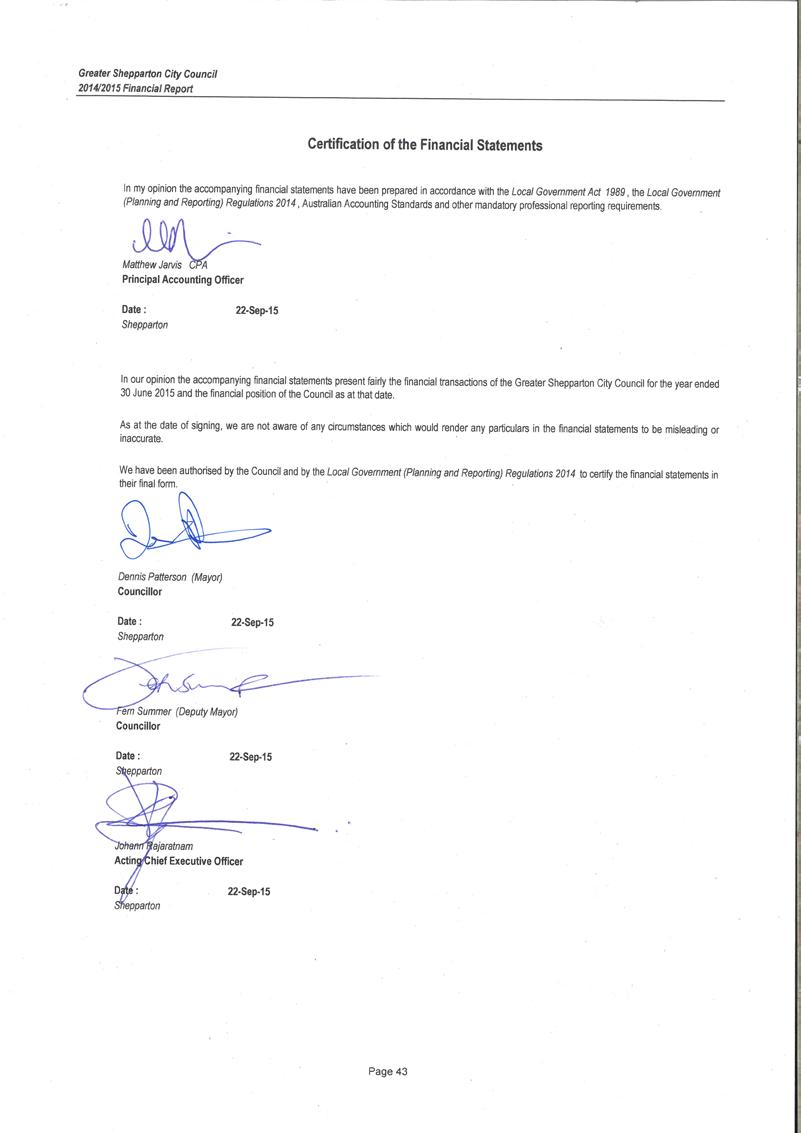
Council is required under Section 127 of the Local Government Act (1989) to separately identify in the budget the Key Strategic Activities to be undertaken during the financial year, and performance targets and measure to each of those Key Strategic Activities.
Under Section 132 of the Act, it is required that the Key Strategic Activities and performance target and measures specified under Section 127 of the Act must be included in the Performance Statement in the Annual Report, and be subject to Audit.
The following table details the Key Strategic Activities and performance target and measures contained in the Council’s 2014/2015 budget compared to actual results for the year.
Two hours north of Melbourne, Greater Shepparton’s central location is a major advantage and has seen our urban centre emerge as the retail, industry and services hub for Central Victoria.
Located at the intersection of the Midland and Goulburn Valley Highways, Greater Shepparton provides straightforward access to Adelaide, Sydney, Brisbane and Melbourne.
Greater Shepparton is the fifth largest regional centre in Victoria extending over 2,421 kilometres.
The population for Greater Shepparton is over 63,000 (Source: Australian Bureau of Statistics, Estimated Resident Population for 30 June 2014).
The municipality’s population is almost evenly split between the main urban centres of Shepparton, Mooroopna and Tatura (53 per cent) and the surrounding rural areas, including the smaller townships of Murchison, Dookie, Merrigum, Congupna, Toolamba, Undera, Katandra and Tallygaroopna (47 per cent).
Greater Shepparton enjoys a young demographic with growing families, with 2011 census data showing the proportion of couples with children at 29.7 per cent, nearly 3 per cent above the regional Victorian average.
The overall population is forecast to grow to nearly 80,000 by 2031. Our community understands that an expanding population will increase demand for services and infrastructure, particularly those that provide for our health and wellbeing.
The challenge for all levels of government is to provide essential services and infrastructure in a timely manner.
INDICATOR/MEASURE
Own-source revenue
Own-source revenue per head of municipal population
[Own-source revenue / Municipal population]
Recurrent grants
Recurrent grants per head of municipal population
[Recurrent grants / Municipal population]
Population
Expenses per head of municipal population
[Total expenses / Municipal population]
Infrastructure per head of municipal population
[Value of infrastructure / Municipal population]
Population density per length of road
[Municipal population / Kilometres of local roads]
Disadvantage
$1,385 No material variations
$429 No material variations
$2,007 No material variations
$9,172 No material variations
53 No material variations
Relative socio-economic disadvantage 2 No material variations
[Index of Relative Socio-economic Disadvantage by decile]
Definitions
“infrastructure” means non-current property, plant and equipment excluding land
"local road" means a sealed or unsealed road for which the council is the responsible road authority under the Road Management Act 2004
"own-source revenue" means adjusted underlying revenue other than revenue that is not under the control of council (including government grants)
“population” means Estimated Resident Population (ERP) sourced from the Australian Bureau of Statistics, Regional Population Growth, Australia (3218.0)
"relative socio-economic disadvantage", in relation to a municipality, means the relative socio-economic disadvantage, expressed as a decile for the relevant financial year, of the area in which the municipality is located according to the Index of Relative Socio-Economic Disadvantage (Catalogue Number 2033.0.55.001) of SEIFA
"SEIFA" means the Socio-Economic Indexes for Areas published from time to time by the Australian Bureau of Statistics on its Internet website
inspections of aquatic facilities
[Number of authorised officer inspections of Council aquatic facilities / Number of Council aquatic facilities]
and Safety
Reportable safety incidents at aquatic facilities
[Number of WorkSafe reportable aquatic facility safety incidents]
Service cost
Cost of indoor aquatic facilities
[Direct cost of indoor aquatic facilities less income received / Number of visits to indoor aquatic facilities]
Service Cost
Cost of outdoor aquatic facilities
[Direct cost of outdoor aquatic facilities less income received / Number of visits to outdoor aquatic facilities]
Utilisation of aquatic facilities
[Number of visits to aquatic facilities / Municipal population]
reclaimed
[Number of animals reclaimed / Number of animals collected] x100
cost
Cost of animal management service
[Direct cost of the animal management service / Number of registered animals]
[Number of successful animal management prosecutions]
Food safety assessments
[Number of registered class 1 food premises and class 2 food premises that receive an annual food safety assessment in accordance with the Food Act 1984 / Number of registered class 1 food premises and class 2 food premises that require an annual food safety assessment in accordance with the Food Act 1984] x100
Cost of food safety service
[Direct cost of the food safety service / Number of food premises registered or notified in accordance with the Food Act 1984] $760.56
Health and safety
Critical and major non-compliance outcome notifications
[Number of critical non-compliance outcome notifications and major non-compliance notifications about a food premises followed up / Number of critical non-compliance outcome notifications and major noncompliance notifications about a food premises] x100
NOTE: GSCC had resolved all issues prior to critical/major non compliance outcomes. This means that Council did not have ANY critical or major non-compliance outcome notifications for 2014/15.
decisions made at meetings closed to the public
[Number of Council resolutions made at ordinary or special meetings of Council, or at meetings of a special committee consisting only of Councillors, closed to the public / Number of Council resolutions made at ordinary or special meetings of Council or at meetings of a special committee consisting only of Councillors ] x100
with community consultation and engagement
Community satisfaction rating out of 100 with how Council has performed on community consultation and engagement
[The sum of the number of Councillors who attended each ordinary and special Council meeting / (Number of ordinary and special Council meetings) × (Number of Councillors elected at the last Council general election)] x100 Service cost
Cost of governance $7,188.14
[Direct cost of the governance service / Number of Councillors elected at the last Council general election] Satisfaction
[Community satisfaction rating out of 100 with how council has performed in making decisions in the interest of the community]
[Number of Community Care Common Standards expected outcomes met / Number of expected outcomes under the Community Care Common Standards] x100
in HACC service
[Number of people that received a HACC service / Municipal target population for HACC services] x100
Participation in HACC service by CALD people
[Number of CALD people who receive a HACC service / Municipal target population in relation to CALD people for HACC services] x100
[Number of library collection item loans / Number of library collection items]
[Number of library collection items purchased in the last 5 years / Number of library collection items] x100
Cost of library service
[Direct cost of the library service / Number of visits]
$8.41
Participation
library members [Number of active library members / Municipal population] x100
AND CHILD HEALTH (MCH)
Participation in first MCH home visit
[Number of first MCH home visits / Number of birth notifications received] x100
Service standard
Infant enrolments in the MCH service
[Number of infants enrolled in the MCH service (from birth notifications received) / Number of birth notifications received] x100
Participation
Participation in the MCH service
[Number of children who attend the MCH service at least once (in the year) / Number of children enrolled in the MCH service] x100
Participation in the MCH service by Aboriginal children
[Number of Aboriginal children who attend the MCH service at least once (in the year) / Number of Aboriginal children enrolled in the MCH service] x100
ROADS
Satisfaction of use
Sealed local road requests [Number of sealed local road requests / Kilometres of sealed local roads ] x100
Sealed local roads below the intervention level
[Number of kilometres of sealed local roads below the renewal intervention level set by Council / Kilometres of sealed local roads] x100
Cost of sealed local road reconstruction [Direct cost of sealed local road reconstruction / Square metres of sealed local roads reconstructed] $43.02 Service Cost
Cost of sealed local road resealing [Direct cost of sealed local road resealing / Square metres of sealed local roads resealed] $3.76 Satisfaction
Satisfaction with sealed local roads
[Community satisfaction rating out of 100 with how council has performed on the condition of sealed local roads]
SERVICE PERFORMANCE INDICATORS
Time taken to decide planning applications
[The median number of days between receipt of a planning application and a decision on the application]
Planning applications decided within 60 days
[Number of planning application decisions made within 60 days / Number of planning application decisions made] x100
Service cost
Cost of statutory planning service
[Direct cost of the statutory planning service / Number of planning applications received] $1,695.77
Decision making
Council planning decisions upheld at VCAT
[Number of VCAT decisions that did not set aside council's decision in relation to a planning application / Number of VCAT decisions in relation to planning applications] x100
Satisfaction
Kerbside bin collection requests
[Number of kerbside garbage and recycling bin collection requests / Number of kerbside bin collection households] x1000
Service standard
Kerbside collection bins missed
[Number of kerbside garbage and recycling collection bins missed / Number of scheduled kerbside garbage and recycling collection bin lifts] x10,000
Cost of kerbside garbage bin collection service
[Direct cost of the kerbside garbage bin collection service / Number of kerbside garbage collection bins]
Cost of kerbside recyclables collection service
[Direct cost of the kerbside recyclables bin collection service / Number of kerbside recyclables collection bins] $31.29
Waste diversion
Kerbside collection waste diverted from landfill
[Weight of recyclables and green organics collected from kerbside bins / Weight of garbage, recyclables and green organics collected from kerbside bins] x100
Population as per Forecast.ID / RDV 2014 LGA Population (63,269)
Socio-Economic Disadvantage
[Index of Relative Socio-Economic Disadvantage by decile]
Critical and major non-compliance outcome notifications
[Number of critical non-compliance outcome notifications and major non-compliance notifications about a food premises followed up / Number of critical non-compliance outcome notifications and major noncompliance notifications about a food premises] x100
NOTE: GSCC had resolved all issues prior to critical/major non compliance outcomes. This means that Council did not have ANY critical or major non-compliance outcome notifications for 2014/15.
SERVICE PERFORMANCE INDICATORS
with council decisions
[Community satisfaction rating out of 100 with how council has performed in making decisions in the interest of the community]
HOME AND COMMUNITY CARE (HACC)
Participation
Participation in HACC service
[Number of people that received a HACC service / Municipal target population for HACC services] x100
Participation
Participation in HACC service by CALD people
[Number of CALD people who receive a HACC service / Municipal target population in relation to CALD people for HACC services] x100
Participation Active library members
[Number of active library members / Municipal population] x100 MATERNAL AND CHILD HEALTH (MCH)
Participation
Participation in the MCH service
[Number of children who attend the MCH service at least once (in the year) / Number of children enrolled in the MCH service] x100
Participation
Participation in the MCH service by Aboriginal children
[Number of Aboriginal children who attend the MCH service at least once (in the year) / Number of Aboriginal children enrolled in the MCH service] x100 ROADS Satisfaction
Satisfaction with sealed local roads
[Community satisfaction rating out of 100 with how council has performed on the condition of sealed local roads]
STATUTORY PLANNING
Decision making
Council planning decisions upheld at VCAT
[Number of VCAT decisions that did not set aside council's decision in relation to a planning application / Number of VCAT decisions in relation to planning applications] x100
WASTE COLLECTION Waste diversion
Kerbside collection waste diverted from landfill
[Weight of recyclables and green organics collected from kerbside bins / Weight of garbage, recyclables and green organics collected from kerbside bins] x100
DIMENSION/INDICATOR/ MEASURE
OPERATING POSITION
Adjusted underlying result
Adjusted underlying surplus (or deficit)
[Adjusted underlying surplus (deficit)/ Adjusted underlying revenue] x100
LIQUIDITY
Working capital
Current assets compared to current liabilities
[Current assets / Current liabilities] x100
Unrestricted cash
Unrestricted cash compared to current liabilities
[Unrestricted cash / Current liabilities] x100
OBLIGATIONS
Loans and borrowings
Loans and borrowings compared to rates
[Interest bearing loans and borrowings / Rate revenue] x100
Loans and borrowings repayments compared to rates
[Interest and principal repayments on interest bearing loans and borrowings / Rate revenue] x100
Indebtedness
Non-current liabilities compared to own source revenue
[Non-current liabilities / Own source revenue] x100
Asset renewal
Asset renewal compared to depreciation
[Asset renewal expenses / Asset depreciation] x100
The 2015 actual is impacted by the non-cash items of write down in asset values and the recording of a provision for closure and aftercare of the Cosgrove 2 landfill.
The 2015 actual has been impacted by the Commonwealth Government's decision to bring forward approximately half of the 2015/16 financial assistance grants payments into 2014/15. For Greater Shepparton this was approximately $5.74 million.
DIMENSION/INDICATOR/ MEASURE
STABILITY
Rates concentration
Rates compared to adjusted
No material variations underlying revenue
[Rate revenue / Adjusted underlying revenue] x100
Rates effort
Rates compared to property values
[Rate revenue / Capital improved value of rateable properties in the municipality ] x100
EFFICIENCY
No material variations
2015 Actual expenses include Expenditure level $8.03 million in write downs of Expenses per property assessment
$4,275 asset values and a $4.02 million provision for the future closure
[Total expenses / Number of and aftercare of the Cosgrove 2 landfill. Both are non-cash items. property assessments]
Revenue level
Average residential rate per residential property assessment
[Residential rate revenue / Number of residential property assessments]
Workforce turnover
Resignations and terminations compared to average staff
[Number of permanent staff
$1,852 No material variations
No material variations resignations and terminations / Average number of permanent staff for the financial year] x100
Definitions
"adjusted underlying revenue" means total income other than—
• non-recurrent grants used to fund capital expenditure; and
• non-monetary asset contributions; and
• contributions to fund capital expenditure from sources other than those referred to in paragraphs (a) and (b)
"adjusted underlying surplus (or deficit)" means adjusted underlying revenue less total expenditure "asset renewal expenditure" means expenditure on an existing asset or on replacing an existing asset that returns the service capability of the asset to its original capability “current assets” has the same meaning as in the AAS "current liabilities" has the same meaning as in the AAS
“non-current assets” means all assets other than current assets
"non-current liabilities" means all liabilities other than current liabilities
“non-recurrent grant” means a grant obtained on the condition that it be expended in a specified manner and is not expected to be received again during the period covered by a council's Strategic Resource Plan
"own-source revenue" means adjusted underlying revenue other than revenue that is not under the control of council (including government grants "population "means the resident population estimated by council
“rate revenue” means revenue from general rates, municipal charges, service rates and service charges
"recurrent grant "means a grant other than a nonrecurrent grant
"residential rates" means revenue from general rates, municipal charges, service rates and service charges levied on residential properties
"restricted cash" means cash and cash equivalents, within the meaning of the AAS, that are not available for use other than for a purpose for which it is restricted, and includes cash to be used to fund capital works expenditure from the previous financial year
"unrestricted cash" means all cash and cash equivalents other than restricted cash.
1. Basis of preparation
Council is required to prepare and include a performance statement within its annual report. The performance statement includes the results of the prescribed sustainable capacity, service performance and financial performance indicators and measures together with a description of the municipal district and an explanation of material variations in the results. This statement has been prepared to meet the requirements of the Local Government Act 1989 and Local Government (Planning and Reporting) Regulations 2014.
Where applicable the results in the performance statement have been prepared on accounting bases consistent with those reported in the Financial Statements. The other results are based on information drawn from council information systems or from third parties (e.g. Australian Bureau of Statistics).
The performance statement presents the actual results for the current year and for the prescribed financial performance indicators and measures, the results forecast by the council’s strategic resource plan.
Note a small number of the forecast performance indicators previously reported in the council’s annual budget and strategic resource plan are different to the forecasts contained within the performance statement. This is due to minor changes in the methods used to calculate the indicators, however, the differences are not considered material.
The Local Government (Planning and Reporting) Regulations 2014 requires explanation of any material variations in the results contained in the performance statement. For the first year of the new reporting framework, Council has adopted materiality thresholds relevant to the ‘permissible values’ contained within the Local Government Better Practice Guide 2014/2015 Performance Reporting Framework Indicator Workbook. The permissible values are guides to indicate what can be considered the normal range for results.
The forecast figures included in the performance statement are those adopted by council in its strategic resource plan on 23 June 2015 and which forms part of the council plan. The strategic resource plan includes estimates based on key assumptions about the future that were relevant at the time of adoption and aimed at achieving sustainability over the long term. Detailed information on the actual financial results is contained in the General Purpose Financial Statements. The strategic resource plan can be obtained by contacting council.
Level 24, 35 co.mris Street Melbourne VIC 3000 61 3a6o1 iboo-·. Facsimile 613-8601 7010 · -
.Email c6mments@audit.vic.gov'.au
Website \.vww.audit.vic.gov.au
To the Councillors, Greater Shepparton City Council
The Financial Report
The accompanying financial report for the year ended 30 June 2015 of the Greater Shepparton City Council which comprises the comprehensive income statement, balance sheet, statement of changes in equity, statement of cash flows, statement of capital works, notes comprising a summary of the significant accounting policies and other explanatory information, and the certification of the financial statements has been audited.
The Councillors' Responsibility for the Financial Report
The Councillors of the Greater Shepparton City Council are responsible for the preparation and the fair presentation of the financial report in accordance with Australian Accounting Standards, and the financial reporting requirements of the Local Government Act 1989.
The Councillors are responsible for such internal control as the Councillors determine is necessary to enable the preparation and fair presentation of the financial report that is free from material misstatement, whether due to fraud or error.
As required by the Audit Act 1994 and the Local Government Act 1989, my responsibility is to express an opinion on the financial report based on the audit, which has been conducted in accordance with Australian Auditing Standards. Those standards require compliance with relevant ethical requirements relating to audit engagements and that the audit be planned and performed to obtain reasonable assurance about whether the financial report is free from material misstatement.
An audit involves performing procedures to obtain audit evidence about the amounts and disclosures in the financial report. The audit procedures selected depend on judgement, including the assessment of the risks of material misstatement of the financial report, whether due to fraud or error. In making those risk assessments, consideration is given to the internal control relevant to the entity's preparation and fair presentation of the financial report in order to design audit procedures that are appropriate in the circumstances, but not for the purpose of expressing an opinion on the effectiveness of the entity's internal control.
An audit also includes evaluating the appropriateness of the accounting policies used and the reasonableness of accounting estimates made by the Councillors, as well as evaluating the overall presentation of the financial report.
I believe that the audit evidence I have obtained is sufficient and appropriate to provide a basis for my audit opinion.
Independence
The Auditor-General's independence is established by the Constitution Act 1975. The AuditorGeneral is not subject to direction by any person about the way in which his powers and responsibilities are to be exercised. In conducting the audit, the Auditor-General, his staff and delegates complied with all applicable independence requirements of the Australian accounting profession.
Opinion
In my opinion the financial report presents fairly, in all material respects, the financial position of the Greater Shepparton City Council as at 30 June 2015 and of its financial performance and its cash flows for the year then ended in accordance with applicable Australian Accounting Standards, and the financial reporting requirements of the Local Government Act 1989.
MELBOURNE
23 September 2015
Dr Peter Frost Acting Auditor-Genera/
To the Councillors, Greater Shepparton City Council
The Performance Statement 24, 35 Collins Street Melbour:ne v1c 3000 ·Telephone 61 3 8601 7000 Facsimile 6138601 7010
The accompanying performance statement for the year ended 30 June 2015 of the Greater Shepparton City Council which comprises the statement, the related notes and the has been audited.
The Councillors' Responsibility for the Performance Statement
The Councillors of the Greater Shepparton City Council are responsible for the preparation and fair presentation of the performance statement in accordance with the Local Government Act 1989 and for such internal control as the Councillors determine is necessary to enable the preparation and fair presentation of the performance statement that is free from material misstatement, whether due to fraud or error.
Auditor's Responsibility
As required by the Local Government Act 1989, my responsibility is to express an opinion on the performance statement based on the audit, which has been conducted in accordance with Australian Auditing Standards. Those standards require compliance with relevant ethical requirements relating to audit engagements and that the audit be planned and performed to obtain reasonable assurance about whether the performance statement is free from material misstatement.
An audit involves performing procedures to obtain audit evidence about the amounts and disclosures in the performance statement. The audit procedures selected depend on judgement, including the assessment of the risks of material misstatement of the performance statement, whether due to fraud or error. In making those risk assessments, consideration is given to the internal control relevant to the entity's preparation and fair presentation of the performance statement in order to design audit procedures that are appropriate Ln the circumstances, but not for the purpose of expressing an opinion on the effectiveness of the entity's internal control. An audit also includes evaluating the overall presentation of the performance statement.
I believe that the audit evidence I have obtained is sufficient and appropriate to provide a basis for my audit opinion.
Independence
The Auditor-General's independence is established by the Constitution Act 1975. The AuditorGeneral is not subject to direction by any person about the way in which his powers and responsibilities are to be exercised. In conducting the audit, the Auditor-General, his staff and delegates complied with all applicable independence requirements of the Australian accounting profession.
Auditor's Opinion
In my opinion, the performance statement of the Greater Shepparton City Council in respect of the 30 June 2015 financial year presents fairly, in all material respects, in accordance with the Local Government Act 1989.
MELBOURNE
23 September 2015
Dr Peter Frost Acting Auditor-General
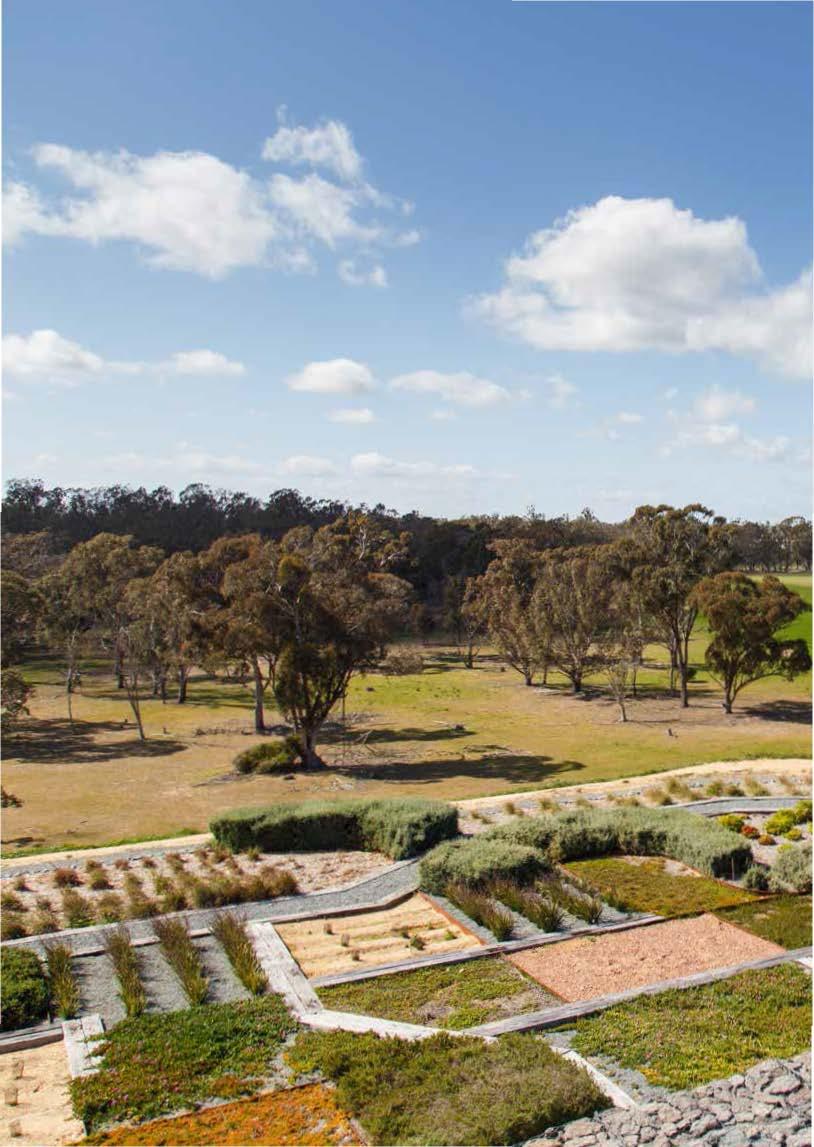
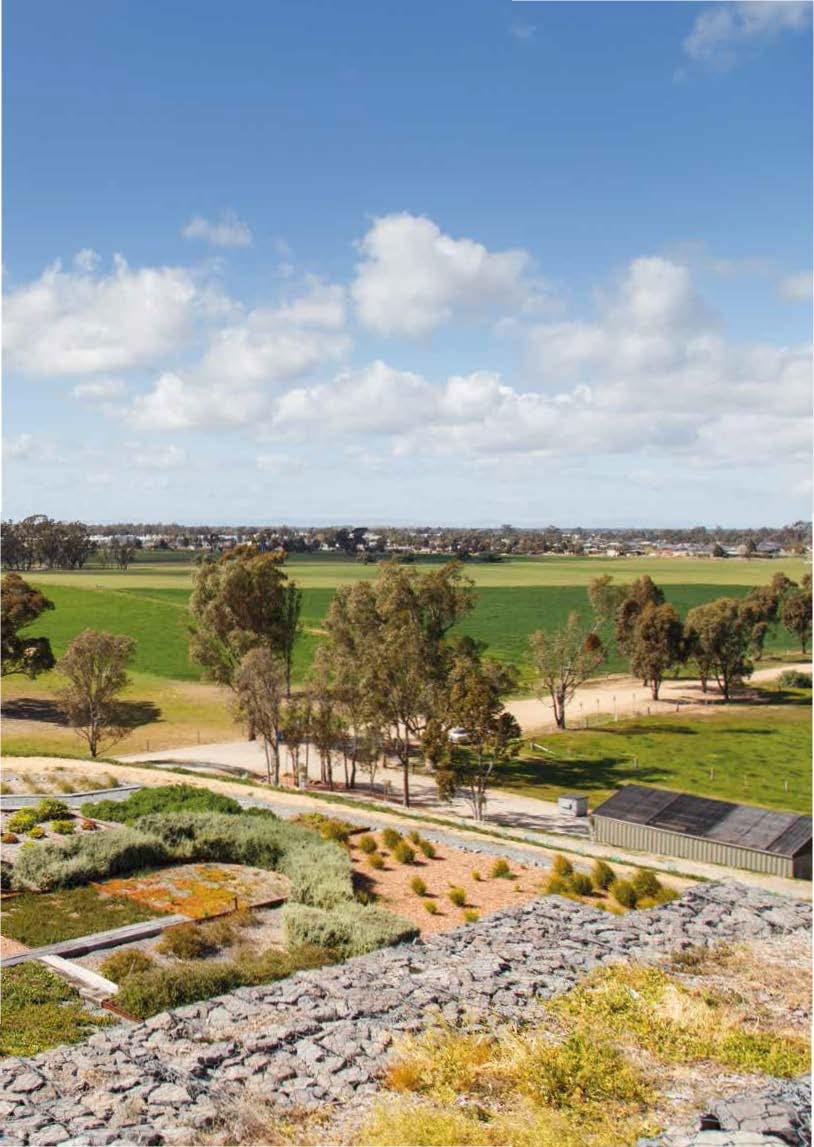
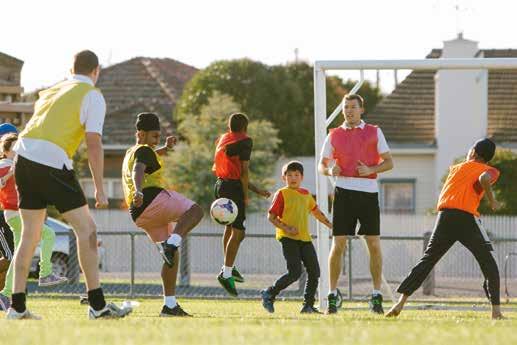
Business hours: 8.15am to 5pm weekdays
In person: 90 Welsford Street, Shepparton
Mail: Locked Bag 1000, Shepparton, VIC, 3632
Phone: (03) 5832 9700 SMS: 0427 767 846 Fax: (03) 5831 1987
Email: council@shepparton.vic.gov.au Web: www.greatershepparton.com.au
Greater Shepparton City Council is NRS friendly. If you are deaf, hearing-impaired, or speech-impaired, we ask that you call us via the National Relay Service:
TTY users: 133 677 then ask for (03) 5832 9700.
Speak & Listen users: (speech-to-speech relay) 1300 555 727 then ask for (03) 5832 9700.
Internet relay users: Connect to the NationalRelay Service via www.relayservice.com.au and then ask for (03) 5832 9700.
A hearing loop is also available at Council’s customer service centre and Council meeting room.

Interpreter service available.