Greater Shepparton is experiencing significant growth, and this growth brings opportunity, however there are still challenges that need to be addressed. This document highlights the key infrastructure priorities for Greater Shepparton. These projects will collectively contribute to strengthening economic and social activity and improved liveability for our region.
Greater Shepparton is Victoria’s fifth largest regional centre and acts as a major population service centre for the wider Goulburn Valley and southern New South Wales region, covering a population of approximately 250,000 people. Our community is experiencing substantial change, growing in both population and economic activity (2023 population of 68,873) with an expected population growth of 1.2 per cent per year until 2031. This growth brings with it a range of complex issues that impact on our community including planning and construction, protecting the environment, creation of local jobs, fit-forpurpose road and transport solutions, social and affordable housing, and the increasing need for our industries to adapt.
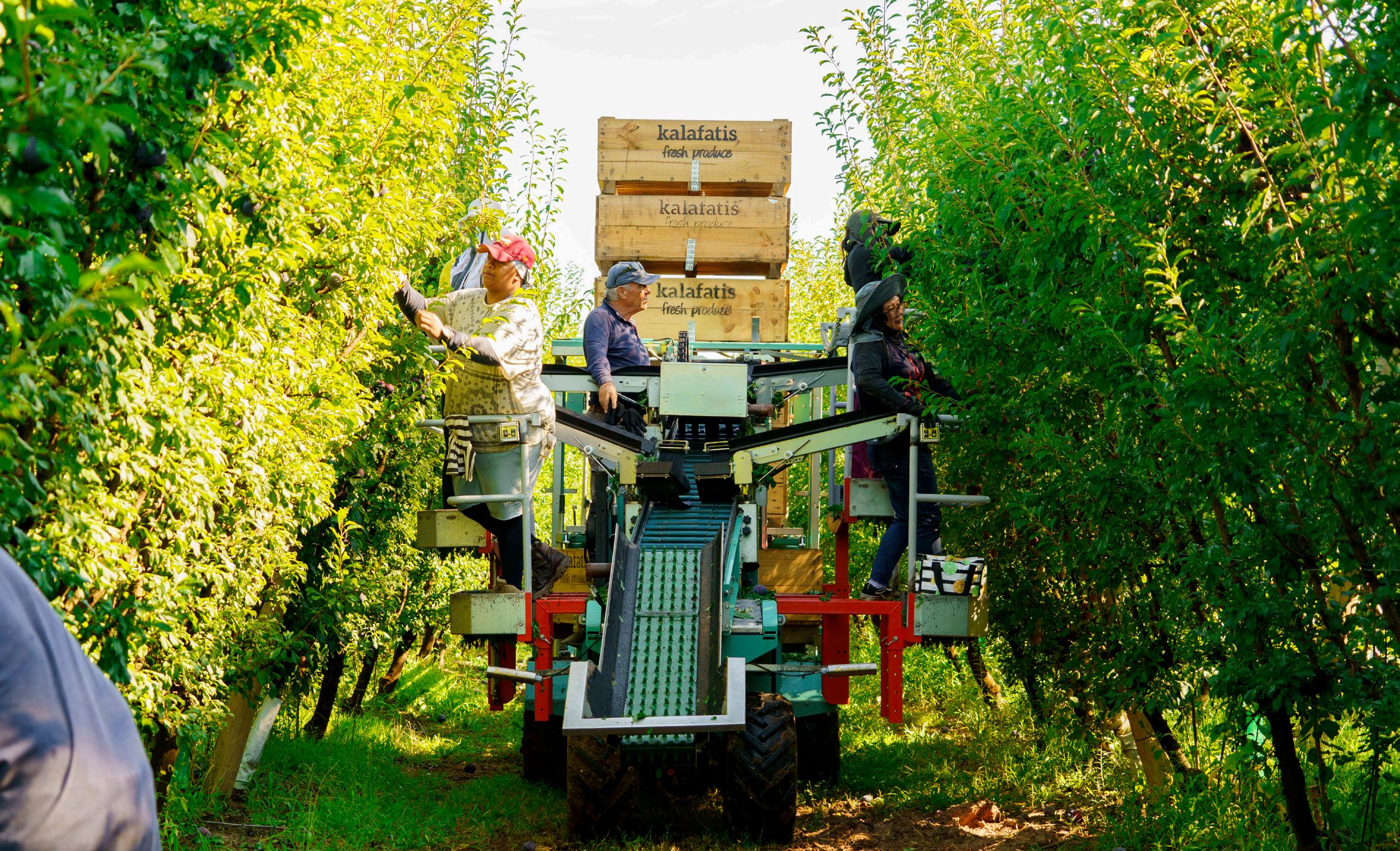
A diversified economy and an emphasis on sustainability, renewable energy and environmental conservation have significantly influenced the future direction for Greater Shepparton. This region, being known as Australia’s Agricultural Powerhouse, has become a centre for advanced manufacturing and health care, and a hub of
innovation, visitation and cultural activity. As a region traditionally dependent upon water, we are at a cross road, where we are confronted with a future with less water as a result of Australian Government policy and environmental factors. We are a region in transition, which is presenting both challenges and opportunities.
Our power is in our partnerships and collaboration, and our ambitious goals for Greater Shepparton cannot be achieved by one organisation alone. To turn our vision into reality, we must engage, mobilise, and collaborate with all levels of government, the private sector, and the community.
Through advocacy and partnership, we aim to secure policy commitments, funding, and decisive action from key decision-makers. This enables us to deliver projects and priorities that will make Greater Shepparton a liveable, prosperous, inclusive, and resilient place to live, work, study, play, and do business.
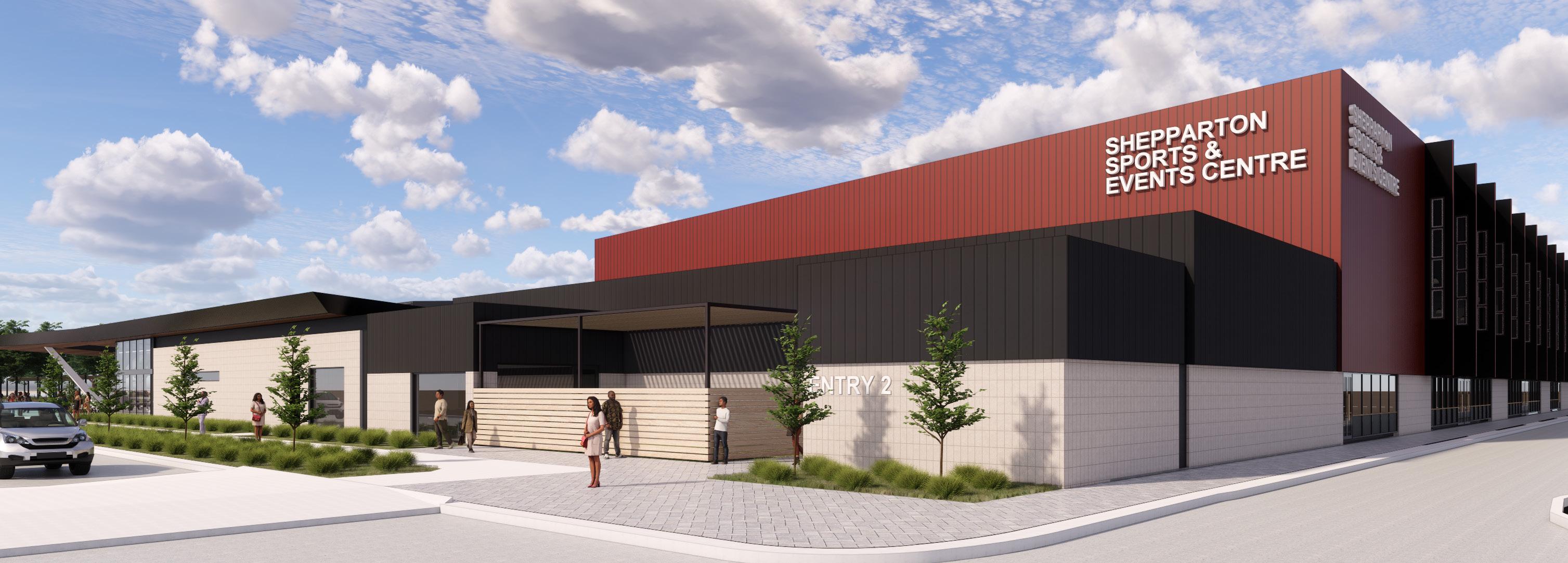
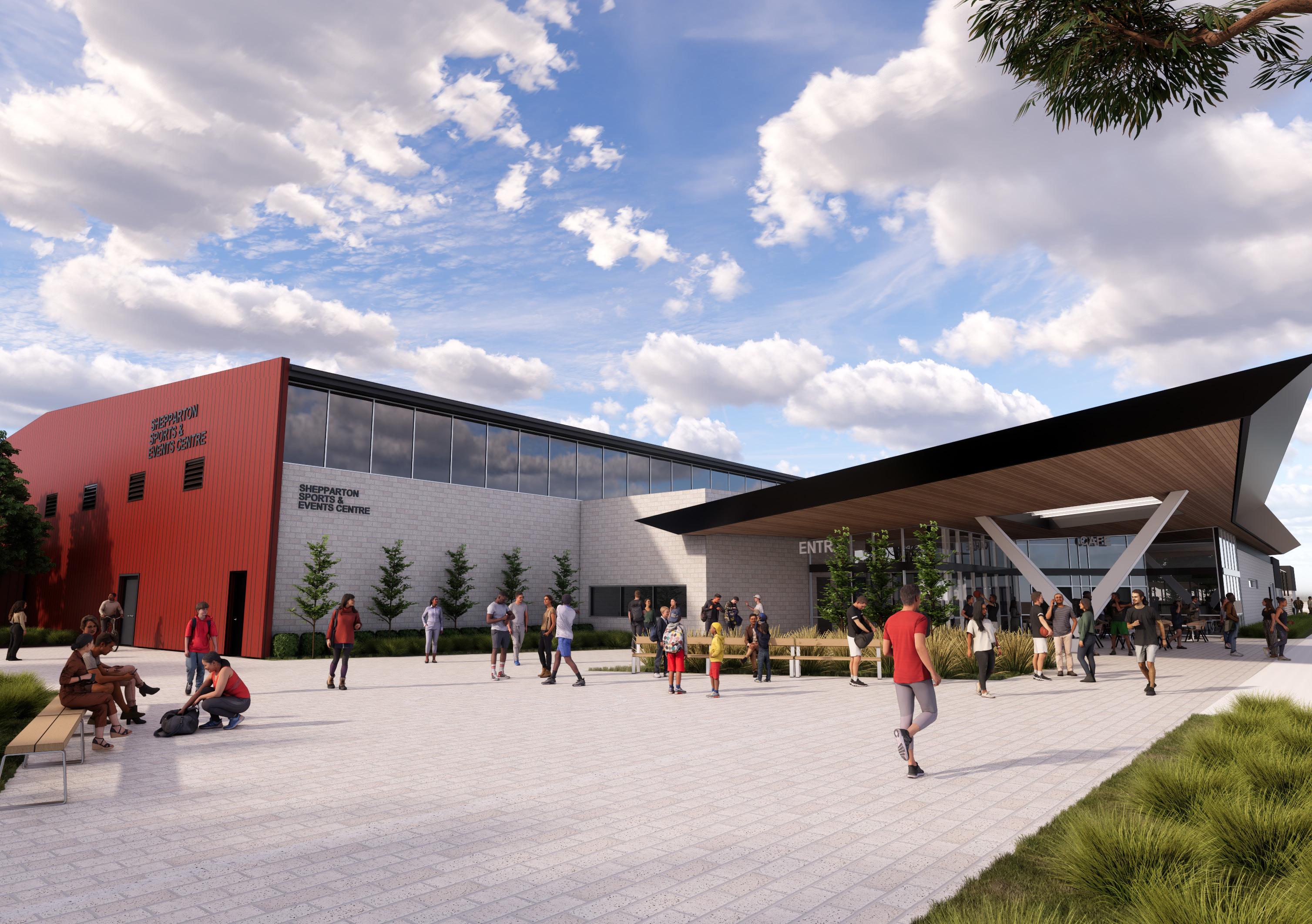
Shepparton Sports & Events Centre
Investment:
$32m
Australian Government
$15m
Victorian Government
$5m
Greater Shepparton City Council
$12m
Challenges and Opportunities
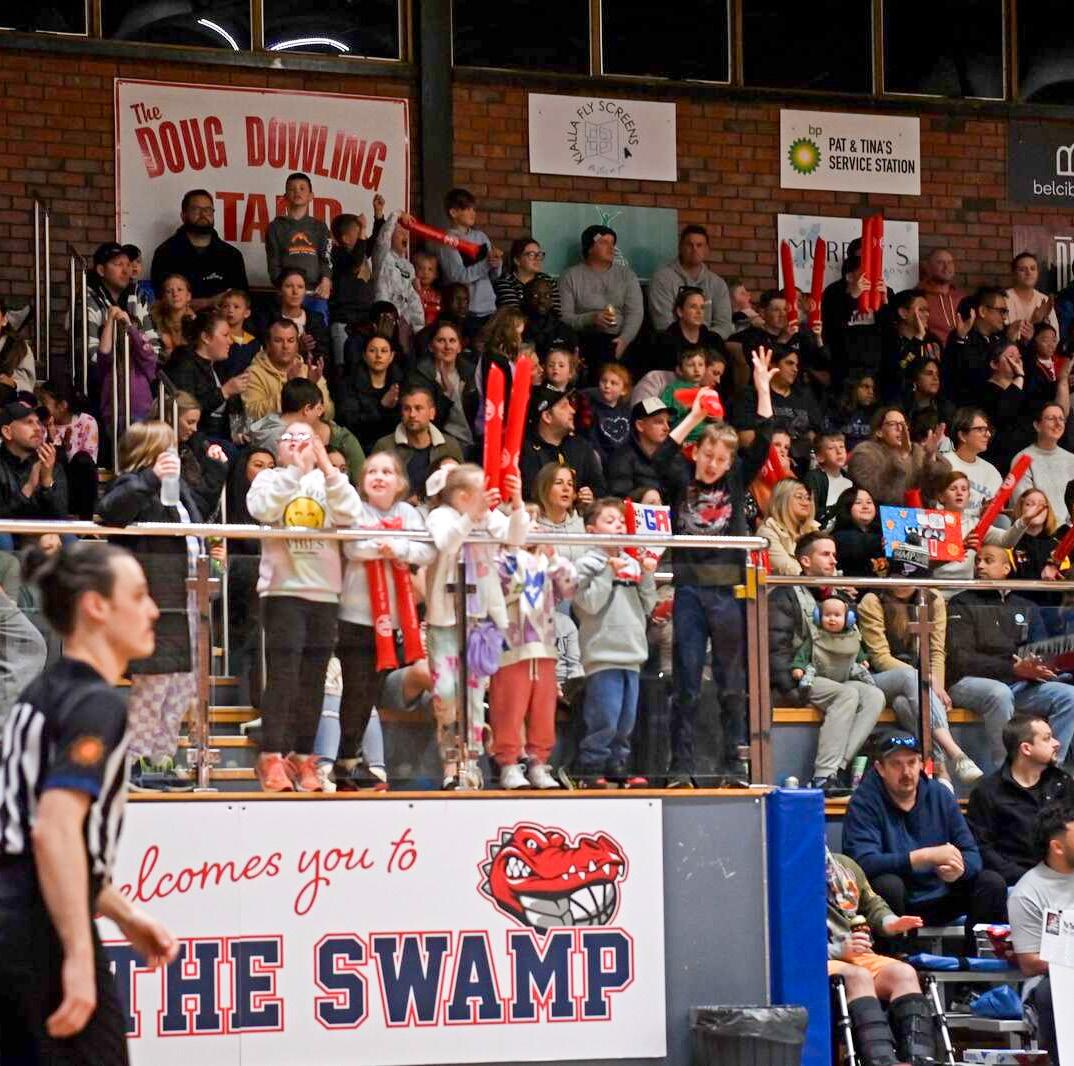
Greater Shepparton offers a wide range of opportunities to participate in sport and active recreation with more than 150 local sporting clubs supported by an estimated 15,000 members. The Shepparton Sports Stadium opened in the early 1970’s and whilst Council maintains the current Sports Stadium to a high standard, with regular investment, the shortcomings of this aging facility (listed below) erects barriers to improving social and economic outcomes for our region:
• Non-compliance with disability access standards.
• Non-compliance with basketball major tournament requirements.
• Non-compliance with other major sporting codes such as netball and badminton.
• Insufficient parking (including accessibility parking) and connectivity pathing to access the facility.
The current four court configuration constrains player capacity and multiuse capability, particularly for the growing number of junior participants who are regularly turned away through clubs being unable to provide playing and training opportunities. In addition, the popularity of basketball has had the effect of ‘crowding out’ other sports that require indoor facilities. These sports are popular predominantly amongst our vast multicultural community and include pickleball, badminton, volleyball, table tennis and a number of wheelchair sports. This current Sports Stadium disadvantages our growing community and opportunities for participation in active sport and recreation.
Economic benefits accrue when tournaments or events generate demand for commercial accommodation and retail goods and services.
The aging Shepparton Sports Stadium creates a distinct disadvantage for our region when it comes to attracting significant tournaments and events in comparison to other regional venues such as Geelong, Ballarat, Bendigo, Mildura and Traralgon. Accordingly, the economic benefits accruing to our local economy are far below what would be the case if the redevelopment was realised.
The current stadium also inhibits complementary support for the newly developed Munarra Centre for Regional Excellence (MCRE) which was funded by the Victorian Government. MCRE is located within the envelope of the Shepparton Sports City precinct and is the first Indigenous-led pathwaysbased education facility for both Indigenous and non-Indigenous students, in Australia. With Shepparton housing one of the highest Indigenous population in Victoria, outside of metropolitan Melbourne, this Centre creates a significant uplift in opportunities and pathways for the community.
Council have recently revisited the design following extensive community and stakeholder consultation and have prepared a more sustainable staged approach to the redevelopment, which is cognisant of the constrained economic conditions of the Australian and Victorian Governments.
Solution
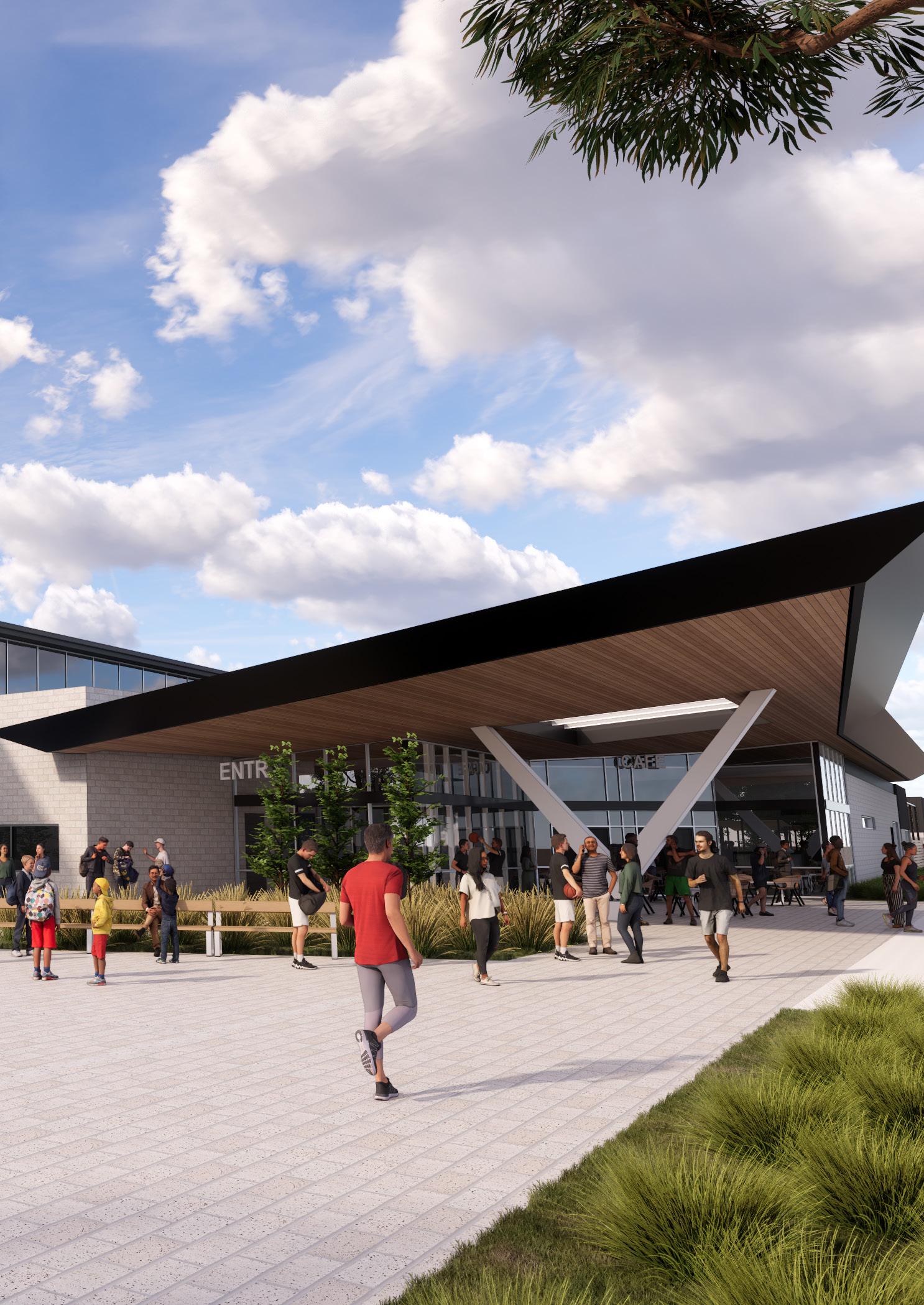
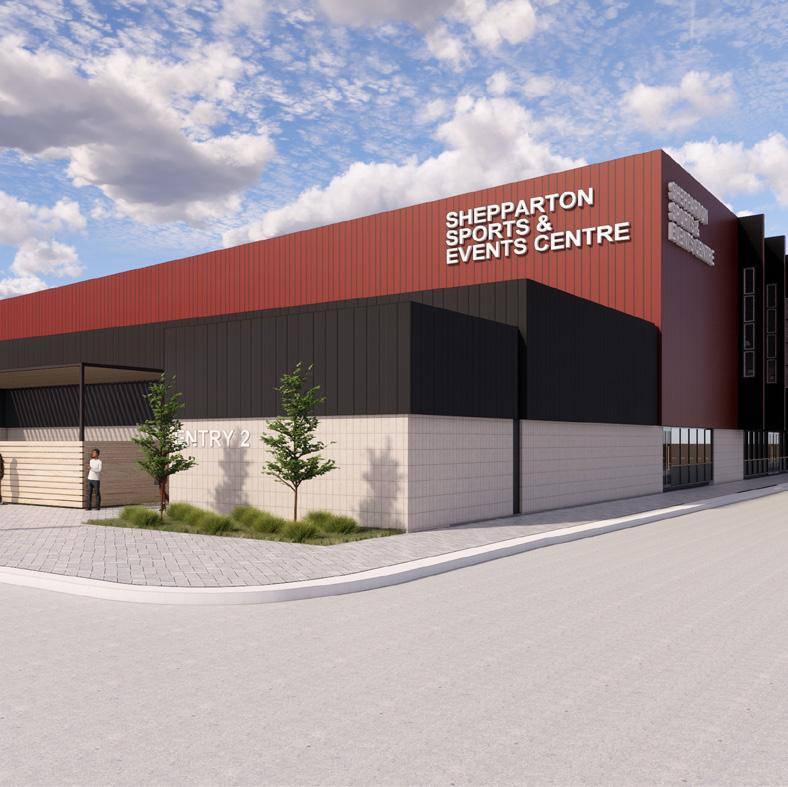
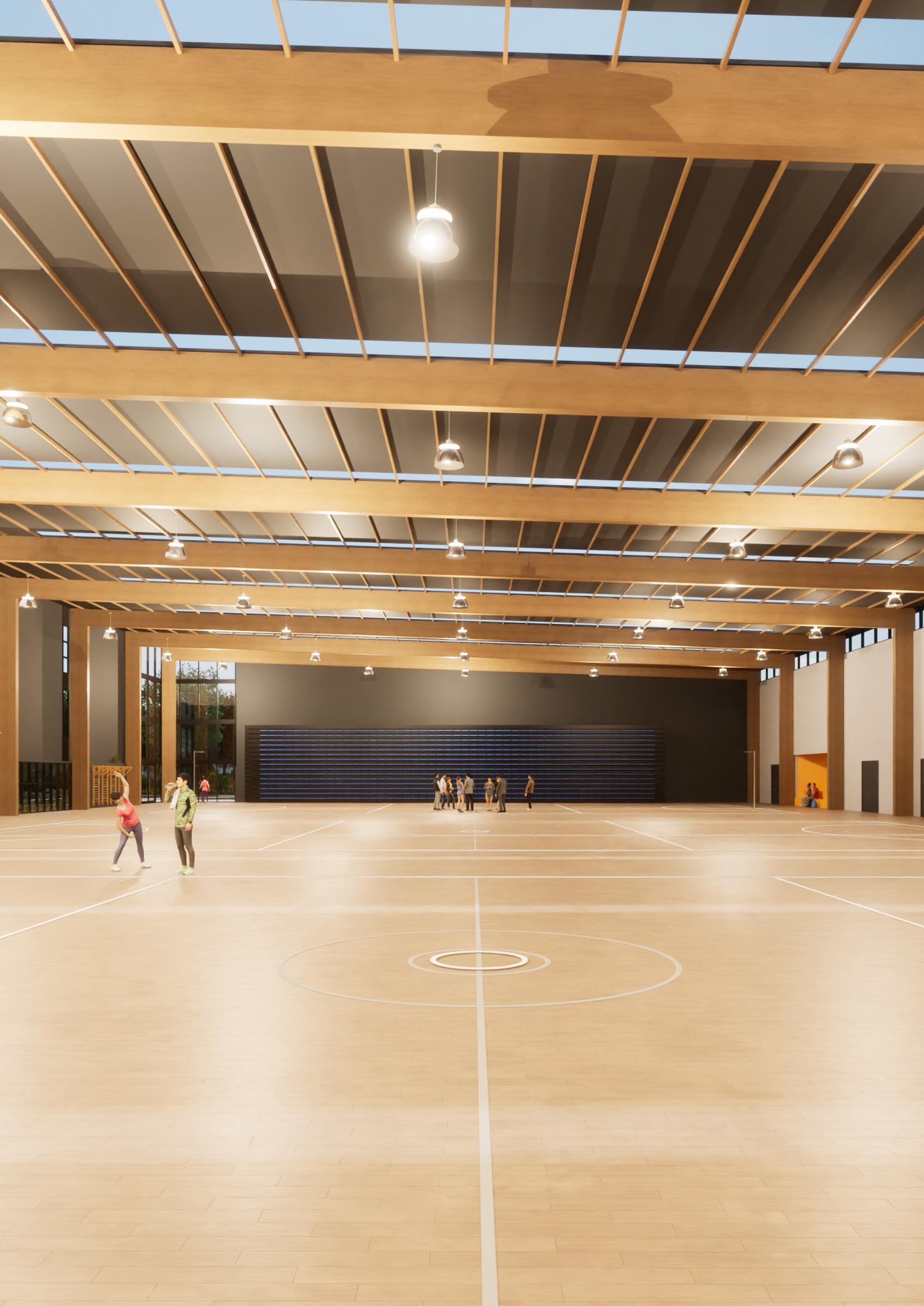
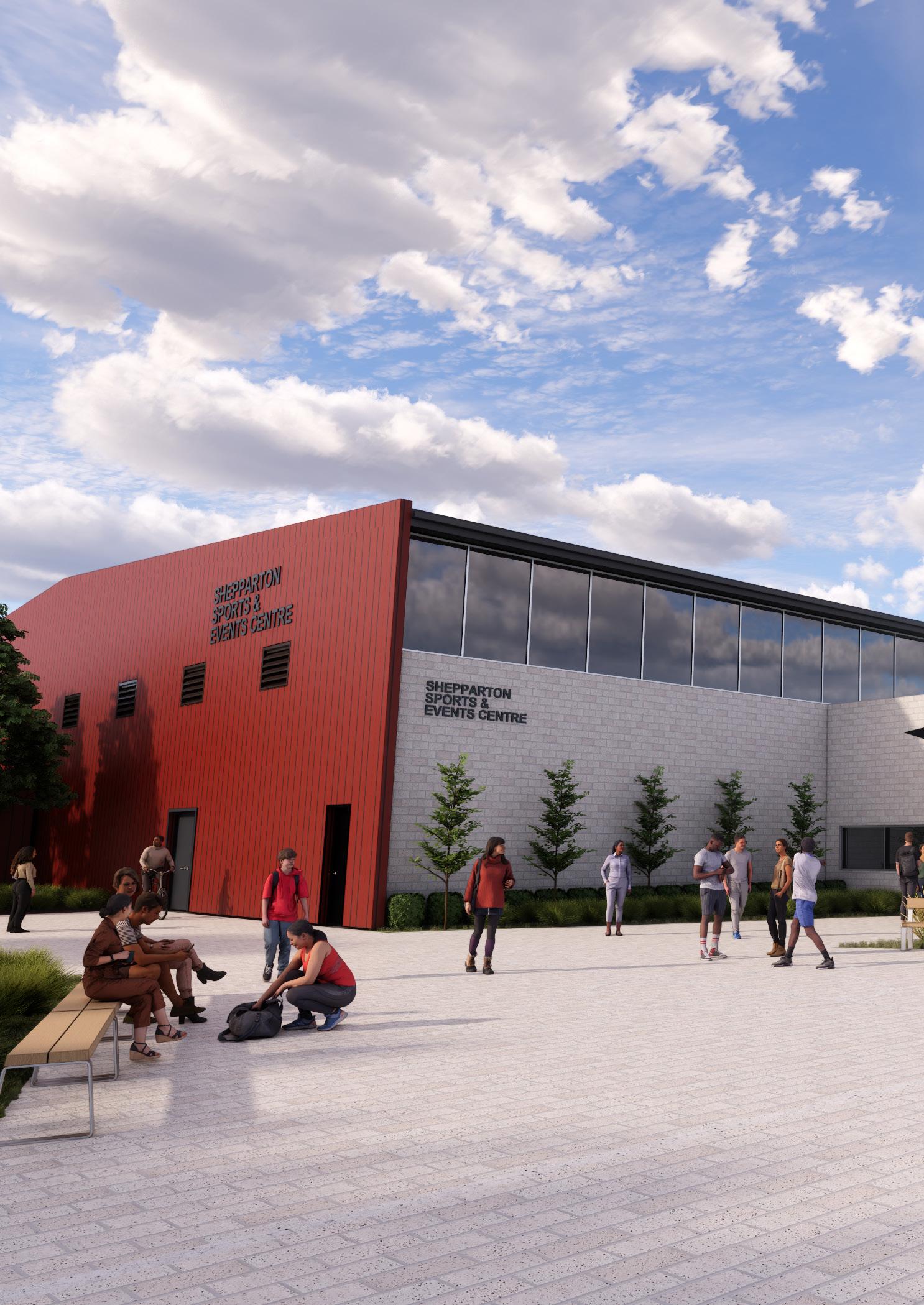
Greater Shepparton City Council is proposing to create a regionally and nationally significant sporting, entertainment and events complex that caters for a multitude of users. The staged redevelopment will include:
• Construction of four basketball/ netball/multiuse national standard compliant courts.
• Show court with seating for up to 3,000 people.
• A multi-purpose room that can host stadium programing, events and corporate functions.
• Inclusion of a sports house/administration space for the stadium, event organisers and other sporting users.
• New change rooms with the capacity and flexibility to cater for males, females and gender fluid
sporting players/teams, officials and for elite standard competition.
• Family friendly and accessible (including “changing place”) change rooms for visitors with mobility and special needs and visitor amenities.
• Entry, lobby, café and reception.
• External works including access roads, signage, landscaping, pedestrian footpaths and crossings, bicycle parking, bus drop off and crossovers and car parking.
Detailed design has been undertaken and extensive stakeholder consultation has occurred.
Projected Outcomes
The redevelopment of the Sports Stadium is the final missing piece for the regionally significant Shepparton’s Sports City, which in partnership with the Australian and Victorian Governments, has undergone a significant transformation over the last 15 years to become the premier sporting precinct in regional Victoria.
This project will positively contribute to select national, state and local priorities and aligns with the Australian Sports Commission’s objective of involving more Australians in sports at all levels and promoting and supporting inclusive and diverse sporting environments.
This project will provide a significant regional hub that services the wider Goulburn and Murray regions incorporating the six surrounding municipalities. The catchment’s combined population is in excess of 250,000.
CR SHANE SALI Mayor
“Investment from the Australian Government is critical to realising the transformation of the Shepparton Sports & Events Centre. This shovel ready priority project will boost our regional economy, enhance the regions amenity and liveability and bolster participation in active sports and recreation for generations.”
The redevelopment will allow the region to host large-scale events at state, national and international standards from elite to a participation level across various sporting genres including basketball, netball, badminton, table tennis, volleyball and futsal. It will also allow new events and sporting disciplines previously not been able to be
hosted at the venue including activities such as dance, boxing, judo, taekwondo, pickleball and a variety of multisport and non-sporting events to be attracted to the region.
This will build on Greater Shepparton’s reputation as a sporting capital of regional Victoria. It will provide increased opportunities for children, young people and adults to be connected and enjoy a healthy and active lifestyle, developing skills and capabilities supporting job growth and economic prosperity.
Economic Benefits
Once construction is complete, it is estimated that a redeveloped Shepparton Sports and Events Centre will support the expansion of existing events and allow the proactive attraction of more than 200 major events to northern Victoria over a 10-year period.
This redevelopment will create significant positive economic benefits to the state and region to support and diversify our visitor
economy, enhancing the growth of important industry sectors through:
• Generate $73.96 million in output during construction, supporting 210 local jobs
• Over a 10 year period once constructed new tournaments and events hosted by an expanded sports and events centre are expected to attract approximately 134,200 new visitors to Greater Shepparton
• Over a 10 year period an expanded sports and events centre would generate $84.35 million in economic stimulation (direct and indirect spending) whilst also ensuring existing events can be retained and hosted in the region which is also valued at $65.43 million helping generate a combined $149.78 million in economic impact into the Greater Shepparton economy. This will support increases in visitation and spending across a variety of key sectors such as retail, hospitality, accommodation, visitor attractions, entertainment along with supporting event services and supplier industry’s helping support an additional 79 local jobs.
DAVID HUXTABLE
General Manager
Basketball
Victoria General Manager
Basketball Victoria fully supports Greater Shepparton City Council in their pursuit of the development of the Shepparton Sports and Events Centre. Basketball Victoria has seen consistent strong growth and demand for a number of years and at a state-wide level our participation numbers represent around 4% of the population. The Shepparton area exceeds the State average for participation and has seen strong growth over a number of years. As such, additional courts in the Shepparton area to cater for this growth is the highest priority for Basketball Victoria.”
Greater Shepparton Road Network Resilience
Package
Investment:
With the loss of the $208 million bypass funding and a further $130 million cut from the Roads of Strategic Importance (ROSI) Toowoomba to Seymour program there are opportunities to advocate to both the Australian and Victorian Governments for the delivery of key road infrastructure projects in Greater Shepparton that will significantly improve our regional road transport network.
- Inner East Link Road, Shepparton (estimated $14m) 6
- Welsford Street, Shepparton (estimated $5m) 7
Challenges and Opportunities
Greater Shepparton is positioned at the junction of two major northsouth and east-west arterial roads, namely the Goulburn Valley Highway (forms part of the Newell Highway corridor that provides links to Melbourne and Brisbane) and the Midland Highway. With an expected population growth of 1.2 per cent per year until 2031, Greater Shepparton also acts as a major service centre for the wider Goulburn Valley and southern New South Wales region, covering a population of approximately 250,000 people.
Greater Shepparton is a strategic hub in the national freight and logistics chain supporting the agricultural and manufacturing industries with freight movements between all capital cities and ports. Efficient and effective transport movement, particularly of freight within, to and from the Greater Shepparton, is critical to the ongoing growth and competitiveness of the city and of the surrounding region.
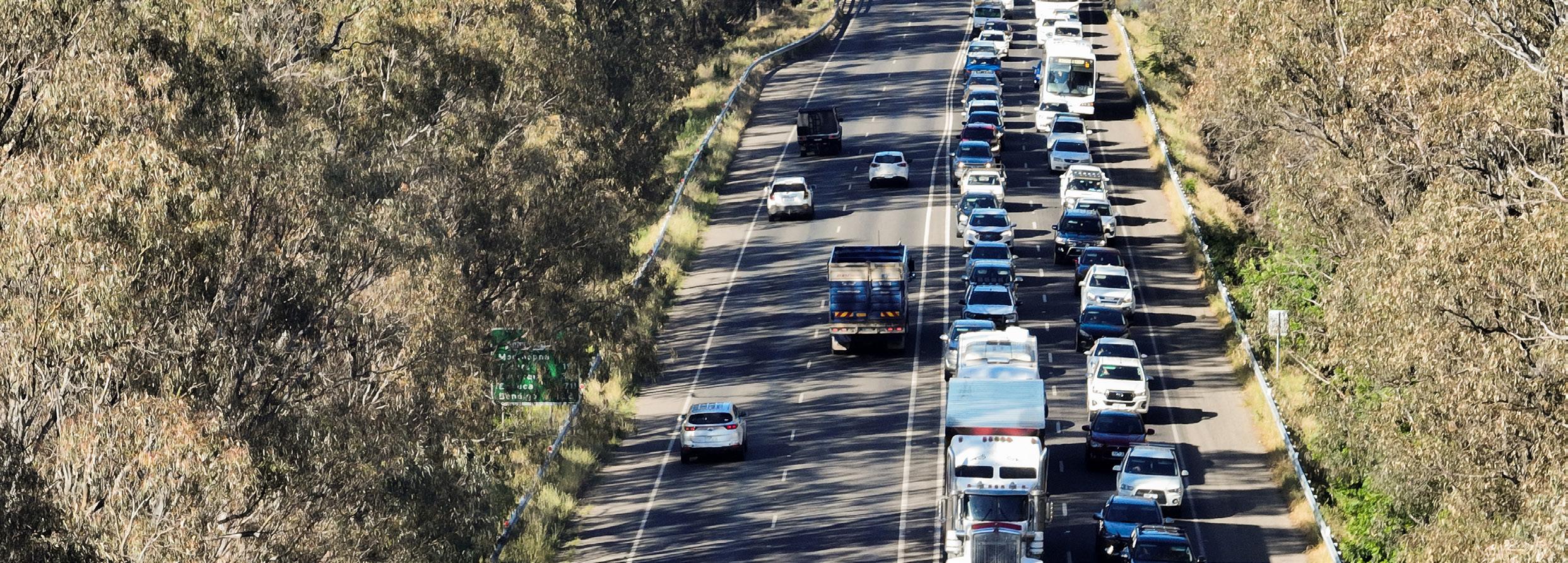
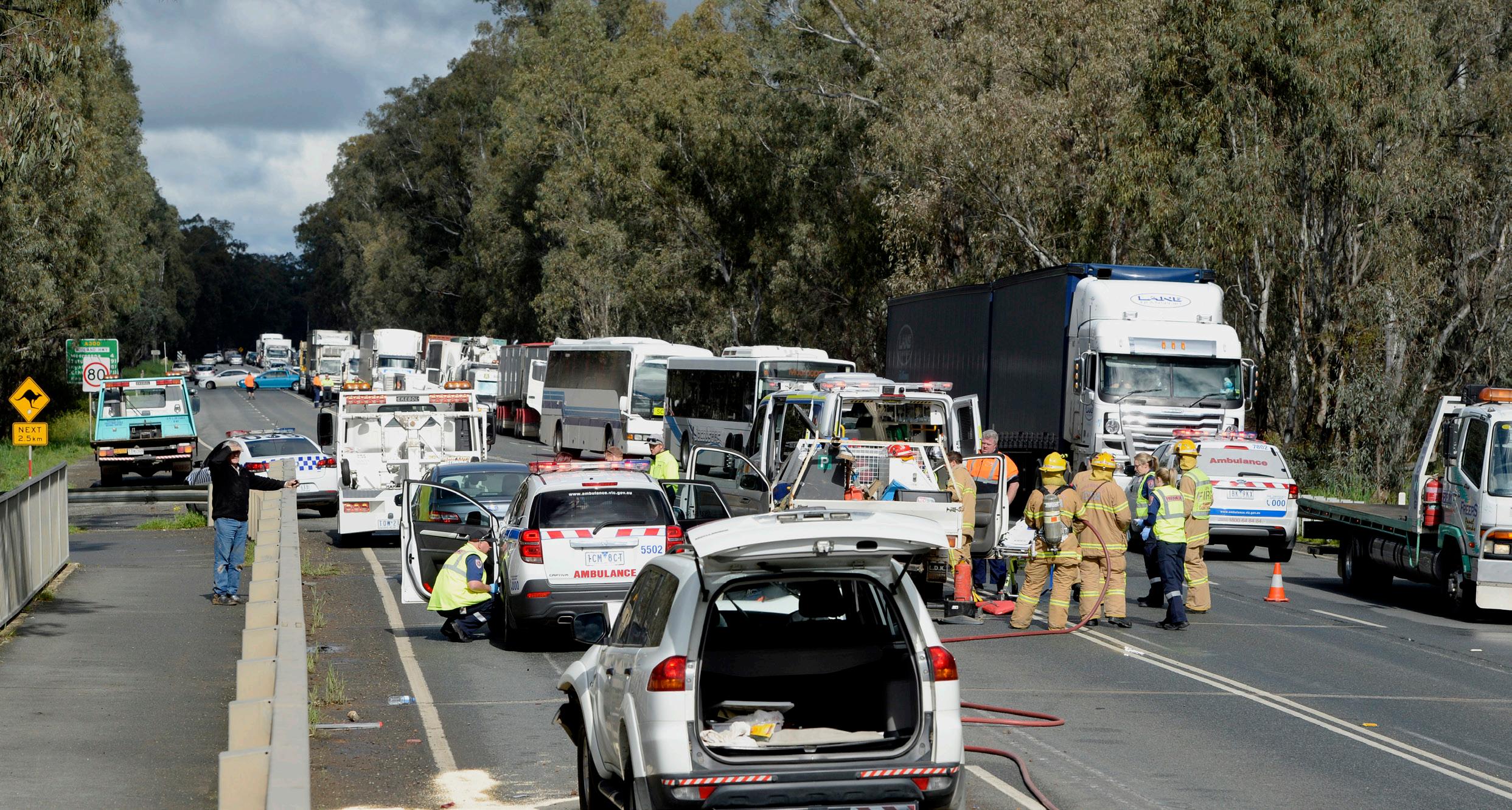
As our region continues to grow so does the pressure on the local and broader road network. This is further compounded by the growing freight and logistic activities, important cost inputs to the domestic and international export oriented industries in the Goulburn Valley. The increased freight generation from our existing and expanding industrial areas including the significant industrial precinct at GV Link will further increase congestion and substantial demands on our already strained road maintenance program. This coupled with the identified increase in population will impede future regional economic growth, reduce liveability and detrimentally impact the amenity and attractiveness of our citydeterring investment in our commercial areas.
Reedy Swamp
BarmahSheppartonRoad
New Dookie Road
Gemmill Swamp Wildlife Reserve
Road SHEPPARTON
Hig hway Old Dookie Road
MidlandHighway
JOSH KRESKAS, Managing Director
Kreskas Brothers Transport Pty Ltd
The resilience package put forth by the Greater Shepparton City Council highlights the extreme poor conditions of local roadways and major arterial routes, as well as the necessity to undertake immediate planning and remediation works.
As Greater Shepparton grows and further private investment is made by industry in the region, the demand for inbound and outbound road freight increases. With increasing pressure on an already inefficient and deteriorating road network, it is paramount that investment is made to support the road infrastructure, ensuring the long-term viability and safety not only for transport operators but also for all road users.”
The capacity of the Goulburn Valley Highway in and around Greater Shepparton can no longer safely and efficiently support existing traffic volumes. It is important that the existing and proposed transport network is managed and integrated in conjunction with the various growth areas both urban and rural through the backing of the Greater Shepparton Road Network Resilience Package. This package includes the following projects:
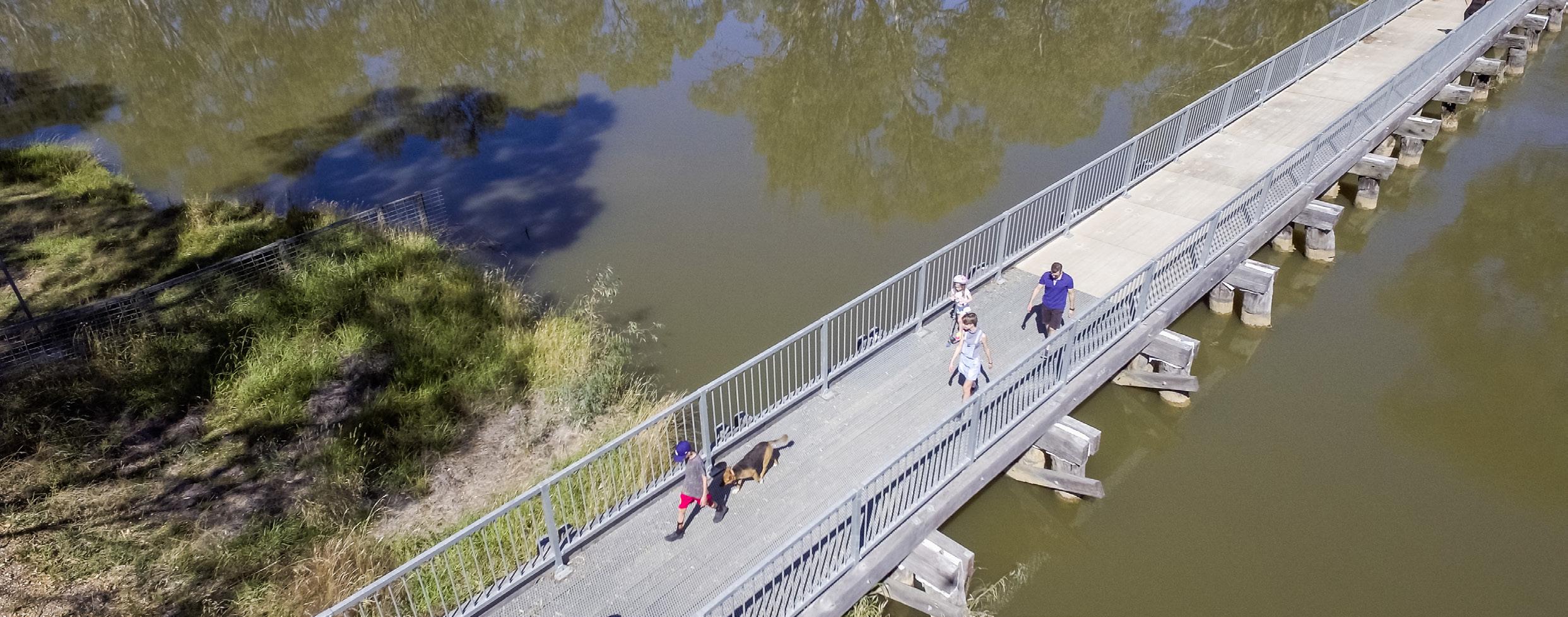
New Goulburn River Bridge: The October 2022 Floods highlighted the critical deficiencies in the safety and capacity of our evacuation routes and transport network. During the flood the only existing Goulburn River crossing option of the Midland Highway (the Causeway between Mooroopna and Shepparton that currently takes over 30,000 vehicles per day) was inundated with water leading to a multi-day closure. These closures had significant impacts on key supply chains and the freight industry as well as the connection of communities, as was seen in Shepparton and Mooroopna where the community was separated by floodwaters for several days. The detour for freight vehicles was significant adding hundreds of kilometres to the trip detrimentally impacting supply chain efficiency.
Key road projects: The growing freight task places pressure and presents safety challenges on local traffic and freight vehicle interactions. These intersection upgrades will crucially provide a more
efficient and safer road network along the Goulburn Valley Highway corridor, and serve as a major connection point to the rest of the primary road network improving congestion and connectivity in and around Shepparton.
The population and growing freight demand on our local roads is increasing along with the cost of maintaining roads, the contributory funding to help Council from Victorian and Australian Governments has not kept pace. Insufficient funding has contributed to more patch jobs and/or delaying repairs that essentially leads to more costly problems in the future. Major repairs necessitated by neglect can lead to longer road closures or restrictions, disrupting traffic flow.
Solution
The solution to address Greater Shepparton’s existing road limitations and create a more efficient and safer more resilient network is the construction of a new Goulburn River Bridge, the upgrade of key intersections and investing in road maintenance services for the prosperity of the community and the local economy.
Victorian / Australian Government Projects
• New Goulburn River Bridge, development funds to revise the design, costing and scope.
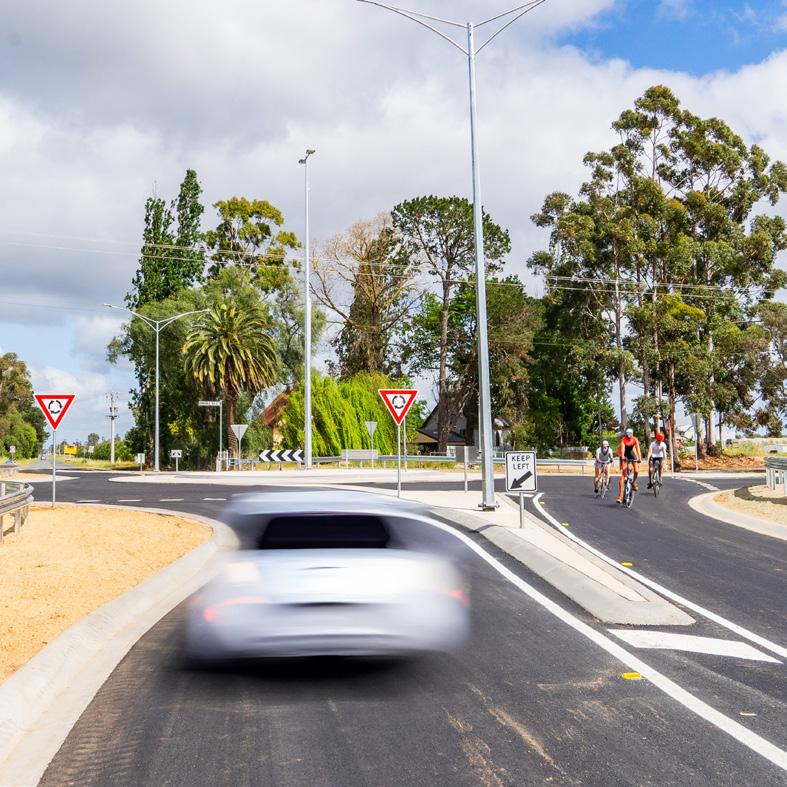
• New roundabout at River Road (Shepparton Alternative Route) and Goulburn Valley Highway intersection at Kialla to improve safety.
• New roundabout at Shepparton Alternative Route and Goulburn Valley Highway intersection at Congupna to improve safety.
• Additional funding for Ford Road/Wanganui Road signalised intersection upgrade.
• Upgrade the intersection at Toolamba Road/ Echuca Road/Midland Highway Mooroopna to increase capacity and reduce congestion. These priority projects are also identified in the Shepparton Mooroopna Regional City 2050 Growth Plan and include (but not limited to) state and local projects.
Local Projects (Victorian / Australian Government Road Safety Programs)
• Intersection and safety upgrades on the inner east link road Shepparton, including shared user paths.
• Welsford Street upgrade including integration with the shared pathways.
To provide the evidence to strategically understand the needs and future demands on the transport network, Council is partnering with the Department of Transport and Planning (DTP) to develop the Greater Shepparton Integrated Transport and Land Use Study. This project will assess the present multimodal transport network and land use trends to develop an integrated transport and land use vision with a focus on managing the sustainable growth of Shepparton and surrounding townships, achieving sustainable mode shift, and providing resilient and efficient freight network.
Importantly, this study will provide the necessary evidence to guide future decision making for Greater Shepparton by outlining an implementation plan that includes an investment pipeline of projects over the short, medium and long term.
Projected Outcomes
Rather than having individual road projects identified, these projects are being packaged so that they can be scoped and developed and delivered through a strategically integrated program of works. The package of road projects demonstrates the long-term benefits of the investment in Shepparton/ Mooroopna as a major regional transport and freight hub and recognises the city as an important junction of the state and national highway road network.
The vital project will be the realisation of the new Goulburn River Bridge as this will underpin and
provide the foundation in creating a resilient freight network for Shepparton and the broader region, providing improved safety and security for our community, particularly in emergency situations.
Economic Benefits
From a whole of transport network prospective these projects will have wide economic impact by reducing travel times, support local businesses, enhance community wellbeing as well as increase the overall productivity of the area through:
• Enhancing the competitiveness of businesses in the Goulburn Valley area by providing efficient access to transportation networks.
• Attracting more businesses and thereby employment to improve economic competitiveness within the broader Hume Region.
• Supporting national freight logistic operations that rely on access to Principal Freight Network and necessitate improvement to connections.
• Enhancing supply chain resilience by providing an alternative and efficient route for transporting goods in the Goulburn Valley Region.
• Providing a resilient and reliable and strategic link for freight movement particularly in cases of disruptions or congestion in other transportation corridors.
• Putting downward pressure on freight costs and assist in maintaining export competitiveness.
STEPHEN SCHNEIDER President, Greater Shepparton Business Network
Greater Shepparton has a vibrant and diverse business sector that serves as a major service centre for our community, as well as the wider region. Positioned on important north south and east west transport corridors road transport accessibility is critical for business continuity and pivotally important to the region’s economy. The 2022 flood event inundated the existing bridge on the Midland Highway which cut access for days severely impacted business and the community. Having an alternative flood proof additional river crossing is of paramount importance for the continued prosperity and growth of our business sector and also the wider community and industry operations.”
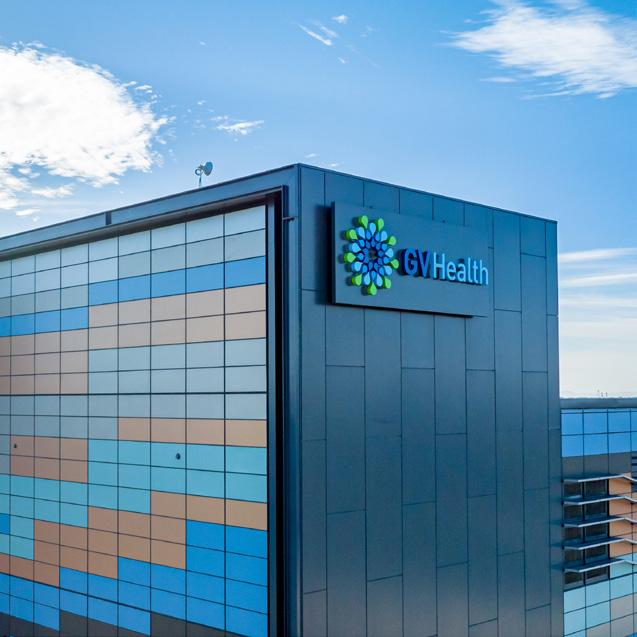
GV Health patient feedback*
“I was moved to the respiratory ward where my condition eventually stabilized. The staff were great, however the ward is very outdated and certainly well below the standards of the Emergency Department and Critical Care Unit. It was previously the children’s ward, opened in 1950, so well overdue for an upgrade.”
*Source: GV Health consumer feedback portal
Regionally Significant, Contemporary Public Health Service
INTEGRATED GOULBURN VALLEY HEALTH PRIORITY PROJECTS
Completing
the Full Shepparton Hospital Redevelopment at GV Health
Current situation
In 2021, a new masterplan for GV Health’s Shepparton Hospital was developed, after significant portions of the existing facility were identified as being no longer fit-for-purpose and in need of replacement.
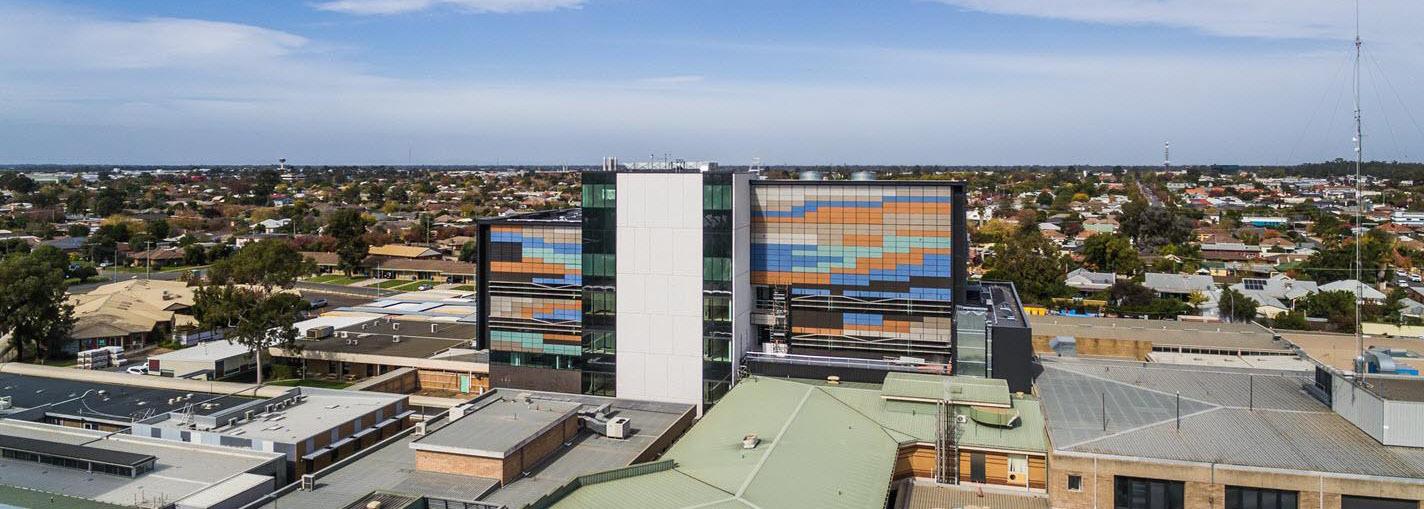
The first stage of the GV Health Shepparton Hospital Redevelopment commenced in 2018 with major construction completed in 2024. Despite this, around 50% of the site still needs to be redeveloped (as detailed in the masterplan), and new capital funding is required to deliver this vital work. Completing the full redevelopment is necessary to address critical gaps in the availability of contemporary care and treatment facilities for the communities of the Goulburn Valley and surrounding regions, particularly in relation to cancer care treatment, pathology services, inpatient capacity, specialist clinics, ambulatory services and car-parking.
Proposed solution:
Completing the Shepparton Hospital Redevelopment
A new funding commitment to complete construction of the full masterplan is vital to closing the gaps in care in our region and improving access to care and services for local people.
Three components of the masterplan are required as urgent priorities:
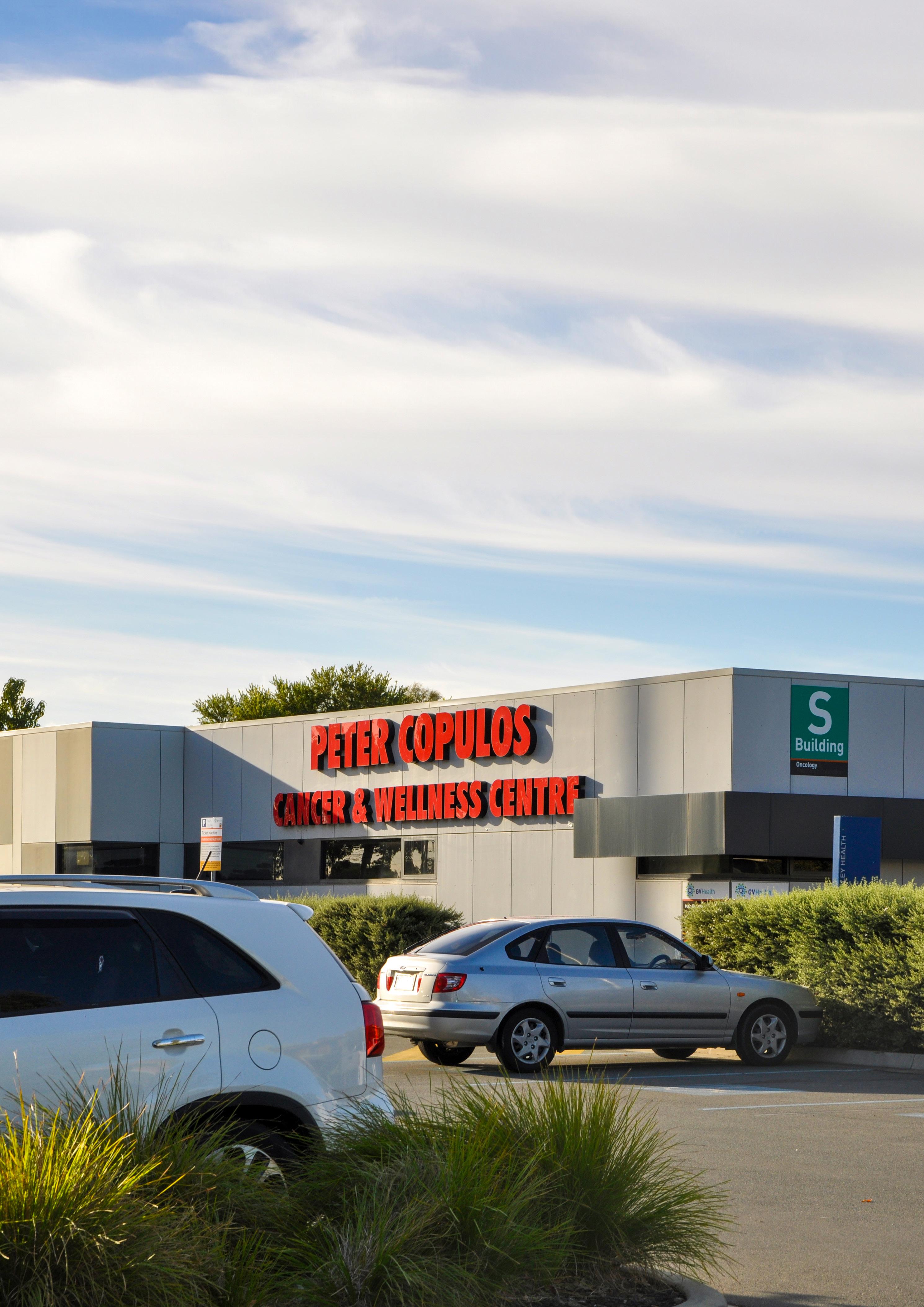
• Integrated Cancer Centre: a comprehensive Integrated Cancer Centre, constructed on-site and in one building, at Shepparton Hospital (detail on page 16).
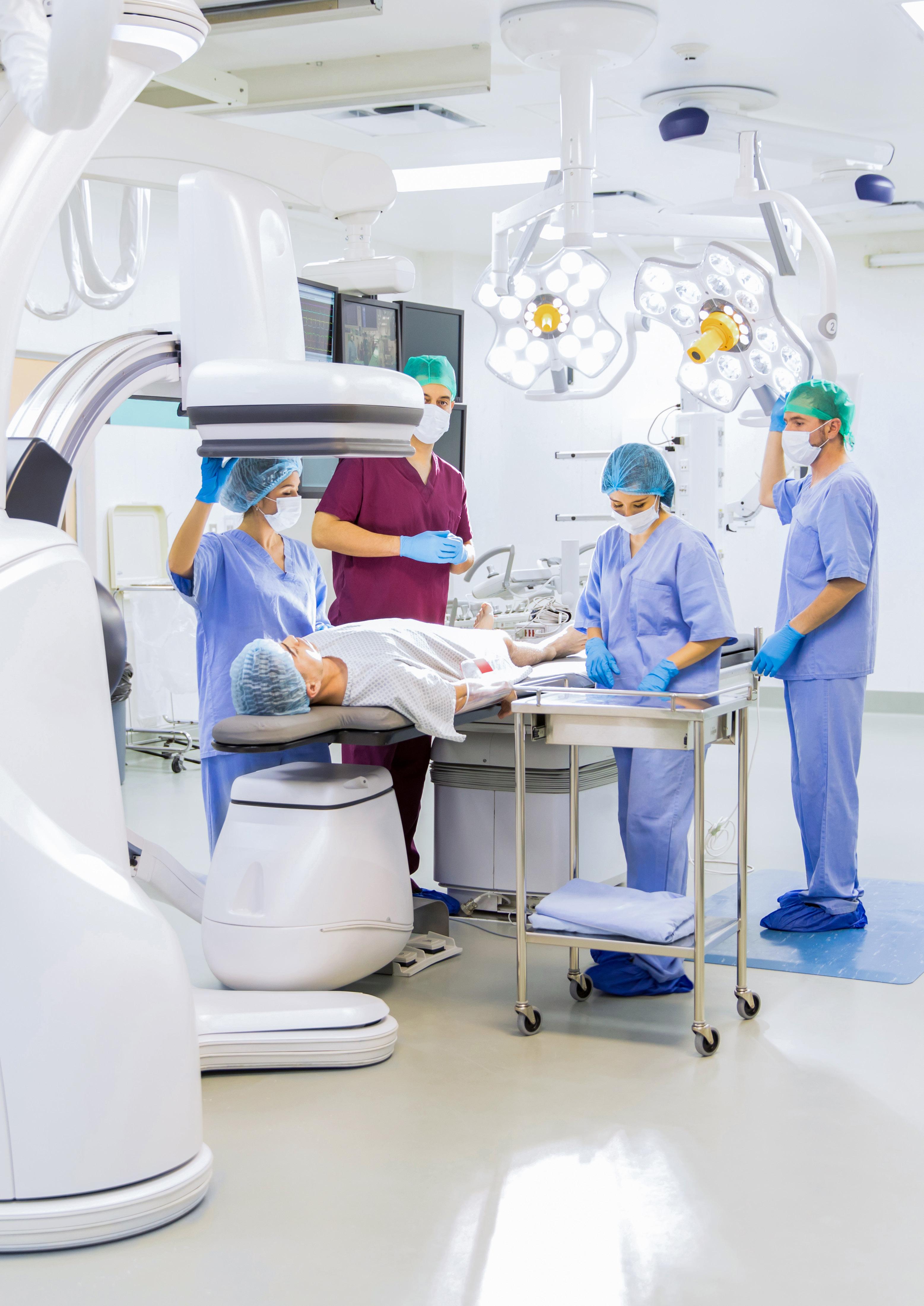
• Cardiac Catheterisation Laboratory: a full cardiac “cath lab”, securing equitable access to interventional cardiology services for the region, reducing the need for patients to travel long distances for life-saving care.
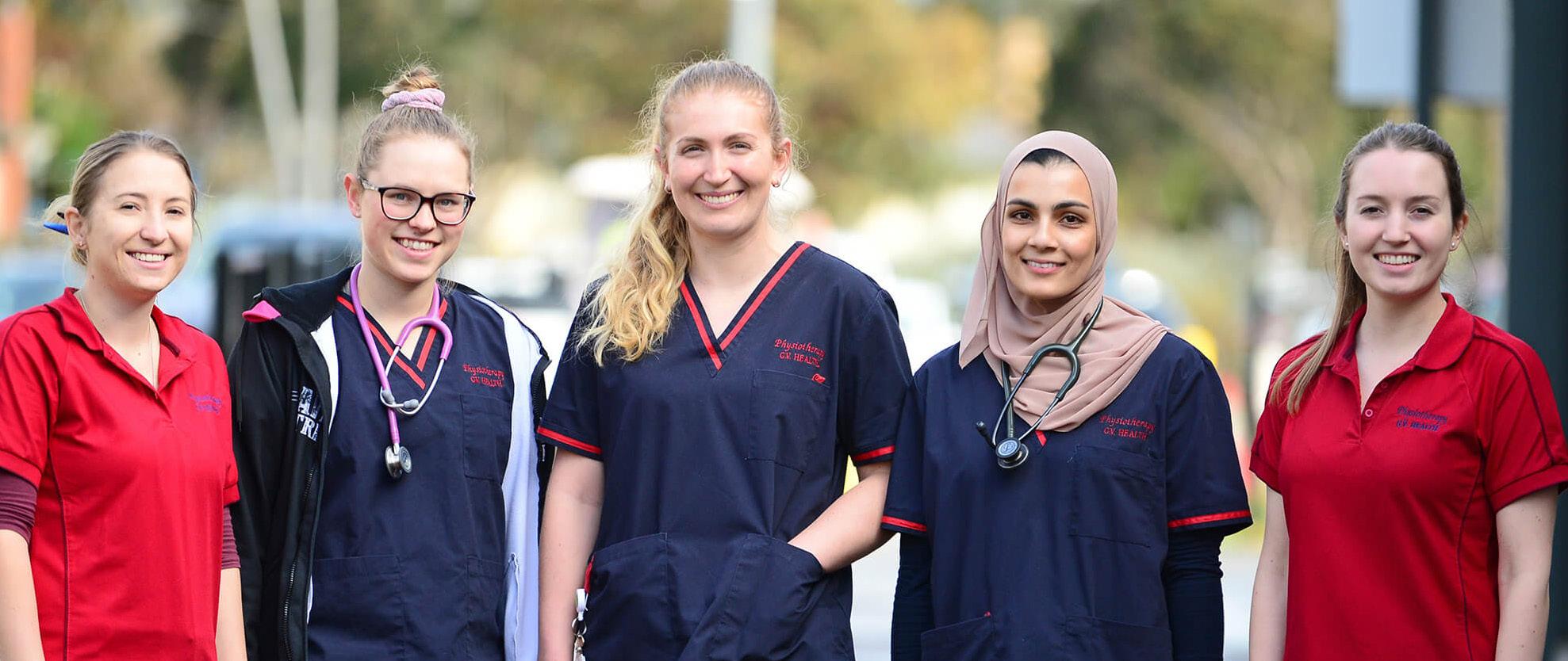
• GV Institute of Applied Health Learning: the establishment of an education and training facility is essential to develop and secure a skilled workforce capable of supporting GV Health’s expanded facilities and services (additional details on Page 20).
Other critical elements of the masterplan include a new multi-deck car park to improve hospital access for patients, families and staff; expanded MRI capacity; and a helipad for air-ambulance access.
GV Health Integrated Cancer Centre
DELIVER THE FULL INTEGRATED CANCER CENTRE AT SHEPPARTON HOSPITAL
Investment:
$90m+
The aim:
Deliver the full Integrated Cancer Centre at Shepparton Hospital
Current situation
Cancer services at GV Health are currently provided from limited multidisciplinary care and treatment spaces: chemotherapy, a restricted haematology service, inadequate wellness service as well as undersized and an insufficient number of consulting rooms to meet clinical service delivery needs.
GV Health is the only Regional Public Health Service in Victoria that does not have an Integrated Cancer Centre offering comprehensive cancer treatment facilities. This limits the scope of cancer services provided and requires patients to travel long distances for care such as for treatment of head and neck cancers and other tumor streams.
While an initial stage of the GV Health Integrated Cancer Centre has been funded, it will only expand the capacity of existing services. There is therefore a persistent gap in expanding cancer care services locally and for people across the region.
This project is essential for addressing inequitable access to integrated, comprehensive cancer care in our region.
Proposed solution: GV Health Integrated Cancer Centre (Full Development)
• Delivery of a comprehensive Integrated Cancer Centre constructed on-site in one building at Shepparton Hospital, GV Health’s main campus, in line with the GV Health Masterplan.
• One of the most significant facilities still to be delivered as part of the partially-completed Shepparton Hospital redevelopment.
Projected outcomes
• The full range of cancer care services offered in a single building, including: more day haematology and oncology treatment spaces and services; specialist and supportive consulting; radiotherapy; wellness and support centre; clinical and non-clinical support areas for research, teaching and staff spaces.
• Provides integrated, local access to essential cancer care services.
• Reduces the need for patients to travel long distances for cancer treatment.
• A fully Integrated Cancer Centre would eliminate additional costs associated with the current model of coordinating care across multiple public and private providers.
• Addresses disruptions to continuity of care for patients currently relying on offsite cancer treatment services (delivered locally by GenesisCare).
• Improved amenity for staff including a contemporary Multi-Disciplinary Planning and Review space for patient diagnosis and care planning.
Cardiac Catheterisation Laboratory
Investment:
$25 – $30m*
The aim:
Equitable access to interventional cardiology services for people across the Goulburn Valley and surrounding regions.
Current situation:
GV Health is the only Regional Public Health Service in Victoria without a Cardiac Catheterisation Lab. This means patients experiencing heart attacks or other cardiac events often need to travel long distances – for example, to Bendigo or Melbourne - for urgent, lifesaving procedures. This delay in access to interventional cardiology increases risk and has the potential to impact health outcomes for regional patients.
Proposed solution: GV Health Cardiac Catheterisation Lab
• Construction of a purpose-built Cardiac Catheterisation Laboratory on-site at GV Health’s Shepparton campus, aligned with the GV Health masterplan.
• Delivery of diagnostic and interventional cardiology services locally, including angiograms and stent procedures.
• Integration with GV Health’s existing acute, intensive care and emergency services to provide seamless cardiac care.
Project outcomes:
• Faster access to life-saving cardiac procedures, improving survival and recovery outcomes.
• Reduced patient transfers to metropolitan hospitals, improving patient experience and reducing pressure on metropolitan services.
• Supports workforce development and recruitment of specialist cardiology staff.
• Strengthens GV Health’s role as a comprehensive regional health provider in Victoria’s central-northern region.
GV Institute of Applied Health Learning
INTEGRATED GOULBURN VALLEY HEALTH PRIORITY PROJECTS
Education and training facility to secure our local healthcare workforce pipeline
Investment:
$30-40m
Current situation
Our region faces a significant shortage of healthcare workers, particularly in nursing and allied health disciplines. Over the next decade, this gap is expected to worsen, impacting access to care and local health outcomes, including areas of growing demand such as aged care.
Local education and training options for careers in nursing and allied health are limited in our region, meaning potential future workforce talent leave before their careers have even begun.
Proposed solution: The GV Institute of Applied Health Learning
• A state-of-the-art institute of applied health learning delivering practical, real-world, future-focused training for nursing and allied health students and clinicians at all stages of their career.
• Located on site at GV Health’s Shepparton campus, forming part of the Shepparton Health and Education Precinct, and comprising a vital part of the completion of the Shepparton Hospital masterplan and redevelopment.
• Modern, tech-enabled learning environments, supporting a curriculum delivered in partnership with Australia’s leading rural health universities.
• The Institute will also serve as a hub for research, piloting innovative healthcare solutions tailored to the needs of rural communities, and integrating technology to tackle known health workforce challenges, including in aged care, and enabling the delivery of more care closer to home.
• Future-focused education, professional development and research that can be quickly translated to practice in healthsupportive disciplines, including virtual care, data analytics, digital health and technology.
Projected outcomes
• The GV Institute of Applied Health Learning would support the development of a workforce pipeline to support the growing needs of our region over the long term.
• Positive career pathways (including career development and advancement), delivered locally, for future generations.
• Reduces cost of healthcare provision and related inflationary pressure caused by reliance on external recruitment and premium costs of locum and agency workers, ensuring funding for health in our region is better directed towards meeting the needs of patients and the community.
Economic impact
• Based on the 2023 business case, the project benefit significantly outweighs the cost, with an estimated benefit/cost ratio of 4.77:1.
• Construction activity is estimated to contribute $21.3 million to Gross Regional Product, $11.2 million in direct value-added impacts within the Greater Shepparton LGA and create 127.1 new jobs associated directly with construction. The flow on to the national economy would create 281.8 jobs and $85.9 million in output.
• The operation of the facility has been estimated to generate a $4.57 million direct impact on output each year, driven by $3.62 million in annual operational expenditure and $3.7 million in annual induced household expenditure, with total operational impact generating 57.8 FTEs and $6.1 million annual value-add.
Adapting to a Sustainable Future
Investment:
Greater Shepparton City Council fully endorses the Victorian Government’s Planning Our Basin Future Together Prospectus and urges full allocation of resources from the Sustainable Communities Program.
As the nation’s Agricultural Powerhouse, Greater Shepparton plays a critical role in Australia’s food security. However, this role is increasingly at risk. Reduced water availability threatens local jobs, economic stability, and the social and environmental wellbeing of our community. To strengthen economic growth, job creation, liveability and long-term sustainability at a time when water recovery is creating uncertainty, Greater Shepparton has identified four strategic priority projects that would fit the criteria of the Sustainable Communities Program, that is – to minimise the social and economic impacts of water recovery.
Kialla West Growth Area
Banmira Specialist School
Challenges and Opportunities
Regional industries including dairy, horticulture, and mixed farming, face rising water costs often exceeding $300/ML, climate variability, and infrastructure constraints that threaten food security and economic stability. These challenges present an opportunity to develop resilient, sustainable water systems that reconnect waterways, support ecological health, and enhance community wellbeing. Addressing these issues can also create jobs and encourage investment, strengthen regional competitiveness, and ensure long-term sustainability.
GV Link Enterprise Park
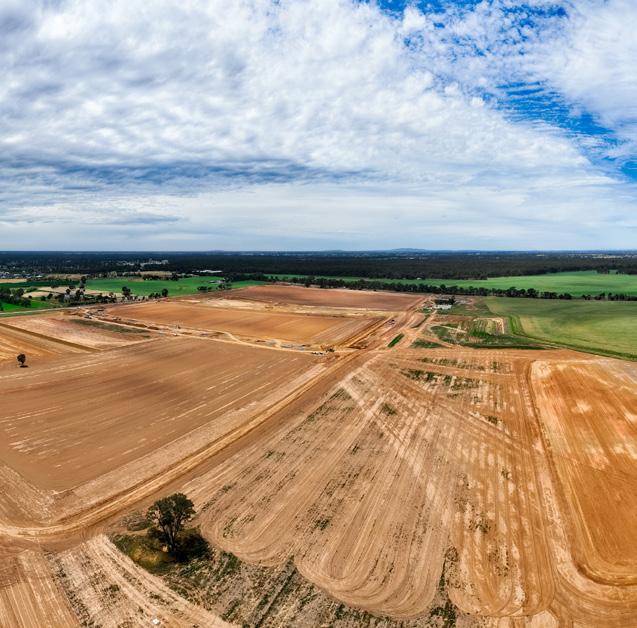
Stage 2 builds on the initial development of the Enterprise Park and focuses on expanding industrial land (an additional 40ha of fully serviced industrial land) and infrastructure to attract largescale commercial and logistics investment.
Key elements of Stage 2 works include:
Extension of Innovation Drive (including services) Realignment of the Goulburn-Murray Water drain to facilitate lot development Site grading and drainage works Industrial lots ranging from 3.5ha to 15ha
The estimated construction cost for Stage 2 is approximately $28 million. The release of land in Stage 2 is expected to generate hundreds of jobs and attract significant investment, driving long-term economic growth for the region.
Kialla
West Growth Area – Enabling Infrastructure
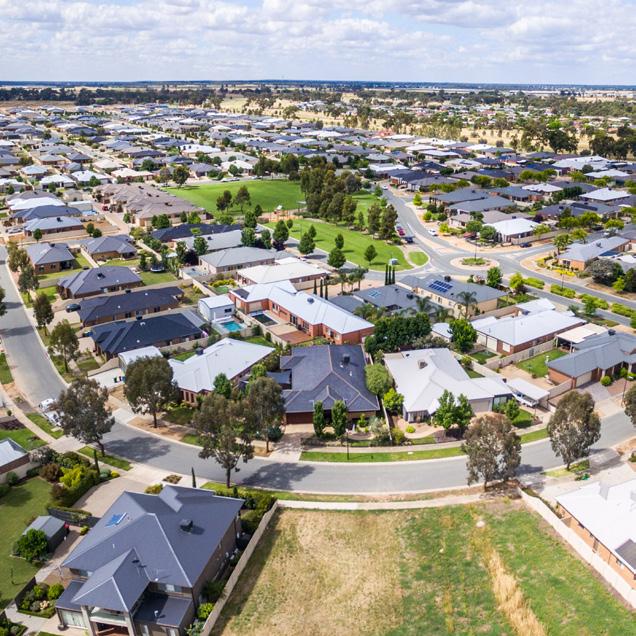
The partnership between Greater Shepparton City Council, Goulburn Valley Water (Region Water Corporation) and Villawood Properties (Developer) will unlock the Kialla West growth area that is a 271-hectare area in the south of Shepparton (Kialla) by creating up to 2,000 new homes. Constructing the enabling trunk infrastructure will deliver Stage 1, consisting of approximately 44 lots.
The key to delivering this much needed housing supply is commitment to bring forward funding for infrastructure and essential services, including extension of trunk sewer and water at a cost of $21 million.
GV Health Integrated Cancer Centre – Stage 2
GV Health is the only Regional Public Health Service in Victoria that does not have an Integrated Cancer Centre offering comprehensive cancer treatment facilities. This limits the scope of cancer services provided and requires patients to travel long distances for care, such as for treatment of head and neck cancers and other tumor streams.
Completing the full integrated Cancer Centre project is essential for addressing inequitable access to integrated, comprehensive cancer care in our region.
$90 million to fully deliver the Integrated Cancer Centre at the Shepparton Hospital.
Banmira Specialist School – Stage 2
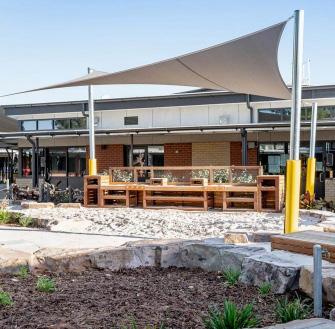
Banmira Specialist School (formerly Verney Road School) has served the Goulburn Valley for 25 years, provides high-quality, culturally safe education for children and young people aged 2.8 to 18 years with Intellectual Developmental Disorders.
Stage 2 will complete the relocation of Banmira (including Senior Campus) to a single, purpose-built site with capacity for ongoing growth and long-term enrolment projections at the former Wanganui Park Secondary College site.
Solutions
A coordinated, strategic approach is essential to realise these priorities and unlock regional growth, key actions include:
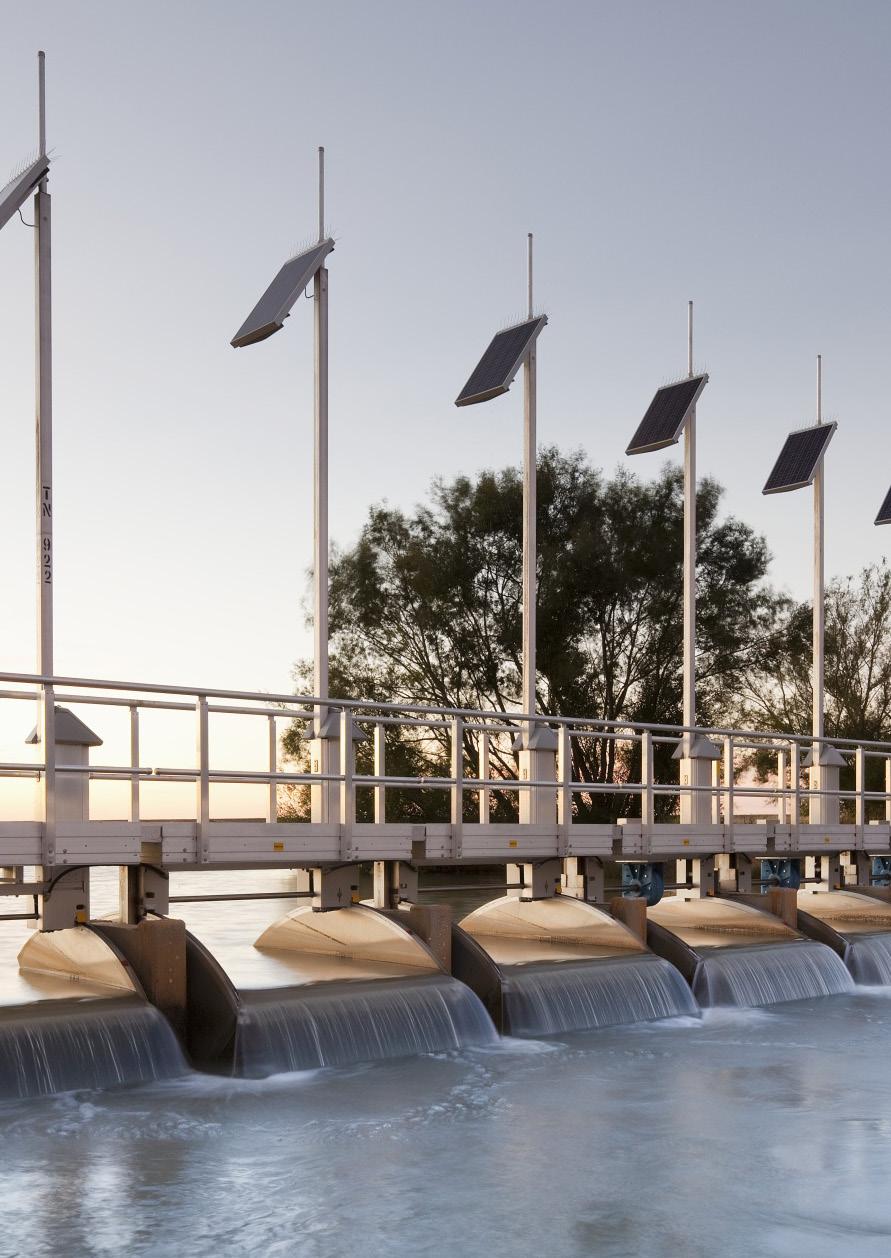
• Rationalising irrigation infrastructure and developing a strategic data platform to improve water management.
• Aligning water infrastructure with urban expansion plans to meet growth targets.
• Reconnecting waterways and wetlands for ecological and community benefits.
• Building workforce capacity and enabling future-focused agricultural practices.
• Advancing key projects such as:
• GV Link Enterprise Park – Stage 2, expanding industrial land and infrastructure to attract investment and create jobs.
• Kialla West Growth Area – Enabling Infrastructure, delivering essential sewer and water services to enable up to 2000 new homes.
• GV Health Integrated Cancer Centre – Stage 2, ensuring equitable access to comprehensive cancer care for regional communities.
• Banmira Specialist School – Stage 2, completing a purpose-built facility to support ongoing education and growth for children with developmental needs.
We strongly urge the Commonwealth Government to:
1. Fully commit resources from the Sustainable Communities Program to advance the Planning Our Basin Future Together prospectus and its Business Case, ensuring the timely delivery of critical projects.
2. Support the submissions from Goulburn-Murray Water and the seven Northern Victorian councils, prioritising funding for strategic, long-term outcomes, that will underpin regional growth, sustainability and community wellbeing.
3. Partner with local governments and industry to implement and deliver a coordinated, whole-of-government approach to transition planning, ensuring successful delivery of these vital projects.
The Commonwealth can support these solutions by partnering with the Victorian Government, local councils and industry, supporting long-term funding commitments, and adopting an integrated planning approach across water, housing, energy, and industry sectors.
MICHAEL CRISERA Grower Services Manager Fruit Growers Victoria
“Further buybacks would mean even less water is available on the allocation market - the impact on permanent horticulture, which has fixed water demands, and is highly reliant on the allocation market, especially in seasons when allocations are reduced, is potentially disastrous. In years of drought, with less water allocations/availability and higher water market prices, the horticulture businesses in regional communities are particularly vulnerable because permanent plantings require water to keep trees alive.”
ANDREW MANN Co-Chair of Goulburn
Murray Irrigation District
Water Leadership Group
“Community is critical to the region’s successful transition and requires a skilled ongoing focus in its own right - to work with and complement the work with irrigators and industry.”