
From the courage of our founders to the dreams of every generation— America’s story is still being written. Here’s to freedom. Here’s to the future. Here’s to America. Here’s to the next 250 years.







From the courage of our founders to the dreams of every generation— America’s story is still being written. Here’s to freedom. Here’s to the future. Here’s to America. Here’s to the next 250 years.
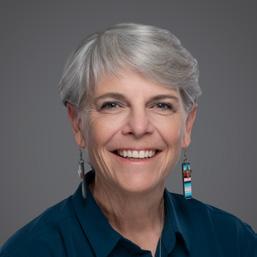
Thank you for picking up this special commemorative edition celebrating America’s 250th Birthday and the incredible spirit of Roswell and Chaves County. Special thanks to Molly Boyles, whose vision became a true community-wide celebration honoring our nation, our history, and our people.
A heartfelt thank you to our amazing committee, especially TJ Conyers and Sarah Mark, whose hard work, creativity, and dedication helped bring these celebrations to life. Thank you as well to the City of Roswell and Chaves County for their continued support and partnership throughout this historic year.
We also want to thank the countless volunteers who showed up at events, painted murals, planted flowers, carried flags, worked booths, cleaned up, set up, tore down, wrote articles and gave their time simply because they love this community. Your generosity and community spirit are what made Roswell 250 possible. Most importantly, thank you to our sponsors, organizations, businesses, and community members for believing in this vision and helping make it a reality. This celebration truly belongs to all of us.
Juliana Halvorson Roswell City Councilor
The Roswell 250 Committee has united the community through patriotic events celebrating America’s 250th birthday.
A reflection on America’s hard-fought journey to freedom and reminds readers to honor that sacrifice by valuing and exercising their right to vote.
Highlights of Pioneer Bank’s 125-year history of growing alongside southern New Mexico while providing trusted community banking and local leadership.
The Roswell Shakespeare Club, founded in 1902, brought generations of literary and cultural tradition to Roswell and remains one of the oldest Shakespeare clubs in America.
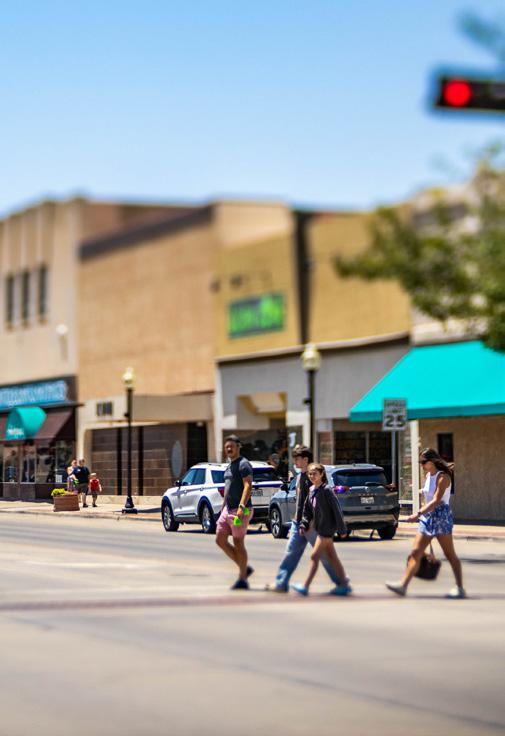
Roswell grew from a frontier farming and ranching community into a thriving center of commerce, culture, and innovation in southeastern New Mexico
Did you know John Denver, was born in Roswell?, He combined his passions for music, aviation, and exploration to become an internationally beloved icon.
Besides being the largest Strategic Air Command Base, Roswell’s little-known Cold War role was home to a massive radar system designed to detect distant nuclear tests.
Roswell Seed Company has served generations of New Mexicans for more than a century, blending agricultural innovation, family tradition, and hometown service.
The National Championship Air Races have brought one of the world’s premier aviation events to Roswell, combining high-speed competition, air shows, and economic growth for southeastern New Mexico.
Roswell’s rich history, unique landscape, and spaceflight legacy make it a place worth exploring and understanding.
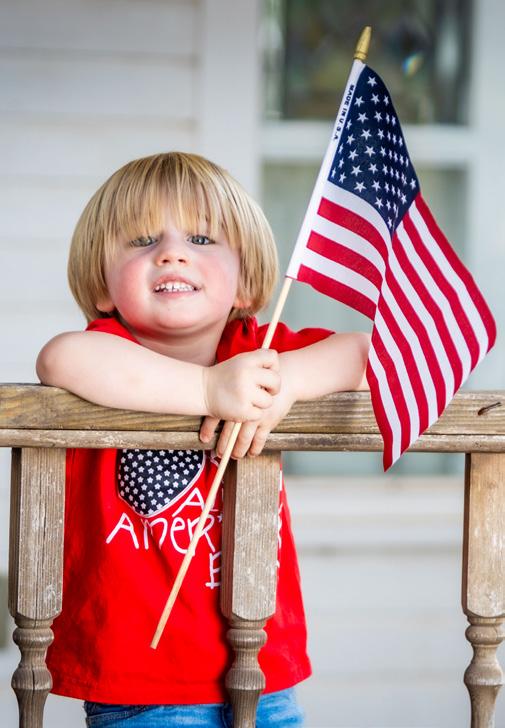
The article uses John McCain’s story of POW Mike Christian to remind readers that the Pledge of Allegiance represents sacrifice and freedom.
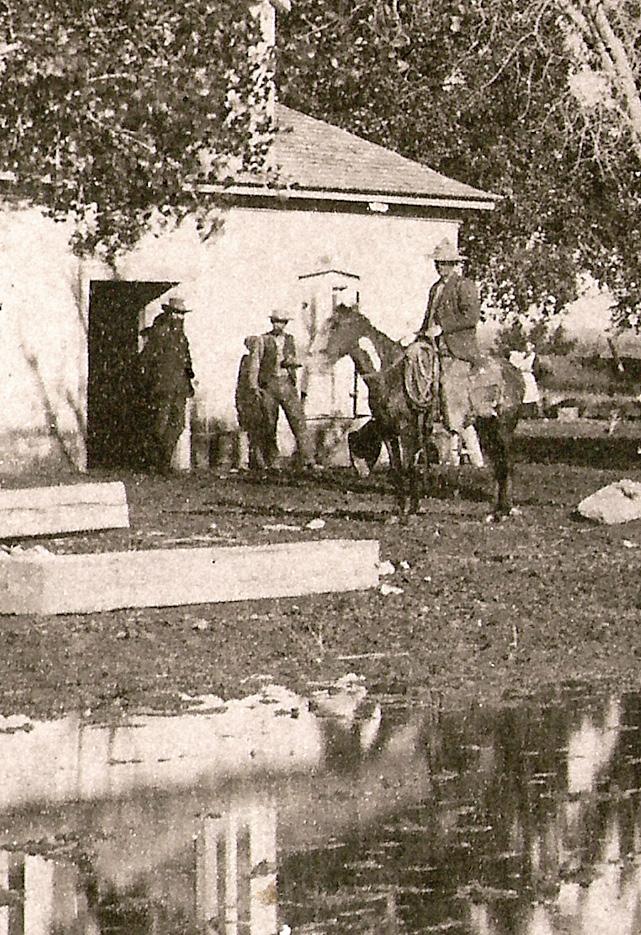
The article highlights how early pioneers James Patterson and Van C. Smith helped establish the foundations of Roswell through cattle, trade, and frontier enterprise.
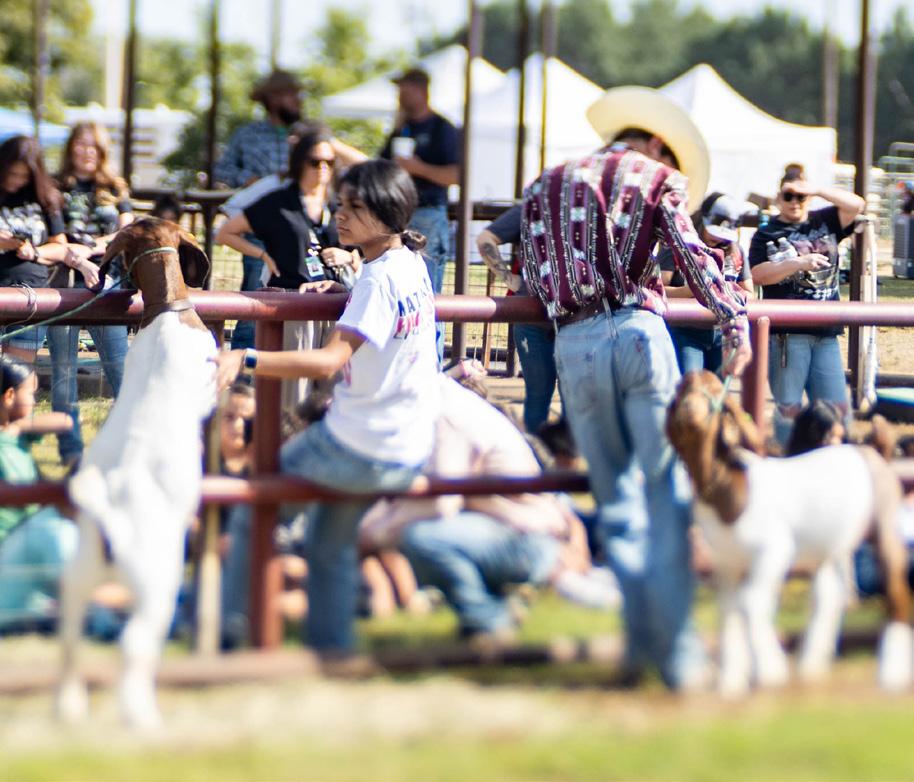
From the famous “Alfalfa Palace” to rodeos, carnival rides, and youth livestock shows, the Eastern New Mexico State Fair has celebrated southeastern New Mexico’s agricultural roots, ranching heritage, and community spirit for more than 100 years.
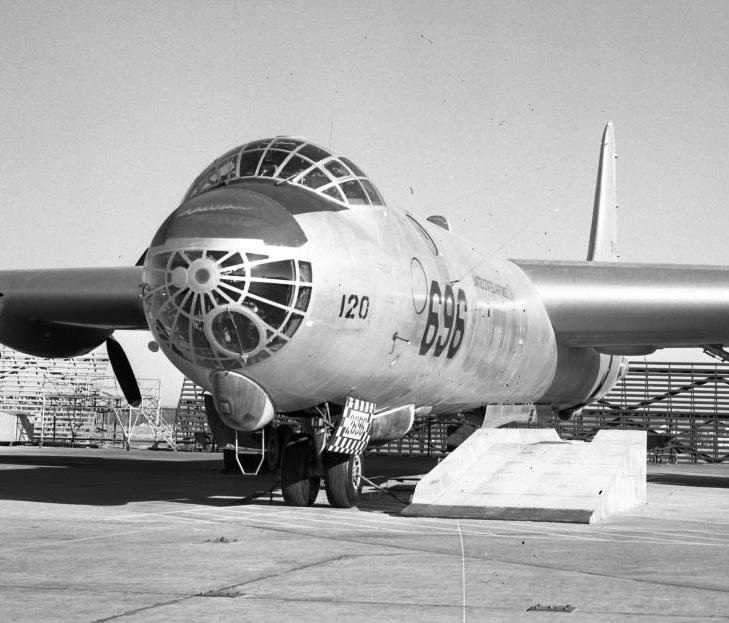
The article traces Roswell’s long aviation history, from its first biplane flight in 1910 to military aviation, the Cold War, and the arrival of the National Championship Air Races.
By: Eva McCollaum
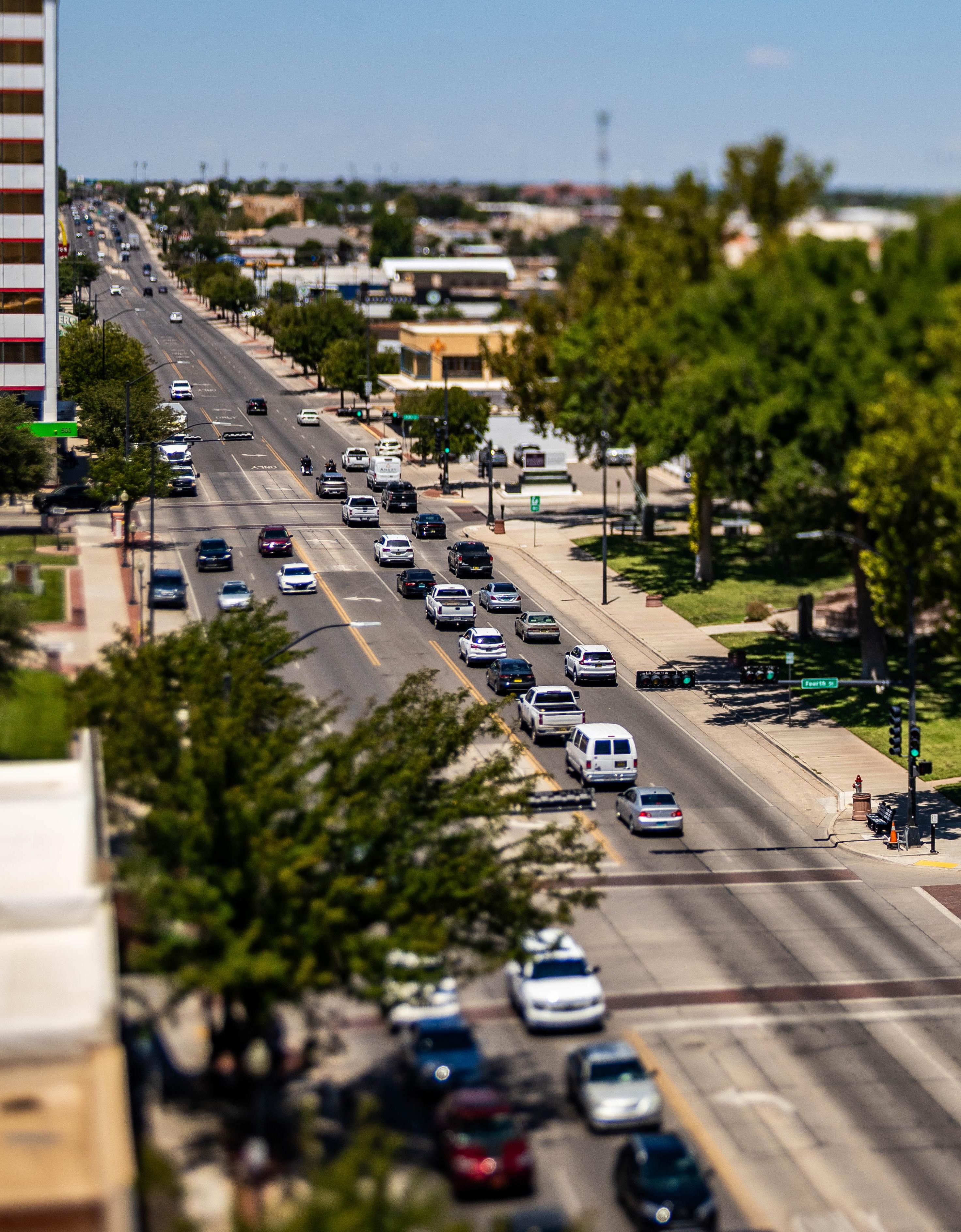
USING THE RICH, SURPRISING, AND OFTEN OVERLOOKED DETAILS OF ROSWELL, NEW MEXICO AS A GUIDE, HERE IS A REMINDER OF WHY IT PAYS TO STEP OUTSIDE, LOOK PAST THE OBVIOUS, AND TRULY EXPLORE YOUR OWN BACKYARD.
Roswell is just over 33 degrees North and 104 degrees West latitude and longitude. (Read 33° 23’39” N 104°31’22” W.) That is not something you need to know. That nerdy cartography trivia just makes it fun to contemplate that L.A., Dallas, Damascus, and Bagdad are all near the same parallel with us. Though you don’t have to know
such specific, esoteric information, people should know the ordinal directions of wherever they live. Grown-ups know this. For those who haven’t learned this the Sacramento mountains (part of the Rockies) are west of town, the caprock of the Great Plains is east of us, and here in the Pecos Valley the river runs north to south.
There are several subjects which folks should have a bit of stored away about where they live—i.e. geology, biology, history, industry, technology, and artistry. Around Roswell the geology verges on the magical. For example, when the miracle of rain occurs, rockhounds can search west of town to find beautifully formed quartz crystals,
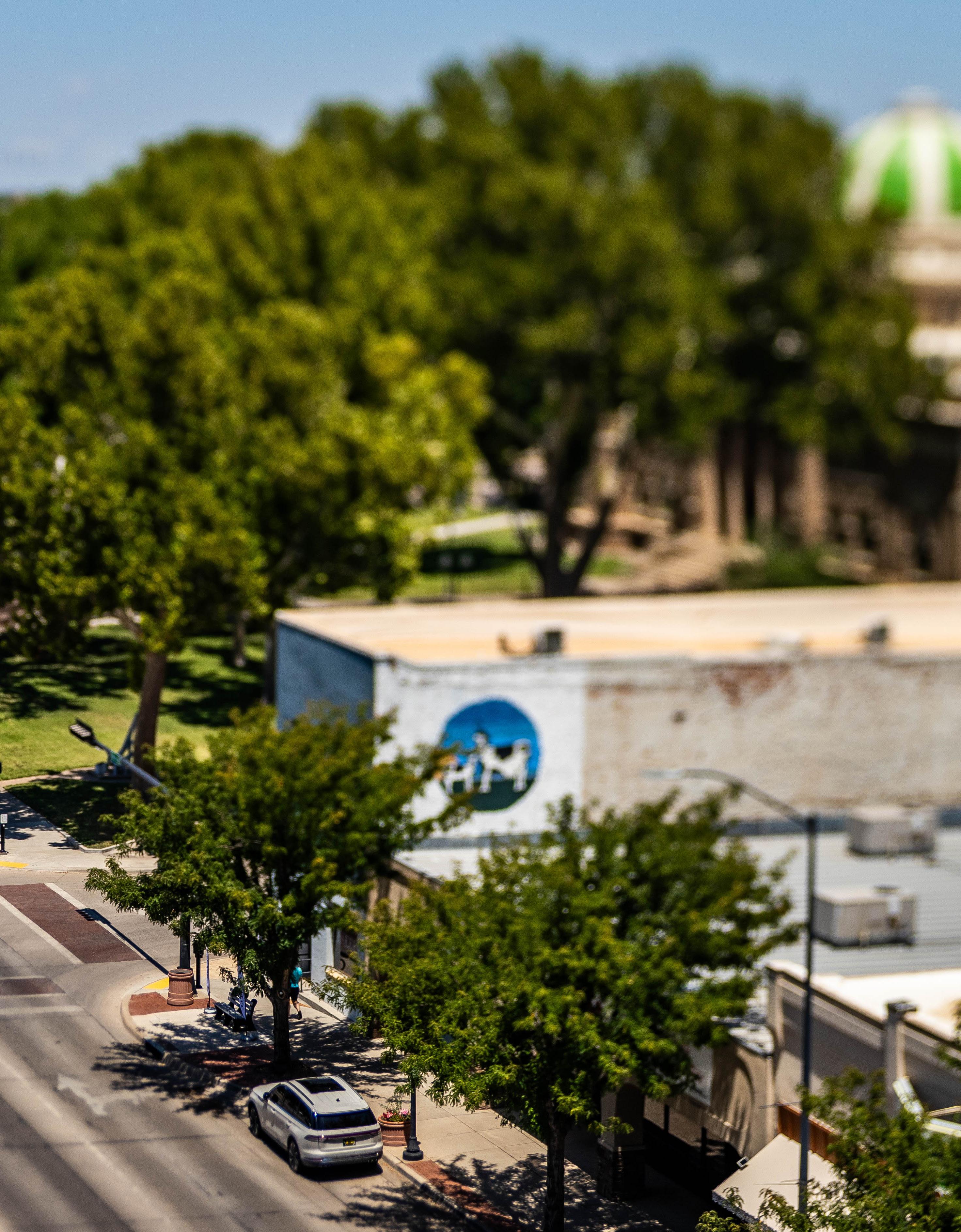
known as Pecos diamonds, washed to the surface and sparkling in the sun. Huge outcrops of pure gypsum called pink alabaster can be found throughout this watershed. In fact the gypsum, potash, and limestone deposits here are the among the reasons for the abundance of sink holes and caverns.
Travel east of Roswell to Bottomless Lakes State Park and Bitter Lake National Wildlife Refuge to see how our unique geology interacts with water. While there, people are bound to notice the widest variety of dragon and damsel flies on earth along with a huge number of waterfowl because our town is right on one of the great flyways of the Americas.
Tall grasses that indigenous tribes harvested for their grain heads and the Pecos Puzzle sunflower grow wild here. Because of the water and the soil, this has been an important agricultural area for centuries.
Early settlers drilled wells that shot water into the air the way oil wells do in the movies. Those early artesian wells are where Artesia got its name. That’s something people should know—how their town was named.
Roswell didn’t come from a
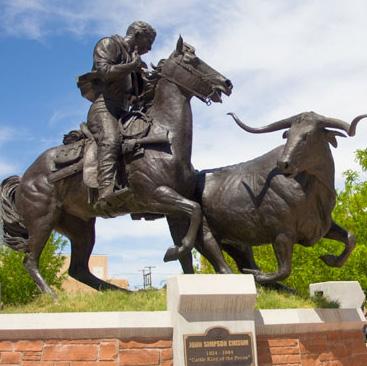
type of well or rock or even alien. The name came from Van C. Smith who, according to John LeMay of the Historical Society for Southeast New Mexico, was an inveterate gambler. He built a trading post and post office here in 1869. When the government granted the post office official status, Smith named it Roswell—his father’s first name. So, our town’s name is from some Indiana patriarch of the 19th century. It might have made more sense to have named the town Chisum, since he was one of the leaders of the biggest industry at that time—cattle. That’s something people should know about where they live. What industries form the economic heart of the community?
Agriculture always figures in here, from cattle to apples and now pecans. By turns we also have ties to extraction (oil and gas) in the Permian Basin, the US military, scientific research, and tourism.
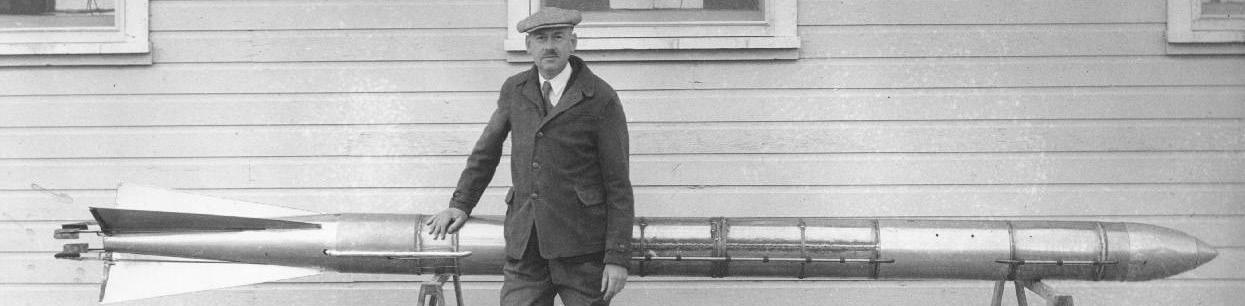
Though the Roswell Incident pulls in fans of extraterrestrials, another space legacy is ours. People should know their town’s technological significance. Our space legacy goes back a century to when Robert H. Goddard launched the age of space flight on March
16, 1926. Though born in Worcester, Mass in 1882, Goddard did most of his important experiments right here in Roswell. An imaginative physicist and gifted engineer, he dreamed of sending a rocket to the moon. At that time, it seemed like a crazy idea and now it’s old-fashioned.
Through their artistry, citizens bring together all these important parts of their towns. Roswell offers insight into many of the things we folks need to know about our home. Go downtown, just east of the post office and see John Chisum’s statue right where he once lived. Turn north and in just a few blocks see the sculpture of Robert Goddard and his first liquidfilled rocket. Go further north, to College Blvd, and turn east. In front of a gray and white building you’ll see a metal tree. There waits the Anderson Museum of Contemporary Art. Go in and find the huge pink sculpture of a hippo’s mouth. It’s carved from pink alabaster, our alabaster.
There you go. There’s a start on what you ought to know about your town. Now go out and explore. This is just the start.
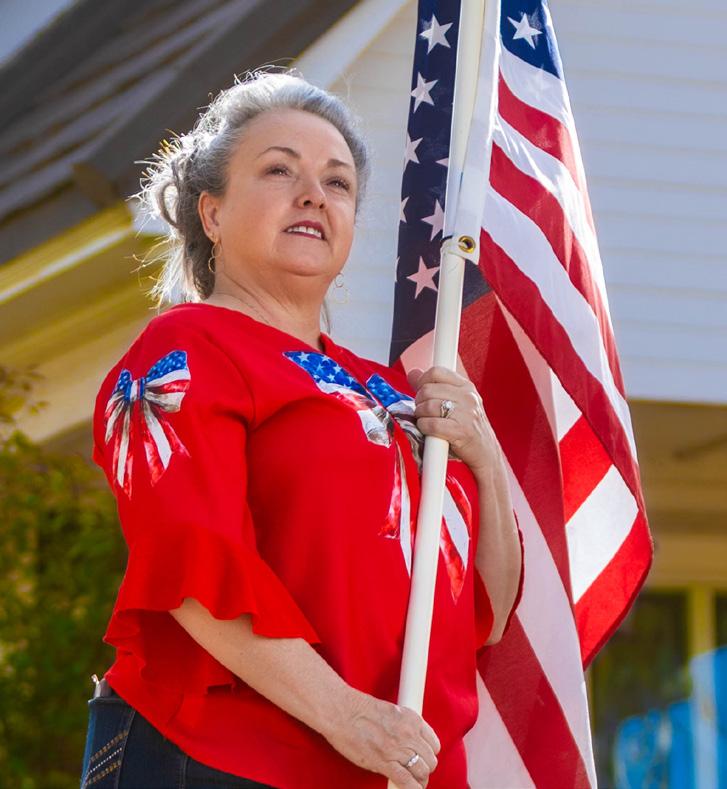
This year, we are celebrating the 250th anniversary of the birth of our nation. Some will recognize and appreciate what has gone into obtaining and maintaining our independence more than others.
All of us have said the Pledge of Allegiance many times. We have recited it so often that we do it ritualistically. The words become mechanical, and they lose their meaning. Yet we should never take the pledge for granted.
I heard this story several years ago and found it so powerful that I taped it and typed it out word for word myself. When I heard it, patriotic music was playing in the background. It made me proud to be an American.
The account was told by John McCain about his time as a prisoner in Vietnam. Here is what he shared:
“As you may know, I spent five and one-half years as a prisoner of war during the Vietnam War. In the early years of our imprisonment, the NVA kept us in solitary confinement, two
By: Rick Kraft
or three to a cell. In 1971, the NVA moved us from these conditions of isolation into large rooms with as many as 30 to 40 men to a room. This was, as you can imagine, a wonderful change and was a direct result of the efforts of millions of Americans on behalf of a few hundred POWs 10,000 miles from home.
One of the men who moved into my room was a young man named Mike Christian. Mike came from a small town near Selma, Alabama. He didn't wear a pair of shoes until he was 13 years old. At 17, he enlisted in the U.S. Navy. He later earned a commission by going to Officer Training School. Then he became a Naval Flight Officer and was shot down and captured in 1967. Mike had a keen and deep appreciation of the opportunities this country and our military provide for people who want to work and want to succeed. As part of the change in treatment, the Vietnamese allowed some prisoners to receive packages from home. In some of
these packages were handkerchiefs, scarves, and other items of clothing. Mike got himself a bamboo needle. Over a period of a couple of months, he created an American flag and sewed it on the inside of his shirt.
Every afternoon, before we had a bowl of soup, we would hang Mike's shirt on the wall of the cell and say the Pledge of Allegiance. I know the Pledge of Allegiance may not seem the most important part of our day now, but I can assure you that in that stark cell it was indeed the most important and meaningful event.
One day, the Vietnamese searched our cell, as they did periodically, and discovered Mike's shirt with the flag sewn inside and removed it. That evening they returned, opened the door of the cell, and, for the benefit of all of us, beat Mike Christian severely for the next couple of hours.
Then they opened the door of the cell and threw him in. We cleaned him up as well as we could. The cell in which we lived had a concrete
slab in the middle on which we slept. Four naked light bulbs hung in each corner of the room. As I said, we tried to clean up Mike as well as we could. After the excitement died down, I looked in the corner of the room, and sitting there beneath that dim light bulb, with a piece of red cloth, another shirt, and his bamboo needle, was my friend Mike Christian. He was sitting there with his eyes almost shut from the beating he had received, making another American flag. He was not making the flag because it made Mike Christian feel better. He was making that flag because he knew how important it was to us to be able to pledge our allegiance to our flag and country. So the next time you say the Pledge of Allegiance, you must never forget the sacrifice and courage that thousands of Americans have made to build our nation and promote freedom around the world. You must remember our duty, our honor, and our country.”
Senator McCain finished by sharing the words we too often take for granted:
“I pledge allegiance to the flag of the United States of America and to the republic for which it stands, one nation under God, indivisible, with liberty and justice for all.”
May we not forget those who have served and suffered so we can stand and share this pledge. May we not forget those serving today so we can have the freedoms we too often take for granted. So remember, when you stand, place your hand over your heart, and speak the Pledge of Allegiance, the Mike Christians who have gone before us and who have given all they had, including their very lives, so that we can say the pledge. The words should not be ritualistic, but meaningful words of significance.
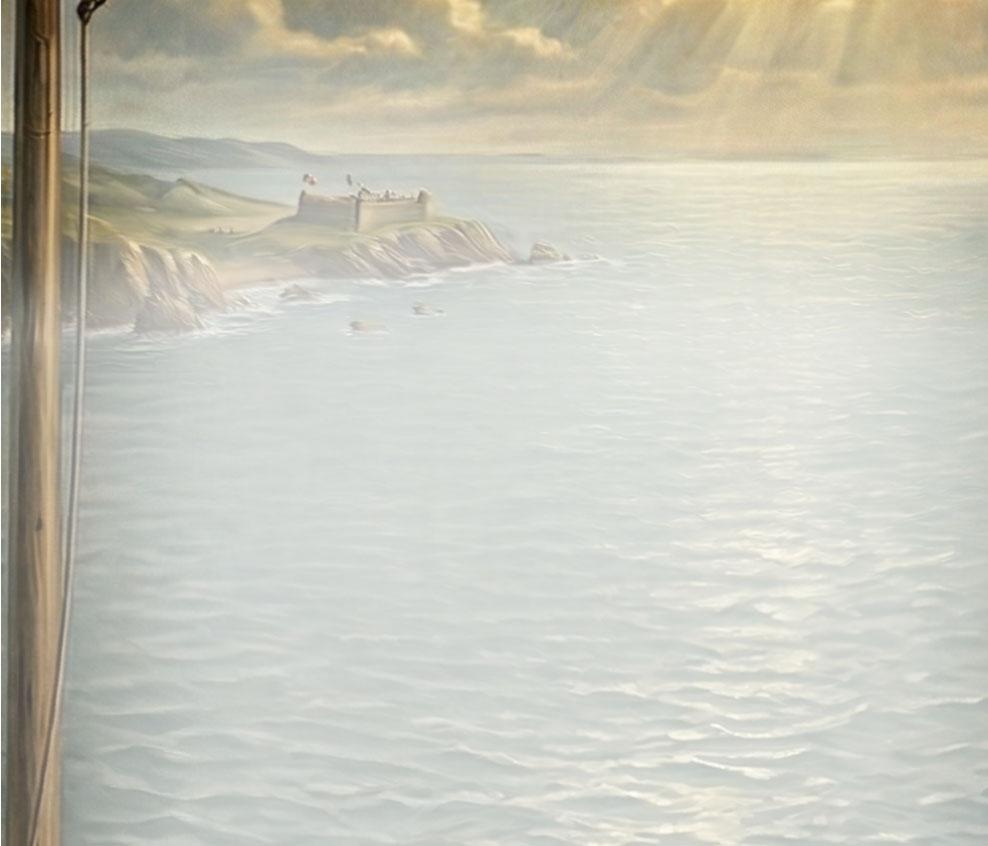
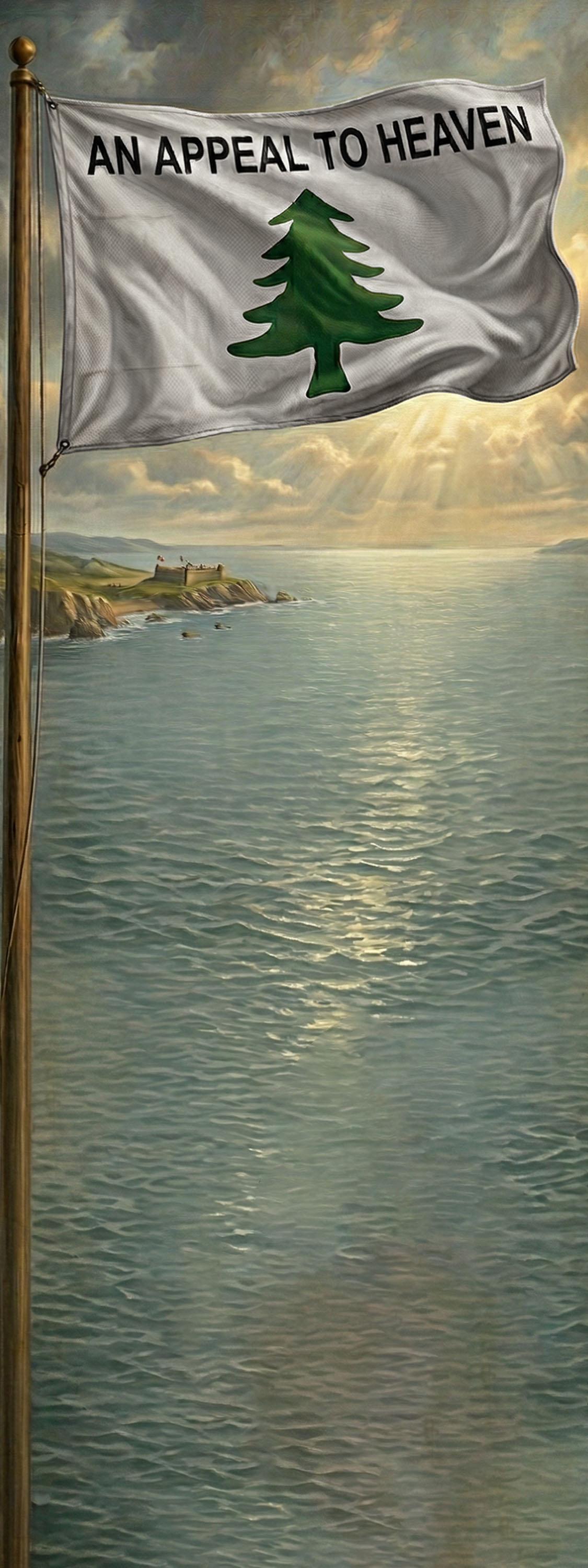
In 1775, the American Colonies faced an extreme challenge in their quest for freedom from British oppression. As separate colonies without an army or navy, they had no flag to fight under. Realizing this, George Washington personally commissioned the construction of six ships and a new flag for his troops to rally around. The flag featured a white field with a green pine tree and the bold words, “AN APPEAL TO HEAVEN”. This phrase was inspired by philosopher John Locke, who argued that when a government becomes tyrannical and earthly remedies fail, a people may “appeal to heaven” and rise up through revolution.
Washington’s flag and its prayer quickly became synonymous with America’s struggle for liberty. The very thought of defeating the vast military might of Great Britain would be impossible unless the God of Heaven moved to intervene on their behalf. Soldiers at Bunker Hill flew this flag during the siege of Boston, and it was a mainstay on colonial naval vessels as they rampaged British supply ships. This slogan became a rallying cry for the country and sustained our troops through the tough times in battle.


As we approach America’s 250th anniversary, we find ourselves once again in a decisive battle for the soul of our nation. To secure our future, we must reclaim our godly heritage and boldly raise an "Appeal to Heaven." By seeking Divine intervention just as Washington did, we can preserve our liberty from every threat both without and within.
By: John LeMay
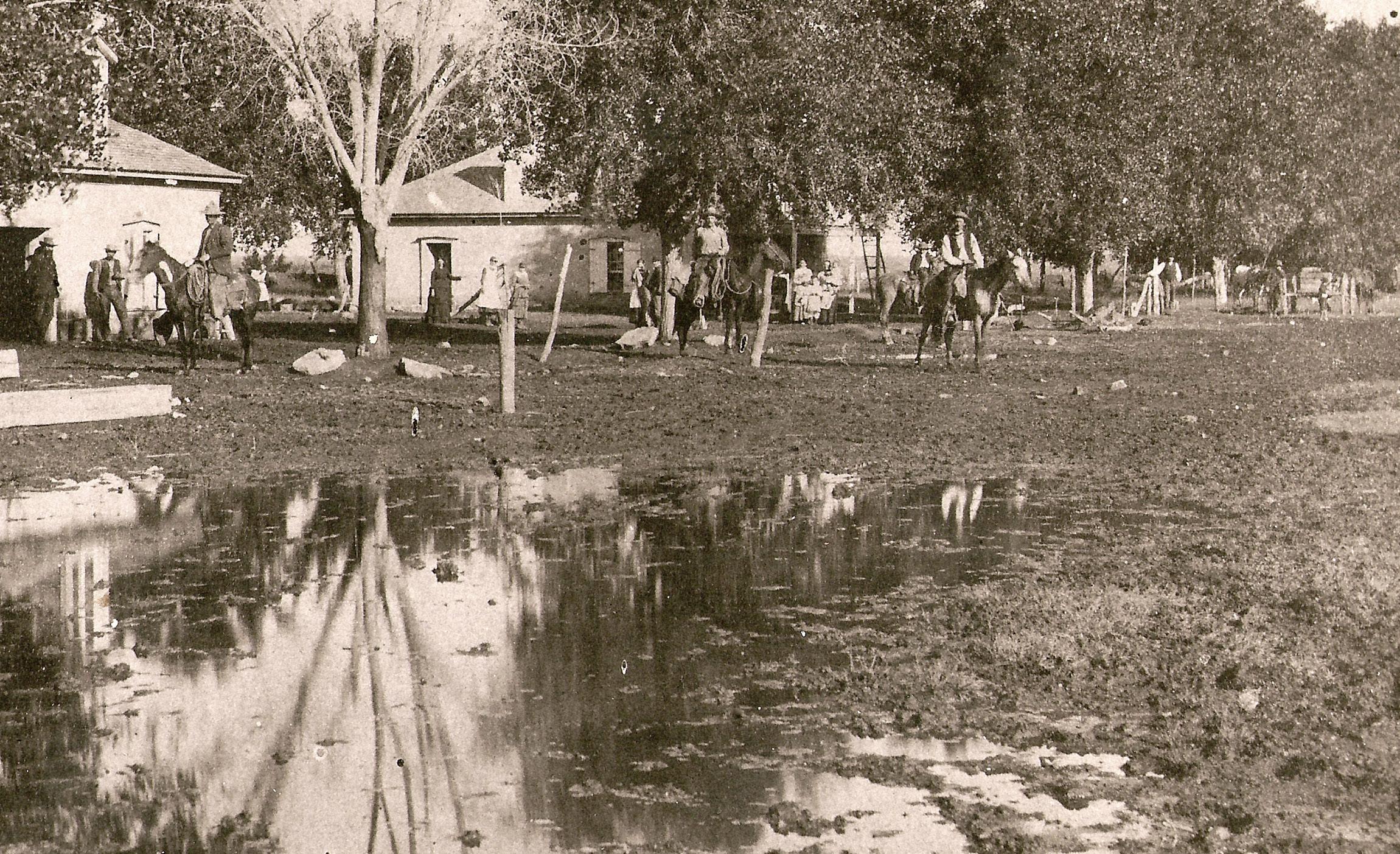
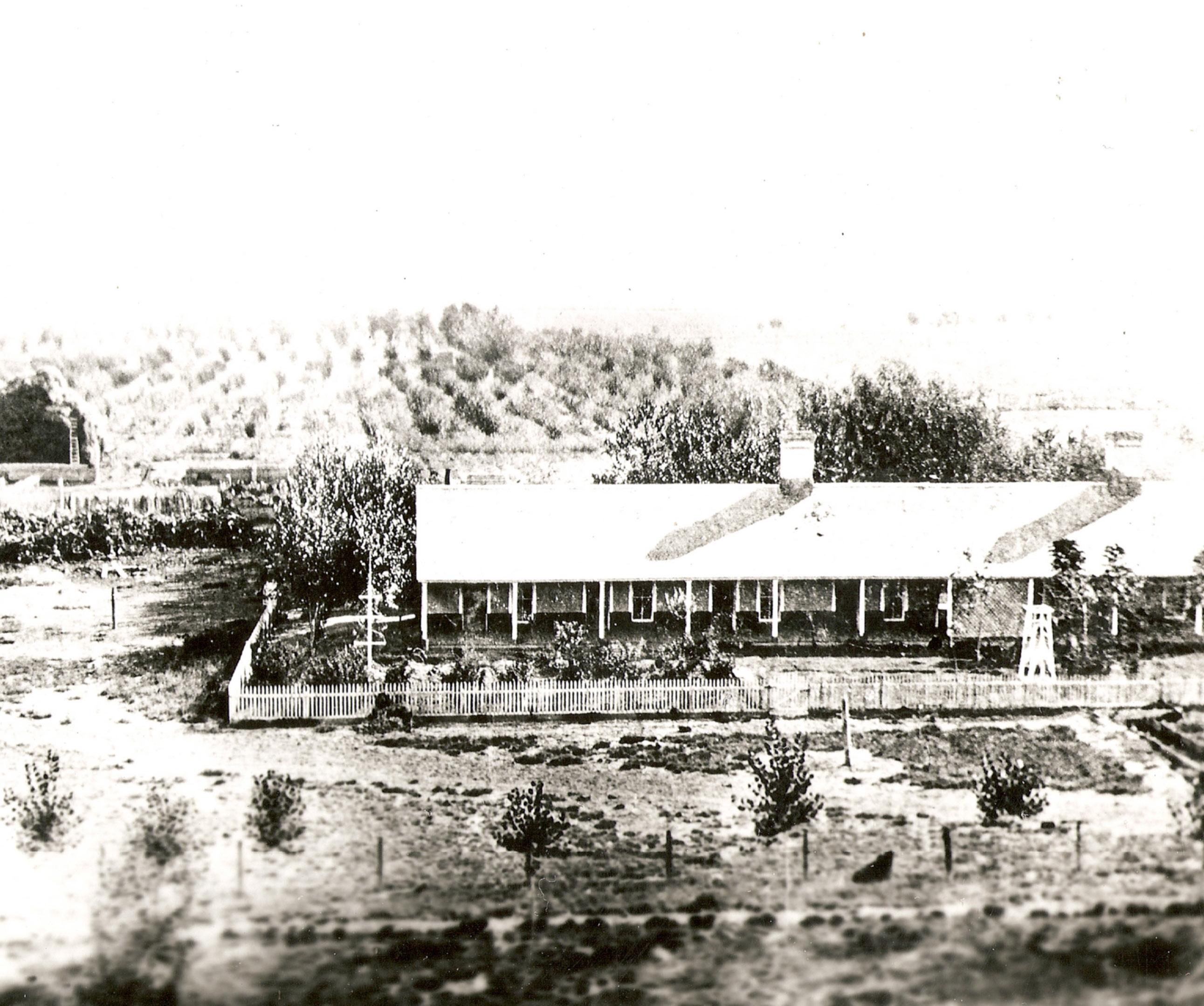
Though Captain Joseph C. Lea is known as the “Father of Roswell” several men before him had a major part in cultivating the area. Before Lea was not only Van C. Smith, but also James Patterson, a cattleman often relegated to the footnotes of history. Patterson was quite a trailblazer, who drove a herd of cattle into New Mexico from Texas before even Oliver Loving and Charles Goodnight. Before this Patterson had been a beef contractor for Fort Sumner Indian Reservation and also Fort Stanton during the Civil War.
Where today stands Pioneer Plaza in Roswell, about 150 years ago Patterson recognized the spot as an excellent place to build a small 15x15 foot adobe trading post. The reason the spot was “prime real estate” as we would call it today was its close proximity to the Hondo and Spring Rivers that used to flow abundantly through the area. Because of this, many cattle drives stopped to water their herds in this area. Patterson even had some close ties to John Chisum, the future “Cattle King of the Pecos” before Chisum ever drove cattle into New Mexico. The two knew one
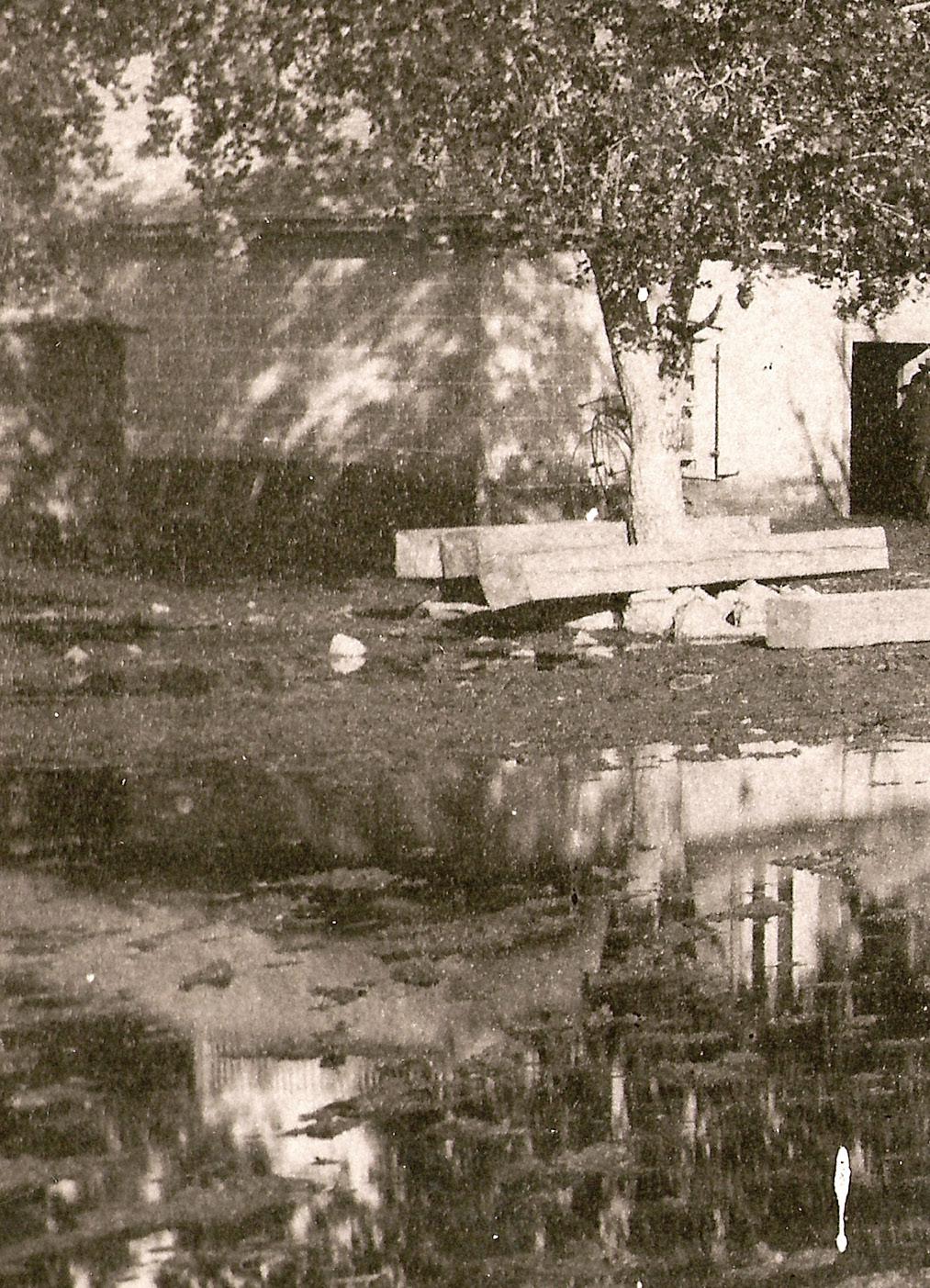
another in Texas, and among Patterson’s trail hands during his cattle drives from Texas to New Mexico was none other than John Chisum’s younger brother, Pitzer. In addition to this, it was even Patterson who eventually sold Chisum some land north of Roswell called Bosque Grande (“Big Woods”) which was the cattleman’s first base of operations in New Mexico before moving to South Springs—also traded to Chisum by Patterson.
After selling the trading post to Van C. Smith, Patterson, disappeared from history’s view for nearly all of the 1870s.
Patterson is next found in the annals of history in the middle of a gold mining venture and a murder in Georgetown, NM, in 1880. On February 23, 1880, Patterson killed a man named John Powers, and was later tried for the killing that July. So the story goes, Powers owed Patterson money and the killing naturally took place inside of a saloon. Patterson had invited Powers to drink with him, and when he didn’t after several invitations, he became enraged. A shouting match followed, and Patterson soon shot Powers.
Patterson’s neck was saved from the hangman’s noose by none other than famous lawyer Col. Albert J. Fountain (who would one day mysteriously vanish crossing the White Sands in 1896). Despite the fact that Patterson had shot Powers more or less in cold blood, Fountain managed for Patterson to be convicted for only fourth degree murder, and thusly only had to spend one year in the county jail.
Patterson is next found in Silver City in 1892 via his August 2nd obituary. It seems Patterson owned a mine called Gold Hill with another man, Idus L. Fielder, when Patterson was attacked at his home by a drunken and disgruntled worker named Esequel Mena. The two had quite a gunfight. Patterson fired twice, getting Mena first in the hand and then the heart. Mena fired three shots at Patterson, one of which ripped through his stomach. Patterson lived on for nearly
an entire day before expiring, and left behind a wife and two children. He was buried in the Gold Hill Cemetery. (For more information on this pioneer of the area see Morgan Nelson’s “First Among the First: James Patterson 1833-1892” available at the HSSNM)
To digress, long before Patterson’s demise, he sold his trading post to Van C. Smith sometime around 1869 or 1870. Though for many years Smith
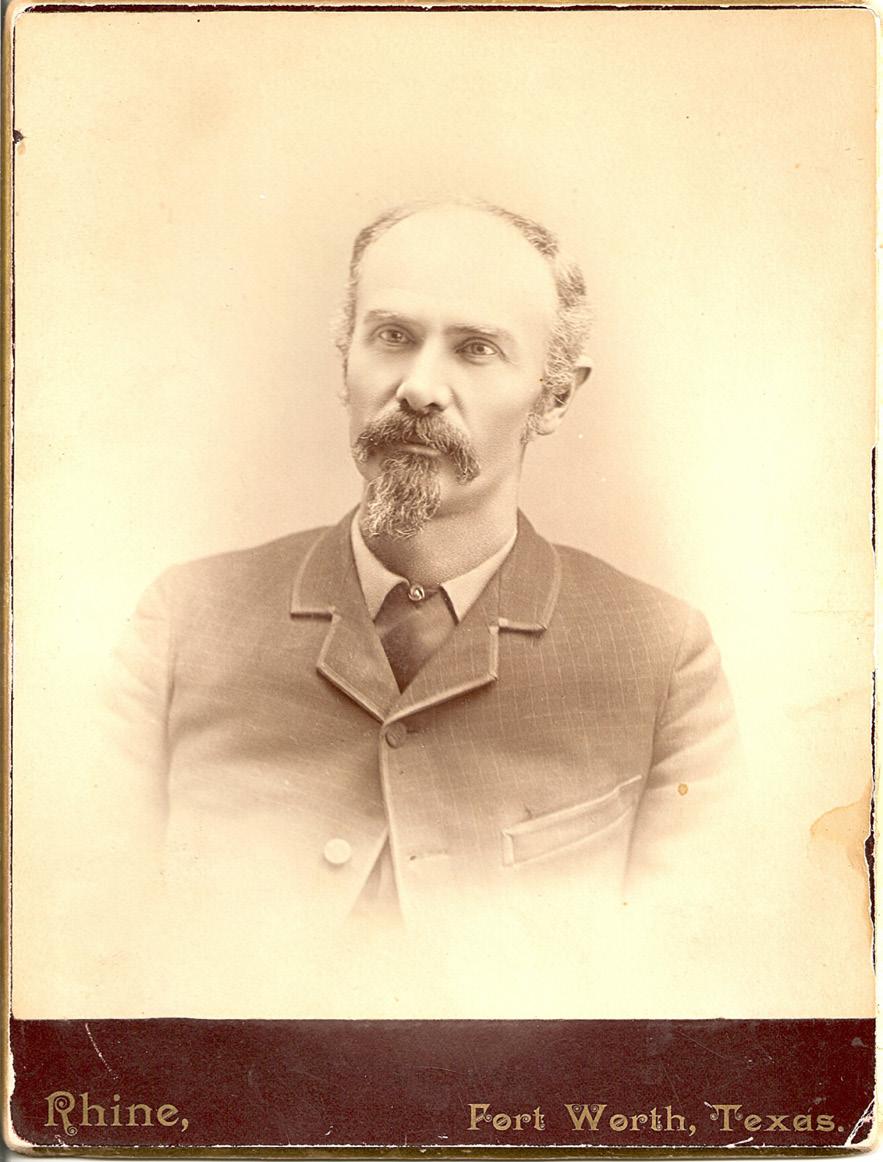
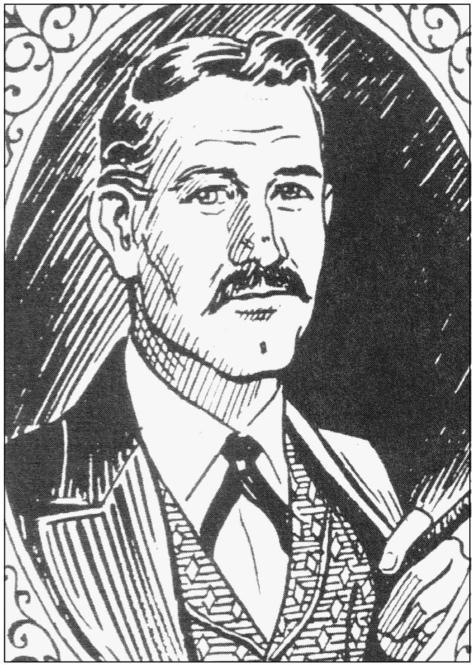
had a nebulous history much like Patterson, Frederick Nolan managed to dig up quite a bit of information on Smith for his article “Van C. Smith: ‘A Very Companionable Gentleman’” for the New Mexico Historical Review. Van Ness Cumming Smith was born to Roswell Smith and his wife Harriett Cummings Smith in
Vermont on July 12, 1837. Smith’s very first scheme was to leave home at a young age to pursue the California Gold Rush. Though he didn’t strike it rich in California, Smith eventually made a name for himself in Arizona as one of the first settlers of Prescott. Though in his mid-twenties, Smith was a well-respected man in Arizona
Territory, and even served as a guide for Joseph Pratt Allyn (associate justice of the territory) when he first entered the area.
By 1865, Smith was the first man in the recorded history of Arizona to be appointed Sheriff there, specifically in Yavapai County. In 1868 Smith was in Omaha, Nebraska, where he cemented for himself the reputation of a gentleman gambler. By 1869 he was in Las Vegas, New Mexico, where he met Ash Upson (a future postmaster of what would become Roswell). At the rumored suggestion of Santa Fe Ring boss Thomas Catron, Smith meandered down to a place then known as Rio Hondo, where he bought Patterson’s old trading post. Smith wasted no time in adding onto the post and constructing an adjacent post office/general store. Smith was even more successful than
Patterson at his endeavor, and soon Smith’s place became a notorious gambler’s haven. Ash Upson described the place thusly in an 1892 article for the Roswell Record, “Van’s sporting proclivities could not be suppressed. He had a pack of beagle-hounds, and killed a yearling or two year-old every day to feed them. He made a trip to New York, Philadelphia, Baltimore, Richmond, Va., and other cities and brought back race-horses, game chickens and an un-conquerable bulldog ‘Old Crib.’ He laid out two parallel halfmile racetracks, now plainly visible, from his store to the Rio Hondo, and built a fantastic judge’s stand near the store. His place was visited by dozens of sporting-men from Santa Fe, Las Vegas, Albuquerque, and even from the States. Horse-racing, cock-fighting, dog-fighting, badgerbaiting furnished daily amusement, whilst card-playing continued, often, throughout the night. Van was a jovial fellow, big-hearted and generous. Whilst a dozen or two workmen were employed on his buildings, he would call them when a race, or other excitement, was about to take place, and, although they were working by the day, would insist that they quit work and see the fun.
At this usually deserted, lonely, isolated place, a hundred men have assembled, on more than one occasion, and lingered, too, as long as possible; for the temptation was great. The best whiskey and cigars that money would buy, faro, monte, poker and other short card games allured
many, and toothsome viands many others. Van had a good housekeeper and a most excellent cook. There was no luxury that money could buy that could not be found at his table.”
When it came time to name the place in 1872, Smith chose to call it after his father Roswell Smith. Ironically, many concur that Roswell Smith never set foot in Roswell, though there is at least one report found by Frederick Nolan that states,”[Van Smith’s] father, ‘Old Man Smith’ lived in a choza on what the local people called El Loma de Viejo “Old Man’s Hill”…about two miles Northwest of Roswell.”
Van Smith neglected one important matter that eventually led to his losing of the property when he forgot to secure a patent for his homestead entry on the land. And so Smith went off to Santa Fe where he continued his adventuresome life running a casino. On June 26, 1876, Smith engaged in a gun duel with Joseph Stinson in the streets which he won. After this Smith had several more adventures such as serving as an Indian Scout on the trail of Victorio, though he spent most of the later portion of his life prospecting in Old Mexico. He died on August 29, 1914, at the Old Pioneer’s Home in Prescott, Arizona. So as one can see, though they never quite earned the moniker of “the Father of Roswell” as Captain Joseph C. Lea eventually did, both James Patterson and Van Smith lived adventuresome lives in the Old West.
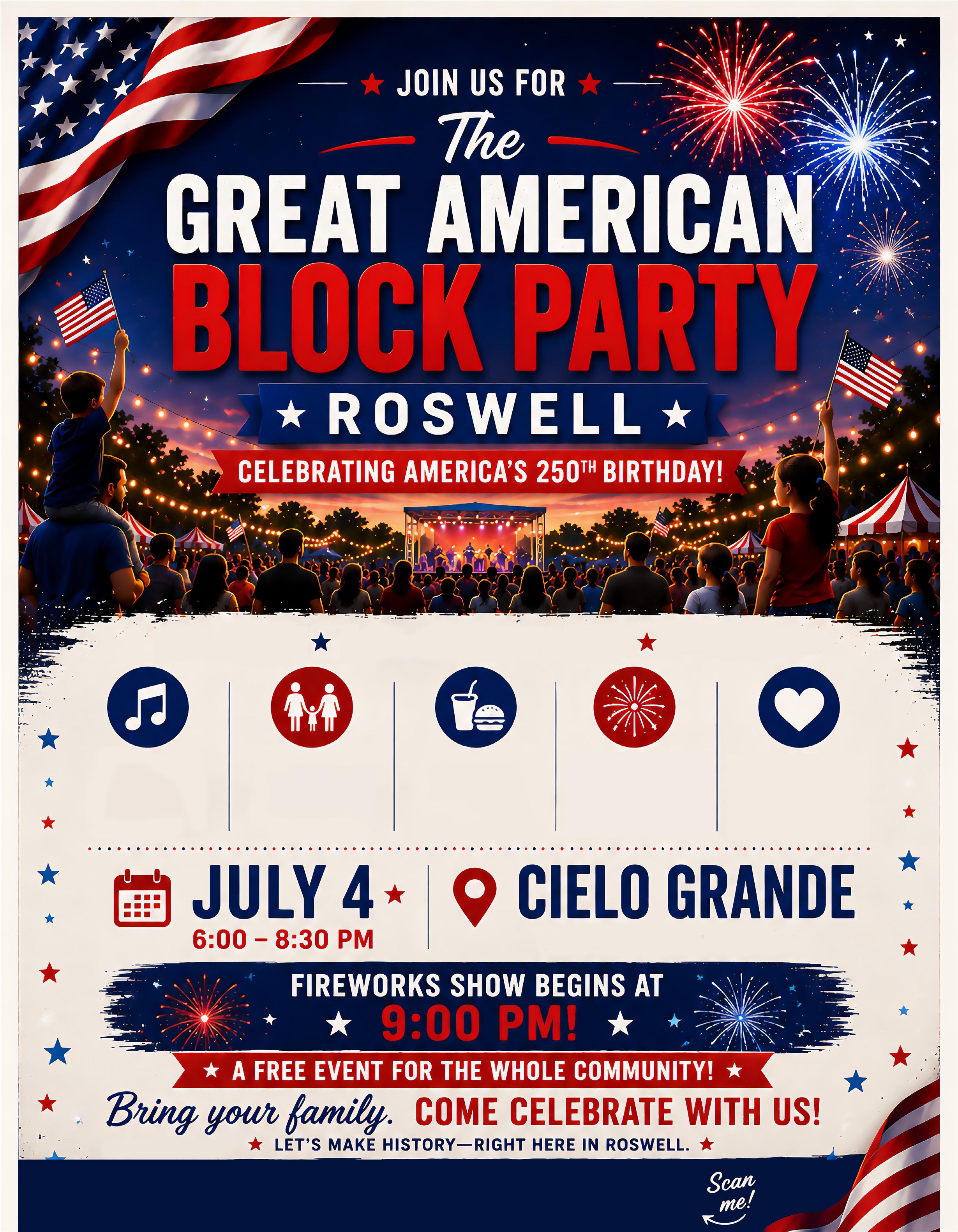

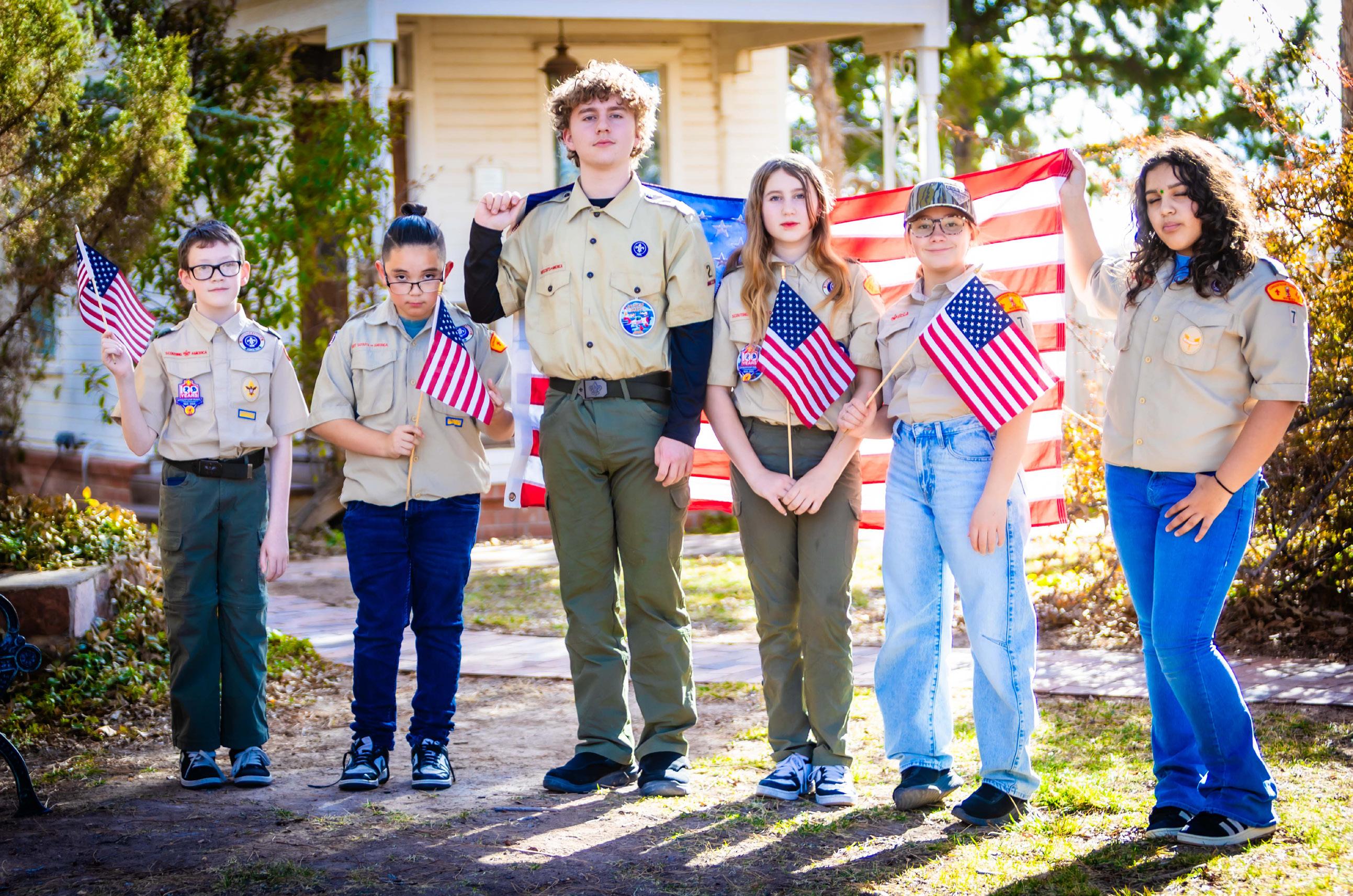
ROSWELL 250 CONTINUES BRINGING PEOPLE TOGETHER THROUGHOUT 2026
As America celebrates its 250th birthday, the Roswell 250 Committee has been hard at work bringing our community together in a spirit of patriotism, pride, and celebration. A dedicated committee of local patriots came together with one goal in mind: to create meaningful community events throughout 2026 that honor our nation’s history while celebrating the people and traditions that make Roswell and Chaves County so special.
Planning for Roswell 250 began long before the celebrations started, and that work continues today as new ideas, activities, and opportunities are developed for the community to enjoy throughout the year. Thanks to the generous support of the sponsors listed on this page, we have been able to host a wide variety of familyfriendly events and patriotic activities already in 2026, with many more still to come (these are just a few of the ones we have completed).
From volunteer projects and community beautification efforts to patriotic displays, mural projects, special programs, and public celebrations, Roswell 250 has been built by the community, for the community.
We want to sincerely thank our sponsors, committee members, volunteers, and everyone who has attended and supported these events so far. Thank you to Carolyn Sidd, the Roswell JOY (Just Older Youth) Writers and all the contributing authors to this publication. Your enthusiasm and participation are what make this celebration so meaningful.
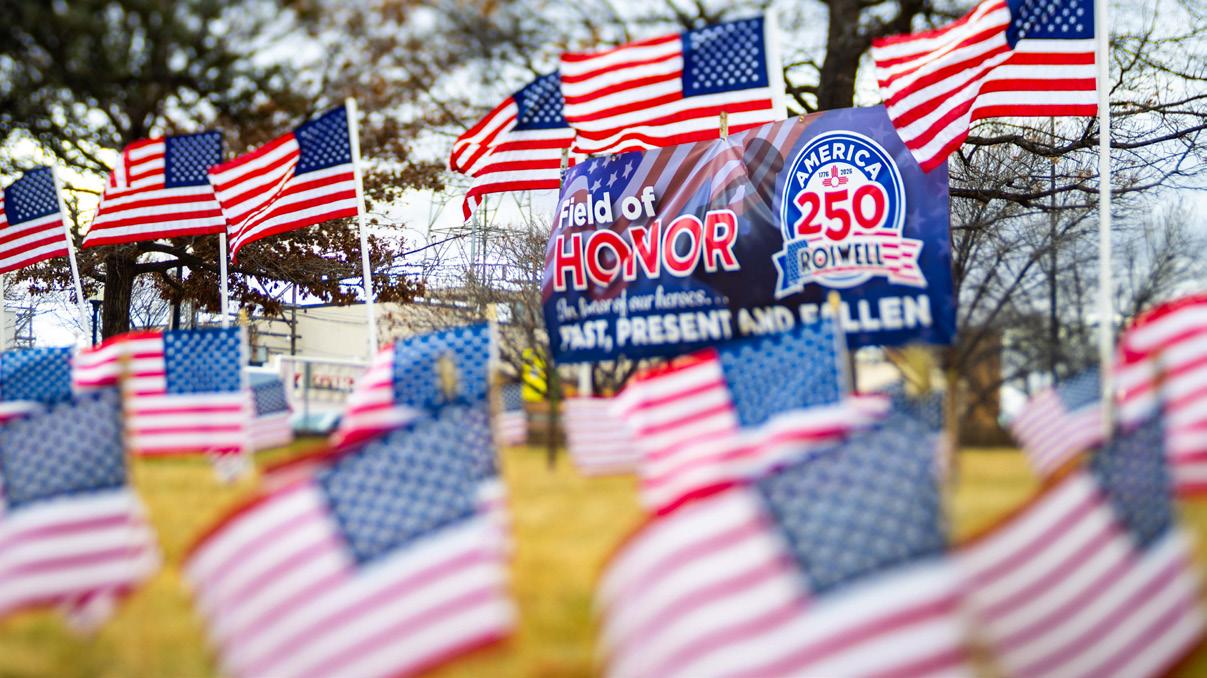
The Field of Honor at Pioneer Plaza is a beautiful tribute to the heroes, loved ones, veterans, and patriots who have touched our lives.
Hundreds of American flags proudly waved in the New Mexico wind, creating a powerful display of remembrance, gratitude, and patriotism.
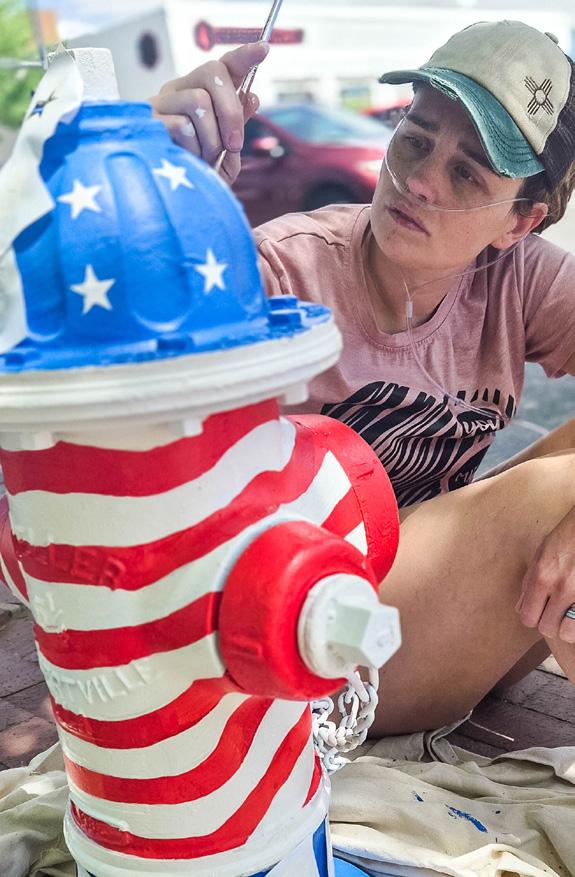
Volunteers and artists are painting fire hydrants throughout downtown in red, white, blue, and other patriotic themes to celebrate America’s 250th birthday. Thank you to everyone helping bring more color, creativity, and community pride to our streets!





Sen. Candy Spence Ezzell

Commissioner Cliff Waide
Commissioner Richard Taylor
Holsum Inc.
Coll Bros. Law, LLC
Coll Bros. Oil
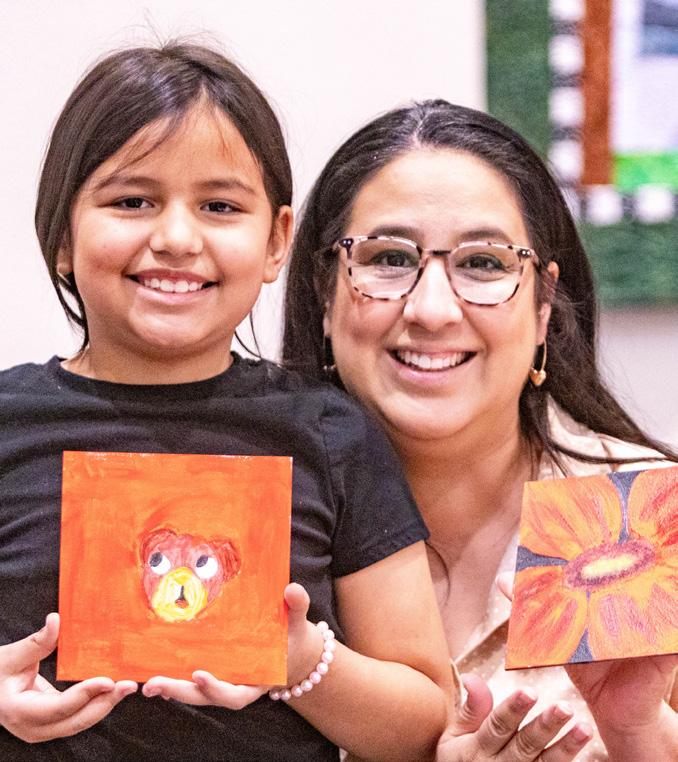
The American Eagle Community Mural brought people of all ages together to paint individual tiles that will become one beautiful patriotic masterpiece. Once completed, the mural will be proudly displayed at Pioneer Plaza as a lasting symbol of community, creativity, and American pride.
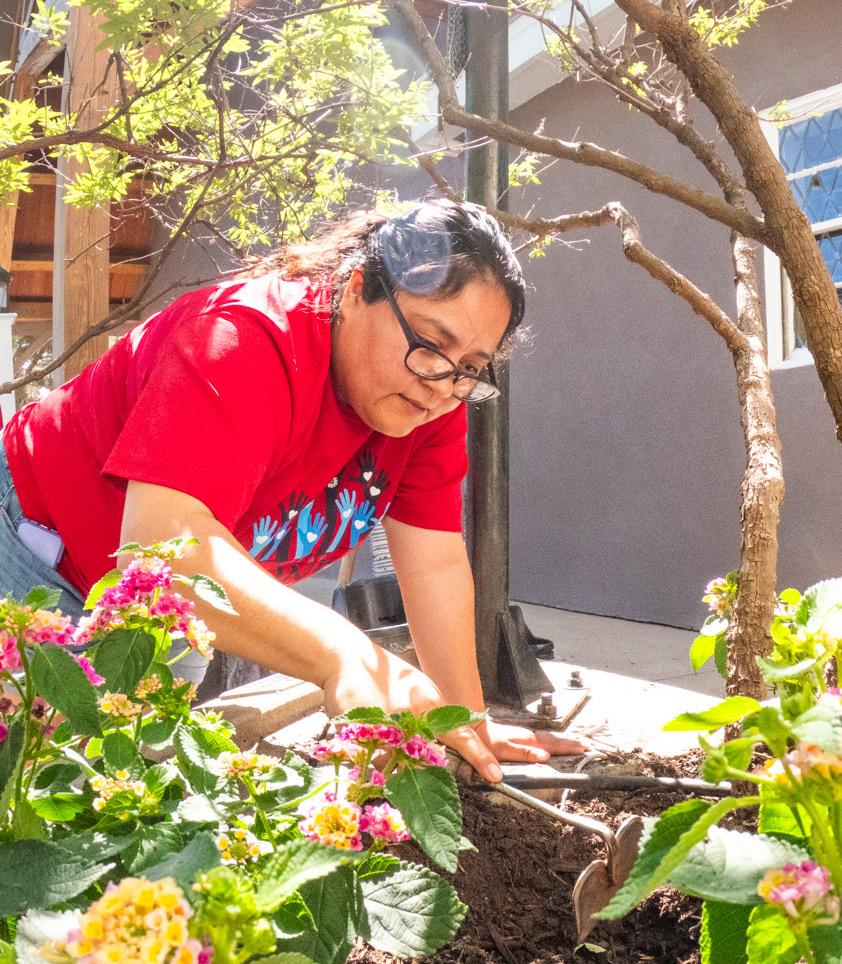
For Good Neighbor Day, volunteers came together at the Roswell Assurance Home to plant flowers and help beautify their wonderful property. It was a simple but meaningful way to show kindness, community pride, and support for the incredible work they do for local youth and families.
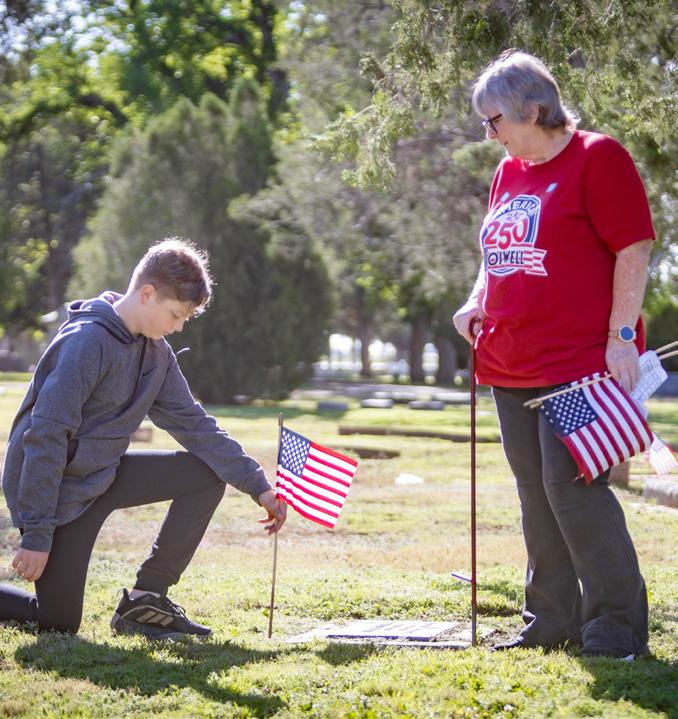
Volunteers came together to place American flags throughout the cemetery in honor of Memorial Day, creating a beautiful tribute to the men and women who gave their lives in service to our country. Their time and dedication helped ensure our heroes are remembered with dignity and gratitude.



Sponsored by Home Depot, families came together for a
Father’s Day
small wooden go-carts together. It was a wonderful afternoon filled with creativity, laughter, and special memories celebrating dads and family time.
By: Caroline Brooks
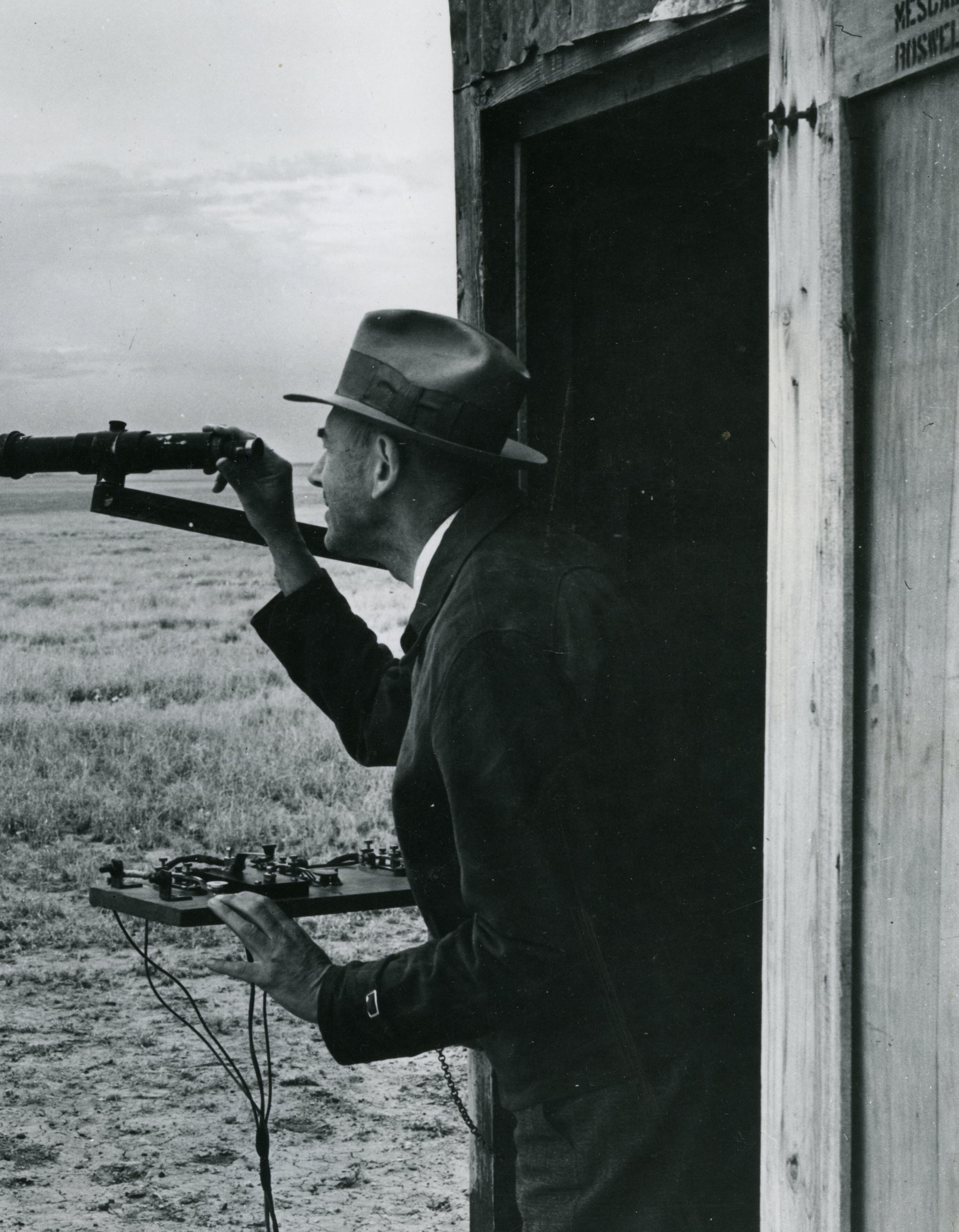
Known as the “Father of American Rocketry,” Robert H. Goddard (1882–1945) transformed the dream of space travel into scientific reality. As a teenager in Massachusetts, he was captivated by the fantastical stories of H.G. Wells and imagined “how wonderful it would be to make some device which even had the possibility of ascending to Mars.” That youthful curiosity would shape the rest of his life.
While studying and teaching physics at Clark University, Goddard began pioneering theoretical work on rockets and propulsion systems that many considered an impossibility.
When the popular press mocked his suggestion that rockets could
someday travel to the Moon, he became increasingly private—but he never stopped experimenting.
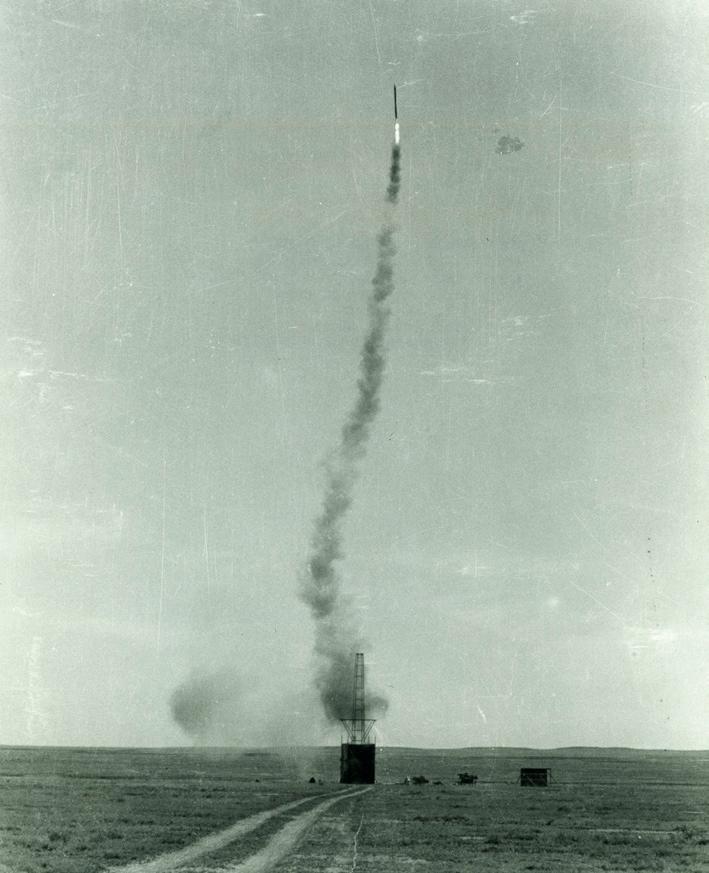
In 1926, on his Aunt Effie’s farm in Auburn, Massachusetts, Goddard achieved the successful launch of the world’s first liquid-fueled rocket—a historic moment that changed modern science forever. As his rockets grew larger, louder, and more powerful, Goddard needed more room to work.
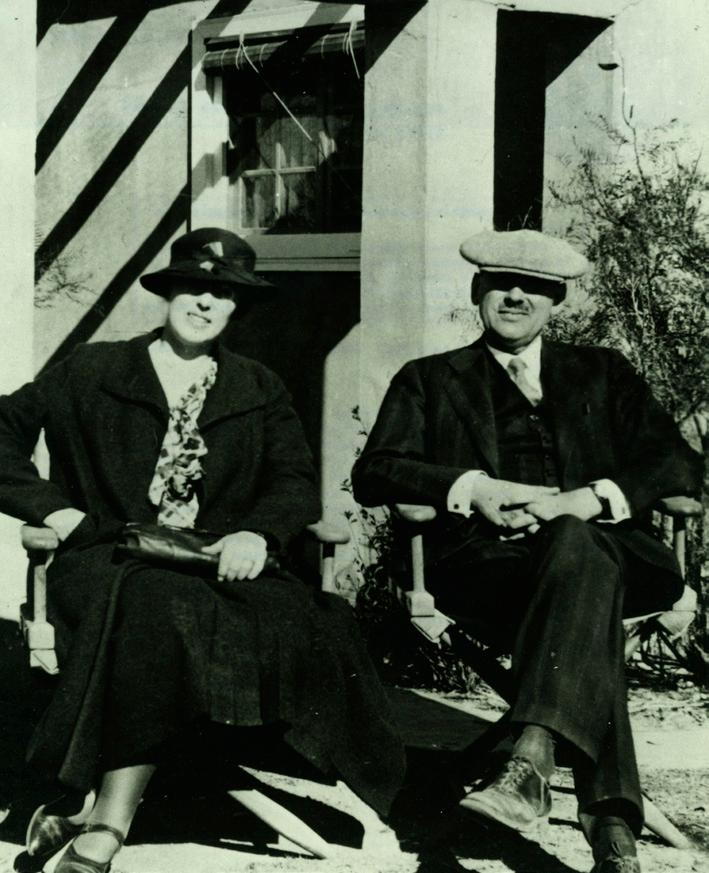
With encouragement from famed aviator Charles Lindbergh and funding from the Guggenheim Foundation, he moved in 1930 with his wife, Esther, to Roswell, New Mexico.
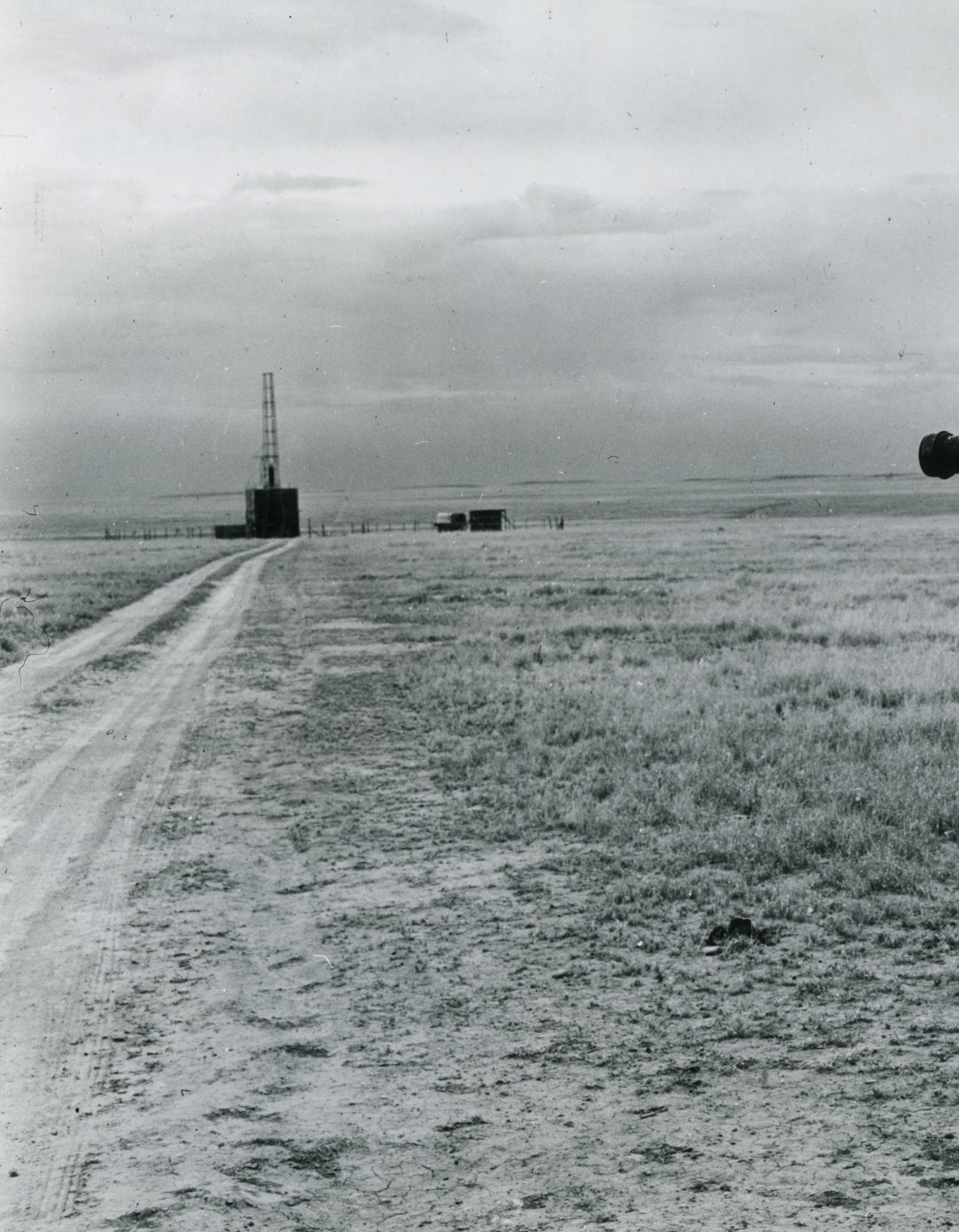
Roswell’s open skies and wide prairie gave Goddard the freedom to test bigger ideas. He built a
launch tower just outside of town and a workshop near his home. Over the next twelve years, Goddard made extraordinary advances in rocket fuel systems, guidance, launch control, and flight stability. He completed over thirty test flights, with seventeen reaching altitudes of more than 1,000 feet. Much of the technology used in modern spaceflight traces back to these Roswell experiments.
During World War II, Goddard was called to Maryland to help the U.S. Navy develop rocket-assisted aircraft takeoff systems. He died in 1945, before seeing how fully the world would embrace the future he had imagined.
Because Goddard avoided
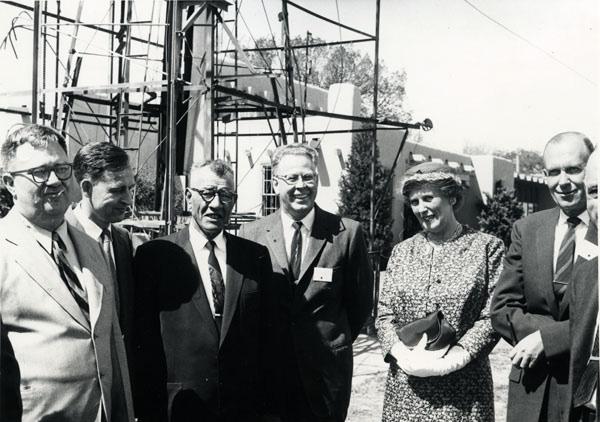
GODDARD EXHIBIT DEDICATION AT THE ROSWELL MUSEUM - ROCKET CREW WITH ESTHER GODDARD
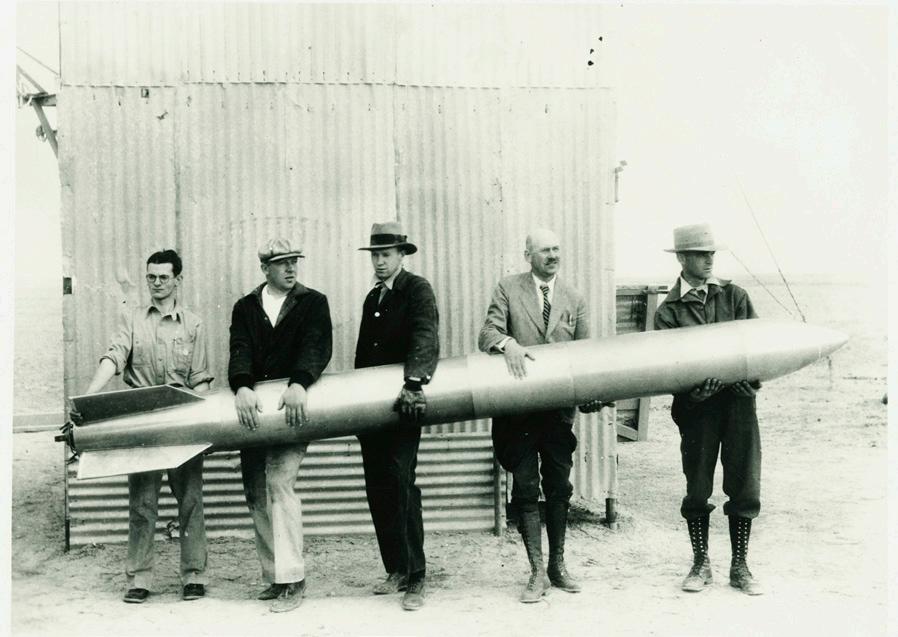
GODDARD AND HIS CREW, APRIL 19, 1932
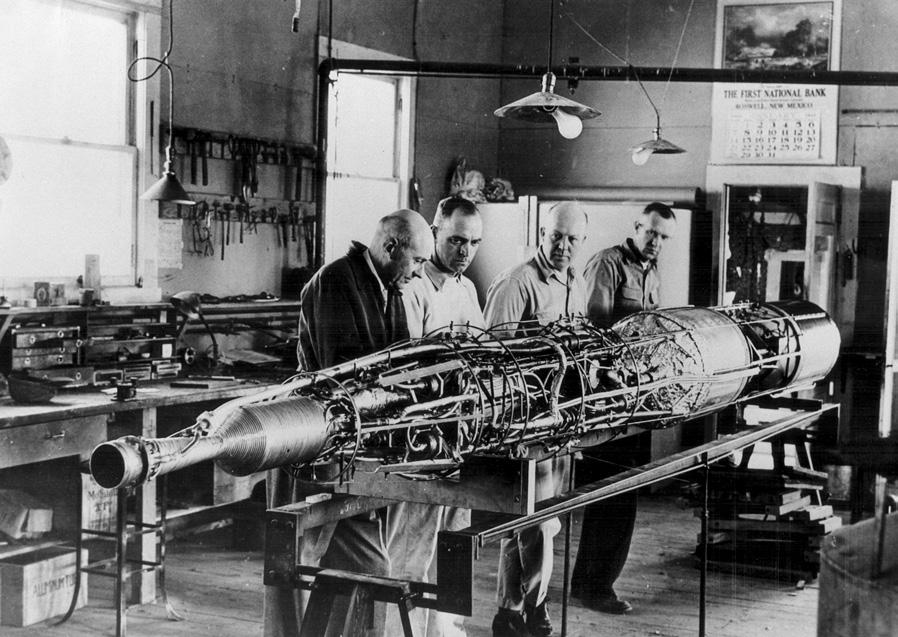
GODDARD AND HIS CREW
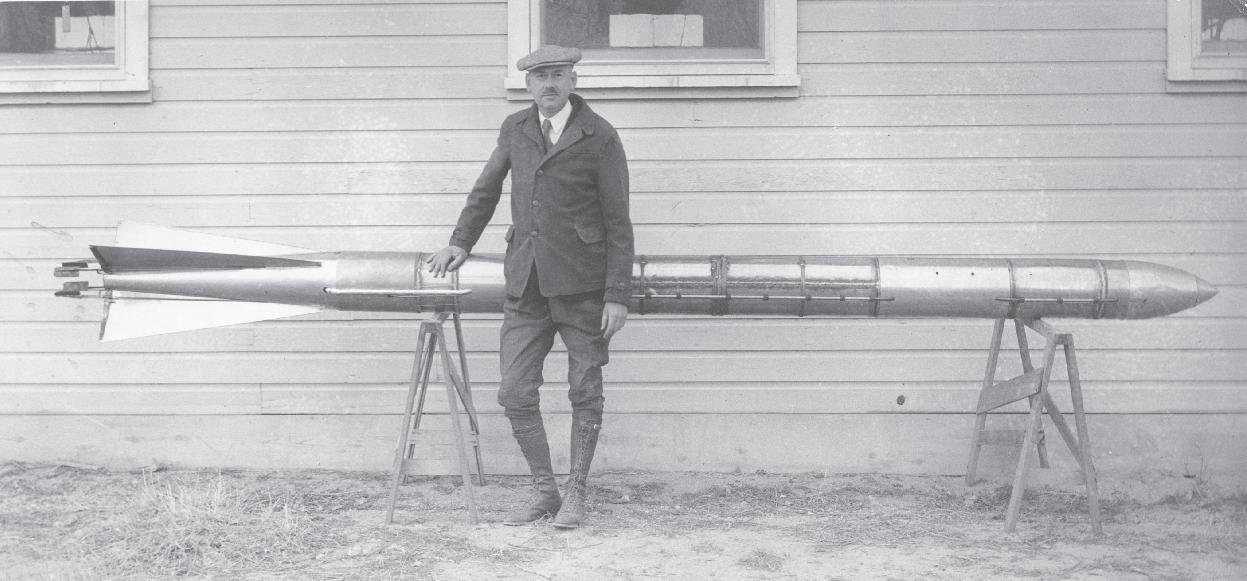
publicity, many of his achievements were nearly forgotten. However, Esther Goddard made sure his work would endure. She carefully preserved his notes, records, and inventions, helping secure 131 of his 214 patents and ensuring his contributions were finally recognized. In 1959, she accepted a Congressional Gold Medal in his honor and that same year, she helped open a Goddard Wing at the
BECAUSE GODDARD AVOIDED PUBLICITY, MANY OF HIS ACHIEVEMENTS WERE NEARLY FORGOTTEN.
Roswell Museum.
In 2026, Roswell and Auburn celebrate the centennial of Goddard’s first liquid-fueled rocket launch—a full 100 years since that brief, but world-changing flight. At the Roswell Museum, Goddard’s legacy lives on through artifacts from his workshop and experiments, personal belongings, archive materials, and his historic rocket tower. But in 2024, devastating flooding affected the museum, damaging thousands of collection items, including approximately 1,200 Goddard artifacts, as well as the beloved Goddard exhibition spaces. Over the next few years, staff will be working with conservators to recover and preserve these significant objects as
well as rebuilding a dynamic Goddard exhibition, so future generations can continue to experience the story of one man who dared to imagine the impossible. In the meantime, learn more about Goddard’s work on the Goddard Centennial Resources page at www.roswellmuseum.org and visit the Roswell Museum’s social media or sign up to receive email communications to follow the museum’s flood recovery efforts.



By: Rick Kraft
My wife Tanya and I were part of a crowd that had gathered outside the Capitol building.
Anxiously the crowd waited for the messenger to arrive. They parted to allow a man on horseback carrying a rolled up document through. He dismounted and handed the document to Peyton Randolph, thepresident of the Virginia Congress.
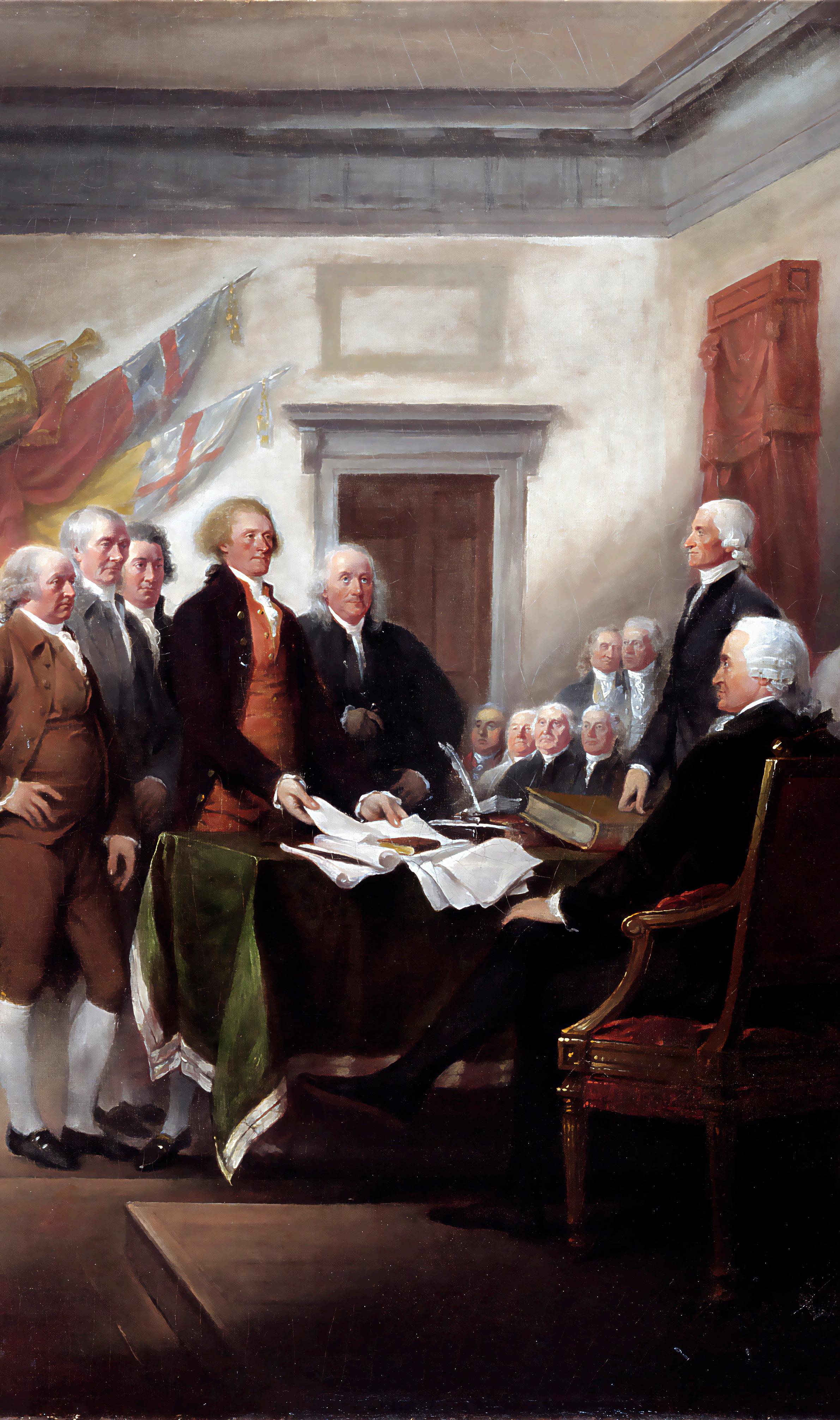
It was July 21, 1776 and a new nation was just being born. The rider had come all the way from Philadelphia, Pennsylvania where the Continental Congress had been meeting to Williamsburg bearing a document entitled “The Declaration of Independence.”
A vote had taken place just a few weeks earlier that had changed 13 British colonies into 13 states, now banding together and calling themselves the United States of America.
In the commotion and excitement, a lady walked by me and spoke in a hushed
voice into my ear “King George doesn’t even know it yet. Celebrate now, while you can!” The crowd suddenly quieted down so the new document could be read for the first time to the mass who had assembled.
Mr. Randolph, with both of his hands outstretched holding the document on its top and bottom read, “When in the Course of human events, it becomes necessary for one people to dissolve the political bands which have connected them with another...
We hold these truths to be self-evident, that all men are created equal, that they are endowed by their Creator with certain unalienable Rights, that among these are Life, Liberty, and the pursuit of Happiness...
We, therefore, the Representatives of the United States of America, in General Congress, Assembled...solemnly publish and declare...
And for the support of this Declaration, with a firm reliance on the protection
of divine Providence, we mutually pledge to each other our Lives, our Fortunes and our sacred Honor.”
Upon the final words being read, pure bedlam broke out. The celebration began. Cannons fired and guns were shot. A fife and drums corp started playing. Those present no longer had to respond to the whim of a king from across the Atlantic Ocean. Independence had arrived. As the band of fifes and drums began to march through the center of town, Tanya and I joined the parade behind it. The official word of independence had come to Williamsburg, Virginia.
Although it was a reenactment of an event that occurred some 250 years ago led by individuals dressed in 1770 attire, it was still a powerful experience to go back in time. Imagine how the first members of this new nation felt when they finally declared themselves free from the power of
the British Crown.
The vote for independence was not an easy decision, nor one that was unanimous by the members of the colonies in this new land called America.
As we relived the excitement of the creation of a new nation, it made me wonder if those who risked their lives and fortunes in 1776 had any idea whatsoever that the country they just formed would become a world empire a couple of hundred of years later. On this same trip we had the opportunity to visit Jamestown where, in 1607 visitors from England created the first permanent English settlement on what was to later become American soil. We toured Yorktown where British General Cornwallis lost the final revolutionary battle when he surrendered to George Washington in 1781.
Even more powerful was our visit to the location where the bloodiest battle ever on American soil was fought
at the battlefield at Gettysburg, Pennsylvania. In a matter of three days, there were 51,000 casualties in this single battle, about 20 times the entire population of the small Pennsylvania town.
We viewed a field where in a three hour span of time, control of the field changed seven times. At the end of the battle there were so many bodies laying on the field that a person could not walk across it without stepping on bodies with virtually every step.
Our country lost 620,000 soldiers and sailors in our Civil War, almost two percent of our country at that time. If the United States lost the same percent today, 6 million Americans would have to die. The Civil War was the lowest point in the history of our country as we fought and killed our own countrymen.
The only difference between a revolution and a civil war is which
side wins. Abraham Lincoln and the North’s success preserved the United States as one nation.
Our country has come a long way to get to where we wake up today. We have had many ups and downs. We have been attacked and we have attacked others. We have overcome many obstacles and experienced many successes. In preserving our nation many lives have been sacrificed and we have created many heroes.
So, looking back over our shoulder at the journey we have traveled, how do we respond as we live today looking forward to tomorrow?
As Americans we have the power to elect the most powerful man or woman on the face of the earth as well as others who will serve as our state and community leaders. It is truly a blessing to be able to choose those who govern us through a ballot that will be counted.
Don’t ever take for granted the power given to you to vote. There are countless people around the world that would give so much, including their lives to have opportunity and the freedom to vote for their leadership.
Put this concept side by side with our country, where a large percentage of our citizens take this privilege for granted and don’t make time to vote. Over the past 250 years many lives and fortunes have been lost, including members of our community, for you to be able to cast your vote.
I know a crowd of people who lived in 1776 who wouldn’t miss this opportunity and would be proud of your making time to be heard. Today, as we look to the future, we have the chance to stand on their shoulders.
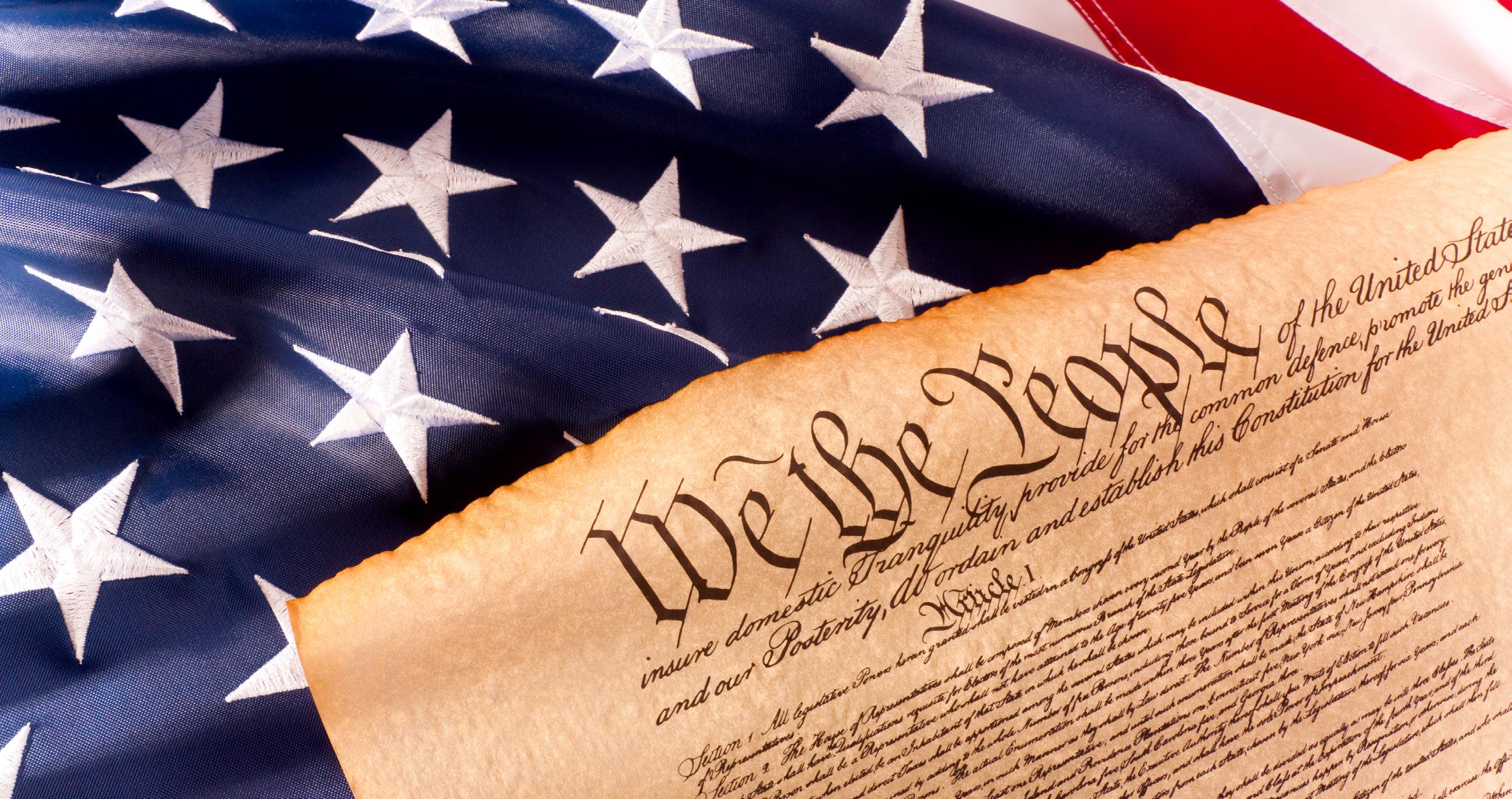
“The principles contained in the Declaration of Independence are eternal.”
President Abraham Lincoln
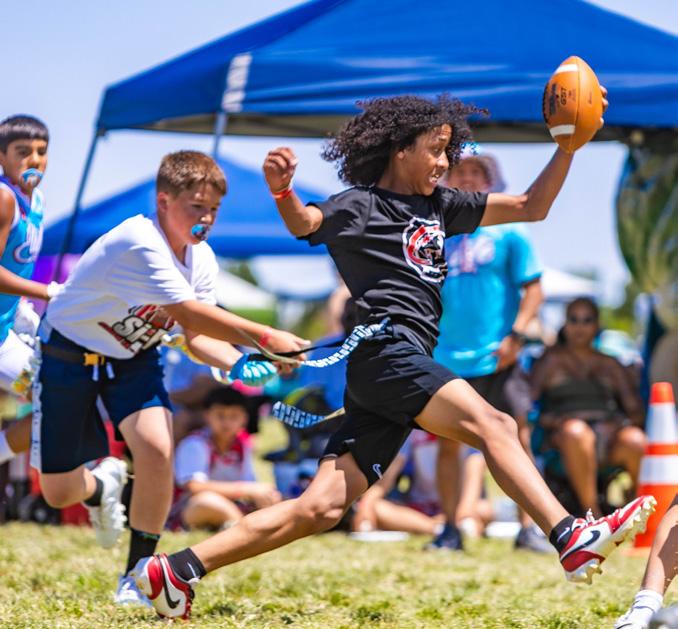
Sling It Fling It brings high-energy fun to Roswell with exciting flag football competition and a festive atmosphere for the whole community to enjoy. www.slingitflingit.com
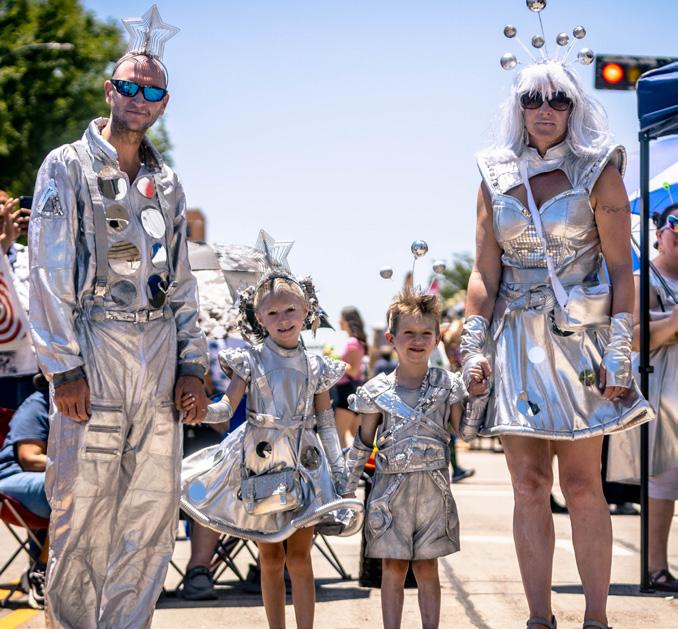
The UFO Festival draws thousands of visitors from around the world for a fun-filled celebration of aliens, science fiction, live entertainment, & costumes. www.ufofestival.com
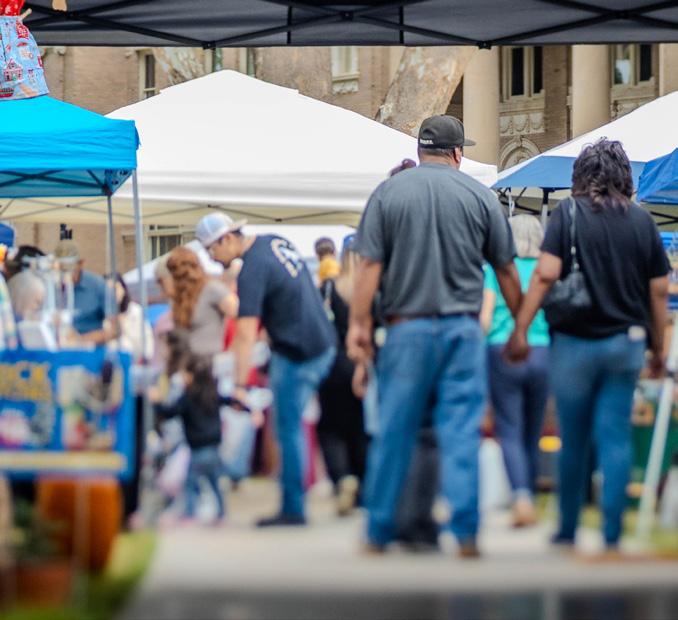
Roswell is a community that loves to celebrate. Throughout the year, families, friends, and visitors come together for exciting events, festivals, concerts, parades, sporting events, holiday celebrations, and community activities that make our city such a special place to call home.
From longtime traditions to new community favorites, these events bring people together and showcase the welcoming spirit, creativity, and pride that make Roswell unique. Whether you are a lifelong resident or visiting for the first time, there is always something happening for everyone to enjoy.
Here are seven of Roswell’s top -ttended community events and activities. Be sure to follow SeeRoswell.com for upcoming events, schedules, and family fun happening all year long!
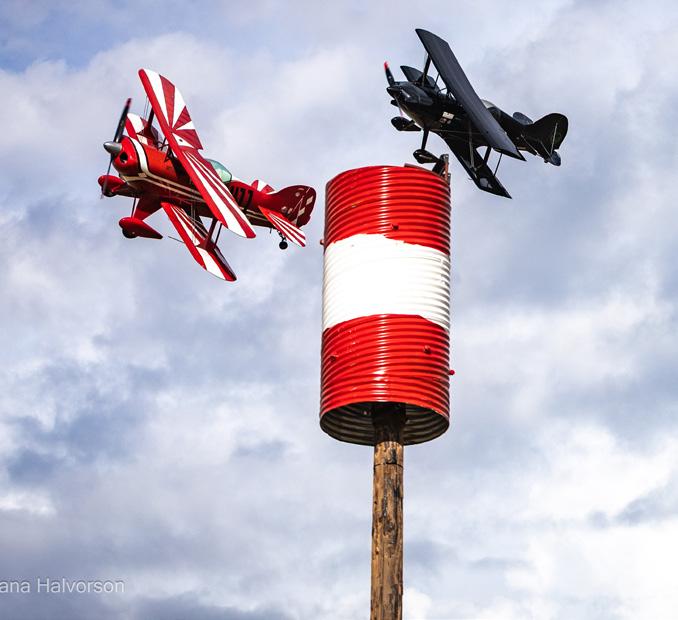
The National Championship Air Races bring thrilling high-speed aviation excitement to Roswell each year, drawing pilots and fans from across the nation. In 2026, the world-famous United States Air Force Thunderbirds will also soar over Roswell, making the event even more unforgettable. www.airrace.org
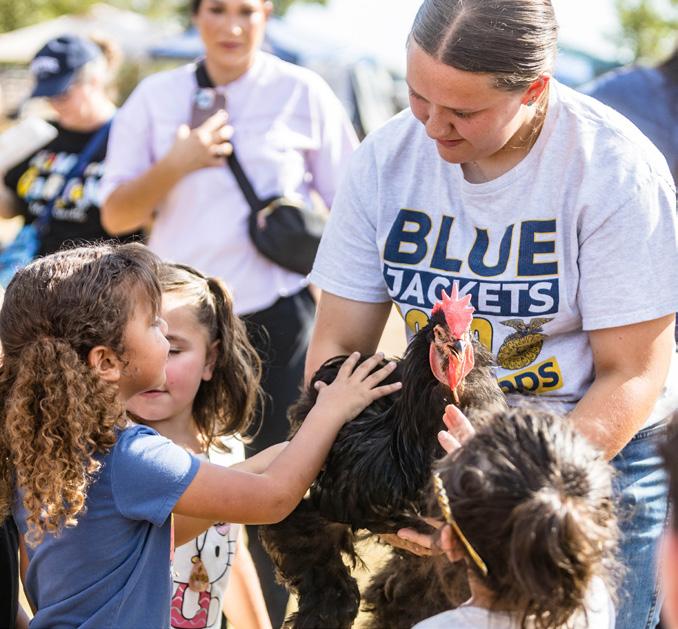
The Eastern New Mexico State Fair and parade bring the community together each year for family fun, live entertainment, great food, and hometown tradition. www.enmsf.com
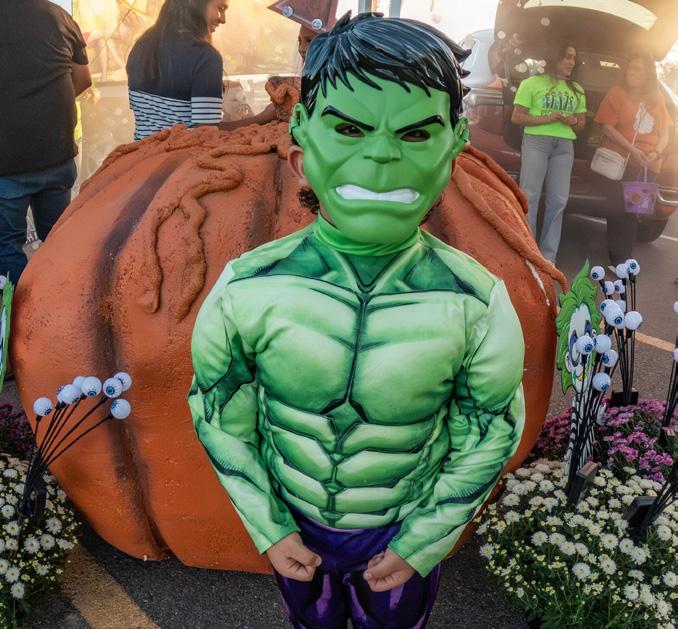
The City of Roswell Fall Bash is a funfilled community celebration featuring costumes, games, candy, food, and family activities. www.roswell-nm.gov
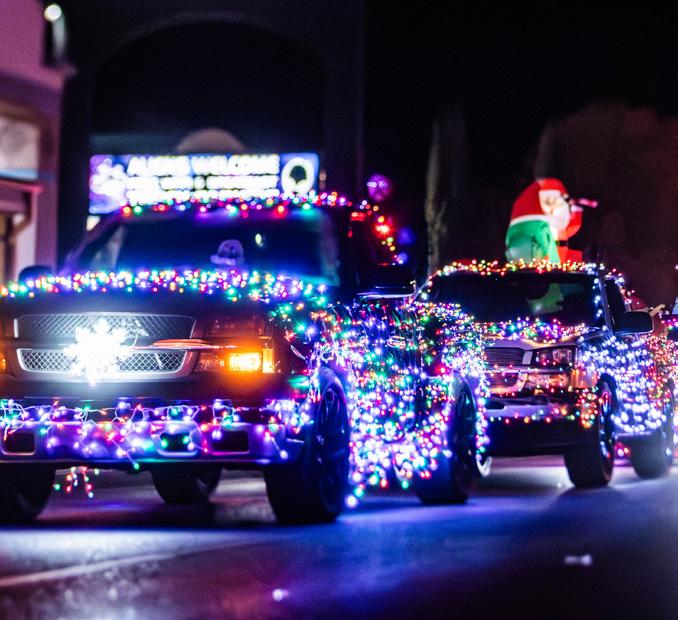
and

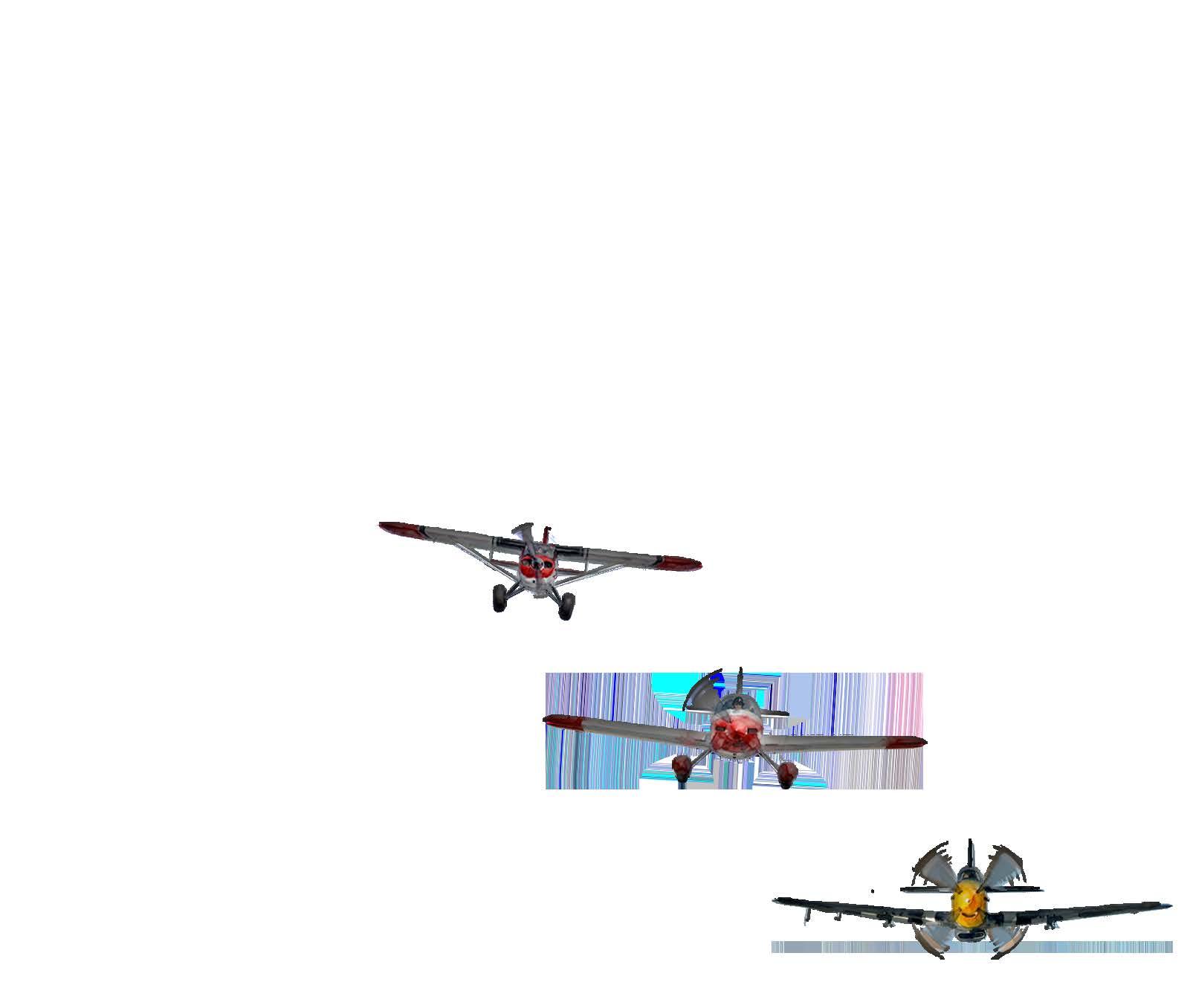
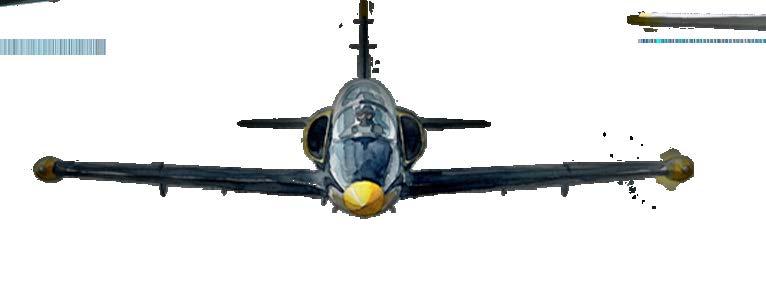

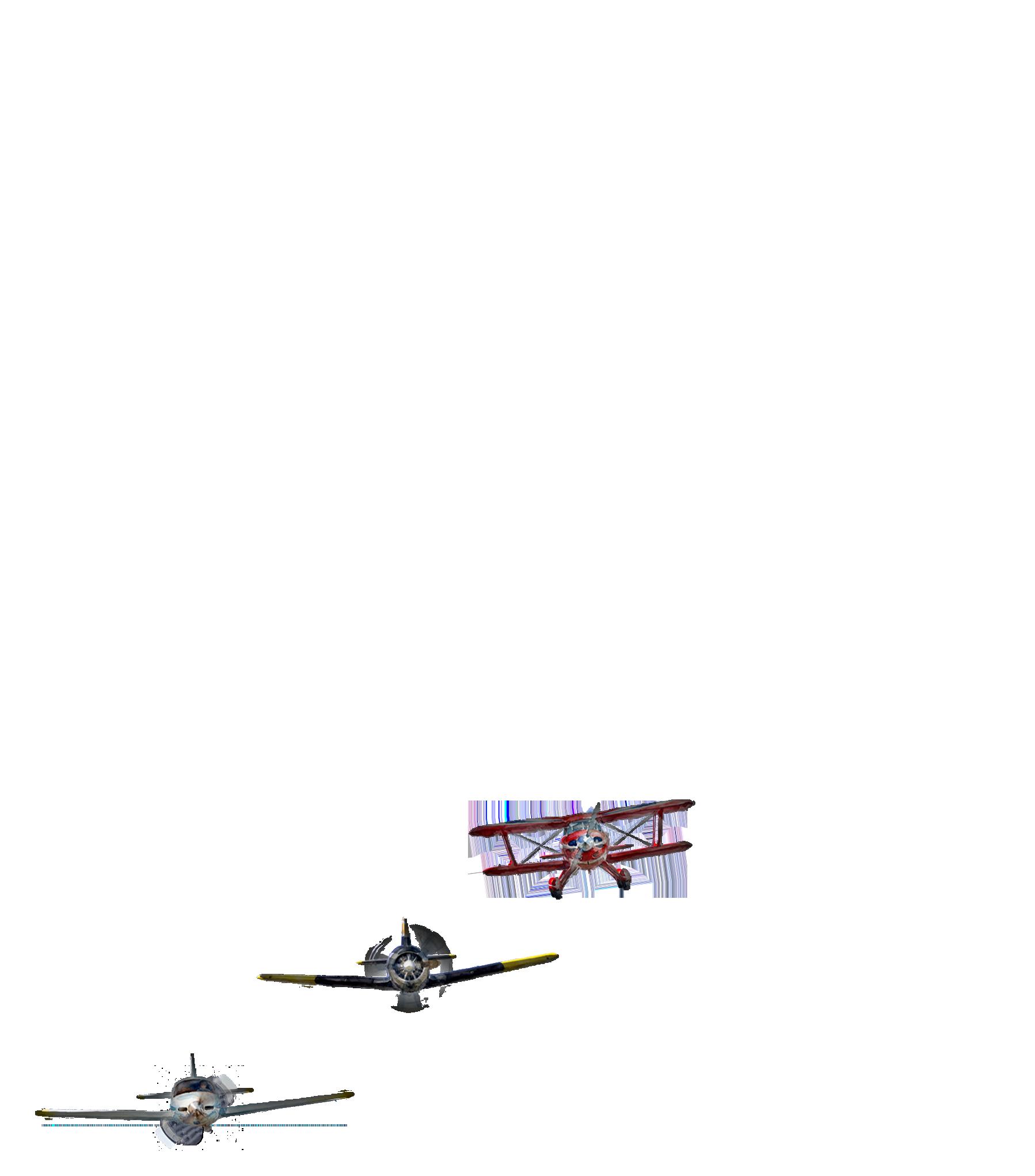



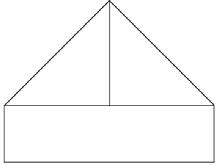
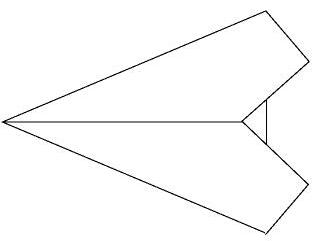
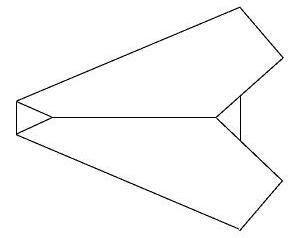
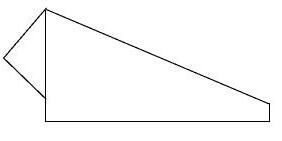
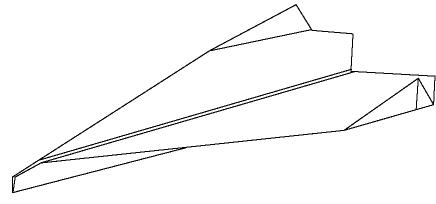
FIVE DAYS OF NONSTOP THRILLS EXPERIENCE
RACING & MORE!
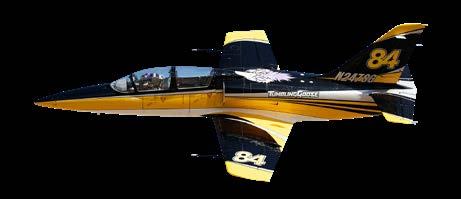

JET CLASS
High-speed jet aircraft reaching 500+ mph.
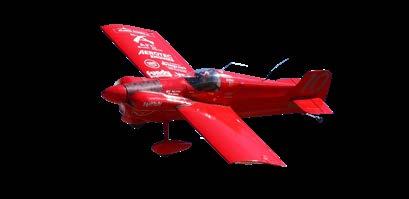
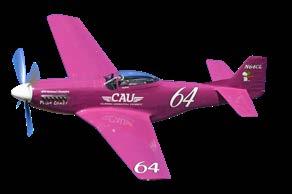
FORMULA 1 CLASS
Small, fast, highly manueverable aircraft.
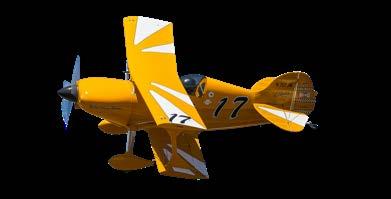
BIPLANE CLASS
Iconic aerobatic aircraft with classic wings.
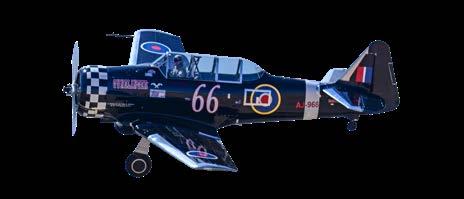
T-6 CLASS
Skillfully piloted legendary military trainers.
SPORT CLASS
Sleek, extremely fast, kit-built aircraft.
UNLIMITED CLASS
The world’s fastest propeller-driven race aircraft.
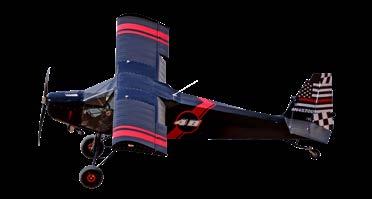
STOL DRAG CLASS
Short Take-Off and Landing drag race. Precision and timing.


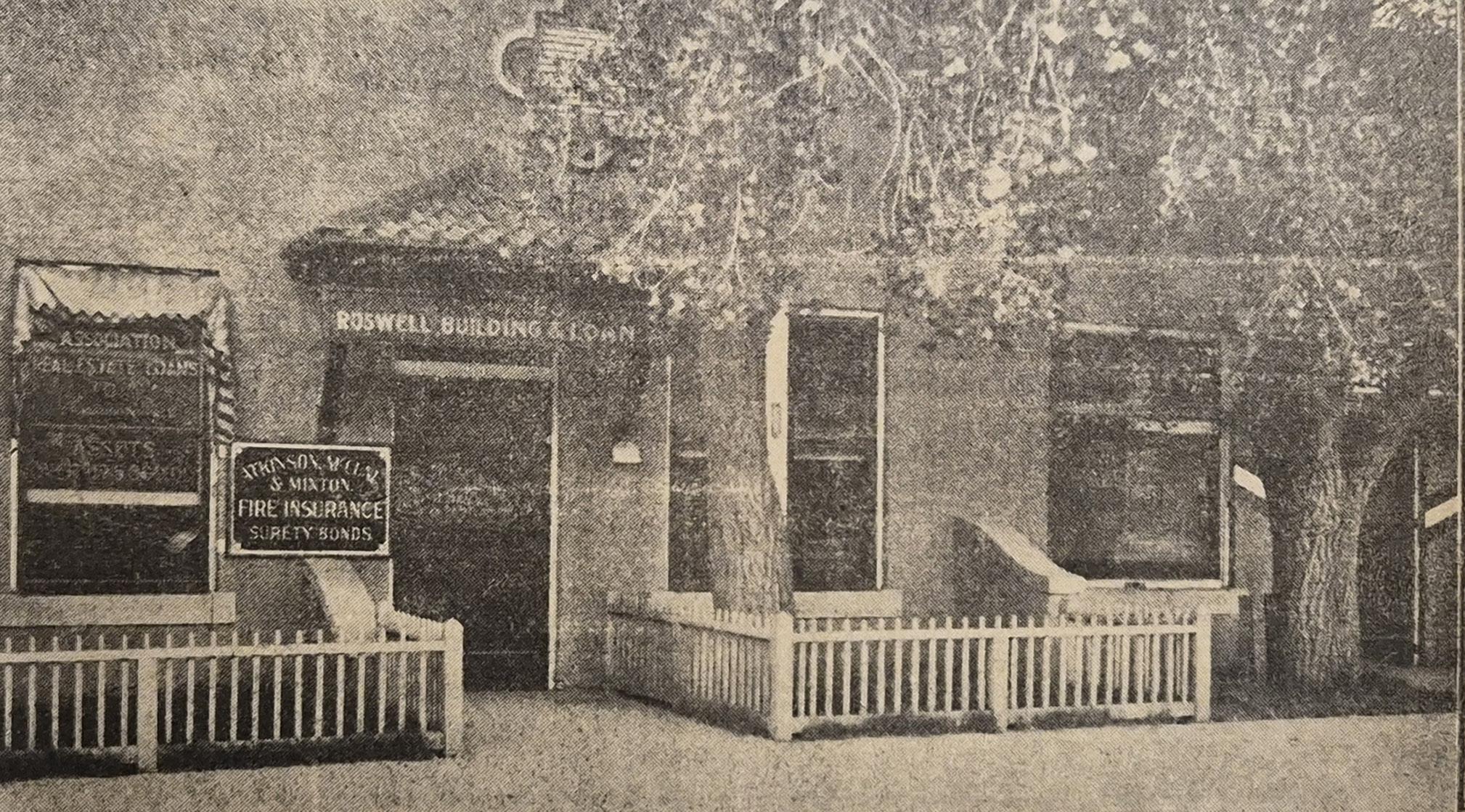
In 2026, Pioneer Bank proudly celebrates 125 years of serving Roswell and communities across southern New Mexico. Since opening its doors on February 18, 1901, Pioneer Bank has grown alongside the region, helping families purchase homes, businesses expand, and communities thrive.
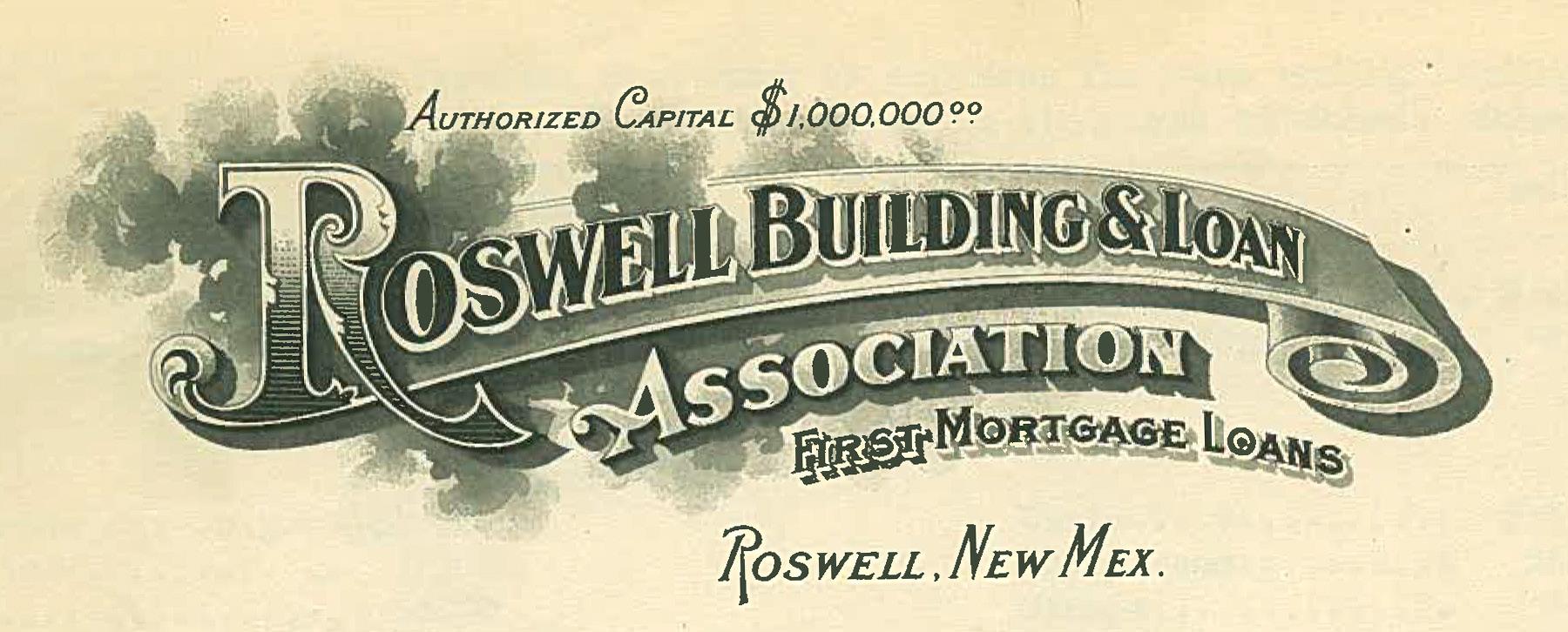
Originally founded as the Roswell Building & Loan Association, the institution was created to meet the growing need for capital to finance home construction in the young community of Roswell. What began as a small local association has become southern New Mexico’s leading community-based institution for personal and business banking.
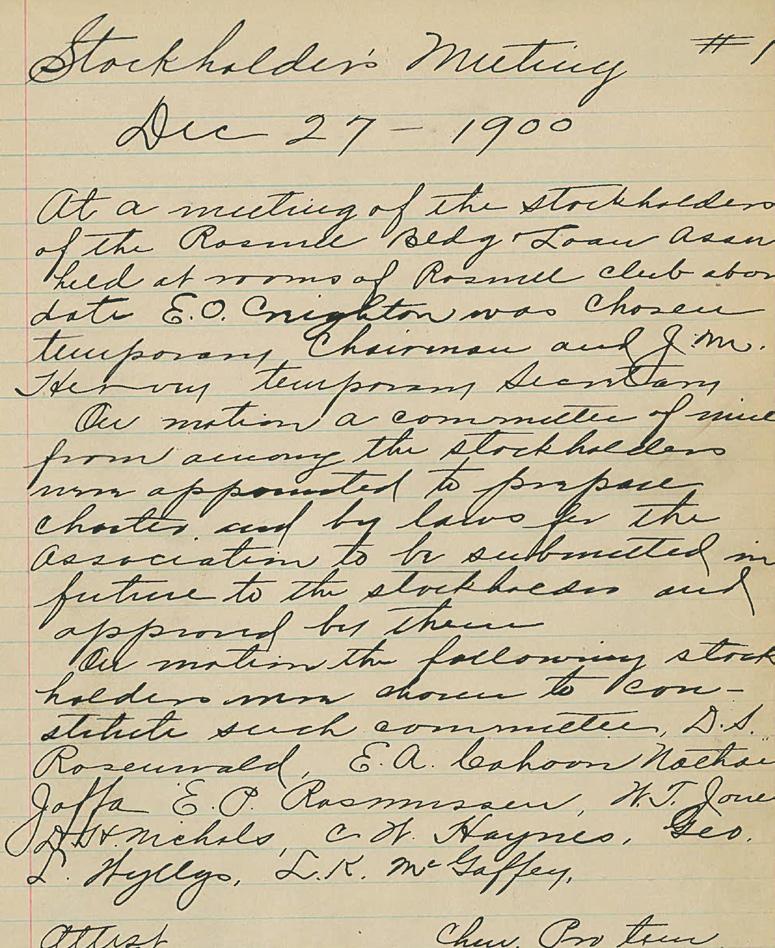
The original meeting of stockholders was held on December
27, 1900, where a committee of nine community leaders was selected to prepare the charter and bylaws. Those documents were filed with the Secretary of the Territory of New Mexico and approved by stockholders on April 5, 1901. From the very beginning, many of Roswell’s most influential civic and business leaders played a direct role in the growth and success of the institution.
The bank’s first President was D.S. Rosenwald. Early directors included W.T. Jones, J.M. Hervey, L.K. McGaffey, Nathan Jaffa, George Bixby, L.W. Martin, E.A. Cahoon, E.P. Rasmussen, and Charles W. Haynes. Many of these names remain deeply connected to the history and development of Roswell and southeastern New Mexico. Early
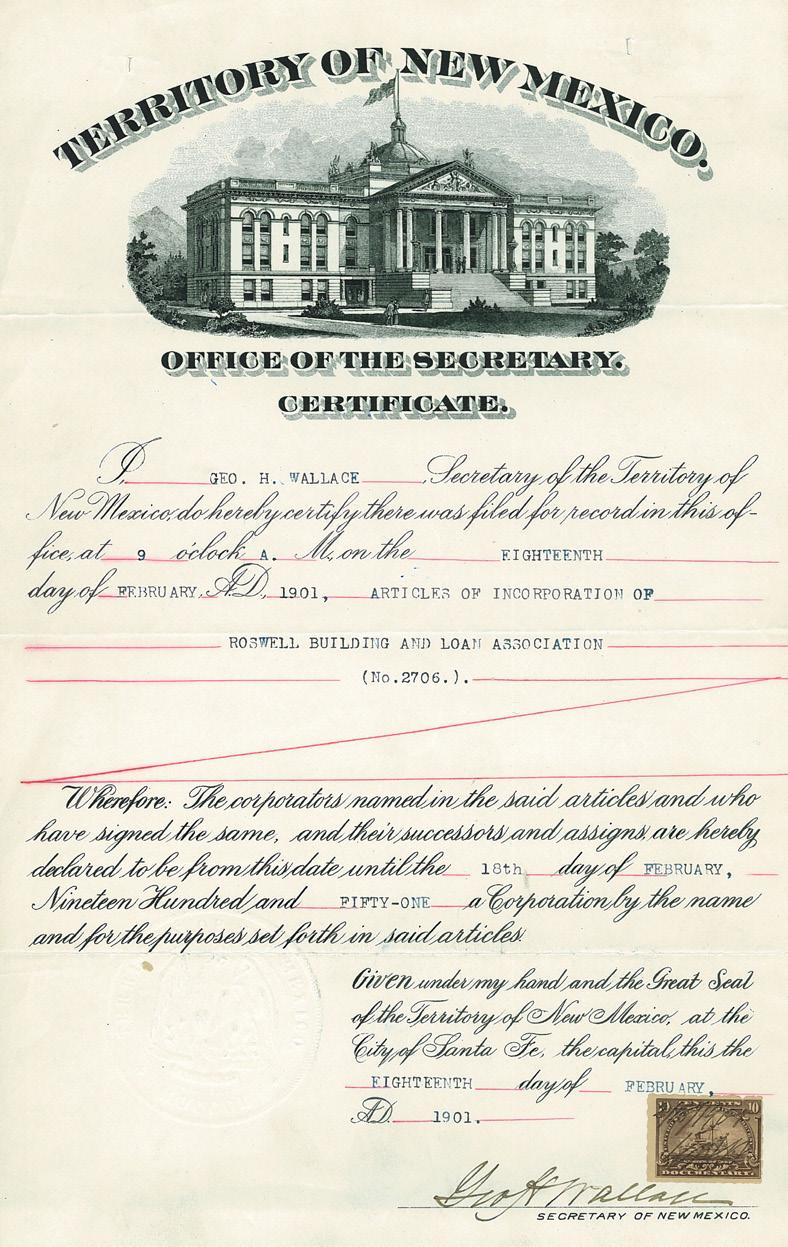
ORIGINAL CHARTER, FROM BEFORE NEW MEXICO WAS EVEN A STATE
By: Juliana Halvorson
presidents also included Nathan Jaffa, C.C. Tannehill, E.A. Cahoon, and Governor J.F. Hinkle, whose leadership helped guide the institution through decades of growth and change.
The Association’s original capital goal was set at $100,000, but
by September 1901, founders had already raised $200,000, reflecting the confidence local residents had in the organization and in the future of Roswell itself.
As the community expanded, Pioneer expanded with it. Through the Great Depression, changing economies, and generations of growth, the institution weathered challenges and continued serving Roswell and the Pecos Valley. The Association became part of the Federal Home Loan Bank system in 1933, and by the early 1950s assets had surpassed $12.5 million.
Over the decades, the institution evolved to meet the changing needs of the communities it served. The organization became Roswell Savings & Loan Association in 1967, Pioneer Savings & Trust in 1975, Pioneer Savings Bank in 1994, and
officially Pioneer Bank in 2000 to better reflect the full range of banking services being offered.
Steady growth continued throughout the decades. By the end of 2001, Pioneer Bank’s assets had grown to more than $372 million. By 2023, assets had reached more than $990 million, making Pioneer one of the strongest community banks in the region. Today, Pioneer Bank continues its tradition of combining modern banking technology with hometown service and local decision-making. More than a financial institution, Pioneer Bank represents 125 years of community leadership, trust, and investment in the future of New Mexico.
By: Kathy Sabin
AS AMERICA CELEBRATES 250 YEARS OF INDEPENDENCE,DISCOVER HOW PIONEERING WOMEN IN EARLY ROSWELL BROUGHT LITERATURE, LEARNING, AND THE TIMELESS WORKS OF SHAKESPEARE TO THE NEW MEXICO FRONTIER, SHAPING GENERATIONS OF CULTURE AND COMMUNITY.
Thirty years after Roswell was formally established in 1872, the small sheep and cattle ranching community had grown into a flourishing town. By 1900, Roswell had churches, a newspaper, telephone and railroad service, electricity, St. Mary’s Community Hospital, and the New Mexico Military Institute. As the community expanded, local women began focusing on cultural projects that would enrich civic life.
On March 21, 1902, ten years before New Mexico achieved statehood, a group of enterprising women founded the Roswell Shakespeare Club. Today, it remains one of the oldest Shakespeare clubs in the United States. Members contributed
Shakespeare reference books to the Carnegie Library, which they helped establish in 1906.
From the beginning, the club focused on the close study of Shakespeare’s plays, traditionally studying tragedies or histories in the fall and comedies in the spring. Each production was guided by a director who developed lesson plans for the group. The tradition continued every year except during World Wars I and II, when members paused their studies to assist the Red Cross and support the war effort. Following World War II, the club resumed its regular schedule as new scholarship, recordings, films, and performances made Shakespeare more accessible than
ever before. Interest in the club’s history grew as it approached its 50th anniversary, celebrated with a gala at the Roswell Country Club. Longtime member Mrs. Robert H. Goddard shared memories of live Shakespeare performances, and the Roswell Daily Record covered the celebration extensively. The club also donated recordings of Shakespeare’s plays and sonnets to the Roswell Public Library. Throughout the 1960s and beyond, the club continued partnering with local organizations to promote Shakespeare through public classes, film screenings, and cultural events. By this time, many members represented the third generation of their families to belong to the club.
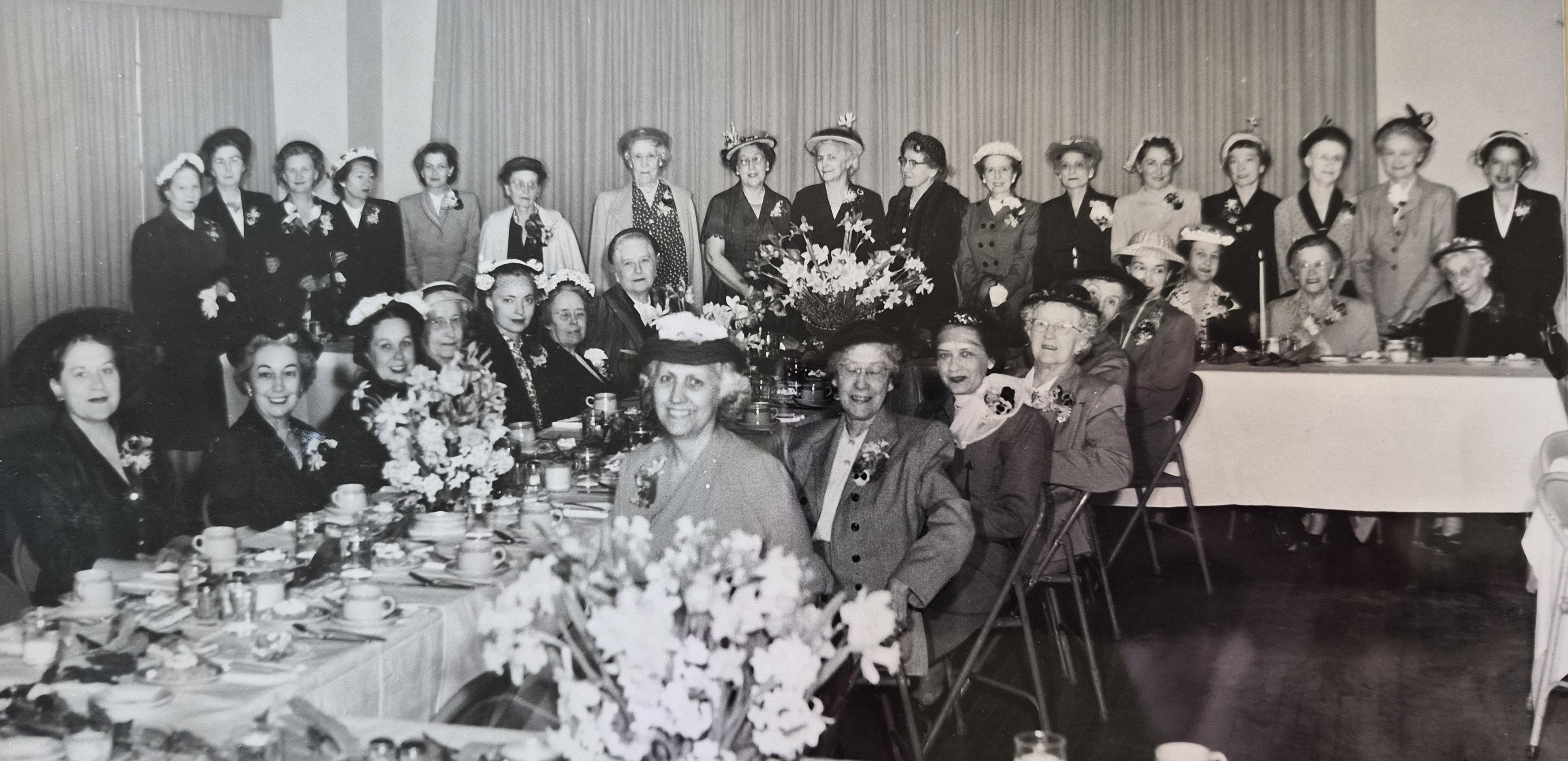
SHAKESPEARE CLUB CELEBRATES 50TH ANNIVERSARY - 1952
By the club’s 75th anniversary, traditions had evolved alongside technology. Meetings sometimes featured BBC Shakespeare productions, lectures, and operas shown on VHS.
To commemorate the club’s 100th anniversary, members contributed funds for an engraved stone placed in the courtyard of the reconstructed Globe Theatre in London. Many members later visited the theater and viewed the Roswell Shakespeare Club’s stone as part of Shakespeare’s global legacy. A detailed scrapbook was also compiled to preserve the club’s first century of history.
Centennial celebrations included community events, musical performances, film screenings, and participation in the Roswell Public
Library’s remodeled grand opening, where members contributed handcrafted ceramic leaves for the Tree of Knowledge sculpture.
The club’s Shakespearean tradition continued into the 21st century with trips to theatrical performances and special literary events. In 2015, members traveled to Santa Fe to view one of the original 1623 Shakespeare First Folios on
tour from the Folger Shakespeare Library in Washington, D.C. Roswell has maintained an unusually active interest in Shakespeare for more than a century. What began as an effort by pioneering women to bring culture to a small Southwestern town took root, flourished, and became a lasting part of Roswell’s history.
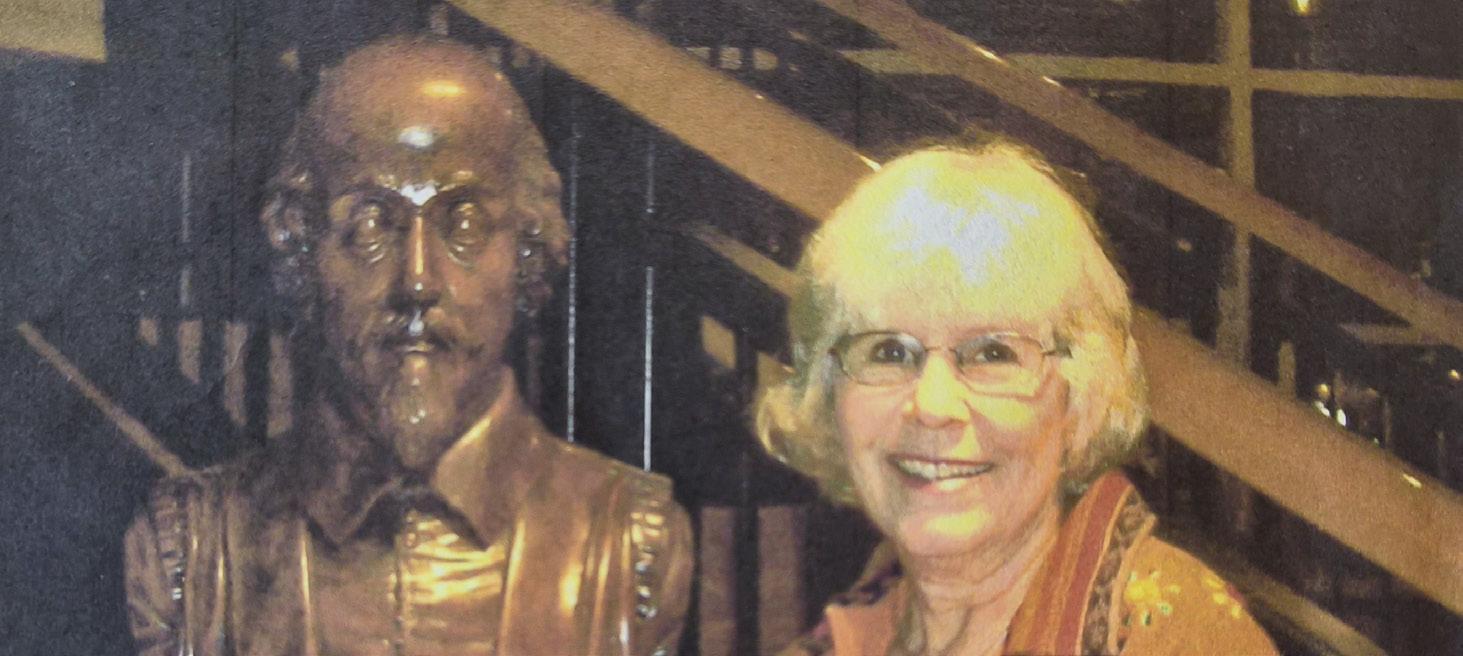
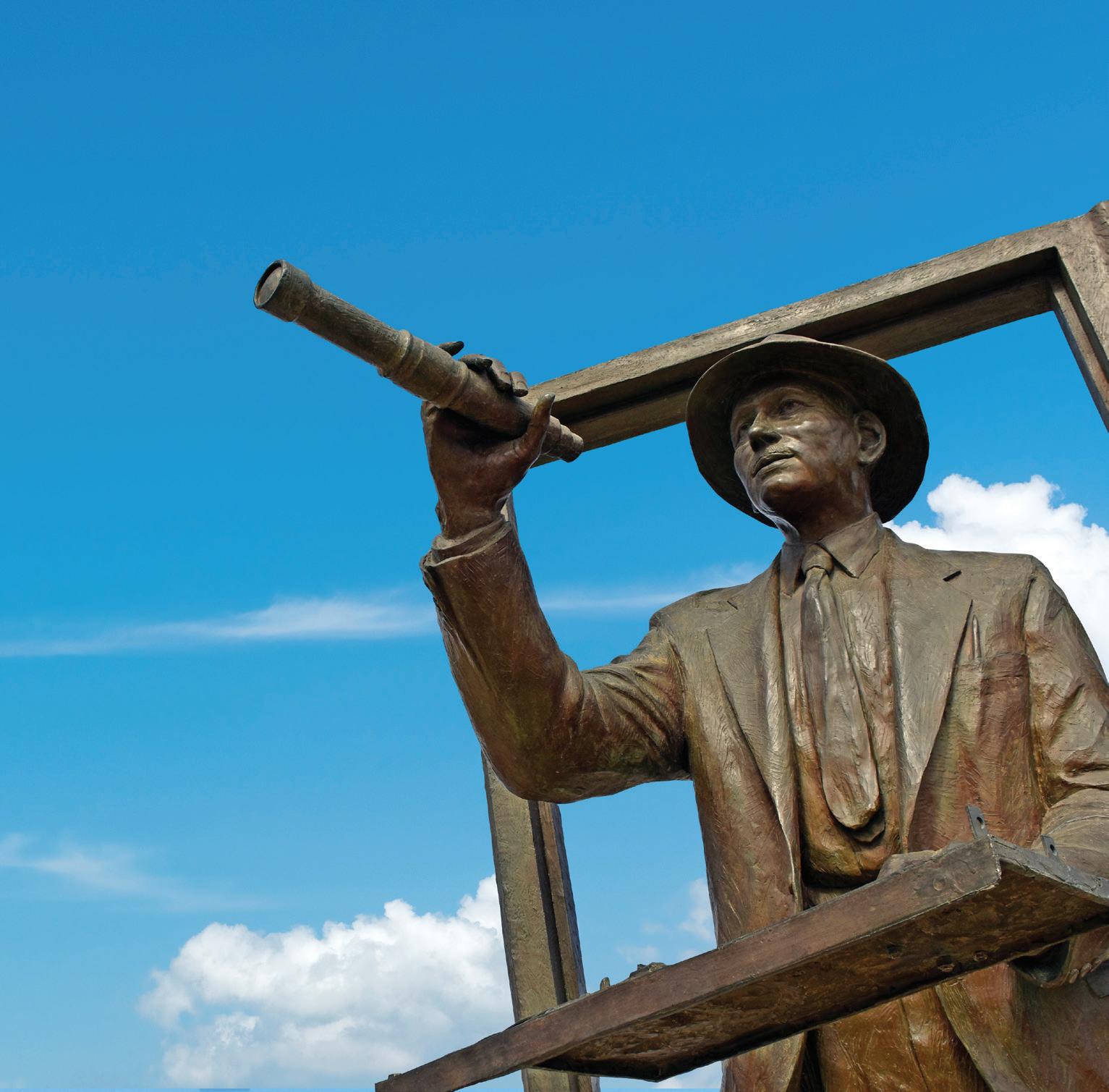
This year marks the centennial of Dr. Robert H. Goddard’s first successful liquid-fuel rocket launch, which led to his move to Roswell and further pioneering experiments in the 1930s. In honor of this significant achievement and Goddard’s continued legacy, the Roswell Museum—in partnership with local and national cultural and educational leaders—is presenting a series of activities and resource material.


During the historic October 2024 flooding event in Roswell, thousands of Museum artifacts and works of art were displaced, including a substantial portion of the Goddard collection. The recovery process is ongoing and represents an immense effort to protect and restore pieces of history entrusted to future generations.
As we recognize Goddard’s legacy during America’s 250th celebration, Roswell continues its commitment to preserving the stories that shaped our nation’s spirit of innovation and exploration. To learn more about the Roswell Museum, Robert H. Goddard, and ongoing recovery efforts, visit roswellmuseum.org
Roswell’s story began long before UFO lore made it famous. Roswell quickly grew into one of southeastern New Mexico’s most important frontier communities. Early settlers were drawn by the fertile Pecos Valley, where irrigation projects transformed the desert into thriving farmland filled with orchards, dairies, and cattle ranches.
By the early 1900s, Roswell had become a bustling hub of commerce, transportation, and culture. Elegant
brick buildings lined Main Street, trains connected the city to the rest of the Southwest, and local leaders helped shape the future of the region through business, agriculture, and education. Historic institutions like the Chaves County Courthouse and the New Mexico Military Institute reflected the city’s growing importance and ambition.
Throughout its history, Roswell has been a place built by pioneers, innovators, ranchers, aviators,
artists, and dreamers. From its frontier beginnings to its role in aviation and military history, the city continues to celebrate the people and stories that shaped southeastern New Mexico. Here are a few facts about the history in our community.
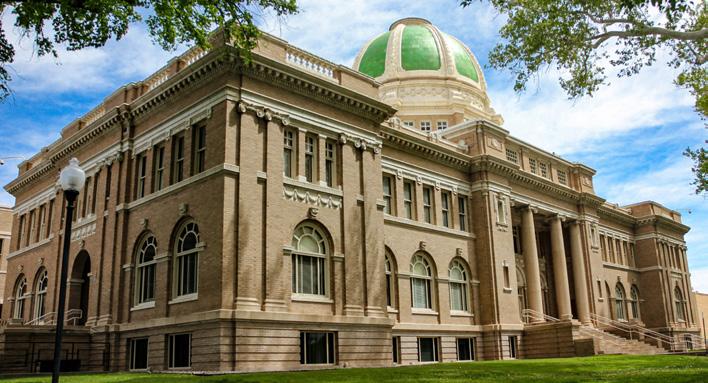
The beautiful Chaves County Courthouse stands as one of Roswell’s most historic landmarks. The original courthouse was built in 1890, but as New Mexico prepared for statehood in 1912, a larger and more impressive courthouse was constructed in 1910 to serve the growing community. Today, visitors can admire its classic architecture and explore a small free museum inside the foyer featuring historic photographs, a mock jail cell, and a re-created courtroom that brings Roswell’s early history to life.
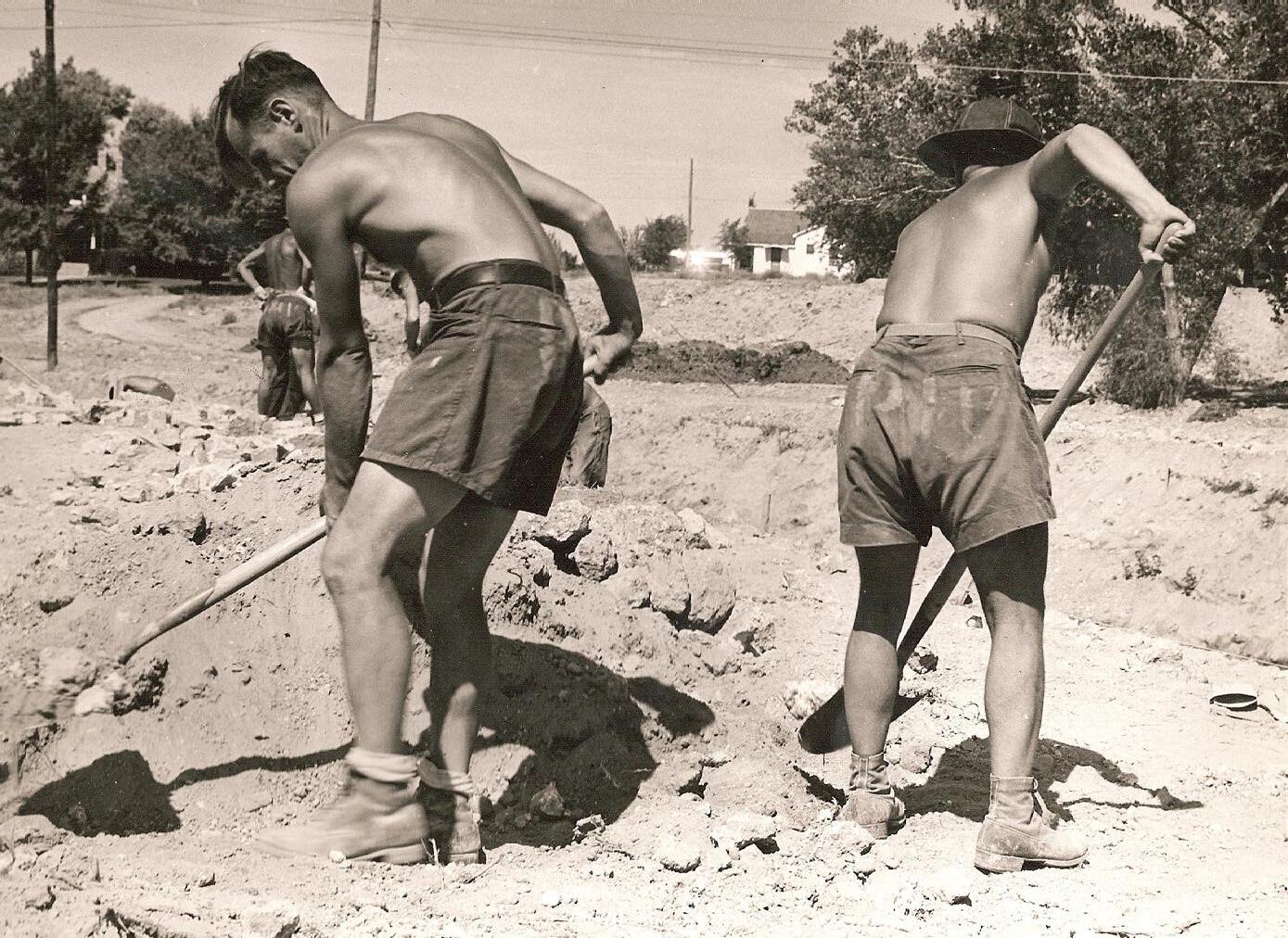
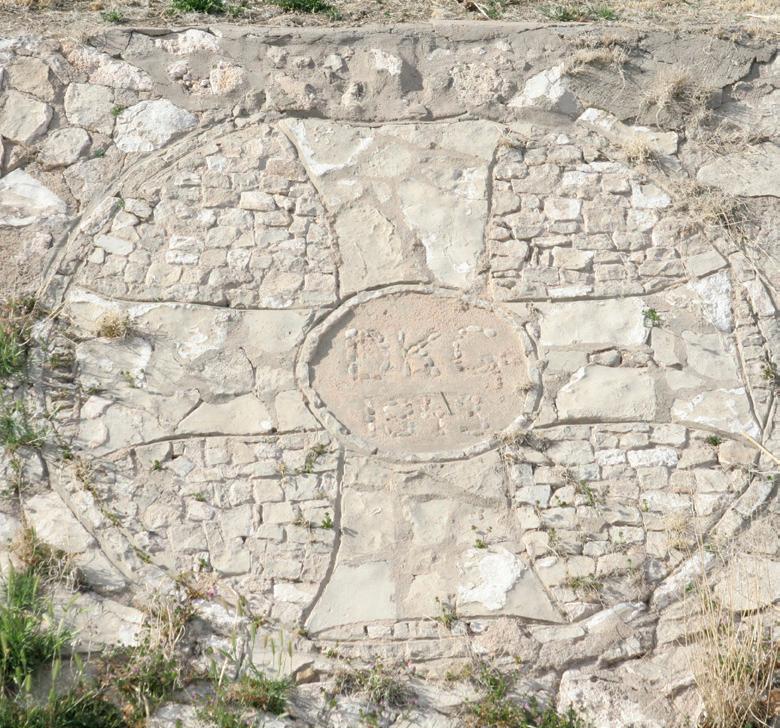
During World War II, Roswell was home to a German prisoner-of-war camp connected to the Roswell Army Air Field. German POWs helped fill labor shortages by working in local farms and cotton fields while many Americans served overseas. One of the camp’s most unusual legacies was an Iron Cross the prisoners built into the Spring River using stones. The symbol reportedly remained covered with concrete for years (the Americans were none too happy to have that displayed at the time) and became one of Roswell’s lesser-known wartime stories. You can see the iron cross (on the left) at the POW/MIA Park at 912 N. Pennsylvania Ave.
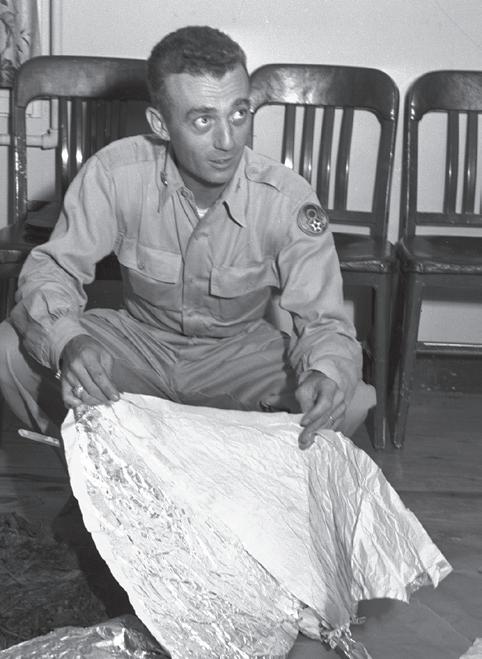
In 1947, Roswell became world famous after reports of mysterious debris found near town sparked theories of a UFO crash and government coverup. The incident, tied to the nearby Roswell Army Air Field, quickly became one of the most talked-about mysteries in American history. Today, the legend continues to attract visitors from around the world and helped make Roswell the UFO capital of the world.
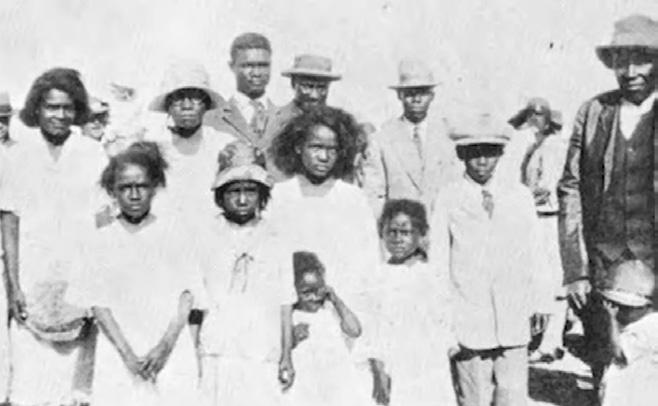
Blackdom was the first all-African American settlement in the New
Mexico Territory. Founded in the early 1900s by Frank Boyer southwest of Roswell, the community gave African American families the chance to own land and build a new future. Though water shortages eventually forced many residents to leave, Blackdom remains an important symbol of perseverance and independence in New Mexico history.
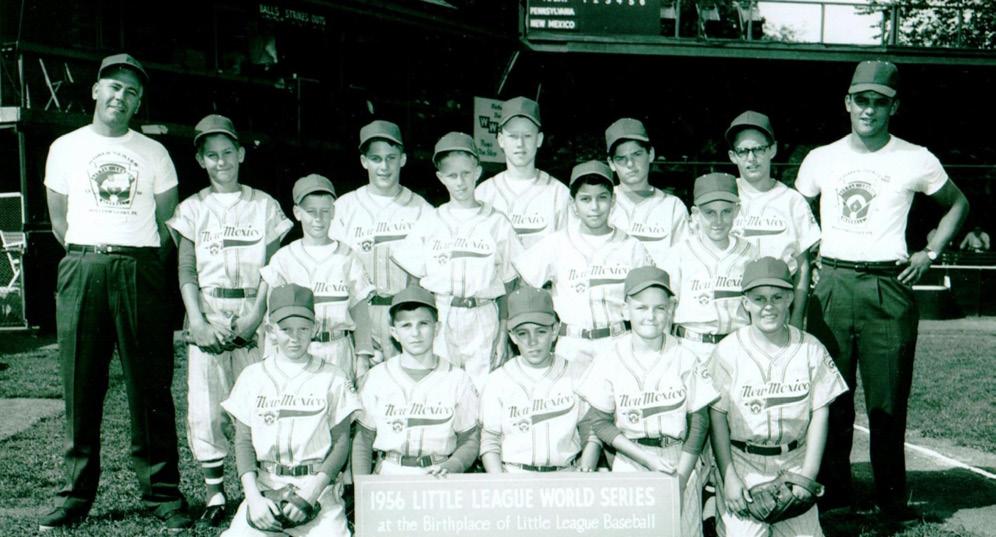
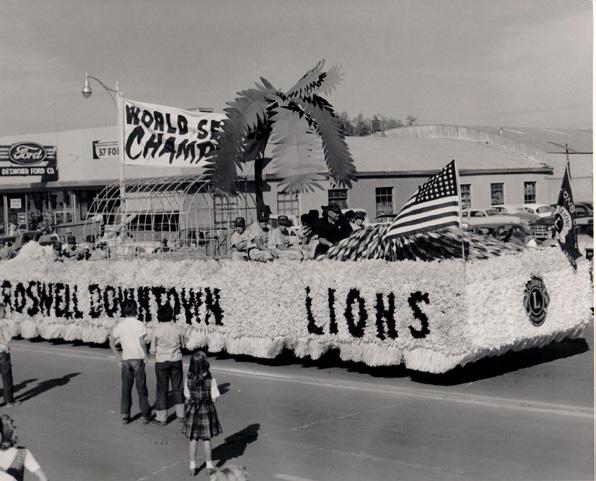
Honoring the 1956 Lions Hondo Little League World Series Champions from Roswell, New Mexico. Nearly 70 years ago, this outstanding team brought pride to the community with their memorable run to the Little League World Series, leaving a lasting mark on local sports history. An anniversary celebration and reunion honoring the players, coaches, families, and supporters will be held in 2026, sponsored by the Historical Society for Southeastern New Mexico.
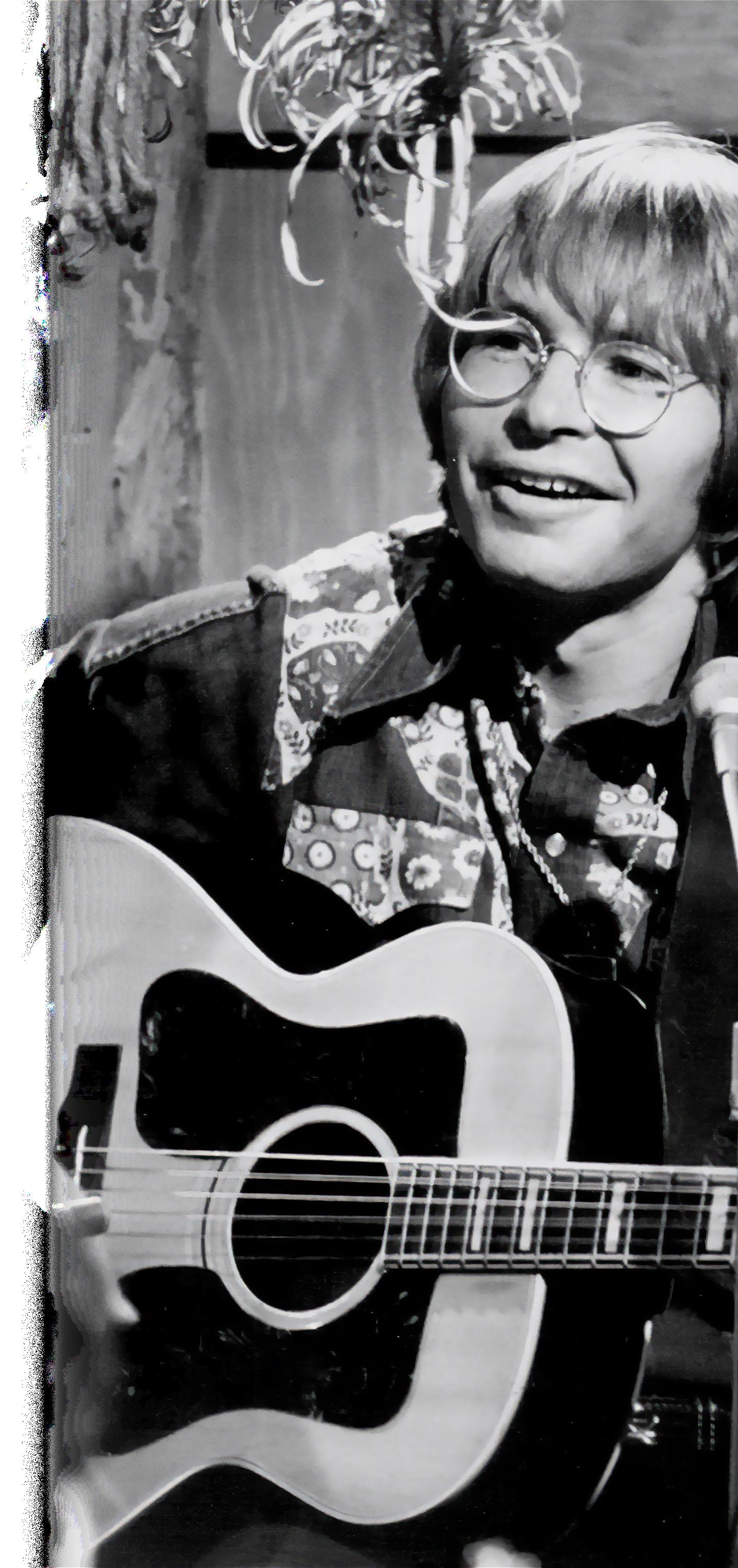
On New Year’s Eve in 1943, four years before the infamous Roswell incident, a different incident occurred, less famous, but also in Roswell – the birth of the legendary musical genius John Denver. In the eyes of the world, he takes front stage, but in the town of Roswell, the homey detail as his birthplace takes a lesser one. It is the hardcore fan who discovers his humble-but-stellar beginnings in southwest New Mexico, and it is the entire world who recognizes his conquest of the air, land, sea, and the invisible air waves.
As the son of Lt. Col. Henry John Deutschendorf Sr, a US Army Air Forces pilot stationed at the Roswell Army Air Field, little Junior could not help being influenced by the adventurous spirit and countless experiences of his father. In pursuing his passion, the Lieutenant Colonel set three world speed records as he piloted the B-58 Hustler, the world’s first supersonic bomber, flying at speeds over 1061 miles per hour, and as he lived, worked, and breathed flying, he also taught his son to fly, and the passion to “fly like an eagle” burned within them both. Though the brilliant pilot’s surname Deutschendorf changed to Denver for John Jr, they retained and nurtured both
their relationship and love of flying, and even after the recordbreaking pilot retired, he piloted his famous son’s own personal Learjet for him.
With the passion of flight in his heart, John Denver acquired over 2700 hours of flight time and used many of those hours to explore piloting experimental planes. Holding aviation ratings for single-engine, multi-engine, gliders, and instruments, he purchased a collection of aircraft that any avid aviator would envy. Beside his vintage biplanes, he parked his Cessna 210 Centurion, Christen Eagle II, Learjet 35, and the infamous Rutan Long-EZ that Denver piloted during his fatal crash. The Tillamook Air Museum in Tillamook, Oregon, itself an historical icon, houses an educational display about John Denver’s experience alongside its own Rutan Long-EZ aircraft. As the son of a record-maker and barrier-breaker, John Denver did the same with another talent that emerged after he received an acoustic guitar at age eleven. From his grandmother’s special gift, Denver discovered a new talent and developed a love of music and song writing, and in his “looking for space” and his identity as a musician, he acquired the skills and passion that fueled the creation of his
By: Trecinda Wilder
200+ original songs and the receipt of more than 12 major industry awards and multiple high-level honors. His impact on the music industry by breaking barriers between country music and pop was so impactful that at the 1975 Country Music Association Awards event, entertainer and presenter Charlie Rich read the winning name, made a profound gesture, and set fire to the piece of paper that pronounced John Denver as Entertainer of the Year.
As if conquering the skies and airwaves were not enough, John Denver also dove into the world of sea exploration and environmentalism and forged a special friendship with Jacques Cousteau, infamous inventor of the Aqua-Lung, the Diving Saucer SP-350 submersible, the Turbosail wind-power system, and numerous undersea tools and devices. A lover of our planet, Denver fully embraced Cousteau’s efforts to educate humanity on the delicate nature of our oceans and the need to preserve it. To accommodate Denver’s deep desire to dive with the Calypso team, Jacques Cousteau had a highly specialized piece of equipment created just for Denver – a diving mask personalized with Denver’s corrective vision prescription. Denver’s song “Calypso” continues to celebrate the lives and achievements of everyone who worked from the famous ship.
Though most of the summertime crowds visit Roswell in their affection for UFOs, there are some who pilgrimage in their adoration of the unforgettable John Denver, Roswell’s infamous unsung son. And on New Year’s Eve, every year, from atop the Pecos Ridge, some of these people look toward Roswell to say a prayer and a tribute toward the invisible breezes upon which John Denver soars to this day.


By: OlafKirchner
Coordinatesofthecenterofthe50mringnearRoswellare33°25’35”N104°20’49”W,or 33.4263-104.346944indecimaldegrees.AccessiblefromeastHighway380.
Did you know that there was once a huge Cold War nuclear monitoring station just outside Roswell? The WA10 site, better known for its shortlived role as a fire control area for Nike missiles, was later used for an over-the-horizon radar (OTHR) backscatter system. Its purpose was to look for distant atmospheric nuclear tests being undertaken by foreign governments.
Known as the R-System, the remains of the radar were recently visited by intrepid European explorers Olaf and Steve, who were interested to see how it compared to a similar system that was installed in Orford Ness in the UK in 1964. They were also lucky enough to visit the Chief Engineer for the R-System who kindly provided much technical information and some fascinating photos.
Operational in Roswell from 1961 to 1963, the system consisted of a huge helix antenna which rotated on a 167 ft. diameter concrete ring (which can still be seen to this day at the site) and two long receiver arrays with a tall central wire screen. The helix transmitted a short and powerful pulse in the HF (shortwave) band which propagated vast distances thanks to bouncing off the ionosphere. Any nuclear explosions would generate a strong, fast-moving response which could be picked up by the receive antennas and sensitive electronics.
The radar was designed and built for the USAF by ACF Industries (previously ERCO, and later ITT Electro-physics Lab), who installed and operated a prototype in Muirkirk, Maryland (also visited and surveyed by Olaf and Steve). A number of these R-System radars were installed in various locations around the world (see www.irgon.org/nucleardetection-phase-2/).
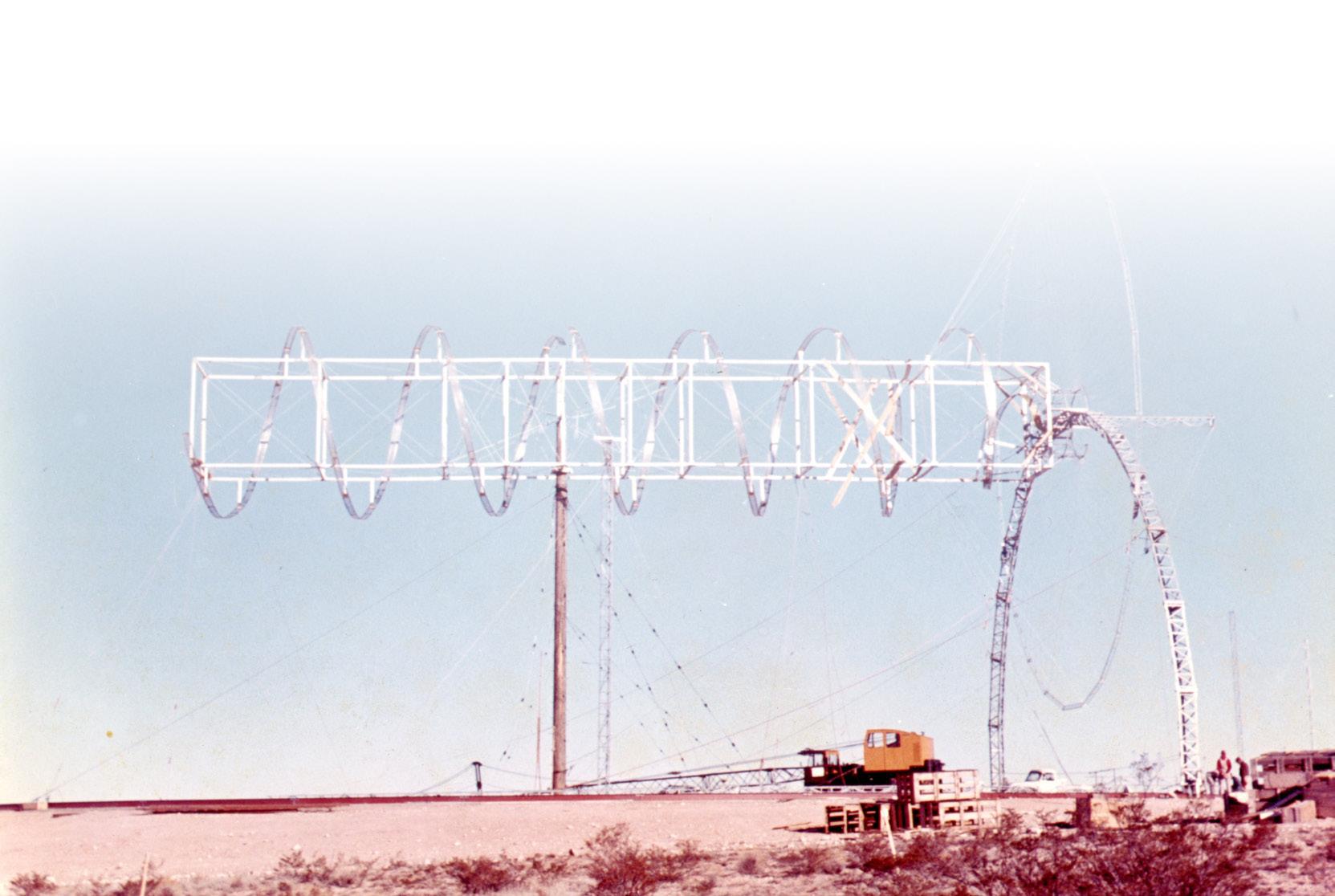
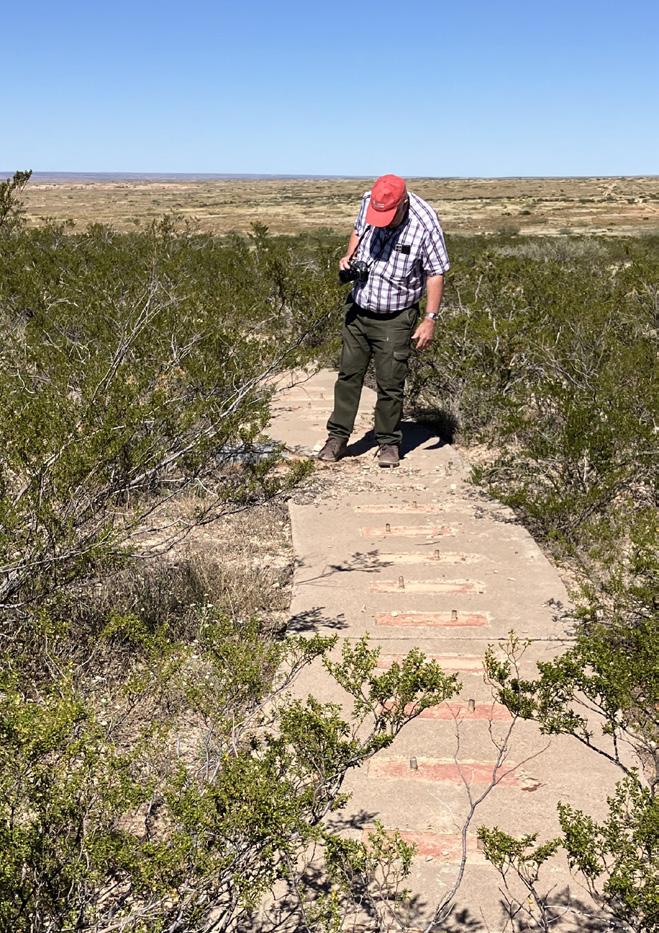
SURVEYING THE 167 FT. RING AT ROSWELL, OCTOBER 2025
Steve and Olaf’s visit is part of a wider initiative by the International Research Group Orford Ness (IRGON) to investigate the wide range of military buildings and systems associated with the formerly secret test site at Orford Ness in Suffolk, England, and document these on the internet.

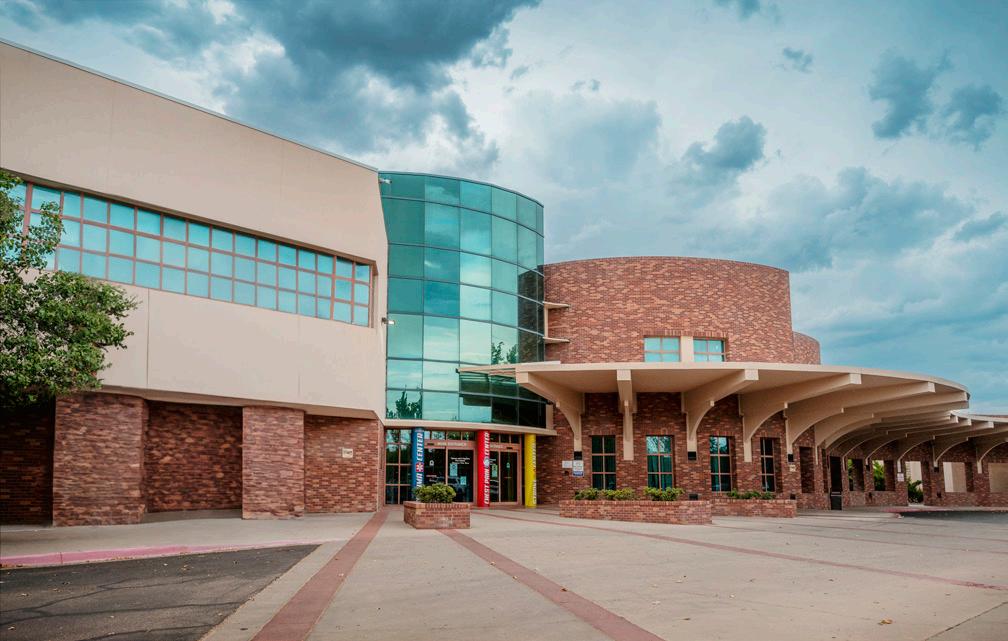
Eastern New Mexico Medical Center (ENMMC) is a 162-bed acute care hospital guided by a mission to be a great place for employees to work, physicians to practice and patients to receive compassionate, quality care. In addition to emergency services and medical and surgical care, the hospital offers specialty services, including cardiology, cancer treatment, women’s services, rehabilitation, mental health services, and advanced diagnostic imaging.
Sign up for Live Healthy – our free e-newsletter with a monthly dose of health and wellness inspiration. ENMMC.com
• Accredited by the Joint Commission
• Certified Level III Trauma Center
• Accredited Chest Pain Center with PCI
• Certified Primary Stroke Center
• Accredited Family Friendly Place to Work
• Certified by FDA for 3D Mammography
• Large Business of the Year, Roswell-Chaves County Economic Development Corporation, 2025
• One of the Top Places to Work in Healthcare by Becker’s Healthcare, 2025
• Cardiology (Interventional; Diagnostic)
• Ear, Nose & Throat (ENT)
• Family Practice
• Gastroenterology
• Gynecology
• Hematology
• Internal Medicine
• Nephrology
• Neurology (Teleneurology)
• Obstetrics
• Oncology
• Orthopedics
• Pediatrics
• Podiatry
• Psychiatry (Inpatient)
• Radiation Oncology
• Robotic-Assisted Surgery (General Surgery and Gynecology)
• Urology
To find a physician affiliated with ENMMC, visit EasternNewMexicoMedicalGroup.com.
The Eastern New Mexico State Fair is one of the region’s longest-standing community traditions rooted in the agricultural heritage of southeastern New Mexico.
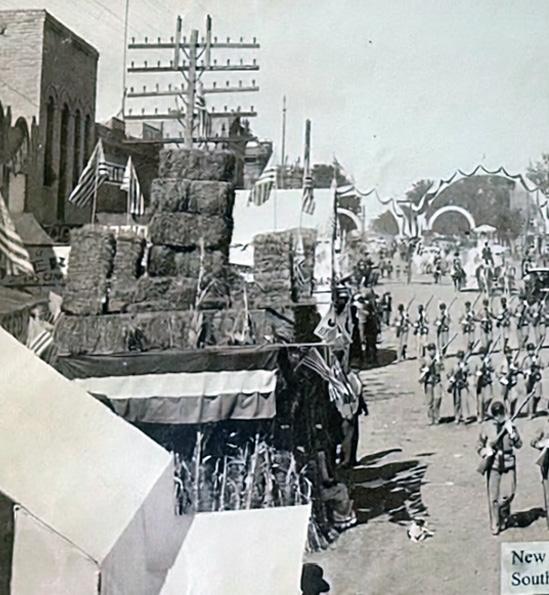
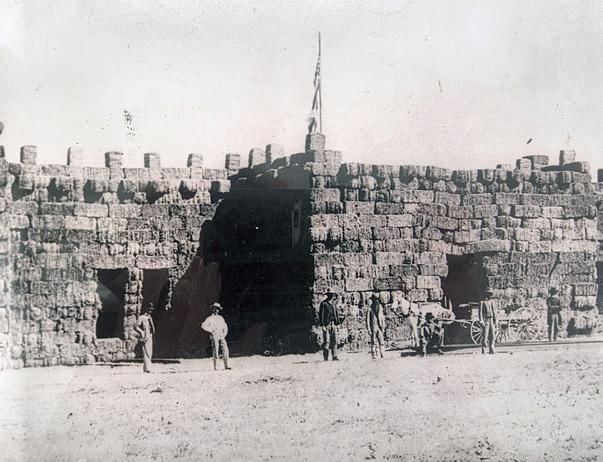
ENMSF traces its origins to the early 20th century, when local farmers, ranchers, and civic leaders sought a way to showcase the region’s agricultural productivity. These incarnations kicked off with a parade down what is now known as Main Street leading patrons to the famous "Alfalfa Palace" which was a massive castle-like structure built out of alfalfa bales to surround livestock pens. These gatherings focused on livestock exhibitions, crop displays, and community competition. These events provided a forum for sharing farming techniques, improving
By: Adriann Ragsdale
livestock breeding, and celebrating rural life.
By the 1920s and 1930s, the event had become more formalized.
Roswell’s central location and its role as a commercial hub for Chaves County made it a natural host city for the Chaves County Cotton Carnival. During this period, the fair expanded to include rodeos— reflecting the region’s strong ranching culture—as well as carnival rides, live entertainment, and youth competitions.
The Great Depression and World War II years posed challenges, as they did for many public events, but the fair persisted, sometimes in scaled-back form. After World War II, it entered a period of renewed growth, mirroring broader national
prosperity and increased interest in community events.
In 1950 the fair was officially rebranded as the Eastern New Mexico State Fair and the fairgrounds in Roswell were improved and expanded to their current location on Southeast Main Street. The event grew into a multi-day celebration featuring rodeos sanctioned by regional associations, 4-H and Future Farmers of America (FFA) exhibitions, agricultural and homemaking
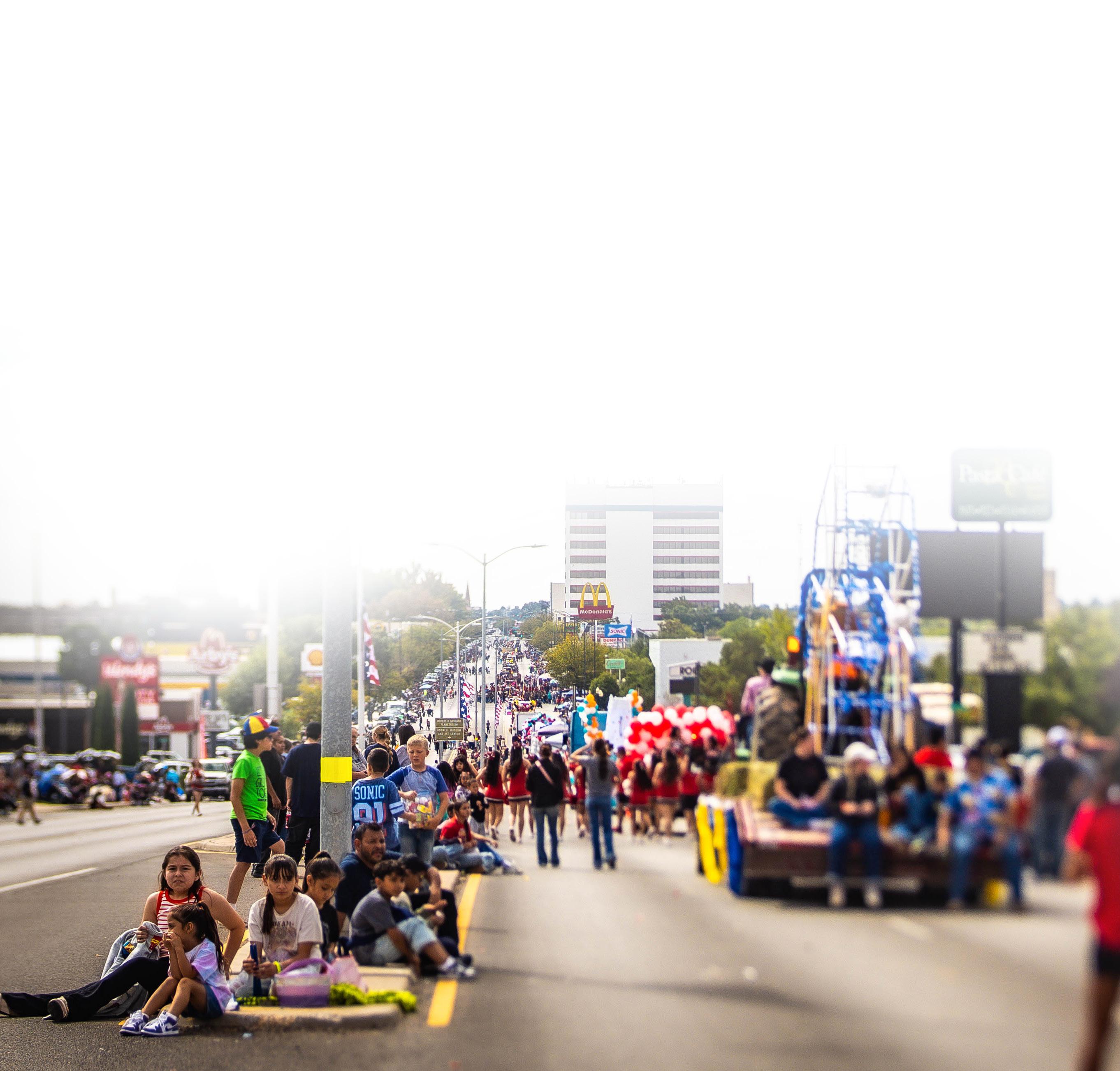
A VIEW OF THE 2025 ENMSF PARADE. THE LARGEST PARADE IN ROSWELL THAT HAS BEEN HAPPENING SINCE THE LATE 1800'S
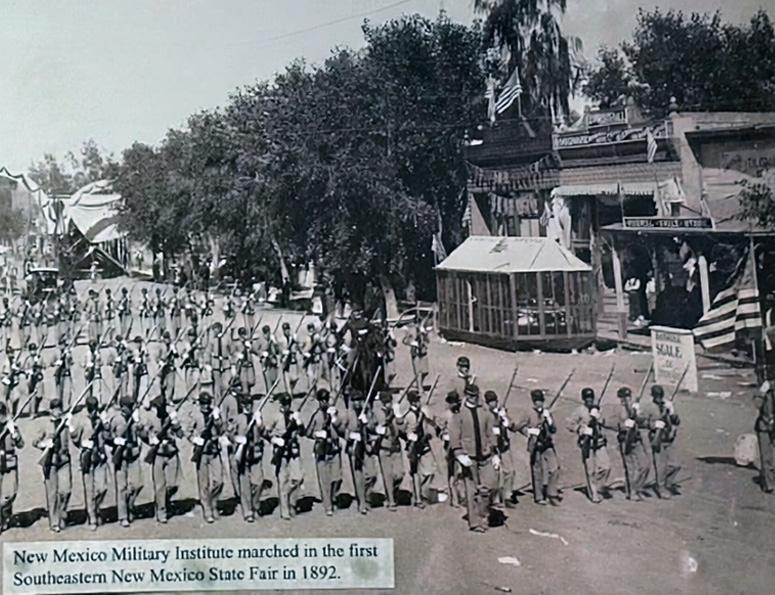
contests and commercial vendors along with a carnival and midway attractions.
This period cemented the fair as both an economic driver and a cultural centerpiece for Chaves County and surrounding areas.
The Eastern New Mexico State Fair celebrated its 100th year in 2022 as it continues to blend tradition with modern entertainment. Youth livestock shows and agricultural exhibits remain at its core, preserving the event’s historical purpose. At the same time, visitors enjoy concerts, carnival rides, food vendors, and community showcases. The ENMSF serves as an important platform for youth development programs, especially through 4-H and FFA, reinforcing its longstanding mission of education, competition, and community engagement.
More than just an annual gathering, the Eastern New Mexico State Fair reflects the identity of southeastern New Mexico—its agricultural roots, its ranching heritage, and its strong sense of community. For generations of residents in Roswell and across Chaves County, it has been both a celebration of local life and a lasting symbol of regional pride

By: Robert Sherman & Caroline Brooks
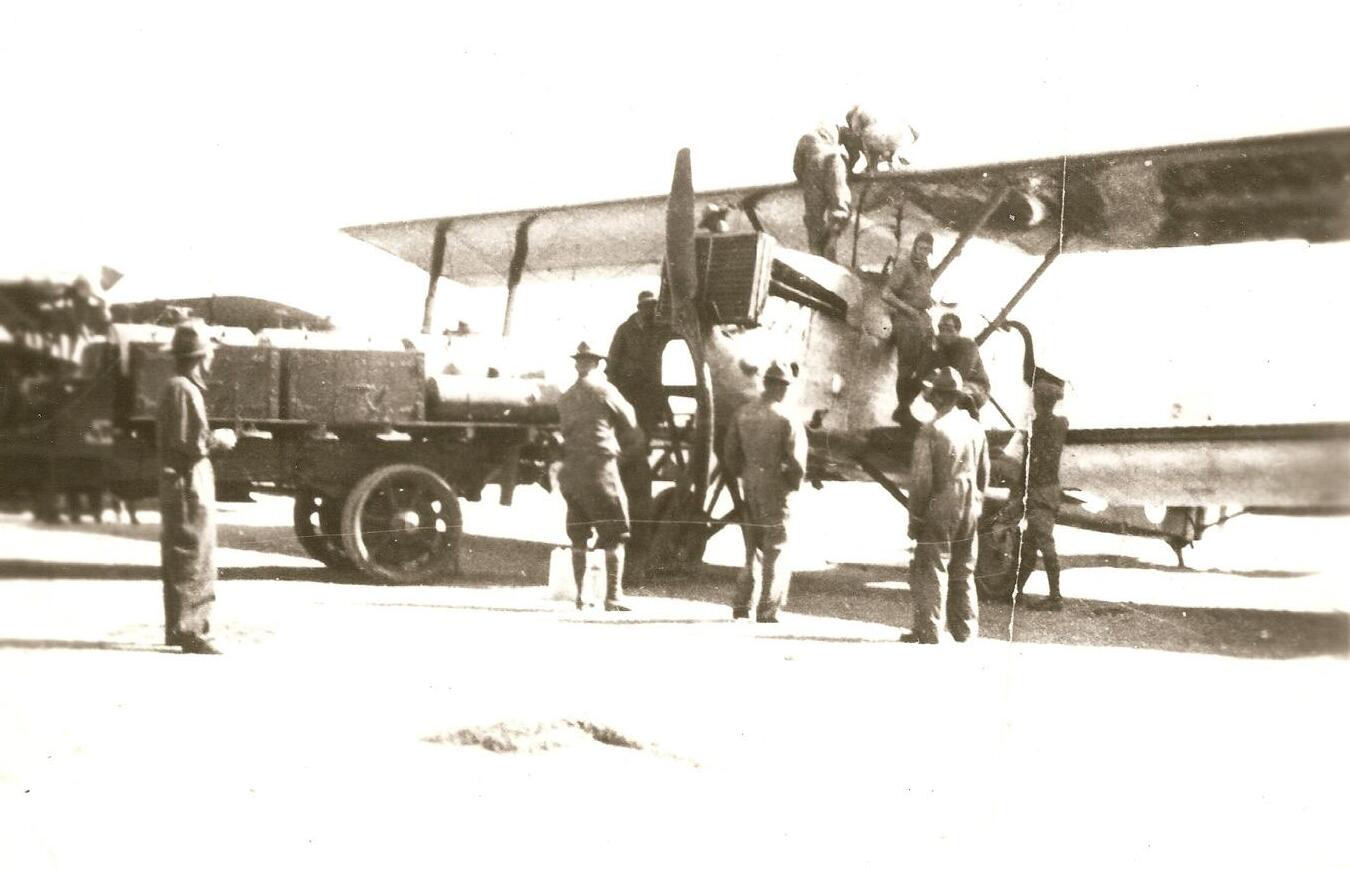
Located on the edge of the high plains, Roswell’s remote location, open airspace, and favorable yearround weather have attracted aircraft for more than a century. The first biplane ever to come to Roswell arrived by rail on a flatcar and was trucked to the fairgrounds in 1910. After repeated difficulty starting the engine, the promoters finally got the
plane airborne late on the second day. The aircraft gained just enough altitude to clear a fence before the propeller struck a pile of discarded rotten apples and snapped.
In the early 1940s, before Pearl Harbor and America’s official entry into World War II, Roswell was already negotiating to host an air base to be called the Roswell
Army Flying School. In 1941, local rancher David Chesser sold 4,624 acres to the U.S. Army Air Corps, and the Roswell Army Air Field (RAAF) officially opened in May 1942. The base quickly transformed the community, whose population grew dramatically. Between 1942 and 1945, approximately 14,000
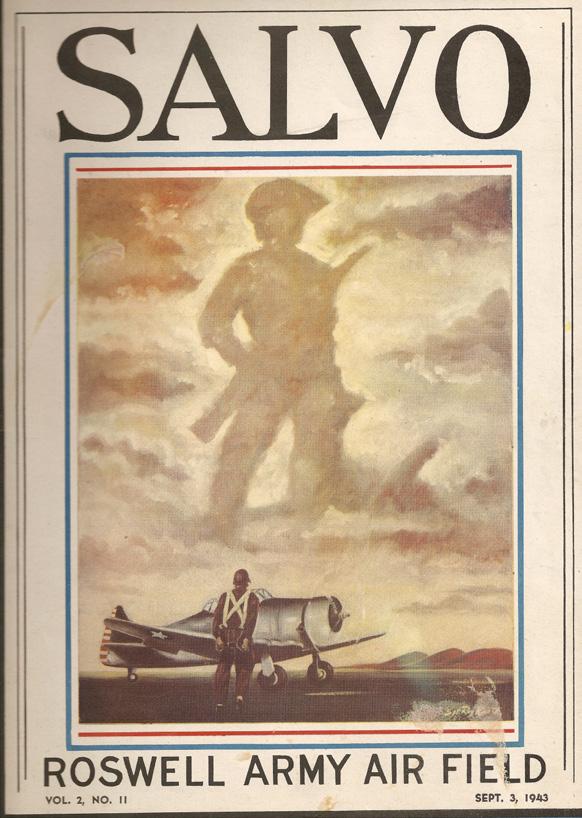
VIEW MANY VINTAGE RAAF AND WAFB PUBLICATIONS ONLINE AT WWW.WAFBMUSEUM.ORG/PUBLICATIONS
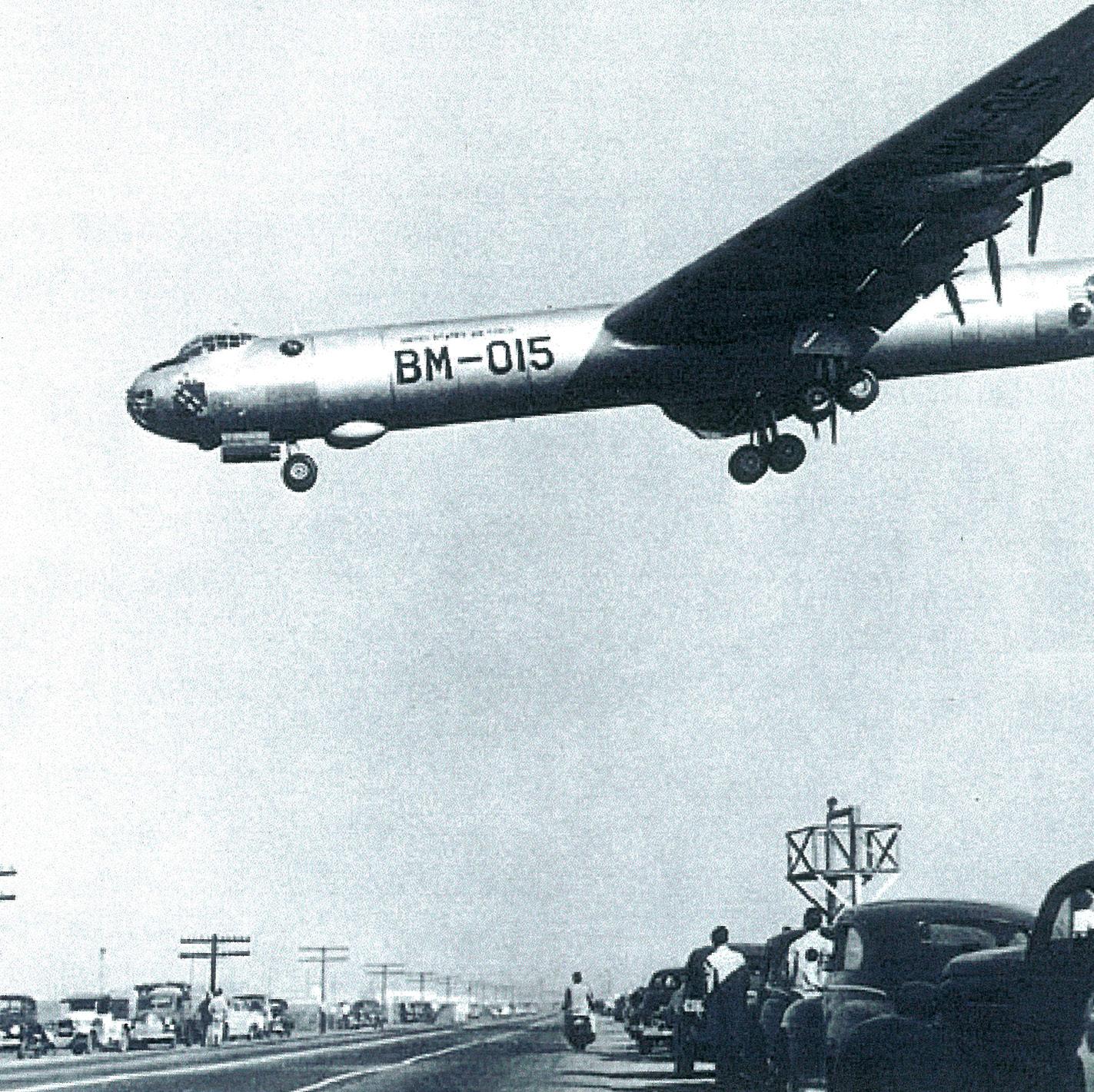
A B-36 FLIES OVER A ROAD AS PEOPLE WATCH ON APPROACH TO THE AIRFIELD
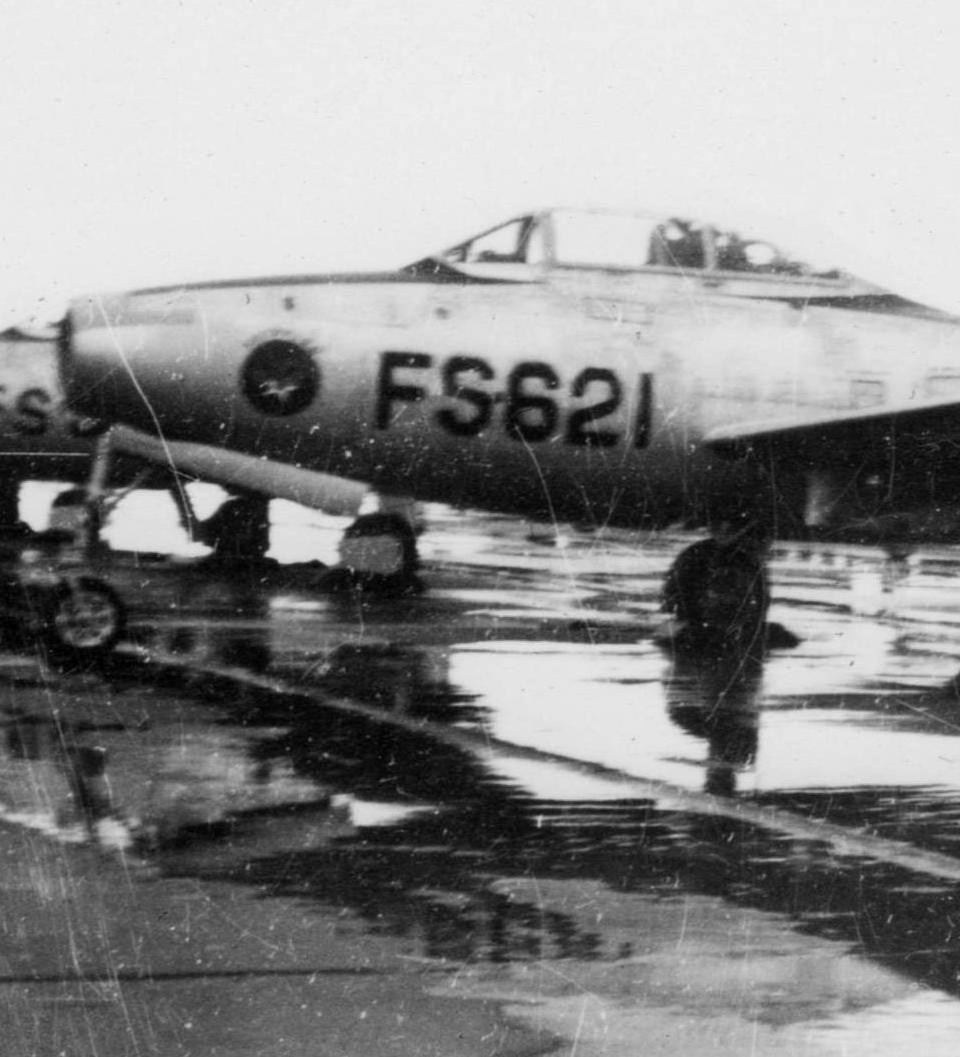
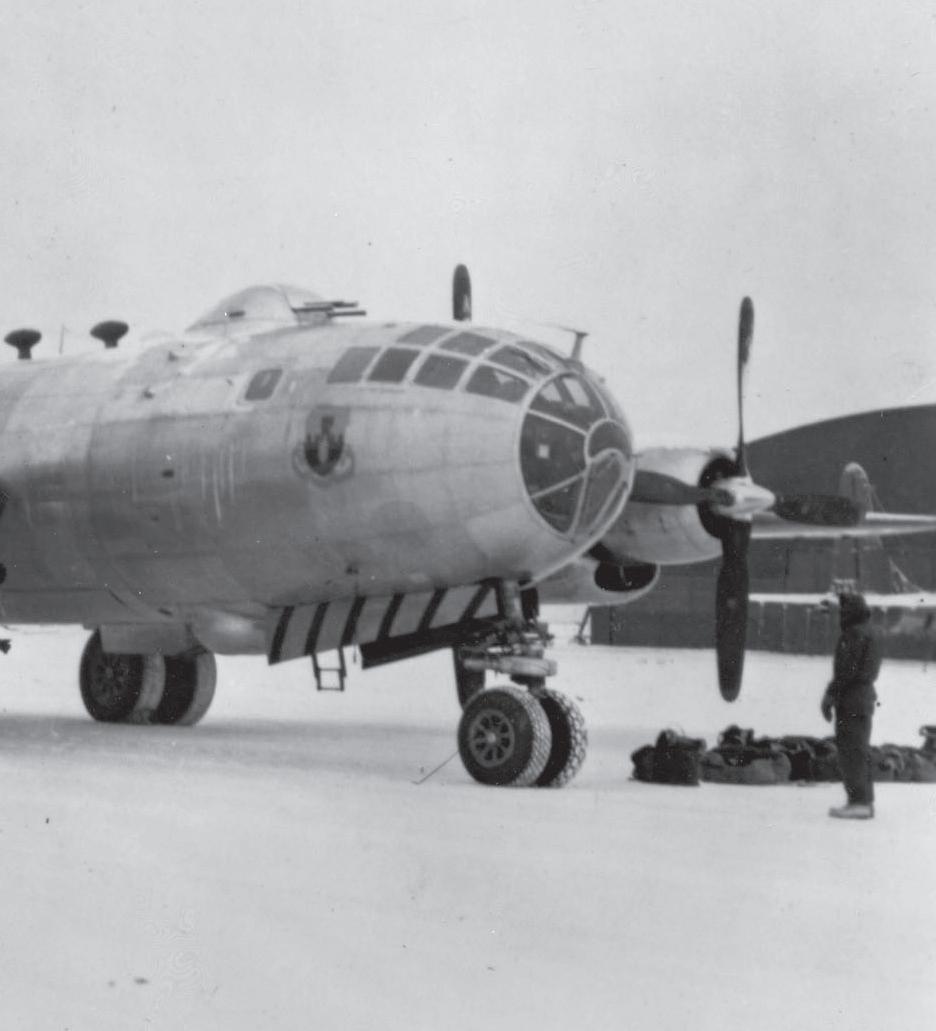
F-84'S AT WALKER - 1952 BOEING B-50A-5-BO (S/N 46-009).
students graduated from Advanced Pilot Training and the Bombardier School at the RAAF. By the end of
WWII there were seven Advanced Flying Training Squadrons and five Bombardier Training Squadrons there. The main training aircraft used on the base was AT-11 built by the Beech Aircraft Company. By
1944, more than 300 training aircraft filled the ramps and 8,616 personnel were stationed at the base. The RAAF also trained nearly 1,000 glider pilots and hosted 42 Chinese students for B-25 training in 1943.
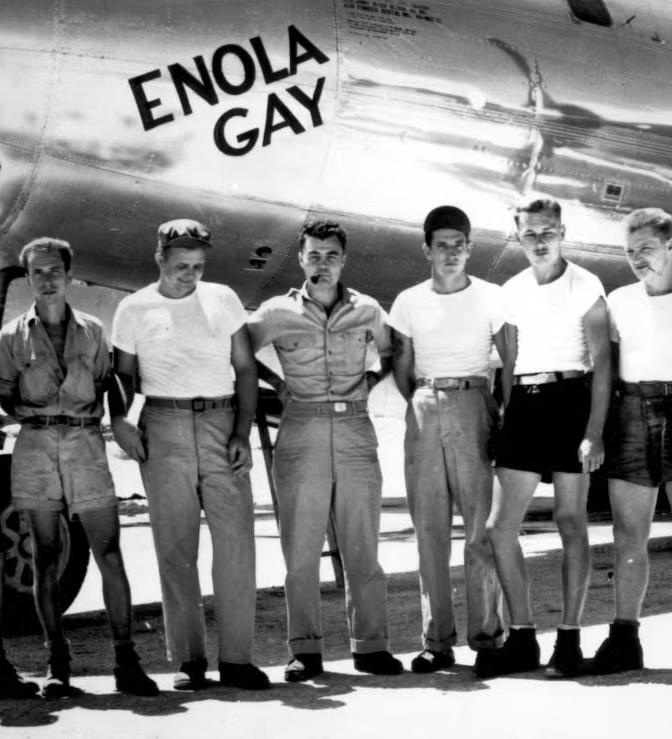
After World War II, the RAAF became home to the 509th Composite Group from Tinian Island in the Mariana Islands. The Enola Gay, Bockscar, and other Silver Plate modified B-29s designed for atomic missions were assigned to Roswell. In 1946, several aircraft from the 509th participated in Operation Crossroads, the atomic bomb tests in the Marshall Islands. At the time, the 509th’s squadrons stationed at Roswell were the only atomic bomb mission-ready units in Strategic Air Command. The base and the 509th also became linked to the famous July 1947 “flying saucer” incident, a story that continues to fuel debate and fascination today.
In September 1947 the United States Army Air Corp became the United States Air Force and in January 1948, the Roswell Army Air Field became Walker Air Force Base (WAFB). Named for Brigadier General Kenneth N. Walker, Walker was a New Mexico native and Medal of Honor recipient killed during a bombing mission over Papua New Guinea in 1943. Walker was also a major contributor in developing strategic warfare plans to defeat Germany. He received the Medal of Honor after he went missing. He is the highest-ranking soldier that is still Missing in Action (MIA) from WWII.
Walker Air Force Base was the
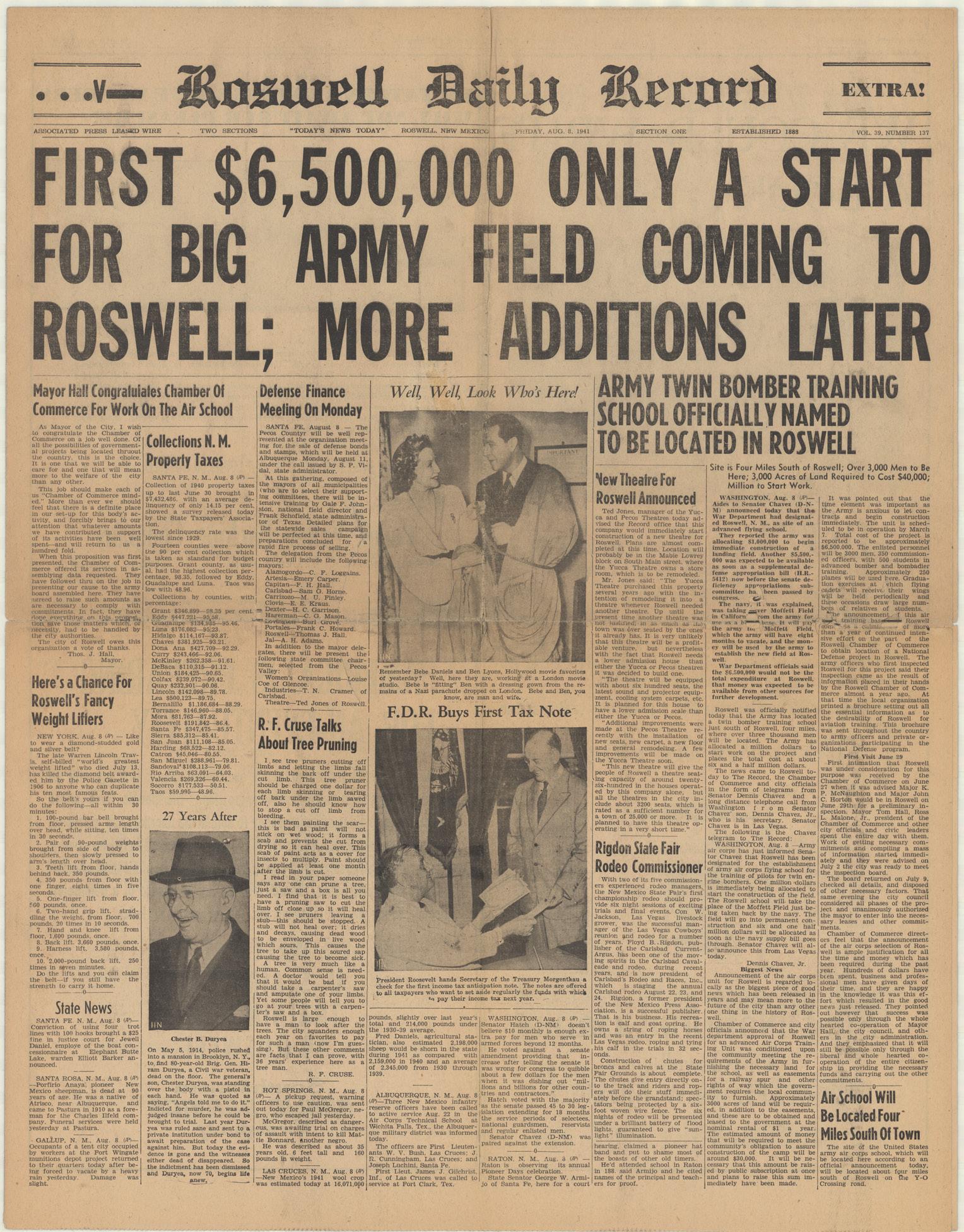
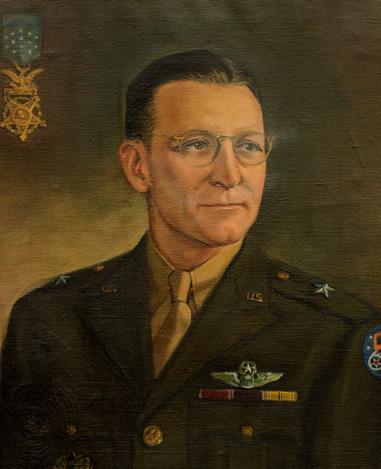
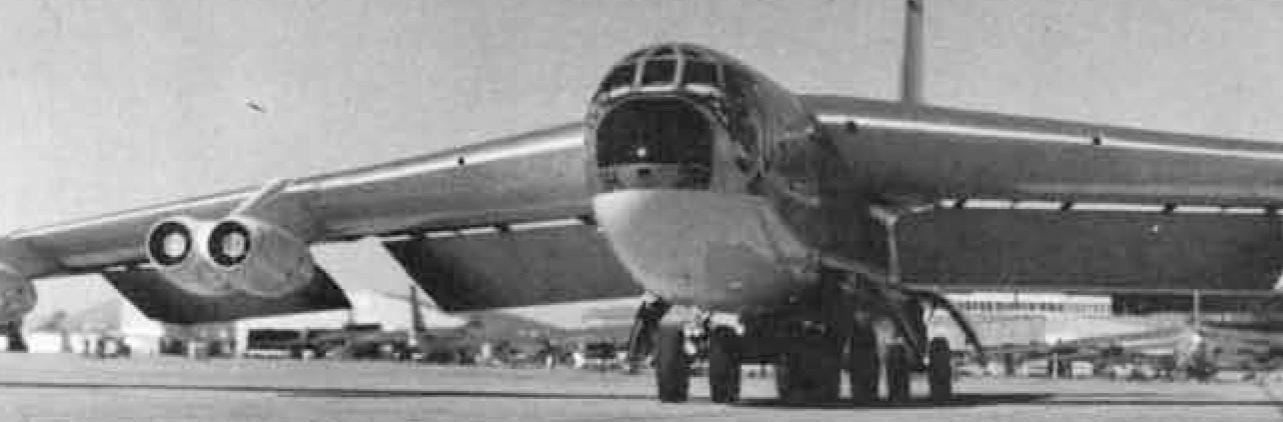
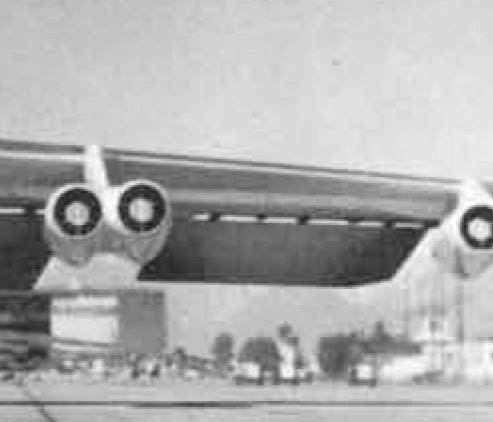
home of the following bomber aircraft: B-29, B-50A, B-36 (195258), B-47 (1955-58) and B-52 (1957 to closure). The following tanker aircraft were assigned to the WAFB: KB-29M, KC-97 and KC-135. Between 1947 and 1948 WAFB had two squadrons of fighter aircraft assigned. The 59th Fighter Squadron had F-51 and F-84 aircraft. The 60th Fighter Squadron had F-51 and F-84 aircraft.
Roswell’s aviation importance continued into the Cold War. In 1961, the city was selected to host the Atlas Missile Program, with twelve missile silos constructed within a 25mile radius of WAFB. The program was short-lived, and the silos were deactivated by 1965. That same year, Roswell learned the base would close. Walker Air Force Base officially shut down on June 30, 1967. The property soon became the
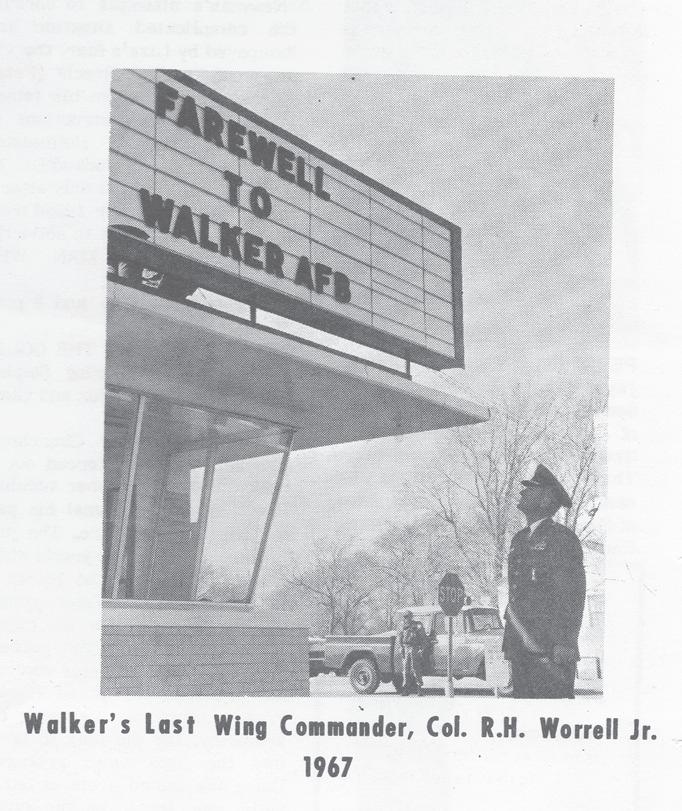
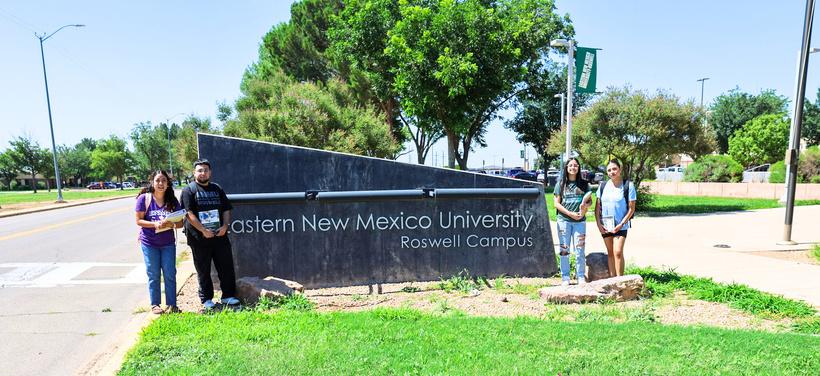
which today supports an air terminal for American and United Airlines, aerospace businesses, a branch of Eastern New Mexico University, as well as limited military training operations.
Most recently, Roswell entered a new chapter in aviation history with the arrival of the National Championship Air Races. Formerly known as the Reno Air Races, the event relocated to Roswell in 2025. The inaugural races were held September 10–14, 2025, with the next races scheduled for September 16–20, 2026.
• High School Foreign Exchange
• Ramp Building & Gazebo Projects
• Scholarships Service Above Self
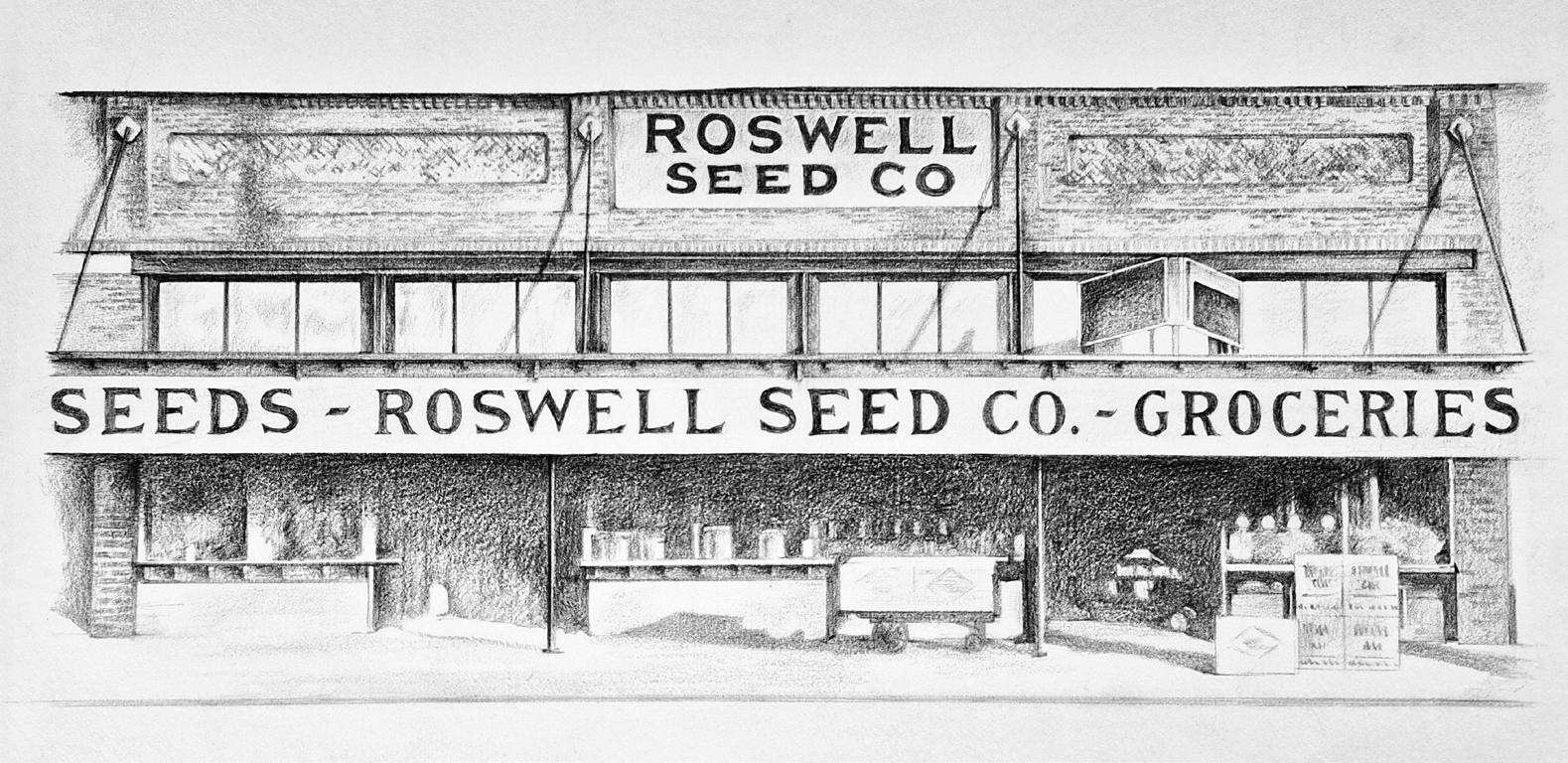
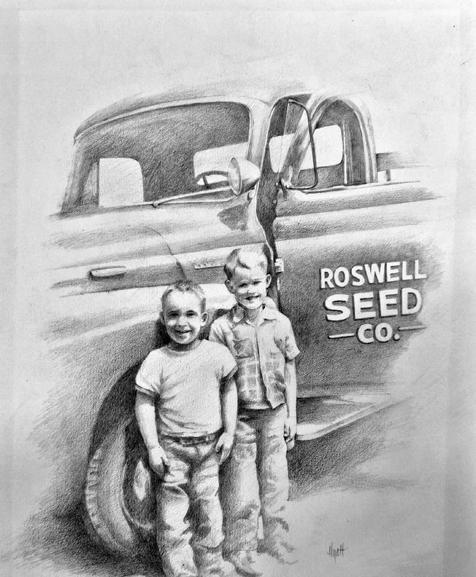
Ben Manatt speaks humbly of his baptism by fire into the family business. The Gills built the Roswell Seed Company, and a succession of Gills had been at the helm since the early 1900’s. Shirley Gill quietly answered her son-in-law’s question concerning who would manage Roswell Seed after the passing of Jim Gill, Manatt’s father-in-law. To Ben’s surprise, Shirley calmly said, “Why, you will,” and smiled. Manatt remembers his charge as he carries on the family business’s dedication to excellence.
Manatt enjoys the work and the crew. “We all work so well together,” he says. “I don’t have Jim Gill’s encyclopedic memory, but together with the crew we have become masters of ‘adapt and overcome.’” The Gills and Manatt run the business with experience tempered by kindness. One
customer may come in with a problem in a backyard tree, while another needs 120 acres worth of seed cleaned and stored for the following year. Regardless of the size of the account, every customer is treated with care, backed by over 100 years of knowledge.
Roswell Seed Company is known as the oldest family-owned business in New Mexico. But Ben Manatt mentions that there may be other long-lived family businesses that we just don’t know about. The age of the business is still formidable: Jim’s greatgrandfather, John B. Gill, came from Arkansas to New Mexico in 1890. In the late 1800’s, the Roswell area had many fine apple orchards and John Gill, an apple orchardist was drawn to New Mexico by those orchards. With his knowledge of both apple trees
and their crops, John Gill could walk through an orchard and judge both the quantity and quality of the harvest. Soon Gill knew many of the local farmers and he knew their orchards. He would offer to buy the harvest according to his calculations and would seal the deal with a handshake and a silver dollar. John Gill never mistreated a grower, and his word was stronger than any written document. Though he knew orchards and apples, Gill still had to learn about business. Once Gill packed a boxcar full of apples for a customer, but when the apples arrived at their destination, the customer changed their mind leaving Gill miles away and responsible for a whole boxcar of steadily spoiling fruit. From that day on, Gill would
By: Bevery Coots
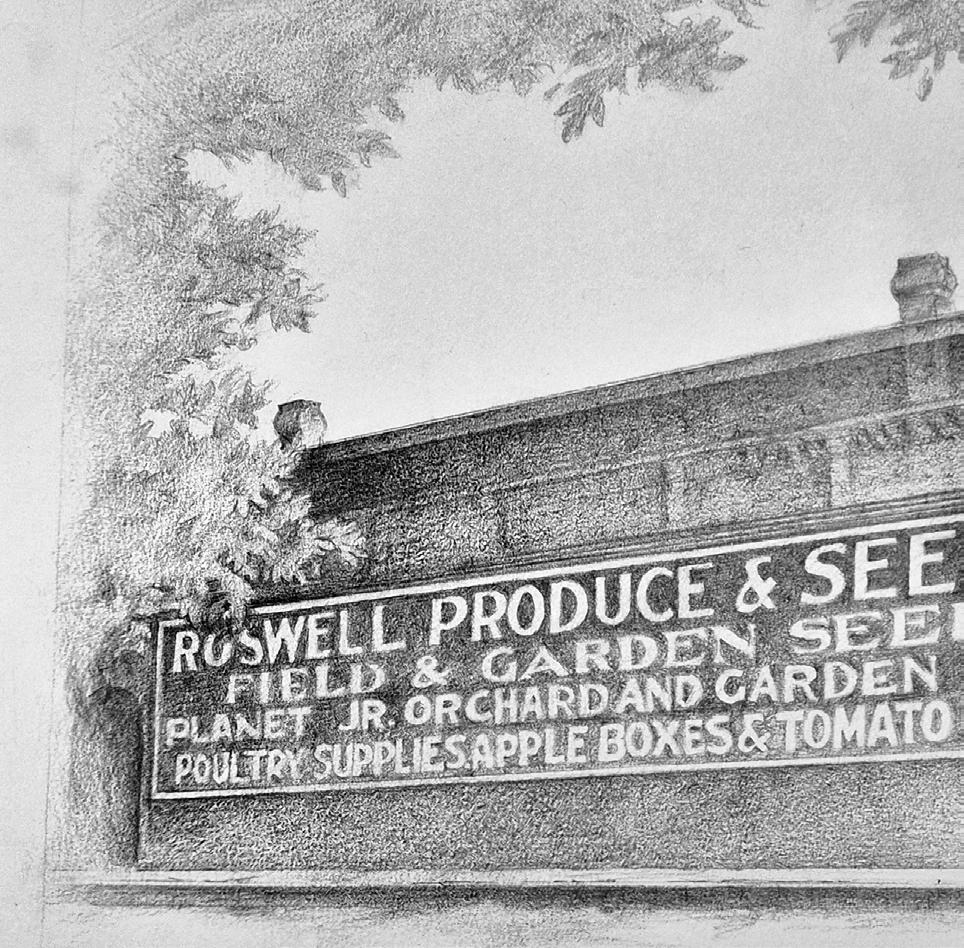
hitch a ride in the caboose of the train and accompany his apples. If the customer didn’t take the whole load, or if Gill thought there was a market elsewhere, he would sell the apples directly from the train.
John Gill started the store with $500 in the 1890s. Back then Roswell Seed and Produce was a grocer as well as a seed store. Originally, the store stood where Ancients of Days stands. The Gills built the store in its present location in the mid-1900s. The store has survived a fire, two World Wars, The Great Depression, and, lately, the Pandemic.
Roswell Seed uses a three-step process for cleaning seed with equipment that was engineered in Germany. The seed company has replaced this equipment three times. They are one of the only seed processing plants that can clean the tiny alfalfa seed well. Manatt says that the equipment is so old that they must manufacture their own parts using a combination of RSI (Roswell Seed Ingenuity) and help from Southwest Bearing Company.
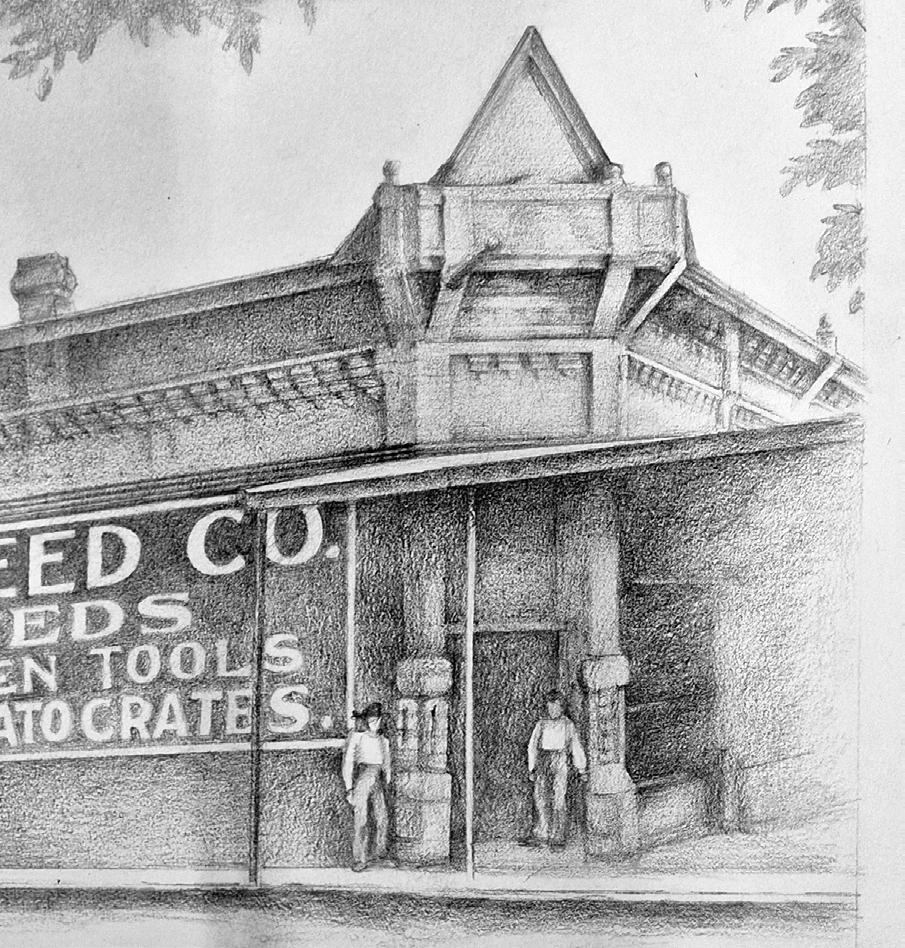
The Gill’s daughter, who reads German, has helped with specific repairs and parts replacements. According to legend Jim Gill was offered over a million dollars for the old equipment. Jim Gill asked why the German company wanted it, hoping they might replace the machine with new equipment, but the manufacturer wanted to put the old equipment in their museum in Germany. Roswell Seed made alfalfa production possible in the Pecos Valley and, to this day, offers some of the cleanest alfalfa-seed worldwide. Among the many curiosities in the store, if you manage to peek into the Gills’ office, you will see an old mantle clock. In a time before computers and wristwatches, Jim’s grandfather would wait for the Sunday train and set the mantle clock accordingly. Folks in Roswell counted on the clock at Roswell Seed to know the time. Not only was he the timekeeper, but John Gill became a Provost Marshall, the assistant fire chief and the first mail deliverer. He even installed running water and early streetlighting in 1925, some of the first in Roswell. When asked why he would install such things at the very south end of town, John Gill admitted that it was for the young
Regardless of the size of the account, every customer is treated with care, backed by over 100 years of knowledge.
people in the work camps to have clean water and lighting, so they could finish their homework and advance in school.
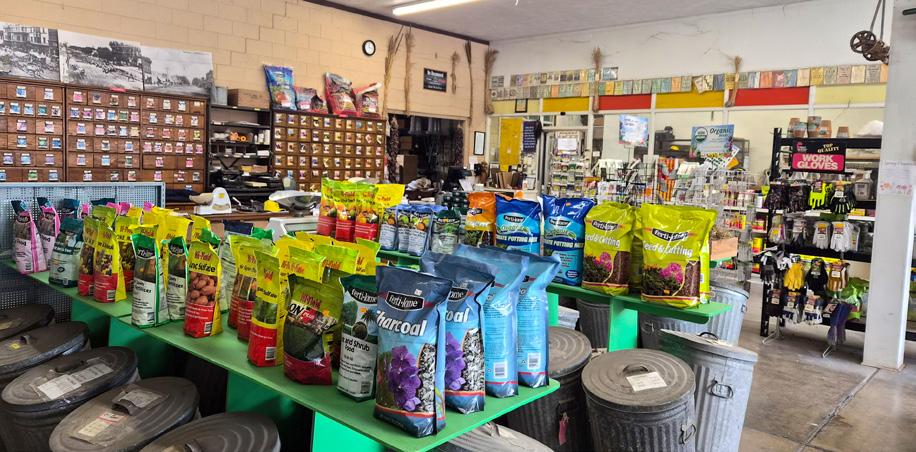
Stepping through the doors at Roswell Seed Company, even the most stoic among us can’t help but dream when beholding the old wooden seed shelf and rows of colorful seed packets on the drawer-fronts. An enlarged 1912 photograph depicts an old Model T carrying watermelons the size of small ponies, while the 1909 safe has its thief catching cannister of gas in the thick metal door - the seed company offers time travel as well as agricultural science.
Today, Roswell Seed also sells garden plants, flowers, fertilizers, and bee packages. From the commercial farmer to the windowsill gardener, there is something for everyone. The people of Roswell continue to count on Roswell Seed Company. The Gill family has stewarded agriculture and served the people of the Roswell area for over a century. Even if you aren’t a gardener or farmer, come into this store for a packet of wonder and a look at a business with a lot of history and heart.
By: Bobbi Thompson
The National Championship Air Races, organized by the nonprofit Reno Air Racing Association (RARA), began in northern Nevada, where the event built a decades-long reputation as one of the world’s premier air racing traditions before launching a new chapter in southeastern New Mexico. After searching for a new host site, organizers selected Roswell because of the community’s support, the airfield’s size, and the opportunity to continue growing one of aviation’s most unique events. Today, the races attract aviation enthusiasts, competitors, crews, and families from across the United States and abroad for a multi-day experience featuring racing classes, aircraft on static display, vendor areas, and military and civilian flight demonstrations. Organizers also point to Roswell’s ability to support long-term growth with room for future attractions and expanded fan experiences. Economic impact studies estimate the event could contribute as much as $50 million annually to
the regional economy through tourism, hospitality, local spending, and related business activity.
Returning in 2026, the National Championship Air Races will feature a complete field of competition including the Biplane, Formula 1, Jet, T-6, STOL Drag, Sport, and Unlimited classes. The full seven-class lineup marks a major milestone for the event in Roswell, giving fans their first opportunity since the move to New Mexico to experience the complete range of aircraft, speeds, and flying styles that have long defined the races. From the vintage look and nimble handling of the Biplane class to the speed of the Jets and the prestige of the Unlimited racers, organizers expect one of the most visually dynamic race weekends in the event’s history. They say the expanded lineup will create a more immersive spectator experience with more aircraft, more teams, and more opportunities for fans to explore the racecourse.
“We pride ourselves on being the only event in the world where fans
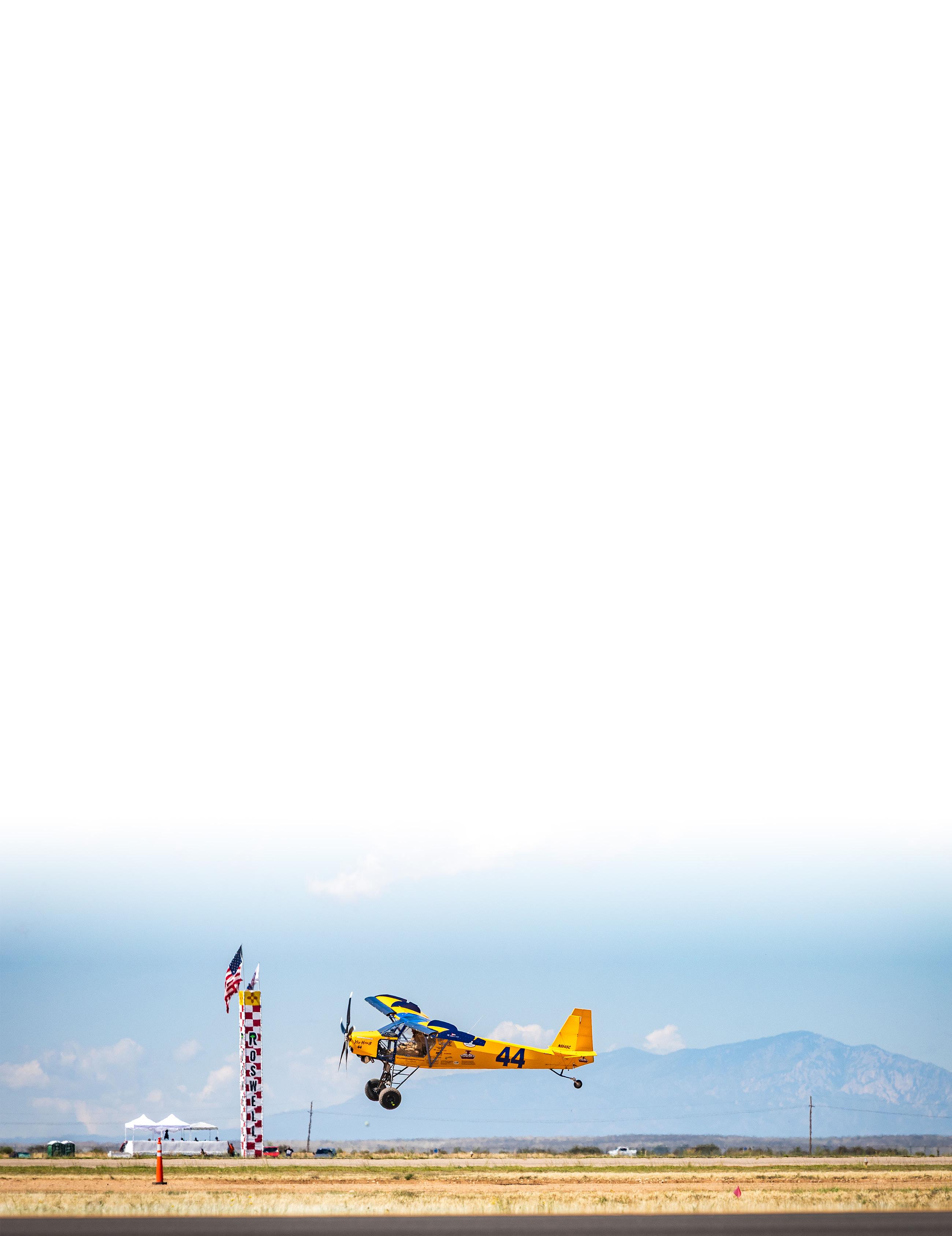
can see seven classes of air racing,” said Fred Telling, chairman and CEO of RARA. “With the Sport and Unlimited classes back, we can’t wait to show first-time attendees what a full field of air racing looks like and welcome back long-time fans.”
Beyond the races themselves, attendees can expect close-up aircraft viewing, pit access for pass holders, air show entertainment, and rare static displays. Dennis Sanders, president of the Unlimited Class, whose family has participated in air racing for more than 50 years, said he looks forward to continuing the tradition in Roswell and reconnecting with long-time fans and competitors.
The 2026 event will also feature the United States Air Force Thunderbirds precision jet team, along with food vendors, merchandise areas, and expanded hospitality options. New 9,500-seat grandstands, private boxes, chalets, and VIP tents are designed to provide strong views of all seven racecourses and create a festival-style atmosphere for aviation fans, families, and first-time visitors alike.

As America marks 250 years of progress, we reflect on the communities that have shaped our nation and continue to move it forward.
Xcel Energy is honored to serve communities like Roswell — powering homes, businesses, and milestones that connect our past to what comes next.


As the United States reaches its monumental 250th Anniversary, the CITY OF ROSWELL stands ready to honor the enduring principles of liberty and innovation that define the American story.
This Semi-Quincentennial is more than just a milestone; it is a moment for New Mexicans to reflect on our shared contributions to the national fabric—from our deep-seated ranching traditions to the scientific breakthroughs that reached for the stars. By blending a unique heritage of cultural curiosity with a firm independent spirit, the community exemplifies the pioneering courage that built our country.
With flags flying high and hearts full of patriotism, the city joins the nationwide celebration of the “America 250” vision, reaffirming its place as a global destination for explorers and dreamers alike.
This celebration is a testament to our city pride and the vibrant fusion of history that makes Roswell truly shine. It is a time for unity and a renewed appreciation for the diverse culture that makes our community a bright and essential piece of the great American mosaic.
City of Roswell | roswell-nm.gov | seeroswell.com |