
Celebrating Agricultural Literacy Week: March 16–20, 2026
by Dr. Richard Stonebraker National Grange Lecturer

Grangers across the nation have a powerful opportunity to share the heart of agriculture with the next generation during the National Grange’s Agricultural Literacy Week, March 16–20, 2026
Organized through the National Grange Lecturer’s Department, this week-long celebration invites members to engage students, families, and entire communities in meaningful conversations about where our food comes from, who produces it, and why agriculture matters every day of the year.
At its core, the Grange has always been an educational organization dedicated to strengthening communities and advancing agricultural understanding. Agricultural Literacy Week continues that proud tradition by encouraging local Granges to design creative and impactful experiences that connect people of all ages to the world of agriculture.
What Is Agricultural Literacy Week?
about farming and food systems.
• Partner with schools, libraries, and community organizations to lead discussions or demonstrations.
• Host engaging, hands-on activities that illustrate the journey from field to fork.
The purpose extends far beyond teaching agricultural facts. The goal is to build connections, bridge the gap between consumers and producers and help communities better understand the farmers, ranchers, and agricultural professionals who make our lives possible.
Bringing the Story of Agriculture to Life
Agricultural literacy is more than knowing how crops grow or animals are raised. It is about fostering a broader understanding of:
• Where our food, fiber, and fuel originate.
• The science, stewardship, and care behind production.
• The families and individuals who shape our rural landscapes.
• The vital role agriculture plays in local and national economies.
Whether reading an agriculturethemed story to a classroom, organizing a farm tour, or leading a hands-on activity, each interaction plants a seed of awareness. These experiences help cultivate appreciation, spark curiosity, and Volume 3 | Issue 5 March 13, 2026
Agricultural Literacy Week is a nationwide effort focused on increasing awareness and appreciation for agriculture. During the week, Grangers are encouraged to:
• Visit classrooms to share stories
continued on page 3

Agricultural
How Urban Hospitals Tap Rural Benefits — and Why It Matters
Some urban hospitals are taking advantage of Medicare rules. They claim “administratively rural” status to access benefits meant for rural providers, while also claiming urban status for wage index payments. This dual classification allows large metropolitan hospitals to receive both rural and urban advantages, pulling funds away from hospitals that truly serve rural communities.

Dual classification grew rapidly — from 109 hospitals in 2018 to 521 in 2023 — after court rulings and CMS policy changes made it easier for urban hospitals to qualify.
In 2023, dually classified hospitals had a median of 285 beds, compared to 49 beds at rural hospitals. As a result, more urban beds now receive rural benefits than actual rural beds.
Based on general fund balances, dually classified hospitals are financially stronger than both rural and urban-only hospitals.
Dual classification allows hospitals to receive a higher urban wage index and qualify for certain rural programs under easier standards. They are not required to provide more rural services, and it’s unclear how the extra funding supports patient care.
CLOSING THE DUAL CLASSIFICATION LOOPHOLE WOULD ENSURE HOSPITALS CANNOT CLAIM RURAL STATUS WHILE ALSO RECEIVING HIGHER URBAN WAGE INDEX PAYMENTS, HELPING DIRECT RURAL PROTECTIONS TO THE COMMUNITIES THEY WERE MEANT TO SUPPORT.
National Grange Releases New Report
Examining Diversion of Rural Health Care Dollars to Urban Hospitals
Study highlights how “dual classification” policies redirect rural-designated resources away from rural patients
The National Grange supported the release of a new analysis by Magnolia Market Access examining how Medicare hospital reclassification policies are increasingly diverting resources intended for rural hospitals to large urban health systems, weakening the rural health care safety net and threatening access to care for millions of rural Americans.
The report, Hospital Dual Classification: How Urban Hospitals Are Capitalizing on Medicare Reclassification Policies, documents the rapid expansion of a practice known as dual classification, in which geographically urban hospitals reclassify as administratively rural to access rural-specific Medicare benefits while also classifying as urban, receiving higher urban wage index payments.
“These policies were created to protect rural hospitals –not to be leveraged by large metropolitan systems that do not share the same challenges of geography, workforce shortages, or financial fragility, said Christine Hamp, President of the National Grange. “Rural hospitals are closing at alarming rates, and every federal dollar intended to keep them open matters. When those dollars are diverted through regulatory loopholes, rural patients lose access to care that may already be miles – or hours – away. This is about fairness and fidelity to purpose.”
Programs like 340B and Medicare’s rural payment protections exist to stabilize healthcare access where it is most vulnerable. Allowing urban hospitals to benefit from rural-only designations without a corresponding rural patient commitment undermines that intent and weakens the rural safety net.
Ag Literacy Week
inspire future leaders in agriculture.
Tips for Getting Involved
Participation can be simple, yet meaningful. Consider these ideas as you plan for Agricultural Literacy Week:
• Connect with local educators — Offer to read a book, share your agricultural experiences, or cofacilitate an activity during class time.
• Plan an interactive demonstration — Invite students or families to explore seeds, soil samples, farm tools, or simple agricultural science experiments.
“We must ensure that rural healthcare policies are working as designed – supporting hospitals that are geographically, demographically, and operationally rural,” Hamp said. “Closing the dual-classification loophole is a necessary step toward preserving access, strengthening rural providers, and ensuring that limited healthcare resources reach the communities they were meant to serve.”
According to the analysis, the number of dually classified hospitals has grown significantly in recent years, with many of the largest beneficiaries being major metropolitan teaching hospitals. Through dual classification, these facilities may gain expanded access to graduate medical education slots, enhanced Medicare reimbursement, and eligibility pathways for programs such as 340B.
The National Grange is calling on policymakers to close the dual-classification loophole by ensuring that hospitals cannot claim rural status while also receiving higher urban wage index payments through the Medicare Geographic Classification Review Board Process. Aligning these policies would help ensure rural payment protections are directed to the hospitals and communities they were designed to support.
The full report is available at: www.nationalgrange.org/ hospital-dual-classification.
Be sure to also read National Grange President Christine E. Hamp’s opinion piece on how rural America is paying the price for these loopholes, here: https://grange.biz/payingtheprice
continued from page 1
• Host a community event — Partner with a library, extension office, or community center to organize an agriculture-focused learning night.
• Share your outreach — Post photos or reflections (with appropriate permissions) through your state or local social media outlets to highlight your efforts.
No matter how large or small your project may be, every effort helps strengthen public understanding of agriculture. More importantly, it reinforces the Grange’s enduring role as a trusted
educational leader in both rural and urban communities. Agricultural Literacy Week is more than a date on the calendar—it is a reminder of who we are as Grangers: educators, advocates, and stewards of agriculture’s story.
Let’s use March 16-20 to plant seeds of knowledge that will grow for generations to come.
Usable lesson plans and more information can be found at https://www. nationalgrange.org/lecturer-programs/
Grange Heirloom for March
Use the Grange Heirloom Program to teach your members and the community about some of the key cornerstones of the Grange. Materials are available at http://www.nationalgrange.org/heirloom-program.
You are welcome to choose any of the Grange Heirlooms at any time. We are currently in “Year E,” running through February 2027.
Use the hashtag #GrangeHeirloom when you share these important pieces of our work and history on social media.
Support the Grange Foundation through the Common Routes Challenge
Through April, the Grange Foundation is encouraging members and friends of the Grange to celebrate unity through movement by participating in the Common Routes: Choose Your Challenge event.
This virtual -thon allows individuals to support the work of the Grange Foundation at the level and with the activity of their choice, from running a 10K to taking a few long Sunday drives. Pets and children can even take part!
“The idea is simple - use your time on the move to reflect on the impact the Grange has had on your life or community and share that with others,” Grange Foundation Chairman John Benedik said. "You can choose how you want to participate, when you want to participate and in doing so, you’ll move the Grange Foundation forward into 2026 and beyond.”
Adult and Junior racers will receive a cooling towel and sticker pack. If you sign up a child under 5, you will receive a special waterproof “Baby’s first 5k” sticker.
You can even choose to have your pets get in on the fun by signing them up to take part in the pup strut - though it’s
open to any pet you’d like to participate. They will receive an event-branded pet bandana.
Racers are encouraged to have friends register and enjoy being on the move together, but they may also want to secure sponsors. By encouraging people who do not wish to race to sponsor you, you’ll be helping the Foundation and entered into our contest for “biggest fundraisers.” Just tell your friends and family to click the donate button on the website, select their amount and choose “Other” and enter your name under the On Behalf Of option.
To honor the idea that you can choose your challenge and move any way you’d like, we’ve also created a Sunday Driver
and passenger category. Sunday drivers will receive a keychain and sticker pack. Passengers will receive an event sticker pack.
Finally, if you don’t want to race or drive but still wish to support the Grange Foundation and have your name added to the event supporters, you can register as a cheerleader.
Registration is open through Grange Month (April)!
When you register however, you will receive a digital bib so you can show your support and participation on social media platforms. Print the bib and hang it at your hall or office to encourage others to take part. Swag items will be sent by mail.
“This is a great way to get a friend to support the Foundation and learn why the Grange is important to you while walking, running, biking, riding or doing any other type of movement that you choose,” Grange Foundation Associate Amanda Brozana said. "No matter what mode of movement you choose, we challenge you to share the value of Grange with others through this event."
Register here: https://runsignup.com/ grangefoundation
Grange Month is around the corner
Each April, Granges across the country celebrate Grange Month—a time to recognize the work of our members and the impact the Grange continues to make in communities throughout rural and small-town America.
Grange Month is an opportunity to celebrate the service, leadership, and community spirit that define the Grange. Whether hosting an event, partnering with local organizations, welcoming in community members, or simply sharing your story online, every Grange plays a role in demonstrating the strength of our organization.
Since 1867, the Grange has been rooted in the idea that strong communities are built locally. From community service projects and leadership development to agricultural advocacy and youth engagement, the work of the Grange begins at the local level and grows outward to strengthen our states and our nation.
This year, National Grange President Christine Hamp has chosen the broader theme “Growing from the Ground Up!” to highlight the power of grassroots action. Every Grange hall, every volunteer effort, and every new member contributes to building stronger communities and a stronger organization.
To help Granges celebrate throughout the month, the National Grange has created a collection of resources including a Grange Month Proclamation, social media headers, and a weekly social media campaign called #GroundUp Monday.
Together, we continue Growing From the Ground Up
How to Participate in Grange Month
Grange Month is a great opportunity to highlight your Grange’s work in your community and invite others to learn more about the organization. Whether you plan a special event or simply share your story, every effort helps demonstrate how the Grange is Growing From the Ground Up.
Use this checklist to help your Grange take part in the celebration.
Recognize Grange Month in Your Community
a Share the Grange Month Proclamation with your mayor, county commissioners, or other local officials and ask them to recognize April as Grange Month.
a Invite local leaders or community partners to attend a Grange meeting or event during April.
Promote Grange Month Online
a Update your social media pages with the Grange Month social media headers and graphics.
a Share photos, stories, and updates about your Grange throughout April.
a Participate in #GroundUp Monday by responding to the weekly prompts from the National Grange and sharing your Grange’s activities using #GroundUpMonday and #GrangeStrong.
Highlight Your Grange’s Community Impact
a Share examples of your Grange’s service projects, partnerships, and community programs.
a Post photos or short stories that show how your Grange supports your community.
a Celebrate volunteers, leaders, and members who make your Grange strong.
a Publish a press release or submit news to a local paper.
Invite Your Community to Learn About the Grange
a Host an open meeting, community event, or informational gathering about the Grange.
a Encourage members to invite friends, neighbors, and community leaders to attend.
a Share information about what the Grange does and how people can get involved.
Celebrate the Future of the Grange
a Highlight your Junior Grange and Youth members and the leadership they bring to the organization.
a Share stories about new members or recent accomplishments.
a Talk about your Grange’s goals for the future and how you plan to continue serving your community.
Access materials at nationalgrange.org/grange-month
Beginning May 1, two changes will take place in the Grange Store:
The price of Golden Sheaf, Sliver Star, and 75-year Awards, as well as 80- and 85-year letters will increase to $15.00 each plus shipping. Additionally, shipping rates - which have remained unchanged for nearly a decade - will increase as shown on the chart at right.
Thank you for understanding, and we look forward to continuing to serve you and your Grange’s needs!
Hamp Watch: Where is our National Grange PResident?
This monthly feature highlights where National Grange President Chris Hamp has been and what she’s been up to. Do you want to see her in your neighborhood or at your Grange event? Email her at champ@nationalgrange.org. This week, we’re looking back at February.
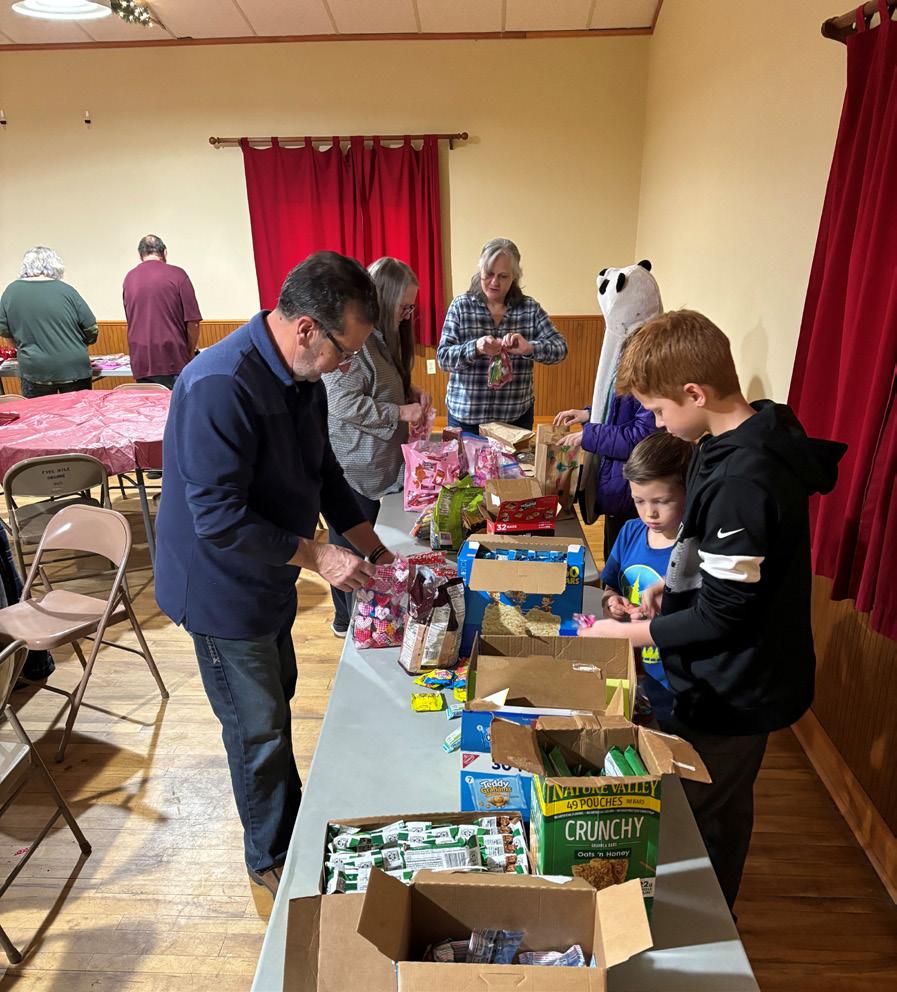
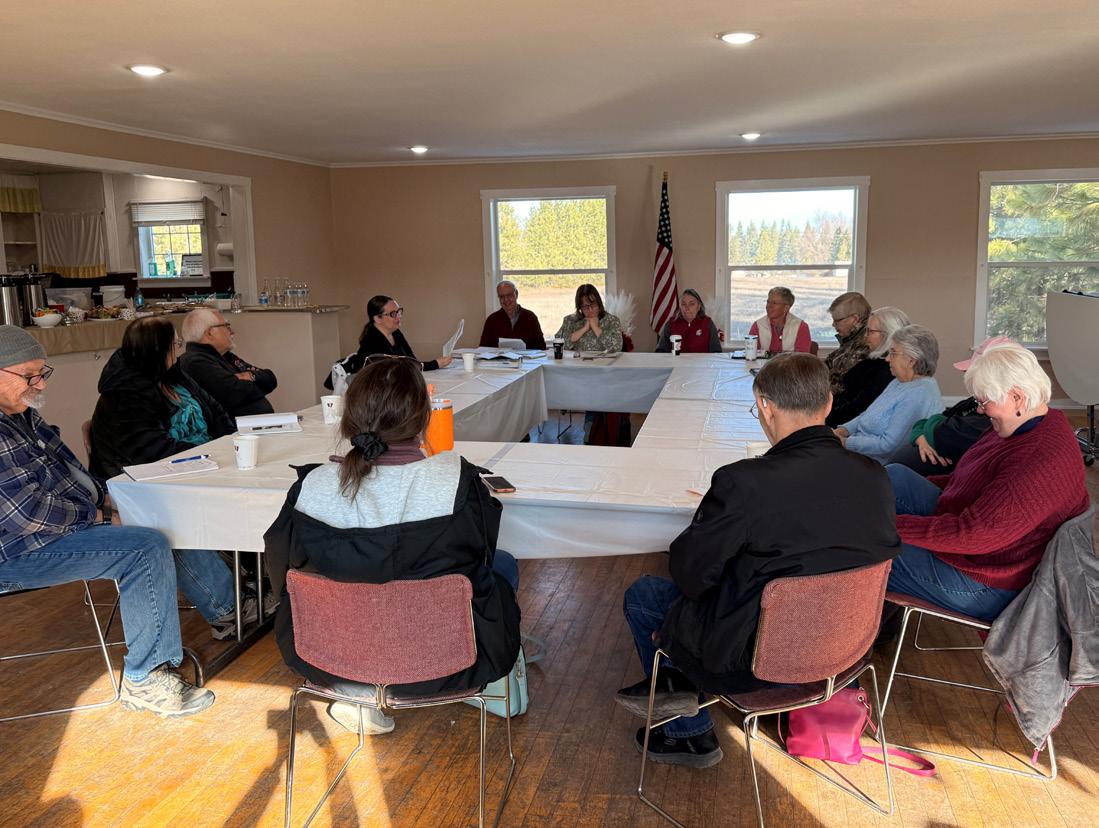
February 2: The activity at Five Mile Prairie Grange’s monthly Community night was making Valentine’s Day goodie bags and signs for the residents of the Spokane Veterans Home.
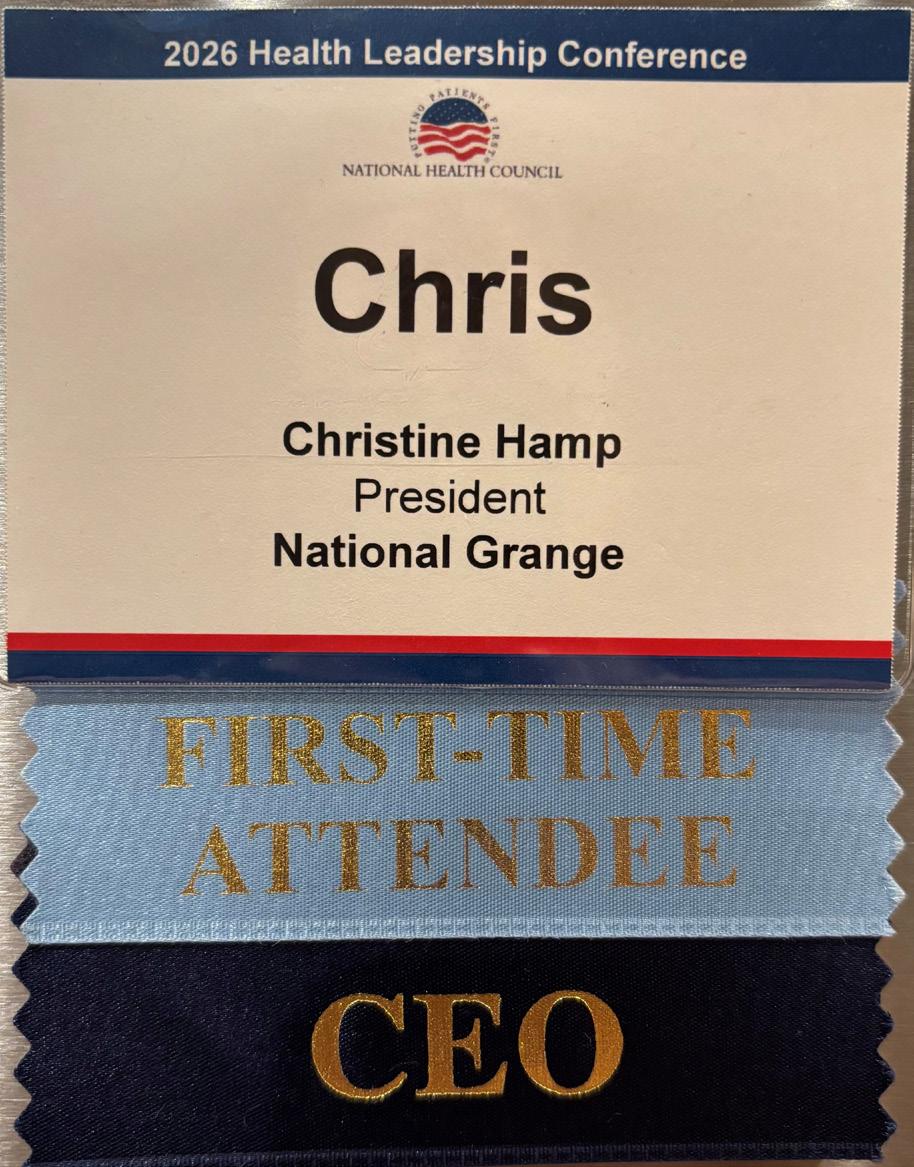
10-12: The

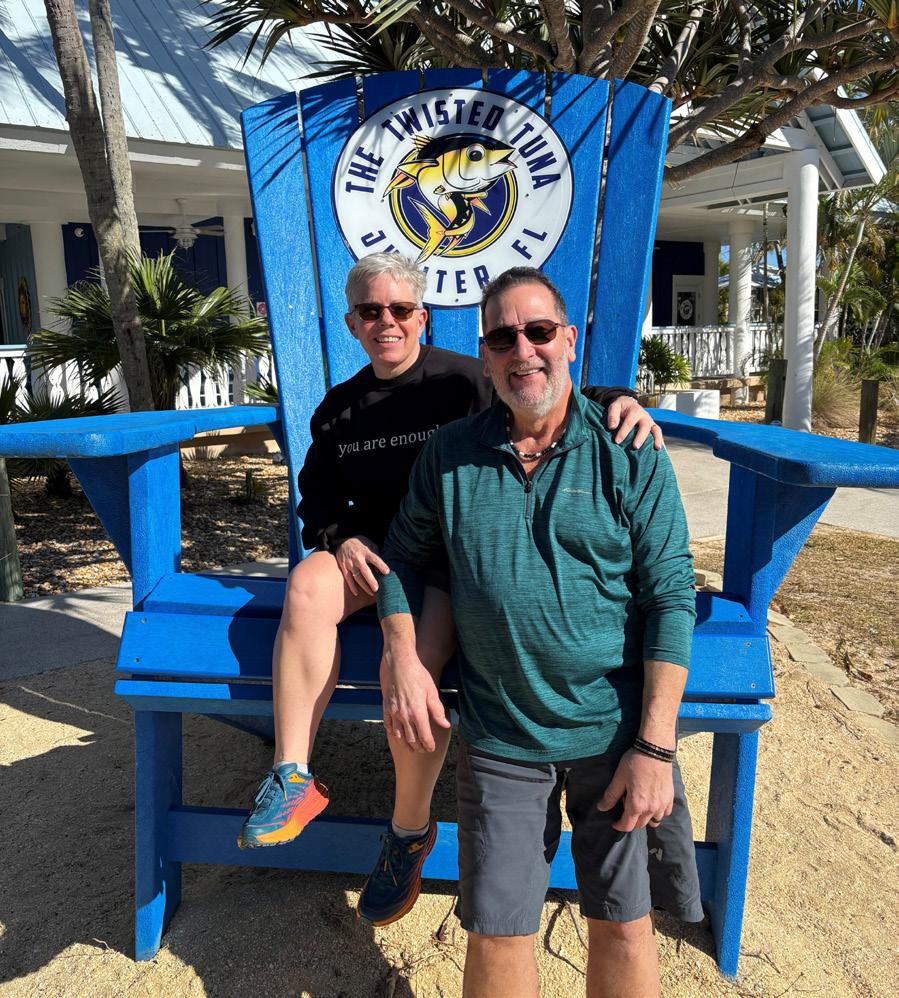
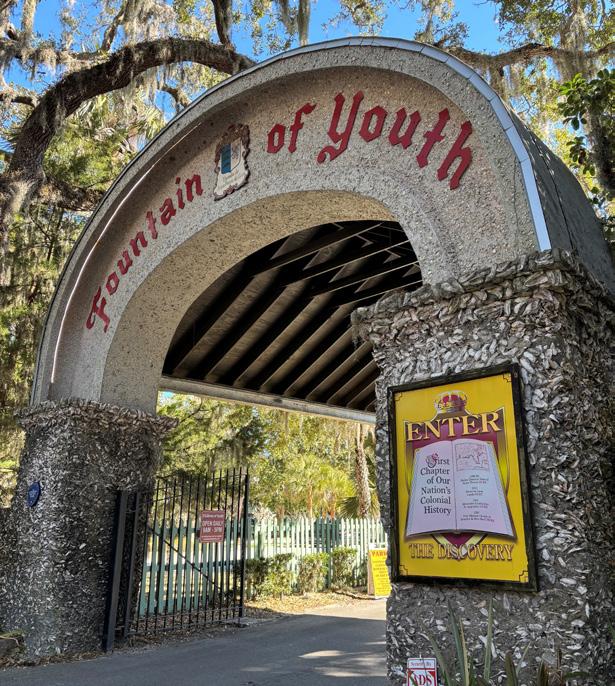
February 6-9 : A quick visit to the “First Coast” of Florida included walks on the beach, manatees, plenty of history, and the Fountain of Youth!
February
National Health Council’s Leadership Conference in Fort Lauderdale.
February 21: Spokane County Pomona Grange #4 meeting at Windsor Grange.

The America’s 250th Grange Workgroup is celebrating our country’s 250th Anniversary by “throwing back” to some classic recipes from Grange cookbooks. Do you have favorite recipes that evoke the American spirit which you would like to see published again? Send them to Lew Gaskill at olgaskill@comcast.net. Please include which Grange cookbook your recipes come from.
This week’s recipes come from Home Town Recipes of Millbury by Millbury Grange #107, Millbury, Massachusetts
These recipes are great to celebrate St. Patrick’s Day
Corned Beef Au Gratin
1 Tablespoon minced onion
1 cup chopped corned beef
1 1/4 cup evaporated milk
1/4 teaspoon pepper
Courtesy of Anna G. Howe Millburn Grange #107 (MA)
1/2 cup stock drained from the corn
3 Tablespoons margarine
1 cup cooked chopped potatoes

1 teaspoon salt
3 Tablespoons flour
2 cups whole cooked corn
6 Tablespoons grated cheese
Cook onion in half of the margarine 3 minutes; mix in corned beef, potatoes, 1/2 cup milk and half of the salt and pepper. Press into greased baking dish to form a nest. Melt remaining margarine; blend in flour and remaining salt and pepper.; add corn stock and remaining milk. Cook until thickened, stirring constantly. Add corn and pour into hash lined dish. Sprinkle cheese over corn mixture; bake at 350 degrees for 30 minutes. Serves 6.
Banana Split Cake
2 cups graham cracker crumbs
3 sticks butter
2 cups confectioner’s sugar
2 eggs
5-6 sliced bananas
1 large can crushed, drained pineapple
1 large Cool Whip
1 small jar maraschino cherries
1/2 cup chopped walnuts
Courtesy of Johanna Cronin Millbury Grange #107 (MA)
Mix graham crackers and 1 stick butter together; pat into 9.5” x 13.5”-inch pan. Heat remaining 2 sticks butter and confectioner’s sugar, and eggs for 10 minutes. Spread on top of crumbs and sliced bananas and pineapple, top with Cool Whip, nuts and cherries. Refrigerate 2-3 hours before serving.
Grange Member Benefit: Harvest Hosts

Harvest Hosts is a membership program that offers RVers unlimited overnight stays with no camping fees at 5,500+ unique locations across North America. From peaceful farms and animal sanctuaries to wineries, breweries, drive-in theaters, and museums, members enjoy memorable experiences while supporting small businesses. Each host offers a unique setting to relax, explore, and connect with local culture. Some locations even allow extra nights or offer electric hookups for a small fee—perfect for when you want to stay just a little longer.
National Grange members can enjoy 20% off their first year of membership with code GRANGE20 at checkout. Visit https://www.harvesthosts.com/ to learn more!