19 Groups that meet here: Soroptimist International: Educate, enable, empower
Dear Members,
If you have any suggestions or would like anything of interest to be featured in the newsletter, please send an email to publications@graduatehouse.com.au so the team can consider your topic or answer any queries you may have. Please consider that the deadline for submissions is the third Friday
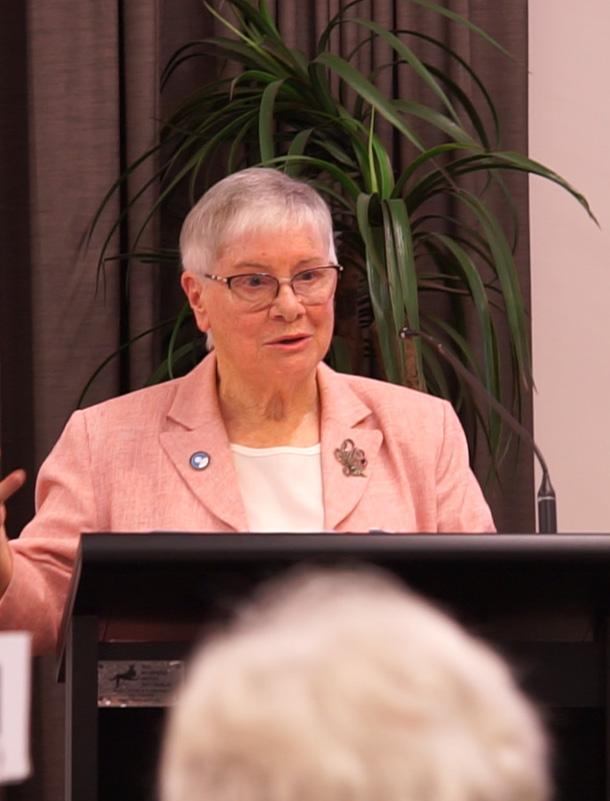
Dr Barbara Murray
Dr Barbara Murray’s luncheon presentation on April 1st explored a fascinating but often overlooked aspect of early scientific exploration: the instructions given to travellers and young scientists from the 16th to early 19th centuries. Her central question— how do you ask meaningful questions about places and phenomena you do not yet understand?—framed a wideranging discussion that connected exploration, science, commerce, and the evolution of knowledge systems.
Dr Murray began by explaining how her research into exploration literature led her to examine the written instructions issued to travellers. One of the earliest examples she identified dates back to 1579, when Richard Hakluyt issued instructions concerning dyeing processes in Persia. These early instructions were narrowly focused, often tied to specific commercial or technical interests. However, as exploration expanded, so too did the scope of inquiry. By the 17th century, institutions such as the Royal Society of London had formalised the practice. Within days of its founding, the Society established a committee dedicated to drafting instructions for travellers— demonstrating how central informationgathering was to its mission.
Dr Murray identified two key drivers behind this practice: the cost and danger of travel. Journeys were prohibitively expensive and often deadly. She noted that European expeditions to West Africa, for example, suffered catastrophic mortality rates due to unfamiliar diseases. As a result, those who sought knowledge—scientists, merchants, and governments—frequently relied on others already travelling. Instructions became a practical tool for outsourcing observation and data collection.
Over time, these instructions evolved from narrow queries into comprehensive surveys of entire regions. Dr Murray described how many instructions were published in journals to reach a broader audience and because the recipients’ expertise could
not be assumed, the instructions had to be detailed, structured, and accessible. Some resembled questionnaires, with simple yes/ no answers, enabling even non-specialists to contribute useful information.
The breadth of these instructions was striking. Travellers were asked to document geography, climate, flora, fauna, resources, and human societies—including language, religion, governance, and customs. Dr Murray emphasised that a single instruction could encompass what amounted to a lifetime of research. This breadth reflected the fundamental problem: when knowledge is limited, inquiry must be expansive.
A key theme in the talk was the intersection of science and commerce. Exploration was rarely purely scientific; it was closely tied to trade, empire, and resource acquisition. Instructions often included requests that today might be considered industrial espionage, such as identifying valuable commodities or uncovering production techniques. Even as late as 1800, explorers like Matthew Flinders were tasked with locating resources and harbours for commercial exploitation. Scientific curiosity and economic ambition were deeply intertwined.
Dr Murray illustrated the personal stakes of these voyages through the example of Robert Brown, a young botanist sponsored by Joseph Banks. Brown was sent to Australia with detailed instructions on what to collect and how to document it. His success—particularly in collecting valuable
plant specimens and seeds—secured his career and financial independence. This case demonstrated why young scientists accepted the risks of exploration: success could guarantee lifelong professional standing.
The talk also addressed how European expectations shaped interpretation. Early reports from the Americas reinforced existing assumptions, as many species appeared comparable to those in Europe. However, discoveries in the Pacific, especially Australia, disrupted these frameworks entirely. Instead of filling gaps in an existing “jigsaw puzzle,” explorers encountered an entirely new one.
Dr Murray noted that while vast quantities of data were collected, analysis often lagged behind. Many specimens gathered during expeditions remained unexamined for decades—or even centuries. This imbalance between collection and interpretation was a significant limitation of early scientific practice. Even prominent figures like Joseph Banks failed to publish major works, such as his Florilegium, despite making collections widely accessible to other scholars.
Another important aspect of the instructions was methodological guidance. Travellers were urged to record observations immediately, clearly, and without exaggeration. Notes needed to be intelligible to others, as the original observer might not survive the journey. The emphasis on eyewitness accounts
was particularly strong, especially when verifying unusual or doubtful claims. Dr Murray shared examples of questions aimed at confirming or disproving widely circulated stories, such as the supposed regeneration of diamonds or the revival of frozen birds.
Terms such as “nondescript” and “exotic” had very different meanings in the 18th century, reflecting evolving scientific and cultural perspectives. Moreover, communication with Indigenous populations was often limited by language barriers and mutual misunderstanding, restricting the depth of ethnographic knowledge that could be obtained.
In conclusion, Dr Murray returned to her central question. The historical solution, she argued, involved asking many broad questions, comparing the unknown to the known, and seeking verification wherever possible. This approach, though imperfect, enabled Europeans to gradually expand their understanding of the world.
The talk provided insight into the mechanics of early exploration and the intellectual challenges it posed. It highlighted the importance of curiosity, adaptability, and systematic inquiry in the face of uncertainty. Dr Murray’s presentation revealed that the process of asking questions—especially in unfamiliar contexts—is as critical to discovery as the answers themselves.
An update on our Members trip to China
We are pleased to inform that we have the dates for our Member’s trip to China. The group will be departing on the 10th of October and arriving back into Australia on the 25th of October.
Organised and guided by our Member, Cindy Huang, this 15-day journey across eight cities offers a unique opportunity to explore China’s millenarian heritage and its state-of-the-art modern cities. The adventure begins in Shanghai, where members will explore the serene Yuyuan Garden, the historic Jade Buddha Temple, and the iconic skyline views of The Bund. From there, the route follows the historic Grand Canal through the ancient water towns of Suzhou and the tranquil West Lake of Hangzhou.
The second week of the journey transitions to the imperial heart of Beijing, featuring visits to Tiananmen Square, the Forbidden City, and the majestic Great Wall. The exploration continues in Xi’an, home to the legendary Terracotta Warriors and the vibrant Datang Everbright City, followed by an unforgettable visit to the Giant Panda Base in Chengdu.
The tour concludes in Chongqing, featuring the Three Gorges Museum and a stunning night cruise along the Yangtze River.
Beyond the visits to these cultural landmarks, the itinerary includes exclusive visits to prestigious Chinese universities in Shanghai, Suzhou, Hangzhou, Beijing, and Xi’an, providing a deep dive into the country’s academic landscape.
The cost of this comprehensive tour is $6,300 per person (excluding return international airfares between Melbourne and Shanghai). Members who would like to invite a non-Member partner, please know that you’re more than welcome to do so.
Members who have already sent their expressions of interest have been contacted via email. Expressions of interest are still being received until May 15th at membership@graduatehouse.com.au.
We are thrilled to offer you this wonderful opportunity and hope that it will be the first of a series of initiatives that broadens our activities and brings us together as a community.
Vice-Chair Emeritus Professor Martin Comte OAM’s birthday celebration
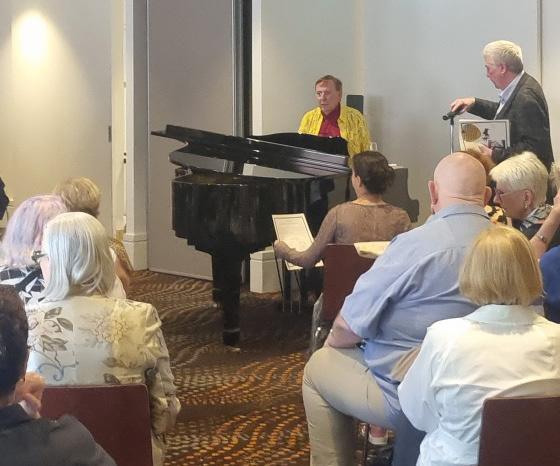
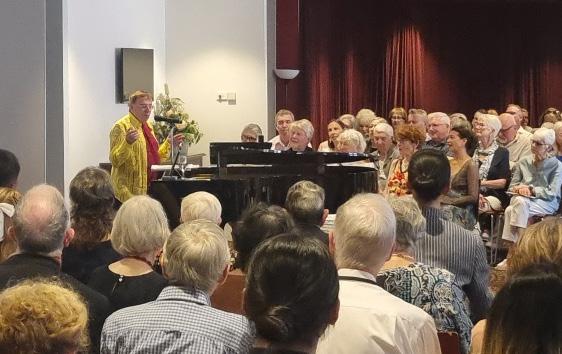
On Saturday, 21 February, our dear ViceChair Emeritus Professor Martin Comte celebrated his birthday at Graduate House. With a large group of friends gathered, Martin gave a lovely piano performance that added to the warm, celebratory atmosphere of the day. We extend our warmest congratulations to Martin and look forward to celebrating many more happy occasions with him in the years ahead.
Women’s Forum
TH FROM 10:15AM
20 MAY 2026
This month’s topic:
The Isis brides in SyriaAre we responsible for them and their children?
Presenting Professor James Walter
UNION
Annual General Meeting
The 114 AGM will take place at Graduate House and via Zoom on Thursday 28 May, at 5:30pm. th th
To mark your attendance or send your apologies please email membership@graduatehouse.com.au or call +61 3 9347 3428.
Please be reminded that only Graduate Members, Life Members, Honorary Members and Resident Members are able to vote at the AGM.
The Graduate Union of The University of Melbourne
AGM Dinner
Members and their guests are invited to join the post-AGM meeting dinner on Thursday 28 of May from 7:30pm. th
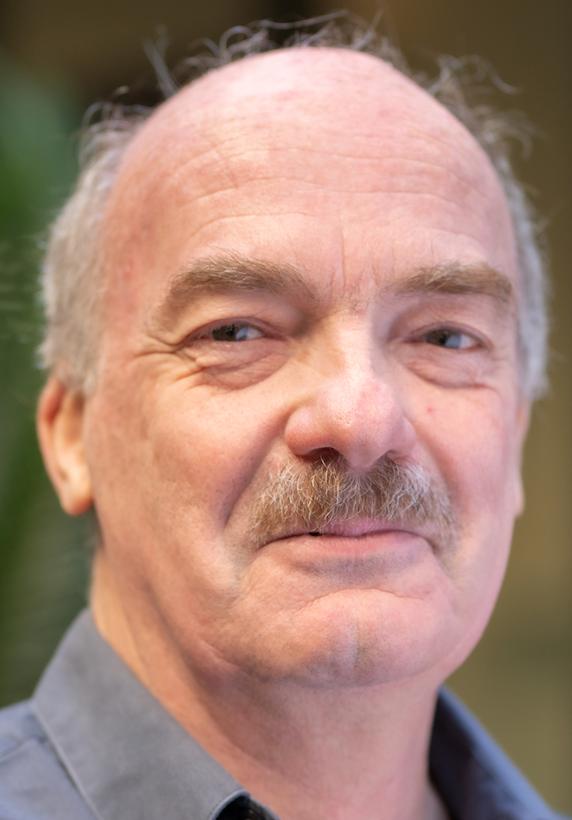
This year ’ s guest speaker is Professor Eduard Hovy, presenting on The Future of AI. Professor Hovy is Executive Director of Melbourne Connect, professor at the University of Melbourne’s School of Computing and Information Systems, and adjunct professor at the Language Technologies Institute in the School of Computer Science at Carnegie Mellon University.
2026 Graduate Union Council elections
The 2026 Council Elections are up and running until the 21st of May.
We remind all eligible Members that this election will be conducted in a hybrid format.
Members who are able to vote and have updated their current email address with us have received a voting link from BigPulse, the organisation in charge of the online voting platform, and will be able to vote online.
We also have sent ballots via post to members who have no registered email address and have printed ballots available for those who prefer to vote the traditional way here at Graduate House.
Implementation of this new system brings the Graduate Union voting methods into the digital era, and ensures easier access to voting for all our members, whether they are in Melbourne, regional areas or even overseas. This way, we offer the opportunity for everyone involved in our community to register their choice in these upcoming elections.
If you have not received a link or a ballot and would like to cast your vote, please let us know by sending an email to admingh@ graduatehouse.com.au. Please be aware that only Graduate, Life, Honorary and Resident Members can vote.
For information on the candidates, check graduatehouse.com.au/2026-councilelection.
The legacy of a community: an invitation to your family and friends to join the Graduate Union
Last year, the Graduate Union offered Life Members an opportunity to invite a younger relative or close friend to join the Union as Associate Member for a year and start building a legacy in our organisation as many have done before.
Since we started this offer, many of our Life Members have taken the opportunity and today their loved ones enjoy all of the member benefits: discounted lunch and dinner, access to all of Graduate House events, accommodation and our network of reciprocal clubs around the world.
In this time of change when we look at the future of what our organisation will be, we warmly invite all of our Life Members to help carry the legacy of friendship and camaraderie that you all have shaped with your participation in this community.
For a special total rate of $100, you may nominate up to two members. A wonderful opportunity to introduce the next generations to our cherished Graduate Union community. Whether they are tertiary students or young professionals, they may take an interest in participating, connecting with our Members and gaining experiences and friendships that will last a lifetime.
If you are interested in nominating someone, please contact us to ask for the nomination form. You can reach out to us by emailing admingh@graduatehouse.com.au, calling us at (03) 9347 3428 or stopping by our reception desk the next time you visit us.
We thank the members who have already taken advantage of this opportunity and hope others will embrace this invitation to share the spirit of Graduate Union with those close to them.
Graduate House dinner celebrates SINU partnership
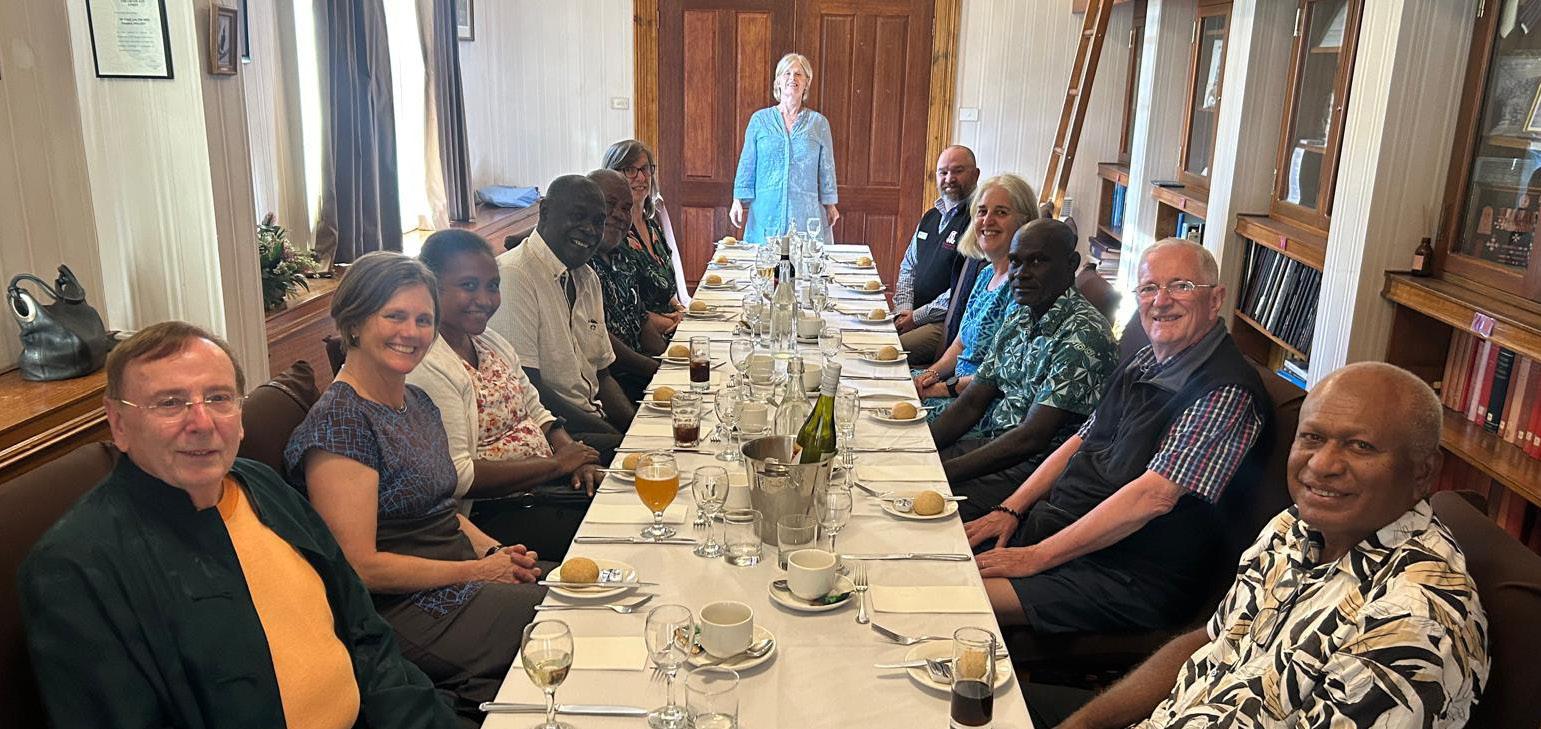
On Tuesday 3rd February Graduate House hosted a warm and collegial dinner bringing together distinguished guests from the Solomon Islands National University, Catalpa International, and the University of Melbourne. The evening celebrated the growing partnership under the Australian Government’s Stronger Education Together (SET) program, focused on strengthening teacher education in the Solomon Islands.
Visitors from SINU—including Dr Billy Fito’o, Dr John Sisiolo, Calvin Ngatulu, Cecil Reggie, and Juliet Horihau—joined University of Melbourne colleagues Dr Rhonda Di Biase, Dr Carmel Mesiti, Dr Anne Bellert, Professor Marek Tesar, and Associate Professor Debra McDougall for an evening of conversation and collaboration.
The dinner highlighted the leadership of Dr Rhonda Di Biase and the Faculty of Education in advancing meaningful partnerships across the Pacific. Central to discussions was the SINU Partnership, which is redesigning the Bachelor of Teaching (Primary) to better reflect the cultural and educational contexts of Solomon Islands communities.
Delivered in collaboration with Catalpa International and supported by DFAT, the initiative aims to equip future teachers with high-quality, evidence-informed training, strengthening education systems for generations to come. The evening at Graduate House underscored a shared commitment to education equity and enduring regional collaboration.
One of the many community groups that meet regularly at Graduate House is Soroptimist International Melbourne Inc., whose members come for a meal followed by a meeting in the Johnston Library on the fourth Wednesday each month.
Founded in 1921, Soroptimist International is a global volunteer movement with a network of over 62,400 club members in 106 countries, aiming to transform the lives and status of women and girls through education, empowerment and enabling opportunities. The organisation works through five Federations, each comprising a number of smaller divisions. Soroptimist International of Melbourne Inc was chartered on 24 June 1948, the first Soroptimist club in Victoria and second in Australia.
At the April meeting, members observed a minute’s silence in memory of Dr June Danks (1931-2026), a pioneering medical practitioner and lifelong advocate for women’s health. June was a member of Soroptimist International Melbourne Inc from 1987-2025, and served as President 1995-97.
Several younger members introduced themselves to the meeting including Vanessa Asaad, a 3rd year BA student from Vancouver, Canada who is spending a Semester at the University of Melbourne
and Bridget Walker, a PhD (BioScience) candidate who has welcomed as an Awardee member.
Bridget became passionate about studying genetics as an undergraduate student, and is now in the final year of her PhD investigating the functions of genes associated with regulating carbon metabolism in a disease-causing fungus, Talaromyces marneffei. She says she has “enjoyed developing my skills as an independent researcher over the past three years and am eager to conduct a final set of key experiments that I believe will make a meaningful contribution to the field. Receiving a scholarship in the name of a woman with such a prestigious career as Dame Margaret Blackwood is both incredibly humbling and motivating. Doing a PhD is very challenging, it requires dedication, time and a lot of hard work, and having others express their belief in your academic abilities really makes a difference.”
The Soroptimist International’s work is recognised worldwide, with delegates involved in the UN and local organisations advocating for women’s rights and representation. For more information on the group go to soroptimistinternational. org or email simelbourne@siseap.org.
THE GRADUATE UNION
of The University of Melbourne Inc.
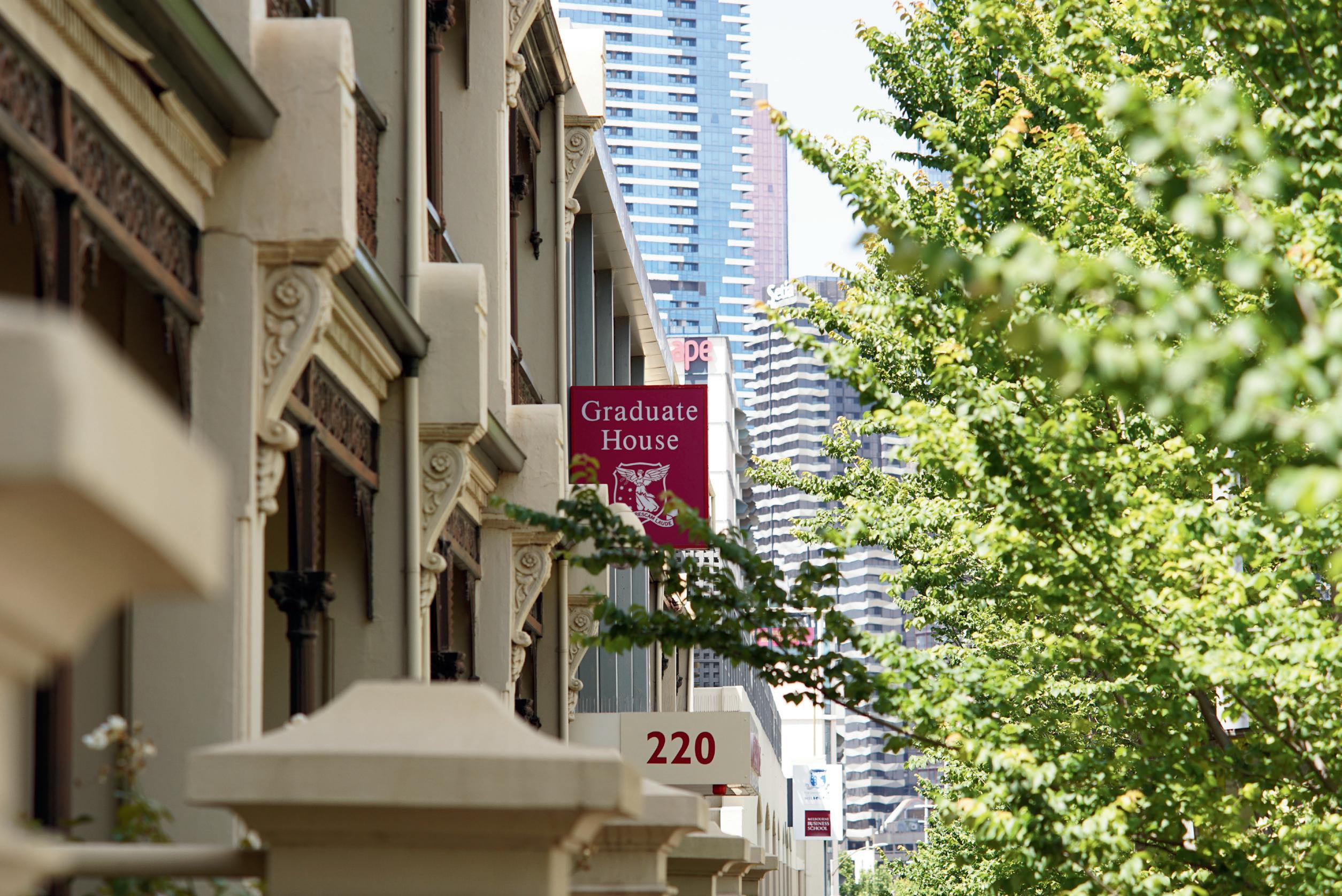
220 Leicester Street, Carlton, Victoria 3053, Australia
Telephone: +61 (0)3 9347 3428
Australian Business Number: 55 610 664 963
Incorporated Association Registration Number: A0023234B