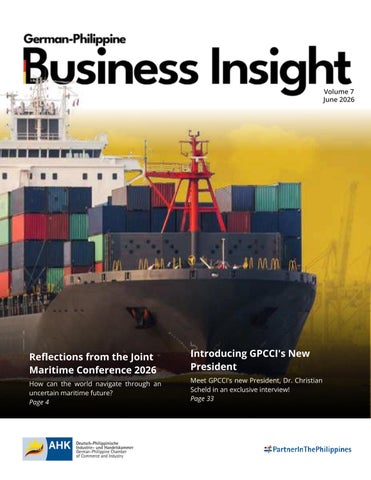
German-Philippine Business Insight - Volume 7, June 2026
How can the world navigate through an uncertain maritime future?
from the Joint Maritime Conference 2026 Meet GPCCI's new President, Dr. Christian Scheld in an exclusive interview! Page 33 Introducing GPCCI's New President
Page 4
Volume 7. June 2026.
Table of Contents
Foreword
Page 3
Cover Story
Joint Maritime Conference 2026 Page 4
Feature Article
Bridging the Gap Between AI Adoption and Readiness of the Philippine Business Landscape
Page 11
GPCCI's Trade Promotion: Turning Opportunities into Partnerships Page 15
Opinion
The oil crisis and what actions can we take
Page 20
In Focus Tax on Cross Border Transactions
Page 24
PAC Events: Driving Dialogue and Collaboration
Page 28
Perspectives
Introducing GPCCI New President
Dr Christian Scheld Page 32
Special Feature
Annual General Meeting 2026 and AGM After Dark Page 40
Business Outlook
German-Philippine Business
Outlook Spring 2026
Page 48
Joint Maritime Conference 2026 Page 5
GPCCI's Trade Promotion: Turning Opportunities into Partnerships Page 18
Annual General Meeting 2026: Meet the New Board Page 43
nce 2026
een AI s of the ndscape on: Turning nerships actions can ansactions logue and President
Joint Maritime Conference 2026
Page 5
g 2026 and iness
Foreword
As we approach the midpoint of 2026, the German-Philippine business community continues to deepen its partnerships through dialogue, innovation, and shared priorities This edition of the German-Philippine Business Insight highlights how cooperation between Germany and the Philippines is evolving in response to global challenges and opportunities, from maritime collaboration to digital transformation
GPCCI's Trade Promotion: Turning Opportunities into Partnerships
Page 18
This issue centers around resilience whether in navigating the global oil crisis, advancing sustainability, or preparing the workforce for emerging technologies such as artificial intelligence The articles featured here reflect the Chamber’s commitment to bridging expertise and opportunity, ensuring that German excellence and Philippine spirit come together to strengthen competitiveness and foster long-term growth With the guidance of the newly elected GPCCI Board and President Dr. Christian Scheld, this edition marks a renewed chapter of leadership dedicated to trust, competence, and impact in German-Philippine business relations.
It is with great pride that we share the June 2026 edition of the German-Philippine Business Insight. I'd like to extend my gratitude to everyone our contributors, partners, and readers for their continued support. We invite you to explore the perspectives and stories within these pages, and to carry forward the insights into your work. Together, let us continue building a sustainable and resilient partnership between Germany and the Philippines.
Danke Schön!
Annual General Meeting 2026: Meet the New Board
Page 43
Christopher Zimmer Executive Director German-Philippine Chamber of Commerce and Industry
Story by: Anita G. Costa
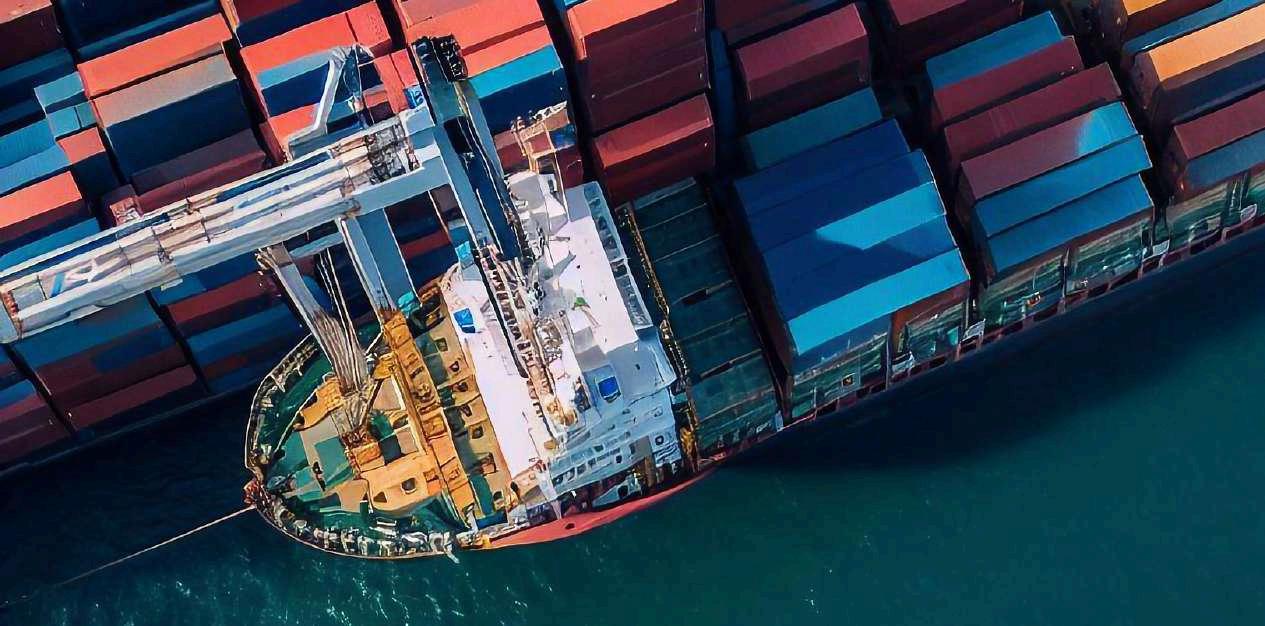
he maritime industry is often described as the backbone of globalization. More than 80 percent of the world's trade moves by sea as it connects economies and industries across continents. Yet behind all the movement of goods is a complex web of geopolitical tensions, technological innovations and environmental concerns that shape the future of global trade. These realities took center stage during the Joint
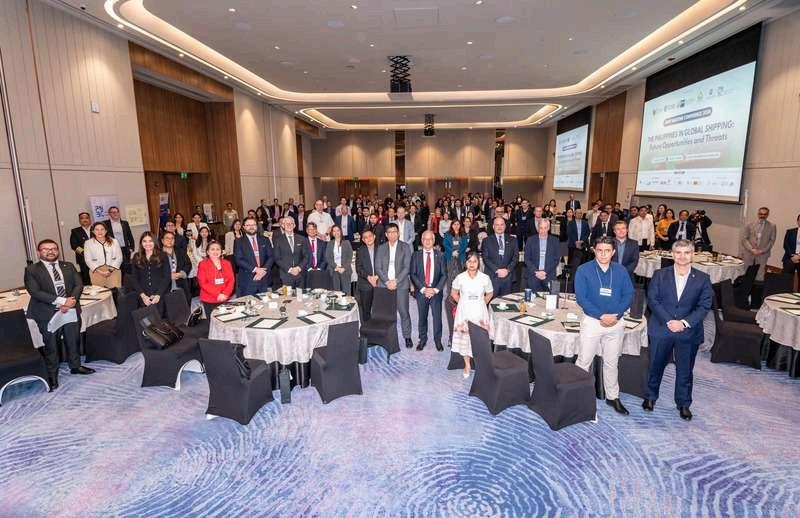
TMaritime Conference (JMC) 2026, held on 29 January 2026 at Lanson Place Mall of Asia in Pasay City.
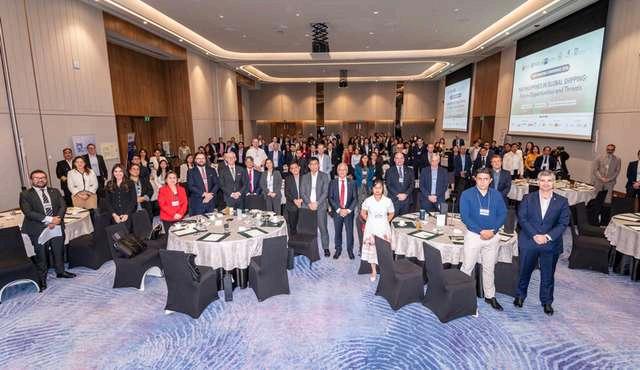
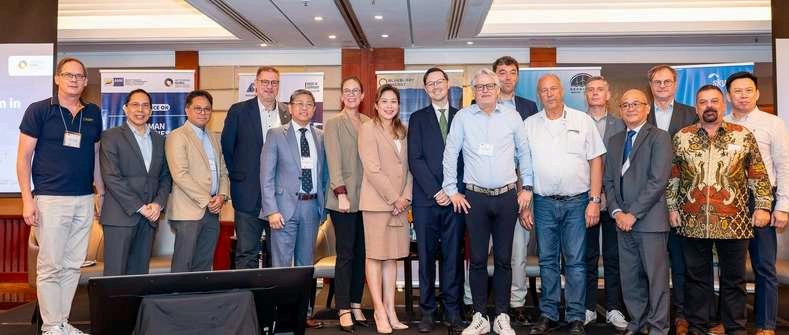
Co-organized by the Dutch, French, German, Italian and Nordic Chambers of Commerce, together with the PhilippineNorwegian Business Council, the conference brought together diplomats, industry leaders, academics, government officials and maritime professionals to examine the rapidly evolving maritime landscape. The conference covered some of the most important and pressing questions facing the shipping industry today through three core pillars: Safe Passage, Tech or Threat, and The World's Leading Supplier of Crew. More importantly, it challenged participants to think about how governments, businesses, and maritime workers can adapt to a continuously evolving and uncertain future.
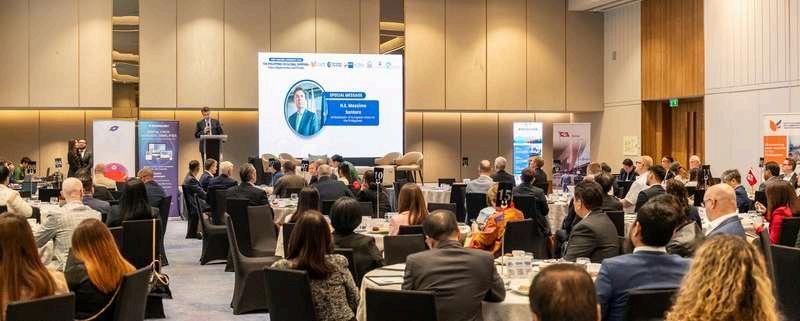
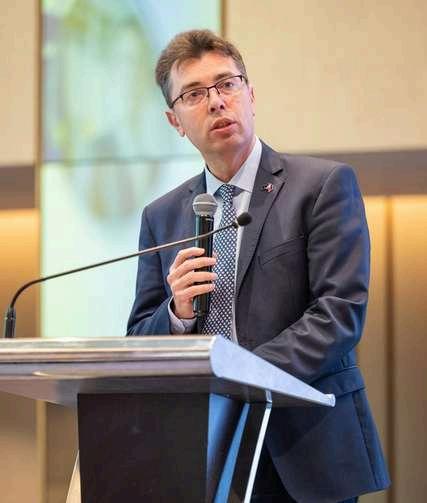
The conference opened with remarks from Mr. Tore Henriksen, Chairperson of the Joint Maritime Committee, and European Union Ambassador H.E. Massimo Santoro, both of whom emphasized the importance of international cooperation and the rulesbased order in ensuring stability at sea. This sets out the tone for the following discussion on how in an interconnected world, maritime challenges can no longer be addressed by an individual country by itself
Safe Passage
The first pillar, Safe Passage, focused on the growing influence of geopolitics on maritime trade. Historically, shipping thrived under an international environment that had relatively open trade routes and traditional, predictable rules. Today, geopolitical tensions, regional conflicts, and shifting power dynamics determine where ships can travel, how much insurance costs, and if crews are safe while at sea
Norwegian Ambassador H.E. Christian Lyster and Professor Jay Batongbacal highlighted how global trade is transitioning from a system driven mostly by economic efficiency toward one driven by security concerns. Strategic waterways that were once taken for granted now require careful navigation through political tensions and competing interests. With this in mind, it raises the question: Can global trade remain efficient when access to maritime routes become dependent on geopolitical calculations?
A particularly important topic covered was gray-zone activities. The concept of grayzone refers to actions that fall between peace and open warfare such as coercive measures, intimidation, or strategic pressure without escalating into outright military conflict. This poses risks for seafarers and shipping companies as there are no legal precedents for them as there are in traditional military conflict situations.
In this situation, maritime workers remain under threats that are intentionally designed to remain below the threshold of war as there is no legal framework protecting them from it.
The conference also examined disruptions in major maritime chokepoints and canals. With instability affecting critical shipping routes, companies are increasingly abandoning "just-in-time" logistics in favor of "just-in-case" planning Although this approach can improve resiliency, it comes at a cost. Longer shipping routes mean an increase in fuel consumption, delay in deliveries, raise in transportation costs, and greater carbon emissions. What initially starts as a geopolitical issue becomes an economic and environmental one too. This development shows us how the cost of maritime insecurity affects not only businesses but also consumers and the environment.
Tech or Threat
The second pillar, Tech or Threat, shifted the discussion's attention toward the opportunities and risks produced by rapid technological advancement The issue of artificial intelligence (AI), automation, and digital systems is one that's encountered across industries as, nowadays, this is what's transforming how organizations operate. The maritime sector is no exception to this.
French Ambassador H.E. Marie Fontanel emphasized that innovation must come with accountability and regulation. As we know, technology can significantly improve efficiency, safety and sustainability; however, it also introduced new vulnerabilities that require careful management As AI systems become capable of optimizing routes and supporting operational decisions, the role of human judgement remains most essential.
Mr. Louiery Sincioco reinforced this point as he argued that AI should complement rather than replace human decisionmaking As we live in an era increasingly fascinated by automation, it raises the question: Just because technology can make decisions, should it be allowed to make them independently?
The discussion grew even more compelling with the introduction of Maritime Autonomous Surface Ships (MASS). According to Riccardo Barbiellini of Bureau Veritas, current maritime regulations were largely designed for vessels operated by onboard crews. As autonomous technologies surface, regulators must think carefully about how safety, accountability, and environmental standards can be applied to vessels that may have minimal or no crew onboard
However, Mr. Barbiellini emphasized that responsibility must always remain with a human operator or control center. This principle is crucial because accountability becomes increasingly complex as decision-making is handed over to machines. Who is to be held responsible if an autonomous vessel causes an accident? The programmer, the shipowner, the operator, or the AI system itself? Such questions are why governance, and regulation must evolve alongside technical innovation
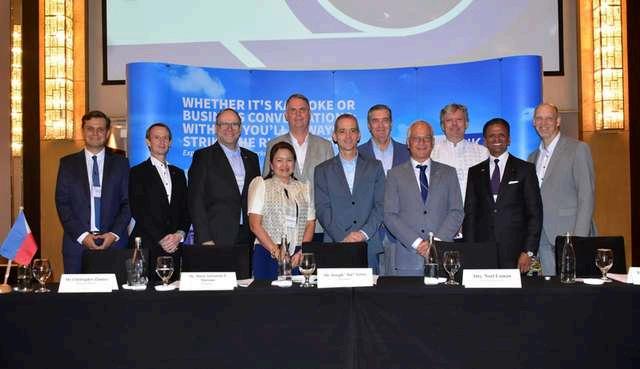
European Union Ambassador to the Philippines, H E Massimo Santoro giving Opening Remarks at the Joint Maritime Convention 2026
Cybersecurity emerged as another critical concern When talking about autonomous ships, vulnerabilities such as GPS spoofing and network intrusions pose growing threats to maritime operations Ms Louella Zarcilla stressed that technology alone cannot solve cybersecurity challenges. What remains the most effective defenses are human awareness, training, and strong governance. This goes to say that technological advancement does not eliminate human responsibility but, in fact, increases the need for it.
The World's Leading Supplier of Crew
Moving on to the last pillar of discussion, The World's Leading Supplier of Crew, this focused on the Philippines’ most significant contributions to the global maritime industry: its seafarers. For a long time now, the Philippines has been recognized as one of the world's largest suppliers of maritime labor, providing skilled professionals who operate vessels across international shipping routes
Yet, the conference challenges participants to look beyond the numbers and realize that Filipino seafarers are strategic assets that sustain global trade It's their professionalism, communication skills, adaptability, and internationally recognized training that have helped establish the country's reputation within the maritime sector.
At the same time, speakers, Dr. Winston Conrad B. and Capt. Joeran Noestvik, emphasized that maintaining this competitive advantage requires continuous investment in human capital. Technological transformation, environmental limitations, and geopolitical uncertainties are reshaping the skills needed by employers This means that, besides having solely traditional maritime competencies, future seafarers need to have skills in digital literacy, automation, and sustainability awareness.
This proves to be particularly important as the industry pursues green shipping initiatives aimed at reducing emissions and adopting cleaner technologies. The transition toward environmentally sustainable shipping will require workers who can operate advanced systems and adapt to evolving regulatory standards. With this, we must consider whether today's maritime education systems adequately prepare future seafarers for a greener and technologically advanced industry
Beyond supporting global commerce, Filipino seafarers contribute substantially to employment, remittances, and national development. Their success in this industry shows us how human capital becomes a strategic national advantage when supported by effective education, training, and public-private collaboration.
The conference concluded with a synthesis delivered by German Ambassador H.E. Andreas Pfaffernoschke, who emphasized that geopolitical fragmentation, technological disruption, and environmental pressures represent shared global challenges. Despite this, he argued that trusted partnerships, strong institutions, and multilateral cooperation remain essential for ensuring maritime security and protecting seafarers. With this, the Joint Maritime Conference 2026 served as a reminder that the future of shipping cannot be separated from broader global developments
ion Ambassador to the Philippines, Santoro giving Opening Remarks at time Convention 2026
Story by: Stephanie Louise Acedera
Artificial intellig Philippines m enhance effic
About 250,000 busi integrating AI into has led experts to where adoption out
Bridging the Strategy Gap through Partnership
The country’s current momentum marks significant progress from less than a decade ago, when no formal AI and data upskilling initiatives existed. In 2018, industry and academic leaders established the Analytics & AI Association of the Philippines (AAP) to align talent development with industry needs and build a collaborative ecosystem.
A key milestone was a three-year program funded by the Department of Science and Technology (DOST), which successfully trained and graduated 40,000 data professionals at no cost This initiative demonstrated that large-scale upskilling is achievable through coordinated publicprivate partnerships and volunteer-driven expertise. More importantly, it signaled the emergence of an inclusive AI ecosystem linking multiple stakeholders.
Reforms Driving the Conversation Forward
Central to the Philippines’ AI development is the Philippine Skills Framework for Analytics and AI, launched by the Department of Information and Communications Technology of the Philippines (DICT) in 2024. It sets a standardized reference for competencies across education and industry, outlining clear career pathways that help institutions align programs with workforce needs.
Supporting this is the proposed National AI Skilling Roadmap, which introduces a five-level system for learners from senior high school to experienced professionals, addressing the need for a future-ready workforce.
(L-R) Martin Baulig (Chairperson-GPCCI IT Committee), Fabian Bergeron (President and CEO, Siemens Inc ), Michelle Alarcon (President and CoFounder, AAP), Marie Antoniette Mariano (Former President, GPCCI), and Tobias Rast (ViceChairperson, GPCCI IT Committee)
Beyond technical skills, these reforms emphasize critical thinking, creativity, and adaptability. Ms. Alarcon noted the importance of a resilient, people-centered approach to AI adoption. Despite these policy and training advancements, challenges remain in translating these efforts into deeper industry adoption.
Industry’s Critical Role in AI Adoption
Despite progress in policy and skills development, AI adoption across industries remains uneven. While nearly 95% of companies report some AI use, about 65% are still in the “proof of concept” stage, with applications largely limited to tools like Gemini or Copilot rather than core system integration
Key barriers include skills shortages, data security and privacy concerns, and issues with data quality and integration. Most companies also rely on purchased solutions, with only 12% developing inhouse systems, raising concerns about long-term competitiveness.
Some sectors, however, are making strides. For instance, fintech firms like GCash and Maya use predictive analytics for fraud detection, though they remain cautious about generative AI due to the sensitivity of their data.
“We want
technology to
work
for us rather than technology defining the future for us. Regardless of the administration, or regardless of who is seated in power.”
Ms Michelle Alarcon, President and Co-Founder of Analytics and AI Association of the Philippines (AAP)
Responsible AI and the Governance Challenge
As AI advances faster than regulation, the Philippines is increasingly relying on selfregulation. Only 12% of organizations have formal AI governance frameworks, and efforts remain fragmented despite 57 proposed bills in Congress.
The legislative environment remains in a "wait and see" phase, which some experts suggest might be an advantage Ms Alarcon suggests that "maybe it’s sometimes good to be laggard because you learn from the mistakes of those who went before us."
At the same time, the Department of Trade and Industry (DTI) is working to localize International Organization for Standardization (ISO ensuring that globally t are adapted to the Phili approach helps man promoting responsib particularly in sensitive healthcare and manufac
Looking Ahead
The Philippines’ AI future depends on its ability to translate potential into meaningful application. The National AI Strategy, led by DOST, outlines a roadmap through 2028 focused on research and development, infrastructure, and workforce readiness. Rather than competing with global tech giants in building foundational models, the goal is to make AI practical and beneficial for every Filipino
At the core of this vision is inclusivity Expanding AI literacy and opportunities, from students to professionals, ensures that no segment of society is left behind. For business leaders, the message is clear: embracing AI can unlock new perspectives and opportunities.
By fostering collaboration, responsible governance, and continuous learning, the Philippines can bridge the gap between adoption and readiness. In doing so, it can shape a future where technology enhances lives while remaining grounded in local needs and values
(L-R) Martin Baulig (Chairperson-GPCCI IT Committee), Fabian Bergeron (President and CEO, Siemens Inc ), Michelle Alarcon (President and CoFounder, AAP), Marie Antoniette Mariano (Former President, GPCCI), and Tobias Rast (ViceChairperson, GPCCI IT Committee)
Story by: Erik Feustel
What connected all these missions was a common goal: bringing German innovation together with Philippine market opportunities and creating longterm business partnerships
With almost 400 B2B meetings, more than 400 conference guests, site visits from Batangas to QC, engagements with government agencies, utilities, developers, private sector leaders, and international financing institutions, you might say we have been busy.
The figures highlight not only the scale of activity, but also the interest of German SMEs in the Philippine market.
Healthcare and Digital Innovation
The year began with a delegation focused on medical technology and digital health, bringing German healthcare innovators to Manila to explore opportunities in one of Asia’s fastest-growing healthcare markets.
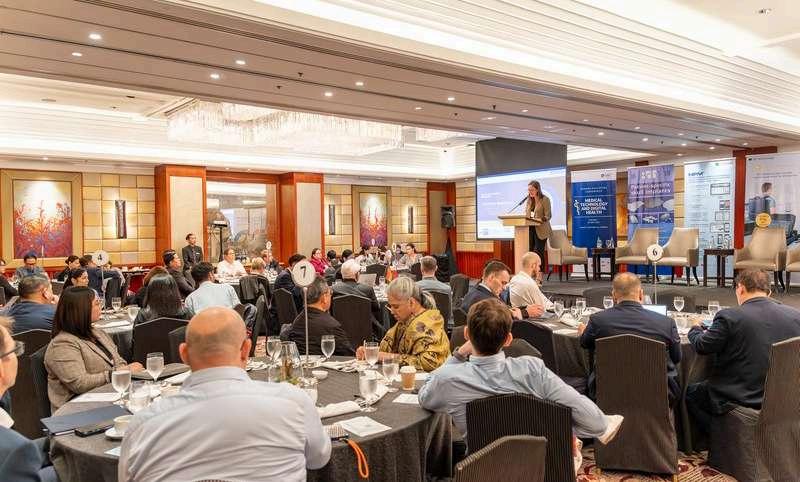
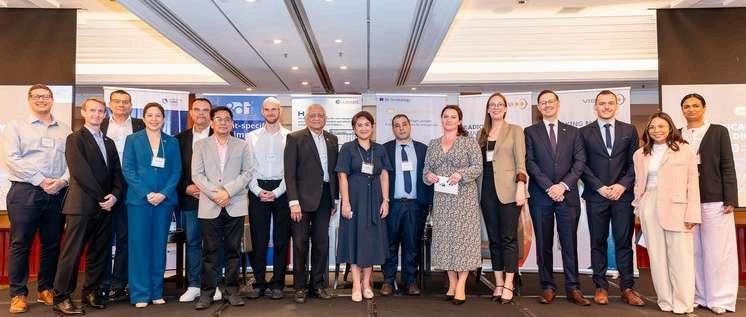
On 06 May 2025, the German-Philippine Chamber of Commerce and Industry (GPCCI), in collaboration with the Medical Device Association of the Philippines (MDAP), the Private Hospitals Association of the Philippines, Inc (PHAPi), and the Healthcare Technology Association of the Philippines (HTAP), hosted the German-Philippine Conference on Medical Technology and Digital Health at Shangri-La Makati
The conference gathered around 75 healthcare stakeholders, including hospital executives, government representatives, and industry associations. German companies showcased solutions ranging from digital health applications to advanced imaging technologies, receiving particularly strong feedback for practical and scalable innovations.
The delegation also visited some of the country’s healthcare institutions, including Makati Medical Center, Ospital ng Makati, Philippine General Hospital, and more.
In total, GPCCI organized 93 individual B2B meetings, connecting German firms directly with hospital groups, distributors, and public sector stakeholders.
Powering the Energy Transition
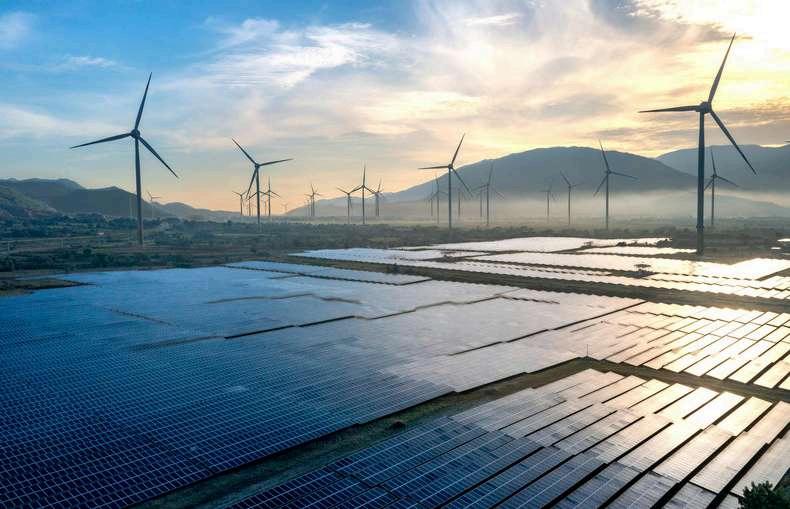
Energy was another major focus area throughout the year. A delegation on energy storage systems and smart grid solutions attracted more than 80 industry participants at a conference, including representatives from utilities, project developers, government agencies, and academia.
The mission generated 60 B2B meetings, including discussions with major Philippine energy players such as ACEN, Aboitiz Energy, and Meralco German companies presented cutting-edge solutions for battery storage, decentralized energy systems, and the integration of renewables technologies that are increasingly relevant as the Philippines accelerates its energy transition.
The delegation also featured high-level speakers, including representatives from the Philippine Department of Energy and the German Energy Storage Association (BVES). A second energy-focused mission later in the year concentrated on industrial efficiency and clean technologies The conference brought together around 100 stakeholders from industry, government, logistics, and infrastructure sectors.
Water Infrastructure in Focus
Water security and infrastructure modernization are increasingly important topics for the Philippines making the delegation on water technology particularly timely.
The program included a market briefing with the German Embassy, GTAI, financing institutions, and the Asian Development Bank, followed by intensive business matchmaking.
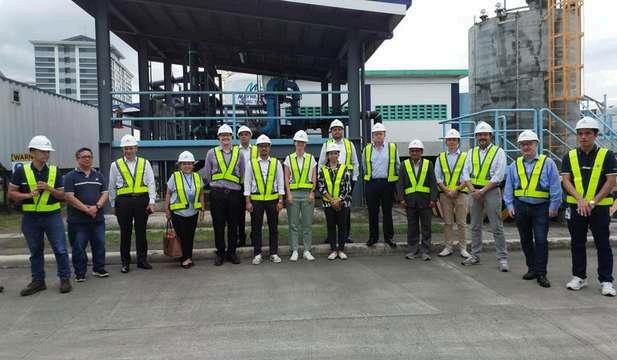
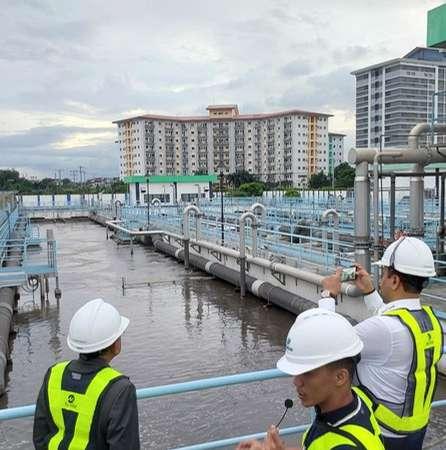
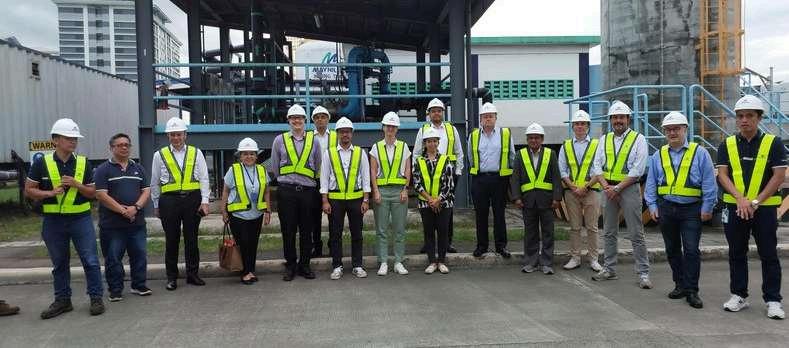
A highlight was the visit to the Maynilad Parañaque New Water Treatment Plant, offering delegates valuable insight into local treatment technologies and operational challenges
On 06 May 2025, the German-Philippine Chamber of Commerce and Industry (GPCCI), in collaboration with the Medical Device Association of the Philippines (MDAP), the Private Hospitals Association of the Philippines, Inc (PHAPi), and the Healthcare Technology Association of the Philippines (HTAP), hosted the German-Philippine Conference on Medical Technology and Digital Health at Shangri-La Makati
The conference gathered around 100 participants, including representatives from water utilities, engineering firms, water districts, and sector regulators such as MWSS and LWUA. GPCCI organized 90 B2B meetings, helping German companies establish direct contacts with utilities, infrastructure developers, and engineering partners.
Feeding Industrial Growth
German firms introduced solutions ranging from hydrogen systems and combined heat and power technologies to offshore energy logistics and decentralized power generation. Despite logistical challenges caused by an energy emergency and transport disruptions during the delegation week, the mission still resulted in 54 B2B meetings.
Another standout mission focused on food processing and packaging machinery, sectors that continue to grow alongside the Philippines’ expanding consumer market.
The delegation included visits to major industry players such as Mega Prime Foods Inc. and San Miguel Corporation, where delegates gained first-hand insight into local production processes, automation levels, and packaging technologies.
The conference attracted around 100 participants, including CEOs, production managers, purchasing heads, quality managers, and representatives from government agencies.
German firms showcased automation, processing, and packaging technologies designed to improve efficiency and reduce waste topics that resonated strongly with Philippine manufacturers facing rising production costs and sustainability requirements.
In total, GPCCI facilitated 95 B2B meetings during the mission, many of them directly at production sites and manufacturing facilities across Metro Manila
More than Matchmaking
Behind every conference and every meeting was months of preparation by the GPCCI Trade Promotion Team From partner identification and market research to logistics coordination and follow-up support, the missions were designed to create meaningful business opportunities rather than just networking events. And still upcoming this year is the Security and Defense Industry Delegation, and most likely a Medical Device week with German Companies in Manila and Batangas.
Across all sectors, several common themes emerged: sustainability, digitalization, infrastructure modernization, and the growing demand for German engineering expertise
Besides those missions, we carry out Business Partner Searches as well as Supplier Searches for individual companies, where the service is even more individual than in the missions.
The Philippine market continues to offer significant opportunities for German companies and the past year clearly demonstrated that interest from both sides is stronger than ever.
Visit to the Maynilad Parañaque New Water Treatment Plant
Delegation for German Technologies for Renewable Energy Integration in the Philippines
Delegation for the visit to Maynilad Paranaque New Water Treatment Plant
Delegation for Medical Technology and Digital Health Conference
the Maynilad Parañaque New Water
Plant
The oil crisis and what actions can we take
Story by: Mr. Eduardo Chua
Before the Downstream Oil Industry Deregulation Act of 1998, the country’s oil industry was tightly controlled by just three major players: Shell, Petron, and Caltex Each had its own refinery and was required to keep a 60-day fuel supply
Fuel prices were set by the government and adjusted only every two months based on earlier crude oil costs, creating a delay in reflecting global price changes. When world oil prices went up, consumers benefited from temporarily lower local prices. But when global prices went down, people often complained because local pump prices took longer to decrease.
After deregulation in 1998, the market shifted to a more dynamic pricing mechanism that better reflected prevailing international prices Local prices began to be adjusted weekly using the prior week’s average Mean of Platts Singapore (MOPS) for petroleum products as the benchmark. This allowed consumers to more easily relate domestic price movements to global market changes.
Another major reason for this pricing shift is that the industry has fundamentally changed. Previously, the market was dominated by three oil companies, each with its own refinery. Today, there are more than 20 oil companies, with about 70% of products coming from finished product imports and only 30% supplied by the country’s sole remaining refiner Because most supply is now imported as finished products rather than crude for local refining, pricing is no longer based on crude benchmarks.
Inventory rules also vary. Refiners like Petron must keep at least 60 days of fuel supply, while importers only need 15 days. If pricing strictly followed First-In, First-Out (FIFO), refiners would take longer to adjust prices than importers, creating unfair pricing differences. Using prior week’s MOPS-based pricing helps create fairer competition and allows prices to respond faster to global changes
Because of the current crisis, there are renewed calls to build bigger strategic fuel reserves and impose fuel price caps. Under normal conditions, the country’s fuel supply averages about 30 days. This is based on refiners, which supply about 30% of the market, keeping 60 days of stock, while importers, which supply about 70%, keep only 15 days.
Building larger strategic fuel reserves would be extremely expensive. If the country uses about 500,000 barrels of oil per day, adding just 30 more days of supply would cost around $1 5 billion at $100 per barrel, not including storage facilities. New storage tanks are also costly, with each one million-barrel tank costing $80 million to $200 million. Overall, adding a 30-day reserve could cost about P200 billion. Policymakers must consider whether this is affordable and the best use of limited public funds, especially since major global oil supply disruptions have only happened a few times since 1973.
Rather than relying only on costly stockpiling, a more practical approach may be to diversify supply sources and build strategic petroleum partnerships with allied countries, similar to the ASEAN Petroleum Security Agreement model
As for fuel price caps, while politically attractive, they often do more harm than good Artificially suppressing prices can cause supply shortages, discourage investors, reduce foreign investment, and create long-term instability. Instead of distorting markets, the government should focus on areas where it has greater control. This crisis can be an opportunity to reset the economy by improving productivity, reducing inefficiencies, and strengthening selfsufficiency, especially in food and energy. We should review the entire value chain, from production or importation to storage, delivery, and consumption.
Existing business models and technology can help speed up progress Logistics can be optimized so delivery vehicles do not return empty after shipments Solar energy can be installed in government buildings, especially public schools, to reduce electricity costs. Weather and soil data can guide farmers on what to plant, where, and when, improving yields while reducing waste. Transparent pricing can help raise farmer incomes while lowering consumer costs.
Edgar Chua
In each of the value chains there are “friction costs” which add to the price of goods, e g LGU “toll fees”, congestion port charges, etc We need to firmly address this in the same way that the DILG addressed the long standing corrupt practices at the Bureau of Fire Protection.
Public-private partnerships can also help fund and execute reforms. However, the criteria for selecting winning proponents should prioritize who can provide the lowest cost and best service to the public at the shortest possible time.
As the saying goes “never let a good crisis go to waste”.
Let us use this opportunity with a renewed sense of urgency to drive major changes to improve our policies and processes, address corruption, foster innovation and make our country more resilient and attractive for investment. This way our country will come out of this crisis reborn and capable of achieving its full potential!
This article previously published in the Philippine daily inquirer on Apr 30, 2026.
For decades, the rule for taxing services in the Philippines was straightforward: income was taxed where the service was physically performed This means that if the service was performed abroad, it was not subject to Philippine income tax, regardless of where the contract was executed or where payment was made
Story By: Atty. Jomel N. Manaig, Partner at BDB Law
Photo Credits:
However, the recent issuance of Revenue Memorandum Circular (RMC) No 5-2024 and subsequent guidelines have fundamentally upended this traditional framework, leading to a period of intense legal debate, confusion in practice, and an eventual judicial intervention.
The shift began with RMC No. 5-2024, which introduced a "benefit-based" or "consumption-based" approach to taxing cross-border services. Drawing from the Supreme Court’s landmark ruling in Aces Philippines Cellular Satellite Corp. v. CIR, the BIR began classifying services as Philippine-sourced income if they are utilized, applied, executed, or consumed within the Philippines, regardless of where the service is actually performed
This means that even if a foreign service provider performed the work entirely outside the Philippines, the payment could still be subject to tax if the local recipient "benefited" from the services. Naturally, this raised alarm bells for businesses dealing with international IT, consulting, management, and others alike.
To mitigate the widespread confusion, the BIR issued RMC No. 38-2024 to address and clarify the uncertainty sparked by the earlier RMC No. 5-2024 regarding the taxation of cross-border services. However, the implementation of both RMC Nos. 5-2024 and 38-2024 still raised various concerns among taxpayers Hence, the BIR issued RMC No 24-2026 to further refine these rules and reduce the administrative burden on taxpayers.
Photo Credits: Canva
A close look at RMC No. 24-2026 would reveal that it offers three critical clarifications:
Firstly, there is no automatic taxation of cross-border services The mere classification of a transaction as crossborder does not automatically render it taxable in the Philippines The BIR clarified that the "benefits received" principle does not create a blanket tax; instead, the Revenue Officer must specifically establish that the income source is truly within the Philippines before imposing a tax. Notably, the RMC has clarified certain exclusions in the cross-border application, such as passive income, income from sale of goods, and pass-through payments to another non-resident for services rendered outside the Philippines.
Secondly, the BIR clarified who has the burden of proof in proving that the transaction is exempt from tax While the Revenue Officer must justify the tax, the ultimate burden of proof remains with the taxpayer. To avoid taxation on payments to non-residents, taxpayers must prove that the income was derived from sources outside the Philippines. This is typically done by presenting certified true copies of supporting documents, though the BIR reserves the right to inspect originals for verification.
Thirdly, the BIR clarified that no prior ruling is required. In a move toward efficiency, the BIR expressly stated that a confirmatory BIR ruling is not a condition precedent A taxpayer can apply the correct tax treatment immediately, and the lack of a formal ruling cannot be used as the sole reason to deny their taxexempt status
Although not mandatory, from a practical standpoint, taxpayers may still opt to file a request for confirmation or a tax treaty relief application to strengthen their position, particularly for complex arrangements. A ruling would still meaningfully manage the audit risk and uncertainty on the part of taxpayers.
While the clarifications under RMC No. 242026 is a pleasant development, it unfortunately still did not expressly abandon nor acknowledged the nonapplication of the erroneous criteria (i e the utilization, application, execution, or consumption of the services within the Philippines) for the imposition of the tax on cross-border services.
If the certainty and proper application of the tax on cross-border services is truly the goal, it would have been best served if the causes or reasons of misapplication were expressly vacated. The lack of a categorical abandonment of flawed basis or acknowledgment of erroneous application leaves a sliver of possible resurgence or even continuation of the issues sought to be avoided
Also, while RMC No 24-2026 signaled for the use of specific audit tools or guidelines by revenue officers, the same tools or guidelines appear to also have inconsistencies. In line with the clarifications, the BIR is mandating its revenue officers to use a specific checklist to evaluate the taxability of cross-border services. The checklist contains Yes or No questions which will justify the imposition of the tax if all the answers are yes.
BIR Revenue Memorandum
Circular No. 242026
However, the checklist includes a criteria which states: “the economic benefit is enjoyed by the Philippine entity in the Philippines.” Again, if the application of the benefits-received theory pertains to non-resident service provider, then why is the BIR still insisting on looking at the economic benefit enjoyed by the domestic client? Retaining inconsistencies provide an avenue for a future justification for the misapplication of the tax.
Despite the apparent issues in RMC No 24-2026, credit must be given where credit is due In the same mandatory checklist to be used by revenue officers, another criteria provides a clear and proper basis for the application of the tax: “activities in the Philippines are so integral that the service transaction cannot be accomplished/completed without such activities.” Simply put, the tax on crossborder services would only apply if there are activities in the Philippines. In other words, if there are no activities in the Philippines, then the tax on cross-border services is not applicable. If there is anything that we should be thankful for in all of this, then this crystal-clear principle should be it
Despite the issuance of RMC No. 24-2026, it should be noted that the Court of Tax Appeals En Banc, granted a preliminary injunction enjoining the implementation of RMC Nos. 5-2024 and 38-2024 in any manner. This judicial order temporarily halts the enforcement of the circular's expansive tax reach, signaling significant uncertainty regarding its legal validity. While the injunction does not overturn the Supreme Court's Aces Philippines jurisprudence, it prevents the BIR from using RMC No 5-2024 as a blanket authority to tax all cross-border services for the time being.
The question now is how the BIR will respond to this injunction? While it is likely that the BIR will comply in the short term, this relief is only temporary as the legal battle over the validity of RMC No. 5-2024 remains pending in court.
For now, the guidance in RMC No. 24-2026 remains a vital roadmap. Even with the injunction in place, RMC 5-2024 remains a valid issuance. Therefore, taxpayers are strongly advised to maintain meticulous documentation including clear contracts and activity logs to demonstrate that the "source" of services is outside the Philippines.
Atty. Jomel N. Manaig
Atty Jomel N Manaig is a Partner at Du-Baladad and Associates (BDB Law), specializing in tax controversy, audit defense, and dispute resolution. He represents clients in tax assessments, audits, and refund claims before the Bureau of Internal Revenue (BIR) and the Court of Tax Appeals (CTA), and advis ficiency tax assessments. Reco ards 2026) and The Legal 500 advisory and controversy matt
Policy and Avocacy Committee
Events: Driving Dialogue and Collaboration
Story By: Alecks Gian Gallardo
The Policy and Advocacy Committee (PAC) of the German-Philippine Chamber of Commerce and Industry (GPCCI) plays a pivotal role in advancing the interests of members by fostering constructive engagement with government agencies, regulators, and other stakeholders. Through carefully
curated events and dialogue platforms, the PAC ensures that members remain informed about evolving policies, while also creating opportunities to voice industry concerns, exchange insights, and build collaborative solutions.
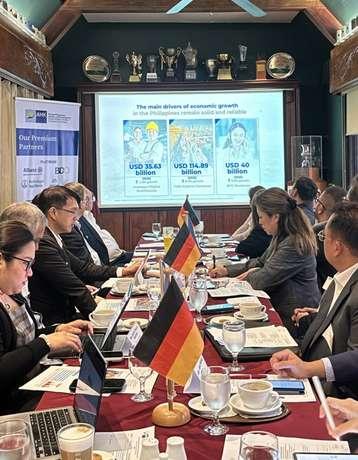
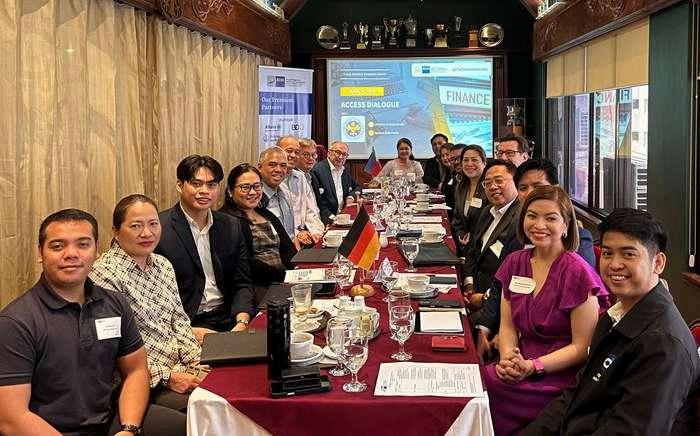
Access Dialogue with Department of Finance
Last 27 March 2026, the GPCCI Tax and Finance Working Group hosted its Access Dialogues with the Department of Finance (DOF) at the German Club, Makati City.
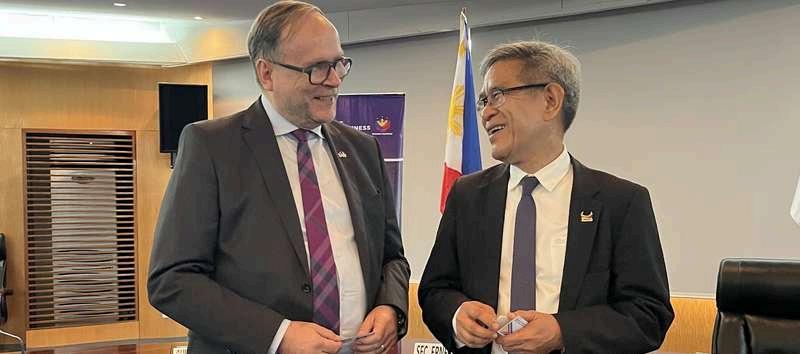
The event welcomed Usec. Karlo Fermin S. Adriano from the Fiscal Policy and Monitoring Group, Usec Rolando Ligon Jr and Asec Euvimil Nina R Asuncion from the Revenue Operations Group, as well as Dir. Joanna Castillo from the Corporate Operations Office. They engaged in a meaningful discussion with GPCCI members and Mr. Mathias Kruse, Deputy Head of Mission from the German Embassy Manila.
The dialogue highlighted recently passed DOF policies, explored future plans to strengthen the country’s fiscal framework for sustainable economic growth, and clarified regulations affecting the GermanPhilippine business community. The event is a platform for exchanging insights, addressing key fiscal concerns, and fostering collaboration between government and the German-Philippine business community.
IMPACT in Action: Strengthening Public-Private Dialogue for Ease of Doing Business
The German-Philippine Chamber of Commerce and Industry (GPCCI), through its Policy and Advocacy Committee (PAC), continues to strengthen collaboration between government regulators and the business community through its ongoing IMPACT Dialogue Series.
The initiative serves as a platform for constructive, forward-looking, and solution-oriented discussions on regulatory reform, policy implementation, and ease of doing business. More than a consultation forum, IMPACT reflects the growing importance of sustained publicprivate dialogue in building a more transparent, responsive, and investmentfriendly business environment in the Philippines.
The series officially commenced on 14 April 2026 with its first Regulatory Exchange session featuring the Bureau of Internal Revenue (BIR). Conducted via Zoom, the discussion brought together representatives from the private sector and government to address tax administration concerns, compliance issues, and opportunities for improved policy alignment.
The second installment followed on 22 April 2026 with the Bureau of Customs (BOC). The session focused on key trade and customs-related concerns affecting businesses, highlighting the importance of efficient regulatory processes in facilitating trade, supporting business continuity, and enhancing the country’s competitiveness.
On 28 April 2026, GPCCI convened the third installment of the series with the Securities and Exchange Commission (SEC) Discussions centered on regulatory reforms, corporate governance, and compliance measures that contribute to stronger investor confidence and a more predictable business landscape.
On 18 June 2026 was the fourth installment of series with the Department of Migrant Workers. The session advanced the platform’s goal of fostering collaboration between government and the private sector on response protocols, migrant communities, and reintegration programs.
Building on the momentum of the first three engagements, the IMPACT Dialogue Series will continue with an upcoming session with the Food and Drug Administration (FDA) scheduled on 10 June 2026. Additional dialogues are also being prepared with the Department of Energy (DOE), Department of Migrant Workers (DMW), and Department of Environment and Natural Resources (DENR).
As regulatory environments continue to evolve, initiatives such as the IMPACT Dialogue Series demonstrate the value of regular engagement between the public and private sectors By creating a dedicated space for open exchange, the platform enables businesses to raise industry concerns while giving regulators the opportunity to clarify policies, gather stakeholder insights, and improve implementation.
Perspectives
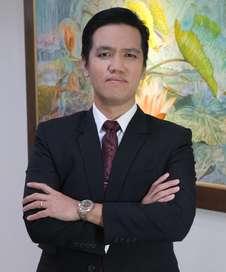
Introducing GPCCI’s New President: An Interview with Dr. Christian Scheld
IAs the newly elected President of the German-Philippine Chamber of Commerce and Industry (GPCCI), the new leadership brings a clear vision of strengthening the Chamber as a trusted bridge between German business
excellence and Philippine economic opportunity. In this interview, he outlines his commitment to building on GPCCI’s strong foundation while focusing on trust, competence, and impact. The discussion highlights strategic priorities for member engagement, policy advocacy, and committee-driven initiatives that will help German and Philippine businesses navigate regulatory challenges, sustainability transitions, and emerging trade opportunities
Q: As the newly elected President of the German Chamber, what is your overarching vision for GPCCI during your term, and how do you plan to strengthen German–Philippine economic relations?
The former GPCCI’ Board and its President Maan Mariano made a tremendous job. The new Board and I as the newly elected President are delighted to continue this successful path. It’s about incremental further development and not disruptive changes. Or to say it with following picture: why rewriting a compelling book, when you are already excited about the next chapter to come.
My overarching vision is to strengthen GPCCI as the most trusted, professional, and effective bridge between German business excellence and Philippine economic opportunity.
This vision is firmly aligned with the core mandate of GPCCI as part of the global AHK network. As emphasized in the GPCCI Key Messages, the Chamber performs three essential roles: first, as the official representation of German companies; second, as a member organization that provides a platform for interaction with politics, business, and administration; and third, as a service provider that supports companies in market entry and expansion under the DEinternational brand
For me, this means GPCCI must continue to serve as a credible institutional partner for both Germany and the Philippines. It should represent German business interests with professionalism, support Philippine partners with openness, and help transform bilateral goodwill into concrete business outcomes.
The Philippines remains a market of strong long-term relevance for German companies. It offers a young and skilled workforce, an English-speaking business environment, a growing consumer base, and continuing demand in sectors such as infrastructure, energy, healthcare, logistics, manufacturing, digitalization, maritime, and skills development. These strengths are consistent with GPCCI’s own key messages on why German companies should engage in the Philippines, particularly its rapid economic growth potential, competitive workforce, government support mechanisms, robust consumer market, cultural affinity, and increasingly open economy.
At the same time, today’s business environment requires greater clarity, trust, and institutional reliability Companies are navigating inflationary pressures, shifting supply chains, geopolitical uncertainty, regulatory complexity, and rising sustainability expectations. In this context, GPCCI’s role becomes even more important. The Chamber must help businesses understand the market, interpret risks, find reliable partners, and engage constructively with public and private stakeholders.
My leadership vision is therefore centered on three words: trust, competence, and impact.
Trust means GPCCI must remain a neutral, credible, and principled platform for German-Philippine business dialogue. We must represent the interests of our members while maintaining the professionalism, discretion, and diplomatic balance expected from an institution of our standing.
Competence means we must continue to embody the qualities highlighted in the GPCCI Key Messages: professionalism, intercultural competence, knowledgeable staff, organizational adaptability, and approachability These are not only internal values; they are strategic advantages. They allow GPCCI to bridge two business cultures, explain market realities, and help companies operate with confidence.
Impact means our work must lead to measurable value: stronger trade, better investment flows, more business partnerships, improved skills development, deeper innovation exchange, and a more resilient bilateral economic relationship.
To strengthen German–Philippine economic relations, I would focus on positioning GPCCI as a strategic connector of complementary strengths. Germany brings technology, industrial discipline, engineering expertise, sustainability leadership, quality standards, and longterm investment orientation The Philippines brings talent, resilience, market dynamism, regional relevance, and strong growth potential. GPCCI’s role is to bring these strengths together through practical cooperation.
In this sense, my vision is not only to maintain the Chamber’s relevance, but to elevate it. I would like GPCCI to be seen as a chamber that listens carefully, represents responsibly, connects meaningfully, and delivers results. A stronger GPCCI means a stronger German-Philippine business community, and ultimately, a bilateral economic partnership built not only on opportunity, but on trust, competence, and impact
GPCCI President Dr. Scheld with Anti-Red Tape Authortiy Secretary Ernesto Perez
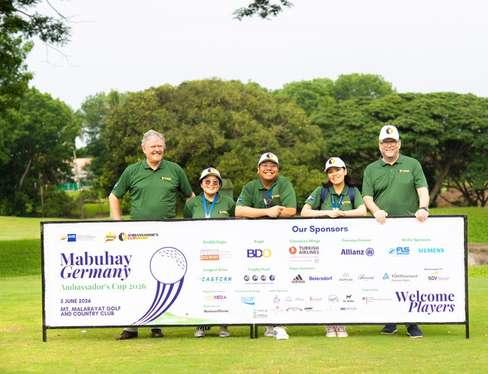
GPCCI New President Dr. Scheld and Executive Director Christopher Zimmer in Mabuhay Gemrany Ambassador's Cup
My strategic priority is to make GPCCI even more member-centered, responsive, and value-driven. While the Chamber already has a strong institutional foundation, I believe the next stage is to deepen the quality of member engagement and ensure that every member clearly experiences the practical value of belonging to GPCCI.
For me, member engagement should go beyond event attendance. It should mean that members feel heard, represented, connected, and supported in the real business issues they face. Whether a member is a large multinational, a German SME, a Filipino-German enterprise, a start-up, or a sector-specific investor, GPCCI should be a platform where they can find insight, relationships, advocacy support, and business opportunities
The first priority is a more structured interaction between members. This can include regular member pulse surveys, CEO roundtables, SME consultations, newmember check-ins, sector-specific dialogues, and elevated post-event feedback mechanisms. These touchpoints will allow us to better understand the concerns of our members, whether they relate to regulation, market access, talent, logistics, taxation, energy costs, digitalization, sustainability, or business expansion.
The second priority is to strengthen member segmentation and tailored programming. Different members have different needs. Large companies may seek policy influence and strategic visibility. SMEs may need market guidance, partner identification, and compliance support New members may need onboarding and network access Long-standing members may look for deeper engagement, thought leadership, and business development opportunities. By understanding these differences, GPCCI can design more relevant programs and services.
The third priority is to elaborate business matching and commercial connectivity. Members should see GPCCI not only as a chamber, but as a practical gateway to trusted business relationships. This means more curated networking, buyer-supplier introductions, sector roundtables, investment briefings, and targeted B2B platforms The objective is to move from broad networking to purposeful connection
The fourth priority is to strengthen member communication and visibility. Members should clearly understand what GPCCI offers, which services are available, which committees they can join, what advocacy issues are being pursued, and how they can participate.
GPCCI President Dr. Scheld with Anti-Red Tape Authortiy Secretary Ernesto Perez
dent Dr. Scheld and Executive
pher Zimmer in Mabuhay
ador's Cup
A stronger digital communication system, clearer onboarding materials, higher visibility of the work of the committees, and better event follow-through can significantly improve member experience.
The fifth priority is to create more member-led value platforms. GPCCI has a strong pool of experienced companies and professionals We can tap this collective expertise through peer-learning sessions, industry briefings, executive dialogues, mentoring for SMEs, and shared best-practice forums. In this way, the Chamber becomes not only a provider of services, but a community of knowledge.
Policy advocacy will remain an important cornerstone to continue championing ease of doing business and of expanding public-private partnership engagement, ensuring GPCCI remains a credible and agile voice for German-Philippine business interests Advocacy must be anchored on what the actual needs of our members are, not just what’s on the regulatory agenda It should be shaped by what members are encountering on the ground. Their concerns, case examples, and operational realities should guide the Chamber’s policy priorities.
Ultimately, my goal is that every member should be able to answer a simple question: “What value does GPCCI bring to my organization?” The answer should be clear: GPCCI gives access to trusted networks, practical knowledge, policy representation, market opportunities, and a respected platform for GermanPhilippine business cooperation
That is the member-centered approach I would like to pursue: a Chamber that is closer to its members, more responsive to their needs, more intentional in its programming, and more measurable in the value it creates.
In light of current economic and geopolitical shifts, GPCCI must position itself as a committee-driven platform for practical guidance, policy dialogue, and business resilience. The Chamber already has important committees that reflect the key concerns of its members. My focus would be to make these committees more visible, coordinated, and output-oriented.
The GPCCI Key Messages identify several important committees, including the Membership Committee, Joint Maritime Committee, Vocational Training Committee, Policy and Advocacy Committee, and IT Committee. Each of these committees has a specific role in helping members navigate the changing business environment.
The Policy and Advocacy Committee will be central in helping members address regulatory challenges. Its role should be to identify policy issues affecting German and Philippine businesses, consolidate member concerns, and translate these into constructive engagement with government agencies, business groups, NGOs, and educational institutions In the current environment, this committee can help members understand regulatory developments in areas such as investment rules, customs, taxation, labor, procurement, data protection, renewable energy, ESG reporting, and ease of doing business.
The objective is not only to raise concerns, but to provide practical recommendations. GPCCI should be known as a chamber that advocates in a professional, evidence-based, and solutions-oriented manner. Through the Policy and Advocacy Committee, we can develop policy briefs, position papers, regulatory updates, and roundtable discussions that help reduce uncertainty for members
The Membership Committee can support members by ensuring that the Chamber’s programs remain relevant and responsive. Since GPCCI has almost 300 members, this committee plays a vital role in keeping members connected with key business contacts, industries, and opportunities. In a shifting economic environment, the Membership Committee can organize sector dialogues, peer exchanges, business-matching activities, and member consultations that allow companies to share experiences and identify opportunities together
The Vocational Training Committee will be especially important in addressing workforce readiness and skills development Economic shifts often create new skill requirements, especially in manufacturing, logistics, maritime, construction, energy, digitalization, and technical services. Through German-standard vocational training and certification, this committee can help bridge the skills gap and support industries that require a more capable and future-ready workforce.
The IT Committee can help members respond to digital transformation, Industry 4.0, cybersecurity, e-commerce, egovernance, and productivity improvement. In a business environment shaped by digitalization and global competition, this committee can provide knowledge-sharing platforms, technology briefings, and collaboration opportunities that help companies improve competitiveness. It can also help bridge the digital gap by connecting members with solutions and best practices relevant to the Philippine market.
The Joint Maritime Committee remains highly relevant given the Philippines’ strategic role in global seafaring and maritime services. Economic and geopolitical shifts affect shipping, crewing, logistics, regulatory compliance, and maritime employment This committee can continue to serve as a coordinated platform with other European chambers and maritime stakeholders to address issues affecting shipowners, employers, and Filipino seafarers.
To support sustainability transitions, these committees can work together rather than operate in isolation. For example, the Policy and Advocacy Committee can address ESG and regulatory frameworks; the IT Committee can explore digital tools for efficiency and reporting; the Vocational Training Committee can support green skills and technical capability; and the Membership Committee can create platforms for sustainability-focused business matching.
To capture emerging trade opportunities, GPCCI committees can help identify sector-specific openings where German strengths and Philippine needs align. These may include renewable energy, energy efficiency, logistics, healthcare, maritime, manufacturing, infrastructure, digitalization, cybersecurity, vocational training, and sustainable urban development. The committees can support these opportunities through sector briefings, trade missions, businessmatching events, policy dialogues, and knowledge-sharing sessions
The key reform I would introduce is stronger coordination across committees Each committee should have clear annual priorities, measurable outputs, and better alignment with the Chamber’s overall strategy. This will help avoid fragmented activities and ensure that committee work directly supports members.
In this way, GPCCI can respond to current economic and geopolitical shifts not by reacting passively, but by mobilizing its committees as practical engines of member support. Through committee-led work, the Chamber can provide regulatory clarity, sustainability guidance, digital readiness, workforce solutions, maritime cooperation, and trade opportunities
My goal is for GPCCI committees to become more than discussion platforms They should become active working groups that generate insight, connection, advocacy, measurable value for the business community and create synergies between them. This is essential for giving the members a voice, and the voice of many weighs heavier than the voice of a few.
GPCCI 2026 AGM and After Dark: New Leadership, and New Opportunities
Story By: Kat Rodriguez-Reyes, Rodnell Edillo, Sherilyn Mae Pangan
he German-Philippine Chamber of Commerce and Industry (GPCCI) opened a new chapter in its history with the successful convening of its 2026 Annual General Meeting, held on 8 April 2026 at Fairmont Makati. The event drew together GPCCI members, partners, and distinguished guests to reflect on the Chamber’s achievements over the past year and chart a strategic course for the future.
The meeting was formally opened by H.E. Andreas Pfaffernoschke, German Ambassador to the Philippines, whose welcome remarks highlighted the enduring strength of German-Philippine economic relations The Ambassador reaffirmed GPCCI’s central role as a bridge between the two nations’ business communities, which is a testament to decades of sustained collaboration and mutual growth.
Former GPCCI President Ms. Marie Antoinette “Maan” Mariano delivered the annual report, highlighting significant milestones achieved throughout 2025. From flagship industry events to targeted advocacy initiatives, the Chamber’s activities over the past year reinforced its commitment to advancing business growth, fostering collaboration, and strengthening mobility between Germany and the Philippines
Looking ahead, Executive Director Mr. Christopher Zimmer outlined the Chamber’s strategic priorities for 2026, presenting an engaging agenda of forums, trade delegations, and member-focused programs designed to deepen industry connections and sustain the momentum built in year prior. Chamber Treasurer Mr. Joseph Gross complemented this with an overview of GPCCI’s financial standing, reflecting the confidence and continued support of its support of its members and premium partners.
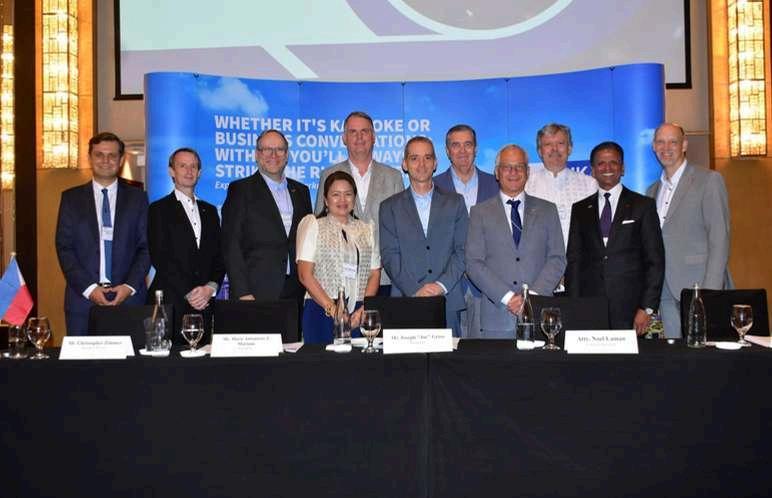
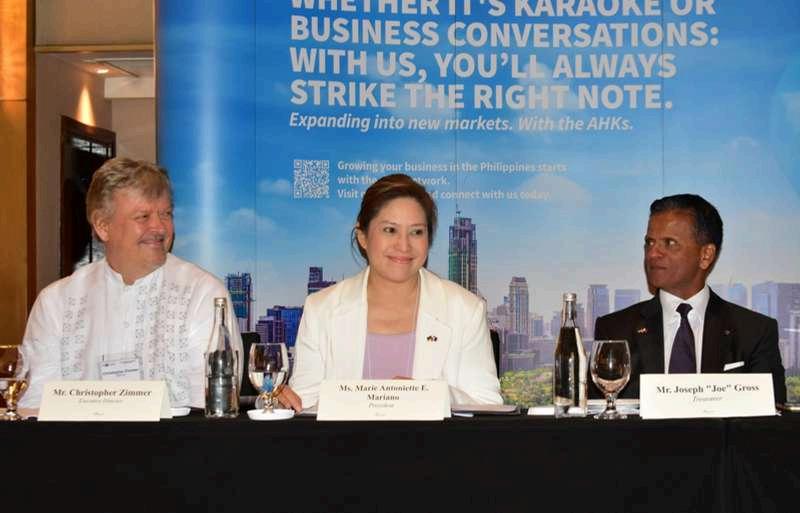
Executive Director Christopher Zimmer, First Vice President and Head of Europe Desk, Banco de Oro Marie Antoniette Mariano and Treasurer Joseph Gross in 2026 Annual General Meeting
Introducing the 2026-2028 Board of Directors
A highlight of the Annual General Meeting was the formal introduction of the newly elected Board of Directors who will steer the Chamber through 2026 to 2028. Heading the new leadership is Dr. Christian Scheld, Country Director of Konecranes Philippines Inc, who assumes the role of GPCCI President He is joined by a distinguished board composed of senior executives from a diverse range of industries:
Treasurer: Kumar Joseph Gross, President and CEO, AllianzPNB Life Insurance
Director: Holger Beck, President and CEO, Lufthansa Technik Philippines Inc.
As the formal proceedings concluded, members and guests moved to the Mistral Rooftop for AGM After Dark, a networking event that brought the broader GPCCI community together in a relaxed and celebratory setting. The Chamber extends its appreciation to event partners TUV Rheinland and AllianzPNB Life, as well as supporting partners Raffles and Fairmont Makati, FLS Group, and PPI Pazifik Power Inc , whose sustained engagement continues to be pivotal to the Chamber’s success.
Looking Foward
Executive Director Christopher Zimmer, First Vice President and Head of Europe Desk, Banco de Oro Marie Antoniette Mariano and Treasurer Joseph Gross in 2026 Annual General Meeting
Director: Matthias Koehler, Chairman, EMTS Group
Director: Stefan Kolbe, Managing
Director, Managing Director of Melchers Philippines Inc
Director: Roland Metelmann, Managing Director, Fuchs Lubricants (Philippines) Inc.
Director: Hendrik Mollenhauer, Consulting Manager, PwC Philippines Inc.
Director: Dr. Bin Wang, General Managers, Boehringer Ingelheim Philippine, Inc.
Executive Director: Mr. Christopher Zimmer
This cross-sector composition reflects GPCCI’s broad reach across manufacturing, energy aviation, finance, consulting, and healthcare ensuring the Chamber’s leadership is well-positioned to address the evolving needs of the German-Philippine business landscape.
With new leadership in place, GPCCI enters 2026 with a continued focus on delivering value to its members and strengthening German-Philippine business relations. As Germany and the Philippines deepen their cooperation across trade, investment, sustainability, and skills development, GPCCI stands ready to support businesses in navigating these opportunities.
Meet the 2026-2028 Board of Directors:
Dr. Christian Scheld President Country Director of Konecranes (Philippines) Inc
Holger Beck Director President and CEO of Lufthansa Technik Philippines Inc
Brenda Baylon Senior Vice President President and General Manager of PV2 Energie Philippines, Inc
Matthias Koehler Director Chairman of EMTS Group
Hendrik Mollenhauer Director Consulting Manager of PwC Philippines Inc
Tobias Rast Vice President CEO of Pegotec Pte Ltd
Stefan Kolbe Director Managing Director of Melchers Philippines Inc
Dr. Bin Wang Director General Manager of Boehringer Ingelheim (Philippines), Inc
Kumar Joseph Gross Treasurer
and CEO of Allianz PNB Life Insurance
Roland Metelmann Director Managing Director of Fuchs Lubricants (Philippines) Inc
Christopher Zimmer Executive Director
6-2028 Board of Directors:
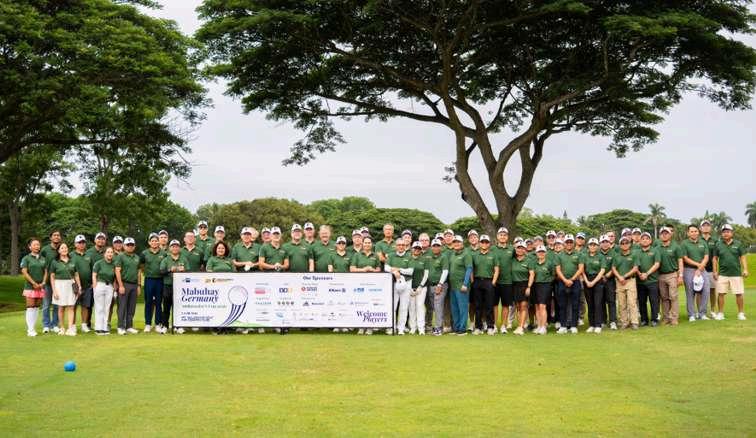
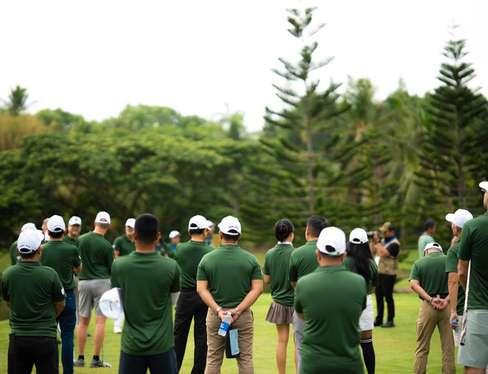
Following the success of last year’s Mabuhay Germany, GPCCI successfully convened the Mabuhay Germany Ambassador’s Cup (MGAC) on 5 June 2026 at Mt. Malarayat Golf and Country Club in Lipa, Batangas, under the patronage of H.E. Andreas Pfaffernoschke. Since 2003, the Chamber's golf tournament has served as a longstanding platform for fostering connections among GermanPhilippine business, government, and diplomatic stakeholders.
The ceremonial Tee-Off was led by German Embassy Head of Administration Mr. Alexander Thielitz, GPCCI Board Director Mr. Holger Beck, PPI Pazifik Power’s Mr. Jann Altavano, and GPCCI Golf Director Mr. Klaus Schroeder, to officially open the day of friendly competition Participants later gathered for a posttournament reception and awarding ceremony, where GPCCI President Dr Christian Scheld delivered remarks.
Tobias Rast Vice President CEO of Pegotec Pte Ltd Kumar Joseph Gross Treasurer President and
With the Haribon Foundation as its official beneficiary for 2026, the tournament also highlighted a commitment to environmental conservation. GPCCI congratulates the winners and expresses its sincere appreciation to the sponsors whose support contributed to the success of the event.
Brenda Baylon Senior Vice President President and General Manager of PV2 Energie Philippines, Inc
CEO of Allianz PNB Life Insurance
Matthias Koehler Director Chairman of EMTS Group
Stefan Kolbe Director Managing Director of Melchers Philippines Inc
Roland Metelmann Director Managing Director of Fuchs Lubricants (Philippines) Inc
Mollenhauer
of PwC
Inc
Dr. Bin Wang Director General Manager of Boehringer Ingelheim (Philippines), Inc
Christopher Zimmer Executive Director
The Steady Hand and the Gathering Storm: AHK WBO Spring 2026
Story By: Yves Aguilos, GPCCI Head of Government Affairs and Data Protection Officer
On the surface, the picture looks reassuring. A majority of German companies operating in or with ties to the Philippines report stable business conditions. Very few say things have gotten worse. The Philippine market buffered by domestic consumption, a resilient services sector, and a young, English-
speaking workforce continues to hold its ground. For German investors still weighing entry or deepening their footprint, this stability is not noise. It is signal.
Photo Credits: Canva
Stability as a Starting Point, Not a Conclusion
But beneath the headline numbers, something more important is happening. Confidence is softening. Growth expectations are declining. Investment intentions are being recalibrated. And the risks that business leaders cite most energy prices, supply chain disruptions, raw material costs are not Philippine risks. They are global risks, arriving at Philippine shores through the ordinary channels of trade, logistics, and integrated production.
This is what the Spring 2026 edition of the AHK World Business Outlook Survey, conducted by the German-Philippine Chamber of Commerce and Industry (GPCCI), captures with unusual precision: a business community that has not yet been hit, but has started to brace.
The survey, conducted between 16 March and 10 April 2026, gathered responses from 68 companies engaged in GermanPhilippine business relations part of a broader global poll reaching nearly 3,200 German companies across 93 countries. The Philippine sample spans services (49%), manufacturing and construction (29%), and trade (22%), with a size distribution ranging from small operators to large multinationals employing more than 1,000 people.
Of those surveyed, 57% assessed their current business situation as stable up sharply from 45% in Fall 2025 and 31% the previous spring. That upward shift in the 'stable' category might look like good news It is, but only partially It also reflects a retreat from the 'better' column: in Spring 2023, 62% of respondents reported improving conditions. By Spring 2026, only 34% do. The trend line is not a collapse. It is a slow, deliberate descent from optimism.
According to companies related to GermanPhilippine business relations
AHK WBO SURVEY SPRING 2026
The forward-looking data tells a sharper story. When asked about expected business conditions over the next twelve months, only 31% anticipate improvement the lowest reading since the pandemic years. More significantly, 18% now expect conditions to worsen, nearly triple the 6% who said so in Fall 2025. That jump in downside expectation, occurring in a single survey cycle, is the most consequential data point in the report
On local economic conditions a separate and broader question the picture is starker still. A majority (51%) expect the Philippine economic environment to become more challenging over the next year. Only 9% expect improvement. That figure puts current local economic sentiment at its most cautious level since the survey began tracking it, more pessimistic even than pandemic-era readings.
Figure 1
What are the biggest risks for your company’s e AHK WBO Spring 2026 Survey
The Risks Are Global, But The Exposure is Local
Ask German executives what keeps them up at night, and the answer in Spring 2026 is unambiguous: energy prices. Cited by 65% of respondents as a top business risk, energy costs have more than doubled in salience since Fall 2025, when only around 29% flagged them. Supply chain disruptions (49%) and raw material prices (47%) round out the top three a configuration that points not to domestic policy failures, but to a global operating environment that has become structurally more volatile.
Two external shocks dominate the qualitative commentary. The first is trade policy uncertainty, with 78% of respondents reporting that current trade policy developments primarily tariffs, logistics costs, and compliance requirements are raising their cost base. Supply chain delays and heightened regulatory burdens compound this picture. Only 13% report no noticeable effect from trade policy shifts, meaning the vast majority are already absorbing the friction
development in the next twelve months?
The second shock is the ongoing conflict in the Middle East. Here the data is particularly striking: 85% of respondents in the Philippines say they are experiencing rising input costs as a direct consequence of the conflict. Nearly twothirds cite supply chain disruptions Only 1% report no impact For companies whose operations have no direct presence in or near the affected region, these numbers speak to something important the extent to which global production networks have made distant conflicts immediately legible in local operating costs.
On U.S. trade policy specifically, the picture is more nuanced. Nearly half of respondents (47.5%) report no direct U.S. business exposure, insulating them from first-order tariff effects. Among those who are affected, the dominant response is to maintain the status quo or pivot toward domestic and established markets, rather than expand U S engagement Very few are increasing their U.S. business footprint in response to the current policy environment. The implication is that U.S. trade turbulence is felt primarily through indirect cost channels logistics repricing, supply chain reconfiguration, and global demand softening rather than through direct bilateral trade disruption.
risks to the economic development of your company?
Figure 3
What other measures have you taken due to geopolitics?
AHK WBO Spring 2026 Survey
ExpansionofSupplierNetworks
ExplorationofNewSalesMarkets
RelocationofProduction/FacilitiestoNewLocations
IncreaseinInvestmentsatLocalSite
IncreaseinInventory
How Companies Are Responding: Flexibility Without Disruption
Faced with a more uncertain external environment, the business community's response has been measured and deliberate. Companies are not restructuring. They are diversifying.
Around 70% of respondents are either already expanding their supplier networks or planning to do so a textbook hedge against single-source dependencies. Nearly four in five (79%) are actively exploring new sales markets, reflecting a determination to broaden revenue exposure before existing channels come under greater pressure. These are rational, low-disruption responses They do not require relocating operations or making large capital commitments They extend the operational flexibility of firms that have already committed to the Philippine market.
Structural shifts, by contrast, remain firmly off the table. Three-quarters of respondents (75%) have no plans to relocate production or facilities. Majorities are not planning large-scale inventory builds or significant increases in local investment. On employment, 53% expect headcount to remain stable, though the share planning to hire is declining only 25% plan to increase staffing, down from 47% in Spring 2025 and 22% anticipate adjusting their workforce downward
This posture active externally, cautious internally tells an important story for investors on both sides of the decision. Those already operating in the Philippines are not leaving. But they are not doubling down either. They are extending their optionality and waiting for the external noise to settle before committing further capital. For those still considering entry, the message is equally clear: the Philippine market continues to absorb external shocks better than most of its regional peers, but the window for capital commitment requires a realistic view of the global cost environment they will be entering
“German companies continue to demonstrate resilience in the Philippines, maintaining stable operations despite a more complex global environment, In times like these, it is essential to reinforce policy predictability. A clear and reliable business environment remains a key factor in maintaining investor confidence in a crisis scenario.”
-
Dr. Christian Scheld, GPCCI President. Alreadyimplemented/inprogress
The Policy Dimension: Where the Philippines Can Make A Difference
Not all of the risks facing German companies in the Philippines are exogenous. Governance and bureaucratic inefficiencies, labor and skills constraints, and tax administration appear in the open-ended risk responses not at the top of the list, but present with enough frequency to warrant attention. These are areas where Philippine policy can act directly, where the government holds agency that no amount of geopolitical repositioning can provide.
GPCCI's institutional reading of the data is direct: at a moment when global cost pressures are rising and business confidence is softening, the quality of the domestic operating environment becomes a differentiating factor. Policy predictability, regulatory transparency, and the speed of administrative processes are not just ease-of-doing-business metrics. They are competitive variables that determine whether companies waiting at the edge of a commitment decision choose the Philippines over an alternative location.
The German business community's engagement with the Philippine regulatory environment has been longstanding and constructive GPCCI's German-Philippine Business Action Portal (GPBAP), developed in partnership with the Anti-Red Tape Authority (ARTA), provides a structured mechanism for companies to flag regulatory bottlenecks and engage government directly on resolution. That kind of bilateral, solutions-oriented dialogue is precisely what the current environment demands.
The broader advocacy context is also significant. The Philippines holds the ASEAN Chairmanship in 2026, a platform that brings both visibility and obligation German companies are watching how Manila uses that moment whether to signal institutional maturity, attract higher-quality investment, and advance frameworks that reduce the frictions they face or whether the Chairmanship becomes primarily a diplomatic exercise. The business community's preference is unambiguous. They want the policy environment to meet them halfway.
Volume 7. June 2026.
Imprint
AHK Philippinen | German-Philippine Chamber of Commerce and Industry, Inc. 8F Doehle Haus Manila, 30-38 Sen. Gil Puyat Avenue | Barangay San Isidro | 1234 Makati City Metro Manila | Philippines Tel +63 2 8519 8110 info@gpcci.org www.philippinen.ahk .de
Publication Team
Yves Aguilos
Stephanie Louise Acedera Alecks Gian Gallardo Isabelle Cebu
Anita G. Costa
Photo Credits
Publisher Canva, Pexels
About GPBI
The German-Philippine Business Insight (GPBI) is a biannual publication of the German-Philippine Chamber of Commerce and Industry, Inc. (GPCCI) / AHK Philippinen. It features business columns and industry reports covering the latest socio-economic trends in the Philippines and the international business community.
Disclaimer
GPCCI has made every effort to ensure the accuracy of the information presented in this publication. However, the contents are intended for general information purposes only and may be subject to change. No article or content may be reproduced in any form without the prior consent or authorization of GPCCI or the respective authors.
Advertising Packages 2027
Benefits
Business Insight (GPBI) is a German-Philippine Chamber of Inc. (GPCCI) / AHK Philippinen. It and industry reports covering trends in the Philippines and the community.
PHP 100,000 (S) | 150,000 (D)
Trim Size: 420 mm x 297 mm
PHP 60,000 (S) | 80,000 (D)
Trim Size: 210 mm x 297 mm
PHP 40,000 (S) | 50,000 (D)
Trim Size: 210 mm x 148.5 mm (crosswise) 105 mm x 297 mm (lengthwise)
Disclaimer
Connection to possible business clients within the global AHK network
Other Specifications
Color Code: CMYK
Photo File Format: .jpg .png .pdf
Article File Format: .docx
Min Resolution: 300 dpi
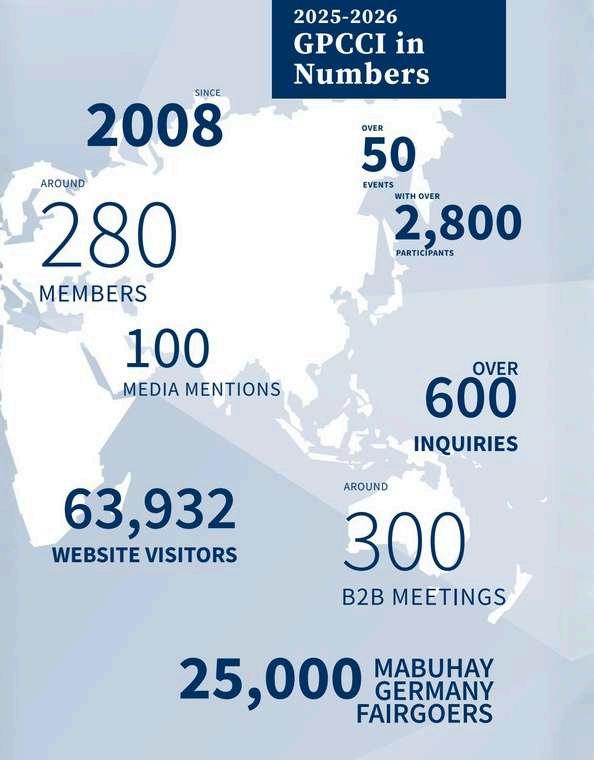
Visibility to around 300 members of GPCCI and 2,800 monthly website visitors
Reach readers beyond regional boundaries connecting to up to 50,000 global affiliates
2026 Schedule Issue
First Half 2026 (June)
Second Half 2026 (December)
GPCCI has made every effort to ensure the accuracy of the information presented in this publication. However, the contents are intended for general information purposes only and may be subject to change. No article or content may be reproduced in any form without the prior consent or authorization of GPCCI or the respective authors.
Ad Submission Deadline 15 May 2027 15 November 2027