F ramework






OVERVIEW
To fulfill its Purpose and Mission, Green Point Christian College has developed the Learning and Teaching Framework outlined in this document.
This Framework seeks to provide teachers with a clear vision, coherent structure and shared language for planning, delivering, and assessing learning. To achieve this aim, the Framework explains and links the college’s purpose, graduate/learner profile, and pillars of educational practice.
The Framework also directs teachers to the toolkits that will enable them to implement the Framework. It is anticipated that consistent application of the Framework will foster Christian community, support effective teaching, and lead to Christian deeper learning across the College.
THE SPECIFIC PURPOSES OF THE FRAMEWORK ARE TO:
ensure that each aspect of staff practice and students’ educational experience reflects and reinforces the College’s core purpose; support innovation and inquiry in learning and teaching by broadening the range of effective educational practices commonly used at the College; facilitate engagement in learning by students, teachers, staff and parents across the College; provide clarity regarding what it means to be a Christian Teacher at Green Point Christian College; support the development of a shared vision for learning and teaching at the College that unites students, parents, and teachers;
align our approach to learning and teaching with Melos Education’s overarching Philosophy of Education; and integrate our approach to learning and teaching with our approaches to wellbeing, professional development, service and mission, and other important aspects of the College’s life.



Core Purpose
The purpose of GPCC is to equip students for a life of redemptive action through a holistic education grounded in a Biblical perspective.


UNPACKING THE PURPOSE
EQUIPPING STUDENTS
TO GROUND AN EDUCATION IN A BIBLICAL PERSPECTIVE
A HOLISTIC EDUCATION
REDEMPTIVE LIVING
The purpose of GPCC is to equip students for a life of redemptive action through a holistic education grounded in a Biblical perspective.
means to form, train, and supply students with that which is necessary for a particular type of life i.e., a life of redemptive action. Students need to be supplied with a knowledge and understanding of the world and trained in how to apply this Biblically to problems and choices they will encounter in life. They also need to be invited to commit their knowledge and understanding towards doing good before God. Alongside their learning in each subject area, the development of knowledge and understanding will include acquisition of generic and subject specific skills in literacy, numeracy and inquiry which will underpin students’ academic performance as well as their preparedness for life beyond school.
means to base educational
content, decisions and practices on Biblical principles and foundations. This grounding influences every aspect of College life including curriculum, pedagogy, and school culture. The curriculum flows out the Biblical narrative, promotes Biblical literacy, and is intentionally informed and enriched by the resources of the Bible and the wider Christian intellectual tradition. Teaching methods and approaches reflect a Biblical understanding of humans as created in the image of God and foster critical thinking and discernment from a Biblical perspective. School culture embodies a respect for the Bible, and the overarching educational goals of the College are guided by and framed in terms of Biblical beliefs, values and understandings.
is one that promotes and integrates the development of the intellectual, physical, social-emotional, and spiritual capacities of the whole person. It recognises that all and every part of a student’s educational experience contributes to their embodied growth and development. The deep hope of a holistic education is to nurture, encourage and support the formation of individuals who are not only prepared for further study and future employment, but also for meaningful lives that contribute to family, church, and society according to Biblical principles and practices. A holistic education also aims (at least prospectively) to prepare students for eternity by integrating faith and learning in a way that permeates the educational experience, shaping Christian students who live out their faith in all areas of life, and non-Christian students who respect and appreciate the value of the Christian faith even if they have not yet committed to that faith.
means engaging in actions that seek to bring about healing and wholeness in all areas of life and so restoring people and things to the place and state God intends for them. It involves recognising the brokenness and distortions caused by sin and working towards their correction and restoration. This understanding can be applied to personal development, relationships, communities, vocational calling, cultural practices, and the environment. Redemptive action implies a holistic approach to living that seeks to reflect God’s redemptive and restorative plan for the world, and also indicates wider purposes for education than the pursuit of knowledge for its own sake or for narrowly defined occupational motives. For this reason, students and teachers are encouraged to apply their knowledge and skills in ways that glorify God, benefit others and contribute to the common good.

Graduate/ Learner Profile
The graduate/learner profile identifies skills and key attributes of both graduates and students that are valued at Green Point Christian College.
L
Godly in Character
GRADUATE/ LEARNER
profile
We flourish when we work together with others
STUDENTS
We don’t expect that our students will fully possess these attributes upon graduation and envisage that our graduates will continue to develop these attributes over the course of their personal and professional lives. Nevertheless, we also want our current learning and teaching contexts to be characterised by students who are actively pursuing acquisition of these
attributes, and by teachers who teach and model these attributes to students. For this reason, these attributes and their associated skills are explicitly taught through the curriculum, and shape the types of learning experiences in which students are engaged as well as the educational priorities of the College.
GODLY CHARACTER
We are designed in God’s image and fulfil our humanity most when we reflect His characteristics.
We are created in God’s image and become as God intends us to be when we reflect both His character and His characteristics. God’s character is represented and exemplified by the fruits of His Spirit: love, joy, peace, patience, kindness, goodness, faithfulness, gentleness and self-control. When we act and desire to act in ‘fruitful’ ways, we convey God’s goodness and grace to others. In doing so, we not only honour God but also experience a deeper sense of fulfillment and purpose in life. Reflecting God’s character is ultimately a work of the Holy Spirit. However, nonChristians can be drawn towards Christ as they see and experience the ways in which Godly character transforms relationships, communities, and (prospectively) the world at large. Thus, each Christian’s journey towards godliness and spiritual maturity can be an inclusive example to others as they contribute to the common good and invite others to be part of that journey and contribution.
COLLABORATIVE
We are designed for relationship and co-operation, and flourish when we work together with others.
Human beings are inherently social creatures, mutually dependent on one another, and created to live and serve together in family and community. This design reflects the familial and communal nature of the Trinity, where the Father, Son, and Holy Spirit exist in perfect harmony and unity. Our ability to collaborate stems from this divine blueprint. Collaboration harnesses our diverse talents, perspectives, and strengths, fostering innovation and creativity, and leading to the achievement of shared learning goals. When we work together rather than compete against each other, we build trust, foster empathy, and create environments where everyone can thrive. We flourish when we live and work together. Yet, from a Biblical perspective, we view collaboration not just as a means to the end of flourishing, but as the proper outworking of our divine design for relationship and community.
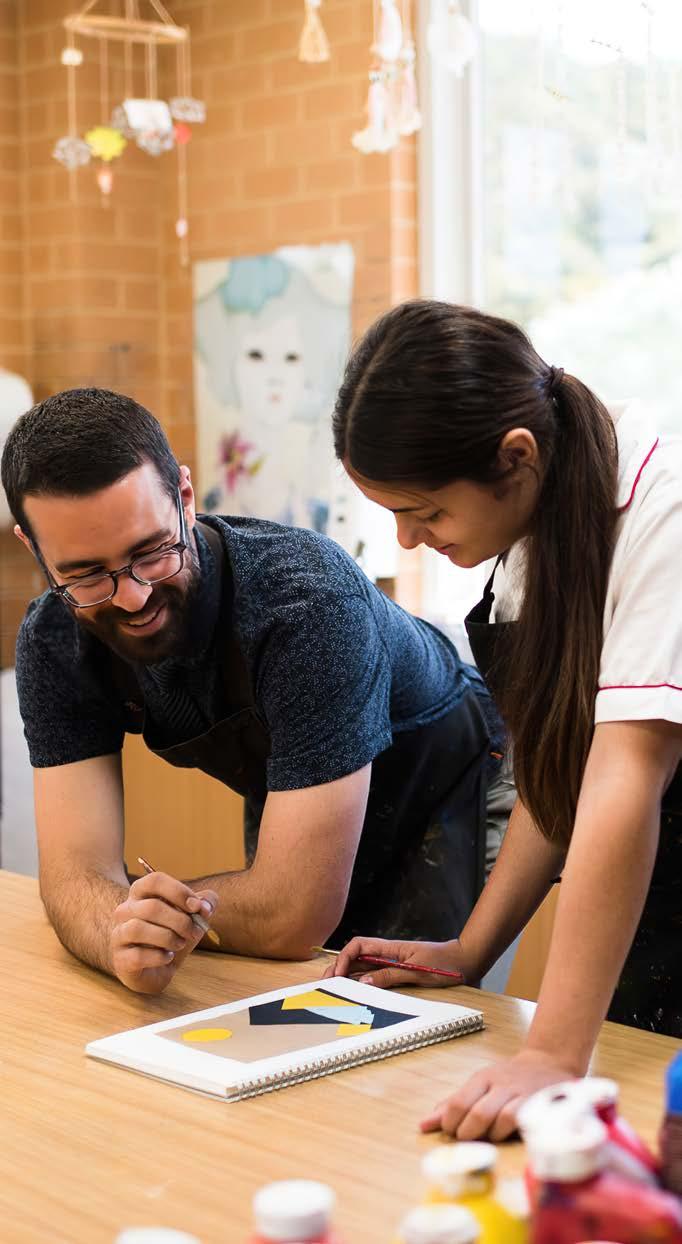
AS WE LEARN, WE DEVELOP MEANINGFUL RELATIONSHIPS, AND GAIN A GREATER APPRECIATION OF THE BEAUTY OF THE WORLD AROUND US
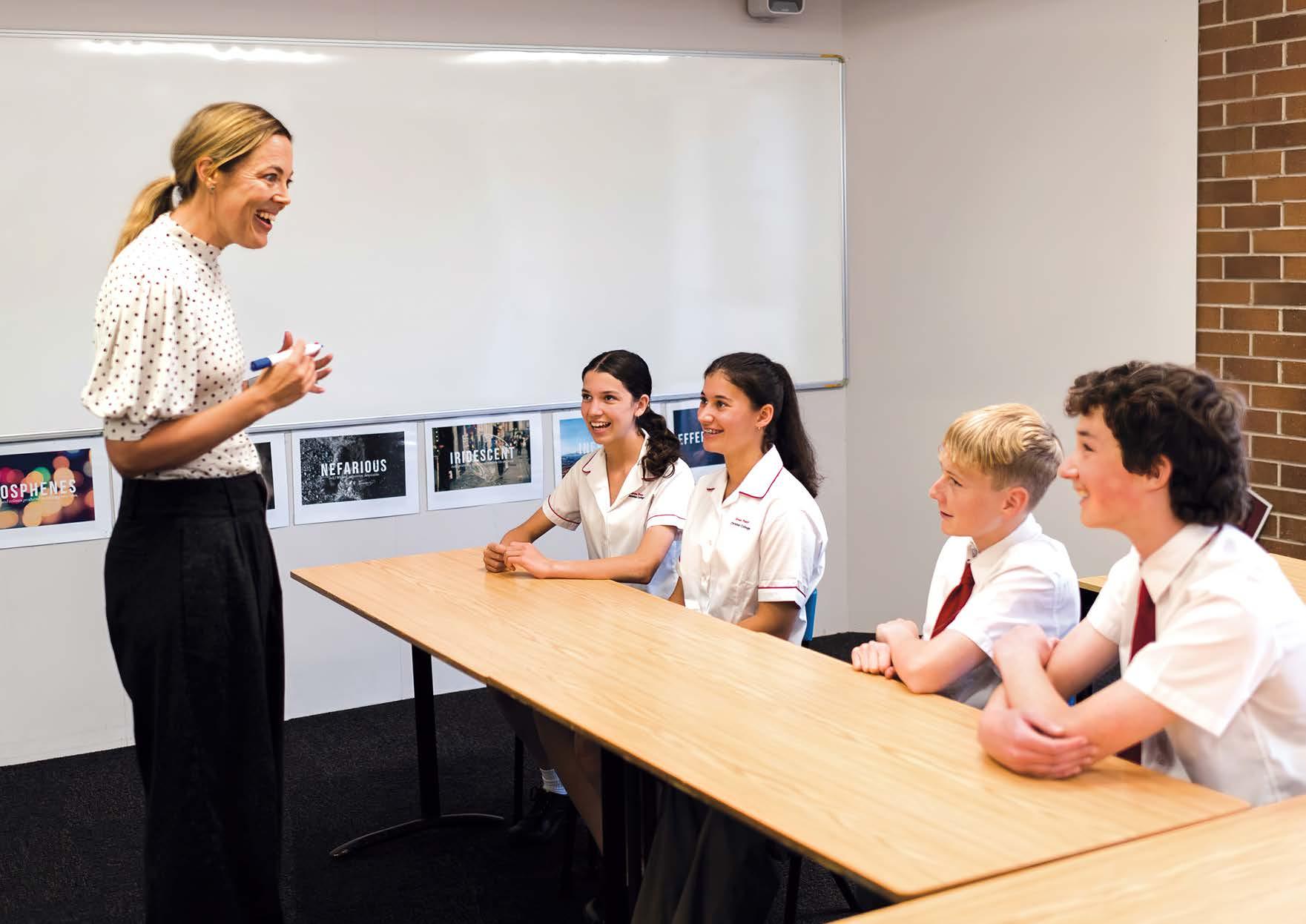
CRITICAL AND CREATIVE THINKER
We are designed as thinkers and are given responsibility to be cocreators with the Great Creator.
We are created as rational, reflective and imaginative beings with a capacity to think beyond instinct because we are embodied souls. This design equips us with the capacity for critical and creative thinking. Critical thinking enables us to analyse information, question assumptions, and formulate reasoned judgments. As such, critical thinking permits us to discern and discover truth and to make informed decisions as we navigate complex issues and problems. Creative thinking allows us to imagine possibilities, develop innovative connections between ideas and events, and express ourselves in unique and God-honouring ways. Through critical and creative thinking, we participate in God’s ongoing creation, and redemption of, the world; contributing to its beauty, functionality, and sustainability. This responsibility requires us to both develop and steward our intellectual and creative gifts, using them wisely to serve others and glorify God.
SOCIALLY ENGAGED
We are designed to serve and help others, and to redeem the brokenness of the world.
God calls us to help and serve others, and so to actively participate in His ongoing redemption and restoration of the world.
This call is motivated by God’s desire for justice, mercy, and compassion. These help us recognise our shared humanity, and so encourage us to respond to the needs of others with empathy and action. Social engagement involves advocating for the marginalised, caring for the needy, and working towards social and cultural change that promotes justice and mercy.
Our commitment to service, mercy and justice is a moral duty. Yet, our actions on behalf of others also embody the love and grace of God, contribute to the flourishing of individuals and communities, and enable us to become participants in God’s restoration of a broken world.
LIFELONG LEARNER
We are designed for on-going discovery of ourselves, others, the world and the Creator.
Lifelong learning is a task and an opportunity for both students and teachers. It involves the continuous pursuit of knowledge, understanding, and wisdom. Lifelong learning encompasses formal education, but also extends to personal experiences and reflective practices in every area of life. As we learn, we discover new dimensions of reality, develop meaningful relationships, and gain a greater appreciation of the beauty of the world around us. The lifelong learning journey is ideally marked by humility and patience, recognising that there is always more to learn and understand. Embracing the journey of lifelong learning enriches our lives, enhances our contributions to society, and aligns our thoughts and desires with God’s purposes and intentions. In a Christian context, our learning extends to a deeper understanding of God, fostering our relationship with the Creator, and enabling us to ‘grow up into Christ’ thus contributing to the extension of God’s Kingdom on earth.
The learning and teaching framework is designed to be read both from the inside-out and the outside-in.
HONOURING CONNECTING SERVING WILLING WONDERING PERSEVERING INQUIRING DISCERNING CELEBRATING
THE LEARNING & TEACHING
framework
From the inside-out, the Framework emphasises the foundational elements of our Purpose Statement and how that shapes the definitions and the type of student we are seeking to form through the graduate/learner profile.
These elements shape the educative core practices (or pillars) that we seek to establish in our day-to-day teaching actions and routines.
Read from the outside-in, the pillars of our educational practice (Christian Community, Deep Learning and Effective Teaching) form our learners. We collect
evidence from students to verify that they are developing the attributes of the graduate/learner profile. If we are cultivating the attributes of the learner profile, we will be forming learners and graduates that are equipped for life both now and for eternity and so are meeting our college’s core purpose.

Educa t ional Prac t ice
If we are cultivating the attributes of the graduate/learner profile, we will be forming learners and graduates that are equipped for life both now and for eternity and so we fulfill our college’s core purpose.
CHRISTIAN
community
Community is at the heart of our approach to Christian education.
The community we seek to develop is characterised by Godly wisdom. This wisdom is expressed in devotion to God, in learning and teaching based on Biblical foundations, and in service and compassion to others. For this reason, it is a requirement that all our teachers and staff are active followers of Jesus Christ and members of a local church. Therefore, we seek to cultivate a community where all students, parents, and teachers feel valued, connected, and welcomed into the College. Motivated by God’s love for us, we create this community through intentional and proactive
relationship-building, establishing cultures of high expectation and support, and creating safe and supportive environments where all members of the community have a sense of belonging. The College’s daily rhythms and routines provide a sense of continuity and spiritual growth, and seek to nurture the holistic development of each person.
The Christian community of the College promotes a sense of belonging and shared purpose through a Biblically grounded whole-school approach to wellbeing and engagement in proactive and prosocial programs. Consistent with the ethics and teachings of
Jesus, we also emphasise healing and reconciliation when conflicts arise, utilise restorative behaviour management strategies, and implement classroom norms and expectations aligned with Biblical commands and examples. Teachers establish grace-filled respectful and loving cultures in the classroom, and the staffroom. They foster distinctively Christian communities of learning and teaching, instilling a spirit of service and fostering a sense of responsibility to the wider community.
CHRISTIAN COMMUNITY IN PRACTICE
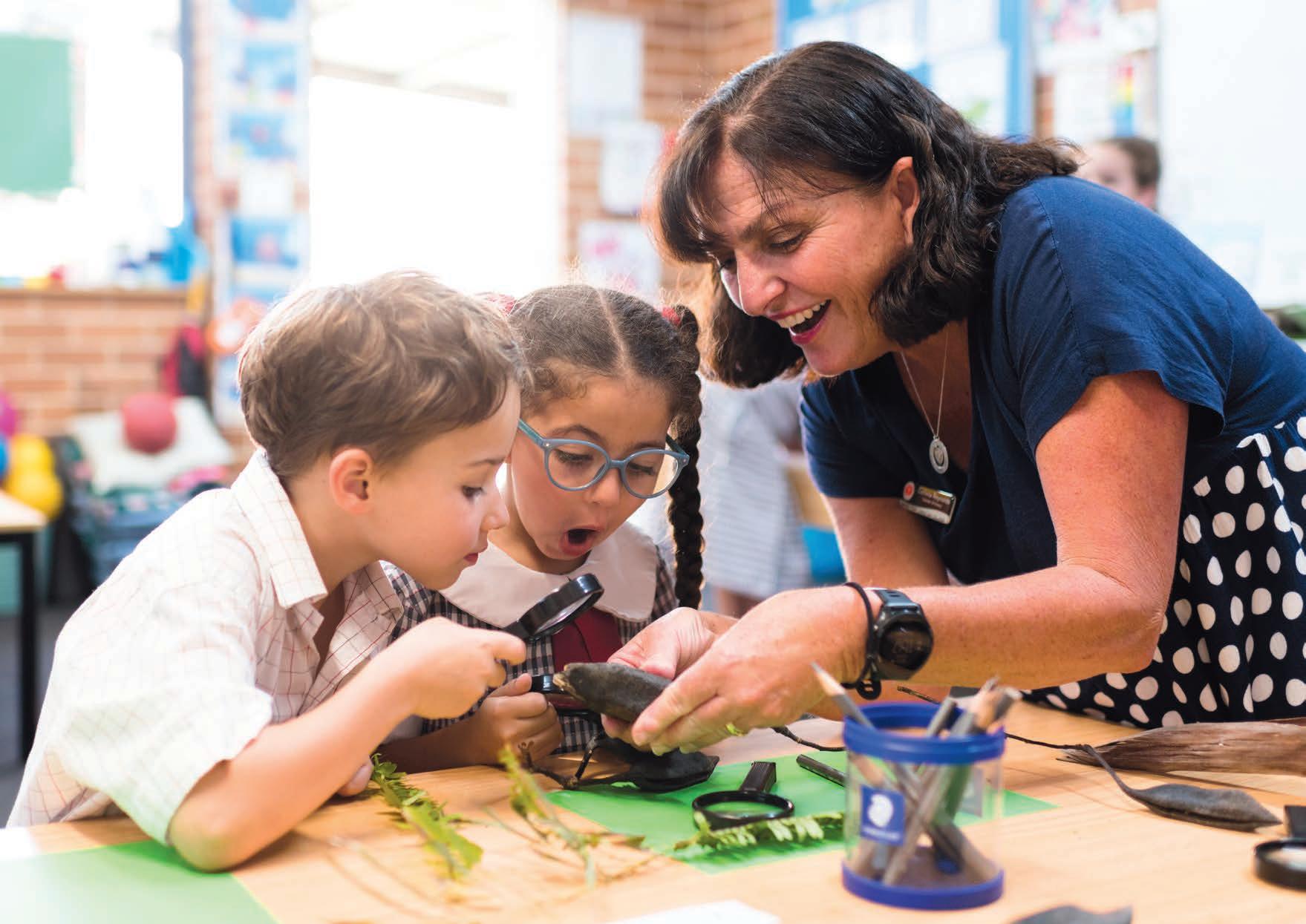
GPCC teachers are Godly in character in their interactions with students, teachers and the school community. A GPCC teacher has a Christ-like presence in the classroom and creates a safe and supportive learning environment before God for their students. They clearly communicate classroom expectations in relation to routine, behaviour and community to their students and apply these expectations consistently and diligently. GPCC teachers know their students and their needs
individually. All students, Christian and non-Christian, are covenantally included in our community. As such, they are invited to participate in the learning culture of the College pursuing God’s truth and grace as each is enabled by God to do so.
A GPCC classroom feels safe and supportive to all members of the learning community. All students understand the teacher’s expectations around learning and behaviour and can observe classroom norms that have been clearly expressed by the teacher and the College. Students are confident that their teacher knows them and their needs as an individual learner. Teachers and students interact with each other in respectful, kind, considerate, just, merciful ways - reflecting God’s grace shown to all. Therefore, all members of our community are drawn deeper into relationship with each other and, prospectively, with God.
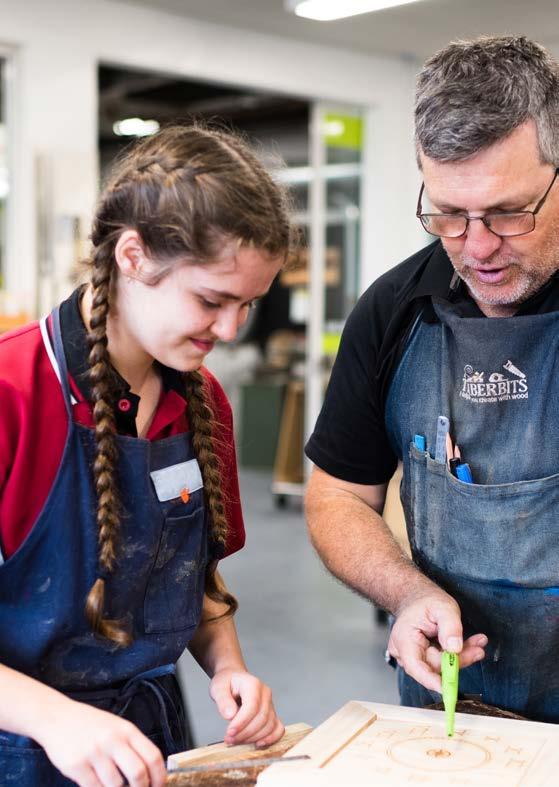
TEACHERS CREATE SAFE AND SUPPORTIVE LEARNING ENVIRONMENTS FOR THEIR STUDENTS

STUDENTS ARE CONFIDENT THAT THEIR TEACHER KNOWS THEM AND THEIR NEEDS AS AN INDIVIDUAL LEARNER
TEACHER RESPONSIBILITY
• Is Godly in character
• Maintains a Christ-like presence
• Creates a just and merciful environment before God
• Creates a safe and supportive environment for all students
• Creates a learning culture pursuing God’s truth and grace
• Clearly communicates expectations and practices, showing grace in applying them justly and fairly
• Knows and understands individual student needs as unique learners made in the image of God
• Integrates a Biblical worldview into all aspects of the classroom
STUDENT RESPONSIBILITY
• Is Godly in character
• Is just and merciful in their interactions with others
• Is socially engaged
• Displays respectful behaviour toward peers, teachers, the school community and the environment as God’s creation
• Actively participates in a learning culture pursuing God’s truth and grace
TEACHER’S TOOLKIT
• Prayer and Godly wisdom
• Maturing spiritually
• Biblical theology of community
• GPCC Wellbeing Framework
• GPCC classroom norms and expectations
• GPCC behaviour management strategies
• Peacewise, Biblical peace making
• Social and Emotional practices
• Proactive programs at the College
• HONOURING
• CONNECTING
• SERVING LEARNING DISPOSITIONS
EFFECTIVE teaching
The College is a place where students are not simply learning content and skills but are learning as people to become critical and creative thinkers, and collaborative lifelong learners.
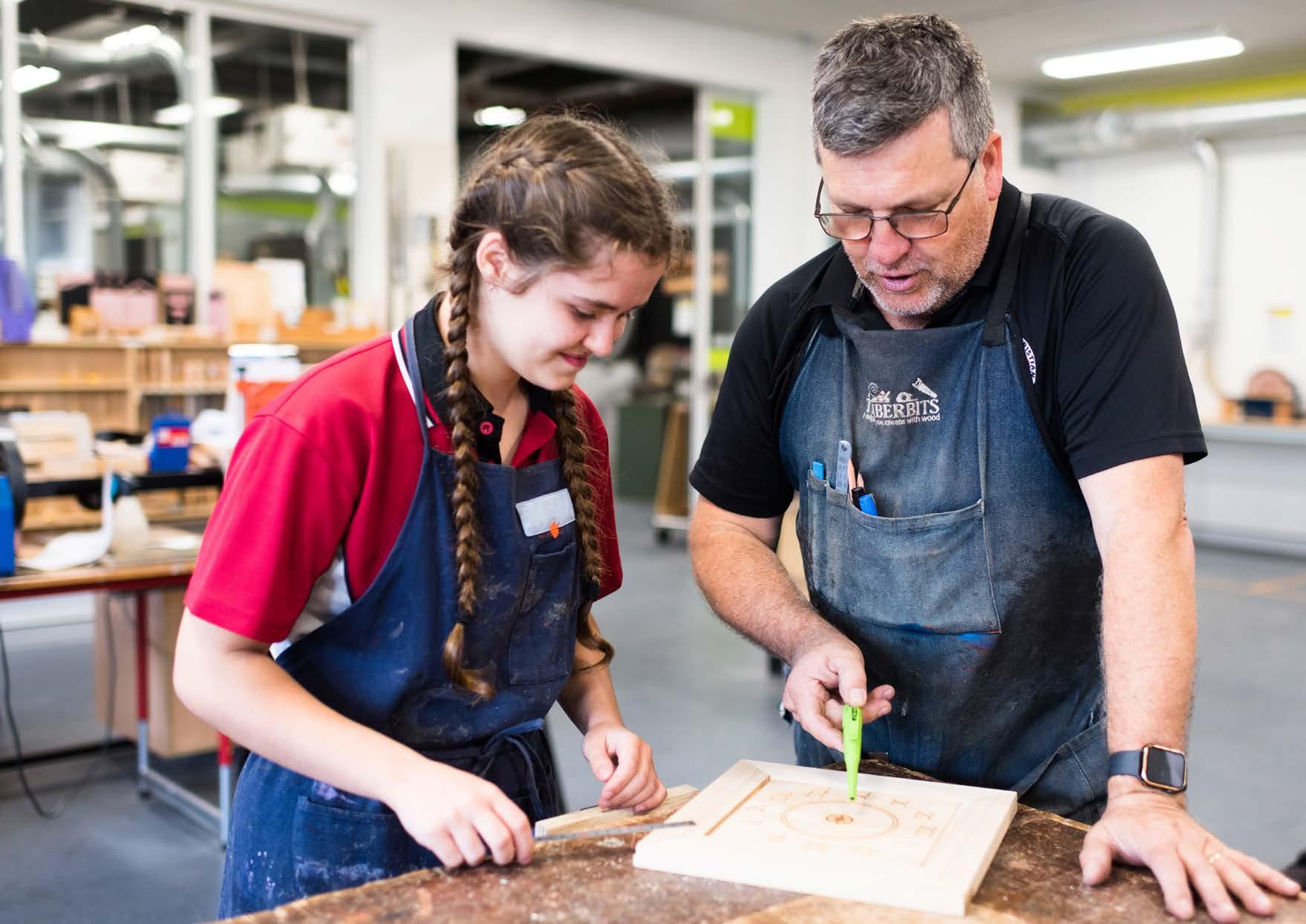
As such, we deliberately move beyond content knowledge and skills to focus on cultivating positive learner dispositions such as curiosity, resilience, diligence, and empathy. Our teachers facilitate, support and motivate this formational process by recognising and understanding that God has made each student to be distinctly different, with each on their own unique learning journey. Teachers see it as their role to accompany and support students on that journey. Teachers partner
with students to teach and instil the values and skills of living and learning in Godly ways towards ends that glorify God. In doing so we build students’ confidence to overcome challenge and adversity in the face of uncertainty.
To achieve these outcomes, we will equip teachers with practices that enables them to reflect deeply on their teaching (including what is distinctively Christian in their practice). These practices include how to choose conceptual and
Biblical threads that run through the curriculum connecting learning to learning and learning to faith, and to prioritise worldview discernment. We support teachers to construct sequences of learning that promote the development of core knowledge and enduring understandings. These practices will help students develop their skills as learners, critically analyse information in light of faith and develop a deeper understanding of how to respond to God’s purposes through the curriculum. These practices are based on the understanding that ultimately God enlightens the mind of each student and teacher to acquire knowledge and wisdom, and so teachers seek to create space for God to work in each classroom towards this end.
TEACHERS PARTNER WITH STUDENTS TO TEACH AND INSTIL THE VALUES AND SKILLS OF LIVING

EFFECTIVE TEACHING IN PRACTICE
Our faith and understanding of God’s purposes for learning and teaching are integrated into all aspects of practice across the College. As such, GPCC teachers are focused on the lifelong and life-wide application of knowledge, and design learning opportunities that facilitate both the inward and outward renewal of students as they explore their role in God’s world. Teachers at GPCC encourage students to collaborate, and to be creative and critical thinkers, while instilling a lifelong love of learning in students. In doing so, teachers encourage students to look beyond content knowledge by consistently connecting learning to life and to faith – fostering a learning culture that pursues God’s truth and grace. All learners at GPCC can access learning as the teacher inclusively differentiates each lesson to cater to individual student needs. Teachers employ a variety of learning and teaching strategies that engage all students, respect learners as image bearers, foster personal reflection, and empower learners to be the leaders of their own learning.
In a GPCC classroom, teachers create well-constructed sequences of learning that sequentially and coherently promote the development of core knowledge. Learning targets are clearly communicated to the students at the commencement of each sequence of learning. Teachers incorporate the acquisition of metacognitive skills into each lesson to continually develop each student as a learner. Teachers maintain high expectations for student development, modelling and encouraging growth mindsets. They rely on evidence-based teaching strategies, differentiate inclusively to cater for all student needs and goals.
In GPCC classrooms teachers cultivate strong learning partnerships with students. These learning partnerships are characterised by the gradual release of responsibility for learning to the student as they are encouraged to take ownership of learning. These strong partnerships are also developed between teachers and parents/carers throughout the student’s learning journey.
TEACHER RESPONSIBILITY
• Integrates a Biblical worldview into curriculum
• Creates a learning culture pursuing God’s truth and grace
• Teaches cognitive and metacognitive skills
• Uses a range of learning and teaching strategies
• Expressly states learning targets that promote mastery of core knowledge
• Highlights conceptual, logical and Biblical links between content points
• Differentiates inclusively to meet individual student needs and goals
• Participates in ongoing Professional Development
• Leads as well as manages learning engagement and progress
• Engages in research and reading on best practice
• Teaching as a vocation
• Transformation by Design Curriculum planning
• Metacognitive skills
• Differentiated instruction
• Setting learning targets, routines and expectations
• Explicit Direct Instruction (EDI) where appropriate
• Thinking Routines
• Effective use of Learning Management System - Schoolbox
• Data-informed practice supported by EduBI
• Biblically grounded subject specific knowledge
• Active engagement in Growing Professionally @ Green Point, including Professional Learning Communities.
STUDENT RESPONSIBILITY
• Actively engages in a learning culture pursuing God’s truth and grace
• Develops cognitive and metacognitive skills
• Collaborates with teachers and other students
• Values and displays critical and creative thinking
• Is on a journey of lifelong learning
• Seeks to understand learning targets
• Sets personal learning goals
• Takes ownership of learning
• WILLING
• WONDERING
• PERSEVERING LEARNING DISPOSITIONS
TEACHER’S TOOLKIT
DEEP learning
Christian education is not just about developing understanding and skills.
It encourages a Christian way of living by equipping students to deeply explore and understand God and His world. Students go deeper in learning as they are inspired to live out and apply their learning in new contexts. This application includes mastering content and skills, connecting content and skills to real-life situations, and using gifts developed through learning to serve and benefit others. Students thrive when given authentic opportunities to work on realworld problems and projects, and effective teachers help students realise that the greater their depth of learning, the greater their ability to master all types of learning
situations including those that extend well beyond the school.
For these reasons, our curriculum seeks to prepare students for the challenges of both today and tomorrow, inculcating a spirit of responsive citizenship and, for Christian students, discipleship. Growth in discipleship fosters for Christian students a deeper connection and commitment to their faith. Our curriculum is designed so that our students not only learn about the world, but also serve as agents of change in the world – thinking critically and creatively about how to colabour with God in restoring the brokenness of the world. Within this curriculum, our learners are
encouraged to produce work that is both beautiful and practical.
Deep learning activities encourage our students to engage with the broader community, and so develop students’ Biblical wisdom and Godly character in the context of real work.
DEEP LEARNING IN PRACTICE
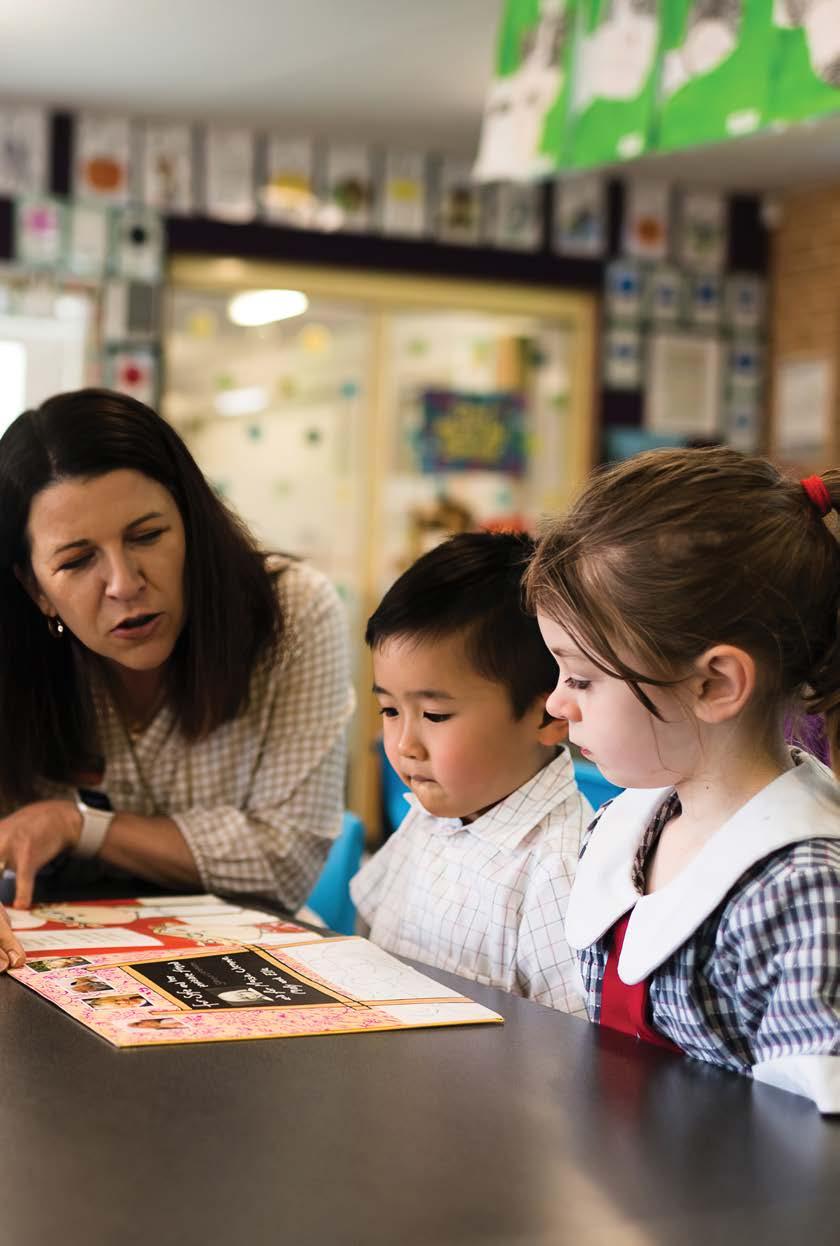
A GPCC classroom encourages students to engage deeply with their learning and explore ways they can connect the content and skills acquired in the classroom to real-life situations, equipping students for a life of redemptive living. A GPCC teacher facilitates Christian deeper learning by creating quality learning opportunities and assessments, fostering wide connections with community and celebrating student learning and achievement. Teachers teach the curriculum from a Biblically informed worldview with a strong understanding of the ‘big ideas’ and enduring understandings they want students to learn –including but transcending technical proficiency. A GPCC teacher provides students with opportunities
to think critically and creatively and be socially engaged by not only teaching students about the world, but allowing them to serve as agents of change, encouraging them to consider their role in God’s plans and purposes for the world.
Learning opportunities within a GPCC classroom establish links between the curriculum and the real world – balancing the abstraction of concepts with their visualisation and concrete application. GPCC teachers engage with the community, where possible, to provide learning opportunities that allow students to be socially engaged with their community. Assessment in a GPCC classroom is holistic, focusing on the whole student in terms of their competencies, interests and commitments. Teachers craft quality assessments for, as, and of learning within the classroom and provide students with regular and timely feedback that supports student growth. To the glory of God, we celebrate learning in classrooms, staffrooms, and assemblies, and through virtual and physical displays of student work.
TEACHER RESPONSIBILITY
• Creates quality differentiated assessments for, as, and of learning
• Provides specific, thoughtful, timely and regular feedback to students
• Develops wide connections with community
• Provides opportunities to enact and display learning before authentic audiences
• Celebrates student learning and achievement
TEACHER’S TOOLKIT
• Christian deeper learning and inquirybased learning approaches
• Learnership – agency of learning
• Integrating curriculum through cross curriculum opportunities
• Holistic assessment
• Formative feedback
• Celebrations of learning
• Community engagement
STUDENT RESPONSIBILITY
• Is Godly in character
• Is socially engaged
• Is developing as a lifelong learner
• Reflects on and actions teacher feedback
• Encourages other students and shares in the celebration of other students’ work
LEARNING DISPOSITIONS
• INQUIRING
• DISCERNING
• CELEBRATING
LINKS BETWEEN CHRISTIAN COMMUNITY, EFFECTIVE TEACHING, AND DEEP LEARNING
Learning and teaching are inherently relational, making community the foundational starting point for effective teaching and deeper learning in any context. In the Christian educational context, relationships in Christ and shared Biblical beliefs and values create an environment where learning and teaching can truly flourish. In this environment, effective teaching draws on and integrates Biblical and subject-specific content to foster deeper learning i.e., learning that goes beyond surface knowledge to engage students in applied, meaningful explorations of both academic and spiritual truths. Deeper learning, as the outcome of effective teaching, not only enhances individual knowledge, understanding and wisdom; but in so doing contributes to the wellbeing of communities, including the Christian educational community.
DEEPER LEARNING ENHANCES INDIVIDUAL KNOWLEDGE, UNDERSTANDING & WISDOM


Educational philosophy
Education for Wisdom is our guiding philosophical statement on Christian Education.
Commensurate with that document, Wisdom in Christ serves as the philosophical foundation for our approach to Christian community, effective teaching, and deeper learning. Biblical teaching on Wisdom in Christ provides essential principles and practices that foster and direct community cohesion, personal and professional growth, and deeper understanding of God’s world.
Christian wisdom can be defined as: “the willingness and ability to advance the glory of God and
gpcc.nsw.edu.au/education-learning/educational-philosophy
the wellbeing of others by living and learning according to Biblical teaching and the example of Christ.”
The implications of Christian wisdom for each of our core practices is outlined on the following pages.
BIBLICAL WISDOM & CHRISTIAN COMMUNITY
• Identifies the value of sharing a common vision and working towards common goals. A common vision and goals align individual efforts, fostering a sense of belonging collaboration, and shared purpose.
• Provides the ethical principles that guide behaviour and decision-making, thus promoting trust, respect, and cooperation among community members.
• Offers principles, commands and examples for resolving conflicts and so fosters an environment where disagreements can be addressed constructively.
• Supports collaboration and constructive dialogue amongst students, parents and staff. This collaboration and dialogue promotes meaningful interactions within which community members can share ideas, challenge viewpoints, and engage productively in projects at all levels of the College.
• Teaches the importance of empathy and compassion, encouraging individuals to understand and support one another. This mutual support strengthens community bonds and promotes collective well-being.
• Emphasises servant leadership at every level of the College, which enhances community engagement, ownership, and responsibility.
BIBLICAL WISDOM & EFFECTIVE TEACHING
• Engenders a deep sense of empathy and understanding towards students. This empathy allows teachers to see things from students’ perspectives, anticipate their needs, and provide appropriate support and guidance, so enhancing student engagement and learning.
• Enables teachers to make sound judgments and decisions, allowing them to navigate complex classroom dynamics, adapt teaching methods to suit student needs, and manage classroom challenges effectively.
• Facilitates the integration of different forms of knowledge, including academic knowledge, pedagogical knowledge, and knowledge of student development. This integrated knowledge enables teachers to tailor their teaching approaches to optimise learning outcomes for diverse groups of students.
• Can bolster emotional resilience, leading teachers to create positive and supportive learning environments, handle student behaviour calmly, and so foster better relationships with students.
• Encourages teachers to engage in reflective practice, where they critically evaluate their teaching methods, learn from experience, and continuously improve their instructional strategies.
BIBLICAL WISDOM & DEEPER LEARNING
• Implies a lifelong learning orientation, which motivates students to seek out new information, explore diverse topics, and continuously expand their understanding.
• Challenges students to think deeply about concepts, make connections between ideas, question assumptions, and analyse information both appreciatively and critically.
• Facilitates the ability to make interdisciplinary connections, encouraging students to explore complex issues from multiple perspectives, and so fostering deeper insights and holistic understandings.
• Fosters global and cultural awareness by promoting an appreciation and respect for the common origin of humankind. This awareness directs students to explore the interconnectedness of the world, to engage positively with cultural diversity, and to rise to global challenges, thus enriching their learning experiences.
• Inspires adaptability and flexibility in responding to changing circumstances and new information. In learning contexts, this adaptability allows students to adjust their learning strategies, revise their understanding based on new insights, and so undertake complex learning tasks.

HOW WILL TEACHERS AND LEADERS USE THE LEARNING & TEACHING framework?
The Learning and Teaching Framework provides clarity on what it means to be a Christian Teacher at Green Point Christian College. As such, we expect that the Framework, including its core practices and toolboxes, will be used by teachers to:
both appreciatively and critically assess and evaluate their current teaching commitments and practices.
shape all elements of their practice as educators at Green Point Christian College. The Framework describes how we teach at Green Point.
develop their Professional Learning Plan for each year, including their practices as Christian lifelong learners. cultivate classroom norms and expectations in line with the framework and develop Christian community within each classroom. plan their units and guide their selection of teaching resources and strategies.
THE LEARNING AND TEACHING FRAMEWORK WILL BE USED BY LEADERS:
as a key resource for teacher induction and new teacher orientation;
as a benchmark for evaluations of learning and teaching across the College;
as a guide for professional development, professional growth and professional evaluations;
as a coaching tool to support students and staff in their ongoing development as learners and teachers.