Got Rum? ®




c o N t EN ts
JUNE 2026
5 From The e di T or
6-9 The Angel’s s h A re - r um r eviews
10-13 C oo K ing wi T h rum
14-17 T he rum mixologis T
18-19 T he rum universi TY® li B r A r Y
24-27 The rum his T ori A n
28-31 T he r um l AB or AT or Y
32-35 rum in T he news
36-46 T he swee T B usiness o F sug A r
48-51 The his T or Y A nd s C ien C e o F T he BA rrel
52-55 C ig A r A nd rum PA iring






Got Rum? ®
Printed in the u s .A. A publication of r um r unner Press, i nc. Taylor, Texas 76574 - u s .A.
Tel/Fax +1 (855) rum -T i P s © 2026 by r um r unner Press, i nc. All rights reserved. June 2026
e ditor and Publisher: luis@gotrum.com
e xecutive e ditor: margaret@gotrum.com
Cigar and r um: philip@gotrum.com
Angel’s s hare: paul@gotrum.com
r um h istorian: marco@gotrum.com
r um in the n ews: mike@gotrum.com
Cooking with r um: sue@gotrum.com
w ebmaster: web@gotrum.com
d irector of Photography: art@gotrum.com
i f you would like to submit news or press releases, please forward them to: news@gotrum.com
You can download the free electronic version (low-res) of this magazine, or purchase the high resolution printed version at:
WWW. gotr U m . com

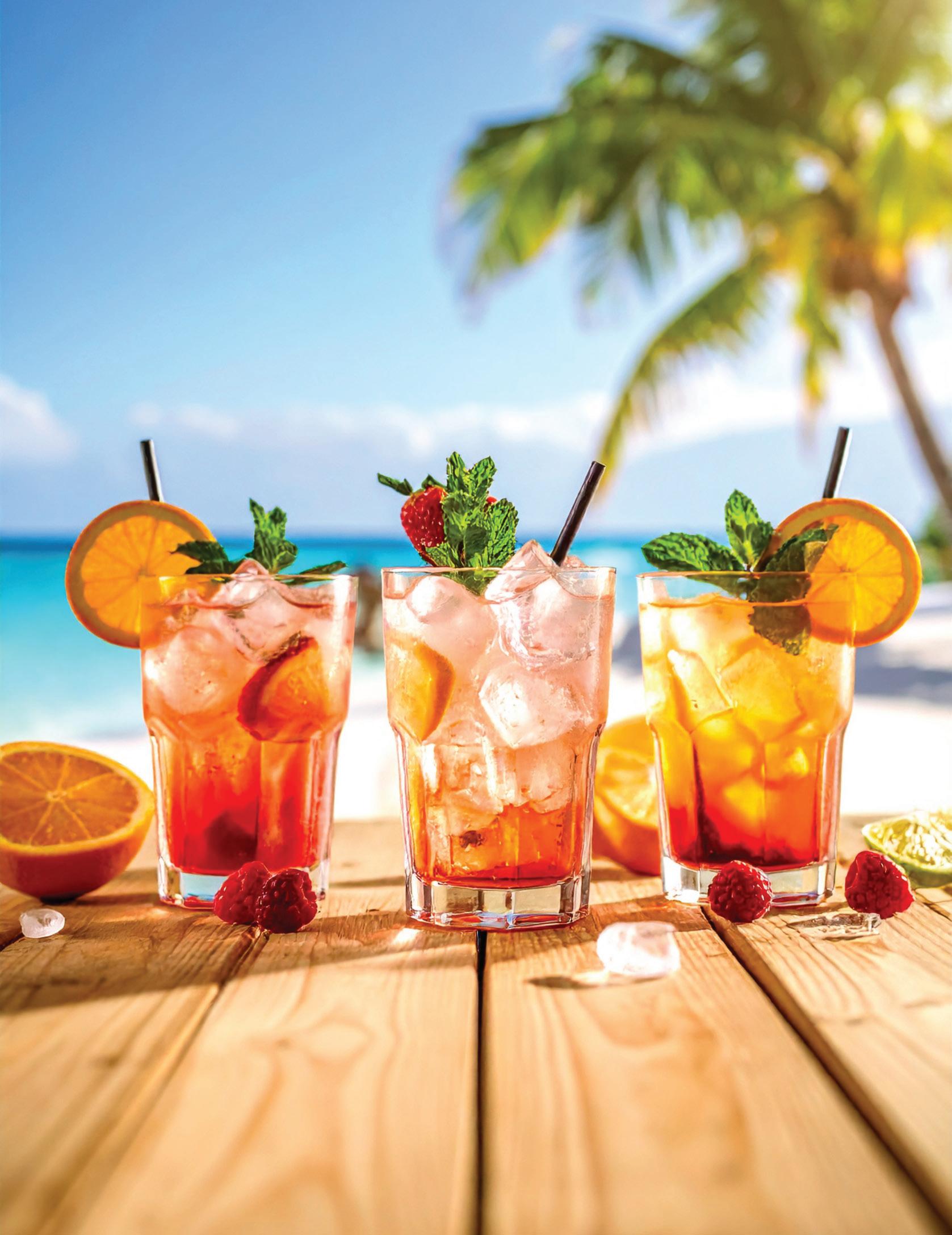
The printed version of “ g ot r um?” is produced with F s C-certified paper, which means it is from responsibly managed forests and verified recycled sources. F ron T C over : Berry m ojitos inside s P re A d : Perfect Afternoon
F rom T he edi T or On Hosting And Being Hospitable
As summer reaches its peak (for us in the n orthern h emisphere, anyway), the likelihood increases for us being invited to parties, or for hosting our own gatherings. w ith this in mind, i wanted to share a few thoughts on the things that we can do differently to transform our parties from generic to generous
Hospitality is defined by the dictionary as “ the act of being friendly and welcoming to guests and visitors .” The social expectations from guests attending an event have changed throughout the decades, as the conveniences of modern life (such as the increased availability of prepared foods and drinks) all but guarantee the presence of menu items that would have been considered luxuries in the past (imagine cocktail time before ice machines were commonplace).
But as the temptation of having food catered and of purchasing r T d s and premixed cocktails beckons to us, it is worth noting that being hospitable has more to do with making guests feel welcomed than with making the host’s job easy.
This does not mean that everything must be sourced and prepared from scratch, but simple touches like drink garnishes, pre-chilled glasses, personalized coasters, etc., go a long way in setting the mood for a cozy, welcoming gathering.
w riter and speaker Parker J. Palmer wrote that “ The concept of hospitality arose in ancient times when the reciprocity was easier to see: in nomadic cultures, the food and shelter one gave to a stranger yesterday is the food and shelter one hopes to receive

from a stranger tomorrow. By offering hospitality, one participates in the endless reweaving of a social fabric on which all can depend--thus the gift of sustenance for the guest becomes a gift of hope for the host .”
The perfect gathering is not necessarily the largest one possible: guests, like cocktail ingredients, must be carefully selected and artfully blended, to guarantee harmonious results.
Cheers!

l uis Ayala, Editor and Publisher

http://www.linkedin.com/in/rumconsultant
do you want to learn more about rum but don’t want to wait until the next issue of “got rum?”? Then join the “rum lovers unite!” group on linkedin for updates, previews, Q&A and exclusive material.

T he A ngel’ s sh A re
by Paul s enft


m y name is Paul s enft - r um r eviewer, Tasting host, Judge and w riter. m y exploration of r ums began by learning to craft Tiki cocktails for friends. i quickly learned that not all rums are created equally and that the uniqueness of the spirit can be as varied as the locales they are from. This inspired me to travel with my wife around the Caribbean, Central America, and u nited s tates visiting distilleries and learning about how each one creates their rums. i have also had the pleasure of learning from bartenders, brand ambassadors, and other enthusiasts from around the world; each one providing their own unique point of view, adding another chapter to the modern story of rum.
The desire to share this information led me to create www. r umJourney.com where i share my experiences and reviews in the hopes that i would inspire others in their own explorations. i t is my wish in the pages of “ g ot r um?” to be your host and provide you with my impressions of rums available in the world market. h opefully my tasting notes will inspire you to try the rums and make your own opinions. The world is full of good rums and the journey is always best experienced with others. Cheers!
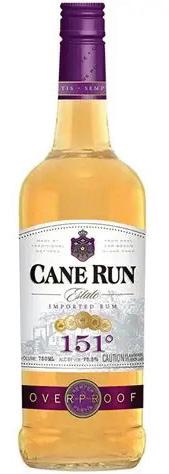
w hile visiting a local store, i came across this rum in a new section that was comprised of all overproof rums. w hile i had Cane r un r um in cocktails in n ew o rleans, i was not aware they had added a 151 expression for the line. w hat little i could find out about the product is that the rum is made in Puerto r ico, where it is aged for five years in used Bourbon barrels. After this maturation process, the rum is at some point charcoal filtered and then shipped to Kentucky, where the s azerac blends in some caramel coloring and bottles the rum for distribution at 75.50% AB v a ppearance
The rum is in a standard 750 ml Bordeaux design with white labels with a purple screw top with the enigmatic number 12 blend placed across the top. The back label has some marketing information and shares the origin of the rum, which in this case is important since other Cane r um expressions were made in Trinidad and Tobago.
i n the bottle and tasting glass, the rum holds a solid gold amber color. s wirling the liquid generates a thin band that thickens and beads almost immediately, releasing a wave of thick legs that descend quickly down the side of the tasting glass. A small amount of residue is left after the evaporation is complete.
Cane r un r um 151

Nose
The aroma delivers notes of brown sugar, ethanol, light vanilla, and a nip of oak.
Palate
The first small sip delivers the expected punch of the alcohol with a swirl of unsweetened caramel. Additional sips reveal notes of baking chocolate, black pepper, dense molasses, lime zest, grilled pineapple, and carbon. An earthy mineral rich finish lingers on the palate for quite some time.
r eview
Anytime i am evaluating a high proof product, i take tiny sips in an attempt to find the flavors without burning out the palate. i have come to think of 151 rums, regardless of origin, as flavor enhancers for cocktails and, except for the 151 s wizzle (https:// beachbumberry.com/recipe-swizzle. html), not something to build a drink around. w hat surprised me after the initial fiery sip was the emergence of certain flavors during the evaluation. w hile less robust than a d emerara 151 rum, the esters make this ideal as an ingredient in any cocktail that calls for a 151 rum ingredient or float where you want to put a different twist on the flavor profile compared to other rums in this category. For those looking for a suitable replacement for the extinct Bacardi 151, this may fill that niche in your backbar.
T he A ngel’ s sh A re
by Paul s enft
Tommy Bahama Tommy n o. 2 r um
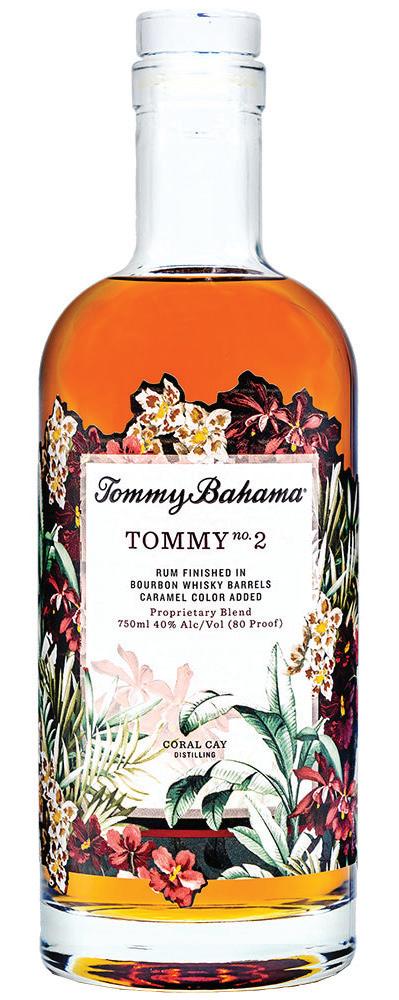
This rum is produced by the Coral Cay d istilling company of Cashmere, w ashington, along with five other Tommy Bahama branded spirits in their portfolio. They source the rums for this blend from Central America and age them for a minimum of five years in American white oak barrels before finishing them in used bourbon barrels. The rums are blended to 40% AB v, and caramel coloring is added for visual consistency.
a ppearance
The short-necked 750 ml bottle is wrapped in a floral design and sealed with a clear security wrap that holds the glass cork to the bottle. The cork has the Tommy Bahamas logo on top. The rum label provides barely any information about the rum. i was only able to verify the size of the bottle by finding marketing material on the internet.
The rum holds a dark golden amber color in the bottle that lightens significantly in the tasting glass. s wirling the liquid created a medium band that released several waves of fast-moving legs before evaporating, leaving a great deal of residue around the glass.
Nose
The aroma leads with a strong caramel note that is followed by wood spices, ethanol, and acetone in quick order.
Palate
The initial sip conditions the mouth with a swirl of caramel, wood tannins, and the burn of the alcohol. Additional sips reveal notes of saline, raw oak, copper, and astringent char with a medicinal cherry flavor helping form the baseline. The acetone notes drift in as the rum fades in a quick finish.
r eview
u sually, a rum that has a label with so little information on it is concerning, but my curiosity about this brand in its newest incarnation was hard to resist. By design, the rum is engineered to be a cocktail ingredient and needs a strong flavor like orange juice or coffee to balance and bury elements of the flavor profile. w hile overall it is not unpleasant, it is not an expression i would recommend for sipping. For those who are curious, the flavor profile has nothing in common with the Tommy Bahama rum produced in Barbados and should be considered its own separate experience with nothing more than a shared name.

COOKING WITH RUM
Bringing the s pirit of the c ane i nto the h eart of the Kitchen!
by Chef s usan w hitley


y ummy r ummy June Jams!


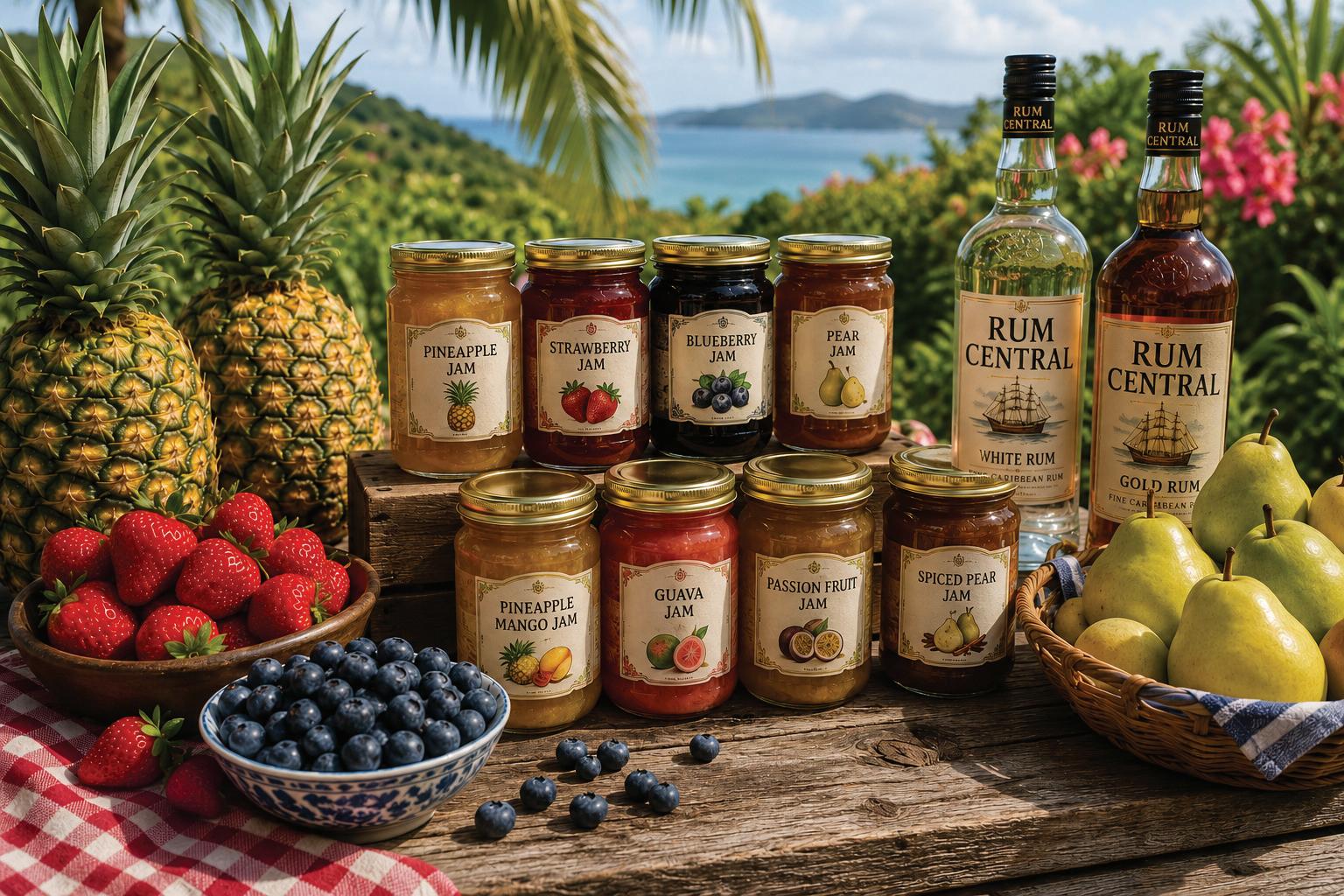

r ummy Blueberry Jam
i ngredients:
• 2 C. Blueberries (fresh or frozen)
• ¾ C. g ranulated s ugar
• 1 Tbsp. Fresh l emon Juice
• 1 Tbsp. d ark r um
d irections:
1. Place blueberries, sugar, lemon juice, and dark rum into a medium saucepan.
2. Cook over medium-high heat and allow the mixture to come to a boil then reduce heat to medium and continue cooking for 10 minutes, stirring occasionally. u sing a potato smasher, smash some of the berries about halfway through the cooking time.
3. The liquid in the saucepan will start to thicken. Test the mixture with a thermometer. o nce mixture has reached 220°F/104°C then remove from heat. l adle the jam into clean and sterilized mason jars and allow jam to cool. Then, seal jars and store them in the refrigerator. Consume within 2 weeks.
s
piced r um and Pear Jam
i ngredients:
• 4 lbs. Bartlett Pears (should yield 8 cups), peeled and chopped into ½ inch chunks
• 2 C. g ranulated s ugar
• 3 Tbsp. Fresh l emon Juice
• 1½ tsp. g round Cardamom
• 1 tsp. g round Cinnamon
• 3 Tbsp. s piced r um

d irections:
1. Place pears, sugar, lemon juice, cardamom, and cinnamon in a large stainless-steel saucepan and heat over medium-high heat until it starts to boil.
2. l ower heat to medium and continue cooking until sauce thickens, about 15 minutes. s kim off any foam and stir in rum. To test consistency, place a small dollop on a chilled plate. i f it wrinkles when pushed with your finger, it’s ready.
3. s poon jam into hot sterilized jars, leaving ¼ inch headspace. r emove air bubbles and wipe the rim clean of any jam to seal lid properly.
Piña c olada Jam
i ngredients:
• 3½ C. Canned Crushed Pineapple
• ½ C. Coconut w ater
• 4½ Tbsp. Pectin
• ¼ C. s hredded Coconut, chopped
• 5 C. g ranulated s ugar
• ¼ C. d ark r um
d irections:
1. Combine crushed pineapple and coconut water in an 8-quart saucepan over medium-high heat.
2. g radually stir in Pectin. o nce dissolved, add chopped coconut and sugar, continue stirring. Bring mixture to a full rolling boil and add the dark rum.
3. Continue stirring for an additional minute and then remove from heat. s kim any foam from top of jam. s poon jam into hot sterilized jars, leaving ¼ inch headspace.
4. r emove air bubbles, wipe the rim clean of any jam to seal lid properly, and process in a boiling water bath for 10 minutes. s tore in a cool, dark place. Properly sealed, jam can last up to a year.
5. o nce opened, store in the refrigerator and enjoy within a few weeks.

s trawberries & r um Jam
i ngredients:
• 3 lbs. Fresh s trawberries, hulled and halved
• 4 C. g ranulated s ugar
• 4 Tbsp. Freshly s queezed l emon Juice
• ¼ C. d ark r um
d irections:
1. i n a large bowl, combine the strawberries, sugar, and lemon juice. Cover and let them sit for at least 2 hours, or overnight in the refrigerator. This helps draw out the natural juices and infuses the berries with sugar.
2. Transfer the macerated strawberries and their juices to a large, heavybottomed pot. Bring the mixture to a boil over medium-high heat, stirring frequently. o nce boiling, reduce the heat and simmer, skim off any foam that rises to the surface.
3. w hen the mixture begins to thicken (about 20-25 minutes), stir in the rum. Continue to cook, stirring often, until the jam reaches the desired consistency. To test, place a small dollop on a chilled plate. i f it wrinkles when pushed with your finger, it’s ready.
4. Carefully ladle the hot jam into your sterilized jars, leaving about ¼ inch of headspace. w ipe the rims clean, seal with the lids, and process in a boiling water bath for 10 minutes.
5. Allow jars to cool completely before storing them in a cool, dark place. Properly sealed, jam can last up to a year. o nce opened, store in the refrigerator and enjoy within a few weeks.
THE RUM Mixologist
A space devoted to the exploration of classic and new rum cocktails
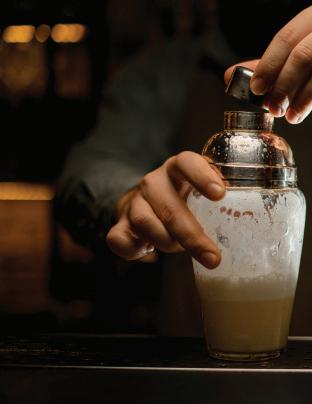

What i s m ixology?
m ixology is the study and skill of inventing, preparing and serving cocktails and other mixed drinks. m ixologists are experts in this field, but mixologists’ knowledge goes beyond memorizing basic cocktail recipes: it includes historical information, basic chemistry behind flavor combinations and a capacity for combining common ingredients in new ways.
Join us, as we explore the essential collection of rum cocktail recipes that every mixologist needs to master.
THE RUM Mixologist
This m onth’s Cocktail: o ne l ast m idnight
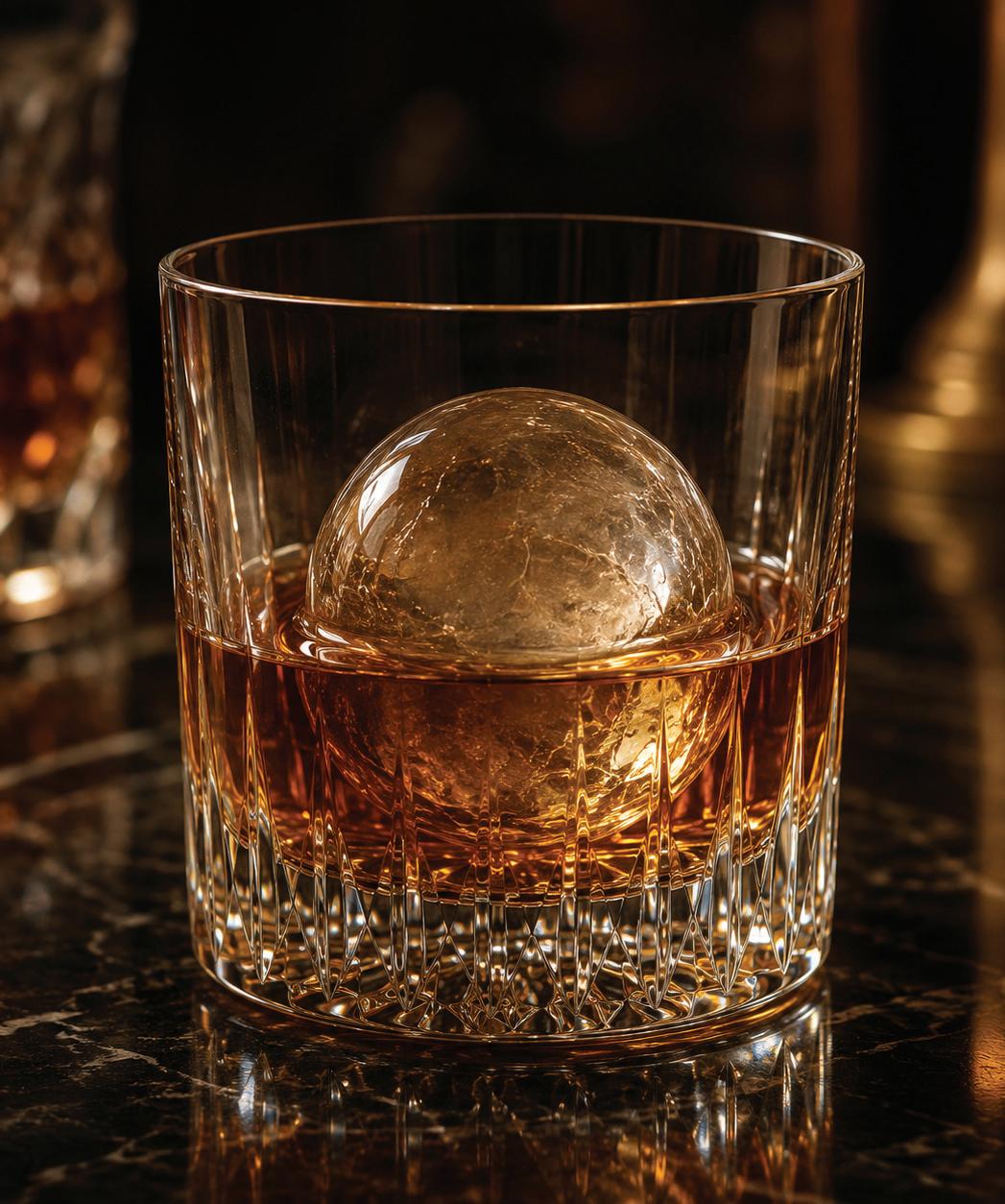
o ne l ast m idnight is a spirit-forward drink created by m eaghan d orman, the bar director of d ear i rving in n ew York City.
s he employs aged v enezuelan rum and two i talian sweet vermouths: one rich and lush, one more bitter and nearly amaro-like. The drink also sees a spritz of smoky i slay scotch and a pinch of coffee-infused salt
i ngredients:
• i slay s cotch, to spritz
• 2 ounces Aged v enezuelan r um
• 1/2 ounce s weet v ermouth, preferably Cocchi v ermouth di Torino
• 1/2 ounce Punt e m es
• 1 pinch Coffee- i nfused s alt
Directions:
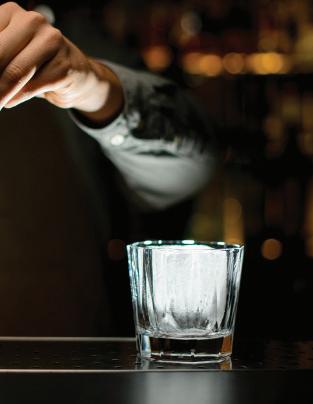
1. s pritz the scotch into a rocks glass.
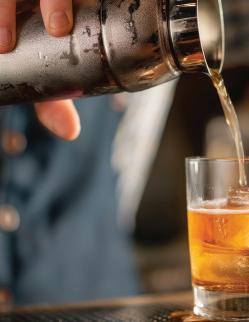
2. Add the rum, sweet vermouth, Punt e m es, and coffee-infused salt into the glass with one large ice cube or sphere, and stir gently to combine.


r eviews of books related to sugarcane, milling, fermentation, distillation, aging, blending and other topics related to the production or history of rum.
www. r um u niversity.com
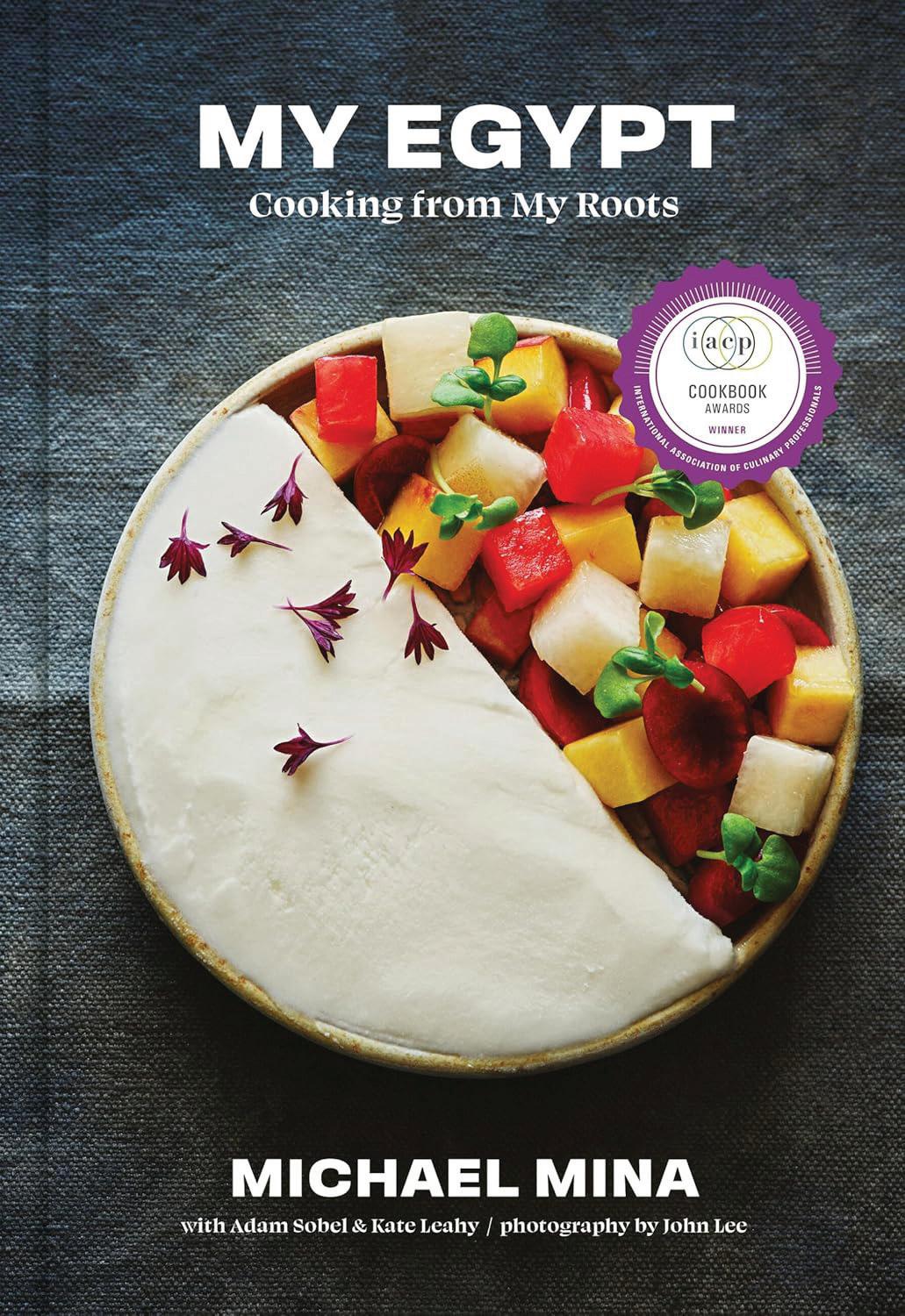
m y Egypt: c ooking f rom m y r oots by m ichael m ina

(Publisher’s r eview)
i ACP Award w inner, i nternational Cookbook of the Year.
e xplore a lifetime of recipes that capture the flavor and energy of e gypt, from celebrated chef m ichael m ina.
“ o utstanding... [and] accessible for home cooks of all levels and familiarity with m iddle e astern cuisine” (Publishers w eekly, starred review).
g rowing up in a m iddle e astern household gave m ichael m ina an innate understanding of how to cook with spice and use acidity to amp up flavors. But when he started working in restaurants, m ina went out of his way to cook everything but the e gyptian food he had grown up with. h is family had left Cairo for the u nited s tates when he was two years old, and he felt the need to assimilate to thrive.
d ecades later, after making his name as a technique-driven California chef and opening dozens of acclaimed restaurants, m ina looked back to what got him excited to cook in the first place: dishes like his mom’s ta’ameya, or e gyptian falafel, and tables heavy with dips and spreads at family barbecues. Thus began years of travel back to e gypt and a new story in his cuisine.
i n m y e gypt, m ina brings readers to contemporary Cairo and Alexandria to share the foundations of e gyptian cooking and hospitality, from the traditional breakfast of ful medames to the streetside meal of baladi bread stuffed with spiced hawawshi. h e also marries e gyptian flavors with influences from around the world in dishes including:
• h arissa r atatouille
• h alloumi and w atermelon s alad
m int and g reen o nions
• l abne Frozen Yogurt.
This is the story of a lauded chef at the top of his game, triumphantly returning to his roots.
Publisher: v oracious
Publication date: o ctober 8, 2024
l anguage: e nglish
Print length: 288 pages
is B n -10: 0316429783
is B n -13: 978-0316429788
i tem w eight: 2.6 pounds
d imensions: 7.75 x 1.25 x 11 inches
•
Feta-Brined s patchcock Chicken with
a ncient Egypt and h athor
t he f east of Drunkenness

Sourced from www.atlasobscura.com
According to Dr. Dora Goldsmith, an Egyptologist at Berlin’s Freie Universität, the ancient Egyptians were making mixed alcoholic beverages in the Ptolemaic Dynasty, around 300 BC.
While there’s evidence of distilled liquor dating back to 800 BC in parts of Asia, Egyptian “cocktails” more resembled fortified wines and beers. And when the debauched Feast of Drunkenness rolled around, these fragrant, sweet elixirs flowed freely.
Sacred Knowledge
Goldsmith has translated what may be instructions for two such libations from a religious text. “This is a hymn, as far as the text genre goes, but behind that hymn are traces of a recipe,” Goldsmith explains.
Versions of that same sacred song, known as The Menu Song were chiseled onto the temples of Dendera, Philae, and Athribis. “It was recorded
many times, which means it was important to the ancient Egyptians.”
As Goldsmith points out, four other Egyptologists have published analyses of this text before her and each has walked away with a subtly different interpretation of what it means. “ The truth is that no one is incorrect and no one is correct ,” she says.
The ingredients and steps are cloaked in metaphors and poetic language. But it’s not an accident that the text is tricky to follow.
“ This belonged into the realm of restricted knowledge. [The ancient Egyptians] believed in the notion that knowledge is power. One way of immortalizing a document that is important while keeping it a secret is to write it in stone, but in a way that is very hard to understand .”
Goldsmith believes that hidden behind these layers of meaning are recipes for preparing two drinks, one for the
mortals and one for the gods. The former may have been served at the Feast of Drunkenness, ancient Egypt’s wildest bacchanal.
“ The Menu Song was probably sung on these [feast] days, while they drank this fragrant beer, and were in complete ecstasy ,” Goldsmith says. “ What is important to understand is that beerbrewing here is a mythological act. The brewing itself ensures that the cosmic order remains intact .”
The Feast of Drunkenness
Before we look at the drinks themselves, let’s talk about Hathor, the goddess for whom they were created. This most ancient and powerful of goddesses had a wide mythical jurisdiction over music, sexuality, fertility, motherhood, as well as precious metals such as gold and fragrances including myrrh and labdamum.
“ She has two sides ,” Goldsmith says.
“ On the one hand, she’s very loving, but she can also be a raging lunatic. She’s a cute little kitty cat one day and a raging lioness the next .”
Hathor was also the goddess of intoxication. In the myth of the Destruction of Mankind, Ra, the sun god, orders Hathor to slaughter humanity for their lack of reverence. In this tale, she becomes Sekhmet, a lioness goddess (the two deities are sometimes used interchangeably in ancient Egyptian mythology and share attributes).
“ Hathor was bloodthirsty, so she was very happy with the task ,” Goldsmith says. Before long, the goddess was rampaging out of control. “ Ra told her ‘Enough of the killings,’ but she didn’t want to stop ,” Goldsmith says.
To halt the carnage, the sun god resorted to trickery. One version of the story recounts that Ra flooded a field

of barley and allowed it to ferment, while another claims he simply poured out 7,000 jars of beer. In either case, Ra cleverly dyed the beer crimson using red ochre, a type of edible clay rich in iron oxide.
ot r um? June 2026 - 21
June 2026 - 21
“ When Hathor arrived, she started drinking what she thought was blood ,” Goldsmith says. After guzzling the better part of a field of beer, the goddess became too drunk to continue her murder spree and took a nap, thus saving humanity.
Continuing the Ritual
In honor of Ra’s intervention, ancient Egyptians would celebrate each year by drinking lots and lots of beer. By all accounts, the Feast of Drunkenness lived up to its name.
“ People would get so drunk that they would climb on the temples ,” Goldsmith says. “ It was a task on this day to get completely drunk, not just a little, but so much so that you really didn’t know what was going on anymore. [The idea was that] in this state of complete intoxication, you would be able to perceive the goddess better for who she is .”
It’s important to remember that beer brewing was a vital part of life throughout much of the ancient world. It was also historically women’s work. Both Ninkasi, the ancient Sumerian goddess of brewing, and Nephthys, another ancient Egyptian goddess associated with beer, were powerful, feminine beings deemed worthy of veneration.
Goldsmith attempted to recreate the elixir that got the population so wildly intoxicated by following 18 steps laid out in the hymn. Each refers to a part of the earthly beer-making process as well as brewing a drink for the divine realm. The imagined drink for the goddess herself included wine enhanced with costly labdanum resin and gold.
For the mere mortals, the text faithfully describes the steps of brewing beer, starting by soaking flatbreads in water and allowing them to ferment, a practice archeologists believe was
common in ancient Egyptian brewing. From there, the beer gets a few specific enhancements: red ochre to commemorate the myth and lend a striking color, dates and date syrup to lend sweetness, black cumin seeds for an earthy flavor, and mastic and myrrh to perfume the whole mixture.
Although there is no record of the exact quantities of each ingredient, modern-day drinkers could easily make their own approximation. All of these ingredients are edible and available to purchase online.
Goldsmith plans to publish additional details about her versions of the recipes, but until then, is selling kits containing cocktail ingredients and instructions upon email request.
“ Both recipes are representations of the goddess Hathor,” Goldsmith says. The result is both laden with symbolism and a pretty tasty beer cocktail. “Beer brewing [in this case] is a mythological act ,” Goldsmith says. “ The brewing itself ensures that the cosmic order remains intact .”
Modern Summer Drinks in Egypt
In Summer in Egypt, many people start looking for refreshing drinks that can be consumed throughout the day to feel refreshed and get rid of the intense heat, especially during the daytime. For this reason, we review chilled beverages that contain important nutritional elements beneficial to the body.
1. Sugarcane Juice (ASAB) . Among the quintessential summer beverages, sugarcane juice stands tall as a natural coolant. Laden with essential nutrients like calcium, magnesium, and potassium, it replenishes electrolytes lost through perspiration, making it an ideal choice for staying hydrated under the blazing sun. Where to buy: Sugarcane juice, also known as ASAB, can typically be
um? June 2026 - 22

purchased from street vendors, juice stalls, or local markets in regions where it is popular, such as India, Southeast Asia, and parts of Africa. Additionally, some grocery stores and supermarkets may carry bottled or freshly squeezed sugarcane juice. Online platforms may also offer options for purchasing sugarcane juice and related products.
2. Iced Hibiscus Tea (Karkadeh) . Steeped in tradition and flavor, iced hibiscus tea emerges as a frontrunner in the realm of summer thirst-quenchers. Bursting with antioxidants and known for its cooling properties, this vibrant crimson elixir not only refreshes but also rejuvenates, offering a revitalizing respite from the heat. Where to Buy: Dried hibiscus flowers are readily available on various online platforms. For an authentic taste of Karkade tea in Egypt, consider visiting open-air cafes across the country. Additionally, some souvenir shops offer complimentary samples of the beverage.
3. Iced Coffee . For coffee aficionados unwilling to part with their beloved brew, iced coffee presents itself as a deliciously invigorating alternative. Served over ice, this chilled concoction delivers a satisfying
caffeine kick, seamlessly blending the rich flavors of coffee with the chill of the ice, providing a welcome reprieve from the summer heat. Where to buy: Iced coffee is available at numerous cafes, coffee shops, and specialty beverage outlets worldwide. You can also find it in many convenience stores, supermarkets, and even some fast-food chains. Additionally, you can make your own delicious iced coffee at home using various recipes and ready-to-brew mixes available in grocery stores.
4. Lemon with Mint . Infused with the zesty tang of lemon and the refreshing aroma of mint, this classic combination epitomizes summer refreshment. Bursting with vitamin C and antioxidants, lemon with mint not only hydrates but also revitalizes, leaving you feeling cool, rejuvenated, and ready to take on the day.Where to buy: Lemon with mint beverages are commonly available at cafes, juice bars, and restaurants that offer refreshing drinks. Additionally, you can find bottled or canned lemonmint drinks in grocery stores and convenience stores. For a homemade option, you can easily prepare lemonmint infused water by combining fresh lemon slices and mint leaves in water at home.
5. Fruit Juices . As summer fruits ripen and abound, the possibilities for chilled fruit juices are endless. From succulent watermelon to juicy apricots and beyond, these seasonal delights offer a symphony of flavors and nutrients. Whether enjoyed as a refreshing treat on a scorching afternoon or blended into vibrant smoothies, these fruit juices provide a deliciously nutritious way to beat the heat.
(Source: jakadatoursegypt.com)

your o ne- s top s hop for a ged r ums in Bulk!
• Column- d istilled, Pot- d istilled or Blends
• h igh Congener ( i ncluding h igh e sters), l ow Congener or Blends
• Aged in American or French o ak Barrels
• Aged in r ye w hiskey, Bourbon, Tequila, Armagnac, Port, s herry and w ine Barrels
• s ingle Barrels and s econd Aging/Finish
• d istilled in the us A, Central America, s outh America or in the Caribbean
• o ver 150 m arks/ s tyles Available, plus Custom Blends
• l ow m inimums and Fast Turnaround, w orldwide s hipping www.
th E r U m historia N
by m arco Pierini
i was born in 1954 in a little town in Tuscany ( i taly) where i still live. i n my youth, i got a degree in Philosophy in Florence and i studied Political s cience in m adrid, but my real passion has always been h istory. l ife brought me to work in tourism, event organization and vocational training, then i discovered rum and i fell in love with it.
i have visited distilleries, met rum people, attended rum Festivals and joined the r um Family. i have studied too, because r um is not only a great distillate, it’s a world. Produced in scores of countries, by thousands of companies, with an extraordinary variety of aromas and flavors, it is a fascinating field of studies.
s oon, i discovered that rum has also a terrible and rich h istory, made of voyages and conquests, blood and sweat, imperial fleets and revolutions. i realized that this h istory deserved to be researched properly and i decided to devote myself to it with the help of the basic scholarly tools i had learnt during my old university years.
i n 2017 i published the book “A meri CA n rum – A s hort h istory of r um in e arly America”
i n 2020, with my son Claudio, i have published a new book “F ren C h rum – A h istory 1639-1902”.

A livelY evening C onvo CAT ion
o ur readers may recall that in m ay i devoted a Timeless r eview article to a review of g entleman’s Progress 1744 by Alexander h amilton. w ell, rereading the book has rekindled my interest in drinking in Colonial America, a subject i worked on extensively about ten years ago for my first book, American Rum . i ’ve therefore decided to return to two fundamental aspects of life in that era: clubs and taverns. l et’s begin with clubs, with the help of some exceptional drawings by h amilton and the Introduction to h amilton’s book by the noted historian Carl Bridenbaugh.
i n order to fully understand what the world of the Clubs was really like, we can read a short, yet remarkably enlightening passage by Bidenbaugh concerning the social structure of the American Colonies. “ e ighteenth-century custom assigned people to one of three established ranks: the gentry constituted ‘the better sort’; yeomen farmers and artisan composed ‘the middling sort’; and sailors, laborers, indentured servants and negro slaves made up ‘the inferior sort’. Transition from one class to another was not infrequent, but nonetheless distinctions between the groups were clearly made and defined. Concentration of land in the hands of a few
of ‘the better sort’ and the presence of a large body of white bonded servants, transported convicts, and negro slaves in the Chesapeake tidewater society where d r. h amilton lived combined to buttress the barriers between classes to a greater degree than in the large commercial cities of the small-farms regions to the northward. As he traveled along, h amilton became increasingly aware of the declining subordination of inferiors to superiors” h amilton could not have realized it, but he provides evidence that the crisis of what many historians have called a d eferential s ociety had already begun. A crisis which, only a few decades later, would significantly contribute to the outbreak of the American r evolution.
The Clubs were the exclusive domain of “The better sort”. h ere g entlemen drank, unwound, debated, quarrelled, often got drunk and even came to blows. But rigorously behind closed doors, because when they stepped outside they carefully resumed the dignified, respectable façade that their high social rank required. “Club life was a prominent feature of colonial America. e specially was this in the larger towns and cities where gentlemen resorted almost nightly to a ‘set club’ consisting of a limited number and meeting at a stated time at their favorite tavern. ‘ w e meet, said Jonas g reen, converse, laugh, talk, smoke, drink, differ, agree, argue, Philosophize, harangue, pun, sing, dance and fiddle together, nay we are really in fact a club.’
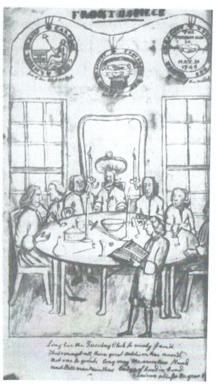
The portrait by Feke, Bridges, w ollaston, Coplley, and other colonial limners always show the gentry of eighteenth-century America in a pose of self-conscious dignity. w hen the clubs assembled, however, such stiffness vanished. Through the amateur drawings of d r. Alexander h amilton we are fortunately permitted a glimpse, as it were through the keyhole, of the gentlemen in a relaxed mood – and not infrequently with their wigs off. These seven sketches, which we may properly call The Clubman’s Progress , obviously take their cue from the great h ogarth, who was in these same years giving e nglish pictorial satire its unity of style. …The very amateurish quality of the drawings gives them a greater realism than the imaginative subtleties of h ogarth. Collectively they provide a unique record of
the colonial gentry at play, exhibiting their special blend of intellectualism, ribaldry and horseplay.”
As far as we know, it would seem that h amilton drew these sketches at different times and for at least two different Clubs. Yet, with only a small, harmless stretch of the imagination, these sketches may be rearranged into a logical, chronological sequence, a sort of early example of comic short story, which shows us vividly what a g entlemen’s Club meeting in mid 1700s’ Colonial America was really like. The dignified opening of the meeting with the reading of the minutes; next, the installation ritual.
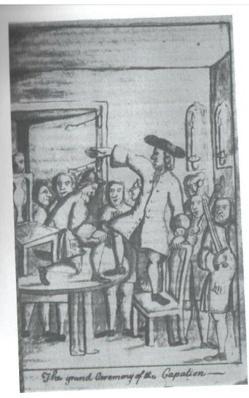
Drinking, revelry and conviviality (where are the glasses?)
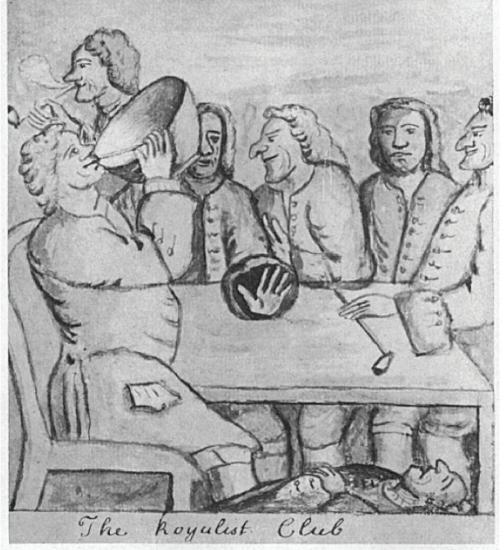
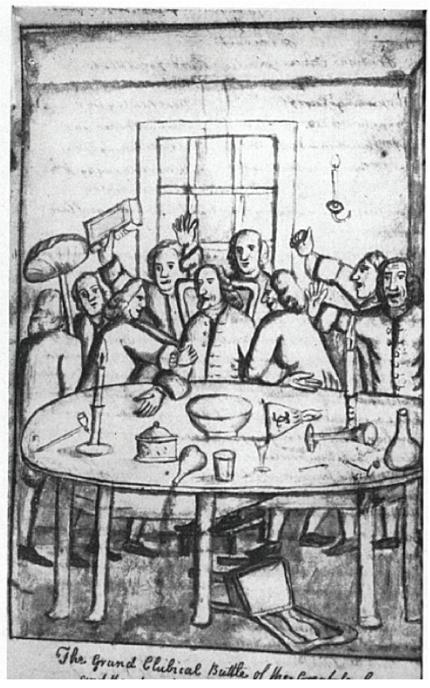
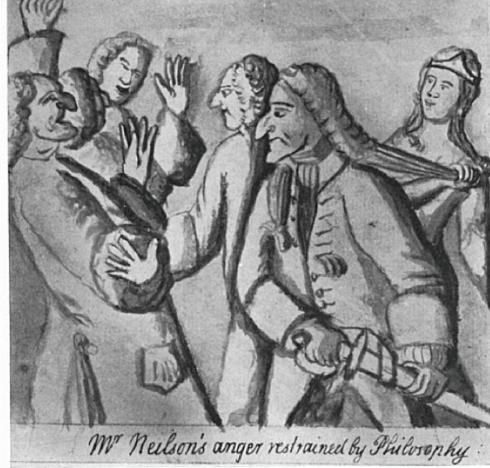
Quarreling begins
Brawl
It gets ugly
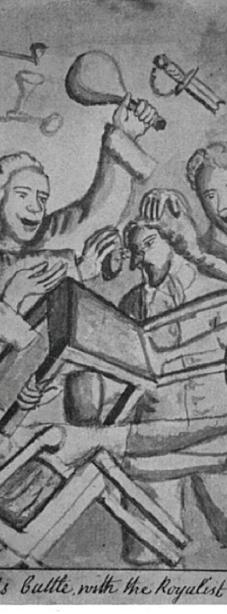
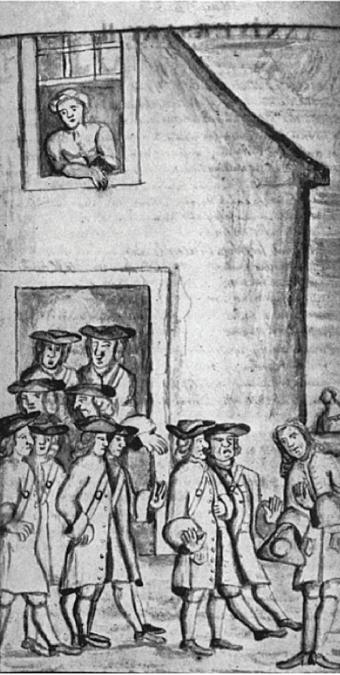
All this, however, is kept within the club, and when the reunion is over, the members sally forth into the public view looking affable and decorous.
m arco Pierini


The Rum Laboratory
Presented
by
Join us as we explore the world of rum spices and flavors! i n this series you will learn to flavor your own r ums and to create your own l iqueurs and c reams.

g ot r um? June 2026 - 31
t he r um University® l aboratory
Presents making your own
Ginger Rum Liqueur

i n addition to being an excellent addition to the bar, this liqueur can also be used in the kitchen, as an aide in marinades or as a secret ingredient in desserts (how about a ginger-infused merenge topping for your pumpkin pie?)
i ngredients
• 1 Cup w hite s ugar
• 1/2 Cup Brown s ugar (packed firmly)
• 1 1/4 Cups w ater
• 3 Tbsp chopped g inger r oot (use a fresh, heavy piece)
• 3 w hole Cloves
• 1 tsp Black Cardamom s eeds
• 1 tsp o range Zest
• 1 Cup of l ight w hite r um (low congener level) at 50% AB v
• 1/2 Cup of Aged r um (medium to high congener level)
Procedure
m ake a simple syrup by combining water, white and brown sugar, constantly stirring over medium to high heat until it reaches


the boiling point. Add the ginger, cloves and cardamom and boil for 5 minutes.
r emove from heat let stand until it reaches room temperature. s train the syrup through a fine mesh strainer to remove all the solids.
Place the liquid in a clean, 1-quart container, add the orange zest and both rums. s eal the container, cover it and let it stand in a cool, dark place for 1 month.
s train the orange zest and allow the liqueur to rest for one more month (you can use the zest as decoration in cocktails!).
Filter or rack the liqueur into its serving decanter and enjoy!
rU m i N th E NEW s
by m ike Kunetka
These are the most recent and noteworthy headlines in the rum industry. i f you want us to share your news with our readers, please send me an email to: m ike@gotrum.com.
a N gost U ra
Angostura, the top bitters brand, has announced the u s . launch of two premium cocktail syrups: A ngos T ur A d emerara s ugar s yrup and A ngos T ur A s picy h oney s yrup. For more than 200 years, Angostura has inspired cocktail creativity around the world with its signature bitters. Building on that heritage, the brand is expanding beyond bitters into a broader role in cocktail creation with premium cocktail syrups crafted for flavor and designed to bring ease and consistency to both classic and contemporary drinks. The expansion reflects growing demand for high-quality cocktail ingredients as bartenders and home cocktail enthusiasts increasingly seek solutions that simplify preparation without sacrificing flavor. A ngos T ur A d emerara s ugar s yrup is a dark, full-bodied syrup layered with notes of toasted molasses, warm caramel, and a hint of smoke. d esigned to complement aged spirits such as bourbon, rye whiskey, and dark rum, it enhances both classic and modern cocktails, especially the o ld Fashioned, one of the most popular cocktails in the u . s . A ngos T ur A s picy h oney s yrup delivers a bold balance of smooth
honey sweetness and lingering chili heat. i deal for tequila, mezcal, or whiskey cocktails, it brings depth and complexity to trending drinks such as the s picy m argarita, one of the fastest growing cocktail trends across on-premise menus. “These new syrups represent a natural evolution for Angostura,” said m ichael Fritts, Angostura Brand m anager. “Today’s bartenders and home cocktail enthusiasts want high-quality ingredients that simplify preparation without sacrificing flavor. These premium syrups make it easier to craft and elevate cocktails with the quality and taste people trust from Angostura.” i an Forbes, C eo , Angostura l imited, added “For more than 200 years, Angostura has helped shape cocktail culture around the world. These syrups extend that legacy by bringing the brand’s flavor expertise and commitment to quality into a new cocktail ingredient category.” https://angostura.com/
D o N Q
d estilería s errallés, has released d on Q r eserva and d on Q r eserva e special, two new expressions that expand its premium rum portfolio. Crafted with the expertise, care, and tradition that have defined the distillery for generations, these new offerings showcase meticulous aging and balanced flavor profiles designed for a wide range of rum drinkers and occasions. d on Q r eserva is a blend of rums aged for a minimum of five years in American white oak barrels that previously held bourbon. g olden amber in color, it opens with inviting aromas of caramel, vanilla, oak, raisins, and plum. o n the palate, it is smooth and well-balanced, with gentle sweetness and a refined finish. d on Q r eserva e special is crafted from rums aged between seven and ten years in ex-bourbon American oak barrels. r ich and layered, it offers notes of dried fruit, caramel, vanilla, and a touch of light smoke on the nose. The palate is fruity and elegant, with a rounded sweetness and a long, satisfying finish. “ w ith these two new expressions, we reaffirm our commitment to the quality and innovation that set us apart,” said s ilvia s antiago, v ice President of m anufacturing at d estilería s errallés. “ o ur goal is to offer consumers more high-end premium rum options, and what better way to do so than with d on Q, Puerto r ico’s leading rum.” i n recognition of its quality, d on Q r eserva e special recently received a g old m edal and 94-point score from the Beverage Testing i nstitute, underscoring the craftsmanship and character behind the new expression. www.donq.com.
KŌLOA RUM COMPANY
Kōloa Rum Company, Hawai’i’s award-winning producer of premium, small-batch h awaiian rum, announced the appointment of r obert r amer as C oo , effective m ay 1, 2026. r amer succeeds Bob g unter, who has served as the company’s President and C eo for 18 years. i n his new role, r amer
will oversee day-to-day operations and lead the company’s continued growth and expansion. Gunter began his tenure at Kōloa Rum in 2008 as Chief o perating o fficer and became President and C eo in 2010. w ith decades of experience in h awai’i’s agricultural and spirits industries, he brought deep operational expertise and a strong connection to the island’s heritage, transforming Kōloa Rum into an internationally recognized brand over 18 years of leadership. h e strengthened the company’s sustainable practices, expanded global awareness of h awaiian rum, championed the use of locally sourced ingredients, and ensured every product reflected the s pirit of Aloha. A dedicated community advocate, g unter also served on the h awaii e mployers Council Board of g overnors, the Kaua’i Chamber of Commerce Board of d irectors, the w ine & s pirits w holesalers Association’s i ndustry Access Council, and dis C us ’ s tate g overnmental r elations Committee. “ h aving the opportunity to lead Kōloa Rum has been one of the most meaningful chapters of my life. w hen i joined this company, our hope was simple: to craft a rum that truly reflects Kaua’i – its people, its history, and the s pirit of Aloha that makes this place unlike anywhere else. w hat we’ve built together over the years is something i ’m incredibly proud of, and that credit goes to our hardworking team who show up every day with passion and respect for the craft,” said g unter. “As i step into this next phase, i ’m grateful for every person who has supported us along the way. i ’m especially proud to hand the reins to r obert, and i ’m confident he will honor our roots while guiding Kōloa Rum into a bright and exciting future.”
Ramer began his career at Kōloa Rum as an operations intern in 2011 before spending a few years pursuing professional baseball and then reentered the corporate world working in enterprise software sales. He returned to Kōloa in 2019 as a d irector of m ainland and eu Business d evelopment. o ver the past 6 years, r obert has risen through the organization with a consistent record of driving growth, strengthening global markets, and elevating the brand’s commercial success. h is leadership momentum continued with his promotion to Chief Commercial o fficer, where he has spent the past year and a half defining and executing Kōloa r um’s commercial strategy across domestic and international markets. i n this role, he has overseen sales, trade marketing, and channel strategy. This proven progression, paired with his strategic vision and operational expertise, has made him an essential driver of Kōloa Rum’s growth, now leading to his appointment as the company’s C oo . “ i ’ve grown with this team and seen the resilience and pride that define our work. This is a continuation of our shared journey, and i ’m honored to help lead it to the next chapter,” said r amer. “ w e have a strong foundation, and now we have the opportunity to shape what Kōloa Rum becomes in the years ahead.” https://koloarum.com/.
rh U m cl E m EN t
r hum Clément, renowned for its range of r hum Agricole from m artinique, has introduced v o in the u s . market. Already the bestselling Clément expression in France and around the world, v o features a new bottle design, and joins v s o .P., x o ., and the exquisite 10-Year- o ld g ran r eserve expression in r hum Clément’s aged rhum collection in the u s d istilled exclusively from fresh sugarcane juice, Clément v o . is aged in the cellars of h abitation Clément in m artinique, alternating between ex-bourbon barrels and new American oak casks. i t is bottled at 40% AB v . “Clément v o is long overdue to land on America’s shores following its success in m artinique, France, and beyond,” says Benjamin m élin Jones, fourth generation member of the Clément family. “ s ince reintroducing r hum Clément to the u s . in 2005, we’ve built our reputation through ultra premium aged expressions, and Clément v o arrives at the perfect moment, answering a spirits enthusiast’s demand for an authentic, aged rhum that’s versatile, approachable, and celebrated from a house they trust.” s ince 1887, the production of r hum Clément has been carried out according to the traditions of timehonored methods inherited from h omère and Charles Clément.
Clément’s v o . and other rums in the Aged r hum Agricole Collection will feature new bottle design and responsible packaging. d eveloped in collaboration with glassmaker s averglass and design studio l inéa, Clément’s v o , v s o .P., x o , and 10-Year- o ld g ran r eserve bottles feature a new sleek, contemporary silhouette that retains the distinctive shoulder shape of Clément’s historic bottle. e ngraved markings of “Clément” and “1887” are integrated into the glass, celebrating the brand’s m artinican roots and a heritage spanning more than 135 years. “ o ur new bottle is a decisive evolution for r hum Clément,” says Charles l archer, President, r hum Clément. “ i t boldly expresses what makes our aged rhum agricole attractive and distinctive, reinforcing their premium credentials while staying true to our m artinican roots and French Caribbean heritage.” The new bottle is on average 23% lighter than the original, reducing the raw materials required for production and helping lower emissions associated with both glass manufacturing and transportation. e cological impact was a primary criterion in the design of the bottle for the island-based company, which contributes to a measurable reduction in the overall carbon footprint of the packaging. i n addition, the removal of direct glass screen printing and labels using F s C-certified papers and carefully selected inks also improves recyclability. https://www.rhum-clement.com/en/
mo UN t gay
u K retail news publication r etail Times reported that m ount g ay has announced the launch of its
new Bajan s piced, marking a significant expansion into one of the u K spirits market’s most dynamic segments. The u K is now the fastest-growing flavored rum-based spirit market in e urope. The new addition to m ount g ay range will roll out nationally into Tesco, with further national listings to follow, giving the brand immediate scale within the u K grocery channel. i nterest in the category continues to grow and younger consumers are playing a key role in driving this momentum, with four in ten young adults drinking rum at least once a week. “ w ith Bajan s piced, we wanted to capture the vibrant spirit of Barbados in every bottle,” says m ount g ay m aster Blender, Trudiann Branker. “ o ur focus was on creating a rich and unique blend of locally inspired ingredients, from the warmth of Barbadian ginger to the brightness of zesty grapefruit. The result is a smooth, approachable spiced rum-based spirit drink with a complexity and character you won’t find anywhere else.” e stablished in Barbados in 1703, m ount g ay brings its heritage as the world’s oldest rum distillery into an expression that meets modern consumer tastes. Bajan s piced is crafted from authentic m ount g ay rum and 100% natural ingredients, delivering a balanced, flavor-forward profile suited to both simple serves and elevated mixed drinks. The liquid features notes of fresh orange peel and warm spice, alongside red grapefruit, locally sourced ginger and m ount g ay estate sugar. Perfect for m ount g ay’s original signature serve the s piced ’ n ’ s tormy , Bajan s piced brings a vibrant twist to the classic rum cocktail, making it easy for consumers to enjoy the full flavor experience at home or in bars. n ick g anich, m arketing d irector at r emy Cointreau, says: “This launch marks an exciting and significant step in evolving both the m ount g ay portfolio and wider spiced category. w hile the segment is large and has seen strong growth, we see a clear opportunity to elevate it further through m ount g ay’s craftsmanship, authenticity and unique Barbadian flavors. Building on m ount g ay’s success in non-spiced golden rum, Bajan s piced now extends the refined, premium approach to the s piced segment, and we’re confident it will help bring new drinkers into the category.” https://www. mountgayrum.com/
DE m E rara D istill E rs limit ED
Prime m inister (P m ) Brigadier m ark Phillips called g uyana’s rum industry an important part of the country’s heritage, economy and cultural identity. d uring the launch of the e l d orado g rand s pecial r eserve, an exclusive limited-edition rum produced by d emerara d istillers l imited ( ddl ) in commemoration of g uyana’s 60th i ndependence Anniversary, at the r um h eritage m useum, the P m lauded the effort that goes into rum production in g uyana. h e said that rum is deeply connected to g uyana’s history, agriculture, craftsmanship and economic development, noting that the industry
is closely linked to the sugar industry. “ r um is an important export earner for our country. You cannot have rum without molasses. You cannot have molasses without sugar. s o, when we talk about the future of sugar, we must also talk about the future of rum and the thousands of jobs, the foreign exchange, and the cultural identity that depend on it” P m Phillips said. ddl m aster d istiller s haun Caleb outlined the historical significance behind the anniversary blend, describing it as a product rooted in g uyana’s six peoples and centuries of distilling tradition. h e explained that the special release is crafted from six distinct rum marks aged between 25 and 55 years, each carrying its own heritage and flavor profile drawn from historic estates across g uyana. “This exclusive 60th anniversary rum symbolizes our six peoples of g uyana with an exclusive blend of six marks of rum aged 25 to 55 years,” Caleb said. Caleb told the gathering that the blend reflects both continuity and craftsmanship, bringing together centuriesold methods and rare aged stocks to produce what he described as a world-class expression of e l d orado. https://theeldoradorum.com/
last D ro P D istill E rs
The l ast d rop d istillers was founded in 2008 by two icons of the spirits industry, Tom Jago and James e spey with over 80 years of experience between them. Their aim was to curate the world’s most remarkable spirits by finding treasures across aged spirit categories and sharing them with those who seek the genuinely extraordinary. Their latest rum release (number 41) is The l ast d rop 25-Yearo ld Trinidad r um from the Caroni d istillery. The Caroni distillery, established c.1918, was born of Trinidad’s unique industrial and agricultural heritage. l ike many now-silent distilleries, its reputation has only grown since its untimely closure in 2003, adding to the enduring allure and mystique of the rums it produced. Against a backdrop of a declining sugar industry, Caroni was part-nationalized and restructured before the closure of the sugar refinery in 2002, followed swiftly by the distillery itself in 2003. s ince then, the site has stood silent, gradually yielding to vines and the tropical heat, while the few surviving casks have become highly sought-after treasures, each carrying the unmistakable weight of Trinidad’s rummaking legacy. The l ast d rop has been fortunate to acquire two such casks, distilled in 1997 and 1999. s o perfectly complementary were they that they have been carefully married to create a truly exceptional rum, balancing the heavier, oily characteristics synonymous with Caroni, with more delicate floral nuances, reflecting the full breadth of distilling expertise developed over the distillery’s lifetime. i t was matured in Trinidad’s tropical climate and was bottled at 65.2% AB v www.lastdropdistillers.com.
ro N t EPU y
Produced at d ug g roup’s d estilería u nidas facility in v enezuela, r on Tepuy has existed in its domestic market since 2009. The range has now been redesigned and repositioned as a super-premium rum in its home market as well as internationally for 2026. The brand draws inspiration from v enezuela’s natural landscapes, cultural heritage and the rum-making traditions of the generations behind the distillery. r on Tepuy is made using regionally sourced sugarcane and tropical ageing conditions, meaning that maturation occurs up to two or three times faster than in cooler climates. The brand relaunched with two 40% AB v expressions: r on Tepuy m onumento and r on Tepuy d estino. m onumento is positioned as the super-premium expression. i t is built around pot still distillates and richer rum profiles, aged up to 12 years under tropical conditions and finished in Pedro x iménez, Amontillado, and o loroso casks. The result is a deeper, more structured rum with notes of dark chocolate, toasted wood, and nuts, designed primarily for sipping. d estino offers a more versatile and approachable profile. m ade from kettle-distilled rums aged up to 8 years and finished in Amontillado casks, it delivers notes of toasted nuts, oak, and subtle red fruit. i ts lighter structure makes it suitable both for sipping and for premium cocktail applications. Founded in 1959, d estilería u nidas produces more than 30 brands, including d ug g roup’s Canaïma g in and Cocuy s aroche ( v enezuelan agave spirit), as well as Brown-Forman’s d iplomático r um. https://dusa.com.ve/
al UN a r U m
The latest offering from Cloudbreak s pirits is Aluna Clara w hite r um. w ith sweet citrus notes from Trinidad and fragrant floral flavors from m auritius, Clara delivers a smooth mouthfeel with a bright spice finish. s uper clean, crisp and with no added sugar, it’s the perfect base for m ojitos, d aiquiris or lengthened with your favorite soda. Aluna’s first offering was Aluna Coconut, an all-natural toasted coconut rum, made with premium rums from g uatemala and the Caribbean with pure, sustainably sourced coconut water for a fresh coconut dimension and a wonderfully smooth mouthfeel. A year or so later this was followed with Aluna Coffee l iqueur, a coffee liqueur with the same mindful approach towards sugar, made using multi-layered flavors of 100% Arabica cold brew coffee, cacao nibs and subtle black cardamom. s hortly after, Aluna released Peach & Pomelo l iqueur, made with white peach, sweetened with coconut blossom nectar and balanced with the gentle citrus of pomelo. i n 2024 Aluna found some great rum in s ri l anka which blended beautifully with flavors from the region, spiced pineapple, pandan leaves, lemongrass and galangal, to make Aluna Tropica, a fantastic subtly spiced rum. https://www.alunarum.com/
The Sweet Business of Sugar

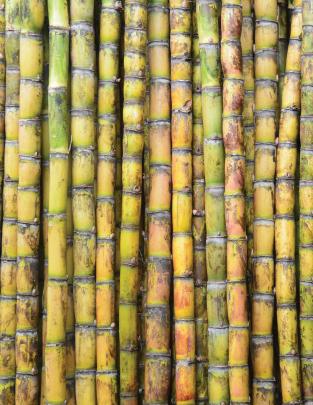

Egypt
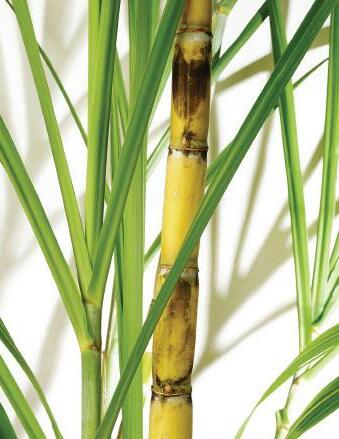
r egardless of distillation equipment, fermentation method, aging or blending techniques, all rum producers have one thing in common: sugarcane
w ithout sugarcane we would not have sugar mills, countless farmers would not have a profitable crop and we would not have rum!


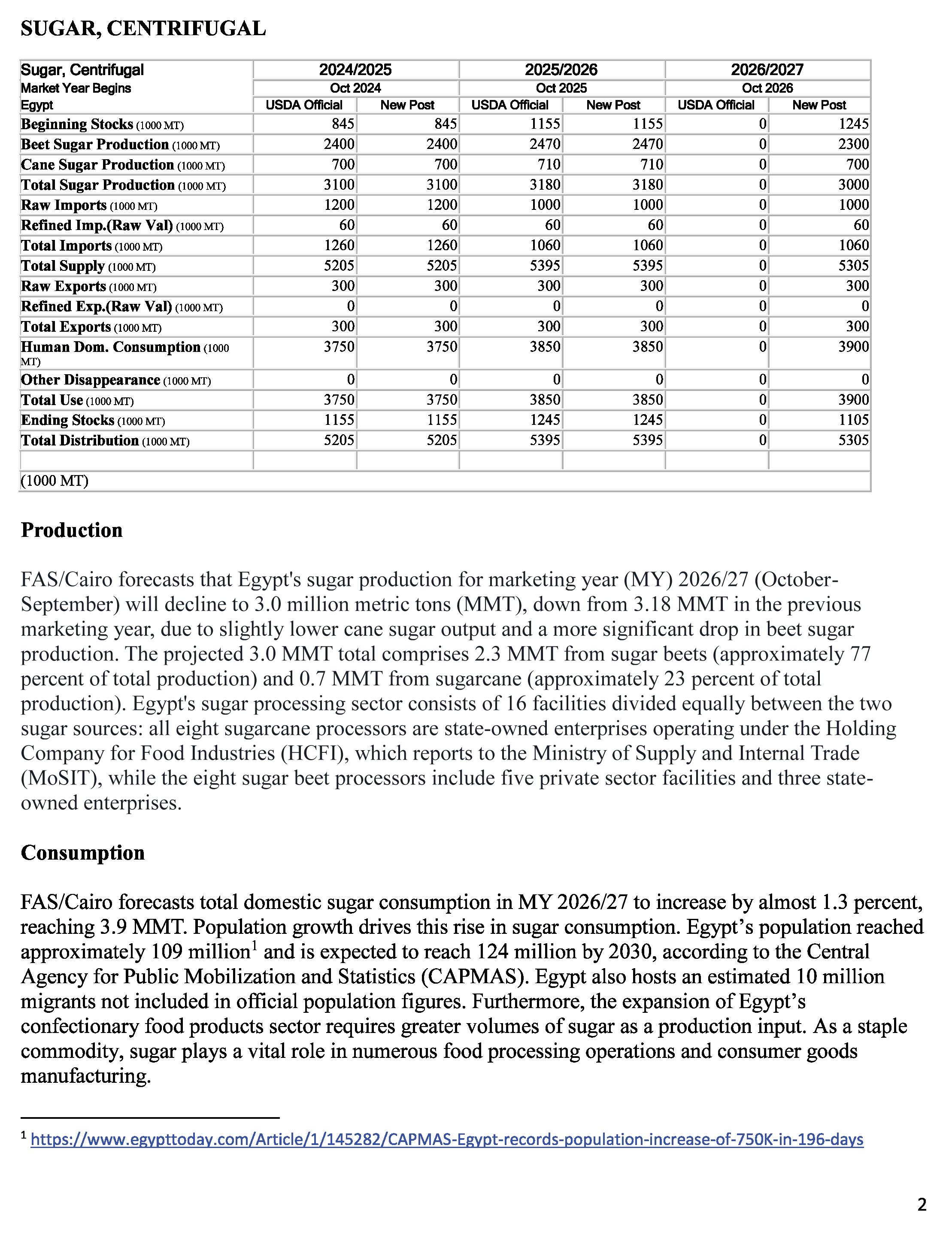
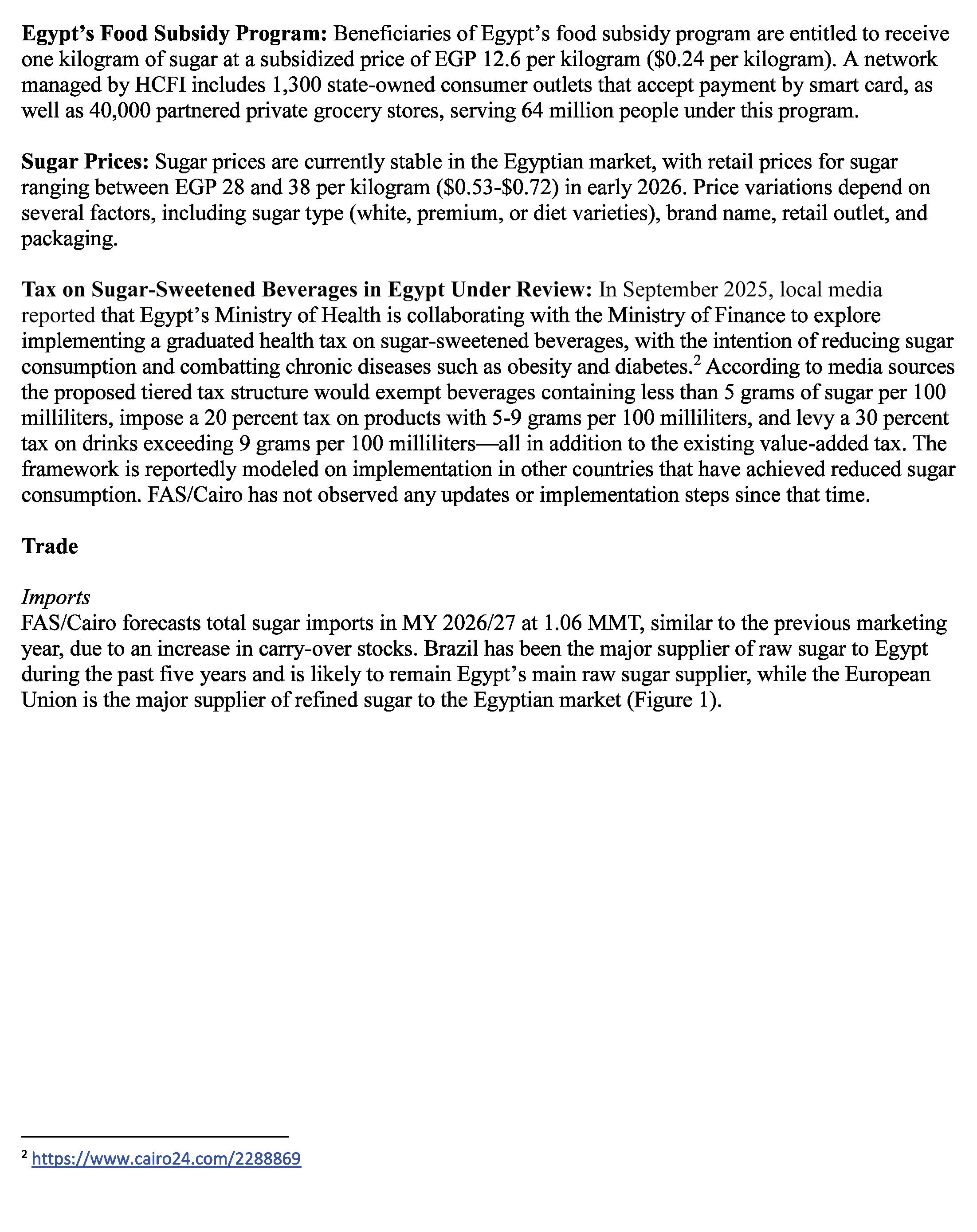
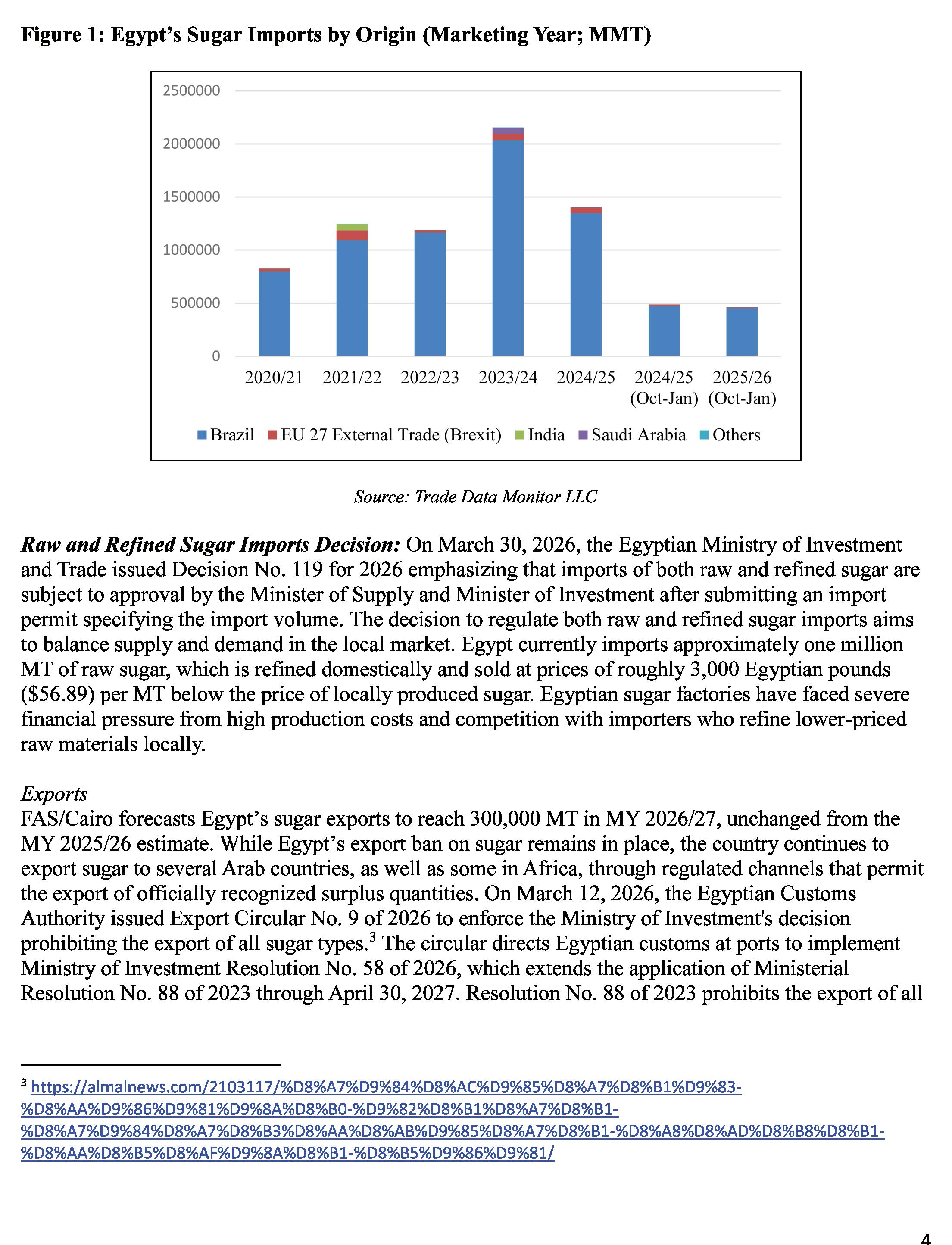
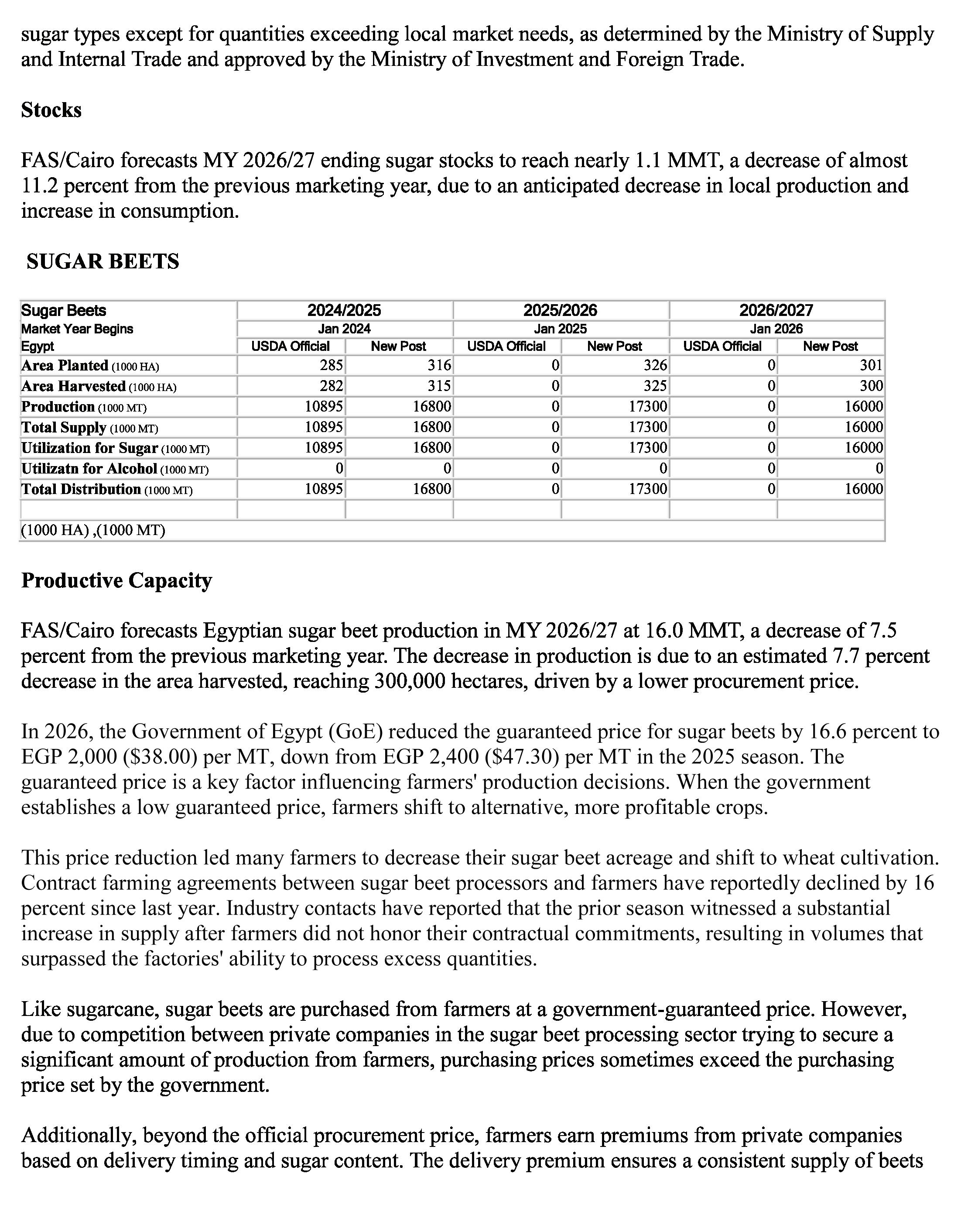
o
ffering Bottling/ c o-Packing s ervices
r um Central is located within the t exas t riangle , a region in Texas formed by the state’s four main metropolitan areas. The t exas t riangle is one of eleven mega regions in the u nited s tates and is home to approximately 75% of the s tate’s population. This area also benefits substantially from trade with m exico, the u nited s tates’ third largest trade partner.
r um Central is 30 m iles from Austin, with convenient access to interstate highways, rail lines, airports and seaports (within 250 miles of 4 of the top 10 u s . seaports), guaranteeing fast and efficient shipping of your dry and finished goods.
Do you need more information? Contact us via our website below!
www.
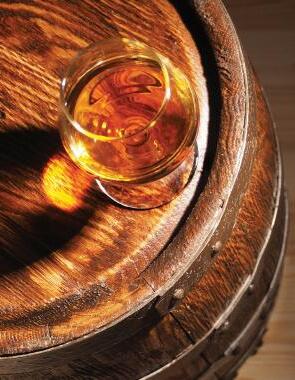



Present
The History and Science of the Barrel
in the world of distilled spirits, nothing evokes elegance, sophistication and transformation more than barrel aging. The right barrels, in the right hands, can transform the mundane into the spectacular. whether it is American, French, Colombian, Bulgarian or other oak variety, a well-made barrel is the magic chamber within which time slowly transforms the contents.
Join us as we explore the world of barrels. we’ll take a deep dive into the physical and chemical transformations that take place inside the world’s preferred aging vessels.
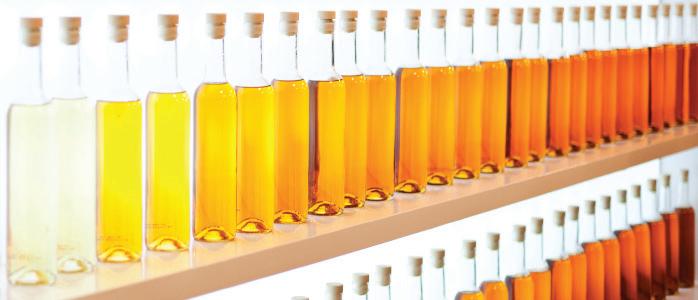

The History and Science of the Barrel
Lesson 6: Curing the Wood
welcome to Lesson 6 of 12 of the Rum University’s latest course! You can find previous lessons of this course by visiting the Archives page on www.gotrum. com, you can also find additional courses and material on the university’s official website at www.rumUniversity.com.
the importance of Wood curing
A common misconception among industry neophytes is that rum barrels can be constructed using oak staves from a recently-milled tree. while it is possible to do so, it is not done for three main reasons:
• When an oak tree is first cut, over half of the weight of the wood obtained is water. As this water evaporates, the wood will undergo physical changes (i.e. shrinkage), which will result in severe leakage if the barrel is assembled with the wet wood.

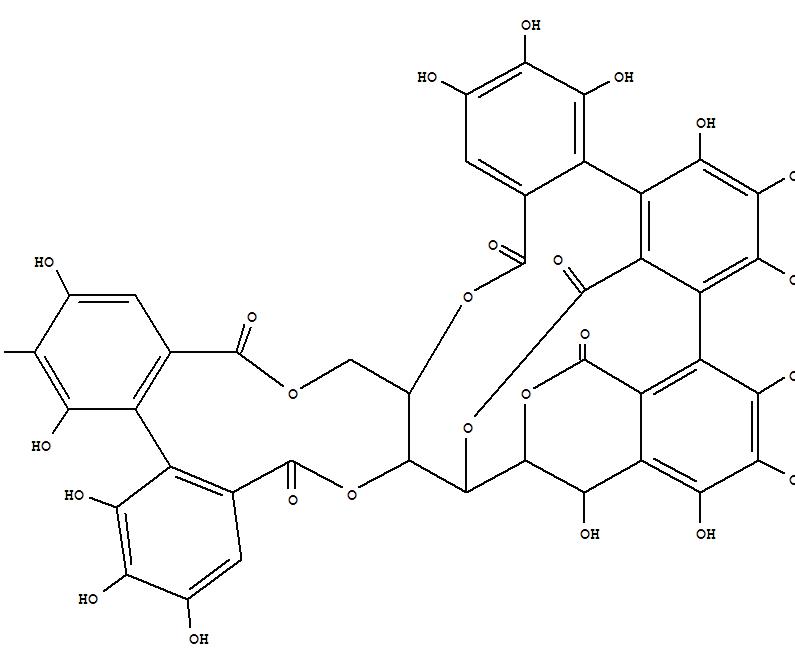
An example of a vescalagin molecule
• when the oak is naturally cured (exposed to naturally-occurring weather patterns), light, humidity and fungal activity break down tannins into smaller fragments, releasing ellagic acid.
• during curing, undesirable extractives in the wood migrate to the surface and are naturally leached away.
And what is the importance of ellagic acid? ellagic acid is converted by plants and trees into a form of tannin known as ellagitannins or ellagic tannins. ellagic tannins are glucosides which are readily hydrolyzed by water to regenerate ellagic acid.

The first two (and the most common) ellagic tannins to be identified are vescalagin and castalagin. subsequently, six additional water-soluble ellagic tannins (roburins A-e and grandinin) were also identified (Du Penhoat et al., 1991) as dimers of vescalagin or castalagin and/or characterised by the addition of a pentose residue to said molecules.
many studies have suggested that ellagic tannins are involved in the oxidation process of wines. Similar studies have not confirmed this for spirits, but available evidence suggests a similar behavior. when ellagic tannins are present in a solution, they quickly absorb the dissolved oxygen and facilitate the hydroperoxidation of the constituents.
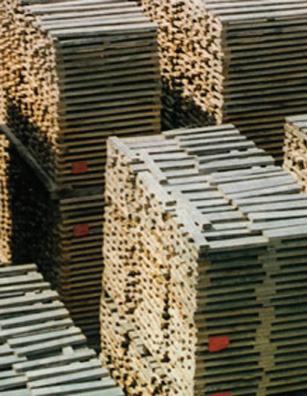
while sun and open air aid in the curing of the cut wood, they can be detrimental to the logs prior to milling. For this reason, many mills have installed sprinkler systems in special areas of their yards, to keep logs evenly wet until they are ready to be processed. The logs are kept this way, with their bark intact, until then.
The total length of the barrel-building process, starting with the storage of the logs, the curing time for the planks after milling the logs and the fabrication time of the barrel can be of up to three years. This puts a heavy financial burden on cooperages, which need to invest heavily in raw materials and storage space in order to stay in business.
Planks stacked for air drying
cigar & r U m P airi N g
by Philip i li Barake


my name is Philip i li Barake, s ommelier by trade. As a result of working with selected restaurants and wine producers in Chile, i started developing a passion for distilled spirits and cigars. As part of my most recent job, i had the opportunity to visit many Central American countries, as well as, rum distilleries and tobacco growers.
But my passion for spirits and cigars did not end there; in 2010 i had the honor of representing Chile at the i nternational Cigar s ommelier Competition, where i won first place, becoming the first s outh American to ever achieve that feat.
n ow i face the challenge of impressing the readers of “ g ot r um?” with what is perhaps the toughest task for a s ommelier: discussing pairings while being well aware that there are as many individual preferences as there are rums and cigars in the world.
i believe a pairing is an experience that should not be limited to only two products;
2026 it is something that can be incorporated into our lives. i hope to help our readers discover and appreciate the pleasure of trying new things (or experiencing known things in new ways).
Philip # gr CigarPairing


f allen o ld m en
For our monthly pairings, i usually try to prepare cocktails that are simple and approachable, perfect for readers to recreate at home. o n rare occasions, i do put together pairings with hard to find, neat spirits, and this pairing is the perfect time for one.
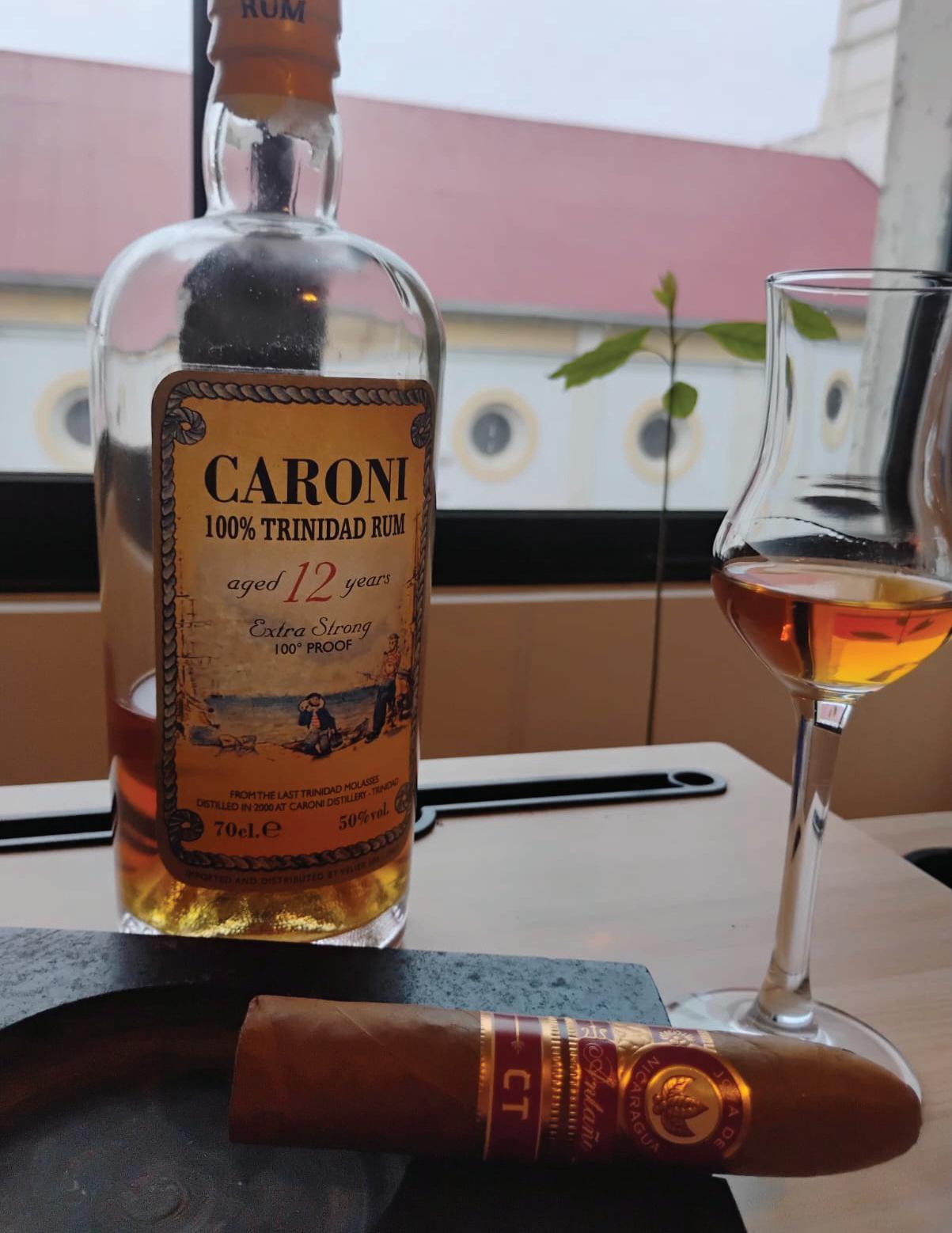
i have used this rum in the past to create rum versions of classic cocktails, which are great. o ne of my favorite ones is the o ld Fashioned, which tells you what i ’m likely to order when i walk into a bar. i am talking about the Caroni 12-year-old, 100% from Trinidad, bottled at 50% AB v i will be sipping this rum neat, in a glass and at room temperature, to better appreciate its character and to better appreciate its pairing with the cigar i selected.
Caroni was established in 1923, deep in the heart of Trinidad, and it was quickly regarded as the heavy (high congener) rum leader. i t closed its doors in 2003, shortly after shutting down its sugar refinery. The 12 year old Caroni rum is a blend of rums including those distilled in 2000, 100% distilled in Trinidad. i t is a rum with a unique character and one that lost up to 60% of its volume to the Angel’s s hare, as part of the evaporation losses from the barrel. w e can accurately say that the angels in the Caribbean like their rum much more than the angels in s cotland! The rum was bottled at 50% and the label is a tribute to the golden years of Trinidadian rums in the 1940s.
For the cigar, i chose a n icaraguan that i ’m crazy about, a Joya de n icaragua in a Belicoso (6 x 54) format from the Antaño CT line. This cigar was introduced around 15 years ago and it showcases the famous n icaraguan intensity, with a Connecticut wrapper that may mislead
Photos credit: @Cigarili
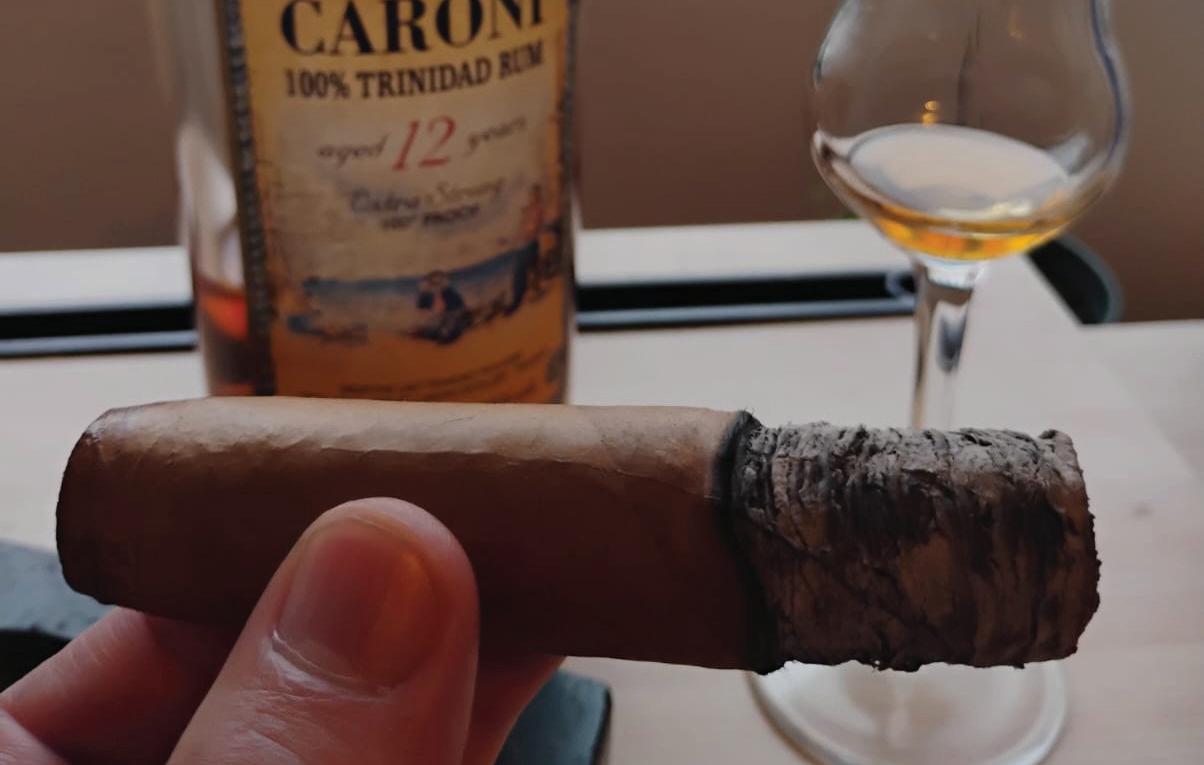
consumers into thinking that it is milder. Make no mistake, this cigar has a mediumto-high intensity that embodies everything you expect from its nationality. Now let’s see how it behaves paired with the neat rum.
As we first explore the rum’s aroma, it opens up with oak notes combined with dark tanned leather hints, similar to that of an old leather jacket that has been stored in a closet for a long time. As we take the first sip, we also discover hints of charred caramel, very similar to what we experience when caramelizing sugar atop a Crème Brule, with toasted hazelnuts.
As we smoke more of the cigar, the initial toasted notes from the rum start to reveal additional traces of dark fruits and the fusel oils (heavy alcohols) become more dominant, their flavors remaining longer on the palate, regardless of the intensity of the cigar.
I also want to point out that the ash was excellent, both in color and in shape,
maintaining the temperature perfectly and not forcing me to puff more frequently than i ’m used to.
The tertiary notes from the cigar were also very harmonious with the rum. w hile the rum’s flavor intensity allowed it to have a very long, lingering effect, the second third of the cigar raised its game too and matched the intensity. The cigar was perfect, as it did not mask any of the congeners from the rum and, while this concept sounds easy, it takes a special cigar to be able to achieve the desired result.
i hope that you can find this rum and that you too can make a similar pairing. Keep in mind that a very well-crafted o ld Fashioned with rum is not a crime, despite many opinions to the contrary. The goal is for you to enjoy the rum pairing the best possible way.
Philip i li Barake # gr CigarPairing
Photo credit: @Cigarili