
THROUGH THE STORM: A CAM’S ROLE IN HURRICANE SEASON
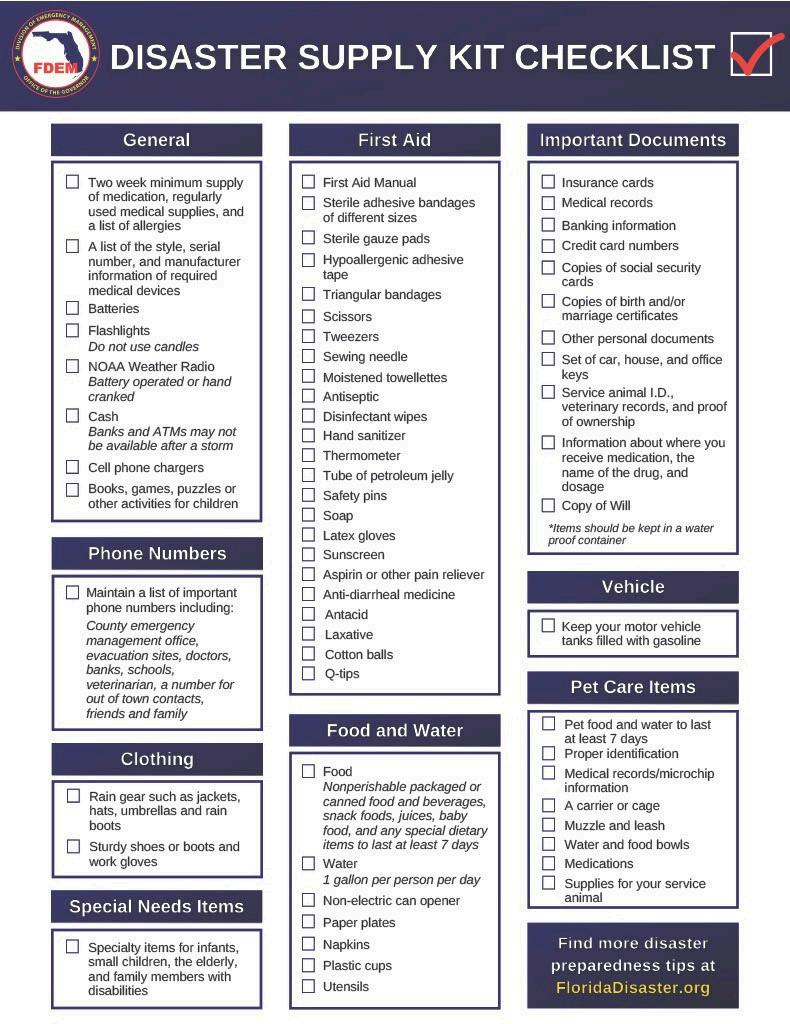
HURRICANE PREPAREDNESS CHECKLIST
PERSPECTIVES FROM A SUNCOAST ASSOCIATION BOARD MEMBER
WHY AM I CALLING AN ENGINEER AFTER A STORM?

Dear Members of the Suncoast Chapter, Reflecting on the past legislative session, it was indeed an active and dynamic period. We witnessed significant discussions and decisions that impact our industry. It is crucial that we continue to work together to ensure that all types of members within our industry are represented in Tallahassee. Our collective voice is powerful, and by staying engaged and informed, we can advocate effectively for the interests of our communities.
As we move forward into an exciting season, I am delighted to reflect on the incredible experience we had at the recent National Conference in Orlando. This event truly served as a cornerstone for our industry, providing us with unparalleled opportunities for learning, networking, and growth. It was wonderful to see so many of you there, engaging with the wealth of knowledge and resources available.
The Community Associations Institute (CAI) continues to lead the way in education within our industry, and the National Conference was a testament to this commitment. The sessions, workshops, and seminars offered were designed to enhance our knowledge and skills, and I hope you found them as enriching as I did. I encourage all of you to continue taking full advantage of the designations available through CAI. These credentials not only bolster our professional development but also signify our dedication to excellence and our commitment to serving our communities with the highest standards.
I am confident that with our continued collaboration and dedication, we can achieve great things. Let us build on the momentum from the National Conference to learn, connect, and inspire each other. Together, we can navigate the challenges and celebrate the successes that lie ahead.
Thank you for your unwavering commitment and enthusiasm. I look forward to our continued work together to advance our shared goals.
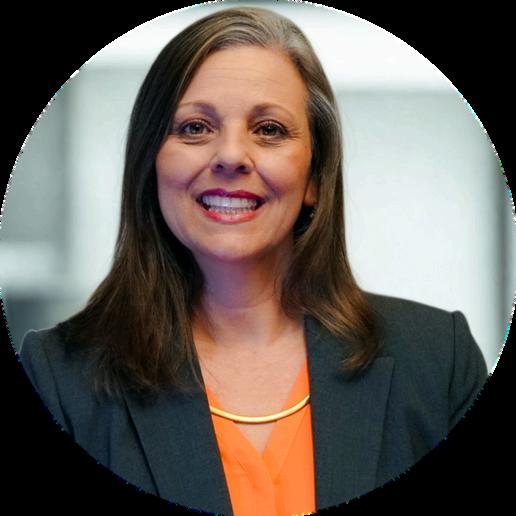
JaimeBallard President, Suncoast Chapter Community Associations Institute
By:JocelynSt Hilaire,CMCA®,AMS®,PCAM®,LCAMatAssociaandKellyAnnVickers,LCAMatPBM
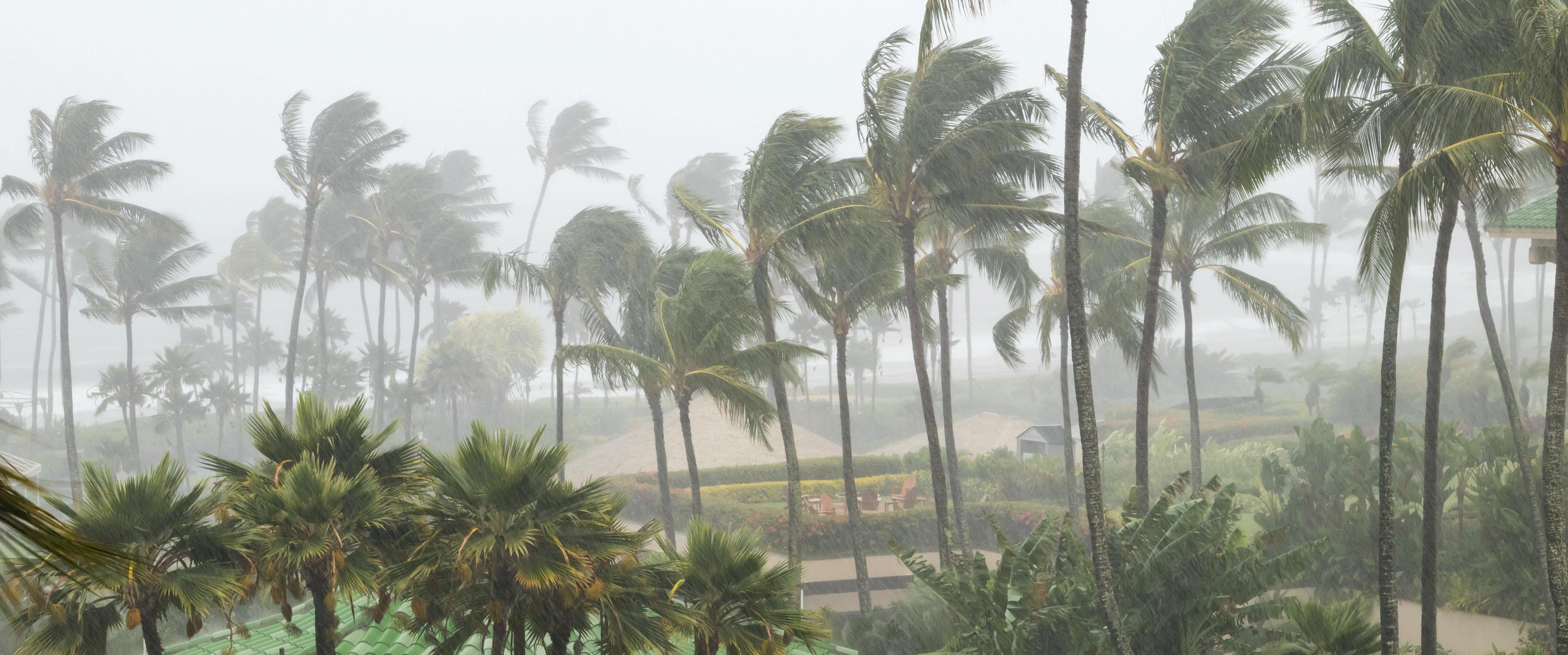
Florida is a land of sun-soaked beaches and vibrant communities, offering a lifestyle steeped in sunshine and leisure. Yet, it also stands at the forefront of nature's tempests, particularly during hurricane season. For Floridians, life often alternates between the calm before a storm and the recovery that follows.
The ritual of storm preparation is ingrained in the lives of Floridians. As a hurricane approaches, residents instinctively follow a well-rehearsed checklist: stocking up on bottled water, filling the gas tank, and trading
credit cards for cash to ensure their sense of safety and preserve normalcy. During a storm, Floridians retreat to their homes, transforming them into fortresses against the fierce elements. In this cocooned existence, the outside world fades away as members of a community bond over shared experiences of waiting and hoping.
Once the storm passes, the urge to explore the altered landscape is irresistible. Residents venture out to survey the damage and share stories with neighbors. This phase, though filled with uncertainty, typically brings relief and a renewed sense of communal resilience.
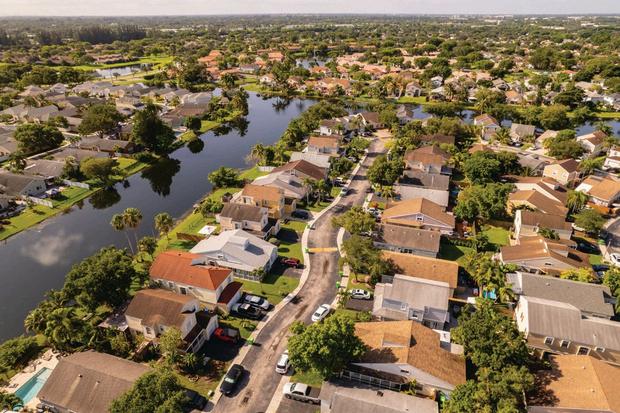

Historically, the Tampa Bay area has been fortunate, often escaping the worst of storms. However, in 2024, this luck ran out. Multiple storms tested long-standing preparations and resilience, reminding everyone of nature’s unpredictability and the need for constant adaptation.
The storms of 2024, particularly Hurricanes Helene and Milton, delivered catastrophic blows to the world of community associations. Floridians faced significant challenges, including:
Surge and Wind Damage: Between 2 to 10 feet of storm surge and destructive winds caused extensive damage.
Prior to the storm season, the Community Association Manager can assist the Board of Directors in creating an Emergency Operations Committee. The purpose of the EOC is to assist with pre-storm preparations, including:
Executing sandbagging and other physical steps.
Verifying access to units for seasonal owners or those planning to evacuate. Maintaining printed lists of all owner and renter contact information.
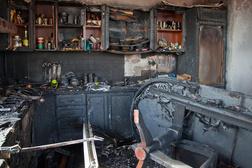
Understanding that after the storm, the first course of action is not cleanup but documenting.
Much like an episode of a favorite criminal investigation show, nothing is moved until everything is photographed and documented.

In addition to the EOC, preparation includes identifying hazardous trees and ensuring drainage systems are clear. After the 2024 storms, CAMs began researching flood barriers for common areas. These barriers can replace sandbags and be easily installed and removed during the storm season. primary goal is to aid everyone in preparing for, recovering from, and preventing stormrelated damages that are disruptive, debilitating, and financially destructive.
Post-storm, the CAM typically arrives on-site to assess and document damages, providing necessary information to the Association Insurance Agent. This enables the Board of Directors to make informed decisions about claims and recovery efforts.
From raising elevators to assisting in the selection of disaster recovery teams, a Community Association Manager should be viewed as an Association’s partner, whose



☐ Send out a communication about hurricane preparedness and emergency protocols.
☐ Include evacuation routes and shelter information.
☐ Remind residents of the community's emergency plan.
☐ Ensure emergency contact information is updated.
☐ Establish a communication system (e.g., website, group text, phone tree).
☐ Update the association’s hurricane action plan.
☐ Designate safe gathering locations.
☐ Identify and review vulnerable areas within the community.
☐ Inspect roofs, windows, doors, and storm shutters.
☐ Verify backup generators are working.
☐ Ensure storm drains and retention ponds are clear of debris.
☐ Check retention walls or embankments.
☐ Trim trees and bushes.
☐ Secure outdoor furniture, signage, and loose items.
☐ Stock first aid kits, flashlights, batteries, bottled water, and non-perishable food.
☐ Ensure community generators are fueled and operational.
☐ Pre-arrange contracts with debris removal and emergency repair vendors.
☐ Have sandbags or other flood control measures ready.
☐ Review and update the HOA’s insurance coverage.
☐ Ensure coverage includes hurricane and flood damage.
☐ Review governing documents for emergency preparation responsibilities.
☐ Assess damages to common areas immediately after the storm.
☐ Prioritize repairs to ensure community safety.
☐ Document all damage with photos and notes.
☐ File insurance claims promptly.
☐ Provide post-storm communication updates to residents.
☐ Inform residents about repair status and essential service restoration.
☐ Conduct regular hurricane drills.
☐ Review and practice communication protocols.
☐ Ensure all staff are trained in emergency procedures.
Are you ready for hurricane season? As most Floridians know, hurricane season is from June 1- November 30 but the time to prepare is now. The Florida Division of Emergency Management has many valuable resources, one of which is the checklist below. The entire hurricane guide can be found at - https://www.floridadisaster.org/globalassets/fdem-hurricaneguide-2024-1.pdf
When I volunteered to join my Community’s HOA board in 2017, I had no idea how vastly different association boards are from other not-for-profit boards. I felt a bit intimidated and hoped I would figure this out as it went forward
Then a friend told me there’s a national organization called CAI with a Pinellas county chapter specifically designed for board members to connect with each other and also with local service providers
A place to get answers in real time and more importantly ahead of time, before the budgeting process, before the voting procedures, or when you desperately need capable service professionals who specialize in Community associations!
Attending my first monthly breakfast seminar, I left with a sheet of paper full of ideas that could be put to use immediately. Board members at my table exchanged suggestions on how to solve current issues we all face. Most importantly it was obvious that day that the Suncoast CAI chapter offers the help needed for new board members, as well as seasoned ones.
Our board is grateful we can easily find convenient board certification courses listed on the calendar to comply with the new FL requirements. We found three new service providers to better fit our community’s needs. And the crucial legal update seminar is the single most important annual event not to be missed. My volunteer position has been significantly eased and supported by Suncoast CAI membership.
Signed, Jackie Stubba Pinnacle at Cobb's Landing, Board Vice President and Suncoast
CAI Executive Board
member at
large
By:

In Florida, hurricane season brings a predictable cycle: watchful waiting, bracing for impact, then confronting the aftermath. For homeowners and condo associations, the immediate aftermath of a major storm can be overwhelming. Once the physical danger has passed, attention turns to cleanup, restoration and crucially, assessing the extent of damage.
It’s at this moment that many boards ask: “Why would I call an engineer?”
While contractors and adjusters play mportant roles in recovery, licensed engineers bring a
unique and critical perspective: determining whether your building is safe to occupy, identifying hidden structural failures, and helping ensure that repairs are designed and executed to code.
This article explores what engineers do after a storm, when you need one, and what different engineering specialties bring to the table. It’s written for HOA boards, property managers, and informed homeowners who want to act decisively and intelligently post-disaster.

Hurricanes create a complex pattern of damage some obvious, some hidden. Wind, rain, and storm surge test every part of the built environment. Here’s how engineers help separate cosmetic damage from critical failures:
Wind uplift and lateral loads can cause damage well beyond what’s visible. Structural engineers look for:
Cracks that widen at load points (beams, columns, shear walls)
Displaced or sagging floors and ceilings
Out-of-plumb walls, cracked joints, or misaligned doors
Failures at slab-column joints, often invisible to the naked eye
A mid-rise building appears intact, but interior units report “popping” sounds and diagonal wall cracks. An engineer determines that a critical concrete beam has sheared from its support. Emergency shoring is installed before the damage progresses to collapse.
Heavy rain and flooding alter the subsurface environment Florida’s porous and unstable soils make this a priority.
Call a geotechnical engineer if you observe:
Visible settling or uneven floors
New cracks forming near the base of the walls
Sinkholes or erosion gullies near foundations
Sidewalks or driveways lifting or tilting
The building envelope includes all components that separate the interior from the exterior: walls, roofs, windows, and waterproofing systems.
Common post-storm failures:
Wind-driven rain breaching sealants or flashing
Water infiltration behind the stucco or EIFS
Glazing failure or broken gaskets
Saturated insulation or concealed mold
Note: Envelope failures may not become visible for weeks Engineers often recommend moisture mapping or thermographic scanning to detect hidden water intrusions
If a building has flooded or lost power, its MEP (Mechanical, Electrical, Plumbing) systems must be evaluated by a qualified engineer.
Risks include:
Grounded or shortened electrical systems
Contaminated potable water systems
Disabled fire suppression, elevators, or HVAC
Example:
A flooded mechanical room leads to electrical corrosion and transformer failure. An MEP engineer coordinates safe shutdown, remediation, and phased reactivation of building systems.
Different engineers serve different roles post-storm Here's a breakdown:
Engineer Type Call When…
Structural Engineer
Geotechnical Engineer
Building Envelope
MEP Engineer
Civil Engineer
Environmental Engineer
Major cracks, displacement, or signs of collapse
Shifting, settling, or soil instability
Water intrusion through walls, windows, or roofs
Electrical, HVAC, or plumbing systems are compromised
Roadways, grading, or site drainage/utility failure
Mold, flood contamination, or hazardous material concerns
Pro Tip: These professionals are licensed and regulated. Their stamped reports are often required for insurance claims, permits, and legal matters.
Calling an engineer doesn’t just mean a walk-through, it’s a structured process focused on safety, documentation, and remediation.
1. Visual Inspection
Expect aerial drone photography, interior walkthroughs, and damage mapping.
2. Non-Destructive Testing
Depending on what’s found, the engineer may recommend:
Infrared scanning (to detect moisture)
Ground-penetrating radar (to find slab voids)
Ultrasonic or rebound hammer tests (for concrete integrity)
3. Reporting & Recommendations
You’ll receive a formal report including: Probable cause of damage
Risk classification (e.g., imminent hazard vs long-term degradation)
Detailed repair or retrofit recommendations
Estimated cost ranges (may be coordinated with contractors)
4. Project Coordination
Engineers often stay involved to:
Assist with permitting Specify materials and repair methods
Conduct post-repair inspections or provide structural certifications
V. Case Studies
Case Study A: Structural Failure Averted
After Hurricane Ian, a 10-story condo in Fort Myers looked fine externally. Residents, however, noticed widening wall cracks and sticking doors. A structural engineer found shear wall stress requiring emergency shoring and a phased retrofit preventing full evacuation.
Case Study B: Subsurface Collapse
Following 18 inches of rain on the Gulf Coast, a parking garage began to crack. A geotechnical engineer discovered a stormwater-induced subsurface void.
Soil grouting and underpinning restored stability.
A high-end condo with minor roof damage developed mold weeks later. A building envelope engineer traced the issue to failed flashing, which had allowed water behind stucco. A full remediation and re-flashing campaign followed.
Calling an engineer after a hurricane isn’t an overreaction, it’s a best practice. These licensed professionals assess safety, structure, and long-term viability using tools and insight far beyond visual inspection. If you’re part of a condo or HOA board, consider building a relationship with a trusted engineering firm before the next storm hits.
Having an engineer on standby:
Speeds up recovery
Strengthens insurance claims
Ground decisions in data not guesswork
Post-Storm Engineering Checklist
Call an Engineer If You See: Large or widening cracks in walls or foundations
Leaning or settling structures
Water entering from unknown locations
Unusual smells or discoloration (potential mold)
Electrical panels or HVAC units submerged in water
Erosion or sinkholes near buildings
Doors or windows no longer operating normally
a) Trending topics on the exchange: FL State Condo Regulations discussion Community Manager Decisions Regarding Repairs Condo Rental caps Annual Meeting Process and Purpose
b) We have the "Reverse Trade Show" coming up on July 31, 2025. Now offering free booth space for management companies and community association representatives. Please email executivedirector@suncoastcai.com to reserve, tables are going quickly.
c) If you're a homeowner leader (board member) or a Licensed Community Association Manager (LCAM), you can attend CAI Suncoast’s monthly breakfasts at no cost!

To claim your spot, email the Executive Director at executivedirector@suncoastcai.com
In the meantime, if you have a burning question or rumor you have heard that needs an answer. Get started with your discussion athttps://exchange.caionline.org/home (you must be signed in). Then, click Communities in the top toolbar, choose My Communities, and click on Florida Chapters Community. Let’s start a conversation together.


Stephanie Arthur
Christy A Block
Simon Gallo
Ms Judy Johnston
Mr. Roger Kessler, Jr.
Mr. Eugene A. Molloy
Carole Ann Schanzlin-sarson
Elaina Smith
Mr. Robert Leo Stone, Jr.
Mrs. Rachel Marie Welborn, CMCA
Carolina Baez
Morgan Bracken
Mr. Scott Ryan
Mrs Kathleen E Hardt, CMCA, AMS
Ines Clinton's
Scott Mattice
Marie C Parra proano
Rachel Pellicano
Michael St angelo
Mr. Jose O. Ponton-Torres, Jr.
Mr Michael Dillenbeck
Miss Saundra M Golden
Mr. Donald Buffington
Catherine M Carter
Mr. John Molina
Mr. Dave Paolini
Mr. Joe Zubrzycki
Emily Shure
Randy Jones
Mr. Harry Albert Schoeller, Jr.
Mr Mark Campbell
Mr. Jeff Carlson
Mr. Robert Windschauer
Ms Marla Moran
Mr. George Carollo
Mr. Santo Carollo

Ms Monica DAmbrosio
Mr. Jermaine Jenkins
Mrs. Alena Miles
Mrs. Kate Rogers
Mr. Jeffrey Sherman
Erin Williams
Mr. Hank Balevic
Ms Robin Storey
Ms. Michele Sidlasky
Amelia Guldi
Mr Rolando Figueroa
Mr. Jason Goble
Mr. Mark DiPinto
Ms. Jordan Pearson
Deanna Katz
Ledian Muhametaj
Mr. Paul Metevia
Ms Elizabeth Stiles
Mr. Brad van Rooyen
Mr. David Bates
Elaine Cole
Mr Dan Russom
Audrey Guerrero
Mr. Brian Quillen, CMCA, AMS
Mr Sidney Bezerra
James William Grant, III
Mr. Jason Martell
Mrs Cindy Leigh Stananought
Mr. Manny Franco
Dr. Matt Imfeld
Ms. Sara Klinkers
Mrs Hope Mickiewicz
Mr. Tony Tekansik
Jessica Safford
Mr Nick Newman
Mr. Klaus Frost
Mr. Anthony de la Torre
Mr. William Rambaum
Derek Carrillo
Mr. Jason Lintner
Mr. Patrick Kochehour
Mr Mark Donze
Mr. Gianni Cortes
Mr Gary R Wasser
Mr. Matthew Gosselin
Mrs. Stephanie Taylor Phillips, CMCA
Matthew Roby
Mr. Craig Landren
Camille Robinson
Mr. Steven Greif
Ms. Karen Gueldenzopf
Mr. James Kropifko
Ms Lisa Manley
Ms. Michelle Mazurek
Ms. Mary Jo Santoro
Ms Jane Smith
David Dees
Ms. Brianna Spence
Cammie Longenecker
Mr Michael Renaldo
Ms. Sandra Apone
David Brian Rhinehart
2025 DIAMOND CHAPTER SPONSORS
Bashor & Legendre
Go Painting
Gordian Business Solutions
Blue Stream Fiber
Dry Medic Restoration Services
McGriff Insurance Services
Munyan Painting, Roofing, & Restoration
Pinnacle Financial Partners
Recon Response Engineering, LLC
Resource Property Management
Truist Bank
USI Insurance
2025 GOLD CHAPTER SPONSORS
Bank OZK
Becker
Biller Reinhart Engineering Group Inc.
Flagship Bank
Marsh McLennan Agency
PCS Insurance Group
Naturzone Pest Control
RealManage
Rose Paving Company
Valley Bank/Insurance Services
Sherwin Williams
Russell Landscape
Vantaca
2025 PLATINUM CHAPTER SPONSORS
Acentria Insurance
AGX Exteriors
Alliance Association Bank -Western Alliance Bank
Baldwin Acquisitions LLC d/b/a TWI Reconstruction
Burg Simpson
Cadence Bank-Association Services
Centennial Bank
Cogent Bank
Condominium Associates
First Citizens Bank
Gerstle, Rosen & Goldenberg, P.A.
Greenberg Nikoloff, P.A.
Karins Engineering
EmpireWorks Reconstruction
Landcrafters
Landscape Workshop
Management & Associates
Morgan & Morgan
Rabin Parker Gurley, P.A.
PLG Law
Reserve Advisors
Yardnique