
118th CONGRESS REPORT


Under Chairman Westerman, House Committee on Natural Resources Republicans are putting conservatives back into conservation. With jurisdiction encompassing energy production, mining, fisheries, wildlife, public lands, oceans, Native American affairs, forests, irrigation, reclamation and more, the decisions the committee makes touch the lives of every American.
In the 118th Congress, the committee passed significant legislation and listened to the voices of Americans across the country both in their communities and in Washington, D.C. Members created meaningful change and look forward to continuing the momentum in the 119th Congress with a unified Republican government.
The 118th Congress
AT A GLANCE
161
103 bills reported out of committee oversight letters sent
50+ tribal witnesses
152
21 hearings markups
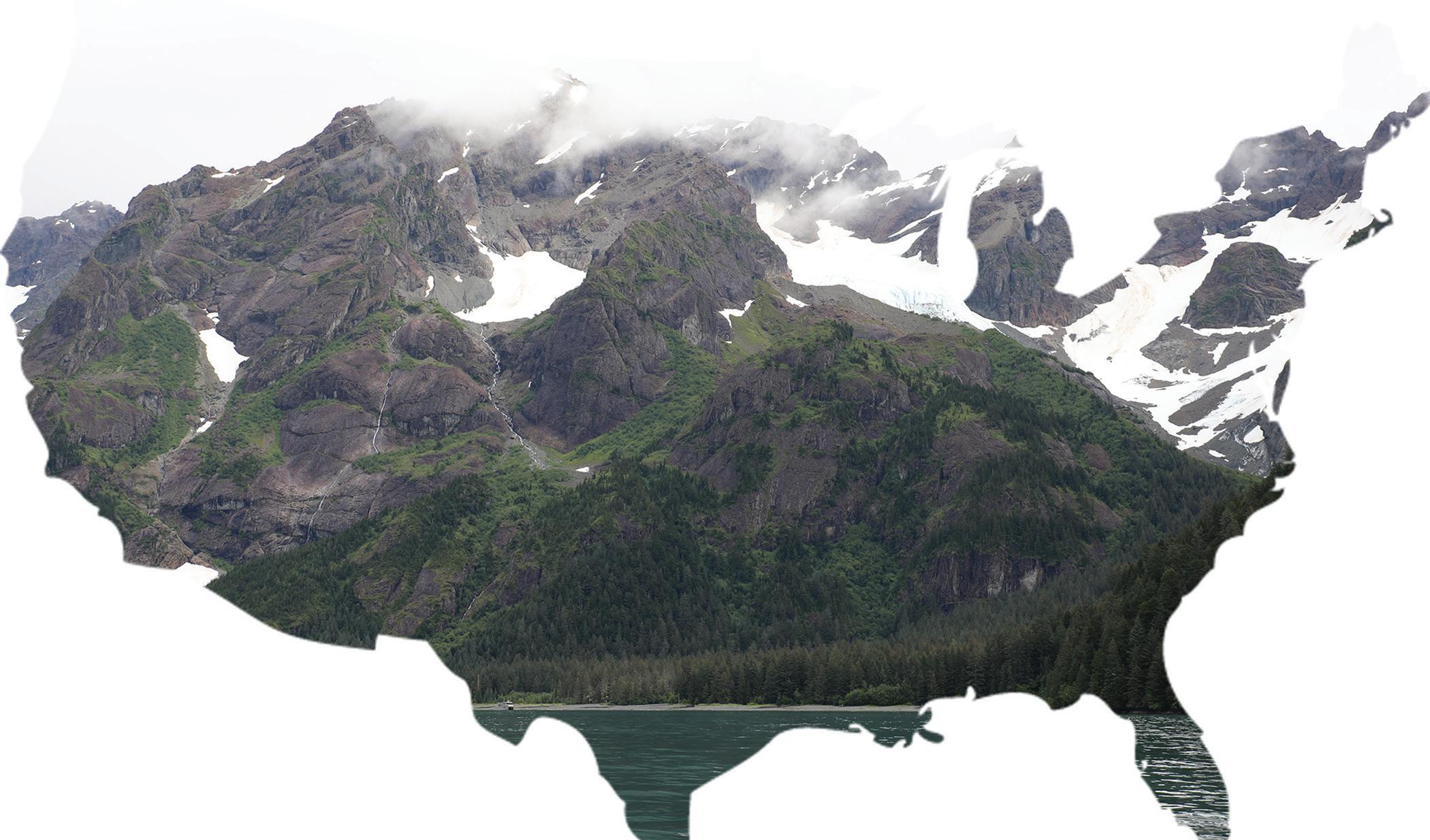
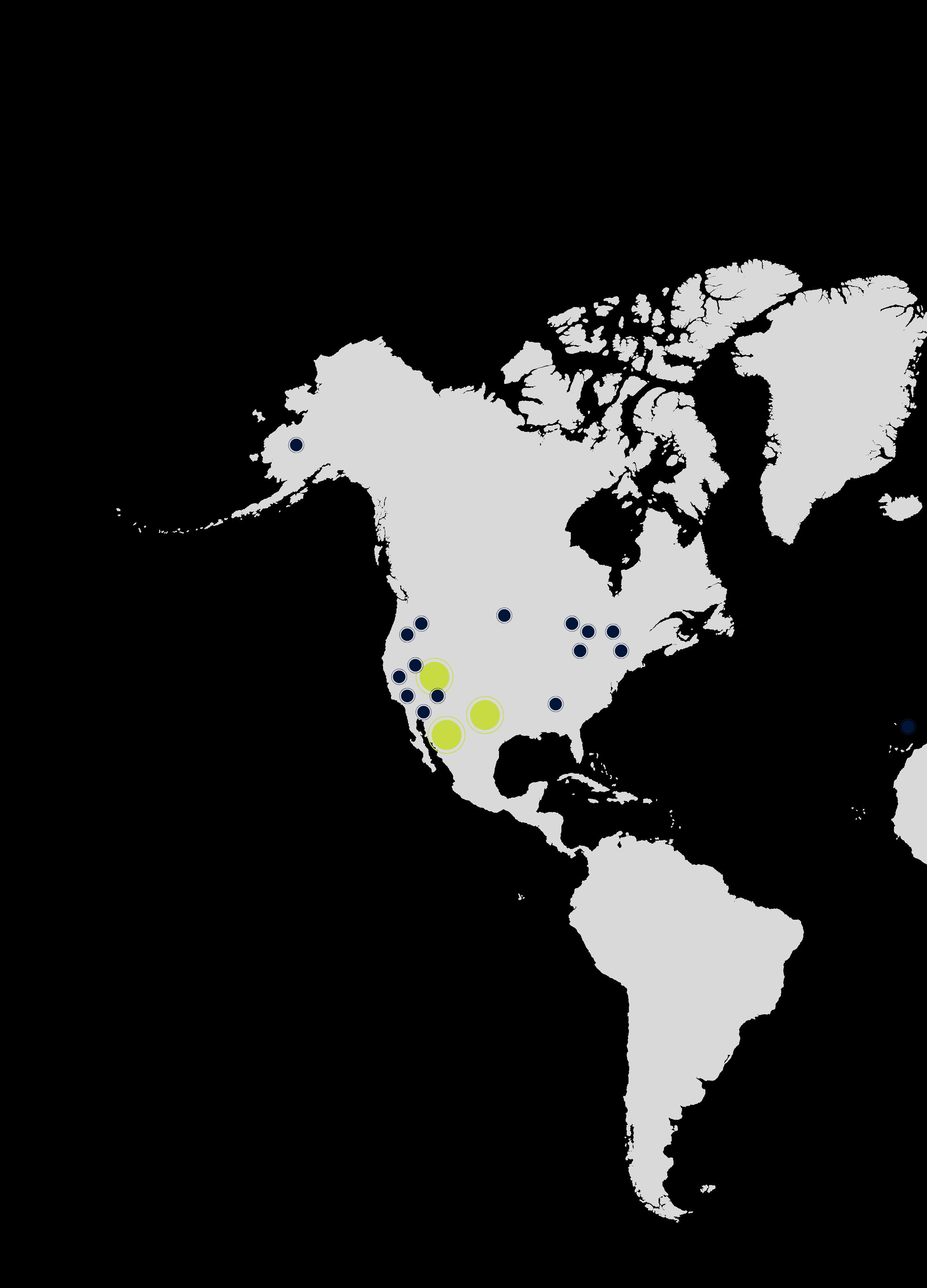
5 site visits
13 states visited
+Alaska
+Arizona
+California
+Connecticut
+Louisiana
+Minnesota
+New York
+Oregon
+Texas
+Utah
+Washington
+Wisconsin
+Wyoming
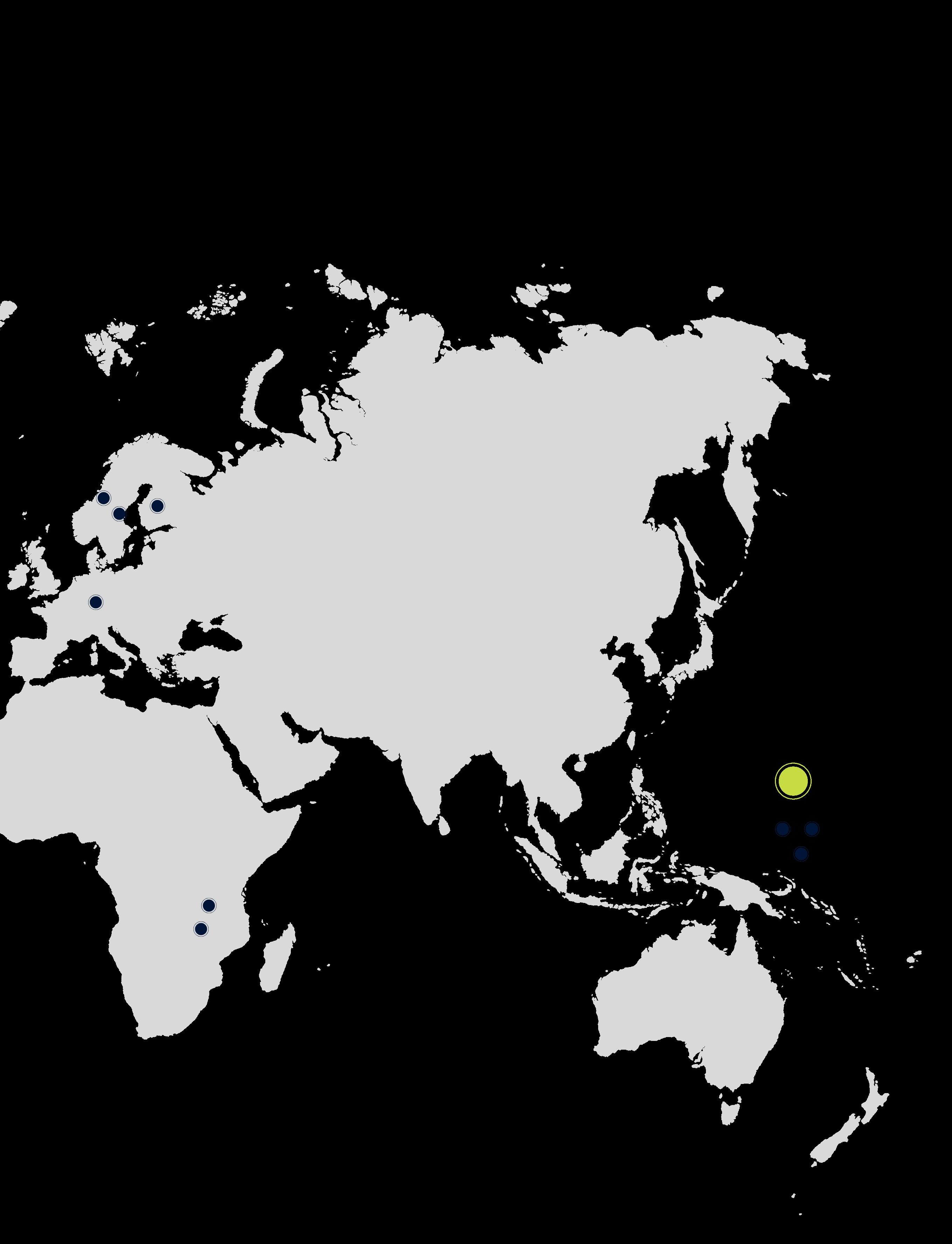
3 congressional delegations
+Indo-Pacific
+Africa
+Scandinavia
1.5 million people reached on social media
+3,547 new followers
The Subcommittee on Energy and Mineral Resources
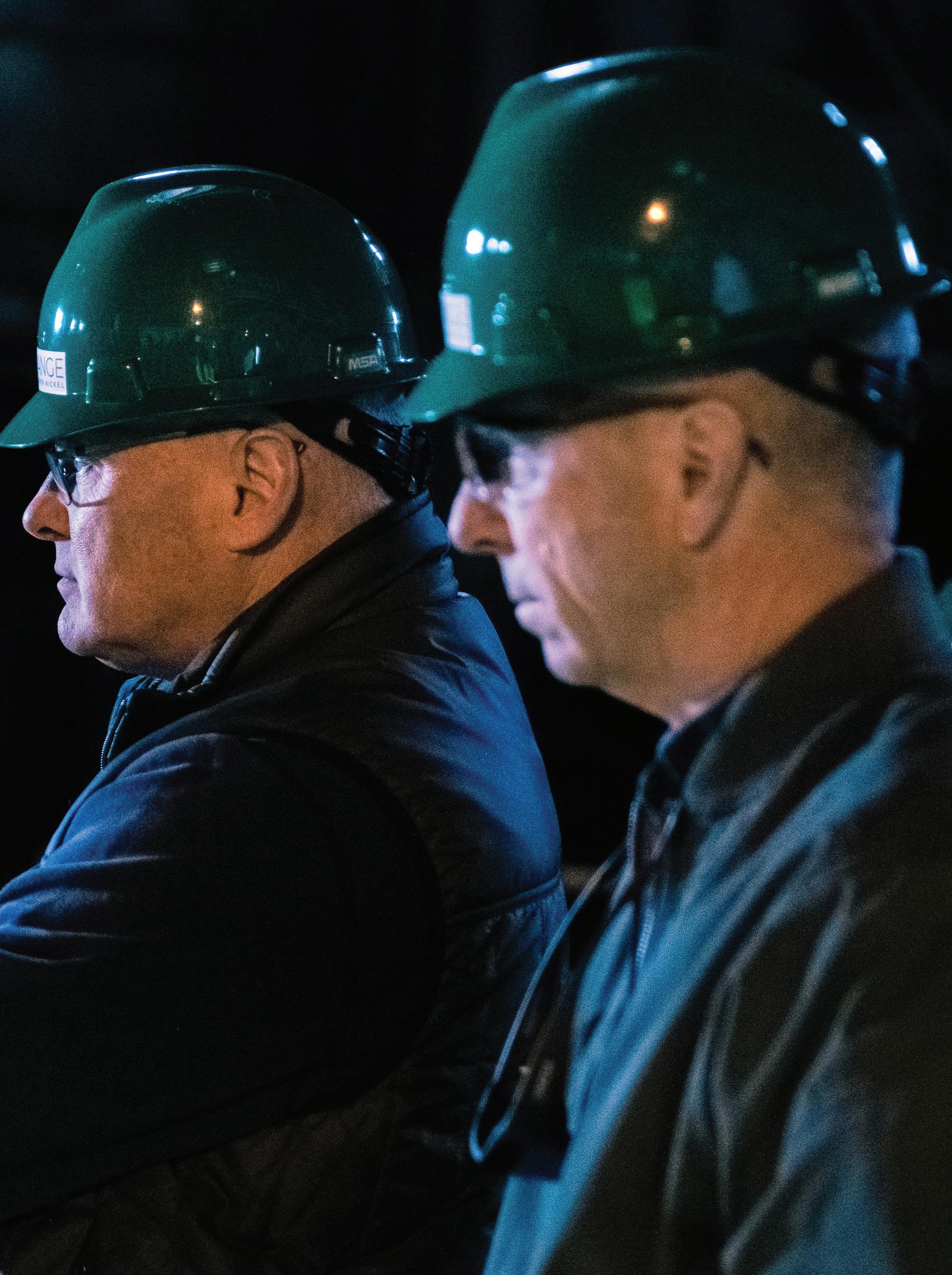
The United States produces the cleanest, safest and most reliable energy in the world. The House Committee on Natural Resources brought their members to the National Petroleum Reserve in Alaska (NPR-A), the mines of Wyoming, the oil fields of Texas and New Mexico and the coast of Louisiana to gain perspective, hear from Americans whose livelihoods depend on natural resource production and gather ideas for policy solutions that address root issues.
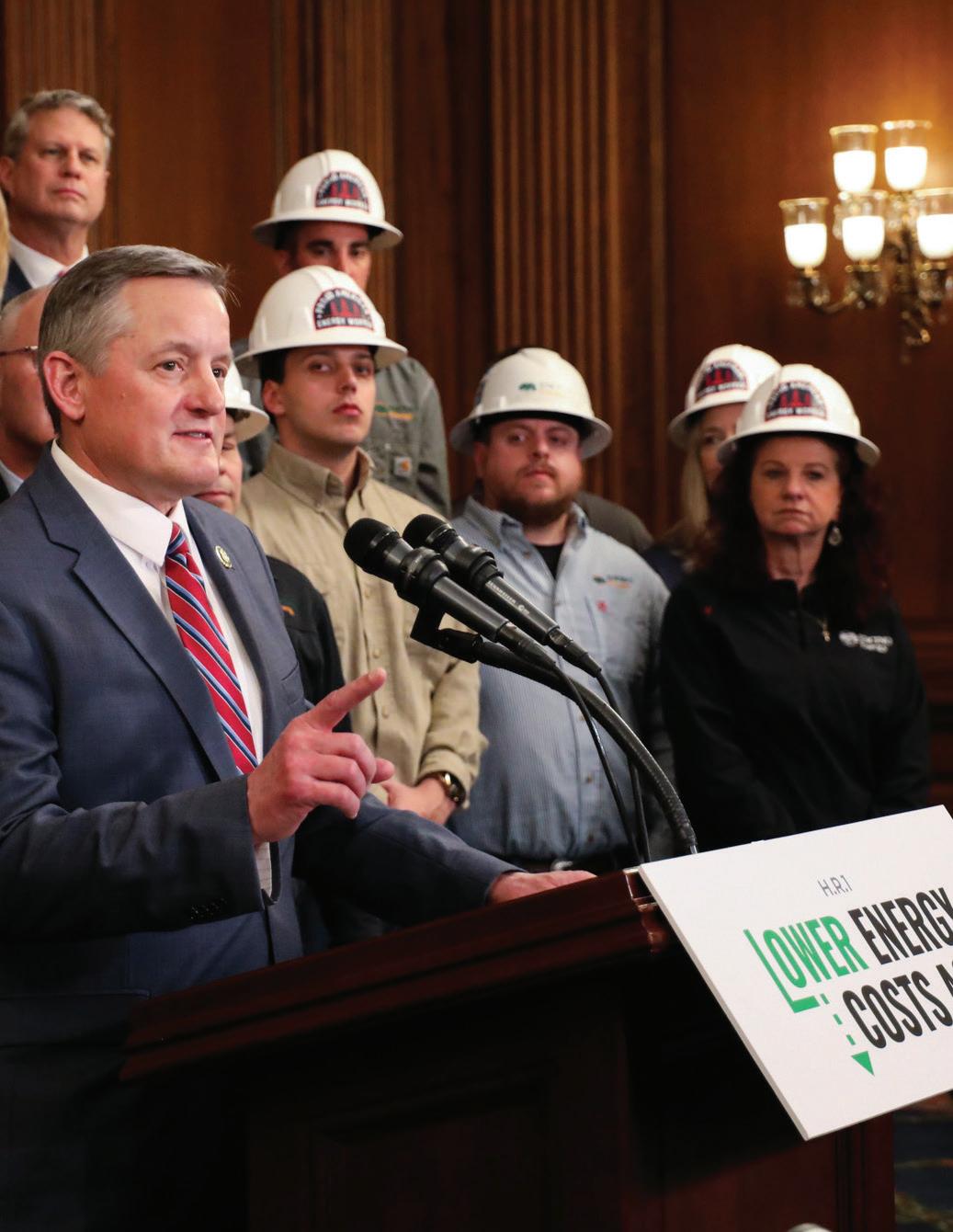
The committee kicked off the Congress with the introduction of H.R. 1, the Lower Energy Costs Act. The comprehensive legislation is an all-of-the-above solution benefiting energy and infrastructure projects from coast to coast, giving industries the certainty they need to build here and create good-paying jobs. The legislation deals a blow to China, invests in pro-growth policies that lift communities out of energy poverty and revitalizes our economy. H.R. 1 is a win for every American who drives a car, pays a utility bill or turns on a light switch.
While the goal of H.R. 1 is to spur increased production of domestic energy, maximize efficiency and minimize delays for hard rock mining projects and modernize the National Environmental Policy Act (NEPA), it was only the beginning of our work in the energy and mining space.
For the first time in over 40 years, the committee secured NEPA amendments in the Fiscal Responsibility Act (FRA). The amendments set limits on environmental reviews, clarified when NEPA applies and narrowed what must be considered in environmental documents.
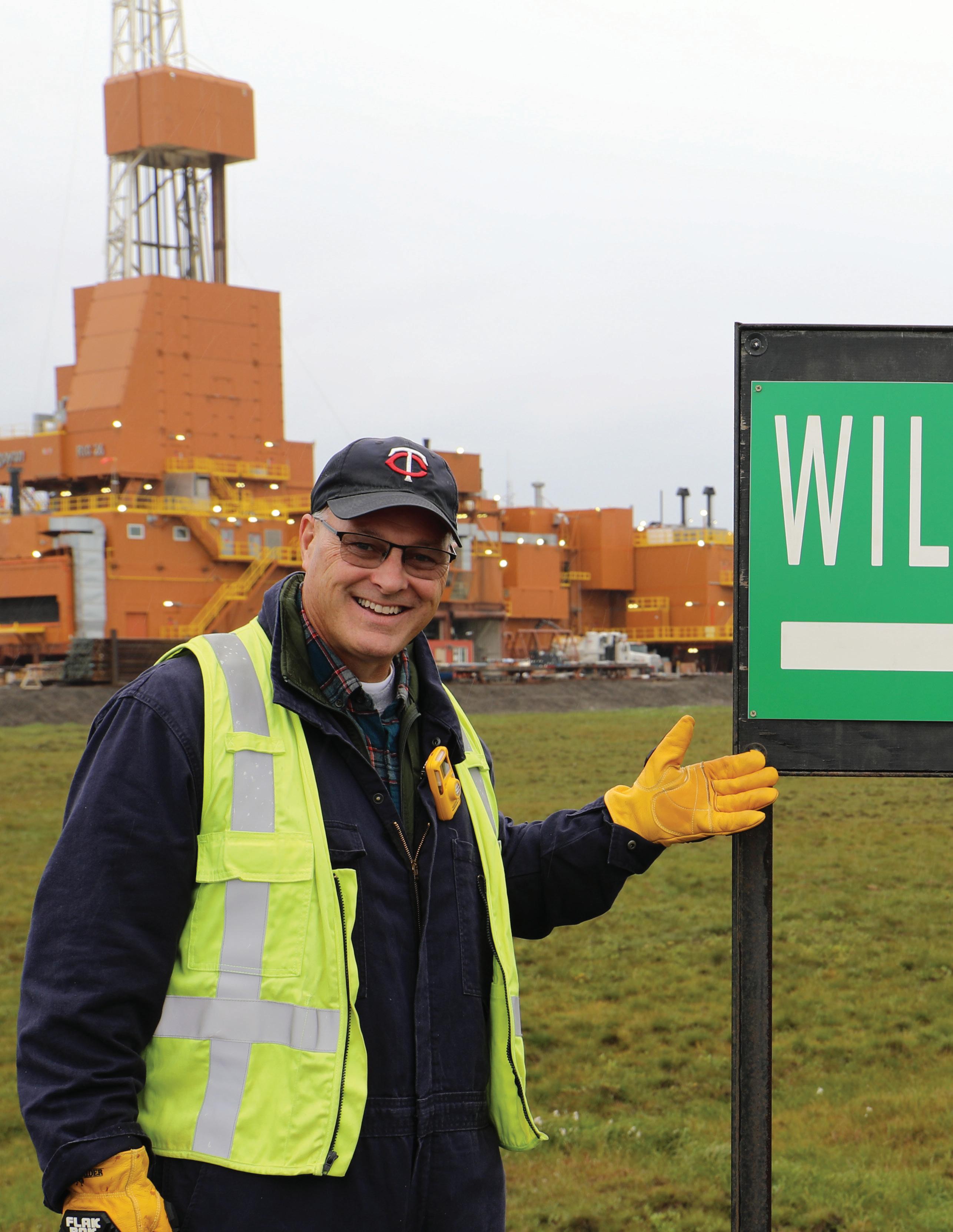
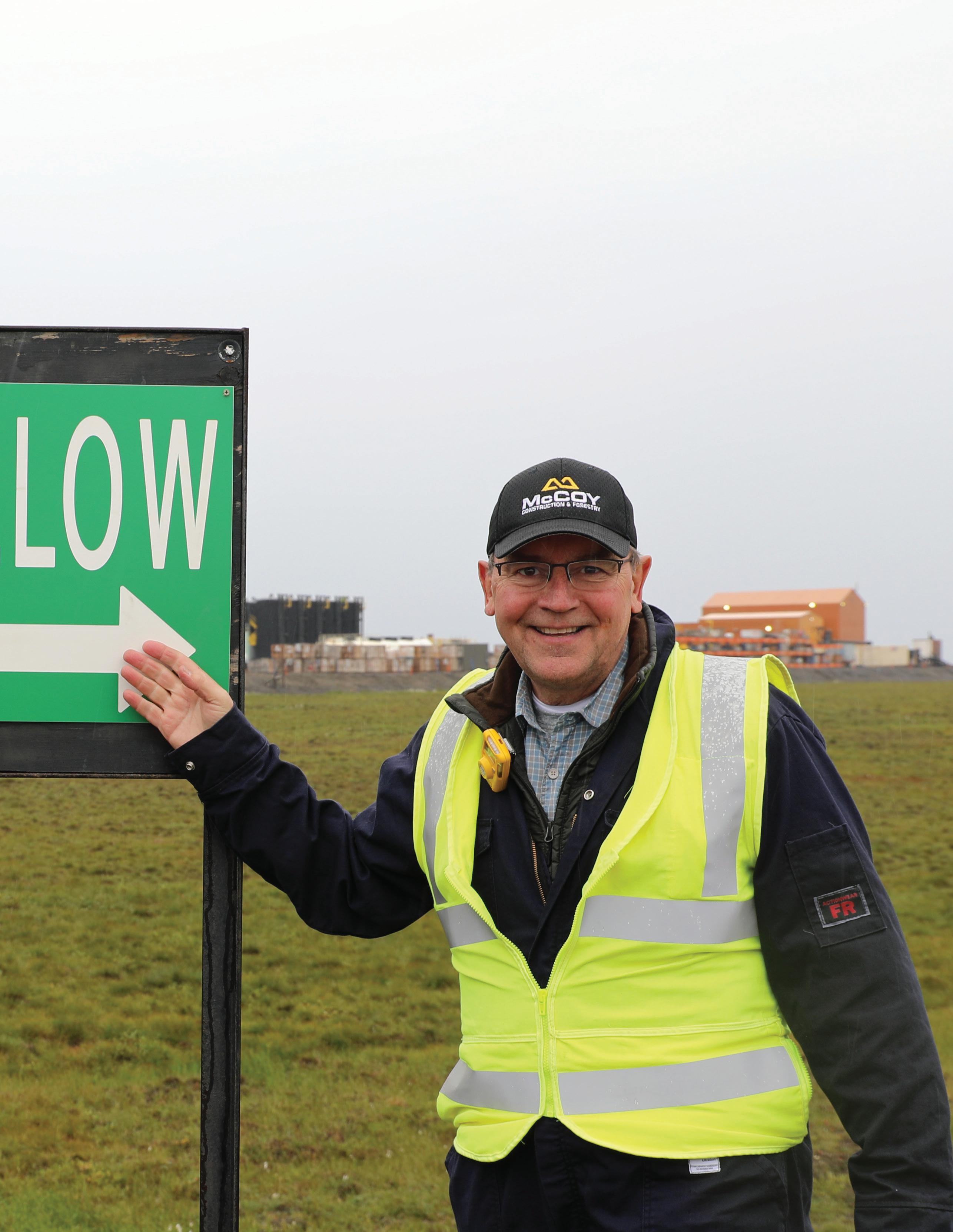
From day one, the Biden-Harris administration restricted Alaskan communities’ rights to benefit from their own natural resources. The committee fought back by conducting oversight and legislative hearings highlighting the administration’s neglect of Alaskan communities in its decision making. This culminated with the passage of H.R. 6285, Alaska’s Right to Produce Act, which passed in May 2024 with a bipartisan vote of 214-199-2. The bill will reinstate leases that were illegally cancelled by the Biden-Harris administration and cancel an administration rule locking up lands in the National Petroleum Reserve in Alaska (NPR-A).
Subcommittee on Energy and Mineral Resources Chairman Pete Stauber (R-Minn.) led a historic committee delegation to Alaska in August 2024 to visit the NRP-A and the Native Village of Nuiqsut. Members also met with Governor Mike Dunleavy (R-Alaska) and Senator Dan Sullivan (R-Alaska) to hear how Alaskans and the country benefit from the state’s rich resources.
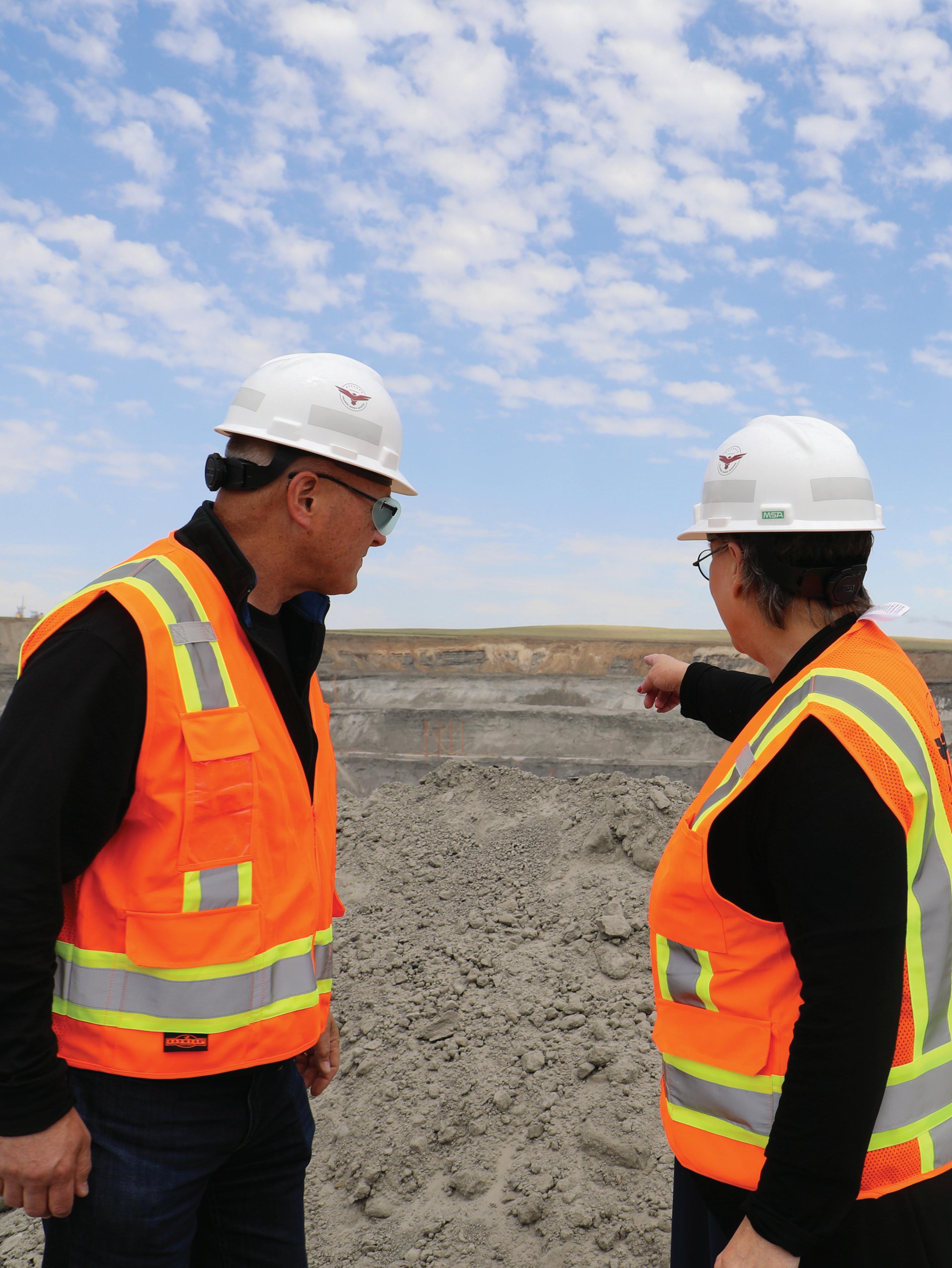
U.S. Rep. Pete Stauber (R-Minn.) (left) and U.S. Rep. Harriet Hageman (R-Wyo.) (right) visit the Belle Ayr coal mine in Wyoming following an industry roundtable.
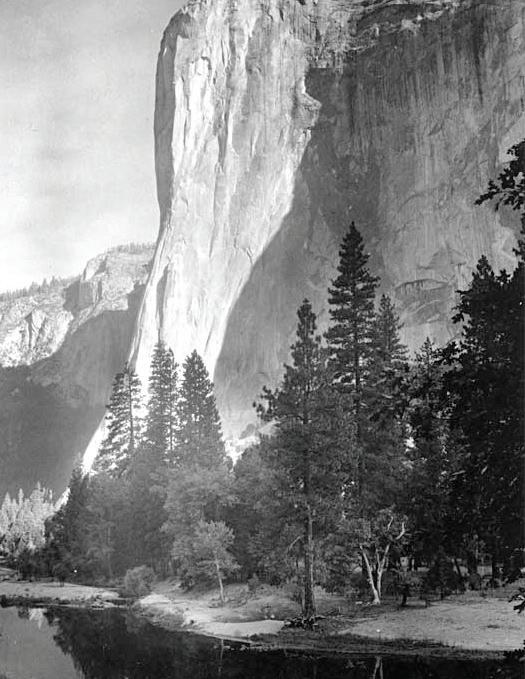
Yosemite National Park, El Capitan mountain, July 1934.
Photo courtesy of NPS.
The Subcommittee on Federal Lands
Access to America’s public lands and waters is part of what makes this country the greatest nation on earth.
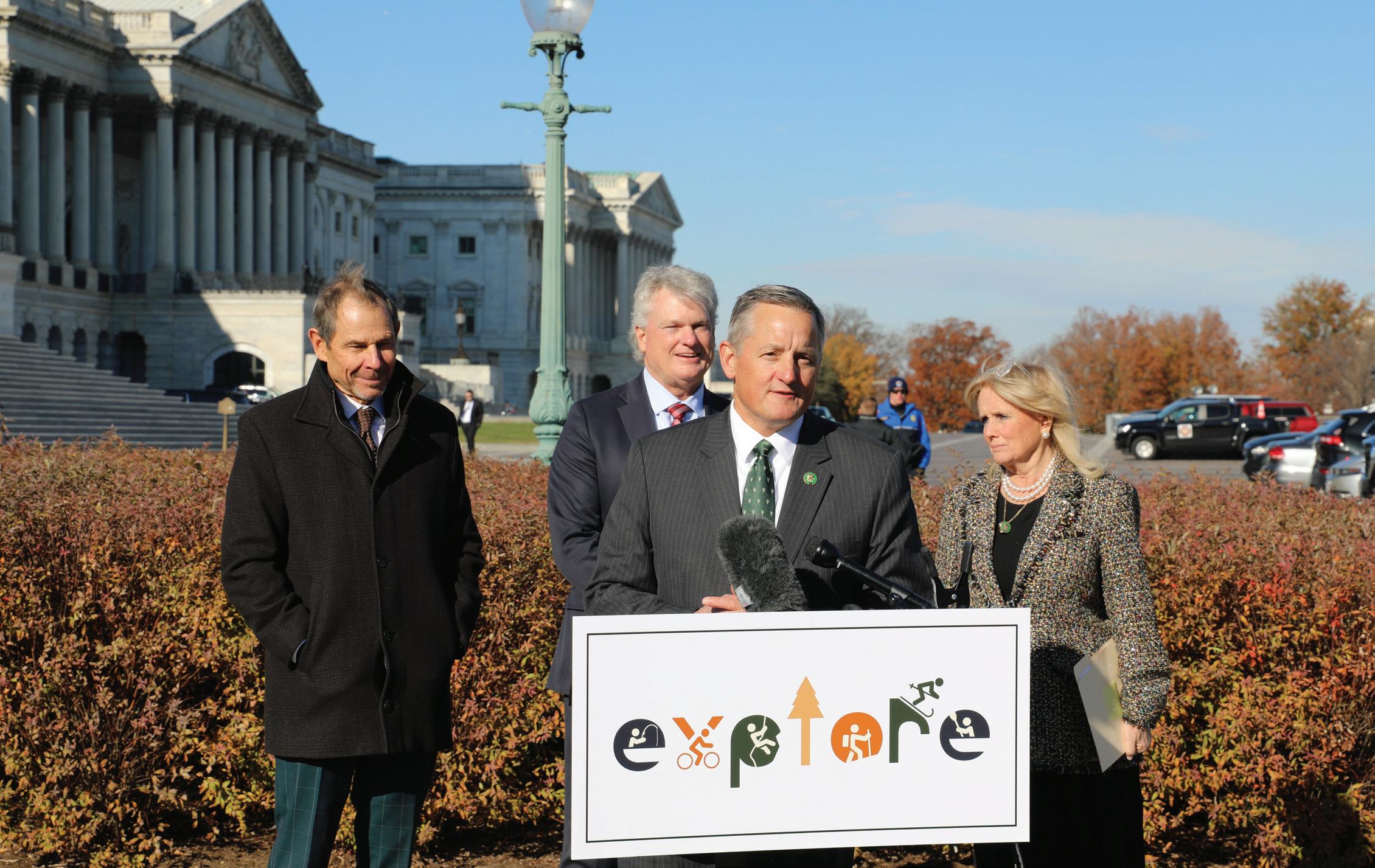
To ensure access to resources for all Americans, in the 118th Congress, the committee championed the Expanding Public Lands Outdoor Recreation Experiences (EXPLORE) Act. This comprehensive, bipartisan and bicameral legislation improves access and transforms recreation opportunities on public lands and waters. Specifically, it modernizes technology, streamlines the permitting process, eliminates burdensome fees, reduces park overcrowding and transforms accessibility for veterans and individuals with disabilities.
In August 2023, the committee held an outdoor field hearing in Yosemite National Park. With the iconic El Capitan rising in the background, members heard from witnesses representing tribal communities, farmers and outdoor recreationists impacted by catastrophic wildfires. From charred communities to degraded air and water quality to the loss of access to federal lands, their stories highlighted the desperate need to increase the pace and scale of active forest management.
The Yosemite National Park field hearing led to the introduction of comprehensive, bipartisan legislation that restores forest health, increases resiliency to catastrophic wildfires and protects communities. The Fix Our Forests Act does this by expediting environmental analyses, reducing frivolous lawsuits and increasing the pace and scale of forest restoration projects. The Fix Our Forests Act passed the House in September of 2024 by an overwhelmingly bipartisan vote.
In recognition of Earth Day in 2024, the committee held its second outdoor field hearing in St. George, Utah, to discuss public lands access. Southern Utah has become the epicenter of the larger national debate between conservation and preservation. From unpopular expansions of national monuments to proposed natural asset companies seeking to lock up access to public lands, radical environmental policies threaten the freedoms and traditional outdoor lifestyles that Utahns have long cherished. Committee Republicans spotlighted the challenges communities with large federal footprints face, including limited economic development opportunities and mismanagement under the Biden-Harris administration.
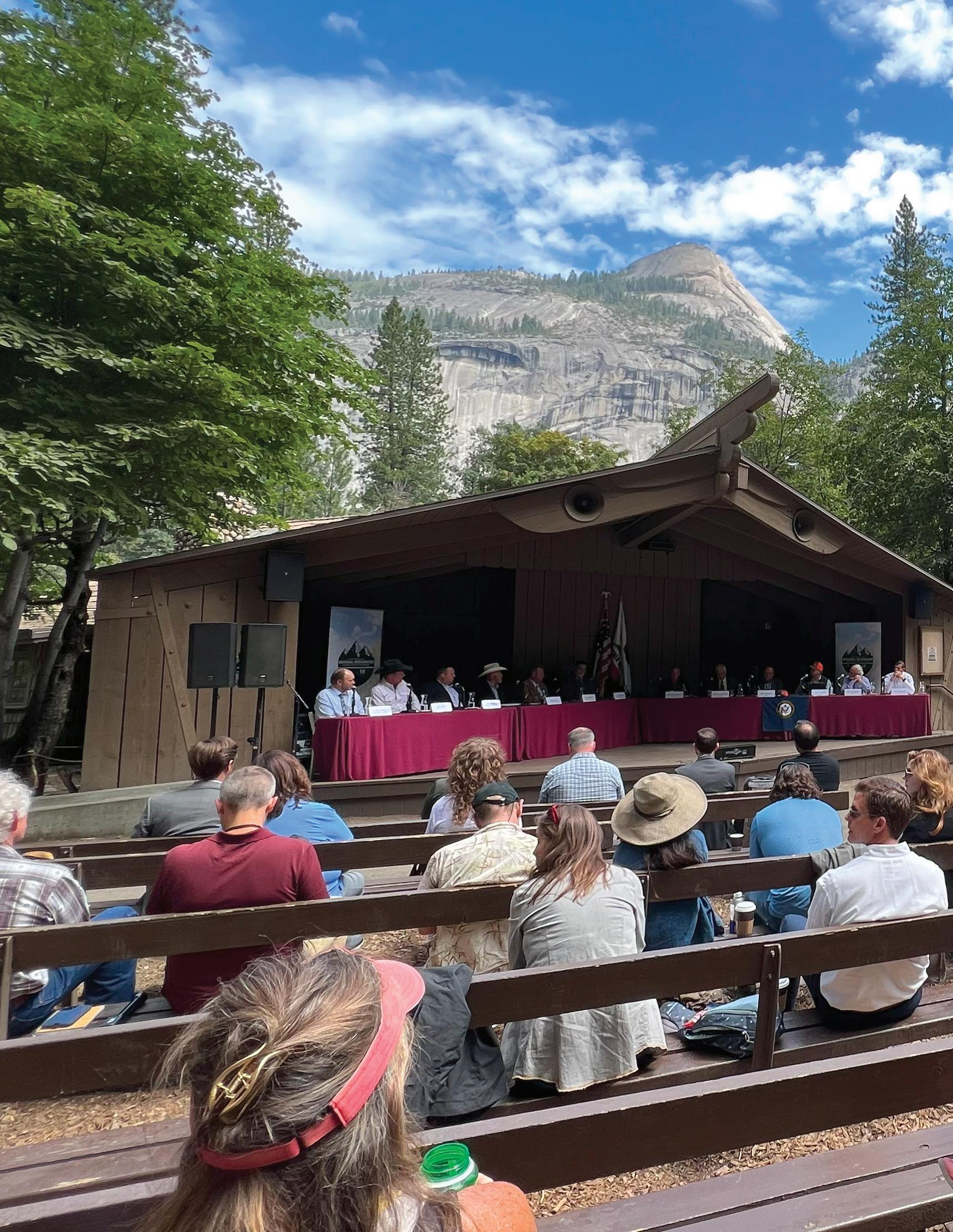
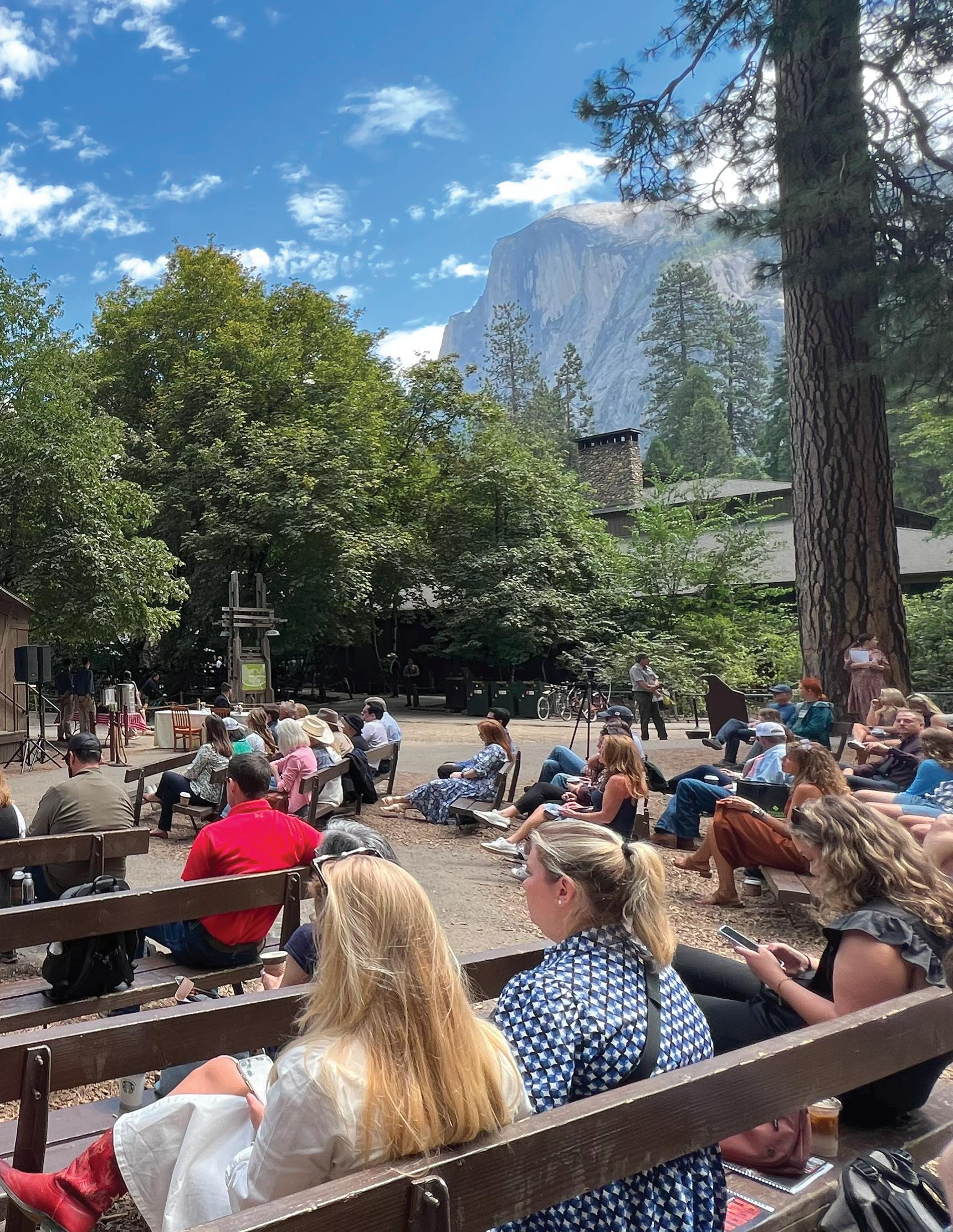
Yosemite National Park field hearing in August 2023, featuring El Capitan mountain.
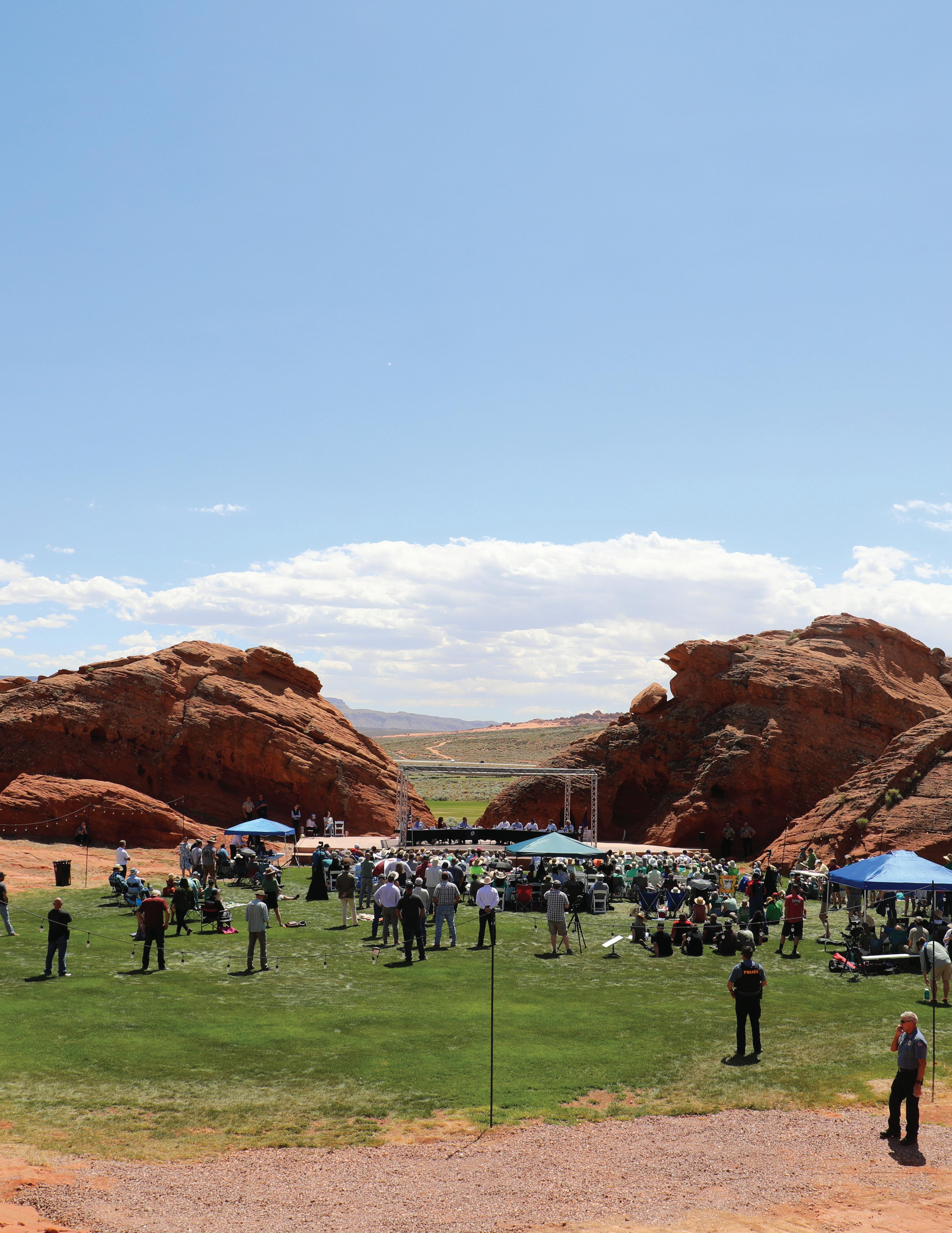
The Subcommittee on Federal Lands hosted a field hearing in St. George, Utah.
The Subcommittee on Indian and Insular Affairs
In the 118th Congress, the House Committee on Natural Resources was committed to renewing the Compacts of Free Association and bringing tribal and native voices to the table in committee hearings in Washington and across the country.
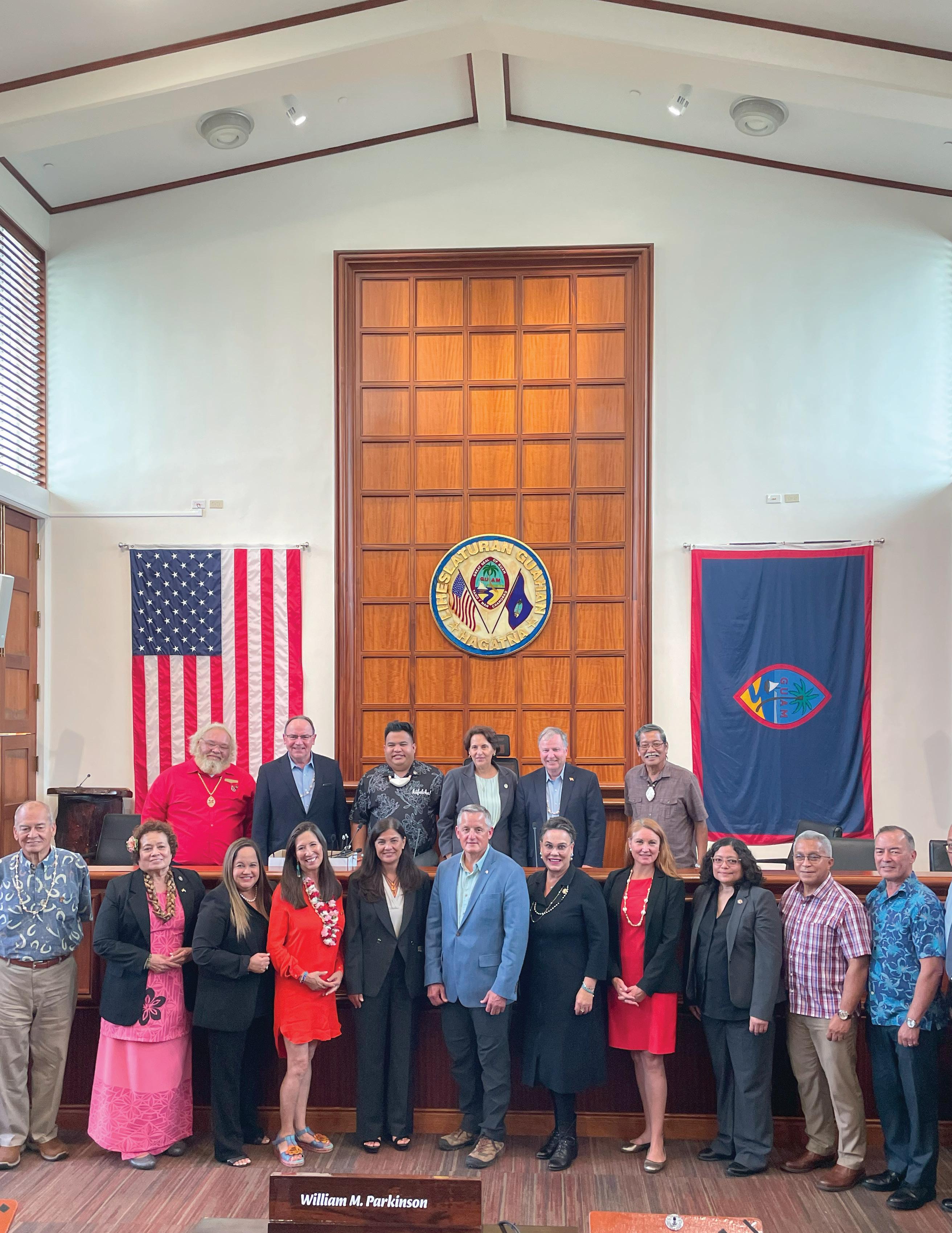
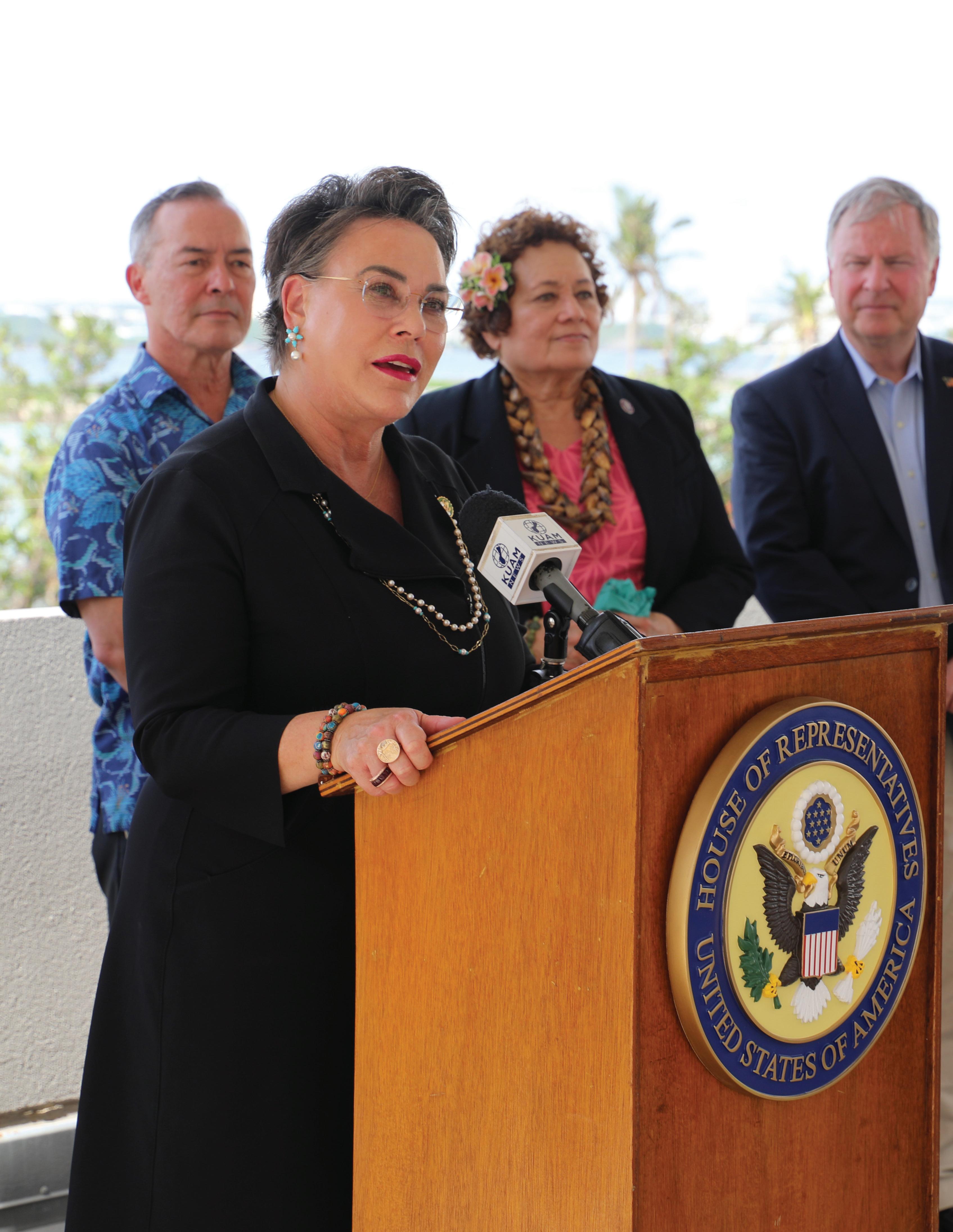
The United States has significant security and economic interests in the Indo-Pacific region, especially with the Pacific Island territories of Guam and American Samoa and with the Freely Associated States (FAS) of the Republic of Palau, the Republic of the Marshall Islands and the Federated States of Micronesia. Amidst rising aggression from the Chinese Communist Party (CCP), the committee spearheaded the anti-CCP legislation reauthorizing the Compacts of Free Assocation (COFA).
The COFA Amendments Act, a 20-year compact, secures vital national security and economic interests in the Indo-Pacific region. It grants the U.S. sole military access to the FAS’s lands, waters and airspace and provides economic assistance to the nations.
As part of drafting this monumental legislation, Chairman Westerman launched a bipartisan task force focused on countering the CCP’s influence in the Pacific. As part of the task force’s work, Chairman Westerman led a historic congressional delegation to the region, traveling more than 8,000 miles to the U.S. Pacific Territory of Guam and each of the FAS nations. During the trip, the committee also held a field hearing in Guam highlighting the CCP’s malicious and aggressive actions and the region’s historical importance for global security.
The taskforce’s work led to Chairman Westerman and the committee drafting and introducing the most anti-CCP legislation in the 118th Congress. The COFA Amendments Act passed the U.S. House of Representatives in March 2024 and was signed into law days later. The last time COFA was renewed, it took eight years.
Throughout the 118th Congress, the committee heard from more than 55 tribal and native witnesses at committee hearings, traveled to the Native Village of Nuiqsut in Alaska and conducted extensive oversight on tribal issues.
In November 2024, the committee held a roundtable with representatives of Indian tribes from across the nation to discuss health care, public safety and economic development issues in Indian Country. The roundtable marked an important step in continuing the committee’s work on these issues and ensuring tribal communities have a voice in Washington.
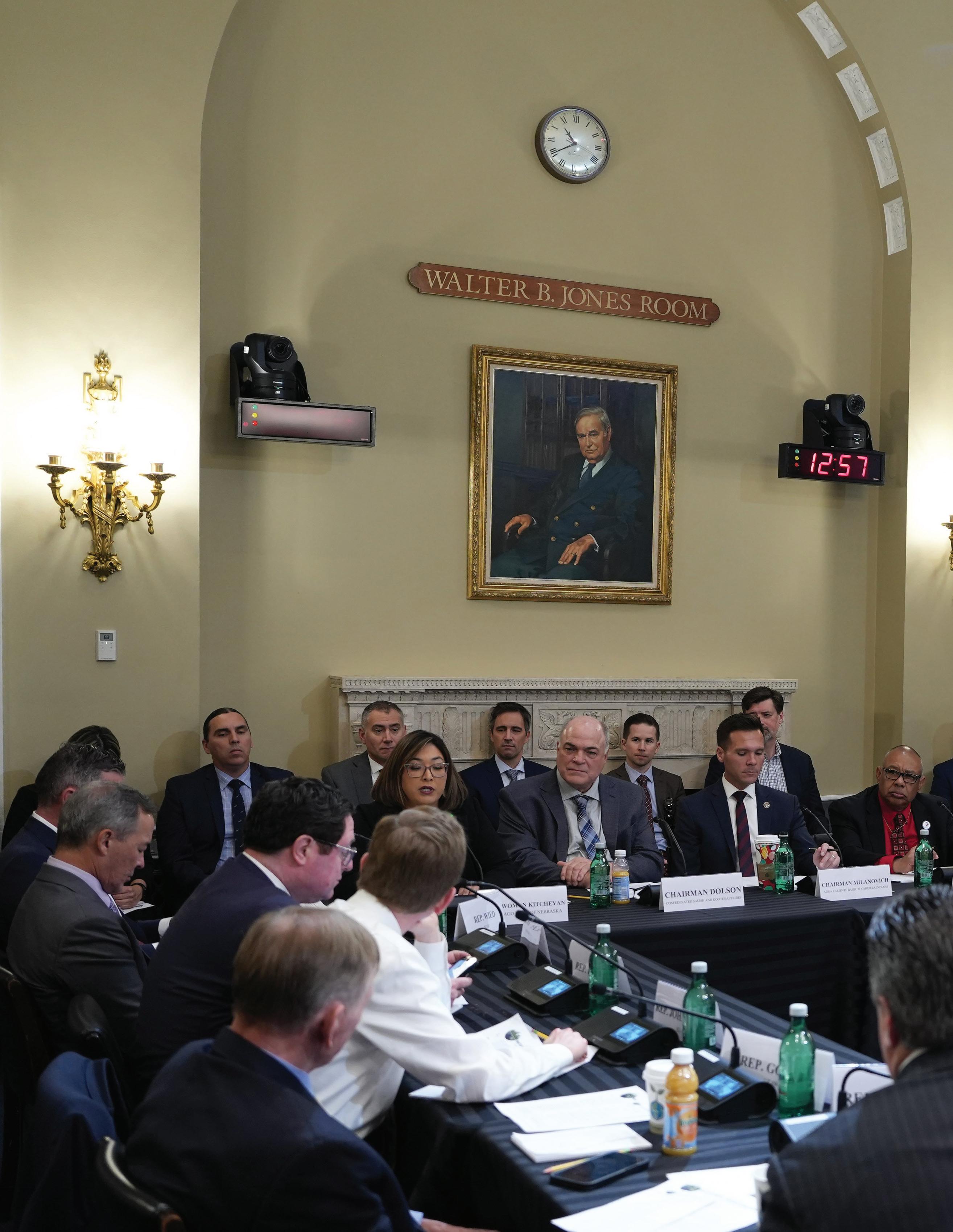
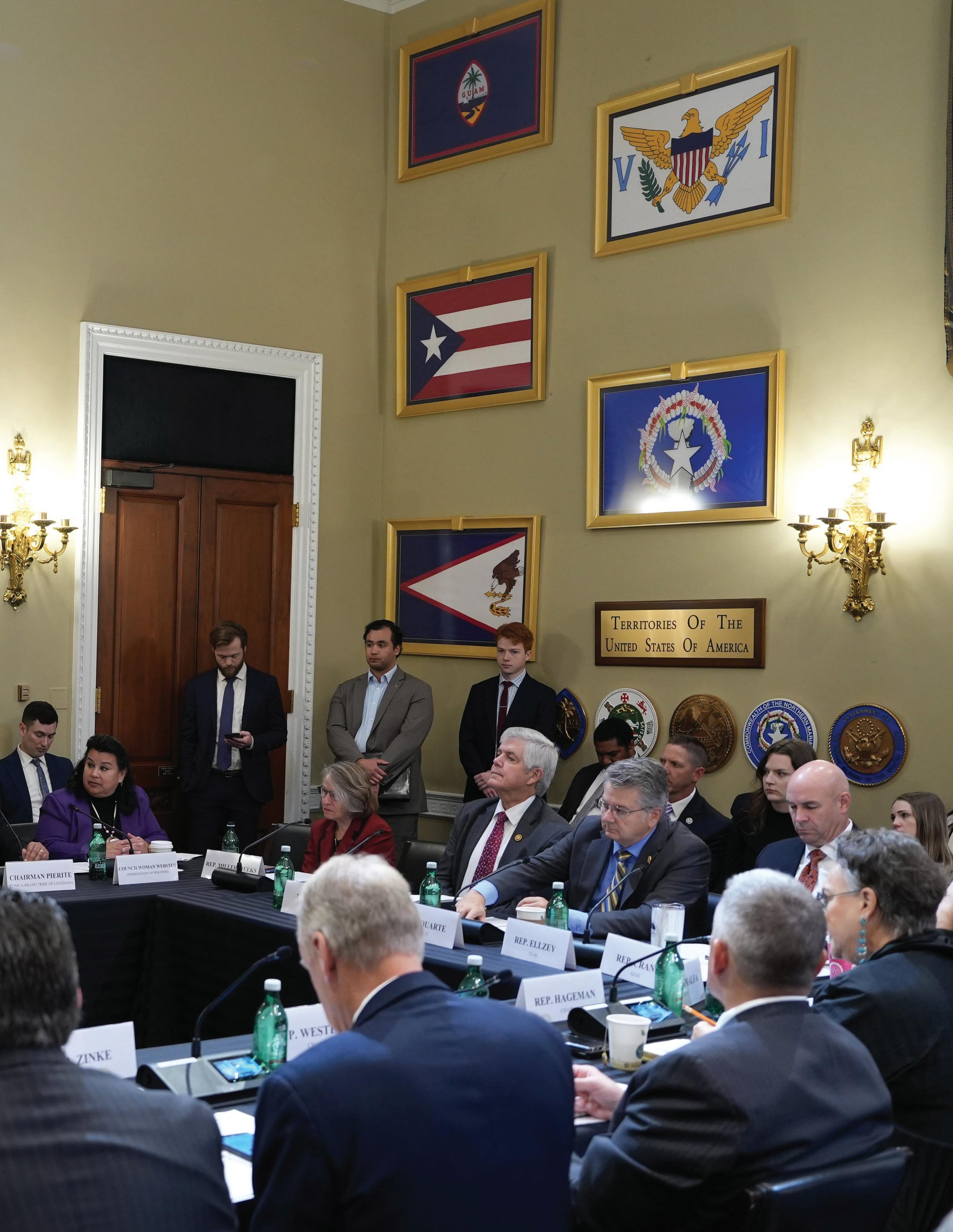
Twenty-six members of Congress attended the historic tribal roundtable in November 2024.
The Subcommittee on Oversight and Investigations
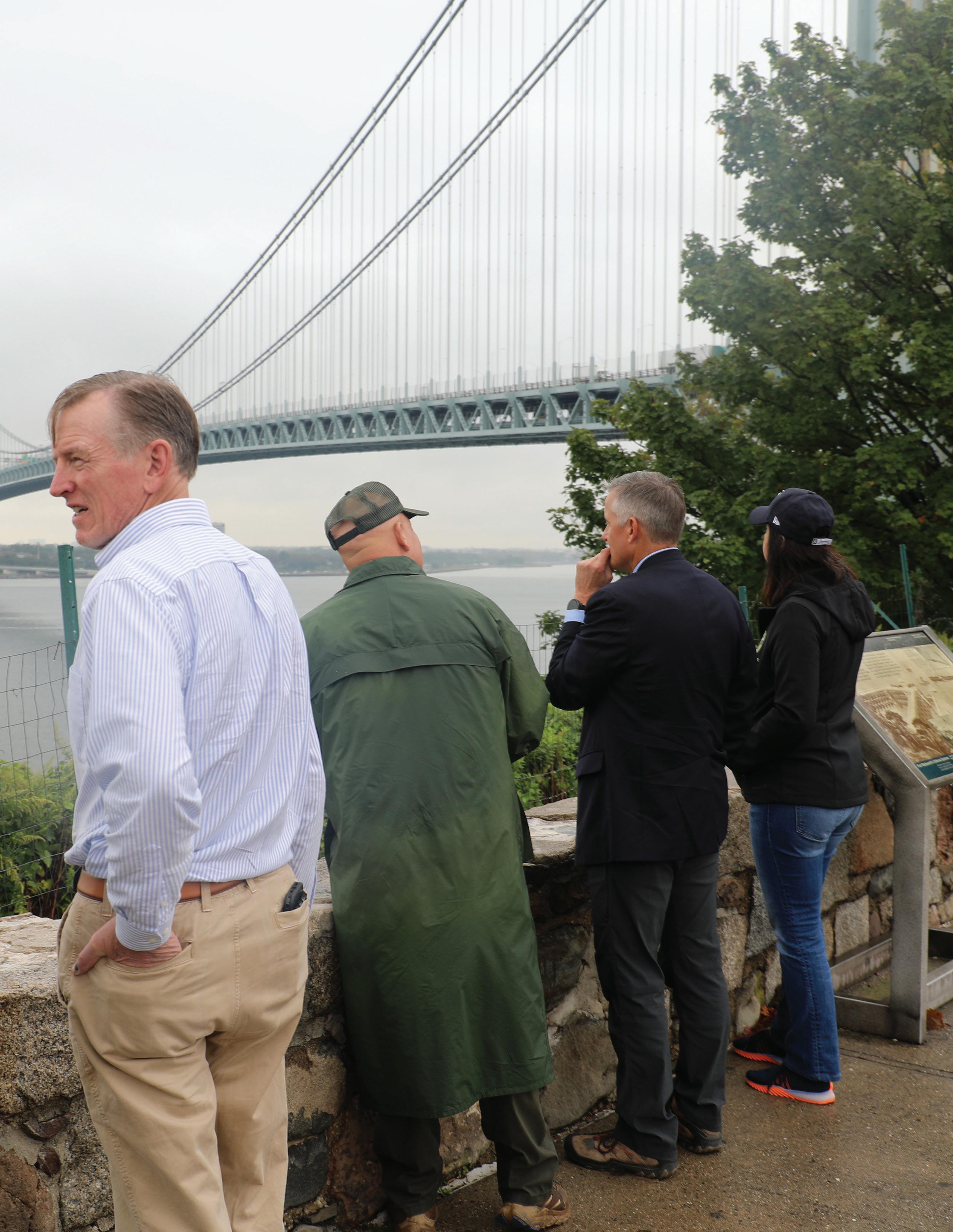
The Biden-Harris administration left the House Committee on Natural Resources with ample oversight opportunities in the 118th Congress. One key investigation started when the Biden-Harris administration and the city of New York entered a questionable lease to house migrants at Floyd Bennett Field, which is part of Gateway National Recreational Area, a national park unit, in New York City.
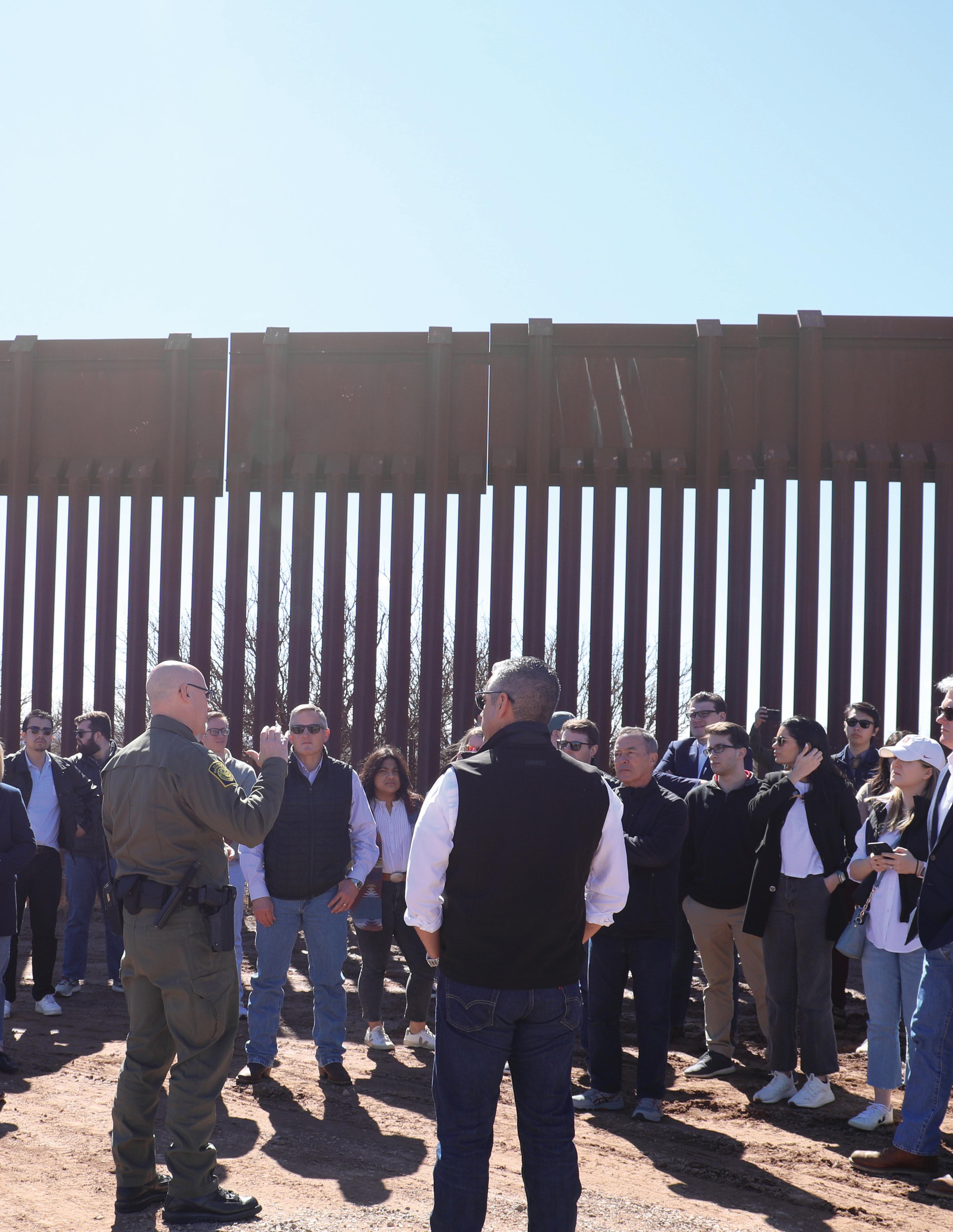
In September 2023, Chairman Westerman, Subcommittee on Oversight and Investigations Chairman Paul Gosar and U.S. Rep. Nicole Malliotakis visited New York City and Floyd Bennett Field amid rumors of the Biden-Harris administration and New York officials entering into an unprecedented lease to house migrants on treasured public lands.
Over the course of the next year, the committee sent multiple letters to administration officials, interviewed high-level officials across multiple agencies and subpoenaed Secretary of Homeland Security Mayorkas for withholding information pertinent to the investigation. The committee continues to highlight the bipartisan voices of local officials who pushed back against the administration.
In November 2023, the U.S. House of Representatives passed H.R. 5283, which prohibits the federal government from using certain federally administered lands to provide housing to any non-U.S. nationals who have not been admitted into the United States.
H.R. 5283 ensures the dangerous precedent set by the Biden-Harris administration with Floyd Bennett Field will not happen again.
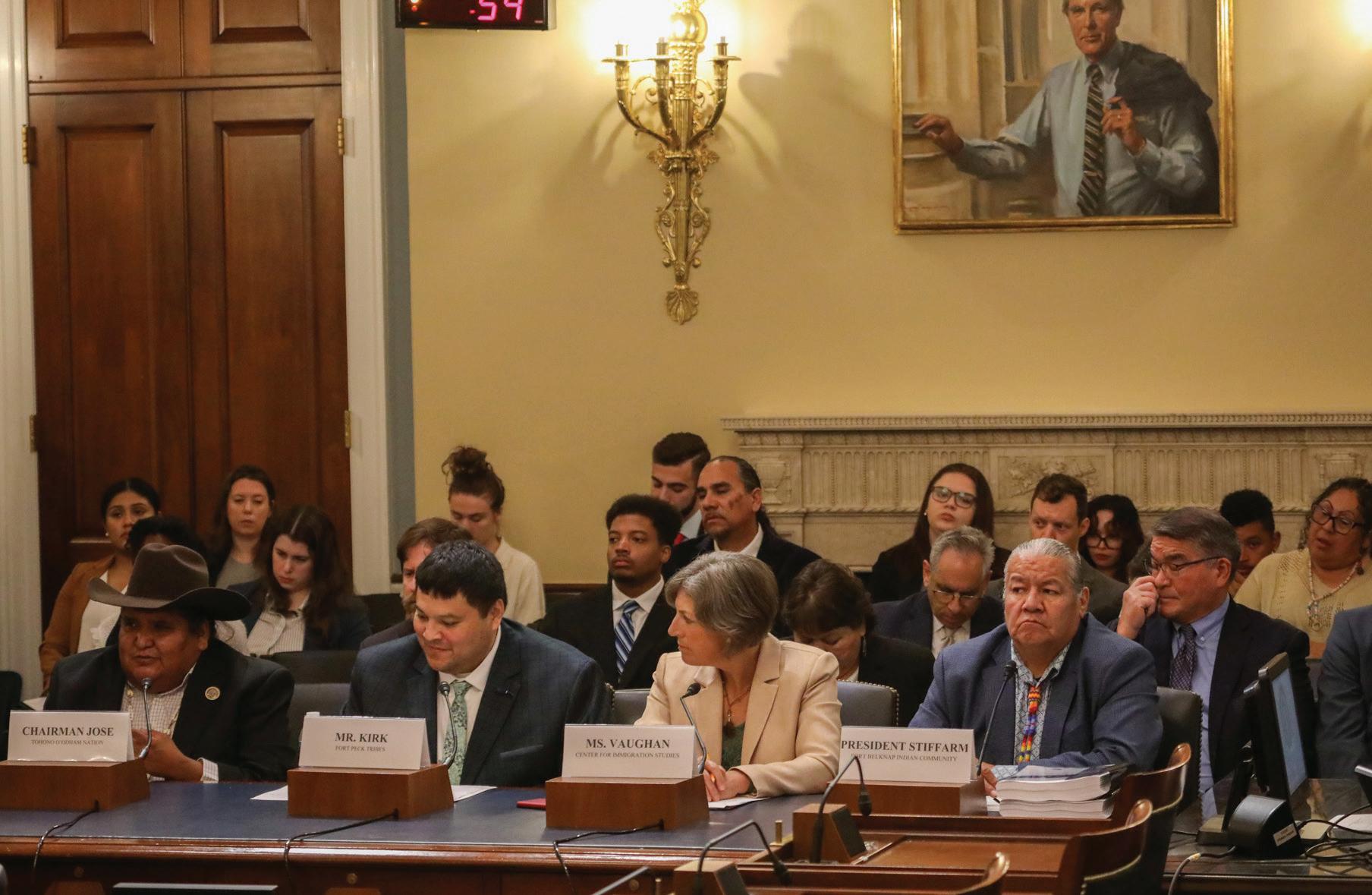
A second key investigation also involved the border crisis, but this time in Indian Country. During an April 2024 oversight hearing, the committee uncovered how international criminal cartels are taking advantage of failed border polices to traffic illegal drugs into the United States. Rural communities in Indian Country often include unpatrolled lands and jurisdictional complications with law enforcement, all of which have aided the cartels and led to an increase in violence and crime—including drug and human trafficking. The committee continued the investigation in a follow up hearing seeking solutions to enable federal and tribal law enforcement agencies to work together to better address the cartels and the Biden-Harris administration’s failed border policies.
The investigations didn’t stop there.
In January 2024, Chairman Bruce Westerman and Subcommittee on Oversight and Investigations Chairman Paul Gosar (R-Ariz.) initiated a probe into the Security and Exchange Commission’s (SEC) proposal that would have allowed foreign interests and radical activists to control America’s national parks and lands through listing Natural Asset Companies (NACs) on the New York Stock Exchange. In short, NACs would obtain rights to U.S. land and could prevent that land from being used to produce natural resources, including fossil fuel development, mining and most logging and large-scale farming. NACs would allow shareholders, including foreign interests, to buy shares of companies whose express purpose is to lock up land and prevent productive natural resource development, particularly on America’s public lands. In a stunning victory, mere days after the committee’s inquiry, the SEC withdrew the proposed rule change.
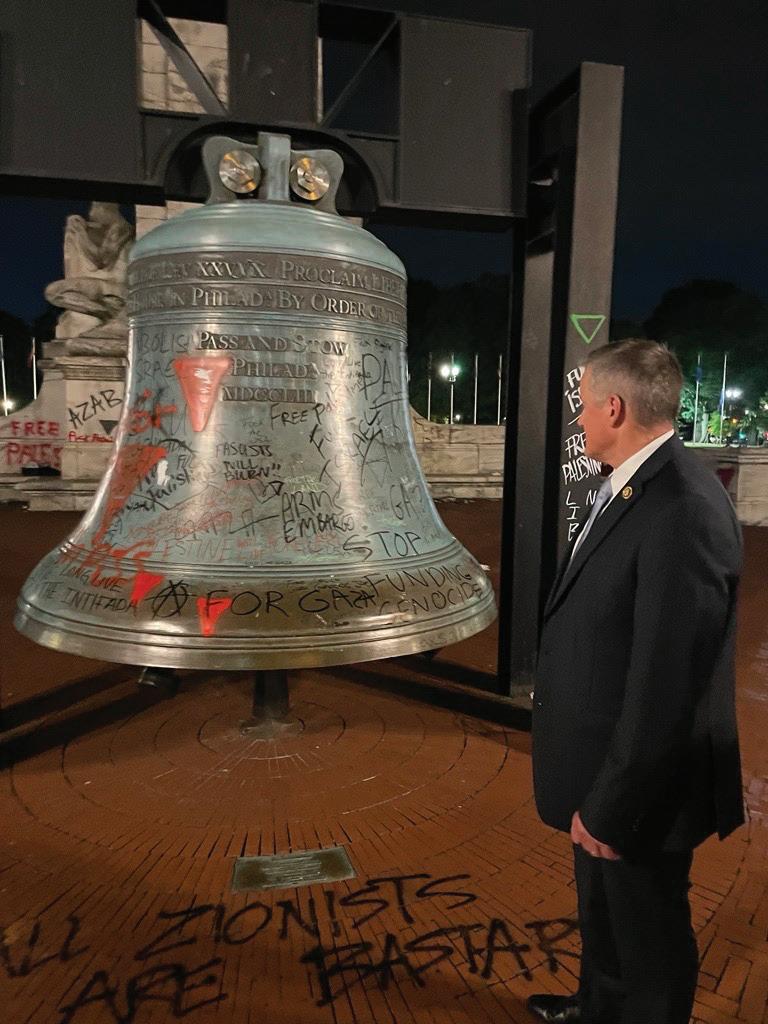
Chairman Westerman witnessing the desecration of National Park Service land, launching an investigation into the pro-Hamas violence in July 2024.
The Subcommittee on Water, Wildlife and Fisheries
This Congress brought the 50th anniversary of the Endangered Species Act (ESA), a reminder of the dismal three percent success rate in recovered species. Since its enactment, radical environmentalists have weaponized the legislation to lock up land, water and other natural resources.
Recognizing this, the committee joined forces with the Congressional Western Caucus to form the Endangered Species Act Working Group. The group examined in depth how federal agencies implement the ESA, its practical impacts on the American people and how litigation drives federal decision-making. It called on the need to better define success for the ESA away from a fixation on listing species and toward policies that actually promote species conservation and recovery. Members, informed by firsthand experiences and critical discussions with constituents, produced the Endangered Species Act Amendments of 2024.
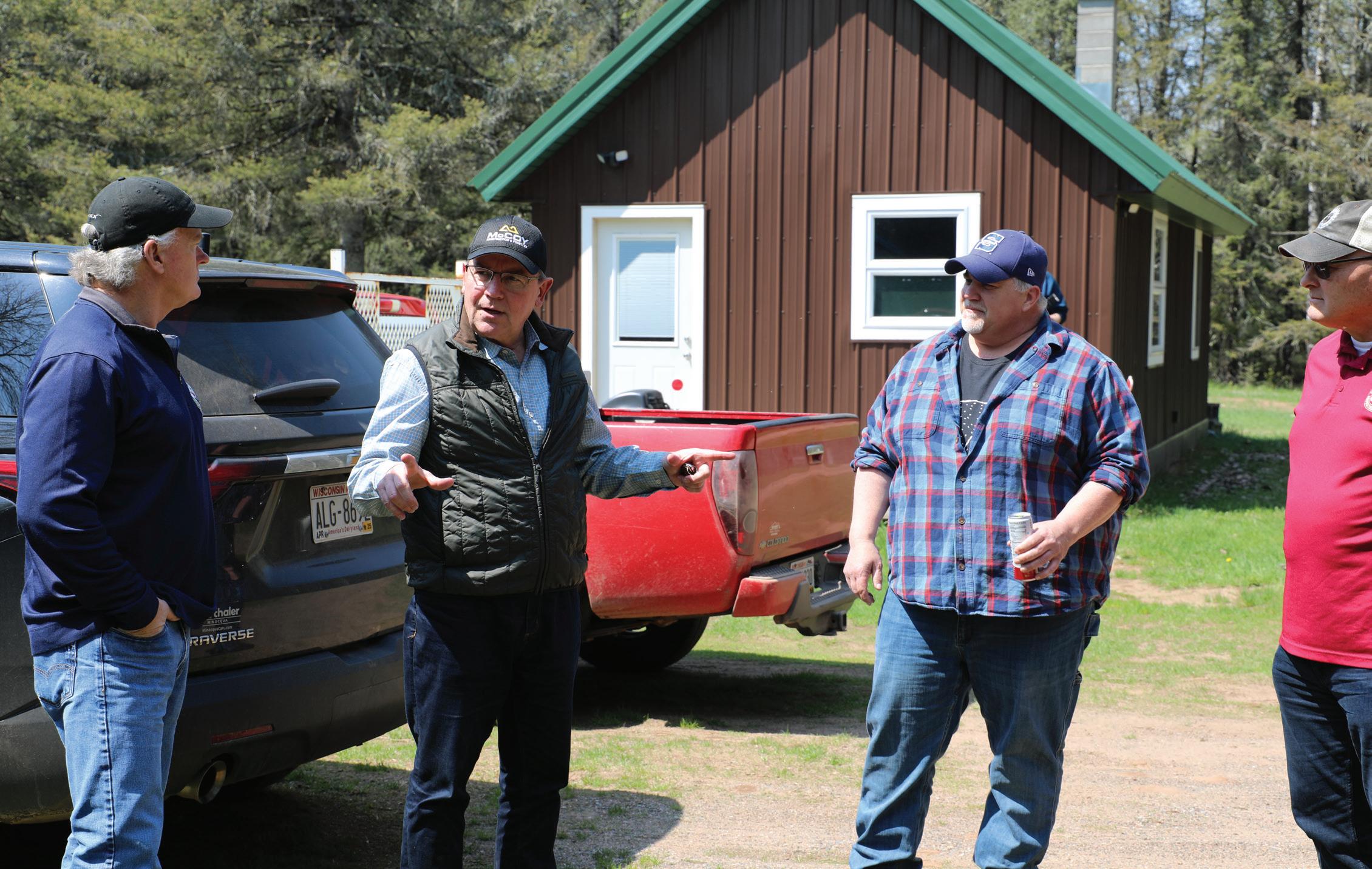
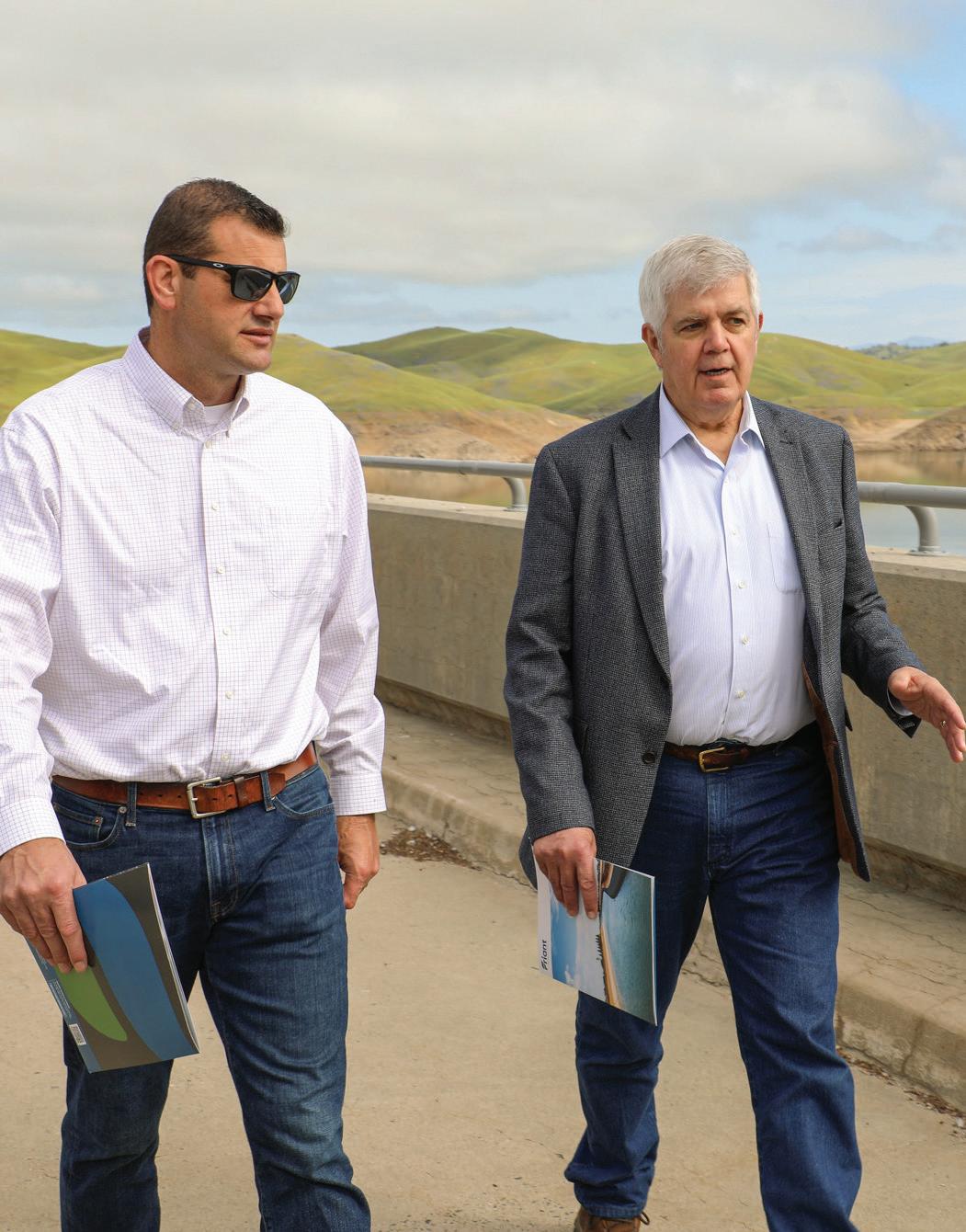
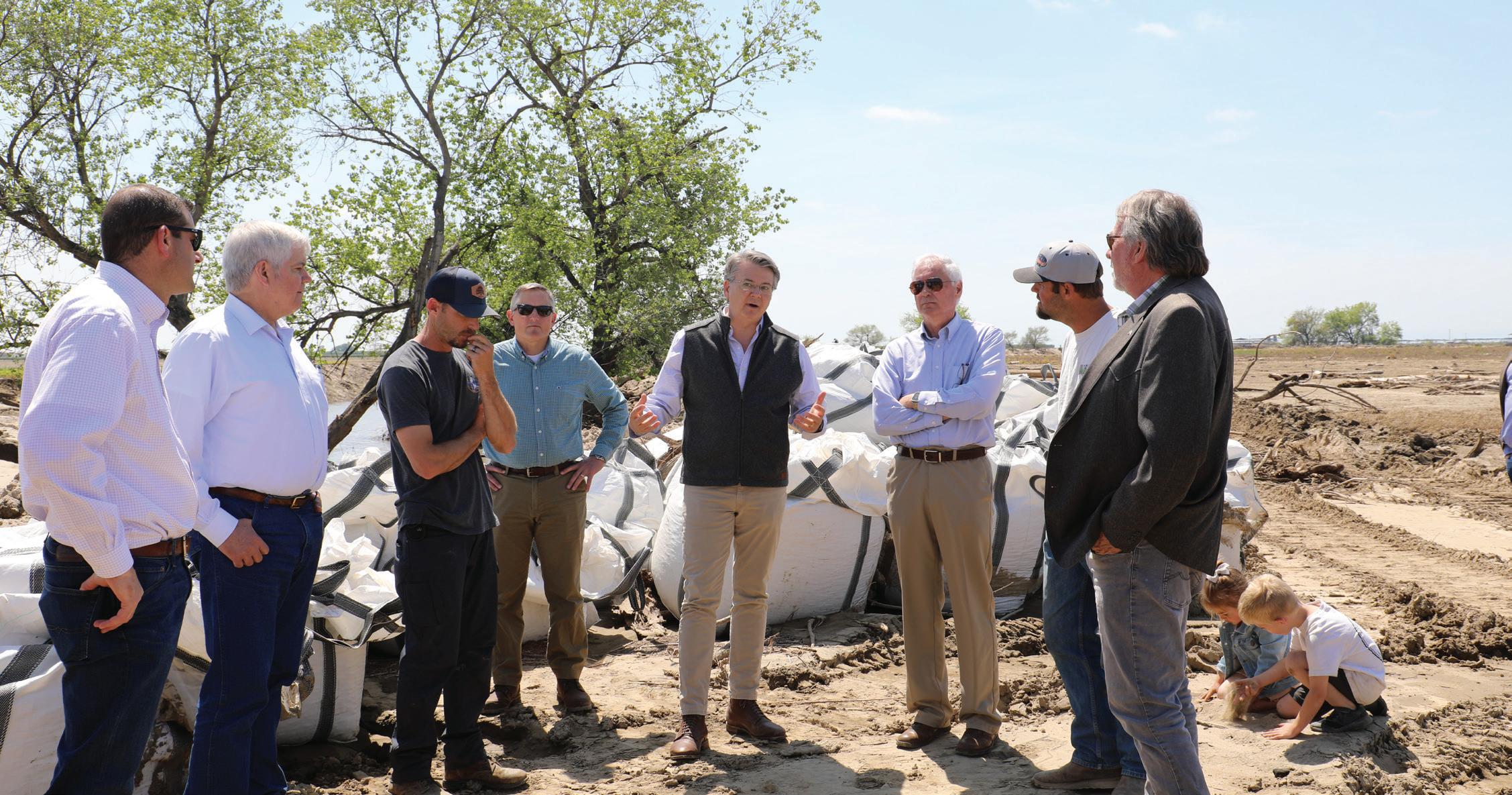
The committee heard directly from sportsmen, farmers, ranchers and everyday Americans on the impact the ESA has on their lives in multiple field hearings across the United States. In Sandstone, Minnesota, members learned the consequences of not delisting recovered species like the gray wolf. In Fresno and Santa Nella, California, committee and local community members heard how the ESA can hinder water management and worsen boom and bust cycles of drought and abundance.
By modernizing the existing legislation and enacting long-overdue reforms, the committee will ensure a continued abundance of American wildlife. This legislation will be successful through promoting species conservation on private and public lands and creating greater transparency and accountability in the ESA regulatory process. Chairman Westerman’s America’s Wildlife Habitat Conservation Act makes strategic investments in state-led conservation and promotes necessary Endangered Species Act reforms for the betterment of species and their habitat.
The Subcommittee on Water, Wildlife and Fisheries held the most field hearings of the committee, holding hearings in Fresno, California, Richland, Washington, Sandstone, Minnesota, Thibodeaux, Louisiana, Santa Nella, California and Redmond, Oregon, on topics like the ESA, water infrastructure and reliability, sportsmen’s issues and more.
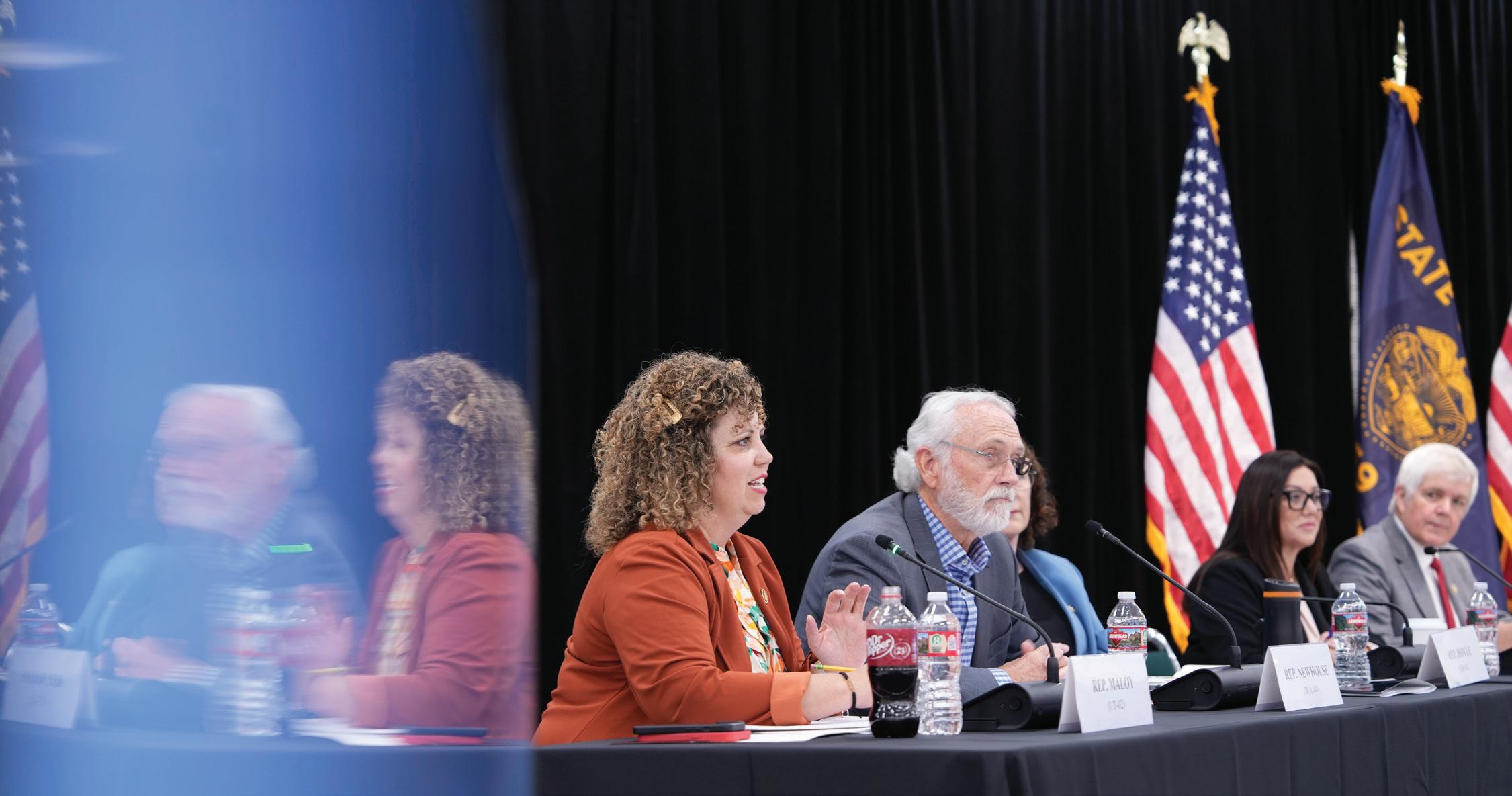
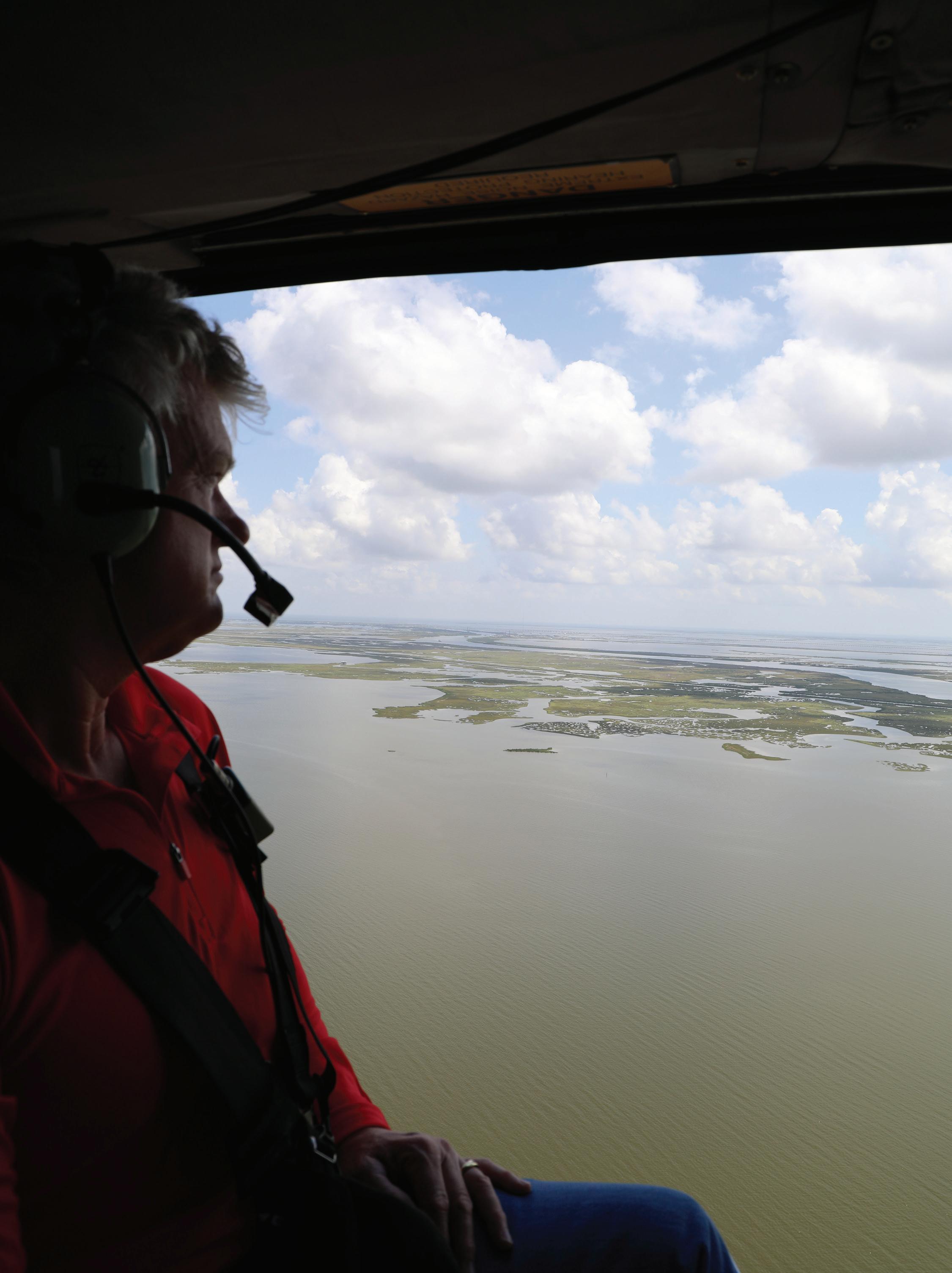
a field hearing in August 2024.
U.S. Rep. Mike Collins (R-Ga.) takes in Louisiana’s Gulf Coast prior to
Putting conservatives back into conservation.