





Mr. B’s Warehouse (Mr. B’s) was a popular local retail store that offered warehouse pricing on name brand clothing and accessories for over 30 years.
Many remember buying their jeans, corduroys, painter’s pants and overalls at Mr. B’s, by name brands - Levi’s, Lee, Silver Jeans and others.
Ed Bernard opened the original Mr. B’s store in 1973 in a small store selling mainly jeans that grew into a chain of clothing stores and Bernard started Bermo Enterprises, which became the largest wholesaler of offprice clothing in the Midwest.
The store was located near K-College & WMU, at 1000 West Michigan Ave. at the point where Stadium Drive intersects. Adjacent to what is now the Dairy Queen. The building is currently home to the VanWagoner Shinar Law Firm.
In 1980, Bernard hired Frank Zody as retail COO to open and oversee retail clothing stores as outlets for the wholesale company. When Zody came to Kalamazoo, Bernard had one retail store. Zody handled the radio and television advertising and became the face and the voice of Mr. B’s.
In 1981 Mr. B’s moved their store to 6235 S. Westnedge, at the corner


of Westnedge and Parker Avenues, near the pedestrian bridge, in the former Satellite Drive-in building.
In 1985 Mr. B’s moved the store to Southland Mall, and opened a Max 10 Store, also owned by Bermo Enterprises, in its place.
Bermo Enterprises also had a Max 10 on East Main St., and also on Gull Rd. The Bermo warehouse was located at 12033 N. US Highway 131 in Schoolcraft, which was known for their end of season clearance sales with piles of clothing you could dig through and find great deals.
In 1990, Mr. B’s tore down the old Satellite Drive-In building and built the Mr. B’s flagship store, closing the Southland Mall location. Mr. B’s operated in that space until 2008. The building is still there today and is currently home to Second Impressions Upscale Thrift Store, operated by Kalamazoo Christian Schools to reduce the tuition cost for all students.
Former Mr. B’s shoppers shared their fond memories on the Vanished Kalamazoo Facebook page: “Mr. B’s was a must-stop for every school shopping trip when I was growing up. We would mostly get our other clothes from Sears and Kmart
and hit Mr. B’s for jeans.” “Mr B’s Wearhouse is where I bought my first pair of yellow jeans that I thought were awesome...my mom didn’t!” “I bought myself a Don Johnson/Miami Vice white jacket there. I was so stylin’ in the late ‘80’s with that.” “Mr. B’s was one of only a couple of stores that sold Levi’s in my size, 31” x 36”. I always went there.” “I Remember the dressing rooms at Mr B’s. You could see people’s legs and the tops of their heads! You felt best if a friend would hold the curtain together at the split!” “I was shopping at Mr. B’s in 1975, and at Chess King, ha, ha!” “Lee jeans for $9.99 sister!” “I think I cleaned them out of “pimp” styles, when it was on campus at the bottom of Academy St hill.” “Bought some silk shirts and bell bottoms there.”
When Zody retired in 1996, there were 13 Mr. B’s Warehouses and several Max 10’s, primarily in the Kalamazoo, Battle Creek, and Grand Rapids areas.
Bernard’s wholesale operation and clothing manufacturing operation (Bermo Enterprises) continued to grow, becoming a chain of 42 retail stores in five states.
Bernard closed the S. Westnedge Mr. B’s flagship store and retired the


Mr. B’s name before opening a new store, Frayed, in May 2008. The new store, located at 815 W. Michigan Ave. in downtown Kalamazoo, just a stone’s throw away from the original Mr. B’s location, created a full circle moment for Bernard. The new store sold fashionable and edgy clothing and casual wear and catered to the college crowd. Frayed in Kalamazoo closed at the end of 2010, with plans to re-establish in either Ann Arbor or Lansing.
Jackie Merriam
Sources: KG 12/7/07, KG 11/29/10, Vanished Kalamazoo Facebook page, dignitymemorial.com.




The winter can be a hard time for plant lovers. Waiting, planning the garden, and more waiting for spring seems to be what fills up a gardener’s day in bleak and bleary days of winter. But this doesn’t have to be the case with there being so many beautiful blooming houseplants existing. Blooming houseplants are a great way to give plant people something to do and look forward to in the winter months. Here are a few easy ones to brighten up your indoor space!
African Violet
Your mother more than likely grew African violets, and chances are so did her mother! So what are you waiting for? Carry on the tradition and grow one yourself! As long as African violets are kept moist and in a sunny window, these beautiful little plants bloom their heads off. Not to mention, they stay quite small, making them perfect for windowsills or shelves that need a little brightening up. African violets come in a wide range of colors, from various shades of purples, to whites, pinks, and even deep reds. You can even get unique named African violet cultivars at Wedel’s that you would be hard pressed to find anywhere else! Violets
While at the gym waiting for my fitness class to begin, I decided to
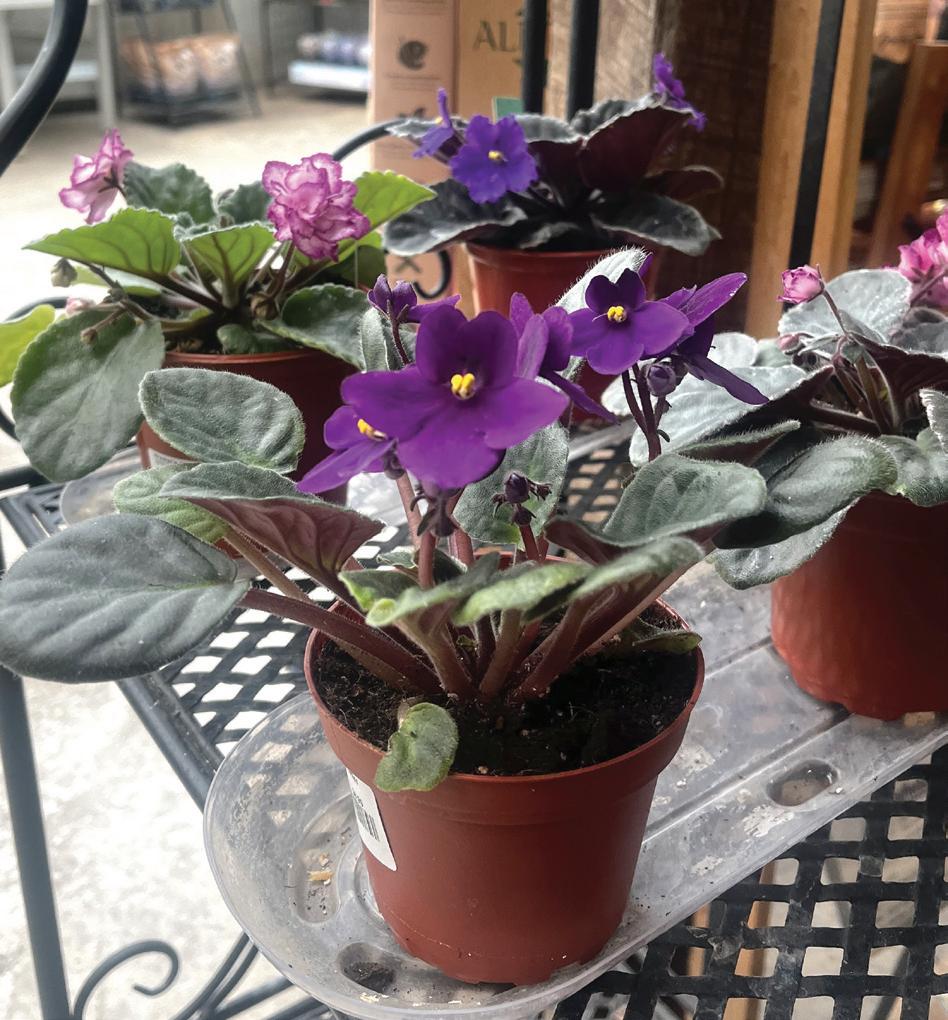
with doubled blooms, wavy leaves, two tone flowers, and even variegated leaves. With that much variety there is sure to be one that you will enjoy.
Orchids are the second largest family of plants in the world, which means there has to be at least one that you will fall in love with. The most common orchid is the moth orchid, or phalaenopsis orchid. This beautiful and widely available orchid can be bought in bloom at any time of the year, but typically reblooms the heaviest in the winter months when nighttime temperatures in the house slightly dip. This makes them great for windowsills and fighting those winter blues. Wedel’s carries more than just phalaenopsis though! Beautiful oncidiums, brassavola, cattleya, dendrobiums and many other colorful orchid hybrids populate our greenhouse and are waiting to be taken home! Any sunny window with consistent watering (no ice cubes!) is more than enough to see consistent and long-lasting reblooms on these wonderful plants.
People are probably familiar with Thanksgiving and Christmas cacti,
take a few laps around the track. The track is located on the second level, overlooking the large gym below.
As I began walking, I heard the faint voice of Frank Sinatra. The music grew louder as I approached the far side of the gym, and I was delighted by what I saw.
A gentleman was floating effortlessly around the gym floor, dancing with an imaginary partner. When the Sinatra song ended, he continued to dance a variety of dance moves to a diverse song list. It reminded me of the phrase, “Dance like no one’s

another classic of your mother and grandmother. However, there is another holiday cacti that blooms later than their festive relatives, the Easter cactus! Easter cacti have similar care requirements to the other holiday cacti, but instead they bloom in March! Easter cacti come in white, red, pinks, and even orange. Grow these just like the other holiday cacti and you will be rewarded with late winter and early spring blooms that look like stars. Just be sure to water regularly. These may be cacti, but that certainly doesn’t mean that they don’t like water! They are tropical epiphytes that receive a good amount of water during the growing season, with slightly less in the winter.
Anthurium are an incredibly large genus of plants, but the most wellknown and prettiest bloomer has got to be anthurium andraeanum. The flowers on this plant are not typical, they are almost like a painter’s palette, and they come in a vivid range of colors usually ranging from reds, pinks, whites, purples, and greens. Anthuriums are exceptionally easy plants, requiring bright indirect light and watering when the top 2
watching.” The saying is meant to empower - to let loose and express yourself without the fear of judgement. The gentleman was definitely taking that to heart.
The gentleman “dancing like no one was watching” touched me and brought a few moments of joy that remained with me for the rest of the day.
Jackie Merriam
inches or so of soil is dry. They bloom yearround when given the appropriate conditions and have beautiful foliage to boot! Anthurium can also get quite large, making them unique on this list as they can be used for a statement plant in a room or on a table!
Kalanchoes are easy going succulents that put on beautiful displays of blooms in the wintertime. If you have success with other succulents, kalanchoe can be treated the exact same, let them dry out between waterings and make sure they have access to high light. The key with ensuring they bloom is to make sure that they receive a healthy amount of light in the spring and summer, and that when days start to get shorter in the fall, ensure they are in a room that stays dark during the night. Flowering in kalanchoe is entirely dependent on experiencing long dark nights, so make sure not to leave them in rooms that stay bright late into the night!
Written by Jackson Distelrath, Wedel’s Houseplant Expert

Stop Acting Like a Child. Wrong. Start.
Now, I’m not talking about being immature, or acting out, behaving poorly, or being bad company. I’m talking about play. Playing like a child but with the wherewithal of being an adult. Life is so, so serious. And with good reason. Work, deadlines, appointments, bills, taking care of family members, these things are serious and one should proceed with caution and focus. But within the day to day, within the weeks that turn to months, and then to years, there must be room for play and having a childlike spirit. Think back to the last time you swung on a swing set, raced your friend while shouting “check out my new shoes,” had a pudding cup and juice box by choice, or hung out in a tree fort. That last thing. The hanging out in a tree fort thing. That’s a thing you should do and can do. Cause guess what? You’re a grown-up and can make those choices.
Me, my husband, and our group of friends rented two treehouses at Cannaley Treehouse Village in Toledo for a weekend. Nothing says fun and childhood like spending time with friends in your own tree fort. This was not a cold-camping experience. Though, camping in the winter is cool too. [Catch that joke?] These
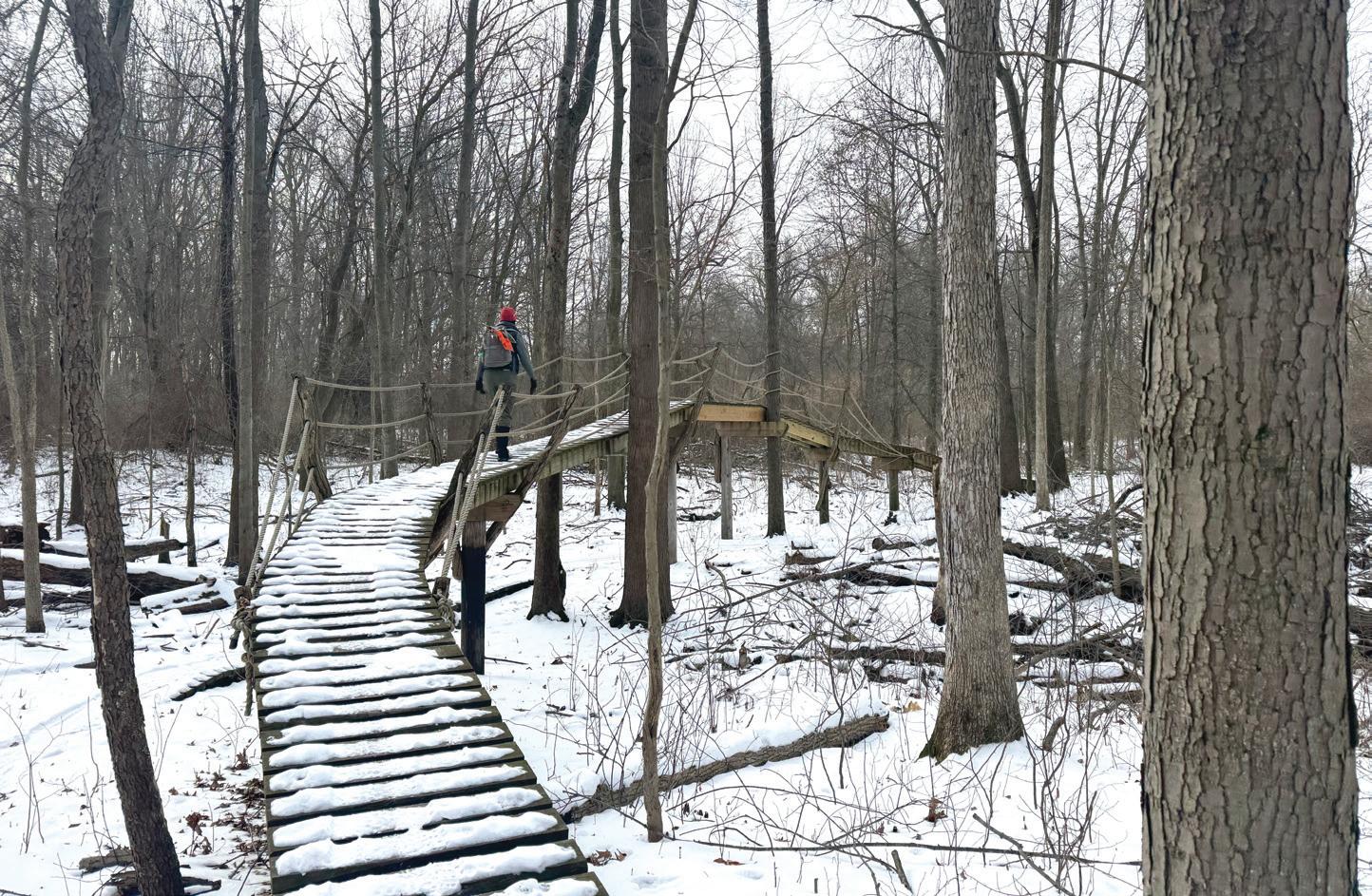
treehouses were heated, with electricity and wi-fi. Beds, tables and chairs, and refrigerators—each cabin was set up for comfort and escape. Rock climbing walls, slides, rope netting, and lofts- each cabin was also set to encourage fun. I do know this, movement and play improves your physical and mental health. Those science-y people have studied it and it’s proven. With play, there are no apologies for dancing without rhythm. Getting snow in your boots at the bottom of the slide is a cold, but laughable surprise. Making felt crafts and handmade notecards, and accepting challenges with “yup, I’ll do it,” in
response to “do you wanna?”
What was once our driving force as children, that is, to experience and investigate and just simply live a life of being creative and silly, gets quieted over the years. We are taught the right answers to the questions others ask of us. We are reminded how important it is to be responsible for the tasks given to us. But with role development, with maturity, with learning how to follow along with set expectations, we lose some (or a lot) of our ability to be genuine and heart-seeking.
Let that childlike spirit move you to carefree and fearlessness. For






me it’s about eating cold waffles on trail, jumping from a swing, drawing puppies on cards with funny puns, and seeing how many squats you can do with your friends in a restaurant. It’s about dancing in an alien mask and sharing crayons across the table. Don’t ever get too old and stop being a child, before you’re too old and forget how to be one. 20 original art prints are placed randomly in this month’s edition of the Good News Paper.
Peace, Love, and Art. -Amy Instagram: @amylgieschen

We’ve all seen the amusing videos of bear cubs playfully wrestling or a lion cub stalking and pouncing on a butterfly. Watching these young creatures play is entertaining. And while that is true, those activities are critical for both the physical and behavioral development needed for their survival. Play provides practice, and practice builds skill.
I am sure people who drove by the vacant lot where my friends and I played baseball all summer long when I was young took similar delight in watching us playing ball and having a good time. But just like the bear and lion cubs, we too were getting far more benefit than we could ever know by exercising both our bodies and social skills that would serve us our entire lives.
My friend Marv and I have often talked about this over the years and from a much wider perspective than the quarter-acre lot we played on. We’ve come to realize that play and socialization back then were the driving forces behind our social adaptation and interpersonal skills.
Back then, none of our families could afford to pay for organized sports for us. That was a blessing we didn’t recognize at the time. There
were no adults to organize or guide us—if we wanted to play ball, we had to figure it out on our own.
Thanks to our combined birthdays, Christmases, and hand-me-downs from relatives or older siblings, we collectively acquired the balls, bats, and gloves to play the game. As for bases, those might come from using a rock, a scrap piece of wood or discarded cardboard.
We did not own tape measures or surveying equipment to establish baselines. We had to figure out where first, second, and third base would be and what landscape features would be selected for in or out of bounds.
When it came to teams, we all knew the routine—each team alternated in choosing a player, and if an odd number, which team would get the extra.
More importantly, we didn’t have coaches to tell us what position to play or who was up, whether it was a ball or strike, or that someone was safe or out. We had to figure that out, and when there were squabbles, it was our shared responsibility to find an equitable decision.
Moreover, no two kids were alike in build or temperament. We had to learn to navigate a full spectrum of personalities that added color to our

lives and taught us the skills to better handle disputes not just on a ball field, but at work, at home, or in our communities later on. We learned how to suck it up and to mend hard feelings. We learned flexibility and fairness. We gained firsthand experience dealing with people from all upbringings and circumstances. We gained a greater appreciation for “us” rather than “me.”
So, for all we didn’t have, we got far more in return. I look back on that period in my life with great fondness and appreciation.
And what I have also come to appreciate is the astounding number of children today with significant mental and social issues— and knowing these must have existed back then and never recognized as “causes” of behavior…Bill was just Bill.

ADHD (Attention Deficit Hyperactivity Disorder). John never got a pill to help him “stay out of trouble” or avoid punishment.
Saturday, April 25th
11am - 12 noon
Location: Washington Square Library, 1244 Portage St., Kalamazoo MI 49001
Contact: 269-343-7833
First Church of Christ, Scientist Kalamazoo, MI - 49001
Hosted by: First Church of Christ, Scientist
Today, many children are diagnosed with anxiety, depression, ADHD, and autism and under some form of mental-health treatment or medication. These conditions were rarely recognized or even identified sixty years ago. Worse, the stigma of having a child with behavioral issues led families to keep such problems hidden, and many simply went undiagnosed.
My brother John would have definitely fallen into that category—he was the poster child for being hyperactive. My parents cringed and were deeply embarrassed every time the principal, Mr. Parr, would call about John disrupting a classroom. The implication being that there was a lack of discipline and that my parents weren’t doing a good job raising their children.
However, my mother later recalled hearing someone calling out to her in a grocery store: “Mrs. Coppinger, Mrs. Coppinger.” “I’m Jack Parr; I was principal at North. I have been hoping to run into you for years. You remember when I would call you about your son John? I just want you to know how sorry I am for those calls. I want you to know that I had no idea what it was like to have a child who behaved that way until I had a son, he was just like John. I am so sorry, and now I know what you were going through and how hard that was.”
My mother was particularly struck by his obvious sincerity and the fact that he wanted to set the record straight. As the principal of an elementary and middle school for years, no doubt Mr. Parr made calls to many parents. The irony is that he may have been one of those parents himself when his young son was in school.
Yes, when it came to outlandish family stories we’ve recounted over the years, the all-time favorites involve John. It wasn’t until decades later that a drug called Ritalin was approved to treat children for
Looking back, I think now we’re trying too hard to perfect childhood that we’ve taken away the natural chance to live and learn. Today kids are scheduled, supervised, coached, and highly medicated. Every quirk is taken as a problem, every mood evaluated, every difference treated as something to fix. When I think of those summer days on that vacant lot, there wasn’t a parent or coach to step in. We argued, made peace, set our own rules, and worked out problems. Our neighborhood became our classroom, and our interactions our teacher.
All of us—Marv, John, and the rest of my neighborhood friends—came away with lessons no adult could have planned for us. Lessons that have shaped the way we behave in the world. We learned how to deal with people of all temperaments and abilities. Each of my friends, not just me, were constantly learning and adapting from this shared experience. Each had an influence on me and me on them. We dealt with things that didn’t have or need a label. Maybe we didn’t need to understand the “why” so much as the “how”—how to accept, adapt, and deal with things. We just needed the right habitat to grow in, an ecosystem that somehow found its own balance.
We can’t turn back the clock, but I do think we can remember what made those days so good and healthy for us. Give kids a place to interact with less direction and the chance to learn from the world around them. Perhaps experience offers the best life lessons.
It might be just what the doctor ordered for us to simply place a box of tattered baseball equipment on an empty lot, say to the kids, “Play ball!,” and then walk away and let human nature take a crack at managing things. If it works for bear and lion cubs, maybe all kids really need is a ball and bat, some space, and a chance to work things out for themselves.
James D. Coppinger


e at w w w.Librar yReads.org

Her L Last Br ast Breath eath Taylor Adams (William Morrow)
Two friends get far more than they bargained for when they decide to explore a cave together in this fast-paced page turner. This unrelentingly tense read combines the heart-pounding, claustrophobic terror of navigating tight tunnels and turns with the added horrors of being stalked by a killer Thriller fans, take note!

K Keeper of L eeper of Lost Chil ost Childrdren en Sadeqa Johnson (Simon & Schuster: 37 Ink)
Inspired by true events, this story explores the reverberating impact of the actions of an Army wife who facilitated the adoption of mixed-race babies fathered by servicemen in Germany during WWII, finding them loving homes with Black families in the United States. Perfect for book clubs or readers who enjoy uncovering lesser-known historical events
T Trrad Wif ad Wife e Saratoga Schaefer (Crooked Lane Books)
Influencer Camille has it all: a loving husband and a dream house, as long

Oper Operation Bounce House ation Bounce Matt Dinniman (Ace)

The colonists of New Sonora have spent decades settling the land when the gate to Earth finally opens. Looking forward to a greater connection to the rest of the universe, they instead get an eviction action where bored Earthers use AI soldiers from the comfort of their homes. Oliver and his friends fight to protect the land they colonized with farm equipment and ingenuity
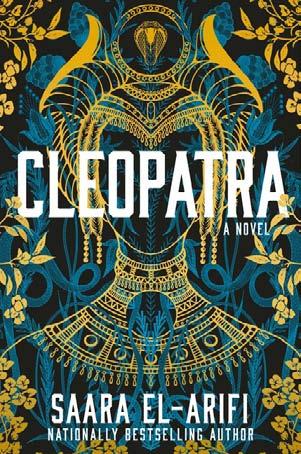
Cl Cleopatreopatra: A No a: A Novveel l
This absolutely stunning novel weaves historic facts into a love story. Readers will see Cleopatra's life through her eyes as she ascends the throne of Egypt. They will watch the young Pharoah battle with siblings and see her fall for a love parallel to her love of country This moving story set across time and a landscape of destruction will cut readers deep

Kin: A No Kin: Novveel l Tayari Jones
It's amazing the different roads two lives can take, even when growing up in very similar circumstances. While the story is set long ago, the situations seem as if they could happen today. The feelings, reactions, and things the characters long for—belonging, acceptance, and love—are all timeless. Readers will be thinking about these characters for a long time

T This Is Not About his Us: Fiction Allegra Goodman ( The Dial Press)
In a series of linked stories, we follow three branches of one family as they maneuver their way around the pitfalls of living. This is a portrait of a group of people that come together, drift apart, and try to find a way back, as many families attempt to do

T This Book Made Me his Me T Think of Y hink of You ou Libby Page (Berkley)
After Tilly's husband dies, she discovers he had purchased a dozen books for her to pick up each month from a beloved bookshop owned by Alfie Each book brings gradual healing, new friends, and a feeling of wholeness. The books (and Alfie!) make for a truly wonderful reader experience. Your to-read pile will surely grow from the recommendations!
T The Red Winter he Red Cameron Sullivan (Tor Books)
A (nearly) immortal, his demon, and a succubus w werewolf story humor, heat and mythology combine to make this a unique and compelling queer historical fantasy debut Here’s hoping that ther more adventur Sebastian Gr



T The Hal he Halififax He ax Hellllions ions Alexandra Vasti (St. Martin's Griffin)

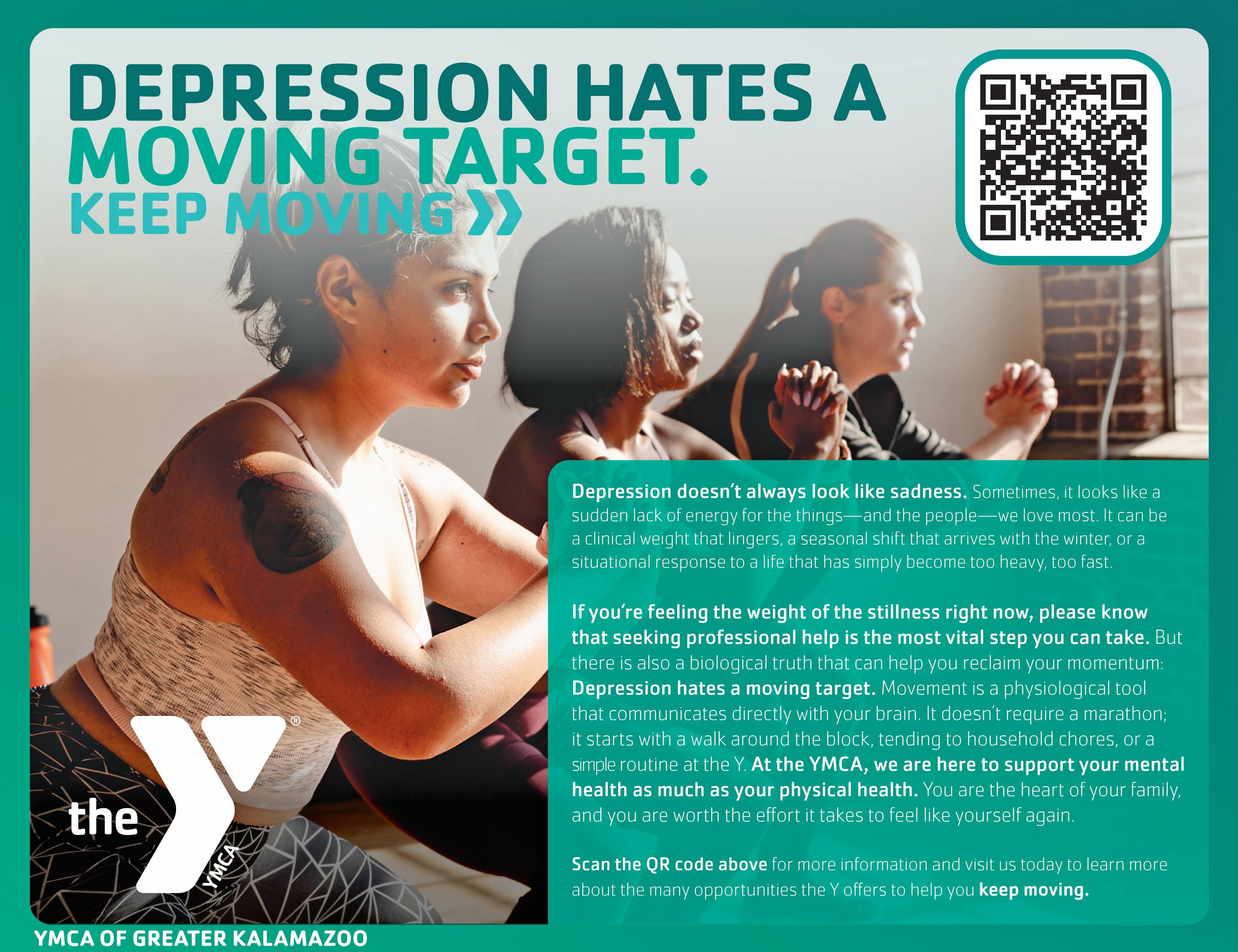
Life in 2026 is fast, but it can also be incredibly “still.” Many of us spend our days moving from one chair to another—from the car, to the desk, to the couch. We call it being busy, but our bodies call it being stuck.
When we feel low—whether it’s a temporary funk, a seasonal slump, or a long-term struggle with depression—our instinct is to shut down. We stay inside. We stay quiet. We stay still. But there is a biological secret to breaking that cycle: Depression hates a moving target.
The “Rusty Engine” Effect Think of your brain like a high-performance engine. If an engine sits in a garage for months without being started, the oil gets thick, the parts get rusty, and eventually, it won’t turn over. Our brains are the same way.
When we stop moving, our brain chemistry “thickens.” The chemicals that help us feel alert, calm, and happy start to dry up. This creates a heavy, leaden feeling in our arms and legs. It’s not just in your head—it’s a physical reaction. Our brain needs our body to move. The less we move our body, the more “stuck” the engine feels, and the easier it is for depression to take hold.
Movement is the Spark The good news is that we don’t need a mechanic to fix the rust. We need to start the engine. When we move, we become

a moving target—something that is much harder for a dark mood to latch onto.
When we move—even if it’s just a ten-minute walk or tackling a few household chores—we are literally “flushing” our system. Movement pushes fresh, oxygen-rich blood into our brain. It acts like a natural car wash for our mind, clearing out the “fog” and sparking the production of
chemicals that help repair our brain cells.
This isn’t about “getting fit” or hitting the gym. It’s about biology. It’s about giving our brain the tools it needs to fight back.
How to Become a Moving Target
The hardest part of depression is that it steals our motivation. It tells us that we’re too tired to move. The secret is to not wait until we feel like
it. Motivation doesn’t start the move; the move starts the motivation.
Break the Stillness: If you’ve been sitting for an hour, stand up. Walk to the mailbox. Do one chore. You aren’t just “working”; you’re changing your chemistry.
Change the View: Our brains get bored and “loop” on negative thoughts when we stare at the same four walls. Simply stepping outside tells your brain to wake up and pay attention to something new.
Start Small: A five-minute walk is 100% better than a zero-minute walk.
The Bottom Line If you are struggling, please talk to a professional. But while you do that, remember that you have a powerful tool built right into your own hands and feet.
Depression wants you to stay on the couch. It wants you to stay behind a closed door because it thrives on stillness. Don’t give it what it wants. Depression hates a moving target. Even a little bit of momentum can be the spark that helps the light come back.
Keep moving. You are worth the effort.
Vicky Kettner YMCA
of Greater Kalamazoo Association Director of Marketing, Community Relations, and Member Engagement

Focus. Verb 1. To have a clear purpose 2. to give attention and energy to the most important things 3. To say no to any distractions.
Stillness. Noun 1. freedom from agitation: calmness, serenity 2. the quality or state of being soundless: quiet, silence.
Undivided attention. Idiom. Undivided attention refers to the act of focusing entirely on a single task, person, or activity without any distractions.
What do you get when you put all three together?
A day without a phone.
Due to case of mistaken identity when my husband accidentally took my phone to work, I experienced reverting to the “old-fashioned” mode of navigating my day. A computer at a desk, a hand-written to-do list, and the use of my mind’s memory among

antiquated ways of doing things.
I had an alternate choice. Two actually. I could have asked my husband to turn around with my phone when I called him from my mom’s phone, making sure I hadn’t misplaced it somewhere in the house or in a snowbank on my way to our garage that morning. Or, after taking Riggs (the little fellow I told you about last Fall) to our first day of puppy school, I could have driven to my husband’s work and picked it up.
Stronger in me was recognition I was being offered the experience of one of my intentional words for the year. Stillness. I remained unplugged from my phone.
Email a person who I knew might need to reach me that I would not be able to receive text messages. Check. Fully listen to the music on the radio, then turn it off, and fully observe



nature without trying to complete to-do’s while waiting for the doors to open for puppy class. Check. Recognize just how easy it is to multi-task when given the gift of idle time. Check. Vow to be more conscious of allowing stillness during downtime moments. Check.
Embrace the feeling of excitement in telling my husband about how the first puppy class went when he got home from work. Check. Pause, and remember how much fun it was to look forward to telling someone something when we didn’t have the ability to immediately share something that had happened. Check.
Smile at the “text” email received from my mom, recalling with fondness and laughter our mode of communicating several years ago before she upgraded her phone to be able to text. Check.
Realize that I am having a day modeled after a dear friend’s recent discovery and inspiration when reading the Washington Post and writings by Dana Milbank, which is to take “awe” walks, or walks in which we focus on noticing the tiniest wonders everywhere around us, which increases our positive feelings of wellbeing. Check.
Delay looking at my phone when my husband returned home. Awesome!
As March prepares to bring us the awe of daffodil and crocus stems peeking through once frozen snow, enjoy an “awe” walk or two, or twelve!
Christine Hassing https://christinehassing.com



If you’re one of the many folks in the Kalamazoo area who enjoys gardening, taking care of the lawn, attracting birds, or are looking for just the right floral arrangement, you’ve probably visited Wedel’s. And it may seem to you that Wedel’s has been around for quite a while. If so, you’re right. The local family-owned, family-run business was established in 1946, before most local residents were born, and 2026 marks the 80th anniversary of what has become Wedel’s Nursery, Florist, and Garden Center, located at 5020 Texas Drive in Texas Township.
But Wedel’s didn’t start out as all of those things. When Harley Wedel founded the business, then located

at the corner of Westnedge and Maple streets in Kalamazoo, Wedel’s specialized in selling fresh vegetables and fruits, all grown locally, under the store’s original name, “Wedel’s Fruit and Produce Store.”
“Grandpa (Harley) added evergreens and nursery plants to our retail items,” says Terrie Schwartz, Harley’s granddaughter and vice president at Wedel’s. “Grandpa grew trees and evergreens on Angling Road in Portage and grew produce to sell.” Harley’s sons George, Dick, and Roger (who is now Wedel’s chief executive officer) raised most of Wedel’s plants on their local family farm. At the time, such a center was rare. The name was then changed to “Wedel’s Evergreen Gar-

Fri., March 20, 10-7 & Sat., March 21, 9-4
• No entrance Fee!
• Pre-season specials all week-long on all your lawn, garden & birding needs
• 20+ informative seminars, just $6 each or 2/$10
$15 One-day pass
$25 Two-day pass

• Visit with 20+ Vendors and Garden Group representatives
• Dozens of door prizes!
See wedels.com for more info and seminar titles and times.

dens.” Fourteen years later, in 1969, expansion of the business required a new location. “We moved to the corner of Westnedge and Milham Road in Portage,” says Schwartz, “where we stayed until 2000,” when additional growth prompted a move to their current 17-acre operation on Texas Drive.
One major benefit of buying products and services from an enduring local business such as Wedel’s is expertise. Wedel’s state-certified team members are trained to help customers determine the best solution to fit their needs. For example, from personal experience, I know that by taking a small sample of my lawn into Wedel’s, they could tell me what I needed to fix the problem. (Also from personal experience, when I walked into the store to research this story, within two or three minutes, three Wedel’s team members greeted me and asked if I needed help. That’s customer service.)
Wedel’s customers—who quickly become friends, and are treated like family—who want to enhance their home can literally find hundreds of varieties of perennials and shrubs, and more than 100 varieties of trees at Wedel’s, in addition to numerous evergreens and houseplants. Much of Wedel’s nursery stock is grown on a large family farm in Galesburg, while almost all of their perennials are grown on another family-owned farm in Scotts.
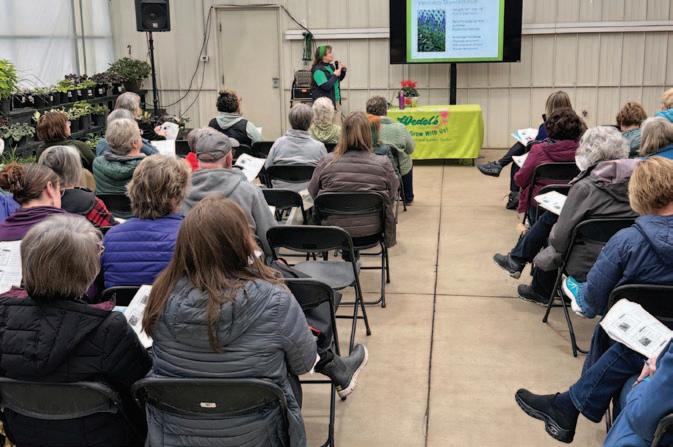
Wedel’s meets customer needs by offering lawn and landscaping products, as well as seed, birdbaths and birdhouses, bat houses, and all the tools to complete the job. Folks who need a floral arrangement for a wedding or funeral can find it at Wedel’s. In addition, Wedel’s provides numerous classes, clinics, and programs such as a Growing Gardeners Club for kids and a Green Thumb Club for the grown-ups. Wedel’s kicks off each growing season at their Spring Flower & Garden Expo, which in 2026 will take place on March 20 & 21. Kids and adults alike also enjoy the annual petting zoo at Wedel’s in September as well as several Christmas events.
Importantly, in addition to all of the lawn and garden products, customers value Wedel’s expertise in getting the job done right. Members of the Wedel’s team seem to regard it not only as a goal, but also as a
personal challenge.
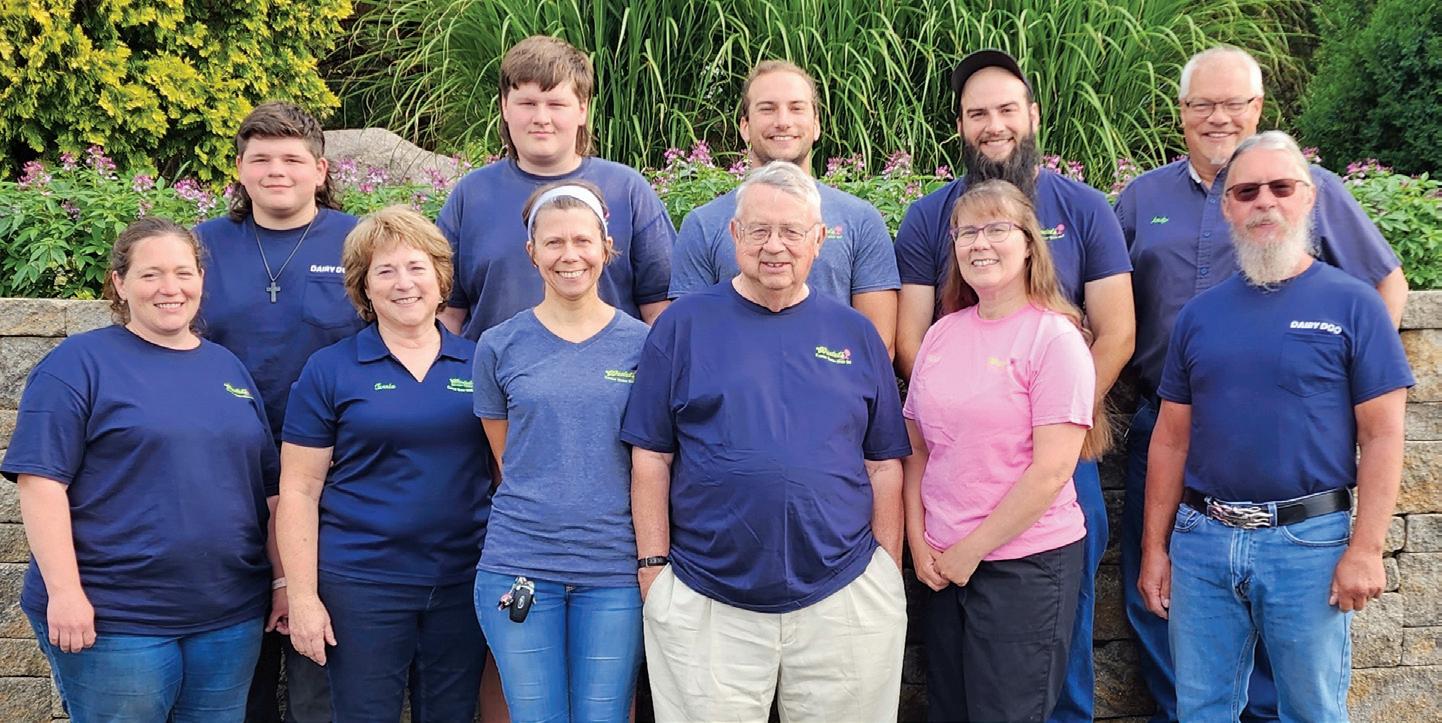
“Dad (Terrie’s father, George Wedel) taught us, ‘How many times do you want to plant that plant?’” says Terrie, emphasizing the long-term benefits of doing the best thing the first time, rather than having to re-do a job, as a means of saving money as well as effort and frustration. Terrie’s brother, Wedel’s general manager Andy Wedel, adds “Why plant a 10-dollar plant in a 10-cent hole?” sharing George’s adage that emphasizes first-time success in a job. If you know someone who has worked at Wedel’s—or if you’ve worked there yourself—you’re not alone. Wedel’s is rightfully proud to have employed hundreds of local workers over the years, workers who, according to Terrie and Andy, learned the joy of camaraderie, of doing an honest day’s work, of providing good customer service, and the importance of ethics.
“Grandpa had another saying: ‘Dirty hands make a clean heart,’” adds Andy, who says he frequently meets former Wedel’s employees who say their time at the store was “their favorite job ever.” Andy says the store has also experienced employees from multiple generations whose family members worked at Wedel’s.
Terrie emphasizes that by purchasing products and services at a store like Wedel’s, customers not only help to employ local people, but their purchasing dollars remain in the community more than if Wedel’s were part of a large network of franchises.
A long-standing tradition of Wedel’s is their radio show, Over the Garden Fence, which has been on WKZO Radio for 69 years. For the last 20 years, Andy has answered callers’ questions and provided updates to listeners, continuing in the footsteps of Harley and then Harley’s son, George, who did the job for 42 years. The show airs on Saturday mornings during the growing season and has become must-listen radio for gardeners and yard-keepers.
Wedel’s has served our community for 80 years, and 2026 promises to be a big year as customers look for excellent service and products to enhance their homes, lawns, and gardens.
Tony Ettwein HistoryZoo1837@gmail.com
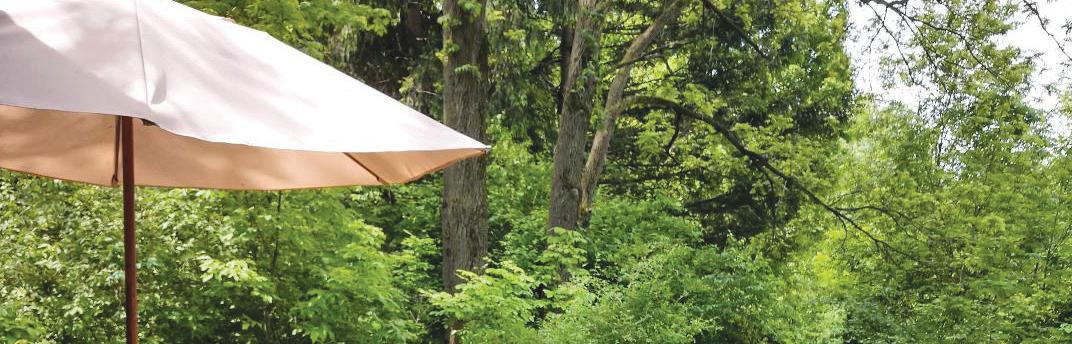
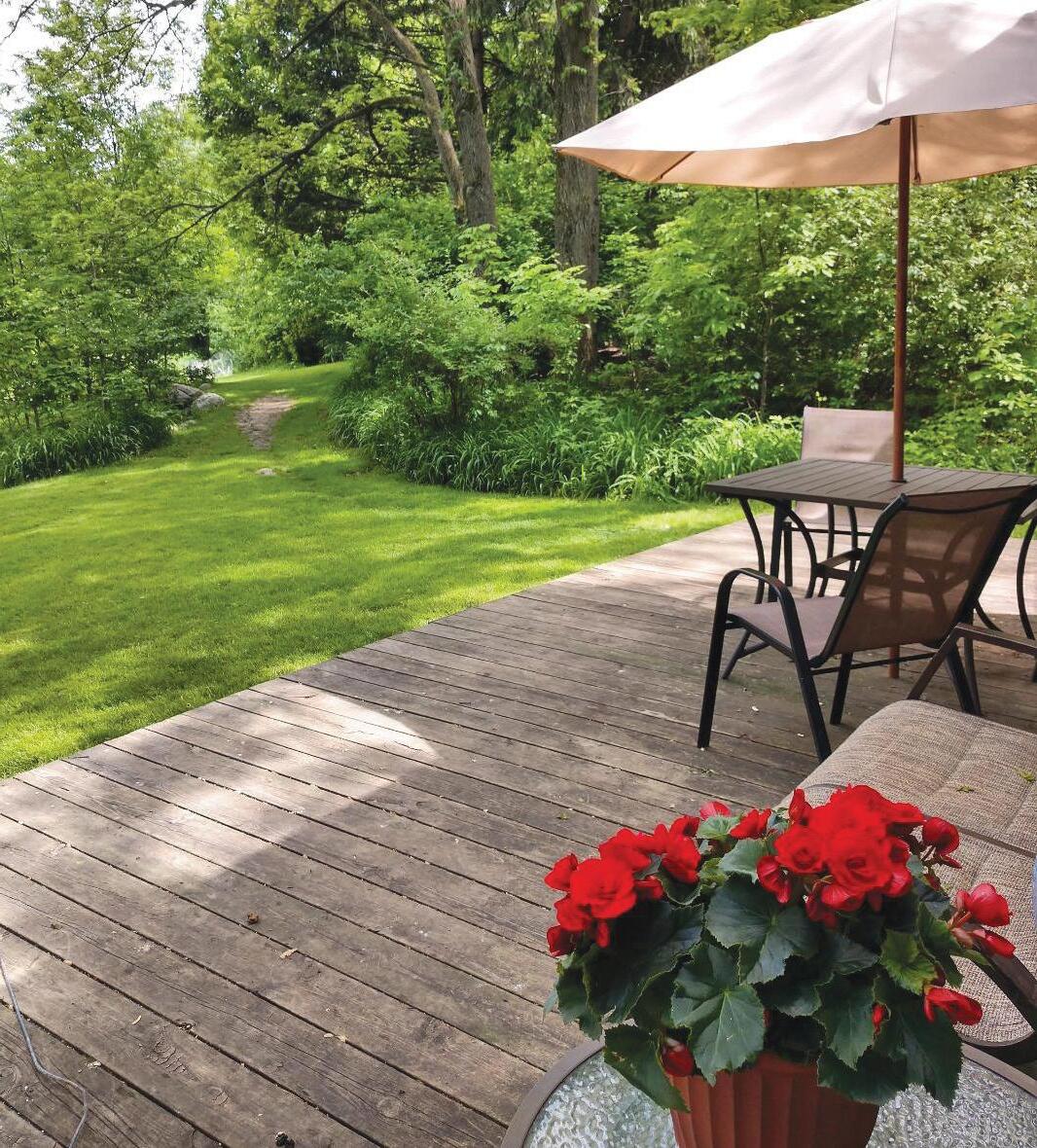
The long winter (hopefully) behind us, how pleasant to begin making plans for an outdoor space at our homes. What to build? A deck or a patio? What are all the considerations going into that decision? After chatting with those in the deck and patio business, here’s what I learned.
Decks are made from wood or composite materials. Composite will last much longer, and the more expensive options can last forever— less so the material you’ll find at most box stores, however. Wood will last for decades with proper maintenance. Higher quality woods can last even longer. Just be sure to avoid power washing as that level of pressure can rip up the wood fibers.
Common woods used for decks are southern yellow pine, but using cedar, albeit more expensive, can give the deck a much longer life span. The biggest advantage to a pressure-treated wood deck is that it looks good, is economical, and can last up to 20 or even 30 years if properly maintained. Annual cleaning, and at least biannual refinishing with stain or sealant is recommended. For some, there is simply no comparison to that rich, warm look of real wood or the feel of it beneath your feet.
Composite can be as much as twice the cost but has an indefinite life span, resists rot, warping or splintering, insects, or wear from weather. No staining, sealing, sanding, or painting required, but annual cleaning to prevent mold is still a good idea.
When choosing composite decking, know what the core is made of. If the core is junk, it can rot, too. If you are told that you need to seal the end cuts, go elsewhere. There might be trouble later.
Composite decking comes in a wide range of styles and colors, including variegated patterns that look like wood. Consider choosing the lighter colors. The darker colors get very hot in summer sun. It can be a good idea to cover at least part of your deck with an extended roof or awning.
Look for decking systems that gather moisture from the deck surface and funnel it away or use troughs beneath.
Elevation of your space can determine if you should install a deck or patio. If over two or three feet, a deck may be preferable, but if less, you may want to choose a patio. Patios tend to feel more a part of the landscape.
The pavers can be concrete or clay.
The decision on what to use generally comes down to preference and existing elements.
When using natural stone, installation can require more time because the stones come in varying thicknesses and need to be leveled out, whereas pavers can be more uniform. Upkeep for either is minimal, coming down to occasional power washing or weeding.
The base below the stone or pavers is usually about 6” to 8” of crushed stone, sometimes also applying a layer of bedding sand before placing the pavers.
When all is in place and landscaping around the new space finished, the patio is your invitation to be outside. Enjoy.
Zinta Aistars
Let’s get something straight.
If a candle could heal burnout, we’d all be cured by now.
Somewhere along the way, self-care got watered down, commercialized, and wrapped in soft lighting. What started as a radical concept rooted in survival and sustainability turned into something aesthetic, passive, and— conveniently—non-disruptive.
And that version of self-care?
It’s not broken.
It’s doing exactly what it was designed to do.
Keep you functional. Not free.
Fake Self-Care Is Capitalism in Cozy Packaging
Fake self-care teaches people how to tolerate lives that are actively draining them.
It whispers:
• “Just calm down.”
• “Manage your stress better.”
• “Try harder to relax.”
• “You’re not doing enough.”
Meanwhile, research has been telling us for years that burnout is driven less by individual failure and more by chronic stress, lack of support, and systemic mismatch between effort and reward (Maslach & Leiter, 2016).
In other words:
You’re not bad at self-care. You’re burned out — and someone sold you a bath instead of boundaries.
Fake vs. Real Self-Care:
Let’s Call It What It Is Fake Self-Care Says: “Just Soothe Yourself.”
Real Self-Care Asks: “Why am I always dysregulated?”
Fake self-care focuses on symptoms:
• Anxiety -> breathe
• Exhaustion -> push through
• Overwhelm -> numb out
Real self-care focuses on patterns:
• Chronic overfunctioning
• Emotional labor imbalance
• Lack of psychological safety
• Insecure attachment
• No recovery time
The nervous system doesn’t break because you forgot to meditate. It breaks because it’s been under threat for too long without repair (Porges, 2011).
• Fake Self-Care Is Convenient
• Real Self-Care Is Disruptive
• Fake self-care:
• Fits neatly into your schedule
• Doesn’t upset anyone
• Doesn’t challenge power dynamics
• Doesn’t require hard conversations
Real self-care:
• Changes expectations
• Makes people uncomfortable
• Redefines roles
• Forces honesty
If your self-care never costs you anything — time, approval, access — it probably isn’t changing anything. Fake Self-Care Is About Soothing
Real Self-Care Is About Safety
Soothing is temporary. Safety is structural.
You can soothe yourself every night and still wake up dreading your day. That’s not failure — that’s data.
The body doesn’t respond to vibes. It responds to consistency, boundaries, and secure connection over time (Herman, 2015; van der Kolk, 2014).
Fake Self-Care Sounds Like:
• “Everyone’s exhausted — this is normal.”
• “I’ll rest when things slow down.”
• “It’s not that bad, I can handle it.”
• “At least I’m grateful.” Real Self-Care Sounds Like:
• “This pace is harming me.”
• “Something has to change.”
• “I don’t need to earn rest.”
• “I’m allowed to choose sustainability over approval.”
One keeps you functioning. The other keeps you alive.
Why Fake Self-Care Thrives (Especially for Women)
Fake self-care flourishes in cultures that reward self-abandonment. Women, caregivers, helpers, and high achievers are praised for:
• Being resilient
• Being adaptable
• Being “low maintenance”
• Making it work
But resilience without support doesn’t create strength — it creates burnout (American Psychological Association, 2023).
Fake self-care keeps people productive enough to keep going, without ever addressing why they’re depleted in the first place.
It’s not softness.
It’s survival in a silk robe.
Real Self-Care Isn’t Cute — It’s Awkward
This is the part that doesn’t sell.
Real self-care looks like:
• Saying no and being misunderstood
• Outgrowing relationships that benefited from your silence
• Resting before you collapse
• Letting people be disappointed
• Choosing regulation over performance
Healing often increases discomfort before it reduces suffering — a core principle in trauma-informed and behavioral therapies (Linehan, 2015).
If your self-care never challenges the life that exhausts you, it’s not
care. It’s coping. Let’s Redefine Self-Care (Without the Lies)
Self-care isn’t what helps you survive the week.
Self-care is what helps you stop needing to recover from your life. Sometimes it’s rest.
Sometimes it’s therapy. Sometimes it’s medication. Sometimes it’s boundaries. Sometimes it’s grief.
Sometimes it’s walking away.
And sometimes, the most radical act of self-care is saying:
“This is not sustainable — and I’m done pretending it is.”
Final Reality Check
If your self-care only changes your mood but never your circumstances, it’s not self-care.
It’s coping.
Coping is valid.
But healing asks for more.
And you deserve more than survival dressed up as wellness.
Dr. Julie Sorenson, DMFT, MA, LPC, LMHC
References
American Psychological Association. (2023). Stress in America™: The state of our nation. https://www.apa. org
Herman, J. L. (2015). Trauma and recovery (2nd ed.). Basic Books. Linehan, M. M. (2015). DBT skills training manual (2nd ed.). Guilford Press.
Maslach, C., & Leiter, M. P. (2016). Burnout. Wiley. Porges, S. W. (2011). The polyvagal theory. W. W. Norton & Company. van der Kolk, B. A. (2014). The body keeps the score. Viking.
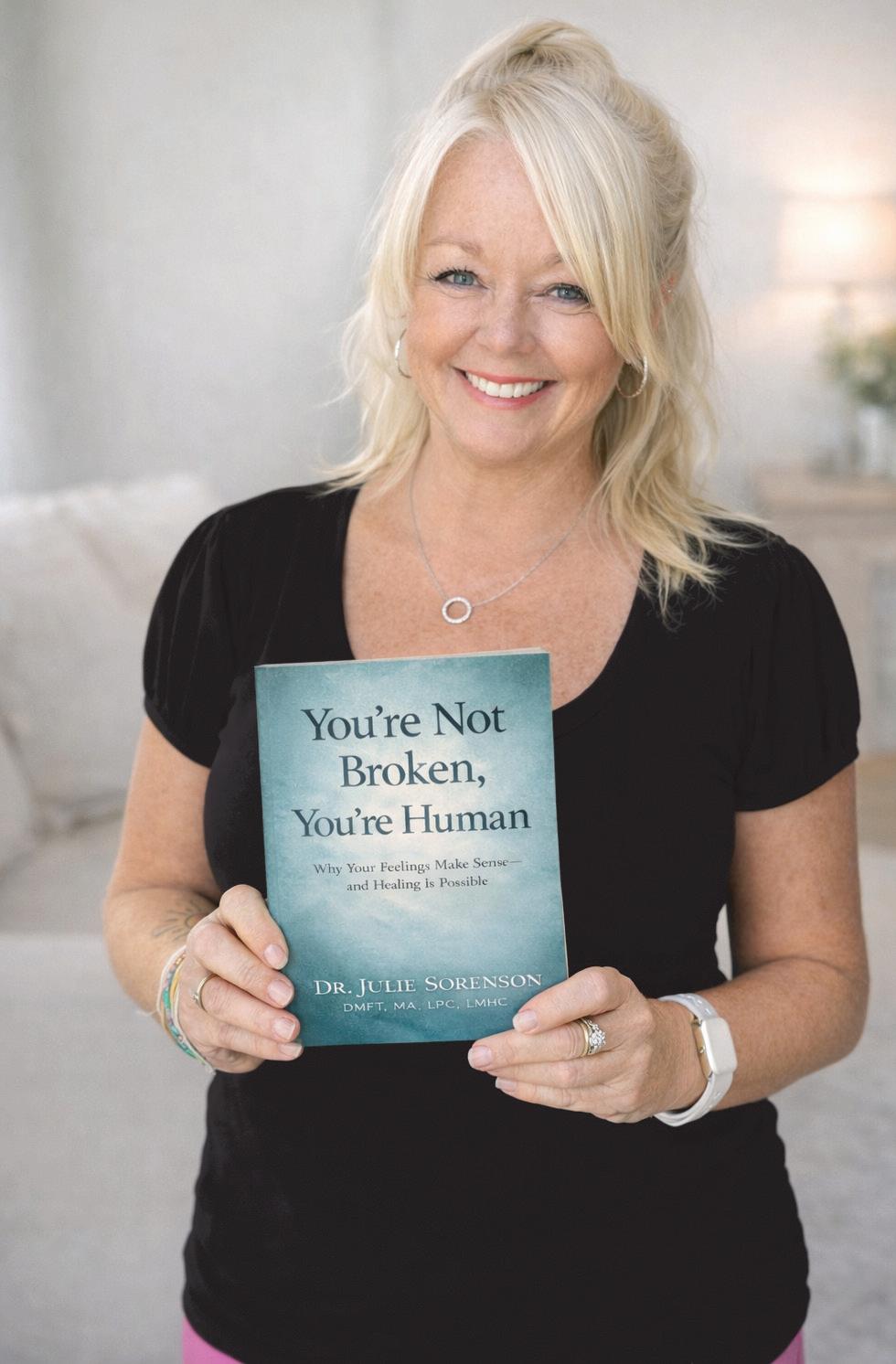
In You’re Not Broken, You’re Human, therapist, author, and mental-health advocate Dr. Julie Sorenson offers a compassionate, grounded look at why our emotions, reactions, and struggles make sense — especially in the context of stress, loss, and long-term pressure.
Blending clinical insight with warmth and deeply human understanding, this book invites readers to move away from self-criticism and
toward clarity, self-compassion, and emotional safety. Rather than offering quick fixes, Dr. Sorenson helps readers understand how the nervous system works, why healing isn’t linear, and how growth can be gentle without being passive.
This book is for anyone who has ever felt “too much,” emotionally exhausted, or unsure why healing feels so hard — and for those ready to stop fixing themselves and start

understanding themselves.
Release Date: Tuesday, February 10, 2026
Available on: Amazon
Dr. Julie Sorenson, DMFT., MA., LPC
A Fresh New Start Counseling LLC
„Don‘t Let Anyone Dull Your Sparkle“

A great step toward better health is to add more green foods to your plate, but if your body tends to fight you when it comes to eating green, try preparing it in more appetizing ways!
Raised by parents that survived the Great Depression, eating nutritionally-sound meals was always foremost in their minds because they wanted their children to grow strong, healthy bodies, and that required sound nutrition to be pulsed in at regular intervals.
What’s interesting is that as our society gained access to greater nutrition we eventually moved past that Depression era way of thinking and suddenly not having to suffer such deprivations caused good, nutritional-minded eating habits to start falling away as well.
Sadly, the dip in nutrition mindedness also led to a dip in good health.
Today there seems to be an inner battle constantly waging a war between healthy choices and junk, with the majority hearing our inner voices saying, “I don’t want to eat that because I know it’s no good, but I do want to eat that because it’s so delicious!”
When we find ourselves at odds with ourselves over food we should not be eating, the right answer is always
going to be a solid “NO!” because more often than not, when we give into a fleshly temptation we always end up regretting it.
The best way to quiet that incessant bickering in your head is to strike a deal with your flesh instead. One that ensures that the body will get the nutrients it needs from healthy food choices before anything else, and the easiest way to get that important nutrition in is to simply become more furtive, especially with nutritious foods that are not so super amazing by themselves, like broccoli.
Offering us a complete powerhouse of nutrition in a single serving, broccoli is one of the most nutritious vegetables we can eat, and the kicker is that it’s economical too!
Rich in the compound sulfophane, which fights off cartilage-destroying enzymes, broccoli is a great natural anti-inflammatory, which also protects blood vessels in the heart, keeping it healthier.
Extremely rich in Vitamin C, especially when raw, broccoli helps to build collagen, which helps our skin repair itself, healing wounds and cuts faster, and protecting the body from damaging free radicals.
Possessing the compounds lutein and zeaxanthin, broccoli helps improve eyesight, and fight off cancer cells, especially melanoma, certain types of leukemia, prostate cancer and stomach and intestinal cancers,





we’re presently in.
High in fiber, broccoli also helps lower cholesterol, aid digestion, and since it helps us to feel fuller, helps us to eat less food!
Boasting so many health benefits, broccoli is a sure-fire way to supercharge your body’s immune system and give you an added boost to your overall health, which is great for combating the cold and flu season
Here now are some quick and delicious ways to help you chop in broccoli. Enjoy!
Laura Kurella is an award-winning home cook who loves to share recipes from her Michigan kitchen. She welcomes your comments at laurakurella@ yahoo.com. Photographer: Laura Kurella





1 to 1 ½ cups broccoli
2 cups cooked, shredded chicken
¼ cup minced onion
1 teaspoon cumin
1 teaspoon garlic powder
salt and pepper, to taste
2 tablespoons butter or oil for cooking
2 cups shredded cheddar, or a mix of cheddar and Monterey Jack
8 large (8-inch) flour tortillas
Steam or sauté broccoli until tender-crisp. In a bowl, combine the shredded chicken with the prepared broccoli, and spices. Stir well.
In a large skillet over medium heat, add a small amount of the butter/ fat. Place one tortilla in the pan then sprinkle a layer of cheese across the surface. Add some of the chickenbroccoli mixture then top with more cheese.
Top with a second tortilla (or fold one in half), and cook for 2–3 minutes until the bottom is golden brown.
Flip carefully and cook for another 2 minutes until the cheese is melted and the tortilla is crispy. Remove from the pan, slice into wedges.
Yield: About 4 servings
3 tablespoons unsalted butter
2 tablespoons extra virgin olive oil
1 yellow onion, chopped
2 cloves garlic, chopped
1/4 cup all-purpose flour
3 cups low-sodium chicken broth
2 bay leaves
1/4 teaspoon freshly grated nutmeg freshly ground pepper, to taste
2 heads broccoli, divided use
1 large carrot, julienned
2 cups half-and-half
8 ounces sharp white and yellow cheddar cheese, grated
Trim broccoli florets off the stalks then rinse, drain and set aside. Rinse remaining stalks then trim, discarding dry ends, and finely chop remaining stalks then set aside.
In a large, heavy-bottomed pan or pot over medium heat, melt butter.
Add onion and cook until tender, about 5 minutes. Add garlic then whisk in the flour and cook until golden, about 3 to 4 minutes. Gradually whisk in chicken broth then add bay leaves, nutmeg and pepper and bring to a boil. Add chopped broccoli stalks then reduce heat to a simmer and cook for 20 minutes. Remove from heat, remove bay leaves and discard, then whisk in the half and half. Using an immersion blender or other cutter, puree soup until smooth then return to heat. Add broccoli florets and julienned carrot then bring to just under a simmer and cook, covered, until tender, about 20 minutes. Add cheese and stir over medium heat until melted and smooth.
NOTE: If soup is too thick, add a little chicken broth or water to thin.

3 cups chopped broccoli (1 head)
1/2 cup mayonnaise
1/4 cup white sugar
1 tablespoon white vinegar
1 small red onion, finely chopped 1/2 cup raisins
Yield: 4 servings (about 15 tablespoon-size balls)
1 cup broccoli florets
1 cup cashew nuts
2 thin slices red onion
1 clove garlic
1 teaspoon avocado oil
2 ounces toasted slivered almonds (or sunflower seeds)
1/2 pound bacon, crisped and crumbled
Clean and chop broccoli into bitesized bits then set aside.
In a large bowl, whisk together mayonnaise, sugar, and vinegar then add the onion and raisins; mix together well.
Add broccoli and stir well until everything is evenly coated. Cover bowl
1/4 to 1/2 a fresh jalapeno
1/2 teaspoon ground black pepper pinch unrefined mineral sea salt
In the bowl of a food processor, add broccoli and cashews. Pulse process until chopped into small pieces. Do not over process. Add remaining in-

gredients and pulse just until everything is well combined and has a wet, crumbly consistency, about 20- 30 pulses. Season to taste then, using a tablespoon measure or scoop, measure and shape into small, bite-sized balls or squares, place on a serving
and refrigerate for flavors to blend, about 1 hour or overnight. Before serving, add in crumbled crisped bacon and toasted slivered almonds or sunflower seeds.
dish and refrigerate to help set up. Alternately, serve as a dip by simply placing mixture into a serving dish. Keep refrigerated until use. Serve with assorted crackers, pita chips or toast points.


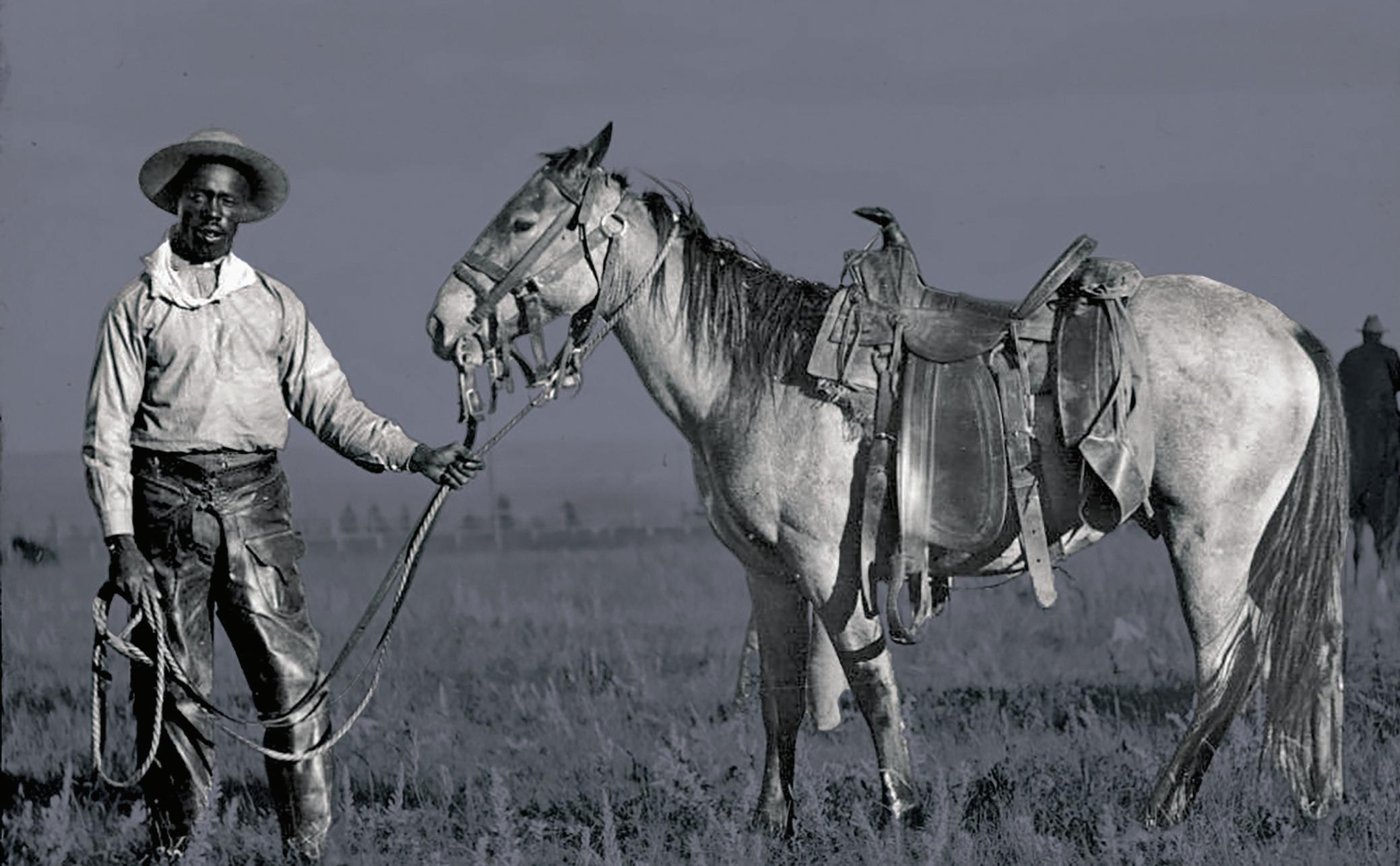
Comprehensive traveling exhibition shares ’little-known part of American history’
Did you know that one of four cowboys who went on the Western trail was Black? Learn more fascinating facts about the Wild West from the Kalamazoo Valley Museum’s newest traveling exhibit, “Black Cowboys: An American Story” that opened on Jan. 31, 2026. The exhibit will be on view through July 26. Admission is free to both the exhibit and the museum. Museum visitors will discover how Black cowboys tamed and trained horses, tended livestock and rode the trail with thousands of cattle across America. Over time, the roles of
Black cowboys evolved as they used the skills they learned on the ranch and trail to own and manage ranches, serve as lawmen, compete in rodeos and perform as entertainers.
Today, the lives and legacies of these historic trailblazers have inspired new generations to explore the Black cowboy culture of the past through contemporary expressions in music, film, fashion and design.
“The exhibit tells the story of a little-known part of American history,” said Bill McElhone, director of the Kalamazoo Valley Museum. “You hear accounts of courage in the face of discrimination, skill to overcome great odds and success through generations of ranching and becoming

leaders in their field.”
The “Black Cowboys” exhibit was conceived and organized by the Witte Museum in San Antonio, Texas. This is the first time that the Kalamazoo Valley Museum has hosted such a comprehensive exhibit about Black cowboys. It had, however, displayed a few pieces from the personal collection of Murphy Darden, a former Kalamazoo resident and avid cowboy history collector, in previous exhibitions, which inspired the museum to want to find out more about this topic.
“I am excited, personally, about this exhibit as it was a seed of an idea that emerged from the late Mr. Murphy Darden’s personal and lifelong
interest in history of America’s Black cowboy history,” said McElhone.
The museum will feature some of Darden’s paintings created from original portraits of Black cowboys, such as Herb Jeffries and Bill Pickett, during the exhibition’s run. Also to be displayed will be the reproduction images that Darden made that are currently hanging up in the World Works meeting room on the museum’s first floor.
The Kalamazoo Valley Museum is operated by Kalamazoo Valley Community College and is governed by its Board of Trustees.
Music lovers, pop culture fans and art aficionados will enjoy ‘SHAPE SHIFTING’
Explore 40 instruments that embody the art of the guitar, displaying it as both an instrument and as a physical canvas for artists and builders, in the new “SHAPE SHIFTING: The GUITAR As Modern Artifact” traveling exhibit at the Kalamazoo Valley Museum. It will be on display through April 26, 2026. Admission is free to both the exhibit and the museum.
The guitar is the single most enduring icon in American history. There are more guitars made every year than all other instruments combined. In the 1950s, the unveiling of the electric guitar immediately changed world culture. It transformed music and changed the ways in which we visualize how music is made and performed. Today, the creation of new guitar designs can be as much about art and appearance as
it is about sound and music.
This exhibit covers many different artifacts that include the origin of the guitar, close relatives, American perspectives, the introduction of electricity to the guitar, and unique as well as outrageous designs all the way to modern times.
Designed to appeal to a wide variety of visitors, from art aficionados and historians to music lovers and fans of popular culture, “SHAPE SHIFTING” has something for museum goers of all ages and interests. The exhibition is an entertaining, educational and engaging experience with one of the most recognizable objects on the planet.
The Kalamazoo Valley Museum is operated by Kalamazoo Valley Community College and is governed by its Board of Trustees.
Well, not exactly. But there are options that can be considered healthier than others. Aside from the pleasure factor, studies suggest that it may improve heart, brain, and gut health. But it’s been also been shown that chocolate, particularly dark chocolate, isn’t the health food that many of us thought it was. So let’s consider what the latest research says.
Chocolate is made from cacao beans which contain cocoa solids and cocoa butter. The solids have flavanols, antioxidant plant compounds that can reduce inflammation, improve blood flow, and support overall health. Dark chocolate has more solids, and therefore more flavanols than milk chocolate. Chocolate that has a minimum of 70% cocoa is the recommended starting point when purchasing a chocolate bar. For some consumers, this is an acquired taste, especially for those who prefer milk chocolate. They say the chocolate is bitter tasting.
Harvard researchers recently found that people who ate dark chocolate five or more times a week had a 21% lower risk of type 2 diabetes than those who rarely ate it. This was primarily due to the flavanol content of the dark chocolate. In addition, dark chocolate offers decent amounts of fiber, magnesium, and potassium. By contrast, there are little to none of




those nutrients in milk chocolate. Milk chocolate also has more added sugars than dark chocolate, around 15 grams per ounce more. An ounce of 70% dark chocolate has around 7 grams of added sugar, while 85% dark chocolate has around 4 grams. Add-ins like caramel and toffee bits can boost the added sugars. Nuts, however, can add fiber, healthy fats, and antioxidants.
why dark chocolate can be considered bitter. But taste depends on where the beans were grown and where the chocolate was made. Many chocolate bars have natural overtones of fudge, fruit, and caramel.
which gives it a naturally pink hue and a fruity, slightly sour flavor.
White chocolate is made from cocoa butter and has no cocoa solids. It’s creamy and sweet with hints of vanilla. Blonde chocolate is a type of white chocolate that has been cooked to caramelize the sugars giving it a deeper flavor.
No matter which type of chocolate you prefer, you can fit it into a healthy diet if you keep the serving small, about an ounce. Also, you can improve the nutritional value of your treat if you eat it with foods that contain antioxidants, fiber, and healthy fats.
Chocolate pairs well with fruit, nuts, and even some whole grains. Fruit or nuts dipped in chocolate of your choice is a satisfying snack. You could stir chocolate into yogurt or fold it into a nut butter. Some people dip bananas or apples dipped in melted chocolate for a treat. Whatever your choice, remember darker is better and keep the serving size reasonable.
As always, MAKE your day great and remember to be kind.
Till next time,

For obvious reasons, less sugar is


Besides dark and milk chocolate, there is ruby, white, and blonde chocolate. Like milk chocolate, they are higher in sugars and lower in flavanols. Ruby chocolate is made from a different type of cocoa bean,
Ken Dettloff ACE Certified Personal and Brain Health Trainer





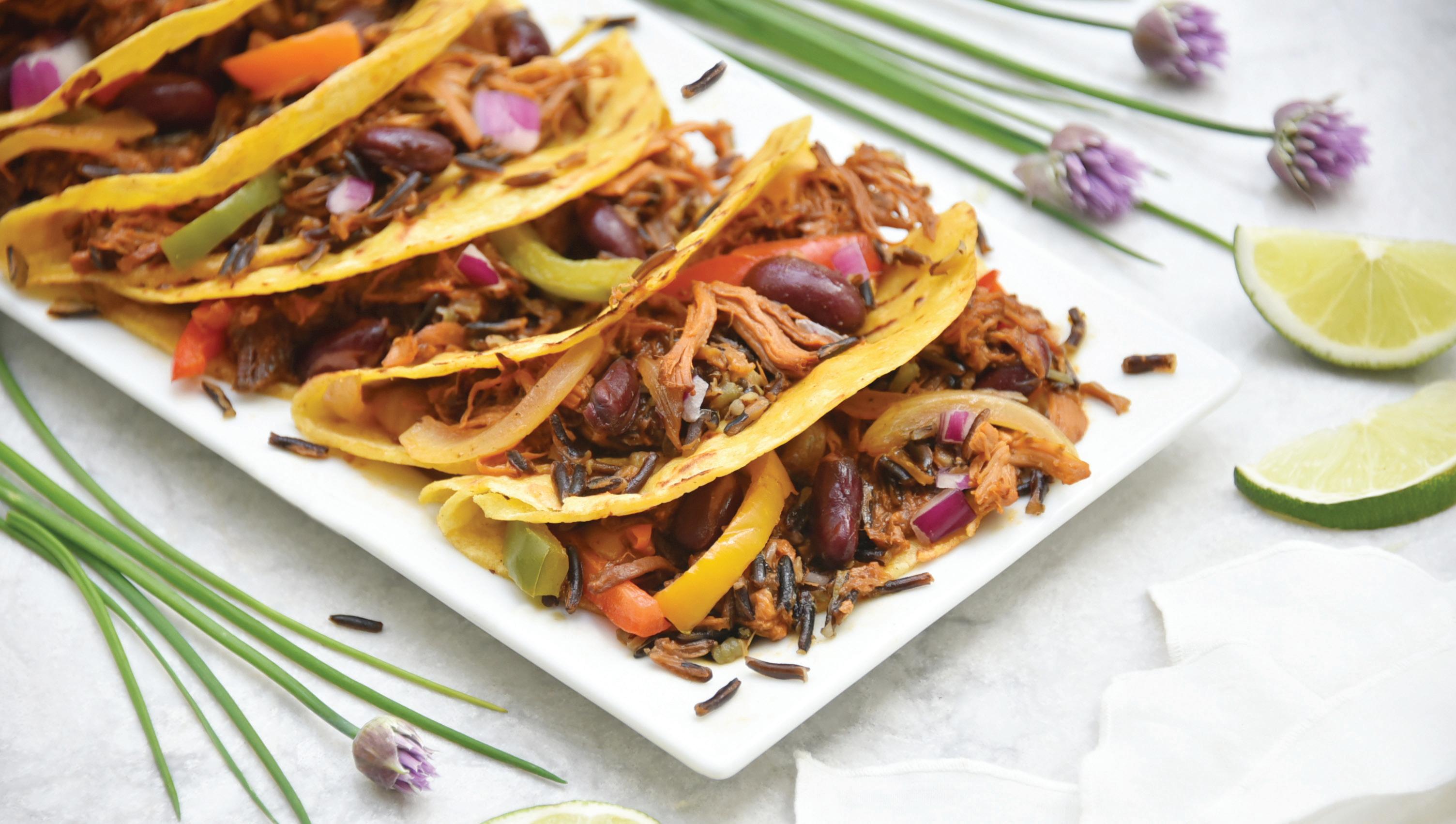
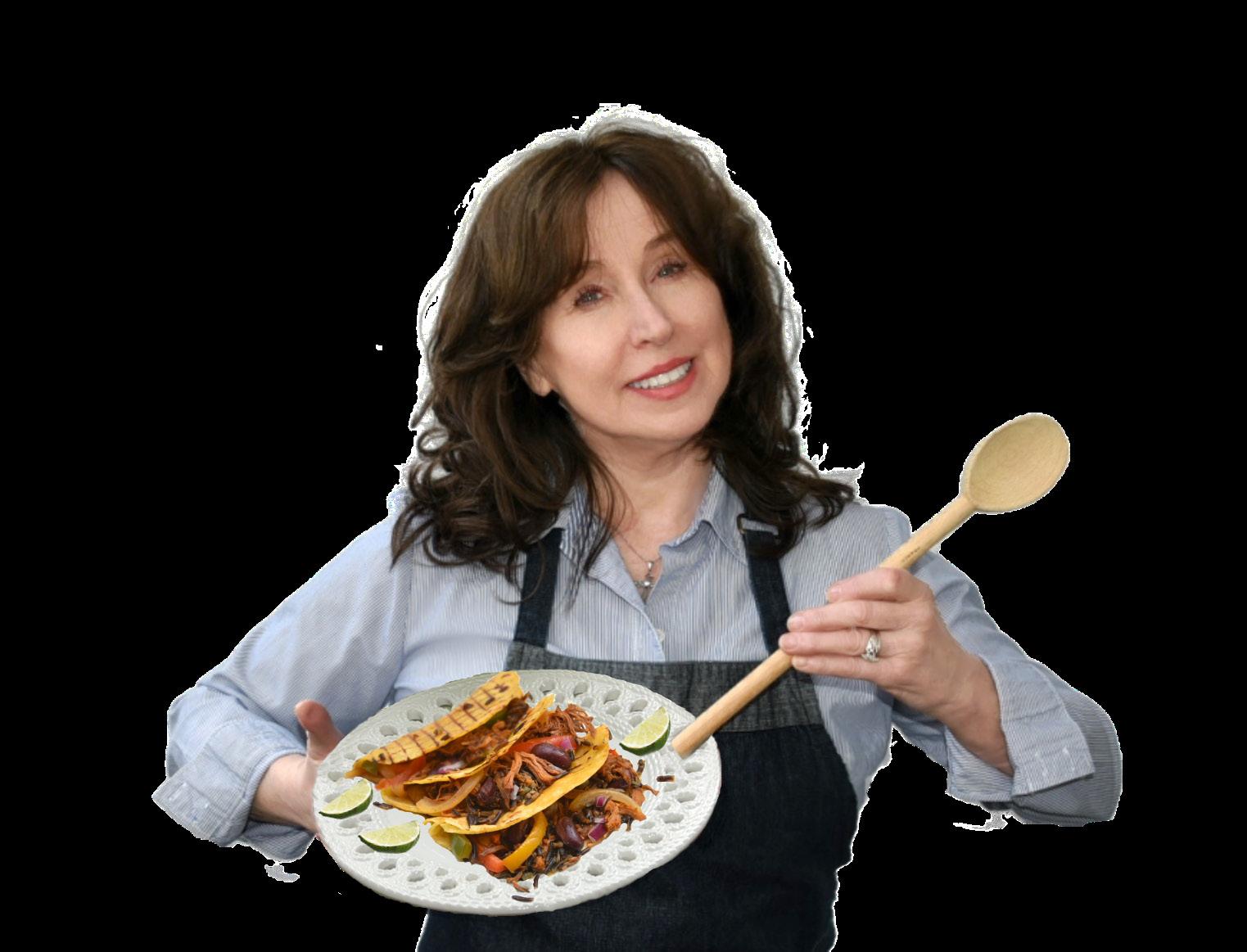
Michigan resident, Laura Kurella, has won the Grand Prize in the Minnesota Cultivated Wild Rice Council’s (MCWRC) “Get Wild with Wild Rice” recipe contest. Her recipe for Wildly Robust Beans and Rice Birria Bites took the top prize after a final taste test held by a panel of judges deemed it to be the best of thirteen finalists, which were selected from the well over one hundred recipe entries submitted in this year’s competition.
A self-taught home cook with no professional training in the field of culinary arts, Kurella said she was beside herself upon learning her recipe took the top award. “I simply couldn’t believe it,” she sighed. “It literally took a while for it to sink in, especially after they told me that it topped over a hundred other entries. I couldn’t believe it!”
Thrilled to be taking home the grand prize, Kurella confessed that she’s been entering the MCWRC contest annually ever since 2021. “I can thank a dear and recently departed friend from the World Food Championships, Nancy Judd of Utah, for telling me all about the Minnesota Rice contest. Nancy was a Minne-

sota native and she really encouraged me to start entering the contest, so I did!” When reflecting on Kurella’s string of wins, Chelsea Russell, a MCWRC culinary specialist, pointed to Kurella’s flair for thinking far outside the rice box as a driving force.
“Kurella’s recipes offer a clever inventiveness that is quite evident in her entries with Minnesota Rice. It is a remarkable achievement that clearly underscores her culinary creativity as well as her passion for making many new things possible with wild rice!”
Winning her first People’s Choice award along with a Golden Ticket to compete at the World Food Championships in 2023 with her Minnesota Wild Rice Beer Bread & Sweet Maple Spread, a recipe that is still featured as the masthead photo of MCWRC’s Facebook page to this day. In 2024, Kurella earned a record-breaking three-peat People’s Choice award with her Argentine Wild Cherry Chicken recipe.
This third consecutive win in this category prompted her to encourage her growing fan base to vote for someone else in the 2025 People’s Choice competition. “I felt it was
ahead of us easier. Therefore, I must say, “Thank you, Lord!”
The MCWRC was established in 1974 to support Minnesota’s cultivated wild rice farmers. Minnesota is the world’s largest producer of wild rice, the only cereal grain native to North America. The first annual “Get Wild with Wild Rice” recipe contest was held in 2010, and has helped make the website home to the world’s largest online wild rice recipe library (visit mnwildrice.org) where you can find all four of Kurella’s winning recipes.
Laura Kurella, MI
time for someone else to experience this win,” she said, “and I am superthrilled that Cameron Miller of Blaine, MN., son it because he’s the youngest winner ever, so it’s a recordbreaking year for him. My hope is that it will motivate him to continue cooking from scratch, which will help him build a stronger, healthier body. In my book that’s a ‘win-win!”
Reflecting on her grand prizewinning recipe, Kurella said that what she loves most about it is that it helps you use up leftover meat. “My entry was made using leftover pork baby back rib meet, bdeef rib meat, and some leftover turkey all shredded then blended together. The unique combination gave it a super-meaty flavor that danced across your tongue and it all came together in less than 30 minutes, and who doesn’t love that?”
Crediting God for the win, because she feels all good things come from Him, Kurella noted, “I honestly think this recipe was heaven send because the idea for it came to me in a dream. One that I had after I had been pondering Proverbs 3:5_6, which tells us that if we trust in the Lord with our whole heart He will make the road
1 yellow onion, minced
1 tbsp butter
¼ cup canola oil
1½ cups cooked wild rice
1 (7 oz) can chipotle peppers in adobo sauce
1 (16 oz) jar salsa
1 cup chicken bone broth
1½ lbs. (any combo) cooked, shredded pork, chicken, turkey
1 (15.5 oz) can small red beans pure maple syrup, to taste soft corn tortillas
Garnish (optional): Roasted bell pepper, red onion, lime wedges In large skillet, sauté onion in butter and oil until caramelized. Stir in wild rice; reduce heat to low. In blender, combine chipotle peppers in adobo sauce, salsa, and broth. Puree until very smooth then pour over onions and rice in skillet. Add shredded meat then simmer, stirring, until sauce becomes pasty. Add maple syrup, to taste. Serve in lightly-pantoasted corn tortillas; garnish. 6 servings.
MCWRC (Minnesota Cultivated Wild Rice Council)
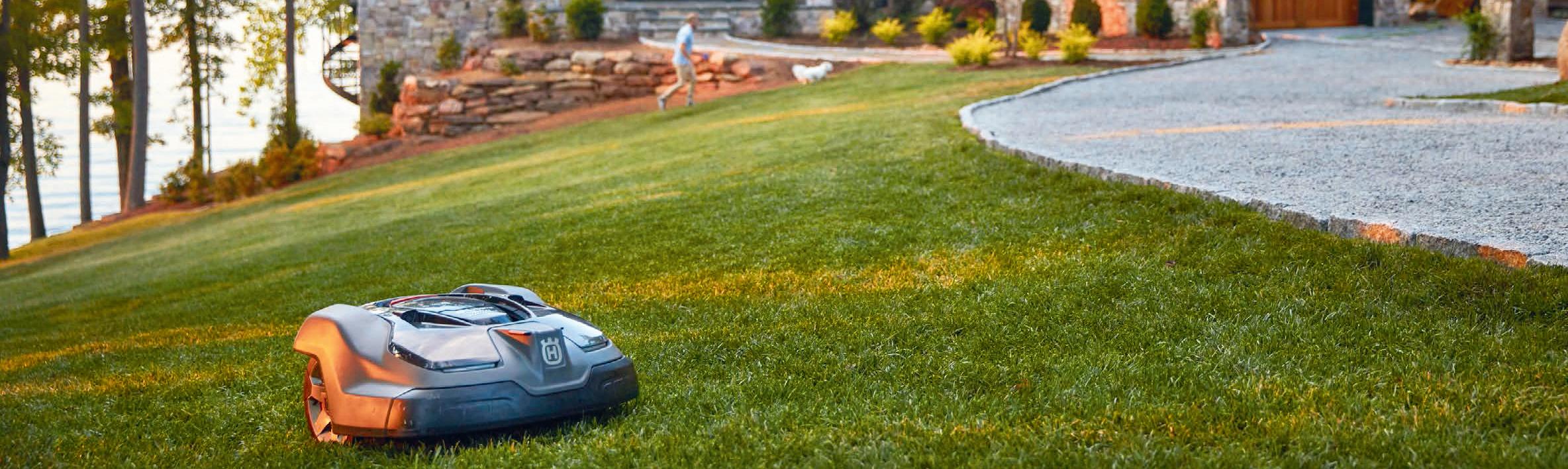


I can repair (almost) anything in my house with my tool kit – duct tape, florist’s wire, and a glue gun. We have two arc floor lamps with long sweeping curved arms. One arm kept drooping downward, so I repaired it with popsicle sticks and duct tape in an inconspicuous spot. An acquaintance was sitting under the lamp’s arm. I watched with trepidation as
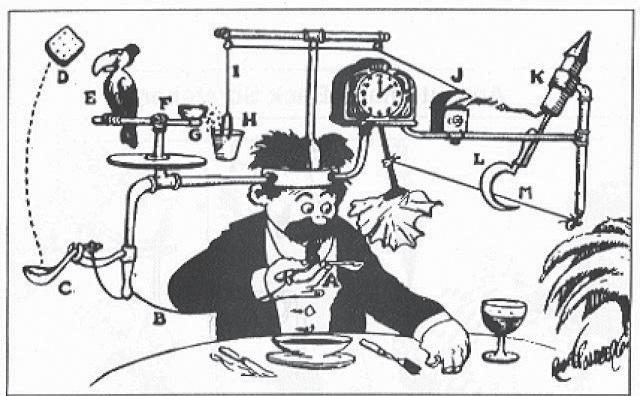
the arm started slowly drooping downward toward his head. I quickly asked if he’d mind moving to another chair. My dad would call my fix a “Rube Goldberg.”
Rube Goldberg was an illustrator from my dad’s era, famous for cartooning overly complex machines to do simple tasks such as a selfoperating napkin which had 12
separate moving parts. The end held a pendulum with an attached napkin swinging back and forth in front of a person’s face, wiping it clean.
Red Green of the Canadian comedy “The Red Green Show” is famous for cobbling together complicated machines to do simple tasks, such as his “portable phone.” A wall phone duct taped to the front shoulder straps of a backpack to carry the phone on his chest. On his back, the pouch of the backpack carries a large roll of telephone wire. In this way he can walk around his neighborhood spooling out telephone wire behind himself while talking on his “portable” phone to his neighbors.
Chindogu, is a Japanese word, meaning “unuseless inventions” - inventions that work but do you really want them to? Chindogu follows a similar concept to Rube and Red Green and means overly complicated gadgets that produce the desired result. Japanese magazine editor Kenji Kawakami coined the term chindogu. The book 101 Unuseless Japanese Inventions describes popular chindogu such as a mop worn by babies to mop the floor as they crawl. Kawakami’s own invention was eyeglasses with funnels affixed to both lenses for dropping in eyedrops. If you think these are ridiculous inventions, don’t forget how we all scoffed when we saw the first selfie stick!
Besides my obvious chindogu/ Red Green/Rube Goldberg arc lamp repair, my husband invented a Red Greenish item. He’s often in search of a better supportive pillow, a more comfortable back brace, or a special
exercise for his back problems. He invented a back brace for himself using a belt (without the buckle), a towel, and duct tape. It slips on over his head, and he pushes it down to waist level. He said it is comfortable and helps his back while he sleeps. It might not qualify as true chindogu, but it definitely looks Red Greenish. In the spirit of Red Green with a dash of chindogu, I decided to teach myself to make art dolls. I made the first doll head out of solid clay with an opening for a dowel rod neck. Tinker Toys made the armature for the arms, legs, and torso. After padding the doll and covering it with cloth, the result was decidedly Red Greenish. The head was so heavy the doll kept toppling over onto its head. The Tinker Toys didn’t function the way I wanted them to, so the stiff arms and legs were permanently stuck in a “compromising” position that I hadn’t noticed while working on the doll. After many failed fixes, the doll was dismembered, the Tinker Toys recycled, and the head was mounted in my studio as an homage to Rube, Red, and Kenji.
Check out the Chindogu Society’s website at chindogu.com. You’ll see a photo of Kawakami using his funnel eye drop glasses and many other fun chindogu devices. Now… what will YOU chindogu?
Ann Murray is an award-winning commercial illustrator and author. She has illustrated 8 children’s books, and her stories have been in three published anthologies.
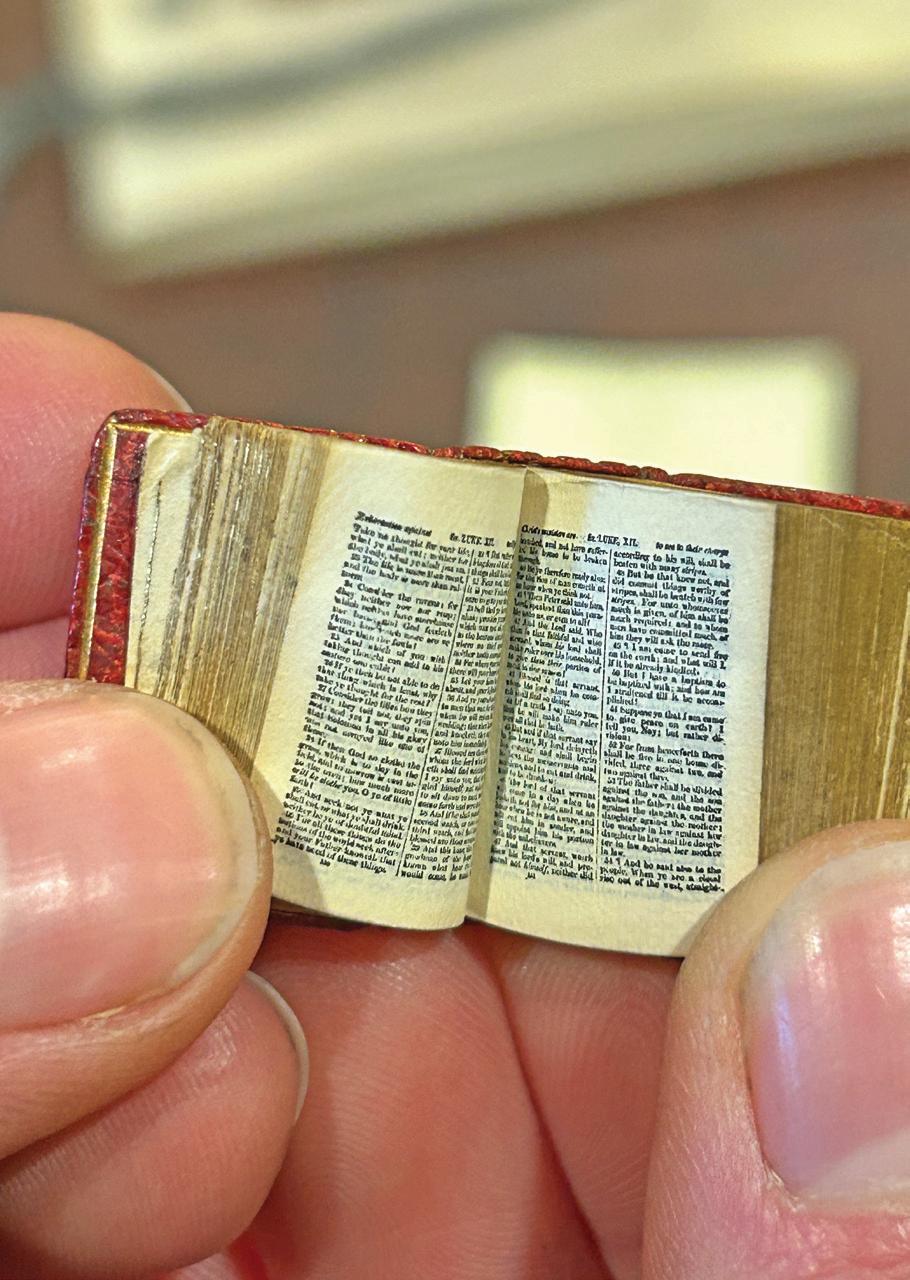
For artists, inventors, and creators, there is a desire to keep producing increasingly impressive creations in order to demonstrate one’s skills. One of the most spectacular examples of this drive that I have seen comes from the archives of A.M. Todd’s Rare Book Room at Kalamazoo College, in which they house a collection of miniature books. The curator, Elena Pulliam, selected three such marvels for me to see.
The first book, bound in red leather with a gold trim is no bigger than my thumb. “This is the entire New Testament in itty bitty form, done by a bookbinder known as Zaehnsdorf in London, 1895,” Pulliam said. “It was created as a show and testament to the skill of the bookbinders. There were only five of these books ever made.” One book was gifted to the Fine Arts Exhibit in Vienna, one to Queen Mary (and is most likely sitting in her dollhouse in Windsor Castle), one to Queen Alexandra, one to Mrs. Zaehnsdorf, and the last was given to the Rare Book Room founder’s wife, Augusta Todd, who

then gifted it to her husband. Despite Zaehnsdorf making these in the 15th century, it took until the 19th century for the creation of tiny books to become a popular method of demonstrating one’s skill.
Pulliam and her colleagues believed the book was downsized from a larger copy but were unsure how. “Normally books would be printed using individual pieces of lead for each letter, then put together to form one page. In this case, we believe that instead of having individual pieces of lead types per letter, they would have one larger piece of type per page that you would print off and then go from there.” Upon carefully opening the book, we could see that the text is actually legible, which was incredibly impressive.
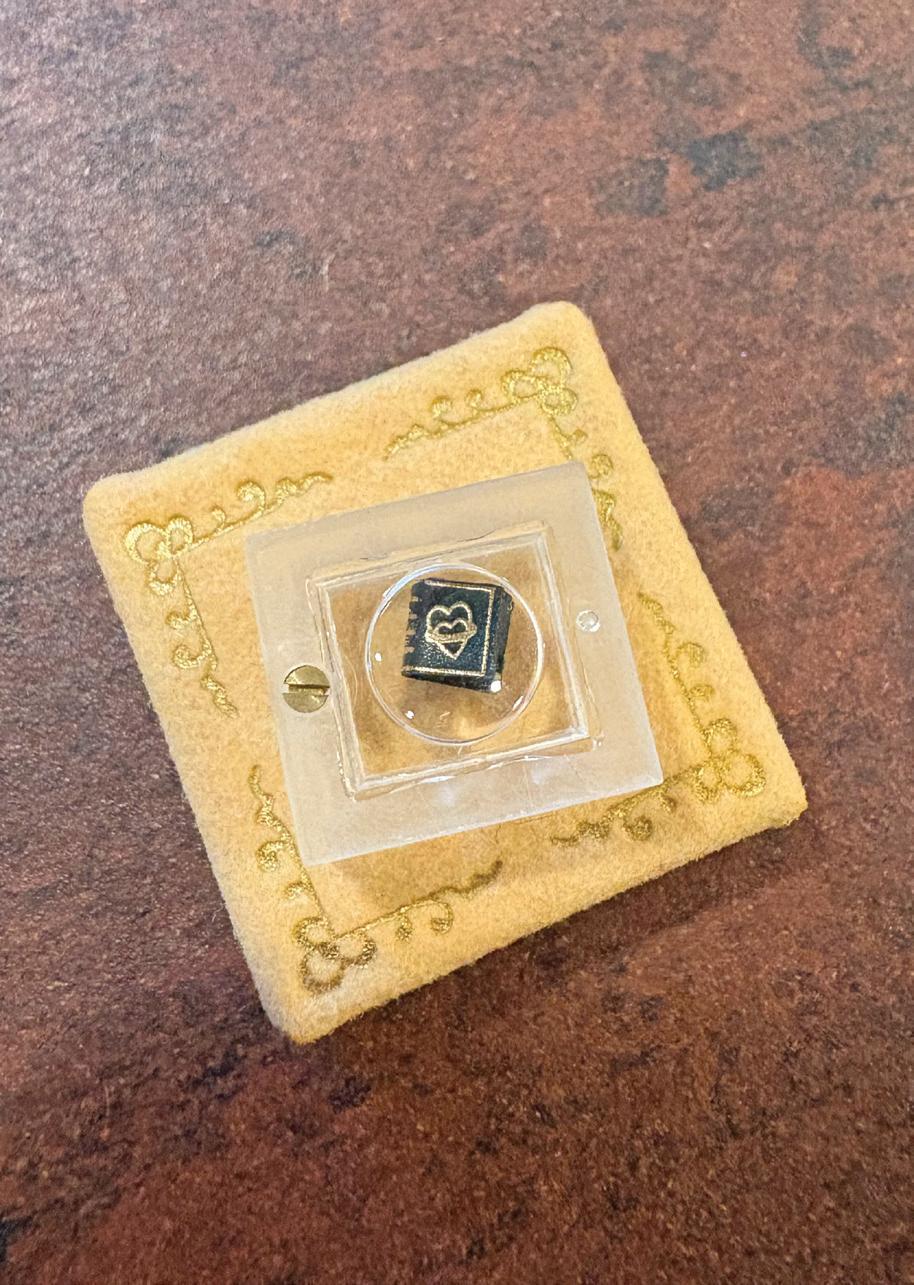
Pulliam then pulled a tiny square container with a smaller glass case inside which held a black leather book with a heart on the cover. This book was the size of, if not smaller than, my pinky nail. “This is the smallest book we have in the collection. It was done by the Gutenberg

Museum in the 1950s and is an ultra miniature book with poems on marriage. We have opened it to see if there is text inside, and we won’t do it again because its so small and finding it would be a nightmare if it were to ever be dropped.” Similar to Zaehnsdorf’s New Testament, this tiny poetry collection was another show of skill with what one could do with the technological advancements within the printing field. At the time of its creation, this book was the smallest book in the world. There are real words inside the book, and Pulliam thought it was printed using an engraved single-type piece for each page. These miniscule books are available to purchase at the Gutenberg Museum in Germany, which has been added to my bucket list.
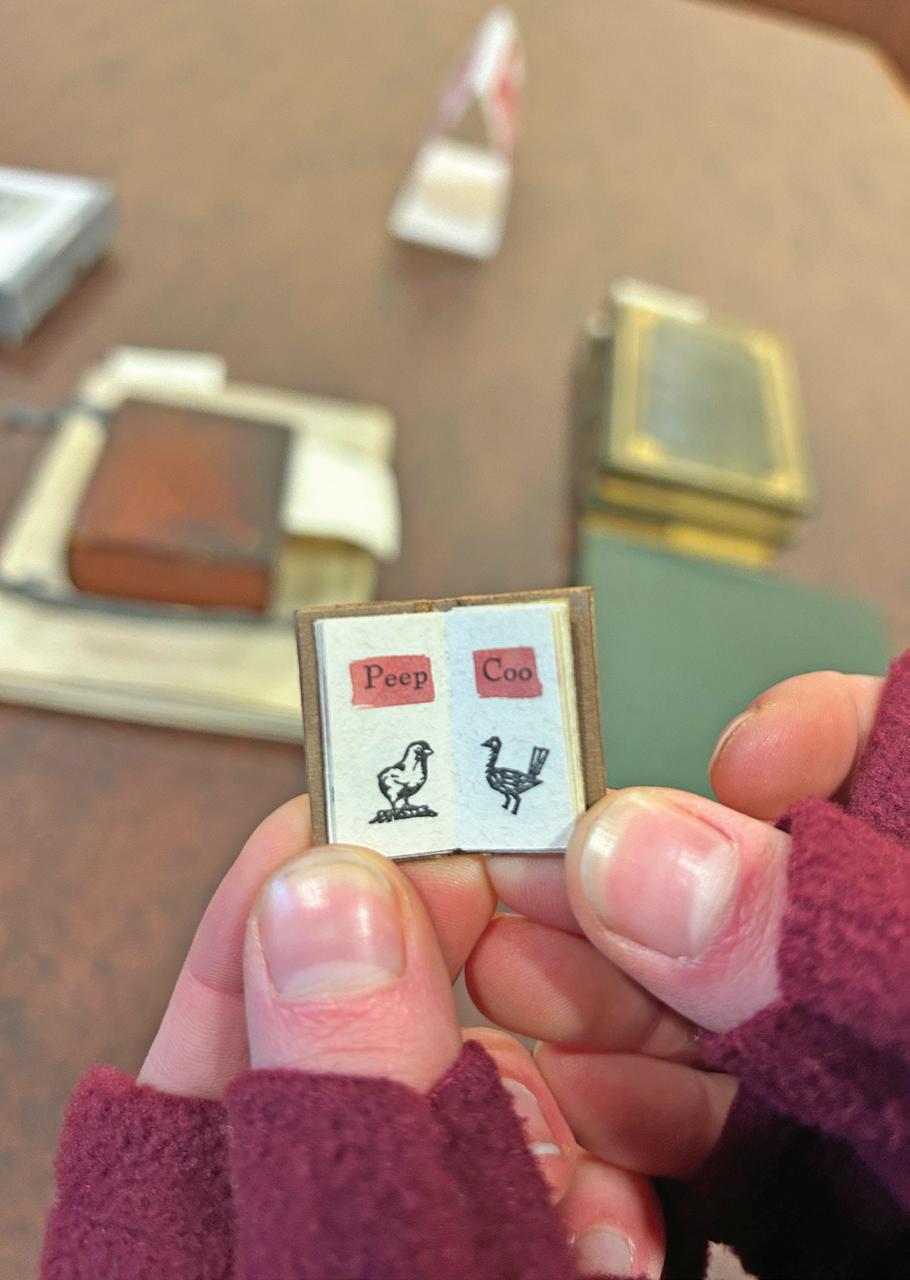
The final mini book Pulliam showed me was about the same size as the Zaehnsdorf New Testament, only longer and skinnier. Pulliam called out its very simple title: Bird Words. “This was given as a gift for Donna’s 40-something year old birthday. We don’t know who Donna
is, but happy birthday to her.” She flipped through the pages which had some variation of a bird drawing and a bird noise or word that was affiliated with each bird, such as cheep and cluck. “This is an artist’s proof, which means that it’s essentially one of the original versions of the book. There were 39 copies made. It’s just kind of fun to look at!” Despite the serious nature of these miniature books as a display of skill and technological advances, I appreciated that some of the artists had fun with their experiments, even in the form of a book filled with bird sounds.
The Rare Book Room’s winter exhibit is titled “Fairy Tales, Fables, and Folklore,” and is open Mondays and Thursdays from 3-5 p.m. and by appointment through March 16th. For further inquiries or a request to tour the Rare Book Room, contact rarebookroom@kzoo.edu or elena. pulliam@kzoo.edu.
Carson Williams
carsonw542@gmail.com

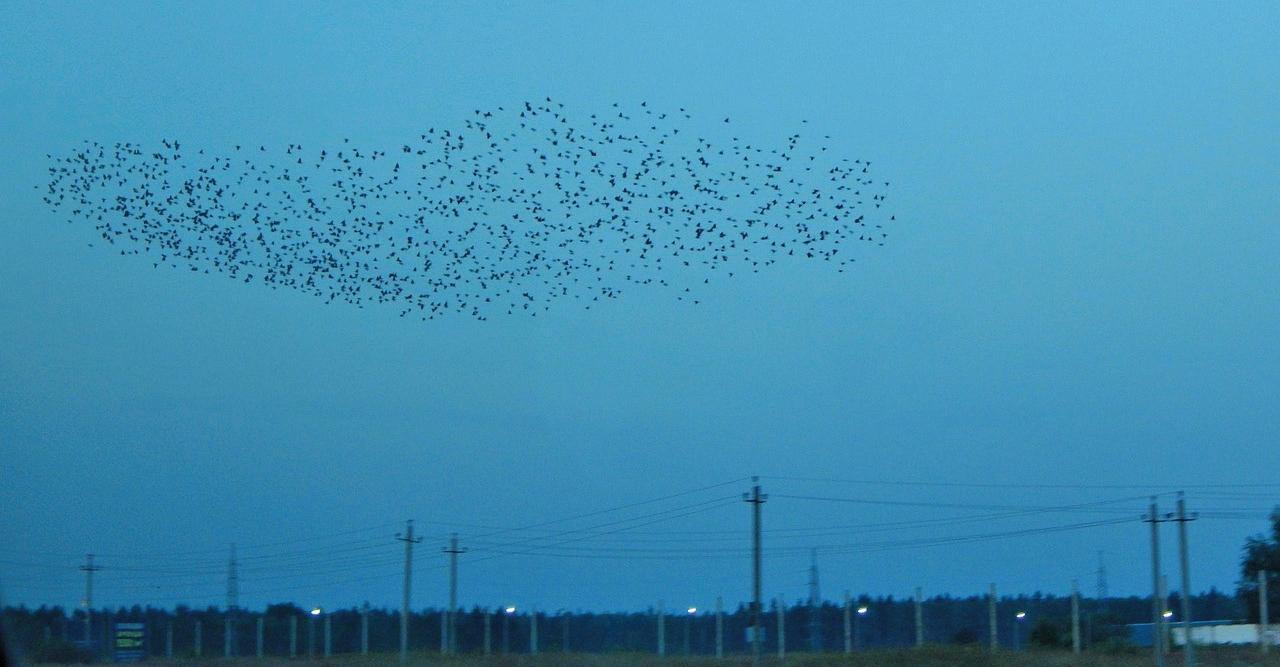
I was recently driving in Grand Rapids, and while I waited at a traffic light, I was unexpectedly treated to one of nature’s most beautiful displays – a starling murmuration. Some of you might have witnessed one as well, even if you didn’t know its ornithological name. It refers to the fluid, twisting, turning, sweeping behavior of hundreds, even thousands of birds - starlings in this case. The birds rise from the ground en masse and appear to perform an avian shape-shifting spectacle that rivals the beauty and grace of any ballet company. It only lasted about half a minute, and then the birds were off to mesmerize someone else. But for those 30 seconds or so, what a show!
The term murmuration for a group of starlings is specific to that species. Other birds also display flocking behavior, most notably geese and ducks, as well as others that use the strategy of traveling in numbers to achieve safety from predators and to share locational information. Starlings flock for some of the same reasons, but their behavior is notable for its size, up to several hundred thousand birds or more, and the beautiful acrobatic nature of their movements. Usually seen during the winter, when leafless trees make the movement of the birds most striking, the name refers to the sound of their wings in unison and the low-pitched, soft cooing that accompanies the visual phenomenon.
I’ve written about starlings before, under the category of “big, black birds.” They’re not that large, as birds go. About 8-ish inches tall and long, with iridescent dark blue/green feathers that appear black, although their winter plumage is brown when it emerges. They have long yellow-gold beaks, the better to forage for insects from the ground and tree bark. They eat a wide variety of foods and are considered by many birders to be a pest or bully-bird.
The birds are most correctly called European Starlings and arrived here from Europe in 1890, the story goes, when a group of Shakespeare aficionados decided to bring to the U.S. every bird mentioned in the Bard’s work. Starlings are only mentioned briefly, and in a not-so-flattering way.
In Henry IV-Part 1, the character Hotspur schemes to train a starling (known for vocal mimicry) to recite the name of a wronged man, over and over, to irritate the King. Certainly not an ode to a nightingale, but a mention, nonetheless. From a small group of about 80 birds released into Central Park in New York City, the population rose to over 200 million, but has since fallen to about 90 million, primarily due to habitat loss. Here in Michigan, we maintain a healthy year-round population due to relatively abundant resources, most notably corn-crop residues and insects that survive in the topsoil after harvest.
Unlike other resident songbirds, starlings as a species have evolved the ability to murmurate by honing the skills of other flocking species and adding a few new tricks as well. They are considered by ornithologists (scientists who study birds) to be an avian example of a “superorganism.”
Like honeybees, schools of fish, and even swarms of locusts, superorganisms are species that are able to act as individuals “collectively, all at the same time.” How does an individual bird decide what position to take in such a large group? How do they know when to turn, and in what direction? How do they communicate that intention to the others? In a superorganism, the individual acts in concert to ensure the health of the whole. If the ultimate, basic rule of biology is to survive and reproduce, those species that superorganize do very well. Murmurations are particularly notable for their ability to survive against predator attacks. Birds of prey, notably peregrine falcons and red-tailed and Cooper’s hawks, are primary predators against most songbirds. The starlings’ habit of behaving synchronously as a huge, unified group of thousands befuddles the raptor’s ability to select and make off with a single bird. This behavior makes it much easier for the falcon to abandon the flock and simply swoop in and take a lonely dove or pigeon right off the ground. Easy-peasy. Members of the murmuration also benefit from habitat features that increase the likelihood of survival in
cold winters. Members of the flock typically roost together in fairly tight groups, maintaining body warmth to some extent. I don’t think they sleep in bunches, per se, but clustering, much like we see in beehives, allows those closer to the center to keep relatively warm while those on the outside are colder until they work their way into the middle and rotate those inside to the edges.
Starlings will sometimes murmurate to indicate the location of plentiful food. Individual birds will swoop down and locate an abundance of corn or other grain and begin to signal the find with a tiny murmuration that will catch the attention of the larger group. These antics will draw the group to a feast, so to speak, that will sustain the entire flock for the near future.
The notion that the individual acts on behalf of the entire group seems like an ethereal dream from a human perspective. Not at all what a fan of reality TV shows would appreciate, it works very well for those organisms that have adapted to such a strategy. In a McGill University document titled “Superorganism in Flight: The Physics Behind Starling Murmurations,” the authors cite three behavioral “rules” that apply to species that are successful superorganisms.
Maintain a distance from very close individuals.
Adopt the same direction as those that are close by.
Avoid becoming isolated.
Mathematical models fashioned from real murmuration data show that starlings maintain a fairly constant distance between any individual and its closest neighbors. They maintain this distance by having exceptional peripheral vision, with the ability to see in a circumference of about 300 around the front of their heads. Like many prey species, their eyes are laterally located, so their field of view extends far to the side. They don’t appear to see details (typically a feature of more centrally-locatedeyed species), but they are very aware of shadows to their sides and back. In this way, they can see predators approaching from the side, and the birds can easily locate and signal their
nearest neighbors.
Locating their neighbors is essential to the group’s ability to achieve rapid, fluid movement in flight. Data from the models indicate that each bird is simultaneously monitoring the positions and behaviors of its seven nearest neighbors. When the neighbors begin to move their heads laterally (almost as if checking the side mirrors in a car), it signals the others to begin their movements to that side. This allows movement to occur almost instantaneously, and the group moves as a single body. Is there a group leader? No! Is each bird a leader? Yes!
Finally, the third rule. Don’t travel alone. Safety in numbers. Swim with a buddy. All those admonitions of our mothers (or at least mine) do appear to be the smart way to operate in the world. Remembering that Mr. Falcon likes to pick off the easy prey, avoid that fate, if you can.
If you are still wondering about the exquisite beauty of the starling display, I encourage you to pop open a YouTube video and have a look and listen. I also include, in the accompanying references, links to the scientific works of the biophysicists as well as a link to photographer Nick Dunlop’s striking images of raptors trying to catch some starling dinner (unsuccessfully, it seems.)
I try to remember that there’s no shortage of wonderment in the world if we just slow down and take a breath. As this winter comes to an end, perhaps you will make time to experience the joy that is all around, just waiting to be noticed.
Cheryl Hach Retired Science Teacher
Kalamazoo Area Math and Science Center
To access references for this article, please scan the QR code.

Through April 26
Shape Shifting: The Guitar As Modern ARTifact, Kalamazoo Valley Museum
Through July 26
Exhibit: Black Cowboys: An American Story, Kalamazoo Valley Museum
Sun., March 1 – Mon., Apr. 13 Westminster Art Festival poetry submissions, westminsterartfestival.org
Sundays, Mar. 1,8,15,22,29 Nerdy Trivia & Cosplay Night 5:30-8:30, LFG Gaming Bar
Sundays, Mar. 1,8,15,22,29 Extreme Karaoke, 8-11pm, Shakespeare’s Pub, Kal.
Sundays, Mar. 1,8,15,22,29 Karaoke Night, 8:30pm-12am LFG Gaming Bar, Kalamazoo
Mon. Mar. 2- Sat., Mar. 7 Final Exam Survival Kit! (grades 6-12), Richland Library
Mon., Mar. 2- Sat. Mar. 28
Art & Writing Contest Richland Library
Mondays, Mar. 2,9,16,23,30 Family Storytime 10-11am, Books, songs, more! Vicksburg Library
Mondays, Mar. 2,9,16,23,30 Baby Time (ages 0-6mos), Songs, Rhymes, stories 10:15am, Richland Library
Mondays, Mar. 2,9,16,23,30 Maker Mondays, March: Polymer Clay, (grades 6-12), 3-5pm, Richland Library
Mondays, Mar. 2,9,16,23,30 Support Group: depression, Bipolar disorder & other mental Health challenges, 7-8:30pm Portage Chapel Hill United Methodist Church
Monday, March 2
Monday Night Trivia, 7-8pm Hop Cat Kalamazoo
Monday, Mar. 2,9,16,23, 30 Trivia Night @ Louie’s Corner Bar, Kalamazoo, 7-9pm
Tuesdays, Mar., 3,10,17,24,31 Preschool Workshop (ages 3-5) 10:15am, Richland Library
Tuesday, March 3 Craft Stitching Group, bring your project, 1-4pm, Parchment Library
Tuesdays, Mar. 3,10,17,24,31 Weekly Gaming, grades 6-12, 3-5pm, Register: Richland Library
Tuesday, March 3
Teens/tweens Dungeons & Dragons, 4-6pm, V icksburg Library
Tuesday, March 3
Introduction to A.I., Benefits & risks, 6pm, Richland Library
Tuesday, Mar. 3,10,17,24,31 Trivia Night! 6-8pm, Sit & Stay Winery, Kalamazoo
Tuesdays, Mar. 3,10,17,24,31 Trivia Night, 7-9pm Louie’s Trophy House
Tuesdays, Mar. 3,10,17,24,31
Music Bingo, 7pm, Louie’s Corner Bar
Tuesdays, March 3
Laugh Draft Open Mic Comedy 7-9pm, Apoptosis Brewing
Tuesdays, Mar. 3,10,17,24,31 Best Trivia Ever Team Trivia! 7pm, Shakespeare’s Pub
Tuesdays, Mar. 3,10,17,24,31
Theme Trivia Tuesdays, 7-9pm Revel & Roll West, Kalamazoo
Tuesdays, Mar. 3,10,17,24 31
LFG Karaoke Night, 8:30-12am
LFG Gaming Bar, Kalamazoo
Wednesdays, Mar. 4, 18
Mugs & Hugs, stories, activities,play, 10-11am, Vicksburg Library
Wednesday, Mar. 4,11,18,25
Wednesday Wigglers, infant/Toddler, 10:15am, Richland Library
Wednesdays, Mar. 4,11.19,25
Teen Dungeons & Dragons, 3-5pm, grades 6-12, Register:629-9085, Richland Library
Wednesday, March 4
Comfort Blanket Making with Gift of Life, all ages, make no-sew fleece blankets,6pm, Register: Richland Library
Thursday, March 5
Book Club for Adults: The Women by Kristin Hannah, 9:30-10:30, Vicksburg library
Thursday, March 5
Elementary “Drive-in” Movie night
We make popcorn, you bring, drink, Blanket & large cardboard box 3:30-6pm, Vicksburg Library
Wednesdays, Mar. 4,11,18,25
Free ½ hour of Bowling, Crafted Copper, Kalamazoo, 4-10 pm
Wednesday, March 4
Trivia Night @ 468 Wine in Portage, 6-8pm
Wednesday, Mar. 4,11,18,25
Live Music, 6-9pm, Zero: Non-alcoholic Bar, Kalamazoo
Wednesday, Mar. 4,11,18,25
Karaoke Bingo, 7-10pm Presidential Brewing, Portage
Wednesdays, Mar. 4,11,18,25
Trivia at the Taproom, 7-9pm, Apoptosis Brewing Co., Kal.
Thursdays, Mar. 5,12,19,26
Free Thursdays, 11am-8pm, Kalamazoo Institute of Arts
Thursday, March 5
Youth Book Group (grades 1-5)
The Strangers by Margaret Peterson Haddix, 1pm, Richland Library
Thursdays, Mar. 5,12,19, 26
Teen Dungeons & Dragons, 4:30-6:30pm, Register: 629-9085, Richland Community Library
Thursday, March 5
Gallery Gathering: Future Now: Virtual Sneakers to Cutting-Edge Kicks, 5:30-6pm Kalamazoo Institute of Arts
Thursday, March 5,12,19,26
Thursday Night Blues Jam! 69pm, Shakespeare’s Pub, Kal.
Thursday, March 5 Wine & Euchre, 6-8pm, Sign up ahead, 468 Wine, Portage
Thursdays, Mar. 5,12,19,26
Triple Threat Trivia, 6:30pm Presidential Brewing Co.
Thursdays, Mar. 5,12,19,26
King Trivia, 7-9pm, Gull Lake Distilling Co., Galesburg
Thursdays, Mar. 5,12,19,26 Karaoke, 7-11pm @ Alley Cat in Kalamazoo
Thursdays, Mar. 5,12,19,26
Music Extreme Bingo, 7pm Shakespeare’s Pub
Thursdays, Feb. 5,12,19,26
Music Bingo, 7-9pm, Louie’s Trophy House, Kalamazoo
Thursdays, Mar. 5,12,19,26
Thursday Night Trivia, 8pm & 9pm, HopCat Kalamazoo
Friday, Mar. 6,13,20,27
Sit N’ Stitch, 10am-12pm Bring your own project Richland Library
Friday, March 6
Play, Learn, Connect with KRESA, Preschoolers & adult, 10am, Parchment Library
Fridays, Mar. 6,13,20,27
Family Story Time, 10:15am, All ages, Richland Library
Friday, March 6
Memory Café – for people with Mild dementia and their care Partners, 10:30am – Noon Paw Paw District Library
Friday, March 6
Art Hop, 5-8pm Downtown Kalamazoo
Fridays, Mar. 6,13,20,27
Live Music 6-9pm @ Zero: NonAlcoholic Bar, Kalamazoo
Fridays, Mar. 6,13,20,27
Live Music @ The Dock at Bayview, 8pm-12am
Saturdays, Mar. 7,14,21,28
Kalamazoo Farmers Market 8am-1pm, 1204 Bank St.
Sat. Mar. 7 – Sun. Mar. 8
Craft Show, Sat. – 9am-3pm, Sun. 10am -3pm, Kalamazoo County Expo Center
Saturday, March 7
Beginning Birding Walks 9-11am, Wolf Lake State Fish Hatchery, Kalamazoo
Saturday, March 7
Dr. Seuss Extravaganza, Games & crafts, 10am-12pm Parchment Library
Saturday, March 7
RadFest Community Dance & Drumming Jam, 2-3pm Kalamazoo Institute of Arts
Saturdays, Mar. 7,14,21,28
Live Music @ The Dock at Bayview, 8pm-12am
Saturdays, Mar. 7,14,21,28
Karaoke & Dance Night Back Alley Saloon, 9pm-12am, Continental Lanes
Sunday, March 8
2nd Sundays Live!: Whiskey Before Breakfast, 2pm, Parchment Library
Monday, March 9
Reading Together/Parchment Book Group: Take My Hand by Dolan Perkins-Valdez, 6pm, Parchment Library
Monday, March 9
Cookie Swap (adults)-Bring home-baked cookies to share 6-7pm, Vicksburg Library
Tuesday, March 10
Scrabble Club for Adults, 1-2:30pm, Vicksburg Library
Tuesday, March 10
Cookbook Club: Easy Affordable Tasty by Frankie Celenza pick a recipe, make it, bring it,Taste it, 6pm, Richland Library
Wednesday, March 11
Birds & Coffee Chat on Zoom, Michigan, Saving Songbirds, 10am, Register ahead: birdsanctuary@kbs.msu.edu
Wednesday, March 11
ArtBreak: Pysanky Eggs: A Traditional Eastern European Folk Art, 12-1pm Kalamazoo Institute of Arts
Wednesday, March 11
Adult Dungeons & Dragons Bravo Team, 3-6pm, Register:629-9085, Richland Library
Wednesday, March 11
Vinyasa Yoga with Alla, 5:15pm, Parchment Library
Wednesday, March 11
Scam & Fraud Prevention, 6pm, Richland Library
Thursday March 12, 26
Teen Break & Bulldog Break, Fun, crafts, games, activities, Treats, Teen/tweens under 18, 2:45-4:45, Vicksburg Library
Thursday, March 12
Adult Writers’ Motivational Group, support, discuss, write, 4-5pm, Vicksburg Library
Thursday, March 12
Film Screening: Sneakerheadz 6-7:30pm, Kalamazoo Institute of Arts
Thursday, March 12
Wine & Euchre @ 468 Wine, 6-8pm, Portage
Thursday, March 12
Friends Read Book Club, Discuss what you’re reading & refreshments, 6:30-7:30pm Parchment Library
Thursday, March 12
Watercolor Class with Gina Stevens: Rhythm of the Season, 6pm, Register: Richland Library
Friday, March 13
Sour Candy Challenge (ages 10-14), register ahead, 4pm, Parchment Library
Saturday, March 14
Internet group, bring Smart Phones, 10am-Noon & questions, Paw Paw Library
Saturday, March 14
Art Detectives: Kicks by Van G. Garrett, 10:30am-Noon Kalamazoo Institute of Arts
Saturday, March 14
St. Patrick’s Day Parade 11am, dwtn, Kalamazoo
Saturday, March 14
Community Day: Cool Kicks, Photo ops/bedazzle your Shoes, 11am-2pm, Kalamazoo Institute of Arts
Monday, March 16 STEAM event & activity 11am-12pm, Vicksburg Library
Monday, March 16
Pizza & Perspectives: Indie Lens PopUp, watch & discuss The documentary The Inquisitor, 6pm, Parchment Library
Tuesday, March 17
Lego & Duplo Club, 1-2pm & 5:30 – 6:30pm, Vicksburg Library
Tuesday, March 17
Meet MI Authors: Angie Jackson: Drink the Mocktails, cocktail/mocktail recipes, 6pm, Richland Library
Tuesday, March 17
Mystery Book Club: The Fleurde-Sel Murders by Jean-Luc Bannaiec, 6:30pm, Parchment Library
Wednesday, March 18
Adult Dungeons & Dragons Bravo Team, 3-6pm, Register: 629-9085, Richland Library
Wednesday, March 18
Wine & Euchre, 5:45pm Register: 468 Wine, Portage
Thursday, March 19
Book Club: Take My Hand by Dolen Perkins-Valdez, 6pm Copies avail., Richland Library
Thursday, March 19
Heartbreak Book club: You DeServe Each Other by Sarah Hogle, 6:30-7:30pm, Paw Paw Library
Friday, March 20
Fiber Friends – bring youProject & lunch, 10am-2pm, Parchment Library
Friday, March 20
Spring Resin Jewelry (grades 6-12) 3pm, Register: Richland Library
Fri., Mar. 20 – Sat. Mar. 21 Fretboard Festival, 3/20 - 6-8pm, 3/21 – 9:30am- 6:30pm Kalamazoo Valley Museum
Saturday, March 21
Once Upon a Saturday, (all ages), Stories, songs & craft, 10:15am, Richland Library
Saturday, March 21 Chair Yoga, 11am, Parchment Library
Friday, March 20
Vintage in the Zoo presents: Night Shop at Louie’s Trophy House Kalamazoo, 5-10pm
Saturday, March 21
KIA Library Activity: Shoe Bookmarks, 11am-3pm Kalamazoo Institute of Arts
Monday, March 23
Oberon Day, 11am-8pm Bells Brewery, Kalamazoo
Monday, March 23
Kalamazoo County ID Mobile Unit (ages 11+), get an ID, renew An ID, or get more information, 3-6pm, Parchment Library
Monday, March 23
Tween Book Club (ages 10-14) Hatchet by Gary Paulsen, Register ahead for a free copy, 4pm, Parchment Library
Tuesday, March 24
Music Trivia, 2-6 players, 7pm Register: Richland Library
Wednesday, March 25
ArtBreak: The Art and Life Of Hughie Lee-Smith, 12-1pm Kalamazoo Institute of Arts
Thursday, March 26
Print Making on Canvas Bags, (grades 1-5), 4pm, Richland Library
Wednesday, March 25
Adult Dungeons & Dragons Bravo Team, 5-8pm, Register: 629-9085, Richland Library
Wednesday, March 25
Seed Starting 101, 6pm, Richland Library
Wednesday, March 25
Between the Pages Romance Book Club for adults, 6pm, Register: Richland Library held at Ned’s on Gull Lake
Thursday, March 26
Artful Evening: Sneaker Culture Night, 5:30-8pm Kalamazoo Institute of Arts
Friday, March 27
Board Game Blast- stop by to play board games w/other adults 10-12pm, Parchment Library
Thursday, March 26
Between The Lines Book Club: Indian Country by Shobha Rao 6:30-7:30pm, Paw Paw Library
Friday, March 27
Listen Up Book Club, An audiobook club for people with low vision, Dewey by Vicki Myron, 10:30am-11:30am, Paw Paw Library
Monday, March 30
WMU Drug Choir, 7:30pm Dalton Center Recital Hall
Tuesday, March 31
Prank Program (ages 10-14), 6pm Register: Parchment Library
Tuesday, March 31
Into to Seed Starting & Saving, 6-7:30pm, Parchment Library