



Hepps was a thriving part of downtown Kalamazoo and Marcellus for over 64 years. Their slogan was “Better Value Always.” Hepps sold a large selection of quality name brand and private label clothing for men, women, and children, at less than regular retail prices.
Big, small, short or tall, Hepps had a large section of clothes for hard to fit people. Their big and tall department was one of the most complete in the area, including extra tall. Shirts in 14 ½ - 24 (including longer sleeve lengths), pant sizes 29-70 (also short and long lengths), and sports coats & suits to size 66. Their tailor shop provided free, quick and efficient tailoring to ensure the perfect fit.
Lou Hepner and Harry Libin, (Fred Libin’s father), opened Hepps in 1923. They provided honest value, good service and treated customers fairly. Libin eventually retired and sold his share to Hepner. When Hepner retired in 1957, he sold the business to Ben Brot, who worked for him for 21 years. Ben told, Jim Geresy, longtime employee and business partner, that he got hired at the age of just 16 after showing Hepner his skill of quickly tying up purchases with twine and told him, “You should hire me.” Apparently, Hepner was impressed by this enterprising young man and did just that, he hired him on the spot!
Many recall Brot’s humor, work ethic and how he gave back to the community. He was often referred to as “Uncle Ben” or “Gentle Ben.” Brot
was also a self-proclaimed WMU Football “superfan.” His wife Miriam (Mim), worked at Hepps and was also revered. Ben and Miriam had two children, Ronald (Ron) and Gail.
The following are a few, of the many comments, on the Vanished Kalamazoo website about Ben and his staff: “Ben Brot taught me more in the 3 years I worked there than anyone or anybody else in my whole life. Ben and Carl were awesome people (Miriam too!!!)” “Clyde Miller (Aka, Slim) worked there for years.”
“When my brothers and I were in grade school, our mother would drop us off downtown. We would walk into Hepps, Ben would take a look at us then give us a couple of bucks to go next door for coney dogs. When we were done, we came back into the store to pick up our back-to-school clothes and then would pick us up and take us back home. Those where the days gone by...can you imagine that now a days?”
More memories shared, include: “I worked there in the early to mid “70’s as a floor manager. Loved the place. It was amazing the amount and types of stock Hepps’ carried, things you never would have thought of.”
“You could get Levi’s for $10 a pair.”
“Hepps had the coolest clothes.”
“Loved Hepps especially the sidewalk sales just before school started.”
“My first real job was at Hepp’s.”
“I went from pinstriped pants and straight jeans to bell bottom jeans, thanks to Hepps.” “Bought my first bell-bottoms and wide-collared flower shirt there.” “I still have clothes from there. Wish it was still around.” “I bought a long leather coat from there. Shh... I still wear it!” “I lost my boyfriends (later husband’s) class ring there while going through a pile of jeans on a table.”
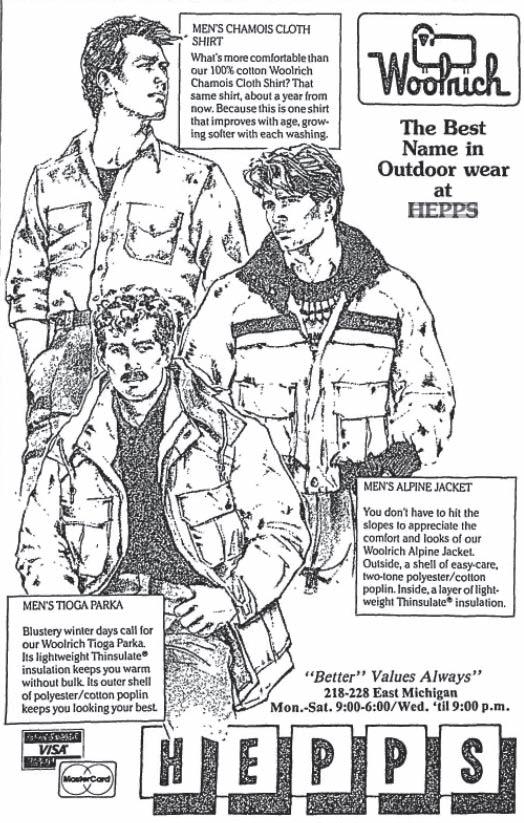
“Bought my Girl Scout stuff there.” “We rented the tuxes for our wedding party there.” “It was where everyone got their varsity jackets back in the day.”
“Everyone shopped at Hepps.”
The original store location was on North Burdick St., but just 4 years later they moved to a larger location on E. Michigan Ave., and seven years later they expanded yet again, taking over more space on E. Michigan Ave (214-228).
The building was built in the 1890’s and was home to several businesses includ-

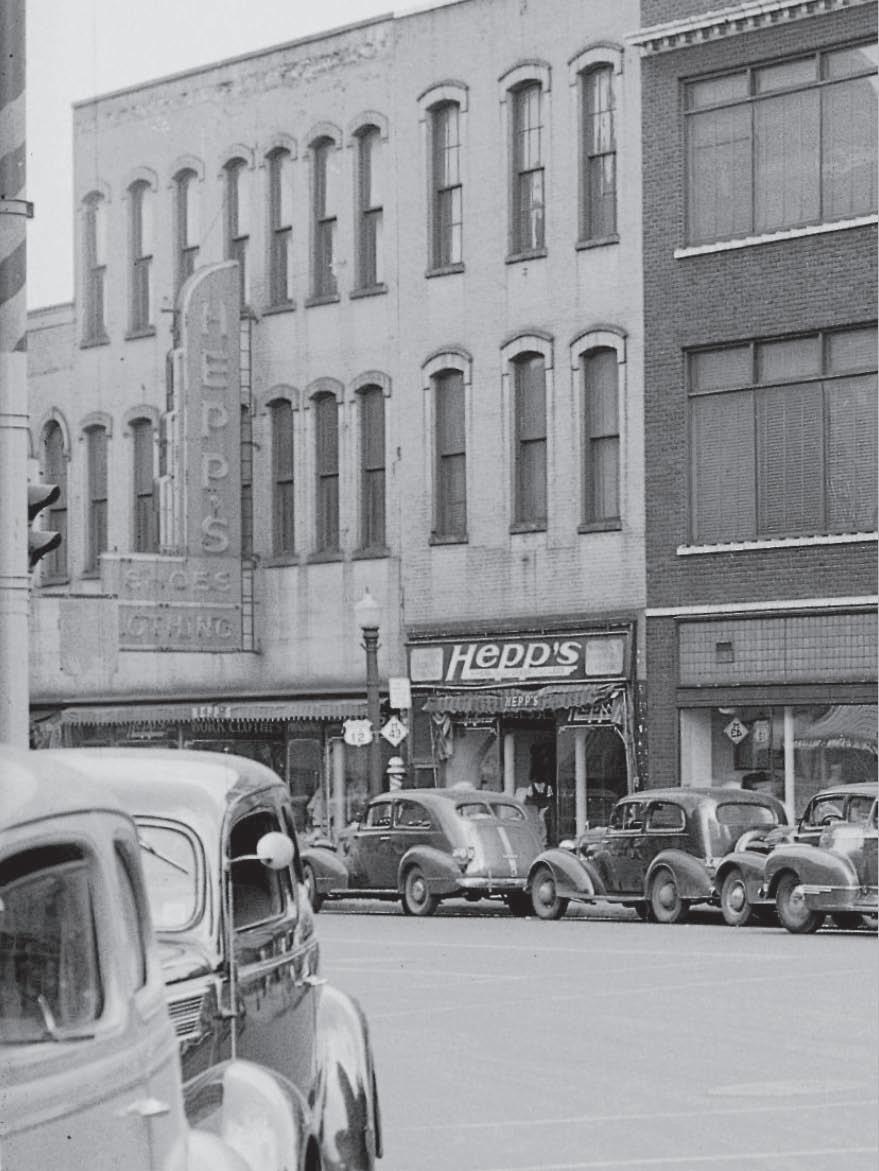
ing Schau Bros. Sporting Goods and Montgomery Wards. Hepp’s survived the 1978 snowstorm (closing for 3 days), and the 1980 tornado, that took the third floor and half of the second floor. The front plate glass window also exploded - several people were cut and bleeding, but there were no lifethreatening injuries.
The main store was downtown Kalamazoo. Hepps also had a store that opened in early 1958 in Marcellus, that opened in the former S. Stern & Company building. It was owned by Ben Brot and managed by Ginny Saidla (Heystek), who took the store over in 1976. The Marcellus store closed in the early 1980’s. Hepps opened a second location in the Portage Plaza for a few years in the mid-50s. On occasion, they would have liquidation sales at yet another location
Sadly, the building in downtown Kalamazoo, sold In May l987, and Hepps lost their lease on April 8, 1989. Ben moved up the street to 262 E. Michigan, (next to Coney Island), under the name Uncle Ben’s Uniforms & More. When Ben died in 1996, Barry Arkush bought the
Uncle Ben’s Uniforms & More name from Brot’s estate. The business operated for 35 years, until Arkush’s death in September 2024.
Additionally, Ben partnered with Jim Geresy, a longtime employee, to open a store specifically for Big & Tall men. The store was located across the street from the former Hepps store at 203 E. Michigan Ave. (where Memories Bridal Salon is today), naming it BJ Benjims.
After Ben’s passing in 1996, Geresy and Baum bought the BJ Benjims name and some of the fixtures from Brot’s estate, operating in that space for 6 years. They opened a second location in 2001 in Portage, at 225 W. Centre Street, and closed the downtown location a year later. BJ Benjims was in business for 38 years, until Geresy and Baum’s recent retirement on March 28, 2026.
Jackie Merriam
Sources: KG, 5/3/87, KG 4/17/88, KG 4/7/89, KG 4/25/90, KG 5/19/95, KG 7/16/98, KG 5/11/05, The Marcellus News 2/20/58, Vanished Kalamazoo Facebook site.




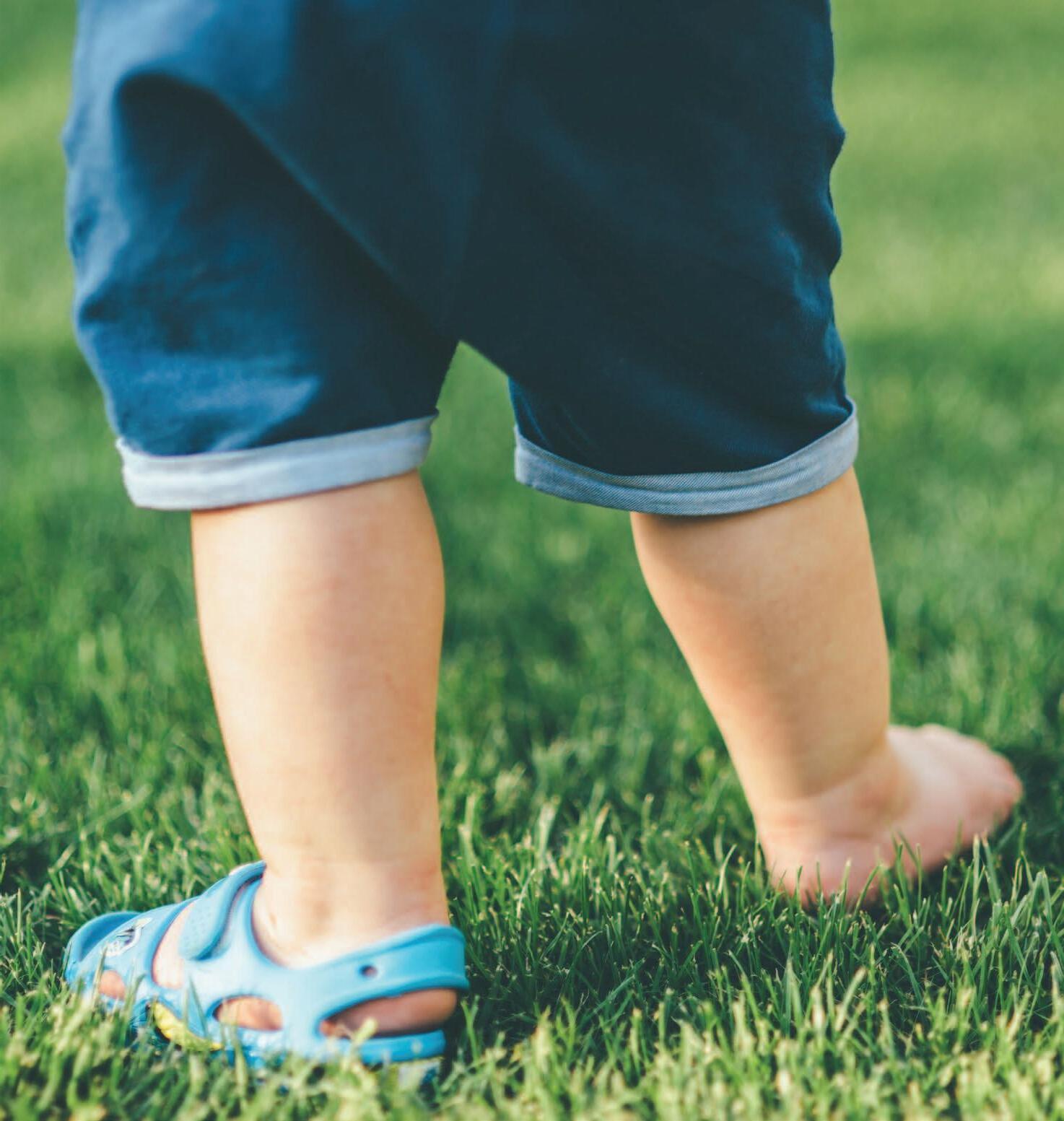
Healthy lawns are for more than just looks. Did you know that maintaining a healthy, thick lawn also benefits the environment?
Some benefits of healthy lawns are that they reduce erosion from stormwater runoff, cool the environment and control allergens. Grass plants, like other plants, take in carbon dioxide and release oxygen. This helps clean the air by removing carbon dioxide from the atmosphere and providing the oxygen that is essential for human life.
Here are some tips on how you can have a healthy, thick lawn.
Early spring is the ideal time to improve lawns. You’ll have more success sowing grass seed, killing lawn weeds and repairing your lawn when you do it now.
A few days ago, my dad, sent a text message to my two sisters and I, that said, “Everyone you meet is carrying a heavy load and fighting a
Before starting your lawn project, bring a 6” x 6” soil sample in to Wedel’s for a free soil analysis and lawn improvement program. Having good soil with the right pH will save lots of time and money in the future. It’s best to kill unwanted weeds & grasses before putting in your new lawn. KillZall is the best thing to use – you can reseed in just 7 days!
Early spring is ideal for planting grass seed for a new lawn, for repairing spots or for overseeding your current lawn to make it thicker. Wedel’s is known for their exclusive grass seed blends, formulated for our Kalamazoo area. Our lawn experts will recommend improved City Blend for high traffic areas, Supreme Blend, that has been the favorite sunny blend for our area for over 50 years,
hard battle.” He also texted that this is something that he usually forgets, but is worthy of trying to remember.
I’ve heard this wonderful quote before, but it’s important to remember as we go through out daily routines. If you approach your interactions with this in mind, you’re bound to give others the benefit of the doubt and treat them with kindness.
The next evening, I was watching the news on ABC and there was a segment about a little girl in the hospital battling cancer. Her room happened to be across from the construction site of a new wing being built, that she could see from
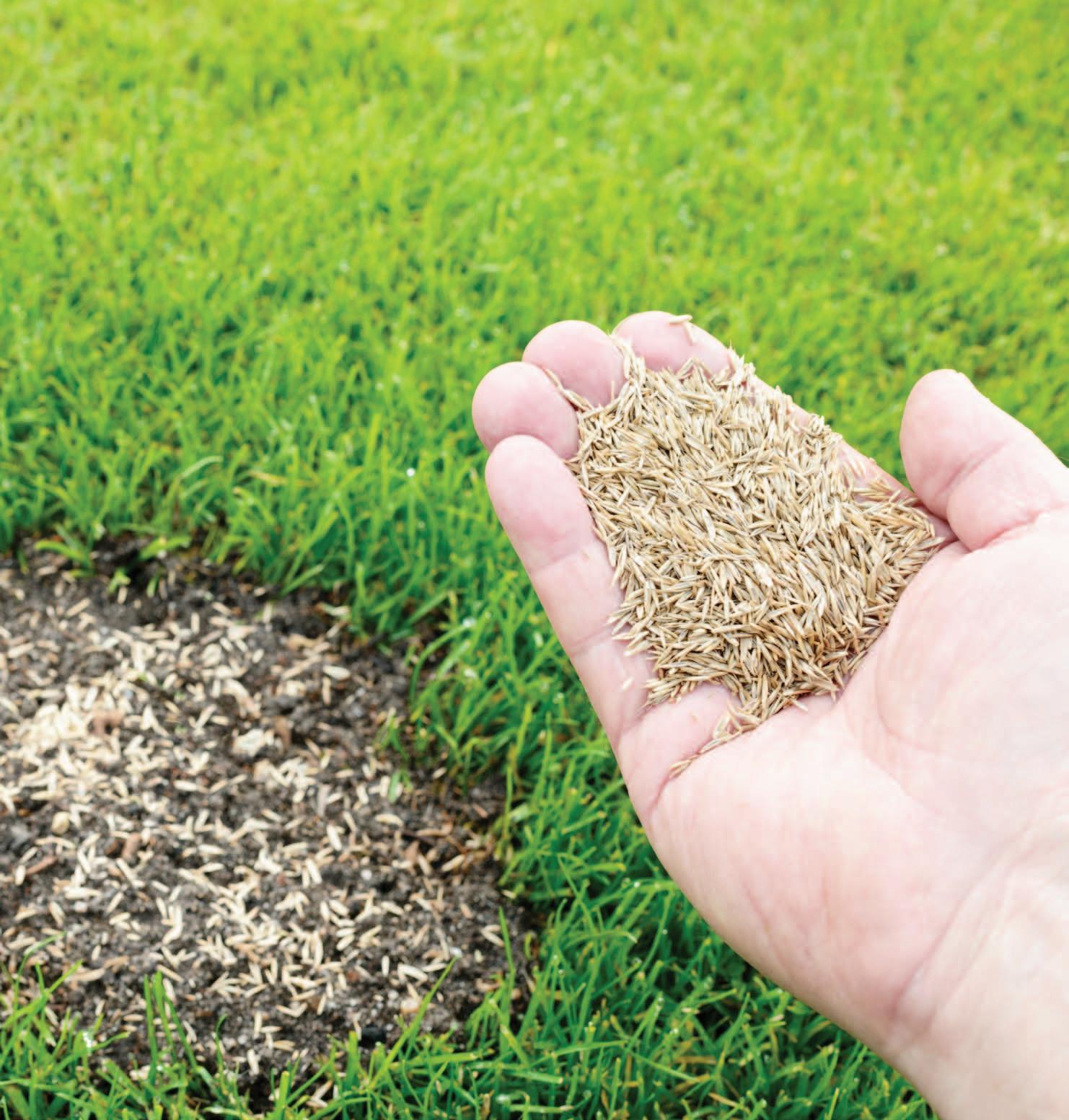
or Deluxe Shady Blend, which can do well in heavily shaded areas. Be sure to put on Fertilome Starter Fertilizer when planting your grass seed for better germination and deeper rooting. If you’re not sure what your lawn needs, Wedel’s Lawn Pros are always glad to help you choose the right seed and products.
Still having doubts on whether having a healthy, well-fed lawn is good for the environment or not?
Rest assured, fertilizer and pesticide products are highly regulated with standards designed to help protect the environment. Here are some general best practices to follow:
• Be sure to follow label directions.
• Make sure product stays on the lawn and out of drainage ditches and waterways.
her window. Every day at 3pm (quitting time,) the construction workers would wave to her and make heart gestures with their hands. She in turn would do the same. This became something that she looked forward to each day. The wise announcer said, “Sometimes the simplest gestures can make the greatest impact.”
Receiving these two pieces of advice so close together, could be brushed off as a mere coincidence. Instead, I marveled at the way the universe was aligned to offer me these heartwarming pieces of advice.
• Sweep any product that lands on the driveway, sidewalk, or street back onto your lawn.
• Don’t over-apply fertilizer; we recommend 4 feedings to your lawn per year. These practices will ensure a thick lawn that will reduce erosion, take in CO2 and release oxygen, and control allergens. Hopefully these tips will clear up some of the confusion about lawns and the environment. We all want to do our part for a better, cleaner environment. Your lawn can be a thriving green space that you and your environment can enjoy.
Terrie Schwartz Wedel’s
Garden Center

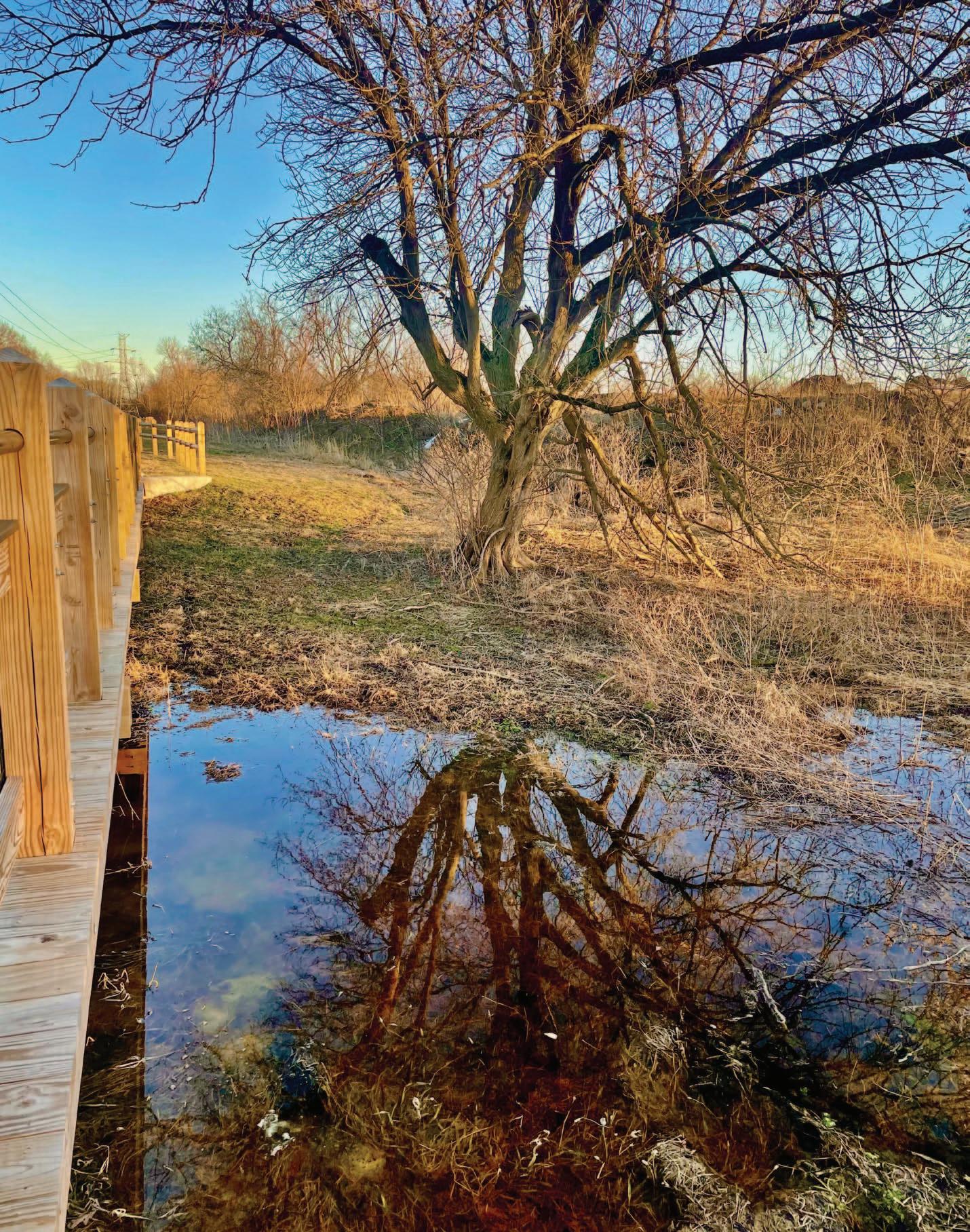
With the spring upon us and the summer incoming, the days are getting longer, the sun brighter, and the clouds fewer. It’s a season of shadows and reflections. I love reflections in water; they give you a teaser of reality. I love shadows on flat trail; they tell you the truth with clear outlines of what is and what was. Walking along recent pathways, I applied this to my life.
People, especially in groups, tend to gossip. If you know me, I’m not a big fan. Have I gossiped before? Yes. Will I gossip again? Yes. Do I try to avoid it and be better? Yes. Gossip accomplishes connection between two people, but it is at the expense of another. It can build a relationship of comradery among a few while destroying collaboration and teamwork among the whole. We all know this, we’ve all seen this, yet it continues to happen. Like shadows on the ground and reflections on the surface of a pond, it just is.
Someone once told me, when gossip comes around, ask these two questions, “Is it true and is it helpful?” Not one person that I have ever met is perfect. It’s the human condition, we are flawed, we mess up. We talk way more than we listen. We speak before we think, and we react quickly without reflection and research.
Often, we live in the emotive, protective part of our brain rather than the logical and analytical part. Again, it just is. But what if you could change this? In fact, you can, with effort. I would like to live a life of lifting others up rather than dragging them lower when they’re already feeling defeated or broken. We all know that feeling. Things from our past, memories and regrets that we can’t shake. Now think about your hopes and dreams, the wishes for your future self. The version of what we want others to see, an image that we are proud of looking back at us. This is what we should strive for. We should encourage others by the best reflection of their future self, not the shadows of their past. Shadows are meant to fade with the midday sun, where in the brightest, centered sky, the shadows are lean and under our feet. Shadows and reflections live simultaneously in the natural world. You can live within a world of gossip or a world of encouragement. You choose what you want to see. 20 original art prints are placed randomly in this month’s edition of the Good News Paper.
Peace, Love, and Art. -Amy Instagram: @amylgieschen


Everyone’s favorite mismatched roommates, uptight Felix Unger and easygoing, disheveled Oscar Madison, will have you rolling in the aisles in Neil Simon’s Tony Awardwinning comedy The Odd Couple - a Kalamazoo
Senior Class Reader’s
Everyone’s favorite mismatched roommates, uptight Felix Unger and easygoing, disheveled Oscar Madison, will have you rolling in the aisles in Neil Simon’s Tony Awardwinning comedy The Odd Couple - a Kalamazoo Civic Senior Class Reader’s Theatre production.
production.


It’s non-stop laughs when a down-on-his-luck Broadway producer and his mild-mannered accountant come
Mel Brooks’ laugh-out-loud spectacle The Producers sets the standard for modern, outrageous, in-your-face humor.
It’s non-stop laughs when a down-on-his-luck Broadway producer and his mild-mannered accountant come up with a scheme to produce the most notorious flop in history, thereby hustling their backers out of millions of dollars. Mel Brooks’ laugh-out-loud spectacle The Producers sets the standard for modern, outrageous, in-your-face humor.


Two doors down from where I grew up on Barnard Street in Saginaw sat a tidy little pink house with white trim. Its unconventional color always stood out. The house looked cheerful, neat, and well kept…the sort of place that seemed welcoming from the sidewalk.
It belonged to Mr. and Mrs. Riesley*, who took meticulous care of the house and yard. Each spring, colorful tulips lined the front of the house and the steps to the porch—something right out of a Barbie playhouse set.
But the Riesleys, especially Mr. Riesley, had far more to attend to than keeping their place neat and tidy; Mr. Riesley was an extreme germophobe.
In a most unusual way, I got to know him well. Having no car, he would frequently pay me to run errands to a neighborhood store. It wasn’t for bread, milk, or catsup—it was for facial tissues, napkins, and paper towels. I was thankful these were the things I carried back. Bulky, yes—but light. I usually earned twenty-five cents each time.
He never touched anything with his bare hands. Every doorknob required a tissue. Objects were handled with napkins or paper towels, discarded immediately after use. He never stepped outside unprotected. Even in dry weather, he wore galoshes.
He also had me haul large cardboard boxes filled with used paper to the burn barrel at the back of his yard. I loved that part. I was allowed to strike the match and watch the fire consume the mountain of paper— along with the box that carried it. His wife, whom I remember as reserved and soft-spoken, seemed quietly deferential to his needs, rarely engaging with neighbors. She once told my mother she ironed their paper money to kill germs and boiled coins for the same reason. I remember seeing him get into the back seat of a taxi and, before he did, wrap himself in a white sheet.
As a kid, I accepted all of it. I never asked questions. I simply assumed he didn’t want to “catch germs.” No doubt this habit cost a considerable amount over the years in disposable

paper alone. And no doubt it drastically shaped his wife’s quality of life.
In high school, I learned about the billionaire Howard Hughes and the behaviors that came to define him. His self-imposed isolation sounded eccentric in news reports. But it struck me differently. I had already seen those same rituals lived out by a kind, gentle—and undeniably odd— man two doors down.
Fear of germs feels like a modern idea, because belief in germs had to come first. In 1546, Italian physician Girolamo Fracastoro suggested that disease spread through invisible “seeds.” He couldn’t prove it—microscopes didn’t yet exist—but he was describing what we now call germ theory. It wasn’t until the mid-1800s that scientists confirmed specific microorganisms caused specific diseases. Once the threat became visible and named, fear had something concrete to attach to.
The clinical term for germophobia is mysophobia—an intense, irrational fear of contamination. It is strongly associated with obsessive-compulsive disorder (OCD), which involves intrusive thoughts and repetitive behaviors. With mysophobia, that often means compulsive washing, avoidance, and rituals that can disrupt daily life.
I’ve read that germophobia often traces back to childhood. In Hughes’ case, his mother was reportedly obsessive about cleanliness, warning him constantly about disease. Those early lessons hardened into lifelong habits.
Like Hughes, Mr. Riesley was also a perfectionist. I once trimmed a tall privet hedge for him while he stood beside me in his galoshes, using a yardstick to point out tiny stems that needed attention. It doesn’t seem unusual that OCD might express itself in more than one way.
And I wasn’t immune to having peculiar likes and dislikes either. My mother had everyday Melmac dinnerware—probably because it was inexpensive and durable. The set came in several colors. For me, though— and my mother always thought it was odd but complied anyway—I couldn’t eat off the pink plate. Any food on that plate was wholly unappetizing. I

couldn’t imagine how that ever came about, but I never ate off the pink plate.
When looking online to confirm the name, I loved finding this: “Vintage Melmac pieces—including pink plates—commonly turn up in collector marketplaces today, good evidence of their 1950s–60s ubiquity.” Seeing “pink plates” mentioned was astonishing. The plate I hated is now a collector’s item. And if asked by a family member for a reason why I couldn’t eat off a pink plate, I did not know the answer.
Also—and my children notice this—I never push an elevator button with my index finger; I use my knuckle. I know how many hands touch those buttons every day. I think about the children who
lived through the COVID pandemic. The masks. The distancing. The plastic barriers. The constant warnings and statistics. It created an atmosphere of invisible threat that we still may not fully understand. Adults felt it too.
I can’t imagine what life would have been like for Mr. Riesley during that time. I found what I believe was his obituary: he died in April 1981 at the age of 78. I don’t know the cause of death. But in his own careful way, he managed to live a long life while avoiding the dangers he feared.
* I’ve slightly modified the last name out of consideration for surviving family members.
James D. Coppinger





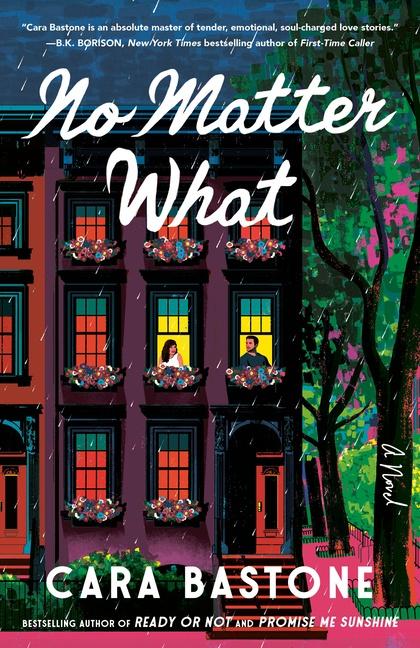
Three wives of convicted killers, fighting the guilt that they didn't know what was happening with their husbands, band together to search for a killer
Continuing the trend of stories of brave women who aren't taken seriously, this tightly woven crime novel has a bang of an ending.

L Lady T ady Trremaine emaine Rachel Hochhauser (St. Martin's Press)
This Cinderella retelling is particularly powerful at portraying the challenges of motherhood and surviving in the world as a woman. The dissection of what traumas and choices create a villain are a fascinating character study, and readers will love that Lady Tremaine is given depth beyond the stereotypical evil stepmother trope—after all, everyone could be a villain in someone else's story
Libraries, CO
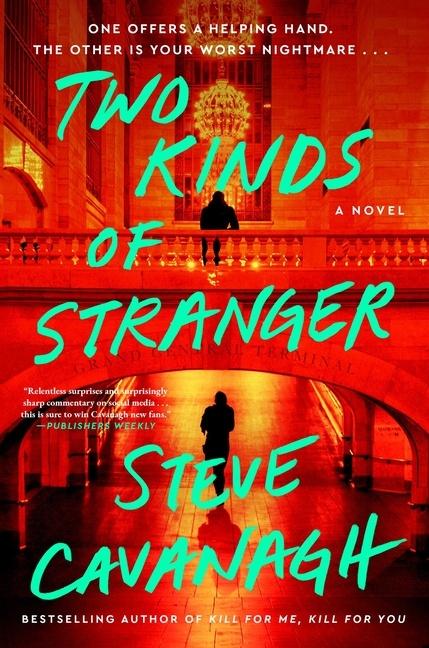
Conman-turned-attorney
Eddie’s reputation precedes him. When Elly, a TikTok star, is convicted of a double murder she didn t commit, she requests his help to prove her innocence. He soon realizes he may have gotten more than he bargained for. When the case hits a little too close to home, Eddie relies on his (maybe not so legal) skills to save her life

NoveList

It Girl: A No Novveel l Allison Pataki (Ballantine Books)
A compelling fictionalized story based on the life of Gibson Girl and Gilded Age "It Girl," Evelyn Nesbit. The author writes masterful historical fiction that illuminates exceptional women: their lives their hopes, their triumphs and downfalls Highly recommended!
Troutman, LibraryReads Ambassador, IN NoveList read-alike: Laura Lamont’s Life in Pictures by Emma Straub
Y You Shoul ou Should Hav d Have Been e Been Nicer to My Mom to Mom Vincent Tirado (William Morrow)

Joy and Benny are the perfect podcasting team, best friends who explain to listeners how to survive life-threatening situations But when Joy and her husband go missing, it’s time for long-held secrets to be revealed. This compelling mystery with a likable pair at its heart will keep readers turning the pages to find out if a happy ending awaits

Innamor Innamorata ata Ava Reid (Del Rey)
Haunting and atmospheric, this gothic tale of necromancy revenge, and forbidden love will draw readers in. Lush writing, eerie vibes and a heroine torn between duty and desire Darkly beautiful.
Nobody's Bab Baby y Olivia Waite ( Tordotcom)
Our favorite "old lady" sci-fi detective is back at it, this time solving the mystery of a new baby on board (when that should be impossible on many levels!). A quick read, but Waite does a great job balancing a heck of a lot of world-building with a satisfying mystery and forward emotional movement by the heroine L

This slow, luxuriously paced gothic hinges on toxic family relationships When Papi Ramon dies, the reading of the will mentions a demon among the family. Fans of Knives Out or The House of Usher will want to give this one a try!



Nobody ever comes here uninvited. Nobody. Ever. Wouldn’t dare. I can be one of those, yes, grumpy hermits out in the country who don’t appreciate surprise visits. Fussing around the recently planted red oak tree on the back hill of my property, I was stunned to hear a human voice.
“Hellooooo!” the voice called out.
I looked up in its direction, glaring. Two approaching, a blonde woman and a man with a buzz cut. Both grinning ear to ear and waving at me.
I continued to glare. Such brazen violation of my property lines. They were coming up from the pine grove, up my carefully mowed path to my hill.
I offered no return greeting.
“Hello, neighbor,” the woman held out her hand.
I motioned with my dirt covered hand and did not offer it in return. Neighbor?
“We wanted to introduce ourselves,” the man said. “We just bought the 14 acres north of you.” He gestured an arc in the air to my north border. “We will be building soon.”
I had by then been living at Z Acres for nearly a decade, enjoying the solitude I had sought out all my life. The woods, the field, the pond, surrounded by the sounds of Nature alone. To my north was a view that reached the farthest horizon, a
farmer’s expansive fields that edged on rolling hills against the sky.
I didn’t think anyone would ever buy the acreage beside me. The lot was too odd, a jutting triangle with no real access to the dirt road. It was dotted with pines and aspen and blackberry brambles. Indeed, my own real estate agent back when I had come here assured me no one would want such an odd parcel. Even so, I inquired about the land, was told the price, and set the thought aside—too pricey for my pocket.
When the tractors and bulldozers arrived, I wept. For a moment, I even thought about leaving. My roots,
however, had already grown too deep. This acreage, this hundred-year-old little red farmhouse, had been my lifelong dream.
When the house was finished, and the barn, and the chicken coop, and their garden space fenced in, they invited me for dinner and a tour. Begrudgingly, I went. The meal was hearty, the conversation flowed. I learned our political opinions were directly opposed, yet I could not deny that these two emanated warmth and goodness. We found common ground on our environmental views, our reverence for the natural world.
Another five years later, I confess:
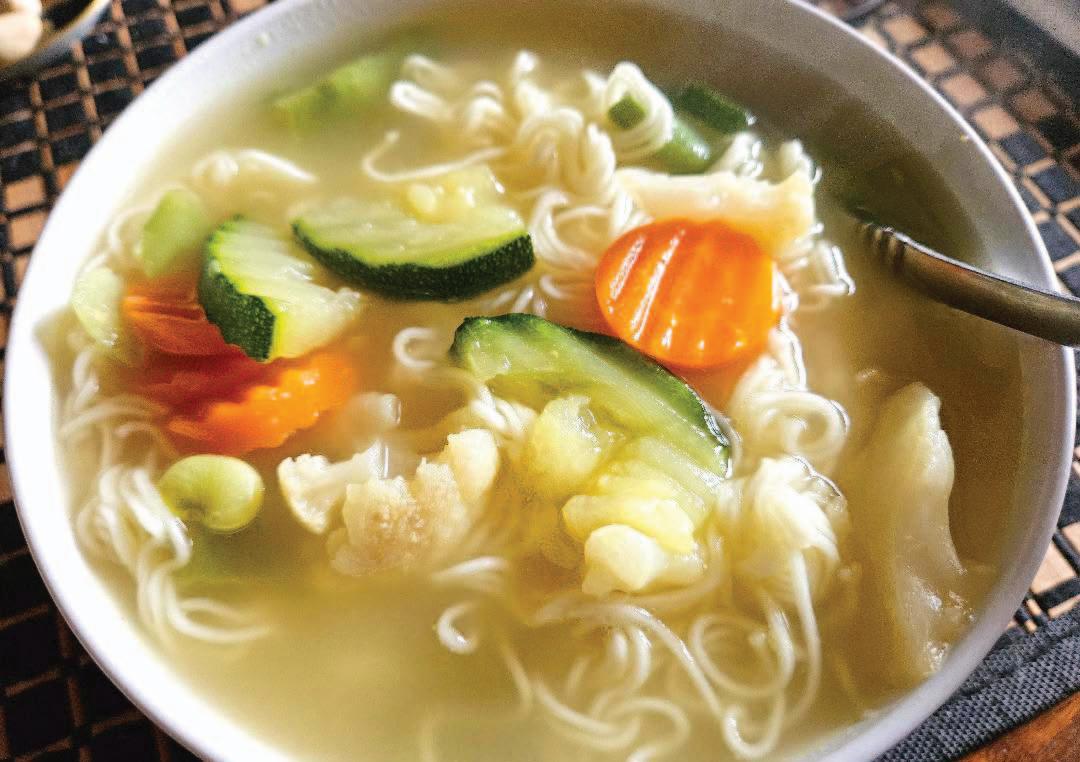
we are friends. Good friends. Good neighbors. When one or the other leaves on a trip, the other watches the property, feeds the animals, cuddles the cats, rounds up the chickens, walks the dog. When my old truck won’t start, he comes by to check the engine. When the winter snows fly, they plow my nearly quartermile long drive and refuse payment. Noticing my wood pile diminished in early spring, when the evenings still chill to the bone, he hauls a stack of split and seasoned wood to my property, knowing I depend on it. In the summer, they bring their log splitter over and we make a day of sawing, splitting, and stacking wood for the coming winter. On my birthday, she remembers, and she brings me gifts of jarred salsa prepared from the tomatoes she grows in her garden. I threw my back out a few months ago. Hurt like hell. I could hardly move. Couldn’t get dressed, couldn’t gather the eggs my chickens gifted me, couldn’t prepare a meal. My neighbor brought me a pot of chicken vegetable soup from her food pantry. What makes a house a home? Family. Our pets. Our moments of peaceful solitude. And good neighbors. Even when they ruin the view.
Zinta Aistars

I remember as a child sitting in a corner of our front yard picking dandelions. Creativity made them paint and jewelry. The flowering heads were turned and twisted under a chin or on an arm to make a yellow circle reminiscent of the spirograph toy sets.
The end of one stem was pinched together and then inserted into the end of another stem, and depending on how long the stems, a third stem might be added to the joined duo, to then form a circle, making the perfect bracelet to wear, at least temporarily until the wilted stems led to making the next bracelet.
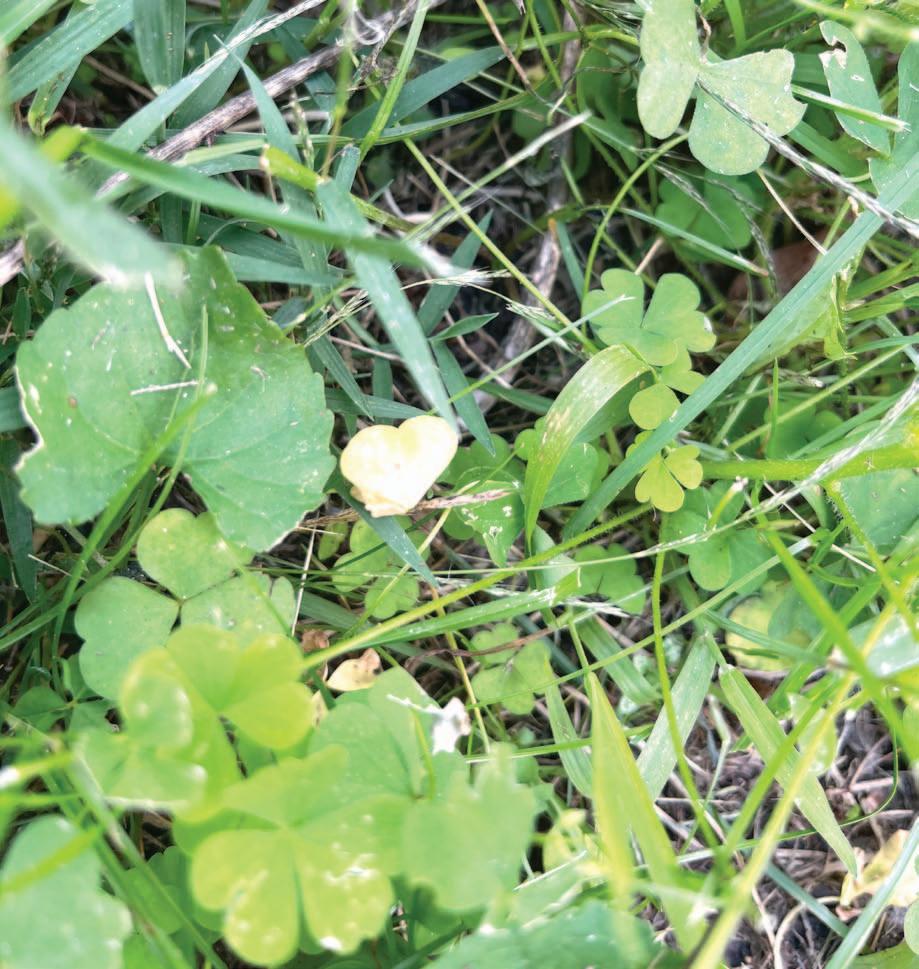
I recall the anticipation I felt as a kid when a friend and I found a patch of three-petaled greenery, eager to sit down and see if we could find
an allusive four-leaf clover among all the threes. It would take me some forty years give or take to actually find one, yet the elements of curiosity and expectation were both still prevalent in me when I paused during a long run, looked down at a patch of green, and there it was! Looking back at me! A four-leaf clover I didn’t create myself by plucking two petals from one stem and holding that single petaled stem against another stem of three petals. Ingenuity was also present in childhood when hunting for lucky charms.
I remember an incubator we had for hatching baby chickens and ducks. Though I knew the end goal was for the little ones inside the hard shells to become the fluffy balls of yellows, grays, and black with light

brown wings peeping under a heated lamp, I loved the surprise when discovering a piece of shell laying next to the egg. This meant soon a tiny beak would be pushing through.
So, what do dandelions, four-leaf clovers, and baby chickens and ducks have to do with this month’s Piece by Piece? Other than the signs of Spring!
Recently I was in a conversation with a friend who is planning a trip to New York City. Our dialogue also included AI, or as we know it “artificial intelligence.” My friend was expressing her happiness at an exhibit she found by using ChatGPT, something she was certain she would not have stumbled upon doing if it wasn’t for the intel at her fingertips.
After we hung up from our call, I
thought about another friend who has reframed AI as “authentic intelligence.” Her perspective is not anti-technology. She understands and respects that there are life-giving benefits that can be realized through the level of technology our world has reached. She also is deeply aware that our experience as human beings separate from technology is priceless and inspires living a balanced life that includes decision-making and taking actions from innate wisdom, unplugging from convenience to be present with people and nature, and the genuine elements of creativity, curiosity, anticipation, and surprise. Happy Spring!
Christine Hassing https://christinehassing.com

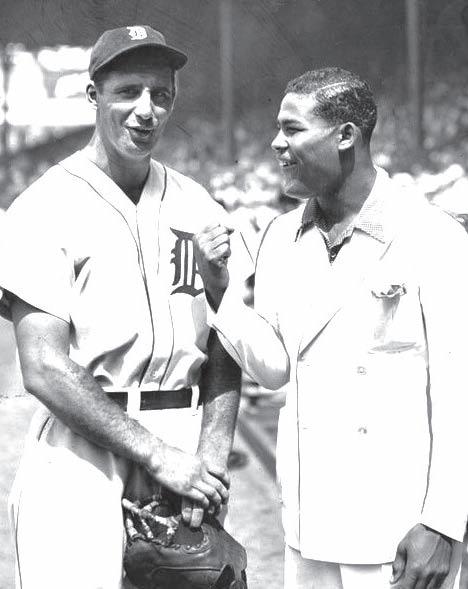
For the first time in many years, all four of Detroit’s major league teams—the Tigers, Lions, Red Wings, and Pistons—are playing at a competitive level. Each team began its most recent season with realistic hopes of making the playoffs, and even a league championship.
90 years ago, a championship celebration took place in Detroit unlike any other in American history. Saturday, April 18, 1936 was designated Champions Day in the Motor City. The day was set aside by local leaders to celebrate an unprecedented level of success by Detroit athletes. In addition to being feted locally, the “City of Champions” was saluted statewide and even across the nation.
The special day took place exactly one week after the Red Wings won their first-ever Stanley Cup, which followed on the heels of the Tigers and Lions also winning their very first world championships. The Tigers won their first World Series in the 35th season of their franchise, the Red Wings won their first world championship in their tenth season of existence, and the Lions won their first NFL championship in their second season, after having moved to Detroit from Portsmouth, Ohio, where they played six seasons as the Portsmouth Spartans.
The celebration recognized the only time in sports history—before
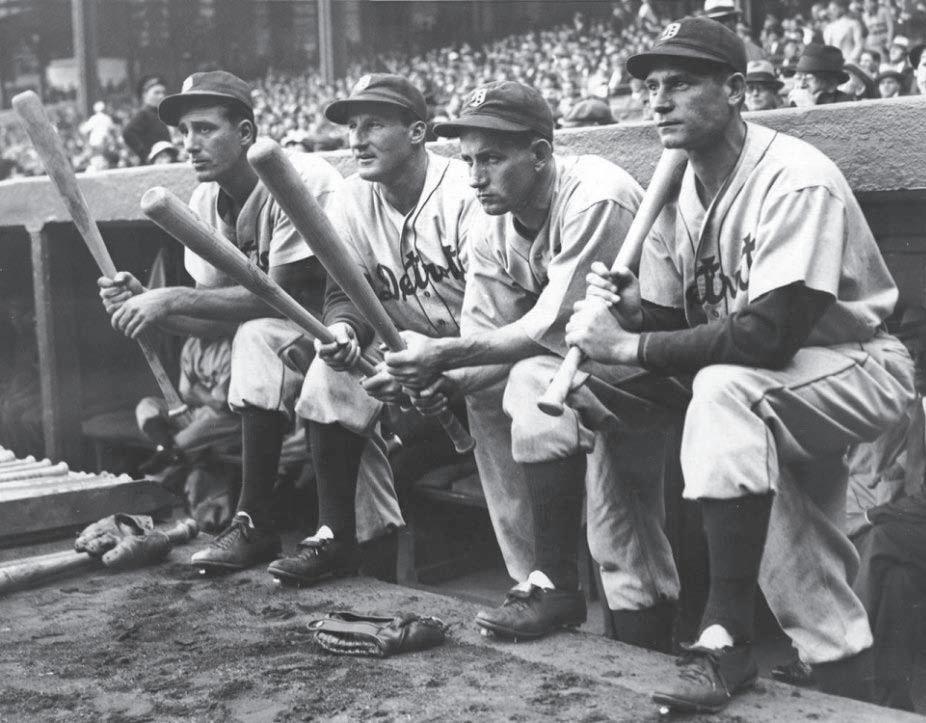
or since—that an American city would win three major world championships in the same season. (The National Basketball Association’s Pistons would not exist in Detroit until 1957.) Canada’s Windsor Star said the day represented “…the most amazing sweep of sport achievements ever credited to any single city.”
To mark Champions Day, 600 people attended a banquet and party sponsored by the Detroit News at Detroit Masonic Temple. The event was covered live on radio station WXYZ-AM. Attendees included Governor Frank Fitzgerald, Mayor Frank Couzens and the Detroit City
In addition to the three major team championships, many other athletes with significant accomplishments were recognized. Among them were heavyweight boxer Joe Louis, who had been named the 1935 Associated Press Athlete of the Year, and power boat racer Garfield “Gar” Wood, who had won several championships and was the fastest human on water. Detroit’s Eddie “Midnight Express” Tolan was recognized as the world’s fastest runner; he had won the 100meter and 200-meter dashes at the most recent Olympics, held in Los



Angeles. At least 11 other individual and team champions were recognized in other sports.
It was a time of great excitement in Detroit, which was then the fourthlargest city in the nation, with 1.6 million people. The city’s population had tripled in the previous 20 years and increased by almost five times since the turn of the century due to the auto manufacturing boom.
The city was later given a wood and brass plaque, signed by President Franklin D. Roosevelt and the governors of all 48 states, representing “a nation appreciative of those qualities of character essential to success in competitive athletics” and recognizing Detroit as “the City of Champions.”
Tony Ettwein HistoryZoo1837@gmail.com
Photo Credits
A. : Detroit home run slugger Hank Greenberg (left) and heavyweight boxing champion Joe Louis B. 1935 Detroit Tigers power hitters Hank Greenberg, Leon “Goose” Goslin, harlie Gehringer, and Marv Owen
C.The “Brown Bomber,” heavyweight boxing champion Joe Louis D.The 1935 World Series Champion Detroit Tigers
Somewhere, in the midst of the “Polar Vortex”, or was it the “Artic Blast”?! I recall getting terribly confused listening to the weather gentleman’s explanation of which cold spell we were having, and why. I just knew it was very chilly, and Julie and I needed to go pickin’ and that was pretty much all there was to it. It really did not matter what the cute weatherman said, we were going to climb into the Jeep to go find junque. The urge to do so, does not freeze, despite whatever wishes our husbands may wish for. If anything, the thought of what we might find, was tantalizing! It probably warmed us! So, you know it! Off we went!
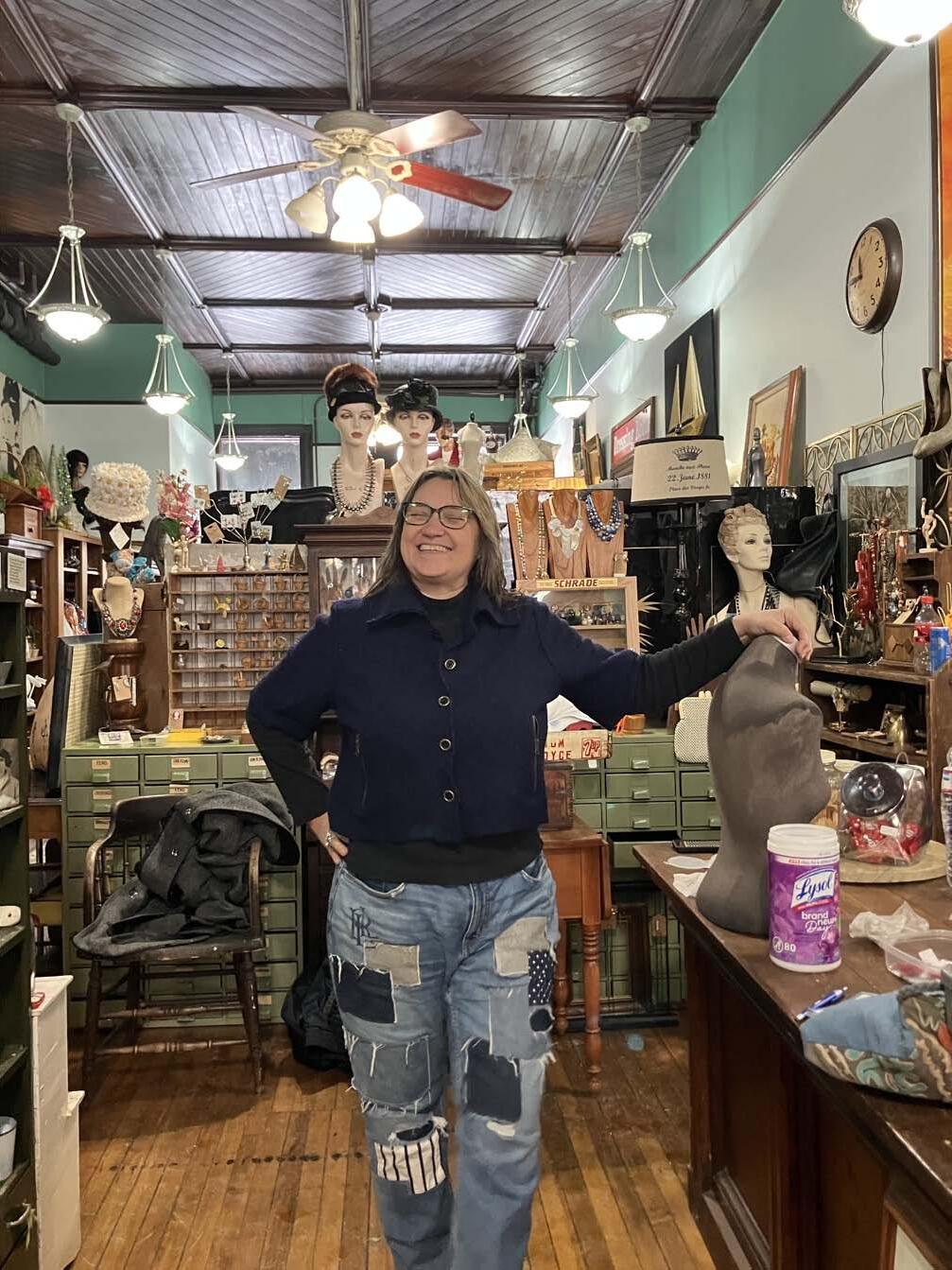
My dear friend, Ann, has been waiting for our visit for a hot (- or, is it cold?!) minute! Seems like this gal is a difficult one to pin down! She is here, there, and everywhere! Ann has her fingers in more paint colors than you can dab your brushes in! The only way to really find her most of the time is to listen carefully for

her delightful laugh to ring out, then try to decipher where it is echoing from, as she speeds about her shop! Ann Michaels has been honing her love for antiques and vintage goods for over 36 years. She has had booths, been a vendor, done markets, assisted to set up shops, and now has her own shop! Vint-Edge was established on the main drag of Marshall about three years ago, following a sister shop which was open for several years close by. Vint -Edge, a delightful combination of older items (Vint) married with trendy, perhaps a bit newer items (edge), is a shop with an AMAZING array of vintage and antique wares finely arranged more like a museum of artworks, architectural pieces, fine junque and finds, more than just about any other vintage shop, or even antique shop that you may wander into. Ann takes arranging her pieces to the next level! One could stand and gawk in one place for an hour, allowing your gaze to wander slowly over each treasure. I am
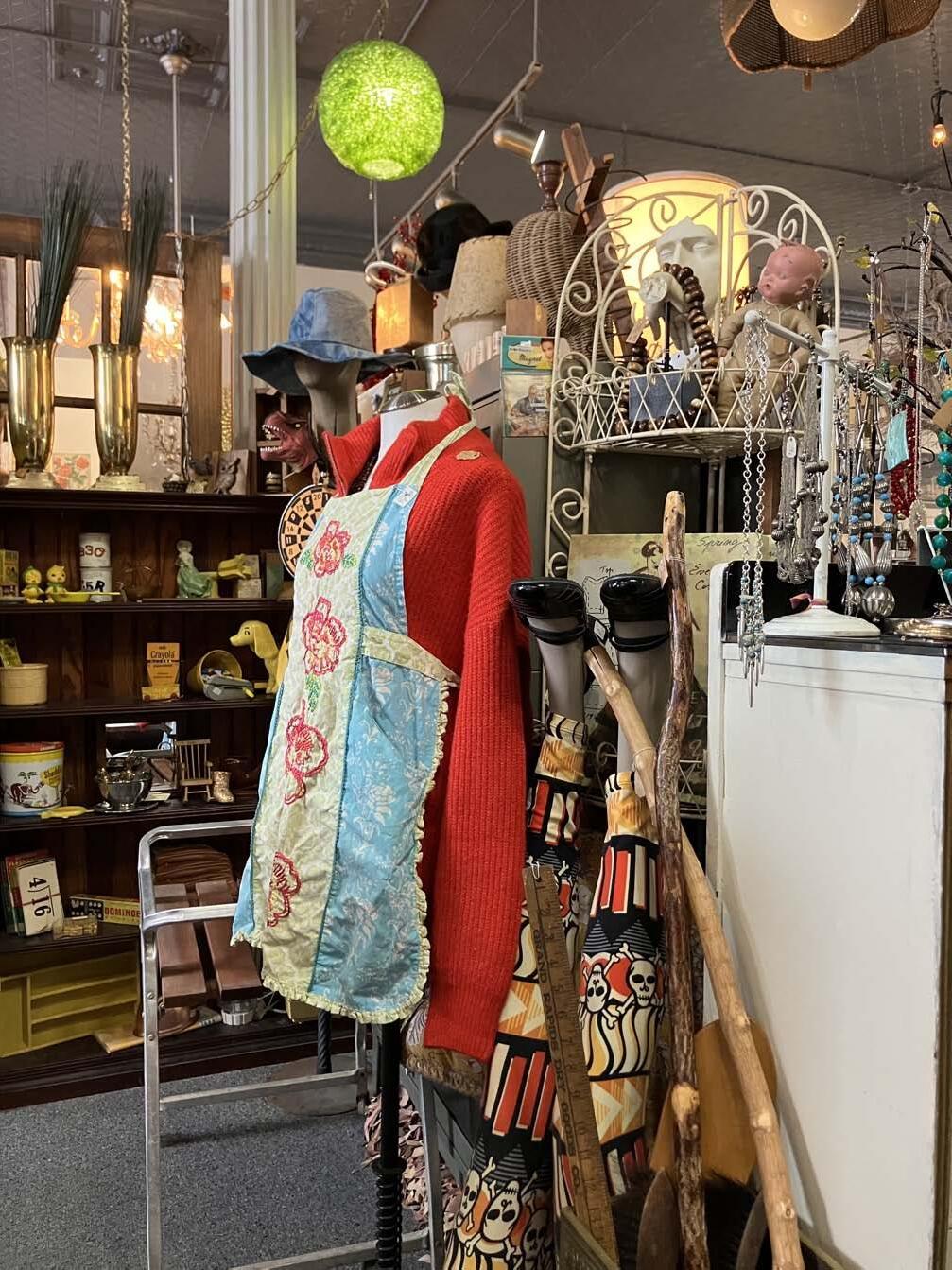
not sure you still could take it all in. Each object is arranged so carefully. The colors play so delightfully with each other! It’s an absolute party to one’s field of vision! You ALMOST don’t want to disturb the artwork that has been laid in front of you, but, then there it is! The treasure you have been looking for! Of course, you don’t know what it is until you find it! But then, you KNOW it!
Every nook and cranny is filled with unique item sure to delight - a piece of sparkling jewelry, an old bound book, the script so difficult to decipher… the dress you simply must take a twirl about the floor! - or, remembrances of that old cookie cutter, reminding you of making cookies with Granny.
Ann has the picker’s eye! She knows good junque, when she sees it! The truly unique and unusual, find their way into Ann’s shop and booths! Oh, yes! Not only does Ann fill Vint- Edge with delights, she is a vendor at Amazing Grace in


Marshall, and Old Dog Vintage in Springfield (see Good News Paper, Mar, 2025, goodnews-paper.com).
Known to all that truly love her (and, even some that have just spotted her crazy antics!) as the “crazy mannequin lady”, Ann may be seen driving about with a mannequin, or two, as passengers in her vehicle! They are also posed about her shop - or just parts of them! So, don’t be alarmed! An arm may wave from behind a picture frame! It’s just our Ann! As previously mentioned, one may never know what might be found at VintEdge! But, the shop, and the proprietor will delight your soul! Oh, one more thing to add to her repertoire! Ann will be teaching a class at KCC! How to De-Clutter our lives! That should be an interesting time!
Vint-Edge 140 West Michigan Ave Marshall, MI 49068 (269)9675230 Wed- Sat 11ish- 5ish.
Cris Bronkema Mimi’s GigiMigi


Spring break sounds cozy in theory. Pajamas. Slow mornings. Family time.
In reality? Two uninterrupted weeks of overstimulated kids, broken routines, screen battles, sibling conflict, and—yes—talking back.
From my experience as a therapist, this is one of the most predictable spikes in parent–child power struggles all year. Not because parents suddenly “lost control,” and not because kids suddenly became disrespectful— but because structure disappeared while expectations stayed the same.
Let’s talk about why back talk increases during breaks, what to do about it (at any age), and how parents and caregivers can protect their peace in the process.
Talking back isn’t random. It’s communication, just poorly packaged and not tied up in ribbons and bows.
During spring break, kids often experience:
• Disrupted routines
• Later bedtimes
• Increased screen time
• Less physical movement
• Higher sensory and emotional overload
When regulation goes down, reactivity goes up. Kids don’t suddenly forget manners; they lose access to skills they haven’t fully mastered yet. Children’s brains aren’t fully developed until 25 years old, and this means a lot more reminders and redirections
Here’s the hard truth: Kids don’t rise to expectations when they’re dysregulated, they move on impulse.
What many adults label as “disrespect” is often:
• Frustration without language
• Fatigue masked as attitude
• A power struggle when autonomy feels lost
• Stress leaking out all over, and not having words to articulate
This doesn’t mean talking back is acceptable. It does mean punishment won’t fix it, alone. These are educational moments
The goal isn’t silence.
The goal is skill-building. Why You Must Address It Early (Yes, Even When They’re Little)
Ignoring back talk because a child is “too young” is one of the most common parenting myths and a HUGE mistake. But…., kids don’t come with a manual and no two are alike.
What starts as:
“Ugh, you’re so annoying.”

Becomes:
“You can’t tell me what to do.”
Then:
“You’re ruining my life.”
And eventually:
“I don’t have to respect you.”
Maybe even:
“I hate you”
Patterns practiced young become defaults later.
Children aren’t learning whether to talk back, they’re learning how far it gets them.
I mean why not talk back if they know their parent is going to give in? Early intervention doesn’t require harshness. It requires consistency, clarity, and calm authority.
How to Handle Talking Back in Younger Kids (Ages 4–9)
1. Regulate First, Correct Second
A dysregulated adult cannot teach regulation.
Lower your voice. Slow your body. Pause before responding.
“I hear you’re frustrated. Try again with respectful words.”
2. Teach the Script Kids need replacement language. Instead of:
“This is stupid.”
Teach:
“I don’t like this.”
Practice it before emotions run high.
3. Immediate, Calm Consequences Not lectures. Not yelling.
“That tone isn’t okay. Take a break and we’ll try again.”
Consistency matters more than intensity.
What If Your Child Is Older (Tweens & Teens)?
Good news: it’s not too late. Bad news: it does require repair and re-teaching.
1. Stop Power Struggles
State the boundary once. Don’t debate. They love when you debate, they feel like they won.
“I’ll talk when you can speak respectfully.”
2. Address Patterns, Not Moments Choose calm times to reflect: “I’ve noticed we get stuck in sarcasm and yelling. That’s not working for either of us.”
Teens respond better to collaboration than control.
3. Tie Privileges to Respect, Not Perfection
Respectful communication is a non-negotiable life skill. When I pulled out the words “non- negotiable” with my own kids, they knew they went too far.
Privileges depend on how needs are expressed—not whether kids feel upset.
Teaching Self-Regulation During Spring Break (Without Turning Into a Drill Sergeant)
Self-regulation is taught, not demanded.
Simple, effective tools:
• Predictable daily anchors (wake time, meals, bedtime)
• Physical movement before problem-solving
• Screen breaks before meltdowns
• 5 minuet countdowns “In five minutes we are going to need to leave” This gives kids time to prepare for a transition.
• Emotional labeling (“That sounds like frustration.”)
Think structure with flexibility, not chaos or control.
How Parents Protect Their Peace (Because Burnout Fuels Back Talk)
Let’s be honest: your nervous system matters too.
You are allowed to:
• Walk away before responding
• Take time to breathe
• Take breaks from constant togetherness
• Lower expectations during breaks
• Choose calm over control
A regulated parent models the very skill kids are still learning.
You don’t win parenting by being louder.
You win by being steadier.
Final Truth (The One No One Wants to Hear)
Talking back isn’t about kids “winning.”
It’s about kids testing where safety, structure, and leadership live. Winter break magnifies weak systems—but it also offers a powerful reset.
Teach the skills now. Hold the boundary calmly.
And protect your peace like it matters—because it does.
Dr. Julie Sorenson, DMFT, MA, LPC, LMHC
References (APA Style)
American Academy of Pediatrics. (2020). Helping children and teens manage stress. https://www.aap.org Baumrind, D. (2013). Authoritative parenting revisited: History and current status. Journal of Family Theory & Review, 5(1), 11–34.
Gottman, J. M., & DeClaire, J. (1997). The heart of parenting: How to raise an emotionally intelligent child. Simon & Schuster.
Siegel, D. J., & Bryson, T. P. (2012). The whole-brain child. Delacorte Press.
Spring is in the air and it should be in our kitchen too, and there’s no dish that shouts “Spring” better than a primavera!
Contrary to its Italian name, primavera was created during the mid-1970s in America. Translating in English to literally mean ‘spring,’ primavera came along as a fresher, lighter alternative to very heavy dishes prominent in the 1970s.
Sirio Maccioni of Le Cirque is widely credited with its invention,
often citing that it was his wife, Egidiana, who threw it together using available ingredients during a 1975 trip they took to Nova Scotia. However, Chef Franco Brigandi has also claimed to have invented it while at Il Gatto Pardo Ristorante in New York, and then there’s a third claim by Chef Jean Vergnes that he created it by modifying a dish from an amateur chef, Ed Giobbi.
Circling back to Maccioni, it was reported that when he brought the recipe back with him to his Manhattan restaurant his French-trained chefs, which included Jean Vergnes, reportedly hated it because they
considered pasta with vegetables and cream unworthy of having a place in high-end French cuisine, so they refused to cook it or have it listed on the menu, so Maccioni created a makeshift station in the restaurant’s hallway for waitstaff to make what would become an “off-menu” sensation for New York’s elite.
Regardless of its questionable origination, primavera exploded in popularity after a 1977 article by Craig Claiborne and Pierre Franey, who hailed it as the “most talkedabout dish in Manhattan.”
Its concept of a lighter, vegetableforward option helped to define the
‘light and fresh’ culinary trend of the late 70s and 80s, eventually becoming a staple on Italian-American menus nationwide.
While we have come a long way baby, our taste buds have not! In fact, anyone who was alive to indulge in the initial primavera explosion is likely to enjoy it even more today! Here now is a plentiful assortment to help go primavera. Enjoy!
Laura Kurella is an award-winning home cook who loves to share recipes from her Michigan kitchen. She welcomes your comments at laurakurella@ yahoo.com.
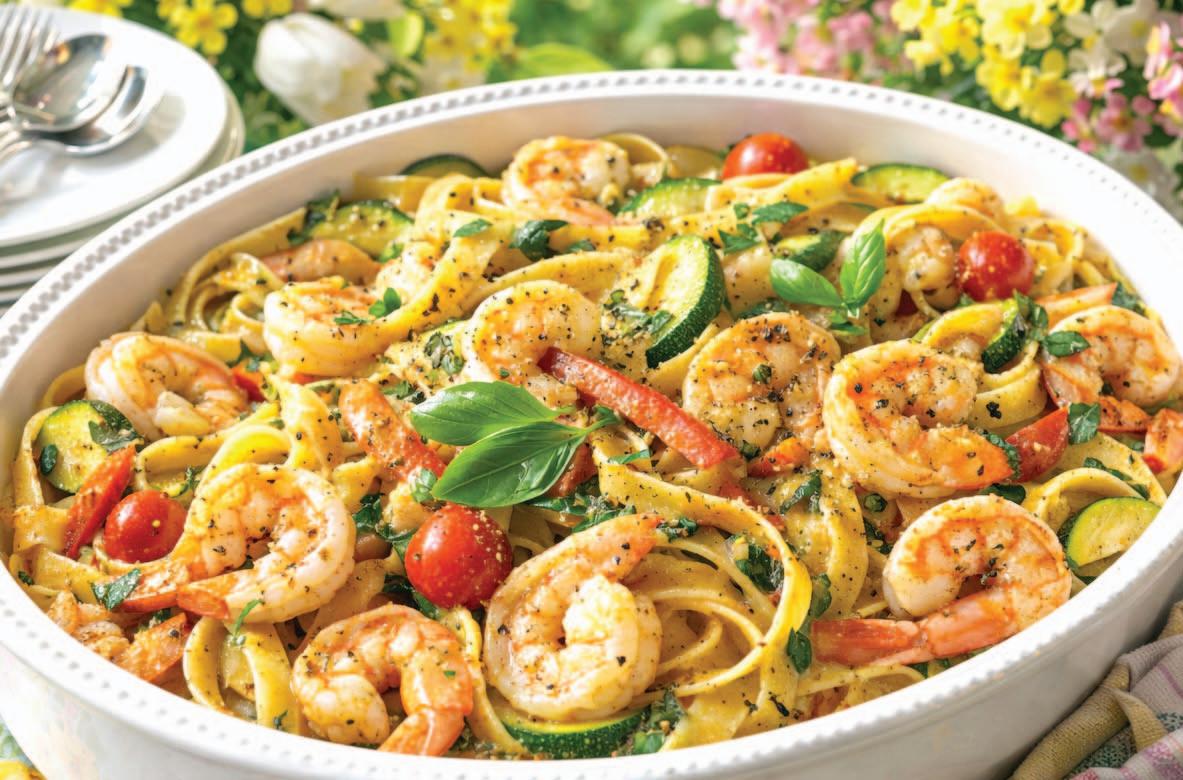
12 ounces fettuccine
1 pound shrimp, peeled and deveined
2 tablespoon olive oil
3 cloves garlic, minced
1 zucchini, sliced
1 red bell pepper, sliced
1 cup cherry tomatoes, halved
2 cups spinach
2 cups chicken or vegetable broth
1 cup heavy cream
½ cup grated Parmesan cheese
1 teaspoon Italian seasoning
½ teaspoon red pepper flakes (optional)
Sea salt and black pepper, to taste
Fresh basil for garnish (optional)
In a large pot over medium heat, heat olive oil. Add garlic and cook until
fragrant.
Add zucchini, bell pepper, and cherry tomatoes. Sauté for 2-3 minutes. Pour in broth and heavy cream. Bring to a simmer, then add fettuccine. Cook according to package instructions, stirring occasionally. When pasta is almost al dente, add shrimp, spinach, Italian seasoning, red pepper flakes, salt, and pepper. Cook until the shrimp is pink and opaque (about 3 minutes).
Stir in Parmesan cheese, allowing it to melt. Remove from heat and let sit for 2 minutes.
Garnish with fresh basil and serve warm. Enjoy!

3 cloves garlic
1 pound zucchini (2 small or 1 large)
1 pound asparagus
1 cup frozen peas
4 medium boneless, skinless chicken breasts
2 teaspoons kosher salt, divided
1 teaspoon black pepper, divided
2 tablespoons olive oil, divided
1-pint cherry tomatoes
1 teaspoon dried oregano
1/4 teaspoon red pepper flakes
1 cup heavy cream
3/4 cup low-sodium chicken broth
5 ounces baby spinach (about 5 packed cups)
Mince 3 garlic cloves. Trim and cut
1 pound zucchini crosswise into 1/4-
inch thick rounds. Trim and cut 1 pound asparagus on a slight diagonal into 1-inch pieces. Place 1 cup frozen peas in a fine-mesh strainer and run under lukewarm water to thaw. Working with 1 piece of chicken at a time, place 4 boneless, skinless chicken breasts in a large resealable bag and pound to an even 1/2-inch thickness. Pat the chicken dry with paper towels. Season all over with 1 teaspoon of the kosher salt and 1/2 teaspoon of the black pepper. Heat 1 tablespoon of the olive oil in a 12-inch skillet or frying pan over medium-high heat until it shimmers. Add half of the chicken in a single layer and sear until browned, 3 to 5 minutes per side. Transfer to a large plate (the chicken will not be cooked through). Add the remaining 1 tablespoon olive oil to the skillet and repeat searing the remaining chicken. Transfer to the same plate. Add the zucchini, asparagus, and 1-pint cherry tomatoes to the skillet. Cook, stirring occasionally, until the tomatoes begin to blister and
the zucchini and asparagus start to brown in spots, 3 to 5 minutes. Add the garlic, peas, remaining 1 teaspoon kosher salt, remaining 1/2 teaspoon black pepper, 1 teaspoon dried oregano, and 1/4 teaspoon red pepper flakes. Cook, stirring occasionally, until fragrant, about 1 minute. Add 1 cup heavy cream and 3/4 cup low-sodium chicken broth, and stir to combine. Bring to a simmer, scraping up any browned bits from the bottom of the pan with a wooden spoon. Reduce the heat to maintain a gentle simmer and cook until the sauce is slightly thickened, 4 to 8 minutes.
Add 5 ounces baby spinach a few handfuls at a time and cook until just wilted, about 1 minute. Return the chicken and any accumulated juices on the plate to the pan nestling the chicken in the sauce and vegetables. Cook until the chicken is cooked through and registers at least 165 degrees on an instant-read thermometer, about 5 minutes.

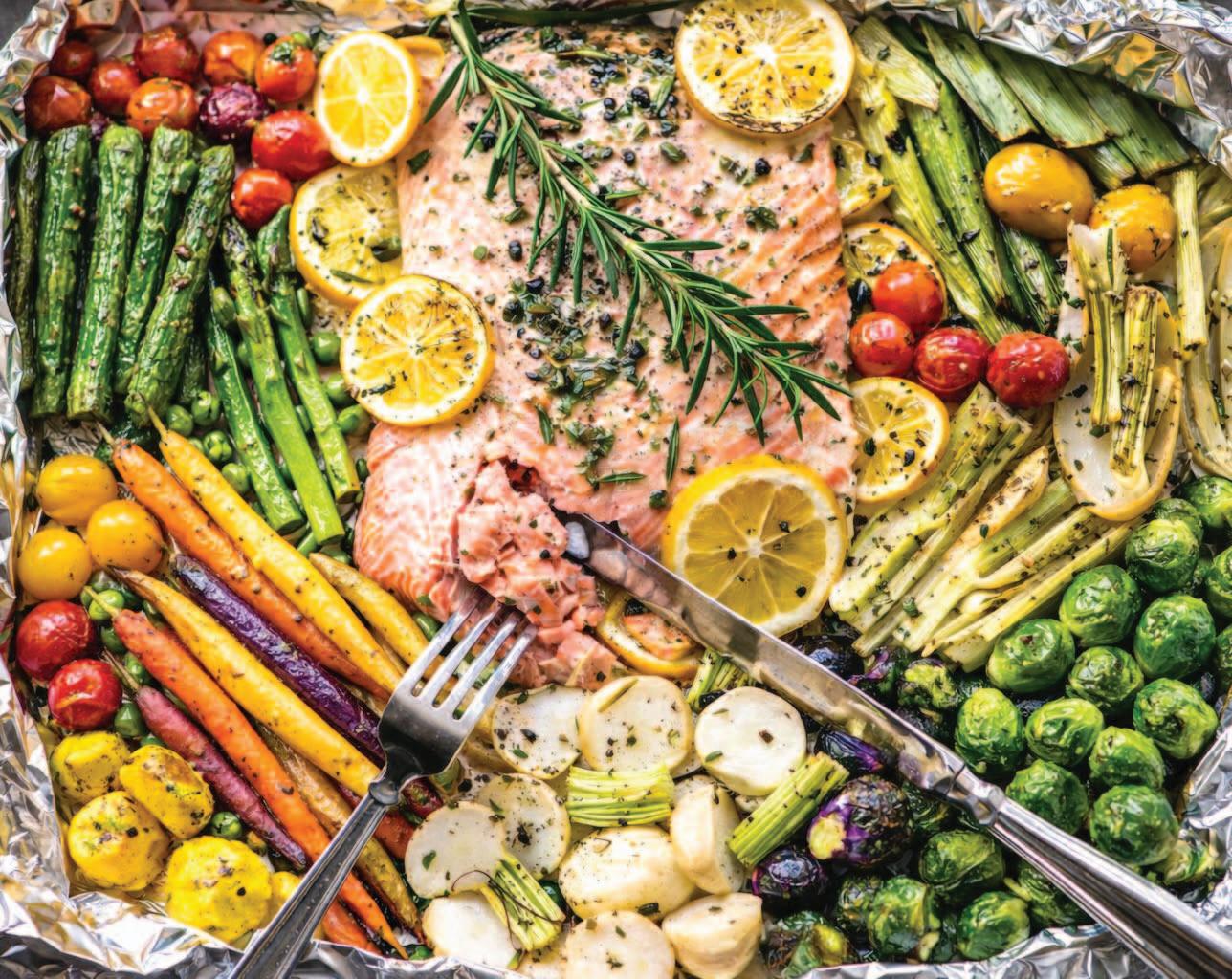
1 1/3 pounds salmon fillet
2 lemons, one sliced, one for juicing 1/4 cup extra virgin olive oil, plus more for brushing
1 teaspoon Italian herb seasoning
1 tablespoon minced fresh rosemary
1 -2 cloves garlic, minced
1/2 teaspoon sea salt and fresh cracked black pepper, to taste
5 cups assorted baby vegetables (your favorites) artichokes
Preheat oven to 425 degrees. Line a baking sheet with heavy duty foil, making sure to cover the entire surface and sides.
Whisk together the olive oil, juice of 1 lemon, seasoning, rosemary, garlic, salt, and pepper.
Trim and slice your vegetables, if necessary. You can keep them whole if small. Put them in a large bowl and toss with the dressing, making sure to get all surfaces coated.
Place sliced lemons in the center of your pan, and top with the salmon fillet. Arrange the vegetables around the salmon. Brush the salmon with any remaining dressing. Cover the whole pan with foil, crimping the edges to seal. Bake for 25 minutes. Open the foil and finish under the broiler if you’d like extra browning.
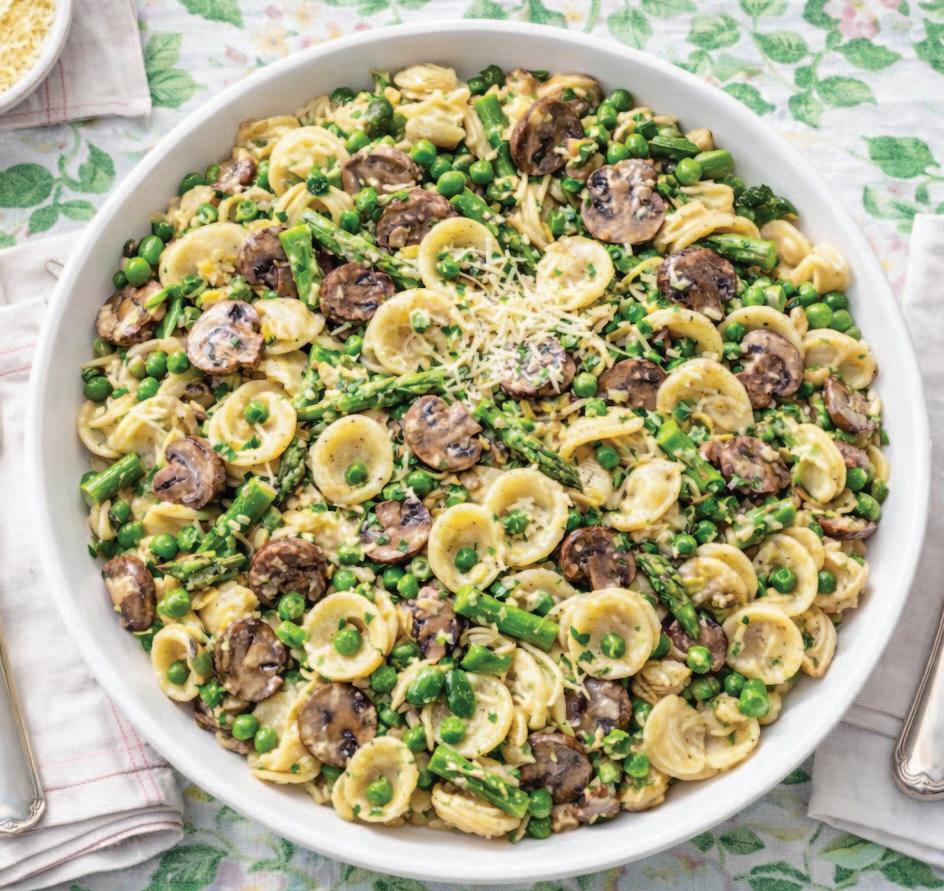

2 tablespoons extra virgin olive oil
8 ounces mushrooms stems removed and sliced
8 ounces asparagus tough stems removed, cut into 1” pieces on the bias
1 leek white and light green parts only, sliced into half moons
1 cup fresh or frozen peas thawed if frozen
3 cloves garlic minced
2.5 cups low sodium vegetable stock
8 ounces uncooked short cut pasta 3/4 cup heavy cream
1 lemon zested and juiced
1/2 cup freshly grated parmesan cheese
1/3 cup chopped fresh basil
Sea salt and pepper, to taste
Heat a large skillet with 1 tablespoon of olive oil over medium heat. Add the sliced mushrooms and pinch of salt and sauté until browned and somewhat softened, about 5 minutes. Add the remaining tablespoon of oil to the pan, and add the asparagus and
leek. Cook for 2-3 minutes until the asparagus is crisp tender, then add the peas and garlic and cook 30 seconds longer. Place the cooked vegetables in a bowl and set aside.
Add the stock or water to the pot and scrape any bits from the bottom of the pan. Add the pasta and stir. Bring to a boil, then add the cream. Reduce the heat to medium low and cook at a high simmer until the pasta is tender, about 10-12 minutes depending on the type of pasta used. If the liquid has evaporated and the pasta is not done yet, add up to a 1/2 cup more liquid and continue cooking. Add the vegetables back to the pot during the last 30 seconds of cooking to warm them through.
When the pasta is done, remove from heat and stir in the lemon zest, juice, parmesan cheese and fresh basil. Taste and add salt and pepper, to taste. Serve with additional parmesan cheese as desired and enjoy!






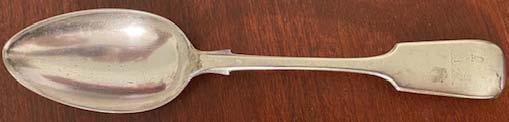
In 2023, I shared the fascinating story of my great-grandmother’s sister, Gladys Hagee Mathew, from her humble beginnings in Colorado, an opera career that took her to New York City and Europe and her marriage to a descendent of the British gentry, Steere de Montfort Mathew. In the early 1980s, their unique collection of antiques and historical documents ended up in Michigan, including items from the time of Queen Elizabeth I, sealed documents from the Church of England dating back as far as the 1700s, and an old silver spoon with unique markings.
A few clues regarding the spoon’s origins surfaced with help from a fellow alum at Hillsdale College.
My husband, Chad, and I attended a lecture series last fall where we met John. He shared an interest and depth of knowledge of history, antiques, and antiquities, so I shared Gladys’ story and later a few photos of the spoon’s hallmarks. Within a week, John emailed links to discussion boards about Sarl Silversmiths, including contact information for John Sarl’s great-great-great grandson.
Mike quickly responded to my query, sharing the tale of his distant grandfather, John Sarl. John was born
in 1788 in Southill, Bedfordshire. He enlisted at the young age of 14 to fight in the Napoleonic Wars. After sustaining an injury, John pursued several business ventures, including work as a silversmith and watchmaker from 1840-1865 in Cornhill, London.
Another clue serendipitously emerged when organizing a desk drawer at home. I came across an old wooden box. Inside was a small handwritten note from 1931 and a sketch with writing across the bottom, “Cruce, non leone fides.” Part of the sketch looked similar to the markings on the old silver spoon. I researched the phrase and found another clue. The symbols (see picture below) are from the Mathew Family Crest, on the right, a bird with a piercing arrow and on the left, a lion’s gambit, holding a cross. The family motto translates to “My trust is in the cross, not in the lion.”
My father also provided another clue. A few months before his passing in 2006, he penned a 20+ page family history, detailing the family’s roots in Colorado and how we ended up in Michigan in the 1970s. These papers include a small section about Gladys and Steere. Apparently, the Mathew Family are descendants of Simon de
Montfort (1208-1265), the founder of British Parliament. Steere’s family tree offers additional clues through repetition of the same middle name carried by many of the men, de Montfort.
Over the past few months with help along the way, I’ve narrowed down a time period when the spoon was made (1840-1865) and identified the markings on the handle from the Mathew Family Crest. As with any worthy historical journey, more questions and paths have emerged along the way. Next on this historical quest: Start reviewing Aunt Gladys’ personal papers and verify the connection between the de Montfort and Mathew families. Perhaps a “recce” to England is required.
Maggie Murphy is a writer, educator, musician and lifelong Michigander.
Maggie Murphy is currently sharing Gladys Mathew’s story through a lecture and traveling exhibit, “Grit, Grace,
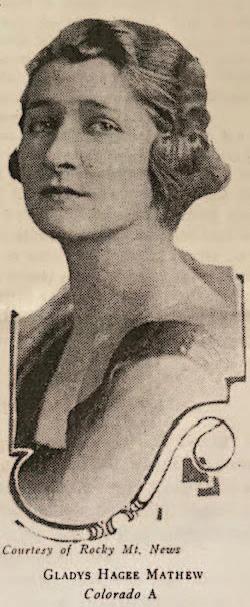
and Grandeur: The making of a Denver Diva.” More information can be found on her website: www.cairnhillfarms.net.













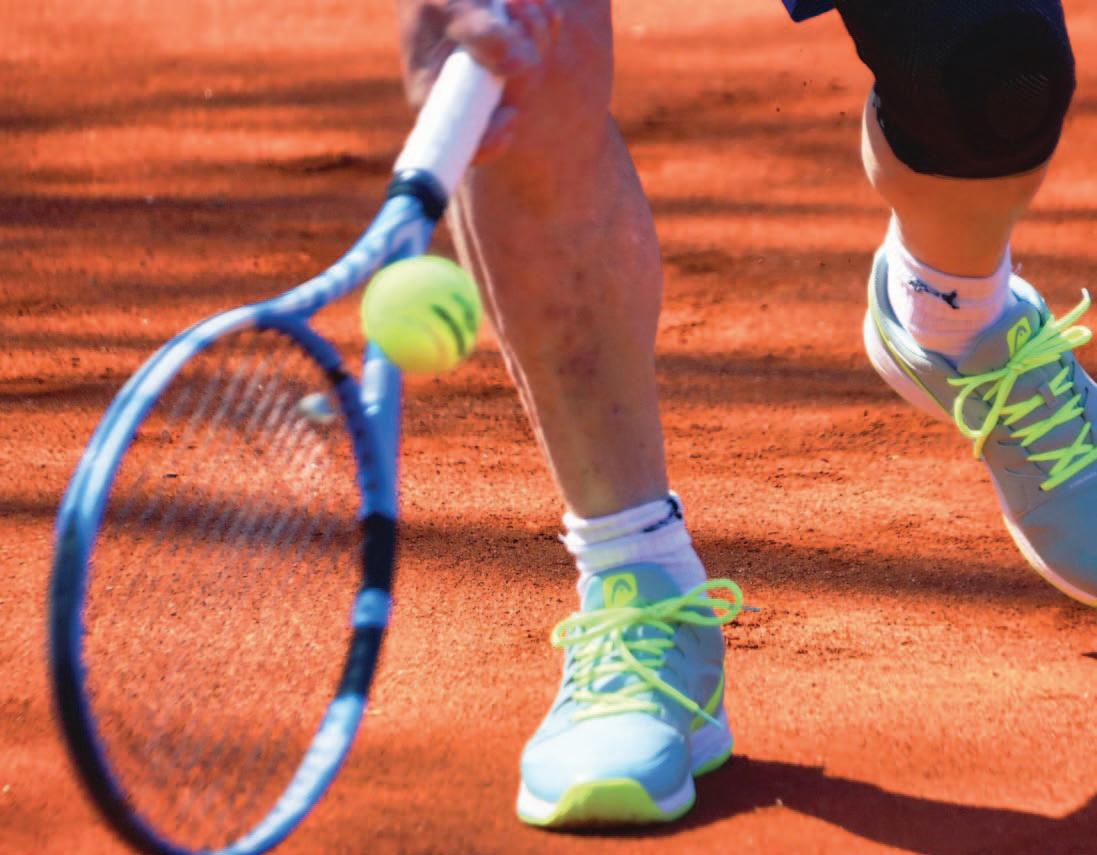
I came across a recent article in the New York Times that touted tennis as the world’s best sport for longevity. That’s quite a claim because there are several studies that show even four to five minutes a day of vigorous physical activity every day or 150 minutes of moderate exercise every week have been linked to longevity benefits. However, several recent studies have highlighted the benefits of tennis for longevity.
One recent study from Denmark found that tennis players lived almost 10 years longer than their sedentary counterparts, even longer than soccer players, swimmers, and other recreational athletes. Other research from the US and the UK found that playing racket sports was linked to a lower risk of death than any other sport of form of exercise studied. It’s important to understand that studies like this don’t prove that tennis causes people to live longer. There are too many lifestyle factors to consider in longevity. However, let’s take a deeper dive into this and find out more.
It appears that tennis has a unique blend of physical, cognitive, and social challenges that contribute to healthy aging. One is that tennis is a total body workout. It demands quick changes in direction, thereby helping in improving balance. It also can
improve bone density, thus strengthening the body against fractures. Beyond the physical benefits, tennis is cognitively demanding and intrinsically social. These are two factors that are key to longevity. These benefits are likely applicable to those who play pickleball. Pickleball incorporates the same movements as tennis but on a much smaller court. It’s really a combination of tennis and ping pong and has made a tennis-like game much more

accessible to many more people. As I’m writing this, I can’t help but think about the chair volleyball game we regularly play at our senior living facility and how it addresses many of the same benefits of tennis and pickleball. We play indoors in an atrium with three stories of vertical open space. The net is 64 inches high and 17 feet long. There are eight players on each side, all of whom sit in chairs. We use an inflated beachball and have modified rules to accom-
modate the limitations of some of the players. We use “old-school” scoring, meaning we play to 15, but only the serving team can score. Players must stay seated throughout the match.
During my role as referee, I’ve observed players experiencing many of the same benefits of tennis and pickleball. There are regular players, many of whom are in their 90’s. Some have advanced cases of Parkinson’s disease. I’m struck by how quickly players must react to the ball and the agility required to return it over the net. The skill level is quite remarkable.
Perhaps the most obvious benefit is how much fun it is with howls of laughter as the ball bounces off someone’s head, sending it over the net for a point. Plus, there’s always the trash-talk that goes on before and during the match.
Are we competitive? Just ask the WMU women’s volleyball team who has played our team several times. I always meet the women’s team in the lobby before the match and remind them to “bring their game, because we’re bringing ours.”
Here’s a reminder to MAKE your day great and be kind.
Till next time,
Ken Dettloff ACE
Personal and Brain Health Trainer

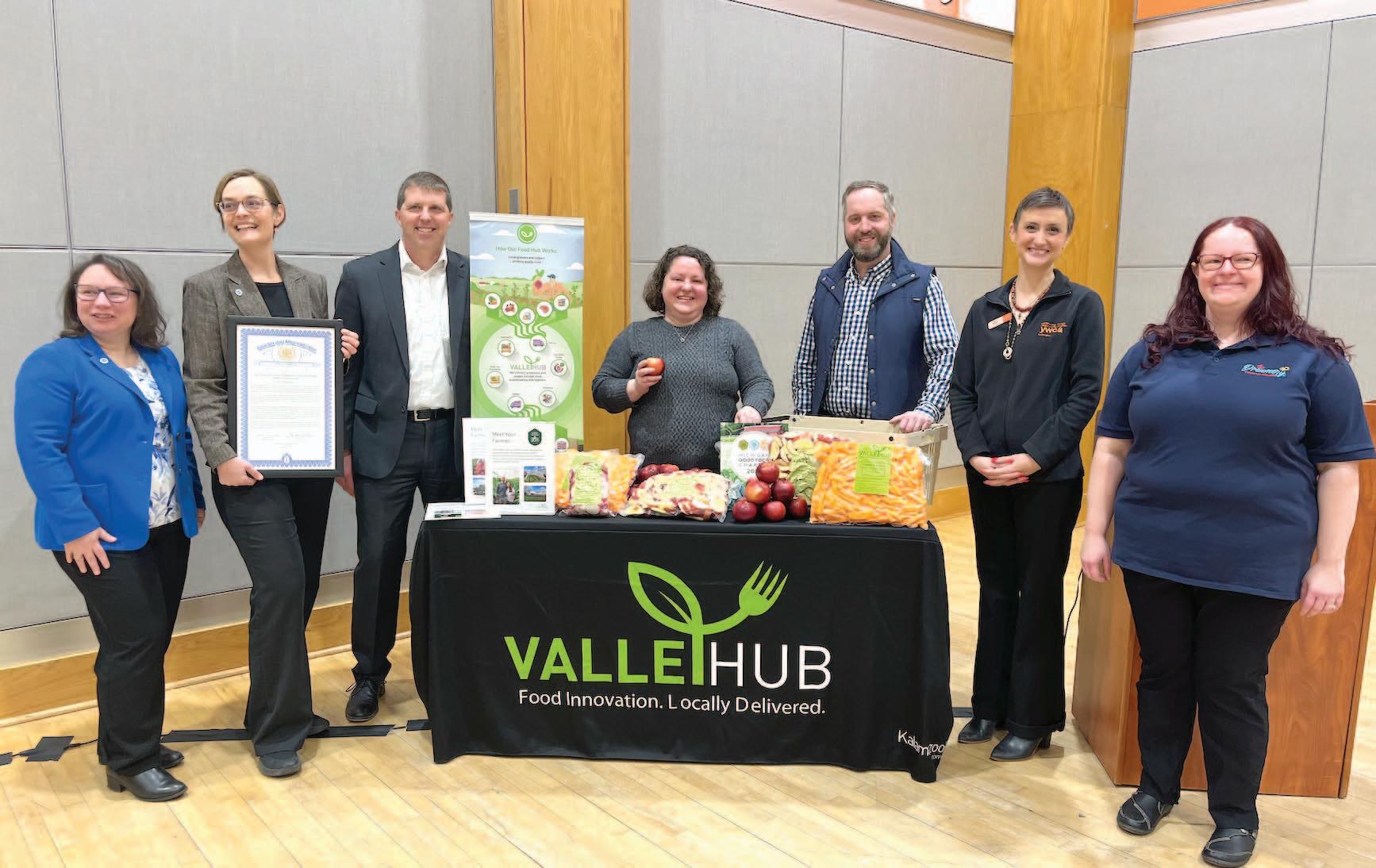
MDARD, Kalamazoo Valley leaders showcase success of local food hub, future partnerships with statewide program ValleyHUB connects locally grown food to nearby schools, organizations, paves way for future partnerships as part of Good Food for Michigan Project
The Michigan Department of Agriculture and Rural Development (MDARD) highlighted the success of ValleyHUB Food Hub at Kalamazoo Valley Community College, an innovative partnership that provides locally grown foods to organizations that serve children, students and families across the region.
Leaders highlighted the successful project as a model for additional partnerships with schools, hospitals and other institutions across Michigan as part of the newly announced Good Food for Michigan Project.
The ValleyHUB Food Hub received a Farm Stop Grant from MDARD in 2025 to improve distribution and help meet demand for locally grown, nutritious food. ValleyHUB distributes locally grown products to nearby institutions and organizations, including YWCA Kalamazoo.
“In southwest Michigan, ValleyHUB works with nearly 40 farmers and food producers to bring more local foods to everyone from young children in day care at the YWCA to students at Kalamazoo Public School to adult learners at Kalamazoo Valley,” said Dr. Tim Boring, the director of MDARD. “We are excited to tap into our state’s rich agricultural heritage to create similar local food partnerships that connect our farmers to schools, hospitals and more through the Good Food for Michigan Project.”
ValleyHUB works closely with partner organizations to provide fresh food to a number of local organizations that serve community members in need. Connecting farmers in southwest Michigan to local organizations and schools helps the farming community.

“Local sales of fresh, nutritious produce provide revenue for local farms, and that means local farmers can keep doing what they do best,” said Rachel Bair, director of ValleyHUB. “We look forward to welcoming additional programs like ours to ensure that more food grown in Michigan is served on Michigan tables, helping our farmers and our communities across the state.”
Kalamazoo Valley Community College is committed to ensuring that the next generation of food service professionals are prepared to support good food purchasing initiatives.
“Graduates of our degree and workforce programs are working in good jobs with organizations like YWCA and Kalamazoo Public Schools, where they are thriving and contributing to the betterment of our community,” said Dr. Paige Eagan, provost and vice president for Instruction and Student Services of Kalamazoo Valley.
YWCA Kalamazoo is dedicated to helping families through a range of programs, including its high-quality childcare program called The Dreamery.
“YWCA Kalamazoo’s Food Justice Program is informed by research and

rooted in social justice,” said LynAnn VanDyk, director of Food Justice Programs at YWCA Kalamazoo.
“We know that in the first 5 years of life, children’s neurological pathways set in millions of ways, including for lifelong food preferences, based on the types and variety of foods experienced in early childhood. Young children who eat farm fresh will be more likely to try new foods throughout early childhood and as they grow older, and they will consume more fresh produce even as young adults. Kids with fresh diets, like what’s served at YWCA, will see improved cognitive functioning in the classroom today and for many years later.”
The Good Food for Michigan Project, a partnership between MDARD and the Center for Good Food Purchasing, is the result of collaboration between state agriculture officials, farmers and community groups. The program connects locally grown, nutritious food to schools, hospitals and other institutions that serve meals to Michiganders every day. The project will help community organizations to: assess their food procurement practices meet good food purchasing targets create plans to diversify their vendors and suppliers to include local
and regional food sources
“ValleyHUB is building a healthy and sustainable food system in southwest Michigan,” said Alexa Delwiche, executive director at the Center for Good Food Purchasing. “We look forward to creating similar projects across the state that strengthen local supply chains and help more schools, hospitals and organizations to buy nourishing Michigan-grown products.”
The Good Food for Michigan Program uses a model that equips schools and other institutions with the tools and technical support they need to source and procure locally grown foods. The program emphasizes the importance of strengthening local and community-based economies, improving community health and supporting a valued workforce.
The Good Food for Michigan Project complements other innovative MDARD programs focused on strengthening regional food systems. In its first year, MDARD’s Farm to Family Program has awarded more than $730,000 to support food hubs and farm stops that give Michigan producers and consumers more opportunities to sell and buy locally grown foods.
MDARD’s website: www.michigan.gov/mdard, has more information about efforts to improve Michigan families’ access to nutritious, locally grown foods.

It’s always exciting to uncover unexpected connections that lead back to Kalamazoo. Who would imagine that movie animation, antique automobiles, and a major pharmaceutical company could share common ground?
A newly released book, A Spoonful of Sugar: The Story of the Upjohn Pharmacy in Disneyland, explores this surprising link through the story of an antiquestyle pharmacy exhibit. Author Stephen Hall brings to life the Upjohn Pharmacy that once stood on Main Street, U.S.A. in Disneyland, tracing its origins, its success, its eventual closure, and where the exhibit can be found today.
After a foreword by a descendant of Dr. Upjohn and former Upjohn Company employee, and a brief preface, the book unfolds across 14 wellpaced chapters within its 136 pages. The chapters are a quick and enjoyable read, offering both historical context and engaging storytelling.
The first set of chapters explore the origins of the Upjohn Pharmacy at Disneyland. Central to the narrative is the friendship between Walt Disney and Donald Gilmore. Gilmore, who spent his winters in California, was Disney’s neighbor and a familiar name to many in Kalamazoo. While most locals associate him with the Gilmore Car Museum, he also served as president and chairman of the board at the Upjohn Company.
The next group of chapters broaden
the perspective, delving into Upjohn’s company history and its ongoing relationship with Disney. For Upjohn, the idea of operating a shop on Disneyland’s Main Street, U.S.A. offered an extraordinary marketing opportunity, especially with an anticipated six million visitors passing through each year. The book provides rich detail about the design, construction, and guest experience of the pharmacy, bringing this unique collaboration to life.
As with many beloved ventures, the story eventually turns to its conclusion. The final two chapters examine the pharmacy’s closure and trace what became of the exhibit after its time at Disneyland came to an end. To help bring the story to life, the book features an average of six photographs per chapter. Many of these images were taken locally, adding a special sense of familiarity for Kalamazoo readers. The photographs span a wide range of locations, including the Gilmore Car Museum, the Gilmore family home in Barry County, the downtown Kalamazoo area where WMED now stands, the Kalamazoo airport, and, naturally, Disneyland itself.
If this book sparks your curiosity about Kalamazoo’s history, you don’t have to look far for places to explore. You can take a stroll past the WMED campus downtown or head just north of Richland to visit the Gilmore Car Museum.

If you’re feeling more adventurous, you can travel out of state. The Arizona Coit Museum at the University of Arizona currently houses the artifacts from the original Upjohn Pharmacy exhibit. Additional information on this and other pharmacy museums around the country is available through the American Institute of the History of Pharmacy: https:// www.aihp.org/resources/pharmacymuseums-and-exhibits/. The Upjohn pharmacy is listed on the Institute’s
historical markers map. https://www. aihp.org/historicalmarkers/.
The inside cover describes the book as “perfect for Disney enthusiasts, history buffs, and anyone fascinated by the roots of modern medicine.” I would add that it’s also a wonderful read for anyone interested in discovering a unique chapter of Kalamazoo’s past.
Tracey Mersfelder, Ferris State University, College of Pharmacy




Saturday, April 25th 11am - 12 noon
Location: Washington Square Library, 1244 Portage St., Kalamazoo MI 49001
Contact: 269-343-7833
First Church of Christ, Scientist
Kalamazoo, MI - 49001
Hosted by: First Church of Christ, Scientist
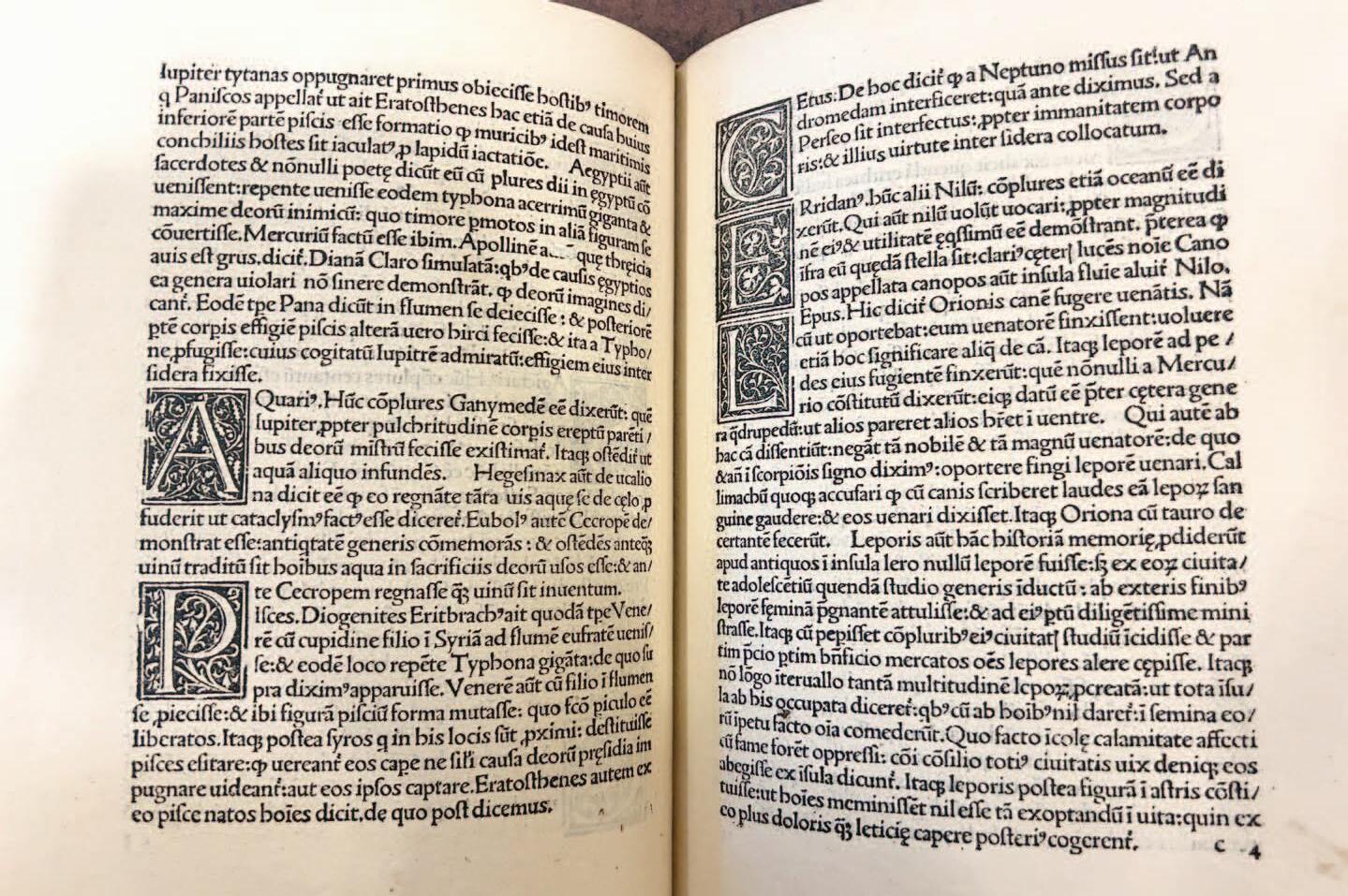
Housed in Kalamazoo College’s Rare Book Room is a dark green with gold trim leather-bound book called an Incunabula. “An incunabula in Latin means ‘the cradle’ or ‘infancy of,’” Elena Pulliam, the Rare Book Room’s curator, told me during a tour. “So any book that’s called an Incunabula comes from the infancy of printing.” This “infancy of printing” refers to the beginning of Western printing between the years 14501500. Printing was invented long before Johannes Gutenberg popularized it; the Tang Dynasty (619-907) in China created woodblock printing, and a Chinese artisan in the 11th century invented moveable type printing which used individual pieces of lead (type) for each letter that could be manipulated for each page, rather than having one block that could only be used once. Gutenberg introduced the moveable type printing press to the west in 1440, which aided in the spread of literature through Europe.
This particular incunabula Pul-
liam showed me is called “Hyginius de Mundi et Sphere” and is a book on astrology. “The astrology is very inaccurate, because [the authors at the time of the book’s creation] did not have the telescopes or technology that we do today,” Pulliam laughed.
Many of the pages inside the incunabula are filled with woodcut illustrations of various astrological depictions, one of which included a drawing of a crab for the star sign Cancer, and a lion for the star sign Leo. The illustrations within consist of line work in black ink with a hatching technique to create shading. Books made during the Middle Ages used vellum and parchment for its leaves, though by the 15th century paper was invented as a cheaper and easier alternative, hence why incunabulae were made with paper. “Paper back then was made out of linen or cloth that was mushed into a pulp, which dried into the paper similar to what we know of today,” Pulliam said. “Most modern paper is made out of wood pulp, which is much more
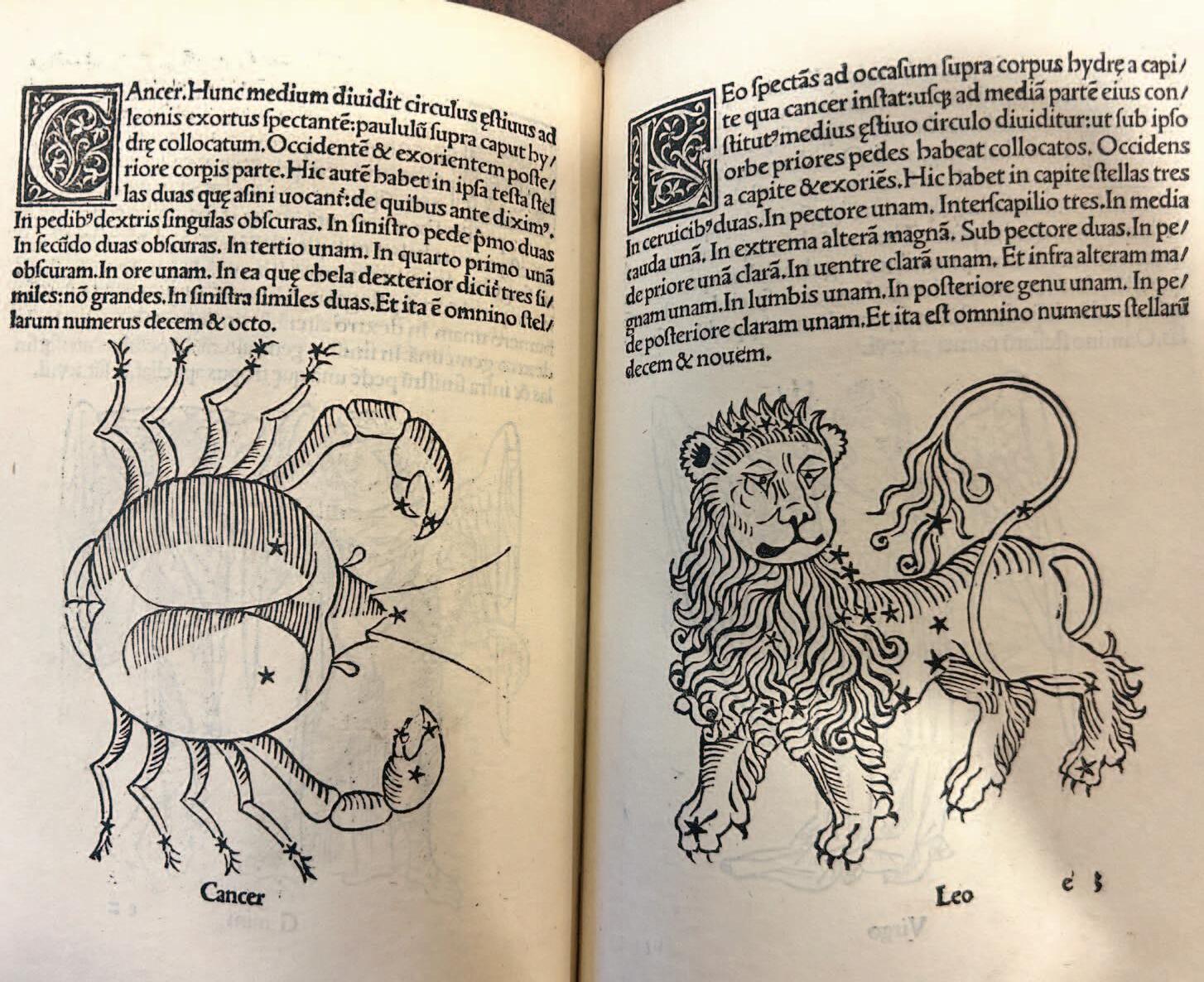
acidic and does not hold its shape nearly as well, which is why a book, made in 1485 [without that same acidity], holds its shape and looks a lot better than a modern book would after similar passages of time.” The pages in the incunabula are still very white despite its age, not showing any of the yellowing or curling that we often associate with old books. Pulliam explained that the cloth and linen pulp is more flexible when it comes to weathering.
“This book in particular was made in Venice,” Pulliam said, “which was a hotspot for making books because it is surrounded by water. Trade went in and out more easily there, and the materials were cheaper than it was in Germany, for example.” Pulliam said that another reason for the new use of paper over vellum and parchment was because of different types

of ink. “The old ink that would be used when making manuscripts on parchment or vellum didn’t adhere well when using the printing press.” Though the entire book is written in Latin, the imagery and design within were wonderful to look at, and a spectacle to imagine the time and hard work that went into its production so long ago.
The Rare Book Room’s spring exhibit is titled “Making Waves: The Evolution of Chemical Discovery,” and is open Mondays and Thursdays from 3-5 p.m. and by appointment. For further inquiries or a request to tour the Rare Book Room, contact rarebookroom@kzoo.edu or elena. pulliam@kzoo.edu.
Carson Williams carsonw542@gmail.com



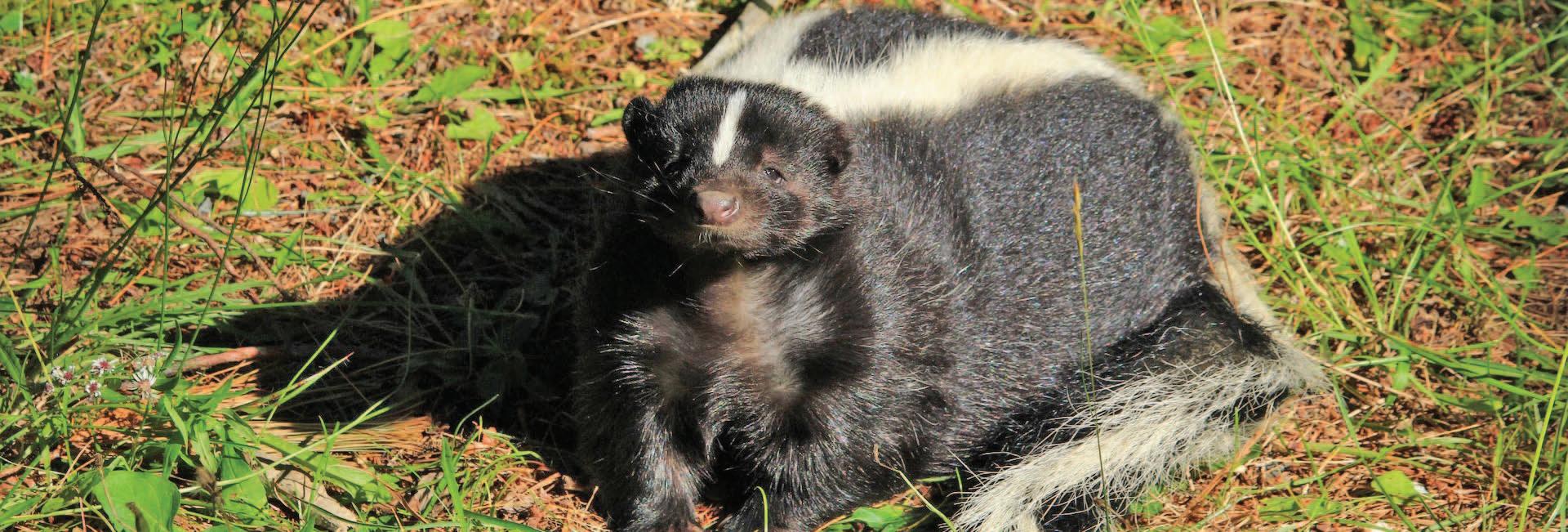
Ahhh Spring! Who doesn’t love the smell of the blossoms on the trees, the air after a refreshing rain, and - skunks? Yes – ‘tis spring and a buck skunk’s fancy is quick to turn to l’amour. Think Pepe` Le Pew. And what better way to attract a young doe than a pungent shot of stinkum?
During the few days above freezing back in mid-February, I was assaulted by the unmistakable perfume, eau de mustelid (the family name for skunks and weasels). All mustelids - weasels, minks, ferrets, or skunks, have well-developed anal glands that can be weaponized to produce an oily mixture of chemicals, designed to deter predators, and, at this time of the year, competitors for sexual attention. Mid-February through April is the prime mating season for skunks. Usually timid, they prefer to retreat or display gestures to deter would-be attackers. At this time of the year, however, males are likely to take threats especially seriously as they defend a mate, or perhaps even a harem of females, from the attention of other suitors. Females are also a little spray-happy at this time of year, since they may be newly pregnant and seeking den sites to cozy up in to bear their litters.
Skunk kits are generally born around May-ish and spend their first summer learning from their mothers how to survive on their own. Typically, the adolescents leave the den to build their own families in late summer – early fall. It is no surprise that autumn is another season when the air frequently reeks of skunk defenses.
It’s important to note that during most of the year, skunks are loath to discharge their sacs unless they are severely threatened or the perceived threat fails to heed common warning behaviors the animal displays to send the message “back off.” They perform a “dance” consisting of foot-stomping, hissing, and finally raising their tail to show off their backside. Usually, these signs are enough to cause a potential (and smart) troublemaker to flee. That’s good news for the skunk. Although most skunks can release their glands up to six times, once emptied, the animal requires 10 to 14 days to refill them. During that time, they are virtually defenseless, so spraying is a last resort, reserved for situations of extreme danger.
Far and away, in urban and suburban settings, the most likely recipient of the spray is a dog. Many of them just don’t figure it out until it’s too late, much to their discomfort – and ours! For those of us who love our
dogs and want to live with them during skunk season, I’m suggesting a bit of preparation.
A little chemistry lesson will assist in odor abatement. The chemicals that give skunks their stink are oily, sulfur-based organic compounds. Many natural products with strong smells (some pleasant, some not-somuch) contain sulfurous chemical groups as a major constituent. Rotten eggs, garlic, onions, “digestive gas” –all contain generous amounts of sulfur. These groups are attached to long, carbon-rich, oily molecules. Both the sulfur-containing entities and the hydrocarbon chains are generally insoluble in water. Here’s where many folks go wrong when confronted with a newly-skunk-sprayed dog. The first thought is to get it into the tub and wash the stink out. But not so fast! One rule that I taught early on in chemistry was “like dissolves like.” If your hands are grease-stained, mix them first with another oily substance– straight liquid dish soap, like Dawn. Even butter will combine with the grease on your hands. Once you’ve emulsified the two (blended them), use water and more soap to send the greasy residue down the drain.
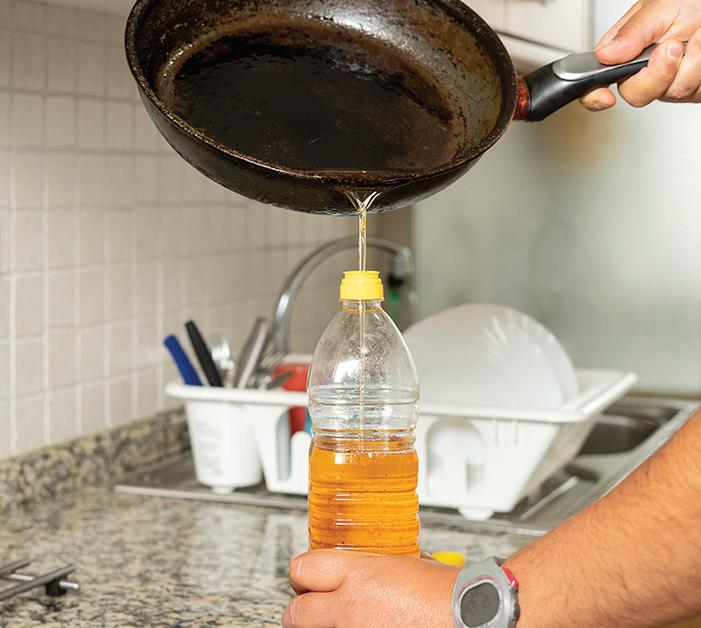
The same applies to your skunked dog. The best online sources for such information (those not selling their own costly commercial products) suggest the following recipe. It is also endorsed by my favorite groomer, Jackie, the owner of Good Vibes Grooming. In an open plastic container, mix ¼ cup of baking soda (or more) into a quart of 3% hydrogen peroxide. It will fizz and make a paste. Add a teaspoon of Dawn dish liquid. Immediately rub the paste into the dog’s fur, then let it sit for 10-ish minutes. Use warm water to rinse the dog thoroughly and follow up with shampoo and more warm water. Keep the paste from the dog’s eyes, ears, and mouth. Repeat, if needed. The concoction must be made fresh, since the fizzing releases oxygen gas that could expand to ruin the mixing container. Of course, how much you require will depend on the dog. A little one might not need so much. A big dog might, of course, need a double batch. Also, consider the dog’s hairiness. A chihuahua is probably small and short-haired. A quart might be plenty! A golden retriever, like mine, might take a double or triple batch.
I suggest that, if a skunk encounter is even a remote possibility, readers proactively maintain a “go bag” of materials needed for a stinky emergency. No one wants to run out to the
store at 11P.M. in search of supplies for a frantic family, dog included.
In the meantime, we can discourage skunks from using our property as denning spots by making it unattractive. Landscape staples and hardware cloth, a sort of wiry mesh, can be easily attached to the soil around the perimeters of sheds and porches to help deter critters from burrowing under and setting up homes underneath those structures. Like many others, I sometimes keep extra dog food in my garage, but I make sure that it is tucked away in a dedicated dumpster with a sturdy closure. The last kind of visitor I want to encounter in a dark garage is a foraging skunk!
My general recommendation for coexistence with wildlife of all types, especially in the spring, is patience. As we expand our neighborhoods
farther into what were once more natural, less inhabited spaces, we push out the creatures that used to call those spaces home. Where would we have them go? I’ve noticed that nearby construction in the last few years has brought all manner of wild animals onto my property. My Ring camera shows that more raccoons, woodchucks, and deer are wandering through the neighborhood, looking for food and shelter. And, of course, skunks. I hear coyotes in the distance- not too far off. It reminds me that all of us (myself included) are part of a bigger picture – one that is rich in diversity and meant to be treasured.
Cheryl Hach Retired Science Teacher Kalamazoo Area Math and Science Center






Through April 26
Shape Shifting: The Guitar As Modern ARTifact, Kalamazoo Valley Museum
Through July 26
Exhibit: Black Cowboys: An American Story, Kalamazoo Valley Museum
Wednesday, Apr. 1 – Sat. Apr. 11
Makerspace Circuit Craft: Acrylic Bookmarks, Schoolcraft Library
Wednesdays, Apr. 1 & 15
Mugs & Hugs, stories, activities, play, 10-11am, Vicksburg Library
Wednesday, Apr. 1,8,15,22,29 Wednesday Wigglers, infant/ Toddler, 10:15am, Richland Library
Wednesday, April 1
Prairie Page Turners Book Club
Great Michigan Read: Everything I learned, I Learned in a Chinese Restaurant by Curtis Chin, 2-3pm Schoolcraft Community Library
Wednesdays, Apr. 1,8,15,22,29 Free ½ hour of Bowling, Crafted Copper, Kalamazoo, 4-10 pm
Wednesday, April 1
Magic & Mischief: John Dudley, Magician, 6-7pm, Paw Paw Library
Wednesday, April 1
Trivia Night @ 468 Wine, Portage, 6-8pm
Wednesday, Apr. 1,8,15,22,29
Live Music, 6-9pm, Zero: Non-alcoholic Bar, Kalamazoo
Wednesday, Apr. 1,8,15,22,29 Karaoke Bingo, 7-10pm Presidential Brewing, Portage
Wednesdays, Apr. 1,8,15,22,29 Trivia at the Taproom, 7-9pm, Apoptosis Brewing Co., Kal.
Thursday, April 2
Book Club for Adults: A Long Way Home by Saroo Brierley 9:30-10:30, Vicksburg Library
Thursdays, Apr. 2,9,16,23,30 Storytime with Miss Darby, 10:30-11:15am, Schoolcraft Library
Thursdays, Apr. 2,9,16,23,30 Free Thursdays, 11am-8pm, Kalamazoo Institute of Arts
Thursday, April 2 Youth Book Group (grades 1-5) The Strangers by Margaret Peterson Haddix, 1pm, Richland Library
Thursday, April 2
Elementary “Drive-in” Movie night We make popcorn, you bring, drink, Blanket & large cardboard box 3:30-6pm, Vicksburg Library
Thursdays, Apr. 2,9,16,23,30 Teen Dungeons & Dragons, 4:30-6:30pm, Register: 629-9085, Richland Community Library
Thursday, April 2
Gallery Gathering: Future Now for Families -5:30-6pm. Explore and Create Night: Future Now: Virtual Sneakers To Cutting Edge Kicks, 6-7:30pm Kalamazoo Institute of Arts
Thursday, Apr. 2,8,16,23,3Thursday Night Blues Jam! 6-9pm, Shakespeare’s Pub, Kal.
Thursday, April 2
Wine & Euchre, 6-8pm, Sign up ahead, 468 Wine, Portage
Thursdays, Apr. 2,9,16,23,30 Triple Threat Trivia, 6:30pm Presidential Brewing Co.
Thursdays, Apr. 2,9,16,23,30 King Trivia, 7-9pm, Gull Lake Distilling Co., Galesburg
Thursdays, Apr. 2,9,16,23,30 Karaoke, 7-11pm @ Alley Cat in Kalamazoo
Thursdays, Apr. 2,9,16,23,30
Music Extreme Bingo, 7pm Shakespeare’s Pub
Thursdays, Apr. 2,9,16,23,30
Music Bingo, 7-9pm, Louie’s Trophy House, Kalamazoo
Friday, Apr. 3,10,17,24
Sit N’ Stitch, 10am-12pm Bring your own project Richland Library
Friday, April 3
Play, Learn, Connect with KRESA, Preschoolers & adult, 10am, Parchment Library
Fridays, April 3,10,17,24
Family Story Time, 10:15am, All ages, Richland Library
Friday, April 3
Memory Café – for people with Mild dementia and their care Partners, 10:30am – Noon Paw Paw District Library
Friday, April 3 Art Hop, 5-8pm Downtown Kalamazoo
Fridays, Apr. 3,10,17,24
Live Music 6-9pm @ Zero: NonAlcoholic Bar, Kalamazoo
Fridays, Apr. 3,10,17,24
Live Music @ The Dock at Bayview, 8pm-12am
Friday, April 3
First Friday in downtown Kalamazoo, 5-8pm, highlighting young local artists
Friday, April 3
Karaoke Night @ Old Dog Tavern, Kalamazoo, 8am-1am
Saturdays, Apr. 4,11,18,25
Kalamazoo Farmers Market 8am-1pm, 1204 Bank St.
Saturday, April 4
Beginning Birding Walks 9-11am, Wolf Lake State Fish Hatchery, Kalamazoo
Saturday, April 4
Indoor Flea Market & Kalamazoo
Numismatic Coin Show 9am-3pm Kalamazoo County Expo Center
Saturday, April 4
Spring Crafternoon, 1-3pm (all ages), Vicksburg Library
Saturday, April 4
Easter Egg Hunt, 2-4pm Mayors’ Riverfront Park, Kal.
Saturdays, Apr. 4,11,18,25
Live Music @ The Dock at Bayview, 8pm-12am
Saturdays, Apr. 4,11,18,25 Karaoke & Dance Night Back Alley Saloon, 9pm12am, Continental Lanes
Sunday, April 5
2nd Sundays Live!: Whiskey Before Breakfast, 2pm, Parchment Library
Sundays, Apr. 5,12,19,26
Nerdy Trivia & Cosplay Night 5:30-8:30, LFG Gaming Bar
Sundays, Apr. 5,12,19,26
Extreme Karaoke, 8-11pm, Shakespeare’s Pub, Kal.
Sundays, Apr. 5,12,19,26
Karaoke Night, 8:30pm-12am LFG Gaming Bar, Kalamazoo
Mondays, Apr. 6,13,20,27
Family Storytime 10-11am, Books, songs, more! Vicksburg Library
Mondays, Apr. 6,13,20,27
Baby Time (ages 0-6mos), Songs, Rhymes, stories 10:15am, Richland Library
Mondays, Apr. 6,13,20,27
Maker Mondays, March: Polymer Clay, (grades 6-12), 3-5pm, Richland Library
Mondays, Apr. 6,13,20,27
Support Group: depression, Bipolar disorder & other mental Health challenges, 7-8:30pm Portage Chapel Hill United Methodist Church
Monday, April 6
Monday Night Trivia, 7-8pm Hop Cat Kalamazoo
Monday, Apr. 6,13,20,17
Trivia Night @ Louie’s Corner Bar, Kalamazoo, 7-9pm
Tuesdays, Apr. 7,14,21,28
Preschool Workshop (ages 3-5) 10:15am, Richland Library
Tuesday, April 7
Craft Stitching Group, bring your project, 1-4pm, Parchment Library
Tuesdays, Apr. 7,14,21,28
Weekly Gaming, grades 6-12, 3-5pm, Register: Richland Library
Tuesday, April 7
Teens/tweens Dungeons & Dragons, 4-6pm, Vicksburg Library
Tuesday, April 7
Hollywood Memorabilia Showcase, 6-7pm, Paw Paw Library
Tuesday, Apr., 7,14,21,28
Trivia Night! 6-8pm, Sit & Stay Winery, Kalamazoo
Tuesdays, April 7,14,21,28
Open Mic 6:30-9:30pm, Karaoke 10pm-12am, Old Dog Tavern, Kalamazoo
Tuesdays, Apr. 7,14,21,28
Trivia Night, 7-9pm Louie’s Trophy House
Tuesdays, Apr. 7,14,21,28
Music Bingo, 7pm, Louie’s Corner Bar
Tuesdays, April 7
Laugh Draft Open Mic Comedy 7-9pm, Apoptosis Brewing
Tuesdays, Apr. 7,14,21,28
Best Trivia Ever Team Trivia! 7pm, Shakespeare’s Pub
Tuesdays, Apr. 7,14,21,28
Theme Trivia Tuesdays, 7-9pm Revel & Roll West, Kalamazoo
Tuesdays, Apr. 7,14,21,28
LFG Karaoke Night, 8:30-12am LFG Gaming Bar, Kalamazoo
Wed., April 8 – Sun., April 13
Visual submissions for art show: westminsterartfestival.org
Wednesday, April 8
Birds & Coffee Chat on Zoom, Loons, 10am, Register ahead: birdsanctuary@kbs.msu.edu
Wednesday, April 8
ArtBreak: Virtual Artist’s Talk with Nick La Marca, 12 -1pm Kalamazoo Institute of Arts
Wednesday, April 8
Adult Dungeons & Dragons Bravo Team, 3-6pm, Register: 629-9085, Richland Library
Wednesday, April 8
Vinyasa Yoga with Alla, 5:15pm, Parchment Library
Thursday April 9 & 23
Teen Break & Bulldog Break, Fun, crafts, games, activities, Treats, Teen/tweens under 18, 2:45-4:45, Vicksburg Library
Thursday, April 9
Writers’ Motivational Group, (adults) 4-5pm, Vicksburg Library
Thursday, April 9
Friends Read Book Club, Discuss what you’re reading & refreshments, 6:30-7:30pm Parchment Library
Thursday, April 9
Watercolor Class with Gina Stevens: Rhythm of the Season, 6pm, Register: Richland Library
Thursdayy, April 9
Book Swap, 6-8pm, Kalamazoo Institute of Arts
Saturday, April 11
Internet group, bring Smart Phones, 10am-Noon & questions, Paw Paw Library
Saturday, April 11
Art Detectives: Blue: A History Of Color as Deep as The Sea and as Wide As The Sky 10:30am-Noon, Kalamazoo Institute of Arts
Saturday, April 11 Chair Yoga, 11am Parchment Library
Sunday, April 12
Sustaining the Vision: W.K. Kellogg Free admission to Bird Sanctuary 9am-5pm, Manor House Tours 11am-3pm
Monday, April 13
Parchment Book Group: Killers of The flower Moon: The Osage Murders and the Birth of the FBI, By David Grann, 6pm, Parchment Library
Tuesday, April 14
Scrabble Club for adults, 1-2:30pm, Vicksburg Library
Wednesday, April 15
Book Discussion: Mona Eyes by Thomas Schlesser, 2-3pm, Kalamazoo Institute of Arts
Wednesday, April 15
Parchment School District Art Show Grand Opening, 5-7pm Parchment Library
Wednesday, April 15
Wine & Euchre, 5:45pm Register: 468 Wine, Portage
Thursday, April 16
ArtBreak: Steps through Time: A Retrospective of Shoes, 12-1pm
Artful Evening: Wilson Smith 6-7pm Kalamazoo Institute of Arts
Thursday, April 16
Creating Candy Sushi (ages 10-14), 5pm, Register: Parchment Library
Thursday, April 16
Artful Evening: Artist’s Talk With Wilson W. Smith III, 6-7:30pm, Kalamazoo Institute of Arts
Thursday, April 15
Casual Puzzle Time for Adults, 6-7:30pm, Vicksburg Library
Thursday, April 16
Book Club: Take My Hand by Dolen Perkins-Valdez, 6pm Copies avail., Richland Library
Monday, March 16
STEAM event & activity 11am-12pm, Vicksburg Library
Monday, April 16
STEAM event & activity 6-7pm, Vicksburg Library
Thursday, April 16
Heartbreak Book club: Funny Story by Emily Henry 6:30-7:30pm, Paw Paw Library
Fri. Apr. 17 – Sat. Apr. 18
KazooPex Stamp & Cover Show, 10am-5pm, Kalamazoo Expo Center
Friday, April 17
Fiber Friends – bring you
Project & lunch, 10am2pm, Parchment Library
Friday, April 17
Vintage in the Zoo presents: Night Shop @ Louie’s Trophy House, Kalamazoo, 5-10pm
Friday, April 17
Live Music: Tyler Payne, 6-9pm Zero: Non-Alcoholic Bar, Kal.
Saturday, April 18
Once Upon a Saturday, (all ages), Stories, songs & craft, 10:15am, Richland Library
Monday, April 20
STEAM event & activity 11am-12pm, Vicksburg Library
Monday, April 20
Pizza & Perspectives: Indie Lens Pop-up, watch & discuss The Tallest Dwarf, 6pm Register: Parchment Library
Tuesday, April 21
Lego & Duplo Club, 1-2pm & 5:30 – 6:30pm, Vicksburg Library
Tuesday, April 21
Meet MI Authors: Angie Jackson: Drink the Mocktails, cocktail/mocktail recipes, 6pm, Richland Library
Tuesday, April 21
Mystery Book Club: The Anatomist’s Wife by Anna Lee Huber 6:30pm, Parchment Library
Wednesday, April 22
Earth Day Free Admission, 9am5pm, W.K. Kellogg Bird Sanctuary
Wednesday, April 22
ArtBreak: Steps Through Time: A Retrospective of Shoes, 12-1pm Kalamazoo Institute of Arts
Wednesday, April 22
Earth Day Celebration, 3:30-5:30, Vicksburg Library
Wednesday, April 22
Earth Day Encounters: Sarett Nature Center, 6-7pm, Paw Paw Library
Wednesday, April 22 DIY Paper Flowers (adults), 6pm Register: Parchment Library
Wednesday, April 22
Between the Pages Romance Book Club for adults, 6pm, Register: Richland Library held at Ned’s on Gull Lake
Friday, April 24
Listen Up Book Club, An audiobook club for people with low vision, Murder at The National Cathedral by Margaret Truman 10:30am-11:30am, Paw Paw Library
Friday, April 24
Hike with a Biologist: Timberdoodle Dance-7:30-9pm, Gourdneck State Game Area Register @ City of Portage Sat., April 25 –Thurs. June 11 Westminster Art Exhibit, westminsterartfestival.org
Sat., Apr. 25 – Sun., Apr. 26
The Spring Craft Show, Sat. 9-3, Sat. 10-3, Kalamazoo Expo Center
Monday, April 27
Tween Book Club (ages 10-14) The Bletchley Riddle by Steve Sheinkin, Register ahead for a free copy, 4pm, Parchment Library
Monday, April 27
Open Roads Bike Repair WorkShop (all ages), bring your bike 4-7pm, Parchment Library
Tuesday, April 28
Music Trivia, 2-6 players, 7pm Register: Richland Library
Wednesday, April 29
Romance Novel Celebration, (adults), 6-7pm, Vicksburg Library
Wednesday, April 29
In Our Own Words: Gateway Poetry Night, 6-7:30pm, Richland Library
Wednesday, April 29
Dessert with Discussion: Research & Teaching at Field Stations, Register: Kellogg Biological Station, 7-8:30pm
Thursday, April 30
Reduce, Re-Read, Upcycle (ages 1014), 5pm, Register: Parchment Library
Thursday, April 30
Between The Lines Book Club: Anxious People by Frederick Backman, 6:30-7:30pm, Paw Paw Library