
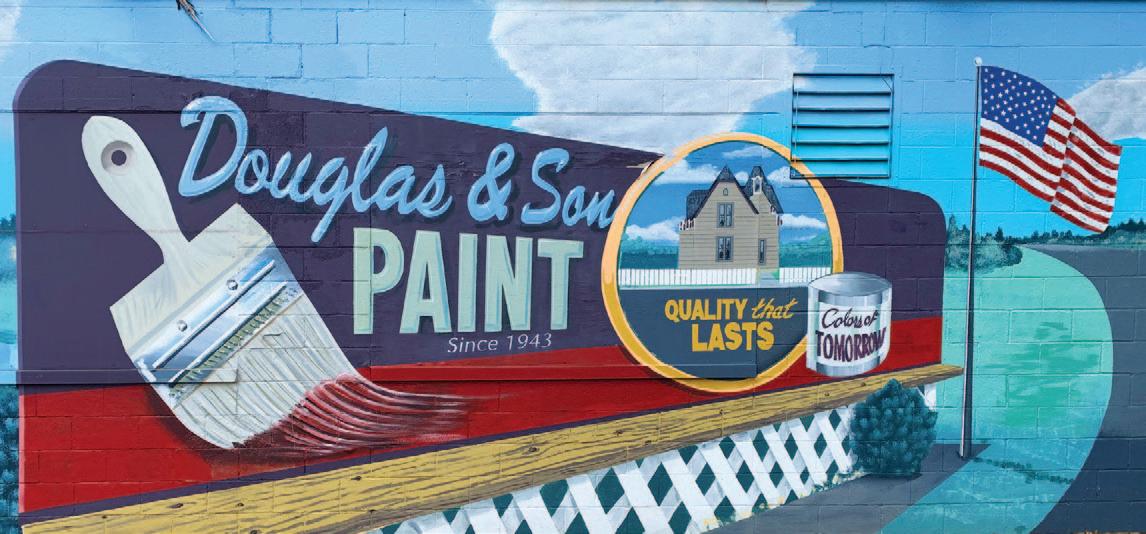



The soda fountain at Mursch’s Ice Cream Shoppe, was a favorite local hangout for breakfast, lunch, dinner and for their delicious homemade ice cream treats. Most days, there was a line of people down the sidewalk, patiently waiting for their favorite ice cream concoction.
Proprietors and brothers, Larry and Art Mursch, purchased the former Ham’s in the Washington Square area of downtown Kalamazoo, in the late 1950’s. They took over the former Matthews Ice Cream in the 1960’s at 1211 S. Burdick St., near Crosstown Parkway – across from Nagel’s Top Dog.
Francis “Tomi” Mursch, Arts wife, “was a behind the scenes giant in the operation of the business,” according to a former employee. Their son, Scott, also joined the family business. They employed many local high school students from nearby Hackett and Kalamazoo Christian schools and others.
Mursch’s was well known for their sodas, malts, shakes (35¢), banana splits, and large ice cream cones (10¢.) They offered many flavors, including these favorites: orange pineapple, lemon, orange sherbet, caramel, rum raisin, black cherry, mint chocolate chip, double Dutch chocolate, chocolate marshmallow, rainbow, blue moon, peppermint, butter pecan and spumoni, to name a few.
Their banana splits were renowned for their size and flavor. “The best Banana Splits ever. No Ice cream Shop has even come close to their version.” Some former patrons recalled the $5 Glutton’s Delight or Trough, which had two bananas, six scoops of ice cream, loads of top-
pings, whipped cream and a cherry. It was Huge! If you could eat the whole thing without help, it was FREE!
They served breakfast, lunch and dinner favorites. Many fondly remember their delicious olive burgers, cheeseburgers, grilled cheese sandwiches, “the best” mac & cheese, delicious salads, and their Friday roast beef special.
Mursch’s offered catering for special events and catered many local weddings. They also offered specialty cakes, including wedding cakes, and decorated ice cream slices.
The love for Munsch’s is evident in the hundreds of memories shared on the Vanished Kalamazoo Facebook page, including: “I remember being loaded into the family car on a hot summer night, taking a pajama ride to Mursch’s for ice cream cones, followed by a trip down to Bronson Park to see the colored water in the fountain.” “My parents told me that I learned to walk, by going down the street to Mursch’s for ice cream.”
“I spent many Friday and Saturday nights there between ice skating sessions, at the city ice rink. I absolutely loved the place!” “I used to take Baton lessons next door. Then we

would get ice cream.” “The promise of Mursch’s was the best part of every dental appointment. I always got a chocolate shake, that was served in a plastic glass with the leftover shake still in the metal cup.” “When I was sick, my dad would pick up my favorite, peppermint ice cream.” “My first job at 15 was at Mursch’s. We had the best time. Those two guys were real characters, but they loved us.”
Kids at St. Jospeh’s school remember going to Mursch’s for lunch. All you had to do is bring in a signed note and you could walk there for lunch, rather than sit in the old basement at St. Jospeh’s school. Some students went there once a week and would often share fries with their friend, so that they had money left over to spend on candy at Robinson’s 5¢ & 10ç store, across the street. How cool would it be for kids today to have that kind of freedom?
Sunday was a popular time for many local families to enjoy Mursch’s, as you can see from the following comments: “Sometimes we would skip Sunday school at Bethany Reform and sneak down to Mursch’s for ice cream.” “My dad would take us there after church on Sundays.” “Mom and dad would take us for






Sunday drives and we’d stop and get ice cream there.” “We went there every Sunday night for an ice cream cone in the summer.” “Our family visited Mursch’s after we watched the planes come in at the Kalamazoo Airport on Sunday afternoons.”
Having Scott Mursch in your grade school class was a real benefit, “Sometimes his mom, Tomi, would bring in ice cream treats for the whole class, posted one former classmate. Another contributor shared a special memory about being on Scott’s Little League team in 1968, when they sold enough fund-raising candy at Mursch’s and won a trip to see the Detroit Tigers, when pitcher, Denny McLain, won his 30th game of the season, which has never been done since.
Another fun “win” occurred at Mursch’s, when the “Breakfast Lottery Club,” hit the jackpot. The Breakfast Lottery Club consisted of 25 members, most of whom were patrons who ate breakfast there (hence the name), would each put $2.50 into the pot each week to buy Lottery tickets and the nearby Kroger store on Stockbridge. In May of 1975, the club hit it big in the Super Lottery Drawing and won $200,000!
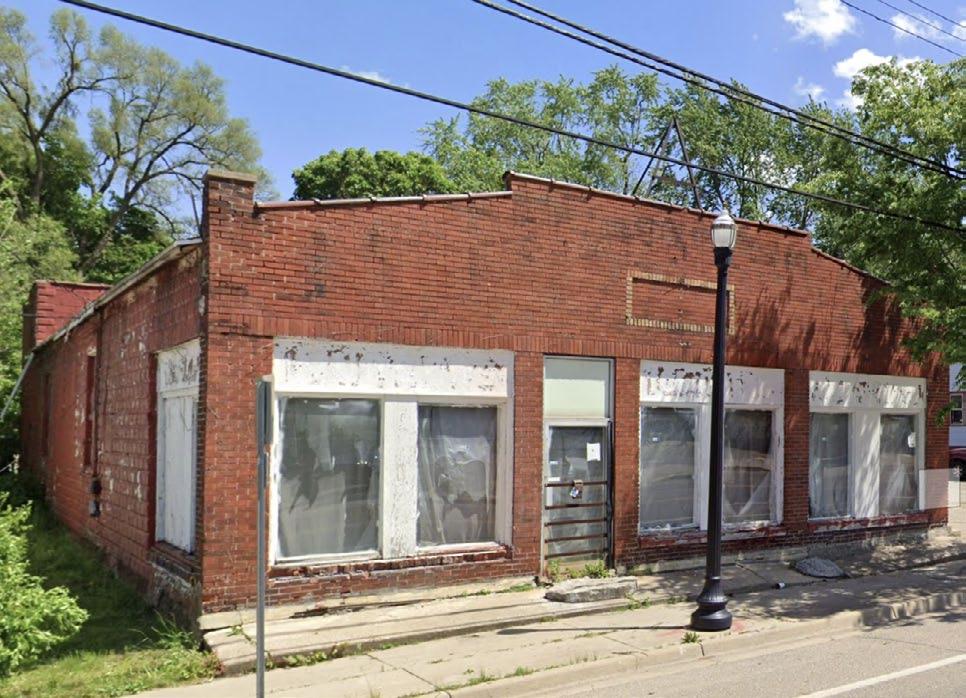
As the saying goes, “All good things must come to an end.” Mursch’s was sold in 1982 to the Stafford family, who opened a restaurant. Unfortunately, a fire burned the inside of the building, but luckily, the exterior stayed intact. The building remains to this day, and most recently, was being used by Last Chance Tire & Auto Repair for auto body work.
Mensch’s provided Kalamazoo residents with great food, homemade ice cream and a friendly, inviting community gathering space, until their closing in 1982.
Sources: Vanished Kalamazoo Facebook Page, Amsfuneralhomes. com
Jackie Merriam
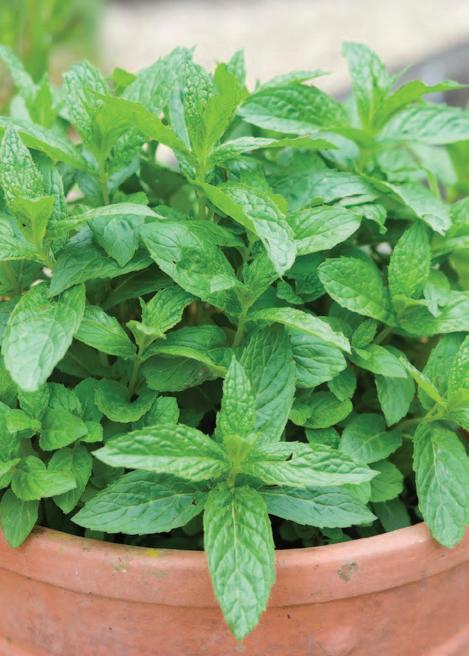
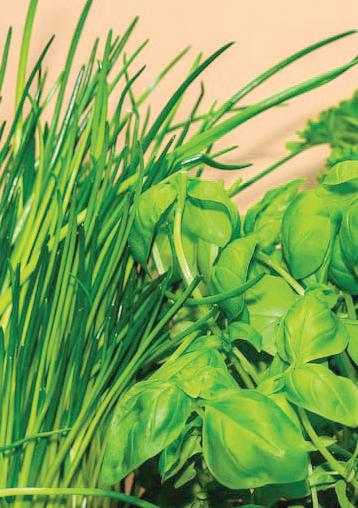
The herb garden engages all five senses simultaneously — unique among garden types. Crush a mint leaf and smell your fingers. Run your hand across borage and feel the fuzziness. Stand beside lavender in full bloom and listen to the hum. Taste a nasturtium flower straight from the garden. The herb garden is sensory, immediate, generous, and endlessly surprising. Herbs make friends easily — and they require less care than most flowers and vegetables, and are more resistant to pests. They also attract a variety of pollinators.
Michigan is in Gardening Zone 6a but Wedel’s recommends getting plants that are hardy to Zone 5, for winters like the one we just had.
1. Mint – Mentha spp.
Perennial | Full Sun to Partial Shade | Grows up to 2 feet | USDA Zones 4–9
A large group of delightful aromatic plants known for their rambling growth habits, square stems, and wide assortment of fragrances. Mint’s clean, sharp, instantly familiar scent is why it ends up in everything from your toothpaste to your cup of tea.
Summer is in full-swing, which means it’s time to cool off with one of my favorite childhood treats - the Boston Cooler. It tastes like a fizzy, spicy, and creamy creamsicle, made by blending vanilla ice cream with Vernors ginger ale.
Perennial | Full Sun to Partial Shade | Grows up to 2 feet | USDA Zones 4–9
A cousin of the kitchen garden mints, and one of the most sweetly scented of all herbs, lemon balm’s crinkly heart-shaped leaves release a pleasing lemony-mint fragrance when gently brushed.
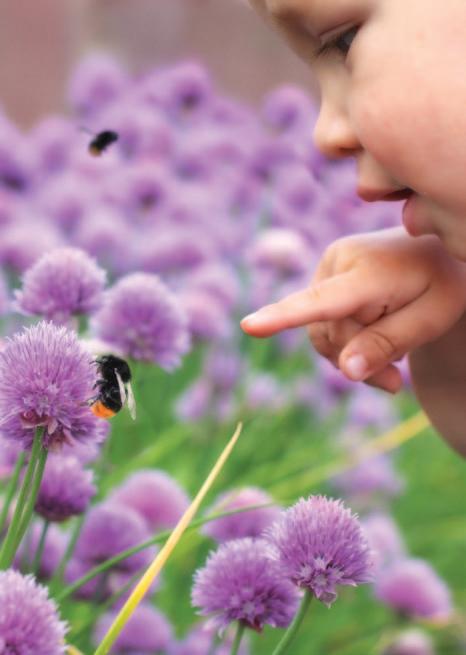
3. Chives – Allium schoenoprasum
Perennial | Full Sun, rich, moist, well-drained soil | Grows 12 to 24 inches | USDA Zones 3–10
Chives are members of the onion family. Cut them, and they come back. The globe-shaped purple blooms are among the prettiest things in the herb garden.
4. Chamomile, German – Matricaria recuttia
Annual | Full Sun, loamy soil | Grows 1 to 2 feet
Brush against chamomile, and it smells like apples. In The Tale of Peter Rabbit, Mrs. Rabbit gives Peter chamomile tea to soothe his tummy and calm him after his scary experience in Mr. McGregor’s garden.
The Boston Cooler is a classic Detroit, Michigan treat, dating back to the 1800’s. The Boston Cooler name remains a bit of a mystery. Some theories suggest it was named after Boston Boulevard in Detroit, while other believe “Boston” sounded more exotic and appealing than “Detroit” to early soda fountain marketers. As a kid, we simply called them Vernors floats.
You can serve it as a traditional float served with a straw and a spoon, or blend it all together for a creamy, frothy milkshake-like consistency. I prefer the float variety.
Vernors was created by Detroiter and well-respected pharmacist, James Vernor in 1866, and is the
Annual | Full Sun, loamy soil | Grows 18 to 36 inches
Colors range from dark purple to pale green, solid or mottled, and may be serrated or smooth, glossy or crinkly. Pinch growing tips to encourage bushiness and delay flowering.
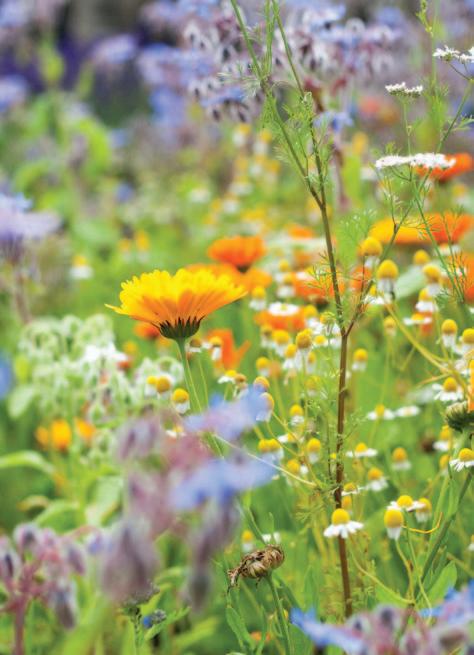
6. Calendula – Calendula officinalis
Annual | Full Sun, loamy soil | Grows 8 to 24 inches
Calendula, sometimes called pot marigold, is one of the most cheerful and generous herbs in the garden. Its bloom colors range from pale yellow to deep burnt orange, and they keep coming, week after week, as long as you remember to deadhead them.
7. Nasturtium – Tropaeolum majus
Annual | Full Sun to Part Shade, loamy soil | Vining or mounding Nasturtium leaves and blooms are edible — peppery, bright. Climbing types scramble up fences or trellises with enough vigor to please impatient gardeners. Bloom colors range from buttercream to burgundy and everything in between.
8. Borage – Borago officinalis
Annual | Full Sun, loamy soil |
oldest surviving ginger ale in the United States. It was originally a home remedy medicinal tonic served warm for colds and upset stomachs. The iconic bold flavor stems from a blend of ginger and vanilla that was initially aged in oak barrels. For over a century, the drink was a fiercely guarded, family-run enterprise. As the brand grew, the original oak-barrel aging process was retired in favor of mass production. Today the brand is owned by Keurig Dr Pepper. Celebrate summer with a Motor City original, the Boston Cooler. You can thank me later!
Jackie Merriam
Grows 24 to 36 inches
Borage star-shaped blue flowers are a striking color in the garden. Both the cucumber-flavored flowers and young leaves are edible.
9. Dill – Anethum graveolens
Annual | Full Sun, loamy soil | Grows 18 to 48 inches
If you find a fat green and black striped caterpillar on your dill, don’t move it; it’s a future eastern black swallowtail butterfly. Dill is feathery, graceful, self-seeding, and free-spirited. Let some go to seed and goldfinches will thank you in autumn.
10. Lavender – Lavandula spp. Perennial | Full Sun, loam, welldrained gravelly loam | Grows 1 to 3 feet | USDA Zones 5-8
Stand next to lavender in full bloom and listen. A single plant can hum with dozens of bees at once working the long fragrant purple spikes.
Article by National Garden Bureau Member, Susan Betz with edits from Wedel’s Nursery, Florist & Garden Center.
not
How do you reconcile simultaneous opposing feelings?
Like spring flowers that you eagerly watch to open and bloom; summer days that you have spent cold winters longing for, there are milestones in life that are the culmination of your wishes, hopes and dreams. The

payout for the hard work. The reward to the completion of a project. The yes to the proposal. The congrats to the graduating class. The “it’s a boy!” upon the birth of your second child. The handshake after years of dedicated commitment.
But in these celebrations, there is quiet sadness, there is grief, there is loss that was entirely unexpected and unanticipated. I was blindsided by that juxtaposition upon my oldest son’s graduation. Looking through years of photographs, it brought waves of emotions that I didn’t know were resting under the surface waiting for this moment. Immense pride for the man he is becoming, admiration for the young man he is today, and tears and crying over the little boy he will never be again. For graduation, I created a photo book for him. The cover had no photos, just a sentence. You created the pages that fill this book.
When my second was born, the

same feelings came. Love that felt as if it had always been a part of my being, yet my eyes looked downward beyond the newborn to the little boy next to my bed, reflecting on the love for my first-born child who will never again get to have “just mom and me.”
When you say yes to that proposal, exchange your vows with another, that’s saying a permanent goodbye to what was and celebrating what will be. When you are given that send off after years of work and employment to now enjoy retirement, how does that goodbye feel?
There is not enough talk of these strange complexities of love and growth and change. Resolution and anticipation. Excitement and reflection. Joy and mourning.
The blooms of a flower bring beauty, yet there is a catch of breath, how long until they close and die off? The summer days, sun kissed skin, late evenings on the porch, and still the longest day of summer comes, and
you pause celebrating the last and the beginning of the days that move forward to the end of this season. This season, every season is for you, for us to feel every part of the celebration and the loss. It’s to be expected that when you achieve the things you want, there is an acceptance of the cost it took to get there and what is left behind now are memories. Take photos, fill the book, always spend time with those you love and those who will help create more pages. Because the days that bring you joy and laughter today will one day cause you to intensely cry over wanting to be there again, not to stay, but just to be there.
20 original art sketches are placed randomly in copies of this month’s edition of the Good News Paper.
Peace, Love, and Art. -Amy Instagram: @amylgieschen

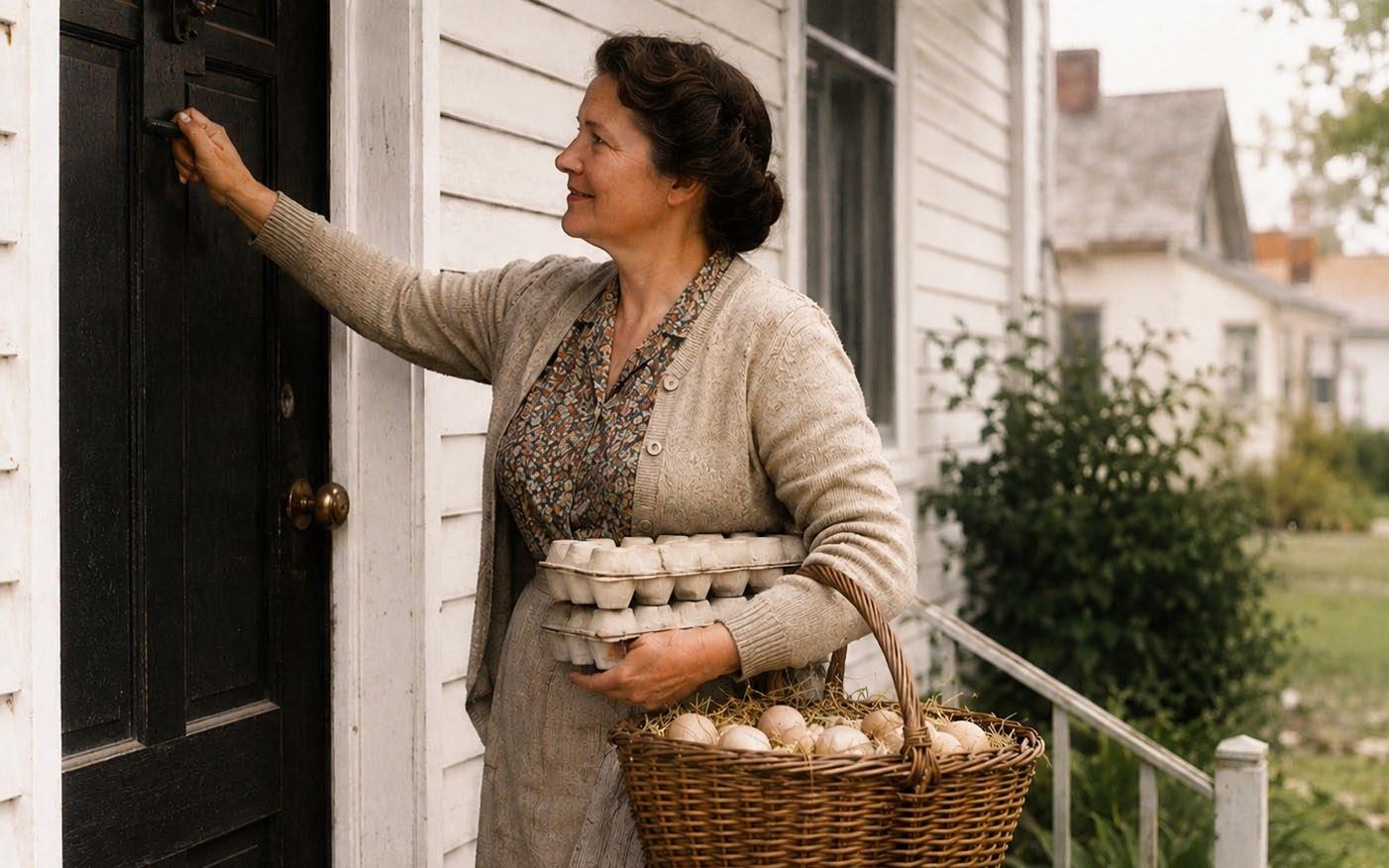
When I was around seven or eight, my mother would buy eggs from a woman who went door to door in our neighborhood. I remember my mother feeling sorry for her. She told me the woman claimed her doctor sent healing radio signals that cured her illness and pain.
My mother introduced me to a new word: “quack.” A dishonest doctor–a charlatan. That was all I needed to know. The idea seemed absurd—absolutely impossible that a signal could heal the body or cure an illness.
Decades later, a clinical psychologist friend of mine, Morry Edwards, PhD, introduced me to something called biofeedback. At first, it sounded uncomfortably close to the claims my mother had dismissed years earlier. But this was different. It was measurable. Repeatable.
We recently met for coffee, and he shared materials on the current state of biofeedback. Over several decades, he has practiced biofeedback and holistic medicine and studied outcomes while watching the technology steadily evolve.
Seventy years after my mother’s encounter with the egg lady, that “impossibility” no longer feels so absolute. In some cases, it may even be approaching the inevitable. And that old insult—“quack”—can start to look different when results can be
measured.
One of the books he recommended was Future Care—Sensors, Artificial Intelligence, and the Reinvention of Medicine by Jag Singh. Not long ago, what he describes would have sounded like science fiction.
He writes that “the human body can be digitized—its systems broken down into functions and monitored

by external sensors. With enough computing power, care can move beyond periodic office visits toward real-time medicine: responsive, data-driven, and increasingly precise. What once sounded far-fetched now feels practical. We’ve seen this pattern before.”
data. And the shift is moving beyond monitoring. Advances such as brain implants like Neuralink and automated insulin delivery systems are beginning to respond to those signals.
Neuralink, still under development, is designed to monitor and stimulate brain activity, helping patients interact with computers using only their thoughts. Insulin delivery systems, already in use, monitor glucose levels and automatically deliver insulin to maintain balance.

In 1865, decades before the Wright brothers’ first flight at Kitty Hawk and more than a century before the moon landing, Jules Verne published From the Earth to the Moon. It imagined a giant cannon launching passengers into space.
Yet much of what Verne described—crew capsules, weightlessness, splashdown recovery—proved strikingly close to reality. Even his choice of a Florida launch site landed within a couple of hours of Cape Canaveral. He wasn’t predicting the future so much as imagining what might follow if the limits of his time were removed.
We don’t have to go back that far. Episodes of Star Trek imagined handheld devices that could scan the body and guide treatment instantly.
Today, wearable sensors—rings, watches, and small patches—measure vital signs continuously and turn them into real-time, trackable
Both detect changes and respond without direct input—a model known as “closed-loop care.”
The same pattern is playing out in medicine. What once sounded like invisible forces acting on the body has become something more concrete: signals that can be measured, interpreted, and used to guide function.
The woman selling eggs believed in healing carried by signals no one else could hear or prove. Whether she benefited from a placebo effect is impossible to say.
The signals she believed in weren’t real…but the idea behind them has found its way into modern medicine.
James D. Coppinger


For book recommendations from your Kalamazoo Public Library Staff go to www.kpl.gov/blog/
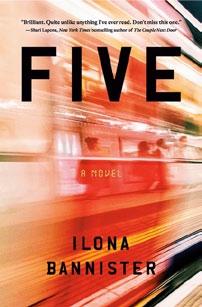
Fiv Five: A No e: A Nov
Five strangers meet at a train station, but only four will leave alive. Readers are challenged to predict the victim from among a cast of flawed, unlikable characters whose backstories are unexpectedly gripping. This thought-provoking thriller is an ideal book club pick that will spark a different debate for every reader

A P Pararade of Horrib ade of Horriblles es Matt Dinniman (Ace)
Coming in off the back of a complex and scope-changing Book 7, Book 8 reminds readers of the horrible truth of the Dungeon: for all of their drive and cleverness, Carl and Princess Donut are still just a man and his talking cat trapped in an AI-controlled game that is trying to kill them. This interesting shift in scope and pacing reminds readers of the players' predicament
Library, VA
read-alike: Delicious in Dungeon series by
T The Cal he Calamity Club amity Club Kathryn Stockett (Spiegel & Grau)
In Depression-era Mississippi, a girl trapped in a Dickensian orphanage and a young woman trying to lift her family out of financial ruin cross paths Young Meg feels trapped, while Birdy is faced with family issues that run deep. This dualnarrated story is totally engrossing, and readers will be rooting for the characters
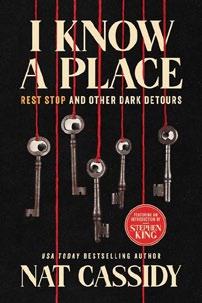
I Kno Know A Pl w Place: Rest Stop and ace: Other Dark Detours Other Detours Nat Cassidy (Shortwave Publishing)
Nat Cassidy is one of horror's more unique voices. This short story collection is terrifying and filled with relatable characters. These wild, grim, violent stories unfold as if the author has sidled up to you at a bar and started sharing them. And you simply can't stop listening.
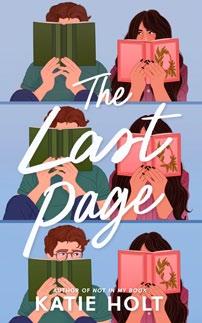
T The L he Last P ast Page age Katie Holt (Alcove
Ella thinks she’s going to inherit the used bookstore where she has worked for years, but is devastated when a grandson shows up as the new owner Now they must put aside their rivalry, and their off-the-charts chemistry, to save the store The characters' clever book reviews at the start of every chapter also serve to carry the plot forward.
John of John of John Douglas Stuart (Grove Atlantic)
Aimless art student Cal returns to his isolated Scottish home, forced to navigate his grandmother’s illness and a community that won t accept his sexuality The story leans into incredible dialogue and raw evolving relationships with complicated people readers can't help but care about
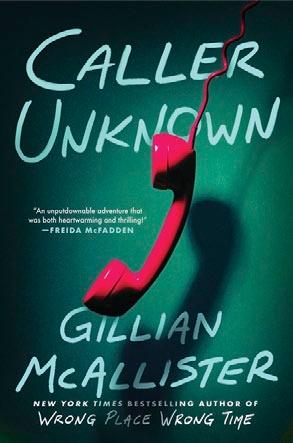
Cal Calller Unkno er Unknown wn Gillian McAllister (William Morrow)

Simone comes to Texas from the UK to visit her daughter, Lucy. Lucy is kidnapped, and the perpetrators force Simone into trafficking drugs into Mexico for Lucy’s safe return. When a confrontation goes wrong, Lucy and Simone are reunited, but are suddenly on the run from the law. The story is breathtaking, and readers will constantly be on edge, wondering if and when the pair will be caught—and what the consequences will be
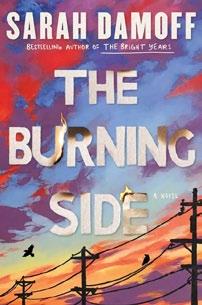
T The Burning Side he Sarah Damoff (Simon &
April and Leo’s marriage is already on the brink when a devastating fire levels their home. Forced to retreat to April s childhood home with their children, they must navigate generational trauma and deep-seated grief alongside her parents and siblings. Amidst the literal and figurative ashes, the couple struggles to determine if their relationship is worth salvaging.
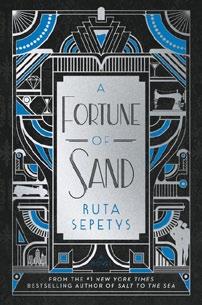
A F Fortune of Sand ortune of Ruta Sepetys (Ballantine Books)
When Marjorie covertly joins an artists’ residency in Prohibition Era Detroit run by a secretive benefactor, she finds both inspiration and compelling secrets Intriguing family dynamics and cons-within-cons abound in this novel set among monied families with ties to the growing auto industry
Bone of My Bone of Johanna van Veen
Sister Ursula, a nun fleeing brutal soldiers in 1635, meets Elsebeth, a peasant surviving the Thirty Years War. They escape into the Bavarian forest, experiencing the horrors of the undead while followed by a necromancer. This atmospheric, haunting folk horror read is told from multiple points of view
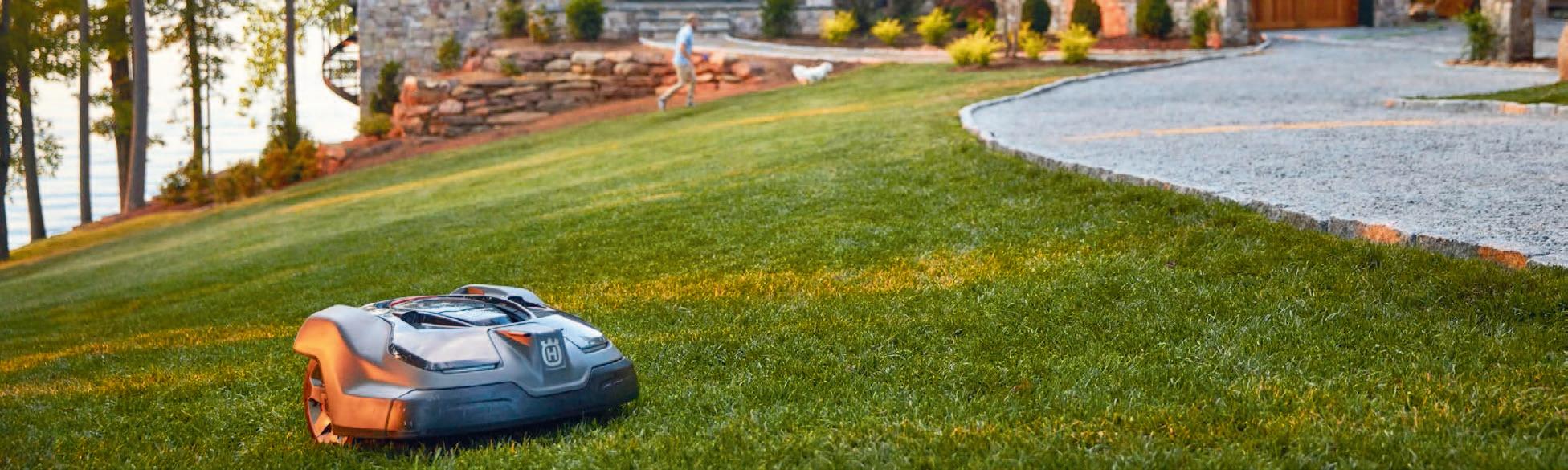
One might argue that having a green, carefully manicured lawn is an American obsession. Yet the history of grass lawns dates to a desirable form of landscaping during the 17th and 18th centuries in England and parts of Europe. A closely clipped and green lawn became a status symbol of the elite, often trimmed to accommodate sports such as cricket, soccer, or golf.
A healthy lawn starts with consistency and balance. Regular mowing at the right height (3 to 3.5 inches), proper fertilization, effective weed and pest control, and routine aeration all contribute to strong root systems and vibrant color. Water deeply but infrequently, aiming for about 1 inch of water per week, and avoid mowing when the grass is wet or during extreme heat.
One aspect of lawn maintenance that has been changing over recent years is that homeowners are looking for non-toxic solutions for lawn care and weed control. Pets roll in that grass. Dogs munch on it. Children play in it. And our planet has been expressing ever louder protests against the use of pesticides and insecticides.
While organic solutions may take longer to show results, they can still
be highly effective with consistent application and proper lawn maintenance.
Still other homeowners feel even that is not enough. Some have abandoned grass lawns entirely. They have turned entire yards into vegetable gardens. Front yards show off rows of neat, raised beds, all in a row, producing food rather than a lawn.
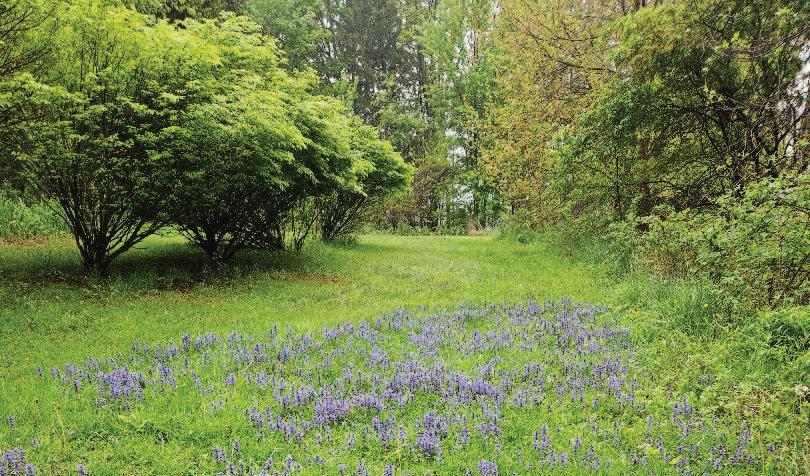
Ground cover replacing grass is another popular trend. What may once have been considered weeds to pull have now become a desirable carpet of creeping leaves and vines and even blossoms. Creeping thyme, clover and the shorter microclover, mosses,
Phlox are just some of the low-maintenance, eco-friendly alternatives available. Most never or only rarely need mowing or trimming.
Mosses are best for shady areas such as beneath large trees but can be more laborious to get started than other ground covers. Once moss takes hold, however, it is virtually carefree. Clover, one of the more popular ground covers, can be mixed with grass seed, if desired. A white clover lawn may look sparse if seeded
alone, but microclover offers more dense growth, and the plant roots can add nutrients to the soil. Microclover leaves are much smaller than regular clover.
Ground cover can also encourage biodiversity while saving time and resources, mainly gas for most mowers and tractors, for the homeowner. Fuel dollars add up, and the pollution caused by mowers can be substantial. Pollinators will appreciate the more natural version of lawn, especially blossoming types.
If giving up on grass, however, is a turf too far, three varieties are most suitable to our Southwest Michigan Zone 5 and 6. The most recommended varieties include Kentucky Bluegrass, known for its rich color and self-repairing ability. Perennial Ryegrass is a good choice for its fast germination. It is great for high-traffic areas. And Fine Fescue is shadetolerant and low-maintenance. Whether a traditional grass lawn or an eco-friendly lawn of ground cover, maintained by a service or by the homeowner him- or herself, the perfect lawn awaits, for year-long enjoyment.
Zinta Aistars
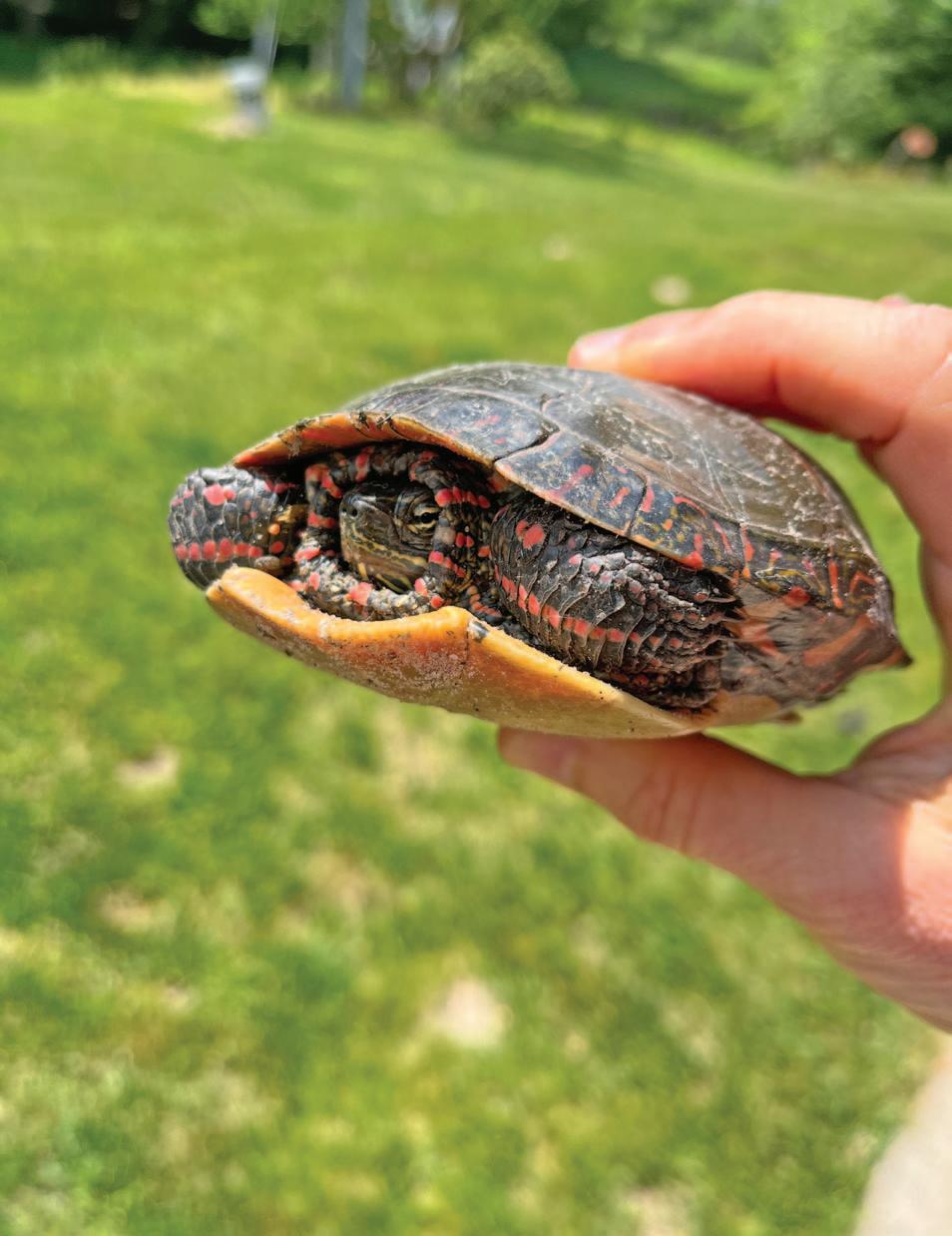
As I pondered the next Piece by Piece, Mother Nature, along with Kutana and Riggs (aka dogs), offered an idea. As I write, I believe my count is up to eight painter turtles I have “rescued” from the excited mouth of Kutana and the curious paws of Riggs.
Let me first say, in inspiring this story, no turtles were (or are ever) physically harmed. A little dizzy momentarily, perhaps, but there is never loss of life, limb, nor shell piece, when Kutana finds a painter turtle trying to cross our yard this time of year to find their perfect nesting place.
Kutana, proud at using her mastery nose sniffing skills so well, eagerly carries her found prize towards her outdoor bed, sometimes stopping momentarily to contemplate tossing her treasure in the air. She is certain this “toy” wants to do flips. I assure her that her new treasure doesn’t, as I communicate “give”, and then talk to Miss PT that she is safe and soon she can come back out of her shell as I carry her to our pond.
By nature of youthful eyes taking everything in that is happening, Riggs, our 10-month-old, now finds it quite interesting and enjoyable to use his nose to find these prizes like his sister does. He doesn’t understand the infatuation with putting one in a mouth, but his intrigue
convinces him that if he uses his paw to touch them and give them a gentle push, they just might start playing a game of “chase and catch me if you can” with him. He is too young to understand the very nature of turtles is to take things slow, something very counterintuitive to his nature.
Our first German Shorthair Pointer, Hans, LOVED painter turtles. Not to catch them. Not to paw them. Simply to watch them “plop, plop, plop” off logs into the water. One of our favorite pastimes was taking a canoe ride around our lake, slowly rowing along shore, seeing how many painter turtles we could find resting on logs, pausing to watch a row of them drop into the water one by one. Hans would be shaking in his delight as the painters returned to their hiding places until we passed by and they returned to their sunbathing. One of our trips counted over two-hundred painters dipping their sun-warmed bodies into the refreshing waters courtesy of a gal and her dog taking a leisure row. I recall my sister taking care of a baby painter turtle – Wheezerwhen she was little. I’ve been trying to recall my own childhood memories of painter turtles. I can only seem to remember the GIANT snapping turtle in our creek, how GINOURMOUS it was, it’s shell touching

both the left and right banks Probably not really, but to my child eyes, it was THIS BIG. Which reminds me of the snapping turtle and the near miss – thankfully – with Hans’ nose. A piece for another day. (smile)




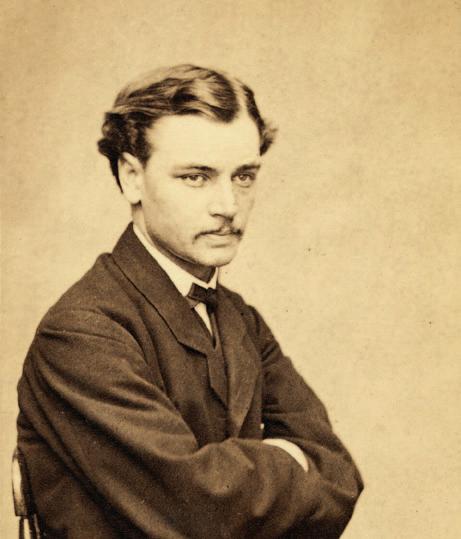
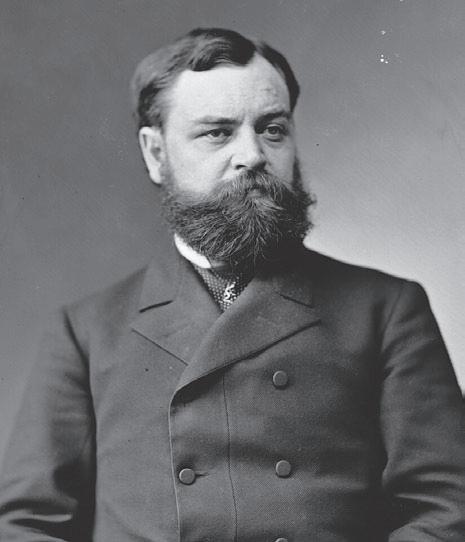
July 26, 2026 marks the 100th anniversary of the death of Robert Todd Lincoln. In all of American history, Robert Lincoln was unique in his knowledge of what America was before the Civil War and what it became afterward, experiencing first-hand the reality of the conflict in which his father was the central figure.
Born in Springfield, Illinois on August 1, 1843, Robert was the eldest of Abraham and Mary Todd Lincoln’s four children, all boys. Robert was the only one to live past age 19. His father was already heavily involved in Whig politics, with his mother’s enthusiastic support. Except for his family connections, people who knew Robert at the time said he was unremarkable, neither a standout nor a troublemaker. Robert had a distant relationship with his father, which Robert himself later attributed mainly to his lawyer father being “… away from home, attending court or making political speeches.”
Robert attended Phillips Exeter Academy in New Hampshire to prepare for college, graduating in 1860, the year in which his father was elected president and South Carolina seceded, the first of 11 Southern states to do so. He attended Harvard, graduating in 1864. During that period, his life was saved by John Wilkes Booth’s brother, Edwin, when Robert nearly fell off a platform into a train at the Jersey City, New Jersey station.
Robert then attended Harvard Law
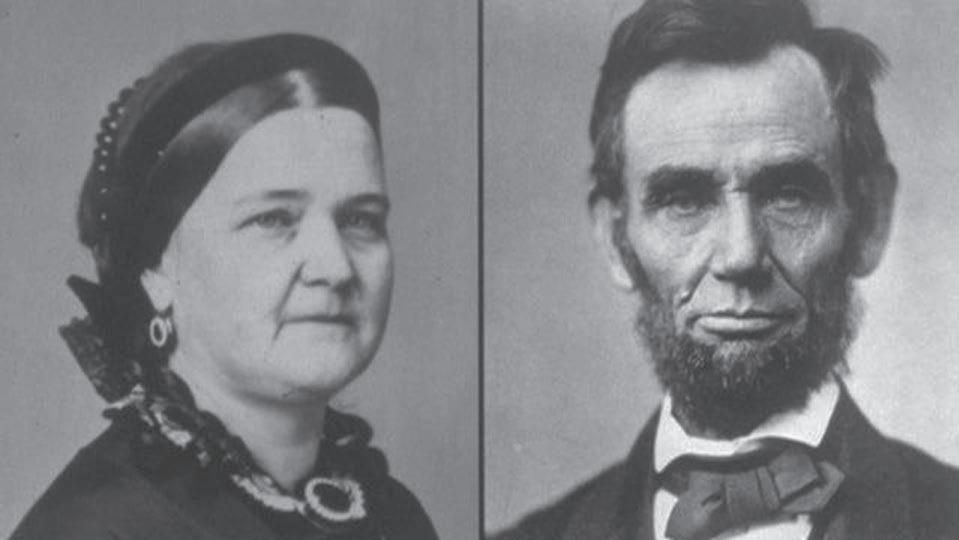
School until January 1865, when he joined the Union Army over initial objections from his mother. He was assigned as Gen. Ulysses Grant’s personal secretary, a role in which he was well-regarded but considered “stiff and aloof” by some. He was at Appomattox when Gen. Robert E. Lee surrendered to Grant.
The night of his father’s assassination, Robert was among those invited to attend the play at Ford’s Theatre, but he remained in the White House, exhausted following his recent military service during the winding down of the war. He was in the White House when his father was shot and was rushed to Petersen House. He was at his father’s deathbed when
our 16th president died the following morning.
Later that month, Robert moved to Chicago, but his links to history continued, including two subsequent presidential assassinations.
On July 2, 1881, as the secretary of war under President James A. Garfield, he witnessed Garfield’s fatal shooting. In 1901 he was just outside the Temple of Music in Buffalo, New York, when President William McKinley was assassinated.
As an attorney, Lincoln followed in his father’s footsteps by representing railroads, serving as general counsel to the powerful Pullman railroad car company. He became president of the company after founder George Pull-



man’s death in 1897.
Although Robert fiercely protected his father’s legacy throughout his life, he also destroyed many letters written by and between his parents. The young attorney initially fought legal battles on behalf of his mother, but ironically in 1875 he had his mother committed to the Bellevue Place sanitarium in Batavia, Illinois, concerned with her spending and mental state.
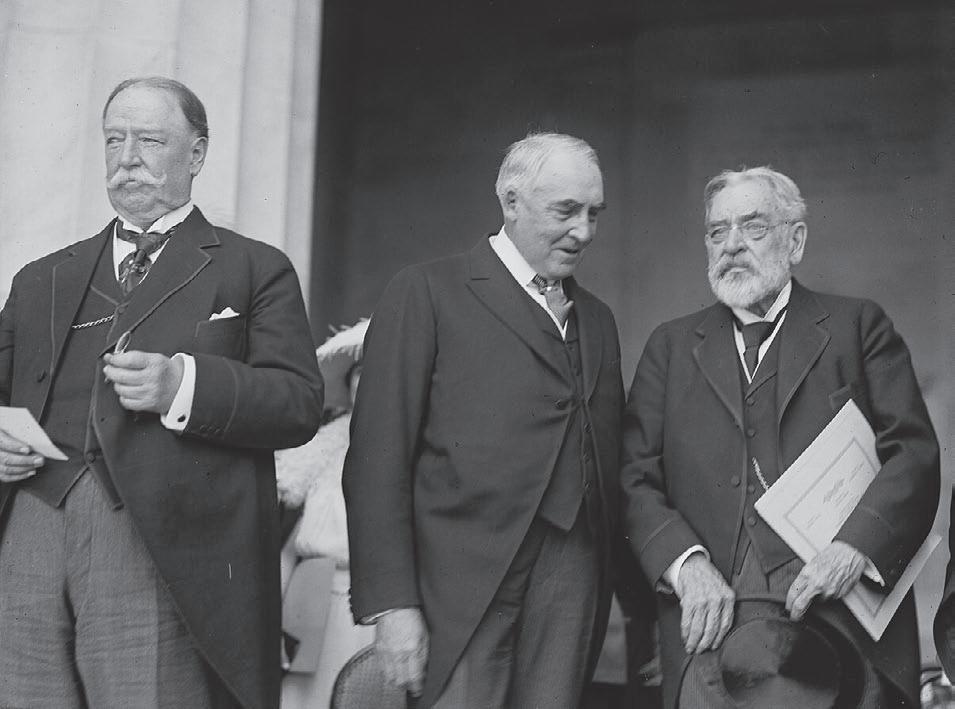
In May 1922, Abraham and Mary’s eldest son participated in the opening dedication of the Lincoln Memorial in Washington, D.C.
Robert Todd Lincoln died on July 26, 1926 at his Hildene mansion in New Hampshire from a cerebral hemorrhage. Although he wanted to be buried at the family tomb in Springfield, Illinois, his wife, Mary Harlan Lincoln, chose to have him buried at Arlington National Cemetery.
Tony Ettwein HistoryZoo1837@gmail.com
A.Robert Todd Lincoln, circa age 22 in 1865
B. Robert Todd Lincoln’s parents, Mary and Abraham Lincoln
C. Robert Lincoln circa 1880, shortly before he became U.S. secretary of war
D. Chief Justice William Howard Taft, President Warren G. Harding, and Robert Lincoln at the dedication of the Lincoln Memorial, May 30, 1922
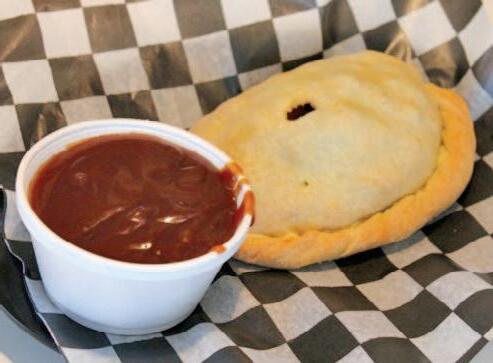
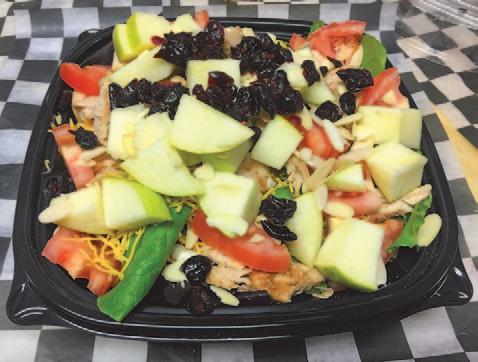

What do two gals do when they hear there is a vintage newbie shoppe in town?! Why, they jump right into their Jeep to go welcome them into the neighborhood, of course! Julie and I went to meet Matthew on a beautiful Spring morning shortly after Starlite Vintage’s Grand Opening. Having heard lots about the new venue, we were anxious to see what the hoopla was all about!
Honestly, though, Matthew Marble and his husband, Ryan, are hardly “new” to the vintage world. Enjoying the look of MCM goods, the couple have been buying and selling vintage and antique wares for a few years now. They have occupied vendor spaces at well-known spots such as Old Dog Vintage in Springfield, and Burgess Antiques in Galesburg. While both malls have proven good points of sales for the guys, they have
noticed a “busting at the seams” for not only themselves, but other vendors, as well. Pickers needed another venue to peddle their wares. Matthew admits to looking for a new spot to possibly spread their wings for quite a while. There just has not been a good fit. Then, he noticed the old Independent Bank on the east side of Battle Creek. The building had also housed the Shopper News for a good while, but had been empty for a couple of years. The venue seemed promising, yet it seemed small according to what Matthew envisioned. What about the lower level, asked the realtor?! Everything changed at that moment! The stars aligned to allow the birth of “Starlite Vintage”. Named by Ryan to embrace the couple’s love of the Atomic Age, the shoppe evolved into a reality. Within four weeks, licensing, painting, electrical needs,
signage, vendors - if one could name it, these guys had it DONE! Thank goodness for a background and past experience of renovations, restoration, and remodeling! Open and READY by May 1st! Quite a feat!
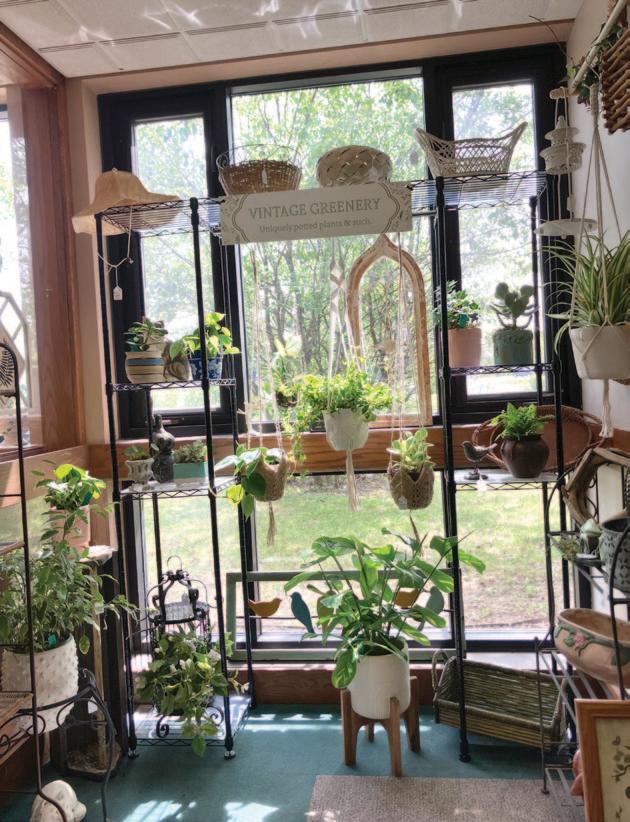
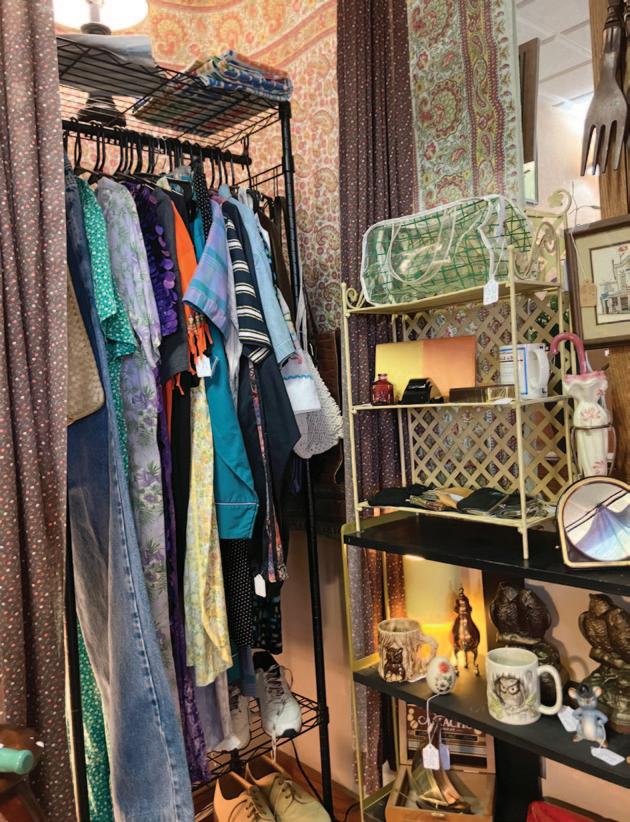
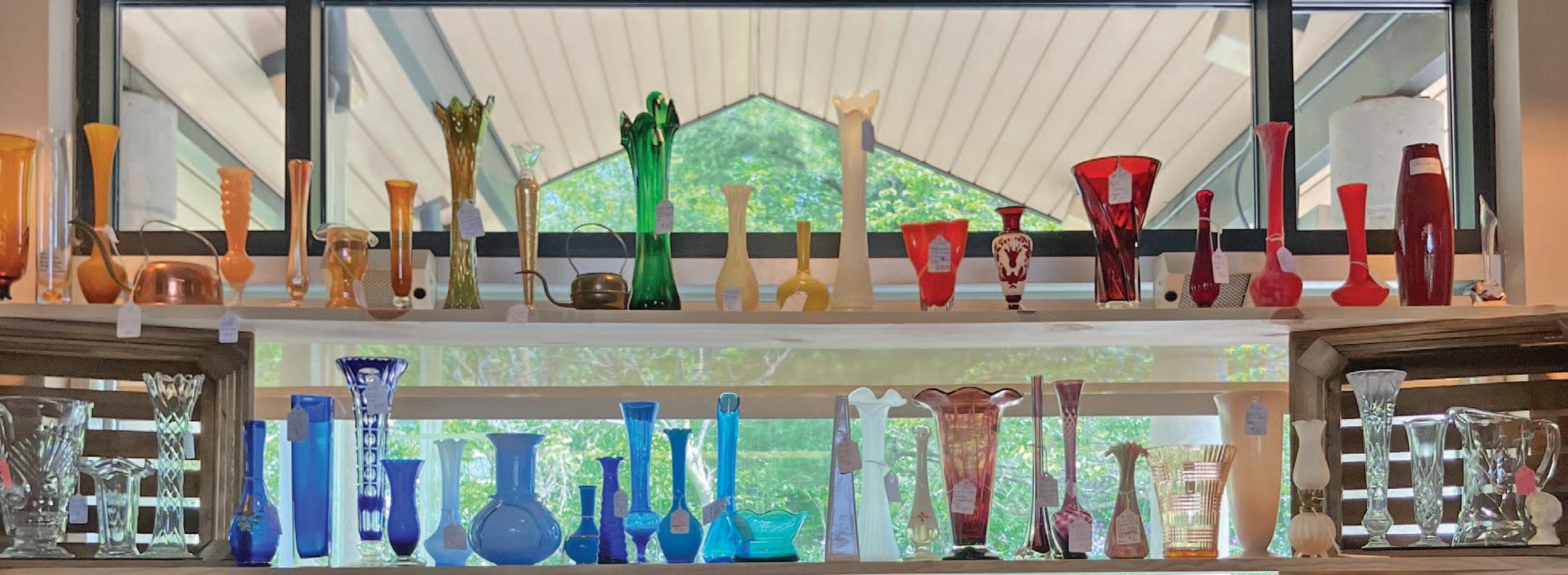
Thirty-two vendor spaces have utilized old teller drawers and windows. Light shines through beautifully colored vintage glassware and bottles. Even live plants curl about to fill window spaces in vintage planters. Who wouldn’t want one living in their home?! The trick, remember, is to keep that succulent alive! Two levels of vintage, carefully arranged to direct one to easily meander about Starlite Vintage, finding that piece of junque to make your heart go pitter pat. There is a variety of wares to tantalize any looker’s tastebuds and eye feasts! From the moment one walks through the door, one knows a
treat awaits!
As one vendor so eloquently explains in the analogy, it’s all in their name, “The Missing Piece”. “It’s like that piece of the puzzle that has been missing. You look and look for it to be able to complete the picture you have been so valiantly working on. When at last you find it, completing the picture, it all comes together.”
Go, complete your picture at Starlite Vintage. I’m betting you will find your vintage treasure to do so!
Starlite Vintage
1001 East Colombia Avenue
Battle Creek, MI 49014
(269)967-8403
Open 12-6, Thursday-Sunday
Cris Bronkema, Mimi’s GigiMigi


Video games are no longer viewed as a hobby or an activity kids do to pass the time. They’re woven into childhood, adolescence, and young adulthood. These devices are becoming a primary means by which people connect, decompress, compete, and cope.
Like most things that stimulate the brain, video games are not inherently good or evil. Their impact depends on how, why, and how much they’re used.
Let’s talk honestly about both sides.
When used intentionally and in moderation, video games can provide a positive pastime.
Online gaming allows teens and young adults to:
• maintain friendships near and far.
• Interacting with peers
• feel part of a shared goal or team
• meet new people.
For some individuals—especially those who struggle socially—gaming can be a bridge to connection rather than isolation (Granic et al., 2014).
Many games strengthen:
• hand–eye coordination
• reaction time
• problem-solving
• strategic thinking
• small motor skills
Fast-paced and puzzle-based games can challenge the brain in ways that promote cognitive flexibility and perseverance (Bavelier et al., 2018).
Video games provide repeated exposure to:
• failure
• frustration
• delayed reward
When guided well, they teach?
• resilience
• emotional regulation
• persistence.
These skills matter far beyond the screen.
While gaming can be enriching, excessive or unregulated use carries repercussions.
Gaming can activate the dopamine in ways like other addictions. Over time, this may lead to:
• loss of interest in non-gaming

• irritability when unable to play.
• sleep disruption
• neglect of responsibilities
The World Health Organization now recognizes Gaming Disorder as a diagnosable condition when gaming significantly interferes with daily functioning (WHO, 2019).
Prolonged gaming, especially competitive or violent games can increase:
• emotional dysregulation
• frustration tolerance difficulties
• anger outbursts when interrupted.
This doesn’t mean games cause anger, but they can amplify underlying regulation challenges (Anderson et al., 2017).
For some teens and young adults:
• Underperforming leads to shame
• Compared to skilled players, it lowers confidence.
• identity becomes tied to online ranking or status.
When worth becomes performance-based, even digitally selfesteem can suffer.
One of the biggest risks isn’t gaming itself, it’s what gaming replaces. Excessive screen time can take away from:
• in-person friendships
• physical activity
• family connection
• sleep
• creative or exploratory play
Humans are wired for face-to-face interaction and movement. Without it, emotional health and social development can stagnate (Twenge et al., 2018).
Balance doesn’t mean banning games.


It means intentional use. Healthy gaming looks like:
• games as part of life, not the center of it
• time limits that protect sleep, school, and relationships
• awareness of emotional shifts before and after playing
A helpful reflection: “Is this enhancing my life, or helping me avoid it?”
Parents can support balance by:
• setting consistent screen-time boundaries
• keeping gaming devices in shared spaces
• pairing screen time with outdoor play, reading, or creative activities
• modeling healthy tech habits themselves
Routine and predictability matter most at this stage.
Support shifts from control to collaboration:
• Create tech contracts (build this together for buy in)
• Discuss how gaming affects mood, sleep, and school.
• encourage sports, clubs, arts, or social activities.
• Teach self-monitoring rather than relying only on rules.
This stage is about skill-building, not just limits.
Young adults often face:
• peer pressure to stay online.
• gaming as stress relief
• blurred boundaries between leisure and avoidance
Helpful strategies include: scheduling intentional offline time prioritizing exercise and social connection
noticing when gaming replaces coping skills.
setting alarms or time blocks for
gaming Balance here requires self-honesty and accountability. How Parents Can Help—Without Power Struggles
Parents don’t need to demonize gaming to guide healthy use. What helps:
• curiosity instead of criticism
• conversations about values and goals
• clear expectations with flexibility
• 5 – 10 minute warnings to sign off
• shared activities that don’t involve screens. Connection—not control—is the most effective regulator.
Video games can be:
• a place to connect.
• a way to unwind.
• a tool for learning
• But they should never replace:
• movement
• real-world relationships
• emotional growth Balance isn’t about perfection. It’s about awareness.
And when gaming starts to take more than it gives—that’s the moment to pause, reassess, and reset. You’re not failing.
You’re learning how to be human in a digital world.
Dr. Julie Sorenson, DMFT, MA, LPC, LMHC
References Anderson, C. A., et al. (2017). Screen violence and youth behavior. Psychological Bulletin, 143(9), 959–1002.
https://doi.org/10.1037/bul0000123
Bavelier, D., et al. (2018). Brain plasticity through video games. Annual Review of Neuroscience, 41, 163–183.
https://doi.org/10.1146/annurevneuro-080317-061923
Granic, I., Lobel, A., & Engels, R. C. (2014). The benefits of playing video games. American Psychologist, 69(1), 66–78.
https://doi.org/10.1037/a0034857 Twenge, J. M., et al. (2018). Increases in depressive symptoms among adolescents. Clinical Psychological Science, 6(1), 3–17. https://doi. org/10.1177/2167702617723376
World Health Organization. (2019). Gaming disorder. https://www.who.int/standards/classifications/frequently-asked-questions/gaming-disorder
home of the brave.
For the past two hundred and fifty years America has been built on the backs of immigrants, our ancestors.
We are so blessed to be Americans, but we often don’t realize how blessed until we hear about how other countries treat their citizens. In truth, it’s why all of us have ancestors who fled their homeland. They left for the dream of a better life to be had here in America. Though it’s been quite some time since our ancestors came here, America continues to be the land of the free and the
My grandparents (on all sides) came over in the late 1800s, roughly one hundred years after the Declaration of Independence was signed, which makes me the second generation to be born American in my family’s bloodline and my parents the first.
I am grateful that my ancestors took that chance to journey here, to this strange new place, because together, with your ancestors, they
helped build a great life for all of us. The sharing of the wisdom they brought with them from their homelands helped elevate our nation in ways we can see and experience from sea to shining sea to this day. Through art and architecture, sewing and science, engineering and advancements, and even formulas and food. There is so much we benefit from to this day thanks to our ancestors who shared knowledge and resources, which reminds me of those old church cookbooks from diverse congregations that would contribute their best
recipes from their homelands, then put them all together into one book to create something great!
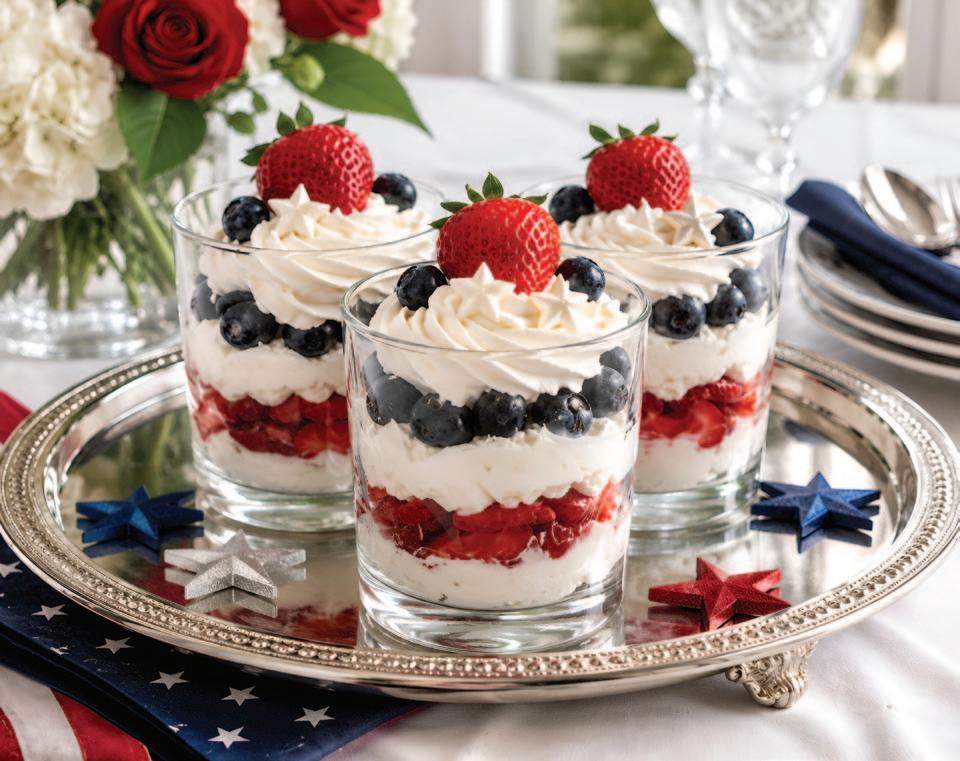
To help celebrate America’s 250th birthday, here now is a plethora of patriotic pleasers featuring Michigan’s fresh flavors that celebrate summer, too. Enjoy and GOD bless America!
Laura Kurella is an award-winning home cook who loves to share recipes from her Michigan kitchen. She welcomes comments at laurakurella@yahoo. com.
½ cup, plus 2 tablespoons, heavy whipping cream
5 tablespoons powdered sugar
2 teaspoons pure vanilla extract
8 ounces cream cheese
8 ounces mascarpone
12 fresh strawberries, sliced 1 cup fresh blueberries
In the bowl of an electric mixer, combine ½ cup of the whipping cream. Add 2 tablespoons powdered sugar and 1 teaspoon of the vanilla. Beat on a medium high setting until soft peaks form, stopping to scrape down the sides of the bowl if necessary.
Remove whipped cream from the mixer and place it in a pipping bag. To mixer bowl add the remaining
heavy whipping cream, cream cheese, mascarpone, and remaining powdered sugar. Whip together on a medium speed, until slightly fluffy. Stop to scrape down the sides of the bowl if necessary.
Assemble the cheesecake parfaits by adding about ¼ cup of the cheesecake filling to the bottom of 4 glasses. Slice 8 of the strawberries and add 2 of the sliced strawberries to each glass. Add another layer of cheesecake then top with blueberries. Finish by topping with whipped cream and a whole strawberry. Sprinkle a few blueberries for a garnish.
Keep chilled until you are ready to serve.


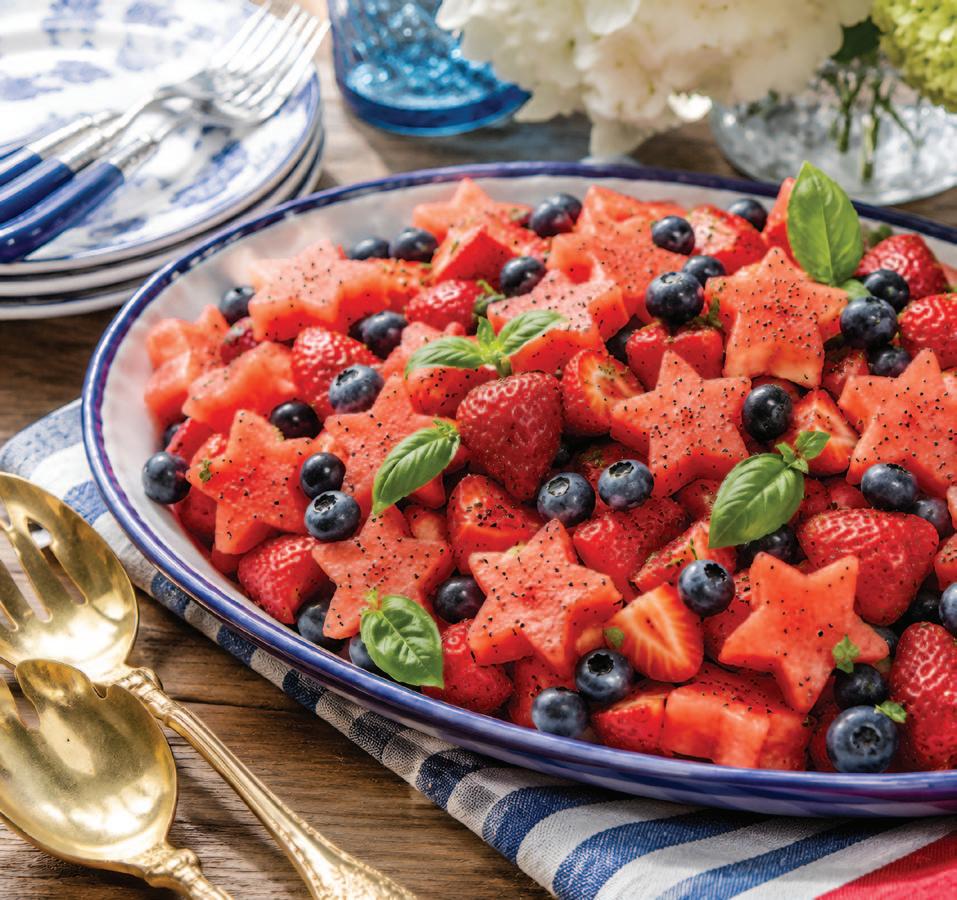
4 cups watermelon, cut into star shapes
2 cups sliced fresh strawberries
2 cups fresh blueberries
3 tablespoons lime juice
2 tablespoons sugar
1 teaspoon cornstarch
1 tablespoon poppyseeds
1/4 cup fresh basil, minced
In a large bowl, combine watermelon, strawberries, and blueberries.
Set aside for a moment.
In a small saucepan over medium heat, whisk lime juice, sugar, cornstarch, and poppyseeds together. Bring to a simmer over medium heat, cooking until mixture is thickened. Pour lime dressing over fresh fruit and toss to coat. Refrigerate salad until ready to serve then toss in fresh basil.
2 limes, juiced
2 tablespoons raw honey
4-5 pears
1-pint blueberries
1-pint raspberries
1-quart strawberries
In a small bowl mix the lime juice and honey until combined. Set aside
Slice pears and use your starshaped cookie cutter to cut stars from
the slices. Soak stars in lemon juice to prevent browning.
Cut strawberries into quarters. In a large bowl combine strawberries, blueberries and raspberries and star-shaped pears. Pour dressing and gently stir. Pour salad into bowl and enjoy or refrigerate until ready to use. NOTE: If not eating right away, do not add dressing until ready to eat.
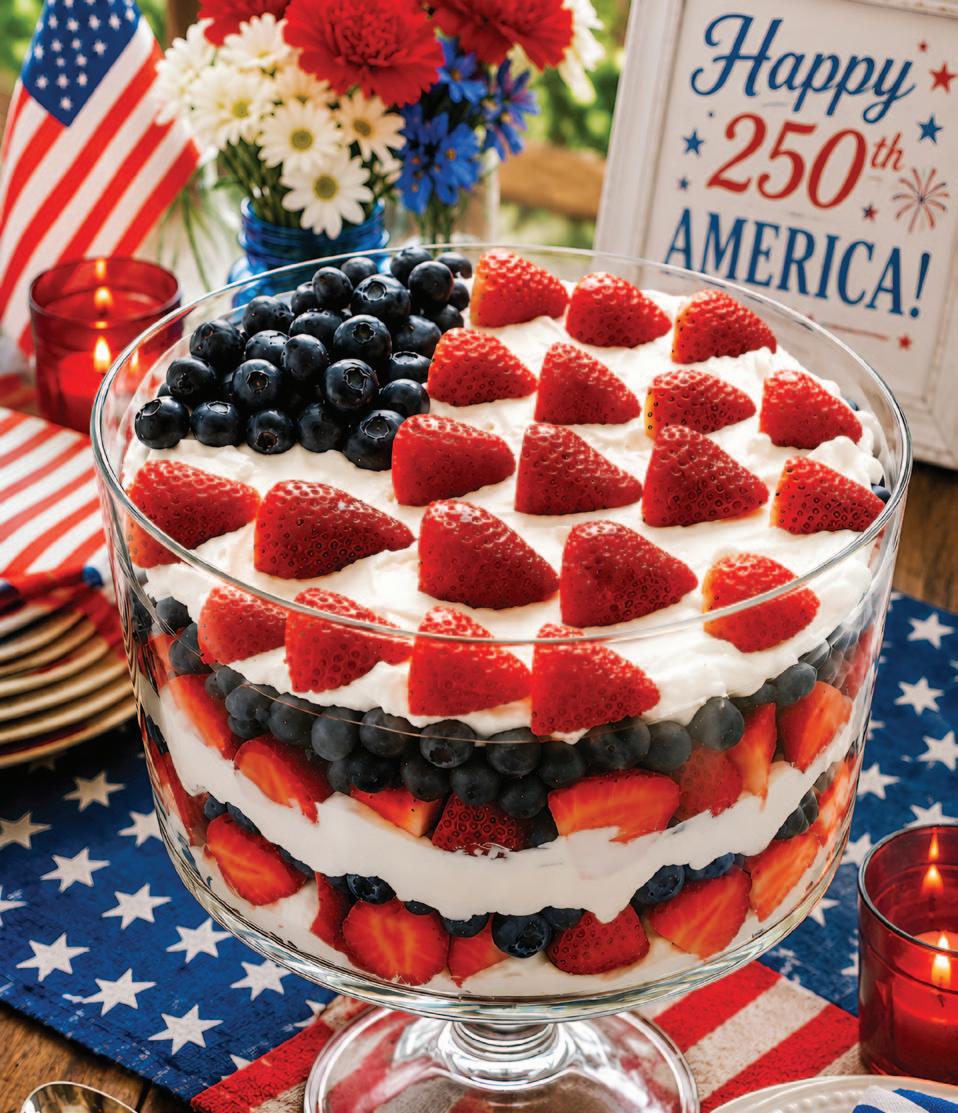
16 ounces each cream cheese, softened
1/2 cup sugar
1/2 teaspoon pure vanilla extract
1/2 teaspoon almond extract
2 cups heavy whipping cream, whipped
2 quarts strawberries, halved, divided
2 quarts blueberries, divided
In a large bowl, beat cream cheese, sugar, and extracts until fluffy. Fold in whipped cream. Place a third of
the mixture in a 4-qt. bowl. Reserve 20 strawberry halves and 1/2 cup blueberries for garnish.
Layer half of the remaining strawberries and blueberries over cream mixture. Top with another third of the cream mixture and the remaining berries. Spread the remaining cream mixture on top. Use the reserved strawberries and blueberries to make a “flag” on top.
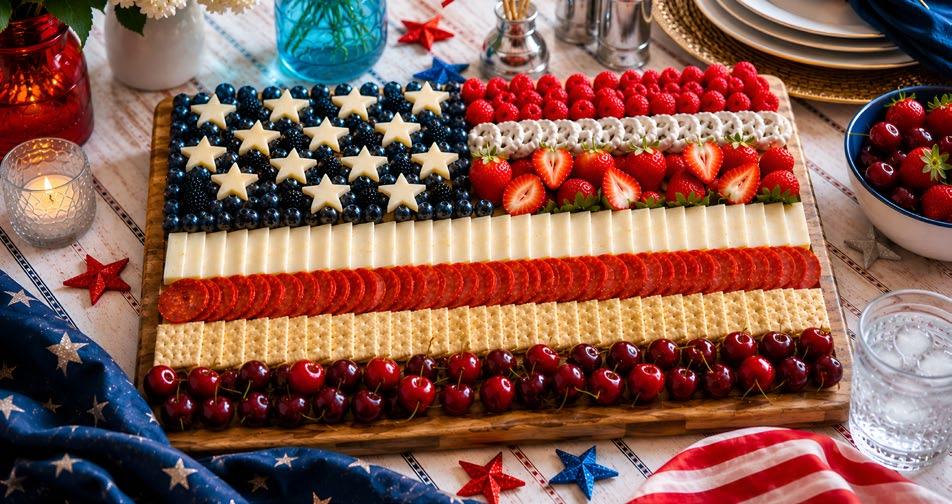
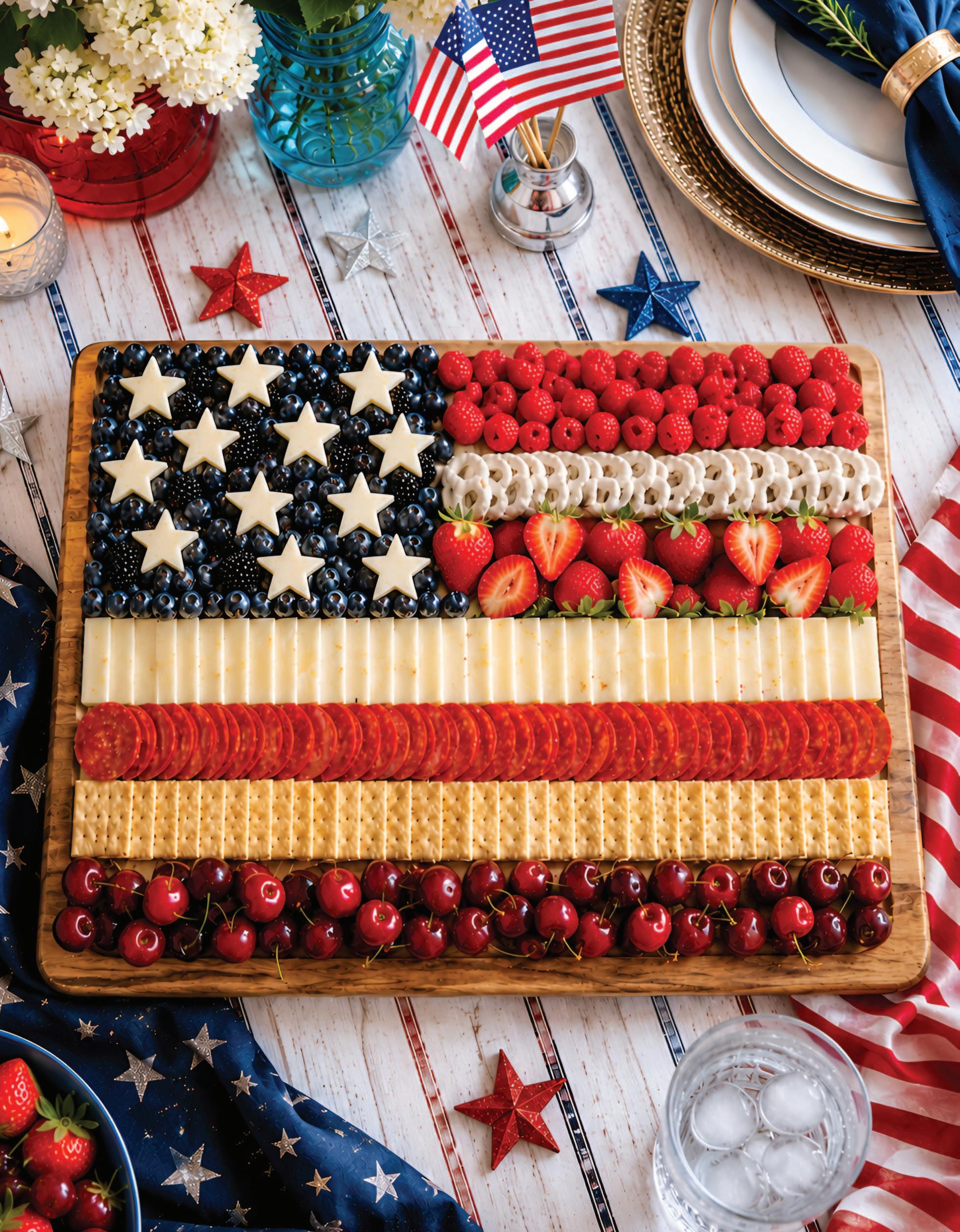
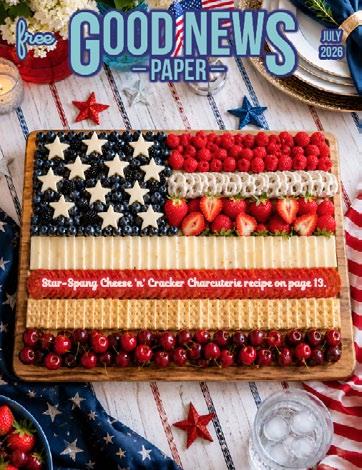
Wash and completely dry all the fruit.
Start by making a horizontal stripe across serving board with cheese slices, halfway down from the top.
Create three more stripes below the cheese using meat, crackers, and cherries.
Create three half stripes above the
cheese using raspberries, pretzels, and strawberries.
Fill in the remaining section with blueberries and blackberries, then top with stars cut from cheese.
Serve immediately or cover and refrigerate until serving (sooner than later is best).

A new nonprofit program is currently launching in Kalamazoo with a mission to ensure that no child misses critical medical care due to lack of transportation.
The Davies Project, a Michiganbased nonprofit that has served families in the Lansing area for more than a decade, is expanding into Southwest Michigan to provide free transportation to healthcare appointments for children with serious medical conditions, expectant mothers, and families with infants in the neonatal intensive care unit (NICU).
The program connects families with trained volunteer drivers who use their own vehicles to provide rides to essential services including medical specialists, physical and occupational therapy, speech therapy, prenatal care, mental health appointments, and autism (ABA) therapy.
Transportation barriers are a significant issue for many families. Seventy percent of children who rely on the specialty clinics are on Medicaid, and they traditionally miss 60 percent of their outpatient appointments.
Studies show that missed appointments due to lack of transportation can delay treatment and negatively impact health outcomes. The Davies Project was created to address this need by providing reliable, no-cost rides so children can receive timely care.
“We want to make sure kids

and expectant mothers get to all over their very important medical appointments,” said Pam Riley Miklavcic of The Davies Project.
“We are excited to bring this service to Kalamazoo and help ensure that children receive the care they need.”
Since its founding, The Davies Project has provided thousands of rides for families facing serious health challenges, helping reduce missed appointments and improve outcomes for children.
The organization is currently






launching in Kalamazoo and is seeking compassionate volunteers to serve as drivers. The role is designed to be flexible, allowing volunteers to choose rides that fit their schedule, even as little as one ride per week. Training and support are provided, and they receive .70 per mile.
Community members interested in volunteering or learning more can visit thedaviesproject.org. “I can’t imagine volunteering for an organization that does more for so many
people in so many ways, at times that are most difficult. I love being a Davies driver,” shared Susan Rothfus. About The Davies Project
The Davies Project is a 501(c) (3) nonprofit organization based in Lansing, Michigan. Its mission is to connect families to resources and community by providing reliable transportation for seriously ill children and pregnant women to essential healthcare.
Amy
Dominguez Volunteer Coordinator
The short answer is yes. Some people find it hard to believe, but common expressions like “gut reaction” or “gut wrenching” give us clues that there is a connection. Our brain communicates with all parts of our body, but our brain and our gut are “best friends.” They talk about all sorts of things, from practical physical matters to emotional ones.
Our brain and digestive system has evolved over thousands of years to help us survive. If we ate the wrong thing, for example, we needed a good alarm system to help us survive. Part of this system is the enteric nervous system which operates in our gastrointestinal (GI) tract. It can gather information about the conditions inside the GI tract, process that information locally and generate a response without sending it back to our brain.
The main link between our enteric nervous system and our brain is the vagus nerve, it being one of our 12 cranial nerves. The vagus nerve mediates various nervous reflexes that operate within our gut like changing conditions or the presence of food.
Believe it or not, the bacteria that live inside our gut are also involved in our gut-brain connection. Gut microbes produce or help produce many of the neurotransmitters that convey messages between our gut and


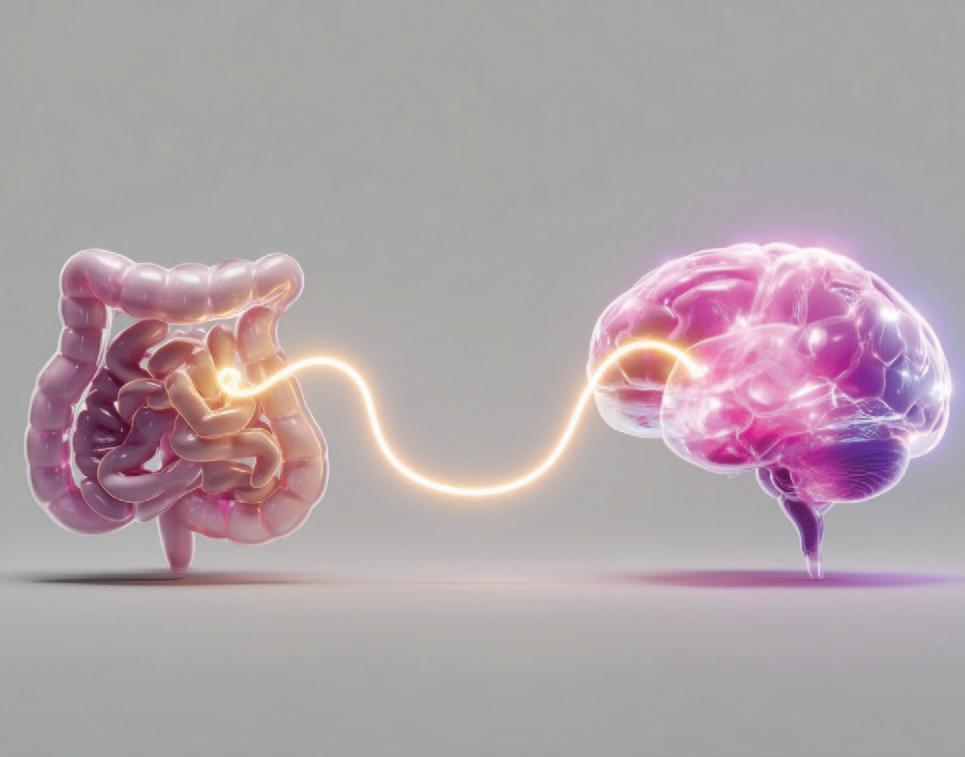
our brain. Recent studies have shown that gut bacteria may be involved in neurological, mental health, and functional gastrointestinal disorders. Functional disorders are those that cause persistent symptoms but don’t have any obvious physical causes.
Some medical conditions or symptoms that might involve the gut-brain axis include: irritable bowel syndrome (IBS), noncardiac chest pain, anxiety and depressive disor-
ders, chronic stress, chronic pain, and chronic anxiety.
There are several ways to manage the health of “gut-brain” connection. The first, of course, is to understand that there is a connection. There are relaxation therapies that health professionals can provide, such as biofeedback and cognitive behavioral therapy.
balanced diet. A good rule of thumb is to eat a wide range of whole foods, emphasizing plants. A varied diet supports a healthy, balanced gut microbiome. Whole foods and plants also pack more nutrition per calorie than processed foods, leaving less room for harmful additives, saturated fats, and sweeteners.
Whole foods offer soluble and insoluble fiber. Most plants have both kinds of fiber, which help keep your bowels regular and feed the healthy microbes inside. They also offer prebiotics and probiotics. Probiotics are live bacteria that live in fermented foods, like yogurt and sauerkraut. Prebiotics are the fibers and complex starches that these bacteria like to eat.
There are also antioxidants which occur naturally in a variety of fruits and vegetables. They help fight free radicals in our body and prevent inflammation. A whole-food, plantbased diet is naturally anti-inflammatory because it reduces sugar, additives, and cholesterol. This helps keep your gut microbes happy, and if they’re happy, chances are, so are you.
Wishing you a happy gut and a reminder to MAKE every day great.
Till next time,
Ken Dettloff ACE



However, one of the easiest places to start is by maintaining a healthy,
Personal and Brain Health Trainer





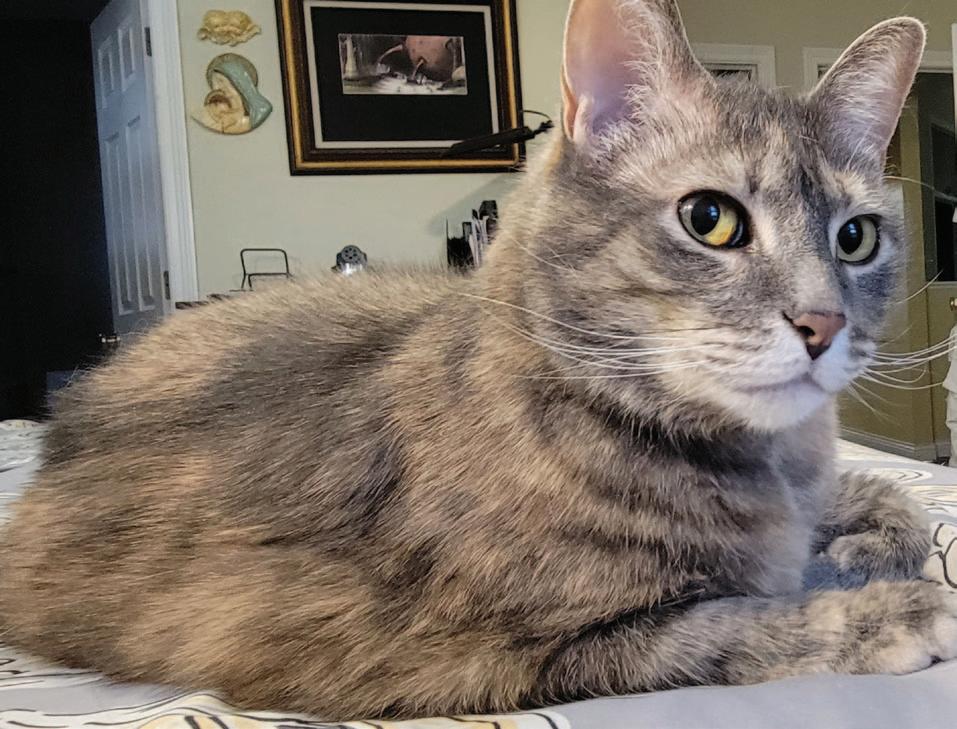
Cats are loyal companions and soul soothers. Over the years we’ve lived with ten different felines, each lovingly quirky, that have shown us unconditional love and vice versa. I can’t imagine life without them, and I look forward to being reunited with them all when I cross the Rainbow Bridge someday.
Here are a few cat adventures we’ve had:
Francine was our cat who went outside on a leash like a dog. One day she decided to explore underneath the new deck. Of course, she wrapped her leash tightly around a center support under the middle of the deck where we couldn’t reach her. Result: We had to take up boards from the new deck to get her out.
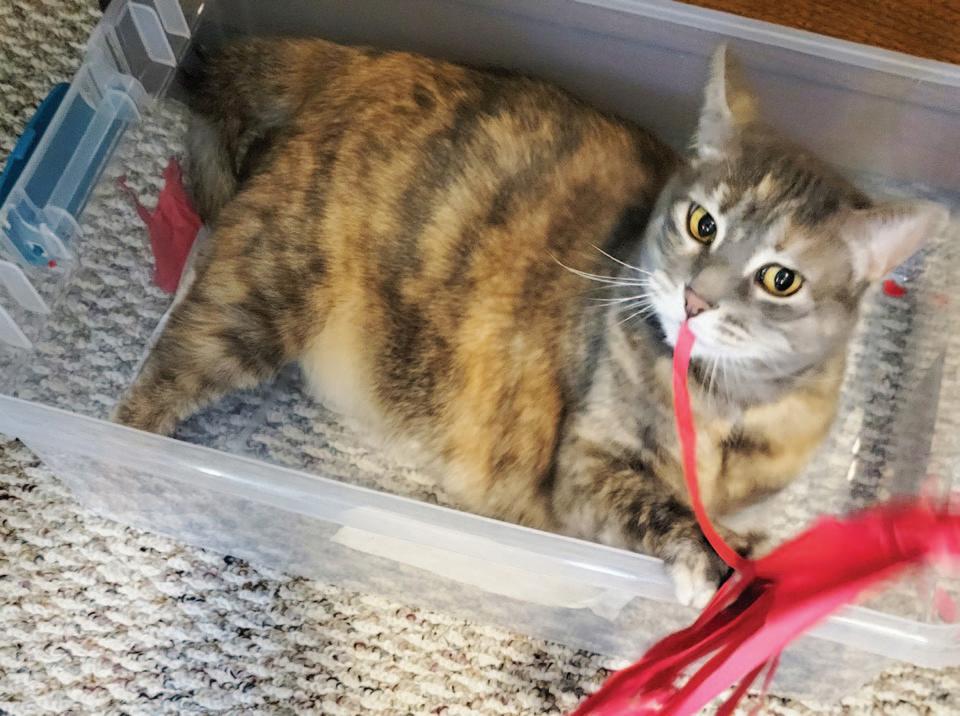
Hazel was an indoor only cat. One night we were awakened by her crying outside. She’d sneaked out via a loose screen. We ran outside wearing our PJs to catch her. When we approached her, she ran onto a neighbor’s lawn. Still in our jammies, we snuck across to the neighbor’s lawn and as we approached, she ran onto a different neighbor’s lawn. We snuck onto that neighbor’s lawn, then guess what? Repeat this for two more lawns! Any neighbor who happened to be up that late saw the Murray’s in their pajamas running from lawn to lawn and loudly whispering, “Hazel! Hazel!”
Scooter the traveler. We bought a new sofa, and they hauled away our old one. Later we realized we hadn’t seen Scooter all day. We thought, NO, she couldn’t have! Sure enough, Scooter had hidden inside the old sofa and rode to the furniture store in the back of their truck. We called the store, and they said they’d check it out. When they opened the truck, Scooter leapt out and ran into a trash filled culvert. The three wonderful delivery guys ran into the wet culvert and rescued her.
CAUTION: Don’t do what I did in the following situation. If you sense anything wrong with your heart, immediately head to the ER or call for emergency services. I was dumb, so don’t do what I did. I believe our cat William saved

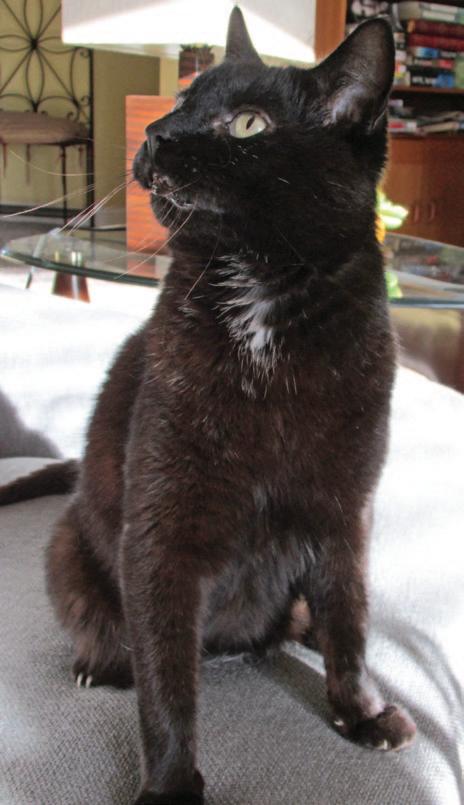
me from harm. I’d been taking a new med and noticed my heart rate seemed to be increasing when I was in bed at night. One night I woke up with my heart really pounding and it wouldn’t stop. As I was getting more alarmed, I heard William jump off his cat tree on the opposite side of our house, race into the bedroom, and then gently step onto my heart. I thought about pushing him off until I remembered that service animals can calm people, so I let him stay. He began turning gentle circles on my heart like a massage and eventually curled up on my chest over my heart. I felt my heart rate slow down until it became normal again. Then William gently stepped off my heart and padded across the house back to his cat tree. I believe he saved me from my first trip to the ER that night.
BTW, I stopped taking that specific medicine.
My advice? Adopt a cat or dog, especially the older more settled pets who may not be as tempted to go on outrageous adventures! Rescued pets never forget who saved them and they’re always grateful. There’s a friend waiting for you at the several local rescues right now – the SPCA, Kalamazoo County Animal Services, ARP, KAR, and more rescues in the area. My cats send you love with a slow blink.
Ann Murray is an award-winning commercial illustrator and author. She has illustrated 8 children’s books and her stories have been in 3 published anthologies.

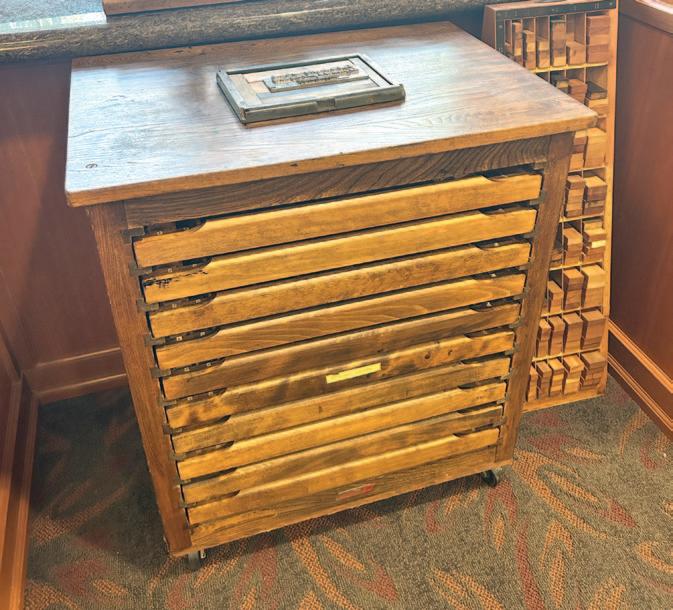
In the back left corner of Kalamazoo College’s Rare Book Room sits a wooden cabinet that, without a second glance, blends into the counters and window sills in the room. However, that cabinet is the grandfather of modern typography: the printing press. It was donated by The Sisters of St. Joseph and brought to K College by its archivist Lisa Murphy. Before this donation, The Sisters of St. Joseph used this press to print obituaries and event notices and was displayed in their History Room.
The printing press itself is a Kelsey & Company Excelsior Mercury model 6x8 made in 1957, and is a moveable type press. “It utilizes a technique known as letterpress
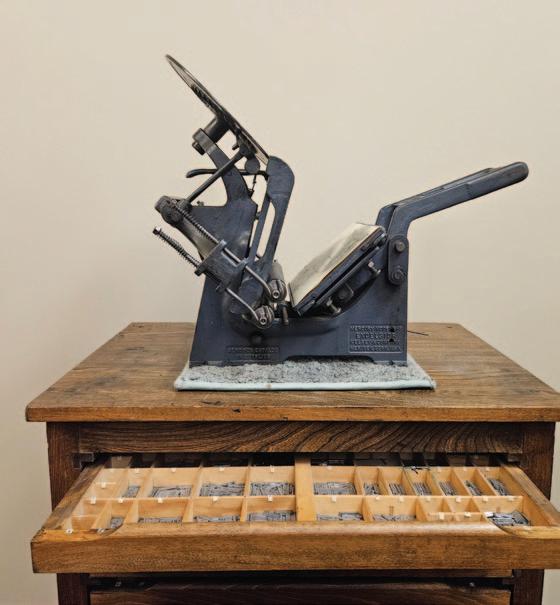
printing,” curator Elena Pulliam said, “which is a method that involves typesetting, or hand-placing individual lead letters, known as moveable type, into a bed or chase. It is then rolled in ink and pressed onto paper.”
This style of printing dates back to the 15th century with the invention of the Gutenberg press, which transformed the culture of Western printmaking. In each of the ten drawers of the press are different sizes and fonts of lead letters. The printer places the necessary words and phrases (backwards) on a composing stick, then transfers the final line in the printing bed which is then surrounded by wooden “furniture”, which is used to
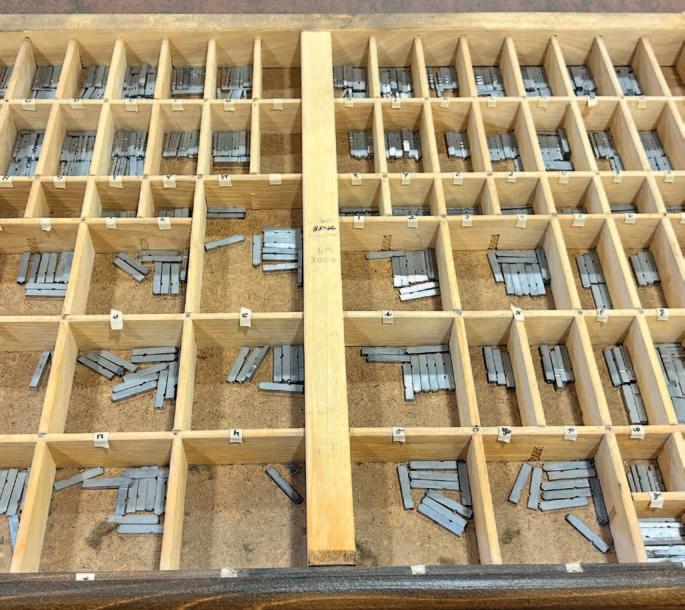
hold the completed type in place. The furniture gets pushed and molded into the chase, then screwed to tighten so that it can be easily moved to the press. “This particular press works by inking the ink table and rollers. As you press the handle, the inked rollers go over the lead type. A piece of paper is placed into the press, and the inked type gets transferred onto the paper, creating the final product. It’s hard to imagine the painstaking labor that was necessary in order to print newspapers and books this way: needing to place each individual letter over and over for each page, then having to repeat this process for dozens—or even hundreds—of pages. Not to mention having to complete


all of this work backwards. This must have required intense focus and skill, and a delicate touch. And I’m sure mistakes were quite costly. Learning about this history reminds me of how grateful I am for modern technology.
The printing press in the Rare Book Room is still operable; previous curators have organized events where students can print pre-made quotes. Pulliam hopes to continue these events.
The Rare Book Room’s summer tours are by appointment only. For further inquiries or to request a tour, contact rarebookroom@kzoo.edu or elena.pulliam@kzoo.edu.
Carson Williams

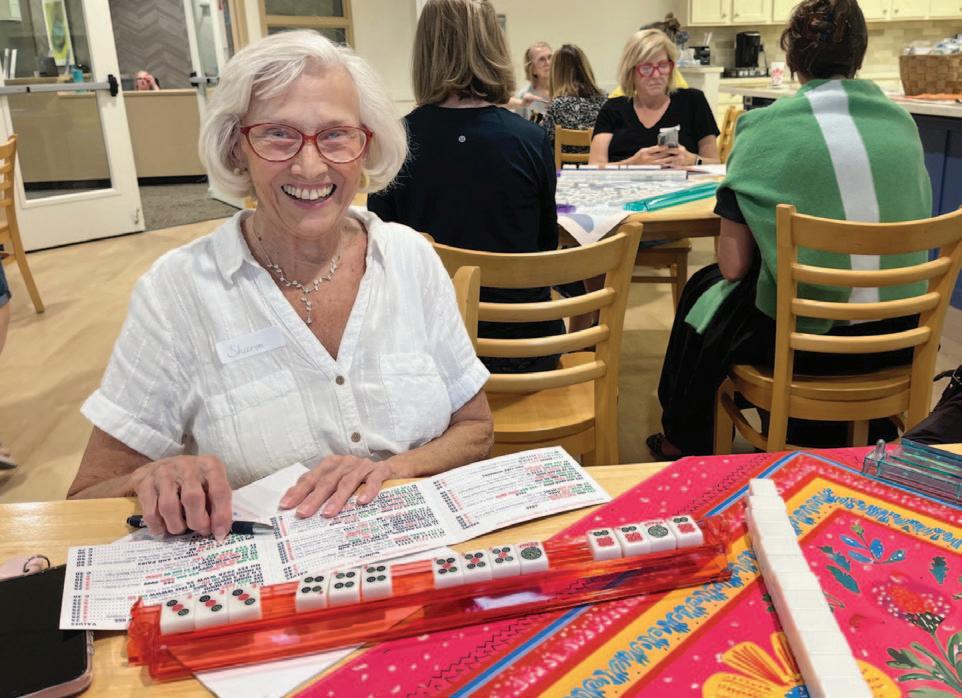
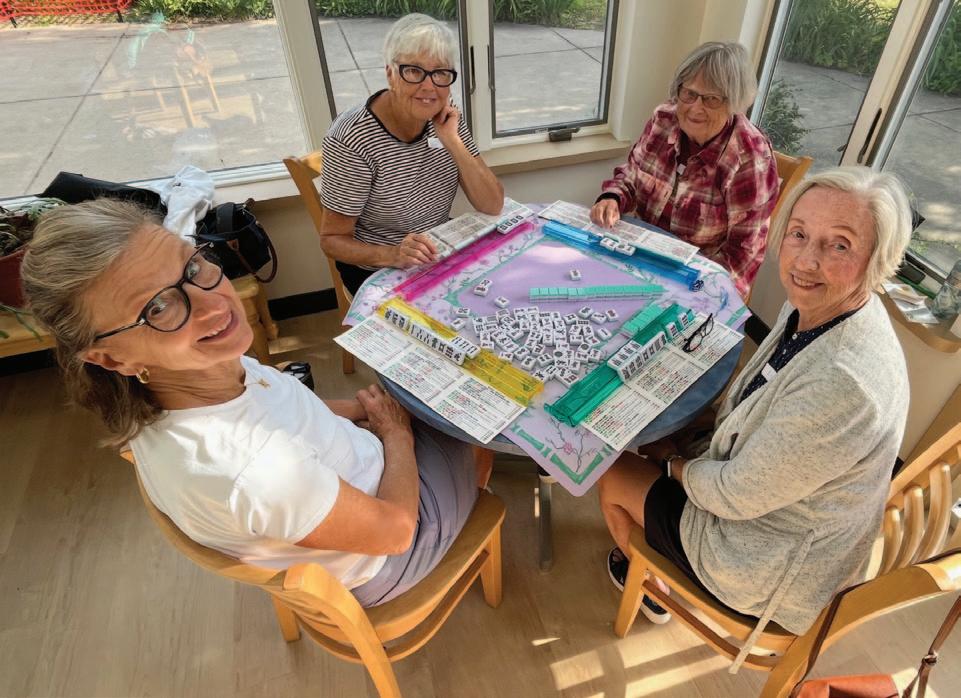
I recently took the opportunity to learn Mah Jongg when it was offered at an Arizona campground clubhouse where we spent several weeks in the winter. This was a rather casual approach to trying something new without any real knowledge of it. I quickly became hooked - it was challenging to learn but I had a great teacher and supportive players. It proved to be a great way to meet other campers and I really looked forward to our tri-weekly games. It also appealed to me because it was individual play so, as a new player, I wasn’t going to let a partner down with a poor decision.
Fast forward to my return to Michigan. Suddenly I was clued in to Mah Jongg being the latest buzz word, at least among my demographic group. It was popping up as a question on my neighborhood Facebook page – “Where can I learn to play Mah Jongg?” – and in casual conversation. I also learned of a few people that played regularly in private settings, but I wasn’t aware of any open local groups. A note about this - Mah Jongg has several acceptable spellings, which may make an internet search challenging. The National Mah Jongg League, which provides the official cards that are required for American Mah Jongg, spells it Mah Jongg but
MahJongg, Mah Jong, and MahJong also are frequently, and interchangeably, used.
In searching for local groups, I ended up connecting with several other women to launch a community group at the Richland Area Community Center. One of them, Amanda Sutherland, started a Facebook Group with help from her sister, Andrea Somer, after having trouble finding local resources. The FB group – One Bam West Michigan Mahjong Club – is an excellent local source of information but they also use their catering backgrounds to pull together open play events with curated tablescapes, food, prizes and great people. I asked them why they felt Mah Jongg is seeing such a recent surge in popularity. Amanda said that it is a way to meet new people and provide connectivity while playing a game with both an element of elegance, tradition, and history. Both agreed that it is a way for people to start reconnecting in person instead of on a screen.
Andrea added that it is a safe space to meet like-minded people and the appeal is not just a stereotypical group of older women but also much younger players and men. On that note, her husband started off being a little resistant but now not only
found himself enjoying the game, but asked if she could find some fishing/ hunting themed tiles!
When I did my own research to explain the popularity of Mah Jongg, the AI reply echoed their responses almost verbatim, stating, “Mahjong has exploded in popularity as people increasingly seek tactile, screen-free analog hobbies that foster deep, inperson community.” It also mentions the connections it provides, the visual appeal, and the “cultural-crossover”. Mah Jongg also leads to interactions in other ways. Amanda has made use of her travel set on cruises. She also pulled it out to play with family members at an airport and it generated the interest of a lot of passer bys. Another local Mah Jongg teacher, Kim Lewis, started learning with neighbors then COVID hit, and the learning turned to on-line instruction and play but they were still able to do live (but virtual) games with each other.
If you have played Mahjong on your phone and matched tiles in domino fashion, you have not played the actual game of Mah Jongg, which has been described as a cross between Poker and Rummy. Mah Jongg uses tiles similar in shape and size to dominos and is a combination of both skill and luck. Although
it originated in China over 100 years ago, it was brought to the states in the 1920’s with regional adaptations made until the National Mah Jongg League developed a standardized set of rules in 1937 for American Mah Jongg. One unique aspect is the tile combinations that make a winning hand change every year, requiring a new card showing those combinations. Since then, there have been other spin-offs, including Marvelous Mah Jongg, a more recent variation created in 2009. This version also requires new cards annually but in different combinations and has been popular locally.
Hopefully you will consider giving it a try – good luck and happy Mah Jongging!
Resources:
One Bam West Mahjong Club (Facebook, resources and events)
Southern Sparrow (YouTube –helpful instructional series)
Richland Area Community Center (weekly drop-in play and monthly lessons, information on Website)
There are also a lot of helpful books and some community centers and libraries occasionally offer lessons.
Deanna Mayo

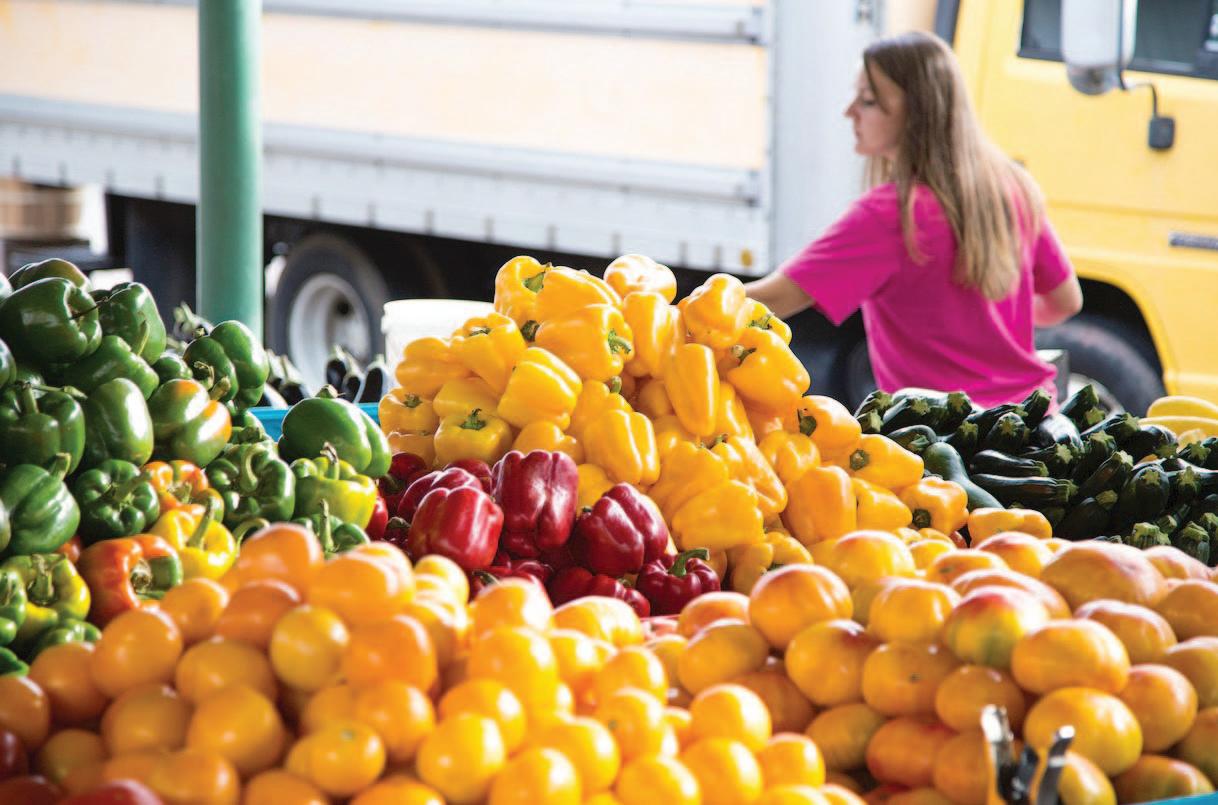
Isn’t summertime just the best?
When I go shopping, whether it’s at the grocery store or at a farm market, there’s such an abundance of beautiful, delicious things to eat in so many colors, sizes, and shapes. Who doesn’t love seeing the multicolored carrots and baby potatoes? Or the berries: blueberries, blackberries, strawberries, raspberries. And they all look so good! It’s easy to get carried away by the sheer variety.
One of the things I’ve noticed over the last few years is the increased availability of organic produce. It’s left me wondering about the labels we frequently see, and I’m struck by how confusing they are. Of course, we all want to eat natural things, grown locally, produced in ways that conjure up an image of “Farmer and Mrs. Brown” meandering out to the backyard, he in his overalls and straw hat, and she in her cotton apron. Of course, they bend over and hand-pick those berries, carefully pull the carrots out of the ground, and snip the fresh lettuce leaves. They then carefully carry them back to the kitchen, where they are rinsed and packaged for their trip (in the reliable old Ford pick-up truck) to the local farm market. Of course, they’ll be sold and eaten within the next day or two. Who doesn’t just love that pastoral fairy tale?
Of course, the reality is much different. For most of the year, virtually all of our produce has been grown thousands of food miles away, either in the south or in the west. As we’ve heard in the media, and maybe noticed at the supermarket, many of the fresh fruits and vegetables we enjoy year-round are grown in Mexico or even farther away. The likelihood that it was produced locally and certainly picked within the last day or so is pretty slim. Summertime offers us a reprieve to enjoy the freshest fruits and vegetables available, perhaps grown nearby.
To be Certified Organic and receive the legally required United States Department of Agriculture (USDA) designation, a food item must pass stringent standards. Products bearing the USDA Organic seal must be certified to contain 95% or more of organically produced ingredients. They must be grown without
genetic modification and without synthetic chemical inputs, including fertilizers and pesticides. Organic farms routinely practice crop rotation to promote soil fertility. They are permitted to use nutrient amendments, such as animal manure and bone meal, to enrich their cropland, but chemicals derived from petroleum products and complex organic processing, are strictly prohibited. Independent third-party inspections, carried out at least every three years, must certify that all requirements are met, and hefty fines are possible for breaches of the mandated practices. Best suited to relatively small plots of land, these methods are an optimal way to produce healthy food, but organic farming is laborious and time intensive. When many of our families had backyard gardens and the time, energy, and desire to select our own seed, till our own soil, and carefully monitor for pests, it might have been how we were fed as children - whole foods in their freshest, most natural state. Even now, in a world of big supermarkets, we Michiganders are especially lucky (as always); our state ranks among the top for the total number of certified organic farms.
According to FoodandWine.com, satisfying the desires of those of us willing to pay extra for organic produce can be profitable, at least from a market-price standpoint. A recent survey suggests that organic produce costs over 50% more than the same items produced on farms that are not organically certified. In markets that use the familiar Price Look-Up (PLU) barcode system to identify produce that can be scanned at checkout, it’s easy to identify what items are organic. Those with UDSA Organic certification have a 5-digit code rather than a 4-digit code, and the first digit is always 9. (If you’re interested in such things, items containing GMO ingredients are also 5-digits and must begin with 8.)
It’s important to note that National Institutes of Health studies, among others, show that organic foods are not nutritionally superior to those grown under less stringent conditions. When washed and prepared correctly, the vitamin and mineral content of produce grown in organic and conventional large-scale opera-
tions is similar. Production costs and sales price are the largest differences, not nutritional value.
The fictitious Farmer and Mrs. Brown, whom I referenced earlier, farming on their 10-acre plot, can achieve organic certification relatively easily. Maintaining these standards is cumbersome, but many people are willing to pay a premium, and for a small farm operation, it is probably cost-effective.
For large-scale agricultural operations, it’s not a simple economic decision. Growing the acres of wheat, corn, and soybeans that make up the bulk of commercial agriculture requires fertilizers and pesticides to achieve the yields needed to produce grocery goods that feed the majority of our population. The economics of agriculture don’t usually allow organic farmers to produce food cheaply enough to meet market demand. According to the United States Centers for Disease Control and Prevention (CDC), only about 10% of US adults meet the recommended daily intake of fresh fruits and vegetables. Most of us get our plant-based nutrients from manufactured sources, such as canned or bottled juices, cereal, protein bars, and frozen, highly-processed entrees. Our busy schedules don’t support a lifestyle that allows us to cook at home and serve dinner around a communal table. Does that mean we shouldn’t try? Absolutely not. Does that mean we shouldn’t try to eat more whole foods more often? Absolutely not. I’m just suggesting that the core reason we eat massproduced food that is cheap in terms of nutritional value, but expensive in terms of cost, is that today’s society demands it.
While some labels indicate adherence to a standard, other popular terms, though they sound honorable, have no significance beyond marketing value. Claims like “natural,” farm-fresh,” and even “locally grown” have no legal significance and can be used without restriction. When these ambiguous terms are used, it may be helpful to ask the seller about the sourcing of their items. A responsible retailer should be able to answer such questions to your satisfaction.
A Michigan program designation I have noticed in my recent
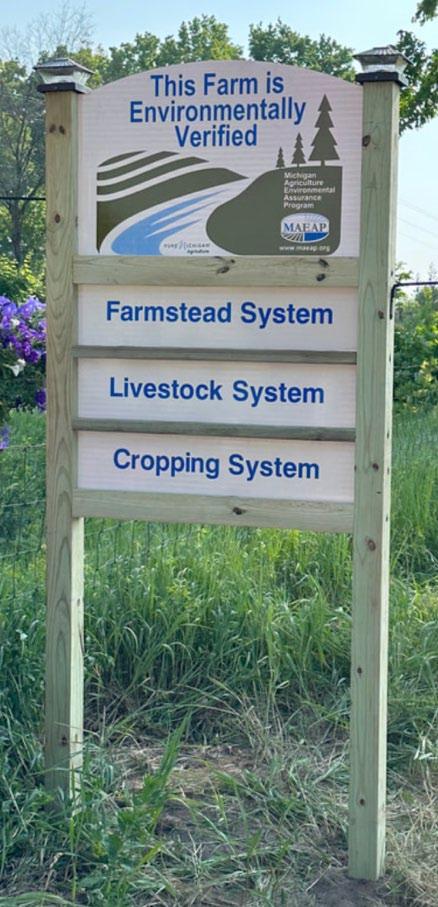
travels is the Michigan Agriculture Environmental Assurance Program (MAEAP). Administered by the Michigan Department of Agriculture and Rural Development (MDARD), this voluntary effort was codified into law in 2011. The designation (developed by MDARD, county conservation agencies, and a coalition of farmers) encourages growers to commit to ambitious standards of agricultural and environmental stewardship. Owners can demonstrate their investment in sustainable farming practices under four categories of stewardship: cropping, farmsteads, livestock, and forests, wetlands, and habitats. The program is confidential and voluntary, but interested landholders are invited to partner with a state-certified technician who will visit the facility and work with the applicant to assess their management practices and develop a plan to address and remediate any potential environmental risks. They will explore recommendations and work together to establish compliance with best practices. Once a third party “verifies” the farm, the owner may display a sign indicating compliance, thereby establishing that the site is a leader in “adopting effective, science-based practices to reduce environmental risks and protect natural resources.” These are the kinds of voluntary, pro-active land management approaches that I hope to see grow and thrive. As you enjoy the abundance our supermarkets and farm stands have to offer in the coming months, you have the opportunity to try new varieties of old favorites, and new-toyou produce. Consider asking questions to learn about our summertime bounty and how those goodies make their way into our kitchens. I’m sure the answers you get will be fascinating!
Cheryl Hach Retired Science Teacher
Kalamazoo Area Math and Science Center

To access references for this article, please scan the QR code.
Through July 26
Exhibit: Black Cowboys: An American Story, Kalamazoo Valley Museum
Through Sept. 6
Exhibit: Dinosaur Explorer Kalamazoo Valley Museum
Wednesday, July 1 & 15, 10-11am Mugs & Hugs: stories, activities & playtime, Vicksburg Library
Wednesdays, July 1,8,15,22,29 Storytime in the Park, 10:3011:15am, Parchment Library
Wednesday, July 1, 3pm Youth Movie: The Good Dinosaur, Families welcome, Richland Library
Wednesdays, July 1,8,15,22,29 Teen Dungeons & Dinosaurs, 35pm, Register: Richland Library
Wednesdays, July 1,8,15,22,29 Free ½ hour of Bowling, Crafted Copper, Kalamazoo, 4-10 pm
Wednesdays, July 1,8,15,22,29, 5-8pm, Cruise-In, Gilmore Car Museum
Wednesdays, July 1,8,15,22,29
Live Music: Beats on Bates Alley, Kalamazoo, 5:30-8:30pm
Wednesdays, July 1
Author Event: Amy Piper, Small Town Michigan, 7pm, Vicksburg Historical Society & Village
Wednesday, July 1, 7:30-9:30pm Patriotic Pops: Music by KSO, Overlander Bandshell, Ptg.
Thursdays, July 2,9,16,23,29 Kalamazoo Farmers Market, 8am-1pm, 1204 Bank St.
Thursday, July 2, 9:30-10:30am Adult Book Club: The Bees by Laline Paull, Vicksburg Library
Thursdays, July 2,9,16,23,30 LEGO Challenge, All day from 10am-6pm, Richland Library
Thursdays, July 2,9,16,23,30 Morning story Time, 10:30am This is a Bookstore & Bookbug
Thursday, July 2,9,16,23,30 Explorers Traveling Story Time, Ages 3-6, 11am, Richland Library
Thursdays, July 2,8,16,23,30 Free Thursdays, 11am-8pm, Kalamazoo Institute of Arts
Thursday, July 2, 4-5pm Adult Writer’s Motivational Group, Vicksburg Library
Thursdays, July 2,8,16,23,30 Teen Dungeons & Dinosaurs, 4:306:30pm, Register: Richland Library
Thursdays, July 2,9,16,23,30 6-9pm Music Bingo, Apoptosis Brewing
Thursdays, July 2,9.16,23,30 Yoga with Talisa, 6-7pm, Bronson Park, Kalamazoo
Thursdays, July 2,9,16,23,30 Mountain Bike Group Ride, 68pm, Fort Custer Trailhead
Thursdays, July 2,9,16,23,30 Thurs. Night Blues Jam, 6-9pm, Shakespeare’s Pub, Kalamazoo
Thursday, July 2, 7-8pm Adult Summer Camp: Team Game Night, Register: Richland Library
Thursdays, July 2,9,16,23,30, 7pm Music Bingo, Shakespeare’s Pub
Thursday, July 2
Concert in Bronson Park: Patriotic Pops with KSO, 8:30pm
Fridays, July 3,10,17,24,31
Sit N’ Stitch, work on your project, 10am- 12pm, Richland Library
Fridays, July 3,10,17,24,31 Family Story Time, 10:15am, All ages, Richland Library
Friday, July 3
Red, White & Blue Snack Tasting, 12-1pm, Vicksburg Library
Friday, July 3, 2-5pm
Tasting History: 1st Thanksgiving, Ages 11-17, Register: Richland Library
Fridays, July 3,10,17,24,31
Artist Meet Up in the Vine, 5:30-8pm, 806 S. Westnedge
Fridays, July 3,10,17,24,31
Music Bingo, 7-9pm, LFG Gaming
Fridays, July 3,10,17,24,31
Live Music @ The Dock at Bayview, 8pm-12am
Saturdays, July 4,11,18,25
Kalamazoo Farmers Market 7am-1pm, 1204 Bank St.
Saturday, July 4
Schoolcraft 4th of July Parade, 11am
Saturdays, July 4,11,18,25
Live Music @ The Dock at Bayview, 8pm-12am
Sunday, July 5,12,19,26
Portage Farmers Market, 9am-1pm, 7900 S. Westnedge
Sunday, July 5 Cars n’ Cones car show, 2pm Frosty Boy, Gull Rd., Kal.
Mondays, July 6,13,20,27
Family Storytime @ Clark Park 10-11am, Books, songs, more!
Monday, July 6, 2pm Bubbleman, Parchment Library
Mondays, July 6,13,20,27
Dinosaurigami, ages 11-17, 3-5pm, Richland Library
Mondays, July 6,13,20,27
Support Group: depression, Bipolar disorder & mental health challenges, 7-8:30pm, Portage Chapel Hill United Method. Church
Mondays, July 6,13,20,27 Piano Karaoke, 7-10pm Old Skool Bar, Kalamazoo
Tuesdays, July 7,14,21,28
Kalamazoo Farmer Market, 8am-4pm, 1204 Bank St.
Tuesday, July 7, 10-11am Red, White & Magic, Maple Lake Amphitheatre, Paw Paw
Tuesday, July 7, 1-4pm
Adult Craft Stitching Group, bring Your project, Parchment Library
Tuesdays, July 7,14,21,28 Youth Author/Illustrator, 2:30 -4pm, Register: Richland Library
Tuesday, July 7
Teens/tweens Dungeons & Dragons, 4-6pm, Vicksburg Library
Thursdays, July 7 & 23, 6-8pm Music Bingo, Zero Non-Alcoholic Bar
Tuesdays, July 7,14,21,28, 7pm Cornhole @ The Green Top Tavern
Tuesdays, July 7,14,21,28 Karaoke, 8:30pm-12am, LFG Gaming Bar
Wed., July 8 – Mon., July 13 Kindleberger Fest, Parchment KindlebergerArts.org
Wednesday, July 8, 3-4pm Family Dino Dance Party, Families Welcome, Richland Library
Wednesday, July 8, 6pm Sharing the Spirit of America Parchment Veterans Memorial
Wednesday, July 8, 6-7pm Summer Author Series: Jonathan Hoffman, Gilbert & Ivy, Vicksburg
Wednesday, July 8, 6-7pm Medicare Planning, Vicksburg Library
Thursday, July 9, 10:30am Youth Fossil Program, grades 1-5, Register: Richland Library
Thursday, July 9, 1-4pm Family Genealogy w/ Vicksburg Hist. Society, Vicksburg Library
Thursday, July 9, 4pm Dig In: Game Night-Jackbox, Ages10-16, Parchment Library
Thursday, July 9, 5:30-6;30pm
Gallery Gathering: West MI Area Show, Kal. Institute of Arts
Thursday, July 9, 6-9pm
Live Music: The Ultimate Michael Jackson Experience, Overlander Bandshell, Portage
Thursday, July 9, 6:30-7:30pm Friends Read Book Club, discuss what you’re reading, Paw Paw Library
Thursday, July 9, 7-8pm
Adult Spooky Stories & Sing-along, Register: Richland Library
Wednesday, July 10
Birds & Coffee Chat on Zoom, Bug-Eating Birds,10am, Register: birdsanctuary@kbs.msu.edu
Friday, July 10
Memory Café- for people with mild dementia & care partners, 10:30am-Noon, Paw Paw Library
Friday, July 10, 11:30am-1:30pm Lunchtime Live, Live music, Games & food, Bronson Park
Friday, July 10, 12-3pm
Mario Kart 8 Deluxe Tournament: Year of Yoshi, ages 11-17, Register: Richland Library
Friday, July 10, 5-8pm Art Hop, dwtn. Kalamazoo
Saturday, July 11, 9am-2pm Friends of the Library Book Sale, Parchment Library
Saturday, July 11, 10am-noon Internet Users group, Paw Paw Library
Saturday, July 11, 10am-1pm Youth & Family Paddle 101, Kayaks & canoes provided, Ages 5+, Woods Lake Park, Kal.
Saturday, July 11, 11am-8pm Black Arts Fest, Bronson Park
Saturday, July 11, 1-4pm Family Card Making class, Register: Vicksburg Library
Monday, July 13, 11am
Kids & Canvas, grades 1-5, Register: Richland Library
Monday, July 13, 6pm
Adult Book Group: Dear Abigail By Abigail Adams & her Two Sisters, Parchment Library
Monday, July 13, 6:30pm Concert: Black Rock Sextet, Kindleberger Park, Parchment
Tuesday, July 14, 10-11am Dinosaur Day with PaleoJoe, Maple Lake Amphitheatre, Paw Paw
Tuesday, July 14, 1-2:30pm Adult Scrabble, Vicksburg Library
Tuesday, July 14
Sigma Wild Soil Presentation, 3-4pm, Vicksburg Library
Tuesday, July 14, Exca-Vacation, ages 10-16 4pm, Parchment Library
Tuesday, July 14, 6-7:30pm Music Bingo, All ages, Paw Paw Library
Wednesday, July 15, 2-3pm
Book Discussion: Learning to See Kalamazoo Institute of Arts
Wednesday, July 15, 3pm
Paleo Joe: dino’s, fossils, more! Family friendly, Richland Library
Wednesday, July 15, 6pm
Sea Shanty Singalong by Ben Traverse, Parchment Library
Wednesday, July 15, 6-7:30pm Blades of the American Revolution, Vicksburg Library
Thursday, July 16 & 23
Art Sparks, grades 1-3, 10:30am, Parchment Library
Thursday, July 16, 6:30pm Story Sips: Searching for Love Ages 18+, Parchment Library
Thursday, July 16
Family STEAM Night, 6-7pm Vicksburg District Library
Thursday, July 16, 6-7:30pm
Singing Citizenship: America’s Anthem, Kalamazoo Inst. of Arts
Thursday, July 16
The Heartbreak Book Club: Lucy Checks In by Dee Urnst 6:30-7:30pm, Paw Paw Library
Thursday, July 16, 7-9pm
Hand Woven Flower Vase, adults, Register: Richland Library
Friday, July 17, 12-3pm
Super Smash Bros. Ultimate Tournament, Register Richland Library
Fri., July 17 – Sat., July 18
Summer Flower Show, Fri 3:30-6, Sat. 9am-3pm, Portage Library
Friday, July 17
Fan Frenzy, ages 10-16, 5pm, Parchment Library
Friday, July 17, 6-9pm
Music: Bourbon Brothers & Friends, Brewery Outre, Kal.
Friday, July 17, 6-9pm
Friday @ Celery Flats: Block Party, Live Music, vendors…
Saturday, July 18, 11am
Adult Chair Yoga, Parchment Library
Saturday, July 18, 11am-2pm
Community Day, Family fun! Kalamazoo Institute of Arts
Saturday, July 18, 1-3pm
Dino Discovery, STEM Challenge, ages 3-6, Richland Library
Saturday, July 18, 8pm Ramona Beach Bonfire: Smores supplies & live music
Sunday, July 19, 2pm MI Railroads & Agriculture
Vicksburg Township Hall
Sunday, July 19
Concert: ultrasonic, 6:30pm Kindleberger Park, Parchment
Monday, July 20
LEGO Club for Kids, 10:30am, Parchment Library
Monday, July 20, 3-6pm Kalamazoo County ID Mobile Unit, Parchment Library
Monday, July 20, 4-6pm Open Roads Bike Repair Workshop, Parchment Library
Monday, July 20
Dinosaur Bubble Safari, 6-7pm, Vicksburg Library
Tuesday, July 21, 10-11am Air Zoo @ Maple Lake Amphitheatre, Paw Paw
Tuesday, July 21
Lego & Duplo Club, 1-2pm & 5:30 – 6:30pm, Vicksburg Library
Tuesday, July 21
Rocks, Minerals & Michigan 6-7pm, Paw Paw Library
Tuesday, July 21, 6-7pm Tuesday at the Races, Bricks & Minifigs, Portage
Tuesday, July 21, 6:30pm Mystery Book Club: To HelVetica & Back by Paige Shelton (adults), Parchment Library
Wednesday, July 22, 3pm Family Magic Show, Richland Library
Wednesday, July 22
Vinyasa Yoga with Alla, 5:15pm, Parchment Library
Wednesday, July 22, 5:30pm Great Waldo Celebration, Gilbert & Ivy, Vicksburg
Thursday, July 23, 10-11am
Adult Fungi Walk @ Kellogg Forest, Register: Richland Library
Thursday, July 23
Teen Survey Social with snacks, 5:30-6:30pm, Vicksburg Library
Thursday, July 23, 6:30pm
Story Sips: Hack to the Future Ages 18+, Parchment Library
Thurs., July 23 – Sat., July 25
Downtown Kalamazoo Summer Sidewalk Sales, starts @ 10am
Thursday, July 23, 10:30am
Youth Animal Art, ages 8-12 Register: Richland Library
Thursday, July 23, 2:45-4:45pm
Teen Break & Bulldog Break, under 18, A safe space for teens, Games, treats, Vicksburg Library
Thursday, July 23, 6-9pm Summer Concert: Mallrats Overlander Bandshell, Portage
Thursday, July 23, 6-8pm Summer Jams: Open Mic Kalamazoo Institute of Arts
Friday, July 24, 1-3pm Bugs in Amber – Create an Amber Fossil paperweight w/ bugs & Amber, Ages 11-17, Register: Richland Library
Friday, July 24, 6-10pm
Summer outdoor movie, Oakwood Neighborhood, 3320 Laird Ave.
Saturday, July 25, 9pm Drive-in Movie: E.T. The ExtraTerrestrial, Ramona Park
Saturday, July 25, 10-11am Prairie Guided Nature Walk, Drake Farmstead Park, Kal.
Saturday, July 25, 10:30am Digging Deeper into Your Family Story, Parchment Library
Sunday, July 26, 12-4pm The Vine Barn Local Market, Kal.
Sunday, July 26 Concert: Zion Lion, 6:30pm Kindleberger Park, Parchment
Monday, July 27
F.A.R.M. Teen Book Blub, 4pm Ages 10-14, Parchment Library
Monday, July 27
LEGO Trivia Night, 6-7pm Bricks & Minifigs, Kalamazoo
Thursday, July 28
Family Board Game Night, 4-6pm, Vicksburg Library
Tuesday, July 28
Walk with A Doc., 6:30-7:30pm Vicksburg Trail @Richardson St
Wednesday, July 29, 1pm Stop-Motion Workshop, ages 8-12, Register: Richland Library
Wednesday, July 29, 3pm
Alex Thomas & Friends Puppet Show, families, Richland Library
Wednesday, July 29, 6pm
Unearth A Story Painting Event Register: Parchment Library
Thursday, July 30 Teen Movie Night w/popcorn, 4-6pm, Vicksburg Library
Thursday, July 30, 6-8pm
The People Speak: A Living Exhibition by Face Off Theatre, Register: Kalamazoo Inst. of Arts
Thursday, July 30, 6:30-7:30pm Between the Lines Book Club: Sharks in the Tim of Saviors, By Kawai Strong Washburn Paw Paw Library
Thursday, July 30, 7-8pm
Adult Summer Camp: Campfire Cocktails, ages 21+ Register: Richland Library
Friday, July 31, 9-10:30am
Ranger Hike: World Ranger Day, Eliason Nature Reserve, S. Trailhead 1614, Osterhout Ave., Portage
Friday, July 31, 10:30-11:30am
Listen Up Audiobook Club: Grandma Gatwood’s Walk by Ben Montgomery, Paw Paw Library
Friday, July 31, 3-4pm
Bentosaurus Bento Box, ages 11 -17, Register: Richland Library